Advertisement

Tecno POVA 6 spotted on FCC & Google Play Console with key features

At MWC 2024, Tecno unveiled the POVA 6 Pro, a Dimensity 6080-powered 5G smartphone that offers a 120Hz FHD+ display. It looks like the brand is now gearing up to launch a vanilla Pova 6 model, as it has been spotted on the Google Play Console, as well as the FCC certification database.
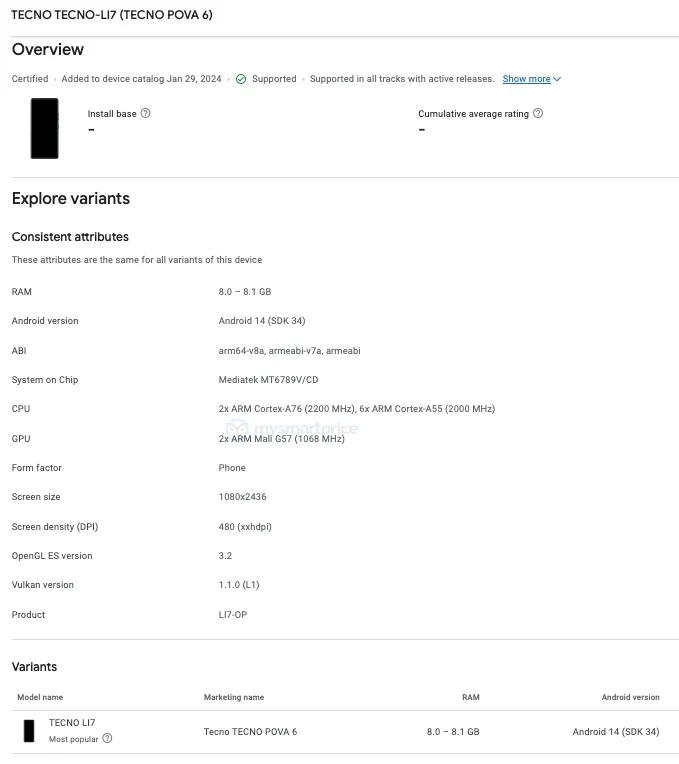
As per the Google Play Console, the TECNO POVA 6, identified by its model number TECNO-LI7 will feature a flat Full HD+ display, offering a resolution of 2436×1080 pixels and a pixel density of 480 PPI.

Design-wise, the device will feature rounded corners, with the power button and volume rockers on the right side. Under the hood, it will feature an octa-core MediaTek Helio G99 SoC, that has a peak clock speed of 2.2GHz, along with a Mali G57 GPU. The smartphone will have 8GB RAM, and it will feature Android 14 out of the box.
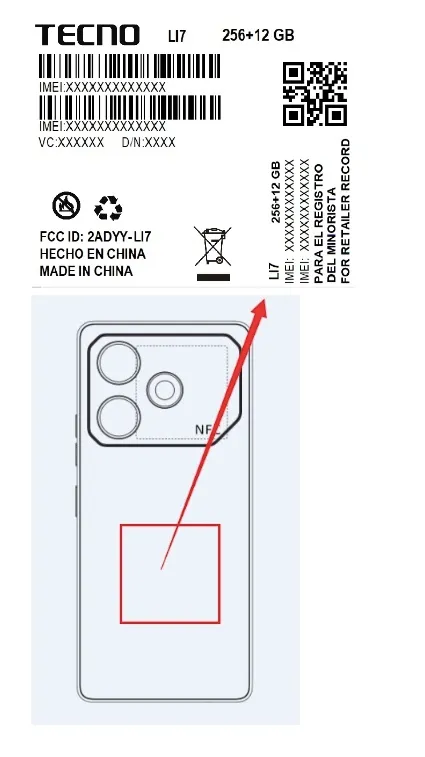
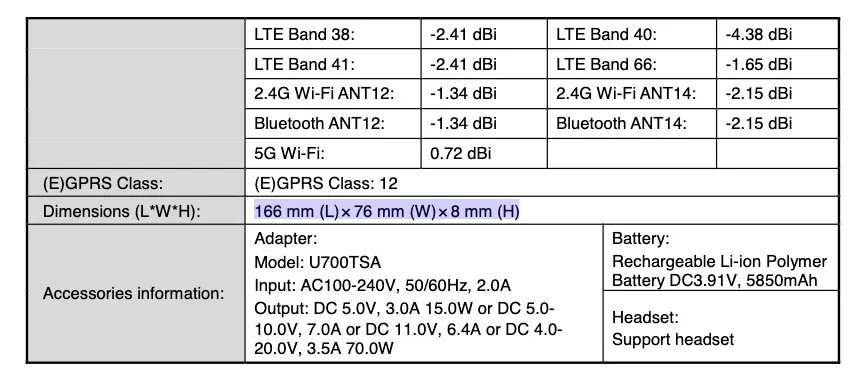
Coming to the FCC certification, the POVA 6 will feature a large 5,850mAh-rated battery along with 70W fast charging support. The schematics reveal that the phone will have a dual-camera setup on the rear, with a circular flash module. The schematic also has 256GB + 12GB written on it, which means that we can expect the device to be available in this configuration.

Some key details like the display type, refresh rate, camera resolution, etc, are still unclear. The POVA 5 which launched last year featured a 6.78-inch IPS LCD Full HD+ display with a 120Hz refresh rate, along with the same Helio G99 chipset. As for the camera, it had a 50-megapixel main camera and an AI lens. So it’s likely that we see some improvements onboard the successor.

RELATED:

Samsung Maintains Foldable Lead in 2023, But Huawei Steals Lead from Samsung in 2024

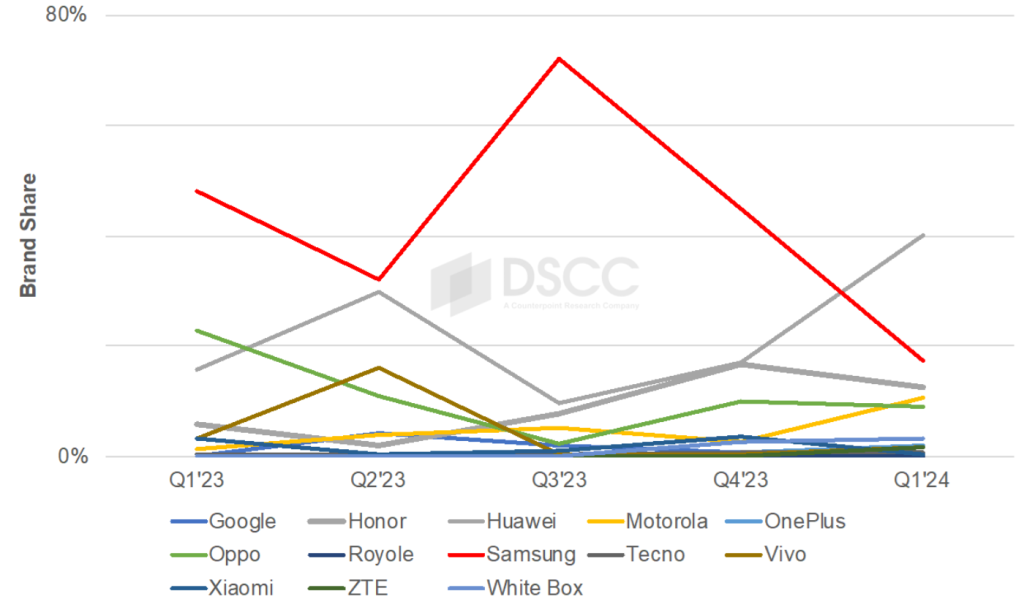
The foldable smartphone market continues to grow. Nearly all major smartphone manufacturers, with Samsung leading the charge, now offer foldable models. There’s even exciting speculation about a slim and lightweight foldable iPhone potentially arriving in 2026. So, how is this innovative sector performing? The latest DSCC report indicates impressive growth, with a 33% increase over last year and Huawei expected to lead in Q1 2024 for the first time. Here are the details…

Samsung Led Q4’23 Foldable Market, Huawei Expected to Lead in Q1’24 for the First Time

The foldable smartphone market surged by 33% in the last quarter of 2023, reaching 4.2 million units. Samsung, despite the Galaxy Z Flip 5 and Z Fold 5 underperforming, remains the market leader. However, the South Korean manufacturer faces increasing competition. Both Huawei and Honor saw significant growth in Q4 2023. If this trend continues, experts believe Huawei could overtake Samsung as early as the first quarter of 2024.

Currently, the top selling smartphone market sees strong representation from various brands. Samsung holds four spots, while Honor and Oppo each claim two. Huawei and Xiaomi round out the list with one model apiece. While Samsung’s Galaxy Z Flip 5 reigned supreme last quarter, Huawei’s Mate X5 and Pocket 2 aim to steal the crown in the first quarter.

It’s worth noting that Samsung was the first major manufacturer to introduce a foldable phone, achieving a significant milestone. However, their overall performance seems to be faltering, as they recently lost the title of the world’s largest smartphone manufacturer.

A potential stumble by Samsung could lead to a 105% surge in Huawei sales. However, the upcoming Z Fold 6 and Z Flip 6 from Samsung might turn the tide. While Chinese manufacturers offer a wider range of models at various price points, giving them a long-term edge, only time will tell who wins the race. These are, of course, just predictions, and the outcome will be clear within a few weeks.

RELATED:

The Video Upgrade You Didn’t Know You Needed? It’s from OnePlus

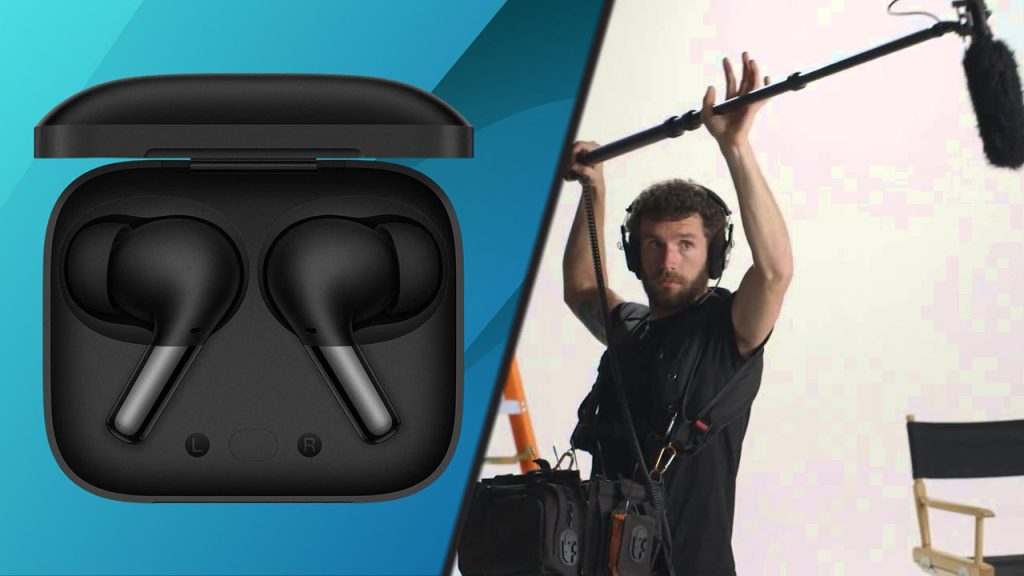
OnePlus is expanding its product range. They already have successful smartphones, TWS headphones, and smartwatches. Now, rumors hint at new features for these devices to attract even more customers. In line with this, OnePlus is reportedly developing a new ‘Headphone recording’ feature for its earbuds.

This feature will allow to capture audio directly through their earbuds while shooting videos, potentially reducing their reliance on external microphones for content creators. Here are the details…

OnePlus Developing “Headphone Audio” Recording Feature

Most smartphones, including iPhones, rely on the built-in microphone (the small hole near the camera) to capture audio during video recording. This means there’s no native way to use headphones like AirPods for sound. OnePlus is working on a new feature that might change this. It would allow users to record audio directly through the microphones in their headphones.

OnePlus Sound recording

While details are scarce because the feature is in development, there are hints of noise-cancellation capabilities. This could significantly improve audio quality in noisy environments, especially for content creators on platforms like YouTube, Instagram, and TikTok.

These creators often use additional wireless microphones alongside their phones, requiring extra editing to combine the audio with the video. With OnePlus’s potential headphone recording feature, they could ditch the extra equipment, saving time and money.

RELATED:

(via)

Oppo Find X7 Ultra takes Number 1 spot on DxOMark smartphone camera rankings

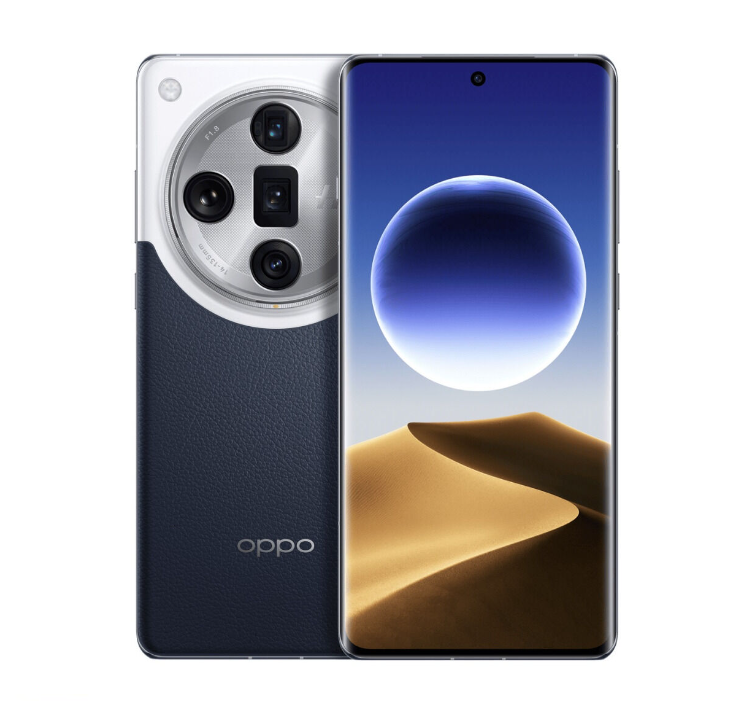
Earlier this year, Oppo debuted its flagship Find X7 Ultra smartphone in its domestic Chinese market. While the phone hasn’t been officially released globally, DxOMark, a commercial benchmarking company based in France, conducted camera system tests on the device, ranking it as the top performer in the ultra-premium category.

OPPO Find X7 Ultra

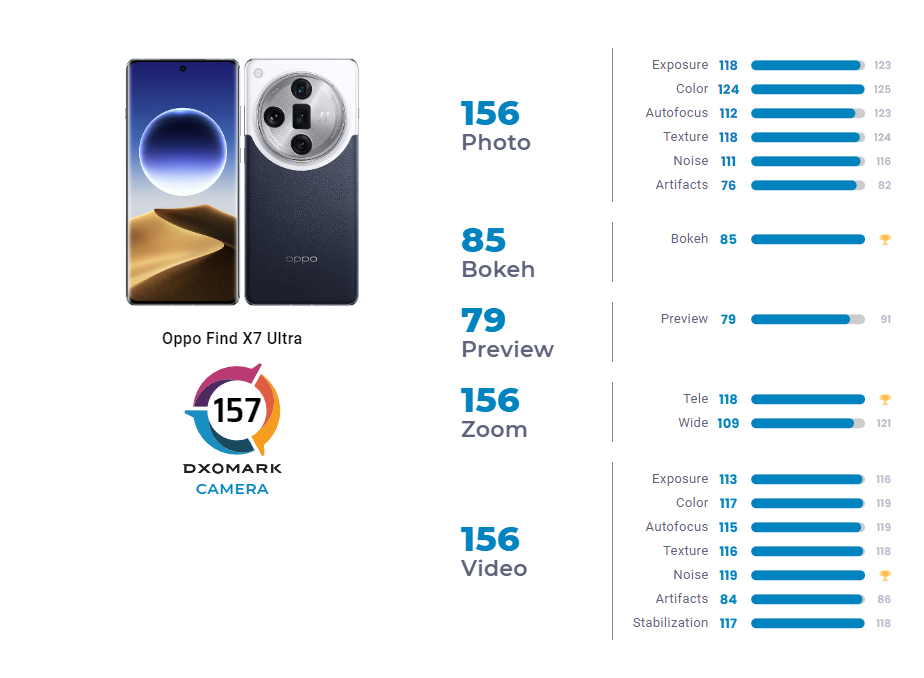
The Oppo Find X7 Ultra got a total score of 157 on DxOMark’s camera test, which has it tied up with the Huawei Mate 60 Pro+ for the number one position. The device outperforms all competition in criteria like Bokeh photography (85 points), telephoto zoom (118 points), and visual noise in video mode (119 points).

OPPO Find X7 Ultra DxOMark

As per the reviewers, the Oppo Find X7 Ultra excelled in portrait capture, offering natural colors and high detail in various conditions. Equipped with a 50MP main camera featuring a large 1″ sensor, it delivers natural-looking images with low noise. Its dual periscope tele zoom cameras offer exceptional detail from 3x to 6x zoom and beyond. Bokeh images in portrait mode show accurate subject isolation and vibrant colors. Despite not using HDR in video, it produces excellent output with accurate exposure and wide dynamic range.

Testers found it ideal for capturing vivid colors and natural skin tones, freezing motion effectively. In low light, it performs impressively with revealing shadow detail and minimal noise, matching the low noise levels of the iPhone 15 Pro Max in both photo and video.

You can check out the comprehensive review of the camera system by visiting DxOMark. While the phone is not officially available outside of China, you can get it shipped to your doorstep via Giztop.

RELATED:

Apple Announces Two New R&D Labs in Shanghai and Shenzhen (China)

Tech giant Apple is making another big move in China, as the company looks towards boosting its R&D presence in the region. Apple is clearly aware that it is facing challenges in the Chinese market, but it also seems to be aware of the opportunities the market presents.

The lab is expected to be up and running later in 2024

The company is pouring resources into its existing applied research lab in Shanghai. This facility focuses on improving the materials and construction of Apple products and components, aiming to ultimately enhance the quality and performance of their devices. On the other hand, a brand new applied research lab is under construction in Shenzhen, another major Chinese city. Expected to open later in 2024, this lab will serve several purposes, including supporting employees and fostering closer collaboration with local suppliers – which will in turn strengthen the link between Apple and Chinese manufacturers. The lab will offer advanced research facilities for employees in the region, while also contributing to improved testing capabilities for flagship products like the iPhone, iPad, and Apple Vision Pro.

Apple logo

Isabel Ge Mahe, Apple Greater China, talked about the company’s growing dedication to R&D in the region, stating that over $139 million has already been invested in applied research labs within China. Not only that, the number of Apple R&D staff in China has doubled over the past five years.

While Apple faces strong competition from local smartphone vendors like Huawei, this expansion is a clear sign that the company has no intentions of giving up easy, especially in a market that holds a lot of long-term potential. The upcoming opening of Apple’s eighth Shanghai store, Apple Jing’an, further emphasizes their commitment to expanding their retail footprint in China. Local retailers have been offering sizable discounts on Apple’s iPhones to keep the sales up, and it seems to be working so far. Time will tell if Apple can keep the hype up and running in the Chinese tech scene.

RELATED:

(Via)

Samsung Will Not Offload Millions in Aging Chip Manufacturing Equipment Due to US Fear

Samsung is undoubtedly one of the world’s largest technology companies. Its diverse product range sets it apart from competitors. The South Korean manufacturer produces smartphones, tablets, headphones, televisions, and robot vacuum cleaners. They also manufacture screens, batteries, and semiconductor chips.

This allows Samsung to sell products to both consumers and businesses like Apple. However, recent claims suggest Samsung is holding onto even old chip making equipment due to concerns about US sanctions. Here are the details…

Samsung Holds Back on Selling Old Tech, Citing US Sanction Worries

Tech companies often want to be sustainable and use resources wisely. So, they upgrade their production lines with new equipment. Instead of scrapping the old machines, they sell them. This helps them update their factories and make use of what they already own. However, companies like Samsung and SK Hynix have recently stopped selling old chip-making equipment, due to worries about trouble with the United States.

Samsung USA

The reason behind this decision is the concern that these components might somehow reach Russia and China, countries subject to US embargos. Although both companies are cautious, there are instances where their products have found their way into restricted markets. For instance, a few months ago, SK Hynix chips used in the Huawei Mate 60 series caused issues, prompting the company to issue a statement.

Certainly, there are no legal sanctions for products provided to the right sellers. However, as the presidential election approaches, producers seem hesitant to take any risks. This situation leads to unique problems; some producers spend millions just to store old machines. Additionally, manufacturers like Huawei could lag behind in competition if they cannot access modern technologies.

RELATED:

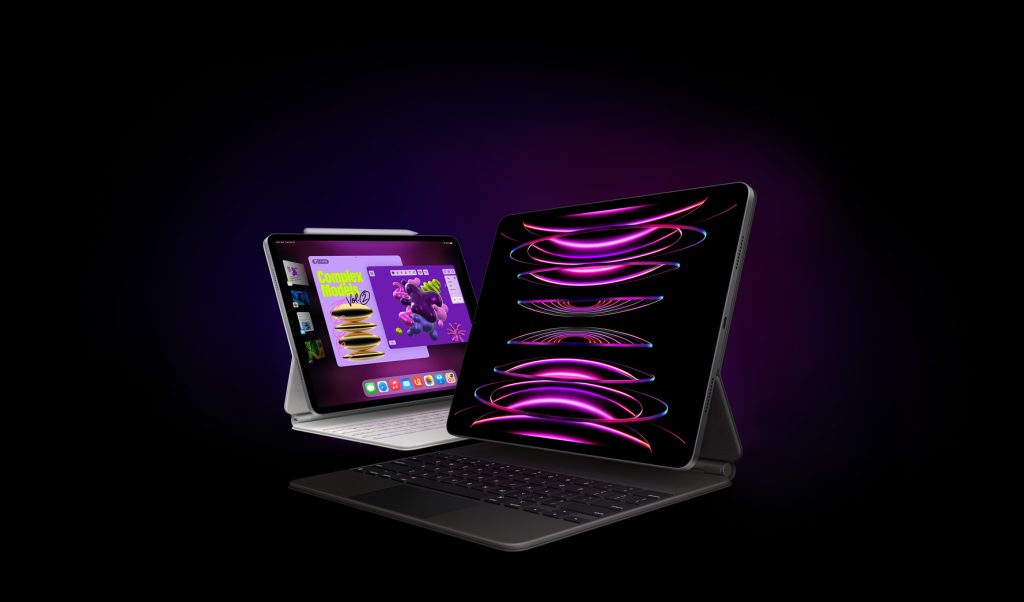
New iPad Air, Pro, And Accompanying Accessories May Arrive By March End Or Early April

Apple announced the new MacBook Air M3 last week. Up next, the Cupertino-based tech is expected to unveil new iPads. This could happen later this month or early April as per Bloomberg’s reliable analyst Mark Gurman in his latest Power On newsletter. The launch timeline seems to fall in line with past reports. Rumours point towards Apple refreshing the entire iPad lineup. 

New iPads are just around the corner

Apple-iPad-Pro

Last year marked the first time Apple did not announce a new iPad model. Gurman reports that the company could launch the iPad Pro and iPad Air tablets by the end of this month or early April. The analyst expects Magic Keyboard and Apple Pencil accessories for the tablets to tag along as well at the same time. A special build of the iPadOS 17.4 for the upcoming devices is also on the cards. 

Apple may announce the new iPads and accessories softly via press release as it did with the MacBook Air M3. No dedicated launch event is expected. Both the Pro and Air lineup will include two models. Speculations are rife that Apple will announce a larger 12.9-inch Air model. The next-generation iPad Air is expected to be powered by an M2 processor. 

Meanwhile, the 2024 iPad Pro is rumored to pack major upgrades. It will reportedly boast an OLED display, thinner design, slightly larger dimensions, M3 chip, and MagSafe charging support. Both the upcoming iPad Air and iPad Pro tablets are also tipped to feature a landscape FaceTime camera. 

Related:

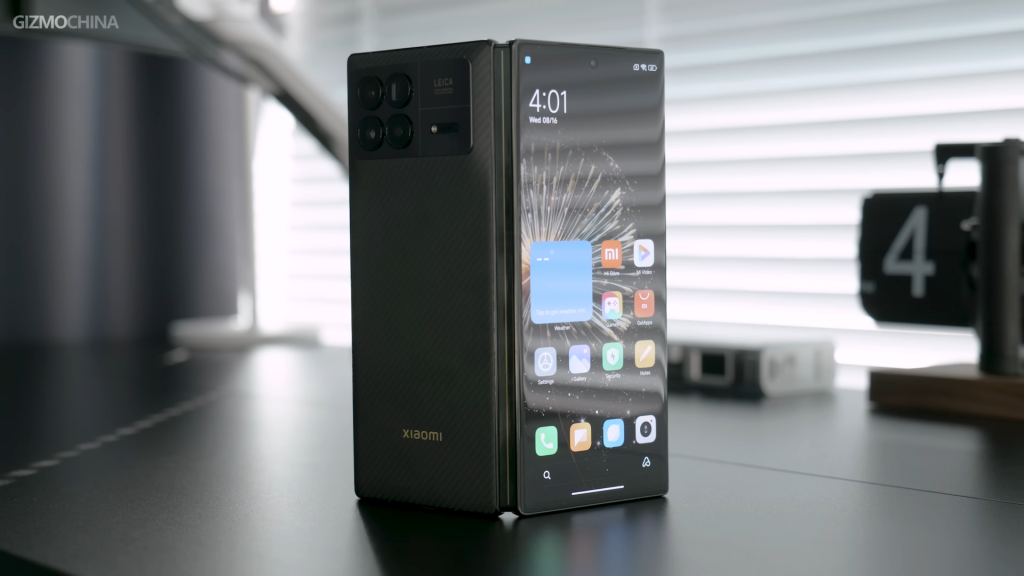
Xiaomi Mix Fold 4 leak reveals storage, battery, fast charging & other details

Xiaomi is working on the Mix Fold 3 smartphone, after debuting the Mix Fold 3 foldable smartphone back in August 2023. So far, reports have revealed some key details about the device, like the chipset onboard as well as the camera configuration. Now, tipster DCS has shared more details about the foldable.

Mix Fold 4 specs leak DCS

As per the Weibo post (via @ZionsAnvin), the Xiaomi Mix Fold 4 will come with a stronger body and hinge, increasing its lifespan. The new hinge will also result in reduced crease on the folding screen. Internally, it will feature 16GB RAM and 1TB of storage. From previous reports, we know that it will feature a Snapdragon 8 Gen 3 chipset.

The battery onboard will have 5000mAh+ capacity, paired with 100W fast charging. For comparison, the Mix Fold 3 has a 4800 mAh battery with 67W fast charging so these upgrades will be quite significant. The tipster also claims that the device will feature a 50MP main camera, a new periscope lens, and other cameras. The previously reported satellite connectivity will enable two-way communication.

Moreover, the Mix Fold 4 will reportedly feature an IP rating, which was missing on the Mix Fold 3. It will also have a custom x-axis linear motor for improved haptics and will weigh between 220g -240g, likely depending on the material used for the back panel.

The last two Mix Fold series smartphones from Xiaomi were launched in August, so, likely, the Mix Fold 4 could also debut around that time. More details are expected to be revealed in the future, so stay tuned for updates.

RELATED:

Circle to Search Expands To The Pixel 7 Series 

Google recently announced Pixel Feature Drop for March with a bunch of new features. One of the most interesting feature that was announced two months ago is now coming to the older generation Pixel smartphones. By older, we mean the Pixel 7 and 7 Pro. The feature is none other than the Circle to Search that is already available on the Pixel 8 series. 

Circle to Search expands to the Pixel 7 series 

Circle to Search Exclusive to Google and Samsung

Google confirmed in an official blog post that the March Pixel Drop will include Circle to Search for the Pixel 7 and 7 Pro. However, as usual with software updates, they take some time to reach all units. The Circle to Search feature on the Pixel 7 duo seems to be a server-side switch which was also the case with the Pixel 8 series last month. 

The feature was spotted by Reddit user on their Pixel 7 Pro running the Android beta build. Android Police also did their own investigation and found Circle to Search working on their Pixel 7. Their unit was running on a stable Android 14 version with a February security patch and 2024 January Play System update. The folks at the publication report that the feature became available after updating the Google app to the latest beta build which falls in line with the Reddit user’s experience. Additionally, switching back to the stable build of the Google app also enabled Circle to Search indicating the beta version might have triggered the availability. 

Hence, if you’re yet to receive the Circle to Search feature, it’s recommended to keep the Google app updated to the latest version. You can find out its availability by long pressing on the home button or navigation bar on their devices.

Related:

Google Pixel 8 series finally gets support for display output via USB-C

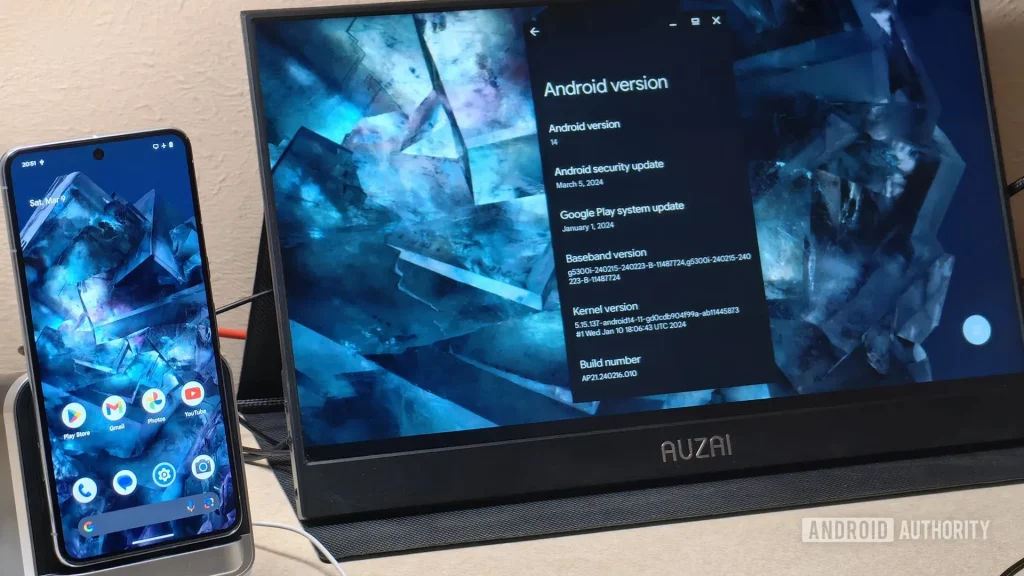
Pixel devices have lacked the support for display output via USB-C for years. Now with the Android 14 QPR3 Beta 2 update, Google has finally enabled DisplayPort Alternate Mode on the Pixel 8 and Pixel 8 Pro. It enables you to cast your phone’s display on a bigger screen.

Android 14 QPR3 Beta 2 enables DP Alt. Mode on Pixel 8 series

Image: AndroidAuthority

Although most of the Pixel devices from the past have offered USB-C 3.1 or above (the hardware requirement to transmit video via the USB-C port) Google has kept the feature disabled up until this point. Back in October last year it was possible to use the feature on Pixel 8 through projects like GrapheneOS. Now Google has finally baked the feature to a stage where you don’t need to modify the system to use DisplayPort Alternate Mode.

When you connect your Pixel 8 or Pixel 8 Pro to an external display, a prompt should pop up asking whether you’d like to mirror to an external display. if you go ahead, the contents of your smartphone screen appear in the middle of the monitor with the wallpaper filling the rest. Reportedly, a revamped “Desktop Mode” interface is under development and is currently hidden behind flags. Meanwhile, older Pixel devices can still enable and use this DisplayPort feature through Magisk module. The process involves installing Magisk Manager, downloading the DisplayPort Magisk Module, and flashing it via the tool. You reboot the phone and you should be good to go.

Notably, Samsung devices with the required hardware have had this feature since 2017. It is called Samsung DeX and offers a more desktop-like interface. Besides the use of USB-C, Samsung has even managed to transmit the data wirelessly, making it even more appealing to one who needs it. Android’s built-in desktop mode has reportedly been under development since Android 10. When or whether Google will offer an equivalent still remains a question.

Related:

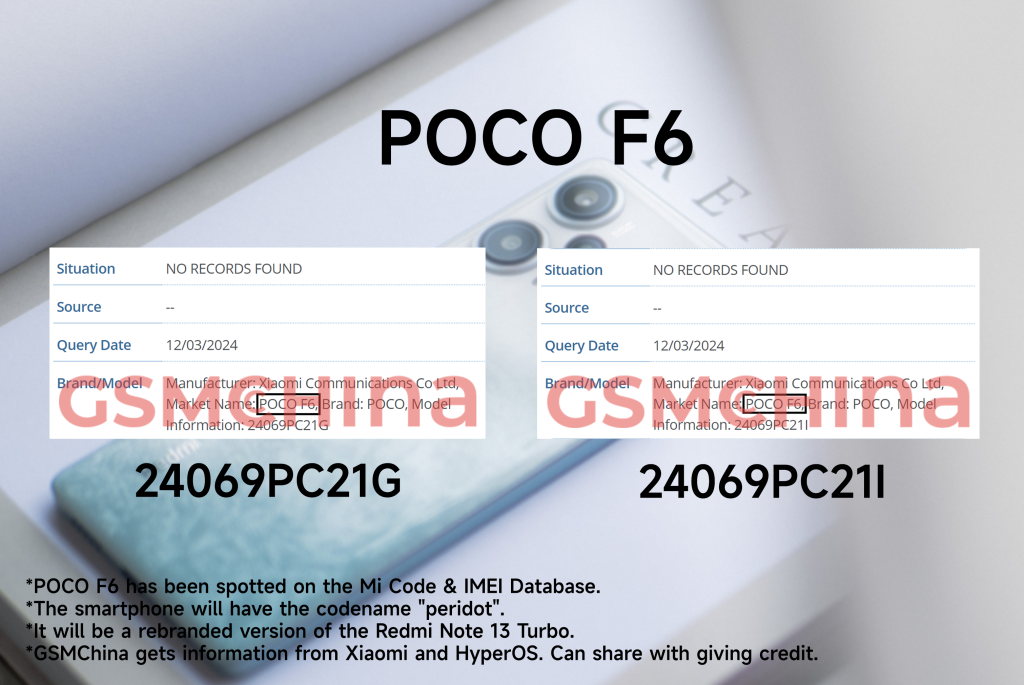
POCO F6 could be launched soon

In recent days, there has been a flurry of rumors surrounding the much-anticipated POCO F6, with leaked specifications shedding light on the potential improvements over its predecessor, the POCO F5. The GSMChina team has managed to uncover some key details about the device, including the use of Qualcomm’s powerful SM8635 SOC.

POCO F6 coming soon

POCO F5 boasted a Snapdragon 7+ Gen 2 SOC, essentially a refurbished SM8475, which was a Qualcomm Snapdragon 8+ Gen 1. Renowned for delivering an exceptional gaming experience and enhanced imaging capabilities, the SM8475 left users impressed. Now, the POCO F6 is expected to take a step further by incorporating the yet-to-be-officially-announced SM8635 SOC. The official unveiling of the SM8635 is anticipated on March 18, and POCO F6 series is expected to launch in April.

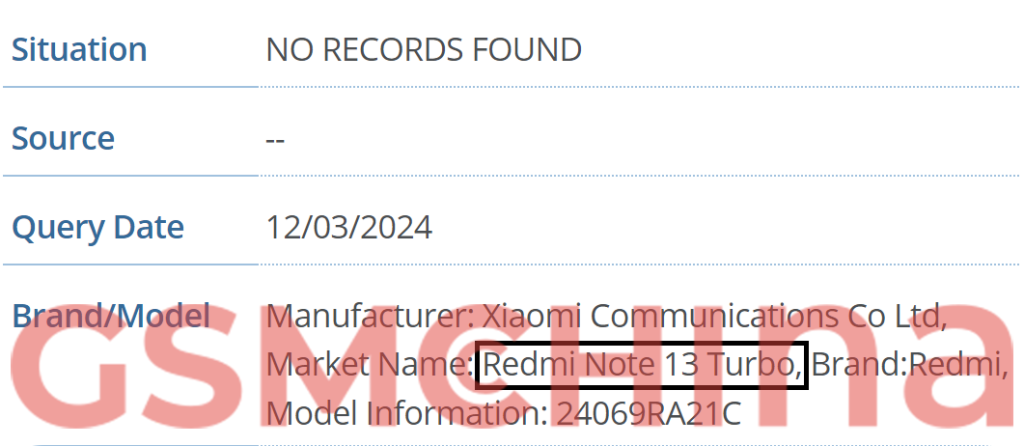
Leaked information indicates that POCO F6 has made its mark in the IMEI Database, unveiling model numbers “24069PC21G” for the global version and “24069PC21I” for the Indian version. Notably, the POCO F6 is expected to be available in various regions, excluding Japan. An interesting twist lies in the expectation that Redmi Note 13 Turbo will precede POCO F6’s release, set to be introduced in the Chinese market with the model number “24069RA21C“. POCO F6 is speculated to be a rebranded version of the Redmi Note 13 Turbo.

Furthermore, the codename for the POCO F6 has been revealed as “Peridot.” Drawing inspiration from the yellow ruby, also known as Zebercet, Peridot is a type of olivine mineral with the intriguing alternative name of “snake stone.” This codenaming tradition aligns with Redmi Note series devices, which are typically named after gemstones.

While expectations are mounting for POCO F6 to be officially unveiled in April, it’s worth noting that these launch dates are not official information, but estimates provided by industry insiders. As March progresses, Redmi Note 13 Turbo is expected to make its debut, setting the stage for the unveiling of POCO F6.

Related:

Realme Narzo 70 Pro 5G Early Bird Sale, Offers Revealed Ahead Of Next Week’s Launch

Realme is set to launch the Narzo 70 Pro 5G smartphone in India next week. The brand has been teasing key details about the upcoming offering. Now, ahead of the official launch, Realme has revealed the early bird sale and offers for customers who are interested in the Narzo 70 Pro 5G. Read on to know all the details below.

Realme Narzo 70 Pro 5G early bird sale details 

The Realme Narzo 70 Pro 5G will be available as a part of an early bird sale on March 19, 6 pm IST. That is six hours after the phone’s announcement. The company will bundle Buds T300 wireless earphones worth Rs 2,299 with the smartphone. However, this is subject to as long as stocks last. Buyers who exchange their old handset will be eligible for an additional Rs 2,000 instant discount. There will be 6-month no-cost EMI option as well. 

The Realme Narzo 70 Pro 5G is confirmed to feature a dual-tone back panel where the top portion has a glossy finish and the rest of the panel has a matte texture. The smartphone is confirmed to come with 10 creative air gestures and also Rainwater Smart Touch technology. It will ship with 65 per cent less bloatware out of the box. The brand says that the upcoming offering has the largest sensor in the segment with a Sony IMX890 OIS-enabled main camera. Here, Realme mentions the segment under Rs 30,000 segment. 

The Narzo 70 Pro 5G is expected to have a 120Hz AMOLED display, a 5,000mAh battery with support for 67W charging, and Android 14 OS.  We should learn more details about the smartphone at the launch event next Tuesday. 

Related:

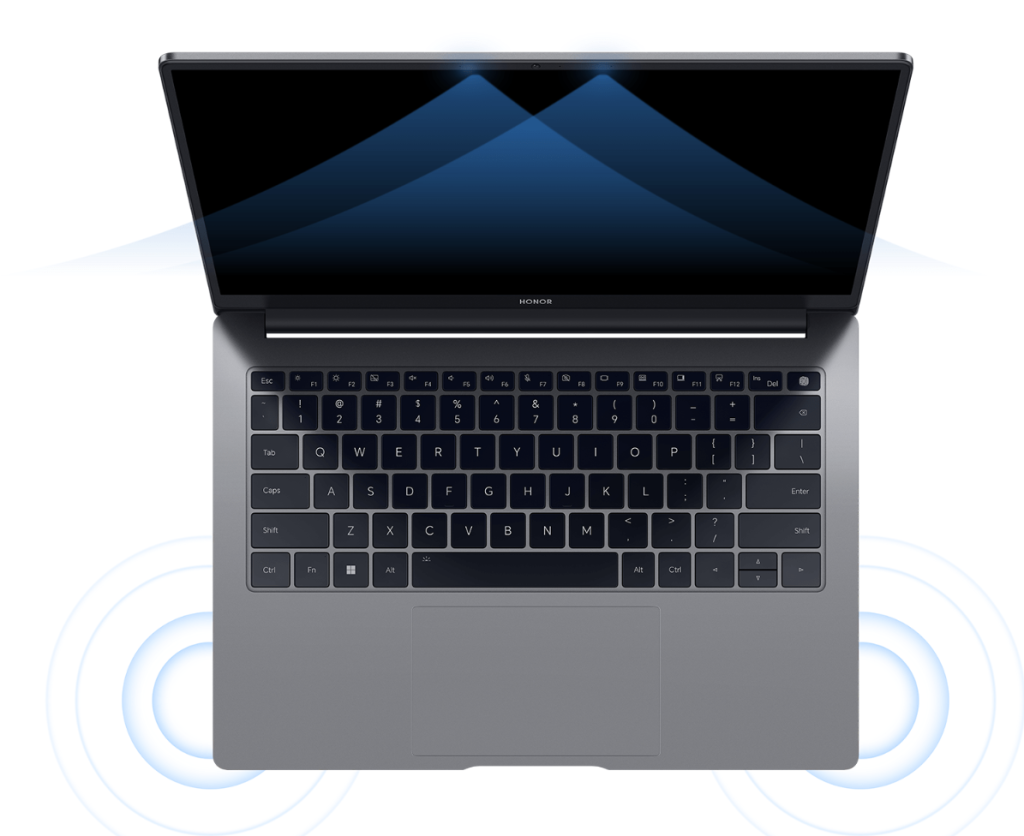
Honor MagicBook X14 Pro & X16 Pro 2024 laptops launching soon in India, specs revealed

Honor is planning to launch the Magic 6 Ultimate, Magic 6 RSR, and Band 9 in China on March 18. Along with that, the Indian wing of the company has now unveiled two new laptops called the MagicBook X14 Pro and X16 Pro 2024. These laptops are essentially refreshed 2024 models with some upgrades over their predecessors. These laptops are currently listed on Amazon India with a “notify me” button, meaning that we can expect the launch to happen in the coming days.

Honor MagicBook X14 Pro

Honor MagicBook X14 Pro, X16 Pro 2024 specs:

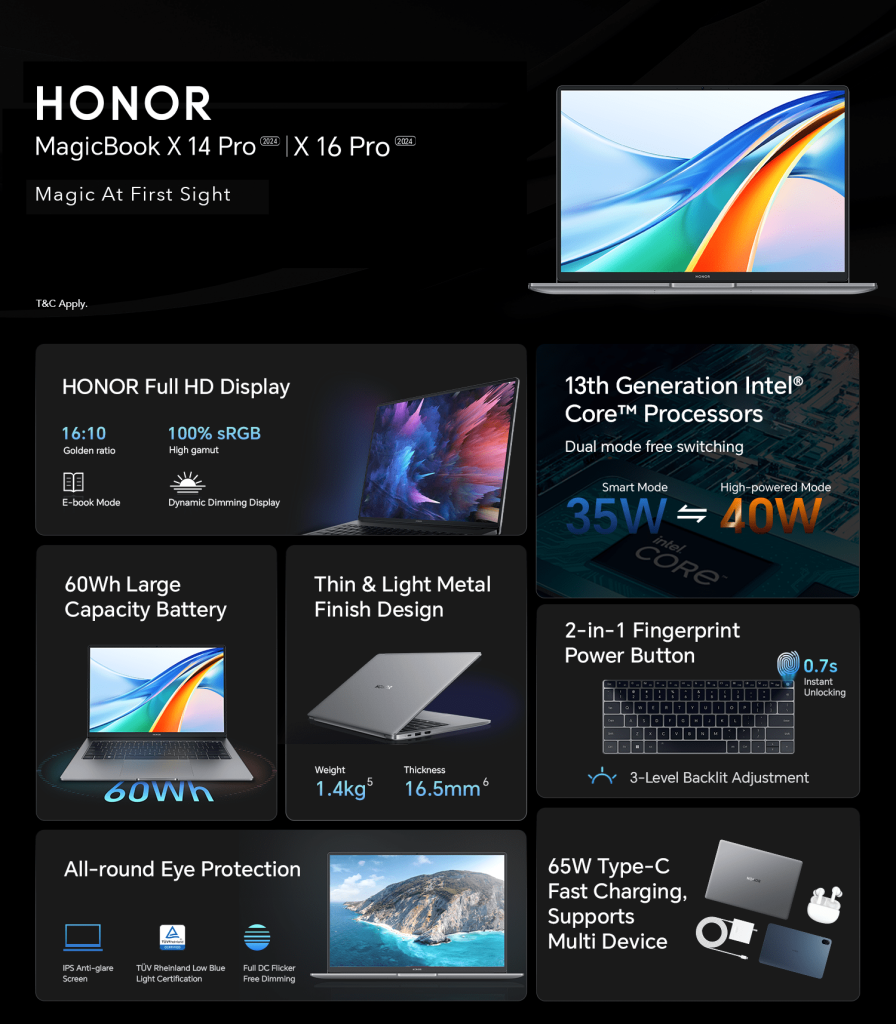
The MagicBook X14 Pro & X16 Pro 2024 models come with a metallic finish, and are quite lightweight, with the 14-inch model weighing 1.4kg and the 16-inch model weighing 1.7 kg. Both models feature a 1920 x 1200 resolution IPS anti-glare panel, which is considered Full HD in 16:10 aspect ratio. It has a peak brightness of 300 nits, 100% sRGB color gamut coverage, and TUV Rheinland Low Blue-Light certification. The laptops also have an E-Book mode, which converts the display to a high-contrast black and white mode, similar to an e-ink display when turned on.

Honor MagicBook X14 Pro

Under the hood, the laptops feature a 13th Gen Intel Core i5-13420H series processor, which features a base clock speed of 2.1GHz and a maximum speed of 4.5GHz. It has 8 cores and 12 threads. The laptops will offer two RAM options: 8GB/16GB LPDDR4x, and a single 512GB NVMe SSD storage option.

The laptops feature a 60Wh battery with 65W Type-C fast charging. Honor claims to offer up to 11.5 hours of FHD video playback and 10 hours of office use. The laptops also have Hi-Res tuned stereo speakers, and AI noise cancellation for their mic. For security, these laptops have a fingerprint sensor integrated into the power button. They come with full-sized back-lit keyboards and feature USB-C, HDMI, USB-A 3.2 Gen 1/Gen 2, 3.5mm Headphone/Mic port options. Windows 11 will be pre-installed on these devices.

Currently, there are no details available about the pricing or launch date, however, we can expect to launch later this month.

RELATED:

Xiaomi announces March 28 launch for SU7 electric vehicle

Xiaomi debuted its first electric vehicle, the SU7, last December. Although the company unveiled the vehicle’s features and specifications at that time, it has yet to begin sales and Xiaomi hasn’t shared the pricing details as well. However, it seems we won’t have to wait much longer to find out.

Today, Xiaomi officially announced that it will launch the Xiaomi SU7 in China on March 28. The company made the announcement through a Weibo post where it also revealed that interested buyers will have the chance to experience the Xiaomi SU7 starting March 25.

Reservations for the vehicle have already commenced in China, with 59 stores across 29 Chinese cities participating in the process.

Xiaomi SU7 Specifications

Xiaomi SU7 is a C-segment coupe with a sporty design and comes in two variants — a regular and a Max version.

The Max, as the name suggests, brings all the top-of-the-line features you’d expect from a modern EV. It has a dual-motor all-wheel-drive system which lets the car accelerate from 0-100 km/h in just 2.78 seconds. It’s top speed is pretty impressive too, at 265 km/h.

That’s not to say the regular version is any less appealing. It has a single-motor rear-wheel driver setup with a 5.28-second 0-100 km/h time.

Inside, Xiaomi’s “Smart Cockpit” features a five-screen system, powered by a Snapdragon 8295 chip. The SU7 also incorporates a 16.1-inch 3K resolution primary screen with support for CarPlay and AirPlay.

The interior is designed with sporty Nappa leather seats, ambient lighting, and a large 5.35 square meter glass roof. It’s pretty well-equipped for audio too, powered by the 25-speaker sound system with Dolby Atmos support.

The car can also interact seamlessly with Xiaomi Home IoT devices, thanks to HperOS support. You can learn more about the Xiaomi SU7 EV in detail on our dedicated article below:

Related:

Vivo Y03 goes official with 90Hz display, MediaTek Helio G85

After a whirlwind of rumors, Vivo has officially launched the Y03 smartphone in Indonesia. It’s the company’s latest budget smartphone and a successor to the Vivo Y02, which went official in November last year. Let’s delve into the details here.

Vivo Y03 Launch

Vivo Y03 Specifications

The Vivo Y03 is built around a 6.56-inch IPS LCD screen that offers HD+ resolution and a refresh rate of 90Hz. The panel has a waterdrop notch, a common feature among budget-friendly devices, which houses a 5MP selfie camera. 

Turning to its rear design, the smartphone has two camera rings that house a 13MP primary lens and a QVGA lens. An LED flash sits beside the camera setup.

Under the hood, the smartphone is powered by a MediaTek Helio G85 processor. It’s an octa-core chip that was launched back in 2020 but should offer decent performance for everyday tasks. 

The SoC is coupled with 4 GB of LPDDR4X RAM and 64 GB or 128 GB of eMMC 5.1 internal storage. The latter is expandable up to 1TB via a microSD card while the phone also has Vivo’s Extended RAM feature that lets you extend RAM virtually by 4GB. 

Keeping the lights on is a 5,000mAh battery that supports 15W charging via a USB-C port. Software-wise, the entry-level phone runs on Android 14-based FunTouch OS 14.

Other features of the device include dual SIM, 4G VoLTE, dual-band Wi-Fi, Bluetooth 5.0, and GPS. The device measures 163.78 X 75.73 X 8.39mm and weighs around 185 grams. Notably, the device also has an IP54 rating for dust and splash resistance. 

Price and Availability

The Vivo Y03 is priced at IDR 1,299,000 ($83) for the 4/64GB variant and IDR 1,499,000 ($97) for the 4/128GB variant.  You can get the Vivo Y03 in Green and Black color options. Vivo is expected to launch this smartphone in other Asian markets soon.

Related:

Nothing Phone (2a) on sale in India, crosses 60,000 units sold in just 1 hour!

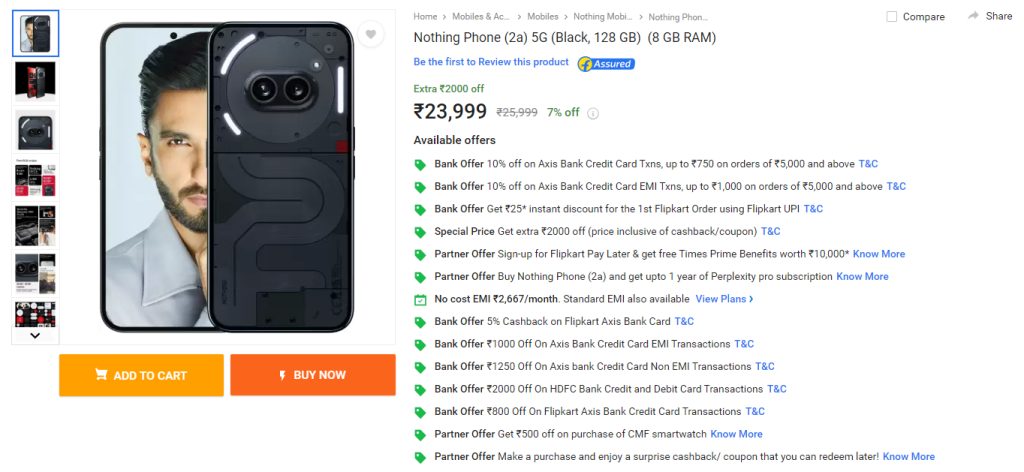
Last week, Nothing debuted the Nothing Phone (2a) last week in the global market. Starting today, Indian customers can get their hands on the phone through Flipkart, Croma, and Vijay Sales, along with other retail outlets. The brand is already up to an awesome start with the Phone (2a) in India as the sales have crossed the 60,000 units mark within the first hour.

Pricing & offers

The Nothing Phone (2a) comes in three configurations:

  • 8 GB + 128 GB – Rs. 23,999
  • 8 GB + 256 GB – Rs. 25,999
  • ​​​​​​​12 GB + 256 GB – Rs. 27,999
Nothing Phone (2a) Flipkart

HDFC cardholders can enjoy an immediate discount of Rs. 2,000. Additionally, there is an extra Rs. 2,000 through a Flipkart exclusive promotion, driving down the starting price of the phone to just 19,999. Customers can also buy the CMF Buds priced at Rs. 1,999 and the CMF Power 65W GaN charger at a special rate of Rs. 1,999, reduced from the original price of Rs. 2,499 along with the Phone (2a).

Nothing Phone (2a) specs:

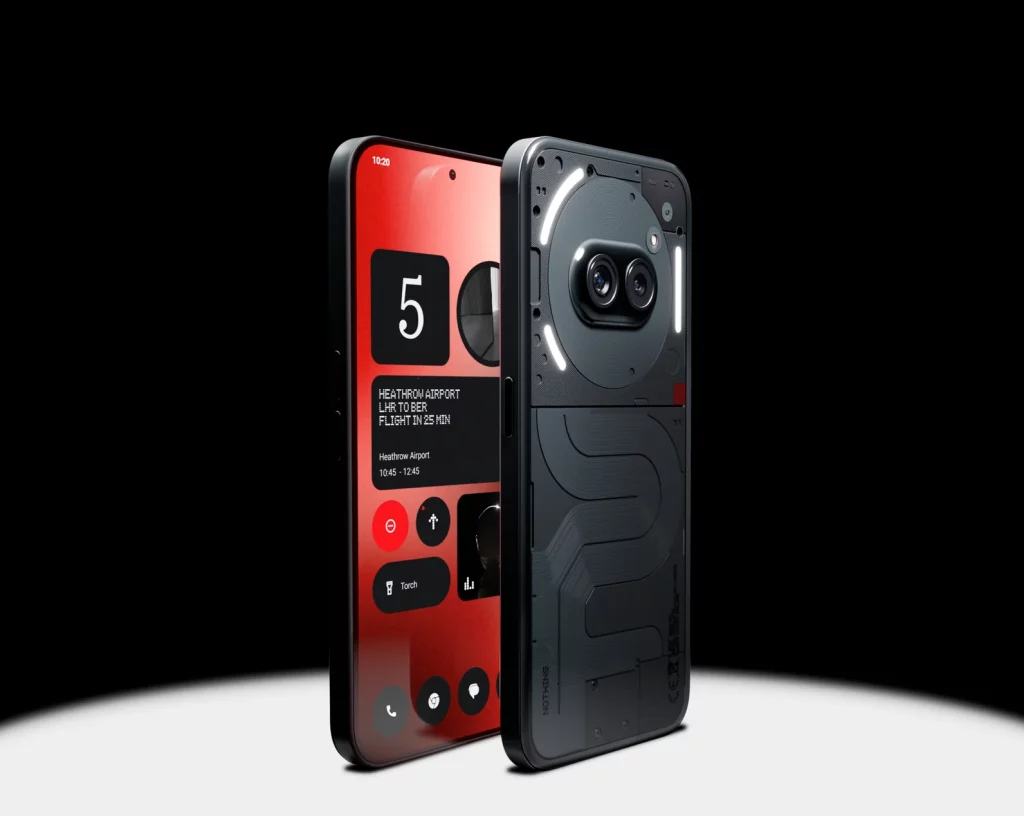
The Nothing Phone (2a) boasts a 6.7 inch flat display with FHS+ resolution, 120Hz display, and 1,300 nits peak brightness. The panel supports HDR10, has 2160Hz PWM dimming, and is protected by Corning Gorilla Glass5. For security, it has an in-display fingerprint scanner. The display has a 32MP Sony IMX615 sensor for selfies as well as for face unlocking.

Nothing Phone (2a)

On the back, it features a circular island housing two horizontal cameras, with a 50MP primary (Samsung ISOCELL S5KG9 sensor) camera and a 50MP ultra-wide camera (Samsung JN1 sensor). The primary camera comes with optical image stabilization support. The camera island is surrounded by three Glyph LED strips.

Under the hood, it has a MediaTek Dimensity 7200 Pro processor. It features up to 12GB RAM and 256GB storage. It is powered by a 5,000mAh battery unit with support for 45W fast charging and comes with Nothing OS 2.5 based on Android 14 out of the box. Nothing has also started rolling out a day one patch, called the Nothing OS 2.5.3 to polish the software of the device.

For connectivity, the device offers Bluetooth 5.3, WiFi 6, dual 5G, and NFC. It also boasts an IP54 certification, which means that the Phone (2a) can protect against dust and water splashes.

RELATED:

Xiaomi 14 Ultra Titanium Special Edition goes on sale in China, Grab yours from GizTop

The Xiaomi 14 Ultra made its initial debut in China on February 22. In the company’s home country, the device also comes with an optional titanium frame.

This version of the smartphone officially goes by Xiaomi 14 Ultra Titanium Special Edition. It went on sale for the first time today.

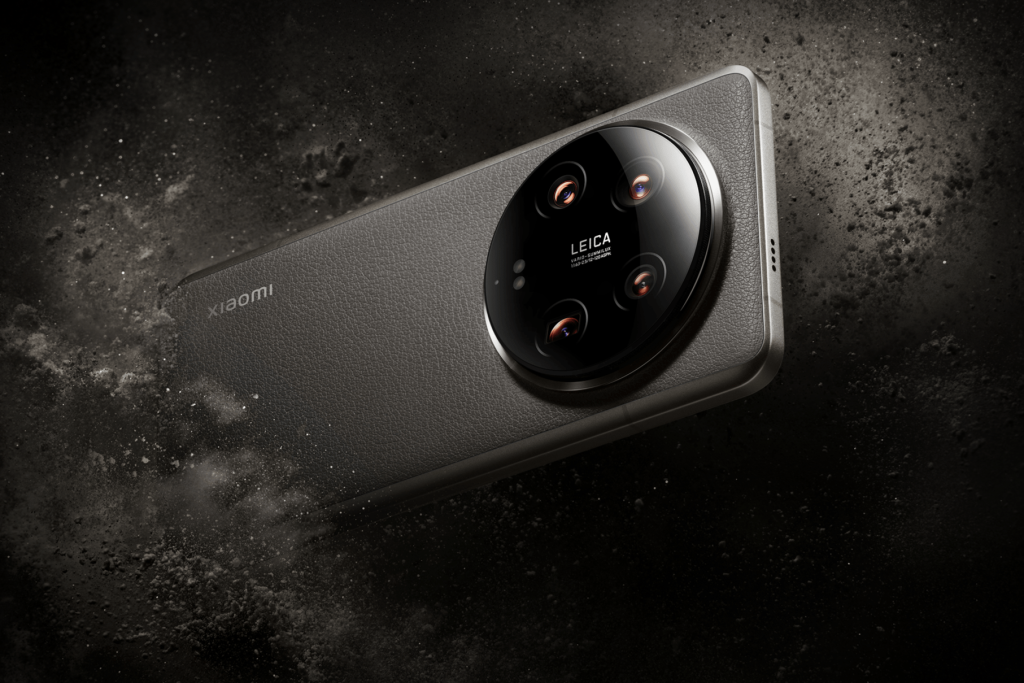
Xiaomi 14 Ultra Titanium Special Edition

The product is priced at ¥8,799 (~$1,225), making it the most expensive slab smartphone from Xiaomi in China. It arrives with 16GB RAM, 1TB storage, and satellite communication support.

The handset was up for sale at 10 AM local time (GMT+8). Currently, it is listed as out of stock.

However, you can grab this smartphone from GizTop with international shipping, which is not offered by Xiaomi. You can also opt for Photography Kit, official case, and screen protector.

Although there have been phones featuring titanium build before, it is Apple who recently popularized the usage with its iPhone 15 Pro and iPhone 15 Pro Max.

The first Android OEM to join the trend was Xiaomi. The company announced the Xiaomi 14 Pro Titanium Special Edition in late October.

This version of the handset had been in short supply since the beginning due to poor yield rates. It was replaced by ‘Satellite Communication’ with better availability.

Apart from titanium frame and satellite communication support, this special variant of Xiaomi 14 Pro and Xiaomi 14 Ultra are the same as the regular model in terms of specs.

RELATED:

Realme Buds T300 to launch in new Dome Green color option in India

Realme has just announced that it will be launching the Realme Buds T300 in a new color option in India. The company shared a fresh teaser that revealed that the Buds T300 will soon be available in a new Dome Green color option.

Realme Buds T300 Dome Green

To recall, the Chinese brand first released the Realme Buds T300 in the region back in September 2023. Now, it is gearing up to unveil the truly wireless earbuds in a Dome Green variant. It is worth noting that this is not different from the Buds T300 that launched last year, with the only difference being in its appearance. For those unaware, the Realme Buds T300 was originally launched in Black and White variants.

Realme Buds T300

The Dome Green option will be arriving in India on 19th March 2024. Talking about the hearables’ specs, the TWS houses 12.4mm dynamic drivers and features four microphones. This enables up to 30 decibels of ANC (Active Noise Cancellation). Another major feature was the inclusion of 360-degree spatial audio support. It is paired to users’ devices via Bluetooth 5.3. On a single full charge, it can last for up to 8 hours.

Pairing it with the charging case bumps this figure to up to 40 hours. As of right now, a dedicated Amazon microsite has gone live with a teaser. So, the Amazon availability of the new Realme Buds T300 color variant has been confirmed as well. The pricing of the Dome Green version is still large, but we can expect it to be around 2,299 INR like the original Buds T300.

RELATED:

Volvo Could Solve The Biggest Problem with EVs without You Having to Pay Even $1

The popularity of electric vehicles is surging, with a noticeable increase in EVs on the roads today. However, this growth creates some challenges. Not enough charging stations and slow charging times, compared to filling up with gas, can cause long lines at charging stations.

While manufacturers are developing fast charging technologies to address this issue, the problem persists due to both higher costs and a lack of widespread solutions. Fortunately, Volvo and Breathe are collaborating to accelerate electric vehicle charging, offering a promising step forward. Here are the details…

Volvo Teams Up with Breathe for Faster Charging Technology

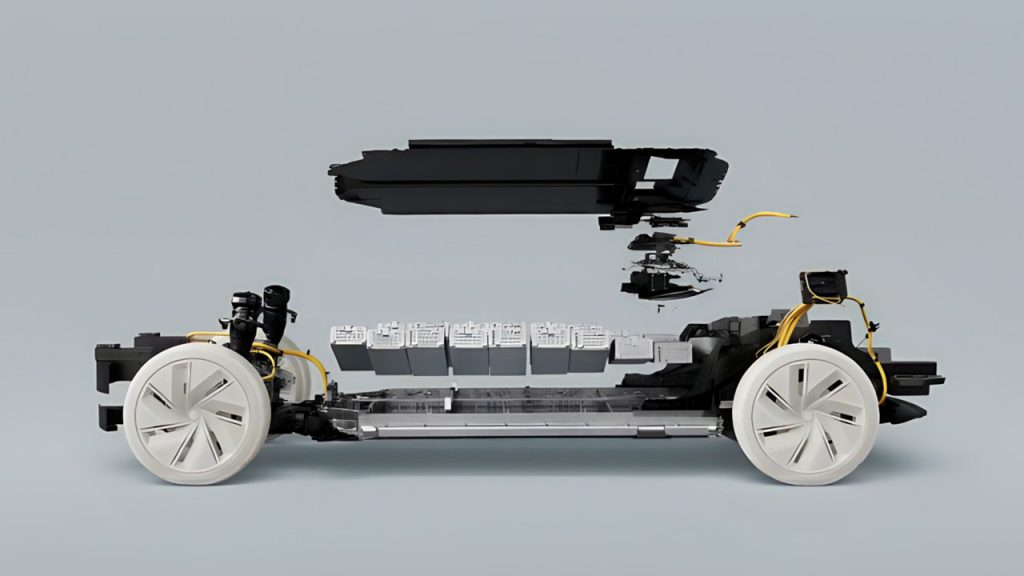
While brands like Tesla and BYD often dominate conversations about electric vehicles, the market is highly competitive. Traditional automakers like Volvo, with a rich history dating back to 1927, are now major players in the EV market. However, as I mentioned above, one big problem with electric cars is that they take a long time to charge. To fix this, Volvo is teaming up with a British company called Breathe Battery Technologies.

Volvo and Breathe are collaborating on new battery management technology. This technology could charge Volvo’s electric vehicles up to 30% faster than current models. Charging times may be reduced by 15-30%. Best of all, Breathe’s technology works with Volvo’s existing electric vehicles without needing hardware changes. This also means that the cost shouldn’t increase much, if at all.

Who knows, maybe Volvo could even add this battery technology to existing EVs on the road. Imagine if your two-year-old car could suddenly charge 30% faster with just a small upgrade! After that kind of experience, wouldn’t you be more likely to buy your next car from Volvo? Of course, this is just speculation for now we’ll have to wait and see what Volvo decides.

Let’s say you aren’t that into EV technology, and this news hasn’t caught your interest. But maybe this statement from Ann-Sofie Ekberg at Volvo will change your mind. According to her, Volvo doesn’t want to keep this technology all to themselves. This means other car brands could use Breathe’s battery management too. And because it works with very low power, we might even see it in your smartphones, tablets, and laptops someday.

RELATED:

Nothing Phone (2a) gets its first software update, Nothing OS 2.5.3

Nothing launched the Phone (2a) in the first week of March, and the device is now available for sale in India starting today. Although the handset just hit the market, the Phone (2a) has already received its first software update.

According to a post on X/Twitter, Nothing has started rolling out the Nothing OS 2.5.3 update for the Phone (2a). The update brings several improvements to the camera and phone’s overall performance and also adds new widgets. 

Nothing OS 2.5.3 update for Phone (2a)

The Nothing OS 2.5.3 for Phone (2a) adds support for Ultra XDR on the camera. It also brings improvements to the camera app’s performance, HDR processing, and color saturation. Additionally, there are also improvements in image clarity for the front-facing camera.

Nothing Phone 2a software update

Users can also expect refinements to the UI elements across the system and the changelog also mentions enhanced background app performance. 

Furthermore, the Nothing OS 2.5.3 for Phone (2a) brings a new Recorder widget that allows discreet call recording, along with widgets for the camera and battery. 

Additionally, the update includes several bug fixes to enhance the overall user experience. You can see the complete changelog of Nothing Phone (2a)’s Nothing OS 2.5.3 here:

General improvements
● New ringtones
● A new Recorder widget
● When taking continuous screenshots, the preview of the previous screenshot now automatically disappears.
● Added three levels of haptic for touch feedback.
● Refined the animation when transitioning from the home screen to Always On Display.
● Optimised the user experience of wallpapers.
● Made app launch animations even smoother.
● Optimised certain UI issues.
● Improved overall touch screen experience.
● Improved the experience of apps running in the background by optimising the memory strategy.
● Improved compatibility with certain charging adapters.

Camera
● Added shortcut widget for the Camera app.
● Introduced support for Ultra HDR feature in Camera, supporting XDR display effect for photos.
● Camera watermark now supports showing focal length.
● Improved the effect of Raw HDR photography.
● Enhanced colour saturation.
● Improved the clarity of front camera photos.
● Optimised camera OIS/EIS effects.
●  Enhanced camera app loading speed and overall performance.

Bug fixes
● Fixed the issue where the Pedometer widget would reset after switching time zones.
● Resolved the issue where app icons would not display on the home screen after swiping up to unlock in specific scenarios.
● Resolved the occasional issue where the fingerprint unlock would not respond when the screen is off.
●  Resolved the occasional black screen issue on the lock screen interface.
● Optimised the overall stability of the system.

Nothing OS 2.5.3 update for Phone (2a) is 535MB in size. If you already have the device, you can download it via Settings > System > Software Update.

Related: