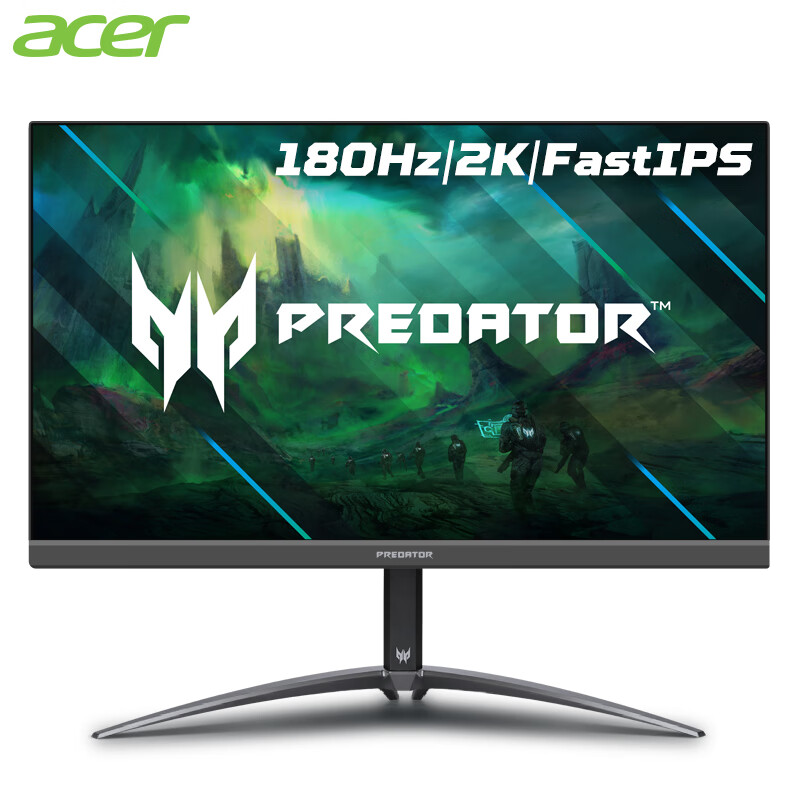
Acer has launched a new gaming monitor, the Predator XB323QU M3 in the Chinese market. This monitor is designed for gamers who demand smooth, tear-free visuals and fast response times. The monitor is priced at 1999 yuan ($278) and is now available on JD.com. Let’s check out the key specs.
Acer Predator XB323QU M3 Specifications:
The gaming monitor features a 31.5-inch display with a 2K (2560 x 1440) resolution and a high refresh rate of 180Hz. For users relying on HDMI, the refresh rate drops to 144Hz, still offering a significant upgrade over standard 60Hz displays. It utilizes a Fast IPS panel, offering a typical contrast ratio of 1000:1 and 250 nits brightness, 1ms GtG response time, and 8-bit color depth.
It covers 95% of the DCI-P3 color gamut and Delta E<1, ensuring professional-grade color fidelity and a wide color spectrum for vibrant visuals. Additionally, the monitor supports HDR 10, further enhancing the dynamic range for superior clarity in both bright and dark scenes.
For users concerned about eye health, the XB323QU boasts TUV Rheinland Eyesafe 2.0 certification, which reduces harmful blue light emissions without compromising color accuracy. This helps to prevent eye strain and fatigue during extended gaming sessions.
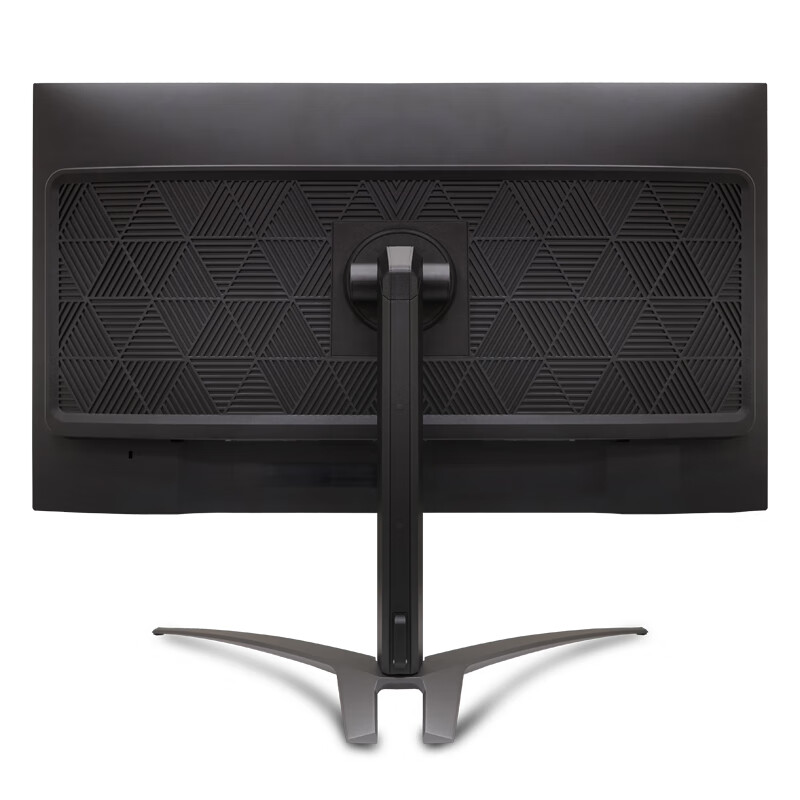
The monitor‘s design is both functional and stylish, with an ergonomic stand offering tilt, height, and swivel adjustments to ensure optimal comfort over long usage periods. The monitor also comes with a sleek metallic finish and practical cable management.
In terms of connectivity, the XB323QU features 2 HDMI 2.0 ports, 1 DP 1.2 port, and a 3.5mm headphone jack. This lets users connect various devices, including gaming consoles, PCs, and headphones. The monitor also has built-in 2W speakers, eliminating the need for external speakers for basic audio needs.
The Predator XB323QU supports AMD FreeSync Premium technology, synchronizing the monitor’s refresh rate with the graphics card’s frame rate, minimizing screen tearing and stuttering for a smoother gaming experience. Acer also offers a 3-year warranty with on-site service for the monitor, providing peace of mind in case of any hardware issues.
As the Geneva Motor Show opens its doors, it’s clear that the event is missing many global auto giants this time around. Yet, it’s the perfect stage for Denza, a brand born from a collaboration between China‘s BYD and Germany’s Mercedes, to make its European entry with the D9 minivan. Since its creation in 2010, Denza has evolved, with Mercedes scaling down its stake to 10% in 2021. This move hasn’t dimmed Denza’s ambition, as evidenced by the launch of the D9, a model that promises to redefine luxury in the minivan segment.
The D9 was previously launched in China in 2022, and it’s been a hit since.
The D9 isn’t a newcomer to the automotive scene, having already made waves in China since 2022. European consumers can look forward to a vehicle that doesn’t skimp on luxury or versatility, available as either a plug-in hybrid or a full electric vehicle (EV). Its design, featuring a boxy silhouette and large sliding doors, maximizes interior space without sacrificing style. The interior is where the D9 truly shines, boasting leather finishes, adjustable seating with luxury features like ventilation and massage, and innovative tech for both driver and passengers.
Denza’s strategy is clear: offer a luxurious alternative to the typical SUV without compromising on space or comfort. The D9’s specifications, while still under wraps in Europe, hint at impressive performance and range, especially in its electric variant. With options for both front-wheel and all-wheel drive, the D9 is as versatile as it is luxurious.
While the Geneva Motor Show also sees the introduction of the electric N7 SUV, Denza’s focus on the D9 highlights its commitment to offering high-end, eco-friendly family vehicles. With plans to enter the European market by year’s end, Denza is poised to challenge traditional luxury carmakers, but only time will tell if the company’s challenge stands the test of time, and well, competition.
Sony‘s PlayStation division is facing a challenging period, as the company announced a significant reduction of its workforce by about 8 percent, translating to around 900 employees. This move affects various globally renowned PlayStation studios, such as Insomniac Games, Naughty Dog, Guerrilla Games, and Firesprite, marking a major shift in Sony’s operational strategy.
The layoff will affect multiple PlayStation studios, such as Insomniac Games.
The decision comes at a time when the gaming and tech industries are navigating through turbulent waters, with numerous companies undergoing similar downsizing efforts. Sony’s initiative reflects a broader trend of restructuring within the sector, aimed at maintaining competitiveness and ensuring long-term sustainability.
PlayStation chief Jim Ryan expressed the difficulty of the decision, emphasizing the global impact on the company’s employees, including those in pivotal development studios. The closure of its London Studio, known for PlayStation VR games, alongside cutbacks in other key areas, showcases a strategic realignment focusing on future growth areas such as PC and mobile gaming platforms.
The restructuring follows a disappointing performance in PS5 sales targets, which saw Sony’s stock price take a significant hit. Despite these challenges, the company is looking to expand its horizons by investing in social, online experiences and diversifying its game availability beyond traditional consoles.
This move is not isolated within the industry. Recent layoffs at other major firms like Microsoft, Unity, and Discord highlight a period of adjustment and recalibration for many in the gaming world. Sony’s efforts to streamline its operations and focus on core strengths aim to adapt to the changing dynamics of game development and distribution.
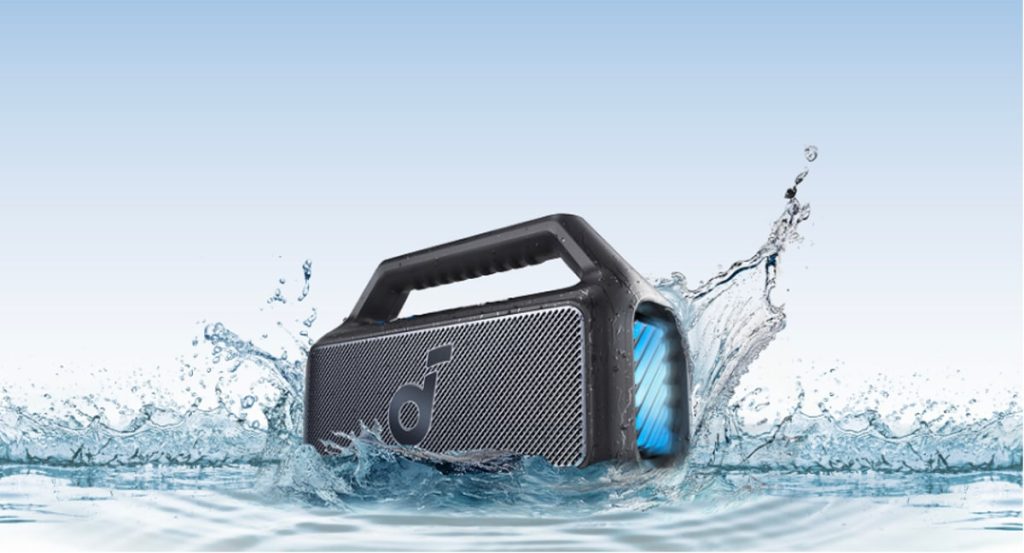
Anker‘s latest addition to its audio lineup, the Soundcore Motion Boom 2, is a portable speaker designed to pack a punch with its enhanced bass. Apparently, this gadget doesn’t just play your tracks; it brings them to life with a robust 60 watts of power driven through its dynamic tweeters and a powerful subwoofer.
60 Watts of power ensures a long playback time, and it also doubles down as a power bank
But what sets the Motion Boom 2 apart is not just its ability to deliver loud music. It’s also crafted for the adventurous ones out there. Imagine this: you’re at the beach or lounging by the pool, your tunes creating the perfect vibe, and your speaker isn’t just sitting safely away from the water—it’s floating beside you, thanks to its confirmed IPX7 waterproof rating. Yes, the Motion Boom 2 can float, making it the perfect companion for any water-bound escapades.
Battery life won’t be a concern either, it seems. With up to 17 hours of playtime, this speaker goes the distance. It’s reliable enough to not only provide a day’s worth of soundtracks but also to serve as a power bank for your devices. That’s right, a speaker that can recharge your phone or tablet while it serenades you.
Starting 11th March 2024, the Soundcore Motion Boom 2 is up for grabs at €129.99 (~$141). But if you’re quick to pre-order, there’s a treat in store. Anker is offering the soundcore Sport X10 earbuds absolutely free as part of a limited launch bonus.
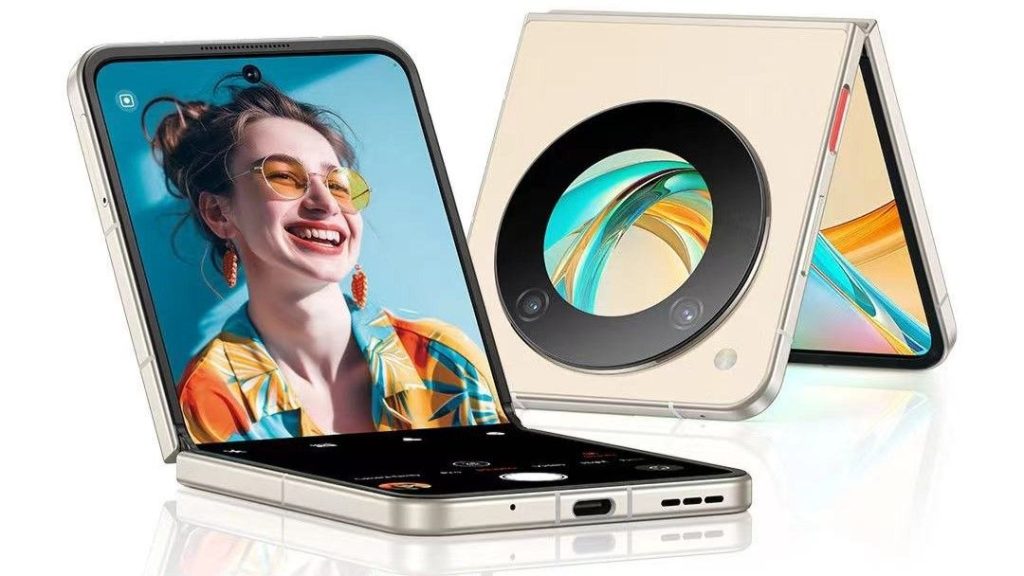
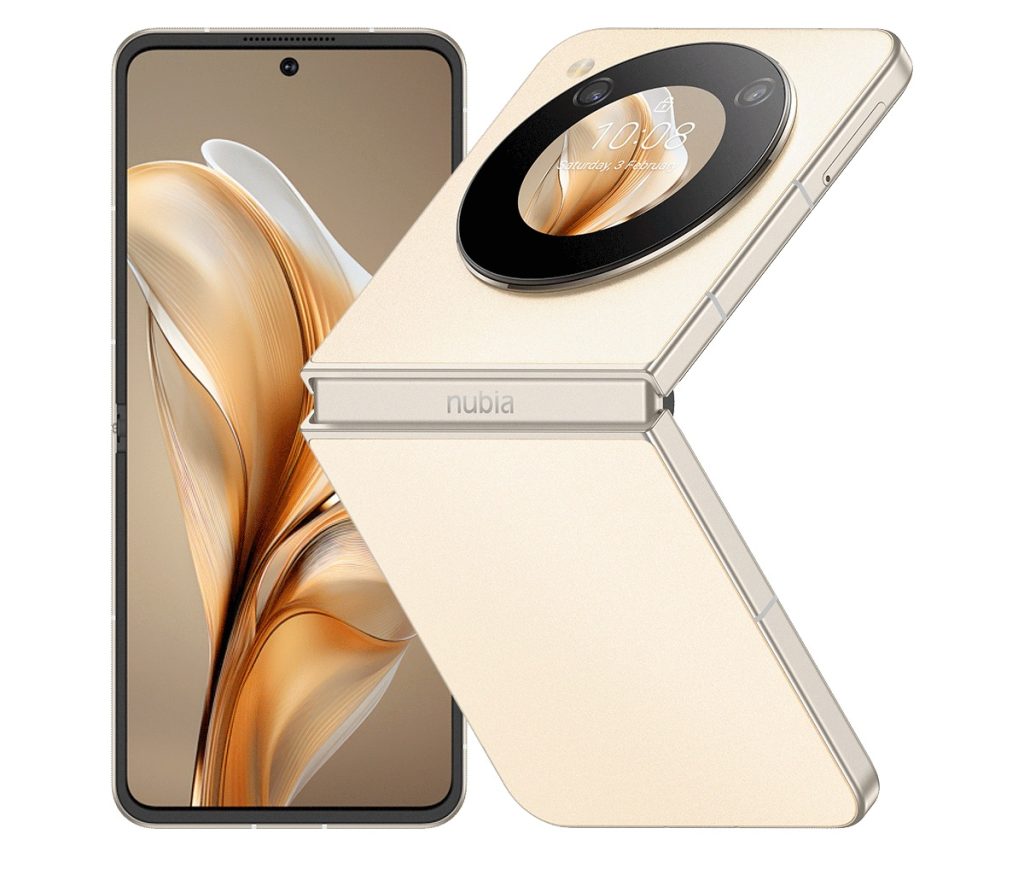
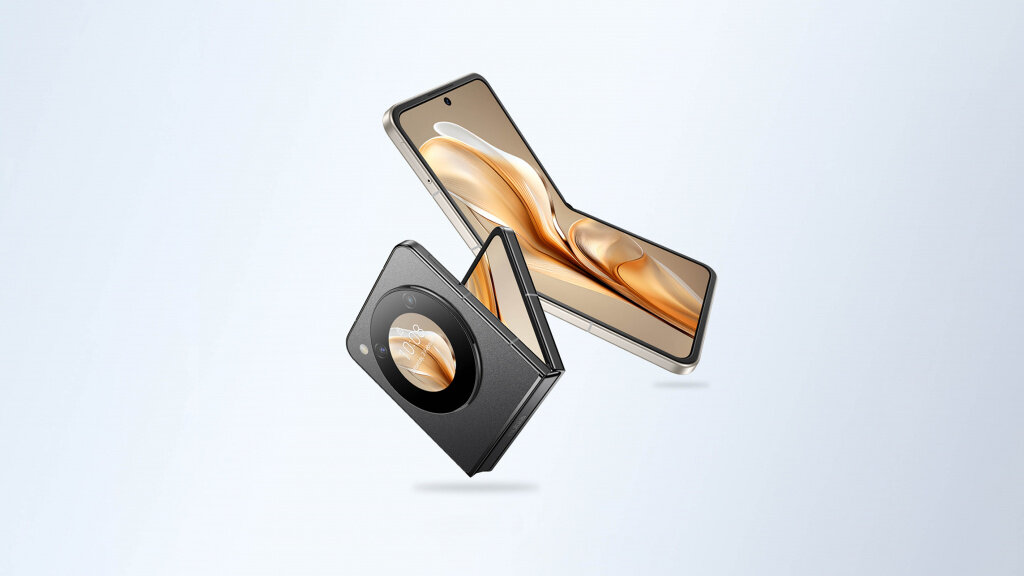
At the Mobile World Congress 2024 (MWC) in Barcelona, ZTE‘s Nubia unveiled its first foray into the world of foldable phones: the Nubia Flip 5G. Let’s check out the specifications of this smartphone.
Nubia Flip 5G Specifications:
Nubia Flip 5G boasts a spacious 6.9-inch FHD+ AMOLED foldable display with a smooth 120Hz refresh rate. When folded, a convenient circular 1.43-inch outer AMOLED screen with a resolution of 466×466 pixels allows quick access to notifications and basic functions without unfolding the phone. According to the company, the device boasts a dual-rail suspended hinge which is capable of enduring more than 200,000 openings.
Under the hood, the Nubia Flip 5G features the Qualcomm Snapdragon 7 Gen 1 SoC with Adreno 644 GPU, offering decent performance for everyday tasks and multitasking. While it might not be the top-of-the-line processor, it helps maintain a cost-effective approach. The phone comes with 6GB of RAM and 128GB of UFS 3.1 storage, ensuring smooth operation and fast data transfer speeds. Out of the box, it runs on Android 13.
The camera department features a 50MP main sensor accompanied by a 2MP depth sensor for portrait shots. The 16MP front-facing camera caters to video calls and selfies. The device also includes a side-mounted fingerprint sensor.
Despite its compact design, the Nubia Flip 5G does not compromise on connectivity, supporting 5G SA/NSA, Dual 4G VoLTE, Wi-Fi 6, Bluetooth 5.3, USB Type-C, and NFC. It is equipped with a 4310mAh battery, supporting 33W fast charging that can fully recharge the phone in approximately 73 minutes.
Pricing and Availability
Nubia Flip 5G comes in Black and Gold color options and carries a starting price of $599. This positions it as one of the most affordable flip phones currently available, making it an attractive option for consumers looking to experience the foldable form factor without breaking the bank. Nubia is yet to announce a launch date or market availability for its product, but it’s anticipated that these details will be revealed in due course. For more high-profile tech launches visit our full MWC 2024 coverage.
Xiaomi continues to expand and improve its product family. In this direction, the company recently announced that it will bid farewell to the long-standing MIUI and continue its journey with HyperOS. Many devices with this new Android-based UI have already been released to the market. Now, the much-anticipated day has finally arrived. Xiaomi India has revealed the launch date of HyperOS in India. Here are the details…
Xiaomi HyperOS Launches in India on February 29th
According to a post on Xiaomi India’s official Twitter account, HyperOS is set to launch on February 29th at 12 noon. The company also shared a note stating, “Humans are the core of our technology. #XiaomiHyperOS is designed and tailored to connect personal devices, cars, and smart home products in a smart ecosystem.”
Humans are the core of our technology. #XiaomiHyperOS is designed and tailored to connect personal devices, cars and smart home products in a smart ecosystem.
In this context, we can assume that soon the phones in the region will also start receiving HyperOS updates. However, it’s worth noting that the company may not offer this new UI to every model. So, what are the differences between HyperOS and MIUI?
Modern and Refreshed Look: HyperOS aims to enhance the user experience by offering a modern and refreshed appearance. The interface redesigns the control center and notification panel, giving many applications an iOS-style look.
More Efficient Performance: Compared to MIUI, HyperOS operates more efficiently, providing a longer battery life. Additionally, it offers a smoother user experience by managing system resources more effectively.
Device-to-Device Synchronization: HyperOS facilitates seamless connectivity between smartphones, smartwatches, and home appliances, making device-to-device synchronization easy.
Enhanced Privacy and Security: HyperOS safeguards users’ personal information with advanced privacy and security features.
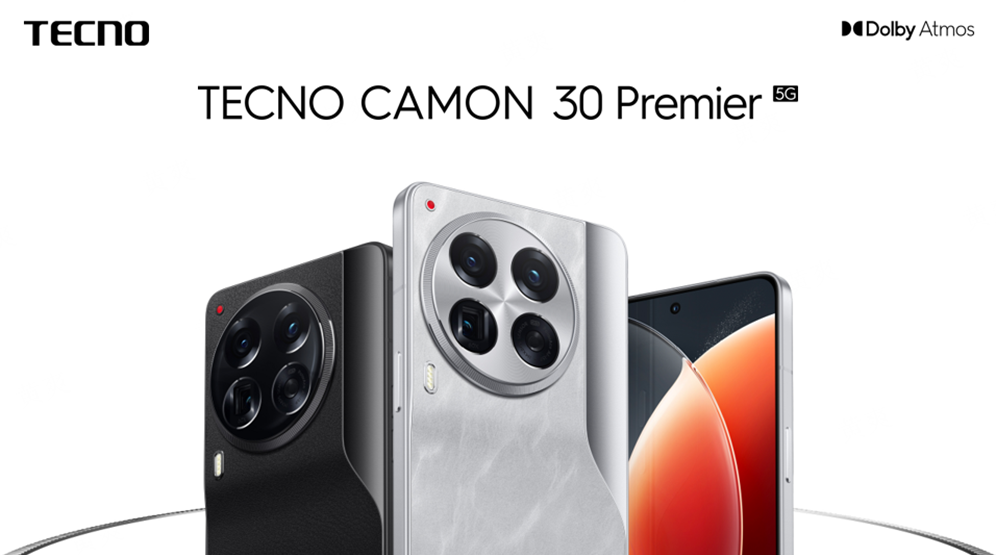
MWC 2024 is in full swing till February 29 in Barcelona, Spain. A host of brands have already announced their products including some innovative ones. Tecno also revealed the Pocket Go (hands-on) handheld console and POVA 6 Pro. The company showcased the Camon 30 Premier 5G smartphone. It will arrive as the successor to the Camon 20 Premier 5G.
Tecno Camon 30 Premier 5G shown at MWC 2024
The Tecno Camon 30 Premier 5G has a flat frame and the back panel seems to have a faux leather-texture with a folder icon design. The device sports a circular protruding module housing three cameras including a 50MP Sony IMX890 sensor and a 70mm portrait periscope lens. It offers up to 60x hybrid zoom. The smartphone will have a 50MP front-facing selfie snapper with eye-tracking technology.
Tecno says that the Camon 30 Premier 5G will be the first phone to feature its PolarAce Imaging system. It is powered by the Sony Imaging Chip CXD5622GG and packs various AI imaging advancements. The smartphone is said to offer the industry’s first 4K 30fps HDR video recording.
The Tecno Camon 30 Premier 5G has a center-aligned punch-hole display bearing a 1.5K resolution. It features an LTPO screen with 1 billion colors and a 1,400 nits peak brightness. Internally, the Tecno Camon 30 Premier 5G is confirmed to be powered by a MediaTek Dimensity 8200 Ultra processor. This will be paired with the Sony Imaging chip.
Tecno did not reveal the rest of the details of the Camon 30 Premier 5G. The smartphone is slated to release in the second quarter of this year which means we can expect it during the April to June period.
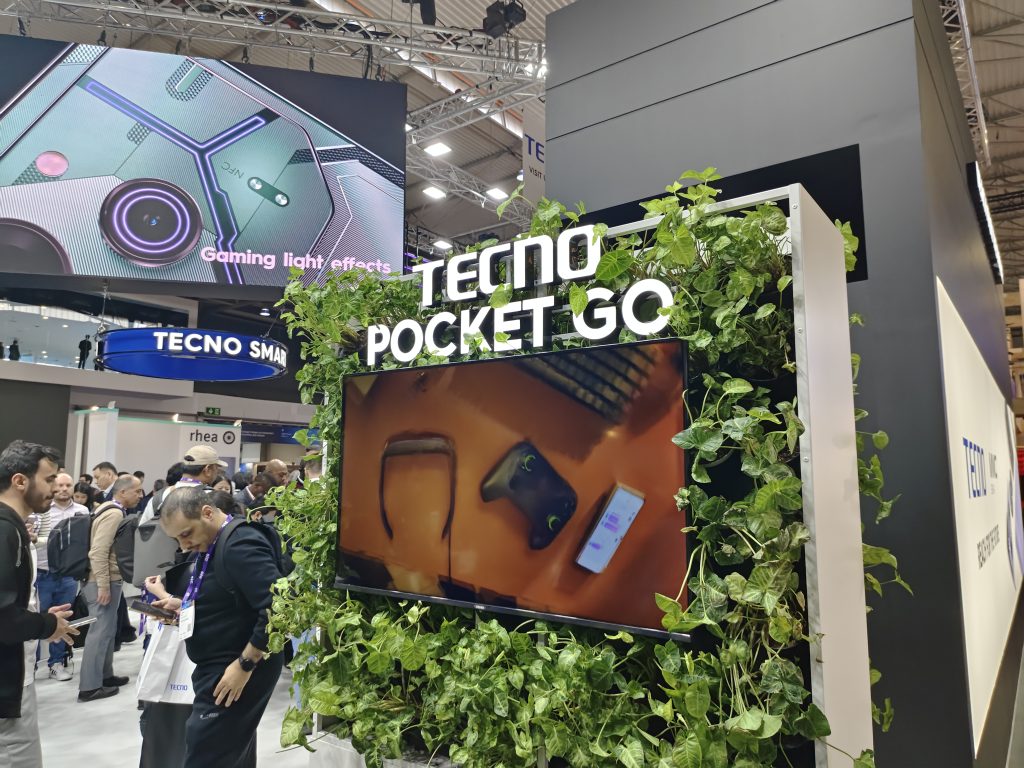
Day one at MWC 2024 Barcelona was exciting, as we got to go hands on with a lot of beautiful and innovative gadgets. The devices that are exhibited at the event, show us what to expect in the coming months in terms of technological innovation. Among the various booths we got to visit, we found something really interesting at TECNO’s 2024 MWC booth.
No, I am not talking about the TECNO Dynamic 1— the robot dog. I agree that the robot looked innovative (much like the Xiaomi robot dog), but there was another interesting device, tucked in the corner of the booth. This was a portable gaming controller with an AR headset.
Obviously, I had to go and try it out to see what the fuss was about.
Before I talk about my hands on experience, let me give you some background on the product.
What is the TECNO Pocket Go?
The TECNO Pocket Go is a handheld gaming device set featuring a controller that houses powerful gaming hardware and companion AR glasses that act as the display. It is lightweight and easy to carry around. In fact, TECNO claims it is the world’s first gaming set that combines a Windows handheld with AR glasses. To put it simply, TECNO has added the hardware of a gaming handheld into a controller style device, which is then connected to the AR glasses.
With the two devices combined, you can practically start gaming from anywhere you want. Be it a simple bean bag, your sofa, or even a subway station (of course, not recommended)!
Let’s take a closer look at each of the two parts of the Pocket Go, to better understand how they work together.
Pocket Go Controller
The Pocket Go handheld is slightly heavier device than a regular controller. Like any other handheld, it contains all the hardware for running a full-fledged PC. But TECNO claims it is 50% smaller and 30% lighter than standard gaming handhelds, with a form factor, similar to a smartphone. Presumably, the lack of an integrated display contributes to this ergonomic advantage.
TECNO reveals the hardware inside is the newest game CPU with eight cores, sixteen threads, and turbo speeds of up to 5.1 GHz. A PC-Level Large Cooling Fan and three copper lines further help the Pocket Windows Handheld get rid of heat effectively, which leads to its amazing performance of up to 35W. With a 50Wh battery that can be replaced, gamers can enjoy a long battery life that lets them play games without stopping.
While I was at the booth, I could see the staff members quickly swap the batteries on board to continue the gaming experience for the attendees. Unfortunately, I still don’t know how long each battery lasts with regular gameplay.
Pocket Go Vision AR Glasses
The companion to this handheld is the AR Pocket Vision headset.
The 0.71-inch Micro-OLED screen on Pocket Go’s AR Pocket Vision headset makes it feel like you are watching a 215-inch TV from six meters away when you wear it. The small device gives players a wide view and a quality viewing experience that feels like being in a movie theater. The headset also has diopter settings that can be changed up to 600° to accommodate users with different visual needs. So you can remove your prescription glasses and adjust the screen in each eye for the perfect viewing experience.
TECNO Pocket Go Hands onExperience
Enough about the specs, let’s talk about the experience now.
The TECNO Pocket Go handheld is comfortable to hold and has enough width to get a really good hands on feel. While I am not a gamer, my colleagues from our Chinese review team, Paco and Will, who are avid gamers, tried out the device, and approves the design. The buttons and the joystick were comfortable to navigate the gameplay, and the experience felt quite intuitive.
While the handheld device is the real brain of the Pocket Go, what really drives the gameplay experience is the Pocket AR Vision headset. It would only be slightly bigger than your traditional glasses, and come in an all black, stylish finish. TECNO staff added that in the future, you would have the option to completely cover the glasses to block out the surroundings for an even better gaming experience.
In the demo, I could play Cyberpunk 2077, and the gameplay as well as the sound experience felt immersive. It took me a while to adjust to the large screen, possibly due to the adjustments I had to make to the screens for my prescription numbers. However, within a few seconds, my eyes got used to the large screen. So in less than a minute, I was invested in the game, which had good quality visuals and smooth graphics rendering.
Check out our hands on video below.
We tried out the new Tecno Pocket Go AR gaming handheld, and the experience was pretty smooth and immersive.
I can see how such portable AR gaming headsets could gain popularity in the coming months. Its like carrying a 200-inch screen for your gameplay, right in your pocket. Now, you see why this is called the TECNO Pocket Go!
While TECNO is marketing this as a gaming handheld AR headset, the practical applications of such a device are endless. You have enough power in the handheld to make it a portable workstation as well, something that you might have already seen in the Apple Vision headset. With the right accessories, I am expecting a lot of different applications for such a device.
Google has outlined its plans to directly integrate its advanced AI language models, known as Gemini, into Android smartphones starting in 2025. This move builds upon the earlier introduction of Gemini Nano, a smaller version of the AI model that still requires internet access.
By embedding the more powerful models directly on devices, users wouldn’t need constant connectivity for certain AI-driven features which will improve both user experience and privacy.
Google’s Gemini Ultra is a powerful model boasting 1.56 trillion parameters. This puts it on par with OpenAI’s GPT-4 in terms of language understanding and generation capabilities. Integrating Gemini Ultra could introduce a range of new features and functionalities for Android users.
The smartphone market has been experiencing a slowdown in sales. Industry observers are looking towards the potential of AI to bring innovation and reinvigorate consumer interest – a possible “AI supercycle”.
Analysts, however, express caution as current advancements might not be compelling enough to drive widespread upgrades from existing devices.
Despite the mixed outlook, Google, along with other tech companies, is investing significantly in AI-powered chatbots and virtual assistants. The rebranding of Google’s Bard app to Gemini is one such example.
This investment is in line with CEO Sundar Pichai’s vision of a unified AI agent capable of seamlessly assisting users across the Google ecosystem.
The integration of advanced AI models into Android phones in 2025 is a potential shift towards a more intelligent and personalized mobile experience. How far-reaching this shift will be remains to be seen.
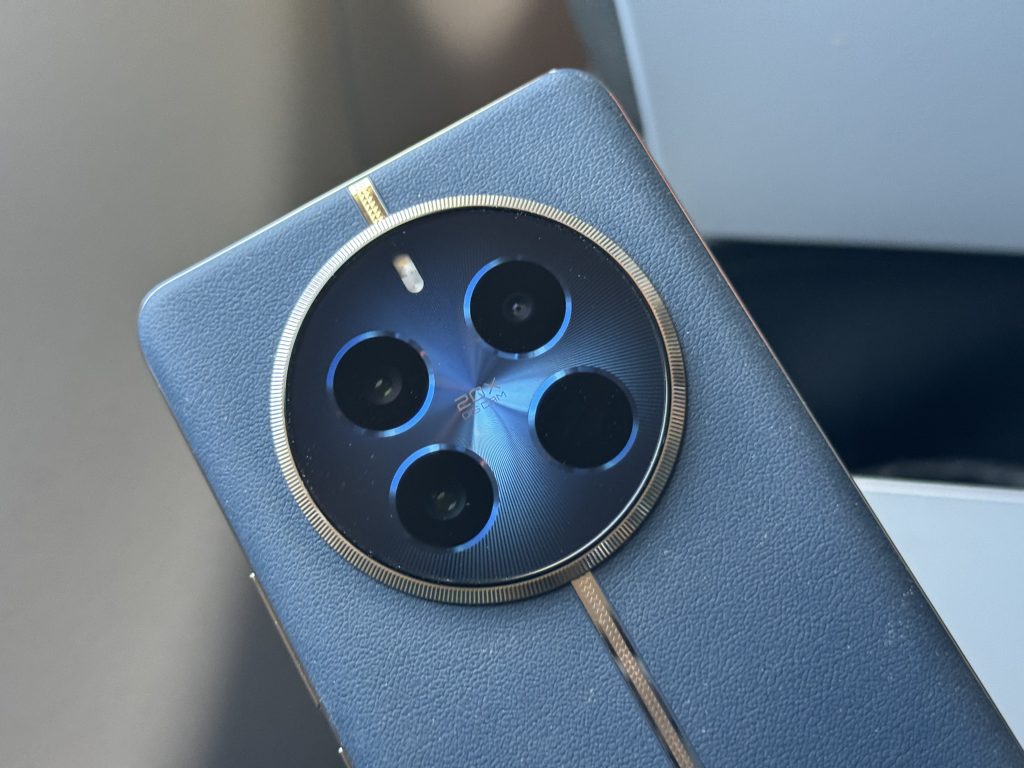
The Realme 12 Pro starts at ¥1,599 (~$220) in China. Whereas, the Realme 11 Pro was introduced at ¥1,699 (~$235). That’s a price drop of ¥100 (~$15). The base variant of both phones offers 8GB RAM and 256GB storage.
On the other hand, the Realme 11 Pro Plus was launched at ¥2,099 (~$290) for the base 12GB + 256GB memory configuration. Whereas the base model of the Reame 12 Pro Plus is way more affordable at ¥1,699 (~$235) since it comes with 8GB RAM. Even the 12GB RAM version is ¥100 (~$15) cheaper at ¥1,999 (~$275).
For comparison, the 8GB + 256GB variant of Realme 12 Pro retails at ₹26,999 (~$325) in India. While the 8GB + 256GB version of Realme 12 Pro Plus costs ₹31,999 (~$385)
This makes the Pro and the Pro Plus cheaper in China by approximately 30% and 40%, respectively.
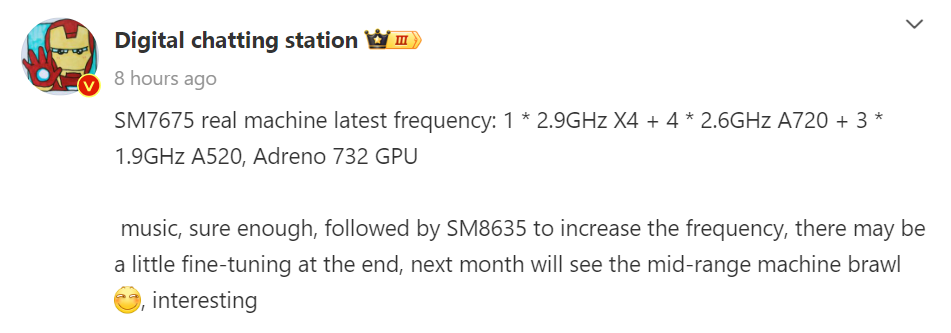
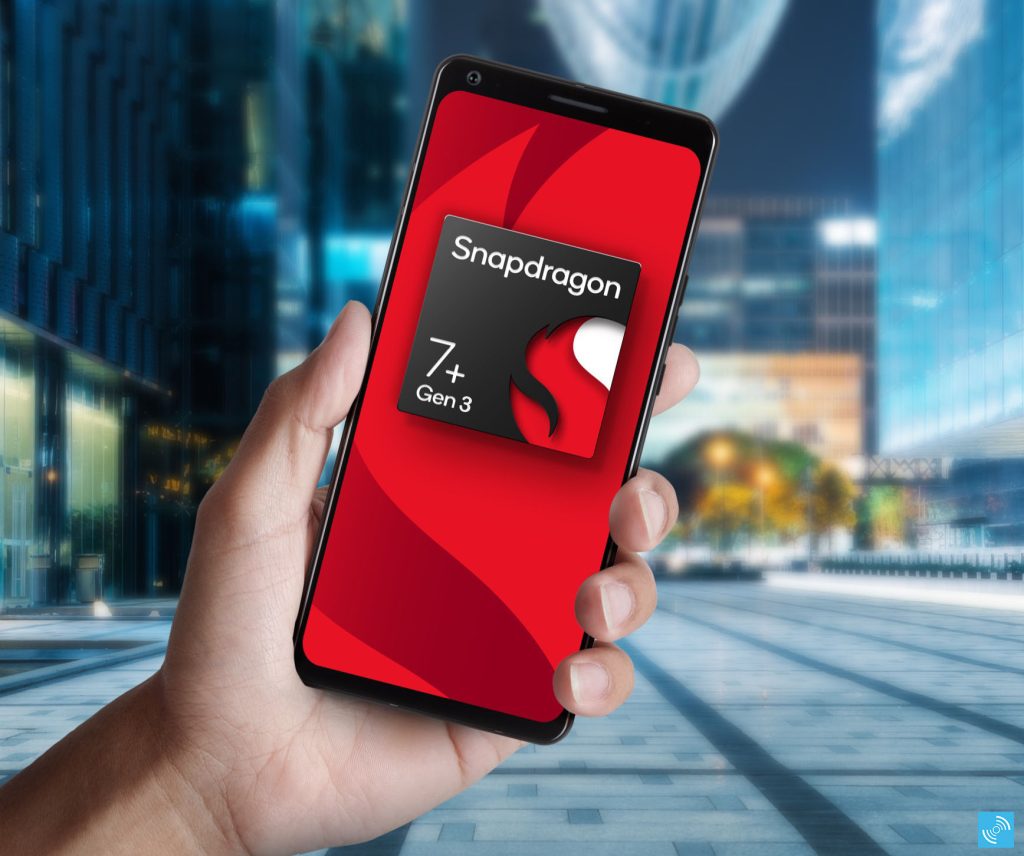
Qualcomm is gearing up to launch the Snapdragon 7+ Gen 3 processor, offering a significant performance leap over its predecessor. Renowned tech leaker Digital Chat Station revealed key details about the upcoming chip, including its impressive clock speeds and architecture.
Snapdragon 7+ Gen 3 Specifications (Leaked)
According to the leak, the upcoming chip, codenamed SM7675, will boast a Cortex-X4 prime core clocked at a staggering 2.9GHz. This frequency bump from the previously reported 2.8GHz signifies Qualcomm’s intent to push the boundaries of the mid-range segment.
This impressive clock speed matches the prime core of the flagship Snapdragon 8 Gen 3, suggesting the 7+ Gen 3 could offer performance close to high-end processors. This is further bolstered by the chip’s architecture, which reportedly mirrors the Snapdragon 8 Gen 3, featuring a “1+4+3” core configuration. The four A720 middle cores are expected to run at 2.6GHz, while the three A520 efficient cores are likely clocked at 1.9GHz. In terms of GPU, it will feature Adreno 732 GPU, promising enhanced graphics performance.
This leak aligns with previous information about the OnePlus Ace 3V. Earlier rumors suggested this phone would pack the SM7675 chip, hinting at its potential to be the first device to showcase the power of the Snapdragon 7+ Gen 3. The Ace 3V is also expected to boast a flat OLED 1.5K 8T LTPO display with a 120Hz refresh rate, 16GB of RAM, a 5500mAh battery, and support for 100W fast charging, making it a well-rounded contender in the mid-range market.
Qualcomm unveiled the Snapdragon 7 Gen 3 processor last year, but it fell short in terms of power compared to its predecessor, the Snapdragon 7+ Gen 2. The latter utilized a “1+3+4” architecture, including a high-performance ARM Cortex-X2 core (up to 2.91 GHz), three mid-range ARM Cortex-A710 cores (up to 2.49 GHz), and four efficient ARM Cortex-A510 cores (up to 1.8 GHz).
The leak further suggests that the SM7675 might not be the only chip based on this architecture. Rumors point towards another chip, codenamed SM8635, potentially being a different frequency version of the SM7675. This aligns with previous statements from Ice Universe, a prominent tech leaker, who claimed that Qualcomm would release these chips in March 2024. Both chips, codenamed “Cliffs” internally at Qualcomm, are said to inherit the architecture of the Snapdragon 8 Gen 3, offering a wider range of options for manufacturers.
Apple announced FineWoven cases for its iPhone 15 series in September last year. As per the company, it features a new luxurious material to replace leather in its products. This move won Apple the PETA Company of the Year award. However, shortly after launch, the FineWoven cases received a lot of flak. The latest one comes from Wall Street Journal columnist Joanna Stern who shared her experience after five months of use.
Apple’s FineWoven case turns like a rotten banana
Here it is. My iPhone 15 Pro Max’s FineWoven case. Peeling edges, scratches and browning like a rotten banana.
An Apple spokesman said that the company’s cases are engineered at the highest standard to protect iPhones.
Joanna says that there are multiple issues with the FineWoven case on her iPhone 15 Pro Max. The edges on the case are peeling, the fabric is scratched like an old CD, and the case becomes brown like a rotten banana. The case almost looks like a piece of junk. Joanna jokes about the CDC showing up at her house to declare it a biomedical concern.
FinWoven cases have been criticized a lot with The Verge labeling them as terrible and complaining about scratches in the fabric. Buyers who purchased the case gave it one or two stars giving the same reason as Stern.
Apple had claimed that the FineWoven material was an elegant and durable new textile. It was said to be made from 68 percent post-consumer recycled content. The official support document provides advice for cleaning the FinWoven case material with laundry detergent and water. However, Stern says that it’s still scratched and peeling. Additionally, the document also says that the material may look different and show wear over time as the fibers get compressed with normal use. Some scratches may diminish over time.
The MWC 2024, held in Barcelona, is continuing at full speed on its second day. Honor, along with dozens of different companies from around the world, showcased its latest products and services at the event. In fact, the company’s CEO, George Zhao, took the stage for a panel discussion titled “Putting Humans First in AI Development: Key Considerations for Creating AI for Smart Devices.” Zhao discussed the company’s future vision centered around artificial intelligence and 6G. Here are the details…
Honor Illuminates the Future of AI in Smart Devices at MWC
According to George Zhao, Honor’s AI strategy focuses on providing solutions that prioritize users’ needs and simplify their daily lives. The first step in this direction is “Platform-Level AI.” The company aims to deliver a consistent and intuitive AI experience across all its devices by integrating artificial intelligence into the MagicOS operating system. This approach allows AI to predict and offer proactive suggestions based on users’ needs and intentions.
One of the other important topics emphasized by Zhao is sectoral collaboration. The CEO of Honor stated that they aim to pioneer an open ecosystem to promote AI innovation and are open to collaborating with other leading companies in the industry. Zhao said, “By promoting open collaboration, we are creating artificial intelligence experiences on devices for the benefit of consumers.”
Honor and GSMA have also published a technical review titled “6G Terminal Vision” summarizing the future of 6G at MWC. This document addresses not only the exciting opportunities presented by 6G and artificial intelligence but also the complex challenges involved. Nine possible scenarios, five key research directions, and four typical capabilities are detailed. The vision aims to create a human-centric smart world, and Honor invites industry partners to collaborate in realizing this vision.
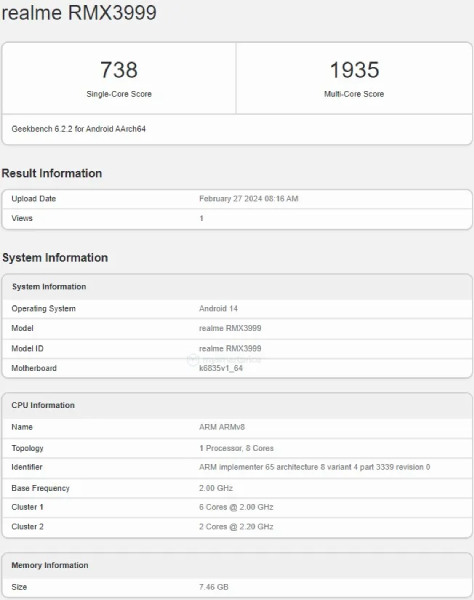
Realme has already introduced two devices in the Realme 12 series, with another one, the Realme 12+ 5G, set to launch on March 6. Additionally, there’s news about another device, the Realme 12, which has recently appeared on the Geekbench platform.
The smartphone was spotted on a benchmarking platform carrying model number RMX3999. The Geekbench 6 listing for the Realme 12 5G suggests it will likely run on a MediaTek Dimensity 6100+ processor.
The processor has an octa-core configuration with two high-performance cores clocked at 2.20GHz and six efficiency cores running at 2.0GHz. These specifications, along with an integrated Mali G57 GPU, match those of the MediaTek Dimensity 6100+ chipset.
Moreover, the phone will come equipped with 8GB of RAM and the latest Android 14 operating system. Benchmark scores show the device achieved 738 points in the single-core test and 1935 points in the multi-core test.
The Realme 12 5G has previously been certified by Malaysia’s SIRIM, confirming its marketing name. A TUV certification suggests a 4880mAh battery, while its appearance on the US FCC website indicates features like 5G, 4G LTE, dual-band Wi-Fi, Bluetooth, and NFC connectivity.
Additionally, leaks suggest the Realme 12 5G will feature a 6.72-inch IPS LCD screen, supporting FHD+ resolution and a 120Hz refresh rate for clear and fluid visual performance. For security, the phone is said to have a side-mounted fingerprint sensor.
Earlier today, the Realme 12 5G also cleared India’s Bureau of Indian Standards (BIS) certification. So an India launch is highly likely in the coming days. The device could tag along with the Realme 12+ 5G during the March 6 launch.
200MP main (f/1.7), 8MP ultrawide (f/2.2), 2MP macro (f/2.4)
200MP main (f/1.7), 8MP ultrawide (f/2.2), 2MP macro (f/2.4).
Front camera
16MP (f/2.4)
16MP (f/2.4)
Chipset
Snapdragon 7s Gen 1
Mediatek Dimensity 7200
RAM
8GB, 12GB, 16GB
8GB, 12GB, 16GB
Storage
128GB, 256GB, 512GB
128GB, 256GB, 512GB
Battery
5,100 mAh
5,000 mAh
Charging
67W wired
120W wired
Water/dust resistance
IP54
IP68
Size
161.2 x 74.2 x 8 mm (6.35 x 2.92 x 0.31 in)
161.4 x 74.2 x 8.9 mm (6.35 x 2.92 x 0.35 in)
Weight
187 grams (6.6 ounces)
199g (7.02 ounces)
Colours
Midnight Black, Aurora Purple (Coral Purple), Ocean Teal, Arctic White
Midnight Black (Fushion Black), Moonlight White (Fushion White), Aurora Purple, Fushion Purple, Camo Green
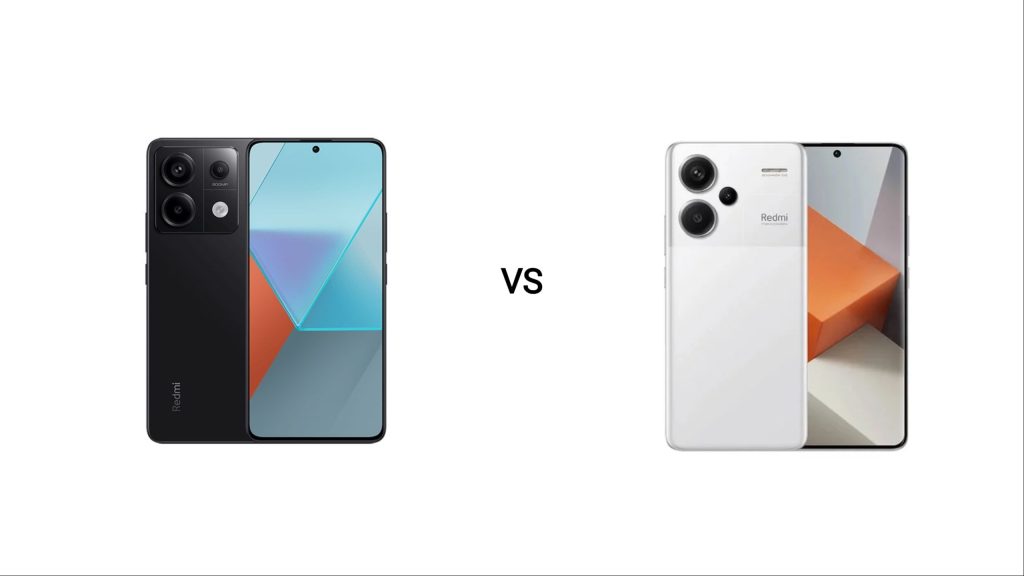
After the launch of the Redmi Note 13 Pro devices last year, users around the world started taking an interest in the devices in this series. Users had the opportunity to go for the Pro variant or the Pro Plus variant, which brings more to the table. But how much does this Pro Plus variant bring, and is this enough reason to ditch the Pro variant?
If you are one of those asking these questions, then this article is specifically for you. Here we’ll put both devices in Redmi’s 13 Pro series up against each other, comparing their specs and features to find out which entry is the better pick. At the end of this article, you’ll be able to make a smart choice on which of these devices will be the best pick for your needs.
Redmi Note 13 Pro vs Redmi Note 13 Pro Plus: Price
Redmi Note 13 Pro: All storage variants available retail start at 389
Redmi Note 13 Pro Plus: All storage variants available retail start at $459
Please Note: When you buy something using the links in our articles, we may earn a small commission at no cost to you.
redmi note 13 pro vs redmi note 13 pro plus: Design and colours
redmi note 13 pro:
This affordable device comes with a camera cutout that features four cutouts each holding a camera sensor or a flash. Xiaomi uses a flat side design in place of the more rounded sides on this device to make it a bit more grippy for most users. Up front, this device features almost even bezels all around it to give users a better user experience.
The volume rocker and power sit on the right side of the device leaving the left side free of any buttons. On the rear, this device features a glass back (Midnight Black, Aurora Purple (Coral Purple), Ocean Teal, Arctic White) which is good to look at but might create some problems for those using their devices without protective pouches. Overall this is a good-looking device and might get a few heads turning while using it throughout the day.
redmi note 13 pro plus:
Regardless of it being similar to the 13 Pro, this device comes with some notable differences. Unlike its sibling, this device doesn’t feature four cutouts on its rear as it sits the three camera sensors in a large cutout. The flash however sits at the top left-hand side of the rear panel.
Unlike the 13 Pro, this device doesn’t feature flat edges as its edges are more rounded on the back and on the front. Yes, this device comes with an impressive curved screen; the only flat sides on this device are on the top and the bottom. It also features some impressive color options that buyers can pick from like Midnight Black (Fushion Black), Moonlight White (Fushion White), Aurora Purple, Fushion Purple, and Camo Green.
Major differences:
A more impressive design on the 13 Pro+.
Curved screen display on the 13 Pro+.
The 13 Pro comes with a more boxy rear camera cutout.
redmi note 13 pro vs redmi note 13 pro plus: Display
Redmi note 13 pro:
This device features a flat-screen display with slim bezels on three sides and a slightly thicker bezel on the chin. The display here is a 6.67-inch AMOLED panel, and it also comes with Corning Gorilla Glass Victus protection. Gamers and other power users will also benefit from the 120Hz refresh rate that this device features. Users will also benefit from the under-display fingerprint sensor that this device comes with for advanced security protection.
redmi note 13 pro plus:
This device comes with a more impressive curved screen display panel, which is more appealing to look at. It still uses a 6.67-inch AMOLED panel, but unlike the 13 Pro, this entry curves at its ends. The resolution on this display is 1.5K, which is great for content consumption as well as gaming as it also supports a 120Hz refresh rate. Under the display also sits the fingerprint scanner on this device.
Major differences:
The 13 Pro Plus comes with a curved screen.
redmi note 13 pro vs redmi note 13 pro plus: Cameras
redmi note 13 pro and redmi note 13 pro plus:
Same camera configuration on both models.
Major differences:
Different rear camera setups.
redmi note 13 pro vs redmi note 13 pro plus: Performance
redmi note 13 pro:
When it comes to performance this device relies on the Snapdragon 7s Gen 1 processor. Joining this processor is up to 16GB worth of RAM capacity with 8GB and 12GB RAM capacities as options. Storage maxes out at 512GB which is exclusive to the 12GB and the 16GB RAM options.
redmi note 13 pro plus:
Under the hood of this device is the MediaTek Dimensity 7200 Ultra processor. For its memory capacity, this device will rely on its optional 8GB, 12GB, or 16GB RAM capacities with up to 512GB worth of storage. Unlike on the 13 Pro, the 512GB storage option is not exclusive to the 12GB and 16GB RAM options as buyers of the 8GB option can also get 512GB storage.
Major upgrades & differences:
More storage options on the 13 Pro Plus 8GB RAM option.
More power on the 13 Pro Plus.
redmi note 13 pro vs redmi note 13 pro plus: Software
redmi note 13 pro and redmi note 13 pro plus:
Both devices run on Android 13 and the MIUI 14 software for customization with 3 years of OS upgrade.
Major differences:
Nil.
Redmi Note 13 Pro vs Redmi Note 13 Pro Plus: Battery life and charging
redmi note 13 pro and redmi note 13 pro plus:
The 13 Pro comes with a 5100mAh battery capacity and supports 67W fast charging while the 13 Pro Plus comes with a 5000mAh battery and charging speed of 120W. Both devices don’t offer wireless charging.
Major differences:
Faster charging on the 13 Pro Plus.
Slightly bigger battery on the 13 Pro.
Redmi note 13 pro vs Redmi note 13 pro plus: Final Verdict
Among these two devices, it’s clear that the Redmi 13 Pro Plus will be a better pick for most users. It features a better processor, a curved screen, faster charging, and better protection with its IP68 rating. The Redmi 13 Pro also has its good sides as it is more affordable, and features an impressive design for those that don’t like curved screens. So if you’re going for a more affordable device the 13 Pro is the way to go but if you’re looking for all-round performance on a budget then the 13 Pro Plus is the way to go.
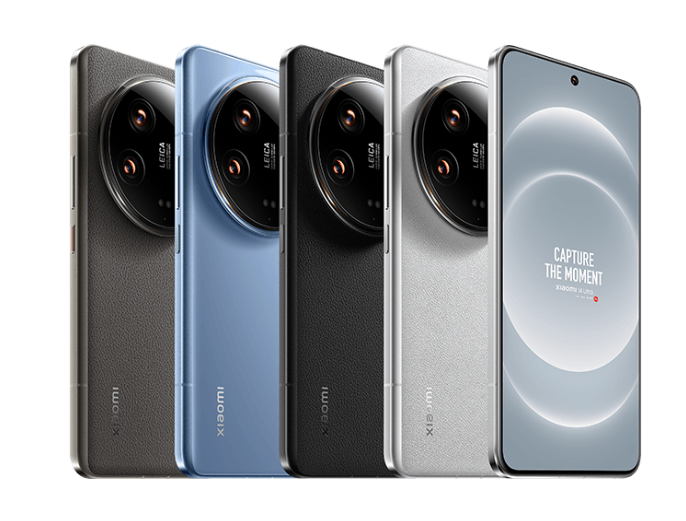
Just last week, the Xiaomi 14 Ultra was officially launched in the brand’s home market of China. Now, the first sale of the flagship smartphone has finally gone live in the region. So here’s everything you need to know about its pricing, specs, and more.
Xiaomi 14 Ultra Pricing & Availability
To recall, the Chinese tech giant’s Xiaomi 14 Ultra model was announced for the global market, outselling the Xiaomi 13 Ultra in Europe. It is now being offered in China in multiple variants. The device comes in Black and White as well as Dragon Crystal Blue for the Ceramic version. This flagship phone starts from 6,499 Yuan (roughly 903 US Dollars) for the 12GB + 256GB model.
On the other hand, the 16GB + 512GB and 16GB + 1TB variants cost 6,999 Yuan and 7,799 Yuan respectively (roughly 973 and 1,084 US Dollars). Lastly, the top end Titanium Metal Special Edition with 16GB + 1TB is listed for 8,799 Yuan (roughly 1,223 US Dollars). The device is available for purchase via Xiaomi’s online store, Xiaomi Home, Xiaomi Youpin, major authorized e-commerce platforms, and authorized retailers. Although, the Titanium Metal Special Edition variant will go on sale on March 12.
Xiaomi 14 Ultra Specs
For those unaware, the Xiaomi 14 Ultra sports a tall 6.73-inch LTPO OLED display that offers 2K resolution, 3000 nits of peak brightness, a 32-megapixel selfie shooter, and a 120Hz variable refresh rate. Meanwhile, the rear packs a quad camera setup that consists of a 50-megapixel primary camera, a 50-megapixel ultra wide angle lens, a 50-megapixel portrait sensor, and a 50-megapixel periscopic telephoto shooter.
Under the hood, it is equipped with the Snapdragon 8 Gen 3 SoC and is powered by a large 5,300mAh battery pack that supports 90W wired fast charging and 50W wireless fast charging. Other notable features include Xiaomi’s two way satellite communication tech, proprietary signal enhancement chip, Surge T1 chipset, and IP68 water and dust resistance.
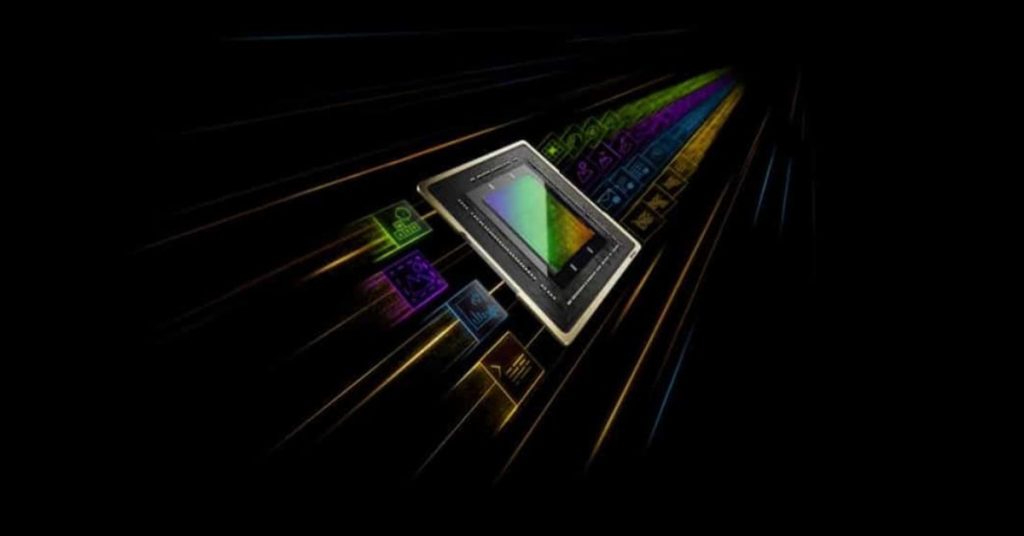
Nvidia continues to adapt to the increasing integration of AI technology in professional settings. The company has announced two new AI-enhanced graphics processing units (GPUs) — RTX 500 and RTX 1000 — specifically intended for workplace use.
Built upon Nvidia’s Ada Lovelace architecture, these GPUs share technological foundations with the RTX 2000 through 5000 series, frequently found in gaming laptops.
Unlike their gaming-focused counterparts, the new GPUs target professional needs. They emphasize features such as high-quality video conferencing, AI-driven image upscaling, and other enhancements that streamline typical workflows.
The GPUs are designed to boost the capabilities of thin and light professional laptops frequently used for content creation, video editing, research, and general productivity tasks.
Internally, the GPUs include significant upgrades like third-generation ray tracing cores, fourth-generation Tensor Cores, Ada generation CUDA cores, DLSS 3, and an AV1 encoder.
With all this, the company promises an increase in performance and efficiency compared to Nvidia’s earlier professional GPU offerings.
The RTX 500 will launch with 4GB of memory, while the RTX 1000 features a slightly larger 6GB capacity. Here are the detailed specifications of the new GPUs:
GPU
RTX 500
RTX 1000
CUDA Cores
2048
2560
RT Cores (3rd Gen)
16
20
Tensor Cores (4th Gen)
64
80
VRAM (w/ Type)
6GB DDR6
8GB DDR6
Memory Bus Width
64-bit
96-bit
Bandwidth
128GB/s
192 GB/s
Total Graphics Power (TGP)
35-140W
35-60W
Nvidia plans to partner with major laptop manufacturers including Dell, Lenovo, and HP to bring the new GPUs to their workstations. Nvidia says a laptop with the new RTX 500 and RTX 100 GPU will be available sometime this spring.
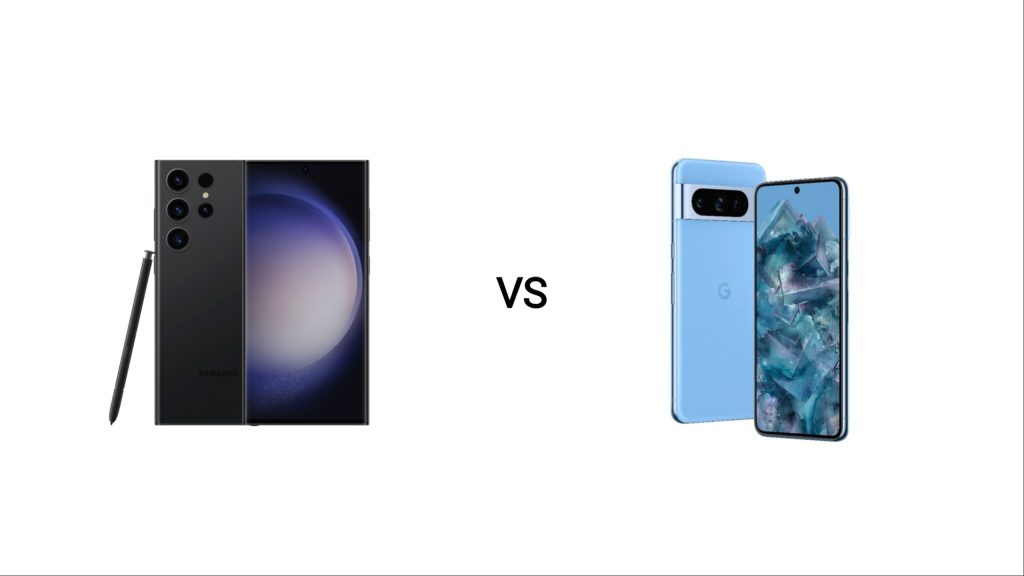
In this comparison, we are putting two impressive Android devices against each other. Both of the devices in this comparison are top photography devices and they offer top-of-the-range specifications that will get your head turning. The first device in this comparison is the Samsung Galaxy S24 Ultra, which launched last month, and it’s going up against the photography genius’s Pixel 8 Pro, which launched last year.
Unlike other Android devices, the Pixel 8 Pro uses a processor that can only be found on devices from Google. The entry from Samsung in this comparison uses an Android flagship processor that can be found on other devices, but in pure Samsung tradition, it delivers when it comes to performance. Let’s now put these two devices side by side and compare various facets of their build to find out which is the better pick for your needs.
Galaxy S24 Ultra vs Pixel 8 Pro: Price
Galaxy S24 Ultra: All storage variants available retail starts at $1299
Pixel 8 Pro: All storage variants available retail start at $999
Please Note: When you buy something using the links in our articles, we may earn a small commission at no cost to you.
Galaxy S24 Ultra vs Pixel 8 Pro: Design and colours
Galaxy S24 Ultra:
The new Samsung Galaxy S24 Ultra comes with a ton of design upgrades from its predecessor. These updates place it inches ahead of the competition in this comparison. For its design, this new device comes with Gorilla Glass Armor on the front and Gorilla Glass on the back as well as titanium frame which is a new feature. This device weighs 232g and its dimensions are 162.3 x 79 x 8.6 mm (6.39 x 3.11 x 0.34 in).
A standard feature on ths Samsung S Ultra entries is the S Pen which is great for productivity. This flagship device comes with a ton of colour options which are very impressive. The colours available are Titanium Black, Titanium Gray, Titanium Violet, Titanium Yellow, Titanium Blue, Titanium Green, Titanium Orange.
Pixel 8 Pro:
In comparison to its predecessor the new Pixel 8 Pro brings a ton of obvious and rather subtle design changes. Overall this is a very beautiful device to look at and also use as it fits perfectly into the user’s hand. A major design and functionality change that this device features is the new sensor that sits on its rear camera cutout.
Weighing less than the Galaxy S24 Ultra, this device will be the best pick for most users who don’t like carrying heavy devices about. The glossy finish around this device’s sides as well as its rear camera cutout compliment the device’s colour option. Speaking of color option, the Pixel 8 Pro comes in Obsidian, Porcelain, Bay, and Mint color options, with the Mint option launching a few weeks ago.
Major differences:
The Galaxy S24 is heavier than the Pixel 8 Pro.
The Galaxy S24 Ultra comes with a Titanium build quality which isn’t available on the Pixel 8 Pro.
The Pixel 8 Pro comes with a more curvy design at its edges.
Galaxy S24 Ultra vs Pixel 8 Pro: Display
Galaxy S24 Ultra:
When it comes to design, the new S24 Ultra is at the top of its game when it comes to its display. This new device features a 6.8-inch Dynamic LTPO AMOLED 2X panel which supports a 120Hz refresh rate. The display supports HDR10+ and maxes out at a display brightness of 2600 nits.
For protection, this device comes with the Corning Gorilla Glass Armor, which protects it from damage in case of a scratch or a drop. Users will also benefit from the new Always-On display that this device comes with. Samsung also uses the new anti-reflective screen coating, which makes this device very usable even in bright light.
Pixel 8 Pro:
When it comes to display, the Pixel 8 Pro shows why it really is a flagship device by featuring rather impressive display technology. The display on this device supports HDR10+, 2400 nits brightness, and a 120 Hz refresh rate. However, it falls short of the Galaxy S24 Ultra by featuring an LTPO OLED screen display, which isn’t as impressive as that of the competition in this article.
Users benefit from the Corning Gorilla Glass Victus 2’s protection that this device provides them with in case of drops or impact to the screen’s display. The display on this device also features a higher screen-to-body ratio in close comparison with that on the Galaxy S24 Ultra, making it seem slightly smaller than it’s meant to be. Google really outdid itself on the display that this flagship device offers users, most of which will benefit from the flat-screen display.
Major differences:
S24 Ultra features a special anti-glare coating not found on the Pixel 8 Pro.
Pixel 8 Pro features a slightly better screen-to-body ratio.
Galaxy S24 Ultra vs Pixel 8 Pro: Cameras
Galaxy S24 Ultra:
The camera setup on the Samsung Galaxy S24 Ultra features 200MP, 50MP, 10MP, and 12MP sensors. Some of the features it packs include a multi-directional PDAF sensor, an AI picture enhancement feature, and an enhanced AI object-aware engine. Up front, it features a 12 MP sensor that supports up to 4K video recording.
The rear camera on this device supports8K video recording at 30fps. The entire camera system brings a ton of AI features and abilities that users can benefit from. These AI features and abilities help step up the photography experience that this device comes with.
Pixel 8 Pro:
Photography is one of the strongest parts of Google Pixel devices and one of the main reasons why some buyers pick their product above the competition. This device is not even six months old, and it’s already excelling in most flagship camera tests, even outperforming the competition. Google uses a triple rear camera setup on this device, housing a 50MP and two 48MP sensors as well as a temperature sensor for checking the user’s body temperature.
Up front is a 10.5 MP selfie lens, and both front and rear cameras offer only 4K video recording, which is behind the competition. But one area in which Google Pixel devices are far ahead of the competition is the area of image processing, thanks to the Tensor G3 processor in this device. This device also packs a truckload of AI photography features, making it the top of its game when placed side by side with other flagship devices.
Major differences:
S24 Ultra features a higher resolution main camera.
S24 Ultra features an extra camera.
Pixel 8 Pro features a temperature sensor.
S24 Ultra supports 8K video recording.
Galaxy S24 Ultra vs Pixel 8 Pro: Performance
Galaxy S24 Ultra:
This new device comes with the Snapdragon 8 Gen 3 processor as well as the Adreno 750 GPU chip. It features a ton of performance improvements in comparison with its predecessor.
Users can get this new device in the following storage configurations: 256GB 12GB RAM, 512GB 12GB RAM, 1TB 12GB RAM.
The storage on this device is not expandable, as it offers more than enough storage for most users. Speaking of its performance, a benchmark review will be great to actually see how well this device holds up against the competition. ForGeekbench 6 this device secured a single-core score of 2297 and a multi-core score of 7142. As for its AnTuTu score, this performance behemoth secures a score of 1,780,568.
Pixel 8 Pro:
On this device, Google uses its new Tensor G3 processor which brings an improvement in performance in comparison with its predecessor. Joining this processor is up 12GB worth of RAM and up to 1TB worth of storage which is more than enough for power users. For its GPU power, this processor draws on an Immortalis-G715s MC10 chip as well as a nona-core CPU setup.
There are a ton of AI features that this processor that enhances on device usage of AI features. For its benchmark scores, this device comes with a score of 963,013 on the AnTuTu benchmark which puts it behind the Galaxy S24 Ultra. On Geekbench this device boasts of a single core score of 1,727 and a multi-core score of 3,433.
Major upgrades & differences:
Snapdragon 8 Gen 3 on the S24.
S24 Ultra offers more power.
Pixel 8 Pro offers more AI featues.
Galaxy S24 Ultra vs Pixel 8 Pro: Software
Galaxy S24 Ultra:
This new flagship smartphone from Samsung launches with Android 14 out of the box. Following this is Samsung One UI 6.1 software which brings some features that are exclusive to the S24 Ultra. Amazingly this smartphone will be able to boast of seven years of OS update on this device.
Pixel 8 Pro:
When it comes to software the Google Pixel 8 Pro takes a lot of praise for its smooth and immersive Android experience. This device runs on stock Android 14 for Pixels which brings a clean experience for users regardless of their needs. Google gives this device seven years OS upgrade and users will be among the first to get each update once its available.
Major differences:
Better stock Android experience on the Pixel 8 Pro.
Faster updates on the Pixel 8 Pro.
Galaxy S24 Ultra vs Pixel 8 Pro: Battery life and charging
Galaxy S24 Ultra:
Samsung has a 5000mAh battery capacity on this new device which is enough for daily usage on a single charge. On a single charge, this device can last for hours of heavy usage as proven by various tests. For its wired charging Samsung equips this device with 45W fast charging to get the device from 0-65% in 30 minutes. For those that use wireless charging, they get 15W as standard and 4.5W reversed wireless charge.
Pixel 8 Pro:
The battery capacity on the Pixel 8 Pro is 5050mAh which is slightly more than the Galaxy S24 Ultra. For charging, this device relies on 30W fast charging, 23W wireless, as well as reverse charging. With the charging speed of this device, users will be able to get their device to 50% in just 30 minutes.
Major differences:
Faster wired charging on the S24 Ultra.
Galaxy S24 Ultra vs Pixel 8 Pro: Final Verdict
Both devices in this comparison are top flagship entries that mean business. If you are going for performance, the Samsung Galaxy S24 Ultra is the way to go as it packs a more powerful processor. In terms of display performance, the Galaxy S24 Ultra is still the better choice as Samsung outdid itself on the display of this new device as it is way better than the competition.
In terms of photography, both devices are very impressive but most will tilt towards the Pixel 8 Pro as it features better image processing abilities. The Pixel 8 Pro is also a better choice when it comes to the device’s software capabilities as it offers a more immersive Android experience. For those that are going for the more affordable option then the Pixel 8 Pro is the way to go as it retails less than the S24 Ultra.
Xiaomi‘s latest generation of flagship smartphones, the Xiaomi 14 series, was just recently unveiled in the global market. These models are currently on sale in Europe and it seems that sales have already surpassed the predecessor, the Xiaomi 13 lineup.
Xiaomi 14 & Xiaomi 14 Ultra outsells the Xiaomi 13 in Europe
For those unaware, the Xiaomi 14 and Xiaomi 14 Ultra hit the European market this week. These are the newest premium grade devices from the company and appear to be a lot more popular than the Xiaomi 13 and the Xiaomi 13 Ultra from last year. Lu Weibing, Xiaomi President and Redmi General Manager revealed that the newer smartphones are outselling the older models by a large margin.
The two flagship phones only recently went on sale in the region but the top end Xiaomi 14 Ultra model sales have tripled over last year’s 13 Ultra. On the other hand, the Xiaomi 14 has impressed even more with sales that are a whopping six times higher than the older Xiaomi 13 at the same time last year.
It is worth noting that these sales figures from the Chinese tech giant likely refer to the initial hours of the sale rather than overall availability since the Xiaomi 14 lineup is still quite new. To recall, the Xiaomi 14 Ultra was just launched in China recently and has also been selling better than the 13 Ultra.
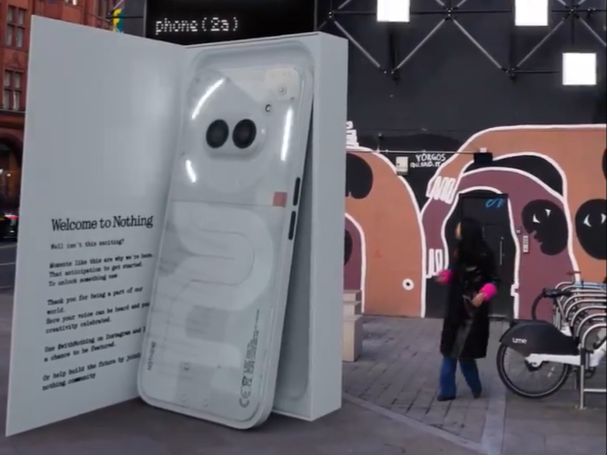
Smartphone manufacturer Nothing has kicked off a warm-up campaign ahead of the highly anticipated release of the Nothing Phone (2a) on March 5. The phone, available in white and black variants, is being promoted under the slogan “Fresh Eyes,” emphasizing its innovative approach to smartphone technology.
Nothing’s promotional slogan “Fresh Eyes” highlights the dual-camera system
Previously, official-looking renders of the Nothing Phone (2a) have been exposed offering a glimpse into the design of the company’s most affordable smartphone. Now the company is officially confirming the design of the device through its official Twitter account.
The device features a dual-camera setup positioned in the middle, with the iconic Glyph light module adorning the upper half of the phone’s body, maintaining the distinct design language of the Nothing family. Additionally, leaked promotional photos shared by whistleblower Roland Quandt also reveals the design of the Nothing Phone (2a).
In terms of performance, Nothing has revealed that the phone will be powered by the Dimensity 7200 Pro processor, boasting an impressive AnTuTu score of 741,999. This places it ahead in terms of performance compared to the Snapdragon 7s Gen 2, promising users a smooth and responsive experience.
One of the standout features of the Nothing Phone (2a) is the introduction of Smart Clean technology, which aims to optimize the device’s storage performance over time. Nothing claims that the flash memory utilized in the phone will retain its efficiency even after prolonged use, ensuring that users can enjoy consistent performance akin to that of a new device.
We use cookies on our website to give you the most relevant experience by remembering your preferences and repeat visits. By clicking “Accept”, you consent to the use of ALL the cookies.
This website uses cookies to improve your experience while you navigate through the website. Out of these, the cookies that are categorized as necessary are stored on your browser as they are essential for the working of basic functionalities of the website. We also use third-party cookies that help us analyze and understand how you use this website. These cookies will be stored in your browser only with your consent. You also have the option to opt-out of these cookies. But opting out of some of these cookies may affect your browsing experience.
Necessary cookies are absolutely essential for the website to function properly. This category only includes cookies that ensures basic functionalities and security features of the website. These cookies do not store any personal information.
Any cookies that may not be particularly necessary for the website to function and is used specifically to collect user personal data via analytics, ads, other embedded contents are termed as non-necessary cookies. It is mandatory to procure user consent prior to running these cookies on your website.