Last year Huawei unveiled the “HarmonyOS NEXT” operating system exclusively for developers. This operating system does not support Android apps and could be the future of Huawei smartphones and other connected smart devices. A previous report from Nikki Asia claimed that Huawei’s HarmonyOS NEXT (unveiled in January as the newest version of its proprietary operating system) could rival iOS and Android going forward.
HarmonyOS NEXT aims to become the third most preferred mobile operating system
Now the latest news is that Huawei is aiming to roll out the HarmonyOS ecosystem globally. As a result of the US sanctions in 2019, the company came up with a new operating system named HarmonyOS for their smartphones, tablets, and other connected smart devices.
Huawei’s proprietary operating system has been limited to the home country so far, but now the company is aiming to expand it globally. During this year’s Analyst Summit Huawei’s current chairman, Xu Zhijun revealed the plans. Huawei believes that it can make it the World’s third-most preferred operating system for mobile devices.
The company is working closely with developers to build a robust app ecosystem for HarmonyOS. The company will first focus on the Chinese market. According to Xu, people in their home country spend most of their time on a collection of nearly 5000 apps. As usual, the company will focus on the availability and seamless performance of those apps at first.
However, building the app ecosystem and competing the established giants like Google’s Play Store or Apple’s App Store can be challenging. According to data from Business of Apps, the Google Play Store currently has a collection of over 3.2 million apps and the App Store also has over 2 million. It will be interesting to see how the global market responds if Huawei becomes successful in building a competing app ecosystem.
Speaking of HarmonyOS NEXT, the company is also reportedly working on a new self-made “Harmony Kernel” instead of using a Linux kernel. For those unfamiliar, the kernel forms the foundation of the operating system. So Huawei is really trying to make its operating system stand out from Android.
Over the past few years, EU has been at the forefront of sustainable and eco-friendly policies for consumer products.
Yesterday, the EU parliament officially passed the “right to repair“ directive, which aims to increase a product’s lifecycle. This would warrant a number of changes in how consumer products like smartphones are serviced and repaired throughout its life.
Here’s what you need to know about the “right to repair“ directive in 5 points.
The rules will take effect after approval by the Council and publication in the EU Official Journal, with EU members having two years to adopt them as law.
Extended Warranty After Repairs: The right-to-repair rules state that manufacturers should extend a product’s warranty by one year if it is repaired while still under the initial warranty.
Mandatory Repairs and Reasonable Prices: Even after the warranty expires, companies must repair common household products at a “reasonable” price to encourage repairs over replacements. This includes products like smartphones, TVs, washing machines, and vacuum cleaners.
Availability of Parts and Tools: Manufacturers are required to provide spare parts and tools necessary for repairs. They are also prohibited from using contractual clauses or techniques that obstruct repairs.
Third-Party Repairs and Parts: The rules prevent manufacturers from blocking the use of 3D-printed or second-hand parts by independent repair shops. They cannot refuse repairs due to economic reasons or previous repairs by third parties.
Local Repair Shop Finder: An online platform will be launched to help customers find local repair shops, sellers of used products, and buyers for defective items.
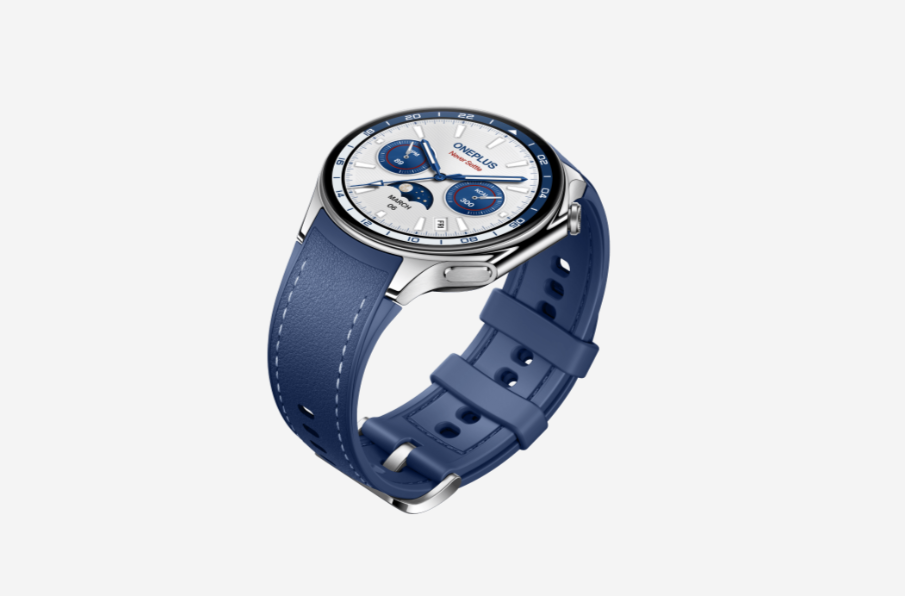
OnePlus has a new fancy Watch 2 Edition in the UK and the EU. The edition, known as the OnePlus Watch 2 Nordic Blue, draws inspiration from Scandinavian design and is the only one with a blue chronograph bezel.
It features a light grey casing with a blue leather band with white stitching. Personally, I think this edition looks quite classy, but the real question is whether it’s worth the €50 premium over the regular edition.
Heard of the Swedish EV brand Polestar? They have launched a new smartphone!
Geely Holdings is in the process of taking Polestar’s ownership from Volvo in 2024. Polestar has been struggling lately, and Volvo reportedly wants to hand over its responsibility to its parent company (yes, Geely owns Volvo too), which could help revive the brand.
Well, Geely’s first line of action seems to be releasing a Polestar branded smartphone in the Chinese market.
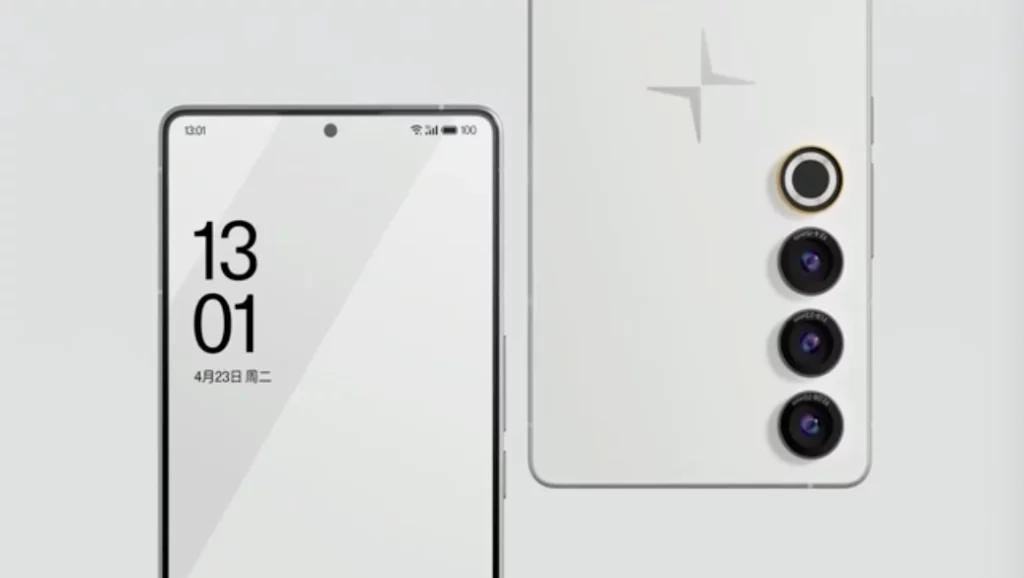
Yesterday, Polestar announced its first smartphone, called simply the Polestar Phone. This device is basically a clone of the Meizu 21 Pro. If you remember, Geely took over majority ownership of Meizu back in 2022, so this clearly was part of its long term plan.
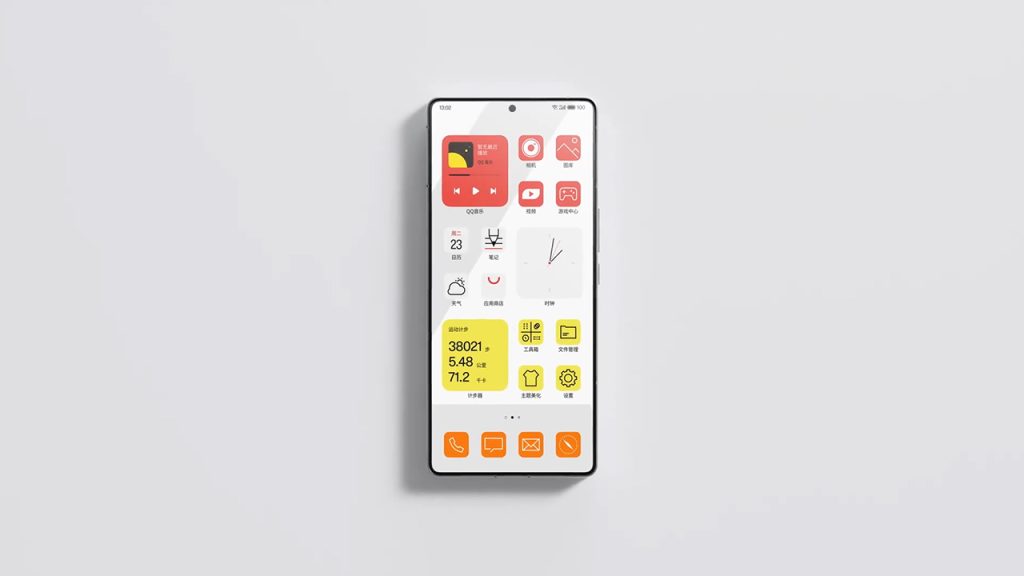
While the specs are exactly the same as the Meizu 21 Pro, the biggest difference on the Polestar Phone is in the UI. It runs on the Polestar Phone OS, which is essentially a customized version of Flyme OS, featuring design elements similar to those found in Polestar electric vehicles’ interfaces.
The phone has AI features such as image search, image production, and text summarization. It also includes the Polestar Link software, which allows customers to control and monitor their Polestar electric vehicles. This is especially useful in China, where Apple CarPlay and Android Auto are not available.
Despite increased US restrictions on the export of advanced Nvidia AI chips to China, ten Chinese entities with government affiliations were able to obtain these AI chips embedded in server products from major suppliers such as Super Micro Computer Inc., Dell Technologies Inc., and Gigabyte Technology.
Nvidia has stated that the products specified in the tenders were exported and available before the restrictions were imposed, asserting that the purchases don’t indicate violations of export control rules. However, experts suggest that chips could have been diverted to China without the manufacturers’ knowledge due to limited visibility into downstream supply chains.
Redmi has just launched a new affordable tablet in the Indian market called the Redmi Pad SE. This new tablet is the successor of the Redmi Pad, which launched back in October 2022.
Canon is breaking new ground in the realm of virtual reality with the development of a hybrid display VR headset designed to revolutionize music experiences. This new technology will transport users who are sitting in their living room, into the heart of live concert halls, redefining the way we enjoy live performances.
Apple is reportedly taking a different approach to generative AI. While the generative AI features on devices are currently backed by server-side large language models, Apple wants to run LLMs on-devices. It will help them ensure user privacy since user data does not have to leave the iPhones and reach servers, that can be shared.
However, there’s only so much that can be done with on-device models. Apple needs to develop a decently capable yet power-efficient model. But doing so on their own will require time. And this is exactly where the acquisition of French startup Datakalab becomes relevant.
Xiaomi Auto began the delivery of its highly anticipated electric car, the SU7 earlier this month. The delivery ceremony was held at the Xiaomi Automobile Factory in Yizhuang, Beijing, where Xiaomi’s founder and CEO Lei Jun opened the doors of each SU7 car and handed them over to their owners. The company planned to sell only 5000 units globally in the first batch.
But the company’s most recent sales target sounds quite ambitious.
The Xiaomi Smart Band 9 is expected to be the company’s next gen wearable product. The Chinese tech giant unveiled the Smart Band 8 back in 2023, and it appears that its successor is set to launch soon. We have covered the upcoming smart band recently, so here’s what to expect from the Xiaomi Smart Band 9.
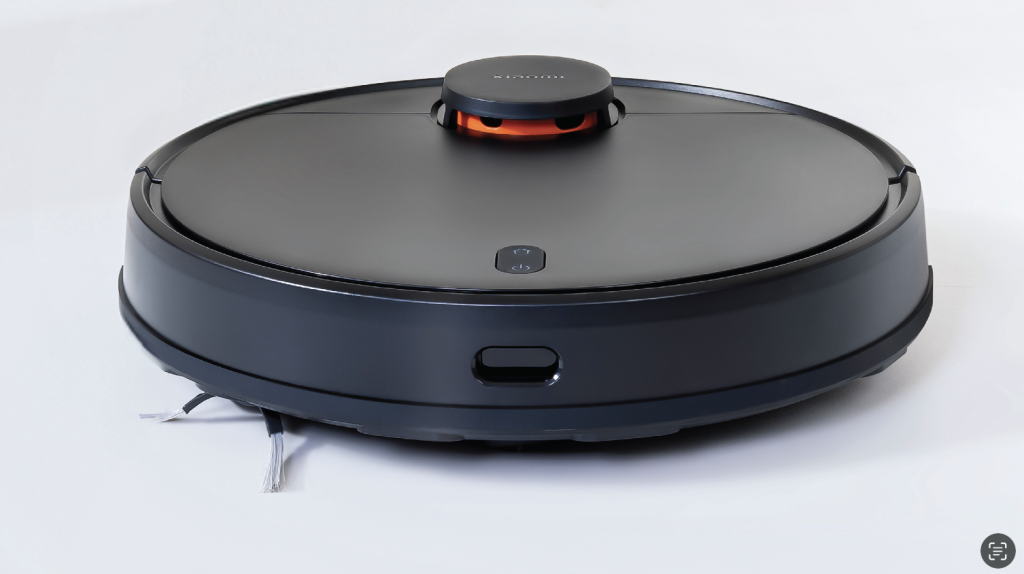
Xiaomi announced a couple of new products, such as the Redmi Pad SE, the Redmi Buds 5A, the Robot Vacuum Cleaner S10, and the Handheld Garment Steamer in India through the 2024 Smarter Living launch event. Readers can learn about the new tablet and earbuds through their dedicated posts on our site. This post mainly focuses on Xiaomi’s new robot vacuum cleaner and garment steamer.
Xiaomi Robot Vacuum Cleaner S10
Xiaomi Robot Vacuum Cleaner S10
An advanced laser navigation system equips the Xiaomi Robot Vacuum Cleaner S10 for 360-degree mapping and scanning of the home. It can effectively avoid obstacles within an 8-meter scanning range. There are multiple sensors onboard, which help the robot vacuum cleaner recognise complex environments to prevent collisions or getting stuck.
The S10 offers 4,000Pa suction power and four suction options, such as Silent, Standard, Strong, and Turbo. It has a 300ml dustbin and conducts cleaning in zigzag and Y-shaped patterns for thorough and efficient cleaning. The Xiaomi Home app can be used to control and access various features of the S10. In addition, it supports Google Assistant and Alexa for a hands-free experience.
Xiaomi Handheld Garment Steamer
Xiaomi Handheld Garment Steamer
Equipped with a removable 160-ml water tank and a foldable design, the Xiaomi Handheld Garment Steamer weighs only 775 grams. This not only allows users to use it for longer durations without hand fatigue but also makes it convenient to carry while travelling.
The garment steamer offers 1300W continuous steam capability and a dual-heat ironing plate made of thermostatic aluminium die-casting, which effectively distributes heat and removes wrinkles from the garment. It promises a 26-second pre-heating time. It offers a steam mode with a 16–24 g/min steam rate and a dry ironing mode for ironing without steam.
Xiaomi Robot Vacuum Cleaner S10, Handheld Garment Streamer price in India, availability
The Xiaomi Robot Vacuum Cleaner S10 and Handheld Garment Steamer will be available for pre-booking starting April 29 in India via Mi.com, Flipkart, and Amazon. On April 29, Mi.com will host the early access sale of these devices.
The price of the robot vacuum cleaner and handheld garment streamer is Rs 19,999 (~$240) and Rs 2,299 (~$27), respectively. The former’s price is inclusive of Rs 1,000 discount using HDFC and SBI bank credit cards and credit card EMI transactions.
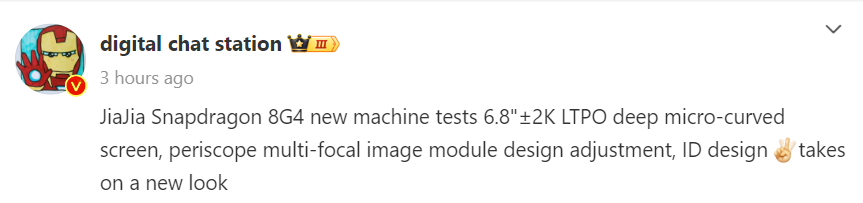
Qualcomm is expected to unveil the next-generation Snapdragon 8 Gen 4 chip in October of this year. Likely, the OnePlus 13 could be one of the first smartphones to arrive in the market with the SD8G4 chip onboard. As the launch of the OP13 is several months away, the rumor mill is gradually leaking details about it. Today, reliable leaker Digital Chat Station spilt some new details about the device.
OnePlus 13 display size revealed
According to DCS, the OnePlus 13 will have a 6.8-inch OLED LTPO screen with a micro-curved design. The screen will support a 2K resolution and is likely to be integrated with an ultrasonic in-screen fingerprint scanner. The predecessor OnePlus flagships have optical under-display fingerprint sensors. As per DCS, the company is currently testing an ultrasonic fingerprint sensor. Hence, it remains to be seen whether it arrives on the final device.
The leak states that the OnePlus 13 will be equipped with a multi-focal camera system. Like the predecessor model, the OP13 will continue to feature a periscope telephoto camera for higher optical zoom.
Leaks dating back to February have claimed that the OnePlus 13 will have a new rear design. Today too, DCS claimed that the industrial design of the OP13 has been completely refreshed.
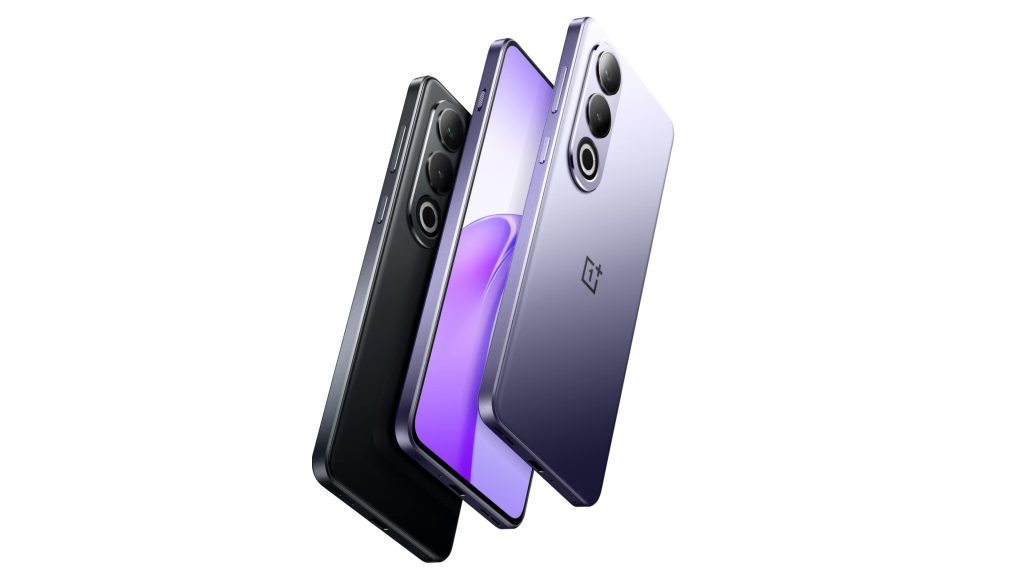
OnePlus Ace 3V
In the past, some of the Ace and numbered series flagship phones from OnePlus have sported similar rear designs. This year, the company has launched two Ace-series phones, named the Ace 3 and Ace 3V in China. The 3V sports a new vertical camera module as compared to the usual round-shaped camera design available on the Ace 3. It remains to be seen whether the OnePlus 13 offers a premium version design of the Ace 3V.
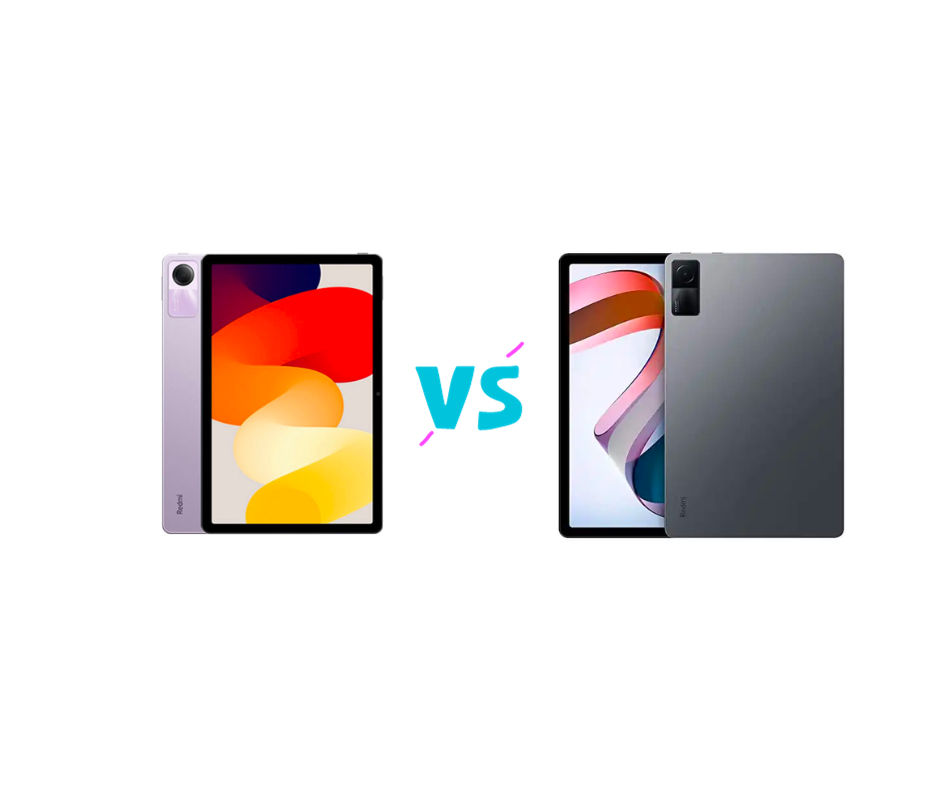
Redmi has just launched its affordable Redmi Pad SE tablet in India. The tablet has a starting price of Rs 12,999 and is set to go on sale starting today. However, it is worth noting that Redmi Pad, which launched in 2022, is still a better tablet at this price range. If you are planning to buy the new Redmi Pad SE, we recommend that you go through this article before making your decision.
We start with a big deciding factor, which is the processor in these tablets. While the Redmi Pad SE uses the Qualcomm Snapdragon 680 processor, the Redmi Pad uses a comparatively newer MediaTek Helio G99 processor. The Helio G99 isn’t just newer, but it also offers on average about 25% better performance compared to the Snapdragon 680. On AnTuTu, the Redmi Pad (6GB RAM model) scores around 319,077 points (AnTuTu V9), while the Snapdragon 680-powered Redmi Pad SE scores around 242,000 points.
2. It is a lot better for gaming
While both of these tablets aren’t ideal for gaming, if you are thinking of buying the Redmi Pad SE for gaming, the older Redmi Pad has it beat in that department as well. On paper, it has a 30% faster GPU than the one on the Pad SE. In games like BGMI, the Redmi Pad (4GB & 6GB RAM models) is capable of running the game on Ultra FPS mode with smooth and balanced graphics settings, and on High FPS mode with HD graphics. Compared to that, the Redmi Pad SE is capable of running BGMI in High FPS mode with smooth graphics settings.
3. Faster storage
While both the Redmi Pad and Pad SE use LPDDR4X RAM, the Redmi Pad uses a faster UFS 2.2 storage compared to the eMMC 5.1 storage on the Pad SE. To put it into perspective, UFS 2.1 can reach up to 800 MB/s read and 500 MB/s write speeds, while eMMC 5.1 is limited to around 400 MB/s read and 200 MB/s write speeds. Other than file transfers, storage plays a key part in app loading times and smooth multitasking.
4. Faster charging
The Redmi Pad SE has launched with an 8,000mAh battery that supports 10W fast charging. In comparison, the older Redmi Pad has the same-sized battery with 18W fast charging. While this difference isn’t that significant, the Redmi Pad does save some time on charging.
5. Price point
The Redmi Pad SE’s 4GB RAM + 128GB storage is priced at Rs 12,999, with a further Rs with a further Rs 1,000 when using ICICI Bank cards for transactions. The 6GB RAM and 8GB RAM models of the tablet with the same amount of storage have a price tag of Rs 13,999 and Rs 14,999 without discounts.
Interestingly, the 4GB RAM + 128GB storage model of the Redmi Pad is currently selling on Flipkart for Rs. 11,999, and the 6GB RAM model is going for Rs. 13,499. The brand is also currently offering ICICI Bank card discounts on purchases that can further knock its price down by Rs. 1,250.
6. The Tradeoffs
While the Redmi Pad beats the SE model in a lot of areas including the current market price, we would also like to point out some of its strong points. Firstly, it has a slightly larger 11-inch LCD display compared to the 10.61-inch LCD on the Redmi Pad. Both of these panels offer 90Hz refresh rate and support Widewine L1, meaning that you get access to Full HD playback on streaming apps like Netflix.
The Redmi Pad SE has launched with Android 13 installed, and the brand has promised two major Android updates along with three years of software support. This means that the Redmi Pad SE will receive the Android 14-based HyperOS update, as well as Android 15. The older Redmi Pad, released in 2022 under a similar policy, started with Android 12 and has already been updated to Android 14-based HyperOS. As a result, it won’t be getting any further updates.
Qualcomm has a ton of great products, but their naming can get a little confusing. That’s where we come in. In this article, we’ll compare two popular Qualcomm processors to help you understand the differences between them: the Snapdragon 7 Gen 3 and Snapdragon 7 Plus Gen 2. Here are the details.
Snapdragon 7 Gen 3 vs Snapdragon 7 Plus Gen 2 Differences and Specifications
When we compare the Snapdragon 7 Gen 3 and the Snapdragon 7+ Gen 2, we can see that both benefit from an advanced 4nm fabrication process, likely leading to better power efficiency. However, the 7 Plus Gen 2 pulls ahead in terms of CPU performance. With a maximum clock speed of 2.91 GHz, it outpaces the 2.63 GHz max clock speed of the 7 Gen 3.
Specification
Snapdragon 7 Gen 3
Snapdragon 7 Plus Gen 2
Fabrication Process
4 nm
4 nm
CPU Cores
1x 2.63 GHz ARM Cortex-A715 3x 2.4 GHz ARM Cortex-A715 4x 1.8 GHz ARM Cortex-A510
1x 2.91 GHz ARM Cortex-X2 3x 2.5 GHz ARM Cortex-A710 4x 1.8 GHz ARM Cortex-A510
Max CPU Clock Speed
2.63 GHz
2.91 GHz
GPU
Adreno 720
Adreno 725
NPU
Hexagon
Hexagon
Memory type
LPDDR5
LPDDR5
5G Modem
Snapdragon X63
Snapdragon X62
Peak 5G Download Speed
5 Gbps
4.4 Gbps
Wi-Fi / Bluetooth
Wi-Fi 6E / Bluetooth 5.3
Wi-Fi 6E / Bluetooth 5.3
Both chipsets feature powerful Adreno 700 series GPUs. However, the Snapdragon 7+ Gen 2 stands out with its slightly more advanced Adreno 725, making it a superior choice for mobile gaming enthusiasts.
Additionally, the Neural Processing Unit plays a vital role in handling artificial intelligence tasks. The Snapdragon 7 Gen 3 and Snapdragon 7 Plus Gen 2 demonstrate comparable performance in this area, as both use the Hexagon NPU.
The Snapdragon 7 Gen 3 and Snapdragon 7 Plus Gen 2 share similar features when it comes to connectivity, but the point where they differ is in their modem. The Snapdragon 7 Gen 3 comes with the Snapdragon X63, while the Snapdragon 7+ Gen 2 has a 5G modem, the Snapdragon X62.
Although this suggests slightly faster download speeds on one of them, the difference doesn’t have a significant impact on real-world performance. So, if the technical specifications are so similar, how can you determine the performance difference?
1. Snapdragon 7 Gen 3 vs Snapdragon 7 Plus Gen 2 Benchmark Performance
Benchmark results are a great way to compare processor performance. While these tests go beyond everyday usage, they effectively reveal the chipsets’ capabilities. In recent benchmarks, the Snapdragon 7+ Gen 2 demonstrates its continued superiority over its competition.
Geekbench 5 (Approximate):
Snapdragon 7 Gen 3
Single-Core (Geekbench 5): Around 1000-1100
Multi-Core (Geekbench 5): Around 3000-3300
Snapdragon 7 Plus Gen 2
Single-Core (Geekbench 5): Around 1200-1300
Multi-Core (Geekbench 5): Around 3500-3600
AnTuTu v10 (Approximate):
Snapdragon 7 Gen 3: Around 850.000
Snapdragon 7 Plus Gen 2: Around 1.100.000
2. Smartphones usingSnapdragon 7 Gen 3 and Snapdragon 7 Plus Gen 2
The Snapdragon 7 Gen 3 is relatively new, however, it is used by more devices than a year-old Snapdragon 7+ Gen 2.
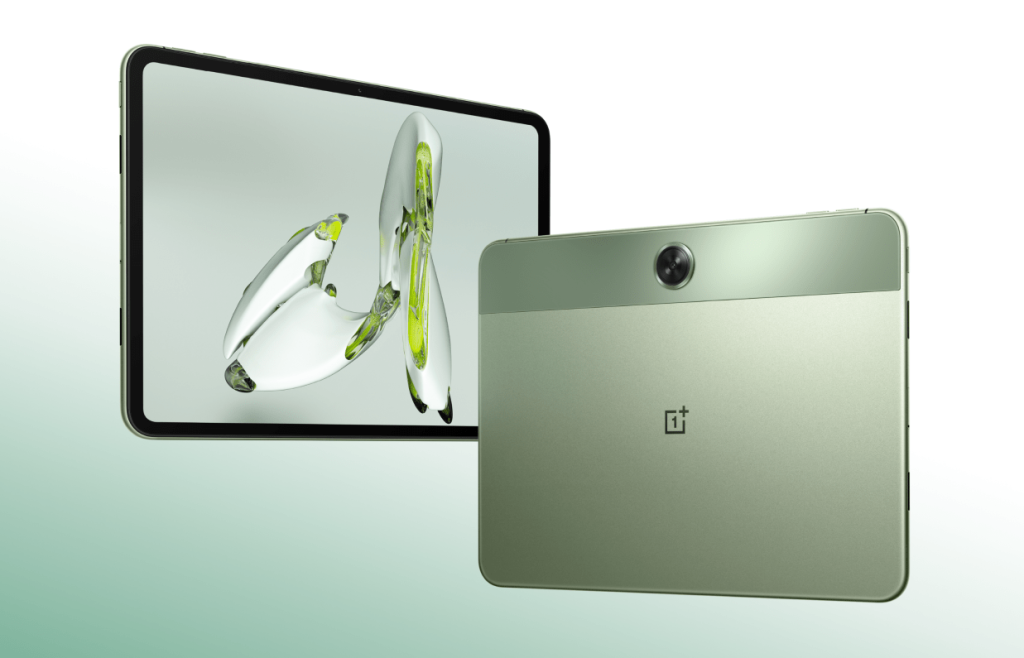
OnePlus has finally introduced the affordable OnePlus Pad Go in Europe. The launch occurred on April 23, 2024, alongside the release of the Watch 2 Nordic Blue Edition. This tablet was initially launched in the Indian market back in October 2023.
OnePlus Pad Go
OnePlus Pad Go specs:
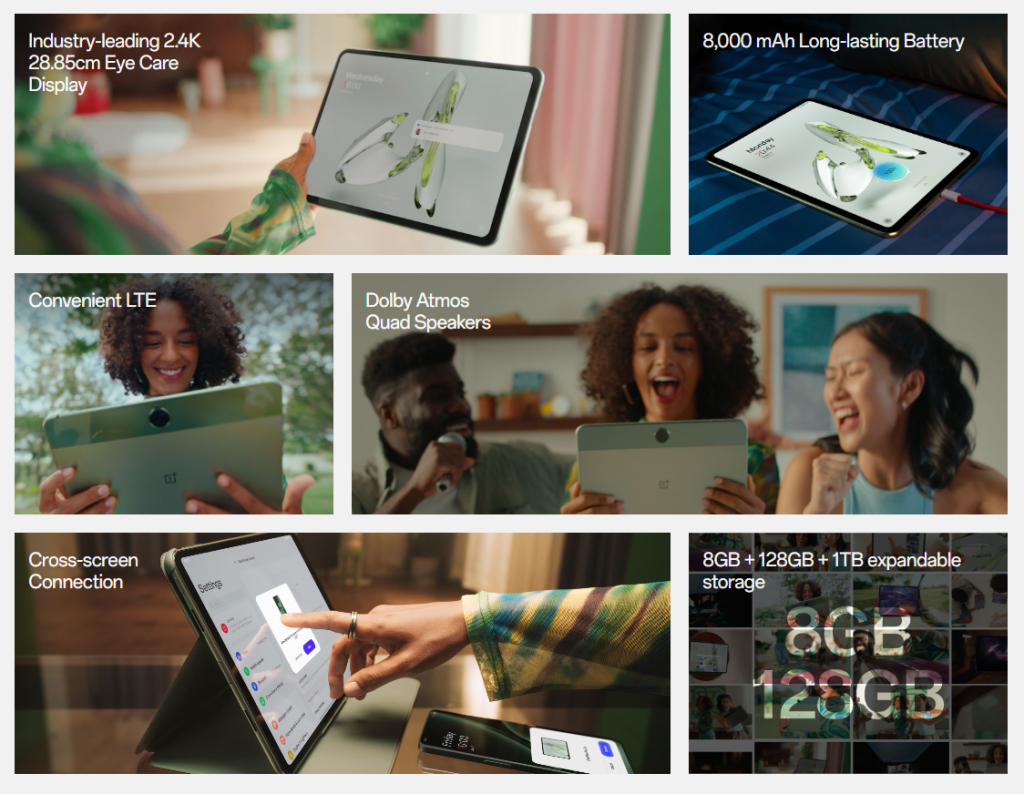
The OnePlus Pad Go features an impressive 11.35-inch 2.4K display, certified by TÜV Rheinland, boasting 400 nits brightness, a smooth 90Hz refresh rate, and a 7:5 screen aspect ratio.
Under the hood, it runs on an octa-core Helio G99 SoC, coupled with up to 8GB of LPDDR4X RAM and 256GB of UFS 2.2 internal storage. That being said, it is worth noting that the European/UK variant of the tablet is only available with 128GB storage.
Running on Android 13 with OxygenOS 13.2, the tablet offers an 8MP rear camera and a 5MP selfie camera for photography and video calls, along with face unlock for added security. It is equipped with a sizable 8,000mAh battery supporting fast charging at 33W.
Pricing & availability
The OnePlus Pad Go with 8GB RAM and 128GB storage is currently available for a 10% discounted price of €299/£269. It is available in a single Twin Mint color option.
The smartphone competes with several other handsets in the region at this price. One of them is Vivo V30.
Both of them may seem different at first sight. However, they are similar in many aspects with a few differences that make them stand out.
So if you are confused between the two, you have come to the right place. Here in this article, we help you decide which of these phones you should go for.
Without any further ado, let’s check out what these smartphones have to offer.
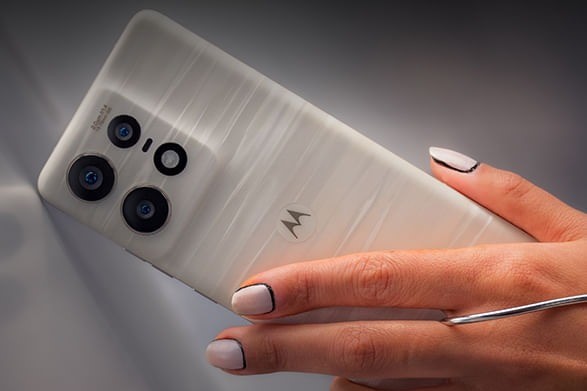
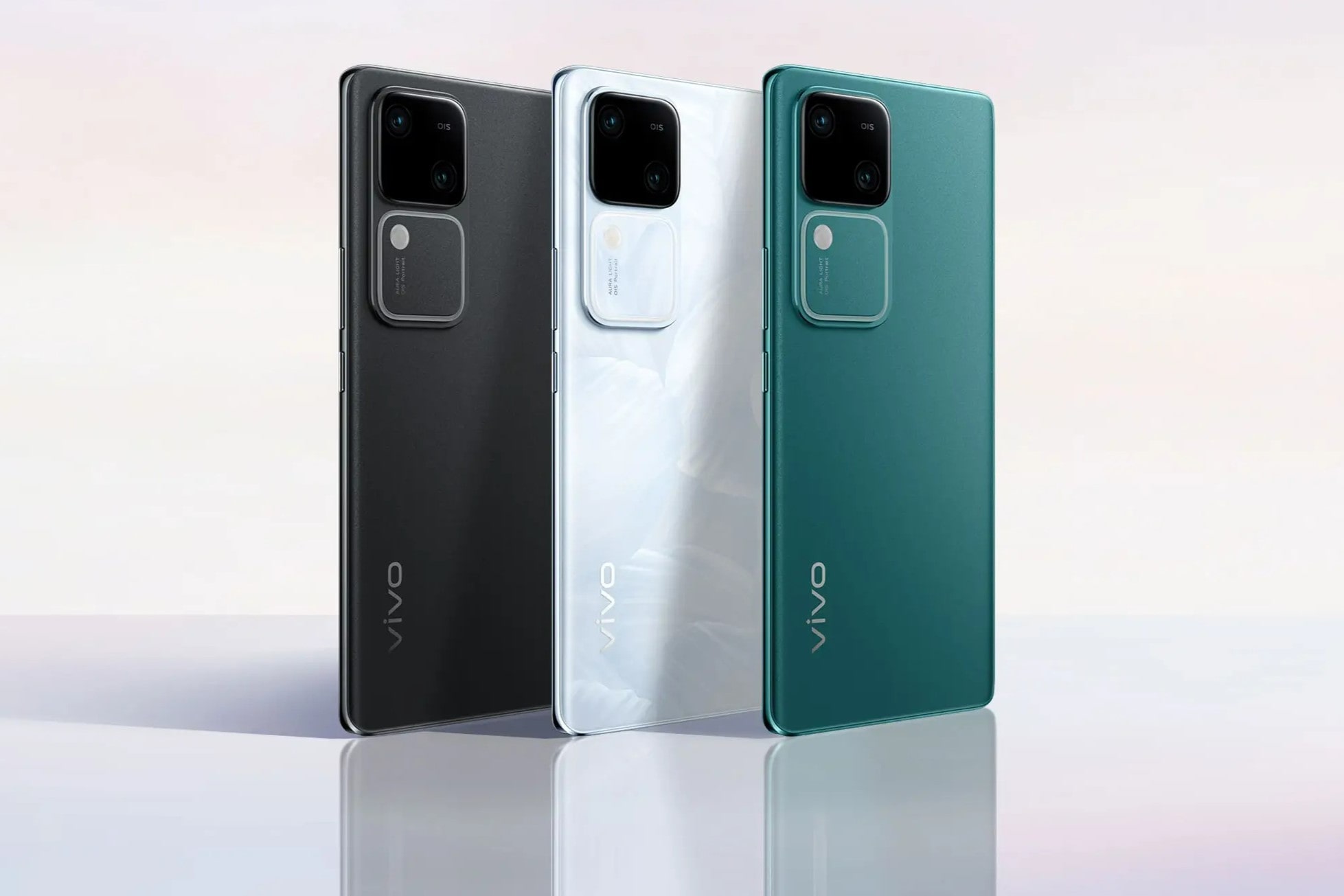
The Motorola Edge 50 Pro and Vivo V30 are thin and light smartphones. Their 6.7-inch 1.5K curved OLED displays further make them comfortable to hold in the hands.
The duo weighs 186g but comes with different levels of thickness. The Motorola product is slightly thicker at 8.2mm compared to Vivo’s 7.5mm thinness.
Further, the duo uses different materials for their body. The V30 has a plastic frame which is paired with a glass back. Whereas the Edge 50 Pro comes in two finishes. Both variants feature an aluminum frame coupled with either vegan leather or wood-based acetate.
The camera layout is minimal on the two handsets compared to other expensive phones. Additionally, the Vivo V30 has a soft LED flashlight.
As far as protection is concerned, the Edge 50 Pro is IP68-rated, which makes it submersible in 1.5m of water for up to 30 minutes. While the V30 with its IP54 rating is only splash-resistant.
2. Similar Performance Different Software
Both Motorola Edge 50 Pro and Vivo V30 are powered by the Qualcomm Snapdragon 7 Gen 3 mobile platform. The chipset is paired with up to 12GB RAM and 256GB storage.
But the base variant of V30 is limited to 128GB storage. Whereas the Edge 50 Pro comes with 256GB storage as standard.
On the software front, the duo boots Android 14. Both of them are eligible for three generations of Android updates and four years of security updates.
However, the software experience is different between the two. Vivo uses Funtouch OS which is quite different from the near-stock Android experience (Hello UI) offered by Motorola.
Nevertheless, Vivo rolls out system updates in a timely manner and is known to keep its devices up to date. While Motorola is yet to prove itself in terms of software support.
3. Better Cameras on Vivo
The Motorola Edge 50 Pro may have three rear cameras instead of two on the Vivo V30. But the latter has better cameras.
The V30 sports an OIS-assisted 50MP primary sensor and a 50MP ultrawide with autofocus. Even its 50MP selfie camera on the front supports autofocus.
All of these cameras are powered by Vivo’s imaging algorithm, which is known for providing excellent output. The soft LED flashlight also helps in low light scenarios.
On the other hand, the Edge 50 Pro has a proper three lens system. It comes with an OIS-assisted 50MP primary sensor, a 13MP ultrawide unit, and a 10MP 3x telephoto shooter with OIS. On the front, it has a 50MP snapper with autofocus.
This camera hardware is no slouch either. But Motorola’s imaging algorithm lags behind the the competition. It is software processing that plays an important role in smartphone photography.
4. Motorola Edges in Charging
The Vivo V30 houses a larger 5,000mAh battery as opposed to a slightly smaller 4,500mAh battery inside the Motorola Edge 50 Pro. But the latter supports double the charging speed.
The V30 is limited to 80W wired charging. While the Edge 50 Pro not only supports 125W wired charging but 50W wireless and 10W reverse wireless charging standards as well.
Additionally, the Edge 50 Pro arrives with a USB 3.1 port. This not only enables display out but also a useful productivity feature called Ready For similar to Samsung DeX.
However, there’s a caveat. The base variant of Edge 50 Pro ships with a 68W power adapter as opposed to a 125W charger with the top variant. So consumers opting for the entry-level model will have to spend extra money to experience the maximum charging speed.
5. Conclusion
The Motorola Edge 50 Pro is more affordable than the Vivo V30. It retails at ₹31,999 and ₹35,999 for 8GB + 256GB and 12GB + 256GB memory configurations, respectively.
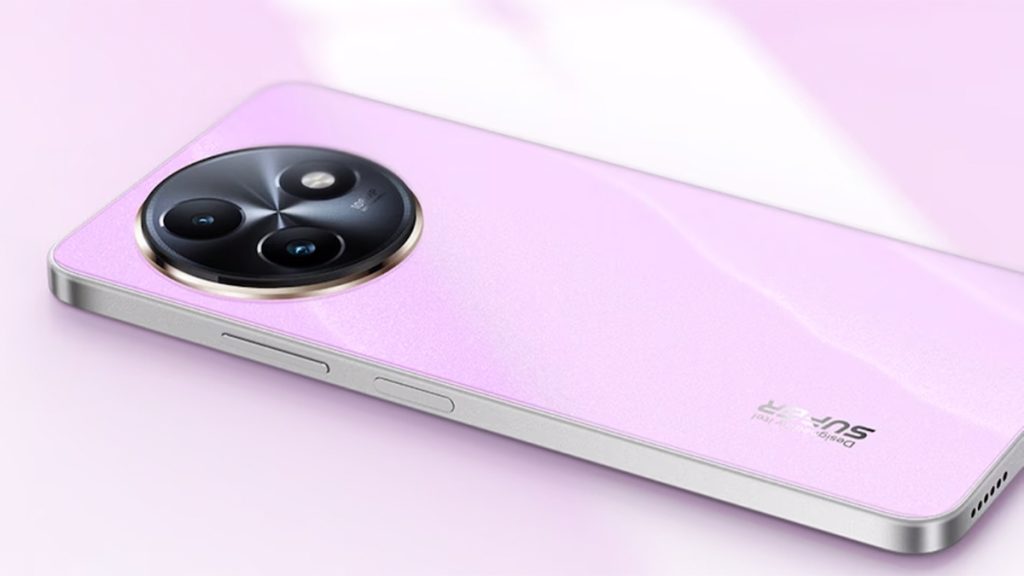
Itel continues to expand its product line in India. Following the recent launch of the Super Guru 4G model, the company has now introduced the S24 model, which is drawing attention for its technical specifications and performance. So what does the manufacturer known for affordable smartphones have in store for us this time? Here are the features and price of the itel S24. Here are the details…
Itel S24 Specs
When we look at the technical specifications of the itel S24, we find MediaTek’s Helio G91 octa-core chipset at its heart. This budget-friendly processor offers a maximum CPU frequency of 2 GHz and supports LPDDR4x memory. The phone boasts a total of 16 GB of RAM (8 GB physical + 8 GB virtual) and provides 128 GB of storage.
The itel S24 features a 6.6-inch HD+ display with a smooth 90Hz refresh rate. Camera-wise, the phone stands out with its 108 MP main camera (the maximum resolution supported by the Helio G91), plus a secondary low-resolution depth sensor. An 8 MP selfie camera completes the package. The itel S24, which has a 5000 mAh battery, also supports 18W charging via USB-C.
itel S24 Price & Availability
The itel S24 smartphone is priced at INR 9,999 and is available on Amazon, where it comes with a free smartwatch. It will also be available in retail outlets by the end of April.
At MWC 2024, OnePlus debuted its long-awaited OnePlus Watch 2. Initially launched in India, the model was made available in other regions such as the US, Canada, UK, and Europe last month. Now, the brand has launched a special Nordic Blue Edition of its OnePlus Watch 2 in the UK and EU.
This version features a Scandinavian-inspired design with a lighter gray case and a blue leather band with white stitching. It’s the only model that includes a blue chronograph bezel. Specification-wise, it is similar to the regular model.
OnePlus Watch 2 Nordic Blue Edition pricing:
Priced at €349/£299, the Nordic Blue Edition is more expensive than the standard versions, which are available for €299/£269. The higher price is due to its unique design and limited availability.
OnePlus Watch 2 specs:
The OnePlus Watch 2 features a 1.43-inch AMOLED display, protected by sapphire-reinforced glass. It has a peak brightness of 600 nits. The watch is equipped with the Qualcomm Snapdragon W5 SoC and the BES 2700 MCU chips, and relies on a 500mAh battery pack to keep it powered through 48 hours of heavy use. It is also capable of lasting for around 100 hours in smart mode and takes 60 minutes to fully charge thanks to the 7.5W VOOC charging.
The main attraction of the smartwatch is its Google Wear OS 4 operating system paired with 2GB of RAM and 32GB of internal storage to enable smooth operation.
One of the competitors of Tesla in the electric vehicle market, Polestar, just unveiled their first phone. We actually knew this one coming up as we shared a post revealing that Polestar would launch on April 23 a few days ago. Furthermore, we previously shared with you that the Polestar Phone would be a Meizu 21 Pro clone before the phone’s release. In fact, the Polestar Phone and the Meizu 21 Pro have same specifications. Let’s take a look at this AI-powered phone that works seamlessly with a Polestar electric car.
Polestar Phone: A new way to control your EV with new AI features
The Polestar Phone phone features Snapdragon 8 Gen 3 chipset, 80Wwired and 50W wireless charging, and a triple camera configuration that includes a 50 MP main camera (1/1.3″), a 10 MP telephoto camera, and a 13 MP ultrawide-angle camera. We cannot say that the phone’s camera hardware is very powerful. However, we do not expect a phone introduced by an electric vehicle manufacturer to have high-end specifications.
Polestar Phone
We can say that the differentiating factor of the Polestar Phone from the Meizu 21 Pro is the user interface. The phone runs on Polestar Phone OS, which can actually be thought of as a themed version of Flyme OS. The phone’s user interface actually has similar design elements found in the Polestar EV’s user interface design.
Polestar Phone UI
Polestar Phone comes with some AI features, including AI image search, image generation, and text summarization, which we are familiar with seeing on some smartphones. In addition to these features, it comes with Polestar Link to control Polestar electric vehicles, allowing users to monitor the status of their EVs. Polestar Link is a very good tool in China since Apple CarPlay and Android Auto are not available there. Polestar Link aims to provide a seamless experience to the Chinese EV users.
The phone was launched in China and it’s not known whether it will be available globally or not, the 16GB+1TB variant costs 7,388 CNY in China which is 1,020 USD.
Huawei’s Managing Director and CEO of Consumer BG, Yu Chengdong, has revealed that the company’s high-end smart cars, priced below RMB 300,000, are being sold at a loss. This financial strain is attributed to the substantial investment in research and development, particularly in smart driving technology.
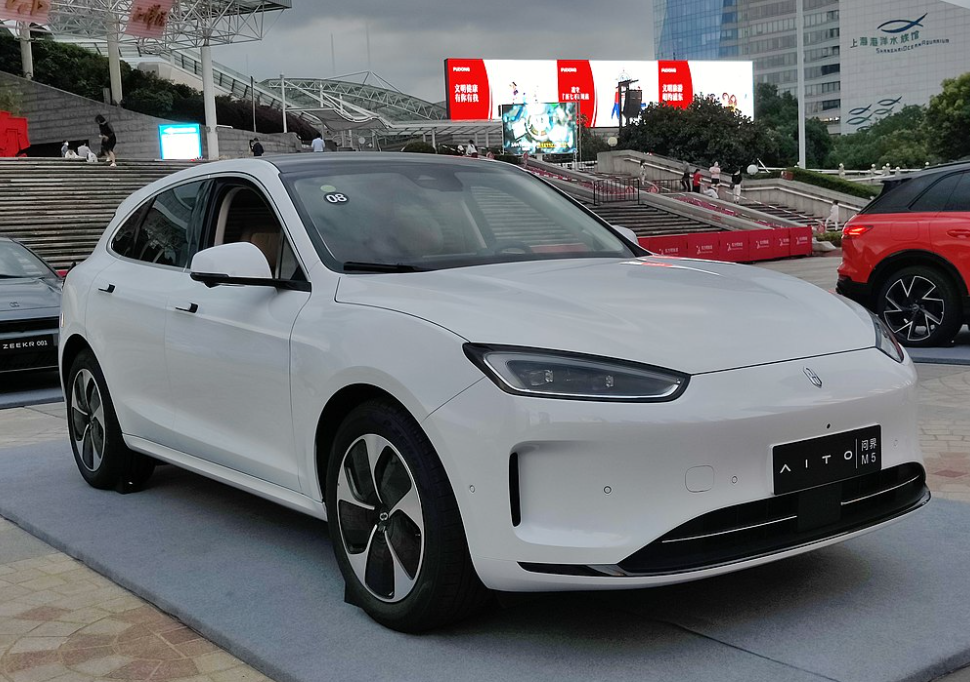
To showcase their latest advancements in this field, Huawei previewed the upcoming release of the Wenjie M5. The presentation highlighted several key features aimed at enhancing the driving experience for consumers.
source: Wikipedia
The Wenjie M5 boasts a fashionable appearance, promising to appeal to style-conscious drivers. Moreover, it promises an enhanced driving experience with smarter travel features and comprehensive safety measures.
Central to the vehicle’s capabilities is Huawei’s ADS 2.0 high-end smart driving system, which has undergone significant upgrades. Among its new functionalities is the Smart Driving Pilot NCA, which offers intelligent driving assistance across various road types.
One notable improvement is making the system adaptable to all urban roads, highways, and rural routes nationwide and not relying on super-accurate maps. This is made possible through the integration of the GOD (General Obstacle Detection) network and RCR (Road Cognition & Reasoning) network 2.0 technology, achieving a remarkable 99% recognition rate of obstacle types. Furthermore, the system independently comprehends complex road conditions, contributing to better driving performance overall.
Despite expanded US restrictions on the export of advanced Nvidia AI chips to China, ten Chinese entities with government affiliations have managed to procure these chips embedded in server products from prominent suppliers such as Super Micro Computer Inc., Dell Technologies Inc., and Gigabyte Technology.
According to documents reviewed by Reuters, the acquisitions took place between November 20 and February 28, following the US’s extension of export restrictions on Nvidia’s AI technology, which aimed to curb Chinese access to advanced chipmaking technology.
The buyers include prestigious institutions like the Chinese Academy of Sciences, Shandong Artificial Intelligence Institute, and the Hubei Earthquake Administration, as well as universities, a tech investment firm owned by a provincial government, a state-run aviation research center, and a space science center.
The transactions were facilitated through 11 little-known Chinese retailers, raising questions about whether they had access to stockpiles acquired before the US tightened export restrictions.
Nvidia has stated that the products specified in the tenders were exported and available before the restrictions were imposed, asserting that the purchases don’t indicate violations of export control rules. However, experts suggest that chips could have been diverted to China without the manufacturers’ knowledge due to limited visibility into downstream supply chains.
The US Commerce Department is reportedly monitoring diversions of restricted chips and investigating potential breaches. Violations of US export controls can result in severe penalties, including fines and imprisonment.
The acquisitions provide China with access to advanced chips that could bolster military applications, including the modernization of defense forces and the development of hypersonic missiles. Although the quantities acquired were limited, the chips could significantly aid in training models and conducting advanced research.
The potential ramifications of this development include increased government scrutiny of Nvidia and other tech suppliers to China. Additionally, it highlights the ongoing efforts by Chinese tech giants to develop their own AI capabilities and transition to locally developed silicon, though the extent of their capabilities compared to Nvidia’s remains uncertain.
The Snapdragon 8 Gen 3 was announced at the Snapdragon Summit on October 25, 2023. Xiaomi announced its flagship Xiaomi 14 series the next day in the home country and it was made available within a couple of days. Now the latest news from tipster Yogesh Brar claims that Xiaomi will again offer the next generation flagship chip from Qualcomm, the Snapdragon 8 Gen 4 before anyone else.
Xiaomi still has the exclusive first launch rights for Snapdragon 8 Gen 4
The tipster notes that Xiaomi still has the exclusive first launch rights for the Snapdragon flagship chip. It is followed by OnePlus and iQOO. It means that the Xiaomi 15 series could be the first to offer the Snapdragon 8 Gen 4 chip. The next two phones, according to the information, should be the OnePlus 13 and the iQOO 13 respectively.
Snapdragon 8 Gen 4 could be a bit different
However, if you live in the US, you’ll still have to wait until January or February for the next Galaxy flagship to experience the next Oryon CPU-powered Snapdragon flagship. They may also continue to add certain changes in the clock speeds and the ‘for Galaxy’ branding just like the past two years.
Speaking of the Snapdragon 8 Gen 4, Qualcomm CMO Don McGuire has confirmed that the chipset will also be unveiled in October at the Snapdragon Summit 2024. Another key piece of information he shared about the Snapdragon 8 Gen 4 is its adoption of Qualcomm’s custom-made Oryon CPU core.
While the Snapdragon 8 Gen 3 is already capable enough to handle pretty much everything you through at it, the 8 Gen 4 is going to be the first to boast the new custom core from Qualcomm. The Oryon CPU cores in the Snapdragon X Elite CPU are reportedly outperforming most of the desktop processors both in terms of raw computing power and power efficiency. Nonetheless, that’s Windows-on-Arm, a completely different platform and the comparison is also with the desktop CPUs. We will have to see how it performs on next-generation Android flagships.
Keychron, a well-known manufacturer of mechanical keyboards, has launched its latest premium offering, the Keychron V10 Max in the Chinese market. The keyboard is priced at 498 Yuan ($69). Let’s check out its key specs.
Keychron V10 Max Specifications:
The V10 Max features a 75% Alice layout which includes the functional keys and a knob on the top-right. Alice keyboards are characterized by their split layout with a curved design that follows the natural typing arc of human hands. This unique layout helps reduce strain during prolonged typing sessions and is popular among keyboard enthusiasts for both aesthetics and comfort.
The keyboard utilizes a gasket mount design, a popular choice among enthusiasts, that reduces typing noise and provides a softer typing experience. Keychron has also included sound-absorbing foam and double-shot PBT keycaps for further enhanced comfort and durability.
The V10 Max comes with extensive customizability. Users can choose from a variety of keycaps, switches, and even customize the knob to match their preferences. The keyboard comes with Windows and Mac support and offers full compatibility with popular customization software like QMK and VIA, allowing users to program macros and create unique layouts.
The V10 Max offers a versatile connection experience with both 2.4 GHz wireless and Bluetooth 5.1 connectivity. The 2.4 GHz connection boasts a 1000 Hz polling rate, ensuring ultra-low latency for competitive gaming. Additionally, Bluetooth 5.1 allows for seamless connection to up to three devices simultaneously, making it ideal for multi-tasking across different platforms.
The V10 Max comes with Keychron’s exclusive Gateron Jupiter mechanical switches. These pre-lubed switches offer a lifespan of up to 80 million keystrokes and a unique tactile bump similar to popular Panda switches. The keyboard also boasts south-facing RGB LED lights, designed to offer better illumination with the included high-quality PBT keycaps.
The keyboard features hot-swappable sockets, allowing users to easily install or change switches without soldering, further enhancing customization options. The PCB supports both 3-pin and 5-pin MX mechanical switches, providing compatibility with a wide variety of options.
The Keychron V10 Max comes equipped with screw-in PCB stabilizers for a wobble-free typing experience on larger keys. It also boasts a long-lasting 4000 mAh battery, offering up to 225 hours of wireless use with backlighting off. The keyboard is available in a black color scheme and is constructed with ABS plastic and a PC mounting plate.
Vivo debuted its X100 series smartphones in November last year. The series at the time featured two models: the vanilla X100 and the X100 Pro. However, Vivo has plans to launch another model in the lineup called the Vivo X100 Ultra. As the name suggests, this will be a higher-tier model when compared to the Vivo X100 Pro. If you are wondering what will be different onboard the Ultra model compared to the Pro, here’s everything we know so far.
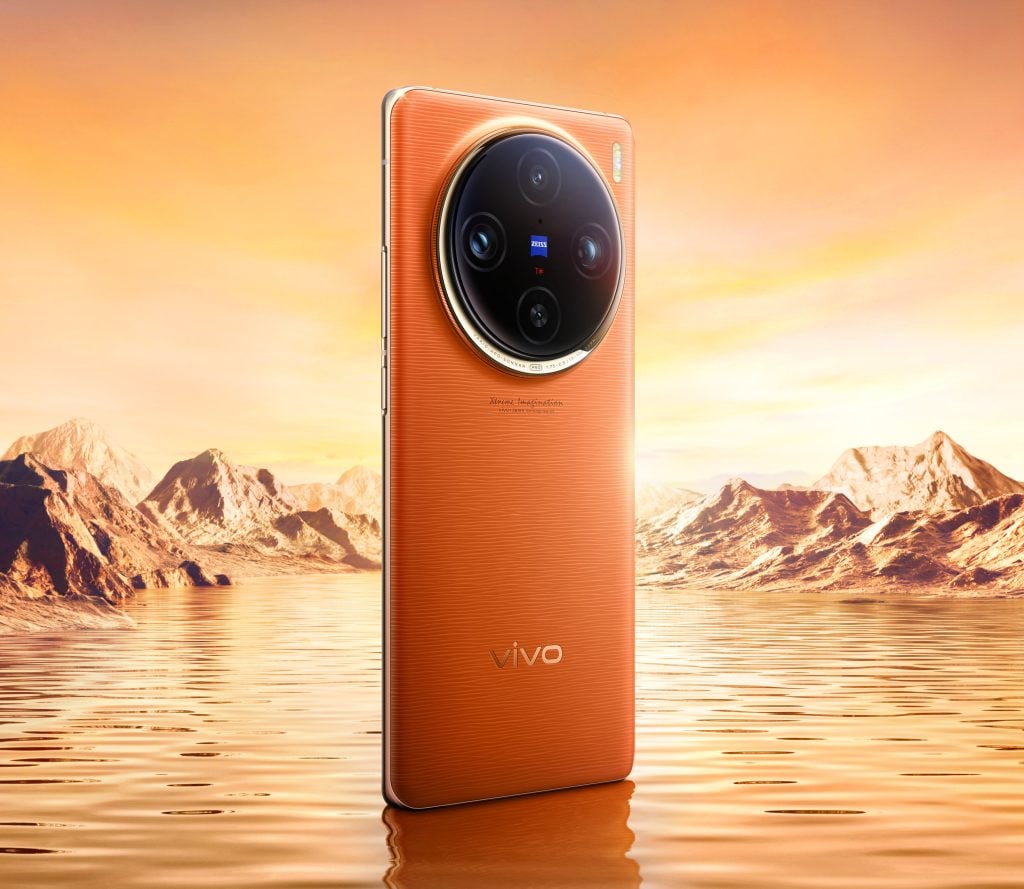
The Vivo X100 Pro has received praise from users and the tech community alike for its highly capable camera system. However, Vivo plans to dial it up to 11 on the camera hardware front with the X100 Ultra model. As per leaks, the X100 Ultra will be using the new Sony LYT-900 50 MP camera sensor, instead of the IMX989 sensor on the X100 Pro. Just like the Pro model, this sensor will also come fitted with optical image stabilization to eliminate shakiness from pictures and videos. The X100 Ultra’s primary camera will also support variable aperture.
The 50 MP Samsung JN1 ultra-wide sensor will be replaced with the 50 MP Sony IMX598 sensor, while the 50 MP telephoto sensor is rumored to be replaced with a massive 200 MP periscope telephoto camera with up to 4.3x optical zoom, up to a 200x digital zoom, and a focal length of 100mm. For comparison, the X100 Pro is capable of 3x optical zoom and 100x digital zoom.
2. Flagship Snapdragon processor
Both the X100 and X100 Pro devices were launched with the MediaTek Dimensity 9300 Processor, however, the X100 Ultra is rumored to feature Qualcomm’s flagship Snapdragon 8 Gen 3 processor. Both of these processors are neck and neck in terms of raw performance, however, over the years, the Snapdragon chips have garnered a reputation for being more efficient and having better image signal processing. So it’s likely that we could see better battery performance and imaging from the X100 Ultra.
3. Satellite communication
Vivo has confirmed that the X100 Ultra smartphone will launch with satellite communication capabilities. That being said, it is currently unclear if it will feature one-way or two-way satellite communication.
For those unaware, one-way satellite communication is basically for sending emergency messages or SOS when cellular service is dead. Whereas two-way allows for more interactive features like texting. You can check out our detailed explainer on satellite connectivity on smartphones to know more about it.
4. Vivo’s in-house Imaging tech
As we know, Vivo partnered with Zeiss back in December 2020, and ever since then, it has used the Zeiss-designed lenses for its flagship camera phones. Recent Vivo X series flagships, including the X100 Pro, have also utilized Zeiss’s special T* coating on their lenses which reduces reflections and improves light transmission. Additionally, Zeiss also worked with Vivo to develop unique image processing algorithms that replicate the classic “ZEISS look” known for its natural colors and soft bokeh.
All that being said, the upcoming Vivo X100 Ultra is said to come with Vivo’s own BlueImage self-developed imaging branding. Although the brand has not revealed the complete details of what this branding means for the X100 Ultra, however, it could mark the end of Vivo’s collaboration with Zeiss.
This situation is quite similar to Huawei’s self-developed imaging technology XMAGE, which was introduced in 2022, after the end of Huawei’s six-year collaboration with camera giant Leica.
Canon is breaking new ground in the realm of virtual reality with the development of a hybrid display VR headset designed to revolutionize music experiences. This new tech will transport users who are sitting in their living room, into the heart of live concert halls, redefining the way we enjoy live performances.
The headset, equipped with over 50 cameras, records live music events from multiple angles, creating an unparalleled mixed-reality experience. Users can immerse themselves in performances, enjoying dynamic views from different perspectives without being at the venue and going through the traditional venue constraints.
This groundbreaking technology builds upon Canon’s MReal X1 headset, first introduced in 2022. During demonstrations, wearers were treated to captivating scenes that mirrored their movements, replicating the thrill of attending a live concert.
According to reports from NHK World News, Canon Japan is at the forefront of this innovation, aiming to offer users a concert hall-like experience from the comfort of their own space. Canon’s Muraki Junya emphasizes that the technology breaks free from the limitations of conventional concert attendance, allowing viewers to explore different positions and interact with performances on a whole new level.
The headset, based on Canon’s MReal X1 platform, boasts an impressive 58-degree x 60-degree field-of-view, providing users with an expansive canvas for their musical adventures. While still in the prototype stage, the headset holds promise for transforming the way we engage with live entertainment.
While Canon has not yet announced a commercial release timeline, enthusiasts eager to delve into mixed reality can explore entry-level options such as the Meta Quest 3 or await the arrival of the Varjo XR-4. With Canon’s hybrid display VR headset on the horizon, the future of concert experiences is poised to reach new heights of immersion and excitement.
The wait is over! The Lenovo YOGA 27 2024 all-in-one desktop is now available for purchase on JD.com. This stylish all-in-one machine boasts a powerful AMD Ryzen 7 8845H processor with a maximum performance release of up to 80W. The desktop was previously released earlier this month, read the coverage here. It comes in two configurations:
Even in beast mode, the noise level stays low at 33 dBA
The YOGA 27 prioritizes performance cooling. It utilizes a console-like cooling system with three different fan modes accessible via a convenient Fn+Q shortcut key combination: quiet mode, balanced mode, and beast mode. Even in beast mode, the noise level stays relatively low at a maximum of 33 dBA.
The 27-inch display features a 2560 x 1440 resolution, 100% sRGB color gamut, and an impressive 95% DCI-P3 color gamut. Factory calibration ensures exceptional color accuracy with an average ΔE of less than 2. This versatile display even supports USB-C video input and can deliver up to 95W of power via PD reverse charging. It can also function as a hub, allowing you to connect peripherals like a keyboard, mouse, audio devices, and even a camera.
For added convenience, the YOGA 27 features a lifting and rotating bracket with a 73mm height adjustment range and a tilt range of -5° to 10°. This allows you to use the device in portrait mode if desired. The entertainment experience is further enhanced by a pair of integrated 5W JBL speakers.
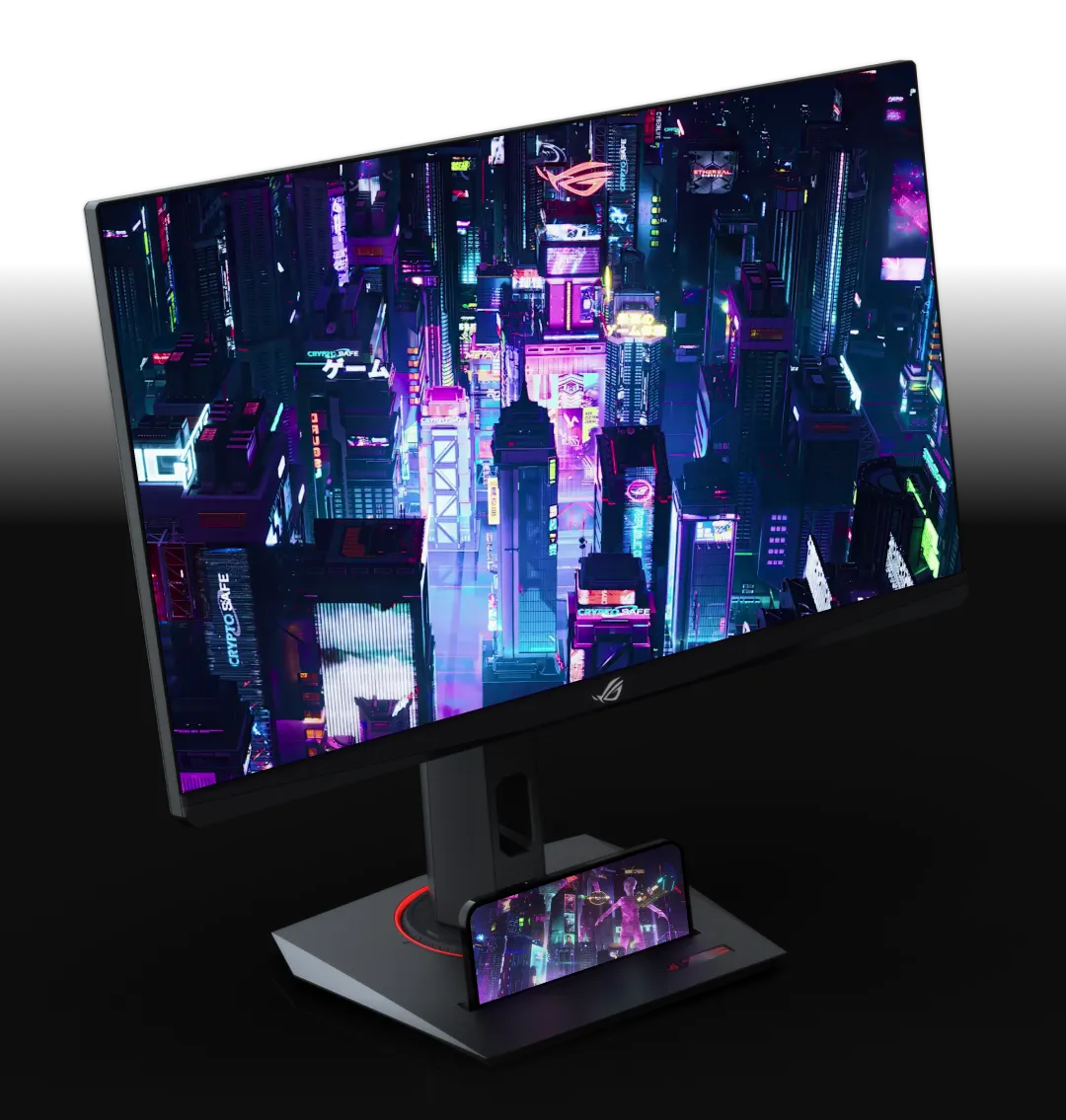
Asus has put out a monitor on sale that can make you even better at gaming: the ROG Jueshen XG27UCS. This is a 27-inch gaming monitor available on JD.com for 2,999 yuan. The monitor was earlier announced last month and now, it’ll be hitting the shelves.
The monitor has a 4K panel with 160Hz refresh rate for smooth, clear visuals.
This feature-packed gaming monitor boasts a stunning 4K (3840 x 2160) IPS panel with a blazing-fast 160Hz refresh rate, ensuring silky smooth visuals and rapid response times in even the most action-packed games. The 1ms GtG response time minimizes ghosting and blur, while 95% DCI-P3 color gamut coverage and 450 nits peak brightness deliver vibrant colors and impressive contrast. VESA DisplayHDR 400 certification further enhances the visual experience with deeper blacks and brighter whites.
The ROG XG27UCS isn’t just about raw specifications; it prioritizes a tear-free gaming experience. Variable refresh rate (VRR) technology synchronizes the monitor’s refresh rate with your graphics card’s frame rate, eliminating stuttering and tearing for a buttery-smooth gameplay experience. To further combat visual artifacts, the monitor supports NVIDIA G-SYNC and ELMB Sync technology.
The design of the ROG XG27UCS prioritizes both functionality and aesthetics. The new space-saving stand frees up desk real estate, while a built-in groove cleverly doubles as a mobile phone stand. A USB-C port offers convenient connectivity for data transfer and even delivers up to 15W of power to your devices.
Asus hasn’t forgotten about the competitive gamer. The ROG XG27UCS boasts AI-powered GamePlus technology that analyzes the in-game scene and adjusts the reticle for improved aiming accuracy. Dynamic ShadowBoost technology selectively brightens dark areas of the image without affecting brighter areas, giving you a clear advantage in low-light in-game scenarios.
The monitor comes equipped with DisplayPort 1.4, HDMI 2.1, and USB-C (with DP Alt Mode) ports, providing versatile connectivity options. For added peace of mind, each ROG XG27UCS undergoes meticulous factory calibration to ensure color accuracy. Users can even access the calibration report through the on-screen display (OSD) menu.
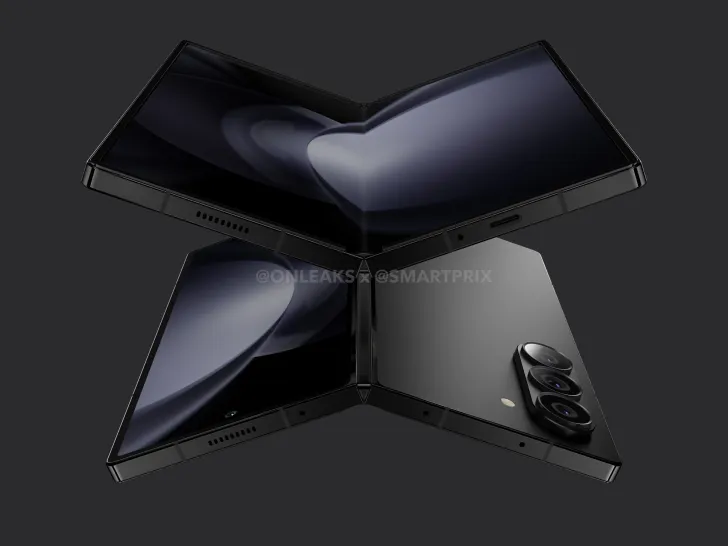
Leaks and rumours have revealed plenty of details about Samsung’s sixth-generation Galaxy Z foldable. Leaked CAD-based renders reveal no changes on the Z Flip 6 whereas the Z Fold 6 will have a boxier design and sharp corners. The foldable phones have also been spotted on the 3C certification website indicating at an unchanged battery charging speed. Now, DSCC’s (Display Supply Chain Consultants) Ross Young has revealed the colour variants as well as storage options on the upcoming Samsung foldables.
The Galaxy Z Flip is usually offered in a fun and vibrant color options. Samsung will continue the same tradition with the Z Flip 6. As per Young, it will be made available in a total of seven colors including Crafted Black, Light Blue, Mint, Peach, Silver Shadow, White, and Yellow. It’s worth noting that four of these hues were tipped previously and the executive now says that the Light Green and Silver will be marketed as Mint and Silver Shadow. Additionally, these colors are already found on the Z Flip 5. It remains to be seen if the South Korean brand will adopt a darker or lighter hue on Flip 6.
The Crafted Black, Peach, and White options are expected to be available in select markets or in limited quantities. Notably, the Lavender/Purple color which has been a staple on the Z Flips is missing.
As for the Galaxy Z Fold 6, the colors are still the same as previously reported. But the Dark Blue will be marketed as Navy and Silver as Silver Shadow. There will also be a new Light Pink hue along with low-volume colors Crafted Black and White.
Ross Young also reports that Samsung will continue to offer the Galaxy Z Flip 6 and Fold 6 in 256GB and 512GB storage options. The latter will also be available in a higher 1TB configuration.
We use cookies on our website to give you the most relevant experience by remembering your preferences and repeat visits. By clicking “Accept”, you consent to the use of ALL the cookies.
This website uses cookies to improve your experience while you navigate through the website. Out of these, the cookies that are categorized as necessary are stored on your browser as they are essential for the working of basic functionalities of the website. We also use third-party cookies that help us analyze and understand how you use this website. These cookies will be stored in your browser only with your consent. You also have the option to opt-out of these cookies. But opting out of some of these cookies may affect your browsing experience.
Necessary cookies are absolutely essential for the website to function properly. This category only includes cookies that ensures basic functionalities and security features of the website. These cookies do not store any personal information.
Any cookies that may not be particularly necessary for the website to function and is used specifically to collect user personal data via analytics, ads, other embedded contents are termed as non-necessary cookies. It is mandatory to procure user consent prior to running these cookies on your website.