Advertisement

Roborock unveils P10S and P10S Pro: Next-gen self-cleaning mopping robots

Roborock, a leader in home cleaning technology, has just announced the launch of its latest robotic cleaners, the P10S and P10S Pro, marking a significant advancement in the realm of automated home cleaning solutions. These new models are successors to the P10 and P10 Pro, which were launched last year.

Roborock P10S Pro Specifications:

The flagship model, the P10S Pro, stands out with its unique dual telescopic mechanical arms, a feature engineered to extend the robot‘s reach into edges and corners, achieving a remarkable 98.8% coverage. This innovative approach addresses one of the most common challenges faced by robotic vacuum cleaners, ensuring comprehensive cleaning across all areas of the home.
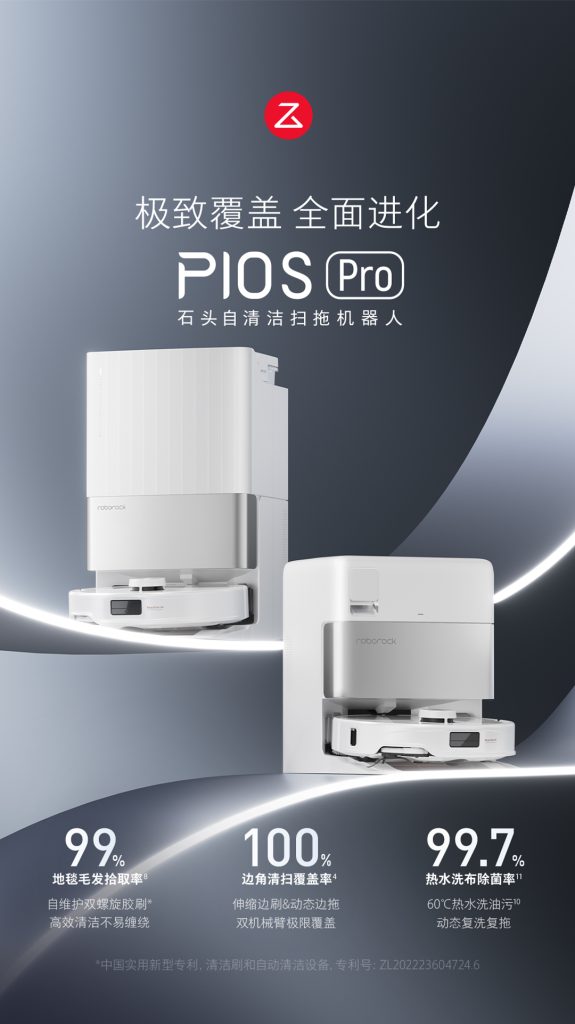
Roborock P10S Pro

Furthermore, the P10S Pro is equipped with a self-maintaining dual spiral sweeping system that combines dual-brush inward rolling with a powerful 11000Pa suction capability.

This system is designed to provide an efficient cleaning process by suctioning, rolling, and cutting debris, making it particularly effective in homes with carpets and pets. The enhanced system aims to lower maintenance needs and offer a hassle-free cleaning solution. It also features a 99.7% sterilization rate with hot water washing at 60°C.

Roborock P10S Pro also features self-cleaning mopping technology and smart water management, achieving a 99.99% ground sterilization rate. Its compact design fits various home environments, and the Roborock SmartPlan AI optimizes cleaning plans. A versatile base station supports hot water washing, automatic dust collection, and water replenishment, enhancing the cleaning experience.

Roborock P10S Specifications:

The P10S model is designed to be both versatile and affordable, without compromising on performance. It features a 98.8% dynamic mechanical arm for comprehensive edge and corner coverage, a 7000Pa ultra-strong suction, and a soft rubber main brush to minimize hair entanglement.
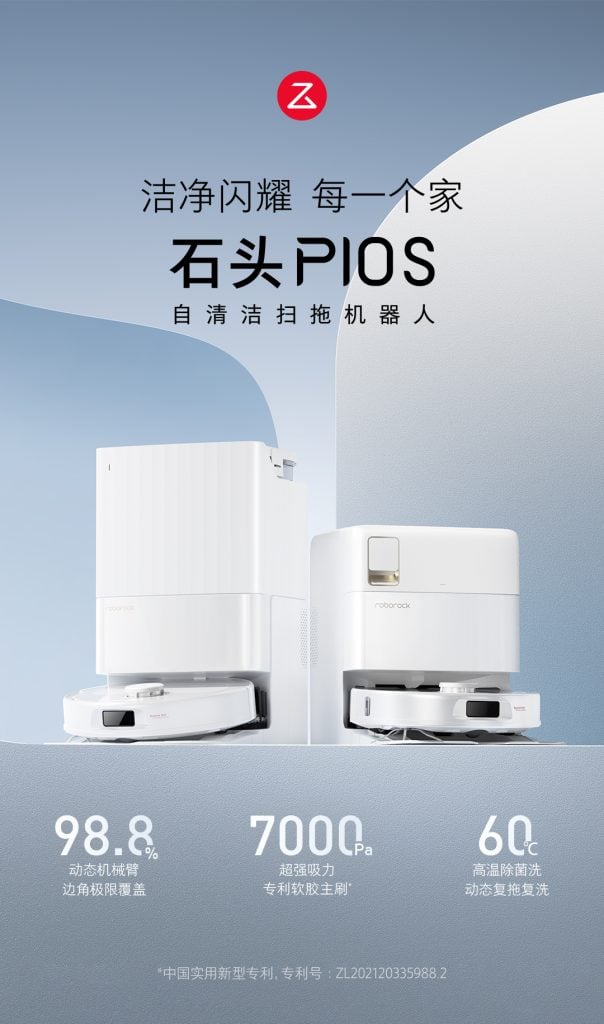
Roborock P10S

It provides high-temperature sterilization and washing at 60°C for dynamic mopping and boasts a self-cleaning ability with a space-saving mini base station. The FlexiArm design ensures dynamic edge mopping with a 98.8% coverage rate. The robot also features an antibacterial system, dynamic wet mopping, and a 99.99% floor sterilization rate.

The devices also support various control methods, including voice commands and smart device integration. Both models are integrated with Roborock’s latest SmartPlan AI, which enables the robots to intelligently plan and optimize cleaning paths based on user habits and specific home layouts, such as room types and flooring materials.

This AI-driven approach ensures a tailored cleaning experience that adjusts to the unique needs of each household. Additionally, the introduction of Pet Mode 3.0 offers targeted cleaning for homes with pets, focusing on deep cleaning of pet-related areas and items, further enhancing the convenience for pet owners.

RELATED:

OnePlus Nord CE 3 Lite 5G gets new update with a bunch of bug fixes & February 2024 security patch

OnePlus is rolling out the OxygenOS 14.0.0.300 update for the Nord CE 3 Lite 5G in India and Europe, featuring the February 2024 Android security patch. This update, designated as “CPH2467_14.0.0.300(EX01)” in India and “CPH2465_14.0.0.300(EX01)” in Europe, aims to fix several issues to improve the device’s functionality and security.

The update targets problems such as the screen going black when unlocking, taking scrolling screenshots, or tapping notifications on the lock screen. It also addresses issues with incoming call alerts, app-specific refresh rates, managing three-way calls, Bluetooth tethering, and recording time-lapse videos with a watermark. Here’s the full changelog.

OxygenOS 14.0.0.300 Update Changelog:

System

  • Integrates the February 2024 Android security patch to enhance system security.
  • Improves gaming experience.
  • Fixes an issue that might cause the screen to turn black when the device is unlocked.
  • Fixes an issue where you might not be alerted about incoming calls.
  • Fixes an issue where app-specific refresh rates might not take effect.
  • Fixes an issue that might cause the screen to turn black when you take a scrolling screenshot of a page that contains videos.
  • Fixes an issue that might cause the screen to go black when you tap a notification on the Lock screen.

Communication

  • Fixes an issue where you might be unable to merge or end three-way calls.

Connections

  • Fixes an issue where Bluetooth tethering might unexpectedly turn off.

Camera

  • Fixes an issue where you might be unable to record a video in Time-lapse mode when the watermark is enabled.

OnePlus is implementing the update in phases to ensure a smooth rollout. Indian users can report bugs via the Google Dialer by dialing “*#800#,” accessing a feedback menu exclusive to the region. European users are encouraged to share their feedback on the OnePlus update forum.

RELATED:

(source)

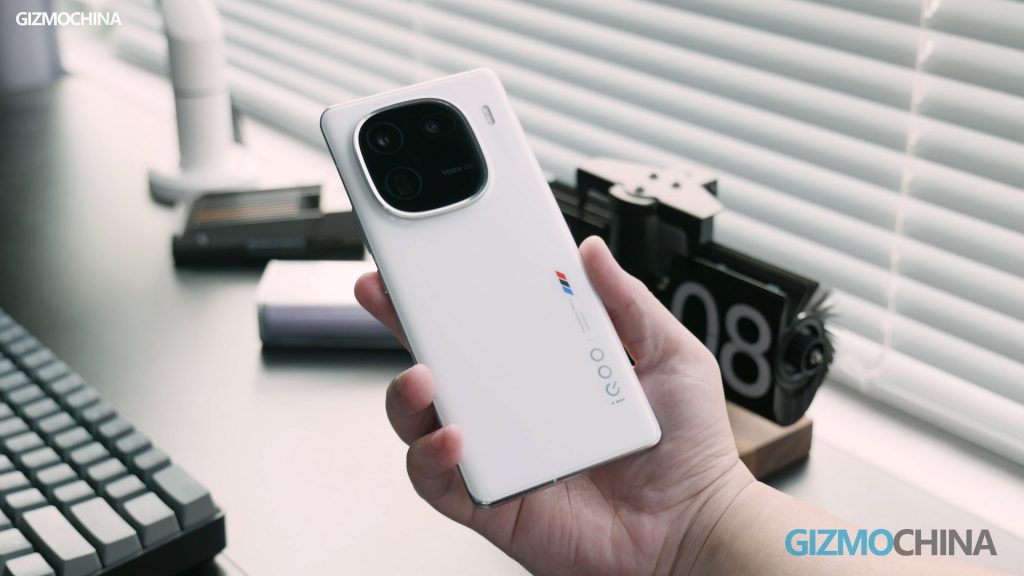
Mysterious iQOO phone to feature unannounced Qualcomm flagship chip, LTPO flat display, and more

Smartphone brand iQOO is expected to launch the iQOO Z9 series next. These phones are tipped to go official in March.

Ahead of that, details have emerged about yet another upcoming iQOO handset. The source doesn’t mention the name but has revealed the key features of this product.

Based on the specs, the device seems to be an upper mid-ranger. However, surprisingly, it will house a yet-to-be-announced flagship SoC from Qualcomm.

iQOO 12 Pro
iQOO 12 Pro (Review)

According to Digital Chat Station, iQOO is working on a smartphone with an interesting set of specifications.

He says that this phone will be powered by a Qualcomm SM8635 chip clocked at 3.3GHz. He also adds that the clock rate could vary in the final version. This chipset is expected to be a refined version of Snapdragon 8 Gen 3.

Further, the tipster discloses that the handset will flaunt a 6.78-inch flat display without a plastic bracket. This LTPO OLED panel will offer a resolution of 2800 x 1260 pixels (1.5K). He does not mention the refresh rate, which should be at least 120Hz.

So far, the device’s specs match those of iQOO 12. So one might think that it could be the third model in the lineup after iQOO 12 Pro. But it doesn’t seem to be the case.

Because unlike iQOO 12 and iQOO 12 Pro, this smartphone’s flat frame will be made of plastic instead of metal. Also, it will be backed by a larger 6,000mAh battery. The source does note that the battery size could change in the final version of the handset.

Though the source doesn’t hint at it but there’s a slight chance that this phone could be part of the iQOO Neo 9 series. Either way, we expect to learn more about the product in the coming days.

RELATED:

OnePlus Watch 2 Teased Officially, Launch Expected This Month

OnePlus is set to make a comeback in the smartwatch segment after a long hiatus. The brand last launched a smartwatch way back in 2021. It also remains the only one to date. Now, the brand has officially started teasing the second generation of its smartwatch. Previously, it was tipped to debut at the upcoming MWC in Barcelona Spain. 

OnePlus Watch 2 teased 

OnePlus has shared a teaser image on its official OnePlus Community forum. The company does not explicitly reveal the name of the device. Instead, the brand is asking users to wrongly guess what the product is. 

The teaser image clearly reveals a smartwatch. Although it’s not clearly visible, cranking up your device’s brightness shows a design similar to the leaked renders. A metal chassis along with a protrusion on the right side can be noticed. It also confirms the presence of a digital crown and a physical button. This is everything we know about the OnePlus Watch 2 at the moment. 

Meanwhile, reliable tipster Max Jambor says that the OnePlus Watch 2 will debut on February 24. This is before MWC which will commence from February 26. We can expect the brand to share more teasers along with the launch date revelation in the coming days leading up to the launch event. 

The OnePlus Watch 2 will reportedly feature a 1.43-inch AMOLED display. It will be powered by a Snapdragon W5 Gen 1 processor under the hood for a smooth and responsive performance. The smartwatch is expected to run on Google’s WearOS. The wearable device will be equipped with all necessary health sensors.

Related:

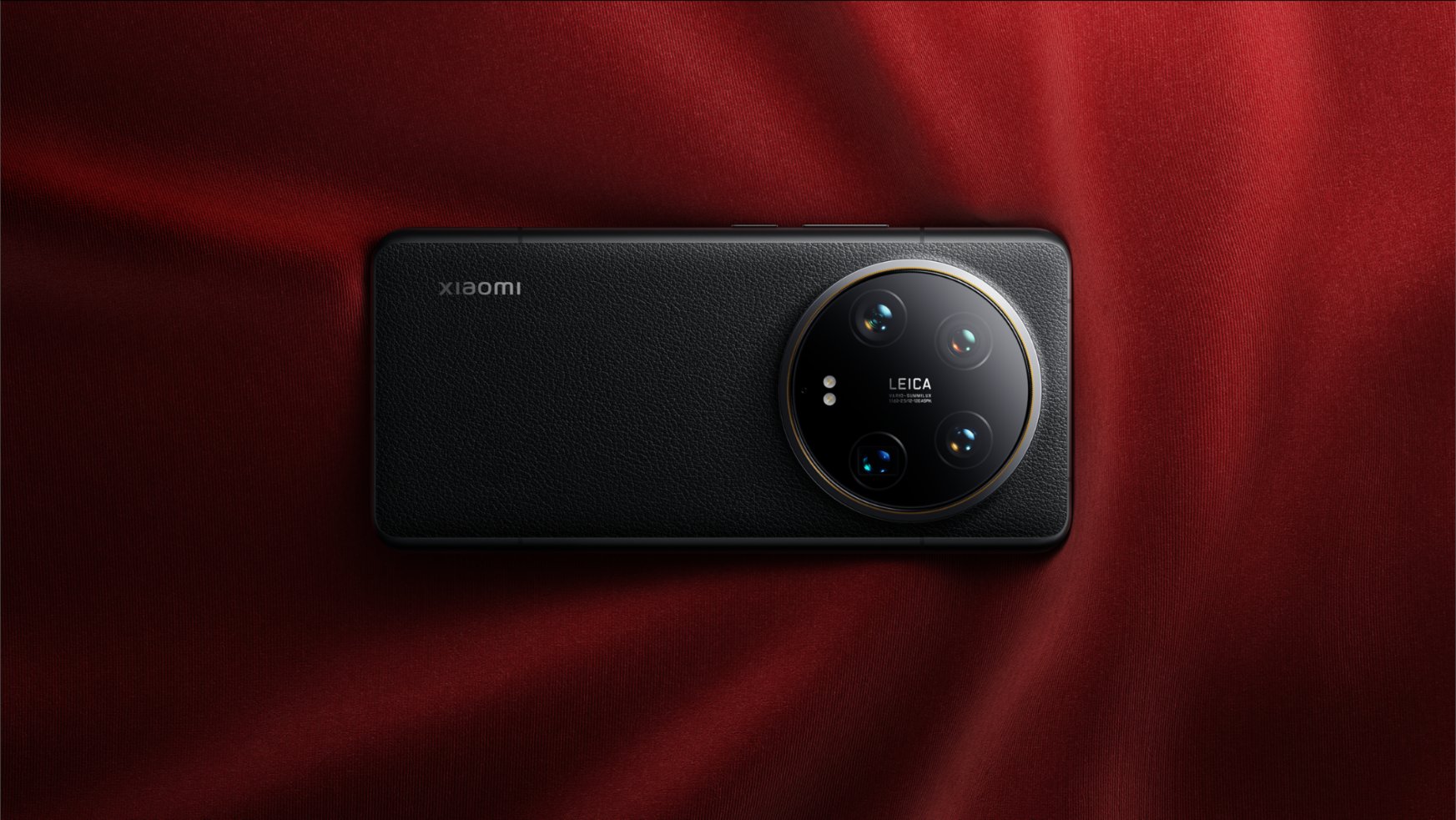
Xiaomi and Leica announce a breakthrough for mobile photography

Xiaomi has made significant advancements in mobile photography lately, to the extent that it is one of the smartphone manufacturers offering the first 1-inch camera sensor. The partnership between Xiaomi and Leica has led to the birth of much more powerful camera hardware and software in Xiaomi phones. Now, the two companies have announced the creation of an optical institute together.

Xiaomi & Leica’s optical institute in China

The purpose of this institute, established by Xiaomi and Leica, is stated to be designing ultra-precision optical lenses in a compact form factor, achieving ideal performance in computational photography, upholding the strictest optical standards for lenses, and conducting research and application of cutting-edge optoelectronic technology on Xiaomi’s official website.

Key contributors from both Xiaomi and Leica are involved in the establishment of this institute. Peter Karbe, an important figure in the design of Leica’s premium Noctilux and APO lenses, is one of those included in this institute and will serve as an optical expert. Zeng Xuezong, Senior Vice President of Xiaomi Group and President of the Xiaomi Mobile Phone Department, will serve as the Director. Yi Yan, Head of Xiaomi Group’s Software Technical Team, and Wang Xuanran, General Manager of Xiaomi Camera Department, will serve as Deputy Directors.

The institute created as a result of the partnership between Xiaomi and Leica has not been established yet. Currently, three major laboratories are planned in Beijing, focusing on Camera Hardware, Imaging, and Objective and Subjective Image Quality Evaluation.

It seems that Xiaomi aims to take mobile photography to a even more advanced level. While Xiaomi 13 Ultra has already a powerful camera setup, Xiaomi 14 Ultra is expected to bring even better hardware. You can check out recently shared images captured on Xiaomi 14 Ultra from our previous article.

Related:

Samsung Galaxy Book4 Series With AMOLED Displays, Core Ultra SoCs Launch In India: Prices, Launch Offers, And More

Samsung has officially announced the Galaxy Book4 series in India. The lineup comprises of three devices namely the Galaxy Book4 Pro 360, Galaxy Book4 Pro, and Galaxy Book4 360. All three laptops pack nearly the same specifications, especially, the Pro 360 and Pro models. The non-pro version is the base offering in the lineup. Read on to know all the details below. 

Samsung Galaxy Book4 series launched in India

As the name suggests, the Samsung Galaxy Book4 Pro 360 and Book4 360 are two-in-one laptops that can be used in various form factors. On the other hand, the Book4 Pro is a traditional clamshell offering. 

On the display front, the Samsung Galaxy Book4 Pro 360 and Book4 Pro boast Dynamic AMOLED 2x screens bearing a resolution of 2,880 x 1,800 pixels. The former has a 16-inch display size whereas the latter is offered in 16 and 14-inch size options. Meanwhile, the base Galaxy Book4 360 features a 15.6-inch sAMOLED screen with FHD resolution. All three laptops support touch functionality. 

Samsung says that the Galaxy Book4 series is equipped with AKG-tuned quad speakers with Dolby Atmos. The Pro 360 weighs 1.66kg whereas the 14 and 16-inch variants of the non-pro model weigh 1.56 and 1.23kg respectively. The Galaxy Book4 360 tips the scales at 1.46kg. 

Under the hood, the Samsung Galaxy Book4 series houses Intel’s latest Core Ultra processors. The Book4 Pro 360 is available in only the Core Ultra 7 option coupled with 16GB LPDDR5x RAM. On the other hand, the Book4 Pro and Book4 360 come in Core Ultra 7 and Ultra 5 variants. The former is offered in 16GB and 32GB RAM options whereas the latter comes in only 16GB. The Pro variants also feature Intel Arc graphics while the non-pro model has Intel Iris Xe GPU onboard. All three machines come in 512GB and 1TB storage configurations. 

The Samsung Galaxy Book4 Pro 360, Book4 Pro, and Book4 360 are backed by a 76Wh, 76Wh (63Wh-14-inch), and 68Wh battery cells respectively. All three support 65W charging speed. 

Samsung Galaxy Book4 series pricing, availability, launch offers

As for the pricing, the Samsung Galaxy Book4 Pro 360 costs Rs 1,63,990 in Moonstone Grey color. The Book4 Pro’s price begins at Rs 1,31,990 in Moonstone Gray and Platinum Silver hues. The Book4 360 carries a starting price tag of Rs 1,14,990 and is offered in Gray color. 

All three laptops will be available for pre-booking starting February 20 on the brand’s official website, leading online stores, and retail outlets. Those pre-bookings will be eligible for benefits worth Rs 5,000. Customers can also avail of bank cashback worth Rs 10,000 or an upgrade bonus of Rs 8,000. Additionally, those pre-booking during the Live Commerce event on the Samsung website from February 20 will get an additional instant cashback of Rs 8,000. 

Related:

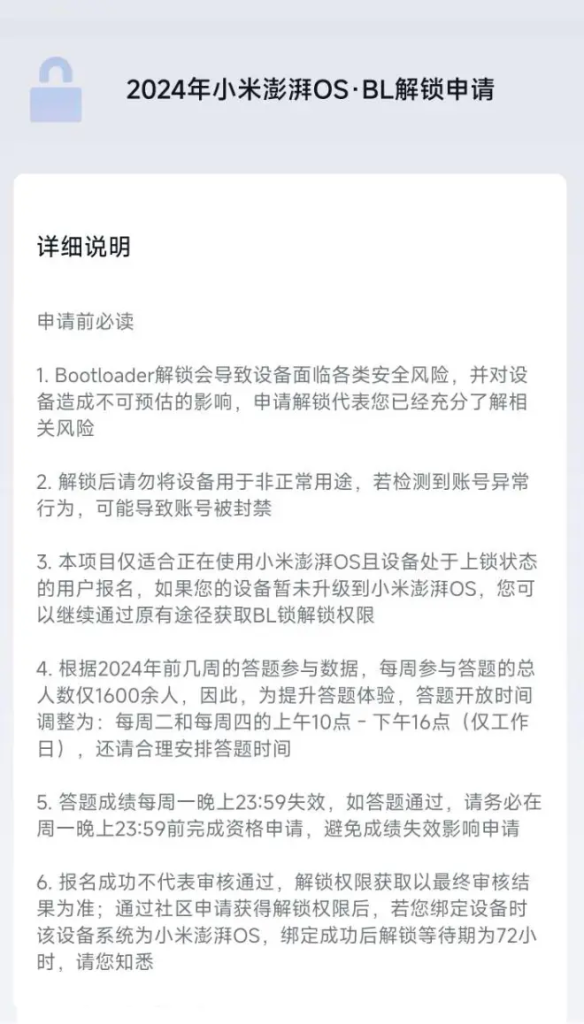
Xiaomi to make unlocking bootloader even harder

Xiaomi‘s wide variety of devices have resulted in lots of interest from developers and users together. Following the release of many different Xiaomi devices priced at any budget, developers have sought to make custom ROMs for those devices. But Xiaomi recently implemented some very annoying restrictions on unlocking the bootloader. The most recent information indicates that you will only be able to unlock your Xiaomi phone’s bootloader between Tuesdays and Thursdays.

Xiaomi will let you unlock on Tuesday-Thurday each week

Xiaomi bootloader unlocking process was already quite challenging with the companny’s recent actions. To unlock the bootloader of your Xiaomi phone, you need to have an active Mi Account for at least 30 days. Additionally, you can only unlock the bootloader of three devices per year! While these requirements may seem annoying for you, Xiaomi has introduced yet another restriction.

Xiaomi does not want to make the bootloader unlocking process to be automatic. Instead, you need to request the unlocking of your device’s bootloader, which is then reviewed by Xiaomi employees. If your request is deemed reasonable, you can proceed to unlock your device’s bootloader.

With a new policy in place, Xiaomi will now only evaluate bootloader unlocking requests on Tuesdays and Thursdays between 10:00 and 16:00. This will be the case every week, meaning you won’t be able to unlock anytime you want. However, please note that this restriction applies for only the Chinese devices, it’s still worth mentioning how Xiaomi moves on in China.

This situation is very likely to frustrate developers and smartphone enthusiasts. Previously, Xiaomi phones with unlocked bootloaders could still receive system updates. However, this is no longer possible. If you own an unlocked device, you won’t be able to receive OTA updates. You can regain access to updates by relocking the bootloader though, but it still seems that Xiaomi enjoys making certain things more challenging.

Related:

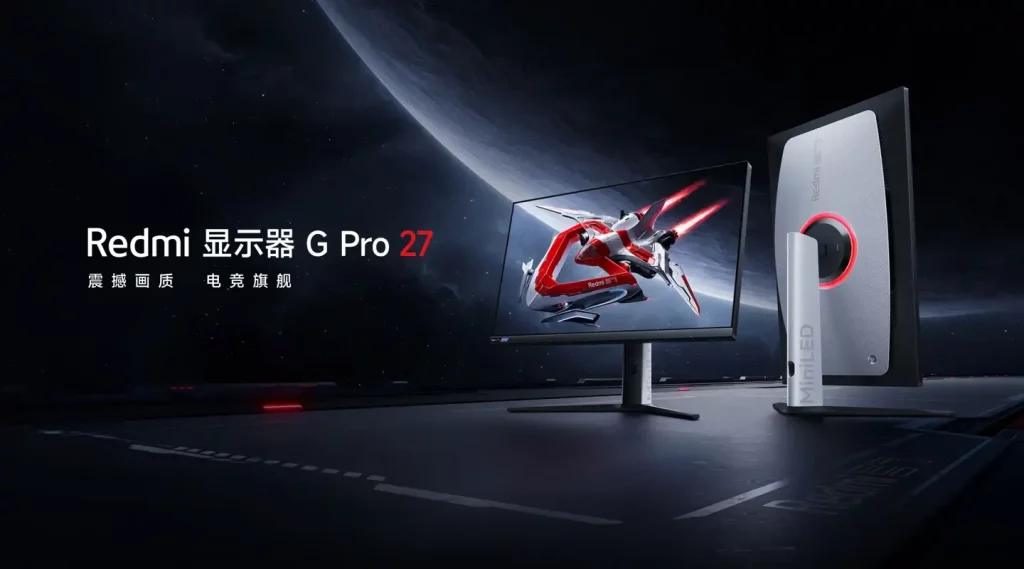
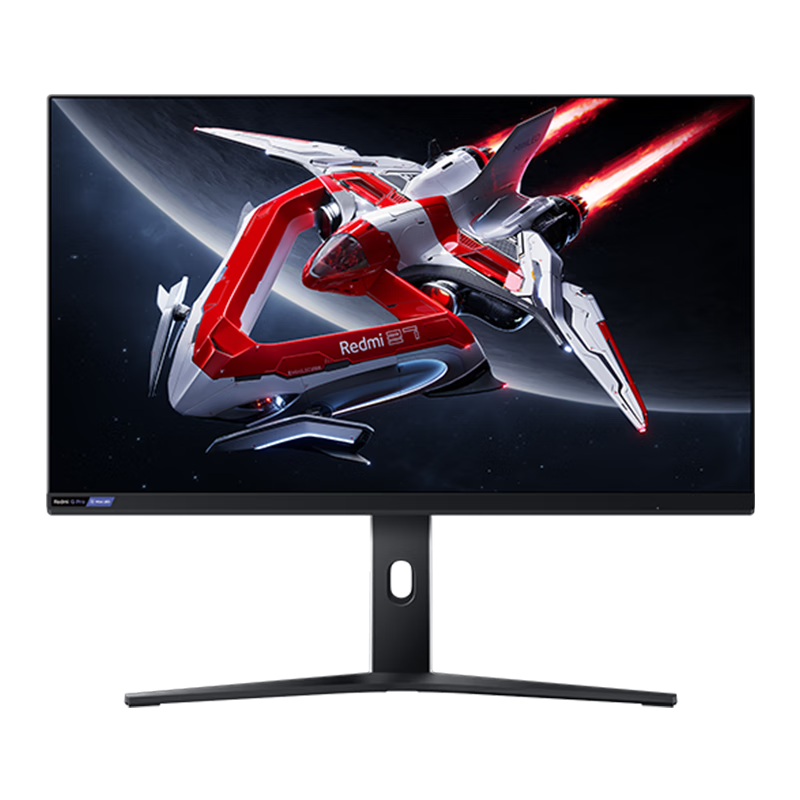
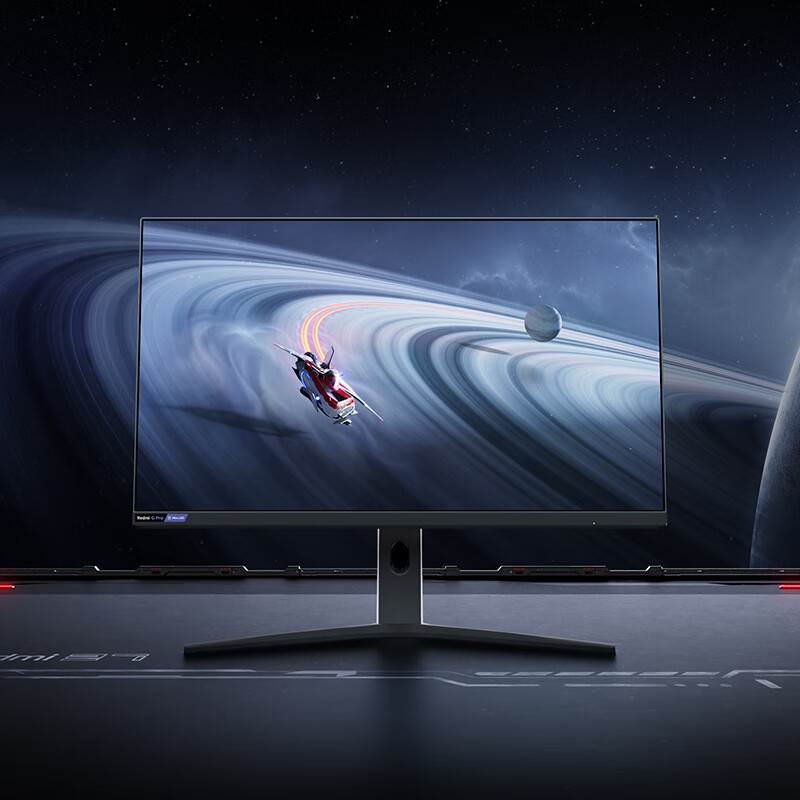
Xiaomi’s Redmi Display G Pro 27 Mini LED gaming monitor up for pre-sale for 1999 yuan ($277)

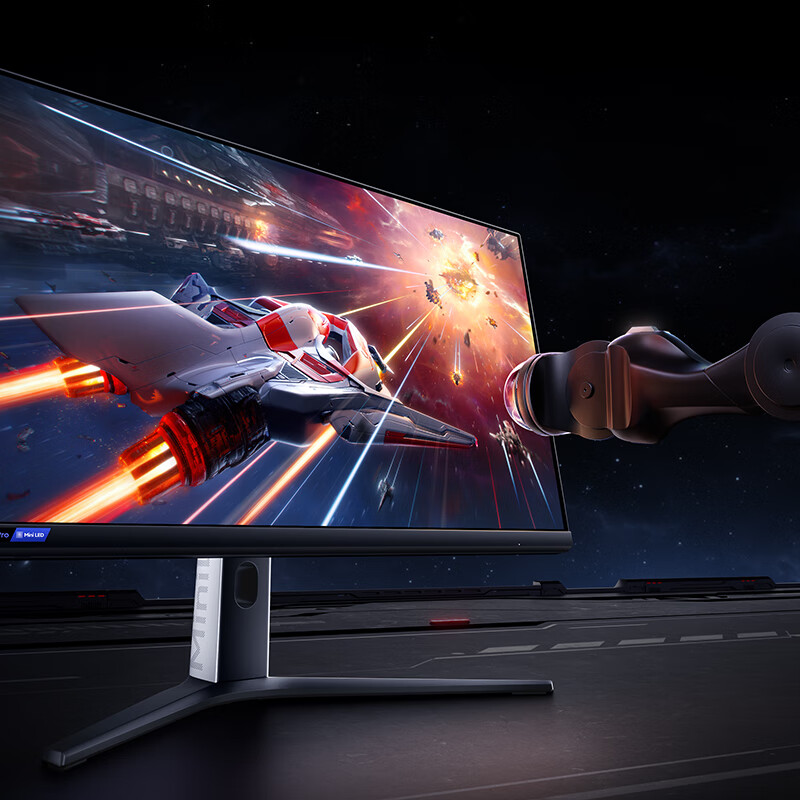
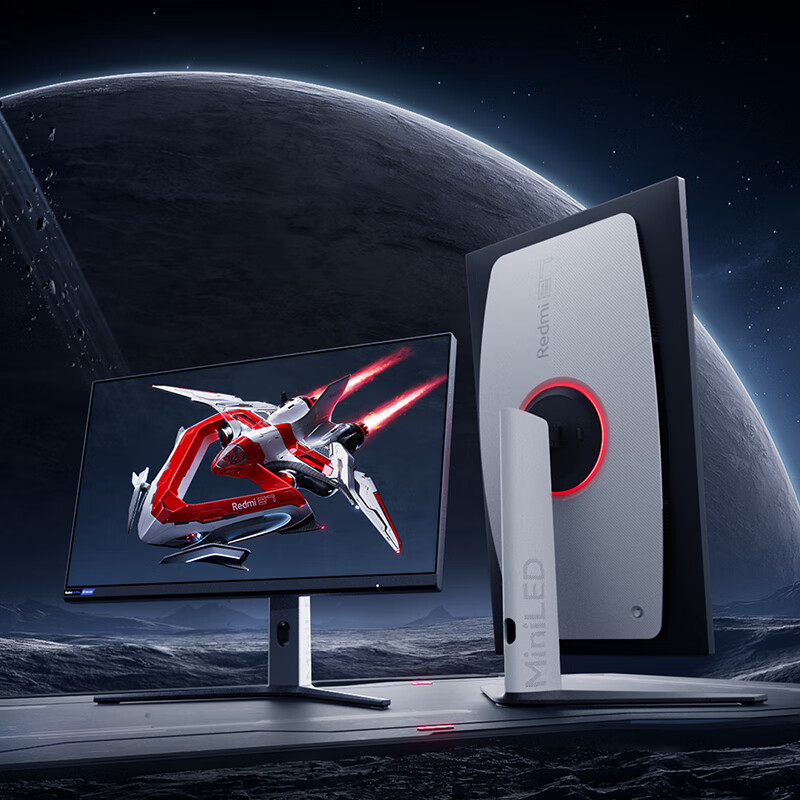
Xiaomi‘s Redmi recently unveiled the budget-friendly gaming monitorRedmi Display G Pro 27” in the Chinese market. This 27-inch monitor boasts impressive Mini LED technology, smooth performance specifications, and a surprisingly competitive price tag. The monitor is now up for pre-sale on JD.com and Xiaomi Mall.

Redmi Display G Pro 27

Redmi Display G Pro 27 Specifications:

The Redmi Display G Pro 27 sports a 27-inch 2K (2560×1440) Fast IPS panel, achieving a high refresh rate of 180Hz, which is ideal for competitive gaming where every millisecond counts. It supports a 1ms GTG response time with Overdrive (OD) enabled, minimizing motion blur and ghosting.

The standout feature is its 1152-zone MiniLED backlighting system, which allows for exceptional contrast and brightness, peaking at 1000nits. This technology enables deep blacks and vibrant colors, enhancing the gaming atmosphere with lifelike images. Additionally, FreeSync technology ensures a fluid and seamless gameplay experience by eliminating screen tearing.

The monitor also boasts QD quantum dot technology, covering 100% sRGB, 99% DCI-P3, and 97% Adobe RGB color gamuts. With a color depth of 10bit (8bit+FRC) and a color accuracy of ΔE<2, it promises professional-grade color fidelity. Furthermore, TÜV low blue light certification reduces eye strain during prolonged gaming sessions.

The G Pro 27 doesn’t compromise on aesthetics either. It features a sleek, three-sided narrow bezel design, enhancing its aesthetic appeal and immersion. It includes a joystick for OSD menu control, circular RGB backlighting effects for ambiance, two DP1.4 ports, two HDMI 2.0 ports, and an audio output port for comprehensive connectivity options.

Accommodating ergonomics and flexibility, the monitor comes with an adjustable rotating stand and supports VESA wall mounting. It weighs approximately 6.8kg and includes a 65W power supply. Xiaomi is offering a 3-year warranty on this monitor.

Pricing

The G Pro 27 is available for pre-sale on JD.com at the original price of 2199 yuan ($305), with a 10 yuan deposit deductible from the total, resulting in a final price of 1999 yuan ($277).

RELATED:

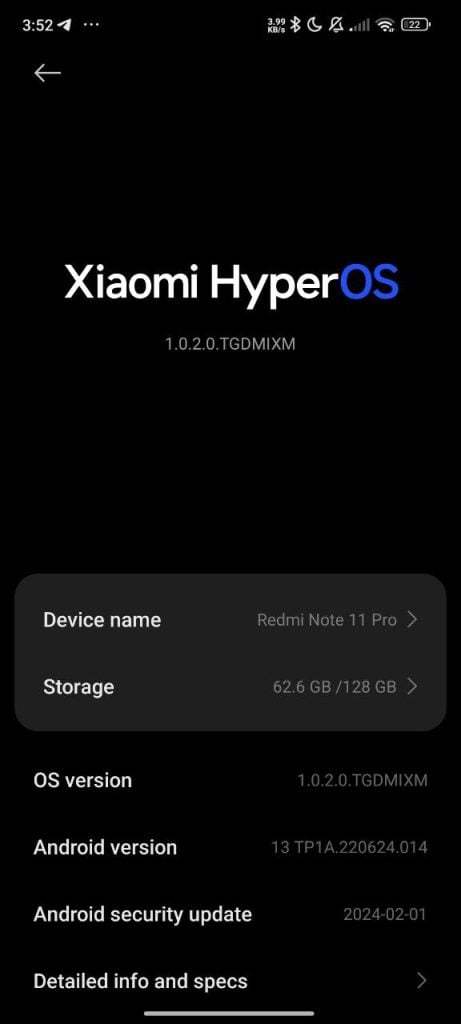
Redmi Note 11 Pro starts getting the Xiaomi HyperOS update

Xiaomi officially announced HyperOS on October 26th. Since then, the company has been testing the HyperOS update. This update was released for almost all devices and is now rolling out to the Redmi Note 11 Pro 4G. The Redmi Note 11 Pro 4G is a model of the Redmi Note 11 series. The smartphone features Helio G96 and impresses with its high performance.

Redmi Note 11 Pro 4G HyperOS Update

The Redmi Note 11 Pro was released in 2021 and launched with MIUI 13 based on Android 11 out of the box. With today’s HyperOS update, the device is receiving its last major update. While this is sad, it’s important to remember that every device has a certain lifespan. It’s worth noting that the HyperOS update for the Redmi Note 11 Pro 4G has some differences.

The first one is that the update is based on Android 13 and the smartphone will not receive the Android 14 update. Redmi Note 11 series is getting HyperOS based on Android 13. Since this update is based on Android 13, it may not have some new features compared to other devices. The HyperOS update build number for the Redmi Note 11 Pro is OS1.0.2.0.TGDMIXM.

At the moment, the update is only rolling out to Mi Pilots, but all users will have access to the HyperOS update in the future. At the same time as this update, the smartphone has also got the February 2024 security patch, which lowers the security risks.

Related:

Samsung Galaxy Fit 3 Leaks Once Again, This Time In Marketing Material With More Information

Leaks and rumors have revealed pretty much everything about the Samsung Galaxy Fit 3. Now, the marketing material of Samsung’s upcoming wearable device has leaked. It reveals the full specifications of the fitness tracker. Additionally, it appears that the Galaxy Fit 3 may pack some premium features. The upcoming offering is expected to launch soon going by the pace of leaks. 

Samsung Galaxy Fit 3 marketing material leaks out 

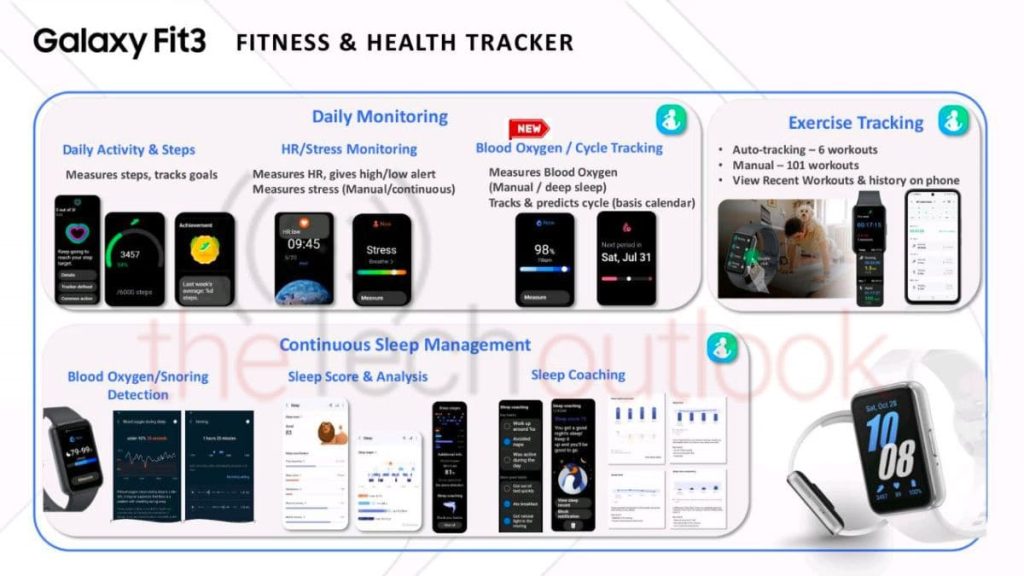
As per the marketing material, the Samsung Galaxy Fit 3 will have a rectangular dial as spotted in a recent leaked hands-on video as well as in the leaked official listing and renders in the past. The device will feature an aluminum unibody with a physical button on the right side. It will be IP68-certified dust and water-resistant up to 5ATM. The fitness tracker will be available in Grey, Silver, and Pink Gold colors.

The leaked material also mentions that the Samsung Galaxy Fit 3 will have a 1.6-inch AMOLED display bearing a resolution of 256 x 402 pixels. The screen will be layered with 2.5D glass. The upcoming fitness tracker is said to be 46 percent larger and 11 percent thinner than its predecessor. It will also offer more watch faces.

The Samsung Galaxy Fit 3 is set to pack comprehensive health and fitness features. It will be equipped with the usual heart-rate monitor, SpO2 sensor, stress tracker, step counter, support for 101 workout modes, and the ability to track 6 modes automatically. The upcoming fitness tracker will also come with a menstrual cycle tracker for women. The leak reveals that the device has an advanced sleep tracker with a four-stage analysis and can also detect snoring and blood oxygen. It will also offer sleep coaching. 

The Samsung Galaxy Fit 3 will reportedly come with connected Galaxy Ecosystem features. These include fall detection, emergency SOS, quick response, find my phone, and media control. The fitness tracker will pack 16MB RAM and 256MB storage onboard. Lastly, the upcoming offering will be powered by a 208mAh battery unit that is claimed to last 13 days on a single charge. 

Related:

Via

Huawei FreeLace Pro 2 neckband-style earphones launch tipped for February 22

Earlier today, Huawei announced that it will launch Pocket 2 on February 22. For the unaware, Pocket is Huawei’s clamshell foldable smartphone lineup.

So far, the company has released two vertical foldable phones, namely Pocket and Pocket S. The Pocket 2 will succeed the latter.

According to a reliable tipster, this handset will be accompanied by a pair of neckband-style earphones whose predecessor was launched way back in 2020.

Huawei FreeLace Pro

A Chinese leaker who goes by ‘Uncle looking at the mountains’ on Weibo claims that Huawei Freelace Pro 2 will be launched alongside the Huawei Pocket 2.

For the unaware, the original Huawei Freelace Pro was released in August 2020. It is a pair of neckband-style wireless earphones.

The audio accessory arrives in three colors. The product is priced premium comparatively. It was released at ¥599 at launch but offers active noise cancellation (ANC).

At present, we don’t have details on its successor. But it should be better than the original.

Thus, we can expect Huawei Freelace Pro 2 to offer better audio quality, longer battery life, and superior active noise cancellation. It is worth noting that these are merely assumptions from our end and we don’t know how the actual product will turn out.

We are looking forward to learning more about these earphones in the coming days. Its features could leak before the official announcement later this week.

RELATED:

Honor to Unveil AI PC to Challenge Apple’s Dominance

Honor is preparing to expand its product family. The company will soon unveil its latest offerings at MWC 2024. Of course, upcoming products are still a mystery. However, they sometimes release hints in their announcements. For example, we recently learned that the company will launch another Porsche Design flagship smartphone at the event. Now, according to the latest announcement, Honor is preparing to launch a PC with artificial intelligence features that will compete with the MacBook. Here are the details…

Honor hints at AI PC to rival MacBook at MWC 2024

Artificial intelligence continues its rapid integration into various technologies, including smartphones and computers. Honor seeks to keep pace with competitors by developing an AI-powered PC to rival Apple’s MacBooks. Right now, the details we have about this topic are limited except it will be Honor MagicBook 16. However, that doesn’t prevent us from making educated predictions.

Since artificial intelligence relies on powerful hardware, we can expect an exceptionally high performance hardware package to be involved. Additionally, the presence of functions not found in regular PCs, along with the improved performance of existing ones, is also a consideration. However, all of these come at a cost.

As is typical with any advanced technology, the price is a factor in the case of Honor AI PC. It will likely compete with MacBook in terms of pricing, aligning with current standards. Nevertheless, it’s important to note that all of this is still speculative. We’ll have to wait until the event at MWC on February 25, 2024, to see what surprise Honor has in store for us.

RELATED

Tecno Spark 20C Leaked Live Image Reveals Leather Back Panel And Color Option

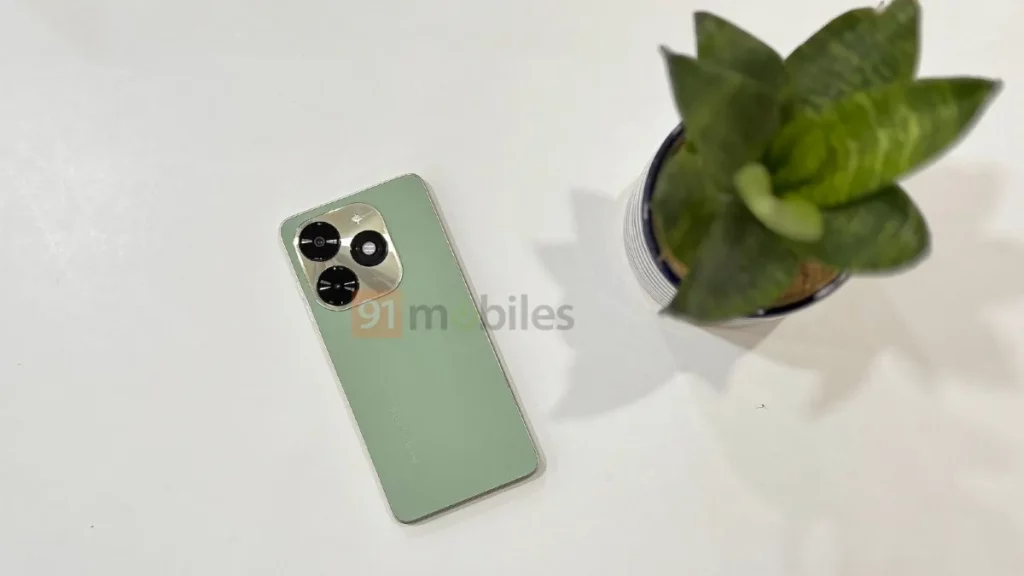
Tecno launched the Spark 20C smartphone in the global markets in November last year. Now, the brand is working on bringing the smartphone to India. Publication 91Mobiles has shared a live image of the device giving us a look at its rear panel design and color option. It also hints at the imminent arrival of the Spark 20C

Tecno Spark 20C surfaces in live image 

The Tecno Spark 20C is seen in a leather-textured back panel. It has a Light Green hue and we can expect more colors at launch. The squarish camera module has a Gold-color finish giving the smartphone a dual-tone look. It houses two camera sensors and an LED flash unit. The power and volume rocker buttons are located on the right side. The report also adds that the Spark 20C will come with a WhatsApp call recording feature. 

The India launch timeline of the Tecno Spark 20C remains unclear at the moment. However, it is expected to be around the corner. We should learn official details in the coming days. 

It remains to be seen if the Tecno Spark 20C Indian variant will pack the same specifications as its global counterpart. The later features a 6.6-inch HD+ display with a 90Hz refresh rate. The device has a 50MP rear camera paired with an AI lens and an 8MP selfie snapper. The Spark 20C is powered by an octa-core processor coupled with up to 4GB and 8GB RAM options along with 128GB native storage. The smartphone is backed by a 5,000mAh battery unit with support for 18W fast charging. 

Related:

Via

Google may block the development of Google Camera Ports

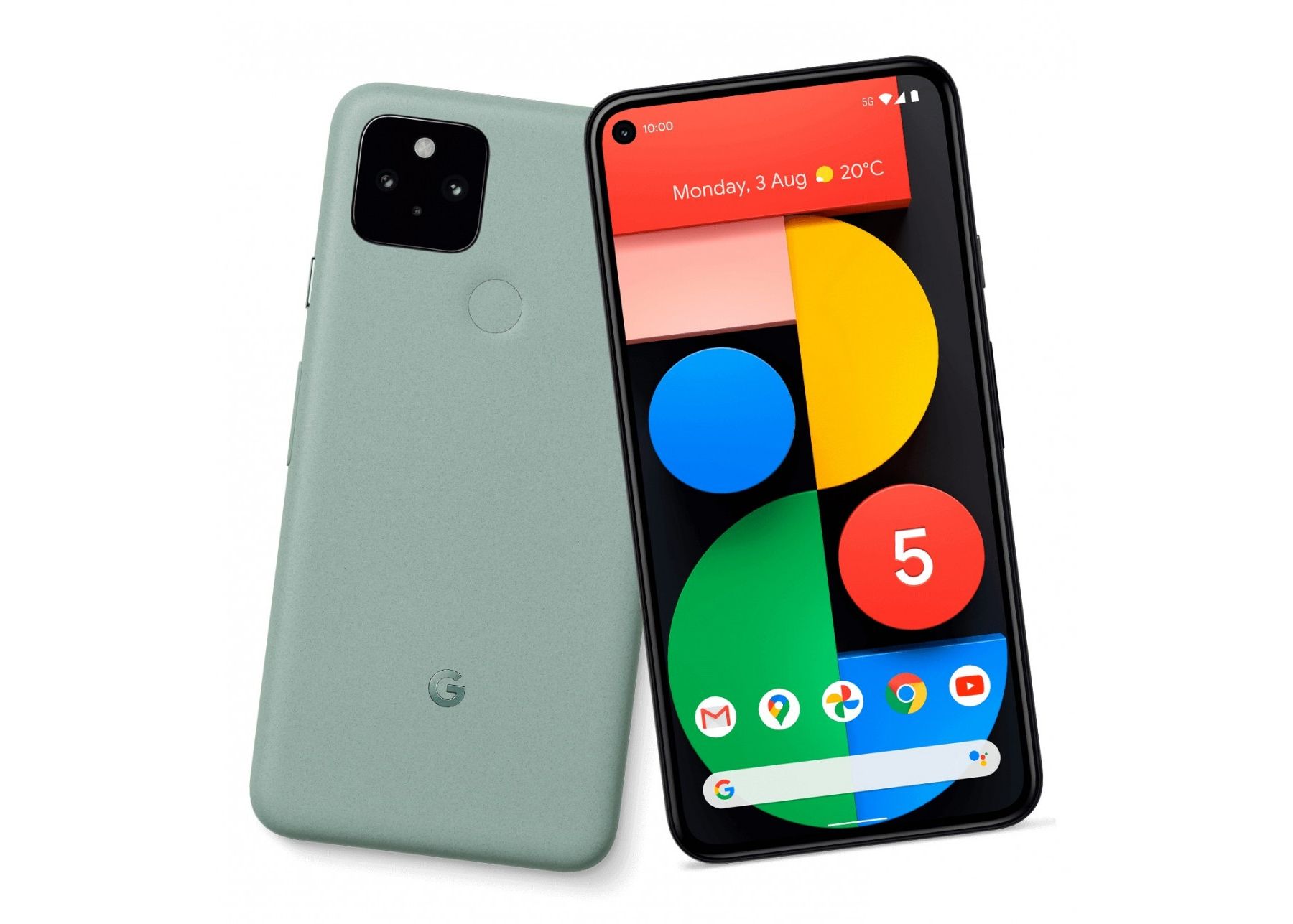
Google had introduced the first developer preview version of Android 15, and despite being the initial release of Android 15, it brought along some intriguing features. However, the Pixel 5 series devices did not receive the Android 15 update. Since Pixel 5 devices won’t get official software support anymore, it might be impossible to port GCam app on non-Pixel Android devices. The oldest Pixel devices to receive the Android 15 update belong to the Pixel 6 series, and these devices come with the Tensor chipset, Google’s own custom chipset.

Google currently doesn’t support any Snapdragon powered Pixel

Google introduced the Pixel 5 in 2020, and software update support officially just ended in 2024. Pixel 5 is a unique phone as it features the last Snapdragon chipset offered by Google. Google’s modern devices, Pixel 6 and newer ones come with the custom Tensor CPU.

After introducing their own chipset, Google now has full control over the processor, something that was not possible with Snapdragon chipsets before. Google may require exclusive Pixel features to work only with a Tensor processor, making it potentially more challenging to use/port Pixel features on non-Pixel devices.

Additionally, Qualcomm DSP support might be removed from Google Camera, which is needed for processing images on Qualcomm chipsets. This means that even if the GCam application is ported to different devices, the image processing time may significantly increase making the GCam ports obsolete.

We are not claiming that all of these will happen, but it is now possible considering Google no longer officially supports any Snapdragon device. However, there is a bigger issue, and that is the poor performance of Tensor chipsets.

Despite Google making their own custom chipset since 2021, the Tensor CPUs still face significant challenges in terms of power and efficiency. Even today’s modern Tensor CPUs provide a performance similar to Qualcomm’s flagship processors introduced about three years ago. Modern smartphones have excellent battery life and beefy processing power; therefore, Google should either use Snapdragon chipsets again or Tensor needs to make substantial progress.

Related:

Xiaomi 14 Is Arriving In India On March 7

Xiaomi is gearing up for power-packed next few days. The brand is set to unveil the Xiaomi 14 Ultra flagship along with the Pad 6S Pro tablet in China on February 22. Additionally, Xiaomi has also confirmed its presence at the MWC 2024 where it will announce the Xiaomi 14 series, SUV 7 Car, and more devices next week. Now, the company has officially announced the launch date of the flagship Xiaomi 14 in the Indian market. 

Xiaomi 14 India launch date 

The Xiaomi 14 (review) is arriving in India just a few days after its global debut at MWC. The company announced on its official X (formerly Twitter) handle that the upcoming flagship will launch in the country on March 7, Thursday. It seems that Xiaomi is only bringing the standard variant to India as the teaser poster does not mention the Xiaomi 14 Series. Previously, it was reported that the brand won’t release the Pro variant globally. Additionally, this is backed by the anticipated global launch of the top-tier flagship, the Xiaomi 14 Ultra. Notably, it has also bagged BIS certification

The Indian and global variant of the Xiaomi 14 is expected to come with the same specifications as the China variant. The device debuted in its home country last December. It is a compact flagship with a boxy design, a protruding square camera island, and an IP68 rating. The smartphone has a 1.5K 120Hz LTPO AMOLED display with a 3,000 nits peak brightness. 

Internally, the Xiaomi 14 is powered by a Snapdragon 8 Gen 3 SoC and backed by a 4,610mAh battery unit with support for 90W wired and 50W wireless charging. On the optics front, it features three 50MP Leica-branded cameras. 

Related:

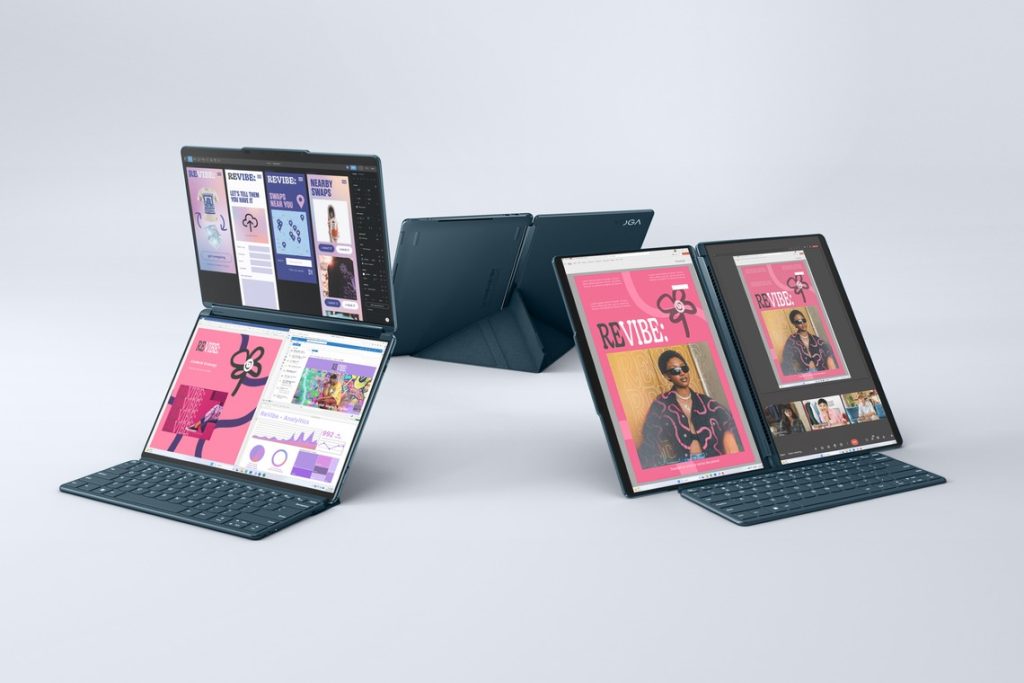
Lenovo YOGA Book 9i (2024) dual-screen OLED laptop goes on sale, starting at $1980

Lenovo has announced the international availability of the Yoga Book 9i 2024 edition, a dual-screen convertible laptop designed for multitaskers and productivity enthusiasts. Following its unveiling at CES (2024), the Yoga Book 9i 2024 boasts an upgrade to the latest Intel Core Ultra processor and starts at a price of $1980.

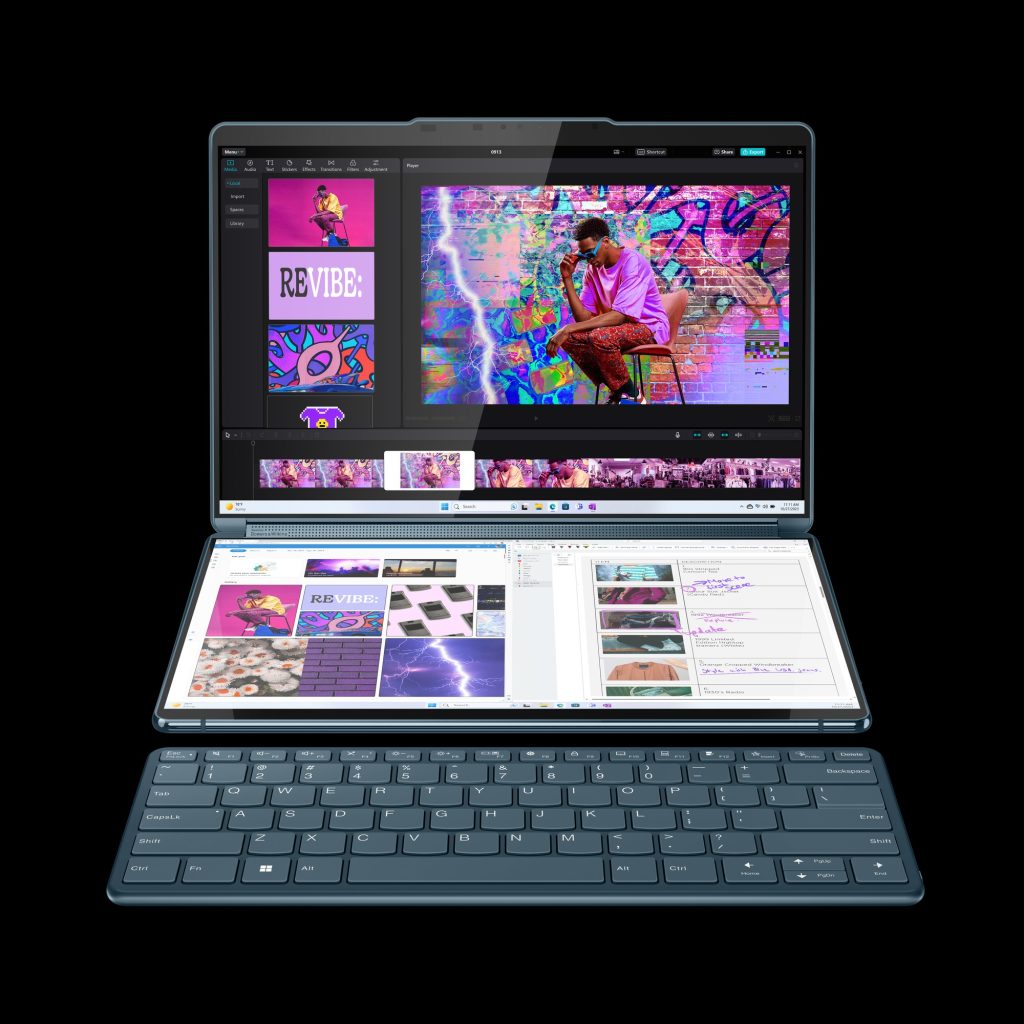
Lenovo Yoga Book 9i 2024

Lenovo YOGA Book 9i 2024 Specifications:

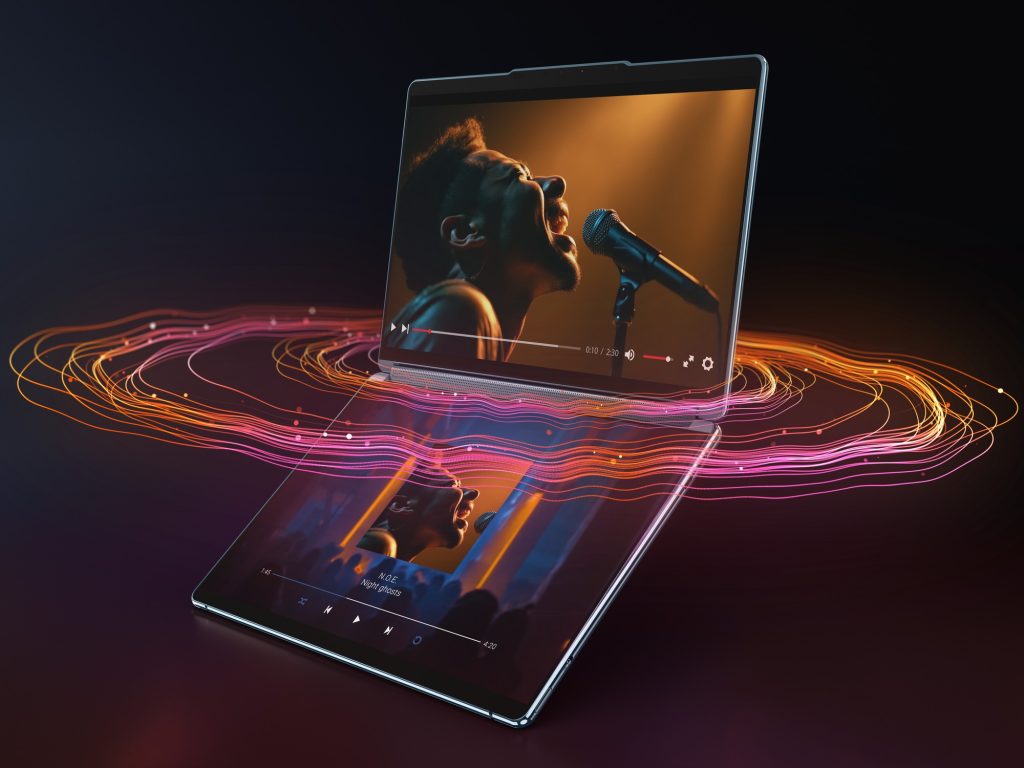
The defining feature of the Yoga Book 9i remains its innovative dual-screen design. Two 13.3-inch 2.8K OLED touchscreens with 400 nits of peak brightness, and a 16:10 aspect ratio offer great visuals for creative work, entertainment, or simply maximizing workspace. The versatile 360-degree hinge allows users to configure the screens in various modes, including a traditional laptop setup, a dual-screen productivity powerhouse, or a convenient tablet for on-the-go use.

Lenovo-Yoga-Book-9i-2024

The device maintains a slim profile at just 16mm thickness, and is relatively lightweight at 1.38kg, making it portable despite its dual-screen setup. It houses an 80Wh battery, aiming to deliver substantial battery life for users on the go.

Under the hood, the laptop is powered by a 12-core, 14-thread Intel Core Ultra 7-155U processor, featuring a base clock speed of 2.7 GHz and a turbo boost of up to 4.8 GHz. It is complemented by Intel Iris Xe graphics, 16GB of LPDDR5x-7467MHz soldered RAM, and a 512GB M.2 2242 PCIe Gen 4 SSD for storage, with options available for up to 32GB of RAM and a 1TB SSD.

Lenovo-Yoga-Book-9i-2024

Display-wise, the dual screens cover 100% of the DCI-P3 color gamut and support HDR, ensuring vivid and accurate colors. For connectivity, the YOGA Book 9i is well-equipped with three USB-C Thunderbolt 4 ports, supporting high-speed data transfers and peripheral connectivity. It also comes with a Bluetooth keyboard that can overlay the bottom screen, and a pressure-sensitive pen for drawing or writing directly on the screens.

Lenovo YOGA Book 9i 2024 edition retains several features from its predecessor, including a 5MP FHD IR webcam, WiFi 6E, Bluetooth 5.1 support, and a 60Hz refresh rate for its OLED displays. However, the new model introduces integrated AI Boost for improved AI performance and low-power efficiency cores for better energy management during lighter tasks.

Currently available in the international market, the Yoga Book 9i is expected to launch in the Chinese market soon.

RELATED:

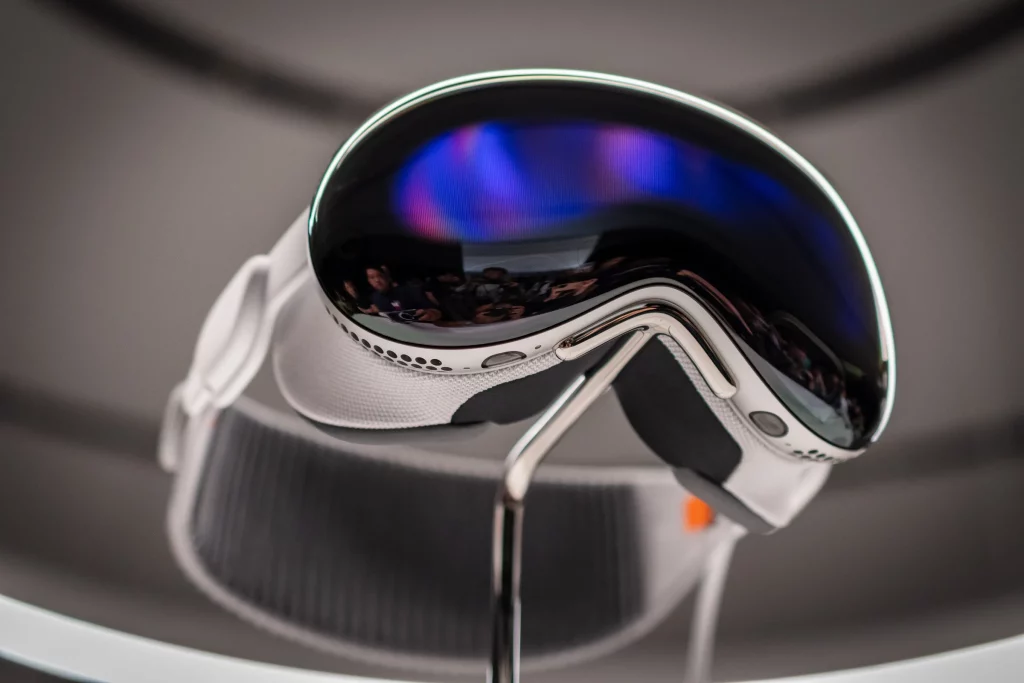
Gurman: Apple Vision Pro 2 is at least 18 months away

Apple‘s first foray into the mixed-reality realm with the Vision Pro headset has been generally successful, garnering praise for its various mixed-reality features. 

However, the headset’s steep price and initial drawbacks have led to some buyers feeling regretful about their purchase. Now, analyst Mark Gurman, speculates that a refined version, the Vision Pro 2, may not hit the market for at least another 18 months.

Gurman in his recent “Power On” newsletter said Apple is at least 18 months away from launching a second-generation Vision Pro. That means Vision Pro 2 might launch sometime in 2026. 

There have been reports of customers returning their Vision Pro headsets, sparking concerns about the product’s early performance. Gurman notes that while returns are common, and happen for all sorts of reasons. 

Gurman says, “The Vision Pro is unique. If you’ve already bought one, chances are you’re a diehard Apple fan or an early adopter of new technology. That group, one would assume, is far less likely than the normal iPhone or iPad buyer to send something back.”

Complaints about the Vision Pro headset mainly revolve around the device’s weight, app selection, and the hefty $3,500 price tag, which doesn’t seem justified by the current user experience.

Apple-Vision-Pro

Despite positioning itself as a luxury item with its premium price, the Vision Pro seems to be facing challenges typical of first-generation technology. 

Mark Zuckerberg, CEO of Meta, criticized its performance, especially when compared to Meta’s own Quest 3, highlighting the hurdles Apple will face in a rapidly evolving market.

Apple is known for its careful approach to new product categories, prioritizing quality over speed. However, the current iteration of the Vision Pro appears to fall short of expectations for some users, so there’s certainly room for improvement.

What are you expectations for the Vision Pro 2, let us know your thoughts in the comments.

Related:

Li Auto unveils ambitious expansion plan for 10,000 charging stations and new vehicle offerings

Li Auto, a prominent player in China’s electric vehicle (EV) market, has revealed an ambitious roadmap for both its charging infrastructure and vehicle lineup, aiming to solidify its position as a leading provider of electric mobility solutions.

In a recent leaked document, it was seen that Li Auto’s charging station expansion plan has undergone a significant revision. Originally targeting 3,000 charging stations by 2025, the company now sets its sights on over 10,000 supercharging stations within the same timeframe. This revised strategy includes collaborative efforts with third-party partners to expedite construction, signaling a proactive approach to meet the growing demand for EV charging infrastructure.

The timeline for the supercharging station expansion is structured into distinct phases. The year 2023 marked the launch phase, initiating a ramp-up of construction efforts. By 2024, the maturation phase aims to exceed 4,000 stations, setting the stage for the “breakout” phase in 2025, which will see expansion into tier 4 and 5 cities. By 2026, Li Auto anticipates meeting the charging needs of approximately 2.16 million battery electric vehicle (BEV) owners, reflecting the company’s commitment to comprehensive infrastructure development.

Complementing its charging station expansion, Li Auto is also enhancing its vehicle offerings. Currently known for its Li L7, Li L8, and Li L9 extended-range electric vehicles (EREVs), the company is set to launch its first battery electric vehicle (BEV), the Li Mega MPV, on March 1. Additionally, plans are underway to introduce three BEV models based on a high-voltage platform in the second half of 2024, signaling a strategic shift towards all-electric mobility solutions.

In terms of sales targets, Li Auto is aiming for 800,000 annual BEV sales by 2024, with a specific focus on achieving at least 400,000 unit sales for existing models. The company has set ambitious sales goals for individual models, including a monthly target of 30,000 units for the Li L6 EREV and 8,000 units for the upcoming Li Mega BEV.

Regarding charging infrastructure coverage, Li Auto aims to cover 90% of China’s highway mileage and major cities by 2025, with further expansion planned to meet the needs of 920,000 BEV owners in tier 4 and 5 cities by the same year.

With these comprehensive expansion plans, Li Auto is poised to make significant strides in both the EV market and charging infrastructure, catering to the growing demand for sustainable transportation solutions across China.

Related:

Check out these Xiaomi 14 Ultra’s camera samples

Xiaomi is ready to launch its Xiaomi 14 Ultra smartphone in China on February 22nd. Following in the footsteps of its predecessor, the device promises a premium photography experience. Earlier today, Xiaomi shared the camera details of the 14 Ultra. Now, the company has shared official camera samples to show the 14 Ultra’s imaging prowess.

The samples, shared on the Chinese social media platform Weibo, reveal the impressive detail and vibrant colors the Xiaomi 14 Ultra’s cameras can capture.  

Xiaomi highlighted shots from both a 50-megapixel IMX858 periscope telephoto camera (120mm focal length, 5x optical zoom) and a 50-megapixel Sony IMX858 telephoto camera (75mm focal length, 3.2x optical zoom).

The company also shared 12mm, 35mm, and 23mm shots, and again, they look equally impressive.

Though some image quality may be lost due to Weibo’s compression, the photos are promising. In addition to these powerful telephoto lenses, the Xiaomi 14 Ultra sports an improved 50-megapixel LYT-900 primary camera (a second-generation Sony one-inch sensor) with a flexible aperture ranging from f/1.63 to f/4.0. A 50-megapixel ultra-wide lens with macro photography will round out the camera system.

Beyond the cameras, leaked specifications suggest the Xiaomi 14 Ultra will have a 6.73-inch OLED 2K display with curved edges. The 120Hz refresh rate screen is expected to arrive with an ultrasonic in-display fingerprint scanner. It will run on HyperOS-based Android 14. 

Under the hood, the device gets its horsepower from a Snapdragon 8 Gen 3 SoC paired with up to 16GB LPDDR5X RAM and 1TB UFS 4.0 storage. In markets outside of China, the device is expected to be made available in up to 512GB storage models. 

The battery capacity is expected to be 5300 mAhs with 90W wired and 50-watt wireless charging onboard.

Related:

Older CPUs or PCs may lose out on future Windows 11 updates

Microsoft may soon prevent the next major Windows 11 update (known as 24H2) from running on very old computers. This change is due to a newly discovered requirement for the POPCNT instruction, which many older CPUs do not support.

POPCNT is a CPU instruction used to count the number of set bits in a value. It has applications in cryptography and has been present in CPUs for decades.

windows 11 old cpu
Microsoft releases Windows 11 Insider Preview Build 22635.2915 with 6 exciting features to the Beta Channel

Intel introduced POPCNT with its Nehalem architecture in 2008 and AMD with its Barcelona architecture in 2007. If your computer uses a CPU manufactured before those dates, there’s a possibility that it may no longer be compatible with future Windows 11 updates.

Since Microsoft already restricts Windows 11 installation to relatively modern processors (8th generation Intel chips or newer), this potential change won’t impact most users.

However, those who have bypassed Windows 11 hardware restrictions on older systems could run into problems during the next major update.

It’s unclear if this change is intentional or an accidental result of including newer CPU instructions during the development process.

A similar incident occurred recently in Windows 10, leading to compatibility problems for some older processors.

Microsoft has not yet officially commented on this situation. This development underscores Microsoft’s increasing focus on stricter hardware requirements for its operating systems.

Users with significantly older computers may want to consider the upcoming limitations if they plan to continue using Windows 11 long-term.

However, as mentioned earlier, Microsoft has restricted Windows 11 installation to compatible devices since its launch. So, if you’ve checked the compatibility list, there’s no need to worry; your device will continue to work normally.

Currently, Microsoft is finalizing the 24H2 version, slated for release to manufacturers (RTM) by April. If you’re eager to try out the 2024 update ahead of time, you can install the Insider Preview build of Windows 11 version 24H2 (Build 26052) through the Dev or Canary channel.

Related:

(Via)