Motorola has already confirmed a few details of the Edge 50 Pro that is set to launch in India soon. Now, the phone has been spotted on the Geekbench benchmarking platform. Although the processor is already confirmed, the listing reveals the RAM capacity and performance scores of the upcoming offering. Read on to know what the benchmarking database reveals about the device.
Motorola Edge 50 Pro spotted on Geekbench
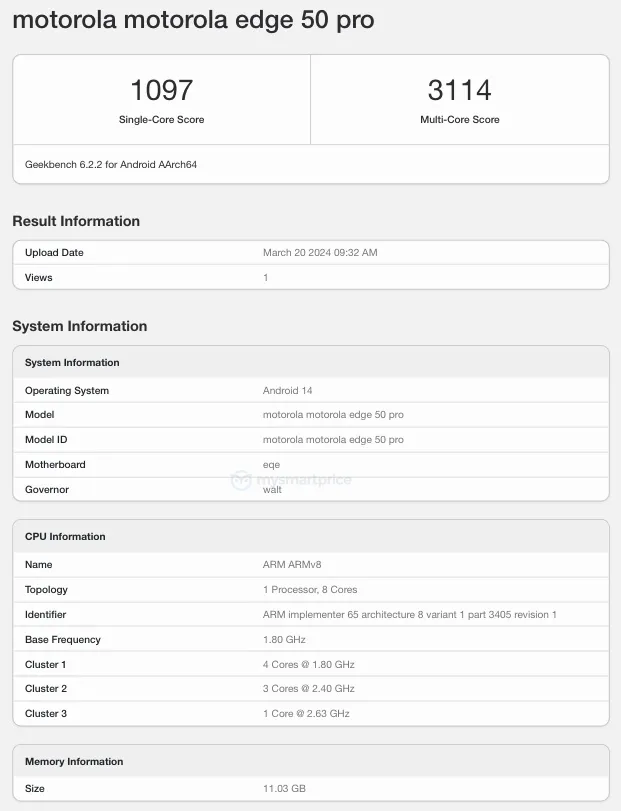
The Motorola Edge 50 Pro is confirmed to be powered by a Snapdragon 7 Gen 3 processor. As per the Geekbench listing, the setup of this chipset comprises four cores at 1.8GHz, three cores at 2.4GHz, and a primary core at 2.63GHz. The phone will pack 12GB RAM but we can also expect more configurations at launch. The upcoming offering will ship with Android 14 OS out of the box.
In the Geekbench’s single-core and multi-core test results, the Motorola Edge 50 Pro scored 1,097 and 3,114 points respectively. The benchmarking platform does not reveal any further details of the device.
Not long ago, the Lenovo-owned brand confirmed that the Edge 50 Pro will boast a Pantone-validated curved AMOLED display. It will offer a 1.5K resolution, 144Hz refresh rate, and 2,000 nits peak brightness. The smartphone is also teased to be the first in the world to have a Pantone Validated triple rear camera setup headlined by a 50MP primary sensor. It will give accurate colours and skin tones in the captured images. The upcoming offering is also confirmed to be available in three colour options.
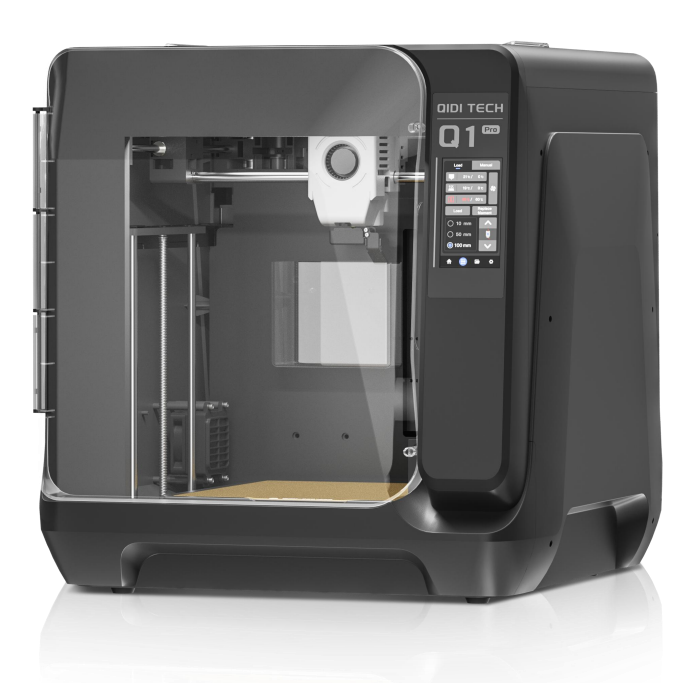
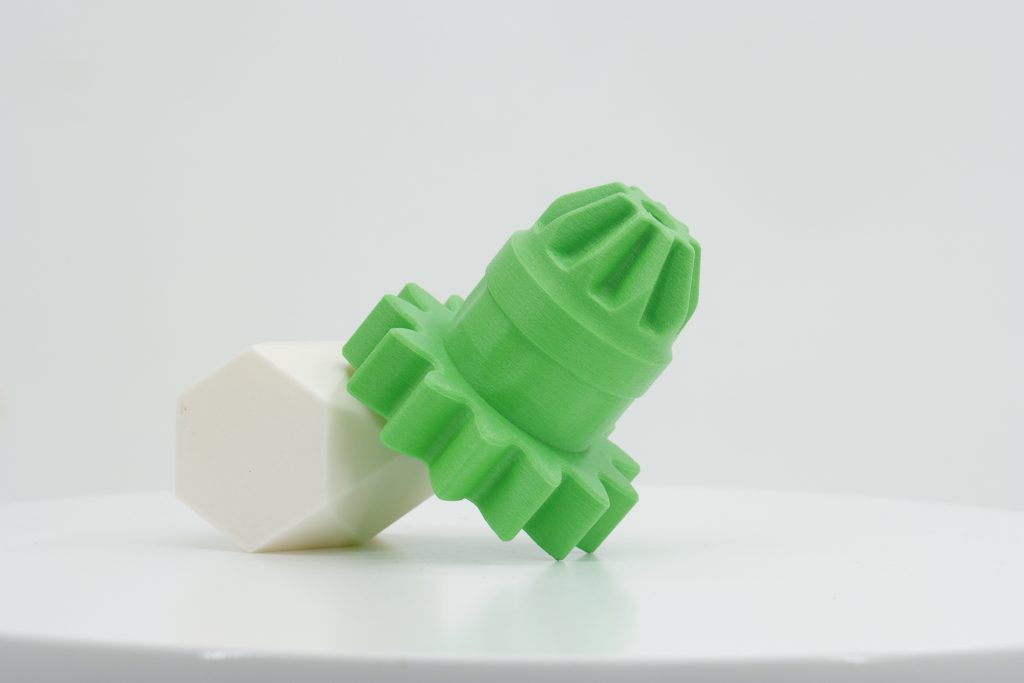
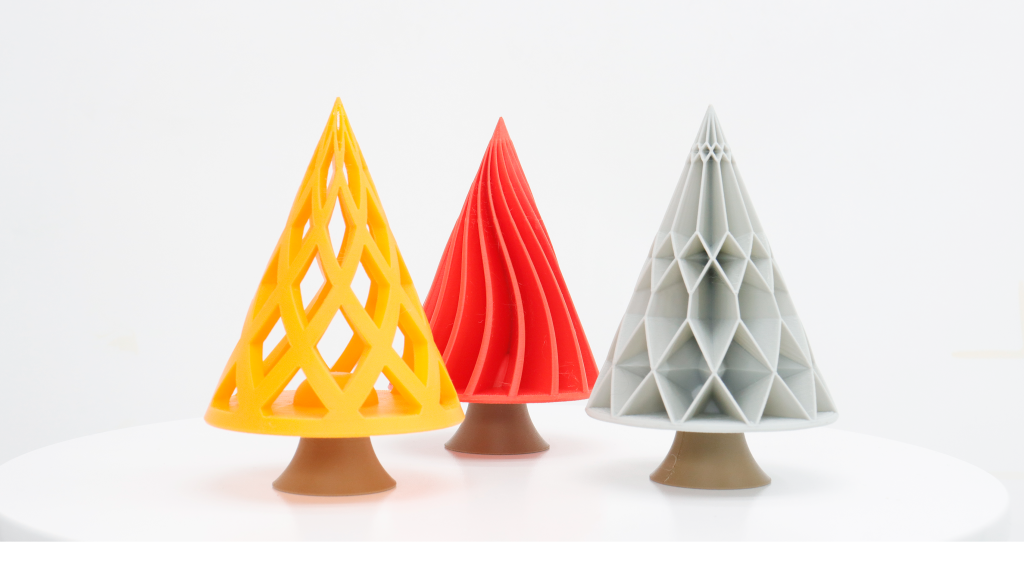
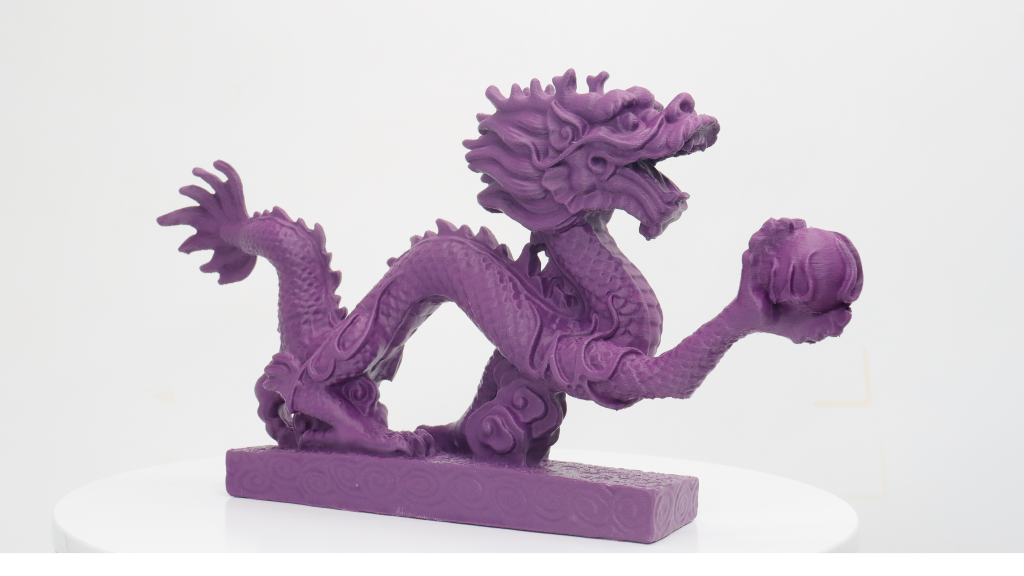
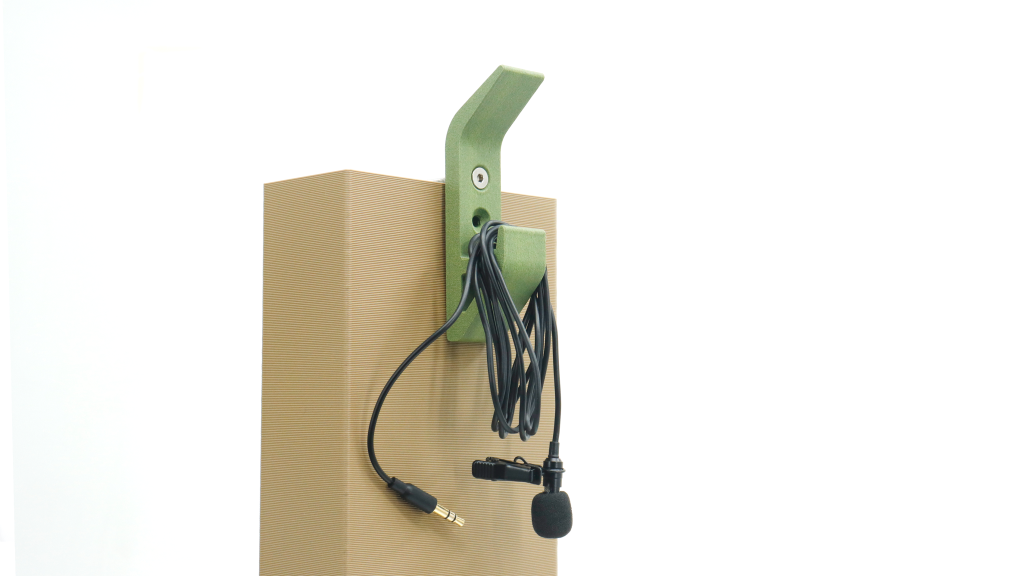
QIDI Q1 PRO emerges as a trailblazer in the versatile 3D printing market, offering an unparalleled combination of advanced features, professional-grade performance, and affordability. Packed with cutting-edge technology and innovative design, this 3D printer is poised to revolutionize the way enthusiasts, hobbyists, professionals, and businesses approach additive manufacturing.
Active Chamber Heating: Unmatched Precision and Reliability
At the heart of the QIDI Q1 PRO lies its distinctive Active Chamber Heating system. This groundbreaking feature ensures efficient and high-quality printing of ABS, PA, and other temperature-sensitive filaments. By precisely controlling the temperature within the printing chamber, warping is virtually eliminated, resulting in flawless prints with every use. Whether you’re crafting prototypes, functional parts, or artistic creations, the Active Chamber Heating system ensures consistent results and unparalleled precision.
Automatic Leveling and Dual Sensor Technology: Simplified Setup, Perfect Prints
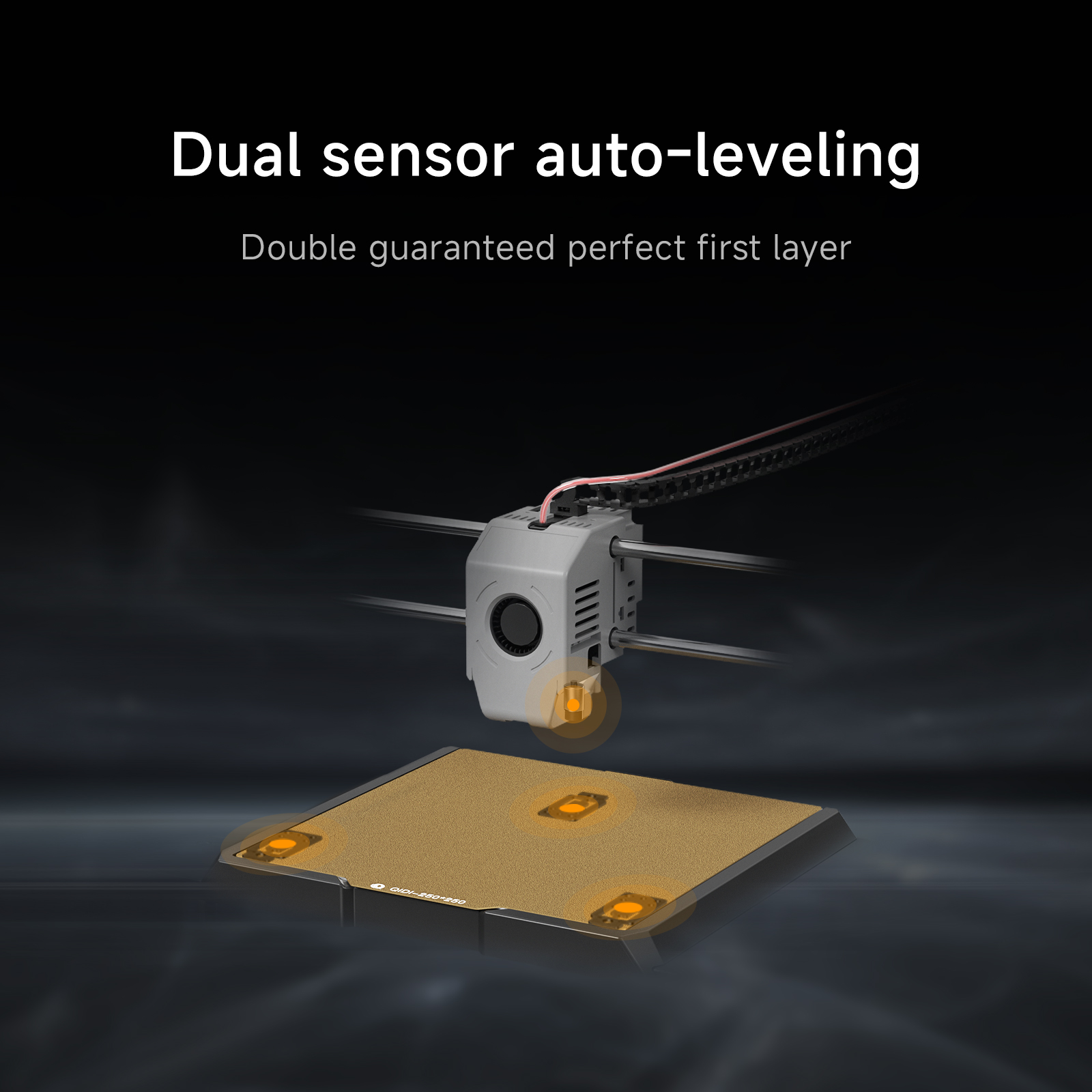
Gone are the days of manual bed leveling and painstaking adjustments. The QIDI Q1 PRO boasts fully automatic leveling with dual sensors, providing a hassle-free setup experience. This dual-sensor technology offers a double guarantee for the perfect first layer, ensuring optimal adhesion and dimensional accuracy from the outset. With automatic leveling, even novice users can achieve professional-quality prints with ease.
Dual Z-Axis Motor Drive: Professional-Grade Stability and Precision
Precision is paramount in 3D printing, and the QIDI Q1 PRO delivers on this front with its dual Z-axis motor drive. This professional-grade setup not only ensures ultimate stabilization during printing but also enhances precision by minimizing motion artifacts and inconsistencies. With a dual Z-axis motor drive, you get prints with smooth surfaces, crisp details, and dimensional accuracy, making it ideal for intricate designs and complex geometries.
New Generation Extruder and Dual Metal Nozzle: Versatility Meets Performance
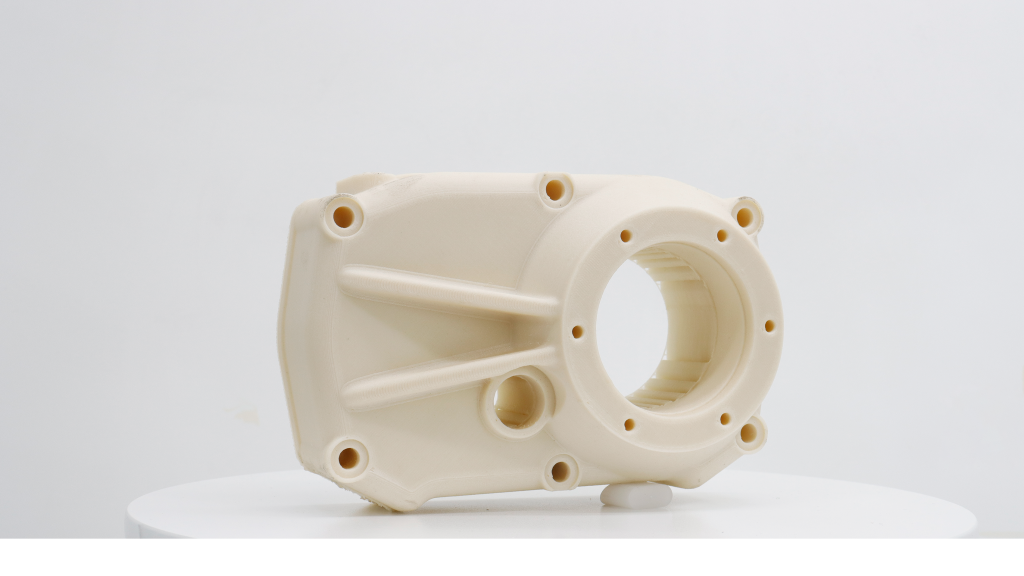
Versatility is a hallmark of the QIDI Q1 PRO, thanks to its new generation extruder and dual metal nozzle design. Compatible with a wide range of filaments, including PLA, ABS, PETG, TPU, and more, this printer empowers users to explore endless creative possibilities. The dual metal nozzle ensures reliable filament extrusion and consistent print quality across various materials, while the new-generation extruder facilitates smooth filament feeding and precise deposition.
Intelligent Feed Inspection System: Enhanced Reliability and Convenience
Say goodbye to print failures and wasted filament with the QIDI Q1 PRO’s intelligent feed inspection system. Equipped with filament run-out detection and filament wrapping detection capabilities, this printer provides real-time monitoring and alerts, ensuring uninterrupted printing and peace of mind. Whether you’re running long print jobs or experimenting with new materials, the intelligent feed inspection system safeguards against potential issues, minimizing downtime and maximizing productivity.
Hyper Speed Printing and CoreXY Structure: Unrivaled Performance and Efficiency
When it comes to speed and efficiency, the QIDI Q1 PRO stands head and shoulders above the competition. With a maximum speed of 600mm/s, a high flow rate of 30mm3/s, and an acceleration of 20,000mm/s², this printer delivers hyper-speed printing without compromising on quality. The CoreXY structure, coupled with TMC2240 silent drive technology, ensures smooth and precise motion, reducing noise and motion inertia while increasing printing speed and stability.
Full Metal Frame and Internal Camera: Durability Meets Monitoring
Built to withstand the rigors of continuous use, the QIDI Q1 PRO features a full metal frame with bottom reinforcement, offering unparalleled stability and resistance to deformation. The internal camera allows for instant monitoring of print status and time-lapse photography, providing users with real-time insights and the ability to document the printing process effortlessly.
QIDI Slicer and Klipper 64-bit Processor: Intuitive Software, Enhanced Performance
Powered by QIDI Slicer software, the Q1 PRO offers a seamless printing experience, adaptable to high-speed printing needs and suitable for users of all skill levels. The Klipper 64-bit processor, equipped with 32GB eMMC and a 150M 2.4G wireless card, ensures fast and reliable performance, while the open-source nature of Klipper allows for easy expansion and customization of functionalities.
All-Round Material Application and Precision Control: Limitless Possibilities
With its all-round material application capabilities and precision control, the QIDI Q1 PRO empowers users to bring their ideas to life with unprecedented accuracy and versatility. Whether you’re a newbie venturing into the world of 3D printing, a seasoned enthusiast seeking an upgrade, a farmer looking to diversify into all-filament printing, or a studio engaged in large-scale production, this printer is your ultimate companion.
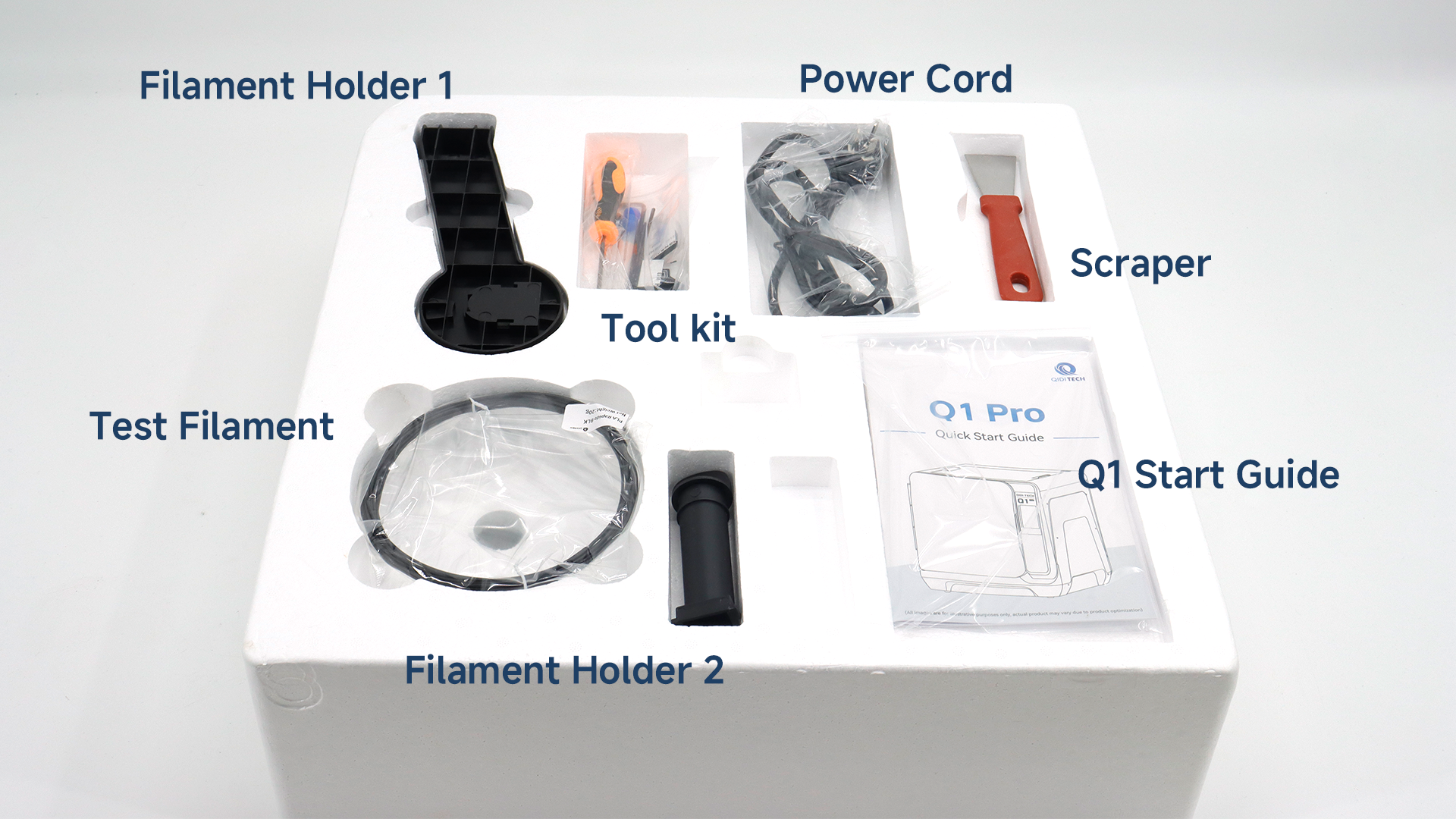
Accessories included in Shipping package
Retail Price and Availability
The QIDI Q1 PRO 3D printer is available at a competitive price point ($599), while now it comes with an early bird price of $469, offering unbeatable value for its extensive feature set and professional-grade performance. For retail pricing and availability, please visit the official QIDI website for more information. Don’t miss out on the opportunity to experience the future of 3D printing with the QIDI Q1 PRO.
QIDI Q1 PRO 3D printer redefines the standard of affordable professional printing and sets a new benchmark for affordability, performance, and versatility in the world of additive manufacturing. With its innovative features, advanced technology, and user-friendly design, it caters to the needs of beginners, enthusiasts, professionals, and businesses alike. Whether you’re creating prototypes, functional parts, or artistic masterpieces, the Q1 PRO delivers exceptional results every time, making it a must-have tool for anyone passionate about 3D printing.
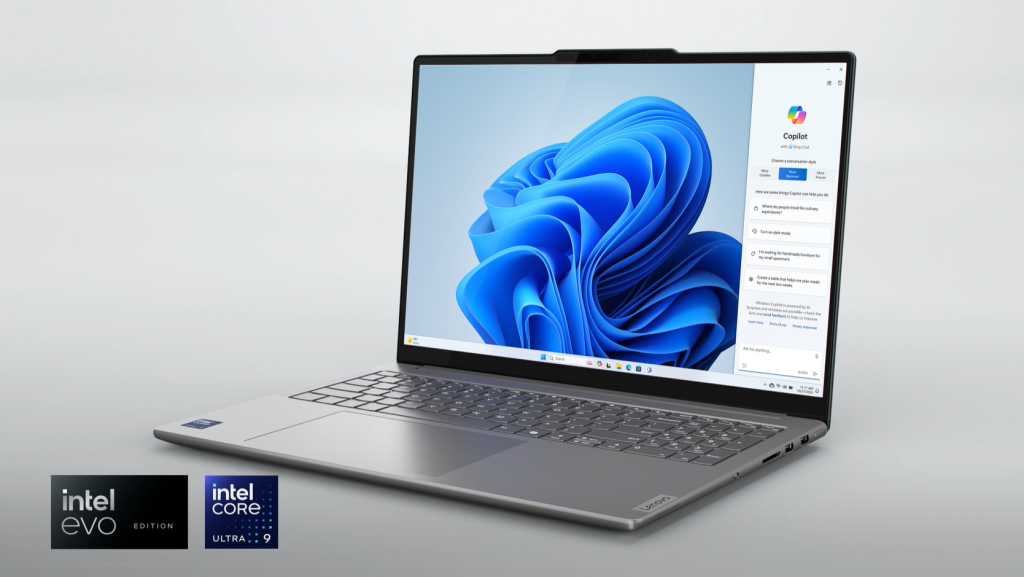
The Lenovo Yoga Pro 16s 2024 Extreme Edition, which is named the Yoga Pro 9 16IMH9 for the global market, is now live on Lenovo’s official website. Previously, the company launched the YOGA Pro 14s with 120Hz 3K display and Ryzen 7 7840HS in China back in January.
This powerhouse comes with plenty of configuration options when it comes to choosing the right amount of system resources.
Yoga Pro 16s 2024 Extreme Edition/ Yoga Pro 9 16IMH9 (global)
Key specs & features:
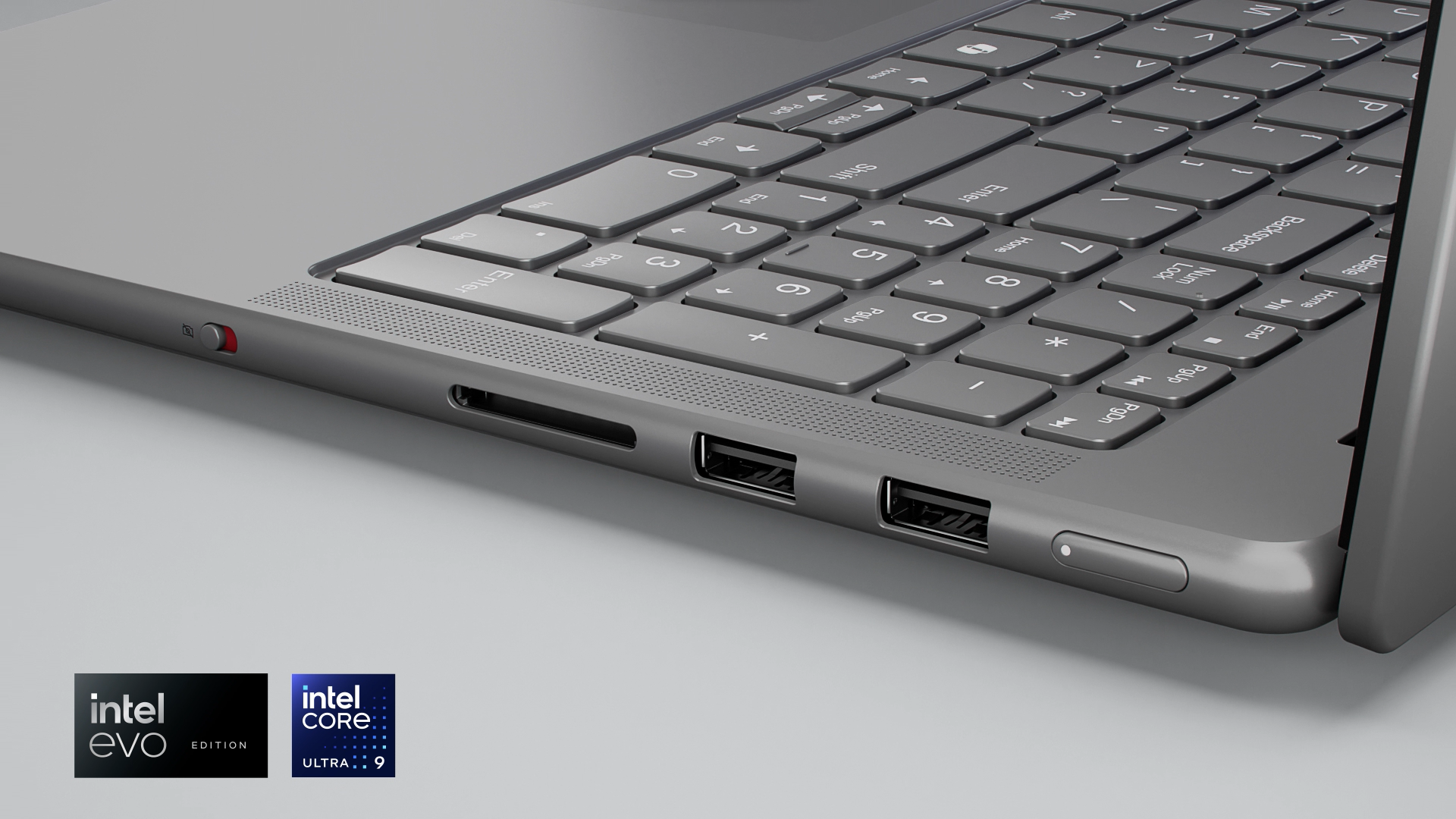
For CPU you get to choose between 14th generation Intel Core Ultra 7 and Intel Core Ultra 9, both of which include an integrated NPU (Neural Processing Unit) and an integrated Intel Arc Graphics.
Speaking of Graphics, this laptop offers four different options – RTX 4050/ RTX 4060/ RTX 4070/ Intel Arc integrated graphics.
The RTX 4050 comes with 6GB of GDDR6 memory, while the other two come with 8GB. In addition, the dedicated GPUs have a TDP of 100W.
In terms of display, you get the option between 16-inch IPS LCD and Mini LED panels, both of which come with a 3.2K (3200×2000), 165 Hz refresh rate, 100% DCI-P3 color gamut rating, and TÜV Rheinland low blue light certification.
The Mini LED version reaches 600 nits when displaying SDR content and 1200 nits in HDR content, while the IPS version is rated for 400 nits. There’s also an optional OGS touch support and glossy or anti-glare finish for all the display versions.
Memory: 16GB/32GB/64GB LPDDR5x (soldered or non upgradable)
This laptop comes with an 84Whr battery and according to the company, it reaches 50% in 30 minutes. The device weighs around 1.93-2.05 Kg based on different versions.
Models with integrated graphics offer a total of four speakers – 2W x2 (woofers), and 2W x2 (tweeters). Models with dedicated graphics take it a step further with four woofers and a total of 6 speakers. All the models come with Dolby Atmos support and Smart Amplifier.
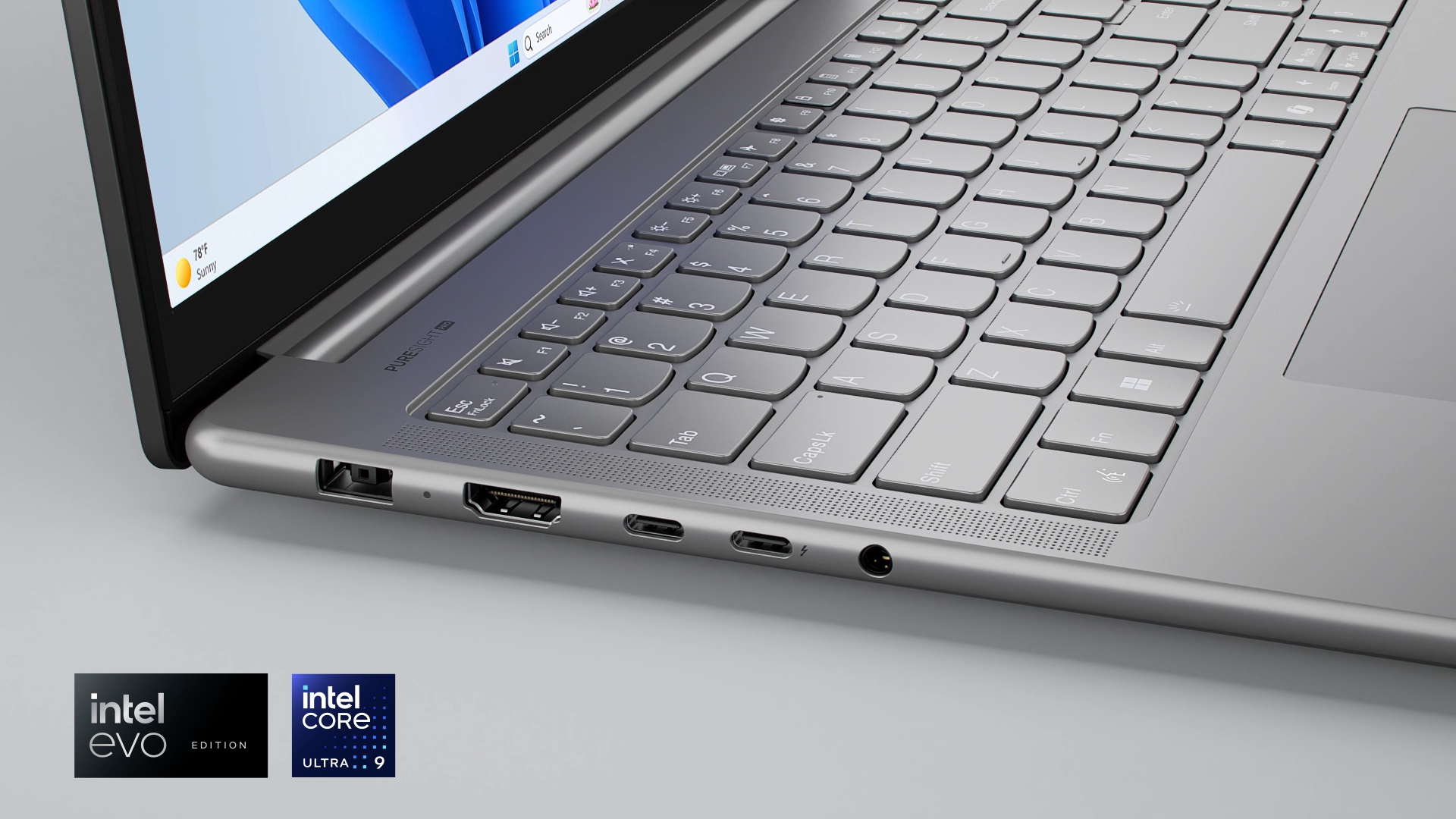
Ports:
1x USB-A (USB 5Gbps / USB 3.2 Gen 1)
1x USB-A (USB 5Gbps / USB 3.2 Gen 1), Always On
1x USB-C® (USB 20Gbps / USB 3.2 Gen 2×2), with USB PD 3.0 and DisplayPort™ 1.4
1x USB-C® (Thunderbolt™ 4 / USB4® 40Gbps), with USB PD 3.0 and DisplayPort™ 2.1
Nothing Phone (2a) has been a big success with 100,000 units sold on the first day of the sale. It retains the same transparent design as the premium Phone (2) but with slight changes. The main USP of Nothing’s smartphones are their unique back panel designs. Hence, it doesn’t make sense to slap a protective case on the device. Having said that, PBKreviews has done a drop test of the Nothing Phone (2a) if you’re clumsy and worried about its durability.
Nothing Phone (2a) drop test reveal no significant damage
The Nothing Phone (2a) sports an aluminium frame, a plastic back panel, and a Gorilla Glass 5 on the display. The frame on the White colour variant is covered up in paint. The drop test by PBKreviews includes three rounds. The phone is dropped on a concrete surface from three different heights. In the first round, it falls flat on its screen from a waist-level height. The phone comes out unscathed without any damage in this round.
Coming to the second round, the Nothing Phone (2a) is dropped from head-level height. There are only minor scrapes on the frame and the screen remains free from any scratches. The third round also does not change the durability result of the device. In the fourth round, the Phone (2a) is dropped on its frame from waist height.
The drop results indicate that the Nothing Phone (2a) is quite durable barring a few minor scrapes on the side frame. Even the plastic back panel comes out unscathed despite being dropped four times. This should solve your worry and dilemma of putting on a protective case on the smartphone and limiting its unique design.
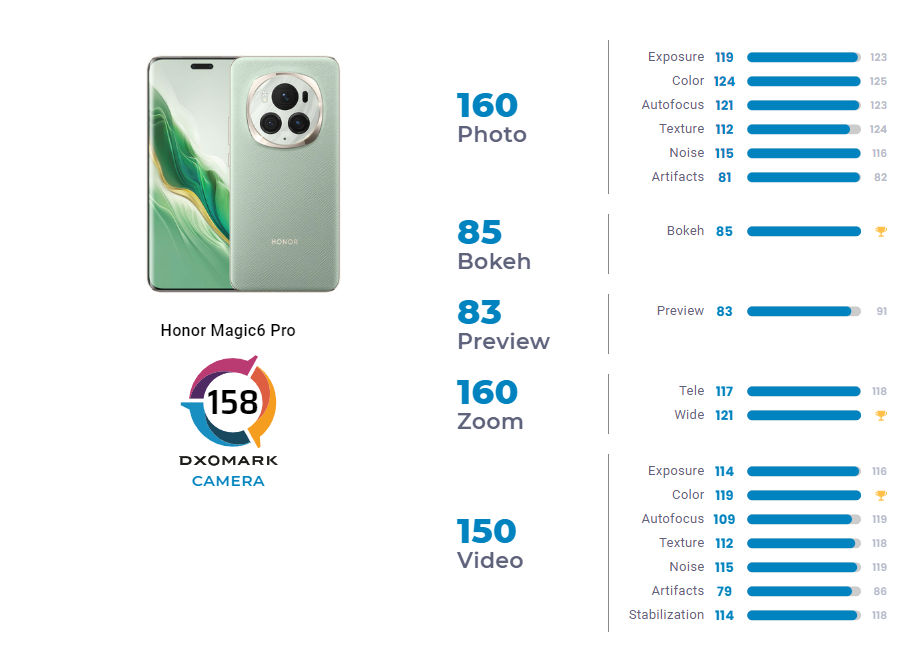
The Oppo Find X7 Ultra and the Huawei Mate 60 Pro+ shared the top spot in DxOMark’s ultra-premium smartphone camera rankings last week. However, the Honor Magic 6 Pro, which debuted globally at the end of last month, has now surpassed both of these phones to become the new reigning champion as DxOMark’s best camera phone in the ultra-premium segment. The Honor Magic 6 Pro smartphone features the following rear camera system:
Ultra-wide: 50MP 1/2.88″ sensor, 13mm equivalent f/2.0-aperture lens, AF
Tele: 180MP 1/1.4″ sensor, 68mm equivalent f/2.6-aperture lens, AF, OIS
As per the DxOMark test results, the Honor Magic 6 Pro achieves excellent results across all of the tests, achieving an overall score of 158. For photos, the device is tied up with the Huawei Mate 60 Pro+ for the top score of 160. It is capable of reproducing nice colors while offering excellent dynamic range, even in scenes with challenging backlight. The autofocus system of the device is a major plus point since it’s quick and accurate in all situations.
The Magic 6 Pro shined in its zoom capabilities, setting a new standard, especially with its ultra-wide and video zoom features. The ultra-wide camera’s exposure and colors were top-notch, and the telephoto lens managed to capture detailed images at a distance, though some details looked a bit off.
Video recording with HDR on the Magic6 Pro showed off its color rendering skills, with accurate colors and white balance under various lighting. It didn’t quite keep up with the iPhone 15 Pro Max in terms of exposure control, stabilization, and autofocus reliability. Still, its color quality was impressive, and it managed a good balance between texture and noise reduction, although it did face some issues with exposure stability and clarity in low light.
For more in-depth insights into the camera system, you can find a detailed review on DxOMark‘s website.
Mijia, a brand under Xiaomi, encompasses a wide range of smart home devices designed to enhance daily life with technology, offering everything from robot vacuum cleaners to smart glasses and health monitoring gadgets.
Earlier today, the brand unveiled a new product called Automatic Phone Washing Kit Fun Edition in the Chinese market that boasts a 99.9% antibacterial rate and can last up to half a year on a single charge. The product is set to debut at the Civi 4 Prolaunch event tomorrow.
Xiaomi Mijia Automatic Phone Washing Kit Fun Edition Specifications:
The hand washing kit is designed to be fun and easy to use, with a soft and cute rounded appearance and a set of fun stickers that are easy to apply and remove.
It also features infrared sensing for rapid foam generation in 0.25 seconds, without the need for pressing or touching, reducing the risk of cross-infection.
The automatic dispenser has a 320mL large capacity design that can produce rich and fine bubbles that penetrate into the hand creases and reach the pores deeply for thorough cleansing.
It also supports a 20-second foaming reminder, with foaming instructions following the foam generation, providing interactive fun and helping children develop good hand-washing habits to effectively prevent cross-infection and disease spread.
According to Xiaomi, the phone washing kit adopts a mild antibacterial formula and efficient skincare ingredients, with zero soap base and zero alcohol, effectively inhibiting Escherichia coli, Staphylococcus aureus, and Candida albicans.
The Mijia Automatic Phone Washing Kit Fun Edition is compatible with the most commonly available foaming hand washes. It comes with Sunshine Clear Grapefruit Fragrance Hand Wash, but antibacterial formula hand wash, amino acid formula hand wash, and Mediterranean Fig Fragrance Hand Wash need to be purchased separately.
The Mijia Automatic Phone Washing Kit Fun Edition is IPX5 waterproof and comes with a Type-C charging design. A full charge can last up to 180 days and is estimated to be usable for about 400 times.
The hand washing kit is priced at 149 yuan (around $21) and is available in Mint Blue and Peach Pink colors. It is now up for pre-order on Xiaomi Youpin.
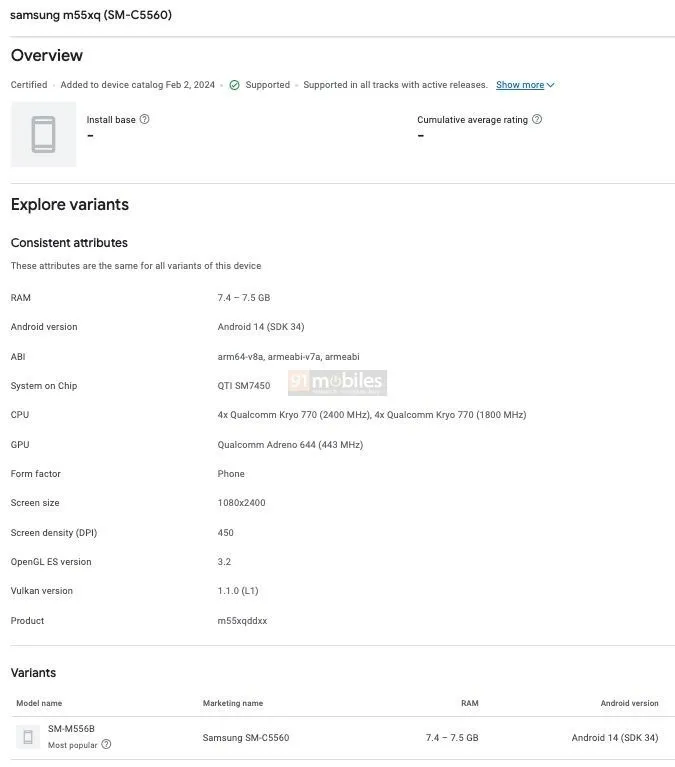
Samsung is getting closer to the launch of an M-series phone. The Galaxy M55 5G has already bagged FCC and BIS certifications and also appeared on the Geekbench database. Now, the device has been spotted on the Google Play Console certification revealing its key details. The listing does not reveal the exact moniker of the smartphone and it carries a model number SM-C5560.
Samsung Galaxy M55 5G appears on Google Play Console
The Google Play Console certification reveals that the Samsung Galaxy M55 5G has a processor codenamed SM7450. It comprises four Kyro 770 cores at 2.4GHz and another four Kyro 770 cores ticking at 1.8GHz. There is Adreno 644 GPU onboard. The setup points towards the Snapdragon 7 Gen 1. The phone is listed with 8GB RAM and we can expect more options at launch. The same internal details of the Galaxy M55 5G were also revealed by the device’s Geekbench listing.
As per the Play Console certification, the Samsung Galaxy M55 5G will have a display resolution of 1080 x 2400 pixels and a screen density of 450 DPI. The listing does not reveal any additional details. The FCC certification of the device mentioned support for 45W fast charging.
Recently, tipster Mukul Sharma revealed that the Samsung Galaxy M55 5G is set to launch in India soon. It will feature vertically stacked triple rear cameras and a flat frame. The upcoming offering will be available in Blue and Black colors. .
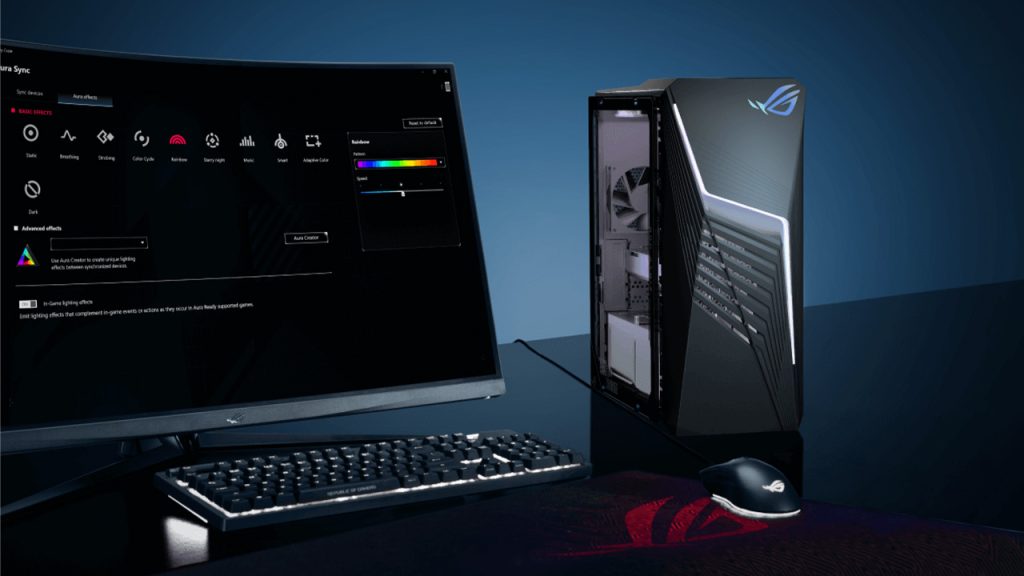
2024 is shaping up to be a great year for gaming. A fresh report has suggested that Gaming PCs could see a rebound this year. But the computers aren’t alone as Gaming Monitors are projected to continue their rise this year as well. So here’s what you need to know.
Gaming PC rebound in 2024 along with the rising gaming monitors
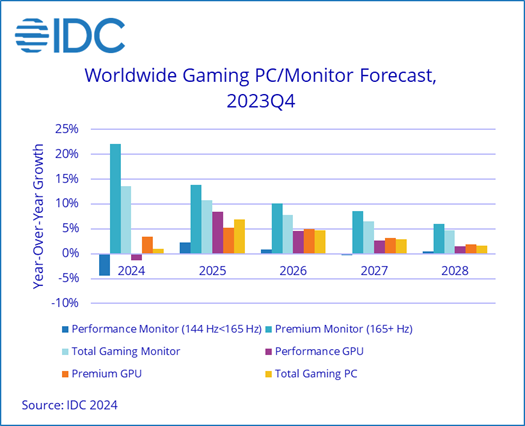
For those unaware, shipments of gaming PCs declined alongside the overall PC market in 2023. However, the gaming category in particular saw a notable decline of over 13 percent last year. But gaming monitors dodged this downward trend with 20 percent growth during this same period. Now, an IDC report hints that 2024 could be the year that gaming products make a comeback.
Recovering from the setback from 2023, Gaming PCs are expected to finally hit the positive with a modest 1 percent growth. PCs include the desktop and notebook segments, the latter of which is driving this growth. Meanwhile, monitors designed for gamers will continue to rise by 13.6 percent in this same period. The report adds that sustained demand helped gaming PCs despite the current situation of the global economy.
As gaming as a hobby continues to expand, peripherals like gaming monitors are becoming increasingly popular. The drop in prices has also made them more cost effective. Gaming monitors with 165Hz refresh rate, response time of 1ms or lower, and higher resolutions like 1440p (2K) have become more accessible. With monitors getting cheaper, gaming PCs like notebooks are continuing to rise in price with average selling price hitting 1,101 US Dollars.
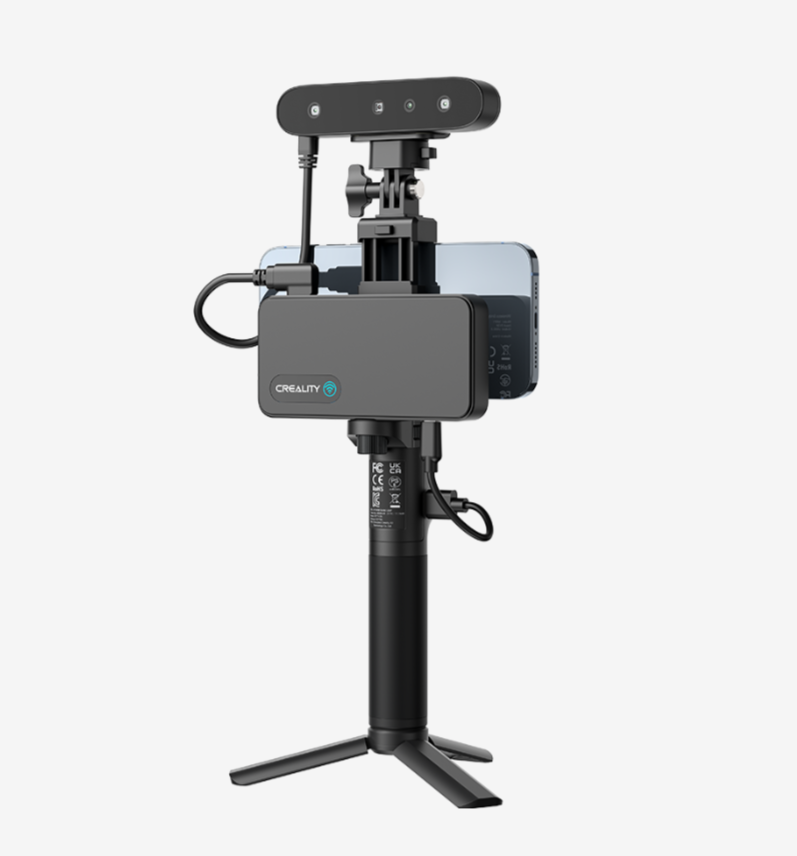
Creality CR-Scan Ferret Pro is your ultimate solution for enhancing creative projects and simplifying your workflow. With its advanced features and state-of-the-art technology, this compact 3D scanner is crafted to facilitate scanning and modeling tasks for users of all skill levels, ensuring a seamless experience from start to finish.
Anti-shake Tracking:
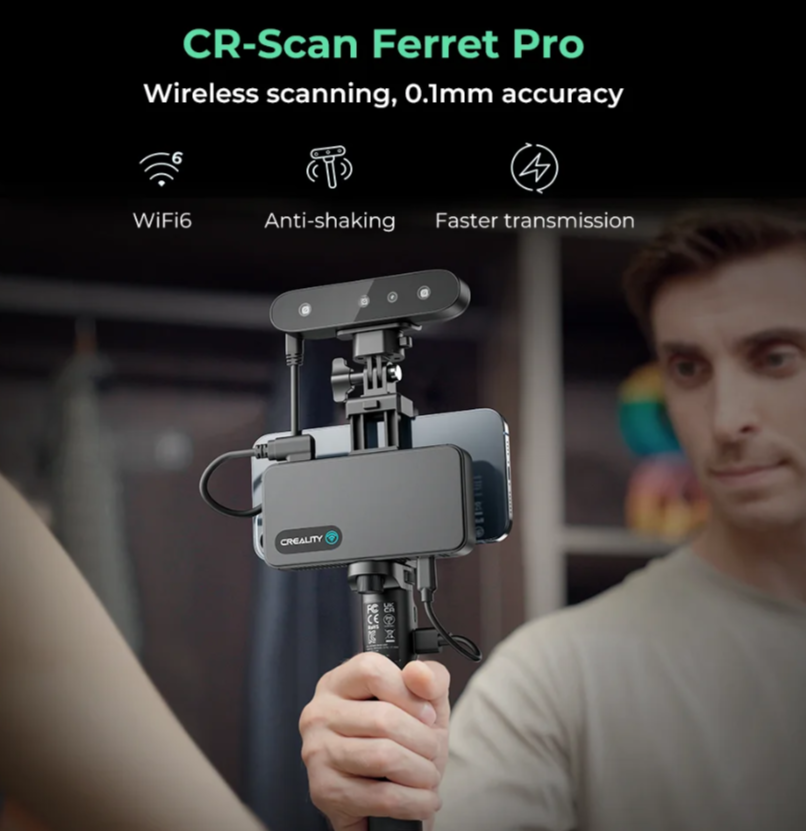
No need to worry about shaky hands ruining your scans. The one-shot 3D imaging technology ensures smooth scanning, even in less-than-ideal conditions, significantly increasing the success rate of your scans.
Scan Black/Metal Objects Without Spraying:
Gone are the days of needing scanning spray for black or metal objects. With the Ferret Pro, you can effortlessly scan cars, car parts, tires, and more without pre-treatment hassle. Select the texture mode for cars and let the scanner do the rest.
Outdoor Scanning:
Engineered with advanced optical technology and intelligent algorithms, the Ferret Pro maintains excellent performance even in outdoor environments with sunlight up to 30,000 lux. Say goodbye to limitations and take your scanning projects outdoors with confidence.
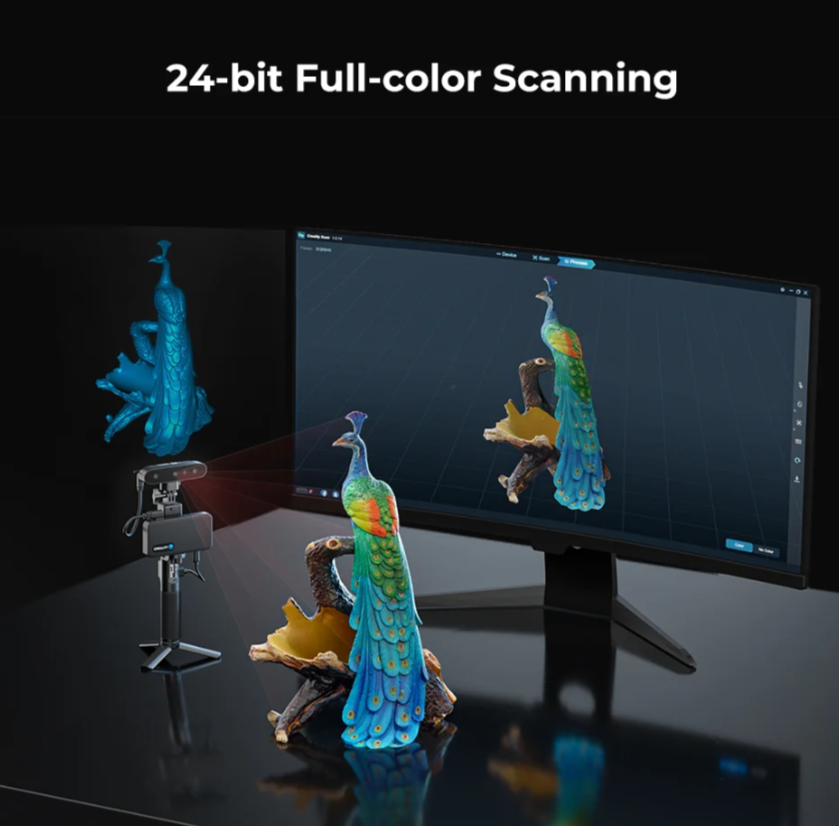
24-bit Full-color Scanning:
Capture every intricate detail in stunning full color with the built-in 2MP high-resolution color camera. The unique face mapping algorithm ensures vivid models with detailed facial features, bringing your creations to life like never before.
High Quality & Fast Scanning (ASIC Chip):
Whether you prioritize accuracy or speed, the Ferret Pro has you covered. Achieve up to 0.1mm accuracy for precise dimensional models, or opt for fast scan mode to efficiently scan medium to large objects with a single capture range of up to 560x820mm.
WiFi6 Wireless Bridge:
Experience blazing-fast data transmission with an advanced WiFi6 high-speed wireless network. Enjoy three times faster speeds than WiFi5, ensuring smooth and efficient data collection for high-precision scanning projects.
Easy to Get Started:
With just one click, even novices can effortlessly start scanning and modeling without complex technical knowledge. Begin your scanning journey with ease and quickly achieve stunning results.
Compact and Portable:
Weighing only 105g, the Ferret Pro is lightweight and portable, allowing you to scan anything, anywhere. Bring it along on your adventures and capture your favorite memories as 3D models to cherish forever.
Compatible with Almost Everything:
From all-in-one scanning and editing to seamless integration with leading 3D software, the Ferret Pro offers unparalleled compatibility and versatility. Export your models in STL, OBJ, or PLY format for easy sharing and printing.
Unleash the Powerof 3D Printing with Ferret Pro:
Effortlessly generate precise, print-ready 3D models of virtually any object, saving time on manual creation in complex 3D modeling software. Unlock the full potential of your 3D printer and bring your imagination to life with the Ferret Pro.
Maximizing Your Scanning Experience: Tips and Tricks
Objects to Avoid Scanning:
Before diving into your scanning journey, it’s crucial to be aware of what objects may not yield optimal results. Avoid scanning reflective or transparent objects, as well as objects that are too thin or small. These may pose challenges for the scanner and could result in incomplete or inaccurate scans.
How toEnhance Scan Results:
Use of Transparent Spacer or Tray: Placing a transparent spacer or tray under the object can provide a stable base and improve the clarity of the scan.
Marking Method: Applying small dots or markers on the object can aid the scanner in better identifying its features, resulting in more accurate scans.
Utilize Auxiliary Products: Explore the use of special scanning spray, talcum powder, or dry cleaning spray to pre-treat hair, reflective surfaces, or other challenging objects. These products can enhance visibility and make scanning easier and clearer.
Sufficient Light: Ensure the scanning area is well-lit to provide ample illumination for the scanner to capture details accurately.
Use Diffuse Light: Whenever possible, utilize diffuse lighting to minimize harsh shadows and glare, creating a more uniform lighting environment conducive to scanning.
By keeping these tips in mind and implementing them into your scanning process, you can enhance the quality and accuracy of your scans, unlocking the full potential of your Creality CR-Scan Ferret Pro.
SpecialLimited-Time Offer: Save $50 on the CR-Scan Ferret Pro!
For a limited time only, get your hands on the cutting-edge CR-Scan Ferret Pro 3D Scanner at an exclusive discounted price of $429.00. Simply use the discount code “FerretPro” at checkout to enjoy $50 off your purchase. But hurry, this offer is only valid until March 31st.
Whether you’re in the US, EU, UK, or DE, you can enjoy $50 (or €50/£50) off the original price when you use the code “FerretPro” at checkout.
With its innovative features, ease of use, and unmatched portability, the Creality CR-Scan Ferret Pro is the ultimate companion for all your 3D scanning and modeling needs. Say goodbye to limitations and unleash your creativity like never before.
About Creality:
Creality stands as a forefront figure in the global consumer-level 3D printing industry, renowned for its dedication to research and production of cutting-edge FDM and Resin 3D printers. With a commitment to offering a seamless 3D printing experience, Creality provides users with a comprehensive range of products, including 3D scanners, consumables, and accessories.
Samsung is one of the world’s most creative tech companies, always trying out new and unique products. This helps them stay on top in popular markets, like foldable phones, and wearables. The Korean tech giant’s next interesting idea is the Galaxy Ring. They showed it off at MWC 2024, but it’s not out yet, so it’s still a bit of a mystery. However, some new hints are exciting. It seems Samsung might connect the ring to its Food platform, which could change the way we think about eating and healthy choices. Here are the details…
How Galaxy Ring Can Help You Achieve Your Weight Goals
According to the latest reports, the Samsung Galaxy Ring will prioritize advanced health tracking. The ring’s constant presence on your finger allows it to monitor vital metrics like heart rate, sleep patterns, activity levels, also calorie intake and more. This data will sync with the Samsung Health app on your phone, enabling detailed nutrition tracking, customized meal plans, and diet recommendations tailored to your specific health goals.
Samsung Food, powered by artificial intelligence, seamlessly integrates with your Samsung refrigerator (if you have one) to analyze available ingredients. It suggests delicious recipes tailored to what you have on hand and recommends any additional items you may need from the Samsung e-Food Hall. For ultimate convenience, optimal cooking settings are automatically sent to your compatible Samsung oven (again if you have one).
The exact methods remain unclear. However, it will likely involve a sophisticated integration of sensor data and artificial intelligence. Regardless of the specifics, it seems the Galaxy Ring has the potential to significantly disrupt the traditional role of a dietitian.
Google’s annual I/O Developer conference is set to take place on May 14 this year. As usual, the search giant is expected to unveil the mid-range Pixel A-series phone along with other hardware and software announcements. The next-generation Pixel 8a has already been subject to leaks and rumours. Now a new report courtesy of Android Authority reveals a host of details of the upcoming offering.
Google Pixel 8a key details emerge in a massive leak
Google Pixel 8a CAD renders
Citing a source inside Google, Android Authority has shared key specifications of the Pixel 8a. The mid-ranger A-series phone is said to feature a significant display upgrade. While the OLED panel, display resolution, and screen size will remain the same at 6.1 inches, the refresh rate and brightness will get a huge upgrade over last year’s Pixel 7a. The device will offer a 120Hz refresh rate and 1,400 nits peak brightness.
The report adds that Google has increased the corner radius on the Pixel 8a which now measures 128px instead of 47px on the last year’s model. This is in line with the leaked renders that already revealed the design change.
The Pixel 8a will also come with DisplayPort output. This will make the feature available across the entire Pixel 8 series. The flagship models recently started getting support for display output. Under the hood, the upcoming smartphone will reportedly be equipped with a Tensor G3 chipset which also powers the non-pro and pro models. The Pixel 8a won’t get any upgrades in the camera departments. It is very much expected to retain the same setup as its predecessor which comprises a 64MP IMX787 sensor and a 13MP IMX712 lens.
Lastly, the report adds that the Pixel 8a will likely be offered in more regions compared to the limited availability of the Pixel 7a. The forthcoming smartphone includes electronic warranty labels for the Czech Republic, Estonia, Finland, Hungary, Lithuania, Latvia, Poland, Romania, Slovakia, and Slovenia.
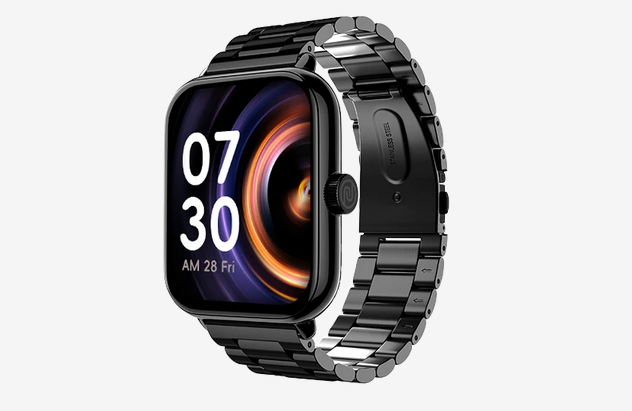
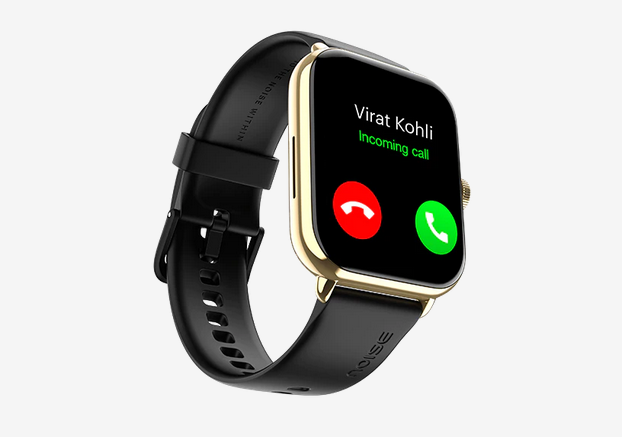
Noise has just unveiled a brand new smartwatch from its ColorFit series. The new wearable model in question is dubbed the ColorFit Icon 3 Plus, which features a design reminiscent of the Apple Watch. Just recently, the company announced that its watches can make contactless payments, so we can expect this model to support this feature as well.
Noise ColorFit Icon 3 Plus Specs
The brand’s new ColorFit Icon 3 Plus sports a 1.2-inch HD display that features a functional crown and 240×282 resolution. This panel is rectangular in shape and its design seems quite similar to the Apple Watch due to its metallic casing and curved edges. The screen can display a bunch of cloud based watch faces as well as health metrics like SpO2 blood oxygen monitoring, heart rate tracking, and more.
Users can even track the steps they take and the Noise ColorFit Icon 3 Plus smartwatch offers up to 7 days of battery life on standard use and up to 30 days of standby. The wearable supports Bluetooth 5.3, sleep mapping, female menstrual cycle tracking, and stress level monitoring as well. The body is rated IP67 for water and dust resistance. Other notable features include AI voice assistant support, smart notifications, alarm, DND mode, and more.
Noise ColorFit Icon 3 Plus Pricing and Availability
The new Noise ColorFit Icon 3 Plus has been announced in multiple color variants and is offered in either a silicone or metallic strap option. It is available in Midnight Gold, Jet Black, Space Blue, and Vintage Brown for the silicone options. Meanwhile, the Elite Silver and Elite Black options are limited to metallic straps. The former has a price tag of 1,199 INR, while the more premium version costs 1,499 INR.
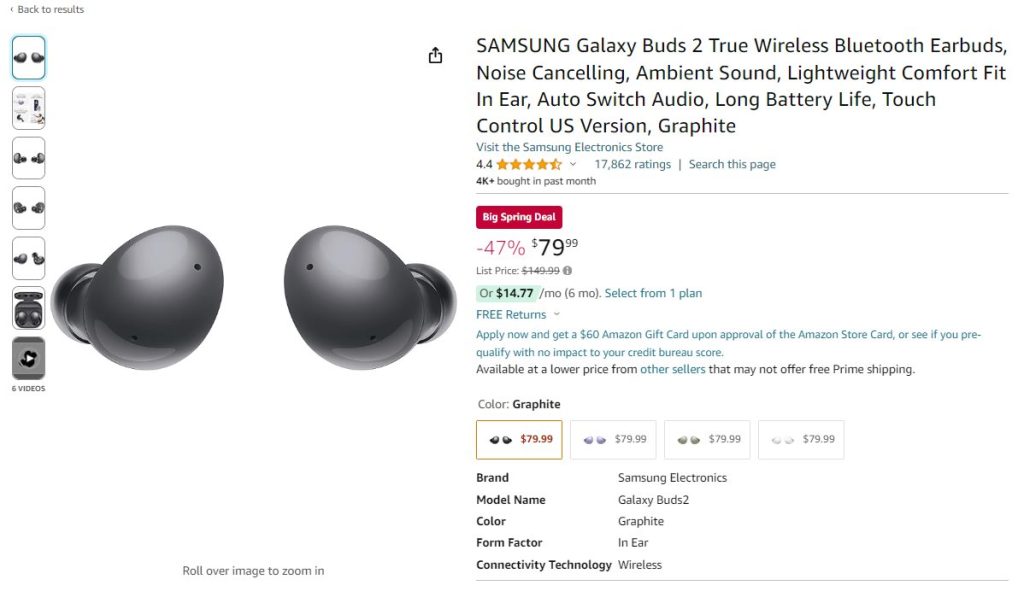
Amazon Spring Sale is already live, and there’s a good discount on electronics items, including Pixel smartphones, Galaxy smartphones, and other accessories like Pixel Buds Pro. Along with these exquisite deals, there’s a new deal on Samsung’s Galaxy Buds 2. It is retailing for the record-low price of $79.99. These earbuds are slightly old but still worth every cent spent. Features like ANC and spatial audio are some of the major advantages of the earbuds. The price is down 50% from the usual retail price of $149.99 to $79.99.
Galaxy Buds 2 Sale on Amazon: Detailed
Samsung is bringing a couple of new TWS Buds models in 2024, but the Galaxy Buds 2 is still popular. The price discount seems like an icing on the cake if we compare it with other earbuds present. These buds pack Active Noise Cancellation to filter out unwanted noises. Moreover, the design and build hold the buds in the ears comfortably. It can last quite a long while on a single full charge, as each bud holds 61 mAh capacity, while the case adds up to another 500 mAh capacity. In each speaker, there’s a 2-way dynamic with powerful bass.
Samsung Galaxy Buds 2 are available in four different color options – Olive Green, White, Lavender, and Graphite. Apart from hardware features, there are tap controls, and quick connect, which allows you to easily connect with Galaxy Smartphones and other devices.
Alike this deal, there are plenty of splendid deals available as part of the Amazon Spring Sale. Users must check out these deals as there’s a greater chance of saving on expenses. Alongside the Galaxy Buds 2, there are good discounts on the Samsung Galaxy Buds FE, Jabra Elite 8 Active, and others.
Samsung is on the verge of announcing their upcoming affordable tablet Galaxy Tab S6 Lite (2024). This successor to the popular Tab S6 Lite has already gone through various certification platforms, hinting at an imminent launch. Now, a new leak from the Google Play Console database sheds light on the tablet’s design and key specifications.
Samsung Galaxy Tab S6 Lite (2024) Google Play Console Listing
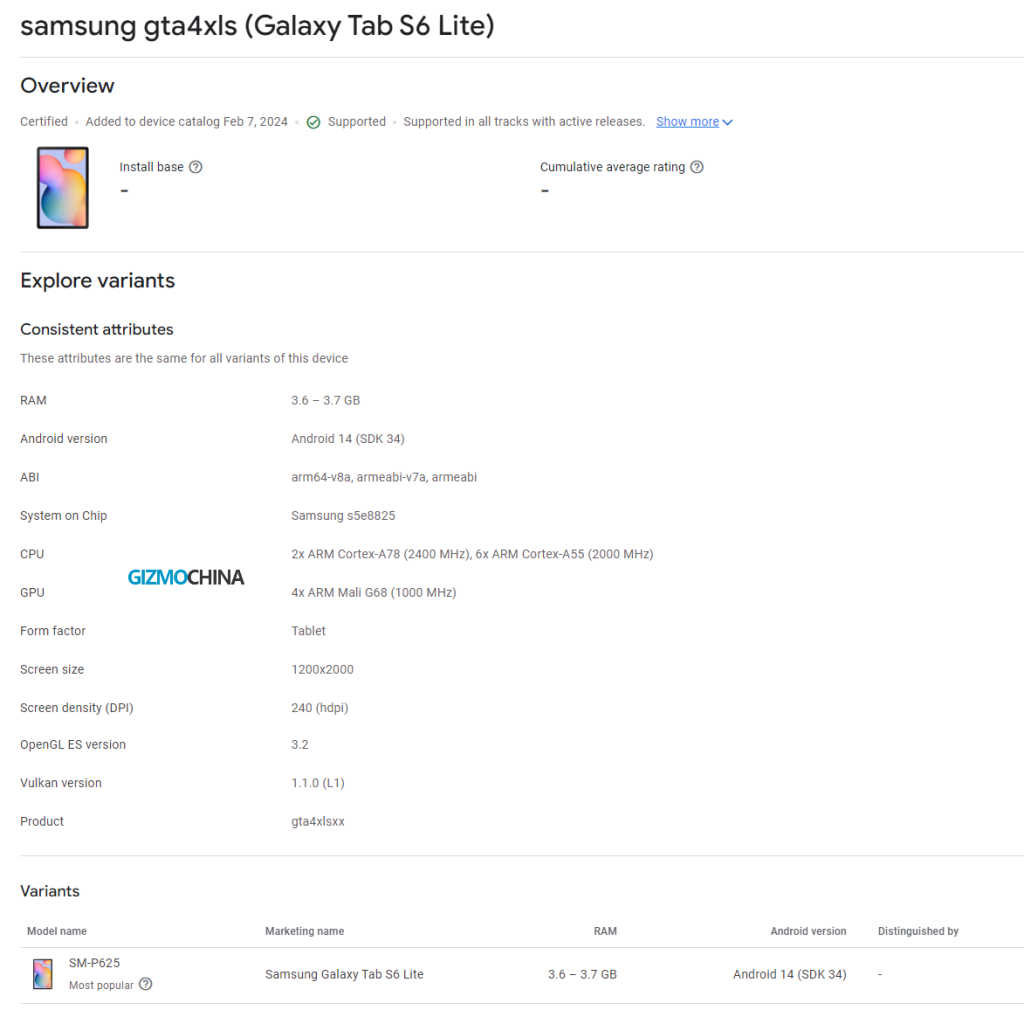
The Google Play Console listing confirms the SM-P625 model number for the LTE variant of the Tab S6 Lite (2024). The database reveals a display resolution of 2000 x 1200 pixels with a pixel density of 240 PPI, suggesting a familiar 10.4-inch LCD panel similar to its predecessor.
Under the hood, the tablet will be powered by an octa-core chipset with the codename Samsung s5e8825. The chip as per specs likely to be Exynos 1280, boasts two high-performance Cortex-A78 cores clocked at 2.4 GHz for demanding tasks, alongside six Cortex-A55 cores at 2.0 GHz for better efficiency.
The integrated Mali-G68 GPU will handle graphics processing. The listing also confirms up to 4GB of RAM, with storage options likely ranging from 64GB to 128GB, expandable via microSD card.
Samsung Galaxy Tab S6 Lite (2024) Google Play Console Listing
Previous leaks from certification databases like SDPPI, TDRA, Bluetooth SIG, FCC, and UL have provided a broader picture of the Tab S6 Lite (2024). These listings point towards a large 7,040mAh battery with 15W charging that should offer ample endurance on a single charge. The tablet is also expected to support the S Pen stylus.
In terms of optics, the device is rumored to feature a 5MP front camera, and an 8MP rear camera without flash. It will run on Android 14 OS based One UI 6 custom skin out of the box.
Pricing rumors suggest a starting price of EUR 429 for the Wi-Fi-only model with 4GB of RAM and 64GB of storage. The LTE variant is expected to cost slightly more at EUR 459. Color options might include Chiffon Pink, Oxford Gray, and potentially a new Light Green option.
With its appearance on the Google Play Console database, the launch of the Samsung Galaxy Tab S6 Lite (2024) seems imminent. The combination of a familiar display size, a capable processor, and a large battery makes it a compelling option for users seeking an affordable and versatile Android tablet. Stay tuned for further updates as we inch closer to the official unveiling.
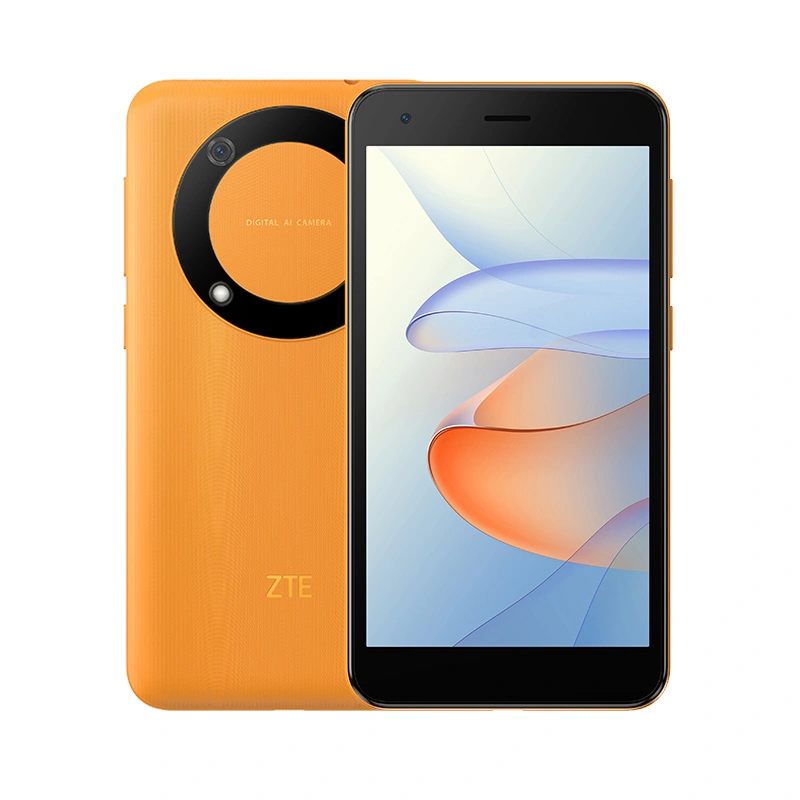
ZTE has officially announced the new Changxing 60 model in its home market of China. The company’s latest device is an entry level handset but appears to have a design that is quite similar to Huawei’s 2020 flagship, the Mate 40 Pro. This device is the successor to the ZTE Changxing 50 that launched last year, so here are all the details.
ZTE Changxing 60 Specs
The Chinese tech giant launched the Changxing 60 as a new budget device, so it features some modest specifications. It is equipped with the UNISOC T7520 SoC that is paired with up to 6GB of LPDDR4X RAM and 128GB of UFS 3.1 storage. The memory can even be expanded thanks to virtual RAM support. The rear features what the company refers to as the “space star ring” camera module, which houses the 13-megapixel main camera.
While this device is a full fledged smartphone, its software design and functionality are something more akin to a feature phone. It basically features a UI that seeks to keep things minimal and only arrives with commonly used apps. The system apps also follow this simple design philosophy. However, the external aesthetic appears a bit more premium. From the back, the ZTE Changxing 60 seems like a budget version of the Huawei Mate 40 Pro. This difference is quite apparent in the picture below, especially in Mate 40 Pro’s orange color variant.
Huawei Mate 40 Pro
ZTE Changxing 60 Pricing and Availability
The new Changxing 60 runs on the Android 13 OS based MyOS 13 custom skin out of the box. Other notable features include FM Radio, USB Type-C, and a 3.5mm headphone jack. It is available in color options, namely Sky Blue, Meteorite Gray, and Mars Orange. The based 4GB + 128GB model costs 899 Yuan, while the higher end 6GB + 128GB has a 1099 Yuan price tag.
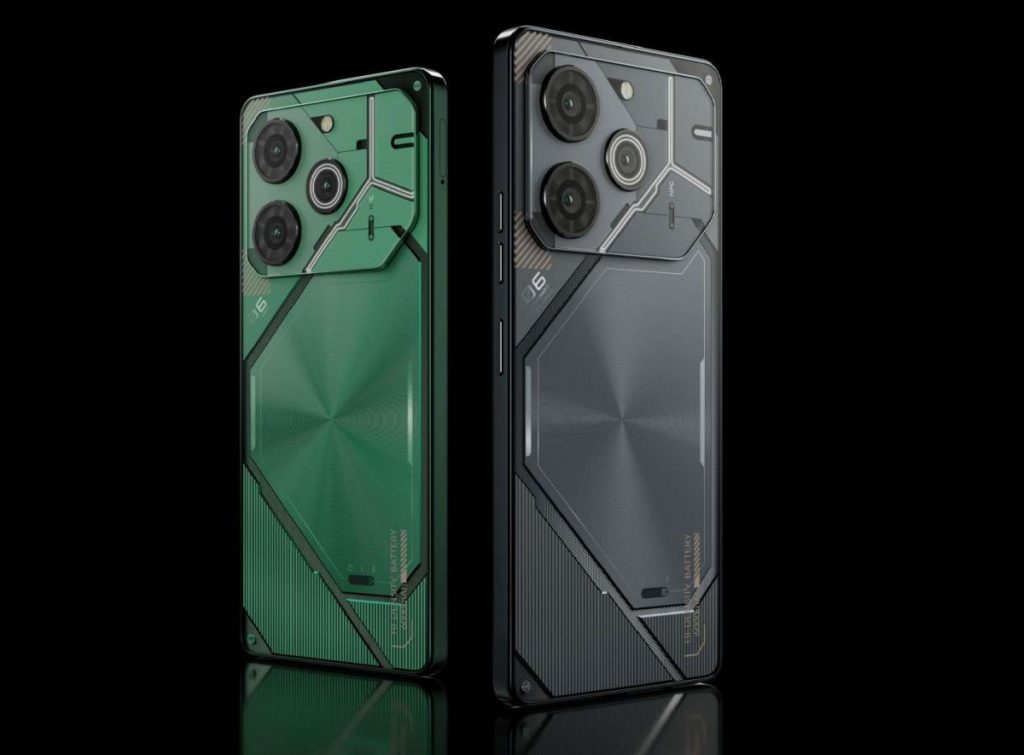
Tecno is set to release the Pova 6 series of smartphones soon. So far, we heard about the Pova 6 and Pova 6 Pro. But it appears that the lineup will also have a third model, which is dubbed the Tecno Pova 6 Neo. This device was just spotted in a major certification platform, so let’s have a look.
Tecno Pova 6 Neo visits Google Play Console
Pova 6 Pro
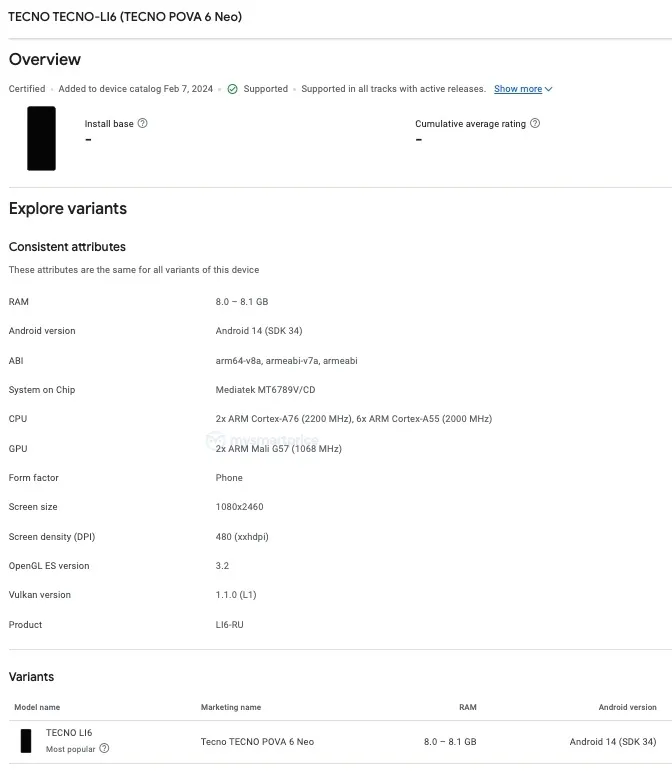
The smartphone brand’s upcoming Pova 6 Neo was spotted on the Google Play Console, carrying the TECNO LI6 model number. This listing reveals the front design of the smartphone as well as some of its key specifications. The device sports a flat screen with a center aligned punch hole cutout. Render shared on the database also revealed that the power button and volume rockers is situated on the right side.
The Google Play Console confirms that the screen has a resolution of 2460 x 1080 pixels, with a 480 PPI pixel density. Furthermore, it appears that the Tecno Pova 6 Neo is equipped with the MT6789/CD processor, which is the MediaTek Helio G99 SoC. To recall, this is the same processor that is equipped on the Tecno Spark 20 Pro model, which launched back in December 2023.
On the Pova 6 Neo, the MediaTek chip is paired with up to 8GB of RAM and runs on the Android 14 OS based HiOS 13 custom skin out of the box. Unfortunately, finer details regarding the Pova 6 Neo like its features and launch timeline are still unclear. So stuck around for more as we will be providing more updates.
As spring is officially here, and the flora and fauna have started blossoming, e-retailers like Amazon and Best Buy have decked up with exciting discounts. Amid all this, the famous e-bike manufacturer HeyBike is also here with good spring sale discounts. Heybike is offering three accessories for free after grabbing an e-bike from them. The sale is already live and interested users can shop for their favorite e-bike at the HeyBike Online Shop.
HeyBike Spring Sale Details
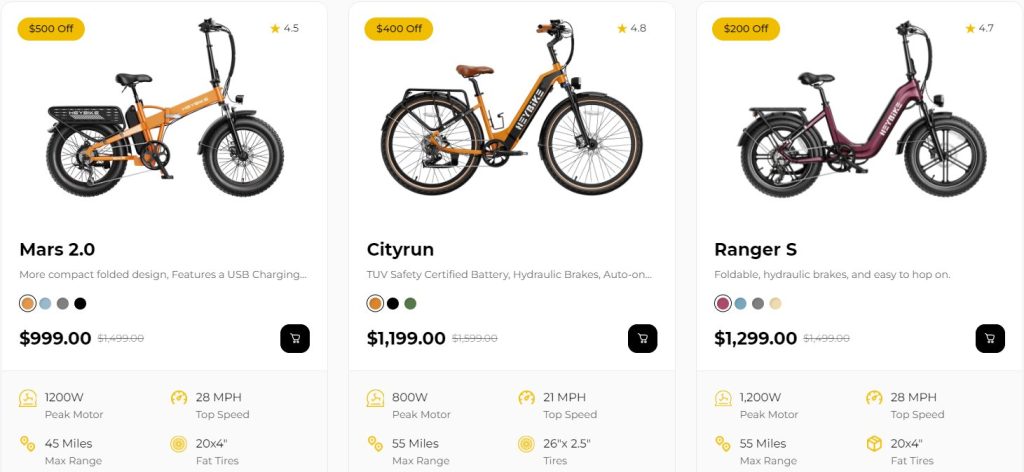
The premium e-bike manufacturer offers discounts only on certain occasions, and the Spring Sale is one of them. If you’re really looking for an e-bike that can fold, features a quality electric motor, and has a good range, then you should consider the HeyBike. They have a range of e-bikes from Mars 2.0, with the Ranger bikes being the cheapest. Then come Explore, and Cityrun, which are available for the discounted price of $1,199. Further, there are Tyson, Horizon, Ranger S, Brawn, and others, which offer an extended range of up to 70 miles.
Irrespective of the price, the HeyBike e-bikes offer the same 1200W motor, which offers speeds of up to 28 miles per hour. The tire size obviously changes as per the e-bike model.
HeyBike e-Bikes Features
HeyBike e-bikes offer a compact folding design, which makes them convenient to transport in your car’s trunk. Moreover, the quality suspensions, fat tires, rear rack, and head and tail lamp are like extra cream. The support for easy bike charging and the presence of USB charging for your e-gadgets are some of the primary features that are part of each bike.
Upon buying the bike, the user can choose among three free accessories. It could be anything from Bike Baskets to Foldable Locks, or Phone mounts to front-based. There’s a free Cycling Essentials package, which consists of a Cable Lock, Heybike T-Shirt, Heybike Hat, and Heybike Keychain. It’s hard to miss such a feature on HeyBike. We suggest you hurry before the stock depletes.
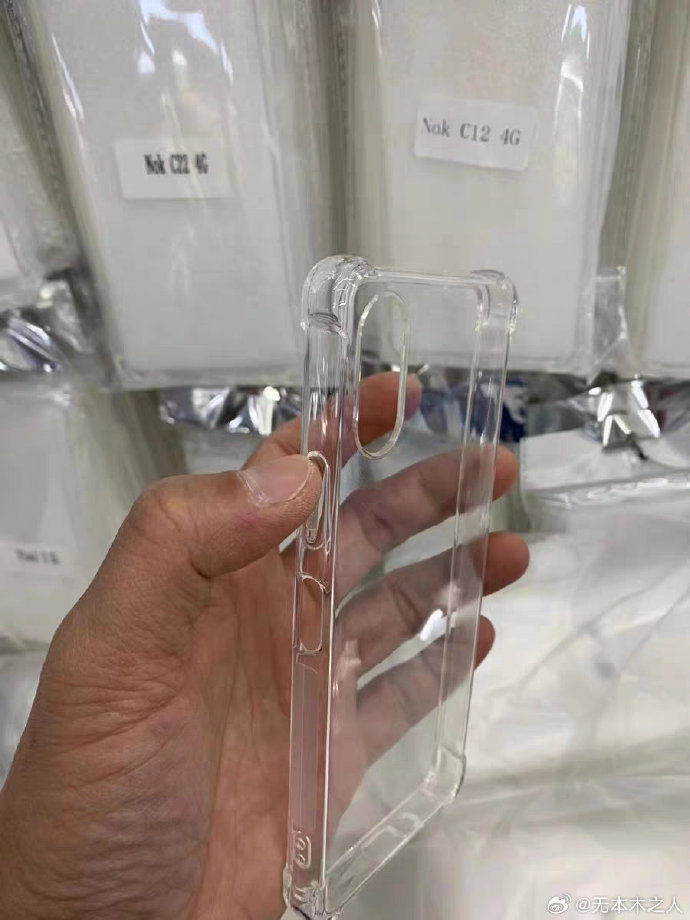
Previously we discussed the rumors about Sony discontinuing their Xperia 5 series. A tipster on Weibo made the claim saying “Xperia 5 series, R.I.P 2024”. However, he didn’t provide any further reason that might support his claim. Now we are seeing real-life images of the upcoming Xperia 5 VI protective case, which not only hints about the design but also implies that Sony is indeed working on the model and that we will get to see it in the near future.
No cutout for dedicated camera shutter button appears on the Xperia 5 VI case
Xperia 5 VI protective case
Tipster @无本木之人 has shared the photos of Xperia 1 VI and Xperia 5 VI cases that were selling on one of China’s online marketplaces. Notably, the Xperia 5 VI case does not have a cutout for the dedicated two-stage camera shutter button on the bottom right of the phone. Given there isn’t something wrong with the case itself, the phone won’t have the button. Apart from that, the Xperia 5 VI case also shows a similar cutout for the camera, which implies a dual camera setup just as last year – main and ultrawide.
Speaking about the predecessor Xperia 5 V, it offers a 48MP 24mm 1/1.35″ main sensor and a 12MP 16mm 1/1.25″ sensor for wide angle shots. Notably, all the predecessors of the Xperia 5 series including the original Xperia 5 from 2019 had a telephoto sensor.
Another notable change to the Xperia 5 VI looks like a revamped wider aspect ratio. Again, Sony is shifting from its iconic 21:9 aspect ratio to a 19.5:9 one, as reported previously. All of the Xperia 5 series devices have had the 1080 x 2560 pixels taller OLED panel so far, which finally seems to be changing, probably to make the phone a bit more accessible with one hand and appeal to a wider audience.
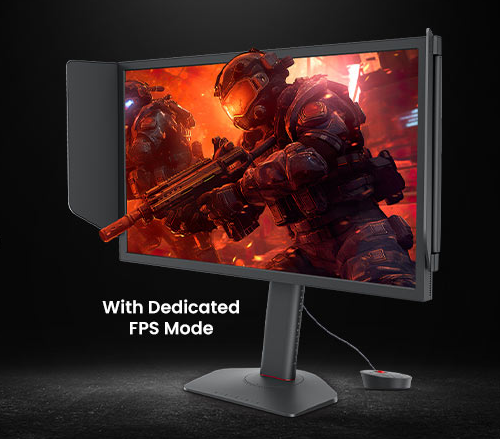
BenQ has just unveiled a brand new gaming monitor from its Zowie branding. The new monitor is built gamers, especially those that love esports titles in the FPS genre (First Person Shooter). BenQ’s latest announcement is the Zowie Gaming Monitor XL2546X, which features some cutting edge technology. Earlier this month, the company released the BenQ X300G 4K projector for gamers in this market. So now, let’s have a look at the gaming monitor.
BenQ Zowie Gaming Monitor XL2546X Specs
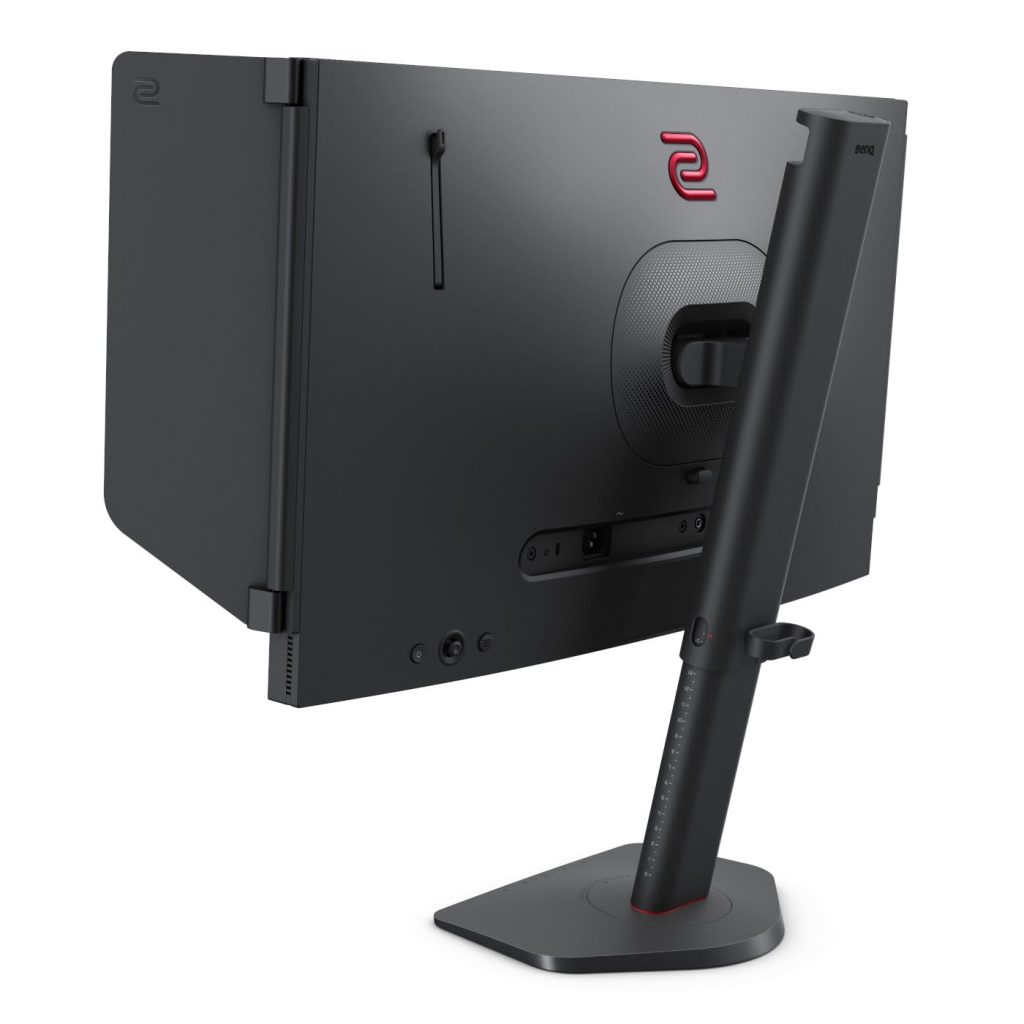
The brand unveiled the Zowie XL2546X Gaming Monitor model in India with its Fast-TN panel and exclusive DyAc 2 technology. This model also houses the new dual backlight design for clear motion and precise FPS gaming. The fast TN panel promises to offer a sharper outline on moving images. Zowie has also fine tuned the screen to reduce overshoot, which is complemented by the DyAc2 (Dynamic Accuracy Technology) to lower blur.
It sports a tall 24.5-inch display that offers a 0.5ms response time, Full HD resolution, and 240Hz refresh rate. The right and left side come with a shield and the monitor is built with an adjustable height stand. It is worth noting that this is the same monitor that has been featured in global esports tournaments such as VCT Ascension 2023, which is for Valorant. The brand even offers an Auto Game Mode as well that can automatically enable color mode switching based on the content on the screen for a more optimal gaming experience.
With the Zowie Gaming Monitor XL2546X, BenQ is dedicated to expanding the esports ready lineup of products in India, which is a region that is well known for enthusiasts of esports titles like Counter-Strike and Valorant. This monitor is currently available for purchase on Amazon India and leading gaming stores for a 42,990 (roughly 517 US Dollars) INR price tag.
Google Pixel Buds Pro has been exclusively retailing at a discounted price of $139 on Amazon. There have been massive discounts on consumer electronics at the ongoing Amazon Spring Sale. Ranging from earbuds to wearables and smartphones to laptops and Macs, there are some worth considering discounts for this season. Google Pixel Pro is down to $139, from its actual retail price of $200. There’s around a 30 percent discount on the earbuds.
It’s the cheapest price for the Google Pixel Buds Pro this year and could be a good deal if you’re looking for quality earbuds. It features support for Active Noise Cancellation and offers support with different codecs. It offers IPX4-rated water resistance and could be convenient to use during workouts. Apart from the premium sound experience, the Pixel Buds Pro brings a quick-charge feature that repacks 1 hour of juice within just five minutes of charging.
Further, there is support for spatial audio, and it offers the best call quality in the market. Moreover, the earbuds can hold for 11 hours upon a single full charge. It is available in Blue, Porcelain, Coral, Fog, Lemongrass, and Charcoal color options. In technical specifications, the TWS earbuds carry 11mm drivers, a 6-core audio chip, and run Google’s proprietary algorithms. Further, there is support for Qi Wireless charging and Bluetooth 5.0.
At the Amazon Spring Sale, there are several other offers, that you must check out to save the most. There have been good tech deals that are quite attractive and worth considering.
We use cookies on our website to give you the most relevant experience by remembering your preferences and repeat visits. By clicking “Accept”, you consent to the use of ALL the cookies.
This website uses cookies to improve your experience while you navigate through the website. Out of these, the cookies that are categorized as necessary are stored on your browser as they are essential for the working of basic functionalities of the website. We also use third-party cookies that help us analyze and understand how you use this website. These cookies will be stored in your browser only with your consent. You also have the option to opt-out of these cookies. But opting out of some of these cookies may affect your browsing experience.
Necessary cookies are absolutely essential for the website to function properly. This category only includes cookies that ensures basic functionalities and security features of the website. These cookies do not store any personal information.
Any cookies that may not be particularly necessary for the website to function and is used specifically to collect user personal data via analytics, ads, other embedded contents are termed as non-necessary cookies. It is mandatory to procure user consent prior to running these cookies on your website.