Advertisement

Honor 90 GT, X50 GT with Snapdragon 8 Gen 2, 8+ Gen 1 chip to rival Redmi K70, K70e

Last month, Honor introduced the Honor 100 and Honor 100 Pro smartphones in China. While the standard model is powered by the Snapdragon 7 Gen 3 chip, the Pro variant boasts the Snapdragon 8 Gen 2 chipset. The 100 series focuses primarily on enhancing the photography experience and design while maintaining an affordable price point. Now, the brand is rumored to unveil two new GT-series phones, the X50 GT and 90 GT smartphones, which will be performance-driven devices equipped with flagship-level chipsets catering to budget-conscious users. Here’s all the new information about the two devices.

Honor X50 GT, Honor 90 GT chipsets leaked

According to recent leaks, the Honor X50 GT will come equipped with the Snapdragon 8 Plus Gen 1 chipset, whereas the Honor 90 GT will have the Snapdragon 8 Gen 2 onboard. It is speculated that the X50 GT and 90 GT will rival the Redmi K70e and Redmi K70, which feature the Dimensity 8300-Ultra and Snapdragon 8 Gen 2 chipsets, respectively.
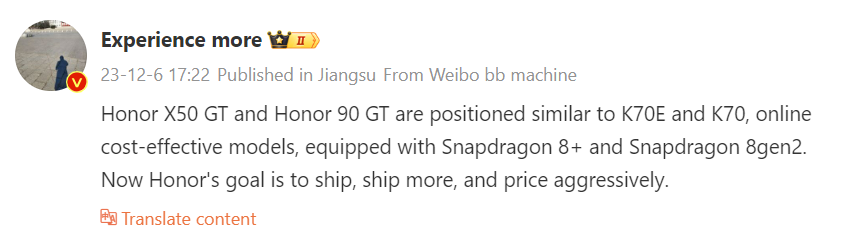
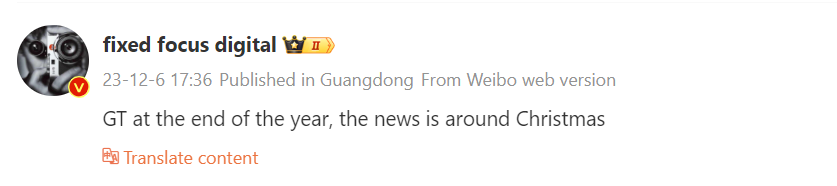
A recent leak suggests that there could be a higher variant dubbed the Honor 90 GT+, which may feature 24 GB of RAM. It is speculated that both of the upcoming GT series will be priced aggressively. Hence, it is likely that the Honor 90 GT may undercut the Redmi K70, which has a starting price of 2,499 Yuan (~$351).
Honor 90 GT 3C certification
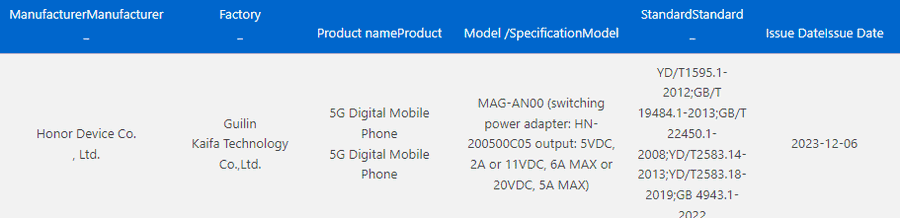
Honor 90 GT 3C certified

In addition, the Honor 90 GT, which is said to have the MAG-AN00 model number, has appeared in the database of the 3C certification platform. The listing reveals that the device may arrive with support for 100W charging. Unfortunately, the other specifications of the Honor 90 GT are still under wraps. As far as launch is concerned, the Honor X50 GT and the Honor 90 GT will debut in the last week of this year.

RELATED:

Google’s Gemini AI is coming to Android, starting with Pixel 8 Pro

Google has unveiled its latest innovation in large language model (LLM), Gemini with three distinct versions — Nano, Pro, and Ultra. Each of them has its own unique capabilities, and if you’re curious, you can read all about them in our separate story.

Google Pixel 8 Pro with Gemini Nano AI model

Gemini Nano is the smallest and most efficient AI model from Google. This model is designed to run locally on your phone and Pixel 8 Pro is the first smartphone to use it. And, since Gemini Nano runs locally on the smartphone, users need not be connected to the internet. 

Pixel 8 Pro features powered by Gemini Nano

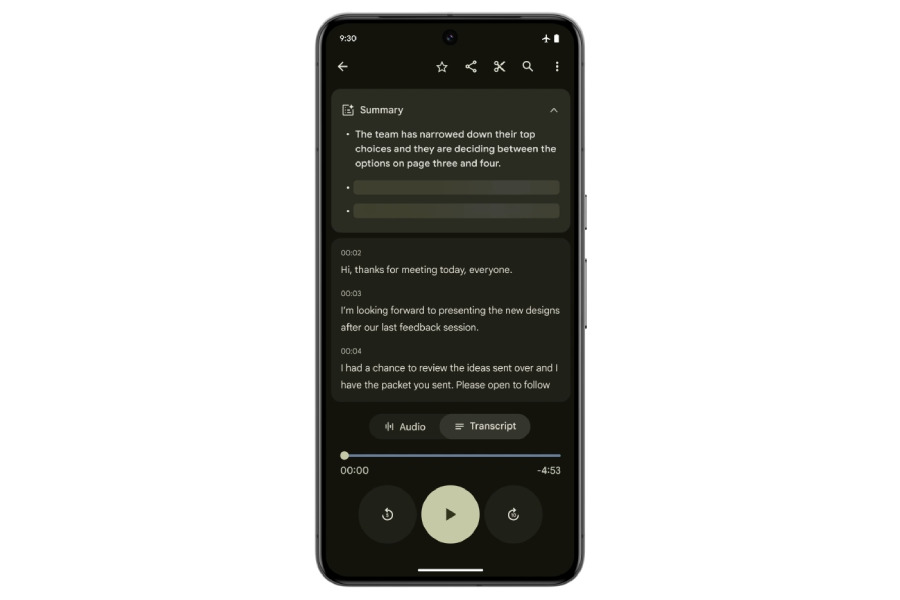
This local processing (currently) powers two new features for the Pixel 8 Pro:

  • Summarize in Recorder: This feature lets you automatically generate bullet-point summaries of audio recordings, enhancing productivity and information absorption.
  • Smart Reply in Gboard: This upgrade suggests contextually relevant replies within messaging apps, but currently is only limited to WhatsApp. However, Google plans to expand this feature to other apps soon. As Google says, Smart Reply saves you time by offering high-quality responses that are both conversational and contextually aware.

These features are part of the December Feature Drop, which also includes many other new additions (we’ll cover them in a separate article).

While the Tensor G3 chip currently has the exclusive power to run these AI features, it’s currently limited to the Pixel 8 Pro. However, we expect it to become available on the standard Pixel 8 soon, too.

Likewise, Google is also working to bring Gemini Nano ability to the entire Android system. They have launched a new system called AICore to help developers integrate Gemini-powered features into their apps.

While your phone will still need a powerful processor, Google confirms compatibility with processors from Qualcomm, Samsung, and MediaTek. Developers can already join Google’s early access program.

Related:

(Source: 1, 2)

[Update] iQOO 12 5G debuts as the first Snapdragon 8 Gen 3 phone for global market, costs ~$790

Update: It has also launched in Malaysia with RM 3,999 (~$730) price tag.

Original story continues…

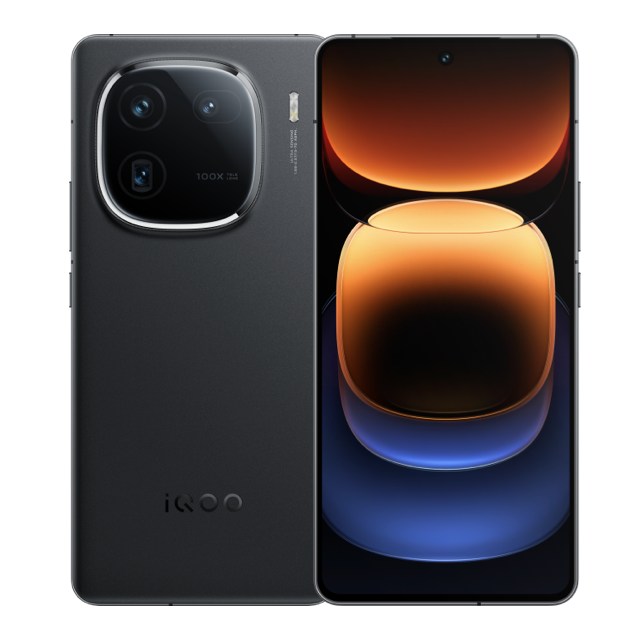
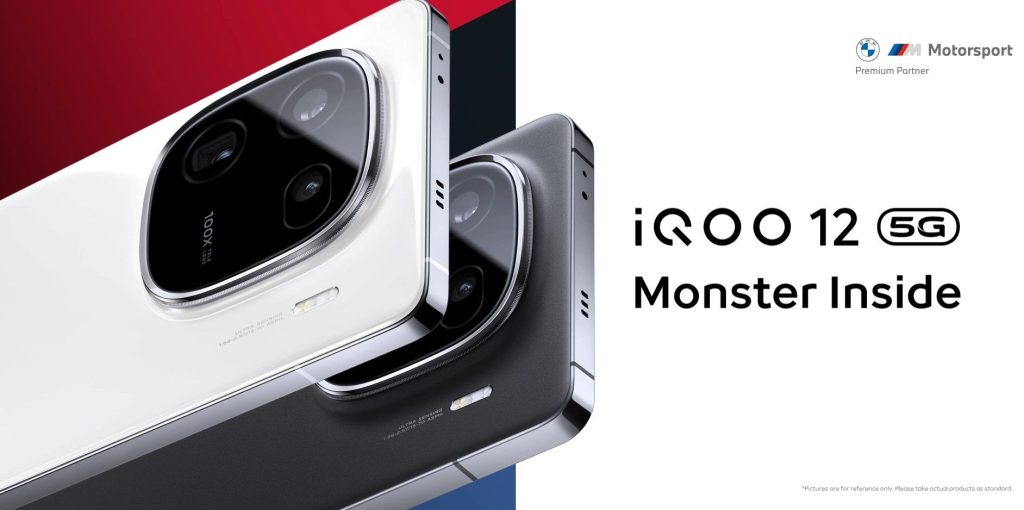
In November, iQOO announced the iQOO 12 and iQOO 12 Pro in the Chinese market. While reports claim that the Pro variant will remain confined to the Chinese market, the iQOO 12 has gone official in Thailand today. The iQOO 12 has arrived as the world’s first Snapdragon 8 Gen 3 phone on the global market. Here is a look at the specifications, features, and price of the iQOO 12 5G for the Thailand market.

iQOO 12 5G specifications

The iQOO 12 5G comes equipped with a 6.78-inch flat OLED display, offering a 1.5K resolution of 2800 x 1260 pixels, a 144Hz refresh rate, 2160PHz PWM dimming, maximum brightness of 3000 nits, and 452 ppi pixel density. For higher resolution and inserting frames while gaming, the device ships with the company’s self-developed Q1 graphics chip. The Snapdragon 8 Gen 3-powered smartphone features LPDDR5x RAM and UFS 4.0 storage.

The iQOO 12 houses a 5,000mAh battery with the capability of 120W fast charging. It runs on Android 14 with a layer of FunTouch OS 14. The Indian wing of the brand recently confirmed that iQOO 12 will get three major OS upgrades and four years of security updates and will come without bloatware. We hope the same applies to other markets, including Thailand.

iQOO 12 5G featured
iQOO 12 5G

Its camera setup comprises a 16-megapixel front camera and a versatile rear configuration, including a 50-megapixel main sensor with OIS, a 50-megapixel ultrawide lens, and a 64-megapixel telephoto lens with 3x optical zoom. The phone further includes an optical in-display fingerprint sensor, dual stereo speakers, a VC cooling system, a large X-axis linear motor, and an aluminium alloy frame.

Connectivity features consist of Wi-Fi 7, Bluetooth 5.4, dual-frequency GPS, NFC, and an IR blaster. The phone measures 163.22 x 75.88 x 8.1mm and weighs 203.7 grams. While the iQOO 12’s Chinese variant offers an IP64 rating, there is no word about the IP rating of its global variant.

iQOO 12 5G price in Thailand

The pricing details for the iQOO 12 in Thailand reveal a cost of THB 27,900 (~$790; ~Rs 65,800) for the sole 16GB+512GB variant. It comes in two color options, such as Legend (white) and Alpha (black).

In related news, the iQOO 12 5G will launch on Dec. 12 in India. A recent report revealed that in India, the device will be priced at Rs 52,999 (~$635) for the 12GB+256GB variant and Rs 57,999 (~$695) for the 16GB+512GB variant.

RELATED:

Huawei Watch GT 4 Christmas Edition launched in Europe

This holiday season, Huawei has launched a new limited-time Christmas Edition of the Huawei Watch GT 4. The smartwatch ships with a stainless steel body and two strap color options.

HUAWEI WATCH GT 4 Christmas Edition

The 46mm version includes a discreet brown leather strap for those seeking a subtle look. However, for those who want to fully embrace the Christmas spirit, it also offers a striking strap in Lava red.

HUAWEI WATCH GT 4 Christmas Edition

Likewise, the 41mm version is equipped with a pink EasyFit band and an additional gold Milanese-style band to complement the smartwatch’s case. The Watch GT 4 Christmas Editions maintain identical specifications to their regular counterparts, however, the UI is Christmas-themed.

Huawei Watch GT 4 specs

Key specifications of the Huawei Watch GT 4 series include a 1.43-inch or 1.32-inch AMOLED screen, depending on the model, with a resolution of 466×466 pixels and a pixel density of 326 PPI.

For outdoor activities, the watch features dual-band GNSS for accurate location tracking, even in crowded city areas. It tracks over 100 sports, including new additions like Padel and e-sports.

The Stay Fit feature monitors calorie intake with real-time health data. Activity Rings 2.0 provides insights into daily progress, including calories burned, exercise time, and standing activity.

The Huawei Watch GT 4 series enhances health and fitness tracking with TruSeen 5.5+ and TruSleep 3.0, monitoring sleep patterns and improving sleep quality. It tracks heart rate and SpO2 during sleep, alerting users to any breathing issues.

Menstrual Cycle Management 3.0 offers accurate predictions of the menstrual cycle by tracking heart rate, sleep temperature, and other factors. The series excels in battery life, with 46mm variants providing a remarkable 14-day maximum battery life, and 41mm variants offering a commendable 7-day battery life. The smartwatch is compatible with both Android and iOS and supports Bluetooth calling.

Pricing & availability

The Huawei GT 4 Christmas Edition starts at 279 euros and includes a complimentary FreeBuds SE 2 in White or Blue color options.

In related news, Huawei has improved the sleep monitoring accuracy and also upgraded the accuracy of SpO2 measurement with a recent software update.

RELATED:

Nubia Z60 Ultra launch date confirmed, key specifications leaked again

The Nubia Z60 Ultra will be unveiled at 2 pm (local time) on Dec. 19 in China, as Nubia confirmed by rolling out the below poster. The Z60 Ultra will replace the Snapdragon 8 Gen 2-powered Z50 Ultra, which was announced in March of this year. While recent leaks have revealed a lot of details about the Z60 Ultra, the below poster does not state anything else apart from confirming the launch date. Here is a look at the expected specifications of the device.

Nubia Z60 Ultra specifications (rumored)

Nubia Z60 Ultra launch date

The Nubia Z60 Ultra will arrive with a 6.8-inch OLED display that offers a 1.5K resolution and possibly a 120Hz refresh rate. What’s interesting about its screen is that it will not have a punch-hole, meaning it will offer a true full-screen experience thanks to the inclusion of the company’s fifth-generation in-display selfie camera solution.

Apart from the rumored 16-megapixel front camera, the device’s rear camera setup will have an OIS-assisted 50-megapixel main snapper, a 50-megapixel ultra-wide lens, and a 64-megapixel OmniVision OV64B periscope telephoto camera. The latter is likely to support up to 3x optical zoom, like other flagships featuring the same periscope zoom unit.

Under the hood, the Snapdragon 8 Gen 3 chipset and a 6,000mAh battery with 80W charging will power the Z60 Ultra. Like its predecessor, it may ship with up to 16 GB of LPDDR5x RAM and up to 1 TB of UFS 4.0 storage. It is expected to ship with the MyOS-based Android 14. A new leak claims that it will be an IP68-rated dustproof and water-resistant device.

Rumros are rife that the upcoming launch event will also see the arrival of another phone dubbed the Nubia Z50 SE. It is said to be an affordable flagship phone featuring the Snapdragon 8 Gen 2 chipset.

RELATED:

Xiaomi x ‘Genshin Impact’: Custom smart wearable product announcement expected tomorrow

Xiaomi Mall’s smart wearable page has introduced a reservation section for its upcoming collaboration with the popular game “Genshin Impact“, set to be officially unveiled tomorrow. Users interested in Xiaomi‘s smart wearable products can now anticipate an exciting fusion of technology and gaming.

However, no specific details about the collaboration have been disclosed, and the reservation button remained inactive. It is expected that more information will be revealed as the launch date approaches.

A continuation of the collaboration started with the Redmi AirDots 3 Pro Genshin Impact Edition

Redmi AirDots 3 Pro Genshin Impact Edition

This collaboration marks a continuation of Xiaomi’s partnership with “Genshin Impact.” In March 2022, Xiaomi released the Redmi AirDots 3 Pro Genshin Impact customized version, characterized by a vibrant red color scheme and adorned with a golden four-leaf clover pattern. The accompanying backpack-style headphone case features a magnetic buckle design for added convenience, setting it apart from the standard version. This custom version of Redmi AirDots 3 Pro was launched at 399 yuan ($56), For context, the original Redmi AirDots 3 Pro was launched at 299 yuan (~$42).

Enhancements to the Genshin Impact customized edition include Keli’s native voice prompts, tailored pop-up animations, etc. The product also featured a 35dB noise reduction. The headset is equipped with three built-in microphones and supports both regular transparency mode and vocal transparency mode, ensuring a versatile audio experience for users.

Related:

Android 14 QPR1 update arrives with big Feature Drop and December security patch

Good news for Pixel owners! The Android 14 QPR1 update, alongside the December 2023 security patch, has officially started rolling out to Pixel devices. This update brings a slew of new features, bug fixes, and performance improvements to Pixel phones and Pixel Tablet.

Pixel December update: Android 14 QPR1 arrives with new features

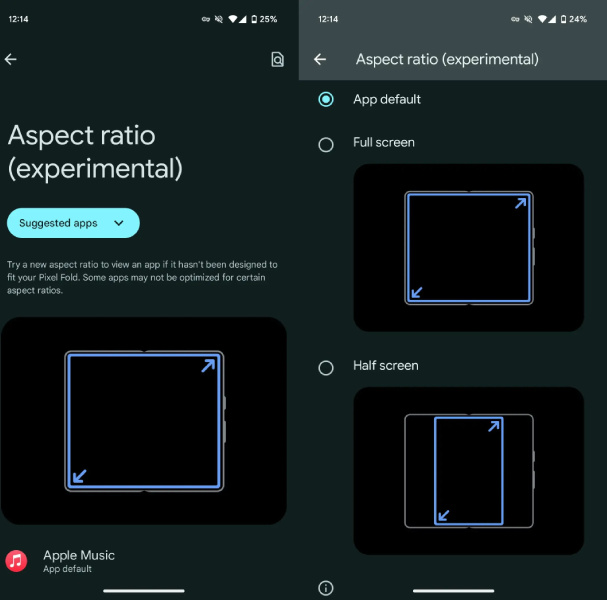
One of the most notable additions via the Android 14 QPR 1 update is the ability to force an app into a specific aspect ratio on the Pixel Fold and Tablet.

This “experimental” feature allows users to choose between full screen, half screen, or 16:9 (on tablets) aspect ratio for more personalized viewing experiences. Users can access this feature in Settings > Apps > Aspect Ratio.

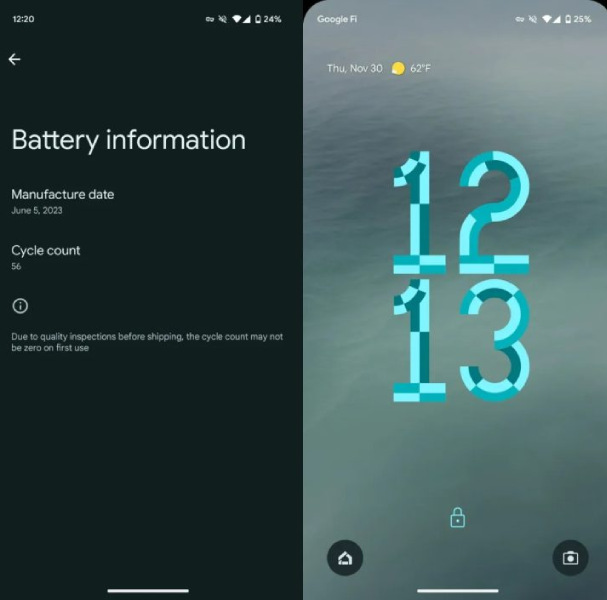
Additionally, the update introduces new battery information, including “Manufacture data” and “Cycle count,” which can be accessed in Settings > About phone > Battery information.

The update doesn’t neglect aesthetics either. Pixel users can now enjoy a new “Metro” lock screen clock, bringing the total number of clock styles to nine.

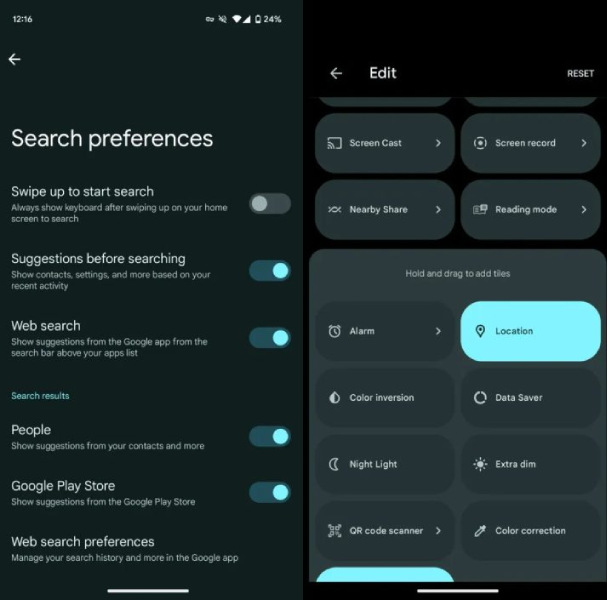
Additionally, the Wallpaper & style section introduces a subtle particle effect when changing backgrounds. The Pixel Launcher has also seen some improvements, with tweaked search preferences and a more prominent settings shortcut.

Android 14 QPR1 makes navigating Quick Settings easier by using a lighter background to distinguish between chosen and unchosen tiles. On the Pixel Tablet, a more prominent toast message appears when your fingerprint isn’t recognized, improving security and user experience.

Likewise, the Clock app now displays weather information for your saved cities, and the World widget even shows the current temperature alongside highs and lows.

Beyond the cosmetic and experiential changes, the December 2023 security patch addresses 33 vulnerabilities in the Android OS, ranging from moderate to critical severity. Google devices receive an additional 33 security fixes, ensuring your device is well-protected against potential threats.

The update is currently rolling out to the following devices: Pixel 5a, 6, 6 Pro, 6a, 7, 7 Pro, 7a, Tablet, Fold, 8, and 8 Pro. You can check for the update manually by going to Settings > System > System updates.

If you’re eager to get your hands on the new features, you can also download the factory images or wait for the over-the-air update to arrive on your device. Here are the download links for each devices:

Related:

(Source)

AI Translation is Causing a Boom in China’s Web Novel Industry

China’s web novel industry is experiencing a significant boost in global popularity, thanks to the advancements in artificial intelligence (AI) translation. A recent report from Tencent-backed China Literature reveals an impressive 40% increase in overseas sales in 2022, amounting to 4.06 billion yuan (about $572 million). This leap is largely attributed to generative AI technologies that have revolutionized the translation process, making Chinese web novels more accessible to international readers.

Thanks to Generative AI, sales of web novels soared by 40% in 2022

Previously, translating these novels into different languages was a time-consuming and labor-intensive task. Now, AI-powered tools have streamlined this process, enabling quicker and more efficient translations. This technological advancement has opened doors for Chinese content to be enjoyed in over 40 countries and regions, translated into more than 20 languages. The report, presented at the second Shanghai International Online Literature Week, underscores the significant role of AI in boosting the global reach of Chinese online literature.

Artificial Intelligence

Despite these advancements, the quality of AI translations has received mixed reviews. Some readers have criticized the translations for poor grammar and readability, indicating that while AI has made translations faster and more accessible, there is still room for improvement in terms of quality. Nevertheless, many readers appreciate the effort and acknowledge the improvement over time, especially in making these stories available in multiple languages.

China Literature’s initiative to invest more in AI translation technology aims to enhance the quality of translations further. They plan to extend their reach by translating more works into languages like English, Spanish, and Portuguese, among others. This strategy aligns with the company’s observation that over 80% of WebNovel’s readership belongs to Gen-Z, a demographic known for its diversity and global outlook. As technology continues to evolve, it’s expected that AI will play an even more pivotal role in bridging the gap between different cultures and languages in the literary world.

RELATED:

(Via)

Witness Toyota’s Simulated Manual EV Transmission, Featuring Up to 14 Gears

Toyota is breaking new ground in the electric vehicle (EV) market with a simulated manual transmission that promises to redefine the driving experience. This innovative system, potentially featuring up to 14 gears, marks a significant shift in how EVs operate, blending traditional driving with futuristic technology.

This would be a first adoption, which can be followed suit by other EV makers

At the heart of this development is the driver’s desire for a more engaging experience. Unlike the straightforward operation of typical EVs, Toyota‘s approach adds a layer of interaction that’s been missing in electric cars. The idea of a manual transmission in an EV is intriguing, as it brings a sense of nostalgia and control back to the driver’s seat. Plus, a lot of professional drivers agree that manual transmission offers better control of their cars in certain situations. It’s similar to manual camera settings, where an experienced person can achieve more by tweaking their settings accordingly.

Toyota

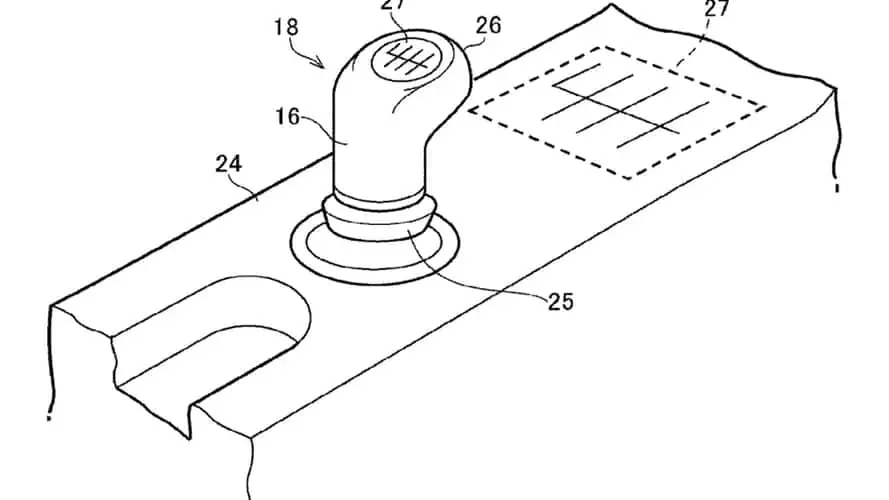
The system, as outlined in Toyota‘s recent patent application, allows drivers to choose their preferred number of gears. This flexibility means that whether a driver wants a simple six-gear pattern or a more complex 14-gear arrangement, the choice is theirs. This level of customization is unprecedented in EVs and could be a game-changer in making electric cars more appealing to a broader audience.

However, it’s essential to clarify that this isn’t a physical transmission with numerous gears. Instead, Toyota proposes a fixed number of shift gates, with a virtual pattern that shifts to the next set of ‘ratios’ as the driver progresses. For example, selecting the sixth gear in a six-gear pattern would prompt the system to offer the seventh gear and beyond. This approach maintains the familiarity of a manual transmission while embracing the flexibility of digital technology.

But why go up to 14 gears? Traditional manual transmissions in gasoline cars rarely exceed seven gears due to practicality issues. However, in the realm of EVs, where physical limitations are less of a constraint, Toyota is exploring new possibilities. This move isn’t just about technical capability; it’s about offering a unique driving experience that merges the old with the new. This development could very well set a new standard in the electric vehicle industry, making EVs not just a responsible choice but also a thrilling one.

RELATED:

(Via)

Google launches Gemini AI Nano, Pro, Ultra, empowering Bard with Gemini Pro to challenge ChatGPT

Google has been steadily adding new features to its AI chatbot, the Google Bard. However, it has not been a tough competitor for ChatGPT and other AI chatbots that are equipped with GPT-3 and GPT-4. Google has now revealed that the Gemini Pro, a brand-new AI model from Google, is now powering the Bard.

According to Google, the Gemini is the company’s most capable AI model that it has ever built. Built to run on systems like data centres to mobile devices, it can seamlessly process and integrate text, code, audio, images, and videos, making it a versatile AI model.

Gemini Nano, Pro, Ultra

Google Gemini

Google Gemini 1.0 can understand complex information and answer related questions due to its multimodal capabilities, and it comes in three distinct sizes: Gemini Ultra for demanding tasks, Gemini Pro for versatile usage, and Gemini Nano for streamlined on-device operations.

The Google Bard has now received its biggest upgrade as it is now updated with Gemini Pro, which means it can do more advanced reasoning, planning, understanding, and so on. It will be available in English in more than 170 countries and territories. The Pixel 8 Pro will soon receive an update to run Gemini Nano, which will bring features like Summarize in the Recorder app, Smart Reply in Gboard, and WhatsApp.

Speaking of Gemini Ultra, it can perform a wide range of tasks, including natural image, audio, and video understanding, mathematical reasoning, and multimodal problem-solving. According to Google, it has surpassed human experts on MMLU, a benchmark that assesses both knowledge and problem-solving abilities, and achieved an exceptional score on MMMU, a multimodal reasoning benchmark. Additionally, Ultra has outperformed previous models on image benchmarks without the need for object character recognition, showcasing its native multimodality and complex reasoning capabilities.

Google plans to make Gemini Ultra available to a select group of users for early testing and feedback before a broader rollout to developers and enterprise customers in early 2024. Additionally, Bard Advanced, a new AI experience powered by Gemini Ultra, will be launching in early 2024 to provide users with access to cutting-edge capabilities.

In addition, Google has introduced Cloud TPU v5p, the most powerful TPU system to date, enabling faster training of large-scale generative AI models and accelerating the development of new products and capabilities. To safeguard against harmful content, Gemini employs dedicated safety classifiers to identify, label, and filter out harmful content, such as violence and negative stereotypes. This layered approach ensures Gemini’s safety and inclusivity for all users.

RELATED:

Decathlon’s New E-Bike might be the Perfect Urban Companion

Decathlon, a well-known French sports retailer, has recently introduced a new version of its Riverside 520 E e-bike. This e-bike, designed for city living, now comes in a step-through model, making it more accessible and user-friendly, especially for urban commuters. The step-through design is not just about ease of use for shorter riders; it simplifies the process of getting on and off the bike, making it a practical choice for city travels.

The 500-watt battery has a 62-mile range on a single charge

The Riverside 520 E is tailored for urban environments. It’s powered by a rear hub motor with a 250-watt output, which is in line with European e-bike rules. This motor offers enough power to handle city hills, making it a reliable partner for daily commutes. The bike is also equipped with a short-travel front suspension to tackle uneven city roads, although its narrow tires suggest it’s best suited for paved surfaces rather than off-road trails.

Decathalon E-bike

One of the key features of this e-bike is its 500-watt-hour battery, promising a range of up to 62 miles on a single charge, depending on the assist level used. This makes it a great option for longer city commutes or leisurely rides around town. Additionally, the bike features a torque sensor for a smoother ride, a detail that underscores Decathlon’s commitment to quality and rider experience.

In terms of technology, the Riverside 520 E keeps things straightforward but efficient. The bike includes a multi-function button for controlling assist settings, a display for speed and distance, and a USB port for charging devices on the go. Comfort and convenience are also taken into account with the inclusion of an ergonomic saddle and grips, as well as standard basic lighting and a rear stand. However, extras like mudguards and a luggage rack come at an additional cost.

Finally, the Riverside 520 E includes a Microshift H081 drivetrain and Tektro hydraulic disc brakes, ensuring reliable performance and safety. Available in a single green color and in sizes S, M, and L, the bike is priced at around 1,399 euros (about $1,510 USD), making it a competitively priced option in the e-bike market. This appears to be a well-thought-out addition to the urban e-bike segment, offering a blend of accessibility, functionality, and comfort for the modern city resident.

RELATED:

(Via)

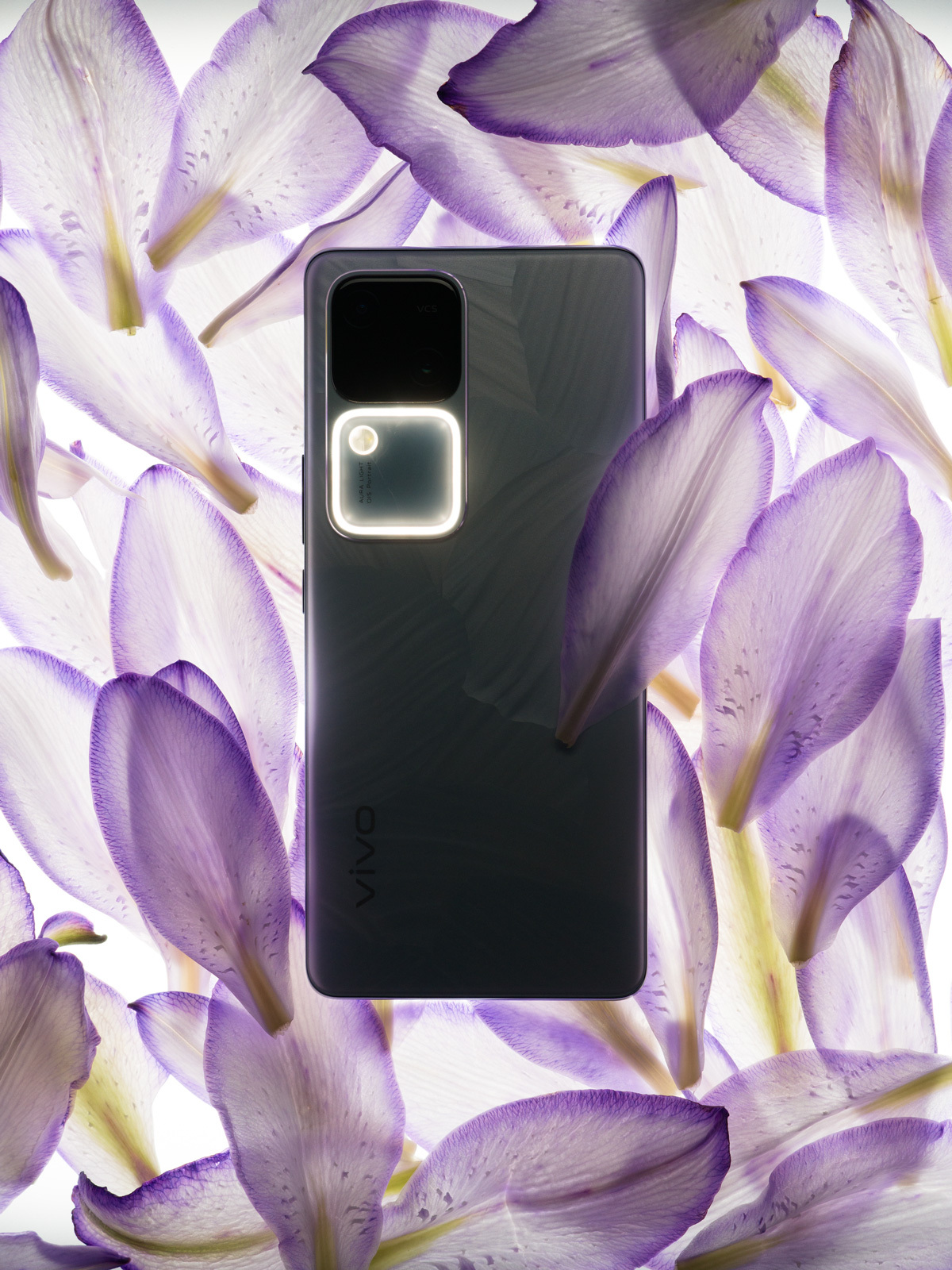
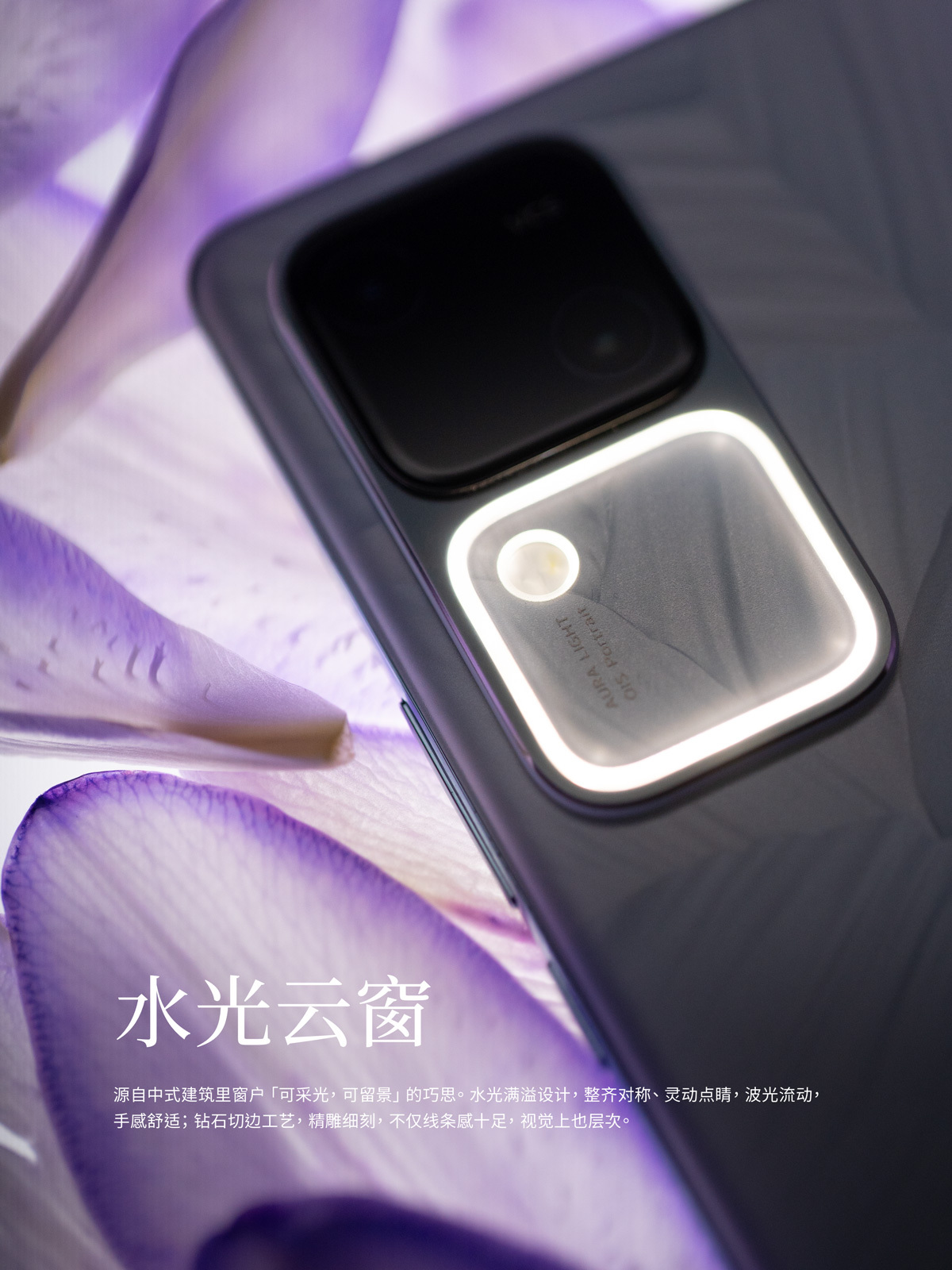
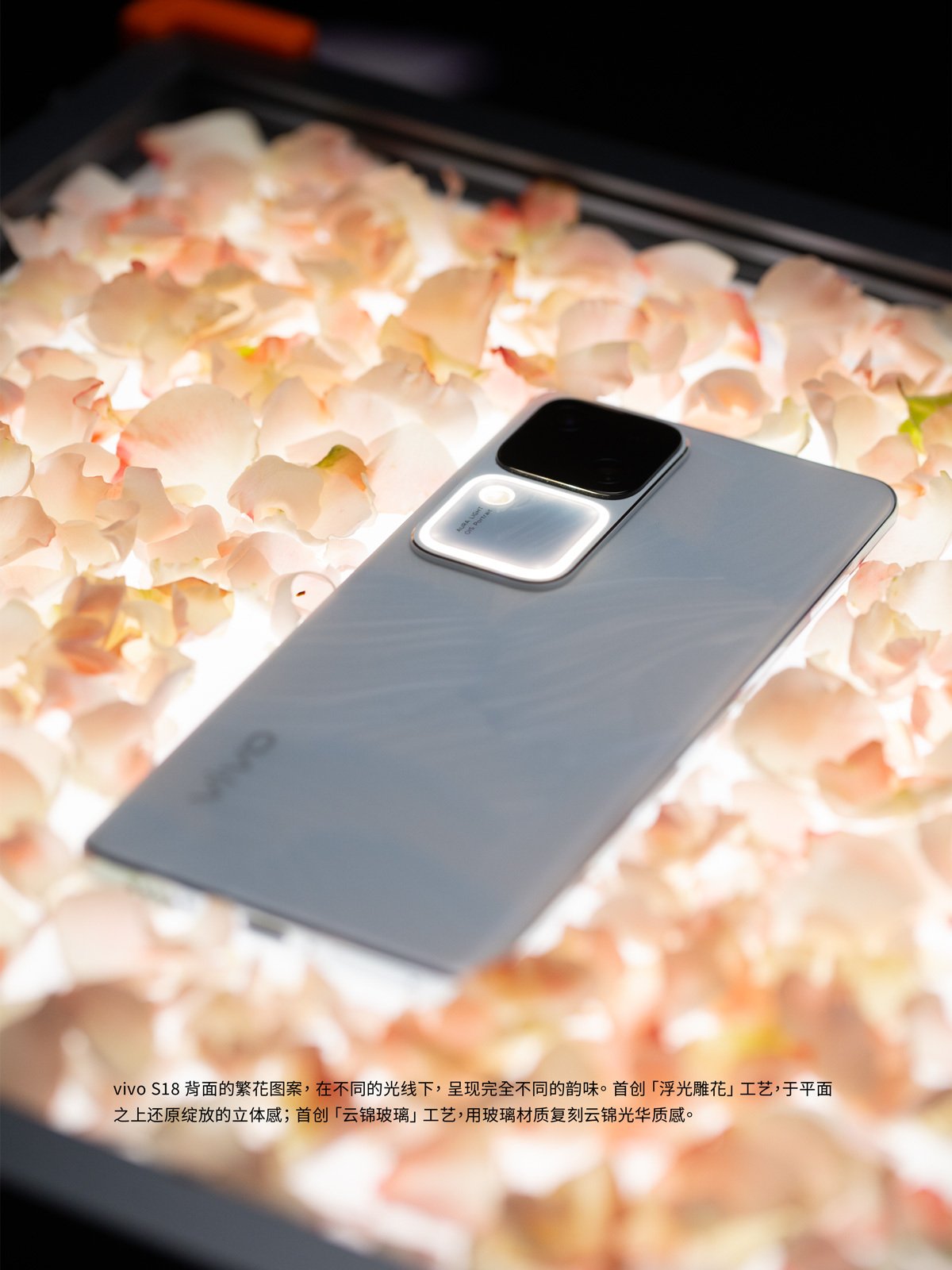
Vivo S18 images reveal two new color options, launching December 14

Vivo is gearing up to launch its S18 premium mid-range series smartphones on December 14 in China. Three devices are expected to debut that day: Vivo S18, Vivo S18e and Vivo S18 Pro.

Ahead of the launch, two color options for the Vivo S18 smartphone have been unveiled. The new color options are Black and Grey and feature the same flower-like pattern on the back that was unveiled in the previously teased color options. Here are the expected specifications of the S18 series.

Vivo S18 & S18 Pro specs

The Vivo S18 is anticipated to be powered by the Snapdragon 7 Gen 3 chip, providing robust performance. In contrast, the S18 Pro is expected to boast a more potent Dimensity 9200 Plus chipset, potentially elevating its processing capabilities. Both models are rumored to offer a variety of color options, including Huaxia Red, Black, Purple, and Sea Green.

For optics, the S18 Pro is said to feature an impressive front camera with 50-megapixels and dual soft LED flash, ensuring stunning selfies. On the rear, the device is rumored to be equipped with a 50-megapixel main camera (Sony IMX920), a 50-megapixel ultra-wide camera (Samsung JN1), and a 12-megapixel portrait camera (Sony IMX663). Both phones are expected to incorporate the Blue Heart AI model with six billion parameters, enhancing the portrait photography experience and introducing various AI features.

The display of both the standard S18 and the Pro variant is rumored to be characterized by a curved-edge OLED display, potentially providing an immersive visual experience. The display is expected to support a smooth 120Hz refresh rate, ensuring seamless interaction with the devices. Regarding charging capabilities, both phones are anticipated to support 80W charging. However, reports suggest that the Pro model may offer an even faster 100W charging option.

Coming to the Vivo S18e, it will feature a flat display and a circular camera module housing an OIS-enabled dual-camera setup accompanied by an Aura LED flash. The included image verifies the presence of a 4,800mAh battery with support for 80W charging. Notably, the device boasts a slim profile with a thickness of 7.69mm and will be available in color options like Cloud Gauze White, Glow Purple, and Starry Night Black.

RELATED:

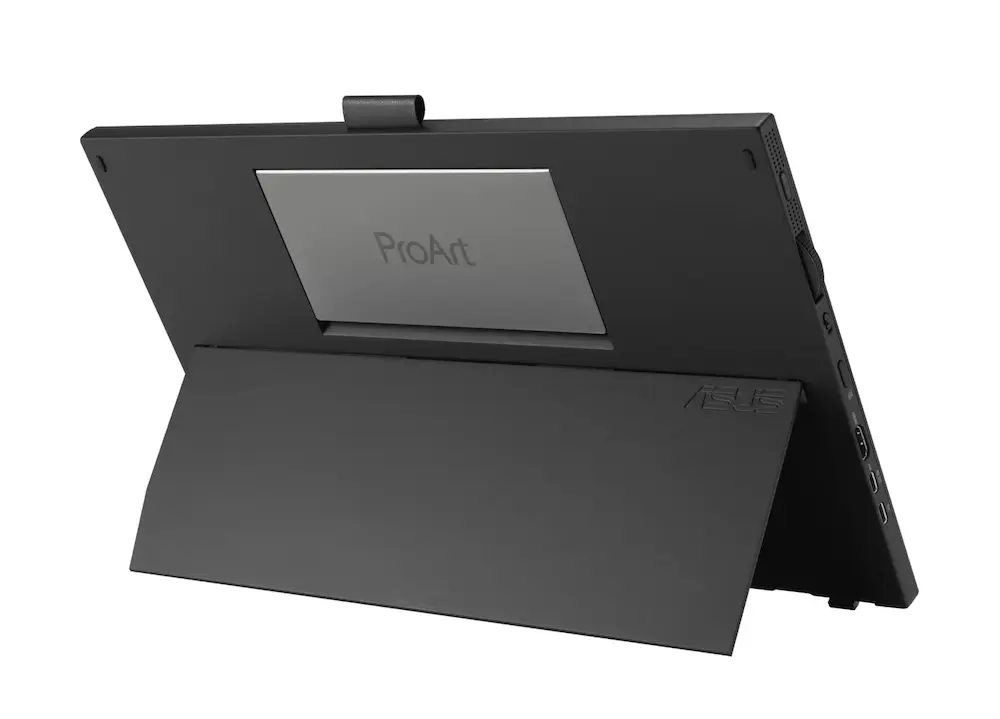
ASUS launches the ProArt PA169CDV Drawing Monitor for the Taiwanese market

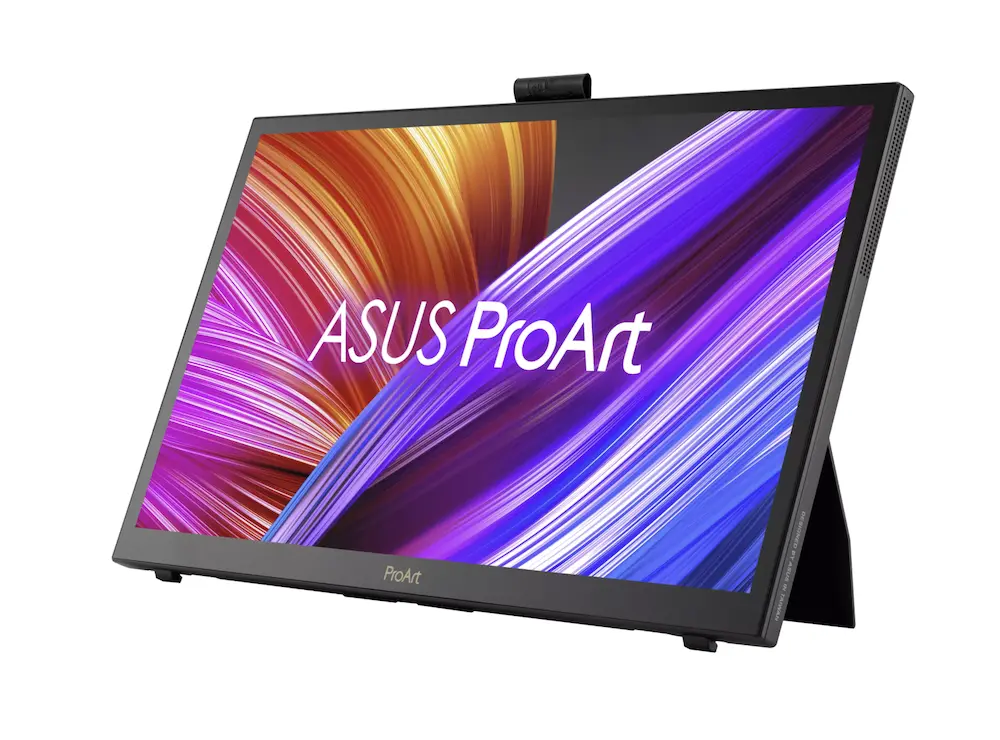
Taiwanese tech giant ASUS has officially launched the ProArt PA169CDV drawing screen in Taiwan, China, setting a new standard for creative professionals seeking unparalleled precision and visual fidelity. Priced at NT$29,900 (USD 949), this 15.6-inch 4K powerhouse is poised to redefine the drawing and design experience.

ASUS ProArt PA169CDV Drawing Monitor

Features

At the core of the ProArt PA169CDV is a 15.6-inch 10-bit IPS display panel, boasting an impressive 4K UHD resolution. This cutting-edge screen is complemented by the ProArt Pen, featuring Wacom EMR technology, promising artists an exceptional level of accuracy and responsiveness in their creative endeavors. Notably, the PA169CDV stands as the world’s first portable monitor to achieve certifications from both PANTONE and Calman, underscoring ASUS’s commitment to delivering true-to-life color accuracy.

The display’s support for a 100% sRGB, Rec.709, and DCI-P3 wide color gamut ensures vibrant and true-to-life color reproduction. With a remarkable brightness of up to 500 nits and VESA DisplayHDR 400 certification, the PA169CDV promises a visually stunning and immersive experience for users engaged in graphic design, digital art, and multimedia creation.

The ProArt Pen, a pivotal component of this creative arsenal, incorporates Wacom EMR technology, enabling precision even when the pen is tilted up to 40°. With an impressive 4096 levels of pressure sensitivity, artists can unleash their creativity with nuanced and expressive strokes. The fully laminated panel minimizes parallax, while anti-fingerprint and anti-glare coatings contribute to a pristine and distraction-free workspace.

ASUS ProArt PA169CDV Drawing Monitor

Connectivity is not overlooked, with the PA169CDV featuring a full-featured USB-C interface and HDMI interface. The inclusion of upper and lower dual brackets, supporting a 17° pitch angle, enhances the usability of this portable screen, making it a versatile tool for a range of drawing, creative, and design-related tasks.

ASUS’s ProArt PA169CDV marks a significant leap forward in the realm of drawing screens, marrying cutting-edge technology with a commitment to color accuracy and user experience. Creative professionals now have a powerful and reliable tool to bring their artistic visions to life.

Related:

Nvidia collaborates with US Government amid Export curbs, faces challenges in Chinese market

In a bid to navigate complex US export controls, California-based AI semiconductor designer Nvidia, dominating over 90% of China’s $7 billion AI chip market, is working closely with the US government. The company aims to ensure that its new chips designed for the Chinese market comply with the latest export curbs imposed by the United States.

Nvidia CEO Jensen Huang, speaking at a news conference in Singapore, acknowledged the ongoing collaboration with the US government to develop products that align with regulatory requirements. While not confirming or denying reports of a delay in the launch of a new China-focused AI chip, Huang emphasized the company’s commitment to creating products that adhere to the evolving regulations and specified limits.

The new US curbs on chip exports are expected to open doors for Chinese rivals in the AI chip market. In response, Nvidia reportedly notified Chinese customers of a delay in the release of a China-focused AI chip, signaling the challenges the company faces in navigating the shifting regulatory landscape.

Huang revealed that seeking market advice is an integral part of Nvidia’s ongoing process, recognizing Huawei Technologies as a “formidable” competitor. Nvidia’s November earnings report warned of a substantial drop in fourth-quarter sales in China, citing the impact of the new US rules. The uncertainty surrounding the extent of change in Nvidia’s revenue, as China traditionally contributes around 20% to the company’s earnings, adds complexity to the situation.

Simultaneously, Nvidia is in talks with Singapore for potential significant investments. The company is collaborating with Singapore on the development of its own AI Large Language Model (LLM) named Sealion. Singapore, known for its vibrant AI ecosystem, has also announced a $52 million initiative to create Southeast Asia’s first LLM, showcasing the region’s growing importance in the global AI landscape.

The developments come in the wake of US Commerce Secretary Gina Raimondo’s recent appeal to Congress for additional funding beyond her $200 million budget. Raimondo emphasized the critical nature of denying China access to cutting-edge chips for national security, pointing to Nvidia’s chip redesign for the Chinese market as a prime example. The call for increased resources underscores the high-stakes nature of semiconductor technology in US-China relations and the ongoing challenges faced by industry players like Nvidia.

Related:

(via)

Acer previews the Aspire Vero 16 Notebook packing a casing made from recycled plastic

Acer is set to unveil its latest innovation – the Aspire Vero 16 notebook. The new laptop is a culmination of efforts by the brand to fuse its technological prowess with its commitment to environmental responsibility. Breaking new ground in sustainable computing, this cutting-edge notebook stands as a beacon of eco-conscious design and performance.

Acer Aspire Vero 16 Notebook

At the heart of the Aspire Vero 16 is the state-of-the-art Core Ultra processor from Intel, setting new standards for energy efficiency and performance. The integration of the Intel AI Boost Neural Processing Unit (NPU) takes artificial intelligence functions to unprecedented heights while maintaining ultimate energy efficiency. This ensures a powerful computing experience that doesn’t compromise on sustainability.

The Aspire Vero 16 reaffirms Acer’s bid for carbon neutrality

What sets the Aspire Vero 16 apart is its dedication to minimizing environmental impact across every aspect of its lifecycle. The notebook’s casing, a testament to Acer’s commitment, is crafted from more than 60% recycled plastic, doubling the recycled content from its predecessor. Notably, the surface is free from volatile organic compounds, paints, and additives, providing a user experience that is both cutting-edge and eco-friendly.

Acer goes beyond the device itself, revolutionizing the packaging paradigm. Recycled waste generated during production is reincorporated into the manufacturing process, contributing to a circular economy. The 100% recyclable packaging not only reduces waste but showcases Acer’s pledge to sustainable practices. Versatile FSC-certified 100% recycled paper boxes are not just containers but a testament to eco-friendly design thinking, emphasizing reuse.

The commitment to sustainability extends to transportation logistics, with Acer partnering with logistics providers to implement biomass fuel solutions on multiple routes. This strategic move reduces emissions associated with standard shipping containers, further solidifying Acer’s dedication to a greener future.

In the usage stage, Acer is introducing AcerSense battery management software, focusing on energy efficiency. Four performance modes – “Energy Saving+,” “Energy Saving,” “Balanced,” and “Performance” – empower users to tailor their experience while conserving energy.

Acer sets a new standard for eco-conscious computing with the Aspire Vero 16. From its recycled materials and energy-efficient components to eco-friendly packaging and user-centric features, this notebook is a testament to Acer’s vision of a sustainable and technologically advanced future.

RELATED:

China unveils cutting-edge Tianhe Xingyi Supercomputer

On Wednesday, China proudly unveiled its latest triumph in the realm of supercomputing, the “Tianhe Xingyi Supercomputer.” The announcement, made by the National Supercomputing Center in Guangzhou at a prestigious industry event in Guangdong Province, was reported by state news agency Xinhua.

Unlike its predecessor, the Tianhe Xingyi boasts cutting-edge domestically designed architecture. While the exact computing power details remain shrouded in mystery, Lu Yutong, the director of the National Supercomputing Center, revealed that Tianhe Xingyi surpasses the famed Tianhe-2 across various critical dimensions. These encompass CPU computing power, networking efficiency, storage capacity, and application performance.

The image shown is for illustration purposes only

The Tianhe-2, developed by the National University of Defense Technology, once held the coveted title of the world’s fastest supercomputer for three consecutive years starting in 2013. However, its reign was abruptly disrupted in 2016 when the U.S. government blacklisted the university, limiting access to crucial Intel processors integral to supercomputing capabilities.

Tianhe Xingyi’s unveiling is not an isolated event in China’s supercomputing landscape. The Sunway TaihuLight, another prominent creation by the National Supercomputing Center in Wuxi, secured the seventh position in the June 2023 global rankings, while Tianhe-2 secured the tenth spot.

The lack of specific details regarding Tianhe Xingyi’s computing power has left the computing community eagerly anticipating further revelations. Lu Yutong, shedding light on the supercomputer’s operational expectations, emphasized its pivotal role in meeting the escalating computing demands across diverse fields. These include high-performance computing, artificial intelligence (AI) big model training, and big data analysis.

The purposeful design of Tianhe Xingyi underscores its commitment to addressing evolving challenges in computing, particularly in the realms of AI and big data applications.

Chinese Supercomputers:

China dominates the global supercomputing landscape, with its centers collectively holding a significant performance share of the world’s top 500 supercomputers. In November 2019, China outpaced the United States, boasting 228 supercomputers among the top 500.

The country’s supercomputing journey began in the 1980s, evolving rapidly to claim the top spot in November 2010 with Tianhe-1A. Notably, China’s Sunway TaihuLight and Tianhe-2A globally rank 7 and 10 respectively. In a bid to overcome potential technology embargoes, China has developed its processors, such as the Loongson, signaling a push towards self-sufficiency. However, geopolitical tensions have led to some Chinese supercomputing entities facing restrictions on the global stage.

Related:

(via)

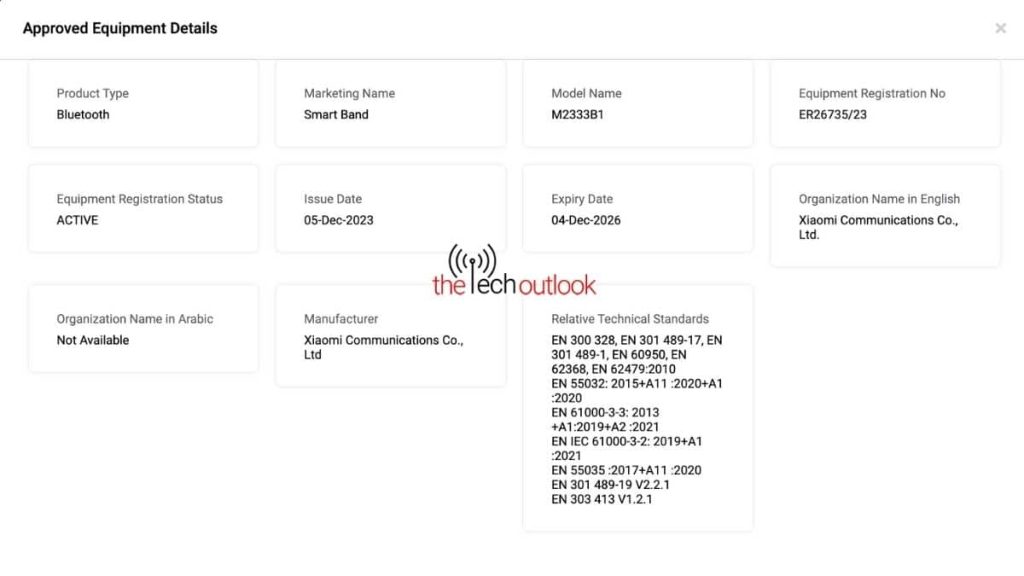
Xiaomi Band 8 Pro picks up TDRA certification ahead of global launch

Xiaomi’s Smart Band 8 Pro launched back in August in China. The brand is planning for a global launch in the coming days as it has the smartwatch has cleared Malaysia’s SIRIM certification and Singapore’s IMDA certification.

Xiaomi-Smart-Band-8-Pro-TDRA

Now, the Xiaomi Band 8 Pro with model number – “M2333B1” has picked up TDRA certification as well. The certification does not reveal any specific details, however, it greenlights its launch in the UAE.

Xiaomi Smart Band 8 Pro specs

The Xiaomi Smart Band 8 Pro features a sleek design with a rectangular dial, offering a seamless user experience without physical buttons. The device comes with a changeable strap for customization and boasts a vibrant 1.74-inch AMOLED display with a resolution of 336 x 480 pixels, a 60Hz refresh rate, and a peak brightness of 600 nits. The display supports an always-on feature and presents a rich palette of 16.7 million colors.

Xiaomi Smart Band 8 Pro

In terms of health and fitness, the Smart Band 8 Pro is equipped with a heart-rate monitor, SpO2 sensor, sleep tracker, and a menstrual cycle monitor tailored for women. It also includes stress level tracking, breath training, and supports over 150 sports modes, including a smart running mode and running lessons. The device incorporates a somatosensory sensor for tracking data related to somatic senses during boxing activities, providing insights into the user’s current physical vitality.

With a water resistance of up to 5 meters, the Smart Band 8 Pro is suitable for various water-related activities. In terms of connectivity and navigation, it features a built-in GNSS chip supporting five satellite systems, enabling accurate location tracking. Users can leverage the voice assistant for hands-free control and manage other Xiaomi smart devices through the Miaoxiang Center.

Convenient features include customizable widgets for the home screen, portrait watch face functionality, camera control, music control, flashlight, weather updates, and notifications. The device is powered by a 297mAh battery, offering an impressive battery life of up to 14 days on a full charge.

RELATED:

(via)

Outsiders Motorcycles transform a Brekr Model B electric moped into a rugged and fanciful bike

Outsiders Motorcycles and Brekr have partnered to customize a Brekr Model B electric moped into a rugged and functional e-bike. The Brekr Model B was customized by the Dutch custom workshop Outsiders Motorcycles to take a more impressive look and functionality.

The Brekr Model B is a uniquely styled e-moped with the simplicity of a bicycle. It was originally designed as an urban commuter e-bike with similar power as a 500cc four-stroke scooter. It is equipped with a 2,500W rear hub-mounted electric motor and two in-frame battery packs with a combined capacity of 2kWh. The Brekr Model B has a range of 60 miles (~97km).

Brekr and Outsiders are both Dutch companies and started talking six years ago. The talks were concretized two years ago after Brekr received government subsidies for the production of Model B. Outsiders planned to build a custom machine based on the stylish Model B which it picked from Brekr’s Doeltichem facility.

Outsiders said it was inspired to remodel the Model B after the Honda CT50 Motra, a JDM rugged mini bike. The custom workshop firm introduced chunky tires, fat bars several other rugged features on the Model B. The customized Brekr Model B was then expected to be used by Outsiders for one year.

The Outsiders-customized Model B also included a sidecar that can carry a pet transforming the e-bike to an e-trike. The e-trike was showcased across Croatia even reaching the iconic Stelvio Pass. It is capable of going on camping expeditions and hauling some luggage. The remodeled Brekr Model B was featured at the Brekr Ride-Out underscoring how excited Brekr was with the transformation.

In addition, the Outsiders custom shop is now an official Brekr test and service center while the custom-yellow Model B is now on display at the Brekr headquarters. It is expected that more Brekr Model B units will go through the custom workshop but there are no pricing and customization details at this time.

RELATED:

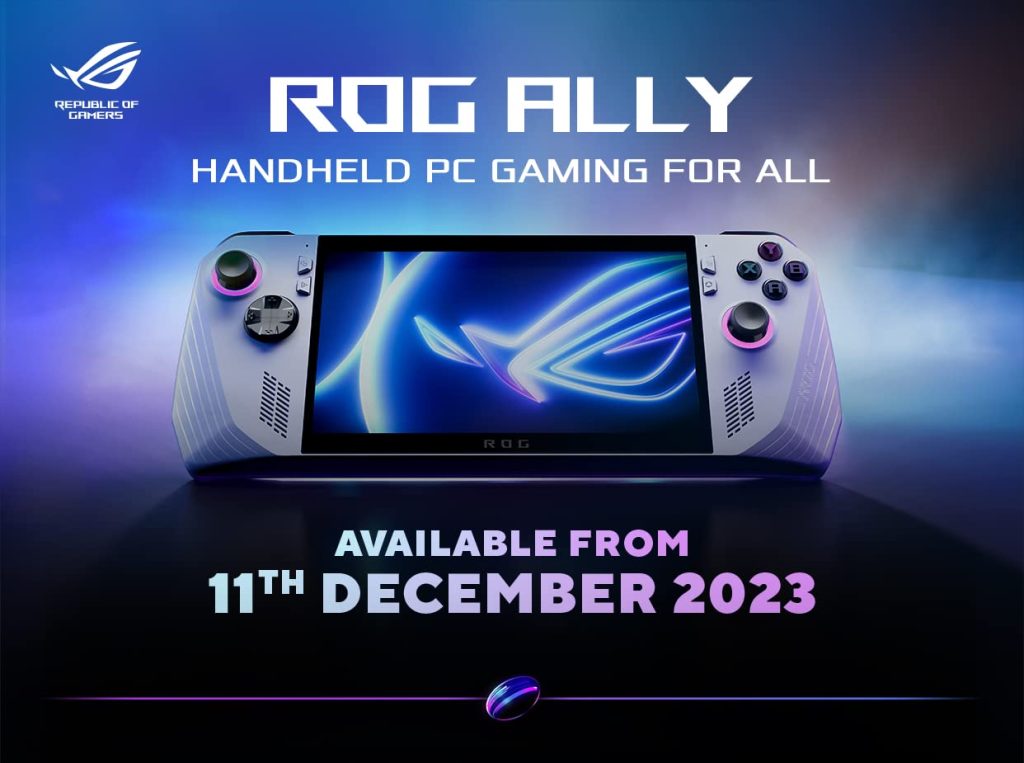
Asus ROG Ally available on Amazon India from December 11

Back in July, Asus launched the ROG Ally handheld gaming console in India. At launch, the console was only available for purchase via Flipkart and the Asus official store. Now, the console is soon to be available on Amazon India.

Asus ROG Ally

A microsite on Amazon India confirms that the ROG Ally console will arrive on the website starting December 11. The pricing will likely be similar to the Flipkart listing, although we might see an initial discount. At the time of writing this article, the Ryzen Z1 edition of the console is available for ₹64,990 on Flipkart, while the Z1 Extreme model is going for ₹69,990.

Asus ROG Ally specs

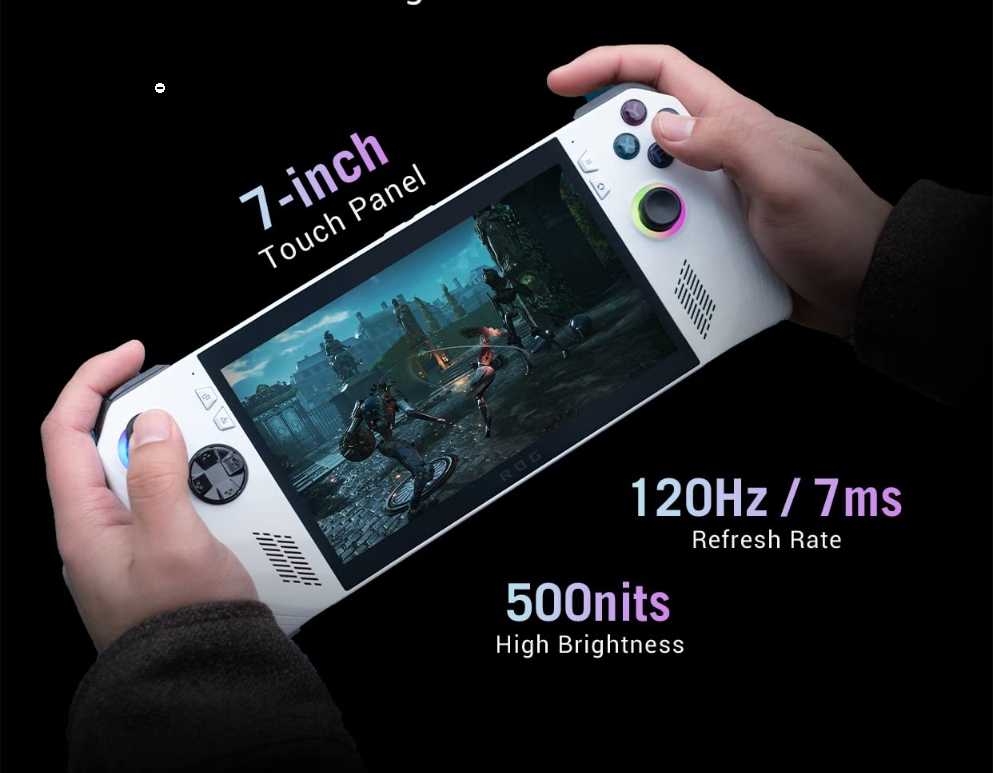
Sporting a 7-inch IPS display, the Asus ROG Ally handheld gaming console boasts a Full HD resolution of 1920 x 1080 pixels and a 16:9 aspect ratio. The screen ensures a seamless visual experience with its 120Hz refresh rate, 500 nits peak brightness, and Corning Gorilla Glass Victus protection, guaranteeing robust durability.

ASUS ROG Ally

Powering this gaming beast is the AMD Ryzen Z1 Extreme processor, built on the Zen 4 architecture. Paired with AMD RDNA 3 graphics, the console delivers a stellar performance, complemented by 16GB of LPDDR5 RAM and a 512GB PCIe 4.0 NVMe M.2 SSD for ample storage.

Running on the Windows 11 operating system, the Asus ROG Ally handheld gaming console unlocks a treasure trove of games from platforms like Steam, EA apps, Epic Games, and Xbox Game Pass. As a sweetener, it comes bundled with a three-month Xbox Game Pass Ultimate subscription, providing gamers access to a diverse array of titles. Elevating the gaming experience, the console features a dual speaker setup enhanced by Asus’ Smart Amplifier Technology for superior audio quality.

Connectivity-wise, the console offers a versatile array of options. These include a 3.5mm headphone jack, a USB 3.2 Gen2 Type C port combo for the ROG XG Mobile Interface, and support for a UHS-II microSD card reader, ensuring flexibility for storage expansion. Keeping the action going, the console houses a 40WHr battery supporting 65W fast charging, facilitating quick recharging intervals and prolonged gaming sessions.

RELATED:

(Source)

Xiaomi 14 and Xiaomi 14 Pro Kernel Source Code are Now Available

Following the trend since the Xiaomi Mi 9 Series, Xiaomi released the kernel source code for the Xiaomi 14 and Xiaomi 14 Pro. It encourages third-party developers and modders to develop custom mods or custom ROMs for the smartphone. The Kernel Source Code availability helps keep the custom MODs bug-free and even allows individuals to satisfy their curiosity about the device.

Xiaomi 14 Display

Xiaomi 14 and Xiaomi 14 Pro Kernel Source Code is now available on GitHub with codename shennong-u-oss and interested folks can download it straight away. It is labeled KERNEL.PLATFORM.3.0.r1-03200-kernel.0-1 and is based on Android U. However, the source code release is delayed by a few weeks, but it is better late than never.

Within a few days, the developers and the power users will dive deeper into the code and will surely bring some mods to enhance the device’s performance and features. The source code release will surely benefit the users who want to stay away from the Stock ROM aka HyperOS.

Additionally, Xiaomi 14 and Xiaomi 14 Pro are launched with Snapdragon 8 Gen 3 SoC coupled with LPDDR5X RAM and UFS 4.0 flash storage. Both the devices use custom image sensor and supports USB 3.2 Gen1 port. The support for WiFi 7 surely extends the connectivity capabilities of the device. However, we are sure that the new advancements will be enticing for advanced smartphone users.

Xiaomi 14 and Xiaomi 14 Pro Specifications

Additionally, the Xiaomi 14 has a 6.36″ 1.5K TCL CSOT C8 OLED LTPO 12-bit display with Corning Gorilla Glass Victus, 120Hz refresh rate, and 3000nits peak brightness. Xiaomi 14 features a 32MP front camera and a 50MP Light Hunter 900 OIS + 50MP Ultrawide + 50MP Telephoto rear camera. It runs on Android 14 Hyper OS. The phone has an IP68 rating, 4610mAh battery, 90W wired charging, 50W wireless charging, and USB 3.2 Gen 1. There’s a WiFi 7, NFC, Bluetooth 5.4, an X-axis linear motor for haptics (ESA0809), and an in-display fingerprint scanner. A twin stereo speaker and an IR blaster for remote control are present. It comes in two variants: 8.2mm glass and 8.28mm leather, weighing 193g and 188g, respectively.

However, the Xiaomi 14 Pro features a 6.73″ 2K TCL CSOT C8 OLED LTPO 12-bit display, 120Hz refresh rate, Xiaomi Longjing Glass, and 3000nits of peak brightness. There’s a triple-rear camera sensor comprising the same front camera and a 50MP Light Hunter 900 OIS + 50MP Ultrawide + 50MP Telephoto OIS Leica Summilux. It offers a 4880mAh battery, 120W wired charging, 50W wireless charging, and a USB 3.2 Gen 2 port. The device has WiFi 7, NFC, Bluetooth 5.4, an X-axis linear motor for haptics (1016), and an in-display fingerprint scanner in connectivity. The 8.49mm-thick phone has dual stereo speakers and weighs 223g for the glass variant and 230g for the titanium variant.

The Xiaomi 14 8GB+256GB model costs ¥3999 (about. ₹45,850, $546, and €518). The Xiaomi 14 Pro 12GB+256GB model costs ¥4999 (about. ₹56,800, $683, and €647).

Related: