Electric bikes are revolutionizing the way we ride, offering more power, technology, and versatility. But amidst this high-tech boom, a new trend is emerging – electric bikes that retain the classic pedal feel of traditional bicycles. This fresh approach is wonderfully exemplified by MMR’s latest electric mountain bike, the Kaizen, which combines the old-school joy of cycling with the modern benefits of electric assistance.
The e-MTB is powered by the Bosch Performance Line SX
Spanish bike brand MMR, known for its innovative designs, has introduced the Kaizen, a bike that’s as much about the journey as the destination. It’s crafted for those who relish the feeling of pedaling, yet appreciate a bit of a boost to make their rides longer and less exhausting. The Kaizen is not just a means of transport; it’s a celebration of the cycling experience itself.
The heart of the Kaizen lies in its motor – the Bosch Performance Line SX. Launched in 2023, this motor is a game-changer for enthusiasts of electric gravel bikes and lightweight e-MTBs. With a focus on preserving the natural pedal feel, this low-power motor doesn’t overpower the ride. It delivers a modest 55 Nm of torque, ensuring that riders still enjoy a hands-on experience while benefiting from electric assistance.
MMR has managed to craft the Kaizen as a lightweight champion, weighing just 16.7 kilograms (36.8 pounds). This weight, coupled with the 29-inch wheels and a balanced 140-millimeter suspension travel, positions the Kaizen favorably for both cross country and all-mountain riding. It’s not just a bike; it’s a statement of balance and finesse.
Practicality isn’t overlooked, though. The Kaizen comes with the Bosch PowerTube 400 battery, perfect for those extended adventures. And for those who dare to go further, there’s an option to fit a 250-watt-hour range extender. The MMR Kaizen doesn’t just speak to the wallet; it speaks to the heart of biking enthusiasts. With five build configurations and a price range that reflects its varying levels of sophistication, the Kaizen is accessible yet aspirational.
Genshin Impact, a popular online RPG game, recently faced a significant backlash from its Chinese player base. The controversy arose after the game’s developers, HoYoverse, announced modest rewards for the Lantern Rite Festival, a significant event celebrating the Chinese New Year. This decision was met with disappointment from players, especially in China, where the event is of great cultural importance.
Backlash Over Lantern Rite Festival Rewards in Genshin Impact
The dissatisfaction among players was evident as the game’s official Douyin (Chinese version of TikTok) account experienced a massive loss of over one million followers in just one day, a drop from approximately 9.6 million to around 8 million. Similar declines in followers were observed on other social media platforms associated with Genshin Impact.
Players compared the rewards offered for the Chinese New Year event unfavorably with those given in other regions and to rewards in HoYoverse’s other games. This perceived imbalance led to accusations of global favoritism and a lack of appreciation for the Chinese audience. In response to the underwhelming rewards, players not only unfollowed Genshin Impact’s social media accounts but also targeted affiliated brands like KFC, Hey Tea, and Pizza Hut.
Amidst the outcry, allegations surfaced that HoYoverse was using bot accounts to artificially maintain follower counts on platforms like BiliBili, a major Chinese video-sharing website. This further fueled the discontent among the player community.
This situation has also sparked debates among players about the game’s reward system. While some argue that the response is an overreaction, others support the dissatisfaction, pointing to long-standing frustrations with HoYoverse. The controversy has extended to other social media platforms, with players expressing their disappointment and calling for better rewards.
HoYoverse issued an apology and promised to reassess and adjust the rewards. The situation underscored the challenges game developers face in balancing the expectations and cultural sensitivities of a diverse global audience.
As the debate continues, the future of Genshin Impact in the Chinese market depends on HoYoverse’s handling of this crisis and its ability to respond effectively to the concerns of its players.
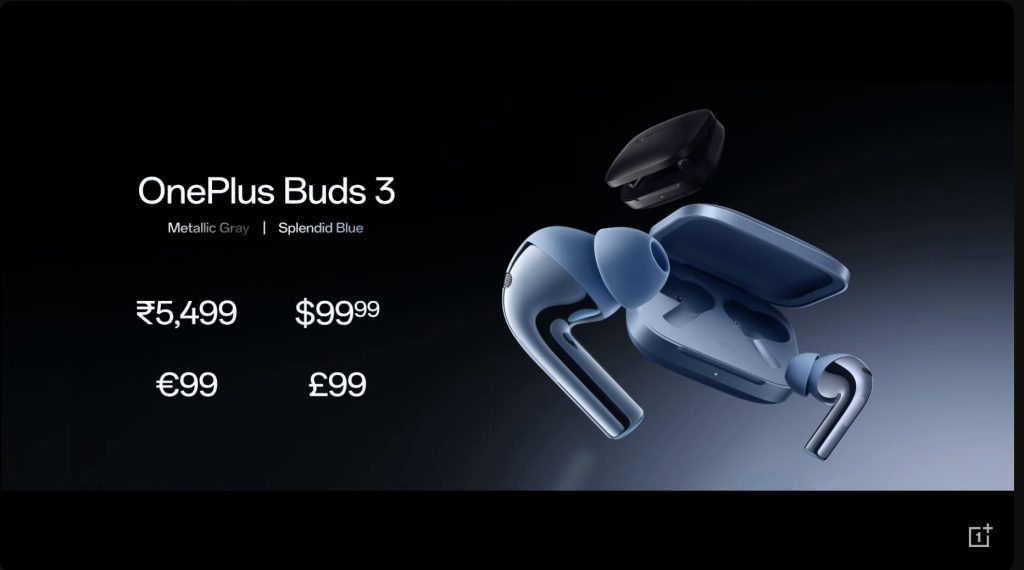
Along with the global launch of the OnePlus 12 and OnePlus 12R, the company also introduced the OnePlus Buds 3 with Active Noise Cancellation. The Buds 3 was first unveiled in China at the end of last year, along with the OnePlus 12 (review) and OnePlus Ace 3 (review) smartphones. OnePluds Buds 3 are now launched in India, North America, and Europe for the price of Rs 5,499, $99.99, and €99, respectively.
OnePluds Buds 3 will go on Open Sale on February 5 in North America and on February 6 in India and Europe. It will be available in Metallic Gray and Splendid Blue color options.
OnePlus Buds 3 Features
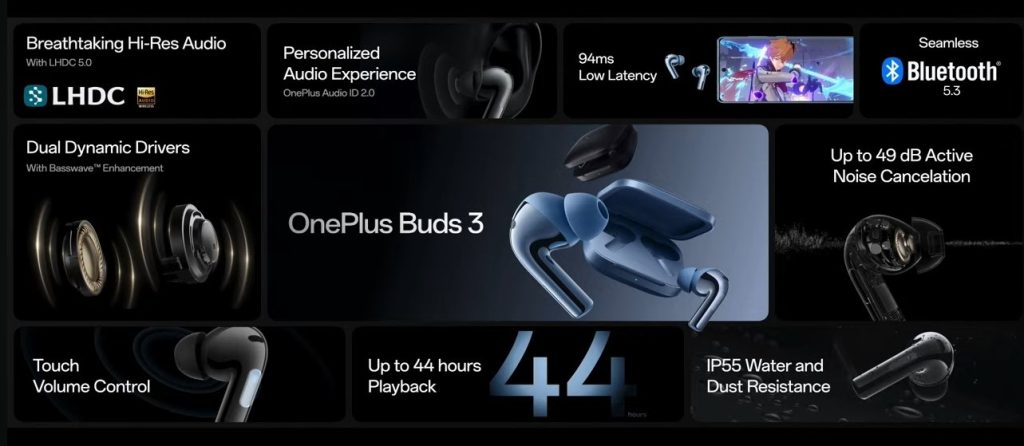
Featuring a dual-driver design, the OnePluds Buds offer active noise cancellation of up to 49 dB. It helps bid farewell to intrusive background noises as you enjoy your favorite tunes without any disruptions. Equipped with a powerful 10.4mm composite diaphragm bass unit, the OnePlus Buds 3 delivers crystal-clear highs and deep, resonant bass. Following the Buds 2 Pro design, the Buds 3 offers a slightly glossy look compared to the predecessor.
It offers high-resolution audio transmission, all thanks to LHDC 5.0 Hi-Res codec support, which offers a 96 kHz sampling rate. It offers 1 Mbps of wireless speed. The OnePlus Buds 3 offers seamless connectivity for a hassle-free experience via Bluetooth 5.3.
The Buds 3 elevates the gaming experience as it offers custom game sound effects, a new sound field expansion, and 3D spatial sound effects. With the 94 ms latency, the Buds 3 ensures that it delivers precise and clear sound.
OnePlus Buds 3 boasts an impressive 44 hours of usage without noise cancellation. Additionally, a quick 10-minute charge provides a remarkable 7 hours of uninterrupted music playback. Each earbud packs 58 mAh batteries, and the charging case bundles a 520 mAh battery. The OnePlus Buds 3 is ready to accompany you wherever you go, as it comes with an IP55 rating for dust and water resistance.
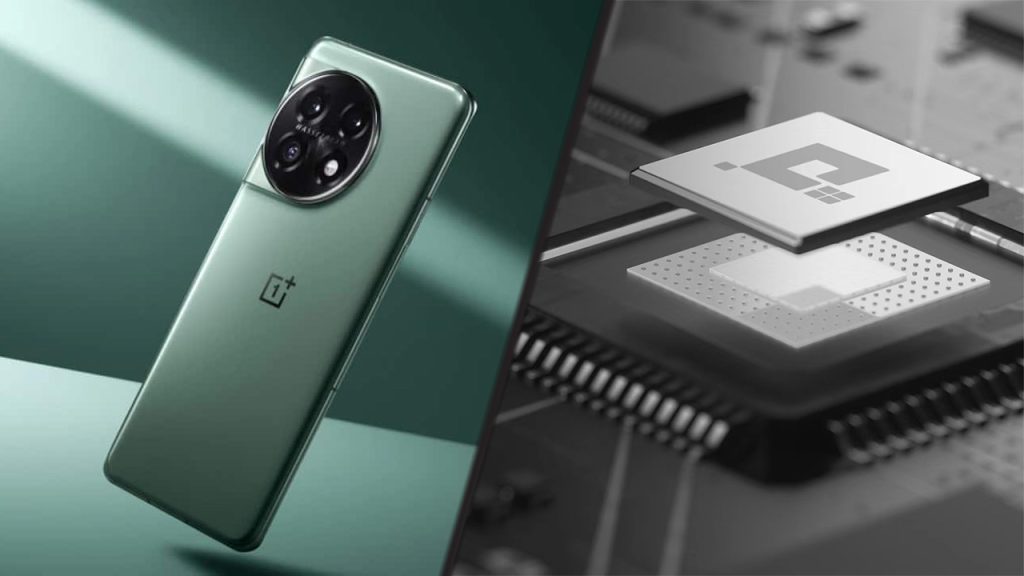
The smartphone market is getting more and more competitive with each passing day. That’s why brands like Apple, Samsung, OnePlus, Xiaomi, and Oppo are all trying to be the top-selling manufacturers. However, just having the best processor, like the Snapdragon 8 Gen 3, isn’t enough. Companies should try hard to beat their rivals and provide something even better than the very best. Acknowledging this, OnePlus has partnered with Pixelworks to offer an exceptional gaming experience on the global version of OnePlus 12. Here are the details…
OnePlus 12 Global Redefines Gaming Experience with Integration of Pixelworks’ X7 Independent Visual Processor
The OnePlus 12 stands out as one of Android’s top models. It runs on Qualcomm’s Snapdragon 8 Gen 3 platform and boasts an Adreno GPU for impressive gaming performance. The phone’s 2K 120Hz ProXDR display with LTPO not only reaches a peak brightness of 4,500 nits. Not stopping there, OnePlus teamed up with Pixelworks to integrate the Pixelworks X7 independent visual processor, enhancing the gaming experience for users with unparalleled IRX gaming experience featuring silky-smooth motion, high-fidelity visual effects, and sustained cool handling during mobile gaming.
The main features of Pixelworks X7 introduces MotionEngine® technology , low power super-resolution technology to the OnePlus 12, providing users with a smoother and more stable 120fps, ultra-clear 2K Super-resolution visual experience. This is accomplished by distributing rendering architecture of X7, resulting in improved performance, reduced power consumption, and extended battery life during gameplay of popular mobile titles such as King of Glory, Game for Peace, League of Legends, Genshin Impact, QQ Speed, and Crossfire.
The OnePlus 12 also uses Pixelworks’ multi-brightness color calibration to accurately display colors in various settings. Using the 3D LUT method, this technology meticulously adjusts display attributes like hue, saturation, and brightness. This ensures that the colors on the screen closely match what the human eye in different lighting conditions, providing an authentic and vivid visuals.
IRX Gaming: Balancing Performance, Power, and Picture Quality for Mobile
Playing games on mobile devices presents a unique challenge for tech manufacturers compared to traditional consoles and PCs. Unlike PCs, where direct power from the grid is essential, mobile devices like laptops and smartphones rely on battery power, making energy efficiency crucial. The IRX Certified OnePlus 12 tackles this challenge by incorporating Pixelworks’ IRX Rendering Acceleration solution, which outperforms typical mobile methods by leveraging the advanced rendering capabilities of Pixelworks’ X7 visual processor.
This innovation not only relieves the application processor from rendering pressure but also optimizes picture quality, achieving a harmonious balance between performance, power consumption, and visual excellence. The result is an immersive IRX gaming experience on top-ranking mobile games, characterized by ultra-high frame rates, crystal-clear visuals, and relatively low system power consumption.
“It’s a pleasure to collaborate with Pixelworks to bring the X7 independent visual processor to the OnePlus 12.”said Kinder Liu, President and COO of OnePlus. “Celebrating a decade of OnePlus, the OnePlus 12 will be theflagship smartphone of the year with excellence in every core aspect. In terms of gaming experience, immersion isthe key factor of an ultimate user experience.”
“That’s why we worked together with Pixelworks to bring out thedistributed rendering architecture and IRX gaming experience on the OnePlus 12. With its powerful renderingcapability and smooth-beyond-belief gaming experience, we believe the OnePlus 12 will impress the market withits unparalleled performance and extraordinary picture quality. We look forward to further opportunities toelevate the mobile gaming experience with Pixelworks for our users.”
“Adhering to its bold Never Settle mantra, OnePlus consistently creates premium devices and software thatprovide the best user experience possible.” said Ting Xiong, President of Pixelworks China. “It’s a great honor topartner with OnePlus to provide worldwide users with fully immersive visuals through a best-in-class display. As anIRX certified device, the OnePlus 12 epitomizes the advantages of Pixelworks’ professional visual processingtechnologies, profound mobile gaming performance and picture quality tuning expertise.”
“We appreciate OnePlus’openness to embracing new technologies and solutions as well as its commitment to bringing the best all-roundexperience to end users. We hope that our two companies can continue to extend the boundaries of the visualexperience for consumers with innovative visual processing solutions and premium display quality.”
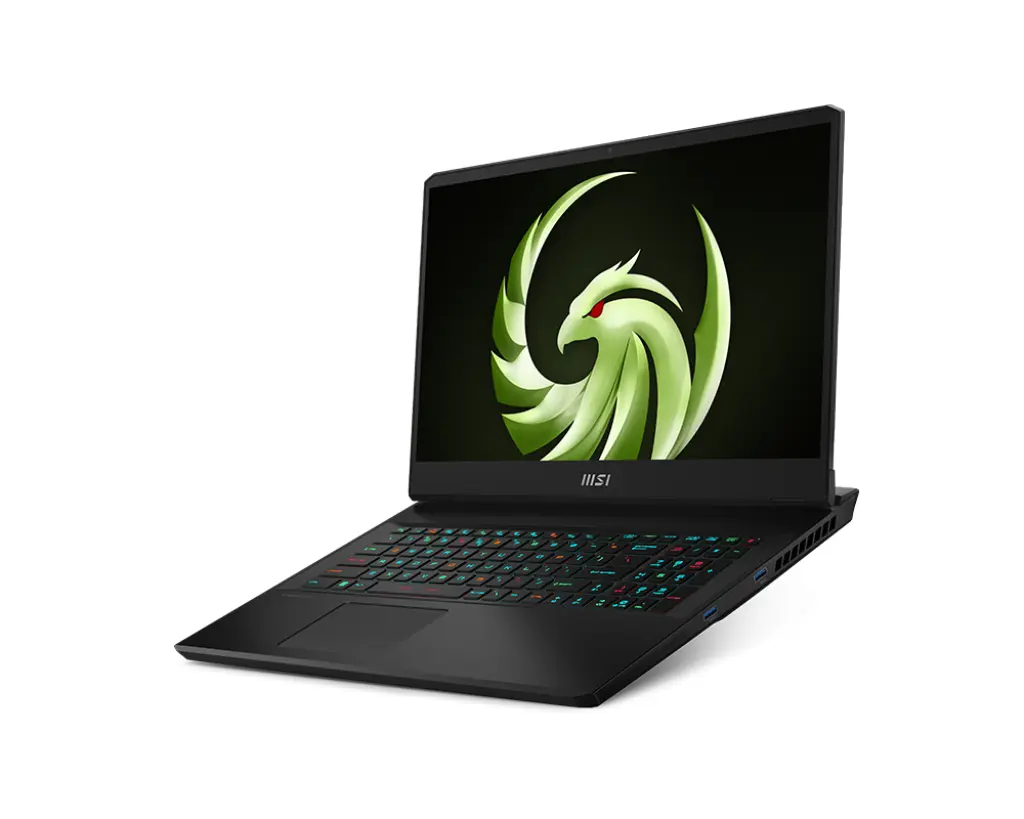
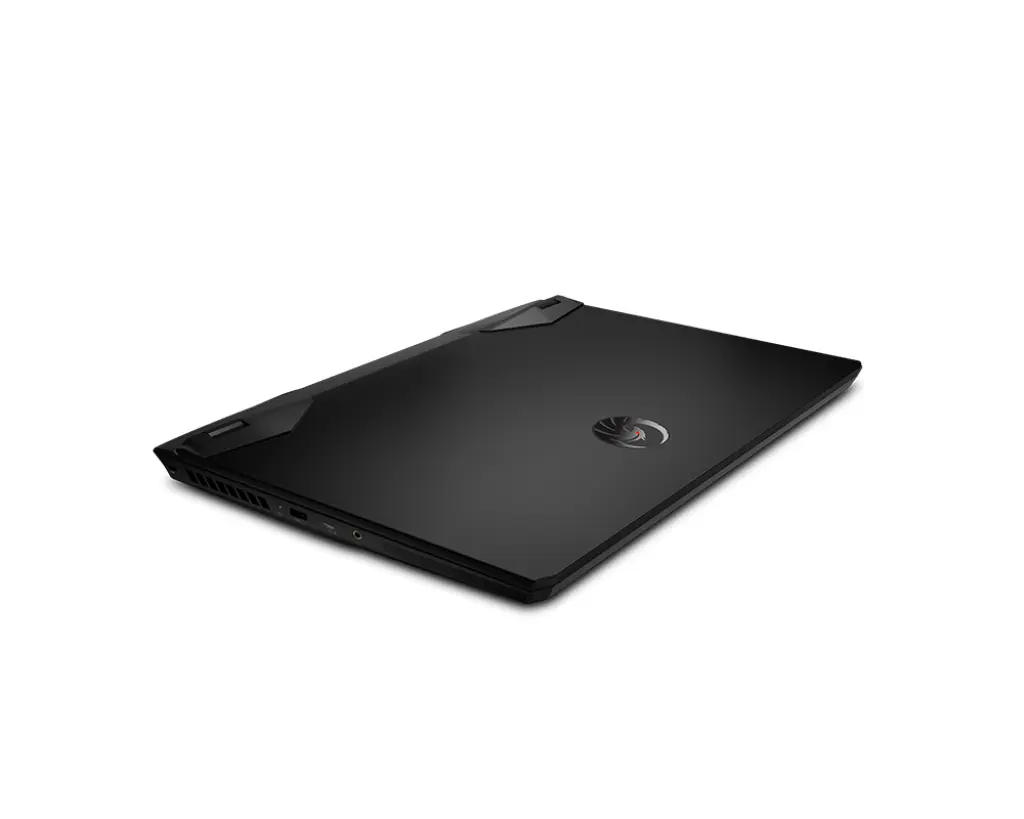
MSI has added a new configuration to its Thunder Shadow 17 gaming laptop in China. This new configuration pairs a Ryzen 9 CPU and the RTX 4070 GPU.
At its core, the Thunder Shadow 17 is powered by a Ryzen 9 7940HX processor, capable of a combined 195W performance output (55W CPU and 140W GPU). The device comes with 16GB dual DDR5-5200 memory and 1TB PCIe 4.0 SSD.
The notebook boasts a 17.3-inch 2.5K (2560 x 1440) screen with a 16:9 aspect ratio, complemented by a 240Hz high refresh rate and 100% DCI-P3 color gamut coverage.
In a first for gaming laptops, the Thunder Shadow 17 includes Qualcomm’s FastConnect 7800 Wi-Fi 7 module, offering support for 5GHz / 6GHz frequency bands, peak speeds up to 5.8 Gbps, and latency as low as 2 milliseconds. This advancement is particularly beneficial for online gaming, where speed and low latency are paramount.
The notebook is also equipped with a 99.9Whr battery, the maximum capacity allowed on airplanes, and supports 100W PD fast charging. Other notable features include a high-definition camera with autofocus, a SteelSeries single-button RGB backlit keyboard with customizable lighting for each key, and high-fidelity dual speakers with Hi-Res and Nahimic audio support.
Connectivity options are extensive, including 1 USB-C 3.2 Gen 2 port, 1 USB-A 3.2 Gen1 port, a 3.5mm audio jack, HDMI 2.1, RJ45, and a DP interface.
Pricing & availability
This configuration of the Thunder Shadow 17 is priced at 9,999 yuan ($1,410) in China. Currently, there is no official word on when this particular model will be launching in the global market.
Alongside the launch of the flagship OnePlus 12, the brand has also announced a mid-range phone with premium specifications. It is the OnePlus 12R for the global markets and a rebadged version of the OnePlus Ace 3 (review) that debuted in China earlier this month. The latest offering arrives as the successor to the last year’s OnePlus 11R with some notable upgrades. Read on to know what the smartphone offers out of the box.
OnePlus 12R specifications and features
OnePlus Ace 3 Moon Sea Blue
Cosmetically, the OnePlus 12R has the same design as its predecessor and the flagship OnePlus 12. The only exception is that the alert slider is now located on the left side of the device. There is an in-screen fingerprint scanner.
On the display front, the OnePlus 12R has slightly curved edges with a centre-aligned punch-hole cutout. It features a 6.78-inch BOE X1 OLED screen bearing a 1.5K resolution and 4,500 nits peak brightness. The smartphone has 120Hz ProXDR refresh rate along with LTPO 4.0 technology that enables switching refresh rates between the widest range including the new 90Hz and 72Hz instead of a limited set of refresh rates. The display is also HDR10+, Dolby Vision, and DisplayMate A+ certified. It is also layered with Gorilla Glass Victus 2 for protection against accidental damages.
In the photography department, the OnePlus 12R has triple rear cameras. The setup comprises of a 50MP Sony IMX890 main sensor with OIS, an 8MP ultra-wide-angle lens, and a 2MP macro unit. There is a 16MP front-facing selfie snapper.
Internally, the OnePlus 12R is equipped with a Snapdragon 8 Gen 2 processor. It packs up to 12GB RAM and 256GB onboard storage. There is a heat dissipation system to keep the phone cool. The device draws its power from a 5,500mAh battery unit with support for 100W wired charging. It features Battery Health Engine technology for keeping the battery in peak health for a longer time. Software-wise, the smartphone ships with Android 14 OS out of the box.
OnePlus 12R pricing and availability
The OnePlus 12R is offered in Iron Grey and Coal Blue color options. It carries a price tag of Rs 39,999 and Rs 45,999 for the 8GB + 128GB and 16GB + 256GB configurations. The smartphone is priced at $499 and $599 for the same variants in the US market. The device goes up for pre-orders starting January 23 with open sales commencing from February 6 in India and February 13 in the US and Europe. There are various offers and discounts on the purchase of the OnePlus 12R in India.
As expected at a launch event held today, the OnePlus 12 has been announced in the global markets. The brand has also announced two more products alongside. The latest number series flagship arrives as the successor to the last year’s OnePlus 11. It packs significant upgrades over its predecessor. The smartphone competes against the likes of the iQOO 12 Pro, Vivo X100 and more in the market.
OnePlus 12 specifications and features
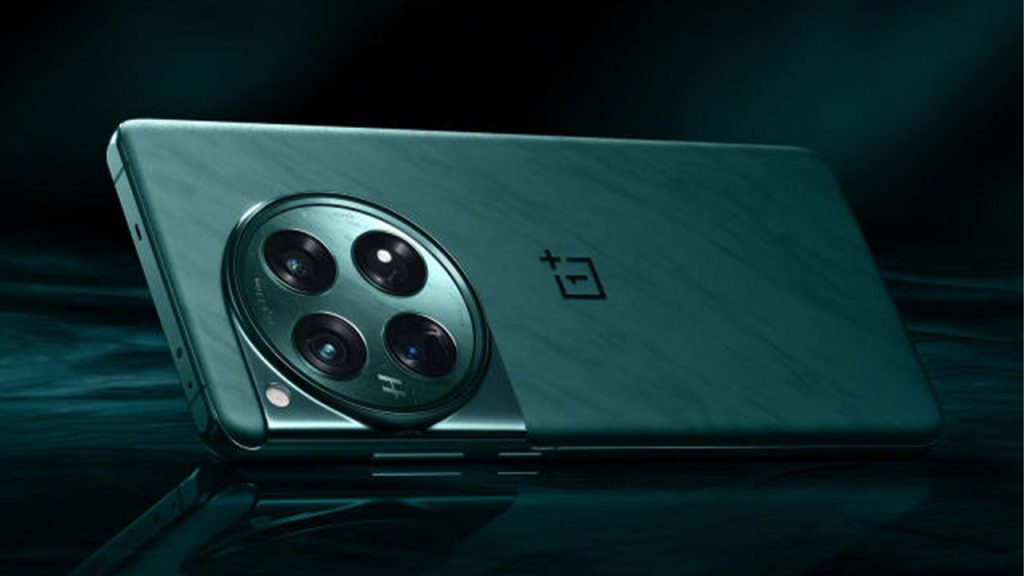
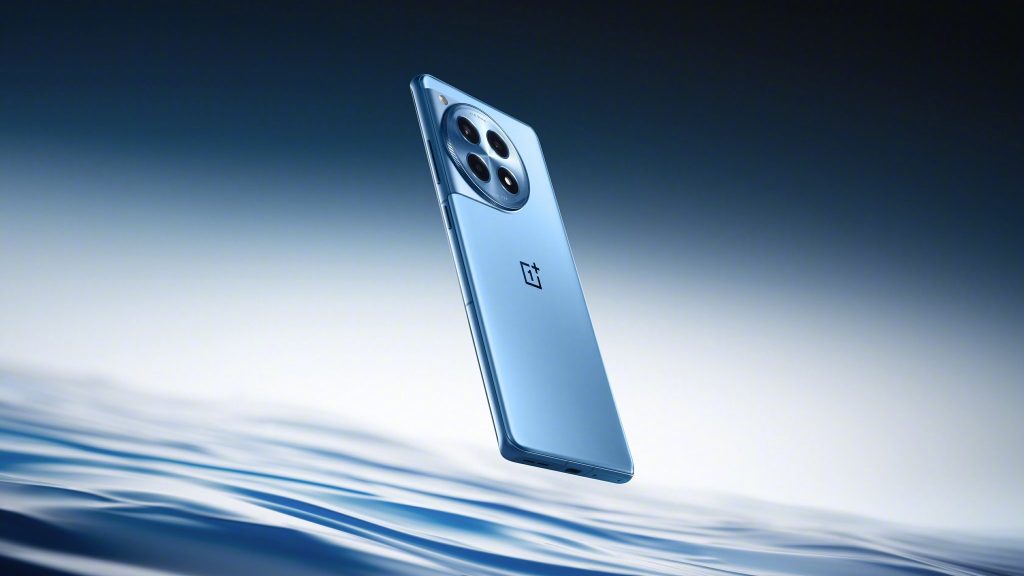
The OnePlus 12 (review) for the global markets is the same as the variant available in China since late last year. It retains the same design as its predecessor with a half pill-shaped island housing a circular camera module on the back panel. It has a slim profile with a metal middle frame. The device is IP65-certified dust and water-resistant.
On the display front, the OnePlus 12 has a 6.82-inch curved AMOLED screen with a centre-aligned punch-hole cutout. It features a QHD+ resolution, a 120Hz LTPO display, and peak brightness of 4,500 nits. There is Pixelworks X7 independent display processor for an enhanced visual experience during gaming. The device is HDR10+, Dolby Vision, and DisplayMate A+ certified. The smartphone also has Aqua Touch technology that makes it usable with wet hands. The screen is shielded by Corning Gorilla Glass Victus 2.
In the photography department, the OnePlus 12 sports triple rear cameras. The setup comprises of a 50MP Sony LYT 808 primary sensor paired with an 48MP ultra-wide-angle lens, and a 64MP OIS-enabled periscope unit. Up front, there is a 32MP selfie snapper. The smartphone of course comes with legendary camera maker Hasselblad’s image processing.
Under the hood, the OnePlus 12 houses a Snapdragon 8 Gen 3 processor. It packs up to 16GB RAM and 512GB UFS 4 storage. There is a large 9140mm² vapor chamber cooling system for heat dissipation. The smartphone draws its power from a 5,400mAh battery unit with support for 100W wired, 50W wireless, and 10W reverse wireless charging. Software-wise, it ships with Android 14 OS out of the box.
Connectivity options on the OnePlus 12 include dual-SIM, WiFi-7, Bluetooth 5.4, NFC, and USB 3.2 Gen1 port.
OnePlus 12 pricing and availability
The OnePlus 12 is offered in Silky Black and Flowy Emerald colors. In India it starts at Rs 64,999 for the base 8GB + 256GB variant. The 16GB + 512GB option costs Rs 69,999. In the US and European markets, the same configurations are priced at $800/EUR949 and $900/EUR 1,099 respectively. The pre-orders start today with sales commencing from January 30 in India and February 6 in North America. There is trade-in bonus, Rs 2,000 instant bank discount, and more benefits for buyers in India.
Google Photos never misses a chance to impress users with new features and photo enhancement tools. Following some recent updates to our favorite gallery app, it has now received the much-awaited Photos Stack feature. It lets users stack similar photos into a single group on their smartphone.
Fiiiinally just got the stacked photos in Google Photos activated today. This rollout took forever. pic.twitter.com/zDaGbn8RfP
The feature has already been live on Apple smartphones and tablets since November last year, and now Android users would be delighted to enjoy this new yet useful feature. Photos Stack Future lets the user declutter the gallery and group similar photos under a single thumbnail. It would be easier now for users to scroll through the Photos app without going through similarly snapped photos.
Enable Photos Stack on Android Smartphones
The Photos Stack feature can be easily enabled by heading to Photos Settings > Preferences > Stack Similar Photos. Otherwise, the Google Photos app will also ask you to enable the feature via a pop-up once you update the app from the Play Store. It is seen working on Google Photos version 6.66.0.597410323. Once activated, photos grouped as stacks will appear as a single thumbnail in grid view. The stack can be identified by an icon in the upper-right corner of the thumbnail.
Like the burst photos in Google Photos, the new Photo Stack feature will also show a single thumbnail with a specific icon on the top, upper right corner to distinguish it. Upon opening the Photos Stack, users would be able to see all the images in a strip from left to right. Moreover, users can select a top pick, delete unwanted images, or choose specific images for deletion.
The feature supports sharing the entire stack or just the top pick with family and friends. For those who find the option inconvenient, it can be turned off in settings or by choosing the “Unstack photos” option. The rollout of Photo Stacks may take a few days.
Samsung and Apple are stepping up their game in wearable technology, focusing on developing non-invasive methods for monitoring vital health metrics like blood glucose levels and blood pressure. This new wave of competition is expected to bring significant advancements in health monitoring devices within the next five years.
Samsung and Apple’s Push for Non-Invasive Monitoring Solutions
Apple has also been exploring non-invasive blood glucose monitoring techniques for years. These methods aim to eliminate the need for skin piercing and blood extraction, making the process much easier for patients.
Meanwhile, Huawei has already released a watch last year, the Huawei Watch 4, featuring a non-invasive glucose monitoring capability. This function assesses the risk of high blood sugar by measuring ten health metrics, but it does not directly read blood glucose levels. However, there are uncertainties about the accuracy and functionality of Huawei’s innovation in this area.
Hon Pak, Samsung Mobile’s Head of Digital Health, highlighted in a Bloomberg interview the importance of non-invasive blood glucose monitoring for diabetes patients. He emphasized that wearable devices capable of continuously measuring blood pressure and blood glucose will revolutionize health management. Pak noted that these technologies would be available in some form in the next five years, though no specific timeline was given.
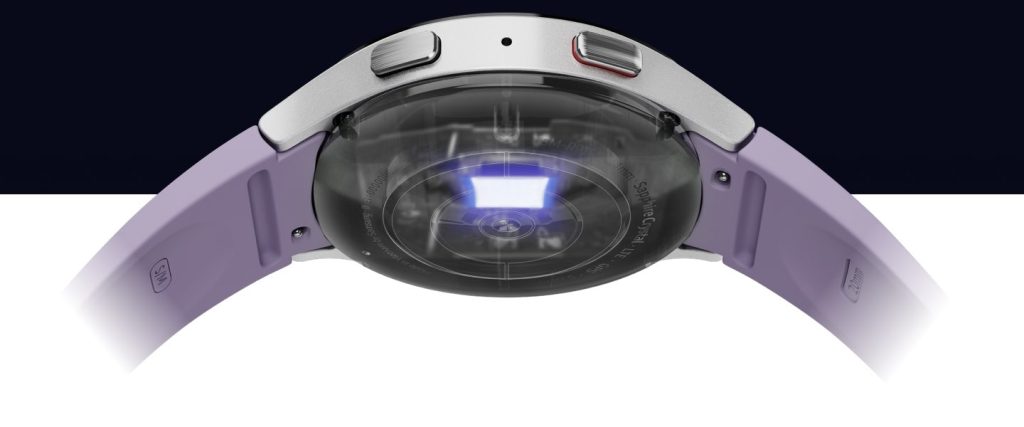
Samsung Galaxy Watch 5
Samsung’s Galaxy Watch already includes blood pressure measurement features, but it requires frequent calibration and doesn’t provide continuous monitoring. The spokesperson also talked about Samsung’s upcoming Galaxy Ring, a wearable device focusing on tracking activity and sleep quality. Over time, it will incorporate more health monitoring features.
This ring is designed for comfort, allowing continuous wear for accurate health data tracking. Its advantage over smartwatches lies in its continuous wearability, as smartwatches often need to be removed for charging, interrupting constant health monitoring.
Moreover, Samsung plans to enhance smart headphones to measure body temperature and heart rate. The company’s vice president explained that the ear is an ideal location for such measurements due to its proximity to the heart. When combined with data from smartwatches, these readings from headphones could offer a more comprehensive view of a user’s health.
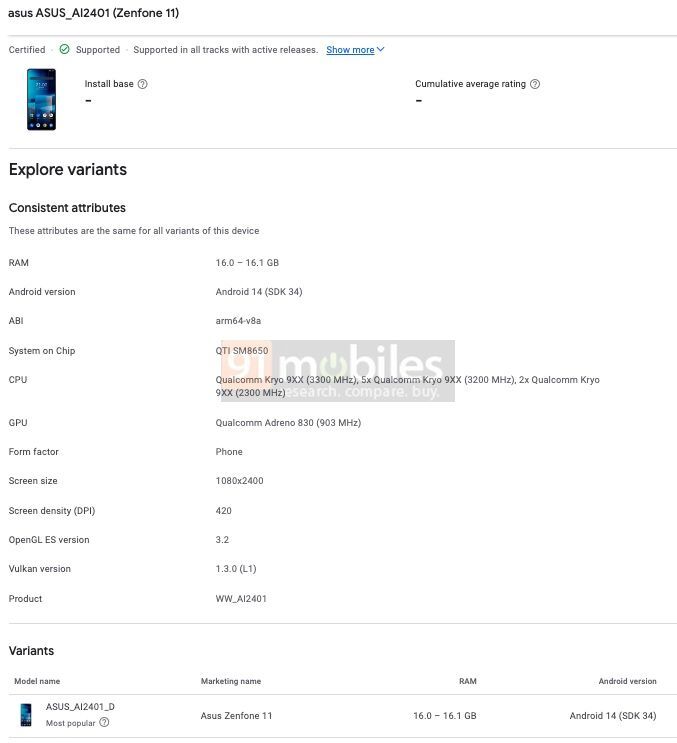
ASUS is reportedly working on the next-generation Zenfone smartphone. The upcoming offering is expected to be the Zenfone 11 and will arrive as the successor to the Zenfone 10 that debuted in June last year. The device has already been spotted on the Bluetooth SIG and SDPPI certification websites. Now the Zenfone 11 has surfaced on the Google Play Console revealing some surprising information.
ASUS Zenfone 11 spotted on Google Play Console
The ASUS Zenfone 11 is listed on the Google Play Console certification website with the model number ASUS_AI2401. It confirms the phone’s moniker. The render in the listing shows the smartphone with a center-aligned punch-hole cutout surrounded by thin bezels. There are power and volume rocker keys on the right edge.
As per the Play Console certification, the ASUS Zenfone 11 has a SoC model numbered QTI SM8650 corresponding to the Snapdragon 8 Gen 3. However, the CPU configuration has a Kyro 9xx core at 3.30GHz, five Kyro 9xx cores at 3.2GHz, and two Kyro 9xx cores at 2.3GHz. There is Adreno 830 GPU onboard. This is quite confusing especially the GPU as the Snapdragon 8 Gen 3 has the Adreno 750. Hence, the processor details on the Zenfone 11 does not seem to be accurate. The listing mentions 16GB RAM onboard and the device will ship with Android 14 OS out of the box.
The Google Play Console listing also reveals that the ASUS Zenfone 11 will have a display resolution of 1,080 x 2,400 pixels and a screen density 420 dpi.
There’s still time for ASUS to unveil the next Zenfone flagship if it continues with the mid-year launch timeline.
Honor has been dropping teasers about the arrival of its next smartphone and a TWS earphone. Now, the brand’s CEO Madhav Sheth has shared a new teaser on his X (formerly Twitter) account. This time, the device is a smartwatch dubbed the Honor Choice Watch. It confirms the wearable device’s arrival in the country.
Sheth has shared a unboxing video of the Honor Choice Watch. It does not reveal key specifications of the device. But we get a look at the upcoming offering. It has a squarish dial with a physical button on the right side. The upcoming wearable device will come with heart-rate monitor, sleep tracking, and support for various workout modes. From the teaser, we were also able to notice that the Choice Watch will pack a built-in calculator, weather app, alarm, calendar, and more. The device will be able to control music playback.
The Honor Choice Watch has a buckle strap design. The unboxing video also reveals support for magnetic charging. The rest of the details of the device remain a mystery as of now. However, the upcoming offering seems similar to the Honor Haylou Watch that debuted in China last month. It has a 1.95-inch AMOLED display with 60Hz refresh rate and 550 nits peak brightness. The device supports automatic recognition of workout activities. It is equipped with independent satellite positioning. The Honor Haylou Watch is backed by a 300mAh battery that is claimed to offer 12 days of usage.
The exact launch timeline of the Honor Choice Watch remains unclear. A recent report revealed that the Honor X9b which is also teased could debut on February 8 or 9. We can expect the Choice Earbuds and Choice Watch to be announced at the same event.
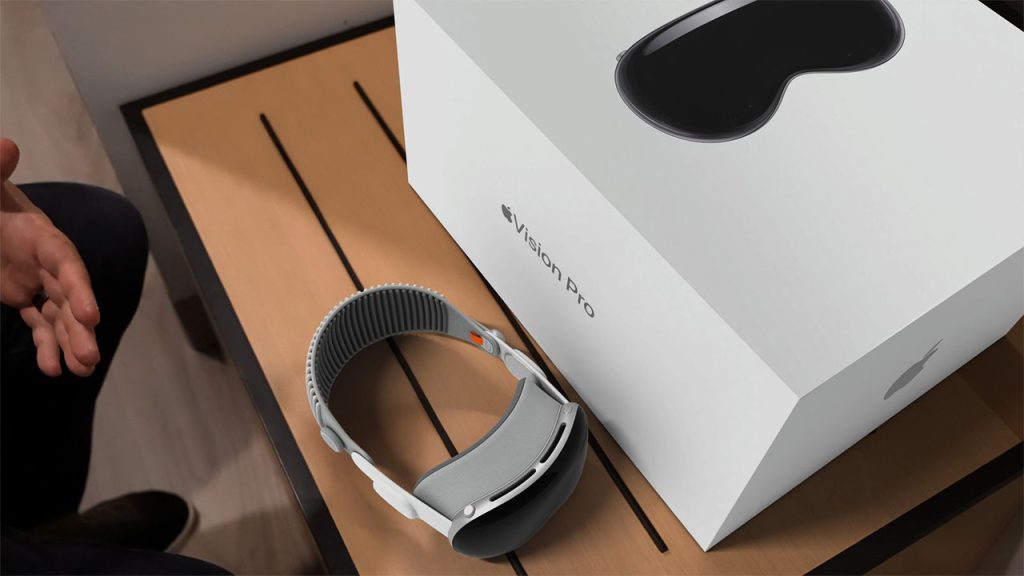
Excitement is building for Vision Pro. The mixed reality headset, currently in the pre-order phase and will be available in Apple stores in the U.S. on February 2nd. While we haven’t seen it in person, leaks and statements are revealing new details about the product. Recently, it was mentioned that the headset will be heavier than expected. Now, a massive retail box has emerged, likely accompanying the Apple Vision Pro, hinting at significant features. Here are the details…
Apple Vision Pro Massive Retail Box Revealed
Apple recently unveiled the box for their much-anticipated mixed reality headset, Vision Pro, in a training video for Apple employees. The box, while notably large, adheres to Apple’s signature minimalist design. It showcases the front face of the Vision Pro headset at the top, accompanied by the gray text “Vision Pro” along the long edges. Upon opening the box, you’ll find the headset, two adjustable headbands in different sizes, and a soft fabric light-blocking face mask.
Render of the Apple Vision Pro box based on official materials.
The Vision Pro box appears to be crafted with the device’s contents and delicate structure in mind. Apple has a history of unveiling their advanced products in sizable boxes. Nevertheless, they later shifted towards sustainability, adopting a more minimalist approach to reduce carbon footprint by downsizing the packaging.
While the box’s design might not be thrilling, Vision Pro’s innovative features have captured users’ attention. For example, Apple Vision Pro is in high demand in China, leading to notably increased prices in the grey market. It’s important to mention that the product is priced at $3,500. We’ll soon find out if it lives up to these expectations. If you’re wondering how to pre-order, you can read our article by clicking here.
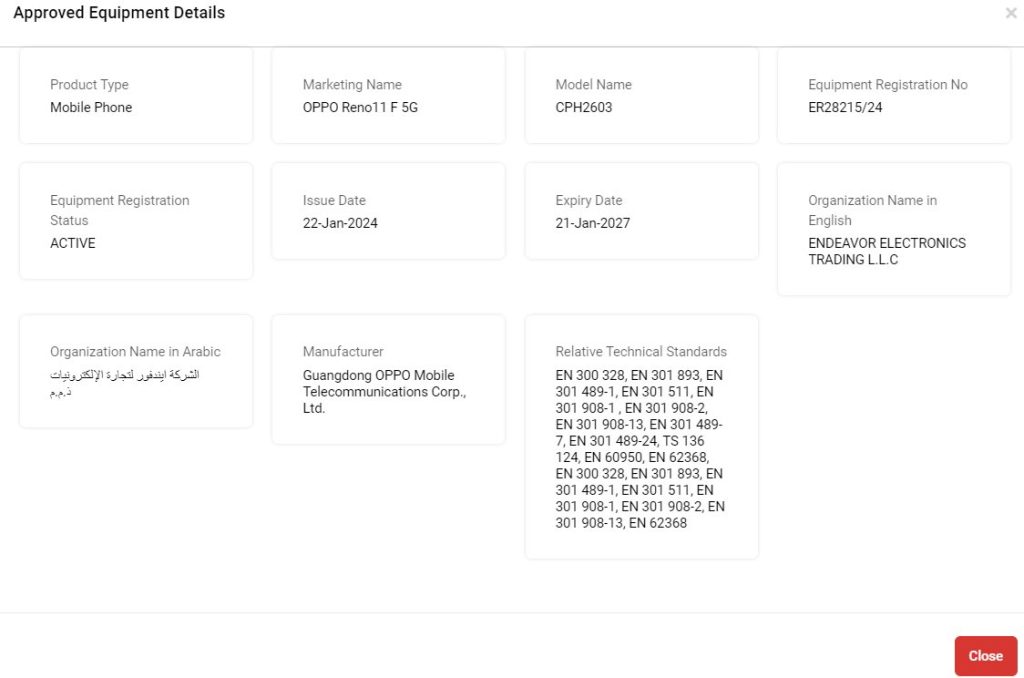
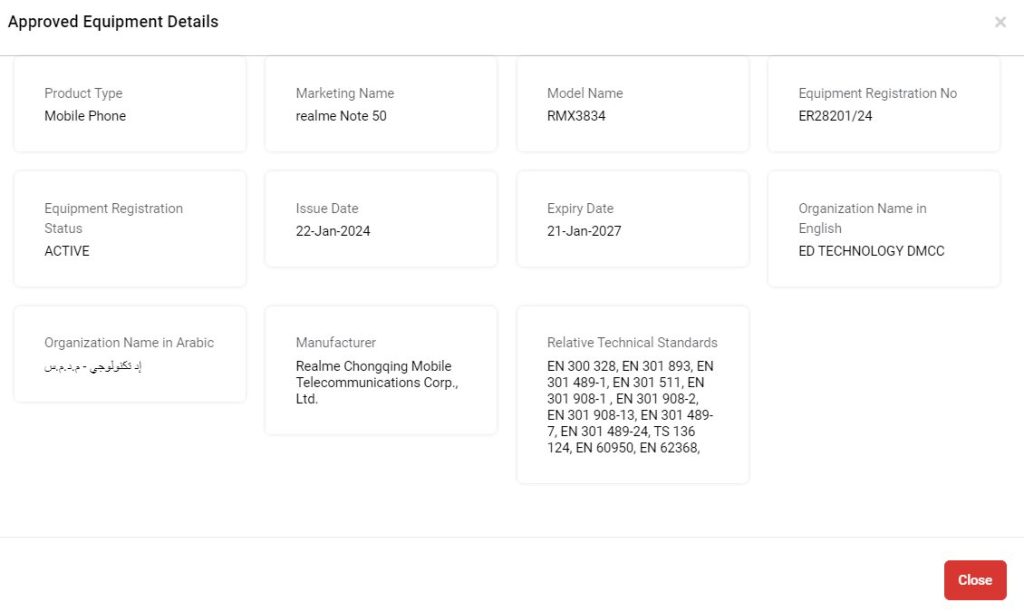
Oppo is preparing to launch the third smartphone in the Reno 11 Series. With the launch of the Reno 11 5G and Reno 11 Pro 5G in Indonesia, speculations for the Reno 11F 5G launch are quite rife. Following official teasers from Oppo Indonesia’s post on X.com early today, the smartphone has appeared on the UAE’s TDRA certification. It confirms the Oppo 11F 5G launch in the UAE. Along with Oppo, Realme is not so far behind, as they have introduced the Realme Note 50 in the Philippines, and now it is heading for a launch in the UAE, as it also appeared on the TDRA certification website.
Oppo Reno 11F 5G Appears on TDRA
The listing failed to unveil any specification details about the smartphone. However, it does confirm the upcoming launch.
Oppo Reno 11F 5G’s landing page went live today in Indonesia and is confirmed with a “coming soon” tagline. The smartphone seems to launch in green, pink, and blue color options. Surprisingly, some reports cite it as available for pre-orders in the offline line markets. However, the smartphone is expected to launch on February 24.
Oppo Reno 11F 5G is set to impress with a 6.7-inch AMOLED FHD+ display with a 120Hz refresh rate. The Dimensity 7050 chipset is coupled with 8GB of RAM and 256GB of built-in storage. It will have a 5,000mAh battery, complemented by a fast 67W charging feature.
It will bundle a 32-megapixel front camera for stunning selfies. The rear camera module comprises a 64-megapixel main sensor, an 8-megapixel ultra-wide lens, and a 2-megapixel macro lens, offering a diverse range of photography options. Further, it will bring an in-display fingerprint scanner for seamless security and an IP67-rated chassis, adding an extra layer of durability. If rumors hold, the Oppo Reno 11F 5G may debut in the Indian market in February, potentially under the Oppo F25 branding. With its impressive specifications and features, the Oppo Reno 11F 5G is poised to be a noteworthy addition to Oppo’s smartphone lineup.
Realme Note 50’s TDRA Listing
The company’s first-ever Note series smartphone is already live in the Philippines. The smartphone seems to make its debut in the UAE if we go with the TDRA certification. Other details are already public with the recent launch.
The entry-level smartphone, the Realme Note 50, features a 6.74-inch IPS LCD with an HD+ resolution and an impressive 90Hz refresh rate. The slim and lightweight device boasts an IP54-rated dustproof and water-resistant design. Security options include a side-facing fingerprint scanner and face unlock. It has a Unisoc T612 chip with 4GB RAM, 64GB internal storage, and a 5,000mAh battery that supports 10W charging, all of which run on Realme UI T-based Android 13 Go. The camera setup includes a 5 MP front camera and a rear setup featuring a 13 MP primary camera, a monochrome sensor, and an LED flash. Priced at PHP 3,599 (~$65), the Realme Note 50 is available in Midnight Black and Sky Blue.
We expect the smartphone to launch soon in the UAE. Surprisingly, the company is also preparing two new Realme Note series phones after the Realme Note 50.
ASUS has recently announced that they will not be updating their NUC Extreme Series of mini PCs, with the NUC 13 Extreme “Raptor Canyon” being the last model in this line. This decision was confirmed by an ASUS spokesperson to the Fudzilla media outlet.
Ending NUC Extreme Series for Advanced Compact PC Lineup
Intel NUC, short for ‘Next Unit of Computing’, represents a line of small-form-factor barebone computer kits. However, ASUS took over the NUC product line from Intel following Intel’s decision in July of the previous year to stop direct investment in the NUC business. ASUS received non-exclusive rights from Intel to continue with the product line.
The NUC 13 Extreme, which was originally released by Intel at the end of 2022, is known for its powerful performance, supporting the high-end Intel Core i9-13900K processor and large graphics cards. It marked a significant departure from traditional small PCs with its 14-liter volume.
During CES 2024, ASUS highlighted their latest laptop designs featuring Intel’s 14th Gen Core processors and Meteor Lake chips. They also showcased new monitors and introduced the ASUS ROG NUC, which is a new addition to their gaming-oriented NUC product line. The ROG NUC is more compact, with a maximum volume of 2.5 liters, and includes options for the Intel Core Ultra 9185H processor and NVIDIA RTX 4070 graphics card.
ASUS is moving forward with its own PC designs, such as the ROG STRIX G16CHR system and the ROG C22H, both featuring advanced CPUs and GPUs. These designs offer more traditional consumer hardware, which might be more appealing to users due to their familiarity and flexibility.
The decision to stop updating the NUC Extreme series might be influenced by ASUS’s focus on their existing and new product lines, which offer different options in terms of size, power, and flexibility. The NUC Extreme series, while unique in its form factor and capabilities, catered to a niche audience of enthusiasts rather than a broad consumer base.
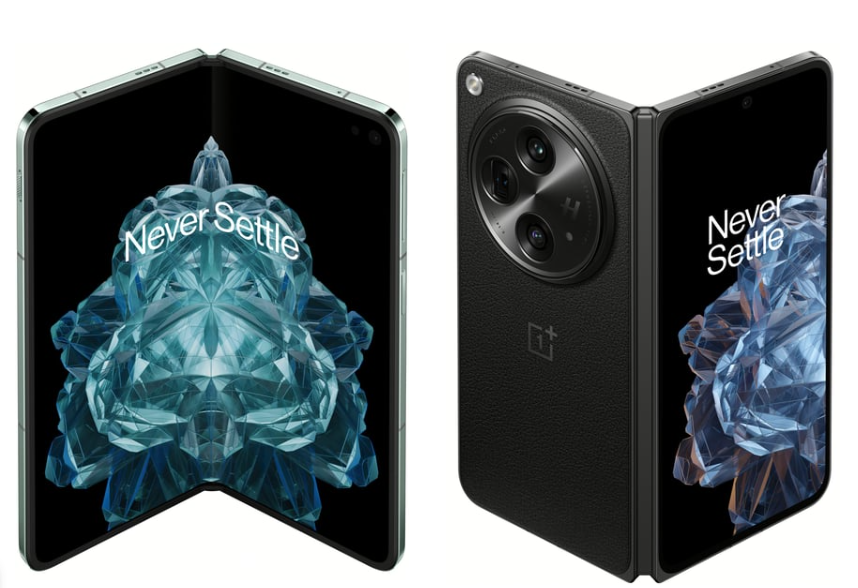
The OnePlus Open foldable phone has received a late January software update, delivering the latest security patch and addressing some user-reported issues.
Spotted on the OnePlus Open subreddit, the update (version CPH2551_13.2.0.301) weighs in at 459MB.
Among the key fixes it includes is an improvement to the foldable’s touch control experience. The update also introduces a new multitasking feature, a drag-and-drop app replacement in a three-way split view.
Here’s the complete changelog of the latest update:
System
Improves System Stability
Improves touch control experience
You can now drag to replace the current app with a new one in a three-way split view
Integrates the January 2024 Android security patch to enhance system security
Fixes a display issue that might occur in Quick Settings
The Background stream feature in the Smart Sidebar has been removed

Communication
Improves the Stability of network connections

Camera
Improves camera performance for a better user experience
While this update brings welcome improvements, users are still waiting for Oxager for OxygenOS 14 based on Android 14. OnePlus released its latest custom skin back in September with a bunch of new features including File Dock, Content Extraction, and Smart cutout.
OnePlus hasn’t shared any official timeline for Android 14’s arrival on the OnePlus Open, but OnePlus has started the Open Beta 2 rollout in India. So we might still need to wait for a few weeks to get hands-on on the latest OS.
Nevertheless, the company has been delivering a timely update for its first foldable. OnePlus Open users can check for the January update by heading to Settings > About device > OxygenOS > Check for update.
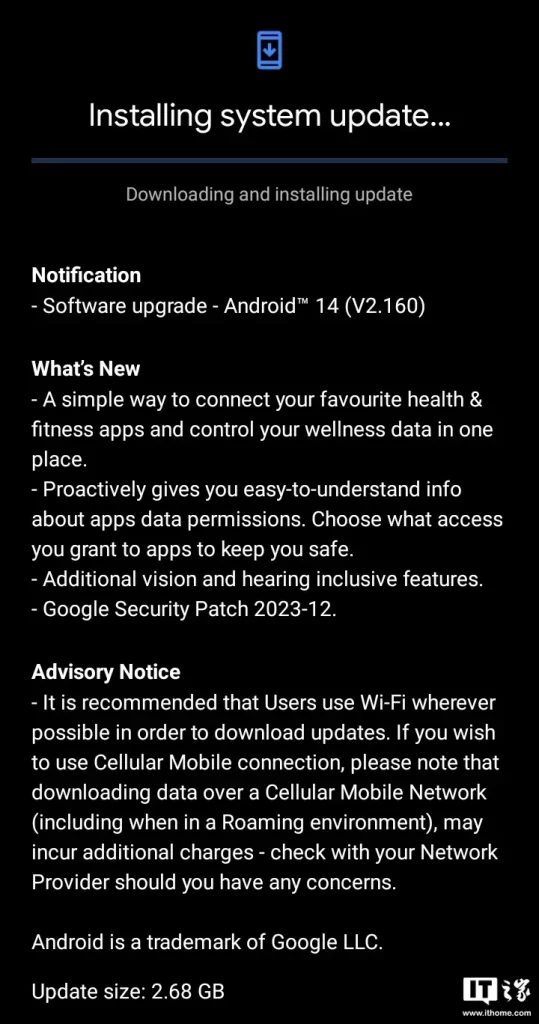
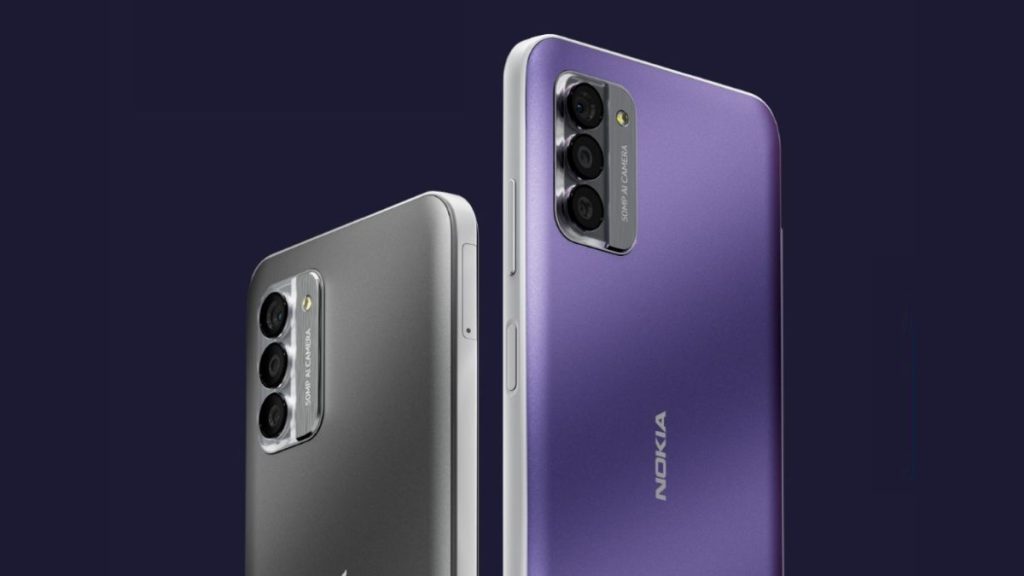
HMD Global has rolled out the Android 14 update for its Nokia G42 5G smartphone, bringing a suite of new features and improvements to the device. The update, version 2.160, is sizable at 2.68GB and includes the December 2023 Google security patch.
The main changes coming with the update are as follows:
Health Data Management: A more straightforward approach to tracking health data is now available, making it easier for users to monitor their wellness.
App Data Permissions: The update offers clearer information about app data permissions, simplifying the process of granting or denying access.
Inclusive Visual and Hearing Features: New features include camera and screen flashes for notifications, larger fonts, and smarter scaling to cater to a wider range of users.
Battery Life Improvements: Users can now see screen time since the last full charge, helping to better manage battery life.
Customization Options: Enhanced customization is available with a new lock screen picker, templates, a monochromatic theme, and support for Ultra HDR images.
Predictive Back Gestures and Improved Sharing: The update brings predictive back gestures and more streamlined sharing options.
The Nokia G42 5G features a 6.56-inch HD+ display with a 90Hz refresh rate and Gorilla Glass 3 protection. It’s powered by a Snapdragon 480+ SoC and comes in two memory configurations. The phone’s camera setup includes a 50 MP main camera and an 8 MP front camera.
Additional specifications include a 3.5mm audio jack, a side-mounted fingerprint sensor, IP52 dust and splash resistance, and a variety of connectivity options. The device runs on a 5000mAh battery with 20W fast charging support.
ChromeOS 120 was recently released, bringing a fresh wave of updates and improvements to the ChromeOS experience. This version introduces new functionalities for virtual desk management and begins the phase-out of support for certain legacy media formats.
One of the key features of ChromeOS 120 is the introduction of the ‘Bento Button’, a new shelf button designed to streamline the management of virtual desks. This feature allows users to easily visualize, switch, create, and order virtual desks, enhancing multitasking efficiency for those who frequently use multiple virtual desks.
However, ChromeOS 120 also marks the beginning of the end for support of the MPEG4 Part 2 video codec and AVI container. Users who still need these formats can temporarily re-enable support using the chrome://flags/#cros-legacy-media-formats link, but this workaround will only be available until the release of ChromeOS 125.
Additional updates in ChromeOS 120 include:
Mouse and Keyboard Customization: Users can now disable mouse scroll acceleration and adjust scroll speed. Keyboard settings have also been enhanced, allowing customization for actions like right-click, home, end, and page up.
Resizable Picture-in-Picture (PiP): ChromeOS 120 introduces the ability to resize PiP windows using a pinch gesture, adding a layer of convenience to multitasking.
Revamped Emoji Picker: The emoji and GIF picker gets a dynamic color palette, making the selection process more engaging and visually appealing.
XDR Authentication Events: As part of Extended Detection and Response (XDR) on ChromeOS, authentication events like login, logout, lock, and unlock can now be enabled, providing insights into device security posture.
App Management and Details: Users can now view detailed information about installed apps, including storage usage, version number, and installation source.
For administrators, ChromeOS 120 brings new or updated policies in the Admin console, such as PowerManagementIdleSettings, ScreenLockDelays, LidCloseAction, and more. These policies provide greater control over device management and security.
Xiaomi has been rolling out HyperOS to eligible devices since the last few months. The update is being seeded out to eligible products worldwide.
Up until now, only newer models had been receiving the update. Now, as the company has started beta testing the software for older products, an interesting detail has emerged.
Apparently, Xiaomi is not done with its old way of doing things.
HyperOS arrives in multiple Android flavours like MIUI
When Xiaomi unveiled HyperOS, we expected it to be a fresh chapter in the company’s software journey. But unfortunately, it is not the case.
Though the new software is built ground up focusing on interconnectivity and optimizations, it is MIUI through and through, which is not a bad thing. But what’s bizarre is retaining an archaic feature.
Xiaomi used to maintain MIUI based on multiple Android versions. We anticipated the end of this trend with the release of HyperOS. However, the company is continuing it.
The software builds for these handsets are based on older Android 13 instead of Android 14. Thus, the aforementioned products miss out on their third Android update but do get the latest HyperOS.
Xiaomi never promised three Android updates for either of these devices. Thus, we cannot blame the company for its action.
However, we cannot stop criticizing either, given the competitors have upped their software game. Anyways, we are glad to know that the users of these older smartphones will get to experience HyperOS.
Additionally, it is worth noting that the Redmi K40 also goes by Poco F3 and Mi 11X. Similarly, Redmi Note 12 Pro 4G is a rebadged Redmi Note 10 Pro (Max). Therefore, these three handsets should also get the HyperOS update.
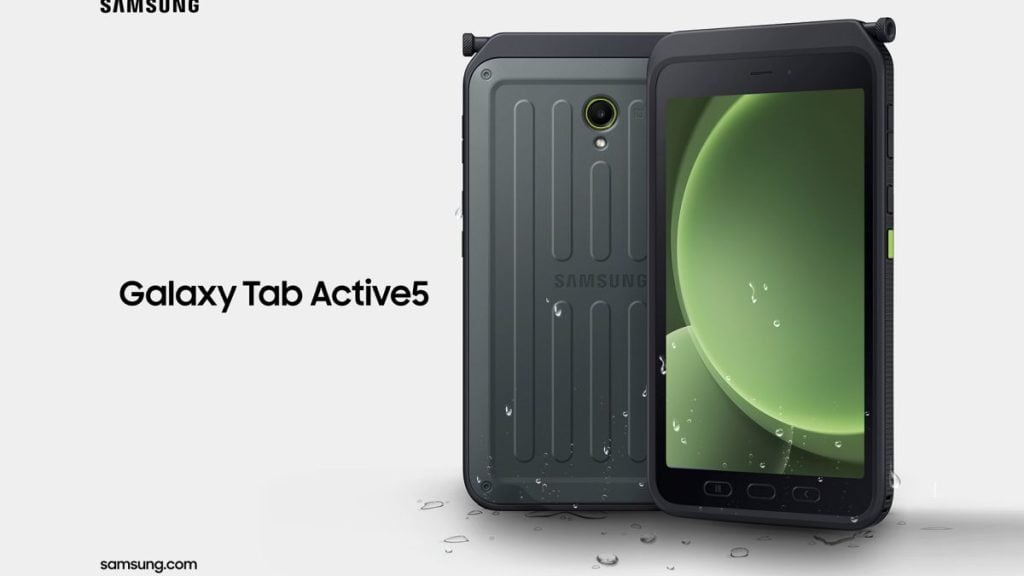
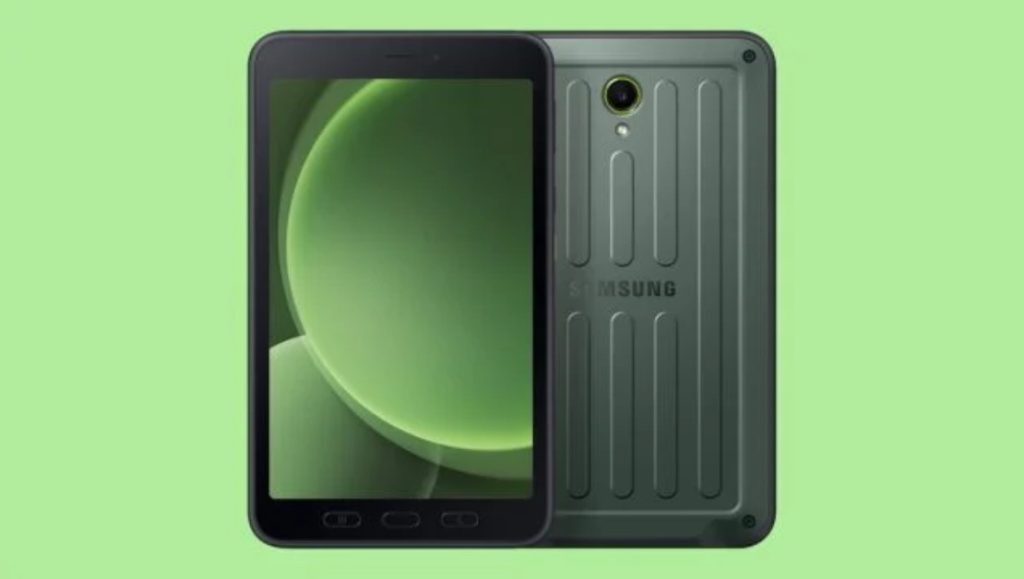
A few days ago, Samsung unveiled their new Galaxy Tab Active 5 tablet. Designed for enterprise and industrial use, this rugged tablet comes with features like a durable body and a removable battery. At first, Samsung didn’t disclose the price and availability, but they have now announced it. So let’s take a closer look at the details.
Samsung Galaxy Tab Active 5 Price
The base model of the Galaxy Tab Active 5, featuring LTE connectivity, starts at $548.99 in the US. The one with the 5G connectivity will be available at a higher price point. The tablet will arrive in US stores before the end of March 2024.
For businesses deploying multiple devices, Samsung offers an Enterprise Edition of Tab Active 5, which simplifies configuration and management. Both versions will be available through the Samsung Business website.
Specifications
As aforementioned, the Galaxy Tab Active 5 is a tough tablet built for harsh environments. It’s MIL-STD-810H certified and comes with a protective case that can survive drops from 12 meters. It’s also dustproof, waterproof with an IP68 rating and scratch-resistant with the Gorilla Glass 5.
There is an 8-inch FHD display on the front with a 120Hz refresh rate. For photos, you get a 13MP rear camera and a 5MP selfie camera.
The performance side of things is handled by the Exynos 1380 chipset with 6GB/8GB RAM and 128GB/256GB storage. That latter is expandable via a microSD card. While Samsung has made a name for itself with timely software upgrades, the Tab Active 5 comes with older Android 12, though an upgrade is expected.
Keeping the lights on is a 5,050mAh battery, and there is a side fingerprint scanner for security. There is also a dedicated Active key on the side and connectivity features include dual SIM, 5G, pogo pin, USB-C, and Wi-Fi 6.
Amid the iOS 17.3 and iPadOS 17.3 updates with plenty of new useful features, the Cupertino giant is here with Safari 17.3 for macOS Monterey and macOS Ventura. There are some new changes in the latest Safari update that enhance system security. Primarily, it fixes the privacy issue that shows user’s private data in Settings. It enhances the issue with improved handling of user preferences in Settings.
Further, it fixes some WebKit-related issues that may have led to arbitrary code execution and could have caused data theft. The update will surely strengthen the system’s browser security. The severity of the issues seems high, as one of the issues was related to the processing of maliciously crafted web content, which could have led to arbitrary code execution. The issue with ID CVE-2024-23222 is addressed, and the latest update ensures better security.
Safari is well known for its modern design, fast performance, and integration with the Apple ecosystem. There are plenty of exciting features that the Safari Browser offers, including intelligent tracking prevention, enhanced privacy, and security. Because it offers better speed and energy efficiency, Apple users use it frequently.
Apple keeps updating the Safari browser to keep it bug-free and equipped with all the new features. Following Google Chrome’s shortcut feature, Safari also received the ability to place the shortcut in the dock like any macOS app.
Alongside the Safari browser, Apple unveiled macOS Sonoma 14.3 with some new features. After delving into the features of the iOS 17.3 update, Apple enthusiasts can now explore the macOS 14.3 Sonoma update. Although this version doesn’t add a Stolen Device Protection feature akin to its iOS counterpart, it does bring significant improvements to Apple Music along with new features, bug fixes, and security updates specifically designed for Mac users, as described in Apple’s release notes.
We use cookies on our website to give you the most relevant experience by remembering your preferences and repeat visits. By clicking “Accept”, you consent to the use of ALL the cookies.
This website uses cookies to improve your experience while you navigate through the website. Out of these, the cookies that are categorized as necessary are stored on your browser as they are essential for the working of basic functionalities of the website. We also use third-party cookies that help us analyze and understand how you use this website. These cookies will be stored in your browser only with your consent. You also have the option to opt-out of these cookies. But opting out of some of these cookies may affect your browsing experience.
Necessary cookies are absolutely essential for the website to function properly. This category only includes cookies that ensures basic functionalities and security features of the website. These cookies do not store any personal information.
Any cookies that may not be particularly necessary for the website to function and is used specifically to collect user personal data via analytics, ads, other embedded contents are termed as non-necessary cookies. It is mandatory to procure user consent prior to running these cookies on your website.