The Amazon Fire TV interface has been limited to external devices until now. Panasonic‘s latest announcement changes the game, introducing OLED TVs with built-in Fire TV capabilities. This launch will definitely shake up the smart TV sector, as it offers users an integrated streaming experience without the need for additional equipment.
Both TV Models are powered by Panasonic’s HCX Pro AI Processor MK II
The collaboration between Panasonic and Amazon has led to the launch of two OLED TV models, the Panasonic Z95A and Z93A, varying in size from 55 to 77 inches. This partnership signals a growing trend in the TV industry towards more integrated, user-friendly experiences. While the availability of these models in the U.S. remains uncertain, their introduction reflects a global strategy to enhance the convenience and quality of home entertainment systems.
These OLED TVs are not just about integrated streaming; they boast the latest in display and audio technology. The inclusion of Dolby Vision IQ Precision Detail and Panasonic’s HCX Pro AI Processor MK II in these models demonstrates a commitment to providing a superior viewing experience. This technology adjusts screen lighting for optimal detail without compromising image quality, making these TVs appealing to both general viewers and gaming enthusiasts.
The sound quality is another highlight, with Panasonic partnering with Technics to create a 360 Soundscape Pro sound system. This system features multidirectional speakers and Dolby Atmos support, promising an immersive audio experience.
In addition to their technical prowess, these TVs are designed with modern lifestyles in mind. Features like far-field microphones for voice control, a smart home dashboard, and compatibility with Apple AirPlay and HomeKit cater to the needs of a connected, smart home environment.
While the price and availability details are still under wraps, Panasonic’s venture into OLED TVs with built-in Fire TV is a bold move. It showcases the evolving synergy between smart home technology and entertainment, offering consumers a more streamlined and immersive way to enjoy their favorite content.
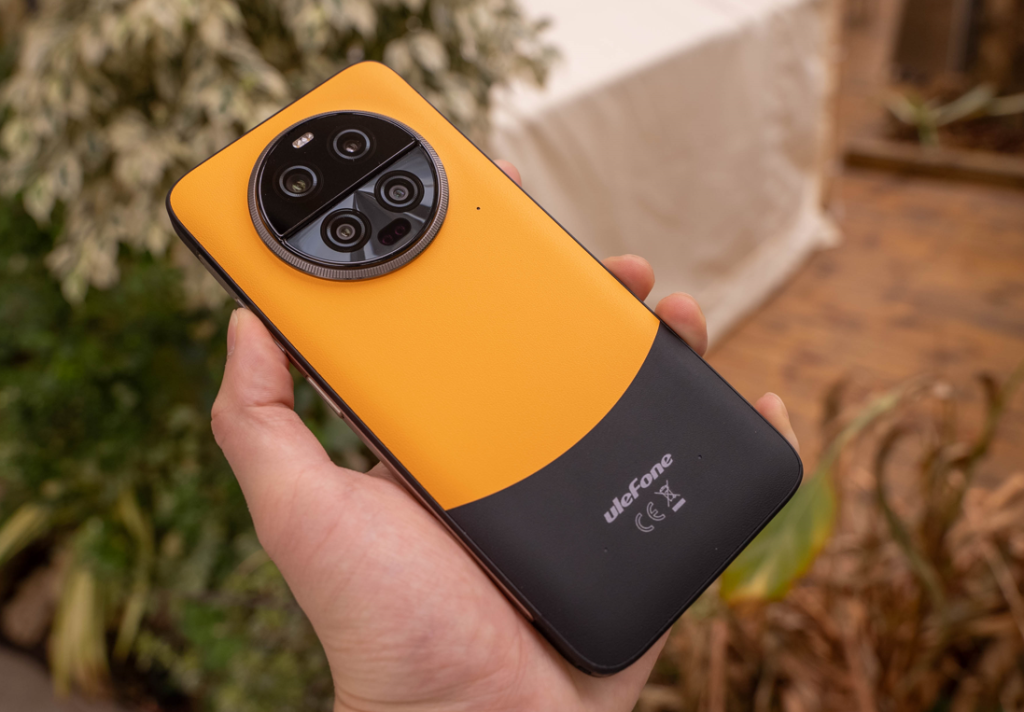
Ulefone’s highly anticipated flagship, the Armor 23 Ultra, has officially hit the market, and its first sale on AliExpress has created waves of excitement among consumers.
Limited-Time Offer:
The exclusive sale, running from January 8 at 00:00 PST to January 12 at 23:59 PST, offers the flagship device at a remarkable price of $359.99 after applying exclusive discounts and coupons. This limited-time opportunity allows users to acquire the powerful Armor 23 Ultra at a price that defies market standards, providing an unbeatable value proposition.
Armor 23 Ultra Key Specs:
The Armor 23 Ultra stands out with its two-way satellite messaging feature, ensuring seamless communication in remote areas and challenging environments. The device boasts a 6.78-inch Full HD+ display with a rapid 120Hz refresh rate, delivering smooth and vibrant visuals. Experience lightning-fast charging with the 120W wired and 50W wireless charging capability.
Under the hood, the Armor 23 Ultra is powered by the MediaTek Dimensity 8020 SoC, offering a significant boost to multitasking capabilities with an impressive 12GB of RAM (LPDDR4X) complemented by an additional 12GB of virtual memory. The device also provides a spacious 512GB ROM (UFS3.1) for ample storage space.
The camera system is truly unprecedented, featuring a 50MP flagship main camera, a 50MP ultra-wide-angle camera, a 64MP night vision camera, and an 8MP 3.2X optical zooming telephoto lens. The 50MP ultra front camera ensures perfect selfies. Running on Android 13, the Armor 23 Ultra promises a secure and personalized user experience.
Ulefone Unveils New Products at CES 2024: Setting the Bar Higher
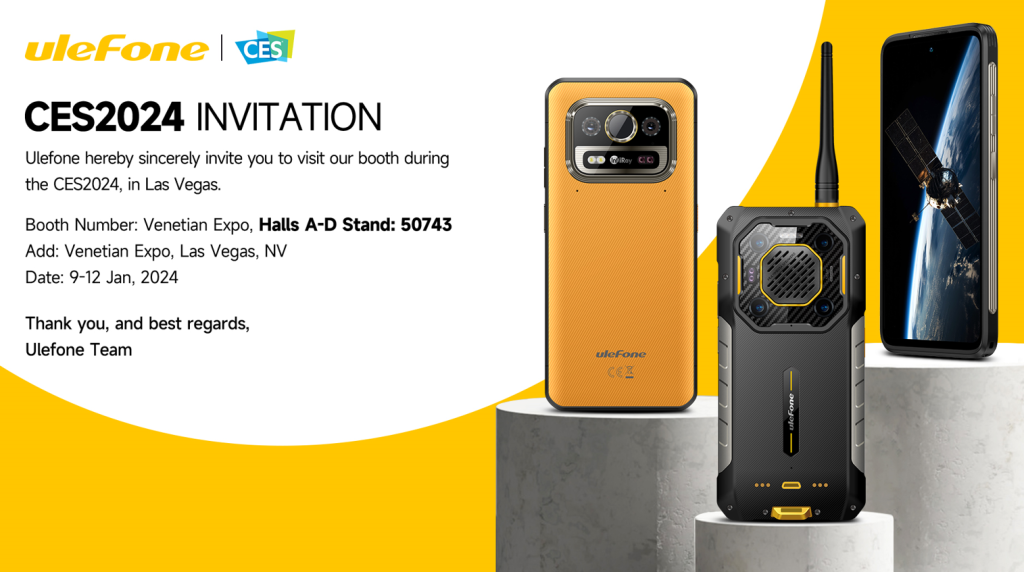
At CES 2024 in Las Vegas on January 9, Ulefone presented not only the anticipated Armor 23 Ultra but also introduced two more devices – the Armor 25 Pro and the Armor 26 Ultra.
The Armor 26 Ultra is engineered with walkie-talkie and satellite messaging functions, a colossal 15600mAh battery, and 120W super-fast charging. Boasting a 6.78-inch 120Hz display, a remarkable 200MP quad rear camera system, and a 50MP HD front camera, this device is a true technological marvel. With a massive storage capacity of up to 24GB of RAM and 512GB of internal storage, the Armor 26 Ultra redefines the rugged mobile experience.
On the other hand, the Armor 25 Pro is equipped with infiRay thermal imaging and a 64MP night vision camera, breaking new ground in vision capabilities. The device supports 33W super-fast wired charging and wireless charging, further enhancing its appeal to consumers looking for cutting-edge features in a rugged mobile device.
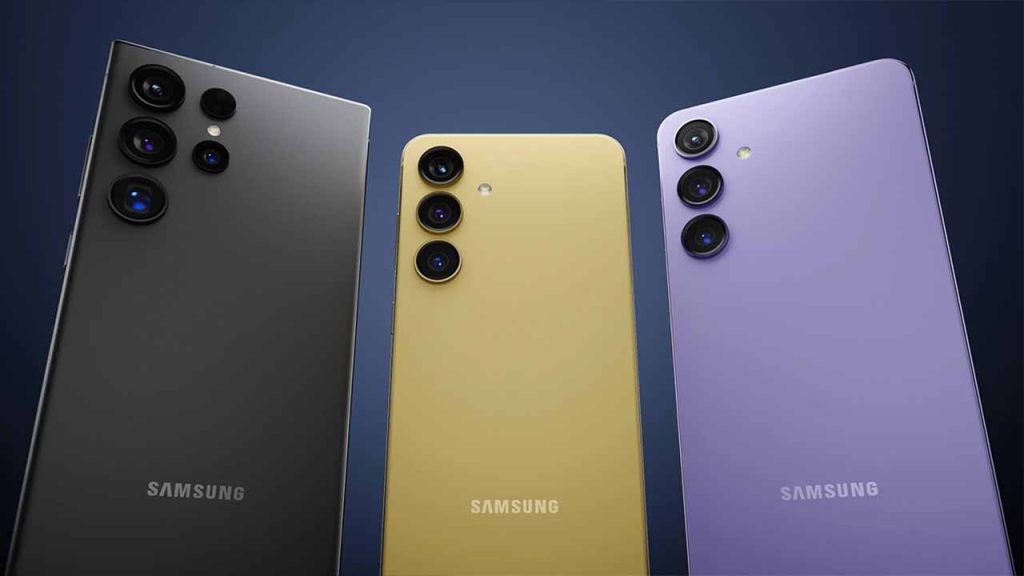
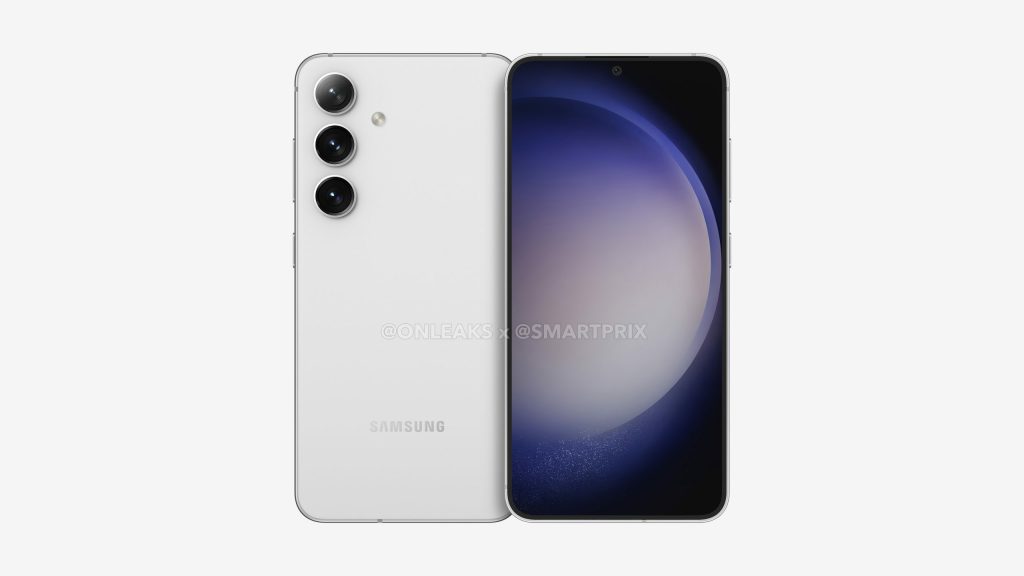
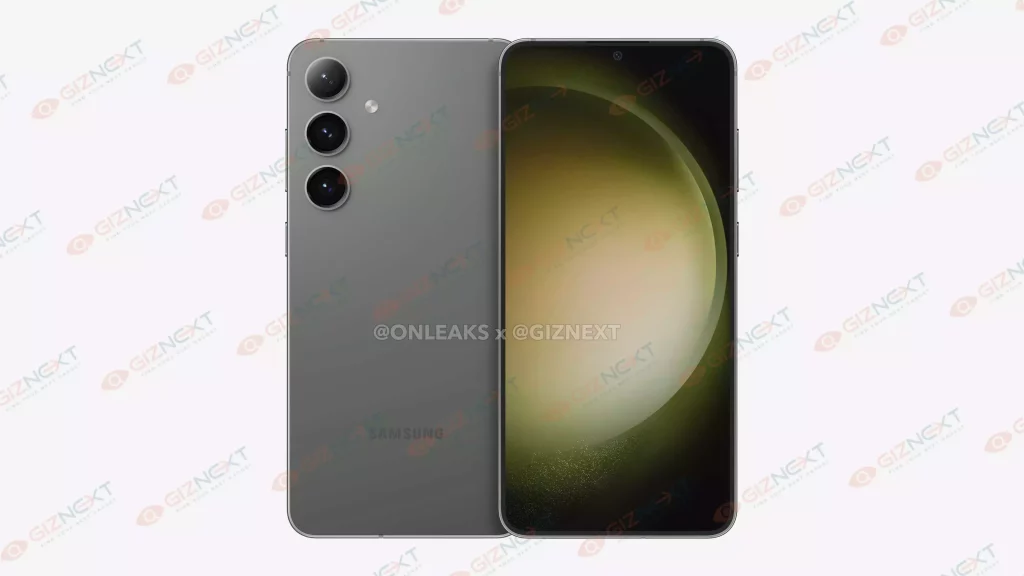
On January 17, 2024, Samsung will host a global launch event to unveil its flagship Galaxy S24 series smartphones. As usual, the lineup will feature three models: the Galaxy S24, Galaxy S24+, and Galaxy S24 Ultra. Although many previous leaks have revealed multiple details ranging from design to specifications. However, a week out from the launch, WinFuture has dropped the mother of all leaks revealing the entire spec sheet and European pricing details for the entire Galaxy S24 lineup. Here’s the breakdown.
Galaxy S24 and S24+ specs:
As per the leaked spec sheet provided by WinFuture, the upcoming Samsung Galaxy S24 boasts a 6.2-inch FHD+ Dynamic AMOLED 2X Display with a 120 Hz refresh rate and features like HDR10+, Always On, Eye Comfort Shield, and Vision Booster.
Powered by the Samsung Exynos 2400 processor, a 64-bit, 4 nm, deca-core chip running at speeds of 3.2 GHz, 2.9 GHz, 2.6 GHz, and 1.95 GHz, the device offers 128/256GB internal storage paired with 8GB RAM. Its triple rear camera setup includes a 50 MP wide-angle lens, a 10 MP telephoto lens with 3x optical magnification, and a 12 MP ultra-wide-angle lens. The front camera is a 12 MP shooter with dual-pixel autofocus. Noteworthy camera features include 30x digital zoom, Nightography video, Super HDR, 8K video recording, and various shooting modes.
Other that than, the phone offers an ultrasonic fingerprint scanner, IP68 rating, Armor Aluminum frame, Corning Gorilla Glass Victus Armor, and a 4000 mAh battery with 25W wired and 15W wireless charging capabilities. Connectivity options include USB-C, Bluetooth 5.3, Wi-Fi 6e, and NFC. The device will be available in Cobalt Violet, Amber Yellow, Onyx Black, and Marble Gray, with dimensions measuring 70.6 x 147.0 x 7.6mm and a weight of 167 grams.
On the other hand, the Galaxy S24+ offers a larger 6.7-inch QHD+ Dynamic AMOLED 2X Display with similar specifications and features as its counterpart. It shares the same Samsung Exynos 2400 processor but with configurations offering 256/512GB internal storage and 12GB RAM.
The camera setup is identical, with a 50 MP wide-angle lens, a 10 MP telephoto lens, and a 12 MP ultra-wide-angle lens, complemented by a 12 MP front camera. The S24+ comes with a 4900 mAh battery supporting 45W wired and 15W wireless charging.
Additional features include an ultrasonic fingerprint scanner, IP68 rating, Armor Aluminum frame, Corning Gorilla Glass Victus Armor, and stereo speakers with Dolby Atmos. Connectivity is enhanced with the inclusion of UWB (Ultra-Wideband) technology. The S24+ is available in the same color options and slightly larger dimensions of 75.9 x 158.5 x 7.7mm, with a weight of 196 grams. Both devices share attributes like Wireless PowerShare, Samsung Health, Wireless Samsung DeX, and various software functionalities such as Bixby Assistant, Secure Folder, and Samsung Knox.
Galaxy S24 Ultra specs:
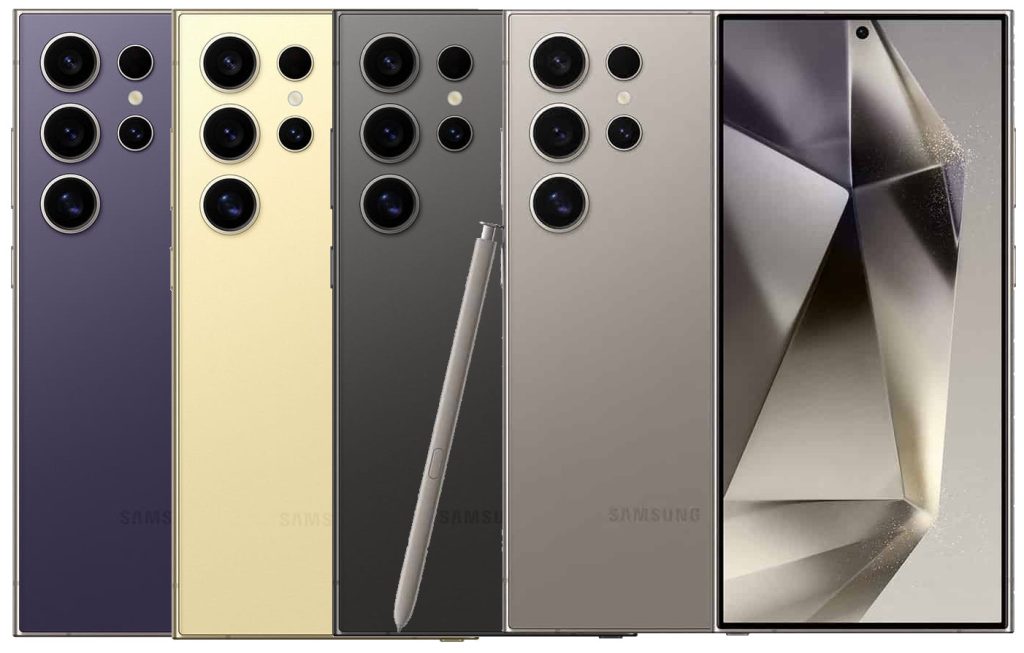
Moving on to the S24 Ultra model, it will come with a 6.8-inch QHD+ Dynamic AMOLED 2X Display featuring a 120 Hz refresh rate and an impressive resolution of 3120 x 1440 pixels, delivering vivid visuals at 505 ppi. Powered by the Qualcomm Snapdragon 8 Gen 3 for Galaxy, a 64-bit, 4 nm Octa-Core processor with clock speeds of 3.39 GHz, 3.1 GHz, 2.9 GHz, and 2.2 GHz, the device will offer storage options of 256GB, 512GB, or a massive 1TB, coupled with 12GB of RAM.
The main camera setup on the S24 Ultra is a quad-camera system equipped with laser autofocus and LED flash. It features a 200 MP wide-angle lens with an F/1.7 aperture, Super Quad Pixel autofocus, OIS, and a Super Clear Lens. The duo telephoto lenses include a 50 MP lens with 5x optical magnification and a 10 MP lens with 3x optical magnification, both featuring advanced autofocus technologies and OIS. Additionally, there is a 12 MP ultra-wide-angle lens with dual pixel autofocus and a 120° field of view. The front camera is a 12 MP shooter with dual-pixel autofocus. The camera and video features of the Galaxy S24 Ultra are the same as the S24 and S24+, with the exception of the 100x digital zoom on the Ultra model.
Distinctive features of the S24 Ultra include S Pen support, an IP68 rating for water and dust resistance, a titanium frame, and Corning Gorilla Glass Victus Armor. It supports Wireless PowerShare, Wireless Samsung DeX, and Link to Windows. The device is equipped with stereo speakers and Dolby Atmos for immersive audio, along with Samsung Health, Bixby Assistant, Bixby Routines, and Secure Folder for enhanced functionality. The battery has a large 5000 mAh capacity with fast charging capabilities of 45W wired and 15W wireless, including Wireless PowerShare functionality.
Connectivity options include USB-C, USB 3.2 Gen 1, Bluetooth 5.3, Wi-Fi 7, WiFi Direct, Miracast, NFC, and UWB (Ultra-Wideband) technology. The Galaxy S24 Ultra will be available in Titanium Black, Titanium Gray, Titanium Violet, and Titanium Yellow color options. Its dimensions measure 79.0 x 162.3 x 8.6mm, with a weight of 232 grams, combining a sleek design with powerful features.
Pricing:
As per the report, the Galaxy S24 will have a starting price of 899 euros, while the S24+ which has a base storage of 256GB will start at 1149 euros. Lastly, the Galaxy S24 Ultra with a base storage option of 256GB will cost 1149 euros. Other than their above-mentioned color options, all three of these models will also get Samsung store exclusive Jade Green, Sapphire Blue and Sandstone Orange color options.
Corsair is a well-known American company known for producing top-quality gaming and PC components. Their product lineup includes gaming keyboards, mice, headsets, PC cases, power supplies, and more.
Earlier today, the company introduced the K55 CORE RGB full-size gaming keyboard, targeting both gamers and content creators with a focus on functionality and durability. Let’s check out the key specs of this keyboard.
Corsair K55 CORE Specifications:
The K55 CORE is a full-size keyboard with all the keys, including a numeric keypad. It features quiet membrane keys, providing a comfortable and silent typing experience suitable for both gaming and everyday use.
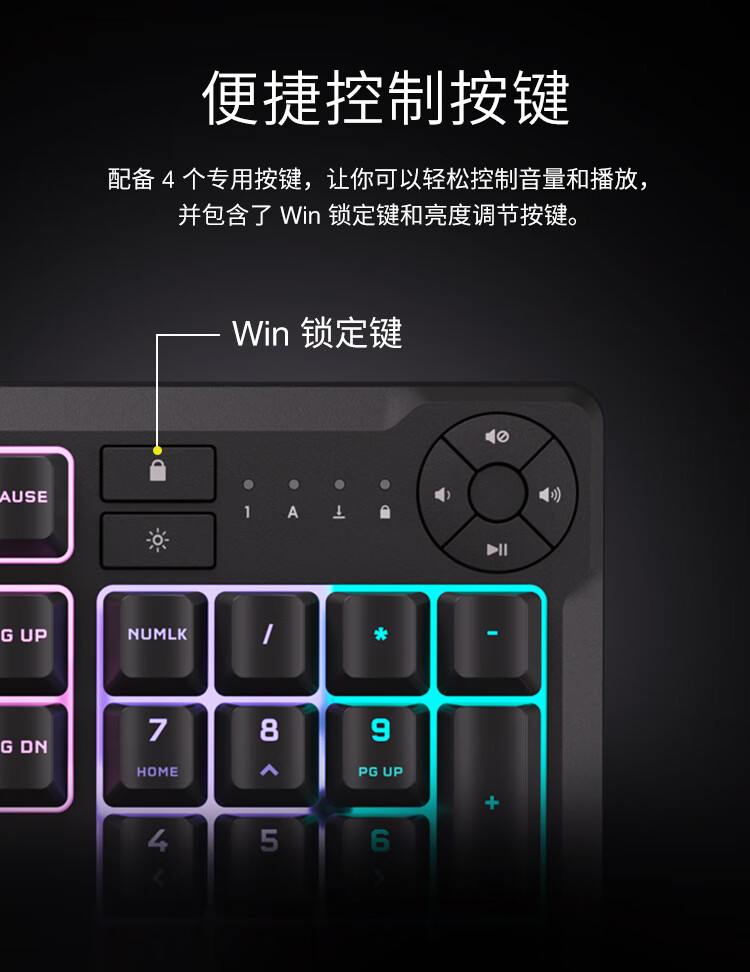
The keyboard also includes four dedicated media keys for easy access to volume control and media playback, making it more convenient for users during intense gaming sessions or work.
To enhance the gaming experience, the keyboard incorporates a Win Lock function, preventing accidental presses of the Windows key. It also supports 12-key rollover and boasts a rapid polling rate of 1,000 Hz, ensuring quick and responsive performance during gaming.
The K55 CORE keyboard also focuses on durability, with a strong resistance to liquid splashes. Corsair states that the keyboard can endure liquid spills of up to 300 milliliters, ensuring long-lasting reliability even with extended usage.
The keyboard also features impressive ten-zone RGB backlighting with 16.8 million color options. Users can fully customize lighting effects to their liking, and the lighting can sync with in-game settings through Corsair iCUE software. This software also offers macro programming and key remapping capabilities, making the keyboard highly customizable.
The keyboard features a 1.82-meter-long black non-braided rubber cable and weighs 0.752 kilograms. It comes with a 2-year standard warranty and measures 451.35 x 141.15 x 35mm in dimensions, making it a substantial yet manageable addition to most desk setups.
Pricing and Availability
The Corsair K55 CORE keyboard is priced at 329 Yuan ($45) and can be purchased on the popular Chinese e-commerce site JD.com.
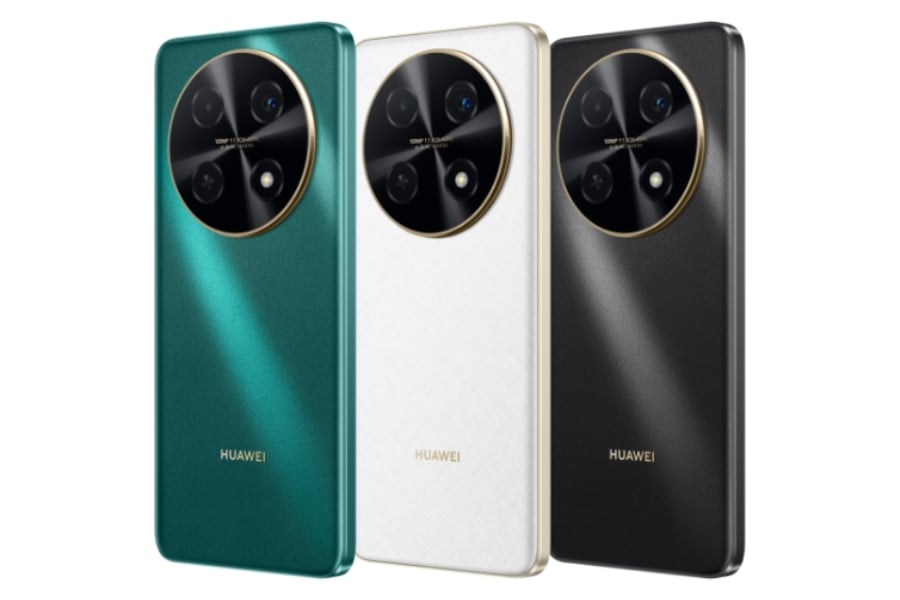
Earlier this week, the Huawei Enjoy 70 Pro made its debut in China. It is a budget smartphone that looks like a premium device with its giant camera module
The handset comes with a large display, a Qualcomm chipset, a higher megapixel camera, and fast charging support. Just a couple of days after its announcement, the product is now up for sale.
The Huawei Enjoy 70 Pro arrives in two memory configurations. The base 8GB + 128GB model is priced at ¥1,499 (~$210), whereas the higher 8GB + 256GB variant costs ¥1,699 (~$235).
The phone can be availed in either Emerald Green, Snowy White, or Obsidian Black color options. For a limtied time, buyers get a ¥50 (~$5) discount.
Talking about specs, the Enjoy 70 Pro is built around a 6.7-inch centered punch-hole display. The LCD pane offers a resolution of 2388 x 1080 pixels (FHD+) and standard 60Hz refresh rate.
Under the hood, it houses a Qualcomm Snapdragon 680 SoC. The 4G-only chip is paired with 8GB RAM and up to 256GB storage. On the software front, it boots HarmonyOS 4.
Despite sporting huge camera island on the rear, the smartphone only has dual cameras. It arrives with a 108MP primary sensor and a 2MP depth sensor. On the front, it has an 8MP selfie camera.
The connectivity options on the device include dual SIM, 4G, dual-band WiFi, Bluetooth 5.0, GNSS, and USB Type-C. AS for biometrics, it uses a side-mounted fingerprint sensor.
Last but not least, the handset gets its juice from a 5,000mAh battery and supports 40W wired charging.
At CES 2024 in Las Vegas, tech companies continues to showcase there new products. For example, LG unveiled the world’s first transparent OLED TV, and Honda introduced its saloon concept EV at this event. However, if you think that these are the only “interesting” products, you’d be mistaken. Kohler also unveiled its new PureWash E930 bidet toilet seat, which supports Alexa and Google Home. Here are the details…
Kohler unveils its new PureWash E930 bidet toilet seat with support for Alexa and Google Home
Advancements in technology keep simplifying our lives and boosting our comfort in various areas, even in unexpected places like the bathroom. If you recall at CES 2023, we talked about Kohler’s high-end “smart” toilet, priced at $11,500. This time around, instead of showcase a new toilet, the company introduced the PureWash E930 bidet toilet seat. It’s a more affordable option, equipped with Alexa and Google Home support, appealing to those seeking a similar experience without the hefty price tag.
If spending $11,500 to upgrade your toilet seems expensive, the Kohler PureWash E930 toilet seat might be the perfect product for you. This seat integrates with Alexa and Google Assistant, allowing voice control for functions like seat warming, water temperature adjustment, pressure settings, and activating the air dryer or spray. You can personalize its settings through a remote control or the Kohler Konnect app. Moreover, it includes a stainless steel wand for self-cleaning using UV lighting and also comes with a night-light for illuminating the bowl.
Priced at $2149 originally, it’s currently discounted to $1289 on Kohler’s website, presenting a more affordable option compared to the Numi 2.0, which is known for its higher price tag in the US.
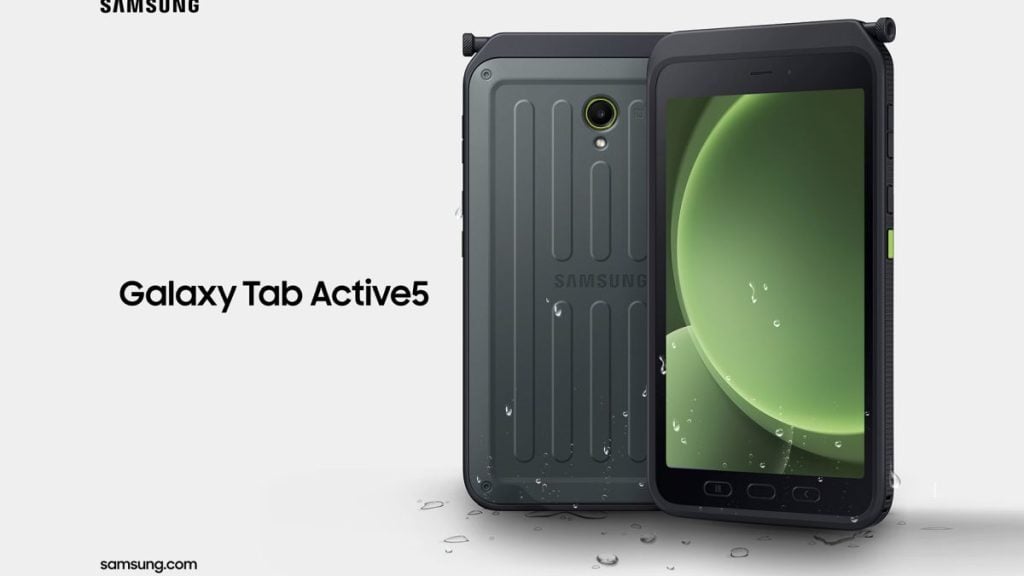
The Galaxy Tab Active 5 tablet from Samsung has gone during the Consumer Electronics Show (CES) 2024 tech trade fair. Built for rugged use, the new Active tablet features a durable construction suitable for use in harsh weather conditions. While the company has disclosed all the specifications and features, details regarding its price and availability are still awaited. Here is a look at the specifications of the device.
Samsung Galaxy Tab Active 5 specifications and features
Samsung Galaxy Tab Active 5
The dimensions of the Galaxy Tab Active 5 are 126.8 x 213.9 x 10.1mm, and it weighs 433 grams. This rugged device adheres to MIL-STD-810H standards and features three physical buttons along with a user-replaceable battery. With the inbox protective cover, the tablet remains undamaged falling from a height of up to 12 meters. It boasts an IP68 rating for dustproof and water resistance and incorporates Gorilla Glass 5 protection on the front. Additionally, the included S Pen also holds an IP68 rating.
On the front, the Galaxy Tab Active 5 has an 8-inch LCD panel that offers 1920 x 1200 pixels resolution and a 120Hz refresh rate. For selfies, it has a 5-megapixel selfie camera, and its back panel features an autofocus-enabled 13-megapixel camera that supports 4K video recording at 30fps.
The exact Android version of the device is not known, but it is said to be running on the older Android 12. Under the hood, the device has the Exynos 1380 chipset, 6 GB / 8 GB of RAM, and 128 GB / 256 GB of storage. For additional storage, the tablet is equipped with a microSD card slot.
The Tab Active 5 packs a 5,050mAh battery and has a side-facing fingerprint scanner. In addition, the device is also equipped with a dedicated Active key. The tablet offers other features, such as dual SIM with eSIM support, 5G, pogo pin, a 3.5mm audio jack, a USB-C port, Wi-Fi 6, Bluetooth 5.3, NFC, Dolby Atmos support, a fingerpint scanner, and a customizable Active key.
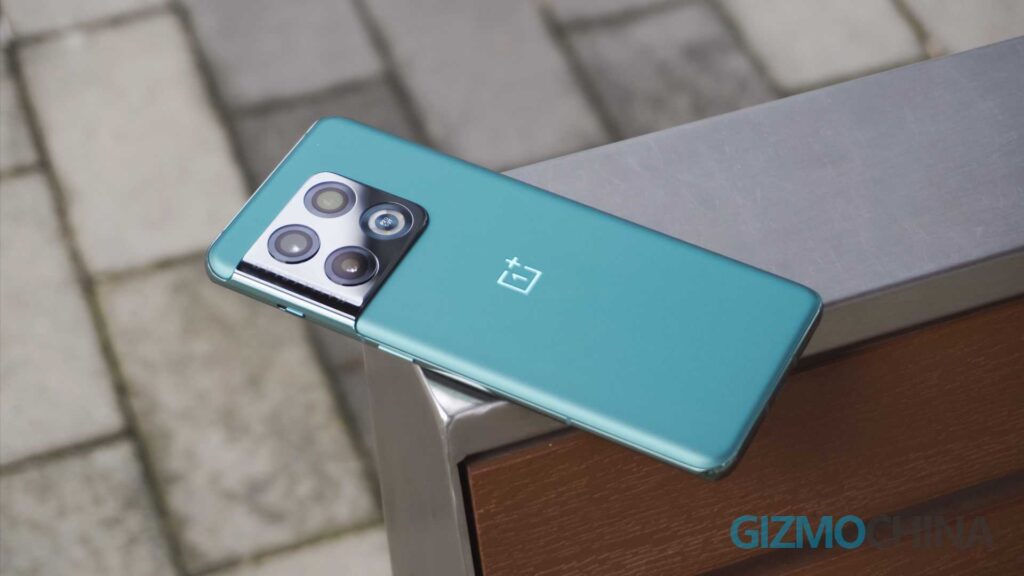
OnePlus is rolling out the OxygenOS 14.0.0.300 update for the OnePlus 10 Pro in the Indian region, marked as NE2211_14.0.0.300(EX01). Here are the key changes and improvements:
OnePlus 10 Pro OxygenOS 14.0.0.300 update changelog:
System Upgrades:
Integration of the December 2023 Android security patch for enhanced system security.
Improved system stability and performance.
Extended battery life in specific scenarios.
Resolution of the app-crashing issue.
Removal of the Background stream feature in Smart Sidebar.
App Fixes:
Fixes an issue where the screen might turn white when “Theme Store” is opened.
Fixes an issue where the Eraser tool for editing your photos might not work properly.
This OTA (Over-The-Air) update will be incremental, starting with a small percentage of users before a broader rollout in the next few days. OnePlus assures users that the process will be seamless, and they should keep an eye on the official thread for progress updates. That being said, if you happen to miss out on the OTA notification, you can also check for the update manually by navigating to Settings > About > Tap Version > Check for Updates.
In related news, OnePlus has partnered up with Pixelworks to improve the gaming experience on its OnePlus 12 global models, which will be launching on January 23. This will be achieved with the Independent visual processor called the Pixelworks X7 and the new HyperRendering feature.
Motorola is gearing up to launch new phones in its G-series. The devices have already been spotted in leaked renders. The Lenovo-owned brand recently announced the G34 5G in India. Now, the Moto G 5G (2024) has surfaced on the Geekbench benchmarking platform. It reveals key specifications of the upcoming offering. The device is expected to arrive as the successor to last year’s G 5G (2023).
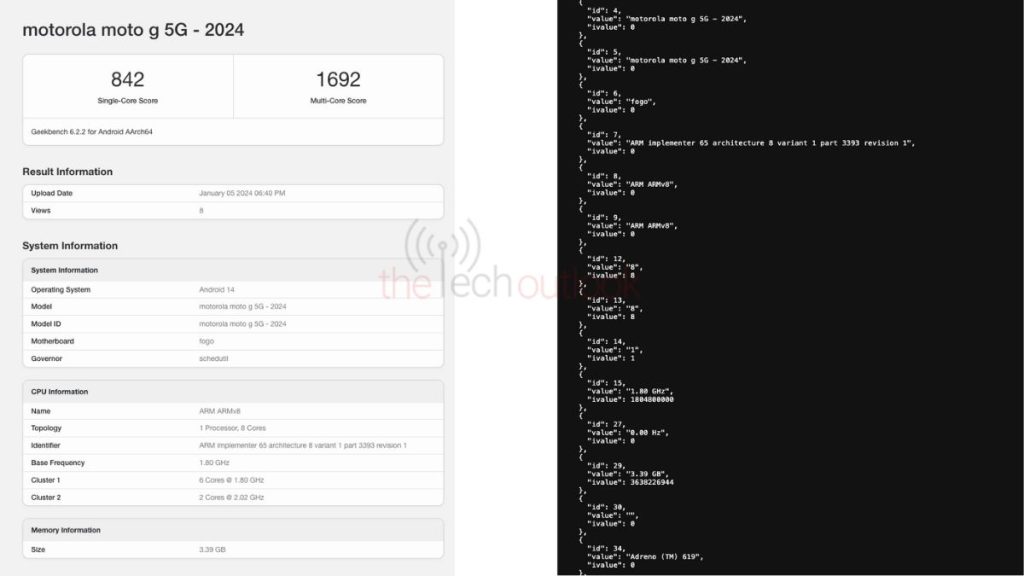
Moto G 5G (2024) Geekbench listing
The Geekbench database does not reveal the model number of the Moto G 5G (2024). The listing reveals a motherboard codenamed ‘fogo’. It comprises two 2.02GHz primary cores and six 1.80GHz additional cores. There is Adreno 619 GPU. This suggests that the Moto G 5G (2024) will likely be powered by a Snapdragon 4 Gen 1 processor. The device will pack 4GB RAM onboard. Software-wise, it will run on pre-installed Android 14 OS out of the box.
In the Geekbench’s single-core and multi-core test results, the Moto G 5G (2024) scores 842 and 1,692 points respectively. The rest of the details of the smartphone remain under the wraps. We can expect it to launch in the near future.
Leaked renders revealed that the Moto G 5G (2024) will have a boxy form factor with a side-mounted fingerprint scanner and a slightly raised rear camera module. It will feature a centre-aligned punch-hole cutout with a slightly thick chin. The smartphone will offer a 6.5-inch display, a USB-C port, and a 3.5mm headphone jack.
Xiaomi continues to expand its product lineup. As a major global smartphone manufacturer, the company has already gained considerable success with budget-friendly models sold under brands like Redmi and Poco. However, the Chinese manufacturer not only aims for success with affordable models but also in the flagship market. Therefore, it’s known that Xiaomi has been working on the Xiaomi 14 Ultra for some time. Now, a leaked information reveals new details about the eagerly anticipated phone.
What We Expect From Xiaomi 14 Ultra
Actually, the Xiaomi 14 Ultra has been the subject of numerous leaks up to now. For instance, details about the phone’s satellite communication, ultrasonic fingerprint features, and even some images have surfaced. Now, leaked information indicates that the Xiaomi 14 Ultra will have a curved screen, advanced cameras, and various material choices. One of these aspects concerns the device’s screen. According to the leaked details, the Xiaomi 14 Ultra is set to feature a 1440P equal-edged quad-curved screen.
Another notable aspect revealed in the leak is the inclusion of a metal right-angle center frame. This addition could potentially enhance the structural integrity of the device while possibly contributing to its overall aesthetic appeal, ensuring durability and a sleek design. Also, the leaked information sheds light on a significant focus on the rear-centered large camera island. It appears that the lens arrangement and flash layout remain consistent with the predecessor but with the removal of the
TheIf the leaks are true the camera island will adopt a Double Deco design, featuring an outer ring with a Clous de Paris texture, suggesting a uniq design. Moreover, improvements in functionality appear evident, with stereo dual speakers placed at the top and bottom, promising an immersive audio experience. The leak also hints that engineering models of the Xiaomi 14 Ultra may offer different body materials. Of course, time will tell whether all this is true or not.
Earlier today, Honor announced MagicOS 8.0 in China. The latest version of the brand’s mobile operating system is filled with AI features.
The software will debut on the Magic 6 series, which is scheduled to launch tomorrow (January 11). Unsurprisingly, it will be also available for several older devices.
At the end of the presentation, Honor revealed the list of smartphones that are eligible for the MagicOS 8.0 update. Let’s go through it.
The MagicOS 8.0 open beta program will begin in January itself. Magic 5 and Magic 4 phones will be the first to get the beta builds.
The beta initiative will run until May. The affordable Honor X50 series handsets will be the last models to receive beta firmware.
Honor MagicOS 8 Open Beta Timeline
January
Honor Magic 5 Ultimate
Honor Magic 5 Pro
Honor Magic 5
Honor Magic 4 Ultimate
Honor Magic 4 Pro
Honor Magic 4
February
Honor Magic V2 Ultimate
Honor Magic V2
Honor Magic Vs 2
Honor Magic Vs 2 Ultimate
Honor Magic Vs
Honor Magic V
Honor V Purse
Honor Magic 3 Ultimate
Honor Magic 3 Pro
Honor Magic 3
Honor 100 Pro
Honor 100
Honor 90 GT
March
Honor 90 Pro
Honor 90
Honor 80 Pro Flat
Honor 80 Pro
Honor 80 GT
Honor 80
April
Honor 70 Pro Plus
Honor 70 Pro
Honor 70
Honor 60 Pro
Honor 60
Honor 50 Pro
Honor 50
May
Honor X50 GT
Honor X50 Pro
Honor X50
Honor X40 GT Racing
Honor X40 GT
Honor X50i Plus
Honor X50i
All the aforementioned smartphones should get access to the MagicOS 8.0 stable update within a few weeks from when they receive the beta build.
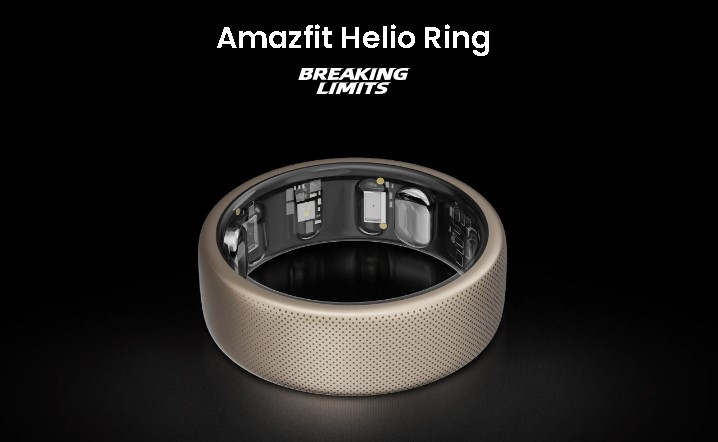
It’s been a quite CES 2024 for wearable devices. Now, during the ongoing tech exhibition, Amazfit has announced its first smart ring. It is dubbed the Amazfit Helio Ring. The era of the smart ring segment is slowly taking shape courtesy of brands like Oura, Circular, Go2sleep, Ultrahuman, Rogbid, and a few more. As per rumors in the past, Samsung is also working on its smart ring that may or may not debut at next week’s Galaxy Unpacked event. Amazfit’s Helio Ring is claimed to pack more functionality than other smart rings in the market. Read on to know more about what it offers out of the box.
Amazfit surprises everyone at CES 2024 with Helio Ring
The Amazfit Helio Ring sports a titanium alloy unibody. It is durable, lightweight and comfortable to wear weighing just 3.8 grams. The ring is 10 ATM water-resistant meaning it can survive up to 100 meters of water. The Helio Ring comes in 10 and 12 sizes.
The Amazfit Helio Ring is said to be tailored toward athletes who seek the ultimate in recovery monitoring, analysis, and guidance. It is equipped with common health-tracking sensors like heart rate monitor, SpO2, stress, and sleep tracker. The Readiness score will monitor the sleep quality and physical exertion to notify if the user should push their limits. The smart ring also utilizes the PeakBeat algorithm to provide insights like VO2 Max, training load, and training effect. It packs support for various exercise and sports modes.
The Amazfit Helio Ring is also equipped with a built-in electrodermal activity sensor that measures high levels of stress through the sweat coming from hands.
The Amazfit Helio Ring can be used along with existing Amazfit smartwatches. This allows the functionalities of the ring to be expanded as data from both wearables can be fused to provide more insights. Additionally, there is also Zepp Aura AI subscription service for rest and wellness. It offers ambient sounds while sleeping and weekly and monthly sleeping reports.
Amazfit has not revealed the pricing of the Helio Ring. It will be available in early Spring this year.
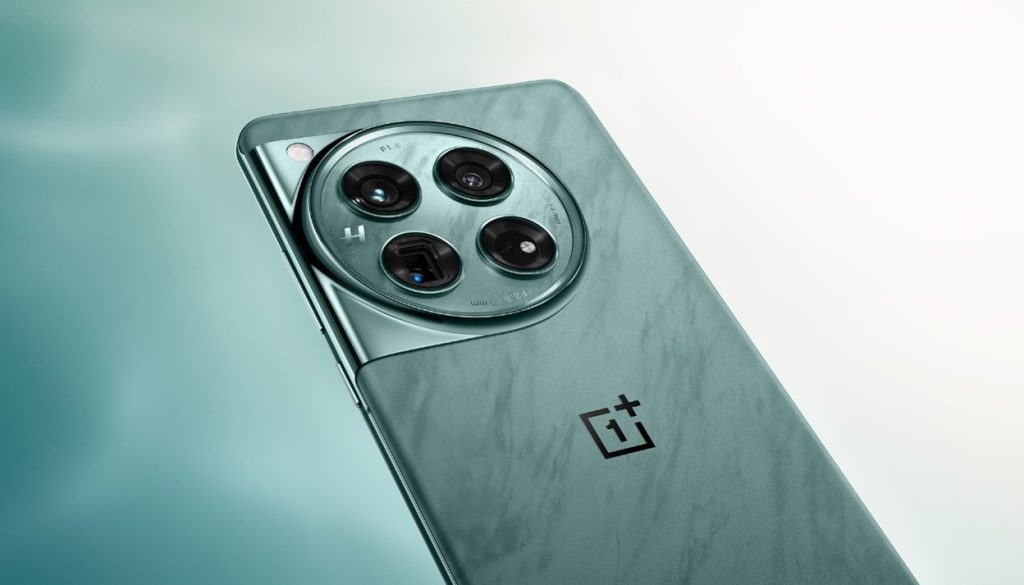
OnePlus is getting ready to launch its eagerly awaited OnePlus 12 smartphone on January 23. The company has teamed up with Pixelworks, a well-known visual processing solutions provider, to add the Pixelworks X7 Independent Visual Processor and IRX gaming experience to the upcoming OnePlus 12.
This collaboration aims to enhance mobile gaming by using Pixelworks’ advanced video display processing technology. The Pixelworks X7 processor is expected to improve in-house graphics processing algorithms, providing strong rendering capabilities and better visual quality for a more engaging gaming experience.
Pixelworks IRX Technology Brings Immersive Gaming Experience to Android Smartphones
In July 2023, Pixelworks rolled out the IRX gaming experience brand for mobile devices, aiming to outdo traditional rendering solutions. Fueled by Pixelworks’ rendering acceleration solutions, it delivers high frame rates, high resolutions, and detailed graphics without draining excessive power, providing an immersive experience surpassing even iOS flagship devices.
The foundation of the IRX gaming experience lies in Pixelworks’ decade-long expertise in mobile visual processors. Their unique rendering acceleration solution ensures optimal visuals, coupled with tuning services for performance and picture quality tailored to various game content. The service comes in two forms: device tuning and end-to-end gaming experience tuning. To ensure devices make the most of the rendering acceleration solution, Pixelworks offers IRX technology certification to manufacturers.
Beyond providing top-notch gaming experiences, IRX-certified device manufacturers can become part of the IRX ecosystem, uniting OEMs, game developers, and gamers. This ecosystem offers benefits like a growing content platform and increased support from game developers, making these devices more appealing to gamers.
Pixelworks power OnePlus’ HyperRendering Feature for Smooth Gaming
The OnePlus 12 integrates the Pixelworks X7 Independent Visual Processor which enables the HyperRendering feature, a collaborative graphics optimization technology from OnePlus and Pixelworks that enhances gaming on OnePlus smartphones. The feature analyzing game content in real time, and intelligently boosts frame rates for smoother motion.
Advanced sharpening algorithms make things clearer, especially on high-resolution displays. It uses Pixelworks’ HDR expertise to increase contrast and color gamut, which makes visuals more dynamic during gaming. HyperRendering puts power efficiency first, making GPU performance better for longer gaming sessions without affecting battery life.. In simpler words, it allows the OnePlus 12 to offer features like 2K super-resolution, smooth motion at 120fps, ultra-low 10ms latency, intelligent real-time color calibration, and more.
Notably, the OnePlus 12, which launched in December in China featuring the cutting-edge Qualcomm Snapdragon 8 Gen 3 SoC, is currently at the top of the best-performing smartphones list by AnTuTu. This accomplishment highlights the device’s highly capable hardware, able to maintain peak performance for extended periods, thanks to its massive 9,140mm² vapor chamber keeping the temperature on the OnePlus 12 in check. The Pixelworks X7 Independent Visual Processor and IRX gaming experience are set to unlock the true potential of this hardware in gaming scenarios.
Kinder Liu, President and COO of OnePlus, shared excitement about the collaboration with Pixelworks, emphasizing their joint commitment to pushing the boundaries of innovation. The goal is to provide users with a better mobile gaming experience, offering realistic visuals with detailed nuances on the OnePlus 12.
Ting Xiong, President of Pixelworks China, highlighted the OnePlus 12 as an IRX-certified smartphone that showcases the advantages of Pixelworks’ display technologies. The long-term partnership between OnePlus and Pixelworks is expected to continue, promising consumers an improved visual experience and a more immersive gaming journey with the OnePlus 12.
The OnePlus 12 has a flagship 4th Gen Hasselblad camera system that includes a 3X zoom periscope telephoto camera, going above and beyond just being made for high-performance gaming. For an in-depth assessment of the camera’s real-world performance and a comparison with its competitors, be sure to check out our comprehensive review of the OnePlus 12.
The OnePlus 12 will launch worldwide on January 23, 2024, at Gate No. 4 Pragati Maidan in Delhi at 19:30 IST. For more information about the launch event, including ticket availability and costs, please visit this link.
The Oppo Reno 11 series was announced in China just recently after weeks of rumors and leaks. Now, the global release of the devices is also right around the corner. But the Reno 11 Pro was just spotted on a certification platform ahead of the global release.
Oppo Reno 11 Pro visits Google Play Console
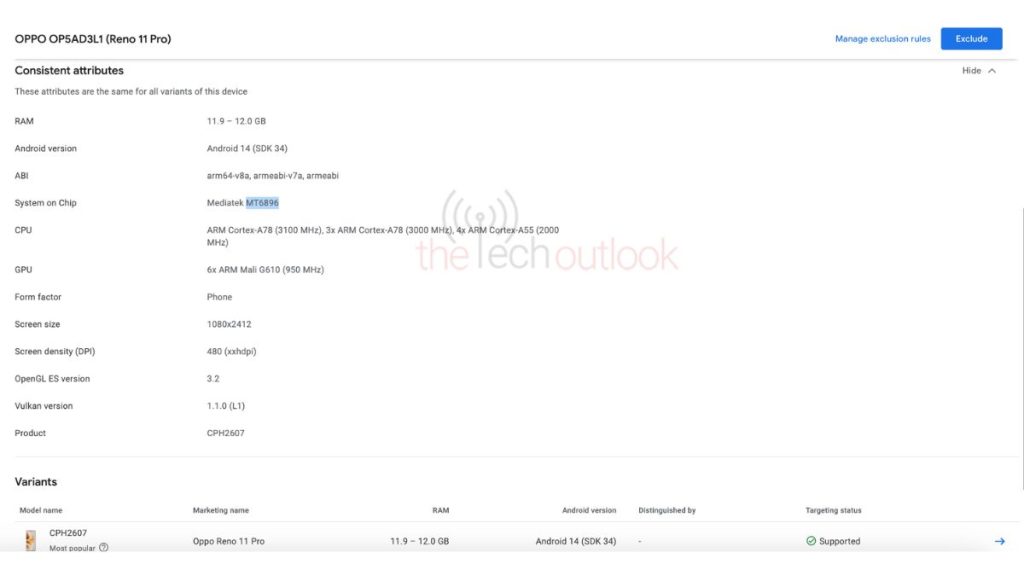
The Chinese tech giant’s Reno 11 Pro global variant was spotted on the Google Play Console listing. Here, the device was carrying the CPH2607 model number. The listing also revealed key specifications of the upcoming smartphone. In China, the Reno 11 Pro came equipped with the Qualcomm Snapdragon 8+ Gen 1 SoC. But it seems that the global model has a MediaTek Dimensity 8200 SoC.
The processor was paired with 12GB of RAM and the ARM Mali G610 GPU under the hood on Google Play Console. It also runs on the Android 14 operating system out of the box. The certification confirmed the 2412 x 1080 resolution of the Reno 11 Pro’s display and a 480 PPI pixel density. An image of the handset can also be seen in the listing, which reveals its front display.
The smartphone features a display with curved edges and rounded corners, with a center aligned punch hole cutout for the selfie camera. Based on what we know so far, the Reno 11 Pro sports a tall 6.74-inch OLED display on the front and a 50-megapixel triple camera setup on the rear. The Reno 11 series is confirmed to get three OS updates and will make its global debut on 11th January 2024. On the other hand, the Indian release is set for January 12. So stay tuned for more as we will be covering the launch events later this week.
Xiaomi is rumored to be working on the successor of the Pad 6 Pro. The Xiaomi Pad 7 Pro is expected to be the next-generation model, and now, a new leak has hinted at this device’s key specifications and details of another OLED tablet. So here’s everything we know so far.
Xiaomi Pad 7 Pro Specs
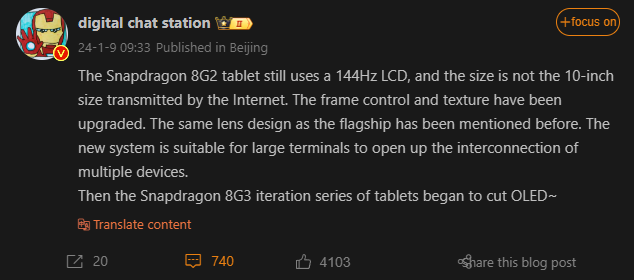
The latest leak arrives from known tipster Digital Chat Station, who shared the information on Weibo (a Chinese microblogging website). In the social media post, the Xiaomi Pad 7 Pro is equipped with the Qualcomm Snapdragon 8 Gen 2 SoC. The tipster adds that it won’t sport a 10-inch IPS LCD panel but a larger screen that may even support a 144Hz refresh rate. This is in line with our previous report.
The display will reportedly be surrounded by thinner bezels and the tablet may feature an improved design. The tipster claims that the base model has a camera module that resembles the one found on the Xiaomi 14 series. The tablet could even run on the Android 14 OS based HyperOS custom skin out of the box. Based on our previous report, the Pad 7 Pro is rumored to be powered by a large 10,000mAh battery pack that may support 120W fast charging.
Apart from this, the Xiaomi Pad 7 Pro isn’t the only tablet model in the works. The company seems to be gearing up to launch an OLED tablet model as well, which could be equipped with the newer Snapdragon 8 Gen 3 SoC. This model might be the Xiaomi Pad 7 Max tablet that could debut in Q3 2024. Digital Chat Station claimed that the Pro model will also house a quad speaker setup with Dolby Atmos support. This is all the information we have at the moment, so stick around for more updates.
Lenovo is joining hands with PANDAER to bring a special limited edition of one of its high end gaming laptops. The company is partnering up with PANDAER to bring the Legion Y9000P PANDAER edition of a gaming laptop. So let’s have a look.
To recall, PANDAER is a sub brand of Meizu and the brand is best known for its products that feature an eye catching design. In the official teaser, Lenovo states that the collaboration is a fusion of top end hardware and a trendy design. For those unaware, the Legion Y9000P gaming laptop is also known as the Legion Pro 7i in the global market. The special edition model appears to have similar internal specifications but the top panel appears to have an etching that resembles a dragon and the PANDAER x Legion branding.
In terms of specifications, the Legion Y9000P PANDAER edition gaming laptop is equipped with Intel’s i9-14900HX processor under the hood. This CPU is paired with the NVIDIA GeForce RTX 4090 graphics card, up to 32GB of RAM, and 2TB of SSD internal storage. On the front, the Legion Y9000P sports a 16-inch IPS LCD panel that offers a 240Hz refresh rate, 500 nits of peak brightness, and a 100 percent DCI-P3 color gamut.
The Chinese PC maker has announced that it will hold a new product launch event on 17th January 2024 at 5:30 PM CST. During this event, it will also be the first time that PANDAER is collaborating with another brand to release a co-branded gaming laptop. Unfortunately, other finer details like pricing and availability details are still unclear. The Legion Pro 7i is set to be released in the global market in March for 2,700 US Dollars. So we can expect a similar price range for the Legion Y9000P PANDAER Edition.
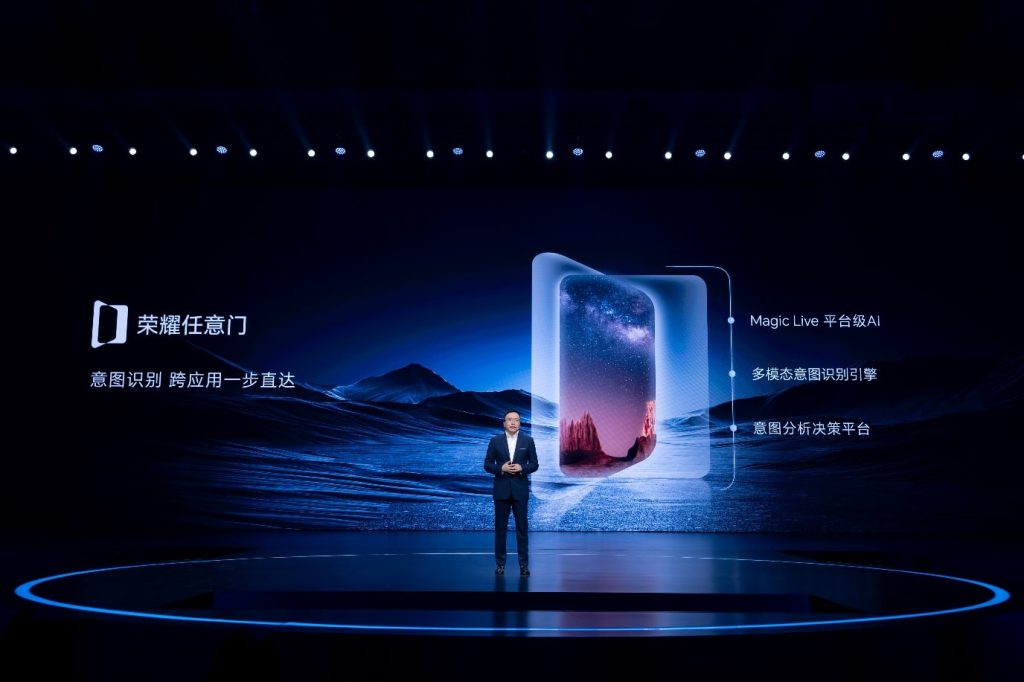
As scheduled, Honor took wraps off the latest version of its mobile operating system — MagicOS 8.0, in China. The OS arrives with platform-level AI and intent-based user interface (IUI).
The brand also announced MagicLM, a proprietary on-device large language model. George Zhao, CEO of Honor, says that the company’s new software is a significant step towards bringing next-generation human-device interaction and ecosystem to users.
MagicOS 8.0 brings improvements in four areas: smart connectivity, performance, privacy and security, and visual aesthetics
Magic Portal is the branding Honor is using for its intent-based user interface. In simpler words, it is a shortcut recommendation feature that lets users switch between app services with just a swipe.
At launch, Magic Portal already supports over 100 popular apps in China. These applications are spread across categories, like travel, productivity, social, search, entertainment, shopping, and food. Some of the most-used apps include Baidu Map, Amap, Didi, Bilibili, Douyin, Youku, and Alipay.
Further, MagicLM with seven billion parameters operates at a platform level with data processing on the device for enhanced privacy. Honor has partnered with Qualcomm to run it smoothly and efficiently on the Snapdragon 8 Gen 3 mobile platform.
Apart from standard natural language understanding capabilities, MagicLM is also capable of generating videos and is the first in the industry to allow users to locate a specific frame in their videos. It is also integrated with the voice assistant YOYO.
Besides, Honor launched an LLM Ecosystem Program in China. This initiative promotes the integration of cloud-based and vertical AI models into MagicOS. Partners, such as Amap, Baidu, and Umetrip, will launch their experiences in the first half of 2024.
MagicRing, which was introduced in MagicOS 7.0 enables cross-device functionalities. The feature now supports connections from point-to-point networks to fully connected networks.
It is now 25% more power-efficient with a whopping 500% improvement in speed. It supports eight transmission channels to allow calls, notifications, keyboard and mouse, files, app windows, and photos to seamlessly flow across devices.
As for privacy, MagicOS 8.0 comes with system-wide Parallel Spaces. Users can move files to private space through Magic Portal. A new shake-to-block ads feature helps in eliminating intrusive pop-up ads. Lastly, all AI processing of personal data happens securely on the device.
MagicOS 8.0 will make its debut on the Honor Magic 6 series tomorrow (January 11). It will be rolled out to a plethora of devices in the coming days.
The OnePlus 12 series global launch is right around the corner. The company is gearing up to unveil the OnePlus 12 and OnePlus 12R later this month. But ahead of the announcement, both flagship smartphones were spotted on certification platforms. So here are all the details.
OnePlus 12R spotted on TDRA & Bluetooth SIG
The Chinese tech giant had unveiled the 12R as the Ace 3 model in its home market earlier this month. Meanwhile, the top end OnePlus 12 was released back in December 2023. The highly anticipated global launch for the flagship grade devices is set for 23rd January 2024. However, the OnePlus 12R surfaced on the TDRA while the OnePlus 12 was spotted on Bluetooth SIG certification right before the official release.
The former can be seen carrying the CPH2609 model number, while the latter has the CPH2583 model number. Unfortunately, finer details like specs or pricing weren’t revealed on the online listings. Although, the Bluetooth SIG listing confirms support for the latest Bluetooth 5.4 for the OnePlus 12 model. To recall, the OnePlus 12 features the Qualcomm Snapdragon 8 Gen 3 SoC, while the OnePlus 12R is equipped with the Snapdragon 8 Gen 2 chipset.
The 12R sports a tall 6.78-inch LTPO AMOLED display that features a 120Hz refresh rate, HDR10+, and Dolby Vision. Similarly, the OnePlus 12 has a 6.82-inch LTPO AMOLED panel that features a 120Hz refresh rate, Dolby Vision, and HDR10+ as well. Both models feature a 50-megapixel triple camera setup on the back. A large 5,500mAh battery pack powers the OnePlus 12R while the OnePlus 12 offers a 5,400mAh battery pack. For fast charging, the two devices offer 100W fast charging. So stick around for more as we will be covering the launch event later this month.
At CES 2024, Satechi, a renowned accessory brand unveils its debut mechanical keyboard, the SM1. Priced at $99.99, this ultra-thin Bluetooth keyboard is designed to be compatible with a variety of devices, including Mac, iPad, iPhone, Windows, and more. Let’s check out the key specs of this keyboard.
Satechi SM1 Specifications:
The SM1 features a compact 75% layout, which excludes a numeric keypad, making it easy to carry and ideal for users who prefer a more condensed keyboard. One of its notable characteristics is the use of brown switches, which are known for providing a balance between smoothness and tactile feedback, similar to the combination of Red and Blue switches. These switches are quiet and have a short travel distance, reducing finger fatigue and making them suitable for office or shared working environments.
In terms of connectivity, the SM1 offers versatility with options for wired, dongle, or wireless connections. It supports a 2.4 GHz USB receiver and Bluetooth 5.0, ensuring compatibility with a wide range of operating systems including iOS, iPadOS, macOS, Windows OS, and Google Chrome OS. The keyboard can connect with up to four devices simultaneously, allowing seamless transitions between different devices with just a few key presses.
Another significant feature of the SM1 is its 14 backlight modes, adding an aesthetic appeal to its functionality. It also includes a screen lock shortcut, particularly enhancing security for macOS users. The keyboard’s design is both ergonomic and stylish, housed in a slim aluminum alloy casing. Its detachable keycaps and adjustable feet add to the comfort and stability during use.
SM1 features a 2500mAh rechargeable battery that can be charged through a USB-C port. Even when the battery is running low, users can continue typing by connecting it to a computer for recharging. With the backlight on, it can last up to 16.5 hours on a single charge. When the backlight is off, the keyboard can go for up to two months before needing to be recharged.
Availability
Satechi’s SM1 is now available for purchase on their website, and early buyers can enjoy a 20% discount using the code CES20. This launch marks Satechi’s entry into the competitive field of mechanical keyboards, offering a blend of style, ergonomics, and functionality. Stay tuned to Gizmochina for more such launches from CES 2024.
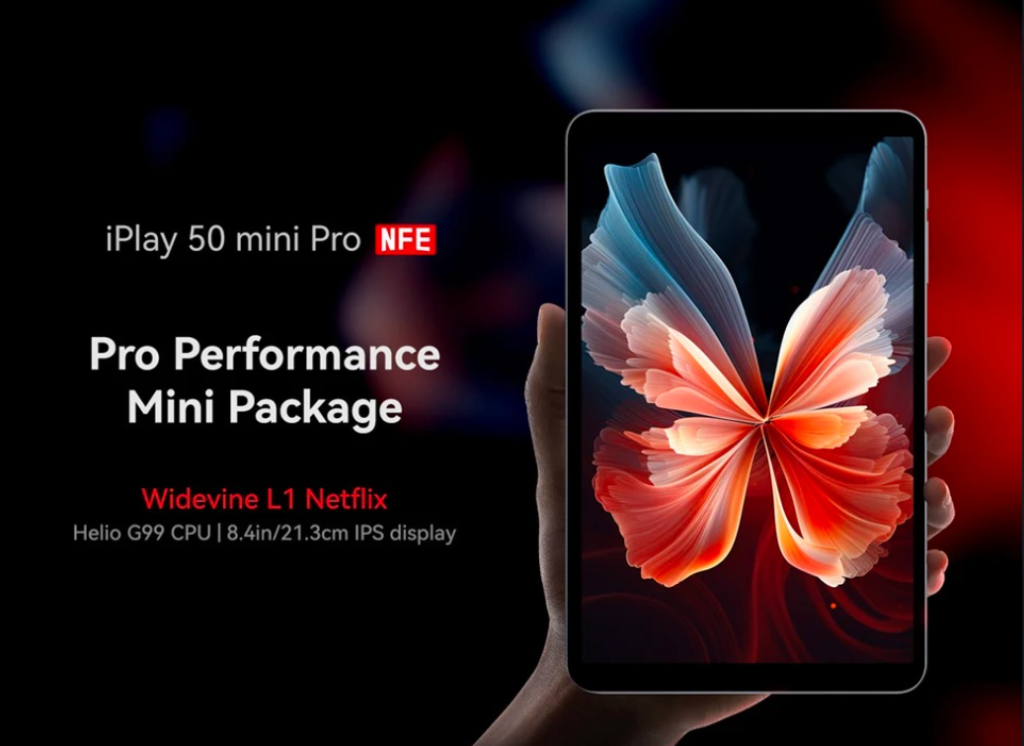
Alldocube iPlay50 Mini PRO is a sleek and compact tablet designed to offer a seamless multimedia experience. The iPlay50 Mini PRO boasts a compact design, measuring 126mm in height, 202.7mm in width, and a slim 7.5mm thickness, making it a lightweight companion at 306g. Its minimalistic and ergonomic design ensures easy handling for users on the go.
Running on the latest Android 13 operating system, the tablet is powered by the MTK Helio G99 CPU, providing efficient performance for various tasks. With a generous 8GB RAM and 256GB of internal storage, the device offers a smooth multitasking experience and ample space for your apps, files, and media. The iPlay50 Mini PRO supports expandable storage with a microSD card slot, accommodating cards up to 512GB. This feature enhances the tablet’s flexibility, allowing users to store an extensive library of photos, videos, and documents.
An exceptional addition to its features is the Widevine L1 support, ensuring users can enjoy high-definition content on platforms like Netflix without compromise. This feature enhances the streaming experience, allowing for sharp and clear visuals in supported applications.
Featuring an 8.4-inch IPS Incell display with a resolution of 1920×1200p, the tablet delivers crisp visuals with a PPI of 270. The screen supports 16 million colors, a contrast ratio of 1200:1, and a color gamut of 74.1%, ensuring an immersive viewing experience for multimedia content. The tablet comes equipped with a 5MP front camera for video calls and selfies, while the 13MP rear camera supports auto-focus, providing decent photography capabilities for casual use.
With versatile network support, the iPlay50 Mini PRO covers GSM, WCDMA, FDD, and TDD standards, ensuring connectivity across various networks. The dual nano SIM card slots and a dedicated TF card tray allow users to choose between dual SIM usage or expandable storage. Featuring Bluetooth 5.2 and 802.11b/g/n/ac Wi-Fi, the tablet ensures seamless connectivity for file transfer and internet access. The tablet incorporates Beidou, Galileo, Glonass, and GPS for accurate location tracking, catering to users who rely on navigation apps and location-based services.
Equipped with a single microphone, a 3.5mm earphone jack, and a single BOX speaker, the tablet offers quality audio features. The USB Type-C interface supports charging, OTG, and data transfer, adding convenience to its functionality. The iPlay50 Mini PRO is powered by a 5000mAh battery, ensuring a reliable and enduring performance for extended usage.
Price and Availability:
The Alldocube iPlay50 Mini PRO is now available on AliExpress, and for a limited time, enthusiasts can seize the opportunity to acquire this feature-rich tablet at a remarkable discounted price of just $114.99. This is a limited-time deal.
We use cookies on our website to give you the most relevant experience by remembering your preferences and repeat visits. By clicking “Accept”, you consent to the use of ALL the cookies.
This website uses cookies to improve your experience while you navigate through the website. Out of these, the cookies that are categorized as necessary are stored on your browser as they are essential for the working of basic functionalities of the website. We also use third-party cookies that help us analyze and understand how you use this website. These cookies will be stored in your browser only with your consent. You also have the option to opt-out of these cookies. But opting out of some of these cookies may affect your browsing experience.
Necessary cookies are absolutely essential for the website to function properly. This category only includes cookies that ensures basic functionalities and security features of the website. These cookies do not store any personal information.
Any cookies that may not be particularly necessary for the website to function and is used specifically to collect user personal data via analytics, ads, other embedded contents are termed as non-necessary cookies. It is mandatory to procure user consent prior to running these cookies on your website.