Bose has now unveiled its Quiet Comfort lineup of noise-canceling headphones in the Chinese market. This comes on the heels of the earlier release of the headphones for the global market. The new Bose headphones support immersive spatial audio for excellent spatial processing. The Bose Quiet Comfort series of headphones include the Bose QC noise-canceling earbuds Ultra, QC head-mounted noise-canceling headphones, and QC head-mounted noise-canceling headphones Ultra.
The Bose Quiet Comfort Ultra features an onboard IMU and digital signal processing software developed by Bose. This helps to deliver an optimal sound effect. The noise-canceling headphones support the latest smart in-ear sound field synchronization technology. It also has an audio-visual synchronization technology. The headphones have a battery life of up to 24 hours and support Bluetooth 5.3 connectivity. The QC noise-canceling Ultra headphones weigh 252g and are compatible with Snapdragon Listen technology.
The Quiet Comfort headphones support noise cancellation and offer a transparency mode. They weigh 240g and have a battery life of about 24 hours like the QC Ultra. Unlike the QC Ultra which supports Bluetooth 5.3, the QC noise-canceling headphones support Bluetooth 5.1 connectivity. The QC noise-canceling earbuds Ultra has a responsive touch function, intelligent in-ear sound field adjustment, and an IPX4 waterproof rating. It offers up to 4 hours of playback with immersive audio active and 6 hours when immersive audio is off.
The Bose QC noise-canceling earbuds are the cheapest of the trio and are priced at 2,299 yuan (~$315). The QC noise-canceling headphones Ultra is the most expensive at 3,599 yuan (~$493). The new Bose Quiet Comfort noise-canceling products are available from retail platforms in China including JD.com.
It’s been many months since the Xiaomi 13 series debuted and there is still some time before the Xiaomi 14 smartphones are unveiled. However, it’s about time for the company’s premium mid-range Xiaomi 13T series. This new lineup includes the Xiaomi 13T and Xiaomi 13T Pro, both of which are confirmed to launch on September 25th in an event taking place in Berlin.
Both models will bring solid specifications for the price but the Pro model is destined to be particularly enticing. And it also happens to be the focus of this roundup. We already gathered all the details of the standard Xiaomi 13T in a previous post.
Design and Display
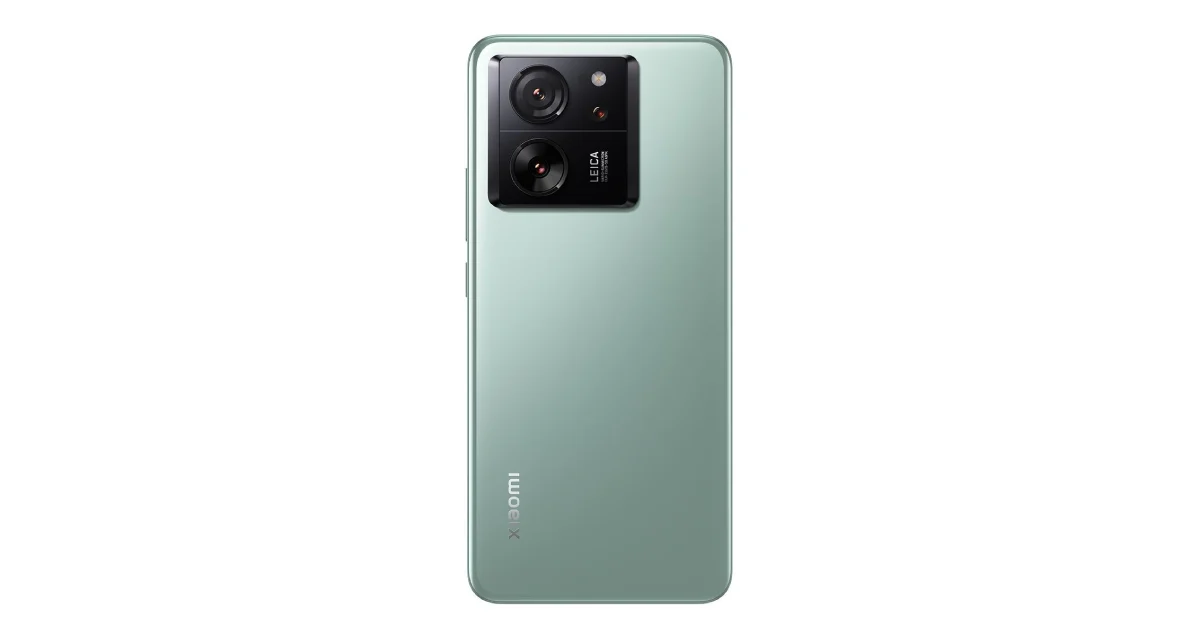
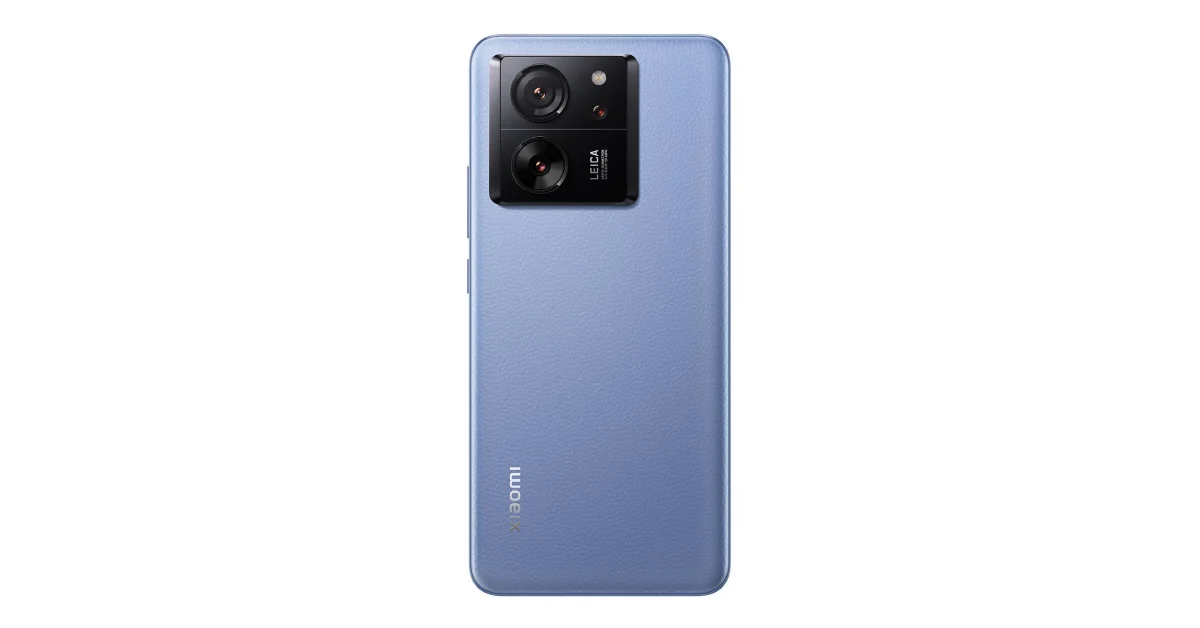
Xiaomi is bringing notable design changes to the Xiaomi 13T Pro. Based on leaked images, the back of the smartphone is expected to be made of glass or leather, with a square camera module in the top left corner. The smartphone looks more refined and more premium as compared to the Xiaomi 12T Pro. But looks can be subjective so we’ll leave that decision to you. The Xiaomi 13T Pro is said to arrive in Black and Blue, with the first color being under a glass panel while the second being part of a vegan leather design.
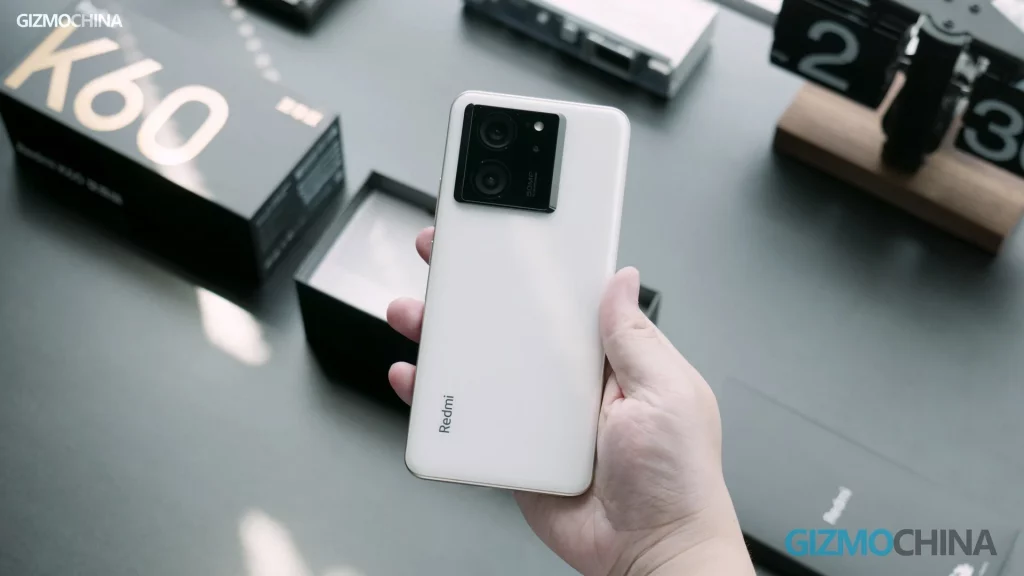
The smartphone closely resembles the design of the Redmi K60 Ultra. In fact, rumors suggest that it is the same phone with a different name. Since the K60 Ultra is limited to China, it’s fortunate that we are getting it in the global market in some form.
Anyways, the Xiaomi 13T Pro gets a flat display on the front with a punch-hole selfie camera cutout in the top center. The screen is expected to be the 6.67” OLED with a 144 Hz refresh rate and 1220p resolution. For comparison, the Xiaomi 12T Pro debuted with the same 6.67” display, featuring a lower 120Hz refresh rate.
Other Specifications
The Xiaomi 13T Pro is expected to come with some notable hardware under the hood. For starters, the handset could be powered by the Dimensity 9200+ chip. This is a flagship SoC from MediaTek based on TSMC’s NP4 node. It brings one fast Cortex-X3 core with up to 3.05 GHz, three A715 cores with up to 2.85 GHz, and four power-efficiency cores (Cortex-A510) clocked at up to 1.8 GHz.
Redmi K60 Ultra
The handset is likely to be offered in a choice between 12GB or 16GB of RAM and diverse storage options, including 256GB, 512GB, or 1TB. Keeping the lights on will be a 5,000mAh battery, which is said to support 120W fast charging. We don’t expect to see wireless charging support on the Xiaomi 13T Pro. However, the handset is supposed to be IP68 dust/water resistant (up to 1.5m for 30 min).
The Xiaomi 13T Pro’s camera will be Leica-branded and is expected to feature a 50MP main sensor with a Sony IMX707 sensor, a 50MP telephoto camera with up to 3x optical zoom, and a 13MP ultrawide-angle camera. The front-facing camera will remain at 20MP, the same as the Redmi K60 Ultra. In other words, the only changes to the camera system are on the back of the phone.
Expected Pricing
The Xiaomi 13T Pro’s price is likely to be similar to the last year’s model. The top-end Xiaomi 12T Pro, which offers 12GB of RAM and 256GB of storage, is currently listed in Europe for approximately 719 euros. Rumors are indicating that the Xiaomi 13T Pro will be priced at €900 for the 12GB + 512GB configuration option. We will undoubtedly learn all the details on the day of the launch. Stay tuned for updates.
In April 2022, Xiaomi introduced the Redmi Curved Monitor 30″ in China, and now they have expanded its availability to the European market under the name Xiaomi Curved Gaming Monitor 30.
Xiaomi Curved Gaming Monitor 30″ specs
The Xiaomi Curved Gaming Monitor 30″ boasts an impressive 30-inch display with a wide 21:9 aspect ratio and a sharp WFHD resolution of 2560 x 1080. Gamers will love the speedy 200Hz refresh rate for super-smooth gaming. It’s also a champ at showing colors with 99% of the sRGB spectrum and gets pretty bright at 300 nits. With a 3000:1 contrast ratio and a cool 1800R curve, it makes everything look great. Plus, the screen’s edges are super slim, giving it a modern look.
Performance-wise, it’s fast with a 4ms response time and supports AMD FreeSync Premium for tear-free gaming. You can also use cool display tricks with Picture-in-Picture and Picture-by-Picture modes. For your eyes, it uses DC dimming to keep the screen from flickering, and it has a Low Blue Light mode that’s TUV Rheinland certified. Connectivity options include a DisplayPort, HDMI 2.1, HDMI 1.4, and an audio jack.
Price & availability
The Xiaomi Curved Gaming Monitor 30″ is competitively priced at £239.99 in the UK and €239.99 in Spain.
The battle of the ninth-generation consoles is heating up. Sony, Microsoft, and Nintendo are all vying for the top spot in sales. For now, Nintendo leads in sales, largely due to its exclusive game library. That said, both the PS4 and PS5 have seen impressive sales numbers. In fact, the PlayStation 5 took the lead as the world’s top-selling console in August 2023, with around 1.395 million units flying off the shelves. Here are the details…
The PlayStation 5 continues to be a massive success for Sony. According to market data up to August 2023, the PS5 was the top-selling console worldwide for that month, with approximately 1.395 million units sold. Following closely was the Nintendo Switch with sales of around 944,354 units for the month. To date, the Switch has reached over 129 million units sold, making it the third highest-selling console ever.
Of course, when we look at the third place, we see Microsoft’s popular consoles, the Xbox Series X and S. However, don’t be misled by this third position. Things are actually going quite well for Microsoft. The X and S models had their best sales month since their release in November 2020, selling about 431,629 units in August 2023. The main reason for this increase is attributed to affordable services like Game Pass and the recent addition of Starfield to the system.
In fourth place, we have yet another beloved product from Sony. The PlayStation 4 sold approximately 19,500 units in August. This marks the PS4’s lowest sales month since its release in November 2013. However, considering the console is no longer being produced and most consumers would rather spend their money on newer consoles like the PS5 and Xbox Series X/S instead of a decade-old product, this is quite expected.
Additionally, sales of the Nintendo Switch, currently in second place, are also anticipated to drop with the introduction of a new console.
Discover the GearBerry Autumn Super Sale for Ebikes! From September 22nd to October 22nd, enjoy discounts of up to $400 on a range of Ebikes, including popular brands like Engwe and Fafrees. When you make a purchase during this limited-time offer, you’ll also receive a complimentary Bicycle Bag and Bicycle Chain Lock, valued at over $79, at no additional cost.
You can get these exclusive deals at Gearberry.com. With local warehouse storage, you’ll benefit from fast and free shipping, ensuring a seamless shopping experience. Plus, there are no extra taxes to worry about. So let’s check out some of the best deals under this sale.
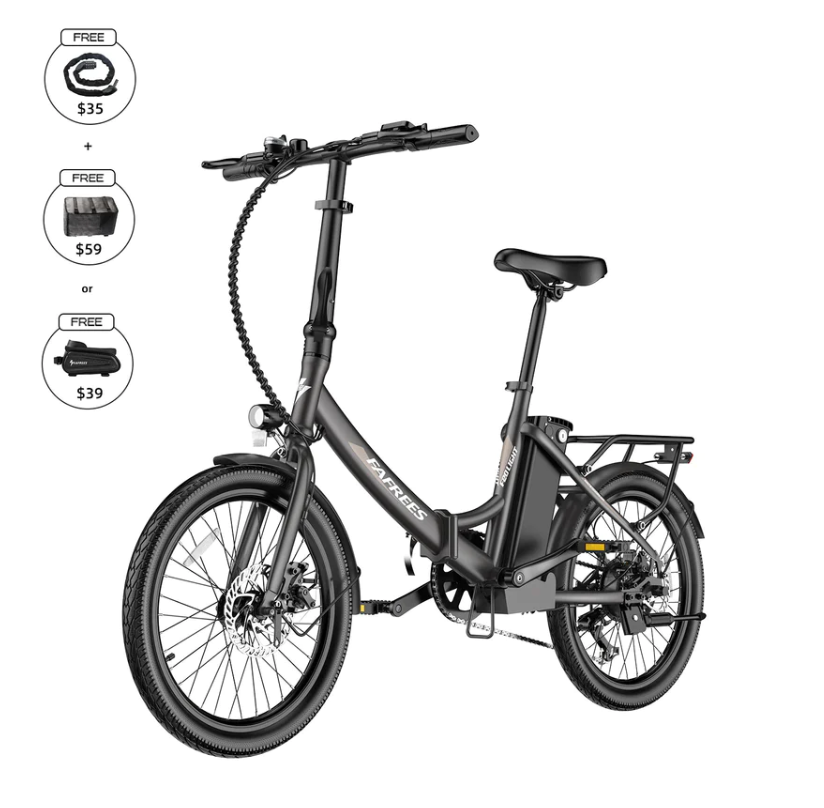
F20 Light Electric Bike
Retail Price:$956 Discounted price:$851
Fafrees F20 Light Electric Bike is a sleek and efficient commuting solution designed to elevate your daily rides with cutting-edge features and smart design.
At the heart of this electric bike is a powerful 250W brushless motor, delivering a maximum speed of 25km/h with a peak power of 437W. This rear-drive motor not only offers better traction but also demands less maintenance, ensuring a smooth and hassle-free riding experience. Whether you’re tackling steep inclines or navigating through busy city streets, the F20’s motor has got you covered.
One of the standout features of this electric bike is its 36V/14.5Ah lithium battery, providing an impressive 110km riding range in assisted mode on a single charge. With a convenient lock design, recharging is a breeze, giving you the flexibility to ride whenever you want. Choose from three support modes: Electric, Power Assisted, or Manpower, depending on your riding preferences and energy levels.
The Fafrees F20 comes with Shimano’s 7-speed shifter and derailleur, ensuring precise and smooth gear changes over varied terrains. The large-screen waterproof LCD display provides essential data at a glance, including speed, battery status, mileage, and gear selection. Plus, it boasts a walk assistance mode and cruise control function for added convenience during your journey.
Safety is paramount for commuters, and this electric bike doesn’t disappoint. Equipped with power-off brake levers and large rotors, you’ll have the confidence to stop promptly when needed, even during challenging conditions. The inclusion of a tVZO-compliant LED headlight and rear brake light enhances nighttime visibility, ensuring your safety during evening rides.
Effortless portability is another hallmark of the F20. It folds in less than 30 seconds, making it a versatile choice for urban dwellers with limited storage space. The step-through frame design adds to the bike’s accessibility, while the adjustable riser bar allows you to personalize your fit for maximum comfort.
Fafrees F20 Light Electric Bike is more than just a means of transport; it’s a smart, eco-friendly commuting companion that combines power, efficiency, and convenience. Whether you’re navigating city streets, conquering hills, or simply enjoying a leisurely ride, the F20 is here to elevate your journey.
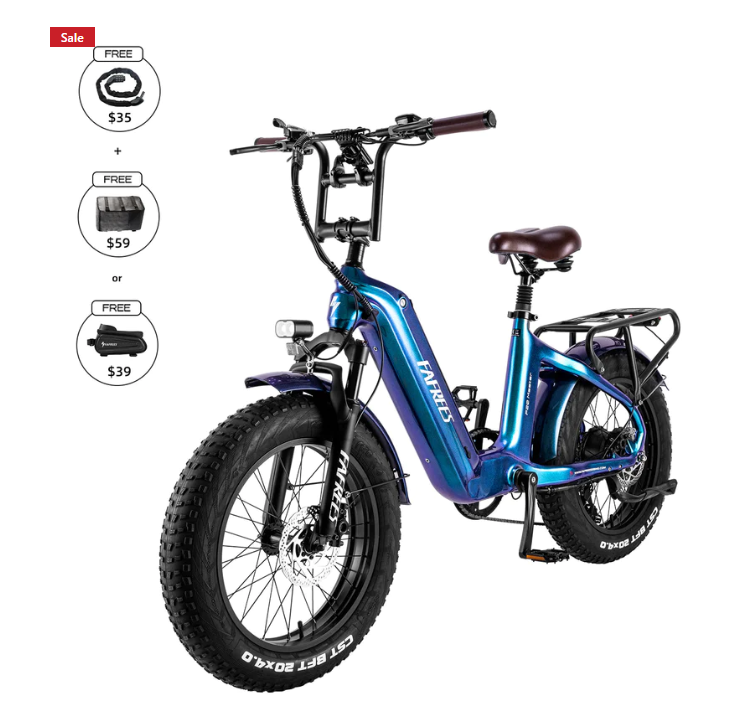
Fafrees F20 Master Electric Bike is a game-changer in the world of electric commuting. This bike is engineered to deliver an exceptional riding experience, combining power, range, and comfort for riders of all ages and backgrounds.
At its core, the Fafrees F20 Master is equipped with a robust 500W brushless motor that can effortlessly tackle diverse terrains. With a peak output of 690W and 65N.m of torque, you’ll conquer hills and rough roads with ease. What sets it apart is the option to reach an impressive maximum speed of 45km/h, thanks to the detachable throttle, allowing you to switch between pure electric and power-assisted modes at your convenience.
The bike’s power is sustained by a high-capacity Samsung 48V/22.5Ah battery, offering an extensive range of up to 120 kilometers on a single charge. Its integrated design ensures safety and reliability by reducing the risk of short circuits and moisture-related issues.
Navigating your ride is a breeze with the high-definition LCD display, offering easy control and presetting three-speed levels. This display provides essential information like speed, battery status, mileage, and gear selection, along with convenient features like walk assistance and cruise control.
Riding comfort is a priority, and the F20 Master excels in this department. The carbon fiber frame not only reduces weight but also enhances damping and rigidity, effectively absorbing shocks and dampening vibrations. The front suspension and shock seat tube further contribute to a smoother and more comfortable ride, with lockout adjustment to tailor the suspension to different road conditions.
Safety is paramount, and the hydraulic brake system with 160mm long-lasting pads and bal ramp actuation system ensures a silky-smooth feel at the lever and exceptional gripping power. It significantly reduces braking distance and reaction time, enhancing rider safety.
The 4.0 fat tires offer increased friction, making them adaptable to various riding environments, from snow and sand to mud and gravel, as well as flat terrain. The Shimano 7-gear shift system facilitates seamless transitions between different riding scenarios, improving battery efficiency by up to 15%.
To top it all off, the Fafrees F20 Master features a bright front light for improved visibility during night rides and a rear brake light to signal your stops, ensuring safety around the clock. The silicone saddle is designed for both comfort and ergonomics, making long-distance journeys enjoyable and pain-free.
Fafrees F20 Master Electric Bike is a versatile and capable companion for urban commuting and off-road adventures alike. With its impressive power, extended range, and thoughtful design, it’s ready to elevate your riding experience to new heights.
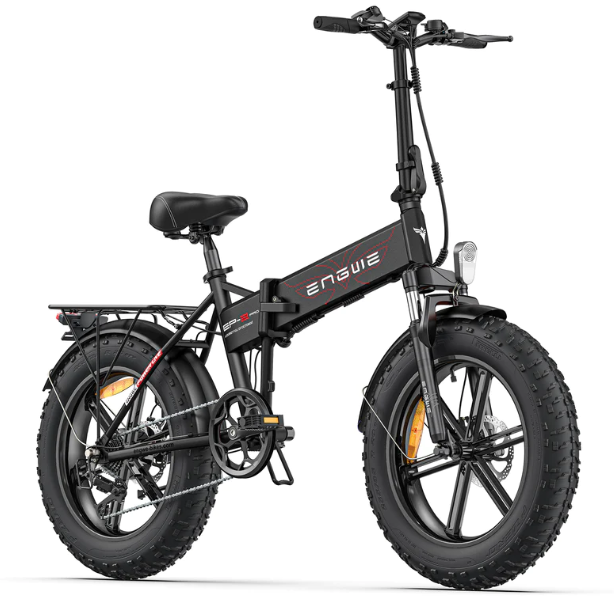
ENGWE EP-2 Pro Electric Bike is a versatile and powerful ride designed to tackle all terrains with ease. This electric bike boasts a range of impressive features to enhance your riding experience.
At its core, the EP-2 Pro is driven by a robust 750W motor, with the ability to reach a peak power of 960W. This powerhouse of a motor ensures that you can conquer various terrains effortlessly. The 20 x 4.0-inch all-terrain fat tires provide stability and grip, making it suitable for both urban streets and off-road adventures.
The EP-2 Pro’s frame is both sturdy and practical, constructed from alloy and featuring a convenient foldable design. With just three simple steps, you can fold the bike and easily store it in your trunk or transport it wherever you need to go. This makes it an excellent choice for those with limited storage space or commuters looking for a portable ride.
One of the standout features is the 48V 13Ah lithium removable battery, which grants you an impressive range of 75 miles in pedal-assist mode. This means you can embark on longer journeys with confidence, knowing you won’t run out of power along the way.
For added safety and control, the EP-2 Pro is equipped with Tektro mechanical disc brakes, ensuring reliable stopping power in various conditions. The bike also features cruise control, allowing you to maintain a steady speed on flat stretches without constant throttle input.
Keeping track of your ride is made easy with the LCD display, which provides essential information such as speed, electric quantity, and mileage. This intelligent display ensures that you’re always prepared for changing road conditions and helps you monitor your bike’s performance.
The EP-2 Pro is designed with accessibility in mind, making it easy to hop on and off for riders of all levels. Whether you’re a seasoned cyclist or a beginner, this electric bike is ready to accommodate your needs and take you on exciting adventures.
ENGWE EP-2 Pro Electric Bike is a powerful and versatile ride that offers impressive range, all-terrain capabilities, and practicality with its foldable frame. Whether you’re commuting in the city or exploring the great outdoors, this electric bike is up to the challenge, providing a reliable and enjoyable riding experience for all.
Amazon has unveiled two 10-inch tablets for kids under the Fire HD 10 series. The Amazon Fire HD 10 Kids and Fire HD 10 Kids Pro come with exciting features to cater to kid’s education and entertainment.
The new Amazon Fire HD 10 tablets are an update of its previous 10-inch offerings. Both models come with a slightly lighter design and better performance than their predecessors. The Fire HD 10 Kids is designed for children between the ages of three and seven. On the other hand, the Amazon Fire HD 10 Kids Pro is meant for children aged between 6 and 12 years.
The Amazon Fire HD 10 Kids and Fire HD 10 Pro are both upgraded versions of the Fire HD 10 tablet. They are both equipped with a 10.1-inch, 1080p (full HD) screen with a 5MP camera. The memory configuration of the tablets is 3GB of RAM and a minimum of 32GB of storage. Both models are about 25% faster than the 2021 Fire HD 10 tablet. The Amazon Fire HD 10 Kids has a Disney theme option and comes with a padded case, as well as a 12-month subscription to the Amazon Kids Plus service. The service provides kids-focused apps and content. Amazon is also offering a two-year free replacement policy should the tablet get damaged.
The Amazon Fire HD 10 Kids/ Pro tablets have a 13-hour battery life. The models will be launching together with the Echo Pop speakers, new Fire TV, Ring, Blink, and upgraded Fire 10 HD tablet. The products are part of the Amazon fall product showcase. The Fire HD 10 Kids and Pro tablets are priced at $190 and will ship on October 18.
The two Amazon Fire HD 10 tablets are priced at $190. They will ship from October 18.
Geely has unveiled the Galaxy L7 Phantom Edition SUV in China. The new Galaxy L7 Phantom Edition comes with some changes over its predecessor. It features Geely’s NOA advanced driving assistance platform over the Galaxy L7. Indeed owners of the Geely Galaxy L7 who received their cars before September 16 can upgrade to the Phantom Edition model at the same price. The upgrade offer will be active all through October 2023.
The Geely Galaxy L7 Phantom Edition is available in six exterior colors namely dawn gray, midnight black, dawn white, clear sky blue, dusk mountain purple, and galaxy white. The compact Galaxy L7 Phantom Edition has a 2,785mm wheelbase and measures 4,700 x 1,905 x 1,685mm. The car is based on the Galaxy Light design architecture and bears a close resemblance to current models. The front has a closed grille and through-type split headlights. The rear of the SUV has a roof spoiler and through-type taillights.
The new Geely L7 Phantom Edition has a powertrain that consists of the NordThor Hybrid 8848 system. This is composed of a 1.5T four-cylinder hybrid engine and an electric motor with a 3-speed DHT. The combined powertrain outputs 287kW of power with a peak torque of 535Nm. The L7 Phantom Edition model can go from 0 to 100km/h in 6.9 seconds.
A 10.25-inch instrument panel is featured in the interior, together with a 13.2-inch central control screen. The interior also has a 16.2-inch co-pilot screen and a multi-function, four-spoke steering wheel. The Galaxy L7 Phantom Edition SUV has the Galaxy N OS operating system and a Quantum Snapdragon 8155 chip. There is also a 25.6-inch AR head-up display in the SUV. The car has Navigation On Highway Assist for autonomous lane changing, overtaking under high-speed mode, and autonomous ramp navigation.
The Geely Galaxy L7 Phantom Edition’s advanced driving assistance system includes ultra-long-range and four long-range millimeter-wave radars. There are also 12 ultrasonic radars, an 8MP front-view camera, and a 2.5MP front-view camera. The seats of the SUV deliver comfort with electric adjustment, heating, and ventilation. The interior of the car can transform into a theater mode, with the seats automatically folding down to 125 degrees.
The model is available in two pure electric cruising ranges namely 55km and 115km. The corresponding combined cruising ranges are 1,310km and 1,370km respectively. Fuel consumption rates for the two options are 2.35L/ 100km and 1.3L/ 1000km, respectively. The Geely Galaxy L7 Phantom Edition SUV has a starting price of 185,700 yuan ($25,500). There are no release details for the model for overseas markets at this time.
Fujifilm has unveiled the Instax Pal, a palm-sized digital camera. The camera is designed for younger customers and it is the first all-digital Instax camera. It lacks a screen or viewfinder and must be paired with an Instax printer to get prints. The mini Link 2 printer comes bundled with the Instax Pal.
The Fujifilm Instax Pal camera has been the subject of some speculation lately. There had been rumors that Fujifilm had developed a very small, all-digital Instax camera. It had been wrongly speculated that the camera would have a hybrid design similar to the mini Evo. The Instax Pal is the only Instax camera that cannot print its own photos. It will have to pair with compatible Instax printers or cameras for printing tasks. This can be achieved via a direct connection or via the Instax Pal mobile app that allows for editing photos before printing.
The Instax Pal has a tiny, rounded design that could pass the camera for a toy. It is available in five color variants that could be appealing to most kids and teenagers. It has a 16.25mm equivalent lens with a 5MP, 1/5” sensor behind the lens. The camera has an LED flash and a petite speaker. The shutter button is at the rear of the camera, as well as a USB-C charging port and a mode switch. The camera has a tripod mount at its bottom while a silicone ring can work as an angled stand or viewfinder. A protective silicone case is also offered as an optional accessory.
The camera can store up to 50 photos in its internal memory and a microSD slot means the storage capacity is expandable. The Link mode in the camera is another method of printing using an Instax Link printer or hybrid camera. Mini, square, or wide printing sizes are available with the Instax Pal camera. You can use the Instax Pal app for remote shooting with live views, as well as enhancements like filters or frames. The Instax Pal comes bundled with the mini Link 2 printer for $199. It will be available in late October and the package also includes 10 packs of films.
After introducing the Boult Y1 Pro TWS earbuds earlier this week, the brand has now unveiled a new smartwatch called the Boult Craft Smartwatch. The new smartwatch packs a large display and multiple sports modes. Keep reading to know more about the smartwatch.
Boult Craft smartwatch specs
The Boult Craft smartwatch boasts a 1.83-inch HD TFT LCD screen with a resolution of 240 × 284 pixels, delivering crisp visuals with 500 Nits of brightness. it comes equipped with over 150 cloud-based watch faces and supports multiple UI themes.
With Bluetooth 5.3 connectivity, this smartwatch ensures seamless pairing with your devices. It also features an inbuilt microphone and speaker for Bluetooth calling.
For fitness enthusiasts, the Boult Craft Smartwatch supports over 100 sports modes. Moreover, it provides comprehensive health monitoring, including sleep tracking, SpO2 measurement, blood pressure monitoring, and heart rate tracking, allowing you to keep a close eye on your well-being.
In addition to its fitness and health features, this smartwatch offers a range of convenient features. It provides smart notifications, integrates with AI assistants, offers sedentary and drink water reminders, delivers weather details, helps you find your phone, and more, making it a versatile companion for your daily life.
The Boult Craft Smartwatch is quite lightweight, weighing just 36.5 grams. It also boasts an IP68 rating, making it water-resistant and dustproof, so you can wear it in various environments without worry. Last but not least, this smartwatch offers impressive battery life, with up to 7 days of usage on a single charge.
Pricing & availability
The Boult Craft smartwatch is now available at an introductory price of just Rs. 1,199, and it comes in a variety of appealing colors, including Cobalt Blue, Grape Purple, Smokey White, and Tarmac Black. You can purchase this stylish wearable on the company’s website and Flipkart.
During a special event, Microsoft announced that it will release a major update to Windows 11 on September 26th, packed with new features. The star of the show is the AI-powered Copilot feature, which is making its way into Windows OS with the update.
Copilot is an AI-powered assistant that will be deeply integrated into the Windows OS. So you can use it for a variety of tasks, including finding recipes, planning trips, solving math equations, and even pulling information from your phone.
You can also use it to write text messages using data from your calendar or navigation options in Outlook. The possibilities are just endless! Copilot will appear as a sidebar in Windows 11, and you can interact with it just like Bing Chat.
File Explorer is also getting a more modern and user-friendly interface in the upcoming Windows 11 update. The new interface includes a large home screen with file thumbnails and a carousel interface that surfaces recent and favorited files. The new interface also includes a number of other improvements, such as a new dark mode and the ability to pin files and folders to the sidebar.
Stylus users are getting a key new feature called Ink Anywhere in the upcoming Windows 11 update. Ink Anywhere allows you to handwrite with a stylus in any text box anywhere in Windows. The OS will convert your writing to text and use it where applicable. This is a great feature for students and professionals who need to take notes or write reports.
The upcoming Windows 11 update also includes a number of other new features, such as RGB lighting control, new features for the Snipping tool, and other improvements. In total, Microsoft notes that Windows is getting over 150 new features in the update. You can learn about them here.
Additionally, Microsoft is also bringing Copilot to Microsoft 365, where it will live across all the Microsoft 365 apps to help you get work done more efficiently. It will also come in the form of Microsoft 365 Chat, a chatbot for the enterprise that can help you make decisions and solve problems using AI.
You can ask it to summarize messages in your inbox, including from specific senders, create event plans, draft replies, and more. It also supports third-party plugins, so you can extend these capabilities even further.
While the Copilot for Windows is free, it will be available to Microsoft 365 for Business subscribers as an add-on to existing payments. It will cost users $30 per month.
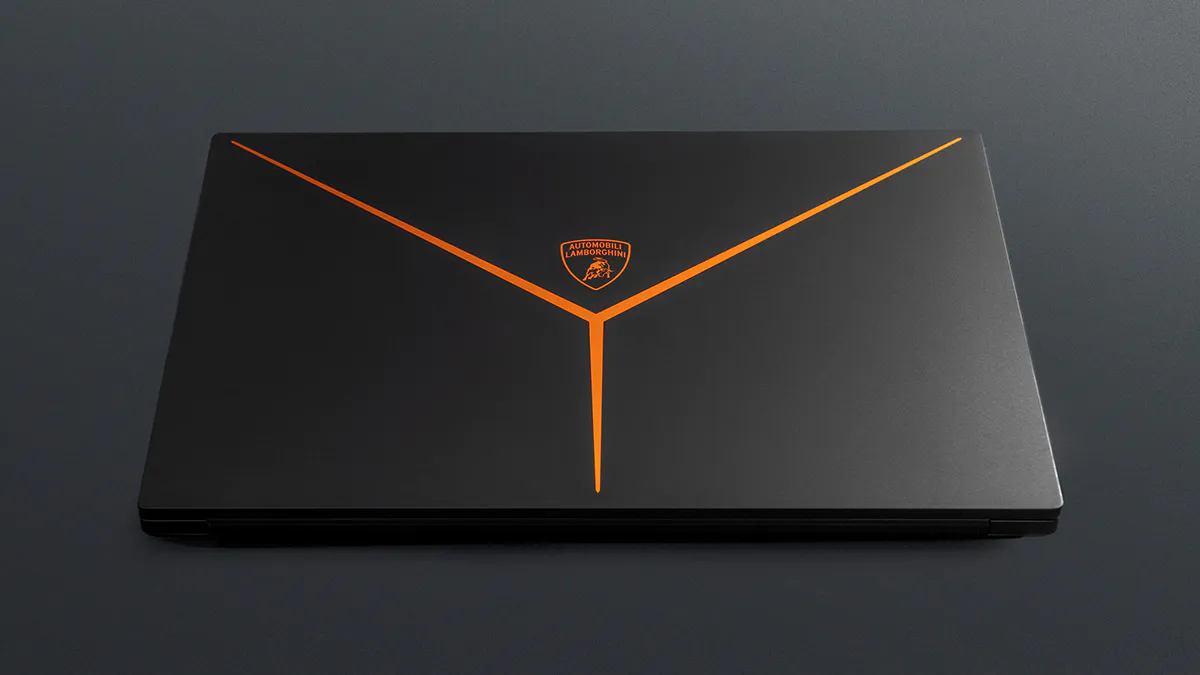
Razer has introduced a special edition laptop, the Razer Blade 16 x Automobili Lamborghini Edition, in partnership with the Italian sports car maker Lamborghini. This unique laptop was unveiled at RazerCon 2023 and brings Lamborghini-inspired design to the top-tier Razer Blade 16 configuration.
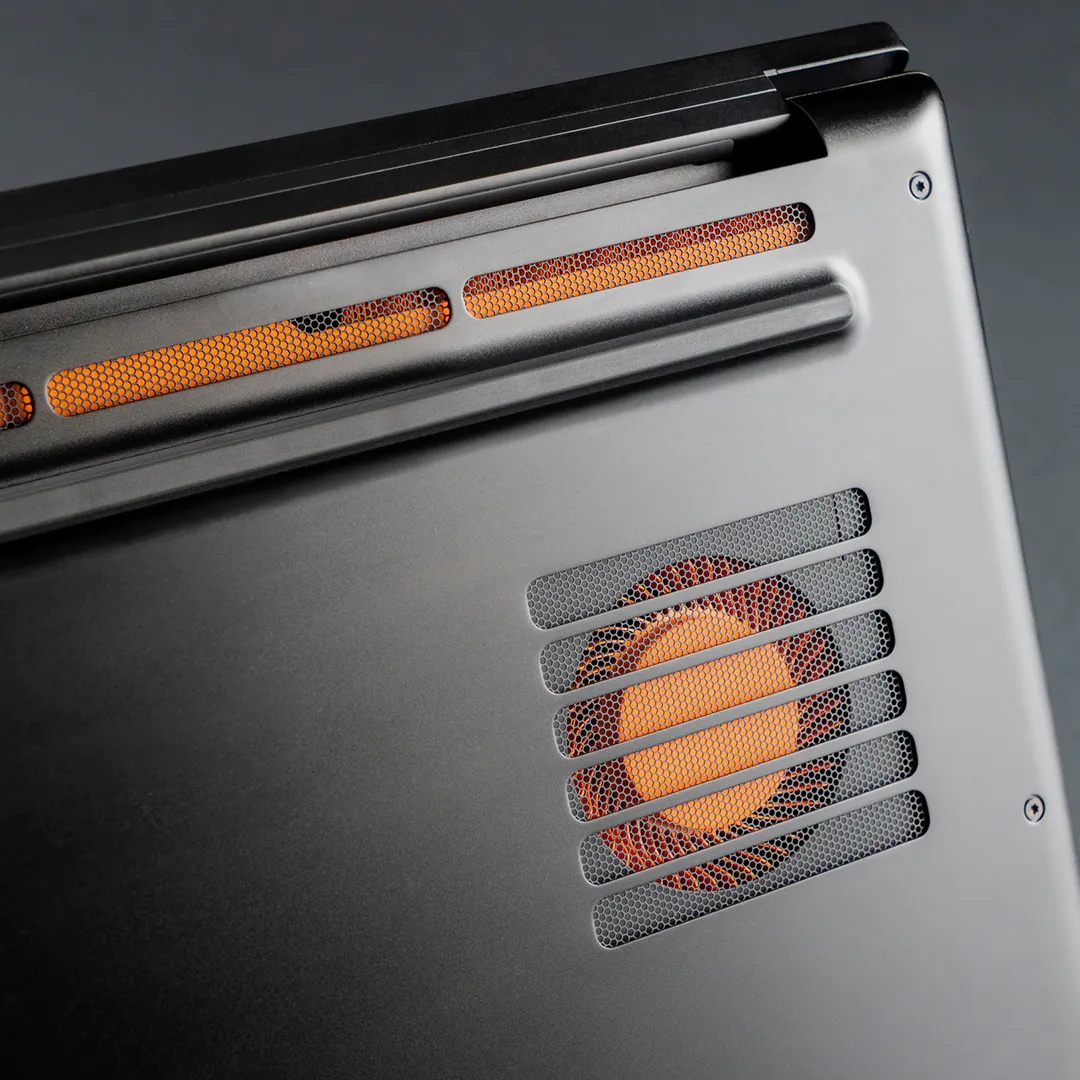
The laptop’s body is made from a CNC-milled single piece of aluminum, keeping Razer’s matte black finish but adding Lamborghini’s orange accents. The design includes a distinctive pattern on the lid and orange highlights on the USB ports and keyboard. Even the laptop’s startup screen shows the Lamborghini logo in orange.
Underneath its unique exterior, the laptop packs a punch in terms of gaming performance. It features Intel’s 13th Gen Core i9 processor and NVIDIA’s RTX 4090 graphics, capable of running demanding PC games at high settings. Additionally, the laptop offers a generous 4TB of fast SSD storage.
One standout feature is the dual-mode Mini-LED display, allowing users to switch between 4K resolution at 120Hz for creative tasks and FHD+ resolution at 240Hz for gaming.
Pricing & availability
The Razer Blade 16 x Automobili Lamborghini Edition carries a price tag of $4,999.99 and is limited to just 150 units available exclusively in the USA.
Are you tired of waiting for Spotify‘s long-promised HiFi tier? Well, new clues suggest it may be closer to reality than ever. A Reddit user has dived deep into Spotify’s app code and unveiled the possibility of a “Supremium” tier, which aims to provide 24-bit Lossless music, touted to be free from “lag and delays.”
An AI feature in the new tier can probably recommend new music and patterns
While the details remain speculative, what we know is pretty intriguing. Imagine being able to sort your playlists by “danceability” or customizing them based on tempo and key. Sounds fun, right? That’s not all. The tier might also offer smooth transitions between tracks, nixing those awkward moments of silence, and introduce mood-based or genre-specific filtering options.
Here’s the kicker: AI-driven playlists and a feature called “Soundcheck” could be on the cards. Think of Soundcheck as a combination of Spotify Wrapped and Daily Mixes, essentially giving you insights into your listening habits and personalized music recommendations.
Wait, audiobook lovers, you’re in luck as well. Supremium could potentially offer 30 hours of audiobooks each month, a feature bound to shake up how you consume content on the platform.
As for the cost, Supremium is currently tagged at $20 per month, more expensive than any existing Spotify Premium plans, but in line with Tidal’s 24-bit HiFi Plus offering. The price, of course, is subject to change if and when this becomes official.
In the wake of the e-bike trend, Steamboat Springs-based Moots brings us the Moots Express, an electric gravel bike that’s something of a chameleon. Designed to Moots’ high standards, this machine is almost indistinguishable from a regular bike, thanks to its cleverly integrated battery concealed in the downtube.
The bike has Shimano GRX carbon wheels wrapped in Panaracer Gravelking+ tires
Moots has joined hands with Shimano to load the Express with some pretty savvy tech. The Shimano EP801 motor not only provides a hefty 60 Nm of torque but also comes with smart auto-shifting. This means the bike automatically adjusts its assist levels according to your riding, giving you a boost uphill and conserving battery on flatter grounds.
While many e-bikes focus just on the ‘e’ part, the Express also maintains a traditional cycling experience. Its cockpit layout feels familiar, with Shimano GRX shifters in charge of rear derailleur and motor assist controls. It doesn’t stop at functionality, though. You could easily set this bike up for camping with its bottle holders and frame mounts that can accommodate bags and other accessories.
The Express is as robust as it is smart. It rolls on Shimano GRX carbon wheels wrapped in Panaracer GravelKing+ tires. It’s not just about looks and performance either; the bike is also quite light, weighing in at only 33 pounds. However, it comes with a price tag to match its capabilities—$9,999 USD. But considering the machine’s state-of-the-art components and the freedom to switch between an e-bike and traditional cycle feel, it may well be worth the investment for serious cyclists.
Jaguar has joined forces with Tesla, opening doors for easier electric vehicle (EV) charging for Jaguar owners. The partnership means you can now charge your Jaguar at Tesla’s Superchargers across the U.S., Canada, and Mexico. But there’s more. Starting in 2025, new Jaguar models will be fitted with Tesla’s North American Charging Standard (NACS), eliminating the need for adapters.
Jaguar’s NACS adapters are expected to be available in 2024
What’s the real benefit for you? Two words: simple and seamless. If you’re planning to buy a new Jaguar, just know you can use a Tesla Supercharger without any extra gadgets. If you’re a current I-Pace owner, Jaguar’s got you covered with NACS adapters, likely to be available in 2024.
This strategic move is part of Jaguar’s bigger plan to go fully electric. It’s all tied to their Reimagine strategy, which is about making Jaguar an all-electric luxury brand. And it’s not just about Jaguar—industry insiders speculate that Land Rover might also adopt the NACS charging standard. That adds up to a more uniform and less confusing charging ecosystem for consumers.
Jaguar now joins a growing list of automakers like Ford, GM, and Nissan adopting the NACS. Mark Camilleri, Jaguar’s Director of Electrification Services, said it best: “Tesla’s global charging network offers what our clients want—fast, reliable, and convenient charging.”
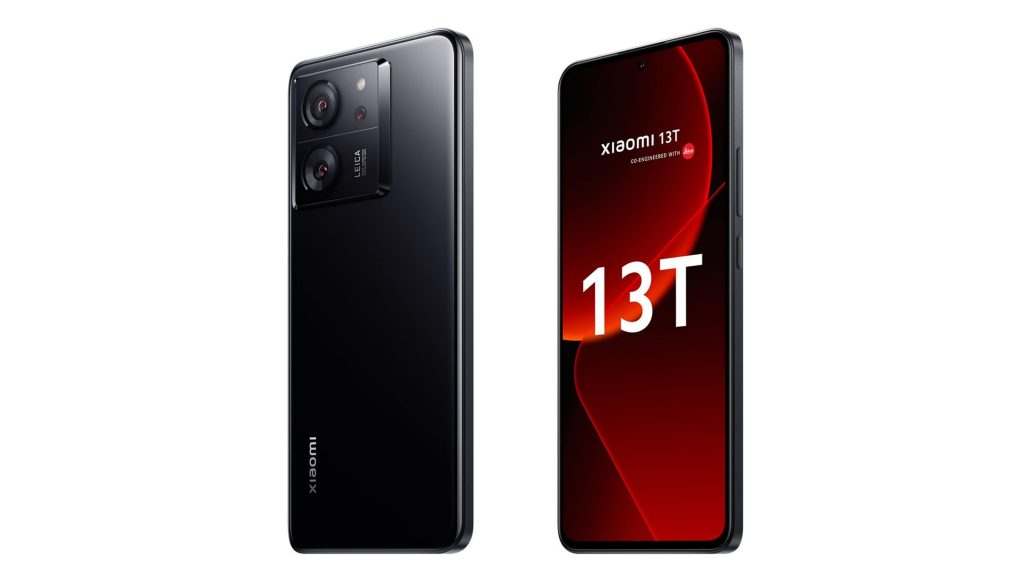
Following the successful launch of the Redmi K60 Ultra smartphone in China, Xiaomi is gearing up to introduce the Xiaomi 13T series to global markets on September 26. This time, Xiaomi has taken an intriguing approach, opting not to simply rebrand the Redmi K60 Ultra. Instead, they are enhancing the device to better suit the global audience and dubbing it the Xiaomi 13T Pro. Alongside this flagship offering, Xiaomi will also introduce the Xiaomi 13T, a more budget-friendly variant that doesn’t compromise on impressive specifications. Let’s delve into what we currently know about the Xiaomi 13T.
Desing & display
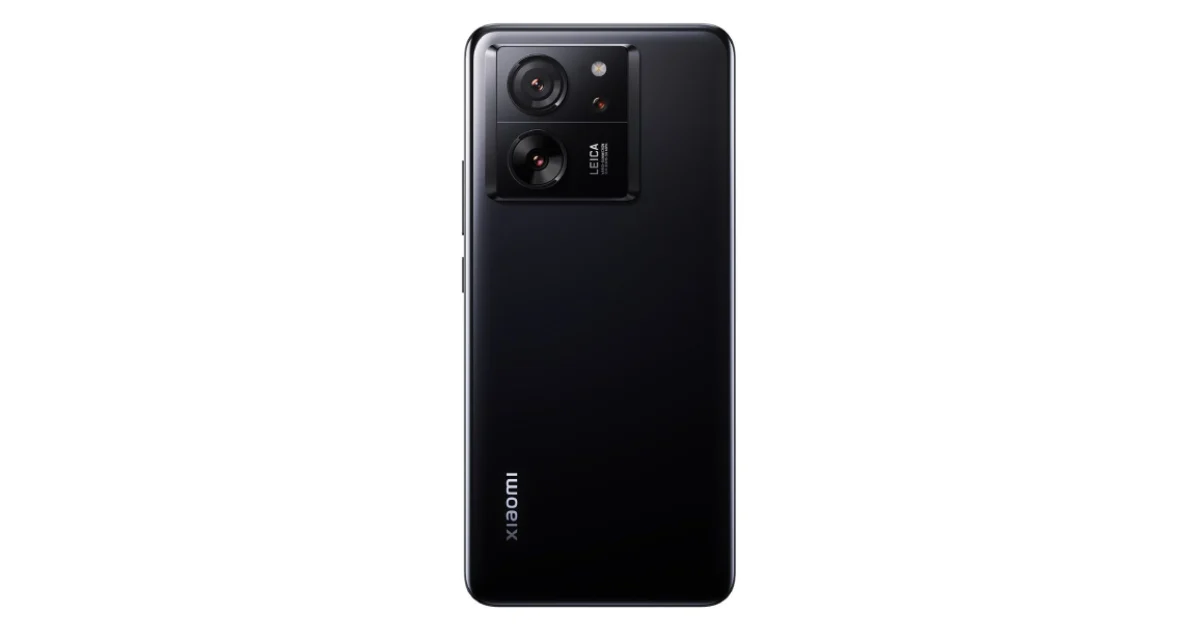
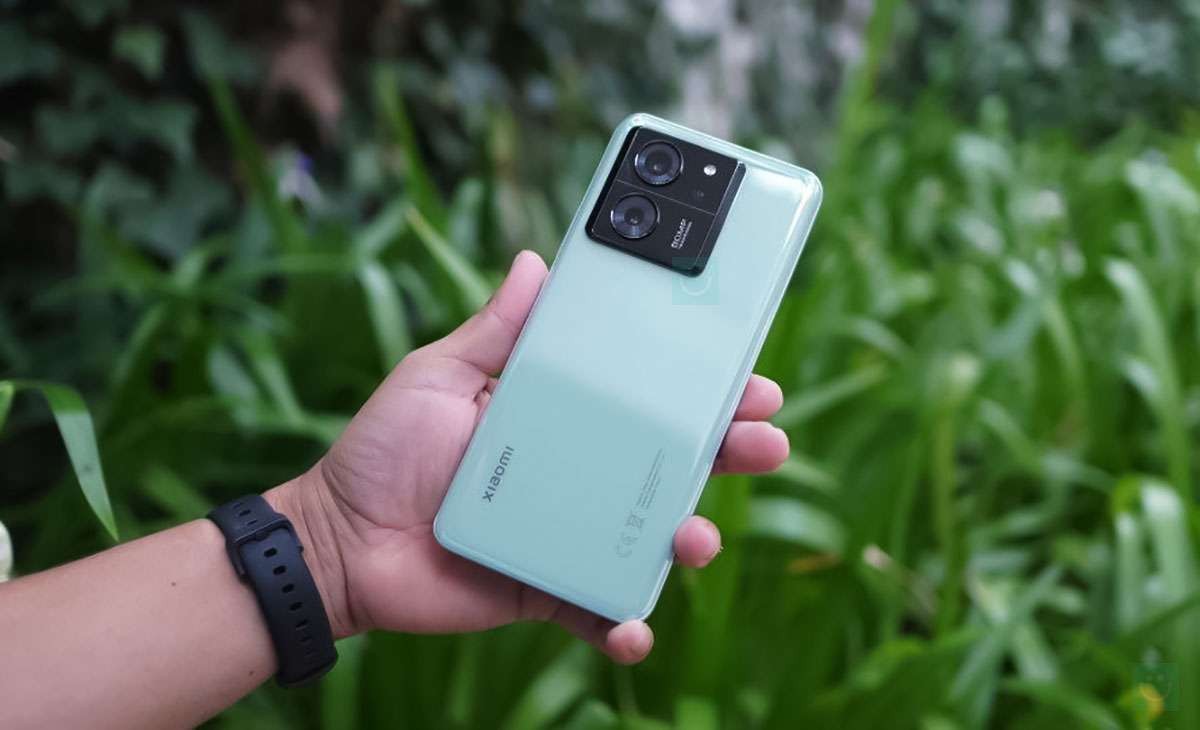
In terms of aesthetics, the Xiaomi 13 Pro will closely resemble the Redmi K60 Ultra, featuring a rectangular camera module on the rear housing three lens cutouts along with an LED flash. The device will maintain a semi-curved design on the back, ensuring comfortable grip, while retaining a flat frame for a sleek and ergonomic feel.
The phone’s outer frame might be made of metal, though some sources suggest it could be plastic. You’ll find the power and volume buttons on the right side, and the SIM card slot is at the bottom. The back of the phone is shiny for both the leaked black and green versions. Additionally, there’s a third color choice that will have a light blue finish made of vegan leather.
The Black and green color variants will measure 162.2 x 75.7 x 8.49 mm and weigh 197 g, while the vegan leather option will measure 162.2 x 75.7 x 8.62 mm and weigh 193 g.
Leaks suggest that the Xiaomi 13T has a 6.67-inch CrystalRes AMOLED display with a 1.5K resolution of 2712 x 1220 pixels, offering a pixel density of 446dpi. The aspect ratio is expected to be 20:9, while the contrast ratio could reach an impressive 5,000,000:1. The display may support an adaptive refresh rate of 144Hz, with options for 30Hz, 60Hz, 90Hz, 120Hz, and 144Hz. Brightness levels are rumored to peak at 2600nits (HBM) and 500nits (typical), providing vivid visuals. It might cover 100% of the DCI-P3 color gamut in 10-bit, offering a palette of 68 billion colors and TrueDisplay technology. Additionally, unconfirmed reports suggest it could feature HDR10, HDR10+, and Dolby Vision support, with Corning Gorilla Glass 5 for front protection.
Camera
The primary camera is rumored to feature a Leica 50MP wide-angle lens with optical image stabilization (OIS). It could incorporate a 1/1.28-inch IMX707 sensor with a 1.22μm pixel size, offering a 2.44μm 4-in-1 super-pixel capability. The lens is said to have a 24mm equivalent focal length and an f/1.9 aperture, supported by a 7P lens and autofocus.
Xiaomi 13TXiaomi 13T
The device may also sport a 50MP Leica x2 telephoto lens with a pixel size of 0.61μm and a 50mm equivalent focal length, complemented by an f/1.9 aperture and autofocus. Additionally, there could be a Leica 12MP ultra-wide-angle lens with a pixel size of 1.12μm, equivalent to a 15mm focal length, and an f/2.2 aperture.
For selfies, the Xiaomi 13T might feature a 20MP front camera with a pixel size of 0.8μm, a 26mm equivalent focal length, and an f/2.2 aperture.
In terms of video capabilities, the device is rumored to support up to 4k video recording at 30fps. It could come equipped with various features such as two Leica photographic styles, Leica filters, a Master-Lens system (35/50/90mm), Adobe Camera RAW DNG support, Xiaomi Imaging Engine, Xiaomi ProCut, Xiaomi ProFocus, Ultra Night Video, 4K 30fps recording, and end-to-end HDR10+ up to 4K 30fps. Additionally, it may offer a Pro Video Editor for advanced video editing.
In Europe, the Xiaomi 13T might have Leica branding, but in other regions, it won’t. This means some areas may miss out on Leica features like special color enhancements and filters on their 13T.
Performance
The Xiaomi 13T is expected to come with a MediaTek Dimensity 8200-Ultra processor built on a TSMC 4nm process, featuring an octa-core configuration. This setup comprises one ARM Cortex-A78 core clocked at up to 3.1GHz, three ARM Cortex-A78 cores running at up to 3.0GHz, and four ARM Cortex-A55 cores with speeds of up to 2.0GHz. An ARM Mali-G610 GPU will handle the graphics side of things, with the inclusion of HyperEngine 6.0 technology.
For memory and storage, the device is rumored to offer 8GB of RAM and 256GB of internal storage. It’s also expected to support dual 5G connectivity. Powering the Xiaomi 13 Pro could be a 5000mAh battery, complemented by 120W fast charging capabilities. However, a leaked unboxing video has revealed that it will come with a 67W charger in the box.
In terms of connectivity, the phone is expected to feature dual SIM card slots (nanoSIM + nanoSIM/eSIM) and run on Android 13. It may offer USB-C connectivity and support for wireless connections such as Wi-Fi 6, Bluetooth 5.4, and NFC.
The Xiaomi 13 Pro might meet IP68 standards for being water and dust-resistant. It could also have a fingerprint reader built into the display for security. Lastly, the smartphone is said to carry 5 years of software support with 4 major OS updates. This means that the smartphone will receive OS updates till Android 17.
Pricing
the Xiaomi 13T with 8GB of RAM and 256GB storage will reportedly cost €700. An early listing from Romania has revealed that it will cost RON 3,299 ( $713) in the region. The Xiaomi 13T will be launching at a Berlin launch event scheduled for 26 September, so stay tuned.
Samsung has already started teasing the arrival of the Galaxy S23 FE in India. The company’s first-ever Fan Edition Galaxy Buds were spotted on the official website in Argentina. These aren’t the only two FE devices that the South Korean brand is gearing up for. There are also two Galaxy Tab FE models in tow. They will join the Tab S9 lineup that debuted in July this year. The devices first appeared in CAD-based leaked renders two months ago and their existence was almost confirmed last month. Now, the Tab S9 FE and S9 FE+ have surfaced in leaked marketing images.
The latest leak has been brought by Winfuture. The marketing images give us a better look at the upcoming FE tablets. The latest development is largely in line with the initial CAD-based renders except for one noticeable difference.
The Galaxy Tab S9 FE and S9 FE+ are seen with a metal unibody. The former looks smaller compared to the latter. The bezels on the front are asymmetrical and similar on both devices. The marketing renders reveal that the S-Pen will magnetically attach to the right edge of the tablets. There is no vertically running strip below the camera sensor on the back panel. The S9 FE has a single circular camera whereas the Plus model has dual sensors. Both lack an LED flash unit.
As for the core specifications, the Samsung Galaxy Tab S9 FE will have a 10.9-inch display whereas the FE+ is tipped to feature a 12.4-inch screen. Internally, both will reportedly be powered by a Exynos 1380 SoC. The FE model is tipped to pack up to 8GB RAM whereas the FE+ will max out at 12GB with both offering up to 256GB storage.
The new report also suggests that the Tab S9 FE and S9 FE+ will start at EUR 529 and EUR 699 respectively. There will also be a 5G version of the device that will cost EUR 100 more.
We are increasingly getting closer to the launch of Samsung’s Galaxy FE devices. After several leaks and rumors, the South Korean brand has officially started teasing the arrival of Galaxy S23 FE in India. Recently, Samsung announced Snapdragon 888 variant of the Galaxy S21 FE in the country. The company is yet to officially announce the launch date of the upcoming S23 FE but a recent leak revealed that it is expected to debut in the first half of October.
Samsung is teasing the upcoming Galaxy S23 FE as ‘The Epic One‘. The poster reveals three camera sensors. It is listed with a coming soon tag. Additionally, Amazon has also put up a dedicated microsite of the upcoming offering confirming its availability from the e-commerce platform. Apart from the aforementioned confirmation, the rest of the details including the exact launch and sale dates of the Galaxy S23 FE remain a mystery.
Leaks and rumors have already revealed plenty about the Galaxy S23 FE leaving nothing to the imagination. The recently leaked renders revealed a boxy design and a compact form factor. As for the core specifications the S23 FE is expected to be powered by a Snapdragon 8 Gen 1 or Exynox 2200 processor under the hood. It will 4,500mAh battery cell with support for 25W wired and 15W wireless charging. It is rumored to feature a 50MP main sensor, a 12MP telephoto lens, and an 8MP ultra-wide-angle unit. The smartphone will be offered in Violet, Graphite, White, and Lime Green colors.
BYD India has achieved a significant milestone by delivering 200 units of its Atto 3 electric SUV in a single day across six major Indian cities. To celebrate this achievement, the company organized interactive events with customers, including entertainment with live music powered by the Atto 3’s V2L (Vehicle to Load) feature.
The V2L feature can power external devices or even a small room, showcasing the model’s capabilities. The events concluded with each customer receiving the keys to their new BYD Atto 3.
The Atto 3 was launched in India in October 2022 and has since received an encouraging response from customers. The mid-size electric SUV is based on BYD’s e-Platform 3.0 and features the company’s Blade battery technology.
The Atto 3 is powered by a single PMS electric motor tuned for 150 kW (201 bhp) and 310 Nm of torque. It can accelerate from 0 to 100 km/h in 7.3 seconds and has a top speed of 160 km/h.
Likewise, the car is stuffed with a 60.48 kWh battery pack that offers an ARAI-certified range of 521 km on a single charge. It can be charged from 0 to 80% in 50 minutes using a DC fast charger.
It is also packed with a host of features, including a panoramic sunroof, NFC card key, V2L (Vehicle to Load), and a 12.8-inch adaptive rotating infotainment screen. The Atto 3 also comes with a Level 2 Advanced Driving Assistance System (ADAS) that includes features such as adaptive cruise control, lane departure warning, and automatic emergency braking.
The Atto 3 competes against the MG ZS EV and Hyundai Kona Electric in the Indian market. It is locally assembled in India and priced at Rs. 34 lakh (ex-showroom).
AYANEO Slide Handheld Gaming PC with Full-Keyboard and AMD Ryzen 7 7840U Now Available for Pre-Order on IndiegogoThe performance and popularity of handheld gaming consoles are increasing every day. Naturally, this growing market has caught the attention of manufacturers. Today, those who want to purchase a compact handheld console have various models to choose from, such as the Steam Deck, Nintendo Switch (with the Switch 2 soon to be released), and the ROG Ally. Of course, we shouldn’t forget about Ayaneo, one of the mentioned manufacturers. The company has been a part of the market for a long time and has won over gamers with their handheld PC models. Now, they’ve launches a new member to their product line, the Ayaneo Slide. Here are the details…
Ayaneo Slide: The Future of Handheld Gaming is Here
Firstly, when we look at the design of the handheld, we encounter a slider design, as can be inferred from the name “Slide”. As someone who has been wanting to buy a handheld for a long time, I can say that having the option to use either a keyboard or a touchscreen is a very good choice. Additionally, this model offers the option to adjust the screen angle. This allows users to set the screen angle according to their preference, ensuring a comfortable viewing experience no matter where they are or how they are seated.
The Ayaneo Slide stands out not only for its design but also for its performance. It’s powered by AMD’s flagship processor, the Ryzen 7 7840U. We’ve recently seen this particular processor in some high-end laptop models. The 7840U features 8 cores and 16 threads, with a base clock of 3.3GHz. It can boost up to 5.1GHz on a single core and has 16MB of L3 cache. Additionally, the 7840U boasts a new integrated RDNA 3 graphics card called the Radeon 780M. This GPU comes with 12 CUs and a boost clock of 2.7GHz.
Of course, when talking about such a compact device, choosing the right processor isn’t the only consideration. To maintain high performance, it’s crucial to carefully think about cooling. Thankfully, the company is one step ahead in this regard. The Ayaneo Slide features a custom-made heat dissipation system, ensuring the device stays cool even during intense gameplay.
The device features a 6-inch IPS high-brightness wide color gamut IPS display. This promises vibrant visuals and sharp details, elevating the gaming experience. Also the Ayaneo Hyper Sound stereo dual speakers guarantee an auditory experience as good as the visual one. And that’s not all. Other key features of Ayaneo Slide:
6-inch 1080P high-brightness wide color gamut IPS floating screen
Master controller
Hall sensing joystick + Hall trigger
X-axis linear motor + six-axis gyroscope
AYANEO Hyper Sound stereo dual speakers
Abundant expansion interfaces
Fully upgraded AYASpace 2
Unfortunately, the price of the Ayaneo Slide remains uncertain for now. However, if you want to be notified when the product is released, you can click here to visit Ayaneo’s Indiegogo page.
Samsung’s Galaxy FE devices have been doing the rounds of the rumor mill lately. These include the Galaxy S23 FE, Tab S9 FE, Tab S9 FE+, and the Buds FE. While the FE versions of the smartphone and tablet is not new, this is the first time, the South Korean brand will announce the Fan Edition of its TWS earbuds. Ahead of the official launch, the upcoming offering has been listed on the company’s official website in Argentina revealing the device in all its glory along with full specifications.
Samsung Galaxy Buds FE surfaces in official listing
The Samsung Galaxy Buds FE have an in-ear design with a shark fin shape for a better and more secure fit. The earbuds are bundled with two sets of wingtips and three sets of ear tips for different sizes. The TWS earphones are offered in Graphite and Mystic White colors. Users can control various functions by tapping on the touch surface.
In terms of audio, the Samsung Galaxy Buds FE is equipped with two outer mics, one inner mic, and a new one-way speaker for a powerful bass. It features active noise cancellation (ANC) to eliminate any surrounding noise for a distraction-free listening experience. The audio device has a customizable equalizer. There are three levels of ambient sound mode for being aware of the surroundings without taking off the earbuds. The Galaxy Buds FE also features beamforming technology that automatically adjusts the user’s usage patterns to optimally pick up their voice. There is also a DNN solution that intelligently filters out background noise from the user’s voice.
The Samsung Galaxy Buds pack Auto Switch feature that seamlessly lets users switch the earbuds between other connected Galaxy devices. It will have a lost and found feature that will share the contact information of the owner with the person who finds the earbuds along with a lost and found message. Another handy feature is that the Buds FE will ring an alarm when the user leaves the headphones behind.
The Samsung Galaxy Buds FE are powered by a 479mAh battery unit with each earbud backed by a 60mAh cell that is claimed to offer a total battery life of 60 hours.
We use cookies on our website to give you the most relevant experience by remembering your preferences and repeat visits. By clicking “Accept”, you consent to the use of ALL the cookies.
This website uses cookies to improve your experience while you navigate through the website. Out of these, the cookies that are categorized as necessary are stored on your browser as they are essential for the working of basic functionalities of the website. We also use third-party cookies that help us analyze and understand how you use this website. These cookies will be stored in your browser only with your consent. You also have the option to opt-out of these cookies. But opting out of some of these cookies may affect your browsing experience.
Necessary cookies are absolutely essential for the website to function properly. This category only includes cookies that ensures basic functionalities and security features of the website. These cookies do not store any personal information.
Any cookies that may not be particularly necessary for the website to function and is used specifically to collect user personal data via analytics, ads, other embedded contents are termed as non-necessary cookies. It is mandatory to procure user consent prior to running these cookies on your website.