Advertisement

Lenovo Legion Y700 2023 gaming tablet now on sale, starting at just $330

Last month, Lenovo unveiled the Legion Y700 2023 gaming tablet in China. As the name suggests, it is the successor of the original Legion Y700 from 2022. 

The new model comes with minute yet meaningful upgrades over the old one. The latest tablet is also a bit cheaper than the outgoing product offering more RAM and storage.

Weeks after its official announcement, the device is now finally on sale in China.

Lenovo Legion Y700 2023 Gaming Tablet

The Lenovo Legion Y700 2023 gaming tablet retails at the following price tags.

  • 12GB + 256GB – ¥2,399 (~$330)
  • 12GB + 512GB – ¥2,599 (~$360)
  • 16GB + 512GB – ¥2,799 (~$390)

At these prices, the product is way more affordable than its nearest competitor, the Red Magic Gaming Tablet. It also has a smaller form factor, which is suitable for handheld gaming.

Since the original Legion Y700 did not make its way to the global markets, we have less hope for its successor. Thus, consumers outside China don’t have any options in the gaming tablet category.

Talking about specs, the Lenovo Legion Y700 2023 is built around an 8.8-inch display (LCD) with a resolution of 2560 x 1600 pixels, 343 PPI, 144Hz refresh rate, and 500 nits peak brightness. It is powered by a Qualcomm Snapdragon 8 Plus Gen 1 chipset paired with LPDDR5 RAM and UFS 3.1 storage.

The tablet draws energy from a 6,500mAh battery. It supports 45W fast charging and bypass charging. It comes with dual stereo speakers, dual USB Type-C ports (one of them even supports video out), a 13MP rear camera, an 8MP front-facing camera, and a MicroSD card slot.

Last but not least, the device measures 7.6mm in thickness and weighs 348g.

RELATED:

New patent suggests Google might equip Pixel phones with an under-display camera

Under-display cameras have been used on smartphones for a while now. ZTE is on its fourth generation of under-display camera phones, and Samsung uses one on the inner display of its latest Galaxy Z Fold 5. There are also rumors that Apple will use under-display cameras in upcoming iPhones. Now, Google has joined the list, having patented under-display camera technology that is likely headed for its upcoming Pixel phones.

Google has filed a patent with the European Patent Office for a new under-display front-facing camera. The patent would allow Google to place the camera under the display panel without a separate hole-punch cutout or a notch.

Google-under-display-camera-patent-application-jpg

The patent application describes a system and apparatus that allows the emissive display of a computing device to operate over a large area of the surface of the device, without any notches, cutouts, or punch holes in the emissive display. This is possible because the camera is positioned under the display and receives light that is transmitted through the display.

Further, the application reads the computing device can have a display with two or more cameras underneath. Light can pass through the display to reach the cameras, while the display still works normally. This is better than traditional displays because it gives users a better experience. With this type of display, users can see more of the screen and use the camera without having to worry about the camera blocking the screen.

The patent is interesting but we are yet to see how Google will implement it in the upcoming Pixel smartphones. Under-display cameras usually shoot underwhelming pictures because of obvious reasons. Let’s see if Google’s tech will be any better.

Related:

(Source)

Poco M6 Pro 5G Sells Out Within 15 Minutes in Live Sale in India

The Poco M6 Pro 5G smartphone was introduced in the Indian market by Poco last week. Positioned in the budget segment, the phone boasts attractive features such as a spacious FHD+ screen, a 50MP main camera, and the latest 5G-enabled Snapdragon 4 Gen 2 processor. The device became available for purchase today and lived up to the excitement, with Poco reporting that the entire stock was sold out within a mere 15 minutes.

Poco M6 Pro 5G

Poco took to Twitter to announce the following: “15 minutes!!!! That’s all it took for POCOM6Pro5G to fly off Flipkart shelves! The hunt for cutting-edge tech continues – keep an eye out for the next drop. Stay tuned for more updates and restocks. Thank you for the overwhelming response for #POCOM6Pro5G.”

From this tweet, we can conclude that the Poco M6 Pro 5G will soon be back in stock on Flipkart. You can check out the spec sheet to find out what the hype is about.

Poco M6 Pro 5G specs

The Poco M6 Pro 5G boasts a large 6.79-inch punch-hole display with Full HD+ resolution bright screen reaching up to 550 nits. It has a smooth 90Hz refresh rate. It has a fingerprint scanner built into the power button.

When it comes to taking pictures, the Poco M6 Pro 5G features a main 50MP camera along with a 2MP secondary camera. On the front, there’s an 8MP camera for selfies.

Inside, the Poco M6 Pro 5G runs on a Snapdragon 4 Gen 2 processor, which uses a 4nm process. It offers up to 6GB of RAM and 128GB of storage. Plus, there’s a virtual RAM feature that can go up to 6GB, ensuring smooth performance. The phone runs on a 5,000mAh battery and supports fast charging at 18W. It comes with Android 13 right out of the box. In terms of connectivity, the Poco M6 Pro 5G covers WiFi 5, a 3.5mm headphone jack, IR Blaster, Bluetooth, and 5G for faster data speeds.

RELATED:

Realme GT 5’s texture is apparently so hard to achieve suppliers are losing their minds

Realme GT 5 is the brand’s upcoming flagship smartphone, likely equipped with absolutely bonkers 240W charging. But if that’s not enough of an exaggeration for you, the latest detail about the smartphone’s design might just fit the bill. A Realme executive has claimed the GT 5’s texture is so difficult to achieve that it is driving the suppliers mad.

“It’s not an exaggeration to say that this time, the process is so difficult that it almost drove the suppliers crazy. Not much to say, we continue to polish, all for the most perfect texture!” said Xu Qi, the vice president of Realme in a recent Weibo post. While we don’t what type of texture or design the executive is talking about, the claim surely raises our expectations.

Realme-GT-3

Realme GT 5 should launch sometime this month with Qualcomm’s latest Snapdragon 8 Gen 2 processor under the hood. The smartphone’s existence was recently confirmed through banners in Realme’s booth at China Joy 2023. Thanks to the extensive leaks, we know most specifications of the upcoming smartphone.

It is expected to arrive with a 6.74-inch OLED panel that offers a 1.5K resolution and a 144Hz refresh rate. The device will run on Android 13 on the software front with Realme UI 4.0 skin on top. For photography, you get a triple camera unit featuring a Sony IMX890 50MP shooter with OIS support, an 8MP ultra-wide lens, and a 2MP macro camera for reasons unknown to us.

The Realme GT 5 could come with up to 16 GB of LPDDR5x RAM, and up to 1 TB of UFS 4.0 storage. The variant with 240W charging support will bring a 4,600mAh battery.

RELATED:

(Source) (Via)

Qualcomm might switch to TSMC & Samsung for next-gen chip, likely ditching Intel Foundry Services

Industry expert Ming-Chi Kuo claims that Intel Foundry Services (IFS) is ceasing to produce Qualcomm SoCs using the 20A fabrication process. Qualcomm will most likely go with TSMC and Samsung Foundry instead.

Kuo did not provide much information as to why Qualcomm is making such a decision. But according to recent reports, the reason may be due to high production costs. This decision may have a negative effect on RibbonFet (transistor architecture) and PowerVia (backside power delivery method), as this will put Intel’s upcoming 18A mass production at a high level of risk.

It is also highly anticipated that Qualcomm will go to TSMC Foundry for its upcoming Snapdragon 8 Gen 3 production, which is set to launch in October. For the Snapdragon 8 Gen 4, though, Qualcomm might have to dual source from both TSMC and Samsung. Recently, it was said that Samsung’s custom version of the Snapdragon 8 Gen 4 will be manufactured using its own 3GAP node. While the standard Snapdragon 8 Gen 4 chip will be manufactured using TSMC’s node.

Aside from this, rumors suggest that the upcoming Snapdragon 8 Gen 3 SoC will feature a more modernized architecture. It is expected to have a more powerful prime core with a higher frequency. It will likely be manufactured using the TSMC N4P process. Snapdragon 8 Gen 3 may include one Cortex-X4 core, Five A720 cores for enhanced performance, two A520 power-efficient cores, and an Adreno 750 GPU.

We can expect more leaks and official news on Snapdragon 8 Gen 3 SoC as the launch date grows near.

RELATED:

(Source, Via)

Gmail now lets you translate emails on mobile: Here’s how to use it

Google is making it easier for users to communicate in different languages by adding native translation to its Gmail mobile app. The new feature, which is rolling out to Android and iOS devices today, was previously only available on the web.

“For years, our users have relied on Gmail’s translation feature to communicate with people from all over the world,” Google said in a blog post. “With this new update, we’re making it even easier for people to stay connected, regardless of language barriers.”

Gmail Mobile App Translation: Here’s how to use it

Google’s new Gmail translation feature works by automatically detecting the language of an email. If the language of the email is different from the user’s preferred language, a banner will appear at the top of the email offering to translate it. 

adding-gmail-translation-to-mobile-devices-anim

For example, if an email is in Korean and the user’s preferred language is English, a banner will appear that says “Translate to English.” The user can then tap on the banner to see the translation of the email. 

They can also dismiss the banner that appears at the top of the email. Or they can opt to never translate emails from that language again. Users can also customize their translation preferences in the settings, where they can select which languages they want to always or never translate. 

If the Gmail app does not display the dismissible banner for some reason, you can always manually translate the email by tapping on the three-dot menu in the top right corner of the email and selecting the “Translate” option. The translation feature on the Gmail app is compatible with a total of 100 languages.

Related:

Android 14 to Make Your Phone More Secure Against Cellular Network Attacks

Google is continuing to work on Android 14. The operating system, which is expected to come with many new features in terms of design and features. The highly anticipated operating system, recently attracted attention with the release of Beta 4. Now, Google has identified and addressed vulnerabilities posed by cellular networks, further bolstering the security measures in Android 14. Here are the details…

Android 14 to make it harder for hackers to attack your phone through cellular networks

As cyber threats continue to evolve and intensify, so does the imperative to guard against them. In the ever-expanding realm of mobile technology, Google has recognized and addressed vulnerabilities posed by cellular networks, further bolstering the security measures in Android 14.

One of the major security features introduced by Google with Android 14 is the ability to disable 2G support. Even though this “basic” connection technology is not actively used today, it’s still present in our smartphones. The main issue is that 2G is a less secure network and can be easily attacked. Users can increase their security by simply turning off 2G after the Android 14 update.

Another important feature is the ability to disable null-ciphered cellular connectivity. Null-ciphered connectivity is unencrypted, which means that it is not secure. This feature can be used to protect voice and SMS traffic from being intercepted. Android’s new security model is designed to keep users safe, even if the network they are connected to is hostile.

It does this by encrypting all network traffic, from the device to the server. This means that even if someone tries to intercept or tamper with the traffic, it will be unreadable.

Android

RELATED:

(via/source)

iFLYTEK Smart Office Notebook X3 and X3 Pro launched in China, pricing starts at 4799 yuan ($665)

iFLYTEK has unveiled its latest smart e-ink reader models, the Smart Office Notebook X3 and X3 Pro. These new devices are equipped with advanced features and are aimed at a wide range of users, including professionals, students, and reading enthusiasts. The products are now available for purchase online in China with a starting price of 4799 yuan ($665).
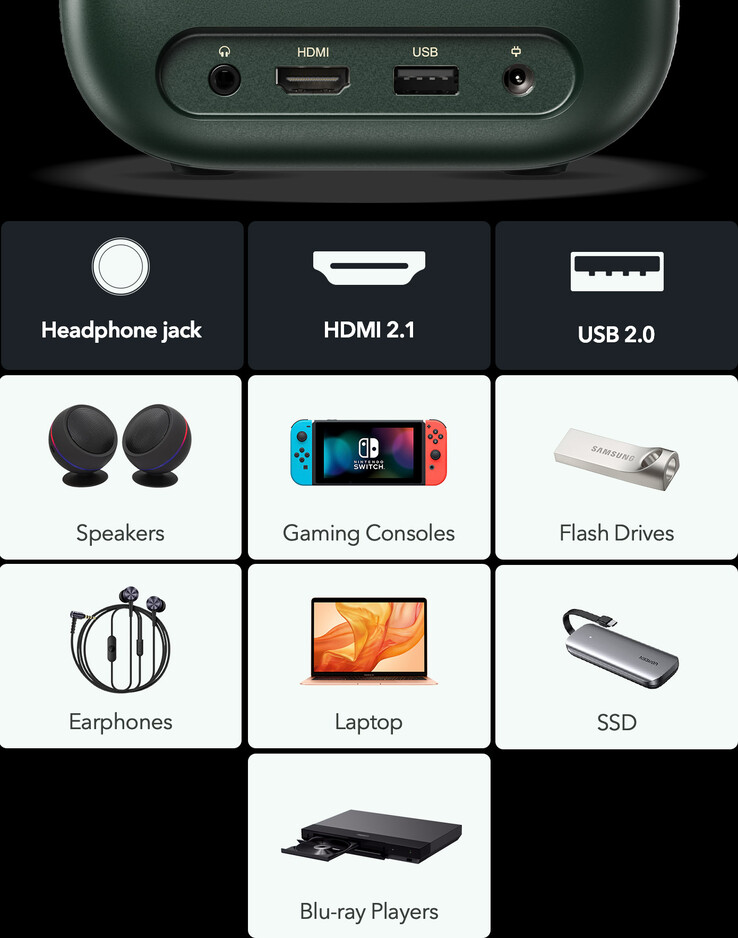
iFLYTEK Smart Office Notebook X3 / X3 Pro specifications:

Both the X3 and X3 Pro models feature a 10.65-inch E-Ink display with a resolution of 1920×2560 pixels and a pixel density of 300 ppi, providing a clear and comfortable reading and writing experience. The readers come with an octa-core processor, and the X3 is equipped with 4GB RAM and 64GB storage, while the X3Pro offers an upgraded storage of 128GB.

iFLYTEK Smart Notebook X3 supports flexible strip design which offers features like meeting summaries, organized discourse, and word lookup. Additionally, it offers support for multiple languages, including 12 dialects, 7 foreign languages, and 16 industry-specific vocabulary databases.

The e-reader weighs around 415g and is just 5.4mm thick. It includes features such as fingerprint unlocking, dual-band WiFi, and Bluetooth 5.0. The device also features 8 built-in microphones and a Wacom magnetic stylus. Under the hood, it has a 4200mAh battery with 20W fast charging.

Both the X3 and X3 Pro models are equipped with 4G LTE connectivity and feature a document-scanning camera, enabling continuous scanning and recognition of handwritten text. The X3 Pro, in particular, stands out with its additional stylus set and 5 replacement stylus tips.

The iFLYTEK Smart Office Notebook X3 also supports the Read-Write-Client app, which enables multi-device data synchronization. This functionality ensures that users have consistent access to their content across different devices.

RELATED:

(Via)

Oppo Watch 5 Pro specs leak: Snapdragon W5+ Gen 1, LTPO AMOLED display & large battery tipped

After launching the Oppo Watch 3 series last year, the brand has been working on a successor. Earlier this week, a report emerged stating that the Oppo 5 series will be launching alongside the Oppo Find N3, N3 Flip, and Pad Air 2 later this month. Now, a new report has leaked the specs and features of the Oppo Watch 5 Pro model.

OPPO Watch 3 Pro
Oppo Watch 3 Pro

Oppo Watch 5 Pro rumored specs

As per a recent Weibo post from the known tipster DCS, the upcoming Oppo Watch 5 Pro will feature a 4 nm low-power dual platform ARM SoC, which is most likely the Snapdragon W5+ Gen 1. The smartwatch will also have an LTPO AMOLED display, with a curved glass finish. The smartwatch is also said to have a 570 mAh battery and support for LTE connectivity through an eSIM.

In addition to these specs, the smartwatch will come with a heart rate monitor, SpO2 sensor for blood oxygen level tracking, GPS capabilities for accurate location-based services, and NFC functionality for swift and secure transactions.

One of the highly anticipated features is the inclusion of Wear OS, which is Google’s custom OS made for smartwatches. This will give the watch access to a plethora of applications tailored for smartwatches. In addition to that, it will also get access to the onboard Google Assistant, adding convenience.

RELATED:

(Source, via)

These Huawei phones and tablets are eligible for HarmonyOS 4 beta update

Huawei unveiled HarmonyOS 4, the newest version of its operating system, earlier this month. The software brings notable improvements and a complete visual overhaul. Huawei has also added lots of customization options along with new features to make your life a little easier. While there’s time for a stable release, Huawei has released the list of smartphones and tablets that are eligible for the HarmonyOS 4 beta update.

HarmonyOS-4

Before we list the names of the devices, it’s important you know what you’re getting into. Since this is not a stable update, you’re likely to encounter bugs and issues that might quickly turn annoying. We don’t recommend installing HarmonyOS 4 beta on your daily driver unless you have prior experience with beta releases. You can sign up for the public beta program from the My Huawei app.

That said, here’s the list of devices eligible for the HarmonyOS 4 beta update:

  1. Huawei P60
  2. Huawei P60 Pro
  3. Huawei P60 Art
  4. Huawei Mate X3
  5. Huawei Mate X3 Collector’s Edition
  6. Huawei Mate 50
  7. Huawei Mate 50 Pro
  8. Huawei Mate 50 RS Porsche Design
  9. Huawei Mate 50E
  10. Huawei Pocket S
  11. Huawei P50
  12. Huawei P50 Pro
  13. Huawei P50 Pro Collection
  14. Huawei P50E
  15. Huawei P50 Pocket
  16. Huawei P50 Pocket Art Edition
  17. Huawei Mate 40
  18. Huawei Mate 40 Pro
  19. Huawei Mate 40 Pro 4G
  20. Huawei Mate 40 Pro+
  21. Huawei Mate 40 RS Porsche Design
  22. Huawei Mate 40 RS Porsche Design Collection
  23. Huawei Mate 40E Pro
  24. Huawei Mate X2
  25. Huawei Mate X2 4G
  26. Huawei Mate X2 Collection
  27. Huawei Mate Xs 2
  28. Huawei Mate Xs 2 Collection
  29. Huawei Nova 11
  30. Huawei Nova 11 Pro
  31. Huawei Nova 11 Ultra
  32. Huawei MatePad Pro 11-inch performance version
  33. Huawei MatePad Pro 12.6-inch 2022
  34. Huawei MatePad Pro 12.6-inch 2021

These are not all the devices that will get the opportunity to try out the beta update. Huawei will soon add more to the list. Currently, there’s no timeline as to when the stable HarmonyOS 4 will be released. We’ll keep you posted.

RELATED:

(Via) (Source)

Huawei MateBook 14 2023 32GB version is now available for purchase

Huawei launched the MateBook 14 2023 earlier this year in May. The laptop brings a set of impressive features, including the 13th-generation Core P series processor, a 2K display, and a thin and light build. So far, the laptop was only available for purchase in a 16GB RAM variant, which is limiting for power users. Thankfully, the company has today made the MateBook 14 2023 available with 32GB RAM. Here are the details.

Buyers in China can now get their hands on the Huawei MateBook 14 2023 32GB version. This configuration pairs the 13th-generation Core i5 processor with 1TB of onboard storage. It is priced at 6099 Yuan in China, which roughly translates to $846. The same configuration with 16GB RAM was launched with a price tag of 5,999 Yuan ($848).

huawei-matebook-14-2023

The MateBook 14 2023 is a versatile laptop that brings features just enough for a general user. This notebook comes equipped with a 14-inch display that offers a 3:2 aspect ratio, a 2K resolution, and a 100% sRGB color gamut. The laptop supports touch and weighs about 1.49kg. The MateBook 14 measures only 15.9mm thick.

As mentioned, the laptop brings 13th-generation Core P series processors, with an option of either Core i5-1340p or i7-1360P. For optimal performance, Huawei equips the machine with built-in dual fans and heat pipes for cooling. The storage is LPDDR4x-4266, with 16 or 32GB RAM. There’s an up to 1TB SSD.

In terms of connectivity options, this notebook is equipped with two USB-A ports, one USB-C port, one HDMI port, and one 3.5mm audio port.

RELATED:

(Via)

Xiaomi Mijia 5-Ton Inverter Air Conditioner up for pre-order in China for 6999 yuan ($971)

Xiaomi has officially made its Mijia 5-Ton Energy-Efficient Inverter Air Conditioner available for pre-order at a price of 6999 yuan ($971). The product can be found on various platforms, including the Xiaomi Store and JD.com and it will go on sale on August 14th.

Xiaomi Mijia 5-Ton Inverter Air Conditioner specifications:

Designed with aesthetics and functionality in mind, the Mijia Air Conditioner features a cylindrical design. This ensures three-dimensional airflow that can reach up to 15 meters, allowing it to cover areas ranging from 50-80㎡ with ease. This is made possible through its maximum cooling capacity of 13200W and a maximum heating capacity of 17250W. Moreover, it employs variable frequency drive control technology, supporting a wide temperature range operation, which can adapt to different climate conditions.

One of the standout features of this new air conditioner is its integration with smart technologies. It includes support for Xiao AI voice control, facilitating remote monitoring of the system and allowing for integration with other smart home devices such as humidifiers. The Mi Home app enables users to remotely control the air conditioner, turning it on and off and adjusting various settings through a smartphone. This added convenience of remote control brings an elevated user experience in managing home climate.

In addition to these advanced features, Xiaomi has also prioritized hygiene and cleanliness. The Mijia Air Conditioner includes high-temperature cleaning, sterilization, and dust removal functions. With just a single tap on the app, users can activate a high-temperature self-cleaning mode. The system also incorporates a high-density antibacterial and antifungal filter that sends intelligent notifications regarding cleaning or blockage, ensuring that the air quality remains safe and healthy.

An impressive aspect of this new product is its energy efficiency. With an APF value of 3.65, it surpasses the national third-level energy efficiency standard. This could translate into significant energy savings for users in the long run.

RELATED:

(Via)

Xiaomi prepares Android 14-based MIUI global builds

Google is expected to release Android 14 stable this month. Following that, partner OEMs will be unveiling a new version of their software based on the latest Android.

Xiaomi is no different as it is anticipated to announce MIUI 15 at the upcoming August 14 event or later. Ahead of that, the company has been already testing Android 14-based MIUI builds internally in China.

Now, global MIUI builds based on Android 14 have been spotted on the Xiaomi server. Let’s go through the details.

Xiaomi 13 Pro

According to Xiaomiui, Xiaomi has prepared Android 14-based MIUI global builds for Xiaomi 13, Xiaomi 13 Pro, and Xiaomi 13T. Though the Android version is the latest, the software is still MIUI 14.

The company spotted these builds on the official Xiaomi server. They bear the following build numbers.

  • Xiaomi 13 – MIUI-V14.0.0.1.UMCMIXM
  • Xiaomi 13 Pro – MIUI-V14.0.0.1.UMBMIXM
  • Xiaomi 12T  – MIUI-V14.0.0.1.ULQMIXM

The aforementioned MIUI builds should be initially available for Mi Pilot testers in the coming days. Followed by that, they will be rolled out to the general public depending on their stability. These builds will be joined by other regional builds as well.

We are looking forward to the official announcement from Xiaomi. It shouldn’t be that far.

Only then we will get to know the exact list of eligible devices for the Android 14 update and their update timeline. Hopefully, Xiaomi delivers the update faster than in previous years.

RELATED:

Facebook Messenger to drop SMS support next month

Facebook Messenger is sunsetting its SMS support for Android users on September 28, 2023. The change was announced quietly on Meta’s support page on Monday. This means that if you currently use Messenger as your default SMS app, you will need to choose a new one before September 28. 

Facebook drops SMS support on Messenger

Meta (then Facebook) first added SMS support to its Messenger app in 2012, but it was discontinued in 2013. In 2016, the company brought back SMS support, this time with a few key changes. Most importantly, SMS messages were displayed in purple to distinguish them from online chats, which were displayed in blue.

However, the popularity of third-party SMS apps has been declining in recent years. Users are increasingly turning to web-based IM clients like Messenger and WhatsApp, which offer a wider range of features and functionality. 

Also, Messenger does not have access to modern IP-based Rich Communication Services (RCS), which Google has been focusing on in recent years. Google Messages, which is the default SMS app on most Android devices, handles both SMS and MMS messages and supports RCS. 

Google is pushing RCS as a replacement for SMS and MMS, which could further accelerate the decline of third-party SMS apps. In light of these trends, it is not surprising that Meta has decided to discontinue SMS support in Messenger for Android users. The company is likely focused on developing Messenger as a more social messaging app, rather than a general-purpose texting app. 

If you are an Android user who currently uses Messenger as your default SMS app, you should start planning to switch to a different app before September 28th. There are many great SMS apps available, such as Google Messages, Textra, and Pulse. You can read reviews of different apps to find one that best meets your needs.

Related:

WhatsApp Users Get Landscape Mode And Can Now Share Their Screen On Video Calls

WhatsApp is reportedly working on new features. The popular instant messaging platform has introduced a new feature. It was said to be in development for months with beta testing since May this year. The new feature has been announced by Meta CEO Mark Zuckerberg. It allows users to share their device’s screen during video calls for various purposes and also enhancing the experience. Read on to know more below.

WhatsApp gets screen-sharing support in video calls

WhatsApp users now have the ability to share their device’s screen on a video call. They can share documents, photos, shopping cart, or whatever that is available on the phone’s screen. The feature can be accessed by tapping on the Share icon on a WhatsApp video call. Users then get the option to choose if they want to share a specific app only or the entire screen of their device. This is pretty much similar to video conferencing platforms like Zoom and Google Meet. 

Once the screen is shared, everything displayed on your screen will be recorded and shared with the recipient. You can stop sharing the screen anytime. Additionally, the Meta-owned instant messaging platform also allows video calling in landscape mode now. This offers a wider and more immersive viewing and sharing experience on smartphones. With the new feature, it seems that WhatsApp is competing against Google Meet and Zoom which dominate video conferencing in the professional domain. However, it could also work for helping out contact with tech support as it allows to share screen and guide the person. 

The screen-sharing feature on WhatsApp video calling is now rolling out on Android, iOS, and WhatsApp desktop client. Since the rollout is in a phased manner, it should take some time to arrive on your devices if it hasn’t yet. 

Related: 

Huawei Luxeed Spy Shots Reveal Sedan’s Unique Design and Lidar for Autonomous Driving

Many of us know Huawei for its smartphones and excellent laptops like MateBook X Pro 2023, the company continues to expand its product lineup. Even though Huawei is involved in many different industries, their most noticeable investment is in the automobile industry. Not long ago, we talked about the company’s electric sports sedan called Luxeed. Now, there are leaked spy photos of this vehicle. Here are the details…

Huawei Luxeed to Feature HarmonyOS 4 and Lidar

As mentioned above, Huawei is continuing its work in the car industry. Their work focuses mainly on HarmonyOS 4. Many car makers are either using or planning to use this new operating system introduced by the company. But that’s not all Huawei plans for the electric vehicle market. It’s known that they have been working on making their own electric vehicle for some time.

Recently, Huawei’s Executive Director and CEO of Smart Car Solutions, Yu Chengdong, officially announced that the first purely electric sedan under Huawei umbrella is set to meet the public this quarter. Now, bloggers discovered spy shots of this vehicle. The Huawei Luxeed has large headlights and taillights that look similar. The taillights are smaller than the headlights, but they still stand out. This gives the car a unique look.

You can take a look at the pictures below and form your own opinion about the vehicle. While this striking design is largely thanks to Huawei, they didn’t work on it alone. The eagerly awaited electric car is a joint effort between Huawei and Chery. Sadly, we don’t know all the details, but according to official announcements, this car will be the first to have the HarmonyOS 4.

The new HarmonyOS 4 makes the car’s screen system better. You can easily connect different devices in the car. By just dragging, you can show what’s on the front screen to the back screen, so everyone in the car can see the same thing. The OS now works with more apps, making it even better. Plus, you can connect it to drone apps and watch videos from the sky on the vehicle screen.

When we look closely at the photos, we see a lidar on the top. It is believed to have Huawei’s ADS 2.0 smart driving system. Self-driving technology is very popular today. That’s why companies like Tesla and Xpeng are using their self-driving features as a marketing strategy. Huawei is expected to do something similar. Unfortunately, that’s all we know about Huawei Luxeed, but stay tuned for more.

RELATED:

(source)

OnePlus Ensemble Bundle Announced In India: Is It Worth Buying Over Standalone Devices?

OnePlus launched the OnePlus 11 5G smartphone, Buds Pro 2 TWS earphones, and OnePlus Pad tablet earlier in February this year. All three devices are already available for purchase in India. Now, OnePlus has announced the OnePlus Ensemble, which comprises the smartphone, tablet, and TWS earphones. Not many brands offer product bundles like this. This is an interesting way for OnePlus to persuade customers to buy their devices.

However, there are benefits as well as a catch to this. Read on to know everything below. 

OnePlus Ensemble bundle announced

The OnePlus Ensemble bundle includes the top-end configurations of the OnePlus 11 5G and OnePlus Pad. These are the 16GB + 256G and 12GB + 256GB RAM and storage variants respectively. The smartphone, tablet, and TWS earphones are offered in Eternal Green, Arbor Green, and Halo Green colors respectively. 

The Ensemble bundle is priced at Rs. 1,13,997. It is available for purchase from the brand’s official website and six OnePlus Experience stores across the country. The company is offering up to Rs 4,000 in instant bank discounts on ICICI Bank and OneCard. This brings down the price of the bundle to Rs 1,09,997. There is also up to 24 months of no-cost EMI on leading banks. 

Is the OnePlus Ensemble bundle worth it?

In comparison to buying the three devices separately, the Ensemble bundle costs slightly more. On Amazon, the OnePlus 11 5G is priced at Rs 61,999, the OnePlus Pad costs Rs 39,998, and lastly, the Buds Pro 2 are available at Rs 10,999. The prices of all three devices add up to Rs 1,12,996 which is Rs 1,000 cheaper than the bundle. 

Both  Amazon and OnePlus are offering a Rs 2,000 discount on the purchase of the smartphone. whereas customers are eligible for up to a Rs 3,000 discount  (only on the official website) on the tablet via select bank cards. The OnePlus Buds Pro 2 can be availed with a discount of upto Rs 1,250 on Flipkart. If the prices of the three devices post discounts are considered, then they become worth Rs 1,07,897 which is significantly cheaper than the aforementioned price of the Ensembled bundle post discounts. Additionally, buyers purchasing the devices separately can also get exchange discounts on the smartphone and tablet 

The main benefit of the Ensemble Bundle is that it offers up to 24 months of no-cost EMI options on leading banks. The no-cost EMI duration is lesser if the devices are brought separately through Amazon and the official website. 

Related

Spotify rolls out its AI DJ to 50 regions

The popular streaming service, Spotify, has started rolling out its new artificial intelligence-based DJ feature to 50 new regions across the globe. The feature was first introduced earlier this year and is seeing a broader release now.

Spotify AI DJ: What does it do?

For those unaware, the music streaming platform is bringing the new AI-powered DJ, which combines its personalization technology with generative AI and a dynamic AI voice. This basically offers users commentary in English and get recommendations based on their music preferences. In other words, the feature essentially is an interactive DJ.

Spotify AI DJ

As per official notes, the DJ feature will help introduce users to new songs or artists that they might have skipped previously. The new AI DJ is a feature exclusive to its Spotify Premium users. Subscribers simply need to open their app and head to the music feed on home and tap DJ. You can even access the feature from the Made for You section on the Search tab.

Which country gets Spotify DJ?

The streaming service is currently available for Premium users in Antigua, Australia, Bahamas, Barbados, Barbuda, Belize, Botswana, Burundi, Canada, Dominica, Eswatini, Fiji, Gambia, Ghana, Grenada, Guyana, Ireland, Jamaica, Kenya, Kiribati, Lesotho, Liberia, Malawi, Malta, Marshall Islands, Namibia, Nauru, New Zealand, Nigeria, Pakistan, Palau, Papua New Guinea, Philippines, Rwanda, Saint Kitts and Nevis, Saint Lucia, Saint Vincent and the Grenadines, Samoa, Sierra Leone, Singapore, Solomon Islands, South Africa, Sweden, Tanzania, Tonga, Uganda, United Kingdom, United States, Vanuatu, Zimbabwe, and Zambia.

RELATED:

Teclast N15 Mini PC unveiled as a Compact Powerhouse designed for your every need

The Teclast N15 Mini PC is a compact powerhouse that redefines computing efficiency. With its Intel Celeron Jasper Lake N50955 processor, impressive triple 4K screen support, and a limited-time offer price of $169.99, it’s the perfect partner for seamless multitasking and exceptional performance.

Unmatched processing power

Teclast N15 Mini PC features the Intel Celeron Jasper Lake N50955 processor. With clock speeds up to 2.9GHz, experience blazing-fast performance that surpasses the Intel N4120 predecessor by an impressive 61.9%. Multitask seamlessly and enjoy effortless operation.

Seamless visuals, unparalleled performance

Immerse yourself in every task with the integrated Intel UHD Graphics, running at 1.20 GHz. Whether you’re browsing the web or engaging in intensive photo editing, experience flawless execution. The Teclast N15 Mini PC handles everything with grace.

Elevate multitasking with ample RAM

Say goodbye to lag with the Teclast N15 Mini PC’s high-speed 16GB DDR4 RAM. Switch between tasks effortlessly, juggle numerous browser tabs, and swiftly open large graphics files without compromising performance. 

Storage beyond limits

Keep your files and applications securely stored with the 512GB M.2 2280 SSD. Need more space? The Teclast N15 Mini PC lets you expand to an astounding 2TB through M.2 2280 NVMe SSD upgrades. Your digital world knows no bounds.

Immersive display and connectivity

Submerge yourself in visual brilliance with triple 4K screen support via HDMI, Type-C, and Display Port. Connect three displays simultaneously for optimal multitasking efficiency. Whether you’re working or relaxing, the Teclast N15 Mini PC delivers the best visual experience.

Versatile connectivity at your fingertips

Seamlessly integrate your devices with the Teclast N15 Mini PC’s comprehensive ports. From full-function Type-C and USB to Ethernet and audio jacks, this mini PC bridges the gap between your digital ecosystem and productivity.

Windows 11 Pro: The future in your hands

Experience the intuitive interface of Windows 11 Pro, preinstalled on the Teclast N15 Mini PC. Enjoy seamless compatibility with Office and Adobe software, along with support for Linux and Ubuntu. Auto Power On, RTC Wake Settings, and Wake On LAN ensure you’re always ready to roll.

Compact design, maximum cooling

Despite its power, the Teclast N15 Mini PC maintains a compact 4.5 x 4.5 x 1.6-inch form factor. Weighing just 400g, it’s your portable powerhouse. The built-in fan cooling system keeps things running smoothly, even during intense multitasking.

Price and Availability:

WHERE TO BUY
Teclast N15 Mini PC at $169.99 @Amazon


Teclast N15 Mini PC which retails for $219.99 is now available at an unbeatable offer price of $169.99 ($50 coupon available on the Amazon product page). Don’t miss this chance to elevate your computing with incredible efficiency and performance. Visit the Amazon store to seize the deal today. You can also learn more about the Teclast N15 Mini PC on the official Teclast site.

For more information on such exciting deals and offers, check out our deals hub.

Huawei Watch 4 Pro users can now play games with HarmonyOS 4 update, beta testing begins

After Incorporating features such as free diving support, a playground running mode, and compatibility with Huawei S-TAG exercise trackers through the HarmonyOS 3.1.0.168 update, the Huawei Watch 4 Pro will now get more fun features with the HarmonyOS 4 update.

HarmonyOS 4 will provide users with new interactable watch faces and themes, meaning the smartwatch will have more appealing animations and features on touch, improving the user experience. HarmonyOS 4 introduces many playable games that you can play on your wrist without bringing out your smartphone. One of them is a floating astronaut game, which is an endless obstacle game much like Temple Run where you have to save your character from the objects that are in the way. You can simply press Go, and the game will begin, where you have to save your character from the objects that are in the way. You can play this game without unlocking the watch at any time.

For those unaware, Huawei launched HarmonyOS 4 on August 4, 2023, which is currently in the beta testing phase. Huawei Watch 4 Pro users can apply to join the beta testing through the “My Huawei” App, available with Huawei mobile phones and tablets. One thing to note here is that the “My Huawei” App should be updated to the latest version; otherwise, beta testing will not be accessible.

Aside from the HarmonyOS 4 update, Huawei recently launched the Huawei Watch 4 Pro Ocean color option in Europe last month. The watch strap is crafted of fishing nets made of Fluoroelastomer material, much different from the original variant that had Titanium and Leather strap options. The Huawei Watch 4 Pro also offers eSIM/LTE connectivity, making it convenient for quick calling, replies, and navigation.

RELATED:

(Via)