After Incorporating features such as free diving support, a playground running mode, and compatibility with Huawei S-TAG exercise trackers through the HarmonyOS 3.1.0.168 update, the Huawei Watch 4 Pro will now get more fun features with the HarmonyOS 4 update.
HarmonyOS 4 will provide users with new interactable watch faces and themes, meaning the smartwatch will have more appealing animations and features on touch, improving the user experience. HarmonyOS 4 introduces many playable games that you can play on your wrist without bringing out your smartphone. One of them is a floating astronaut game, which is an endless obstacle game much like Temple Run where you have to save your character from the objects that are in the way. You can simply press Go, and the game will begin, where you have to save your character from the objects that are in the way. You can play this game without unlocking the watch at any time.
For those unaware, Huawei launched HarmonyOS 4 on August 4, 2023, which is currently in the beta testing phase. Huawei Watch 4 Pro users can apply to join the beta testing through the “My Huawei” App, available with Huawei mobile phones and tablets. One thing to note here is that the “My Huawei” App should be updated to the latest version; otherwise, beta testing will not be accessible.
Aside from the HarmonyOS 4 update, Huawei recently launched the Huawei Watch 4 Pro Ocean color option in Europe last month. The watch strap is crafted of fishing nets made of Fluoroelastomer material, much different from the original variant that had Titanium and Leather strap options. The Huawei Watch 4 Pro also offers eSIM/LTE connectivity, making it convenient for quick calling, replies, and navigation.
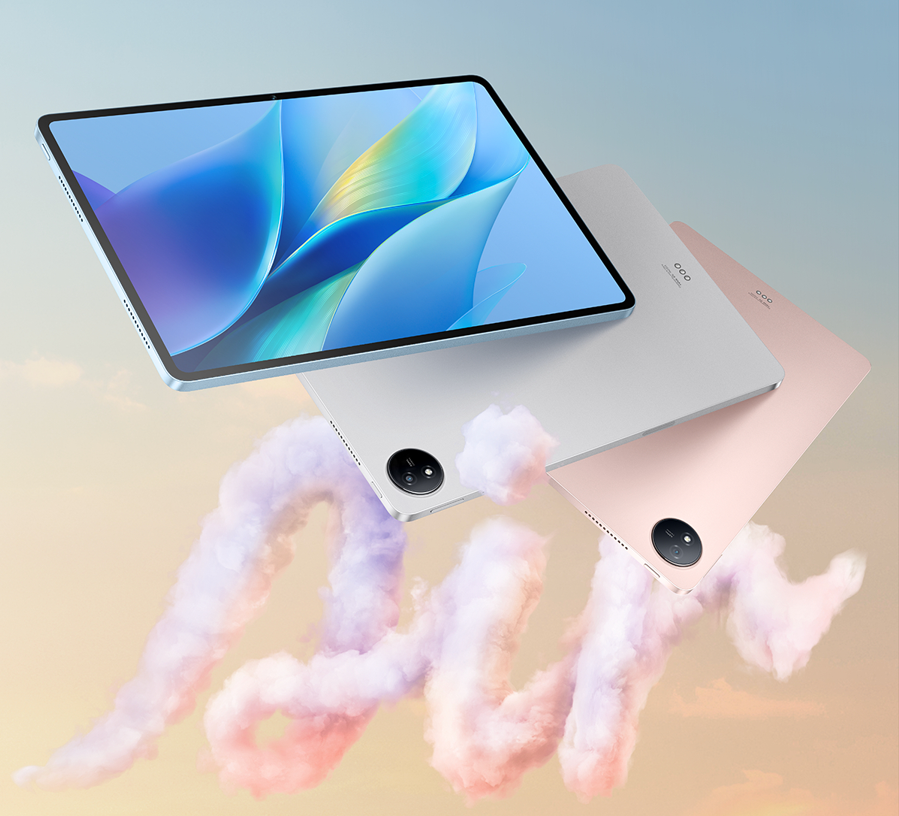
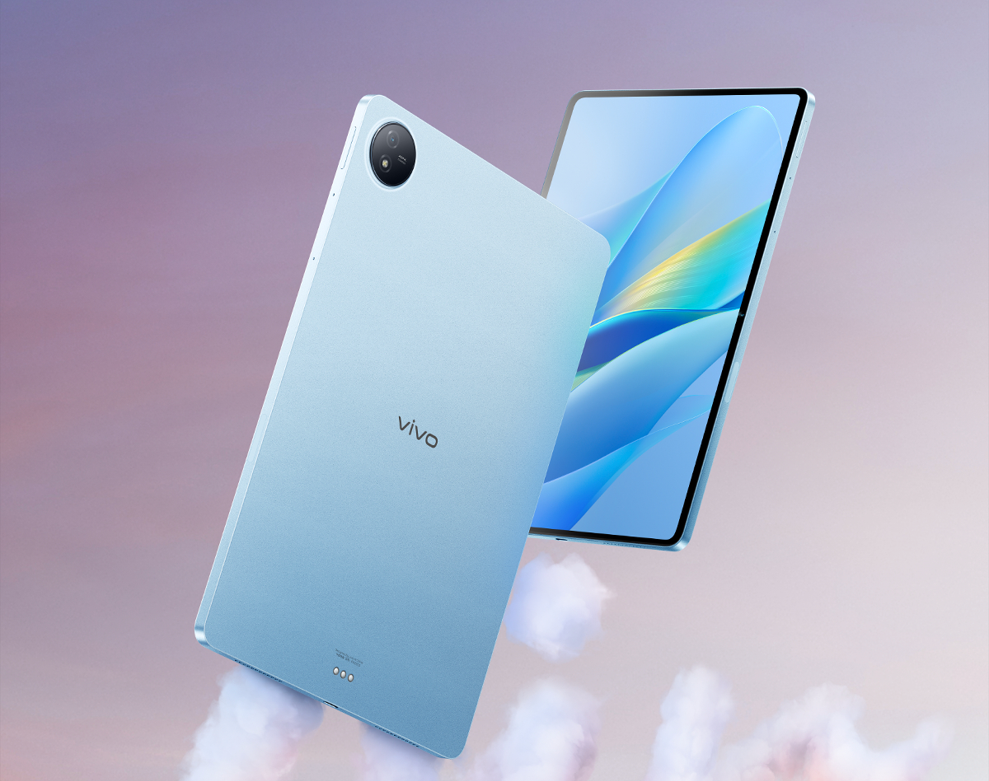
After clearing multiple certifications, Vivo has made the Vivo Pad Air official in China. In a recent Weibo post, Vivo Vice President Jia Jingdong shared the poster of the Vivo Pad Air, revealing its design and some key specs.
Vivo Pad Air specs
As per the post made by Jia Jingdong, the vivo Pad Air offers a large 11.5-inch 2.8K screen with a 3:2 aspect ratio, DCI-P3 color gamut, and a remarkable 144Hz adaptive refresh rate. The Qualcomm Snapdragon 870 processor ensures smooth performance, complemented by 8GB of RAM and a generous 128GB of storage.
Battery life is great with a big 8500mAh battery that charges up real quick with 44W fast charging. And when you want to crank up the volume, the four speakers are a treat with their super-large sound chambers and fancy Super Audio Computed sound effects. The vivo Pad Air embraces creativity with vivo Pencil2 support, enabling intuitive note-taking and drawing.
Running on OriginOS 3, a custom adaptation of Android 13 tailored for tablets, the device offers a user-friendly interface optimized for its unique features. One cool thing is that you can easily share things between the tablet, your computer, and your phone. The tablet is thin and light, making it easy to carry around. It’s not easily smudged by fingerprints, and it comes in nice colors like blue, pink, and silver.
Price & availability
As of now, Vivo hasn’t given any information about how much the Vivo Pad Air will cost or when it will be available. But we’re hoping to get those details very soon.
The Vivo V29 Pro 5G was recently spotted on the Bureau of Indian Standards (BIS) certification platform, which hinted at its imminent launch. Now, the series base model, V29 5G, has also surfaced on the platform. So we can expect the upcoming V-series lineup to launch in the region soon.
Vivo V29 5G Specs
Looking at the certification listing, the new mid-range smartphone carries the model number V2250. The BIS certification does not reveal any finer details regarding the handset, but the V29 5G was recently released in the European market. The global variant of the device sports a tall 6.78-inch curved AMOLED display that offers Full HD+ resolution, 120Hz refresh rate, and HDR10+.
Under the hood, it is equipped with the Qualcomm Snapdragon 778G SoC that is paired with 8GB of RAM and 256GB of internal storage. The rear packs a 50-megapixel triple camera setup, while the front houses a 50-megapixel selfie shooter with LED flash. A 4,600mAh battery pack powers this device, with 80W fast charging support. Vivo V29 5G runs on Android 13 OS based FunTouchOS 13 custom skin out of the box.
Other notable features include an in-display fingerprint scanner, stereo speakers with Hi-Res audio support, a 7.46mm thin body, IP68 water and dust resistance, and Bluetooth 5.2. With this latest sighting, it is clear that the V29 series launch in India is just around the corner. So stay tuned for more updates.
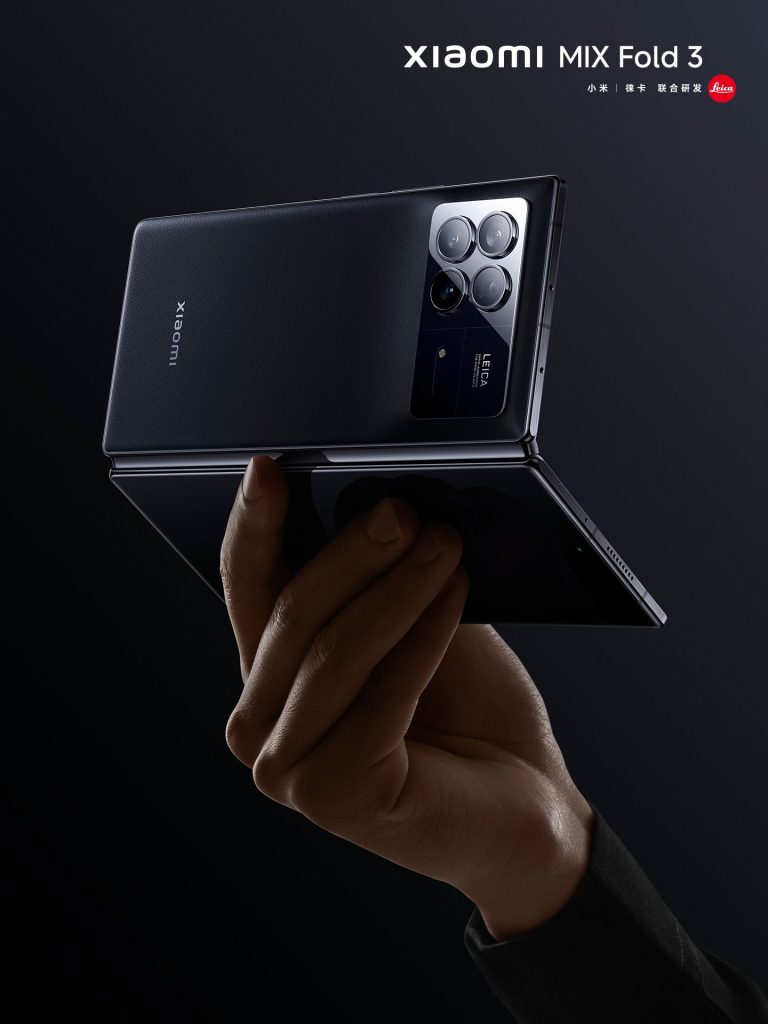
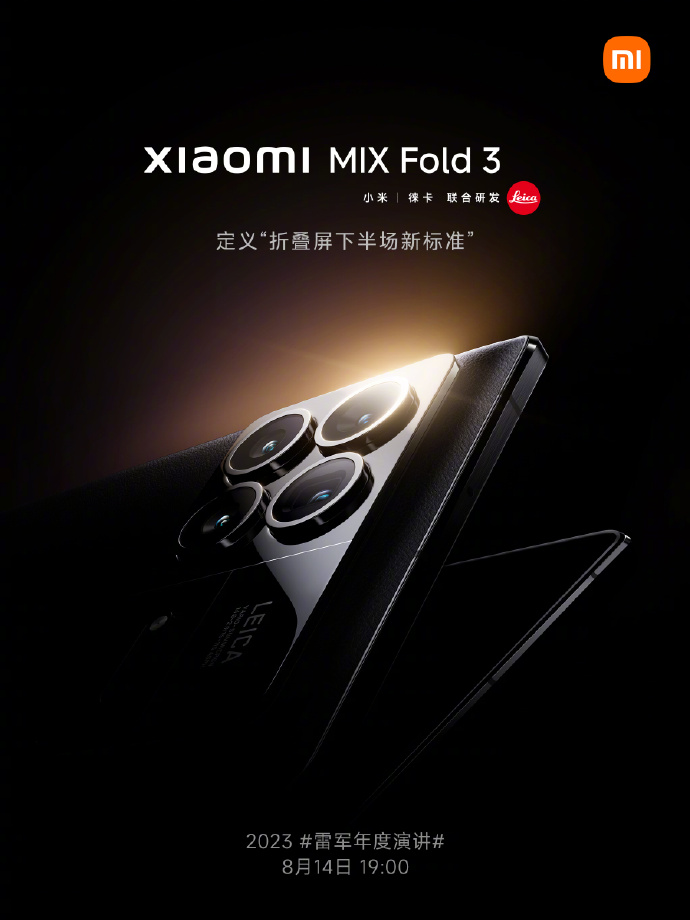
Earlier today, Xiaomi announced the launch date of the MIX Fold 3 in China. It is set to debut in the country on August 14 along with a host of other products. Ahead of the launch next week, the brand has shared a bunch of images of the upcoming foldable phone on microblogging platform Weibo. They give us a good look at the device from all angles. The MIX Fold 3 will arrive as the successor to the last year’s MIX Fold 2 (review).
Xiaomi MIX Fold 3 design teased in official images
The Xiaomi MIX Fold 3 has a slim profile with power and volume rocker buttons located on the right edge. The former doubles up as a fingerprint scanner. There are speaker grilles at the top and bottom of the device. A USB-C port is also located at the bottom.
The MIX Fold 3 sports a glossy rectangular module on the back panel. It houses three camera sensors and a periscope lens with an LED flash unit. There is Leica branding that confirms the legendary camera maker’s presence of the device. The island also has text revealing a VARIO SUMMICRON lens with f/1.8 to f/2.9 aperture that could be for some sensors.
The Xiaomi MIX Fold 3 is confirmed to come in Black color with a leather texture and a Gold option with a glass panel on the back. We could spot a center-aligned punch-hole cutout on the main display whereas the interior screen has the cutout on the top left side of the screen.
Xiaomi CEO Lei Jun revealed that the company started the development of the Fold 3 from scratch and reconstruct from the original point. With continuous efforts, Xiaomi engineers have found the optimal solution of current technology and craftsmanship when it comes to the hinge. The Fold 3 is touted to be both light and thin creating a new standard for a folding screen.
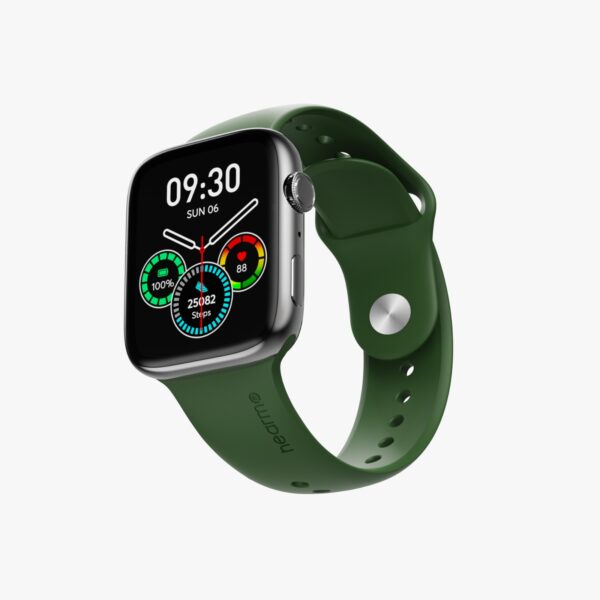
Hearmo has just unveiled a new budget smartwatch in India, which features a design that is awfully similar to the Apple Watch. The wearable in question is the HearFit RS (SE). The wearable arrives weeks after the company unveiled the new HearPods Pro 2 ANC, so here are all the details.
Hearmo HearFit RS (SE) Specs
The company’s smartwatch features a tall 2-inch Full View display that has a 420 x 485 resolution, thin bezels, and 700 nits of peak brightness. It features a metallic build with a rectangular screen, which closely resembles the Apple Watch. The device comes with support for over 100 sports and fitness modes along with various health-related trackers like sleep monitoring, heart rate mapping, blood oxygen tracking, and more.
The HearFit RS (SE) can be customized with different Watch Faces and supports Bluetooth Calling as well. Other notable features include an IP68 rating for water and dust protection, a 320 PPI screen, and a premium build quality. The smartwatch will be available in two color variants as well, namely Black and Army Green. Notably, the device is a cheaper version of the existing Hearmo HearFit RS smartwatch.
Hearmo HearFit RS (SE) Pricing & Offers
The Hearmo HearFit RS (SE) has an official price tag of 7,999 INR. Although, the brand is offering the model with a special introductory price tag of 1,999 INR. It is being sold through offline retailers as well as Amazon and the company’s official website.
We have been hearing about the Galaxy S24 Ultra even before the release of the Galaxy S23 Ultra. Several details about Samsung’s next-gen flagship slab smartphone have leaked in the past few months and they keep happening.
Earlier today, a reliable tipster shared exclusive information regarding the Galaxy S24 Ultra. This is the first time we are hearing about this.
As per the source, the device will sport a new zoom camera. Let’s go through the details.
Samsung Galaxy S23 Ultra
Ice Universe is a Chinese internet personality known for his Samsung-related posts on X (formerly Twitter) and Weibo. Today, he shared something interesting about the successor of the Galaxy S23 Ultra.
As per him, the Galaxy S24 Ultra will feature a 50MP 3x telephoto camera. For the unaware, the current-gen model has a 10MP sensor.
Previously, Samsung was rumored to replace the 3x lens with a 5x one. But according to the latest information, the current 3x lens will be retained with a sensor upgrade. The higher megapixel sensor could result in better zoom shots in the 3x-9x levels.
Going by the previous reports, the 200MP ISOCELL HP2 primary sensor will be retained from the Galaxy S23 Ultra. Even the 12MP selfie camera will make a comeback. But there are no concrete details on other cameras.
As far as other features are concerned, the Samsung Galaxy S24 Ultra is expected to arrive with a titanium frame, Qualcomm Snapdragon 8 Gen 3 / Exynos 2400 chipsets, and a 5,000mAh battery.
A recent study conducted by Purdue University in the United States has shed light on a concerning issue related to the accuracy of ChatGPT’s responses to programming questions. The study’s findings indicated that more than half of ChatGPT’s answers were incorrect, and its advanced language abilities managed to mislead a significant portion of the participants.
Why Relying on ChatGPT May Be Counterproductive
The research team examined 517 programming questions sourced from Stack Overflow and assessed various aspects of ChatGPT’s responses, including correctness, consistency, comprehensiveness, and conciseness. The outcomes of the evaluation were disappointing, as it was revealed that 52% of the provided answers were inaccurate, and a substantial 77% were unnecessarily lengthy. What raised even more concern was the observation that the AI’s eloquent and methodical language style often led the participants astray. Only in cases where the errors were glaringly obvious were the participants able to identify the inaccuracies.
In spite of the incorrect responses, nearly 40% of the participants preferred ChatGPT’s answers. However, a significant 77% of those favored responses turned out to be incorrect. The researchers, including individuals like Samia Kabir, David Udo-Imeh, Bonan Kou, and Assistant Professor Tianyi Zhang, clarified that many errors stemmed from ChatGPT’s inability to grasp the contextual nuances of the questions.
These findings present a compelling argument that current generative AI, in its existing state, may not be a suitable tool for assisting with code generation and might even have counterproductive effects. Acknowledging this reality, various tech giants such as Google, Apple, Amazon, and Samsung have issued warnings or imposed bans on the utilization of generativeAI for code suggestions.
According to reports, OpenAI is working on its next GPT iteration GPT-5 which is expected to solve these errors. Expectations include reduced hallucinations, improved multi-modality with text, images, videos, and audio, enhanced computational efficiency, memory, and contextual understanding. GPT-5 could enable more detailed interactions, expand into new domains, and offer a higher number of parameters for more powerful AI content generation.
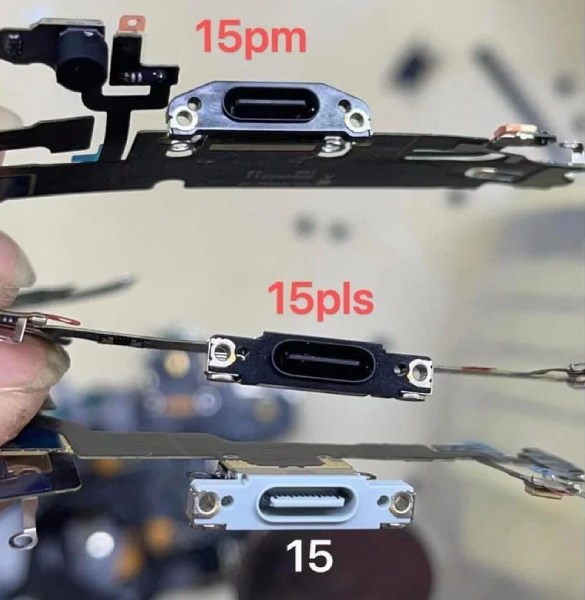
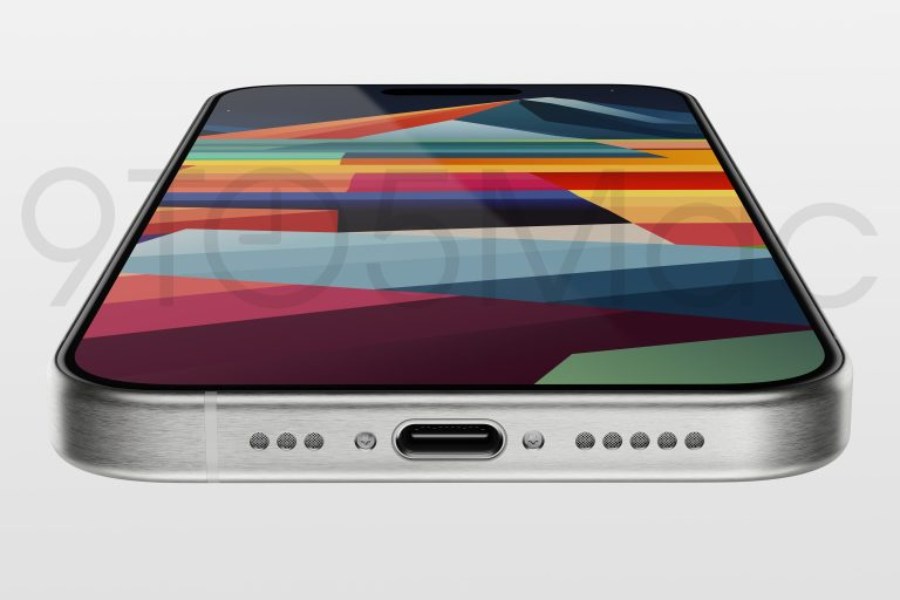
There have been rumors for some time that the iPhone 15 lineup will ditch the Lightning port in favor of USB-C. They were further fueled by the recent leak of alleged images of iPhone 15 USB-C connector ports. This is yet another indication that Apple is getting ready to switch from Lightning to USB-C, which is the common charging port for most other smartphones.
iPhone 15 with USB-C port
Leakers @lipilipsi and @John011235 have shared the alleged image of the iPhone 15-series USB-C port. The images show the Type-C port attached to flexible PCB components for the standard iPhone 15, iPhone 15 Plus and iPhone 15 Pro Max. These images suggest that all 2023 iPhone 15 models will feature USB-C ports, a change that has been rumored for some time.
Reliable leakster such as Bloomberg’s Mark Gurman and Apple analyst Ming-Chi Kuo have consistently said that Apple will make this switch with their upcoming iPhone.
For those unaware, Apple is expected to make the shift from the Lightning port to the USB-C port to comply with the European Union’s ruling to set a standard port across the industry.
Different USB-C ports on Pro and Non-Pro models?
Even though iPhones will soon ditch the infamous Lighting port, Apple may restrict the cables that can be used with the USB-C port on the iPhone 15 lineup, according to analyst Ming-Chi Kuo. Kuo believes that only the iPhone 15 Pro and iPhone 15 Pro Max will have USB 3.2 ports. While the base iPhone 15 and iPhone 15 Plus will have USB 2.0 ports. This would mean that the higher-end models would support faster data transfer speeds. And the lower-end models would be limited to slower speeds.
Image: 9to5Mac
Additionally, there have been rumors that the iPhone 15 models will only officially support USB-C accessories that have received approval from Apple’s Made for iPhone (MFi) program. This means cables and chargers that are not MFi certified may not work with the iPhone 15. We will know about all these at Apple’s annual iPhone event, which is expected to take place in September 2023.
Qualcomm has been rumored to be working on new Oryon-based chipsets for Windows devices since late last year. The company even teased the name of the chipset codenamed, “Hamoa,” at its Snapdragon Technology Summit 2022. It was previously thought that Hamoa would only have a 12-core CPU, but a new report claims that there will be other variants with 8 and 10 cores as well.
The new chipsets might launch later this year
According to Winfuture, Qualcomm’s upcoming Snapdragon “Hamoa” chip will not only be available in a 12-core version. The company has also been developing two other variations with 10 and 8 cores, known internally as SC8370, SC8370XP, SC8350, and SC8350X. The main difference between the versions is the number of cores.
The report indicates that in the SC8370 and SC8350 variants, Qualcomm might scale down the count of high-end cores. This could potentially lead to an integration of around six or four high-performance cores, while keeping the energy-efficient cores at four, as before.
The pair of 12-core versions should carry the Snapdragon 8cx Gen 4 label for their marketing. And as pointed out by GSMArena, the remaining two variations are likely to find their place in the lower series such as Snapdragon 8c and 7c.
Qualcomm announced that Oryon-based chipsets will be used in Windows-based ARM PCs. The launch date is still unknown, but mark your calendars for October 24th, when Qualcomm will host their Snapdragon summit. The company will introduce the Snapdragon 8 Gen 3 mobile processor at the event, and there’s a chance that the Snapdragon “Hamoa” will also be revealed. Stay tuned for more updates!
Samsung Electronics is gearing up to introduce its new vision for system semiconductors at Samsung Tech Day 2023 in October. The company plans to develop and produce “Semicon Humanoids” which are robots with human-like sensory functions such as smelling and tasting. This is an amazing feat, as it will allow robots to interact with the world in a more natural way.
Samsung Semicon Humanoids will Feature Special Semiconductors
Samsung Tech Day is an annual event that showcases the company’s latest advancements in semiconductor technologies. And this year, it sure does have something very interesting to share.
Samsung’s Park Yong-in, President of the LSI Business Division, will give a keynote address at the event. He is expected to discuss Samsung’s Semicon humanoids, their development status, and their commercialization plans.
Samsung has long been a leader in the semiconductor industry, manufacturing chipsets, and camera sensors. And it is said to be developing semiconductors that can detect taste, smell, hearing, touch, and vision for their Semicon humanoids.
To explore the potential applications of the robot, the System LSI Division has established a new business task force. The task force is led by Joo Hyuk and he is expected to introduce a medical robot utilizing semicon humanoids at Samsung Tech Day.
In addition to Park Yong-in and Joo Hyuk, Samsung Tech Day 2023 will also feature presentations from Benny Katibian, Vice President of the Samsung Austin Research and Development Center (SARC), and Lim Seok-hwan, Vice President of Samsung Electronics’ LSI Division.
Katibian will provide updates on Samsung’s GPU and neural network processing unit (NPU) technologies. Lim will present language learning model (LLM) related technologies, including artificial intelligence (AI) and ChatGPT. AMD Vice President Martin Ashton will also participate in the event. He is expected to provide an update on their technological alliance with Samsung Electronics.
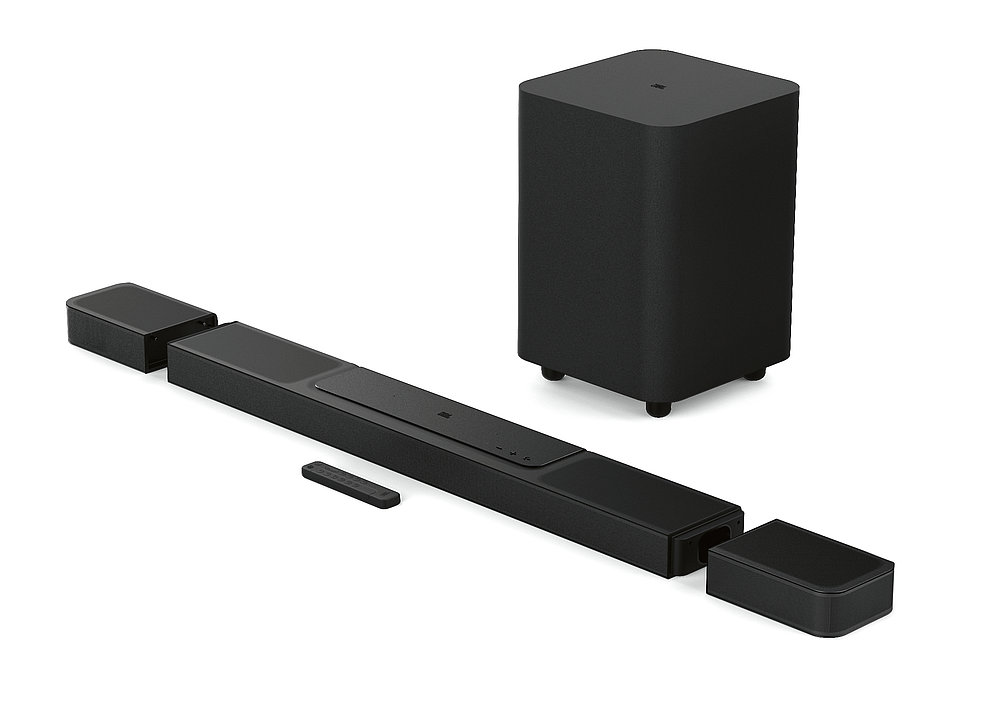
JBL has officially announced a new soundbar for the Indian market. The new Bar 1300 is the company’s latest audio product, which was recently teased in the region. So here are all the details regarding the new soundbar.
JBL Bar 1300 Specs and Features
The Bar 1300 is the company’s new premium soundbar, which features six drivers and 11.1.4 Channel. Alongside the new soundbar, buyers also get a detachable speaker wireless surround speakers (can be used as standalone speakers), and a 10-inch wireless subwoofer. The total output of the new speakers is 1,170W, which supports Dolby Atmos and DTS:X 3D surround sound as well.
Specifications aside, the new soundbar arrives with some nifty features. This includes JBL’s MultiBear technology, which helps offer an immersive experience. Similarly, it offers PureVoice technology that brings a clearer voice when sound effects are loud. Apart from all this, the Bar 1300 features Dolby Atmos support and supports voice assistants like Siri, Google Assistant, or Alexa. For connectivity, it includes Wi-Fi 802.11 a/b/g/n/ac/ax, Bluetooth 5.0, and JBL One app support for EQ customization.
JBL Bar 1300 Price
The JBL Bar 1300 soundbar has been announced in India for a special introductory price tag of 1,49,999 INR. It has a 1,59,999 INR MRP. Buyers can purchase this soundbar from the company’s official website. Keep in mind that it arrives in a single black color option.
OnePlus is gearing up to launch the Ace 2 Pro smartphone in China on August 16. The company has already released a promotional video that reveals the phone’s design, and rumors have been circulating about its specifications. Recently, Li Jie, the President of OnePlus China, shared a video on his Weibo account that demonstrates the Ace 2 Pro new “Rainwater Touch Control” feature.
OnePlus Ace 2 Pro’s Screen gets a Custom Chip
Have you ever had your phone not respond to your touch inputs because it was raining or your hands were sweaty? OnePlus’ new self-developed “Rainwater Touch Control” technology claims to solve exactly this problem.
In the shared video, the upcoming OnePlus Ace 2 Pro is compared to the Apple iPhone 14 Pro. The video shows both phones being exposed to rain, with water droplets on their screens. When the user tries to unlock the iPhone 14 Pro, the touch input is not registered properly and the phone takes several tries to unlock. On the other hand, the OnePlus Ace 2 Pro unlocks on the first try with no problems.
This suggests that OnePlus’ Rainwater Touch Control technology is really effective in wet conditions. This could be a major advantage for OnePlus, as it will allow users to use their phones more easily in wet weather.
The test also simulated a foggy environment. And as expected, the OnePlus Ace 2 Pro was easy to use in the fog. However, the iPhone 14 Pro was still not smooth enough for precise controls.
OnePlus says a custom screen chip and three new core touch algorithms were developed specifically for this technology. These algorithms overcome the challenges of touch input in wet conditions. This allows the OnePlus Ace 2 Pro to achieve an industry-leading wet-hand touch experience.
OnePlus has also teased the display details of the Ace 2 Pro. The phone will have a 6.74-inch AMOLED display with a sharp 2772 x 1240 pixel resolution, a smooth 120Hz refresh rate, and a peak brightness of 1600 nits. The panel has also been certified for HDR10+ playback, and the display bezels are just 2.17mm thin. The camera will reportedly have a triple setup with a primary Sony IMX890 sensor, an 8MP secondary sensor, and a 2MP depth sensor.
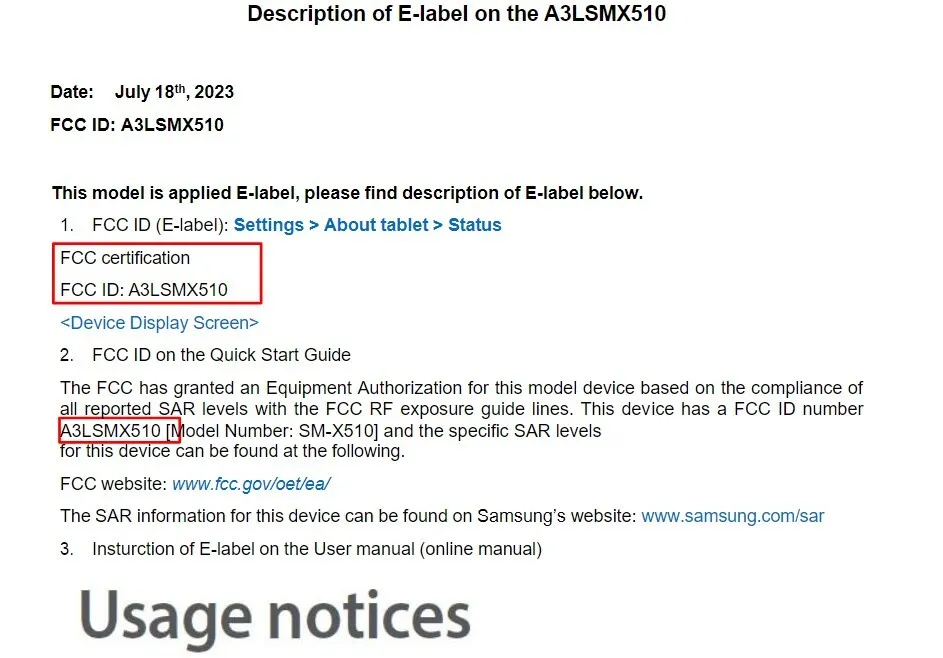
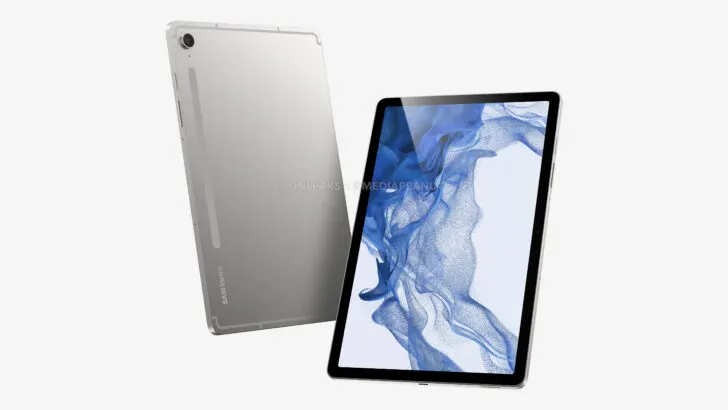
After launching the Galaxy Tab S9 series in the global market, Samsung is now working on the Galaxy Tab S9 Fan Edition tablets. The Tab S9 FE global model was spotted on FCC a few days back, and now, the WiFi-only model of the tablet has also cleared the certification.
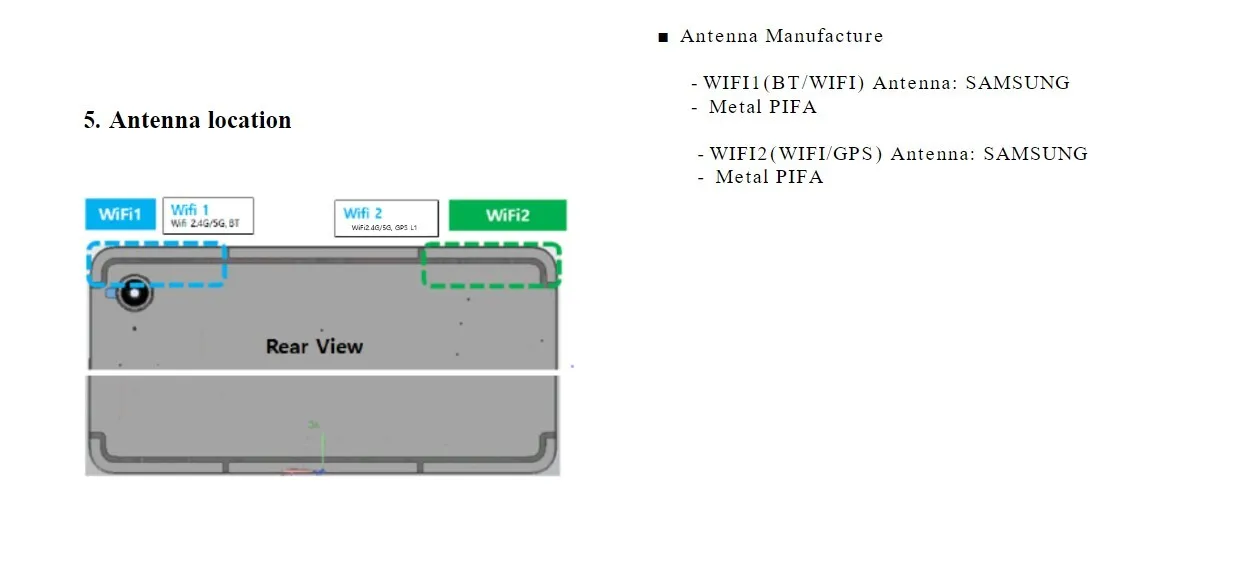
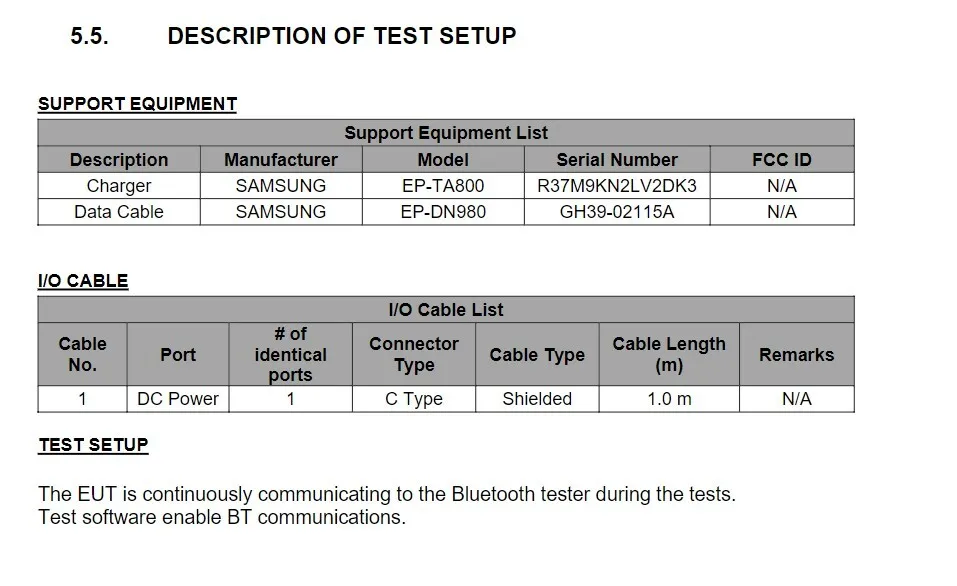
Spotted by MySmartPrice, the Tab S9 FE WiFi variant has emerged on FCC with model number SM-X510. The certification reveals the single rear camera design of the tablet via schematics. Further, the EP-TA800 charger being tested with the tablet suggests that the Tab S9 FE could have 25W fast charging onboard. No other details have been revealed by the certification, so let’s look at what’s known so far.
Samsung Galaxy Tab S9 FE specs (rumored)
In our earlier coverage, we discussed the potential inclusion of a 10.9-inch LCD panel in the Galaxy Tab S9 FE. Additionally, the tablet is said to feature an Exynos 1380 SoC, as revealed by a recent Geekbench listing. A dual-speaker setup, a maximum of 8GB RAM, and storage options reaching up to 128 GB are also expected to be onboard. Speculation has also arisen, indicating that the tablet might be priced at approximately Rs 63,000 for the Indian market.
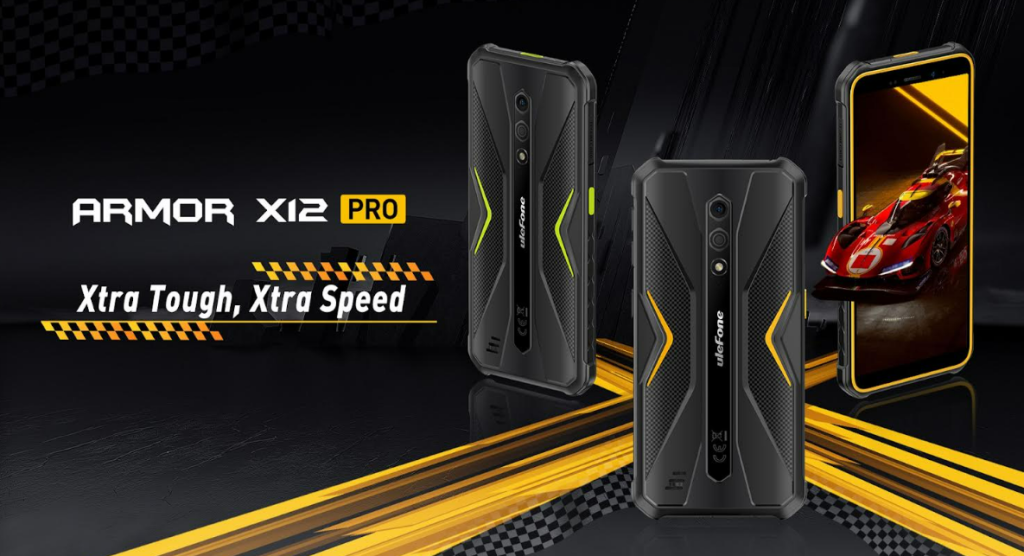
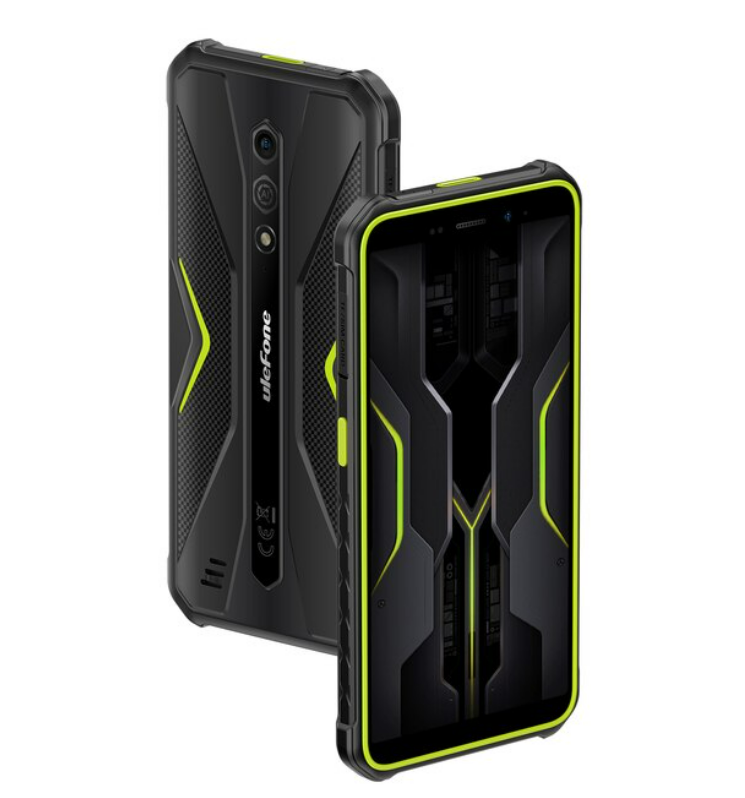
Ulefone has once again pushed the boundaries of rugged smartphone design with the highly anticipated launch of its latest mid-ranger, the Armor X12 Pro. Combining style, durability, and performance, this compact rugged phone promises a refreshing fashion experience while excelling in even the harshest conditions.
One of the standout features of the Armor X12 Pro is its eye-catching X racing flag design on the back shell, beautifully adorned with a checkered flag decoration, symbolizing the spirit of high performance and speed. Going beyond mere toughness, this rugged phone embraces flair and style, offering users a unique blend of ruggedness and elegance. For personalization, Ulefone provides the Armor X12 Pro in three stylish color combinations – black, green, and orange – allowing users to choose the one that best aligns with their personal style.
With a perfectly balanced 5.45-inch screen, the Armor X12 Pro delivers both usability and compactness, making it an ideal companion for those who prefer the convenience of a one-handed size phone. Despite its compact design, Ulefone has not compromised on durability. The device meets the stringent IP68/IP69K and MIL-STD-810H standards, guaranteeing its ability to handle challenging conditions without breaking a sweat. From dust and accidental drops to water immersion, extreme temperatures, and high humidity levels, the Armor X12 Pro is well-equipped to handle it all.
Under the hood, the Armor X12 Pro packs a powerful punch with its Helio G36 octa-core chipset. This robust processor ensures seamless performance, handling everyday tasks and most games with ease. Backed by 4GB of memory and 64GB of internal storage, users have ample space for their favorite apps, photos, and files. To accommodate even more digital needs, the device supports an additional 4GB of virtual memory and up to 256GB of storage expansion.
In addition to its eye-catching design, compact size, and powerful processor, the Ulefone Armor X12 Pro boasts an impressive 4860mAh battery that ensures long-lasting performance. With approximately 264 hours of standby time, 20 hours of talk time, and almost 8 hours of video playback, users can rely on this rugged phone to keep up with their busy lifestyles without constant charging.
Furthermore, the Armor X12 Pro’s photography capabilities are equally remarkable. Equipped with a 13MP Sony IMX214 sensor for its main camera, it delivers high-quality photos. The 8MP front camera offers a variety of camera modes, including portrait mode, UHD, and beauty mode, catering to diverse selfie preferences. The standout feature, however, is the underwater camera mode, allowing users to capture photos while swimming or rafting, making it the perfect companion for aquatic adventures.
The software experience of the Ulefone Armor X12 Pro sets a new standard, running on the latest Android 13. Users can expect a smoother and more user-friendly interface with improved features for notification permissions and media access. Adding to the phone’s convenience is the inclusion of NFC functionality, enabling seamless mobile payments and the use of public transportation payment systems.
For outdoor enthusiasts, the Armor X12 Pro is well-equipped with a range of useful tools tailored for rugged environments. The tool pack and glove mode ensure usability in tough conditions, catering to the needs of adventurous users. The phone’s navigation capabilities are equally impressive, with support for GPS, GLONASS, Galileo, and Beidou, guaranteeing reliable navigation in any outdoor setting.
To enhance the Ulefone Armor X12 Pro experience, a variety of accessories are available to meet diverse user demands. The Armor case for the X12 series provides full protection, ensuring the phone’s durability in challenging conditions. For stable placement on flat surfaces like windshields, dashboards, mirrors, and tables, Ulefone offers a practical phone holder option. Furthermore, the versatile phone holder, Armor Mount Pro, is specifically designed for use on vehicles with handlebars, making it ideal for outdoor activities involving bikes, motorcycles, scooters, and e-motorcycles.
Customers have the flexibility to purchase the Ulefone Armor X12 Pro and its accessories separately, enabling them to customize their experience according to their specific needs. To know more about the discount offers and promotions, check out the Ulefone Store at AliExpress, where the latest deals will be released.
Whether you’re an adventurous outdoor enthusiast in need of a dependable rugged companion or someone who values a compact and stylish phone with robust capabilities for everyday use, the Ulefone Armor X12 Pro is designed to cater to your unique needs. With its remarkable features and a wide range of practical accessories, the Ulefone Armor X12 Pro undoubtedly stands out as a compelling choice for those seeking a rugged, reliable, and stylish smartphone capable of withstanding the toughest challenges.
Xiaomi has been working on its new generation of smartphones for the past few months, and a bunch of them are expected to be announced during company CEO Lei Jun’s annual speech, scheduled for August 14th.
During last year’s speech, Xiaomi revealed the Mix Fold 2 and Redmi K50. In this year’s annual speech, the brand has confirmed the launch of the Xiaomi Mix Fold 3. Alongside the foldable, we also expect the brand to launch the Xiaomi Pad 6 Max and the Redmi K60 Ultra.
Previous reports have revealed key specs of Mix Fold 3, Pad 6 Max, and Redmi K60 Ultra, which are provided below.
Xiaomi Mix Fold 3 Specs
Mix Fold 3 will be the new generation foldable from the Beijing based tech giant. The phone is rumored to feature a periscope telephoto lens, a 4,800mAh battery, and 67W fast charging. It is expected to be powered by Snapdragon 8 Gen 2 processor.
Pad 6 Max Specs
According to recent leaks, we can expect the tablet to have a 14-inch LCD display with 2.8K resolution and a refresh rate of 144hz. As for the camera, the device is rumored to have a 50MP main camera and a 20MP front camera.
Redmi K60 Ultra Specs
The Redmi K60 Ultra is expected to feature 12GB LPDDR5x RAM, a 6.7-inch OLED display with 1.5K resolution, and a refresh rate of 144Hz. A 5,000mAh to 5,500mAh battery that supports 120W fast charging should power the device.
More details will be confirmed as we get closer to the launch event, so stay tuned.
Realme is gearing up to launch the Realme 11 5G in India soon. But it appears that this model won’t be alone as the Buds Air 5 Pro will be making its debut in the region alongside this smartphone. A new leak has revealed the Indian retail box, so let’s have a look.
Realme Buds Air 5 Pro India Launch
The image of the official packaging box was shared by known tipster Mukul Sharma on Twitter. The tweet also shares an image of the retail box, which hints at the Buds Air 5 Pro’s imminent launch. Realme’s upcoming hearables are confirmed to launch in at least one color variant, which is dubbed Astral Black, and carries the model number RMA2120.
Realme Buds Air 5 Pro Specifications
The tipster stated that the Buds Air 5 Pro will likely be unveiled in India alongside the upcoming Realme 11 5G, which was recently teased. Talking about its specifications, the truly wireless earbuds from the Chinese smartphone maker features 11mm woofer and 6mm micro tweeter. It offers Active Noise Cancellation (ANC) as well as AI Environmental Noise Cancellation (ENC) thanks to its three built-in microphones on each earbud.
The model supports Bluetooth 5.3 with SBC, AAC, and LDHC audio codecs. Realme Buds Air 5 Pro offers dual connection as well, allowing you to switch between two devices seamlessly. Other notable features include an IPX5 protection rating, a USB Type-C port for fast charging, and up to 40 hours of battery life. So stick around for more as we will be providing more updates regarding the TWS earbuds.
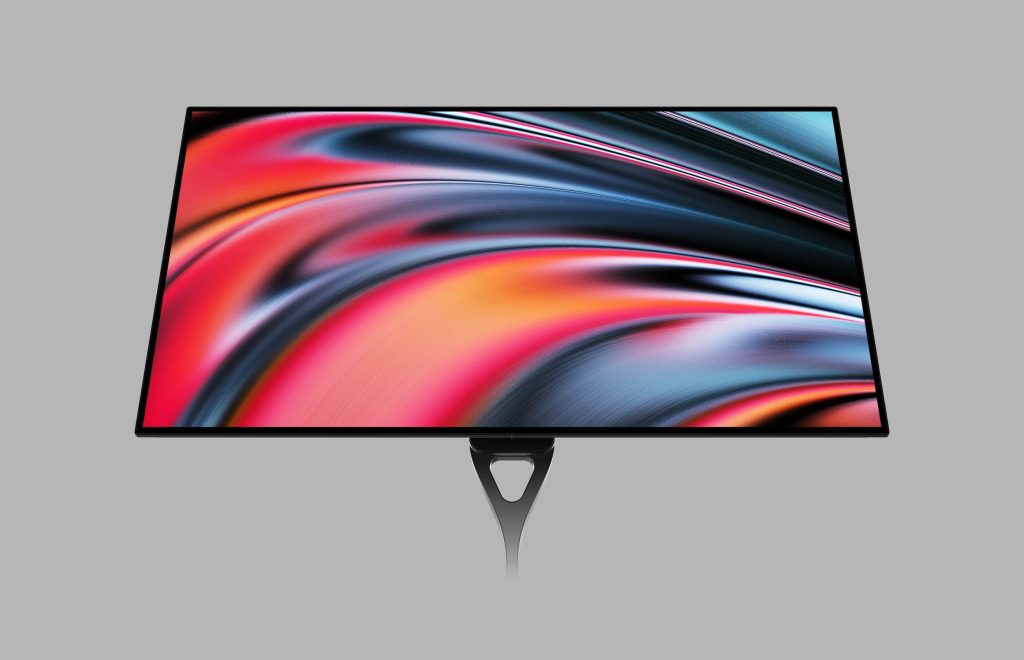
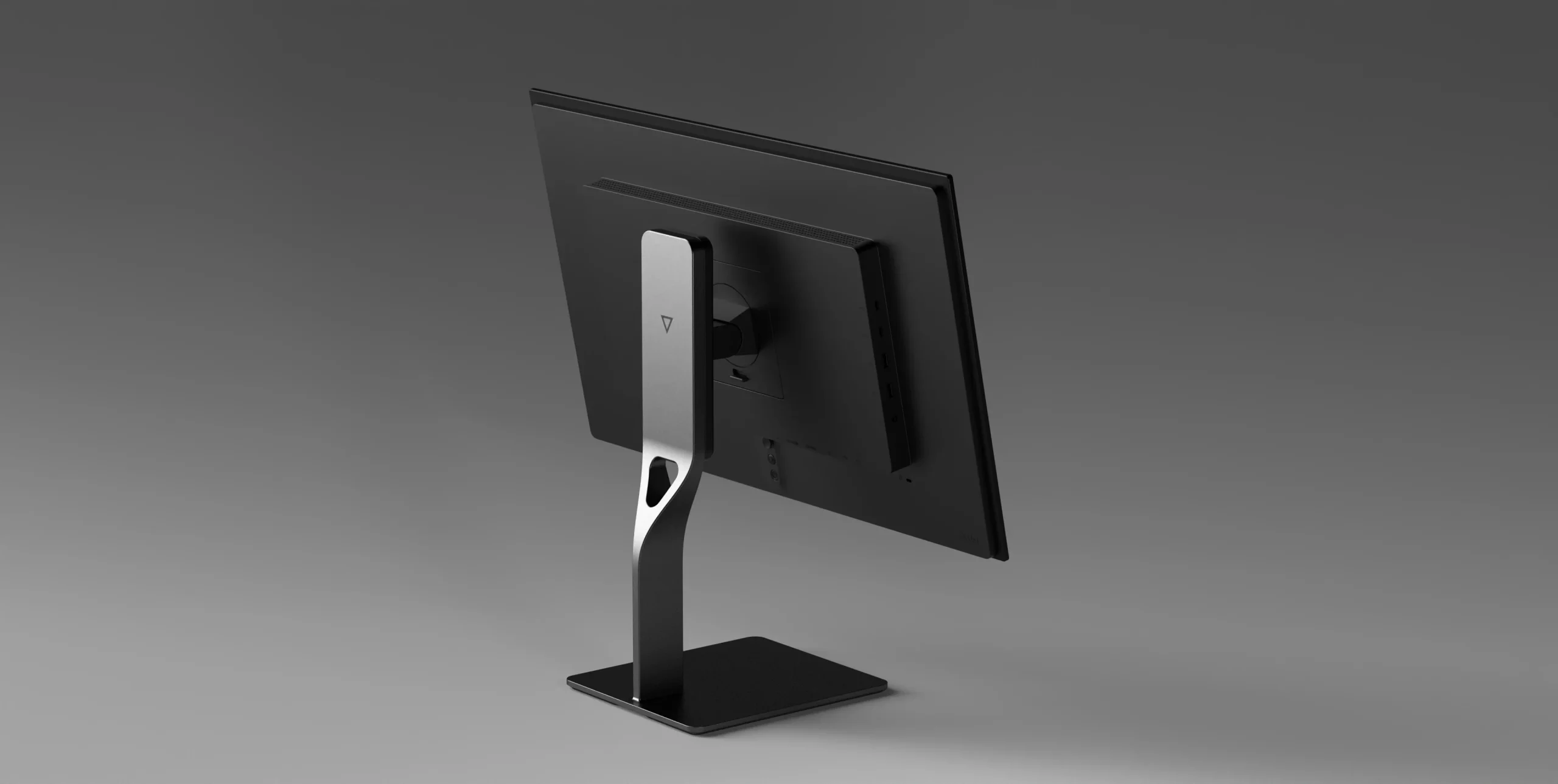
Dough, an up-and-coming display brand that previously unveiled the cord-free NANO 2K Monitor has now unveiled a new 4K monitor for the global market called the Spectrum Black 4K ES07E3D.
Spectrum Black 4K ES07E3D specs
The Spectrum Black 4K ES07E3D monitor features a 31.5-inch diagonal display with a 16:9 aspect ratio. The monitor utilizes an OLED panel that achieves a peak brightness of 1000 nits with HDR (400 nits for full-screen content). It provides complete coverage of the sRGB color gamut (100%) and an impressive 98.5% coverage of the DCI-P3 gamut. The monitor boasts a contrast ratio of 1,500,000:1 and maintains a typical Delta-E of less than 1 for accurate color representation.
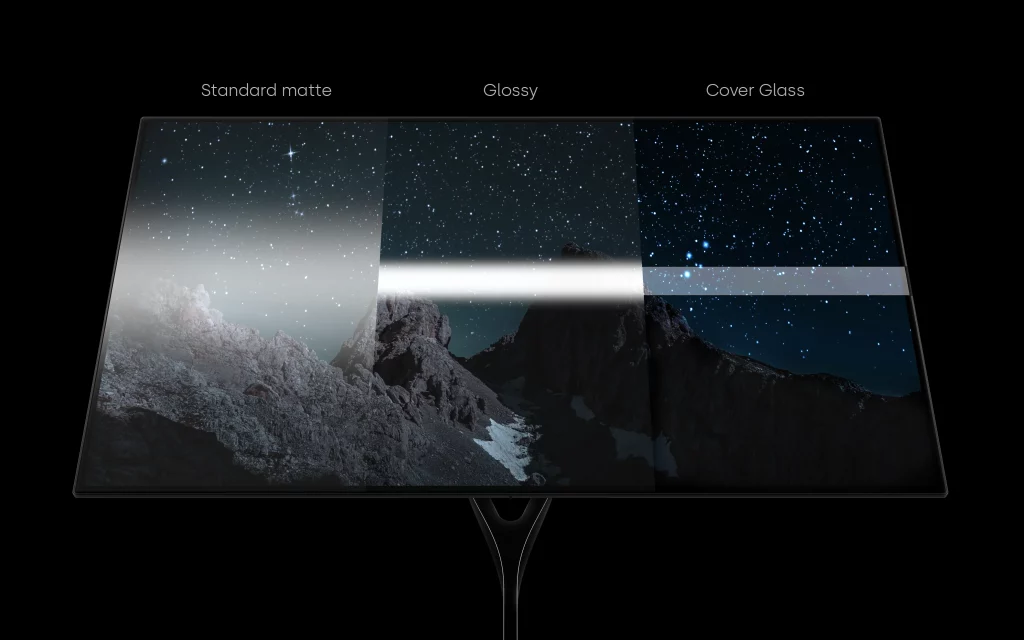
The ES07E3D model incorporates a Gorilla Glass cover with a DXC anti-glare coating. As stated by Dough, this combination results in a glare reduction of up to 70% when compared to their glossy monitor counterparts. Additionally, the Spectrum Black 4K ES07E3F is an alternative matte option if you want a matte display.
Smooth visuals are ensured with a refresh rate of up to 240 Hz and a rapid 0.03 ms (gray-to-gray) response time. It supports Nvidia G-Sync and AMD FreeSync technologies for enhanced graphics performance. Connectivity options encompass 2 HDMI 2.1a ports, 1 DisplayPort, 2 USB-C inputs (one offering DisplayPort 1.4 and up to 100 Watts power output, the other for upstream connection), along with 2 USB-C outputs and 2 USB-A outputs (both supporting up to 5 Watts power). A 3.5 mm audio jack is also included.
Price & availability
Dough plans to make the Spectrum Black 4K ES07E3D and ES07E3F available for pre-order, and as more orders come in, the prices will gradually go up. When they kick off the pre-orders, the matte version will begin at US$699, while the glass version will start at $799. As more batches of orders are taken, the prices will slowly rise until they reach the regular prices of $1099 for the matte model and $1299 for the glass model.
Semiconductor manufacturer TSMC has announced plans to manufacture 28/22nm and 16/12nm chips in Europe. The chipmaker has entered a joint partnership with Robert Bosch, Infineon Technologies, and NXP Semiconductors. The entity formed – European Semiconductor Manufacturing Company (ESMC) GmbH will drive the development. The total investment in the ESMC project is more than €10 billion and up to 2,000 jobs will be created.
TSMC will have a majority stake in ESMC (70%), while the trio of Robert Bosch, Infineon Technologies, and NXP Semiconductors gets 10% each. ESMC will begin construction of a fab by H2, 2024. Mass production of the specified chips is scheduled to commence in 2027.
The company targets the production of 40,000 units of 300mm wafers per month using TSMC’s 28/22nm process and the 16/12nm FinFET process. The fab will not build smartphone chipsets or GPUs as the focus is on older nodes. The older nodes are needed for the production of microcontrollers needed in the automotive industry.
The other stakeholders in ESMC also bring automotive hardware expertise into the production mix. Bosch and Infineon are German-based companies while NXP is based in the Netherlands. Infineon produces memory for embedded systems used in modern cars. TSMC had previously built a 28nm fab for Sony image sensors used in cameras.
The evolution of ESMC is bound to bolster Europe’s automotive and industrial sectors. The target is outside the growing cutting-edge silicon field but key components are still relevant in modern cars and other technologies. It is also targeted at mitigating the impact of possible chip shortages in the automotive industry.
Edifier has just announced brand-new wireless Bluetooth earphones for fitness enthusiasts in China. It is the new X200BT Sports Neckband earphones, with features that are fit (no pun intended) for those that love working out. So let’s have a look.
The company’s latest wireless hearables feature Bluetooth 5.3 that supports quick switching between two connected devices. This is quite handy when your earphones are connected to two different products like your laptop and your phone. It houses 10mm drivers and supports AI noise reduction for calls as well. As per official notes, this model offers an IP55 protection rating against dust and water.
On a single full charge, the Edifier X200BT can last for up to 20 hours. Gamers can also use these earphones since it offers low latency. Notably, both earbuds can be connected magnetically and the ear tips feature wings for better grip on your ear and are made with antibacterial coating. The X200BT Sports Neckband earphones support customizability via the partner application.
As of right now, Edifier has started selling the X200BT Bluetooth earphones in China. The sale began earlier today (9th August 2023) and the model carries a price tag of just 99 yuan. This is roughly around 14 US Dollars and can be found in major Chinese e-commerce platforms like JD.com. So if you’re physically active, you can check out these earphones.
Back in June, OnePlus debuted the Nord N30 5G for the US market. The device is essentially a rebranded OnePlus Nord CE 3 Lite 5G. The brand has now started rolling out a new update for the device that comes with the latest security patch, along with system and camera improvements.
The OxygenOS 13.1.0.601 update with firmware version CPH2513_13.1.0.601(EX01) is now being seeded in North America. It features the July 2023 Android security patch along with general improvements to the camera, improved system stability, and expanded network compatibility. You can check the official changelog below.
OnePlus Nord N30 5G OxygenOS 13.1.0.601 update changelog
System
• Integrates the July 2023 Android security patch to enhance system security.
• Improves the stability and expands the compatibility of network connections.
Camera
• Improves camera performance for a better user experience.
A similar update for the Nord CE 3 Lite 5G was also released last month that featured network improvements along with the July Android security patch.
As per the usual process, the update will be released in stages. If you haven’t received the OTA notification yet, you can navigate to Settings>System>System Updates. The phone will automatically check for the availability of the update for your device.
We use cookies on our website to give you the most relevant experience by remembering your preferences and repeat visits. By clicking “Accept”, you consent to the use of ALL the cookies.
This website uses cookies to improve your experience while you navigate through the website. Out of these, the cookies that are categorized as necessary are stored on your browser as they are essential for the working of basic functionalities of the website. We also use third-party cookies that help us analyze and understand how you use this website. These cookies will be stored in your browser only with your consent. You also have the option to opt-out of these cookies. But opting out of some of these cookies may affect your browsing experience.
Necessary cookies are absolutely essential for the website to function properly. This category only includes cookies that ensures basic functionalities and security features of the website. These cookies do not store any personal information.
Any cookies that may not be particularly necessary for the website to function and is used specifically to collect user personal data via analytics, ads, other embedded contents are termed as non-necessary cookies. It is mandatory to procure user consent prior to running these cookies on your website.