Nothing recently released the Nothing OS 2.0.2 update for its newly launched Phone (2) smartphone. The update was supposed to bring a number of camera improvements, but some users are reporting that it has actually degraded the camera performance. The update has apparently made the HDR performance worse and the photos now fail to retain shadows.
In a recent post on X (formerly Twitter), a YouTuber @Pmkphotoworks says the Nothing OS 2.0.2 update has degraded the camera quality of the Phone (2). They said the HDR performance has become “much worse” and that the photos look “very bland.” They also report that Phone (2) is failing to retain shadows and is showing uneven skin tone brightening. The YouTuber also shared a set of pictures (embedded below) to highlight these issues.
Nothing OS 2.0.2 has degraded the Phone (2)'s camera quality. Have a look 👇
– HDR performance has become much worse (1st Pic) – Photos look very bland (2nd Pic) – Fails to retain shadows properly (3rd Pic) – Uneven skin tone brightening (4th Pic)
YouTuber @r3dash echoed the sentiment, saying that the Nothing Phone (2) has been “very inconsistent and weird with processing HDR.” They also noted that it is ironic that the OTA update was meant to improve HDR, but it seems to have had the opposite effect.
To remind you, Nothing OS 2.0.2 began rolling out to the Phone (2) on August 4th. The changelog for the update included a lengthy list of camera-focused improvements, including:
Enhanced photo clarity in 50 MP Mode
Optimised stability and contrast when recording videos on the rear camera
Improved photo quality in low-light settings
Improved the contrast and Bokeh effect when shooting in Portrait Mode
Optimised the clarity of faces when shooting in Portrait Mode
Faster HDR processing speed
Nothing has so far been very responsive to user feedback and fixed any issues that emerged. We hope the Carl Pei-led startup will address these camera issues in the next update.
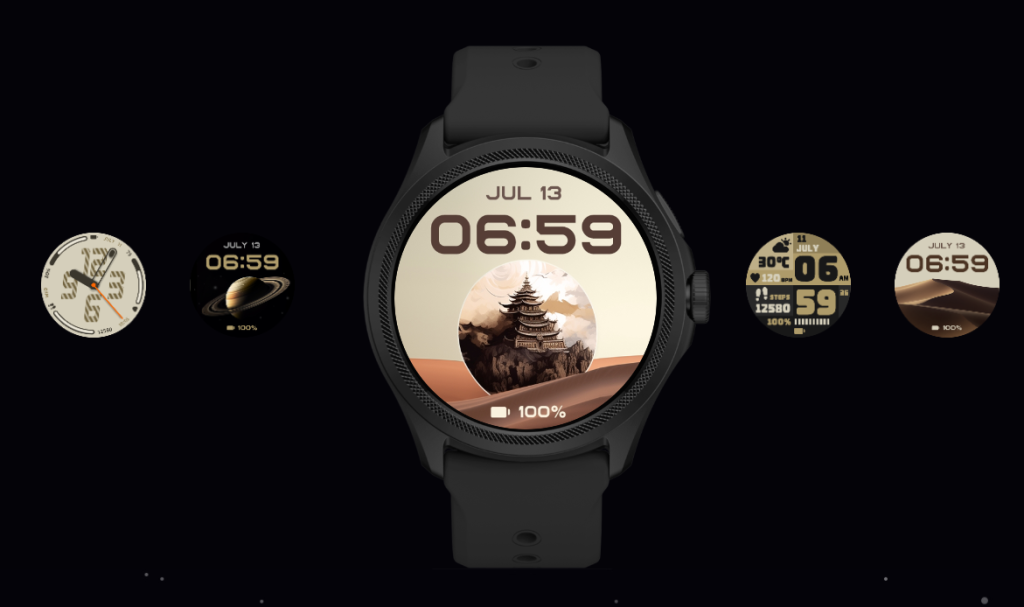
Back in May, Mobvoi launched the TicWatch Pro 5 smartwatch in the global market. At launch, the smartwatch was only available in a single black color option. However, Mobvoi has now teased a new color option called “Sandstone”
As you would have guessed, Sandstone is likely the fancy name for the beige color option. The company is also running a contest where you could win the upcoming Sandstone color option for the smartwatch. The contest involves using AI tools like Midjourney to create an image of a landscape or cityscape using sandstone hues. You can check out the details of the contest over at Mobvoi.
Mobvoi TicWatch Pro 5 specs
The TicWatch 5 Pro comes with a 1.43-inch AMOLED display featuring a dual-layer design, which is protected by Corning Gorilla Anti-fingerprint Cover Glass. Driving its performance is the Qualcomm Snapdragon W5+ Gen 1 SoC. The smartwatch boasts a premium design, incorporating materials such as metal, aluminum, and nylon for added durability.
When it comes to battery life, the TicWatch 5 Pro excels. In Smart Mode, it can last for up to 80 hours, while in Essential Mode, it stretches to an impressive 45 days. Additionally, the smartwatch supports fast charging, capable of reaching 65% battery capacity in just 30 minutes.
Health-related features are also a strong suit, with the inclusion of a heart rate sensor, SpO2 blood oxygen monitoring, and a skin temperature sensor. The watch offers added convenience through a rotating crown for navigation. It also holds up well in various environments with 5ATM water resistance and a MIL-STD-810H military durability rating.
The smartwatch’s capabilities are further enhanced by the built-in speaker and microphone. Connectivity-wise, it offers Bluetooth 5.2, and it’s equipped with 2GB of RAM and 32GB of internal storage.
Microsoft Edge is constantly being updated with new features, some of which are very useful, while others are more puzzling. The company is reportedly testing a new feature in its browser that will allow you to save screenshots of visited web pages to your browser’s history. This is a bit of a head-scratcher, as average users might get confused as to why Microsoft would want to do this.
Microsoft Edge’s ‘Save screenshots of websites for History’ feature
Microsoft Edge 117, which is currently available for testing in the Canary and Dev channels, has a new feature that allows you to take screenshots of every page you visit. This feature is called “Save screenshots of the site for History,” and Microsoft describes the feature as:
We’ll take screenshots of the sites you visit and save it so that you can quickly revisit the site you want from history.
Image source: Neowin
This new feature in Microsoft Edge seems quite useful at first glance. When turned on, you can revisit any page from your browsing history without an internet connection. As Neowin mentioned, you can also view a webpage’s thumbnail by placing your cursor over it in history. However, Microsoft has given this feature quite a confusing name and description.
It could mislead average users into thinking it takes screenshots of every webpage they visit. Additionally, Microsoft has not yet explained how it will protect user privacy and security since it will be saving webpages for later access.
Instead of taking screenshots of every site, Microsoft should at least offer the option to manually save selected web pages. Hopefully, developers will release this feature in a more polished and refined state in the stable channel.
The feature is currently in the testing phase and is turned off by default. If you’re on the Canary or Dev channel of Edge, you can enable the feature by going to Settings > Privacy and Services. Alternatively, you can directly visit the edge://settings/privacy link to check for the option.
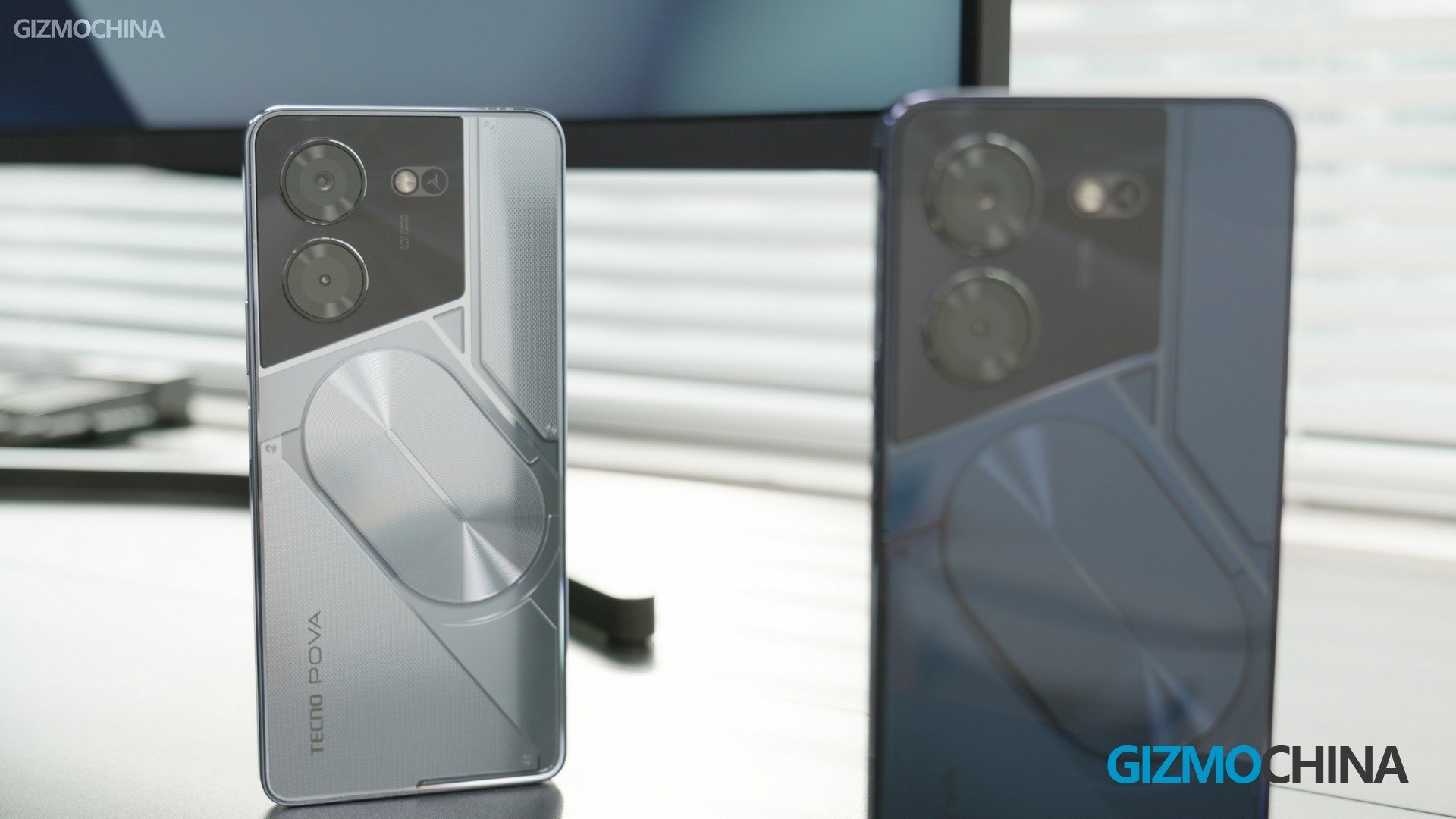
Today I am so glad to introduce the TECNO‘s latest phone, the Pova 5 Pro 5G. The Pova series has always been known for its cool looks and focus on gaming performance. Actually, to some extent, it’s one of our most anticipated phones in 2023.
So how will such a popular phone series made for youth and gamers perform? Well probably you will find out here!
Unboxing
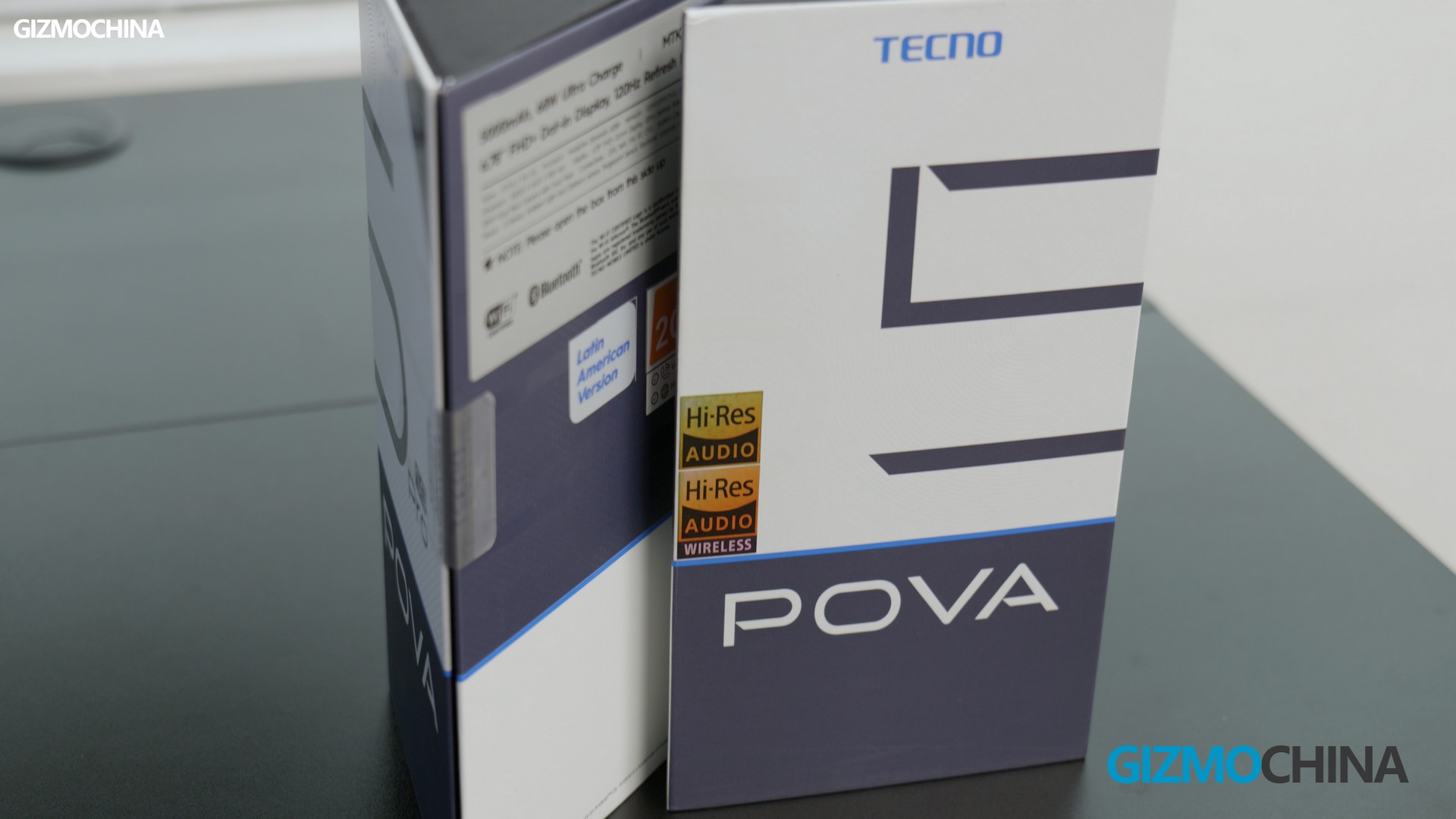
For packaging, it’s still the same impressive triangular box as what we had with the Pova 5. Blue and white as the main colors, with a coil shape pattern highlighting the texture on the front, packed with a very techy feel. I was attracted by the gold Hi-res Audio certification logo at first glance, which did make me look forward to the sound quality of the Pova 5 Pro.
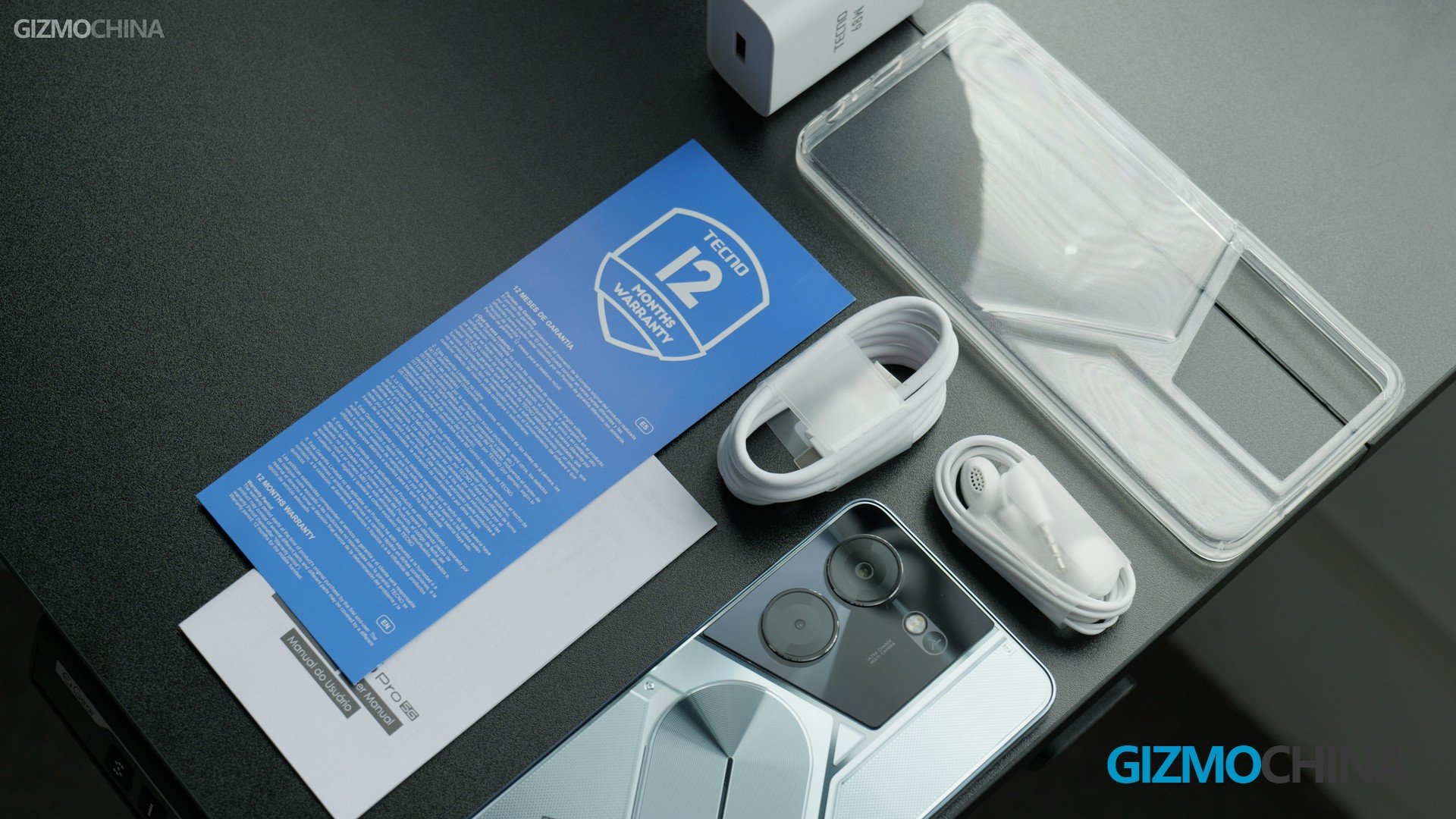
Opening the package, the compact box contains the phone, a protective case, a Type-c cable, a charger that supports up to 68watt, the wired earphones, as well as the user manual and warranty card. It is worth noting that the earphones come with a mic, which is something we haven’t seen for years. But I have to say that it is really gamer friendly.
Design
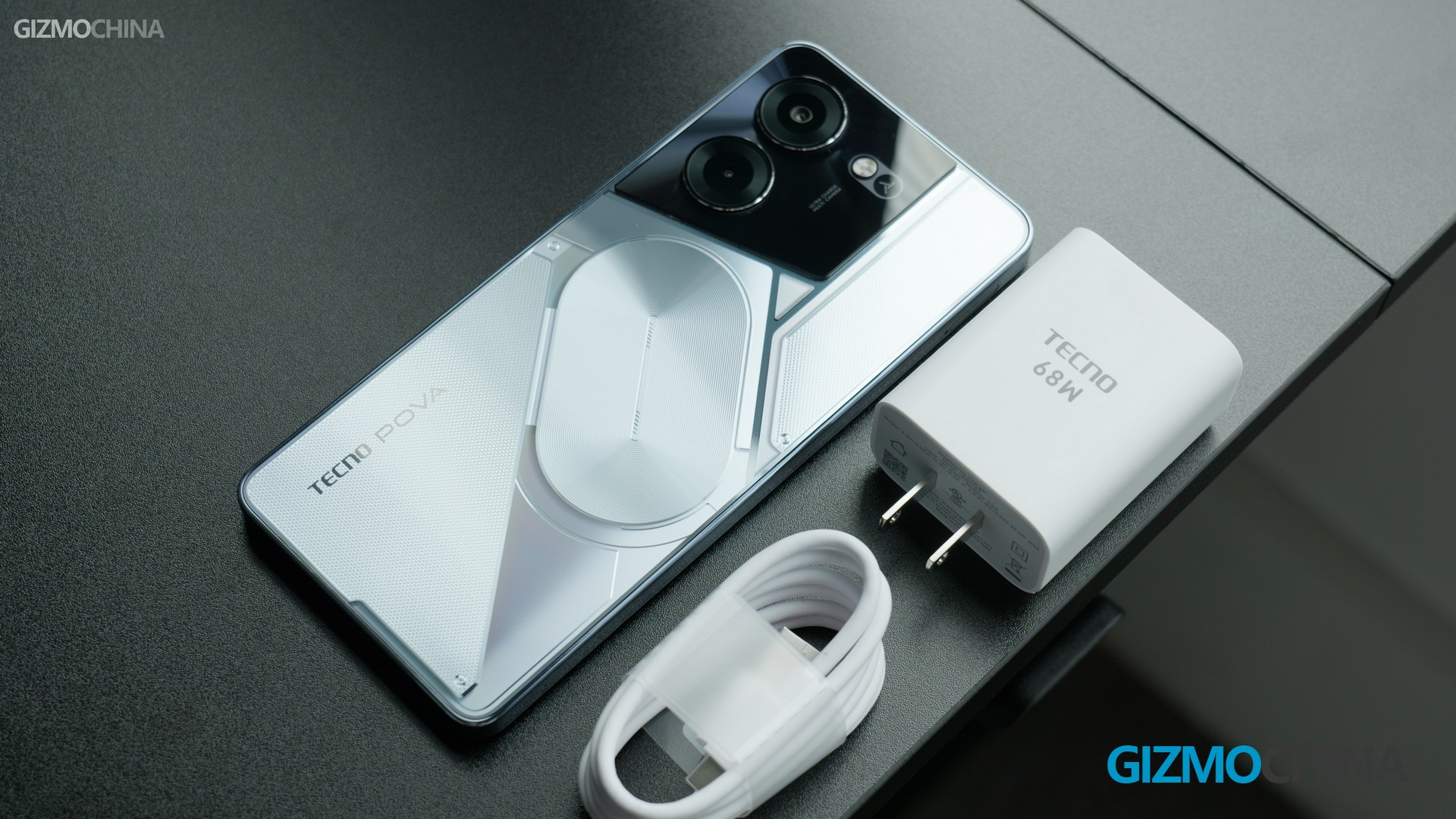
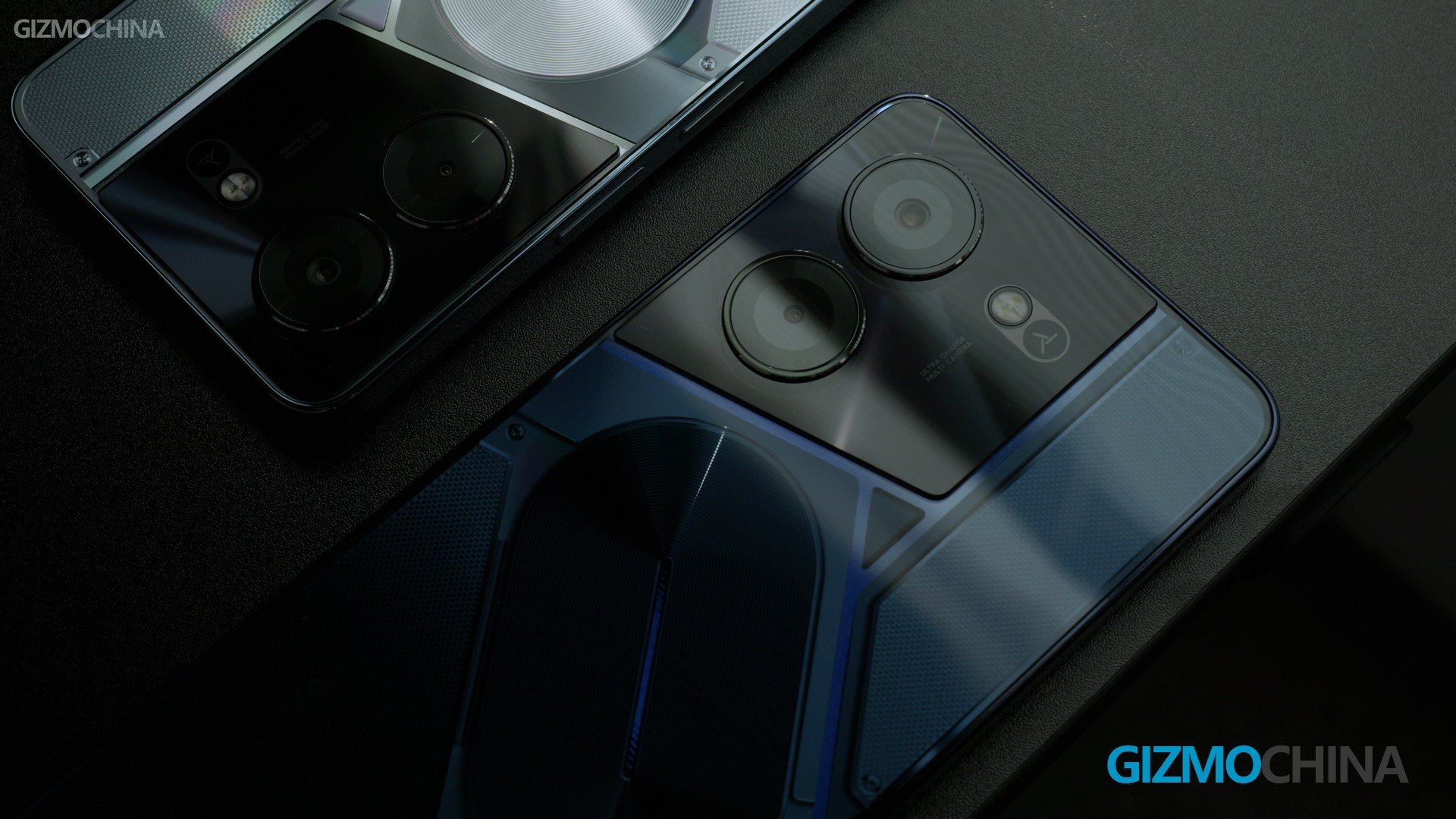
As for the phone’s look, I got both the Silver Fantasy and the Dark Illusion color variants. I personally would go for the Dark illusion, and it’s worth noting that the color is actually closer to the dark blue shown on the box. The back design is pretty cool, which is also something that makes the phone different from other competitors at its price.
There are four LED strips on the back. Three of them are connected together and form a triangular pattern. This special design makes the phone look futuristic and full of some sort of geometric beauty. In addition, there is also a coil-style decoration that brings a mechanical texture.
With all these thoughtful details, including the LED straps, the coil, some metal-style patterns, it looks like a mecha from the future. The only regret is that the back of the Dark Illusion variant collects fingerprints easily. All in all, I’m really surprised by the exterior design of the Pova 5 Pro, and of course, I like it so much. At the same price, I couldn’t find any other brands so serious about the phone’s design. And even if you put it along with some premium gaming phones, the appearance of the Pova 5 Pro can still stand out.
The Pova 5 pro is not a particularly thin model, but I enjoy using it since the weight of 214g is still acceptable. It is very reasonable for a gaming machine with a 6.78-inch big screen. And the frame is very smooth without interfering with the edge swipe. The phone feels quite solid in my hand thanks to the comfortable grip.
The Pova 5 Pro supports dual sim cards and SD storage expansion, which means you can expand the local storage while loading 2 sim cards. The 3.5mm headphone jack is definitely a bonus to gamers, as wired headphones are always better options with lower latency than Bluetooth headsets in gaming. the Pova 5 pro adopts the dual speaker design, and if you want to know the performance of the speakers, there is a speaker test at the end of the video.
Battery & Charging
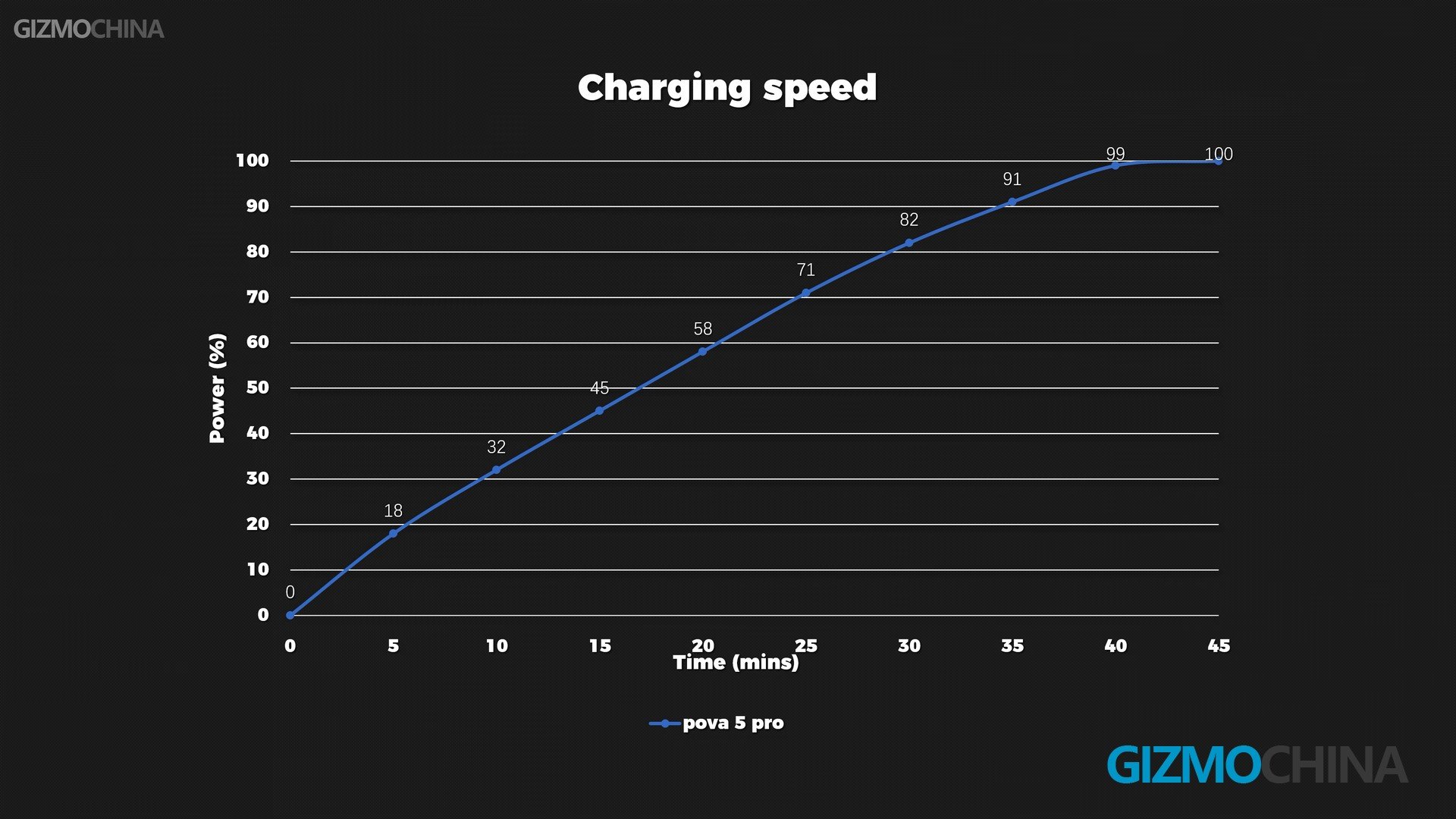
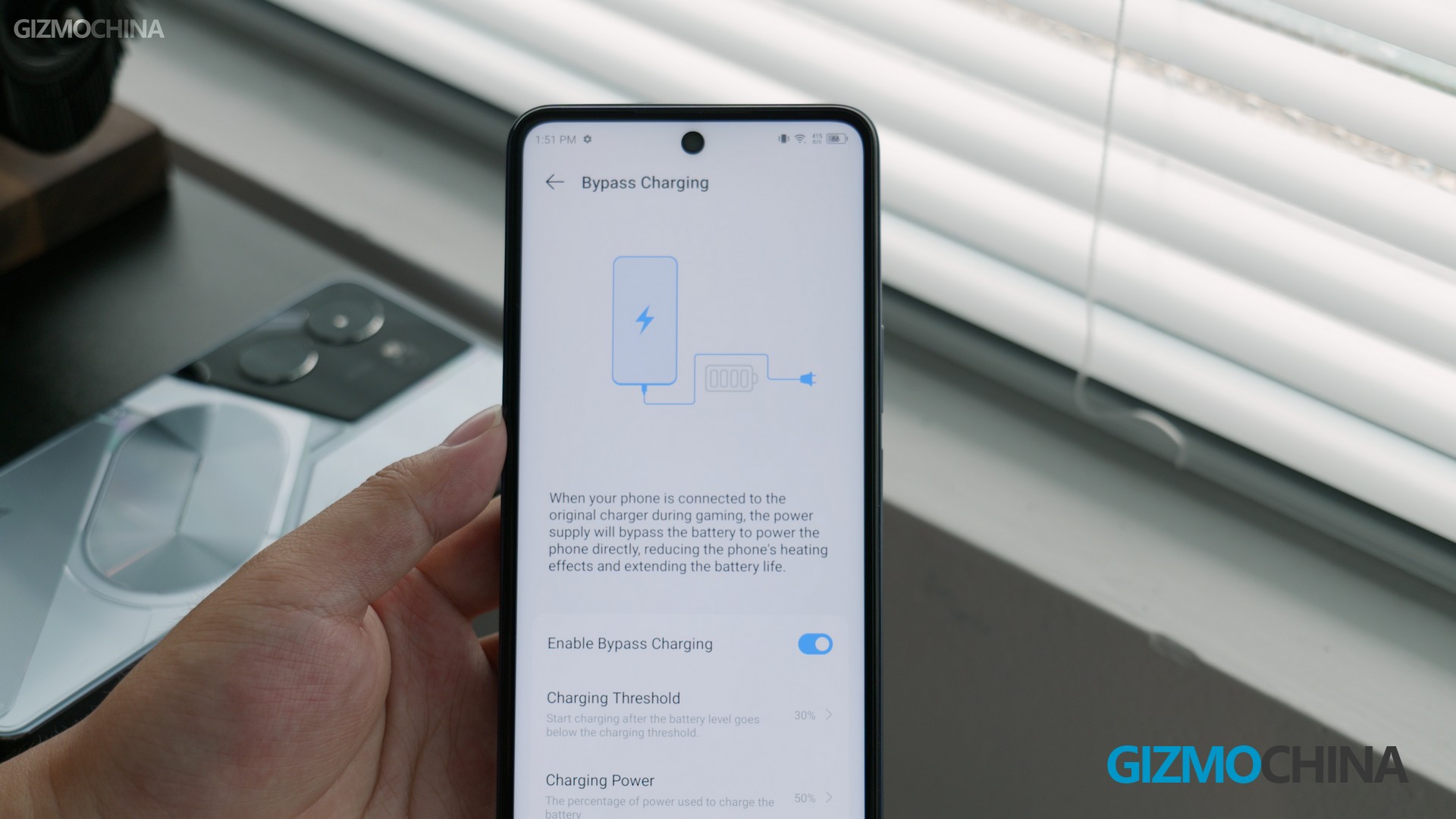
As for battery and charging, I’d say the Pova 5 Pro has one of the best solutions. The combination of a 5000mAh battery and 68-watt fast charging is quite an attractive feature on a budget phone. The charging speed of the Pova 5 pro is very impressive, it can reach 50% in just 20 minutes, and can be fully charged in 45 minutes. TECNO has also put Battery Lab 3.0 management on the Pova 5 Pro, which utilizes different strategies for gaming and daily entertainment separately. It is perfect for going out with the phone and staying online for over 8-hour entertainment. There is another feature in the battery system called Bypass Charge. So when activating the bypass charging mode, it can bypass the phone’s battery and supply power directly to the phone. This feature not only eliminates the heat generated during battery charging but is also good for keeping a good battery state. If you play games a lot, you will definitely love it.
Gaming Performance
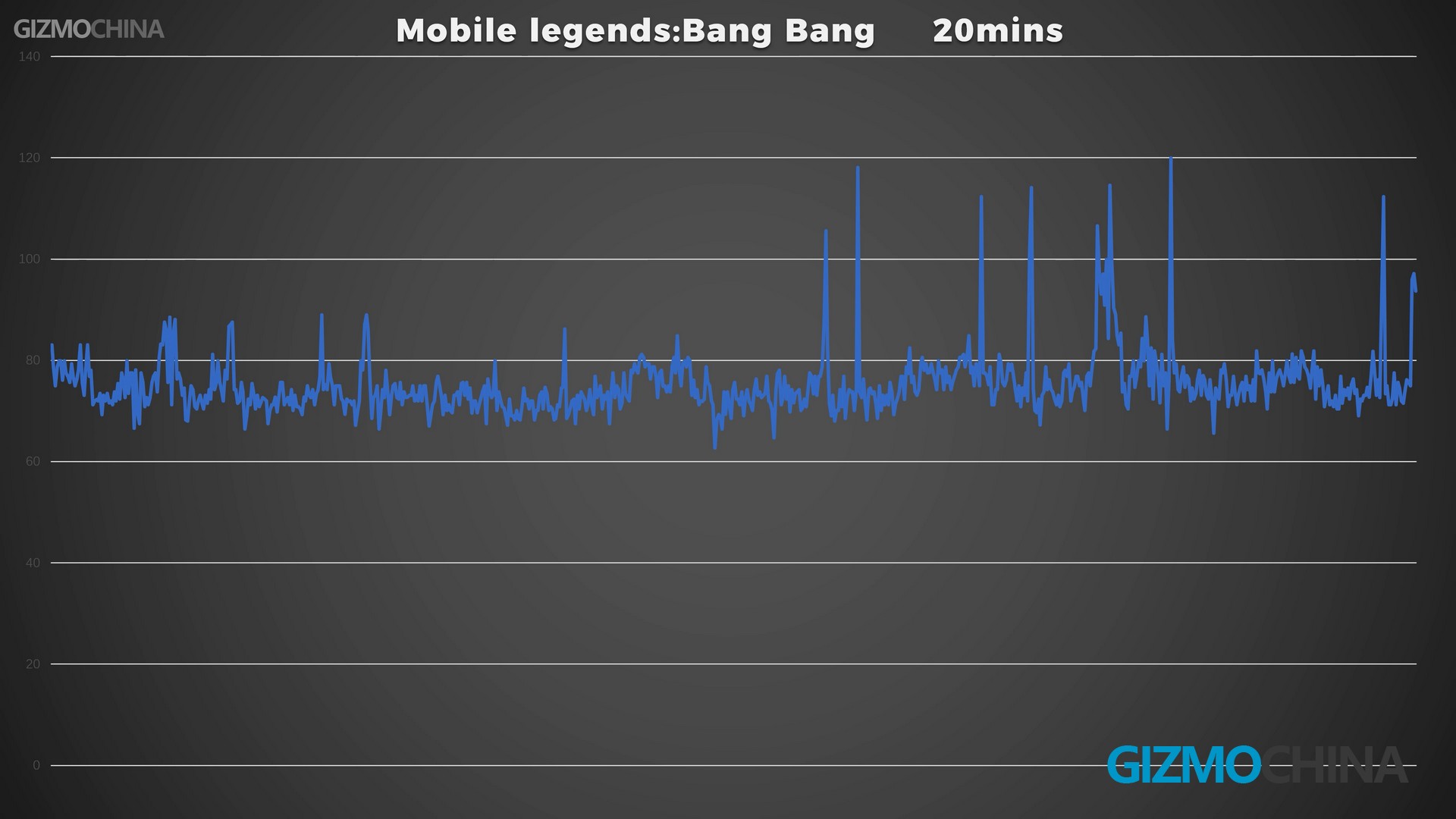
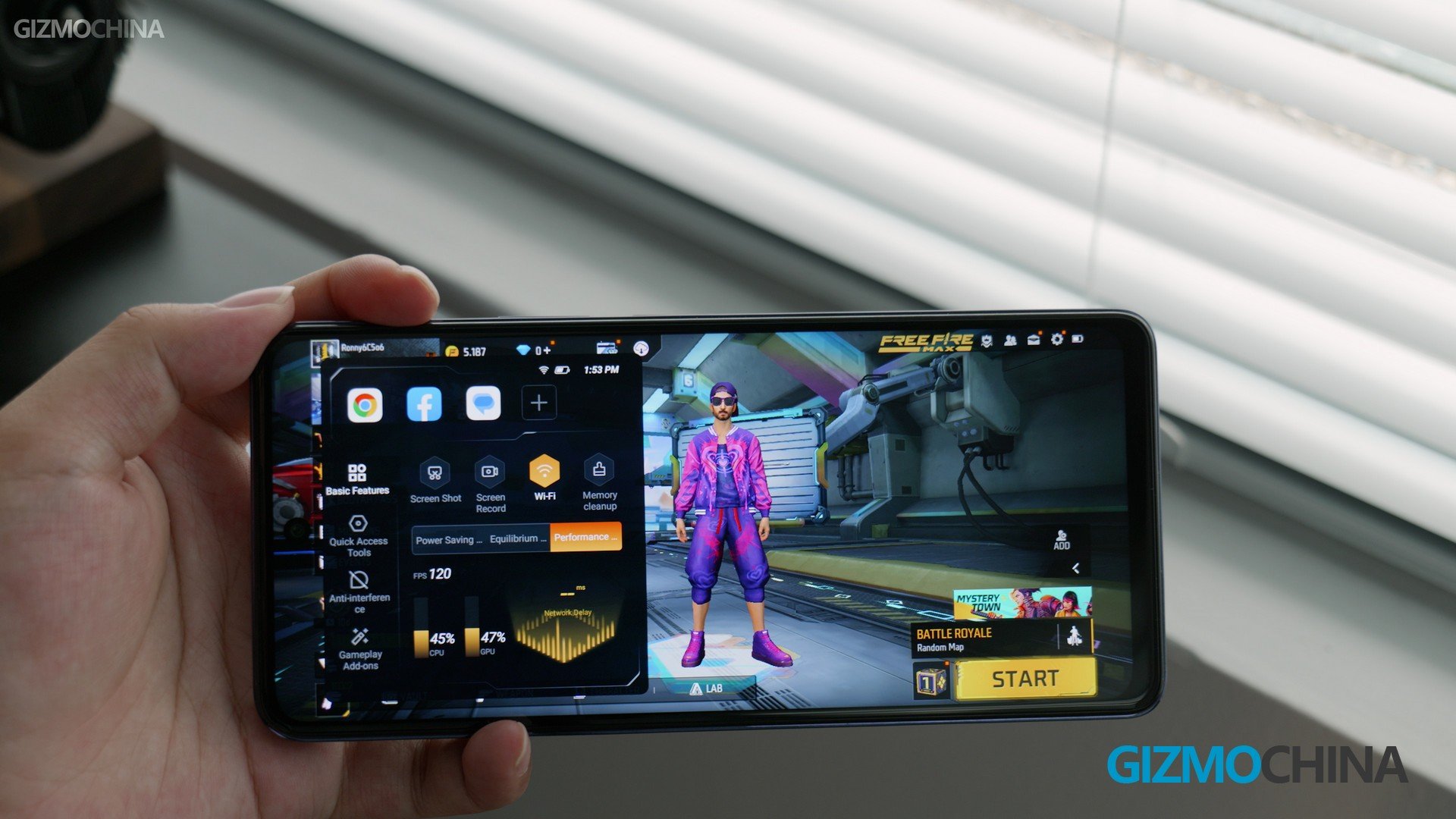
In terms of performance and gaming, the Pova 5 pro offers Dimensity 6080 5G soc and 120Hz display, which is a very good hardware combo in a budget phone. In Mobile Legends: Bang Bang, the Pova 5 pro even supports the ultra mode at 120fps. In 20 minutes of super mode gameplay, it reached an average of 75 fps, the gaming experience was very smooth and the frame rate didn’t drop in the intense chaotic battles, which already excess my expectation about such a budget phone. In another game, Free Fire, it also performed very well, the game kept running at 60fps throughout the game. The 6080 chipset is made by TSMC at 6nm and has excellent thermal performance in the game. Even in this hot summer, after 20-minute gameplay, the hottest part of the phone was only 40°C. This is amazing.
Software
Pova 5 Pro also did a lot of work in the software, You can quickly access features in the game space while gaming, and easily switch between different performance modes. You can also click on the Bypass Charge here, which is very convenient. In Game Space it can also enable the Message Barrage notification, Showing any Whatsapp and Messenger messages in the form of barrages. Even in intense gaming, you will not miss any important messages. For the LED light on the back panel of the phone, they have also been designed for multiple uses, it can be used as a message reminder, as an ambient light while playing music and can even be linked with PUBG mobile so that when I am killing an enemy, blacklight starts working to celebrate, giving a lot of fun in such RGB gaming experience on a mobile phone.
Camera
Back to the camera system, the 50MP sensor is also a bonus to such a gaming phone. It produces quite decent photos with good colors in good lighting. I was more than happy with the Beauty cam.
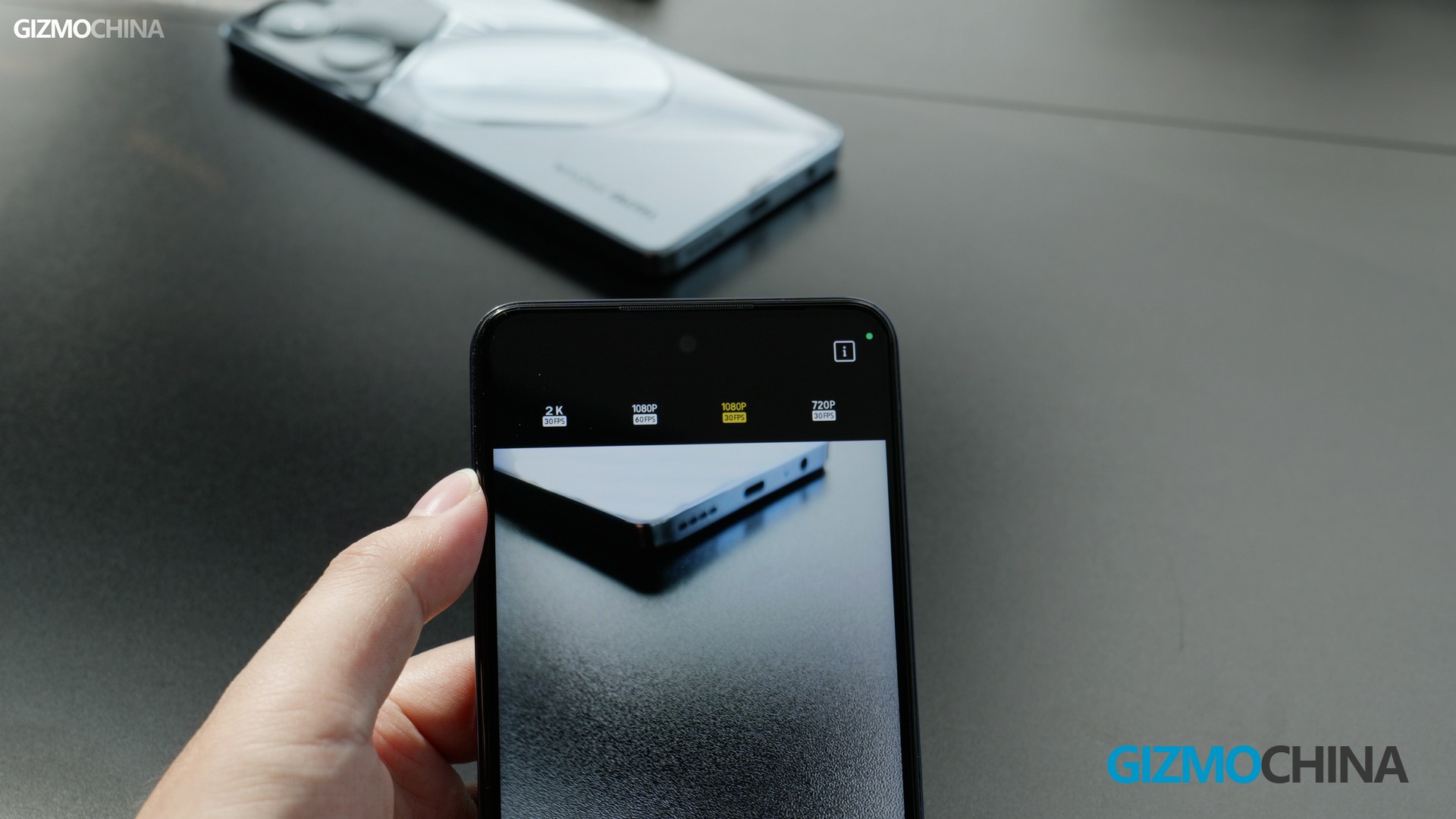
It’s Tecno’s specialty now, and we are happy to see the algorithms were kept on the Pova 5 Pro, no over-the-top beauty effects, it is just the right amount. For video recording, the lack of 4K video recording is a bit disappointing. But overall, at this price the Pova 5 pro cameras are enough for daily recording and sharing.
Verdict
The Pova 5 Pro is a very distinctive mid-range phone. The design, gaming performance, and battery system are all impressive. If you like gaming and distinctive looks, this phone is worth checking out. And most importantly, to enjoy some of the gaming features, we don’t have to pay that high price for premium gaming models. Now we have another option called Pova 5 Pro.
So what are your thoughts about the Pova 5 Pro? I’d love to hear your ideas in the comments below.
It’s been a long time since Google started pushing RCS as a new standard for texting, replacing SMS and SMS. While the company works on getting more players onboard, the Mountain View-based tech giant keeps on adding new features.
In a new development, Google has announced that all users will now have RCS enabled by default unless it was previously disabled by the user. Also, RCS messages in the Messages app will now be fully end-to-end encrypted by default.
As for the enrollment in RCS, instead of manually enrolling for the service or registering with a phone number, the enrollment will now happen automatically and silently in the background, without the need for user input.
With end-to-end encryption, the messages will remain private from Google as well as network carriers, making it a big milestone for the service. The company has also announced that the group chats in Messages are also end-to-end encrypted.
Apart from encryption, RCS comes with several improvements over the standard SMS, such as typing indicators, read receipts, as well as the ability to share high-resolution photos and videos.
Google Messages is now looking like the true iMessage competitor for Android users. While Google is working on convincing more manufacturers to adopt RCS, Apple is a major holdout but if Apple adopts it, then texting between iPhone and Android phones would be much better.
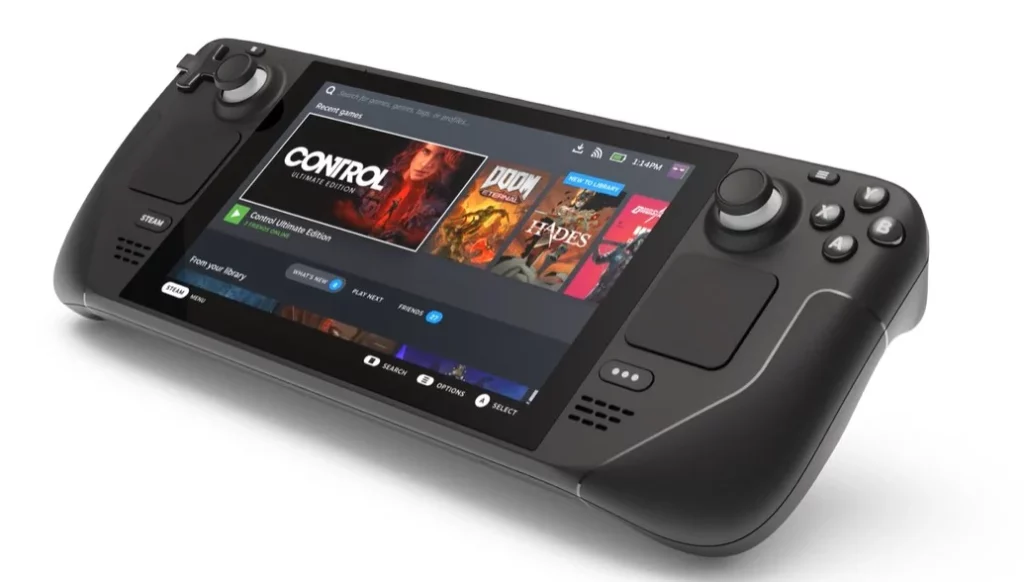
Valve’s Steam Deck, the handheld gaming device that was launched with the intention of bridging the gap between PC and portable play, is now available at a more affordable price point. Today, Valve introduced “certified refurbished” units of the Steam Deck, presenting a tempting 20% off the original prices. Not only are these units easier on the wallet, but they also come with the same one-year warranty as their brand-new counterparts.
The one-year warranty should be quite reassuring for those who choose to purchase Refurbished Units
The current offerings include all three storage tiers: the 64GB at $319, 256GB at $419, and the top-tier 512GB model for $519. When compared to their fresh-out-of-the-box versions, which are priced at $399, $529, and $649 respectively, it’s evident that gamers are in for significant savings.
But what ensures the quality of these refurbished units? Valve’s rigorous testing process, the company claims, guarantees the best experience for its users. Each device undergoes a full factory reset, the latest software update, and an exhaustive inspection of over 100 different tests at Valve’s dedicated facilities. This ensures every aspect, from the controller inputs and audio system to screen and internal components, meets their stringent standards. Even the battery’s health undergoes scrutiny to ensure longevity and performance. While these units might have slight cosmetic imperfections, Valve assures a top-tier gaming experience.
Each refurbished Steam Deck package includes not only the device but also a refurbished power supply, a carrying case, and a quick-start guide. However, Valve advises potential buyers to keep a keen eye on their stock, given its nature, since refurbished steam decks are expected to sell faster.
As the world of technology keeps steamrolling forward, companies are constantly racing to produce the most advanced and efficient hardware. Apple, in its characteristic trend-setting fashion, is rumored to be launching the 3nm chip this year. Meanwhile, Qualcomm, another significant player in the industry, has decided to align with TSMC’s N4P process for its upcoming Snapdragon 8 Gen 3 release. But there’s talk that Qualcomm is facing some challenges.
If Qualcomm works exclusively with TSMC, they will have to pay more in the long run
Ming-Chi Kuo, an analyst at TF International Securities, shared on Medium that Qualcomm had to lay off 415 workers recently because of low smartphone sales. This setback might be a reason why they’re not going for the more expensive 3nm chip development right now, especially when Apple seems to be leading the way by taking most of the new wafer shipments.
But Qualcomm has other options. They might use TSMC’s cheaper N3E process, another version of the 3nm process. But if they only work with TSMC, they’ll probably have to pay more. That’s why Kuo thinks Qualcomm might start working with Samsung again, using its 3nm tech. Qualcomm has thought about using both TSMC and Samsung before to keep costs down.
Samsung has made some good progress with its 3nm tech, which might attract Qualcomm. In the past, Qualcomm used TSMC’s 4nm process because it was better and gave good results. It makes sense that Qualcomm might be unsure about teaming up with Samsung again, especially with fewer resources now. But they might not have much choice. If smartphone sales go up again, Qualcomm might change its plans.
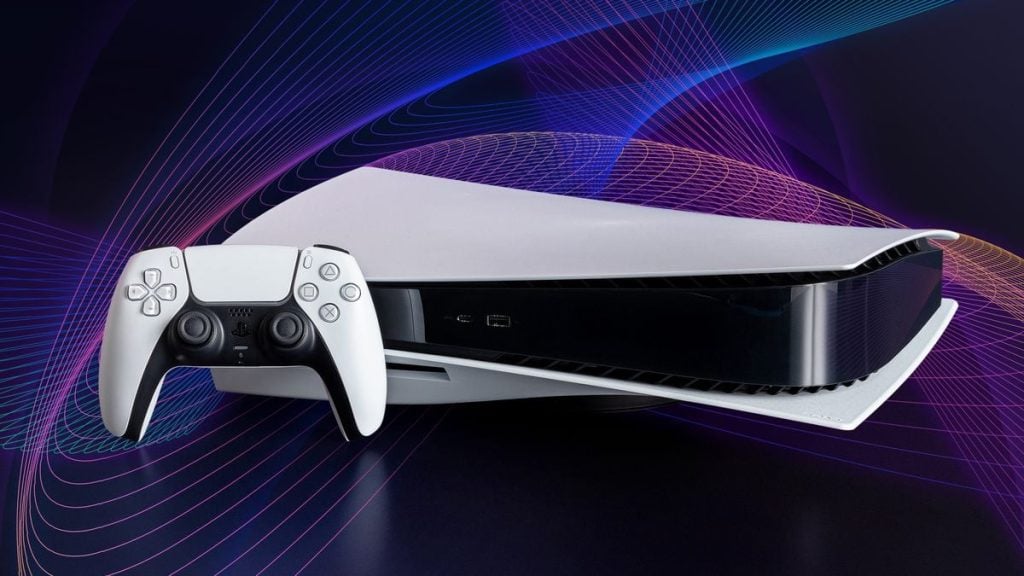
Cloud gaming has been picking up ever since Internet speeds became higher worldwide. Sony, a key player in the cloud gaming market, is giving PS Plus Premium subscribers something big: a cloud streaming beta with 4K resolution. They talked about this in June, and now it’s here. Players can now use this feature for PS Plus games, some game trials, and a few digital PS5 games they have. This means no more waiting forever for downloads and saving some space on your console.
In contrast, Xbox Cloud Gaming is limited to 1080p
A leaked PlayStation email said, “We’re testing PS5 cloud streaming, and your feedback is important.” Right now, only some people got invited to try it out using special codes. The final version might be a bit different from what they’re testing.
A gamer, ArashiGames, tried out God of War: Ragnarok in 4K and said it worked well. He also mentioned a new section in the PS+ menu for streaming PS5 games. You just pick the game, and it starts in seconds. Some other games you can stream include Horizon Forbidden West, Fortnite, Destiny 2, and Death Stranding.
This 4K streaming could make Sony more popular than Xbox Cloud Gaming, which only goes up to 1080p. Sony’s also got another thing coming: the “Project Q” handheld device. It’s got a screen that’s 8 inches and streams in 1080p. It mostly streams games from your console, but might also support this new cloud streaming.
Only PS Plus Premium members, who pay $18 each month, can use this new streaming. They’ve had game streaming before for PS4, PS3, and some old-school games. You can play these games on a PS5, PS4, or computer. It looks like Sony’s making some smart moves in the gaming world.
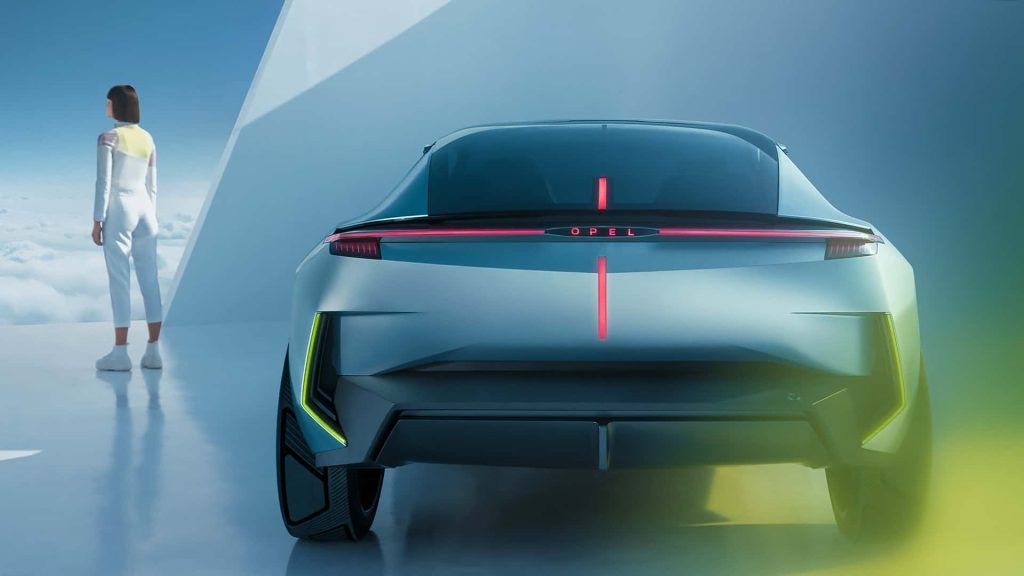
Opel has shown off a new electric car concept called the Experimental. It’s a sneak peek of what cars from the company might look like in the future. The big company behind Opel, called Stellantis, is backing this new idea.
The car’s aerodynamic shape makes the vehicle way more efficient
The Experimental concept will be on display for everyone to see at the IAA Mobility show in Munich in September. It’s built on the Stellantis BEV platform, which sounds similar to the STLA platform. The car has all-wheel drive, and its steering wheel can hide away when you don’t need it. Size-wise, it’s a bit smaller than a Tesla Model Y but about the same as the upcoming electric Opel Grandland.
Opel’s CEO, Florian Huettl, said the Experimental shows where Opel is headed in terms of design and technology. A cool feature is that the car doesn’t use any chrome. Instead, it has lights and graphics that make it stand out. The front has an Opel logo that lights up and long headlights. At the back, there are thin tail lights.
The car has features that make it move smoothly through the air, which helps save battery power. It has special tires made from recycled rubber, and the wheels are designed to further help with air movement. Inside, the car feels big and spacious. This is because of light seats, the hideaway steering wheel, and a clean design. Instead of regular screens, information is shown using a kind of 3D display above the dashboard. Also, instead of side mirrors, the car uses cameras.
Opel hasn’t given details about how powerful the car is or how far it can go on a single charge. But, what’s clear is that the Experimental is a hint at what Opel’s future electric vehicles might be like.
It’s pretty unanimous that brakes are critical for bike safety. This is especially true for e-bikes, especially those designed to carry heavy loads or even kids. Magura, a top name in bike brakes, has come up with something new. At the Eurobike 2023 show, they introduced the Combined Braking System (CBS) made for e-bikes. The system links the brake handle to the disc brakes. This means when you pull the brake handle, it makes both the front and back brakes work together. The result? Better and safer stopping.
Magura wants to integrate their advanced braking system with all types of e-bikes
In fact, Magura’s tests show that with CBS, bikes can stop up to 40% shorter. This is great news, especially for cargo e-bikes that carry a lot. Plus, for people new to e-bikes, it takes away the worry of using the front brake. With CBS, pulling any brake lever means both brakes work, making it safer and more straightforward.
Magura plans to put this new brake system on cargo bikes by 2024. But they’re not stopping there. They want to put it on city bikes and other types too. They’ve been leaders in the bike world for a long time, like when they were among the first to use hydraulic brakes and add ABS to e-bikes. Now, with CBS, they’re making electric bikes safer for everyone.
Netflix really, really, wants to tap into the gaming sector. It’s quite apparent, because the company just unveiled a new app, the “Netflix Game Controller” for iOS. This app lets you turn your phone or tablet into a game controller for your TV. You pair your device with the TV and then play games from Netflix, all controlled from your phone.
Netflix will supposedly release more details of the games compatible with the platform
Even though the app is out, there’s still a lot we don’t know. Which games will it work with? How do you pair your phone with the TV? And when will there be an app for Android users? The app description just says more details about playing games with it on the platform are “coming soon.”
Netflix getting into games isn’t a big shock. Over the past two years, they’ve started to add games, with almost 70 now available. Some of these games are on the Netflix app itself, while others are on phones and game consoles. One big game they have is “Oxenfree II: Lost Signals.” The people who made that game, Night School, are now working directly with Netflix.
Upcoming games on Netflix include “Storytellers,” “Paper Trail,” the “Monument Valley” series, and even a game from the “Assassin’s Creed” series. There’s also a LEGO game coming soon. It seems likely you’ll be able to play some of these games with the new controller app.
When Engadget asked Netflix about which games will work with the app and if there’ll be an Android version, Netflix didn’t give any answers. Everyone’s now waiting to see what comes next.
Redmi is reportedly working on the Redmi Note 13 series of smartphones for the Chinese market. Some reports have claimed that the brand may announce it in October in China. The lineup is expected to include at least three models, such as the Redmi Note 13, Redmi Note 13 Pro, and Redmi Note 13 Pro+. In a new leak, tipster Digital Chat Station has seemingly mentioned some of the specs of the Note 13 Pro+.
Redmi Note 13 Pro+ key specifications (rumored)
Alleged Redmi Note 13 Pro leaked schematic
Among the Redmi Note 12 lineup, only the Redmi Note 12 Pro+ model featured a 200-megapixel camera. In the latest leak, the tipster can be seen talking about a mid-range phone featuring a 200-megapixel camera, which appears to be the successor to the Redmi Note 12 Pro+. Hence, it appears that the leaker could be talking about the Redmi Note 13 Pro+.
As per the leak, the 200-megapixel camera of the alleged Redmi Note 13 Pro+ will offer a 4x in-sensor zoom. In addition, the device will pack a 5,000mAh battery that supports 120W fast charging.
However, the major revelation in the latest leak is that it could be Redmi’s first curved-edge display phone. The screen is expected to support a 1.5K resolution. While the leaker did not mention anything else about the screen, it is mostly likely to support a 120Hz refresh rate.
Shown above is a schematic of the purported Redmi Note 13 Pro. The entire Note 13 lineup may sport an identical design. While the Note 13 and Note 13 Pro will feature a flat display, the Note 13 Pro+ could be equipped with a curved-edge screen. Readers are advised to digest with a pinch of salt and wait for more reports to confirm the key specs of the Note 13 Pro+.
iQOO is expected to announce the iQOO Z8 series of smartphones by the end of this month in China. After this, the company is expected to shift its focus to the iQOO 12 lineup, which is expected to debut by the end of this year. In a new leak, tipster Digital Chat Station has revealed the primary camera of the iQOO 12.
iQOO 12 to feature 50MP main camera
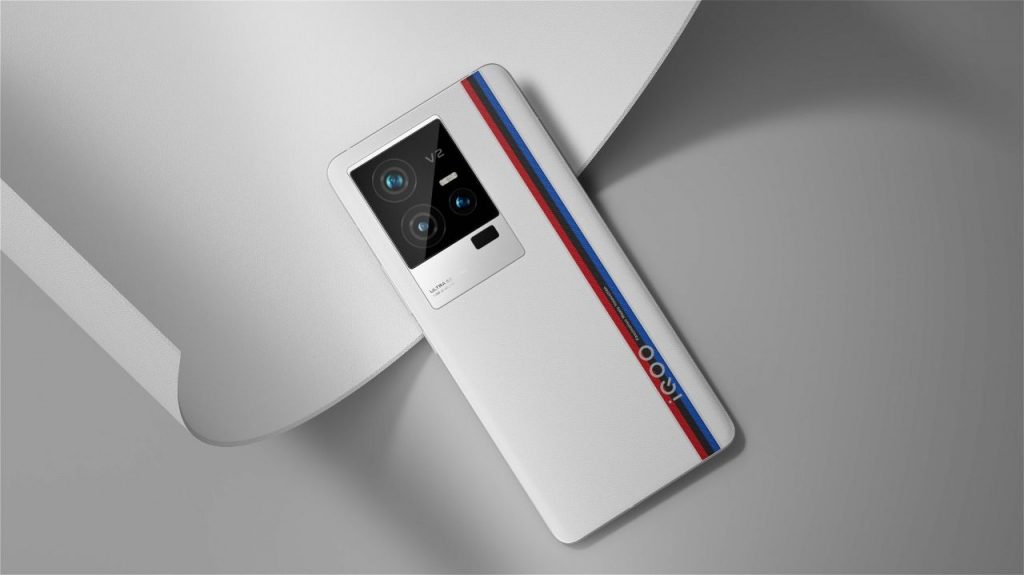
iQOO 11 5G
As per the new leak, the iQOO 12 will be equipped with an OmniVision OV50H 50-megapixel camera, which was introduced at CES 2023 earlier this year. This camera boasts a 1/1.28-inch sensor size and 1.2µm pixel dimensions. On the other hand, details about the primary camera of the iQOO 12 Pro are still under wraps.
Regarding other specifications, reports suggest that the iQOO 12 will sport a flat AMOLED panel, offering a 2K resolution along with an impressive 144Hz refresh rate. Under the hood, the iQOO 12 is likely to house the forthcoming Snapdragon 8 Gen 3 chipset, accompanied by LPDDR5x RAM and UFS 4.0 storage.
This upcoming device is expected to be available in two configurations: one with 16 GB of RAM and 512 GB of storage, and another with 16 GB of RAM and 1 TB of storage. While the exact battery capacity remains undisclosed, rumors indicate that the iQOO 12 will support 100W fast charging, suggesting a battery size exceeding 5,000mAh.
In related news, iQOO’s Indian wing has confirmed that it will announce the iQOO Z7 Pro 5G on Aug. 31 in India. The device is said to be equipped with specs, such as a 6.78-inch FHD+ 120Hz AMOLED display with curved edges, Dimensity 7200, a 4,600mAh battery with 66W fast charging, a 16-megapixel front camera, and 64-megapixel dual rear cameras.
Oppo is reportedly working on the Find X7 series of smartphones. While competitor Chinese brands are expected to launch their flagship phones by the end of this year, the Find X7 and Find X7 Pro may debut in Q1 2024 in the home market. Well ahead of the launch, a Chinese tipster has revealed vital information about the Find X7 Pro.
OPPO Find X7 Pro: What to expect?
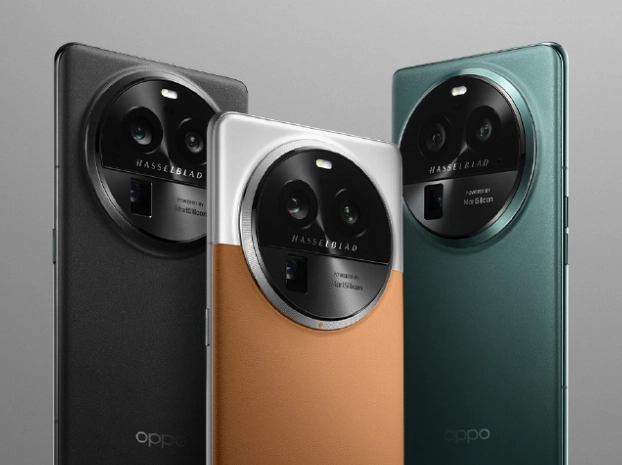
Oppo Find X6 Pro
According to the tipster, the improvements in the Oppo Find X7 Pro are relatively minor compared to the Find X6 Pro. The tipster further said that its main focus seems to be meeting the shortcomings of the X6 Pro while introducing some incremental enhancements including a better design.
The tipster added that the Oppo Find X7 Pro and Find X6 Pro have common features such as a Samsung E6 AMOLED LTPO curved-edge screen that offers a 2K resolution, a peak brightness of 2500 nits, a default 720Hz low-frequency PWM dimming mode and the ability to choose a 1440Hz high-frequency PWM dimming mod through developer mode.
Both phones feature a 32-megapixel front camera (Sony IMX709 sensor) and a rear camera setup consisting of a 50-megapixel primary camera (Sony IMX989 renamed Sony LYT900), a 50-megapixel ultra-wide camera (Sony IMX890 renamed Sony LYT700), and a 50-megapixel periscope telephoto camera (Sony LYT700).
The extent of improvement on the Find X7 Pro depends on potential enhancements to additional lens and screen parameters. It seems that the device will offer an enhanced videography experience.
While it is not mentioned in the leak, the Find X7 Pro is expected to come equipped the Snapdragon 8 Gen 3 chipset. The highest variant of the device may offer 16 GB of LPDDR5x RAM and 1 TB of UFS 4.0 storage. As per a previous report, the X7 Pro may come with support for 100W wired charging and 50W wireless charging.
Apple has been working on its next-generation Apple Silicon chips, and the company has now reportedly started testing the new Apple M3 series chips for its upcoming devices.
As per the latest report from Bloomberg, the new chips are expected to arrive as soon as October this year, i.e., in a couple of months. It also adds that the company is testing multiple variants of the chip.
The report indicates that the high-end chip in the lineup, the Apple M3 Max, may have four more high-performance CPU cores and at least two more graphics cores compared to the M2 Max chip, which was made available earlier this year.
Coming to the devices, the Cupertino-based tech giant is testing new iMacs, a 13-inch MacBook Pro, a 13-inch MacBook Air, a 15-inch MacBook Air, and a new Mac Mini. All these devices are running the M3 chip and are expected to go official in the next 12 months. It seems that we may have to wait a bit longer for the updated 14-inch and 16-inch models of the MacBook Pro.
The refresh cycle for the devices seems to have become a bit aggressive from Apple as the company is trying to move ahead from the struggling sales. The anticipated 15-inch MacBook Air got launched in June this year, but the sales numbers are not matching the company’s expectations.
As for the launch of the new chip and Mac devices, the company is expected to announce them in the month of October but an exact launch date is yet to be revealed.
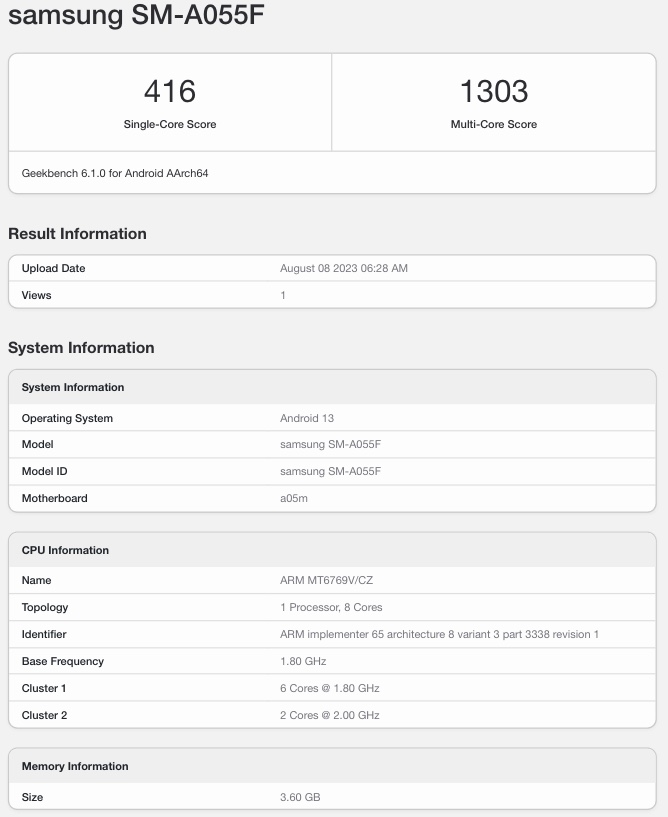
Samsung unveiled the Galaxy A04 entry-level smartphone in August of last year. It appears that the company may be planning to launch its successor, the Galaxy A05, in this month in different markets. This is because the A05 has appeared on Geekbench, suggesting that the company may be internally testing the device’s performance before its official announcement.
Last month, the Galaxy A05 was certified by the Bluetooth SIG authority. The listing revealed that the model numbers SM-A055F, SM-A055F/DS, SM-A055M, and SM-A055M/DS are all associated with the same device. This confirmed that the device will offer Bluetooth 5.3 connectivity. The Geekbench listing of the device has revealed some of its key specifications.
Samsung Galaxy A05 Geekbench listing
Samsung Galaxy A05 (SM-A055F) Geekbench listing
The Geekbench appearance of the Samsung Galaxy A05 reveals that it is powered by the Helio G85 chipset. Although the name of the chip is not explicitly mentioned in the listing, it does mention the MT6769V/CZ model number. For reference, the Galaxy A04 featured the more modest Helio P35 chip.
The Geekbench listing also mentions that the device has 4 GB of RAM and Android 13. This suggests that the device will be capable of running the full version of Android 13 instead of the Go edition, as was seen on the Galaxy A04. The device has also appeared on the Wi-Fi Alliance’s database, revealing support for dual-band Wi-Fi connectivity.
The Galaxy A05 has already been approved by certification platforms such as BIS and FCC. However, none of them provide any concrete details about its specifications. Hopefully, newer reports will reveal more details about the smartphone in the coming days.
The Vivo Y22T could be the next Y-series phone from Vivo. The device was recently spotted in the database of Thailand’s NBTC certification with the model number V2313. The same device has now appeared on Geekbench to reveal some of its key specifications.
Vivo Y22T Geekbench listing
Vivo Y22T Geekbench listing
The Geekbench listing of the Vivo Y22T reveals that it is powered by a Qualcomm chip. The CPU and GPU details from the listing reveal that the device is powered by the Snapdragon 680 chipset. This confirms that the device will not be a 5G-ready device. The listing further states that the device has 6 GB of RAM and Android 13, which could be overlaid with the FunTouch OS 13.
In the single-core and multi-core tests of Geekbench 6, the Y22T scored 377 and 1501 points, respectively. At present, there is no information available about the other specs of the Y22T.
The Vivo Y22T could be a part of the Vivo Y22 series from last year, which already includes two models: the Y22 and the Y22s. To recall, the Y22s features a 6.5-inch LCD HD+ display, a Snapdragon 680 chip, up to 8 GB of RAM, up to 128 GB of storage, a 5,000mAh battery with 18W charging, an 8-megapixel front camera, and a 50-megapixel + 2-megapixel dual-camera system on the back. The Vivo Y22 also packs the same specs but features the Helio G85 SoC.
In related news, Vivo is gearing up to launch the Vivo V29 series of smartphones in different markets. As per a recent report, the Vivo V29e may debut by the end of this month in India.
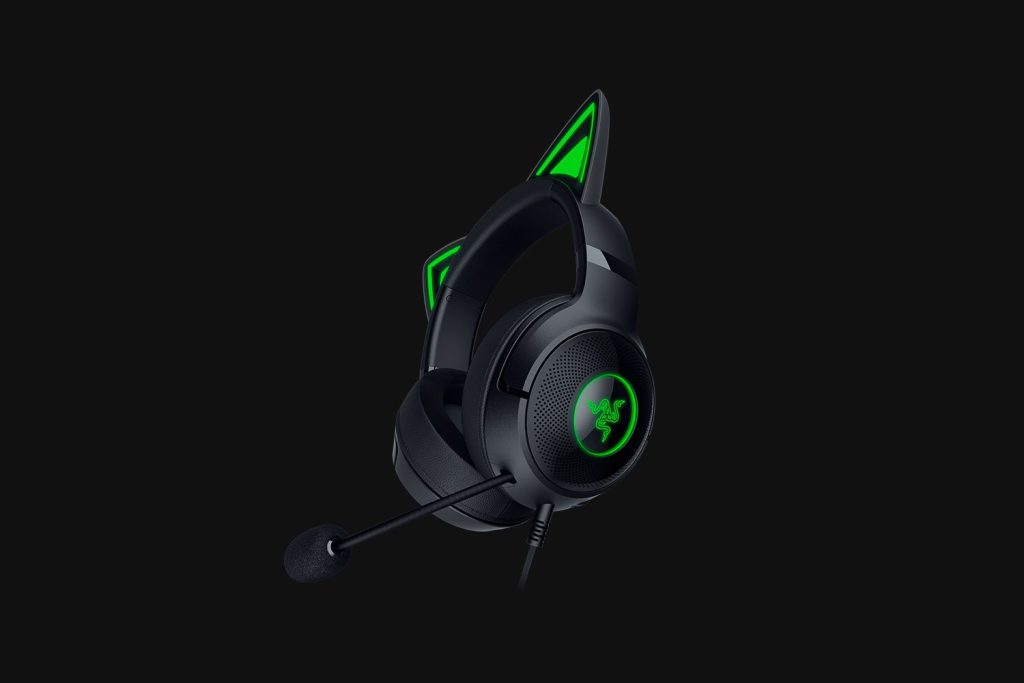
Razer, a leading global brand specializing in gaming hardware, has introduced the Kraken Kitty V2 series over-ear headphones in China. The price of the headphones starts at 799 yuan ($110).
The Kraken Kitty V2 series has been designed with an enlarged cat ear structure that adds a cute and distinctive appearance. But the aesthetics are not limited to this design element; the headphones also feature Razer Chroma RGB technology. This offers a customizable and stylish look, allowing users to create a cool and versatile personal style that matches their gaming setup.
Responsive Lighting and Audience Engagement with Kraken Kitty V2
One of the standout features of these headphones is the Razer HyperClear technology with a directional microphone. This ensures excellent voice input performance, making it an ideal choice for gamers who require clear and precise communication during intense gaming sessions.
Sound quality is equally important for a fully immersive experience, and the Kraken Kitty V2 does not disappoint. Equipped with Razer TriForce 40mm drivers, the headphones deliver clear and powerful audio. The addition of 7.1 surround sound further enhances sound positioning, providing a more engaging and realistic experience in gaming.
For those who enjoy live broadcasting their gameplay, the responsive lighting effects offer real-time interaction with the audience. This adds an extra layer of entertainment and engagement to the gaming experience.
Comfort is crucial for long gaming sessions, and the Kraken Kitty V2 is designed with a combination of fabric and synthetic leather cushions. This ensures all-day comfort and excellent noise isolation, allowing gamers to stay focused and fully immersed in their games.
Razer Kraken Kitty V2 BT: Wireless Freedom for Seamless Gaming
In addition to the standard model, Razer has also introduced the Razer Kraken Kitty V2 BT, featuring Bluetooth 5.2 wireless connectivity. This version supports gaming mode for smooth, low-latency performance and includes integrated beamforming noise-canceling microphones for clear voice pickup. Weighing only 325 grams and offering approximately 40 hours of battery life, this variant ensures a convenient and uninterrupted gaming experience.
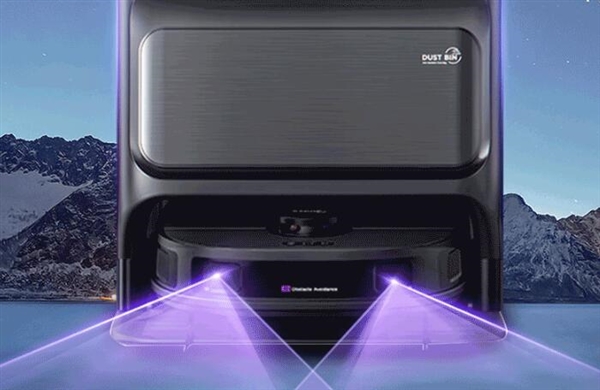
Midea has launched an automatic dust collection and sweeping robot in the Chinese market. The Midea Sweeping Robot features automatic dust collection and dual-view structured obstacle avoidance. The machine can sense and avoid obstacles in real-time using AI to accurately avoid up to 55 common obstacles.
The new Midea sweeping and mopping robot is equipped with a custom-made chenille double-disc ultra-thick mop cloth. The mop cloth has a higher dust capacity and shrinks to absorb dirt. The mopping robot delivers up to 200 times of pressurized strong rubbing per minute and a 5kPa suction force. There are four cleaning modes for the sweeping robot. It supports a 55ºC hot air drying mop and comes with two drying pipes. The machine also has four 3-dimensional air paths and an overall efficient operation.
The new Midea Sweeping and Mopping robot has a full-chain circulation hot-air mop that operates synchronized with the cleaning tank and base station. This provides for an efficient manner of drying the mopped surface.
The Midea Sweeping Robot is equipped with a 5,200mAh battery that guarantees up to two hours of continuous use. An automatic water-loading model is also available for the gadget. The Midea Sweeping Robot is available for purchase from retail platforms in China including JD.com. The retail price of the sweeping robot is 3,299 yuan (~$457) and Midea has not provided any global availability details for the sweeping robot yet.
Electric vehicle technologies are becoming more popular and widespread. This has led to 100+ years old traditional car manufacturers and new EV companies competing with each other. Have you ever wondered about the situation in Germany, home to some of the world’s biggest car manufacturers? It seems that in July, 1 out of every 4 cars sold in Germany was an electric vehicle. Here are the details…
The Electric Revolution Continues in Germany, as EV Market Share Surpasses 25%
Electric vehicle technology is getting more popular worldwide. According to 2022 data, the global market share for electric vehicles rose to 14% from 8.3% in 2021. China led with a 27% market share, followed by Europe with 20.8% and the United States with 7.2%. So, what’s the situation in Germany, which makes the most cars in Europe?
1 in every 4 cars sold in Germany was an electric vehicle. That’s a little more than last year. The interesting part? More people are choosing battery-only EVs over the plugin hybrids. The Volkswagen ID.4/5 was the best-selling BEV in Germany in July, with 5,029 units sold. The Tesla Model Y was in second place with 3,781 units sold, followed by the Fiat 500 with 3,546 units sold.
The BMW i5 made its market debut in Germany in July, with 252 units sold. The i5 is a luxury electric sedan that starts at €70,000. In the overall market, Volkswagen Group retained its lead, with a market share of 28.9%. Stellantis was in second place with a market share of 13.6%, followed by Tesla with a market share of 12.0%.
Toyota group lost market share in July, falling to 0.6% from 0.9% in the same month last year. This is likely due to the company’s focus on hydrogen fuel cell vehicles, which have not yet gained traction in the German market.
The strong growth of the German electric vehicle market is being driven by a number of factors, including government incentives, increasing consumer demand, and the availability of more models to choose from. The German government offers a number of incentives for electric vehicle buyers, including a purchase subsidy of up to €9,000 and a reduced purchase tax rate.
Consumer demand for electric vehicles is also increasing, as more and more people become aware of the environmental benefits of EVs.
We use cookies on our website to give you the most relevant experience by remembering your preferences and repeat visits. By clicking “Accept”, you consent to the use of ALL the cookies.
This website uses cookies to improve your experience while you navigate through the website. Out of these, the cookies that are categorized as necessary are stored on your browser as they are essential for the working of basic functionalities of the website. We also use third-party cookies that help us analyze and understand how you use this website. These cookies will be stored in your browser only with your consent. You also have the option to opt-out of these cookies. But opting out of some of these cookies may affect your browsing experience.
Necessary cookies are absolutely essential for the website to function properly. This category only includes cookies that ensures basic functionalities and security features of the website. These cookies do not store any personal information.
Any cookies that may not be particularly necessary for the website to function and is used specifically to collect user personal data via analytics, ads, other embedded contents are termed as non-necessary cookies. It is mandatory to procure user consent prior to running these cookies on your website.