On Wednesday (July 26), Samsung will take off covers from the Galaxy Z Fold 5 and the Galaxy Z Flip 5 foldable phones in multiple markets, including India. Before launch, reliable tipster Ishan Agarwal revealed storage variants, color options, and sale date timeframe of the next-generation foldables for the Indian market.
Galaxy Z Fold 5, Z Flip storage and color options
Samsung Galaxy Unpacked event to be held on July 26
According to the tipster, the Galaxy Z Fold 5 will arrive in three shades, such as Phantom Black, Cream, and Icy Blue. It will be available in three storage options: 256 GB, 512 GB, and 1 TB.
On the other hand, the Galaxy Z Flip 5 will come in color options, such as Graphite, Cream, Lavender, and Mint. It will come in storage variants, such as 128 GB and 256 GB.
The leak reveals that the Z Fold and Z 5lip 5 will also be available in Samsung-exclusive colors. These shades will only be available through Samsung’s online store. The tipster said that Samsung has not yet determined the sales/delivery date for its upcoming foldables, but it is expected to fall between Aug 12 and Aug 18, with the furthest possible date being Aug. 22
Samsung India’s YouTube channel will broadcast the upcoming Galaxy Unpacked event live at 4:30 pm (local time) in India. Those who are interested in the new foldables can pre-reserve them by sending Rs 2,000 through platforms such as Amazon, Flipkart, Samsung India’s website, Samsung Exclusive Stores, and retail outlets.
Samsung has officially announced that customers who pre-reserve these devices will receive benefits worth Rs 5,000 upon purchase. This pre-reservation offer appears to extend to those considering purchasing the Galaxy Tab S9 series or the Galaxy Watch 6 as well.
WhatsApp, the popular chatting app owned by Meta, is on a roll with its recent wave of feature introductions. Responding to user demands, the app has implemented numerous much-needed updates. Now, it’s undergoing a complete makeover to align with Google’s latest Material guidelines. In the past, WhatsApp on iOS and Android followed distinct design perspectives, but the company is striving to create a cohesive and uniform app experience across both platforms.
Rounded Menus and Bottom Navigation Bar
WhatsApp’s latest update, version 2.23.15.24, is now widely rolling out to beta testers through the Google Play Beta Program. This update brings significant enhancements to the app’s interface, following the Material Design 3 guidelines.
The improvements include a redesigned bottom navigation bar, a new floating action button, and rounded menus. These changes were initially available to a limited group of users but are now reaching a larger number of beta testers with this update.
In addition to the aforementioned updates, users will also notice rounded alerts and redesigned toggles, which further enhance the app’s interface. The chats tab and floating action button have been redesigned to represent incoming message bubbles, as seen in the provided screenshot.
To ensure access to the latest features, it is recommended to keep WhatsApp up to date by installing new beta versions from the Google Play Store.
Nothing Phone (2) recently went on sale in India via Flipkart. However, if you are not a fan of buying expensive electronics online, you now have the option to buy the device from physical stores in India.
Vijay Sales, a well-known electronics retailer, has recently introduced the Nothing Phone (2) in all its brick-and-mortar stores nationwide. The phone is offered in Dark Grey and White color variants, with two storage and RAM options available. Customers can choose between the 12GB RAM + 256GB storage variant priced at Rs. 49,999 or the 12GB RAM + 512GB storage variant priced at Rs. 54,999. Check out the offers below.
Nothing Phone (2) Vijay sales offers
Vijay Sales is offering an exclusive promotion for the new Nothing smartphone. Customers purchasing through Vijay Sales can enjoy Rs. 3,000 discount on HDFC Bank credit and debit cards, as well as on no-cost EMI transactions for three, six, and nine months. Additionally, special bundle offers include a 45W power adapter for Rs. 1,499 and the Ear (Stick) for Rs. 4,250. It’s important to note that the device doesn’t come with a charger in the box.
Nothing Phone (2) specs
The Nothing Phone (2) features a 6.7-inch LTPO AMOLED display with a 120Hz adaptive refresh rate, 1080 x 2412 resolution and peak brightness of 1600 nits. It is powered by a Snapdragon 8+ Gen 1 SoC processor, paired with LPDDR5 RAM and USF 3.1 storage. The phone’s camera setup includes a 50MP Sony IMX890 main sensor with OIS, a 50MP ultrawide camera with the Samsung JN1 sensor, and a 32MP Sony IMX615 front-facing camera with EIS for selfies. The device is equipped with a reliable 4,700mAh battery that supports 33W wired and 15W wireless charging options. Operating on Nothing OS 2.0, it is based on the latest Android 13.
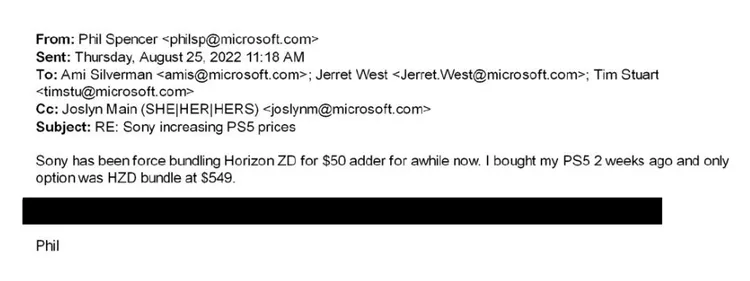
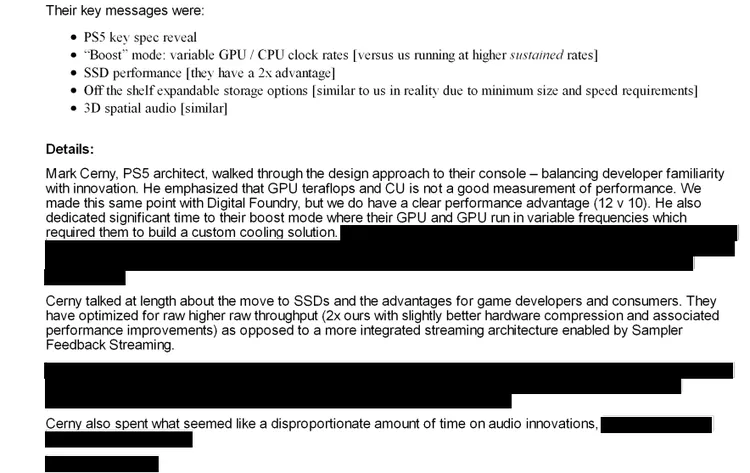
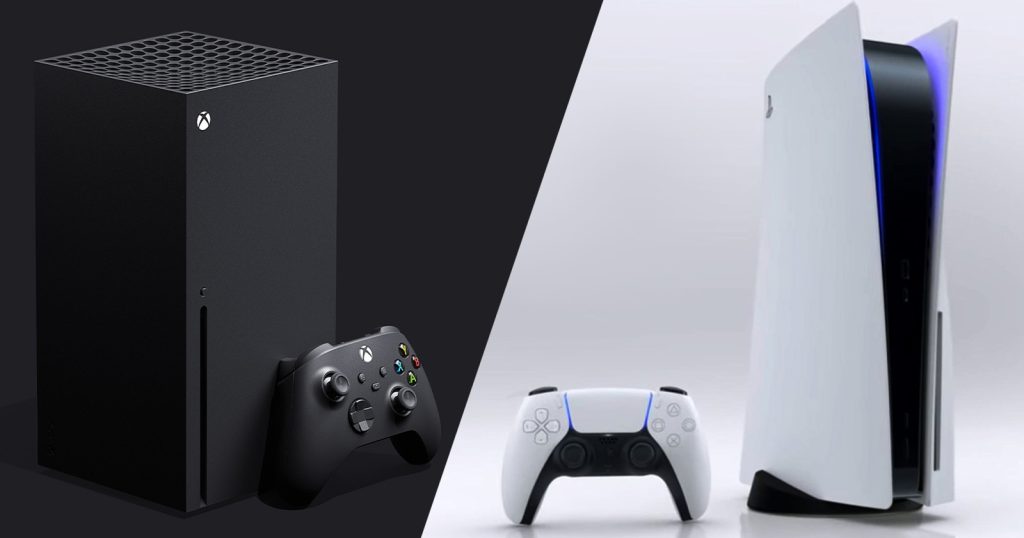
Exciting news for gamers in India! Sony has recently announced a limited-time discount on their PlayStation 5 consoles, presenting the perfect opportunity for enthusiasts to grab this sought-after gaming device at a reduced price.
Since its launch in November 2020, getting hold of the PS5 at its retail price has been challenging due to chip shortages and widespread scalping. To exacerbate the situation, Sony further increased the console’s price by Rs 5,000 towards the end of 2022, owing to the unfavorable global economic conditions. Though the market is still recovering, it looks like the stock conditions have finally stabilized as Sony has announced a massive price cut on the console. Check out the details below.
PlayStation 5 discount offers & availability details
Sony is offering a limited-time discount on the PlayStation 5. The standard disc edition of the console will be available for Rs 47,490, which is Rs 7,500 less than the regular price. This is the lowest price that the PS5 has ever been offered for directly from Sony. The discount will be available from July 25 to August 7, and it can be found at participating retailers, including Amazon, Flipkart, ShopatSC, Reliance, Croma, and Vijay Sales.
Thanks to this discount, users will now have the opportunity to purchase the console for a price lower than its initial 2020 launch. The appeal of buying the PS5 has also increased significantly, given the increased number of native PS5 games. With the sale set to begin on July 25, it’s expected that the console’s stock will sell out quickly, so we recommend readers to mark their calendars and set a reminder to avoid missing out on this fantastic deal.
According to a past report by Japanese media outlet Sumahodigest, Sony is currently working on the development of a foldable phone, expected to be named Xperia Flip. Now a tipster on Twitter has shed some light on the display specs of the upcoming clamshell smartphone.
Sony’s Xperia Flip: A New Contender in the Foldable Phone Market?
According to a Twitter tipster @RGcloudS, the alleged Xperia Flip is anticipated to adopt a vertical folding design similar to Samsung’s Galaxy Z Flip 5 which is set to launch on July 26th. The internal screen is rumored to measure 7 inches, boasting a 4K display with a 21:9 aspect ratio, making it slightly wider than its potential competitor, the Galaxy Z Flip 4, which has a 22:9 aspect ratio.
Sony’s entrance into the foldable phone market has sparked significant interest and speculation. This exciting development could possibly mark the return of Sony’s Compact series, which hasn’t seen a new release since 2018. The small, foldable design could be a game-changer, attracting a wide variety of users.
According to the tipster, the display specification, while impressive, might not be the sole selling point anymore, considering recent flip phones’ powerful specs, displays, cameras, and refined software experiences. To stand out, Sony needs to bring something innovative to the table for a compelling selling point. Rumors suggest that Sony could capitalize on its extensive gaming expertise to enhance this device further.
While the release date for Sony’s foldable phone remains unknown, the tech community is eagerly awaiting more information. Sony, alongside Apple, is among the few major tech companies yet to release a foldable screen smartphone. In contrast, Apple is reportedly working on a foldable MacBook set to launch in 2026 and has also been granted a patent for a rollable display, sparking rumors of a rollable iPhone in development.
Given Sony’s reputation for innovation, the Xperia Flip is expected to be a significant contender in the smartphone market. However, further details are needed to fully grasp the potential of this exciting upcoming product.
Realme is expected to launch the Realme 11 4G soon. The key specifications, launch timeline, and promo images of the upcoming offering have surfaced online. The information has been shared by tipster Abhishek Yadav. It will arrive as the successor to the Realme 10. Read on to know more about the device below.
The Realme 11 4G is said to feature a 6.4-inch AMOLED display with a punch-hole cutout at the top left corner. It will offer an FHD+ resolution and a 90Hz refresh rate. The screen will be shielded with a Corning Gorilla Glass 5. Design-wise, the device has a boxy form factor with a gradient back panel.
The Realme 11 4G has a protruding circular camera module on the back panel. It houses a 108MP primary sensor along with a 2MP secondary lens. There is a 16MP front-facing selfie snapper.
Under the hood, the Realme 11 4G will be powered by a MediaTek Helio G88 processor. It will pack up to 8GB RAM along with 8GB virtual RAM technology. The smartphone will be backed by a 5,000mAh battery unit with support for 67W fast charging.
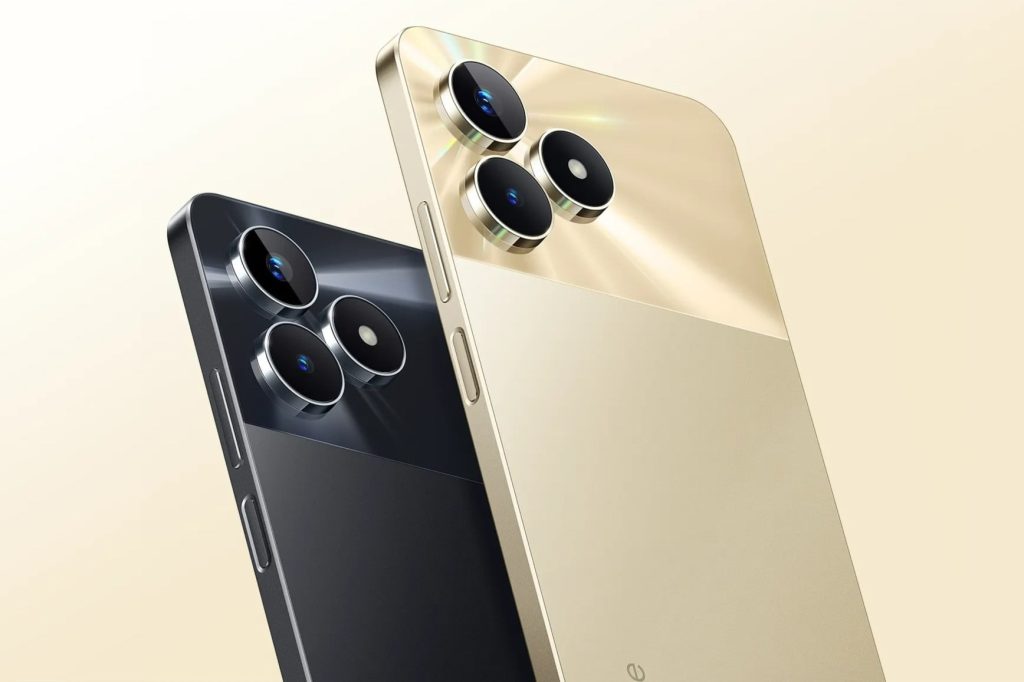
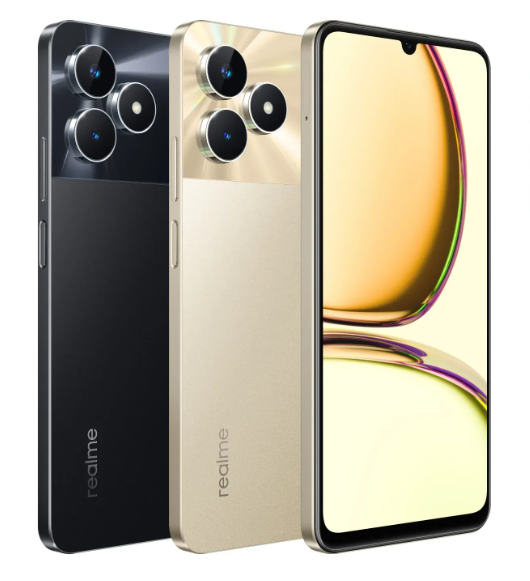
From the images, the Realme 11 4G will be offered in Black and Gold color options. It is likely slated to debut in Vietnam on July 31. We should learn more details about the smartphone in coming weeks.
OpenAI, the leading AI firm headed by CEO Sam Altman, recently announced the much-awaited launch of ChatGPT for Android. The announcement comes a few months after the successful introduction of the iOS version, which swiftly became the top AI application on the platform, with over half a million downloads within a week. The official Android version of ChatGPT will be available on the Google Play Store next week, with pre-registration already open.
Announcing ChatGPT for Android! The app will be rolling out to users next week, and you can pre-order in the Google Play Store starting today: https://t.co/NfBDYZR5GI
Launching Next Week: The Android Version of ChatGPT
The arrival of an official Android version is expected to combat the counterfeit GPT applications that have flooded the market. Until now, these unofficial apps have taken advantage of the Android ecosystem, with some featuring harmful or fraudulent content.
Similar to its iOS counterpart, the Android version of ChatGPT will likely have regional restrictions, initially launching in the United States before rolling out to other countries. The app will offer the premium ChatGPT Plus service which costs $20 per month.
The Android ChatGPT aims to provide an experience akin to its iOS equivalent, including the ability to sync conversations and preferences across devices. Although the exact launch date has not been disclosed, the company confirmed that the rollout will start next week.
OpenAI also working on a new feature, “customized instructions,” exclusively for Plus plan users, currently in its beta phase. This feature will allow users to provide the AI chatbot with specific instructions, enhancing personalization. Additionally, the app will also feature recent enhancements from the iOS version, including Bing integration and improved history search functionality.
Android users can now pre-register for the ChatGPT app on the Google Play Store. Just last week, a report came that ChatGPT has faced its first traffic drop since its launch. The launch on the Android platform is likely to improve its traffic again.
Chinese tech giant OPPO is reportedly working on its next-generation foldable smartphone, the Find N3, with key specifications leaked by a tipster Digital Chat Station on Weibo. The tipster earlier also leaked the schematics and key specs of this device. According to the leak, the upcoming model, expected to launch in late 2023, will be larger than its predecessor, the Find N2, but more compact compared to its rivals. It is designed to be slim and lightweight.
Oppo Find N2
OPPO Find N3 expected to be larger, slimmer, lighter
The leak suggests that the Find N3 will boast a high-resolution 2268 x 2440 pixel screen with a 120Hz refresh rate. It is also anticipated to have an 8-inch foldable OLEDdisplay and a 6.5-inch FHD+ 120Hz cover display. The camera setup is said to include a 50MP OIS triple main camera with a periscope lens. The periscope lens will likely have 3x zoom capability. The smartphone will reportedly feature the Snapdragon 8 Gen 2 chipset, up to 16GB of LPDDR5x RAM, and up to 1TB of UFS 4.0 internal storage.
While the foldable smartphone market is becoming increasingly competitive with releases from other brands like Samsung and Honor, OPPO aims to stand out with its Find N3 model. By emphasizing a sleek and lightweight design alongside advanced features, OPPO seeks to catch the attention of consumers.
In an interesting development, a tweet by Max Jambor suggests that OnePlus’s first foldable phone, OnePlus Open, might be branded as the OPPO Find N3 in China. As per the tipster, the device is expected to launch on August 29 and it will come in Black and Green colors.
However, OPPO’s Find N3 will face stiff competition from Samsung, which is set to launch its foldable Galaxy Z Fold 5 on July 26th. Additionally, Honor has already released its Magic V2 foldable phone, boasting an ultra-thin profile.
Back in October 2022, Redmi debuted the Redmi 12 series smartphones in its domestic Chinese market. Now, the brand is working on the next generation of mid-range devices called the Redmi Note 13 series. The base variant of the device has already emerged on the EEC certification website, and now, a new leak has revealed what the Redmi Note 13 Pro Plus could look like.
Xiaomi 13 Pro
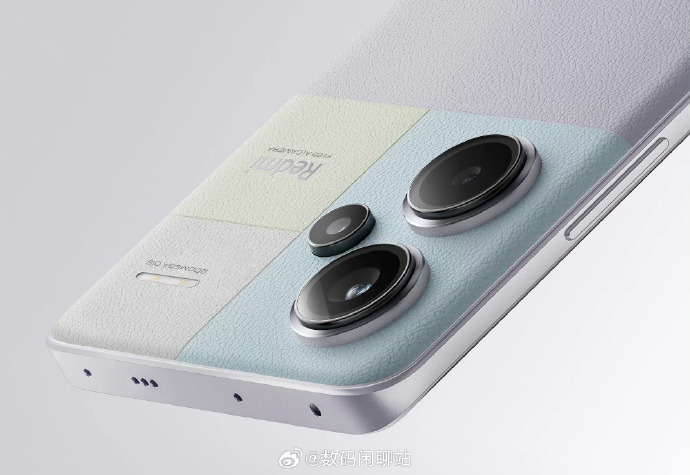
Known leaker Digital Chat Station has revealed (now deleted) a design schematic of the alleged Redmi Note 13 Pro Plus. It reveals that the device will have a rear panel design similar to the Xiaomi 13. The square camera island will hold three camera cutouts and the fourth cutout will likely be for the LED flash. The leaker also mentions that the device will have a flat display and super narrow bezels.
Alleged Redmi Note 13 Pro Plus
Previous leaks have mentioned that the device will feature a 6.7-inch display and MIUI 15 operating system, based on Android 14. To get an idea of what to expect from the next-gen Pro Plus model, let’s take a look at the spec sheet of the Redmi Note 12 Pro Plus.
Redmi Note 12 Pro Plus specs
The Redmi Note 12 Pro Plus features a 6.67-inch OLED display with a resolution of 2,400 x 1,080 pixels (FHD+), a 120Hz refresh rate, a 240Hz touch sampling rate, a 1920Hz PWM dimming, and a 16,000 level dimming. It has a centered punch-hole for the front camera.
Under the hood, the device features a MediaTek Dimensity 1080 SoC paired with LPDDR4x RAM and UFS 2.2 storage. It comes with a 3,000mm² VC cooling system to keep the thermals under control. The device features a 5,000mAh battery with 120W fast charging.
As for optics, the device has a 200MP Samsung ISOCELL HPX main camera paired with an 8MP ultra-wide camera and 2MP macro camera. On the front, the device has a 16MP selfie camera.
At the BW Expo, Lenovo has unveiled its latest gaming tablet, the Legion Y700 (2023). Priced at 2399 yuan ($333), the device has impressive features, making it a strong contender in the gaming tablet market.
Legion Y700 (2023) specifications:
Lenovo Legion Y700 2023 boasts an 8.8-inch display with a resolution of 2560 x 1600 pixels, 343 PPI pixel density, 100% DCI-P3 color gamut, peak brightness of 500 nits, and a 144Hz refresh rate.
Under the hood, the Legion Y700 (2023) is powered by the powerful Snapdragon 8+ Gen 1 chipset, paired with LPDDR5X memory, achieving an impressive AnTuTu benchmark score of 1.39 million points. The device comes in 12GB and 16GB RAM variants, with 256GB and 512GB inbuilt storage options. Out of the box, the device runs on Android 13 with ZUi 15.0 on top. The tablet also features a 13MP dual rear camera with an LED flash and an 8MP front camera for selfies.
Addressing thermal concerns during extended gaming sessions, Lenovo has equipped the tablet with an enhanced cooling system and a metal back cover to maintain peak performance.
Despite its feature-rich design, the Legion Y700 (2023) manages to be lighter than its predecessor, weighing only 348g and measuring 7.6mm thick. The all-metal material with a CNC-processed middle frame provides a textured and comfortable grip for gamers during long play sessions.
In terms of battery life, the Legion Y700 (2023) comes with a 6550mAh battery and supports 45W Super Flash Charging. Additionally, the tablet offers dual USB Type-C ports for concurrent charging and headphone use, along with bypass charging to protect the battery and enhance performance.
Legion Y700 (2023) pricing:
Lenovo Legion Y700 2023 comes in Grey and Blue colors. Lenovo has managed to keep the price competitive, even with the inclusion of new features. Customers can enjoy a 100 yuan ($13) discount on all variants during the pre-sale period.
The options include: 12GB RAM + 256GB storage at 2399 yuan ($333), 12GB RAM + 512GB storage at 2599 yuan ($361), and 16GB RAM + 512GB storage at 2799 yuan ($389).
Earlier this week, Sony revealed that the WF-1000XM5 TWS earbuds will be launching on July 24 at 9 AM ET. These earphones will succeed the premium Sony WF-1000XM4 earbuds. Ahead of the launch, a leak has now revealed the European and US pricing of the Sony WF-1000XM5.
According to known tipster SnoopyTech, the earbuds will debut in the US with a price tag of $299, while European customers will have to pay €319. The tipster has also marketing material of the WF-1000XM5 as well as the renders.
The marketing text of the earbuds reads: The WF-1000XM5 features cutting-edge technology to deliver premium sound quality and the best truly wireless noise-cancelling performance on the market. With a specially designed driver unit, for wide frequency production, deep bass and clear vocals, these headphones are designed to immerse you in a sound so good, it feels like you’re in the studio with your favorite artists.
Sony WF-1000XM5 specs (rumored)
The Sony WF-1000XM5 TWS earbuds are said to weigh around 5.9 grams per bud, with an 8.4mm Dynamic Driver X for exceptional audio quality. They may feature dual processors, dual-feedback microphones, and ANC optimization for an immersive sound experience. Each earbud is rumored to have three microphones for precise noise capture. Additionally, HiRes Audio and DSEE Extreme support enhance the audio performance. The earbuds are also expected to incorporate Precise Voice Pickup technology for clear call quality, a 500mAh charging case with potential 24-hour battery life, quick 3-minute charging for an hour of playback, and rumored Bluetooth 5.3 for multi-device connectivity. It is said to have IPX4 certification, making it sweat and splash-resistant.
Motorola’s foldable phone may not be the best, but the price is very low. As you guys know, this time the Razr 40 has once again set a record for the lowest price of a foldable phone. In China, its lowest price is only about $560, which is about the same price as a normal sub-flagship phone. I’m sure there are already some people who are excited to click into this video to see if the Razr 40 Standard Edition is worth buying, right? This video will give you the answer.
https://youtu.be/pf0eHUq6bIY
Unboxing
While there is a big difference in price, the accessories they have are almost the same. They both have 33W chargers. The manual, warranty card, and SIM pin. The only difference is that the Ultra version has a free case, while the standard version does not.
Design
Good design is very important for a foldable phone, and Moto understands this very well. Although the Razr 40 is cheap, it didn’t take a step back in terms of design. All three colors are made of vegan leather with a frosted metal frame. It looks better than the black 40 Ultra. When they are folded, the outer screen on the Ultra version doesn’t look as good as the standard version if it’s not lit up.
There is one thing that the standard version does better than the Ultra, the SIM slot can finally hold two SIM cards instead of eSIM. but there is one thing that they both don’t do well, it’s USB 2.0 on both phones. They all support standing at any angle, and there is no difference in functionality. whatever the Ultra version can do, the standard version can do as well. Just from the design point of view, I think the standard version does a very good job, even better than the Ultra version.
Display
Compared to the Razr 40 Ultra, the external screen on the standard version is really small, like those old foldable phones released two or three years ago. This small 1.5-inch screen can only display the most basic information, so there’s no way to reply to messages like the Ultra, let alone open some apps.
The internal screen of these two phones has a much smaller gap in user experience compared to the external screen. The screen panel on both phones is actually the same, both are 6.9-inch FHD+ OLED screens, and both support DC dimming as well, maximum brightness is 1,400 nits. But It’s clear that Motorola wants the Ultra to be a step up over the standard version because the refresh rate is higher on the Ultra and the bezels are narrower. So the 40 Ultra will look better in theory, but the difference is so small that you can’t tell who’s better in everyday use.
So my recommendation is, If you’re the type of person who uses your phone less frequently, the Ultra version should suit you better because you can do a lot of things with the outer screen. But if you tend to use it unfolded like me, the standard version should be about the same experience as the Ultra.
Performance & Gaming
Besides the external screen being downgraded, the performance of the Razr 40 isn’t that powerful either. The Snapdragon 7 Gen 1 in the Razr 40 can hardly be called a good processor, and is just as notorious as the Snapdragon 888 and 8 Gen 1. The peak performance looks good but the long-term performance output is poor because it tends to heat up. The scores on many benchmarks are really bad compared to the 8+ Gen 1 on the Ultra.
That’s probably the main reason why a lot of people don’t want to buy the standard version. I can understand that, but is the Razr 40 Ultra really much better than the standard version in gaming?
So looking at the frame rate graph or the thermal imaging photos, the difference between them in the Genshin Impact isn’t as big as the scores. Their frame rates are all locked at 30fps due to heat control. As a result, the Snapdragon 8+ Gen 1 didn’t really do it more favors than the 7 Gen 1. What a waste of this chipset… Apart from the fact that the standard version fluctuates a little bit more during battles, it’s hard to believe that the gaming performance of these two phones is actually about the same.
So you might ask, how come that the two processors are so different, while the gaming performance is so similar? As you can see from the stress test and the thermal image, the Ultra’s performance is clearly being limited intentionally to keep the body temperatures lower. These two phones have completely blown out my mind. I don’t know if I should be happy for the standard version users or sad for the Ultra users.
Camera
It’s not just the games, even the camera on the standard version is better than I expected. I mean, it takes about the same level of photos as the Razr 40 Ultra with a less competitive sensor. Without the watermark, you shouldn’t be able to tell which photo was taken by the Standard Edition. Most of the time the photos taken are very similar, both in a more colorful style.
Of course, if you were to zoom in to get a closer look, they’re still a little different. It’s hard to tell, but it’s true that the Ultra’s dynamic range is a little better. The Ultra Wide Angle camera on the standard version has a bit wider field of view. However, there is more sharpening on the Standard version and the fur looks more natural on the Ultra. Due to the higher amount of pixels, the standard version can get sharper photos when shooting far away, but the Ultra has less noise in darker areas thanks to its larger sensor.
Overall, they have their merits, but the difference is not huge. In my point of view, they are in a class of their own, both are pretty good.
Video recording on the standard version is much worse than it on the Ultra. The main camera, apart from not supporting 4K 60fps, has a clearly inferior stabilization algorithm than the Ultra. This should be a result of limited processor performance, we get the same result even switching to the Ultra Wide Angle Camera. And this camera performs even worse, sometimes it would go in and out of focus, and that just ruins the footage.
For video samples, you guys can watch the video at the beginning of the article.
Battery & Charging
The Razr 40 has a larger battery than the Ultra version. However, due to the poor performance of the 7 Gen 1, the battery life is actually not as good as the Ultra version. This is one of the reasons why the Snapdragon 8+ Gen 1 is the favorite of many people.
The wired charging power is the same 30w for both of them, and the charging speed is of course about the same. The time required for a full charge is around an hour. Both support 8w wireless charging as well, and I’m glad that even on the standard version this feature is still there.
Conclusion
When I finished the script for this review video, I realized that the Razr 40 Standard isn’t as bad as I thought it would be. It’s on par with the Ultra version in terms of photography, hinge, internal screen, charging, and design. Even if you spend the extra money to get the Ultra version, there isn’t much of an improvement in performance. The size of the external screen really doesn’t matter much to me, so I certainly prefer the standard version over the 40 Ultra.
I wouldn’t make it my main phone though because the gaming experience on both phones is so bad, but I would recommend it to those people who are obsessed with foldable phones and don’t play large 3D games. Finally, there is a cheap option for you.
Xiaomi returned to the tablet segment with the launch of the Xiaomi Pad 5 series in 2021. The company followed up with its successor, the Xiaomi Pad 6 series, in 2022.
Just like the baseline Xiaomi Pad 5, the company released the vanilla Xiaomi Pad 6 in global markets. Both of these tablets fall into the mid-range segment but still offer flagship-level specs.
The latest Xiaomi Pad 6 is a refinement over its forerunner for about the same price. It is priced closer to the Apple iPad 9th Gen, which is generally considered the best affordable tablet.
Simply put, it acts as an Android alternative to Apple’s offering. Therefore, when Xiaomi India reached out to me, I was more than happy to test the product, as I had just published my review of the OnePlus Pad.
Though the Xiaomi Pad 6 and the OnePlus Pad have a huge price difference, they are prime competitors in the Android space. In this article, I have shared my experience using these two tablets.
Before I continue, I’d like to make it clear that the brands featured in this story sent out the respective products on a returnable basis. Both Xiaomi and OnePlus had no influence over the opinions expressed.
Xiaomi Pad 6 is functional, while OnePlus Pad is premium
The Xiaomi Pad 6 has a metal unibody construction, which is an upgrade over the Xiaomi Pad 5’s plastic body. It also gets the camera island from the Xiaomi 12 series.
It looks unique and is easy to identify as a Xiaomi product. But still not as distinct as the OnePlus Pad with its centrally aligned camera and stunning Halo Green color.
The Xiaomi Pad 6 has flat sides, whereas the OnePlus Pad has rounded corners. I found the Xiaomi tablet to be more comfortable to hold in my hands due to its smaller form factor. However, the OnePlus tablet feels more premium.
While the OnePlus Pad’s accessories feel more premium in terms of look and feel. The OnePlus keyboard is more expensive than the Xiaomi keyboard, but it includes a convenient and compact trackpad. The Xiaomi stylus, on the other hand, costs more but is superior in several ways with its two action buttons and longer battery life.
Sadly, none of them provide adjustable angles with their keyboard accessories. But the Xiaomi Pad 6 is more comfortable to use on the lap.
Xiaomi has superior software to OnePlus
The Xiaomi Pad 6 runs MIUI 14 for Pad, which is based on Android 13, whereas the OnePlus Pad ships with OxygenOS 13.1, which is also based on Android 13.
Xiaomi’s software is more reminiscent of iPadOS than that of the OnePlus. Interestingly, the shameless rip-off works in favor of Xiaomi.
The UI and animations look good on the big canvas. If you are coming from an iPad, you will feel at home, to some extent.
The split-screen mode is almost the same as the one you find on iPadOS. It works flawlessly for supported applications. You can even save split-screen combos as on Samsung tablets and foldables.
There is also support for floating windows. Even on top of the split view, you can open floating windows of compatible apps. Additionally, the dock is accessible from anywhere, similar to iPads.
All of these features are implemented very well, which I cannot say for the OnePlus Pad. All in all, MIUI 14 for Pad is a more polished software for Android tablets than OxygenOS 13.1.
One is good for content consumption, other for gaming
The Xiaomi Pad 6 flaunts an 11-inch LCD screen with a resolution of 2880 x 1800 pixels, 309 PPI, a 144 Hz refresh rate, and a 550 nits peak brightness level. On the other hand, the OnePlus Pad comes with a larger 11.61-inch LCD panel with a resolution of 2800 x 2000 pixels, 296 PPI, a 144Hz refresh rate, and a 500 nits maximum brightness level.
The display on the Xiaomi Pad 6 is not only sharper but also brighter, as indicated by its specifications. I also found the color profiles offered by Xiaomi to be better.
Both screens are HDR-enabled, and they even support Dolby Vision. But none of them can play Dolby Vision content on Netflix. At least the Xiaomi Pad 6 can play HDR content on Netflix, which is not possible on the OnePlus Pad.
I would still recommend the OnePlus Pad for media consumption. Because quad speakers that support Dolby Atmos are superior. They sound richer, louder, and more immersive than the Dolby Atmos-supported quad speakers present inside the Xiaomi Pad 6.
But for gaming, the Xiaomi Pad 6 is better as it is powered by a Qualcomm Snapdragon 870 SoC. This chip is well well-optimized by game developers when compared to the MediaTek Dimensity 9000 chipset present underneath the OnePlus Pad.
Theoretically, the Dimensity 9000 SoC is more powerful than the Snapdragon 870 chip. Even the benchmarks show the same. But I had a better gameplay experience with the Qualcomm chipset.
Similarly, the stylus experience is better on the Xiaomi Pad 6. Thus, Xiaomi’s latest tablet is probably the best affordable bet for budding artists and tablet gamers.
The Android tablet experience is not yet optimal
I had already discussed this in my OnePlus Pad review. It would be nice to have ChromeOS on hardware like this instead of Android.
The lack of optimized apps and a proper desktop-level web experience kills the joy of using Android tablets. I use Twitter, Instagram, and Threads on a regular basis. None of these social media platforms have a proper app for Android tablets.
The Twitter app behaves like a blown-up version of the mobile app. While Instagram and Threads apps are displayed in a letterboxed view.
There is no universal ecosystem feature like Phone Hub on ChromeOS. Instead, you get the OEM’s implementation on both the Xiaomi Pad 6 and the OnePlus Pad. Xiaomi calls it MIUI+, whereas, on the OnePlus, it is named Multi Screen Connect. These features only work with compatible smartphones from the respective brands.
Android on tablets will only get better when more developers optimize their applications to make efficient use of the large canvas and multitasking features.
Clearly, one of them is more value for money
As you can see, the Xiaomi Pad 6 delivers more than the OnePlus Pad despite being ₹11,000 cheaper.
For the unaware, the Xiaomi Pad 6 retails at ₹26,999 and ₹28,999 for 6GB + 128GB and 8GB + 256GB memory configurations, respectively. The keyboard and stylus cost ₹4,999 and ₹5,999 respectively.
Whereas, the OnePlus Pad is priced at ₹37,999 and ₹39,999 for 8GB + 128GB and 12GB + 256GB memory variants, respectively. While its keyboard and stylus will set you back ₹7,999 and ₹4,999, respectively.
The OnePlus Pad is not a bad product by any means. The tablet and its accessories feel and look just as high-end as the Apple iPads and the Samsung Galaxy Tab S series. For some, the price is justified by this alone.
However, the Xiaomi Pad 6 outperforms the OnePlus Pad in the majority of other categories at a significantly lower cost. No other option in its price range comes close to matching it.
Given the restrictions on Android tablets, the Xiaomi Pad 6 feels like a better deal than any other Android tablet just because of its great pricing and feature set.
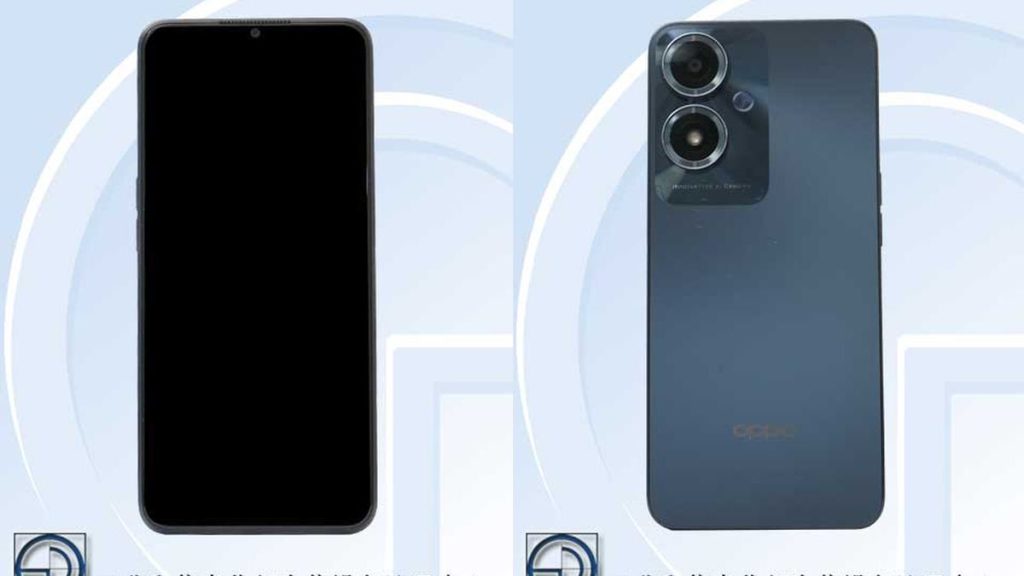
After clearing the NBTC FCC, TUV Rheinland, and BIS certification earlier this month, Oppo has finally launched the A58 4G smartphone in Indonesia, marking the beginning of its global availability. The device is also expected to launch in other regions like India, Thailand, Malaysia, etc. in the coming days.
Oppo A58 4G specs
The newly launched Oppo A58 4G smartphone boasts a 6.72-inch FHD display with an impressive 2,400 x 1080p resolution. With a touch sampling rate of 180 Hz and a peak brightness of 680 nits, this display guarantees a smooth and immersive experience. The device also features a side-mounted fingerprint scanner for security.
On the rear side, you’ll find a dual camera setup, featuring a high-resolution 50 MP main camera alongside a 2 MP companion camera. The primary camera supports 1080p video recording at a smooth 30fps. For selfies and video calls, the brand has added an 8MP camera in the front notch.
Under the hood, the Oppo A58 4G is powered by an octa-core MediaTek Helio G85 processor. With 6GB RAM and up to 128 GB internal storage, you’ll have ample space for all your files and applications.
The device is equipped with a 5,000 mAh battery, supporting 33W charging for quick and convenient power-ups. It also has a face-unlock feature if you prefer that over the fingerprint unlocking method.
Pricing & availability
The Oppo A58 4G is currently available to buy in a single 6GB RAM + 128GB storage configuration for IDR 2,499,000 at Oppo’s Indonesian website. It comes in two color options: Dazzling Green and Glowing Black.
Celebrating the 8th anniversary of Xiaomi’s water purifier launch, the company has introduced the Mijia Home Desktop Water Purifier Hot and Cold version. The smart edition of the purifier was introduced last year. Priced at 2499 yuan ($347), the purifier offers a three-in-one functionality of cold, hot, and purified water.
Mijia Home Desktop Water Purifier (Hot and Cold version) features:
Designed thoughtfully, the water tank includes a 4L raw water tank and a 1.8L waste water tank, ensuring complete separation to prevent concentrated water intrusion. The device features a circular OLED display which displays the water temperature and the modes of the water purification.
The Mijia Home Desktop Water Purifier (Hot and Cold Version) is equipped with a refrigerator-like compressor, capable of cooling water temperature to as low as 5°C. The automatic cooling mode allows you to adjust the water temperature between 5-15°C freely, offering a total of 11 different cold water settings to cater to individual preferences.
On the hot water front, the purifier is powered by a thick film heating technology, fueled by 2100W power. This powerful heater enables the device to heat water in an impressive 3 seconds, significantly reducing waiting time for hot beverages or cooking needs.
The device features various modes, including “cold water,” “boiling water,” “milk preparation,” and “room temperature.” When connected to the Mijia Home App, users can precisely adjust the temperature within the range of 40°C to 95°C, with 1°C increments, providing 56 adjustable levels of hot water. Custom water output modes are also supported for further expansion.
In terms of water purification, the water purifier boasts a dual-core 6-level filtration system, dual UV sterilization, and an RO reverse osmosis filter core, meeting national drinking water standards with a filtration accuracy of up to 0.0001um.
Xiaomi recommends the annual replacement of the two filter cores, priced at 358 yuan ($50) (109 yuan ($15) for one, and 249 yuan ($34) for the other). The purifier is currently available for pre-order at a promotional price of 2099 yuan ($292).
Mivi has launched a new audio device in India. The latest TWS earphone from the brand is dubbed the Mivi DuoPods K7. It packs a host of specifications and features at an affordable price tag. Read on to know more about the audio device below.
Mivi DuoPods K6 specifications and features
The Mivi DuoPods K6 feature an in-ear design with a glossy finish capsule-shaped stem and silicon ear tips. It is IPX4-certified water-resistant. The TWS earphones support Siri and Google Assistant. Tapping on the stem of the earbuds performs various functions.
On the audio front, the Mivi DuoPods K6 is equipped with a 13mm driver for powerful highs, great mids, and crisp lows. There is AI ENC feature for eliminating background noise on calls. The TWS earphones feature a 50ms low latency mode. There is support for AAC and SBC codec.
The Mivi DuoPods K6 come with Bluetooth 5.3 and can be connected to two devices simultanoeusly for a seamless experience. The earphones are backed by a 380mAh battery unit rated to deliver 50 hours of life. Each earbuds is backed by a 40mAh cell. The audio device comes in a pebble-shaped case with a matte finish.
The Mivi DuoPods K6 are priced at Rs 999 and offered in Black, Blue, Green, and White color options. They can be purchased from the brand’s website and Flipkart.
The yet-to-be-released Apple iPhone 15 has been the subject of much speculation of recent. The next Apple flagship iPhone offerings are rumored to have great charging speed potential. It has been rumored that a major upgrade to Apple’s battery tech will see the iPhone 15 coming with a stacked battery pack. The stacked approach is expected to extend the battery life and open up the iPhone 15 to 40W charging.
Currently, the iPhone 14 has a maximum charging speed of 30W and a leap to 40W speeds is quite significant. A tipster on Twitter, @RGcloudS says that a wired increase to 40W for the iPhone 15 could translate to up to 20W charging speeds via MagSafe. There are however no guarantees that the new tech will berth with the iPhone 15, as some speculations link the tech to the iPhone 16 instead. It is also speculated that Apple’s switch to USB-C has boosted the charging speed for the next-gen iPhones.
It is however clear that there are several other reasons to adduce for a possible bump in charging speeds for the iPhone 15. For one, the stacked battery pack would imply Apple may have navigated over the overheating challenge present under such a scenario. It is noted that 40W charging is still miles away from the gold standard in charging speeds upwards of 100W.
Will the iphone 15 charge rate be faster or stay the same ?
The iPhone 15 is scheduled to be announced in September 2023. As the release date draws nearer, we expect more speculations about the iPhone 15. The model is expected to highlight Apple’s well-known durability and performance.
boAt has expanded its range of TWS earphones in India. The latest offering from the homegrown brand is dubbed the boAt Airdops 161 Pro. It is an affordable TWS earphone under the Rs 1,000 segment. Read on to know what it offers out of the box.
boAt Airdopes 161 Pro specifications and features
The boAt Airdopes 161 Pro has an in-ear design with a stem and angled silicon ear tips. The earbuds are IPX5 splash and sweat resistant. Users can perform various functions by tapping on the stem.
In terms of audio, the boAt Airdopes 161 Pro are equipped with a 10mm driver. They come with dual mics and ENx technology for clear quality on calls. There is boAt Signature Sound onboard for an immersive listening experience. The TWS earphones come with a 60ms low latency mode. The audio device features Bluetooth 5.3 connectivity and can be connected to two devices simultaneously.
The boAt Airdopes 161 Pro are powered by a 380mAh battery unit that is claimed to offer 50 hours of life. Each earbud is backed by a 35mAh cell that is said to offer 17 hours of usage. The earphones support fast charging via a USB-C port.
The boAt Airdopes 161 Pro are priced at Rs 999 and offered in Sleek Black, Celestial Blue, and Green Cyan colors. They will be available for purchase from the brand’s website and Flipkart starting July 24.
A leaked Air India internal memo has revealed that officials from the airline met with Apple officials to discuss possible collaboration. The Air India team led by CEO Campbell Wilson recently paid a visit to Apple’s headquarters. The memo highlighted that the meeting was held to explore opportunities for deeper collaboration.
The leaked memo emanated from the CEO, Wilson, and was sent to the staff of the airline via email. It is unclear how the email was leaked to the public but it noted that the company officials visited Apple’s headquarters at Palo Alto. Air India had previously had discussions with Apple on using iPads to enhance inflight navigation for pilots.
There is already a precedent for using Apple iPads inside the cockpit. In 2021, Delta Airlines issued iPads to some of its pilots to help them quickly call up flight charts, equipment manuals, and ancillary data in flight. This was an alternative to the flight bag that pilots carry which can be weighty. The move was expected to make the in-flight activities of pilots to be quicker when communicating with the ground or flight crews.
Air India could be planning an introduction of iPads for its pilots to enhance flight operation. There has been a previous report back in January that stated that Air India has started purchasing iPad tablets for its flight crews. In addition, Wilson in his previous job as CEO of Soot Pte, deployed iPads in place of the in-flight entertainment equipment. Passengers were able to choose from a wider range of entertainment options while Scoot generated revenue from the rentals of the tablet.
The company also saved money in fuel costs as a result of the use of iPads during flights. The arrangement also saw the refitting of the planes with added capacity. The weights of each of the planes using iPads were reduced by about 7% while passenger capacity rose by 40%.
Back in May, Air India announced that it had become one of Apple’s biggest iPad customers. It is however unclear whether Air India has a more expansive collaboration with the Cupertino company beyond iPad deployment. The finer optics of this deep collaboration mentioned in the leaked memo, will be clarified soon, hopefully.
Samsung is gearing up for its upcoming Galaxy Unpacked event on July 26th. It is set to announce the fifth-generation Galaxy Z foldables, the Galaxy Tab S9 series, and the Galaxy Watch 6 series. There have been plenty of leaks and rumors revealing everything about the upcoming devices. Now, Samsung has shared a teaser on its Twitter account that makes one thing clear about the Galaxy Z Flip 5.
There have been new entrants in the clamshell foldable phone segment in the last one year. These include the OPPO Find N2 Flip, Vivo X Flip, and Motorola Razr 40 Ultra. Notably, all these devices feature a large secondary display and are able to fold flat. This left the last year’s Samsung Galaxy Z Flip 4 lagging behind.
However, Samsung has started sharing teasers of the upcoming Galaxy Z Flip 5. As per the latest teaser video, the upcoming offering will be able to full close flat. This is a huge sigh of relief since the Galaxy Z Flip 4 leaves a gap when it is folded allowing water and dust particles to settle in between. The teaser also reveals a boxy form factor of the upcoming flip phone that has antenna lines and a SIM card tray. However, the rest of the details remain unknown.
The dummy unit of the Samsung Galaxy Z Flip 5 showed a gap where the phone folds which is pretty disappointing. However, it remains to be seen on the final device. As per leaks and rumors, the Galaxy Z Flip 5 is expected to feature a 3.4-inch 720p secondary display with a folder-like cutout design. It is tipped to have a 6.7-inch AMOLED display with a 120Hz refresh rate. The clamshell foldable phone will reportedly be powered by a Snapdragon 8 Gen 2 processor and be backed by a 3,700mAh battery unit with support for 25W fast charging.
We use cookies on our website to give you the most relevant experience by remembering your preferences and repeat visits. By clicking “Accept”, you consent to the use of ALL the cookies.
This website uses cookies to improve your experience while you navigate through the website. Out of these, the cookies that are categorized as necessary are stored on your browser as they are essential for the working of basic functionalities of the website. We also use third-party cookies that help us analyze and understand how you use this website. These cookies will be stored in your browser only with your consent. You also have the option to opt-out of these cookies. But opting out of some of these cookies may affect your browsing experience.
Necessary cookies are absolutely essential for the website to function properly. This category only includes cookies that ensures basic functionalities and security features of the website. These cookies do not store any personal information.
Any cookies that may not be particularly necessary for the website to function and is used specifically to collect user personal data via analytics, ads, other embedded contents are termed as non-necessary cookies. It is mandatory to procure user consent prior to running these cookies on your website.