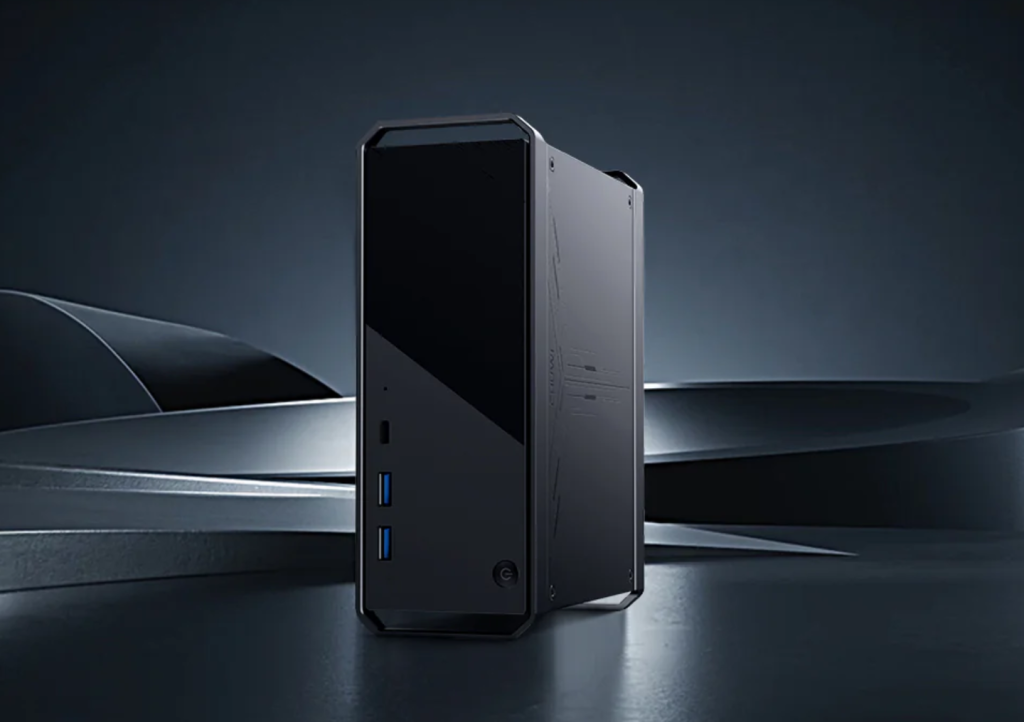
Chinese computer manufacturer Chuwi first announced the Corebox Mini-PC powered by an Intel Core-i3 processor in December 2022. The company has now unveiled a new Corebox mini-PC model equipped with a more powerful Intel Core i5 chipset.
The Corebox mini-PC retains most of the features of its predecessor except for the enhanced processor. In terms of specifications, the CoreBox mini-PC utilizes an aluminum-magnesium alloy and polycarbonate body with a dimension of 173 x 158 x 73mm. It is powered by an Intel Core i5-13500H CPU with 12 cores and 16 threads, a turbo frequency of 4.7GHz, and an 18MB L3 cache. It should be noted that the processor was originally designed for laptops meaning you’ll get a laptop-level performance on the portable mini-PC.
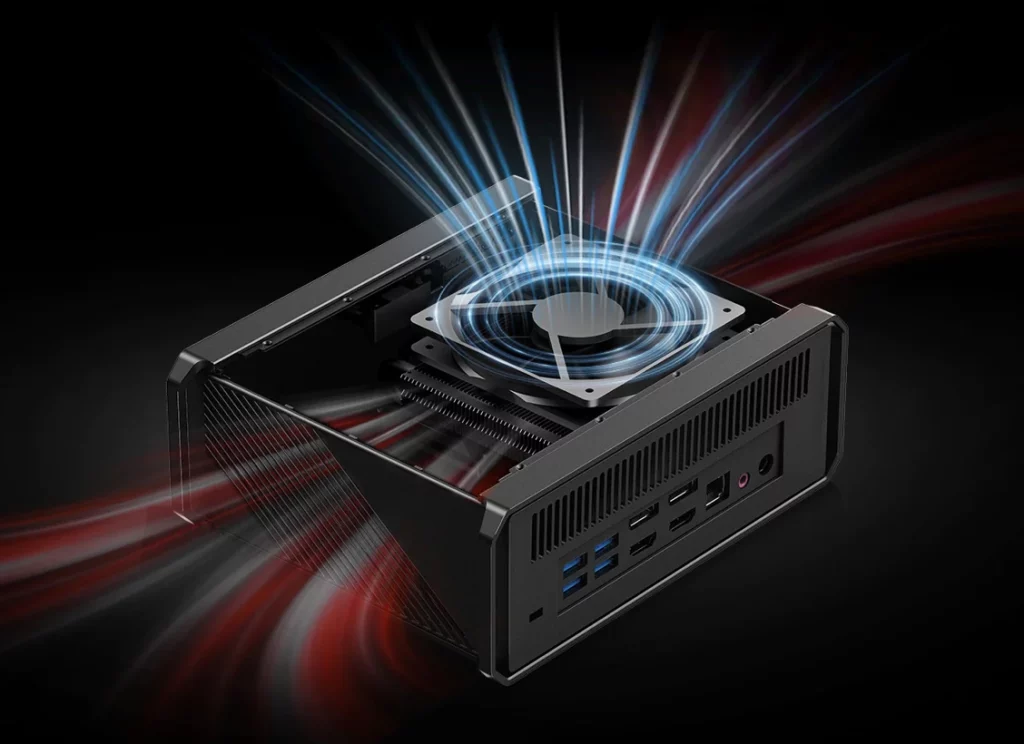
A 512GB M.2 2280 PCIe SSD (replaceable), 16GB of dual-channel LPDDR5 memory, and room for an extra 2.5 inch SATA hard drive or SSD are additional features. The mini-PC also features four USB 3.0 Type-A ports, a Gigabit Ethernet jack, DisplayPort, and HDMI 2.0 ports, as well as 3.5mm microphone and audio jacks. Additionally, it has a single Thunderbolt 4 port that may be used to connect other devices, such as external graphics docks.
The mini-PC can be connected to three 4K displays at the same time using the HDMI, DisplayPort, and USB Type-C interfaces. The 5th generation Chuwi CoreBox comes with a 65-watt power supply and a wireless card that supports WiFi 6 connectivity.
In terms of heat dissipation, this mini host uses a down-pressure radiator and a four-heat pipe design.
Chuwi is yet to announce the pricing and availability details of the fifth-generation Corebox mini-PC.
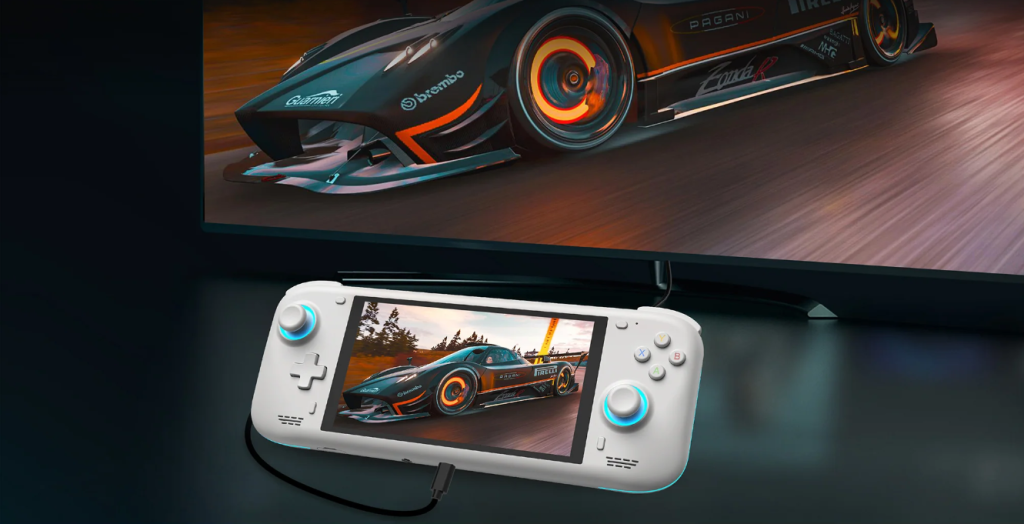
AYN Technologies unveiled the Loki Zero handheld gaming console back in July 2022. Customers have had to wait a long time since the brand ditched its initial plan to ship out the consoles in Q4 2022. That being said, the consoles have now started shipping to people who have pre-ordered them.
AYN Loki Zero specs
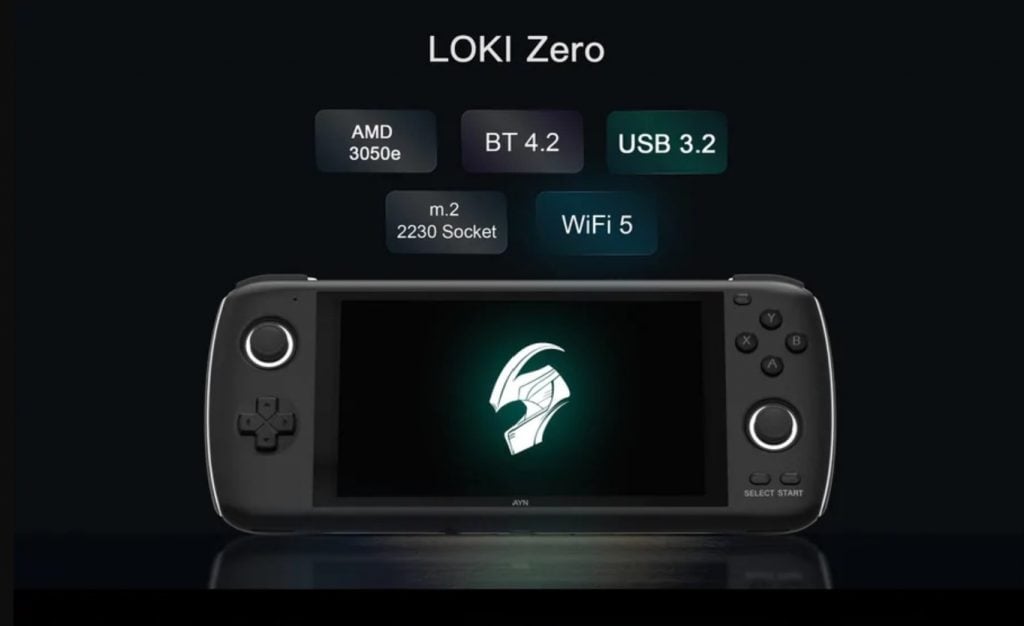
The AYN Loki Zero features a 6-inch IPS display with a resolution of 1280 x 720 pixels, offering a standard 60Hz refresh rate. Under the hood, it’s powered by the AMD Athlon Silver 3050e APU, complemented by AMD Radeon Graphics. You have the choice of either 4GB or 8GB DDR4-2400 RAM, and it comes with an onboard 1X SODIMM slot for memory expansion. Storage options include 64GB or 128GB of eMMC on board, along with a 32GB Micro SD slot.
For connectivity, it offers Wi-Fi 5 and Bluetooth 4.2. In terms of ports, you’ll find a USB 3.2 DP and a 3.5mm audio jack. Powering this device is a 46.2Wh battery, ensuring decent runtime. Notably, it also boasts RGB LEDs with full controller support and features like M1/M2 Flail Sensor, Analog Triggers, and a Gyroscope.
Pricing & availavility
If you are interested in buying this device, you can head to the company website where the 4GB RAM + 64GB storage variant is listed for $249. You can customize it by adding additional memory and storage as per your choice.
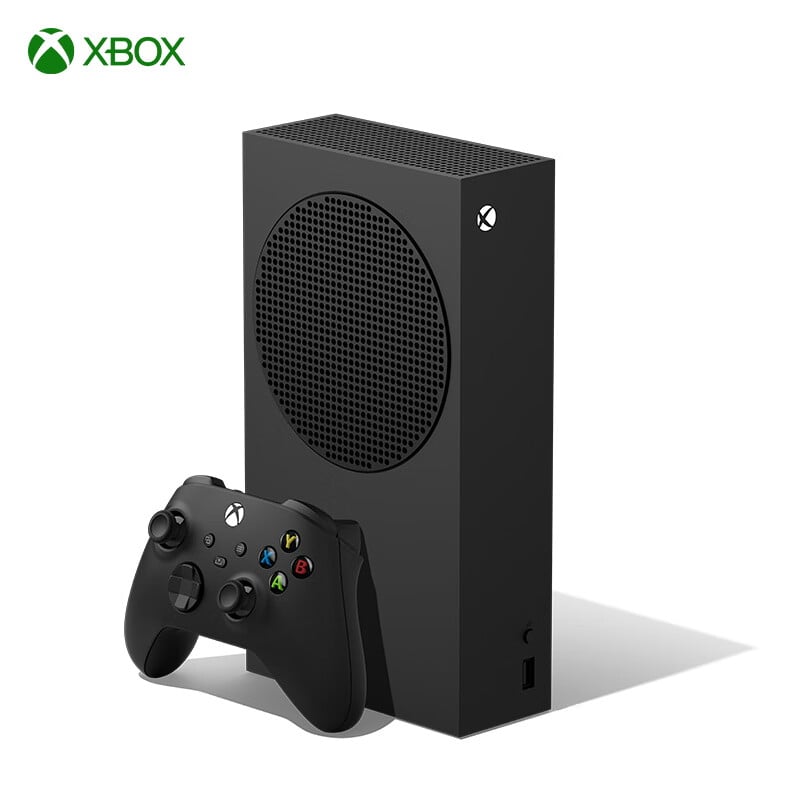
Microsoft is set to launch its new Xbox Series S 1TB Matte Black Limited Edition, an exciting upgrade from its earlier model. This special edition will go on sale tonight, August 31st at 12:00 AM, and is priced at 2599 yuan ($356). The device was also launched in India back in June for Rs 38,990.
Xbox Series S key features:
A significant difference in this edition, apart from its sleek matte black finish, is the increased storage. While the original Xbox Series S had 512GB of storage, this limited edition boasts a substantial 1TB. The core specifications, however, remain consistent with its predecessor.
The entry of Xbox’s next-generation consoles in China was initially marked on May 14, 2021. At the time, the Xbox Series S was introduced at a price point of 2399 yuan ($329). The more powerful counterpart, Xbox Series X, had a price tag of 3899 yuan ($535).
As for the tech specifics of the Xbox Series S, it’s equipped with an advanced 8-core AMD Zen 2 CPU and custom RDNA 2 GPU that ensures optimum gaming performance.
The Xbox Series S features a 3.6GHz CPU (compared to Series X’s 3.8GHz) and a GPU with 20 compute units at 1.563GHz, delivering 4 TFLOPS. It includes 10GB of GDDR6 RAM at 224GB/s, with 8GB allocated for games. It has a 128-bit RAM/VRAM setup and an HDMI 2.1 interface. In comparison, the Series X offers 16GB @ 560GB/s with 13.5GB available for games.
Xbox Series S can handle gaming resolutions up to 1440P at 120FPS. It also offers various features such as variable rate shading, hardware-accelerated ray tracing, ultra-low latency, Quick Resume, and Smart Delivery. Despite these impressive features, the design remains compact, measuring just 6.5cm x 15.1cm x 27.5cm.
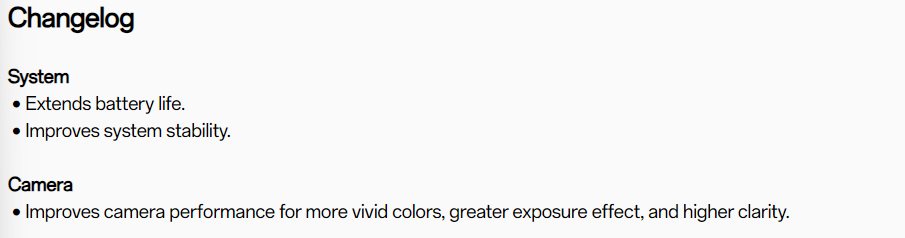
OnePlus is rolling out a new firmware update for the OnePlus Nord 3. The update brings a few fixes for the system and the smartphone’s camera. OxygenOS 13.1.0.570 is now available in India for OnePlus Nord 3.
The new update extends battery life and improves the system stability. Further, it improves the camera performance and provides more colored photos with better quality and clarity. Below is the official changelog:
It is an incremental update and may take time to reach each unit. The users can also check the update manually by heading to the phone’s Settings > About > Check for updates. So, make sure to wait for at least a week, before taking to the OnePlus Community forums for the inability to receive the update.
In case, there’s any bug or error, the users are free to report it via Google Dialer or the OnePlus community. The team is eagerly waiting for the Camera feedback after installing the update.
Additionally, the Closed Beta Program is already running for the OnePlus Nord 3. It may take some time before the Open Beta release, as stable Android 14 is not out yet. It could take a month or two before we get to see the Open Beta and another month for the stable version.
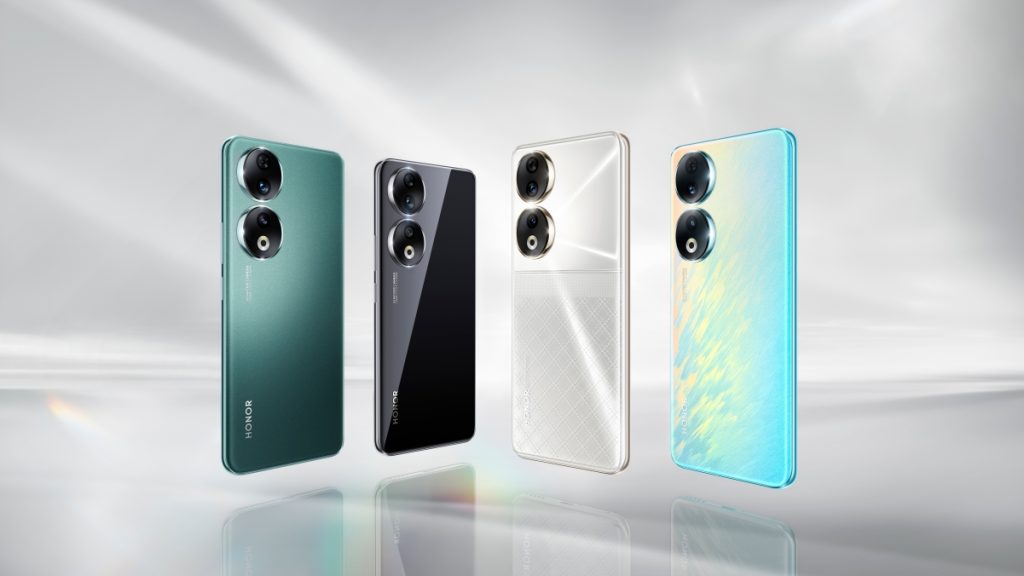
Honor is getting ready to re-enter the Indian market after a three-year hiatus with the launch of its popular Honor 90 mid-range smartphone. A recent report mentioned that the launch could happen on September 21. Now, the phone has acquired an essential certification that greenlights its launch in the country.
The Honor 90 has emerged on the Bureau of Indian Standards website with model number REA-NX9. The certification has not disclosed any further details. But since the device is already available in the global market, we already know about its specs and features.
Honor 90 specs
The Honor 90 offers a 6.7-inch FHD+ OLED display with a 120Hz refresh rate. It is powered by the Snapdragon 7 Gen 1 processor and can be configured with up to 12GB of RAM and 512GB of storage.
The device comes equipped with a 5,000mAh battery and supports 66W fast charging. Its camera system includes a 200MP main sensor, a 12MP ultra-wide-angle lens, and a 2MP macro lens on the rear, while the front features a 50MP camera.
Although there is no official word from the brand yet, the Honor 90 is expected to be priced under Rs 35,000, which is one of the most competitive segments in the current Indian market.
It was only yesterday when Apple announced the launch date for the iPhone 15, and now Google is joining the excitement with some big news. The Mountain View giant has revealed that the Pixel 8 phones will be launching on October 4 at the ‘Made by Google’ event. The keynote is expected to feature the launch of two new phones—the Pixel 8 and Pixel 8 Pro.
Google has confirmed that the upcoming Pixel 8 series will be unveiled during the next ‘Made by Google’ event on October 4th in New York City. During the event, the company could also unveil the second-generation Pixel Watch. A teaser video posted on X (formerly Twitter) also takes a dig at Apple, boasting what Pixels can do that iPhones can’t.
Google might also use the stage to tease upcoming products. Last time, we got a glimpse of the Pixel tablet. In any case, details about the Pixel 8 series are already out, with a recent leak revealing official-looking images of the Pixel 8 Pro. Google is keeping the bar-shaped camera module with an oval glass covering for the rear cameras.
Elsewhere, the vanilla Pixel 8 is reported to be getting slightly smaller, measuring 6.17 inches. The handset will offer a resolution of 2400 x 1080 pixels and a brightness of 1400 nits. It will also feature a variable refresh rate ranging from 10Hz to 120Hz. Meanwhile, the Pixel 8 Pro could have a larger 6.7-inch display with a resolution of 2992 x 1344 pixels and a maximum brightness of 1600 nits.
Both phones are supposed to come with a new Tensor G3 chip underneath, along with up to 12GB of RAM and 512GB of onboard storage. The standard model will likely be equipped with a 4485 mAh battery, while the Pro could pack a 4950 mAh battery.
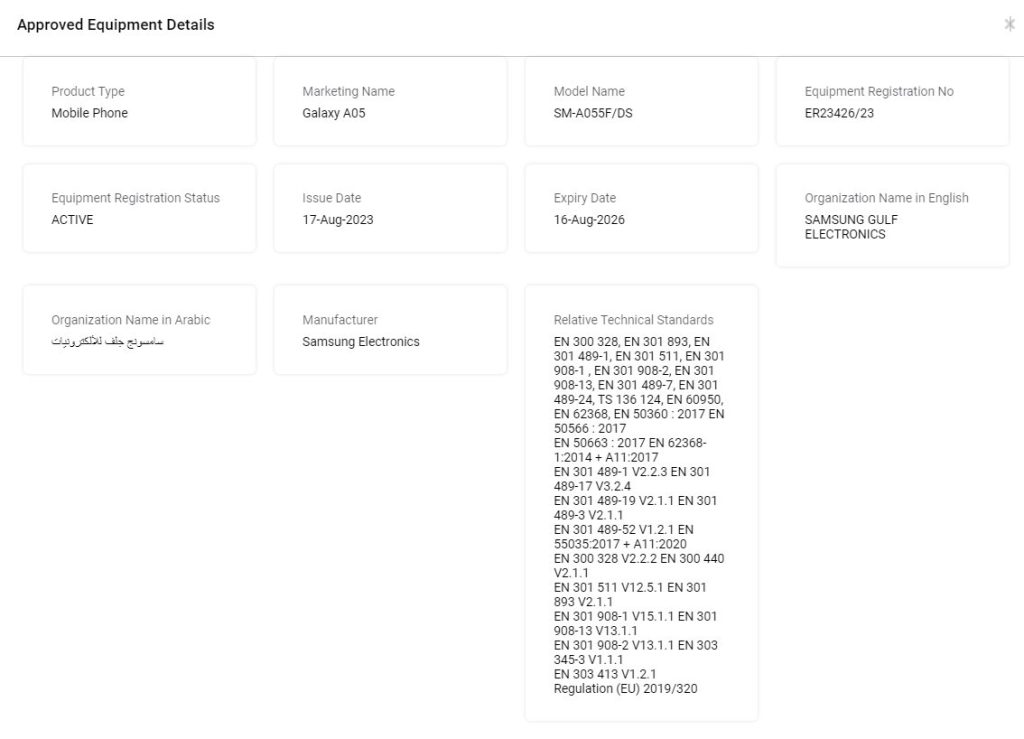
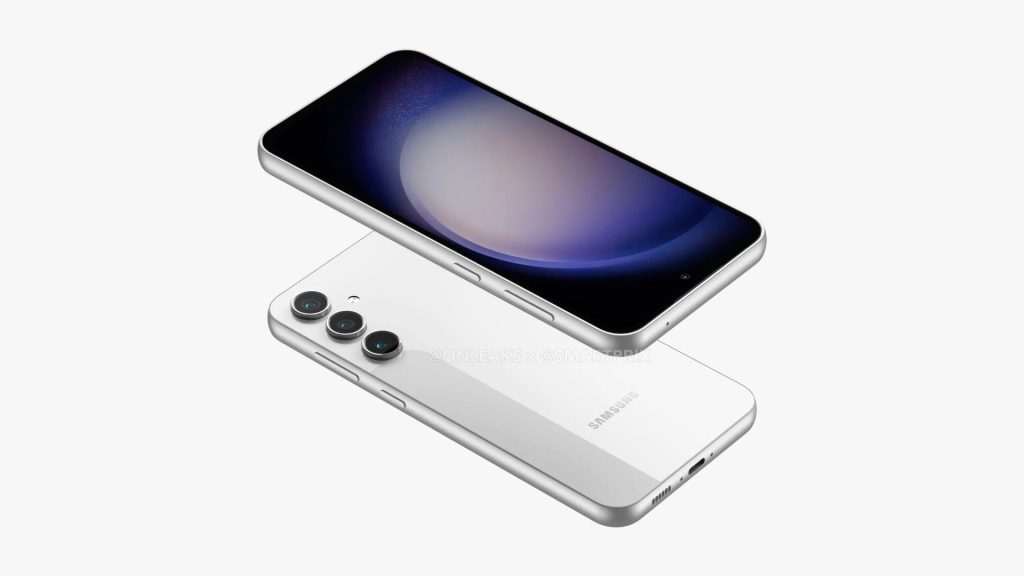
Samsung is ready to celebrate this festive season with several new launches, plenty of devices are in the pipeline and are expected to launch starting next month. Among the list, the affordable Galaxy A05 and Galaxy A05s are leaking in the past couple of months. We have reported the FCC and BIS listing of both smartphones and the Galaxy A05 was even spotted on Geekbench.
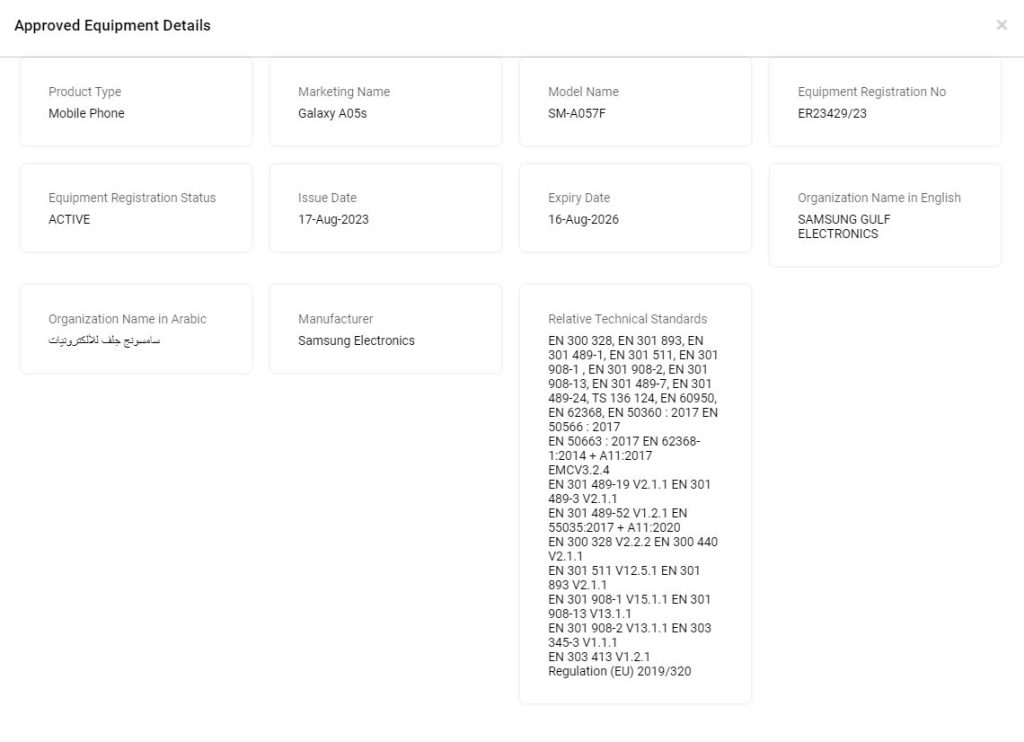
Recently, both the Galaxy A05 and Galaxy A05s appeared on UAE’s TDRA, confirming the nearing launch. Its predecessors aka Galaxy A04 series were launched in September and October last year, so we expect the new Galaxy A05 series to launch soon.
The affordable duo has been visiting different certification listings over the past some time. We have gathered some specifications and details of these leaks and rumors.
Galaxy A05s on TDRA
Samsung Galaxy A05 and Galaxy A05s Specs
As per FCC, the Galaxy A05s bundles a 4000 mAh battery with up to 25W fast charging. The rear camera design seems to hold a dual-camera sensor, which is unlikely a downgrade over the triple-camera module on Galaxy A04s.
The previous leaks have unleashed some details about other specifications including the expected presence of Helio G85 Soc and 4GB RAM. It will run Android 13 and will see upcoming major updates.
On the other hand, the Galaxy A05 is a bigger variant that houses a 5000 mAh battery with 25W fast charging. It will be powered with Helio G85 SoC coupled with 4GB RAM.
With new smartphones, tablets, and more, Samsung is preparing to garner maximum sales this fall. Among the smartphones, the Korean giant is working on the Galaxy S23 Fan Edition which has already appeared on multiple certifications, and the latest in the list is UAE’s TDRA.
The listing confirms the smartphone’s upcoming launch in the UAE. However, it does not unveil any specifics about the device.
It will come as a successor to the Galaxy S21 FE which was launched a couple of years ago bundling 8GB RAM and 256GB internal storage options. Samsung Galaxy S23 FE has already been spotted on FCC, Bluetooth SIG, official support pages of Samsung regional websites, and other leaks.
The model number SM-S711U and SM-S711U1 are the US variants of the Galaxy S23 FE, while the SM-S711W and SM-S711B are for the Canadian region and others.
Samsung Galaxy S23 FE Specifications (Expected)
The recent leaks reveal that the Galaxy S23 FE will launch with a Snapdragon 8 Gen 1 SoC or Exynos 2200 chipset for respective markets. It will feature a 6.4-inch 120Hz AMOLED with Full HD+ resolution and 120HZ refresh rate. In other features, there could be a 4500 mAh battery with 25W charging support, running Android 13 based on OneUI 5.1. In the camera department, the smartphone will have a 50MP primary camera with OIS, an 8MP telephoto camera, and a 12MP telephoto lens. A 10MP shooter will be present on the front side.
It could feature an IP rating for protection against dust and water. The pricing and availability details are not available as of now, but we expect these to leak soon. The smartphone is expected to launch in Q4, 2023.
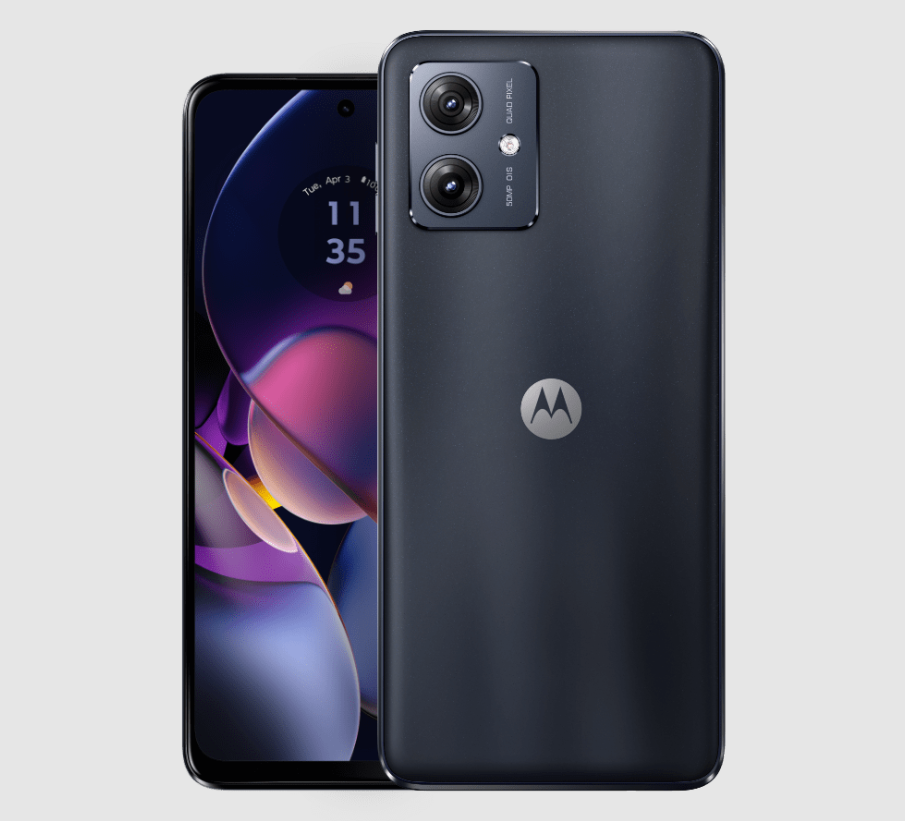
Motorola is set to release the Moto G54 in China on September 5th. It will be the first smartphone to debut with the Dimensity 7020 processor under the hood. While we await the Moto G54’s launch in its home country, the company has also confirmed that it will be coming soon to India.
A teaser on Flipkart reads, “Go Beyond Speed. The Most Awaited Phone is COMING SOON!” Meanwhile, Motorola’s official website for India showcases the smartphone with its images and key specifications (Via MySmartPrice). There is no official launch date announced for the Indian market yet, but it appears that we won’t have to wait for long.
Reiterating what we know already, Motorola confirms the Moto G54 5G will be the first MediaTek Dimensity 7020-powered smartphone in the Indian market. This chip, if sounds unfamiliar, is the Dimensity 930 with two fast ARM Cortex-A78 cores at up to 2.2 GHz and six power-efficient Cortex-A55 cores at up to 2 GHz. Motorola claims the G54 will also be the first smartphone in its segment to pack up to 12GB RAM and 256GB storage.
Elsewhere, the Moto G54 5G gets a familiar design with a dual-rear camera setup, headlined by a 50MP primary camera with optical image stabilization. For selfies, the handset gets a 16MP shooter inside a punch-hole cutout in the center. Up front, the G54 gets a 120Hz IPS LCD display with a Full HD+ resolution.
The Moto G54 5G will debut in India with a particularly large 6000mAh battery unit that supports 30W charging. The handset will come with a promise of 3 years of software support and a single major update to Android 14. The Moto G54 will have dual speakers with Dolby Atmos support for immersive audio. It will also have a side-mounted fingerprint sensor for security.
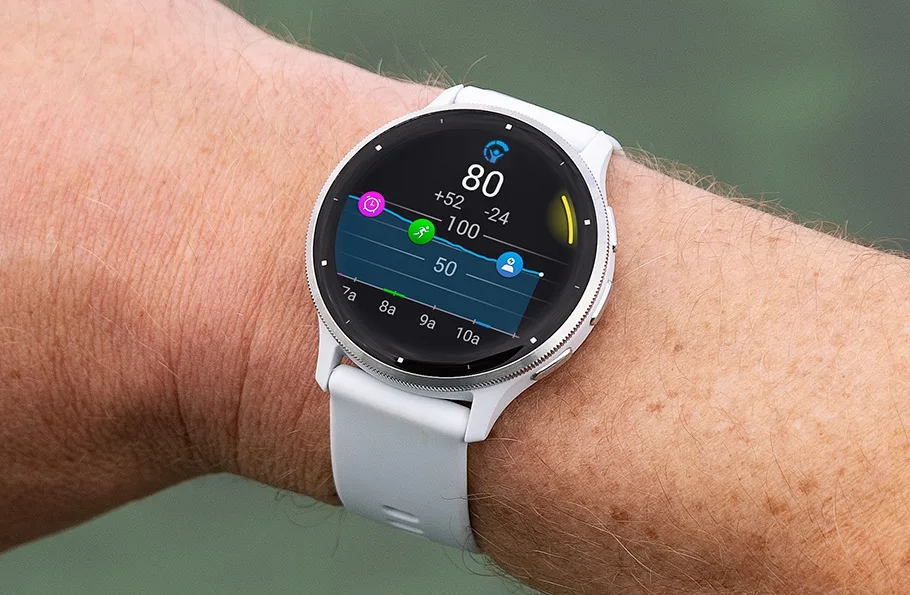
Garmin has today launched the new Venu 3 and Venu 3S smartwatches with several improvements. Although the smartwatches look similar to Venu 2 and 2S, they bring new health-tracking modes, including one that lets you track your naps. The wearables bring up to a 14-day battery life and AMOLED touchscreens.
The Venu 3S measures 41 mm and the Venu is 45 mm. Garmin is introducing new health and fitness features for the Venu 3 series, including nap detection, sleep coaching, and meditation. These features are designed to help users track their sleep, improve their mental wellness, and recover from workouts.
Garmin is also making the Venu 3 more inclusive by introducing a dedicated wheelchair mode and incorporating new workouts tailored for wheelchair users. The Venu 3 boasts a 1.4-inch AMOLED display with a crisp 454 x 454-pixel resolution, while its counterpart, the Venu 3S, features a slightly smaller 1.2-inch AMOLED display with a native resolution of 390 x 390 pixels.
Notably, Garmin positions its extended battery life as a distinguishing feature. The company claims up to 10 days of battery life for the more compact Venu 3S and an impressive 14 days for the Venu 3. It’s worth noting that these battery life estimates do decrease significantly when GNSS location services are activated. For instance, with all-systems GNSS mode engaged, the Venu 3 is rated for up to 20 hours of use. The Venu 3 series also comes with 8 GB of built-in storage and an NFC chip for making contactless payments.
The Garmin Venu 3 series is available for purchase at a price tag of US$449.99. This is for all finishes and sizes.
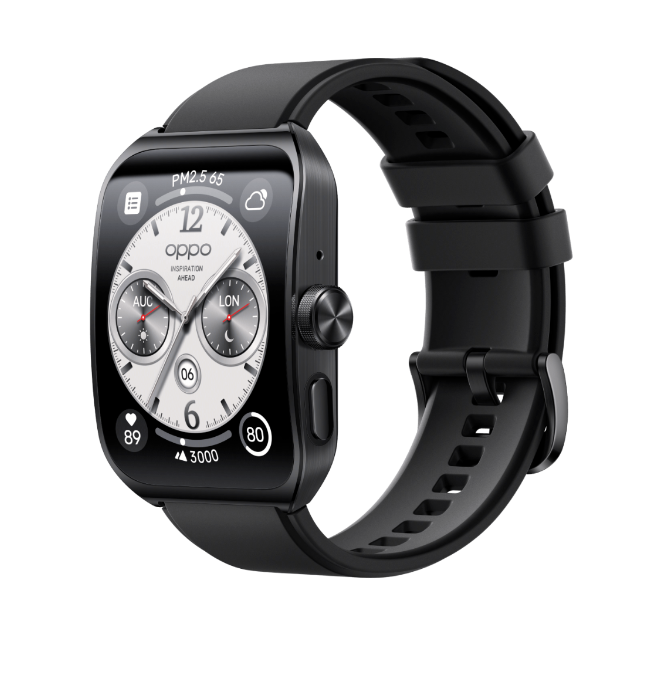
OPPO Watch 4 Pro the latest smartwatch from OPPO is now available on Giztop. The watch comes in two variants viz. Brown leather strap and Black rubber strap. You can buy the smartwatch for $399 only.
The OPPO Watch 4 Pro is a fusion of cutting-edge technology and user-centric design. With a host of features that cater to both functionality and well-being, this timepiece stands as a remarkable companion for the modern individual.
Distinguished by its impressive 3D curved AMOLED screen, the watch boasts a spacious 1.91-inch LTPO curved OLED display, offering an immersive visual experience. The screen’s 496 x 378-pixel resolution ensures clarity and vibrancy in every interaction.
At the heart of its performance lies the UDDE Dual-Engine Hybrid Technology, an innovative pairing of the Snapdragon W5 chipset and the BES 2700 chip. This dynamic duo not only enhances performance but also paves the way for extended battery life. With 2GB of RAM and 32GB of internal storage, the watch seamlessly navigates various tasks and securely stores essential data.
Sporting a versatile range of functions, the OPPO Watch 4 Pro caters to fitness enthusiasts and beyond. Boasting more than 100 sports modes, including running, badminton, and tennis, the watch supports active lifestyles. Moreover, its six sensors enable continuous blood oxygen monitoring, 24-hour irregular heart rate tracking, sleep monitoring, and compatibility with third-party health devices, such as blood pressure monitors.
The watch’s robust 570mAh battery ensures longevity, offering up to 5 days in Smart Mode and up to an impressive 14 days in RTOS-only mode. Thanks to the VOOC 2.0 charging technology, a mere 10-minute charge fuels a full day’s usage.
Built for versatility, the OPPO Watch 4 Pro boasts 5ATM water resistance and an array of essential sensors, including an accelerometer, gyroscope, compass, optical heart rate sensor, SpO2 sensor, ambient light sensor, and altimeter. Running on the OPPO ColorOS Watch software, the watch seamlessly interfaces with Android (8.0 or above) and iOS (13.0 or above) devices.
Notably, the watch supports eSIM functionality with China Unicom, China Telecom, and China Mobile, enabling independent calling, information retrieval, and application downloads. Additionally, it introduces innovative modes such as family care, classroom, and gaming, further enhancing its practicality and adaptability.
In a realm where innovation meets functionality, the OPPO Watch 4 Pro shines as an embodiment of user-centric design.
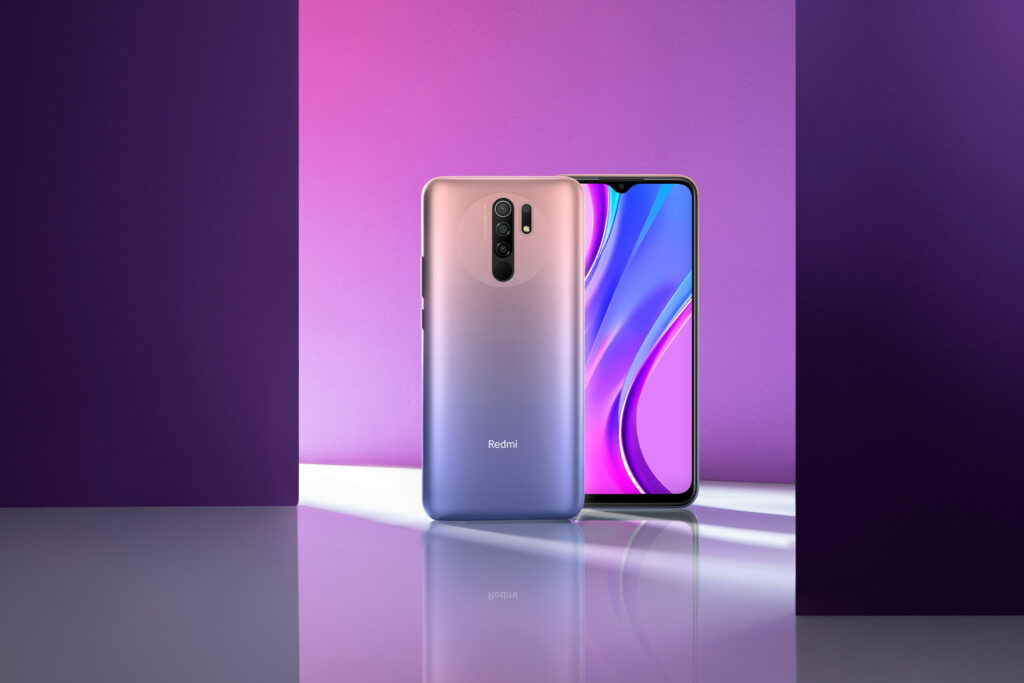
Older smartphones are known to reach the end of their software support. Xiaomi updates its official EOS (End of Support) list every now and then to let users know regarding the support for their handsets.
The first three products are currently on Android 12. But the affordable Redmi 9C continues to run on its launch software of MIUI 12 based on Android 10. It only received bug fixes and security patches throughout its lifetime.
Whereas, the Redmi K30 Ultra and the Poco M2 Pro are on the latest MIUI 14. However, their Android version is 12, which is a gen behind. Both of them were released with Android 10, however, the Poco device debuted with MIUI 11 compared to MIUI 12 on the Redmi.
Finally, the Redmi 9 Prime also boots on Android 12. But the software is MIUI 13. It was launched with Android 10-based MIUI 11.
Anyway, these handsets will continue to work normally as they have been. Users will not face any compatibility issues with most-used apps.
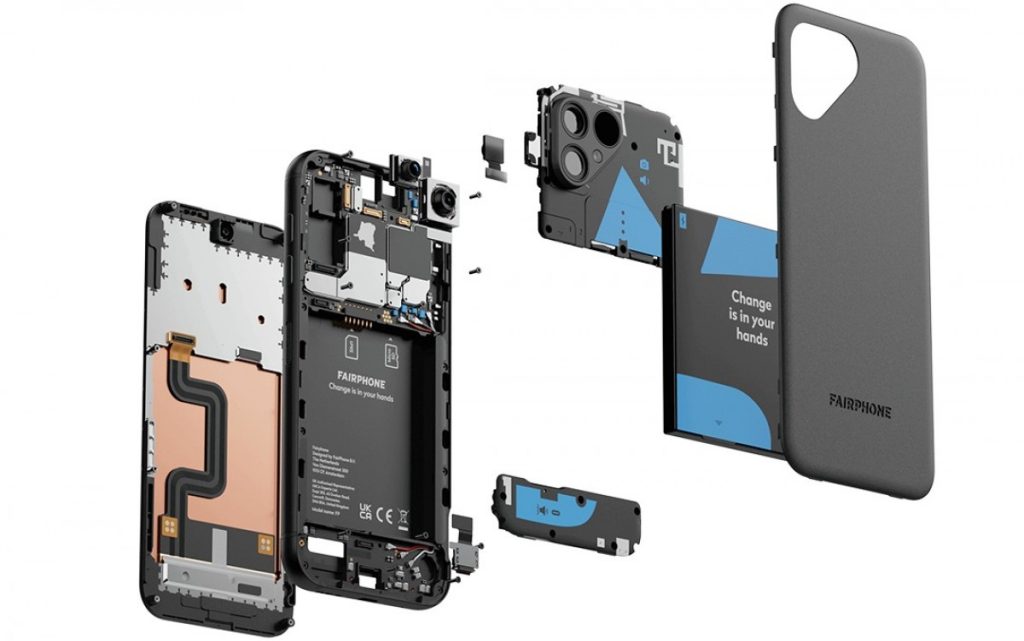
If you think Samsung’s five-year update policy is impressive, we have news for you. Fairphone has launched its newest smartphone— the Fairphone 5— with an absolutely crazy 10 years of software support and even 5 years of warranty. The handset is made out of 70% fair and recycled materials and can be easily repaired with just a Philips screwdriver. Let’s take a closer look at its specifications and pricing.
Fairphone wants the Fairphone 5 to last as long as possible. As mentioned, the handset will be eligible for a 5-year warranty and software support until at least 2031. After that, the company will extend the updates for two more years, giving you a decade of software support. The handset comes with Android 13 out of the box, and the company plans to deliver at least 5 major OS updates to the phone.
Fairphone credits their software update commitment to the Qualcomm QCM6490 processor, an industrial-grade chipset with a 6nm manufacturing process and Adreno 642L GPU. It’s akin to the Snapdragon 778G, providing mid-range performance, a notable upgrade from the Fairphone 4’s Snapdragon 750G SoC.
Talking about the other specifications, the Fairphone brings a 6.46-inch OLED with a 1,224 x 2,700px resolution, 90Hz refresh rate, and a peak brightness of 880 nits. The panel is protected by Gorilla Glass 5. The Fairphone 5 brings a 50MP IMX800 primary rear camera with OIS and a 50MP IMX858 ultrawide lens with autofocus. You also get a 50MP camera up-front for selfies and video calls.
The Fairphone 5 has a large battery, 4,200mAh and it supports 30W charging. Other notable features include Bluetooth 5.2, dual-SIM support via nano-SIM and eSIM, dual speakers, an IP55 rating, NFC, a side-mounted fingerprint scanner, and Wi-Fi 6E.
Fairphone 5 comes in the sole 8GB of RAM and 256GB storage version, which costs €699 (~$756) in Europe and £619 (~$780) in the UK. It is offered in Matte Black, Sky Blue, and a new Transparent edition.
Rumors are rife about the new foldable smartphone from Honor, but there’s a bit of confusion about whether it could be the Honor Magic Vs 2 or Magic V Slim. Well, the answer is uncertain as of now due to a lack of official information from Honor. But, talking about public certification, we have spotted the Honor Magic Vs 2 on 3C and MIIT, and today it appeared on the HDR Plus Certificate.
These certifications point towards the launch of Honor Magic Vs 2 at the September 13 launch event for an Honor foldable launch.
The HDR listing does not reveal anything but does confirm the presence of HDR10+ support for its display. It also confirms the nearing launch, as within a span of a week, it is certified by three public certifications.
Previous leaks suggest it would bundle a 35W fast-charging support. It could be the first Honor smartphone that will have an outward foldable design. Other specifics about the device are not present yet.
Honor is also set to announce two new foldables at IFA 2023 on September 1. The company is expected to announce the Honor Magic V2 alongside the slim/ or lite foldable models and could even come with Magic Vs 2.
Honor V2 was recently launched in China featuring some high-end specifications and a large high-quality display. You may learn more about the Honor V2 here, and see what you can expect from the Honor foldable global launch.
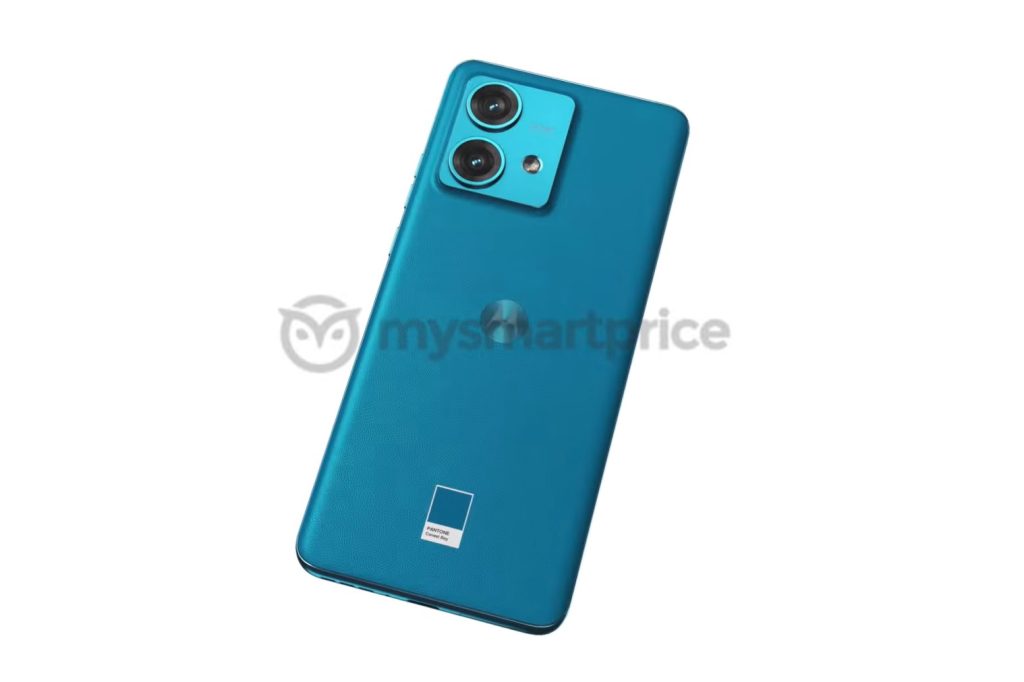
Motorola is expected to launch the Edge 40 Neo smartphone soon. It was already spotted on TDRA, Geekbench, and Amazon Italy websites recently. The upcoming offering is expected to arrive as the successor to last year’s Edge 30 Neo. It will also join the Edge 40 that is already available in global markets. Now the Edge 40 Neo has appeared in a leaked 360-degree video revealing its design and color options ahead of official launch.
Motorola Edge 40 Neo leaked video reveals color options
The 360-degree leaked video reveals the Motorola Edge 40 Neo in three color options namely Black Beauty, Caneel Bay, and Soothing Sea. The phone has a slim profile with power and volume rocker buttons on the right side. The back panel of the device has a square camera module housing two sensors and an LED flash unit. There is a text confirming the presence of the 50MP camera sensor. There is also Motorola’s iconic batwing-like logo in the middle of the rear panel.
On the front side, the Motorola Edge 40 Neo is seen with a flat display having a centre-aligned punch-hole cutout and minimal bezels. The bottom of the phone is home to a speaker grille, USB-C port, and a SIM tray slot.
The rest of the core specifications of the Motorola Edge 40 Neo have been leaked previously. The device is expected to offer a 6.55-inch OLED display with an FHD+ resolution and a 144Hz refresh rate. Under the hood, it will reportedly be powered by a MediaTek Dimensity 1050 processor coupled with 8GB (as per Geekbench) and 12GB RAM (as per Amazon listing) options. Both RAM variants are expected to have 256GB of internal storage. The device is tipped to be backed by a 5,000mAh battery unit with support for 67W fast charging.
As per the Amazon listing, the Motorola Edge 40 Neo is expected to launch in Italy by September 15 priced at EUR 399.
The newly launched Huawei Mate 60 and Huawei Mate 60 Pro are powered by Kirin 9000s SoC. These are the first devices to house this chip.
According to a reliable leaker, Huawei has plans for more devices using the chipsets from this series. One of them will be a flagship tablet.
Prolific tipster Digital Chat Station claims that the upcoming premium Huawei MatePad tablet is being tested with the new 9 series Kirin chip. He does not know the exact model number as it is masked.
He mentions that it is just the beginning as more Kirin-powered Huawei products are on the horizon. We are looking forward to learning more about them in the coming weeks.
The interesting bit about the latest Kirin 9000s chipset is that it supports 5G connectivity. This chip is said to be based on indigenous 5G tech as Huawei is banned from using US-based 5G tech.
As per benchmarks, the SoC is comparable to two generations-old Qualcomm Snapdragon 888. So it is not that fast but more than enough for day-to-day activities and heavy tasks.
This forthcoming premium tablet could be a Huawei MatePad Pro model. Since the pro tablet now comes in 11-inch and 12.6-inch versions, it could be either of the two or even a new size.
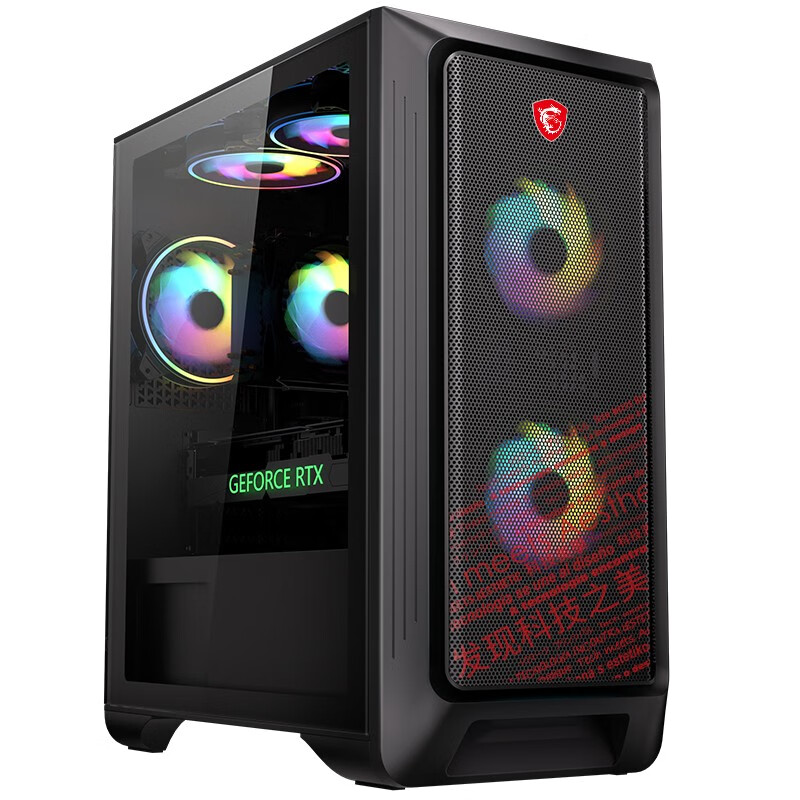
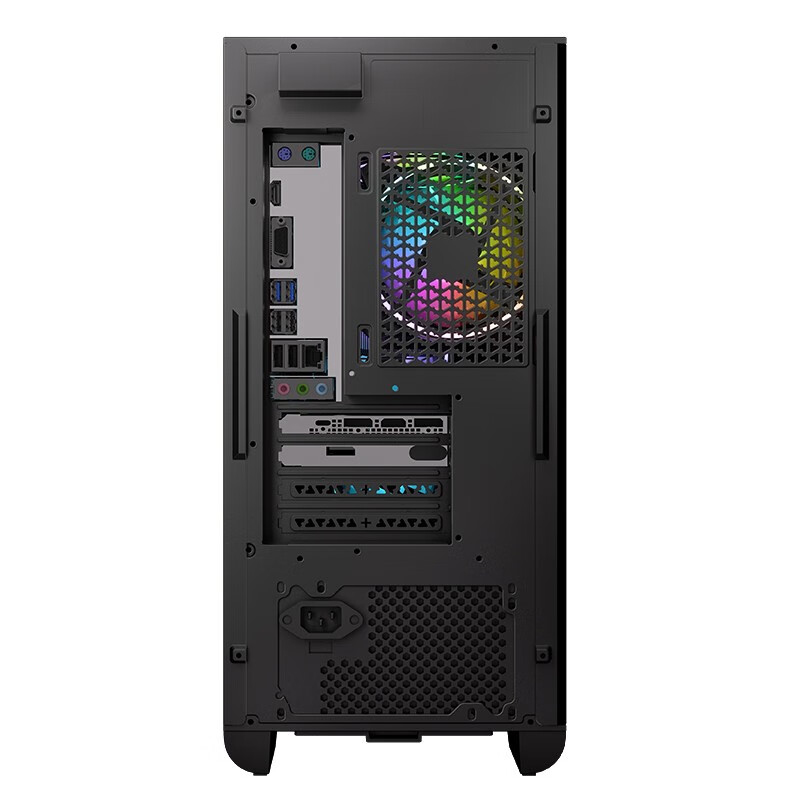
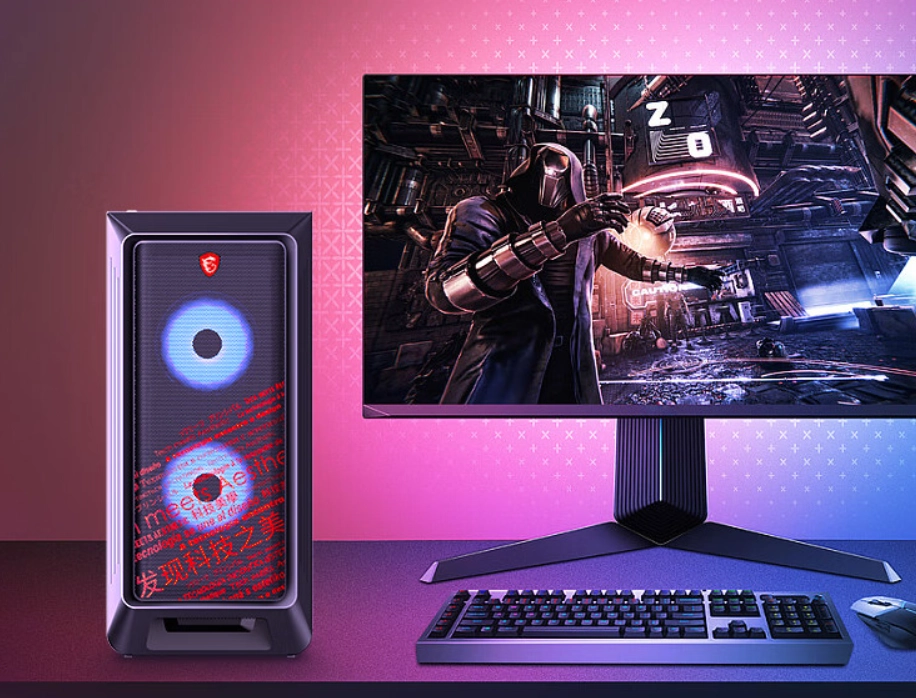
MSI has unveiled its new Dark Knight gaming desktop, now available on various e-commerce platforms. The desktop line features five configurations, all of which combine Intel processors with NVIDIA graphics cards.
MSI Dark Knight gaming desktop key features:
The Dark Knight gaming desktop impresses both in looks and functionality. It boasts a sturdy SECC 0.6mm galvanized steel chassis with rust-resistant matte finishes. The design includes dust-proof snap-on panels to keep internal components clean. The system supports liquid and air cooling, and features captivating RGB lighting, offering both high performance and visual appeal.
The desktop includes the impressive B760M motherboard with DDR5 memory support. It features an intelligent power supply system with a core acceleration engine for efficient performance. The package offers a 3-year warranty and on-site service for consumers’ peace of mind.
MSI’s Dark Knight gaming desktop kicks off its offerings with a configuration priced at 5699 yuan ($782). This base model is equipped with an i5-13400F processor, 16GB of RAM, 512GB of storage, and the NVIDIA RTX 4060 GPU. For users desiring enhanced storage or a superior graphic experience, MSI presents further options.
There’s a version featuring the i5-13400F processor combined with 1TB of storage and the RTX 4060 Ti graphics card, available for 6599 yuan ($906).
Alternatively, those preferring the i7-13700F processor with 1TB storage have a choice of GPUs: the RTX 4060, priced at 7399 yuan ($1,015); the RTX 4060 Ti for 8199 yuan; and the top-tier RTX 4070, which comes at a cost of 10399 yuan ($1,427).
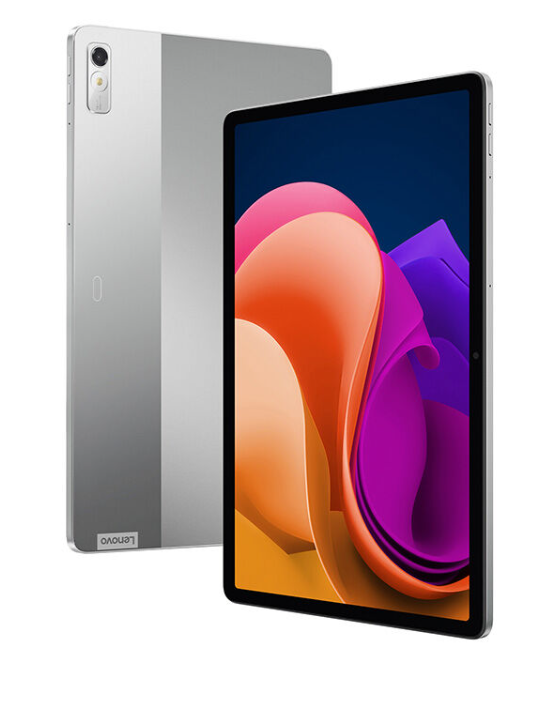
In the dynamic world of tablets, finding the perfect device for work, reading, or gaming can be a daunting task. Look no further as we have meticulously curated a list of the five best-selling tablets of 2023 on Giztop, that have garnered the trust of users worldwide. This exclusive collection features renowned brands such as Xiaomi and Lenovo, ensuring both quality and innovation. Whether you seek productivity, entertainment, or a seamless blend of both, these tablets have set a new benchmark for performance and user satisfaction. So let’s check out the top 5 best-selling tablets of 2023 on Giztop.
Lenovo Legion Y700 2023
The Lenovo Legion Y700 gaming tablet features a TUV Rhineland Certified 8.8 inch 2K LCD screen and supports a 120Hz refresh rate. The display comes with Dolby Vision, DC dimming, and 500 nits brightness.
Powered by the Qualcomm Snapdragon 8+ Gen 1 octa-core processor, the tablet comes in two memory variants viz: 12GB / 16GB LPDDR5 RAM and 256GB/ 512GB UFS 3.1 storage, further expandable with a MicroSD slot.
The tablet comes with a 13MP rear camera and an 8MP front camera to capture images and videos and conduct face-to-face chat and video calls. Also for enhanced security, Legion Y700 comes with the face id unlock feature.
Lenovo Legion Y700 2023 gaming tablet is fueled by a massive 6550mAh battery and supports Quick Charge 3.0. Also to enjoy an immersive gaming and video experience, the tablet comes with dual JBL speakers supported by Dolby Atmos. Running on the Android 13 OS-based ZUI 15, the tablet offers you a fresh user experience and advanced multitasking options.
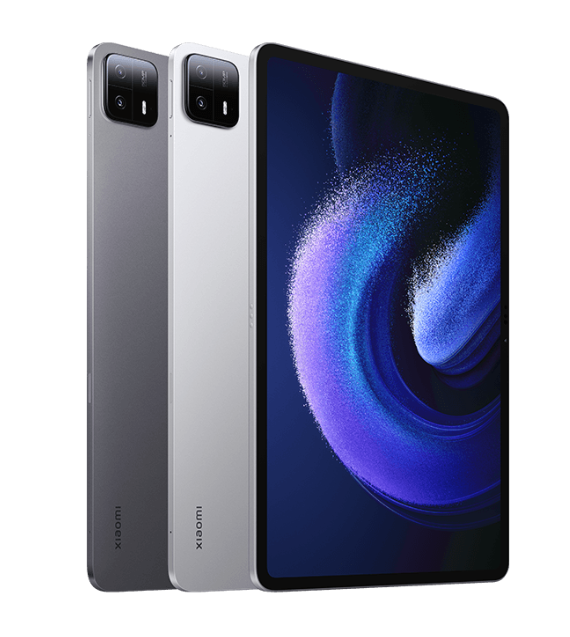
Xiaomi Pad 6 Pro features an 11-inch AMOLED 2.8K display that supports a 120Hz refresh rate and 240Hz touch sampling rate. It comes with a peak brightness of 500nit and supports HDR10+ and the P3 color gamut.
The tablet runs on the Snapdragon 8+ Gen 1 Octa-core processor and has multiple memory options. 8GB/ 12GB LPDDR5 RAM and 128GB/ 256GB/ 512GB internal storage. For your video calls and FaceTime meetings, you have a 20MP camera in the front and for capturing your videos and images you have a 50MP primary sensor and 2MP secondary sensor at the back.
The tablet runs on a massive 10000mAh battery and supports 67W rapid charging. It runs on Android 13 OS-based MIUI 14 and features Bluetooth 5.2 and a quad-speaker setup.
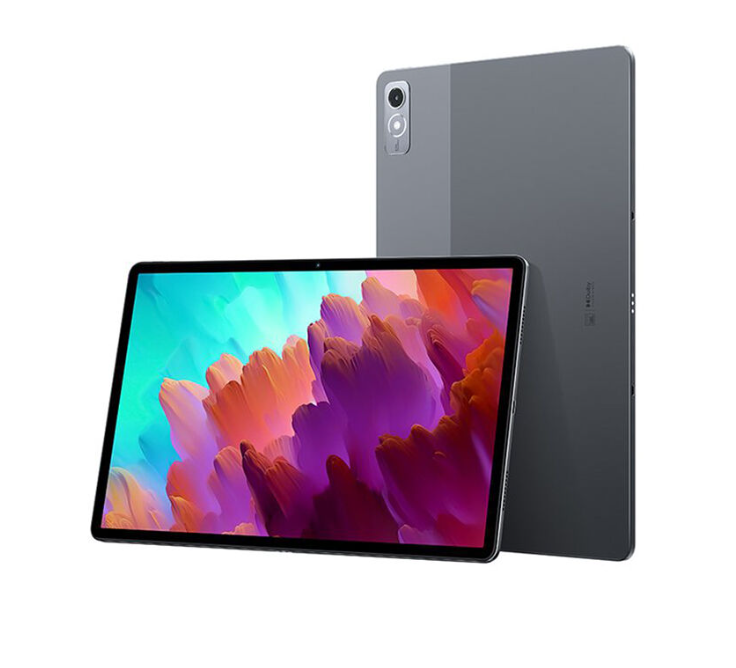
Lenovo XiaoXin Pad Pro 2022 is a premium tablet that features an 11.2-inch, 2.5K OLED display with a 120Hz refresh rate. The tablet comes with two processor options viz. Snapdragon 870 Octa-Core Processor and MediaTek Kompanio 1300T chipset. You can choose between 6GB/ 8GB RAM options and 128GB internal storage.
XiaoXin Pad Pro is fueled by a powerful 8200mAh battery that gives you up to 8 hours of non-stop usage on a single charge. You can choose between a 68W or 30W fast charger as per your need. The tablet features 4 JBL-certified speakers and 8MP front and 13MP rear cameras.
The tablet is available in Grey, Gold, and Silver color options. Also, accessories like the stylus, smart keyboard, leather case, and screen protector are available at giztop for an additional cost.
The Lenovo Xiaoxin Pad Pro 12.7 is an advanced Android tablet that seamlessly blends power, style, and functionality for productivity on the go. Operating on ZUI 14 based on Android 13, it offers a responsive platform in both English and Chinese languages.
Driven by the Qualcomm Snapdragon 870 Octa-core chipset and 8GB LPDDR5 RAM, the Xiaoxin Pad Pro 12.7 delivers smooth multitasking. Its 12.7-inch 2.9K LCD screen boasts a 144Hz refresh rate, 2944 x 1840 resolution, HDR10+, and Dolby Vision support for vivid visuals.
The tablet features a 13MP autofocus rear camera and an 8MP fixed-focus selfie camera for capturing life’s moments. Convenient unlocking is facilitated by the integrated face unlock feature and an IR camera, with an added fingerprint scanner in the power button.
With its substantial 10200mAh battery, the Xiaoxin Pad Pro 12.7 ensures extended performance, further enhanced by the Ultra Power Saving mode. Connectivity options include Bluetooth 5.2, dual-band Wi-Fi, and abundant ports for versatile use.
Immersive audio is guaranteed through the four JBL speakers and Dolby Atmos technology. The tablet’s versatility is emphasized by its USB Type-C 3.2 port, 4 POGO pins, and MicroSD card slot for expanded storage. In essence, the Xiaoxin Pad Pro 12.7 excels as a powerful and adaptable Android tablet.
The Xiaomi Pad 6 Max 14 is a technological marvel, running on Android 13 with MIUI 14 for seamless connectivity. It’s powered by the Snapdragon 8+ Gen 1 chipset, excelling in performance and graphics quality.
The highlight is its 14-inch 2.8K LCD display with 144Hz refresh rate and 240Hz touch sampling. It offers 500 nits brightness, a P3 color gamut, and HDR10+ support. Multitasking is effortless with 8GB, 12GB, or 16GB RAM and storage options from 256GB to 1TB.
Dual back cameras include a 50MP main sensor and 2MP depth-of-field lenses. The 20MP front camera with a 3D ToF sensor ensures clear selfies. Connectivity is enhanced with dual-band Wi-Fi and Bluetooth 5.3. Immersive audio comes from quad speakers and dual microphones. The 10000mAh battery supports 67W fast charging and 33W reverse charging.
Xiaomi is undoubtedly one of the world’s largest technology companies. The Chinese manufacturer owes its rapid rise to not only its successful products but also its aggressive pricing strategies. However, although the high value-for-money ratio and low-profit margins of its products have helped Xiaomi grow, they haven’t been especially favorable in financial reports.
As a result, the company recently changed its strategy to focus on increasing profit margins and shifting towards more expensive devices. Apparently, this change has been effective, as Xiaomi’s profits doubled in the second quarter due to strong sales of premium smartphones. However, the danger still remains. Here are the details…
Xiaomi’s High-End Smartphone Sales Soar in Second Quarter, Driven by Xiaomi 13 Series
Xiaomi has released its financial reports for the second quarter of the year. Despite facing numerous challenges, the company has managed to create success. The tech giant’s total revenue for the quarter soared to RMB 67.4 billion, marking a 13.2% growth compared to the previous quarter. This is noteworthy in the highly competitive tech industry. In terms of profitability, Xiaomi reported a net profit of RMB 5.1 billion, which is an impressive 147% increase compared to the same period last year. This is the company’s highest quarterly profit since the fourth quarter of 2021.
The company managed to hit a 21% gross profit margin across its various business segments, including smartphones, IoT products, and internet services. This is the highest it’s been, indicating a more profitable portfolio. Xiaomi’s smartphone business did exceptionally well this quarter, showing a 13.3% gross profit margin, the highest to date. Revenue from smartphones increased by 4.6% compared to the last quarter, reaching RMB 36.6 billion.
Moving beyond smartphones, the IoT and lifestyle products segment also saw a revenue hike of 12.3% YoY, totaling RMB 22.3 billion. The gross profit margin here was 17.6%, also a new high. Internet services are a vital part of Xiaomi’s ecosystem, and they didn’t disappoint. The sector saw a revenue increase of 6.8% YoY to RMB 7.4 billion. The gross profit margin for this segment was a jaw-dropping 74.1%.
Impressively, Xiaomi was able to reduce its total inventory to RMB 38.5 billion, a 33.5% decrease YoY. The company’s overall expenses also dipped, falling by 2.3% YoY to RMB 10.2 billion. Both metrics show greater efficiency and cost management. Last but certainly not least, the cash reserves reached an unprecedented RMB 113.2 billion, giving Xiaomi ample resources for future R&D and strategic acquisitions.
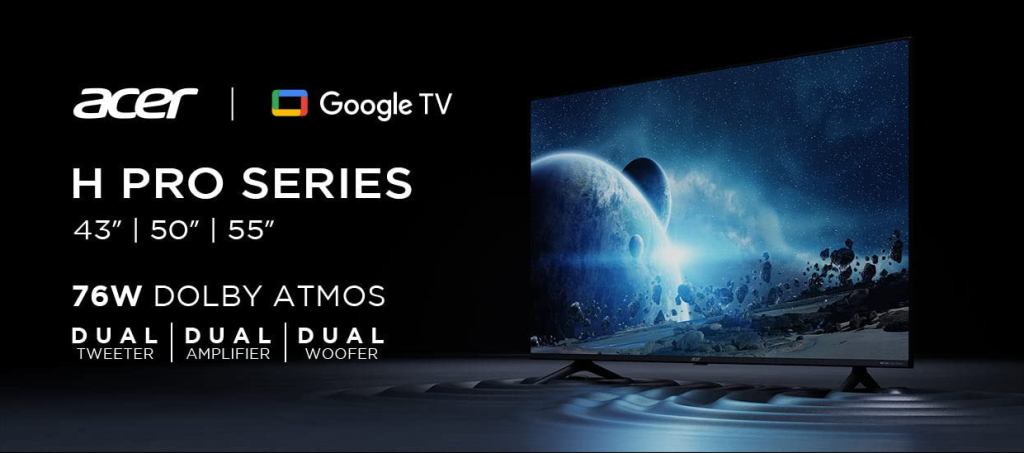
Acer has expanded its smart TV lineup in India with the recent launch of the Acer H Pro Series 4K TVs. Starting today, these TVs have gone live for sale in India. Here are the specs, pricing, and availability details.
Acer H Pro series TV specs
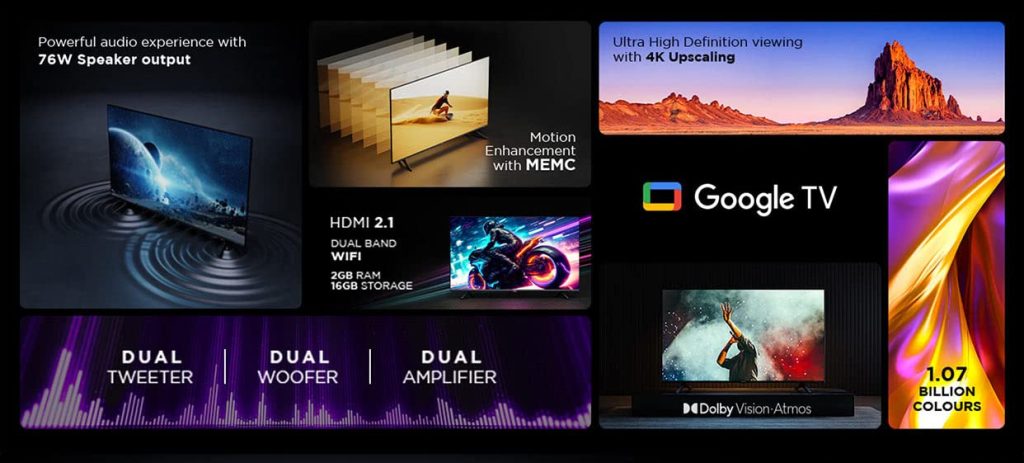
The Acer H Pro series smart TVs boast a crystal-clear 4K Ultra HD resolution of 3840 x 2160 pixels, ensuring stunning picture quality. The TVs have a wide 178-degree viewing angle and 60Hz refresh rate. They are available in three sizes: 43-inch, 50-inch and 55-inch.
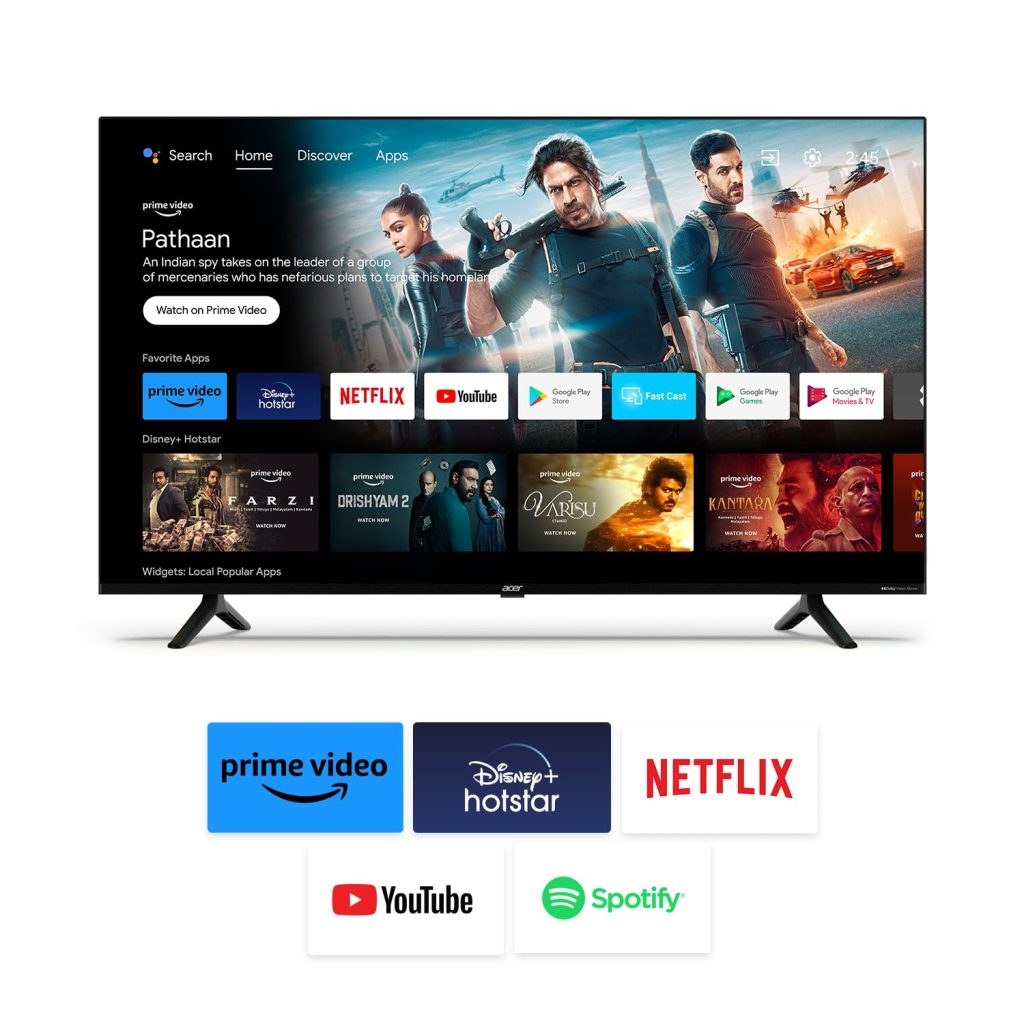
These models run on Google TV, offering features such as content recommendations, a watchlist, personal profiles, and integration with Google Assistant. Chromecast is built-in, and the voice-enabled smart remote features dedicated hotkeys for quick access to popular streaming services like Netflix, Prime Video, YouTube, and Disney+Hotstar.
From a technical standpoint, these TVs support HDR10 with HLG and Dolby Vision, for vivid visuals. They also provide 4K upscaling, MEMC for smoother motion, dynamic signal calibration, black level augmentation, a wide color gamut, super brightness, micro-dimming, and blue light reduction.
For audio, the TVs boast 76 Watts speakers with Dolby Atmos support, dual amplifiers, dual woofers, and dual tweeters. In terms of connectivity, they feature dual-band Wi-Fi and two-way Bluetooth for seamless device connectivity. With three HDMI ports, including one supporting eARC, and USB ports (both 2.0 and 3.0), you can easily connect various devices like computers, gaming consoles, and external storage/Pen drives.
Pricing & availability
The Acer H Pro 43-inch model is currently selling for ₹27,999 on Amazon India. Similarly, the 50-inch and 53-inch models cost ₹33,999 and ₹39,999, respectively. Bank offers with up to ₹1,500 off are available on HDFC, OneCard, Kotak, Citibank, and other card transactions.
We use cookies on our website to give you the most relevant experience by remembering your preferences and repeat visits. By clicking “Accept”, you consent to the use of ALL the cookies.
This website uses cookies to improve your experience while you navigate through the website. Out of these, the cookies that are categorized as necessary are stored on your browser as they are essential for the working of basic functionalities of the website. We also use third-party cookies that help us analyze and understand how you use this website. These cookies will be stored in your browser only with your consent. You also have the option to opt-out of these cookies. But opting out of some of these cookies may affect your browsing experience.
Necessary cookies are absolutely essential for the website to function properly. This category only includes cookies that ensures basic functionalities and security features of the website. These cookies do not store any personal information.
Any cookies that may not be particularly necessary for the website to function and is used specifically to collect user personal data via analytics, ads, other embedded contents are termed as non-necessary cookies. It is mandatory to procure user consent prior to running these cookies on your website.