The consumer technology brand – Nothing is all set to launch its sub-brand ‘CMF by Nothing’ on September 26th at 2:30 PM IST. The company has already announced the brand with plans to introduce new wearables, but today the launch date is confirmed along with some details about its community.
The new brand from Nothing will provide quality products having some exciting designs at more competitive prices. It is aimed to bridge the gap in the value segment by offering improved quality products.
“Nothing is dedicated to making tech fun again and has proven its abilities to break boundaries in industrial design. As such, the company believes it can make good design more democratic and impact more people,” said Nothing in a statement.
Availability
CMF by Nothing will unveil its maiden smartwatch and TWS wireless earbuds on September 26 at 2:30 PM IST. Some accessories will also be made available alongside the device launch. The CMF By Nothing confirmed to retail its products via Flipkart, Myntra, and offline retail stores like Vijay Sales.
Community Review Program
Nothing also introduced a Community Review Program that will allow content creators and tech enthusiasts to review the new products before the rest of the world. The program further asks them to create content and share their reviews and feedback with the rest of the world.
The selected content will be shared via the CMF’s official social media handles.
Interested users can fill out the form to get into the program by visiting the official website.
CMF also introduced its Instagram handle where they will share updates and news about upcoming products.
In recent years, Nothing has earned its place in the most hyped tech companies. With the new sub-brand, the company aims to extend its arms across different device segments and reach extensive users.
OnePlus introduced several new smartphones and earbuds in India a couple of months ago. Well, the company’s favorite market is soon going to get a new affordable OnePlus Pad Go as confirmed by official teasers posted on its official X.com (formerly Twitter.com) handle and Flipkart.
The affordable variant of the OnePlus Pad launched in India is not so far, but the actual date is yet to be unveiled. The image teaser reveals some design details about the upcoming tablet with the caption “What’s work without a little play” and “All Play, All Day.” We expect a large battery and some exciting gaming performance from the tablet. It could even come with a dedicated cooling system onboard. The outline flaunts the rear design with a single-rear camera and OnePlus branding.
Earlier we reported about the new OnePlus tablet which is in the works. As per leaks, it could carry model numbers OPD2304 and OPD2305 depending upon the WiFi only and Cellular variants. It was reported to launch early next year, but considering the teasers via the OnePlus India handle, we expect it to launch soon.
Additionally, the upcoming tablet was also spotted on the official Chinese website of OnePlus and is even BIS certified.
OnePlus is working on the next flagship smartphone i.e. OnePlus 12 series expected to launch early next year. Already some leaks have poured details about the device.
Younger Sibling of the OnePlus Pad?
The new tablet will be the liter version of the OnePlus Pad which was announced in India in July. The tablet comprises an 11.6-inch LCD with a 144hz refresh rate and 500 nits brightness. It houses MediaTek’s Dimensity 9000 SoC with LPDDR5 RAM and UFS 3.1 storage. It is further complimented with a 9510 mAh battery with 65W SuperVOOC charging.
We expect the OnePlus Pad Go to compensate for some specifications and hardware details in comparison with the OnePlus Pad.
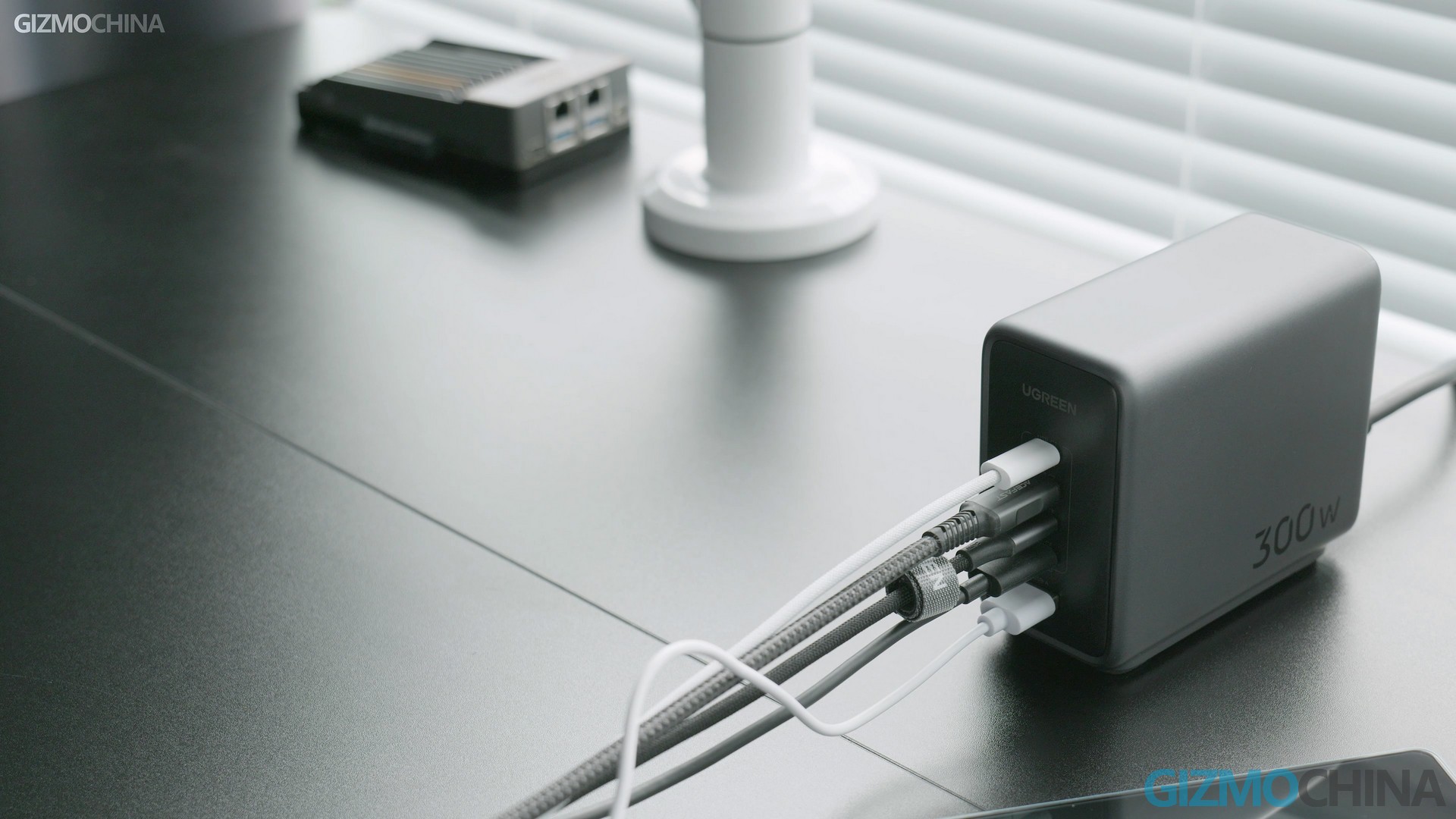
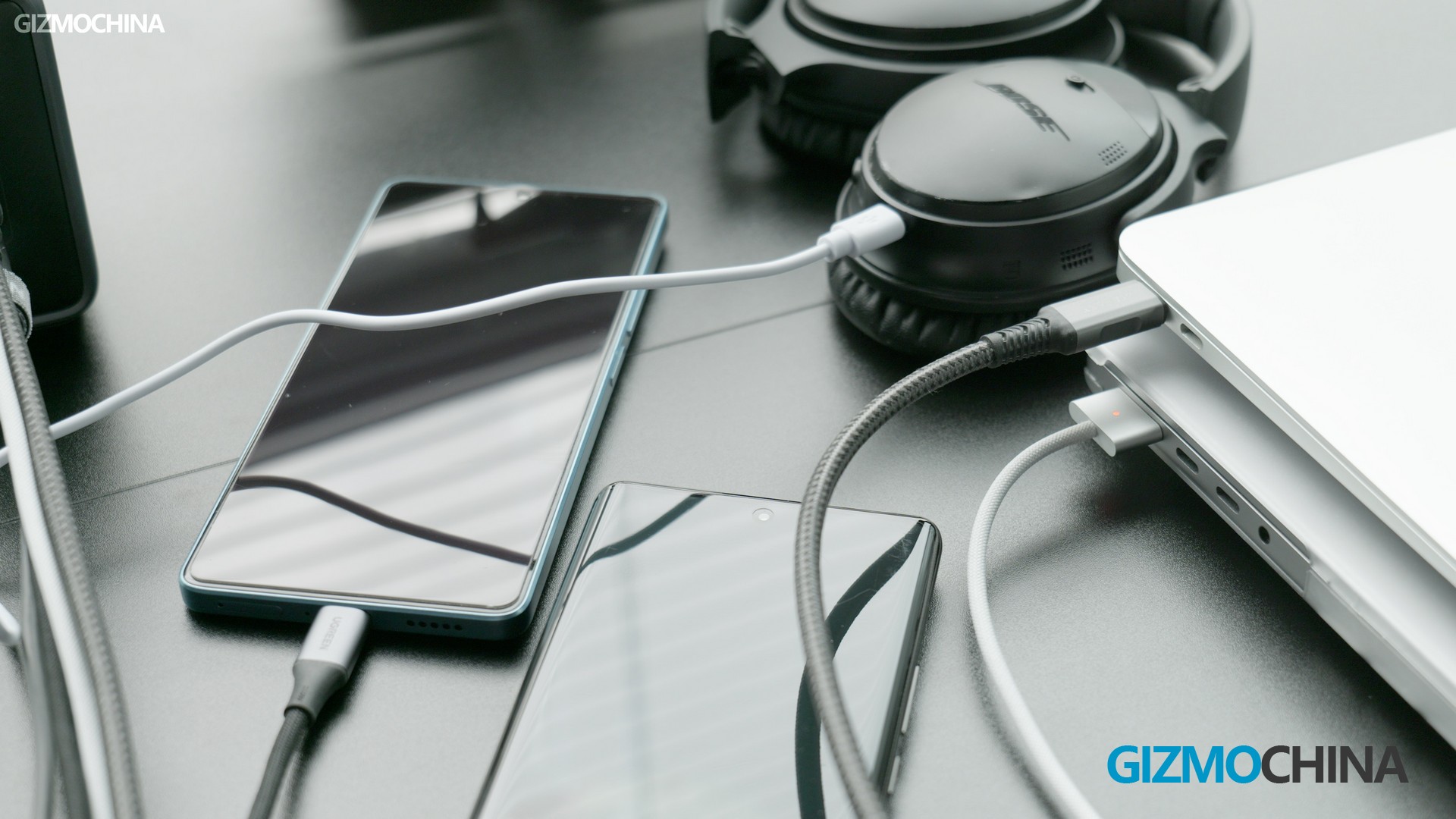
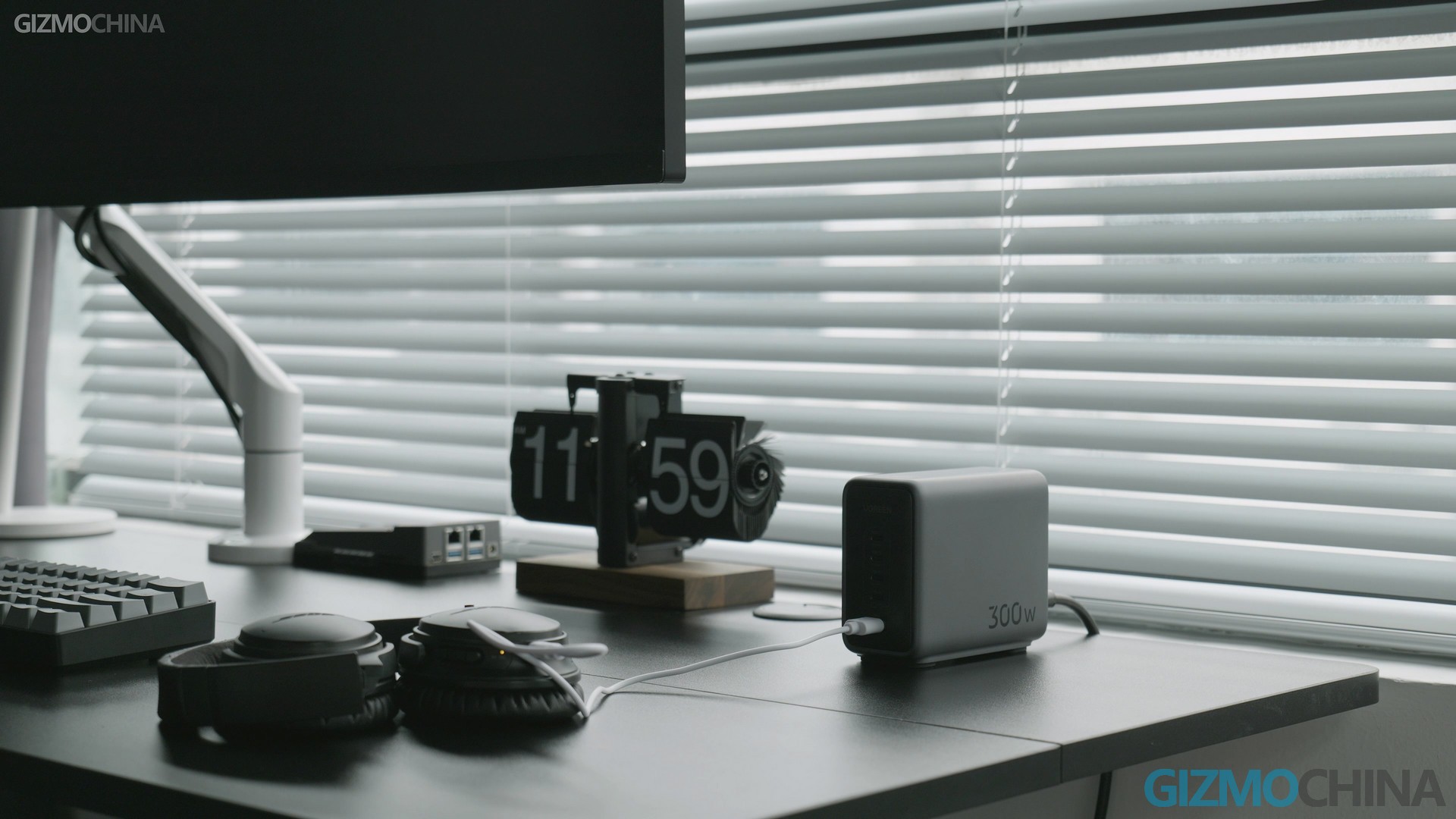
Batteries and charging have been an essential part of my life, well sometimes it’s a bit annoying, Every time I go out I need to carry a cell phone, a laptop, and even my TWS earbuds or headsets. Except for the earbuds, the rest of my devices need to be charged every day, so it’s a very unpleasant experience. Before I go out, I have to go through a maze of chargers and cables to find the ones I need every time. so today I got my hands on Ugreen’s first Nexode 300W GaN charger, a fast charger that supports a maximum output of amazing 300W, featuring four type-c ports and a type-A port for fast charge. I’m very excited to see how it performs in my charging needs.
Unbox
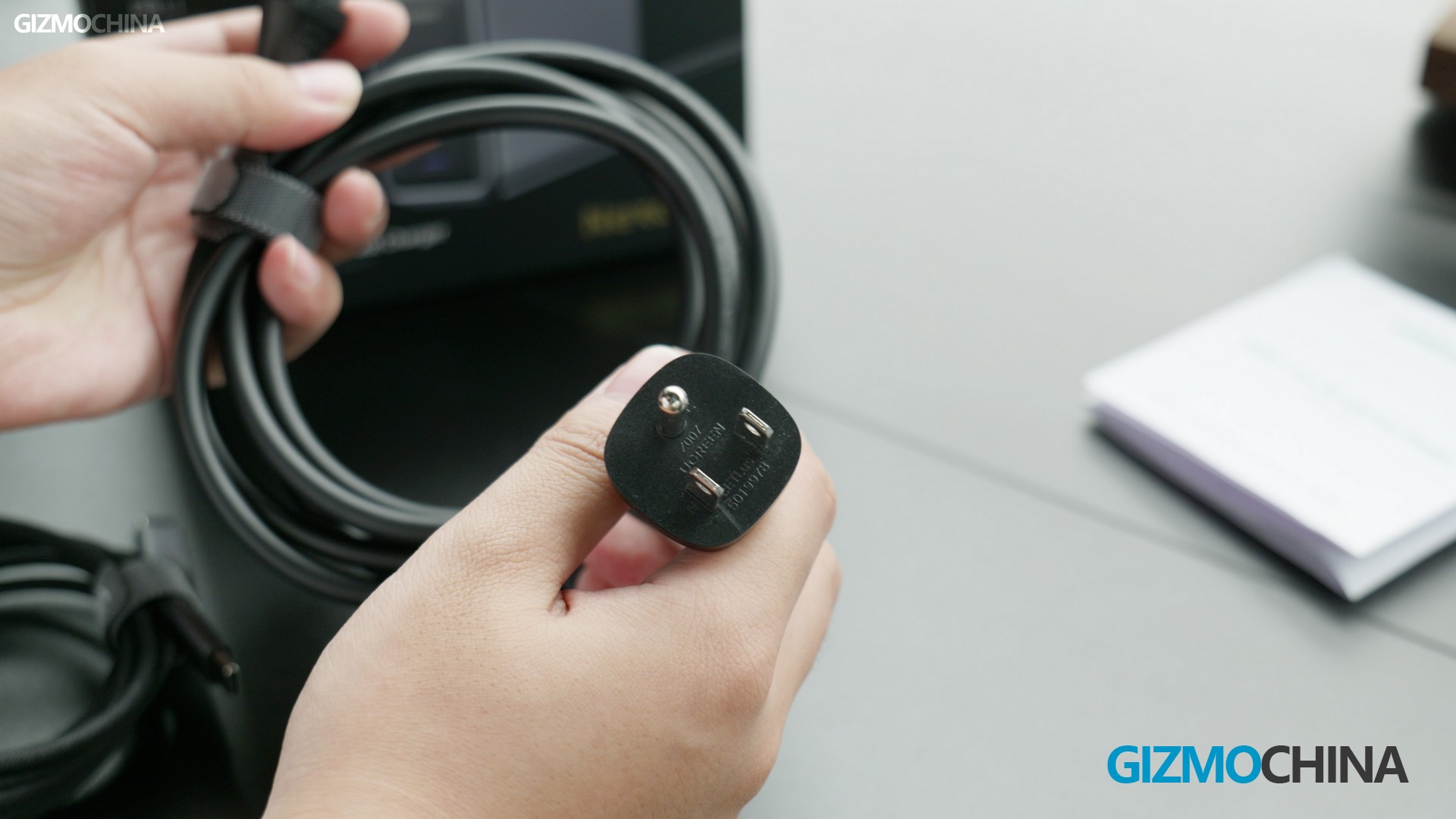
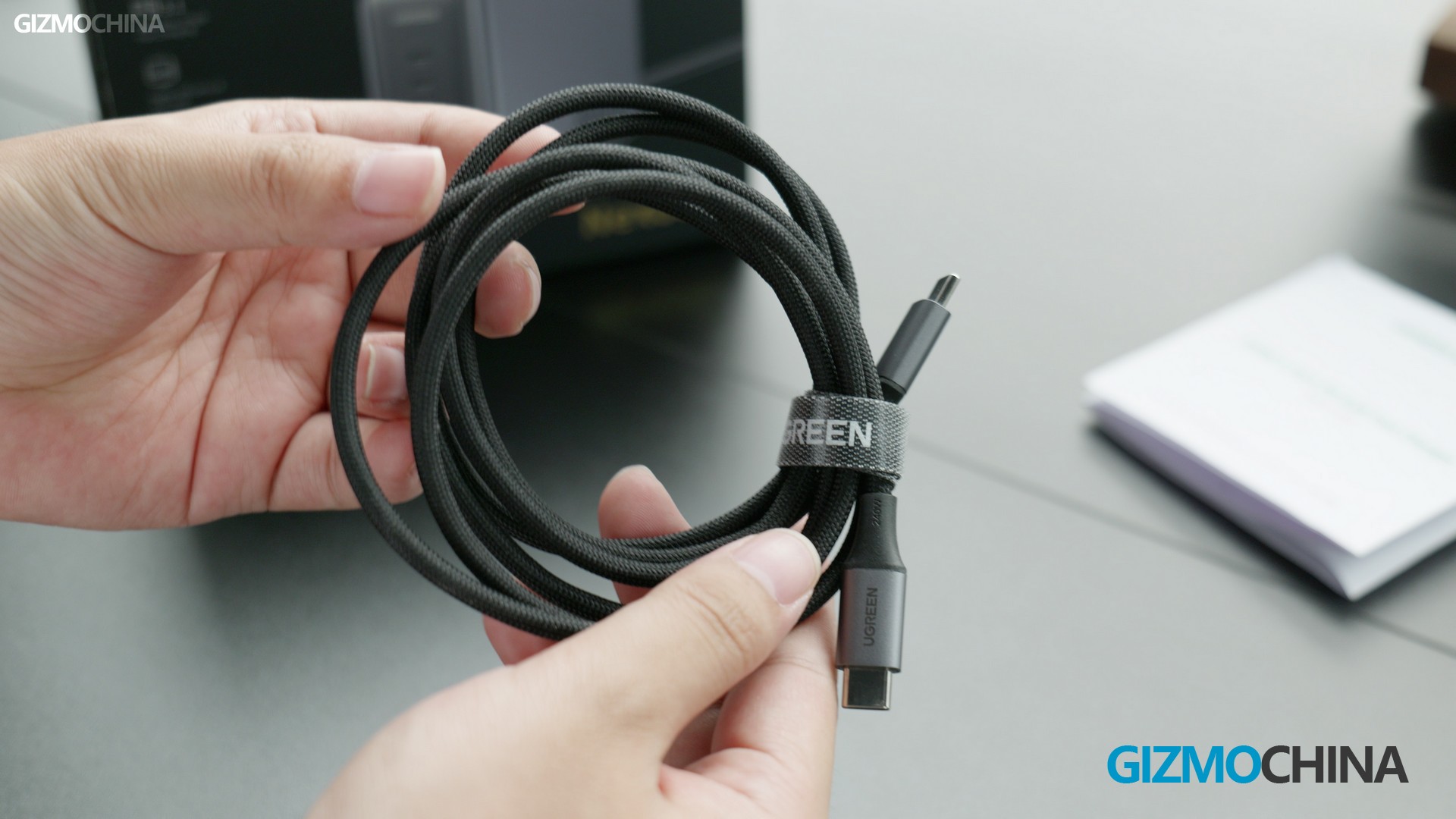
The package of UGREEN 300W fast charger is designed in a drawer style, besides the charger, it also includes a charging cable that supports up to 240w PD USB-C to C and a 2-meter long power cable, it’s worth noting that this charger adopts the grounding design, so if you have been “bitten” by the lighting port or metal casing laptop, you will know how important the grounding design is to avoid leakage.
Design
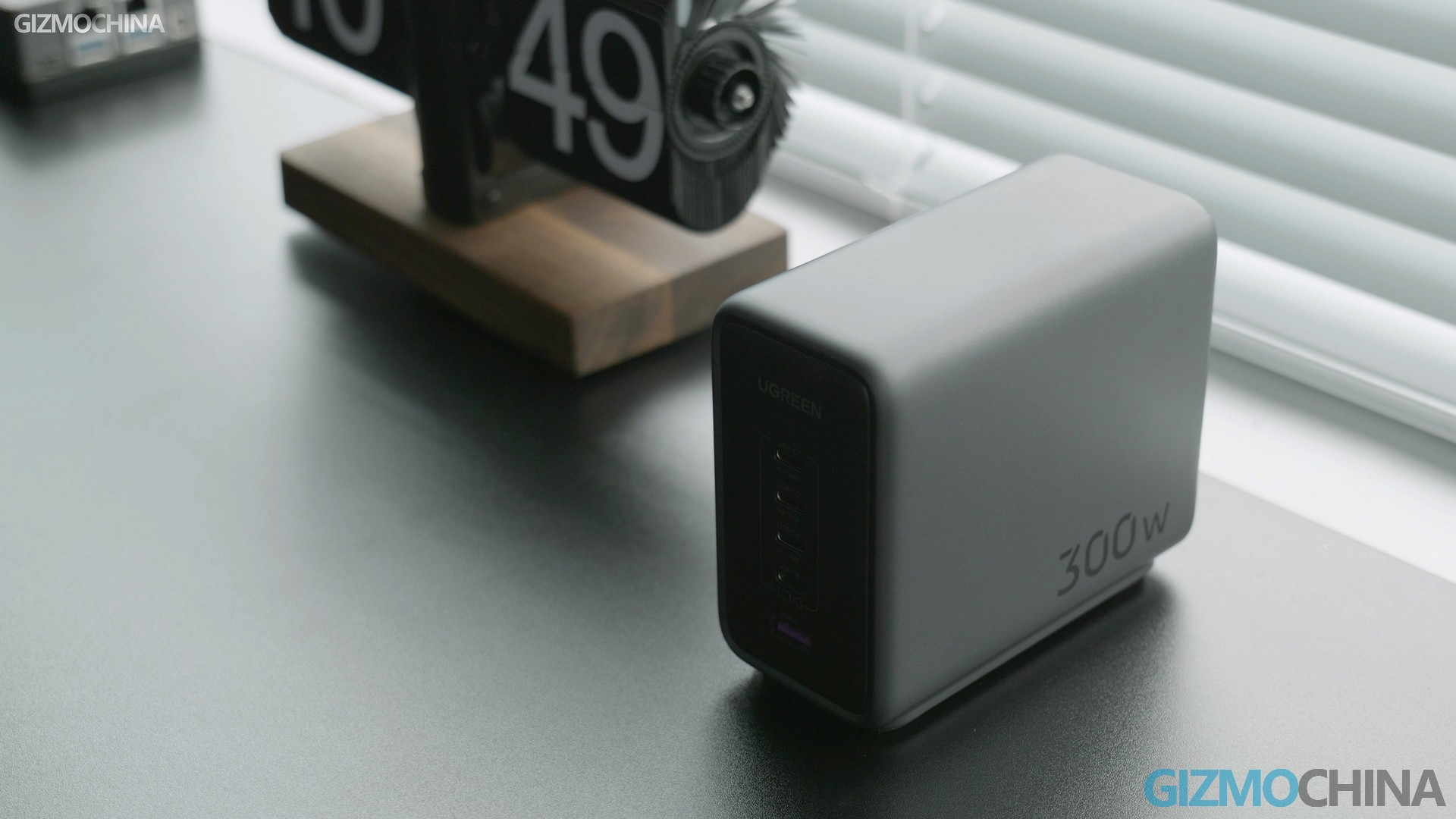
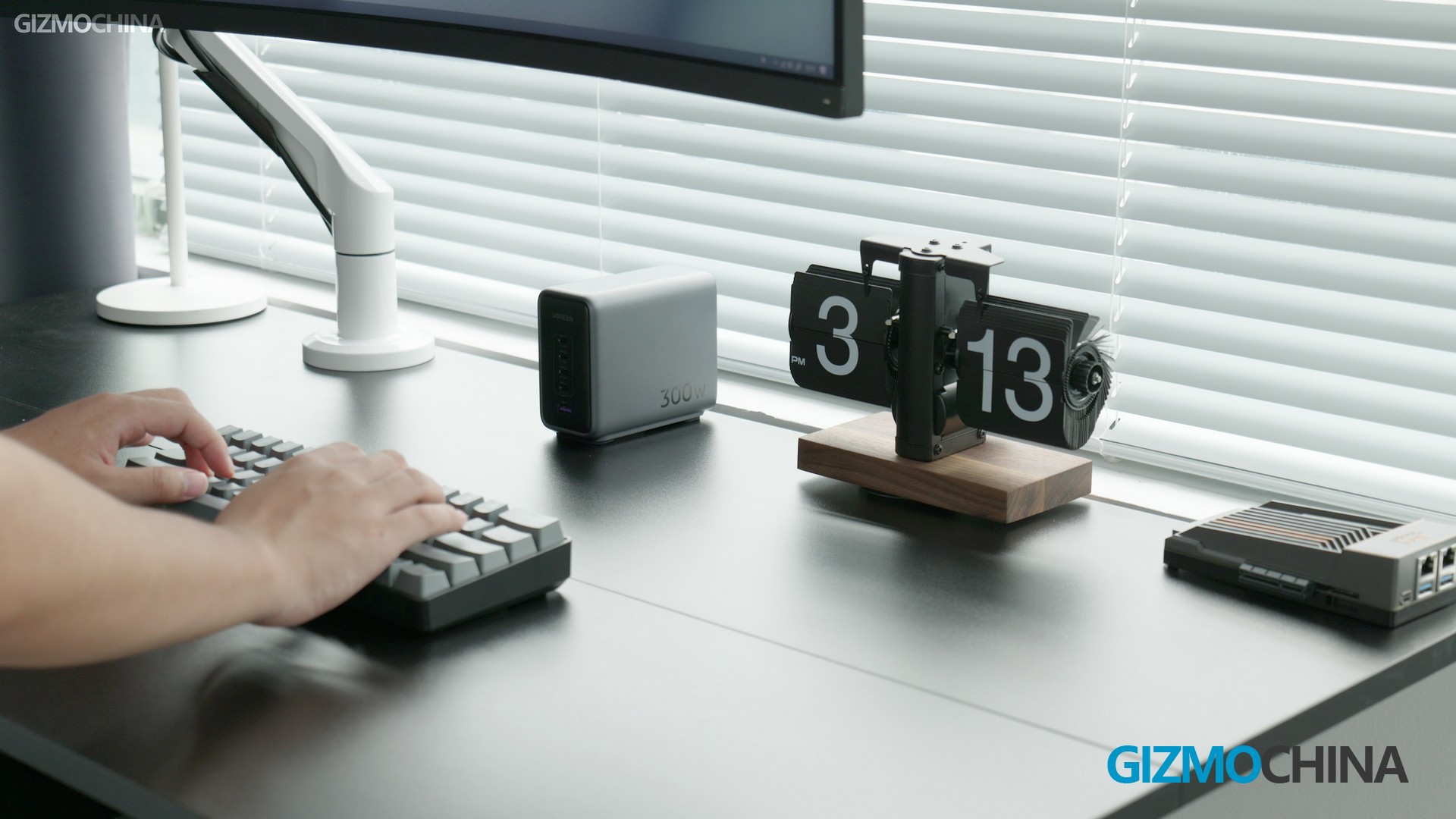
The UGREEN 300watte 5-prot GaN charger is positioned as a desktop charger, and the design is the same as the previous UGREEN chargers, very low-profile, with a gray and black appearance, which is a good news because the surface of the charger does not attract fingerprints.
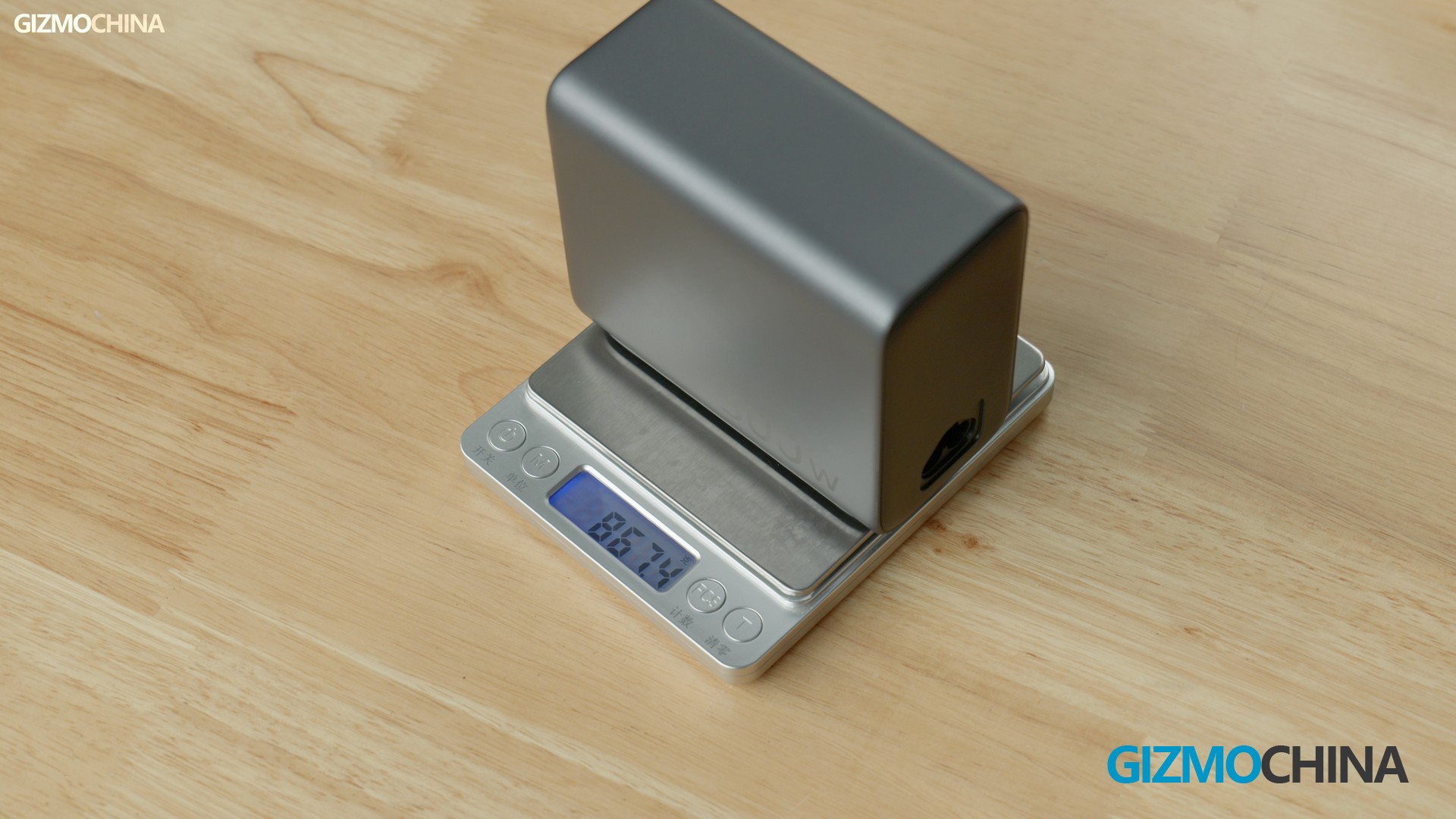
When I got the charger, my first impression was that it was heavy, the charger weighs 876g, but I won’t complain about it because of that, as it is a desktop charger.
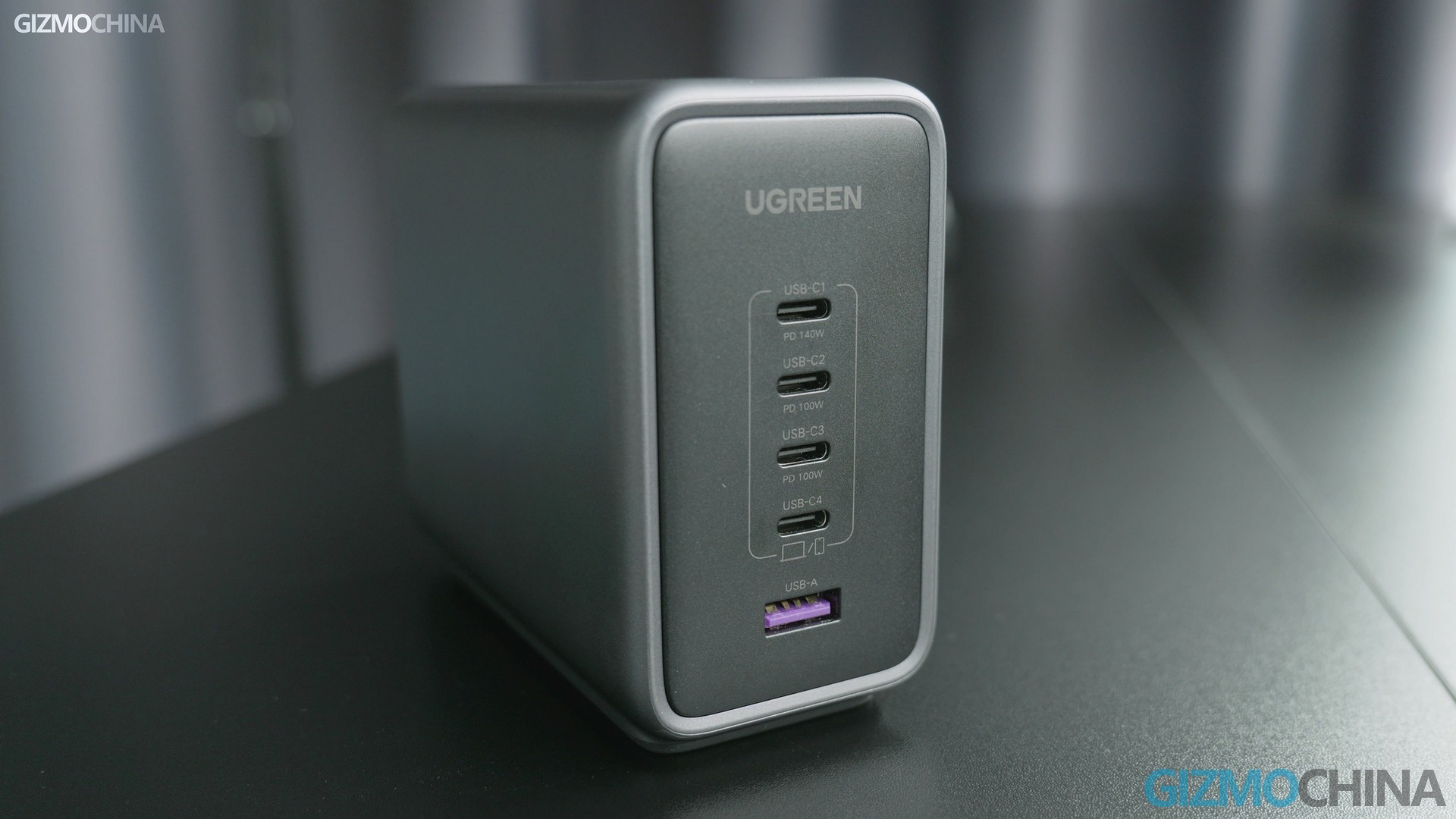
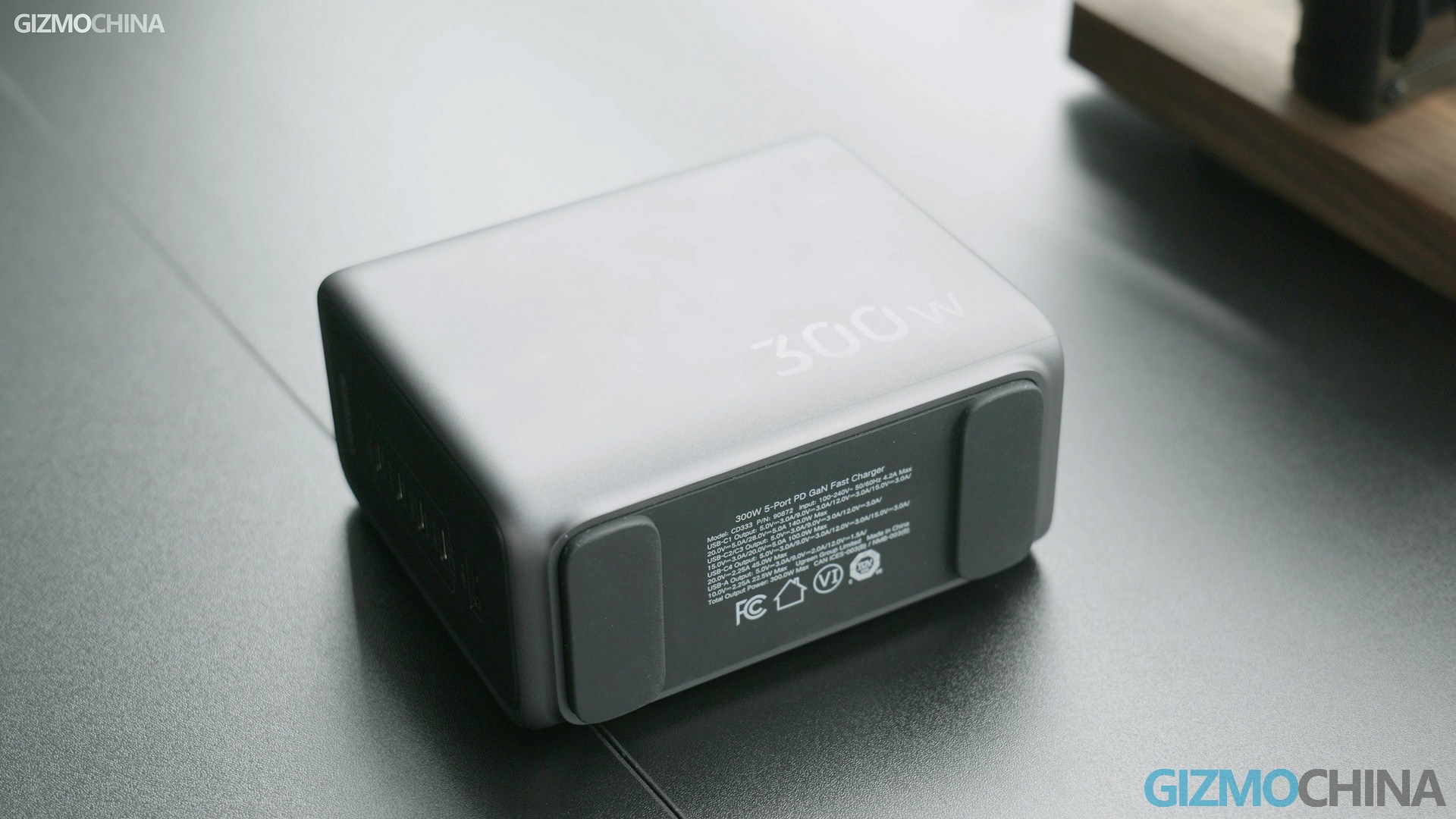
The bottom of the charger has two anti-slip rubber bumps so it is very stable when used on a desk. There are four type-c ports and one tpye-A port on the front and the maximum charging power is labeled there. This is important for users who don’t know much about charging technology. Overall, you can’t go wrong with the UGREEN 300watte’s low-profile design.
Charge performance
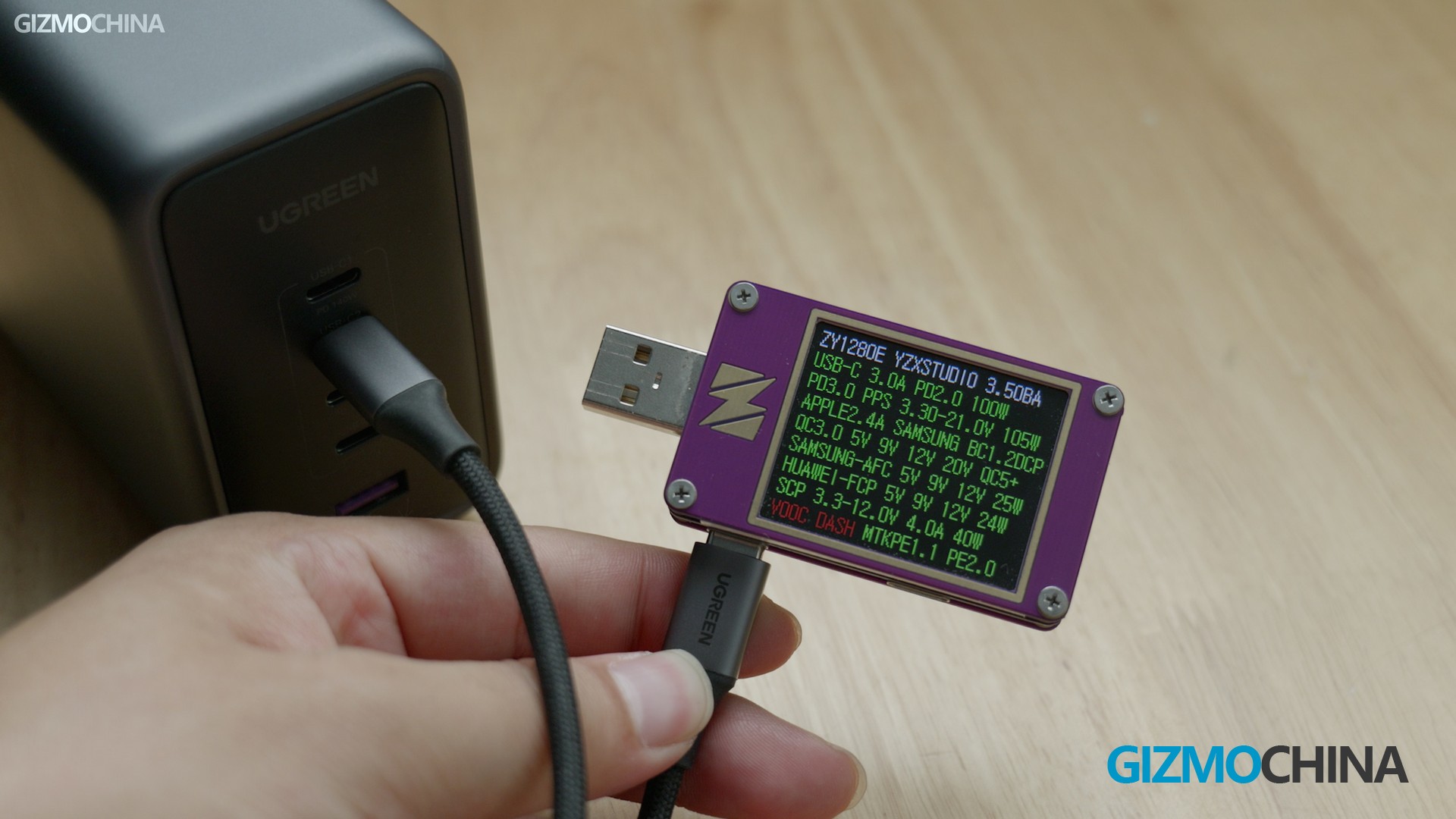
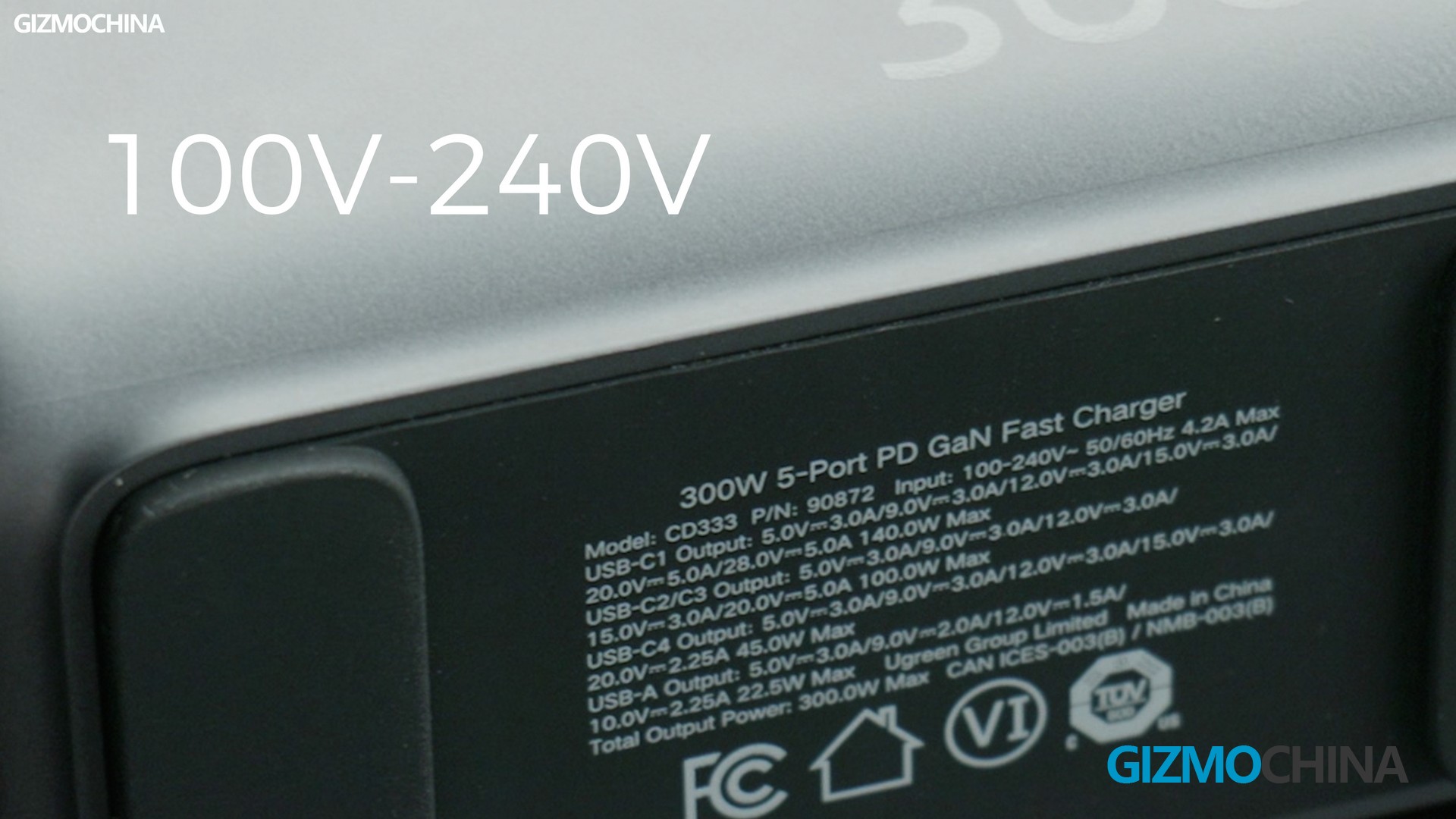
In terms of charging performance, first of all I would like to say that the UGREEN 300watte charger supports a wide range of voltage inputs and can reach a maximum output power of 300w between 100v and 240v, which is great for a small charger. In terms of output, the first USB-C interface supports a maximum output of 140w, and the support for various fast charging protocols, in addition to Oppo’s Vooc protocol, Vivo’s FlashCharge protocol, and Oneplus Dash charging protocol, UGREEN 300watte charger almost supports most of the charging protocols on the market. And since it supports PD3.1 QC5.0 and PPS, the UGREEN 300watte charger will have a very good performance when it comes to laptop charging.
The 4 type-C ports all support the same charging protocols, the only difference is the maximum voltage support is different, c1 interface supports a maximum of 140w, either of the C2 and C3 interface supports a maximum of 100w, c4 interface supports a maximum of 45w, while the USB-A port supports a maximum of 22.5w output. So in actual experience, I will use the USB-A port to power some devices that don’t support fast charging, like earbuds or my shaver.
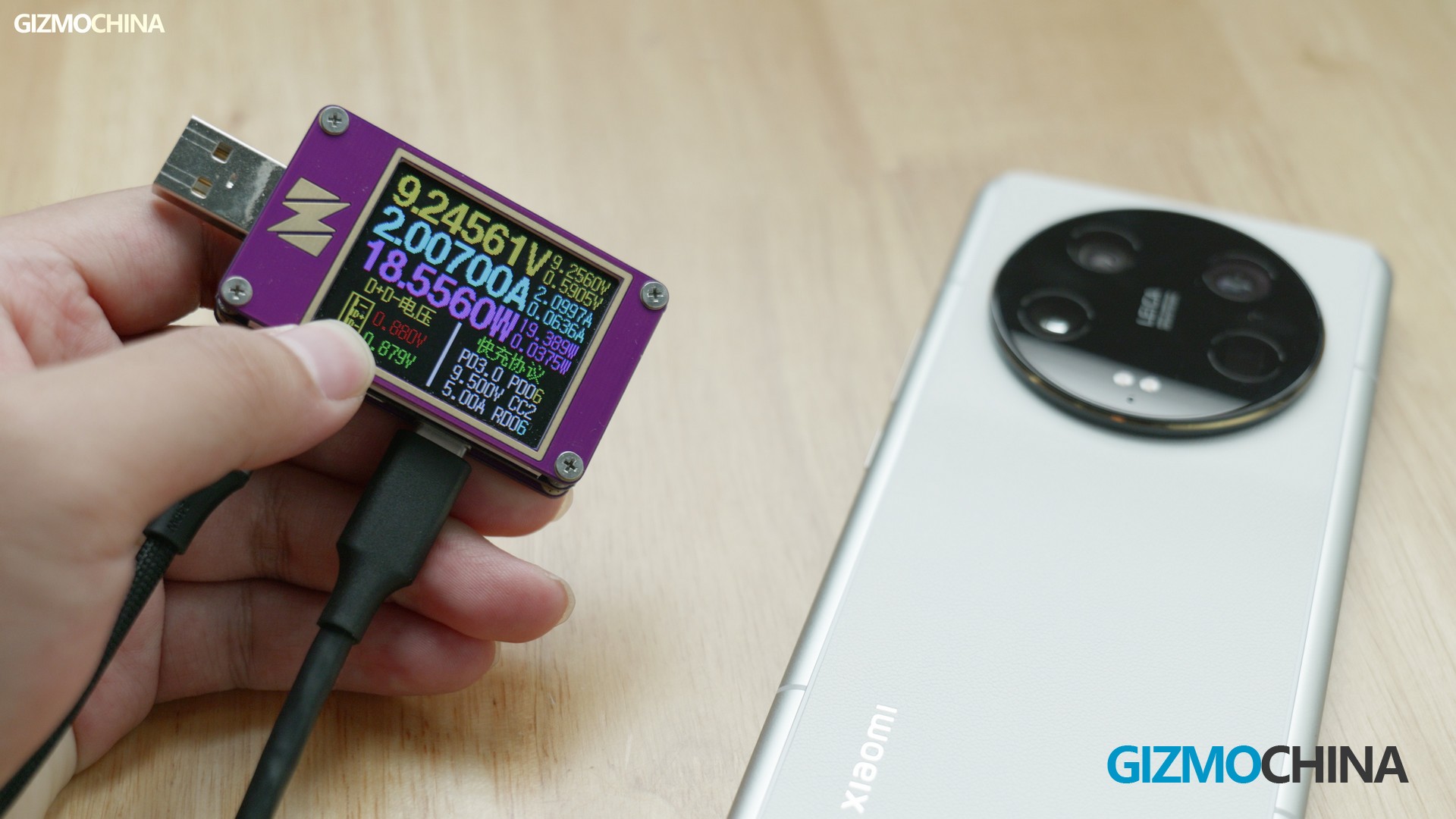
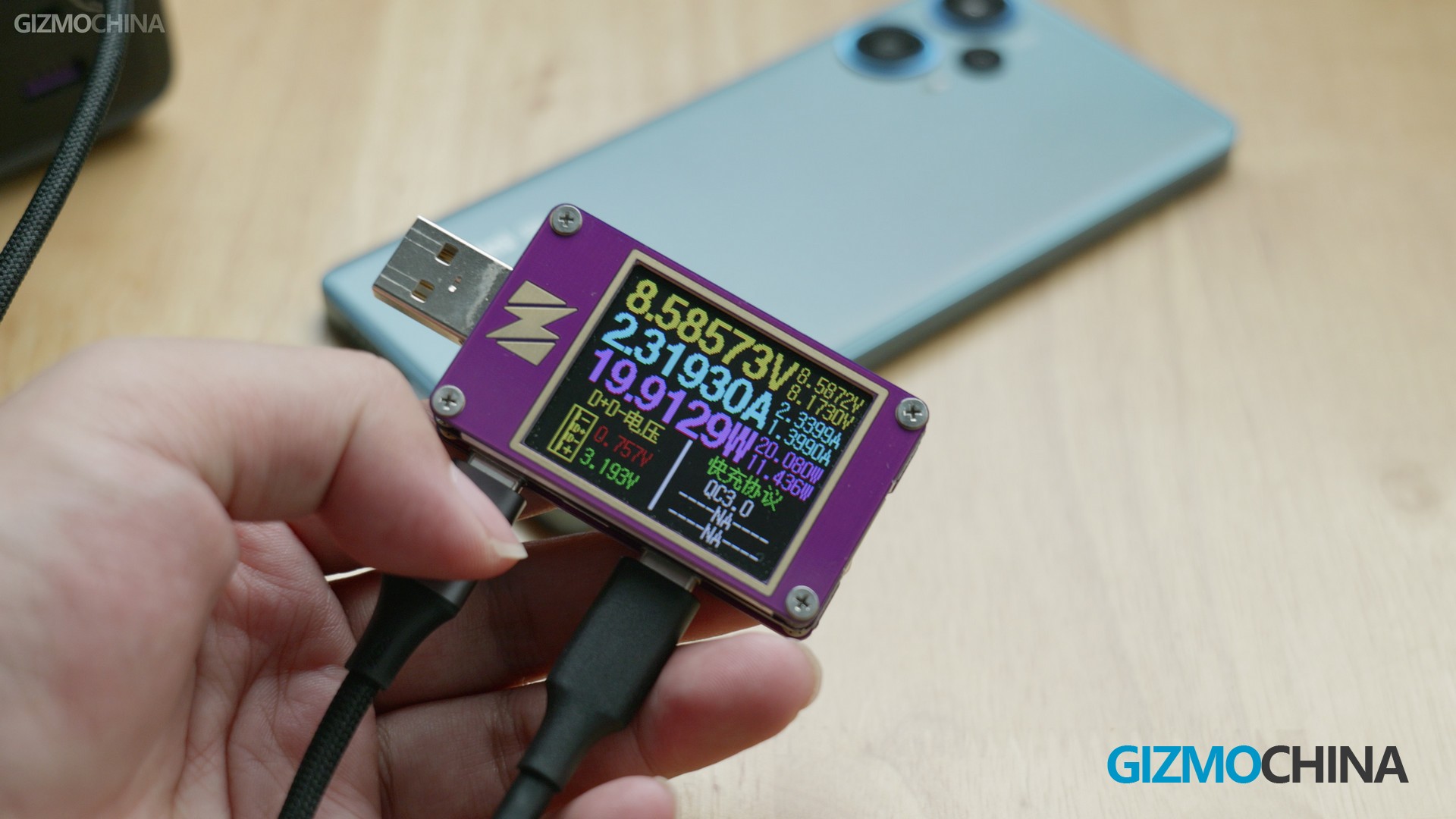
In actual test, when connected to my 14-inch Mac, it can charge at nearly 100w, which is amazing when knowing that the official charger can only achieve 67w. And Ugreen officially claims that it can charge 56% in 30 minutes when connected to a 16 inches Macbook. In terms of smartphone charging, QC3.0 can be activated on the Redmi 12 Tubro to reach 20w, on the Xiaomi 13 Ultra it can also reach 20w, while the iPhone 14 can reach a stable power at 26W.
In terms of power distribution, the user manual has a very detailed description, if you want to get the best charging speed but don’t want to spend time reading the user manual, then my experience, for your reference, is to use the ports from top to bottom.
I set it up to try charging using all 5 ports at the same time, charging two laptops, two cell phones, and a TWS headset at the same time. My laptops still managed to reach 90w, which is amazing. And considering fast charging will come to more future electronic devices under PD, PPS and QC protocols, It’s definitely gonna be a good investment and has a bright future ahead.
Additionally, there’s no need to worry about the heated issue. During the whole test, the Nexode charger itself always remained nice and cool with high-power output.
Verdict
The Ugreen Nexode 300W GaN fast charger is truly able to achieve 300W power output in such a small form. And furthermore, it supports a wide range of voltage inputs from 100v-240v, which means that this charger can be used in any part of the world.
If you have multiple device charging needs, the Ugreen Nexode 300W GaN fast charger is a great fit. And as a desktop charger with a grounded design, it’s better for connecting to the for a long period of time than traditional travel chargers. Also, I quite appreciate the exterior design of the Ugreen, it’s solid and well-built, fitting perfectly on a desk.
Buy the Ugreen Nexode 300W GaN fast charger on Amazon here.
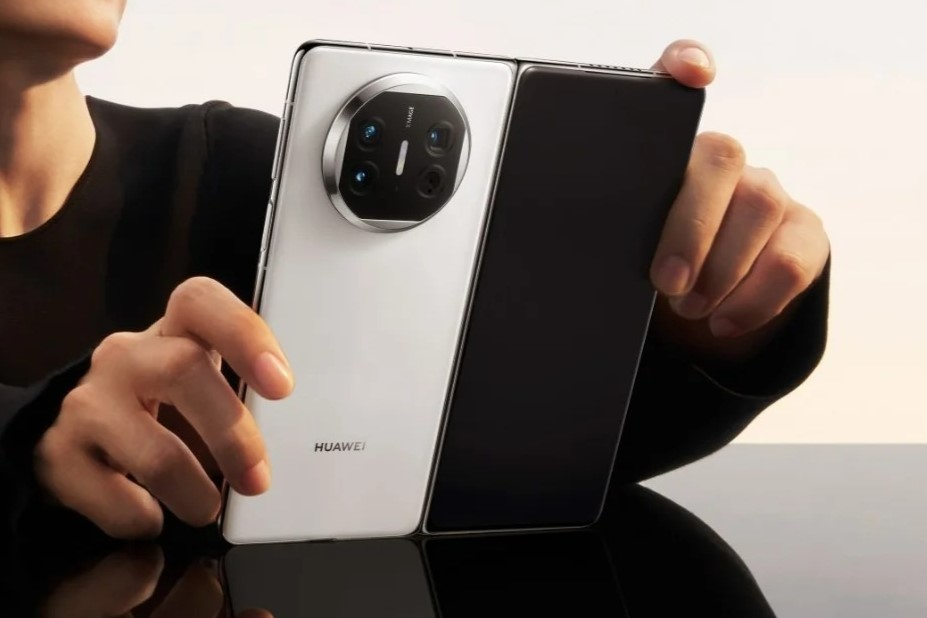
Last Friday, the Huawei Mate X5 was quietly unveiled in China. It is the company’s latest foldable smartphone and the successor to the Huawei Mate X3 from earlier this year.
The Mate 60 Pro received a similar treatment a few back but it was made available for purchase soon after. However, the Mate X5 is up for sale only today, almost a week after its announcement.
When the foldable was listed on the first-party online store (VMall) last week, Huawei did not reveal the price. Now that the device is available for purchase, we have info on all the variants and their pricing.
As a tipster suggested, the Huawei Mate X5 arrives in two versions — Standard and Collector’s Edition. They carry the following price tags.
Huawei Mate X5 Price
12GB + 256GB – ¥12,999 (~$1,785)
12GB + 512GB – ¥13,999 (~$1,925)
16GB + 512GB – ¥14,999 (~$2,060)
Huawei Mate X5 Collector’s Edition Price
16GB + 512GB – ¥15,999 (~$2,200)
16GB + 1TB – ¥16,999 (~$2,335)
Customers can also opt for the Huawei Care+ annual plan priced at ¥999 (~$135) for a limited time. With this subscription, buyers can avail a low-cost replacement of inner and outer displays in case of damage.
The handset comes in five colors, namely Feather White, Feather Black, Feather Gold, Green Mountain Dai, and Phantom Purple. The latter two have a leather back and the former three feature a glass panel.
After teasing for weeks, PSAV Global Tech has finally launched the Honor 90 in India. This marks the re-entry of Honor smartphones in the country after 3 years.
The Honor 90 for India is the same as the variant sold elsewhere across the world. This device was originally unveiled in China at the end of May.
Since then, it has made it to multiple markets across the globe. India is the latest country to get this product through the company’s official distributor PSAV Global Tech.
Let’s take a look at everything this phone has to offer along with its pricing and availability.
Honor 90 Specifications
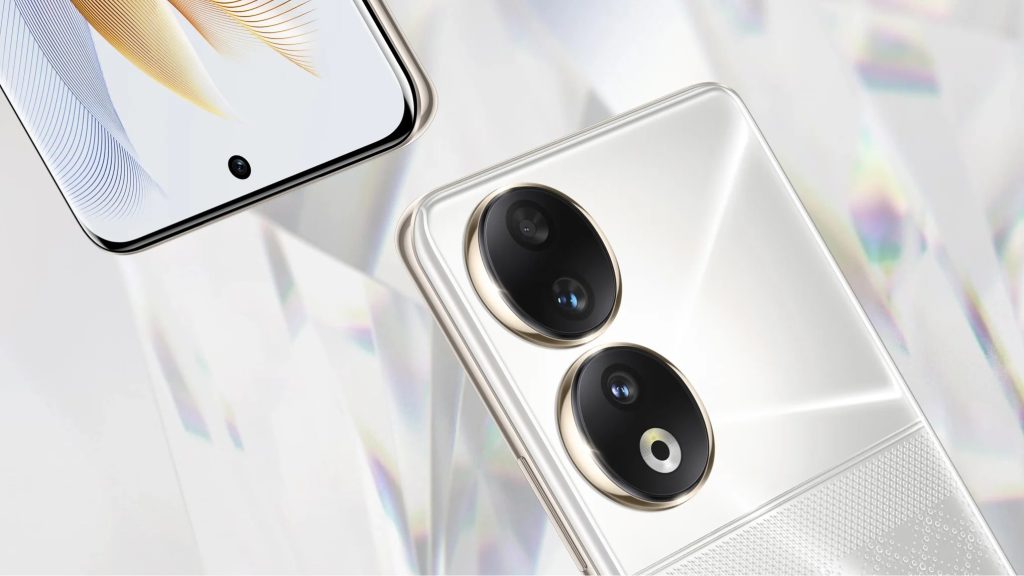
The Honor 90 is a design-focused smartphone featuring an eye-friendly display and a higher-megapixel primary camera. It sports a glass sandwich design with curved panels on both front and rear.
It is built around a 6.7-inch centered punch hole quad curved AMOLED display. The 10-bit panel offers a resolution of 2664 x 1200 pixels, a 120Hz refresh rate, and 3840Hz PWM dimming. The screen has a 435 PPI and 1600 peak brightness level.
The device is powered by a Qualcomm Snapdragon 7 Gen 1 Accelerated Edition chipset. On the software front, it boots MagicOS 7.1 based on Android 13 with support for GMS (Google Mobile Services).
Further, the handset arrives with a triple camera setup on the rear. These sensors are placed inside two separate circular islands along with an LED flashlight.
The rear camera system comprises a 200MP Samsung ISOCELL HP3 primary sensor, a 12MP ultra-wide unit, and a 2MP depth sensor. Whereas, on the front, there’s a 50MP snapper for selfies and video calls.
The connectivity options on the phone include dual SIM, 5G, WiFi 6, Bluetooth 5.2, GNSS, and USB Type-C. It comes with an under-display fingerprint sensor and a single bottom-firing speaker.
The handset is backed by a 5,000mAh battery with support for 30W wired charging and 5W reverse wired charging. Last but not least, it will receive 2 Android updates and 3 years of security updates.
Honor 90 Price
The Honor 90 carries the following price tags in India.
8GB + 256GB – ₹37,999 (~$460)
12GB + 256GB – ₹39,999 (~$480)
However, during the initial sale period, customers can purchase them at an effective price of ₹27,999 and ₹29,999, respectively. These discounted price tags include bank discounts and exchange offers.
The phone can be availed in either Midnight Black, Diamond Silver, or Emerald Green color options. It will be sold via Amazon India, Reliance Digital, and select retail stores across the country.
The first sale is scheduled for at 12 PM on September 18.
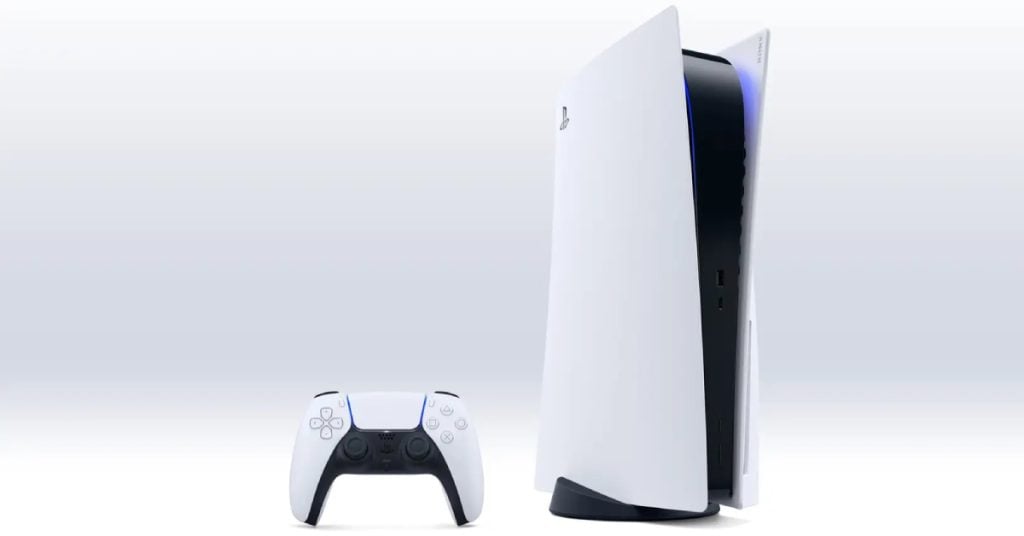
Sony has announced that PS Remote Play is now compatible with Android TV devices running Android TV OS 12 or newer. This means that PlayStation gamers can now stream their PS4 and PS5 games to their TVs and other streaming devices using the PS Remote Play app.
The update is currently available on the Chromecast with Google TV (4K) and the Sony Bravia XR A95L TV. Theoretically, any streaming device with Android TV OS 12 or newer should be compatible, but Sony didn’t explicitly say so in the announcement. However, the company did say that PS Remote Play will be coming to more Android TV devices in the near future.
This is a significant expansion of PlayStation integration with Android TV devices. Previously, PS Remote Play was only available on smartphones and tablets. Now, PlayStation gamers can enjoy their games on a larger screen, with a more immersive experience.
In addition to PS Remote Play, Sony has also announced a number of other features for PlayStation gamers. For example, registered gamers in the US and UK can now use voice commands to navigate between Sony’s help pages and check for new PS5 features.
Later in September, PlayStation will also launch more features for the PS App on both iOS and Android devices. For example, gamers will be able to see another person’s Share Screen before joining a group on the PS App.
Sony has also made a number of other improvements to the PS5 console, including support for Dolby Atmos, larger M.2 SSDs, and haptic feedback for accessibility purposes. Overall, this is a positive update for PlayStation gamers. The expanded integration with Android TV devices gives gamers more ways to enjoy their games. The new features for the PS App and PS5 console are also welcome additions.
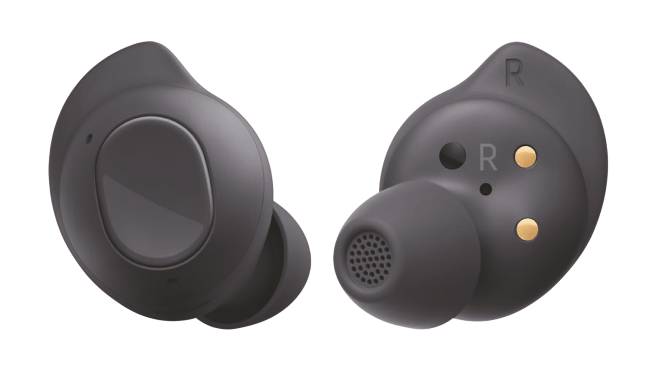
We already know that Samsung is gearing up to launch a couple of new products from its popular FE lineup (Fan Edition). One of these includes the new Galaxy Buds FE earbuds, which were recently spotted in leaked press renders. So let’s have a look at its design.
Samsung Galaxy Buds FE Design
According to a WinFuture report, the South Korean tech giant revealed the design of the TWS earbuds model accidentally. The company shared official press renders of these hearables that offer us a full look at their design. Previously, we had reported on the Galaxy Buds FE’s user manual surfacing online. Now, the official look of the wireless earbuds has been confirmed.
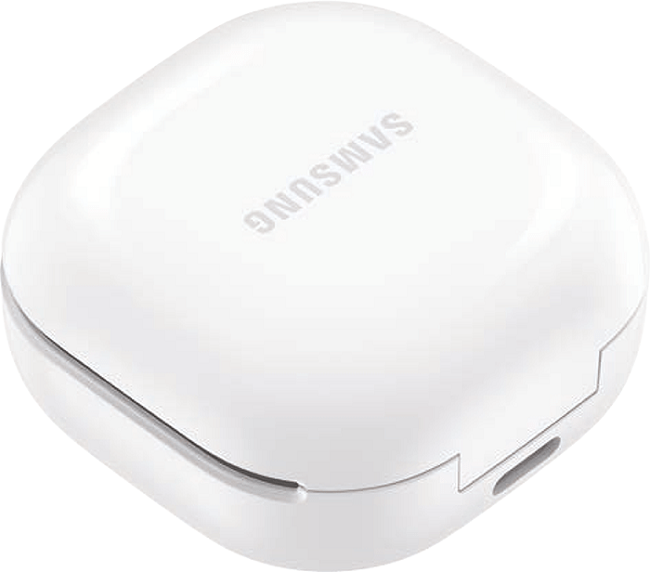
Looking at the press renders, the Samsung Galaxy Buds FE features rubber fins on these earbuds that will aim to offer a better grip on users’ ears. On the other hand, the charging case was also leaked in the renders and these basically appear to be identical to the charging case of the Galaxy Buds 2. The outer body consists of a white hue, while the insides are black. A notable aspect missing is the AKG branding, which hints that the tuning technology might be skipped on this model.
It is still unclear which colors these earbuds will arrive in, but we can expect multiple options similar to older entries in the Galaxy Buds lineup. Since the model is a Fan Edition variant, we can also expect some high-end features to be skipped for more affordable pricing. So there might not be ANC (Active Noise Cancellation) on this model.
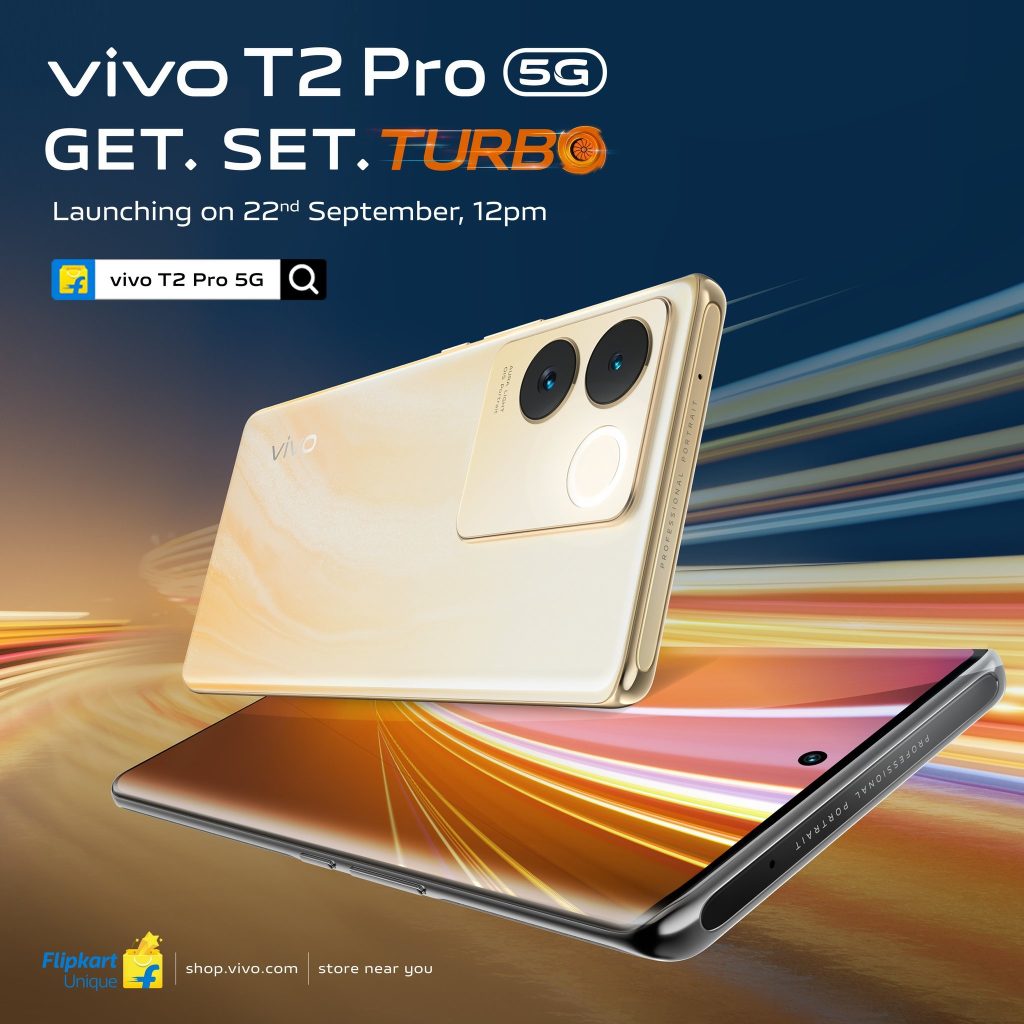
After some official teasers and leaks, the Vivo is set to launch the Vivo T2 Pro 5G on September 22 in India. A landing page on Flipkart just went live confirming the launch. It will take place at 12 noon and will be live-streamed via the company’s YouTube channel. The smartphone will retail via Flipkart, Official Store, and Offline Retail Stores. It is expected to bundle competitive specifications and features with 5G connectivity. Below are the hardware and design details:
Vivo T2 Pro 5G Specifications and Design Details ( Expected)
Vivo T2 Pro 5G is expected to bundle a 3D curved display with 120Hz refresh rate support. Its ultra-slim size will surely look amazing in the flashy gold color while incorporating a curved display. The curved edges of the smartphone make it comfortable to hold. On the rear, there is an aura light right around the camera module which will surely become a unique selling point of the device.
The smartphone is speculated to bundle a dual-rear camera consisting of a 64MP primary sensor. Details about other sensor is not yet around the corner. However, it could house MediaTek Dimensity 7200 SoC with 8GB RAM + 128GB and 8GB RAM + 256GB internal storage variant.
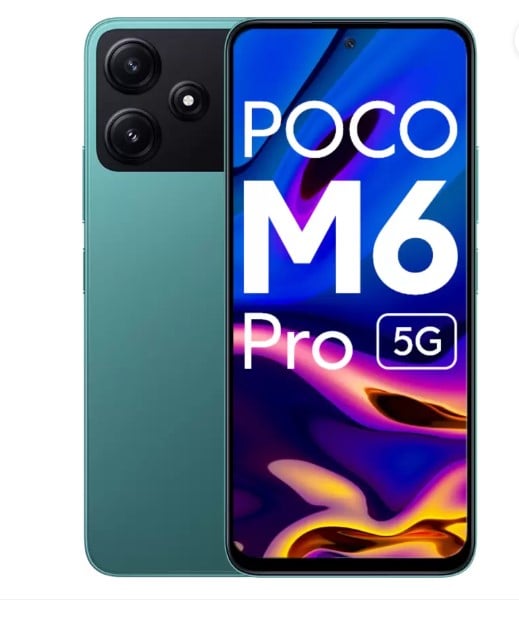
The POCO M6 Pro was recently confirmed to launch in a new storage configuration. Now, the new 4GB + 128GB M6 Pro 5G model has finally gone on sale in India. So here are all the details.
POCO M6 Pro Pricing & Availability
The Chinese smartphone maker’s M6 Pro 5G has gone on sale in the region for a price tag of 11,999 INR for the 4GB + 128GB variant. This model is available for purchase exclusively from Flipkart today (14th September 2023). As a part of its special launch offer, POCO India is also offering a 1,000 INR discount on ICICI Bank Debit and Credit cards. It is being sold in a Forest Green and Power Black color option.
POCO M6 Pro Specs
The device sports a tall 6.79-inch LCD panel that features Full HD+ resolution, 90Hz refresh rate, 240Hz touch sampling rate, and 550 nits of peak brightness. Under the hood, the smartphone is equipped with the Qualcomm Snapdragon 4 Gen 2 SoC and a large 5,000mAh battery pack powers this device, which features 18W fast charging. The POCO M6 Pro 5G runs on Android 13 OS based MIUI 14 out of the box.
On the rear, the handset features a 50-megapixel primary camera and a 2-megapixel depth sensor. Meanwhile, the front houses a 5-megapixel shooter for selfies and video calls. Other notable features include a 3.5mm headphone jack, Hi-Res audio, side mounted fingerprint scanner, 199 grams weight, infrared remote control, IP53 splash and dust resistance, WiFi 6, and Bluetooth 5.1.
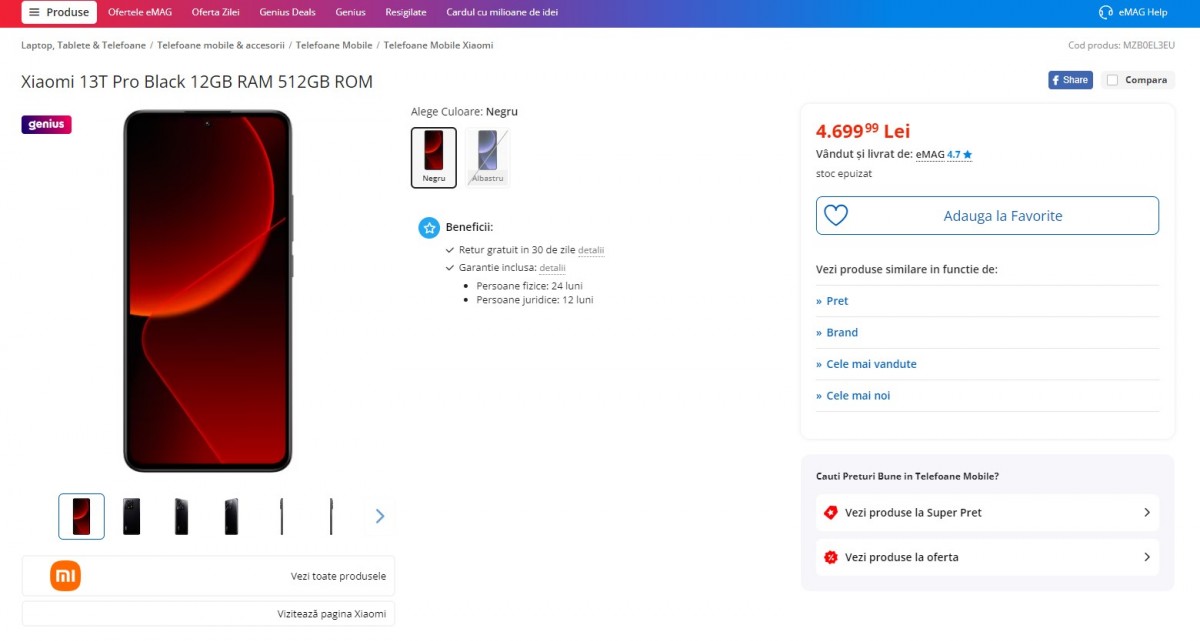
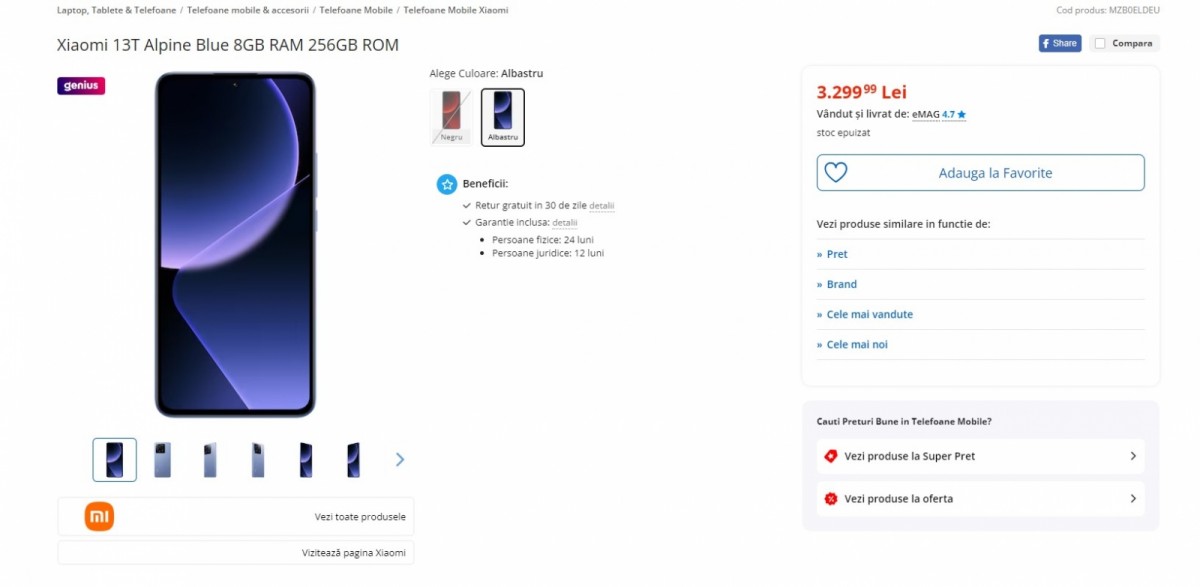
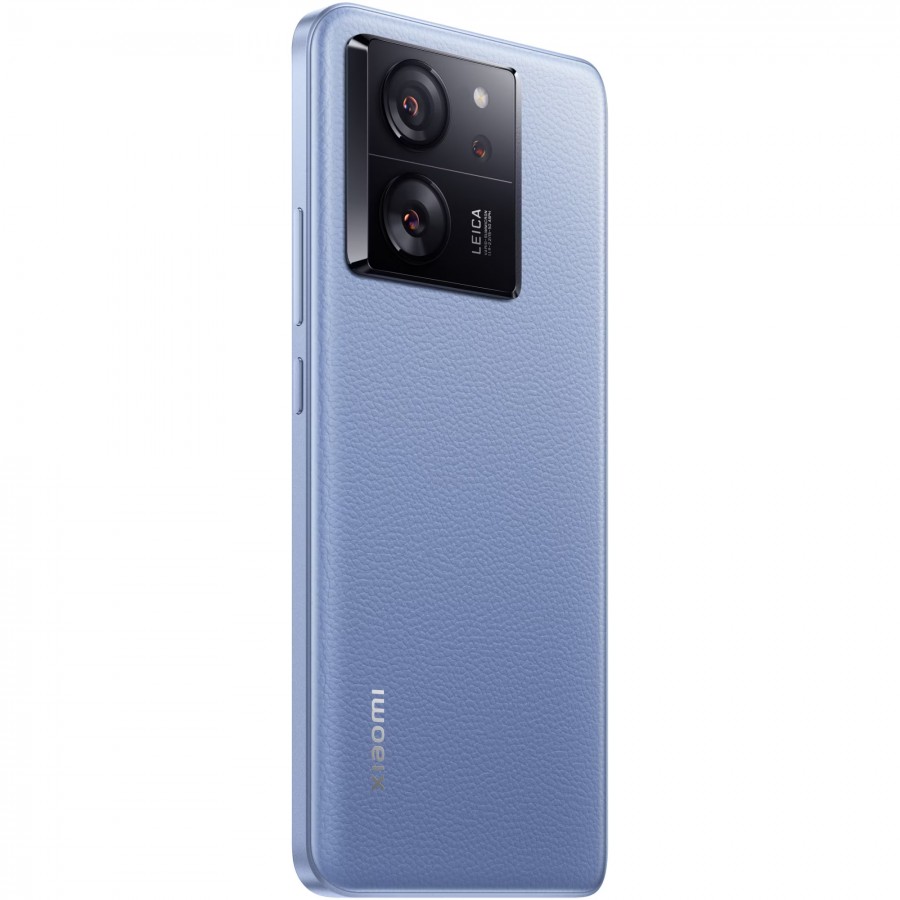
Xiaomi is set to launch the Xiaomi 13T and Xiaomi 13T Pro smartphones on September 26. Both smartphones have been subject to many leaks recently, with reports revealing their prices and specifications. While we await the official debut, the Xiaomi 13T and Xiaomi 13T Pro have now been listed on a European e-commerce platform with all the information you would want to know.
Romanian retailer eMAG has listed the new Xiaomi 13T series with its key specifications and pricing. The listing confirms the Pro model gets a 6.67-inch display that offers a 1220 x 2712 px resolution and a 144Hz refresh rate. It measures 162.2 x 75.7 x 8.5 mm and weighs 200 grams. Under the hood, the handset packs MediaTek’s Dimensity 9200+ chipset with up to 12GB RAM and 512GB storage.
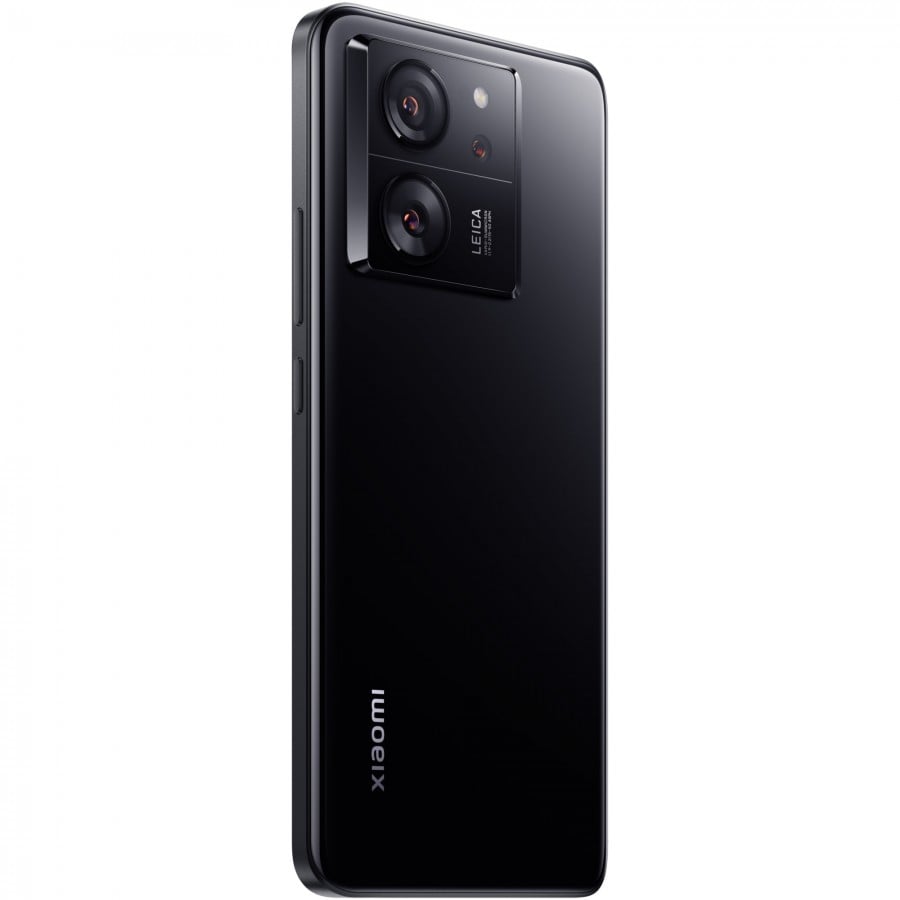
For selfies, the phone features a 20MP front camera nested inside a punch-hole cutout. You also get an under-display optical fingerprint scanner. On the rear, the smartphone boasts a 50MP main sensor, a 50MP telephoto unit, and a 12MP ultrawide lens. The cameras are tuned by Leica like the Xiaomi 13 series. It packs a 5,000 mAh battery with 120W fast charging support. Other notable features include stereo speakers, an IP68 rating, Wi-Fi 6, and Bluetooth 5.4 connectivity. Xiaomi 13T Pro is listed for RON 4,699 ($1,015).
The display and cameras are the same on the vanilla Xiaomi 13T. Xiaomi has done the cost-cutting in the chipset department, opting for a Dimensity 8200 Ultra on the Xiaomi 13T. The battery is 5,000 mAh but the charging speed is limited to up to 67W. Xiaomi 13T is listed for RON 3,299 ( $713).
A hidden malware operation has infiltrated the Linux community for a solid three years without raising alarms, says Kaspersky, a Russian cybersecurity firm. Despite Linux being hailed as a secure alternative to mainstream operating systems like Windows and macOS, it appears even the cybersecurity experts missed this one.
This quiet attack particularly exploited a so-called free download manager designed for Debian users. What’s unusual? This software was laced with malicious code way back since January 2020. It contained a hidden post-installation script that set off the malware, complete with comments in both Russian and Ukrainian.
Kaspersky’s investigation further revealed that once installed, the software acted as a Bash stealer, collecting sensitive data from the system. This includes saved passwords, browsing history, and even credentials for high-profile cloud services like AWS and Google Cloud.
Interestingly, the malware wasn’t distributed through the official website of the download manager but had been subtly posted on forums like Reddit and StackOverflow over two years. This crafty move allowed the malware to stay under the radar, essentially weaponizing the community’s trust.
The real kicker is the reason behind targeting Linux systems: they’re simply overlooked. According to Kaspersky, the actors exploited the fact that Linux machines don’t get as much scrutiny as their Windows and macOS counterparts.
While the genuine makers of the Free Download Manager remain tight-lipped, this incident should serve as a wake-up call. Being security savvy isn’t just for Windows or Mac users. The first step in safeguarding your system is sticking to verified download sources. Had users double-checked where they were downloading from, they would have dodged this malware bullet.
In an age where Linux is gaining popularity, it’s time the community revisits its assumptions about its in-built security. If even the experts missed this, what else is lurking in the corners of the Linux world?
In an unexpected twist, China‘s central government agencies have banned the use of iPhones and other foreign-made smartphones within their offices. This comes hot on the heels of Huawei launching its Mate 60 Pro, equipped with a domestically produced 5G Kirin chip. While this move seems to boost Huawei’s domestic market share, especially ahead of Apple’s iPhone 15 release, it brings about complex implications for both tech giants.
China’s decision will greatly affect the future of Apple and Huawei in the country
This decision by China significantly rocked Apple’s stock, causing it to plummet almost immediately. The lingering effects of this decision are far-reaching for Apple, considering China accounts for roughly 20% of its annual revenue. The timing also coincides with allegations of security vulnerabilities in Apple products, amplifying concerns over privacy and security. Foreign Ministry spokeswoman Mao Ning stated that the ban was influenced by “many media reports about security incidents concerning Apple phones,” a statement that ambiguously puts the spotlight back on Apple’s privacy issues.
However, let’s not be too quick to see this as a win for Huawei. While the company’s new flagship phone may enjoy a surge in nationalism-driven sales, it also increases scrutiny on Huawei. With the U.S. previously banning Huawei from acquiring advanced chips, Chinese consumers may question whether Huawei can hold up against foreign scrutiny if Apple—a brand deeply integrated into China’s economic fabric—can be so easily discarded.
Interestingly, the ban may also indirectly affect China’s own workforce. Apple is one of the country’s major employers due to its extensive production operations there. A decline in iPhone sales could lead to a decline in production, potentially affecting jobs and wages. At the same time, it intensifies pressure on Huawei to fill in the economic and technological void left by Apple, a challenge that is easier said than done.
In essence, while the immediate fallout of this ban impacts Apple’s market position, the long-term results are complicated for both companies. Huawei may be gaining ground, but with that comes heightened expectations and scrutiny. On the other hand, Apple’s challenge now is not just about regaining lost ground, but also in reaffirming its commitment to security and privacy.
WhatsApp has set the tech world abuzz with the global launch of its new Channels feature, available in more than 150 countries. Designed to offer users a private space for updates from organizations, artists, and celebrities, Channels adds an extra layer of privacy to the popular messaging app.
WhatsApp has been rolling out a lot of updates recently, with focus on Privacy
But what sets this apart from regular WhatsApp chats? Your subscription choices remain invisible to your contacts, making privacy the cornerstone of this new addition.
The feedback loop from initial testing in ten countries has already led to key updates:
Enhanced Directory: A more intuitive channel directory, searchable by country.
Emoji Reactions: Users can now react to updates with emojis, offering immediate feedback.
Post-Editing: Admins have the flexibility to edit their updates for up to 30 days.
Forwarding: Easily share updates so others can discover and join channels.
While the rollout is ongoing, it’s clear that WhatsApp aims to make the Channels feature more interactive and responsive to user feedback. A future update will even allow any user to create their own channel, much like Instagram’s current functionality.
For those impatient to get hands-on, WhatsApp provides a nifty “notify me” option within the app for when the feature becomes available to you.
WhatsApp Channels not only stands as a testament to the company’s commitment to user privacy but also as a fresh avenue for personalized content. Keep an eye out in the new “Updates” tab to stay in the loop. So, whether you’re a fan of a local sports team or keen on daily tips from your favorite artist, Channels offers a uniquely private and tailored social media experience, right at your fingertips.
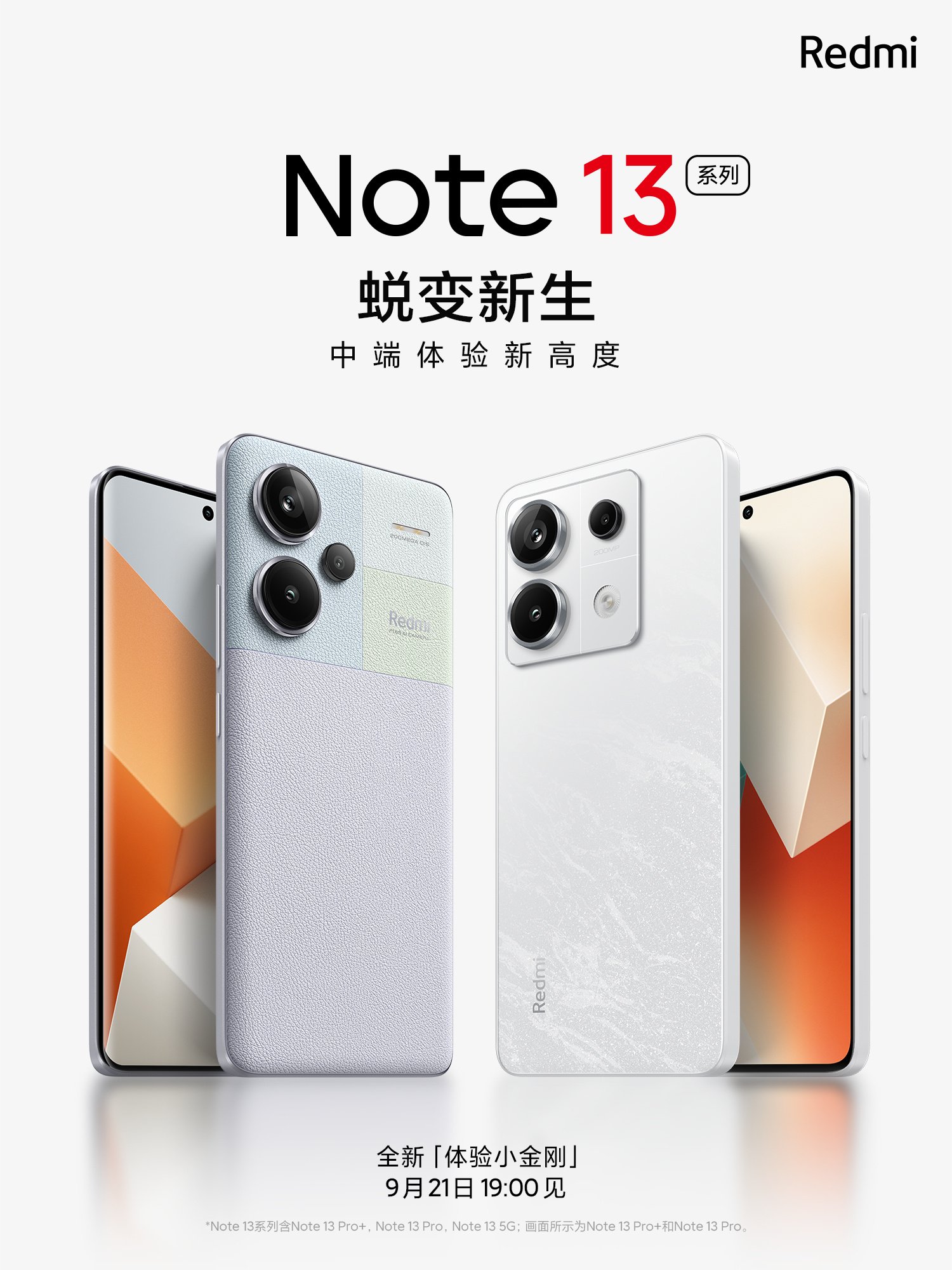
In October 2022, Redmi announced the RedmI Note 12 series in China. Hence, initial reports claimed that the Note 13 series would break cover in the same month this year. However, when the Redmi Note 13 series models appeared in TENAA’s database earlier this month, rumors started swirling that they may debut this month in China. Earlier this week, the brand confirmed that the Note 13 series would be announced in September. And now, it has been revealed that as many as three Note 13 models will be unveiled at 7 pm (local time) on Sept. 21 in China.
Redmi Note 13 Pro, Note 13 Pro+ design revealed
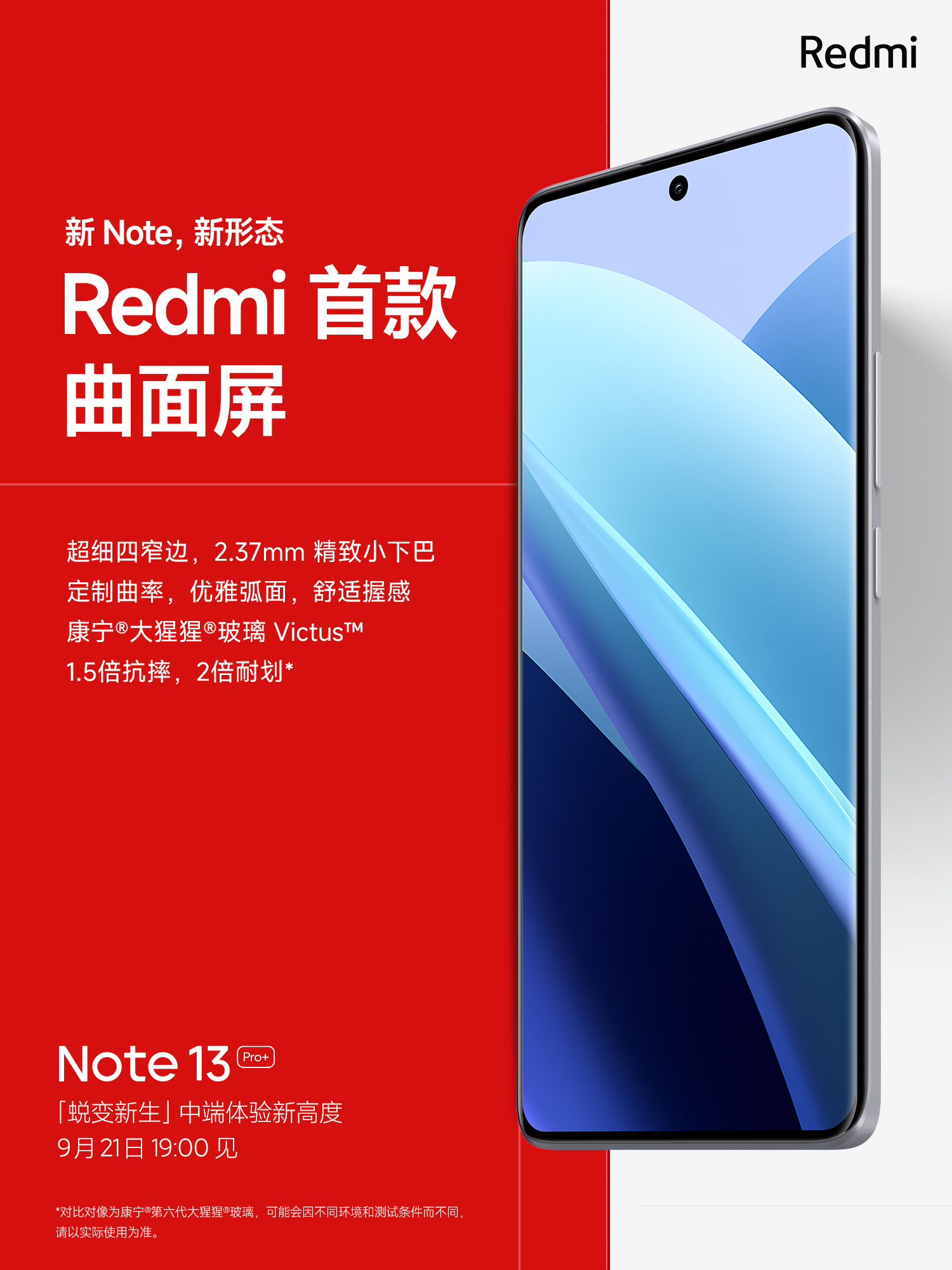
The above poster gives a look at two models: the Redmi Note 13 Pro+ 5G on the left and the Redmi Note 13 Pro 5G on the right. The Pro+ edition has a curved-edge screen, whereas the Pro model has a flat display. Both devices seem to have an AMOLED display integrated with an in-screen fingerprint scanner.
The Note 13 Pro+ has a leather back with protruding camera rings, while the Note 13 Pro seems to be equipped with a glass back with a raised camera island. Both models are equipped with a 200-megapixel primary camera. It appears that among the two devices, only the Pro+ may offer optical image stabilization.
Earlier this week, Redmi confirmed that the Note 13 Pro+ will be equipped with the Dimensity 7200-Ultra chipset. It is also expected to house a 5,120mAh battery that supports 120W fast charging.
Rumors have it that the Note 13 Pro may feature the Snapdragon 7 Gen 1 chipset and a 5,000mAh battery with 67W fast charging. Apart from these devices, the company will also announce the Redmi Note 13 5G. However, it has not confirmed any details about the non-Pro model yet.
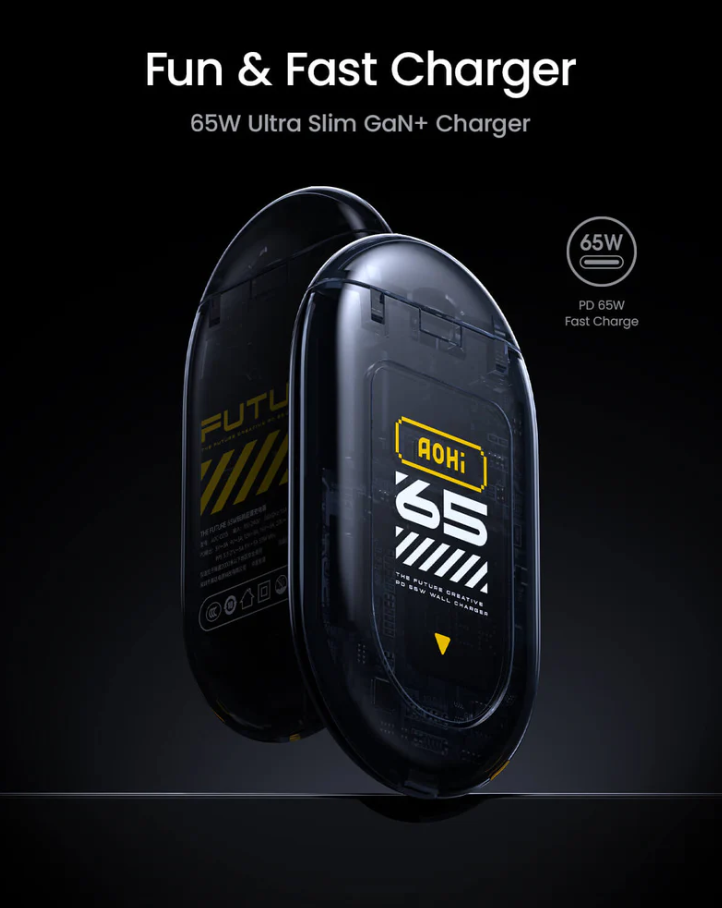
AOHi is an independent tech brand known for its charging devices. Earlier this year, the company launched its 30W MagCube fast charger. Now, according to a recent announcement, the company has come up with another compact charger. This new charger is called the AOHi ultra-thin 65W GaN+ charger. Those who wish to know about what this charger has to offer can check out the features of the AOHi ultra-thin 65W GaN+ charger below.
Image via AOHi
AOHi 65W GaN+ Charger features
AOHi’s new 65W GaN+ is made using cutting-edge GaN plus and ultra-thin circuit solutions. The body of the charger is 0.57 inches and houses a high power of 65W. Its 180-degree rotating pins allow you to charge the gadgets at whichever angle you like. The GaN+ charging technology delivers efficient charging speeds up to 65W high power with a low-temperature controller. This charger is designed to support a wide range of USB-C-enabled devices, including laptops, phones, tablets, and watches. Lastly, the device is pocket-friendly, allowing users to travel without discomfort, weighing only around 0.22lb.
Price and Availability
The AOHi creative ultra-thin 65W GaN+ charger is available on the AOHi official website with a price tag of $69.99. In the box, you will receive 1 x 65W charger, 1 x manual, and an 18-month warranty card.
In related news, the AOHi MagCube fast charger is also available for purchase in AOHi stores and on Amazon. Those who wish to know about what the MagCube fast charger has to offer can check our AOHi MagCube 30W and 40W PD fast charger review here.
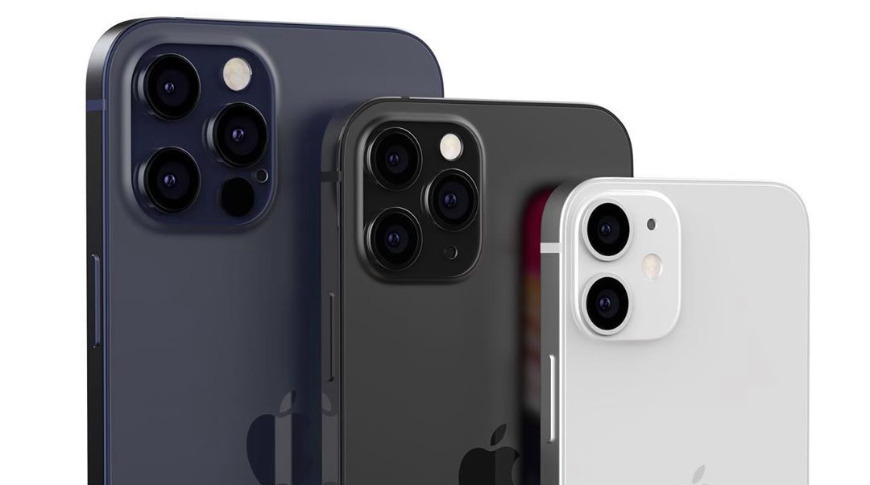
In an unprecedented move, France’s Agency of National Frequencies (ANFR) has temporarily suspended the sale of Apple‘s iPhone 12 series due to concerns over radiation emissions. While the suspension raises questions about the iPhone’s safety, it also draws attention to the varying global standards for electromagnetic radiation.
Apple responded by saying that the iPhone 12 has already passed all radiation tests
The French regulatory body took the action after finding that the iPhone 12’s “specific absorption rate” (SAR)—a measure of electromagnetic waves absorbed by the human body—exceeded the European Union’s (EU) legal limit. According to ANFR, the iPhone 12 series had an SAR rate of 5.74 watts per kilogram at a 5 mm distance, surpassing the EU’s cap of 4.0 watts per kilogram.
Apple quickly responded, asserting that its iPhone 12 line had received certifications from multiple international bodies and met global radiation norms. The tech giant also stated that it had shared comprehensive test reports with ANFR to prove its compliance.
What’s intriguing here is the discrepancy in global radiation standards. The EU’s restrictions are notably stricter than those in other parts of the world, leading some experts to argue that the EU is over-cautious. Nevertheless, France’s actions have ignited a global debate on whether current radiation benchmarks are adequate.
The standoff between France and Apple presents an opportunity for reevaluating international radiation norms. With technology becoming increasingly interwoven into daily life, discussions on its safety implications are crucial. As the matter unfolds, it serves as a wake-up call to regulatory agencies worldwide to scrutinize whether their existing standards are both current and universally applicable.
While Apple engages with ANFR to resolve the issue, consumers are left pondering: Are our devices as safe as we think, or is it time to push for a global standardization in radiation limits? With the unveiling of the 2023 iPhone line, Apple finds itself in an uncomfortable spotlight, one that could very well influence global policies on tech safety.
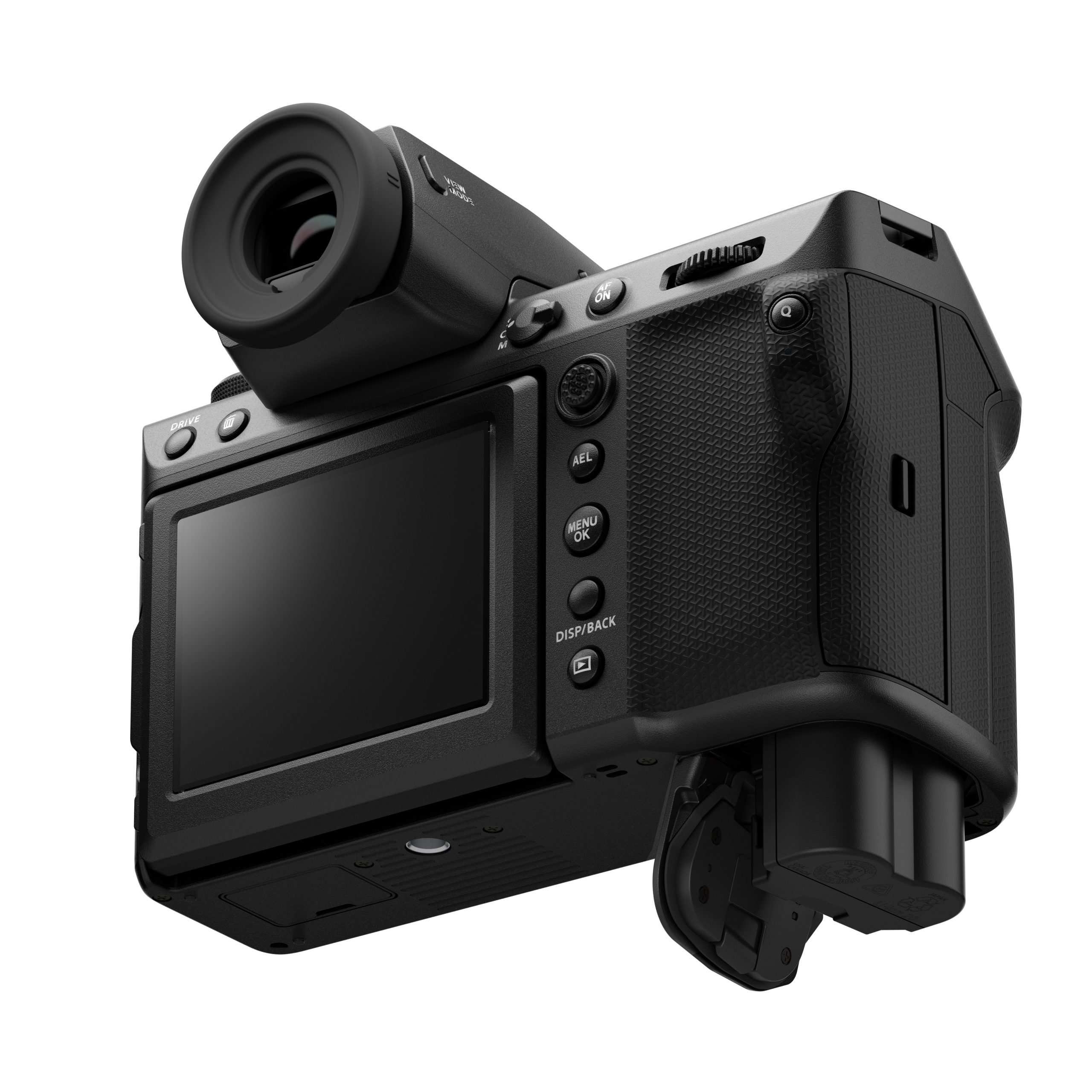
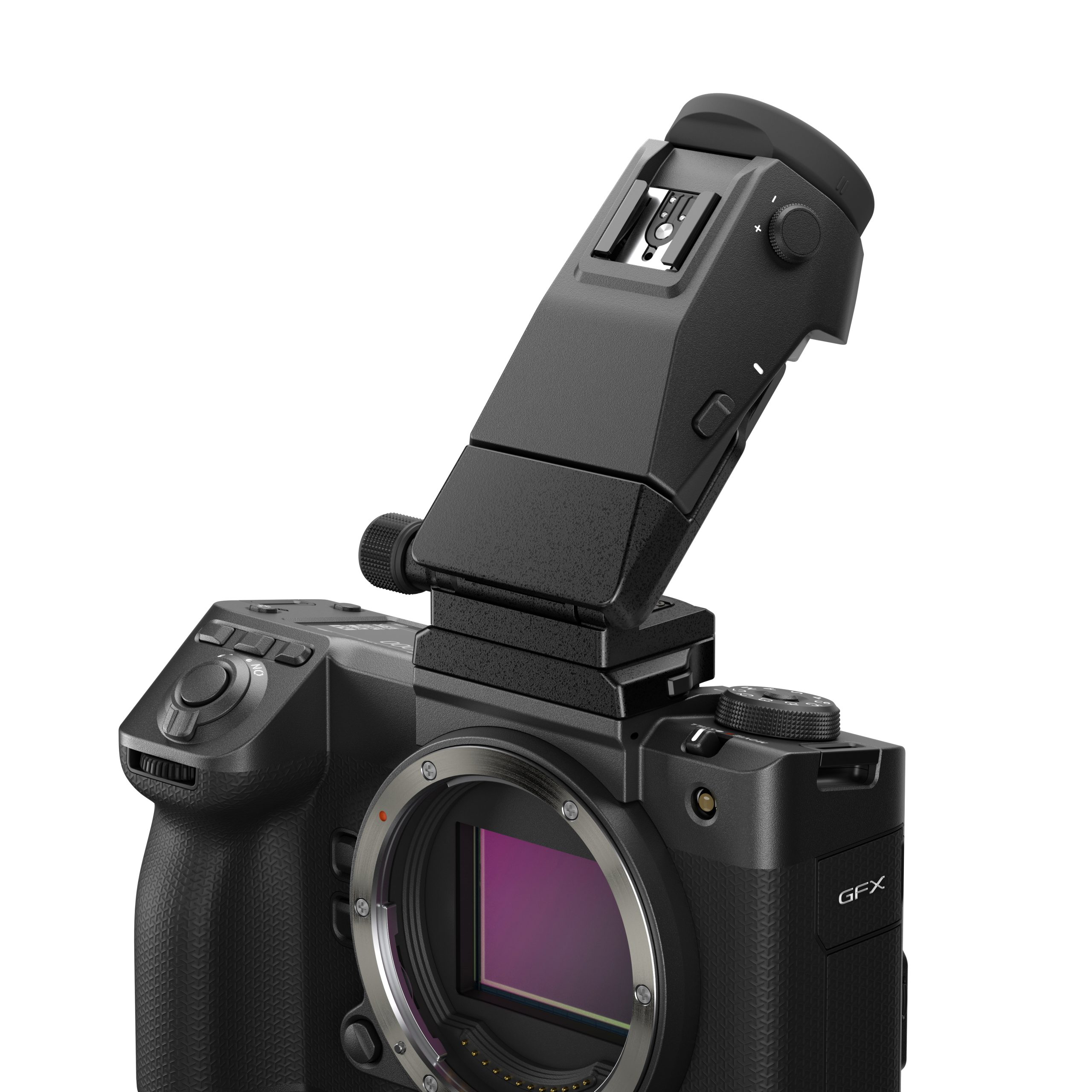
Fujifilm has launched a mirrorless digital camera, the Fujifilm GFX100 II. The company has launched compact mirrorless cameras in the past, like the X-S20. However, Fujifilm states that this new flagship model is designed to provide high burst-shooting video performance with the latest image processing engine. The specifications and features of the camera are provided below.
Image via FujifilmImage via Fujifilm
Fujifilm GFX100 II specifications and features
The Fujifilm GFX100 II features the company’s newly developed 102MP high-speed image sensor accompanied by X-Processor 5 (high-speed processing engine). These newly developed sensor and processing engine allows photographers and filmmakers to shoot videos and photos accurately. This camera will enable users to create 102MP images at up to 8fps or to record 4K/60p video at the full width of a 55mm imaging sensor.
The camera houses an ethernet port along with HDMI type A and USB-C ports to broaden connectivity with external devices. Also, an external SSD can be connected via a USB-C terminal to store the data in any mode or format, including 4K or 60p. Additionally, the buttons of the device have been improved compared to the previous model. Three buttons with advanced operability have been added to the top grip to improve the user experience.
Price and Availability
As per the press release, the product is expected to be available in markets towards the end of September. The price of the Fujifilm GFX100 II will be around $7,499.95, which can be found on the Fujifilm official store page.
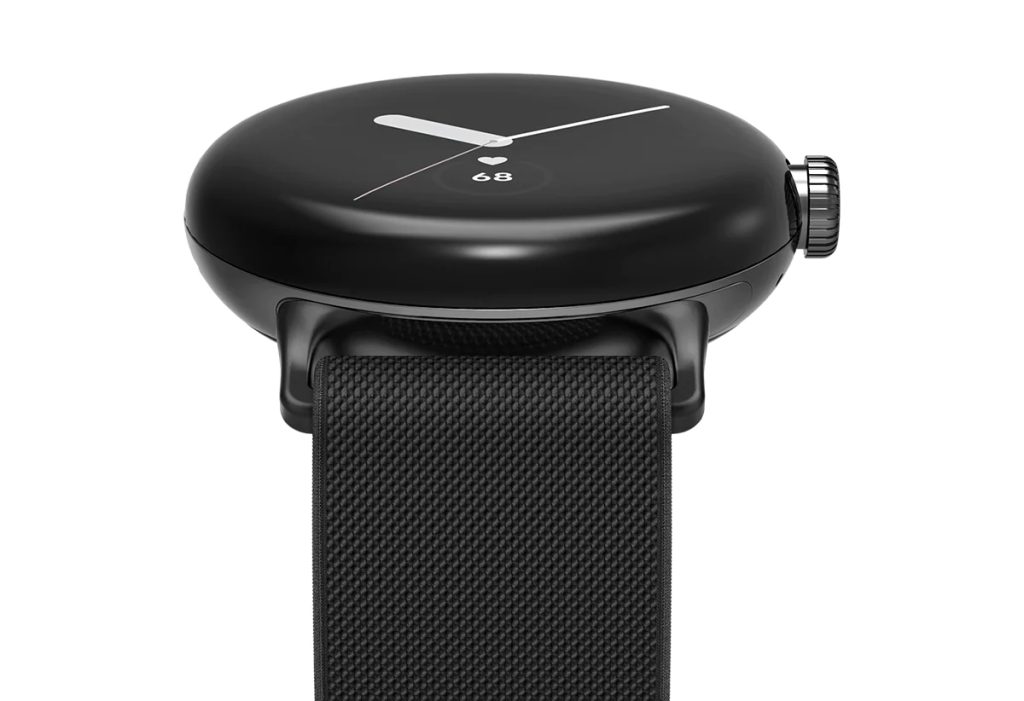
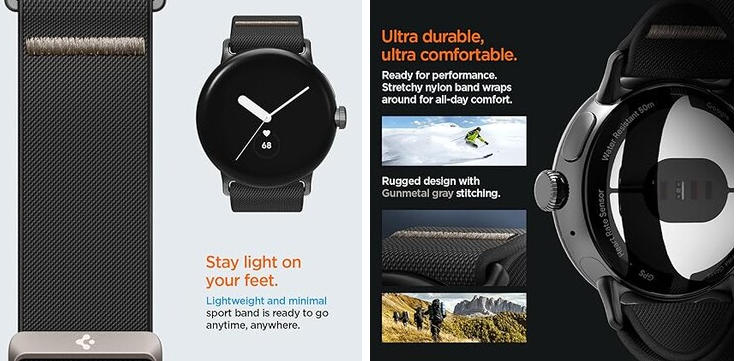
The Spigen Light Fit watch band has been released. The single-color watch band is designed for thePixel Watch. It has a lightweight design, weighing just 14g, and will pair with the Google Pixel Watch 2.
The Spigen Light Fit comes with an affordable price tag and it is also compatible with the current Pixel Watch. The design of the Google Pixel Watch 2 has been revealed via a recent Google video. The Light Fit has a nylon fabric strap, a zinc alloy buckle, and a stainless steel connector. The Light Fit’s stainless steel connector matches the steel casing of the Pixel Watch. It is possible that other connector options like gold and silver may also be in the mix.
The Spigen Light Fit watch band will fit wrists with a circumference between 120mm and 215mm. The original Google Pixel Watch first-party bands are pretty much more expensive than the new Light Fit watch band. The Spigen Light Fit is now on sale for $24.99 via the Spigen website. It is significantly cheaper than Google Pixel Watch first-party watch bands. A previous listing by Amazon put the price of the Light Fit at $14.99 but it was for a short period.
The Spigen Light Fit affordable watch band for the Pixel Watch could also be available in other color options subsequently. The Google Pixel Watch 2, together with other Google products will be released in October during the Google I/O event 2023.
Electric bike manufacturer Cyrusher has unveiled an electric surfboard. The Cyrusher Thunder surfboard has a top speed of 44mph and marks a decent attempt in a budding field of electric surfboards.
The Thunder electric surfboard has a wireless transmitter and a remote controller. This feature is not common with current electric surfboards. The Cyrusher Thunder uses the wired remote that also serves as a hand tether. It also has adjustable foot bindings for expert surfers. The surfboard has a weight of 18kg and it can be easily carried by a car. The battery of the electric surfboard weighs 22kg. Thus the overall weight of the Cyrusher Thunder is 40kg.
The Cyrusher Thunder electric surfboard is claimed to offer better performance than the leading models in the field. The surfboard has a length of 66 inches and it uses a jet pump with a 5W continuous- and 10kW peak-rated electric motor. It uses a 72V 50Ah waterproof battery with a capacity of 3.6kWh. The Thunder electric surfboard can operate for up to 60 minutes on a full charge. The surfboard can be fully charged in about 3 hours.
The new Cyrusher Thunder is currently priced at $9,999 in the US. It seems a tad cheaper with the latest premium electric surfboard offerings. It remains to be seen however what the reception of the Thunder will be.
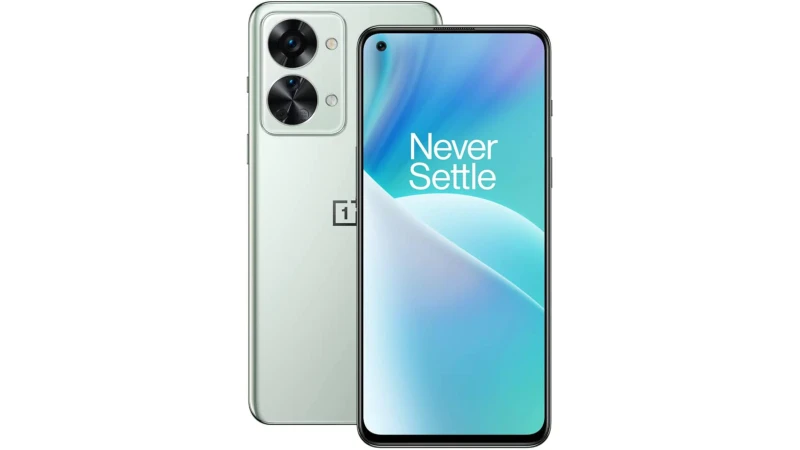
OnePlus will be officially launching the Android 14-based OxygenOS 14 on September 25, and the brand has already begun the open beta test on flagships like the OnePlus 11. That being said, OnePlus has not forgotten about its mid-range phones as it recently announced the Closed Beta testing of the Nord 2T.
The announcement was made through a OnePlus Community post, which also included instructions for participation. OnePlus is extending invitations to 500 individuals to take part in the OxygenOS 14 Closed Beta testing for the Indian variant of the OnePlus Nord 2T. Users who are keen to participate can visit the thread and review the outlined requirements below.
OnePlus Nord 2T Closed Beta Program Requirements
To qualify, make sure you own the OnePlus Nord 2T Indian variant. Active participation in the OnePlus Community is also a requirement. You should be ready to consistently communicate and share feedback or suggestions with the OnePlus team through the Feedback APP. Additionally, your willingness to join our CBT Telegram group to engage in friendly and active communication with both the OnePlus team and fellow users is appreciated.
To maintain confidentiality, it’s essential to refrain from sharing the CBT installation package or any content related to the internal beta with individuals who are not part of the project team.
Before you make your mind up and jump onto the Closed Beta testing team, we would like to point out that there are some known issues with the current software build that might hamper the user experience. If the Nord 2T is your daily driver, we advise against downloading the beta build onto it. You can check the known issues below:
When exporting photos shoot in succession, the thumbnails are grey, and clicking is not responsive.
Certain desktop cards are blank after upgrading.
PRO mode is located in the first page while NIGHT mode is in the More section in Camera.
How to Apply for the CBT Program
If you meet the mentioned requirements, you’re eligible to participate in the program. Participation is based on a first-come, first-served basis until we reach 500 users. Additionally, it’s important that your smartphone is running the latest firmware.
To apply for the program, follow these steps: Go to Settings > About device > Tap “Up to date” > Tap the icon on the top right > Select “Beta program” > Follow the provided steps to complete your application. Once your application is accepted, you can proceed to Settings > About device > “Download Now” to acquire the update.
We use cookies on our website to give you the most relevant experience by remembering your preferences and repeat visits. By clicking “Accept”, you consent to the use of ALL the cookies.
This website uses cookies to improve your experience while you navigate through the website. Out of these, the cookies that are categorized as necessary are stored on your browser as they are essential for the working of basic functionalities of the website. We also use third-party cookies that help us analyze and understand how you use this website. These cookies will be stored in your browser only with your consent. You also have the option to opt-out of these cookies. But opting out of some of these cookies may affect your browsing experience.
Necessary cookies are absolutely essential for the website to function properly. This category only includes cookies that ensures basic functionalities and security features of the website. These cookies do not store any personal information.
Any cookies that may not be particularly necessary for the website to function and is used specifically to collect user personal data via analytics, ads, other embedded contents are termed as non-necessary cookies. It is mandatory to procure user consent prior to running these cookies on your website.