The Realme GT 5 has finally been unveiled in China. The high-end smartphone is the latest entry in its popular GT lineup and features some beefy specs and features, so here’s everything you need to know about the device like its specs, design, pricing, and more.
Realme GT 5: Design & Display
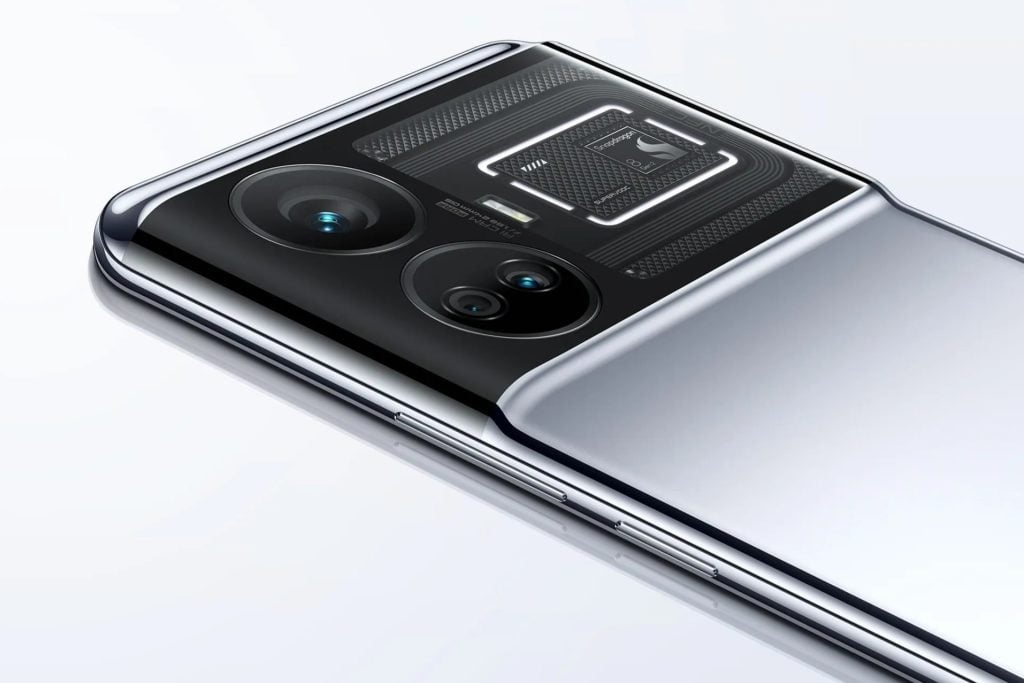
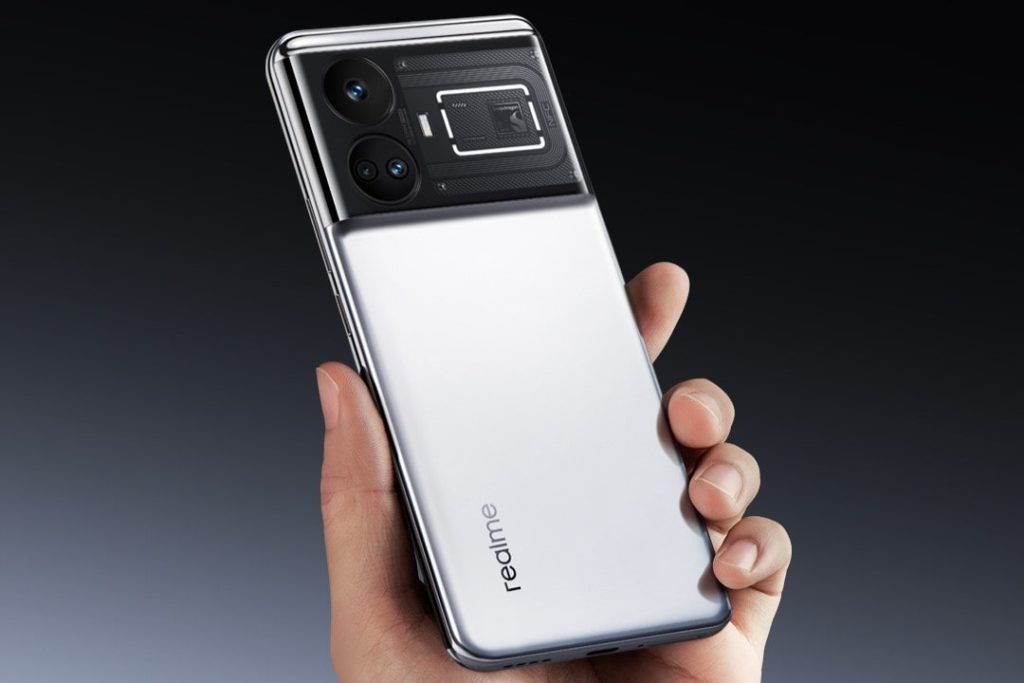
Realme partnered with BYD Electronisc for the ‘Miracle Glass‘ on the rear of the GT 5 model. The phone features a dual-tone body for the back panel and a large camera island. Similar to the recent Pixel phones, it also features a visor-like camera module, although, it is much wider. This module features two rings for the cameras on the left. Meanwhile, the right side includes rectangular-shaped LED light strips (dubbed Halo Pro) that offer different colors and a transparent glass window that showcases the Snapdragon chipset.
On the other hand, the front sports a tall 6.74-inch OLED display that offers 1.5K resolution and a high 144Hz refresh rate. The panel also features a center-aligned punch-hole selfie camera. The new Realme GT 5 also features an independent X7 display chip that was developed by PixelWords for an improved visual experience. This screen offers 1400 nits of peak brightness, 2160 PWM dimming, 1.46mm narrow bezels, and a 93.7 percent screen-to-body ratio.
Specifications
Under the hood, the Realem GT 5 is equipped with the Qualcomm Snapdragon 8 Gen 2 SoC, which is paired with up to 24GB of LPDDR5 RAM and 1TB of UFS 4.0 storage. Notably, the new smartphone is available in two distinct variants that feature different battery capacities and charging speeds. One houses a larger 5,240mAh battery pack that supports 150W fast charging speeds. The company claims that this model can hit full charge in just 18 minutes.
The second version features a smaller 4,600mAh battery pack but supports an impressive 240W fast charging speed. This enables a full charge in just 9 minutes and 30 seconds of charging capable of offering 2 hours of talk time. The Realme GT 5 features a triple camera setup on the back. Its primary sensor is a 50-megapixel Sony IMX890 that supports OIS and PDAF. This is paired with an 8-megapixel ultra wide angle lens and a 2-megapixel macro shooter. The front houses a 16-megapixel camera for selfies and video calls.
Other notable features include an in-display fingerprint scanner, NFC, Hi-Res Audio, Dolby Atmos, Whirlwind memory engine 2.0 that lets you run 76 apps in the background, and Android 13 OS based Realme UI 4.0 custom skin out of the box.
Pricing, Colors, & Availability
The Realme GT 5 was announced in two color variants, namely Flowing Silver Illusion and Starry Oasis (Green). It also arrives in various storage configurations. This includes a 12GB + 256GB model that costs 2,999 Yuan (roughly $411), a 16GB + 512GB variant that costs 3,299 Yuan (roughly $411), and a 24GB + 1TB version that is available for 3,799 Yuan (roughly $520). The smartphone will go on sale starting on September 4 in China.
Xiaomi, although well-known for its smartphones, has a whole lineup of accessories and other products in different categories of technology. Continuing the trend, the company has now launched the Xiaomi Mijia Magnetic Reading Lamp. Here’s everything you need to know about it including its price and availability.
Xiaomi Mijia Magnetic Reading Lamp
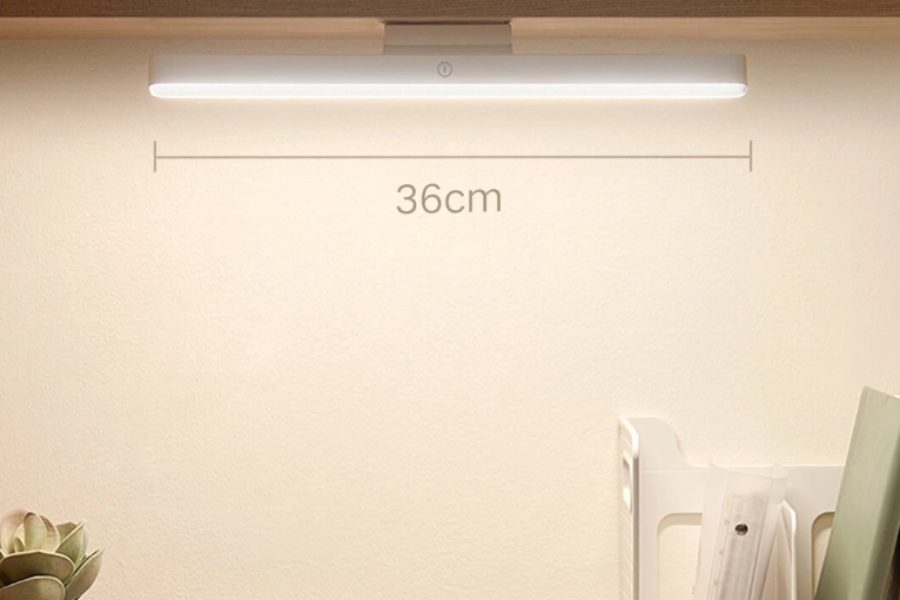
The lamp is a straight LED lamp with a 36cm lamp head that provides wide-angle lighting coverage for your entire desk. It has a magnetic base that sticks to any surface with a 3M double-sided adhesive. This means you don’t need to drill any holes to install it. The lamp head can be easily detached and used either magnetically attached to the base or handheld.
The light produces 150 lumens of brightness, using an optical lens texture design to minimize eye strain. It uses specially selected lamp beads with a high color rendering index of Ra90, which means it can accurately reproduce the colors of objects. It has also been tested for biosafety and blue light evaluation, ensuring no video flicker and eye protection.
You can easily control the light switch with a gentle touch and adjust the brightness with a long press. Clear visual icons indicate three levels of brightness adjustments.
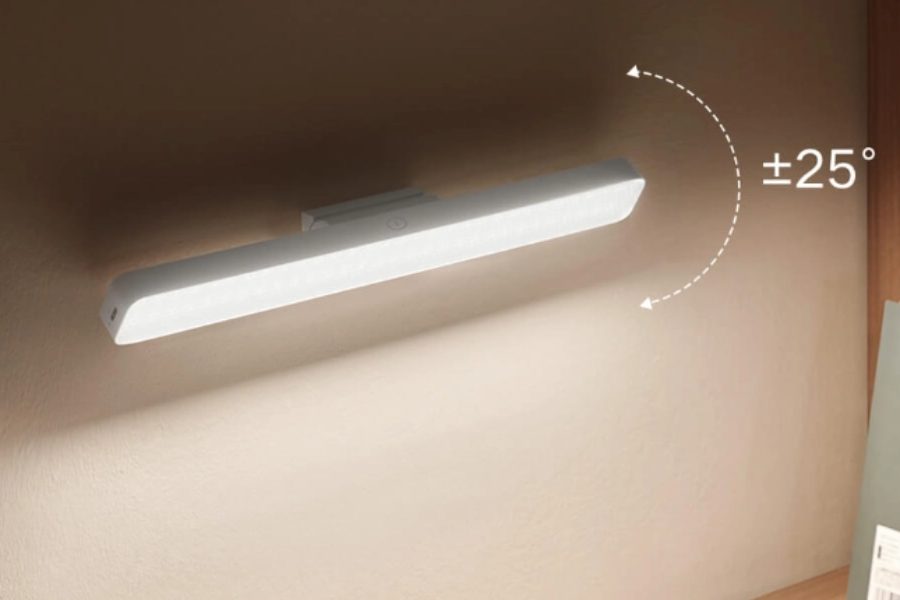
The lamp comes with a built-in 2000mAh large-capacity battery that can last for 4.5 hours on the highest brightness setting. The lamp head can be adjusted at multiple angles (up to 25°) to avoid direct glare and find the right fill light position based on different lighting needs.
The Mijia Magnetic Reading Light also comes with a standard Type-C interface and a 1.2-meter USB charging cable, making it easy to charge and use anywhere.
Xiaomi Mijia Magnetic Reading Lamp is now available for crowdfunding on Xiaomi Youpin. It starts at 69 yuan and will be available from August 30 at 10:00.
After teasing for a week, Vivo has officially launched the Vivo V29e in India as scheduled. It is the first Vivo V29 series device to debut in India. We expect other models to arrive in the coming weeks.
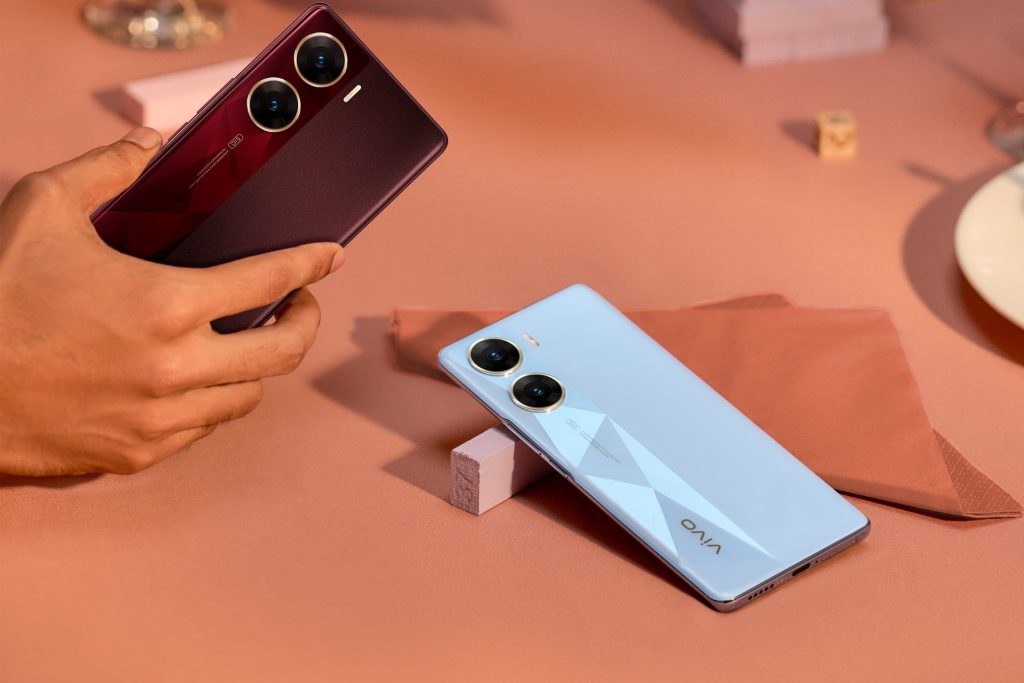
The main highlights of the Vivo V29e are its autofocus-enabled higher-megapixel selfie camera and color-changing design. It is the slimmest curved display smartphone in its segment.
The specs of the handset are not that bad either, except for the chipset. Let’s take a look at everything it has to offer.
Vivo V29e Specifications
The Vivo V29e is built around a 6.78-inch curved 10-bit AMOLED display. This FHD+ (2400 x 1080 pixels) has a 120Hz refresh rate and up to 1300 nits peak brightness level.
The glass sandwich device is slim at 7.57mm and weighs 180.5g. It comes in Artistic Red and Artistic Blue color options. The former shifts between black and red.
The phone is powered by a Qualcomm Snapdragon 695 chip and boots Funtouch OS 13 based on Android 13. It is backed by a 5,000mAh battery with support for 44W wired charging.
On the rear, the handset has a dual camera system comprising an OIS-assisted 64MP primary sensor and a secondary 8MP ultra-wide unit. Whereas, on the front, it sports a 50MP selfie camera with autofocus support.
The connectivity options of the phone include dual SIM, 5G, dual-band WiFi, Bluetooth 5.1, GNSS, and USB Type-C. Finally, it comes with a MicroSD card slot and an in-display fingerprint sensor.
Vivo V29e Price
The Vivo V29e carries the following price tags in India.
8GB + 128GB – ₹26,999 (~$325)
8GB + 256GB – ₹28,999 (~$350)
As mentioned earlier, it can be availed in either Artistic Red or Artistic Blue color options.
The product is up for pre-order starting today (August 28) across offline and online channels. Buyers get bank cashback and exchange offers, which vary by retailer.
The rumor mill has been consistently leaking details of the upcoming Samsung Galaxy S24 Ultra. In the latest leak, reliable tipster Ice Universe has revealed the screen size and resolution of the device.
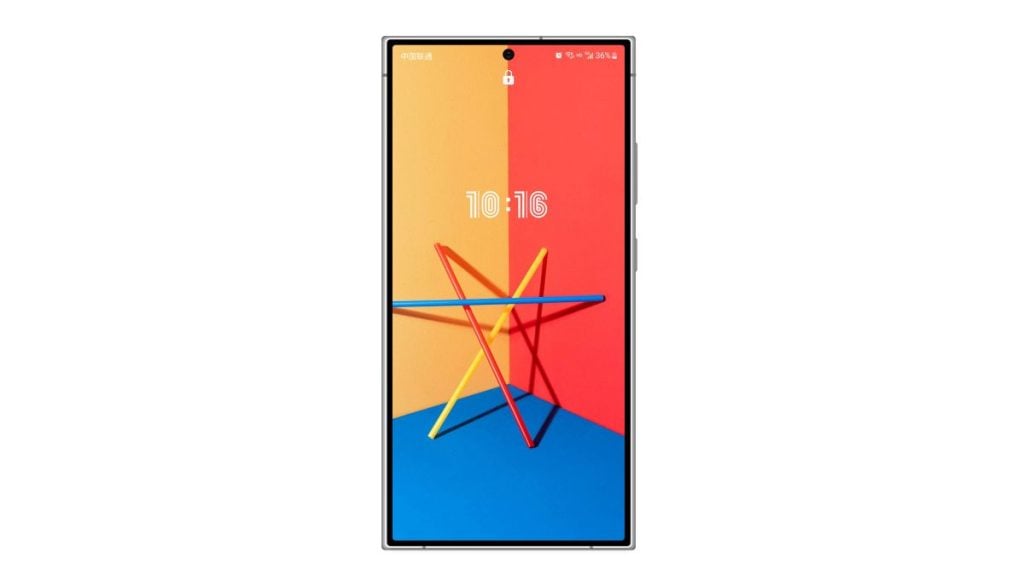
According to the tipster, the Galaxy S24 Ultra is set to feature a 6.78-inch flat OLED display, offering a Quad HD+ resolution of 3120 x 1440 pixels and an aspect ratio of 19:5:9. Notably, it will offer a maximum brightness of 2,500 nits. The tipster has shared a mock render of the S24 Ultra to reveal what to expect from its front design.
Samsung Galaxy S24 Ultra mock render by Ice Universe
On the performance front, the Galaxy S24 Ultra is rumored to arrive in two CPU variants such as the Exynos 2400 and the Snapdragon 8 Gen 3 for Galaxy based on different markets. The Snapdragon 8 Gen 3 for Galaxy is expected to incorporate a configuration that includes a 1 x Cortex-X4 prime core, 3x Cortex-A7XX performance cores ticking at 3.15GHz, 2 x Cortex-A7XX performance cores operating at 2.96GHz, and 2 x Cortex-A5XX efficiency cores running at 2.27GHz. This setup will contribute to the device’s impressive overall performance. Furthermore, potential buyers can look forward to various storage configurations, offering up to 16 GB of LPDDR5x RAM and a storage capacity of up to 1 TB using UFS 4.0 technology.
The Galaxy S24 Ultra is expected to house a 5,000mAh battery, equipped with support for both 45W wired charging and 25W wireless charging capabilities. In the photography department, it could sport a 12-megapixel front-facing camera, accompanied by a rear camera setup that includes an OIS-enabled 200-megapixel primary camera, a 12-megapixel ultra-wide lens, a 10-megapixel periscope zoom camera, and a 50-megapixel telephoto lens with 3x optical zoom.
The phone’s dimensions are projected to be around 162.3 x 79 x 8.6mm and weigh about 233 grams, offering a slightly shorter and wider design compared to its predecessor, the S23 Ultra. Additionally, it’s speculated to include an IP68-rated dust and water-resistant chassis, providing durability, along with a titanium alloy frame for added robustness.
As far as the launch is concerned, the Galaxy S24 Ultra is expected to debut along with the Galaxy S24 and S24 Plus in the first quarter of 2024.
Are you ready for some incredible deals? AliExpress is here to light up your day with their Back to School and End of Season Sale extravaganza! From August 21 to August 28, you can dive into a shopping spree filled with jaw-dropping discounts, exciting offers, and unbeatable codes. Whether you’re stocking up for the school year or just looking to treat yourself, AliExpress has got you covered.
AliExpress is turning up the heat with their Global Codes that offer discounts of up to 50%! But remember, these codes are limited, so you better be quick to snag them. Here’s a glimpse of the magic you can unlock:
Spend $45 and get $5 off with code BTS5
Splurge $100 and enjoy $12 off with code BTS12
Go big with $260 and save $32 using code BTS32
Top Selected Products: Unmissable Savings
For those eyeing top-selected products, AliExpress is spoiling you with offers that can’t be ignored:
Save $14 on a $90 purchase with code BEST14
Want to splurge a little more? Spend $180 and get $36 off with code BEST36
For our European friends, enjoy 14 EUR off 90 EUR with code BTSBEST14 or 36 EUR off 180 EUR with code BTSBEST36
Country-Specific Codes: Don’t Miss Out
Are you in Brazil, Israel, Saudi Arabia, the United Arab Emirates, Qatar, Kuwait, Bahrain, or Oman? AliExpress has tailored codes just for you! From R$ 10 off R$ 100 to 7SAR off 70SAR, these exclusive codes are designed to make your shopping experience even sweeter.
United States: Back to School Bash
If you’re in the United States, brace yourself for the Back to School sale running from August 21 to August 27. You can enjoy up to 50% off and take advantage of the spend-and-save deals that will leave you grinning:
Spend $35 and save $4
Reach $70 and enjoy $10 off
Elevate your cart to $100 and receive $20 off
If you’re shopping big, spend $200 and watch $40 vanish from your total
France and Spain: Unmissable Offers
For our friends in France and Spain, AliExpress has designed promotions that are hard to resist. Enjoy €3 off every €25 (up to €15), up to 50% off, and specific product codes that will make your heart race.
Why Wait? Start Shopping Now!
Don’t wait for these amazing deals to slip through your fingers! Remember, the codes are limited, and it’s a first-come, first-served scenario. From school essentials to irresistible fashion, AliExpress has it all covered. So, grab those codes, load up your cart, and hit that checkout button before these incredible offers disappear.
AliExpress is not just offering products; it’s handing out dreams at discounted prices. Seize this opportunity to revamp your style, upgrade your gadgets, and make the most of this epic Back to School and End of Season Sale. Happy shopping!
For more information on such exciting deals and offers, check out our deals hub.
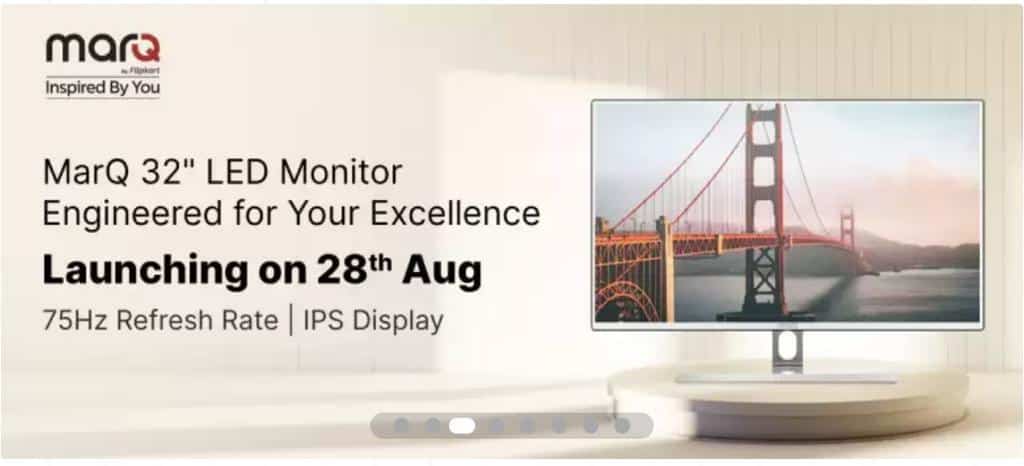
Flipkart’s MarQ brand has unveiled a new 32-inch monitor which is scheduled to launch later today in India. The new monitor features a large IPS panel with Full HD resolution making it an ideal monitor for productivity, casual gaming, or a second screen. Let’s take a look at its specs, features, and pricing in detail.
Flipkart MarQ 32″ monitor specs
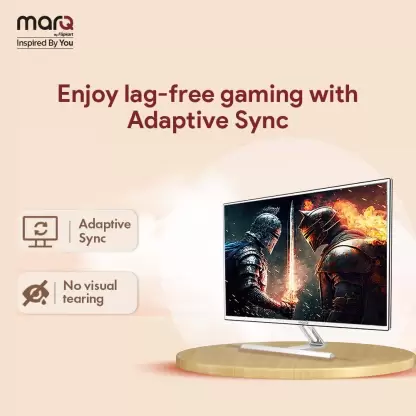
The MarQ monitor boasts a 32-inch Full HD (1920 x 1080) IPS display. It operates at a smooth 75 Hz refresh rate, ensuring fluid motion, and offers a speedy 5 ms response time, minimizing motion blur. With Adaptive Sync technology, it removes any screen tearing and stuttering from your games.
For eye comfort, it features flicker-free technology and an integrated low-blue light filter to reduce eye strain during long sessions. The expansive color gamut and a wide 178-degree viewing angle guarantee vibrant and lifelike visuals from virtually any angle.
In terms of aesthetics, the monitor showcases a sleek design with a narrow border. Additionally, it offers VESA mount compatibility, allowing you to mount it on a wall or stand according to your preference. The connectivity options are comprehensive, including HDMI, VGA, and a 3.5 mm audio output, ensuring versatile connectivity to various devices.
Price & availability
The monitor is available for purchase on Flipkart at a price of ₹11,999. By using an ICICI Credit Card, you can enjoy a 10% Instant Discount on the monitor.
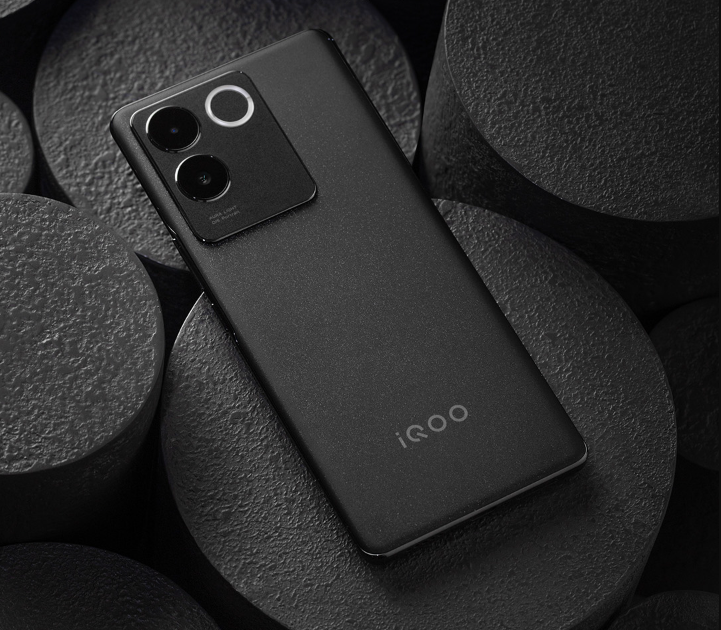
iQOO is gearing up to launch a highly anticipated Z7 Pro 5G smartphone in India. The brand has already tased a bunch of details about the smartphone like its 3D curved glass display, its twocolor options, and the MediaTek Dimensity 7200 chipset. Now, the brand has confirmed the price point of the device in a new teaser.
As per a recent Twitter post, iQOO has claimed that the Z7 Pro 5G will be the fastest smartphone in its segment. They explained in another tweet that they based this claim on AnTuTu V10 test results from the 8GB + 256GB version of the phone. This claim is specifically for smartphones priced under 25K on Amazon in 2023. Going by this statement, we can expect the iQOO Z7 Pro to launch with a starting price tag of below Rs. 25,000.
iQOO Z7 Pro 5G specs
The iQOO Z7 Pro 5G is expected to sport a 6.78-inch Full HD AMOLED display boasting a 20:9 aspect ratio, HDR10+ support, and an impressive peak brightness of up to 1300 nits. It’s likely to offer a maximum refresh rate of 120Hz. Under the hood, it’s anticipated to house a Dimensity 7200 chipset, 8GB of RAM, and 256GB of storage.
In the camera department, there’s a possibility of a 64MP primary camera featuring optical image stabilization (OIS) alongside a 2MP depth sensor. On the front, it’s expected to sport a 16MP selfie shooter. Finally, this smartphone is likely to be equipped with a 4600mAh battery complemented by 66W fast charging technology.
Boat has launched new Airdopes 141 ANC TWS earbuds in India. These are affordable earbuds with decent noise-canceling, perfect for those on a tight budget. Starting today at 12 PM on August 28, you can buy these earbuds online. Check out more details below.
Boat Airdopes 141 ANC pricing & availability
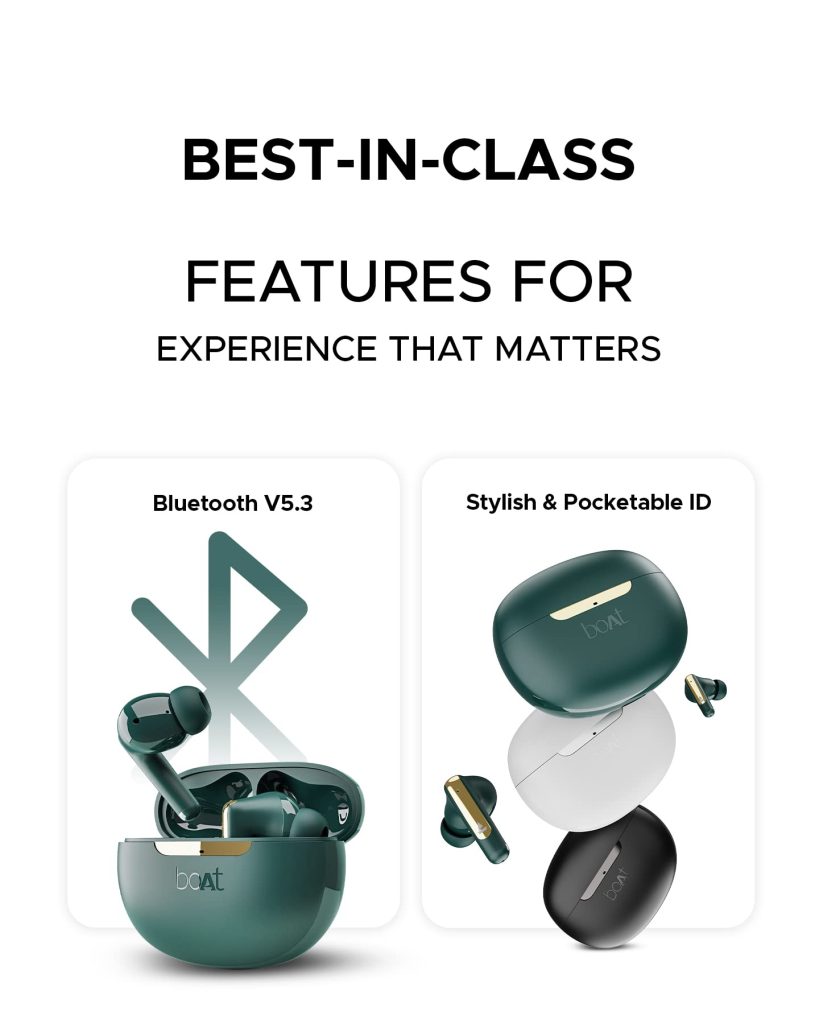
The Boat Airdopes 141 ANC will debut with an introductory price of ₹1,699. It will be available to buy from the Boat Website and Amazon in three color options: Black, White, and Green.
Boat Airdopes 141 ANC specs
The Boat Airdopes 141 ANC earbuds have 10mm drivers for quality sound. They use Bluetooth v5.3 for easy pairing with your devices and offer up to 32dB of Active Noise Cancellation (ANC) for a quieter listening experience.
You can control these earbuds with touch commands. They have four microphones with ENx Technology for clear phone calls. Users can choose between two EQ modes – Balanced and Signature – for their audio preference.
For gamers, these earbuds offer a low latency “BEAST Mode” of just 50ms, making them great for gaming. They are also IPX5-rated for splash and sweat resistance, ideal for workouts.
In terms of battery life, the earbud case has a 400mAh battery, and each earbud has a 35mAh battery, giving you up to 42 hours of playback time. Charging is done through a Type-C connection.
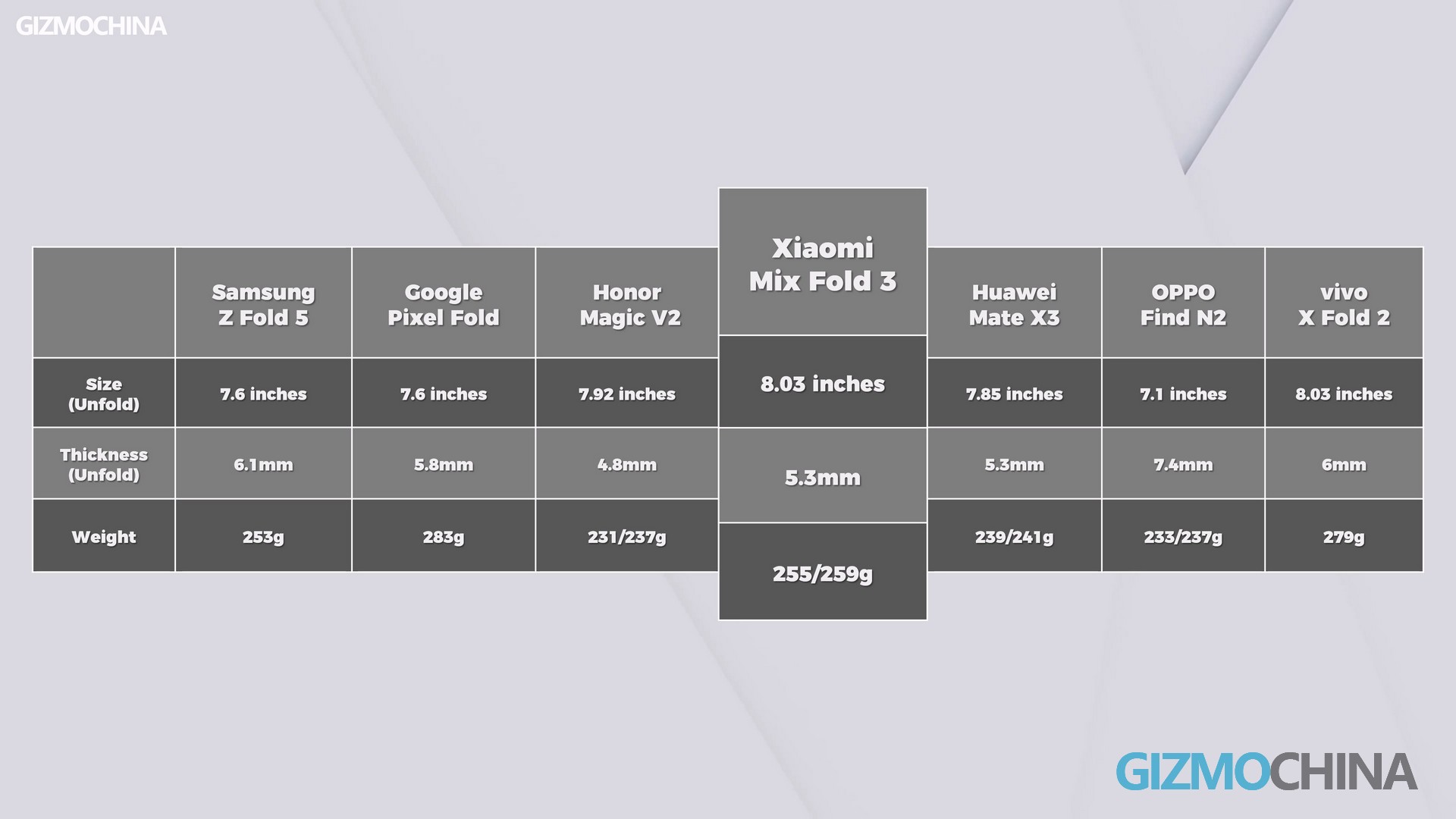
Before we start reviewing the MIX Fold 3, let me show you a table. You can see that the Xiaomi MIX Fold 3 is in the top 3 in terms of thickness and weight, except for the much smaller Find N2.
After you get to know the weight and thickness of the Mix Fold 3, keep watching the video and you can see why I would say it’s the best foldable phone.
Design
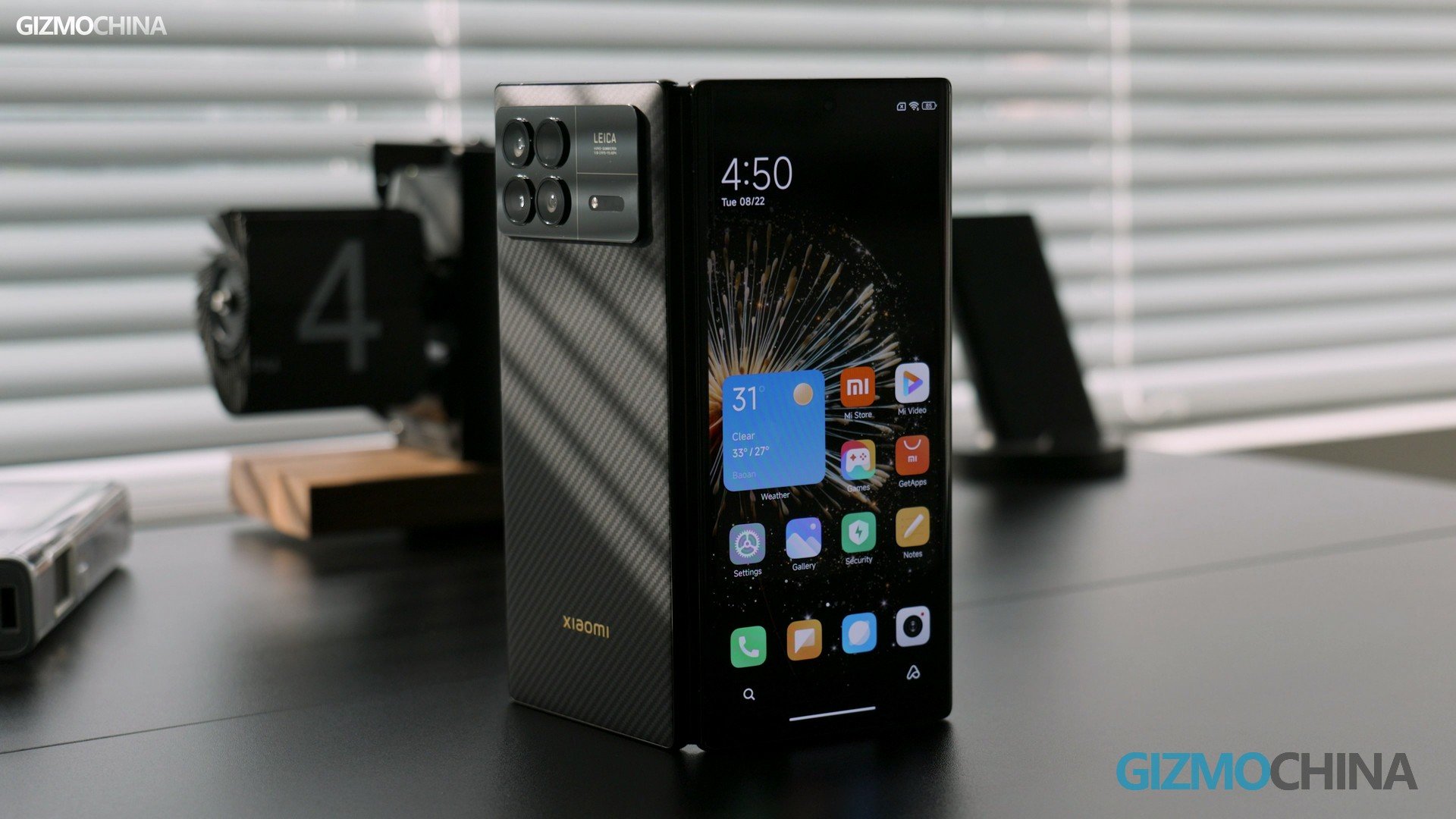
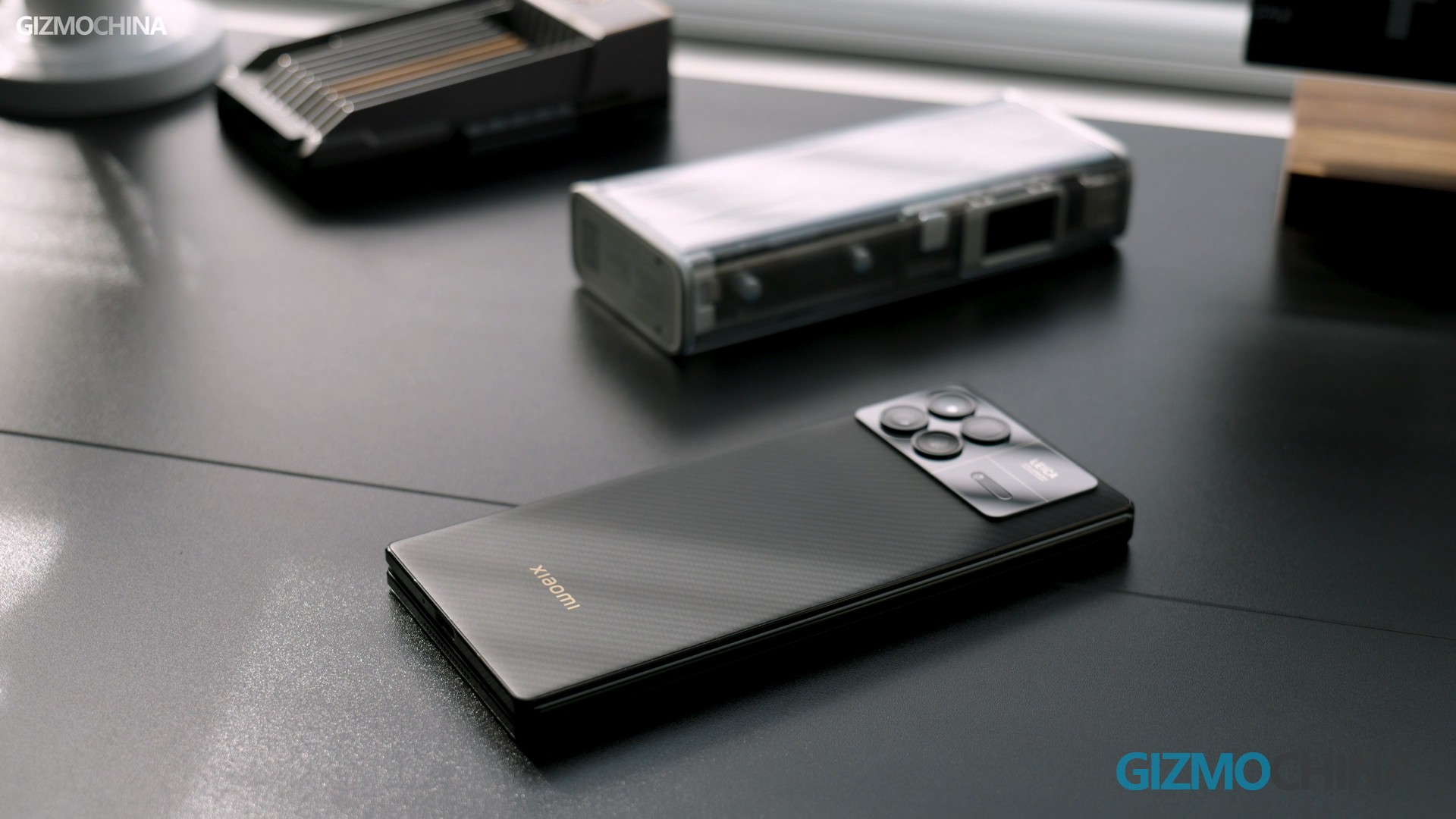
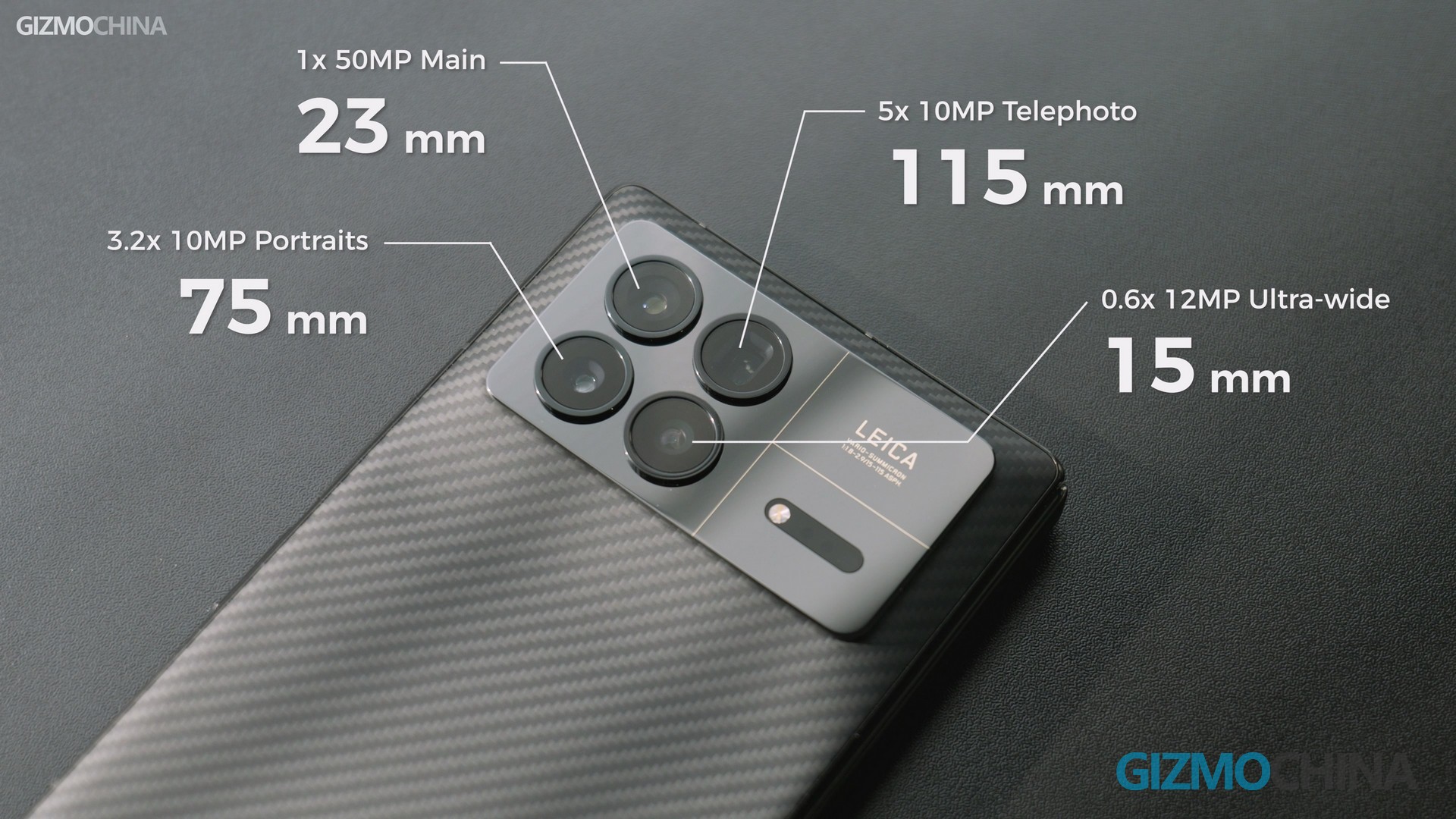
The MIX Fold 3 has one more camera compared to other foldable phones. From ultra-wide-angle cameras to telephoto cameras, you can pick the right one depending on the situation. It should be the first foldable phone to stuff four cameras in such a thin body. But you need to put up with the protruding camera module wobbling on the desk.
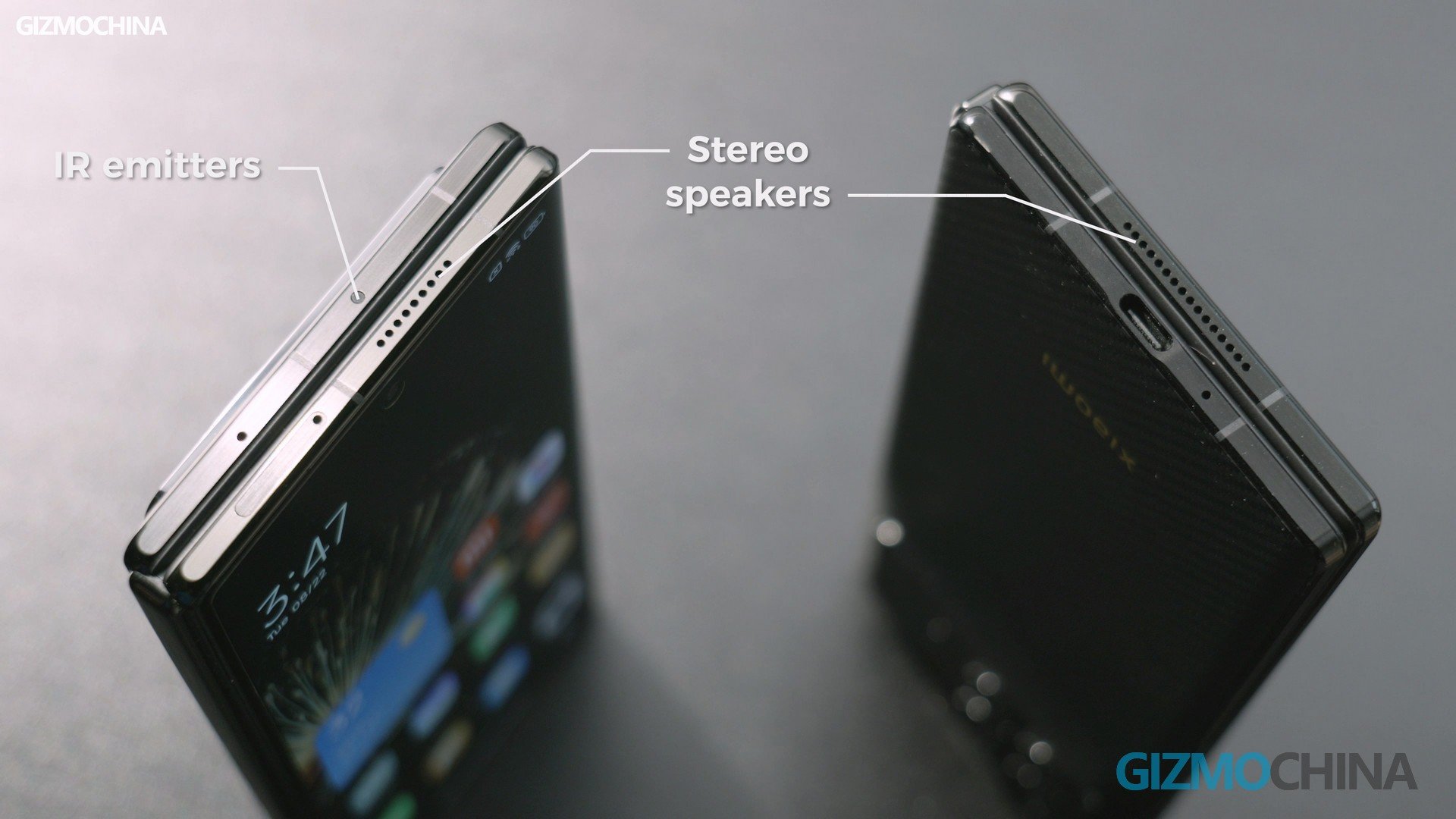
The Fold 3’s SIM card slot still holds two Nano SIMs, which is nice. With symmetrical stereo speakers, the volume to your left and right ear are the same. NFC and IR emitters are there too, even wireless charging isn’t missing. You know, some foldable phones remove wireless charging to reduce weight, that’s a really dumb decision.
And then, USB 3.0. We’ve already seen it on the Xiaomi 13 Ultra, but after this, I’m guessing that Xiaomi will put it on all of its flagship phones in the future.
Display
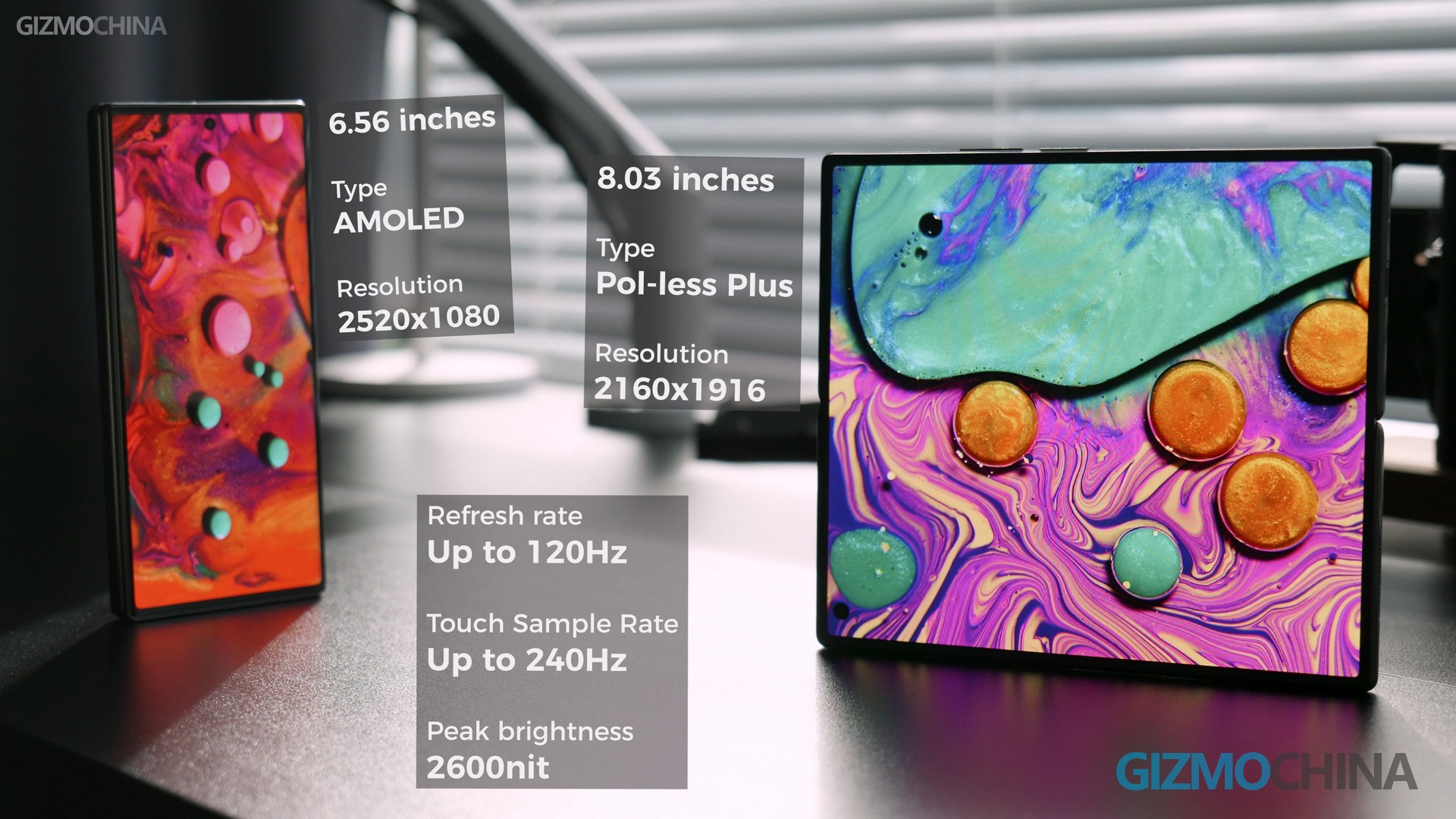
The MIX Fold 3’s inner display and cover display are both Samsung E6 panels, but they have evolved again. Peak brightness is all the way up to 2600nit, which should make it the brightest foldable phone. The protective glass is also UTG and Corning Victus 2. I can’t find any significant drawbacks either, except for the lack of high-frequency PWM dimming and the stylus not being supported.
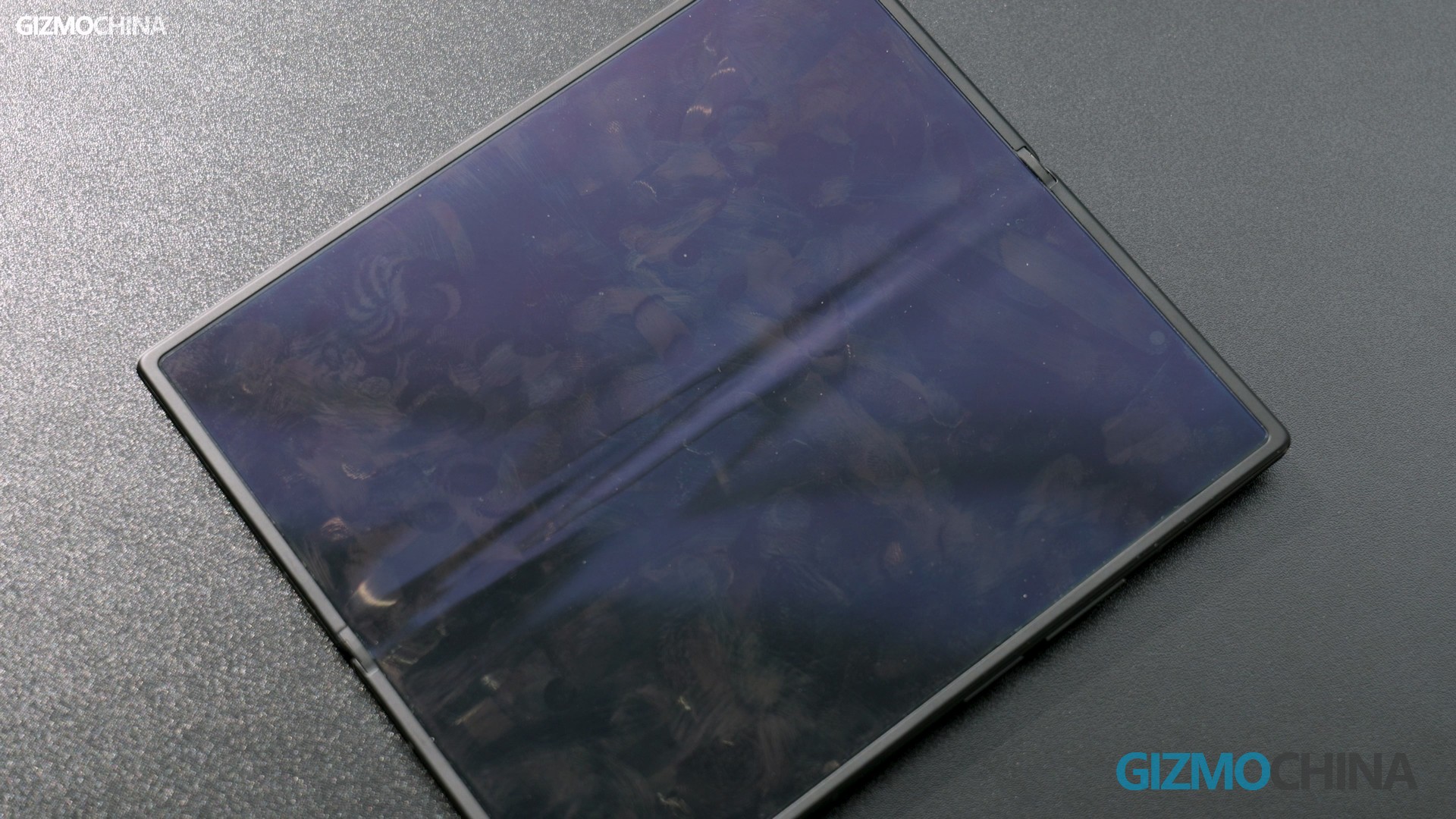
Oh, and there’s also one small problem, the inner display is just too easy to get greasy. Not only Xiaomi, but all foldable phones have this problem. It’s really tiring to have to clean the screen so often.
Hinges
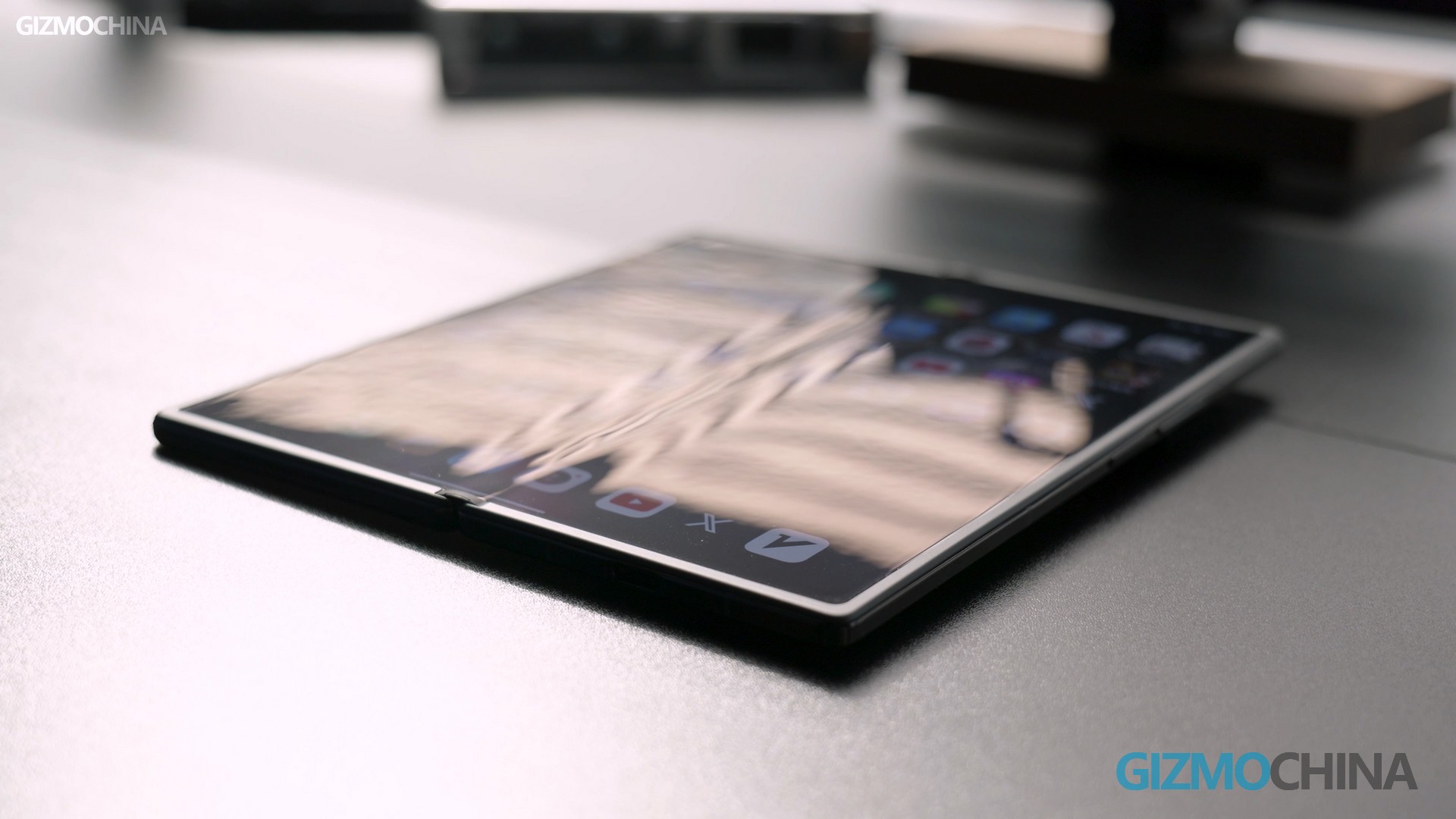
And yes, finally the Fold 3’s hinges are able to unfold and stop at any angle. The experience is also much smoother when unfolding or closing than its previous gen. Although the crease doesn’t look very flat, it feels a lot better than it looks. I’ve heard that the new hinge provides better drop protection for the inner screen, but you wouldn’t want me to drop-test a $1200 phone, right? There’s still no IP8 waterproof support which is not as good as the Samsung Z Fold 5.
Performance & Gaming
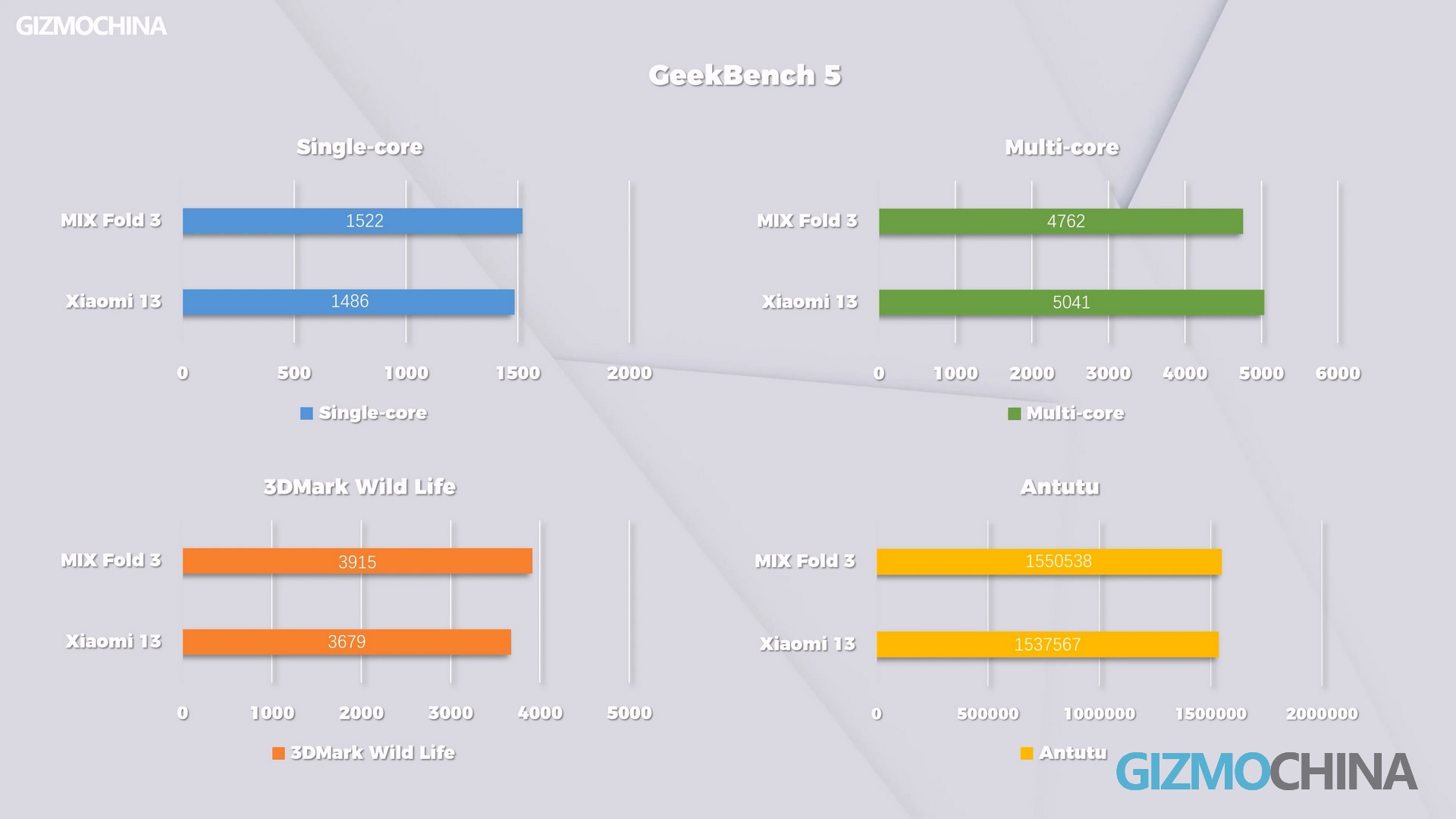
The processor in the MIX Fold 3 is the Snapdragon 8 Gen 2 Lead Edition. Simply put, it’s an overclocked version of the 8 Gen 2. It’s already a great processor in its regular version, and overclocking it or not doesn’t really make a significant difference. Let’s check out the gaming experience.
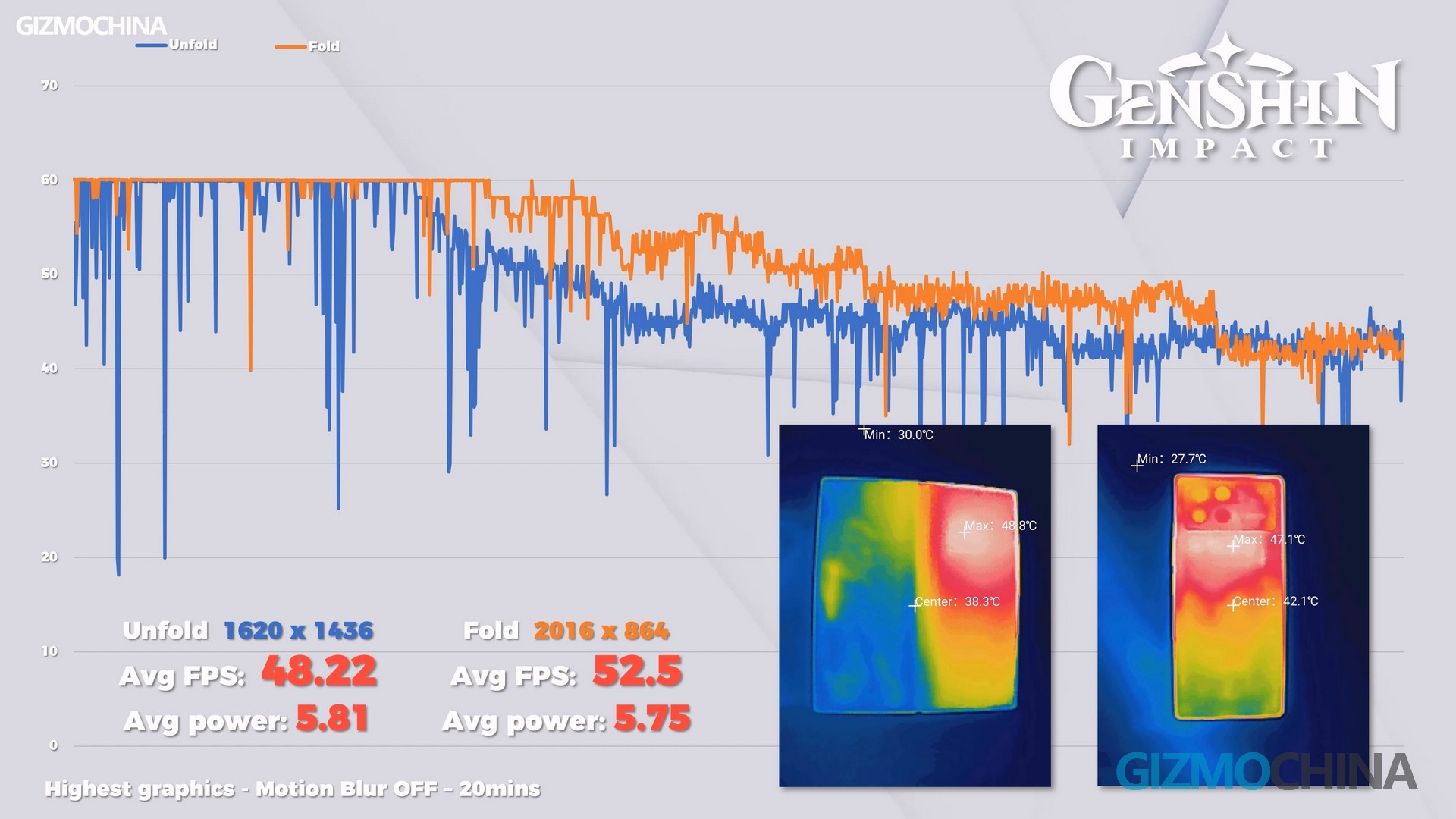
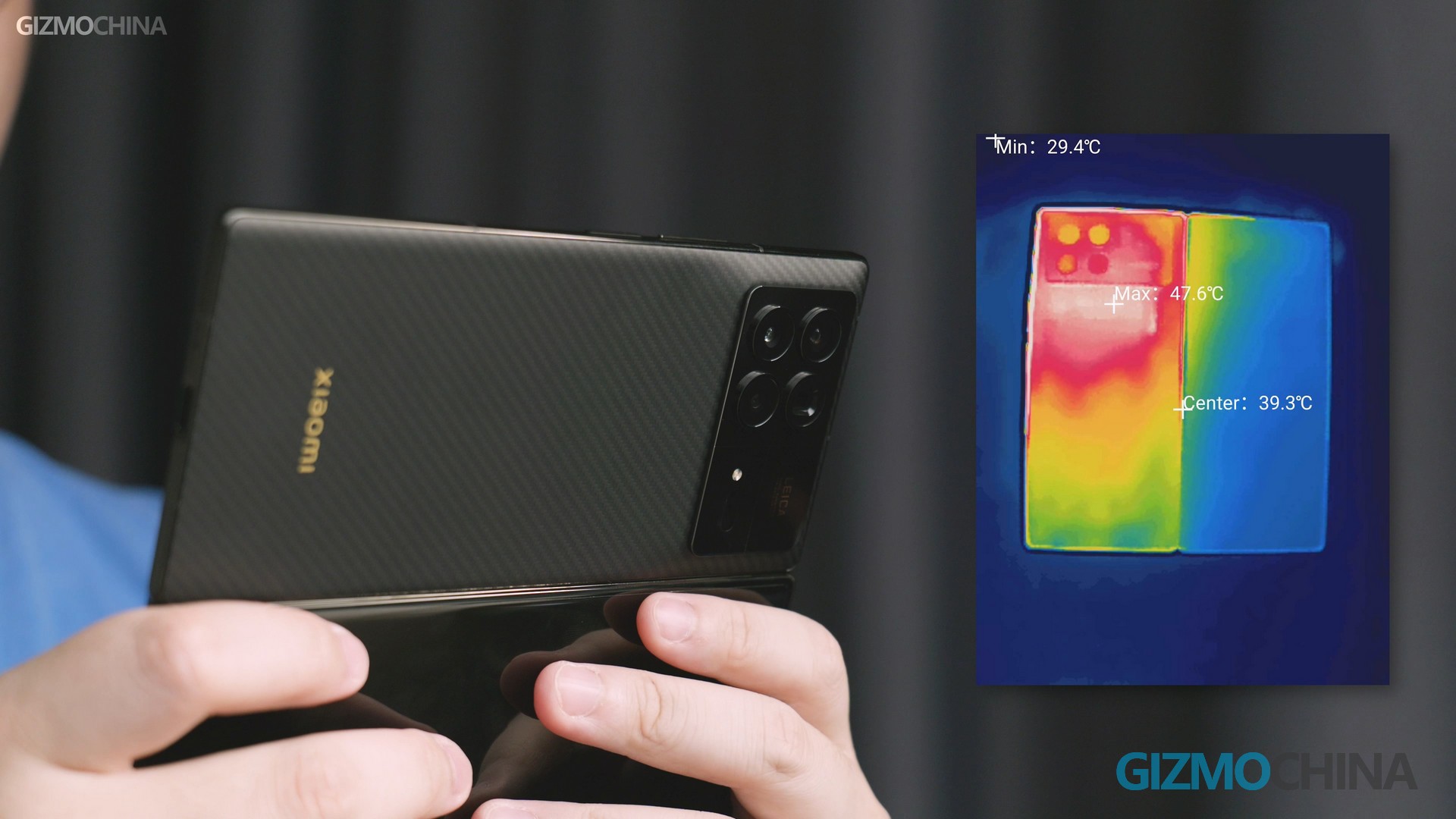
As with the OnePlus Ace 2 Pro, Genshin’s tests are all underwater. It performed, Emm…not bad. Since foldable phones are all so thin, heat dissipation is a big issue, so the gaming experience has never been particularly good. The MIX Fold 3 at least keeps a stable frame rate in games. Even with a larger screen than a regular phone, power consumption is well controlled. When it’s folded up, the gaming experience isn’t improved drastically either. I still prefer to play games unfolded than with that small frame rate increase.
Foldable phones may not have much of an advantage for watching online videos, but the gaming experience can be better than many regular phones. When you unfold it to play a game, the hot areas are all out of reach from your hands. Well, the two speakers will blocked, but it won’t burn your hands.
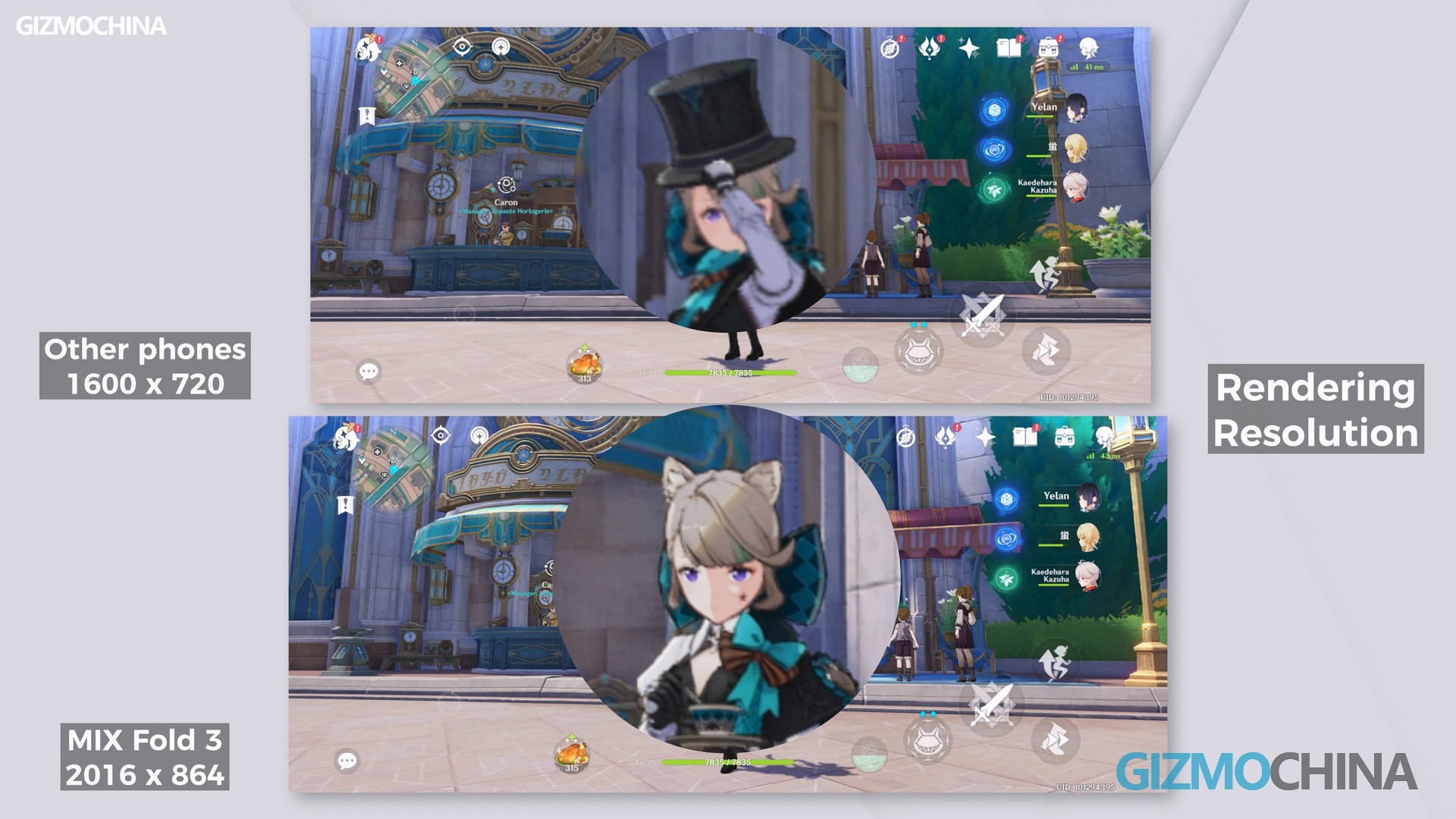
One interesting thing you may not know, the maximum resolution in Genshin on both the Xiaomi and Redmi phones has been a little bit higher than other Android phones lately. The MIX Fold 3 is even better, even the internal screen resolution is higher than others. Combined with the excellent E6 OLED, I’m still enjoying playing games on this phone.
Camera
Take a look at the focal lengths of these four lenses, isn’t it déjà vu? Yes, those four lenses on the Xiaomi 13 Ultra have the same focal lengths. I think Xiaomi’s obsession with these four focal lengths is to allow you to get the composition you want in any position.
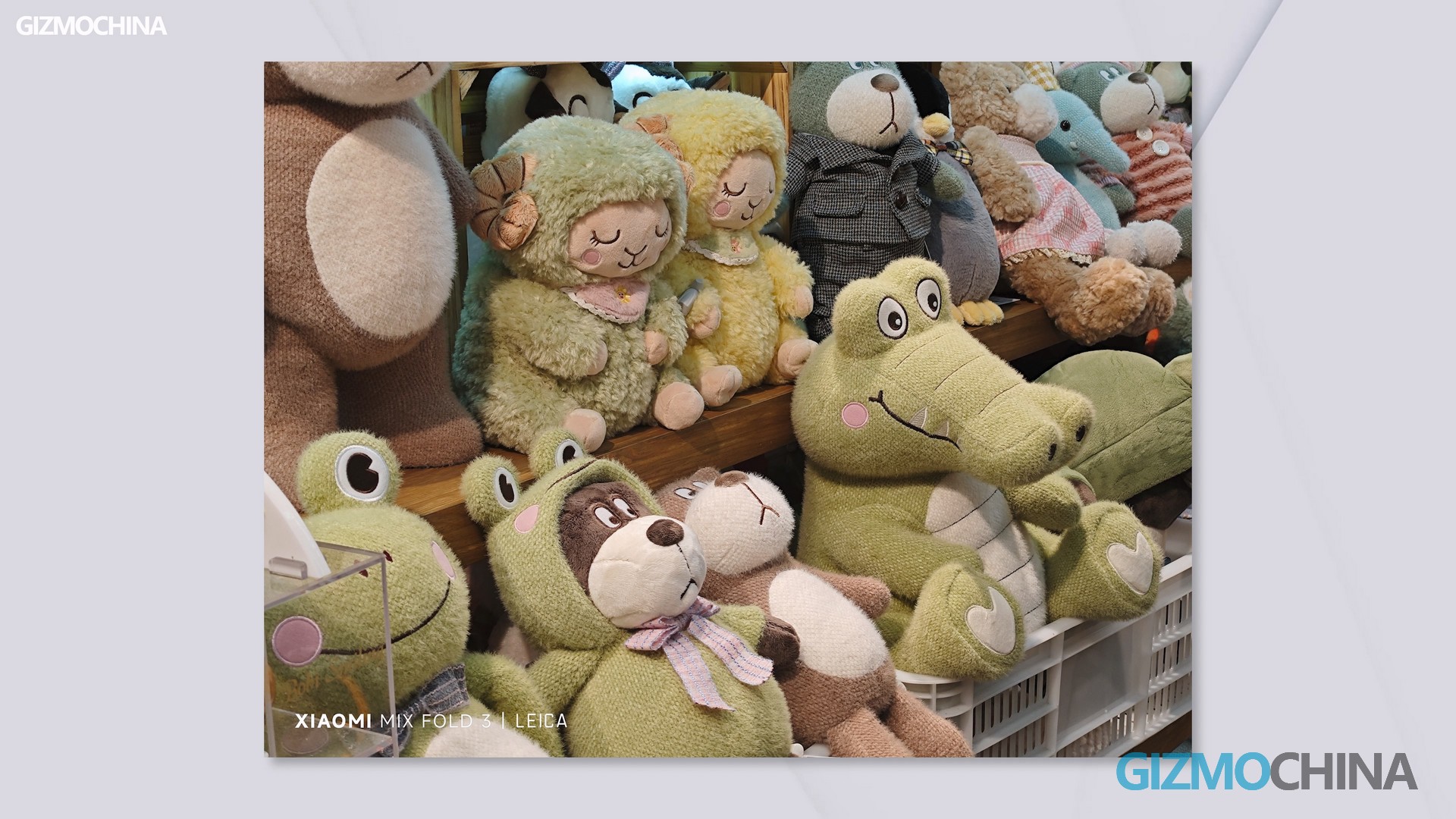
You don’t have to think about the image quality getting worse when you zoom in, and random shots can also look really good. This is the biggest advantage of the MIX Fold 3 over other foldable phones.
I’d also like to brag about this telephoto camera, which has a very short focusing distance. At the same distance, the 3.2x lens is out of focus, but the 5x telephoto lens still gets sharp photos. It’s as stunning as a photo taken with a macro lens.
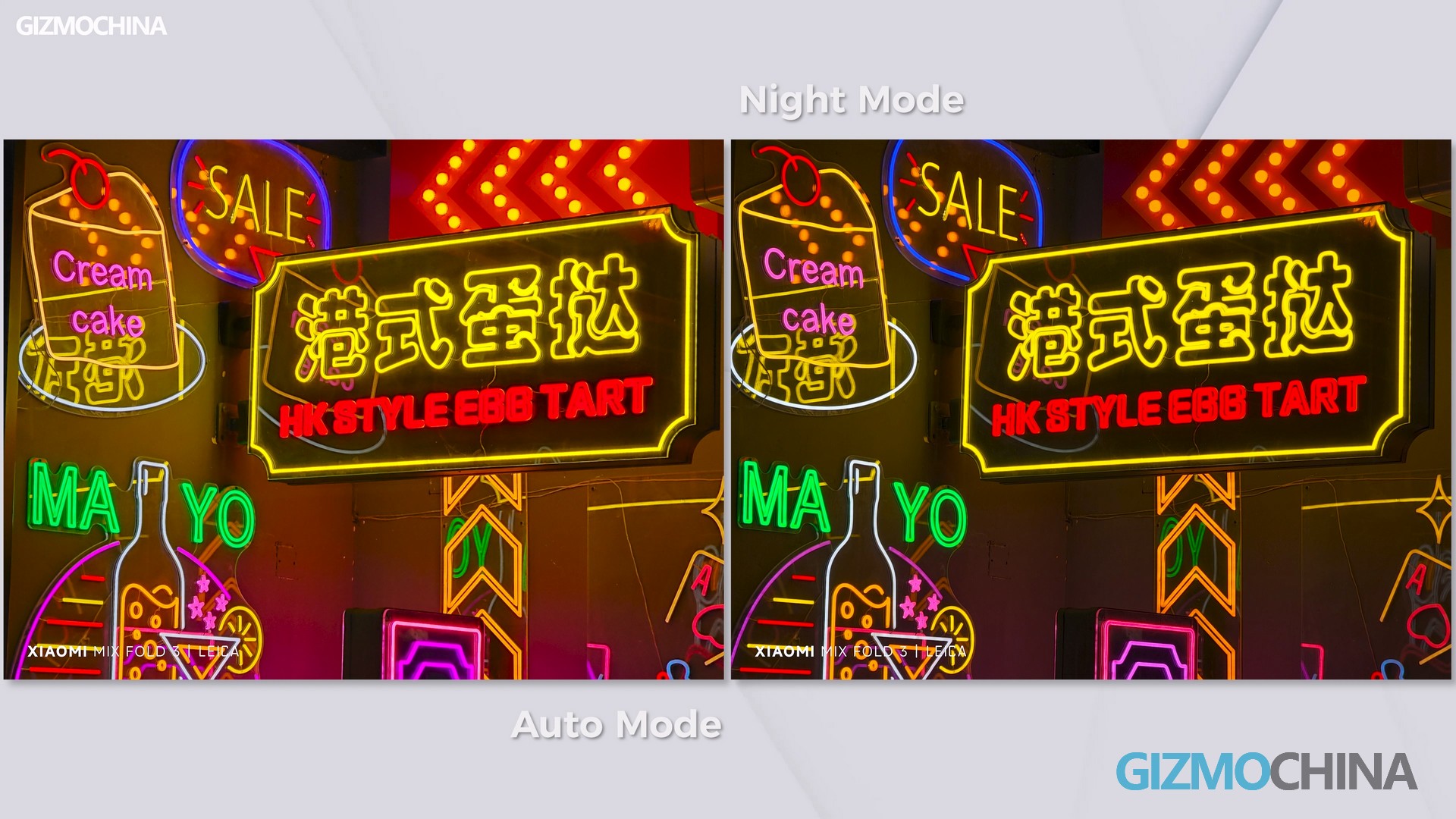
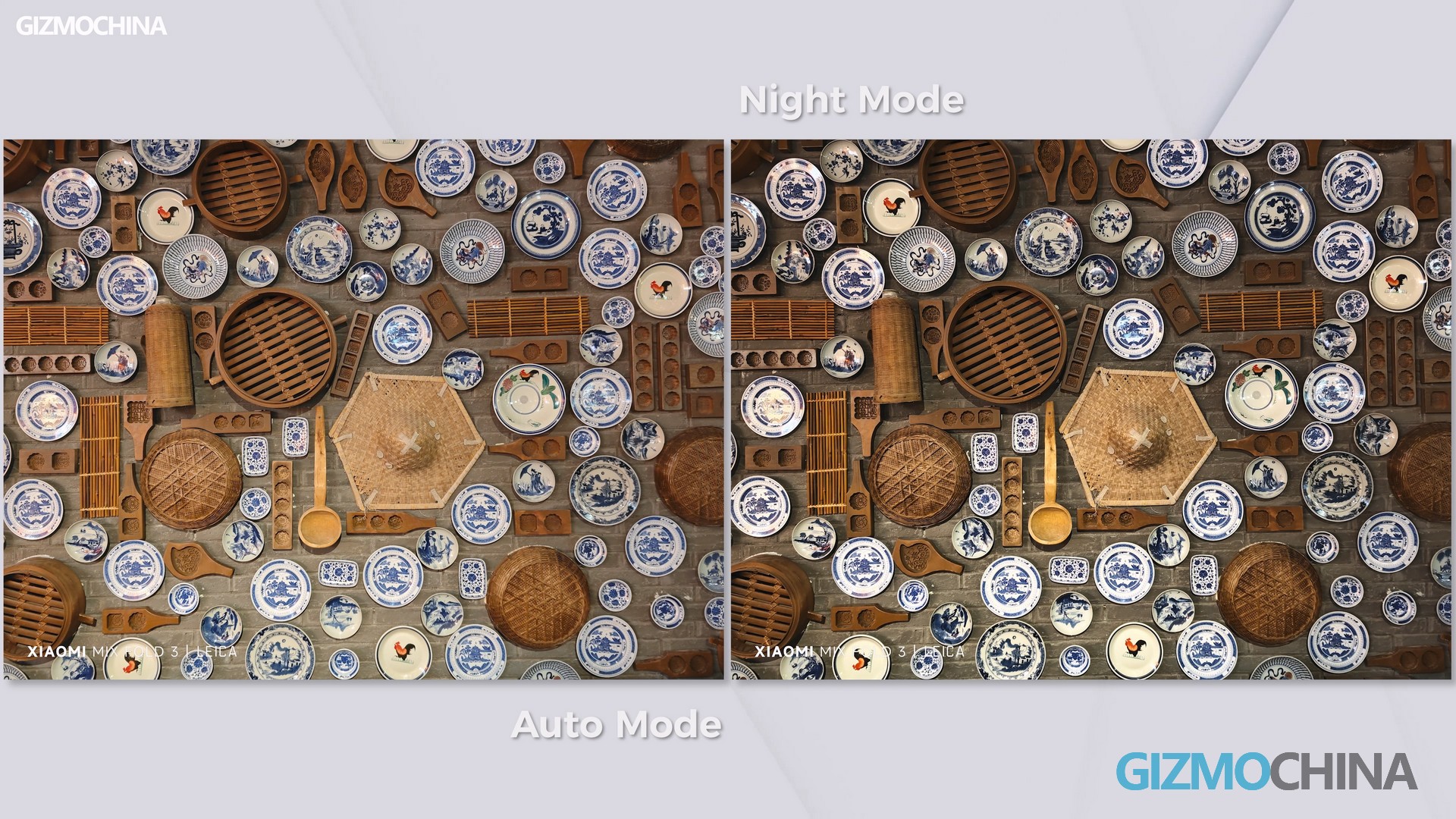
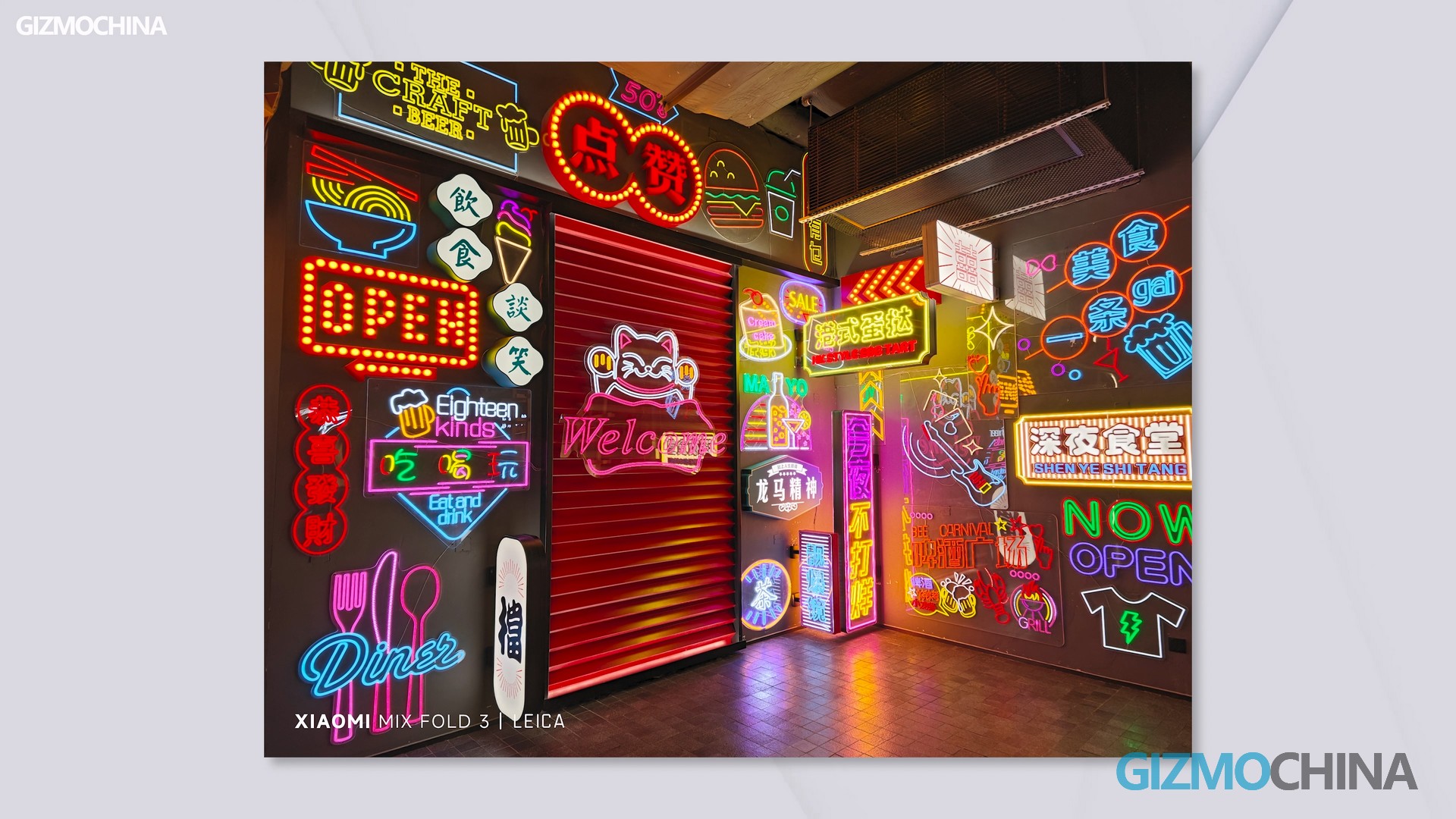
Since working with Leica, Xiaomi phones can take photos with high contrast. Especially in the NIGHT MODE, which makes the darker areas even darker. These photos were taken in Leica Vibrant mode, as for what kind of photos Leica Authentic mode can take, you can check out our Xiaomi 13 Ultra review. there are many photos taken in Leica Authentic and Pro Mode, and their color styles are the same.
The Fold 3’s camera also has a drawback: except for the main camera, all the other camera sensors are too small. That’s why nighttime photos aren’t as sharp as daytime ones. If you’re photographing moving objects, the clarity will be even worse, and the 3.2x and 5x telephotos can’t record video in 4K resolution either, which is a shame.
Battery & Charging
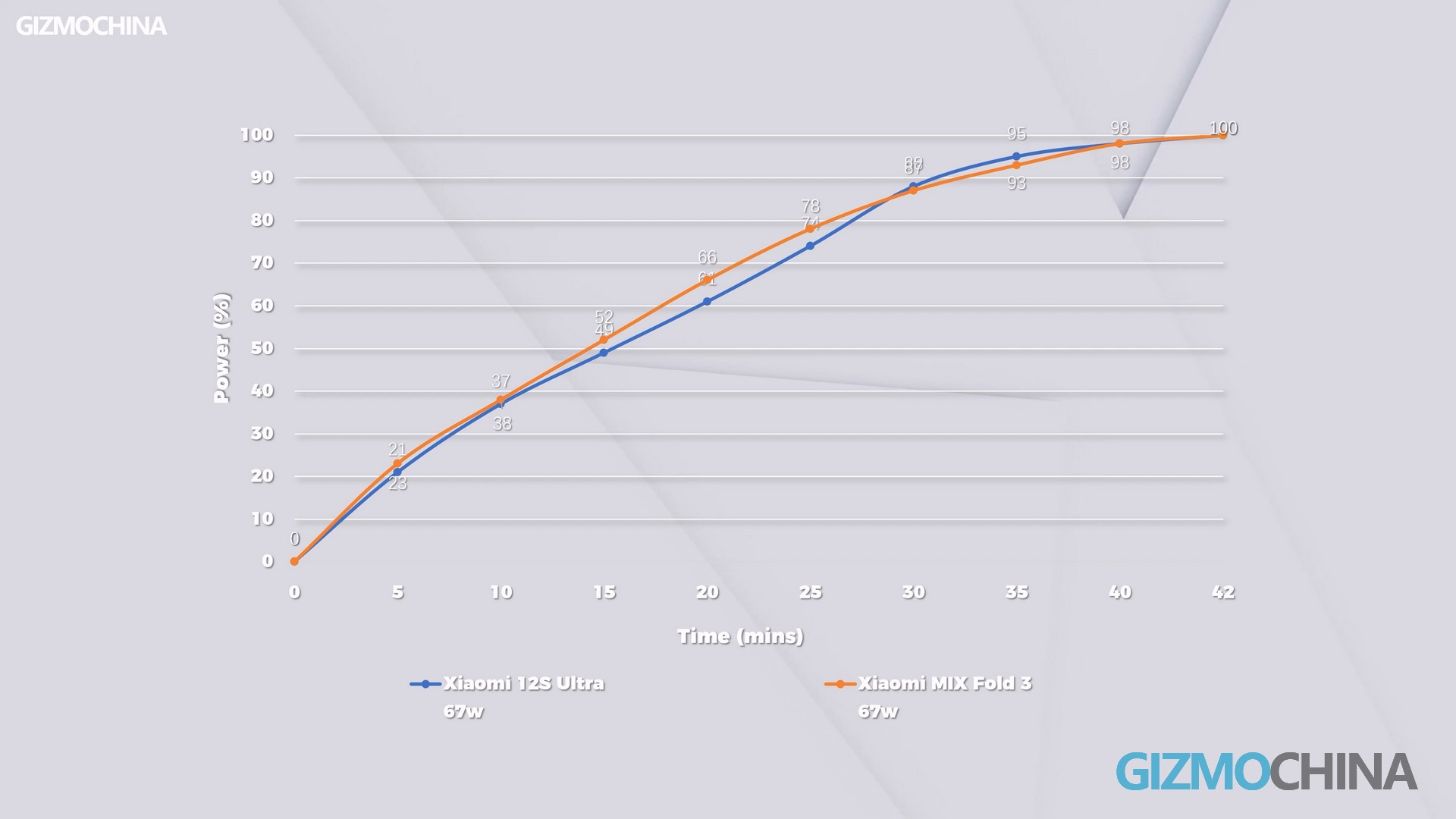
The MIX Fold 3 is still using a combination of 67W wired charging and 50W wireless charging. Ten minutes to charge 31%, a full charge will only take about 45 minutes.
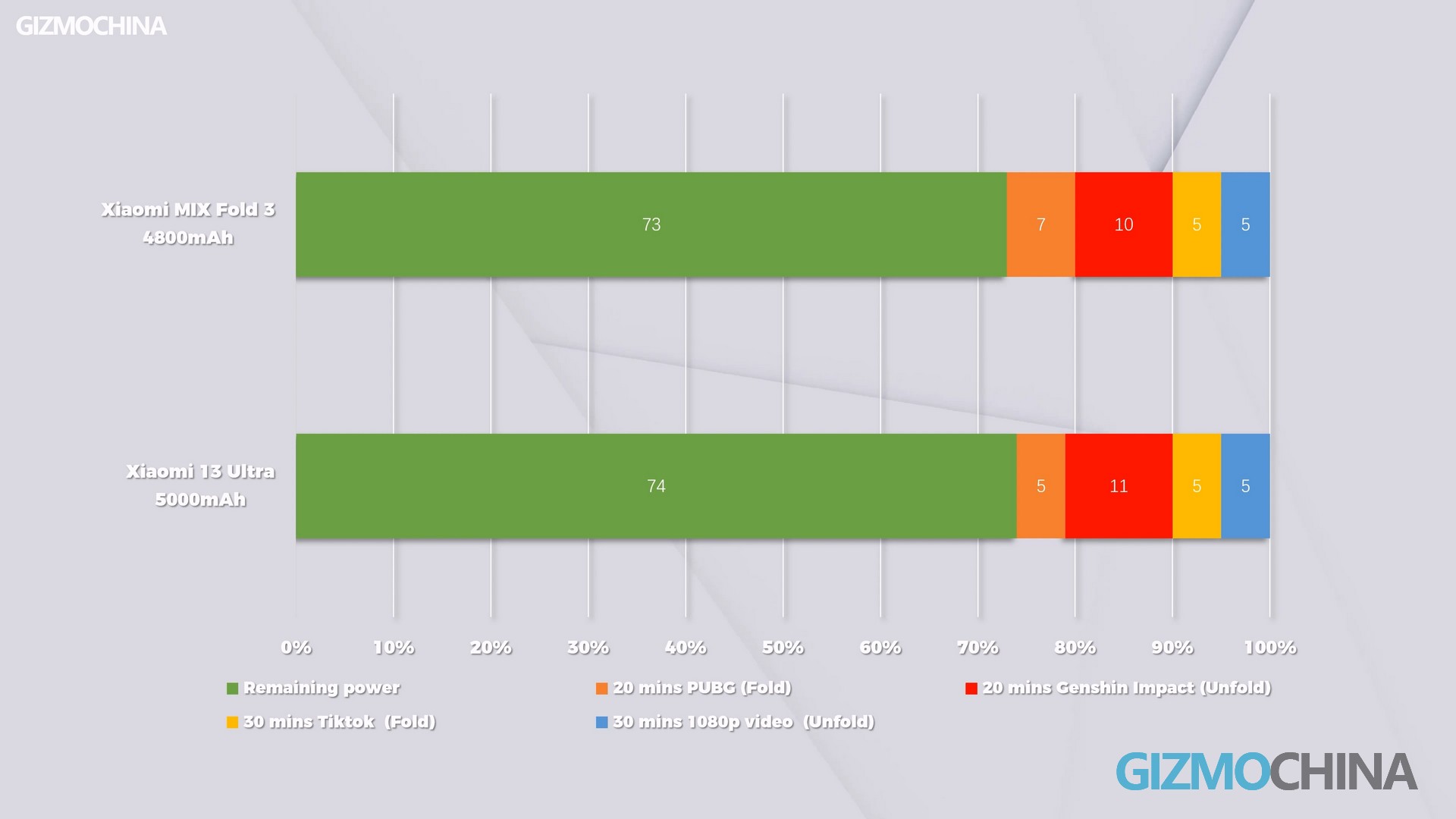
4800mAh battery is not big, but it has been tested to have a very long-lasting battery life. 20 minutes of Genshin consumes the same amount of power as a normal cell phone, and 3 hours of continuous Genshin Impact on the inner display consumes only 67% of the power, which is very impressive.
MIUI
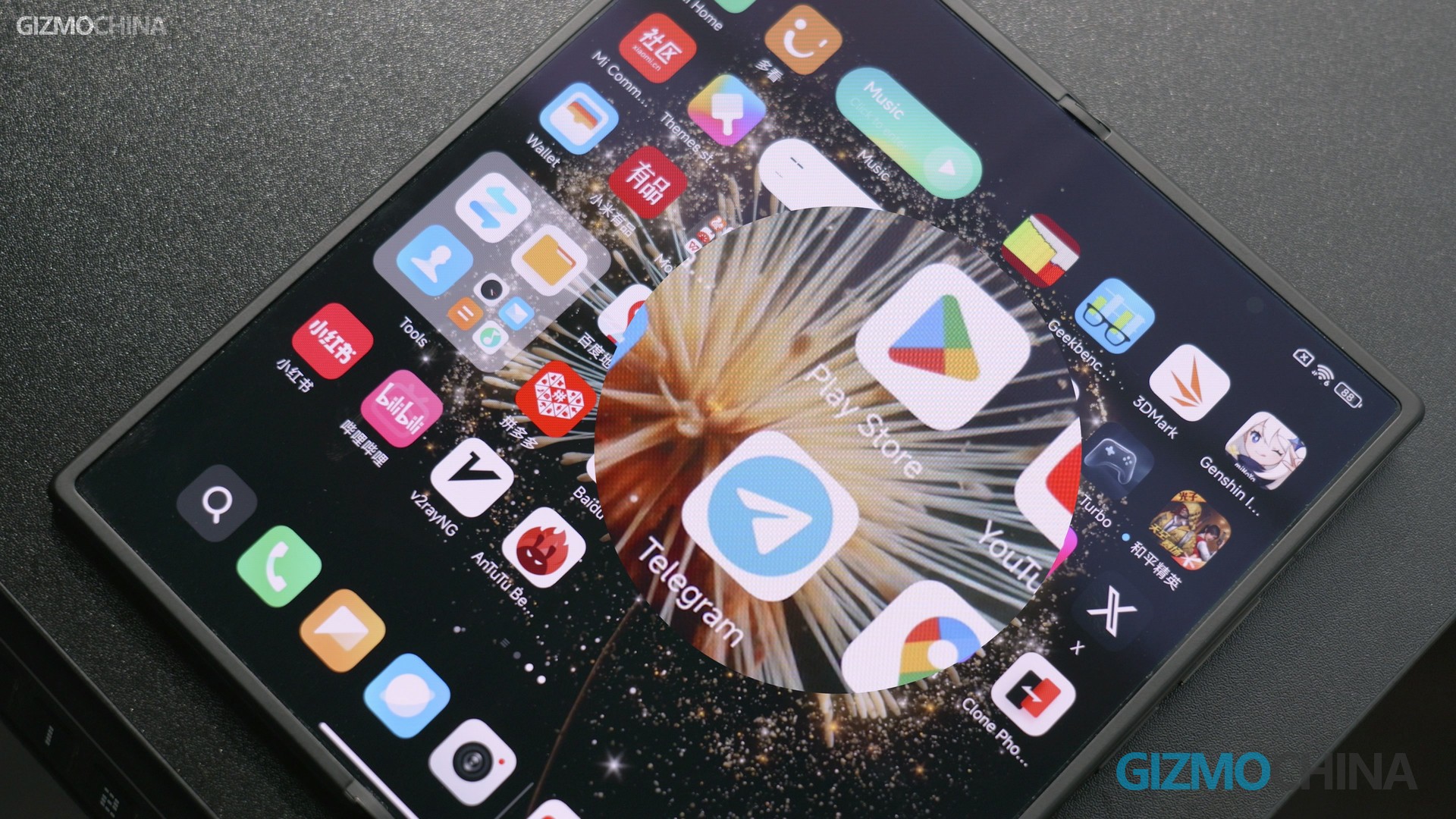
To be honest, I think the biggest pitfall of MIX Fold 3 is MIUI, but don’t worry this time, I haven’t encountered any bugs after using it for a few days, and it has Google Mobile Services, which allows you to install Google Play and Telegram.
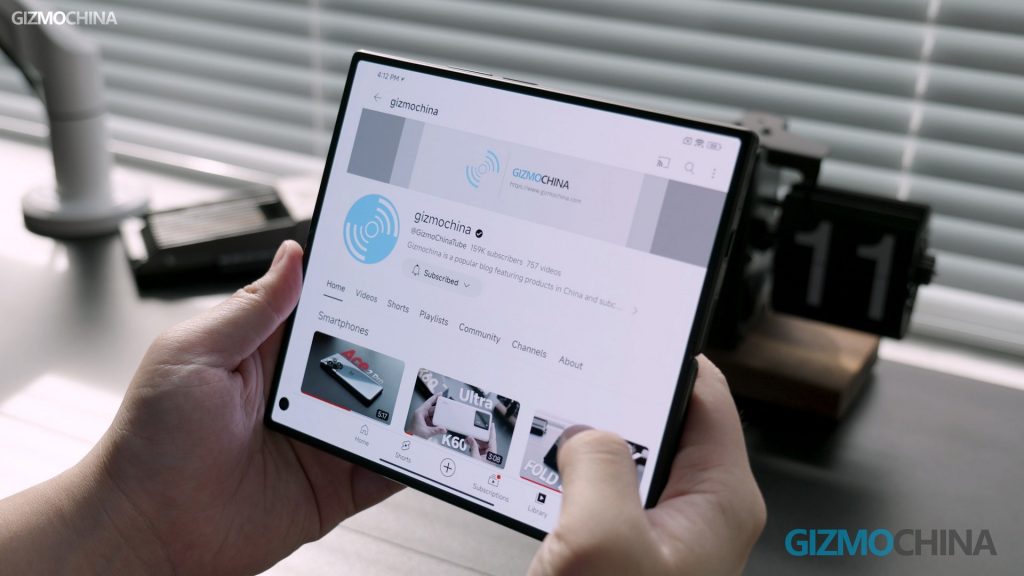
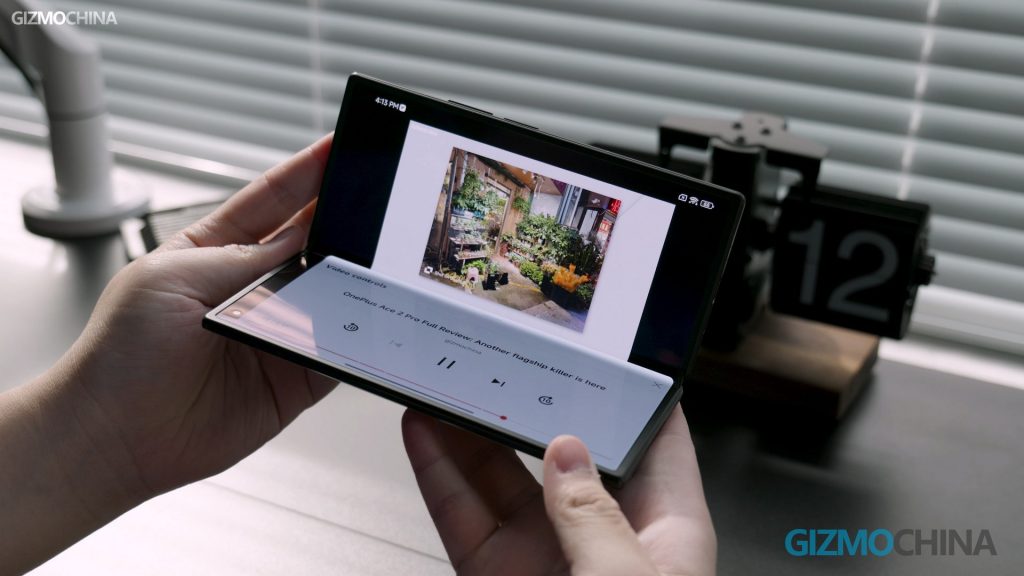
Many apps have been customized for the foldable phone, such as YouTube, which works perfectly on MIX Fold 3. It also automatically splits the screen when unfolded, and the size of each partition has been adjusted.
But for apps not customized for foldable phones, such as Twitter, I mean, X, it’s just an enlarged version of the phone’s interface, and there’s even a black border on the left side. Just to be clear, it’s not all Xiaomi’s fault, other foldable phones have similar problems. So for the software part, the MIX Fold 3 should get a passing grade.
Conclusion
I think a good foldable phone should not only be about good specs but also be lighter and thinner. The MIX Fold 3 has the whole package, it’s the best foldable phone I think. Unfortunately, the Fold 3 won’t be released globally, so if you want to buy it, you can check out the link. Subscribe to our YouTube channel, we have a lot of new phones we want to review next.
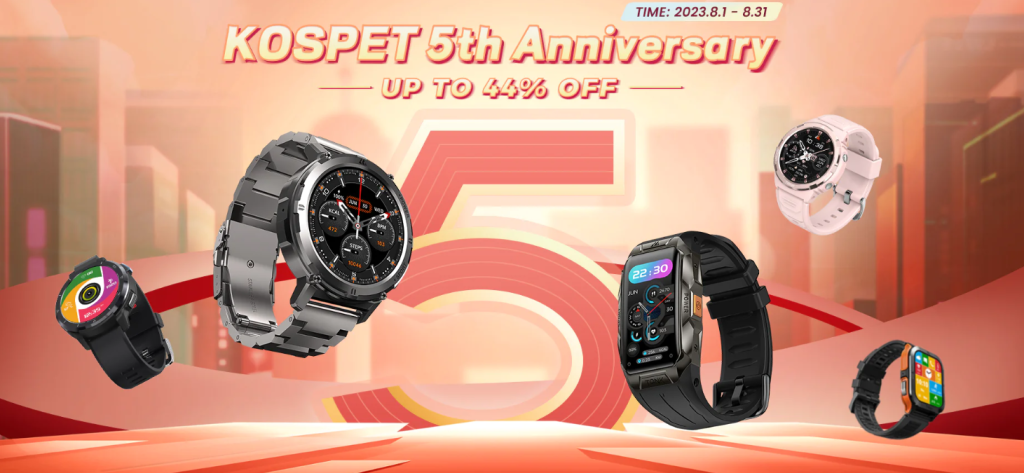
KOSPET is celebrating its monumental 5th anniversary with the biggest sale of the year! The brand is giving unbeatable deals offering discounts of up to 44% on a wide array of products. Whether you’re eyeing the latest smartwatches or simple smart bands, now is your golden opportunity to indulge yourself or find the perfect gift.
The brand is also giving complimentary standard shipping on orders exceeding $59, ensuring that you get more value with every purchase. Please note that this offer ends on August 31. So don’t miss out on the savings and exclusive perks that this monumental sale brings.
KOSPET TANK T2
Retail Price: $129.99 Discounted Price:$95.99
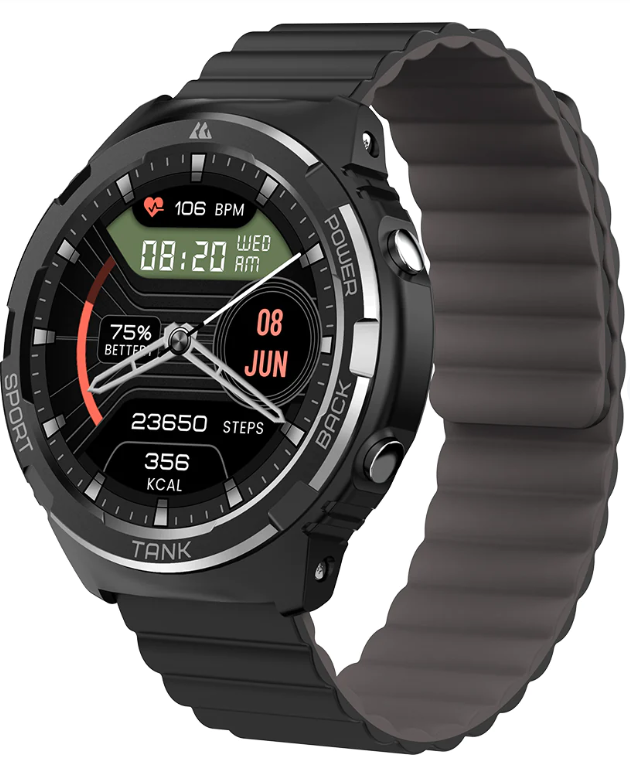
KOSPET TANK T2 Smartwatch is a robust companion designed to withstand the rigors of the outdoors and provide comprehensive health insights. Crafted from high-strength metal, the TANK T2 boasts a rugged exterior that’s vibration, drop, and even damage resistant, thanks to its adherence to the U.S. MIL-STD-810H standard.
Equipped with an AMOLED display, the TANK T2 ensures crystal-clear visibility, even in intense outdoor lighting. Its energy-efficient nature, driven by individual pixel illumination control, ensures prolonged use with an always-on-time display feature. With an IP69K Dynamic Waterproof & Static Waterproof rating, it remains operational up to 50m underwater.
Enhancing its functionality, the TANK T2 supports Bluetooth calling with HIFI audio quality through a single switch. The watch also offers comprehensive fitness tracking, from traditional sports like running and cycling to more specialized activities like skiing and swimming. Moreover, its sleep tracking capabilities provide nuanced insights, assessing sleep quality and exercise impact.
Underneath its durable exterior lies a 410mAh pure cobalt battery, optimized for longevity by a double-mode, single-chip processor and intelligent software algorithms. This results in an impressive 65-day standby time and 25 days of daily usage, ensuring the TANK T2 is ready for any adventure.
The cutting-edge BioTracker tracking optical sensor, in conjunction with innovative sporting algorithms, monitors heart rate and blood oxygen levels on demand, safeguarding your health proactively. Automatic blood oxygen measurement and tracking over time further contribute to your well-being insights.
KOSPET TANK T2 (Special Edition)
Retail Price: $149.99 Discounted Price:$109.99
The TANK T2 Special Edition includes an addition of a stainless steel strap to the original version.
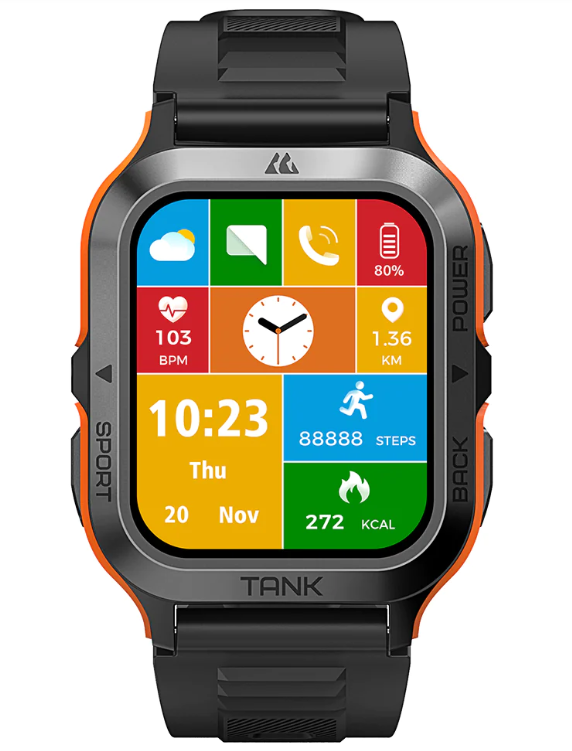
KOSPET TANK M2 Smartwatch is an embodiment of rugged reliability designed to conquer the great outdoors. Built to meet the exacting standards of U.S. MIL-STD-810H, the TANK M2 excels in outdoor scenarios, empowering you to tackle challenges head-on.
Crafted with precision and durability in mind, the TANK M2 boasts a two-color liquid silicone rubber mold, delivering a vibrant yet tough aesthetic. Its high-strength metal bezel and stainless steel panel enhance both internal security and resistance against shocks, vibrations, and even car crushing.
This smartwatch thrives in aquatic environments with an incredible 5ATM static waterproof rating, allowing for water sports like swimming, diving, and surfing. The rigorous IP69K testing further solidifies its prowess, making it a reliable companion for your daily escapades.
With a remarkable range of 70 sports modes, the TANK M2 leverages the BioTracker PPG optical sensor and proprietary sporting algorithm to monitor heart rate and blood oxygen levels on demand, promoting your well-being at all times.
Night or day, the TANK M2 doesn’t rest. It diligently tracks your sleep quality from various angles, factoring in exercise and heart rate to provide comprehensive insights even during short naps.
Seamlessly transitioning from active pursuits to connectivity, the TANK M2 offers HIFI Bluetooth calling through a single switch. Its 1.85-inch IPS display, boasting full viewing angles and 320*385 resolution, enhances the visual experience.
Powered by a 380mAh pure cobalt battery and an energy-efficient double-mode, single-chip processor, this smartwatch ensures a prolonged battery life of up to 50 days on standby and 20 days of daily usage.
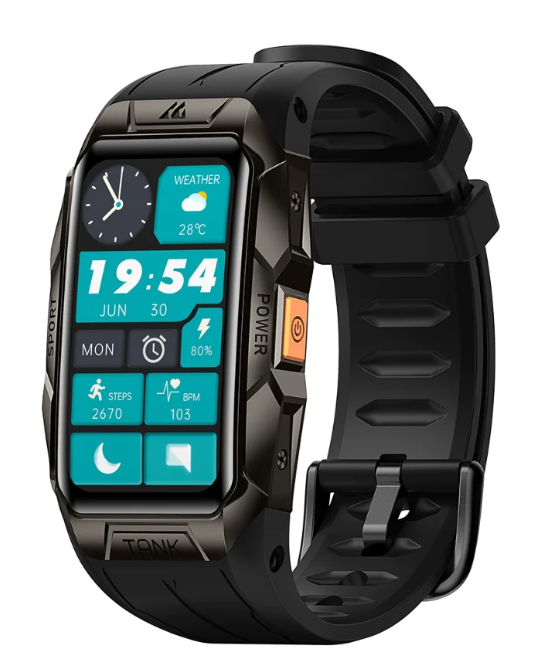
KOSPET TANK X1 Smartwatch / Smart Band is a fusion of durability, performance, and advanced technology that stands ready for any adventure. With an impressive array of features, this wearable is engineered to elevate your outdoor experiences without compromise.
Designed to excel in the harshest conditions, the KOSPET TANK X1 boasts an astounding 15 U.S. MIL-STD-810H certification. It’s your reliable companion through scorching deserts, humid rainforests, and freezing glaciers, ensuring resilience wherever you tread.
Dive into aquatic realms confidently with its 10 ATM & IP69K waterproof rating, enduring water pressure equivalent to 100 meters. Ideal for recreational scuba diving to depths of 30 meters, the TANK X1 empowers you to explore and conquer the sea’s depths.
The 1.47″ rectangle AMOLED display, shielded by Corning® Gorilla® Glass, showcases an ultra-clear, always-on view. With 194 x 368 pixel resolution, even bright sunlight won’t hinder your interactions.
Underneath its sleek exterior lies a 230mAh pure cobalt battery, providing up to 50 days of standby power or 8 to 12 days for daily use. This endurance ensures you make the most of every workout, without interruptions.
With a seamless unified full metal shield design, the TANK X1 merges aesthetics with ruggedness. Weighing a mere 52g and available in two captivating colors, it complements your sense of style effortlessly.
Boasting 70 sports modes, the TANK X1 offers novel, exhilarating sport experiences. The smart band’s VP60 bio-tracking optical sensor, in conjunction with the sporting algorithm V1.0 co-developed by KOSPET and CyweeMotion, monitors 24-hour heart rate, blood pressure, and more, mimicking a personal trainer’s guidance.
Incorporating cutting-edge technology, the KOSPET TANK X1 Smartwatch|Smart Band redefines your outdoor adventures with unmatched durability and intelligent health tracking.
KOSPET TANK S1 is a rugged smartwatch designed to be your ultimate outdoor companion. With remarkable 5 ATM and IP69K water resistance ratings, it confidently endures up to 50 meters of water depth, perfect for aquatic activities. Note that sauna usage is not recommended to preserve its sealing effectiveness.
The standout feature of the KOSPET TANK S1 is its exceptional battery life, lasting two weeks. No need to worry about running out of power during your adventures; this smartwatch ensures uninterrupted exploration.
Tested and awarded 15 U.S. MIL-STD-810H certifications, the KOSPET TANK S1 is built to conquer the harshest terrains. It excels in challenging environments, from mountains to deserts, delivering unwavering performance.
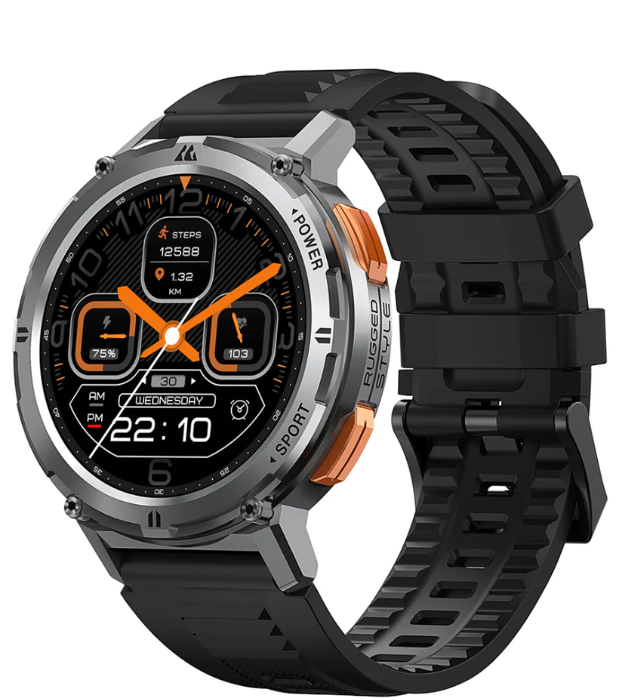
The 1.3-inch always-on AMOLED display encased in a circular bezel offers vibrant clarity, protected by Corning Gorilla Glass 3 for enhanced durability. Stay connected with HiFi Bluetooth calling through a simple switch. Never miss important calls or notifications, even during workouts.
Crafted from aerospace-grade alloy and stainless steel, the KOSPET TANK S1 balances style and durability. Lightweight at 48g with a 45mm diameter, it comes in various colors to match your style.
Beyond timekeeping, it boasts 70 sports modes for diverse activities. The KOSPET FIT app enhances your experience with practical programs and watches face customizations. Make the KOSPET TANK S1 uniquely yours.
Established in 2018, KOSPET operates branches in China and the US, with its global R&D hub in Shenzhen, Pre-sales division in Hong Kong, and Product Design center in Washington. KOSPET’s smartwatches are available on major e-commerce platforms with millions in annual sales and partnerships spanning 70+ countries. The brand takes pride in diverse, uniquely designed product lines and remains a frontrunner in Android and Rugged smartwatch markets, continuously introducing innovative models since its inception.
Recent developments have brought to light the hacking of WebDetetive, a Portuguese-language spyware company that has been infecting Android phones in South America, primarily in Brazil. Interestingly, the company itself fell victim to hackers, who exploited multiple vulnerabilities to gain access to WebDetetive’s servers and user databases.
At the time of the breach, over 76000 devices had been compromised.
Notably, the unnamed hackers took the unprecedented step of not only downloading all the data but also severing the spyware’s network connection to victim devices. The group justified their actions saying, “Which we definitely did. Because we could. Because #fuckstalkerware.”
A data dump of 1.5 gigabytes, now in the hands of nonprofit DDoSecrets, revealed the extent of WebDetetive’s reach. At the time of the breach, 76,794 devices had been compromised, and the data included 74,336 unique customer email addresses.
Though it’s too early to determine the true identity of the hackers, or to confirm whether they’ve been successful in disconnecting the victim devices, their approach offers an intriguing counter-narrative. Normally cast as villains, these hackers instead appear as digital vigilantes, delivering poetic justice by using their skills to disable a network that invades people’s privacy.
However, the story takes a deeper twist. WebDetetive’s roots are linked to OwnSpy, another notorious spyware app developed in Spain. While the administrators of WebDetetive remain anonymous, the connection to OwnSpy suggests a broader ecosystem for these nefarious activities.
Spyware companies like WebDetetive and OwnSpy exist in a murky legal environment, their coding often as questionable as their ethics. With this incident, questions around the “security” of these security companies are re-ignited. How can entities, notorious for their invasive capabilities, protect their own networks when they are this easily compromised?
While the hackers’ actions raise legal and ethical questions, they also throw a spotlight on the fragility of spyware infrastructures. Ironically, the hackers’ breach could serve as a wake-up call to users and potentially even law enforcement. But for now, it provides a touch of poetic justice in a domain often void of accountability.
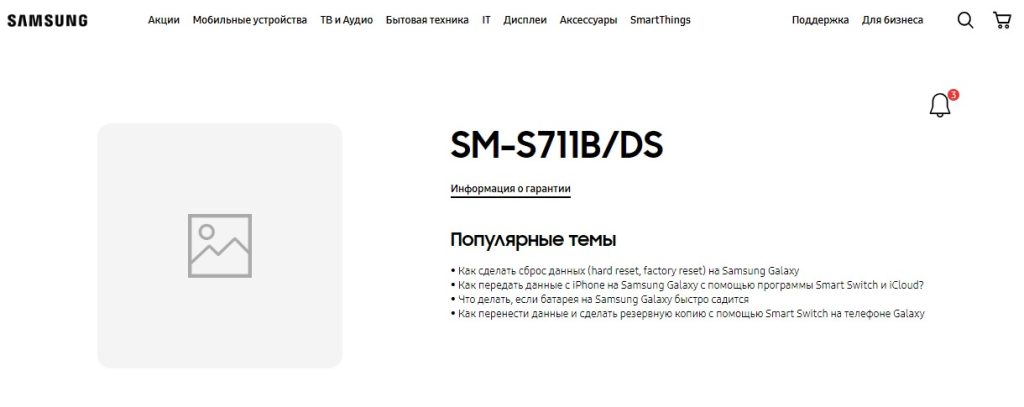
Recent reports have claimed that the Galaxy S23 FE will be the next major smartphone from Samsung. It is speculated that the device will debut by late September. It appears that Kazakhstan could be one of the first markets to receive it, as its support page has gone live on the Samsung Kazakhstan website.
Samsung Galaxy S23 FE support page
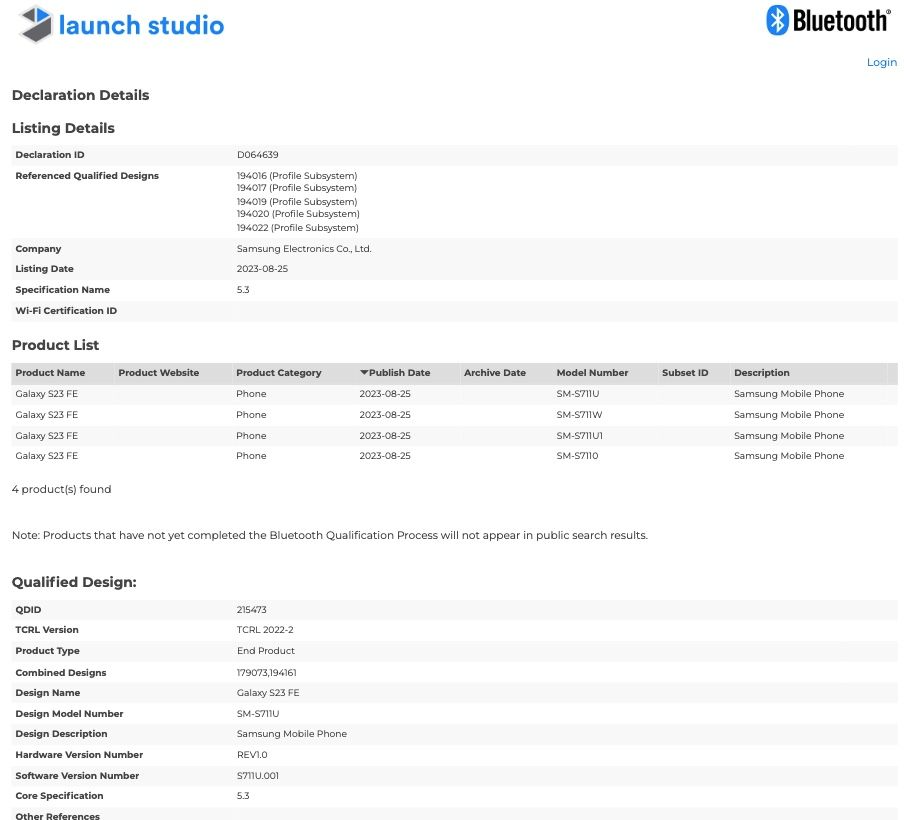
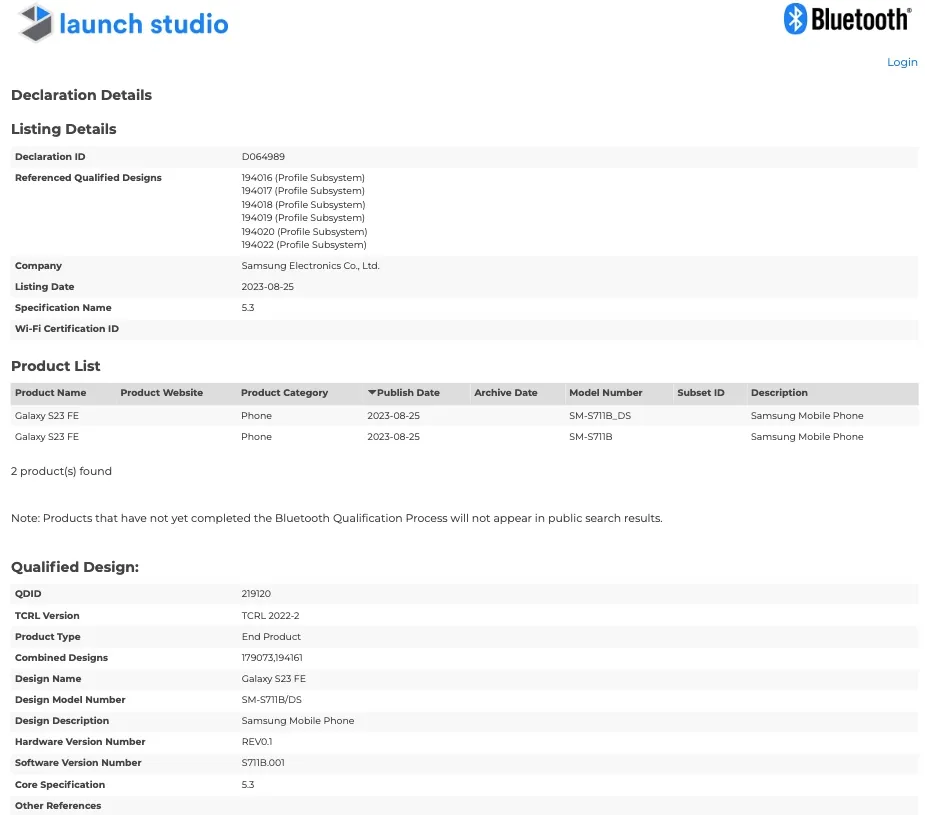
The Galaxy S23 Fan Edition has been spotted with model number SM-S711B/DS on Samsung Kazakhstan’s site. The listing has no information about the specs of the phone, but the mere appearance of the support page is a good hint that its launch is not too far away. It appears that Kazakhstan could be the first market to receive the S23 FE. In addition, the smartphone has been spotted with model numbers SM-S711U, SM-S711W, SM-S711U1, SM-S7110, SM-S711B_DS, and SM-S711B in the database of Bluetooth SIG certification (via.Pricebaba). Some of these variants have also appeared in the database of Wireless Power Consortium (WPC).
Rumors surrounding the Galaxy S23 FE have claimed that it may debut by late September and be released in several markets in the last quarter of 2023. The remaining markets may receive it in the first quarter of 2024. Here is a look at the leaked specifications of the device.
Samsung Galaxy S23 FE specifications (rumored)
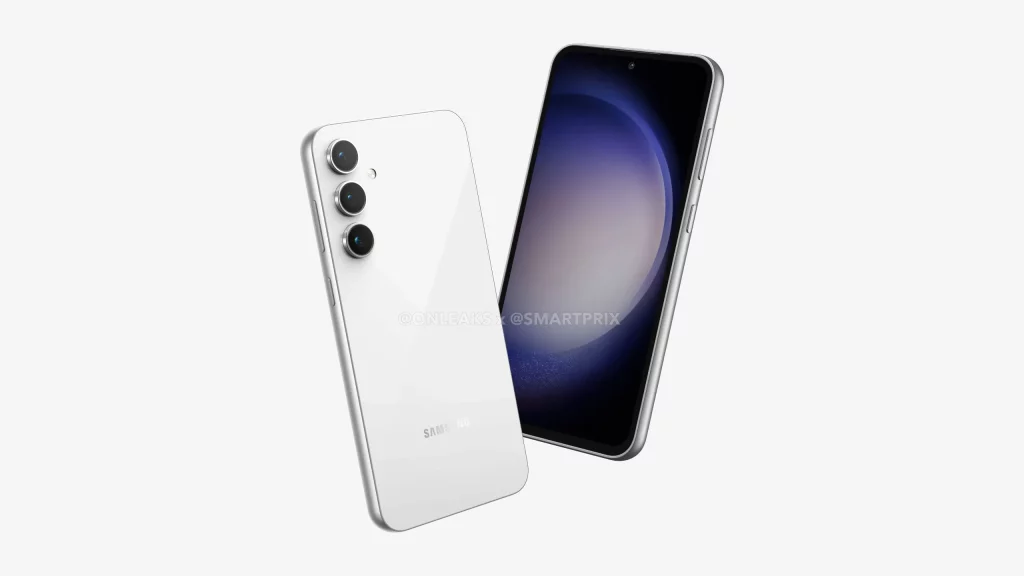
Samsung Galaxy S23 FE
The Galaxy S23 FE is said to feature a 6.4-inch AMOLED display that offers an FHD+ resolution and a 120Hz refresh rate. It will have a 10-megapixel front-facing camera, and its back panel will be equipped with an OIS-enabled 50-megapixel main camera, an 8-megapixel telephoto camera with 2x optical zoom, and a 12-megapixel ultra-wide camera.
The S23 FE will come in Exynos 2200 and Snapdragon 8 Gen 1 CPU variants in different markets. It may arrive with 8 GB of RAM, 256 GB of storage, One UI 5.1-based Android 13, and a 4,500mAh battery with 25W wired and 15W wireless charging.
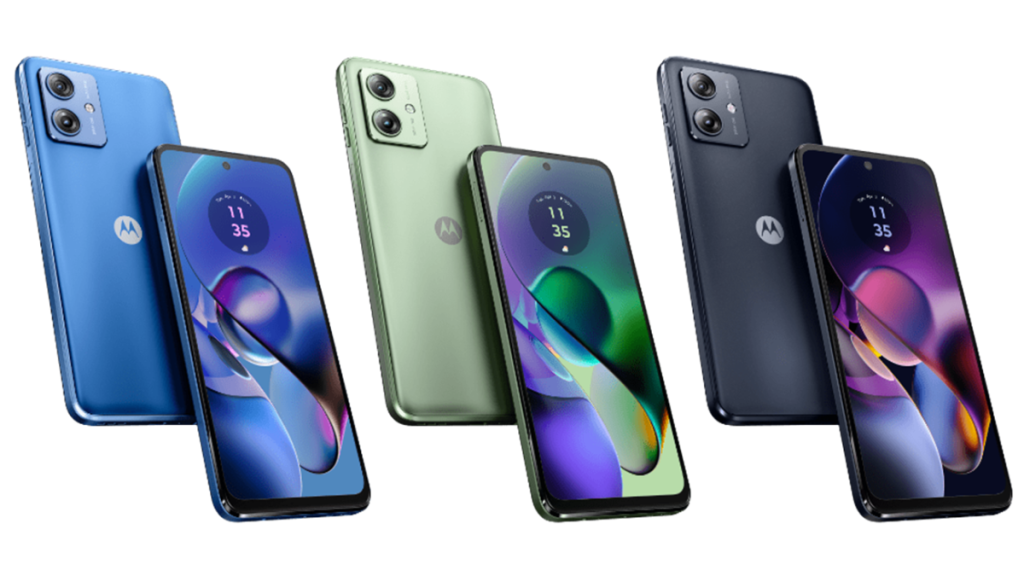
Motorola recently confirmed that it will announce the Moto G54 on Sept. 5 in China. The leaked renders of the phone that appeared last week have revealed its design and color variants. A report by Appuals has appeared to reveal all the major specs of the phone before its official announcement. Here is a look at what to expect from the smartphone:
Moto G54 5G specifications (rumored)
Moto G54 5G
According to the report, the Moto G54 5G has a 6.5-inch IPS LCD panel with a punch-hole design. It offers an FHD+ resolution of 1080 x 2400 pixels, a 20:9 aspect ratio, and a 120Hz refresh rate. It will be powered by the Dimensity 7020 chip, which also powers the Vivo Y77t that debuted earlier this month in China.
The report claims that the Moto G54 5G will come in two configurations: 8 GB RAM + 128 GB storage and 12 GB RAM + 256 GB storage. The device will pack a 6,000mAh battery that supports 30W fast charging. It is expected to come preloaded with MyUX-based Android 13.
The Moto G54 5G will come equipped with a 16-megapixel front-facing camera. On the back, the G54 will feature a 50-megapixel main camera with OIS support and an 8-megapixel ultra-wide lens with a 118-degree FOV. The main snapper will be capable of recording Full HD videos at 30fps and 60ps, whereas the ultra-wide and selfie snapper will support Full HD video recording at 30 fps.
The G54 will measure 161.56 x 73.82 x 8.9mm and weigh 196 grams. It will offer other features, such as a hybrid dual SIM slot with support for a microSD card, 5G, 5GHz Wi-Fi, Bluetooth 5.3, GPS, a USB-C port, a side-facing fingerprint scanner, and a 3.5mm audio jack.
BMW is stepping up its game in the electric vehicle (EV) market with a new focus on sustainable manufacturing and job creation. The luxury automaker recently broke ground on a battery logistics facility at its Leipzig campus in Germany, strengthening its commitment to both the EV industry and environmental responsibility.
BMW is planning to make one third of all its vehicles fully electric
This new plant will be essential for the production of BMW’s upcoming Mini Countryman. Equipped with a rooftop solar array that can produce more than 3,000 kilowatts, the facility also plans to plant over 5,700 new shrubs and trees. The aim is to keep the carbon footprint minimal, aligning with BMW’s broader sustainability goals.
Job growth is another key aspect. When the facility is fully operational, it will create about 500 new jobs in the Leipzig region, providing a significant boost to the local economy.
The facility is slated for partial completion by mid-2024 and will house high-voltage battery components for BMW’s electric models. This initiative is a part of BMW’s ambitious plan to have a third of its vehicles fully electric by 2026.
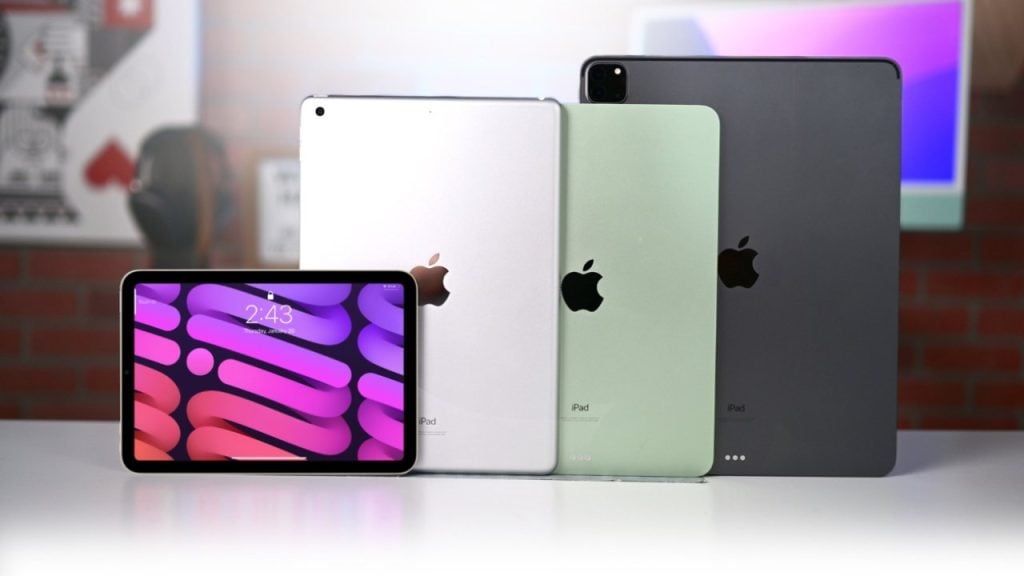
Apple‘s rumored iPad Pro 2024 is expected to be a major overhaul, marking the first significant update to the product since 2018. But this new iteration seems to do more than just impress tech enthusiasts; it highlights Apple’s mission to blur the lines between tablets and laptops.
The rumors are saying that the new iPad will have a crisper & brighter display
The new iPad Pro models, expected to come in two sizes – 11-inch and 13-inch, are not just upping the game in display technology. Switching from mini-LED and LED to OLED, the new displays promise to be “crisper and brighter,” according to Bloomberg’s Mark Gurman.
What’s interesting, however, is Apple’s aim to enhance the iPad Pro’s capability to mimic a laptop. The Magic Keyboard, which turned heads when it launched in 2020, is also set for an update. The larger trackpad on the new Magic Keyboard suggests Apple wants you to forget you’re even using a tablet. The Magic Keyboard’s evolution seems to be in sync with the new 13-inch iPad Pro display—both are taking up more real estate but potentially without increasing the device’s overall footprint.
But this comes at a time when the top public concern seems to be: Is the hardware getting too powerful for the existing iPadOS? Some users are advocating for a shift to MacOS to make the iPad a true laptop replacement. While that remains a pipe dream, Apple appears to be tackling the issue from a different angle. By upgrading hardware like the Magic Keyboard and promising a new M3 chip, Apple seems to be nudging the iPad Pro closer to the laptop territory without changing its core identity.
With no confirmed updates till next spring or early summer, one can’t help but wonder: Is Apple’s hardware spree aimed at disguising an underwhelming OS, or is this a preview of more synergistic changes between the iPad Pro and MacOS? Either way, it’s clear that Apple wants the new iPad Pro to be more than just a tablet, making the upcoming reveal a pivotal moment in tech history.
And to skeptics who claim that hardware has been “overpowered for generations,” perhaps the 2024 iPad Pro will be the device that proves hardware and software can indeed advance hand in hand.
With a late-year debut, the Kia EV9 is set to make waves in the U.S. electric SUV market, offering a fresh blend of size and utility that might just make you reconsider your traditional family hauler. The Korean automaker is emphasizing variety with this new release, offering the EV9 in five trims to fit diverse needs and lifestyles.
The base model comes with a 223-mile range, that can be extended to 300 miles
At nearly 197 inches long, the EV9 mirrors the dimensions of Kia‘s gas-guzzling Telluride, offering plenty of room for the family or the weekend road trip. But, it’s not just about size; it’s about choice. From Light RWD to GT-Line AWD, each trim caters to a different slice of the market, giving future owners the ability to choose what suits them best.
Starting with the entry-level EV9 Light RWD, you get a 76.1kWh battery that gives you a decent range of 223 miles and a respectable 215 horsepower. Even at the base level, the EV9 doesn’t skimp on creature comforts; wireless phone charging, 8-way power-adjustable heated and ventilated front seats, and LED projection lights come standard. If you want a bit more juice and luxury, the Light Long Range RWD steps up with a 99.8kWh battery, extending your range to 300 miles, adding second-row captain’s chairs, and even a front-row sunroof. Towing? That’s capped at 2,000 pounds across the board, so you can haul your small boat or trailer with ease.
What’s conspicuously missing from Kia’s initial details is the pricing. And that’s a critical piece of the puzzle, as affordability remains a major factor in the wider adoption of electric vehicles.
However, with this level of variety in battery size, power, and features, it appears that Kia wants to reach a broader market segment. So, if you’re in the market for an electric SUV that doesn’t compromise on size or options, the EV9 is certainly worth keeping on your radar.
Tesla is on the move again, this time setting up its first V4 Supercharging station in the UK. Nestled in the company’s Tottenham Service Centre, this addition is more than just a routine upgrade; it’s a gesture of inclusivity in the electric vehicle (EV) community.
The V4 Superchargers are expected to be available in North America soon
What makes this new installation stand out is its user-friendliness. For the first time, Tesla is offering a card payment method, allowing a broader range of EV users to charge up without any hassle. A demonstration by EVA England showed that the cost comes down to about £0.50 per minute, approximately $0.63 USD. So, if you own a non-Tesla EV, all you need to do is connect it via a CCS2 charging connector and swipe your contactless bank card. No Tesla app? No problem.
This development could be a game-changer for Tesla, as it slowly opens its proprietary charging network to other brands. With CCS2-compatible charging inlets becoming standard across new EV models, the ‘Tesla-only’ label on Superchargers may soon be a thing of the past. This is especially significant given the rise in the number of V4 Supercharging sites across Europe—currently seven known locations with a few more in the pipeline.
But that’s not all. The V4 Supercharger is expected to extend its reach to North America soon. Although there are some compatibility issues to iron out, Tesla is already planning to address this with built-in CCS1 adapters, paving the way for an even broader application of their Supercharger network.
Tesla’s new V4 Supercharging station is not just an upgrade; it’s a statement. It says, “We’re here for every EV owner.” As the electric car market gets more competitive, Tesla is showing that cooperation and inclusivity might just be the new route to success. And for those who are wondering, another V4 site in Swindon is reportedly in the works, equipped with 16 350-kilowatt stalls. So, whether you’re Team Tesla or not, charging your EV just got a whole lot easier.
Long-time PC and console favorite, Warframe, is breaking new ground by launching on iOS in 2024. Gamers can pre-order the game on the App Store to snag an exclusive Day 1 login reward as a token of gratitude from the developers. The mobile version promises to offer the same high-quality, free-to-play gameplay experience that has captivated millions on other platforms. This move signifies an expansion of Warframe’s reach, aiming to captivate a fresh audience while providing existing fans the flexibility to play anywhere.
Warframe is expected to gain a lot of new players thanks to this port
The game retains its full, online co-op experience and continues to evolve, ensuring that the gameplay stays fresh and engaging. The developers are doubling down on their commitment to offer a seamless gaming experience across platforms, emphasizing that “the system needs you, Tenno.”
As always, registration for Warframe will follow the game’s Privacy Policy, providing a secure environment for gamers to dive into this rich, ever-expanding universe.
With the iOS launch, Warframe seems to be tapping into the mobile gaming market’s potential, recognizing its widespread appeal. The move also aligns with the industry trend of popular PC and console games making their way onto mobile platforms. For those interested in learning more or securing their Day 1 rewards, the pre-order is live on the App Store.
Meta-owned WhatsApp has recently introduced several new features, and it appears that this trend of implementing new features is set to continue in the coming days.
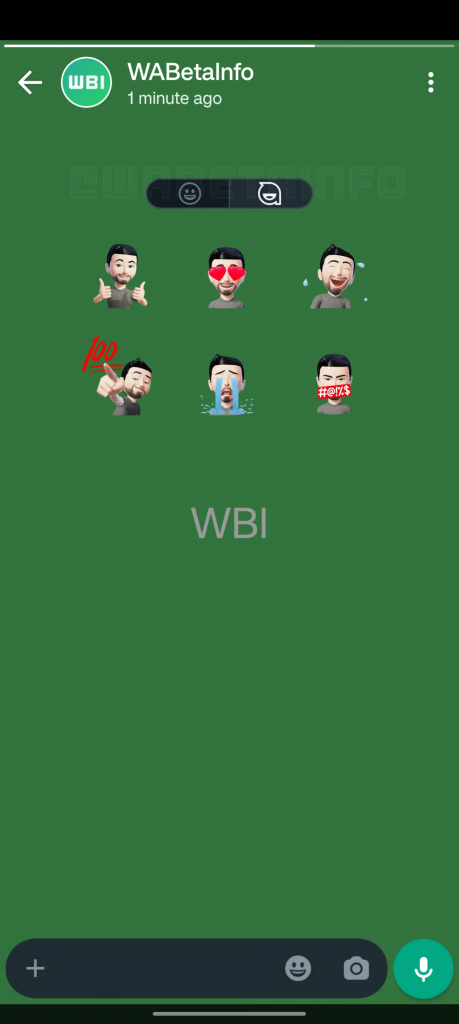
The latest update, available through the Google Play Beta Program as version 2.23.18.9, presents an intriguing new feature – replying to status updates with avatars.
Express More on WhatsApp: Avatar Reactions to Status Updates
In the past, WhatsApp users had the option to react to status updates using 8 emojis, which had limitations in expressing emotions. The new update expands this by offering 8 avatars as well, enabling users to convey a wider range of reactions and emotions to status updates, ultimately enhancing the user experience.
The newly introduced WhatsApp feature of replying to status updates with avatars brings a significant advantage in emotional expression. Unlike emojis, which offer limited emotions, avatars allow for a more personalized and nuanced representation of feelings. This enhancement is particularly valuable in situations where emojis are insufficient, offering users a more accurate and comprehensive means of conveying their emotions.
The feature is currently available to a limited group using the WhatsApp beta version from the Google Play Store. In the coming weeks, it is anticipated to roll out to a wider range of beta users.
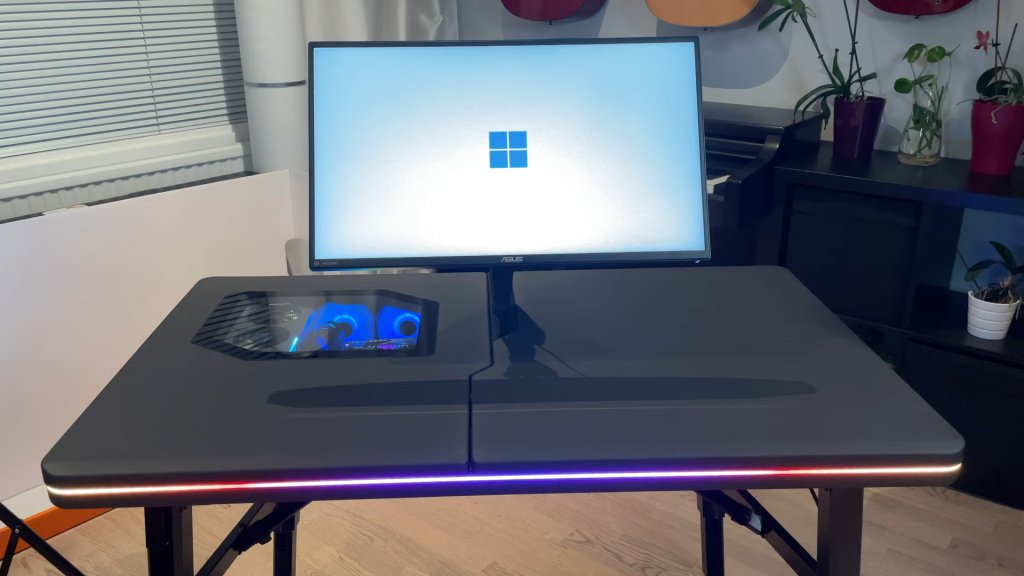
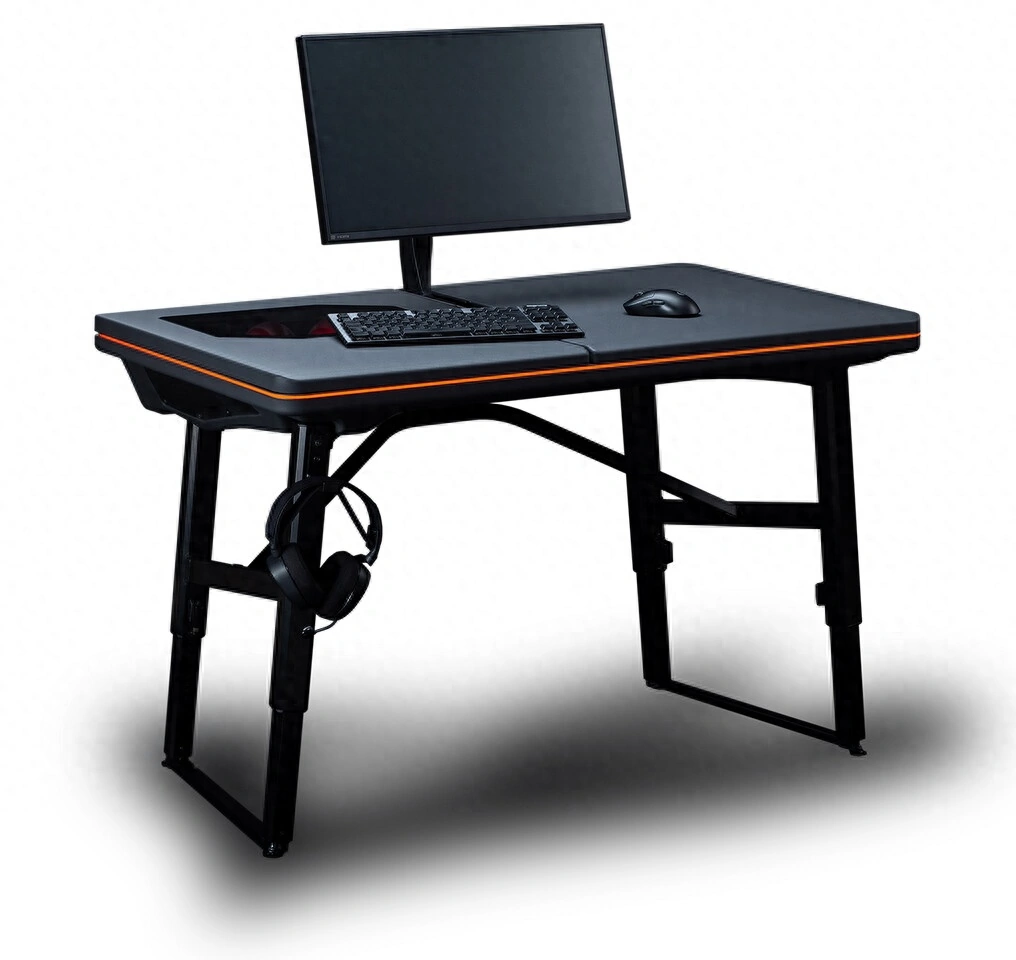
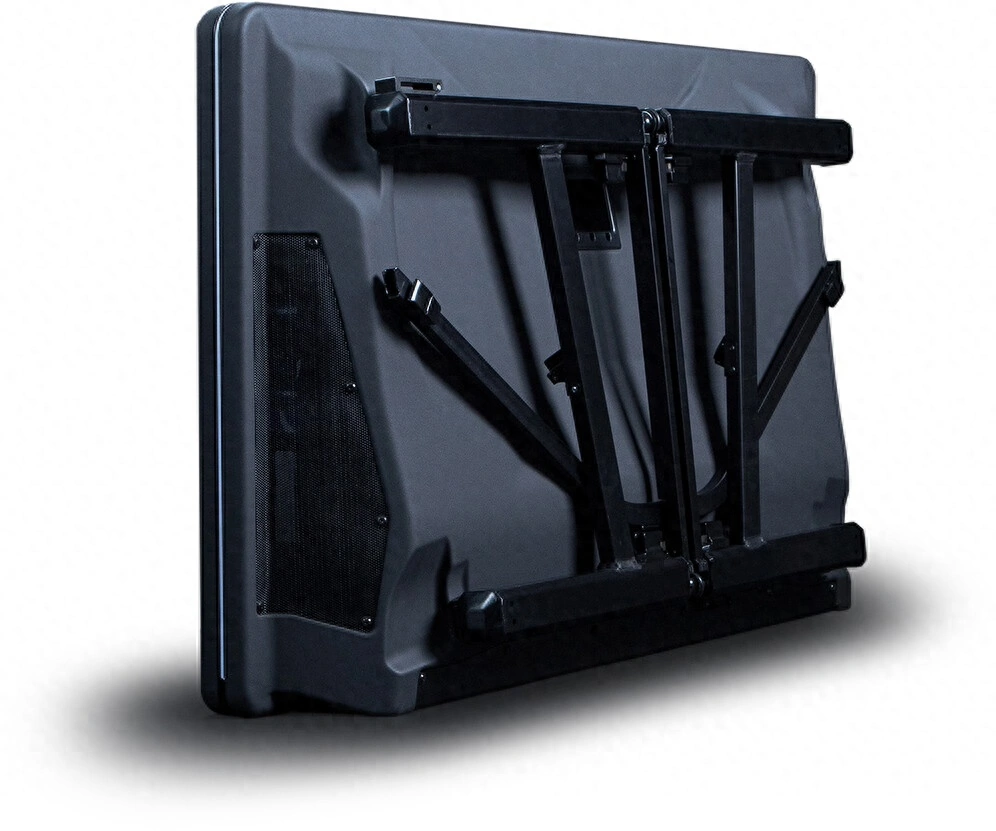
Finnish esports and hardware company UNEVN has introduced an all-in-one portable esports desktop gaming setup called BASE. This unique system weighs 27 kilograms and includes a desktop computer, monitor, keyboard, mouse, and gaming desk all in one package. The components are cleverly integrated into the desk for maximum portability and convenience.
Catering to Esports Gamers’ Needs
The BASE portable gaming setup by UNEVN has dimensions of 114 cm width and 68 cm depth. It accommodates a desktop PC and a monitor up to 27 inches. The setup process is quick and easy, taking approximately one minute according to UNEVN’s claims.
UNEVN’s BASE portable gaming setup was created by Finnish brothers Aleksi and Santeri Rinkinen, with the involvement of esports champion Jesse ‘JerAx’ Vainikka, a former Dota 2 professional and two-time winner of The International. JerAx’s extensive experience in global esports tournaments influenced the development of BASE to cater to the requirements of top-tier players.
UNEVN’s CEO, Aleksi Rinkinen, emphasizes BASE’s dual goals of delivering smooth gaming performance and exceptional portability. This combination enables gamers to enjoy their gaming activities from any location with ease.
BASE’s design is focused on its usefulness in team training camps. These camps usually pose logistical difficulties due to space and setup requirements. BASE eliminates this issue by providing a solution that eliminates the need for transporting bulky computers and desks. This design optimizes space utilization and simplifies the process of setting up training camps.
The BASE setup is available on UNEVN’s website for €1290. The fully equipped version, featuring the Ryzen 7 7800X3D, GeForce RTX 4070 Ti, and the Alienware AW2523HF gaming monitor, is priced at €4149.
We use cookies on our website to give you the most relevant experience by remembering your preferences and repeat visits. By clicking “Accept”, you consent to the use of ALL the cookies.
This website uses cookies to improve your experience while you navigate through the website. Out of these, the cookies that are categorized as necessary are stored on your browser as they are essential for the working of basic functionalities of the website. We also use third-party cookies that help us analyze and understand how you use this website. These cookies will be stored in your browser only with your consent. You also have the option to opt-out of these cookies. But opting out of some of these cookies may affect your browsing experience.
Necessary cookies are absolutely essential for the website to function properly. This category only includes cookies that ensures basic functionalities and security features of the website. These cookies do not store any personal information.
Any cookies that may not be particularly necessary for the website to function and is used specifically to collect user personal data via analytics, ads, other embedded contents are termed as non-necessary cookies. It is mandatory to procure user consent prior to running these cookies on your website.