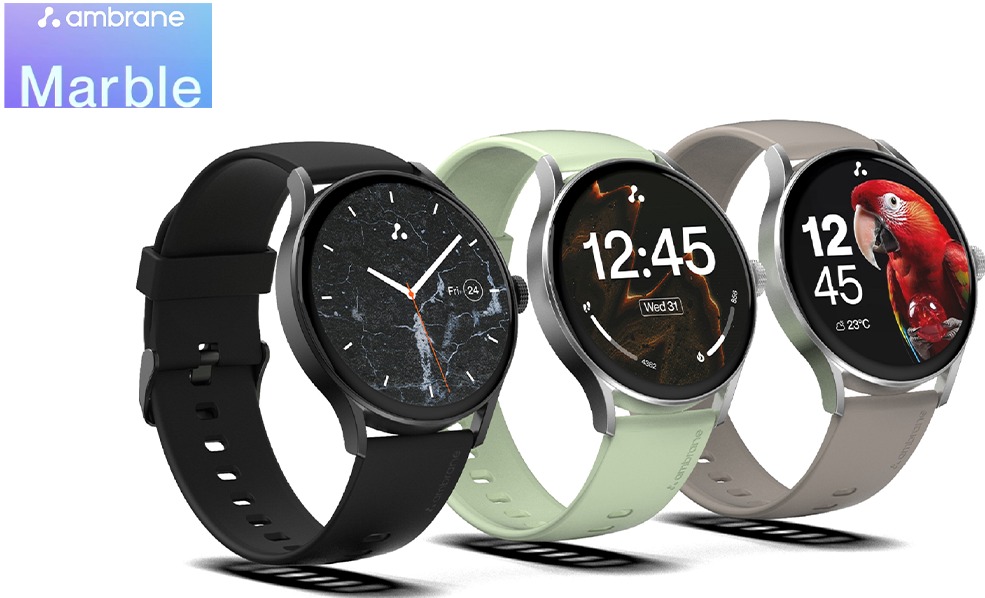
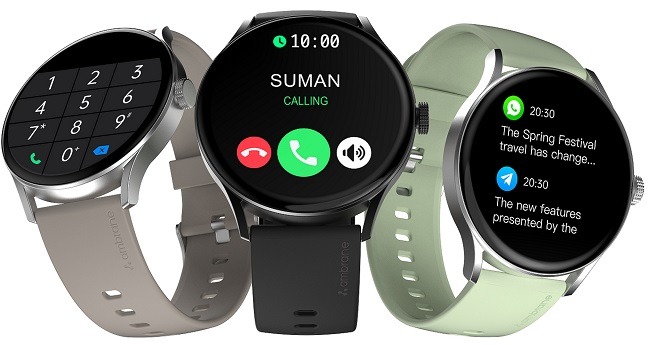
Ambrane is here with a new smartwatch – Ambrane Marble that bundles a 1.43-inch AMOLED display, Bluetooth calling, and an IP68 rating that protects from dust and water. It is the second smartwatch of this year after Ambrane Crest Pro which was launched earlier this year.
The affordable smartwatch ships with a 1.43-inch AMOLED display sporting 466 x 466 pixels resolution, 1000 nits brightness, and Always-on-Display mode. There’s a Rotatory Crown to manage the smartwatch. It’s display is protected with a 2.5D Curved Glass.
The smartwatch offers over 100+ Sports Modes along with SpO2 and 24×7 Heart Rate Monitoring, and Blood Pressure Measurement. It also bundles several health-tracking features for the Menstrual Cycle, Sleep, and Breath Training. Other features include Sedentary Alert, Alarm, Timer and Find Phone.
Along with several health tracking and monitoring features, it also offers some smart controls for your smartphone. The Ambrane Marble offers a Remote Camera and Music Player, Voice Assistance, All Message Notifications, etc.
It bundles a unique UniPair Technology that ensures quick pairing in just a single tap. It will be quite useful while using its Bluetooth Calling feature with an inbuilt Mic, speaker, and dialer. The smartwatch offers a battery life of up to 7 days upon a single full charge of its 280 mAh battery. Another perk is its IP68 rating which will protect the smartwatch from 1.5 metres of water depth for up to 30 minutes.
The new smartwatch brings highly competitive specifications at such an affordable price. The smartwatch is available in different color choices and straps including Alpine Green Magnetic, Black, Green, Metallic Black, and Brown. It is currently available at a reduced price of Rs 1,999 (~$24). However, its actual price is Rs 2,799 (~$33).
It will ship with a year warranty and is available from the Ambrane online store and Flipkart.com.
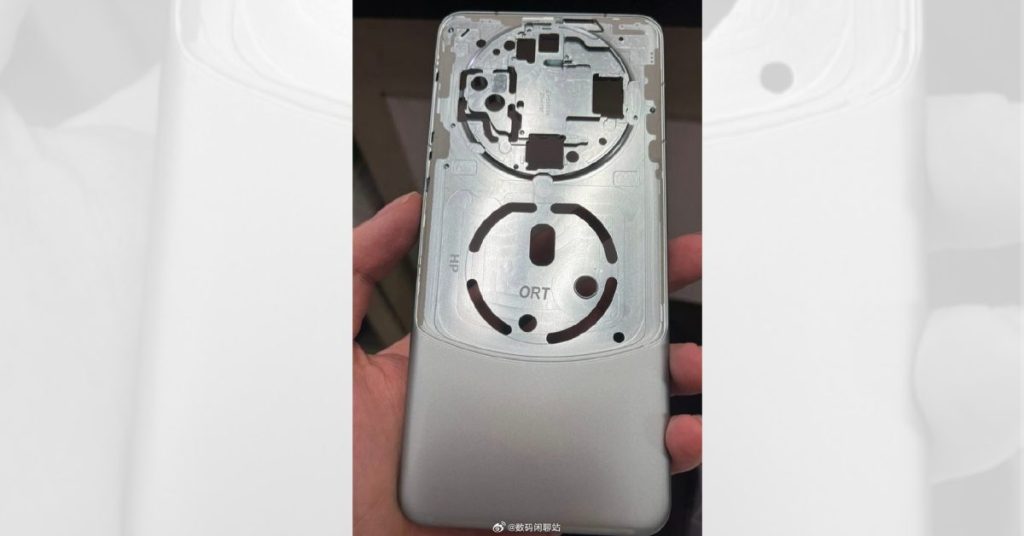
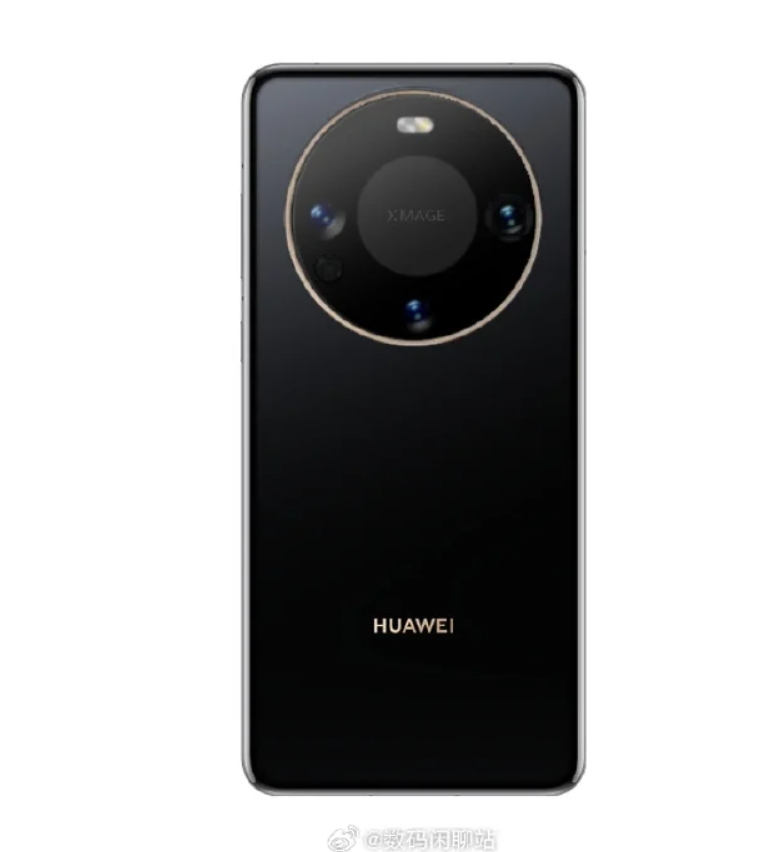
Huawei’s upcoming Mate 60 series has been leaked again. This time, a photo of the back cover of the phone was shared by tipster Digital Chat Station on Weibo. The photo shows the Mate 60 series smartphone’s back chassis, which is completely carved out of metal.
The lower half of this chassis extends to the middle frame, while the remaining half of the phone has a cavity that shows the bare bones of the circular camera island. This cavity is likely to be fitted with a glass panel.
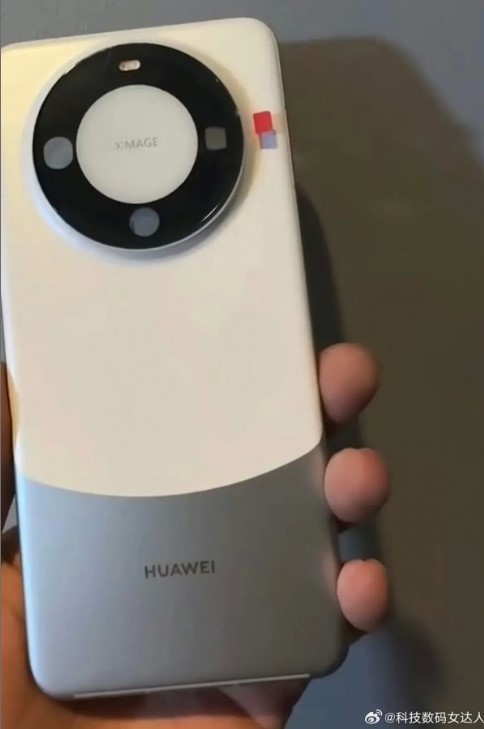
The leak is consistent with an earlier leak that showed the phone in ivory-white. The new leak shows that the phone has an entirely gray bottom part, with an ivory hue on the upper half.
It is unclear if this design is purely aesthetic or if it has a functional purpose. Huawei is known for its innovative designs, and the upcoming Mate 60 series looks no exception.
Meanwhile, the Huawei Mate 60 series is expected to be released on September 12. It has already started mass production and is confirmed by multiple industry insiders.
The phone will have a hole-punch screen design and support 3D face recognition. The Mate 60 series will most likely be powered by Snapdragon 8 Gen 2 processor and it will run on the company’s new Harmony OS 4.0 system. Rumors have also surfaced about the phone supporting satellite communication.
Likewise, the Huawei Mate 60 series is expected to support voice calling via satellite, unlike the Mate X3 and P60 series, which only support two-way satellite communication via SMS.
This is thanks to the new power amplifier chips that the Mate 60 series will have. These chips are specifically designed for the Tiantong-1 satellite mobile communication system, which can be used for voice communication, image transmission, precise positioning, and data reporting.
Sharing media files on WhatsApp is quite frustrating as the instant messaging platform compresses the quality. Users would have to share them as documents to preserve the quality. However, this is no longer the case as the Meta-owned platform introduced the option to send HD-quality photos earlier this month. Now, WhatsApp is also adding support for sharing HD-quality videos. This feature has been long awaited as users can share media in high resolution.
Users can now share HD-quality videos on WhatsApp
WhatsApp confirmed to TechCrunch about the support for HD video quality on its messaging platform. The feature is now rolling out for Android and iOS users in a phased manner which means that it might take a few days to arrive on all devices. Users need to ensure that they are using the latest version of the app.
With the latest feature, WhatsApp users can now share high-quality videos in up to 720p. Although it is not as close to 1080p, it is still far better than 480p which was the default choice till now. The process of sharing HD videos on the messaging service is the same as sharing HD photos. After selecting the video a user wants to share, there will be a new HD icon at the top of the screen. Then users will be prompted if they want to share the video in SD or HD quality. It will also display the file size for both options which could potentially help save mobile internet data. Users can then press send to share the video.
Both the HD images and videos shared on WhatsApp are end-to-end encrypted. The recipient of the HD video will see a small HD badge on the video shared in the app that will let them know you have shared an HD video. This is helpful in making an informed decision if the have the storage space and internet bandwidth to download and view the file.
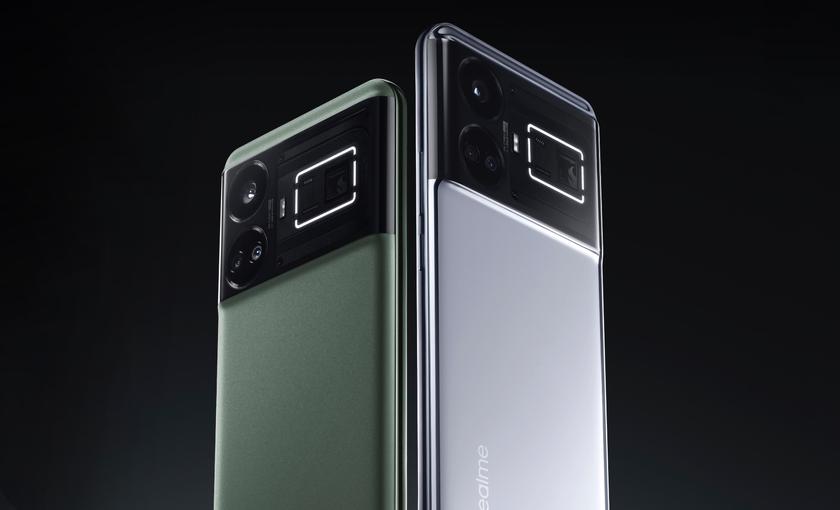
In a notable 2-hour early bird window, the company managed to sell a whopping 30,000 units of the Realme GT 5. This limited sale for early adopters started in China at 4 pm local time, even before its scheduled pre-sale that began at 6:30 pm.
Realme GT 5 variants and pricing:
Diving deeper into the configurations, the Realme GT 5 offers varied options catering to a wide range of customers. The model with 150W fast charging comes in two configurations: 12GB RAM + 256GB storage retailing for 2,999 yuan ($411) and 16GB RAM + 512GB storage priced at 3,299 yuan ($452).
However, those looking for an even superior model can opt for the Realme GT 5 240W, boasting a massive 24GB RAM + 1 TB storage, available for 3,799 yuan ($520).
Realme GT 5 specifications overview:
The Realme GT 5 boasts a 6.74-inch OLEDdisplay with adjustable refresh rates (144Hz to 40Hz) and up to 1400 nits brightness. It runs on a Snapdragon 8 Gen 2 processor with Adreno 740 GPU, coupled with up to 24GB LPDDR5X RAM and up to 1TB UFS 4.0 storage.
The phone’s cooling system includes a variable heat dissipation setup with a large cooling area, Ice core cooling system Max, high-performance graphite material, and a gaming control engine for optimal performance.
The device runs on Android 13 with Realme UI 4.0 and supports dual SIM cards. It features a powerful camera setup, including a 50MP main camera, an 8MP ultra-wide lens, and a 2MP macro camera on the rear, along with a 16MP front camera.
The phone offers an in-display fingerprint sensor, stereo speakers with Dolby Atmos, and multiple connectivity options, including 5G, Wi-Fi 7, Bluetooth 5.3, NFC, and USB Type-C.
The GT 5 is equipped with a substantial 5240mAh battery with 150W SuperVOOC fast charging, while the GT 5 240W model features a 4600mAh battery with 240W SuperVOOC fast charging capabilities, reaching 20% charge in 80 seconds, 50% in 4 minutes, and full charge in about 9 minutes. The device comes in White and Green colors.
Competition in the electric vehicle market is increasing day by day. As a result, manufacturers are introducing a variety of products to meet different consumer needs and attract more users. For example, we recently talked about BYD’s luxury EV brand, Fang Cheng Bao. Now, Chinese automaker Geely, following a similar strategy, has officially unveiled the Panda Knighta a new electric mini vehicle that has a range of up to 200 kilometers.. Here are the details…
Geely Panda Knight: Specs, Price and Availability
Geely continues to expand its product lineup. The company’s first addition after the Geometry E Firefly is the Panda Knight, which stands out for its affordable price. The vehicle features several updates compared to old gasoline powered Panda, including a new front fascia that sports a more aggressive design, new LED headlights and taillights, and new wheels.
Additionally, the vehicle comes with a revamped interior featuring a more modern design and a larger touchscreen infotainment system. The Panda Knight is powered by a single electric motor that produces 70 horsepower and 135 Nm of torque. The motor is powered by a 38.7 kWh battery pack that gives the vehicle a range of up to 200 kilometers on a single charge.
The Panda Knight is available in two trim levels, “Standard” and “Luxury”. The Standard trim level is priced at 69.800 Yuan ($10.000), while the Luxury trim level is priced at 79.800 Yuan ($11.000). The Geely Panda Knight is a promising new electric vehicle that has the potential to be a success in China and other markets. The vehicle is stylish, affordable, and has a relatively good range, making it a compelling option for consumers.
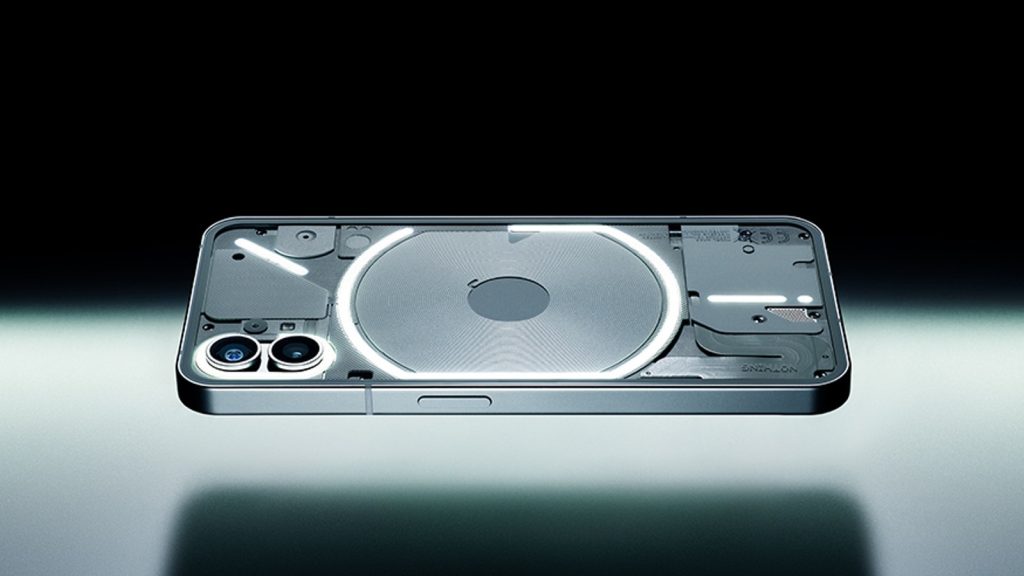
It’s been over a month, since Nothing Phone 2 featuring the Nothing OS 2 launched with some exciting hardware and software upgrades. Following last week’s confirmation, Nothing has started seeding the Nothing OS 2 update for the Nothing Phone (1). The new OS upgrade brings some pre-installed set of lock screen and home screen widgets and several other toggles as seen on this year’s flagship.
Nothing’s CEO took to X.com (formerly Twitter) to announce the Nothing OS 2.0 update rollout on last year’s Nothing Phone 1. There are plenty of changes that are part of the latest update. Apart from the bigger changes, the update also packs some improvements that will elevate the user experience of the phone. Below is the official changelog:
We've now began rolling out Nothing OS 2 for Phone (1). Thanks for everyone's patience! As our capabilities strengthen, we'll be able to pull in the time gap over time.
Phone (1), it’s your turn now. We are thrilled to introduce the Nothing OS 2.0, packed with exciting features, enhanced customization, and improved functionality. This changelog only contains the highlight features, but there are many areas in which we improved the Phone (1) software. A massive shoutout to the entire mobile development and test team working diligently to make Nothing OS 2.0 happen for Phone (1).
Homescreen customization
New visual identity that feels unmistakably Nothing.
Updated launcher grid layout, supporting the option to hide icon labels.
More options for customizable folders, try out different layouts and folder covers by expanding the folder.
Nothing widgets
Updated the design for the following widgets- Clock, Weather, Quick Look, Also introduced the new Quick Settings widget, allowing you to access settings even quicker.
Widgets are now also available on lock screen and AOD.
Glyph Interface 2.0
Essential notifications – allow your most important apps and contacts to leave a persistent Glyph, so you know at a glance if you have any important missed notifications.
Glyph torch – Long press the Torch Quick Settings tile to light up the entire Glyph interface.
New Apps features
Introduced Cloned app allowing you to operate multiple accounts in apps without having to log out.
Introduced App Locker – protect your apps by requiring another unlock when attempting to open.
Other improvements
Updated auto-brightness logic
Many (and I do mean many) improvements to optimize your Phone (1) experience.
The update is now rolling out and it weighs 0.97GB in size. Interested users can check for the update by heading over to the device’s Settings > About Menu > Check for Updates. Being a staggered update, it takes a couple of days to a few weeks for the update to reach each unit.
iQOO is set to launch a new Z-series smartphone in India this week. Ahead of the launch, the brand has been sharing teasers revealing key specifications of the upcoming offering. The iQOO Z7 Pro will arrive as the successor to the last year’s Z6 Pro. The device seems to be a rebadged version of the Vivo S17e that is available in China.
iQOO Z7 Pro launch date, sale date
#iQOOZ7Pro the slimmest phone* in its price segment, the ultimate fusion of technology and aesthetics. 🖤 Launching @amazonIN on August 31.
The iQOO Z7 Pro is set to launch in India on August 31 at 12 noon local time. The launch event will likely be on the brand’s YouTube channel as well as Twitter account. The smartphone is confirmed to be available for purchase from Amazon. However, the exact sale date remains unknown.
iQOO Z7 Pro expected price
The Amazon microsite of the iQOO Z7 Pro reveals that the AnTuTu benchmark result is based on the 8GB + 256GB configuration of the device under Rs 25,000 price segment of other devices on the e-commerce platform in 2023. This subtly suggests that the iQOO Z7 Pro will be priced under the Rs 25K bracket.
iQOO Z7 Pro specifications
The iQOO Z7 Pro is confirmed to come with a 3D curved display with a centre-aligned punch-hole cutout. It will feature a 120Hz refresh rate and a 1,300 nits peak brightness. Design-wise, the back panel has a gradient wave-like pattern housing a squarish camera module. It is said to be made of AG glass making the panel resistant to glares and fingerprint marks. The device will be offered in Blue Lagoon and Graphite Matte color options.
As per teasers, the iQOO Z7 Pro is confirmed to be equipped with a Dimensity 7200 processor based on 4nm architecture under the hood. It will pack 8GB RAM along with support for 8GB virtual RAM. The device is said to have registered the highest AnTuTu score with 7,28,764 points.
The camera details of the iQOO Z7 Pro have not been revealed yet but it has two sensors and a a ring-LED flash along with support for OIS.
Lenovo recently launched the YOGA Air 14s laptop in China powered by the AMD Ryzen 7 7840S processor. The brand has now unveiled the 2023 model of the YOGA Pro 14s laptop powered by a powerful 13th Gen Intel i9 chip.
Lenovo YOGA Pro 14s specs
The Lenovo YOGA Pro 14s boasts a robust Intel i9-13900H processor, ensuring that you will be able to perform heavy workloads with ease on this machine. The laptop also features 32GB of LPDDR5 5200 RAM, along with up to 1TB of PCIe 4.0 SSD storage. Its 14.5-inch 3K display offers a crisp 3072 x 1920 resolution and a fast 120Hz refresh rate. The integrated 1080p camera ensures high-quality video calls. Although this model has an integrated GPU, the YOGA Pro 14s Extreme Edition comes with a dedicated RTX 4060 to facilitate gaming as well as creative workflows.
The Lenovo YOGA Pro 14s offers versatile connectivity options: Thunderbolt 4, USB-C, USB-A 3.2 Gen 1, HDMI 2.1, and a 3.5mm audio jack. Notably, it boasts a 73Wh battery with 100W fast charging for quick recharges, making it ideal for on-the-go use. Despite its impressive specs, it’s lightweight at just 1.58kg, providing both power and portability in a sleek package.
Price & availability
The Lenovo YOGA Pro 14s notebook with 32GB RAM + 1TB storage has a starting price of 8799 yuan ($1206). On the other hand, the YOGA Pro 14s Extreme Edition which includes an RTX 4060 has a price tag of 11999 yuan ($1645).
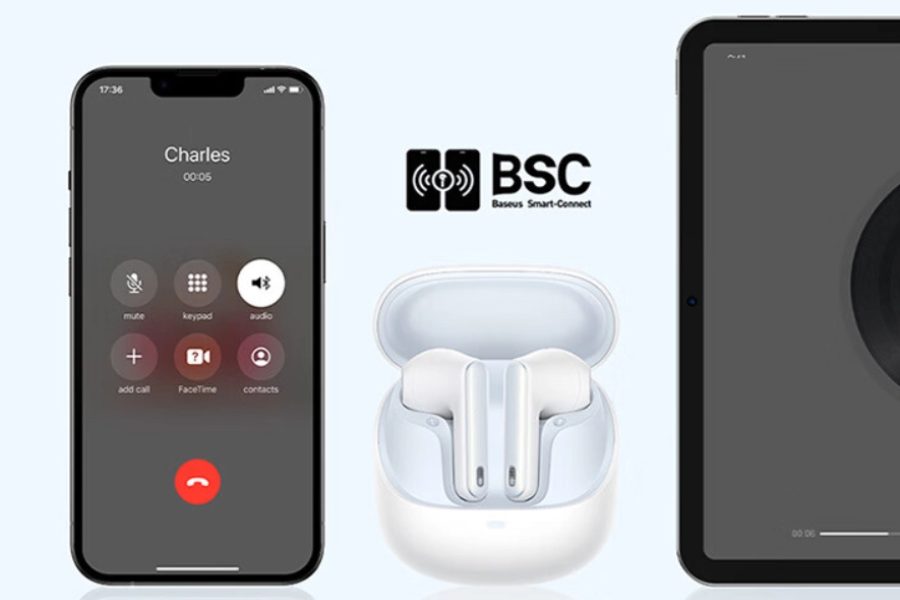
Earlier this month, Baseus launched the AeQur series G10, its first pair of earbuds with dual-mode connection technology. The company has now launched another pair of earbuds, the Baseus M3, which are a bit more expensive than the AeQur series G10. In this article, we will discuss the specifications, pricing and availability of the Baseus M3.
Baseus M3 Specifications and Pricing
The Baseus M3 is a pair of semi-in-ear earbuds that is available in two colors, white and blue, and fit snugly into a dual-tone charging case. The case also features an LED light that notifies you of the charging status with a red blink.
The earbuds are equipped with a 12mm driver for audio. Although a semi-in-ear bud, it supports active noise cancellation (ANC) up to 30dB, which can help you block out ambient noise so you can focus on your music. The ANC is adaptive, meaning it automatically adjusts to the level of noise in your surroundings.
The M3 earbuds connect to your devices via Bluetooth 5.3. They also have six microphones for call noise reduction, so you can make clear calls even in noisy environments.
In addition to ANC and call noise reduction, the M3 earbuds also have a few other features. They support dual-device connections, so you can connect them to two devices at the same time. Additionally, the playback pause feature automatically pauses your music when you remove the earbuds from your ears.
The battery life of the M3 is 6.5 hours per ear with noise cancellation turned off, and 30 hours in total. It charges via a Type-C port and can be fully charged in 1 hour. It also supports wireless charging in 2.5 hours.
The Baseus M3 earbuds can be purchased for 349 Yuan (about $47.85). They are available on JD.com.
Multiple announcements related to Jio 5G rollout, Jio AirFiber, and Jio Smart Home have been made at the Reliance AGM 2023. Interestingly, the Jio AirFiber service will make a commercial launch on September 19. Jio is already testing AirFiber service at some locations, and the recent announcement has paved the way for a broader rollout in India.
Jio is set to take a lead in the Air Fiber market with the early launch as Airtel also formally announced its Xstream AirFiber services in India. The carrier can connect 150,000 connections in a day with AirFiber. However, Jio Fiber broadband is limited to 15,000 connections per day.
“We can currently connect around 15,000 premises daily, but with Jio AirFiber, we can supercharge this expansion with up to 150,000 connections per day. This is a 10-fold increase, expanding our addressable market over the next three years to over 200 million high-paying homes and premises,” said Reliance Industries chairman Mukesh Ambani at the company’s annual general meeting Monday.
Jio Home app will act as a management console for the Jio AirFiber service. It will allow the users to manage users, grant and restrict usage access, and other connection details via the app. On top, Jio also announced an AI-driven Proactive Quality Monitoring feature that will automatically analyze and optimize the WiFi network for the best performance.
The Jio AirFiber pricing structure is not yet out. But, Jio will compete against Airtel’s Xtream AirFiber which starts with a $10 plan per month for a 100Mbps speed. In addition, there’s a $30 security deposit while availing the service.
Jio 5G Coverage
In addition, Jio aims to establish 5G connectivity across every town in India by December 2023. The carrier also has 450 million subscribers in India with an average of 25GB of data consumption per month. The company used a 100% in-house developed 5G stack for 5G rollout consisting of Carrier Aggregation, Network Slicing, Standalone 5G architecture, etc.
“And our focus on continuous innovation has positioned us to be among the first globally to develop 6G capabilities. In fact, we have become one of the largest filers of global patents from India for digital technologies, affirming our transformation from a telecom operator to a technology company,” he said.
It would be interesting to see the pricing and quality of service after its launch on September 19. Further, there are plenty of other announcements made at the Reliance AGM 2023.
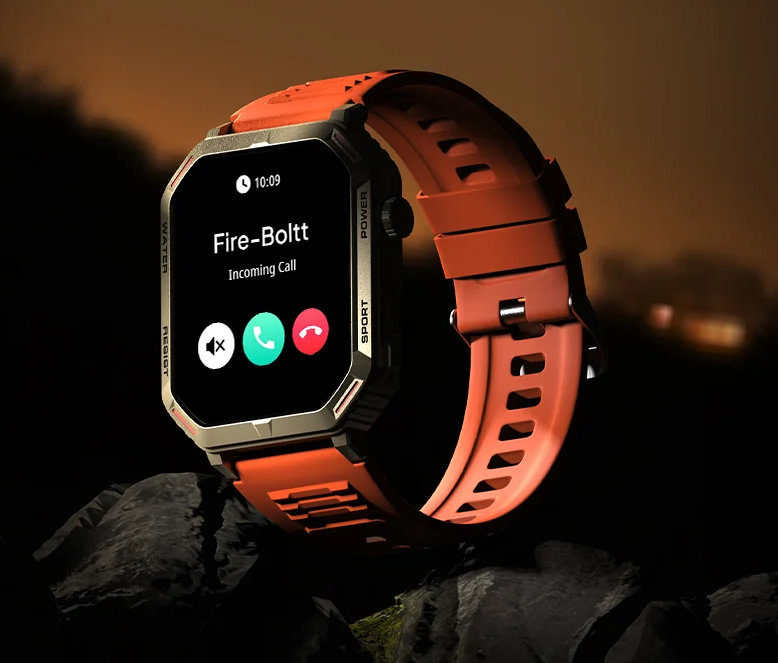
The Fire-Boltt Commando is the company’s latest smartwatch offering in India. This model features some notable specs and features, so let’s have a look at its pricing, design, and more. Notably, the launch also arrives mere days after the company unveiled a new rugged smartwatch called Asteroid.
Fire-Boltt Commando Pricing & Availability
The new Fire-Boltt Commando is available in multiple color variants, which include Orange, Black, Camo Green, Camo Grey, and Gold Black options. The smartwatch will be sold for an introductory price tag of 2,999 INR. It will be listed on the company’s official website as well as Flipkart, a popular e-retailer in India.
Fire-Boltt Commando Specs
This smartwatch sports a tall 1.91-inch AMOLED display (410 x 502 resolution) that supports an Always-On display and 500 nits of peak brightness. The screen can also be customized with multiple watch faces as well. It supports Bluetooth Calling thanks to its built-in microphone and speaker. Talking about its design, the model features a rugged body along with a zinc alloy middle frame. The rectangular display also features a Rotating crown.
It features more than 120 sports modes and even offers various health related features as well. This includes sleep monitoring, SpO2 blood oxygen mapping, heart rate tracking, and menstrual cycle tracking. The device can last for up to 8 days on a single full charge in Classic mode, which falls to just 5 days with Bluetooth calling enabled. Other notable features include music and camera control, IP68 water and dust resistance, and smart notifications.
Realme recently hosted an event in China where they unveiled their latest smartphone, the Realme GT 5. In addition to the phone, Realme also debuted the Realme Buds Air 5 and Realme Buds T300 earbuds.
These newly launched earbuds come with features like an impressive Active Noise Cancellation (ANC) and dust and water resistance. Both earbuds along with Realme Buds Air 5 Pro also recently launched globally. Let’s check out the detailed specs of these earbuds.
Realme Buds Air 5 specs
The Realme Buds Air 5 earbuds offer 50dB active noise cancellation, 4000Hz ultra-wideband noise reduction, and a 12.4mm titanized driver for enhanced sound. They feature Bluetooth 5.3, support AAC and SBC codecs, and can be controlled via touch gestures. With six microphones, AI ENC noise reduction, and a 45ms low latency gaming mode, they ensure clear calls and a smooth gaming experience.
The Realme Link app allows customization and updates. They can connect to two devices simultaneously and boast an IPX5 water-resistance rating. Battery life stands at 7 hours without noise cancellation and 4.5 hours with it. The charging case extends this to 38 hours, and a 10-minute charge provides up to 7 hours of playback.
Realme Buds T300 specs
The Realme Buds T300 are equipped with 12.4mm drivers for clear sound and boast an IP55 rating for dust and water resistance. They feature 30dB active noise cancellation and quad-mic environmental noise cancellation for calls.
Unlike the Realme Buds Air 5, the T300 offers a premium 360-degree spatial audio feature. They utilize Bluetooth 5.3, provide a low latency mode, and promise a 40-hour battery life with a quick charge feature offering 7 hours of playtime in just 10 minutes.
Pricing and Availability
Realme Buds Air 5 earbuds are available in Deep Blue and Pure White color options, each with a matching charging case. The earbuds are priced at 299 yuan ($41) and will be up for pre-sale from today.
Realme Buds T300 earbuds come in Stylish Black and Youth White colors. The earbuds are priced at 199 yuan ($27) and they will be up for pre-sale from today. Starting from September 4th, the earbuds will be available for purchase on various e-commerce platforms in China.
Three months later, the brand has now released a special variant of this smartphone in India. This version of the product is officially called Tecno Camon 20 Avocado Art Edition.
As the name suggests, the special version is inspired by avocados.
The regular Tecon Camon 20 arrives in two colors in India, namely Predawn Black and Serenity Blue. The former has a plastic back, while the latter comes with a faux leather rear.
The new Avocado Art Edition of the phone retains the faux leather back from the Serenity Blue color option. However, it is green in color with graffiti-stye embossed textures of avocados.
Despite a unique finish, the special edition costs the same ₹15,999. This makes it one of the best-looking handsets in its segment.
But unlike the regular color options, the Avocado Art Edition is currently not listed on Amazon. It is limited to offline retail stores as of now but the brand has confirmed Amazon availability.
As far as specs are concerned, the Tecno Camon 20 arrives with a 6.67-inch FHD+ AMOLED display, a MediaTek Helio G85 chip, a 64MP rear camera, a 32MP front-facing camera, a 5,000mAh battery, and 33W wired charging support.
The 4G-only phone also comes with a 3.5mm headphone jack, dual stereo speakers, and an in-screen fingerprint sensor.
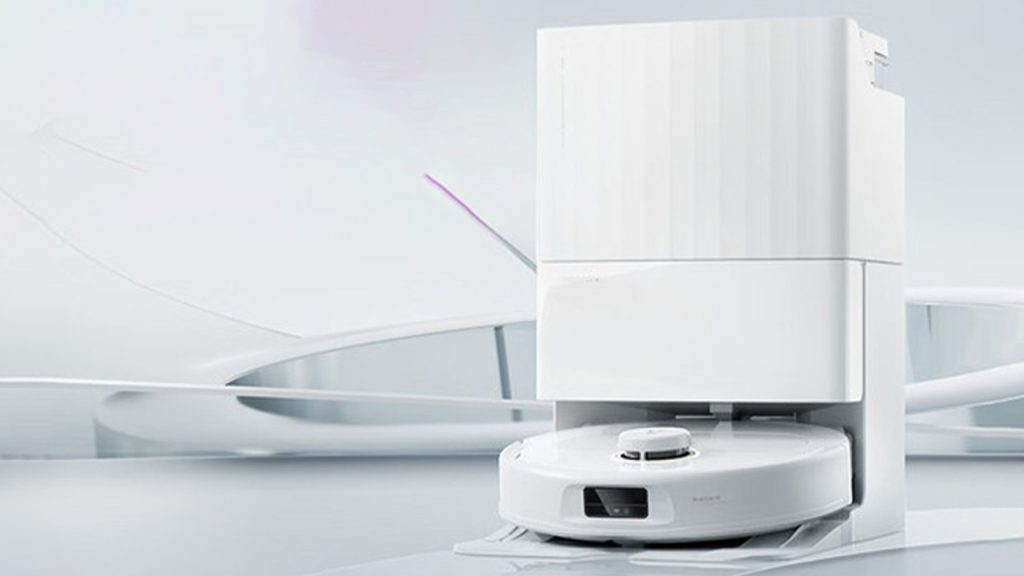
Technology continues to make our daily lives easier. Tasks that once took up a lot of our time can now be done much more easily thanks to technology. Cleaning is one big example. Today, machines like washers and dishwashers help us finish chores in minutes that used to take hours. Robot vacuums are also getting popular for this reason. Most recently, Roborock introduced its P10 Pro robot vacuum, which features self-cleaning sweeping and mopping capabilities. Here are the details…
Roborock Launches P10 Pro Self-Cleaning Sweeping and Mopping Robot
If you’re an adult and you don’t have a large inheritance from your uncle in Egypt, you’re likely spending most of your daily life working. Moreover, if you live alone or if the people you live with are also busy, keeping the house clean can be a big problem. I had this issue until recently, but a robot vacuum cleaner really helped me out. Now, Roborock one of the most successful brands in the market, is introducing P10 Pro, allowing you to find your own solution.
In terms of configuration, the biggest highlight of the Roborock P10 Pro is its dynamic mechanical arm and extreme edge adhesive design. When cleaning the corner blind spots, the robot mop will automatically “stretch out a helping hand”, increasing the corner coverage rate by 92%, effectively solving the cleaning blind spots.
At the same time, Roborock has also implemented water temperature adjustment for the first time, with a maximum of 60℃, which can effectively remove stubborn stains and easily remove oil stains. The dynamic repeated washing and mopping design can further ensure that the mop is washed cleaner.
Secondly, the 7000Pa suction full rubber main brush is another important feature of the Roborock P10 Pro. This powerful vacuum cleaner can easily suck up dust and small particles, and it can also easily remove hair in minutes. When paired with Roborock’s full rubber main brush, it is not only not easy to get tangled, but the cleaning difficulty is also greatly reduced.
In addition, the Roborock P10 Pro also has voice control and real-time video functions. The built-in voice assistant can handle all cleaning tasks with a single voice. Even in offline mode, it can be controlled. It also supports real-time video and two-way voice, so you can chat with your children at home online at any time. And it will automatically identify cats and dogs, immediately stop the main brush, and avoid it in advance to prevent it from accidentally bumping into it.
Boat has recently introduced Airdopes 141 ANC earbuds and the Boat Smart Ring in the Indian market. The brand has now a new smartwatch in the market called the Boat Ultima Prism. The main attraction of the smartwatch is its large, bright display. You can check out the details below.
Boat Ultimate Prism specs
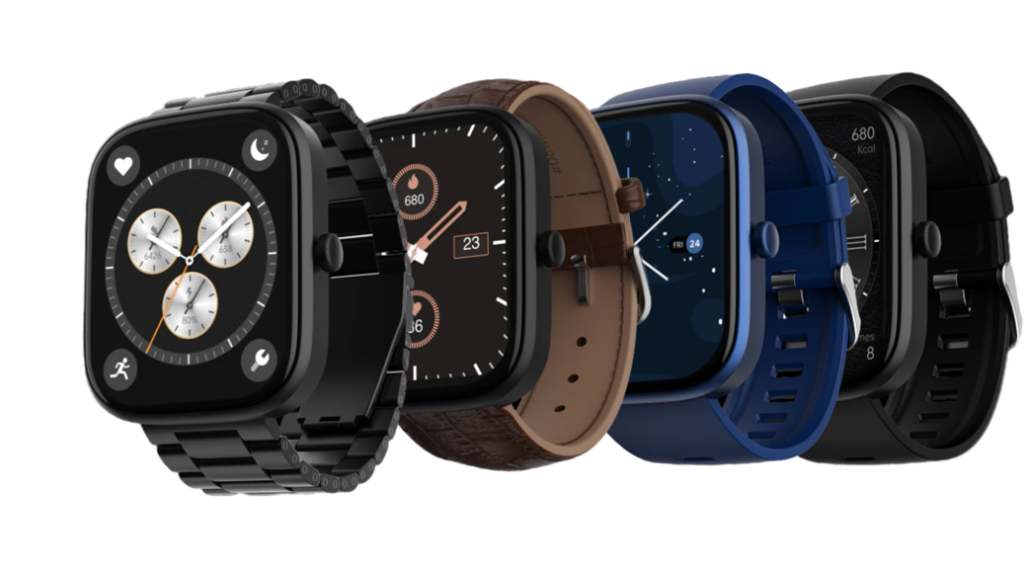
The Boat Ultima Prism boasts a 1.96-inch HD always-on AMOLED screen with a resolution of 410 x 502 pixels, offering exceptional clarity at a brightness of 650 nits. It also supports Bluetooth Calling, allowing for seamless connectivity. Running on the Crest Plus OS, it provides a Quick Dial Pad to conveniently save up to 20 contacts on the watch.
For fitness enthusiasts, this watch offers over 700 sports modes. It’s compatible with popular health-tracking apps like Google Fit and Apple Health. Additionally, it is rated IPX5 splash-resistant, making it suitable for various activities. Health monitoring capabilities include tracking heart rate, SpO2 levels, and daily activity.
The Boat Ultima Prism is designed to keep you on track with custom reminders for medication, hand washing, and staying hydrated. Beyond health, it offers an array of other features such as sedentary alerts, camera control, live cricket scores, music control, weather updates, alarms, countdowns, stopwatch, a “Do Not Disturb” mode, and even the ability to find your phone when it’s misplaced. Powering all these features is a 320mAh battery, which provides an impressive battery life of up to 7 days on a single charge.
Price & availability
The boAt Ultima Prism smartwatch, priced at Rs. 2599 for leather and silicone strap variants and Rs. 2799 for the metallic strap variant, is available in a variety of colors, including Active Black, Warm Grey, Deep Blue, Burgundy, Brown Leather, and Steel Black with a metallic strap. It is already available for purchase from the Boat website and Flipkart.
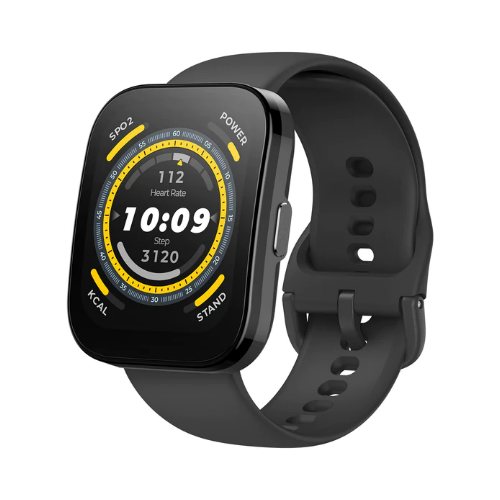
Amazfit has just launched a brand-new wearable device in the Indian market. Earlier this month, the company teased the launch of the Amazfit Bip 5. And now, this model has finally been unveiled in the region.
Amazfit Bip 5 Pricing & Availability
The known wearables maker’s latest smartwatch arrives in multiple color options, namely Pastel Pink, Cream White, and Soft Black. The Amazfit Fit Bip 5 has a price tag of 7,499 INR (roughly 90 US dollars, which is the same as the $89 US price) and will be available for purchase exclusively through Amazon India. Its first sale will kick off on August 31, 2023.
Amazfit Bip 5 Specs
The Bip 5 smartwatch sports a tall 1.91-inch 2.5D LCD HD panel. This model features more than 70 watch faces as well as support for over 120 sports modes. It features Bluetooth 5.2 and supports Bluetooth calling thanks to its built-in microphone. The mic also enables Amazon Alexa voice assistant. It comes with various health-related sensors that allow it to track your heart rate, blood oxygen levels, and even stress levels.
The Amazfit Bip 5 is powered by the Zepp OS 2.0 platform and is powered by a 300mAh battery pack. On a single full charge, it can last for up to 10 days of battery use or 26 days in the battery saver mode. Other notable features include IP68 water and dust resistance rating, support for 4 satellite positioning systems (GPS, GLONASS, GALILEO, QZSS), Music and Camera controls, and more than 70 downloadable mini apps and games.
The second half of the year is about to begin, and two new flagship phones are on the way: the Huawei Mate 60 series and the Apple iPhone 15 series. Both phones are expected to be released in September, making it an exciting month for smartphone fans.
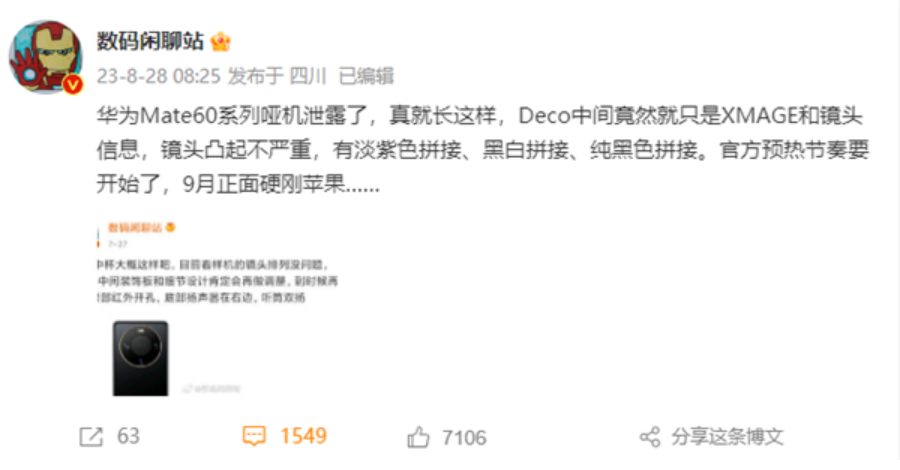
According to various sources, the Huawei Mate 60 series will be released on September 12. This is consistent with previous leaks from 定焦数码, who said that Huawei may launch the Mate 60 before the Mid-Autumn Festival (September 29) and National Day (October 1) in China. Digital blogger “Digital Chat Station” also revealed that the official pre-release campaign for the “Huawei Mate 60 series is about to begin”.
The blogger also stated that the mockup of the Huawei Mate 60 series has also been leaked which shows the phone with a sleek, curved design and a rear triple camera system within a ring-shaped cutout. Likewise, the back of the phone and frame will come in different color options, including lavender, black and white, and pure black.
The device also has a small XMAGE logo and lens information in the middle of the back cover. The camera bump is not very pronounced, giving the phone a sleeker look.
The Huawei Mate 60 series is expected to be powered by the Snapdragon 8 Gen 2 processor and will support satellite communication. The front design of the Huawei Mate 60 series is still a mystery. It is possible that the phone will have a pill-shaped cutout for selfies.
In tech news last week, we saw some interesting shifts and innovative launches, including Apple’s “PINE APPLE” trademark, OnePlus’s shift to Snapdragon chipsets, Google’s Pixel 8 series, and Qualcomm’s Snapdragon G Series for handheld gaming devices.
China’s smartphone landscape experienced a 72% sales surge, with foldable smartphones primarily led by Huawei. India’s wearable tech market welcomed boAt’s Smart Ring, while Xiaomi secured approval for 100,000 vehicle production. Apple aims to position India as a pivotal hub for iPhone production, potentially reshaping global manufacturing dynamics.
Apple has filed multiple “PINE APPLE” trademark applications, covering scientific instruments, advertising sales, and building repair. The term “PINE APPLE” corresponds to both “菠萝” and “凤梨” in Chinese. Apple has launched 215 trademark opposition applications, surpassing tech giants Google, Microsoft, Amazon, and Meta. The latest “PINE APPLE” trademark venture marks the latest in Apple’s fruit-based branding history.
OnePlus and Realme are set to exclusively use Qualcomm Snapdragon chipsets in their upcoming devices, according to a Chinese tipster. The OnePlus 12 will feature the Snapdragon 8 Gen 3 chipset, while the OnePlus 12R, Nord 4, and Nord 5 will use Snapdragon 8 Gen 2 and 7 Gen 3 chipsets. The device is expected to launch in November.
Google is set to launch the Google Pixel 8, successor to the Pixel 7, in October 2023. A new leak reveals renders of the Pixel 8 and Pixel 8 Pro, with the SIM tray missing. Rumored specifications include a 50MP rear camera, 64MP IMX787 ultra-wide-angle lens, Tensor G3 chip, 6.7-inch OLED panel, and storage options of 128GB and 256GB.
Qualcomm has introduced the Snapdragon G-series, focusing on handheld gaming devices. The lineup includes three chips: Snapdragon G1 Gen 1, Snapdragon G2 Gen 1, and Snapdragon G3x Gen 2. These processors offer different form factors and performance, with the flagship offering being the Snapdragon G3x Gen 2, which offers 30% faster CPU performance and twice the GPU performance. The G1 Gen 1 is designed for fanless gaming handhelds and cloud streaming.
Foldable smartphones are gaining momentum in China’s smartphone market, with Huawei securing the top position with the Huawei Mate X3. The Mate X3’s design and specifications led to solid sales in Q2 2023. Huawei holds half of the foldable market share, followed by Samsung and Honor. The horizontal flip or fold form factor attracts more buyers.
Satellite Communication on smartphones has the potential to have a significant impact on our lives. The promise of continuous, far-reaching connectivity can be a game-changer, especially in life-threatening situations. Clearly, this makes satellite communication on smartphones not just a luxury, but a possible lifesaver. Read this story to learn how this service works.
The smart rings market is untapped, with popular brands like Oura offering potential alternatives to fitness bands and smartwatches. Samsung is working on a smart ring, while boAt has officially launched its smart ring in India. The device is water-resistant and features sensors like heart-rate, SpO2, sleep, menstrual cycle, body temperature, and recovery trackers. It offers health tracking, emergency SOS, and a battery life of up to 7 days on a full charge. The boAt Smart Ring will be available for purchase on Amazon, Flipkart, and the brand’s website starting August 28.
You might also consider checking out our detailedexplainer onWhat are Smart rings.
Honor is set to return to India, partnering with PSAV Global to establish its retail network. The first Honor phone is expected to be the Honor 90, with three years of software support, a bloatware-free UI, and access to Google Apps. Honor is now independent and runs MagicOS 7.1 software on Android 13.
Huawei and Ericsson, telecommunications technology companies, have signed a long-term patent license agreement for 3G, 4G, and 5G technologies. The agreement covers the companies’ respective sales of network infrastructure and consumer devices, granting global access to each other’s patented, standardized technologies. Huawei, a major contributor to mainstream ICT standards, is both a holder and implementer of SEPs, aiming to create a balanced patent environment and provide consumers with robust products and services.
Xiaomi is developing its own operating system, miOS, which is compatible with the Android Open Source Project. This could be used on various devices, including smartphones, tablets, and wearables. Xiaomi is not the only Chinese phone company making its own operating system, with Huawei already launching HarmonyOS in China. However, Xiaomi faces a challenge with Google’s MIUI 15 system, which is essential for its success. The company is committed to developing the new OS and ensuring compatibility with a wide range of devices.
The US-China trade war continues, causing tech industry problems. Nvidia faces a “permanent loss” of business opportunity in China if the US tightens export controls on chips. The company is already prohibited from exporting high-end artificial intelligence chips to China and may be prevented from selling less powerful chips. The US government is considering tightening chip export controls to prevent China from developing its advanced chip industry. Other US companies, including Intel, Qualcomm, and Apple, are also concerned about the potential loss of business in China.
The Covid-19 pandemic has significantly impacted the world, leading to changes in habits and production. Apple, a major player in the smartphone industry, is considering scaling up its domestic component manufacturing in India. Apple plans to increase the manufacturing of parts within the country, aiming to diversify its supply chains and reduce reliance on China. This move is expected to create jobs, boost the economy, and help India become a more self-reliant electronics manufacturing country.
Xiaomi has secured approval from the National Development and Reform Commission (NDRC) to produce 100,000 vehicles annually for electric vehicles. The company plans to transform its extensive store network into EV showrooms by the first half of 2024. However, the approval process is contingent on regulatory approvals, and Xiaomi’s commitment to innovation and adaptation highlights its ambition to diversify its business beyond the smartphone sector.
So these were the top news stories from past week. You can check out our latest news stories from this link.
Samsung is rolling out a new update for the Always on Display app and the Good Lock app. Both the apps have something for the Galaxy Z Flip 5 which improves the device’s battery and enhances the cover display’s AOD.
The Always On Display v8.3.30.4 brings some much-needed fixes that enhance the fluidity and memory usage of the smartphone. It bundles a fix for the clock style issue which automatically gets changed while roaming. Along with the major fix, the Korean giant also pushed a minor update for the Good Lock app that further rectifies issues for smartphones, especially the Galaxy Z Flip 5.
Updates for both the apps are available on the Galaxy Store, the interested users can head over to the store to grab the update.
Samsung always takes bugs on their flagship and foldable smartphones seriously, and releases fixes within some days.
Galaxy Z Flip 5 Specifications
Samsung unveiled the Galaxy Z Flip 5 along with the Galaxy Z Fold 5 at a global Unpacked Event on July 26, 2023. The Galaxy Z Flip 5 bundles a 6.7-inch AMOLED display with Full HD+ resolution, and 120Hz refresh rate. There’s a 3.4-inch sAMOLED display with 1600 nits brightness and a 60Hz refresh rate. It is used for AOD, Music Control, Samsung and Quick Settings, and Camera Preview.
Now, the same cover Display will have better animation, which in turn will improve memory usage making it more battery-efficient. To know detailed specifications of the Galaxy Z Flip 5, make sure to visit here.
Apple is gearing up for a massive launch cycle where it unveils its latest generation of notebooks and smartphones. But ahead of the announcements, a new report has hinted that there might be a delay for some of its upcoming gadgets.
Apple M3 MacBook Air & MacBook Pro Delayed
Bloomberg’s Mark Gurman recently shared some information regarding the new MacBooks in his Power On newsletter. The report carried predictions for the Apple events in September and October. The Cupertino based giant will host a major launch conference for the iPhone, but the Macs might not get similar attention. M3 MacBooks will reportedly just be announced with a simple press release.
Mark Gurman stated in his newsletter, “The structure of the event, I’m told, will match the iPhone 14 launch: A prerecorded video will be shown online, as well as at an event at the company’s headquarters. There’s also another launch occurring in October — likely for the first M3 Macs — but it’s unclear if that will be positioned as a formal event.” Based on this, it appears that even an October launch timeline appears unlikely as well.
In the past, Apple didn’t introduce the M2-powered MacBook Air and MacBook Pro in special events. Similarly, the company skipped an October launch event in 2015, 2017, 2019, and event 2022. So it won’t be surprising that the company follows a similar move for the upcoming M3 MacBooks.
We use cookies on our website to give you the most relevant experience by remembering your preferences and repeat visits. By clicking “Accept”, you consent to the use of ALL the cookies.
This website uses cookies to improve your experience while you navigate through the website. Out of these, the cookies that are categorized as necessary are stored on your browser as they are essential for the working of basic functionalities of the website. We also use third-party cookies that help us analyze and understand how you use this website. These cookies will be stored in your browser only with your consent. You also have the option to opt-out of these cookies. But opting out of some of these cookies may affect your browsing experience.
Necessary cookies are absolutely essential for the website to function properly. This category only includes cookies that ensures basic functionalities and security features of the website. These cookies do not store any personal information.
Any cookies that may not be particularly necessary for the website to function and is used specifically to collect user personal data via analytics, ads, other embedded contents are termed as non-necessary cookies. It is mandatory to procure user consent prior to running these cookies on your website.