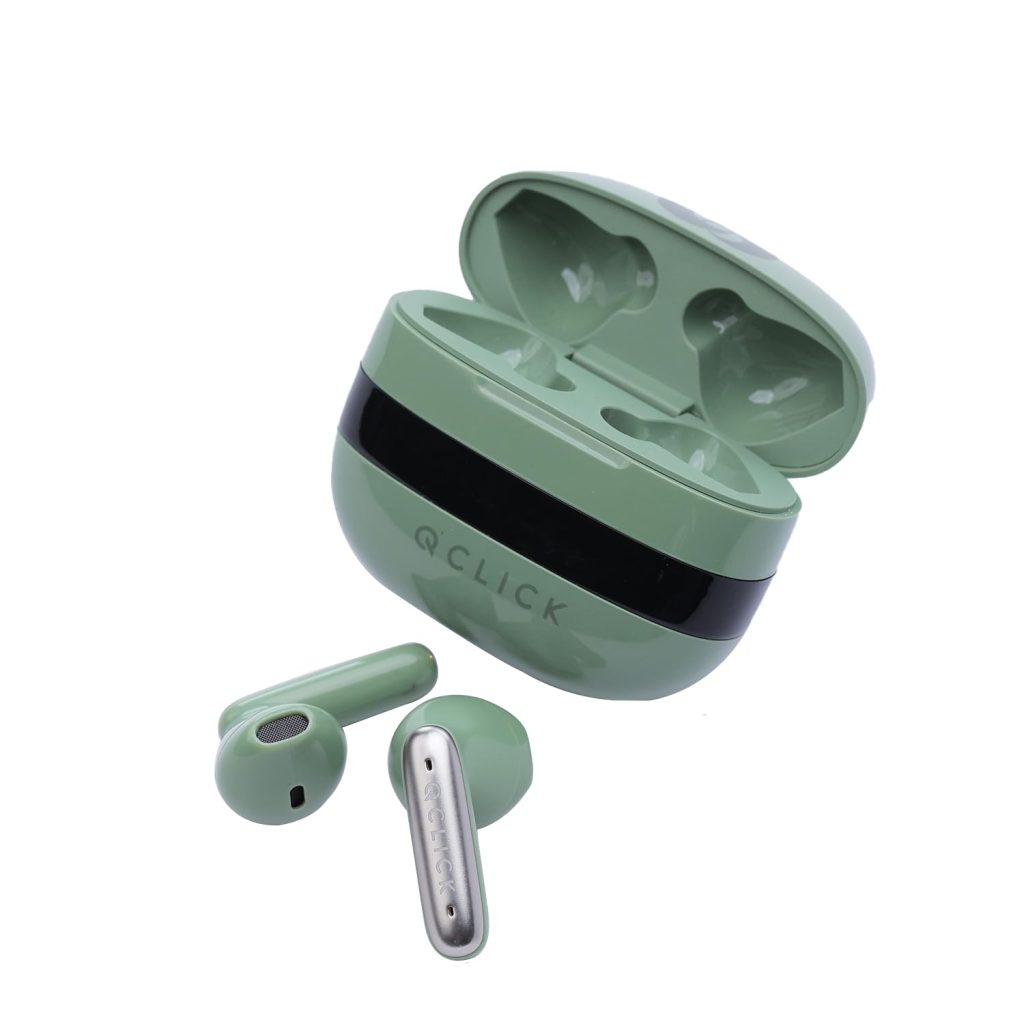
Indian audio electronics brand Q-Click has expanded its audio products portfolio by launching the Q Click Blues 1 TWS earbuds in the country. These earbuds come in an army green color shade with a glossy finish and feature a long battery backup of 40 hours.
Q Click Blues 1 TWS earbuds specs
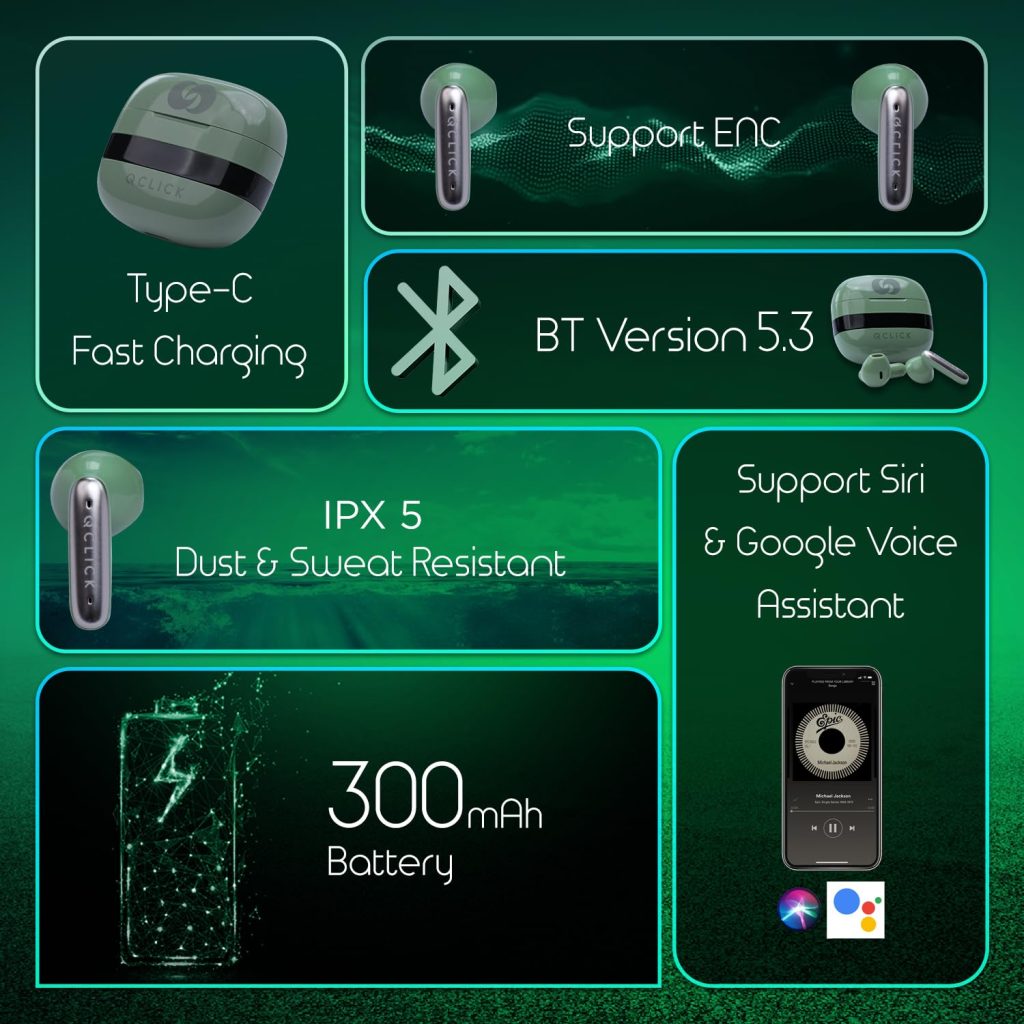
The Q Click Blues 1 features 13mm Bass Pro drivers, meaning that these earbuds deliver powerful bass. Environmental Noise Cancellation (ENC) is also onboard, meaning that you can easily make calls and sound crisp and clear even in crowded and noisy environments.
The earbuds feature Bluetooth Version 5.3 for connectivity, also offering support for 40ms low latency gaming mode to reduce any delay between the video and the audio. You can also easily access virtual assistants like Siri and Google Assistant on your phone through the earbuds.
The earbuds come with Google Fast Pair technology onboard for instant connectivity as soon as you flip the lid of the case. Another interesting feature is the digital display on the case, making it easy to track the battery levels of the device.
Speaking of battery, the earbuds boast a 300mAh battery, providing an impressive total battery life of up to 40 hours. When it’s time to recharge, the Type-C fast charging support ensures speedy charging. These earbuds are designed to withstand water and sweat, holding an IPX5 rating. Notably, the Q Click Blues 1 is proudly Made in India and is backed by a manufacturer warranty spanning 401 days.
Price & availability
Priced at Rs. 1,299, the Q Click Blues 1 is available in a cool green shade and can be purchased from Amazon.in and Flipkart.
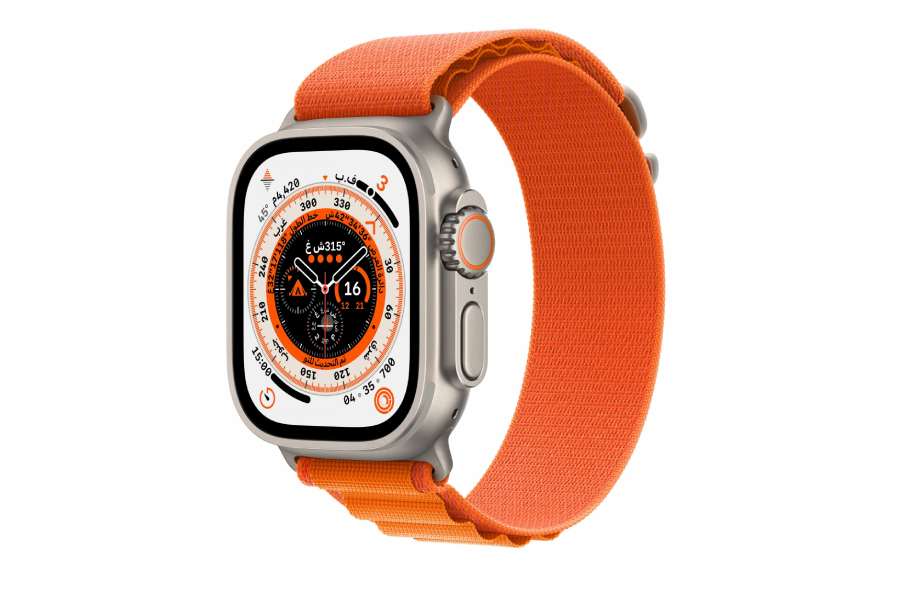
Apple’s plans to introduce a micro-LED Apple Watch have been delayed due to manufacturing challenges, according to a new supply chain report. As per the report, LG, Apple’s main supplier for microLED displays, is working hard to make microLED panel production more feasible.
TrendForce, a market research firm, said last month that the delay is due to challenges in the complex manufacturing process. The original release date was 2025.
Apple Watch with Micro-LED Display Delayed
MicroLED displays are a promising new display technology. However, one of the main challenges to mass production is the high cost, which is due in part to low yields. The microscopic size of the LEDs makes the manufacturing process of Micro-LED displays more complex, which results in a significant number of defective units.
As mentioned earlier, LG is said to be working to address this issue. The company has reportedly found a solution to rectify the defects in microLED panels, but implementing this fix is currently expensive.
In a bid to optimize the production processes, LG has taken steps to secure 14 patents from the Taiwanese company Ultra Display Technology. These patents, all granted in the United States, are concentrated on refining the positioning of microLED chips for higher yields.
The first microLED-enabled Apple Watch is expected to be released as the Ultra variant. Following this, plans are in place to integrate the technology into the standard models of the watch.
Motorola is reportedly working on the Motorola Edge 40 Neo smartphone. A premature listing of the phone is available on the Amazon Italy website. While there is no official confirmation yet on the existence of the device from Motorola, the Amazon listing reveals that it will be released on Sept. 15.
The Edge 40 Neo will succeed the Motorola Edge 30 Neo, which was announced in September last year. In some markets, the same device is available with the Motorola Edge 30 Lite moniker. The Edge 30 Neo / Lite is a compact phone featuring a 6.28-inch display. As per the listing, the Edge 40 Neo will arrive with a bigger screen. Here is a look at the leaked specifications of the smartphone.
Motorola Edge 40 Neo specifications (rumored)
Motorola Edge 30 Neo
As per the listing, the Motorola Edge 40 Neo has a 6.55-inch P-OLED display that offers an FHD+ resolution and a 144Hz refresh rate. The device is powered by the Dimensity 1050 chipset and 12 GB of RAM.
There is no information available about the front camera of the Edge 40 Neo. The listing states that its rear camera setup has a 50-megapixel main camera and a 13-megapixel snapper, which appears to be an ultra-wide lens. The handset will pack a 5,000mAh battery that will offer 68W fast charging.
The Edge 40 Neo will come equipped with 256 GB of internal storage. It will run on Android 13 and offer other features, such as an IP68-rated dustproof and water-resistant chassis, 5G, Wi-Fi, Bluetooth, and USB-C.
Motorola Edge 40 Neo price, release date
The Amazon Italy listing states that the Motorola Edge 40 Neo will be released in Italy by Sept. 15. The device will be priced at 399 euros and come in the Black Beauty shade.
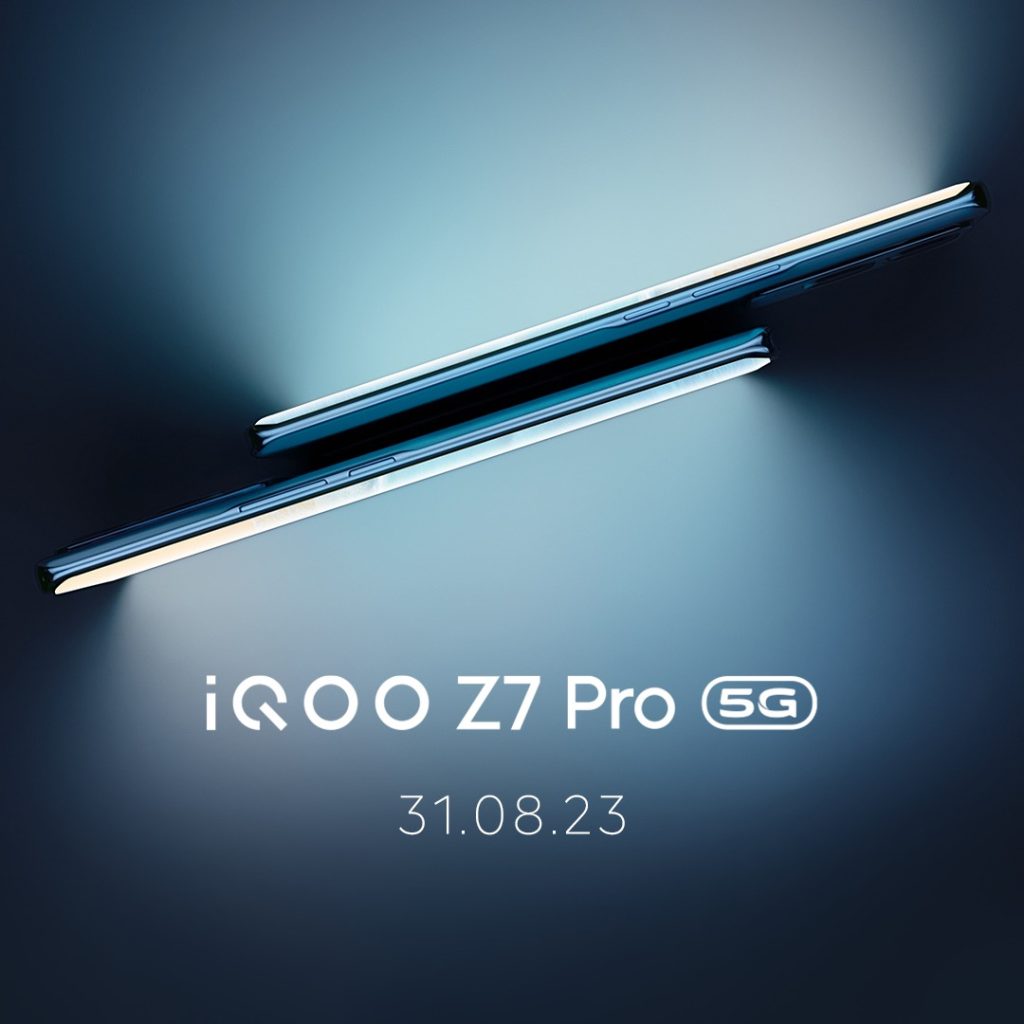
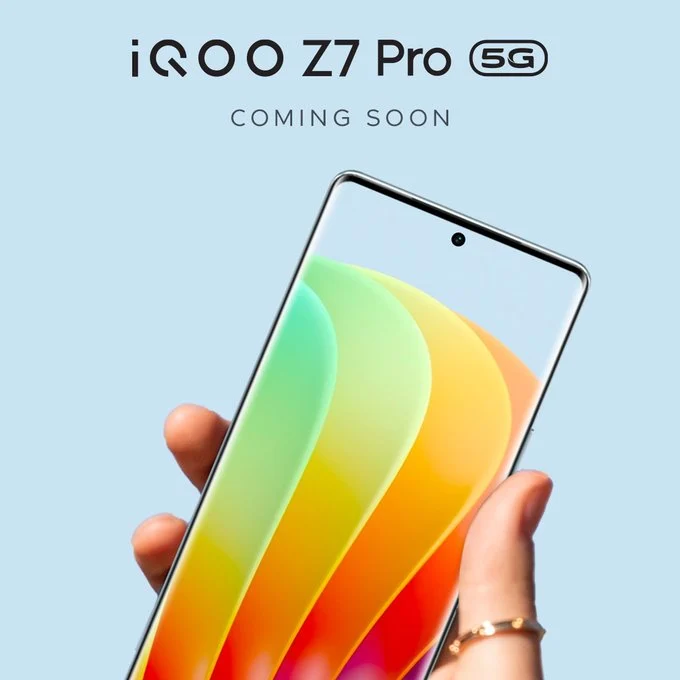
iQOO has officially announced the arrival of the iQOO Z7 Pro 5G in India, scheduled for launch on August 31. Speculations indicate that the phone will make its debut in the competitive price bracket of Rs. 25,000 to Rs. 30,000, aiming to attract budget-conscious customers who want excellent value for their money.
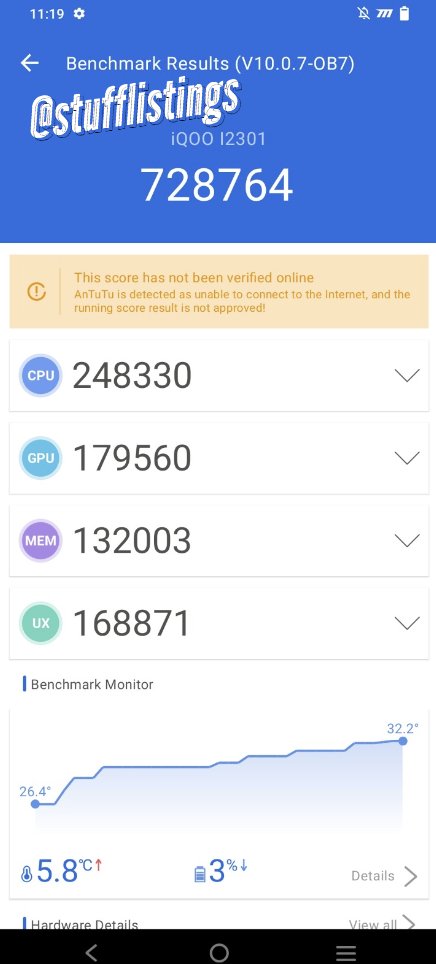
We recently covered a report stating that the device is capable of scoring more than 700,000 points on the AnTuTu benchmark. Now, a new leak reveals how the device actually performs on AnTuTu.
As per a screenshot shared by tipster Mukul Sharma, the iQOO Z7 Pro 5G has scored 728,764 points on AnTuTu. Specifically, the CPU has scored 248,330 points while the GPU has scored 177,560 points. To recall, the iQOO Z6 Pro averages around 550,000 points on AnTutu with a CPU score of around 164,000 and a GPU score of around 162,000. So it looks like the new phone will come with major improvements in the CPU department, and the graphics capability will be getting a slight bump as well.
iQOO Z7 Pro 5G specs
Leaks suggest that the iQOO Z7 Pro 5G will come equipped with a MediaTek Dimensity 7200 SoC, a mid-range processor built on a 4nm architecture. The phone is expected to offer up to 12GB of RAM and a roomy 256GB internal storage.
According to rumors, the device is anticipated to showcase a curved 6.78-inch AMOLED display, featuring a seamless 120Hz refresh rate. This display will offer Full HD+ resolution and an aspect ratio of 20:9. On the back, a dual-camera setup is speculated, with a main 64-megapixel sensor and a supporting 2-megapixel sensor. For selfies, the front camera is reported to be a 16-megapixel lens.
Jio is apparently planning on launching new smartphones in the Indian market soon. Reliance Industries may host its annual AGM event later this month, where it is expected to unveil its latest 5G smartphone offerings. But ahead of this event, a new BIS listing has revealed that there are two new models in the works. So let’s have a look.
New 5G Jio Phones may be announced on August 28
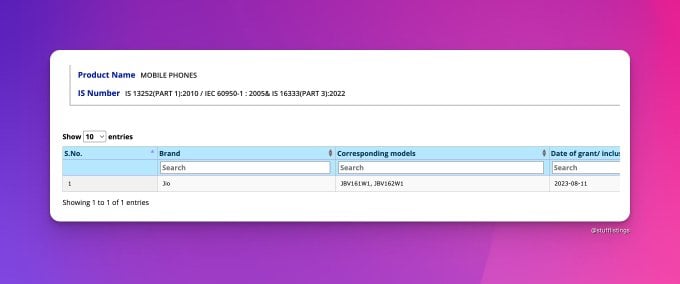
The company is expected to hold its AGM event on August 28. Recently, we have covered certain rumors and reports regarding this device, but a BIS sighting further cements these leaks. The listing was spotted by known tipster Mukul Sharma that shared the details in a tweet. The listing revealed that the upcoming Jio Phones will be manufactured in Noida.
Additionally, there are two models that are in the works, carrying the model numbers JBV161W1 and JBV162W1. Unfortunately, the listing does not reveal any other finer details regarding the device like its specifications and pricing. In our previous report, we covered leaked images of the new Jio Phone 5G, which likely carries one of these model numbers.
The smartphones will likely debut in the region later this month and could very well be the cheapest 5G phone in India. Based on what we know so far, the device may sport a 6.5-inch IPS LCD panel with HD+ resolution. A Qualcomm Snapdragon 480 SoC may power this device that is paired with 4GB of RAM and 32GB of internal storage. The rear features a 13-megapixel dual camera setup, while the front houses an 8-megapixel selfie shooter.
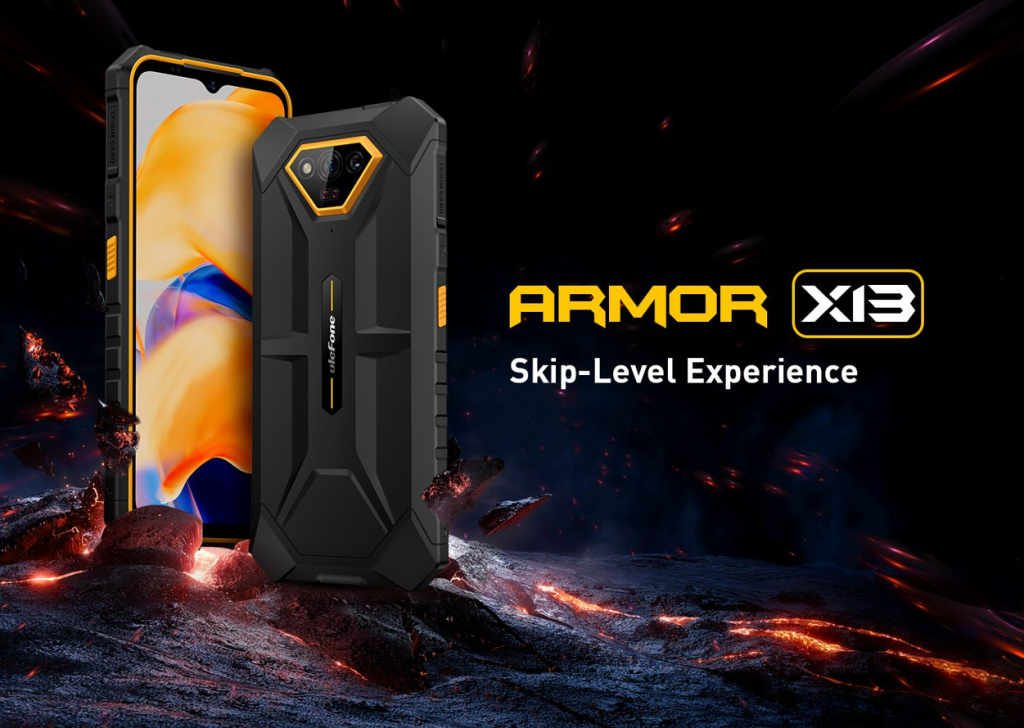
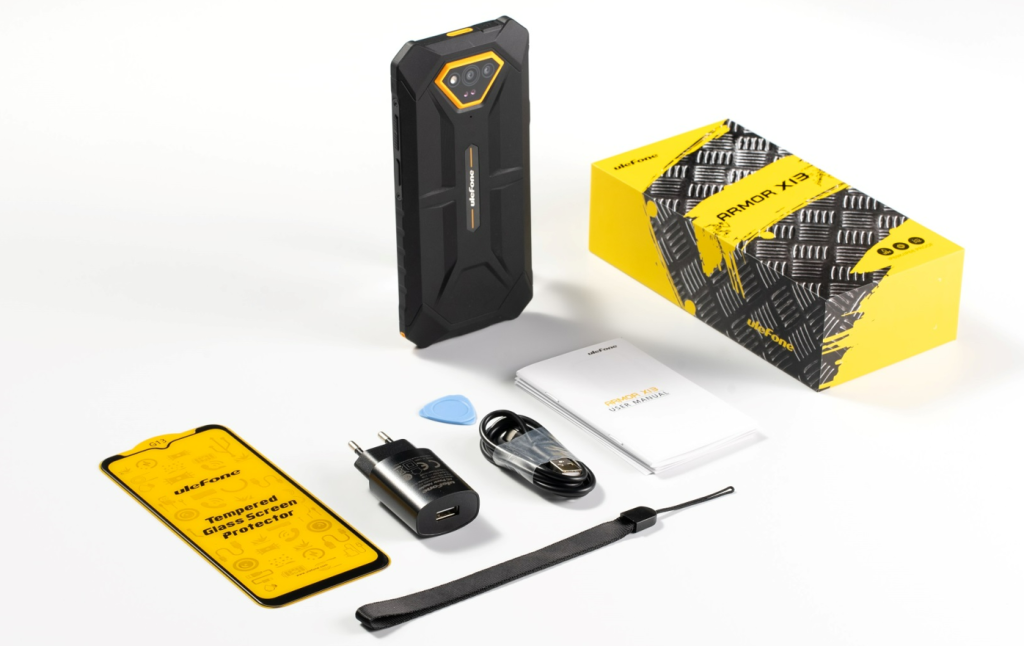
When it comes to crafting mid-range smartphones that cater to the dynamic needs of young users without compromising on quality, Ulefone has consistently taken the lead. The Armor X Series, a staple in the brand’s lineup, has always been synonymous with competitive pricing and user-friendly features. However, the unveiling of the latest addition, the Armor X13, has raised the bar for what a mid-range smartphone can truly achieve.
The Armor X13 dares to break away from the traditional X series features, setting a new precedent for what’s possible in the mid-range segment. This latest offering boasts an impressive array of skip-level features that are bound to captivate users and fans alike.
Diamond Design:
At first glance, the Armor X13 showcases remarkable breakthroughs in design. The diamond camera layout on the back shell not only adds a touch of elegance but also signifies a departure from the norm. The diamond-shaped frame introduces a fresh aesthetic appeal to the handset, while the vibrant orange frame exudes an undeniable industrial charm. Ulefone declares that the Armor X13 is meticulously crafted using diamond-level cutting techniques, ensuring both reliability and endurance in craftsmanship.
6.52-inch Large Display:
For years, the Armor X Series has been associated with compact screen sizes, making it ideal for one-handed use. However, the Armor X13 shatters this precedent by introducing a colossal 6.52-inch display—a first for the series. Boasting an impressive 760 x 1600 HD+ resolution, this larger-than-life display brings your multimedia content to life. Whether you’re engrossed in videos, games, or photos, the expansive screen ensures an immersive viewing experience. Gamers, in particular, will appreciate the generous real estate that enhances their navigation and engagement with their favorite games.
Capturing the Images with Precision:
Ulefone has always prioritized camera capabilities, and the Armor X13 takes this commitment to a whole new level. Equipped with a mighty 50MP main camera, featuring the Samsung S5KJN1 CMOS sensor with an impressive ƒ/1.8 aperture, the Armor X13 captures more light for exceptional image quality. Whether you’re capturing moments in broad daylight or challenging low-light conditions, the Armor X13 delivers stunning colors and intricate details. With a significant increase in pixel count compared to its predecessors, the Armor X13’s camera app offers a plethora of customizable photography modes, including Portrait, Night Mode, Beauty Mode, Gif, Pro Mode, Panorama Mode, UHD, Slow Motion, Time Lapse, and Intelligent Scanning.
Illuminating the Night:
The Armor X13 debuts with an extraordinary 24MP infrared night vision lens on its rear camera module. This leap in technology marks the introduction of night vision capabilities to the series. Powered by a robust infrared sensor and the NightElf 2.0 algorithm, the Armor X13 delivers unparalleled night photography. With reduced interference and enhanced performance, the Armor X13 captures sharper and clearer images in low-light environments, making it an ideal companion for nocturnal photography, nighttime cityscapes, wildlife observation, and more.
Generous Memory and Storage:
The Armor X13 leaves no room for compromise when it comes to memory and storage. Equipped with a generous 6GB of RAM, augmented by an additional 6GB of virtual RAM, the device offers a staggering total of 12GB of RAM. This substantial memory allocation ensures seamless multitasking, empowering you to effortlessly switch between apps, games, and tasks. Complementing the impressive memory is a capacious 64GB of internal storage, expandable to a whopping 256GB. With this expansive storage capacity, the Armor X13 not only accommodates your files, photos, and videos but also caters to your growing digital lifestyle.
Massive Battery and Stellar Performance:
The Armor X13 comes with a massive 6320mAh battery that keeps you powered throughout your day and beyond. Whether you’re exploring the outdoors, embarking on long journeys, or immersing yourself in extended gaming sessions, the Armor X13 ensures you stay connected and engaged without the constant worry of running out of power.
Underpinning this extraordinary performance is the MediaTek Helio G36 8-core chipset. Its cutting-edge architecture guarantees smooth and responsive performance, allowing you to effortlessly navigate through apps, stream media, and play games with unparalleled fluidity.
Android 13:
Continuing its commitment to delivering the latest software experiences, Ulefone outfits the Armor X13 with the refined and intuitive Android 13. With a sleek and clean interface, Android 13 optimizes your interactions, enhances privacy controls, and offers an overall improved user experience. Embrace the future of mobile technology with a device that combines the latest innovations with affordability.
The Ulefone Armor X13 represents a remarkable evolution in the Armor X Series, pushing the boundaries of mid-range smartphones. With its diamond design, expansive display, and powerful camera capabilities, the Armor X13 stands as a testament to Ulefone’s commitment to innovation and user satisfaction.
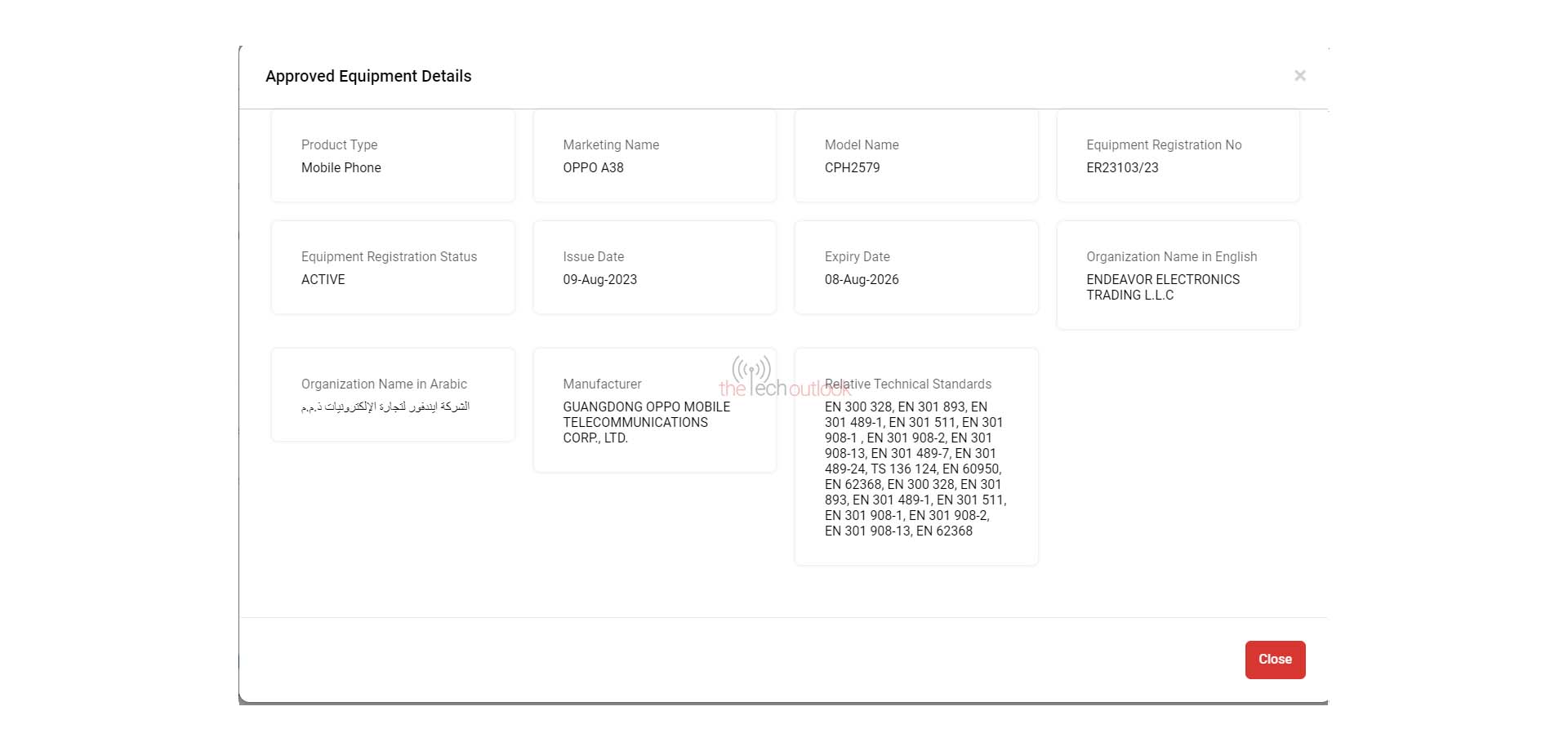
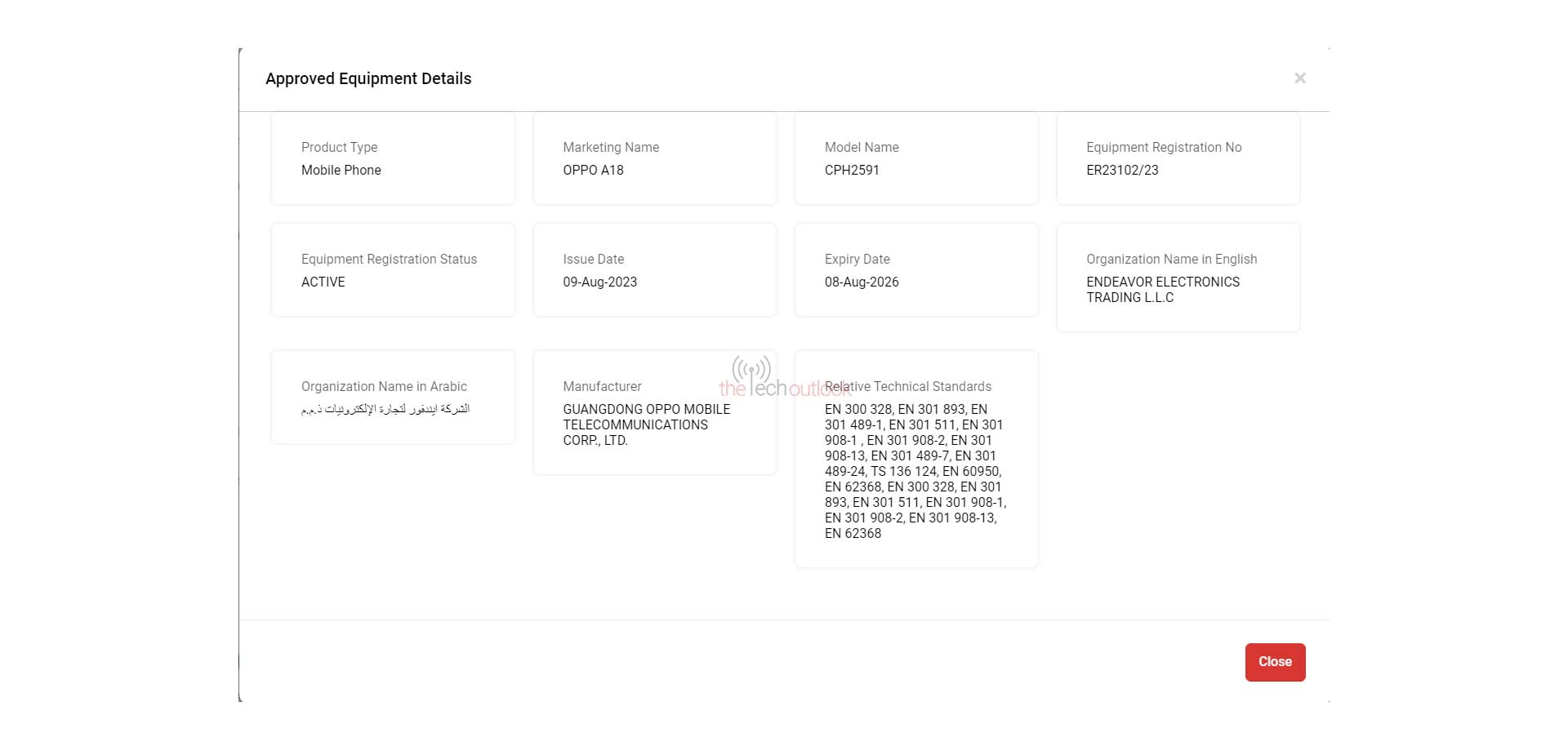
Earlier this week, Oppo launched the new Oppo A58 4G in India with a 50MP camera and 33W charging. And reports suggest might soon unveil two new budget smartphones under its A series. Oppo A18 and Oppo A38 have been making rounds on various certification sites and recently they bagged TDRA certification, which hints at an imminent global launch.
Both Oppo A18 and Oppo A38 have been spotted on the TDRA certification website with model numbers CPH2591 and CPH2579, respectively. The authority didn’t reveal any specifications of the two devices but suggests they will launch soon. Both phones are expected to only have 4G, meaning they’ll be launched as affordable offerings.
Judging by the moniker, the Oppo A18 looks like the successor to Oppo A17, which debuted last year in September. That phone comes with a 6.56-inch HD+ (720×1,612 pixels) LCD display that offers up to 60Hz refresh rate and has an 89.8 percent body-to-screen ratio. The panel has a pixel density of 269ppi and a touch sampling rate of 60Hz.
It is powered by a MediaTek Helio G35 processor and gets a 5,000mAh battery that charges via a micro-USB port. There’s a 50MP main camera and a 2MP depth shooter on the rear.
By this logic, Oppo A38 should be a follow-up to last year’s Oppo 36 (there’s been an Oppo A37, but ages ago). Oppo A36 is your typical budget smartphone with a Snapdragon 680 SoC under the hood. It sports a 6.56-inch LCD panel with a resolution of 1612 x 720 pixels (HD+), a 90Hz refresh rate, and a 180Hz touch sampling rate. The device packs a 5,000mAh battery with support for 10W charging.
Google Pixel is expanding its partnership with the world of football. After becoming the official mobile phone partner of the England national teams, Google Pixel has now partnered with Arsenal and Liverpool, two of the most popular clubs in the Premier League.
As the official mobile phone of Arsenal, Liverpool, and the England teams, Pixel will offer fans exclusive content and experiences. The partnership will cover both the men’s and women’s teams, and Google will use its AI-powered Pixel cameras to create exclusive content for both on-pitch and off-pitch activity.
Google partners with Liverpool and Arsenal
This partnership is part of Google Pixel’s extensive marketing strategy for its line of smartphones. But the company says it’s also a step towards closing the visibility gap between men’s and women’s football and bringing fans closer to the beautiful game they know and love.
Likewise, as part of this partnership with Liverpool Football Club, Google will be creating a new YouTube series for the club’s women’s first team. The series will give fans a behind-the-scenes look at life in the Women’s Super League, showcasing the intricacies of playing at that level.
In addition to the YouTube series, Google will be producing exclusive pitchside footage shot on Pixel to promote both the team and the phone. The segment will be called “Pitchside, Presented by Pixel.”
I am really looking forward to this partnership between Google and Arsenal and Liverpool Football Clubs. I think it has the potential to make a real difference in the world of football and to help promote women’s football to a wider audience.
So, which team are you supporting in the Premier League starting today? I am a big fan of Liverpool, but I am also rooting for Arsenal to do well. I think it will be a very exciting season, and I can’t wait to see what happens.
Realme 11 5G and Realme 11x 5G are going to launch soon in India. The same event is also expected to see the arrival of the Realme Buds Air 5 Pro TWS earbuds. The microsites of these products are already live on Realme India’s website. The updated landing of the Realme 11 series has revealed the capabilities of its primary camera.
Realme 11 5G, Realme 11x 5G primary camera confirmed
Find new avenues of exploring your photography potential with the double ace camera and 3x in-sensor zoom of the #realme11series5G.
As per the landing page, the Realme 11 5G and Realme 11x 5G will feature a 108-megapixel main camera with a 3x in-sensor zoom feature. At present, it is not clear how the Realme 11x 5G handset will differ from the Realme 11 5G. Some reports claim that both handsets will have identical specs, but mainly differ in the memory configuration department.
Realme 11 5G specifications
The Realme 11 5G available in Taiwan is the same device that is expected to launch in India. It has a 6.72-inch LCD panel that offers an FHD+ resolution and a 120Hz refresh rate. It features a 16-megapixel front-facing camera and a 108-megapixel + 2-megapixel dual-camera system on the back.
The Realme 11 5G has the Dimensity 6100+v chip onboard, LPDDR4x RAM, and UFS 2.2 storage. For more storage, it has a dedicated microSD card slot. The device packs a 5,00mAh battery with 67W fast charging and runs on Realme UI 4.0-based Android 13. For security, it has a side-facing fingerprint scanner.
The Realme 11 5G is expected to arrive with at least 8 GB of RAM and 128 GB of storage. Whereas the 11x 5G may offer 8 GB of RAM and 256 GB of storage. These devices are expected to be priced at under Rs 15,000 in India.
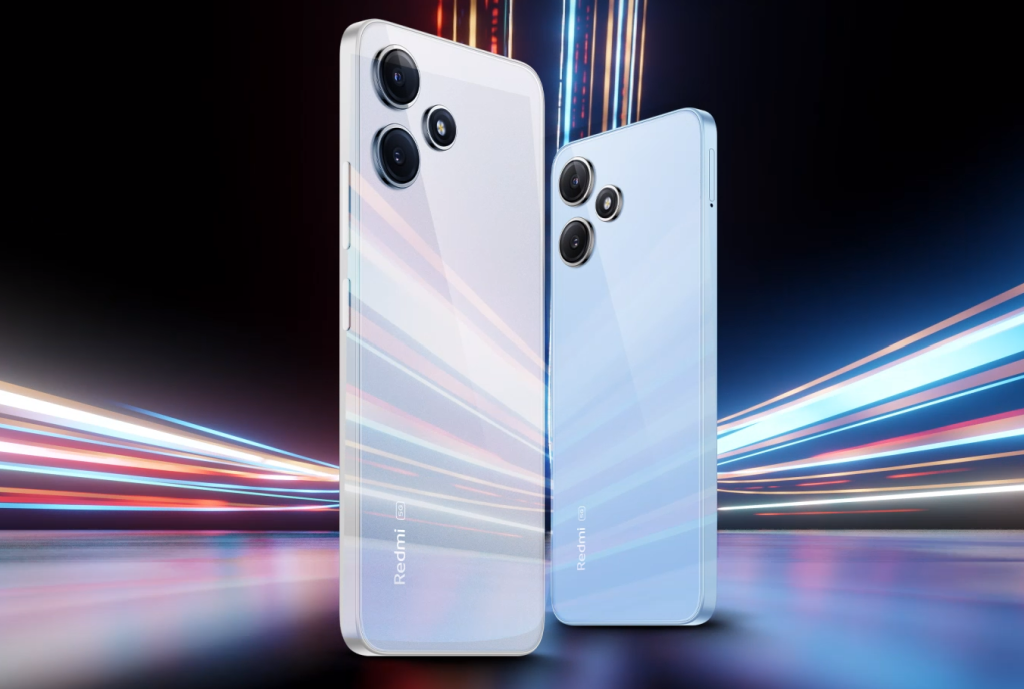
Xiaomi recently launched the new Redmi 12 series in India, which consisted of a 4G and 5G variant. These devices were quite sought after immediately following launch and it appears that the Redmi 12 5G was Amazon India’s highest selling 5G smartphone on the first day of its sale.
Redmi 12 5G becomes one of Amazon’s bestsellers
Earlier this month, the Chinese tech giant announced that over 300,000 units of the Redmi 12 series were sold during the first sale. The figure included sales from Amazon India, Flipkart, Mi.com, and retail stores. However, the popularity of the Redmi 12 5G alone was also noteworthy, since it became the highest selling 5G smartphone on Amazon India.
In just 24 hours, the new budget 5G phone was completely sold out on the e-commerce platform. Furthermore, the orders placed for this device were from across the country, spanning more than 9500 pin codes in India. This clearly shows that the Redmi 12 5G was a hit in the 10,000 INR to 15,000 INR price range. The success is likely due to some of its value for money specifications like the Qualcomm Snapdragon 4 Gen 2 SoC, which is a 5G enabled processor that is based on the 4nm process.
The base model of the Redmi 12 5G also starts from just 10,999 INR for the 4GB RAM + 128GB storage configuration. Users can even opt for the 6GB+128GB variant for 12,499 INR and the 8GB+256GB version that is selling for 14,499 INR.
[Update: August 11, 2023]: Samsung is finally pushing OneUI 6.0 Beta program for the Galaxy S23, Galaxy S23+, and Galaxy S23 Ultra. After retracting a couple of times in the past, the company finally kicked off the Beta program.
Samsung’s development of OneUI 6 seems to be in the final phases as the company is teasing it again and again. A couple of days after retracting its announcement on the Samsung Germany newsroom, the company today pulled the release from the Samsung US website. The reason is unidentified yet, but the company might be experiencing some technical glitch.
As per the deleted press release, Samsung is launching the OneUI 6 for Galaxy S23 owners in the US, South Korea, and Germany. There are several new features including the goodies from Android 14, improved security and data protection services, and a new system share screen.
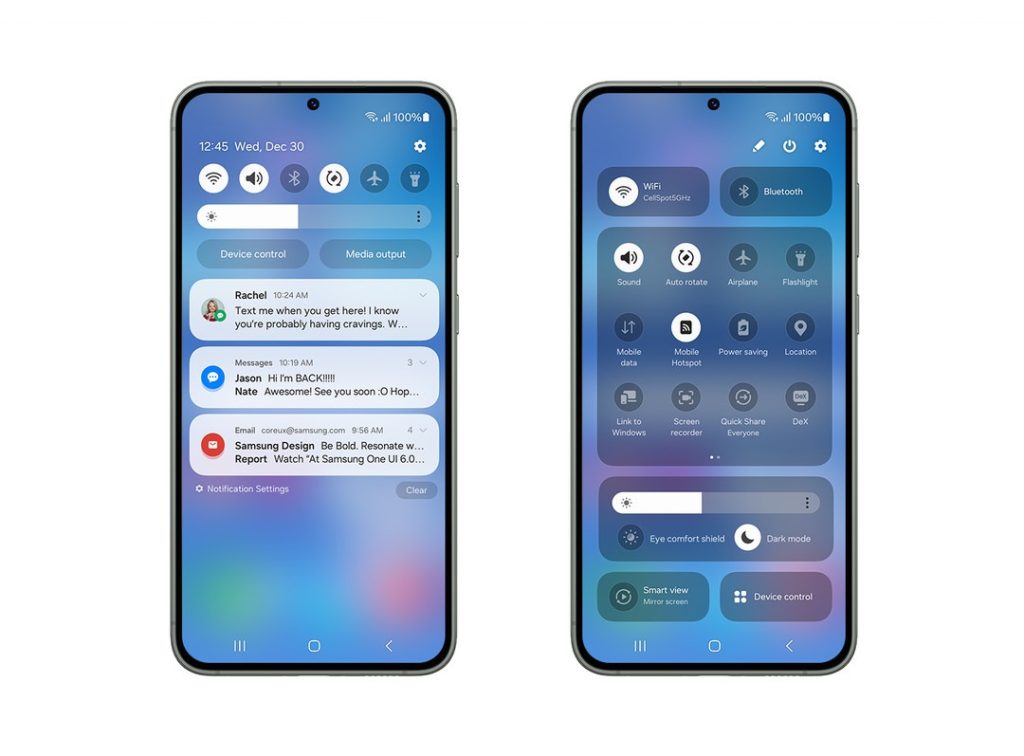
Samsung is primarily highlighting the simplified design, modern look, and redesigned quick settings panel. The pill-shaped redesign from Android 12 is finally settling on OneUI 6.0 with expanded Wifi and Bluetooth tiles. Unlike in OneUI 5.1, the company is streamlining customizable features in OneUI 6.0 which were earlier limited to additional apps like Good Lock.
Further, the new UI brings the ability to match lockscreens based on the current Mode or Routine. Other changes include Samsung Keyboard support for new emoji and a new customizable camera widget that allows the user to preselect settings and mode.
Samsung OneUI 6.0 seems delayed once again due to unknown reasons. It was scheduled to be made available for the Galaxy S23 users in the US, South Korea, and Germany. However, we can’t comment on its availability until we see a new announcement press release.
It will be the beta version, and the testers can enjoy it on their smartphones. We don’t recommend daily users to install OneUI 6.0 Beta, rather they should wait for the stable version which is expected in the coming few weeks. Once the testing is done for the Galaxy S23, the update will be pushed to other devices such as the Galaxy S22 series, Galaxy Z Fold 5, and other models.
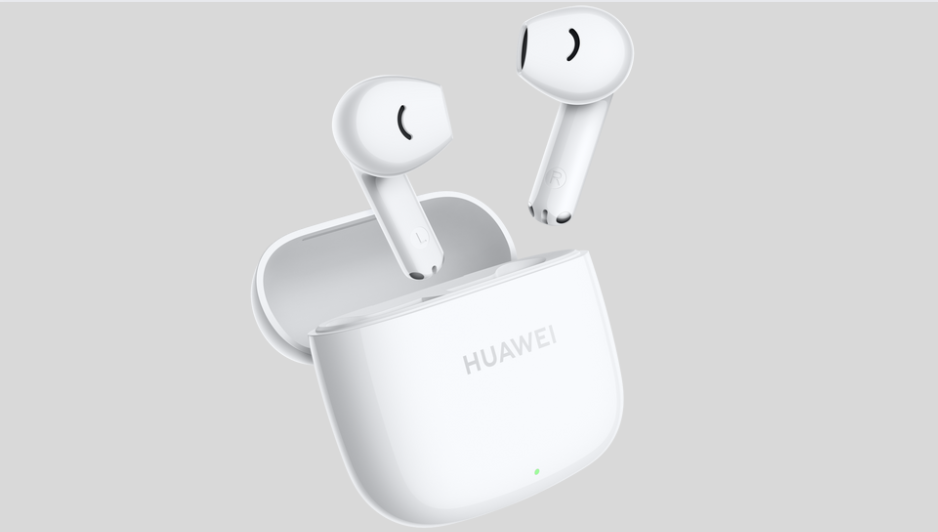
Huawei unveiled the FreeBuds SE 2 in China last month with some neat specifications. And now these earbuds are available for purchase in the global market. The successors to last year’s FreeBuds SE offer you a long-lasting battery life of up to 40 hours and a low latency with the latest Bluetooth v3.0. The earbuds bring a lightweight design and seamless integration with Huawei devices. Let’s look closely at their specs and features.
Huawei FreeBuds SE 2 Specifications
The Huawei FreeBuds SE 2 come with a semi-in-ear design. The earbuds each weigh just 3.8g and the charging case stands at 33g. Huawei says it has designed the earbuds for 300,000+ ear canal samples with ergonomic simulation-based analysis.
The earbuds make use of the latest Bluetooth 5.3 technology to offer a low-latency connection. You should notice minimal lag and reduced power consumption. Huawei has packed the hearables with an impressive battery pack that helps them last up to 9 hours on a single charge. Not just that, you can get up to 3 hours of playtime with just 10 minutes of charge. If you count the charging case as well, the total battery life of the earbuds is around 40 hours.
The FreeBuds SE 2 come with a speaker that’s been through 26 tough reliability tests to make sure you get a steady listening experience. These earbuds are rated with IP54 dust and splash resistance, so no worries if things get a little messy. With the FreeBuds SE 2, you can simply double-tap to play or pause your music, pick up or hang up calls, and swipe to move to the next track.
Pricing and Availability
As reported by Huawei Central, Huawei FreeBuds SE 2 are listed in Colombia with a price tag of $299,900 Colombian pesos ($74). Notably, Huawei is offering a 55% discount coupon if you purchase the earbuds before August 22, 2023. They will be offered in a sole white color.
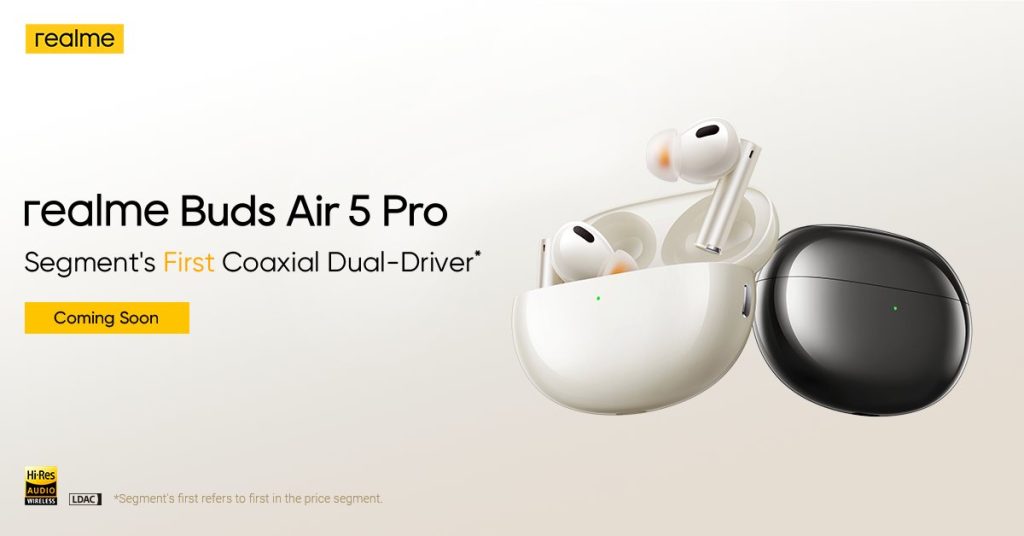
In February 2022, Realme introduced the Realme Buds Air 3 Pro true wireless earbuds in the Indian market. These earbuds quickly gained popularity in the mid-range category, offering distinct and well-balanced sound quality, coupled with robust active noise cancellation reaching up to 42dB. Now, the wait is over for Indian customers eagerly anticipating the next iteration, as Realme has officially provided a sneak peek of the upcoming Realme Buds Air 5 Pro.
The official launch date of the earbuds is still under wraps, however, we know from previous reports that it will make its Indian debut alongsideRealme 11 5G in India. Rumor has it that the launch could happen on August 31. That being said, the teaser reveals the design of the Realme Buds Air 5 Pro Indian model, which is the same as the Chinese counterpart. So we can expect the earbuds to arrive with the same specs and features as well.
Realme Buds Air 5 Pro specs
The Buds Air 5 Pro comes with a big 11mm speaker and smaller 6mm speakers. It can block a lot of outside noise, about 50 dB, giving you a really immersive sound. There are three built-in microphones that use AI tech to make your calls clear even if it’s noisy around you. Moreover, these earbuds support Spatial sound effects and the LDAC codec.
The Realme Buds Air 5 Pro can last a long time on a single charge. The case and the battery combined can give you up to 40 hours of use. They won’t get damaged by a bit of water, so they’re good for workouts or if you get caught in the rain. They also feature Bluetooth 5.3, ensuring seamless connectivity.
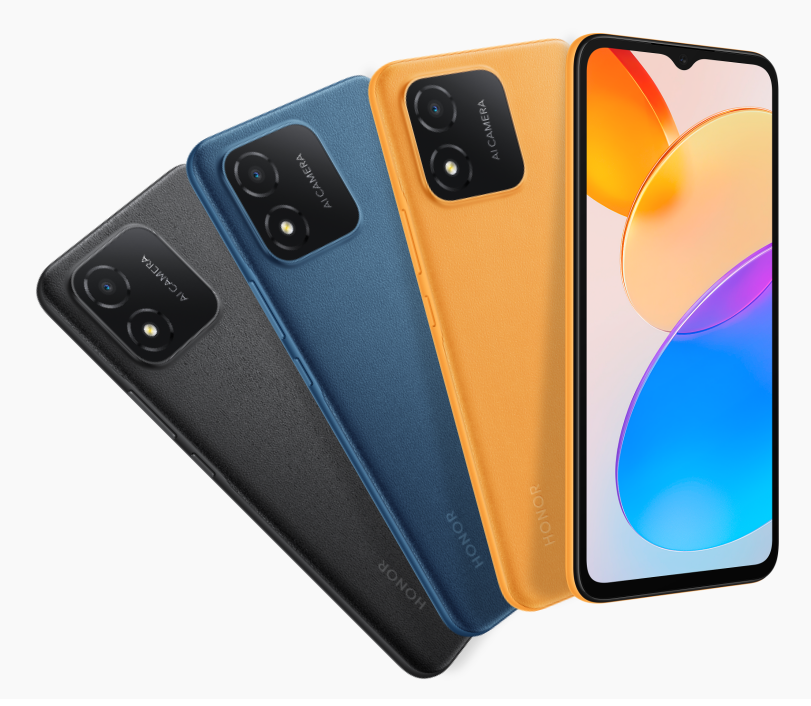
Last month, specifications of the Honor X5 Plus were leaked online. The device is expected to launch soon globally as the previous leak suggested that the smartphone will debut with Google Mobile Services. Now, the smartphone has emerged on the Google Play Supported device list along with TDRA certification hinting at an imminent launch.
The Honor X5 Plus has emerged on both the TDRA certification website as well as the Google Play Supported Devices database with model number WOD-LX2. Although the listing does not reveal any details regarding the specifications, it does confirm that UAE authorities have greenlit the smartphone to launch in the country. Let’s check out the previously leaked specs.
Honor X5 Plus specs
According to a recent report, the Honor X5 Plus is said to come with a sizable 6.56-inch TFT LCD display, offering a resolution of 1612×720 pixels. The smartphone is said to feature a 50 MP primary camera coupled with a 2 MP secondary camera. The operating system is expected to be Android 13, layered with Honor’s MagicOS 7.1 interface.
In terms of memory and storage, a single configuration of 4GB of RAM and 64GB of internal storage is likely to be onboard. Connectivity options are said to offer 4G compatibility with Dual SIM NanoSIM support, alongside Wi-Fi 5 (802.11ac), NFC (Near Field Communication), and Bluetooth 5.0 capabilities.
Vitus, the French bicycle brand known since the 1970s, has introduced a new electric mountain bike, the E-Mythique LT. This version stands out with “LT” for long travel, having 170mm of suspension travel up front and 160mm at the back. A 29-inch wheel up front and a 27.5-inch wheel at the back provide agile handling.
The bike is powered by a 630-watt-hour battery pack
The E-Mythique LT is budget-friendly, thanks to Vitus’s partnership with Chinese e-bike system specialist Bafang. They worked together to customize the Bafang M510 mid-drive unit for this bike, offering a strong torque of 95 Newton-meters. The 630-watt-hour battery pack is a bit smaller than some others but is balanced by the bike’s lower price.
Riders can choose from five ride modes: Eco, Eco Plus, Trail, Boost, and Race. These modes can be changed easily during a ride using a display unit.
Three different models of the E-Mythique LT are available, all affordably priced. The LT VR, the most budget-friendly at $3,699 USD, comes with SR Suntour suspension and a Microshift drivetrain. The LT VRS, priced at $4,199 USD, features a Sram drivetrain. The top model, the LT VRX, costs $4,599 USD, and includes RockShox suspension and a Sram GX and NX Eagle drivetrain.
The Vitus E-Mythique LT’s combination of performance and affordability makes it a notable option for all types of trail riders. It shows that you don’t have to break the bank to enjoy a quality electric mountain bike, and it reflects Vitus’s continued commitment to innovation in the cycling industry.
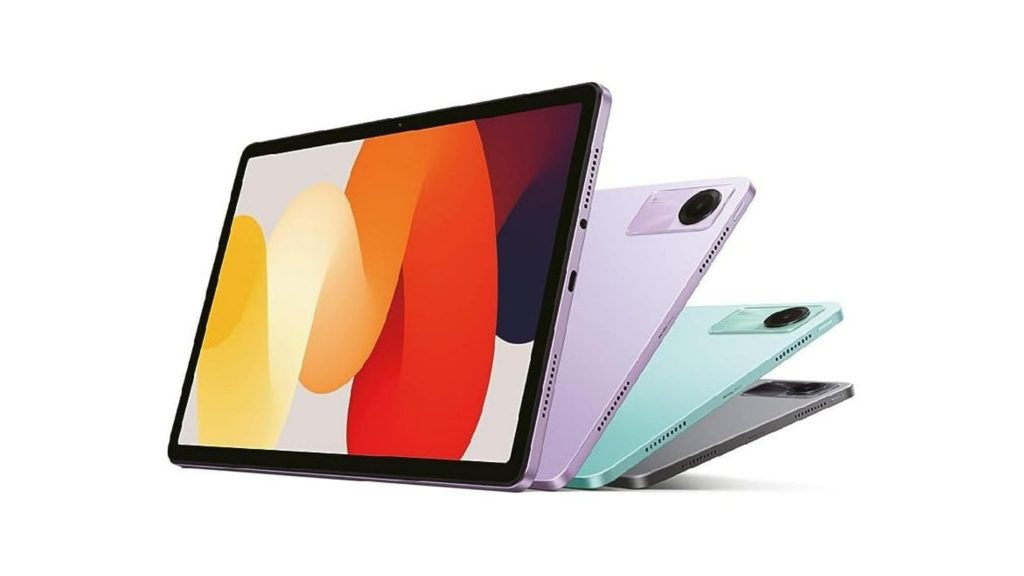
Xiaomi’s sub-brand Redmi is reportedly working on a new tablet dubbed the Redmi Pad SE. A listing of the unannounced device on Kimovil revealed a few specifications and renders of the device. Now, in a new report, Appuals has revealed the full specifications of the device. Continue reading ahead to learn everything about the Pad SE.
Redmi Pad SE specifications (rumored)
Redmi Pad SE
According to the report, the Redmi Pad SE measures 255.53 x 167.08 x 7.36mm and weighs 478 grams. The device will arrive with an 11-inch LCD panel that offers a resolution of 1920 x 1200 pixels, a 90Hz refresh rate, 207ppi pixel density, a peak brightness of 400 nits, a contrast ratio of 1500:1, and a 70 percent NTSC color gamut. It will offer an 84 percent screen-to-body ratio.
The Snapdragon 680 chip will be present under the hood of the Redmi Pad SE. The SoC will be accompanied by 4 GB of RAM and 128 GB of storage. It will run on Android 13, which will be overlaid with MIUI for Pad. It will house an 8,000mAh battery with 10W charging via the USB-C port. The tablet will deliver up to 21 hours of video playback or 12 hours of gaming time, according to the report.
The Redmi Pad SE will arrive with an 8-megapixel rear-facing camera and a 5-megapixel front camera. It will be equipped with a Dolby Atmos-tuned quad speaker system.
In the absence of a fingerprint scanner, the Redmi Pad SE will come with support for the face unlock feature. It will also come with other features, such as a virtual ambient light sensor, an accelerometer, a hall sensor, and support for the Redmi Stylus for Pad.
Redmi Pad SE price
The Redmi Pad SE will be priced at 190 euros, and it will be available in shades like grey, green, and purple, as seen in previously leaked renders. For more renders, readers can visit the source link below. While the Pad SE’s launch appears imminent, there is no word on its exact launch timeframe.
Xiaomi Mix Fold 3 will be unveiled on Aug. 14 in China. As the name suggests, it will be the third foldable phone from the brand. With just a few days remaining for the launch, the company is busy revealing the key specifications of the device. So far, Xiaomi has confirmed key details about the foldable display and battery life of the Mix Fold 3.
Xiaomi Mix Fold 3 key details revealed
Xiaomi MIX Fold 3’s intenral display
Xiaomi has revealed that the Mix Fold 3 will come equipped with an 8.02-inch foldable AMOLED display that offers a 2K resolution, a 120Hz refresh rate, and a peak brightness of 2,600 nits. According to Xiaomi founder and CEO Lei Jun, when a white image was continuously displayed on the internal screen at a brightness of 500 nits and the screen was kept on until it powered off, the Mix Fold 3 delivered an impressive battery life of 8 hours and 20 minutes, which is 52 percent longer compared to the previous generation.
The Mix Fold 3 boasts a battery life of 1.34 days, according to Xiaomi. This is achieved through the incorporation of a dual-cell battery system and Xiaomi Surge chips. The brand is yet to reveal the battery capacity of the device. However, previous reports have claimed that it will house a 4,800mAh battery with 67W wired and 50W wireless charging.
The Mix Fold 3 will be the company’s first foldable phone to feature a quad-camera unit with Leica’s optimizations. It will have a 50-megapixel main camera, but it is not clear whether it has the Sony IMX989 or IMX800 camera sensor as the primary snapper. The camera setup will also include a periscope telephoto camera.
One of the significant enhancements in the Mix Fold 3 is the incorporation of a new hinge technology. This innovation effectively contributes to improved durability, reduced screen creasing, and a lighter, thinner design compared to previous Mix Fold models.
Russia has announced its first moon-landing mission in 47 years, marking a significant milestone in lunar exploration. The launch, scheduled for this Friday, will see the Luna-25 craft take off from the Vostochny cosmodrome, aiming for the lunar south pole, a region known for water ice pockets.
The Rover is intended to be used on the moon for at least a year
The Luna-25 mission, propelled by a Soyuz 2.1v rocket, will be the first of its kind since 1976 for Russia. It is making its debut in a competitive landscape, with India‘s Chandrayaan-3, the United States, and China all targeting similar lunar exploration.
The lander is expected to touch down on the moon on August 21, according to Russia’s space chief Yuri Borisov. The Luna-25, approximately the size of a small car, is designed to operate on the moon’s south pole for a year, focusing on areas where water ice has been detected.
Russia’s renewed effort is significant not only in the context of its own space program but also in the global race for lunar exploration. The mission signifies a broader interest in the moon, not only for its scientific value but also for the potential resources it offers.
The European Space Agency had initially planned to contribute a navigation camera but severed its ties to the project following Russia’s invasion of Ukraine.
As the world watches Russia’s ambitious lunar plan, this mission emphasizes renewed interest and investment in lunar exploration. With more nations entering the field, the future of lunar study seems vibrant, paving the way for further scientific discovery and technological advancement in space exploration.
Amid growing concerns over potential antitrust actions and an upcoming meeting with the FTC, Amazon is taking a significant step to downsize its private-label offerings. The Wall Street Journal has reported that Amazon will phase out a substantial majority of its clothing brands, dropping 27 out of 30, and will discontinue all private-label furniture lines, including the Rivet and Stone & Beam brands.
Amazon will, however, retain its flagship brands, Amazon Basics & Essentials
The move comes as the e-commerce giant is trying to focus on products that connect with customers. Matt Taddy, VP of Amazon Private Brands, explained, “We always make decisions based on what our customers want,” emphasizing their commitment to value and quality with the flagship brands like Amazon Basics and Amazon Essentials.
Interestingly, three of Amazon’s clothing labels – Essentials, Collection, and Amazon Aware, will remain. While the company has not explicitly linked this retraction to the anticipated FTC lawsuit, the correlation seems more than mere coincidence. Amazon representatives are scheduled to meet with FTC chair Lina Khan and commissioners Rebecca Kelly Slaughter and Alvaro Bedoya next week in a discussion viewed as a last-ditch attempt to forestall legal proceedings. The meeting follows a four-year investigation into Amazon’s alleged anti-competitive behavior, with a separate lawsuit also underway concerning misleading Prime subscriptions.
At the core of FTC’s interest lies Amazon’s engagement with third-party sellers. Reports from 2020 revealed that the company used internal data about these sellers to create in-house products, which led to a decision to cease promoting its in-house brands in search results. This reflects a new era for the retail giant. The coming weeks are likely to reveal more about the implications of this move and how it aligns with the broader legal landscape for Amazon.
The longer Back-to-School Season sale is now live, presenting an incredible opportunity for customers to enjoy massive discounts on their favorite laser engravers and 3D printers. YOu can save up to 30% on these devices under this sale.
That’s not all! New users who subscribe to the Longer3d official website can get an extra $20 newcomer coupon. Please note that this sale ends on 31 August 2023. So take advantage of this limited-time offer and visit Longer’s store today to explore their range of laser engravers and unlock extraordinary discounts.
LONGER RAY5 SERIES
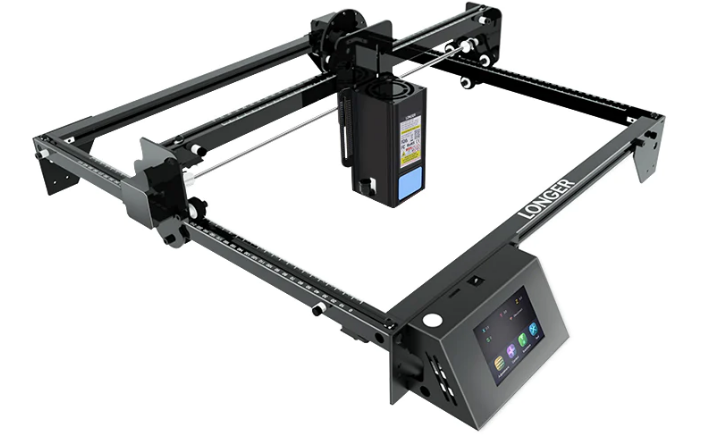
Longer RAY5 10W Laser Engraver
Retail Price: $529.99 Discounted Price: $359.99
The Ray5 10W Laser Engraver is a powerful cutter and engraver that can be used on wood, acrylic, stainless steel, leather, silver, and more.
The laser comes with dual beam technology and has a 10W intense laser that easily cuts through hard materials like wood. It can easily cut a 0.8”/20mm thick wood board and 1.2”/30mm acrylic material. The device can also be used for engraving at a max 10000mm/min engraving speed.
Ray5 can be used for beautiful and delicate engraving art, as it features the latest compressed laser technology that generates an ultra-fine laser spot which is two times thinner than ordinary lasers available in the market. This means the device gives you ultra-fine cutting and engraving which is precise, consistent, and crystal clear with thinner lines and delicate texture.
The Ray5 comes with a thermal sensor that detects accidental flames and automatically stops the laser and starts a buzzing alarm to inform you of the same. Moreover for your safety, the device comes with a flame-resistant acrylic laser protective cover. Other interesting features include a 3.5” touch screen, multiple data transfer options, multiple machine control options, wide software compatibility, etc.
The Ray5 20W Laser Engraver is a highly efficient device that can both cut and engrave a variety of materials such as wood, acrylic, stainless steel, leather, and even silver. It is considered to be one of the most reasonably priced engravers currently available in the market.
Equipped with dual beam technology, the device boasts a formidable 20W laser and 120W electric power that can effortlessly slice through tough materials such as wood and metal. With a single pass, it can easily carve through a 0.59”/50mm pine wood board and a 0.31”/8mm acrylic material. The device is also capable of cutting 0.002”/0.05mm stainless steel. Moreover, it can be utilized for engraving at a maximum speed of 10,000mm per minute.
The Ray5 20W is capable of producing intricate and delicate engraving due to its advanced compressed laser technology, which generates a laser spot that is twice as thin as regular lasers available in the market. This results in ultra-fine cutting and engraving with precise and clear texture, featuring thinner lines and delicate details.
The Ray5 20W laser cum cutter comes with a 3.5” smart color screen which can be used to complete various DIY projects. The device comes with multiple data transfer options like Wi-Fi, USB cable, TF card, etc. It also comes with wide software compatibility which makes sit easy to use the device anytime and anywhere across the globe.
The device has safety features such as a thermal sensor, emergency stop button, flame-resistant acrylic cover, and panoramic filter glass for eye protection. Other interesting features include a brand new protective lens case and dust-proof hood that protect the laser lens from smoke and improve the service life of the module.
Longer is also offering discounts on its Ray5 5W Laser engraver. The device which generally retails for $329.99 is now available for $224.99.
Laser B1 30W, is a cutting-edge device that unlocks limitless creative possibilities for your projects. With its powerful 6-core laser head, this versatile machine effortlessly cuts and engraves over 1000 different materials, from wood and stainless steel to leather, acrylic, and more.
Equipped with state-of-the-art technology, the Laser B1 boasts an ultra-high power output of 33W, delivering a concentrated laser beam that enhances cutting capability by over 20%. It can effortlessly slice through materials like paulownia wood, black acrylic, and even stainless steel, while its multi-pass ability conquers thicker materials with ease.
The Laser B1 offers a large working area, providing a significant 23.75% increase in size compared to other options. With its expanded dimensions, it accommodates A3 panels and allows for greater flexibility and productivity in various applications.
Speed is not compromised with Laser B1. Its innovative 32-bit motherboard enables engraving speeds of up to 36,000mm/min, four times faster than ordinary machines. The incorporation of TMC2209 silent drivers ensures a smooth and quiet operation, enhancing the overall user experience.
Safety is a top priority with the Laser B1. It features eight comprehensive safety protection features, including automatic laser shutdown, flame detection, and data disconnection. The panoramic filter glass provides an additional layer of protection, filtering out 99.8% of the laser for a safer operating experience.
Laser B1 also features a replaceable protective lens that prevents smoke contamination, ensuring optimal performance and longevity. With multiple data transfer options like Wi-Fi, USB cable, APP, and TF cards, seamless offline operations are possible.
The Longer Laser B1 20W is a game-changing laser engraver with advanced quad-core technology and a powerful 20W optical output. Its exceptional cutting ability effortlessly slices through various materials, including 15mm pine, 8mm black acrylic, and 0.05mm stainless steel.
With cutting-edge laser coupling technology, it offers a 20% increase in cutting capacity compared to other 20W lasers. The Laser B1 has an expanded working area of 17.72×17.32 inches, ideal for A3-sized panels. It boasts a 32-bit motherboard for high-speed operation, reaching up to 30,000mm/min, four times faster than ordinary machines.
Safety features include automatic laser shutdown, zeroing, and panoramic filter glass. The Laser B1 ensures accuracy with limit switches and stability with its aluminum frame. It supports various file formats and offers multiple data transmission options.
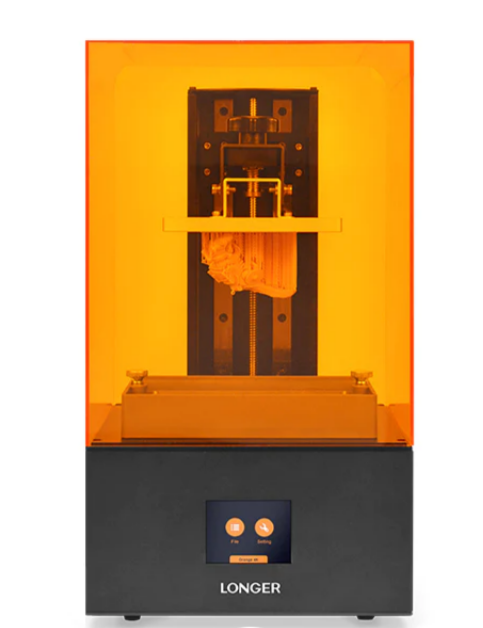
Orange 4K is an ultrafine LCD 3D printer that brings your ideas and pictures to life. The printer features 6480*3840 resolution and 10.5/31.5µm of subpixel, which gives a very high-quality output with delicate and intricate details printed out with precision. The 4K resolution allows you to print tiny details like fine lines of artwork with high accuracy and precision as compared to a 2K printer.
This LCD 3D Printer is able to print by 1.5s/layer on the exposure time and provides super-fast printing as compared to other ordinary printers. However, unlike other generic printers that substitute speed for quality, Orange 4K compromises neither on quality nor on speed as it is configurated with parallel UV LED for uniform and intense illumination, which provides better performance on printing quality.
Longer Orange 4K 3D printer is equipped with dual Z-axis linear guides for more steady printing and comes with a full metal body that keeps the whole printing procedure stable providing reliable and quality output every single time.
We use cookies on our website to give you the most relevant experience by remembering your preferences and repeat visits. By clicking “Accept”, you consent to the use of ALL the cookies.
This website uses cookies to improve your experience while you navigate through the website. Out of these, the cookies that are categorized as necessary are stored on your browser as they are essential for the working of basic functionalities of the website. We also use third-party cookies that help us analyze and understand how you use this website. These cookies will be stored in your browser only with your consent. You also have the option to opt-out of these cookies. But opting out of some of these cookies may affect your browsing experience.
Necessary cookies are absolutely essential for the website to function properly. This category only includes cookies that ensures basic functionalities and security features of the website. These cookies do not store any personal information.
Any cookies that may not be particularly necessary for the website to function and is used specifically to collect user personal data via analytics, ads, other embedded contents are termed as non-necessary cookies. It is mandatory to procure user consent prior to running these cookies on your website.