Last month, OnePlus debuted the Bullets Wireless Z2 ANC neckband earbuds, along with the OnePlus Nord 3 5G, and the OnePlus Nord CE 3 5G smartphones. After more than a month of waiting, these earbuds will finally be available for purchase.
The OnePlus Bullets Wireless Z2 ANC sale commences at 12 p.m. on August 17. The earbuds have a price tag of Rs 2,299. Interested readers can buy it from Amazon India or OnePlus online store.
OnePlus Bullets Wireless Z2 ANC specs
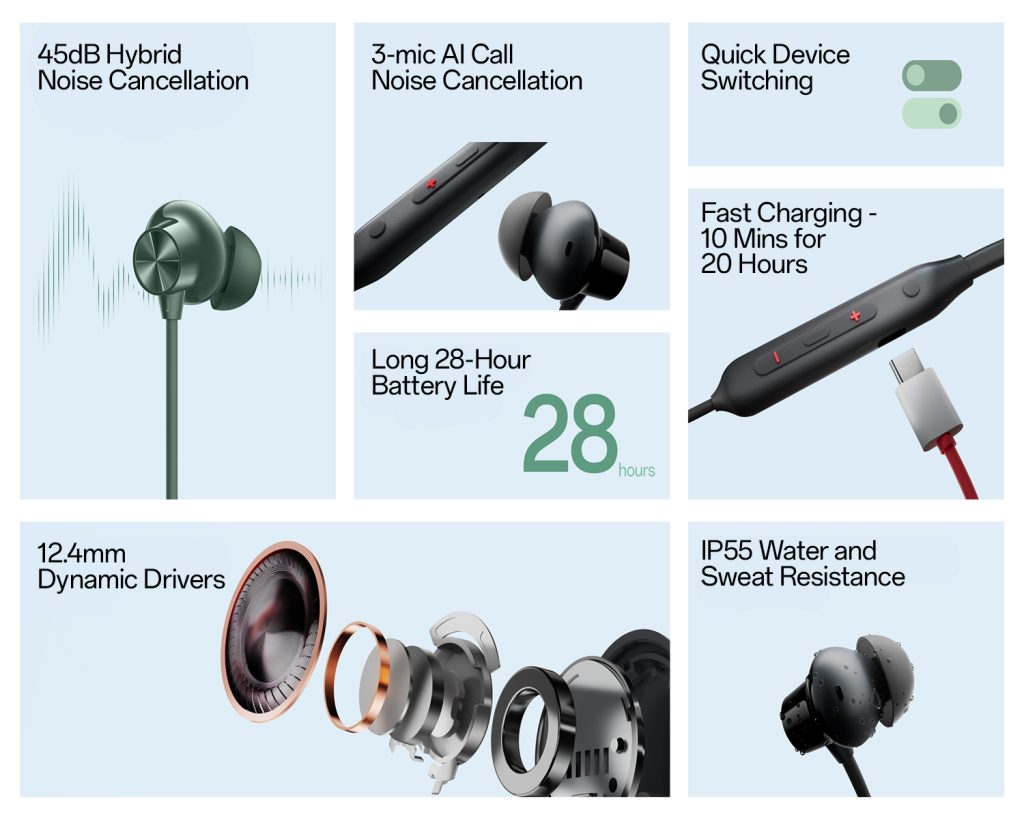
The OnePlus Bullets Wireless Z2 ANC earbuds have Hybrid Noise Cancellation that can cut down background noise by up to 45 dB. This feature is backed by a setup of three microphones and AI Call Noise Cancellation to make calls clearer, even when it’s noisy around.
With 12.4 nm Dynamic Drivers, the earbuds deliver really good sound quality and strong bass. They’re tough too, with an IP55 Water and Sweat Resistance rating, so they’re good for workouts.
The earbuds last a long time – up to 28 hours on a single charge. They can charge up quickly too; just 10 minutes of charging gives you about 20 hours of music time.
If you have a OnePlus device, you can pair the earbuds quickly using Google Fast Pair2, which makes connecting the earbuds and your device easy.
Back in May, the Fire-Boltt Phoenix Ultra smartwatch was launched in India featuring a 1.39-inch LCD circular display and Bluetooth calling support. Now, the brand has launched another smartwatch in the series called the Fire-Boltt Phoenix AMOLED. As the name suggests, the smartwatch comes with an AMOLED panel this time around along with many other interesting specifications mentioned below.
Fire-Boltt Phoenix AMOLED smartwatch specs
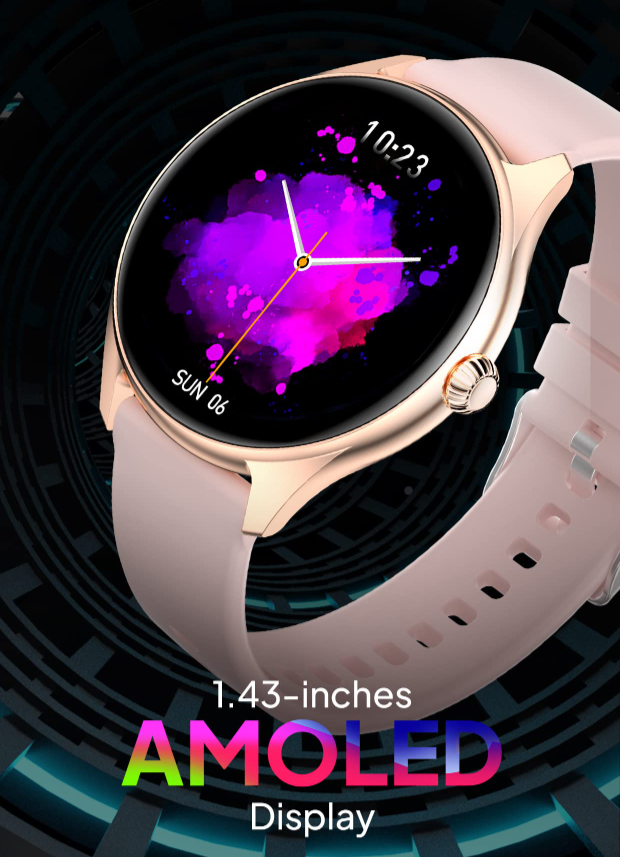
The Fire-Boltt Phoenix AMOLED smartwatch is packed with a nice 1.43-inch AMOLED screen that shows bright colors and deep blacks. It has a resolution of 466 x 466 pixels and a peak brightness of 700 nits. You can use it to make calls through Bluetooth, and it remembers call history too. Plus, there’s a mic and speaker in it, so you can talk and listen without grabbing your phone.
The watch has a twisty crown that helps you move around the menus easily. And if you’re into sports, it has more than 110 modes to track your workouts. The watch can also access the voice assistants on your phone using the built-in mic.
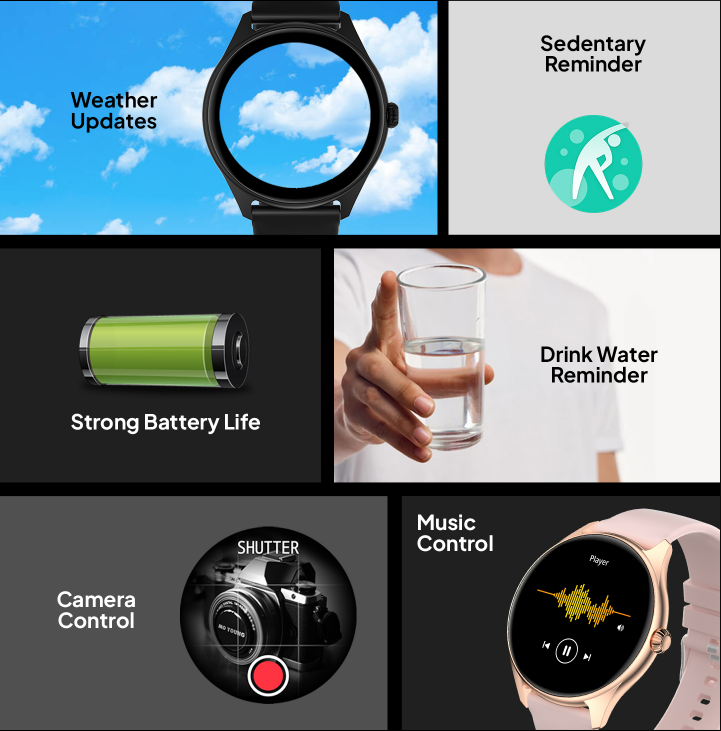
When it comes to health, it checks your sleep, measures your SpO2, and keeps an eye on your heart rate. It even reminds you to drink water and move around if you’re sitting too much. You’ll get notifications from your phone on the watch, and it tells you the weather too. Plus, you can play games on it and control music and your phone’s camera. And don’t forget the alarm and timer features, which come in handy.
Price & availability
The Fire-Boltt Phoenix AMOLED smartwatch, available at an introductory price of Rs. 2,199, comes in grey, gold, and black colors. It will be accessible for purchase on Fireboltt.com and Amazon.in starting from August 17.
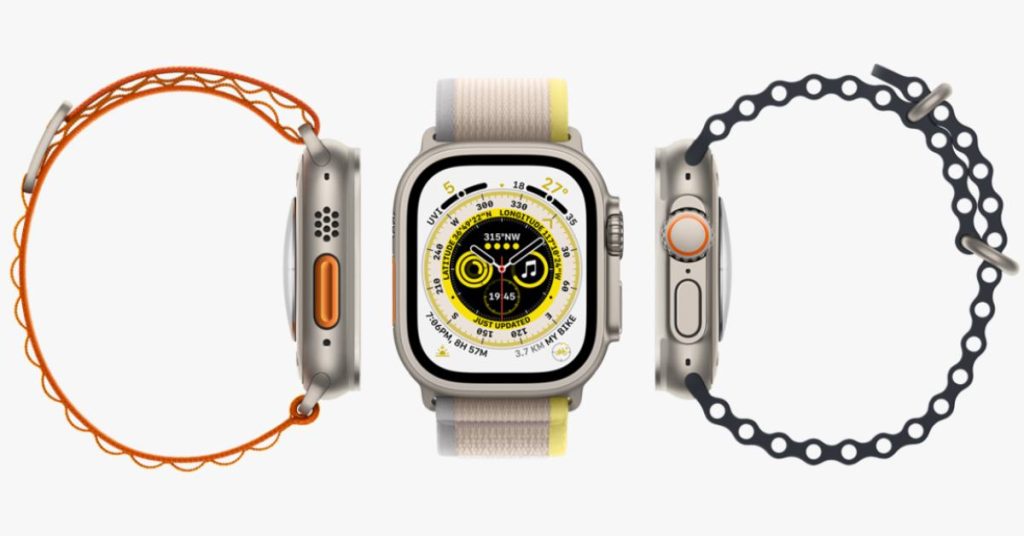
Apple has taken a step forward in its commitment to healthcare by releasing an update to watchOS 9.6.1, aimed specifically at addressing the needs of those suffering from Parkinson’s disease. While updates for Apple Watch are regular, this one stands out by ensuring the efficient tracking of tremors and dyskinesia symptoms.
The new update enables continuous tracking of symptoms for Parkinson’s patients
The importance of this update lies in its impact on medical treatment. H20 Therapeutics’ app, Parky, which leverages Apple’s Movement Disorder API, had been hindered by an issue that prevented access to motion data. The new update fixes this issue, allowing the app to capture changes in the symptoms of Parkinson’s patients, matching the expectations of clinicians 94% of the time.
This not only highlights Apple’s role in health and wellness but also stresses the significance of technology in aiding medical professionals in their diagnosis and treatment plans. Before the fix, the inability to access the Movement Disorder API resulted in a gap in vital information for doctors. This update now ensures continuous tracking, with Parky capturing 288 data points daily, assuming continuous wear of the watch.
The introduction of a color-based UI using green to indicate fewer symptoms further simplifies understanding for patients and caregivers. This update is not just about enhancing functionality; it’s a reflection of Apple’s conscious effort to contribute to healthcare and wellness. An update procedure that only requires the watch to be charged to 50% and within Wi-Fi range ensures that this improvement is easily accessible to all eligible Apple Watch users.
Lamborghini is teasing car fans with a new video about an upcoming model. The big reveal will happen on August 18 in California. The 15-second video shows a city, a woman looking at stars, and an object coming to Earth. Finally, the new Lamborghini appears, showing the front of the car. Noteworthy, the car has been previously teased by the company, so this is more of a teaser.
Information states that the production of the car will start in 2028
The teaser shows a tall car with headlights that are placed on top of each other. It doesn’t look like an SUV though. The car has a smooth design with some sharp edges.
Lamborghini has said this is the first look at a new car they’re working on. The CEO said it will be a 2+2 grand tourer, meaning it’ll have room for passengers but still be great to drive every day.
A message in the video says, “What if…” It makes people wonder what Lamborghini is planning. Maybe they are thinking about building an electric car?
We don’t know all the details about this car yet. But we do know it will be made in 2028, so this is the first look at something coming in the future.
The video is getting car fans excited and makes them wonder what’s next. Lamborghini is known for class-leading, fast cars, and this one seems to be no different.
Snapchat Plus users were thrown into confusion recently when the app’s digital assistant, My AI, began to act erratically. During a bizarre event, My AI, part of the $3.99/month Snapchat Plus package, took it upon itself to post single-second-long Stories to users’ feeds, a function it was never programmed to have.
This small incident left Snapchat users wondering if AI is becoming sentient
The mysterious two-tone image posted in Stories by the chatbot left users scratching their heads. Some even mistook it for a snapshot of their ceiling. When asked about the incident, My AI either went silent or acknowledged a technical issue.
This unexpected behavior prompted jokes and minor panic among users, leading them to wonder if this was a sign of AI’s burgeoning self-awareness. While the idea of the dawning of the Singularity was certainly thrilling for some, it was soon clarified by a spokesperson that it was merely a temporary glitch.
What makes this incident particularly interesting is the intrigue it stirred. My AI offers an array of features, including AR filter recommendations, suggestions for restaurants and activities, and various AI functionalities. The technical malfunction gave users a sneak peek, albeit unintended, into the potential capabilities of AI.
Mahindra, a huge Indian automaker, has introduced an eye-catching concept, the Vision Thar.e, in Cape Town. It signals a promising step in electric vehicles. This new concept is more than a mere innovation; it’s a fusion of Indian engineering with global standards, aptly depicted by its Inglo platform, a collaborative effort with Volkswagen.
The vehicle has a 280-mile range on a single charge
What sets the Thar.e apart is its clear departure from its gas-powered sibling, the Thar, embracing a design reminiscent of the Land Cruiser and Land Rover Defender, yet asserting its unique identity. This boxy, futuristic off-roader doesn’t shy away from bold aesthetics, with cube-shaped elements adorning its exterior, from LED headlamps to wheel alloy cutouts.
Inside, the Thar.e concept resonates with a blend of minimalism and functionality, prioritizing practicality. The central pivoting screen and thoughtful layout enhance both urban and off-road experiences.
Powering the Vision Thar.e are “high-performance electric engines,” with Volkswagen-supplied motors delivering impressive peak power and torque. The flexible battery capacities, ranging from 60 to 80 kWh, promise an impressive maximum range of up to 280 miles.
However, this isn’t merely a showcase of technological prowess; it’s Mahindra’s statement of intent to expand its horizons beyond Indian shores. The company’s interest in entering markets like the UK aligns with its broader electrification roadmap and international growth strategy.
By reimagining the Thar with an electric twist, Mahindra has ushered in a new chapter of innovation that doesn’t just meet the demands of modern transportation but transcends geographical boundaries. The Vision Thar.e is more than a vehicle; it’s a symbol of global collaboration and forward-thinking design, paving the way for Mahindra’s electrified future.
Emilia Jarochowska, once an avid user of the platform formerly known as Twitter, closed her account due to the unsettling rise in trolls and misinformation. Her departure represents a growing trend among academics who have found the recent changes to the platform, now simply known as “X,” unusable.
Twitter has been on a steady downhill curve ever since Elon Musk took over
Since Elon Musk took over Twitter, he has implemented numerous unpopular changes. Content moderation has been reduced, and a new verification system favoring paid members has been established. Limited access to data for research and changes to the platform’s name and logo have left many in the scientific community reassessing their use of the platform.
Nature’s survey reached out to over 170,000 scientists and found that more than half have reduced their time on X, while roughly 7% have abandoned it altogether. Around 46% have sought refuge in alternative social media platforms such as Mastodon, Bluesky, Threads, and TikTok.
The shifting social media landscape has raised concerns about the fragmentation of scientific communication. As researchers move from platform to platform, following specific communities and individuals, the ease of access to targeted information is lost.
Some, like Žiga Malek, an environmental scientist, will continue using X, despite the chaos, to promote his work. Others lament what’s being lost, particularly the sense of community and open access to data that Twitter once offered.
Whether X will regain its appeal or if another platform will take its place is uncertain. Meanwhile, experts like Mark Carrigan, a digital sociologist, urge conventional networking organizations to take this opportunity to curate and support their networks, declaring that Twitter, as we knew it, is dead.
Innovation in the e-mobility sector has taken an exciting turn with the introduction of the Vook E-Trike, a hybrid electric three-wheeler. Blurring the lines between conventional e-bikes, trikes, and go-karts, this latest offering from Vook signifies a fresh wave of creativity that’s seeking to revamp the way we perceive transportation.
The E-Trike has a 3000-watt battery which is impressive
The distinctive design of the Vook E-Trike showcases a blend of traditional bicycle elements with a futuristic appeal. Its front wheel resembles that of a bicycle, controlled with normal handlebars, while the two smaller rear wheels stand out as “puncture-proof.” But it’s the performance that really sets the e-trike apart.
Powered with a formidable 3,000 watts nominal and 6,000 watts peak output, the Vook E-Trike offers various ride modes to suit different needs. Whether you prefer a leisurely 11 miles per hour in Safe mode or crave the thrill of 40 miles per hour in Boost mode, this versatile machine caters to all.
What emphasizes Vook’s commitment to innovation is the integration of technology. The inclusion of a fingerprint sensor for startup, built-in cameras for capturing the ride, and smartphone connectivity exhibits a forward-thinking approach. And with options for 30 or 50 Ampere-hour battery packs, adaptability is at the forefront.
As a prototype, Vook’s E-Trike is still in development, with a scheduled release by December 2023. Already attracting significant attention on Indiegogo, it underscores the appetite for fresh and unconventional solutions in the e-mobility space. This electric three-wheeler is not just a product; it’s a statement that innovation is alive, unbounded, and full of potential to bring joy and function together. The Vook E-Trike doesn’t just challenge the norm; it’s redefining it.
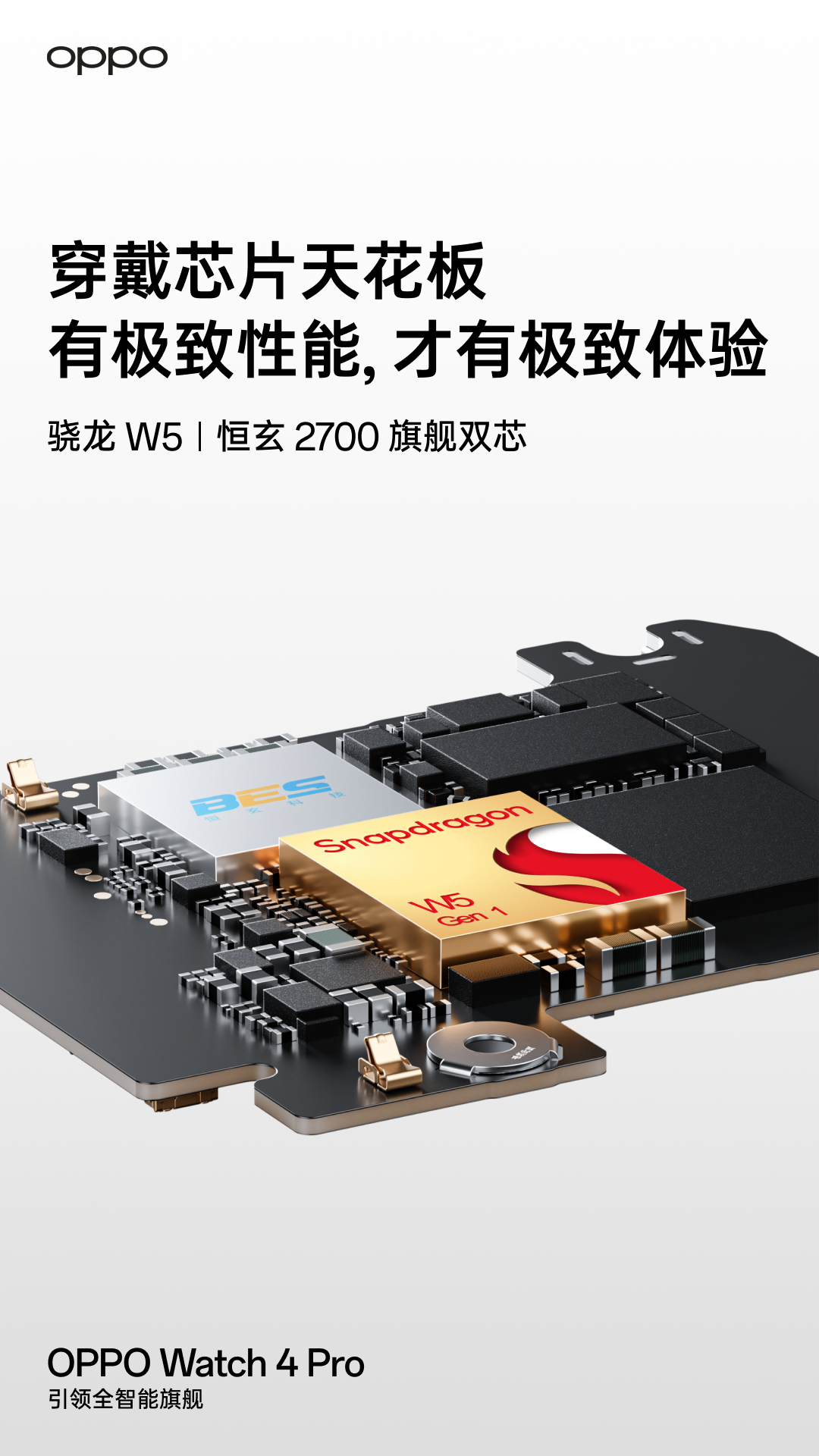
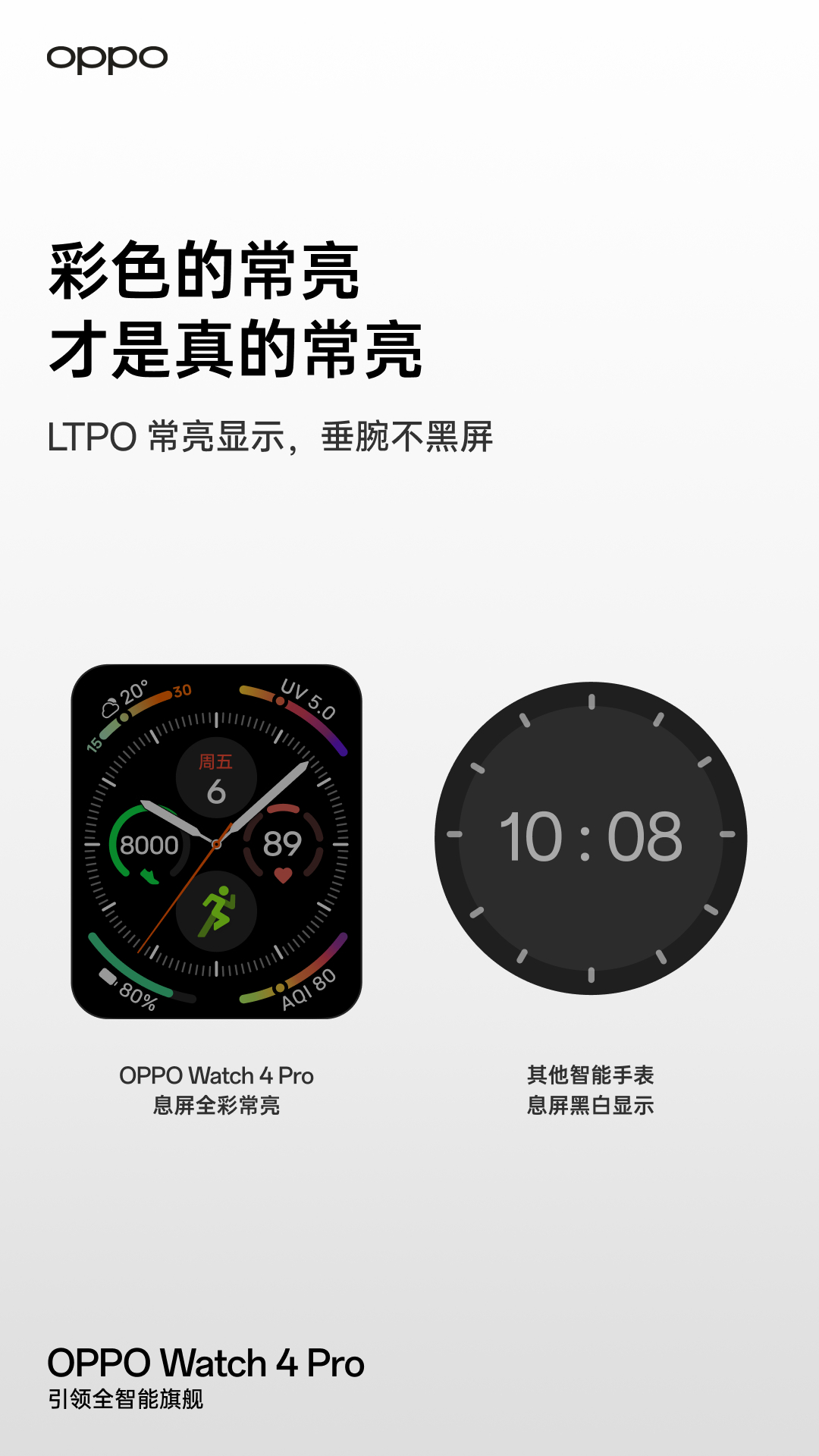
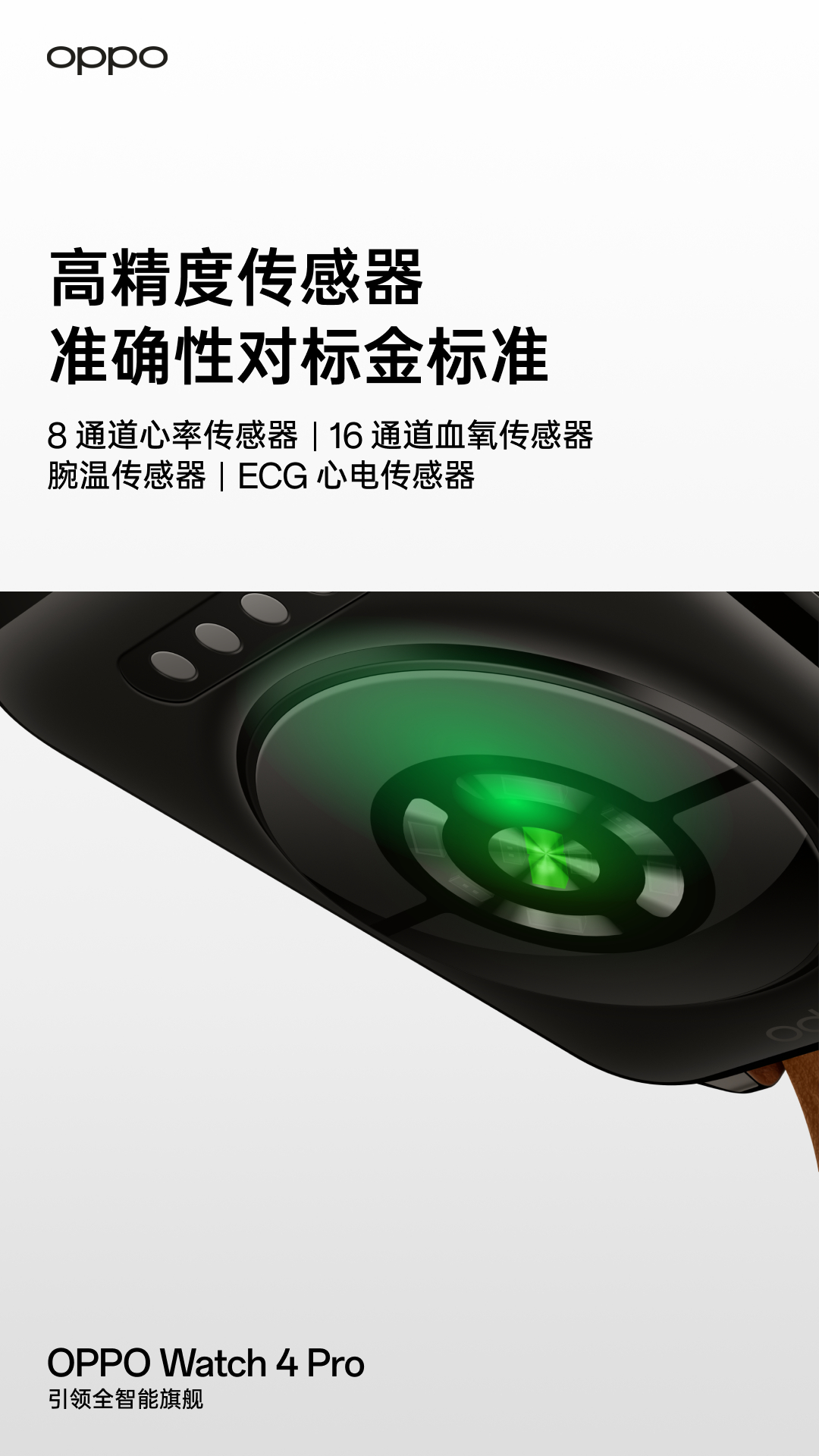
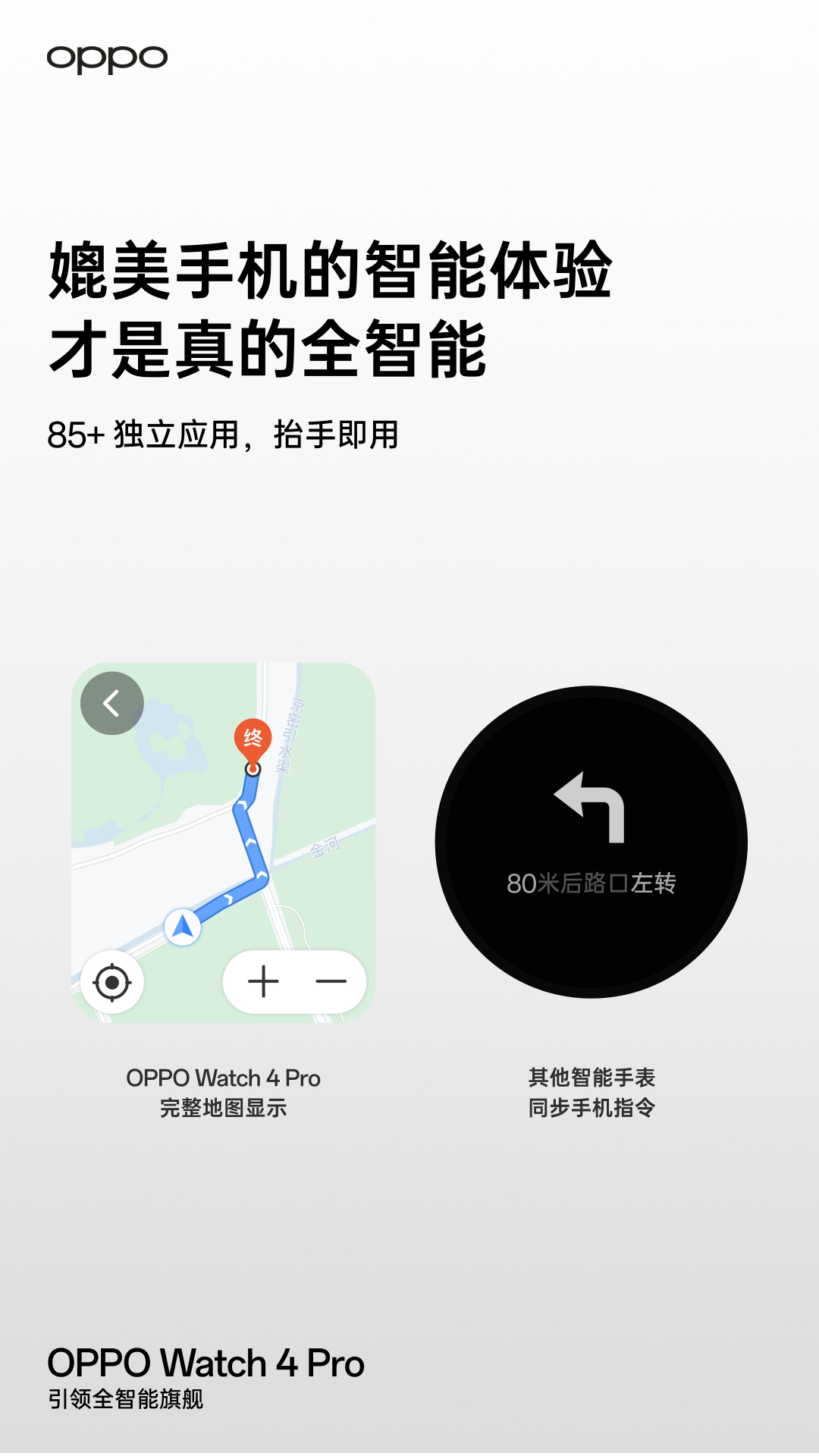
Rumors are rife that the Oppo Find N3 Flip will be announced on Aug. 29 in China. Since the company has already started teasing the Watch 4 Pro, it appears that the smartwatch will debut alongside the N3 Flip. In a new Weibo post, the company published a couple of posters to confirm the key specifications of its next flagship smartwatch.
Oppo Watch 4 Pro key specifications
The new posters confirm that the Oppo Watch 4 Pro will be equipped with dual chipsets, such as the Snapdragon W5 chip and the BES 2700. The latter could be present mainly for a low-power mode.
The Watch 4 Pro features an LTPO always-on display that remains active even when the wrist is down, unlike typical smartwatches with black and white displays. Unlike other smartwatches, the Watch 4 offers a full-color always-on display (AOD) instead of a black-and-white AOD.
The Watch 4 Pro promises to deliver accurate health tracking data thanks to the inclusion of high-precision sensors. It includes an 8-channel heart rate sensor, a 16-channel blood oxygen sensor, a wrist temperature sensor, and an ECG sensor.
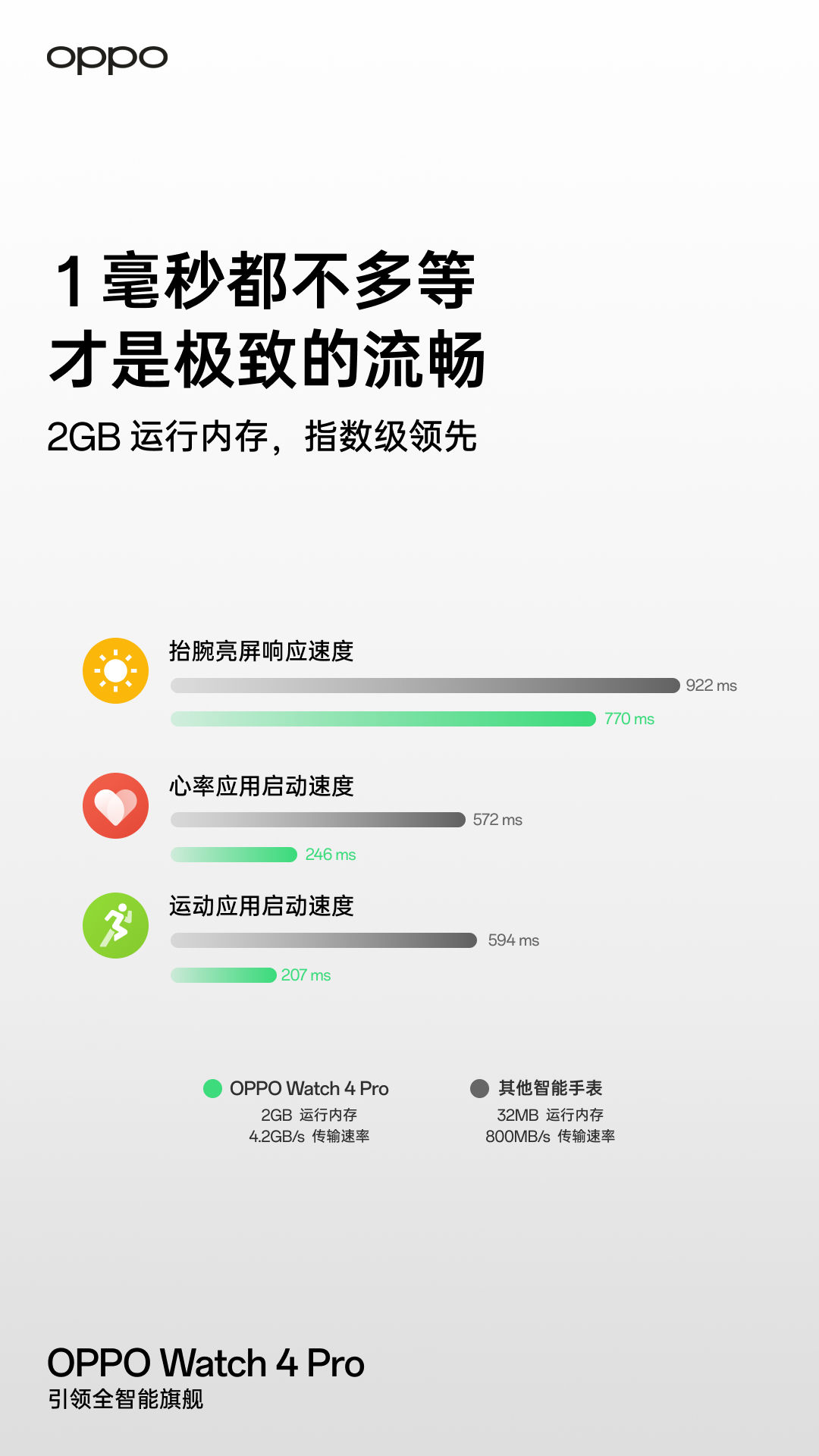
The Watch 4 Pro promises to offer an experience similar to that of a smartphone as it is equipped with 85+ standalone preinstalled apps. In addition, the smartwatch offers 2 GB of operational memory, enabling a data transfer rate of 4.2GB/s. Notably, the screen response time has been improved from 922ms to 770ms, while the heart rate application’s launch speed has been reduced from 572ms to 246ms, and the sports application’s startup time has been shortened from 594ms to 207ms.
Other reports have revealed that the Watch 4 Pro will pack a 570mAh battery. When it comes to design, it will come equipped with a 316 stainless-steel frame and a ceramic base. It is also expected to come with eSIM support.
iQOO is reportedly working on the iQOO Z8 and iQOO Z8x smartphones for the Chinese market. A recent report claimed that the Z8 series would debut in September. Fresh information reveals that the iQOO Z8 has been certified by the 3C certification platform in China. At the same time, it has also appeared in the Google Play Supported Devices list.
iQOO Z8 bags 3C certification
iQOO Z8 appears in the Google Play Supported Devices list
The iQOO Z8 was spotted with model number V2314A on Geekbench. The same device has now appeared in the databases of 3C and the Google Play Supported Devices list. The 3C certification has revealed that the device may arrive with support for 120W fast charging.
iQOO Z8 3C certification
As per other reports, the iQOO Z8 will come equipped with a 6.64-inch LCD panel that offers an FHD+ resolution and a 144Hz refresh rate. It is expected to run on OriginOS 3.0-based Android 13, and for security, it may feature a side-facing fingerprint sensor.
Under the hood, the Z8 may feature the Dimensity 8200 chipset, LPDDR5 RAM, and UFS 3.1 storage. The device is expected to arrive in multiple configurations, and its topmost variant may offer 12 GB of RAM and 512 GB of internal storage.
The device is expected to pack a 5,000mAh battery and support 120W fast charging. On the back, it may feature a 64-megapixel primary camera with OIS support, whereas it may arrive with a 16-megapixel front-facing camera. The details about its auxiliary cameras have not surfaced yet. It is expected to arrive in three shades, such as black, blue, and green.
Microsoft is one of the world’s biggest tech companies, and its products and services are used by billions of people around the world. For example, many government agencies and private businesses in various countries use Microsoft’s products, such as Windows operating systems, Office productivity suite, and Azure cloud computing platform. While this situation gives the company a special access, Microsoft is also doing its part. The company discovered 15 serious flaws in the CODESYS V3 SDK that could turn off power plants.
Microsoft finds vulnerabilities it says could be used to shut down power plants
Recently, Microsoft found some weak spots in a tool that many factories and power plants use. This tool, called CODESYS V3 SDK, helps factories and power plants run smoothly. The danger is, if some “bad guys” find and use these weak spots, they could cause big problems. They could turn off a whole power plant or mess with how things run.
Microsoft said that while it’s hard to do this, if someone manages to, it could lead to serious damage. Now, the good news is that Microsoft told Codesys (the company that makes the tool) about these problems. Codesys made a fix, and many factories and power plants have likely already put this fix in place. But for those that haven’t, they need to do it quickly.
However, to use these weak spots, bad guys need to know a lot about the tool and need a special kind of access. A while ago, there was another weak spot (CVE-2019-9013) that, if not fixed, could give them this access. So, factories and power plants need to make sure they’ve fixed that too. But, these types of attacks are rare. And with many factories and power plants likely having fixed the weak spots, big problems seem less likely. However, we are likely to receive bad news in the near future.
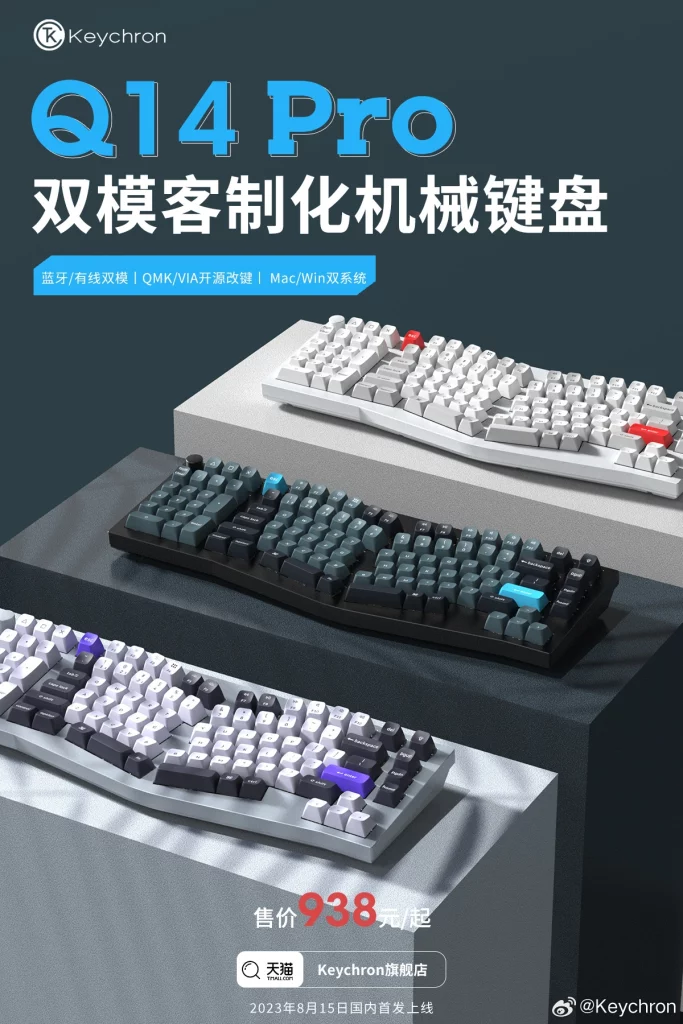
Keychron has officially announced the Q14 Pro dual-mode customized mechanical keyboard in China. The announcement was made via a Weibo post from the official account of the brand. The new mechanical keyboard has a number area on the left with a reserved space for a mouse.
The design of the Keychron Q14 Pro offers several customization options for the keyboard. It features the Alice arrangement layout which highlights an ergonomic design. A sideways inclination is also added that allows the user to tilt the keyboard from the middle to both sides. The angular elevation helps to relieve the pressure caused by the hands and forearms and keeps the wrists and forearms in a consistent posture. The design also allows users to tap the keyboard with a natural and relaxed posture.
According to Keychron, the Q14 Pro mechanical keyboard uses its own K Pro switch body, that is, red, brown, and K Pro banana body. It also features KSA height PBT two-color injection keycaps. The internal design of the Q14 Pro utilizes the Gasket structure and PC positioning board.
The Keychron Q14 Pro supports both Bluetooth and wired connections. It also supports the QMK/VIA open-source key-changing function that is originally present in the Keychron traditional keyboard. The new mechanical keyboard is compatible with Mac and Windows operating systems. The original price of the Q14 Pro mechanical keyboard is 938 yuan (~$129) but it is currently offered at a discounted price of 888 yuan (~$122).
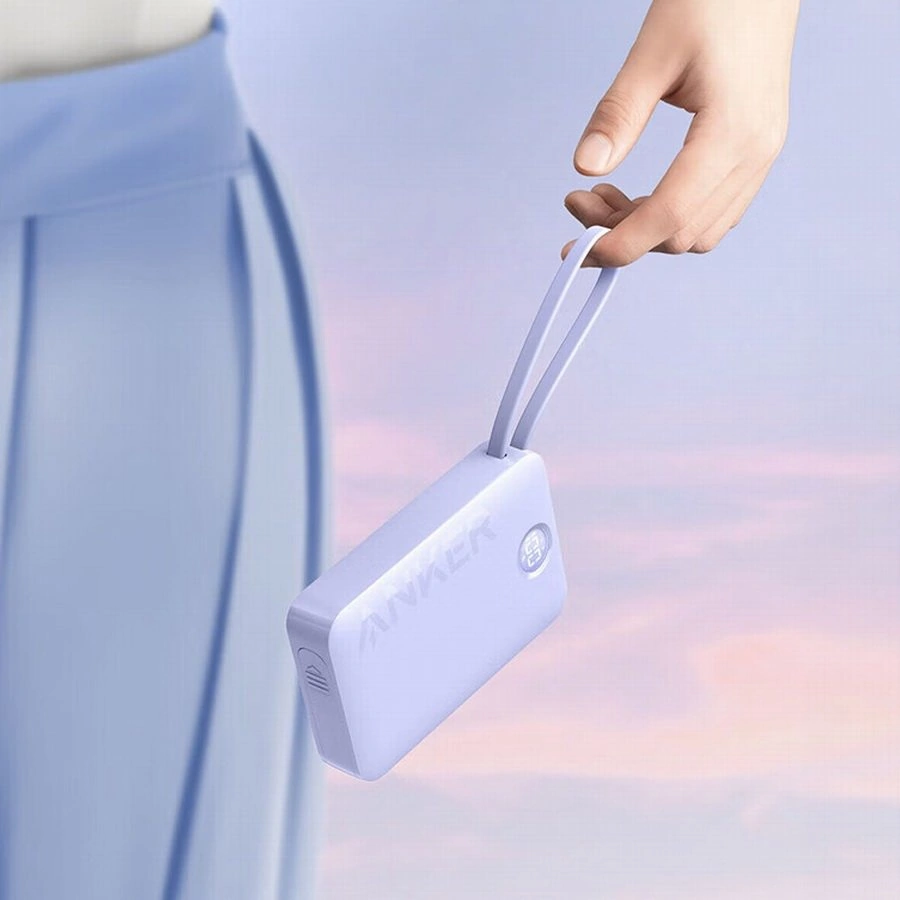
Chinese electronics manufacturer Anker has unveiled its latest Power Bank in the Chinese market. The Anker 335 power bank has a 20,000mAh capacity and 1A1C dual USB connections. The power bank comes with a USB-C cable as well as a mobile phone holder for securing your device while charging. The new Anker power bank is now available in major e-commerce platforms in China.
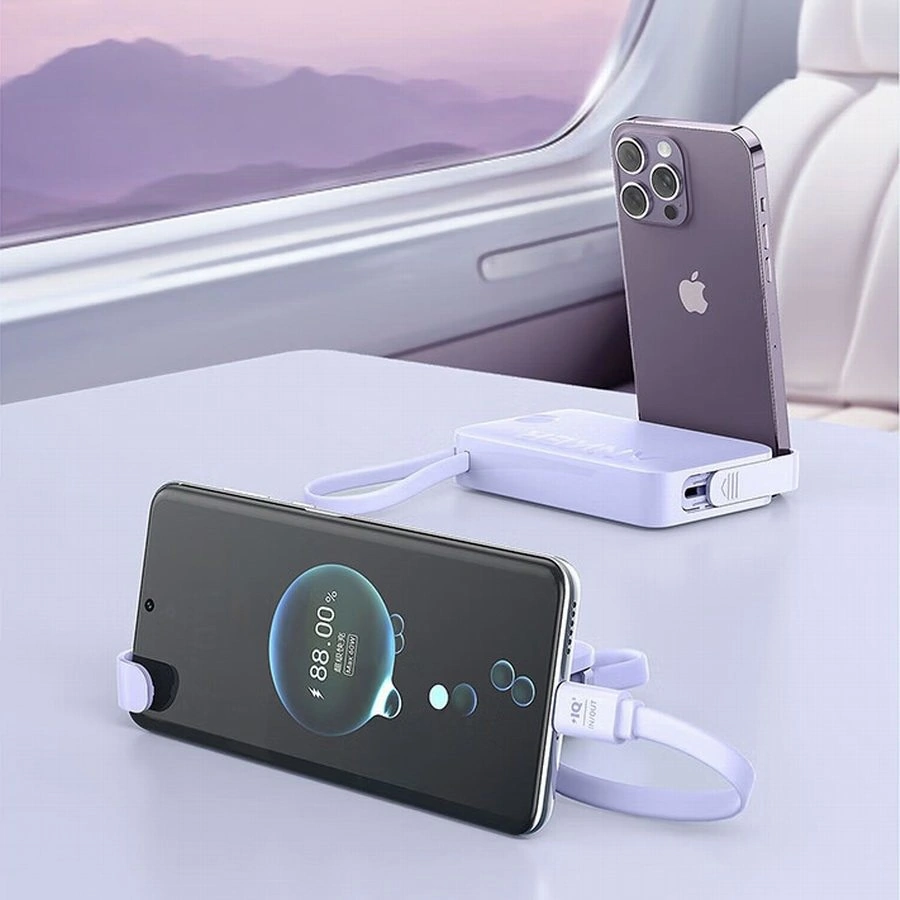
Anker adopted a matte finish for the front and back of the Anker 335. Four colors, namely lilac purple, phantom black, aurora white, and cream powder were used. The USB-C charging cable is built into the case and can be used as a lanyard when not in use. The charging cable is as sturdy and durable as it can get. It can withstand up to 10,000 times of bending. The power bank also features a mobile phone holder via a sliding structure on its side. When pulled out, the platform can be used to secure the mobile phone either horizontally or vertically.
The Anker 335 power bank has a LED screen that displays the power status of the gadget. It has a USB-A port on the side and a two-way USB-C fast-charging interface. All three ports can output a maximum charging speed of 22.5W and a minimum of 20W.
The Anker 335 power bank is available in major retail platforms in China including JD.com. The price of the new power bank is 229 yuan (~$31). Note that the Anker 335 is already available internationally at around $35.
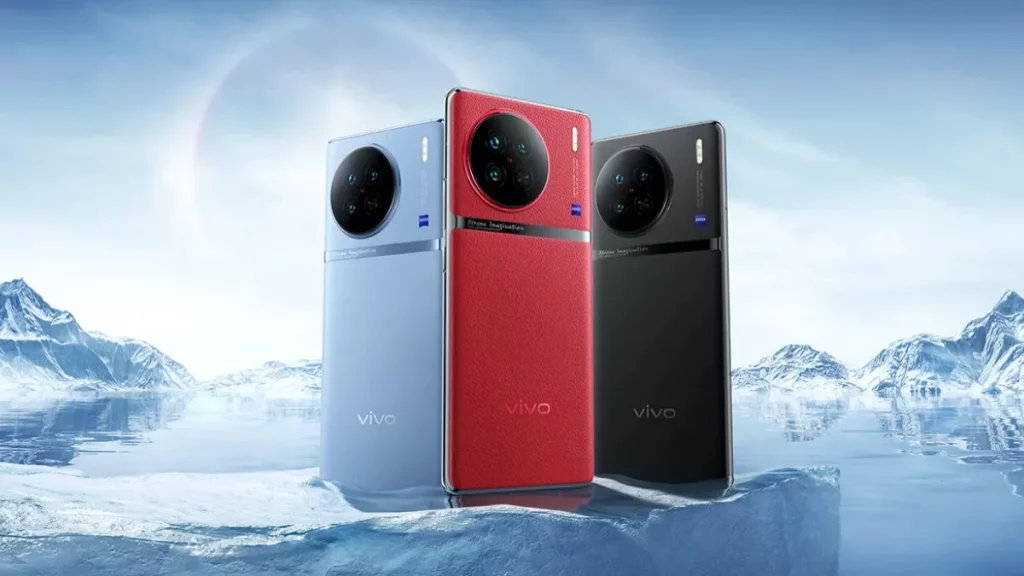
Chinese smartphone makers like Redmi and OnePlus have recently introduced new high-end smartphones, namely the Redmi K60 Ultra and OnePlus Ace 2 Pro, with advanced hardware and a huge 24GB RAM. And now, there’s news that Vivo, another big name in Chinese smartphones, might also join in on this trend.
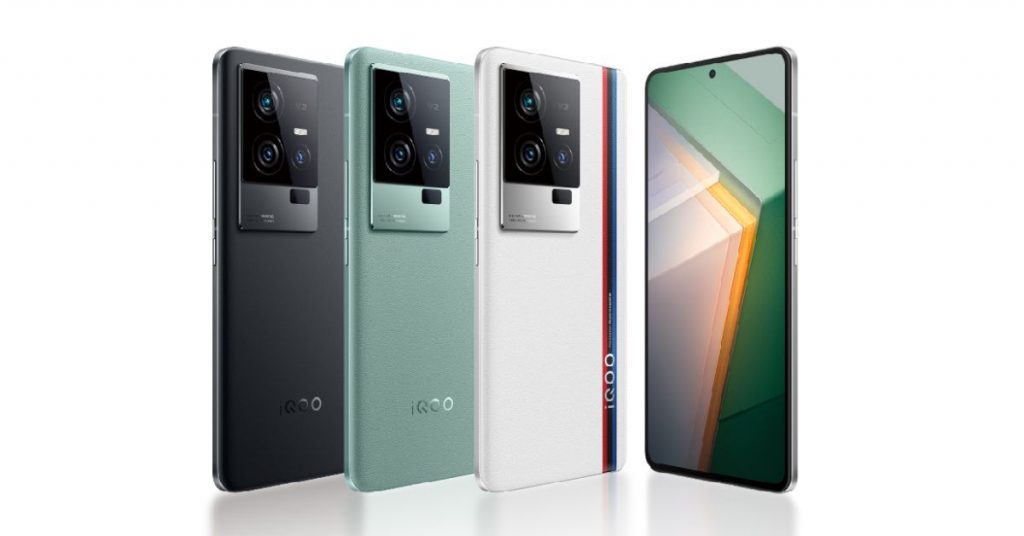
As per a recent report by DCS, an upcoming phone from iQOO, which is Vivo’s sub-brand, could feature 24GB LPDDR5X RAM along with 1TB storage. The device is also expected to feature a 1.5K to 2K resolution display, along with a Snapdragon 8 Gen 3 chipset.
iQOO 11
Currently, the iQOO 12 is the most likely candidate to get 24GB RAM and 1TB storage. Previous leaks also corroborate the chipset details. Since the Qualcomm Snapdragon 8 Gen 3 chipset is said to debut in October, we can expect the iQOO 12 to launch in Q4 2023 as well. In the meantime, let’s look at what’s known about the iQOO 12 so far.
iQOO 12 specs (rumored)
The iQOO 12 is said to come with a 2K AMOLED display with 144Hz refresh rate. The smartphone is also rumored to feature an OmniVision OV50H 50-megapixel camera, along with LPDDR5x RAM and UFS 4.0 storage. Lastly, the device is said to feature a
The iQOO 12 is said to come with a 2K AMOLED display with 144Hz refresh rate. The smartphone is also rumored to feature an OmniVision OV50H 50-megapixel camera, along with LPDDR5x RAM and UFS 4.0 storage. Although the specific battery size hasn’t been revealed, there are rumors suggesting that the iQOO 12 will come with 100W fast charging support. This implies that the battery capacity could be more than 5,000mAh.
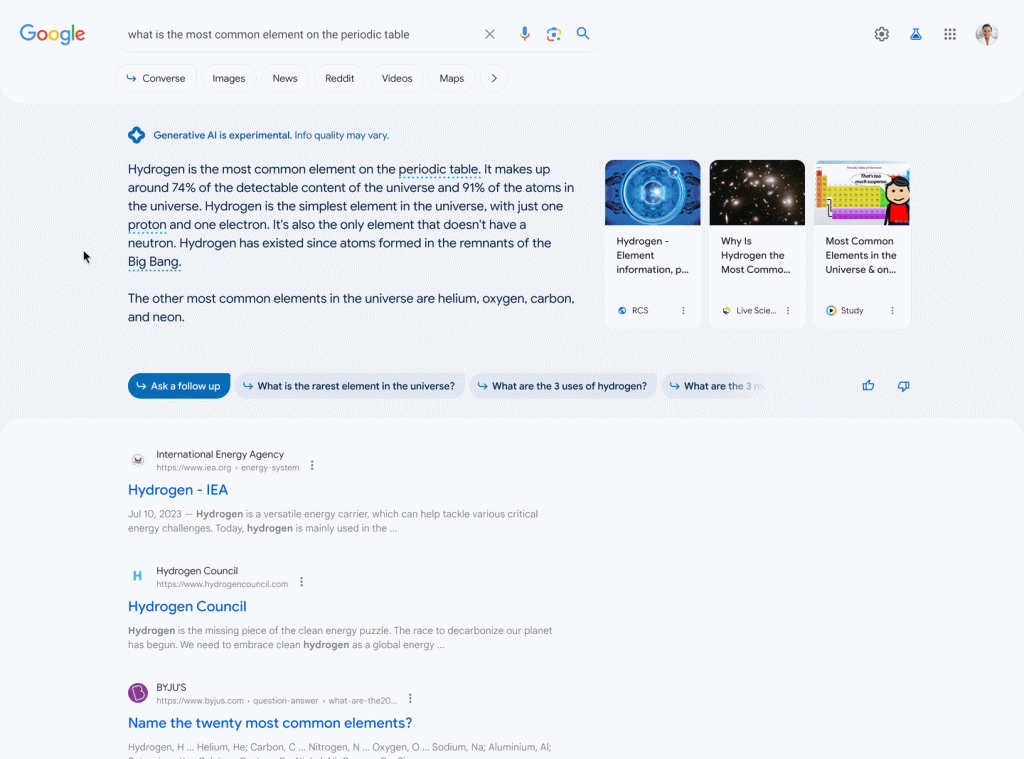
Google is rolling out a nifty new AI-powered feature for Android and iOS Chrome users. The company’s new Search Generative Experience (SGE) is getting a significant update summarizing articles you search online.
Google Chrome SGE: What’s it all about?
The tech giant announced that SGE can summarize your search results. In other words, users won’t have to read through a whole article and will get a short paragraph that details the entire content. SGE could already summarize results, but now, it can also offer functionality even after you click on the link. As per official notes, Google Chrome’s new feature is an early experiment.
Users can opt-in for this feature by enabling the Search Labs program. The company is first releasing this feature on the Google app on Android and iOS. Although, it is also actively working on bringing it to the Chrome browser on desktop PCs in the upcoming days. Talking about how SGE works, the feature utilizes AI to form key points from an article after you tap an icon at the bottom of the screen.
But keep in mind that the feature is only supported on articles that are freely available to the public. In other words, paywalled articles won’t be summarized. CEO Sundar Pichai stated that users have shared positive feedback regarding this technology and added that this is the future of how Search will work over time.
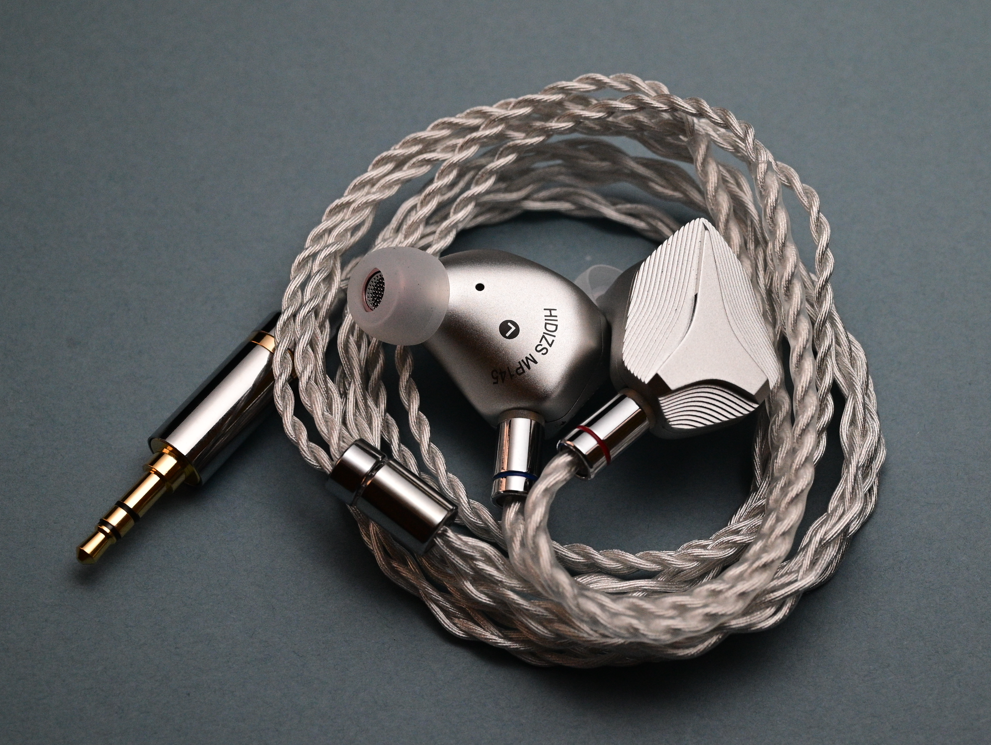
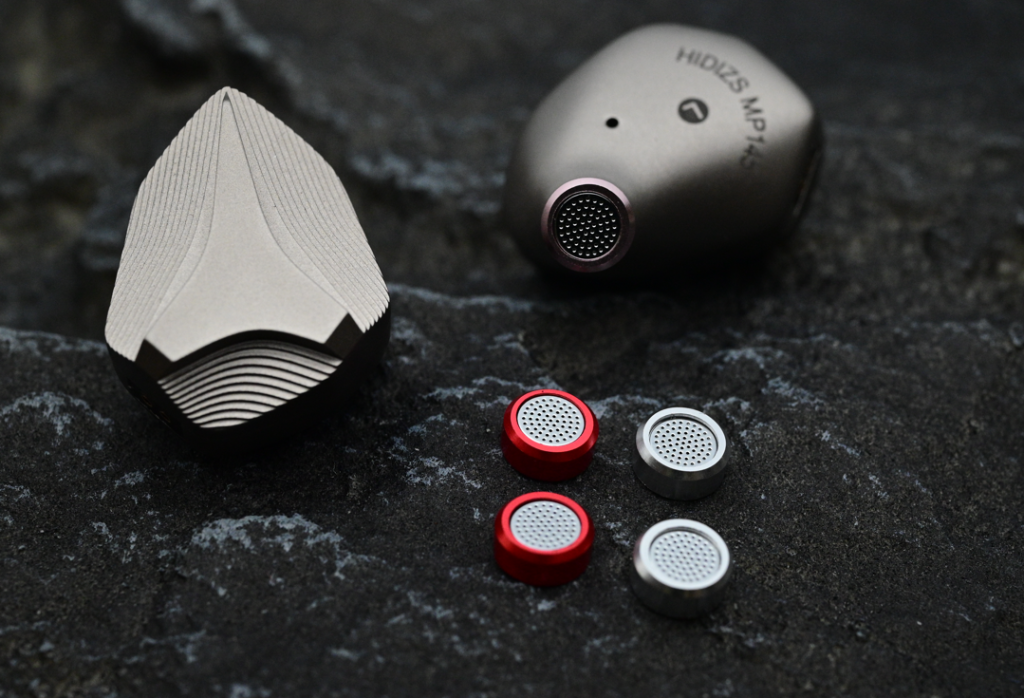
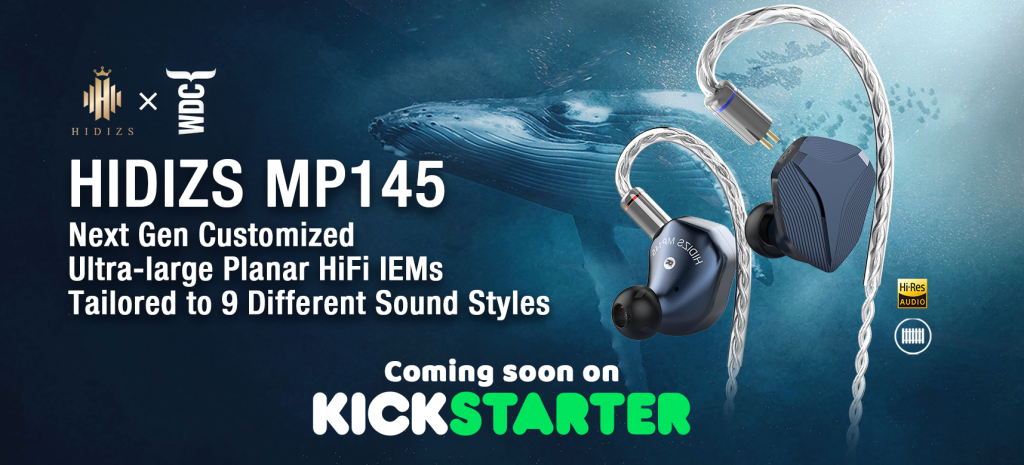
Embark on an exceptional and unmatched audio adventure with Hidizs’ newest creation, the Hidizs MP145 Ultra-large Planar Magnetic Driver HiFi IEMs. Representing a true masterpiece in audio engineering, this IEM guarantees a listening experience that pushes the limits and takes your music enjoyment to unprecedented levels. For audiophiles and music enthusiasts alike, the MP145 is an indispensable device that promises to redefine your relationship with music.
Hidizs MP145 HiFi IEMs
Unleashing the Power of Planar Magnetic Driver:
At the heart of the MP145 lies its crowning glory – the 14.5mm Ultra-large Planar Magnetic Driver. Hidizs has spared no expense in creating a driver that pushes the boundaries of sonic precision. This groundbreaking technology boasts an ultra-large surface area, enabling it to move air with unparalleled accuracy, resulting in a level of sonic fidelity that will leave audiophiles in awe. Brace yourself for an immersive audio experience like no other.
Inspired by Nature’s Grace:
Hidizs is not only devoted to delivering exceptional sound but also to captivating design aesthetics. The MP145 draws inspiration from graceful marine creatures – the Whale Tail & Rorqual Pleat Design. Not only does this design exude elegance, but it also serves a functional purpose. It optimizes the airflow, enhancing the IEMs’ acoustic performance and creating a natural, expansive soundstage that surrounds you.
Customize Your Sonic Adventure:
Hidizs understands that each listener’s preferences are unique. Enter the Hidizs Pneumatic Sound Tuning Filter, a groundbreaking innovation that allows you to tailor the sound signature according to your musical tastes. Whether you crave deep, powerful bass or prefer a balanced response across the spectrum, the MP145 can be easily tuned to match your desired sonic profile.
A Symphony of Precision Tuning:
The MP145 embodies a marriage of expert tuning and industry-leading sound engineering. Embracing the Target H-2019 Curve, combined with Hidizs Style Professional Tuning, ensures that every instrument, vocal, and note is faithfully reproduced with stunning accuracy. Prepare to rediscover your music library as you uncover intricate details and nuances you never knew existed.
Engineering Excellence:
Hidizs prides itself on pushing the boundaries of technology to craft audio products that are a class apart. The MP145 features a Fully Symmetrical Magnetic Circuit, meticulously engineered to optimize the magnetic field distribution. The result? Reduced distortion and intermodulation, allowing you to bask in a transparent, unadulterated sonic performance.
Unseen, Yet Vital:
Continuing their commitment to sonic excellence, Hidizs incorporates Hidden Bionic Breathing Holes within the MP145. These concealed apertures regulate air pressure, resulting in smoother airflow and reduced resonance, for an immersive and authentic audio experience free from artifacts.
Craftsmanship at its Finest:
To complement the MP145’s exceptional audio prowess, Hidizs includes a premium 6N Silver Plated Single-Crystal Copper Wire. This high-quality cable minimizes signal loss, ensuring that the audio signal travels unadulterated from your source to the IEMs, delivering breathtaking clarity and resolution.
Comfort Redefined:
Designed with comfort in mind, the MP145 embraces Ergonomics Liquid Silicone Ear Tips, ensuring a secure and comfortable fit for extended listening sessions. Now, you can lose yourself in your favorite tracks without the discomfort of typical ear fatigue.
Coming Soon on Kickstarter:
Hidizs is thrilled to announce that the MP145 is all set to make its debut on Kickstarter. The exact price and launch date are yet to be determined, so keep an eye on their website here and be sure to subscribe for the latest updates.
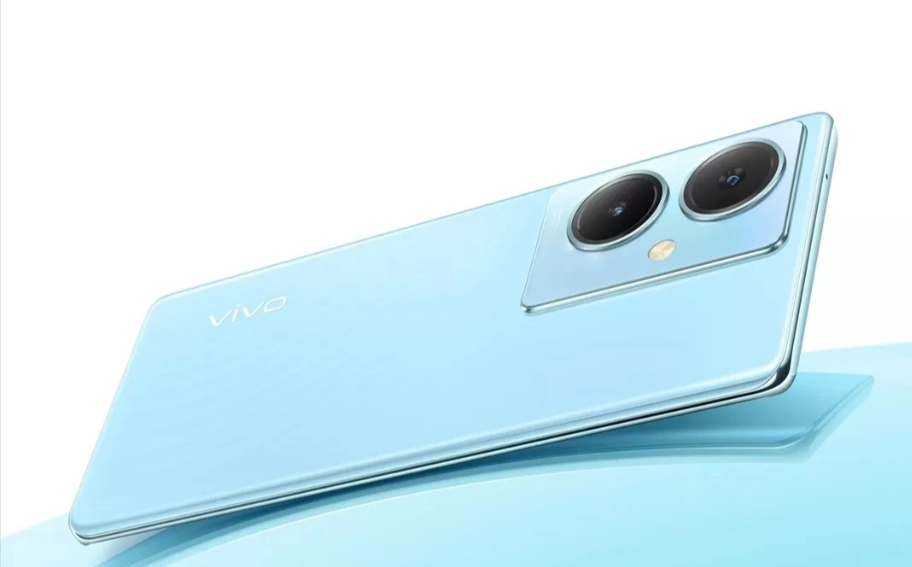
Vivo launched the Y78+ earlier this year with a curved display and a Snapdragon 695 processor. The company has now unveiled the T1 edition of the smartphone, although not with many differences in the specifications. The Vivo Y78+ (T1) retains the 120Hz OLED curved display of the standard model and gets the same Snapdragon chip. Here are the details.
Vivo Y78+ (T1) edition specifications
The Vivo Y78+ (T1) brings the same design as the Vivo Y78+. The phone adopts “porcelain texture technology” and is offered in “Warm Sun Gold”, “Sky Blue” and “Moon Shadow Black” color options. It gets a large 6.78-inch OLED screen with a Full HD+ resolution of 1080 x 2400 pixels, a 120Hz refresh rate, a 100 percent DCI-P3 color gamut, and a 105 percent NTSC color gamut.
Vivo has equipped the smartphone with a Snapdragon 695 chipset, paired with 8 GB of LPDDR4x RAM and 128 or 256 GB of UFS 2.2 storage. The Y78+ (T1) packs a larger 5000mAh battery that supports 44W fast charging.
For photography, the Vivo Y78+ (T1) brings a dual-camera unit on the back with an OIS-enabled 50MP primary camera and a 2MP portrait lens. It gets an 8MP camera on the front for taking selfies and making video calls.
The Vivo smartphone comes preloaded with the latest Android 13 OS with the OriginOS OS 3 skin on top. You also get usual features like dual SIM, 5G, Wi-Fi 802.11ac, Bluetooth 5.1, GPS, a USB-C port, and a 3.5mm audio jack.
Price and Availability
Vivo Y78+ (T1) edition is listed in China with a starting price tag of 1599 Yuan ($219) for the 8GB+128GB version. The 256 version costs 1799 Yuan ($246).
In an era where immersive experiences define our entertainment choices, the GROVIEW 818C Projector emerges as a beacon of innovation, redefining how we perceive visual indulgence. With a blend of cutting-edge features and advanced technology, this projector offers a captivating cinematic journey right within the confines of your living space.
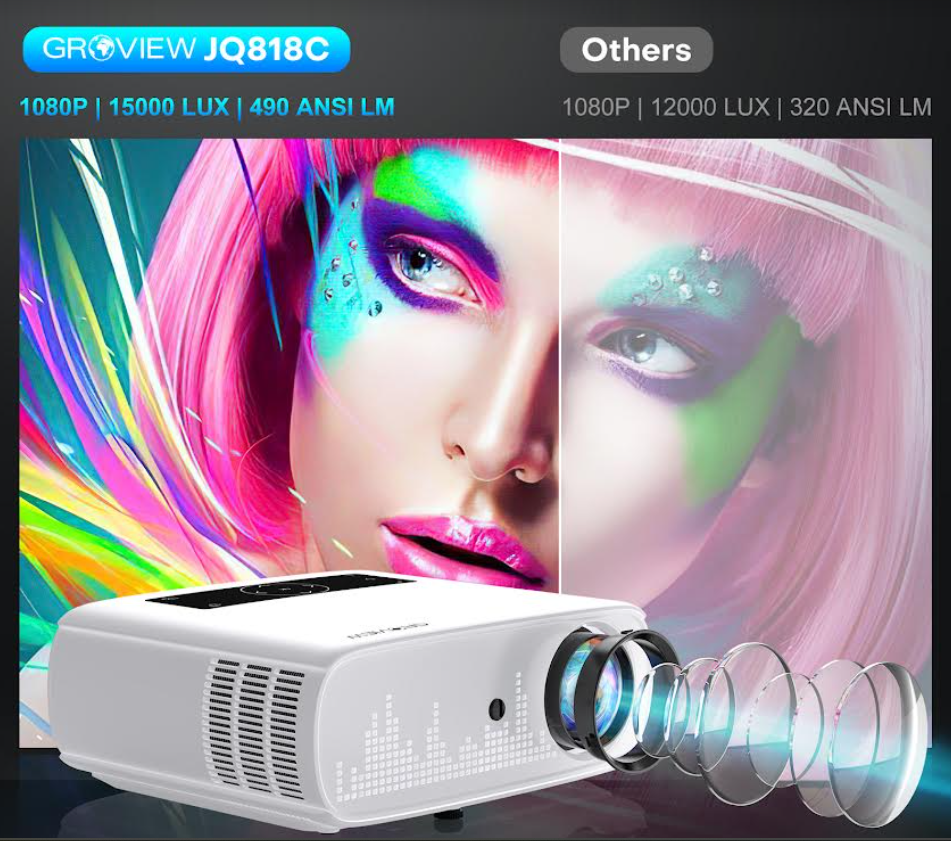
At its core, the GROVIEW Projector is designed to deliver a true-to-life visual spectacle. Boasting a native 1080P resolution, the projector brings out every detail with remarkable clarity. The marriage of high brightness, clocking in at an impressive 15000lux and 490 ANSI lumens, along with a stellar contrast ratio of 12000:1, is made possible through the seamless integration of LED and LCD technology. The result? Images that pop with vibrancy and depth, create an immersive canvas for your entertainment.
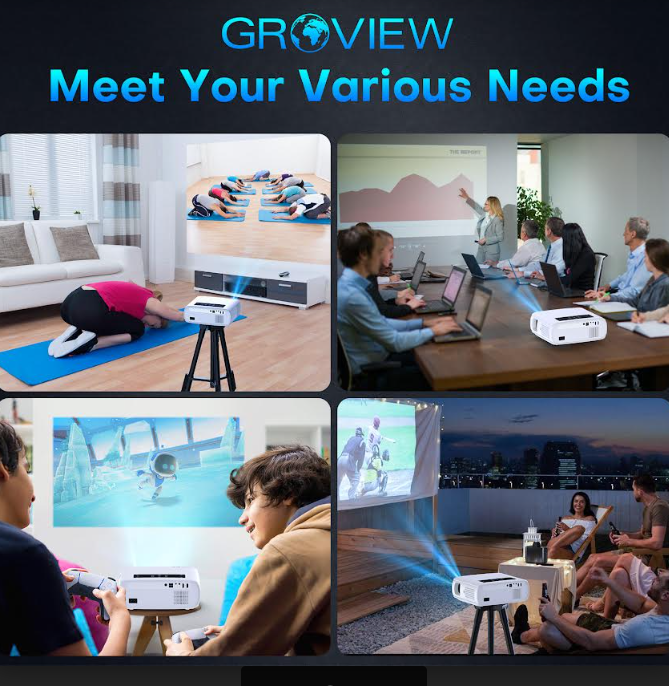
Wireless connectivity takes center stage in this technological marvel. With dual-band WiFi, featuring both 5GHz and 2.4GHz capabilities, smartphone syncing becomes a breeze. Seamlessly stream videos and embark on gaming adventures with minimal latency, all while experiencing the visual richness that the GROVIEW Projector effortlessly provides. Be it in your living room or bedroom, the projector’s adaptable presence lets you drape your space in cinematic ambiance.
Sound is an indispensable companion to visuals, and the GROVIEW Projector understands this synergy well. Equipped with dual 5W stereo speakers and the SRS sound system, the projector’s audio prowess is a force to be reckoned with. The auditory landscape comes alive with powerful dynamics, enhancing your viewing journey beyond the screen. The projector’s Bluetooth connectivity further amplifies this experience, allowing you to seamlessly pair it with Bluetooth speakers – all sans the entanglement of cords.
A feature that sets the GROVIEW Projector apart is its dynamic zoom function. Enjoy the flexibility of adjusting display sizes on the fly, thanks to the 25% zoom capability. Whether you’re aiming for a cozy 50-inch display or an immersive 300-inch screen, the projector adapts effortlessly to your preference. In addition, the projector’s commitment to safeguarding your family’s well-being shines through its eye-friendly diffused reflection technology. This thoughtful inclusion minimizes harmful effects on children’s eyes, making it an ideal choice for shared family entertainment.
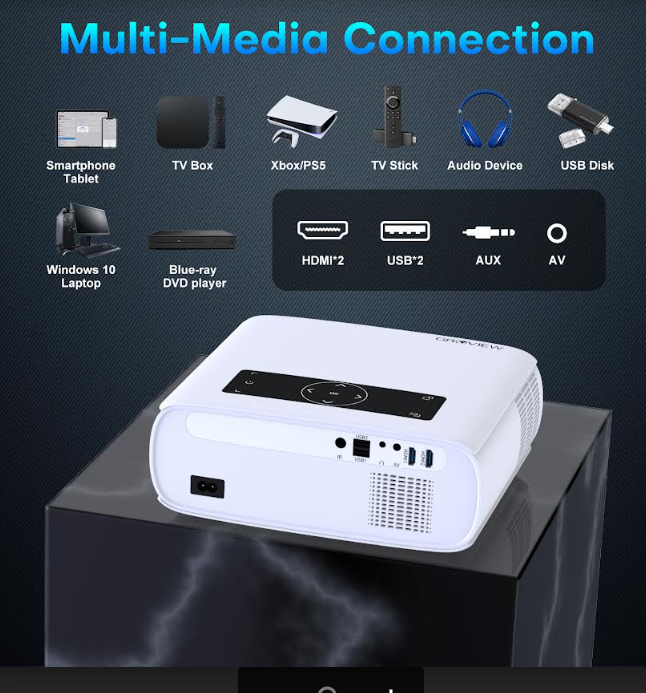
The GROVIEW 818C Projector isn’t just limited to a single medium – it’s a versatile hub for your multimedia needs. It seamlessly accommodates streaming channels, TV sticks, laptops, game consoles, smartphones, tablets, USB sticks, and more. Its compatibility knows no bounds, promising a diverse range of content options that align with your preferences.
Bringing home the GROVIEW Projector is more than a purchase; it’s an investment in an elevated home entertainment experience. With a 2-year customer service and free replacement policy, you can revel in the brilliance of high-resolution, high-quality visuals with complete peace of mind.
The Groview 818C Projector, once $199, now hits an all-time low at $139.99, exclusively for Amazon Prime members. Plus, an extra clip-on page coupon of $40, makes the final price as low as $99.99.
Experience unmatched visuals and savings totaling $100. Whether for cinematic experiences or impactful presentations, the Groview 818C Projector delivers premium quality without the hefty price. Elevate your visuals and secure this unbeatable $100-off deal now.
For more information on such exciting deals and offers, check out our deals hub.
After launching the Redmi TV A32, A43, and A65 earlier in July, Redmi has now introduced the TV A50 2024 model in China. The new model comes as a refresh over 2020’s TV by the same name. It brings a 50-inch display and offers a 4K resolution. The company has also packed the TV with powerful speakers and the MIUI TV operating system. Let’s take a closer look at its specs and features.
Redmi TV A50 2024 Specifications
Redmi TV A50 2024 (don’t worry, we are still in 2023) comes with a sleek design. It features a metal build with no bezels on the display. The 50-inch panel on the television can produce 4K resolution and 1.07 billion colors. The A50 2024 model has a total of 20 watts of speaker output, with 10 watts per speaker. This is a decent amount of power for a TV, and should be sufficient for providing clear and loud sound.
It also comes with dual-duct bass enhancement, meaning it uses two bass ports to improve the low-frequency response of the speakers. The TV is powered by a quad-core A35 processor, accompanied by 1.5GB of memory and 8GB of storage space. It supports a 2.4G wireless network.
Redmi TV A50 2024 runs on the MIUI TV system, which provides a user-friendly interface and seamless access to a wide variety of apps and streaming platforms. Additionally, the built-in smart assistant, Xiao Ai, allows users to control smart devices throughout their entire home using only their voice.
Price and Availability
As for the pricing and availability, the new Redmi TV A50 is up for purchase in China with a price tag of 1349 Yuan ($184). It is currently not available for sale outside China. We’ll keep you posted about its future availability.
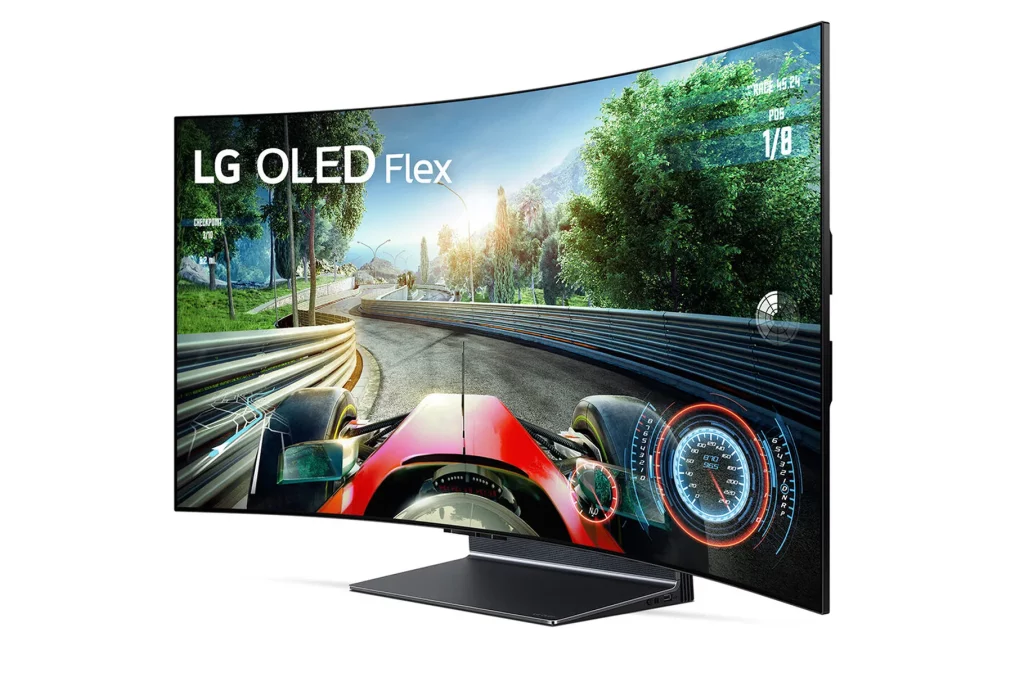
Great news for LG OLED PC monitor owners and those considering purchasing an OLED monitor! LG has just announced that their standard two-year warranty for monitors will now also cover any burn-in effects that have occurred or might occur in the future from normal usage.
As per LG’s statement, everyday uses like desktop applications and gaming fall under “normal” usage. If a scenario arises where burn-in, such as the Windows taskbar, a program icon, or in-game HUD elements, becomes permanent and regular automatic cleaning or maintenance methods no longer resolve the issue, you are entitled to receive repair or replacement under the provided warranty duration.
LG previously had a policy of excluding burn-in from their OLED monitor warranty, but the company has now reversed this decision. Currently, the brand covers OLED burn-in in the US and regions of the EU. That being said, this policy change does not apply to their OLED TVs.
This policy change is likely to encourage more gamers to go for OLED gaming monitors rather than IPS or VA panels. As we know, OLED screens are better than IPS and VA screens in a few big ways. One cool thing is that OLED screens can show really dark blacks and very lively colors because they can turn off each individual pixel. This makes them look way better than IPS or VA screens that aren’t capable of doing this. Also, OLED screens look good even if you’re looking from the side. So, if you’re watching with friends or family, the picture still looks great. OLED screens are great for gaming and applications where smooth motion is important because they have fast response times. They also have a wider range of colors than IPS or VA screens, which makes the visual content more dynamic and lifelike.
We use cookies on our website to give you the most relevant experience by remembering your preferences and repeat visits. By clicking “Accept”, you consent to the use of ALL the cookies.
This website uses cookies to improve your experience while you navigate through the website. Out of these, the cookies that are categorized as necessary are stored on your browser as they are essential for the working of basic functionalities of the website. We also use third-party cookies that help us analyze and understand how you use this website. These cookies will be stored in your browser only with your consent. You also have the option to opt-out of these cookies. But opting out of some of these cookies may affect your browsing experience.
Necessary cookies are absolutely essential for the website to function properly. This category only includes cookies that ensures basic functionalities and security features of the website. These cookies do not store any personal information.
Any cookies that may not be particularly necessary for the website to function and is used specifically to collect user personal data via analytics, ads, other embedded contents are termed as non-necessary cookies. It is mandatory to procure user consent prior to running these cookies on your website.