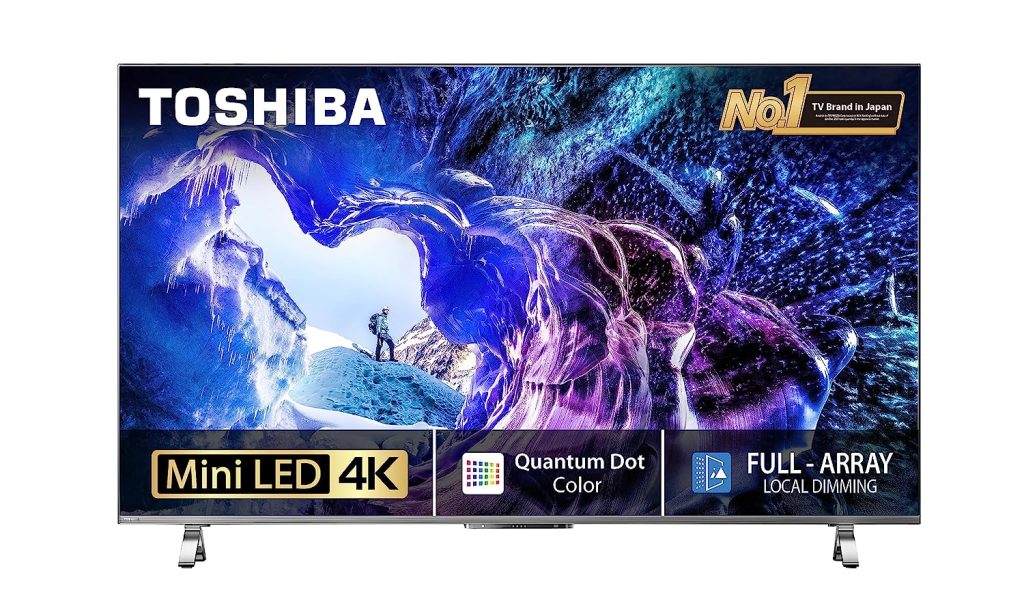
Toshiba has launched a new television in India. It is dubbed the Toshiba M650 smart TV. It is offered in two sizes and packs premium specifications. Read on to know what it offers out of the box.
Toshiba M650 smart TV specifications and features
The Toshiba M650 smart TV comes in a 55 and 65-inch screen sizes. It features a Mini LED display bearing a resolution of 4K pixels and 600 nits peak brightness, It has a quantum dot color, 60Hz refresh rate, and support for HDR10+ and Dolby Vision IQ. For gaming purposes, the M650 comes with Ultravision 120 technology for smooth motion, ALLM, and VRR.
On the audio front, the Toshiba M650 offers a sound output of 49W with a 2.1 channel and REGZA bass woofer. The television features a REGZA Engine ZR that optimizes picture quality and REGZA Power Audio Pro for delivering powerful bass and clear vocals. There is also Dolby Atmos Dialogue Enhancer and 360 Sound Upscaling.
Internally, the Toshiba M650 is equipped with a Mali G52 GPU paired with 1.5GB RAM and 4GB onboard storage. It is compatible with Apple AirPlay, Alexa, and Google Assistant. The television runs on VIDAA OS. Connectivity options include Bluetooth 5, dual-band WiFi, HDMI 2.1 ports, and a USB port.
The Toshiba M650 carries an introductory price tag of Rs 54,999 for the 55-inch variant and Rs 74,999 for the 65-inch model. The televisions will be available for purchase from Amazon starting July 15. The prices of both TVs will increase after July 21.
Fire-Boltt has recently launched a couple of new smartwatches in India called the Fire-Boltt Destiny and the Fire-Boltt Combat. The brand has now launched another smartwatch in the country called the Fire-Boltt Ninja Fit Pro. This new smartwatch features a large display and Bluetooth calling. Let’s take a look at the features in detail.
Fire-Boltt Ninja Fit Pro specs
The Fire-Boltt Ninja Fit Pro smartwatch boasts a 2.0″ HD LCD screen with a resolution of 240 x 282 pixels. It offers a peak brightness of 600 nits and a smooth 70Hz refresh rate. The smartwatch supports Bluetooth calling with its built-in microphone and speaker. It also features an AI voice assistant for voice commands and assistance.
With an impressive array of 123 sports modes, the Fire-Boltt Ninja Fit Pro covers a wide range of physical activities for fitness tracking. It includes comprehensive health monitoring features such as heart rate monitoring, SpO2 monitoring, breathing training, and daily activity tracking. The smartwatch is also IP67-rated, making it resistant to dust and water.
Additional features of the Fire-Boltt Ninja Fit Pro include smart notifications, sedentary reminders, find my phone functionality, weather updates, music and camera control, timer, stopwatch, and alarms. The watch offers multiple customizable watch faces to suit personal preferences.
The smartwatch is powered by a 250mAh battery, providing up to 6 days of battery life and up to 20 days of standby battery life. It has a display area of 1266 mm² and supports quick dial pad, call history, and contact synchronization. It measures 43.5 x 35.5 x 10.95 mm and weighs 45g. The Fire-Boltt Ninja Fit Pro is compatible with Android 5.0+ and iOS 10.0+ devices, ensuring broad compatibility for a wide range of users.
Pricing & availability
Priced at an introductory rate of Rs. 1,699, the Fire-Boltt Ninja Fit Pro smartwatch is available in black, blue, beige, grey, green, and red colors. Customers can make their purchase starting today, July 14, at 7 P.M. through Amazon.in and the Fire-Boltt website.
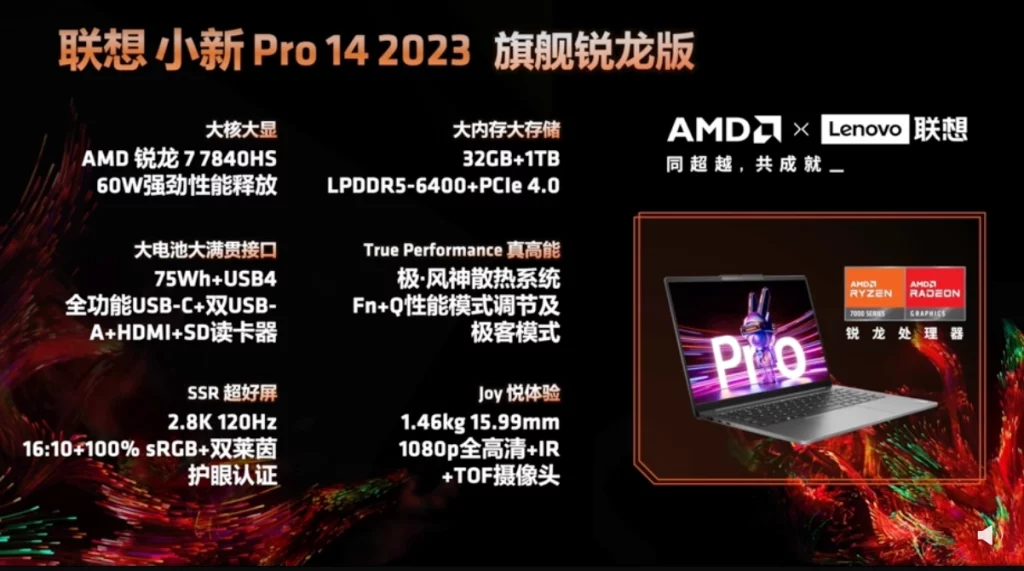
Lenovo is gearing up to launch its latest flagship notebook, the Xiaoxin Pro 2023, in the Chinese market soon. The company released a new teaser for the Ryzen Edition of this laptop, which reveals its launch date and key specifications. So let’s have a look.
Lenovo Xiaoxin Pro 2023 Ryzen Edition Specifications
The Chinese tech giant shared new teasers for its next-gen premium laptops. Looking at the promotional image posters, we can see that the Xiaoxin Pro 2023 features a sleek thin and light design with an all-metal body. As per official notes, the notebook will weigh just 1.446 kilograms and measure 15.99mm in thickness. The front sports a 14-inch 2.8K display that has a 120Hz refresh rate, 16:10 aspect ratio, and 100 percent sRGB color gamut.
Under the hood, the Xiaoxin Pro 2023 Ryzen Edition is equipped with the AMD Ryzen 7 7840HS, which is a high-performance mobile processor (up to 5.1GHz max frequency) with 8 cores and 16 threads. This CPU is paired with up to 32GB of LPDDR4 6400MHz RAM and 1TB of PCIe Gen 4 storage. A large 75Wh battery pack powers this laptop, which supports 60W fast charging from a USB Type-C port.
Other notable features include a 1080p webcam, IR sensor for Windows Hello, HDMI port, and more The company will announce the Lenovo Xiaoxin Pro 2023 Ryzen Edition in China on 29th July 2023 along with a new Xiaoxin Pad Pro tablet model, Xiaoxin 365 smart projector, and Xiaoxin 105W triple port GaN power adapter. Notably, the teaser for the notebook also arrives alongside the new 34-inch Legion Y series mini LED monitor teaser.
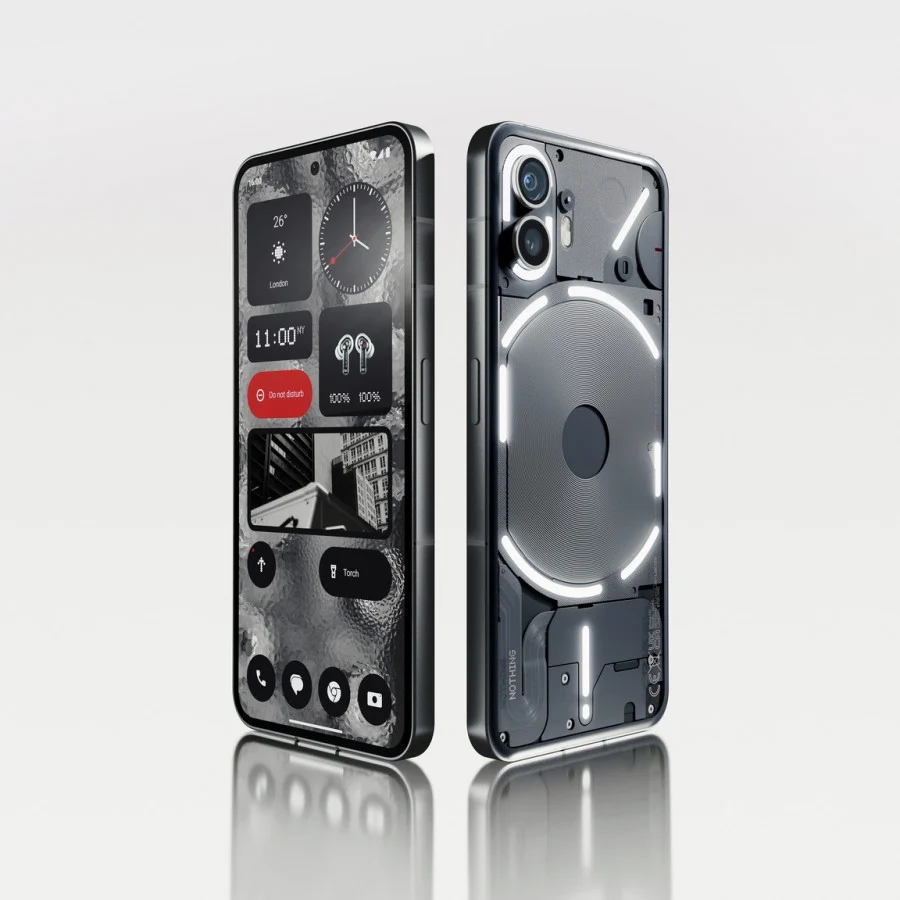
The Nothing Phone (2) recently entered the global market, introducing notable features such as the Snapdragon 8+ Gen 1 SoC, an enhanced camera system, and the newly developed Nothing OS 2.0. Shortly after its release, the brand swiftly rolled out the first software update for the Nothing Phone (2), addressing any initial flaws and introducing additional features to further enhance the user experience.
The latest software update for the Nothing Phone (2) introduces the Glyph Composer app, allowing users to customize Glyph sequences and set them as ringtones. Additionally, the lightning elements on the rear side of the phone can now be customized with greater flexibility. Notably, the update brings a Glyph progress feature for Uber, enabling users to track the progress of their incoming Uber rides.
Furthermore, users can now add widgets and quick settings widgets to both the lock screen and home screen. The update also includes Nothing Machine style ringtones and notification sounds from the Phone(1) model, specifically adjusted for the Nothing Phone(2). Additionally, users can enjoy four new wallpapers and benefit from a one-handed mode, enhancing convenience and ease of use. You can check out the complete changelog below.
Nothing Phone (2) Nothing OS 2.0 update
New features
• Introducing the Glyph Composer app. Compose your custom Glyph sequences and set them as your ringtone. • Introducing Glyph Progress for Über. Display the progress of an incoming Über ride on the Glyph Interface. This feature is an experimental feature and you may experience some inconsistencies. • Widgets can now be added to lockscreen / AOD. • Added Quick Settings widgets. Add your most used Quick Settings tiles directly to your homescreen or lockscreen. • Added new Nothing Machines style ringtones and notification sounds from Phone (1), which have been adjusted to match Phone (2)’s design. • Added 4 new wallpapers. • Added one-handed mode.
Improvements
• Enhanced low-light camera performance. • Improved HDR camera effect. • Improved clarity of motion capture. • Enhanced network performance for certain carriers. • Reduced power consumption during data transfer. • Improved Glyph Interface display logic when device is unlocked.
Bug fixes
• Resolved foggy image issue when using front camera in backlight conditions. • Fixed some Glyph related issues. • Fixed some app lock related issues. • Fixed a rare issue causing Quick Settings to load slower than usual. • Resolved issue of system killing background apps under high memory load. • More general bug fixes.
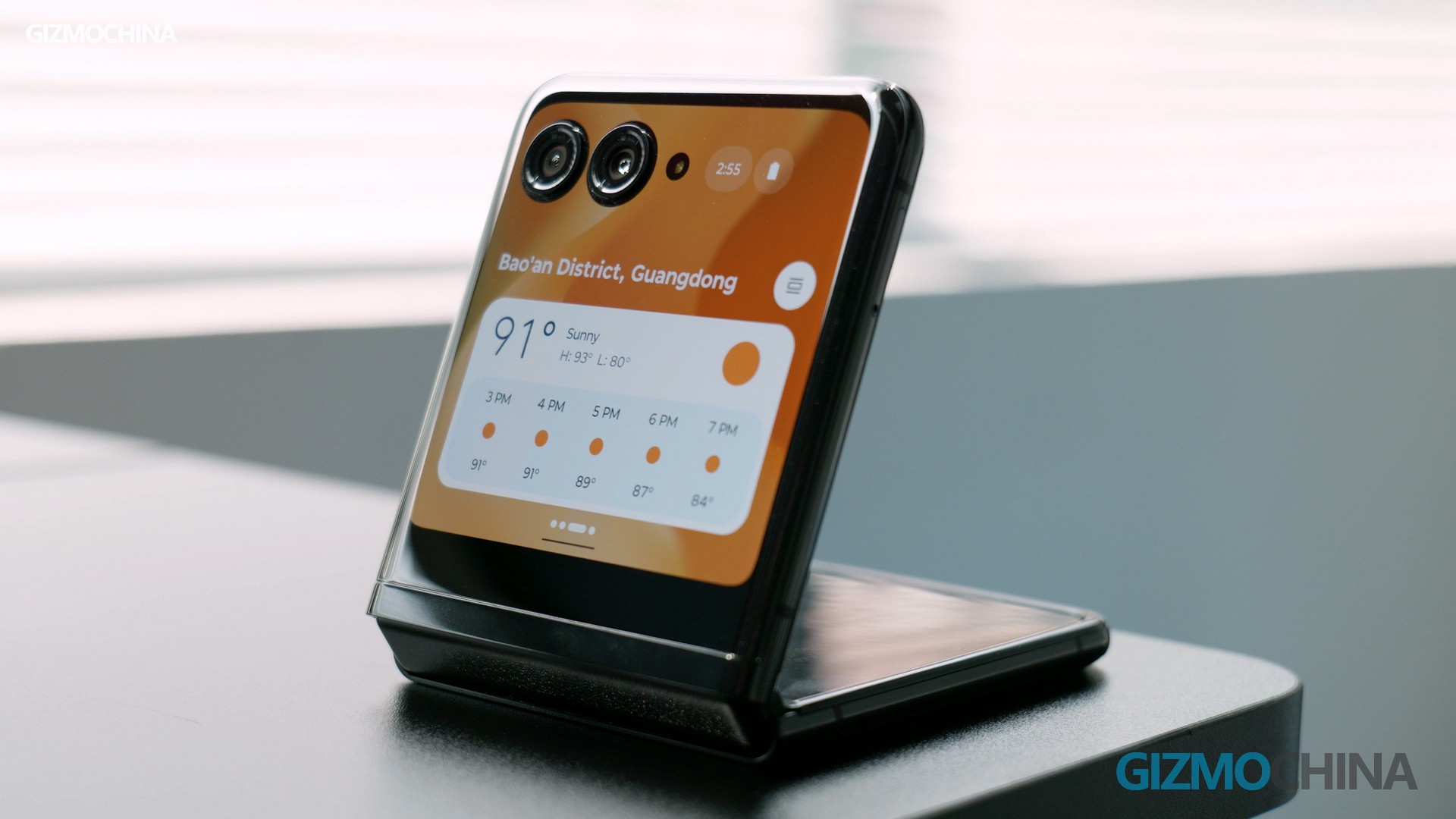
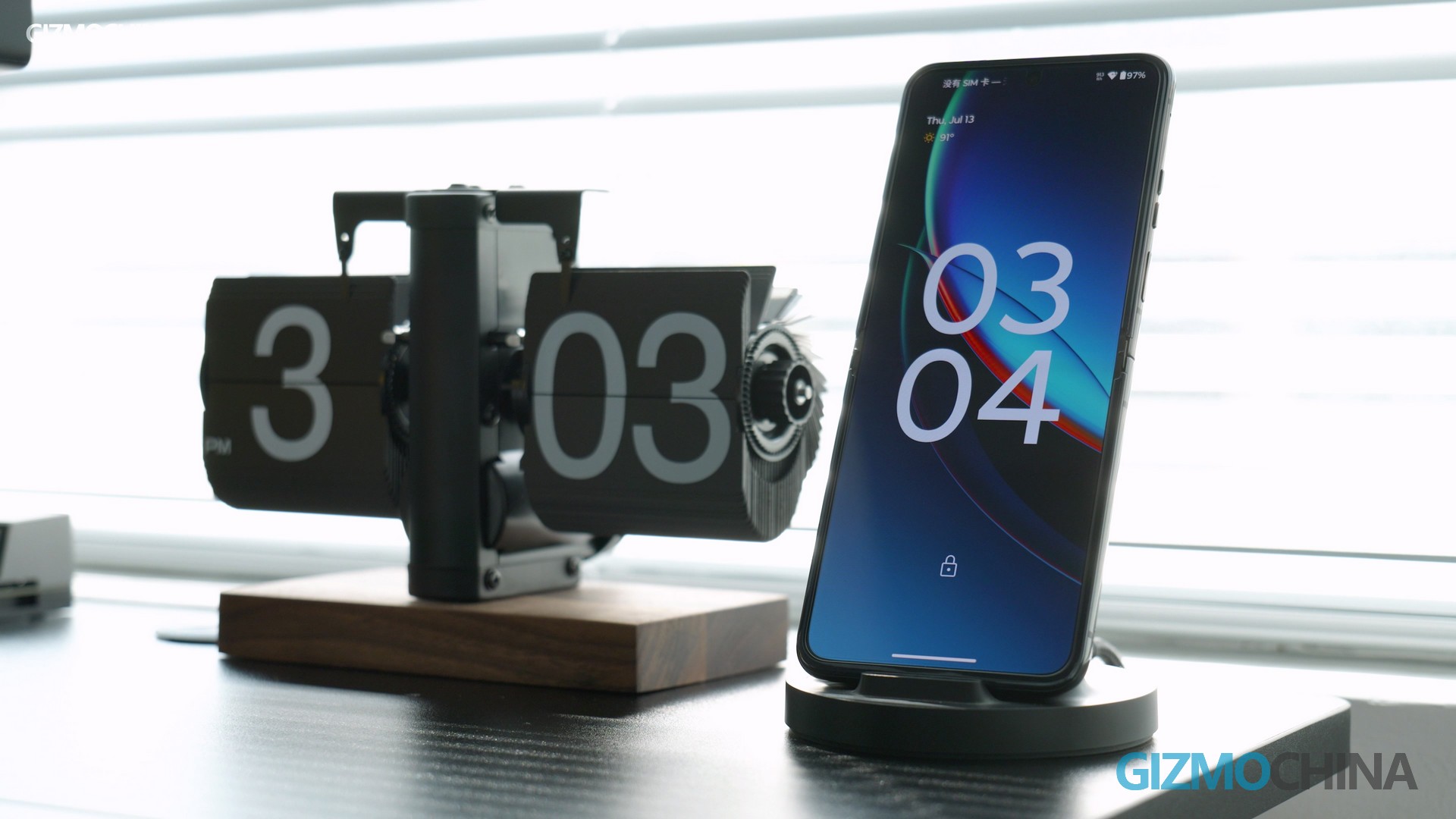
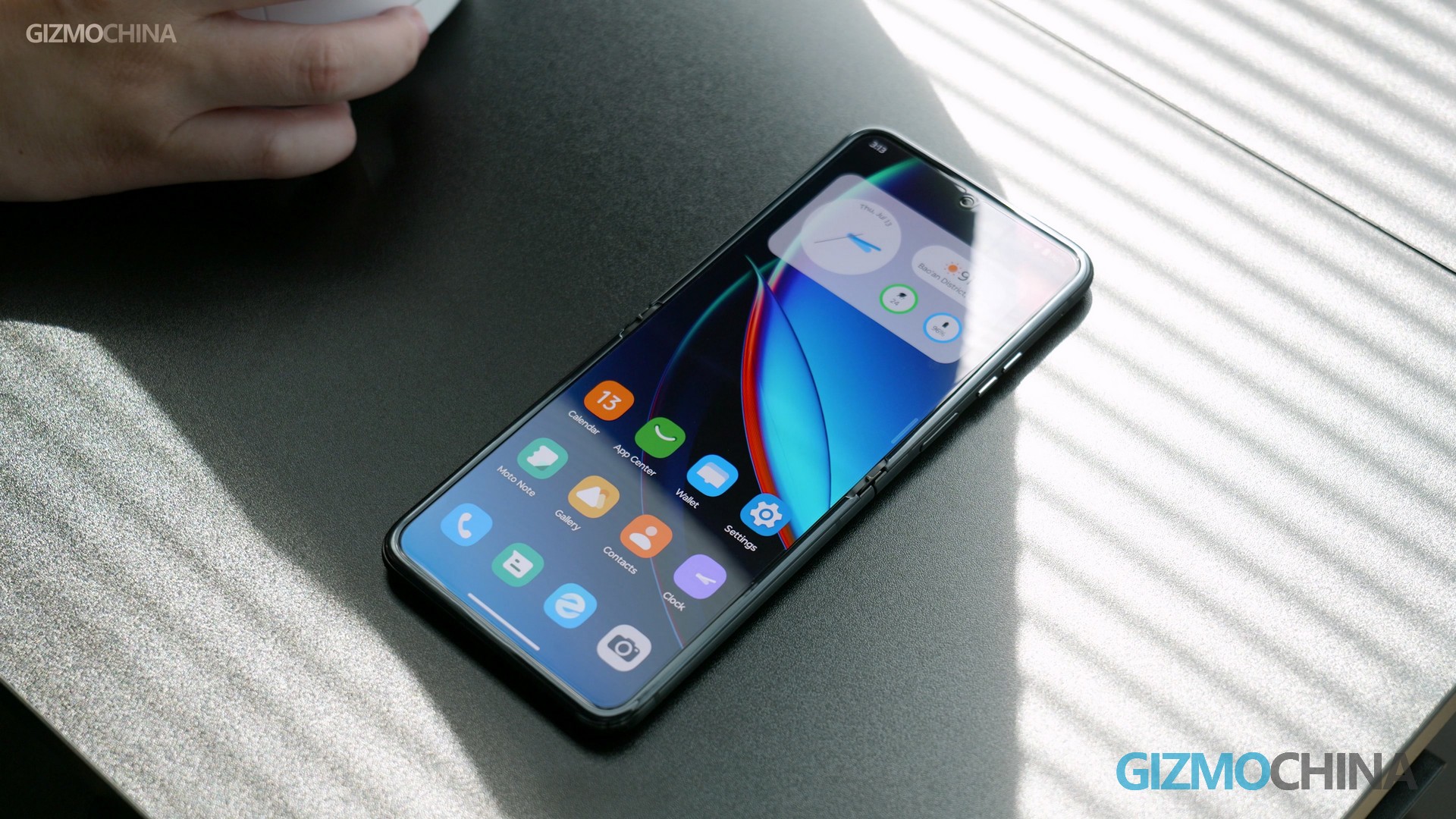
Today we’re going to talk about my experience with the Motorola Razr 40 Ultra. I know, this video is coming a little late. We actually got this phone quite a while ago, and I’ve been using it for a while now. This video is not only to talk to you guys about my experience with it, but it’s also to set the stage for the next video.
The Razr 40 Standard Edition is the cheapest foldable phone so far, but it has rarely been reviewed. Next video, the Standard Edition will be the protagonist, this time let’s start with a quick check of the Ultra version.
Pros
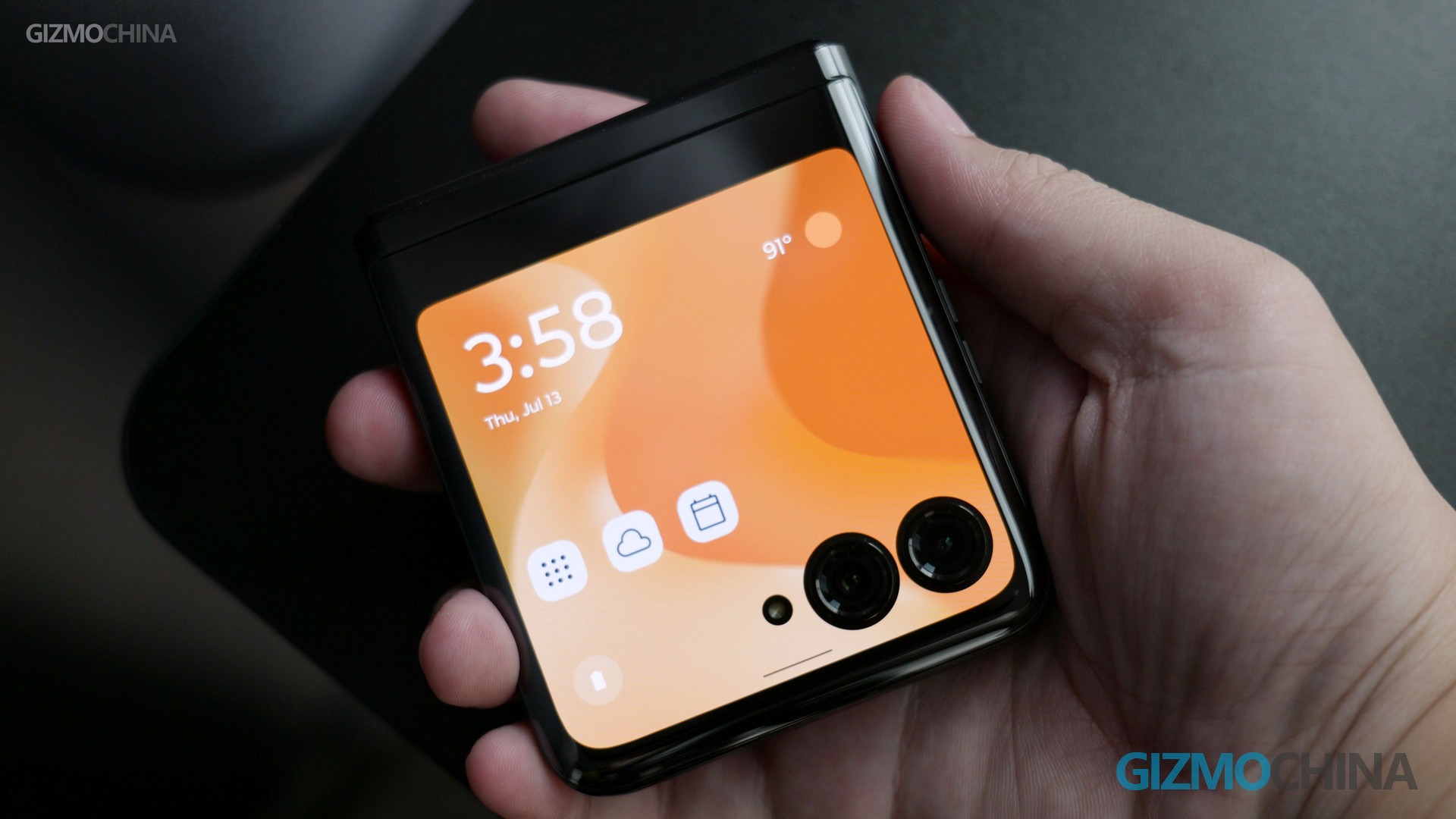
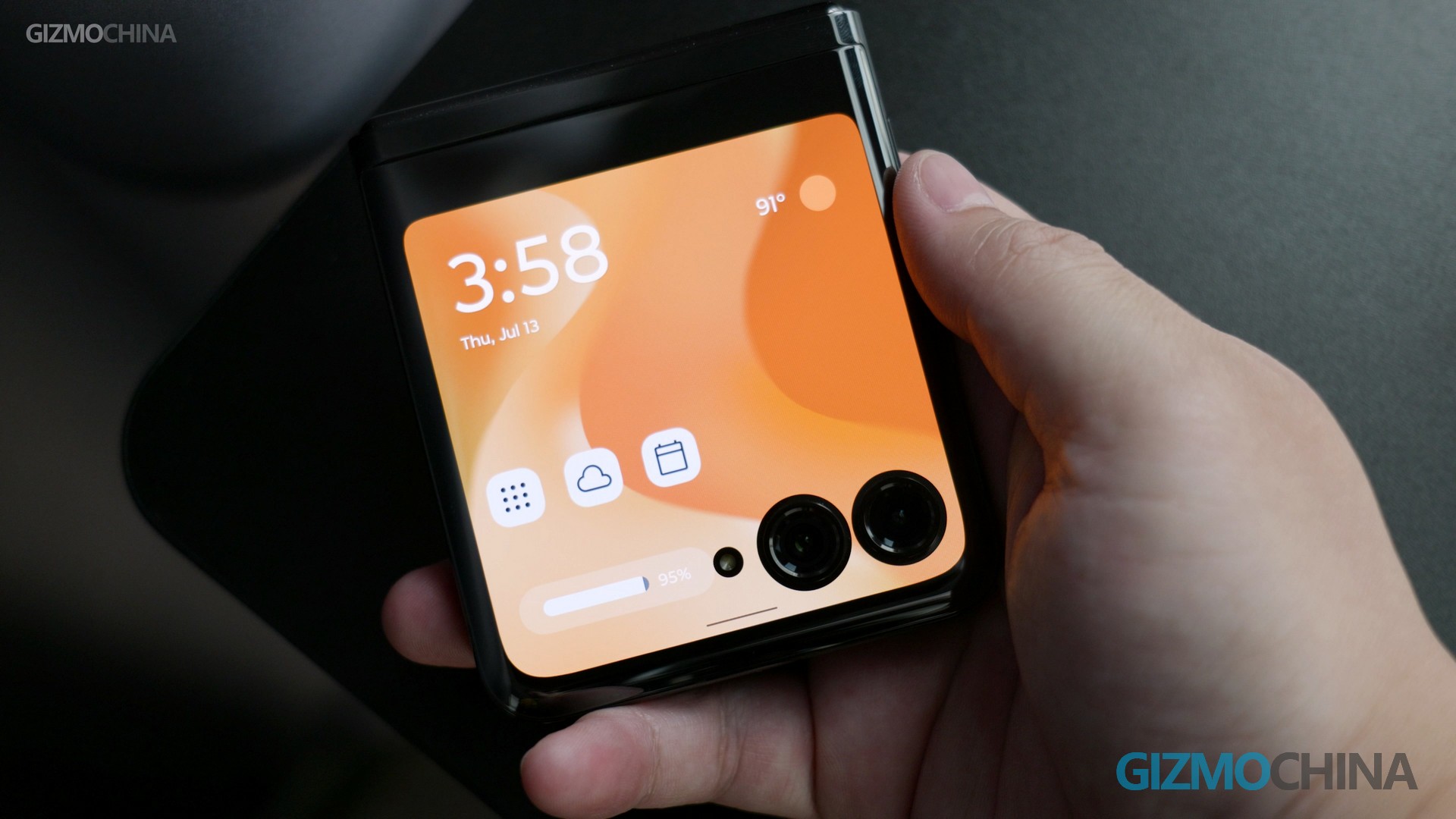
When it comes to the Razr 40 Ultra, the largest external display has to be its biggest advantage. While Moto has designed a lot of mini-games for it, and also almost all apps can be displayed on this screen. The place where it helps me the most is when replying to messages, when I get a message and I want to reply to it, the screen is big enough for a full-size keyboard so I didn’t hit the wrong key while typing.
I also want to thank Motorola for not removing the wireless charging, this kind of foldable phone has a shorter battery life, so wireless charging is a very important and convenient way of charging. Although it also has some limitations, it is better than nothing.
Camera
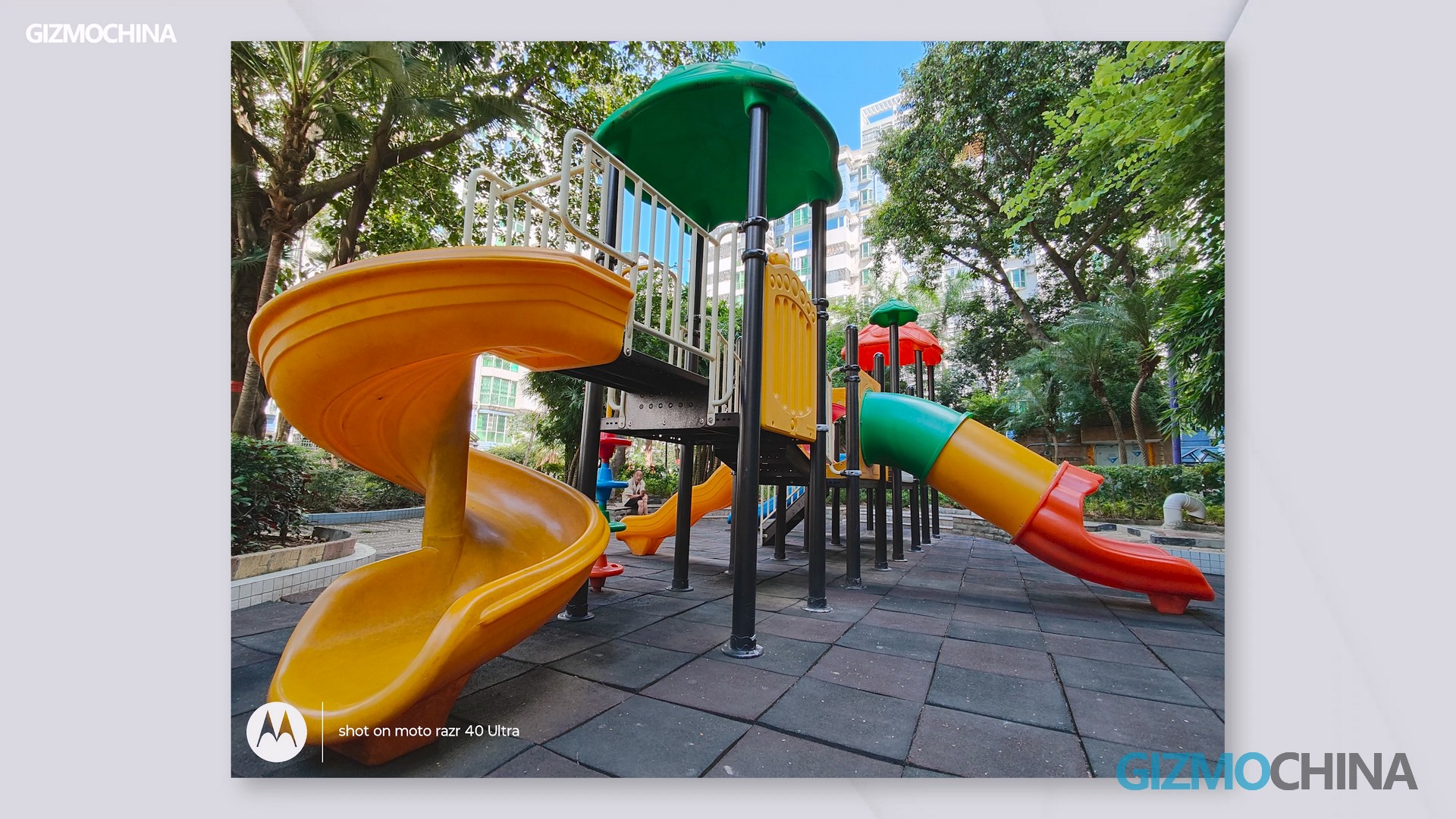
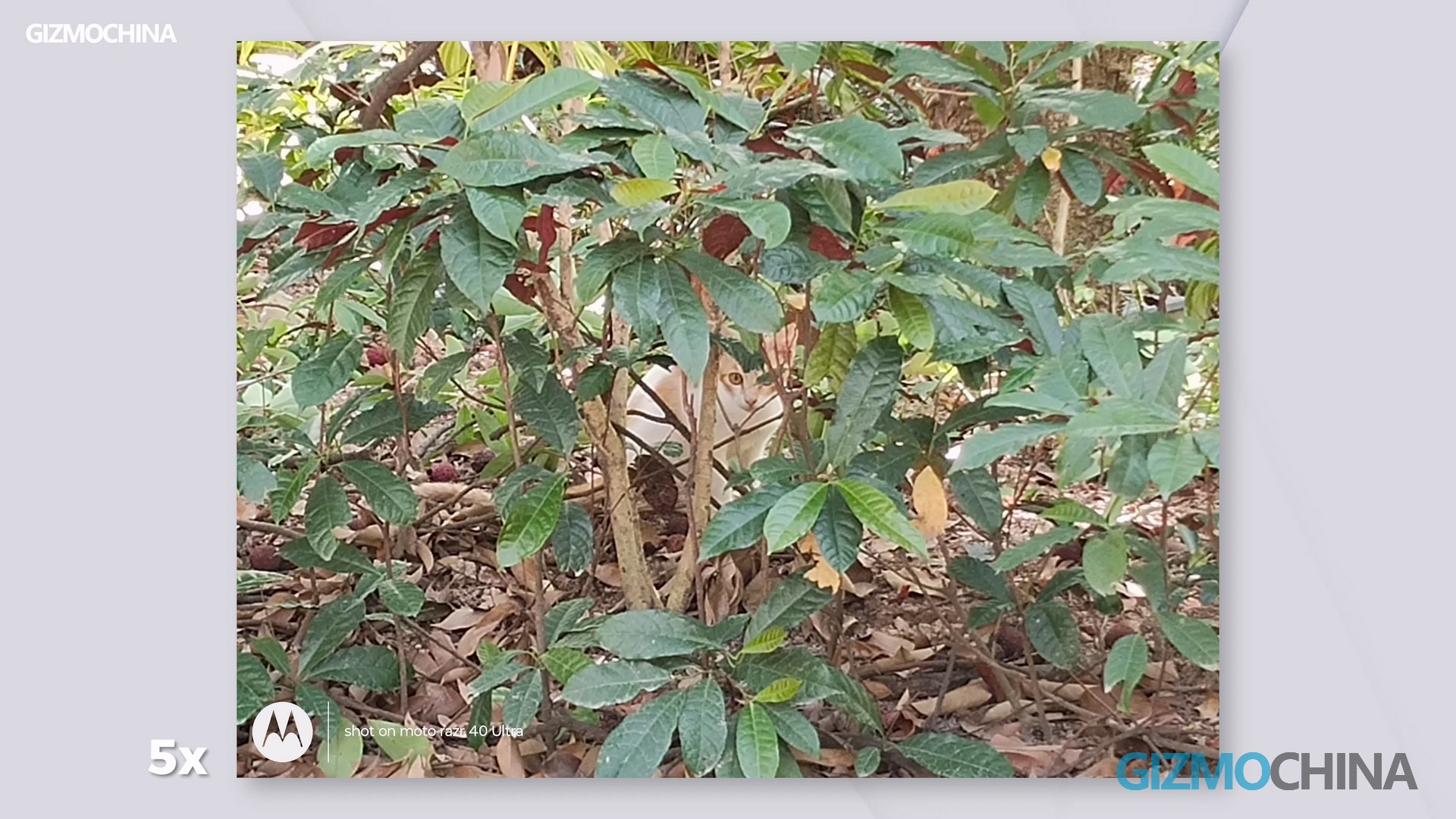
Because of the limited size, the performance of the two cameras is not quite good, it’s just a little better than a normal $300 cell phone. It’s fine for capturing life, but it’s a bit of a pain in the butt when it comes to long-distance shooting.
Zooming in at less than 3x is acceptable, but at more than 3x it won’t be able to provide you with clear photos.
Since the Razr 40 Ultra can be half-folded, you can use it like MiniDV Camcorders. I kinda like recording videos in this way.
Cons
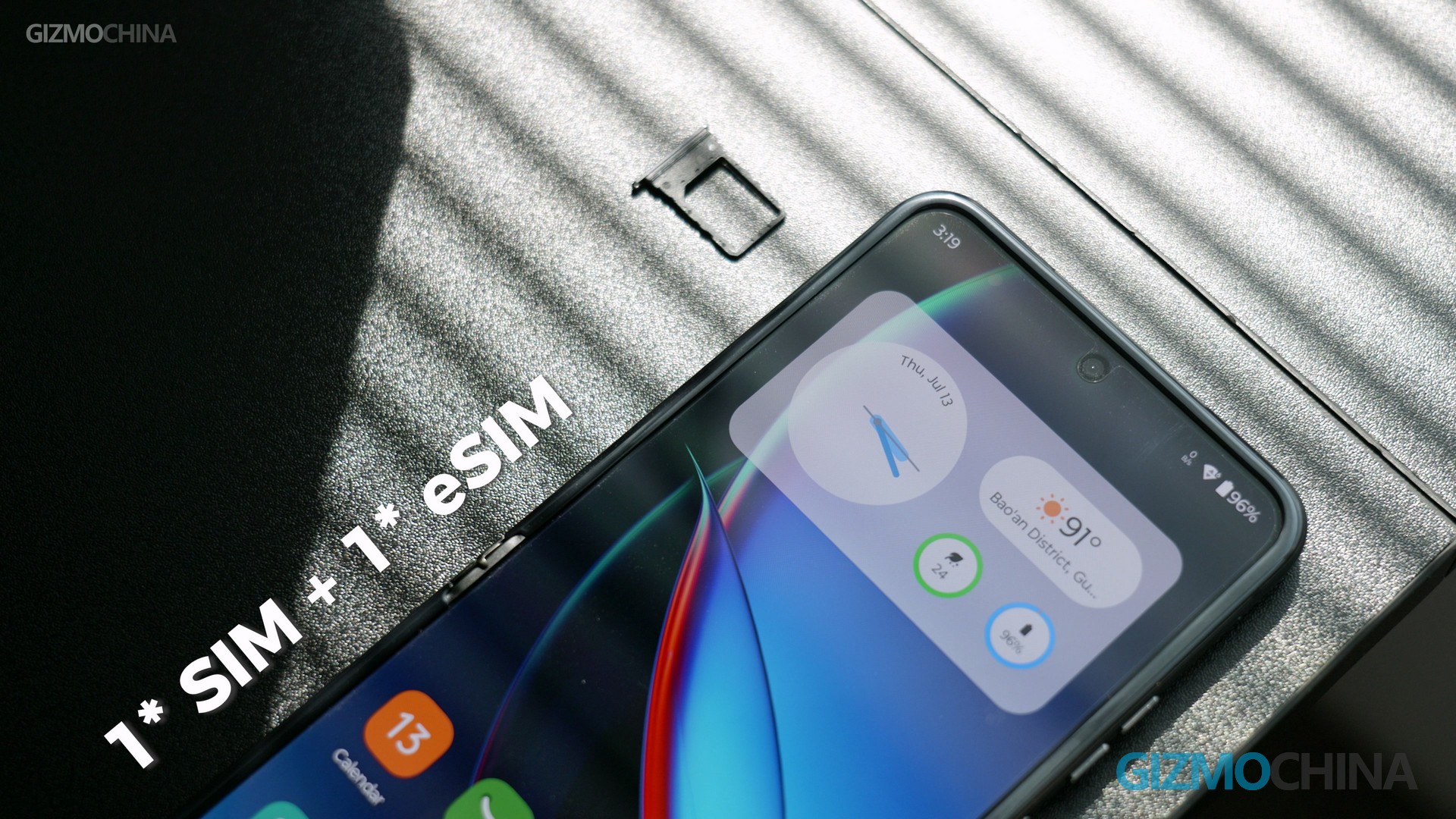
Although Motorola has made many foldable phones like this, there are still some issues that need to be fixed. For example, the SIM slot only supports one SIM card. I don’t know if it’s easy to get an eSIM in your area, but it’s a hassle for me here anyway. So I would prefer it to have two SIM cards instead of an eSIM.
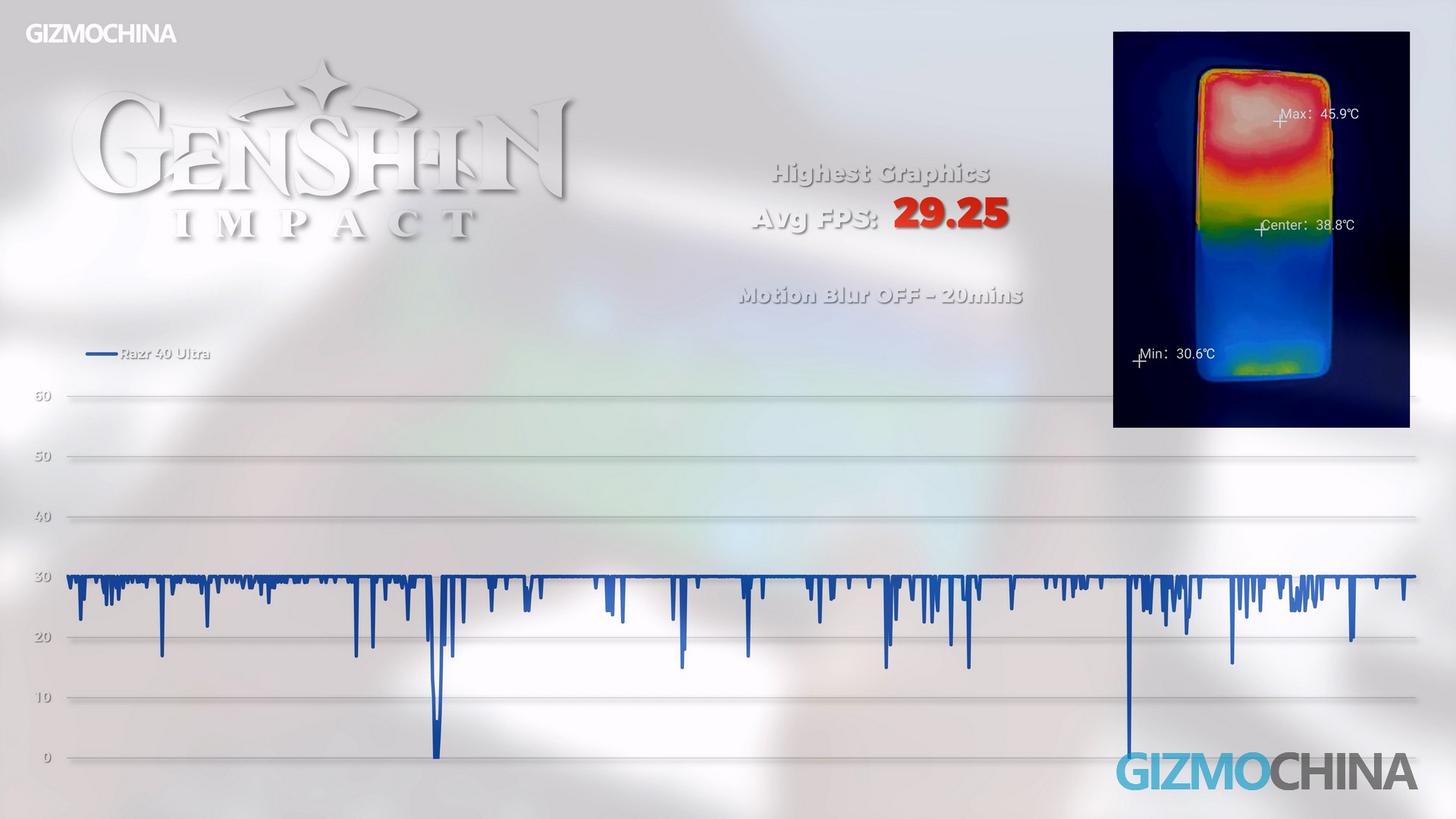
Gaming has always been a nightmare for such small foldable phones, and the Razr 40 Ultra doesn’t really perform well either. Even though it has a Snapdragon 8+ Gen 1 processor, it only managed to stay around 30fps most of the time in Genshin Impact. The temperature isn’t that low, and the gaming experience is kind of bad.
For wireless charging, you have to have one of those flat charging pad. Otherwise, you might not be able to charge it with any random dock you have, whether folded or not.
I can actually live with these things I just mentioned. After all, many foldable phones have similar issues, we can’t blame Moto alone. But the system issues are unique to the Razr 40. My biggest complaint is about the keyboard. Moto does not allow swiping from the side to go back in the keyboard area, which made me very uncomfortable when I first switched to this phone.
Another example is: I can understand why I need to tap to see new messages, because of the need for privacy. But I can’t understand why you still need to tap the battery icon to check the battery level, it doesn’t make any sense! iPhone users should know how annoying this is, and I think Motorola should solve this problem.
Conclusion
To be honest, I’m not a fan of foldable phones. For the few weeks with the Razr 40 Ultra, I used it as a regular phone. The only time I closed it was when I want to put it in my pocket. Because no matter how big the external screen gets, it’s still too small for me. Plus it’s not really cheap, I actually feel struggled to recommend foldable phones to most people. it’s not worth it for you to spend more money just to fold your phone up.
But if you don’t have to spend more money, and it’s about the same price as a regular phone, then I think it’s still acceptable. So this is why we are more interested in the Moto Razr 40 Standard Edition. Remember to subscribe to our channel, the review of Razr 40 Standard Edition will be ready soon.
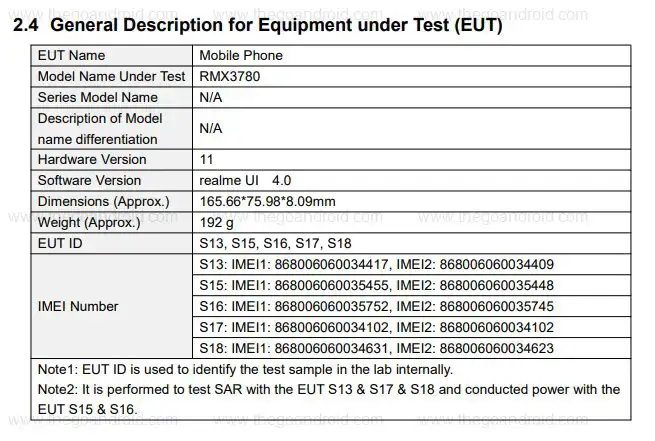
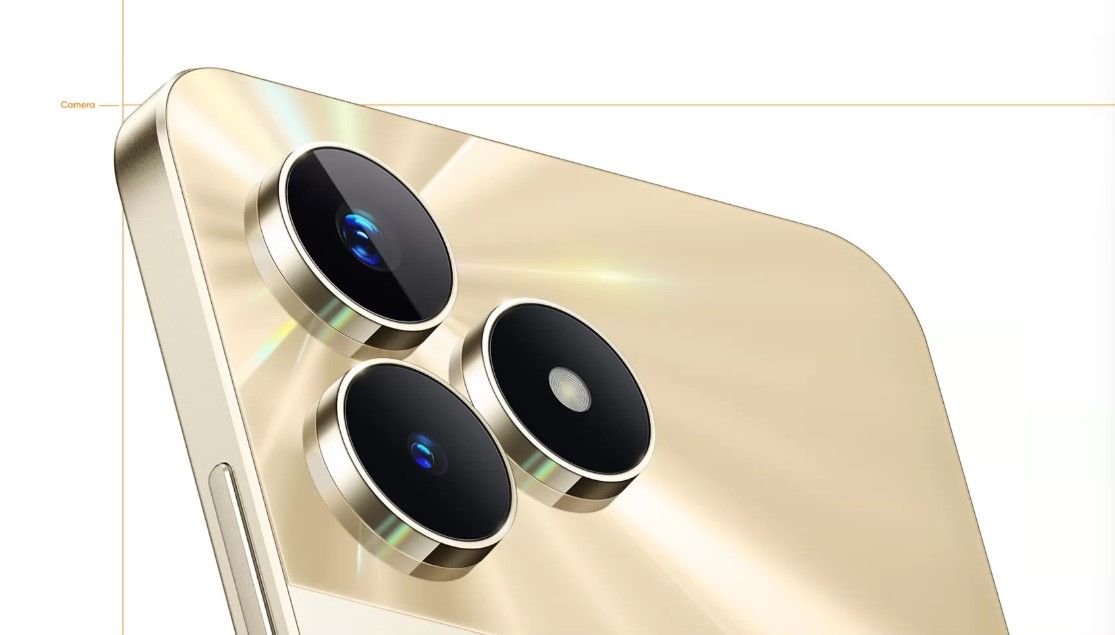
The Realme Narzo 60 series was recently launched and a C53 model is apparently in the works as well. However, it seems that the company is showing no signs of stopping with a mysterious device also being spotted on FCC.
New Realme surfaced on FCC with RMX3780 model number
The Chinese smartphone maker’s upcoming smartphone carries the RMX3780 model number, as per the FCC listing. Unfortunately, the certification does not reveal any finer details like its specifications or pricing, but it does offer us some details regarding this device. The upcoming Realme smartphone will feature large a 5,000mAh battery pack (rated 4,890mAh) that will support the company’s proprietary SuperVOOC fast charging.
Furthermore, the database also reveals that the mysterious device will weigh 192 grams and will measure 165.66 x 75.98 x 8.09mm in dimensions. It will also support 5G networking along with Bluetooth and WiFi support. The FCC certification confirms that the device will also run on Android OS-based RealmeUI 4.0 out of the box. This is all the information revealed by the certification website. So stick around for more, as we will be providing updates when additional information is available for this mysterious Realme 5G smartphone.
Lenovo continues to expand its product family. The company has now announced that it will be releasing a new Y Series Mini LED monitor with a 34-inch panel later this month. The monitor is expected to offer impressive specifications, including a WQHD resolution, an overclocked refresh rate of 180Hz, and DisplayHDR 1000 certification. Here are the details…
Lenovo Teases New Y Series Mini LED Monitor
Mini LED technology is becoming more and more popular every day. This is a relatively new display technology that uses smaller LEDs than traditional LED panels. This allows for better control of the backlight, resulting in deeper blacks, brighter whites, and more contrast. Mini LED panels are still relatively new, but they are quickly gaining popularity due to their superior image quality. Now, Lenovo has now announced that it will be releasing a new Y Series Mini LED monitor.
The new Lenovo Y Series Mini LED monitor will support 125% of the sRGB color space, 95% of the DCI-P3 color gamut, and a color depth of 10 bits. The color accuracy of the monitor is also expected to be high, with a Delta E value of less than 2. In terms of connectivity, the monitor will feature HDMI 2.1, DisplayPort 1.4, and a full-function USB-C port. The USB-C port can provide up to 140W of reverse power supply, which is a practical solution for device charging.
The monitor which is expected to be named as Legion Y34wz-30 will be priced at $1199.99. The Y series is known for its high-quality displays, and this new model is sure to be a compelling option for gamers and other users who demand the best visual performance. As we move closer to the launch date, tech enthusiasts are eager to see what Lenovo’s latest addition to the Y Series lineup has to offer.
Key Features:
34-inch ultrawide display with a WQHD resolution (3440×1440)
Finally, smartphone releases are cooling down after a few busy weeks. There will be only a couple of launches next week.
The two brands that will be debuting new devices are Realme and Nubia. The former’s announcement will take place in India, while the latter’s in China.
The due is expected to unveil a single device each. One of these phones belongs to the budget segment while the other to the premium. Let’s take a look at them.
The Realme C53 is scheduled to launch in India on July 19 (Wednesday) at 12 PM IST. As per the teasers, the variant that will be released in India will be different from the one available in Southeast Asia.
The Indian version of Realme C53 will sport a 108MP main camera instead of a 50MP sensor. It will also have a different rear design but will come with slower 18W charging support.
The handset is anticipated to cost below ₹15,000. It will be sold via Flipkart.
2. Nubia Z50S Pro
The Nubia Z50S Pro is set to launch in China on July 20 (Thursday) at 2 PM GMT+8. But unfortunately, not much is known about it.
The brand has officially confirmed that the phone will be powered by a Qualcomm Snapdragon 8 Gen 2 chipset. It is also teased to sport a 1-inch main camera. Finally, 3C certification suggests that it will carry support for 80W charging.
Since we are still days from the announcement, we are looking forward to learning more about the product in the coming days.
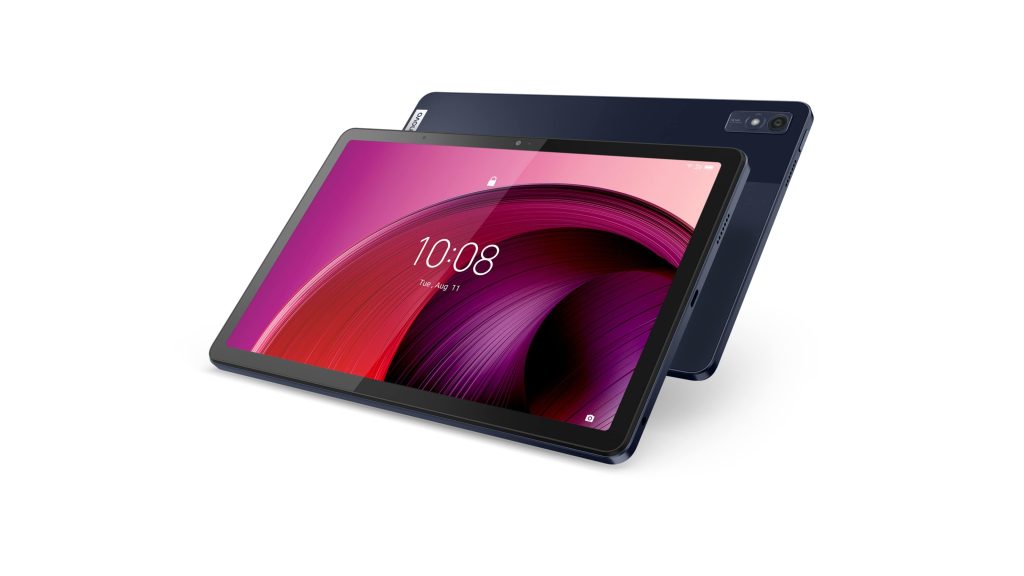
The Lenovo Tab M10 5G has been announced in the Indian market. This new model expands the company’s tablet portfolio in the region, so here are the specifications, features, and pricing details.
Lenovo Tab M10 5G Specifications
The company’s new Tab M10 5G sports a 10.61-inch LCD panel that promises to offer an immersive cinematic experience. It features a 2000 x 1200 pixel resolution and supports up to 400 nits of peak brightness. The panel has a TÜV eye care certification, which ensures that users have a comfortable reading experience by minimizing blue light and flicker. Lenovo’s Tab M10 5G weighs just 490 grams and is powered by a massive 7,700mAh battery pack that offers up to 12 hours of video streaming.
Under the hood, the new tablet is equipped with a Qualcomm Snapdragon 695 SoC that is paired with up to 6GB of RAM and 128GB of internal storage. The front houses an 8-megapixel selfie camera, while the rear features a 13-megapixel sensor. Other notable features include dual speakers optimized with Dolby Atmos, nano SIM and an SD card slot for memory expansion.
The Lenovo Tab M10 5G is available in two storage configurations, namely 4GB + 128GB and 6GB + 128GB variants. It has a starting price tag of 24,999 INR in the country, but users can avail special launch offers on Amazon India and Flipkart. The sales are set to kick off tomorrow (15th July 2023) and will also be sold via the company’s official website and the Lenovo Exclusive Stores as well.
Infinix has successfully launched the Hot 30 5G smartphone in India as planned. This device specifically targets mid-range consumers, offering an affordable starting price below Rs. 12,499. It is powered by the MediaTek Dimensity 6020 SoC, providing reliable performance for its users. Let’s take a look at its specs and features in detail.
Infinix Hot 30 5G specs
The device boasts a large 6.78-inch Full HD+ LCD display with a resolution of 2460 × 1080 pixels. It delivers vibrant visuals with up to 580 nits peak brightness, a 120Hz refresh rate, and a 240Hz touch sampling rate.
Powering the Infinix Hot 30 5G is the Octa-Core MediaTek Dimensity 6020 7nm processor, which combines dual 2.2GHz Cortex-A76 cores and hexa 2GHz Cortex-A55 cores, along with the Mali-G57 MC2 GPU for smooth graphics performance. The smartphone comes in 4GB or 8GB RAM variants with 128GB of internal storage, expandable up to 1TB via a microSD card. It runs on XOS 13 based on Android 13.
In the camera department, the Infinix Hot 30 5G features a 50MP primary camera with an f/1.6 aperture, quad-LED flash, and AI lens for capturing high-quality photos. For selfies and video calls, it offers an 8MP front camera with an f/2.0 aperture and dual LED flash. The device includes a side-mounted fingerprint sensor for secure unlocking, along with a 3.5mm audio jack and stereo speakers for an enhanced audio experience. With an IP53 rating, it provides dust and water resistance.
In terms of connectivity, the Hot 30 5G supports 5G SA/NSA networks with multiple bands including n1, n3, n5, n8, n28, n38, n40, n41, n77, and n78. It also offers dual 4G VoLTE, Wi-Fi 802.11 ac (2.4GHz + 5GHz), Bluetooth 5.1, and GPS/GLONASS/QZSS. The smartphone is equipped with a USB Type-C port for charging and data transfer. It houses a 5000mAh battery that supports 18W fast charging, ensuring extended usage and quick charging capabilities.
Pricing & availability
The Infinix Hot 30 5G is priced at Rs. 12,499 for the 4GB + 128GB model and Rs. 13,499 for the 8GB + 128GB model. It is available in Knight Black and Aurora Blue colors. Starting from July 18th, customers can purchase the smartphone from Flipkart. Additionally, there is an attractive offer of Rs. 1000 instant discount available when using Axis Bank Credit, Debit cards, and EMI options.
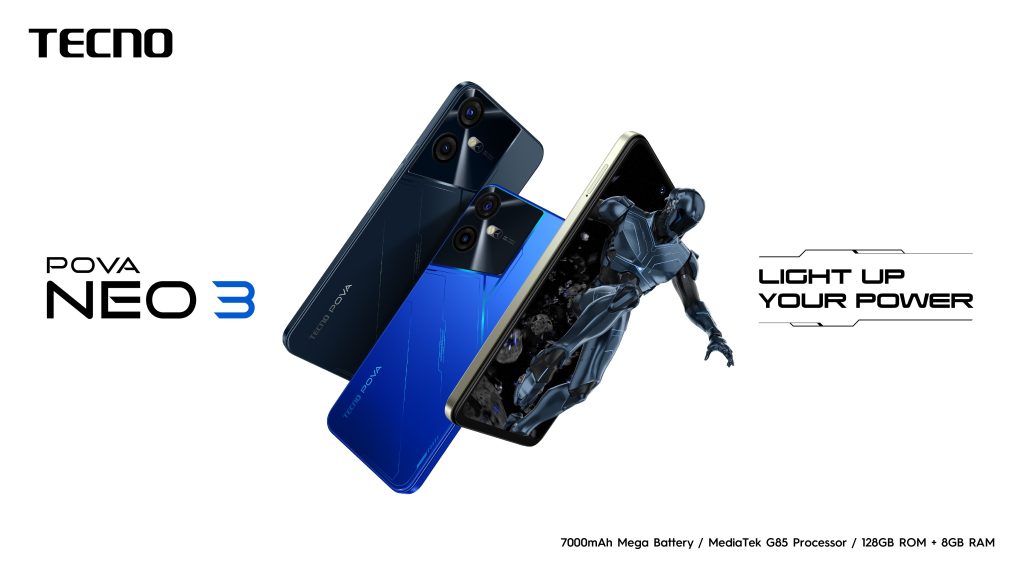
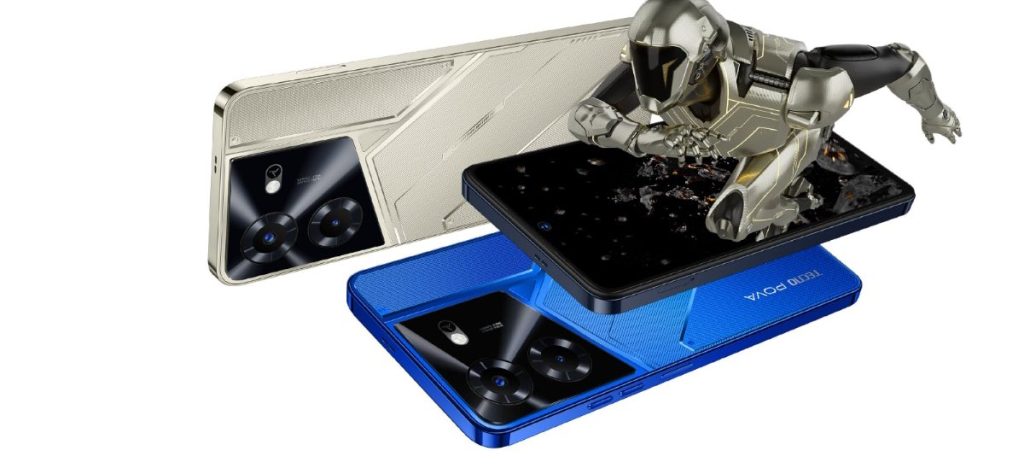
Tecno is gearing up to launch the Pova Neo 3 smartphone in the coming days. The release is anticipated to be a global one, as the device has already appeared on various databases such as FCC and Google Play Console. Recently, the brand officially provided a glimpse of the smartphone’s appearance and revealed its battery capacity.
As per the official Tecno Twitter handle, the upcoming Tecno Pova Neo 3 is set to impress with its massive 7000mAh battery. This battery capacity aligns with previous leaks. So let’s look at what other features the Pova Neo 3 will have onboard.
Tecno Pova Neo 3 specs (rumored)
Rumors suggest that the Tecno Pova Neo 3 will boast a generous 6.82-inch Asahi Glass LCD display with a resolution of 1640 x 720 pixels. This display is rumored to feature a respectable 90Hz refresh rate.
Under the hood, the smartphone is expected to be equipped with a MediaTek chipset, potentially the Helio G85. The processor is likely to be paired with either 4GB or 8GB of RAM and 128GB of internal storage. Additionally, the device is said to support expandable storage via a microSD card of up to 256GB. Out of the box, it is expected to run on Android 13-based HiOS 7.6.
In terms of cameras, the Pova Neo 3 is rumored to sport a dual rear camera setup consisting of a 16MP primary sensor and a 2MP secondary sensor. For selfies and video calls, an 8MP sensor is expected on the front.
The 7000mAh battery will get 18W fast charging. In terms of dimensions, it is reported to measure approximately 170.67mm x 77.6mm x 9.3mm and weigh around 201 grams.
The Tecno Pova Neo 3 is also rumored to come with various sensors including proximity, light, accelerometer, Hall, gyroscope, compass, as well as face recognition and a fingerprint scanner for enhanced security. Notable connectivity features mentioned include VoLTE, VoWiFi, and NFC support. The device is rumored to launch later in July.
boAt has been quite busy this month launching multiple new devices in the Indian market. The brand recently debuted the Airdopes Max and Airdopes 141 Neo earbuds, along with the Storm Call 2 and the Wave Fury smartwatches. Now, the brand added another smartwatch to the lineup called the boAt Wave Call 2.
boAt Storm Call 2 specs & features
The boAt Storm Call 2 smartwatch features a large 1.83-inch HD display with a resolution of 240 x 284 pixels. The screen is elegantly designed with a 2.5D curved glass, adding a touch of style to its appearance. It supports Bluetooth version 5.2, ensuring fast and stable connectivity with compatible devices.
With over 1000 customizable watch faces available through the Crest App, you can personalize the look of your smartwatch to match your style and preferences. The watch also supports Bluetooth calling, allowing you to make and receive calls directly from your wrist when connected to a compatible smartphone.
Powered by the Cres+ OS operating system, the smartwatch offers a user-friendly interface and smooth performance. It includes a convenient Quick Dial Pad, enabling you to save up to 10 contacts directly on the watch for easy access.
For fitness enthusiasts, the smartwatch offers an extensive range of sports modes, with over 700 options to choose from. Whether you’re running, cycling, or practicing yoga, you can track your activities and monitor your progress with precision.
The smartwatch is designed to withstand the elements, with an IP67 rating for dust and water resistance. In terms of health monitoring, the smartwatch provides valuable insights into your well-being. It can measure your heart rate, blood oxygen saturation levels (SpO2), and serve as a daily activity tracker to help you stay active and maintain a healthy lifestyle. It also includes a sedentary reminder to encourage you to take regular breaks from sitting.
Beyond fitness and health, the smartwatch offers a range of additional features. You can use it to control your smartphone’s camera remotely, stay updated with live cricket scores, manage your music playback, check the weather forecast, set alarms and countdowns, utilize a stopwatch, activate a Do Not Disturb (DND) mode, and even locate your misplaced phone.
When it comes to battery life, the smartwatch offers impressive longevity. It can last up to 5 days on a single charge, providing extended usage without needing frequent recharging. However, if you frequently use Bluetooth calling, the battery life reduces to around 2 days.
Pricing & availability
Starting from July 15th at 12 A.M., the boAt Wave Call 2 smartwatch will be accessible for purchase on both the boAt website and Amazon.in. It will be offered at an introductory price of Rs. 1,299. The smartwatch is available in a variety of appealing colors, namely Orchid Haze, Active Black, Cool Grey, Cherry Blossom, and Silver Metal with a metallic strap.
Samsung has announced its next major launch event is scheduled for July 26. The highly anticipated Galaxy Unpacked event will introduce a range of exciting products, including the Galaxy Z Fold 5, Z Flip 5, Tab S9 series, and Watch S6 series. Additionally, there are reports suggesting that Samsung might also unveil an XR headset during the same event. While the XR device has not been officially confirmed, Samsung has already provided teasers for the other upcoming devices that will be showcased at Galaxy Unpacked. Adding to the speculation, a new report from GoAndroid reveals that the battery of Samsung’s XR headset has received various certifications, indicating a potential launch later this month.
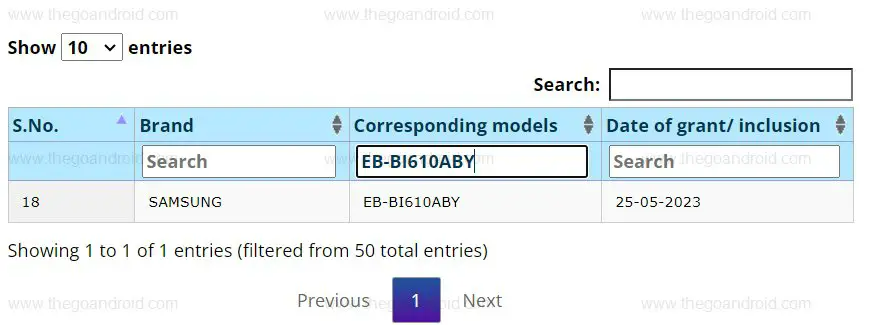
The publication has spotted a battery having the EB-BI610ABY model number in the database of the SafetyKorea certification platform. This battery seems to be a successor to the older EB-BI120ABY battery, which was speculated to power unannounced Samsung AR Glasses with mode number SM-I120. Therefore, it is likely that the EB-BI610ABY battery will be used to power Samsung’s upcoming XR headset.
EB-BI610ABY battery BIS certified
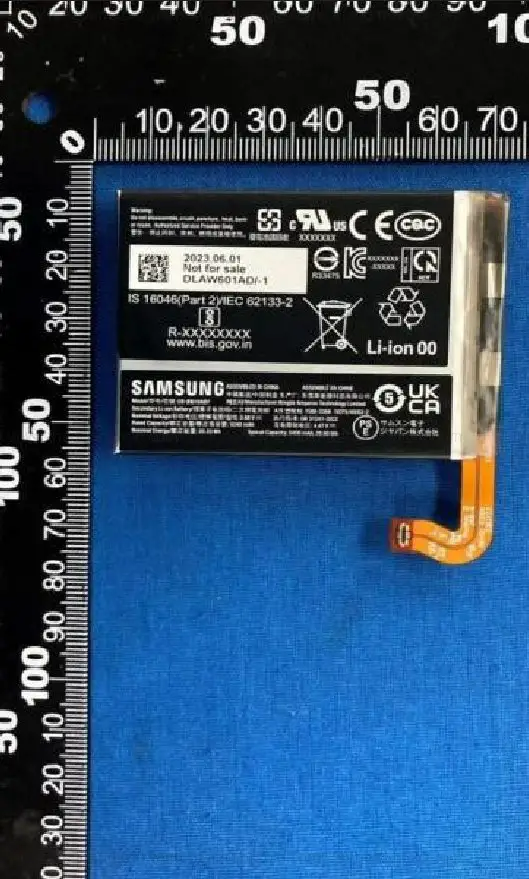
The EB-BI610ABY battery has also received approval from India’s BIS and China’s CQC certification platforms. This suggests that the XR headset may be launched not only in South Korea but also in India and China.
EB-BI610ABY battery image from SafetyKorea
A report that surfaced earlier this week claimed that Samsung had postponed the launch of its first XR headset by approximately three to six months. Thus, there is a possibility that the company will confirm its existence at the upcoming Galaxy Unpacked event and subsequently launch it a few months later.
Samsung’s XR headset is expected to compete with Apple’s Vision Pro, a mixed reality (MR) headset, although specific technical specifications have not yet been revealed. Reports have mentioned collaborations between the South Korean company and Qualcomm and Google for the development of this product.
Vivo’s highly anticipated Vivo X100 series, focused on photography, is set to make its debut as early as November this year. The series is rumored to consist of three models: the Vivo X100, X100 Pro, and X100 Pro+. Among them, the X100 Pro+ is expected to feature a groundbreaking 200-megapixel periscope telephoto camera, which has attracted significant attention. New information regarding this camera has recently emerged on Weibo, indicating that it will be a custom-made sensor.
Vivo X100 Pro+ 200MP periscope camera details
Vivo X100 Pro+ mock render
In a recent Weibo post, reputable tipster Digital Chat Station stated that the 200-megapixel periscope camera on the Vivo X100 Pro+ has undergone meticulous customization, surpassing the optical performance of renowned Sony sensors like the IMX890 and IMX866 models. Another source suggested that the camera sensor is tentatively named the Samsung HPV, resulting from a collaboration between Vivo and Samsung.
This lightweight camera sensor, believed to be based on the Samsung HP3, is expected to boast a generous 1/1.4-inch size and provide native 3x or 5x optical zoom capabilities. Both tipsters have claimed that advanced AI algorithms will enable users to enjoy an impressive 10x optical zoom experience.
Reports have claimed that the Vivo X100 and X100 Pro will both come equipped with the upcoming Dimensity 9300 chipset, which is yet to debut. The new flagship Dimensity chip may debut in October or November this year.
The Vivo X100 Pro+ is expected to feature the upcoming Snapdragon 8 Gen 3. Last year, the X90 Pro+ debuted alongside the X90 and X90 Pro. However, one of the recent reports claimed that the X100 Pro+ may debut in the first quarter of 2024. Vivo did not release the X90 Pro+ in markets outside of China. Hence, it is unclear whether the X100 Pro+ will debut globally.
Xiaomi is expected to announce the Xiaomi 14 series of flagship phones in November this year in China. Rumors are rife that its sub-brand will also announce the Redmi K70 series of affordable flagships before the end of this year. In a new Weibo post, tipster Digital Chat Station seemingly leaked the key specifications of the alleged Redmi K70 Pro.
Redmi K70 Pro key specifications (rumored)
Redmi K60 Pro
According to DCS’ Weibo post, the Snapdragon 8 Gen 3 chipset will power the Redmi K70 Pro. This is in line with previous leaks that have claimed that the Redmi K70 and K70 Pro will feature the Snapdragon 8 Gen 2 and the Snapdragon 8 Gen 3 chipsets, respectively.
The tipster further said that the device will be equipped with a 5,120mAh battery that supports 120W fast charging. He also added that the entire series will have a 2K resolution display.
Apart from the K70 and K70 Pro, the lineup also includes the Redmi K70e as a successor to last year’s Redmi K60e, which came with the Dimensity 8200 chip. In all likelihood, the K70e could be equipped with the forthcoming Dimensity 8300 chipset. The K70 series is rumored to arrive with a leather-textured rear panel and telephoto cameras.
Reports have revealed that the Redmi K70e, K70, and K70 Pro have respective model numbers, such as 23117RK66C, 2311DRK48C, and 23113RKC6C. It appears that the Redmi K70e may remain exclusive to the Chinese market. However, the K70 and K70 Pro are expected to launch as the Poco F6 and Poco F6 Pro in global markets, including India.
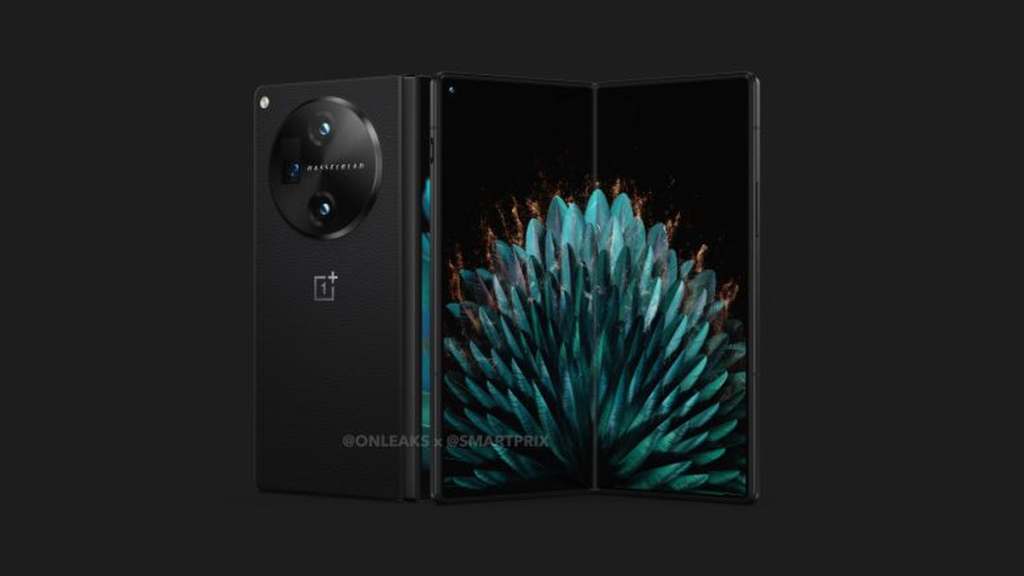
A recent report by SmartPrix revealed that the OnePlus’ upcoming foldable phone will be called the OnePlus Open when it debuts in the market. There have been reports that the foldable phone will go official in the first half of August. However, a new report by the same publication reveals that the OnePlus Open will be announced by the end of August.
OnePlus Open launch date (rumored)
OnePlus Open CAD render
The OnePlus Open may make its official debut on August 29, according to information that the publication has received. Max Jambor, a dependable tipper, has also supported this claim.
Rumors have it that the OnePlus Open will be sold as an Oppo device in the Chinese market. To be precise, it is likely to be called the Oppo Find N3 in China. Now that the OnePlus Open is tipped to launch by August’s end, it appears that the Find N3 may debut a few days before the OnePlus foldable.
OnePlus Open specifications (rumored)
The OnePlus Open rumors have revealed that it will feature a 6.3-inch AMOLED FHD+ 120Hz cover screen, as well as a 7.8-inch foldable AMOLED display that offers Quad HD+ resolution and a 120Hz refresh rate. As for the camera setup, the OnePlus Open is rumored to sport a primary 48-megapixel camera sensor along with an ultra-wide snapper, as well as a 64-megapixel telephoto camera.
The OnePlus Open is said to have a 20-megapixel internal camera and a 32-megapixel front-facing camera for selfies and video calls. Under the hood, the device is likely to be powered by the Snapdragon 8 Gen 2 processor clocked at 3.36GHz, coupled with 16 GB of RAM. It is expected to house a 4,805mAh battery with support for 67W fast charging and 50W wireless charging.
The OnePlus foldable phone is anticipated to run on Android 13, specifically the OxygenOS Fold variant, potentially based on OxygenOS 13.1.1. In terms of security, a side-facing fingerprint scanner is expected to be included. The device may come with up to 512GB of UFS 4.0 storage.
In recent news, a group of former Twitter executives has filed a court document claiming that the social media giant owes them over $1.6 million in legal fees. Led by former CEO Parag Agrawal, the executives are demanding that Twitter promptly pay the outstanding amount. The lawsuit, filed in April of this year, alleges that Twitter owes them more than $1 million in legal fees, primarily related to Department of Justice investigations and shareholder lawsuits, and an additional $500,000 in other assets. The legal fees were incurred during their tenure at Twitter and resulted from various lawsuits and government investigations the company faced. The former executives argue that Twitter’s refusal to fulfill its payment obligations violates the company’s own rules and regulations.
Twitter’s current CEO, Linda Yaccarino has her work cut out for her
Lawyers representing the ex-executives stated in a court filing that they have been attempting to obtain payment from Twitter for the past year, but the company has provided various reasons for stalling the process. Consequently, Agrawal, along with former Chief Legal Officer Vijaya Gadde and former Chief Financial Officer Ned Segal, are seeking an order from Delaware Chancery Chief Judge Kathaleen St. J. McCormick to compel Twitter to pay the outstanding costs without the need for a trial.
Twitter is currently confronted with multiple lawsuits accusing the company, under the leadership of CEO Elon Musk, of failing to fulfill financial obligations to former employees, suppliers, and landlords. Furthermore, Musk’s X Company, Twitter’s parent company, has recently sued law firm Wachtell, Lipton, Rosen & Katz, seeking the recovery of $90 million in legal fees. The former Twitter executives had engaged the law firm to facilitate Musk’s attempted $44 billion acquisition of the social media platform. Twitter’s current CEO, Linda Yaccarino, aims to recover the legal fees on the grounds that the lawsuit is based on false statements made to Twitter.
Although Twitter has reportedly paid approximately $600,000 of the owed amount, the company has withheld $115,842 in attorney fees and over $500,000 in other legal-related costs. In addition to the legal fee dispute, Twitter is facing investor lawsuits alleging that Musk’s actions caused instability in the company’s stock price during his attempted acquisition of Twitter. Several former employees have also filed lawsuits, claiming that Twitter failed to honor their equity commitments following their termination.
As the legal battle ensues, the outcome will determine whether Twitter will be compelled to fulfil its payment obligations to the former executives and resolve the ongoing disputes related to financial commitments. The company just started paying their creators their shares of ad-revenue, so it might not be looking to incur any new losses right now.
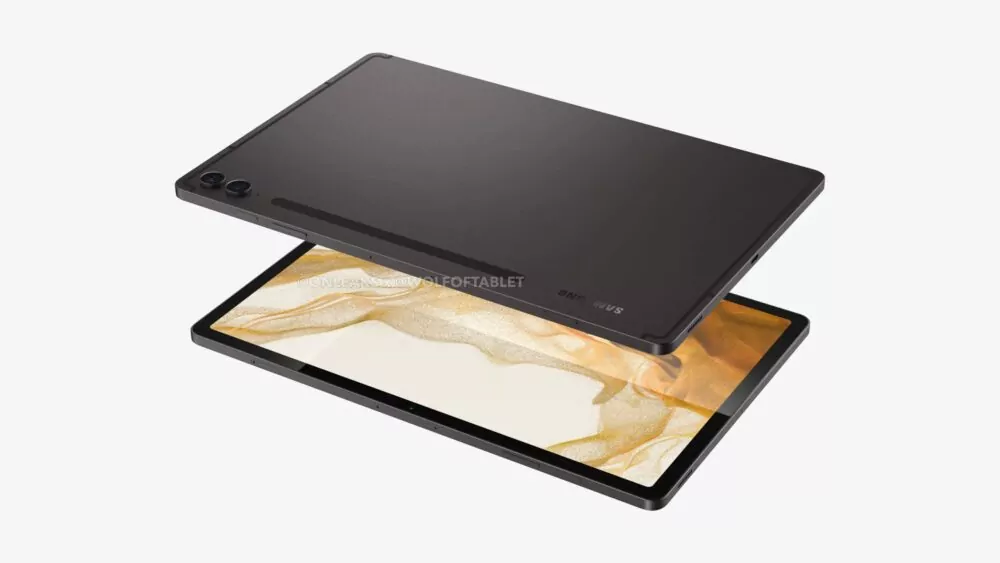
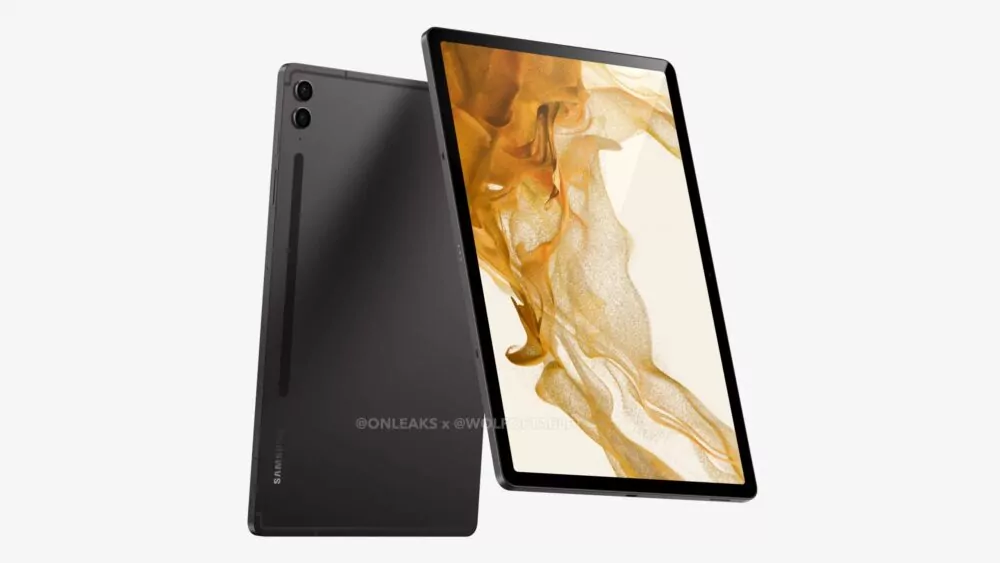
Samsung will unveil the Galaxy Tab S9 series of flagship tablets later this month. The company is also said to be working on more affordable Fan Edition-branded tablets, such as the Galaxy Tab S9 FE and the Galaxy Tab S9 FE Plus. Last month, display analyst Ross Young revealed the color variants of both tablets. Both devices have also appeared on Geekbench with some of their key specifications. Now, publication WolfofTablet has teamed up with popular tipster OnLeaks to leak the renders of the Plus variant. Here is a look at the images shared by the publication.
Galaxy Tab S9 FE Plus design
The Galaxy Tab S9 FE Plus’ CAD renders show that the tablet is equipped with thin bezels on the front. Its power button is integrated with a fingerprint scanner, and its back panel has a dual-camera system. The rear shell has a groove on the back where users can place the S-Pen for charging. For audiophiles, the tablet is fitted with a dual speaker system.
The report has only revealed the design of the Galaxy Tab S9 FE+ and has no fresh information about its specifications. However, it does reveal that the device measures 285.4 x 185.4 x 6.54mm.
Galaxy Tab S9 FE+ specifications (rumored)
The above-mentioned dimensions suggest that the Galaxy Tab S9 FE+ could be equipped with a 12.4-inch display. On Geekbench, the tablet was spotted with the model number SM-X616B. The listing revealed that the tablet will arrive with an Exynos 1380 chipset, 8 GB of RAM, and run on Android 13 OS. It is expected to arrive in multiple color options, such as grey, light green, light pink, and silver. Rumors are rife that the Galaxy Tab S9 Fan Edition series may go official in September or October of this year.
Triumph Motor Company, a name that hasn’t been associated with car production for nearly four decades, has made a remarkable return with an awe-inspiring design concept known as the Triumph TR25. Unveiled by the esteemed Makkina design house, this electric vehicle concept pays homage to the record-breaking Triumph TR2 MCV575 “Jabbeke” from 1953. The TR25 draws design inspiration from the TR2, incorporating several styling elements reminiscent of its iconic predecessor. Notably, the headlights feature a prominent “25” in the center, symbolizing Makkina’s 25th anniversary. While the concept retains the minimalist exterior, it possesses a more modern aesthetic with short overhangs, large wheels, and sharp creases over the fenders.
The vehicle can accelerate from 0 to 60 mph in 6.8 seconds
At the rear, sleek vertical taillights take centre stage, gracefully framing the Triumph word mark. The clean and straightforward design ethos extends to the driver-focused single-seat cabin. However, for those seeking to share the experience, an optional flip-out jump seat is available for a passenger.
Makkina has adopted a minimalist approach to the cabin, featuring a simple binnacle behind the steering wheel that displays key information like battery range, road speed, and charge level. The spoked steering wheel pays homage to the “Jabbeke” while incorporating modern technology, including a self-centring dial that provides vital vehicle information and access to the navigation system.
Underneath its captivating exterior, the TR25 utilizes the BMW i3s platform, with BMW having acquired the trademark for the Triumph Motor Company and collaborating with Makkina on this project. While specific powertrain details for the design concept were not disclosed, the BMW i3s boasts an AC electric motor delivering 181 horsepower and 199 pound-feet of torque. It accelerates from 0 to 60 miles per hour in just 6.8 seconds and offers an EPA-rated range of up to 153 miles on a single charge.
Although BMW bid farewell to the i3 at the end of 2022 after selling 250,000 units over nine years, the Triumph TR2 MVC575 “Jabbeke” continues to hold its historical significance. This legendary vehicle set the land speed record for production cars under 2.0 liters in May 1953, equipped with streamlined enhancements such as an under shield, rear wing splats, and a metal cockpit cover. Today, the original TR2 “Jabbeke” proudly resides in the esteemed British Motor Museum.
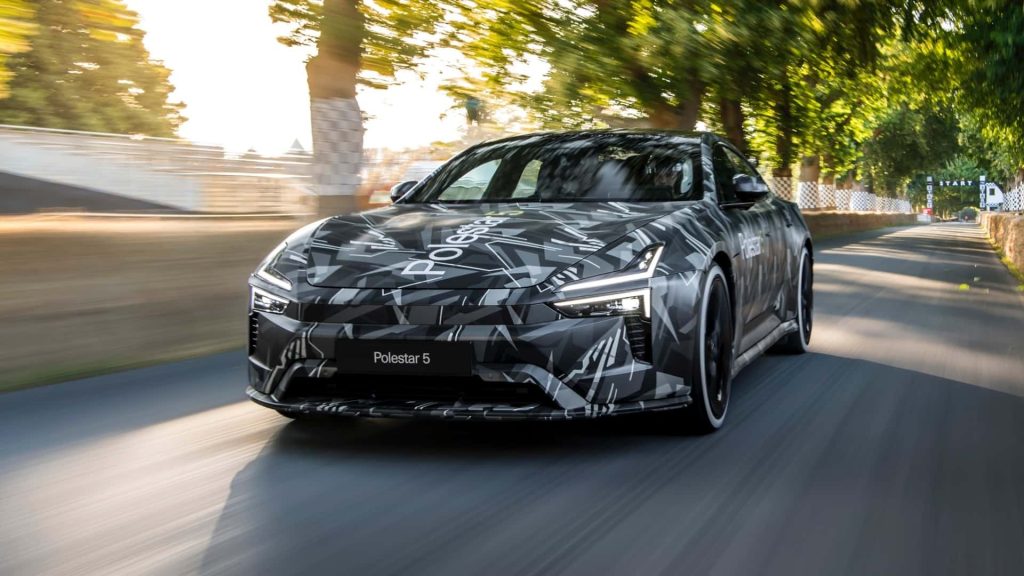
The Goodwood Festival of Speed is once again playing host to a showcase of automotive achievements, and Polestar has brought its electric lineup to the event. Among the stars of the show are two future models that are set to revolutionize the electric vehicle market. Making their dynamic debut at the festival are the Polestar 3electric SUV and the latest iteration of the Polestar 5 prototype. Enthusiasts and onlookers will have the opportunity to witness these cutting-edge vehicles in action as they make their way up the famous Goodwood Hill, not once but twice each day.
The Polestar 2 and the Polestar 3 are only available online as of now
While the Polestar 3 and the Polestar 2 BST edition 230 have already been unveiled, the Polestar 5 flagship remains shrouded in mystery. Fully camouflaged, this latest verification prototype is teasing onlookers, hinting at the exceptional design and performance that the production version, set to launch in 2024, will deliver. Official photos released by the company offer a glimpse into the electric four-door GT prototype. The images reveal an aggressively sculpted body with sleek details such as flush door handles and a body panel in place of the traditional rear window. These elements showcase the meticulous craftsmanship and attention to detail that electric cars are known for.
Thomas Ingenlath, CEO, expressed his excitement about showcasing the prototypes at the festival. The Polestar 5, slated for an official launch in 2024, promises a thrilling driving experience with up to 871 horsepower and 664 pound-feet of torque from its dual-motor AWD powertrain. Its impressive range of 600 kilometers makes it an enticing choice for those seeking both power and efficiency.
At the main Polestar stand, visitors can explore the Polestar 3, the updated Polestar 2 with rear-wheel drive, and the striking Polestar electric roadster concept. The latter is expected to transform into the production model known as the Polestar 6 by 2026.
While the 2024 Polestar 2 and the limited-production BST edition 230 are available for online purchase, the Polestar 3 will soon be available for order online and will also make its way to all markets. Deliveries of the Polestar 3 electric vehicles are anticipated to begin in the second quarter of 2024.
We use cookies on our website to give you the most relevant experience by remembering your preferences and repeat visits. By clicking “Accept”, you consent to the use of ALL the cookies.
This website uses cookies to improve your experience while you navigate through the website. Out of these, the cookies that are categorized as necessary are stored on your browser as they are essential for the working of basic functionalities of the website. We also use third-party cookies that help us analyze and understand how you use this website. These cookies will be stored in your browser only with your consent. You also have the option to opt-out of these cookies. But opting out of some of these cookies may affect your browsing experience.
Necessary cookies are absolutely essential for the website to function properly. This category only includes cookies that ensures basic functionalities and security features of the website. These cookies do not store any personal information.
Any cookies that may not be particularly necessary for the website to function and is used specifically to collect user personal data via analytics, ads, other embedded contents are termed as non-necessary cookies. It is mandatory to procure user consent prior to running these cookies on your website.