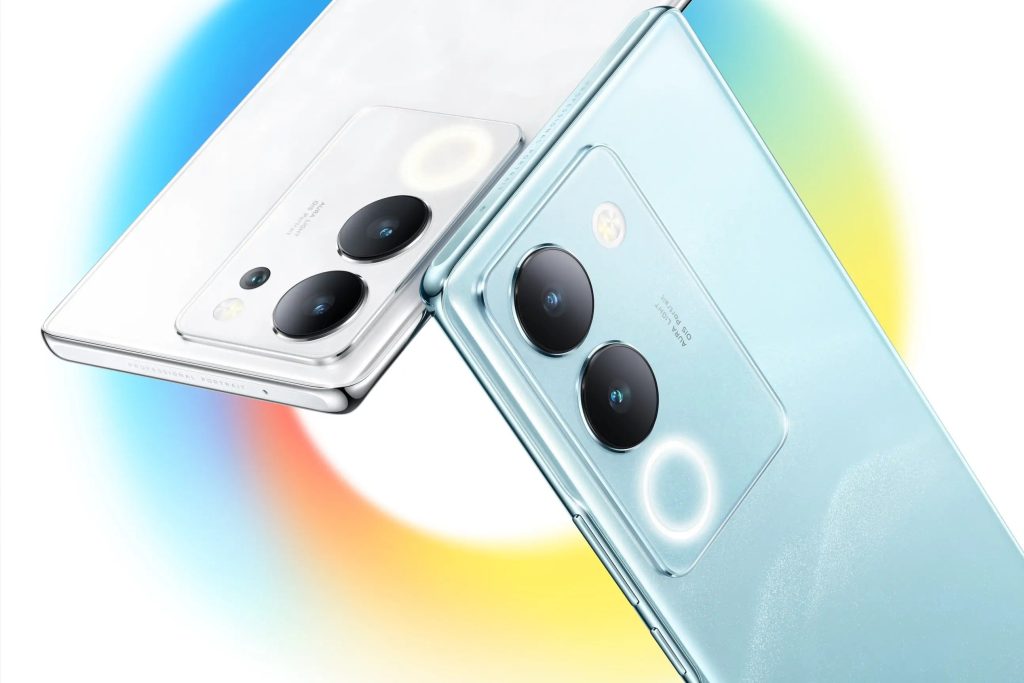
Last week, the Vivo S17 series made its debut in China. Today, as scheduled, the brand has started selling the Vivo S17 and Vivo S17 Pro across the country through multiple channels.
Unfortunately, the company is yet to reveal the pricing and availability of Vivo S17t, a variant of S17 with a different chipset. For the unaware, the S17t was also announced alongside the other two models.
Vivo S17 Pro
The Vivo S17 series retails at the following price tags in China.
Vivo S17 Price
8GB + 256GB – ¥2,499 (~$350)
12GB + 256GB – ¥2,799 (~$390)
12GB + 512GB – ¥2,999 (~$420)
Vivo S17 Pro Price
8GB + 256GB – ¥3,099 (~$435)
12GB + 256GB – ¥3,299 (~$460)
12GB + 512GB – ¥3,499 (~$490)
Both phones arrive in Mountain Sea Green (blue) and black color options. Additionally, S17 and S17 Pro come in Sea of Flowers (pink) and Ice White Jade, respectively.
The two smartphones feature a similar design and almost identical specs. They only differ in a couple of aspects.
The S17 is powered by a Qualcomm Snapdragon 778G Plus SoC, while the S17 Pro houses a MediaTek Dimensity 8200 chip. Further, the pro model comes with an extra 12MP 2x telephoto camera.
Apart from the aforementioned differences, the two Vivo handsets are one and the same. They sport a 6.78-inch 1.5K 10-bit 120Hz AMOLED display, an OIS-assisted 50MP Sony IMX766V primary camera, an 8MP ultra-wide unit, a 50MP front-facing camera with autofocus, a soft light on the rear along with regular dual-tone LED flashlight, two more LED flashlights on the front, and a 4,600mAh battery with support for 80W wired charging.
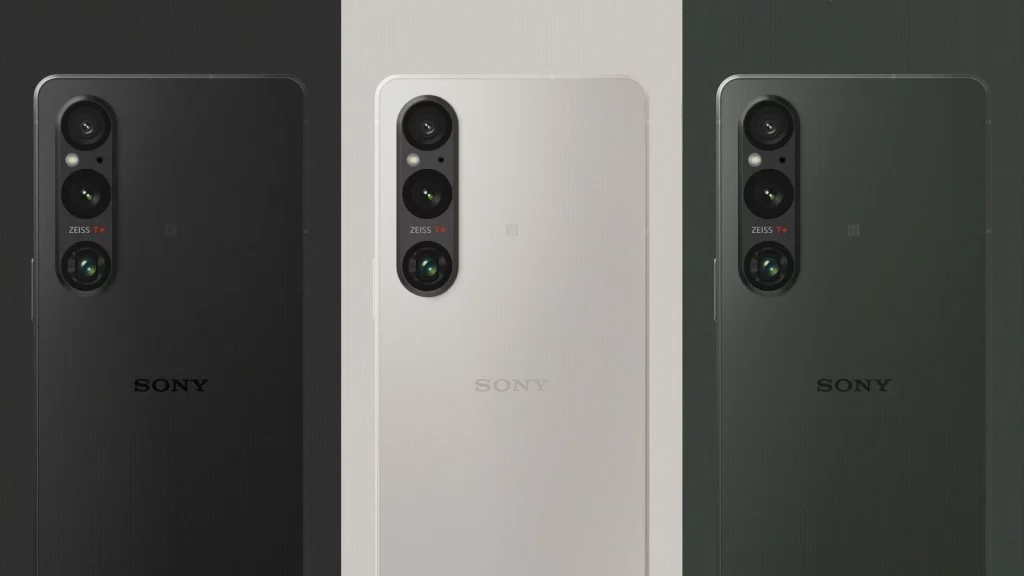
Sony recently unveiled the Xperia 1 V camera smartphone, targeting content creators and photographers. It features powerful camera sensors and professional-grade creator-centric apps. After confirming availability in the EU and UK markets, the device has now appeared on NBTC certification, suggesting an upcoming release in Thailand.
The listing reveals that the Sony Xperia 1 V with model number XQ-DQ72 has been certified by NBTC. No features of the device have been revealed in the listing, however, we already know all there is to know about the smartphone.
Sony Xperia 1 V specs
The Sony Xperia 1 V features a 6.5-inch 4K HDR OLED display, which delivers stunning visuals with vibrant colors and deep contrast. The display’s 120Hz refresh rate ensures smooth and responsive interactions.
Under the hood, the Xperia 1 V is fueled by the Snapdragon 8 Gen 2 processor and can be equipped with up to 16GB of RAM, ensuring excellent performance and seamless multitasking. With 512GB of storage, you’ll have ample space for all your files, apps, and media.
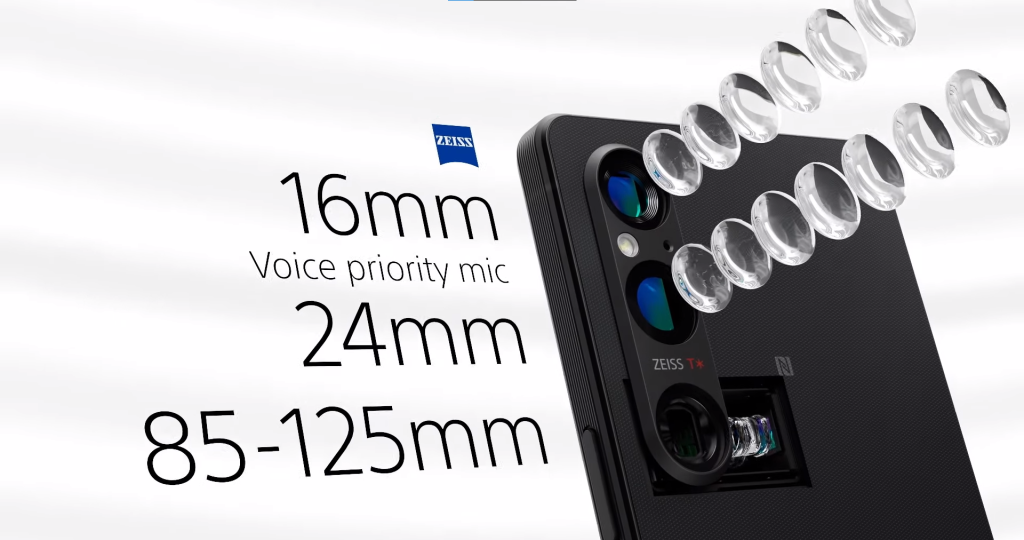
The phone’s camera system is truly exceptional. It boasts a triple-lens setup on the rear, consisting of a 12MP main sensor capable of capturing stunning low-light images, a 12MP periscope lens for optical zoom, and a 48MP ultra-wide-angle lens that expands your field of view. On the front, a 12MP camera guarantees impressive selfies and video calls.
Equipped with a 4,500mAh battery, the Xperia 1 V offers long-lasting usage on a single charge. It runs on the Android 13 operating system, ensuring access to the latest features and enhancements. The phone supports 5G connectivity for fast download and browsing speeds.
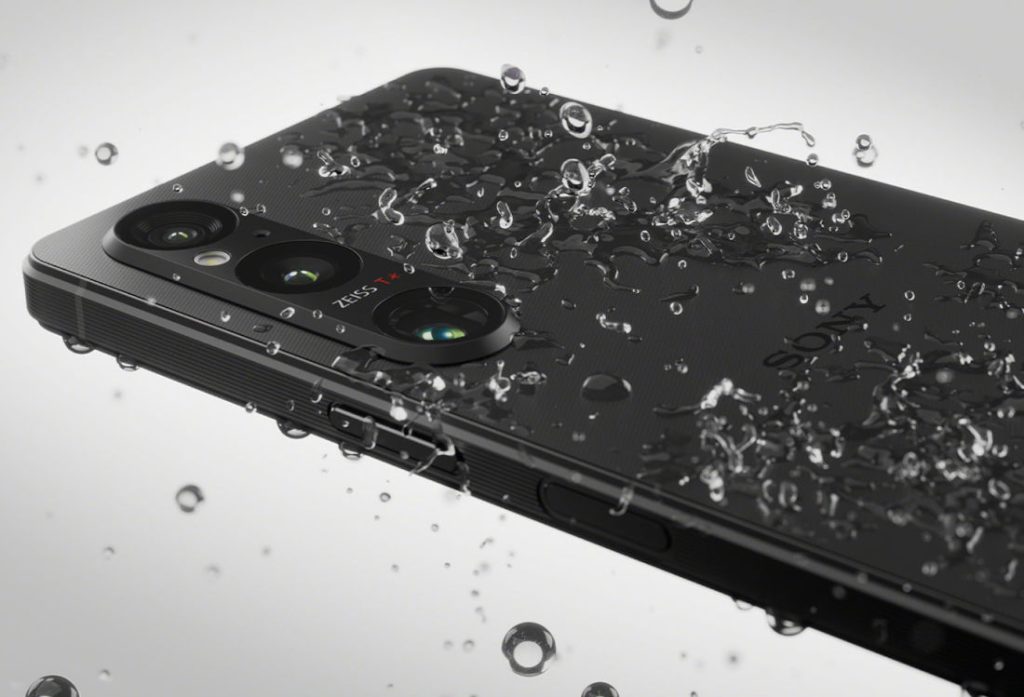
In addition, the Xperia 1 V is water and dust-resistant, providing durability in various environments. Its built-in Cinematography Pro mode gives users greater control over video creation, allowing for a cinematic look and feel.
Ferrari is a luxury automaker that has been producing high-performance sports cars for over 70 years. The company is known for its iconic designs, powerful engines, and racing heritage. In recent years, Ferrari has begun to transition to a more electrified future, with plans to launch its first fully electric vehicle in 2025. Here are the details….
Ferrari’s New Plant for Electric Supercars to Be Ready Next Year
Ferrari is building a new factory in Maranello, Italy, to produce electric supercars and next-generation powertrains. The plant, which is scheduled to open in June 2024, will have assembly lines with the flexibility to make both electric and non-electric vehicles. The new factory is a significant milestone in Ferrari’s transition to electrification. The company has long been reluctant to embrace electric vehicles, but it has come under increasing pressure from its customers and investors to do so.
In recent years, Ferrari has begun to invest heavily in electric vehicle technology, and the new factory is a sign that the company is serious about the future of electric cars. The new factory will have the capacity to produce up to 15,000 electric cars per year. This is a significant number, and it suggests that Ferrari is planning to play a major role in the electric car market. The plant will also be used to produce next-generation powertrains, including hybrid and plug-in hybrid systems. This will help Ferrari to meet the growing demand for hybrid and plug-in hybrid cars from its customers.
The construction of the new factory is a sign of Ferrari’s commitment to the future of electric cars. The company is clearly aware that the future of the automotive industry lies in electric cars, and it is making the necessary investments to ensure that it is a player in the market. The new factory is a significant step forward for Ferrari, and it will be interesting to see how the company performs in the electric car market.
In addition to the new factory, Ferrari is also investing heavily in other areas of electric car technology. The company is developing its own battery technology, and it is working on new software to improve the performance and efficiency of its electric cars. Ferrari is also investing in charging infrastructure, and it is working with partners to build a network of charging stations across Europe. Ferrari’s investment in electric car technology is a sign that the company is serious about the future of the automotive industry.
Back in February, Fire-Boltt launched the Blizzard smartwatches with a luxurious design resembling a luxury analog watch. The brand has now added four more premium-looking color options for customers.
These new color options are Gold, Rose Gold, Black Rose Gold, and Gold Black. These new color options are currently selling for Rs 3,799 ($40) on Flipkart and the company’s website. Other than the color options, nothing has changed when it comes to specifications.
Fire-Boltt Blizzard specs
The main charm of the Fire-Boltt Blizzard is that it’s a classic-looking timepiece integrated with smart functionalities. This watch is designed with dual shades made of advanced ceramic, boasting anti-corrosion properties.
Its elegant appearance is complemented by a rotating crown, a home button, and a back button for seamless navigation. With an IP67 certification, it ensures water resistance for added durability. The circular dial of the Fire Boltt Blizzard showcases a 1.28-inch HD display, providing clear visuals.
In terms of health features, this smartwatch offers comprehensive monitoring capabilities. It includes a heart-rate monitor, SpO2 sensor for blood oxygen level tracking, a sleep tracker, and a dedicated women’s menstrual cycle monitor. Furthermore, it supports an impressive range of 120 sports modes, catering to various fitness activities.
The Fire Boltt Blizzard goes beyond health tracking, incorporating convenient smart features. With its built-in speaker and dial pad, it enables Bluetooth calling directly from the device. Voice assistant support allows for seamless interaction, while smart notifications keep you updated throughout the day. The watch also facilitates camera control, providing a handy remote for capturing moments. Additionally, it offers weather updates and even includes in-built games for entertainment purposes.
Powering the Fire Boltt Blizzard is a 220mAh battery unit, promising an impressive usage time of up to 7 days before requiring a recharge.
According to a recent report released by OnlyAccounts.io, a British subscription service provider, the global revenue from subscription-based streaming media (SVOD) is expected to reach $95.3 billion in 2023. This represents an 18% year-on-year increase from the previous year. The report also projects that by 2027, the revenue will soar to $137 billion, showing an impressive 73% increase.
The Market revenue will reach $137 billion by the year 2027
The rise of subscription-based streaming media has been phenomenal in recent years. In 2017, there were approximately 610 million subscriptions worldwide, a number that grew to 1.16 billion by 2022. This trend is expected to continue, with streaming media surpassing other segments of the media and entertainment market.
Statista Market Insights confirms this growth, reporting that global revenue from subscription-based streaming has nearly tripled since 2017 and is projected to exceed $80 billion by 2022. In contrast, physical sales have declined by nearly 30%, and digital pay-per-views and paid downloads have shown slower growth compared to streaming services such as Netflix, Prime Video and Hulu.
Interestingly, Statista reveals that nearly 65% of SVOD’s total revenue comes from just three countries. The United States, the largest SVOD market globally, is expected to generate $39.2 billion in revenue this year. It is projected to continue growing at a compound annual growth rate (CAGR) of 8.6% from 2023 to 2027, reaching an estimated market size of $54.6 billion.
China follows as the second-largest market, experiencing an average growth rate of 10.1% during this period. SVOD revenue in China is expected to increase from $19.4 billion to $28.5 billion. The United Kingdom ranks third, with revenues approaching $5.5 billion by 2027 and a four-year CAGR of 8.9%.
The surge in subscription-based streaming media is reshaping the global media landscape. With billions of dollars in revenue and millions of subscribers, the industry is poised for continued growth in the coming years. As consumer preferences shift towards on-demand content, subscription-based streaming is expected to dominate the market, leaving traditional media formats in its wake.
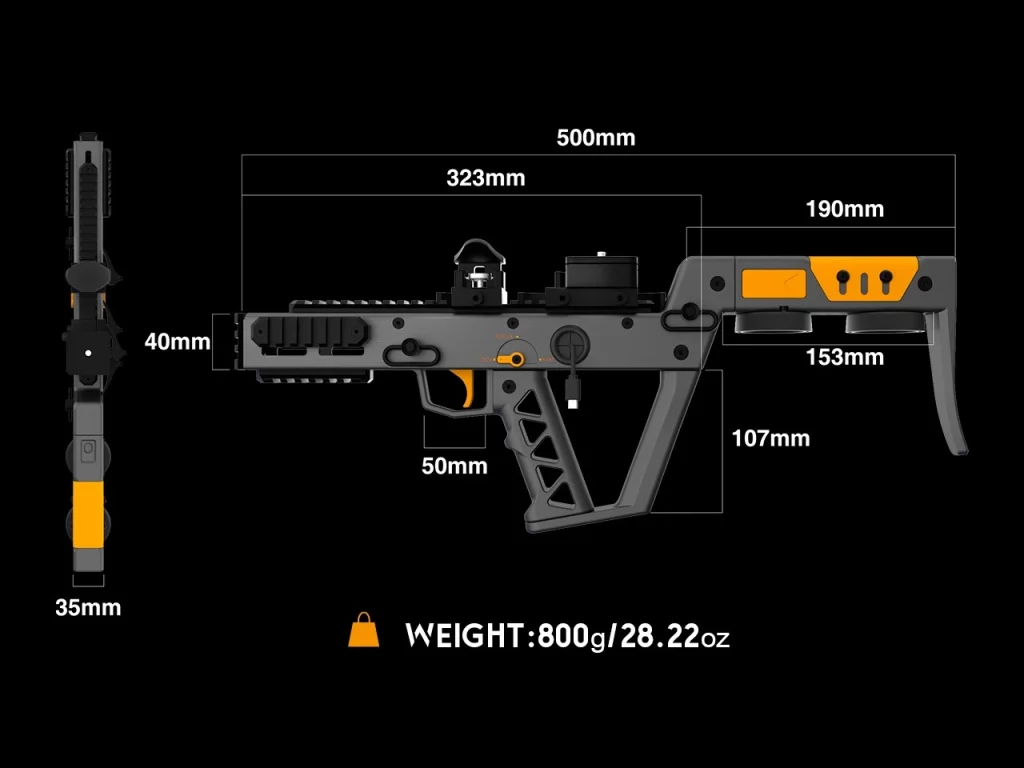
In a recent announcement, a new innovation has entered the world of photography. The highly anticipated STOCKCAM camera bracket promises to revolutionize the way photographers capture their shots, offering stability, comfort, and above all, a unique shooting experience. Set to be crowdfunded on Indiegogo in the near future, this cutting-edge accessory is already generating immense excitement among photography enthusiasts.
A gun-style design might help Photographers with better stability, accuracy and comfort
Designed with the needs of professional and amateur photographers in mind, STOCKCAM is the ultimate companion for outdoor shooting, military photography, and extended sessions. Boasting compatibility with all major camera brands, such as Canon and Nikon, this gun-style camera has the potential to become a standout tool for creatives worldwide.
One of the standout features of STOCKCAM is its three switchable modes, allowing users to effortlessly adapt to different photography and video settings. The LOCK mode ensures rock-solid stability, eliminating any unwanted camera movements even in the most challenging shooting conditions. The FOCUS mode offers enhanced control over depth of field, enabling photographers to capture stunningly crisp images with ease. Lastly, the FAST mode caters to those high-paced moments, delivering swift and precise adjustments for capturing action shots and dynamic videos.
With its ergonomic design and intuitive interface, STOCKCAM promises to provide photographers with comfort and ease of use throughout their shooting sessions. No longer will photographers have to compromise on stability or struggle with uncomfortable equipment—STOCKCAM claims that the bracket ensures a seamless shooting experience, allowing photographers to unleash their artistic potential.
As the crowdfunding campaign on Indiegogo approaches, anticipation for STOCKCAM continues to grow. Photographers eagerly await the opportunity to be among the first to experience this game-changing camera mount firsthand. Interested customers should stay tuned for updates and secure their chance to own this unique camera bracket.
What is the FibraValve, and why was it designed in the first place? Here’s the Why: Strep throat is a common childhood illness in the United States, but in less wealthy countries, it can lead to rheumatic fever, a condition that causes inflammation and can damage the heart valves. To address this problem, a team led by Kevin Kit Parker at the Wyss Institute and Harvard’s John A. Paulson School of Engineering and Applied Sciences has developed an implantable heart valve called FibraValve that grows with a child, reducing the need for invasive surgeries.
The Synthetic Heart Valve can be manufactured in under 10 minutes
The FibraValve represents a significant advancement in the field, as detailed in a recent research publication in Matter. The researchers utilized a new method called focused rotary jet spinning (FRJS) to manufacture the synthetic heart valve in under 10 minutes. FRJS allows for customization of the valve’s shape and properties down to the nanoscale, and the valve has shown promising results in studies involving living cells in vitro and in large animal models.
The goal of the FibraValve is to provide a blueprint for the patient’s native cells to regenerate their own living valve tissue. By using FRJS, the team hopes to not only address valve diseases in children but also establish a platform for fabricating other medical devices in the future. The innovative manufacturing process involves extruding a biocompatible synthetic polymer through a nozzle and spinning it into long nanofibers, which are collected on a heart-valve-shaped mandrel to create the valve.
The team’s previous synthetic heart valve, JetValve, demonstrated successful implantation in a sheep’s heart and the regeneration of new tissue on the device. Building on this achievement, the researchers focused on improving various aspects of the valve, including manufacturing, fiber material, and geometric design. By incorporating streams of focused air into the polymer-extruding process, they developed FRJS to enhance the rate of fiber deposition and improve the valve’s final shape.
In addition, the team used a new polymer material, called PLCL, to enhance cell infiltration once the FibraValve is implanted. The PLCL FibraValves proved to be softer and more elastic than their predecessors. The researchers optimized the geometry of the valve’s inner leaflets to minimize blood leakage, successfully reducing the leakage rate from approximately 30% to about 13% with their improved design.
To assess the performance of the FibraValve, the researchers implanted it into a living sheep’s heart using minimally invasive surgery. The valve exhibited immediate functionality, with its leaflets opening and closing synchronously with each heartbeat. Over the course of just one hour, the team observed the infiltration of red and white blood cells as well as the deposition of fibrin protein on the valve’s porous scaffolding. The implantation process caused no damage or issues.
The team plans to conduct longer-term animal testing to further evaluate the FibraValve’s regenerative capabilities and performance. They believe that FRJS has the potential to create a wide range of implantable devices, such as other valves, cardiac patches, and blood vessels.
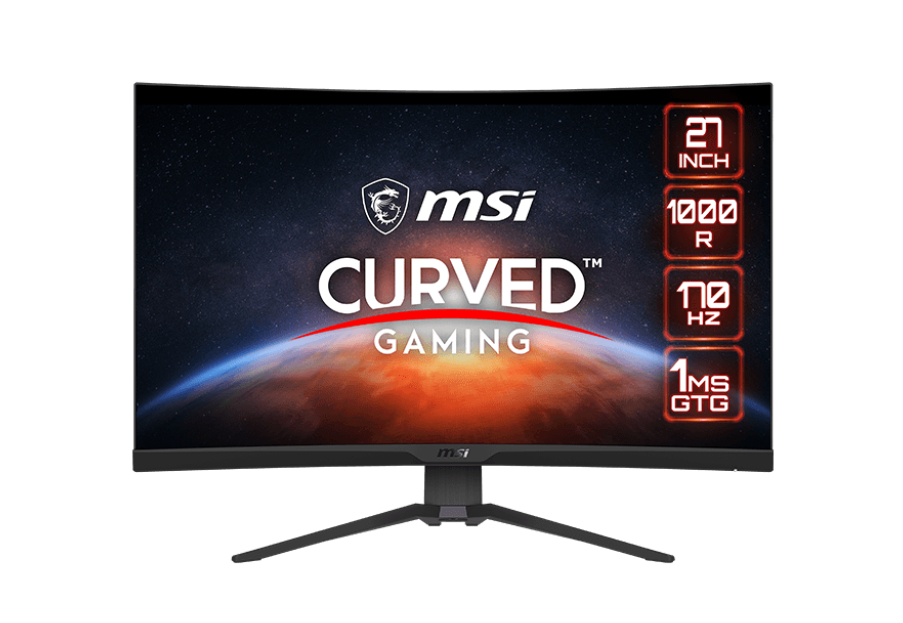
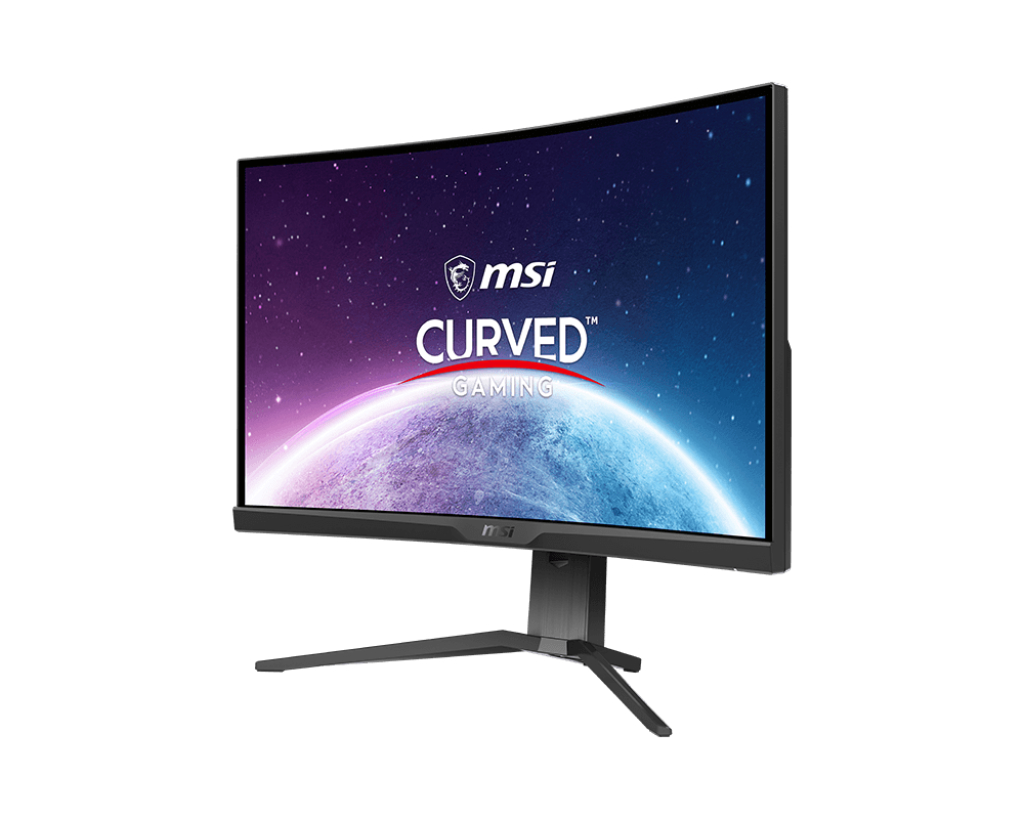
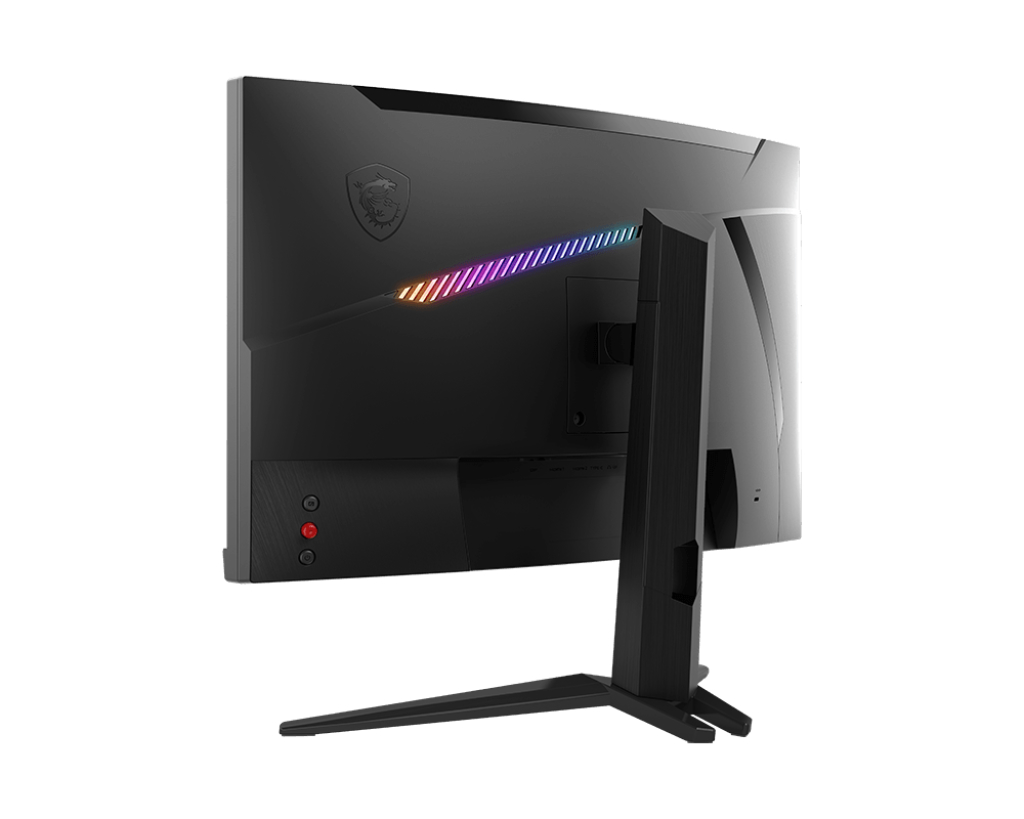
Around a month ago, MSI unveiled the G253PF IPS gaming monitor with a mind-blowing 380 Hz refresh rate. The brand has now showcased a curved 27-inch gaming monitor called the MAG 275CQRF-QD.
MSI MAG 275CQRF-QD specs
The MAG 275CQRF-QD features a curved 27-inch Rapid VA panel. Specifically, the display has a 1000R curvature, providing an immersive viewing experience. With a native resolution of 1440p (WQHD) and a 16:9 aspect ratio, it offers sharp and clear visuals. The peak brightness of 300 nits enhances the overall image quality. The MAG 275CQRF-QD utilizes VA panel technology, which allows for a contrast ratio of 4,000:1, delivering deep blacks and vibrant colors.
In terms of performance, this gaming monitor boasts a fast 1 ms GtG response time, ensuring smooth and responsive gameplay. It is also FreeSync Premium compatible, reducing image tearing when playing games at high frame rates. MSI claims that the monitor can be overclocked from the base refresh rate of 144 Hz to a maximum of 170 Hz, providing a smoother gaming experience.
In regards to connectivity, the MAG 275CQRF-QD offers various ports, including a 3.5 mm jack, two HDMI 2.0b ports for 1440p/144 Hz gameplay, a DisplayPort 1.2a for 1440p/170 Hz gameplay, a USB 2.0 Type-A port, a USB 2.0 Type-B port, and a USB Type-C port with DisplayPort Alt Mode and USB PD 15 W charging support. Additionally, MSI has included a KVM switch, simplifying the process of connecting peripherals when switching between devices.
Pricing and availability details for the MAG 275CQRF-QD have not been provided by MSI at this time. For more information about the monitor, please visit MSI’s official website.
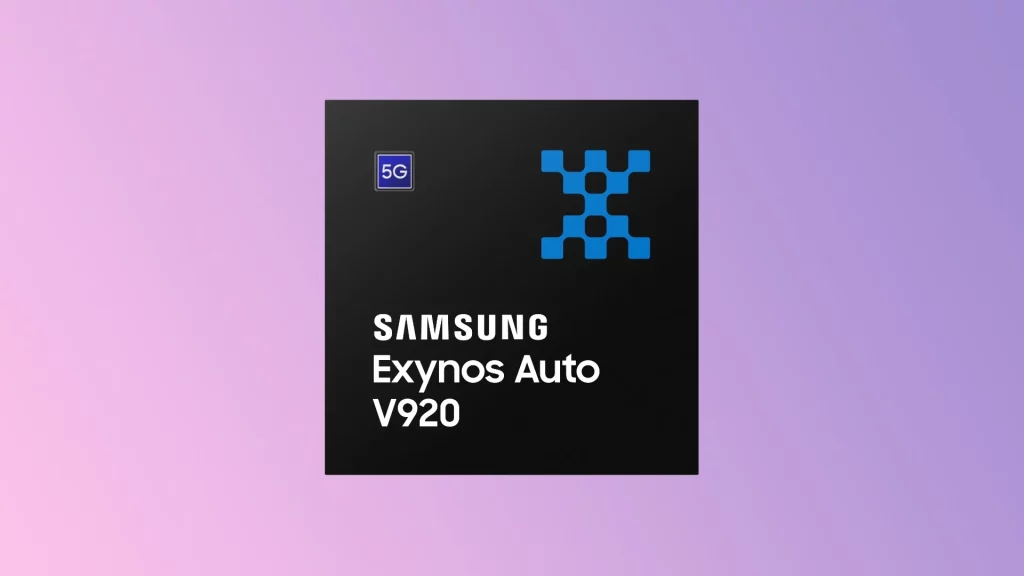
The automobile industry is changing rapidly. Cars are becoming more like computers and smartphones, with the ability to perform a variety of functions. This is opening up new opportunities for collaboration between automakers and technology companies. Most recently, Samsung has recently unveiled its latest high-end Exynos Auto chip, to Power Hyundai Cars from 2025. Here are the details…
10-core Samsung Exynos Auto V920 chip will power Hyundai cars
Samsung and Hyundai have announced a partnership to develop next-generation electric vehicle technologies. As part of the agreement, Samsung will provide its Exynos processors for use in Hyundai’s EVs. The Exynos processors are a family of mobile processors that have been used in smartphones and tablets for many years. However, Samsung is developing a special chip called the Exynos Auto V920 for use in EVs. This chip will power Hyundai’s next-generation infotainment systems and advanced driving assistance features.
The Exynos Auto V920 is a powerful chip that is designed to meet the demands of modern cars. It has 10-core CPU, a powerful GPU, and a Neural Processing Unit (NPU) that can handle advanced driving assistance features. The chip also supports up to six high-resolution displays and up to 12 camera sensors.
The V920 offers a significant performance improvement over the previous generation of Exynos Auto chips. The CPU is 1.7x faster, the GPU is twice as fast, and the NPU is 2.7x faster. This will allow for a more responsive and immersive infotainment experience, as well as better performance for advanced driving assistance features.
The V920 is also designed to be ASIL-B (Automotive Safety Integrity Level B) compliant. This means that it has been designed to meet the highest safety standards for automotive applications. This is important for Hyundai, which is committed to providing safe and reliable vehicles.
The V920 is a significant development for Samsung and Hyundai. It shows that Samsung is serious about the automotive market, and it gives Hyundai a powerful new chip that can help it to differentiate its vehicles from the competition. The V920 is expected to be available in Hyundai cars from 2025.
WhatsApp is one of the world’s leading messaging platforms, and after countless years of sending low-quality images over the platform, the company is finally enhancing the user experience for photo sharing with its latest beta versions. The beta updates for WhatsApp on iOS and Android now allow users to send high-quality (HD) photos while preserving their original dimensions. This feature aims to provide improved photo quality and a richer media-sharing experience. Although the rollout is currently limited to beta testers, it is expected to reach a wider audience in the coming weeks.
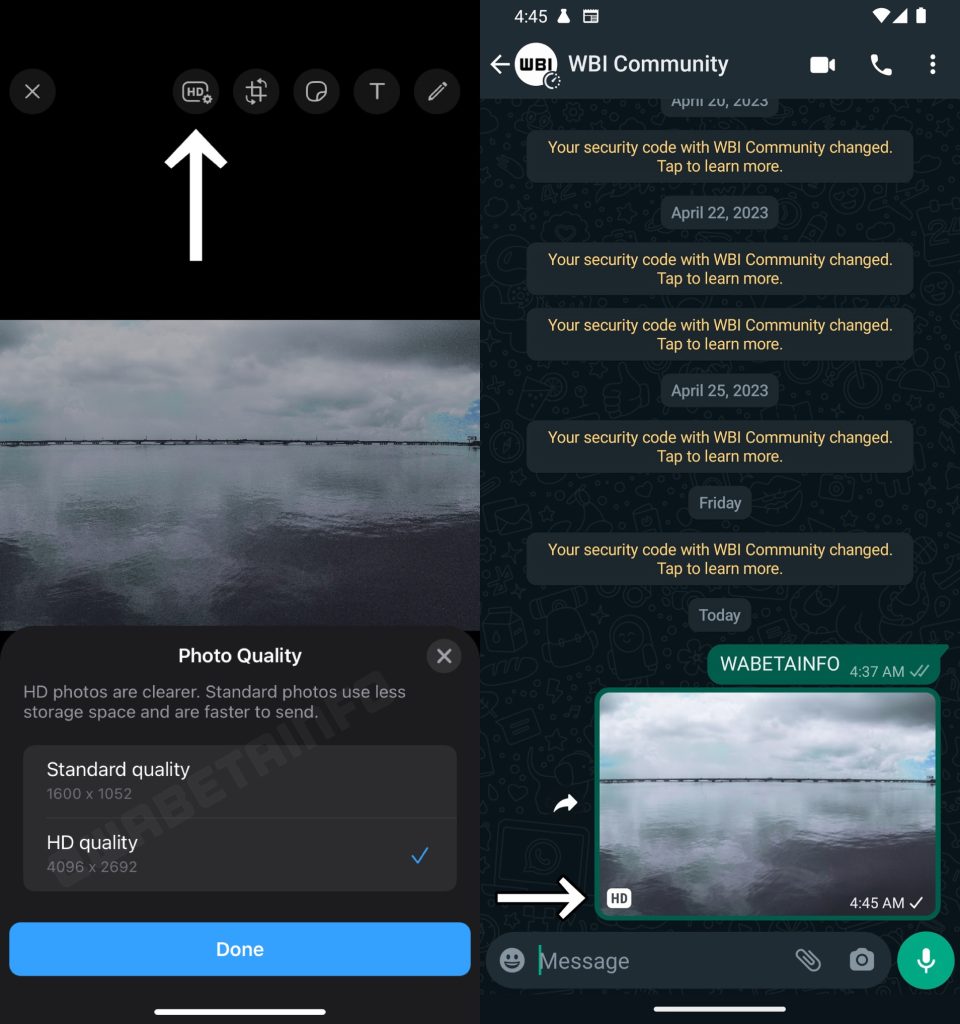
The High-resolution image is labelled with a tiny HD sticker for the recipient’s information
The recent WhatsApp beta updates, iOS 23.11.0.76 and Android 2.23.12.13, include a new option for managing photo quality. Users can now choose to send photos in higher quality by selecting the “HD” option when sharing images. It’s important to note that while the photo’s dimensions are preserved, light compression is still applied to the image. This ensures efficient transmission while maintaining a noticeable improvement in visual quality.
The high-quality photo-sharing feature is activated when users select a larger-sized photo for sending. The option to choose higher quality appears only for such photos, and the default setting remains “Standard quality.” Consequently, users must manually select the HD option each time they wish to share a photo with improved quality. When a photo is sent using the “high quality” option, it is marked as such, with a special tag added to the message bubble. This makes it easier for recipients to identify photos sent with enhanced quality.
While this feature is currently limited to images shared within conversations, it does not extend to video sharing or status updates. Sending videos in higher quality still requires sending them as documents. However, WhatsApp is actively working on improving media sharing capabilities, and it is expected that future updates will address these limitations.
With the latest beta versions of WhatsApp for iOS and Android, beta testers can finally enjoy a feature that should’ve been on the application way earlier, but all’s well that ends well. As the rollout progresses, more users will benefit from the ability to share HD photos, providing a more visually engaging communication platform. The new Beta update has also introduced a redesigned emoji keyboard amongst other features. Users should keep an eye out for future updates as WhatsApp continues to refine and expand its media-sharing capabilities.
Google‘s Android 14 Beta 3 is here, highlighting Android’s development cycle with another major release. This update lays emphasis on privacy, security, performance, developer productivity, and user customization. This release enhances the experience on tablets and foldables while reaching Platform Stability.
The Beta 3 Update focuses on Android 14 App Developers & Privacy Fanatics
In Beta 3, developer APIs and app-facing behaviours are final, enabling seamless integration. The Android team has shown appreciation for the valuable feedback that contributed to this milestone. Exciting features in Android 14 Beta 3 include non-linear font scaling, partial access to photos and videos for improved privacy, animation support in gesture navigation, and alignment with OpenJDK 17 LTS. Also, with Platform Stability, developers can confidently develop and release compatibility updates. Thanks to final compatibility testing, a smooth app experience should ensue for the upcoming Android 14 release.
Early testing is crucial for SDKs, libraries, tools, and game engines to prevent compatibility issues. It is quite important to notify developers promptly after releasing compatible updates for that specific application. Testing on Android 14 Beta 3 involves installing the app and reviewing flows for issues. Changes affecting apps include non-linear font scaling and partial media access across different applications.
Android 14 prioritizes privacy by displaying an app’s data-sharing practices in the runtime permission dialog. Users can update their location data-sharing policies accordingly. They can also resolve library and SDK issues by updating to the latest versions and seeking developer support. After publishing a compatible app version, they have to update targetSdkVersion. Foreground service types and OpenJDK 17 updates specifically require attention. App developers can then test on partner devices or use 64-bit Android Emulator system images for Pixel devices. For easier access, they can also enroll in the Android 14 Beta program for over-the-air updates.
Android 14 Beta 3 definitely introduces some exciting features, but only time will tell if the update is free from bugs and inconveniences of any sort. In the meanwhile, Beta users can make the best use of limited-duration features bundled with the update.
GearBerry is the ultimate solution for savvy do-it-yourself enthusiasts seeking to maximize their savings and efficiency while procuring a wide range of industrial equipment, power tools, safety supplies, and more for all their home repair, upgrade, design, and arts and crafts needs. With a special emphasis on supporting individuals interested in the world of 3D printers and laser engravers, GearBerry is a brand driven by a genuine passion for DIY projects and a deep admiration for superior-quality power tools.
GearBerry meticulously handpicks its product assortment, guaranteeing that only the finest tools make the cut. By establishing direct partnerships with manufacturers, the company ensures the utmost quality of its offerings. Moreover, GearBerry maintains a vigilant eye on customer feedback, continuously striving to fulfill the evolving requirements of its valued clientele.
GearBerry presents customers with an impressive lineup of renowned industry giants like Anycubic, Ortur, and Xtool, all at highly competitive prices. Furthermore, the company goes the extra mile by delivering exceptional post-sale services, prioritizing customer satisfaction, and ensuring that every purchase meets and exceeds expectations.
DEAL:
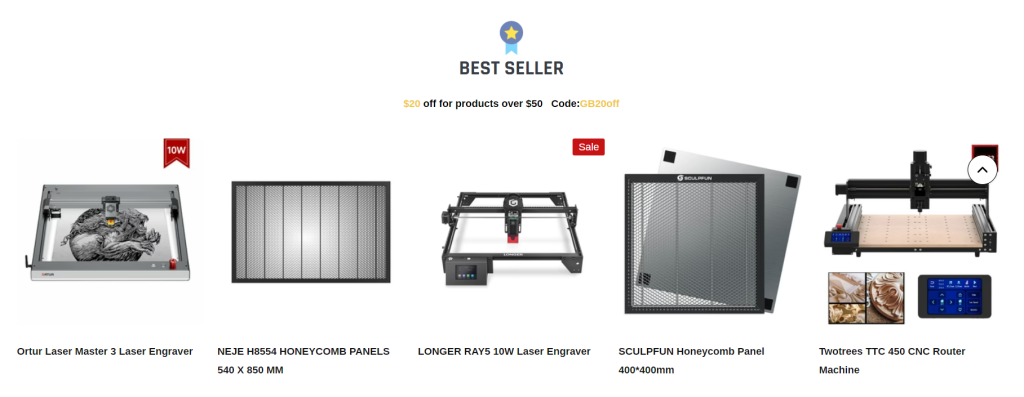
GearBerry is currently offering substantial discounts on its top laser engravers and cutters for a limited time. By using the coupon code “GB20off,” customers can take advantage of these discounts. It’s important to note that the coupon is valid for any order above $50 on the gearberry.com website. The products are conveniently shipped from warehouses in the United States and the European Union, ensuring free shipping and no additional tax fees.
So let’s explore some of the fantastic deals available on 3D printers, lasers, and cutters.
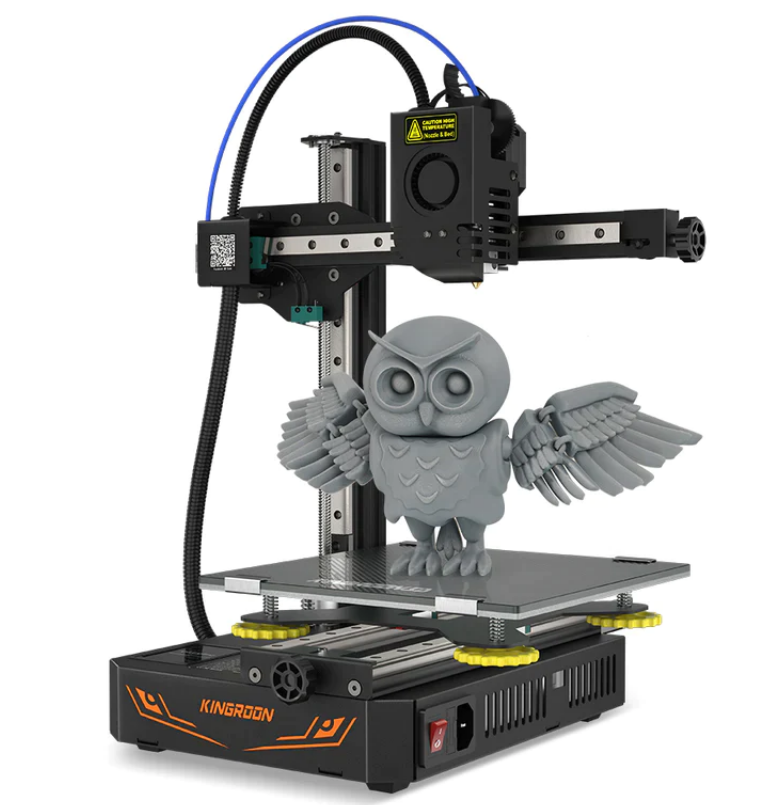
The Kingroon KP3S Pro S1 3D Printer offers a wide range of printing possibilities with its Titan direct drive extruder featuring a 3:1 gear ratio. This advanced extruder allows for the use of various 3D printing materials, including popular options like PLA, as well as flexible materials such as TPU and PETG.
With dimensions of 200 x 200 x 200mm, the KP3S Pro S1 provides a larger printing area, enhancing its capability for daily 3D printing tasks. This increased print volume opens up opportunities for large-scale projects. The printer’s sturdy construction ensures stability and reliable operation, resulting in consistently high-quality prints with fine detail and precision.
The Kingroon KP3S Pro S1 features a cantilever-style design and is equipped with linear guide rails on all three axes. This unique configuration enhances the printer’s stability and accuracy, ultimately leading to superior printing quality. The device utilizes TMC2225 stepper drivers, guaranteeing a quiet operation of all motors. This feature makes it an ideal option for individuals who prioritize a peaceful printing experience.
The Kingroon KP3S Pro S1 is equipped with a built-in switching power supply, which offers enhanced safety and convenience compared to 3D printers that rely on independent switching power supplies. This integrated feature ensures that the printer operates safely and conveniently without the need for additional external power sources or cables.
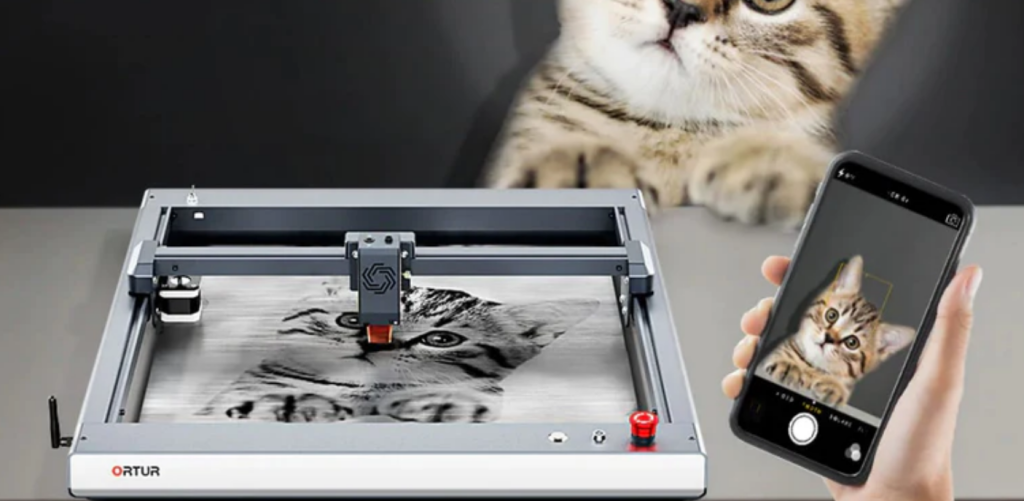
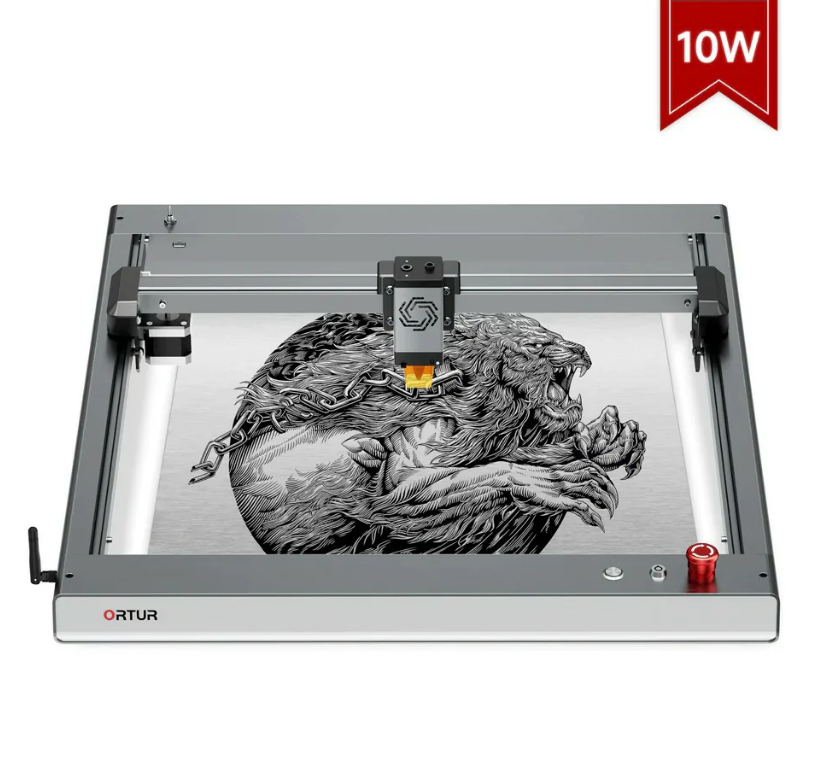
ORTUR’s latest laser engraver boasts an actual 10W optical power and utilizes the latest laser coupling technology to enable the cutting of a 10mm pine board with one pass and even 30mm thick black acrylics. The new laser features a focusing spot area that is only 1/3 of previous common lasers, and it is lightweight at only 235g while including integrated air assist, dual fans, and a foldable focal gauge. The machine can perform precision engraving and high-energy cutting at an impressive speed of 20000mm/min, making it faster than similar models and ideal for streamlined and productive endeavors.
The ORTUR Laser Master 3 is equipped with Web UI and is highly compatible with popular engraving software such as LaserGRBL and LightBurn. It supports a wide range of systems, including Windows XP/7/8/10 and Mac (LightBurn), and can handle various engraving file formats, including NC, BMP, JPG, PNG, DXF, and more.
The panoramic filter shield of the laser engraving machine can effectively filter out 97% of harmful UV rays, providing enhanced protection for your eyes. This eliminates the need for you and your colleagues to wear goggles while observing the engraving process, thereby saving on goggles costs and reducing the hassle of wearing them. Moreover, the machine also includes an air-assist nozzle that helps clear smoke and debris while engraving, ensuring a precise and clean output.
The CNC engraving machine offered is a sophisticated and well-rounded tool that delivers balanced performance. While it requires a slightly higher level of expertise to operate effectively, it is particularly well-suited for enthusiasts or small shop owners who possess a solid foundation in CNC machining. This advanced engraving machine offers a reliable and versatile solution for those seeking precision and quality in their engraving projects.
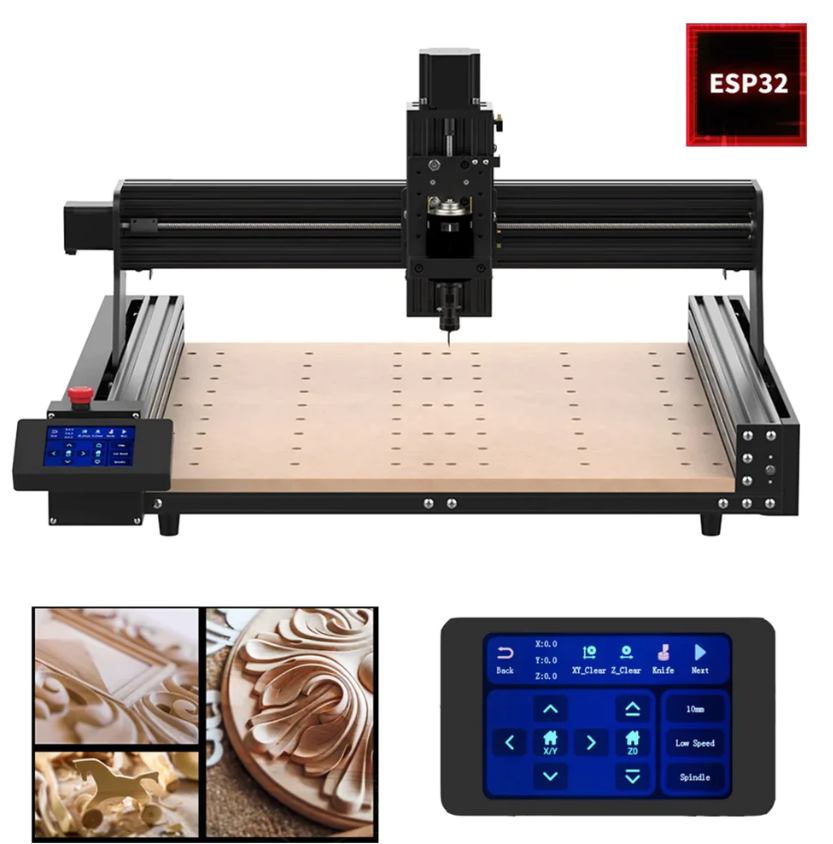
The TTC 450 CNC machine is a versatile tool capable of creating both 2D and 3D pieces, making it an excellent choice for individuals interested in cutting or carving works. Whether you’re pursuing it as a hobby or aiming to sell designs such as name plates or signs made from various materials like plastic, acrylic sheets, or industrial plastic, the TTC 450 can accommodate your needs.
The Twotrees CNC router machine boasts a spacious working area of 460x460x80, allowing for ample space to bring your creative ideas to life. With a drive system powered by a 32-bit main board, this machine offers smooth and precise operation for intricate engraving projects. The translation screws drive with a double Y-axis system further enhances the machine’s accuracy and stability.
Equipped with a powerful 120W, 24V, 5A power supply, it ensures reliable performance throughout your engraving tasks. Compatible with popular CAM software such as Candle, Carveco, Artcam, and Easel, this CNC engraving machine provides flexibility in choosing the software that suits your workflow best. Whether you’re an enthusiast or a small shop owner, this machine’s impressive features make it an excellent choice for achieving high-quality and detailed engravings.
For more information on such exciting deals and offers, check out our deals hub.
Amidst high-performance chips being announced every year, exciting news has surfaced in the tech world as @NonxCirno revealed the AnTuTu v10 test scores of QualcommSnapdragon 8 Gen3 chipset. The chip reached an impressive high score of 1771106. Although this early-stage development score is for reference purposes only and may not represent the performance of mass-produced devices, it offers a glimpse into the potential of Qualcomm’s forthcoming flagship chip. With comparisons to its predecessors and other industry giants like Apple, the Snapdragon 8 Gen3 seems hell-bent on revolutionizing the mobile processing sector.
The Snapdragon 8 Gen 3 will be launched in October this year
According to @数码闲话站, the Geekbench 5 scores for the Qualcomm SM8650 engineering machine are equally impressive. It achieved a single-core score of 1700 points and a multi-core score of 6600 points, while Geekbench 6 showcased even higher numbers with a single-core score of 2200 points and a multi-core score of 7000 points. These preliminary results indicate the chip’s undeniable strength, even in its early stages.
In the field of mobile processing, Apple’s A16 chip stands as a strong competitor. While the Snapdragon 8 Gen3 falls slightly short of the A16’s Geekbench 6 scores with a single-core score of 2500 points and a multi-core score of 6200 points, Qualcomm’s offering remains highly competitive. Expectedly, the Snapdragon 8 Gen3 outshined its predecessor, the Snapdragon 8 Gen2, with a Geekbench 6 single-core score of 2000 points and a multi-core score of 5500 points.
Excitement continues to mount as Qualcomm’s Snapdragon Technology Summit approaches on October 24. The eagerly anticipated Snapdragon 8 Gen3 is expected to make its debut during the event. According to reports, the chip will be built on TSMC‘s N4P process and feature a 1+5+2 three-cluster design. The processor will include an impressive 10MB L3 cache, 1 Cortex X4 super core, 5 Cortex A720 large cores, 2 Cortex A520 small cores, and the powerful Adreno 750 GPU.
The Snapdragon 8 Gen3 chip is already generating buzz within the industry, with leading brands like Xiaomi, vivo, iQOO, Redmi, OnePlus, and Realme planning to incorporate it into their upcoming flagship devices. The Xiaomi 14 series, vivo X100 series, iQOO 12 series, Redmi K70 series, OnePlus 12, and Realme GT5 are among the first batch of phones set to debut with the Snapdragon 8 Gen3 chip in November.
Qualcomm’s new flagship chip promises significant advancements in mobile processing power, as evidenced by its impressive benchmark scores and notable design features. With leading smartphone manufacturers already on board, it won’t be long before consumers can experience the enhanced performance and capabilities of Snapdragon 8 Gen3-powered devices, marking yet another new era in mobile computing.
The console wars are heating up, with Xbox, PlayStation, and Nintendo Switch all vying for gamers’ attention. Sony is currently in the lead with its PS5, but Microsoft is trying to close the gap. One way Microsoft is doing this is by offering a wide range of accessories for its Series S and X consoles. One of the latest accessories to hit the market is a memory card from Western Digital. The card starts at $80 and offers up to 1TB of storage space. Here are the details…
Western Digital introduces Xbox memory cards starting at $80
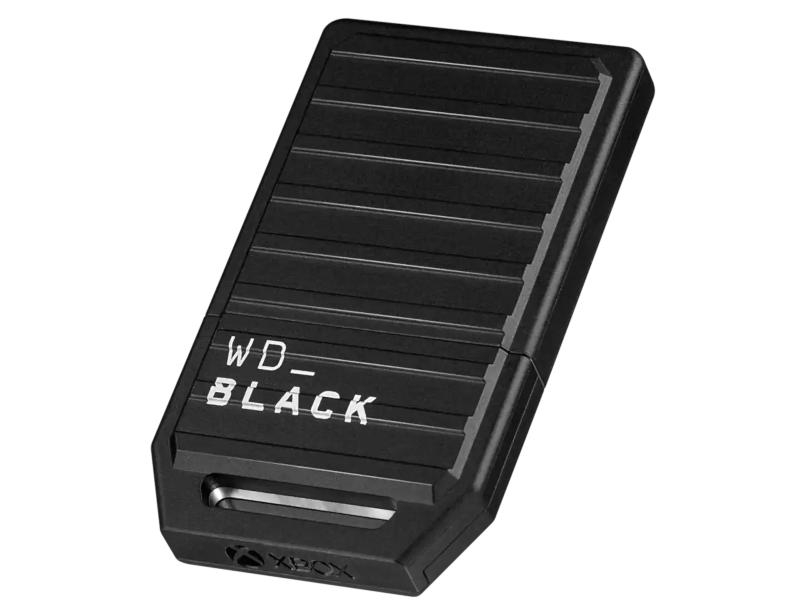
In 2020, Microsoft introduced the Xbox Series S and X. These consoles have many new features, and one of them is memory cards. The best part about memory cards is that they are not exclusive to Microsoft. Any manufacturer can develop their own products that are compatible with Xbox models. Western Digital recently entered the Xbox expansion memory card market. They announced two new models that are compatible with the Xbox Series X and Xbox Series S consoles. The 512GB model will be sold for $79.99, while the 1TB model will cost $149.99.
The new Western Digital cards are similar in design to Seagate’s existing expansion cards, but they offer a more affordable price point. Seagate’s 512GB card currently retails for $89.99, while its 1TB model costs $159.99. Western Digital’s new cards use the same NVMe PCIe Gen 4 technology as Seagate’s cards, which means they offer the same level of performance. The cards can reach read speeds of up to 2,400MB/s and write speeds of up to 2,200MB/s.
The new Western Digital cards are available for purchase now from the company’s website and from select retailers. The fact that Western Digital’s cards are more affordable than others is a big win for consumers. However, it is important to note that the prices of both companies’ cards are still relatively high. SSDs for PCIe 4.0 can now be found for under $100 for the same 1TB capacity.
The Barnes & Noble NOOK GlowLight 4 Plus e-reader has appeared on the brand’s official retail platform. Although B&N is yet to formally unveil the e-reader, its key specs are no longer secret. The Nook GlowLight 4 Plus features a 7.8-inch flush front E Ink screen and 32GB storage.
The GlowLight 4 Plus supports audiobooks via the device’s headphone jack and Bluetooth audio. The e-reader also has a 300ppi monochrome display and a temperature-adjustable front light called GlowLight + Night Mode on Nook devices. It also has a touchscreen display and buttons for page navigation (up or down).
The listing also shows that the Nook GlowLight 4 Plus e-reader has a water-resistant design for enhanced durability. It is however not clear whether it comes with a USB-C port or a MicroUSB port. The first-generation GlowLight Plus was released in 2019. It had a 7.8-inch, 300ppi display, and IPX7 water-resistant rating. It also had a 3.5mm headphone jack and Bluetooth audio support, as with the new model. The refurbished model, as seen from its specs sheet, retained much of the features of the original model.
Barnes & Noble NOOK GlowLight 4 e-reader
The new Nook GlowLight 4 Plus e-reader is priced at $199.99. On the other hand, the GlowLight 4 retails for $149.99. The new GlowLight 4 Plus is however listed in the retail platform as “Coming Soon”. The listing of the Nook GlowLight 4 Plus in one of B&N’s stores could imply its official launch may be imminent.
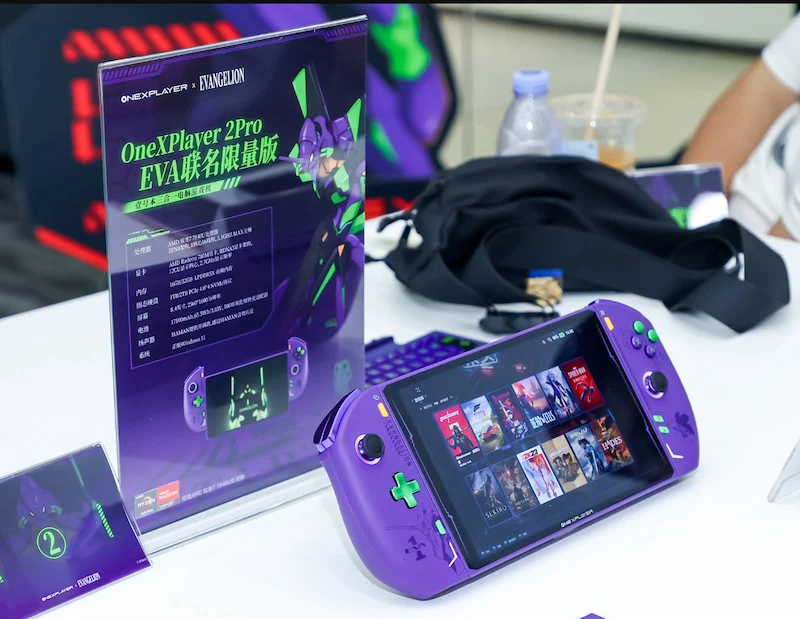
One-netbook has revealed its first-ever gaming handheld to be powered by the AMD Ryzen 7 7840U APU. The ONEXPLAYER 2 Pro with AMD Ryzen 7 7840U processor is the third version in the lineup. The company had earlier released the Ryzen 7 6800U and Intel Core i7-1370P versions of the ONEXPLAYER 2.
The AMD Ryzen 7 7840U features Zen 4 cores and the Radeon 780M graphics with the RDNA architecture. The combination of the processor and graphics of the ONEXPLAYER has seen a sequential improvement in the models. The new AMD Ryzen 7-powered ONEXPLAYER 2 Pro will offer a more powerful GPU with the integration of the Radeon 780M GPU. Design-wise, the ONEXPLAYER 2 Pro retains the same design as the original version and comes with detachable controllers.
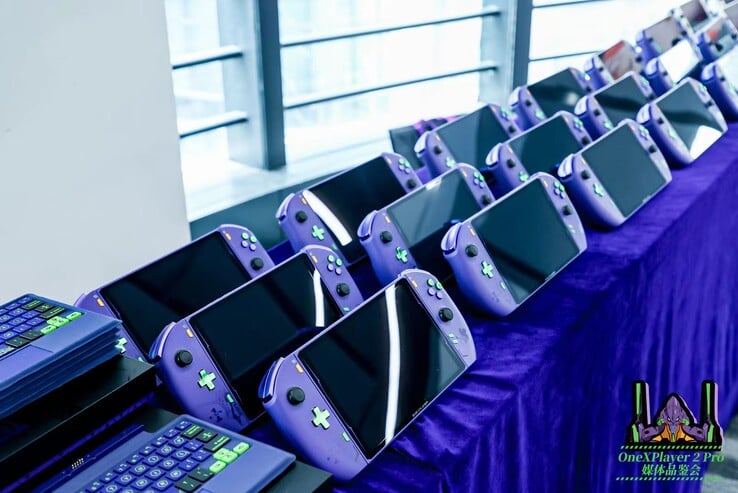
One-netbook showcased the new gaming handheld attired in a Neon Genesis Evangelion outlook. It is dubbed the ONEXPLAYER 2 Pro EVA and follows in the footsteps of the Mini Pro Gundam special edition model. This will be probably a limited-edition model and a general release of the model could follow later. If a general release of the model is delivered, it will follow a similar trajectory as the ONEXPLAYER Mini Pro.
The AMD Ryzen 7 7840U has 8 cores and 5.1GHz boost clocks. The Radeon 780M is a 12 compute unit (CU) iGPU with greater performance than the Radeon 680M. The Radeon 780M is also more power-efficient than its predecessor, the Radeon 680M. The Ryzen 7 7840U is one of the most powerful APUs in the gaming handheld market. It is the processor of choice with brands like ASUS ROG and AYA NEO featuring the APU. There is no pricing information yet for the new ONEXPLAYER 2 Pro EVA.
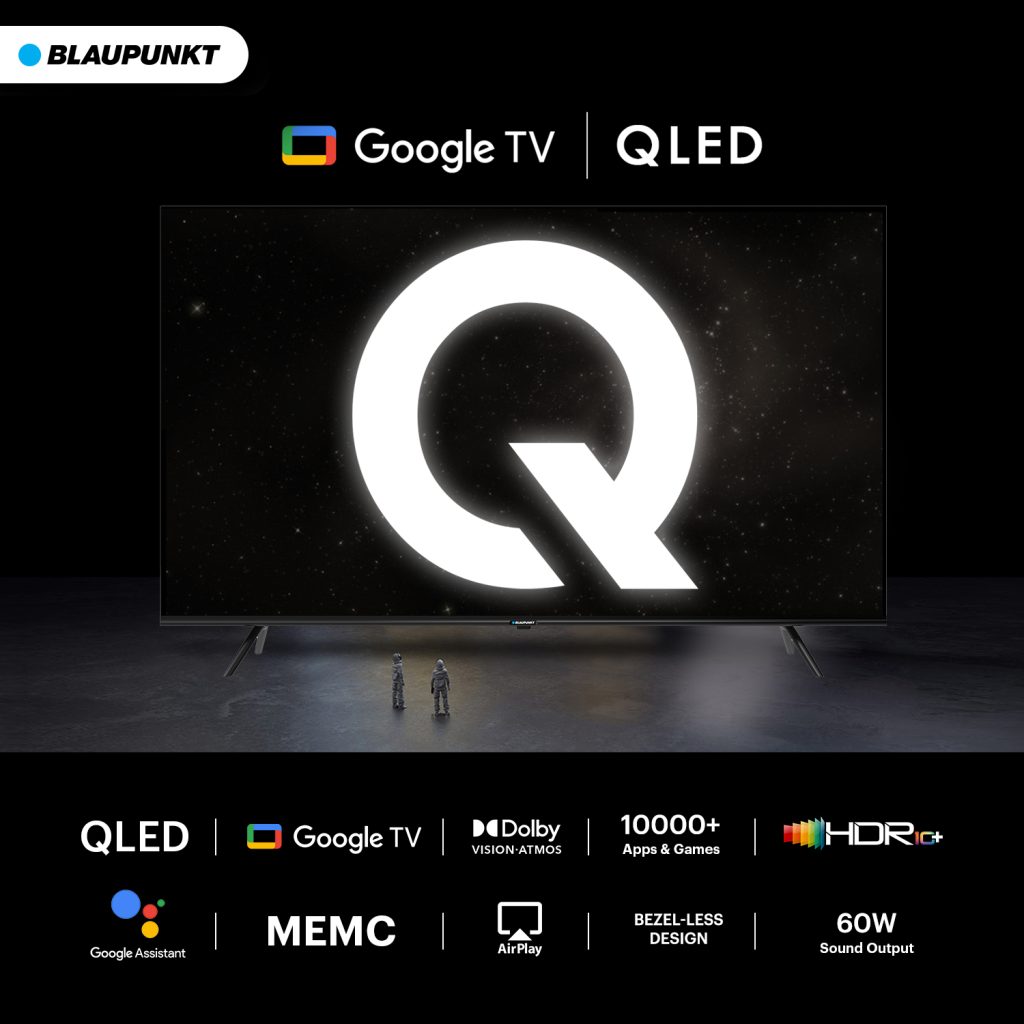
Blaupunkt has recently announced an exciting lineup of LED smart TVs in India. Building upon the success of the Blaupunkt Sigma Android TV, the company has partnered with Flipkart to introduce several new models during Flipkart’s Big Saving Days Sale. This diverse range includes LED TVs of various sizes, from the compact 32-inch HD variant to the flagship 75-inch QLED TV, catering to the needs of different consumers.
Blaupunkt CyberSound G2 series Features
The 32-inch, 40-inch, and 43-inch LED TV models run on the latest Android TV 11 operating system, offering a seamless user experience and access to a wide range of applications. With advanced speaker technology and 48W Box Speakers, these models deliver impressive audio quality. Additionally, the built-in Netflix feature ensures easy access to a vast library of entertainment content.
For those seeking larger displays and enhanced features, Blaupunkt offers the 50-inch and 65-inch 4K Google TV models. Powered by the robust MT9062 processors and equipped with 2GB RAM and 16GB storage. The models with 4K resolutions also feature HDR 10+ support.
Flagship 75-inch QLED TV
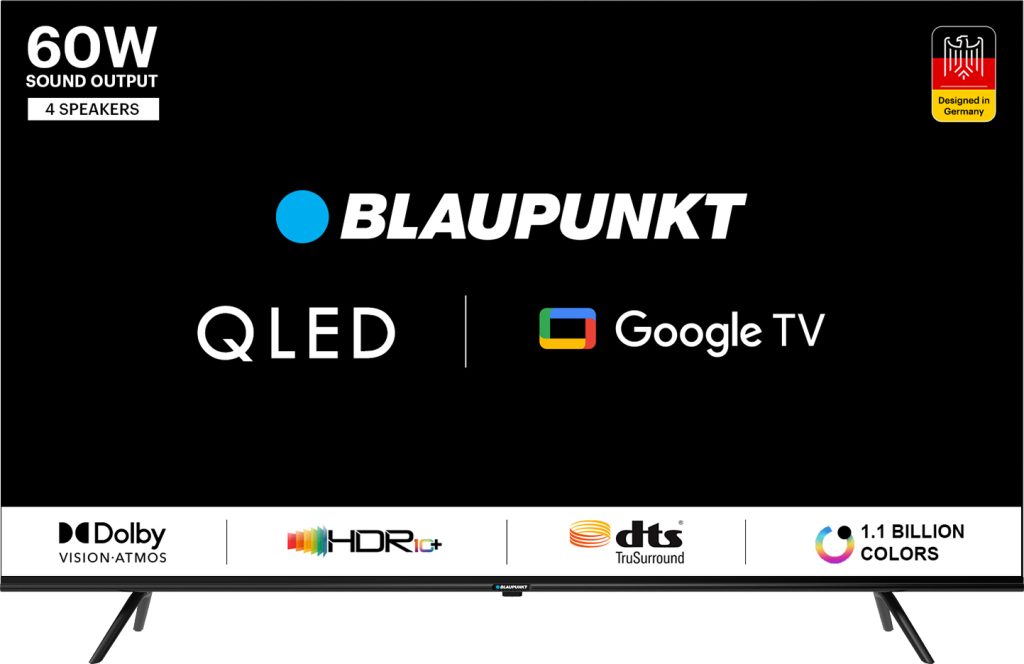
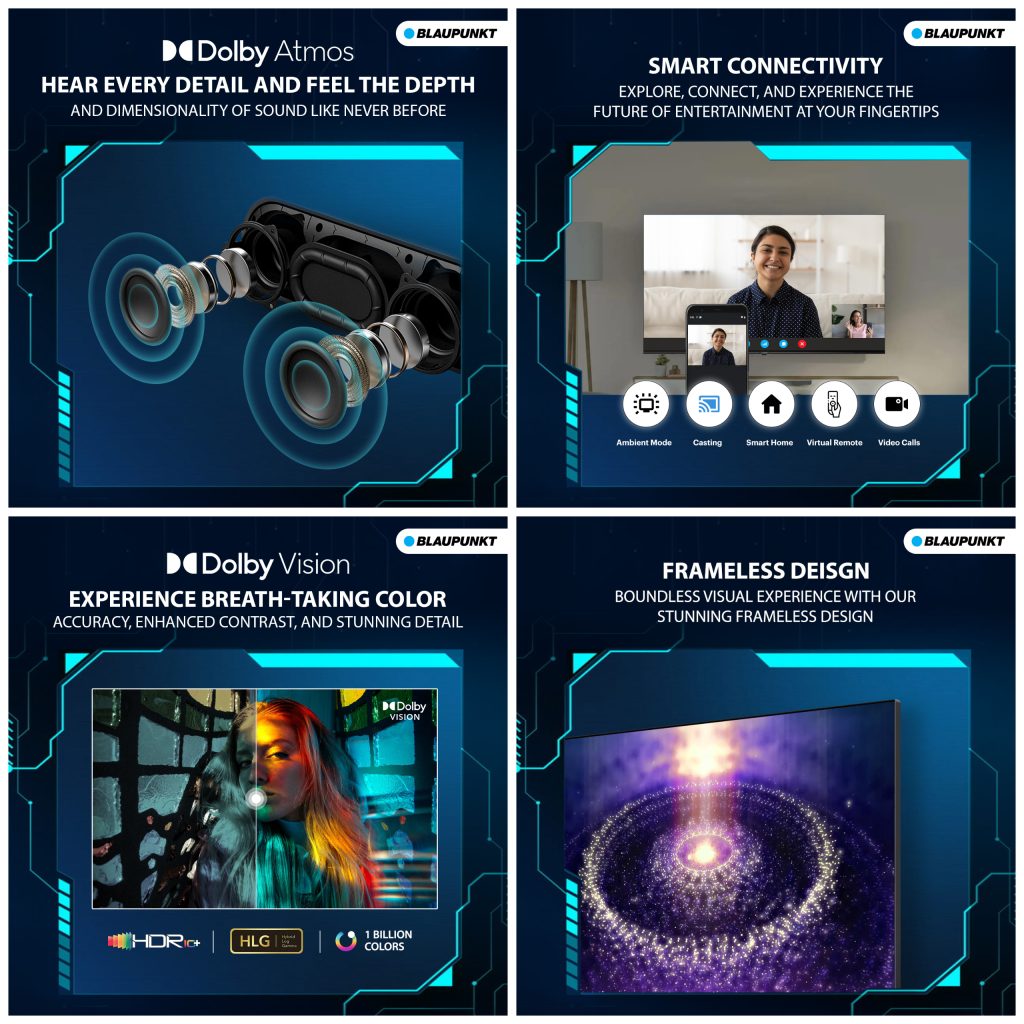
At the forefront of Blaupunkt’s new TV range stands the flagship 75-inch QLED TV. This model boasts an impressive 4K display with a resolution of 3840 x 2160 pixels, offering breathtaking visuals with up to 600 nits brightness. The flagship TV also features support for Dolby Vision and Atmos.
The 75-inch QLED TV is powered by Google TV and features a 60-watt Dolby stereo box speaker system, delivering rich and immersive audio. The MEMC support further enhances the visual quality by reducing motion blur and ensuring smooth playback of fast-paced action scenes and sports events.
Connectivity
All Blaupunkt LED TVs come equipped with built-in Wi-Fi, enabling seamless connectivity and access to online content. The TVs feature multiple HDMI and USB ports, allowing users to connect various devices such as gaming consoles, Blu-ray players, and soundbars.
Google Assistant support adds a touch of convenience, allowing users to control their TV through voice commands. Additionally, the DTS TruSound technology enhances the audio experience by delivering clear and powerful sound.
Blaupunkt CyberSound G2 series Pricing & Availability
Here’s a summary of the pricing and availability information:
Blaupunkt 32CSG7111: 32-inch HD LED TV priced at Rs. 10,888 ($131)
Blaupunkt 40CSG7112: 40-inch FHD LED TV priced at Rs. 16,499 ($199)
Blaupunkt 43CSG7105: 43-inch FHD LED TV priced at Rs. 18,499 ($224)
Blaupunkt 50CSGT7022: 50-inch 4K LED TV priced at Rs. 28,999 ($350)
Blaupunkt 65CSGT7024: 65-inch 4K LED TV priced at Rs. 44,444 ($538)
Blaupunkt 75QD7040: 75-inch 4K QLED TV priced at Rs. 99,999 ($1,210)
These models will be available for purchase during Flipkart’s Big Saving Days Sale, with early access starting on June 9th and ending on June 14th, 2023.
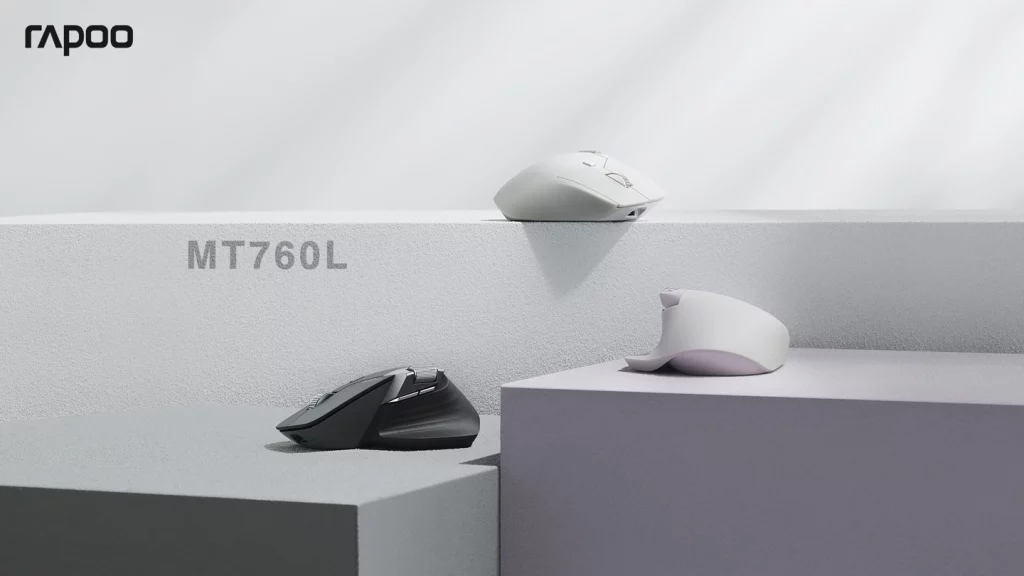
Rapoo has unveiled its latest offering – the MT760L multi-mode wireless mouse. Boasting a sleek and ergonomic design, this mouse combines style with functionality to meet the needs of tech enthusiasts and professionals alike.
Rapoo MT760L wireless mouse features:
The MT760L features a segmented design with subtle cut lines, providing a modern aesthetic. Its left side is slightly elevated, ensuring a comfortable grip during prolonged use. The standout feature of this mouse is its aluminum alloy Hall magnetic induction scroll wheel, which guarantees precise and smooth scrolling control. This not only enhances user experience but also extends the lifespan of the mouse.
In terms of hardware, the MT760L is equipped with a high-performance engine and offers preset DPI settings of 600/1200/1600/3200. It has a built-in 800mAh lithium battery and features Rapoo’s low-power consumption chip and energy-saving technology, allowing for wireless continuous usage of up to 105 hours. It also includes a USB-C charging port and can be fully charged in 3 hours.
In terms of connectivity, the MT760L supports three connection modes: Bluetooth 5.0, Bluetooth 3.0, and 2.4G wireless. It offers low power consumption, low latency, and high efficiency, allowing for quick switching between up to four devices such as smartphones, tablets, computers, and laptops.
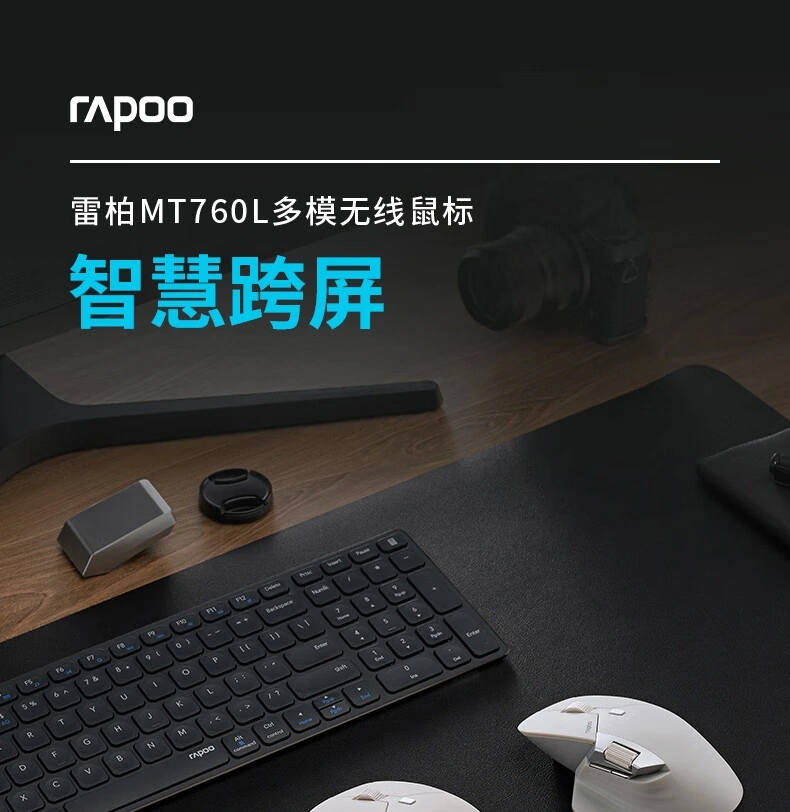
Furthermore, in the 2.4G connection mode, the MT760L can be used in M+ driver LAN mode or offline mode. When the mouse is moved out of the current screen, it can directly operate on another computer, enabling multi-host cross-screen functionality. This allows for seamless usage and control of multiple computers, providing a strong cross-screen operation linkage.
The mouse is priced at 249 yuan ($35) and is now up for sale in China. A few days back, the company also introduced a gaming mouse called Rapoo VT950 Pro with an OLED display.
The upcoming MediaTek Dimensity 9300 is turning out to be a mobile chipset to watch out for. The chip is claimed to outmatch both the Snapdragon 8 Gen 3 and Apple A17 Bionic with its four X4 super-large cores based on the Armv9 architecture. However, a popular tipster claims that MediaTek has tentatively set the frequency of the cores to 3Ghz and is waiting for the landing frequency of Qualcomm’s Snapdragon 8 Gen 3 to make the final adjustments.
Dimensity 9300 could be a hit
The Dimensity 9300 is a high-end chipset that is expected to be released in the second half of 2023. It should have a 4+4+1 octa-core CPU architecture, with four X4 super-large cores based on the Armv9 architecture and clocked at a minimum of 3.0GHz. The four A720 large cores are also based on the Armv9 architecture, clocked at 2.0GHz. This frequency is not final and MediaTek is looking forward to Snapdragon 8 Gen 3’s landing frequency before making it final, claims Digital Chat Station on Weibo.
Qualcomm has announced that it will hold the 2023 Snapdragon Summit from October 24 to 26 and that’s where we can expect the new Snapdragon 8 Gen 3 chip to be released. The chipset may have a higher clock speed than the Dimensity 9300. So, by adjusting the clock speed of the Dimensity 9300’s CPU cores, MediaTek can ensure it offers comparable performance to Qualcomm’s upcoming flagship chip.
Reports suggest the chip will be built on TSMC’s N4P process, which is a 4 nm process node offering a performance increase and notable power efficiency improvements over the N5 and N4 processes. The MediaTek Dimensity 9300 is also confirmed to feature the Immortalis-G720 GPU.
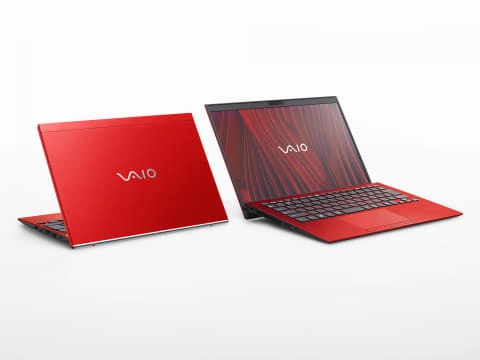
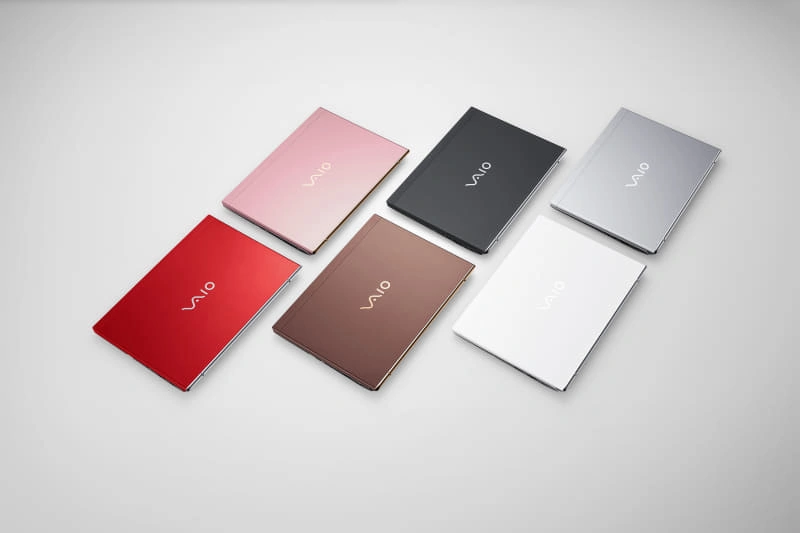
VAIO has unveiled the SX12 and SX14 lightweight notebooks in Japan. The VAIO SX12 comes with a 12.5-inch screen while the SX14 has a 14-inch display. Both new VAIO notebooks are equipped with the 13th generation Core U and Core P series processors. The models also have optional i3-1315U to i7-1360P processors.
The VAIO SX12 and SX14 memory options range between 8GB and 32GB, with up to 1TB storage configuration. The screen of the new VAIO notebooks is available in 1080p to 4K screen resolutions. The interfaces available in the notebooks include USB 3.0, Thunderbolt 4, HDMI, Gigabit Ethernet, and a nano SIM compartment. The smaller model weighs 929g while the SX14 weighs 1.08kg.
VAIO SX12 notebook
The VAIO SX series notebooks in Japan are priced from ¥199,800 (~$). VAIO has not provided any global availability information yet for the new SX12 and SX14 notebooks. The accompanying images of the laptop indicate they are available in at least a red colorway.
The full specs of the two new VAIO notebooks are lacking at this time. Important performance parameters like the display refresh rate, maximum brightness, processor architecture, and software for the notebooks are also lacking.
We use cookies on our website to give you the most relevant experience by remembering your preferences and repeat visits. By clicking “Accept”, you consent to the use of ALL the cookies.
This website uses cookies to improve your experience while you navigate through the website. Out of these, the cookies that are categorized as necessary are stored on your browser as they are essential for the working of basic functionalities of the website. We also use third-party cookies that help us analyze and understand how you use this website. These cookies will be stored in your browser only with your consent. You also have the option to opt-out of these cookies. But opting out of some of these cookies may affect your browsing experience.
Necessary cookies are absolutely essential for the website to function properly. This category only includes cookies that ensures basic functionalities and security features of the website. These cookies do not store any personal information.
Any cookies that may not be particularly necessary for the website to function and is used specifically to collect user personal data via analytics, ads, other embedded contents are termed as non-necessary cookies. It is mandatory to procure user consent prior to running these cookies on your website.