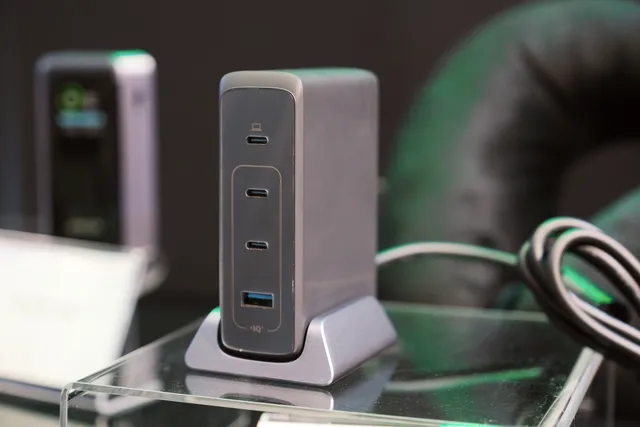
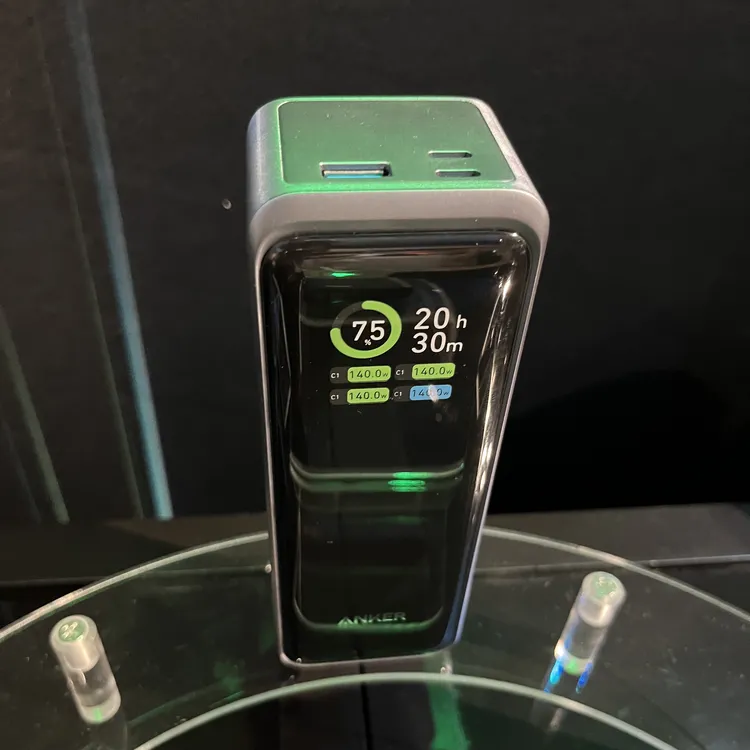
Anker is preparing to unveil a slew of gallium nitride (GaN) chargers next month. The lineup includes the 240W Prime USB-C charger. The new charger is capable of simultaneously fast-charging two MacBook Pro laptops.
Anker’s Product Reveal Event on June 14 in New York showcased several versatile chargers that are compatible with several products. The chargers are dubbed GaN Prime and come with Anker’s latest fast-charging technology. Much of the chargers will be released under the Anker Prime moniker. Anker’s senior PR manager Mary Woodbury introduced the product at the event. Woodbury stated that with USB-C 2.1 standard, Anker has safely built a charger capable of 240W of power.
The new Anker Prime 240W desktop charger will be released in July 2023. It supports a maximum output of 140W per device. This is similar to models released by Hyper and Ugreen. It can potentially charge two Apple MacBook laptops at 140W and 96W. There is a third USB-C port on the desktop charger and one USB-A port. The Anker 240W desktop charger has a stand to hold it vertically on the desk.
Anker has not yet released pricing and full availability details for the 240W desktop charger, as with the other models on the lineup. The device will be a great accessory for a wide array of products including gaming laptops.
Anker continues to up its delivery of mobile power and fast-charging solutions. The Anker PowerCore 24,000mAh power bank was the first Anker product that supported 140W charging. Anker is also offering a refreshed edition of the PowerCore with a 250W output and 27,650mAh capacity. The upgraded power bank has pins on the bottom that can attach to an optional 100W charging dock. This provides regular charging for the power bank and juice for your devices when needed.
The Gazelle Espirit C7 HMS electric bike has been launched in the UK and EU. The Espirit C7 HMS features three assistance modes and a top range of 120km on a full charge. The bike has a removable battery pack and its motor delivers a torque of 40Nm. In terms of its frame, the bike features an aluminum step-over or step-through frame.
The Espirit C7 HMS has a mid-mounted Shimano E5000 motor which weighs 2.5kg and delivers a top speed of 25km/h. The three assistance modes in the e-bike are Eco, Standard, and High. The bike is also equipped with a 7-speed Shimano Nexus gear system. The Espirit C7 HMS has a 418Wh lithium-ion battery. The battery is removable but can be safely locked in place to prevent theft. The e-bike’s instrumentation panel is a Shimano SC-E5000 bike computer. It displays the battery status and current speed of the bike.
The Gazelle Esprit C7 has built-in buttons to alternate between the three power modes. It has a front fork that combines with Schwalbe Fat Frank tires and Shimano hydraulic brakes for a safe and comfortable ride. The bike features the MIK HD system for carrying luggage in different ways. You can attach an appropriate compartment for carrying luggage on the bike. The Espirit C7 HMS also has an integrated LED headlight and rear light for enhanced visibility at night.
The Espirit C7 HMS e-bike will be available in five sizes and two color options namely green and gray. The bike can be purchased for €2,399 (~$2,614) in the EU and £2,149 (~$2,731) in the UK. There are no details on the availability of the Gazelle Espirit C7 HMS in other markets at this time.
Artificial intelligence is becoming increasingly popular, and many companies are looking to integrate it into their products and services. However, creating and maintaining an AI model can be expensive and time-consuming. That’s why you have to choice, you either need to strike a deal like Microsoft did with OpenAI, or spend a fortune to create your own AI model. ByteDance, the parent company of TikTok, has decided to choose second option. The company has ordered more than $1 billion worth of GPUs from Nvidia. Here are the details…
The Battle for the AI Entry Ticket: ByteDance Secures Critical Infrastructure and Challenges the Status Quo
ByteDance has placed an order of over $1 billion for GPUs from Nvidia this year. This purchase aims to secure critical infrastructure for cloud service and AI, highlighting a rapidly growing trend in the technology industry. This order alone is nearing the total number of commercial GPUs sold by Nvidia in China last year, suggesting a rapid surge in the demand for powerful computing hardware.
As AI algorithms become more sophisticated, they require more computing power to train and run. GPUs are well-suited for this task because they can perform parallel processing, which allows them to handle multiple tasks simultaneously.
The increasing demand for GPUs is also being driven by the growing popularity of cloud computing. Cloud computing platforms offer businesses and individuals access to powerful computing resources on demand. This makes it possible for businesses to develop and deploy AI applications without having to invest in their own hardware.
As AI becomes more widespread, businesses will need to invest in powerful computing resources to support their AI initiatives. This will create a significant market opportunity for GPU manufacturers and cloud computing providers.
Meta Platforms recently unveiled a groundbreaking AI model called I-JEPA, designed to revolutionize image completion and analysis. Unlike existing models, I-JEPA utilizes comprehensive background knowledge to accurately fill in missing sections of images. By incorporating human-like reasoning, Meta’s AI scientists, led by renowned expert Yann LeCun, have successfully mitigated common errors encountered in AI-generated images, such as the presence of extra fingers.
Credit: Nick Barclay / The Verge
Meta’s Commitment to Open-Source Collaboration: Sharing Innovation for Industry Advancement
Meta has a strong track record of sharing AI research via its internal research lab. CEO Mark Zuckerberg believes in the value of opening their developed models to external researchers. This strategy not only drives innovation but also helps to identify potential safety concerns and reduce costs. He believes that standardizing these tools across the industry will enable Meta to benefit from advancements made by others.
Despite concerns raised by industry peers regarding the potential risks associated with AI technology, Meta’s executives have chosen not to endorse a statement equating these risks with pandemics and wars. Instead, they focus on building safety measures into AI systems, aligning with LeCun’s stance against “AI doomerism.”
In a move to bring AI closer to consumers, Meta is integrating generative AI features into its product suite. This includes advertising tools capable of creating image backgrounds, and an Instagram tool that can adjust user photos based on textual prompts, ushering in a new era of interactive, AI-enhanced social media.
Meta’s I-JEPA AI model represents a significant leap forward in image completion and analysis, driven by human-like reasoning and a commitment to open-source collaboration. With these advancements, Meta aims to enhance the quality and reliability of AI-generated images while pioneering new frontiers in the field of artificial intelligence.
XPeng, the famous Chinese electric vehicle manufacturer, announced the successful launch of its assisted-driving technology in Beijing. As a competitor to Tesla, XPeng’s stock demonstrated a rise in premarket trading, reflecting positive market sentiment surrounding the company’s latest development.
In a remarkable achievement, XPeng has become the pioneer in introducing an advanced driver-assistance system (ADAS) in Beijing. Following the approval for usage on major ring roads and expressways within the capital city, XPeng takes the lead in implementing this cutting-edge technology. This milestone positions XPeng at the forefront of automotive innovation and reinforces its commitment to revolutionizing the driving experience.
According to CNBC, XPeng’s advanced driver-assistance system (ADAS) has initially been deployed on the “ring-road” highways encircling Beijing’s city center and the “main high-speed roads.” However, it remains uncertain when the driver-assist technology will be available for use on all streets within the city. The limited coverage marks a significant step forward for XPeng in bringing ADAS capabilities to Beijing, while the expansion to broader street networks awaits further clarification.
XPeng has announced the availability of its City NGP (Navigation Guided Pilot) system, a technology comparable to Tesla’s Full Self-Driving (FSD) feature, in Shanghai, Shenzhen, and Guangzhou. The company has further revealed its intention to expand the feature to “dozens of cities” later this year. With this development, XPeng solidifies its position as a key player in the autonomous driving sector, aiming to bring advanced driver assistance capabilities to a wider range of urban environments across China.
Xiaopeng He, the founder, and CEO of the company, highlighted the importance of driver attentiveness despite the advanced capabilities of XPeng’s City NGP system. While the system showcases capabilities that closely resemble those of human drivers, He emphasized the need for drivers to stay focused on the road at all times.
He further mentioned that the current driving abilities of the system are similar to that of a novice driver. However, leveraging extensive urban driving data and strong closed-loop data training systems, XPeng intends to roll out over-the-air software updates for XNGP on a quarterly basis. These updates will facilitate continuous enhancements and improvements to the performance of the system.
Vivo X90 series has recently been released in the global market, and leaks regarding the next-generation lineup have already started to pick up. The Vivo X100 series is expected to comprise the X100, X100 Pro, and X100 Pro+ models. The Pro+ model is rumored to launch sometime next year, following the unveiling of the other two versions later this year. While we eagerly await their release, a tipster has claimed that the series will feature a significant camera upgrade, including a periscope zoom lens. Here are the details.
Vivo X100 continues to focus on cameras
Rumors circulating on the Chinese social media platform Weibo suggest that folks are divided into two segments regarding the Vivo X100 series. One claims that the Vivo X100 will not be equipped with a periscope lens, while the other firmly believes that the series will indeed feature a periscope camera. If we recall, Vivo has been incorporating a periscope telephoto lens in its flagship phones since the introduction of the Vivo X70 Pro series in 2021. Therefore, it doesn’t make sense for the X100 line to miss out on this feature.
As per a recent report, the X100 is expected to include a Sony IMX9-series 1/14x-inch primary sensor, along with a 12-megapixel Sony IMX663 ultra-wide lens and a 64-megapixel OmniVision OV64B telephoto lens. The primary camera is said to be an advanced version of the IMX9-series sensor and an enhanced model of the IMX866. On the other hand, the X100 Pro is rumored to feature a 1-inch primary camera, a new periscope zoom camera, and possibly the 12-megapixel IMX663 ultra-wide lens.
The Vivo X100 and X100 Pro are said to be powered by the Dimensity 9300 chipset. Both smartphones are expected to make their debut as early as November this year in the Chinese market. However, the X100 Pro+, which is rumored to be equipped with the Snapdragon 8 Gen 3 chipset, may launch in the first quarter of 2024.
Polar has unveiled the Polar Ignite 3 Titanium smartwatch with lots of new features. The new Polar smartwatch will monitor skin temperature. This is coming barely a year after the unveiling of the original smartwatch. Apart from the Nightly Skin Temperature Sensing, the new smartwatch offers Work-Rest Guide overall wellness tracking.
The Polar Ignite 3 Titanium is a premium version of the previous iteration of the smartwatch. It has a titanium bezel, with either a black silicon or bronze leather strap. Some of the new features present in the Ignite 3 Titanium are now also rolling on the older model via updates. The latest firmware update 2.0.14 can be downloaded for older models via FlowSync or the Flow app.
The smartwatch is capable of automatically tracking your skin temperature while you are asleep. This helps to detect changes that could be indicative of an impending illness or menstruation for the females.
The Work-Rest Guide in the smartwatch allows the user to monitor the heart rate during workouts and advise when to resume the exercise. Another new feature in the Ignite 3 is the Boost from sleep, which determines how your energy levels are affected during rest. The computed Boost Score allows the user to compare the levels between days.
The Polar Ignite 3 Titanium offers up to 150 sports modes, dual-frequency GPS and SleepWise functionality for further sleep analysis. The Polar Ignite 3 Titanium is significantly faster than its predecessors and offers up to 5 days of battery life. The Polar Ignite 3 Titanium is priced at $329.95 in the US. The model is priced at €329.90 (~$357) in Europe and £289 (~$366) in the UK.
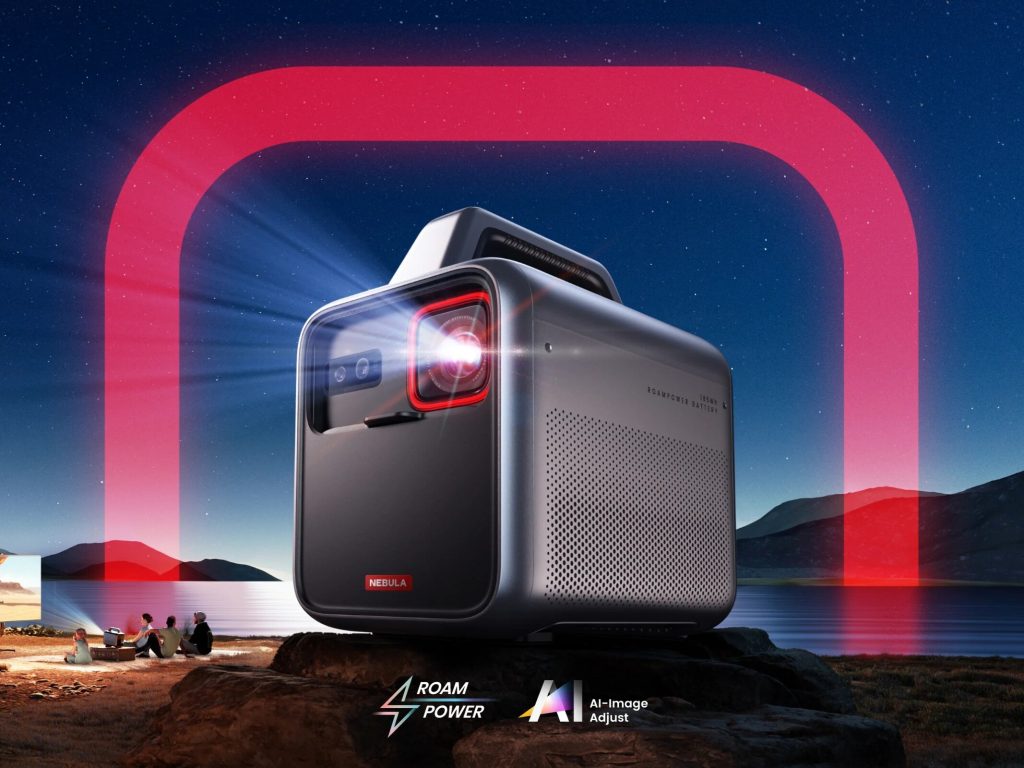
Anker has opened pre-orders for the Nebula Mars 3 projector. The new Anker projector is designed for outdoor use and packs a maximum brightness of 1,000 ANSI lumens. The Nebula Mars 3 can throw images up to 200 inches and it has autofocus and brightness adjustment tools.
The Anker Nebula 3 outdoor projector is claimed as the world’s first genuinely outdoor projector. It packs a 185Wh battery that can keep the gadget operational for up to 5 hours. It also has a LED screen that indicates the battery status. The projector’s light source has a maximum brightness of 1,000 ANSI lumens which makes it well-suited for outdoor use even during the day. The projector has a native 1080p resolution and supports keystone correction and screen fit tools.
The Nebula 3 projector runs on Android TV 11.0 and you can stream content from various apps. Its AI environment adaption automatically adjusts the brightness for optimized viewing. The AI image adjustment tool helps to reduce noise and improve contrast for the projector. It comes with an integrated adjustable stand and a built-in 40W sound system with Dolby Audio support. The projector can also wirelessly cast content via Chromecast while Google Assistant voice commands are supported.
The Anker Nebula 3 projector’s ports include HDMI, USB-A, and USB-C. The projector has a lens cover that protects the lens from damage while moving the gadget. The handle of the device has physical button controls and the projector is rated IPX3 water resistant. The projector can withstand drops from about 1.6ft and also has dust resistance.
Anker Nebula Mars 3 Pricing & Availability
The Nebula 3 projector is priced at $899.99 in the US during the pre-order period up to July 9. The pre-order requirement is a deposit of $1 and the original price of the gadget is $1099.99. A similar discount regime for the Nebula 3 is also available in the UK and EU.
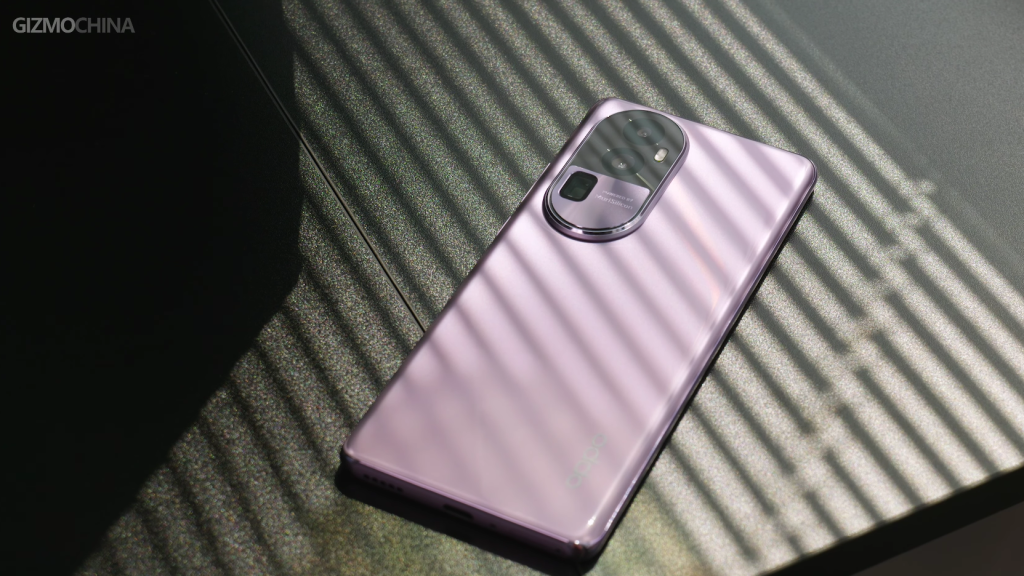
It seems Oppo is considering making changes to the Reno lineup. Historically, the Reno line has consisted of at least three models: a standard version, a Pro model, and a top-end Pro+ version. However, reports suggest that moving forward, Oppo will discontinue the Reno Pro+ model, meaning that we won’t see a Reno 11 Pro+ in the future. The brand could make up for it with a new Find X6 variant. Here are the details.
Find X6 with Snapdragon 8+ Gen 1 may launch soon
A Chinese tipster has claimed on Weibo that Oppo is dropping the Reno Pro+ from the upcoming Reno series. This change is said to be primarily for China but may also extend to global markets. As a result, the Reno 11 series, set to launch next year, may not include the Reno 11 Pro+ model. Instead, the company might introduce a third, even more affordable model in the series, or potentially limit the series to just two units. Although the tipster doesn’t provide a specific reason for this decision, it seems there are no takers for the Reno Pro+ model in China.
However, the same tipster says Oppo will be adding a new device to the flagship Find X series. Currently, the Find X6 lineup includes the Find X6 and Find X6 Pro (review) models, which are powered by the Dimensity 9200 and Snapdragon 8 Gen 2 chipsets, respectively. The company is reportedly developing a new variant of the Find X6 that will be equipped with the Snapdragon 8+ Gen 1 chipset.
This alleged new model is said to launch in the second half of this year. Considering that it packs an older chipset, the device could be priced lower than the rest two models. While this is all interesting news, we’d recommend you hold your horses until there’s an official confirmation.
After much fanfare (although not as much as the Phone 1), Nothing has finally announced the launch date of the upcoming Phone 2. The company has confirmed that the smartphone will debut in July and will be made available in multiple markets, including the US this time. It will be unveiled in India on the same date, and a recent listing suggests that the device will be sold in the country via Flipkart, just like its predecessor.
It may remain a Flipkart-Exclusive
A minisite is now live on Flipkart, informing customers that the Phone 2 is coming soon to India, specifically on July 11. The listing does not offer any new details, except for confirming the already confirmed Snapdragon 8+ Gen 1 processor. It also highlights Nothing’s dedication to making the Phone 2 environmentally friendly and sustainable.
Nothing Phone 2 will likely be sold in India only through Flipkart, like the Phone 1. This might cause mixed reactions among those who are looking forward to getting the device in the country. For the unaware, Nothing Phone 1 customers have not been very satisfied with Flipkart, with some users even complaining about the e-commerce giant not accepting their replacement requests for defective units.
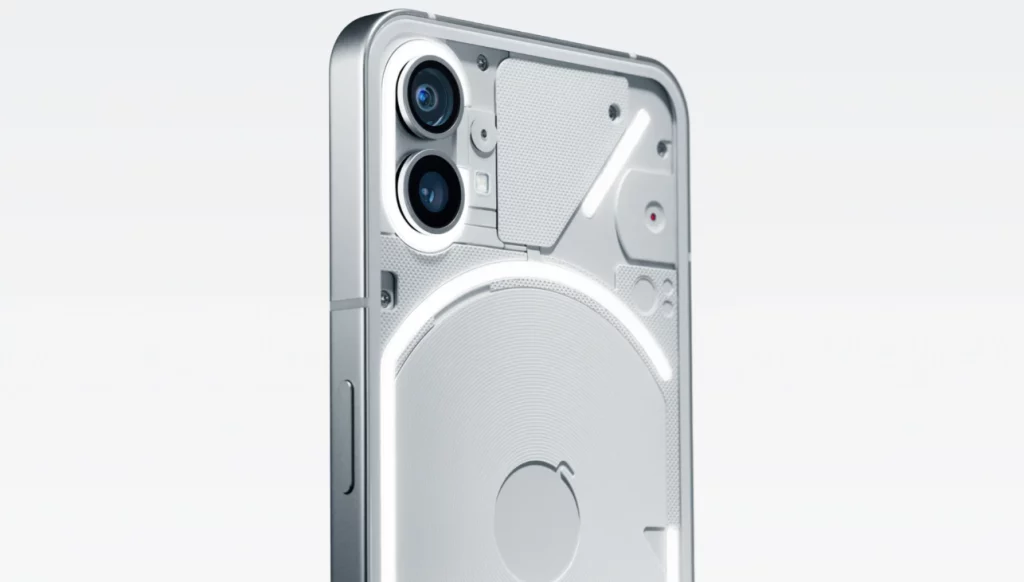
To remind you, the Phone 2 is expected to bring a similar design to the Phone 1. This means we are in for a transparent back with LED lights embedded in it. The device may continue to sport flat sides and a flat front panel, along with thinner bezels. Carl Pei, Nothing’s CEO, recently responded to memes mocking the Phone 2 for its resemblance to its predecessor, stating “just you wait and see.”This might suggest that the company has made some significant aesthetic changes on the device. We’ll have to for the official launch to see what Nothing has in store for us.
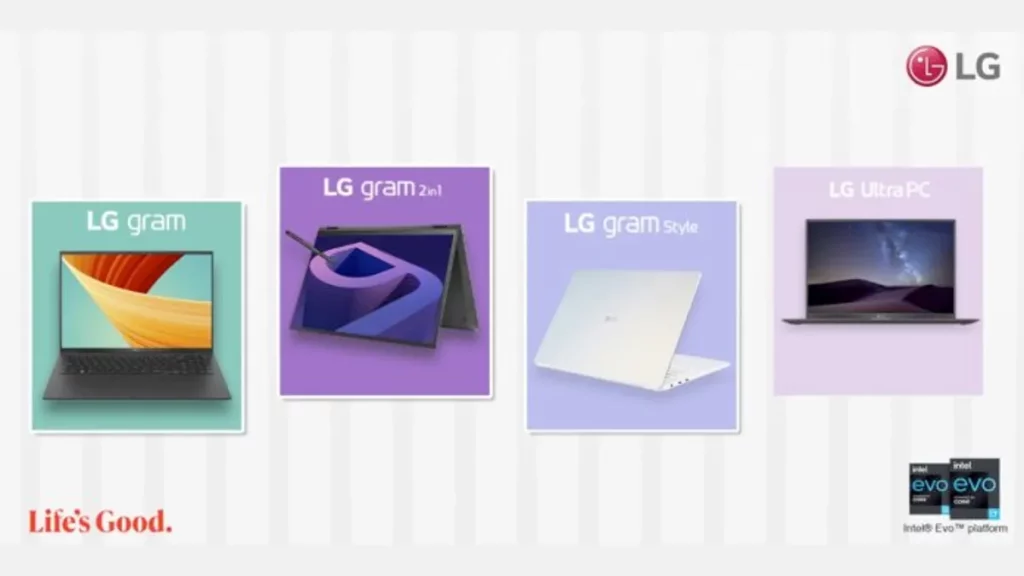
LG has launched its latest range of premium laptops in India under the Gram 2023 series. The new machines come at a high price point but offer high-end features right out of the box. The series includes the LG Gram 2023, Gram Style, Gram 2-in-1, and LG Ultra PC. Running on the Windows 11 Home operating system, the series caters to a wide range of users, offering features such as SSD storage, displays up to 17 inches in size, and an 80Wh battery with support for fast charging at 65W.
LG Gram 2023 series Specifications
The first model in the lineup is the LG Gram 2023, which comes with an Intel EVO certified 13th Gen Core Processor, paired with LPDDR5 6000 MHz RAM and Gen.4 NVMe (x2) storage. On the front, it gets a 16:10 WQXGA IPS display with variable refresh rate, DCI-P3 99% color reproduction, and 400nits brightness.
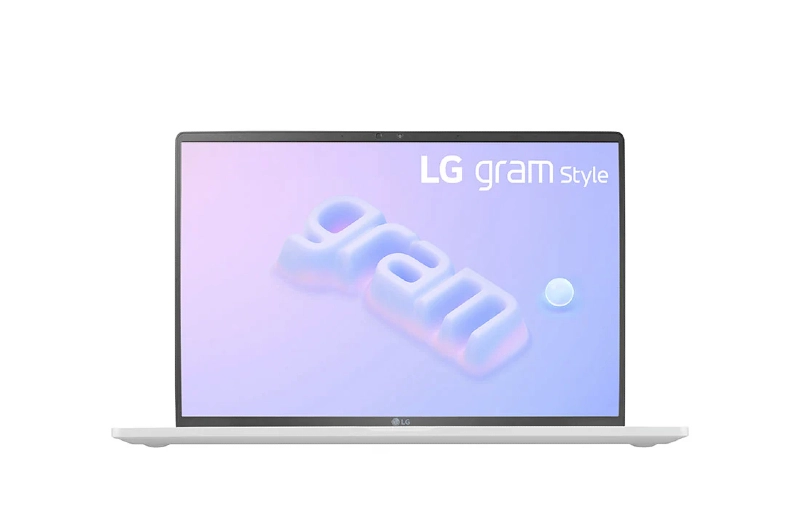
Next, we have the LG Gram Style. As the name suggests, it is more of a stylish laptop with a 14-inch WQXGA+ OLED display, a 16:10 aspect ratio, and a 90Hz refresh rate. The laptop features Intel Iris Xe Graphics, up to 16GB LPDDR5 RAM, and a 512GB NVMe SSD. It comes with Dolby Atmos support. The battery has a capacity of 72Wh and supports 65W fast charging.
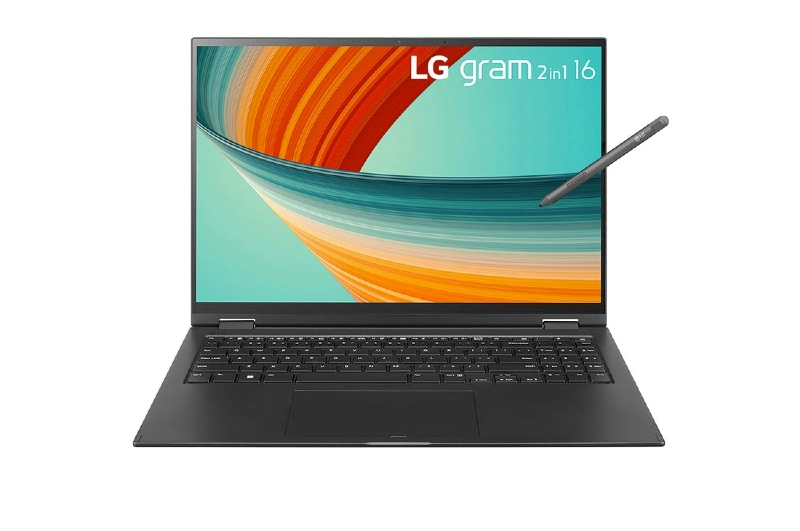
The LG Gram 2-in-1 has a 16-inch display and if you haven’t guessed already, it can be used as both a laptop and a tablet. It is powered by the 13th Gen Intel Core processor, Intel Iris Xe Graphics, 32GB LPDDR5 RAM, and 2TB NVMe Gen4 SSD storage. Running on Windows 11 Home, it has an 80Wh battery with 65W fast charging support.
Finally, the LG Ultra PC features a large high-resolution 16-inch WUXGA display with an anti-glare IPS panel, 300nits brightness, and slim bezels. Unlike the other members in the series, it is powered by the AMD Ryzen 7000 series processor and AMD Radeon 7 Graphics, with 16GB DDR4 RAM. The laptop is equipped with a 72Wh battery for extended usage.
Price and Availability
The pricing of the LG Gram 2023 is as follows:
LG Gram 14-inch: Starting at Rs 1,27,000
LG Gram 16-inch and Gram 17-inch: Starting at Rs 1,42,990
LG Gram Style: Priced at Rs 1,42,990
LG Gram 2-in-1: Starting at Rs 2,05,000
LG Ultra PC: Starting at Rs 1,04,000
Interested readers may check out LG’s official website to learn more about the new laptops, including their availability.
SenseTime, the Chinese artificial intelligence company, has introduced a remarkable advancement in its consumer offering, “SenseRobot,” by introducing an interactive AI version of the renowned game of Go. This innovative move by SenseTime not only brings cutting-edge AI technologies to households but also makes the strategic and intellectual game of Go more accessible to a wider audience.
Amidst the challenges imposed by US sanctions, SenseTime debuted a remarkable addition to its consumer offerings with the launch of a Go-playing robot. SenseRobot is specifically designed to engage in the ancient and strategic board game known as Go or Weiqi. Equipped with a robotic arm, a display screen, and a game board, this versatile robot possesses the capability to cater to players of all skill levels, ranging from beginners to professionals.
source: chinadaily.com.cn
This innovative robot showcases SenseTime’s advanced AI capabilities and features a state-of-the-art robotic arm, allowing it to practice and engage in games on a physical game board. With an extensive collection of carefully selected exercises and a comprehensive human-machine game training program spanning 20 difficulty levels, this remarkable robot caters to the needs of both amateur and professional players. Moreover, it offers seamless integration with online Go platforms, enabling users to participate in real-time games with millions of players from around the globe.
However, During a recent launch event in Shanghai, SenseTime CEO, and co-founder, Xu Li, expressed a humble ambition for SenseRobot, stating that its primary objective is to introduce AI technology into numerous households, rather than pushing the boundaries of human cognition like other computer programs.
SenseTime’s AI Go robot is available for pre-sale, with a standard version priced at 3,799 yuan (US$531) and a premium version, including a case and power bank, priced at 4,999 yuan.
What is a ‘GO’ Game?
Go is a timeless abstract strategy board game, originating in ancient China over 2,500 years ago, making it the oldest continuously played board game in history. The objective of the game is to strategically enclose more territory than the opponent.
The game of Go has become a prominent arena for major tech companies to explore the capabilities of their AI systems. In a significant milestone, Alpha Go, an AI program developed by DeepMind, a subsidiary of Google, made history in 2016 by defeating a human Go world champion, marking a groundbreaking achievement for computer-based gameplay.
Go belongs to the same category as chess, checkers, and Othello, as it is a deterministic strategy game with perfect information, making it a zero-sum game in combinatorial game theory.
I’ve always believed that products that blend technology with human emotions are truly great creations. Like most of you, we have pets at our studio and the time I spend with my cats are some of the best times of my life. Truly thanks to their companionship and joy, it’s proud that we could have them and take good care of our furry friends. But raising them is really not an easy task as it really took quite a lot of time and energy. So we are always looking for ways to give them an easier life and, of course, to give us as well.
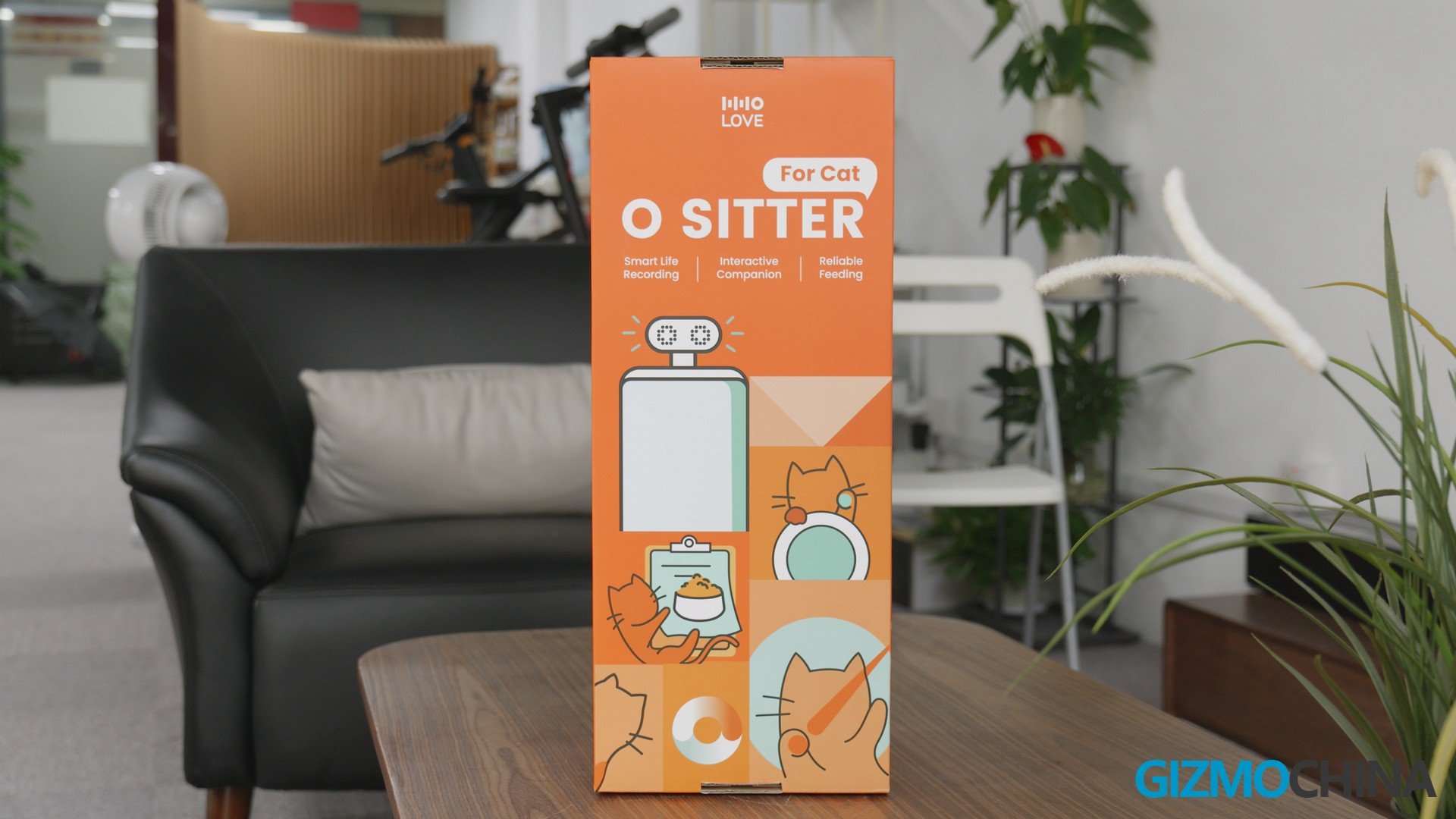
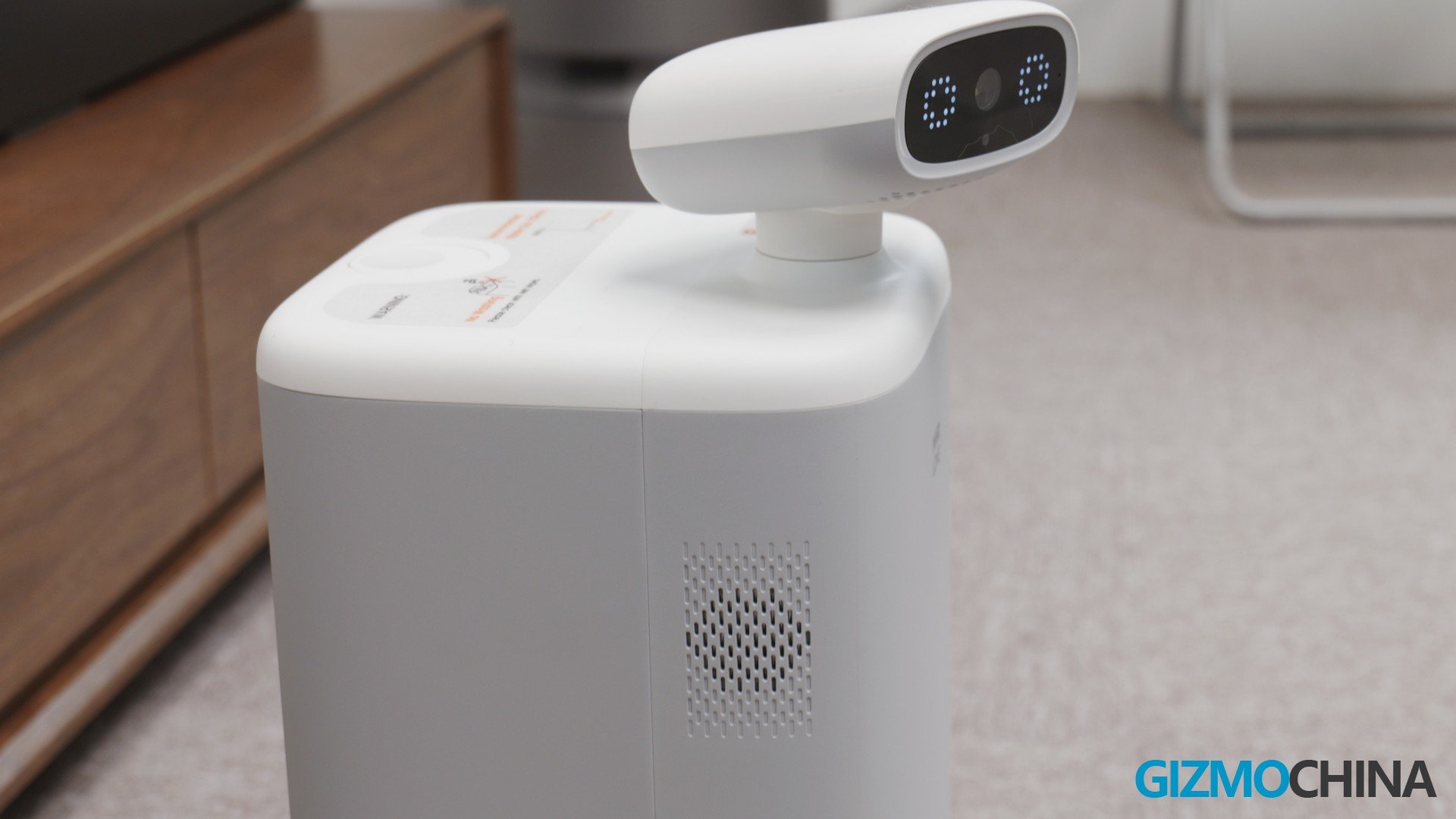
Today I want to share with you a very smart and useful multi-functional cat robot, which is also the world’s first smart companion AI robot for cats, the O Sitter from HHO-LOVE. Let’s check out how it works and how it offers accompaniment for cats all the time.
Lovely Packaging & stylish Design
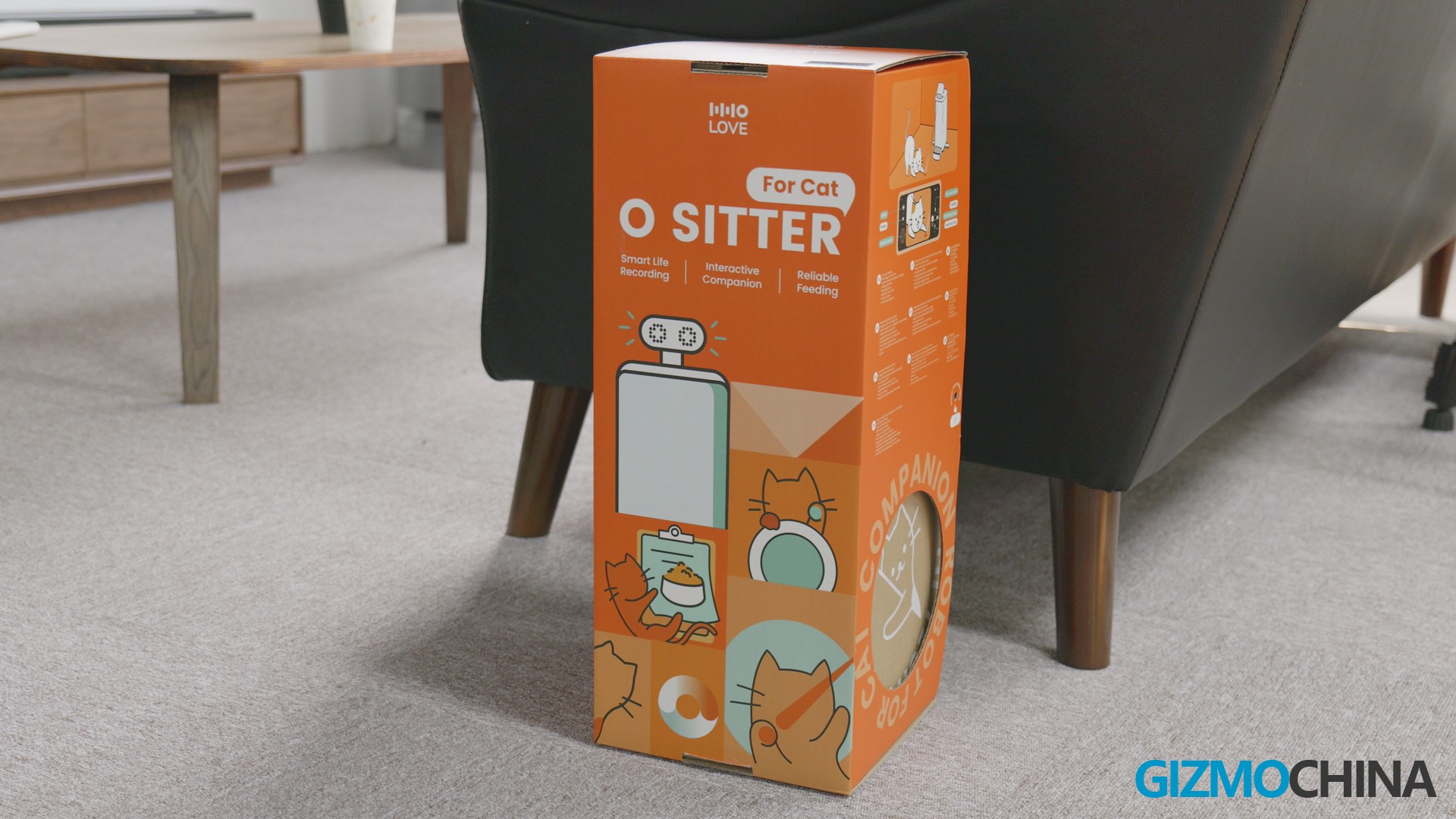
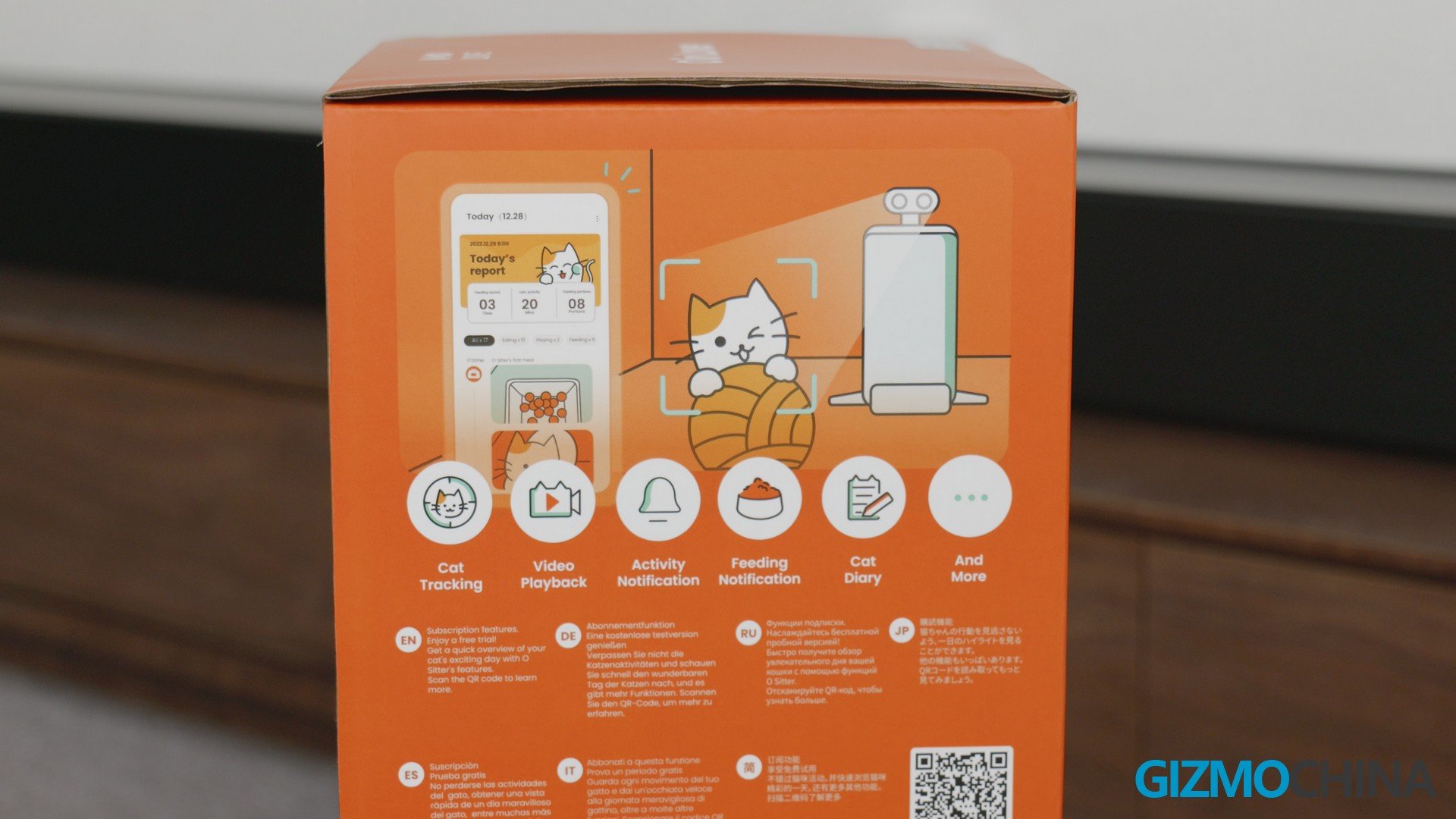
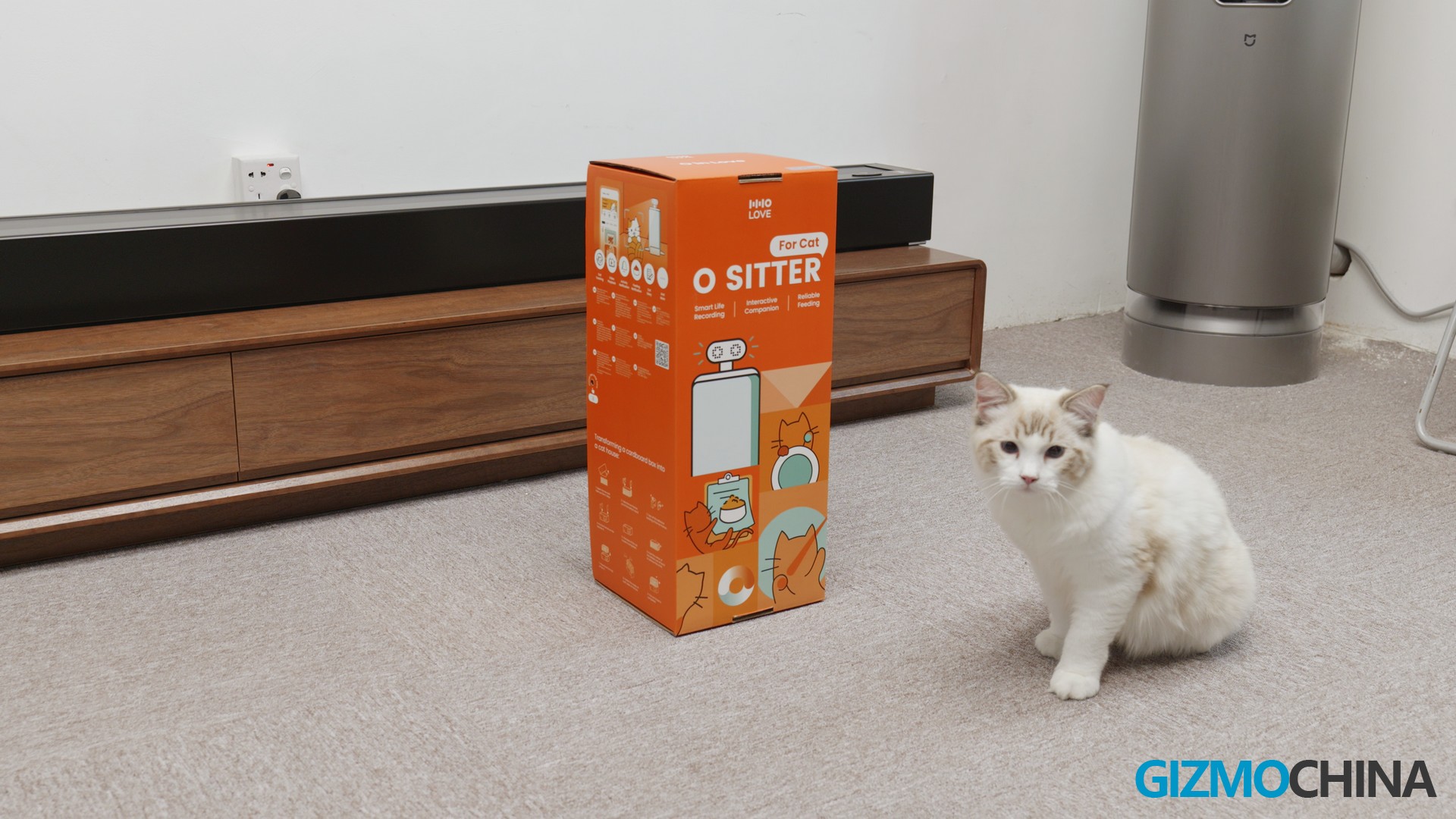
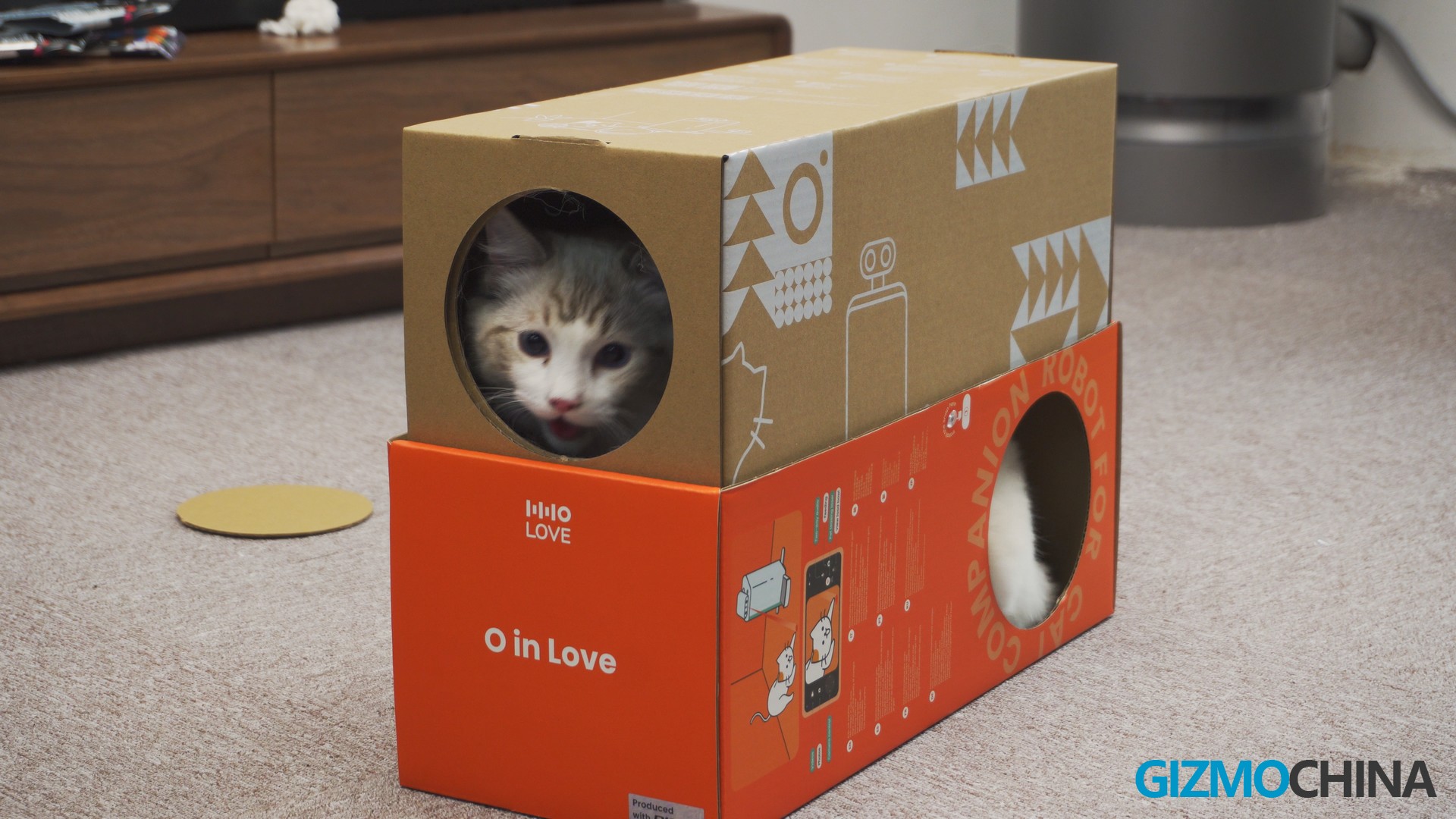
The lively and cute packaging is pretty impressive at the very first glance. We can see some basic information about it as well as its main functions.
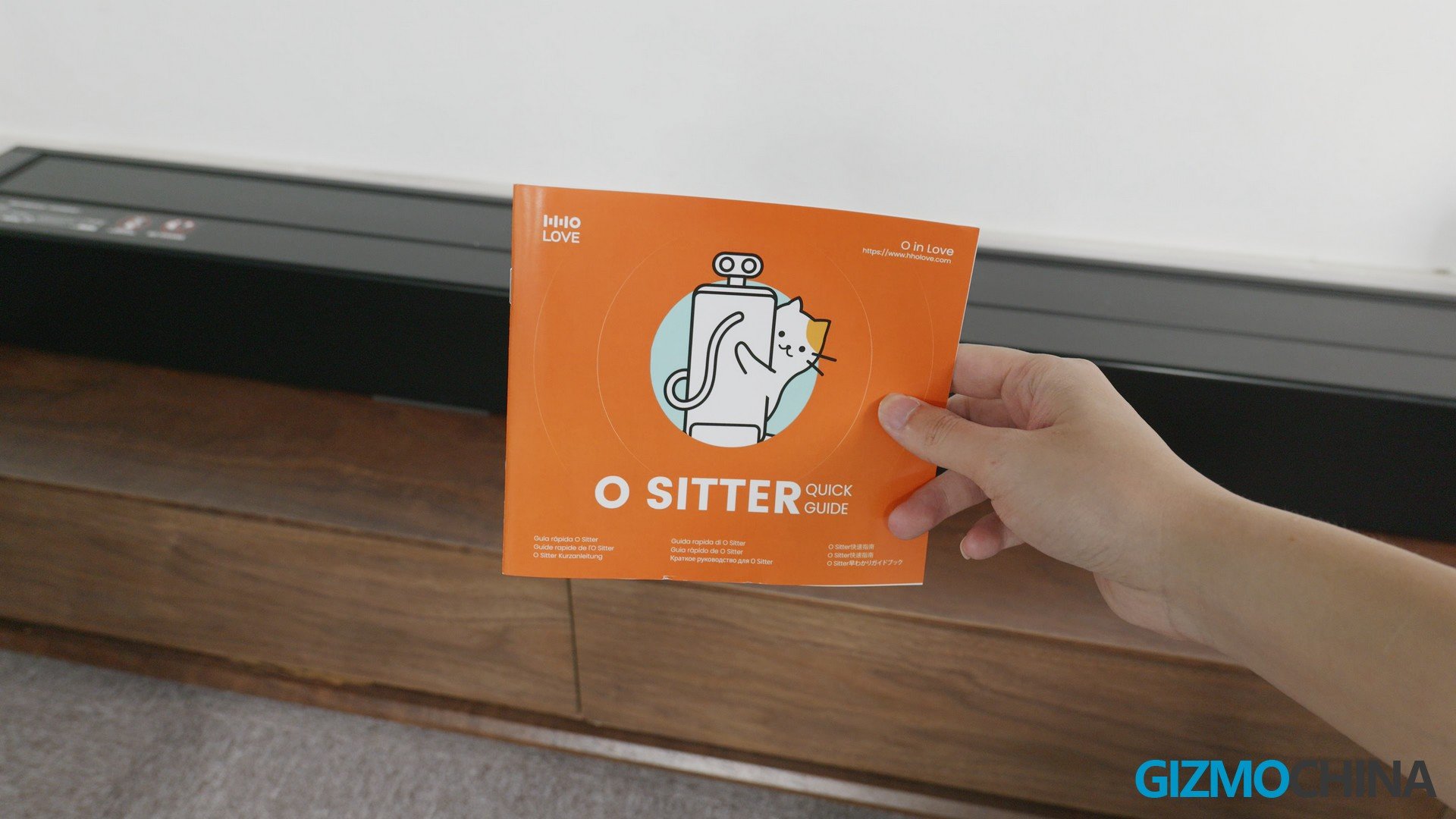
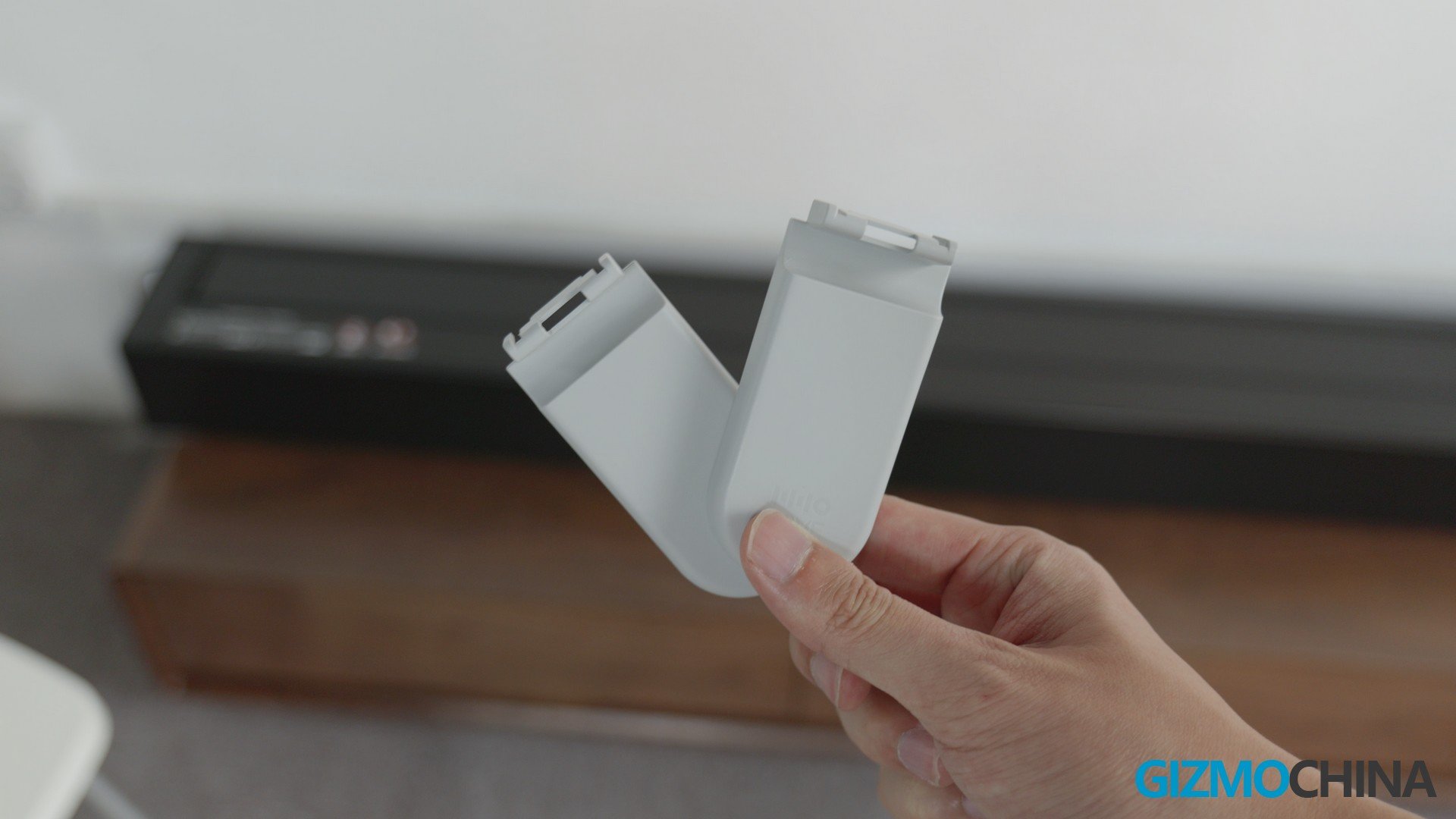
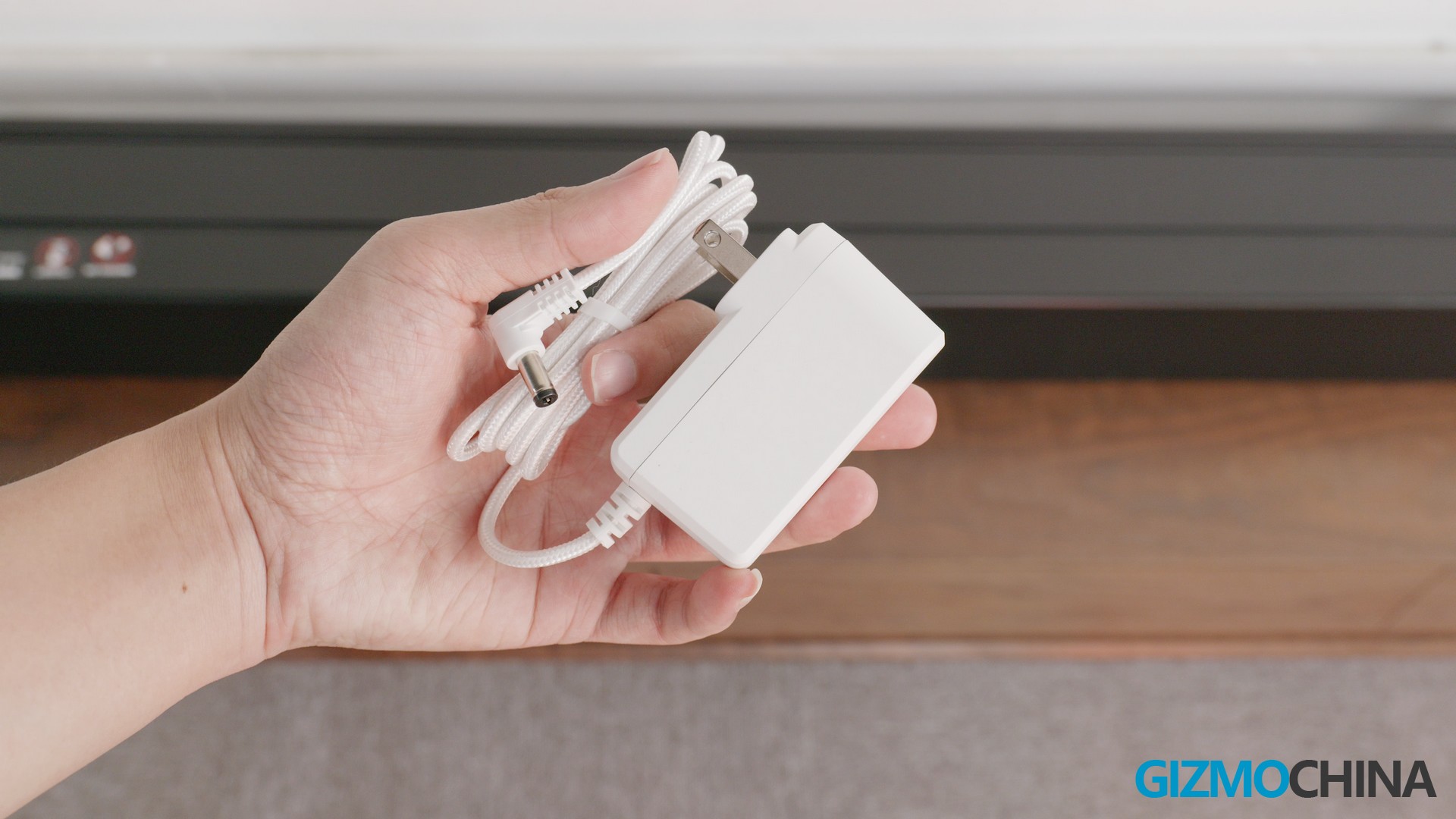
Inside the package, we have the robot body, a manual, a desiccant, two anti-collapse brackets, two sets of snap and a power adapter.
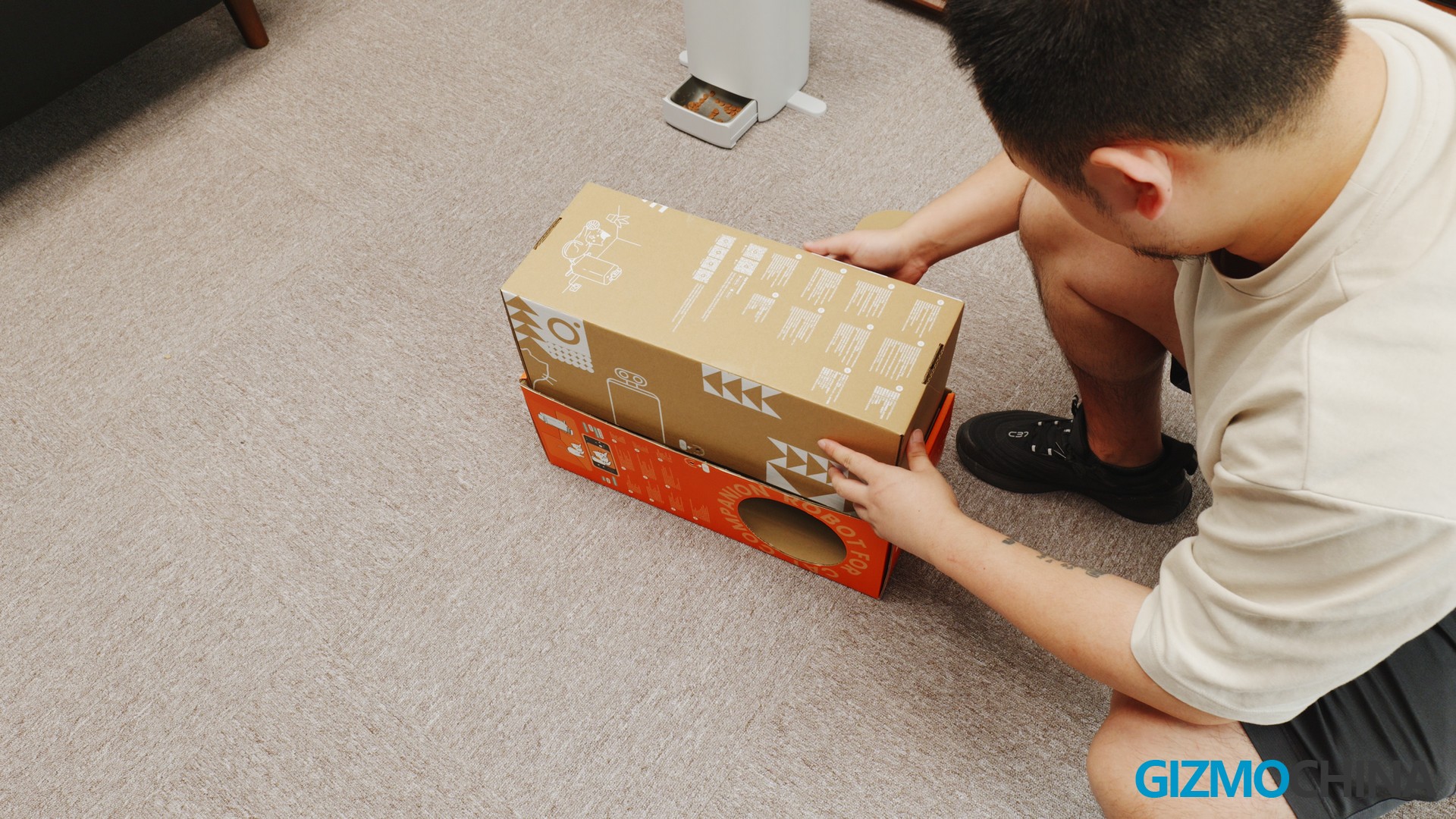
What’s really interesting is that the package itself is also part of the accessories, based on the eco-friendly design, the package is not only for shipping.
Installation & Setup
Following the tutorial, you can spend just a few minutes turning it into a fun amusement park for your fur friends. As you can see, no cat can refuse a magical hut they can get into. This is really one of the most creative packaging for pet products I’ve ever seen.
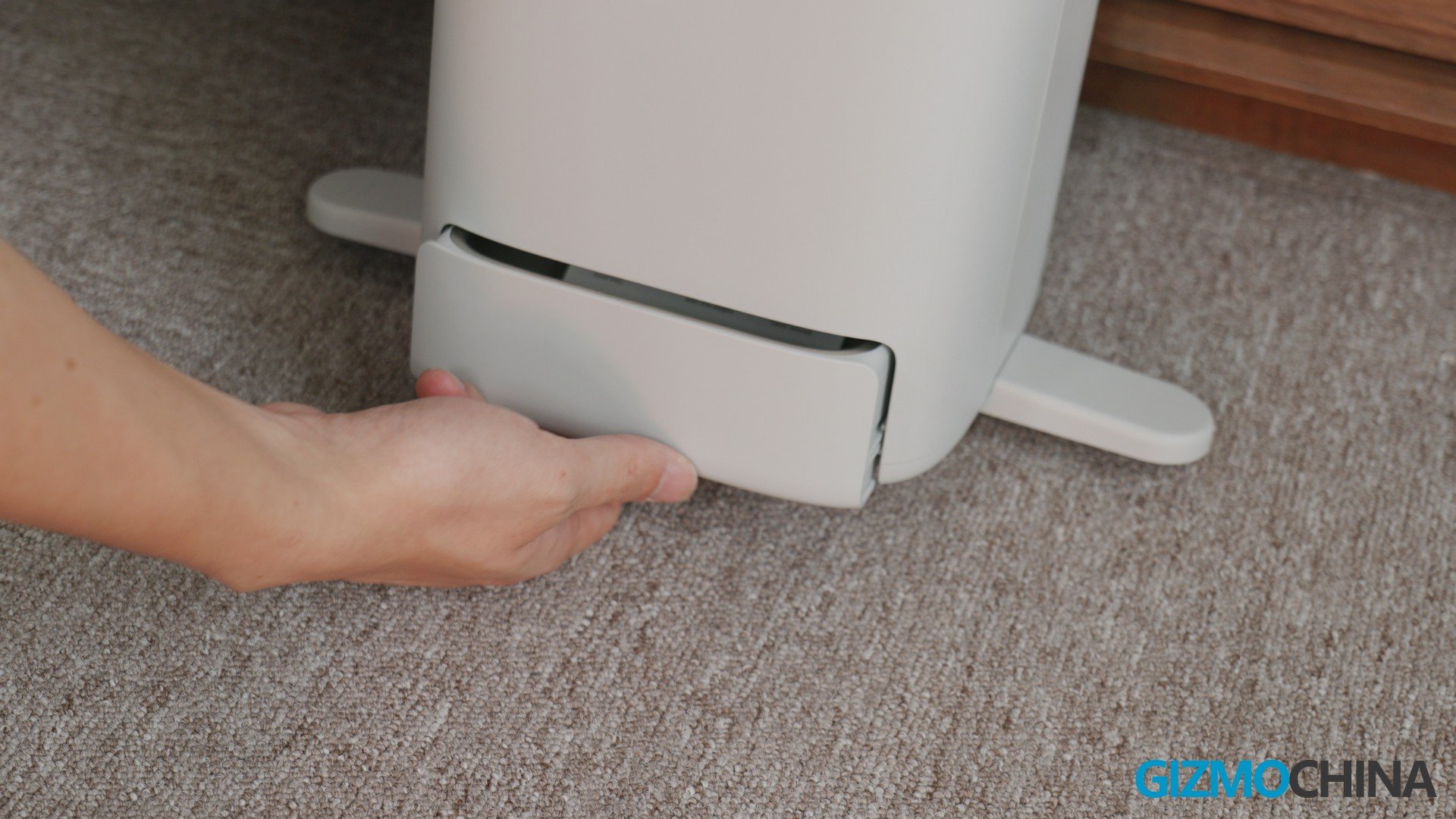
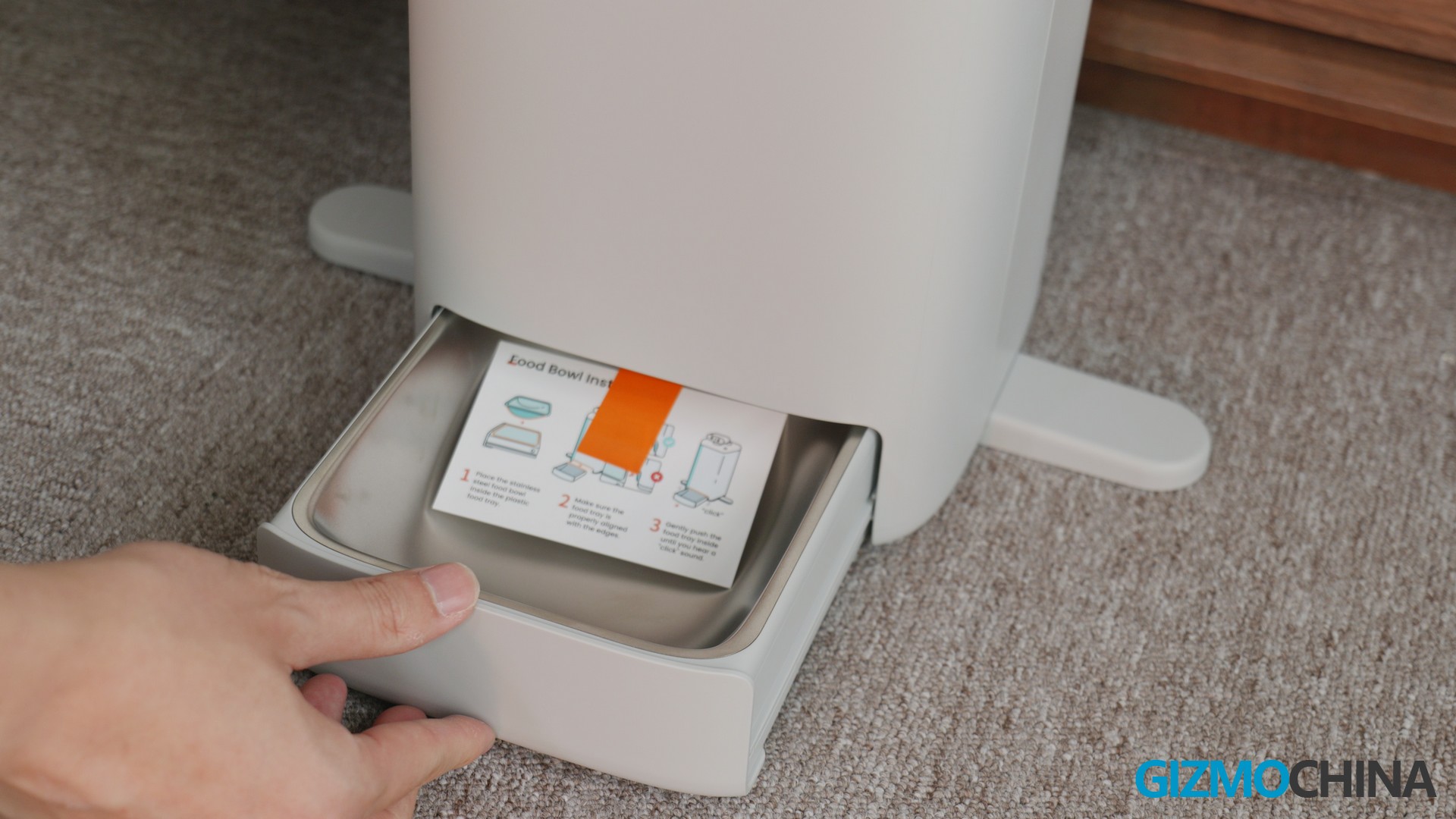
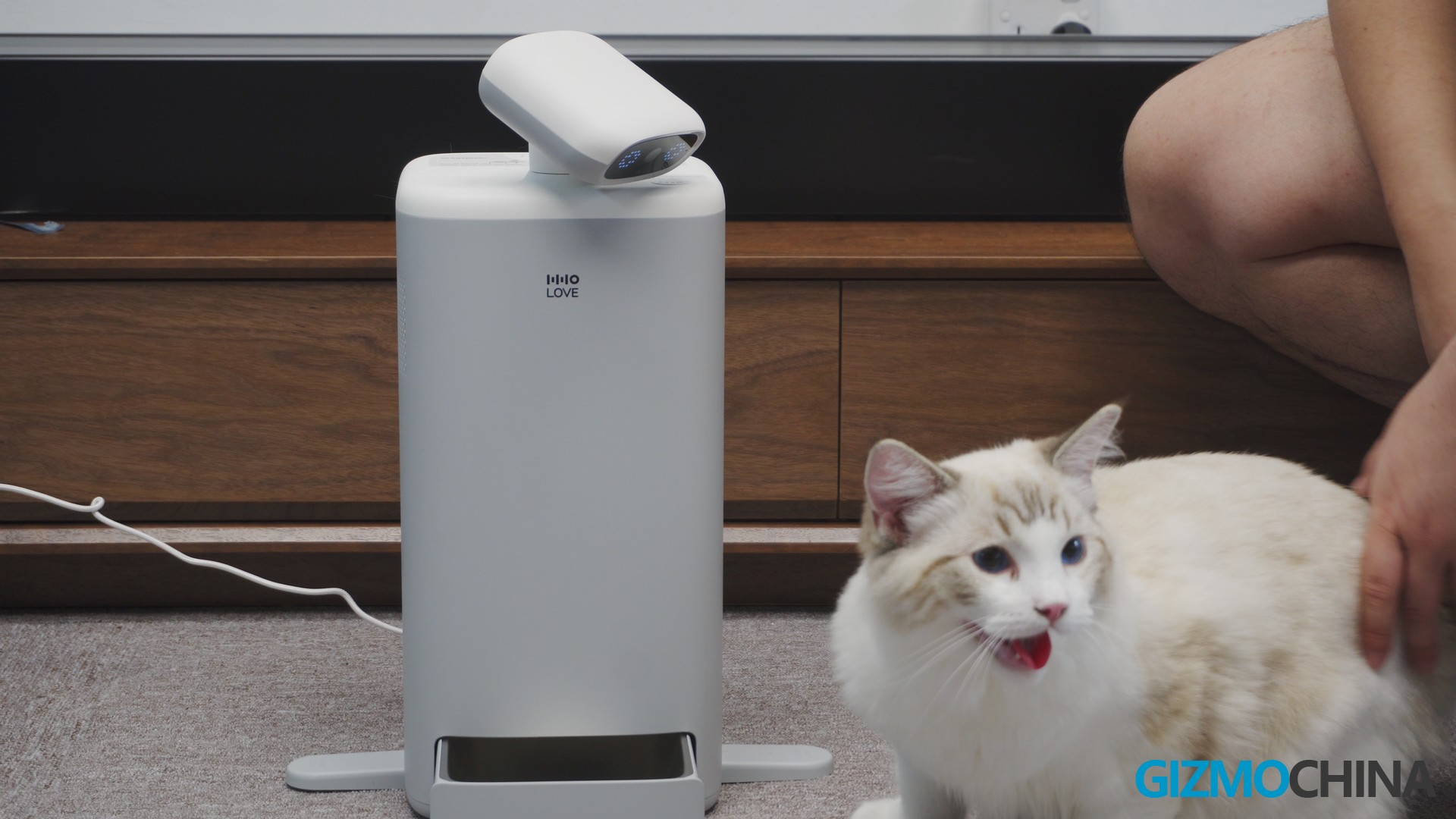
Well now let’s start the setup of the O Sitter, it won’t be a complicated process, first we should attach the anti-crash bracket to the bottom sides of the robot and then pull out the food bowl from the front.
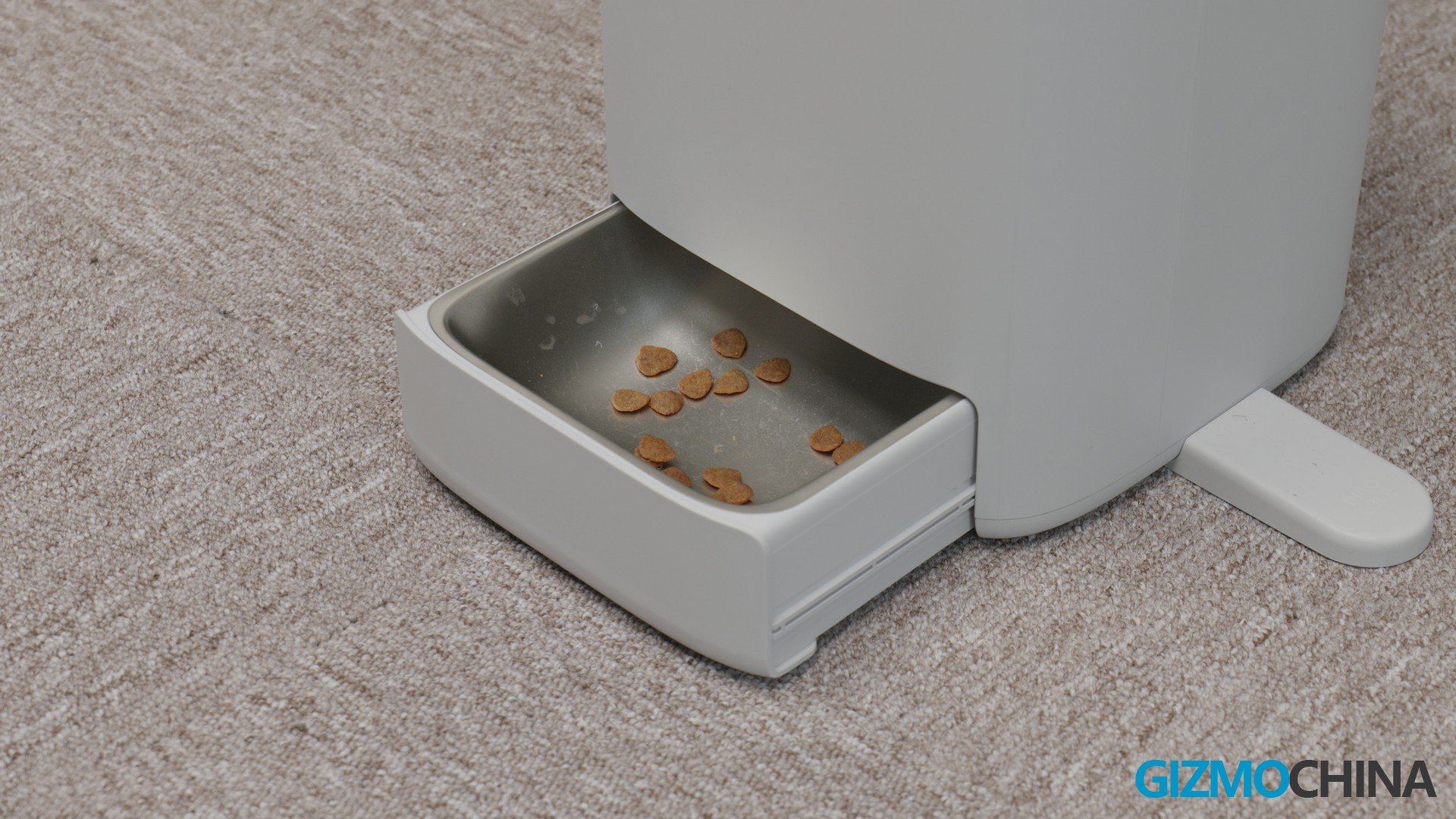
This bowl is made of good stainless steel, very durable and easy to clean. You don’t need to beware of the increasing amount of feed residue left on the surface of the bowl after a long period of use. And the bowl inside is well-designed in a smooth round shape, which is great for cats of any size to easily enjoy the food inside.
Now we can plug it in, and then we should open the top cover and place the desiccant inside of it.
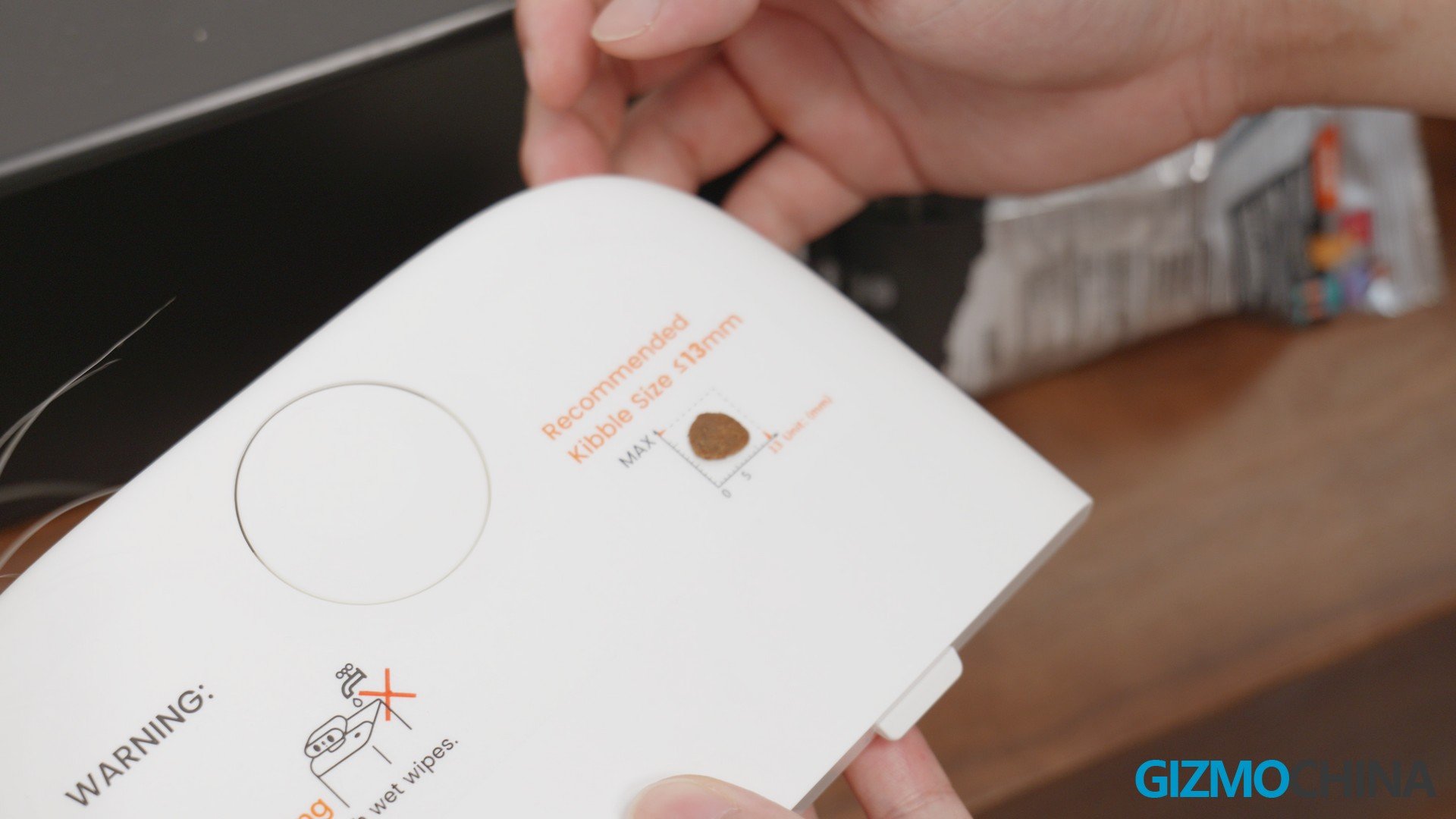
Before we pour in the pet food, we need to make sure its size is compatible and won’t be stuck inside. Actually, it fits most of the common solid cat food sizes we see in the market. A thoughtful detail here is that the O Sitter offers a label on the top cover to let you test if the food is oversized.
HHOLOVE App
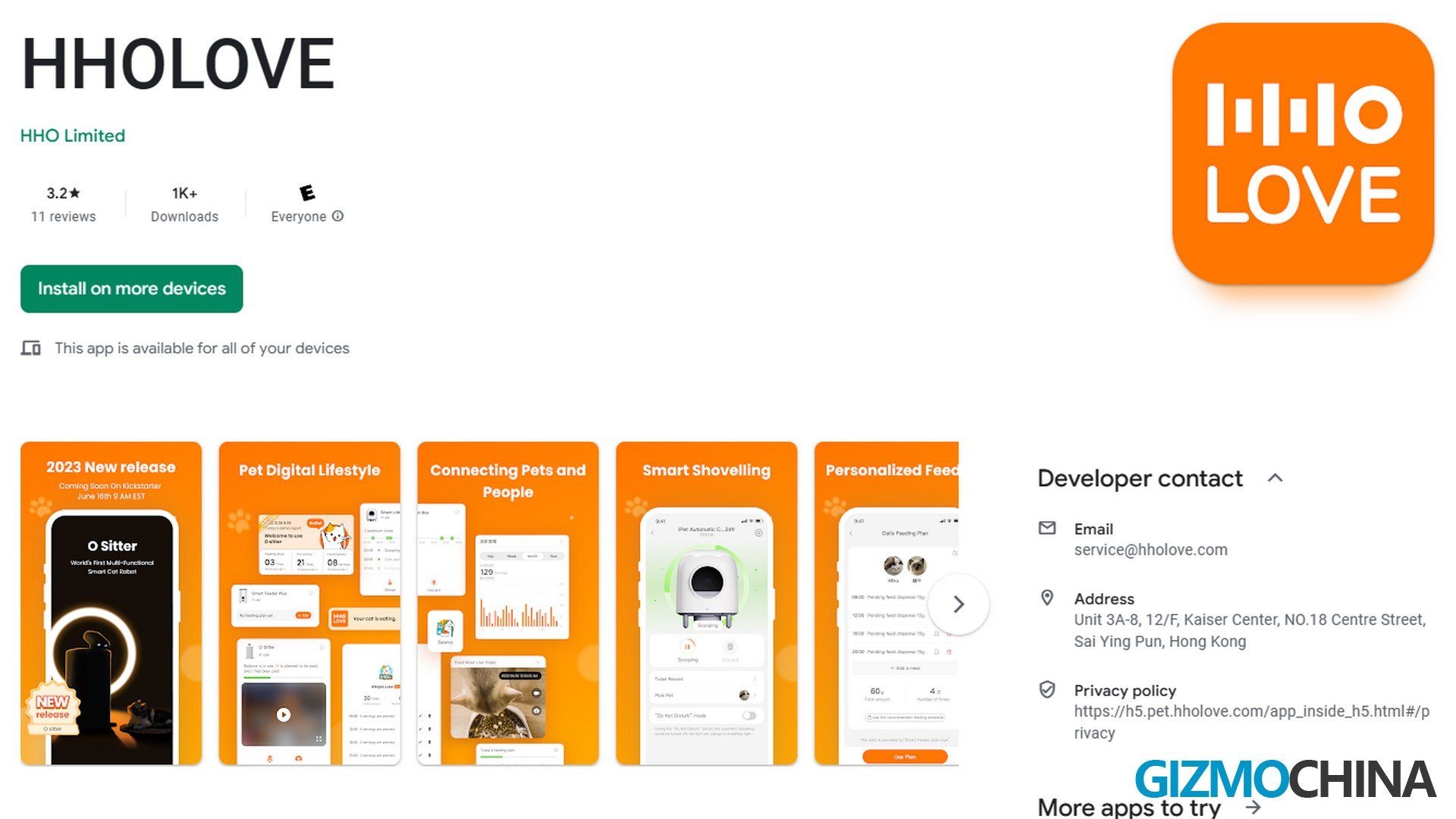
Next, we can search and download the HHOLOVE APP at AppStore or Google Play store.
After registering and logging into your account, you can click Add Device to find the O Sitter that is waiting to be paired and then enter your home WIFI password to complete the connection.
How to feed our furry friends is a lesson every owner will learn because diet can greatly affect the health of your cats, but now we have the O Sitter. Things could be much easier.
AI Camera & Flexible feeding plans
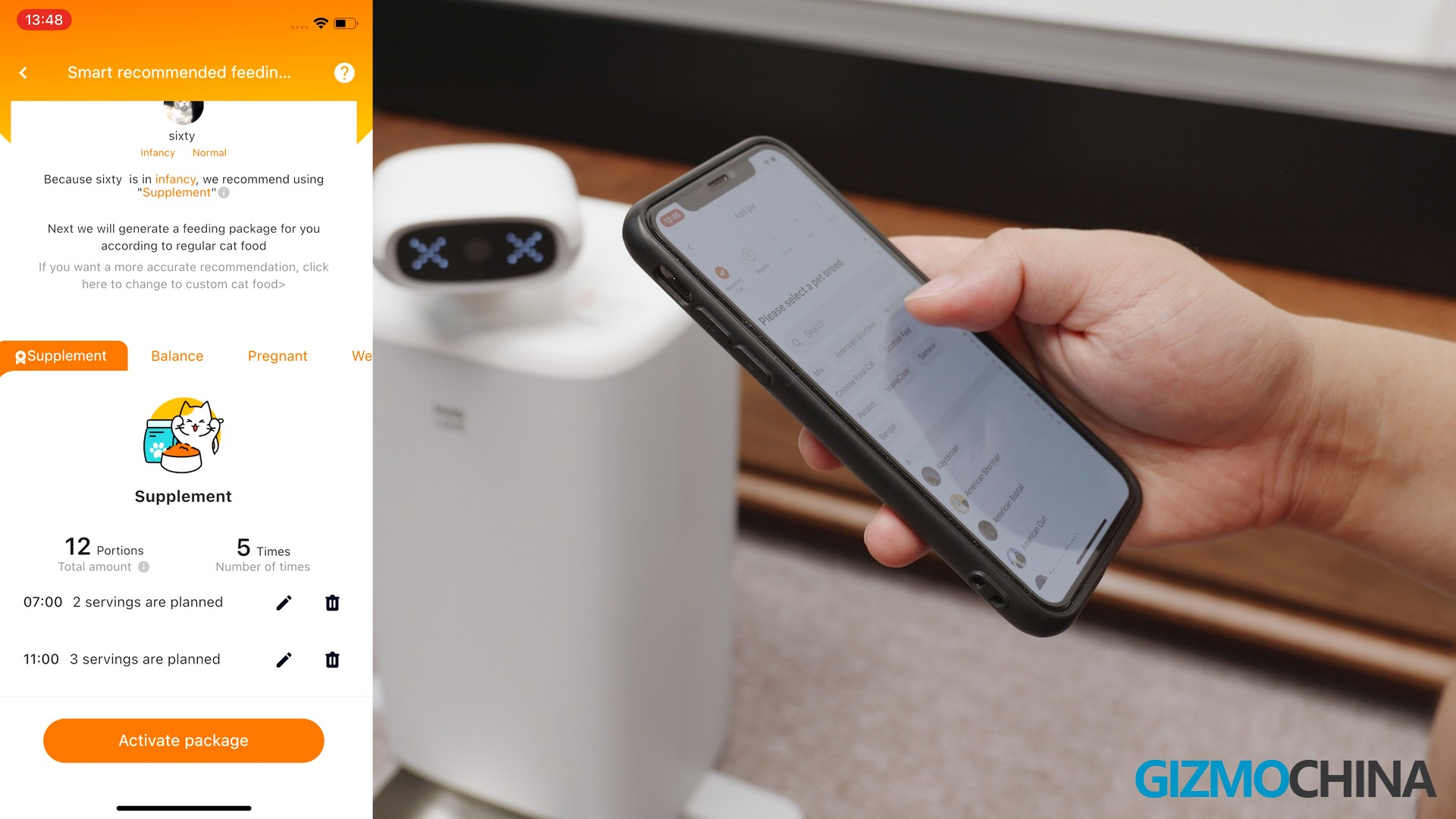
After building your cats’ basic profiles, the APP will scientifically generate a set of flexible feeding plans based on the breed, sex, and age of your cats, and put the right amount of food for your cat regularly.
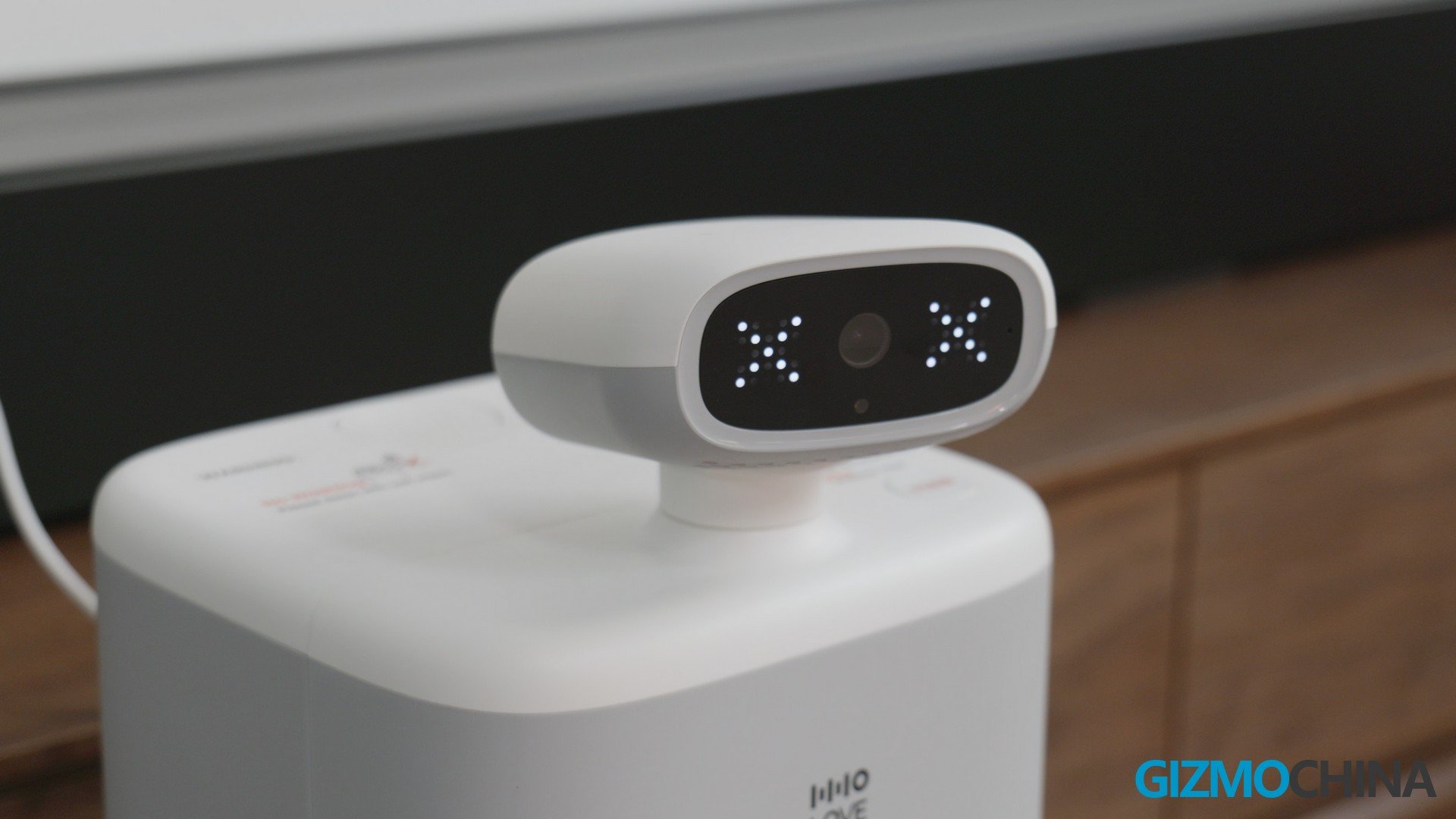
In order to ensure that the diet program is carried out smoothly, effective monitoring and recording is necessary. As you can see, the O Sitter has a head with a built-in AI camera that records every time a cat comes to the O Sitter and starts to eat.
You may worry that if you left the house for a few days and there’s a power outage, the robot would stop working. But fortunately, that worry is redundant and the O sitter will still perform its duty, as the HHO-Love designer has considered this situation for us.
This is one of the most basic automated features of the AI camera, and thanks to this flexible head with big eyes, the O Sitter can achieve 360° horizontal and 110° vertical camera control. In addition to monitoring the cat’s feeding, any time the cat enters O Sitter’s field of view it will automatically follow and record the cat’s behavior.
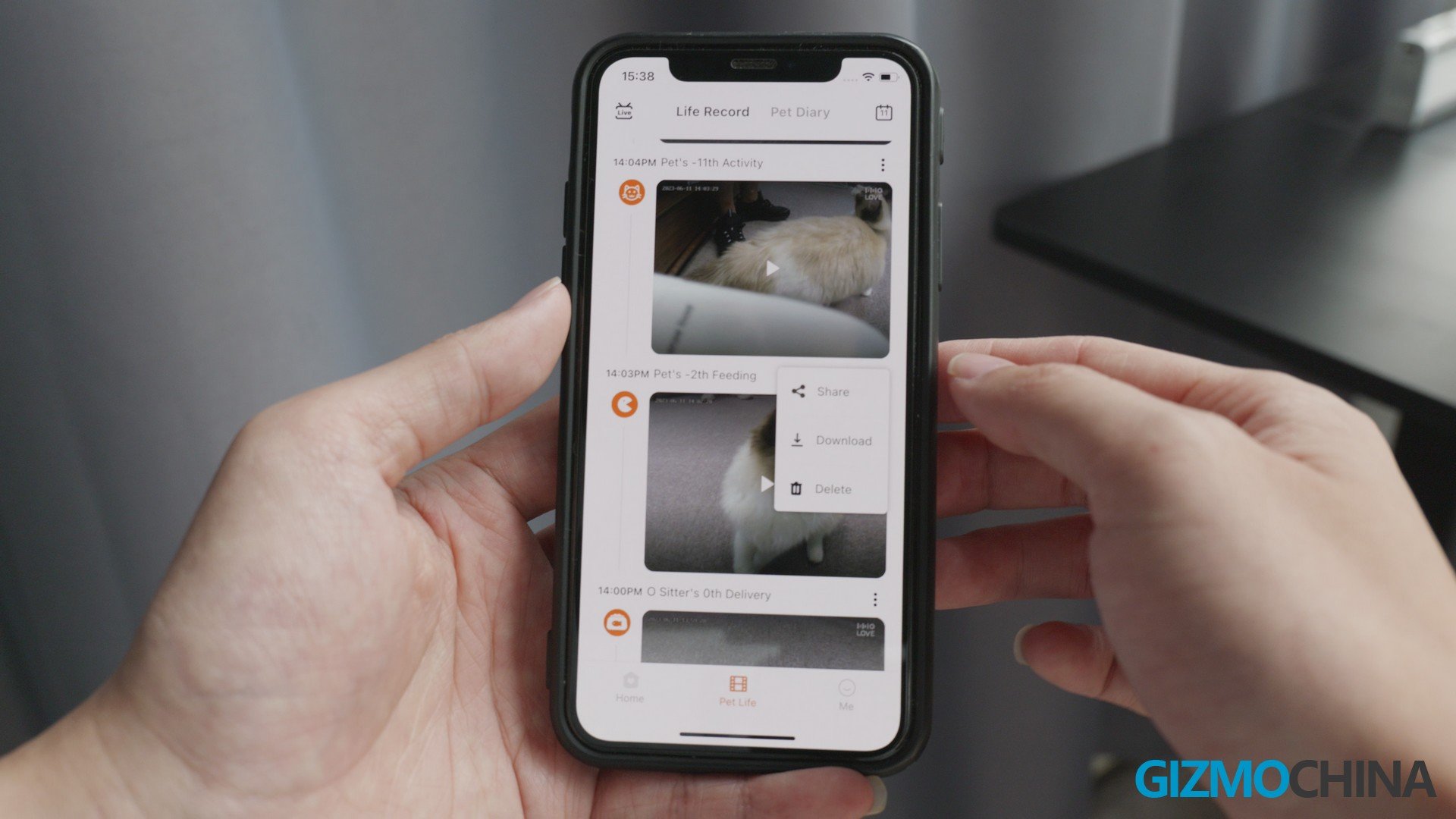
Although we all now have convenient video recording devices, the fun and surprises of living with pets always pass in a flash that we couldn’t capture. But now O Sitter will help you save all your precious shared memories with your furry friend, and you can view, download or share these video clips with your friends in the app. And I have to say that the video quality is really great that we haven’t seen so good images before over similar products with AI tracking cameras.
When you are away from home, you can also rest assured that O Sitter could be your cat’s most trusted guardian and companion. All cats have a strong curiosity and sometimes when left unattended, the desire to explore may drive the kitten to some dangerous places or even leave the house through windows if you forgot to close them, which I believe would be the most disturbing situation.
The O Sitter has a built-in speaker and microphone, so you can call your cat via a real-time two-way voice call to make sure he’s still safely in the house.
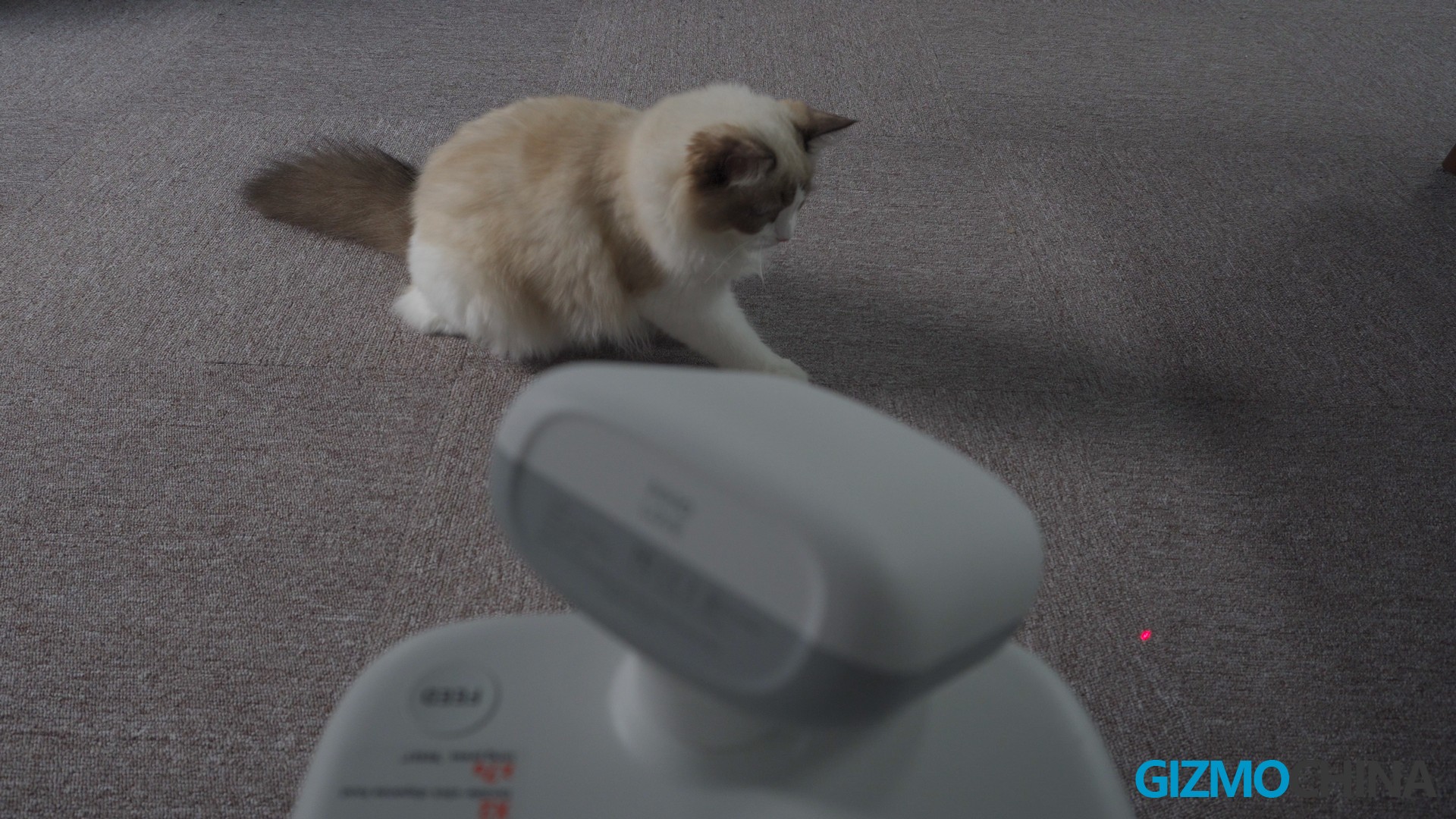
As an intelligent companion AI robot, O Sitter can also play with your cat for you. There is a laser emitter on O Sitter’s head, so when the cat is bored lying next to the robot, we can activate the laser teasing remotely through the app, and even if we are thousands of miles away from home, we can still play with the cat anytime as well as increase its activity time to stay healthy.
Verdict
So this is the O Sitter, a highly creative and thoughtful cat companion robot that doesn’t just provide security and convenience for feeding your pet, but more importantly, with the help of a flexible head and many AI-powered automation features, your connection with your furry friend will never be offline again.
• Pay a $2 Deposit Now to Get Up to 50% Off here. • Or buy directly on Kickstarter from June 16, 9 am EST.
Last month, Logitech partnered with iFixit to make repairs easier and more sustainable for devices. Now Redmond-based Microsoft has partnered with iFixit to sell replacement components on its own store. This makes it easier for DIY enthusiasts to perform self-repair on their Surface devices. Read on to know more details below.
Microsoft now sells Surface replacement parts on its Store
Technically inclined customers whose Surface devices are out-of-warranty can perform a self-repair The replacement components will be available on the Microsoft Store. These include kickstand parts, fingerprint sensors, replacement display units, batteries, SSD doors, WiFi modules, and more. You can find the full list of replacement parts here.
Tim McGuiggan, VP, of Device Services and Product Engineering at Microsoft says that when purchasing a replacement component, customers will receive the part and relevant collateral components such as screws. However, the tools required to repair the Surface devices are sold separately by iFixit.
Microsoft’s Surface replacement components will first be available for customers in the United States, Canada, and France through the company’s official Store. In other markets, certified Microsoft Resellers will handle the distribution. The company says that it will update when it plans to expand the availability of these parts to other markets in the future.
The list of devices eligible for replacement components includes Surface Pro 7, Pro 8, Pro 9, Surface Laptop (Gen 3, 4, and 5), Surface Laptop Go 2, Surface Laptop Studio, and the Surface Studio 2+ all-in-one computer. Pricing for the parts will vary depending on the device.
Redmi 12 has launched in Thailand. The smartphone was listed on Xiaomi’s Portugal website as well as spotted in leaks and rumors. The newest offering arrives as the successor to the last year’s Redmi 11. Read on to know what the device offers out of the box.
Redmi 12 specifications and features
The Redmi 12 has a 6.79-inch LCD display with a center-aligned punch-hole cutout. It offers an FHD+ resolution, a 90Hz refresh rate, and 550 nits peak brightness. The device features a side-mounted fingerprint scanner embedded in the power button. Design-wise, the smartphone has a compact form factor and three camera sensors on the back panel without a module.
On the imaging front, the Redmi 12 features triple rear cameras. The setup comprises a 50MP main sensor, an 8MP ultra-wide lens, and a 2MP macro sensor. There is an 8MP selfie snapper.
Internally, the Redmi 12 is powered by a MediaTek Helio G88 processor. It packs up to 8GB RAM and 256GB internal storage. The smartphone draws its power from a 5,000mAh battery unit with support for 18W fast charging. It runs on MIUI 14 based on Android 13 OS.
Connectivity options on the Redmi 12 include 4G LTE, WiFi, Bluetooth, NFC, a USB-C port, and a 3.5mm jack.
The Redmi 12 carries a price tag of TBH 5,299 (~CNY 1,090) for the 8GB + 128GB variant. The prices of the 4GB + 128GB and 8GB + 256GB options is not revealed. The phone is offered in Midnight Black, Sky Blue, and Polar Silver color options. The device can be purchased from Shopee and Lazada in Thailand.
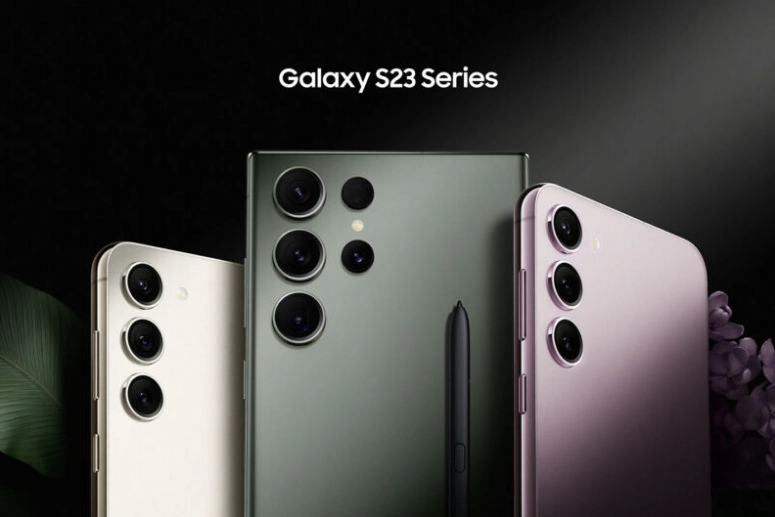
Samsung is gearing up to release a significant firmware update for its Galaxy S23 series, according to recent rumors. Referred to as a “super update,” this upcoming release is expected to bring substantial enhancements to the flagship smartphones. While the exact details of the update remain unclear, tipster Ice Universe suggests that it will be rolled out in a sequence, potentially causing some confusion.
What to expect from the Galaxy S23 “Super Update”?
One key aspect that is likely to please users is the reported preservation of excellent battery life on the Galaxy S23 Ultra. Additionally, the overall performance of the devices is expected to receive further improvements through this firmware release.
In terms of camera enhancements, Samsung is expected to introduce a new 2x portrait camera mode in the Galaxy S23 Ultra. This feature will leverage the 200-megapixel sensor’s 50-megapixel cropping capability, resulting in superior portrait shots. Additionally, some of the most frustrating camera issues are expected to be addressed. However, it remains uncertain whether the update will address the camera issues that Samsung had previously promised to fix. The changelog, once officially released, will provide clarity on this matter.
Samsung appears to be contemplating either a single comprehensive update or a series of smaller updates for the Galaxy S23, with hopes of enhancing the flagship experience. While users would prefer a unified update to avoid multiple reboot processes, the priority lies in an improved user experience. The grand Galaxy S23 firmware update is expected to roll out next week.
Given the already impressive out-of-the-box performance of the Galaxy S23 series, any further enhancements would be commendable. Samsung’s ability to optimize performance without compromising battery life will undoubtedly be welcomed by consumers. As we await further details, the upcoming firmware update has the potential to elevate the Galaxy S23 series even further.
Lenovo has launched the 2023 Legion Slim series laptops in India. The lineup includes the Legion Slim 5, Slim 5i, Slim 7, and Slim 7i. The machines are aimed at gamers and creative professionals. All four devices pack some identical specifications apart from a few differences. Read on to know more below.
Lenovo Legion Slim series specifications and features
As the name suggests, the Lenovo Legion Slim series is sleek and lightweight. In terms of thickness, the Slim 5/5i and Slim 7/7i measure 19.9mm and 19mm respectively. They weigh less than 1.99kg. All four laptops feature a metal chassis and a protective frame. The vent design is inspired by the infinite symbol.
The Lenovo Legion Slim series comes with a 16-inch anti-glare IPS display with 500 nits peak brightness and 100 percent DCI-P3 color gamut. They feature a four-zone RGB backlit keyboard with replaceable WASD keycaps. There is a 1080p webcam with an e-shutter. Audio-wise, the laptops pack Nahimic SteelSeries 3D immersive audio.
Under the hood, the Lenovo Legion Slim series laptops can be configured with up to 13th generation Intel Core i9 processors or AMD’s Ryzen 9 7490HS chipsets. Customers get the option to choose up to NVIDIA RTX 4070 GPU. The laptops pack up to 32GB DDR5 RAM. The Legion Slim 5 and 5i are backed by an 80Wh battery unit whereas the Slim 7 and 7i are powered by a 99.9Wh battery cell. Lenovo says that the laptops are claimed to offer 10 hours of usage and charge fully in 80 minutes.
The Lenovo Legion Slim series runs on Windows 11 and comes with a three-month Xbox Game Pass subscription. Connectivity options on the devices include a USB 3.2 port, Thunderbolt ports, WiFi-6E, Bluetooth 5.2, and SD card reader.
The Lenovo Legion Slim series laptops start at Rs 1,61,990. They will be available for purchase from the brand’s online stores and authorized retailers. Customers can customize their laptops via the official website and they will be eligible for Rs 3,000 discount along with a 10 percent cashback up to Rs 10,000.
Realme has recently introduced the Realme 11 Pro 5G series smartphones in the Indian market. Additionally, the brand has also revealed its plans to launch the Realme Buds Air 5 Pro earbuds in the country. These earbuds have already made their debut in China and have successfully obtained certifications such as SIRIM and BIS, indicating their readiness for release in the respective markets.
Realme Buds Air 5 Pro BIS & SIRIM certification
Realme Buds Air 5 Pro SIRIMRealme Buds Air 5 Pro BIS
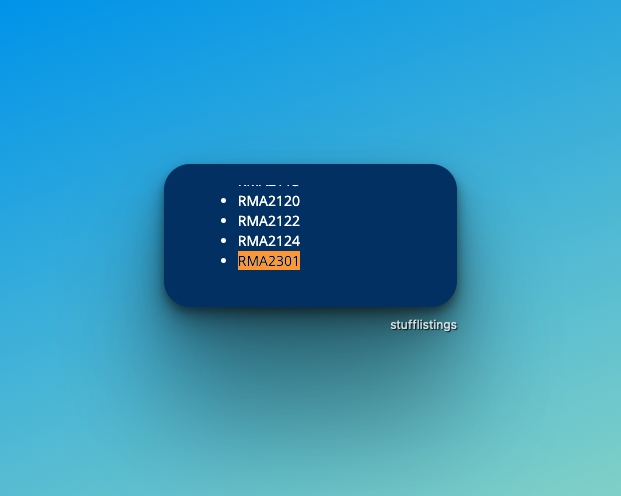
Tipster Mukul Sharma has spotted the Realme Buds Air 5 Pro on the Bureau of Indian Standards and Malaysia’s SIRIM certification. On both databases, the Buds Air 5 Pro has appeared with model number RMA2301, indicating that both models will have the same specs and features.
Realme Buds Air 5 specs
The Realme Buds Air 5 Pro is equipped with 11 mm dynamic audio drivers along with 6 mm secondary drivers, delivering an immersive audio experience. They have received the Hi-Res small gold label certification, ensuring high-quality sound performance. Additionally, the earbuds support the LDAC codec and spatial sound effects, enhancing the overall audio quality. Active noise cancellation capabilities of up to 50dbs further contribute to reducing external disturbances.
The Realme Buds Air 5 Pro incorporates advanced technology, including 4000Hz ultra-wideband noise reduction, for improved call clarity. With six built-in microphones, the earbuds enable AI deep call noise reduction, enhancing call quality even further. The device features a 460mAh battery in the main case and a 60mAh battery in each earbud, providing an impressive usage time of up to 40 hours on a full charge.
In terms of design, the Realme Buds Air 5 Pro maintains a familiar form factor with stem-like earbuds and silicone ear tips. The cylindrical main counterpart, along with the charging case’s pebble-shaped design and LED indicator, remains consistent with previous iterations. Minor design modifications have been made to the earbuds themselves, giving them a distinctive appearance.
The earbuds include a dedicated gaming mode, reducing latency to 40ms for an improved gaming experience. They also offer an IPX5 water resistance rating, making them suitable for use during physical activities and protecting them from splashes and sweat. Additionally, the Realme Buds Air 5 Pro supports Bluetooth 5.3 technology and can be customized through the “Realme Link” app, enabling users to personalize audio settings and access additional features.
Lightweight Design and Dynamic Driver X for Exceptional Audio Quality
According to a recent report, Sony WF-1000XM5 earbuds are impressively lightweight, weighing just 5.9 grams per bud. Equipped with a Dynamic Driver X boasting an 8.4-millimeter diameter, these earbuds promise exceptional audio quality. Sony has integrated two proprietary processors and dual-feedback microphones into the earbuds, enabling real-time optimization of the active noise cancellation (ANC) feature to deliver an immersive listening experience tailored to the surrounding environment.
Sony WF-1000XM5 SilverSony WF-1000XM5 Black
With three microphones in each earbud, the Sony WF-1000XM5 captures ambient noise with precision, allowing for effective intervention and optimization of audio playback when needed. Sony has made significant improvements to the drivers, resulting in enhanced vocal reproduction and greater sound detail. HiRes Audio and DSEE Extreme support further contribute to the audio excellence of the WF-1000XM5. The inclusion of bone conduction sensors and Precise Voice Pickup technology ensures crystal-clear call quality, even in noisy environments.
The accompanying charging case of the Sony WF-1000XM5 houses a 500mAh battery, extending the earbuds’ total battery life to 24 hours. While the specific battery capacity of the earbuds themselves remains undisclosed, Sony claims that a mere 3-minute charge provides an hour of playback time and a full charge for both the case and earbuds can be achieved within 2 hours.
The Sony WF-1000XM5 supports Bluetooth 5.3, enabling seamless multi-device connectivity with smartphones, tablets, and other compatible devices. Moreover, these earbuds are IPX4 certified, making them resistant to sweat and splashes, thus ensuring their suitability for everyday use.
Pricing details for the Sony WF-1000XM5 earbuds are currently unknown, and further updates will be provided as they become available. Stay tuned for the official release of these highly anticipated true wireless earbuds from Sony.
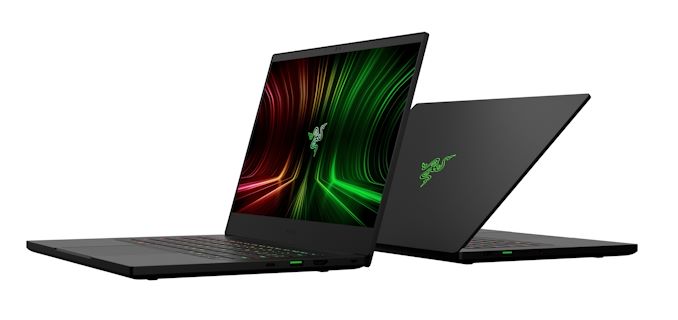
Razer has refreshed its Blade 14 laptop. It was first launched in 2021 and got an update last year. The latest updated version packs powerful hardware under the hood. The brand’s Blade models are compact and also the best gaming laptops available. Earlier this year, the company had launched the Blade 15 2023. Read on to know what the refreshed Blade 14 laptop offers out of the box.
Razer Blade 14 specifications and features
As the name suggests, the Razer Blade 14 is a 14-inch laptop with a 16:10 aspect ratio screen. It features a QHD+ resolution, 240Hz refresh rate, 3ms response time, and support for AMD FreeSync Premium. It is a compact and lightweight laptop measuring 17.19mm thin and measuring 1.84kg.
The Razer Blade 14 comes with a customizable RGB lighting backlit keyboard. There is a 1080p webcam with a mechanical private shutter and Windows Hello authentication.
Under the hood, the Razer Blade 14 is equipped with an AMD Ryzen 9 7940HS processor with eight cores, 16 threads, and 24MB cache. It is offered in two options with NVIDIA’s GeForce RTX 4060 and RTX 4070 GPU onboard. Both models pack up to 32GB DDR5 RAM expandable up to 64GB and 1TB PCIe SSD storage upgradeable up to 4TB. The machine is powered by a 68.1Wh battery unit that is claimed to offer up to 10 hours of usage. It supports quick charging.
Connectivity options on the Razer Blade 14 include two USB-A 3.2 Gen 2 ports, two USB Type-C ports, a Display Port 1.4, an HDMI 2.1 port, and a 3.5mm headphone jack.
The Razer Blade 14 comes in Matte Black and Mercury White colors. It carries a starting price tag of $2,399 for the RTX 4060 model whereas the RTX 4070 variant costs $2,699. The laptop is up for pre-orders today with shipments commencing from June 20th.
We use cookies on our website to give you the most relevant experience by remembering your preferences and repeat visits. By clicking “Accept”, you consent to the use of ALL the cookies.
This website uses cookies to improve your experience while you navigate through the website. Out of these, the cookies that are categorized as necessary are stored on your browser as they are essential for the working of basic functionalities of the website. We also use third-party cookies that help us analyze and understand how you use this website. These cookies will be stored in your browser only with your consent. You also have the option to opt-out of these cookies. But opting out of some of these cookies may affect your browsing experience.
Necessary cookies are absolutely essential for the website to function properly. This category only includes cookies that ensures basic functionalities and security features of the website. These cookies do not store any personal information.
Any cookies that may not be particularly necessary for the website to function and is used specifically to collect user personal data via analytics, ads, other embedded contents are termed as non-necessary cookies. It is mandatory to procure user consent prior to running these cookies on your website.