TCL has announced that it will launch TCL T6G QLED televisions in India on June 9th. Ahead of the official launch, the brand has revealed some key details of the upcoming offerings. Read on to know more below.
TCL T6G QLED TVs to launch in India next week
The TCL T6G QLED TV range will be offered in 43, 50, and 55-inch screen sizes. The televisions will feature bezel-less displays, 4K resolution, and a 94 percent DCI-P3 color gamut. The TVs will come with support for Dolby Vision and AMD FreeSync technology for a stutter and lag-free gaming experience. In terms of audio, the TCL T6G QLED TVs will pack Dolby Atmos and DTS: Virtual X technology for delivering three-dimensional audio. Software-wise, the televisions will run on Google TV OS out of the box. This is everything we know about the TCL T6G QLED TVs at the moment.
The TCL T6G QLED TVs will be available for purchase from Amazon and Flipkart starting June 9th. As a part of pre-launch, the brand is running a quiz on both e-commerce platforms which will be live till the sale date. Two lucky customers will have the chance to win Rs 10,000 Amazon Pay balance and Rs 10,000 cashback on Flipkart.
Customers taking part in the Amazon quiz will receive a targeted coupon of Rs. 1,000 and Rs. 2,000 on the purchase of 43 and 55-inch models respectively. Meanwhile, on Flipkart, they will receive Rs 1,500 and Rs 1,000 coupons for the same models.
The Poco F5 5G made its debut earlier this month as the first Snapdragon 7 Plus Gen 2 chipset-powered phone. When it comes to discussing the top-performing phones within the Rs 30,000 price range in India, the Poco F5 5G is an essential mention that cannot be overlooked. It is the rebranded version of the Redmi Note 12 Turbo available in the Chinese market.
The 4nm Snapdragon 7 Plus Gen 2, which has the 1 x 2.91 GHz Cortex-X2, 3 x 2.49 GHz Cortex-A710, 4 x 1.8 GHz Cortex-A510, and Adreno 725 GPU configuration, is currently the best chipset for upper mid-range smartphones. Its performance is such that it can defeat Snapdragon 8 Gen 1 phones in benchmark tests. The good thing is that Poco chose the SD7+G2 chip to power the Poco F5. The only other phone that has the same chip is the Realme GT Neo 5 SE, which is only available in the Chinese market at present. Here is our review of the Poco F5 5G to see if it lives up to the hype and delivers on its promise.
Poco F5 5G review: What’s in the box?
POCO F5 5G
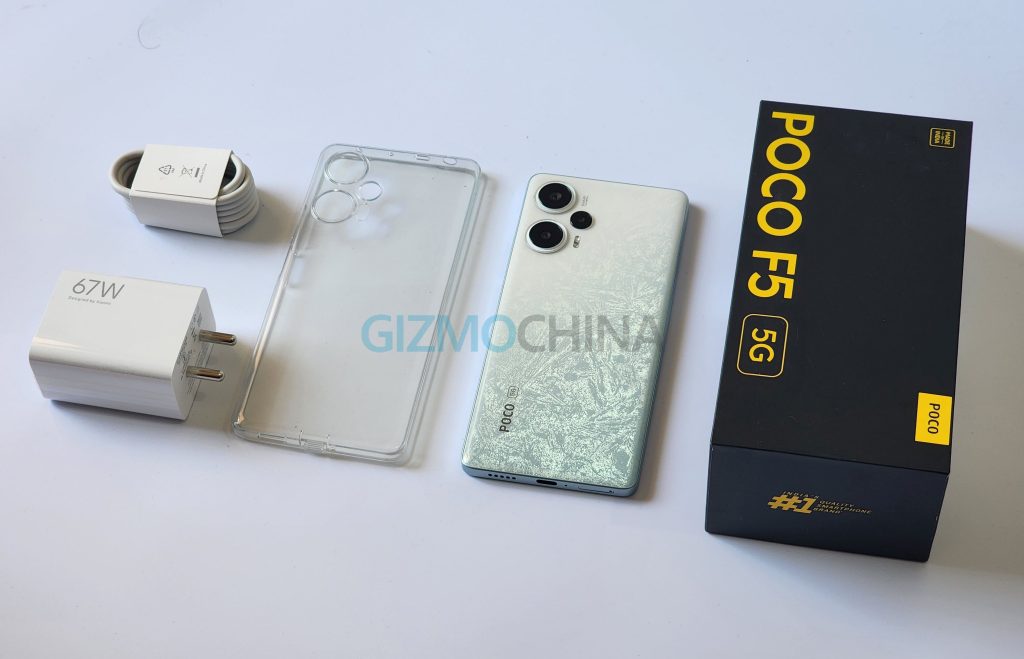
Here is a look at what’s packed inside the Poco F5 5G’s retail box:
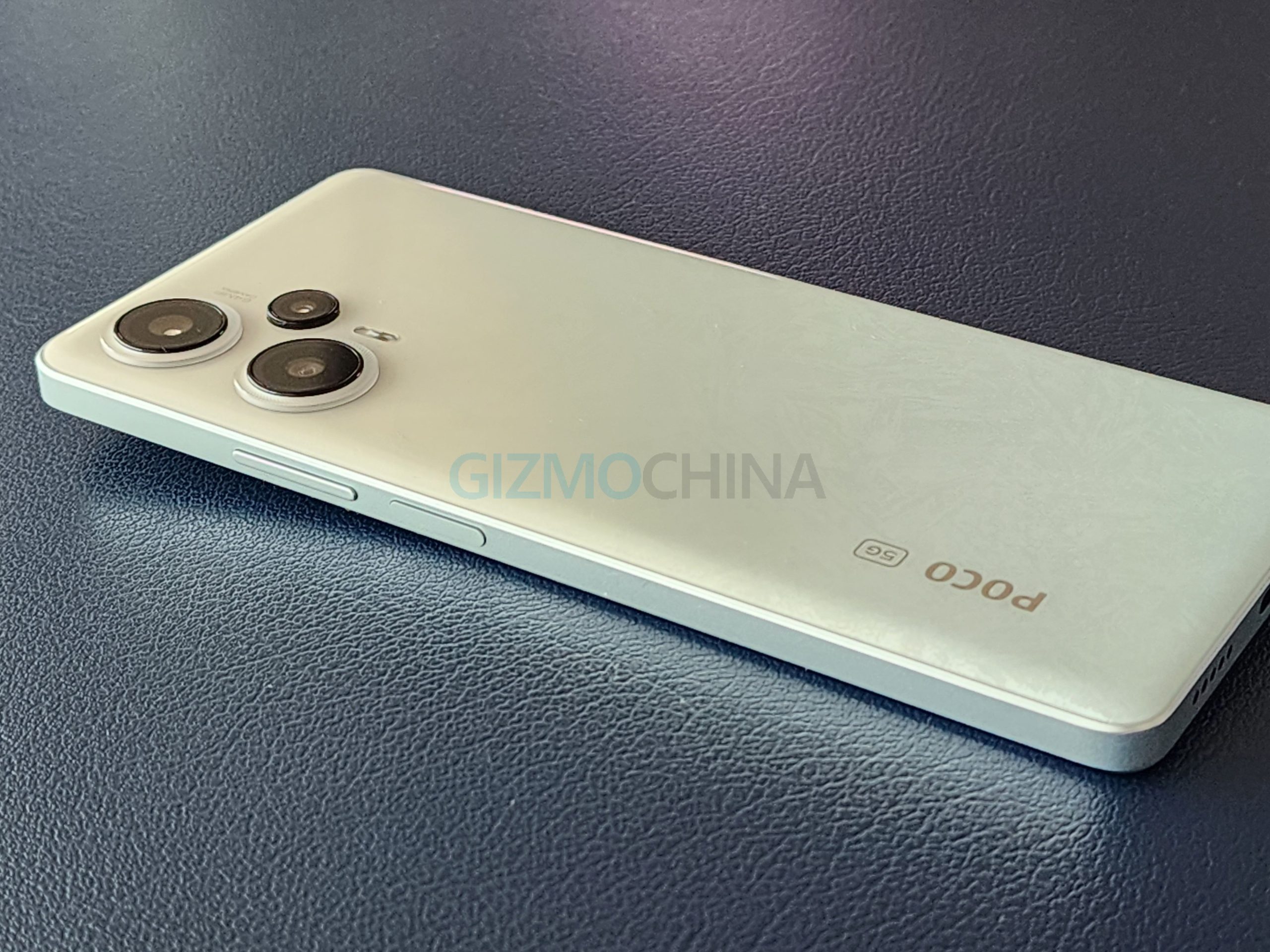
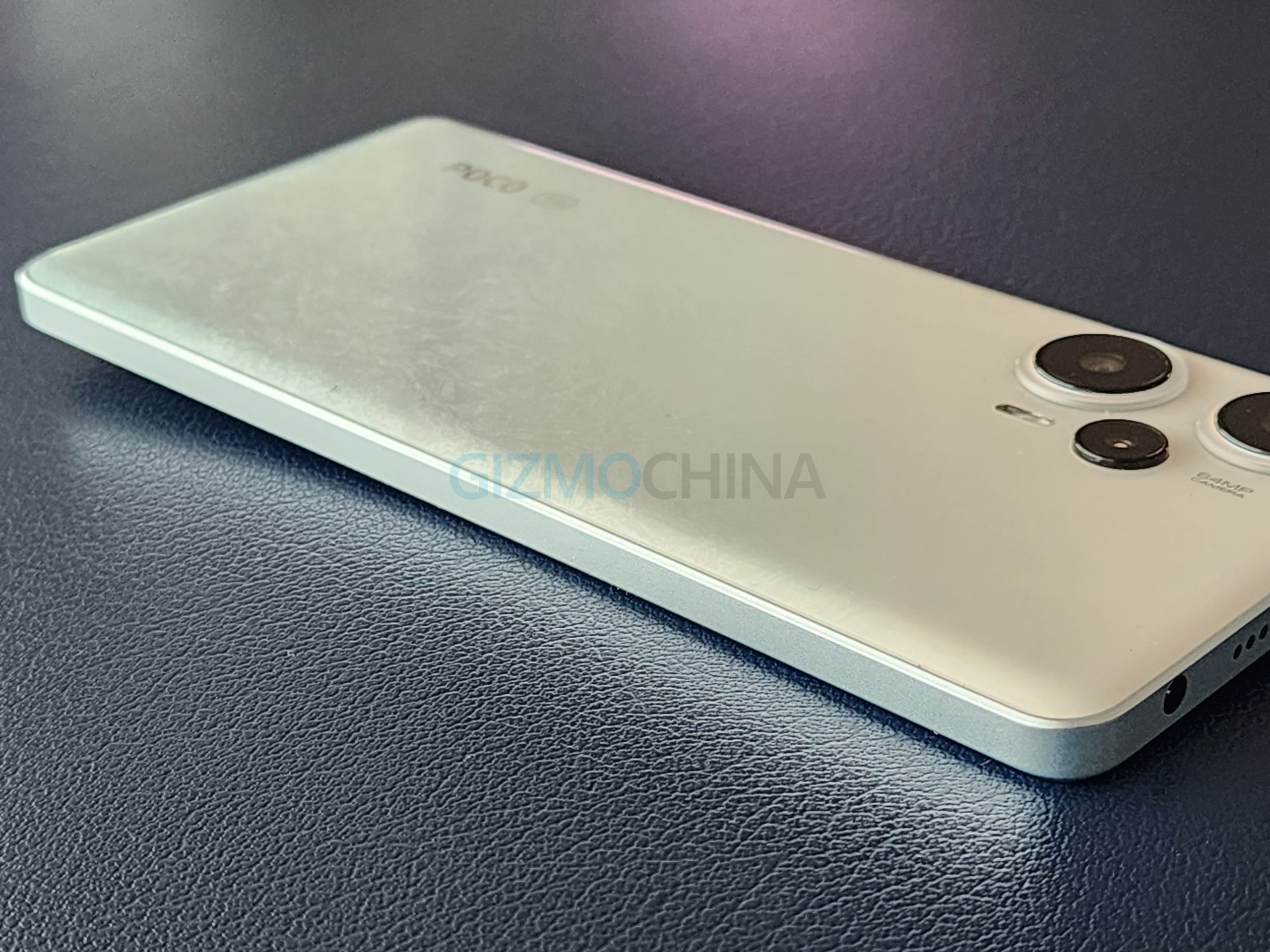
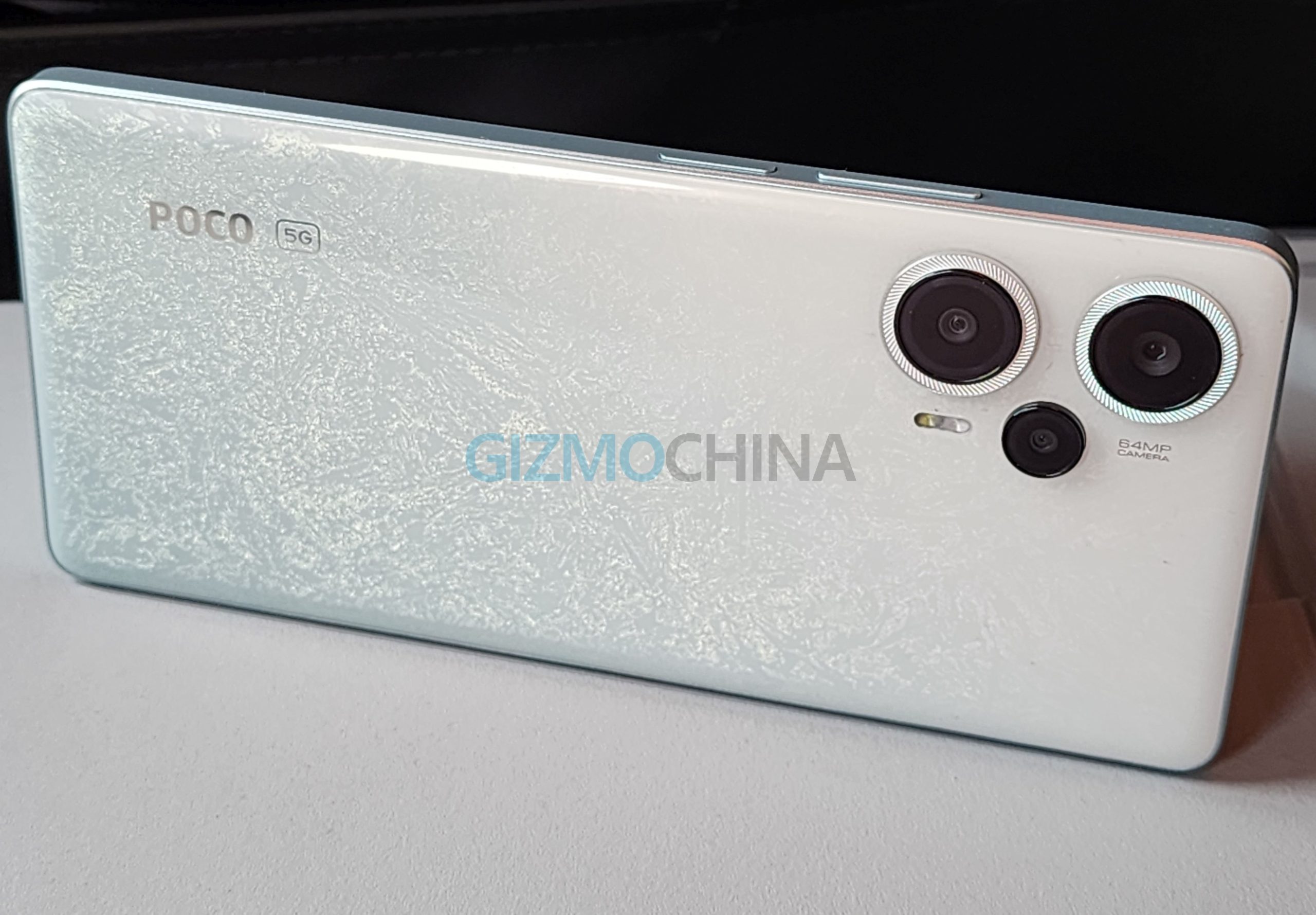
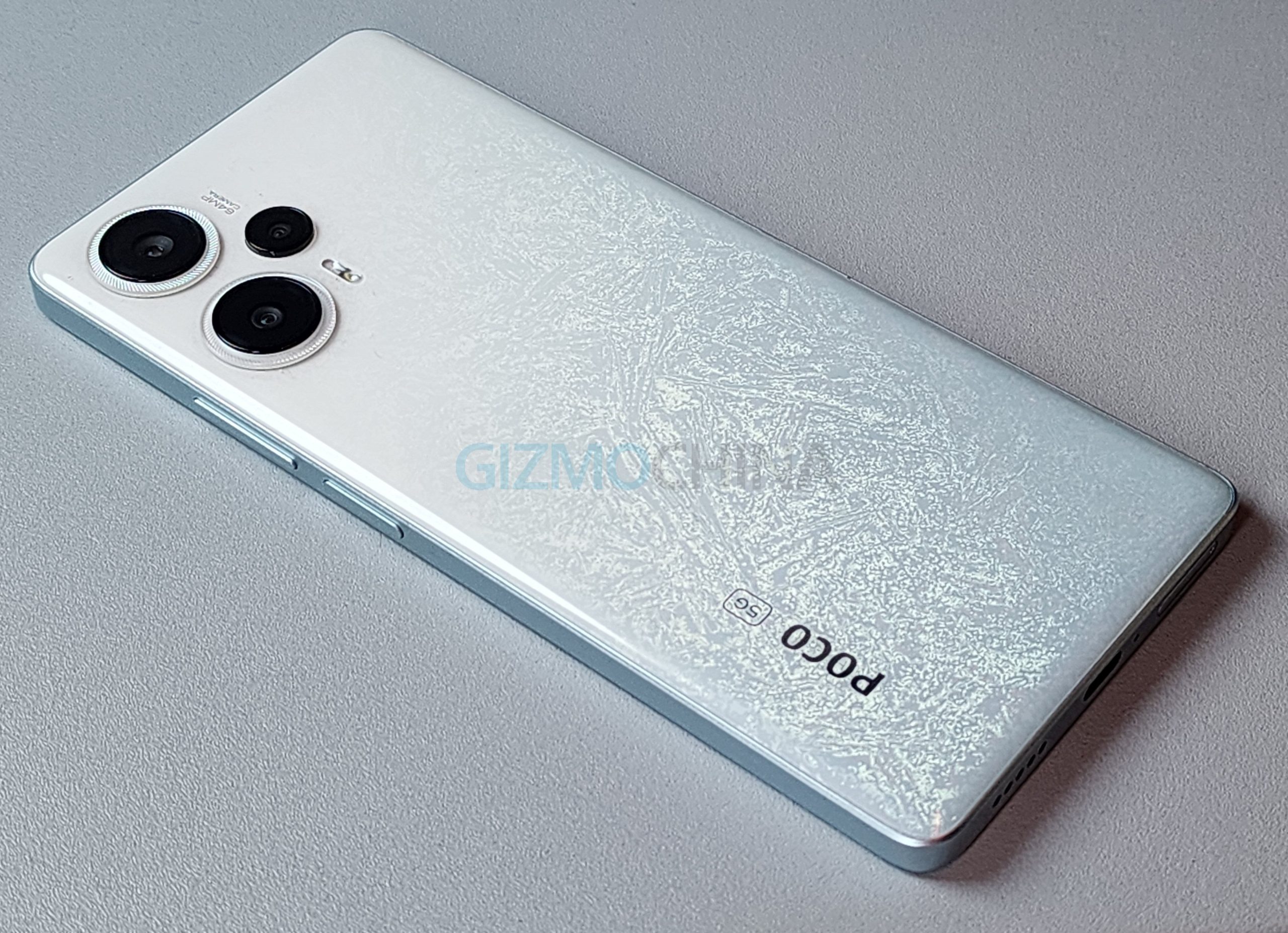
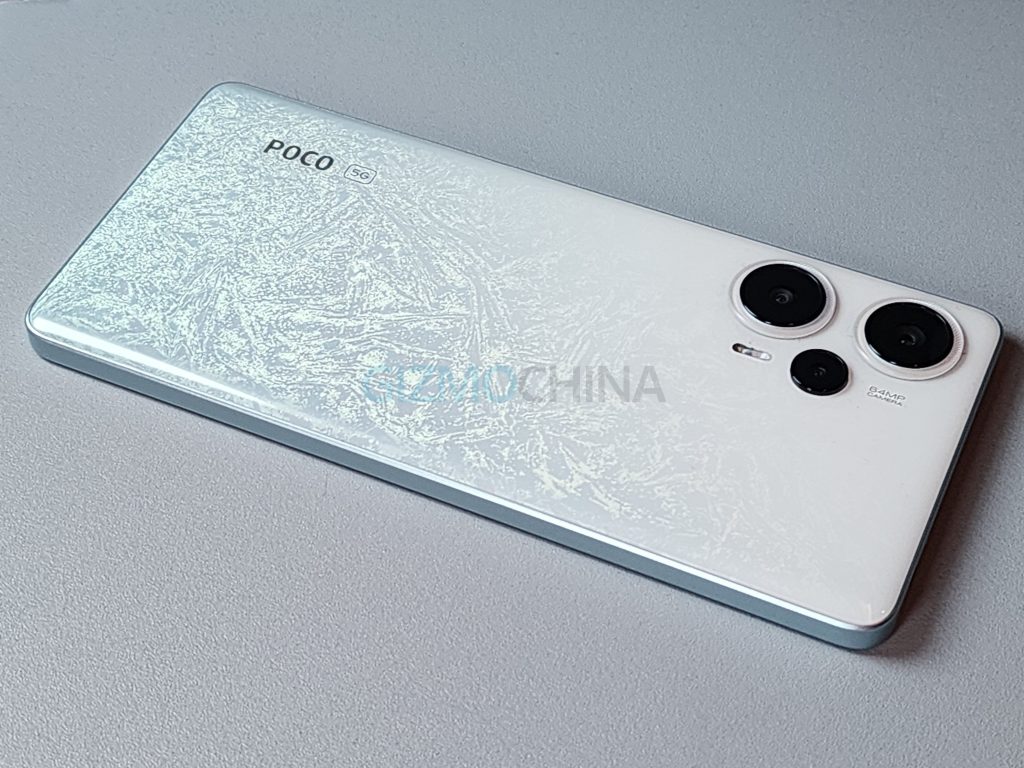
The Poco F5 5G is a slender and lightweight smartphone, weighing just 181 grams, with a sleek profile measuring a mere 7.98mm in thickness. The Snowstorm White edition of the Poco F5 5G has a 3D ice-flake texture, which makes it appear highly attractive. Although I haven’t had the opportunity to see the blue and black editions in person, they also seem to have a good appeal.
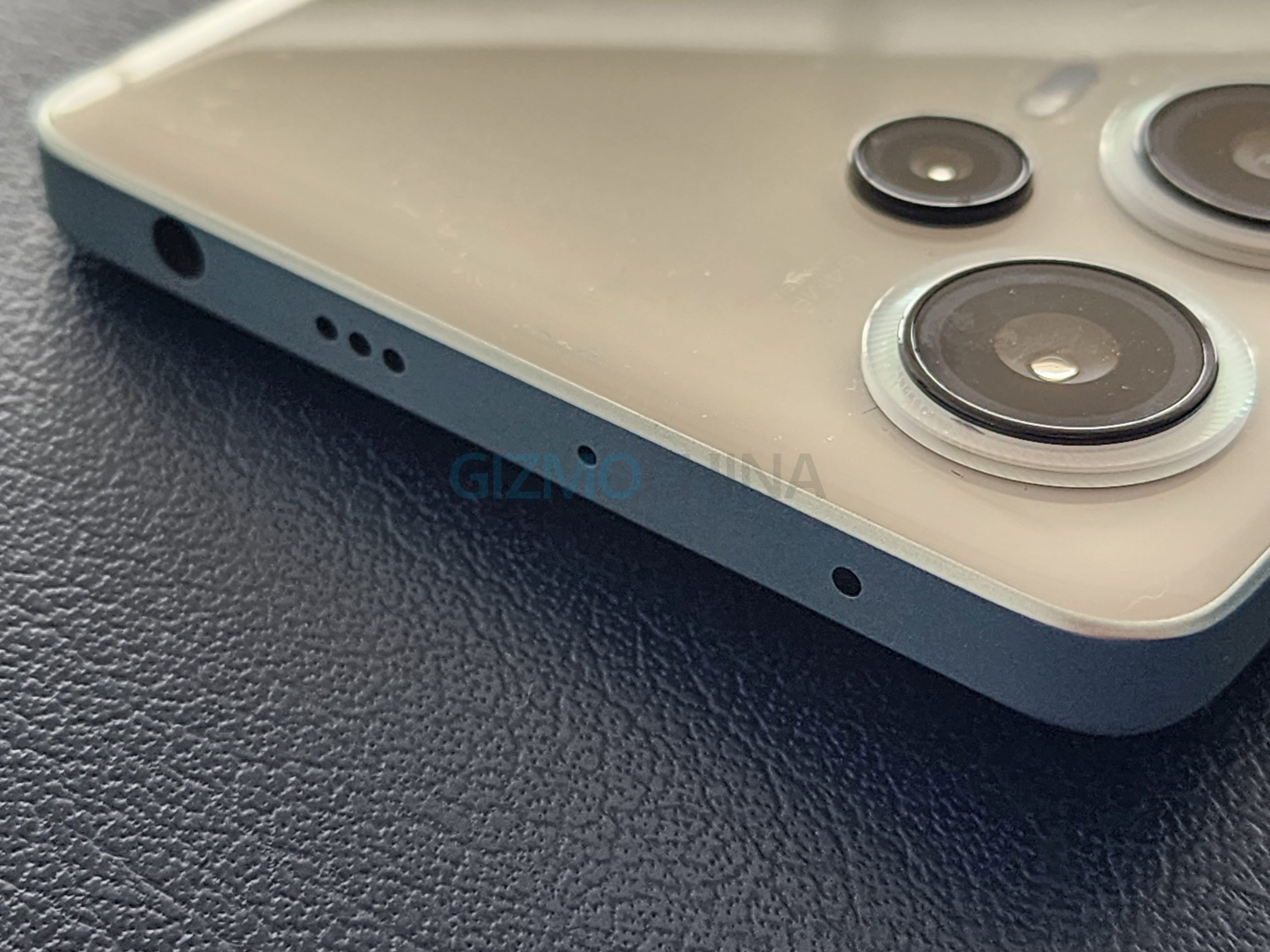
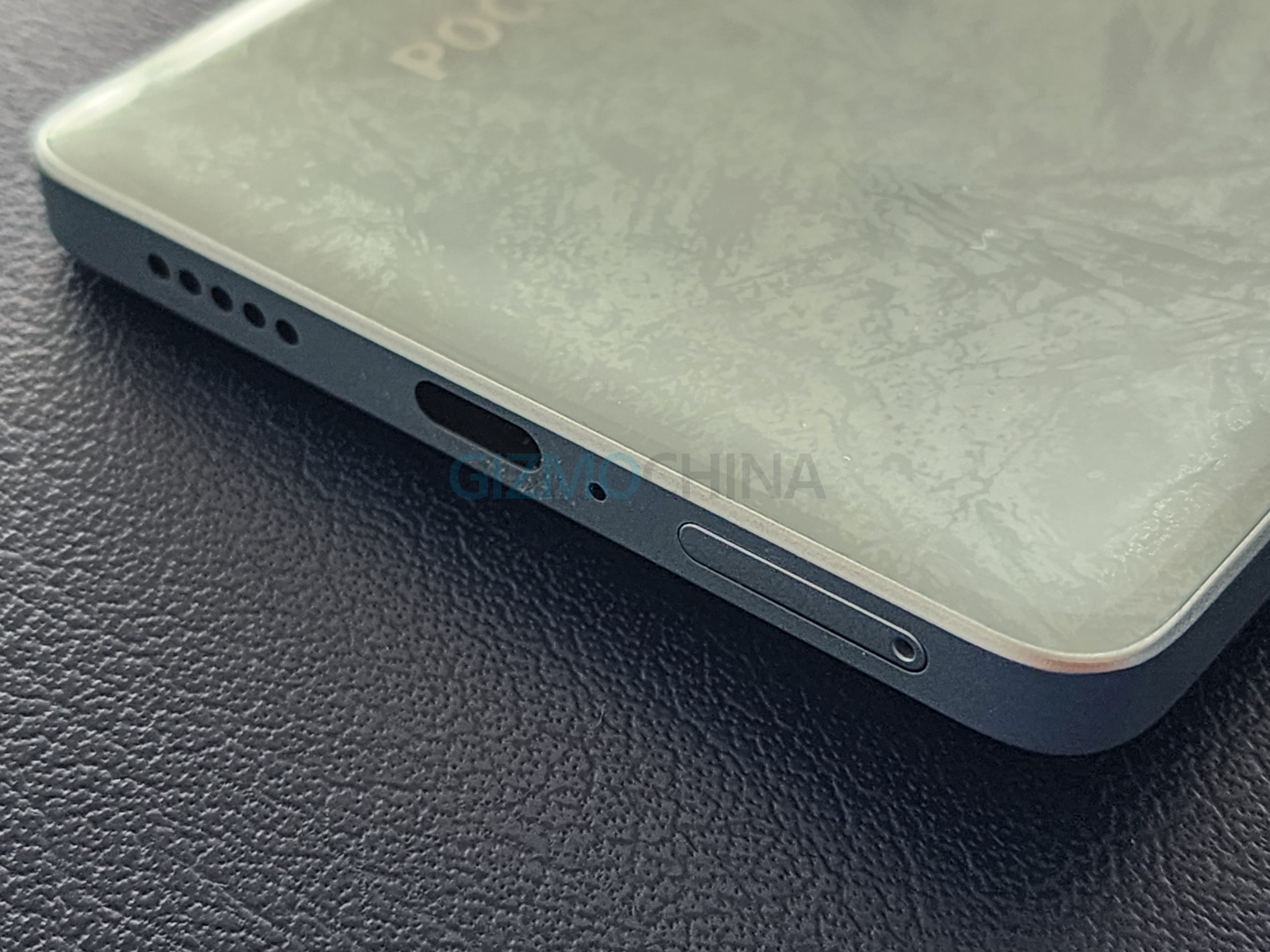
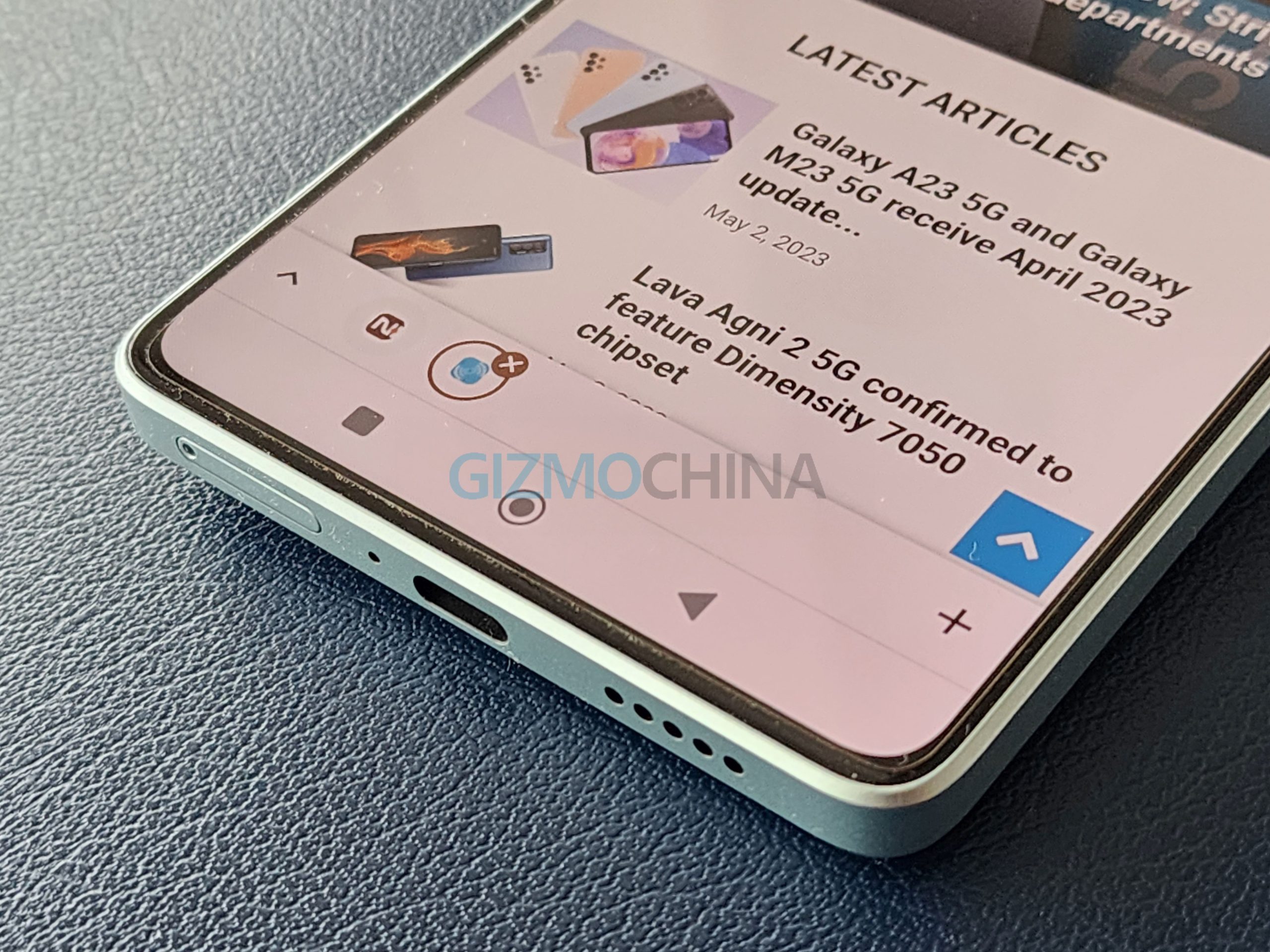
The Poco F5 5G’s flat edges and rear panel are made from polycarbonate material. The right side of the device features a volume rocker and a power key, which doubles as a fingerprint sensor. Moving to the top edge, it features a speaker grille, a microphone, an IR blaster, and yes, a 3.5mm headphone jack! The opposite end has a speaker grille, a USB-C port, a microphone, and a SIM slot. There is no microSD card slot on the device.
Poco F5 5G
The Poco F5 showcases an impressive front design, featuring slim bezels on all sides, with particular emphasis on the bottom bezel, which measures a mere 2.2mm in thickness. The company claims that the F5 offers a 93.4 percent screen-to-body ratio. When it comes to durability, the phone features Gorilla Glass 5 protection on the front and IP53-rated protection against dust and water splashes.
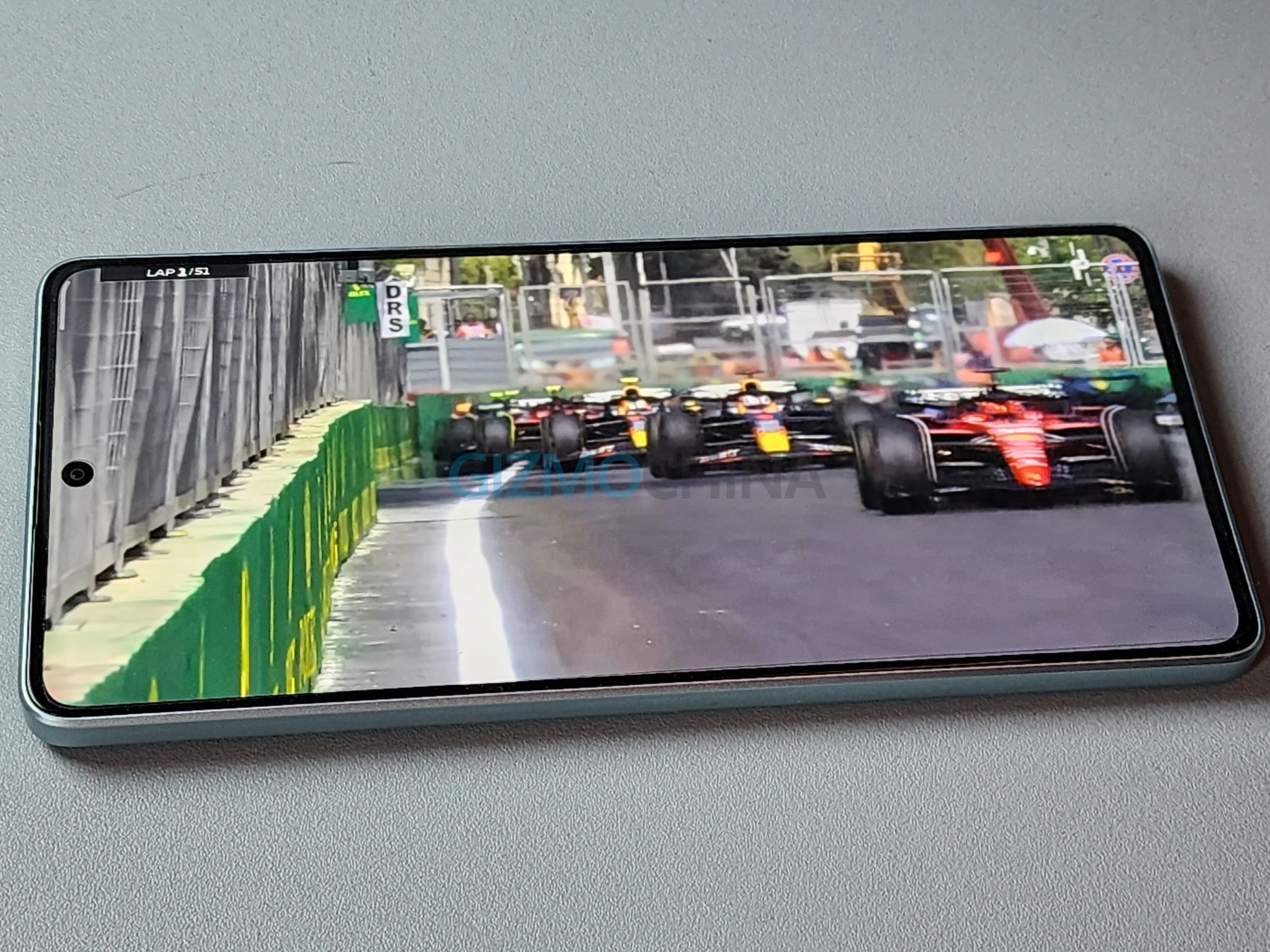
Equipped with a 6.67-inch AMOLED display, the F5 presents users with an FHD+ resolution and a smooth 120Hz refresh rate. The screen brightness can soar up to 1,000 nits, ensuring effortless usability of the phone even in direct sunlight. It is the only smartphone in its segment to support 12-bit colors.
Poco F5 5GPoco F5 5GPoco F5 5GPoco F5 5G
With its Dolby Atmos-tuned dual stereo speakers and support for Widevine L1, HDR10+, and Dolby Vision, the display of the Poco F5 is highly capable for enjoying content on OTT platforms in the best possible quality and offers an excellent gaming experience.
The MIUI 14 offers multiple color schemes for the display, such as Vivid (adjust colors based on content displayed), Saturated (enhanced colors), Standard (constant contrast), and Advanced (choose from options like Original, P3, and sRGB). When it comes to refresh rate, it offers Default and Custom, which have 60Hz or 120Hz options. The Poco F5 fares well in the design and display departments.
Performance and Software
Qualcomm Snapdragon 7+ Gen 2
5,000mAh battery
8GB / 12GB of LPDDR5 RAM
67W charging
256GB of UFS 3.1 storage
Android 13 OS, MIUI 14 for Poco
7GB of virtual RAM
3725mm2 VC cooling unit
The Snapdragon 7 Plus Gen 2 is powerful enough to even outscore the Snapdragon 8 Gen 1 in the CPU performance department. According to Android Authority, which conductd benchmark tests on SD7+G2 chip, there is a noticeable difference in GPU performance between Qualcomm’s mid-range and flagship silicon. Unfortunately, the Snapdragon 7 Plus Gen 2 doesn’t deviate from this trend. However, despite its lower capabilities, the GPU of the Snapdragon 7 Plus Gen 2 managed to surpass flagship chips from Samsung and Google in terms of performance.
Inside the Poco F5, the Snapdragon 7+ Gen 2 chip is joined by up to 12 GB of LPDDR5 RAM and 256 GB of UFS 3.1 storage. According to Poco, the F5 comes with LiquidCool Technology 2.0, which is a combination of a large 3725mm² Vapor Chamber and 14 layers of graphite sheets that enhances heat dissipation by 35 percent. The Poco F5 incorporates an X-axis linear motor to elevate the gaming experience, enabling gamers to enjoy seamless gameplay even at the highest settings and achieve 90fps in games such as BGMI and PUBG. Impressively, even after an hour of continuous gaming, the temperature of the Poco F5 remains around 35 degrees.
Featuring a robust 5,000mAh battery, the Poco F5 comes bundled with a convenient 67W charger included in the retail package for rapid charging. Achieving a full charge typically takes approximately 47 to 50 minutes. With its fully charged battery, the Poco F5 can effortlessly endure a day of regular usage.
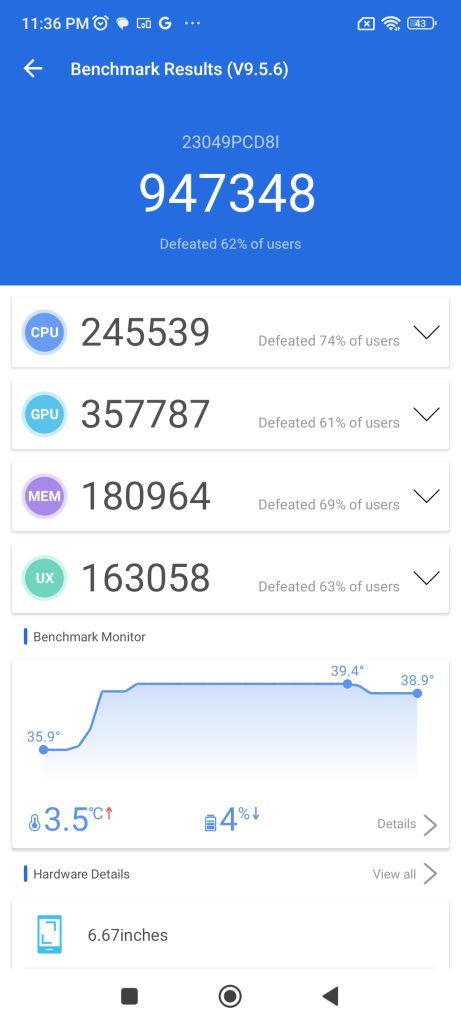
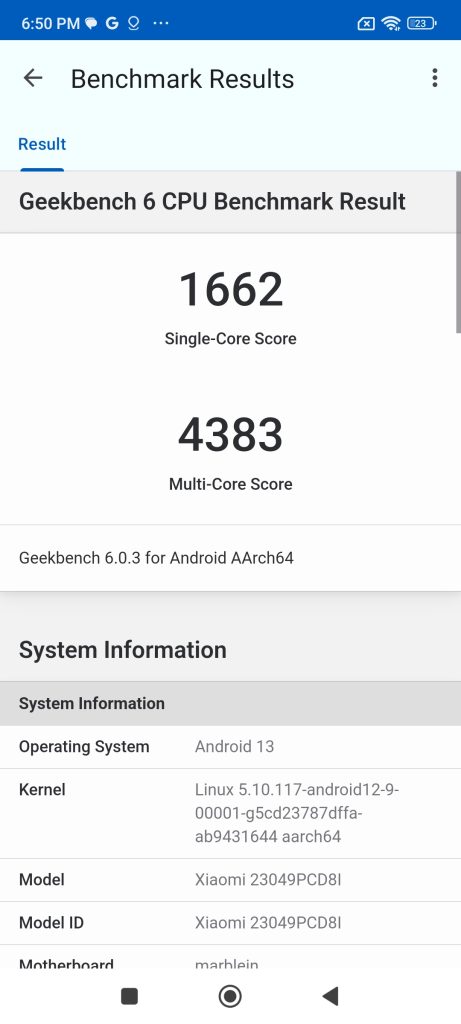
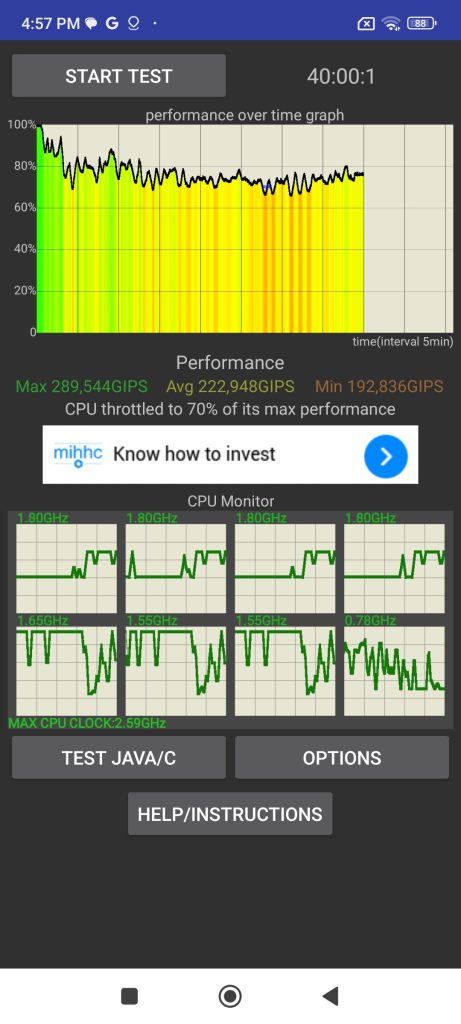
On the software side, the Poco F5 comes with the Android 13 OS and MIUI 14 for Poco. The device is promised to receive two OS upgrades and three years of security updates. The MIUI experience on the device is quite smooth, but there are a lot of apps that some may find useless. Here is a look at the performance of the F5 on different benchmarking platforms.
AnTuTuGeekbench CPU THrottle
Photography and Other Features
Rear Camera
Other features
64MP OmniVision OV64B40 primary camera with OIS
Side-mounted fingerprint scanner
IR blaster
8MP Sony IMX355 ultra-wide
Face unlock
3.5mm audio jack
2MP GalaxyCore GC02M1 macro
5G (n1/n3/n5/n7/n8/n20/n28/n38/n40/nB41/n77/n78)
Dual stereo speakers with Dolby Atmos
Dual-LED flash
Wi-Fi 802.11ac
X-axis linear motor
Bluetooth 5.3
Front Camera
GPS
16MP Samsung S5K3P9SP04 camera
USB-C
Poco F5 5G
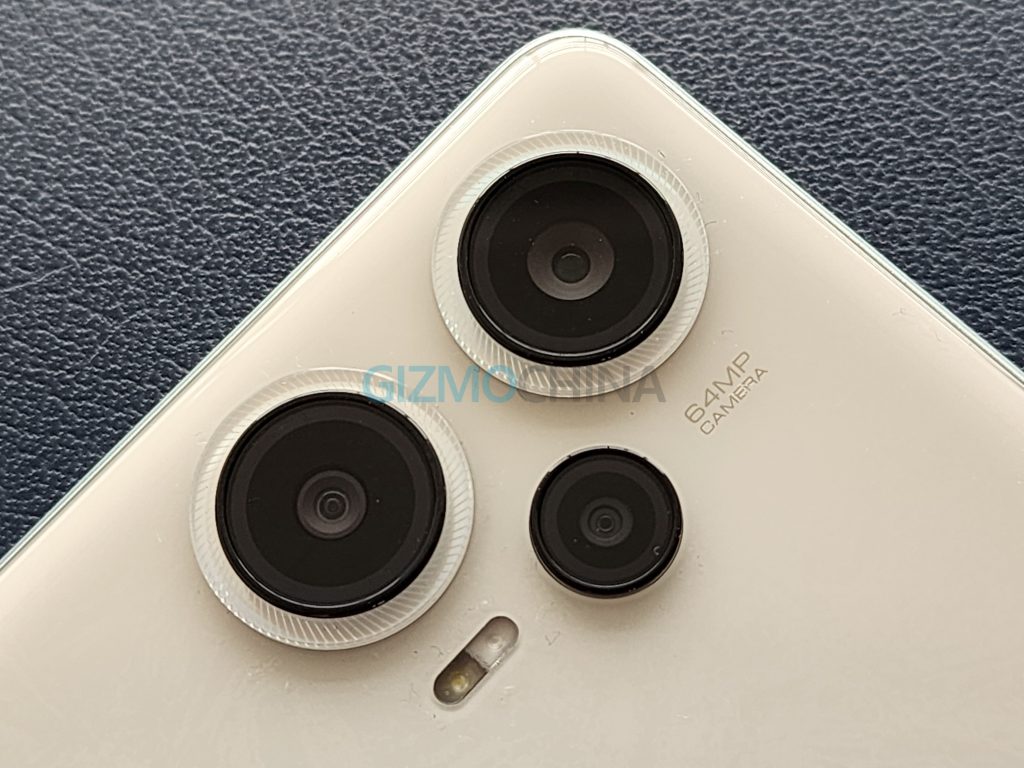
In terms of design, the Poco F5’s camera module has a turbine-like look, as shown in the image. Some of the major highlights of the Poco F5 camera system are the inclusion of OIS support, 2x lossless in-sensor zoom, and 7 film camera modes for personalized shots. The camera app offers modes, such as Pro Documents, Video, Photo, Portrait, Night, 64MP, Short Video, Panorama, Vlog, Slow Motion, Time-lapse, AI Watermark, and Long Exposure. The hamburger menu on the camera app has more options, including macro mode.
The main camera on the Poco F5 5G remains unchanged from its predecessor, the Poco F4 5G, featuring a 1/2.0 sensor size and an f/1.8 aperture. However, with an improved ISP, the Poco F5 5G delivers enhanced photography capabilities. It excels at capturing vibrant colors, fine details, and a broad dynamic range in daylight conditions. Additionally, indoor shots taken under ample lighting conditions also turn out impressive. By default, the primary camera shoots at a 16-megapixel resolution. There is a 64MP mode for snapping shots at the highest resolution.
With night modeWith night mode
Users can take advantage of the in-sensor zoom feature on the primary camera, enabling them to capture shots with a 2x magnification without sacrificing details. The presence of OIS proves beneficial for maintaining stability and preserving quality when capturing zoomed-in shots. The Photo mode provides access to film camera filters, such as KC64, FC400, V-250, C-50D, H-400, KP-160, and KG200. Here are some of the camera filter samples.
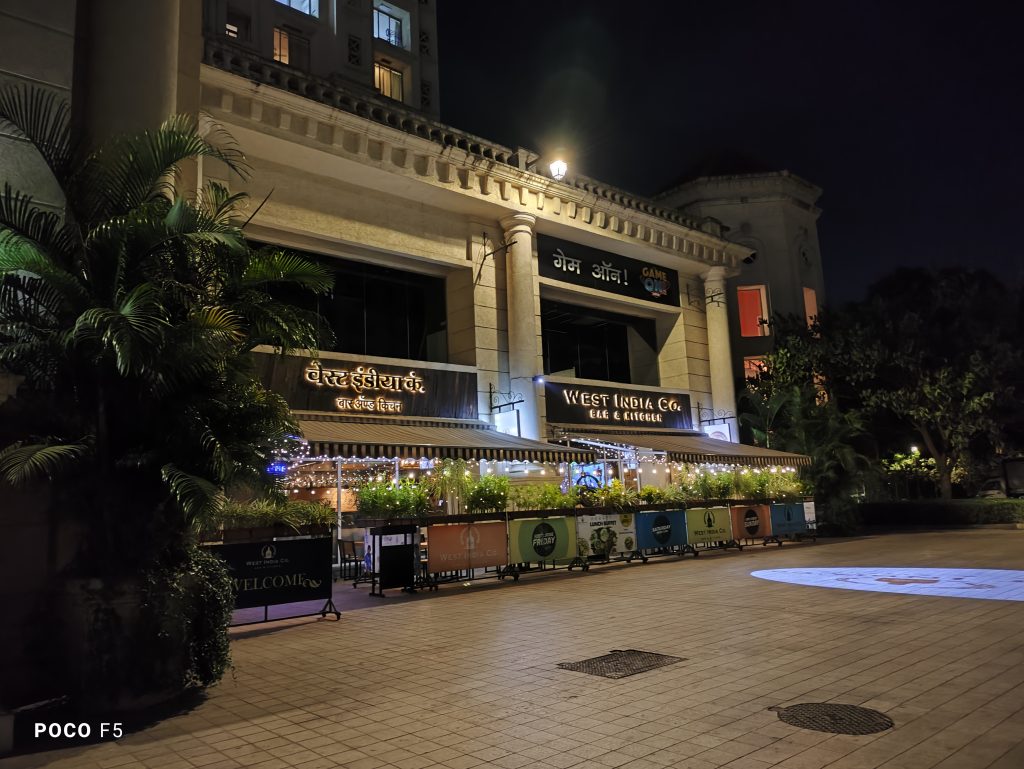
According to the brand’s claims, the Poco F5 delivers commendable performance in low-light situations. Whether using Night Mode or not, there is minimal difference between photos taken in dim-light scenarios. However, it is important to mention that certain shots may exhibit an overly soft appearance due to optimizations implemented in the night mode, potentially impacting the overall clarity and sharpness of the image.
Additionally, the 8-megapixel IMX355 sensor performs decently in well-lit conditions. It captures average-quality ultra-wide shots in low light. The 2-megapixel macro shots are not useful as they lack detail.
Regarding the 16-megapixel front camera of the Poco F5, the images tend to have relatively accurate colors. The edge detection is satisfactory, enabling decent selfie captures during daylight and low-light scenarios, assuming there is an adequate amount of lighting.
In terms of video recording, the Poco F5 is capable of capturing videos with resolutions up to 4K at 30fps. However, the Steady Shot feature, which enhances video stabilization similar to an action camera, is only accessible when shooting at 1080p resolution and 30fps. Videos recorded in low-light conditions or indoor settings with less lighting tend to have some noise.
The other features such as n IR blaster and a 3.5 headphone jack are nice additions to the device. The fingerprint scanner available on the side also works fine as expected.
Verdict
Poco F5 5G
With its impressive features, the Poco F5 proves to be a versatile device that excels in various aspects. It boasts a remarkable display, delivering an excellent visual experience along with dual stereo speakers. The device also offers top-notch performance thanks to the SD7+G2 chip, ensuring smooth and efficient operation. When it comes to gaming, the F5 effectively manages heat, allowing for prolonged gameplay without overheating concerns.
While the cameras may not be exceptional, they still provide decent image quality. Overall, the Poco F5 emerges as a well-rounded smartphone that ticks the right boxes in terms of display, performance, heat management during gaming, battery life, fast charging, camera capabilities, and affordable pricing. What adds to its appeal in the Indian market is the inclusion of a two-year warranty, making it an even more enticing deal for potential buyers.
Within the realm of recently released smartphones, the Poco F5 faces stiff competition from the Motorola Edge 40 and the Samsung Galaxy A54 5G. Both of these smartphones feature superior water-resistance capabilities. Moreover, the Edge 40 distinguishes itself with its curved-edge display and wireless charging functionality. However, none of these features come close to the Poco F5’s promised performance potential. As a result, the F5 emerges as the undisputed performance king and will maintain its dominance in its price category for a considerable period of time
Variants, Price and Availability
The Poco F5 can be purchased through Flipkart and offline stores in India. It comes in the following variants and color options:
8 GB RAM + 256 GB storage – Rs 29,999 (~$362)
12 GB RAM + 256 GB storage – Rs 33,999 (~$410)
Colors: Carbon Black, Snowstorm White, and Electric Blue
LG has launched a new large touchscreen wireless display. It is said to be a portable offering and arrives as the successor to the model with a stand that was introduced at last year’s CES. The latest wireless display is called LG StanbyME Go. Read on to know what it offers out of the box.
LG StanbyME Go specifications and features
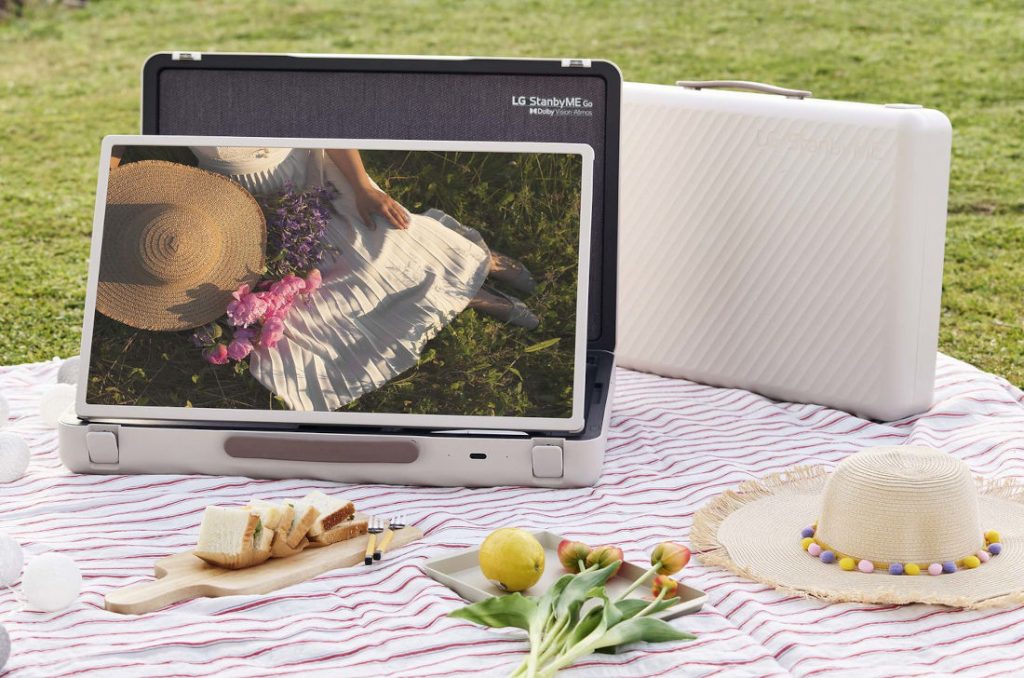
The LG StanbyME Go is a portable wireless screen display. It features a 27-inch screen with support for touch functionality. The device can be tilted and rotated up to 90 degrees and supports height adjustment up to 18cm. Users can turn the screen horizontally or vertically as well as use it in a table mode. The table mode has customized board games and theme skins that can be used when the screen is lying flat.
The LG StanbyME Go wireless display is equipped with 20W speakers with support for Dolby Vision and Dolby Atmos. It also features voice recognition for performing various tasks by giving voice commands. The wireless display runs on webOS with support for AirPlay and screen mirroring.
The LG StanbyME Go comes with a carry case in which the wireless display fits. There is a handle on the top of the case for carrying it everywhere. Accessories like a remote control and power cables can also be stored in the case. The wireless display is said to have passed 11 types of military-grade tests for durability. It features a built-in battery that allows up to 3 hours of usage without a power connection.
The LG StanbyME Go is priced at 1.17 million won (~$884). It will be available from online and offline stores in Koea starting June 7th.
Indkal Technologies has just announced announced new range of Google TVs from Acer in the Indian market earlier today (31st May 2023). The latest lineup includes some top notch specs and features. So let’s have a look.
Acer unveils new range of Google TVs with QLED & OLED
The company announced a number of series, which includes the O, H, G, I, V, and W lineup. The new O series is the flagship models out of the bunch and feature OLED display technology. Furthermore, the O models will even arrive in a 55 inch and 65 inch variant, with large woofers for its 60W speaker system. Furthermore, the brand also aims to capture the Indian market with a new range of affordable TVs that feature QLED panels from its V series.
The QLED tech has typically been spotted on ultra high end models like the ones sold by Samsung, but these model were built to be more accessible to the Indian consumers. The V series range will start with a 32 inch variant along with the 43 inch, 50 inch, and 55 inch model as well. Moving forward, we also have the I and G series that also seek top disrupt the market with value in mind as they bring some top notch features like MEMC, Dolby Atmos, Dolby Vision, 4K upscaling, high brightness, and much more. One of its more notable aspects include the addition of 16GB of internal memory for the I series 32 inch and 40 inch variants.
One of the more notable launches was Acer’s new H series range that features a powerful 76W speaker system that promises to offer improved bass and treble to bring a more immersive audio experience to the consumers. The new Google TVs will be available alongside the existing range of premium QLED TVs that include the W series and will offer Anti Glare displays, frameless design, Aural Sound, and Motion sensors as well. Indkal announced that the new ranges will have different launch timelines, with the I series arriving first. The sale is set to kick off across all channels on June 6.
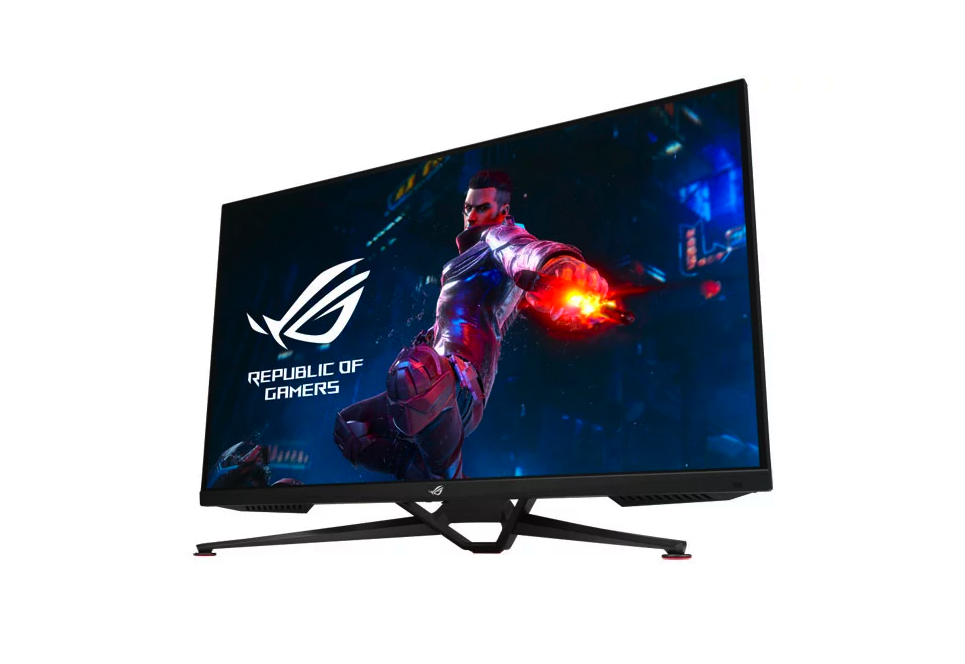
During the ongoing Computex 2023 event, Asus introduced a new 24-inch IPS display with a 1080p resolution that boasts an impressive refresh rate of up to 380Hz. Additionally, Asus has also unveiled the ROG Swift PG38UQ monitor, catering to customers seeking a larger display option. Let’s look at what this monitor has to offer.
Asus ROG Swift PG38UQ specs & features
This 38-inch gaming monitor utilizes a Fast IPS panel, boasting a 1 ms response time (GtG) for enhanced motion clarity. It supports both AMD FreeSync Premium Pro and NVIDIA G-SYNC technologies to minimize image tearing, making it particularly useful for high frame-rate gaming.
The ROG Swift PG38UQ features a native 4K resolution of 3,840 x 2,160 in a 16:9 aspect ratio, ensuring sharp and detailed visuals. With a peak refresh rate of 144 Hz, this monitor provides smooth gameplay when connected via DisplayPort 1.4, allowing for seamless 4K/144 Hz gaming. However, when using HDMI 2.1, the refresh rate is limited to 120 Hz at 4K.
Notably, the ROG Swift PG38UQ is VESA DisplayHDR 600 certified, offering 10-bit image processing and achieving a peak brightness of 600 nits when viewing HDR content. It covers 98% of the DCI-P3 color space, delivering vibrant and accurate colors for an immersive visual experience.
Pricing & availability
Debuting alongside the ROG Strix XG259QN, the ROG Swift PG38UQ is expected to launch in Q3 2023. ASUS has not revealed ROG Swift PG38UQ pricing or full availability yet, but it has outlined various specifications.
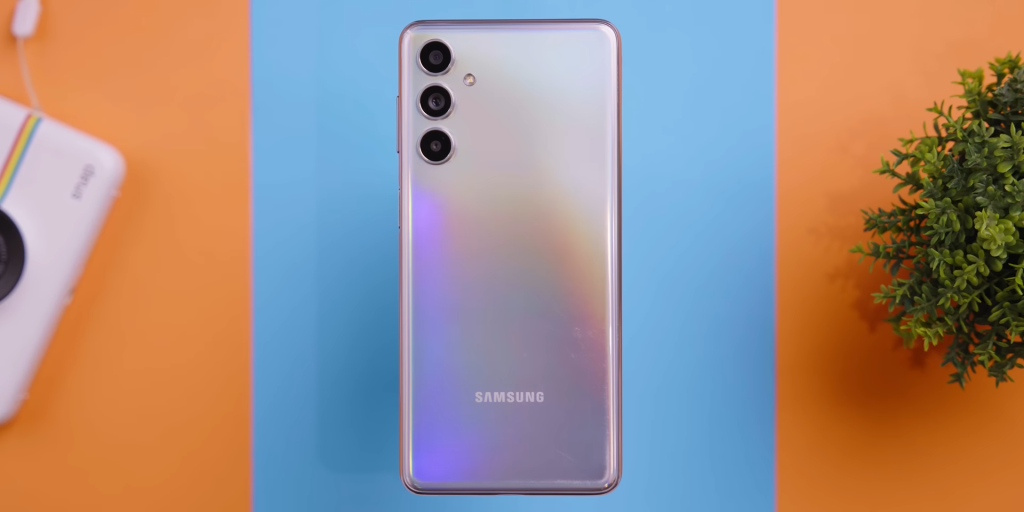
Design and Colors: A Closer Look at the Galaxy F54 5G’s Aesthetics
Available in Dark Blue and Silver variants, the Galaxy F54 5G shares a resemblance to Samsung’s recent A series smartphone lineup. Notably, it showcases three distinct camera rings on its rear. Despite housing a massive 6,000mAh battery, the phone manages to maintain a sleek profile, measuring just 8.4mm in thickness and weighing 199g. It is worth mentioning that the device features a plastic back and a side-mounted fingerprint reader, a slight departure from the glass back, and an in-display fingerprint reader found in the Galaxy A54 5G.
Galaxy F54 5G Specifications (Leaked)
Display-wise, the mid-range Galaxy F54 5G boasts a 6.7-inch Super AMOLED+ display with Full HD+ resolution and a commendable 120Hz refresh rate. To safeguard the display, Samsung has incorporated Gorilla Glass 5 protection. Under the hood, the phone packs the Exynos 1380 processor, accompanied by 8GB of RAM and 256GB of internal storage. Users also have the option to expand the storage further using the microSD card slot. The device runs on Android 13-based One UI 5.1, offering a seamless user experience.
In the camera department, the phone impresses with its 108MP primary camera, featuring optical image stabilization (OIS). It also includes an 8MP ultrawide camera, a 2MP macro camera, and a 32MP front-facing camera for high-quality selfies. Connectivity options include GPS, 5G support, a dual-SIM card slot, Wi-Fi 6, Bluetooth 5.3, NFC, and a USB Type-C port. The device facilitates speedy charging with a maximum of 25W fast charging. According to a recent leak, the pricing of the device is expected to start at Rs 28,499 for the base variant.
Chinese AI firm Xiao-I, a company that recently completed a successful IPO, generating an impressive sum of US$39 million, has set an ambitious goal of global expansion. The company aims to achieve up to half of its total revenue through international sales.
Xiao-I, the brainchild of Yuan Hui, has made remarkable strides since its inception two decades ago when it introduced its first chatbot. Over time, this Shanghai-based company has witnessed significant growth, currently boasting a valuation of over US$400 million and earning its place on the prestigious Nasdaq stock exchange, thanks to the ongoing ChatGPT fever. The company is backed by Alibaba Group Holding.
Looking ahead, Xiao-I is now determined to extend its reach across the global market, signaling its ambitious plans for expansion. As the chairman and chief executive of Xiao-I, Yuan Hui has been the driving force behind the company’s success.
Yuan Hui’s motivation to develop a chatbot dates back to the tumultuous times of 2003 when China grappled with the outbreak of severe acute respiratory syndrome (SARS). It was during this period that Yuan recognized the potential of chatbot technology in providing efficient and reliable information to users. This realization spurred the company to release its first chatbot in January 2004, which swiftly gained popularity among users.
In the early months of 2004, Xiao-I introduced what they proudly proclaimed as the first-ever chatbot in the world. This groundbreaking creation was accessible through popular messengers like MSN and QQ, captivating a significant number of users and enjoying widespread popularity.
Xiao-I’s innovative chatbot was so impressive that by 2007, Microsoft’s MSN recognized Xiao-I as its exclusive partner in the field of robotics. The recognition from such a prominent industry player further validated Xiao-I’s pioneering position.
The success story of Xiao-I continued to unfold, as, by 2008, their products had amassed an impressive user base surpassing 100 million worldwide. Xiao-I has successfully served over 1,000 business clients spanning more than 50 industries. While primarily focusing on mainland China, these clients include major players such as the country’s prominent telecoms network operators, leading commercial banks, and renowned tech giants like JD.com and Huawei Technologies Co.
According to Xiao-I’s IPO prospectus, the company demonstrated substantial growth in 2021, reporting a revenue of US$32.5 million. This marked a remarkable increase of nearly 135% compared to the previous year, showcasing Xiao-I’s ability to capture new business opportunities and deliver value to its clients. In addition to impressive revenue growth, Xiao-I managed to achieve a net profit of US$3.4 million in 2021. This turnaround in profitability is significant, considering the net loss of US$7.1 million recorded in the previous year.
Realme 11 Pro Series 5G launch date in India has been announced. The lineup comprising the Realme 11 Pro and 11 Pro+ smartphones will debut in the country on June 8th at 12 pm local time. The upcoming offerings will arrive as the successor to the last year’s Realme 10 Pro series. They had also launched in the Chinese market last month and the Indian variants are expected to come with the same specifications.
Realme 11 Pro Series 5G India launch date revealed
Realme has put up a dedicated microsite of the Realme 11 Pro series where it will reveal key details of the upcoming smartphones in the days leading up to the launch event. Flipkart has also put up a microsite confirming the availability of the Realme 11 Pro series on the e-commerce platform.
Realme has already teased a 200MP Samsung ISOCELL HP3 SuperZoom camera with 4x lossless zoom mode, super group portrait, and one-take camera features. The brand has partnered with former GUCCI prints designer Matteo Menotto for the design of the upcoming smartphones. The devices feature industry-first 3D woven texture and a premium lychee leather back panel that is said to be stain-resistant and durable.
Realme is also offering an exclusive official gift box for users who subscribe to ‘Notify Me’ on the microsite and purchase any of the Realme 11 Pro series devices. Winners will get 10,000 Realme coins worth Rs 100, a six-month extended warranty worth Rs 1,000, and up to a 50 percent discount coupon on selected accessories. There is also a flip to win challenges that let interested people win the phone.
At the Vivo S17 series launch event in China, the brand also announced a new audio accessory. It is new pair of truly wireless earphones.
The latest earbuds from the company are officially called Vivo TWS Air Pro. These earphones cost the same as the recently released Honor Earbuds X5 and are cheaper than the Oppo Enco R2.
But they offer ANC (Active Noise Cancellation), which is missing in the other two. At the same time, the vivo model does not support multipoint connections.
Further, the Vivo TWS Air Pro houses 14.2mm drivers. They connect to devices via Bluetooth 5.3 and support seamless pairing on Vivo smartphones as well as tablets.
The buds are IP54-rated for water resistance. They offer touch gesture controls and 88ms low latency mode. Being a budget model, they only support the standard SBC and AAC audio codecs, however, they provide 3D sound effects.
The earbuds weigh about 4g each and are rated to last for 6 hours without ANC. With noise cancellation, the endurance drops by half to only 3 hours. Along with charging, these figures increase to 30 hours and 15 hours, respectively.
The Vivo TWS Air Pro is priced at ¥299 in China. It can be availed in either Rough Blue or Vitality White color options.
These new wireless earphones are already on sale. For a limited time, the brand is offering a ¥30 discount. Currently, it’s not known if and when these buds will be released in global markets.
The Indian government is planning to reject the request for billion of dollars worth of funding by the Vedanta – Foxconn joint venture. According to the Bloomberg report, authorities will soon officially inform the Joint Venture (JV) of the rejection of the funding.
Last year in September Billionaire Anil Agarwal’s Vedanta joined hands with Hon Hai Precision Industry Co Ltd popularly known as Foxconn to manufacture 28nm chips in India. The 69-year-old businessman had made headlines with this ambitious project and had dreamed of building India’s own Silicon Valley.
source: Vedanta
The JV was the largest-ever corporate investment in India to date with the Gujarat government, pledging a massive investment of $22 billion. The purpose of this substantial funding was to establish the nation’s inaugural semiconductor manufacturing facility, marking a significant milestone in India’s technological advancement.
The project was expected to create more than 1,00,000 jobs and was expected to benefit from generous subsidies and incentives under the Gujarat Semiconductor Policy 2022-27. These incentives included complete exemption of stamp duty on land acquisition and subsidized access to essential resources like water and electricity.
However, reports suggest that the venture’s request for government assistance, aiming to secure a substantial amount of funding, has not met the specified criteria set by the government. Furthermore, in order to proceed with the construction of 28nm chips, the project is currently lacking both a technology partner and a manufacturing-grade technology license.
According to recent leaks, the upcoming Samsung Galaxy Tab S9 series is expected to continue the tradition of 45W fast charging for its high-end tablets. While other smartphone brands have been pushing higher charging speeds, Samsung appears to be sticking with its reliable 45W fast charging technology.
Galaxy Tab S9 series will continue to feature 45W charging
Certification listings from TUV Rheinland, a testing and certification firm, reveal the presence of two models in the Galaxy Tab S9 lineup. The Galaxy Tab S9+ (model numbers SM-X816B, SM-X810, and SM-X816N) and the Galaxy Tab S9 Ultra (model numbers SM-X916B, SM-X910, and SM-X916N) have both been certified for fast charging safety. These tablets are expected to support 45W fast charging (10V/4.5A), similar to their predecessors.
Samsung Galaxy Tab S8 series
It is worth noting that Samsung has been known to exclude chargers from its recent device releases. While the base Galaxy Tab S9 hasn’t received certification yet, it is likely to feature the same 45W fast charging capabilities as last year’s Galaxy Tab S8. Samsung’s decision to exclude chargers aligns with its ongoing environmentally conscious approach.
Leaked renders indicate that the Galaxy Tab S9 series will sport a design similar to the previous Galaxy Tab S8 lineup. These high-end tablets are rumored to be equipped with the Snapdragon 8 Gen 2 For Galaxy processor, offering powerful performance. Users can expect generous memory options, with variants featuring 8GB or 12GB of RAM, as well as ample storage choices ranging from 128GB to 512GB. Additionally, the tablets will feature a magnetic S Pen stylus and boast an OLED display with a 120Hz variable refresh rate, providing a smooth user experience. Audio enthusiasts will appreciate the quad-speaker setup, further enhancing the multimedia capabilities of the devices.
Realme has released an upgraded version of the Realme GT Neo5 150W smartphone, featuring 16GB of RAM and a massive 1TB storage capacity. Priced at an attractive 3,099 yuan ($436), the device will officially go on sale today, May 31st, at 8:00 PM.
During the ongoing 618 promotion, Realme offers an even more enticing deal. The Realme GT Neo5 240W version, equipped with 16GB of RAM and 1TB storage, can be purchased for just 3,199 yuan ($449). It’s worth noting that the earlier 16GB+1TB version of the device was exclusively available with the 240W fast charging technology and carried a higher price tag of 3,499 yuan ($491).
The 150W version is more practical for ordinary users. With a 5000mAh large battery, the battery life is relatively longer, and fast charging can also fully charge the phone in 16 minutes, so the speed is not slow.
Realme GT Neo5 specifications
Realme GT Neo5 features a 6.74-inch 1.5K AMOLED display with a resolution of 2772×1240 pixels. The display offers a high refresh rate and up to 1450 nits of peak brightness, ensuring vibrant visuals. It runs on the Snapdragon 8+ Gen 1 4nm Mobile Platform with an Adreno 730 GPU for smooth performance.
The device runs on Android 13 with Realme UI 4.0 on top and supports dual SIM cards. The rear camera setup includes a 50MP primary camera with OIS, an 8MP ultra-wide camera, and a 2MP microscope lens. It has a 16MP front-facing camera for selfies. The phone features an in-display fingerprint sensor and has dimensions of 163.85×75.75×8.9mm, weighing 199g.
It supports USB Type-C audio, stereo speakers with Dolby Atmos, and Hi-Res Audio. Connectivity options include 5G, dual 4G VoLTE, Wi-Fi 6, Bluetooth 5.2, GPS, NFC, and USB Type-C.
Even though many of us know Xiaomi for its smartphones, the company is also expanding into other markets. Especially notable for its smart home products, the Chinese tech giant recently introduced a new refrigerator and gaming monitor. Most recently, Xiaomi has launched its first self-powered edition of the Mi Home Dynamic Bicycle. The bike, priced at 1799 yuan, and is set to go on sale on May 31st. Here are the details…
Xiaomi’s Mi Home Dynamic Bike: The Perfect Way to Save Money and the Environment
Xiaomi continues to intrigue us with its attractive smart home products. The latest example of this is the Mi Home Dynamic Bicycle Self-Powered Edition. This bicycle is capable of generating 50W of power, converting the energy exerted from riding into power for the bike itself. There’s no need to connect it to an electrical source, freeing riders from the inconvenience of cables.
The bike comes with a 20W dual coil wireless fast charger that converts cycling energy into electrical energy. This means you can charge your phone or other devices while you ride, without using any electricity. The bike also has a built-in Type-C port for wired charging. This is a great way to save money on electricity and get some exercise at the same time. It’s also a great way to reduce your environmental impact by using less energy.
The Mi Home Dynamic Bicycle Self-Powered Edition can charge a mobile phone if you pedal at 60rpm or above. When the generator is under full load, it can produce 50W or more of power. The bicycle has an integrated control screen that displays pedaling frequency, calories burned, and other data. It can be started and stopped with a single button, and the resistance can be adjusted from 1 to 32 gears.
The Mi Home Dynamic Bicycle Self-Powered Edition is also a compact and lightweight exercise bike that is easy to move around. It has a curved magnetic disc design that reduces noise, and a concealed full-coverage flywheel that prevents accidental bumps and entanglement. The bike also supports linkage with air conditioners and water heaters, and features NFC for quick App connection.
If you’re looking for a new way to get fit and stay connected, the Mi Home Dynamic Bicycle Self-Powered Edition is a great option at 1799 yuan.
As scheduled, the Vivo S17 series went official in China today. The lineup consists of three phones, namely Vivo S17, Vivo S17t, and Vivo S17 Pro.
The former two are almost identical with different chipsets. You can learn about them here. Here in this article, let’s take a look a the latter model.
The S17 Pro is the most expensive of the three as it comes with a better set of features. Let’s check out everything it has to offer.
Vivo S17 Pro Specifications
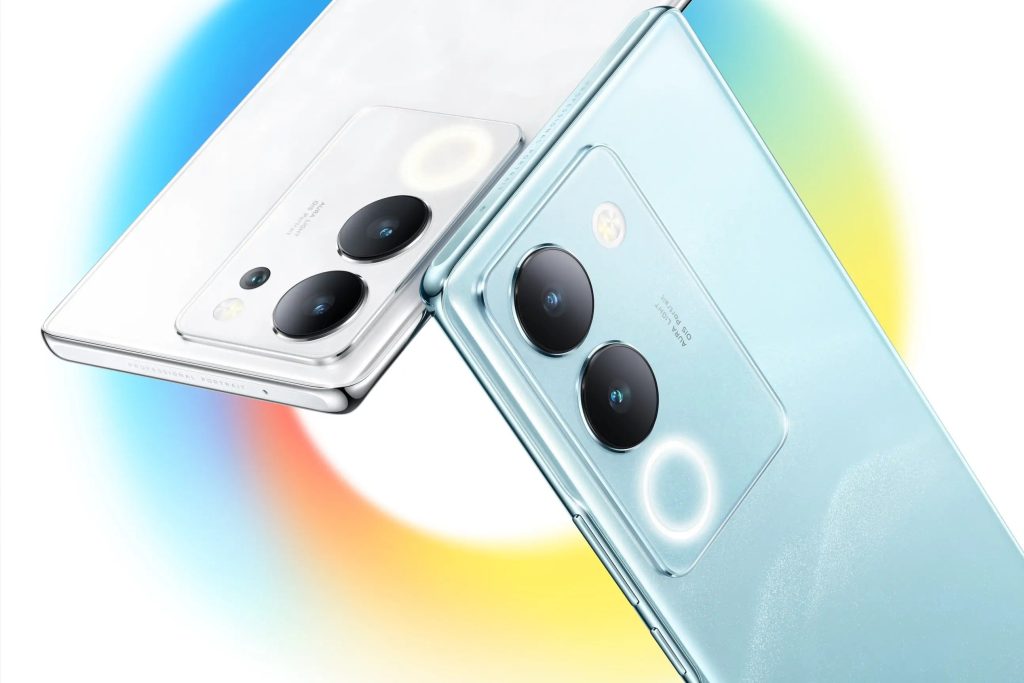
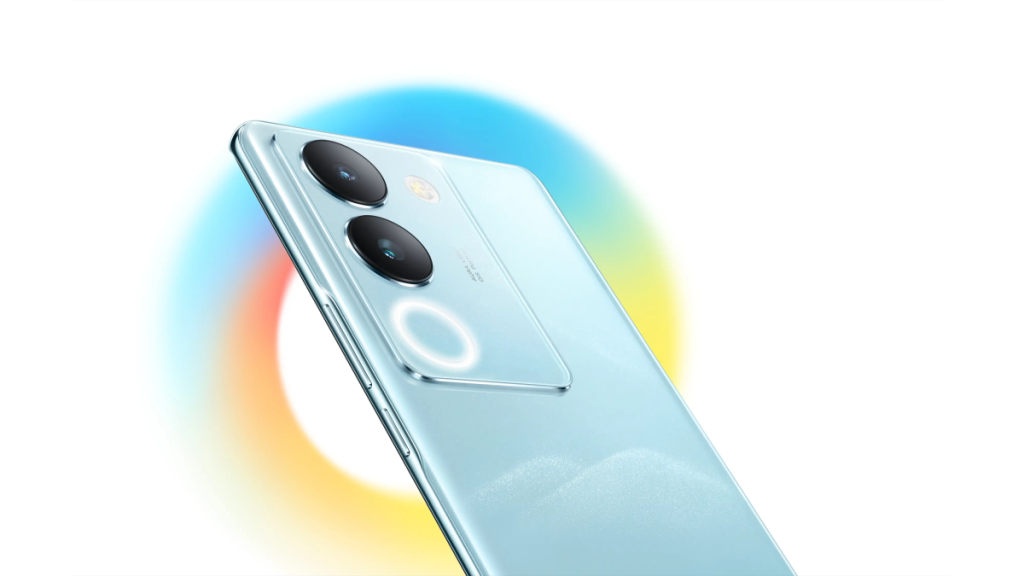
The Vivo S17 Pro may look like the Vivo S16 Pro at first sight, however, it is slightly different. The third camera is smaller and the device does not come with a color-changing back.
Instead, the brand has introduced a new blue color option that mimics the sea and stars. Otherwise, the phone retains the 3D body achieved by curved glasses on the front and rear. It measures only 7.46mm in thickness and weighs about 188g.
The handset is built around a 6.78-inch centered punch-hole curved AMOLED display with a resolution of 2800 x 1260 pixels, 452 PPI, and 120Hz refresh rate. The 10-bit panel has an 80,000,00:1 contrast ratio and offers 1300 nits local peak brightness level as well as 2160Hz PWM dimming.
The device is powered by a MediaTek Dimensity 8200 SoC paired with LPDDR5 RAM and UFS 3.1 storage. On the software front, it boots OriginOS 3.0 based on Android 13.
The smartphone houses a triple camera system on the rear. The setup comprises an OIS-assisted 50MP Sony IMX766V primary sensor, an 8MP Sony IMX355 ultra-wide unit, and a 12MP Sony IMX663 2x telephoto shooter. These cameras are paired with a regular dual-tone LED flashlight and a soft light.
On the front, the handset sports a 50MP Samsung JN1 sensor for selfies and video calls. This camera supports autofocus and it is paired with two LED flashlights on either side.
The connectivity options on the phone include dual SIM, 5G, WiFi 6, Bluetooth 5.3, GNSS, NFC, and USB 2.0 (Type-C). For biometrics, it uses an in-screen fingerprint sensor.
Last but not least, the smartphone is backed by a 4,600mAh battery with support for 80W fast charging.
Vivo S17 Pro Price and Availability
The Vivo S17 Pro will retail at the following price tags in China.
8GB + 256GB – ¥3,099 (~$435)
12GB + 256GB – ¥3,299 (~$465)
12GB + 512GB – ¥3,499 (~$490)
The product can be availed in either Mountain Sea Green, Ice White Jade, and Black color options. It is set to go on sale starting June 8.
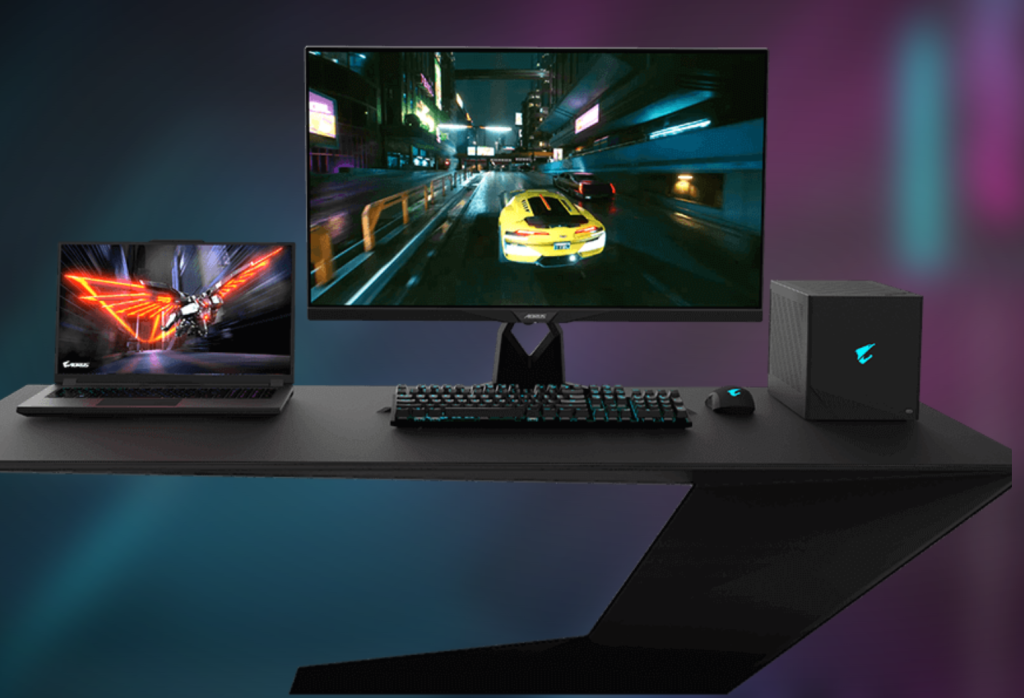
Gigabyte recently introduced a range of high-performance gaming laptops in India, equipped with the powerful NVIDIA GeForce RTX 40 series GPUs. While on the global front, the company has now revealed a new Aorus Gaming Box, an eGPU unit that houses a cutting-edge RTX 4090 GPU with an efficient water-cooling system. Let’s delve into the specifications and features of this exciting new offering from Gigabyte.
Aorus RTX 4090 Gaming Box specs & features
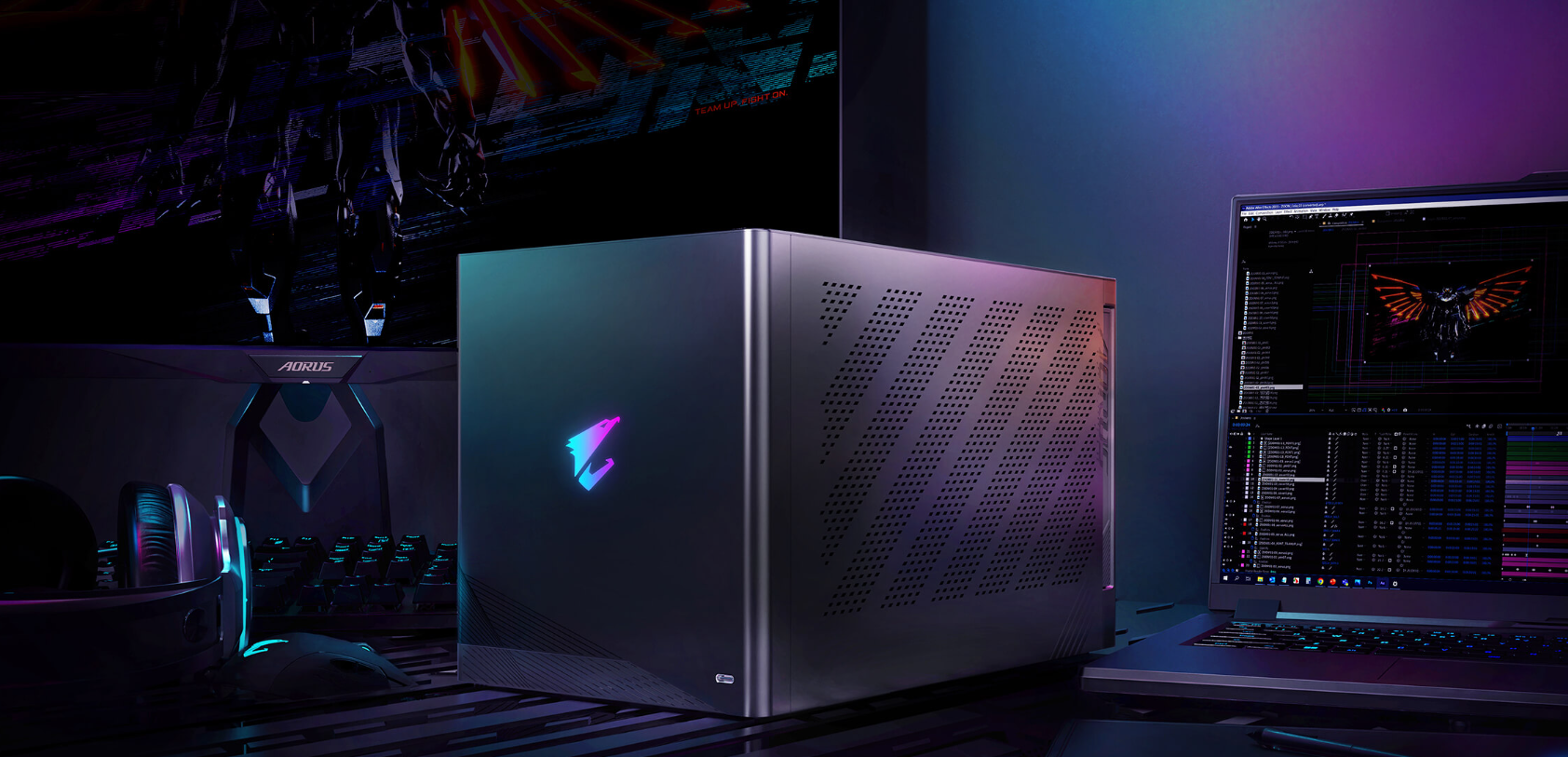
The Auros RTX 4090 Gaming Box features the advanced Nvidia RTX 4090 GPU, coupled with Gigabyte’s efficient Waterforce liquid-cooling system, ensuring optimal sustained peak performance even during demanding gaming sessions.
One notable feature of the Aorus RTX 4090 Gaming Box is its Thunderbolt 3 connectivity, allowing seamless compatibility with laptops equipped with Thunderbolt 3 or 4 ports, as well as those featuring USB 4.0 ports. This versatile connectivity enables users to effortlessly harness the immense power of this eGPU, regardless of their preferred laptop brand or model.
The hardware of the Aorus RTX 4090 Gaming Box includes an 850W power supply with an impressive 90% efficiency rating, providing a stable power source for the GPU and ensuring consistent peak performance over extended periods. With its sleek matte black finish, measuring 189 x 302 x 172mm, and featuring a single Aorus RGB logo on the front panel, the gaming box exhibits an elegant design that appeals to discerning gamers.
Efficient cooling is a key consideration in the design of the Aorus RTX 4090 Gaming Box. The ventilated top, left, and right side panels facilitate airflow, while the integrated liquid-cooling system effectively dissipates heat, allowing gamers to push their graphics performance without compromising overall system performance or worrying about excessive temperatures.
The gaming box offers various connectivity options, making it a comprehensive all-in-one solution. The rear of the device features three DisplayPort 1.4a connections and a single HDMI 2.1a connector, providing ample options for immersive gaming experiences. Additionally, two USB 3.2 Gen 1 Type-A ports, an ethernet port, and a Thunderbolt 3 port further enhance the device’s versatility. The front panel includes a convenient USB 3.2 Gen 1 Type-C port, facilitating easy peripheral connection.
A notable feature is the rear Thunderbolt 3 port, which supports up to 100W power delivery. This enables users to charge their laptops while enjoying the enhanced graphics performance and utilizing the additional dock-like connectivity offered by the GPU enclosure.
The Gigabyte Aorus RTX 4090 Gaming Box is now available in retail stores, promising an exceptional gaming experience for laptop users worldwide. While the official pricing is yet to be announced, the device’s powerful performance, cutting-edge features, and meticulous design have generated significant anticipation within the gaming community.
Vivo has announced the Vivo S17 series of smartphones in China. The lineup has three phones, such as the Vivo S17, the Vivo S17t, and the Vivo S17 Pro. We have a dedicated post on the specifications, features, and price of the Vivo S17 Pro. The S17 and S17t phones offer identical specifications and designs, but they differ mainly in the chipset department. Here is a look at everything that’s known about the S17 and S17t.
Vivo S17, S17t specifications and features
Vivo S17
The Vivo S17 features a 6.78-inch curved-edge AMOLED display that offers an FHD+ resolution of 2800 x 1260 pixels, an 800000:1 contrast ratio, 10-bit colours, a 100 percent DCI-P3 color gamut, and a 120Hz refresh rate. The device measures 164.18 x 74.37 x 7.46mm and weighs 186 grams.
The Vivo S17 is powered by the Snapdragon 778G Plus chipset, up to 12GB of LPDDR4x RAM, and 256 GB (UFS 2.2) / 512 GB (UFS 3.1) storage. To recall, the Vivo S16 from last year featured the more powerful Snapdragon 870 SoC. It is equipped with a 4,505mAh battery that supports 80W charging. For security, the device features an under-display fingerprint scanner.
The Vivo S17 has a 50-megapixel Samsung JN1 selfie camera with dual soft-LED flash units, which are embedded in the top bezel of the device. The rear camera setup consists of an OIS-enabled 50-megapixel Samsung GN5 primary camera, an 8-megapixel Sony IMX355 ultra-wide lens, and a ring-LED flash. The front and rear cameras of the S17 can capture up to 4K videos.
The Vivo S17t is the first-ever device to feature the Dimensity 8050 SoC. As mentioned above, the rest of its specifications are identical to those of the S17. The S17 duo offers other common features, such as dual SIM, 5G, Wi-Fi 6, Bluetooth 5.2, GPS, NFC, and a USB-C port.
Vivo S17
Vivo came up with a new technology called particle ink for the rear design of the Vivo S17 series. They developed this technology through a research project in 2020. It works by using invisible magnetic force to arrange 15 million magnetic particles on the back panel of each phone, creating intricate patterns that create a unique play of light and shadow. The process involves three high-temperature baking stages, with each step carefully timed within 30 seconds to achieve the desired cascading effect of light and shadow. This gives the S17 series a visually impressive appearance.
Vivo S17 price and availability
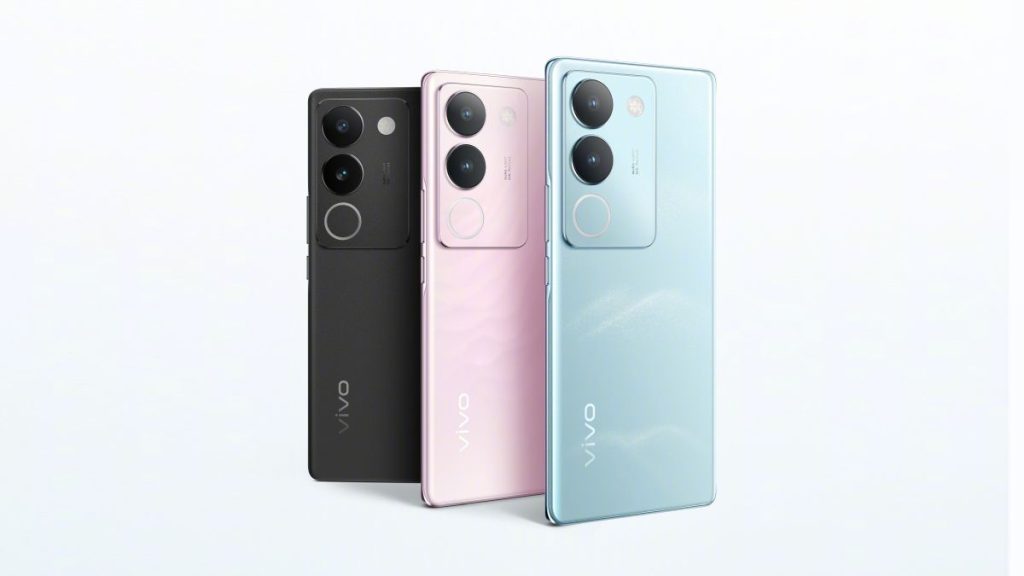
The Vivo S17 comes in three variants: 8 GB RAM + 256 GB storage, 12 GB RAM + 256 GB storage, and 12 GB RAM + 512 GB storage. These variants are priced at 2,499 Yuan (~$351), 2,799 Yuan (~$394), and 2,999 Yuan (~$422), respectively. It comes in three shades: Mountain Sea Green (blue), Sea of Flowers (pink), and Black. The handset is scheduled to go on sale starting June 6 in China. Vivo is yet to confirm the S17t’s configurations, price, and availability.
Foldable smartphones are the hot topic in 2023, so much so that almost every brand is trying their hand at them. And it’s not just established brands; even established leaksters are tempted. Digital Chat Station, known for leaking juicy information about smartphones, recently revealed on Weibo that they have a foldable smartphone in the making. While not much information is available, the device appears to have been sent for production.
The foldable may or may not be mass produced
In a recent post on Weibo, Digital Chat Station disclosed that the foldable smartphone they have been working on has now been sent for production. Interestingly, the leakster calls the device a “flagship,” hinting at high-end specifications and possibly a durable hinge. However, these are just assumptions as DCS themselves did not reveal any details. Also, it appears that the device is currently undergoing small-scale production, and the leakster notes that mass production isn’t happening anytime soon.
For those unaware, Digital Chat Station is a popular Chinese technology leakster and blogger on Weibo. They are known for their accurate leaks and predictions about upcoming smartphones and other tech products. The leakster has a large following of over a million people on the Chinese social media platform.
Details about the DCS foldable are quite scarce. It could be a book-style foldable phone like the Galaxy Z Fold 4 and Mi Mix Fold 2. Or the leakster may have a flip phone in the works resembling the Oppo Find N2 Flip or Vivo X Flip. We will have to wait for DCS to reveal more information about their foldable device, or perhaps other leaksters will come to the rescue. In any case, stay tuned for updates.
The Realme C53 has been making appearances around the clock since leaks started popping up on the internet. First, the device was spotted on NBTC certification, and then it appeared on the SIRIM certification database, confirming the imminent release of the device. After its renders and specifications were leaked, fans were eagerly waiting for the official announcement of the device. It seems like Realme is finally ready to do so, as the smartphone has made an appearance on the official Realme website, much to the joy of Realme fans. This must imply that the company will start selling the smartphone soon enough.
The Realme C53 has a 6.7-inch display & 5000mAh battery
With a waterdrop notch screen and a screen-to-body ratio of 90.3%, users can enjoy an immersive visual experience. The chin frame is slightly thicker compared to the other frames, allowing for a larger screen area. The 6.74-inch IPS LCD screen offers HD+ resolution, a 90Hz refresh rate, 180Hz touch sampling rate, and a peak brightness of 560 nits, resulting in vibrant colors and smooth scrolling.
Under the hood, the Realme C53 is equipped with the Unisoc T612 octa-core chip, running at a peak frequency of 1.82GHz, coupled with a Mali-G57 GPU. This powerful combination ensures smooth multitasking, efficient performance, and a seamless gaming experience. The device comes with 6GB of memory and 128GB of storage, which can be expanded up to a whopping 2TB via a microSD card.
The Realme C53 boasts a dual-camera setup on the rear, featuring a 50MP main camera and a 2MP portrait lens, allowing users to capture great photos. On the front, there is an 8MP selfie camera that promises high-quality self-portraits. Additionally, the device comes pre-installed with Realme UI T version based on Android 13, providing a user-friendly interface and a host of exciting features.
When it comes to battery life, the Realme C53 won’t disappoint. It is equipped with a 5000mAh battery that ensures all-day usage on a single charge. Furthermore, the device supports 33W fast charging, allowing users to quickly recharge their phone and get back to using it in no time.
In terms of design, the Realme C53 impresses with its slim profile, measuring just 7.49mm in thickness. It is available in two colors: gold and black, catering to different style preferences.
The realme C53 also offers a range of additional features, including a 3.5mm headphone jack, a USB Type-C interface for fast data transfer, a side fingerprint scanner for convenient and secure unlocking, and connectivity options such as Bluetooth 5.0 and Wi-Fi (2.4GHz, 5GHz).
Researchers from DeepMind, Princeton University, and Stanford University have unveiled an exciting innovation in the field of natural language processing (NLP). The pioneering framework, called LATM (LLMs As Tool Makers), empowers large language models such as ChatGPT to become tool makers, allowing them to generate software tools that handle new tasks. This breakthrough promises enhanced flexibility, adaptability, and cost-effectiveness for generative AI.
LATM may further accelerate the growth of Artificial Intelligence
LATM introduces the concept of tool making and usage to language models, enabling them to autonomously create task-specific software tools. Within the framework, one language model (LLM) specializes in toolmaking by designing software tools implemented as Python functions. Another LLM acts as a tool consumer, leveraging these tools to handle new requests. This division of labor ensures that tasks are assigned to the most suitable LLM, optimizing both problem-solving ability and computational efficiency.
LATM leverages the computational power of resource-intensive models, such as GPT-4, for tool manufacturing processes. On the other hand, lightweight models like GPT-3.5 Turbo are utilized for tool usage, minimizing computational costs. By adopting this approach, LATM maximizes the efficiency of the framework while significantly reducing the average computational cost required to process a series of tasks.
Experimental results have demonstrated the efficacy of LATM in complex reasoning tasks. Researchers found that LATM achieved comparable performance to resource-intensive models while being more cost-effective. This efficiency stems from the intelligent allocation of tasks to models best suited for them, effectively mimicking the evolutionary process of human tool creation and utilization.
The introduction of LATM has the potential to revolutionize the field of NLP and accelerate advancements in artificial intelligence. By enabling language models to generate software tools for specific tasks, LATM enhances the efficiency and problem-solving capabilities of generative AI. This breakthrough framework holds promise for practical applications and can lead to significant advancements in the development of large-scale language model generation tools.
LATM represents a remarkable leap forward in the domain of natural language processing. By empowering language models to become tool makers, this innovative framework enhances flexibility, adaptability, and cost-effectiveness in generative AI. With its potential to transform the efficiency of processing tasks, LATM opens doors to further advancements in natural language processing and artificial intelligence as a whole.
COLORFUL has recently introduced the EVOL X15 AT gaming laptop, which showcases powerful components and cutting-edge technology. This new release follows the successful launch of the COLORFUL EVOL X16 Pro, further expanding their gaming laptop lineup.
COLORFUL EVOL X15 AT Gaming Laptop specs
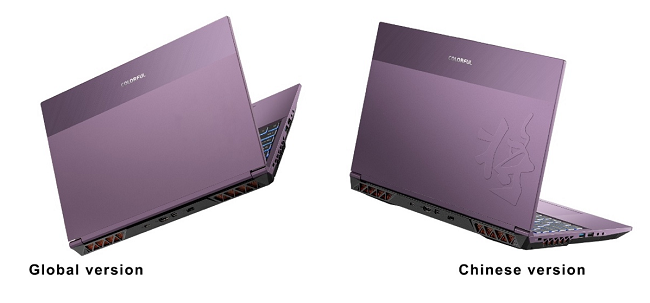
The standout feature of the COLORFUL EVOL X15 AT is its 15.6″ QHD (2560×1440) 165Hz display with NVIDIA G-SYNC support. This ensures an immersive gaming experience with smooth visuals and eliminates screen tearing. In addition to the existing Pine Blue and Mist Grey color options, the EVOL X15 AT now also comes in a striking Purple Grape variant. The Chinese version of the laptop boasts debossed Chinese text on the cover, representing strength and power.
Powered by the latest 13th generation Intel Core processors and equipped with NVIDIA GeForce RTX 4050/RTX 4060 graphics, the COLORFUL EVOL X15 AT harnesses the full potential of these technologies. It takes advantage of NVIDIA DLSS 3 and NVIDIA Reflex technologies to enhance graphics performance, delivering stunning visuals for gaming enthusiasts. The EVOL X15 AT with the GeForce RTX 4060 8GB laptop GPU offers even greater graphics capabilities with a maximum TPD of up to 140W.
To ensure optimal cooling during intense gaming sessions, the laptop incorporates Storm Blade 4.0 Cooling Technology. This advanced cooling solution includes dual cooling fans and a redesigned 79-fin fan blade, surpassing the cooling performance of previous designs. The thermal system is further enhanced with six high-performance heat pipes that provide direct contact with the CPU and GPU.
Connectivity options are abundant with Thunderbolt 4 (USB-C) support, enabling high-speed data transfer at speeds of up to 40 Gbps. The laptop comes with 16GB of DDR5 memory, expandable up to an impressive 64GB, and a 512GB PCIe NVMe SSD. Furthermore, an additional empty M.2 slot is available, allowing users to add M.2 PCIe Gen3 SSDs for extra storage capacity.
Pricing & availability
The COLORFUL EVOL X15 AT Gaming Laptop comes with a price tag of $919 for the i5-13500HX 4060 model, while the i7-13700HX 4050 model is priced at $969 (MSRP). The availability details of the laptop will be announced at a later date.
We use cookies on our website to give you the most relevant experience by remembering your preferences and repeat visits. By clicking “Accept”, you consent to the use of ALL the cookies.
This website uses cookies to improve your experience while you navigate through the website. Out of these, the cookies that are categorized as necessary are stored on your browser as they are essential for the working of basic functionalities of the website. We also use third-party cookies that help us analyze and understand how you use this website. These cookies will be stored in your browser only with your consent. You also have the option to opt-out of these cookies. But opting out of some of these cookies may affect your browsing experience.
Necessary cookies are absolutely essential for the website to function properly. This category only includes cookies that ensures basic functionalities and security features of the website. These cookies do not store any personal information.
Any cookies that may not be particularly necessary for the website to function and is used specifically to collect user personal data via analytics, ads, other embedded contents are termed as non-necessary cookies. It is mandatory to procure user consent prior to running these cookies on your website.