Advertisement

Your smartphone isn’t eavesdropping on you talking about certain products for targeted ads

We’ve all had that one experience where we had been talking about something that we wished to buy (it could be a new laptop, a smartphone, or whatever), and not long after, we see advertisements of the products that were in the conversation. This has led to many to believe that our electronic products like smartphones, tablets, or smart speakers could be spying on us. But is that really the case? Let’s find out.

This phenomenon isn’t just exclusive to gadgets and could even include certain medicines, furniture, and much more. Thus, when you see an ad online talking about a certain product (which you need) going on discount at a store near you, one would naturally assume that your very own smartphone is spying on you. However, a recent test from the UK’s Daily Mail has suggested that this might not be the case.

Smartphone

The test was conducted by setting up a new Google account on a Samsung Galaxy smartphone that was factory reset to ensure that this is how the device would function straight out of the box. For the test, a 22 year old named Robin was created and a fake Facebook account was also made for this fictitious persona. Following this, daily Mail talked about the names of products nearby for two days straight to see if this impacted the advertisement that were being displayed online through the Galaxy handset.

However, the test found that the smartphone wasn’t eavesdropping on any of the conversation around its vicinity since it did not receive any online ads that were related to said products. In other words, your device is probably not listening to your conversations and is likely tracking your activity based on the products you search for or click on online. Jordan Schroeder, the person that head’s the firm’s network security , also added that OEMs don’t need to listen in on your conversation since there are plenty of other ways of collecting the data that they need from your smartphone.

To further prove this point, Daily Mail used the fake Robin’s account on Google to search for ‘luxury car’ and ‘expensive bed’ using Google Assistant and even Google Search. Follow this, the ads targeted online were all related to cars from high end brands as well as bed companies. Google took it a step further and also created a webpage with brands that Robin want to potentially check out.

For those interested, you can find your personalized page by going to myadcenter.google.com. This is the webpage that basically compiles all the topics and brands that you have been interested in. Keep in mind that this feature won’t work for those who have their personalized ads switched off. One can even customize the settings to receive lesser or even more advertisements related to particular topics or specific brands from the My Ad Center website.

RELATED:

(Source)
Meet Hisense 100LX: World’s first 8K Laser TV

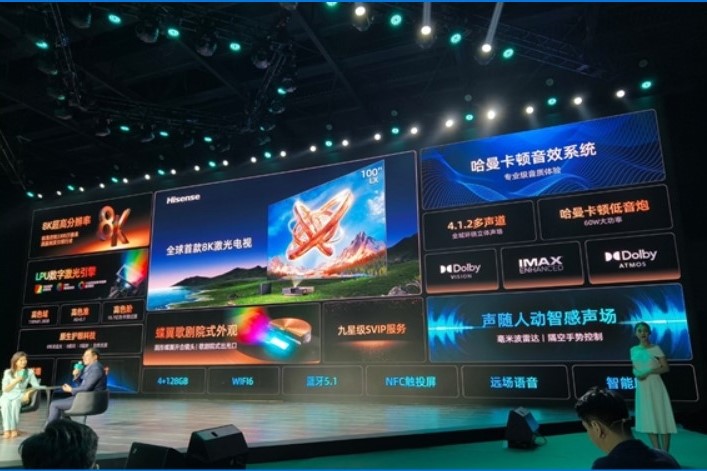
Hisense is recognized as one of the most sought-after consumer electronics manufacturer brands. The company has previously introduced the impressive 85-inch ULED X OLED TV, showcasing exceptional features including a 144Hz high refresh rate, 2500 nits of peak brightness, and much more. The brand has now raised the bar with its latest offering – the Hisense 100LX. This 8K Laser TV boasts top-notch specifications and is currently leading the industry.

The recently launched Hisense 100LX is a remarkable product, featuring an 8K pixel resolution. It offers support for up to 1.07 billion colors across the screen for seamless transitions and is designed to be easy on the eyes, with zero harmful blue light and strobe. With a staggering 33 million individual pixels, this TV utilizes an ultra-short-focus system architecture design lens with a variable field of view, ultra-high-resolution video signal decoding, and DMD drive technology, resulting in a breakthrough in 8K display technology.

Sound quality is a critical aspect of any TV, and the Hisense 100LX does not disappoint in this regard. It is equipped with 4 independent speakers that support Dolby Atmos and DTS true surround sound, ensuring an immersive audio experience. With the integration of DTS and Dolby Sound technology, the speakers deliver a genuine surround sound experience. The brand asserts that this TV offers the most immersive audio and video viewing experience.

Hisense 100LX 8K TV

In addition, the Hisense 100LX features the brand’s proprietary LPU digital laser engine technology, which maximizes the use of full-color technology throughout the pixels. This technology boasts a remarkable computing level of over 100 billion times per second, resulting in higher light efficiency and improved technical support for larger sizes and more immersive picture quality. This technology takes the product’s picture quality to the next level, offering an even more immersive viewing experience.

Moreover, the Hisense 100LX comes with additional features such as 4GB of RAM and 128GB of onboard storage, WiFi 6, and Bluetooth 5.1 support. The brand also asserts that the LPU laser engine technology optimizes the pixel resolution while consuming less power compared to traditional 8K TVs available in the market. This feature enhances the device’s energy efficiency and makes it a more sustainable option for consumers.

As for right now, there is no official word on the selling price and availability of the device. We will update you as soon as we get any information on that. That being said, what are your thoughts on the newly launched Hinsense TV? Do let us know by dropping a comment in your words down below.

RELATED

(Via)

Vivo Pad 2 Appears On Geekbench Ahead Of Launch

Vivo is expected to launch two new foldable phones and a tablet in China on April 20th. The new tablet dubbed as the Vivo Pad 2 has now appeared on Geekbench benchmarking website. It will arrive as the successor to the last year’s Vivo Pad. The device has already bagged multiple certifications in the past. 

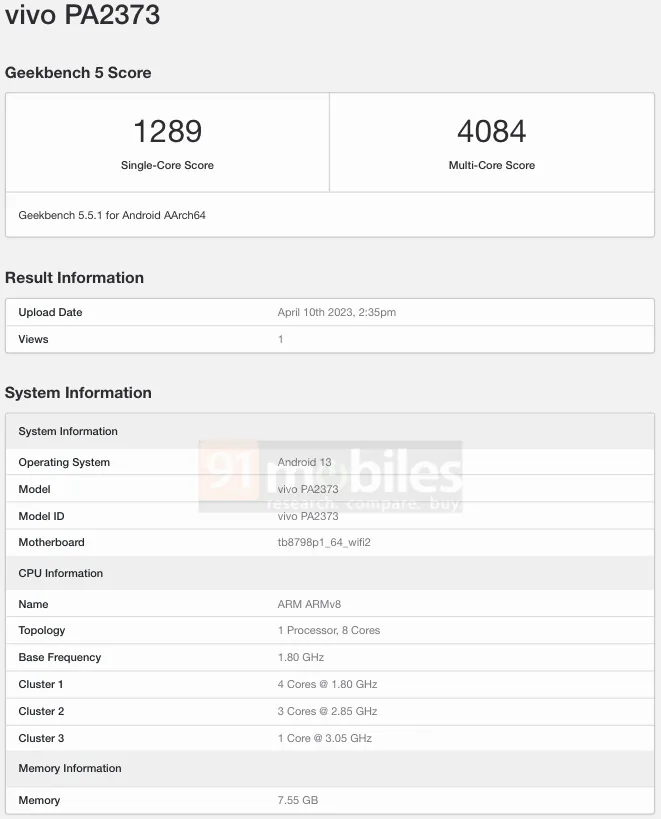
The Vivo Pad 2 is listed on Geekbench with model number PA2373. The benchmark database reveals an eight-core processor comprising of four cores clocked at 1.80GHz, three cores at 2.85GHz, and one core ticking at 3.05GHz. This corresponds to MediaTek’s Dimensity 9000 SoC. The tablet will pack 8GB RAM onboard and we can expect more options at launch. It will run on Android 13 OS out of the box. 

In the Geekbench’s single-core and multi-core test results, the Vivo Pad 2 scores 1,289 and 4,084 points respectively. Apart from this, the benchmark listing does not reveal any additional information. 

As per leaks and rumors, the Vivo Pad 2 is expected to feature a 12-inch 144Hz LCD display bearing a resolution of 2,560 x 1,600 pixels. The leaked live images of the tablet revealed a circular camera module housing two sensors and an LED flash. It will be compatible with a keyboard and stylus. The Vivo Pad 2 is tipped to be available in 8GB + 128GB and 16GB + 512GB LPDDR5x RAM and UFS 3.1 storage configurations. It will reportedly support 44W fast charging. 

Related:

Via

Ampere launches 80-core Arm dev kit with support for Nvidia RTX GPUs

Ampere has announced the launch of its Altra Dev Kit, an 80-core Arm development kit that offers support for Nvidia RTX GPUs, all at a price point similar to that of high-end conventional systems. The kit is targeted at those looking to prototype hardware or software for edge computing, but its potential uses extend far beyond that niche market.

Ampere launches 80-core Arm dev kit with support for Nvidia RTX GPUs

The Altra Dev Kit, which comes in a simple cardboard box, includes a feature-packed motherboard, an SoC attached to a daughterboard, three heatsinks, and a VGA to HDMI cable. Prices start at $2,003 for the 32-core kit, with the 80-core kit available at $2,621. While Ampere also produces a 128-core SoC, it is currently out of stock.

Based on the Arm Neoverse N1 architecture, Ampere offers four different SoCs designed for data centers. The 32-core model runs at 1.7 GHz, while the 64-core model boasts a 2.2 GHz clock speed. Both the 80-core and 128-core models can reach speeds of up to 2.6 GHz. Each model includes 64 PCIe 4.0 lanes and supports up to 768 GB of DDR4 ECC memory across six channels. Ampere and its parent company, IPI (Industrial Prototyping for IoT), sell these systems to consumers strictly for development and testing purposes.

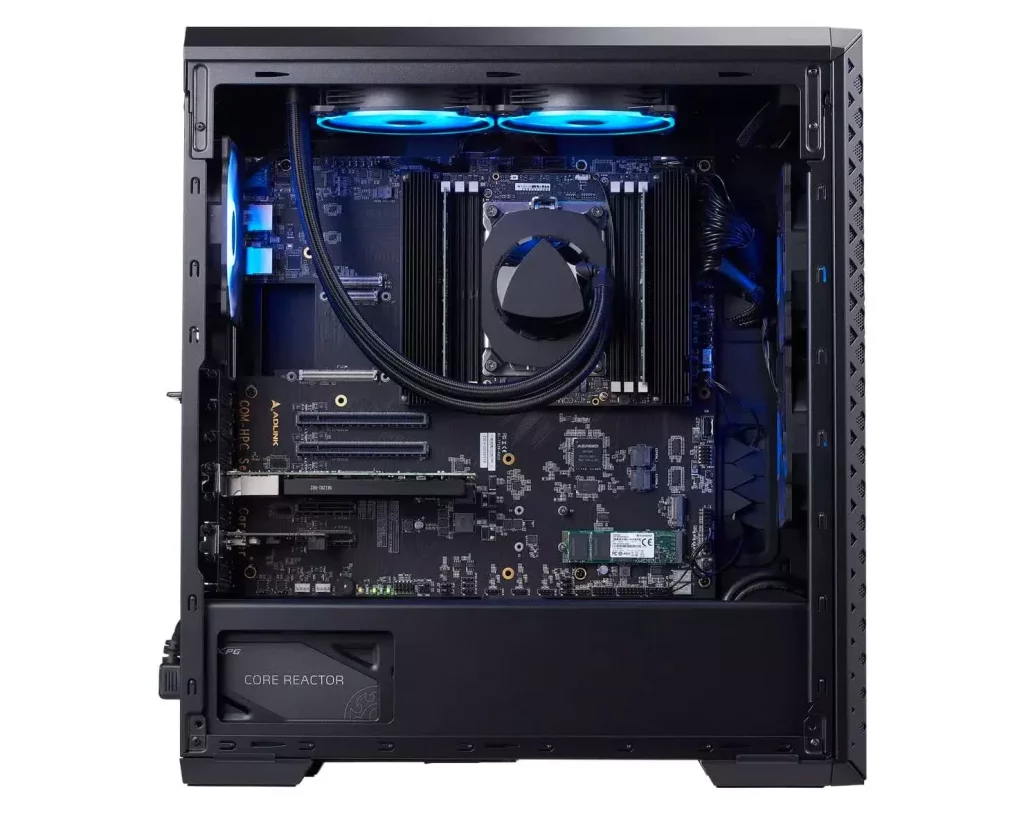
In addition to the Altra Dev Kit, Ampere offers the Altra Developer Platform, a prebuilt tower that resembles a standard gaming PC with a tempered glass panel and five RGB fans. Though the unbranded 128 GB M.2 stick and mismatched DDR4 slots may make it appear like a midrange machine, the platform starts at $3,250 for the 32-core, 32 GB RAM version, and can be configured up to 128 cores and 128 GB of RAM for $5,658.

One of the standout features of Ampere’s data center SoCs is their advertised support for Windows and consumer Nvidia RTX GPUs right out of the box. The Developer Platform comes with an unspecified discrete GPU as standard, but users can upgrade to an RTX GPU later on, as demonstrated by Ampere’s edge computing head Joe Speed on Twitter. The compatibility with RTX GPUs opens up the possibility of using the Arm chips for AAA gaming. Nvidia already utilizes these chips to stream mobile games in China, in conjunction with its A16 GPUs.

With its powerful capabilities and support for Nvidia RTX GPUs, the Ampere Altra Dev Kit presents an exciting opportunity for developers and enthusiasts alike, pushing the boundaries of what can be achieved in edge computing and beyond.

RELATED:

(via)

Realme Narzo N55 has 64MP primary camera, confirms Realme

Realme Narzo N55 is scheduled to go official at 12 pm on April 12. A recent tweet released by the brand revealed the front design of the smartphone. The landing of the device, available on Realme India’s website and Amazon, has already revealed its rear design and charging capabilities. The updated page now shows information about the rear camera system of the Narzo N55.

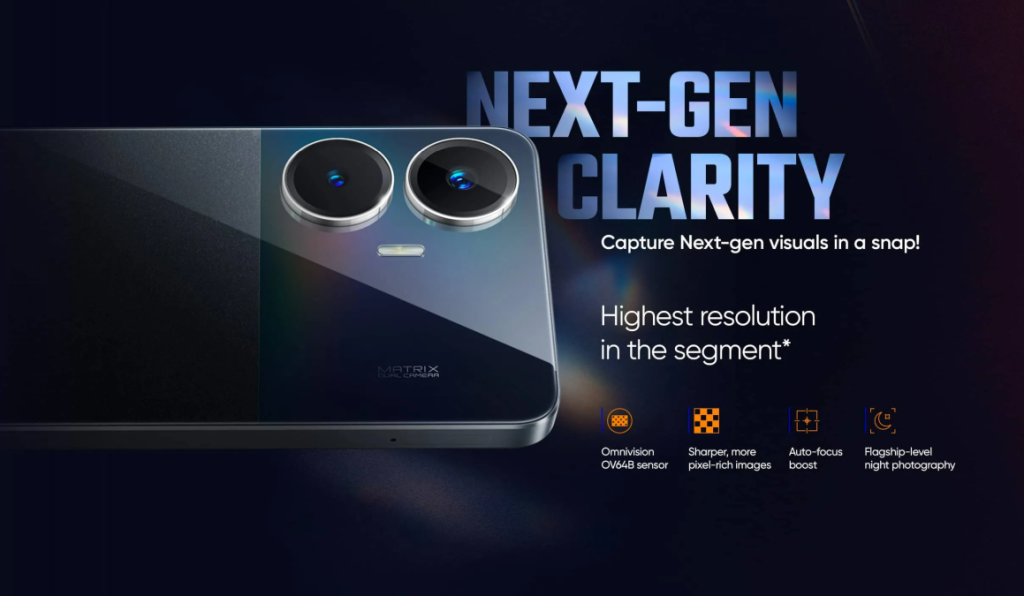
As can be seen in the above poster, the Realme Narzo N55’s rear camera setup will have a 64-megapixel main camera. It will be featuring an OmniVision OV64B primary sensor, which will allow it to capture sharper and more pixel-rich images. It will also offer autofocus-boost and flagship-level night photography, confirms the brand.

Realme Narzo N55 64MP camera
Realme Narzo N55 hjas ,main 64MP camera

There is no word on the secondary camera available on the backside of the Narzo N55. In all likelihood, it could be equipped with a 2-megapixel depth sensing unit. The company is yet to reveal the megapixel count of the Narzo N55’s front camera.

The Narzo N55 will come equipped with an LCD panel with a central punch-hole on the front. It will have the mini-capsule feature that was first introduced on the Realme C55. The mini-capsule resembles the Dynamic Island feature available on the latest iPhones.

The N55 will arrive with support for 33W fast charging. A recent leak claimed that it will be available in multiple configurations, such as 4 GB RAM + 64 GB storage, 4 GB RAM + 128 GB storage, 6 GB RAM + 64 GB storage, 6 GB RAM + 128 GB storage, and 8 GB RAM + 128 GB storage. It will arrive in Prime Blue and Prime Black shades. There is a possibility that the device could be priced at around Rs 11,000 (~$134) in India and will be sold through Amazon.

RELATED:

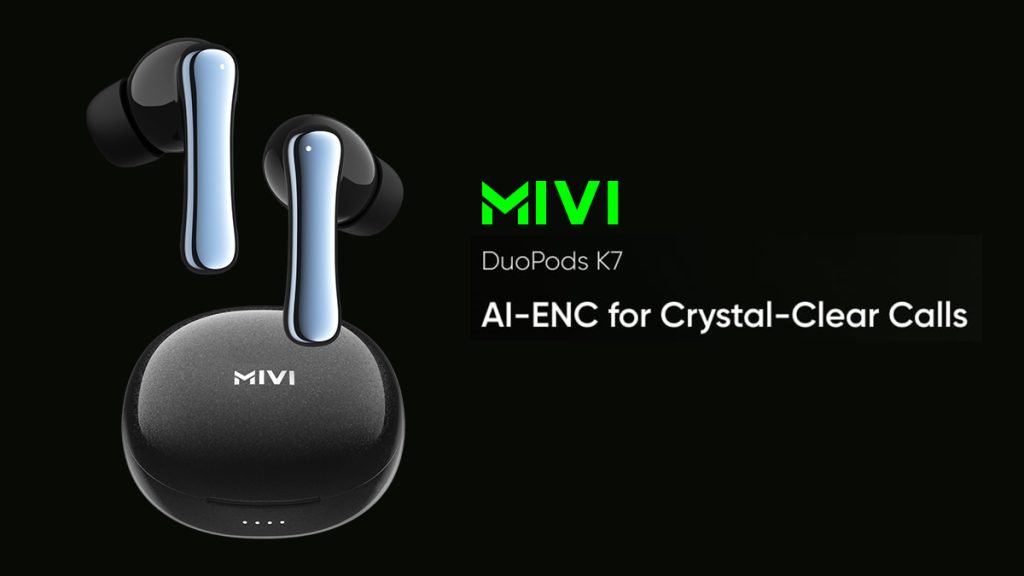
Mivi DuoPods K7 With 50-hour Battery Life Launched

Mivi has launched a new audio device in India. The newest device is TWS earphones dubbed as Mivi DuoPods K7. They are said to be Made in India. Commenting on the launch, the brand says that the K Series is its proud creation showcasing its dedication to quality and excellence. The latest offering carries an affordable price tag and packs a host of specifications. Read on to know more about the Mivi DuoPods K7. 

The Mivi DuoPods K7 has an in-ear design with a glossy stem and silicone ear tips. It is IPX4-rated water-resistant. Users can perform various tasks by tapping on the stem of the earbuds. 

In terms of audio, the Mivi DuoPods K7 are equipped with a 13mm driver for strong bass. There is an AI-enabled ENC system for clear call quality by eliminating background noise. The earphones feature dual mics for ensuring call quality even in noisy environments. The audio device has 50ms low latency for gaming purposes. 

The Mivi DuoPods K7 are claimed to deliver up to 50 hours of battery life and also support fast charging. The earphones support Bluetooth 5.3 connectivity with a range of 10 meters. 

The Mivi DuoPods K7 carries a special launch price tag of Rs 999 instead of Rs 1,499. They are offered in Black, Beige, Pink, Blue, and Green colors. The TWS earphones can be purchased from Flipkart and the brand’s official website. 

Related:

Microsoft faces $3 million fine for selling software to Russian companies

Microsoft has apparently been hit with a sizeable fine worth millions of US Dollars. The company is facing the fine after being caught selling its software to Russian based firms. So here are all the details.

The American tech giant has agreed to pay over 3 million US Dollars to settle a potential civil liability. The brand is being accused of 1,339 sanction violations for selling its products and services to individuals and companies in Russia and other certain other regions. These violations and more than 1,300 cases had taken place between the periods of July 2012 and April 2019. During this time, Microsoft has supposedly sold software licenses, activated software licenses, and related services from its and US and Ireland servers to “Specially Designated Nationals”.

Microsoft

In other words, the company is being hit with the fine for selling to blacklisted regions. These regions includes nations like Cuba, Iran, Syria, Russia, and the Crimea region of Ukraine as well. Microsoft and its Ireland and Russia subsidiaries has thus agreed on a settlement sum worth 2.98 million US Dollars with the Office of Foreign Assets Control (OFAC) of the US Department of the Treasury following a previous Bureau of Industry and Security (BIS) settlement of 624,013 US Dollars.

The fines don’t end there as the BIS later hit the company with a 276,382 US Dollars credit, which brings the net settlement agreement to cross over 3.3 million US Dollars. Interestingly enough, 94 percent of all of these violations were from Russia, accounting for 1,252 out of the 1,339 cases. Meanwhile, 54 of these cases were from Cuba, 30 in Iran, and 3 in Syria.

RELATED:

(Via)

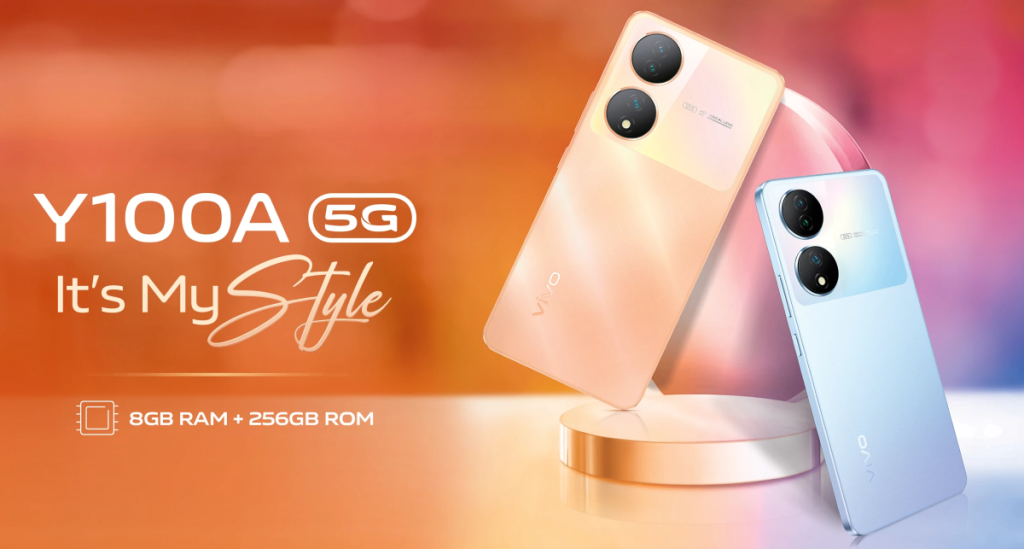
Vivo Y100A With Snapdragon 695 Launched In India

Vivo has quietly launched a new Y-series smartphone in India. It is dubbed the Vivo Y100A. The latest offering is a slightly different variant compared to the Y100 that debuted in the country in February this year. Read on to know what the Y100A offers out of the box. 

The Vivo Y100A retains the same 6.38-inch FHD+ AMOLED display with a 90Hz refresh rate, 1,300 nits peak brightness, and HDR10+ support. The device features a color-changing back panel when exposed to sunlight. There are two camera rings at the top left corner.

On the imaging front, the Vivo Y100A has a triple rear camera setup comprising a 64MP main sensor with OIS paired with two 2MP lenses. There is a 16MP front-facing selfie snapper. 

Under the hood, the Vivo Y100A is equipped with a Qualcomm Snapdragon 695 processor. It is coupled with 8GB RAM along with 8GB virtual RAM expansion technology. The device is offered in 128GB and 256GB storage option. It draws its power from a 4,500mAh battery unit with support for 44W fast charging. Software-wise, the smartphone runs on Funtouch OS 13 based on Android 13. 

Connectivity options on the Vivo Y100A include 5G, 4G, USB-C port, 3.5mm jack, WiFi, and Bluetooth. 

The Vivo Y100A is offered in Metal Black, Twilight Gold, and Pacific Blue colors. The price and availability of the smartphone have not been announced although it has been listed on the brand’s official website. We can expect Vivo to officially announce the details soon. 

Related:

Xiaomi 13 Ultra variants, price leaked before launch

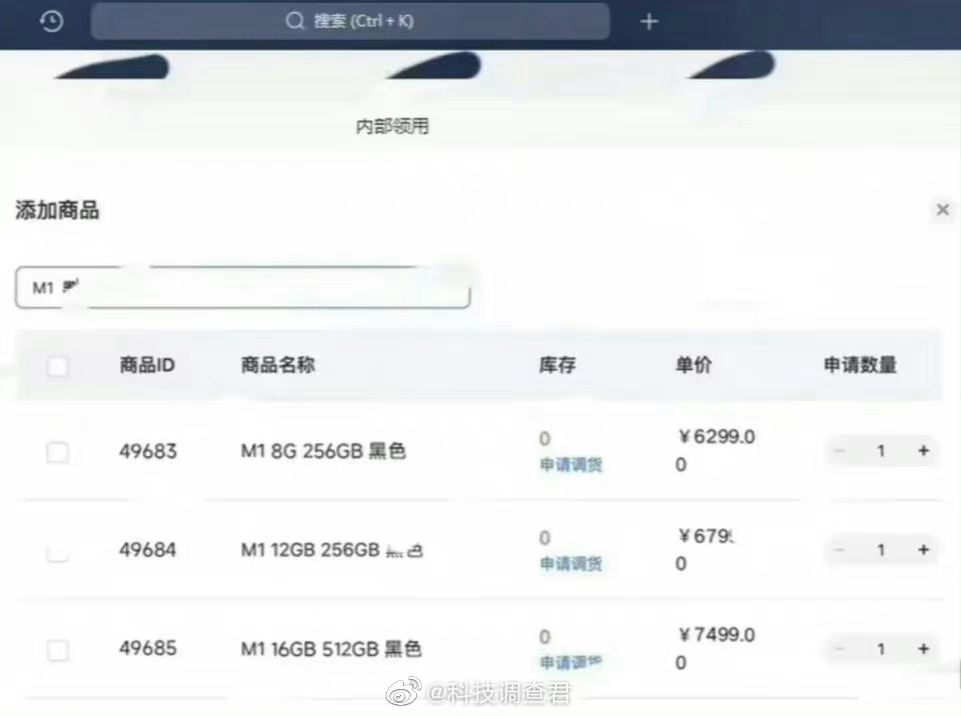
Rumors are rife that the Xiaomi 13 Ultra and the Pad 6 series of tablets will debut on April 18 in China. The latest leak, which came out on Weibo, shows the different 13 Ultra models and their prices. While it does not mention the name of the device explicitly, it does mention the “M1” shortened codename, which has also been seen in previous leaks.

The leaked image shows that the Xiaomi 13 Ultra will come in three configurations, such as 8 GB RAM + 256 GB storage, 12 GB RAM + 256 GB storage, and 12 GB RAM + 512 GB storage. These models are mentioned with respective prices of 6,299 Yuan (~$916), 6,799 Yuan (~$990), and 7,499 (~$1,090). It is important to remember that these are not official prices.

Interestingly, a previous leak by tipster Digital Chat Station revealed that the highest variant of the Xiaomi 13 Ultra will have 16 GB of RAM and 1 TB of storage. However, there is no word on the price of this model yet. Based on the above price leak, it appears that the 16GB+1TB variant may cost 7,999 Yuan (~$1,163).

Xiaomi 13 Ultra specifications (rumored)

The Xiaomi 13 Ultra will feature a 6.7-inch E6 AMOLED LTPO Quad HD+ display with a 120Hz refresh rate. It will have an under-display fingerprint scanner and run on the Android 13 OS with the MIUI 14 skin on top.

The 13 Ultra powered by the Snapdragon 8 Gen 2 chip, a 4,900mAh battery, LPDDR5x RAM, UFS 4.0 storage. The device may support 90W wired and 50W wireless charging. It will boast a 32-megapixel front camera and four 50-megapixel rear cameras. The primary snapper on the device will be the 1-inch Sony IMX989 lens, whereas the others will have Sony IMX858 lenses.

RELATED:

(source)

Huawei Nova 11 to launch on April 17, will feature variable aperture camera

Huawei, the Chinese tech giant, has officially announced that it will be launching the much-awaited Huawei Nova 11 series smartphones on April 17th, 2023, at 14:30 Chinese local time. The company has also shared the rendering of the upcoming smartphone lineup, which reveals the rear design of the phone.

Huawei Nova 11 launch date

According to the promo poster shared by Huawei, the new phone’s overall looks are similar to the Huawei P60 series, with a frame and a rear camera module that features a long oval + circular three-camera system. Interestingly, the phone’s back panel has a brand new “Nova” texture all around, which seems to be vegan leather finishing. The HUAWEI and Nova logo branding is also reflecting the back panel’s color.

The slogan used by Huawei for the launch event, “Dare to shoot, dare to be outstanding,” indicates that the new phone will have exceptional camera capabilities, possibly even better than its predecessors.

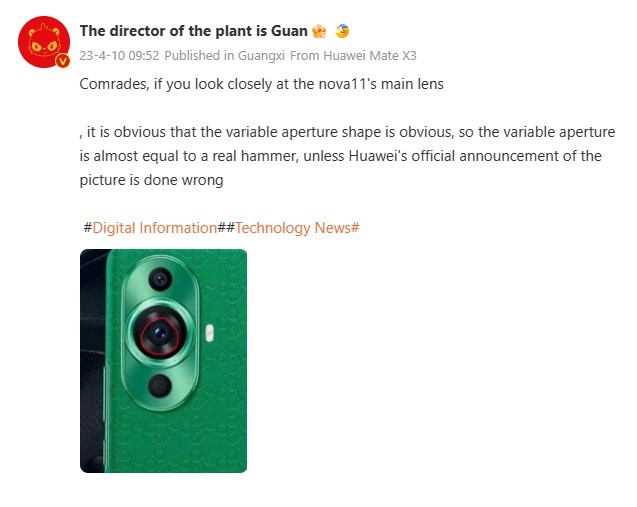
According to a leak, Nova 11 series will use variable aperture camera technology, which allows users to adjust the camera’s aperture and select the amount of light passing through the camera. This feature is ideal for portrait shots, where a large aperture can blur the background and bring the subject into focus.

Huawei Nova 11 camera leak

The Nova 11 series will also feature an RYYB color array for the main camera sensor, providing an ultra-bright night photography experience. This feature enhances the quality of images captured in low-light conditions, making them brighter and more vivid. In terms of performance, the Nova 11 series is rumored to be powered by a Qualcomm processor, which promises to provide powerful performance.

In addition to the Nova 11 series, Huawei is set to unveil a new smartwatch and other exciting products during the event.

RELATED:

Z Reviews partners with UTyping to launch the Z Reviews Rinko Touch Keycaps

Zeos from Z Reviews and UTyping have collaborated to launch a brand new set of keycaps called the Z Reviews Rinko Touch Keycaps. Rinko a charming anime character is featured in the design of these keycaps and packaging. By using the Rinko Touch Keycaps in your keyboard setup, you can give your keyboard a fresh and unique appearance.

Made with high-quality PBT material, the Rinko Touch Keycaps offer superior durability and are resistant to wear and tear. The keycaps feature a dye-sublimation printing process that ensures long-lasting durability without fading issues, even with frequent usage. The beautiful cherry profile design is compatible with MX and MX-Style Clone switches, and the set includes 156 switches, which makes it easy to customize your keyboard with different layouts. 

The set boasts a unique and beautiful design theme that looks simply outstanding. The keycaps come in a combination of colors, including white, yellow, and blue, with the blue and yellow colors matching the logo of Z Reviews. Additionally, the set features some artistic keys that showcase Rinko’s character in different emotional states.

The Rinko Touch keycap set includes 156 keys that can be used with various keyboard sizes ranging from 60% to full-sized. These keycaps are compatible with MX and MX-Style clone switches and are optimized for ANSI layout. While the Rinko design matches perfectly with TKL and full-sized keyboards, it may not be fully visible on smaller layouts like 60%, 65%, 96%, and 75%. 

The Rinko Touch High-Quality PBT Material Keycaps are designed to match the latest Rinko IEMs launched by Z Reviews. Rinko IEMs deliver an exceptional audio experience that results from the fusion of a 6mm micro planar driver and a high-power dynamic driver unit. Together, these components generate powerful sound that boasts deep bass response, clear vocals, and exceptional detail. Despite its relatively affordable price tag, this in-ear monitor is designed to emulate the high-end audio experience and is expected to surpass most other IEM models in its price range in terms of overall performance. 

Price and Availability:

Rinko Keycaps are available at a special launch price of $69.99 only at Mechkeys. The keycap and IEM are also available as a bundle for $159.98 only. You can also get a Waifu stander as free gift with this purchase. For more information check out the product here

For more information on such exciting deals and offers, check out our deals hub.

Fire-Boltt Rock launched in India with 1.3 inch AMOLED display for Rs 2,799

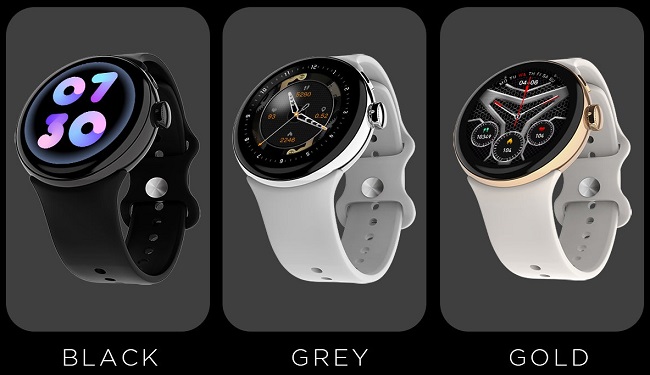
Fire-Boltt has just launched a new smartwatch model in the Indian market. The new wearable is the Rock smartwatch which offers some notable specs despite having a budget price tag. So here are all the details.

Fire-Boltt

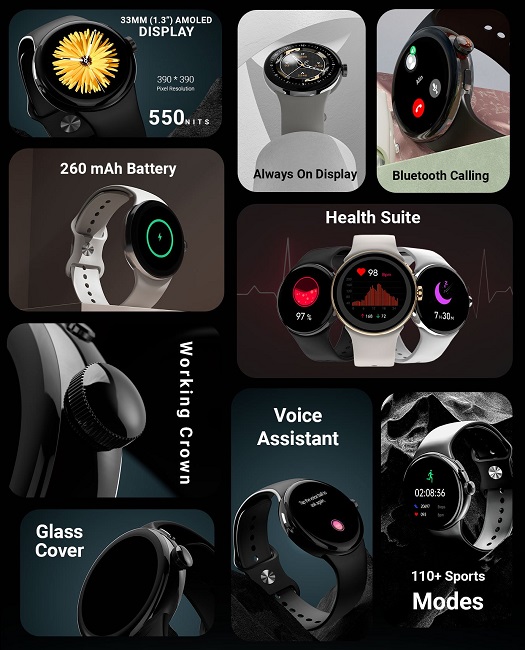
The company’s new announcement arrives just a couple of days after the launch of the new Collide smartwatch. The new Rock smartwatch model offers a stylish new design with a circular display panel. It sports a 1.3 inch screen, which is an AMOLED panel that promises to offer a high contrast ratio and vivid colors. The display is surrounded with a metallic frame and even houses a functioning crown.

It also comes with notable features like Bluetooth calling, voice assistance and support for more than 110 sports modes for fitness enthusiasts. The new smartwatch is powered by a 260mAh battery pack that offers up to 7 days of battery life on a single full charge on a normal use along with 15 days of standby. The Fire-Boltt Rock is equipped with various health related sensors as well, including an SpO2 blood oxygen tracking, heart rate mapping, along with sleep cycle monitoring as well.

Fire-Boltt

Other notable features include IP68 water resistance, Always on Display, over 100 watch faces, 1 year warranty, music control, camera control, and more. The new company is available in multiple color options, namely Black, Gold and Gray. The Rock will be sold on the company’s official website and Flipkart for an introductory price tag of just 2,799 INR (roughly 34 US Dollars).

RELATED:

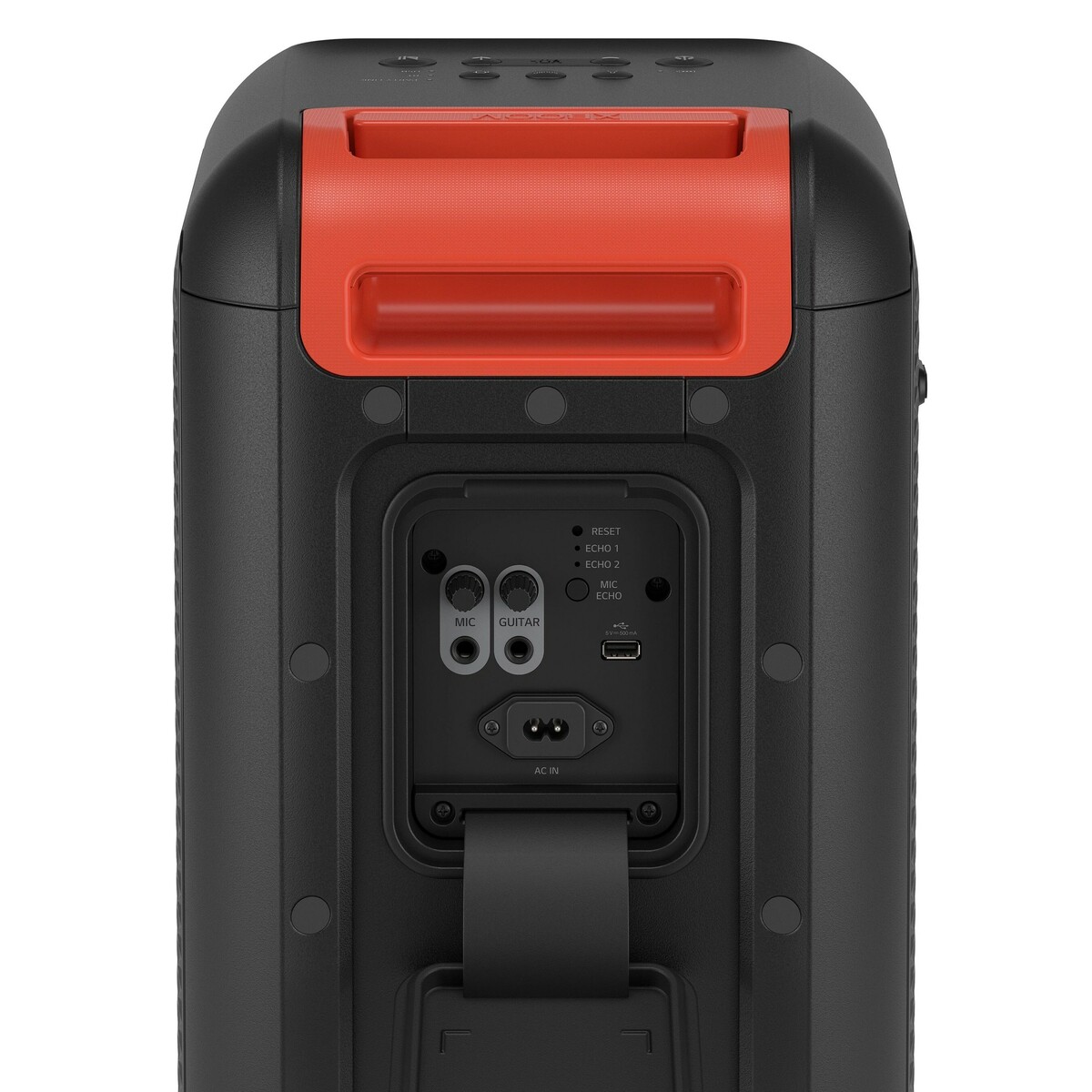
LG XBOOM Portable Tower Speaker with 20 hours battery & retro LEDs launched in the US

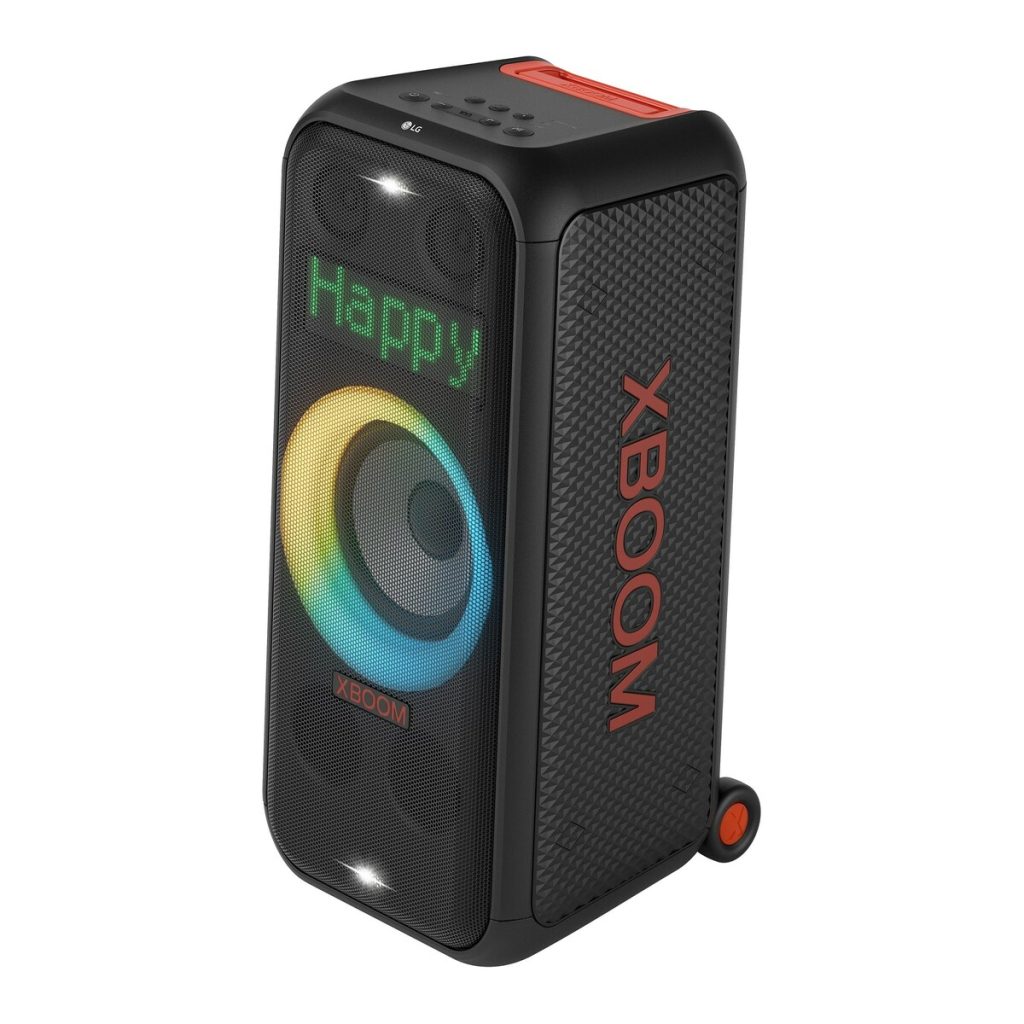
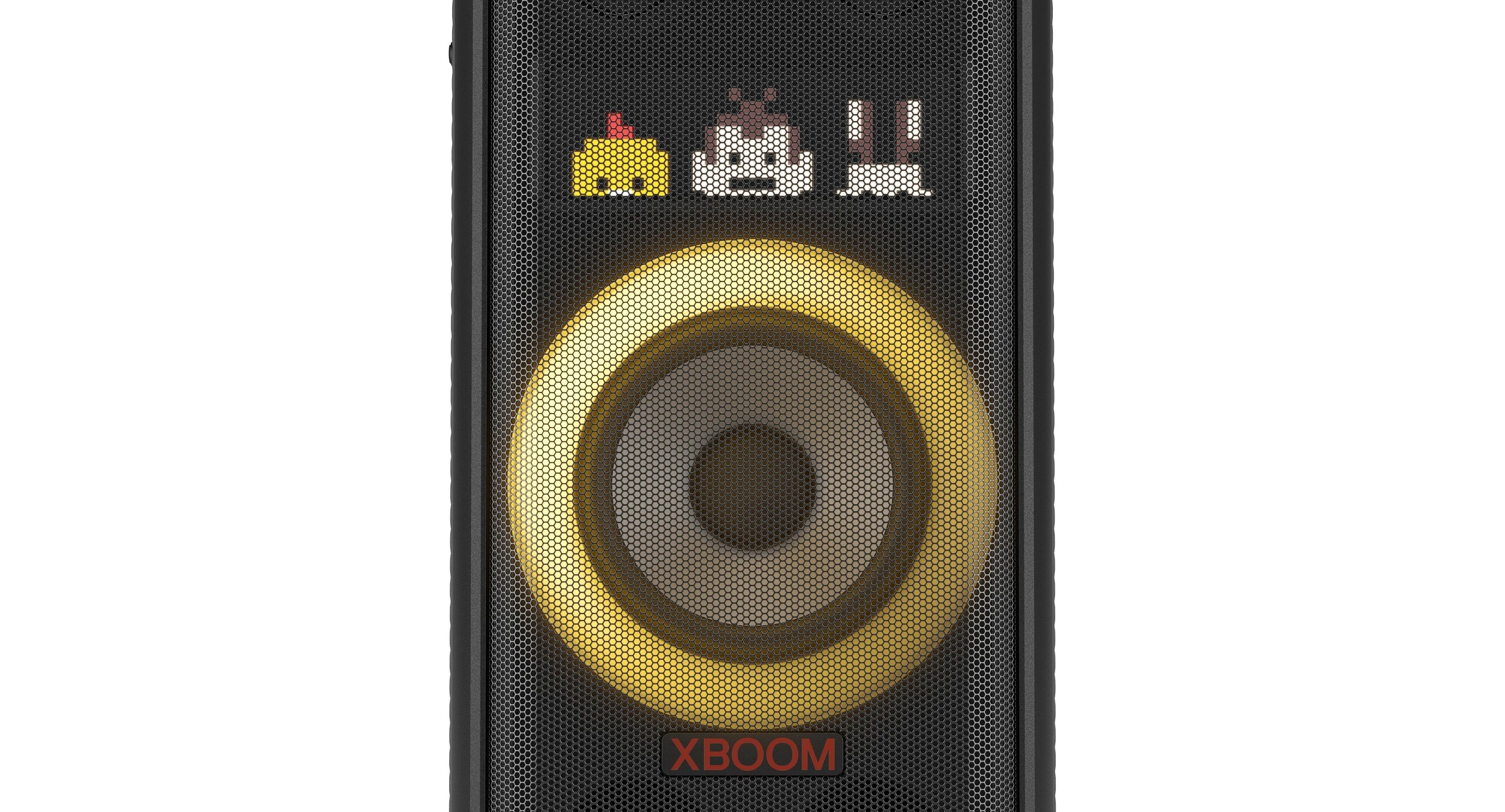
LG has just launched its latest addition to the XBOOM speaker lineup, the XL7 tower speakers, in the United States. Designed as an all-in-one party machine, the XL7 offers a Dot Matrix LED display that allows users to personalize their speaker with a combination of colors and dynamic ring lighting movements, as well as custom text and visual effects available from a library of animations, patterns, and characters – all easily accessible through the LG XBOOM app.

LG

But the XL7 is not just a pretty face. It also delivers powerful sound, thanks to its 250 Watts, 8-inch full-range woofer, and 2.5-inch tweeter. Additionally, LG’s Dynamic Bass Optimizer allows listeners to experience rich deep bass at any volume level.

The XL7 is also built for portability, with a telescopic handle and smooth gliding wheels, making it easy to take the party with you wherever you go. And with an IPX4 water-resistant rating, you don’t have to worry about the occasional spill or splash.

Perhaps the best feature of the XL7 is its long-lasting battery life. With up to 20 hours of battery life, you can keep the party going all night long. And if you need to recharge, the XL7 is equipped with multiple connection options, including Bluetooth and standard auxiliary input. The XBOOM XL7 is now available on LG.com and select retailers across the US for a price of $599, leading the 2023 line-up of the XBOOM series.

RELATED:

(Source)
HarmonyOS 3 rolls out to more smartphones, including Honor phones

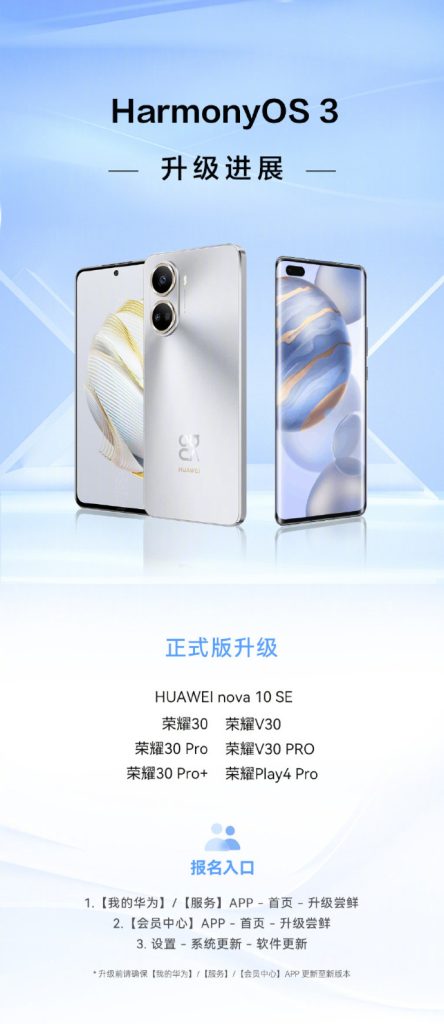
Huawei has announced that its HarmonyOS operating system is set to expand its reach by supporting more flagship models released in 2019-2020. The company is planning to release the official version of HarmonyOS 3 for seven models, including the Huawei Nova 10 SE and several Honor devices such as Honor 30, Honor V30, Honor 30 Pro, Honor V30 Pro, Honor 30 Pro+, and Honor Play4 Pro.

The company has also made it relatively easy for users to update to the latest version of HarmonyOS 3. They need to ensure that the My Huawei > Services > Member Center App is updated to the latest version before upgrading through Settings > System update > Software update. After that, they can sign up for the upgrade through the My Huawei > Services > App-homepage for early adopters.

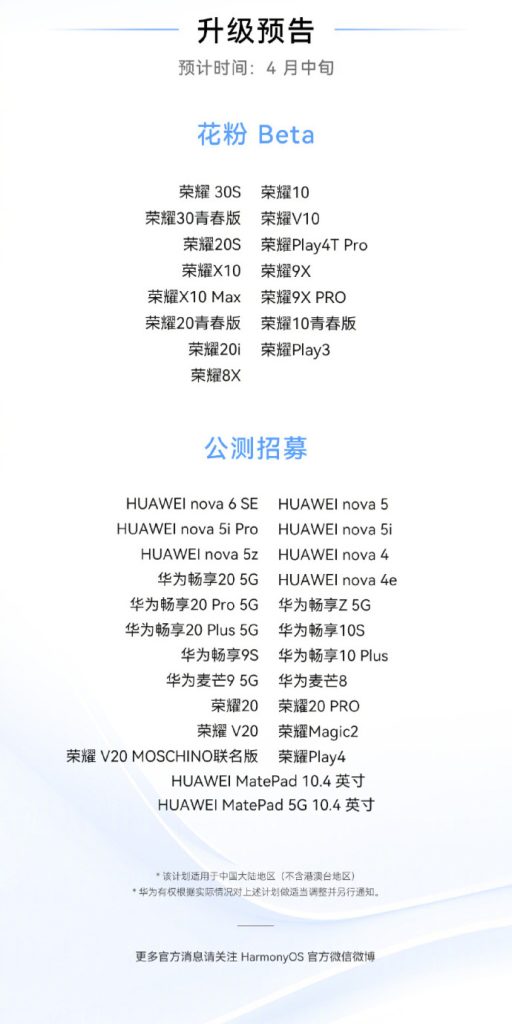
The company is also planning to launch the Beta recruitment models in mid-April, which will include several Honor devices such as Honor 30S, Honor 10, Honor 30 Youth Edition, Honor V10, Honor 20S, Honor Play4T Pro, Honor X10, Honor 9X, Honor X10 Max, Honor 9X Pro, Honor 20 Youth Edition, Honor 10 Youth Edition, Honor 20i, Honor Play3, and Honor 8X.

The public beta recruitment models will include Huawei Nova 6 SE, Huawei Nova 5, Huawei Nova 5i Pro, Huawei Nova 5i, Huawei Nova 5z, Huawei Nova 4, Huawei Enjoy 20 5G, Huawei Nova 4e, Huawei Enjoy 20 Pro 5G, Huawei Enjoy Z 5G, Huawei Enjoy 20 Plus 5G, Huawei Enjoy 10S, Huawei Enjoy 9S, Huawei Enjoy 10 Plus, Huawei Maimang 9 5G, Huawei Maimang 8, Honor 20, Honor 20 Pro, Honor V20, Honor Magic2, Honor V20 Moschino co-branded version, Honor Play4, Huawei MatePad 10.4 inch, and Huawei MatePad 5G 10.4 inch.

Overall, this announcement is a clear sign that Huawei is committed to the development of HarmonyOS and sees it as a crucial part of its future strategy. With support for more devices and an easier upgrade process, it will be interesting to see how quickly users upgrade to the latest HarmonyOS.

RELATED:

Apple M3 for MacBook Air and Future iPad Pro Models Rumored to Use TSMC’s Advanced N3E Process

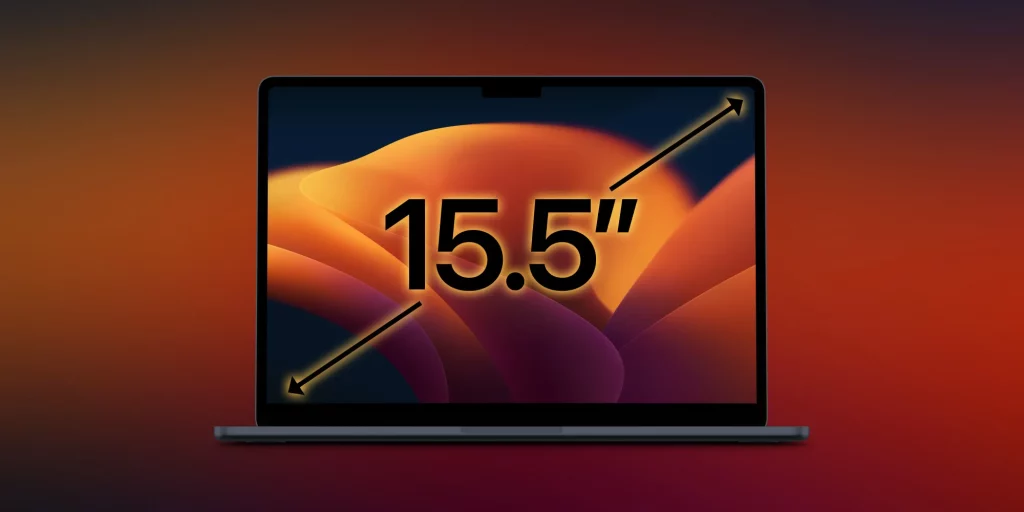
Apple is working hard to continue the success they’ve had with their M-series processors. The company is reportedly planning to announce several new MacBook models, including a larger 15-inch MacBook Air. According to the latest rumors, these devices, along with future iPad Pro models, will be powered by TSMC’s next-generation N3E process. Here are the details…

Apple M3 for MacBook Air and Future iPad Pro Models Rumored to Use TSMC’s Advanced N3E Process

TSMC’s N3E process is believed to be an improved iteration of the N3, which could be used for the A17 Bionic. Apple is rumored to be going solo on its 3nm journey, with a report from China Times suggesting that the iPhone maker has ordered TSMC’s entire supply of the advanced manufacturing process. This means that Apple will be the first company in the world to release a system-on-a-chip (SoC) based on this cutting-edge technology.

Apple M3 MacBook

Previous rumors suggested that the A17 Bionic and M3 chipsets would be fabricated on TSMC’s 3nm, or N3 process. However, the new report indicates that the M3 SoC for Apple’s ARM-powered notebooks will be made using the N3E process. This could result in slightly better performance and power efficiency compared to the regular N3 process.

There has been some confusion around TSMC’s naming schemes and the exact process that Apple will use for its upcoming M3 and A17 Bionic chips. Nikkei previously reported that Apple would rely on TSMC’s N3E node, while other sources suggested the N3 technology would be used for both chipsets. Earlier rumors also claimed that Apple had reduced the performance goal of the A17 Bionic due to TSMC’s struggles with its 3nm chip production.

Apple M3 MacBook

It is possible that TSMC has found more success with the N3E variant, resulting in better yields and prompting Apple to make the jump to this improved process. However, it is essential to treat this information with caution, as the A17 Bionic and M3 could still be based on the N3 process. We will continue to keep Gizmochina readers updated on Apple’s future plans as more information becomes available.

RELATED:

(via)

Tesla to setup its Megapack battery factory in Shanghai

Tesla recently announced that is was planning on building a new battery factory in China. The site for the new Megapack factory is Shanghai with the construction of this site starting sometime later this year. So here are all details.

The popular electric vehicle maker announced back on Sunday that it will start construction of a new Megapack factory in Shanghai later this year. Following its completion, this site will be capable of manufacturing 10,000 Megapacks every year. As of right now, the factory is planned to be completed sometime before the second half of next year. For those unaware, each Megapack container sized battery can store enough energy to power around 3,600 homes for around one hour.

Tesla

The company also told Bloomberg that it plans to sell these new Megapacks that it produce in China across the globe. For those unaware, Tesla has already built Megapack installations in a few locations around the world, this includes regions like Texas in the US and even South Australia. Interestingly enough, the announcement also shows the brand’s increasing reliance on China for its production process.

Although, this move also arrives as the US prepares to push automakers and others to manufacture their products locally through economic policies. To put things simply, the US government wants companies to source the minerals that they use in their car batteries from the US and other approved trading partners to receive incentives from the Inflation Reduction Act, which offers a 7,500 US Dollar EV tax credit.

RELATED:

(Via)

Vivo X Fold 2 & X Flip launch date revealed, Pad 2 tablet could tag along

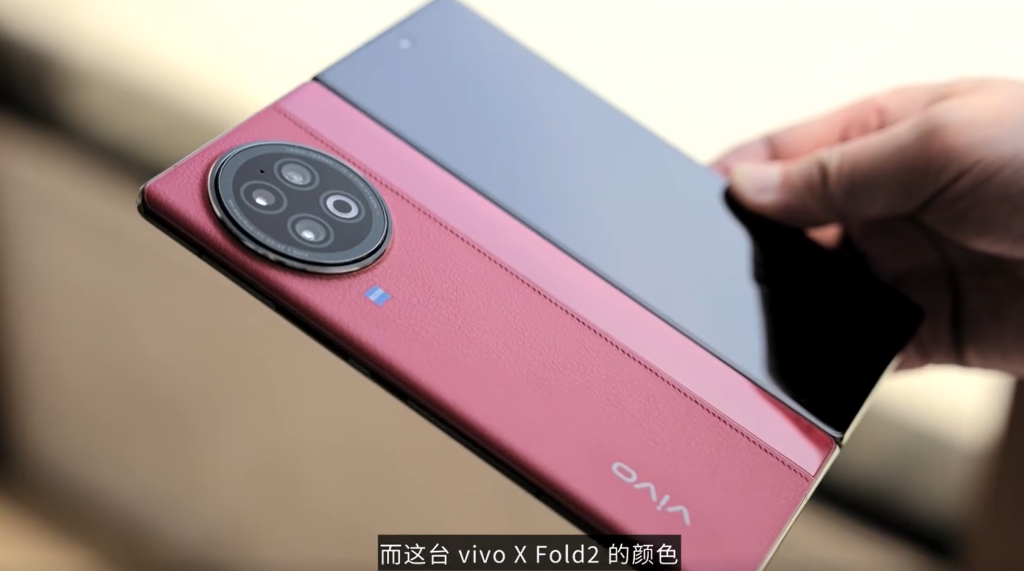
Vivo has some exciting products planned to launch in the upcoming days. These are the Vivo X Fold 2, the Vivo X Flip, and the Vivo Pad 2. The Fold 2 will succeed the Vivo X Fold+, while the X Flip will be the first flip smartphone out of the Vivo camp. Now, a new report has revealed the launch dates of these devices.

Vivo

According to an image shared by Weibo tipster 熊猫很禿然, the launch event for the Vivo X Fold 2 and Vivo X Flip will happen on 20th April at 7 PM in China. It is likely that the rumored Vivo Pad 2 will also be joining these foldables at the launch event. Let’s take a look at what we know about these devices so far.

Vivo X Fold 2

The Vivo X Fold 2 is expected to have an 8.03-inch foldable AMOLED E6 screen with a resolution of 2160 x 1916 pixels, a 120Hz refresh rate, and a peak brightness of 1800 nits. It will also have a 6.53-inch cover screen with a resolution of 2520 x 1080 pixels, a 120Hz refresh rate, and a peak brightness of 1600 nits.

Powered by the Snapdragon 8 Gen 2 chipset, the device is expected to come with 12GB of RAM and 512GB of internal storage. The phone will run on Android 13 with OriginOS and will have a 4800mAh battery that supports 120W wired charging and 50W wireless charging.

The camera setup on the back will likely include a 50MP main sensor, a 12MP ultra-wide lens, and another 12MP telephoto camera, while the front cameras will be a 16-megapixel selfie camera and another 16-megapixel camera on the cover screen. The Vivo V2 ISP will enhance the phone’s photography and videography capabilities.

Vivo X Flip

According to previous reports, the Vivo X Flip will be powered by a Qualcomm Snapdragon 8 Plus Gen 1 SoC and will run on Android 13. It will have up to 12GB of LPDDR5 RAM and 512GB of UFS 3.1 storage. The device will feature a 6.8-inch foldable main display with an FHD+ resolution and a 120Hz refresh rate, as well as a rectangular cover screen with a resolution of 682 pixels.

Vivo X Flip

For capturing photos and videos, the Vivo X Flip will use a Zeiss-powered dual camera system that includes a 50MP Sony IMX866 primary sensor and a 12MP Sony IMX663 ultra-wide unit. The phone will also have a 4,400mAh battery and support for 44W fast wired charging.

Vivo Pad 2

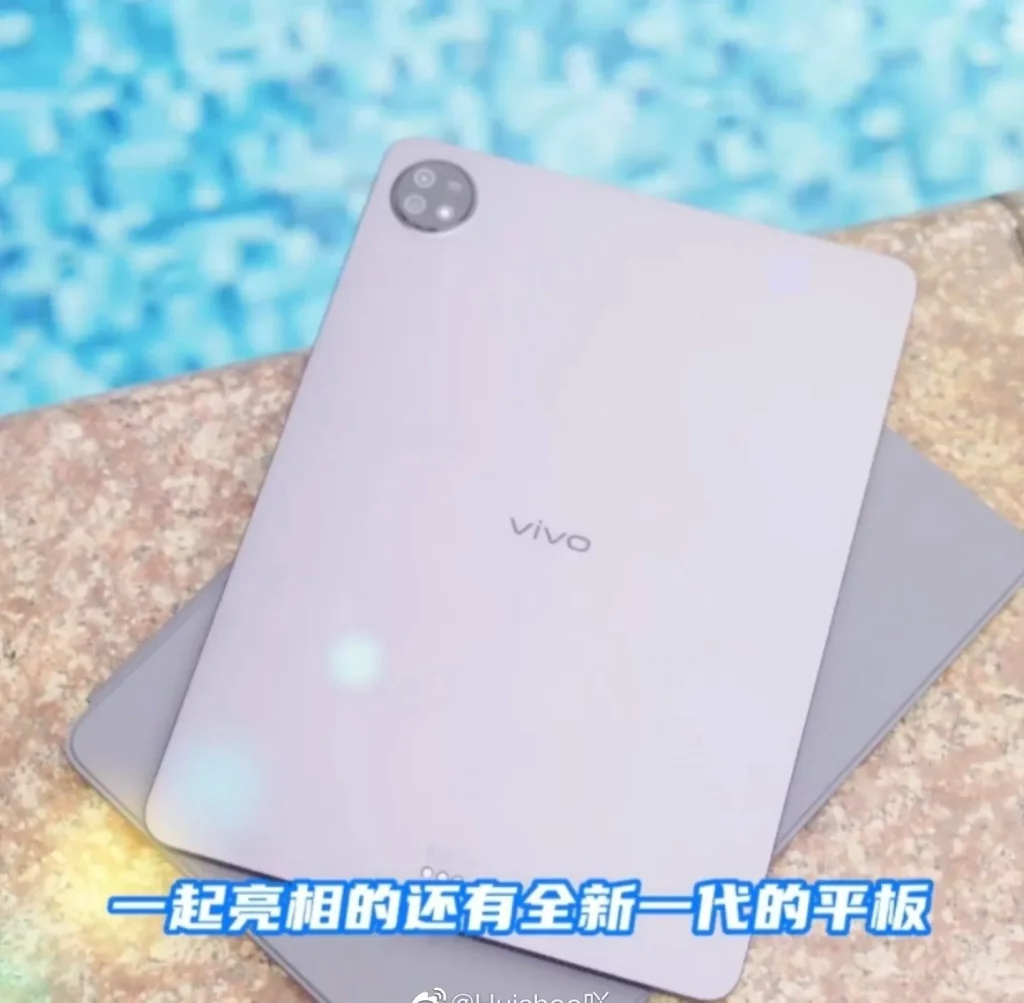
The upcoming Vivo Pad 2 will be powered by the flagship MediaTek Dimensity 9000 SoC, along with LPDDR5 RAM and UFS 3.1 storage. The tablet is rumored to sport a tall 12-inch LCD panel with a 144Hz refresh rate and a resolution of 2560 x 1600 pixels.

Vivo

Recently leaked images suggest that the new Vivo tablet will feature an improved design with a dual rear camera setup, including an LED flash, and the Vivo logo in the center of the back panel. Additionally, the tablet is expected to come with a bundled keyboard and a Vivo Pencil.

RELATED:

Apple iPhone 15 Pro Display will reportedly feature Ultra Thin Bezels

As we get closer to the launch of the next generation of Apple iPhones, there have been a number of rumors and reports over the iPhone 15 series recently. Now, the latest one reveals some interesting details regarding the iPhone 15 Pro model’s display.

Apple

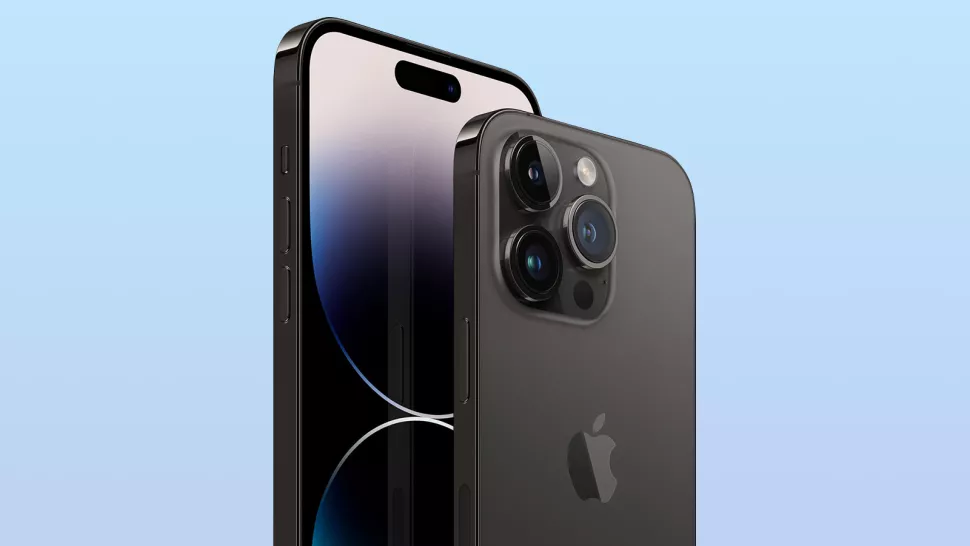
The latest news arrives from known tipster Ice Universe who shared images of the glass panel of the upcoming Apple iPhone 15 Pro. In these images, we get a look at one of the screen components for the new iPhone, which reveals that the panel will will have super thin display bezels. The images also compare the iPhone 15 Pro’s glass to the iPhone 14 Pro as well. This clearly shows that the iPhone 15 Pro has a thinner bezel.

The leak claims that the higher end iPhone 15 Pro models have a bezel size of just 1.55mm. This is smaller than 2.1mm bezels on the iPhone 14 Pro. While these changes are quite small, the new images also reveals that the iPhone 15 models will also feature more rounded corners instead of the flats straight edges on the older iPhone models.

Interestingly enough, the new leak is in line with some of our previous report. An earlier report had claimed that the iPhone 15 Pro Max would have the thinnest bezels on any smartphone that has ever been made, with an ultra thin 1.55mm. Keep in mind that this is still an unconfirmed report, so stick around for more as we will be providing updates when additional information is available regarding this device.

RELATED:

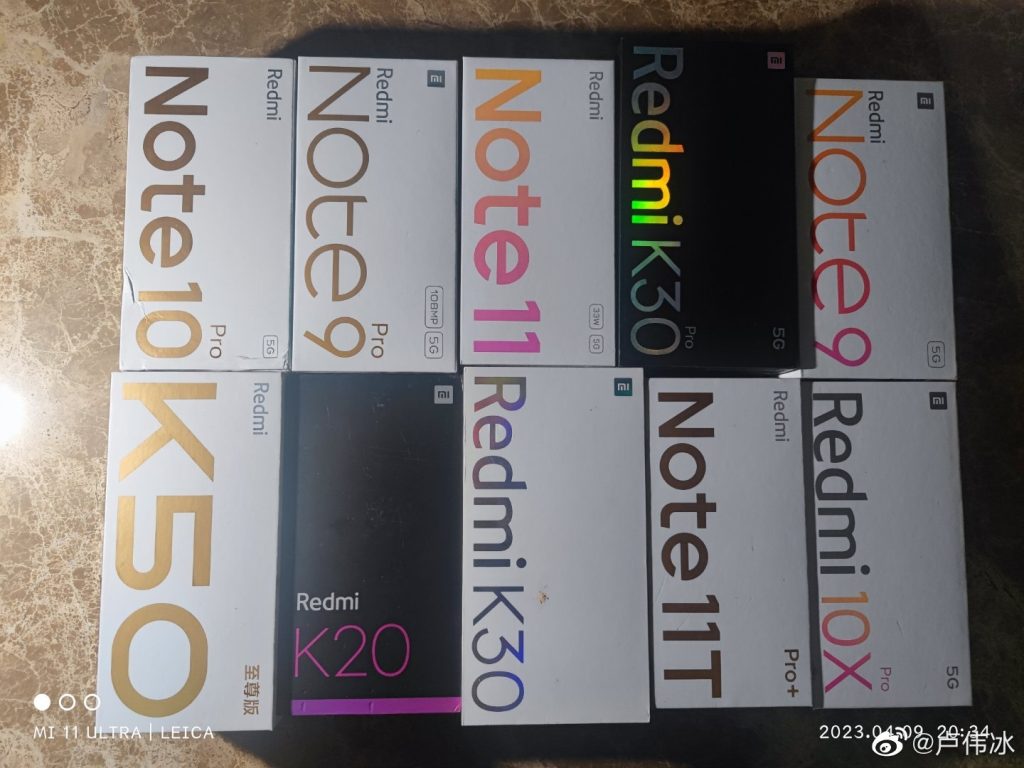
Mi Fan Shows Lu Weibing His Collection of 12 Redmi Smartphones, All in Original Boxes

A Mi fan showed off his collection of Redmi smartphones to Lu Weibing, the CEO of Xiaomi’s Redmi brand. The collection includes 12 models, all of which are in their original boxes.

The 12 smartphones are Redmi Note 10 Pro, Redmi Note 9 Pro, Redmi Note 11, Redmi K30 Pro, Redmi Note 9, Redmi K50 Supreme Edition, Redmi K20, Redmi K30, Redmi Note 11T Pro+, Redmi 10X Pro, and more.

Redmi Smartphones

Last month, Redmi released its latest model, the Note 12 Turbo, with a starting price of 1,999 yuan ($290) for the 8GB+256GB version, and 2,599 yuan ($378) for the 16GB+1TB version.

Redmi Note 12 Turbo features a large 6.67-inch OLED display with a Full HD+ resolution and a high refresh rate of up to 120Hz. The device is powered by a powerful octa-core Snapdragon 7+ Gen 2 processor with up to 16GB of LPDDR5 RAM and up to 1TB of UFS 3.1 internal storage.

Redmi Note 12 Turbo

The Redmi Note 12 Turbo runs on Android 13 with MIUI 14 and comes equipped with a 64MP rear camera with OIS, an 8MP ultra-wide angle camera, and a 2MP macro camera. The front-facing camera has a 16MP resolution. The device also features a side-mounted fingerprint sensor, an infrared sensor, and a 3.5mm audio jack with super-linear stereo speakers and Dolby Atmos.

Connectivity options on the Redmi Note 12 Turbo include 5G SA/NSA, dual 4G VoLTE, Wi-Fi 6, Bluetooth 5.2, GPS, GLONASS, USB Type-C, and NFC. The device is powered by a 5000mAh battery with 67W fast charging.

RELATED:

1000-km Range Liquid Hydrogen Storage System Unveiled by Weishi Energy

Weishi Energy held its annual press conference on April 10, 2023, with the theme “H POWER DAY.” The conference highlighted the company’s advances in hydrogen storage, fuel cells, hydrogen refueling, and comprehensive services.

Hydrogen

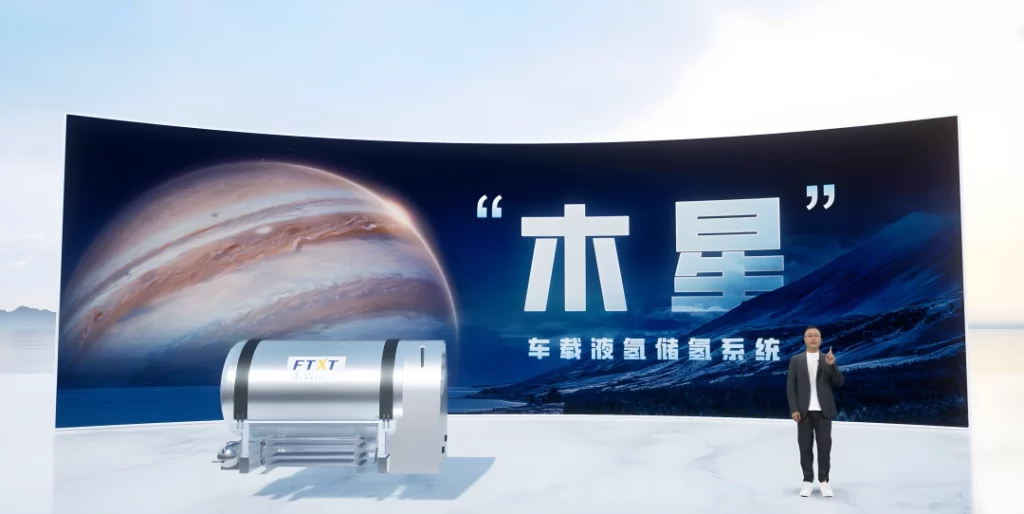
The company launched its “gas hydrogen + liquid hydrogen” dual technology route in the field of hydrogen storage, along with its vehicle-mounted liquid hydrogen storage system called “Jupiter,” which has a mass hydrogen storage density of ≥8wt% and a cruising range exceeding 1000km. It has completed key tests such as drop and vibration, and the comprehensive performance has reached the international advanced level.

Weishi Energy also launched a dual-core layout of “metal stack + graphite stack” and launched a 300+kW expanded graphite plate stack in the field of fuel cells. The peak power density exceeds 4.0kW/L, promoting the advancement of hydrogen energy heavy trucks from short- and medium-distance transportation to long-distance transportation.

The company launched the second-generation 70MPa-57L Type IV hydrogen storage suitable for electric passenger vehicles, with a mass hydrogen storage density of 6.1wt%, far exceeding the 2025 hydrogen storage tank target set by the US Department of Energy. The platform products include product series of different specifications and models such as 70MPa-23L, 35MPa-210L, etc., all achieving 100% independent controllability of key core technologies, laying the foundation for promoting the commercialization of fuel cell vehicles.

To address the issue of difficult hydrogen refuelling, Weishi Energy, Liben Energy, and China Power New Energy launched a strategic cooperation to build 100 hydrogen refueling stations to lay out the Beijing-Tianjin-Hebei region and gradually establish a network that radiates key regions.

Finally, the company and China Automobile Center cooperate to jointly study the “carbon trading standard for hydrogen energy application” to explore hydrogen energy carbon trading, price index, and traceability certification, empowering industry customers to realize more economic value of hydrogen energy.

Weishi Energy’s efforts in advancing the use of hydrogen energy will contribute to the transformation of the transportation sector towards a more sustainable and environmentally friendly future.

RELATED:

(Via)