Advertisement

Vivo Pad 2 full specifications, design leaked before official announcement

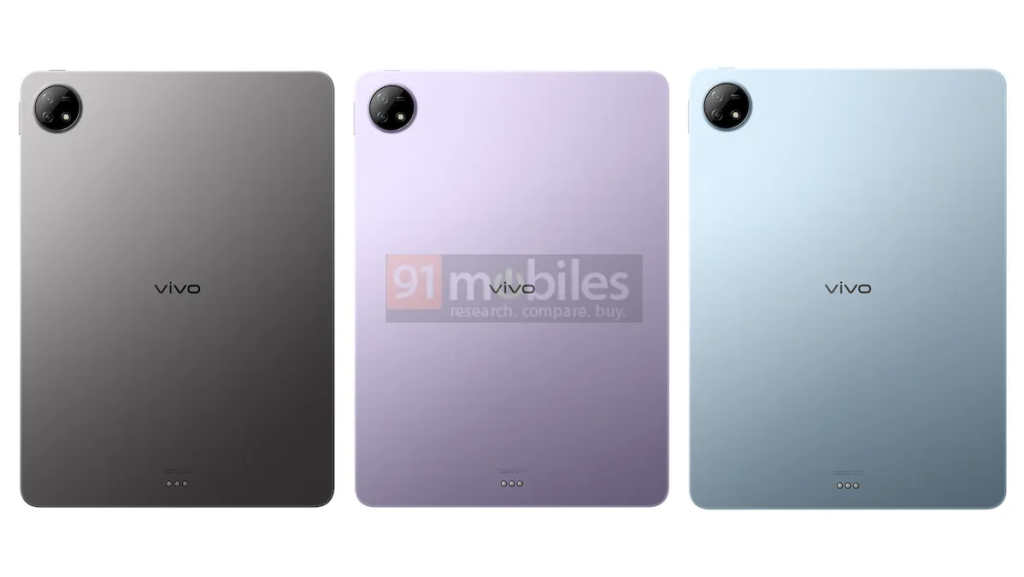
Vivo Pad 2 was recently showcased at the 2023 Boao Forum along with other upcoming products like the Vivo X Fold 2 and the Vivo X Flip. Speculation is rife that Vivo will announce these products on April 20 in China. Tipster Ishan Agarwal has teamed up with 91mobiles to leak the key specifications of the Vivo Pad 2. The leak also gives the first look at the three color variants of the device.

Vivo Pad 2 design
Vivo Pad 2 renders
Vivo Pad 2 renders | Image Source: 91mobiles

The Vivo Pad 2 renders show that it will have a round-shaped camera module on the back. It houses an LED flash and two cameras. It will arrive in three colors, such as gray, blue, and purple. Since the tablet is equipped with a larger screen than the original Vivo Pad, it has a wider design. Hence, Vivo has changed the orientation of the company’s logo and the position of the pogo pins on the new model.
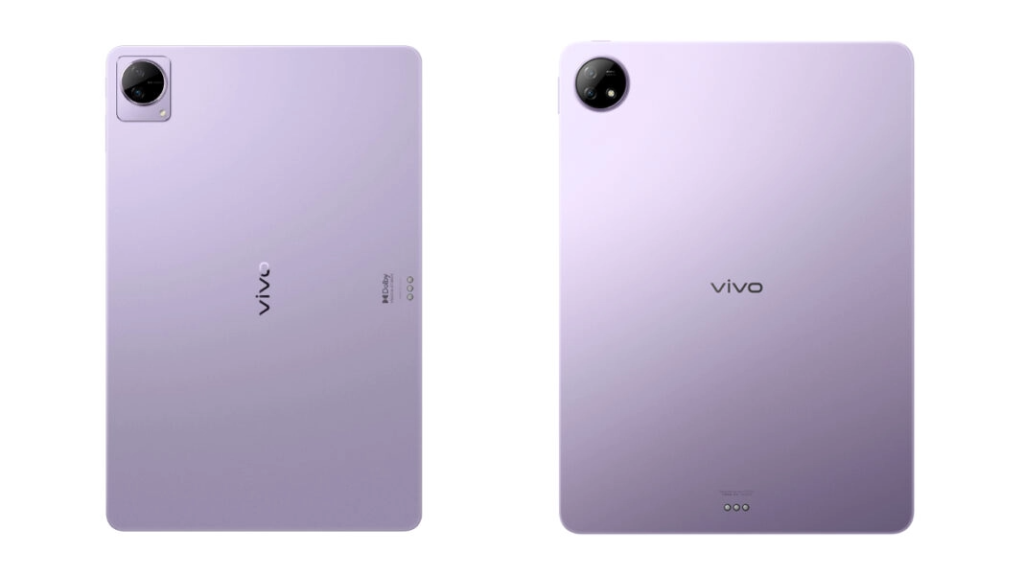
Vivo Pad (left) vs Vivo Pad 2 (right)
Vivo Pad (left) vs Vivo Pad 2 (right) | Image Source: 91mobiles

Vivo Pad 2 specifications (rumored)

According to the report, the Vivo Pad 2 has a 12.1-inch LCD panel that offers a 2.8K resolution and up to a 144Hz refresh rate. It will be powered by the Dimensity 9000 chipset and a 10,000mAh battery that supports 44W fast charging.

The Vivo Pad 2 will arrive with 8 GB / 12 GB of LPDDR5 RAM and 128 GB / 256 GB / 512 GB of UFS 3.1 storage. The device is expected to run on Android 13 OS and OriginOS 3 for Pad.

The Pad 2 will have an 8-megapixel front camera and a 13-megapixel + 2-megapixel (macro) dual-camera system on the back. It will offer other features, such as NFC and Bluetooth 5.3. It will measure 266 x 191.6 x 6.6mm and weigh 580 grams.

To recall, the Vivo Pad from last year featured an 11-inch IPS LCD 2.5K 120Hz display, a Snapdragon 870 chip, 8 GB of RAM, up to 256 GB of storage, and an 8,040mAh battery with 44W charging. For photography, it featured an 8-megapixel front camera and a 13-megapixel (main) + 8-megapixel (ultra-wide) dual-camera setup on the back.

 RELATED:

(source)
Samsung Galaxy Z Flip 5 cover display size revealed, production to begin in June

The Samsung Galaxy Z Flip 5 is in the works and is expected to break cover in the third quarter of this year. Several reports have claimed that the Z Flip 5 will sport the largest ever cover display seen on the Z Flip series. Display analyst and CEO of DSCC, Ross Young, has been leaking key details about the Z Flip 5. In a new tweet, he revealed the cover display size of the device. He also revealed when Samsung would begin production of the Z Flip 5.

According to Young, the Galaxy Z Flip 5’s cover display will be bigger than everyone thought. He revealed that it would measure 3.8 inches. This leak is in line with Sammobile’s recent report, which carried a schematic revealing the outer display of the Z Flip 5. The image revealed that its cover screen will occupy almost the entire top half of the device’s back.

Samsung Galaxy Z Flip 5 mockup
Samsung Galaxy Z Flip 5 mockup by Sammobile

The Galaxy Z Flip 5’s cover screen will be larger than the OPPO Find N2 Flip’s cover screen, which measures 3.26 inches. It appears that it will be larger than the Vivo X Flip’s cover screen, which is said to be similar in size to that of the Find N2 Flip. Hence, the Galaxy Z Flip 5’s outer display will be much larger than the 1.9-inch cover display that was made available on the Galaxy Z Flip 4 from last year.

Young added that the panel shipments for the Galaxy Z Flip 5 will begin in May, and its production will start in June. This indicates that the South Korean tech giant could be planning to launch the Z Flip 5 in August. The tipster recently revealed that the device will come in four colors, such as Beige, Gray, Light Green, and Light Pink.

Other reports have revealed that the Galaxy Z Flip 5 will be powered by the Snapdragon 8 Gen 2 for Galaxy, 128 GB / 256 GB / 512 GB UFS 4.0 storage options, and a new hinge technology that will reduce the display crease.

RELATED:

(source)

Infinix Note 30i moniker confirmed, battery and charging details revealed

Infinix is working on the Infinix Note 30 series of smartphones. Recent reports have revealed the existence of devices like the Note 30 and Note 30 VIP. Now, a new finding has revealed the Note 30i moniker.

According to previous reports, the Infinix Note 30 VIP and Note 30 have respective model numbers X6710 and X6833B. The Note 30i, which has now been spotted in the Google Play Supported Devices list, has the X6716 model number. As usual, the listing does not say anything else about the device.

Infinix Note 30, Note 30i Google supported Devices list
Infinix Note 30, Note 30i in Google supported Devices list

Interestingly, there is another listing for the Note 30 in the Google Play Supported Devices list. As can be seen, the other Note 30 phone has the X6716B model number.

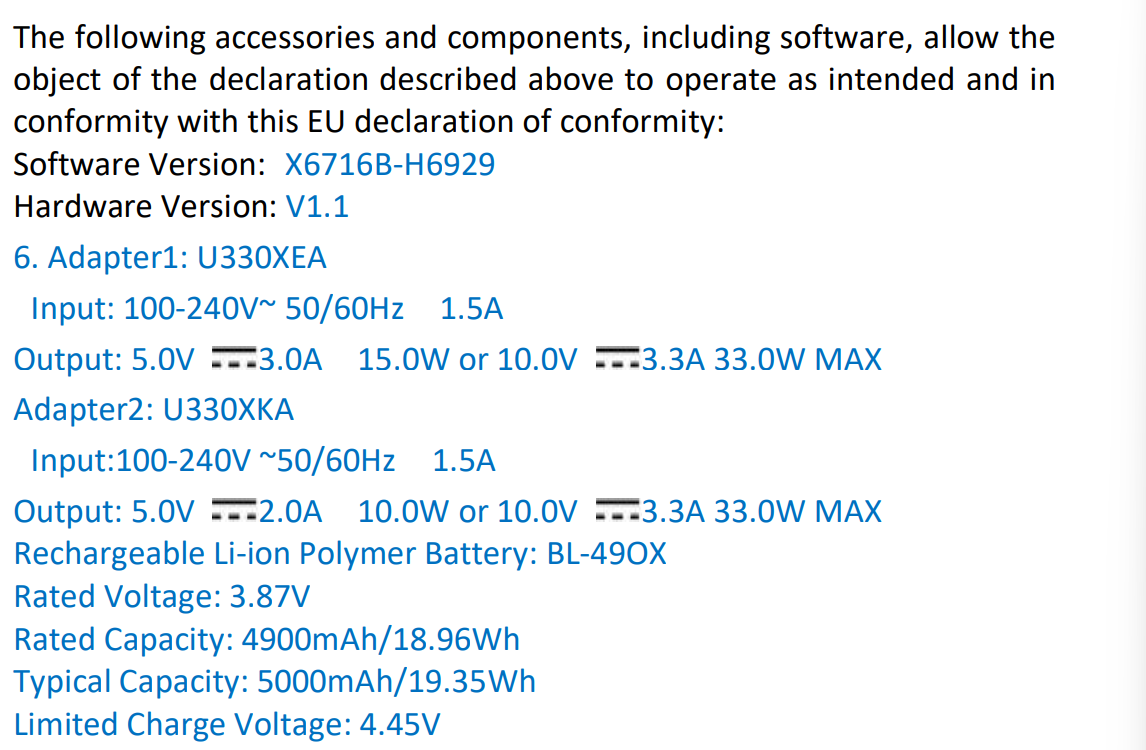
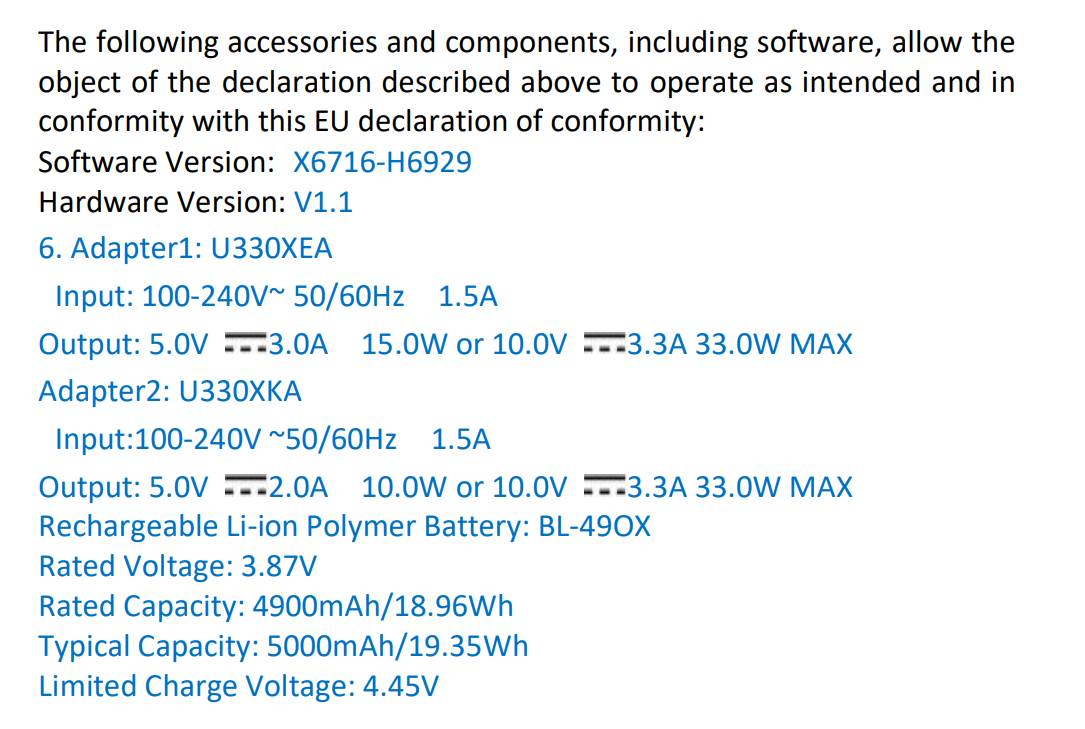
The EU Declaration of Conformity page on Infinix’s website reveals that the Infinix X6716 and X6716B are backed by a 5,000mAh battery. It also reveals that both devices will support 33W fast charging. Apart from these details, no other details are known about these models.

According to a recent report, the Infinix Note 30 (X6833B) will arrive with a Full HD+ display that offers a 20.5:9 aspect ratio, a 5,000mAh battery, an Helio G99 chipset, 64-megapixel triple rear cameras, a 16-megapixel front camera, and Android 13 OS. The Google Play Console listing for the device revealed that it will arrive with 8 GB of RAM.

As far as the Infinix Note 30 VIP is concerned, it is expected to arrive with specifications, such as Bluetooth 5.3, Android 13 OS, a 5,000mAh battery, and 68W charging. The other details of the device are yet to be revealed.

At present, there is no official word on the arrival of the Infinix Note 30 series. However, it appears one of the Note 30 models may break cover as early as this month.

RELATED:

Dost Crate Cargo Electric Bike with a load-bearing capacity of up to 440 pounds unveiled

Canadian e-bike manufacturer Dost has been in the business of manufacturing practical and utilitarian e-bikes since 2019. The company has now launched the Crate Cargo Electric Bike.

Dost Crate Cargo Electric Bike

The Dost Crate Cargo Electric Bike adopts a rear-mounted cargo area design. Thus, even though it is a cargo bike, there is no extended rack at the front, keeping the front design clean and looking like a regular bike.

The Dost Crate’s design has at its core a square-tube 6061 aluminum frame and a rigid 6061 fork. The bike also comes with a modular design with point of attachments for a number of useful accessories which users can easily swap in and out such as rear baskets, passenger seats, front racks, and panniers.

Dost Crate Cargo Electric Bike

The e-bike is propelled by a 750 watts Bafang M600 mid-drive motor. The motor has a maximum torque rating of 125 Nm which should make it possible to climb steep hills without hassle. You also get a torque sensor for pedal assistance as well as a throttle that allows riders to move around without using the pedals. The bike has a load carrying capacity of up to 440 pounds.

The Crate comes with a single-battery option that can provide up to 60 miles of range and a dual-battery option that doubles the riding range to up to 120 miles. The bike also features an Enviolo CVT automatic gearbox for optimum efficiency and performance. Depending on power output from the motor, the transmission automatically selects the most efficient ratio. There is equally a manual mode for cyclists who prefer manual shifting.

Dost Crate Cargo Electric Bike

Furthermore, the new Dost Crate comes with a comprehensive lighting system composed of a brake light, taillight, and 100-lux LED headlight with high and low bean settings. The bike also gets a kickstand, as well as a multi-color LCD screen that display important ride data such as battery status, riding modes, and distance covered.

The e-bike is expected to start at $4,999 for the single-battery version while the dual-battery version will be $699 higher. The Dost Crate is already open for pre-orders for $500 but is expected to start shipping in December, 2023.

RELATED:

(source)

Realme 11 Pro+ appears in IMEI database ahead of rumored May launch

Even though it has been only months since the launch of the Realme 10 series, the Chinese company appears to be ready to launch its next number series. The Realme 11 Series have been making rounds on various certification sites recently and the majority of its specifications are already out. While we wait for an official announcement, the Realme 11 Pro + has now appeared on the IMEI database, hinting at an imminent launch.

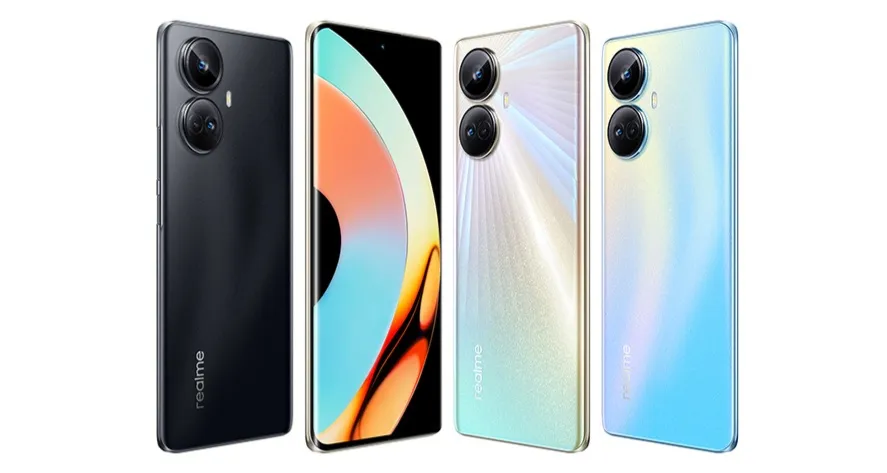
A Realme smartphone with model number RMX3741 has been spotted on the IMEI database. As per previous reports, this is the Realme 11 Pro+, which is expected to debut sometime in May as a premium mid-range smartphone from the brand. IMEI listing of the handset didn’t offer any details except the model number, however, a recent TENNA listing revealed the majority of its specifications.

Realme 10 Pro+

The TENAA certification revealed that the Realme 11 Pro+ sports a tall 6.7-inch AMOLED display that offers an FHD+ resolution and a 120Hz refresh rate. Under the hood, it may be powered by a MediaTek Dimensity 1080 processor complete with up to 16GB of RAM and up to a massive 1TB of onboard storage.

For photography, the handset is expected to feature a 200MP triple camera setup on the rear and a 16MP selfie shooter. Powered by a 5,000mAh battery, the device will likely support 100W fast charging. The Realme 11 Pro+ will likely be joined by the Realme 11 Pro and possibly a vanilla Realme 11. We expect Realme to soon announce the launch date of the new Realme 11 series. More details about the lineup should emerge in the near future. We’ll keep you posted.

RELATED:

(Via)

Xiaomi MIJIA Automatic Vacuum Sealing Machine with a suction power of -70KPa launched

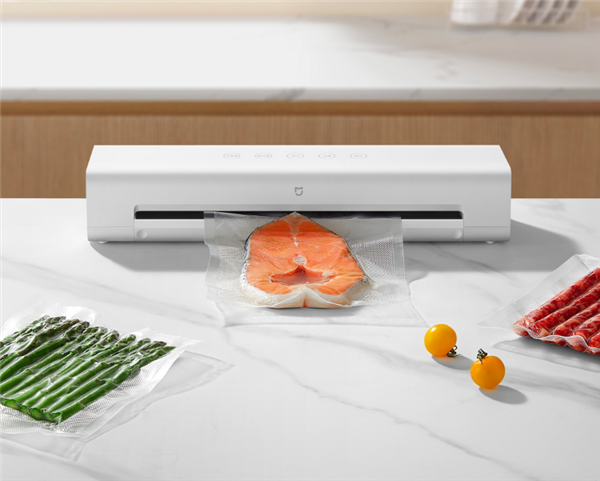
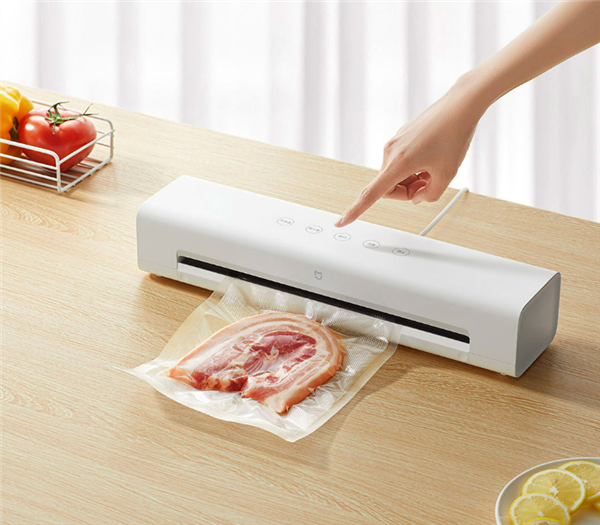
Chinese tech company Xiaomi has recently released the MIJIA Automatic Vacuum Sealer, which promises to make vacuum sealing easier and more convenient. The sealing machine comes with a fully automatic function and one-button vacuum sealing feature, that aims to simplify the process of preserving food and other items.

MIJIA Automatic Vacuum Sealing Machine

The MIJIA Automatic Vacuum Sealer is designed to be incredibly easy to use. Users do not need to lift the cover or press any buttons – simply put the bag in, and the machine will automatically detect it with infrared technology and start the vacuum sealing process. The sealer is fully automatic, so it will perform all necessary steps, including vacuuming, sealing, and lifting the bag, with just one button press.

Another noteworthy feature of this vacuum sealer is its compatibility with a variety of accessories. It can support up to 32mm large-diameter accessories, which makes it suitable for a range of sealed cans and air valve vacuum bags. This versatility allows users to seal different types of food, including dry goods, juices, and snacks, as well as non-food items like succulents.

In terms of performance, the Mijia Automatic Vacuum Sealer comes with a new generation of vacuum pump with a large suction force of -70KPa and a flow rate of 7L/min. This high suction force and flow rate ensures that the sealing process is efficient and effective, making sure the air is fully removed from the bag.

MIJIA Automatic Vacuum Sealing Machine

The sealer also features an external pumping function that enables users to use it with other accessories. By simply inserting the accessory, the vacuum sealer automatically enters external pumping mode, and users can touch a button to start the vacuum pumping process.

The Mijia Automatic Vacuum Sealer is priced at 299 yuan ($43), and the crowdfunding price is 249 yuan ($36). This makes it an affordable and accessible device for those who want to start vacuum sealing their food and other items. It is expected to start shipping in China on April 27.

RELATED:

Xiaomi Pad 6 Global launch near as it gets IMDA certified

Rumors about Xiaomi Pad 6 have been making rounds on the internet for months and it’s likely that the tablet will be unveiled alongside the Xiaomi 13 Ultra later this month. It should also make its debut in the global market sometime later this year but there’s no official confirmation as of yet. While we wait, the Xiaomi Pad 6 has visited the IMDA website, suggesting an imminent international release. Here are the details.

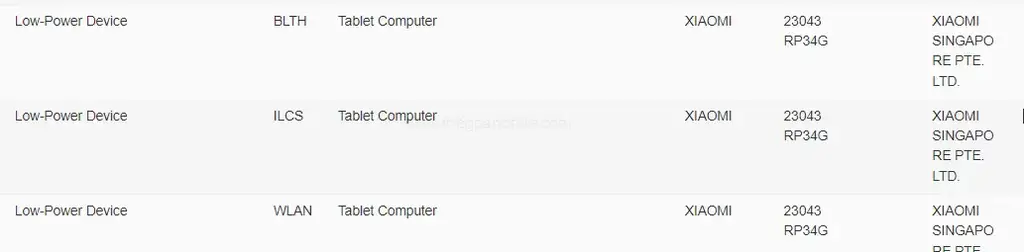
As spotted by GoAndroid, Xiaomi Pad 6 with the model number 23043RP34G has bagged the IMDA certification, confirming global launch. Apart from this, the listing does not reveal any other interesting detail about the tablet. There’s no official confirmation regarding the tablet’s launch, but Xiaomi’s president recently revealed it is coming soon. It could share the stage with Xiaomi 13 Ultra and Redmi K60 Ultra.

Xiaomi Pad 6 IMDA

Previous reports have revealed that the Xiaomi Pad 6 will arrive with an 11-inch LCD panel with a 2.8K resolution and a 120Hz refresh rate. It could draw power from the Snapdragon 870 chipset that may be paired with a massive 8,840mAh battery with support for 67W fast charging.

In addition, the Xiaomi Pad 6 may come equipped with up to 12 GB of RAM and up to 512 GB of storage. It is likely to run on the MIUI 14-based Android 13 OS out of the box. Notably, the device could arrive with a USB 3.x port, meaning it could be one of the first Xiaomi devices to support this USB standard.

Xiaomi is also reported to have Pad 6 Pro in the works, which will likely be limited to the Chinese market. It is said to feature an 11-inch AMOLED 2.8K display, a Snapdragon 8 Plus Gen 1 chipset, dual cameras, quad speakers, and a fingerprint scanner.

RELATED:

(Via)

Xiaomi’s MIJIA Quick Cooking Rice Cooker 4L unveiled for 269 yuan ($39)

Xiaomi‘s rice cookers are among the most popular models not just in China but also in other Asian markets like Japan and Thailand. The Chinese brand has now announced a new model dubbed MIJIA Quick Cooking Rice Cooker 4L. The rice cooker is currently on pre-sale in China and carries an initial launch price of 269 yuan ($39).

Mijia Quick Cooking Rice Cooker 4L

In terms of design, the Mijia Quick Cooking Rice Cooker 4L uses an ultra-white glass panel with a simple and refreshing color scheme, which looks very delicate and beautiful. The top is equipped with 4 touch buttons, and the interaction mode is simple without bending over.

In addition to the impressive minimalist design, the MIJIA Quick Cooking Rice Cooker 4L comes with a 25-minute ultra-fast cooking mode which can ensure that the degree of gelatinization of rice grains reaches 99%. Compared with the fine cooking mode, the cooking speed is increased by 34%.

At the same time, Mijia Quick Cooking Rice Cooker 4L adopts a dual-engine continuous exhaust solution, which can prolong the boiling time of rice, so that the heat can quickly penetrate each grain of rice. It is also equipped with a larger hidden bubble breaker to increase the discharge of gas caliber.

MIJIA Quick Cooking Rice Cooker 4L

The inner pot at the bottom of the new rice cooker has a new ring-shaped flame texture. The flame-like grooves increase the heating area outside the inner pot. With high firepower, the heat transfer speed is faster, and the cooked rice tastes better.

At the same time, the liner is upgraded to a 2.0mm thicker design, which is thicker and more durable. It also heats up faster which can effectively reduce heat loss and improve the efficiency of the device.

In addition, the MIJIA Quick Cooking Rice Cooker 4L is equipped with a healthy and durable non-stick liner, which can make rice non-stick and porridge without sticking to the bottom, which is convenient and easy to clean.

RELATED:

Samsung rolls out new Update for Galaxy S10 5G after ending support for other S10 models

Samsung recently announced the Galaxy S10 series has reached the end of its life and will no longer receive software support from the brand. The Korean company removed dated devices like the Galaxy S10, S10+, and S10e from its public update schedule, however, Galaxy S10 5G was moved to quarterly updates as it was released later on. And now just days after the announcement, Samsung has rolled out a new update for the handset. Here are the details.

In news that will cause mixed emotions among users, the Galaxy S10 5G has started receiving a new software update that brings the April 2023 Security patch. Although it is unlikely that the updates will introduce any new features, S10 5G users can rest assured that it will at least address security vulnerabilities, providing them with peace of mind. Sammobile notes that the update is currently being rolled out in just one country and should extend to more regions in the days to come.

Samsung-Galaxy-S10-5G

The April security patch for the Galaxy S10 5G is rolling out firmware version G977BXXSEHWC1. Users should be getting an OTA notification for the same. In order to download it manually, head to the Settings » Software update menu.

Samsung is so far the undisputed king of software updates in the industry, providing timely updates for its phones, tablets, and wearables. The company offers three years of OS updates and four years of security patches for devices launched before 2019. It gets even better for newer phones, with four years of Android updates and five years of security patches. However, as devices get older, Samsung moves them to a quarterly or biannual update.

RELATED:

(Source)

Xiaomi launches the MIJIA Air Conditioner Giant Power Saving 2 with 2HP & large air volume

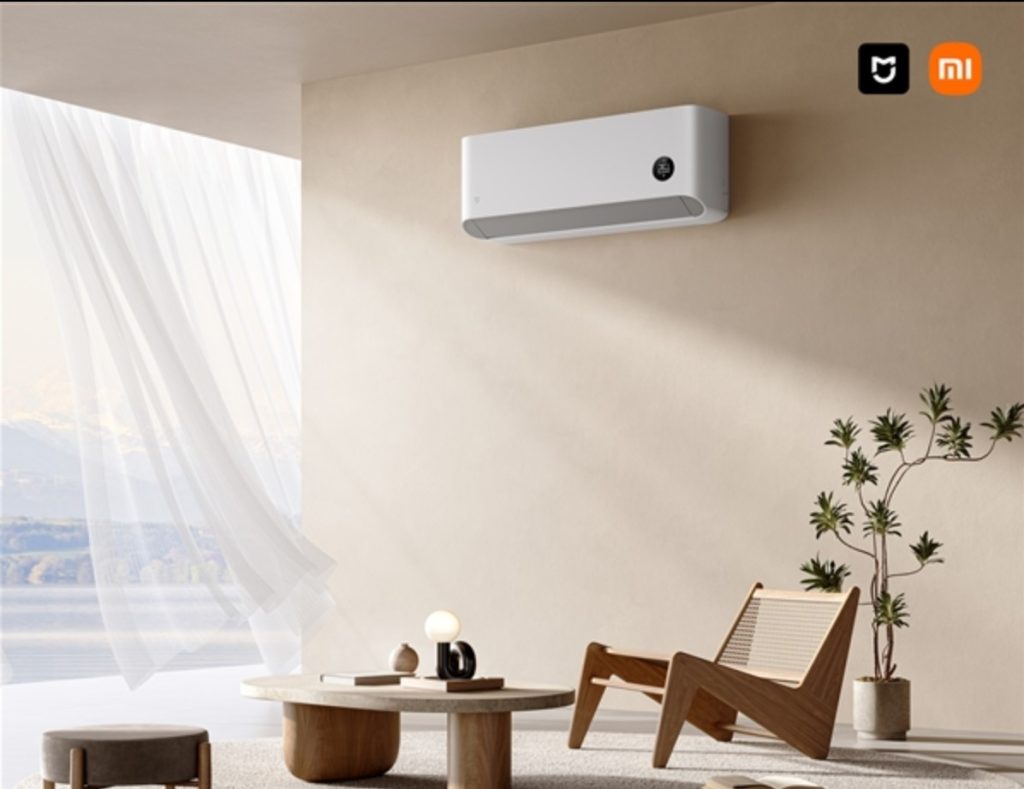
Xiaomi Smart Ecology brand, MIJIA has announced the Mijia Air Conditioner Giant Power Saving 2 which is presently available for pre-order. The new air-conditioner is said to be suitable for spaces between 20-30 square meters in size. The gadget is priced at 2799 yuan ($407).

MIJIA Air Conditioner Giant Power Saving 2

This new product is built with the new first-level energy efficiency standard. Compared with the old third-level energy efficiency standard, it can save more than 200 W of electricity every year.

In addition, the Mijia air conditioner uses the large-diameter wind wheel technology and the full DC inverter system design to provide strong power. It also outputs a large air volume and can achieve rapid cooling and rapid heating of the space.

At the same time, it adopts high-quality hardware configuration, equipped with high-efficiency dissipation technology. Also, it can quickly balance the indoor temperature in a wide temperature range, and it can run stably in severe cold and hot weather conditions.

MIJIA Air Conditioner Giant Power Saving 2

In addition, its internal unit has high-temperature self-cleaning ability, which can remove invisible pollution. Apart from performing layer by layer cleaning, it also eliminates attached bacteria through high-temperature drying technology.

It is worth noting that this air conditioner can be linked with the MIJIA app. It has a built-in smart reminder function for dirty. When the filter screen of the air conditioner is clogged, it will intelligently remind the user to clean it, so as to protect the health at all times.

RELATED:

JDI and HKC Join Forces to Light Up the Competition in the OLED Market

Japan Display Inc. (JDI) has announced a strategic partnership with Chinese display manufacturer HKC to jointly develop next-generation OLED technology. The collaboration aims to combine JDI’s expertise in display technology with HKC’s manufacturing capabilities to create innovative OLED panels for various applications. Here are the details…

JDI and Chinese Company HKC Join Forces to Develop Next-Generation OLED Technology

JDI, primarily known for its LCD panels, has recently delved into the OLED market. This partnership signifies its commitment to advancing OLED technology and expanding its presence in this growing industry. The alliance will involve not only OLED technology but also semiconductor fabs, global innovation and industrialization centers, and high-end automotive display businesses.

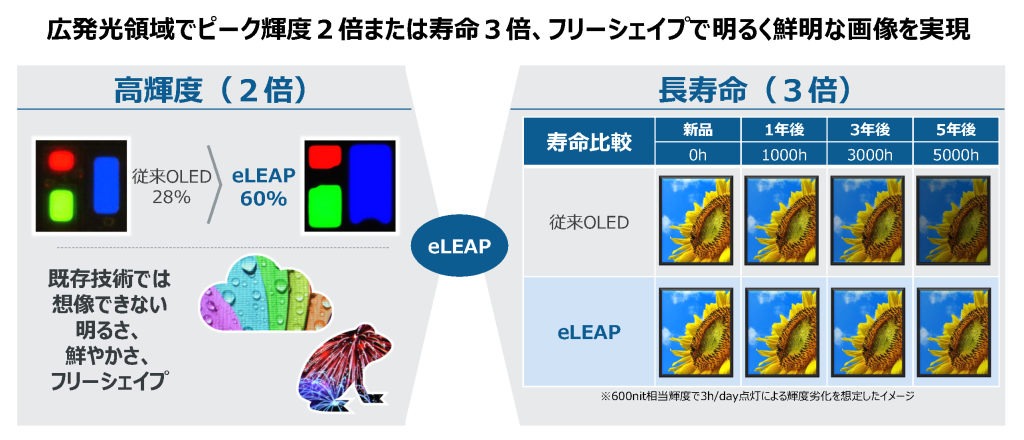
The companies plan to jointly build a semiconductor fab using JDI’s eLEAP OLED technology, targeting mass production by 2025. This next-generation OLED technology employs mask-less deposition and photolithography, resulting in a doubled peak brightness and a threefold increase in lifespan compared to previous technologies.

The ambitious partnership aims to dominate various display panel sectors, including being the top global wearable device shipment and market share by 2027, the top global shipment and market share for VR, monitors, and automotive displays by 2028, and the third-largest global shipment and market share for notebook and tablet panels by 2028.

This collaboration between JDI and HKC showcases the potential for groundbreaking innovation and growth in the OLED market, as the two companies bring together their expertise and resources to create cutting-edge display technologies.

RELATED:

(source)

Portronics launches new accessories: Armya Armrest, MoBot II Stand & Clean M Device Cleaner starting at Rs. 399 ($5)

Innovative Indian manufacturer Portronics has recently launched three new accessories to enhance the user experience of working with electronic devices. These products include the Armya armrest, MoBot II stand, and Clean M device cleaner. The launch of these products are coming not too long after the company launched the My Buddy K6 portable laptop stand.

Portronics-MoBot-II-Mobile-and-Tablet-Stand
Portronics MoBot II Mobile and Tablet Stand

The Armya armrest is a portable and detachable armrest that can be attached to any desk. It provides a comfortable cushioned support for the user’s arm while typing or using a mouse. The armrest has a memory foam cushion that reduces fatigue and soreness, and it can swivel left and right for different activities like writing, drawing, or painting. It is also easy to carry in a backpack, making it a great option for people who work remotely or travel frequently.

Portronics Armya Removable Armrest

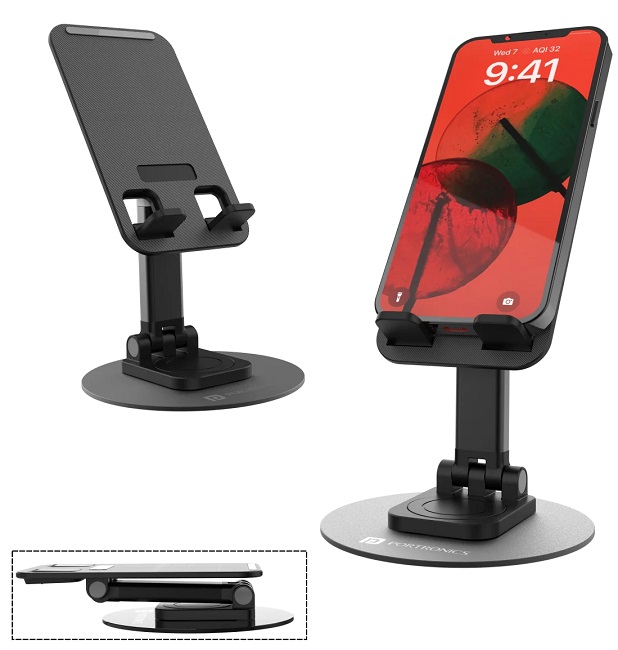
The MoBot II stand is designed for mobiles and tablets, with a foldable design, anti-slip surface and adjustable features. It has a 360-degree rotating base that lets you adjust the angle, rotation, and height of your device for different purposes. The stand is suitable for multitasking, video calls, watching movies, or charging your device. The stand has a stable base and a strong shaft to prevent falling and can hold a tablet in a horizontal or vertical position. It is available in black and white and is made of high-quality aluminum.

Portronics

The Clean M device cleaner is an 8-in-1 tool that helps you maintain the cleanliness of your gadgets. It has eight different tools to help you clean dust, fingerprints, stains, and dirt from various parts of your devices. These tools include a screen duster, a liquid spray holder, a metal nib, a cotton swab, a mini brush, a keyboard key remover, a brush, and a retractable mobile stand. The cleaner is also portable and easy to carry in your bag, making it a convenient tool for people who are always on the go.

The Armya armrest and MoBot II stand are both reasonably priced at Rs. 399 (~$5), while the Clean M device cleaner is priced at Rs. 599 (~$7). These products are available on the official Portronics website, as well as on Amazon.in, Flipkart.com, and other online and offline platforms.

Related:

(via)

Baidu files lawsuit against Apple for fake Ernie Bot applications found on the App Store

Baidu has filed a lawsuit against Apple Inc and other relevant app developers in the Beijing Haidian People’s Court. The Chinese search engine and technology giant has sued Apple Inc over fake Ernie Bot apps available on the Appstore. 

Baidu has made it very clear that the company has not opened the Ernie Bot for public usage and has not launched the Chatbot or any App related to the Chatbot. Moreover, the company has released a statement saying that until the company officially announces the launch of Ernie Bot, any application found online is fake. 

On Friday, the company made an official post on its WeChat Account ‘Baidu AI’. In the post, it said that “At present, Ernie does not have any official app,” and “Until our company’s official announcement, any Ernie app you see from App Store or other stores are fake,”

The company has also posted a copy of the court filing on WeChat for public scrutiny. 

Ernie Bot:

Under development since 2019, ‘ERNIE’ which stands for  ‘Enhanced Representation through Knowledge Integration’ is an AI chatbot service product created by Baidu. The chatbot is built upon the language model known as “Ernie 3.0-Titan”.

Ernie Bot’s functionality is currently limited to performing mathematical calculations, speaking in Chinese dialects, and generating videos and images based on text prompts. It is considered one of the closest rivals and competitors of Open AIs ChatGPT.

However, unlike ChatGPT, which became available to the public in November 2022, Ernie Bot is still in the development stage and has only been released to a select group of users with invitation codes. Corporate organizations can integrate the bot into their products through Baidu’s cloud platform.

Baidu’s AI Ambitions:

Headquartered in Beijing’s Haidian District, Baidu, Inc. is a Chinese multinational technology company that specializes in internet-related products, services, and artificial intelligence. As one of the largest companies in the world in the fields of AI and the Internet, Baidu has established a global presence and is one of the biggest competitors of Open AIs ChatGPT.

The company has been working on Ernie Bot since 2019 and has a comprehensive strategy for implementing artificial intelligence across all aspects of its business. Through extensive research and development and significant investment in AI and deep learning technologies, the company aims to leverage Ernie Bot to transform its search engine and enhance its cloud services. Furthermore, Baidu plans to integrate the AI chatbot with its smart car technology and household appliances, creating a novel ecosystem managed by artificial intelligence.

Related:

(via)

Snapdragon 8 Gen 3 to get a 50% more powerful GPU than the Snapdragon 8 Gen 2

Qualcomm unveiled the Snapdragon 8 Gen 2 towards the end of last year and we’ve already seen it under the hood of many flagship phones. Undoubtedly, the processor is a significant upgrade over the 8 Gen 1 SoC both in terms of performance and efficiency. Rumors are rife that Qualcomm will push the envelope further with the upcoming Snapdragon 8 Gen 3, scheduled for the last quarter of the year. The latest piece of info suggests the chipset will get a 50% boost in its GPU performance. Here are the details.

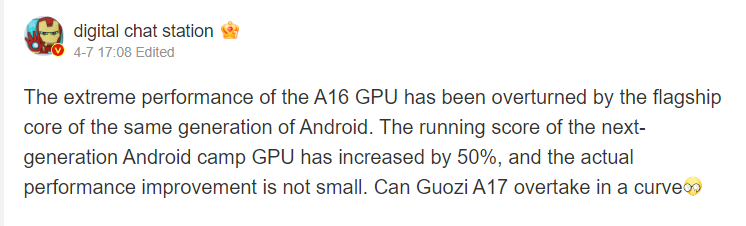
As claimed by noted tipster Digital Chat Station, Qualcomm is planning to introduce the forthcoming Snapdragon 8 Gen 3 with a significantly more powerful GPU than the existing Snapdragon 8 Gen 2, which gets the Adreno 740. As per the tipster, the GPU, which could be called the Adreno 750 for obvious reasons, will offer 50% better performance than its predecessor.

Snapdragon 8 Gen 3 GPU

Mr. Chat Station notes that the difference in GPU performance between the Snapdragon 8 Gen 2 and Apple’s A16 is already quite significant, and it seems that the next generation Snapdragon 8 Gen 3 chip will maintain its lead over Apple’s upcoming A17 chip in the GPU department.

From what we know so far, the Snapdragon 8 Gen 3 will feature a unique 2+3+2+1 architecture, although specific clock frequencies are not yet available. It is reported to achieve a multi-core score of approximately 6,500 points and a single-core score of around 1,800 points on Geekbench. Further, it is expected to continue using the 5 nm class node (N4P) from TSMC.

RELATED:

(Source) (Via)

Tata Group reportedly set to complete acquisition of Wistron’s iPhone factory in India

Tata Group, the Indian multinational conglomerate, is reportedly in the final stages of acquiring Wistron’s iPhone manufacturing facility in India. The deal, worth over Rs 5,000 crores, is expected to be completed by the end of April. The facility, located in Karnataka, currently produces iPhone 14 and 12 models and is equipped with eight assembly lines.

Credit: Reuters Photo

Following the acquisition, Tata Group plans to begin assembling the iPhone 15 later this year. The move could see India become a key manufacturing hub for Apple products, as three Taiwanese firms – Wistron, Pegatron, and Foxconn – currently assemble Apple products in India. While Wistron is leaving the country’s iPhone business, Foxconn and Pegatron have recently expanded their production operations.

Tata Group’s interest in Apple manufacturing comes as the Indian government actively pushes for the country to become a production hub, and Apple seeks to move out of China. Industry experts suggest that the acquisition could prove lucrative for Tata Group, with speculations that the company may move on to acquire Pegatron’s iPhone manufacturing facilities once the Wistron deal is finalized.

However, the acquisition may also result in job losses, as sources indicate that around 2,000 factory workers may need to depart. Additionally, a reduction of 400 mid-level executives and the departure of 4-5 senior executives are also on the cards. Despite this, Tata Group has reportedly begun organizational changes at the facility in preparation for the acquisition.

The move highlights the growing trend of multinational conglomerates expanding their presence in the tech industry, with Tata Group joining the ranks of Apple’s current manufacturing partners. As the tech industry continues to grow and evolve, the acquisition could have significant implications for both Apple and the Indian manufacturing sector.

RELATED:

Tesla Finds a Way to Make Affordable Electric Vehicles

The popularity of electric vehicles is increasing every day. However, the technology is still quite expensive. Some Chinese manufacturers, such as BYD, are working on different models to change this situation, but their developments are not affecting the European and American markets. Fortunately Tesla has a solution for affordable EV problem. Here are the details….

Tesla Turns to Iron-Based Batteries for Semi Electric Trucks and Affordable EVs

Tesla has announced plans to utilize lithium iron phosphate (LFP) battery technology in its Semi electric trucks and upcoming affordable electric car. CEO Elon Musk has been a vocal advocate for LFP batteries, which are predominantly supplied by Chinese manufacturers. In March, Musk stated, “the vast majority of the heavy lifting for electrification will be iron-based cells.”

Tesla’s “Master Plan Part 3,” released on Wednesday, revealed that LFP batteries would be used for “short-range” heavy electric trucks, dubbed “Semi Light.” The company has not yet provided further details, such as a launch date. Last December, Tesla began delivering its Semi electric trucks with a 500-mile driving range per charge, utilizing nickel-based batteries. The automaker has also previously announced plans for a 300-mile range version.

The company’s proposed small electric vehicles will use LFP batteries with a capacity of 53 kWh, compared to the 75 kWh capacity in the Model Y and Model 3. Tesla has also committed to reducing assembly costs by 50% in future car generations, which will be manufactured at its factories in Mexico and other locations. The company plans to use LFP batteries in its mid-sized vehicles, Model 3 and Model Y, though a timeline has not been provided. Currently, Tesla uses nickel-based batteries for most of its Model 3 and Model Y vehicles sold in the United States.

Tesla Model Y Red and Grey

Proponents of LFP technology, including Musk, argue that the abundance and lower cost of iron outweigh the drawbacks that have limited the adoption of LFP cells globally. These batteries are larger, heavier, and generally hold less energy than nickel-based cells, resulting in a shorter range. However, LFP cells tend to pose a lower fire risk compared to nickel-based cells. Tesla currently sources LFP batteries from China’s Contemporary Amperex Technology Co, which does not have a factory in the United States. Tesla’s South Korean supplier, LG Energy Solution, has plans to produce LFP batteries at its proposed Arizona factory.

RELATED:

(via)

Google improves Night Sight on Pixel 6 series with new Update

Pixel 7 Pro and its smaller sibling brought serious camera improvements with themselves, so much so that they are called one of the best Android camera phones out there. The most notable camera feature that Google introduced with its latest flagships was improved night mode with more manual control. Luckily, the brand has now started rolling out the latest camera feature set to its older Pixel 6 series with a new update. Here are the details.

As reported by 9to5Google, faster Night Sight for the Pixel 6 and 6 Pro is rolling out with version 8.8 of Google Camera. Users will now notice a 50% shorter exposure time when using the feature. In addition, the Night Sight photos will have less blur and be noticeably sharper. Google has also worked on HDR+ with Bracketing to reduce noise in the pictures.

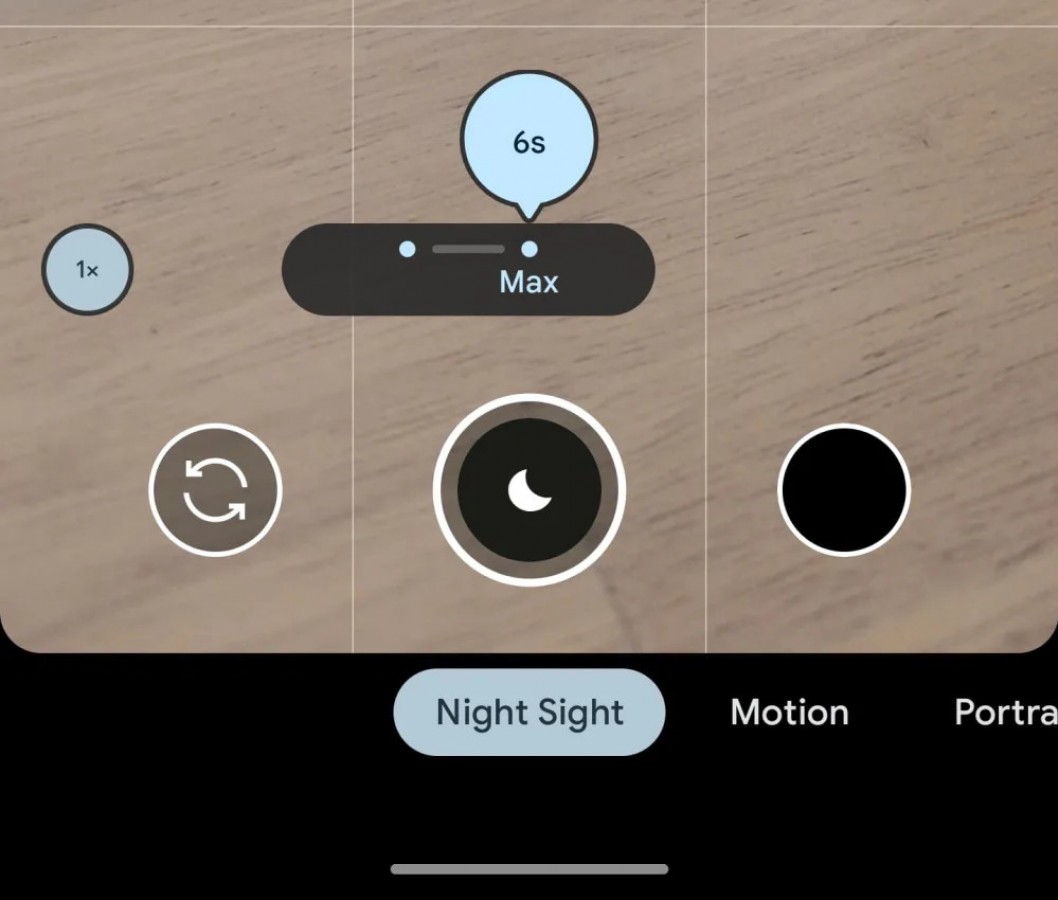
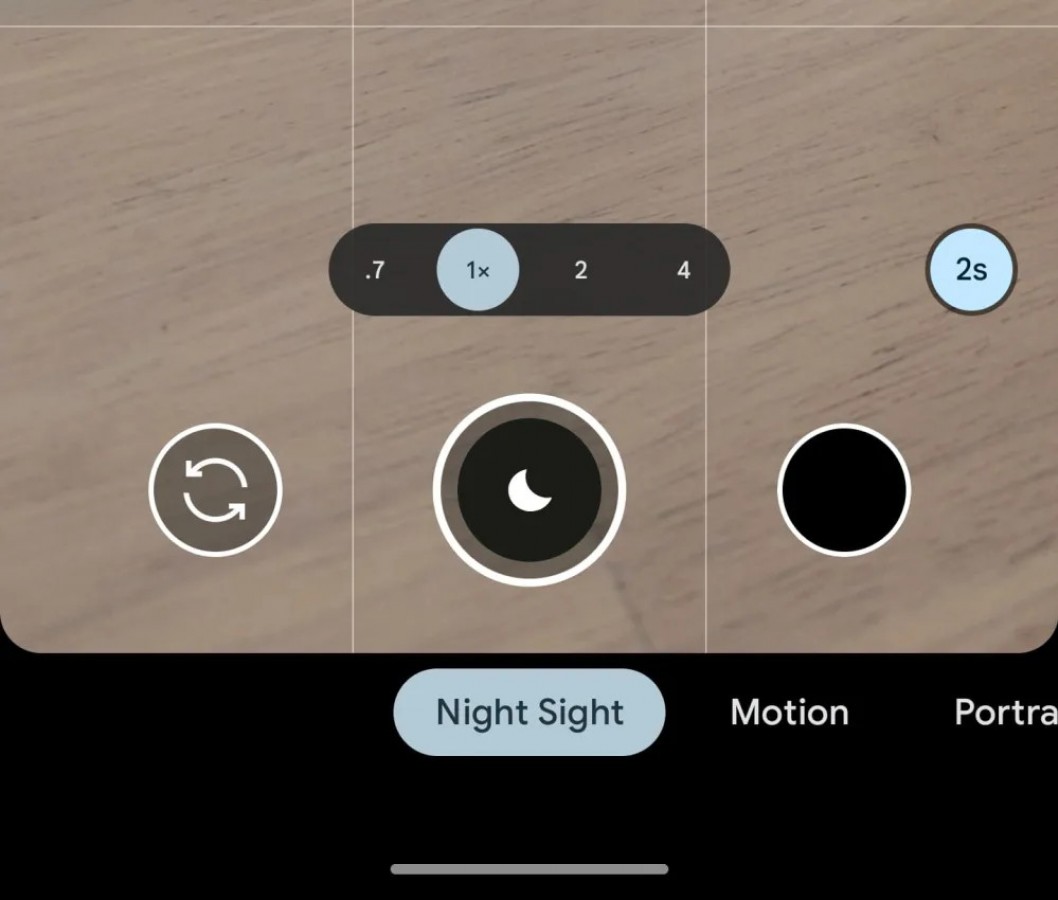
After updating to Google Camera 8.8, Pixel 7 series users will notice a circle in the bottom-right corner when switching to the Night Sight tab. Upon tapping on the button, they will be able to select two seconds or Max (which goes up to six seconds). However, the time increment is likely to vary between two to six seconds depending on the shooting conditions. It’s worth noting that the new zoom bar seen on the Pixel 7 phones didn’t make it to the Pixel 6.

Google announced this new feature with last month’s Feature Drop. The new Google Camera version 8.8 is being rolled out widely and you may get it through Play Store or wait for the automatic update. Separately, Google Pixel 6, 6 Pro, 7, and 7 Pro smartphones received general improvements in camera stability and performance in certain conditions with the March security patch.

RELATED:

(Via)

Hisense secures top position in China’s TV market and second globally

Recently, Hisense held an event in China where they unveiled the world’s first 8K laser TV. In addition to the product launch, the brand discussed its market growth rate. The data revealed that Hisense was able to secure the first position in China’s TV market and was ranked second globally. The brand aims to achieve the top spot in the global TV market soon.

They used the authoritative market research organization Omdia’s report for reference. Omdia’s report reveals that Samsung was in the top position, Hisense in second and Xiaomi ranked third in terms of the global TV market. Moreover, while all the other brands in the top 5 experienced a significant decrease in their market share, Hisense was the only one to observe an increase. This is certainly a positive indication for the brand.

Their latest Hisense 100LX 8K TV, for instance, is the world’s first 8K resolution laser TV which offers many breakthrough specifications such as the brand’s proprietary LPU digital laser pixel tech, IMAX Enhanced and Dolby Vision, 4 independent speakers with the support of Dolby Atmos and a lot more.

In 2022, the global shipments of Hisense TVs are expected to exceed 24.54 million units, indicating a year-on-year increase of 16.1%. As per the official statement, Hisense’s global influence is one of the key drivers of its innovation, and its UX series is anticipated to compete with OLED and QLED TVs, positioning it as a strong contender in the high-end TV products market. The introduction of 8K TV models by the company, for example, has transformed the way customers watch television.

The official from the brand stated, “Securing the second position globally is a significant milestone for us, which showcases our determination to continue producing innovative and high-quality televisions. The company’s commitment to its customers and focus on introducing new technologies in the industry will propel us to even greater heights in the future. We are looking forward to achieving the first position in the global TV market soon.”

RELATED

Via

Xiaomi 13 Ultra to feature variable aperture lens

Xiaomi is gearing up to launch its latest flagship smartphone, the Xiaomi 13 Ultra, on April 18th. Ahead of its launch, a new leak has confirmed some exciting details about the phone’s camera system.

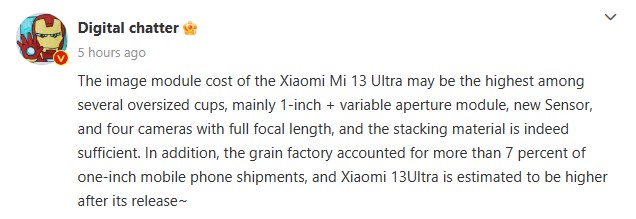
According to the Digital Chat Station, the Xiaomi 13 Ultra will boast a four-camera system that covers the entire focal range, including a brand-new sensor for the secondary camera. The primary camera will use the IMX989 sensor, known for its exceptional image quality, with a 1-inch large sensor size.

Xiaomi 13 Ultra camera leak

What’s more, the main camera will feature variable aperture technology, allowing users to adjust the aperture size during shooting for enhanced blurring effects and greater adaptability to different lighting conditions. This feature is a first for Xiaomi’s smartphone cameras and is sure to be a game-changer in the smartphone camera market.

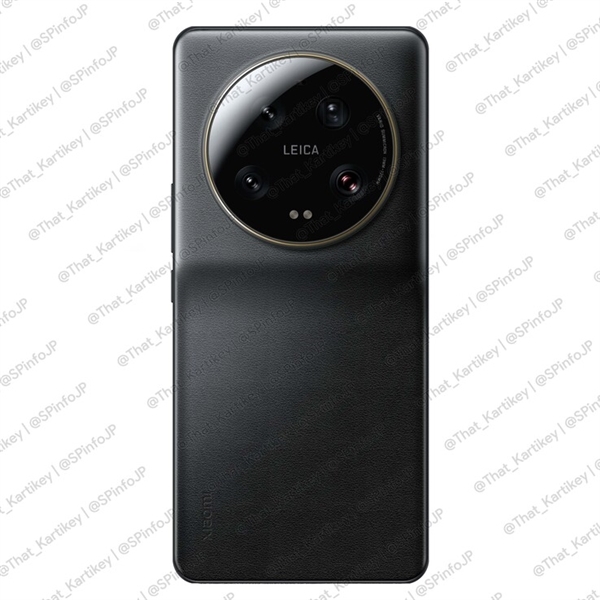
Xiaomi 13 Ultra render

With the most camera features among the large-screen flagships released this year, the Xiaomi 13 Ultra is set to be an ultra-premium device. The phone’s price is expected to start from 6,299 Yuan (~$916) for the base variant and will go up to 7,499 (~$1,090) for the premium one.

Xiaomi’s collaboration with Leica is also expected to add more depth and quality to the camera system, further enhancing the user experience. It is worth mentioning that besides the Xiaomi 13 Ultra, there are also many other new products released during this launch event, such as the Xiaomi Pad 6 series and the Xiaomi Band 8.

RELATED:

OPPO Reno 10 Pro+ Full Specifications Surface

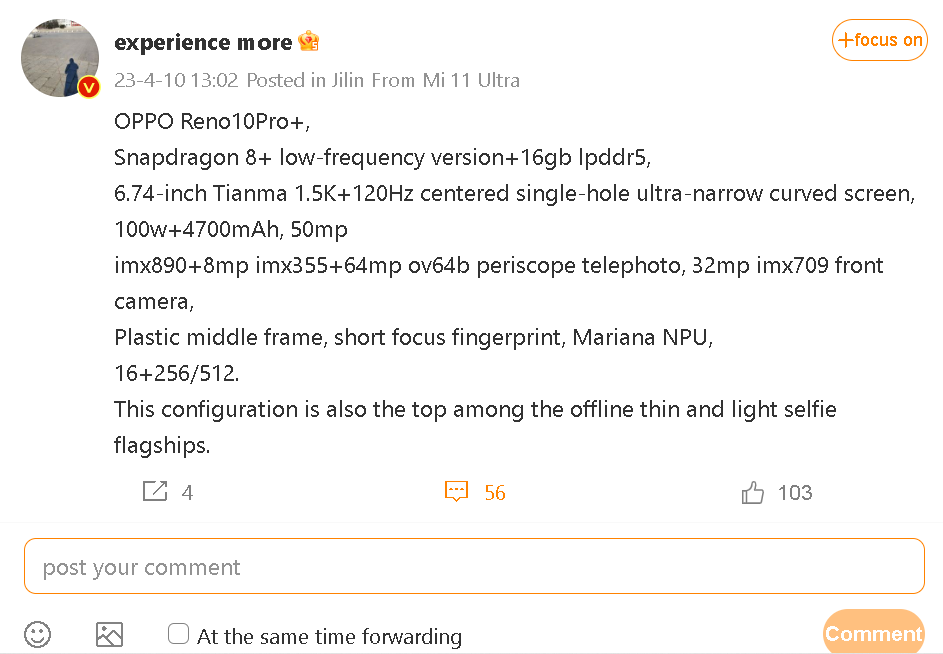
OPPO is expected to launch the Reno 10 series in China next month or in June. The lineup is expected to include the Reno 10, 10 Pro, and 10 Pro+. The smartphones have been a part of the rumour mill since the last month. Earlier today, the chipset details of the Reno 10 trio were leaked. Now another Weibo user has shared key specifications of the Reno 10 Pro+ variant. 

As per the tipster, the OPPO Reno 10 Pro+ will feature a large 6.74-inch OLED display bearing a resolution of 1.5K pixels and a 120Hz refresh rate. The screen will be integrated with a fingerprint scanner and it will have curved edges with narrow bezels and a punch-hole cutout. 

Under the hood, the OPPO Reno 10 Pro+ is tipped to be powered by an underclocked version of the Snapdragon 8+ Gen 1 processor which also corrborates previous reports. It will pack up to 16GB LPDDR5 RAM and 512GB UFS 3.1 storage. The smartphone will reportedly be backed by a 4,700mAh battery unit with support for 100W fast charging. 

On the imaging front, the OPPO Reno 10 Pro+ is said to come with a 32MP front-facing selfie snapper. The rear camera setup will comprise a 50MP Sony IMX890 main sensor, an 8MP ultra-wide-angle lens, and a 64MP OV64B telephoto periscope unit. 

As per leaked schematics, the OPPO Reno 10 series will feature a pill-shaped rear camera module housing three vertically stacked sensors and an LED flash. This is everything we know about the OPPO Reno 10 series at the moment.

Related:

Via