Advertisement

Google Pixel 7a leaked renders showcase its three color variants

Google recently confirmed that it will hold its next I/O developers conference on May 10. The Pixel 7a midranger is said to be one of the devices that may go official at the event. A month ahead of its expected announcement, MySmartPrice and tipster OnLeaks have collaborated to leak the press renders of the smartphone.

The Google Pixel 7a can be seen in grey, white, and blue colour options in the leaked renders. As far as design is concerned, it is not too different from the Pixel 6a from 2022. However, if reports are to be believed, the major changes will be seen in the hardware specifications of the device.

The leaked images show that the Pixel 7a has a punch-hole screen, which is integrated with a fingerprint sensor and a raised camera bar on the back. The right side of the device features a power button and a volume controller. The other sides of the phone are not visible in the leaked renders.

The rumored specifications of the Google Pixel 7a suggest that the phone will feature a 6.1-inch OLED display capable of producing a Full HD+ resolution with a 90Hz refresh rate. The dual-camera setup on the back is likely to feature a 64-megapixel Sony iMX787 primary camera and a 12-megapixel Sony IMX712 ultra-wide snapper. The device is speculated to arrive with an 8-megapixel front-facing camera.

The Pixel 7a will have the Tensor G2 chipset, which also powers its flagship siblings, the Pixel 7 and Pixel 7 Pro. The 7a is likely to come in 128GB and 256GB of UFS 3.1 storage options. Both models are expected to offer 8GB of LPDDR5 RAM.

The 7a will arrive with the Android 13 OS preinstalled. Information about the battery size is currently unavailable. However, reports have claimed that the device will support 18W wired and 5W wireless charging.

RELATED:

(source)

Xpeng G6 Official Images Released, Boldly Challenging Tesla, But Criticized by Its Own Owners

Xpeng is continuing to expand its electric vehicle family. The company, which had a difficult year in 2022, is preparing to leave those bad days behind with the launch of new models. Recently, Xpeng has released the latest official images of the Xpeng G6, an electric SUV that maintains the design language seen in the earlier filings. Here are the details…

Xpeng G6 Official Images Released, Boldly Challenging Tesla, But Criticized by Its Own Owners

The Xpeng G6 is a sleek electric SUV with rounded, coupe-style design and smooth body lines. The new teaser image shows a full-width taillight design that matches the front headlight assembly. The car also has a fastback-style design and a retractable electric spoiler for a sportier look.

According to the latest reports, The back of the new G6 SUV has been registered on the MIIT website and it’s set to launch at this year’s Shanghai Auto Show, starting at around 250,000 RMB (approx. $39,400). Xpeng has always been compared to Tesla, and the G6 follows the trend. It shares a similar market segment with the Tesla Model Y, both being spacious pure electric city SUVs, and their pricing is likely to be very close.

Furthermore, Xpeng’s official release of the teaser images boldly challenges Tesla with the caption, “Looking at my rear, don’t think about the Y.” However, this bold move has been met with criticism from Xpeng’s own owners, who commented, “Nice car, but honestly, your copywriting is really bad,” “As a P7 owner, I think directly challenging the Model Y is unnecessary,” and “Sigh, my company’s marketing is really difficult.”

The Tesla Model Y is currently priced between 261,900 RMB and 361,900 RMB in the domestic market. Time will tell how successful it will be against Tesla and other competitors.

RELATED:

(source)

ZEEKR’s new Compact Electric SUV Has a Crazy Fast Acceleration Time

Compact electric SUVs are becoming increasingly popular due to several reasons. Firstly, their smaller size and maneuverability make them easier to park and drive in urban environments. Additionally, electric SUVs offer environmental benefits as they emit lower levels of greenhouse gases and other pollutants compared to traditional gas-powered SUVs. ZEEKR, a new electric car brand owned by Geely, has announced that it will release its latest model, the Jikrypton X, positioning it as a “new luxury all-round SUV”. The car will be released on April 12th this year.

Jikrypton X

Jikrypton X has a powerful electric drive power of 115kW at the front and 200kW at the rear, with an acceleration time from zero to 100 kilometers in 3.x seconds. The car has joined the 3-second acceleration club, though the specific number will be announced at the press conference.

The Jikrypton X is built on the basis of SEA Haohan pure electric architecture, offering single-motor and dual-motor options. The car has three versions, divided into 4-seater and 5-seater models, and provides single-motor rear-drive and dual-motor four-wheel drive models. It also boasts impressive battery life, with four versions offering ranges from 500km to 560km.

Zeekr Electric SUV

The Jikrypton X is designed as a compact pure electric SUV, with a length, width, and height of 4450/1836/1572mm, and a wheelbase of 2750mm. The car is equipped with rear privacy glass, frameless doors, frameless rearview mirrors, and a unique door handle design. The car also offers four or five-seat layout options, making it versatile and practical for a variety of uses.

Overall, the Jikrypton X is an impressive addition to the electric SUV market, with its powerful electric drive and impressive range options. The car’s luxurious design and practical features make it a strong contender for those looking for a high-end, all-round SUV. As ZEEKR continues to establish itself as a leader in the electric car market, the Jikr X is sure to be a popular choice among consumers.

RELATED:

(Via)

Poco C51 with Helio G36 SoC & 5,000mAh battery goes on sale in India

Recently, POCO has released its latest C-series smartphone, the POCO C51, in the Indian market. This upgraded version of the POCO C50, which was launched in January this year, will be available for purchase for the first time today. Boasting a MediaTek Helio G36 processor and pre-loaded with Android 13 (Go Edition), the POCO C51 offers a sizeable display with 400nits of brightness and an 8MP rear camera. Additionally, the phone is equipped with a 5000mAh battery that charges via a micro USB port.

Poco

Poco C51 price & offers

Exclusively available on Flipkart, the POCO C51 smartphone has only one variant – 4GB + 64GB, and is priced at Rs 8,499. However, customers can avail a flat Rs 700 discount on Debit and Credit Card transactions as part of the launch offer. With this discount, the POCO C51 can be purchased for Rs 7,799 during the initial sale, which begins at 12:00 PM today.

Poco C51 specs

The new POCO C51 sports a tall 6.52-inch LCD panel that offers HD+ resolution along with a 120Hz touch sampling rate. The front panel features a waterdrop notch that houses the selfie shooter.

The device runs on a MediaTek Helio G36 processor with an octa-core CPU and PowerVR GE8320 GPU, manufactured on a 12nm process. It packs 4GB LPDDR4X RAM, 64GB eMMC 5.1 storage, and comes pre-installed with Android 13 (Go Edition), with a two-year security patch update promise.

The POCO C51 boasts an 8MP primary shooter with an f/2.0 aperture and a secondary sensor with an LED flash, forming a dual-rear camera setup. For selfies and video calls, it relies on a 5MP front shooter.

Equipped with a 5000mAh battery that charges via a micro-USB port with 10W charging, the device also features a rear-mounted fingerprint scanner, a 3.5mm audio jack, a splash-resistant coating, and a leather-textured design. A dedicated microSD card slot is also available.

The POCO C51 is available in Power Black and Royal Blue, measures 164.9 × 76.75 × 9.09mm, and weighs 192 grams. Connectivity options include Dual-SIM, 4G, WiFi 802.11 b/g/n, Bluetooth 5.0, GPS, AGPS, Glonass, and BeiDou.

RELATED:

Samsung Exynos 2500 flagship chipset reportedly under development with custom GPU

Samsung has a lineup of its own mobile processors under the Exynos brand. The top-end offering in the lineup is usually powering the flagship smartphones from the brand, along with the Qualcomm Snapdragon chips.

But this time, Samsung decided to skip the Exynos version of the flagship smartphones, and thus, the Galaxy S23 series comes powered by the Qualcomm Snapdragon 8 Gen 2 SoC in all regions.

Samsung Exynos

While it was speculated that the company may be done with the flagship chipset of its own, given the disappointing reasons for the Exynos 2200, it appears that isn’t the case.

As per the latest information, the South Korean technology giant is working on the Samsung Exynos 2500 SoC, which will feature a self-made GPU based on AMD’s technology. However, the specification of the chip remains unknown at this time.

Previously, Samsung was rumored to be working on a custom graphics processor, and this is likely to be the case as the company would take advantage of the license agreement with AMD, which was recently renewed. It remains to be seen if Samsung is looking to ditch Qualcomm in the longer run and rely only on its own chips.

Although the development sounds exciting, it will take some time, at least a couple of years, before the Samsung Exynos 2500 SoC becomes official. There’s a possibility that the chipset may be manufactured using a second-generation 3nm process if everything goes as per the plans and Samsung starts 3nm production next year.

RELATED:

Source

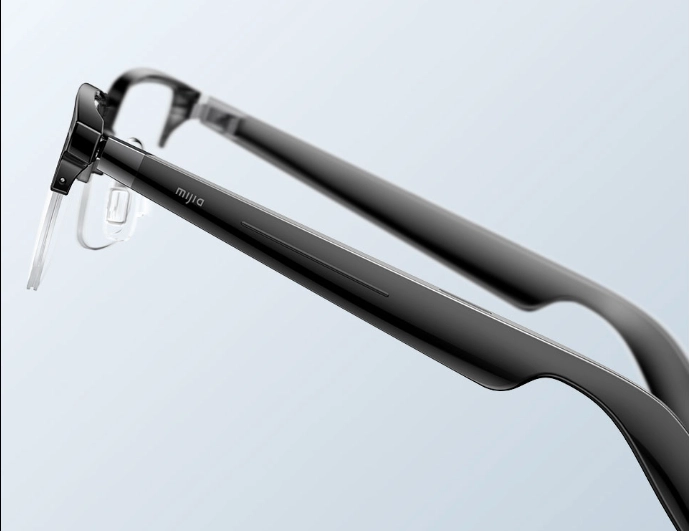
Xiaomi Launches Smart Audio Glasses with 22-Hour Long Battery Life

Amongst new wearables being launched every other day, Xiaomi has announced the release of the Mijia smart audio glasses. These glasses will be available for crowdfunding from April 12th to April 26th, with a crowdfunding price of 799 yuan. The glasses are designed to be stylish and ergonomic, with a weight of only 38.1g.

Xiaomi

The glasses feature an open sound field, double anti-leakage, noise reduction during calls, long battery life, dual-device connection, and ultra-long touch on both sides. The glasses use a 128mm 2 ultra-dynamic balance unit, an SBS2.0 double-suspension balance structure, and a sound surround algorithm for an immersive audio experience. They also have a dual-microphone beam AI call noise reduction algorithm that enhances the call effect intelligently, restoring timbre and providing a stable and clear voice conference.

The glasses support all-day battery life, with up to seven hours of continuous talking, ten hours of continuous music listening, and 22 hours of daily battery life. They also have a 30mm long touch area on both sides, allowing for blind operation, and various voice assistants can be awakened by long pressing. The Mijia smart audio glasses support dual-device connection without manual switching, making it easy to connect to two Bluetooth terminals at the same time. They also offer features like finding glasses, wearing detection, and IP54 dustproof and waterproof capabilities.

RELATED:

(Via)

Gionee’s new iPhone 14 Pro clone is cheaper than Redmi Note 12

Chinese smartphone brand Gionee has introduced its latest offering, the Gionee F1 Plus, in its home market. The brand has already made a name for itself by releasing clone models of popular flagship devices such as those from iPhone, Huawei, and Xiaomi. In the past, Gionee has launched the Gionee P50 Pro, a replica of the Huawei P50 Pro, and the Gionnee F3 Pro, which combined features of both iPhone and Xiaomi.

The recently launched Gionee F1 Plus bears a striking resemblance to the iPhone 14 Pro but is cheaper than a Redmi Note 12 in China, let alone an iPhone.

Gionee F1 Plus

As for its technical specifications, the device offers a 6.5-inch IPS LCD display with HD+ 1600*720 pixel resolution, a standard 60Hz refresh rate, and a notch cutout to make it look like an iPhone. Further, it is powered by the Unisoc T610 chipset paired with up to 8GB of RAM and 128GB of storage. It comes with a built-in 4000mAh battery with the support of 10W standard charging.

In terms of optics, it has got a single 13-megapixel rear camera. Other two lenses which you see on the camera bump are dummies. On the front, we have a 5-megapixel selfie snapper that supports AI face unlock. The device boots to the Android 12 operating system right out of the box. Additional features include a 3.5mm headphone jack and a side-mounted fingerprint scanner.

The device comes in two different variants; 6GB+128GB and 8GB+128GB. The 6GB variant is priced at CNY 1,099 (~$160) while the 8GB variant is priced at CNY 1,199 (~$175). It is available in Magic Night Black and Deep Sea Blue color variants.

RELATED

Realme Buds Air 5 Pro in the works, Here’s how it could look

Realme has been active in the market lately, releasing several devices, with more planned for the near future. Among the upcoming devices is the Realme Buds Air 5 Pro true wireless stereo earphone. This earphone is rumored to be the successor to the Realme Buds Air 3 and is expected to be named the Realme Buds Air 5 Pro, skipping over the 4 series in its naming convention.

Realme

An image of the Realme Buds Air 5 Pro has been unveiled by TheTechOutlook, showcasing what the earbuds will look like. The design of both the earbuds and the charging case closely resembles that of the Buds Air 3. Since this design has proven to be popular among customers, the brand may have opted to stick with it rather than making significant changes. The earbuds are anticipated to be launched in three different color options: black, white, and a unique shade called Nature Green. Other than that, the report does not reveal much, so let’s take a look at its predecessor to get an idea of what to expect.

Realme Buds Air 3 specs

realme buds air 3 featured

The Realme Buds Air 3 was launched in March 2023, equipped with 10mm dynamic drivers featuring a liquid crystal polymer diaphragm that delivers clear vocals and powerful bass. It supports Dolby Audio and offers customizable audio tuning options. One of its key features is the Active Noise Cancellation, which can reduce noise up to 42dB.

Realme Buds Air 3

Normal mode usage provides up to 5.5 hours of battery life, extendable up to 30 hours with the charging case. Enabling the ANC feature reduces the total battery life to around 22 hours. The Buds Air 3 also includes features such as an 88ms low latency mode for gaming, transparency mode, dual device connection, touch controls for calls and media, and IPX5 sweat and splash resistance.

RELATED:

Lava Blaze 2 launched in India with HD+ display, Unisoc T616, 128GB storage

Lava has confirmed that the Lava Blaze 2 will go on sale at 12 pm (local time) on April 18 in India. For those looking to purchase it online, they will be able to get it from Amazon India. Continue reading ahead to learn about the specifications of the device.

Lava Blaze 2 specifications

Lava Blaze 2 price
Lava Blaze 2 price

The Lava Blaze 2 will arrive with a 6.5-inch IPS LCD panel that offers an HD+ resolution and a 90Hz refresh rate. The screen will have a centrally aligned punch-hole. For security, it will offer options like AI face unlock and a side-facing fingerprint scanner.

It features 13-megapixel dual rear cameras and an 8-megapixel camera on the front for shooting series. The phone will offer multiple photography modes, such as portrait, night, AI, Pro, beauty, slow motion, audio note, timelapse, filters, HDR, and panorama.

Lava Blaze 2 key features

The Unisoc T616 chipset is present under the hood of the Lava Blaze 2. It comes with 6 GB of LPDDR4x RAM, up to 5 GB of virtual RAM, and 128 GB of UFS 2.2 storage. It packs a 5,000mAh battery with 18W charging.

There is no word on the Android version that will be available on the Blaze 2. However, it offers a near-stock experience with access to anonymous call recordings. Some of its other features include a 3.5mm audio jack and a USB-C port.

Lava Blaze 2 price in India

The Blaze 2 will have a glass back and come in three color variants, such as Glass Black, Glass Blue, and Glass Orange. It will be available with a special launch price of Rs 8,999 (~$110) from April 18 via Amazon.

RELATED:

Lu Weibing Confirms the Launch of Xiaomi Pad 6

Xiaomi is preparing to release its flagship smartphone, the Xiaomi 13 Ultra, in China. In addition to this, the brand intends to unveil its Redmi K60 Ultra and the long-anticipated Xiaomi Pad 6 series. While there is no official announcement regarding the launch dates of both devices, it is certain that they will be released soon. The Xiaomi Pad 6’s stylus and keyboard have already entered serial production, indicating that the device’s launch is imminent. Now, one of Xiaomi’s officials has now confirmed the launch of the Xiaomi Pad 6.

The president of Xiaomi Business Group in China has recently confirmed the launch of the Xiaomi Pad 6 in response to a comment on one of his Weibo posts. He stated that “Xiaomi Pad 6 is indeed coming soon,” fueling further anticipation for the launch among enthusiasts. The Pad 6 series will include two distinct models, the Xiaomi Pad 6 and the Xiaomi Pad 6 Pro, both of which will boast an impressive range of specifications.

Digital Chat Station, a reputable tipster, previously mentioned that the upcoming Xiaomi flagship tablets would be powered by either MediaTek’s Dimensity 9000 or Snapdragon 8+ Gen 1 chipset. However, reports suggest that the base model of the Xiaomi Pad 6 is likely to feature the Snapdragon 870 instead of the Snapdragon 860 used in the previous Xiaomi Pad 5 model.

The higher-end Xiaomi Pad 6 Pro may potentially be equipped with the Snapdragon 8+ Gen 1 chipset, as per previous model trends. Furthermore, the Xiaomi Pad 6 series may boast upgraded displays with resolutions of up to 2.8K or 3K, surpassing the 2.5K screens of the Pad 5 series.

Recent leaks of the Xiaomi Pad 6 have provided further insight into the tablet’s specifications and design. The images reveal a sleek and modern design, similar to that of the Xiaomi 12 series. Rumoured to feature an 11-12 inch full-screen display with a resolution of 2880×1800p and a 120Hz/144Hz refresh rate, the Pad 6 will provide users with an immersive and vibrant visual experience. The tablet will also be equipped with a 10,000mAh dual-cell battery that supports 67W fast charging, ensuring that users can quickly recharge their devices on the go.

RELATED

Via

Oppo Reno 10, 10 Pro, 10 Pro+ chipset revealed in new leak

The Oppo Reno 10 series is expected to launch this quarter in China. Some reports have claimed that it may break cover in May or June. Since the launch is several days away, the rumor mill has been gradually revealing details of the Reno 10 family. Today, tipster revealed the names of the chipsets that will power the Reno 10 lineup.

According to tipster Digital Chat Station, the Reno 10 series will have three chipsets, such as the Snapdragon 778G, the Dimensity 8200, and the Snapdragon 8 Plus Gen 1. It appears that instead of using the newer Snapdragon 7-series chipsets, Oppo may have opted for the Snapdragon 778G, which was announced in 2021, to power the Reno 10.

The Reno 10 Pro will likely feature the Dimensity 8200, which went official in the fourth quarter of last year. The Reno 10 Pro+, the most powerful phone in the series, will be equipped with the Snapdragon 8 Plus Gen 1 chip from 2022.

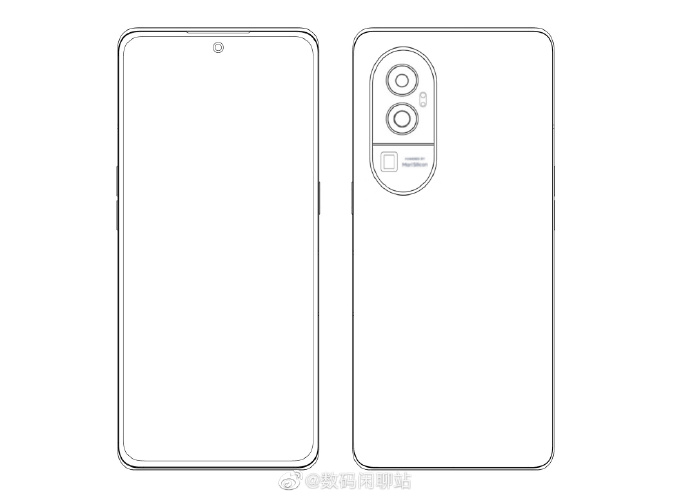
OPPO Reno 10 Pro+
Alleged OPPO Reno 10 Pro+ schematic

In November 2022, Oppo launched the Reno 9, Reno 9 Pro, and Reno 9 Pro+, powered by the Snapdragon 778G, Dimensity 8100-Max, and Snapdragon 8 Plus Gen 1. The new leak suggests that only the Reno 10 Pro will receive a chip upgrade in the Reno 10 series.

Reports have claimed that the Reno 10 series will be equipped with a periscope zoom camera. The lens is most likely to be seen on the Reno 10 Pro+. A recent report claimed that the Pro+ will have a 50-megapixel Sony IMX890 main camera, an 8-megapixel ultra-wide lens, and a 64-megapixel periscope zoom camera. It remains to be seen whether it will be available on the Pro model.

Oppo did not release the Reno 9 series in markets outside of China. However, the Reno 10 family is expected to debut in the global market.

RELATED:

(source)

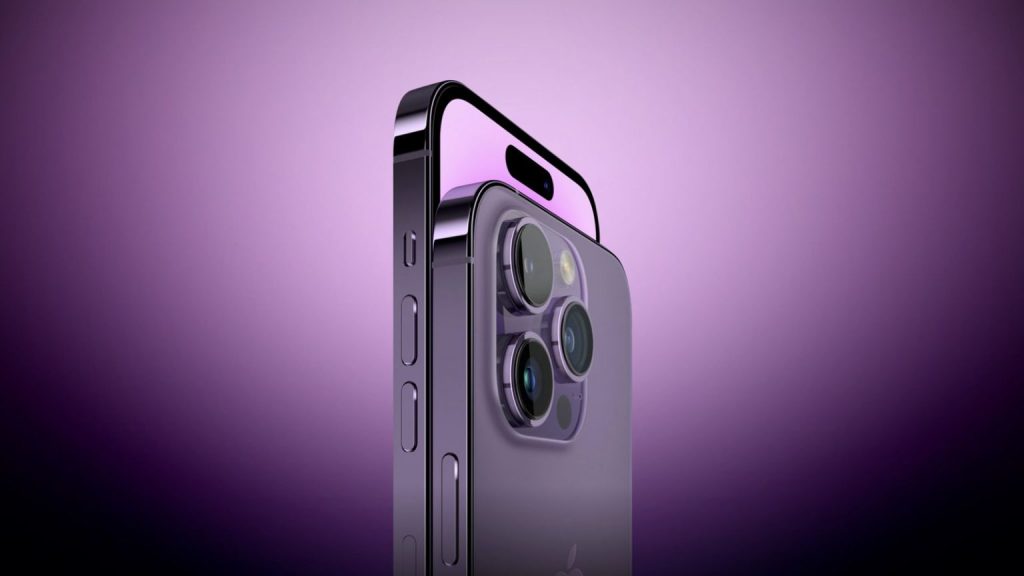
iPhone 15 Ultra’s Camera Bump to be Even Smaller as per Leaked Images

The camera bump on the iPhone is a design element that protrudes slightly from the back of the device and houses the camera module. While some users find the camera bump to be unsightly, it allows Apple to include high-quality camera technology in its devices without compromising on thickness or weight. When the company first introduced the giant camera bump onboard the iPhone 11, it was met with criticism and praise alike. Since then, the camera bump has become a distinctive feature of the iPhone and has been present on all succeeding models. Recently, two well-known leakers have shared some details about the upcoming iPhone 15 Ultra‘s camera bump.

Apple iPhone

Tipster Ice Universe claimed that the camera bump would be 14.1% smaller than the iPhone 14 Pro Max‘s, while another leaker, ShrimpApplePro, shared CAD images from a case manufacturer that suggest the camera bump will be 9.6% thinner. ShrimpApplePro also shared information about the iPhone 15 Ultra’s solid-state buttons, which will replace mechanical ones, and might include a user-programmable action button, and will give haptic feedback when touched to mimic the feel of pressing a real button.

The images shared by ShrimpApplePro also show that the rear flash’s diameter will be slightly smaller, and the microphone’s diameter will decrease sharply. Furthermore, the solid-state buttons on the iPhone 15 Ultra will have padding on top to help them work with phone cases. These solid-state buttons won’t give in to wear and tear and are less likely to break, it seems.

RELATED:

(Via)

Upcoming Realme Narzo N55 Will Have Mini-Capsule Powered Punch Hole Display

Realme has been advertising the impending launch of its budget-friendly Narzo N55 smartphone on its social media platforms in recent days. According to the manufacturer, this smartphone has amazing hardware specs. Realme recently unveiled the smartphone’s rear design, which is similar to the Realme C55. The device’s backside has a dual-tone finish on a plastic panel with a Narzo logo in the bottom left corner. On April 12th, 2023, the Narzo N55 will make its official premiere in India.

Realme has recently teased that the Narzo N55 smartphone will feature a punch-hole display with support for the mini capsule feature. The mini capsule feature was initially introduced on the Realme C55 device, and it resembles the dynamic island feature available on iOS. The mini capsule adds an overlay surrounding the punch hole cutout, displaying the battery charging status and low battery warnings. Although the mini capsule’s functionality is currently limited, Realme has assured its users that it will expand its compatibility in the near future.

realme Narzo N55

The Narzo N55 smartphone’s specifications have been officially confirmed on the Amazon microsite, which highlights several key features of the device. These include a C-angle design with a flat body, frame, and rear panel. It will be offered in the Prime Blue colour option and will feature a dual-tone finish on the back panel. Additionally, the device will feature a dual-camera configuration with two large circular cutouts and an LED flash.

The Narzo N55 smartphone’s power button is situated on its right edge, and it serves a dual purpose as a fingerprint scanner. Moreover, it is anticipated that the device will support AI face unlock. Other notable physical features include a 3.5mm headphone jack, a USB Type-C port, and a primary speaker grille situated at the device’s bottom. Beyond these specifics, there is no additional information available at present. However, it is prudent to await the official launch, which will furnish complete details about the device.

RELATED

Redmi Watch 3 Lite spotted on IMDA listing, global launch imminent

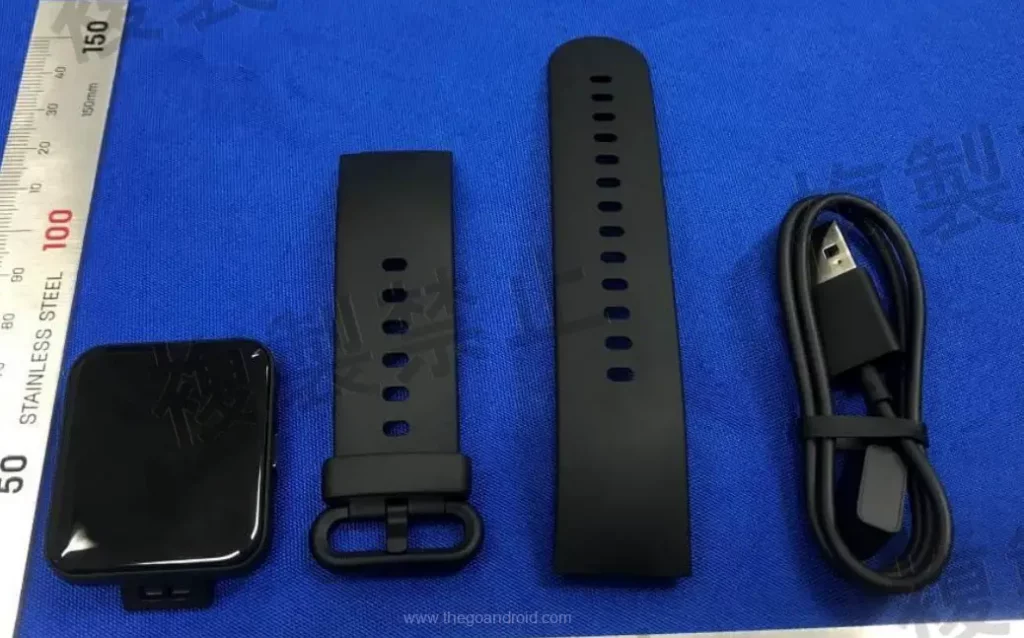
The Redmi brand released the Redmi Watch 3 in December 2022, and they are now gearing up to introduce a new model called the Redmi Watch 3 Lite. This upcoming smartwatch has recently passed both the SIRIM and IMDA certifications, indicating that it is ready for launch.

Redmi

The IMDA certification website has listed the Redmi Watch 3 Lite with the model number M2247W1, hinting that the launch of this smartwatch is imminent. While the website doesn’t provide much information about the device, we can confirm that it is getting closer to its release. Let’s review what we know so far about this upcoming watch.

Redmi Watch
Redmi Watch 3

Redmi Watch 3 Lite specs (expected)

Recent certification has revealed that the Watch 3 Lite will feature a 2.87V Polymer Li-ion built-in battery along with support for Bluetooth v5. The watch will feature the same rectangular as the Redmi Watch 3. There will be a single button on the side for navigation and the straps will be detachable.

At the base of the Redmi Watch 3 Lite, there is a heart rate sensor and a magnetic charging port. However, there seems to be no microphone, indicating that it may not have a Bluetooth calling feature. To get an idea of what to anticipate from the Lite version, let’s examine the features of the Redmi Watch 3.

RELATED:

(via: TheTechOutlook)

Apple Holds Meetings Warning Retail Employees Against Unionizing

Large organizations are often afraid of employee unions because they represent a collective bargaining unit that can negotiate better wages, benefits, and working conditions for the workers. Unions can also provide job security and protection from arbitrary dismissal or discrimination. This means that companies may have to invest more resources in their employees, which could result in reduced profits. Additionally, unions may be able to disrupt operations through strikes or other forms of work stoppages, which can be costly and damaging to the company’s reputation. Furthermore, unions may advocate for policies that the company does not support, such as higher taxes or more government regulation, which can create additional expenses or barriers for the company. Clearly, Apple is worried about something similar, since the company is now holding anti-union meetings across multiple stores in the United States.

Apple

Apple reportedly held meetings at all of its roughly 270 stores across the United States to “discuss the risks of unionization” with employees, according to Bloomberg. The meetings were described as a cautionary tale, with managers casting the election at Apple’s first unionized store in the US as an example of the potential downsides of unionization. Some employees reportedly viewed the meetings as a scare tactic, and it’s suggested that the tone was consistent across Apple’s retail footprint.

This is seen as Apple’s most aggressive step yet to discourage unionization, following allegations of anti-union captive audience meetings last year. Apple has not yet commented on the meetings, but a statement might be available sometime soon.

RELATED:

(Via)

Samsung Might Drop a Foldable Tablet This Year

Foldable devices, such as smartphones and tablets, have gained significant popularity in recent years due to their innovative design and versatility. These devices offer a unique experience by combining the features of a traditional phone or tablet with the added convenience of being foldable and compact. The ability to fold and unfold the device allows for a larger display screen when needed, while still being able to fit in a pocket or small bag when not in use. Additionally, foldable devices often feature advanced technology, such as flexible OLED screens and 5G connectivity, which further adds to their appeal. It appears that South Korean tech giant, Samsung, might be gearing up to unveil their first foldable tablet soon.

Samsung

According to a recent tweet from the Twitter tipster Revegnus, Samsung’s new foldable tablet, called the Galaxy Z Tab, may be launched later this year. The tweet also suggests that the Galaxy Z Tab will be introduced alongside the high-end Galaxy Tab S9 lineup, but in the event that the device is not ready for release this year, it will be launched alongside the Galaxy Z Fold 6 and Galaxy Z Flip 6 smartphones in 2024. While there are currently no rumoured specs, it’s likely that the device will feature a much larger display than the 7.6-inch screen found on the Galaxy Z Fold 4. We can expect a Snapdragon 8 Gen 2 chipset, a 120Hz refresh rate AMOLED display, and a large-capacity battery to keep the device powered.

The Galaxy Z Tab may also feature a triple-folding display that can be used as a cover screen, and a magnetic dock to charge the S Pen. However, given the expected high price point, it remains to be seen whether the Galaxy Z Tab will be a viable option for most consumers. Nonetheless, if it does get released this year, Samsung will likely have a headstart over Apple’s rumored foldable iPad set to be launched in 2024. We can expect the Galaxy Tab S9 series to be unveiled in the latter half of 2023.

As consumers continue to demand more convenience and portability in their devices, it is likely that the popularity of foldable devices will continue to grow. Samsung’s integration of the foldable concept with different devices in their lineup is a bright possibility for bigger things to follow in the near future.

RELATED:

(Via)

ZTE Axon 50 Ultra Arriving on April 12 with Satellite Connectivity on board

ZTE is going to host its Industry Terminal Summit and Spring product launch event on April 12 and the Axon 50 Ultra smartphone is going to be the star of the show. Unlike the previous year’s Axon 40 Ultra which boasted the company’s under-display camera technology, the forthcoming smartphone will feature a conventional selfie camera positioned in a punch-hole cutout. Instead, it will bring a trending feature that is creating a buzz in the industry— Satellite Connectivity.

Axon 50 Ultra will be launched in China initially, with the keynote event scheduled for April 12 at 13:30 CST. The phone will feature editable BeiDou satellite communication messages and is being touted as the first secure 5G smartphone with SATCOM support. This will allow users to send messages and location information to others even when there’s no ground network signal coverage.

ZTE Axon 50 Ultra

Satellite communication is a relatively new feature, with Huawei Mate 50 series being the first to arrive with it in September. Soon after, Apple also introduced the same feature with its latest iPhone 14 Pro smartphones. Rumors were rife that Samsung will also join the party but the Korean company decided to skip out, stating it will wait for the technology to mature.

Circling back to the ZTE smartphone, it is expected to feature Snapdragon 8 Gen 2 SoC under the hood. As mentioned, the handset will get a center punch hole cutout for the selfie shooter. Its display can be seen to be curved with sharp corners. The teaser image also reveals that the volume and power buttons will be located on the right edge while the left one will remain empty.

RELATED:

New Study Reveals the Frightening Speed of AI-Powered Password Cracking Tools

Artificial intelligence has undoubtedly transformed our lives in numerous ways, providing us with innovative solutions like Bing Chat and Bard. However, with great power comes great responsibility, and there’s a dark side to this technology that we must be aware of. One concerning aspect of AI is its potential misuse in password cracking. A new study by cybersecurity firm Home Security Heroes highlights the alarming speed at which AI can crack passwords.

New study shows how scary fast today’s AI is at cracking passwords

Home Security Heroes recently published a study that delves into the world of AI-powered password cracking, focusing on a tool called PassGAN (password generative adversarial network). The researchers employed PassGAN to analyze a list of over 15 million passwords, revealing some startling findings.

According to the study, 51% of common passwords can be cracked in under a minute, 65% in under an hour, 71% in under a day, and 81% in under a month. The research showed that the majority of six-character passwords and under were cracked almost instantly. The study suggests that passwords with at least 18 characters are considered safe against tools like PassGAN, with a minimum of ten months required to crack an 18-character password containing only numbers.

However, this level of security may not last long, as AI technology continues to advance. To protect your accounts from such password-cracking tools, Home Security Heroes recommends using passwords with a minimum of 15 characters, containing at least two letters, numbers, and symbols. Avoiding predictable patterns (e.g., “1234”) and regularly changing your passwords is crucial. Additionally, refrain from using the same password across multiple accounts.

While maintaining strong passwords may seem burdensome, it’s a small price to pay for safeguarding your data. To help you remember complex passwords, consider using a password manager. As AI technology progresses, it’s essential to stay one step ahead of potential threats and ensure the security of your online accounts.

RELATED:

(via)

Microsoft Fixes 5-Year-Old Windows Defender Bug Affecting Firefox’s Performance

After a long wait of five years, Microsoft has finally fixed a bug in Windows Defender that was causing high CPU usage when Firefox was open. The issue had been affecting users since May 2018, and was not limited to Windows 11, but also prevalent on Windows 10 systems. Here are the details…

Microsoft fixes 5 year old Windows Defender bug that affected Firefox’s performance

The problem arose when Firefox was running, leading Windows Defender’s Antimalware Service Executable (Msmpeng.exe) to act up, causing a significant increase in CPU usage. Users reported that their PCs would lag while using the browser, and the issue was found to be limited to Firefox, as it did not affect other browsers like Chrome and Edge.

Microsoft Windows bug

Investigations revealed that Windows Defender’s real-time protection was the root cause, invoking VirtualProtect multiple times. Mozilla’s engineers worked with Microsoft’s team to address the problem, eventually concluding that the calls to VirtualProtect were abnormally high, leading to the performance issue. Disabling JIT in about:config mitigated the problem but did not completely solve the CPU usage issue.

Microsoft addressed the bug by releasing a beta version of Defender’s engine (1.1.20200.2), which was tested and later pushed to the stable channel of the antivirus definitions. A comparison graph shared by Mozilla engineer Yannis Juglaret shows a nearly 75% reduction in CPU usage as a result of the fix.

The bug was patched in the March 2023 update (released on April 4th), which bumps the app’s version number to 4.18.2302.x and updates the engine to version 1.1.20200.4. The fix is also being deployed for Windows 7 and 8.1 users, even though they were not affected by the problem.

To check if you have the latest version of the DLL, go to C:\ProgramData\Microsoft\Windows Defender\Definition Updates, open the folder with a long alphanumeric name, right-click on mpengine.dll, select Properties, switch to the Details tab, and check the product version, which should be 1.1.20200.4. While this patch only applies to Windows Defender, some users have reported similar issues with other antivirus programs like Norton Antivirus. Mozilla is already working on additional improvements to address the issue with other security applications.

RELATED:

(via)

Xiaomi Granted Patent for Unique Foldable Phone and Camera Technology

Xiaomi is no stranger to the world of innovation, consistently pushing the boundaries of smartphone design and functionality. One of their latest achievements involves receiving authorization for a foldable mobile phone appearance patent, which promises a unique and groundbreaking design for their future devices. Here are the details…

Xiaomi’s Innovative Foldable Mobile Phone Design Receives Patent Authorization

The patent, filed by Beijing Xiaomi Mobile Software, was recently authorized by the State Intellectual Property Office. This new foldable mobile phone, designed primarily for mobile communication, camera, network, and multimedia applications, brings a fresh perspective to the foldable smartphone market. The design’s key feature is its distinctive shape, which sets it apart from other foldable devices currently available.

Xiaomi Foldable phone patent

According to the patent images, the upper half of the phone screen can be folded back onto the rear, effectively converting the front camera into a rear camera after folding. This innovative design allows for seamless transitioning between front and rear cameras, eliminating the need for a separate rear camera module and potentially making the device more compact.

While the patent images provide a glimpse of what the foldable phone might look like, it is important to note that this design has not yet been seen on the market. This new folding screen form has the potential to revolutionize the foldable smartphone industry and further cement Xiaomi’s reputation as an innovator in the technology space.

Xiaomi Foldable phone patent

It remains uncertain whether this patented design will make its way into production and ultimately end up in consumers’ hands. However, it is clear that Xiaomi continues to push the envelope when it comes to smartphone design, and this latest patent authorization is yet another testament to their commitment to innovation.

RELATED:

(source)