Advertisement

Vivo S17, S17 Pro, S17e Specifications Leaked Well Before Launch

In April, Vivo will launch foldable phones, such as the Vivo X Fold 2 and Vivo X Flip. According to a report by TheTechOutlook, the company will unveil the Vivo S17 series of smartphones in the third quarter of 2023 in China. Well before the launch, the publication leaked key details about the S17 lineup.

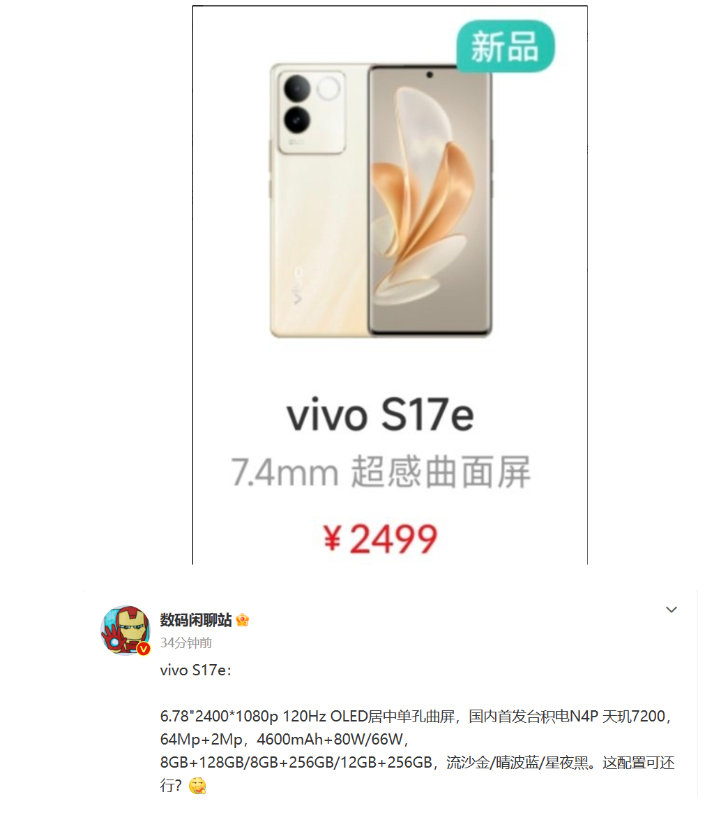
According to the report, the Vivo S17 will consist of three smartphones. Here are the expected devices with their model numbers: Vivo S17 (V2283A), Vivo S17 Pro (V2284A), and Vivo S17e (V2285A).

Vivo S16
Vivo S16

The Vivo S16 Pro was rebranded as the Vivo V27 Pro in markets outside of China. Hence, it is likely that the Vivo S17 Pro will be rebadged as the Vivo V29 Pro in the global market. However, it is unclear whether the Vivo S16 and S16e will be rebranded for the global market.

Vivo S17 series specifications (rumored)

The report does not explicitly mention the specifications of the three phones in the Vivo S17 lineup. However, it mentions that the trio will feature a Super AMOLED display with curved edges and a color changing back panel.

The Vivo S17 series will arrive with 8 GB / 12 GB of RAM, virtual RAM support, and 128 GB / 256 GB of built-in storage. The report claims that the S17 Pro will also come in a 16 GB RAM variant. The S17 lineup will have an OIS-enabled primary camera. The rest of the specifications of the S17 are under wraps.

The S17 lineup will succeed the Vivo S16, S16 Pro, and S16e, which went official in December 2022. Since the S17 series is expected to arrive in Q3, it appears that its first teasers may surface in June in the home market.

RELATED:

(source)

Oppo Pad 2 up for sale: Check price, offers & specs

Oppo unveiled its latest flagship smartphones, the Find X6 series, and the Oppo Pad 2 tablet earlier this week in China. While the Find X6 series is already available for purchase in the domestic market, Oppo has now made the Oppo Pad 2 tablet available for sale as well.

Oppo

The tablet starts at 2,999 yuan, and the first sale discount is 100 yuan. It is available to purchase on JD.com. Customers outside China can grab the tablet from Giztop. Check out the pricing of all the variants below.

Oppo Pad 2 tablet pricing

  • 8GB+256GB: priced at 2999 yuan (~$436)
  • 12GB+256GB: priced at 3399 yuan (~$494)
  • 12GB+512GB: priced at 3999 yuan (~$581)

Oppo Pad 2 specs

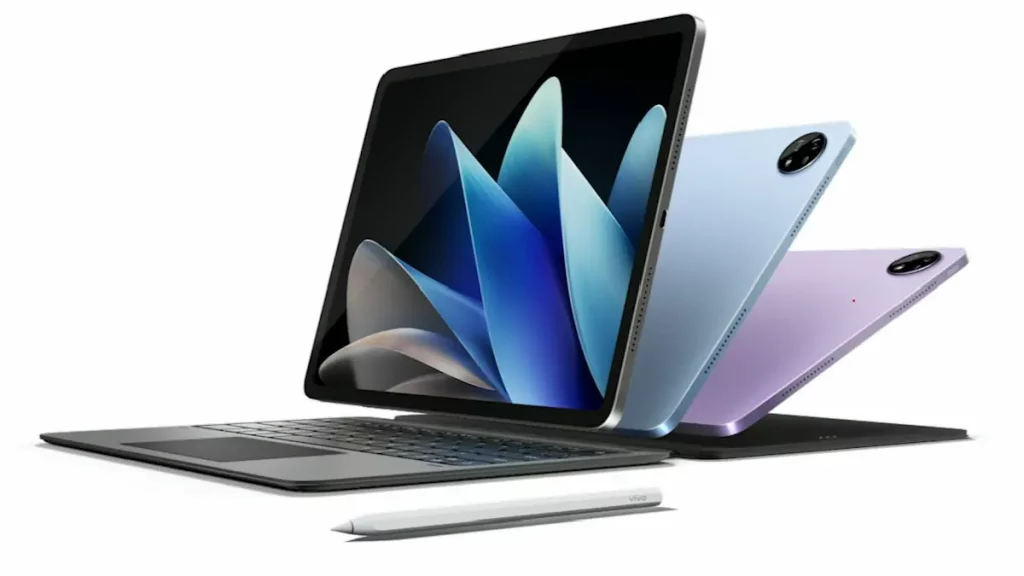
The Oppo Pad 2 boasts an 11.61-inch IPS LCD display with a 7:5 aspect ratio, Dolby Vision support, and a peak brightness of 500 nits. With a resolution of 2800 x 2000 pixels, a 144Hz refresh rate, and 10-bit colors, this tablet delivers a mesmerizing viewing experience. It also has an impressive 88% screen-to-body ratio.

Oppo Pad 2

Crafted from premium aluminum, the Oppo Pad 2 flaunts a rear-cantered 13-megapixel camera that can shoot 4K videos at 30fps and an 8-megapixel front camera that can capture 1080p videos at 30fps. The tablet is equipped with the MediaTek Dimensity 9000 chipset and offers up to 12GB of LPDDR5 and up to 512GB of UFS 3.1 storage.

The Oppo Pad 2 operates on ColorOS for Pad 13 based on Android 13, providing a seamless and intuitive user experience. Additionally, it comes with a 9,510mAh battery that supports 67W SuperVOOC charging, ensuring you can power up in a jiffy. The Oppo Pad 2 also offers Wi-Fi 6, Bluetooth 5.3, GPS, and a USB-C port, ensuring you stay connected wherever you go.

Moreover, the Oppo Pad 2 supports the Oppo Pencil 2 and a new smart touch keyboard. However, there is no SIM support on the device. Interestingly, the Oppo Pad 2 is basically a rebranded version of the OnePlus Pad, which is set to release globally in April.

RELATED:

Corsair XENEON 27QHD240 240 Hz OLED gaming monitor with 1000 nits peak brightness unveiled

Corsair has announced the release of its XENEON 27QHD240, a gaming monitor that boasts an MLA OLED panel sourced from LG Display, making it one of the first of its kind. The monitor delivers a native output of 2,560 x 1,440 pixels, with an impressive 240 Hz refresh rate and 0.03 ms response times. To reduce image tearing, it comes equipped with both AMD FreeSync Premium and NVIDIA G-SYNC.

Corsair

The XENEON 27QHD240 also features DisplayPort, HDMI 2.1, and USB Type-C ports, along with a USB hub that includes four USB Type-A ports and an additional USB Type-C connection. The monitor is easily adjustable, with a stand that can be rotated to a vertical orientation when needed.

Corsair

LG Display’s MLA OLED panels offer a host of benefits over previous models, including higher peak brightness, wider viewing angles, a lower risk of burn-in, and a fifth less power consumption. The XENEON 27QHD240 is expected to reach a peak brightness of 1,000 nits, although the SDR value remains unknown at this time.

The XENEON 27QHD240 will be available for purchase in May, although Corsair has yet to reveal pricing information. For now, interested parties can find more information on the monitor’s German and French websites.

RELATED:

Nubia Pad 3D can now be pre-ordered in Europe & UK: Check price, offers & specs

The Nubia Pad 3D, a powerful tablet with a large battery and a vibrant, high-definition naked-eye 3D display, was recently showcased by Nubia at MWC 2023. Following this, the brand has made the tablet available for pre-order in the UK and Eurozone.

Nubia

The Nubia Pad 3D by ZTE is priced at £1,149 in the UK and €1,299 in the Eurozone. Customers can avail a discount of £100/€100 on their orders until April 11 by using the code ‘ZTE3D100’. It is noteworthy that pre-orders will begin shipping on the same date, i.e., April 11.

Nubia Pad 3D specs & features

Developed jointly by ZTE and Leia Inc., the Nubia Pad 3D is the world’s first naked-eye 3D tablet powered by AI technology. The tablet boasts of Leia’s 3D light field display technology and a robust AI computing power engine that can handle rich 3D applications. It also features 2D and 3D real-time AI content processing capability for AI face tracking.

Under the hood, the Nubia Pad 3D is powered by the Snapdragon 888 paired with 8 GB of RAM. Although ZTE initially claimed that the tablet would be available with up to 256 GB of storage, the current listing only shows the 128 GB variant.

Furthermore, the tablet packs a 9,700 mAh battery with 33 W wired charging support and a quad-speaker set-up.

RELATED:

Dell Latitude 9440, 7000 series & Precision 5680 with 13th-gen Intel Core processors announced

Dell has announced the Latitude and Precision series of powerful workstations for remote work. The Dell Latitude 9440, 7000 series, and Precision 5680 are equipped with 13th-gen Intel Core processors up to i7. They also feature Dell Optimizer for achieving personalized settings.

Dell Latitude 9440

The Dell Latitude 9440 has a mini-LED backlit keyboard that minimizes power usage by up to 75%. The keyboard backlight design of the Latitude 9440 results in improved battery life by up to 3 hours. The laptop is designed for comfortable use for extended periods. It comes with wider keyboard keys with zero lattice, increased angle, and easy tactile separation due to its architecture. The Latitude laptop has a 14-inch display while the chassis is 13 inches with an InfinityEdge QHD+ display.

The Latitude 9440 features the world’s first haptic collaboration touchpad and customizable haptic feedback. This allows for the seamless conference and video calls. The model comes with Zoom functions while Microsoft Teams will be integrated later this year.

Dell Latitude 7340

The Dell Latitude 7000 series (7340 and 7440) Ultralights are sized 14- and 13.3 inches respectively. They are the world’s smallest and lightest premium commercial laptops of their class and weigh under 1kg (13-inch model) and slightly above 1kg for the bigger model. Their chassis are both made either from magnesium or aluminum and offer a sleek, durable outlook. The laptops are equipped with a 5MP camera and 5G network connectivity. There is also a 16-inch variant of the Latitude 7000 with an enlarged touchpad and audio system.

The Dell Precision 5680 has a 16-inch display and delivers power and functionality to creators and engineers. It has an Intel Core i9 processor (45W) and up to 64GB of DDR5 memory combined with Nvidia’s RTX 5000 Ada graphics card. It has a 16:10, three-sided InfinityEdge display and up to UHD+ PremierColor display combined with a solid audio system.

Dell Latitude 5680

Cooling is also enhanced with the Dell Latitude 5680 with its dual opposite outlet fan. It features an HDMI port, SD card slot, and optional smart card reader for added versatility. The laptop comes with ISV precision certification that covers performance, speed, and reliability in workflows. The Precision 5680 mobile workstation, as well as the Latitude 9440, are designed with low carbon and recycled aluminum.

The 9440 has a 75% recycled plastic keyboard and also features renewable components derived from agriculture and food waste.

Dell Latitude 9440
Dell Latitude 9440

The Dell Latitude 7000 series are priced at $1,677, while the other models have staggered arrival dates from April 20. The prices of the other models have not been announced. All the models will be available directly from Dell as well as on retail platforms.

RELATED:

Realme 11 Pro 5G Listed on TKDN Certification Ahead of the Official Launch

Redmi recently launched its Redmi Note 12 series of smartphones. The devices are doing quite well in the market, anyway, their competitor Realme is now gearing up to launch their Realme 11 Pro series of smartphones to rival with Note 12 series. The Realme 11 Pro 5G was previously spotted on Bluetooth SIG. And now, two of the upcoming Realme smartphones have been listed on TKDN certification, which could very well be the part of forthcoming Realme 11 lineup.

As the devices are getting listed on numerous certifications, we can expect the launch to happen soon. Two unknown Realme device having the model number RMX3771 and RMX3741 has been listed on TKDN certification. The RMX3771 is nothing but the upcoming Realme 11 Pro 5G smartphone. However, there is no confirmation on the marketing name of RMX3741 yet. It could be the upcoming Realme 11 Pro+ 5G or altogether a new Realme device. We are unsure about it.

REALME 11 PRO

Apart from the model numbers, the certification does not confirm anything about the device. The Realme 11 Pro 5G is planned for release shortly, and it will be reasonably priced, making it an appealing alternative for those searching for a high-performance smartphone at an inexpensive price. The Realme 11 Pro 5G is likely to be one of the most sought-after smartphones on the market today, thanks to its strong processor, high-quality camera, and 5G connectivity.

The latest Realme 10 Pro 5G is nearly identical to the Realme 9 Pro 5G. It has a 6.72-inch 120Hz LCD display, a Qualcomm Snapdragon 695 chipset, LPDDR4x RAM, UFS 2.2 storage, a 108MP primary camera, a 16MP front-facing camera, twin stereo speakers, a side-mounted fingerprint sensor, a 5,000mAh battery, and 33W rapid charging. Are you excited about the upcoming Realme 11 lineup of smartphones? Do let us know by dropping a comment in your words down below.

RELATED

Samsung May Launch 6GB Variant of Galaxy A34 5G in India Soon

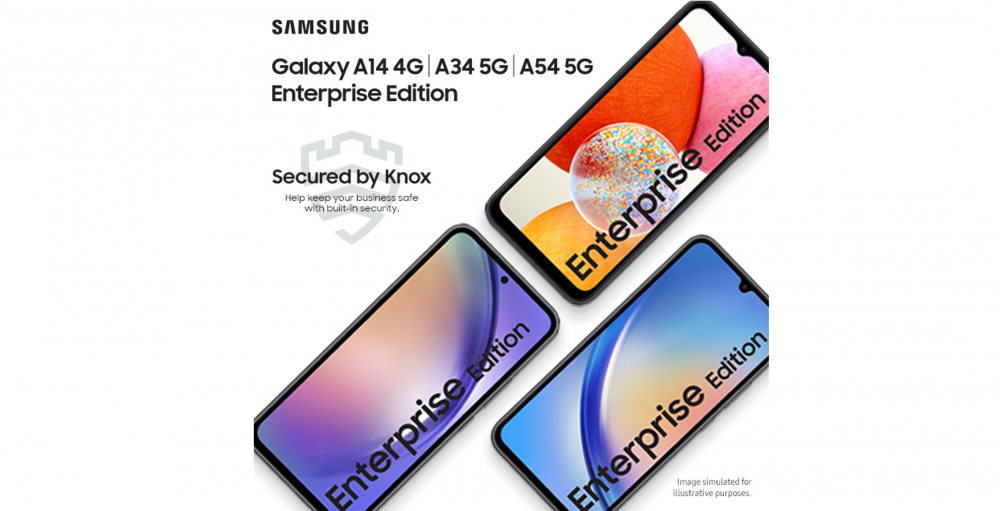
Samsung recently launched two of its Galaxy A-series smartphones in India; the Galaxy A34 5G and Galaxy A54 5G. The Galaxy A34 5G is the cheapest model, launched at INR 30,999 (~$376). It comes with 8GB of RAM. The device offers specifications such as a 120Hz Super AMOLED display, MediaTek Dimensity 1080 5G chipset and much more. New information making the rounds of the internet now claims that the brand is preparing to launch the smartphone in a 6GB RAM variant.

An exclusive report from the house of 91Mobiles Hindi claims that Samsung is preparing for the release of Galaxy A34 5G with 6GB RAM in India. The report also claims that the device will be priced at INR 28,999 (~$352). The price of the newer variant is going to be INR 3,000 (~$36) cheaper than the 8GB one. Further, the brand will offer a bank discount of up to INR 3,000 and when paired with the Samsung Shop App welcome voucher worth INR 1,000 (~$12), it will bring the price of the device as low as INR 24,999 (~$303).

Samsung Galaxy A34 5G

As of right now, the Galaxy A34 5G comes in two variants; 8GB+128GB and 8GB+256GB. It has been priced at INR 30,999 (~$376) and INR 32,999 (~$400) respectively. The upcoming variant will ensure that the device will be available at a considerably cheaper price range. It does offer a drop notch 6.6-inch FullHD+ Super AMOLED display with up to 120Hz high refresh rate panel. It is powered by the MediaTek Dimensity 1080 5G chipset.

For photography and videography, it comes with triple camera lenses which consist of a 48-megapixels primary lens, an 8-megapixels secondary ultrawide lens and a 5-megapixel tertiary macro lens. For selfies, it has got a 13-megapixel selfie snapper housed inside the drop notch cutout. It has further got a 5000mAh battery which packs 25W fast wired charging. The device will boot up on Android 13-based OneUI 5.1 right out of the box.

Are you excited to know more about the upcoming 6GB variant of Galaxy A34 5G? Do let us know by dropping a comment in your words down below.

RELATED

LG OLED evo C3 Gaming TV with 4K 120Hz display now up for pre-order in China

LG has recently launched its new OLED evo C3 series gaming TVs, which are now available on Chinese e-commerce platforms in two versions – 42 inches and 48 inches. The initial prices for these TVs are set at 8,999 yuan ($1,310) and 9,999 yuan ($1,455), respectively.

LG OLED evo C3

The evo C3 series comes with several upgrades, including the new α9 Gen6 AI audio/visual chipset, which has a response time of 0.1ms, a 4K 120Hz high refresh rate screen, and four HDMI 2.1 ports. The TV also supports picture synchronization technology from Nvidia and AMD, along with Dolby Vision and Dolby Atmos. The audio system supports 9.1.2 virtual surround sound and comes with a built-in game optimizer, along with a new audio settings menu.

LG OLED evo C3

According to LG, the new α9 Gen6 audio/visual chipset processor uses algorithmic deep learning to recognize and classify image quality and main objects in detail. This results in noise reduction for low-quality images and enhanced resolution for facial features, bodies, and text, making them vivid and natural.

The dynamic tone mapping technology has also been upgraded, which enhances the global contrast and image grayscale through frame-by-frame image analysis. Additionally, the analysis block has been upgraded from 5,000 to 20,000, achieving more accurate and precise algorithmic control compared to the C2 series.

The LG OLED evo C3 series also features an upgraded version of webOS, which boots without ads and includes a new app market with built-in access to various audio and video resources such as Mango TV, Cool Miao Video, Galaxy Kiwi, and other audio-visual resources. The LG OLED evo C3 series is now up for pre-order in China, with an initial discount of 2,000 yuan ($291).

RELATED:

Huawei P60 series supports no-power digital RMB payment

Huawei has made an exciting announcement about its new flagship smartphone series, the Huawei P60/Pro/Art, which supports digital RMB payments even when the phone is powered off. This is achieved through the phone’s security module, NFC communication capabilities, power status sensing, and smart interaction technologies. This innovative feature means that consumers can make payments simply by tapping their phones together, without the need for electricity.

Huawei P60 no power payment

To ensure the security of digital RMB no-power payments, users can control transaction risks by setting the number of no-power payments and enabling small-amount password-free payments. If the number of no-power payments exceeds the user’s set limit, payment cannot be made, and if the amount paid exceeds the password-free limit, the user needs to verify the payment password on the receiving device during the transaction.

Users who are concerned about the risk of funds, they can choose not to enable small-amount password-free payments. Instead, they need to verify their password on the merchant’s POS machine before making a payment. If the user loses their phone, they can log in to the digital RMB app on another phone and turn off the no-network and no-power payment function to ensure the security of their funds.

Currently, the Huawei P60, Huawei P60 Pro, and Huawei P60 Art support digital RMB no-power payment, with other models to be gradually launched. To set up digital RMB no-power payment, users need to activate the Huawei wallet hard wallet feature in the digital RMB app and follow the Payment Settings to enable the No-Network and No-Power Payment Switch.

This innovative technology is sure to enhance the payment experience for Huawei phone users, and as the development of digital RMB progresses, we can expect to see more scenarios supporting no-power payments. With the security measures in place, users can enjoy the convenience of no-power payments without having to worry about the safety of their funds.

Follow these steps to set up digital RMB no-power payment: Digital RMB App > Activate Huawei Wallet > Payment Settings > Enable No-Network and No-Power Payment Switch.

RELATED:

(Via)

ASUS ROG Phone 7, 7 Ultimate Key Specifications Leaked Ahead Of Launch

ASUS is set to launch the ROG Phone 7 globally on April 13th. It’s unclear how many models the Taiwanese brand will announce at the event. The ROG Phone 7 will arrive as the successor to the ROG Phone 6. The standard variant has already been spotted on various certification sites including TENAA, 3C, and Geekbench. Now tipster Abhishek Yadav has revealed that only the ROG Phone 7 and 7 Ultimate will launch this time and there will be no Pro variant. He also leaked the key specifications of the upcoming offerings. 

As per Yadav, the ROG Phone 7 and 7 Ultimate will be powered by a Snapdragon 8 Gen 2 processor. The devices will run on Android 13 out of the box. Both phones are tipped to come with the same triple rear camera setup. It will comprise a 50MP Sony IMX766 main sensor paired with a 13MP ultra-wide-angle lens, and an 8MP macro unit. Up front, there will be a 32MP selfie snapper. 

The ASUS ROG Phone 7 and 7 Ultimate will measure 173 x 77 x 10.3mm thick in terms of dimensions and weigh 239 grams. The only difference between the two phones is expected to be in the RAM and storage configurations. The tipster adds that the ROG Phone 7 Ultimate will pack 16GB RAM and 512GB onboard storage. 

The standard ROG Phone 7’s 3C certification listing revealed that it will come with support for 65W charging. Meanwhile, the smartphone’s TENAA certification mentions a 5,850mAh battery but ASUS will likely market it as 6,000mAh. 

We expect more details about the ASUS ROG Phone 7 to surface in the coming days leading up to the launch event. 

Related:

Redmi Note 12 Turbo to feature 16GB+1TB storage, 5000mAh battery, stereo speakers

Xiaomi’s Redmi brand is set to launch the new Redmi Note 12 Turbo 5G smartphone on March 28th in China, and it’s shaping up to be quite the device. According to the latest reports and teasers, the phone will feature a 12-bit Flexible OLED panel, 16GB+1TB storage, and a massive 5000mAh battery with 67W fast charging support. The company also teases the color of the device which is “Ice Feather White”.

The Redmi Note 12 Turbo will also come with a stereo speaker setup, Dolby Vision, Hi-Res double gold standard, and spatial audio. The display will support 68.7 billion colors, 100% DCI-P3 wide color gamut, 1920Hz PWM Dimming, and SGS Low Blue Light, HDR10+ certification. Xiaomi has also confirmed that the phone will have slimmer bezels than the iPhone 14, with a 93.45% screen-to-body ratio and 1.95mm thickness on top and 1.42mm on the sides for the display.

Under the hood, the Redmi Note 12 Turbo will be powered by the Qualcomm Snapdragon 7+ Gen 2 processor, paired with LPDDR5 RAM and UFS 3.1 storage. The phone will have a 3725mm vapor chamber cooling system to improve heat dissipation by 35%. It will focus on optimum performance during gaming. The device will also focus on durability, thanks to the reinforced steel attached to the motherboard and four-corner reinforced design.

The Redmi Note 12 Turbo will also run on MIUI 14 based on Android 13 out of the box, making it the first Redmi Note 12 smartphone to run on Android 13 out of the box. The phone will feature a 64MP primary camera with OIS support, though details on the other cameras in the setup are currently unknown. Despite having an OLED panel, the fingerprint sensor will reportedly be integrated into the power button.

Xiaomi has emphasized the device’s software durability, claiming a software failure rate of just 0.005%. The phone has passed 300 plus test scenarios and 250,000 hours of ultra-long stress testing, ensuring a reliable and long-lasting device. Xiaomi ensures the device will provide 48 months of smooth and non-stuttering software experience.

The Redmi Note 12 Turbo is expected to launch globally under the Poco F5 branding on April 5th in India. With its impressive specifications, this phone is sure to attract a lot of attention in the crowded smartphone market.

RELATED:

Samsung Celebrates Galaxy Note Series in Vietnam

In Vietnam, Samsung recently celebrated the Space 23 event of its Galaxy Note series. The celebration was hosted in Samsung’s flagship shop in Ho Chi Minh City and included a variety of events to commemorate the anniversary.

Samsung

The ceremonies began with the formal debut of the Samsung Galaxy S23 series, which is now available in Vietnam. Samsung representatives emphasised their ambition for developing new gadgets that satisfy users’ demands while providing them with access to cutting-edge technologies. Guests could also get hands-on experience with several Galaxy Note series products and learn more about how they can make life easier with mobile productivity features like S Pen or DeX Mode, which are all enabled by 5G connectivity on select models.

The welcome ceremony, which took place on the evening of March 23, featured prominent visitors such as Ambassador Thanh Hang, veteran Galaxy Note users, partners, and press agencies.

Samsung

As a gift of appreciation to the Samsung user community, particularly the Galaxy Note series enthusiasts, Samsung has organised a variety of engaging and noteworthy activities to commemorate the significant milestones accomplished since the start of the Galaxy Note series. Here is an opportunity to reflect and reminisce on the decade-long adventure that began with the release of the first Galaxy Note.

Samsung introduced a special card known as “Note Privilege,” which is widely regarded as important. This card was created specifically for the Samsung community and provides particular benefits to its owners. The privileged cardholders can take advantage of exclusive deals, purchase Samsung mobile devices at reduced costs, and enjoy one-of-a-kind premium experiences not available to the general public. This card, however, is not widely available.

RELATED

Build Your Own Redmi Note through this Game!

Xiaomi has been surely one of the most creative and innovative technology brands. They have now announced a new game on their website; Redmi Note Series – build up your own phone. As the name suggests, you are supposed to pick up your desired hardware specifications and assemble them into a device inside the game.

Xiaomi Build Your Phone

You can access the game by clicking here. The users can now start the game. You will be now promoted with several different options and you can choose one which meets your requirement. Here, we choose option 2 i.e., silky smooth screen, quick charging, etc. Now you are supposed to assemble different parts of the device such as the display, camera, and processor inside the game.

Xiaomi Build Your Phone

We choose our desired parts and assembled them, the parts we chose are a 120Hz Super AMOLED display, MediaTek Dimensity 1080 chipset, 50-megapixel primary camera, and 5000mAh battery. The device is now ready and the site now asks to choose the desired colour variant of the smartphone. Here, we chose Blue.

Xiaomi Build Your Phone

Finally, our device is completely ready with the specifications we chose. The device we got was the Redmi Note 12 Pro 5G. You will get the device according to the specifications you choose. In the end, the users are provided with the “Redmi Note Advanced Engineer title” and some offers such as; buying Redmi Note 12 Pro + 5G and getting Redmi Band 2 for free and buying Redmi Note 12 and getting a mystery box.

Yeah, it’s a cool Xiaomi promotional game. Unfortunately, you will not be able to entirely customise the smartphone to your liking. The game is built so that users can only select amongst Redmi smartphones. If you want to buy a Redmi Note 12 series smartphone, you can try this game, which may lead to some interesting offers.

RELATED

China’s AI ambitions hindered by funding and chip import issues

China’s tech giants are facing significant hurdles in their race to develop and dominate the artificial intelligence (AI) market, with censorship and a US clampdown on chip imports impeding progress.

Last week, Baidu, one of China’s leading search engines, unveiled its chatbot, Ernie Bot, but the demonstration fell short of expectations, leaving the firm’s shares down by 10%. The company’s AI ambitions have been hampered by censorship, which requires Baidu to limit the scope of its chatbot’s capabilities to avoid politically and factually incorrect answers.

Source: digitalhungary

This comes as Chinese tech firms including Alibaba, JD.com, Netease, and Bytedance’s TikTok are rushing to develop AI services that can replicate human speech. The competition was sparked by the launch of OpenAI’s ChatGPT in November, which caused a frenzy in the Chinese market.

However, China’s tech ecosystem faces challenges that could hinder its progress in the AI market. The lack of funding for open-ended research with no clear path to profitability is a key issue, according to Matt Sheehan, a fellow at the Carnegie Endowment for International Peace.

Meanwhile, the US has imposed a squeeze on chip imports, which could hamper Chinese tech firms’ ability to develop AI technologies. This comes as Google announced the launch of its AI chatbot, Bard, and invited people in the US and the UK to test it, as the company seeks to catch up with OpenAI in the race for AI dominance.

Despite the challenges facing Chinese tech firms, brokerages such as Citigroup have given positive reviews of Ernie Bot, and the firms’ shares rallied the day after the lackluster unveiling. Nevertheless, it remains to be seen whether Chinese tech giants will be able to keep pace with their international rivals in the rapidly evolving AI market.

RELATED:

(Via)

Redmi A2, Redmi A2 Plus Launched in Global Markets

Redmi has launched two of its newer budget-oriented A-series smartphone in the global market. The Redmi A2 and Redmi A2 Plus have been launched officially. They offer some decent set of specifications such as MediaTek Helio G36 chipset and 5000mAh battery. This latest device from Xiaomi is a budget-friendly smartphone that packs a punch and offers great value for money.

Redmi A2

Starting from the display, both the devices pack a 6.52-inch IPS LCD panel with HD+ 1080*720 pixel resolution, dot drop cutout and 20:9 aspect ratio. The display boasts a standard 60Hz refresh rate. Under the hood, the devices are powered by a MediaTek Helio G36 chipset paired with up to 3GB of RAM and 32GB of ROM. The RAM used is LPDDR4x and the storage used is eMMC 5.1. The users can further expand the storage to up to 1TB using the dedicated microSD card slot provided.

The device boots up on the Android 12 Go edition right out of the box. As for the optics, both devices pack dual rear cameras on the back with an 8-megapixels primary lens and a QVGA secondary lens. The gadget houses a 5-megapixel front-facing camera housed inside a dot drop notch cutout. Both devices pack 5000mAh batteries with the support of 10W standard charging.

Redmi A2 Plus

You may be wondering that every specification mentioned above is literally the same, then where lies the difference? Well, it’s in the security department. The Redmi A2 Plus has rear-mounted physical fingerprint scanner support while the Redmi A2 doesn’t have any physical fingerprint scanner. Both the devices further weigh the same exactly at 192 gms. The dimensions of the devices are as follows; 164.9mm x 76.75mm x 9.09mm.

So that was all for the specifications of the gadgets. As for the pricing, the brand has now said a single word on that. We expect the brand to reveal the official pricing of the gadgets in the upcoming days. Thanks a lot for reading till the end.

RELATED

Redmi Book 15E Enterprise Edition Laptop Launched with Intel i7 Chip

Redmi has announced its all-new Redmi Book 15E enterprise edition laptop in China. As the same suggests, the laptop is manufactured keeping enterprises and commercial users in the mind. It’s a powerful laptop built to suit the demands of today’s business users. This stylish and lightweight device is loaded with features that make it suitable for both work and play. 

Starting from the specifications of the device, the laptop offers a 15.6-inch Full HD display with the support of DC dimming. The brand further claims that the display used in the device does not flicker. It is powered by an Intel Core i7 H35 mobile processor with a 12MB cache and a maximum frequency of up to 5.0 GHz. The device comes with up to 16GB of DDR4 high-speed RAM and 512GB of M.2 SSD storage. The laptop will easily handle all your business needs.

Redmi Book 15E

The laptop comes with a built-in full-size touchpad and keyboard. The keyboard was a good-enough 1.5mm key travel distance. This would ensure that you will have a good experience while typing. The device will boot up on Windows 11 right out of the box. Additionally, the users can purchase a lifetime subscription to Microsoft office while checking out the device.

The brand has also added its own XiaoAI voice assistant. It can perform numerous tasks such as transferring files between devices, adjusting the volume, checking for emails etc. The device comes with up to 3-years of warranty support from the date of purchase.

Anyway, as of right now, we don’t have any information regarding the pricing and availability of the device. We will update you as soon as we get official information regarding that. Did you like the overall specifications of the device? Do let us know by dropping a comment in your words down below.

RELATED

Via

A Bug Leaked Sensitive ChatGPT User Data, States OpenAI

On Tuesday, OpenAI had to take its popular ChatGPT bot offline for emergency maintenance after a user found a bug in the system that allowed them to see the titles of other users’ chat histories. The incident was widely reported on Reddit, with users posting screenshots of their ChatGPT sidebars displaying previous chat histories from other users. The bot was offline for nearly 10 hours while OpenAI investigated the issue.

ChatGPT

OpenAI‘s initial findings from the incident, which were announced on Friday, revealed a deeper security issue. The chat history bug may have potentially revealed personal data from 1.2 percent of ChatGPT Plus subscribers. The affected data included the user’s first and last name, email address, payment address, and the last four digits of a credit card number, as well as the credit card expiration date. However, full credit card numbers were not exposed at any time.

The company identified the faulty library as the Redis client open-source library, Redis-py, which has since been patched. OpenAI has taken additional steps to prevent such incidents from happening again, including adding redundant checks to library calls, programmatically examining their logs to ensure that all messages are only available to the correct user, and improving logging to identify when such incidents are happening and confirm that they have stopped. OpenAI has also contacted affected users to alert them to the issue.

The incident is quite similar to previous incidents at Google and CNET, where they made public mistakes and used generative AI to write financial explainer posts, respectively. It remains to be seen whether OpenAI will suffer similar repercussions as its competitors.

RELATED:

(Via)

Levi’s Jeans to Use AI-Generated Models Alongside Real Humans

Levi Strauss has recently announced its partnership with Amsterdam-based digital model studio Lalaland.ai to introduce computer-generated fashion models as part of its diversity, equity, inclusion, and sustainability initiatives. Lalaland.ai aims to create a more inclusive and sustainable fashion industry by providing hyper-realistic models of different body types, ages, sizes, and skin tones, allowing customers to visualize fashion items on people who look like them.

Levi's

Levi’s has emphasized that AI-generated models will supplement human models and not replace them entirely. The company sees fashion and technology as an art and science and views this partnership as an exciting opportunity to create a more diverse and inclusive customer experience.

While Levi’s branding emphasizes its commitment to diversity, equity, and inclusion, some critics have pointed out that the move towards AI-generated models could lead to the industry’s automation. With advancements in AI-generated photography, art, and writing, it is crucial to examine corporations’ motives when they claim to prioritize diversity and sustainability while mass-producing something that would have previously required human labour.

Levi’s has also been restructuring its corporate workforce to save up to $100 million annually, resulting in the loss of around 800 jobs. While the introduction of AI-generated models may indeed support the company’s diversity and sustainability goals, it’s essential to consider its impact on human workers and the industry as a whole.

RELATED:

(Via)

TikTok Banned On French Government Devices, Alongside Candy Crush

France has banned “recreational” apps such as TikTok, Twitter, Netflix, and Candy Crush from government employees’ devices due to cybersecurity concerns that could jeopardize data for both employees and the administration. The office of public service minister Stanislas Guerini made the announcement. While the government has not provided an exact list of banned apps, Guerini stated that there could be some exceptions for necessary communication purposes. The ban takes effect immediately, but the penalties for defying the rule will be decided at the “managerial level.” The policy does not affect personal devices (yet).

TikTok

The rationale for the ban is not related to concerns about the Chinese government collecting data from TikTok, which has been the primary concern of other countries. Instead, it reflects a more general concern that entertainment apps could put government data at risk. The policy is not targeted at any particular country or app category.

France’s move follows similar bans on TikTok by the US federal government, dozens of states, Canada, the European Commission, and the UK, which all cited concerns that the Chinese government could collect data about important individuals, spread propaganda, and compel TikTok’s parent company, ByteDance, to hand over sensitive information. TikTok has denied collaborating with the Chinese government and has insisted that American user data will not be accessible to staff in other countries by the end of this year’s migration project.

The French ban may be unwelcome news for employees who wish to use these apps during lunch, but it could also reassure politicians who worry that employees may inadvertently expose information through their social media accounts. It remains to be seen how strictly the ban will be enforced and what penalties, if any, will be imposed on those who defy it.

RELATED:

(Via)

AirPods Pro 2 Might Launch with a USB-C Port

Over the past few years, Apple has been under mounting pressure from legislators worldwide to transition to USB-C. The company’s ecosystem has long been defined by its Lightning port, which has been a significant source of its power. However, recent reports suggest that the AirPods Pro 2 might be joining future iPhones as the company ditches the Lightning port in favour of USB-C, according to reputed Apple analyst Ming-Chi Kuo.

Kuo’s tweet suggests that the “new” AirPods referenced in iOS 16.4 could be a USB-C version of the AirPods Pro 2. This news has sparked interest among Apple fans, who are eagerly waiting for the next iteration of the popular AirPods Pro. The tipster expects mass shipments of the new variant to take place in the second and third quarters of 2023.

Kuo also mentioned that Apple has no plans to release USB-C versions of the AirPods 2 and 3, which implies that only the high-end AirPods are getting the USB-C treatment. The company won’t change its older devices, which is understandable, to say the least. Most of Apple’s devices have already transitioned to USB-C, and it is rumoured that this year’s iPhone 15 lineup will finally adopt the industry standard.

Despite this transition, there are signs that Apple may attempt to force users to use proprietary USB-C cables to access specific features. However, it remains to be seen whether this will materialize. Although accessories are not the main source of Apple’s profits, the Apple ecosystem is. The days of the Lightning port are numbered, and while Apple is looking towards a wireless future, it will have to contend with USB-C for the time being.

RELATED:

(Via)