Advertisement

Huawei Unveils FusionCharge, offers Next Gen 40kW charging for EVs

Huawei has just announced a new generation for EV charger technology at the 35th International Electric Vehicle Symposium & Exhibition (EVS35). The new electric vehicle charging solution is dubbed the FusionCharge. So here are all the details.

Huawei

As per official notes, the Chinese tech giant’s latest EV charging tech is a reliable, low noise, and highly efficient charging module. This solution will become the core of electric vehicle charging facilities. In other words, EV owners can soon expect to see fast charging experience while operators and carries also manage to save on charging facility costs. Notably, this technology cal also offer up to 40kW DC charging.

As of right now, the brand has 8 piles at the station, which are currently being used for internal testing. A Chinese blogger also shared images of this FusionCharge technology, which includes the charging stations that feature a bright red color and carries the Huawei’s brand logo on each of the charging station. Looking at the images, we can see what appears to be a heat radiation device at the bottom of the piles to ensure that the stations functions within operational temperatures.

Huawei

The terminal adopts a liquid cooled heat radiation system that has an output voltage range between 200V and 1000V. It can also output a maximum current of 600A and it has a maximum output power of 600kW. Thanks to this, the AITO M5 EV model can be fully charged in just under 10 minutes, which is quite impressive.

RELATED:

(Source, Via)

Tencent plans to rollout WeChat Chatbot Similar to ChatGPT, but says not in a rush to be the first

Tencent has outlined its plan to enter the Artificial Intelligence race and launch an AI-powered Chatbot which can compete with ChatGPT. The company plans to embed the chatbot into its famous WeChat app. Apart from this, the company is also planning to incorporate some AI-based technologies into its flagship products like Weixin, Tencent Video, and QQ. 

Tencent’s Chatbot is called ‘HunyuanAide’. The chatbot will use the Tencent Hunyuan AI model which has the capacity for natural language processing, multimodal content understanding, computer vision, content creation, and more. Hunyuan AI gives Tencent an edge over its competitors in the Chinese market as it is the best AI model available for the Chinese language. 

Tencent president Martin Lau Chi-ping said that the company wants to explore more of the  Generative AI technology used by ChatGPT and similar apps. Tencent views this AI tech as a growth multiplier instead of a threat, as it can help to expand and enhance the social media and gaming operations of the company.

However, Lau said that Tencent is not in a rush to enter the AI race as it wants to do it better than others. He told reporters that when it came to AI-based apps, the company’s strategy was to try and do it right rather than do it in a rush. Additionally, he stated that their main focus was to ensure the foundation AI model being developed by the company is actually built correctly and on solid footing. 

The company said that generative AI technology can be used to further improve the user experience. For instance, this technology can help developers build mini-programs faster and improve efficiency to achieve gaming innovation. When it comes to Artificial Intelligence, Tencent has big plans for its gaming and video streaming platforms but as of now wants to take things slowly. 

What is Generative AI Technology?

Generative AI Technology is a type of Artificial intelligence that can generate or create new and unique content like text, images, videos, and more. Unlike traditional algorithms that are designed to identify, classify and recognize patterns and commands, Generative AI continuously learns from its database and generates new content that has not been programmed into its system. The most famous example of Generative AI technology is  ChatGPT developed by US-based Open AI. 

Chinese companies working with Generative AI Technology:

China is also entering the Generative AI race with multiple companies announcing their plans to roll out apps using this technology. Baidu, the AI tech company that runs China’s largest search engine, recently launched a chatbot called“Ernie Bot” for limited users. Alibaba’s DAMO Academy is in the internal testing stage of developing its own ChatGPT-style chatbot. E-commerce company JD is launching ChatJD, an AIGC platform. Fudan Univeristy of China has already rolled out MOSS Chatbot for public testing. Other tech giants like ByteDance, NetEase, and Huawei have also announced their plans to enter this race and are working on similar products. 

Related:

(via)

Huawei FreeBuds Pro 2+ wireless headset with heart rate and body temperature monitoring launched

Huawei held a launch event on Thursday where it unveiled a number of products including the headling-topping Huawei Watch Ultimate. Other models unveiled include the P60 series, Mate X3, MatePad 11 2023, Enjoy 60, FreeBuds 5 and TalkBand B7. The company also announced the FreeBuds Pro 2+ TWS earbuds.

Huawei FreeBuds Pro 2+

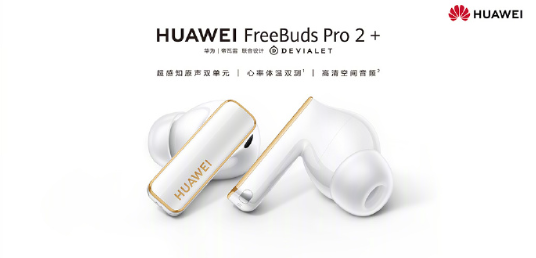
The Huawei FreeBuds Pro 2+ is touted as the industry’s first true wireless headset with both heart rate and body temperature measurements. The earbuds is the industry’s first TWS earphones with dual-band (infrared and green light) heart rate monitoring. It equally supports continous hear rate montoring and also has a high-precision monitoring mode.With HUAWEITruSeenTM heart rate fusion algorithm, it can measure heart rate with high precision with an accuracy of up to 95%. It supports multi-scenario voice intelligence broadcasting.

In appearance, the new earphones are similar in appearance to FreeBuds Pro 2. The wireless earbuds comes with a pure white color scheme while the earphone handle aspect is wrapped with a gold frame.

Huawei FreeBuds Pro 2+

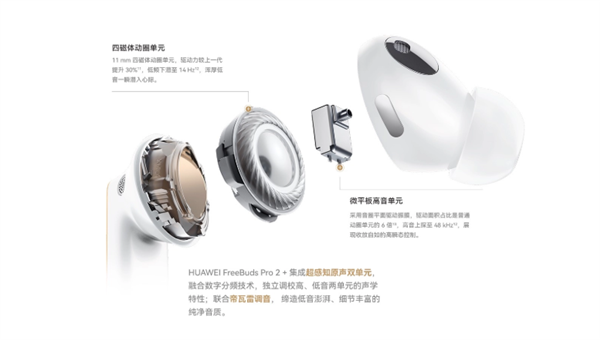
In terms of sound quality, the headset is equipped with an 11mm four-magnet dynamic unit. The driving force is 30% higher than that of the previous generation. The low frequency dives to 14Hz with vivid deep bass.

Huawei FreeBuds Pro 2+ also supports Huawei L2HC and the industry’s LDACTM dual high-definition audio decoding. It has HWA and Hi-Res double gold standard certification. It can seamless connect with devices running HarmonyOS and Android OS with a high-definition audio transmission rate of up to 960-990 kbps.

Huawei FreeBuds Pro 2+

Not only that, this headset supports high-definition spatial audio , uses Huawei’s self-developed scene-based spatial audio sound field rendering engine, provides three scene modes: concert hall, sound theater, and movie theater. Also, it is equipped with a six-axis attitude sensor to dynamically track head movements.

In terms of noise reduction, it adopts a three-mic stereo array active noise reduction system with a maximum noise reduction depth of up to 47dB. It also features intelligent dynamic noise reduction 2.0, which can intelligently switch between deep, balanced, and light modes. There is also support for dynamic detection of ear canal structure and wearing status to achieve a personalized noise reduction effect.

Huawei FreeBuds Pro 2+

In addition, the headset can be connected to multiple devices such as mobile phones and tablets, and supports simultaneous connection with two devices, without re-pairing when switching, and supports audio streaming between multiple HarmonyOS devices.

The Huawei FreeBuds Pro 2+ is pricd at 1499 yuan ($218).

RELATED

Redmi Note 12 Turbo Display Details Teased Ahead Of Launch

Redmi Note 12 Turbo 5G is set to launch in China on March 28th. Ahead of the launch, the Xiaomi sub-brand has been teasing its key specifications on microblogging platform Weibo. Now Redmi has revealed key details about the upcoming offering’s display. 

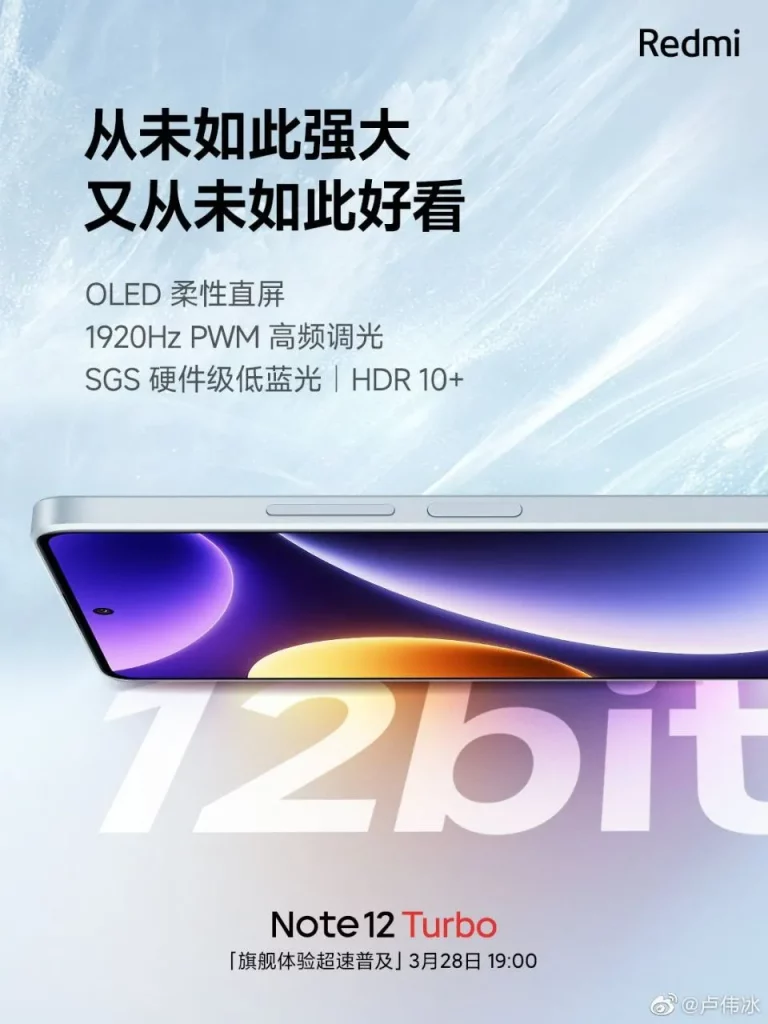
Redmi has shared a new teaser of the Redmi Note 12 Turbo 5G confirming that the device is confirmed to feature a 12-bit flexible OLED panel. It will support 68.7 billion colors, 100 percent DCI-P3 color gamut, 1920Hz PWM Dimming, and HDR10+ certification. The smartphone has a center-aligned punch-hole cutout and is teased to come with much slimmer bezels than the iPhone 14. The brand says that the Redmi Note 12 Turbo 5G has a 2.22mm thick chin, 1.95mm on the top, and 1.42mm on the sides. It will weigh 181 grams with an overall thickness of 7.9mm. Xiaomi claims that the Redmi Note 12 Turbo 5G will offer a 93.45 percent screen-to-body ratio. 

Past teasers have confirmed that the Redmi Note 12 Turbo 5G will be powered by a Snapdragon 7+ Gen 2 processor coupled with LPDDR5 RAM and UFS 3.1 storage. It will be equipped with a 3725mm vapor cooling chamber for heat dissipation. The posters reveal a 64MP triple rear camera setup on the smartphone. The upcoming offering is confirmed to be backed by a 5,000mAh battery unit with support for 67W charging. 

We expect more details about the Redmi Note 12 Turbo 5G to surface in the days leading up to the launch event. 

Related:

Lenovo Reportedly Killing Off Legion: The End of a Gaming Smartphone Era

Lenovo is rumored to be cutting its entire Legion gaming smartphone business, according to a post by a user who appeared to be a certified Lenovo employee on the Chinese workplace community, Maimai. The company has yet to respond to the allegations. The decision comes as the gaming smartphone market experiences increased competition and diminishing differentiation. Here are the details…

Lenovo Reportedly to Cut Legion Gaming Smartphone Business

Numerous Lenovo employees, certified on both Maimai and Momo, have claimed that they were laid off. Some of these employees have been transferred to other business lines, such as Lenovo’s tablet division. Sina Tech reported that between 50 and 100 employees are expected to be laid off, with those who signed a severance contract within three days receiving some compensation.

Lenovo’s Legion Y70 smartphone, released in August last year, was a popular product in the gaming phone market, featuring a Snapdragon 8+ processor, LPDDR5+UFS3.1 storage, and a 144Hz ultra-high refresh rate display. However, as high-end smartphones in the market have become increasingly capable of competing with specialized gaming phones, the unique value proposition of gaming smartphones like the Legion series has diminished.

The gaming smartphone market has been facing challenges recently, with other companies, such as Black Shark, experiencing business difficulties, including broken capital chains and large-scale layoffs. While Lenovo’s decision to cut its Legion gaming smartphone business has not yet been officially confirmed, the rumors highlight the difficulties faced by gaming phone brands in an increasingly competitive market.

RELATED:

(source)

Redmi Note 12 Turbo will feature a 16GB+1TB memory version & e-sports grade VC cooling

Redmi will officially launch the Redmi Note 12 Turbo on March 28. The new product launch conference will witness the unveiling of the first Note series model with the largest heat sink and the largest memory configuration, as per a couple of teasers released by the company.

Redmi Note 12 Turbo

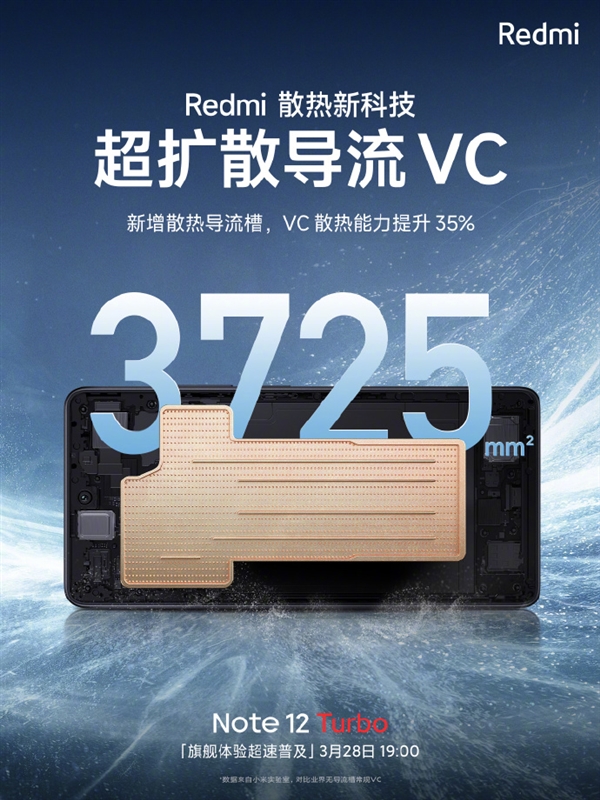
The first teaser shows the Redmi Note 12 Turbo is equipped with 3,725 square millimeter e-sports grade vapour chamber. Vapor chamber cooling is a thermal management technique used to transfer heat from a heat source, such as a computer processor or graphics card, to a heat sink. It utilizes a flat, sealed chamber containing a small amount of liquid that evaporates and condenses quickly. The vapor moves to cooler areas of the chamber, where it releases the absorbed heat, and then flows back to the hotter area to repeat the process. Vapor chamber cooling is efficient, quiet, and does not require any moving parts, making it a popular choice for high-performance computing applications.

The Note 12 Turbo comes with diversion grooves and offers up to 35% improvement in heat dissipation above the previous iteration. It will be the first model to be powered by the 2nd-generation Snapdragon 7+ processor using the same architecture as the SD 8+ and is tuned for gaming.

Redmi Note 12 Turbo

A second teaser released by Redmi shows that the Note 12 Turbo will be launched with a 16GB RAM version with 1TB of storage. That is yet another first on the Redmi Note series. The highest we have seen on the series and on most flagship models is the 12GB+512GB storage combination.

As a reminder, the Redmi Note 12 Turbo has a 6.67-inch 1080 x 2400p display. It features a 5,500mAh battery and supports 5G connectivity. The display panel is AMOLED with a 120Hz refresh rate and a 20:9 ratio. It will come with Android 13 and MIUI 14 on the software side. Its GPU is the Adreno 725 and up to 256GB of storage will be available.

The Redmi Note 12 Turbo has a triple main camera setup including a 50MP wide camera. The camera module features LED flash, HDR, and Panorama views. In terms of connectivity, the Note 12 Turbo features Bluetooth 5.2, Wi-Fi, and NFC in selected markets. The device also support 67W wired charging via USB-C and will be available in several colors including black.

RELATED:

Huawei sees breakthrough in 14nm chip production development

Huawei has apparently made breakthroughs in its 14nm process technology. The company has made advancements in electronic design automation (EDA) tools for chips that are produced using the 14nm technology.

The news arrives from a speech by a senior executive of the Chinese tech giant. According to rotating chairman Xu Zhijun, the company will complete its testing on the tools within this year. The speech was made back in February and revealed that Huawei has developed 78 tools that are related to chip hardware and software. Although, the news clearly hints at the company’s efforts in focusing on semiconductor technology. The announcement also arrives as Huawei and other Chinese tech based firms are looking to localize their supply chains.

Huawei

These Chinese brands are rushing to shift to more local suppliers due to looming threat of US sanctions. For those unaware, Huawei had been cut off from various key technologies like its primary chip supplier TSMC after being designated by the US as a national security threat. This basically means that other companies can also face such sanctions at any given moment, which has led them to look to localize their supply chains to avoid this issue.

In the recent speech, Xu had added that the company will be cooperating with domestic EDA companies to create the software to “basically realizing the localization of EDA tools above 14nm.” To put things simply, chip design companies use EDA software to produce the blueprints for chips before they begin mass production at fabrication plants. 14nm chips powered smartphones that were quite a few generations behind the smartphones available in today’s market. But this signifies that Huawei is working on making advances in semiconductor technology to catch up to the global rivals.

RELATED:

(Via)

BYD’s New Patent Can Identify Veins to Open a Vehicle’s Door

In the advancing age of technology, unlocking vehicles has evolved far beyond traditional keys. Contemporary methods include induction, NFC, and mobile phone app remote control. Recently, BYD has been granted a patent that takes vehicle security to the next level by employing biometric vein recognition technology. Here are the details…

BYD’s Innovative Vein Recognition Technology: A Revolution in Vehicle Security

BYD’s vein recognition technology, broadens the range of bio-security and enhances the user experience. According to the Qichacha APP, BYD’s patent application for a “vein recognition device and vehicle” has been authorized. The device comprises three essential components: an infrared acquisition module, a vein recognition module, and a power module.

BYD
  1. Infrared Acquisition Module: This module captures the vein image on the back of the user’s hand.
  2. Vein Identification Module: Connected to the infrared acquisition module, this component identifies the characteristics of the veins after receiving the vein image. Upon confirming that the vein pattern is authorized, it triggers the door control command.
  3. Power Supply Module: Linked to both the infrared acquisition and vein identification modules, this element provides power to the other two modules.

The vein recognition device functions by identifying the veins on the back of the user’s hand, significantly diversifying the types of bio-keys available and elevating the overall user experience. Most BYD models currently employ NFC unlocking, with their NFC car key technology compatible with the majority of Android phone models.

NFC (near-field communication) technology allows for unlocking the door in the presence of a Bluetooth key, compensating for potential limitations. However, some BYD car owners have expressed concerns about the NFC method being cumbersome, as it requires placing the mobile phone in a specific position for unlocking.

If BYD’s newly patented vein recognition technology is successfully commercialized, it is expected to provide BYD owners with a significantly improved level of convenience when unlocking their vehicles. By integrating this cutting-edge technology, BYD will not only revolutionize vehicle security systems but also reinforce its reputation as an industry leader in automotive innovation.

RELATED:

(source)

Upcoming Smartphones: Redmi Note 12 Turbo, Meizu 20 Series, and More

We are going to witness multiple smartphone launches next week. As of writing this story, five events have been scheduled by the companies.

A total of four brands will debut new handsets. We are expecting a total of seven phones. Out of these, three of them are already official and are heading to an important market.

While the remaining four devices will be brand-new. One of them will be unveiled in India, whereas the other three will be going official in China.

The brands that will be releasing these products are Infinix, Redmi, Motorola, and Meizu. With that out of the way, let’s take a look at brief look at these handsets.

Upcoming Smartphones Next Week

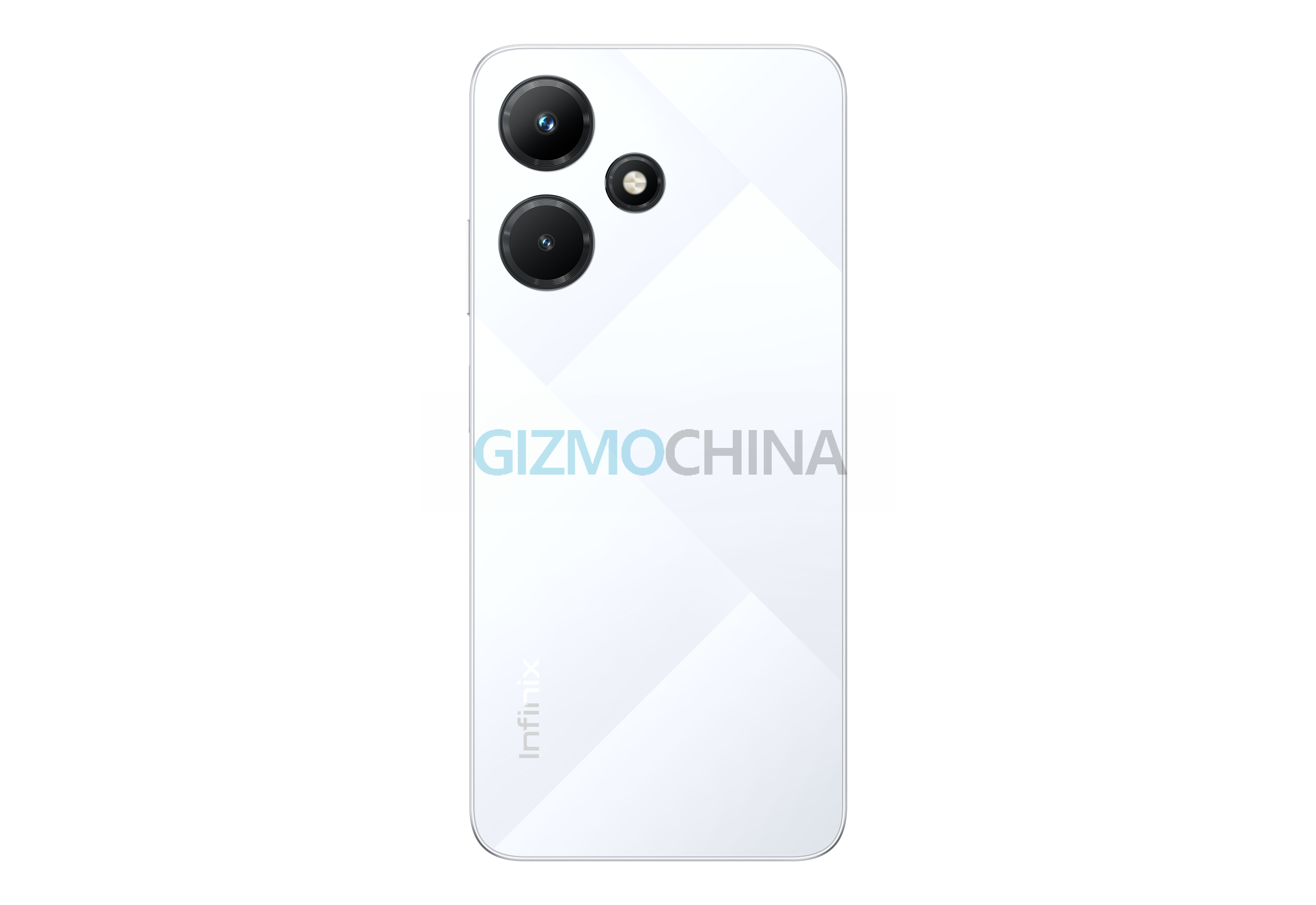
1. Infinix Hot 30i

Infinix Hot 30i in Dimamond White

The Infinix Hot 30i is set to launch in India on March 27 at 12 PM IST. Thanks to leaks and teasers, we know a few things about this phone.

It will sport a 6.6-inch HD+ 90Hz display. The LCD panel will come with a dewdrop notch and 500 nits peak brightness level.

The device will offer a 50MP main camera and a side-mounted fingerprint sensor. It is said to cost under ₹10,000 for 8GB RAM and 128GB storage.

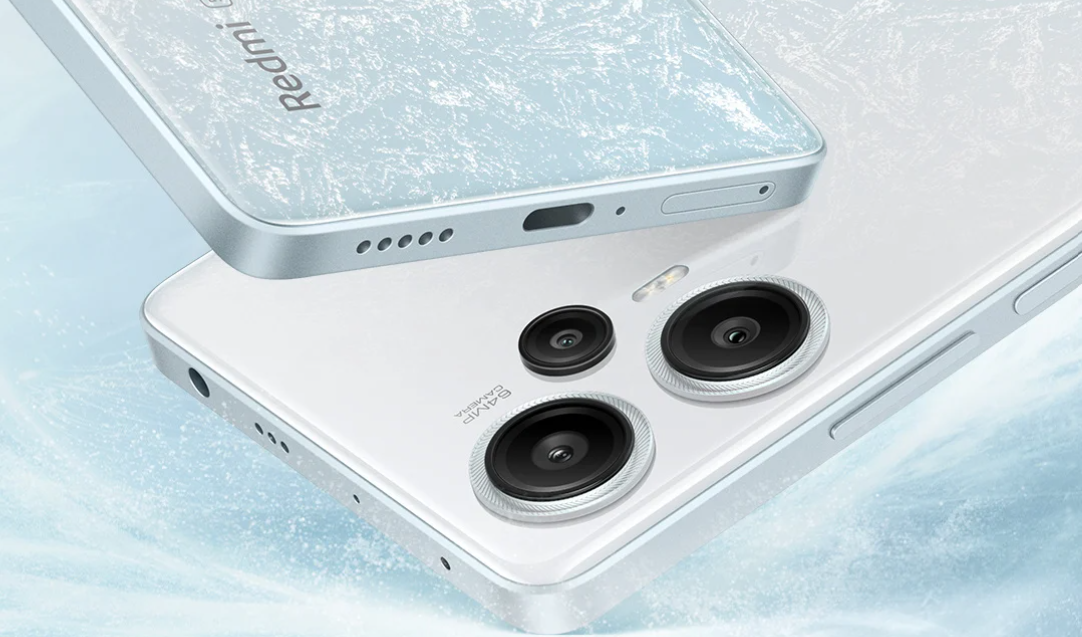
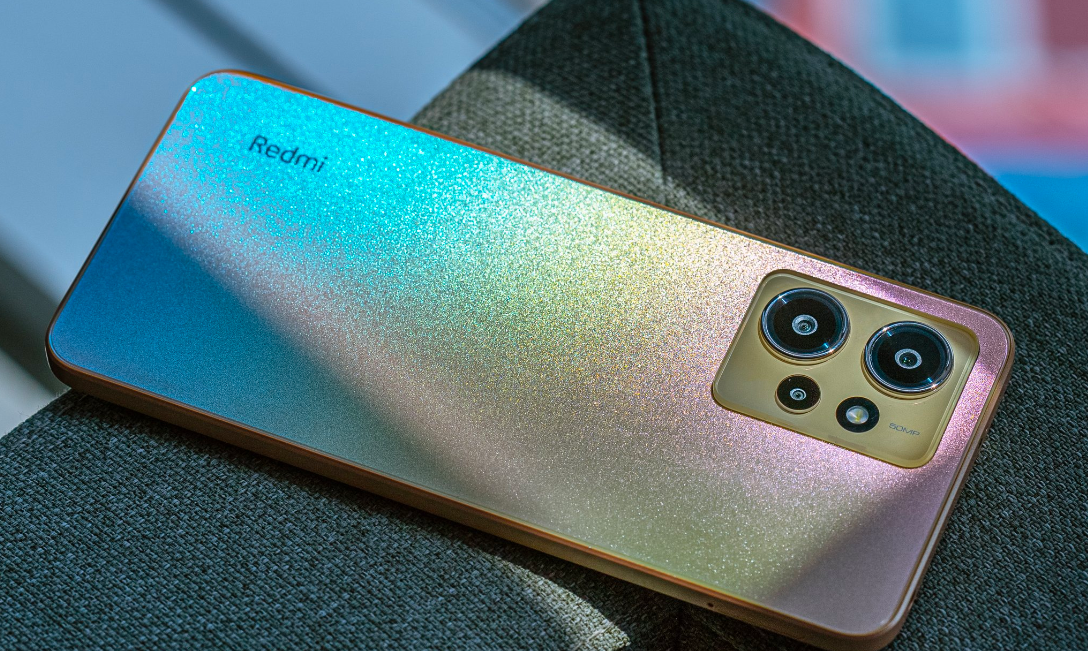
2. Redmi Note 12 Turbo

Redmi Note 12 Turbo

The Redmi Note 12 Turbo is scheduled to launch in China on March 28 at 7 PM GMT+8. It will go official as the world’s first Qualcomm Snapdragon 7 Plus Gen 2 smartphone.

As per teasers and leaks, the handset will arrive with a 6.67-inch 120Hz OLED display with minimal bezels all around. It will be backed by a 5,000mAh battery with support for 67W wired charging.

Other expected features include a 64MP primary camera, LPDDR5 RAM, UFS 3.1 storage, dual stereo speakers, a 3.5mm headphone jack, an IR blaster, and Android 13-based MIUI 14.

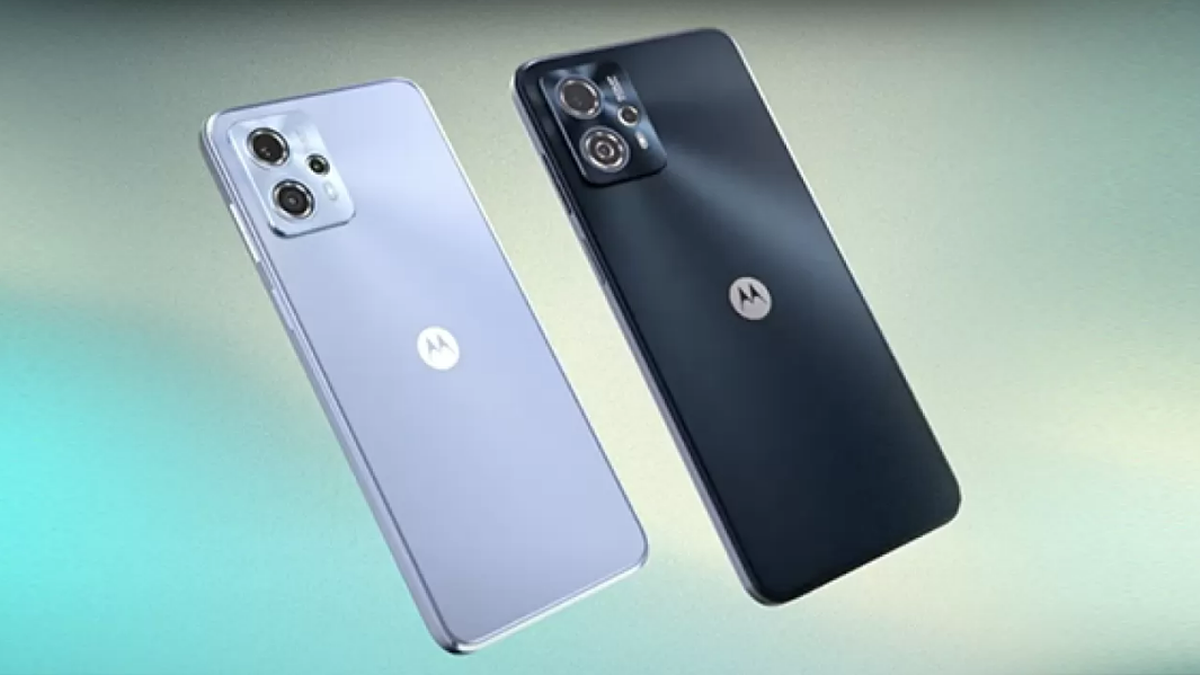
3. Motorola Moto G13

Moto G13
Moto G13

The Motorola Moto G13 will be unveiled in India on March 29 at 12 PM IST. As the phone is already official in multiple markets, we know everything about it.

The device comes powered by a MediaTek Helio G85 SoC and boots Android 13. It sports a 6.5-inch 90Hz display and a 50MP rear camera.

It arrives with dual stereo speakers, a 3.5mm headphone jack, a dedicated MicroSD card slot, a side-mounted fingerprint sensor, a 5,000mAh battery, and an IP52 rating for splash resistance.

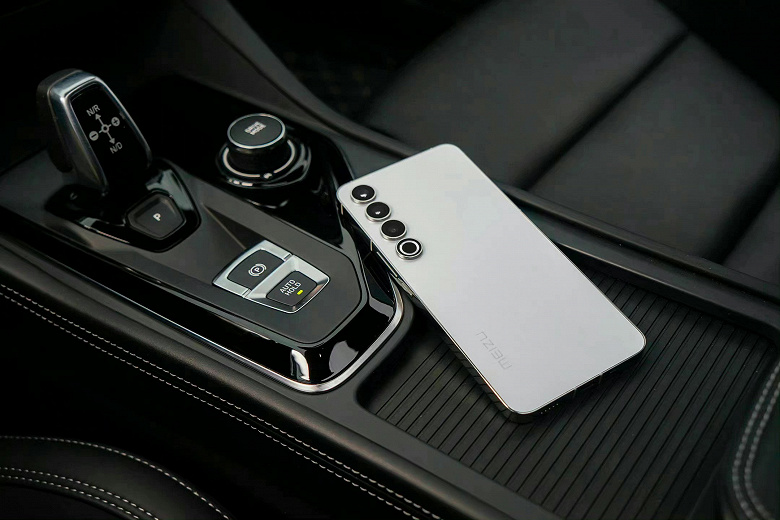
4. Meizu 20 Series

Meizu-20-Pro

The Meizu 20 series will be announced on March 30 at 7:30 PM GMT+8. The lineup will be the brand’s first smartphones under the new ownership.

The series is expected to include two models, namely Meizu 20 and Meizu 20 Pro. They will feature a camera layout like Samsung’s and a flat frame design like the newer Apple iPhones.

These handsets will be powered by a Qualcomm Snapdragon 8 Gen 2 chip. Unfortunately, not much is known about them.

5. Redmi Note 12 4G and Redmi 12C

Redmi Note 12 4G new color

The Redmi Note 12 4G and Redmi 12C will debut in India on March 30 at 12 PM IST. These devices are already official in multiple markets.

The Redmi Note 12 4G is almost the same as Redmi Note 12 5G. It comes with a Snapdragon 685 chipset and a 50MP camera instead of a Snapdragon 4 Gen 1 SoC and a 48MP camera.

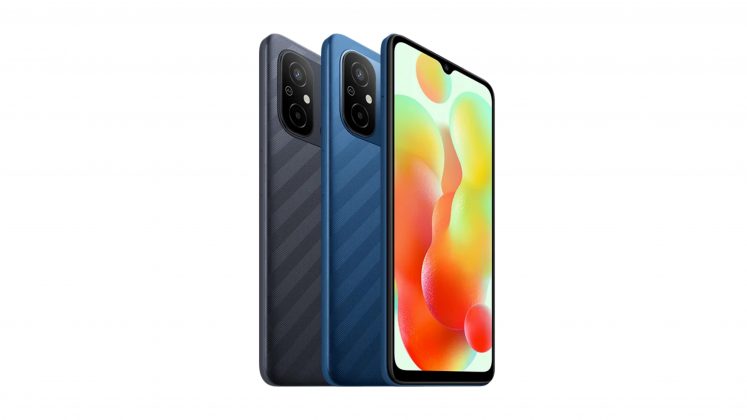
On the other hand, the Redmi 12C arrives with a 6.71-inch HD+ display, a MediaTek Helio G85 chip, a 50MP camera, a rear-mounted fingerprint sensor, a 5,000mAh battery, and 10W charging.

RELATED:

Madhav Sheth is now the Realme Global VP for Business & Corporate Strategy

Earlier this week, we had reported on rumors that the head of Realme India Madhav Sheth had apparently resigned from his position. These rumors were later denied by company representatives but it appears that the senior official is leaving and taking up a new role.

For those unaware, Madhav Sheth played an integral role in helping the Chinese smartphone maker establish a presence in the Indian market. The rumors had hinted that Sheth was resigning and would be succeeded by Michael Guo. While these rumors had been denied, it appears there was one aspect that were true. Madhav Sheth is no longer the Chief Executive Officer of Realme India but has taken on a more global role.

Realme

In a new tweet, Sheth announced that he is excited to take on a new role as the company’s Vice President for Business and Corporate Strategy (Global). He further added that he is “Excited to take this opportunity and contribute to company’s success.” It is unclear how exactly his role would change in the company. But he would likely be building strategies for the global market, rather than simply focusing on the Indian market, which is a key region for the brand.

Madhav Sheth boasts 17 years of experience as a business leader and has already won several awards for his contributions. He is already responsible for strategy developments, product engineering, business development, market operations, and brand building initiatives, and more. So we can expect this role to be further expanded to impact the company on a broader scale.

RELATED:

Twitter to Kill Legacy Verified Checkmarks Starting April 1st: A Shift Towards Paid Verification

Twitter has announced that it will begin removing legacy verified checkmarks from previously verified accounts starting on April 1st. This move comes in the wake of the global expansion of Twitter Blue, the platform’s subscription service. The company’s intention to retire the legacy checkmarks has been known since November 2022, when CEO Elon Musk stated that there were “far too many corrupt legacy Blue ‘verification’ checkmarks.” With the date fast approaching, legacy verified users are about to lose their blue ticks, but the exact nature of the removal process remains unclear.

Twitter says it’s killing legacy verified checkmarks starting on April 1st

The impending removal of legacy verified checkmarks has generated mixed reactions, with some questioning whether it might be an elaborate April Fools’ joke orchestrated by the ever-whimsical Elon Musk. The company has not clarified if the removal will happen all at once or in phases, and reaching out for further information has so far been met with playful non-answers.

The announcement coincides with the worldwide availability of Twitter Blue subscriptions, which were initially limited to specific regions. With the expansion of the service, users around the globe can now enjoy features such as a blue tick next to their username, 4,000-character tweet limits, post-editing capabilities, and higher reply rankings.

The global rollout is a crucial step towards Musk’s goal of generating half of Twitter’s revenue from subscriptions. However, the platform’s success in achieving this target will depend on users’ willingness to pay the subscription fee of $8 per month (or $11 if purchased through the iOS app) for these additional features.

Twitter verified checkmarks

As Twitter prepares to wind down its legacy verified program, the fate of the blue checkmarks hangs in the balance. The shift towards paid verification through the Twitter Blue subscription service marks a significant change in the platform’s approach to account verification. While many questions remain unanswered, the global expansion of Twitter Blue sets the stage for a new era in the platform’s history, as it seeks to diversify its revenue streams and provide added value to its users.

RELATED:

(via)

Samsung to follow same design language for its entire Galaxy phone lineup

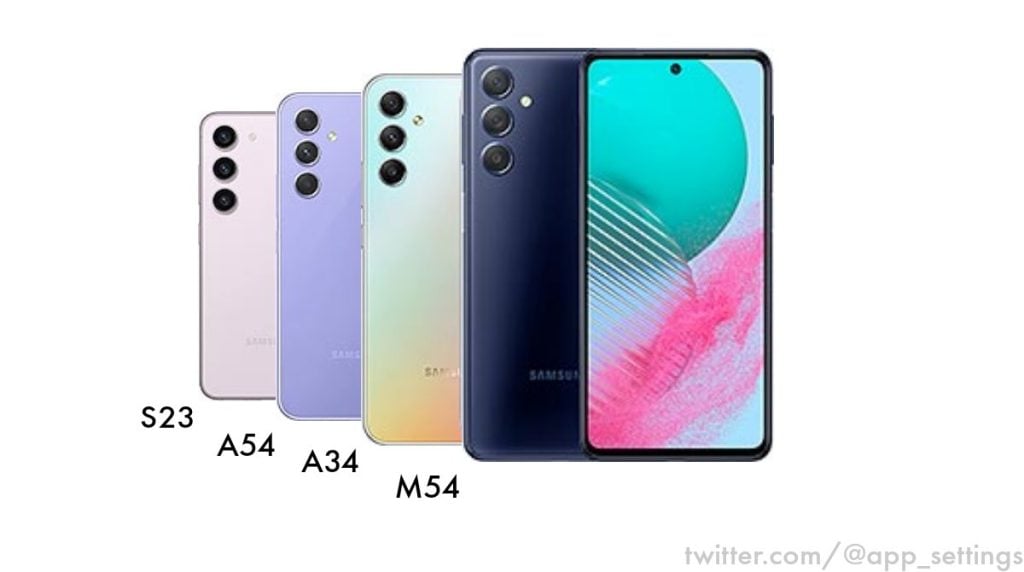
Samsung has apparently revealed an interesting detail regarding its plans for its entire 2023 lineup of Galaxy smartphones. The company is planning on making a standardized design language for its entire handset portfolio.

The news arrives from a tweet from @chunvn8888. On the social media post, he stated that the South Korean tech giant has “confirmed during A series press release in Vietnam that the whole 2023 Galaxy line up from A budget to Z flagship will share the same exact design language. So prepare for the flagship foldable Galaxy A looking (aka Galaxy Z Flip 5 and Fold 5).” In other words, we can expect all future devices that will launch later this year to resemble one another.

Samsung

Although, it is still unclear how the entire design language will follow through on foldable phones since they have secondary displays as well. But, this could likely be in reference to their overall form factor rather than a strict design element. To put things simply, the upcoming Galaxy F, A, M, S, and Z series models would basically feature a flat design on the front and back while having curved corners on all four sides.

This isn’t necessarily bad news considering most brands tend to stick with designs that tend to serve as an identity to their products. But regardless, knowing that there will barely be any difference between a budget and premium offering from the brand doesn’t seem like an appealing prospect. So let us know in the comments section down below, how you feel about this decision.

RELATED:

Here’s First Look at Realme GT Neo 5 SE’s Black Variant, Price Officially Teased

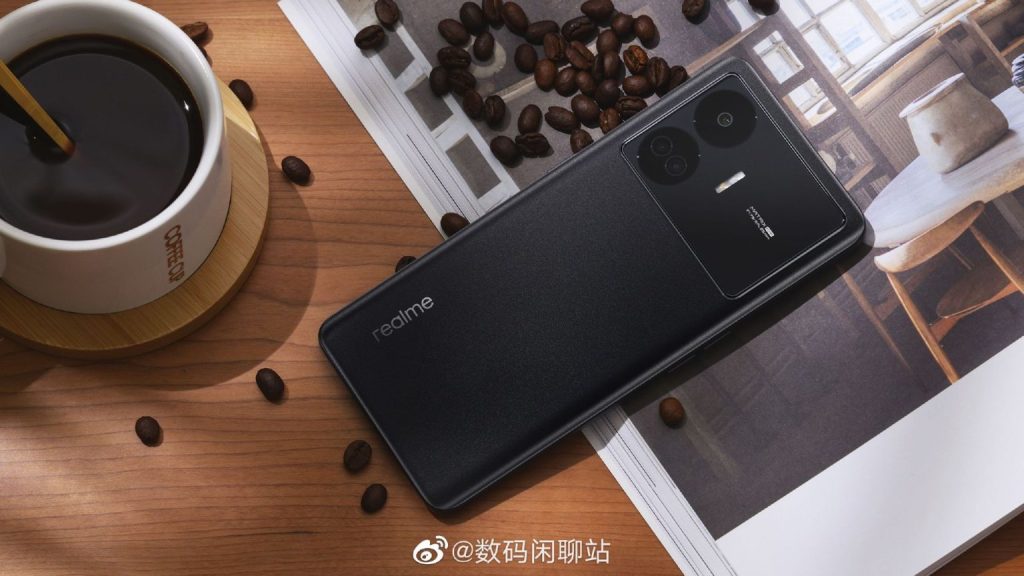
The Realme GT Neo 5 SE is scheduled to launch on April 4 in China. The company released a couple of renders of the Final Fantasy color variant of the GT Neo 5 SE yesterday. Here is the first look at its black variant.

The Realme GT Ne 5 SE’s black model has a plain appeal for the rectangle-shaped camera module and a textured look for the rest of the back. The three cameras arranged in a pair of camera rings can be clearly seen.

Realme GT Neo 5 SE
Realme GT Neo 5 SE

The right spine of the device features a power key, whereas its opposite side has a volume rocker. While the front of the phone has not been revealed yet by the brand, it is said to have a flat OLED panel with a centrally aligned punch-hole.

Realme GT Neo 5 SE specifications

Reports have revealed that the Realme GT Neo 5 SE will have a 6.74-inch OLED display that will produce a 1.5K resolution and a 144Hz refresh rate. It will ship with the Realme UI 4.0-based Android 13 OS.

The device is likely to have a 64-megapixel main camera, an 8-megapixel ultra-wide lens, and a 2-megapixel macro camera on the back. For selfies, the device could be equipped with a 16-megapixel front-facing camera.

The Snapdragon 7 Plus Gen 2 chipset will power the device. The highest variant of the device may offer 16 GB of LPDDR5x RAM and 512 GB of UFS 3.1 storage. It will have an under-display fingerprint scanner and a 5,500mAh battery with 100W fast charging.

RELATED:

Russian TV Channel Introduces AI Weather Girl, Snezhana Tumanova

AI advancements are taking the world by storm, with new and exciting models emerging constantly. Recently, a local television channel in Russia, (Svoye TV) has introduced an AI weather presenter. The AI named (Snezhana Tumanova) created through the use of several neural networks, aims to provide viewers with accurate and engaging weather forecasts. Here are the details…

Russian TV channel unveils AI weather girl

Svoye TV premiered its new program, ‘Future Forecast,’ on Tuesday, showcasing the capabilities of its AI weather girl, Snezhana Tumanova. The channel revealed that the program operates using neural networks, with one responsible for the virtual presenter, another for preparing the text, and a third for generating graphic content. The program is set to air five times a day, providing viewers with regular weather updates.

Snezhana Tumanova, whose name is a play on the Russian words for ‘snow’ and ‘fog,’ is an ambitious AI presenter seeking to outperform her human counterparts. Despite her potential to revolutionize weather forecasting, the management of Svoye TV has clarified that they do not plan to abandon traditional weather forecasts featuring a human presenter at this time.

The use of artificial TV presenters is not a new phenomenon. China has been a pioneer in this field, with the state-run Xinhua News Agency launching an ‘English AI Anchor’ back in 2018. Since then, multiple outlets have followed suit. Just last week, China’s leading newspaper, the People’s Daily, unveiled an AI presenter named ‘Ren Xiaorong’ that is set to broadcast the news 24 hours a day.

Svoye TV’s AI weather girl, Snezhana Tumanova, marks an exciting development in the use of artificial intelligence within the media industry. While human presenters still hold their ground, the integration of AI-driven presenters signals a shift in the way we consume news and information. As technology continues to evolve, we can expect to see even more advancements in AI and its applications within the media landscape.

RELATED:

(via)

iQOO Z7 becomes Amazon India’s bestselling smartphone on a launch day

Earlier this month, Vivo-backed iQOO launched its latest smartphone, named iQOO Z7 in the Indian market, which went on sale in India a couple of days back on Amazon.

Now, the company has revealed that the iQOO Z7 smartphone has become the highest-selling smartphone on a launch day in the Indian market on Amazon compared to all the mid-range smartphones launched in India this year.

iQOO Z7 5G Amazon India Bestseller

In India, the iQOO Z7 5G smartphone has a starting price of ₹18,999 (~$230) for the 6GB RAM and 128GB storage model, while the 8GB RAM and 128GB storage version is priced at ₹19,999 (~$242). It is available in two color options — Pacific Night and Norway Blue.

The iQOO Z7, as well as the iQOO Z7x, have been launched in China and are now available for purchase in the Chinese market, starting today. The price for the iQOO Z7x starts at 1,299 yuan (~$189), while the standard Z7 starts at 1,599 yuan (~$233). It’s noteworthy that the Indian variant of the Z7 is different from the one launched in China.

Coming to the specifications, the iQOO Z7 features a 6.38-inch AMOLED display that offers a Full HD+ screen resolution and a 90Hz refresh rate. Unlike the Chinese model which packs Snapdragon 782G processor, the Indian model is powered by the MediaTek Dimensity 920 SoC, coupled with up to 8GB of LPDDR4x RAM and 128GB of UFS 2.2 storage.

In the camera department, the phone has a dual-camera setup that includes a 64-megapixel primary camera sensor with OIS and a 2-megapixel portrait lens. On the front side, there’s a 16-megapixel snapper for taking selfies and video calling.

The smartphone runs the Android 13 operating system out-of-the-box with the company’s own FunTouch OS 13 custom user interface on top. It is powered by a 4,500mAh battery which comes with support for 44W fast charging.

RELATED:

Oppo Find X6 & X6 Pro up for sale in China, Check how much they cost

Oppo recently released its latest flagship smartphones, the Find X6 and Find X6 Pro, in the Chinese market. These devices boast cutting-edge hardware and have been professionally tuned in various aspects. Additionally, they run on the latest Android operating system with advanced software features.

OPPO FIND X6 Pro Review 06

Now, both the Oppo Find X6 and Find X6 Pro are on sale in China. Let’s take a look at the pricing of these devices.

Oppo Find X6:

  • 12GB + 256GB priced at 4499 yuan ($655)
  • 16GB + 512GB priced at 4999 yuan ($728)

OPPO Find X6 Pro:

  • 12GB + 256GB priced at 5999 yuan ($873)
  • 16GB + 256GB priced at 6499 yuan ($946)
  • 16GB + 512GB priced at 6999 yuan ($1,019)

The vanilla Find X6 devices are available in Black, Green, and Brown colors while the Pro model offers Black, Green, and Gold color options.

Oppo Find X6 Series specs

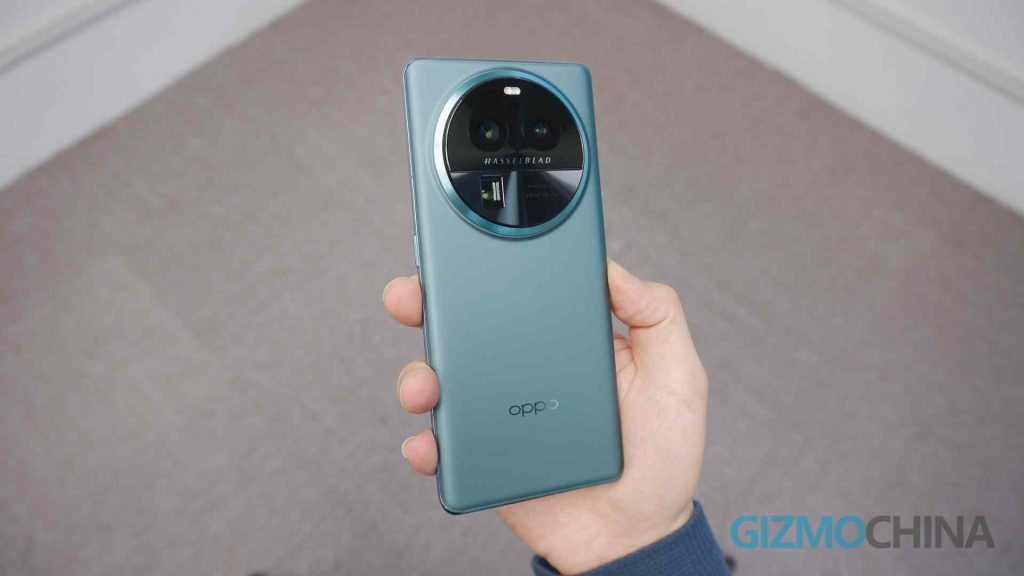
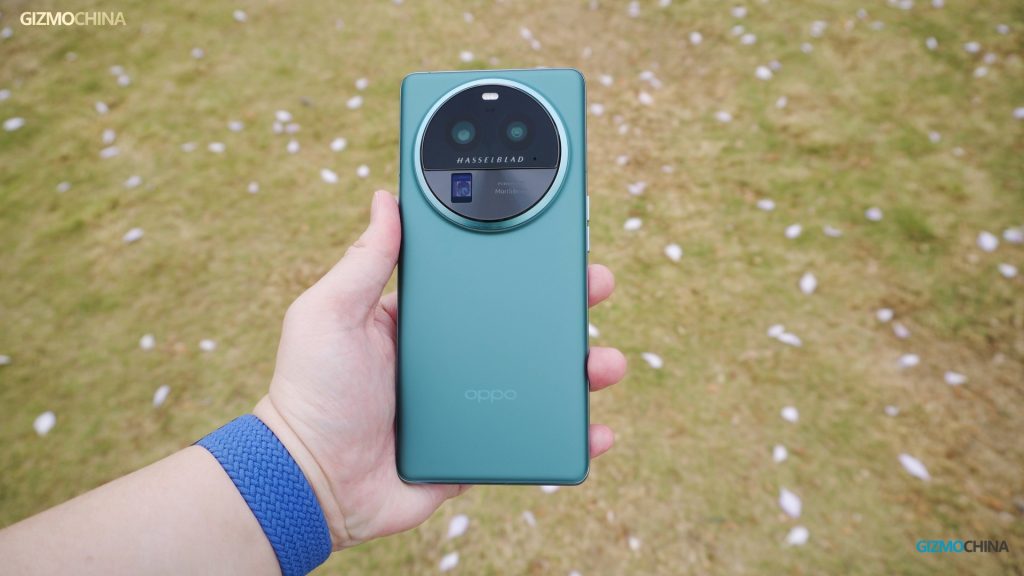
The Oppo Find X6 series has undergone a major design overhaul. The camera module has been repositioned to the center, taking on a circular shape. The phones retain their curved displays, setting them apart from most other handsets available on the market.

The vanilla version boasts a 6.74-inch display, while the Pro version features a larger 6.82-inch screen. Both come equipped with 10-bit OLED panels, but their specifications differ. The Find X6 display features a resolution of 2772 x 1240 pixels, a 40Hz-120Hz refresh rate, and a peak brightness of 1,400 nits. The Find X6 Pro’s display, on the other hand, boasts a superior resolution of 3,168 x 1,440 pixels, a 1Hz-120Hz refresh rate, and a remarkable peak brightness of 2,500 nits.

The Pro version of the phone packs a more powerful punch, powered by a Qualcomm Snapdragon 8 Gen 2 chip, in contrast to the non-pro handset’s MediaTek Dimensity 9200 SoC. Both versions feature LPDDR5x RAM and UFS 4.0 storage. Both the Find X6 and Find X6 Pro run on ColorOS 13.1 based on Android 13. These smartphones are guaranteed to receive four generations of Android updates and five years of security updates.

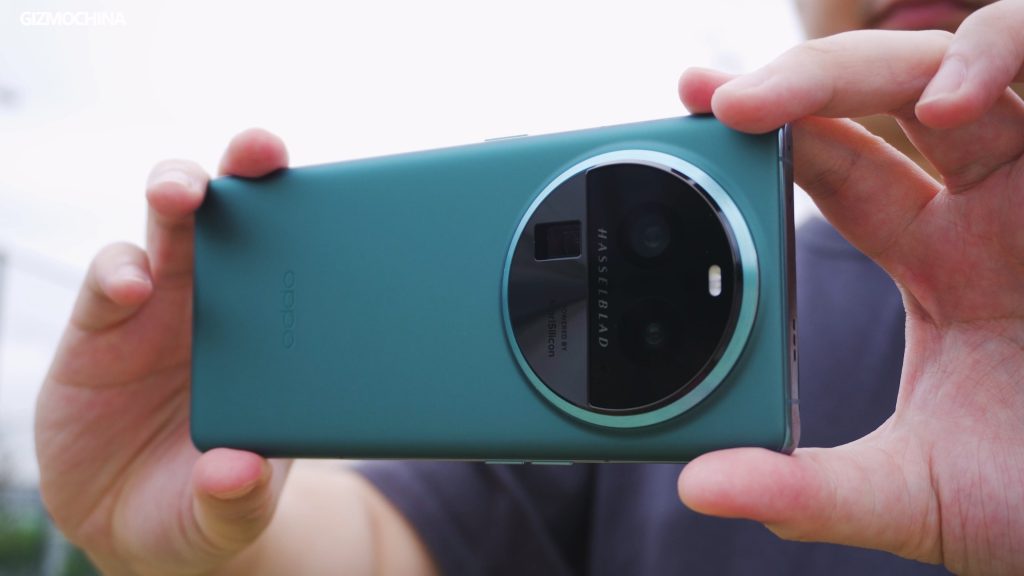
The Hasselblad-powered triple camera system and the 32MP Sony IMX709 selfie camera make an appearance in both versions of the phone. The image processing is handled by MariSilicon X NPU. The Pro version features a camera setup that includes a 50MP Sony IMX988 1-inch primary sensor, along with two 50MP Sony IMX890 sensors that have AF for ultra-wide and 3x periscope optical zoom. The vanilla version has a similar triple 50MP setup, but with a primary sensor of Sony IMX890 and an ultra-wide sensor of Samsung JN1.

Other features include an in-screen fingerprint sensor, dual stereo speakers, an infrared sensor, and an IP68 rating (IP54 for non-Pro). The Find X6 Pro features a 5,000mAh battery that supports 100W wired charging and 50W wireless charging. The Find X6, on the other hand, has a slightly smaller 4,800mAh battery that supports only 80W wired charging.

RELATED:

ChatGPT Gains Web Browsing Capabilities and Access to Live Data with Latest Plug-ins

ChatGPT is taking the world by storm, with new and exciting news emerging constantly. Recently, OpenAI has announced a significant upgrade to ChatGPT by introducing support for plug-ins that grant it access to live data from the web. This move vastly enhances chatbots capabilities, transforming it into a versatile interface for various services and websites. Here are the details…

OpenAI Unleashes ChatGPT by Introducing Plug-ins for Web Browsing and Website Interactions

Until now, ChatGPT’s information pool was limited to its training data, which only extended up to 2021. The newly introduced plug-ins not only enable the chatbot to browse the internet but also interact with specific websites. OpenAI likens this to allowing other services to function as ChatGPT’s “eyes and ears.”

In a demo video, a user employs ChatGPT to locate a recipe and order the required ingredients from Instacart. The chatbot seamlessly transfers the ingredient list to the shopping service, redirecting the user to the site to finalize the order. Initially, OpenAI is rolling out plug-in access to a select group of users.

The first 11 plug-ins cater to external sites such as Expedia, OpenTable, Kayak, Klarna Shopping, and Zapier. OpenAI is also providing its own plug-ins, including one for code interpretation and another called “Browsing” that lets ChatGPT access information from the internet. The browsing plug-in demonstrates its prowess when a user inquires about box office sales of recent Oscar winners compared to other releases.

ChatGPT cites its sources before providing the answer—a feat it couldn’t achieve previously. This experimental feature resembles Microsoft’s Bing, which supplies GPT-4 (the language model underpinning ChatGPT) with online data. However, OpenAI’s plug-in goes a step further by integrating with APIs, enabling it to “perform actions on behalf of the user,” as detailed in the company’s documentation.

OpenAI

This powerful upgrade raises security and safety concerns, as ChatGPT can now take actions for users instead of merely offering information. These concerns were previously highlighted in response to an experiment involving GPT-4, where the bot generated instructions for hiring a TaskRabbit worker to complete a CAPTCHA it couldn’t answer.

OpenAI acknowledges these threats and has implemented safeguards, such as limiting plug-in availability to a small number of users initially. The company will prioritize a select group of developers and ChatGPT Plus users for plug-in access, offering a waitlist sign-up for those interested.

RELATED:

(via)

Redmi 12C to Launch in India on March 30

Xiaomi has just recently unveiled the Redmi 12C in Indonesia. Now, it appears that the company is gearing up to launch this device in India as well. The smartphone is expected to launch later this month, so here are all the details.

The Chinese tech giant’s official website in India now has a new microsite that is dedicated to the launch of the new 12C model. This page also reveals that the device will be announced in the region on 30th March 2023. While this listing does not reveal any finer details, we can assume that it carries identical specs as the version that was debuted globally. The Redmi 12C sports a tall 6.71 inc LCD panel that has an HD+ resolution, waterdrop notch, 20.6:9 aspect ratio, a 1,500:1 contrast ratio, and 500 nits of peak brightness.

Redmi

Under the hood, the budget smartphone is equipped with MediaTek’s Helio G85 SoC that is paired with LPDDR4x RAM and eMMC 5.1 internal storage. The device runs on Android 12 OS based MIUI 13 out of the box and the company promises at least two major Android updates and three years of security updates. On the rear, it features a 50 megapixel camera while the front houses a 5 megapixel selfie shooter.

The device is equipped with a large 5,000mAh battery pack that supports standard 10W charging rates. Other notable features include, dual SIM support, 4G, dual band WiFi, Bluetooth 5.1, GNSS, MicroUSB port, a 3.5mm headphone jack, and even a MicroSD card slot to expand internal storage. The device was launched in Indonesia for a starting price tag of around 90 US Dollars and came in three variants, namely 3GB+32GB, 4GB+64GB, and 4GB+128GB.

RELATED:

Coolpad Grand View 40s Launched with Dimensity 700 5G Chipset

Coolpad, a known Chinese smartphone manufacturer has launched a new Coolpad Grand View 40s device in China. According to the company, this new phone is intended to provide consumers with an immersive multimedia experience by integrating powerful hardware and software features in a slim package.

Starting from the display, the smartphone offers a 6.52-inch IPS LCD screen with a pixel resolution of 1600*720 and a pixel density of 450PPI. As mentioned earlier, the device is powered by a 7nm fabrication-based MediaTek Dimensity 700 5G chipset. It comes with Mali G57 GPU for graphic-intensive tasks. The device comes with up to 8GB of RAM and 256GB of onboard internal storage.

coolpad grand view 40s

As for the cameras, it comes with a dual rear camera setup with a 13-megapixels primary camera sensor and a 2-megapixels secondary depth sensor. On the front, it has got 5-megapixel camera housed inside the waterdrop notch cutout. The camera setup on the device is completely basic.

The device packs a 4500mAh battery with support for fast charging. Further, the brand has added an NFC sensor to the device, which can be used for multiple purposes. For security, the device comes with the support of a side-mounted fingerprint scanner and a face unlock.

It has been released in three different variants; 4GB+128GB, 6GB+128GB and 8GB+256GB. It has been priced at CNY 1399 (~$200), CNY 1699 (~$247) and CNY 2099 (~$305) respectively. It would be available to purchase in the country soon.

RELATED

POCO C51 Tipped to Launch Soon, Here’s What to Expect

POCO has recently launched the POCO C50 and POCO C55 smartphones in the global market and India. Kacper Skrzypek, a well-known tipster, tweeted that the company is getting ready to launch the POCO C51 smartphone. As the moniker suggests, it will be slotted between the C50 and C55.  

According to the tipster, the POCO C51 will be a rebranded version of the Redmi A2+, which is soon going to launch in the global market. The Redmi A2 and A2+, with model numbers 23026RN54G and 23028RNCAG, were seen earlier this year at a number of certification sites, including Bluetooth SIG, TUV Rheinland, Thailand’s NBTC, and India’s BIS.

So, it looks like the Redmi A2 and A2+ will be released soon in a number of markets. Both smartphones are expected to sport the same specifications and designs. However, the A2 may lack a fingerprint scanner, while the Plus variant may come equipped with one.

Redmi A2
Redmi A2

The Redmi A2+ is expected to feature a 6.52-inch IPS LCD display that offers an HD+ resolution. It is likely to arrive with the Helio G36 chipset, 2 GB of RAM, and 32 GB of internal storage. It will house a 5,000mAh battery with 10W charging support via a microUSB port.

The A2+ will come preloaded with Android 13 (Go edition). It will have a 5-megapixel front camera and an 8-megapixel dual-camera system. It is expected to arrive in black, blue, and green shades.

There is no word on when the POCO C51, which will be a rebranded Redmi A2+, will be available. At present, there is no word on the global launch of the device, but the tipster has revealed to this writer that it is expected to release in India. 

RELATED: