Google is once again revamping its Home app with new updates that are set to make it even more user-friendly. The Home app allows you to control various devices, such as smart lights, thermostats, cameras, speakers, and even TVs. With the Google Home app, you can turn lights on and off, adjust the temperature of your thermostat, view camera feeds, play music on compatible speakers, and much more. You can also use the app to create routines that automate multiple actions with a single command. The latest version features a new Inbox feed, a redesigned lighting control system, and an updated notification bell icon, making it easier than ever to manage your smart home.
The Inbox Feed replaces the Activity Tab
One of the most notable changes is the introduction of the Inbox feed, which replaces the activity tab. The notification bell icon on the top of the favorites tab will take you to the Inbox feed where you can see all your recent notifications. Meanwhile, the Activity tab will only display your history view.
Another change is the redesigned lighting controls, which now feature a pill-shaped slider, color controls, and lighting presets. This update, which is currently available only in the Dogfood build, lets you customize the temperature and color of your smart lights, making it easier to pick the perfect ambience for your home.
While it’s unclear when the new version will be available to all users, it’s clear that Google is committed to improving its Home app. Quite recently, Google introduced some interesting features to their Home app. With these new updates, the app is set to become the ultimate one-stop-shop for managing your smart home.
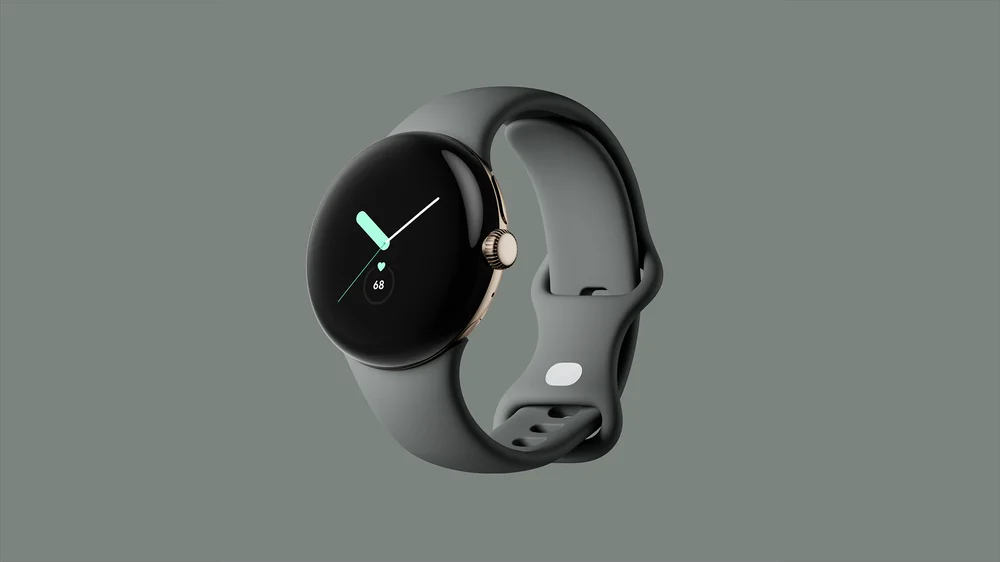
Google has been rumoured to be working on the second iteration of the Pixel Watch for quite some time now, and it seems that the wait may soon be over. According to a report by 9to5Google, the tech giant is set to launch its new Pixel Watch 2 later this year alongside its upcoming Pixel 8 and 8 Pro phones.
Pixel Watch 2 will likely sport a New Chip with Longer Battery Life
This is an exciting development for fans of Google‘s wearable tech, especially since the company’s last smartwatch, the Pixel Watch, was reportedly in development for several years. Although it was only released in 2022, the original Pixel Watch had already undergone multiple iterations, including having only 1GB of RAM at one point.
One of the key upgrades expected in the Pixel Watch 2 is a new chip, which will likely be more efficient than the Exynos 9110 chip used in the original model. This should lead to longer battery life and better performance overall, making the new smartwatch a more appealing option for heavy users.
In addition to hardware upgrades, the watch is also expected to come with some significant software improvements. The device is likely to feature Google’s new Material You design language, which was introduced in Android 12 and offers more dynamic and customizable interfaces. Wear OS is also set to receive an update, and Google is expected to add new fitness tracking features, such as overnight skin temperature and oxygen saturation stats.
Despite these improvements, some aspects of the Pixel Watch 2 are likely to remain unchanged. The watch is expected to feature a similar design to its predecessor, with a dome-shaped face and relatively thick bezels. However, the band connector is likely to remain the same, which means that owners of the first-gen Pixel Watch will be able to reuse their straps.
The launch of the Pixel Watch 2 alongside the Pixel 8 and 8 Pro will make for a strong lineup from Google, and it will be interesting to see how the company’s latest smartwatch stacks up against competitors from Apple and Samsung. Recent rumors have also stated that the Pixel Fold may include a free Pixel Watch for promotional purposes. With a focus on both hardware and software improvements, the Pixel Watch 2 could be the must-have wearable of the year.
In today’s digital age, messaging has become a fundamental part of our daily routine. From communicating with friends to professional conversations, it’s a quick and convenient way to keep in touch. Google Messages is one of the most popular messaging apps used globally, and soon it’s set to launch a new feature that will change the way we communicate.
Magic Compose uses the context of the conversation for personalized responses
Say hello to “Magic Compose,” the latest generative AI-powered feature in Google Messages that can write personalized responses to messages. The feature is set to revolutionize the way we communicate by providing creative, personalized, and fun suggestions for replies.
According to recent reports, Magic Compose will offer a wide range of styles to choose from, including Formal, Excited, and even Lyrical. Yes, you heard it right. Magic Compose will generate poetic responses to your messages. That’s right, poetry! Users can expect a Seussian and sometimes nonsensical poem based on their prompt.
What’s more, Magic Compose will use the context of the conversation to suggest relevant replies, making it stand out from the current Smart Reply feature. Its playful name and unique features offer a whimsical and creative touch to the Google Messages app, setting it apart from other messaging apps.
It’s worth noting that Magic Compose requires an internet connection as it generates its suggestions on Google’s servers. This feature is expected to be rolled out soon and will be available alongside other AI-powered features in the Google Messages settings. Users can enroll for beta testing via the Play Store to gain early access to these kinds of features.
Magic Compose is a game-changer for messaging apps. It offers a personalized touch to our communication, making it more creative, engaging, and fun. With Magic Compose, messaging will become more exciting and a better way to express ourselves. Google Messages continues to lead the implementation of AI in messaging apps, and we can’t wait to see what other exciting features the company will come up with in the future.
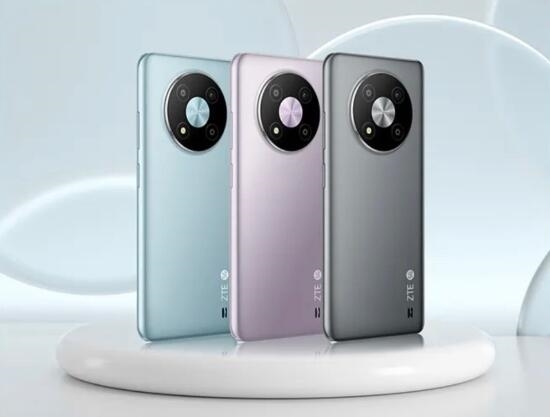
The ZTE Yuanhang 40 has been unveiled in China. ZTE had launched a similar model in the Yuanhang 40 Pro+ released in October 2022, with a Starry Sky edition coming out in December.
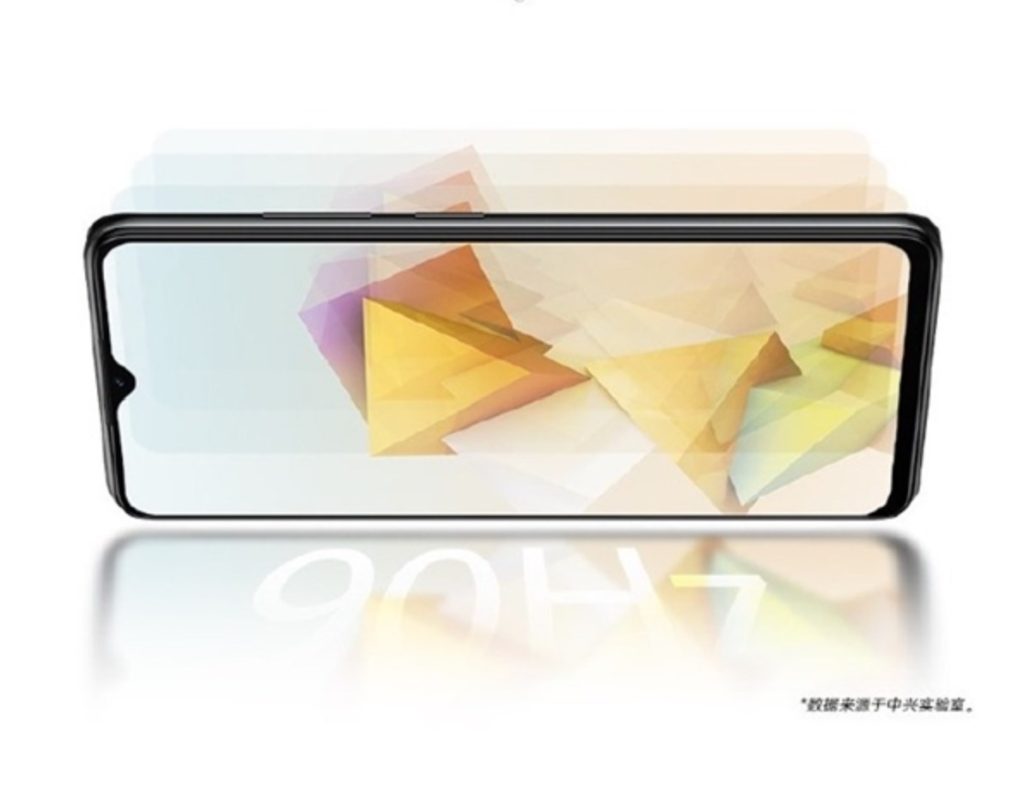
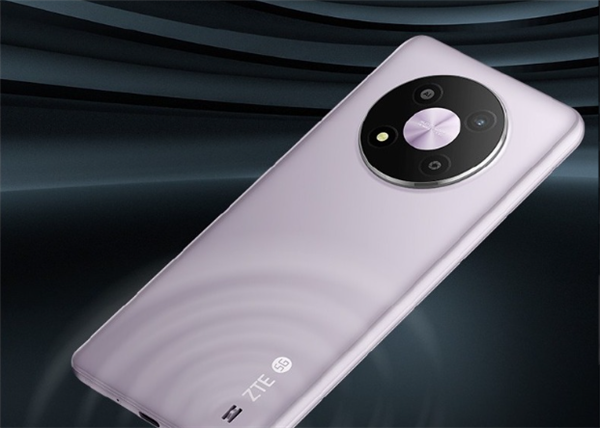
The ZTE Yuanhang 40 is powered by the UNISOC T760 chipset. The device packs a 6.52-inch LCD water drop screen with a screen resolution of 1600 x 760 pixels and a 90 Hz refresh rate. The LCD display features 83% NTSC color gamut coverage and it has low blue light eye protection certification. The smartphone sports a distinct design with its water drop screen and rear star ring camera.
The UNISOC processor of the Yuanhang 40 focuses on low power consumption and uses EUV process technology. The large core has a maximum frequency of 2.2GHz and integrates the ARM MALI G57 GPU. The processor pairs with 4GB of RAM in combination with either 64GB or 128GB of storage. There is also a 6GB+128GB option.
In addition, the new ZTE phone comes with a 5MP front camera and a 13MP star ring camera at the back. The device is equipped with a 4,000mAh battery with support for 10W charging. The operating system is MyOS13 based on Android 13.
ZTE Yuanhang 40 arrives with a Huawei P series rear camera design starting at 899 yuan ($130)
All three configurations are available in China. The 4GB+64GB model is priced at 899 yuan ($130) while the 4GB+128GB option retails for 999 yuan ($145). The top model in the lineup is the 6GB+128GB model with a retail price of 1,099 yuan ($159). There are no indications yet on the global availability of the new ZTE Yuanhang 40 smartphone.
Artificial intelligence technologies continue to take the internet by storm. Many companies are currently working on either developing their own AI models or integrating chatbots like ChatGPT into their popular services. Google, valued at trillions of dollars, naturally chose the former approach and recently introduced its AI chatbot called Bard. Contrary to rumors, the company wanted to demonstrate that it hadn’t lost its technological edge. Despite a somewhat rushed and challenging start, it managed to grab the world’s attention once again. Now, Google Bard is reportedly coming to Pixel devices as a new homescreen widget. Here are the details…
Google’s Bard AI: A New Homescreen Widget Coming to Pixel Devices?
According to the latest leaks, Google Bard is reportedly coming to Pixel devices as a new homescreen widget. The source suggests that it may arrive as a standalone app, a homescreen widget, or even as part of the Google Search app. At the moment, it is not known what kind of impact Bard will have on phones.
However, there are claims that the AI will not just be a chatbot, but will also serve as an assistant with some control over the system. For now, the code suggests that the feature is being exclusively developed for Pixel phones. Nonetheless, Google frequently tests new features on Pixel models. This allows the company to easily test real-world scenarios while offering technology enthusiasts a sneak peek at what’s to come.
It is also important to remember that these findings are based on code analysis, and Google’s plans could change at any time. However, As Moreover, Google’s Bard is still an experiment and is not open to the public. Users interested in trying it out can sign up and join the waitlist, or turn to already available services like ChatGPT or Bing.
As artificial intelligence and AI-based technologies continue to advance, they are becoming more integrated into our daily lives. Even standard products we used to use every day are gaining a touch of artificial intelligence. An example of this is Microsoft integrating ChatGPT into their services. The latest company to join the AI craze is Amazon. The company has ambitious plans to rework its voice assistant, Alexa. Here are the details…
Amazon plans to rework Alexa in the age of ChatGPT
As the AI trend sweeps the world, more and more companies find themselves working in this field every day. Recently, some leaked documents revealed Amazon’s plans to integrate advanced AI chatbot technology. The company aims to make Alexa more versatile, proactive, and engaging in conversation. In short, they plan to transform their already limited voice assistant into a much more comprehensive tool.
According to the leaks, Amazon plans to use its own large language model (LLM), called the Alexa Teacher Model, to enhance Alexa’s abilities. This is different from competitors like Microsoft’s Bing, which uses OpenAI’s model. The goal is to make Alexa seem more thoughtful, making media recommendations, news delivery, and storytelling more interactive.
The new Alexa will be able to create imaginative stories, similar to ChatGPT‘s storytelling abilities. It will also use the Echo Show’s camera to include real-life elements in its stories. Additionally, the upgraded Alexa will be better at handling complex queries, like finding specific TV shows based on vague descriptions, and providing additional details such as cast information and subscription pricing.
Amazon is also considering partnerships with companies like Disney and Lego. According to reports, these collaborations aim to make the most of Alexa’s new AI capabilities, but it is unclear how this will fully impact the end user.
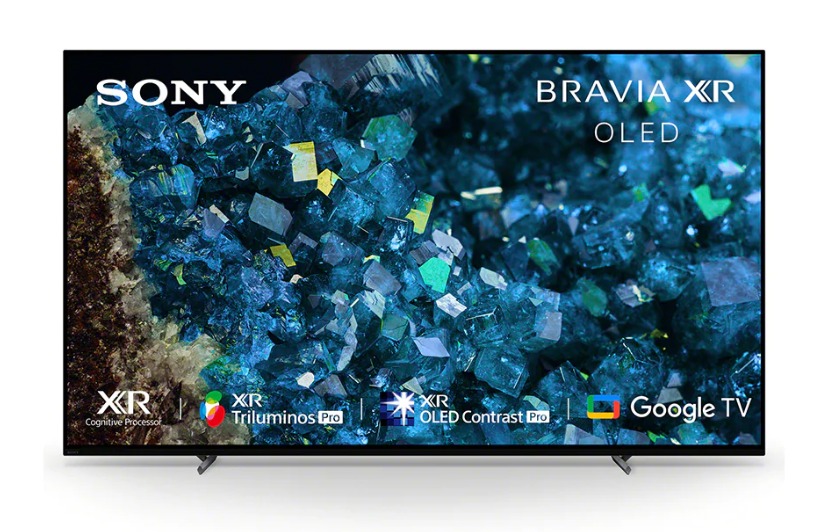
Sony has unveiled a new lineup of its OLED TVs in India. The Sony BRAVIA XR OLED A80L TVs consist of five variants. These are the XR-55A80K, XR=55A80L, XR-65A80L, XR-77A80L and XR-83A80L. Two of the models are 55-inch TVs while the others are 65, 77, and 83 inches respectively.
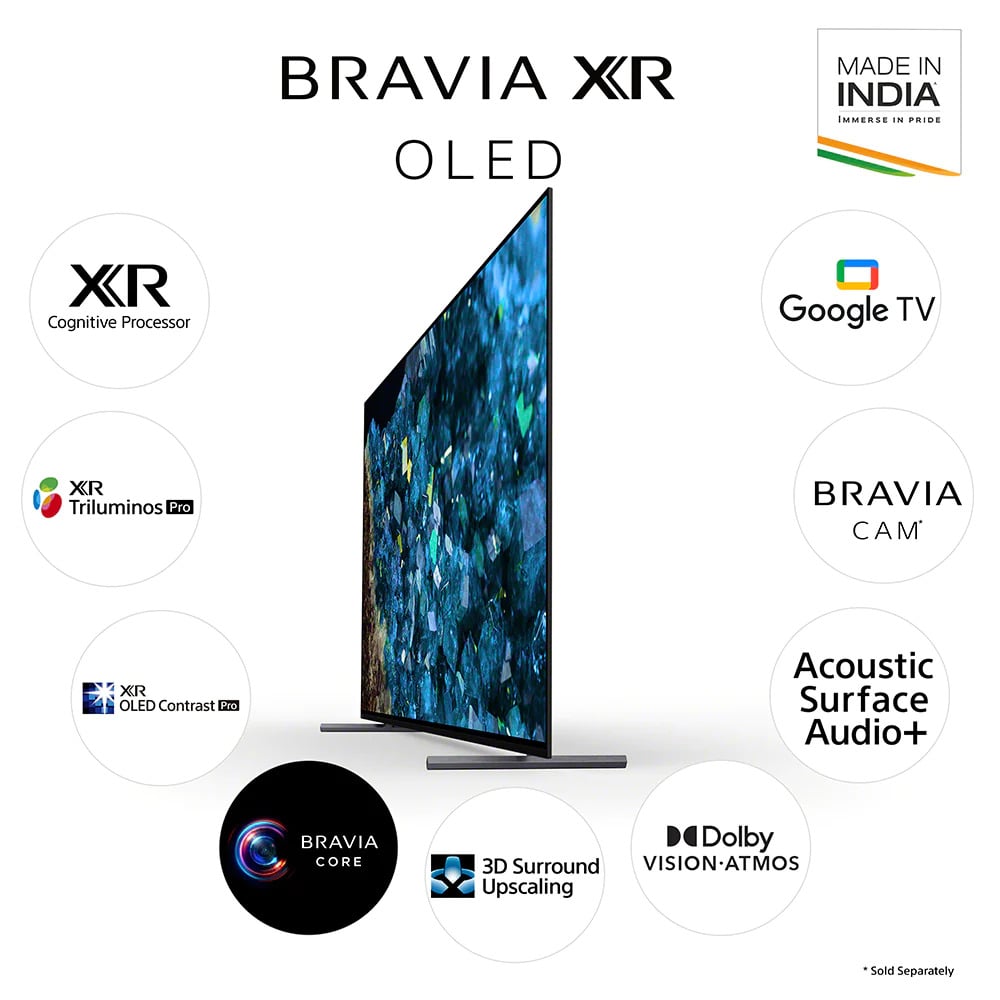
The new Sony BRAVIA TVs in India feature a Cognitive Processor XR, 5.1-Channel Acoustic Surface Audio+, and 4K HDR output. The A80L series TVs are capable of accessing over 1 billion colors and reproducing the content with the slightest deviations. The TVs also feature the XR 4K upscaling and XR OLED motion technology. The TVs can be used to full effect for gaming and it features a specialized gaming mode. The TV has HDMI 2.1 connectivity and variable refresh rate and a frame rate of 120fps.
The Sony BRAVIA A80L TVs in India also feature the Auto Low Latency Mode (ALLM), Auto HDR Tone, and more exciting features. The Acoustic Surface Audio+ technology outputs sound directly from the screen. The TVs also support Dolby Atmos combined with an X-balanced speaker setup. The models also come with the Sony Bravia Cam which recognizes your position in the room and the distance from the TV to modulate the volume and picture settings.
The Sony BRAVIA XR A80L TVs support HDR10, HLG, and Dolby Vision. The onboard storage in the TV is 32GB while the TV runs on Android TV with Google TV. The picture modes are Vivid, Standard, Cinema, IMAX Enhanced, Game, Graphics, Photo, and Custom.
The TVs are calibrated for Netflix and they also support Google Chromecast. The TVs are compatible with voice assistants like Google Voice Assistant and Amazon Alexa. Apple AirPlay and Apple Homekit are also supported in the new Sony BRAVIA lineup.
Sony BRAVIA XR OLED A80L series TVs delivers quality picture output for cheap
The Sony BRAVIA XR TVs support Wi-Fi and Bluetooth 4.2 connectivity, as well as HID and HOGP (energy devices). There are HDMI 2.1, eARC/ARC, USB, and other high-performance ports. In terms of pricing and availability, the 65-inch model is priced at Rs. 349,900 ($4, 282). Sony India is yet to announce the pricing of the other models. The TV can be purchased directly via the Sony India website or leading e-commerce and retail outlets across the subcontinent.
As artificial intelligence and AI-based technologies continue to advance, they are becoming more integrated into everyday life. From ChatGPT, which provides answers to users’ questions, to autonomous cars, AI is shaping the future. However, this progress also sparks debates. Apple co-founder Steve Wozniak recently made a strong statement about AI, claiming “Tesla wants to kill you”. Here are the details…
Wozniak’s Harsh Comments on Tesla Autonomous Driving
As one of the co-founders of Apple, Steve Wozniak is a prominent figure in the technology industry. He has been particularly critical of AI, especially Tesla, a leading automaker in autonomous driving. Wozniak went so far as to say “Tesla wants to kill you” in reference to the company’s cars. During an interview, Wozniak expressed his belief that Tesla’s self-driving car ambitions are unnecessary and dangerous. He described Tesla’s autonomous driving system as “the car that AI enthusiasts who want to kill themselves should buy,” essentially calling the technology a “serial killer.”
Wozniak has a history of making harsh comments about Tesla, often using strong and mocking language. His love-hate relationship with the company is well-documented, so his latest remarks aren’t entirely unexpected. It seems that Wozniak’s love for Tesla may be shifting more towards animosity.
Interestingly, Wozniak was one of Tesla’s early adopters. In 2013, he posted a picture of himself drinking gasoline, which he claimed led to an email from Elon Musk scolding him. Subsequently, Wozniak purchased a Tesla Model S. Despite using his Model S as his daily driver, Wozniak soon began to criticize Tesla’s autopilot system. However, his actions seemed contradictory, as he bought a second Model S before Autopilot 2.0 was released.
Now, with Wozniak’s renewed criticism of Tesla, it’s unclear whether his feelings towards the company are rooted in love or hatred. What we do know is that Wozniak owns two Tesla Model S vehicles and continues to use them daily.
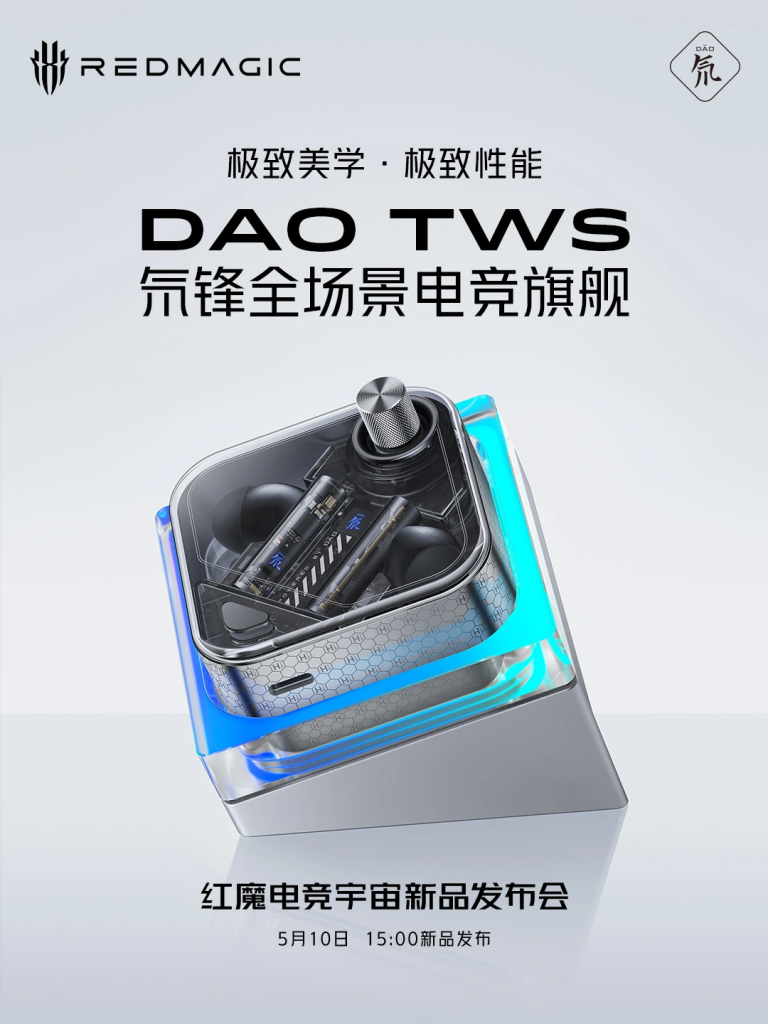
As part of the 5th-anniversary celebrations, Red Magic will launch a slew of products for e-sports applications. The lineup includes TWS headsets with a Gallium Nitride (GaN) charger with 150W charging support. The devices will be launched on May 10 and the slogan for the 5th anniversary is: Forever ‘5’ will never end.
Red Magic showcased the products in an official warm-up content released this week. The company has unveiled a slew of accessories and peripherals recently, with more products slated for release. The line-up of products to be unveiled includes mice, keyboards, cooling back clips, monitors, and the Deuterium front charging device. The gaming headset provides strong wireless and audio capabilities while the charger has four interfaces.
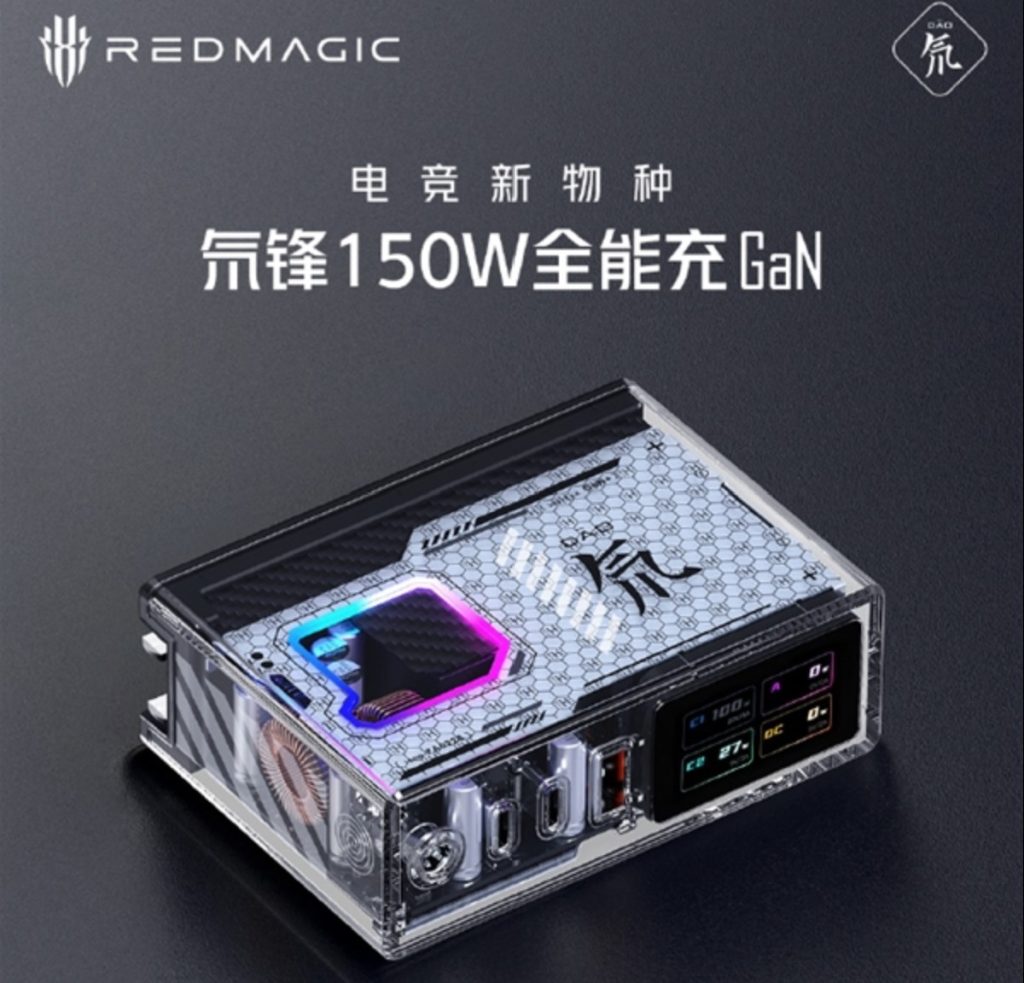
On its part, the Red Magic Deuterium Front 150W GaN charger features a transparent casing. The ports in the all-in-one GaN charger include a DC and 1A2C. The GaN charger also has a screen to view operational progress including charging speed, and temperature of the charger. The device also uses a retractable prong design making it ideal for use as a travel charger.
There are several optics about the new lineup of e-sports accessories scheduled for release on May 10. It is expected that Red Magic will provide more details about the performance of these new e-sports products. The pricing and global availability details of the new products are also lacking at this time.
As stated earlier, the launch event for the Red Magic e-sports accessories is slated for May 10.
US sanctions on semiconductor exports to China have minimal effect on the industry as companies are creating different variants of microchips, especially for the Chinese market.
As part of a deliberate effort to stifle China’s domestic semiconductor industry, the US has been gradually limiting the access of Chinese companies to advanced chipmaking technologies. The sanctions bar US companies like Nvidia Corp and Advanced Micro Devices Inc from exporting the latest chips to China.
However, Nvidia Corp and other technology giants facing strict US sanctions have managed to overcome the restrictions by producing customized versions of their chips exclusively for the Chinese market.
According to a Reuters report, these chips are not cutting-edge and may take 10% to 30% longer to perform certain AI tasks, potentially doubling the costs compared to Nvidia’s top-performing chips in the US. Despite the reduced speed of Nvidia’s chips designed for the Chinese market, they still provide a significant upgrade for Chinese companies.
Nvidia is currently providing its H800 chips to some of the biggest technology companies in China, such as Tencent, Alibaba Group Holding Ltd, and Baidu Inc, for their use. Nvidia has stated that the U.S. government’s intention is not to damage competition or American industry and that U.S. firms are permitted to offer products for commercial purposes, such as providing cloud services to consumers.
What are the major US Sanctions?
The US has implemented two types of sanctions on semiconductors. Firstly, they have imposed a limit on a chip’s ability to perform exceptionally accurate calculations, with the intention of curbing the creation of military-focused supercomputers. Secondly, there is a constraint on chip-to-chip transfer speeds, which has an impact on artificial intelligence. For instance, technologies like ChatGPT rely on models that are too vast to be contained on a single chip, necessitating distribution across thousands of chips that need to intercommunicate.
The US announced controls on technologies for making advanced chips, including 14-nanometer, 16-nanometer, and even shorter-length chips, in an effort to limit China’s progress in fields such as artificial intelligence, quantum computing, and ballistic missile development. Despite these efforts, there are indications that China may have already made significant strides in producing chips smaller than 14 nm. For instance, Semiconductor Manufacturing International Corp. (SMIC), China’s biggest contract chip manufacturer, claimed to have successfully produced 7 nm chips last year, though questions remain about the sustainability of this production.
China’s Semiconductor Industry
China’s current semiconductor capabilities are not on par with those of countries like Taiwan, the Netherlands, or the US. However, since the launch of the Made in China 2025 initiative Chinese companies have made progress in different aspects of the semiconductor industry
China’s semiconductor industry comprises a diverse range of companies, including fabless semiconductor firms such as ZhaoXin, UNISOC, and HiSilicon, as well as integrated device manufacturers like Yangtze Memory Technology Corp and ChangXin Memory Technologies.
With almost one-third of the global sales, China currently holds the position of the world’s largest semiconductor market. The semiconductor industry is a significant contributor to China’s technology sector, which comprises around 30% of its GDP.
According to Cade Daniel, a software engineer at San Francisco-based start-up Anyscale, the industry had anticipated that AI models would continue to grow in size two years ago. If that were still the case, the current export restrictions would have had a much greater effect. However today, while the restrictions are noticeable, they are not as catastrophic as they could have been.
Moreover, the process of chipmaking involves the synchronization of numerous disparate resources and sophisticated technologies, including raw silicon ingots, rare earth metals, and more which cannot be easily achieved by any country.
However, China has a three-decade headstart in developing its collection of skilled chip engineers, rare earth metals, and numerous domestic suppliers. Thus despite being behind the global leaders in semiconductor technology, China has the ability to bounce back from the restrictions and compete with global leaders in the near future.
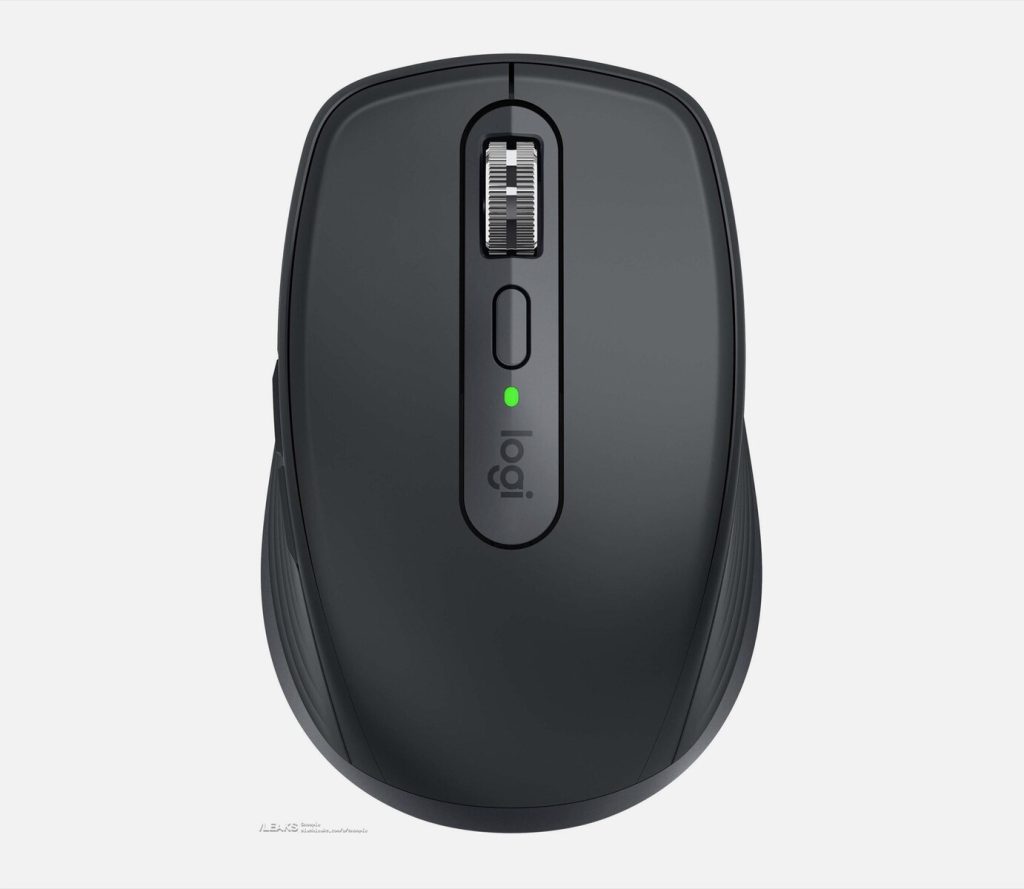
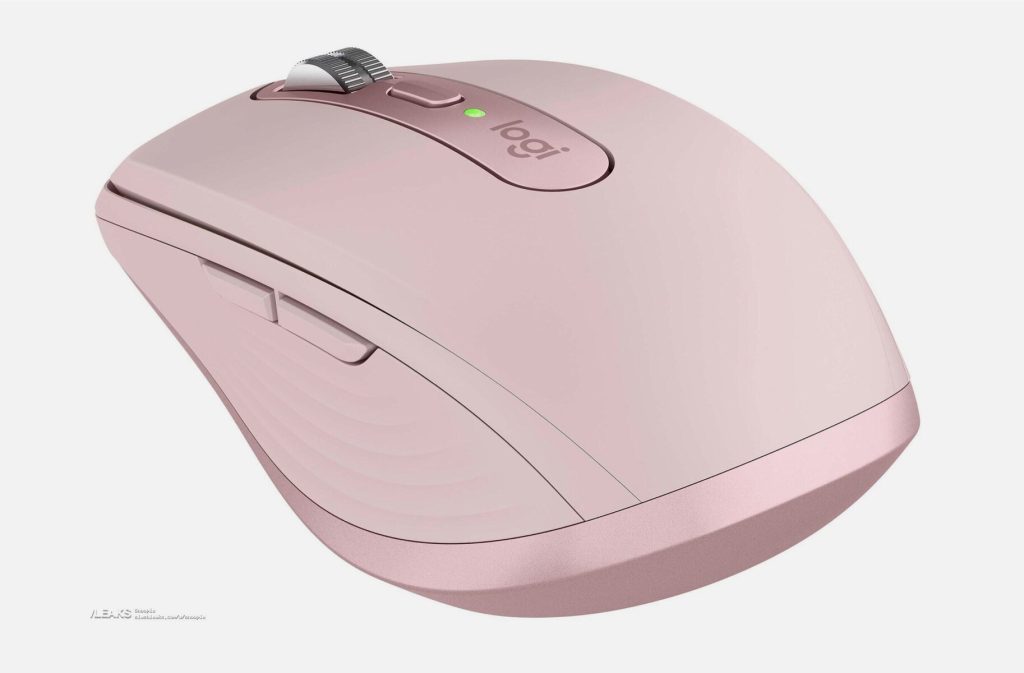
Logitech may soon release the MX Anywhere 3S wireless mouse. The mouse sports a compact and premium design and will be reportedly available in three colors.
The Logitech MX Anywhere 3S will likely be available for Mac and Windows devices. It reportedly features a more precise sensor than the previous Logitech offering according to the leaker. Tipster @snoopytech shared the details about the accessory but no specifics are available on the launch date. The previous iteration of the MX series of Logitech mice was the MX Anywhere 3.
As per the leaked images of the MX Anywhere 3S, it bears a strong resemblance to the MX Anywhere 3 model, at least visually. It has a USB Type-C port, a quick switch button, two side buttons, and a top-mounted button for adjusting the scroll wheel. The device can pair with up to three devices, as its predecessor. The connectivity option is expanded with the Logitech Nano USB receiver for an alternative wireless connection.
The upcoming Logitech MX Anywhere 3S will deliver a battery life of 70 hours on a single charge. The device also will retain the 500mAh battery capacity of its predecessor. The new mouse will however deliver more precise pointer control due to the new and improved sensor. The new pointer sensor has an 8,000 DPI resolution and could be twice more powerful as the MX Anywhere 3. This may be the same sensor used in the Logitech Master 3S earlier released.
There are no official details yet about the Logitech MX Anywhere 3S mouse. It is also unclear when the device will enter the market, if indeed it is in the works. Pricing details for the new Logitech mouse are also not available yet.
Lenovo continues to expand its product lineup, particularly with the Xiaoxin brand, which has caught the attention of gamers. The company recently introduced the K3 mechanical keyboard. Now, Lenovo has announced that pre-orders for this keyboard will be available, with official sales beginning on May 7th at 10 AM. The keyboard is priced attractively at 199 Yuan (approximately $30). Here are the details…
Lenovo Xiaoxin K3 Mechanical Keyboard: Three Color Options, New Custom Switch Design, and Triple-Mode Connectivity
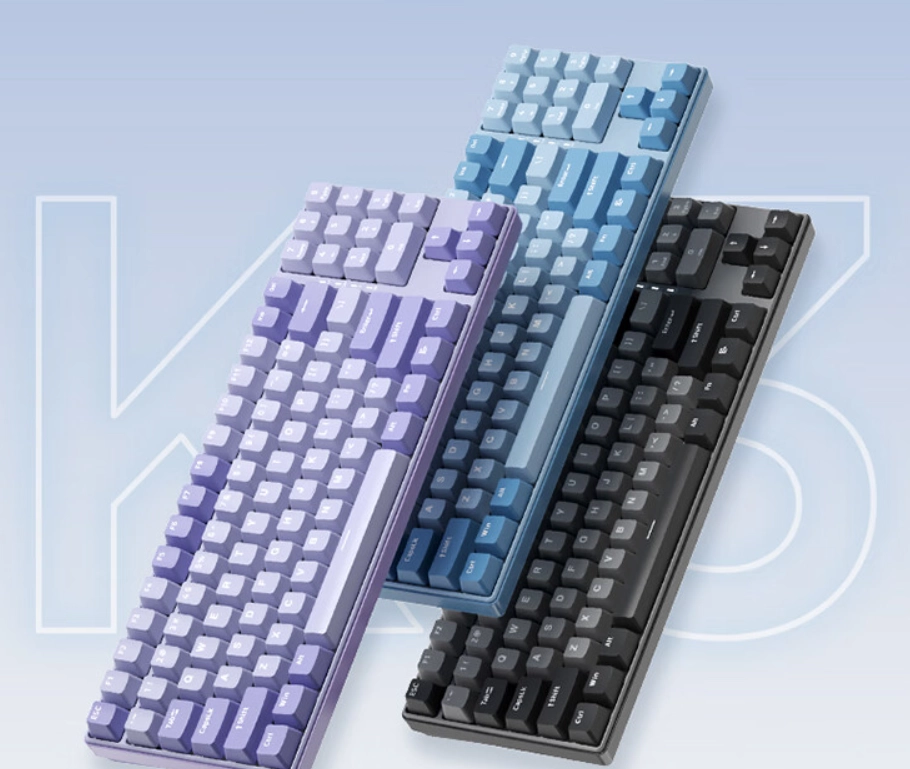
Lenovo has announced the launch of its Xiaoxin K3 mechanical keyboard, which will be available for purchase at 10:00 AM on May 7th, with a retail price of 199 yuan. The Xiaoxin K3 mechanical keyboard features three color options – Misty Purple, Sky Blue, and Twilight Deep Gray. It has a compact design, with a 91-key layout that optimizes the size of the numeric keypad, reducing the overall keyboard size by over 20%.
The keyboard uses a step-like key arrangement, with OEM height paired with a two-stage adjustable footrest, making it more ergonomic for users. The K3 mechanical keyboard is equipped with a custom “Xin jumping switch”. The Lenovo Xiaoxin K3 mechanical keyboard features double-shot injection-molded ABS keycaps and supports Bluetooth, 2.4G, and wired triple-mode connectivity.
It has a battery capacity of 3000mAh and is compatible with both Windows and macOS systems. The keyboard also offers eight white light effects, weighs 908.5g, and measures 356.25mm x 124.75mm x 42mm.
Xiaoxin K3 Mechanical Keyboard
Details
Switch
Custom Xiaoxin switch
LED
White light, 8 lighting effects
Key Rollover
Full-key rollover
Weight
Net weight 908.5g
Connection Methods
2.4G + Bluetooth + Wired
Keycaps
ABS material, double-shot injection molding
Number of Keys
91
Dimensions
356.25mm x 124.75mm x 42mm
Package Contents
Keyboard main body, user manual, power cord, receiver
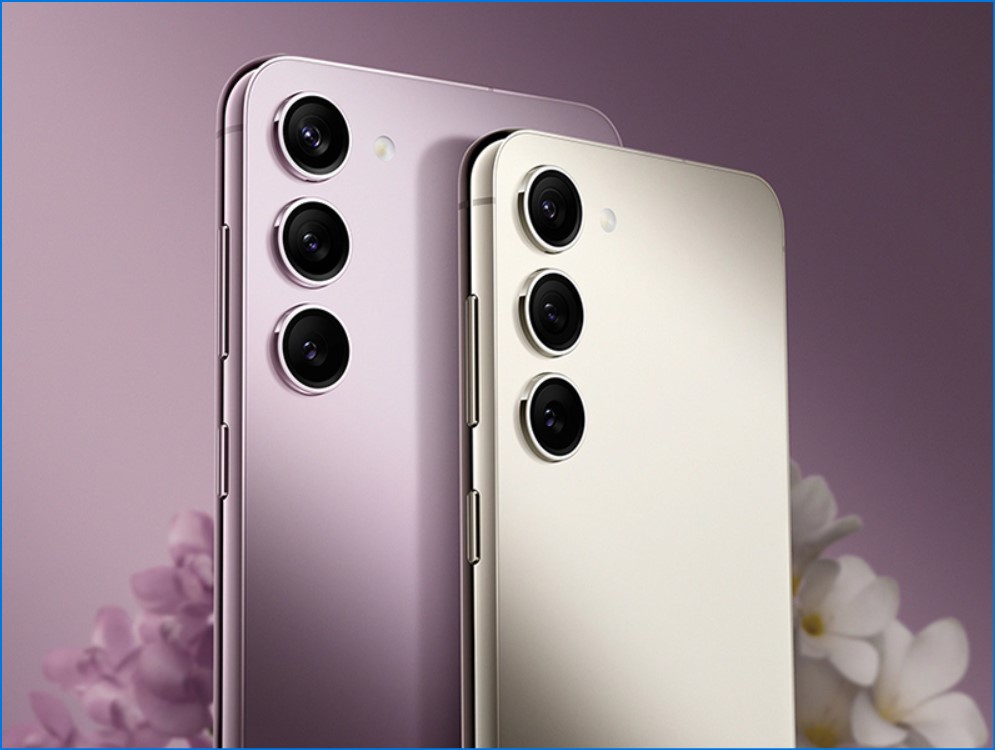
SamsungGalaxy S23 smartphone has got an incredible deal exclusively in China. Customers in China can take advantage of a discount of up to CNY 800 (~$115) on the purchase of the Galaxy S23, along with a free pair of Galaxy Buds2 headsets and other freebies.
The Samsung Galaxy S23 was initially launched in China in February with a price tag of CNY 5699 (~$823) for the 8GB+256GB variant. However, customers can now purchase the device at a significantly reduced price of CNY 4899 (~$708) for the same variant. The device is currently being offered a CNY 800 discount via China’s JD.com e-commerce platform. To avail of this offer, users can first collect a CNY 300 (~$43) discount coupon from their Jingdong account and pair it with a CNY 500 (~$72) payment discount coupon.
By combining both coupons, customers can purchase the 8GB+256GB variant for just CNY 4899 during this limited-time offer. Moreover, users who purchase the device during this deal will also receive a free Samsung Galaxy Buds2 headset worth CNY 599 (~$86), a Samsung 45W mobile charger worth CNY 149 (~$21), and a year of screen damage insurance worth CNY 167 (~$24).
Indeed, this offer is a great opportunity for customers in China who have been considering purchasing the Samsung Galaxy S23. Additionally, the JD.com e-commerce platform will hold a random lottery among the buyers of the device during this sale, with the winners receiving CNY 100 (~$14) in their account. However, please note that this is based on a random lucky draw and is not guaranteed.
The offer is exclusively available for online purchases via JD.com and is limited to customers in China. Customers are eligible to purchase only one device at the discounted price, subject to availability.
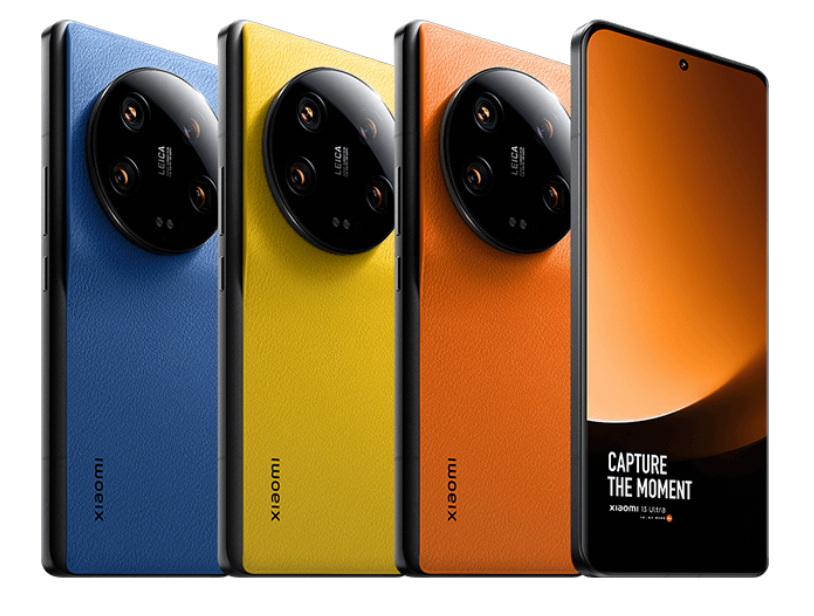
Xiaomi recently introduced new color variants of its top-of-the-line Xiaomi 13 Ultra smartphone in China. It is the most powerful smartphone ever introduced by the brand, offering specifications like Qualcomm Snapdragon 8 Gen 2 chipset, a 6.73-inch 120Hz QHD+ AMOLED display, and a quad rear camera setup with a 1-inch Sony sensor.
The brand is now rolling out a new software update for the Xiaomi 13 Ultra. The latest update comes under the build number MIUI 14.0.11.0 TXACNXM. The update weighs around 134 MB in size. It has been rolled out to the users on the stable channel and if you have not received the update yet, you can check it by heading over to Settings >> About Phone >> Software update.
The changelog mentions that some camera-related features and optimizations have been added to the device. This update brings some improvements and fixes to the camera app, especially for the street shooting mode. Users can now enjoy a better focus distance UI style, a higher quality of photo shooting in some scenes, and more convenient access to the street shooting mode system settings in the camera settings.
The update also changes the camera watermark switch to a drop-down menu, making it easier to toggle on and off. Here’s the complete change log of the update (translated from Chinese).
Optimized the focus distance UI style of street shooting mode
Improved the quality effect of some scenes and improve the quality of photo shooting
Newly added street shooting mode system settings
Camera watermark switch adjusted to the drop-down menu
The smartphone has the brightest display to date with a 6.73-inch 120Hz QHD+ AMOLED screen that offers a 1,440p screen resolution and a maximum peak brightness of 2,600 nits. The device’s internal processor is a Qualcomm Snapdragon 8 Gen 2 chip.
On the rear of the smartphone is a Leica Vario-Summicron lens. The primary camera sensor is a 50MP Sony IMX989 measuring 1 inch, with an adjustable aperture range of f/1.9 to f/4.0. Along with two 50MP Sony IMX858 telephoto lenses, there is also a 50MP Sony IMX858 f/1.8 ultrawide sensor with a 122-degree field of view. Additionally, it boasts a 32MP front-facing camera for selfies and video calls.
The phone comes with the latest Android 13 OS and MIUI 14 customized user interface. It is equipped with a 5,000mAh battery that supports 90W wired charging and 50W wireless charging.
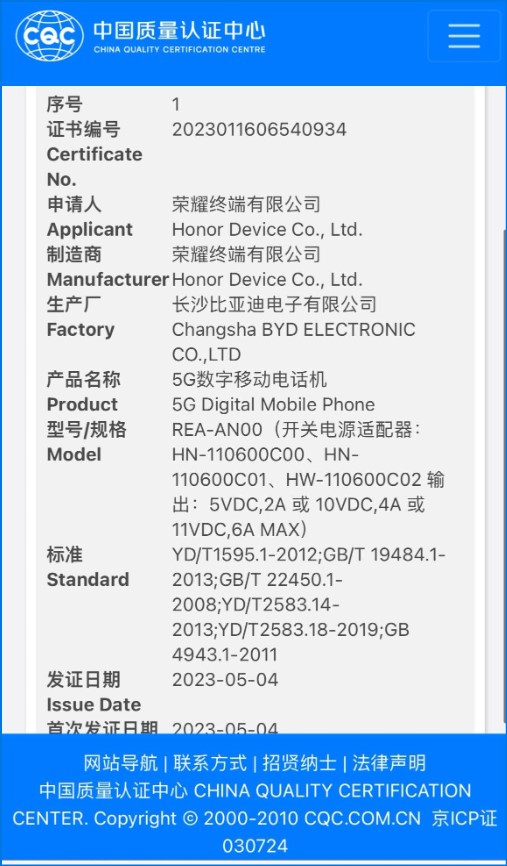
Honor, the former sub-brand of Huawei, has been spotted on the website of the China Quality Certification (CQC) center with its upcoming smartphone, the Honor 90. The listing has unveiled some details and features of the device, indicating that it is likely to launch in the near future. The gadget will launch alongside the Honor 90 Pro smartphone.
According to the CQC listing, the Honor 90 will have a model number REA-AN00 and will support 5G connectivity and 66W fast charging. The Honor 90 is expected to hit the market in the coming weeks, and fans are eagerly awaiting its release. Apart from this, the website does not reveal any further information regarding the device.
On Weibo, a Chinese source has earlier claimed that the next Honor 90 may debut there by the end of May. According to him, the series would incorporate significant camera department enhancements and learn from the faults of its forerunner. According to rumors, the Honor 90 smartphones have optical image stabilization (OIS) to lessen camera shake in videos. Upgrades to video recording and image processing may also be made.
As per previous reports, the Honor 90 Pro is set to feature a SK5HP3 main camera. The Honor 80 Pro, which was launched earlier, featured a 160-megapixel primary camera that was essentially a customized version of Samsung’s 200-megapixel SK5HP3 camera sensor. Therefore, it is highly probable that the Honor 90 Pro will retain the same 160-megapixel primary camera as its predecessor.
The series was previously listed on MIIT as well. The MIIT website has listed the model numbers of the devices as REA-AN00 for the Honor 90 and REP-AN00 for the Honor 90 Pro.
Honor has established its presence in the foldable category with the launch of two smartphones thus far. The latest addition to the brand’s lineup is the Magic Vs, which introduces several noteworthy features such as a gearless hinge, a durable build, and a powerful processor. Furthermore, Honor is actively developing the successor to this device, known as the Magic V2. Recently, a notable tipster shared interesting details about the display of the upcoming foldable smartphone.
It might also get a Powerful Processor & a 5000mAh Battery
According to tipster Digital Chat Station, the upcoming Honor Magic V2 will use a custom-made new substrate 2K LTPO panel with high-frequency dimming. This is a significant upgrade over the Magic Vs, which uses an OLED panel. Furthermore, the new phone is tipped to be equipped with the Snapdragon 8 Gen 2 mobile platform.
It may feature a 2840mAh+2060mAh high-density dual-cell battery, which is good to see on a foldable. Additionally, the device could support 66W wired fast charging and 50W wireless charging.
Other details about the foldable, including its launch date, are still anyone’s guess. However, considering that the upcoming handset will feature an improved display and processor, it appears to be a significant upgrade over its predecessor. In comparison, the original Honor Magic V is equipped with a Qualcomm Snapdragon 8 Gen 1 chip.
It sports a 7.9-inch OLED folding screen internally and a 6.45-inch OLED screen with a resolution of 2560×1080 and a refresh rate of 120Hz externally. Additionally, the Honor Magic V is powered by a built-in 4750mAh battery and supports 66W wired charging. It remains to be seen if the new device will also bring some improvements in the camera and design department. Stay tuned for the updates.
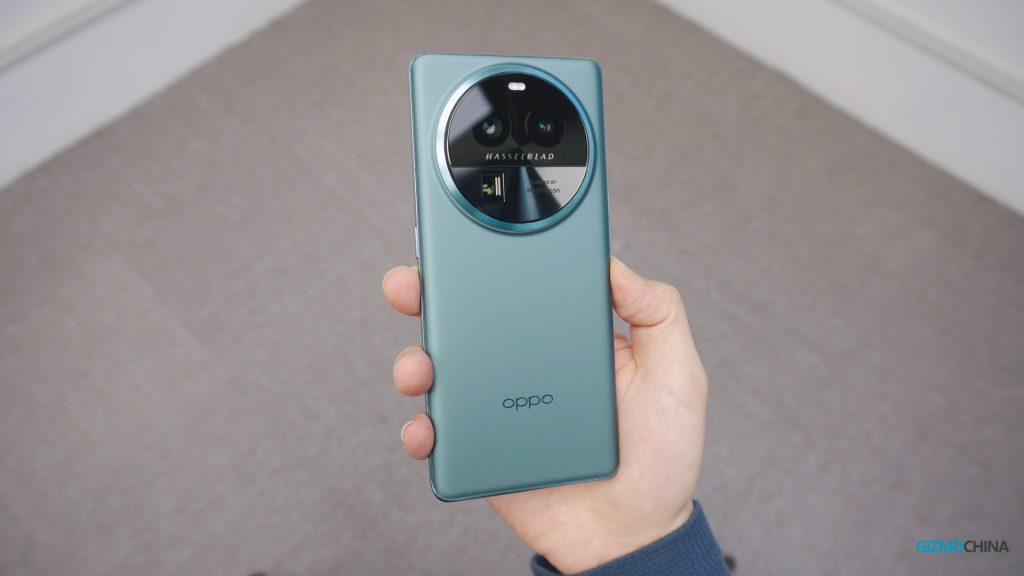
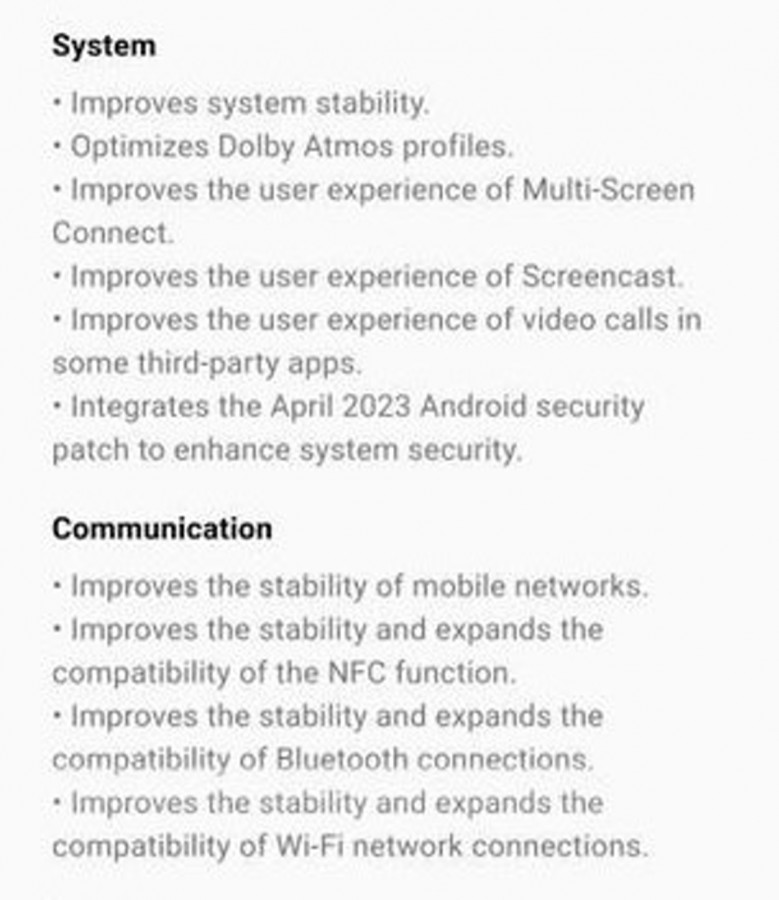
The Oppo Find X6 Pro is the company’s latest flagship, which boasts one of the best cameras available. Like many flagships launched this year, the handset features a 50MP primary camera with a 1″ Sony sensor. The full-fledged cameraphone already captures amazing pictures, but Oppo aims to enhance the experience even further. The company has released a major update for the phone, which brings camera improvements, communication fixes, and the May security patch.
Find X6 Pro’s Cameras just got better
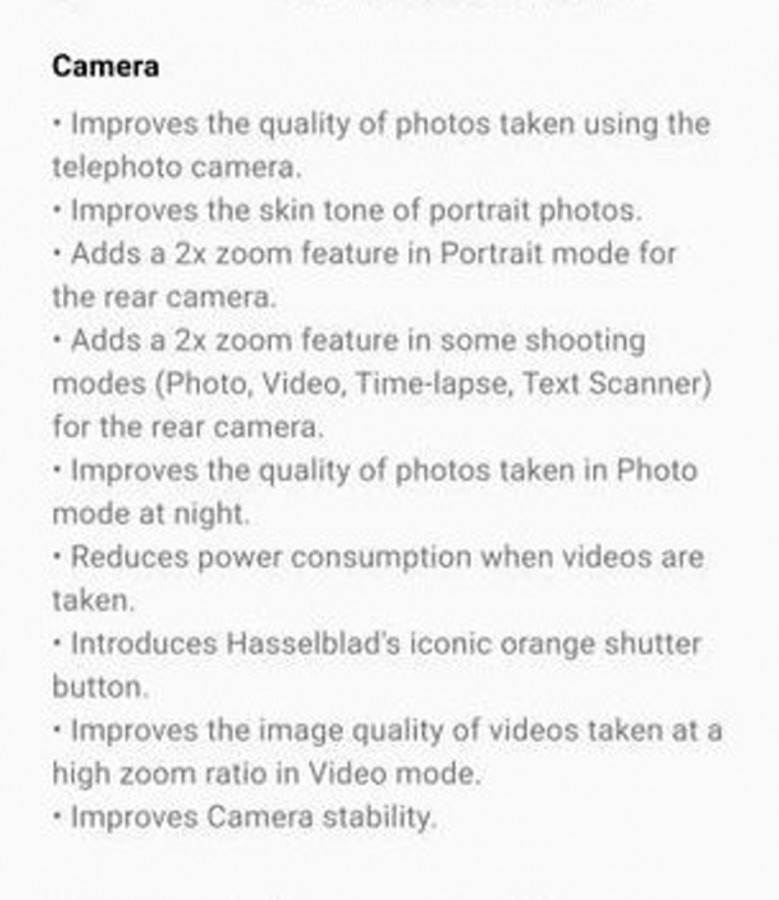
As reported by folks over at GSMArena, the Oppo Find X6 Pro is picking up a new update, which comes with major improvements. It enhances the user experience in the Multi-Screen Connect, Screencast, and some third-party apps. Further, the update brings several improvements to the camera, including enhancing the quality of photos taken using the telephoto camera and improving the skin tone of portrait photos.
Additionally, a 2x zoom feature has been added in Portrait mode for the rear camera, as well as in various shooting modes such as Photo, Video, Time-lapse, and Text Scanner. The update also enhances the quality of photos taken in Photo mode at night and reduces power consumption when capturing videos. Furthermore, Oppo has introduced Hasselblad’s iconic orange shutter button for a more intuitive shooting experience. The image quality of videos taken at a high zoom ratio in Video mode has also been improved, along with overall camera stability.
You may check other changes in the screenshots of the Changelog shared by the outlet:
As mentioned earlier, Oppo Find X6 Pro is one of the best cameraphones out there. We tested its prowess in our detailed review, which you can read here. We have also embedded our video review below for your convenience (You’re welcome).
Microsoft continues to work on enhancing and improving Windows 11. In fact, the company recently announced that they have stopped working on Windows 10 to solely focus on this situation and that the operating system will receive its final update. It seems that this decision is starting to bear fruit. Microsoft is now concentrating on enhancing the Photos app in Windows 11, adding slideshow and spot removal functionalities. Here are the details…
Windows 11 Photos App Update: Introducing Image Slideshows and Spot Removal
Windows 11 continues to improve with each passing day. However, what makes an operating system successful is its app support and how well it runs those applications. For this reason, Microsoft is determined to deliver excellent performance and introduce new features within its apps. In line with this commitment, the company is now focusing on enhancing the Photos app by integrating slideshow and spot removal functionalities.
Slideshow
The new Slideshow Feature on Windows 11 Photos App allows users to view a collection of photos and videos, complete with captivating animations, transitions, and looping. To further personalize the experience, users can add background music, choosing from various themes such as Chill, Fun, Energetic, and Sentimental. User-friendly controls like play/pause, previous image, and full-screen view are also available.
Timeline
A while ago, Microsoft made a significant mistake by removing the timeline feature from the Photos app in Windows 11. However, this feature is quite important for many people. Fortunately, the new update brings this feature back. The returning timeline allows users to view their library of images and videos chronologically. As a result, users can more easily find their photos by checking specific date ranges.
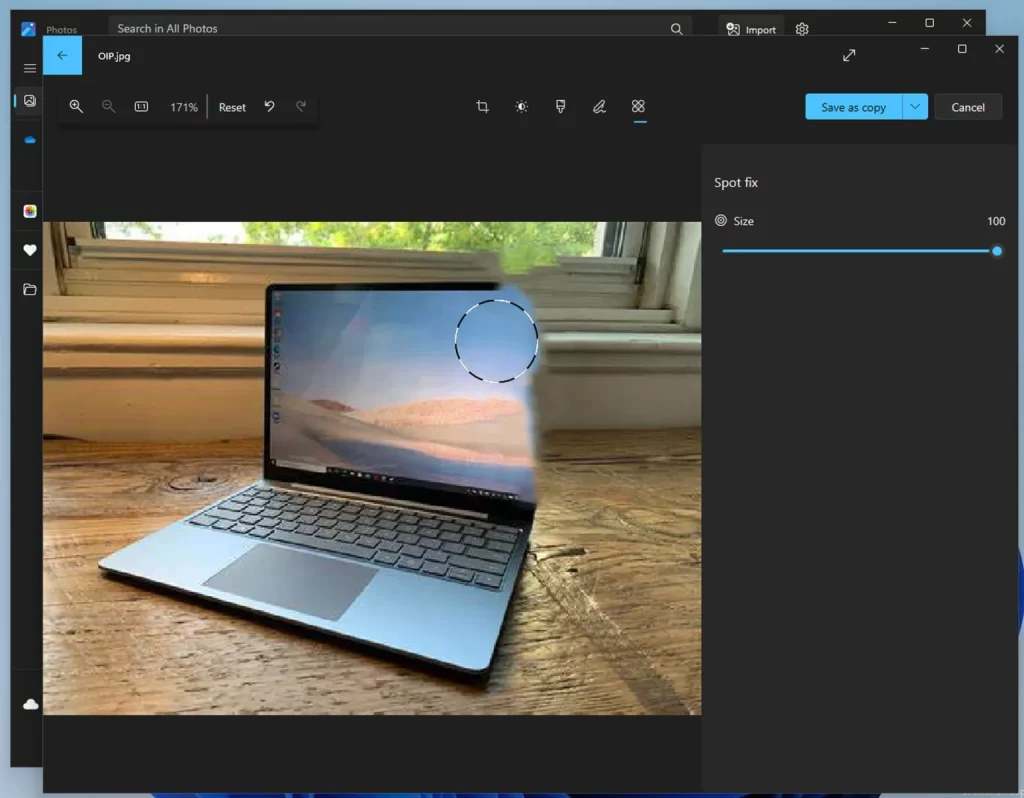
Spot Removal
The photos we have serve as the biggest reminders of our precious moments in the past. However, photos don’t always provide the best representation of these valuable memories. The odd-looking man in the background, the Starbucks cup disrupting the harmony of the entire scenery, or an object that shouldn’t be there at the time, all reduce the quality of your photos. The Windows 11 Photos app now includes a tool for removing blemishes or unwanted objects from images. This way, you can now remove these unwanted objects from your life.
Note: These features are currently in the testing phase and only available to a limited number of users. It is expected to be available to everyone in the coming periods.
Microsoft wants to improve Xbox Game Pass as a platform for gamers, and as part of this effort, the company has announced a new program. This program enables existing PC Game Pass and Game Pass Ultimate subscribers to share 14-day trials with up to five friends. The free trial will include everything available in PC Game Pass, including EA Play and the Riot Games perks.
Microsoft introduced a new Referral Program for PC Game Pass
As shared by the company through Xbox Wire, the Xbox Game Pass Friend Referral program will let Game Pass Ultimate and PC Game Pass members give up to five friends a free 14-day PC Game Pass trial. The company notes that the invited friends must be new to Game Pass to redeem the free trial.
The free trial offers all the benefits of PC Game Pass, including access to new titles from Xbox Game Studios on the day of their release, an EA Play membership, and the ability to play popular PC and mobile games from Riot Games on PC. Invited friends will have the opportunity to link their Riot Games account and Xbox profile, unlocking titles such as Valorant, League of Legends, Teamfight Tactics, and Legends of Runeterra.
To access Friend Referral invitations for sharing Game Pass, simply navigate to the Game Pass Home screen in the Xbox App on Windows. There, you will find a “Give PC Game Pass” button. Click on it to initiate the sharing process and invite your friends to join. Do note that after using your five referrals, you won’t get any more until they reset on January 1.
Apple Arcade is the Cupertino-based tech giant’s premium gaming subscription service. The brand has announced 20 new games for its mobile phone experience. These are an addition to the already existing list of over 200 titles that can be accessed by up to six family members. Some popular games have also moved to Arcade from the App Store. Check out the list of the latest games below.
TMNT Splintered Fate, Disney SpellStruck, What the Car? and Cityscapes: Sim Builder are four new games out of the above list. These are only available via Apple Arcade.
Apple Arcade gaming service offers incredibly fun games with no ads and in-app purchases. Every game is playable offline and most have support for controllers. Since the games are compatible across iPhone, iPad, Mac, and Apple TV, users can easily pick up where they left off in a game on any of the devices. The gaming subscription service is priced at $5 monthly or $60 annually with a one-month free trial. Additionally, customers who have purchased a new iPhone, iPad, Mac, or Apple TV receive three months of Apple Arcade for free.2
We use cookies on our website to give you the most relevant experience by remembering your preferences and repeat visits. By clicking “Accept”, you consent to the use of ALL the cookies.
This website uses cookies to improve your experience while you navigate through the website. Out of these, the cookies that are categorized as necessary are stored on your browser as they are essential for the working of basic functionalities of the website. We also use third-party cookies that help us analyze and understand how you use this website. These cookies will be stored in your browser only with your consent. You also have the option to opt-out of these cookies. But opting out of some of these cookies may affect your browsing experience.
Necessary cookies are absolutely essential for the website to function properly. This category only includes cookies that ensures basic functionalities and security features of the website. These cookies do not store any personal information.
Any cookies that may not be particularly necessary for the website to function and is used specifically to collect user personal data via analytics, ads, other embedded contents are termed as non-necessary cookies. It is mandatory to procure user consent prior to running these cookies on your website.