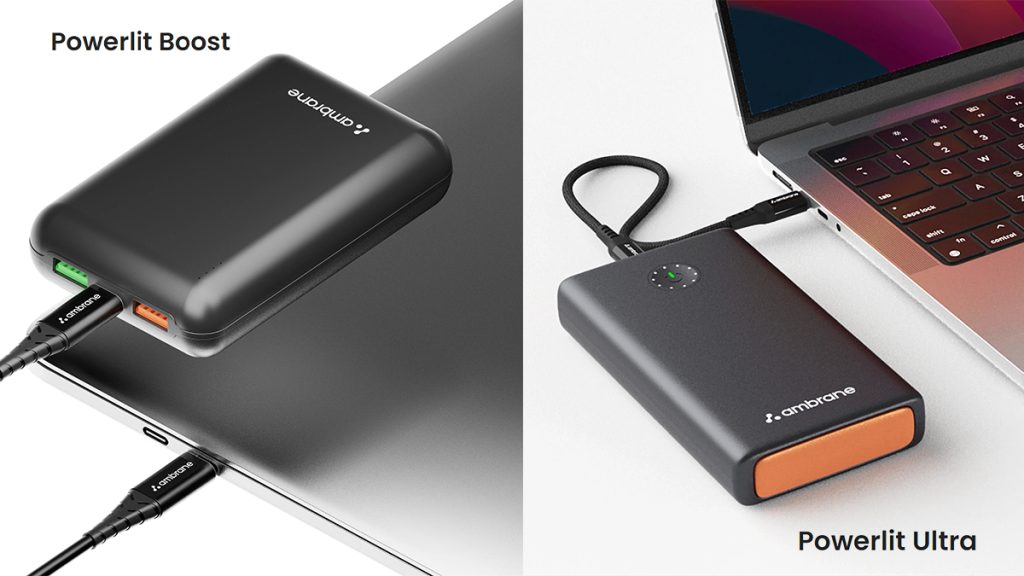
Ambrane has launched two new power banks in India. The latest offerings are dubbed the Powerlit Ultra and Powerlit Boost. Both are high-capacity charging accessories designed for laptops and anyone who is always on the go. The Powerlit Ultra is the more premium among the two devices. Read on to know more about the devices below.
Ambrane Powerlit Ultra, Boost specifications
Both the Ambrane Powerlit Ultra and Boost feature a small size, however, due to the large battery capacity the former is more bulky than its counterpart. The Ultra also features 11 smart LED indicators. Both power banks are equipped with multiple layers of chipset protection for durability and reliability. They are also BIS-certified.
The Ambrane Powerlit Ultra has a massive 25,000mAh battery capacity whereas the Powerlit Boost is equipped with a 14,400mAh cell. The charging accessories come with two USB ports and one Type-C port. The former is capable of outputting power at 22.5W speed on both devices. Meanwhile, the USB-C port on the Powerlit Ultra and Boost feature support for 100W and 60W charging speeds respectively. Both devices come with power delivery and quick charge 3.0 technology. The charging accessories are capable of refueling Type-C-compatible laptops and MacBooks.
The Ambrane Powerlit Ultra is offered in Classic Black while the Boost comes in Black and Green colours. The former carries a price tag of Rs 4,999 whereas the latter is priced at Rs 3,999. Both devices can be purchased from the brand’s official website and Flipkart starting today.
The Poco F series of smartphones has been making waves in the mobile industry since its inception. The series is known for its high-end specs, sleek design, and affordability, making it a popular choice among smartphone enthusiasts. The Poco F1, the first device in the series, was launched in 2018 and was well-received by consumers and critics alike.
It was praised for its flagship-level specs and low price point, which was made possible by Poco’s cost-cutting measures. Since then, the Poco F series has continued to impress with each new iteration, offering top-of-the-line hardware and features at an affordable price. With the upcoming release of the Poco F5, expectations are high, and fans are eagerly awaiting its arrival. Let’s dive into what we know about the highly anticipated Poco F5 smartphone, based on the leaks and rumors circulating online.
Design & display
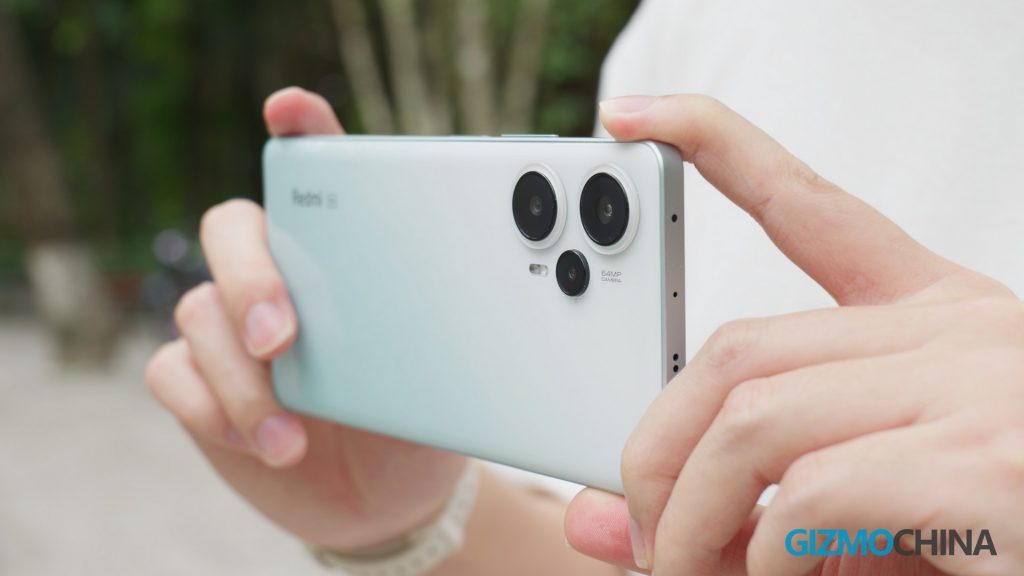
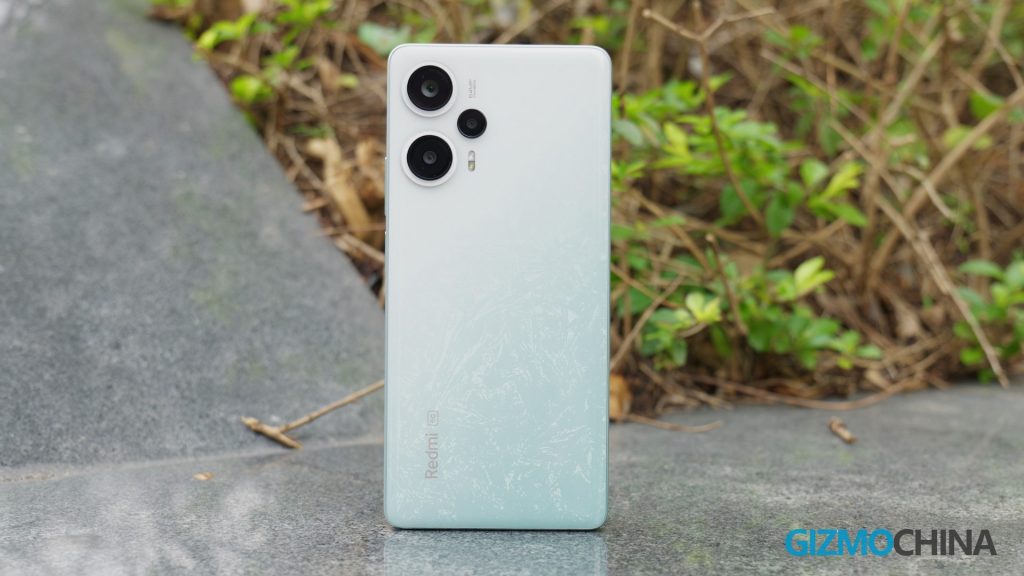
Recent reports suggest that the Poco F5 is essentially a rebranded version of the Redmi Note 12 Turbo, which is exclusive to the Chinese market. The F5 is expected to share the same design as the Note 12 Turbo, featuring a boxy frame with a curved back for a comfortable grip. The back of the device is expected to have three separate camera lenses arranged in a clean and minimalistic design, with a small opening for the LED flash.
Redmi Note 12 Turbo Snowstorm White
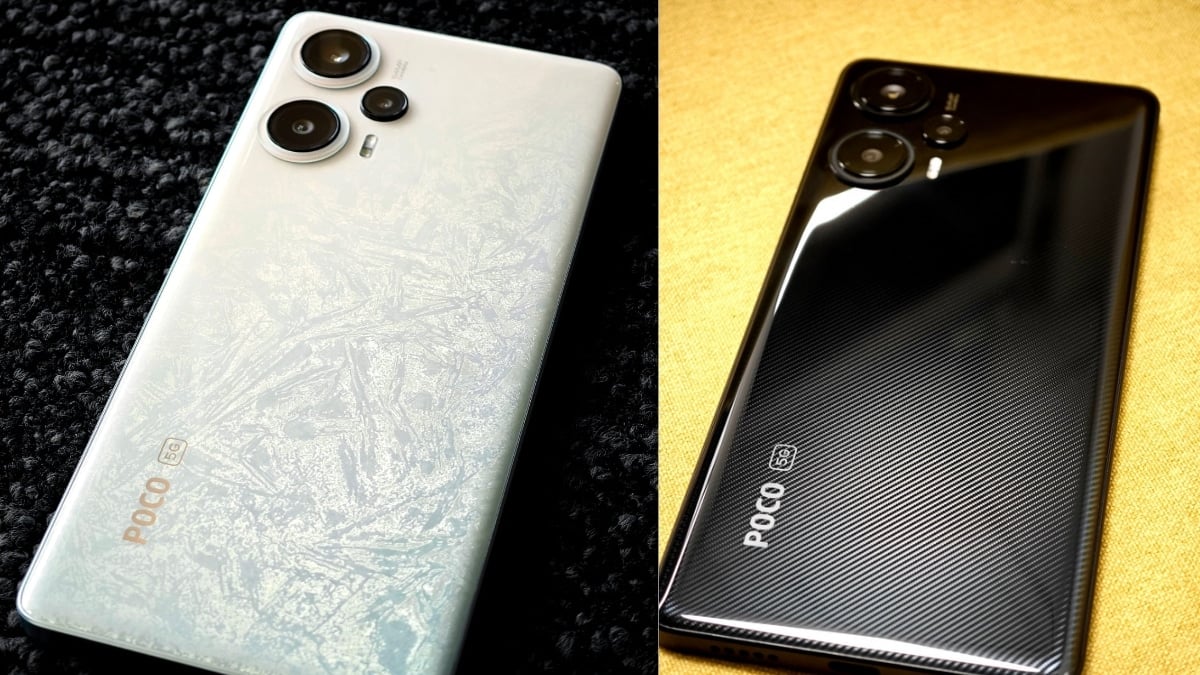
In addition to the sleek and minimalistic back design, Poco is set to introduce a distinct Snowstorm White color variant that has generated considerable excitement among netizens in anticipation of the device’s release. This option boasts a frost pattern design, combining hues of white and blue to create the effect of an icy surface. The lenses are also painted white, meshing well with the overall design.
Poco F5 official live image
However, if you are not a fan of the Icy looks of the Snowstorm White color, Poco has you covered with a minimalistic Carbon Black color option, which features a carbon fiber-like pattern.
According to recent reports, the upcoming POCO F5 is expected to feature a generously sized 6.67-inch AMOLED display, complete with a 120Hz refresh rate and a punch-hole camera located at the front. The device’s display is said to boast a sleek design, featuring slim bezels and an impressive 93% screen-to-body ratio.
Performance
The Poco F5 will be powered by the Snapdragon 7+ Gen 2 SoC. For those unaware, the Snapdragon 7+ Gen 2 is a recently unveiled powerful and efficient System-on-a-Chip (SoC) from Qualcomm. Built on a 6nm manufacturing process, it features an octa-core CPU with Kryo 670 cores and an Adreno 642 GPU, delivering high performance for demanding applications. It also supports 5G connectivity and features an integrated AI engine for enhanced user experiences.
Leaked benchmark results on the upcoming Poco F5 smartphone have revealed impressive performance scores on both Geekbench 6 and AnTuTu. According to the Geekbench 6 benchmark test, the device scored 1629 points in the single-core test and 4295 points in the multi-core test, indicating that the F5 will be capable of handling demanding applications and gaming with ease. Meanwhile, the AnTuTu benchmark test of the F5 has reportedly yielded nearly one million points, a testament to the device’s powerful Snapdragon 7+ Gen 2 SoC.
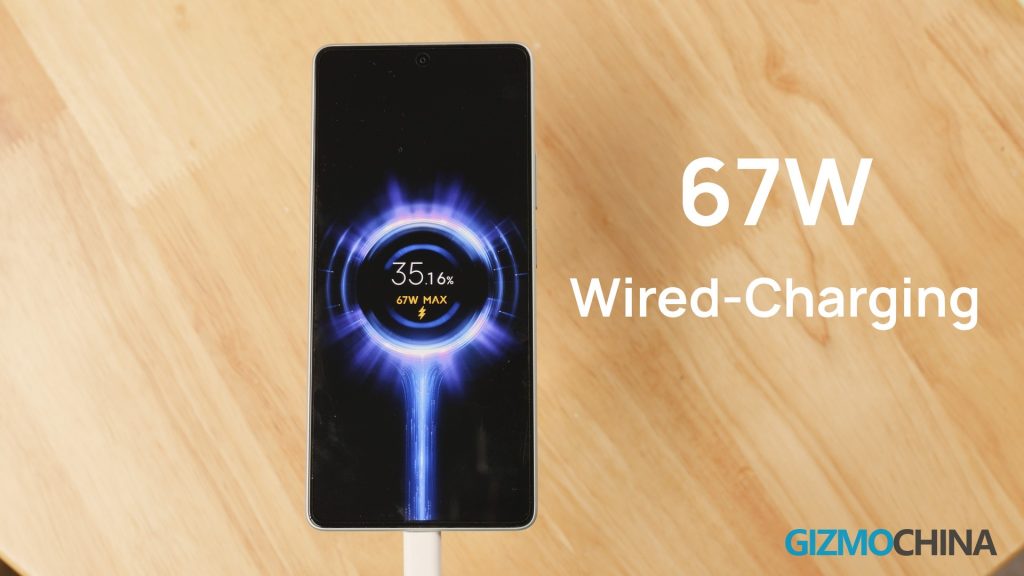
Additionally, Poco India head Himanshu Tandon has hinted at a possible 5000mAh battery with 67W fast charging support. The F5 5G is expected to be available in a base variant with 8GB of RAM and 256GB of storage, with the possibility of a 12GB RAM option. The device is set to run on Android 13 out-of-the-box with a layer of MIUI 13 on top.
Camera
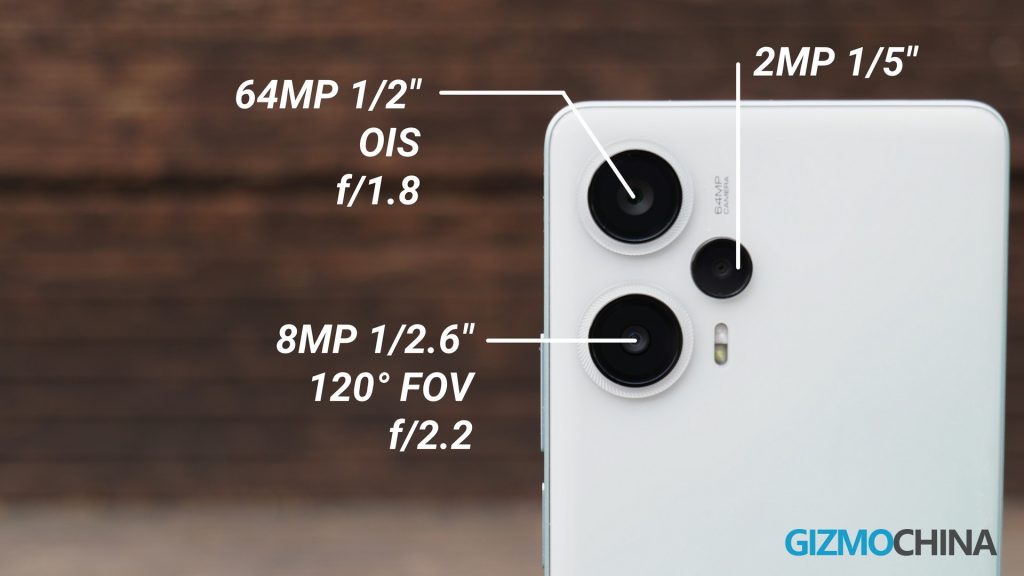
Rumor has it that the POCO F5 will feature a triple camera setup on the back panel, with a 64MP primary camera sensor, an 8MP ultra-wide-angle lens, and a 2MP macro sensor. This camera system promises to capture high-quality photos and videos. Meanwhile, on the front, the device is expected to come with a 16MP selfie camera that will allow users to capture great self-portraits and videos. Given that the POCO F5 is expected to sport the same camera setup as the Redmi Note 12 Turbo, interested users can refer to our brief review and camera samples of the latter to have an idea of what to anticipate from the F5’s camera system.
Expected Pricing
Reports have stated that the Poco F5 will debut in India with a price tag below Rs. 30,000 (~$367). In addition to that, with offers, the cost is said to be as low as Rs. 26,000 (~$318). That being said, the brand usually sells its devices cheaper in India, so other markets could expect the price to be a bit higher.
Also, check out our Poco F5 Pro roundup to find out everything that’s known about the upcoming Redmi K60 rebrand.
Samsung has devoted significant effort to the development of the upcoming Galaxy Z Flip 5 smartphone, and as we draw closer to the official launch, details about the device continue to surface. Over the past few weeks, the gadget has been the subject of numerous leaks and rumors, the latest of which has unveiled the design of its case and confirmed the presence of a larger cover screen. Furthermore, various leaks have shed light on the device’s specifications.
The renowned tipster, Ice Universe, recently took to Twitter to leak an image of the upcoming Galaxy Z Flip 5 smartphone case. The transparent case showcased in the image provides a clear view of the camera bump, which appears to be similar to that of its predecessor. However, one notable feature of the case is its larger spacing for the cover screen, further confirming that the device will indeed boast a larger cover screen compared to its predecessor.
As per the image, the cover screen covers nearly 90% of the upper portion of the flip smartphone. The design of the Galaxy Z Flip 5, as revealed by this source, appears to be consistent with the previous CAD renders of the device. Both sources depict a larger external screen with the same design.
Earlier leaks have indicated that the Galaxy Z Flip 5 will feature a 3.4-inch external screen, boasting a resolution of 720 x 748 pixels and a pixel density of 305 PPI. This represents a significant improvement over its predecessor, the Galaxy Z Flip 4, which had a diminutive 1.9-inch screen with a resolution of 260 x 512 pixels and a pixel density of 302 PPI.
The enhanced external screen on the Galaxy Z Flip 5 is expected to improve the usability and functionality of the foldable smartphone. With this larger external screen, users will be able to perform more tasks without the need to unfold the device, which can also help conserve battery life and minimize wear and tear on the hinge mechanism.
There are going to be multiple smartphone launches next week. A total of five brands have officially confirmed to debut new products in the next few days.
These companies, such as Huawei, Poco, Realme, Google, and Sony will release handsets spread across different price categories. All of these brands are expected to launch more than one phone.
All of them will be introducing new products, except Huawei. The latter will announce its already unveiled flagship handsets in global markets.
With that out of the way, let’s take at all the phones that are anticipated to go official in the forthcoming days.
Huawei has confirmed to debut the Huawei P60 series in global markets on May 9 (Tuesday). It could be accompanied by the Huawei Mate X3.
The Huawei P60 lineup includes three models, namely P60, P60 Pro, and P60 Art. All three handsets come with the same LTPO 120Hz OLED display, a Qualcomm Snapdragon 8 Plus Gen 1 chip, and a 48MP main camera with variable aperture. The Art variant has overall better specs and a unique design.
Whereas, the Mate X3 pushes the foldable smartphone category forward with a thinner lightweight design along with support for adjustable hinge and water resistance. It arrives with a 7.85-inch inner display, a 6.4-inch cover screen, a 5x periscope camera, and more.
2. Poco F5 Series
Poco F5 Pro
The Poco F5 series is also set to go official on May 9 (Tuesday). The devices will be announced at 8 PM GMT+8.
The lineup comprises two models, such as Poco F5 and Poco F5 Pro. They are nothing but rebranded Redmi Note 12 Turbo and Redmi K60 for international markets.
The highlights of the vanilla variant include a Snapdragon 7 Plus Gen 2 chipset, thin display bezels, 256GB standard storage, and more. On the other hand, the pro version will come with a QHD+ display, wireless charging, Snapdragon 8 Plus Gen 1 SoC, and more.
3. Realme 11 Series
Realme 11 Pro Plus
The Realme 11 series is scheduled to launch in China on May 10 (Wednesday) at 4 PM GMT+8. The lineup is expected to include three models, such as Realme 11, Realme 11 Pro, and Realme 11 Pro Plus.
The Pro Plus version will come with the best set of features. It will also sport a faux leather back and a circular camera island.
This device will arrive with a MediaTek Dimensity 7050 chip, a 120Hz curved display, a 200MP camera, a 5,000mAh battery, and 100W fast charging support.
4. Google Pixel 7a and Pixel Fold
The Google I/O 2023 developer conference is planned to begin on May 10. The search giant is expected to unveil the Pixel 7a and Pixel Fold at the opening keynote at 10 AM PT.
Thanks to numerous leaks, we know almost everything about these upcoming Google hardware products. The Pixel 7a will arrive with a 6.1-inch FHD+ 90Hz OLED display, Tensor G2 SoC, IP67 rating, 64MP (wide) + 13MP (ultra-wide) dual camera system, 18W charging support, and more.
While the Pixel Fold is anticipated to come with a 7.6-inch internal display, a 5.8-inch cover screen, and an approximate price tag of $1,799.
5. Sony Xperia 1 V
Sony Xperia 1 V
Sony is set to take wraps off the Xperia 1 V on May 11 at 1 PM GMT+9. It could be accompanied by Xperia 5 V.
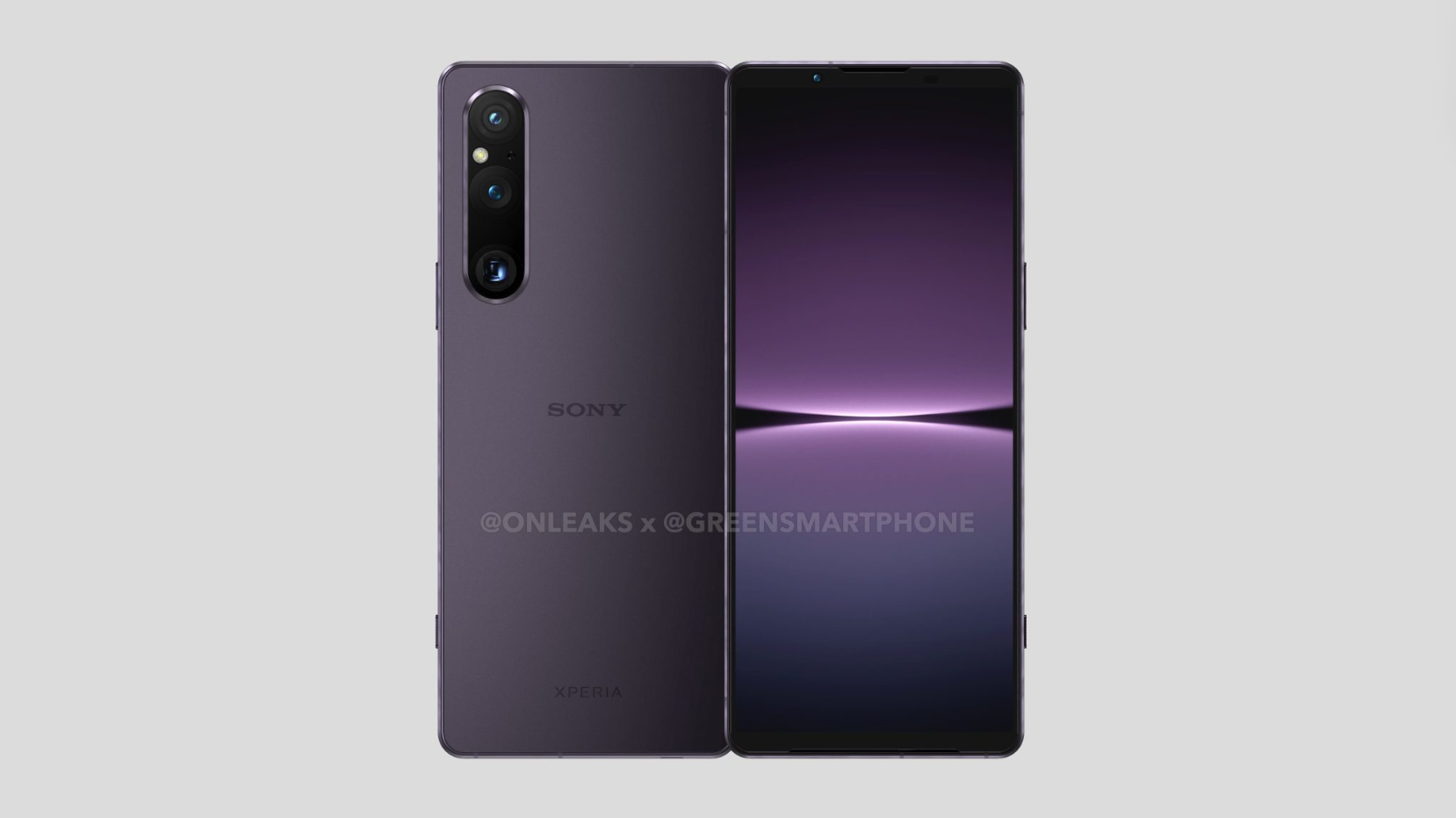
The Sony Xperia 1 V is rumored to arrive with a 4K 120Hz OLED display, a Qualcomm Snapdragon 8 Gen 2 chipset, a triple camera setup, a dedicated camera shutter, a 3.5mm headphone jack, and more.
The competition in the electric vehicle market continues at full speed. Although Tesla is a technological leader in the sector, it lags behind BYD in terms of sales. To change this situation, the company recently offered discounts on several Tesla models. Now, they have reopened orders for the long-range Model 3 after putting them on hold last August. Here are the details…
Tesla’s Long-Range Model 3 Back on Sale in US with Reduced Price and Delivery in June
In August of last year, Tesla made a shocking decision to halt sales of the long-range Model 3. The growing waiting list was cited as the reason for this decision. Tesla, founded by Elon Musk, had faced production challenges for a long time, which made waiting times seem normal. However, it was believed that the electric vehicle manufacturer had resolved this issue shortly before the pandemic. At the time, Tesla CEO Elon Musk stated that the company would resume taking orders once production capacity had increased.
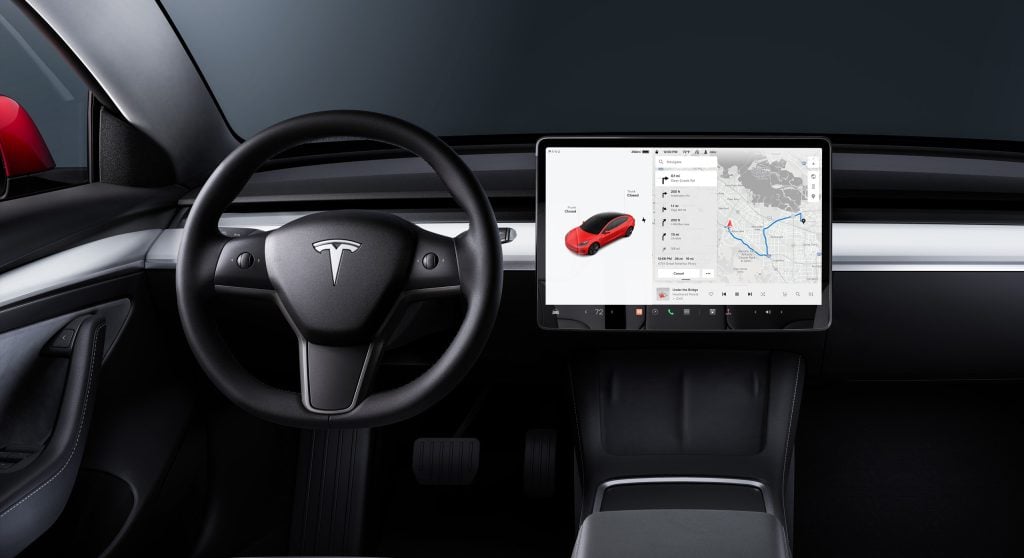
After a wait of almost nine months, Tesla has reopened orders for the long-range Model 3. The company has also reduced the price of the long-range Model 3. The starting price now stands at $47,240, a significant decrease from the previous $57,990. It’s worth noting that orders are currently open only in the United States, so prices for other regions remain uncertain for now. The online configurator currently shows an estimated delivery window of June for the long-range Model 3.
Beyond the price, another notable change is in the range. As you may know, Tesla redesigned its existing models last November. This did not result in significant cosmetic or technical changes but did provide cost and time savings in production. However, the long-range Tesla Model 3 is now listed as having a range of 325+ miles, a decrease from the previously advertised 358 miles on a single charge. This relatively small change doesn’t seem too important, considering the reduction in price.
Xiaomi launched the Xiaomi 13 Ultra (review) flagship last month. It debuted with top-of-the-line specifications. With the Leica-branded cameras and various imaging capabilities, the brand took mobile imaging to a whole new level. Apple and Huawei are strong contenders when it comes to mobile imaging. Xiaomi knows that the road is long and it needs to be polished in every detail.
Xiaomi signs contract with AAC Technologies for WLG high-lens lenses
Now in a new development, a Weibo user has stated that Xiaomi has signed a contract with AAC Technologies, a company that designs, develops, and manufactures a broad range of components that include speakers, receivers, microphones, and more. The contract agreement has been signed between the two parties to manufacture WLG high-lens lenses. With this, Xiaomi aims to take up its photographic capabilities. The next-generation Xiaomi 14 series is said to be one of the first products to benefit from the high-end lenses.
Many Xiaomi devices have used a lot of WLG glass-plastic hybrids. The Xiaomi CIVI 2 uses a WLG glass-plastic hybrid lens which comprises one WLG wafer-level glass lens and six plastic lens which delivers a larger aperture and a sharper lens. The contract with AAC Technologies is an important step in Xiaomi’s strategy for high-end smartphones. Additionally, the two companies are considered to be old partners.
Recently, Xiaomi and AAC Technologies also established the Mi and AAC camera joint laboratory which will work on new imaging technologies.
The POCO F5 series of smartphones is set to launch in the global market on May 9. We have already covered a number of rumors and leaks regarding the upcoming lineup, so here is a full roundup on everything we know regarding the higher end F5 Pro model.
POCO F5 Pro Design & Display
Based on what we know so far, the POCO F5 Pro will sport a flat display on the front while the rear features curved edges for a comfortable grip. Official teasers from the Chinese smartphone maker also revealed that it will feature carbon racing stripes on these edges while the top left corner of the rear panel houses the rectangular camera module. This module houses three image sensors, an LED flash, and even confirms OIS support on the primary rear shooter.
Meanwhile, the front sports a tall 6.67 inch AMOLED display that offers 120Hz refresh rate and 3,200 x 1440px resolution. This panel features a center aligned punch hole cutout for the selfie camera, Corning Gorilla Glass 5 protection, and an in display fingerprint scanner as well. The bottom of the device houses the speaker grille, USB Type C port, SIM card slot, and even a microphone, while the right side features the volume rockers, and power button. It is expected to offer IP53 rating for added protection and measure around 8.5mm in thickness and 204 grams in weight.
Specifications & Camera
The POCO F5 Pro is the high end model in the series and is basically a flagship grade model with top notch specs and features. It will be equipped with the Qualcomm Snapdragon 8+ Gen 1 SoC that is paired with up to 12GB of LPDDR5 RAM and at least one variant with 256GB of UFS 3.1 storage. Under the hood, the device will be powered by a large 5,160mAh battery pack that supports 67W wired fast charging and 30W wireless fast charging.
Other notable features include, dual SIM support, WiFi 802.11ax, NFC, GPS, and Bluetooth 5.3, USB Type C port for charging and data transfer, dual stereo speakers, and the usual suite of crucial sensors like proximity, acceleration, and others. The device will run on Android 13 OS based MIUI 14 OS out of the box. The POCO F5 Pro will launch with a triple camera setup on the rear that consists of a 64 megapixel primary sensor that support OIS support. This camera will be paired with an 8 megapixel ultra wide angle sensor, and a 2 megapixel macro shooter. Meanwhile, the front will house a 16 megapixel selfie shooter.
Expected Pricing
The brand will be announced the POCO F5 and POCO F5 Pro in the global markets on May 9. Unfortunately, the company has yet to officially reveal the pricing for the higher end Pro or base model. But based on a recent leak, the pricing for the Paraguay market was revealed, which gives us an idea regarding the overall pricing for other regions as well.
The F5 Pro model with 8GB of RAM and 256GB of storage will cost around 537 US Dollars, while the top end 12GB RAM and 256GB storage variant is expected to have a 574 US Dollars price tag. Lastly, the F5 Pro will launch in two color options based on teasers and leaks, which includes a white and black. So stick around for more, as we will be covering the launch event next week.
Earlier in February this year, Samsung launched the Galaxy S23 smartphone. It arrived in phantom Black, Green, Lavender, and Cream colors. Now the South Korean brand has confirmed that the device will be available in a new color option.
The teaser shared by Samsung does not reveal the name of the upcoming color variant. However, the image in the tweet has a Green hue and a lime. This suggests that the Galaxy S23 will be available in a Lime Green color option. It will be slightly different than the currently available Green color variant. It will be available soon.
The pricing of the Samsung Galaxy S 23 Lime Green color is expected to be the same as Rs 74, 999 for the base variant. It will also retain the same core specifications as the other color options.
The Samsung Galaxy S23 features a 6.1-inch dynamic AMOLED display with a 120Hz refresh rate and Gorilla Glass Victus 2. The device is powered by a Snapdragon 8 Gen 2 processor coupled with 8GB RAM and up to 256GB storage. It is backed by a 3,900mAh battery unit with support for 25W wired and 10W wireless charging. The smartphone features a triple rear camera setup of a 50MP OIS-enabled main sensor, a 12MP ultra-wide-angle lens, and a 10MP telephoto unit. The Galaxy S23 has an in-screen fingerprint scanner and an IP68 dust and water-resistant rating.
Nothing is gearing up to launch its highly anticipated Phone (2) model in the market soon. We already knew that the launch was teased for Summer 2023, and now, an Indian available has now been confirmed.
Nothing Phone (2) will also make its way to India
The Phone (2)’s predecessor had been launched in the Indian market, although the newer entry will feature various improvements and top notch specs and features. But before any official announcement or teaser, the Phone (2) launch was basically confirmed via an online listing on popular e-commerce platform in India, Flipkart. Looking at the web page, we see a couple of tweets from founder and CEO Carl Pei, which states that the device will target the premium market.
Furthermore, it will also run on Snapdragon 8 series chip rather than the Snapdragon 700 series on the last gen model. Based on our older reports, the chipset in question is expected to be the Snapdragon 8+ Gen 1 SoC. In other words, the Phone (2) is a flagship grade smartphone. As of right now, Nothing has only teased the global launch of the device with a video teaser on Twitter and a Summer 2023 launch timeline.
We can expect the upcoming smartphone to feature the unique LED Glyph design that was first introduced on the Phone (1). Although, a notable inclusion was a Red LED indicator that was spotted on the teaser video. Unfortunately, this is all the information we have at the moment, so stick around for more updates.
The Pixel 7a is scheduled to launch on May 10 along with the Pixel Tablet and the Pixel Fold. At this point, we know almost all there is to know about the Pixel 7a including its price range in Canada. Now, the European & UK pricing of the device has also leaked.
Several sources have reported that the upcoming Pixel 7a from Google will be priced at US$499 in the United States, which is US$50 higher than the Pixel 6a. The same pricing is also expected to be applicable in the Eurozone and the United Kingdom, where the Pixel 7a is speculated to be sold at €509 and £499, respectively, for the 128 GB storage variant. While earlier leaks indicated that Google had created 128 GB and 256 GB models of the Pixel 7a, no pricing information for the latter version has been leaked yet.
Google Pixel 7a specs
Recent reports suggest that the upcoming Google Pixel 7a will feature a 6.1-inch FHD+ OLED display with a 90Hz refresh rate. The phone is set to be powered by Google’s in-house Tensor G2 chipset, which is also used in the Pixel 7 and Pixel 7 Pro. The device will come with 8GB of LPDDR5 RAM and 128GB of onboard storage with UFS 3.1 technology.
According to leaks, the Pixel 7a will come equipped with a 64MP rear camera with OIS, accompanied by a 12MP ultra-wide camera for taking stunning photographs. The front-facing camera is expected to have a 10.8MP sensor, making it ideal for taking high-quality selfies. The phone will be powered by a massive 4,400mAh battery, which can last up to 72 hours on a single charge. It will also support 20W wired charging and wireless charging, giving users the freedom to charge their devices in any way they prefer.
The device is expected to run on Android 13, Google’s latest operating system, right out of the box.
OnePlus will soon be launching the Nord N30 model in the US market soon. This upcoming device has even been spotted on various certification website already and the latest sighting reveals info related to its software.
OnePlus Nord N30 to run on Android 13 OS based OxygenOS 13.1
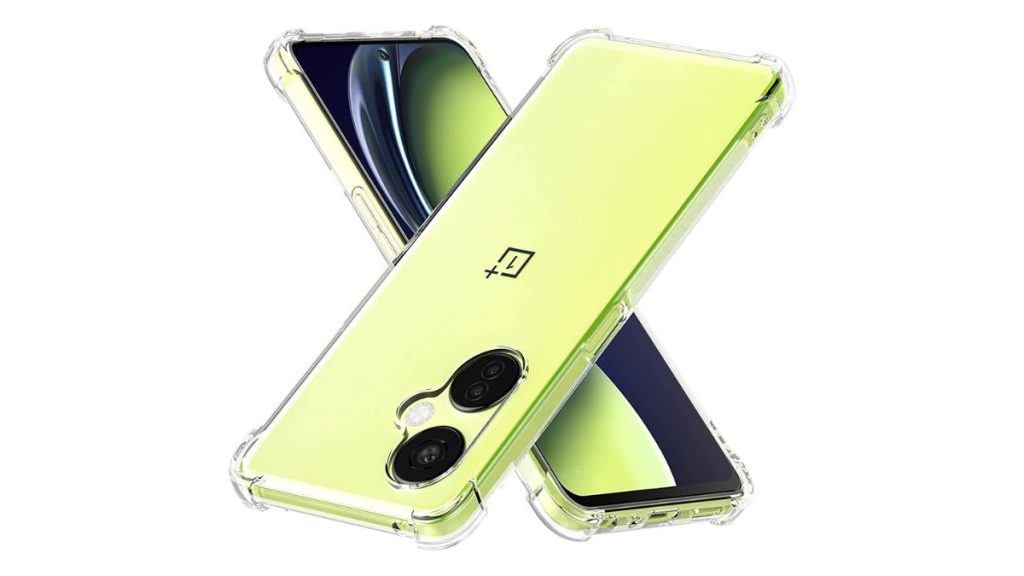
Based on what we know so far, this smartphone is expected to be a rebranded version of the Nord CE 3 Lite for the western market. And now, the Nord N30 5G 2023 edition has surfaced on the Canadian REL certification website carrying the model number CPH2513. Looking at the online database, we can see that the will run on OxygenOS 13.1 out of the box. For those unaware, OxygenOS 13.1 is a proprietary custom skin from the Chinese smartphone maker and is based on the Android 13 OS platform.
Unfortunately, this is all the information revealed via this database. However, since it is believed to be the previously released Nord CE 3 Lite, we have some ideas regarding its internal specifications. The device will likely sport a tall 6.72 inch IPS LCD panel that offers Full HD+ resolution and 120Hz refresh rate. Under the hood, it will be equipped with the Qualcomm Snapdragon 695 SoC that will likely be paired with 8GB of RAM and up to 128GB of storage.
The Nord N30 will likely be powered by a large 5,000mAh battery pack that supports 67W fast charging. For optics, there is a 108 megapixel triple camera setup on the rear and a 16 megapixel selfie shooter on the front. So stick around for more, as we will be providing updates when additional information is available regarding this matter. Till then, you can check out some of our previous coverage that includes a design leak and a Google Play listing.
We have already covered rumors and reports regarding the OnePlus Nord 3 that has revealed its design and even most of its crucial specifications. But a new leak has revealed an interesting feature that will be making a return to the popular Nord series.
OnePlus Nord 3 may let you control your ACs, TV, and other home appliances
According to Max Jambor, the Chinese smartphone maker is planning to bring back the IR Blaster sensor on the Nord 3 model. For those unaware, this feature basically makes your smartphone gain remote control functionality, allowing you to control your Air Conditioner, TV, and other home appliances. He further claimed that this feature will even be paired with a dedicated application for better controls.
This was all the information shared by the tipster, although the device is believed to be a Ace 2V model that was previously launched in China. In other words, we already know what features the Nord 3 will launch with. This includes a tall 6.74 inch OLED display that supports Full HD+ resolution and 120Hz resfresh rate. Under the hood, it will be equipped with the MediaTek Dimensity 9000 SoC that will be paired with up to 12GB of RAM and 256GB of internal storage.
The rear will feature a 64 megapixel triple camera setup on the rear, while the front houses a 16 megapixel selfie shooter. OnePlus Nord 3 is believed to be powered by a large 5,000mAh battery pack that supports 80W fast charging support. The handset is expected to be announced sometime between May and June 2023 and has already been spotted on various certification websites, so stick around for more updates regarding this matter.
Vivo is apparently working on two new smartphone models from its popular Y series. The new devices include the new Vivo Y35+ and the Y35m+ models, which has been spotted on various certification websites that hint at their near launch. So let’s have a look.
Vivo Y35+ & Y35m+ launch could be near after various certification sightings
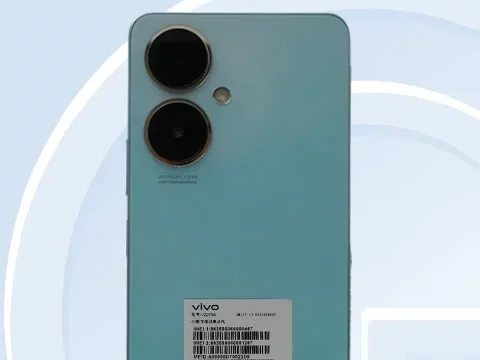
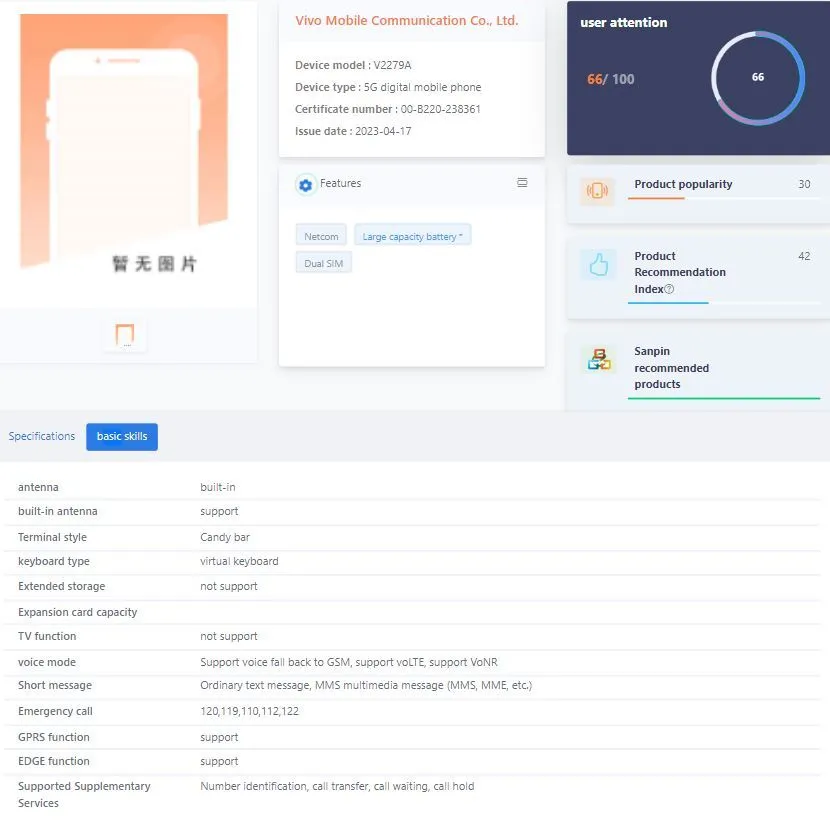
The Y35+ and the Y35m+ models were spotted on the Google Play supported device list as well as the 3C and TENAA certification websites. Looking at these listings, we can see that the new devices have been spotted carrying the V2279A model number. In other words, there are two devices carrying the same model number but with different monikers. The 3C listing revealed the battery and charging speed of this device. It will be powered by a large 5,000mAh battery pack (4,900mAh rated) and 18W fast charging support.
Furthermore, the device will also feature a 50 megapixel primary camera on the rear, while the front houses an 8 megapixel selfie camera. Based on the certification, the upcoming smartphones will measure 8.07mm in thickness and weigh 190 grams. The TENAA listing also revealed that the V2279A model number will be a 5G enabled handset that that will feature an octa core processor with a 2.2GHz frequency. Vivo had launched the Y35m earlier this year with a Dimensity 700 SoC, so we can expect another MediaTek chip.
This chipset will be paired with up to 16GB of RAM and 512GB of storage. It is unclear why two devices with slightly different names carry the same model number, but it likely refers to rebranding in different market. Keep in mind that this report is based on just certifications so stick around for more as we will be providing updates when additional information is available regarding this matter.
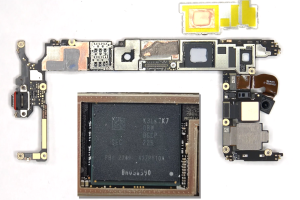
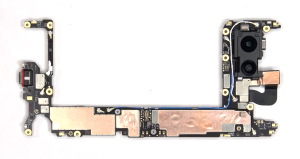
Google is gearing up to launch its highly anticipated Pixel 7a mid range smartphone and its first ever foldable device, the Pixel Fold. However, ahead of the official announcement a teardown video has revealed the complete internal design of the Pixel 7a and even showcases some of its key hardware. So let’s have a look.
Google Pixel 7a teardown offers us a glimpse of its internals
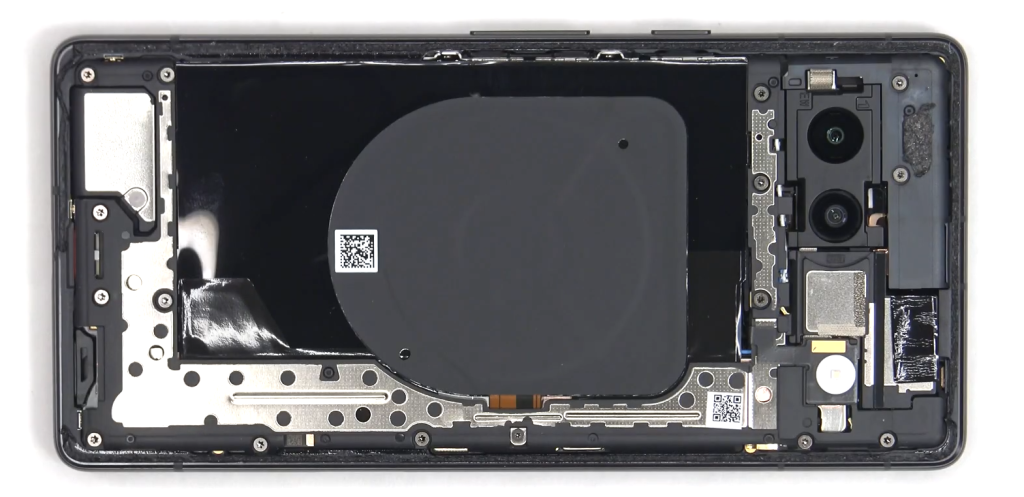
The teardown was shared by PBKreviews who uploaded a video on YouTube. This video offers us a close look at the inner workings of the Pixel 7a model ahead of its official launch on 11th May 2023. Looking at the new video, we can see the device’s plastic rear panel being removed, offering us a look at the wireless charging coil, NFC antenna, and the cameras as well. Underneath this, we can even see the 4,385mAh battery pack that powers the device.
The front half of the device has a copper film to help dissipate heat inside the Pixel 7a. The front also houses a fingerprint scanner on the lower half, while the upper half houses the selfie camera and other necessary sensors like the proximity sensor. The graphite film can also be seen running all around the middle, which also serves the purpose of thermal management. On the rear, we can see dual camera setup on the upper region at the back.
PBKreviews is known to tear apart devices and judges them based on the ease of their repairability. The new Google Pixel 7a got a relatively good score of 7.5 out of 10 in terms of repairability. In other words, the various components of the device, including its display, battery, and other parts, are mostly easy to repair and access. Although, the video does note that there might be some issues when replacing certain miscellaneous parts. So stay tuned for more, as we will be covering the launch event later this month. Till then, you can check out our rumor roundup for the Pixel 7a.
A new report released by market research firm Counterpoint Research reveals that 72% of smartphone users in India are anxious about their phone’s battery life. The report highlights the increasing dependence of users on their smartphones and the psychological impact of low-battery anxiety.
40% of people state their phone is the first & last thing they see each day
The study showed that 65% of the respondents reported that a dead battery would affect their mood. Additionally, 72% of respondents said that they started to feel anxious after their phone’s battery fell below 20%. The report also found that 40% of respondents use their phone as the last thing before sleeping and first thing after waking up, indicating the level of attachment users have with their phones.
Further, the study found that 87% of respondents use their phones while charging, and about half charge their smartphones twice a day. The report also revealed that 60% of the respondents said they would change their phones for better battery life.
The study categorized the discomfort associated with low-battery anxiety into six categories: worry/anxiety, isolated from the world, helpless, fear of missing out, nervous, and unsafe. “Worry/anxiety” was the most commonly felt emotion, with 28% of respondents selecting this option.
The findings of the report suggest that smartphone users in India may benefit from improved battery life and charging infrastructure to reduce the level of anxiety associated with low battery. It also highlights the need for manufacturers to prioritize battery life in the development of new smartphones.
In December 2020, Xiaomi launched the Redmi 9 Power smartphone in India, targeting budget-oriented customers. The device was priced at INR 12,999 (~$180) for the 6 GB RAM variant. It boasts features such as the Qualcomm Snapdragon 662 SoC, a 6.53-inch Full HD+ water drop notch display, a quad rear camera, and more.
The device was launched in the country with the Android 10 operating system pre-installed. Now, the device is receiving its second and most likely final major update. The MIUI 14 update, based on Android 12, is officially rolling out for the device with the build number V14.0.2.0.SJQINXM. The update has a file size of 640 MB. Below is the official changelog for the update.
Redmi 9 Power MIUI 14 Update Changelog
[More features and improvements]
Search in Settings is now more advanced. With search history and categories in results, everything looks much crisper now.
[System]
Updated Android Security Patch to April 2023. Increased system security.
As the changelog suggests, the latest update carries the April 2023 security patches and new features of MIUI 14. The update brings along a revamped visual design, featuring a minimalist and fluid aesthetic with ample white space as well as clean lines.
Another notable feature of MIUI 14 is super icons. These customizable icons can change their appearance based on the wallpaper or theme selected by the user. Additionally, the update offers home screen folders that highlight frequently used apps for easy access.
MIUI 14 also comes with several other features and improvements, including an advanced search in settings with search history and categories, animal widgets that display cute animals on the home screen (China-only), and a new design language that redefines personalization.
Vivo recently launched the Vivo Y78+ 5G smartphone in China, featuring a 50-megapixel dual camera system with OIS support, and a Snapdragon 695 chipset. The brand also plans to launch more devices in the Y78 series like the Vivo Y78 which could launch as the Vivo Y78m in China. After its recent emergence on 3C and TENAA certification databases, the device has now made an appearance on Geekbench revealing its performance as well as some key specifications.
Vivo Y78/ Y78m Geekbench: switching to Dimensity
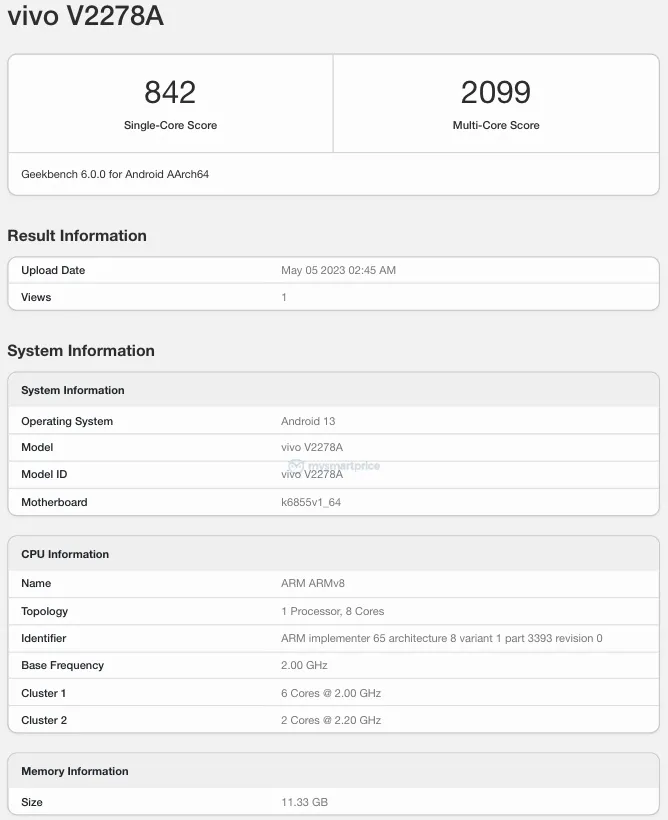
The Vivo Y78/Y78m has appeared on Geekbench with the model number V2278A. According to the listing, the device will be equipped with an octa-core system-on-chip (SoC) that boasts a maximum clock speed of 2.2GHz. Additionally, the SoC has six cores that operate at 2.0GHz, and it is identified by the codename k6855v1_64. The SoC will also be paired with a PowerVR B-Series BXM-8-256 graphics processing unit (GPU).
The upcoming Vivo Y78/ Y78m is expected to launch with a MediaTek Dimensity 930 SoC, which is already present in devices like the Moto G73 5G and Vivo Y77 5G. The SoC is likely to be rebranded as Dimensity 7020 by MediaTek, as part of the company’s efforts to rename its mobile SoC portfolio.
The model listed on Geekbench boasts 12GB of RAM, but Vivo might introduce the phone in lower RAM and storage variants as well. We can expect to see the Y78/ Y78m in 6GB/8GB RAM and 128GB/256GB storage options in different markets. In the Geekbench test, the phone scored 842 and 2099 in single-core and multi-core tests, respectively. The device will run Android 13 and come with either Funtouch OS 13 or Origin OS 3, depending on the region of launch.
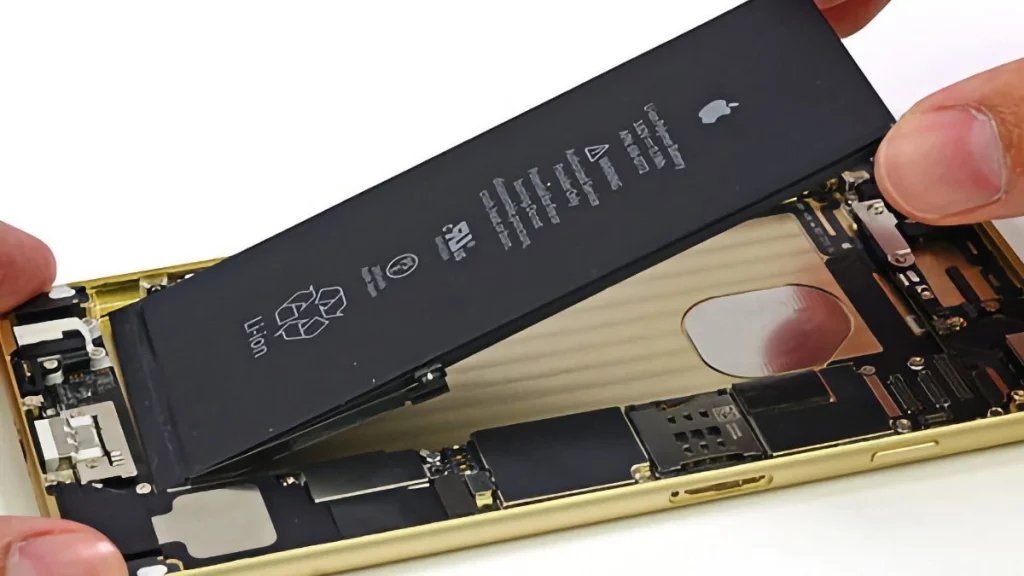
Repairing a smartphone can be a frustrating and time-consuming experience, especially if you don’t have the right tools or experience. However, if you’re looking to repair your phone yourself, some devices are easier to fix than others. Recently, ElectronicsHub analyzed 228 smartphone repair guides on the popular repair website iFixit and found that Apple’s iPhone accounted for the largest proportion of the top ten most repairable lists.
Moto G7 has an Average Repair Time of 25 minutes
Interestingly, Google’s Pixel 7 was one of the most difficult and time-consuming phones to repair, with an average repair time of 60.3 minutes. In contrast, the Motorola Moto G7 was the easiest to fix, with the shortest average repair time of just 25 minutes.
In the list of the ten easiest smartphones to repair, Apple dominated with four devices, accounting for the most. The iPhone 11 Pro Max ranked fourth, with an average repair time of 63.2 minutes, and the iPhone 13 ranked fifth with 67.8 minutes. The eighth-ranked iPhone 14 had an average repair time of 47.7 minutes, while the iPhone 12 came in tenth with 72.2 minutes.
So why are some smartphones easier to repair than others? It often comes down to design choices made by the manufacturer. For example, smartphones with easily accessible battery compartments and modular designs are typically easier to repair. Additionally, manufacturers who use standard screws and connectors make it easier for DIY repair enthusiasts to fix their devices.
While some may argue that repairing your phone yourself can be risky, it can also be a cost-effective and environmentally friendly alternative to replacing your device altogether. However, it’s essential to do your research and make sure you have the right tools and knowledge to repair your phone safely. Ultimately, the repairability of a smartphone is an important factor to consider when choosing a new device, especially if you value the ability to fix your phone yourself.
OpenAI, the American AI research company co-founded by tech giants like Elon Musk and Peter Thiel, is known for its groundbreaking AI programs like ChatGPT and Dall-E 2. ChatGPT, a chat robot tool that can generate articles, stories, jokes, and codes, has made headlines since its launch on November 30, 2022. But what many people may not know is the high cost of building such a cutting-edge technology.
OpenAI Poached Key Employees from Google to build ChatGPT
According to recent foreign media reports, OpenAI’s losses last year doubled to reach a staggering $540 million. As the company developed ChatGPT and poached key employees from Google, the costs piled up. While the exact cost of building ChatGPT remains unclear, it is evident that it is an expensive business.
However, OpenAI’s decision to take on Google is bold and strategic. Poaching talented professionals from the tech giant, including AI researcher Jacob Devlin, was a smart move, albeit a risky one. Devlin even tried to warn Google not to use ChatGPT data to train its AI chatbot Bard, as it violated OpenAI’s terms of service and resulted in Bard’s answers looking too similar to ChatGPT’s.
But why is building ChatGPT so expensive? The answer lies in the massive computational power and storage required to train the model. ChatGPT is built on GPT-3.5 architecture, a highly sophisticated language model that requires a large amount of data to train. OpenAI had to collect and process millions of documents, articles, and web pages to create a training dataset for ChatGPT. The model also required thousands of GPUs (graphics processing units) to run efficiently.
Despite the high costs, ChatGPT’s potential is immense. It is already making waves in the AI industry, with many businesses looking to leverage the technology to streamline their operations. ChatGPT’s ability to generate human-like text has broad implications for marketing, customer service, and content creation.
But the real question is, can OpenAI compete with Google and other tech giants in the AI race? OpenAI’s strategic move to take on Google suggests that it certainly thinks so. With talented professionals and cutting-edge technology like ChatGPT, OpenAI is poised to make a significant impact in the AI industry. As the technology continues to evolve, we can only expect more groundbreaking developments from OpenAI and ChatGPT. To reclaim costs, Microsoft is even planning to sell private ChatGPT to other companies, which will definitely prove to be an asset to the company.
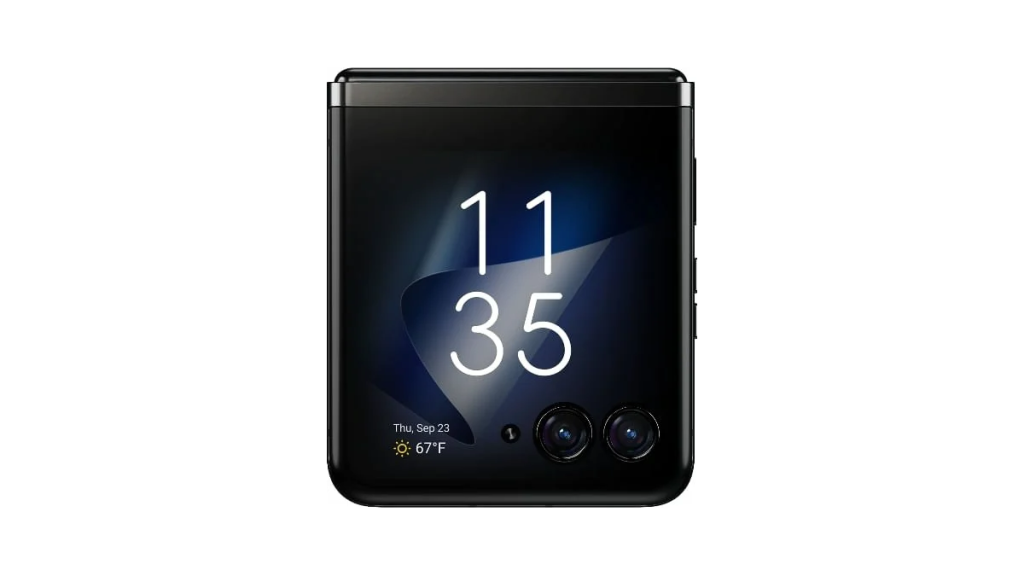
In the upcoming weeks, Motorola is getting ready to release its latest foldable smartphone, the Motorola Razr+ 2023. This new model will be the brand’s latest addition to its flip phone lineup and will come equipped with upgraded features to rival other foldable smartphones in the highly competitive market.
Just a few days ago, the brand released a teaser for its upcoming device, confirming that the smartphone will feature a dual-camera setup and a secondary display measuring over 3 inches. Ahead of its official launch, the smartphone has now surfaced on Geekbench.
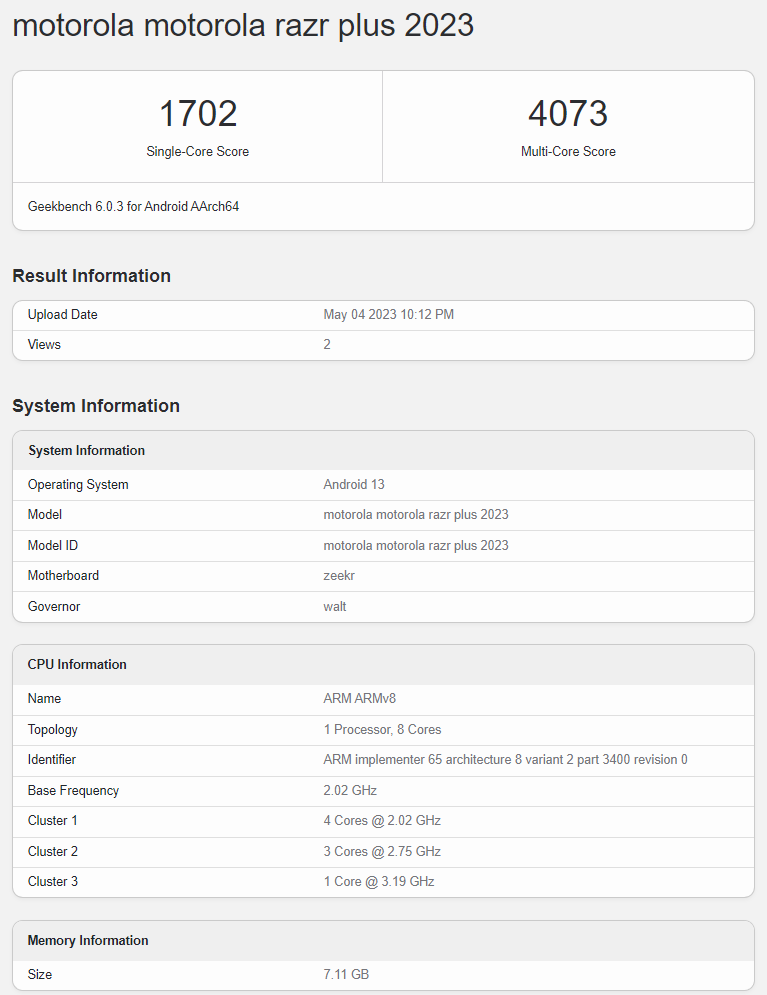
Motorola Razr+ 2023 Geekbench
Going by the Geekbench listing, the smartphone will be equipped with a Snapdragon 8+ Gen 1 SoC clocked at 3.19GHz, along with an Adreno 730 GPU. It will also feature up to 8GB of RAM, which will provide an excellent user experience. The device will boot Android 13 OS with My UX on top, ensuring a smooth and seamless operation.
In Geekbench tests, the Motorola Razr+ 2023 has managed to score 1702 and 4073 points in the single-core and multi-core test, respectively. The same device is also expected to debut in the global market under the name Motorola Razr 40 Ultra. According to a recent report, the handset will come with 12GB of RAM and 512GB of internal storage, making it a powerhouse of a device.
The phone will feature a 120Hz refresh rate and an AMOLED display, providing users with an immersive viewing experience. It will also feature a dual-camera setup, including a primary 12MP Sony IMX563 sensor and a wide-angle 13MP SK Hynix Hi1336 sensor. Users can expect a 32MP selfie camera, fingerprint sensor, and dual-SIM support as well.
The Motorola Razr+ 2023 is expected to be available in Barberry, Black, and Blue colour options, and will be powered by a 3,640mAh battery, offering 33W fast charging support. While the launch date of the device is yet to be revealed, the brand has started teasing its upcoming release, indicating that it could hit the market in the next few weeks.
We use cookies on our website to give you the most relevant experience by remembering your preferences and repeat visits. By clicking “Accept”, you consent to the use of ALL the cookies.
This website uses cookies to improve your experience while you navigate through the website. Out of these, the cookies that are categorized as necessary are stored on your browser as they are essential for the working of basic functionalities of the website. We also use third-party cookies that help us analyze and understand how you use this website. These cookies will be stored in your browser only with your consent. You also have the option to opt-out of these cookies. But opting out of some of these cookies may affect your browsing experience.
Necessary cookies are absolutely essential for the website to function properly. This category only includes cookies that ensures basic functionalities and security features of the website. These cookies do not store any personal information.
Any cookies that may not be particularly necessary for the website to function and is used specifically to collect user personal data via analytics, ads, other embedded contents are termed as non-necessary cookies. It is mandatory to procure user consent prior to running these cookies on your website.