Huawei‘s spin-off Honor has silently unveiled the Honor Play 40 5G smartphone in China. The smartphone is presently listed on the brand’s website but the price isn’t available right now.
The Honor Play 40 5G features a 6.56-inch LCD screen with a water drop notch design. The display has an HD+ resolution of 1612 x 720 pixels. It also supports 90 Hz refresh rate and natural light-like eye protection technology. The device is pretty light weight, weighing in at 188g. It also has a dimension of 163.32x 75.07x 8.35mm.
The Play 40 5G is powered by a Qualcomm Snapdragon 480+ mobile processing platform. The processor brings support for 5G connectivity. The processor pairs with 6GB RAM and 8GB RAM on some models. Users have the option of 128GB and 256GB expandable storage.
In terms of imaging, the Honor Play 40 5G adopts a dual camera setup at the rear which includes a 13MP main shooter paired with a 2MP depth-of-field lens. The rear camera supports time-lapse photography, night scene mode, portrait mode, video recording, professional photography, panoramic photography, dual-view video, HDR photography, smile capture, micro-movie mode, large aperture photography, timed photography and more. At the front, there a single 5MP lens on the front.
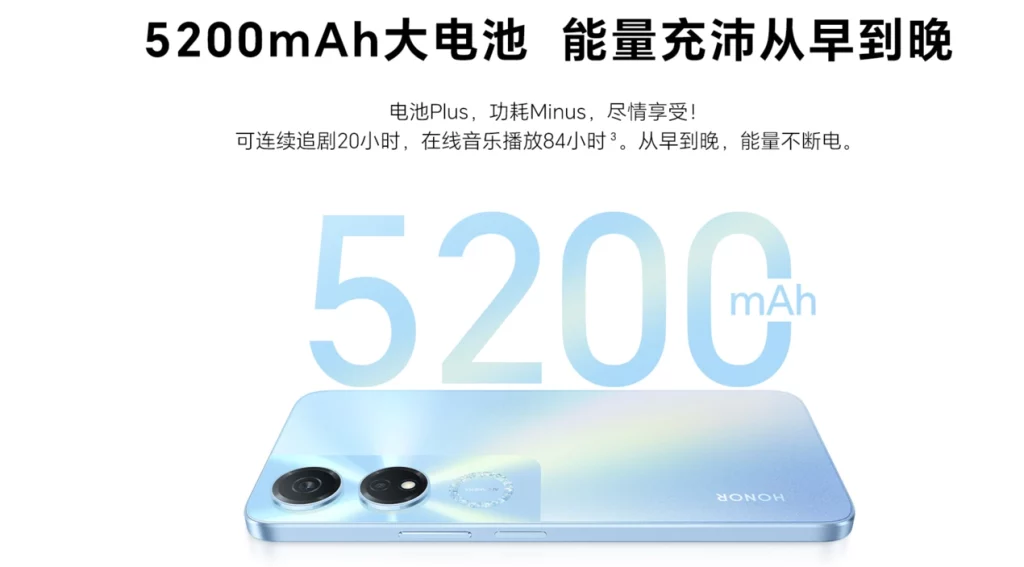
Keeping the lights on is a generous 5200mAh battery which should offer an expended usage time. Honor says the battery supports up to 84 hours of music playback. The device also supports 5V/2A 10W fast charging. The smartphone will ship with a USB-C data cable and a 10W charger inside the box.
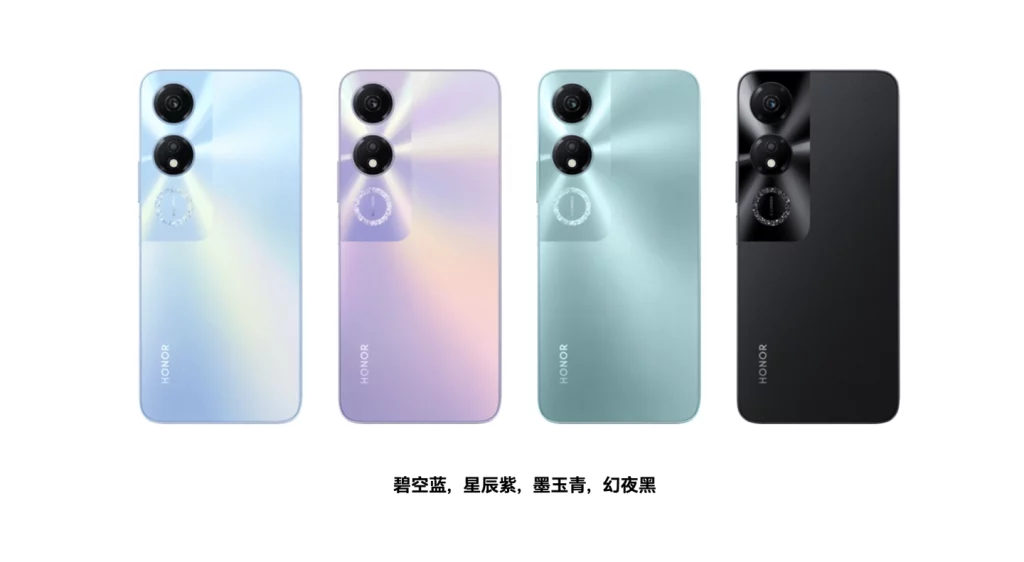
Honor Play 40 5G color options
The premium mid-range smartphone equally features support for fingerprint unlocking, packs a headphone jack and supports screen mirroring.
Honor Play 40 5G offers a premium design, prowerful 5G processor
The Honor Play 40 5G is expected to go on sale on May 26. The device will be available in four colors – Sky blue, Star purple, Black jade green, and Magic night black.
TECNO recently unveiled its latest branding campaign in India with the captivating theme of “Don’t Stop Exploring Life’s New Angles.” The campaign was inaugurated with a manifesto video titled “Take a Shot,” aiming to inspire and motivate modern Indians to seize the opportunities life presents, break free from their comfort zones, and pursue endeavors that ignite their passion and enthusiasm.
The campaign video acts as an homage to the dynamic spirit of Indian citizens, with a focus on inspiring them to undertake a continuous journey of discovery. The campaign aligns with individuals’ curiosity and willingness to engage with new experiences, reflecting their pursuit of personal development and satisfaction.
The “Take A Shot” manifesto video is an artful representation of the prevailing attitude of continuously seeking fresh perspectives. The video incorporates six intriguing narratives that effectively illustrate the experiences of contemporary Indians who embody this ethos of persistent exploration.
One of the stories features a busy office worker who, despite their demanding schedule, discovers the joy of cycling and embarks on nighttime adventures to explore the captivating beauty of the city. Another story showcases a mother who gracefully balances her love for painting while embracing the joys of motherhood, demonstrating that passions need not be compromised.
Each story in the video highlights individuals who are driven by an unstoppable determination to explore and bring their passions to life, inspiring others with their unwavering persistence. These stories are portrayed through poetic scenes that vividly capture the essence of how modern Indians embrace diverse perspectives and navigate life’s journey with relentless dedication and unwavering persistence.
Drawing from its extensive experience in the Indian market, TECNO’s recent campaign reflects a growing trend among Indian consumers. In the current climate, individuals are increasingly engaging in side ventures as avenues to express their passions and unleash their creativity. TECNO’s initiative aims to respond to this societal shift by encouraging people to explore their diverse identities and unlock their full potential.
Lucia Liu, Chief Brand Officer of TECNO, said that modern Indians’ expanding knowledge, global mindset, and rapid social and economic development, along with their ever-changing lifestyle, have fueled their desire for greater opportunities and fulfillment in life. Recognizing this spirit, Liu expressed immense pride in the new campaign, as it perfectly aligns with TECNO’s brand ethos of “Stop at Nothing.”
Gavin Wu, a representative of TECNO, emphasized the brand’s dedication to cultivating local insight in order to deliver technological innovations and breakthroughs that cater specifically to the needs of Indian users. He said that TECNO’s commitment to investing in the Indian market is reflected in their new campaign.
TECNO has recently introduced two new product lines in the Indian market: the PHANTOM V Fold and the CAMON 20 Series. These additions are part of the company’s ongoing efforts to improve the user experience for its customers in India by offering innovative products that meet their evolving needs.
PowerA, an accessory brand has launched the first licensed wireless controller for the Xbox X and S series that can also be used for mobile gaming, PC, and Xbox consoles interchangeably. The controller is dubbed PowerA MOGA XP-Ultra and it is said to enhance the playing experience. Read on to know what it offers out of the box.
PowerA MOGA XP-Ultra specifications
The PowerA MOGA XP-Ultra comes with a four-in-one modular design. It can be used as a smallish mobile gamepad to a full-sized or mini-sized controller. The device features crips buttons, a concave D-Pad, impulse triggers, and more. The controller has a full-sized detachable ergonomic grip with built-in rumble motors for an immersive experience. There is the ability to map two additional buttons on the back for a competitive edge.
The PowerA MOGA XP-Ultra comes with a bundled mobile gaming clip to attach a compatible smartphone. It also securely protects the device with rubberized grips.
The button configuration and layout on the MOGA XP-Ultra is similar to Xbox controllers. Gamers can customize configurations with a variety of compatible platforms to see what works best for them. The controller is powered by a rechargeable 2000mAh battery unit that is claimed to deliver up to 60 hours of usage via Xbox Wireless protocol and up to 40 hours via Bluetooth. It features a USB-C charging port for refueling the battery as well as connecting to consoles and P C.
The PowerA MOGA XP-Ultra is compatible with Xbox Game Pass Ultimate giving users the option to pick up where they left off on game pass games
The PowerA MOGA XP-Ultra carries a price tag of $129 (Amazon US) and it has a two-year warranty. The controller can be purchased from the brand’s website, Amazon, and major retailers where gaming accessories are sold.
Zebronics has just launched a pair of brand new truly wireless earbuds that feature some notable specs. But despite these, the new Zeb Pods-1 TWS earbuds still feature an affordable price tag. So let’s have a look.
Zebronics Zeb Pods-1 offer ANC support for under $20
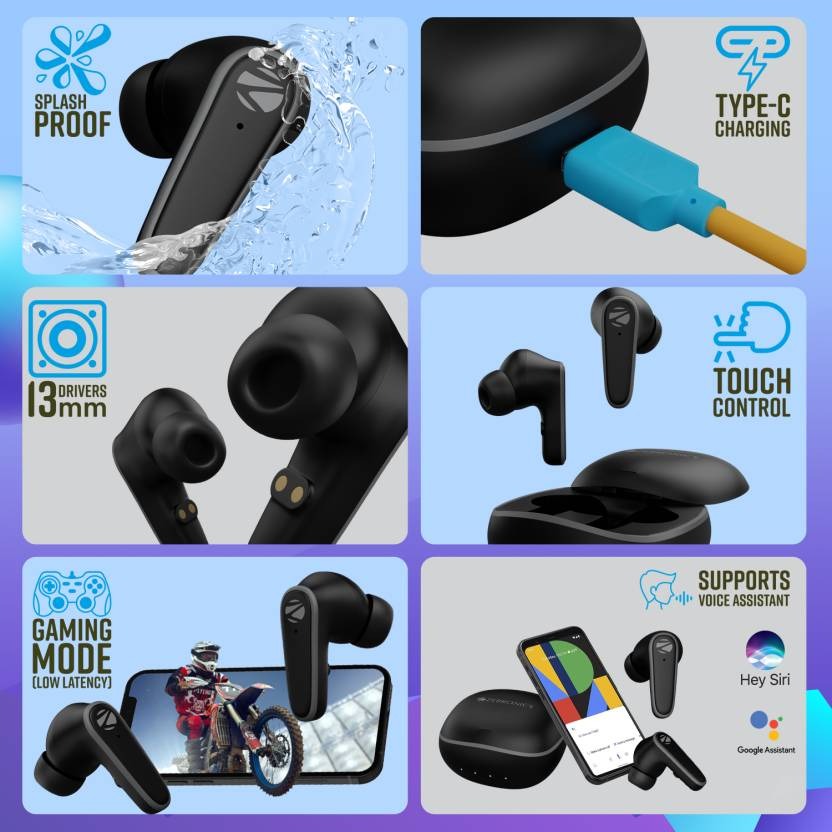
The company’s new Zeb Pods-1 launch arrives a couple of weeks after it announced the Zeb-Smart Cam 105 in the Indian market. It is equipped with 13mm dynamic drivers and also features Bluetooth 5.2 for connectivity. Furthermore, its highlighting aspect is undoubtedly its ANC technology, which is a great feature to have for its price tag. The earbuds also arrives with support for Google Assistant and Apple Siri voice assistants.
Apart from ANC, the Zeb Pods-1 also support ENC for calls. This enables the calls you make to be much clearer with reduced background noise. The brand promises up to 28 hours of audio playback with ANC turned off, while turning on ANC will lower the battery life to just 22 hours. Other notable features include touch controls for taking calls and media controls, and a dedicated Game Mode that lowers the latency to just 60ms.
The new Zebronics hearables are splash proof and available in a single black color options. It will be sold for an introductory price tag of just 1,499 INR from the company’s official website and Amazon India. The first sale has already kicked off in the region.
Samsung is ramping up its efforts to develop and manufacture solid-state batteries, marking a significant step forward in battery technology. While progress has been slower compared to foldable displays, recent reports indicate that Samsung is making advancements in solid-state battery development. Two of its divisions, Samsung Electro-Mechanics and Samsung SDI, are taking the lead in manufacturing solid-state batteries for different market segments.
Samsung Advancing Solid-State Batteries for Mobile Devices and Electric Vehicles
Samsung Electro-Mechanics will focus on researching and developing oxide-based solid-state batteries for the IT segment, aiming to power future mobile devices with this revolutionary battery technology. Meanwhile, Samsung SDI will concentrate on developing solid-state batteries with sulfide electrolytes for electric vehicles (EVs).
Solid-state batteries hold immense importance due to their numerous advantages. One key benefit is their higher energy storage capacity compared to conventional lithium-ion batteries. Additionally, solid-state batteries are much safer as they do not catch fire if punctured, addressing a major safety concern associated with lithium-based batteries.
This safety aspect makes solid-state batteries particularly desirable for electric vehicle manufacturers. By eliminating the risk of fire upon impact, they contribute to improving the overall safety of EVs. However, the benefits extend beyond the automotive industry. The IT market would also benefit from this technological advancement, as solid-state batteries would enhance the safety and durability of smartphones and tablets.
Samsung is not the only company exploring solid-state batteries. Earlier this year, Xiaomi claimed to have developed a working prototype of a smartphone powered by a solid-state battery, though with limited details provided. However, Samsung has a promising opportunity to become one of the largest suppliers in this domain. Reports suggest that Samsung Electro-Mechanics has acquired 14 additional patents related to solid-state battery technology and is preparing to unveil a new prototype model.
The development and widespread adoption of solid-state batteries have the potential to revolutionize various industries, offering enhanced energy storage capabilities, improved safety, and increased durability. Samsung’s progress in this area signifies a significant step forward and paves the way for a future powered by solid-state battery technology.
Battlegrounds Mobile India (BGMI) was banned in July 2022 over alleged privacy and safety concerns. It was a customized version of the popular PUBG Mobile. India was one of the biggest markets for the online multiplayer battle royale and developer Krafton had announced that it had surpassed 100 million registered users in the country. There have been numerous reports about the game’s comeback based on a host of conditions.
BGMI is expected to return for three months with certain conditions
Now as per the latest development, the Government of India has decided to lift the ban on BGMI in the country for a period of three months. The information comes from News18 citing sources familiar with the matter. The report adds that the game will be subject to intense scrutiny for a period of 90 days. The publication states that this information came from a top-level MeitY official and that the ministry will soon issue an official order to unban BGMI from Google Play Store and Apple App Store.
During the temporary unban period, the game will be subjected to analysis and re-evaluation. This means that it will be under the radar and Krafton would have to agree certain conditions. Failing to abide by the rules, the game could get banned again. As per past reports, BGMI is expected to come with a built-in time limit and restrictions on the number of hours one can play. The developer has also committed to not showing violent graphics like blood by changing the color. Previously, gamers had the option to change the color of the blood but now it will be a default setting.
Both Krafton and the government of India are yet to provide an official comment on the development of BGMI’s temporary comeback.
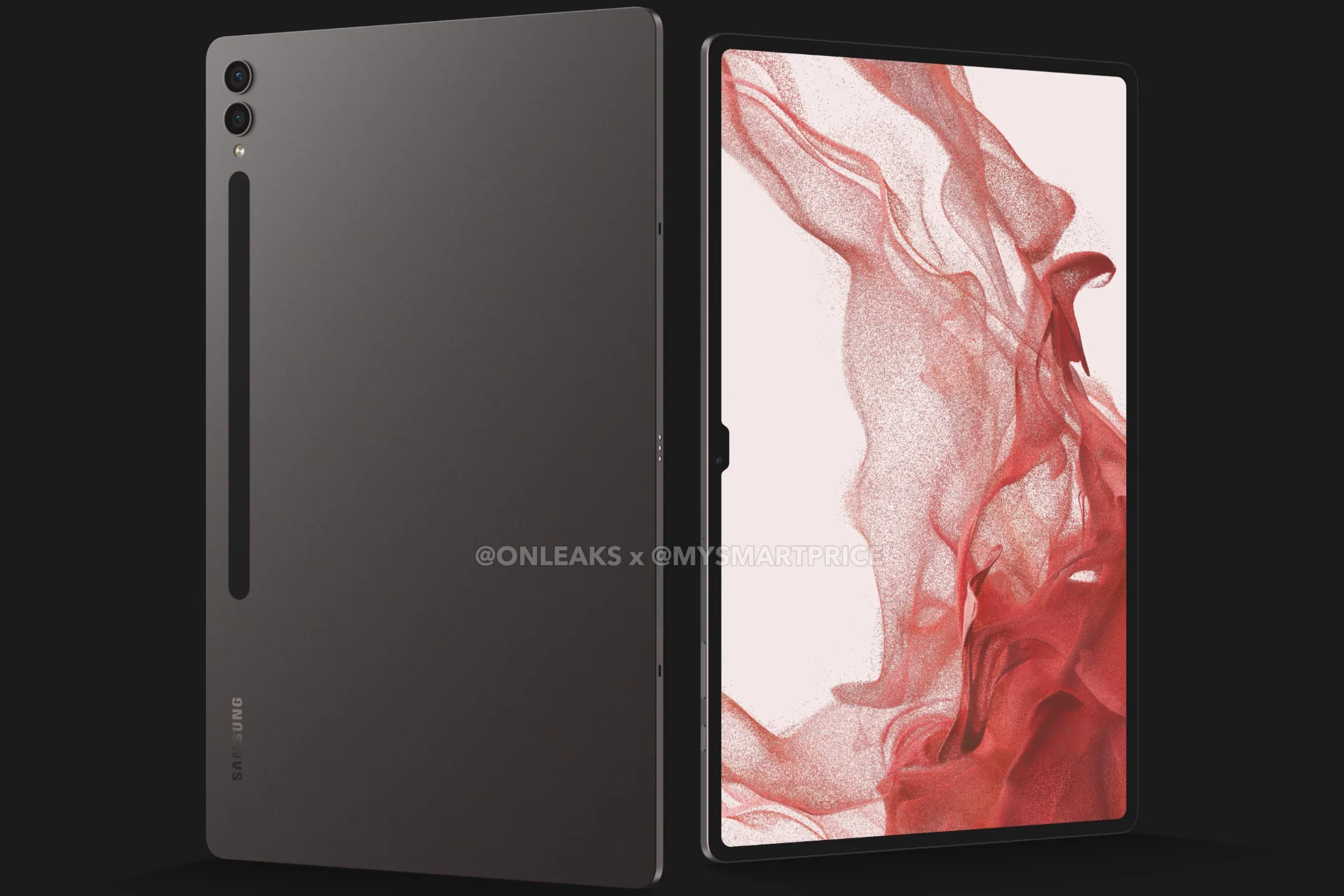
Samsung is rumored to host a launch event on August 10 for its next-gen foldable: the Galaxy Z Fold 5 and the Galaxy Z Flip 5. Alongside these innovative foldable devices, Samsung is also anticipated to introduce a new lineup of flagship tablets in the near future. These tablets, known as the Galaxy Tab 9 series, are set to succeed the popular Galaxy Tab S8 series. Ahead of the launch, the Galaxy Tab S9 Ultra has emerged online revealing its design.
Samsung Galaxy Tab S9 Ultra desing
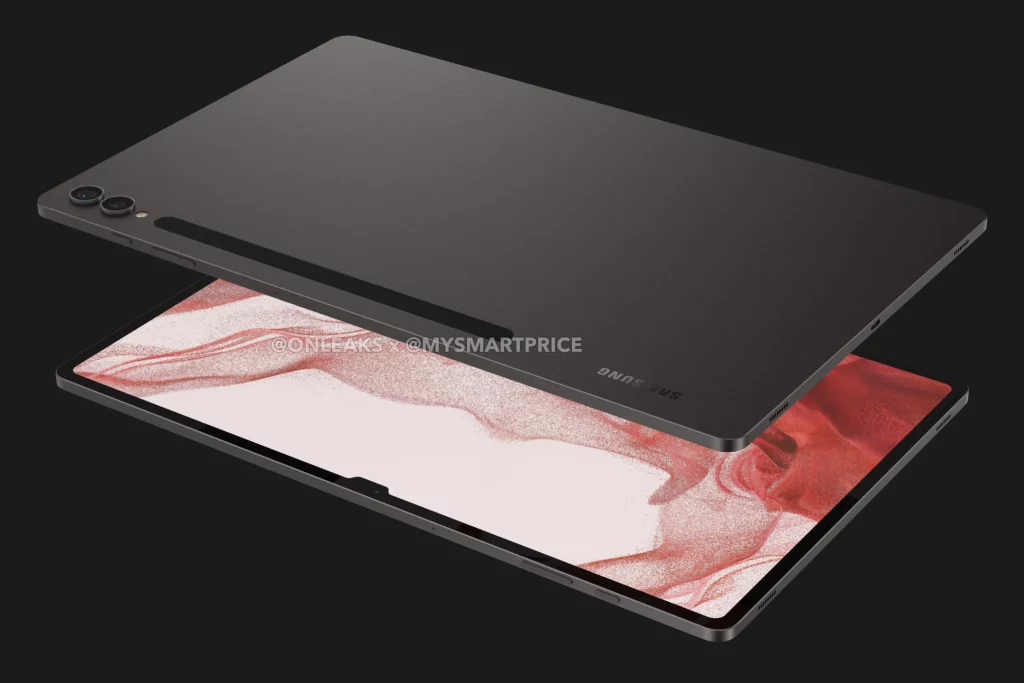
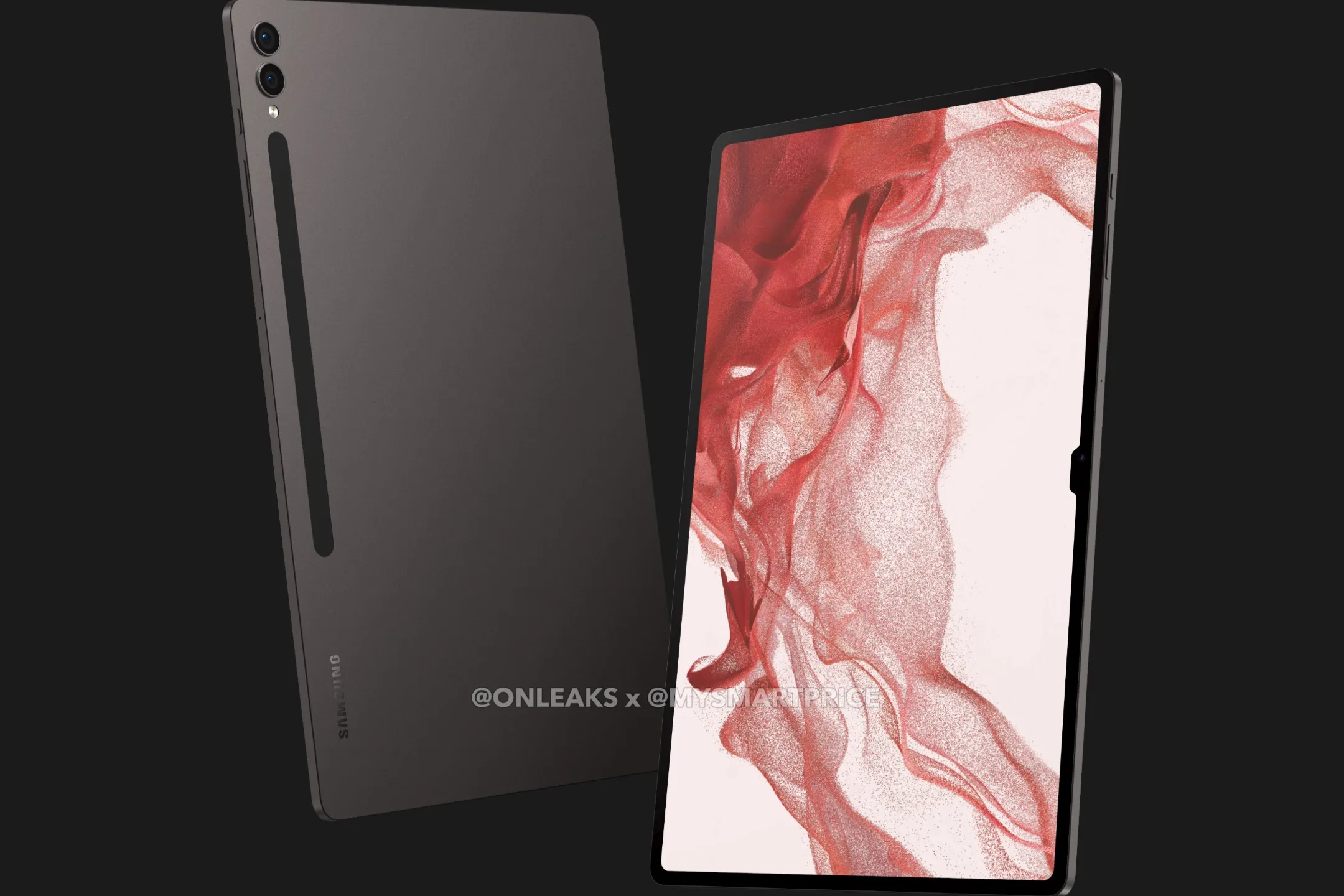
Known tipster Evan Blass (via MySmartPrice) has shared renders of the Galaxy Tab S9 Ultra in a recent tweet. According to the renders, the Samsung Galaxy Tab S9 Ultra will come equipped with a speaker grille and a USB Type-C port located at the bottom. The right side of the tablet will house the power and volume keys, while the left side will feature Pogo connector pins, which will allow for convenient attachment of an external keyboard.
The tablet will sport a sleek metal unibody design, as depicted in the video. The back of the device will display the Samsung branding at the bottom, along with a dual-camera setup and an LED flash. The renders also reveal that the tablet will feature a notch and slightly thicker bezels on the sides.
Samsung Galaxy Tab S9 Ultra Rumored Specs
The Samsung Galaxy Tab S9 Ultra is tipped to feature a WQXGA+ display that will span 14.6 inches, maintaining the same dimensions as its predecessor It has a slender 5.5mm thickness and a weight of around 737 grams.
Fueling the tablet’s performance will be a robust 11,200mAh battery, capable of supporting 45W fast charging. However, it’s worth noting that a charger may not be included in the package. To further enhance its capabilities, the Galaxy Tab S9 Ultra will be equipped with a high-performing Qualcomm Snapdragon 8 Gen 2 SoC, boasting a clock speed of 3.36GHz, on par with the Galaxy S23 series. Additionally, it is expected to offer a generous RAM capacity of up to 16GB LPDDR5X.
When it comes to durability, the Galaxy Tab S9 Ultra will be equipped with an IP68 rating, ensuring its resilience against water and dust. This certification allows the tablet to withstand immersion in water up to 1.5 meters deep for a duration of 30 minutes, making it well-suited for outdoor usage and demanding environments.
At Google’s annual I/O Developer conference held earlier this month, the search giant announced Ultra HDR, a new format for capturing images. It will allow photos to be captured in the backward-compatible JPEG format but offer a dynamic range beyond 8 bits. This will enable phones to shoot photos with more details in shadows and highlights. However, to access this feature, the smartphone should be compatible enough to shoot Ultra HDR format as well as display the result on the device.
Ultra HDR feature may be limited to select Galaxy phones
Following the announcement, many Galaxy users were curious to know if Ultra HDR would make its way to Samsung smartphones and tablets with a future update. Now the brand’s official forum moderator for the camera section has revealed some information about the feature.
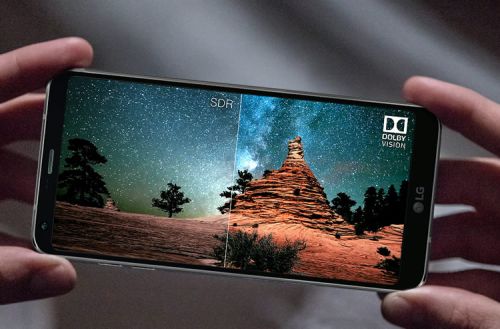
The Ultra HDR feature requires a smartphone to capture images and videos in HDR and then display the results with the same dynamic range on an HDR-capable display. Most phone cameras already support HDR but the screen is literally not HDR-supported in the budget segment. Hence, it’s likely that the feature may be limited to mid-range and high-end devices.
Some Samsung Galaxy A-series phones, all the recent Galaxy Note, Galaxy S, and Galaxy Z lineups have screens that are capable of displaying HDR content. It’s likely that only those devices may get Android 14’s Ultra HDR feature. However, Samsung is yet to clarify on the same and it may announce when the brand releases OneUI 6 beta update sometime later this year.
Samsung launched the Galaxy Buds 2 Pro in August last year. The TWS earphones come with Ambient Sound for people who are hard of hearing. The South Korean brand is pushing a new update to the audio device that enhances its ambient sound feature. Samsung says that it provides the benefit of improved hearing to even more users.
Samsung Galaxy Buds 2 Pro to get enhanced ambient sound
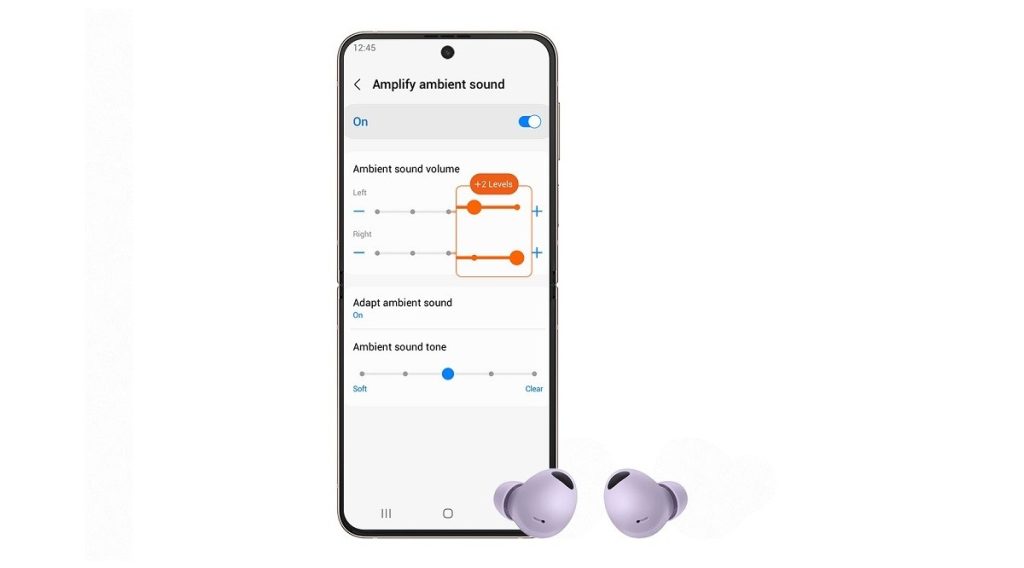
The Ambient Sound on the Galaxy Buds 2 Pro get two additional levels with the latest update. This takes it to a total of five levels of amplification. Users can use different ambient sound levels for the left and right earbuds, so they can fine tune how much amplification is needed based on their ears. The ambient sound tone range can also be customized from soft to clear across five different stages. The latest update to the Galaxy Buds 2 Pro will be rolling out in the coming weeks.
The efficacy of the new ambient sound feature was proven through a clinical trial undertaken by the University of Iowa’s Hearing Aid and Research Laboratory and Samsung’s Medical Centre. Both these trials were conducted with the new highest level for Ambient Sound which is level 5 after the update. The trials stated significantly improved speech perception in those with mild-to-moderate hearing loss”.
The Samsung Galaxy Buds 2 Pro are in-ear TWS earphones with an IPX7 water-resistant rating. They are equipped with 10mm drivers and active noise cancellation up to 33 dB. The TWS earphones feature 360-degree audio by utilizing Dolby Head Tracking technology. The audio device is claimed to last up to 8 hours on a single charge with ANC disabled.
ASUS has just unveils its latest generation of gaming laptops from its popular ROG (Republic of Gamers) series. The new announcements include new notebooks from its ROG Strix, Flow, TUF, and even Zephyrus lineup. All of these will be sold from the company’s official website, Flipkart, Amazon, Exclusive ROG and ASUS stores, as well as Croma, Vijay Sales, Reliance Digital, and other retails. These launches also arrives ahead of the rumored Indian launch of its ROG Ally handheld console.
ROG Strix G18
ASUS ROG Strix 2023
Talking about the Strix models first, the ROG Strix G16 and G18 are high end gaming laptops that aim to offer top notch performance for gaming enthusiasts. The two laptops feature Intel’s 13th Gen Core processors up to an i9 CPU, which is paired with Nvidia’s latest GeForce RTX 4000 series graphics card up to the RTX 4070 GPU. The only difference between the two is the displays, with the G16 featuring a 16 inch panel, while the G18 has an 18 inch panel. Both panels offer 240Hz refresh rate, 16:10 aspect ration, 500 nits of peak brightness, and Nvidia G Sync support.
ROG Strix G17
Other notable features include 16GB of DDR5 RAM and 1TB of PCIe Gen 4 SSD. Another new entry in the ROG Strix 2023 series is the G17 model, which is powered by AMD Ryzen 7000 series processors up to the Ryzen 9 7945HX CPU. On the other hand, it is also paired with up to an RTX 4070 GPU. Unlike the two variants mentioned above, it offers a higher 32GB of DDR5 RAM and 1TB of PCIe Gen 4 SSD. Furthermore, it sports a QHD display with 240Hz refresh rate as well. The ROG Strix G16 starts from 1,44,990 INR, while the G18 costs 1,69,990 INR. On the other hand, the ROG Strix G17 model costs 1,59,990 INR.
ROG TUF 2023
The company’s ROG TUF lineup is a more affordable gaming laptop lineup compared to the Strix series. The top of the line model includes the TUF Gaming A16 Advantage Edition that features some capable specs like the Ryzen 9 7940HS processors that is paired with Radeon RX 7600S GPU. Its display offers FHD+ resolution and 165Hz refresh rate as well. Following this, the company also unveiled the new TUF Gaming A15 and A17 models. This model costs around 1,39,990 INR.
ROG TUF 2023 series
As the name suggests, the A15 model has a 15 inch panel and the A17 variant offers a larger 17 inch panels, which offer QHD+ resolution and 240Hz refresh rate. Under the hood, these two laptops also offer Ryzen R9 7940HS processor but with up to Nvidia RTX 4060 graphics cards. These models are feature a very robust build quality that has passed the MIL-STD-810H military standard. The new A15 laptop costs 1,05,990 INR while the A17 costs 1,34,990 INR.
ROG TUF Gaming A16 Advantage Edition
The TUF F15 and F17 are the last among the new ROG TUF 2023 lineup. These are equpped with the up to an Intel i9-13900H and RTX 4060. Similar to the A15 and A17, the two laptops also come with military grade toughness rating for its build quality. The display offers FHD resolution, 144Hz refresh rate, G Sync support, and 100 percent sRGB color gamut. ASUS will be selling the ROG TUF F15 model for 1,15,990 INR.
ROG Flow Z13 Acronym
ROG Flow 2023
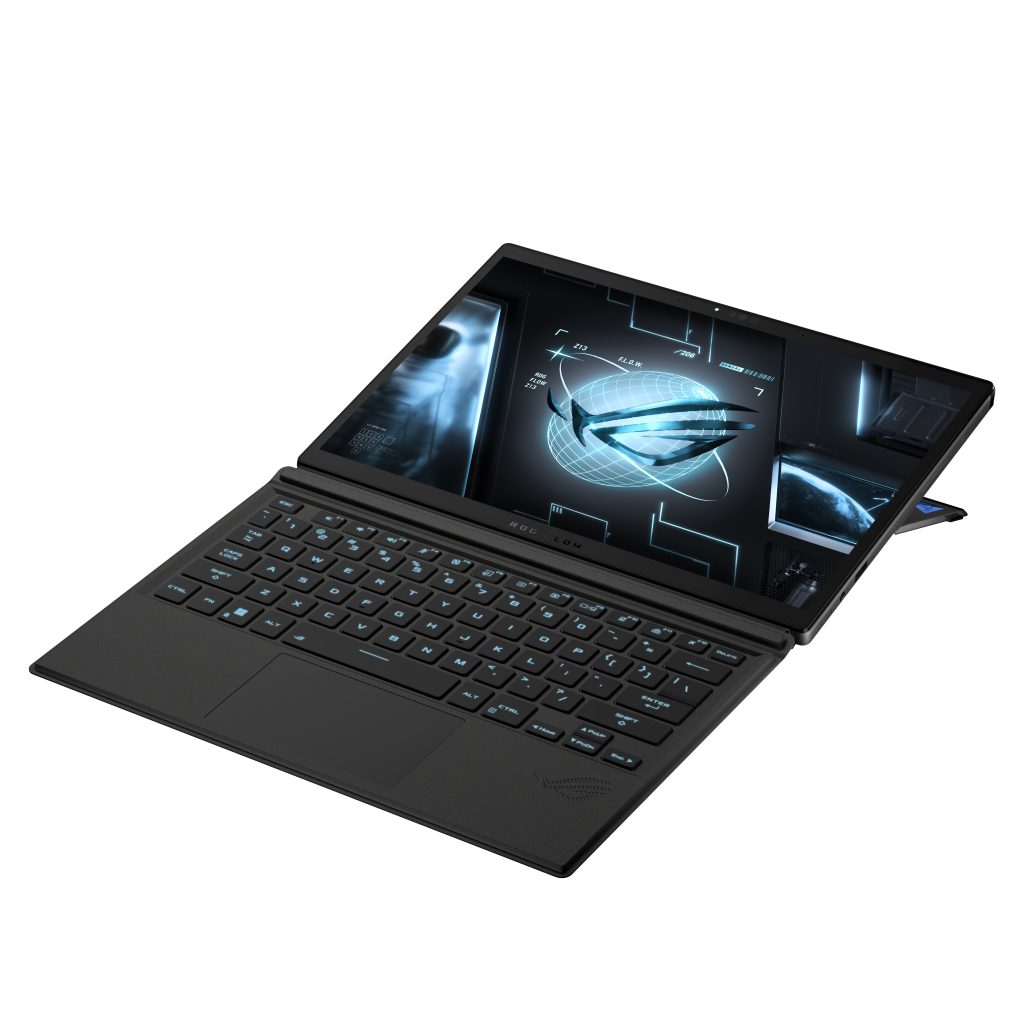
ASUS has announced three new models for its ROG Flow series, which includes the new Flow X13, Flow Z13, and the limited edition Flow Z13 Acronym. Talking about the Flow Z13 Acronym model first, it arrives as the company’s vision of top tier engineering and hardware design. The limited edition model houses top notch specs like the Intel Core i9-13900H and the Nvidia RTX 4070. But its highlighting aspect is undoubtedly its design, which includes a full detachable keyboard. This enables you to use the laptop like a portable workstation as the display can be used with a 170 degree kickstand.
ROG Flow Z13
Despite these beefy specs, it weighs just 1.3 kilograms thanks to its 13.4 inch CNC chassis that offers a QHD+ resolution, 16:10 aspect ratio, and 165Hz refresh rate. The ROG Flow Z13 Acronym is by far the most expensive laptop model in this list with a whopping 2,84,990 INR price tag. Moving on the regular ROG Z13 model, this laptop also features a similar design with a detachable keyboard and kickstand mechanism. Buyers can also spec out this model with up to an Intel Core i9-13900H and RTX 4060. This version weighs an even lighter 1.18 kilograms and features the same QHD+ 165Hz display. It has a price tag of 2,09,990 INR and even supports the ROG X6 Mobile RTX 4090 external GPU that is worth 2,01,990 INR.
ROG Flow X13
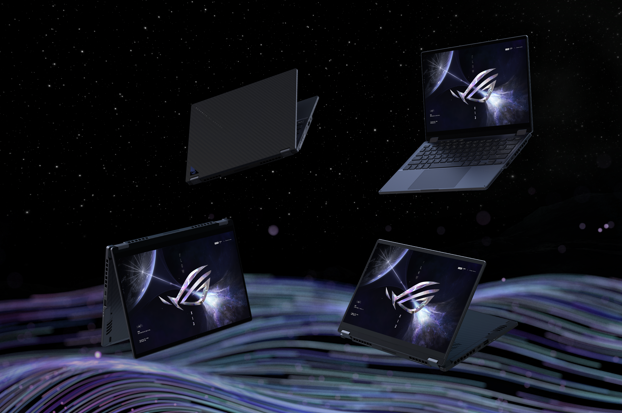
The brand also unveiled the new ROG Flow X13 that features powerful hardware in a flexible and lightweight form factor, weighing just 1.3 kilograms. It is equipped with up to AMD’s Ryzen 9 7940HS CPU that is paired with RTX 4060 GPU. It sports a 13 inch touchscreen enabled display that also offers 165Hz refresh rate and is housed on a 360 degree hinge. It can also be paired with the XG Mobile eGPU and is currently being offered for 1,74,990 INR.
ROG Zephyrus
ROG Zephyrus 2023
Last but not the least, ASUS also unveiled the 2023 edition of its ROG Zephyrus G14 and G16 gaming laptops. The Zephyrus G16 sports a 16 inch display that has a QHD+ resolution, 240Hz refresh rate, and a 16:10 aspect ratio. Under the hood, users can expect up to an Intel Core i9-13900H and RTX 4060 GPU. It even arrives with six speakers for a more improved listening experience. This model has a price tag of 1,69,990 INR.
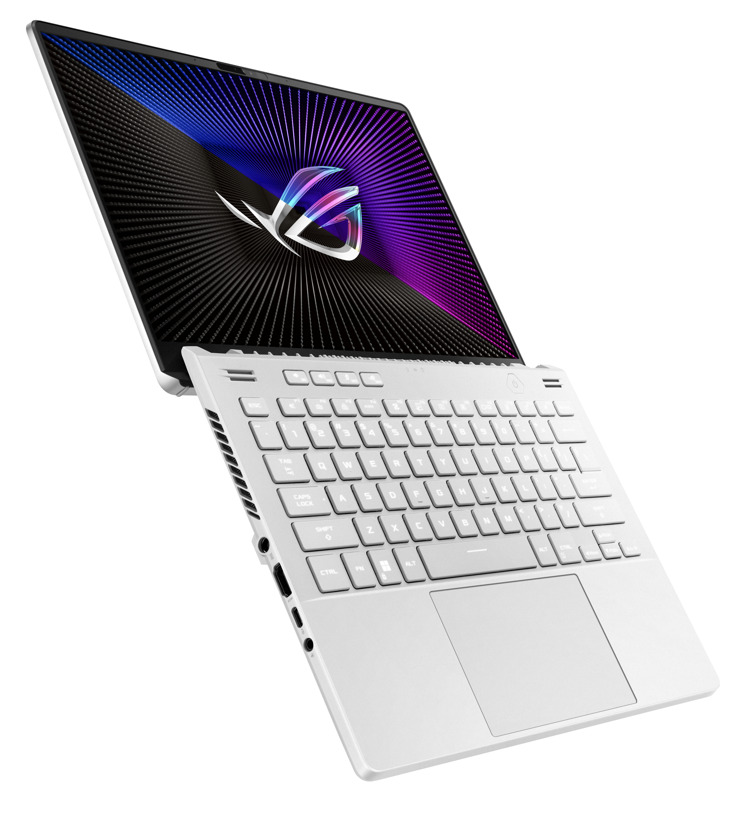
The Zephyrus G14 is the last model in this list and is quite interesting in terms of its design. One of its highlighting aspect is undoubtedly the AniMe Matrix (which is basically an LED system) that let’s you have virtual pet or play mini games on the lid of the laptop. It also has a lightweight design, weighing just 1.65 kilograms. Under the hood, it is powered by up to an AMD Ryzen 7940HS processor and RTX 4060 GPU. It has a 14 inch 165Hz display that also offers 100 percent DCI p3 color gamut and 500 nits of peak brightness. This model is slightly cheaper than the G16, and costs 1,49,990 INR.
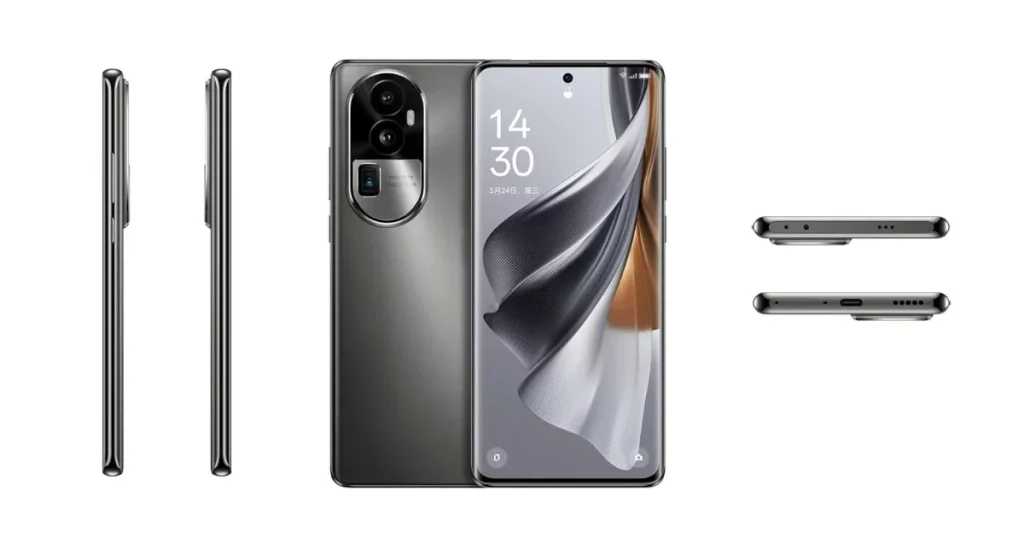
Chinese smartphone company Oppo is preparing to unveil its highly anticipated Oppo Reno 10 series in the Chinese market. The official announcement states that the Oppo Reno 10 series will make its debut on May 24 in China, and pre-orders have already begun on the company’s website in China. Oppo has uploaded the official design renders and key specs on the pre-order listing.
The Oppo Reno 10 series will consist of three models: Oppo Reno 10, Oppo Reno 10 Pro, and Oppo Reno 10 Pro+. All three smartphones will feature curved display panels and triple-rear camera setups. Additionally, they will be equipped with LPDDR5 RAM and UFS 3.1 storage.
Let’s delve into the details of each model:
Oppo Reno 10 series specifications and colors (unofficial)
Oppo Reno 10 Pro+
The Oppo Reno 10 Pro+ will be available in three color options: Gold, Twilight Purple, and Moonsea Black. The smartphone will sport a curved display with a punch-hole notch placed in the center. Its back panel will house a triple-rear camera setup, including a periscope zoom lens. The Oppo Reno 10 Pro+ will be offered in two configurations: 16GB RAM with 256GB or 512GB of storage.
Oppo Reno 10 Pro
The Oppo Reno 10 Pro will come in three color options: Gold, Colourful Blue, and Moonsea Black. Like its Pro+ counterpart, it will feature a curved display with a centered punch-hole notch. The smartphone will be available in two configurations: 16GB RAM with either 256GB or 512GB of storage. It will also boast a triple-rear camera setup.
Oppo Reno 10
The Oppo Reno 10 will be offered in Gold, Colourful Blue, and Moonsea Black color options. Users will have three configuration options to choose from 8GB RAM with 256GB storage, 12GB RAM with 256GB storage, and 12GB RAM with 512GB storage. The smartphone will sport a curved display panel with a centered punch-hole notch. Its triple-rear camera setup will include a 64MP primary shooter. The device will house a 5000mAh battery.
Oppo Reno 10 series Indian launch
According to a report by Mukul Sharma, all three models of the Oppo Reno 10 series (Reno 10, Reno 10 Pro, and Reno 10 Pro+) are expected to launch in India as well, possibly by the end of June or early July. However, it is worth noting that certain color variants may not be available in the Indian market.
Noise has recently launched its latest smartwatch, the Noise ColorFit Pulse 3, in India. This smartwatch is designed to provide a superior user experience with its sleek design and advanced features. The launch comes after the successful release of the Noise ColorFit Ultra 3, which has been well-received by users.
Noise ColorFit Pulse 3 specs
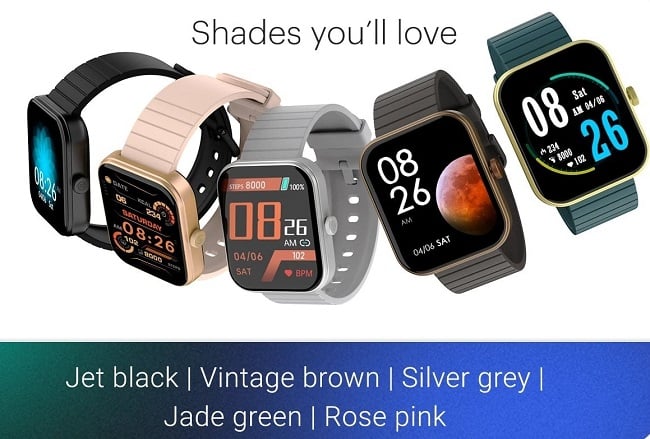
The Noise ColorFit Pulse 3 has a large 1.96-inch TFT display with a 2.5D curved screen, which provides clear visuals even in bright outdoor conditions with its 550 nits of brightness. The smartwatch boasts a metal build with interchangeable silicone straps that come in different colors. Users can choose from five attractive color variants: Jet Black, Vintage Brown, Silver Grey, Jade Green, and Rose Pink.
The Noise ColorFit Pulse 3 comes equipped with several features that enhance its functionality. One of these features is the Noise Buzz, which allows calling directly from the dial-pad, access to call logs, and the ability to save up to 10 contacts on the smartwatch. It also has Smart DND, which prevents notifications during sleep for a more restful night, and Auto Sports Detection for seamless integration into users’ active lifestyles.
The Noise ColorFit Pulse 3 excels in wellness features with the Noise Health Suite, which enables users to track vital health metrics such as heart rate, SpO2 levels, sleep patterns, stress levels, breathing exercises, and female cycle tracking. The smartwatch also offers daily reminders and weather forecasts through the built-in Productivity Suite. With over 100+ sports modes and 170+ watch faces, users can personalize their smartwatch as per their preference.
The smartwatch comes with a battery life of up to 7 days on a single charge and is also IP68 water and dust resistant. It has Bluetooth 5.3 with Bluetooth Calling, an in-built mic and speaker, and sensors such as heart rate, SpO2, and accelerometer. It also features an AI voice assistant, in-built games, and other convenient features such as remote camera control, timer, reminder, and raise to wake.
Price & availability
The Noise ColorFit Pulse 3 is priced at Rs. 1799 and can be purchased from Amazon.in and gonoise.com.
Last month, we covered a report claiming that Vivo has a new entry-level smartphone in the works called the Y02t 4G. The device made appearances on TKDN certification and the Geekbench database. Now, it looks like the Indian launch of the smartphone could happen soon as it has appeared on the Bureau of Indian Standards (BIS) certification website.
Vivo Y02t 4G BIS certification
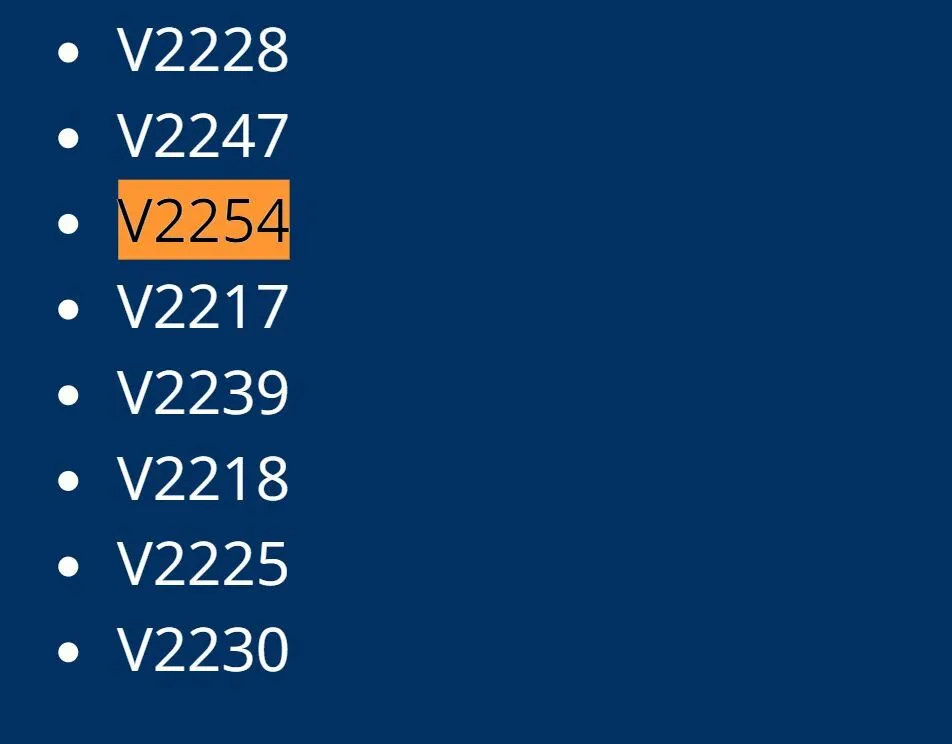
The Vivo Y02T, identified as the V2254 model number, has recently surfaced on the Bureau of Indian Standards (BIS) certification website. The certification does not reveal any of the specifications, however, a previous report has leaked some of the key features of the Y02T 4G.
Vivo Y02t 4G specs
According to a previous leak, the device is anticipated to feature a 6.5-inch Full HD+ display. While the display type remains unconfirmed, some suggest it may employ an LCD panel.
Rumor has it that the Vivo Y02t 4G will be equipped with a MediaTek Helio series chipset, offering decent performance for budget-conscious users. However, the specific chipset model has not yet been disclosed.
In terms of photography, the Vivo Y02t is expected to sport a 13-megapixel primary camera, while details regarding any additional cameras or the front-facing camera are still under wraps.
One of the highlights of the Vivo Y02t 4G is its battery capacity. Reports suggest that it will house a substantial 5,000mAh battery, ensuring extended usage time. Furthermore, it is rumored to support 18W fast charging, enabling users to conveniently recharge their devices when necessary.
iQOO, a popular Chinese smartphone brand, is gearing up for the launch of its iQOO Neo 8 series in China on May 23. Leading up to the event, the company has been gradually disclosing key specifications of the upcoming iQOO Neo 8 Pro model. In a recent poster release, iQOO confirmed that the device will feature an impressive 50-megapixel primary camera with optical image stabilization (OIS) support. The camera will utilize the renowned Sony IMX866VCS sensor, which is also found in Vivo’s X90 series (check out our review of Vivo X90 Pro+), known for its exceptional photography capabilities, particularly in low-light conditions.
While the primary camera details have been unveiled, iQOO is yet to disclose information about the secondary cameras on the iQOO Neo 8 Pro. It is speculated that the iQOO Neo 8, the base variant, may also sport a 50-megapixel primary shooter but potentially with a different sensor.
Additionally, reports suggest that the iQOO Neo 8 Pro will offer a 6.78-inch AMOLED display with an FHD+ resolution and a 120Hz refresh rate. Powering the device will be the Dimensity 9200 Plus chipset coupled with a generous 16GB of LPDDR5x RAM. Storage options are expected to range up to 1TB of UFS 4.0 storage. On the other hand, iQOO Neo 8 is expected to feature Snapdragon 8 Gen 1 chipset.
iQOO Neo 8 Pro camera samples
To ensure extended usage, the smartphone may come equipped with a sizable 5,000mAh battery and support 120W fast charging technology. The iQOO Neo 8 Pro is anticipated to feature an under-display fingerprint sensor for enhanced security. It will debut with the Android 13 operating system, customized with iQOO’s own OriginOS 3.0 user interface. Both variants will have Wi-Fi 7 support and they will feature a self-developed Vivo V1+ chipset.
With its high-resolution primary camera, powerful performance, and other notable features, the iQOO Neo 8 Pro is poised to offer users a top-notch photography experience and an overall impressive smartphone package.
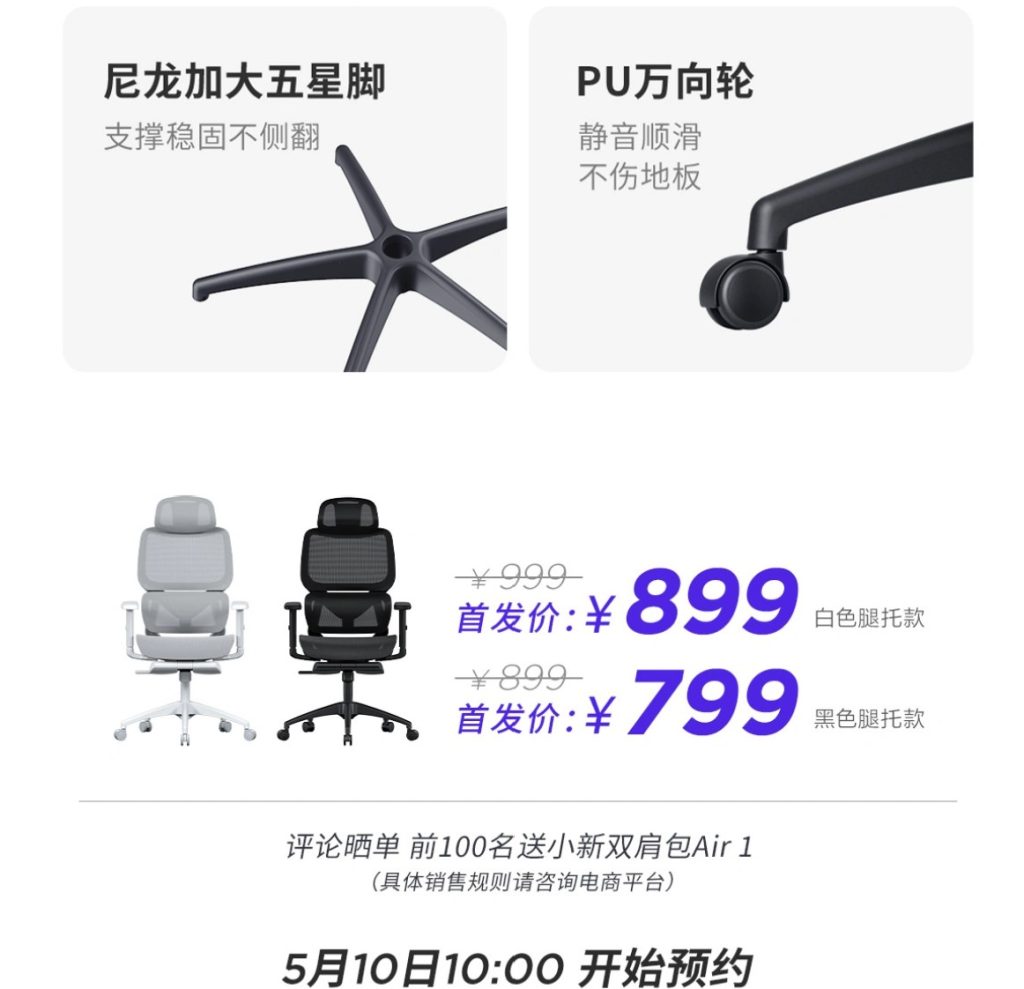
Lenovo has announced the launch of the Xiaoxin Ergonomic Chair C5 Air. The chair promotes good sitting posture, preventing back pain and other forms of discomfort. The C5 Air ergonomic chair is presently available for reservation on Lenovo’s official website. It comes in two color options – white and black. The black version is priced at 799 yuan ($114), while the white version is priced at 899 yuan ($128).
Lenovo Xiaoxin Ergonomic Chair C5 Air
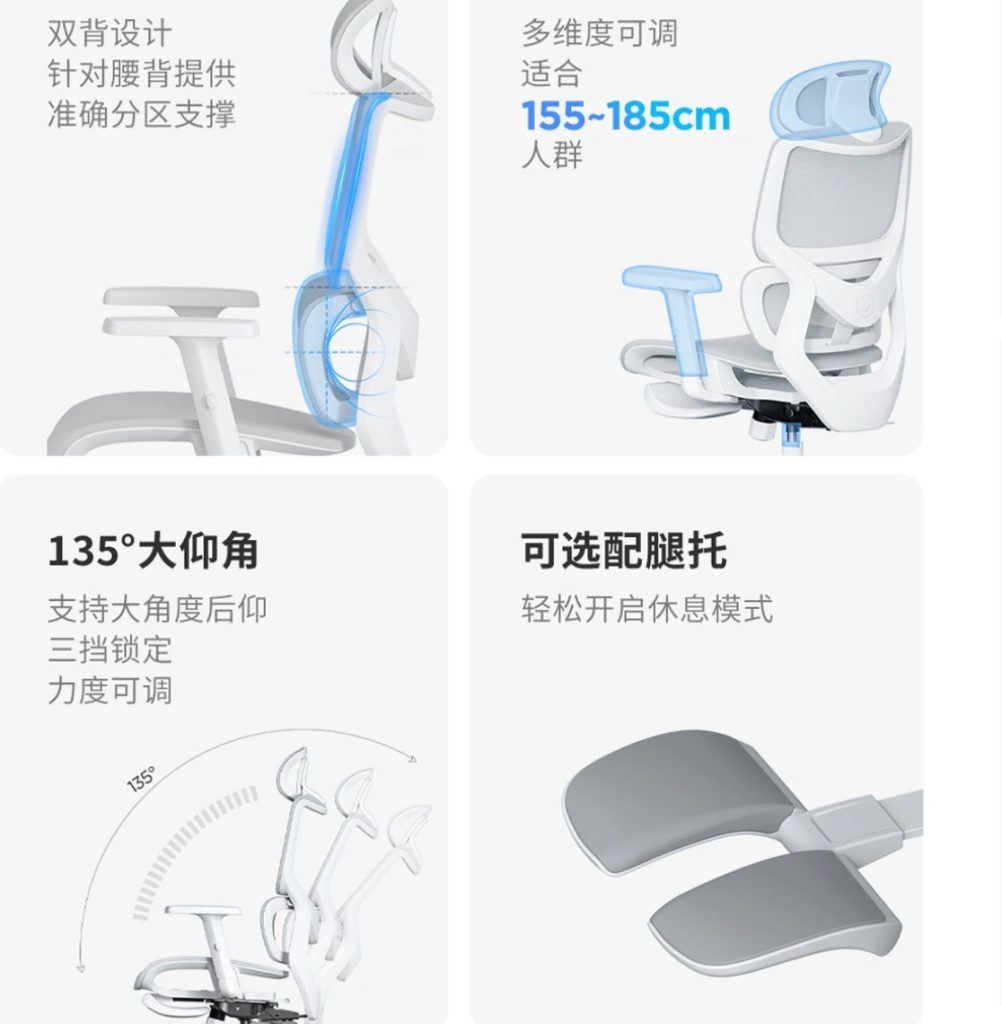
The Lenovo Xiaoxin Ergonomic Chair C5 Air features a double-back design that provides precise support for the lower back. It also offers adjustable features such as a neck pillow, armrests, and seat height, making it suitable for individuals with different heights and sitting postures. The chair is designed to accommodate users with a height range of 155 to 185 cm and a weight of up to 125 kg.
The chair includes a “pressure-free” seat cushion and uses breathable mesh material for enhanced comfort. Its construction features a 4mm thickened chassis and a Rheinland-certified air rod for durability. The chair’s base is made of nylon and has an enlarged five-star design. It is equipped with PU universal wheels for smooth movement. The chair supports a maximum elevation angle of 135° and offers third-speed locking, adjustable strength, and a retractable leg rest, allowing users to easily switch to a resting mode.
As of now, the Xiaoxin ergonomic chair C5 Air is not available on platforms like JD.com. It appears to be exclusively listed on Lenovo’s official website. Interested users can visit the website for more information and to make a reservation.
Lenovo Xiaoxin Aluminum alloy Cooling Bracket Z2
The Chinese tech giant also announced the Xiaoxin Aluminium Alloy Cooling Bracket Z2. The Lenovo Xiaoxin Aluminium Alloy Cooling Bracket Z2 is designed with a super-large hollow and foldable design. It is made of 4mm thick aluminum alloy material and has CNC processing at the corners to prevent cutting hands. The bracket is also height adjustable with five gears, making it suitable for 11-16 inches of various equipment. The initial price of the product is 79 yuan.
Lenovo Xiaoxin Aluminium Alloy Cooling Bracket Z2
The Xiaoxin aluminum alloy cooling bracket Z2 is said to be capable of reducing the temperature of the computer GPU by 5°C and also reduce noise by 5dB. It has a golden triangle structure that can support a load of up to 10kg.
The contact part of the bracket and the notebook has soft silicone to prevent sliding and scratches caused by contact between the notebook and metal. The bottom of the bracket is also equipped with soft silicone to increase friction with the desktop, making typing more stable.
In early April, the Realme GT Neo 5 SE launched in China as the world’s second smartphone with a Qualcomm Snapdragon 7 Plus Gen 2 chipset. Weeks after its debut, the brand is now teasing a new color option.
The new hue for Realme’s latest upper mid-range smartphone will be announced tomorrow (May 18). The brand has confirmed that this shade will be based on Transformers.
The collaboration is meant for the promotion of the upcoming movie Transformers: Rise of the Beasts. This movie is scheduled to release worldwide on June 9.
Realme has not shared any teaser image of the phone in the new color. Hence, we will have to wait till tomorrow to know everything.
As far as the features are concerned, the new variant should have the same set of specs as the regular color versions of the handset. Thus, it will most likely cost the same.
The Realme GT Neo 5 SE competes with the Redmi Note 12 Turbo in China. Though the latter has launched in global markets as Poco F5, Realme is yet to bring its device outside mainland China.
The GT Neo 5 SE is built around a 6.74-inch 144Hz OLED centered punch-hole OLED display with a resolution of 2772 x 1240 pixels and 10-bit color depth. It sports a triple camera system comprising a 64MP primary sensor, an 8MP ultra-wide unit, and a 2MP microscope shooter.
The device offers dual stereo speakers and an in-screen fingerprint sensor. It boots Android 13 and draws energy from a 5,500mAh battery that supports 100W fast wired charging.
Just a couple of days ago, Oppo had launched the F23 5G smartphone in India. Now, the first sale of the device will be kicking off later today (17th May 2023). The new handset features some notable specs and features, so here are all the details if you’re looking for a new sub 30K INR smartphone.
Oppo F23 goes on sale in India for 24,999 INR
Talking about the smartphone itself, the Oppo F23 5G sports a tall 6.72 inch LCD panel that has a Full HD+ resolution, 120Hz refresh rate, 240Hz refresh rate, and 680 nits of peak brightness. Under the hood, the device is equipped with a Qualcomm Snapdragon 695 SoC that is paired with 8GB of LPDD4X RAM and 256GB of UFS 2.2 storage. The smartphone also runs on Android 13 OS based ColorOS 13 out of the box.
Oppo F23 5G is powered by a large 5,000mAh battery pack that supports 67W fast charging. The rear packs a 64 megapixel triple camera setup, while the front houses a 32 megapixel selfie shooter. Other notable features include, side mounted fingerprint scanner, 3.5mm headphone hack, stereo speakers, Bluetooth 5.1, and 192 grams in weight.
The Chinese smartphone maker’s latest F23 model will be available for purchase for a price tag of 24,999 INR. It is available in two color variants, including a Bold Gold and Cool Black color option. The smartphone is also being offered with various bank discounts. This includes a flat 2,500 INR discount via HDFC and ICICI Bank Cards on Amazon. There are also similar discounts with ICICI, Axis, SBI, HDFC, and Kotak Bank transactions as well as a 2,500 INR offer through smartphone exchange.
Instagram has always been a platform that strives to enhance user engagement and creativity. And now, the popular social media app has added a long-awaited feature that is sure to bring even more fun and expression to its users: the ability to respond to posts with GIFs. The announcement was made by none other than Adam Mosseri, the head of Instagram, during a chat with Meta CEO Mark Zuckerberg.
Users can pick GIFs from Giphy, a popular GIF database
Mosseri described the new feature as a “finally feature,” acknowledging the high demand from users for this capability. With the addition of GIFs in comments, Instagram users can now go beyond words and emojis to express themselves with animated images from Giphy, a well-known GIF database.
This update comes on the heels of the UK’s Competition and Markets Authority’s order for Meta (Instagram’s parent company) to sell Giphy last year. Despite that, Instagram has decided to leverage the popular GIF platform to enhance user interactions within the app.
But that’s not all. Mosseri also revealed that Instagram is testing another exciting feature called lyrics in Reels. This feature builds upon the auto-caption sticker introduced by Meta in 2021. The inclusion of a timeline at the bottom of the interface will allow users to sync the captions accurately, enhancing the overall experience of watching and creating Reels.
Perhaps this latest addition of GIFs in comments is a sign that Instagram is actively listening to its users’ feedback. As of now, Instagram users can rejoice in the newfound ability to add a touch of animated flair to their comments and look forward to even more exciting updates in the future.
TCL has recently announced the launch of its brand new range of QLED TVs, the Q Class series for 2023. The series comprises three models, the Q6, Q7, and QM8, all of which come with advanced features and significant upgrades compared to their previous generation.
One of the major highlights of these TVs is the Quantum Dot technology, which enhances color accuracy and provides a wider range of colors than traditional LED TVs. Additionally, the UltraWide Color Gamut feature ensures that the TVs display more vivid and accurate colors than standard TVs. This makes the viewing experience more immersive and enjoyable.
The entry-level Q6 model boasts a direct LED display with a peak brightness of 700 nits. It also supports Dolby Vision and HDR10+ and features a 60Hz refresh rate. The mid-range Q7 model, on the other hand, has a Mini LED display with 2,000 local dimming zones and a peak brightness of 1,000 nits. It also supports Dolby Vision IQ, HDR10+, and features a 120Hz refresh rate, making it an ideal choice for avid gamers. Lastly, the top-of-the-line QM8 model has a Mini LED display with 2,300 local dimming zones and a peak brightness of 2,000 nits. It supports Dolby Vision IQ, HDR10+, and also has a 120Hz refresh rate. This model is undoubtedly a premium choice for home entertainment enthusiasts who want nothing but the best viewing experience.
All three models of the TCL QLED Q Class TV range feature the Google TV OS, which makes it easier to access streaming services and content. It also supports voice commands using either Google Assistant or Amazon Alexa. Additionally, the TVs come with built-in speaker systems, with the QM8 model having a 40W sound system with a subwoofer for an enhanced audio experience.
Pricing & availability
The Q6 comes in different sizes, including the 55-inch model priced at $499.99, the 65-inch variant at $699.99, the 75-inch option at $899.99, and the grand 85-inch edition at $1,599.99. The Q7 starts at $749.99 for the 55-inch model and goes up to $2,199.99 for the 85-inch model. The prices for the QM8 range from $1,699.99 for the 65-inch model to $9,999.99 for the colossal 98-inch variant. All three models are available to buy in the US.
YouTube‘s algorithm has come under scrutiny after a study conducted by the Tech Transparency Project (TTP) revealed that it recommended videos promoting guns, school shootings, and a movie about serial killer Jeffrey Dahmer to accounts for young gamers. The findings raise concerns about the safety of YouTube’s recommendation system and its impact on the well-being of young users.
YouTube pushed shooting and weapon-related content to young kids
The study involved creating four test YouTube accounts, two identified as nine-year-old boys and two as 14-year-old boys, who showed interest in video games by watching gaming playlists. The researchers analyzed the videos recommended by YouTube’s algorithm to these minor accounts, with some engaging with the recommendations and others not.
Contrary to YouTube’s claims of delivering responsible recommendations, the study found that YouTube pushed content related to shootings and weapons to all gamer accounts. However, the accounts that clicked on the recommended videos were exposed to a significantly higher volume of gun and shooting-related content. These recommendations included videos depicting school shootings, instructions on modifying firearms into automatic weapons, and a movie about serial killer Jeffrey Dahmer.
Notably, many of these videos violated YouTube’s own policies on violence, firearms, and child safety. Despite this, YouTube appeared to take no action to age-restrict or remove the videos. This contradicts YouTube’s 2021 assertion that its recommendations do not steer viewers toward extreme content.
YouTube’s popularity among young people is evident, with a 2022 Pew Research survey revealing that 95% of surveyed individuals between the ages of 13 and 17 used the platform. Despite this, YouTube has received less scrutiny than platforms like TikTok and Instagram regarding their impact on teen development and well-being.
YouTube’s recommendation algorithm operates based on user signals, such as clicks, watch time, and video preferences. Recommendations drive a significant portion of overall viewership on the platform, emphasizing the importance of delivering engaging content and ads. While users cannot disable the recommendations feature, they can remove individual recommended videos from their feeds.
The study highlights the need for YouTube to address the issues with its recommendation system, especially concerning the exposure of minors to harmful and inappropriate content. Stricter enforcement of policies and age restrictions, along with ongoing transparency and accountability, are necessary to ensure a safer and more responsible YouTube experience for young users.
We use cookies on our website to give you the most relevant experience by remembering your preferences and repeat visits. By clicking “Accept”, you consent to the use of ALL the cookies.
This website uses cookies to improve your experience while you navigate through the website. Out of these, the cookies that are categorized as necessary are stored on your browser as they are essential for the working of basic functionalities of the website. We also use third-party cookies that help us analyze and understand how you use this website. These cookies will be stored in your browser only with your consent. You also have the option to opt-out of these cookies. But opting out of some of these cookies may affect your browsing experience.
Necessary cookies are absolutely essential for the website to function properly. This category only includes cookies that ensures basic functionalities and security features of the website. These cookies do not store any personal information.
Any cookies that may not be particularly necessary for the website to function and is used specifically to collect user personal data via analytics, ads, other embedded contents are termed as non-necessary cookies. It is mandatory to procure user consent prior to running these cookies on your website.