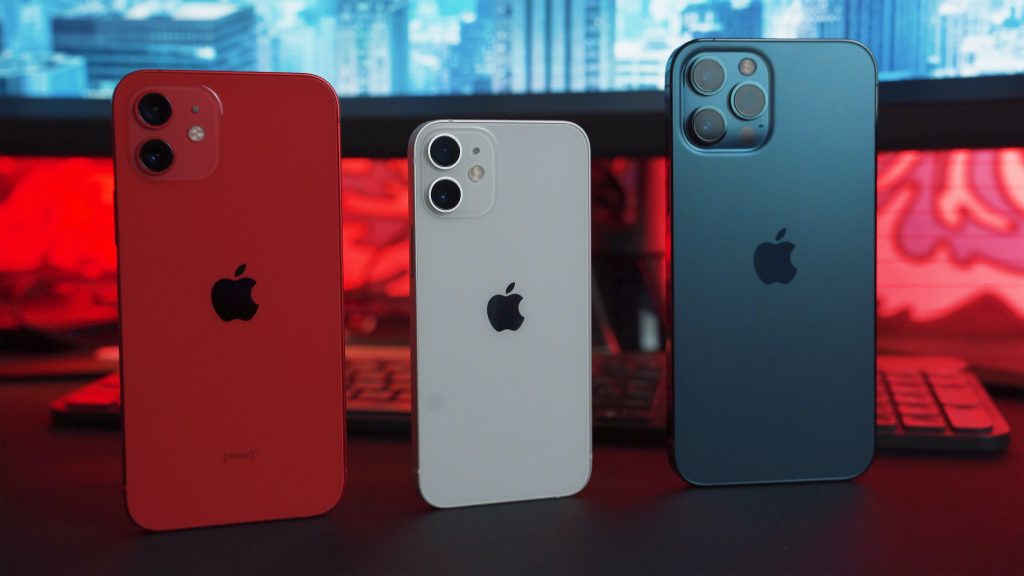
Reign, a spy application with destructive capabilities comparable to Pegasus, was discovered by the Citizen Lab of the Munk College of the University of Toronto, as reported on April 12 by IT Home. The app is capable of transmitting data after infecting devices, without the user knowing about it.
The spyware has mainly targeted dignitaries, journalists, and others, with at least 5 cases having been identified so far. Reign uses a vulnerability called “Endofdays” to attack iPhone devices running iOS 14.4 and iOS 14.4.2 updates.
Like Pegasus, after infecting an iPhone, Reign can access various components of iOS and iPhone functions. The spyware can record calls and microphone input, take pictures with the camera, extract or remove content from the keychain, generate iCloud 2FA passwords, search files and databases on the device, track the device’s location, and clean software traces to minimize detection possibilities.
Spyware is a growing concern in the digital age. In the wrong hands, it can be used to gather sensitive information or control devices without users’ knowledge or consent. Devices infected with spyware can become tools for criminal activities such as identity theft, financial fraud, and espionage.
It is crucial for phone users to take measures to protect themselves from spyware attacks. This includes keeping their devices updated with the latest security patches and avoiding downloading apps from unknown sources. Additionally, users should be wary of suspicious emails, messages, or phone calls that may contain phishing links or malicious attachments.
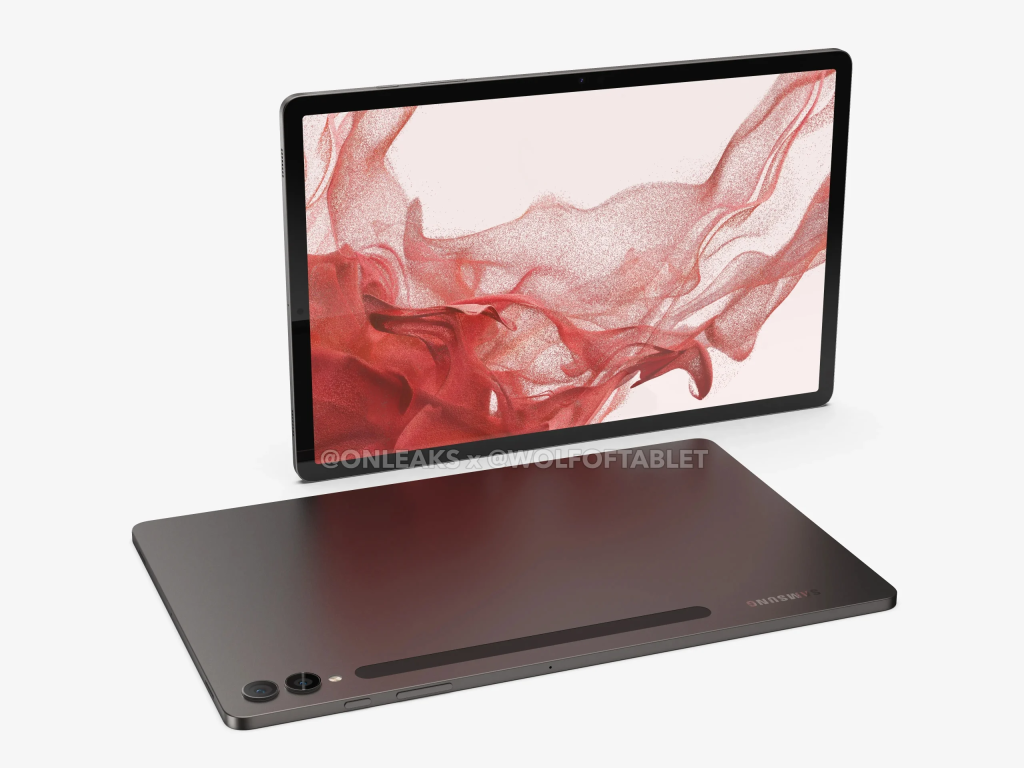
Samsung is planning to introduce its new range of flagship Android tablets in the second half of 2023. The lineup is expected to feature three tablets: Galaxy Tab S9, Tab S9 Plus, and Tab S9 Ultra. While the Ultra variant has already had a bunch of leaks, not much is known about the Plus model. Now, the Galaxy Tab S9 Plus has made an appearance on Geekbench.
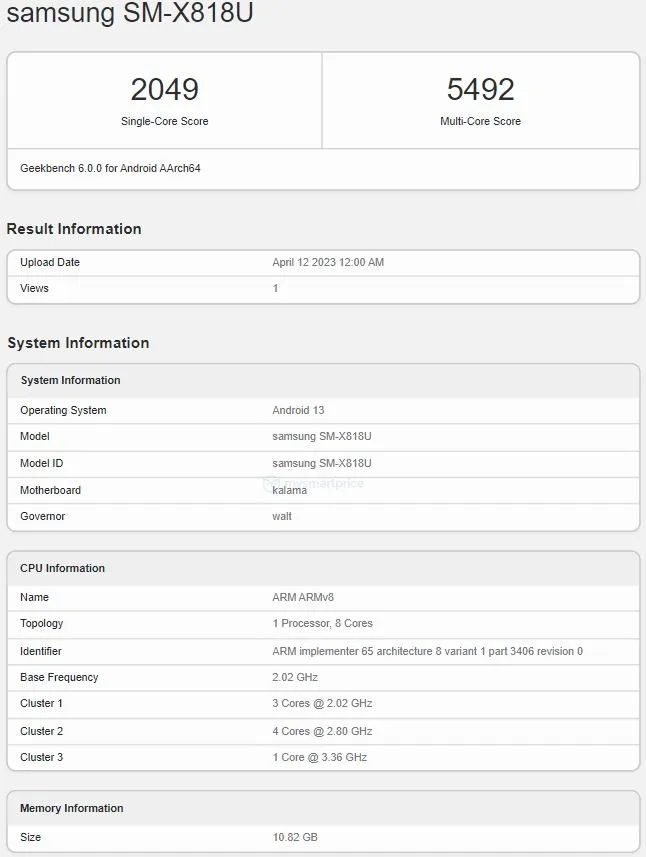
The Tab S9 Plus appeared on Geekbench with the model number SM-X818U. The listing has revealed its performance along with some key specifications. The model number reveals that the device is meant for the US market. It features an octa-core processor with a 1 + 3 + 4 core configuration. The codename “Kamala” reveals that it is a Qualcomm Snapdragon 8 Gen 2 processor.
What’s interesting is the peak clock speed, which is more than what the stock Snapdragon 8 Gen 2 chip comes with. This all but confirms that the chipset inside this tablet is the special Snapdragon 8 Gen 2 for Galaxy. The same chip is used in the Galaxy S23 flagship smartphone lineup. The device is expected to come with a whopping 12GB of RAM and will run on the latest Android 13 operating system out of the box.
The Samsung flagship tablet put up an impressive performance during the Geekbench 5 benchmark test, achieving a single-core score of 2049 points and a multi-core score of around 5492 points. While this is a commendable feat, it remains to be seen if the tablet can maintain this level of performance over time. Furthermore, it will be intriguing to observe how this added processing power translates to tackling demanding tasks on the device.
Elon Musk, the tech entrepreneur known for his innovative ideas and bold statements, has reportedly purchased 100,000 GPUs for Twitter’s in-house artificial intelligence project. The move comes after Twitter hired two former DeepMind researchers and suggests that the company is moving forward with an ambitious plan to create a generative AI that can be trained on its vast trove of data. While the project’s specific goals are unknown, sources suggest that the AI could be used to improve Twitter’s search functionality or advertising business.
GPUs, or graphics processing units, can perform a large number of calculations in parallel, making them ideal for machine learning and artificial intelligence tasks that require a lot of computation power. GPUs can accelerate the training of deep learning models by processing large amounts of data in a short amount of time, making them a critical component in AI research and development.
As per past reports, Musk has been critical of OpenAI‘s for-profit subsidiary and reportedly left the organization after a power struggle with fellow co-founders. According to reports, Musk promised to provide OpenAI with roughly $1 billion but stopped payments after his departure, leaving the organization scrambling to raise cash. OpenAI later secured a $1 billion investment from Microsoft and announced the creation of a for-profit subsidiary.
Twitter can benefit from an AI model in several ways. As mentioned previously, the company could use AI to improve its search functionality, which would make it easier for users to find the content they are looking for. Additionally, Twitter could use AI to better understand the needs and preferences of its users, which would allow the company to provide more personalized content and recommendations. AI could also help Twitter to rebuild its advertising business by making it easier for advertisers to reach their target audiences and measure the effectiveness of their campaigns.
Samsung is expected to launch multiple premium devices in the second half of 2023. This will include the Galaxy Z Fold 5, the Galaxy Z Flip 5, and the Galaxy Tab S9 series. Specs of the flagship Galaxy Tab S9 Ultra has already leaked, and the tablet has also appeared on Geekbench revealing its performance. Now, a new leak has tipped the storage variants of the flagship tablet.
A Twitter tipster going by Revengnus has claimed that the Galaxy Tab S9 Ultra will be released in three variants, differing in RAM and storage capacities: 8GB RAM and 128GB storage, 12GB RAM and 256GB storage, and 16GB RAM and 512GB storage. Other than the storage and RAM options, let’s take a look at the other leaked specs of the Tab S9 Ultra.
Samsung Galaxy Tab S9 Ultra specs (leaked)
The Galaxy Tab S9 Ultra, the upcoming Android tablet from Samsung, is set to feature impressive specifications. It will have a WQXGA+ display measuring 14.6 inches and the same dimensions as its predecessor, the Tab S8 Ultra, with a thickness of 5.5mm and a weight of approximately 737 grams.
The tablet’s battery will be a powerful 11,200mAh, capable of supporting 45W fast charging, although it is unlikely that a charger will be included in the package. The device will also boast an upgraded performance unit, with a Qualcomm Snapdragon 8 Gen 2 SoC, which has a clock speed of 3.36GHz, similar to that of the Galaxy S23 series. Additionally, it is anticipated to offer up to 16GB of LPDDR5X RAM.
In terms of durability, the Galaxy Tab S9 Ultra will have an IP68 rating, meaning that it will be both water and dust resistant. The device will be able to withstand immersion in water up to 1.5 meters deep for up to 30 minutes, making it ideal for use outdoors or in challenging environments.
[Update] In the previous version of this post, it was incorrectly mentioned that there are two configurations of the Phantom V Fold. The article has been updated to state that it comes in a single 12+256GB version only.
Original story continues…
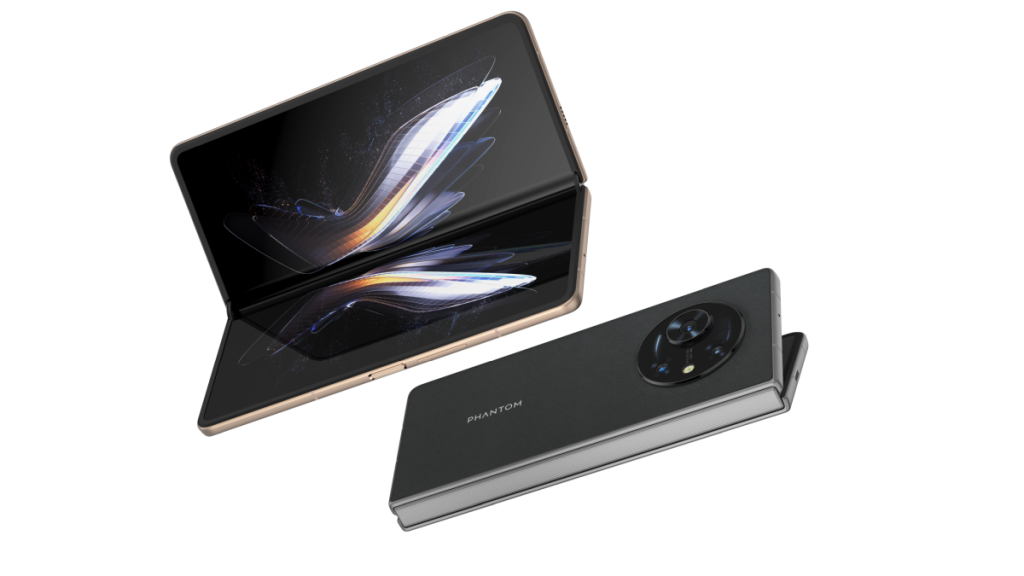
Tecno held a launch event in India yesterday (April 11) to announce the Phantom V Fold, which is the company’s first foldable smartphone. The said device was showcased at MWC 2023 earlier this year. Starting today, it will be available for purchase in India.
Tecno Phantom V Fold price in India, offers
The Tecno Phantom V Fold comes in a single variant that offers 12 GB of RAM and 256 GB of storage, which is priced at Rs 88,888. The device comes in black and white colors variants.
Tecno Phantom V Fold
Customers who pre-book the Tecno Phantom V Fold at offline stores will receive a free trolley bag worth Rs. 5,000, but this offer is only available while supplies last. The offline stores will start receiving pre-booking of the Phantom V Fold on April 22.
For those who purchase the Phantom V Fold, Tecno is offering a free protection plan worth Rs 8,888, which includes a one-time screen replacement within 6 months, free pick-up and drop service, and a 1-year extended warranty. HDB Financial Services is also offering a cashback offer of Rs 5000.
For early bird buyers, the Phantom V Fold will be available at a special price of Rs 77,777 during the early access sale starting from April 12 (today) via Amazon India. However, please note that this offer is also available only for limited stock.
Tecno Phantom V Fold specifications
The Tecno Phantom V Fold has a 7.85-inch AMOLED LPTO foldable screen that offers a 2K+ resolution, a 120Hz refresh rate, and an 8:7 aspect ratio. On the front, it has a 6.42-inch AMOLED cover display with support for a Full HD+ resolution, a 120Hz refresh rate, and a 21:9 aspect ratio. It runs on Android 13 OS and HiOS 13 Fold UI.
Under the hood, the Phantom V Fold has the Dimensity 9000 Plus chipset, LPDDR5x RAM, up to 9 GB of virtual RAM, and UFS 3.1 storage. It packs a 5,000mAh battery with 45W fast charging support.
The Phantom V Fold has a 32-megapixel front-facing camera and a 16-megapixel camera on the foldable screen. Its rear camera setup has a 50-megapixel primary camera with an f/1.8 aperture, a 13-megapixel ultra-wide lens, and a 50-megapixel telephoto camera with 2x optical zoom.
McAfee is a cybersecurity company that provides antivirus, encryption, and other security solutions for personal computers, mobile devices, and enterprise networks. The company was founded in 1987 by John McAfee and was later acquired by Intel in 2010. McAfee is known for its antivirus and anti-malware software, which helps protect users’ devices from malware, viruses, and other cyber threats. The company first teamed up with Samsung in 2010, when the company’s security solutions were integrated into select Samsung smartphones. Since then, the partnership has continued to evolve, with McAfee’s software being pre-installed on Samsung devices and offered to Samsung users for free. The company also offers a range of other cybersecurity products and services, including identity theft protection, mobile security, and cloud security solutions. As per the latest reports, McAfee has further extended its partnership with the South Korean Tech Giant.
McAfee and Samsung aim to offer improved security solutions for Samsung’s latest smartphones, including the Galaxy S23 series and Galaxy Book3 series. The partnership, which has been ongoing for almost a decade, ensures that Samsung customers have access to McAfee’s antivirus protection, pre-installed on their devices. This partnership is part of McAfee’s mission to empower consumers to enjoy their online activities with confidence, without worrying about potential risks.
In addition to smartphones, McAfee’s security solutions will also cover Samsung’s tablets and PCs, highlighting the importance of malware protection in today’s digital age. Malware protection is essential for smartphones because these devices are vulnerable to online threats, just like computers. Malware can infect a smartphone through malicious apps, emails, and links, compromising the user’s data and potentially causing financial harm. With the rise of mobile banking and other online activities, smartphones are increasingly becoming a target for cybercriminals, making malware protection a critical aspect of device security. This announcement is a significant milestone in McAfee and Samsung’s partnership, and it’s exciting to see what new developments they will bring to the market in the years to come.
Google Maps has undergone significant development over the past few years, with numerous updates and improvements to enhance its functionality and user experience. Way back in 2018, Google introduced a “For You” feature, which offers personalized recommendations for restaurants, cafes, and other businesses based on a user’s search history and location. In the past, Google Maps has integrated with ride-sharing services, allowing users to book rides directly within the app, further adding to the convenience of tourists. The app has also become more eco-friendly, providing users with options for more sustainable modes of transportation, such as biking and public transit. The introduction of AR technology to Google Maps has further been helpful for those who like exploring on their own. These developments have made Google Maps a more comprehensive and user-friendly tool for navigating the world around us. Google is adding another set of features, this time aimed towards national park explorers.
One of the most significant new features is the ability to identify popular places in a park, including attractions, campgrounds, visitor centers, and trailheads. Users can search for the park they’re interested in and tap on any of the photos to get more details, such as videos and reviews from people who have already visited the location. Another exciting new feature highlights a trail’s entire route on the map, providing more details on the trail’s difficulty level and suitability for various activities, such as running, walking, or cycling. This feature will help visitors plan their hiking routes and ensure they have the necessary equipment and gear, which will help deal with any unexpected hiccups during hiking.
The third new feature highlights park entrances on the map, making it easier to request walking or cycling directions to a trail and ensuring visitors get on the right track. Lastly, a new offline map feature will allow users to download an offline map for specifically that park, so they can check the app even without an internet connection. This feature is especially useful for visitors exploring remote areas of the park where there may be limited cell service.
These new features will be available on iOS and Android devices and will be coming to all US national parks in April. Google plans to roll out these features to parks around the world in the coming months. In a past statement from the company, it listed various ways to deal with scammers and malicious elements that interfere with Google Maps. With these updates, Google Maps is proving to be an essential tool for exploring and navigating national parks, making it easier for visitors to enjoy the beauty and wonder of these natural wonders. This also gives it another significant edge over other map applications, for instance, Apple Maps.
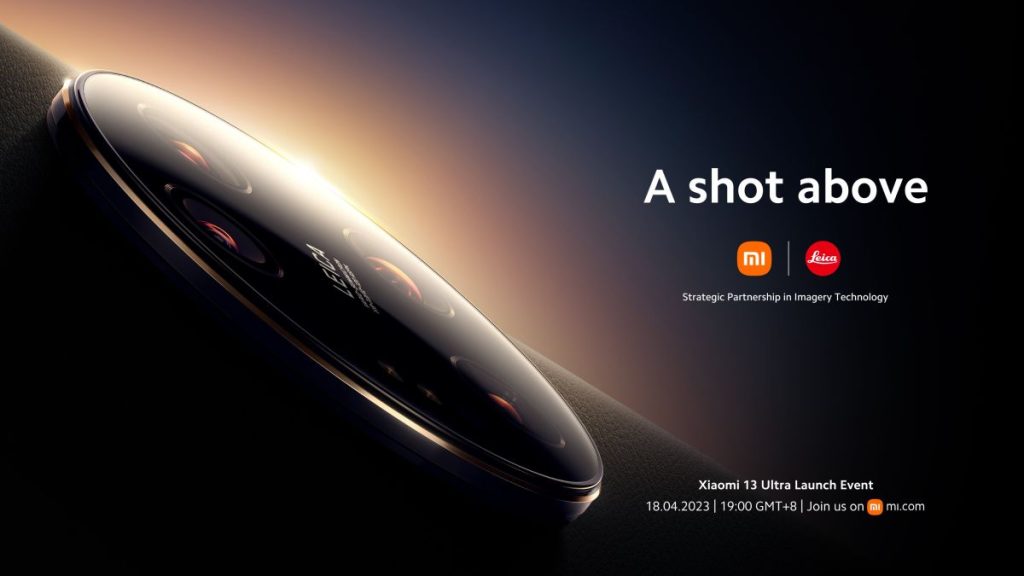
Xiaomi 13 Ultra launch date has been officially confirmed. At 7 PM (GMT+8) on April 18, Xiaomi will hold a global launch event for the Xiaomi 13 Ultra. At the same time, the device will also be unveiled in China.
While there is no official confirmation yet, Xiaomi may unveil some other products at the Xiaomi 13 Ultra launch event. It is likely that the Xiaomi Pad 6 series of tablets may also go official on the said date.
Xiaomi 13 Ultra launch date
According to tipster Digital Chat Station, the Xiaomi 13 Ultra is equipped with a Vario-Summicron 1-inch main camera with variable aperture. The four cameras will have an aperture range spanning from f/1.8 to f/3.0 and covering focal lengths from 12mm to 120mm. The 13 Ultra will offer 5x optical zoom thanks to the periscope zoom camera that it will feature.
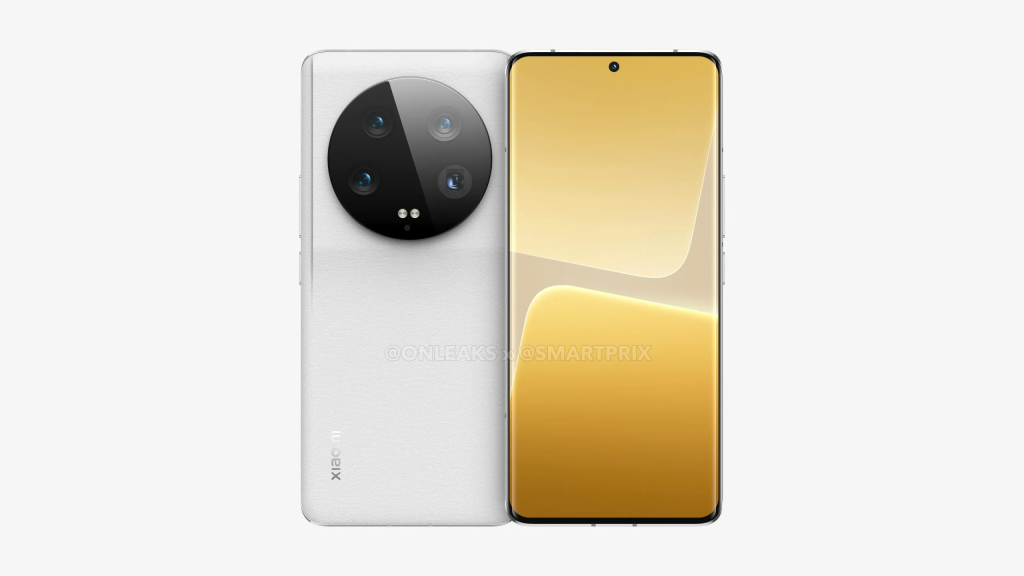
Reports have revealed that the Xiaomi 13 Ultra will have a 1-inch Sony IMX989 50-megapixel primary camera. It is likely to be accompanied by three Sony IMX858 50-megapixel cameras for ultra-wide, telephoto, and periscope zoom. The device is expected to feature a 32-megapixel camera on the front. Shown here is a CAD render of the Xiaomi 13 Ultra that surfaced yesterday.
Xiaomi 13 Ultra CAD render
As per a recent post, the Xiaomi 13 Ultra will not launch in some markets like India, Indonesia, and Turkey since there are no Xiaomi 13 Ultra MIUI firmware builds for these countries. It is expected to release in regions like the Global, EEA, Russia, and Taiwan. It may also release in Japan, even though there is no Japan-specific MIUI build available.
Last month we did a comparison of the OnePlus Nord 3 and the Realme gt neo5, and my conclusion is that there is in fact no loser between the two. And that the real shame is on the Redmi k60 series, their strongest competitor. After twice announcing price cuts as a temporary response, Redmi finally waited for their true savior, and now I’m holding in my hands the world’s first brand new phone with the Snapdragon 7+ Gen 2 platform, the Redmi Note 12 Turbo, which will be released globally as Poco F5.
Today let’s see how Redmi returns the favor to its rivals and dominates the budget phone market once again.
By the way, we also made an unboxing video about the Harry Potter limited edition of the model. So if you are interested, you can check it out here.
We will upload the video as soon as possible.
Unboxing & Design
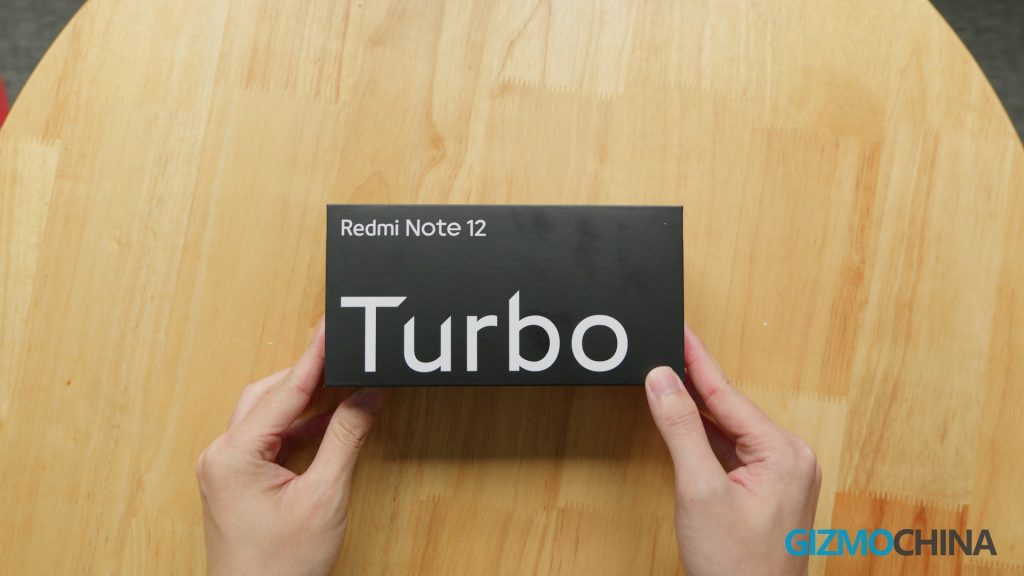
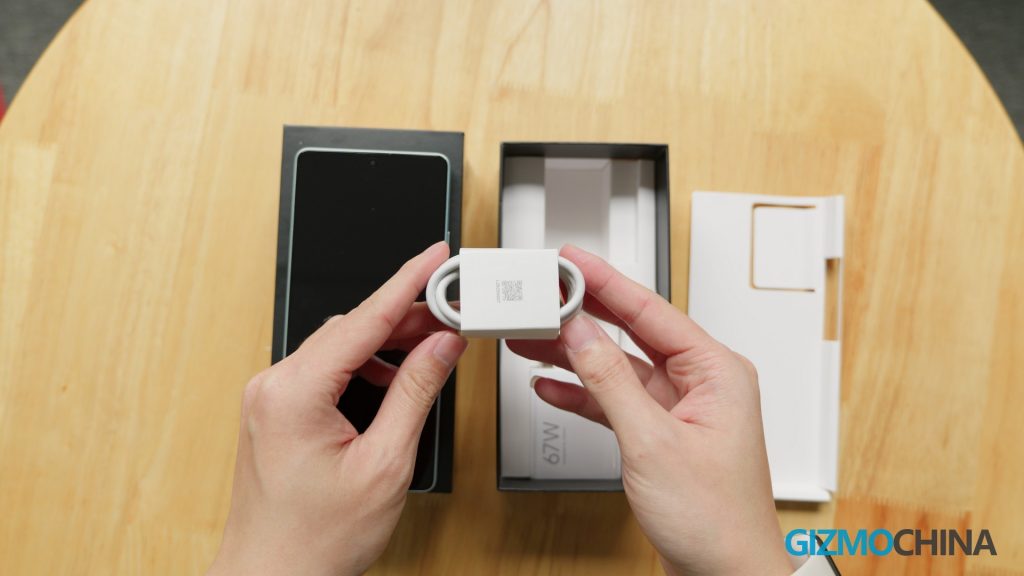
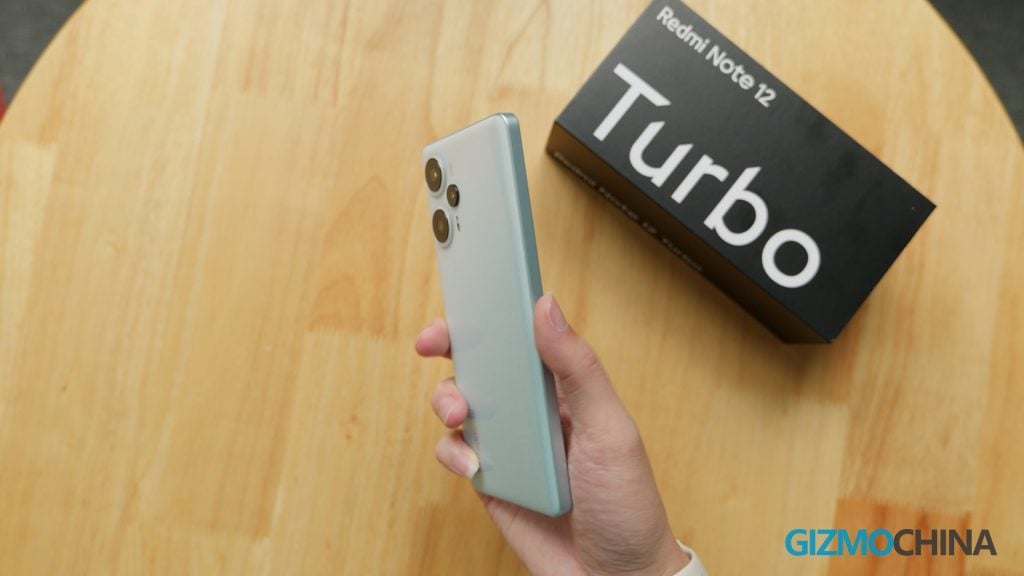
One of the marketing words for the Redmi Note 12 Turbo is magic, so we can see it wrapped in a black box with a mysterious feel. What we got is the white variant with insane 16GB memory and 1TB storage, which is one of the hottest-selling versions because it costs only $400! This is totally insane, and here we can also learn from the label that it supports Dolby Vision display as well as Dolby Atmos sound.
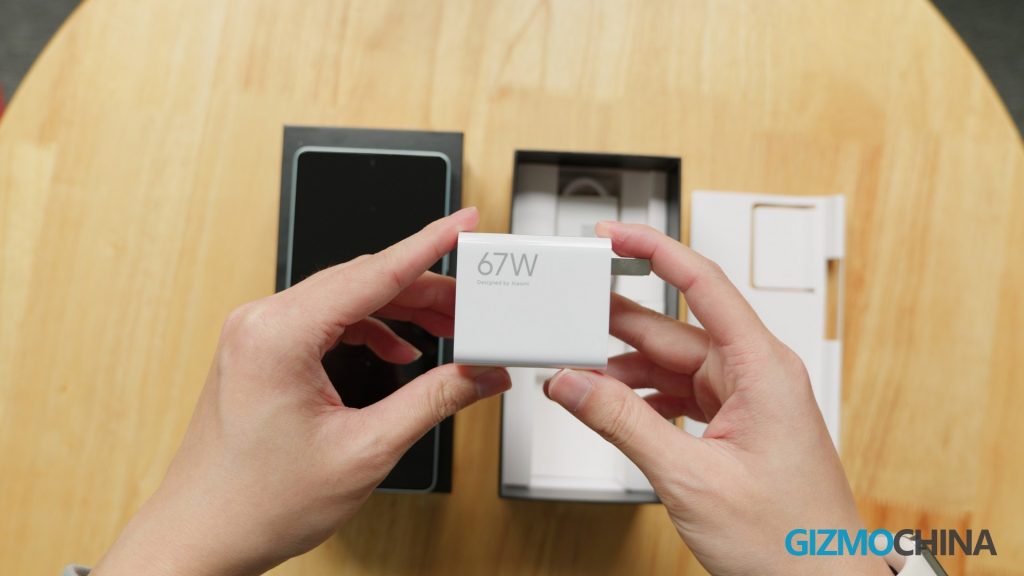
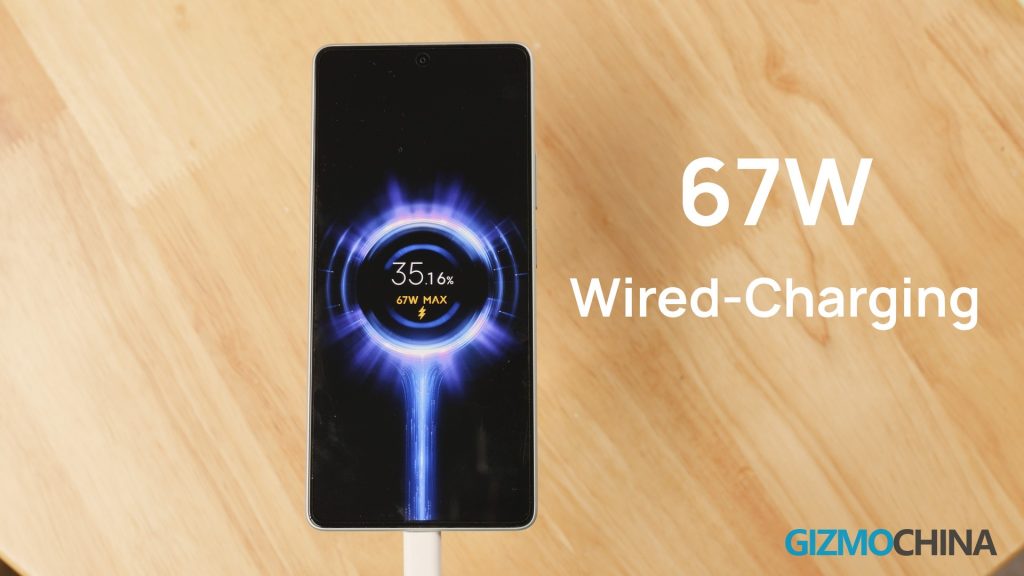
Accessories are not significantly different from Redmi’s previous budget models. A User guide, warranty card, and a TPU case, Unsurprisingly, at the bottom of the package we also have a USB-A to USB-C cable and a 67-watt charger. Now let’s take a glance at the phone, the Redmi Note 12 Turbo.
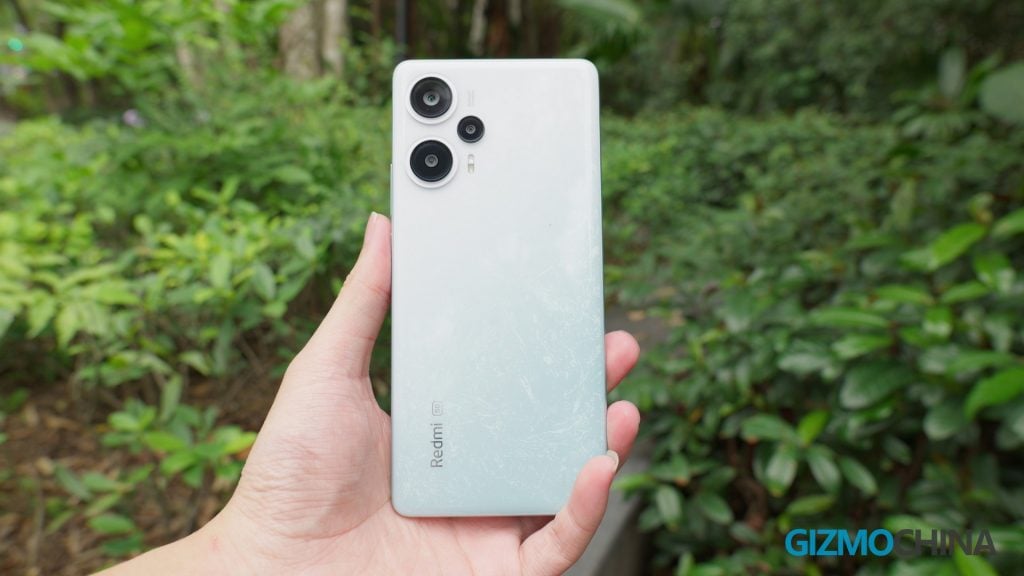
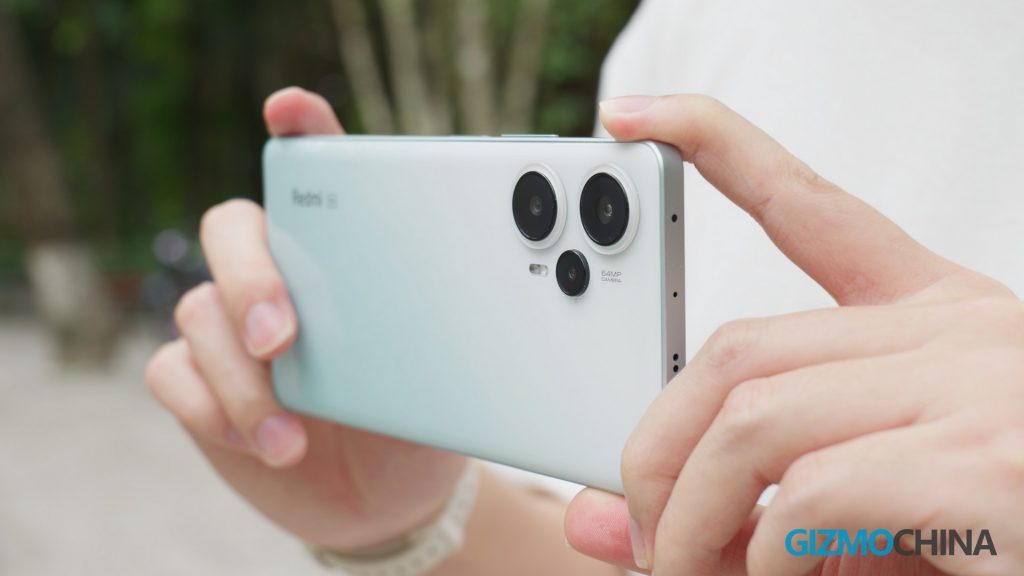
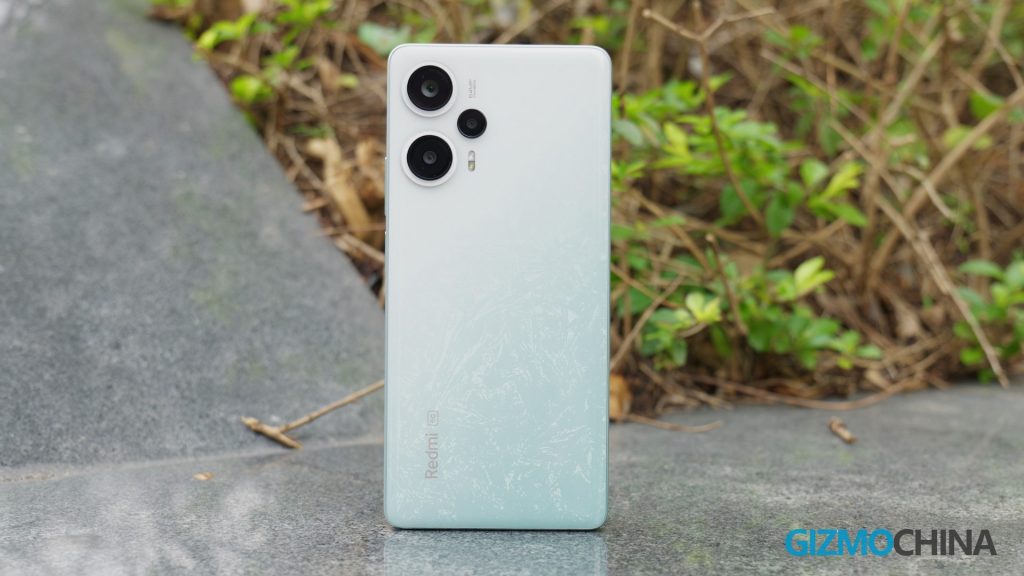
The white variant has a Chinese name that indicates white feathers and ice, and when you look at the fantastic and charming back cover, you will understand that it is really a very apt name. I love the white to-lime green gradient and the shimmering ice crystal texture as the perspective changes, This would be a great stylized look for summer.
The Note 12 Turbo has a full wrap-around flat body, and most importantly this time they finally removed the cheap plastic bracket that connects the screen to the frame, which was one of the biggest disadvantages of the Redmi K series against OnePlus Ace series. OK now let’s do some more in-depth experience and testing on all aspects of it.
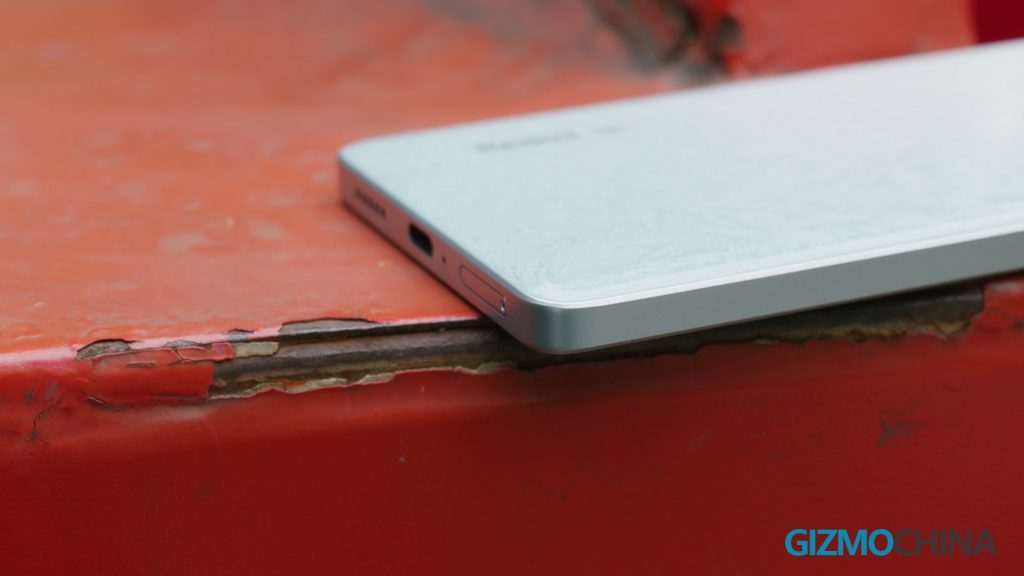
The Note 12 Turbo’s frame and back cover are plastic, but visually it doesn’t feel cheap at all. Redmi has good attention to detail, and the surface of the frame is sandblasted which gives it a metal-like look and feel, and its sides are chamfered so it doesn’t feel sharp when you move your fingers from the back cover or screen to the frame.
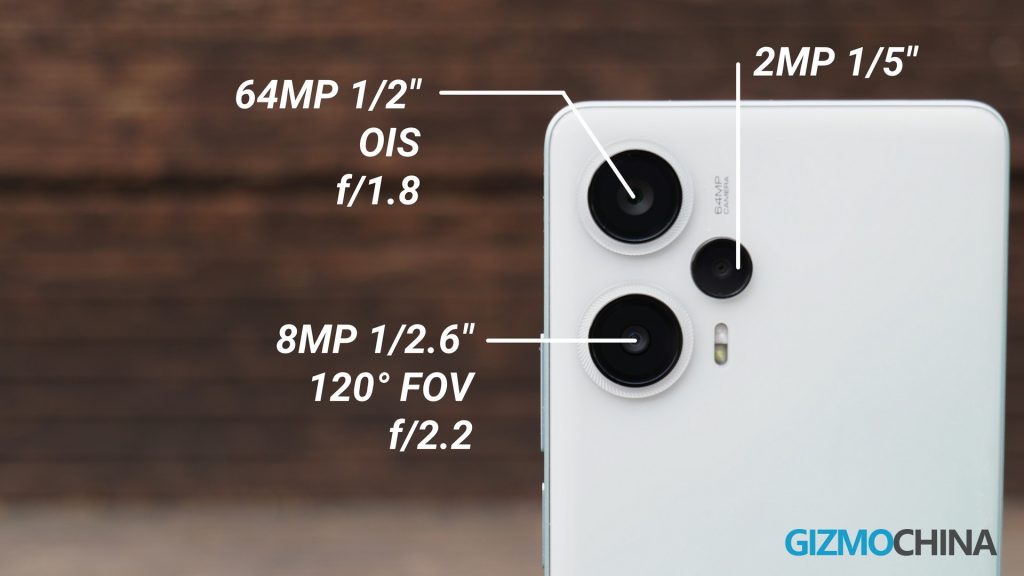
The camera setup located on the back cover is no longer a huge integrated module, each camera is like a separate island floating on the back cover. Compared to the K60 series, the Note 12 Turbo has excellent size and weight control, it’s about 0.3mm thinner and 10 grams lighter than the OnePlus Nord 3, and what really gets me is that it still has a 5000mAh battery inside.
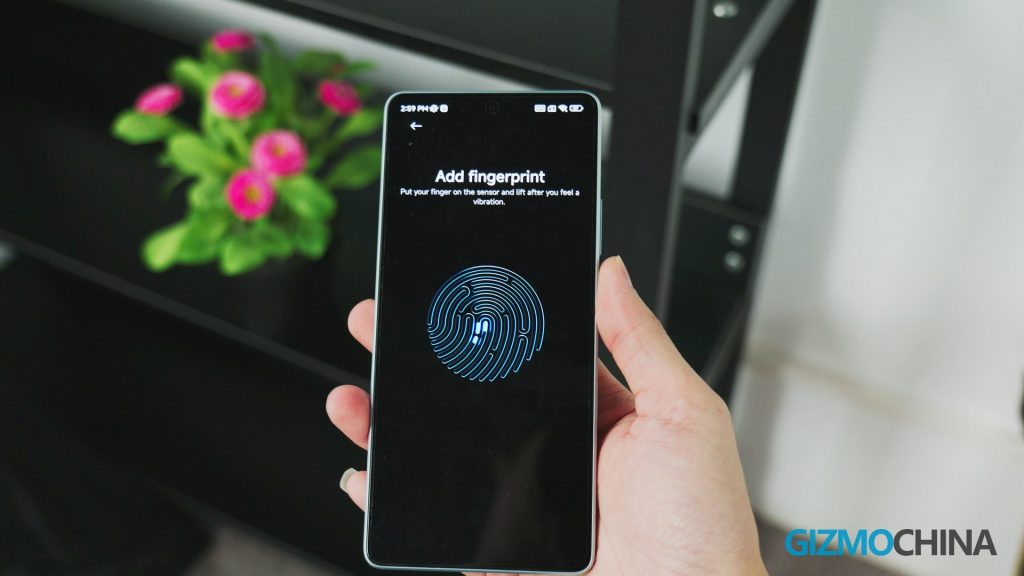
Two other details on the Note 12 Turbo that surprise me are that they still retain the 3.5 mm headphone jack in 2023 and that they opted for a well-located side fingerprint sensor. Trust me, while the under-screen optical fingerprint sensor looks more advanced. But if you actually compare them side-by-side, you’ll never prefer the under-screen optical fingerprint sensor again.
Display
When you wake up the Note 12 Turbo’s screen, the display panel that takes up almost the entire front face will blow you away, it’s almost the ultimate form of the smartphone display, though there’s still a hole punch for a selfie camera. This screen supports 12-bit color depth which gives a very nice transition of colors for all the images displayed on the screen, you won’t see those bad color breaks when you watch HDR content anymore.
Performance
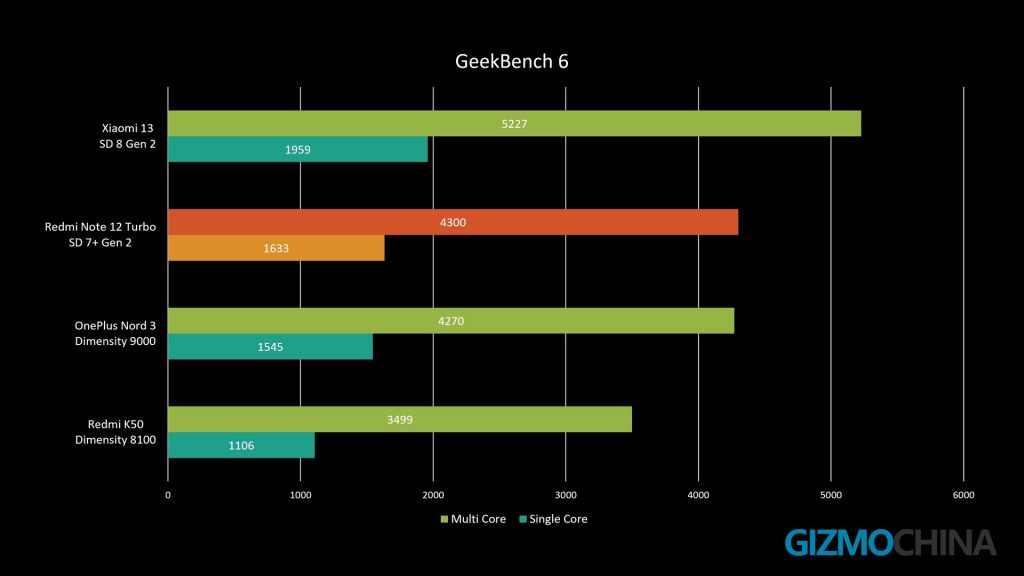
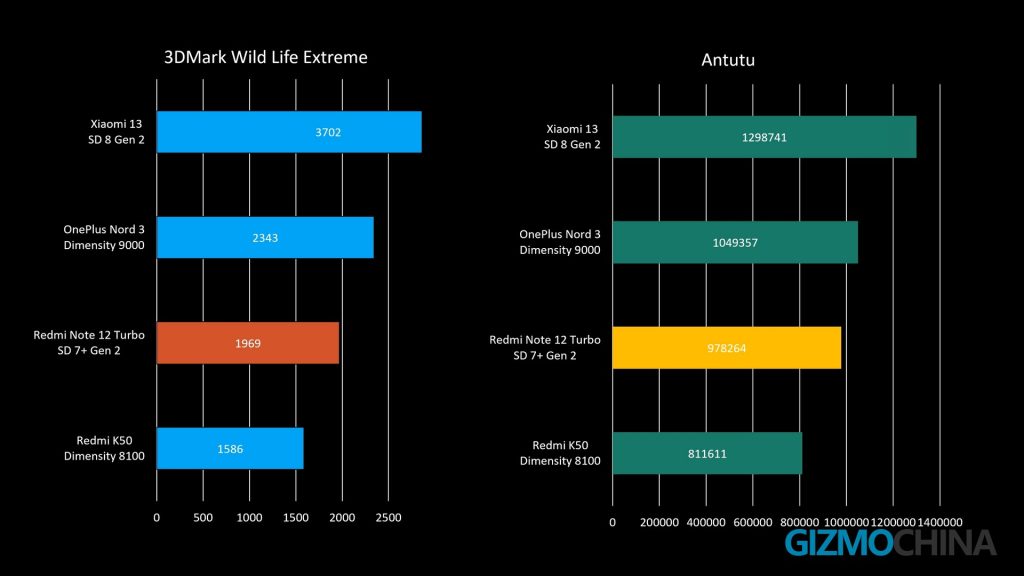
Snapdragon 7+ Gen 2 may be an unfamiliar name to you, as it is Qualcomm’s latest quasi-flagship platform released last month, which is the first time they have put prime core on the Snapdragon 7 series and brings many features previously supported only on flagship platforms. And most importantly, its GPU performance no longer lags far behind flagship products.
The Note 12 Turbo performed very close to those phones with Snapdragon 8+ Gen 1 no matter in Benchmark or gaming. And they were all more expensive than the Note 12 Turbo.
Another benefit I found while playing games is that the new platform has better power efficiency, with neither the back cover nor the frame of the phone overheating during 20 minutes of Genshin Impact gameplay.
Test tool – Perfdog
For such a budget phone, talking too much about the camera doesn’t seem to have much value, in fact, I always thought Android manufacturers should learn from Apple to keep a high-quality wide-angle camera only on the budget models, just like the iPhone SE 3.
Cameras
Because the Note 12 Turbo’s ultra wide-angle camera and macro camera are average, these days I just used its 64MP wide-angle camera to shoot these samples for your reference. It looks good in the daily shooting but there’s no obvious advantage if compared with other competitors in the same price range.
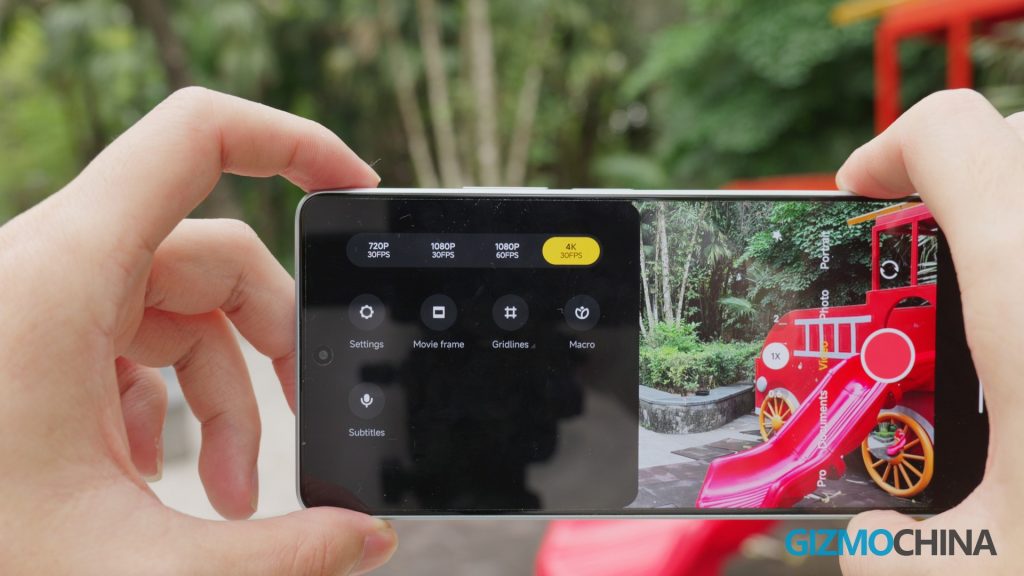
While I wasn’t expecting much from its camera, there was one thing that irked me. The Snapdragon 7+ Gen 2 has a very good image-signal processor, but it seems that Redmi doesn’t want to unleash its full potential in a budget model. Unfortunately, this phone doesn’t support the 4K 60FPS HDR video recording that it is capable to support, so if you are more concerned about video recording, you need to think carefully about buying it.
Battery & Charge
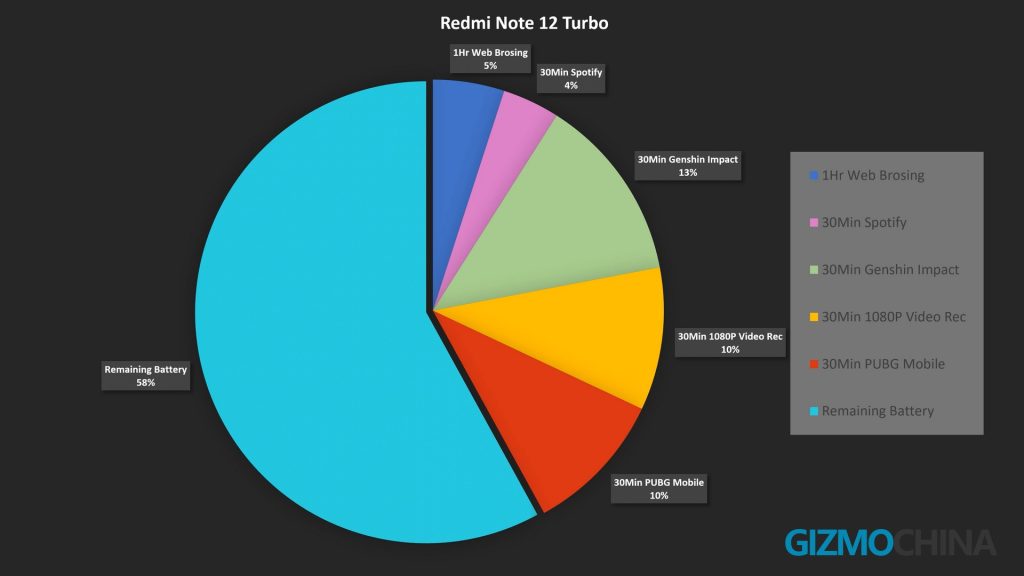
In terms of battery life, the 5000mAh built-in battery and the excellent energy efficiency of the Snapdragon 7+ Gen 2 make the phone good enough to last all day. Compared to OnePlus, Redmi does a really good job of power management, and sometimes when I don’t play games all day, I can even charge it only once in two days. The 67 watts of wired charging isn’t exactly fast at the moment, but it still meets most users’ needs.
Verdict
Well that’s today’s unboxing and hands-on about the Redmi Note 12 Turbo, which is a phone that impresses me because it really gives up a lot of profit for consumers. Buying a phone with 1TB of storage on a $400 budget sounds like a clumsy joke, but Redmi really makes it happen and gives us the best design and display in its price range. Everyone can foresee that this will be a phone that sells very well, and I’m starting to look forward to seeing how their competitors will fight back, anyway, let’s wait and see.
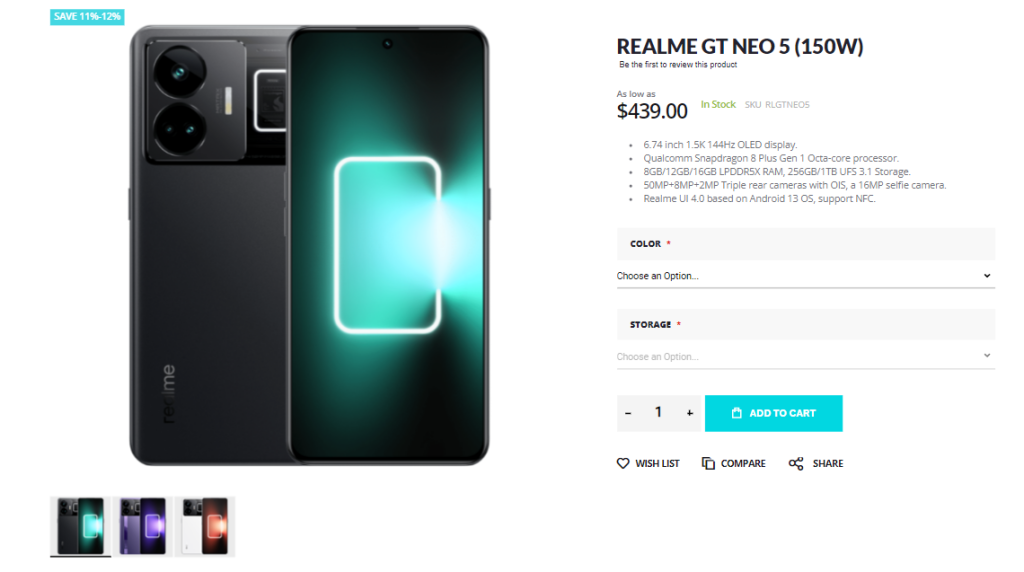
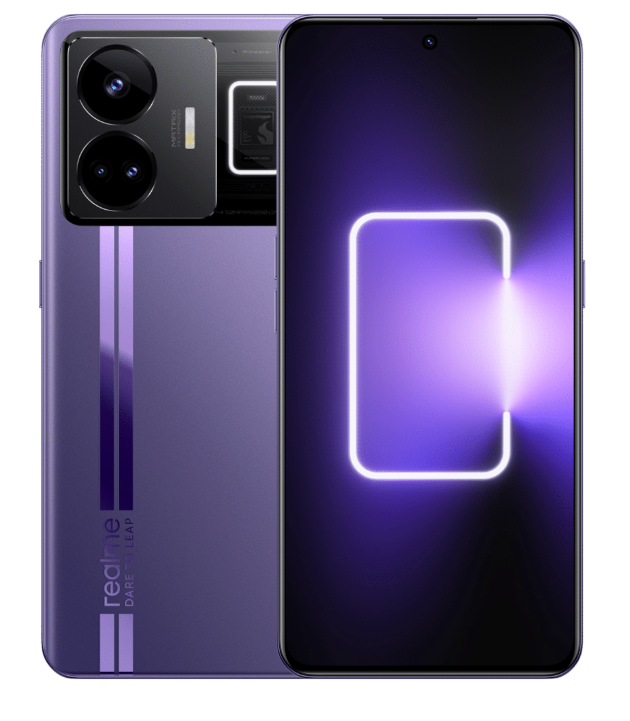
Giztop is giving a discount of up to $70 on the latest Realme GT Neo 5 smartphone. The phone is now available at a discounted price of $439 only on Giztop. This price is applicable to the base variant. The phone comes in classic Purple, White, and Black color options.
Realme GT Neo 5 (150W) features a 6.74 inch 1.5K OLED display with a 144Hz refresh rate and 1000Hz touch sampling rate with a peak brightness of 1300 nits. Powered by the Qualcomm Snapdragon 8 Plus Gen 1 Octa-core processor, the phone comes with 8GB/12GB/16GB LPDDR5X RAM and 256GB / 1TB UFS 3.1 internal storage.
The smartphone comes with a triple rear camera setup with 50MP Sony IMX890 OIS primary camera with f/1.89 aperture, an 8MP ultrawide lens, and a 2MP macro sensor. The phone comes with a 16MP front camera for selfies.
Realme GT Neo 5 (150W) is fueled with a 5000mAh battery and supports 150W fast charging. The device can charge to 100% in just 10 minutes. Fitted with dual stereo speakers and Dolby Atmos game support, Realme GT Neo 5, comes with a dedicated GT 3.0 mode that offers leapfrog performance while gaming with enhanced image quality, 4D in-game vibrations, faster loading times, dynamic sound effects, and more.
Other interesting features include an under-display fingerprint sensor, Android 13 OS, dual nano sim card slots,3D tempered VC cooling technology, and more.
You can now buy Realme GT Neo 5 (150W) for as low as $439 only on Giztop.
For more information on such exciting deals and offers, check out our deals hub.
Deemos Technologies has launched a new software called ChatAvatar, which utilizes generative AI to create 3D digital characters from natural language descriptions of faces. The software helps you to create a 3D model just by describing it using text.
The software is primarily designed for the gaming industry, where users can generate custom avatars using photos and multi-modal features, but can also be used by professionals to replace conventional asset libraries and reduce the need for extensive searches through existing options. ChatAvatar offers pre-made material options that can be easily adjusted, making 3D character creation more efficient and cost-effective.
Text to 3D avatar with well-defined UV, rigging, and PBR textures.
Initially designed for assets involving human interaction, ChatAvatar will eventually be able to generate any 3D asset based on user requirements, making virtual world creation more accessible and affordable for gaming, film, and the metaverse industries.
However, there are several issues that must be addressed before the technology can be widely adopted, such as hardware development for high-precision 3D image creation, development costs, and ethical issues.
Deemos Technologies:
Deemos Technologies was incubated at ShanghaiTech University and received funding from Sequoia China Seed Fund and Miracle Plus in 2022. With seven years of facial data from the Plenoptic Stage, a micron-scale face scanning system, Deemos can generate precision-driven assets within one day and parallel processes up to ten at a time.
The company aims to build an identity system of Metaverse from the underlying tech, by means of high-res 3D avatar generation, stylization, and intelligent interaction. It plans to create “game-ready” assets across all categories, including human faces, and take digital humanization to the next level.
Polestar, a Swedish automotive company, has confirmed that it will unveil Polestar 4 EV car at the Shanghai Auto Show next week on 18th April.
While not much is known about this upcoming electric car from the company, it has been confirmed that the car will be the fastest one from the brand so far.
The Polestar 4, which will be a coupe SUV, is expected to have a design that falls somewhere between the Polestar 3 and the updated Polestar 2. The next generation model will be the fastest from the brand, which means it will surpass the Polestar 1, capable of 0-62 mph in 4.2 seconds.
The car will be the first production EV to come with design cues and sustainability enhancements that were previously featured on Polestar concepts. In a press release, the company says, “Polestar has taken the SUV coupé and transformed it for the electric age. Polestar 4 marries the aerodynamics of a coupé with the space of an SUV in a package enhanced by modern technology.”
As of now, there’s no information about the Polestar 4’s pricing or availability. Currently, the company is taking pre-orders for Polestar 3, which starts at $85,300 in the United States and is expected to enter production later this year. The company has already revealed Polestar 5, which is set to arrive sometime in 2024.
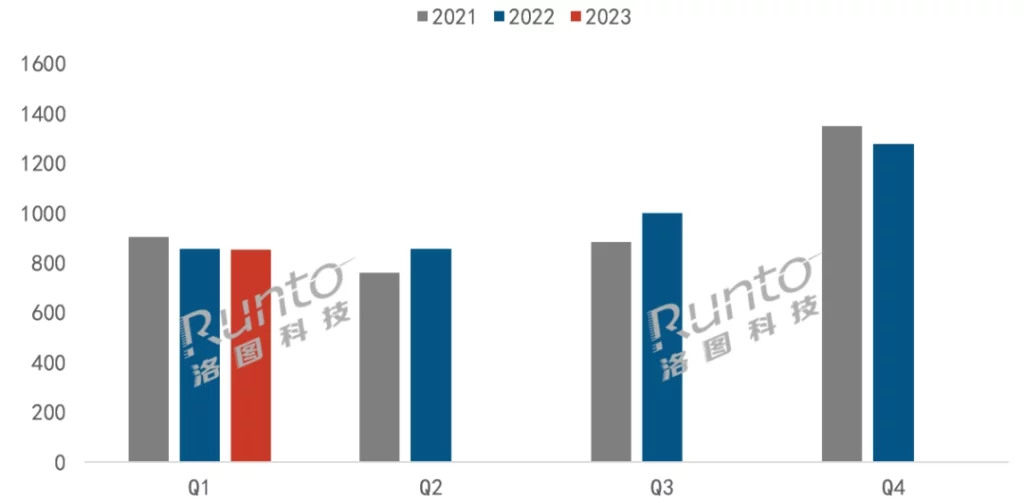
The first quarter of 2023 has proven to be a mixed bag for the Chinese TV market, with some brands maintaining their lead and others experiencing significant declines. According to recent data from RUNTO, the total shipment volume of Chinese TV brands reached 8.52 million units in Q1, a minor 0.6% decrease compared to the same period in 2022, and an 8.9% drop compared to 2021. Here are the details…
Xiaomi Retains Dominance in Q1 2023 Chinese TV Market, TCL Soars, and Huawei Struggles
In Q1 2023, the combined shipment volume of the top seven traditional Chinese TV brands—Xiaomi, Hisense, TCL, Skyworth, Changhong, Haier, and Konka—along with their sub-brands reached 7.89 million units, representing a 2.5% YoY growth. These brands captured a massive 92.6% of the total market share, a historical high, and a 2.7 percentage point increase from the same period in 2022. Breaking down the performance of each brand:
Xiaomi, including its Redmi sub-brand, shipped approximately 2 million units in Q1, accounting for 24% of the overall market share. Despite a slight decrease compared to 2022, Xiaomi maintained its top position in the Chinese TV market for the fourth consecutive year.
Hisense, along with its Vidda sub-brand, shipped nearly 2 million units, achieving a 13% YoY growth and a market share increase of around 3 percentage points. Notably, the Hisense brand led the market in monthly shipments during February and March.
TCL, featuring sub-brands Leiniao and Lehua, witnessed a 37% YoY growth in Q1, the highest growth rate in the industry. Its market share also increased by 4.5 percentage points compared to the same period last year.
Skyworth, accompanied by its Coocaa sub-brand, saw a considerable 11% growth in Q1, along with a 1.5 percentage point increase in market share.
The second-tier brands Changhong, Haier, and Konka, which typically have an annual shipment scale of around 3 million units, experienced a challenging Q1. They faced intense competition from top-tier brands, resulting in decreased shipment volumes and combined market shares. Their total shipments amounted to roughly 1.3 million units, with a YoY decline of over 20% and a market share reduction of around 5 percentage points.
Huawei struggled significantly in Q1 2023, as internal adjustments negatively impacted sales. Shipments fell below 200,000 units, marking a YoY drop of over 50%.
Sharp, a foreign brand, faced a similar decline as Huawei, with its shipment volumes cut in half. Other brands like Sony, Samsung, and Philips maintained their 2022 market shares, with a combined share of less than 10%.
As we move further into 2023, the industry will closely monitor the TV market’s performance during the short holiday in early May and the 618 presale event at the end of May. These events will likely provide crucial insights into the market dynamics and future trends for the remainder of the year.
Realme continues to expand its smartphone family. The company, which focuses on models with a high price-to-performance ratio, is able to appeal to a broader user base. Recently, Realme added a new model to the GT Neo series, the Realme GT Neo5 SE. The phone, which went on sale today, broke sales records on its very first day. Here are the details…
Realme GT Neo5 SE Shatters Sales Records: Over 100,000 Units Sold on Day One, Starting at ¥1,999
Realme’s newest addition to its popular GT Neo series, the GT Neo5 SE, has achieved a remarkable feat by selling over 100,000 units across all channels on its first day of sales. According to the company’s announcement, this makes the GT Neo5 SE the best-selling single product in the history of the GT Neo series.
Realme GT Neo5 SE variants with pricing:
8GB+256GB – 1999 yuan ($290)
12GB+256GB – 2199 yuan ($320)
12GB+512GB – 2299 yuan ($334)
16GB+1TB – 2599 yuan ($378)
Realme GT Neo5 SE Specifications:
The Realme GT Neo5 SE boasts a 6.74-inch 144Hz AMOLED display with a resolution of 2772×1240 pixels. The display offers up to 1450 nits peak brightness, a 100% DCI-P3 color gamut, and 2160Hz high-frequency PWM dimming.
Under the hood, the phone is powered by a Qualcomm Snapdragon 7+ Gen 2 (4nm) Mobile Platform with an Adreno 725 GPU. It comes with up to 16GB of LPDDR5X RAM and up to 1TB of UFS 3.1 storage. The GT Neo5 SE runs on Android 13 with Realme UI 4.0.
The rear camera setup consists of a 64MP primary sensor with OIS and an f/1.79 aperture, an 8MP ultra-wide sensor with a 112° field of view and an f/2.2 aperture, and a 2MP microscope lens with an f/3.3 aperture. For selfies, the phone is equipped with a 16MP front camera.
Security-wise, the phone features an in-display fingerprint sensor. Audio capabilities include USB Type-C audio, stereo speakers, Dolby Atmos, and Hi-Res Audio support. Connectivity options on the GT Neo5 SE consist of 5G SA/NSA, Dual 4G VoLTE, Wi-Fi 6 802.11 ax (2.4GHz + 5GHz), Bluetooth 5.3, GPS (L1 + L5)/GLONASS, NFC, and USB Type-C. The device packs a 5500mAh battery with 100W SuperVOOC fast charging support. Measuring 163.9×75.8×8.95mm and weighing 193.1g, the Realme GT Neo5 SE is available in two color options: Final Fantasy and Extreme Black.
Realme GT Neo5 SE:
Specification
Details
Display
6.74-inch (2772×1240 pixels) 144Hz AMOLED with up to 1450 nits peak brightness
Processor
Qualcomm Snapdragon 7+ Gen 2 (4nm) Mobile Platform with Adreno 725 GPU
RAM
Up to 16GB LPDDR5X
Storage
Up to 1TB UFS 3.1
Rear Camera
64MP primary sensor with OIS and f/1.79 aperture
8MP ultra-wide sensor with 112° field of view and f/2.2 aperture
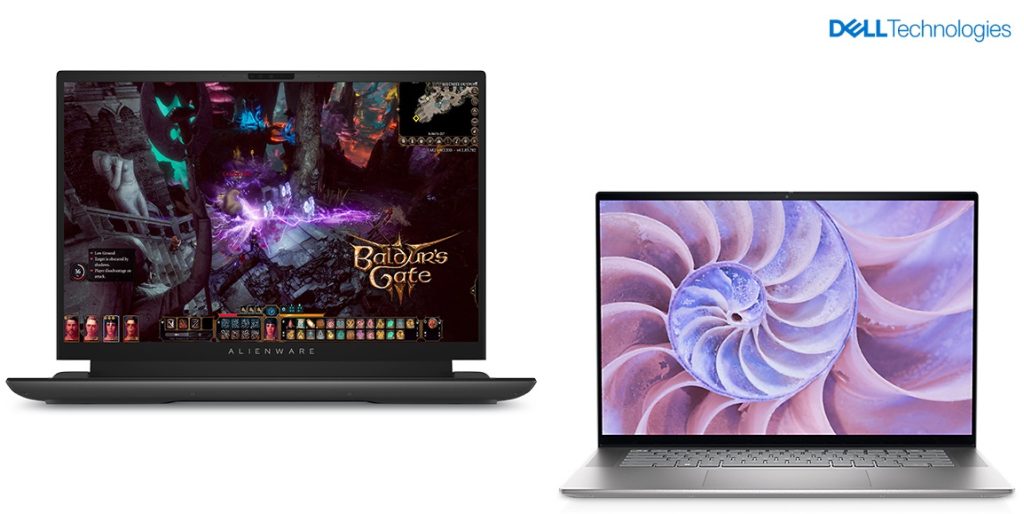
Dell has unveiled a new lineup of Alienware and Inspiron laptops in India. The Dell Alienware m18 and x16 R1 as well as the Inspiron 16 and 16 2-in-1 were announced earlier this year. The new laptops will catch the fancy of students, gamers, and creators, offering both entertainment and an enhanced work outlook.
Dell Technologies recently released the Inspiron 14 laptops with Intel and AMD processor options. The Alienware m18 is an excellent and powerful gaming machine that is feature-rich. It is powered by the Intel Core i9-13980HX processors and NVIDIA GeForce RTX 40 GPUs. The Alienware m18 has a QHD with a 165Hz display refresh rate. It comes with Advanced Optimus and G-SYNC support and offers more space than previous models. The storage capacity of the gaming powerhouse of a laptop is 9TB.
The Dell Alienware x16 R1 is a more portable laptop and features an excellent sound system. It comes with a 6-speaker audio system that includes up-firing tweeters and dual woofers. It also features 100 micro-LEDs on the rear stadium which combines with the AlienFX Scanner and Loop. It is also equipped with Alienware’s HyperEfficient Voltage Regulation technology well-suited for extended gaming sessions. The laptop features a decent, premium, and futuristic design. Its softer edges provide improved grip and it has a 240Hz QHD+ display. The laptops support Dolby Atmos and Dolby Vision, with sufficient blue light reduction via ComfortView Plus.
The Dell Alienware m18 has up to 64GB of dual-channel RAM and a 97Wh battery with a 330W adapter. Connectivity options include Wi-Fi 6E, USB 3.2 Gen 1 (Type A), Thunderbolt 4, HDMI, and an SD card slot. It comes with an ultra-low-profile mechanical keyboard and is available in a dark metallic moon color. Similar connectivity options are available with the x15 R1 together with Bluetooth support. The smaller laptop has a 90Wh battery with a 330W adapter.
The new Dell Inspiron 16 and Inspiron 16 2-in-1 provide learning and entertainment in full measure. They feature enhanced displays, spatial audio technology, and enhanced video capabilities including video chatting. They offer lightning-fast performance thanks to their powerful Intel Core i9 processors.
The Inspiron 16 2-in-1 has a 4K UHD+ display and a 360-degree hinge for enhanced versatility. It has a touchscreen and an active pen, which makes a lot of work and learning activities to be undertaken seamlessly. The laptops are equipped with ExpressCharge technology for quick charging. Dell is offering the new laptops as powerful work and entertainment machines to fit snugly with the desires of a wide customer base.
The prices of the models begin at Rs. 77,990 (~$950) for the Inspiron 16 while the top model – Alienware x16 R1 starts at Rs. 359,990 (~$4,387). The models will be available in India from April 12 via Dell retail platforms and other outlets.
The URBAN Pro M smartwatch has been released in India. The gadget sports a 1.91-inch display and features Bluetooth calling. The URBAN Pro M comes with a premium design and a durable metal body. It also has 3D curved edges while its Infinity loop strap provides enhanced comfort for users. The company says the gadget will help users stay healthy and stylish, combining the best of both worlds.
The new smartwatch has a maximum brightness of 550 nits from its 1.91-inch HD display. This enables the smartwatch to provide a crystal-clear and vivid display always. This is further accentuated by the dynamic rotating crown for a smooth interface. The URBAN Pro M supports Bluetooth calling, enhanced by its noise-isolating mic and speaker. The smartwatch has AI voice assistant support which allows for making or receiving calls quickly. The watch has a battery life that can last up to 7 days.
The URBAN Pro M supports fast charging and is IP67-rated for dust and water resistance. There are lots of health monitoring features in the smartwatch all day long. It features 107 sports modes, customizable watch faces, and quick sync for instant connectivity. There are also smart notifications, weather updates, and more for the smartwatch.
The health monitoring features of the URBAN Pro M include blood pressure, SpO2, and heart rate tracking. The watch is available in five color options – Misty Blue, Midnight Black, Smoky Grey, Trendy Orange, and Blush Pink.
The Pro M is offered in the subcontinent at an introductory price of Rs. 1,999 (~$25). The product can be purchased directly from URBAN or online and offline retail platforms in India.
Recently Alibaba the Chinese technology conglomerate launched its much-awaited ChatGPT rival ‘Tongyi Qianwen’ for enterprise testing. And on Tuesday, during Alibaba Group Holding’s Annual Cloud Summit in Beijing Chairman and CEO Daniel Zhang Yong announced plans to incorporate their ChatGPT-like service, ‘Tongyi Qianwen’, into the company’s products and services.
The tech giant announced that Tongyi Qianwen will possess the ability to support both Chinese and English languages and will be integrated into current products like DingTalk, Alibaba’s enterprise communication and collaboration platform, and the smart home device Tmall Genie. However, no timeline was disclosed for the actual launch and integration.
In his keynote speech, CEO Zhang announced that all products of Alibaba will be incorporated into their extensive language model and will undergo a thorough improvement. He further added that this move was planned to elevate the intelligence of all Alibaba services and bring forth possibilities that were previously inconceivable.
CEO Zhang further said that businesses in all industries have begun to adopt intelligent transformation in order to maintain a competitive edge, and the world is at a pivotal moment of technological advancement fueled by generative AI and cloud computing.
Following the announcement by CEO Zhang, the Hong Kong-listed shares of Alibaba recorded a 3.12% rise in trading. Conversely, the shares of Baidu dropped by over 4%, due to the company’s recent setbacks in the artificial intelligence market.
Alibaba’s Tongyi Qianwen is a highly advanced AI model designed to understand and respond to human commands. It serves as an efficient assistant and can even generate ideas. It is being developed by Alibaba’s advanced research institute, the DAMO Academy.
Baidu, Tencent, and JD.com are among several other Chinese tech companies that have introduced or declared their intentions to introduce their own chatbots utilizing AI technology which is similar to Open AI’s ChatGPT.
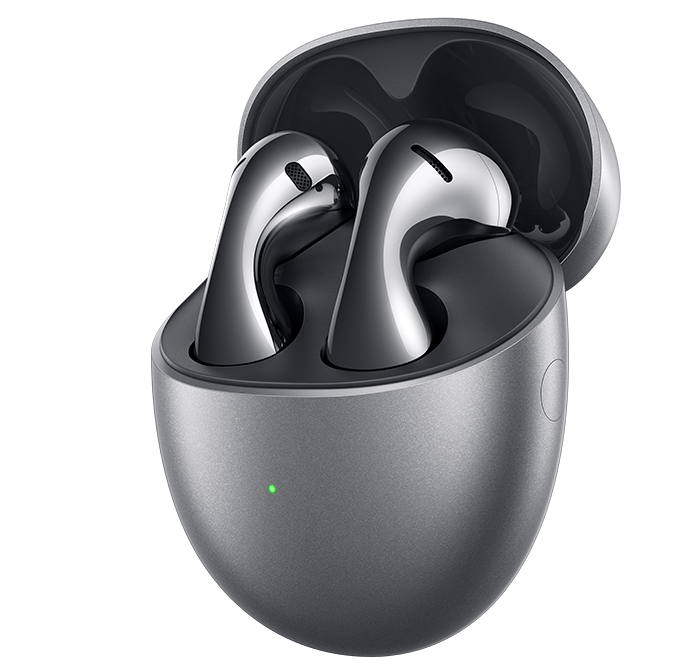
Huawei unveiled its latest TWS earphones, called FreeBuds 5 in China last month alongside half a dozen other products. And today, the company introduced the hearables in the European market as well. Debuting as the successor to 2021’s FreeBuds 4, these new earbuds bring a unique waterdrop design that looks like no other. There’s also support for spatial audio, active noise cancelation (ANC), and dynamic EQ tuning. Let’s have a closer look at the details.
Huawei FreeBuds 5 Specs & Features
The FreeBuds 5 bring all the usual features you’d see in premium wireless earbuds, but what’s striking about them is the design. Straying far from the stemmed and non-stemmed earbuds, Huawei chose to go for a unique waterdrop design. These in-ear type earphones have no silicon tip in order to create more surface area for the skin.
Talking about the specifications, the FreeBuds 5 come with support for the L2HC and LDAC codecs, allowing hi-res audio streaming. They offer spatial audio on HarmonyOS 3 devices and bring active noise cancelation (ANC) and dynamic EQ tuning. Huawei claims to use an ear canal adaptive algorithm that offers better noise reduction based on the shape of the user’s ear.
The hearables are equipped with an 11mm driver unit and use Bluetooth 5.2 for connectivity. There’s support for multi-point pairing as well. The earbuds are claimed to offer a playtime of around 5 hours that can be extended to up to 30 hours with the charging case. The case charges through USB-C and wireless charging support is also there.
Huawei FreeBuds 5 Price & Availability
The FreeBuds 5 from Huawei will be available in the United Kingdom at EUR 159 starting April 27. They can be purchased through the Huawei Store and select retailers. The earbuds will be available in silver, white, and orange colors.
Although ZTE’s popularity in the global market cannot be compared to other Chinese OEMs like Xiaomi and Oppo, you may recognize it from its unique flagships with under-display selfie cameras or the gaming phones launched under its sub-brand Nubia. The company is gearing up to launch yet another interesting device in its home country tomorrow, called Axon 50 Ultra. Ahead of the debut, the brand has revealed its design and some interesting features.
Axon 50 Ultra will debut as the successor to last year’s Axon 40 Ultra, which boasted an under-display camera on the front. For some reason, the upcoming handset will get a conventional selfie camera housed in a punch-hole cutout. However, the company makes up for that by including the trending satellite connectivity feature on board.
ZTE Axon 50 Ultra gets a dual operating system and an independent security Chip
As can be seen in the image above, the handset features a form factor similar to Galaxy S23 Ultra with curved sides and a flat upper and bottom. The handset gets a large camera module that covers one-third of its rear. The main camera sensor is enclosed in a large ring while the other two are featured in relatively smaller rings.
In addition, ZTE has revealed that Axon 50 Ultra will use dual operating systems and an independent security chip. While there’s little information available regarding the dual OS, we assume the security chip will enhance the privacy and protection of the user. Similar to Samsung’s Knox and Google Pixel’s Titan M2 chip, this security chip is expected to provide enhanced security measures for the device.
ZTE Axon 50 Ultra 5G is confirmed to feature the Snapdragon 8+ Gen 1 chip, a 64MP OIS main camera, a 50MP ultra-wide-angle macro lens, a 50MP telephoto unit, and a built-in 5000mAh battery with 80W fast charging support.
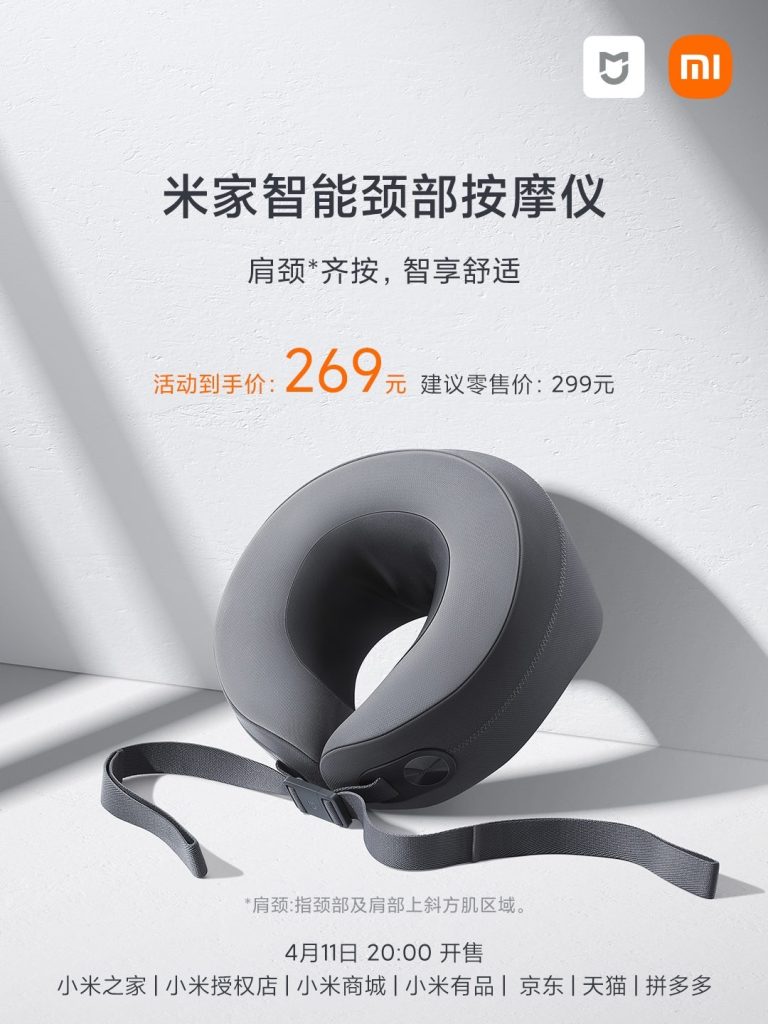
Chinese tech giant Xiaomi has launched the MIJIA Smart Neck Massager for the Chinese market. The massager is designed to relieve muscle tension and stiffness in the neck and shoulders, using a combination of massage heads and heat therapy.
The MIJIA Smart Neck Massager comes with four massage heads, which are arranged in a trapezoidal shape. This design allows the massager to cover not just the neck, but also the shoulders and upper trapezius muscle area. The massage heads are designed to simulate human hands, using a combination of pushing, turning, and kneading movements to provide a deep, soothing massage.
In addition to the massage heads, the device also features a built-in heating device. This uses warm current and constant temperature heat compress to promote neck microcirculation and relieve muscle tension. The heat therapy can be adjusted to two levels of intensity, depending on your preference.
Another feature of the smart neck massager is its adjustable massage intensity. The pull belt can be used to adjust the massage head directly, or you can pull on it by hand for more pressure. This allows you to customize your massage experience to your liking, and to target specific areas of tension and stiffness.
The MIJIA Smart Neck Massager is easy to use, with simple buttons to control the massage and heat functions. It is also lightweight and portable, making it easy to take with you on the go. The massager is powered by a rechargeable battery, which provides up to 8 hours of use on a single charge.
The smart neck massager is priced at 269 yuan ($39) and is presently on sale in China at Jingdong (JD.com).
We use cookies on our website to give you the most relevant experience by remembering your preferences and repeat visits. By clicking “Accept”, you consent to the use of ALL the cookies.
This website uses cookies to improve your experience while you navigate through the website. Out of these, the cookies that are categorized as necessary are stored on your browser as they are essential for the working of basic functionalities of the website. We also use third-party cookies that help us analyze and understand how you use this website. These cookies will be stored in your browser only with your consent. You also have the option to opt-out of these cookies. But opting out of some of these cookies may affect your browsing experience.
Necessary cookies are absolutely essential for the website to function properly. This category only includes cookies that ensures basic functionalities and security features of the website. These cookies do not store any personal information.
Any cookies that may not be particularly necessary for the website to function and is used specifically to collect user personal data via analytics, ads, other embedded contents are termed as non-necessary cookies. It is mandatory to procure user consent prior to running these cookies on your website.