Advertisement

Pixel 4a Might Miss Out on the Upcoming Android 14 Update

The Pixel 4a was launched in August 2020. At the time of launch, the device had top-notch Google Camera features such as Live HDR+, dual exposure controls, Night Sight with astrophotography, Social Share, Portrait Mode, and Super Res Zoom. Now, the Pixel 4a is fast approaching its three-year anniversary, which is also the time when software support for the device will end. For this reason, it appears that the device may narrowly miss out on the latest version of Android, as the first Android 14 developer preview will not be available for the Pixel 4a.

Google Pixel 4a

The Pixel 4a was initially expected to be launched in May 2020 but was delayed to August due to the COVID pandemic and other issues. Despite the delay, the Pixel 4a received updates to Android 11, 12, and 13, but it remains uncertain whether the device will receive Android 14.

Google is following a similar timeline with Android 14 as it did with Android 13. The first developer preview has been released, and beta releases are expected to start in April and continue until June and July. Android 13 was released on August 15, 2022. According to this pattern, Android 14 will most probably be released around the same time. 

It is quite unfortunate that the Pixel 4a’s three-year anniversary falls on August 3, 2023, which is just two weeks after the probable release of Android 14. This means that the Pixel 4a is not eligible for the Android 14 developer preview, indicating that the final update may not be available for the device. While Google still has time to change its stance, the odds are not in favor of the Pixel 4a.

In conclusion, the Pixel 4a’s delay in launch, coupled with its fast-approaching three-year anniversary, may mean that it misses out on the latest version of Android.

RELATED:

(Via)

How to Enable VoLTE/VoWiFi on Pixel 6 and Pixel 7 Series in Unsupported Regions

Pixel 6 and Pixel 7 series phones offer somewhat similar features and specifications across the globe, at least at the hardware end. However, there are some features that are locked by the OEMs for the respective country or region despite having the appropriate hardware. Similarly, the VoLTE and VoWiFi features are locked in some regions for Pixel 6 and later devices. Here’s a guide to enable VoLTE/VoWiFi on Pixel 6 and Pixel 7 series without any root access in unsupported regions.

The method is developed by a Korean Developer named Kyujin Cho who also posted the PixelIMS app on GitHub for easy activation. Although the app was created for the Korean carrier – LG U+, users from various other regions, such as Vodafone Albania, Telcel in Mexico, Chile, Austria, Orange Romania, China Mobile, Hungary, etc. have reported success in using the app.

If you’re also among such users who have imported devices from some other country and now your home carrier is unable to register your device as VoLTE and VoWiFi services capable. Then, make sure to follow the few steps below and enable these features on your Pixel 6 and later devices.

Prerequisites:

There are a few things that you might need to make VoLTE and VoWifi workable on your Pixel devices.

Note: The below method only works for the Google Pixel 6, Pixel 6a, Pixel 6 Pro, Pixel 7 and Pixel 7 Pro.

  1. Make sure you have Windows, macOS, or Linux PC/Laptop
  2. Download and Install Android ADB Tools for the respective OS.
  3. A USB Type-C cable for connecting the Pixel device to PC.

Before wasting any further time, let’s proceed with the steps to patch Pixel devices with the fix to enable VoLTE and VoWifi in unsupported regions.

Steps to enable VoLTE and VoWiFi on Pixel 6 and Pixel 7 in Unsupported Regions

It is an easy and straightforward process that the user can easily execute, but make sure to follow each step carefully.

  1. Install and open the Shizuku app on your Pixel smartphone.
  2. Now, Connect your smartphone to your PC via a USB Cable
  3. Open the folder where you’ve installed or downloaded the Android ADB Tools, and open PowerShell or Command Prompt by pressing the Right Click+ Shift key. (Guide to Connect Phone – Shizuku Website )
  4. Now type the following command to start Shizuku service:
    adb shell sh /sdcard/Android/data/moe.shizuku.privileged.api/start.sh
  5. You will see this output if you’re phone is connected to your PC:
  6. Now, Download the PixelIMS app and Install it on your smartphone. (Note: Currently v1.2.0 is the latest, make sure to check the repository for the latest version and install it.)
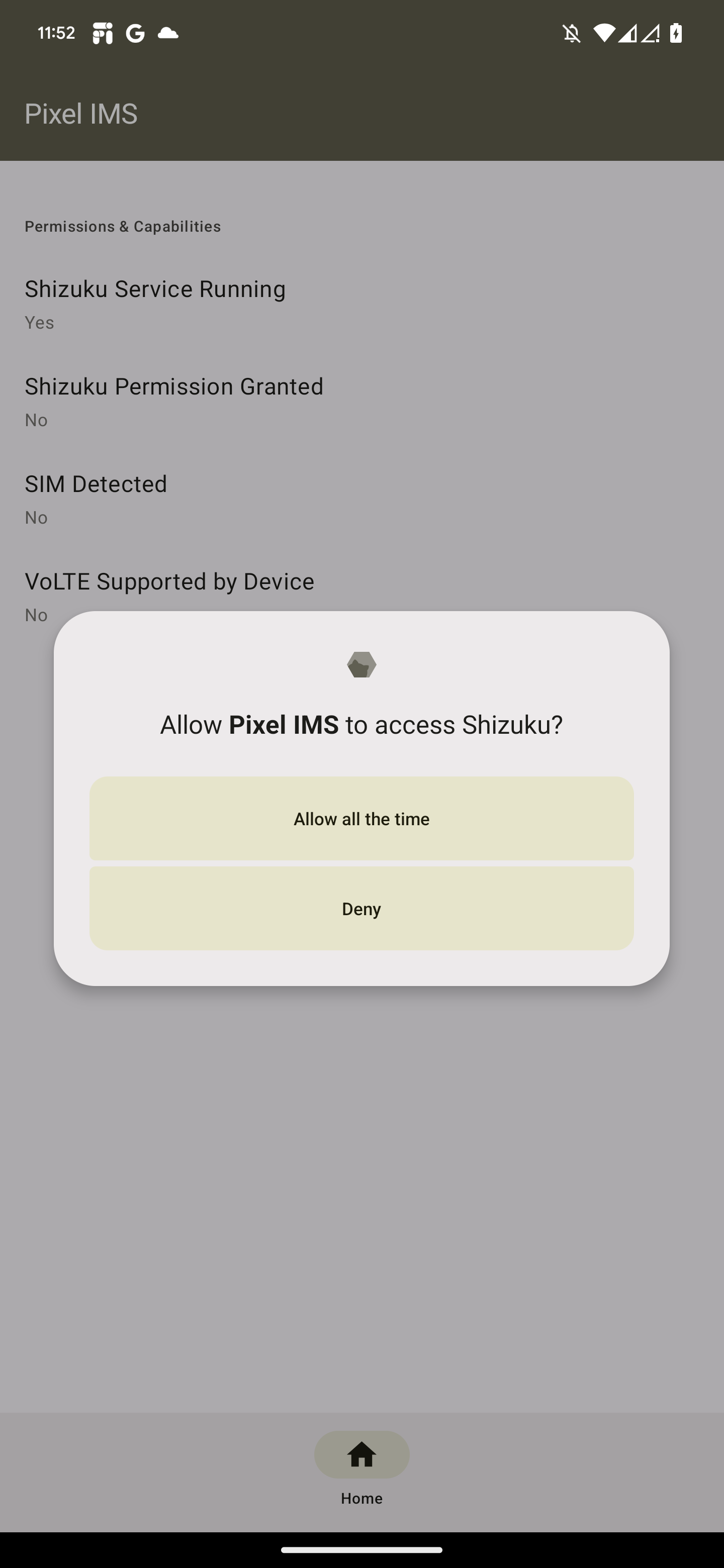
  7. Open the app, and “Allow all the time” permission for Shizuku.
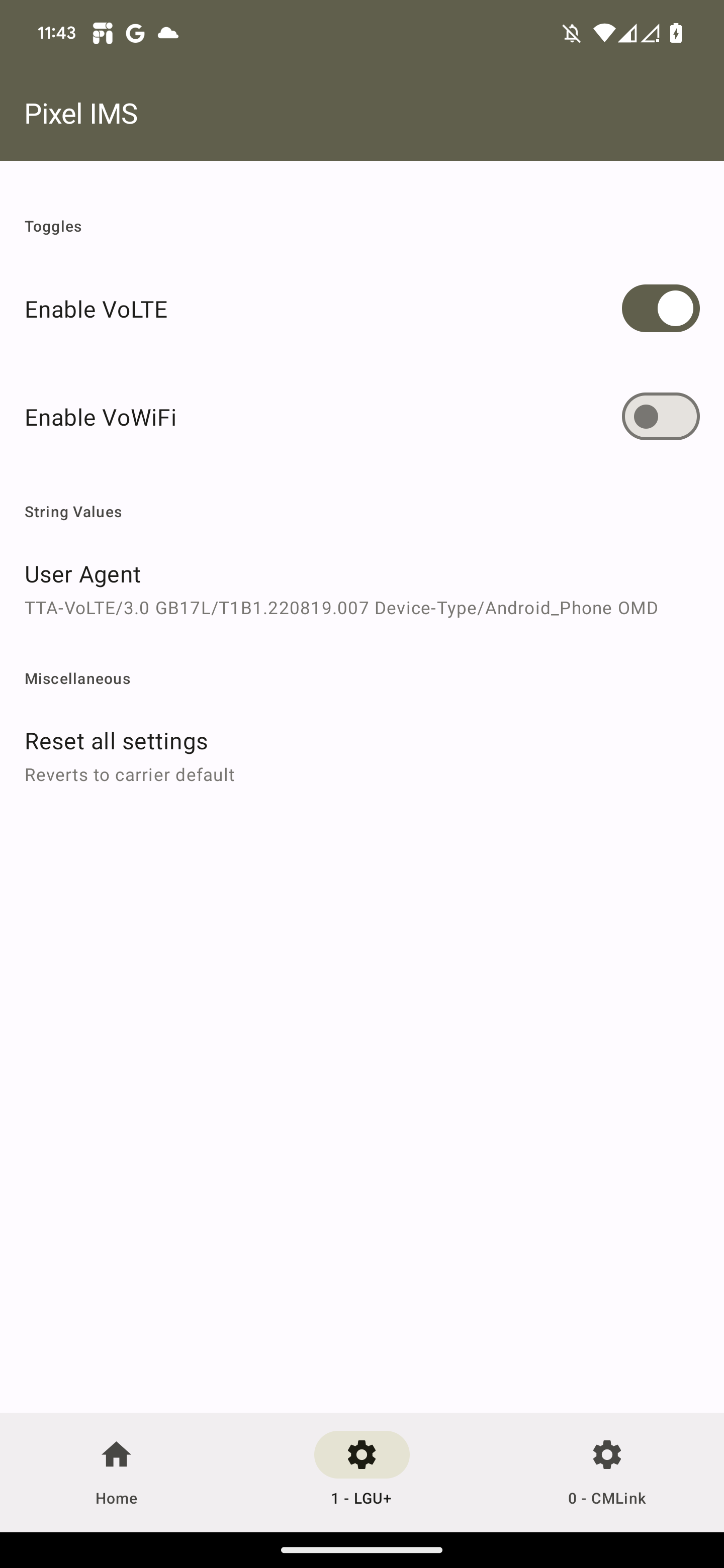
  8. Toggle “Enable VoLTE” to enable VoLTE, and toggle “Enable VoWiFi” for VoWiFi.
  9. Voila! Restart your device a few times, and both services will start working.

In case, if you have any additional queries then, head over to the official Github repository for better understanding and FAQs.

We hope our guide to enable VoLTE/VoWiFi on Pixel 6 and Pixel 7 series in unsupported regions has remained useful for the readers. If any there’s any issue then do let us know via the comments below.

Oppo Reno 8T 5G Goes on First Sale Today in India – Check Price, Offers & Specs

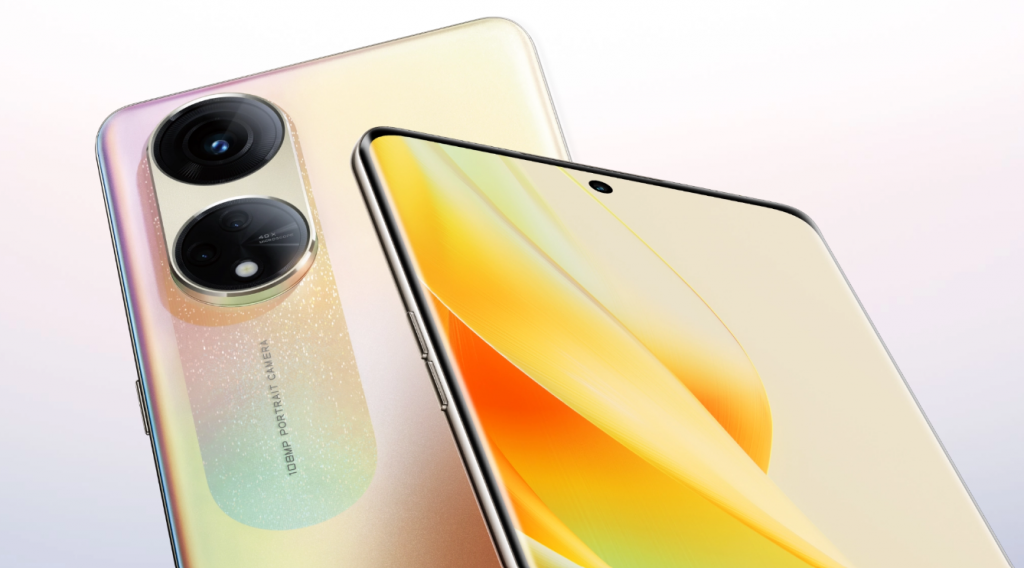
Oppo recently launched the Reno 8T 5G smartphone in India. The device comes with an attractive curved display and a 108MP primary camera sensor. After about a week of officially being introduced in India, the smartphone is going on its first sale today.

Oppo reno 8T 5G

Oppo Reno 8T 5G

The Oppo Reno 8T 5G, with an 8GB + 128GB configuration, will retail for Rs 29,999 in India. Starting at noon today (Feb. 10), the smartphone will be sold exclusively through Flipkart and the Oppo Online Store.

As a special launch promotion, customers can receive an extra Rs 3000 discount when they trade in their old device. Additionally, HDFC and SBI credit and debit card users are eligible for a Rs 3000 instant discount on their purchase of the Oppo Reno 8T.

Oppo Reno 8T 5G specs & features

The Reno 8T 5G boasts a sleek 6.57-inch OLED screen with a curved design, displaying FHD+ resolution (2412×1080) with a fast refresh rate of up to 120Hz, a large color gamut of 1.07 billion colors, and a peak brightness of 950nits. This slim and lightweight smartphone, measuring 7.7mm in thickness and weighing 171g, is powered by a Qualcomm Snapdragon 695 processor and features 8GB of LPDDR4X RAM and 128GB of fast UFS 2.2 storage.

The Reno 8T 5G sports a triple camera setup on the rear, anchored by a powerful 108MP primary lens, as well as a 2MP depth sensor and a 2MP microscope lens. The front-facing 32MP selfie camera is located in a hole-punch cutout. The phone is powered by a large 4,800mAh battery and supports fast 67W Supervooc charging. It runs on ColorOS 13, which is built on top of the Android 13 operating system.

RELATED:

DJI Mini 2 SE Entry-Level Lightweight Drone Officially Launched; Priced at $369

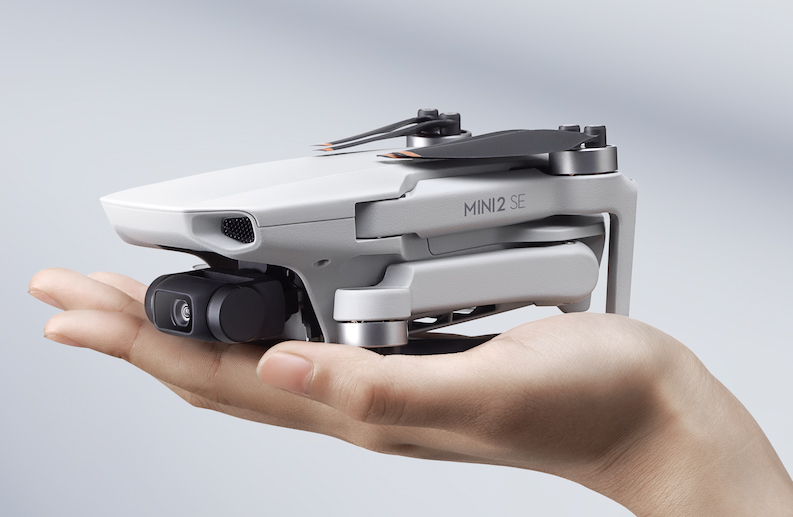
DJI has announced a new version of its entry-level drone, named DJI Mini 2 SE. As the rumors indicated, the device comes with a few upgrades to the current model.

The DJI Mini 2 SE is priced at $369 and will be available for purchase next month. Along with the drone, the company is also selling a Fly More Combo bundle which includes additional batteries, replacement propellers, and a carrying case for $519.

DJI Mini 2 SE

It comes equipped with its in-house OcuSync 2.0 transmission system, enabling the drone to fly more than twice as far away as the original Mini SE, and the “Enhanced WiFi” system has limited its range to up to 4km. The company adds that the system can maintain a more stable video feed at greater distances.

There’s also a new decent camera system found on the drone, which comes with a three-axis gimbal and a 1/2.3-inch CMOS sensor that is capable of capturing 2.7K video and 12-megapixel still images. It supports HD video transmission at up to 10km (6.2 mi), and Level 5 wind resistance allows the drone to hover steadily in 10.7 m/s (24mph) winds.

As for the battery life, the DJI Mini 2 SE can fly for around 31 minutes on a single battery charge, which is a minute longer than the 30-minute flight time on the previous model. It continues to weigh 249 grams, similar to its predecessor, which means that the device can be used without the need to register it with the Federal Aviation Administration.

RELATED:

Nokia G22 Geekbench Listing Reveals T606 Chipset and 4GB RAM

Exciting news! It looks like Nokia is getting ready to unveil a new addition to its G-series smartphone lineup with the upcoming Nokia G22. This highly-anticipated successor to the Nokia G21 is already making waves thanks to its recent appearance on the Geekbench listing.

Nokia G21

Let’s dive into what we know so far about the Nokia G22, starting with its performance. The device scored 308 single-core and 1094 multi-core points in the Geekbench test. This is a pretty good score for a budget smartphone considering its specifications. Reports also state that the G22 will be equipped with an octa-core 1.8GHz Unisoc T606 processor and a Mali-G57 GPU, plus 4GB of RAM. On the software front, it’ll run on Android 12 with a stock Android UI.

While we wait for more information to surface about the Nokia G22, let’s take a moment to reflect on its predecessor, the Nokia G21. This 6.5-inch IPS LCD phone was released in February of 2022 and boasts an HD+ resolution with a 90Hz refresh rate. It features a water-drop-shaped notch that houses the selfie camera, an octa-core Unisoc T606 chipset, and up to 6GB of RAM and 128GB of storage. The G21 runs on Android 11 and offers microSD support, a triple-camera setup (50MP main camera, 2MP depth, and a macro camera unit), and an 8MP front-facing camera. Plus, it’s got a 5,050mAh battery with 18W fast charging capabilities. This phone is available in India for INR 12,999 and comes in the colors Dusk and Nordic Blue.

All in all, it’s clear that the Nokia G22 has a lot to live up to, but based on the Geekbench listing, it’ll do just fine. More information will be available in the near future for further updates as Nokia reveals more information regarding the G22.

RELATED:

(Via)

Redmi Book Pro 14 2022 Intel Core i5-12500H variant launched in China

In March 2022, Redmi announced the RedmiBook Pro 2022 laptops powered by 12th Gen Intel Core i5 processors. The brand has now announced a minor upgrade to its RedmiBook Pro 14 laptop in the processor department.

RedmiBook

The new RedmiBook Pro 14 2022 comes with a Core i5-12500H chip, in place of the Core i5-12450H used in the previous model. The difference between the two is that the Core i5-12450H has 4P + 4E cores and 48EU units, whereas the i5-1250H has 4P + 8E cores and 80EU units. Other than the increase in efficiency cores and display EUs, the i5-1250H also has more cache and 4 additional threads.

Other specs of the laptop remain the same. This means that it has a 14-inch 2560 x 1600 resolution display with 120Hz refresh rate, 100% coverage of the sRGB color gamut, a maximum brightness of 300nits, ΔE<1.5, and support for DC dimming.

The RedmiBook Pro 14 2022 is designed for durability with its robust Aluminum-Alloy construction that can resist damage from daily use. It features a convenient fingerprint sensor built into the power button, a spacious touchpad, and a 720p webcam for added convenience.

It is listed with an integrated Nvidia MX550 GPU along with 16GB RAM and a 512GB SSD on mi.com. This new model of the RedmiBook Pro 14 2022 has a limited-time price of 4,699 yuan ($690), which will later be bumped up to 5,499 yuan ($808).

RELATED:

Early Details of Upcoming Oppo Find N-series Foldable Phone Leaked, Could be Find N3

In December 2022, Oppo unveiled the Oppo Find N2 and Find N2 Flip foldable phones. The Find N2 is unlikely to release in the global market, but the N2 Flip is expected to arrive in markets outside of China as early as this month. While Oppo is gearing up for the global release, a new leak claims that it is also working on a new foldable phone for the Chinese market. Digital Chat Station, who is known for reliable leaks, has shared early details about the device.

According to the tipster, Oppo is working on an upcoming foldable phone with model number PHN110. He claimed that the device features an OLED LTPO panel that supports a screen resolution of 2260 x 2440 pixels and a refresh rate of 120Hz.

Oppo Find N2
Oppo Find N2

The screen resolution of the Oppo PHN110 foldable phone is higher than that of the Find N2. It appears that its display will be larger and will have less crease as compared to the Find N2. To recall, the N2 features a 7.1-inch foldable screen that offers a resolution of 1792 x 1920 pixels.

The Find N2 weighs around 237 grams and measures 7.4mm in thickness (unfolded state). The tipster claims that the company’s next foldable will be thinner and lighter. Unfortunately, the leaker did not share any information on the other specifications of the device. As per a recent leak, the upcoming Oppo foldable will have a 50-megapixel main camera and a periscope zoom camera.

The exact name of the foldable phone is not known yet. The display upgrade improvement that the Oppo PHN110 will provide suggests that it may be released as the Find N3. It is advisable to wait for further reports to know more about it.

RELATED:

(source)

Xiaomi India To Empower Underprivileged Youth with #BackToSchool Initiative

Xiaomi India is setting a precedent in the world of corporate social responsibility with its latest partnership. Teaming up with Sourav Ganguly Foundation and CRY, the leading smartphone and smart TV brand is launching its #BackToSchool initiative to give a helping hand to 1600 underprivileged children in India.

Xiaomi

The goal is to provide these young students with academic support, life skills, and self-confidence, all with the aim of reducing dropout rates and encouraging education. Designated centers have been set up in schools in four Indian states: Jammu and Kashmir, Maharashtra, West Bengal, and Andhra Pradesh. For three months, these children will receive mentorship and support in areas related to their studies, as well as counseling, career guidance, and peer group sessions.

Muralikrishnan B, President of Xiaomi India, stated that the initiative is a testament to their commitment to India and its youth. They further added that they are thrilled to partner with Sourav Ganguly Foundation and CRY to create an environment that will positively impact these children’s lives and help them achieve their dreams through education.

Sourav Ganguly, President of Sourav Ganguly Foundation, echoed this sentiment, adding that they are excited to continue their partnership with Xiaomi India and launch this meaningful initiative. “We believe this program will give these children a strong foundation and the support they need to excel in their studies,” he said.

Soha Moitra, Regional Director of Child Rights and You, North, stated, “We are grateful to Xiaomi India for their support in promoting education for India’s youth. This partnership allows us to improve the quality of life for these children and help them reach their full potential.”

With this #BackToSchool initiative, Xiaomi India is demonstrating its commitment to empowering the next generation through education and skill development. Regular schooling will be supplemented with additional support in areas where students need it most, as identified by their teachers and trainers.

RELATED:

Samsung Galaxy A54 5G Bags GCF, NBTC Certifications

The Samsung Galaxy A54 5G is expected to be released in a number of markets soon. Today, the device appeared in the databases of certification platforms like GCF and Thailand’s NBTC.

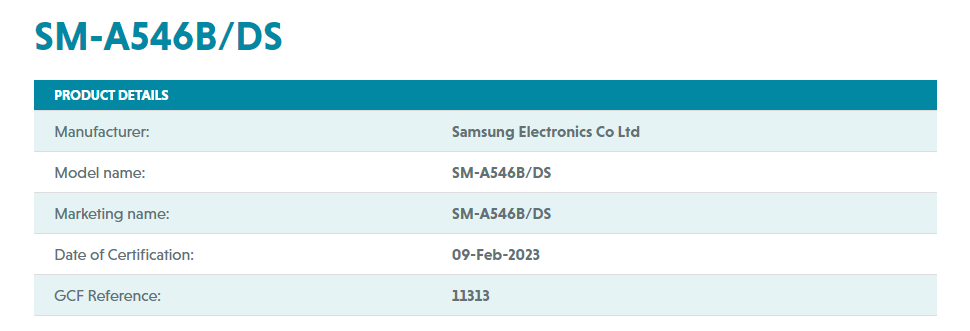
Samsung Galaxy A54 5G GCF

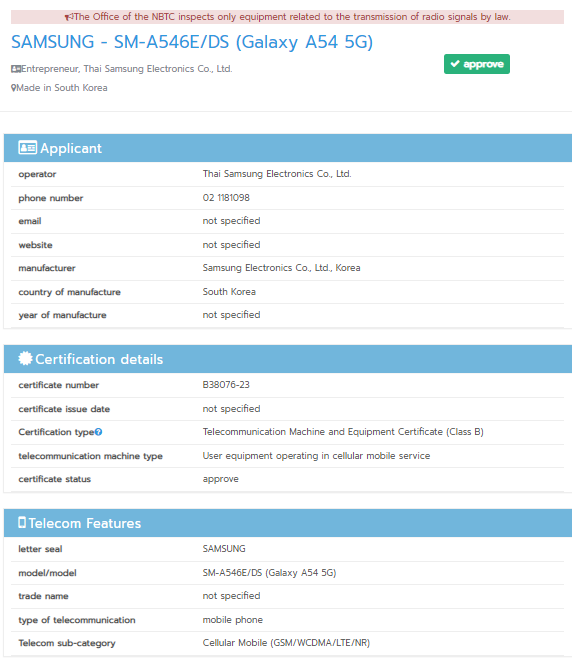
On GCF, the Galaxy A54 5G has been spotted with model number SM-A546B/DS. The device has appeared at NBTC with model number SM-A546E/DS. Both listings do not have any concrete information on A54’s specifications.

Samsung Galaxy A54 5G NBTC

In the past few months, the Galaxy A54 5G has also been spotted on other certification platforms like FCC, Indonesia’s TKDN, India’s BIS, China’s 3C, and Bluetooth SIG. Hence, it appears that the device will launch as early as this month.

Samsung Galaxy A54 5G specifications (rumoured)

Reports have revealed that the Galaxy A54 5G will have a 6.4-inch S-AMOLED display that offers an FHD+ resolution and a 120Hz refresh rate. Under the hood, it will feature the Exynos 1380 chipset. It is expected to arrive in two configurations: 8GB RAM + 128GB storage and 8GB RAM + 256GB storage.

The Galaxy A54 5G will be backed by a 5,000mAh battery that supports 25W charging. It will have a 32-megapixel selfie camera, and its rear shell will feature an OIS-assisted 50-megapixel main camera, a 12-megapixel ultra-wide snapper, and a 5-megapixel macro camera. It will run on the One UI 5 based Android 13 OS. It will come in colours like lime, silver, violet, and graphite and start at 530 euros.

In related news, the Galaxy A34 5G is also in the works. Rumors are rife that it will debut alongside the A54. Reports have revealed that the A34 will arrive with a 6.6-inch S-AMOLED FHD+ 90Hz display, an Exynos 1280 chipset, 6 GB of RAM, 128 GB / 256 GB storage, a 5,000mAh battery with 25W charging, a 13-megapixel front camera, and OIS-assisted 48-megapixel triple rear cameras.

RELATED:

Huawei MatePad 10.4” Launches in China With 2K Display, Snapdragon 680 Soc & 1199 Yuan ($176) Price Tag

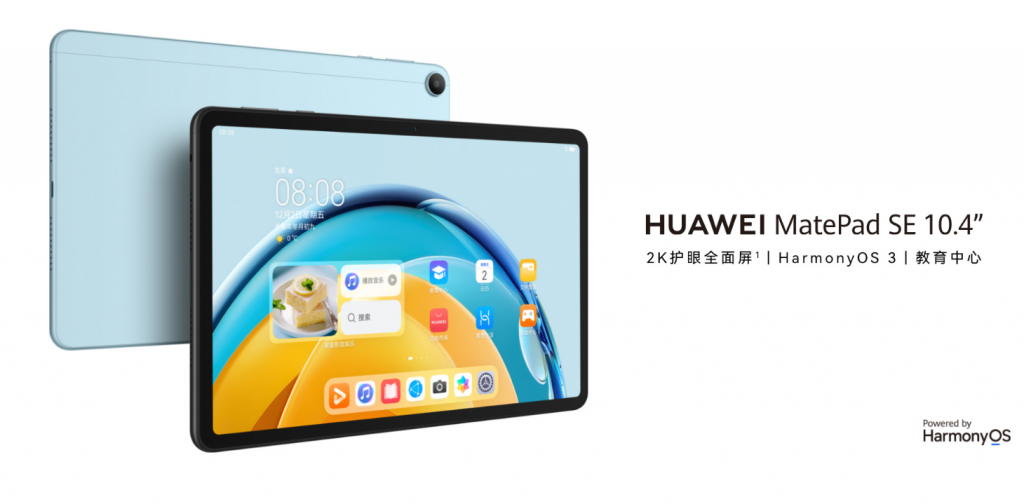
A few months back, Huawei launched the MatePad SE 10.4″ in Europe. It is an entry-level tablet that offers an LCD display and a Snapdragon 6 series chipset. The brand has finally brought it to its domestic market in China.

The tablet will be available in two configurations. These are 4GB RAM + 128GB storage and 6GB RAM + 128GB storage. The starting price for the tablet has been placed at 1,199 Yuan ($176). The 6GB + 128GB Wi-Fi-only model will cost 1,499 Yuan ($220), while the LTE model with the same memory and storage has a price tag of 1,699 Yuan ($250).

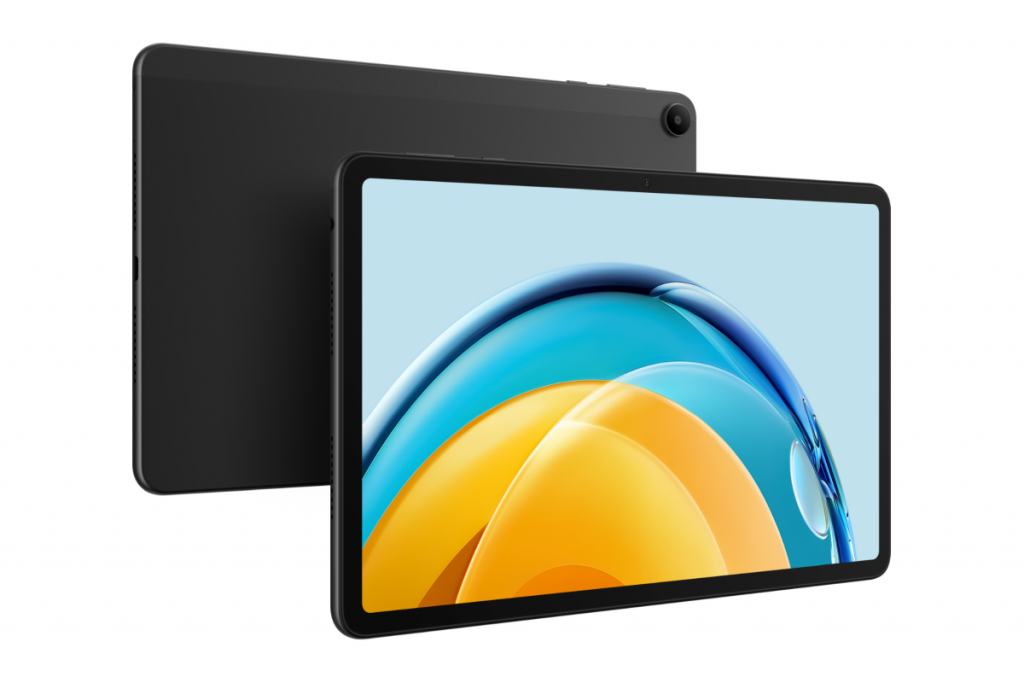
As for availability, the Huawei MatePad SE 10.4″ will be available to purchase starting February 16 in China in two color options – Obsidian Black and Island Blue

Huawei MatePad SE 10.4″ specs

The Huawei MatePad SE 10.4 is a tablet that boasts a 10.4-inch IPS LCD screen with a 15:9 aspect ratio and a resolution of 2,000 x 1,200 pixels. This display offers an 83% screen-to-body ratio, 225 PPI pixel density, and 4096 levels of brightness adjustment. 

Huawei MatePad SE 10.4

It is powered by the Snapdragon 680 chipset and comes with either 4 GB or 6 GB of RAM. The tablet offers internal storage options of 128 GB, along with a microSD card slot. Operating on Hongmeng OS 3.0, the tablet offers features like one screen with multiple windows, a super transfer station, cross-device sharing, and more. It device uses facial recognition for security purposes.

The MatePad SE 10.4 is equipped with a 7700mAh battery that can be charged at a rate of 10W. It features a rear camera with 5-megapixel capabilities and a front-facing camera with 2-megapixel capabilities.

Available in both Wi-Fi-only and LTE models, it measures 246.94 x 156.7 x 7.85mm and weighs approximately 440 grams.

RELATED:

(via)

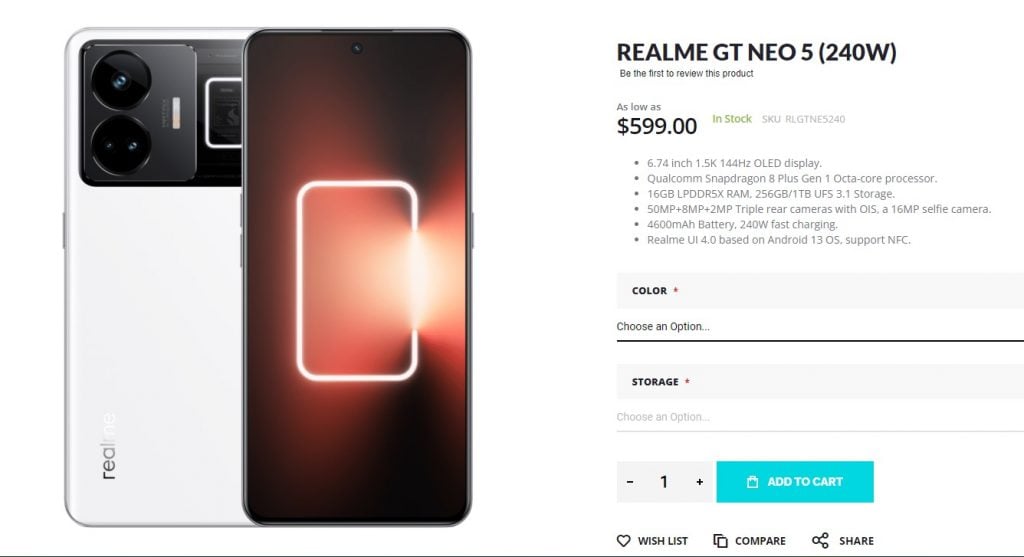
Get the latest Realme GT Neo 5 (240W) for $599 on Giztop

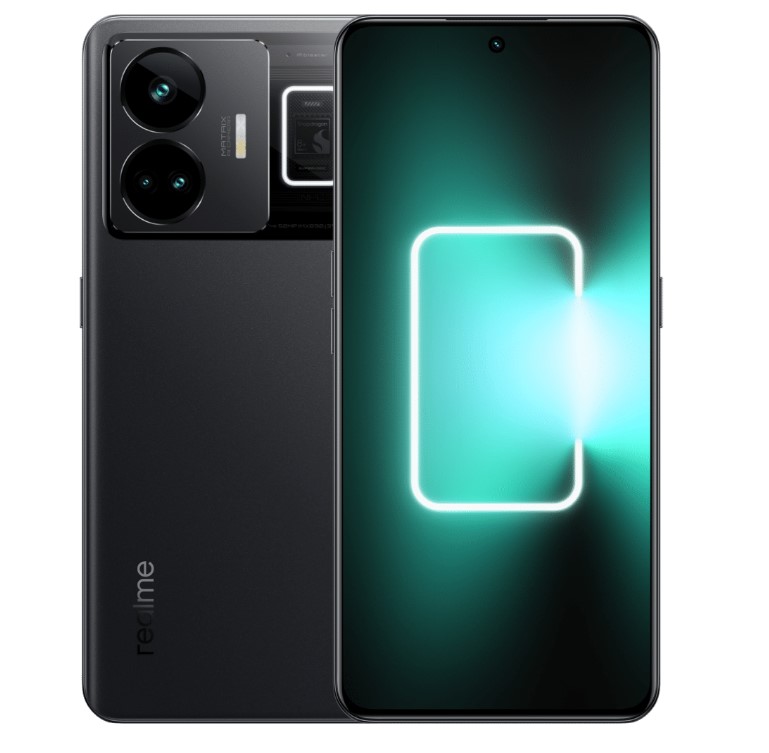
Realme GT Neo 5 (240W) the latest smartphone from Realme is now available on Giztop. You can buy the phone for a starting price of $599 only. The phone comes in classic White and Black color options. 

WHERE TO BUY
Realme GT Neo 5 (240W) at $599 @Giztop
For more information on such exciting deals and offers check out our deals hub.

Realme GT Neo 5 (240W) features a 6.74 inch 1.5K OLED display with a 144Hz refresh rate and 1000Hz touch sampling rate with a peak brightness of 1300 nits.  Powered by the Qualcomm Snapdragon 8 Plus Gen 1 Octa-core processor, the phone comes with 16GB LPDDR5X RAM and 256GB / 1TB UFS 3.1 internal storage. 

The smartphone comes with a triple rear camera setup with  50MP Sony IMX890 OIS primary camera with f/1.89 aperture, an 8MP ultrawide lens, and a 2MP macro sensor. The phone comes with a 16MP front camera for selfies. 

Realme GT Neo 5 (240W)  is fueled with a 4600mAh battery and supports 240W fast charging. The device can charge to 20% in just 80 seconds. 

Fitted with dual stereo speakers and Dolby Atmos game support, Realme GT Neo 5, comes with a dedicated GT 3.0 mode that offers leapfrog performance while gaming with enhanced image quality, 4D in-game vibrations, faster loading times, dynamic sound effects, and more. 

Other interesting features include an under-display fingerprint sensor, Android 13 OS, dual nano sim card slots,3D tempered VC cooling technology, and more. 

You can now buy Realme GT Neo 5 (240W) for $599 only on Giztop. Please note that this price is applicable to the base variant only. 

For more information on such exciting deals and offers check out our deals hub.

Samsung Galaxy S23 Ultra Durability Test Renders it “Structurally Sound”

Galaxy S23 Ultra is one of the latest flagship smartphones on the scene right now. With all Samsung is doing to push the phone through heavy marketing, Zack from JerryRigEverything provided an initial review of the device after surface-level durability tests, ahead of the official teardown. The tests brought Galaxy S23 Ultra’s structural prowess to light. 

Zack starts off by highlighting the fact that the Galaxy S23 Ultra packaging is made of a 100% recycled paper box. Since Samsung brags about how it uses sustainable materials in its products, Zack takes a dig at the phone’s color tone. Where the bold print suggests that ‘natural dye’ is used for the device’s color, fine print suggests that only 10% of it is natural. It is even more amusing to see Zack further scratch away (no pun intended) at the device’s glass panel. Where Samsung markets the display as being made out of recycled glass, Corning data reveals that the glass is only 22% pre-consumer recycled glass. 

The glass begins to scratch with materials at a Mohs level of 6 and shows deeper scratches at level 7 — exactly the same results he got from the S22 Ultra last year. The dye scrapes off from the sides when scratched, and the metal side buttons are removable. Once Zack snaps the S-Pen, he elaborates on how it functions. After talking a little about the camera setup, which is undoubtedly the biggest improvement from last year, Zack subjected the screen to a heat test using a lighter. The phone handled the heat quite well, not crumbling even after 60 seconds of constant flame. Lastly, the Galaxy S23 Ultra passed the bend test with flying colors, being labeled as “structually sound” by JerryRigEverything. 

The Galaxy S23 Ultra sports a tall 6.8-inch AMOLED display. This panel features a QHD+ (3,088 x 1,440) resolution with a dynamic refresh rate that can go from high 120Hz to even as low as 1Hz thanks to its LTPO technology. The Galaxy S23 Ultra’s display is one of its notable aspects and offers a high 2,000 nits of peak brightness, which is more than the 1,750 nits offered by its predecessor. This panel features Corning’s Gorilla Glass Victus 2, as described previously. It is equipped with Qualcomm’s latest Snapdragon 8 Gen 2 SoC. This processor is paired with either 8GB or 12GB of RAM and 256GB, 512GB, or 1TB of internal storage. It features a quad camera setup: 200 MP primary sensor + 10 MP (periscope telephoto) + 10 MP (telephoto) + 12 MP (ultrawide), while on the front, there is a 40 MP (wide) camera. 

RELATED:

(Source)

Android 14 Developer Preview 1 Released With New Features, Improved Battery Life, and More

Google has released the first developer preview of its new Android 14 operating system for smartphones, which comes with several changes for improving device system health and offering more customization offers.

As it’s a Developer Preview, the newly released operating system build isn’t intended for regular usage, and as the title indicates, it is aimed at developers to test out new features and ensure that their apps will work on the updated devices.

Android 14 Developer Preview 1

The company has made some changes to the API behaviors to offer users a more consistent app experience across devices while reducing system resource usage. There’s also updated guidance to help developers take advantage of multitasking and features unique to large-screen devices.

It also comes with improvements to the internal broadcast system to help make the device’s battery life and battery consumption efficient. There are also tons of customization options, such as enhanced accessibility and language features.

Google has already revealed platform stability milestones, indicating when Google intends to deliver the final SDK/NDK APIs along with internal APIs and app-facing system behavior. Based on the information released, the company is planning to release the stable version in June 2023 and the final version is expected to be released in August this year.

RELATED:

Honor Magic 5 Pro & Magic 5 Ultimate Get 3C Certified With 66W Charging

Honor is ready to launch the Magic 5 series in the international market during MWC Barcelona scheduled on February 27. The flagship series is expected to include four smartphones— the Magic 5, Magic 5 Pro, Magic 5 Ultimate, and the Magic 5 Lite. Ahead of the former debut, the Pro and Ultimate models have bagged China’s 3C certification. Here are the details.

Honor Magic 5 Pro and Magic 5 Pro Ultimate have received China’s compulsory 3C certification with the model numbers PGT-AN10 and PGT-AN20. The authority reveals the two flagships will support the HW-110600C00 charger with Honor SuperCharge at 66W.

Honor Magic 4 Pro
Honor Magic 4 Pro

While 66W charging cannot be called slow, it’s still not on par with what other Chinese flagships offer. Even the last year’s Magic 4 Pro model came with 100W charging support. Notably, Realme recently introduced a smartphone with extreme 240W charging.

Previous reports suggest the Magic 5 Pro and 5 Ultimate will be equipped with the Snapdragon 8 Gen 2 chip, paired with LPDDR5x RAM and UFS 5.0 storage. The Magic 5 Pro could feature a triple camera unit on the back with a Sony IMX878 sensor with OIS support as the primary camera, an OmniVision OV64B lens, and a Sony IMX516 camera.

The Magic 5 Ultimate could feature a 50MP Sony IMX989 sensor with OIS support, a Sony IMX758 lens, a Sony IMX516 sensor, and another OIS-enabled Sony camera. Both smartphones are said to have a ToF lens and a flicker sensor.

Both Honor smartphones could have a 6.8-inch OLED LPTO panel with a 1Hz–120Hz refresh rate, 2160Hz PWM dimming, 480Hz touch sampling rate, HDR10+, and up to 1100 units of brightness.

RELATED:

(Via 1,2)

Samsung Calendar App Gets a New Update Bringing a Bunch of New Features

A new update has rolled in for the Samsung stock Calendar app and it brings a bunch of new features. The new features include improved drawing support, shared calendar management, as well as improved dark/light mode settings on Galaxy smartphones and tablets. The new Samsung Calendar app was first announced on the Samsung Community forum in South Korea.

Samsung

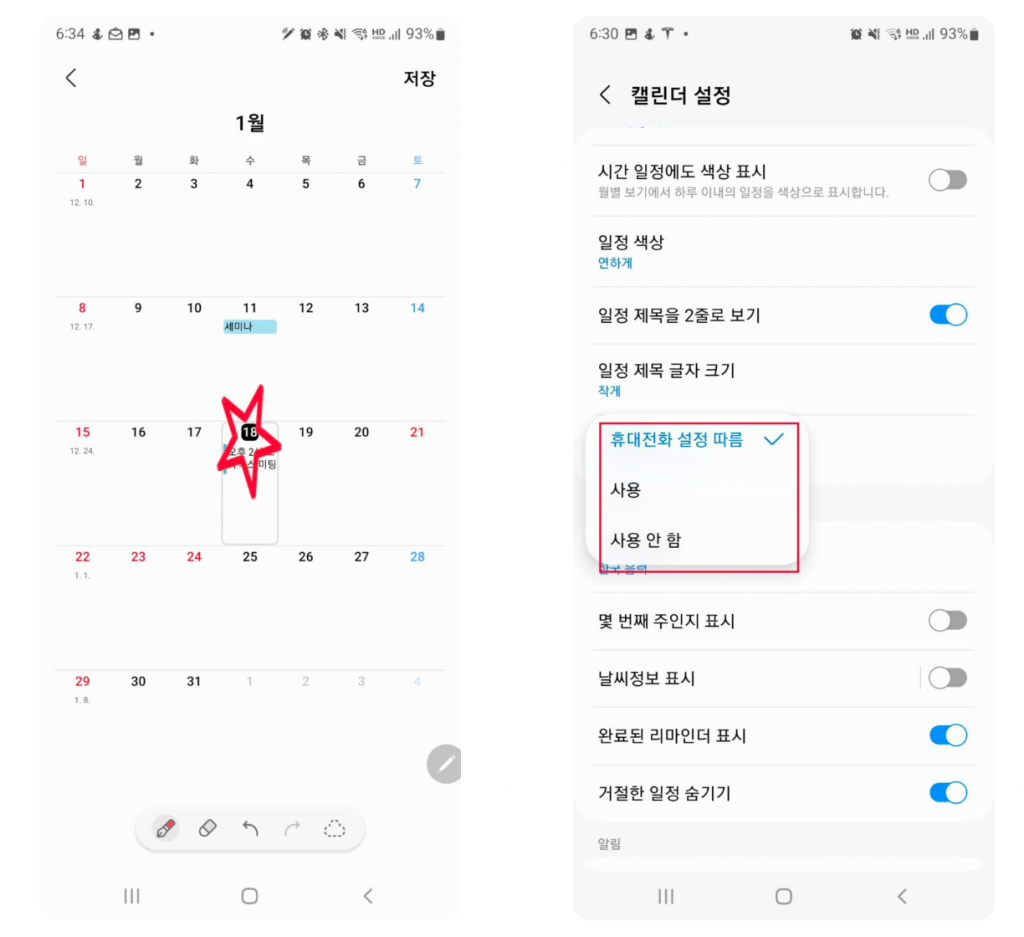
With the new update, you can draw any shape on the calendar and it will be converted to a proper shape. This is achieved when you long-press the drawing. Similar functionality is available in Samsung Notes. Users can set the dark/ light mode independently of the phone’s UI settings, using the Calendar app. It also displays your work profile calendar entries on a paired Galaxy Watch. It is unclear whether both Wear OS and Tizen smartwatches have such support.

Samsung Calendar app

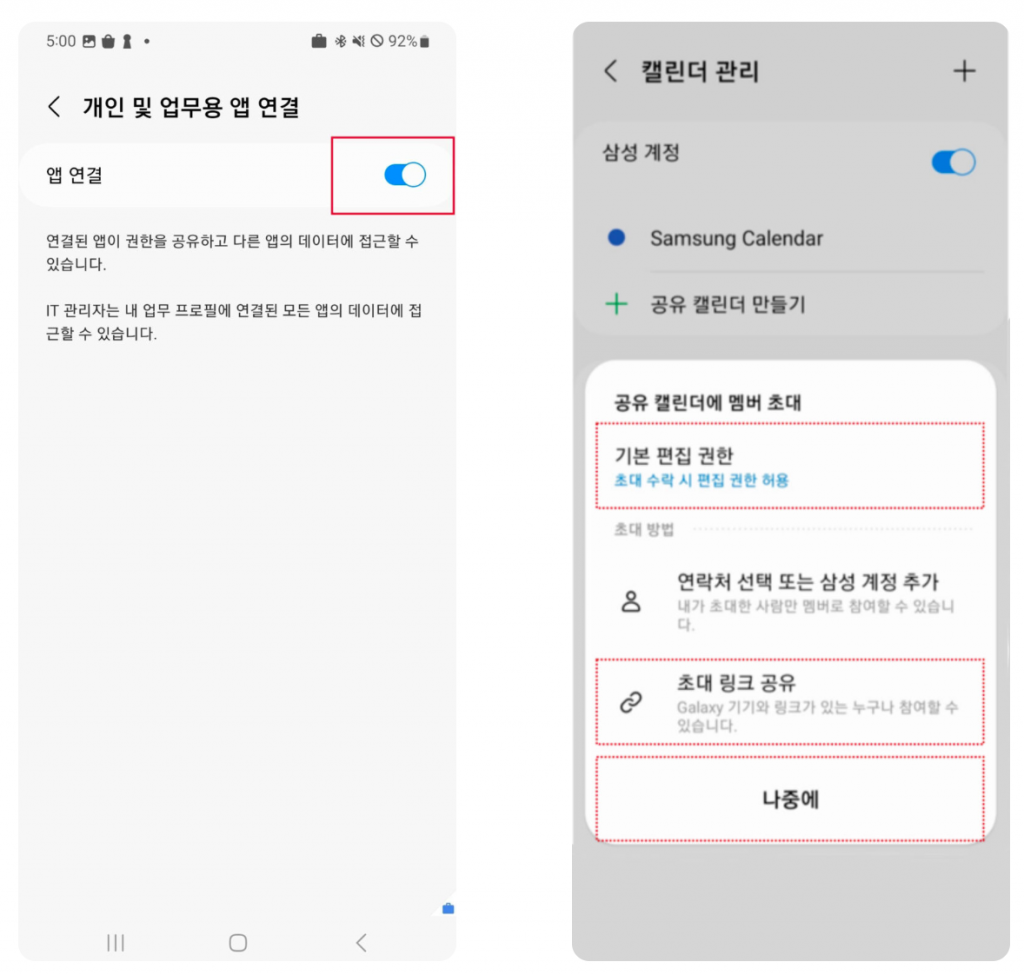
The Calendar app can switch between dark and light modes depending on the smartphone’s theme. The Samsung Calendar update also allows users to create shared calendars which can be shared via simple links. The shared calendar option can be activated via Calendar Settings, then Calendar Management, and then, Create Shared Calendar. The user can edit permissions for existing shared calendars.

Samsung Calendar app

The update will roll out first in Samsung’s home market of South Korea. Thereafter, other markets will get the Samsung Calendar update. There are however no timelines for the rollout of the new update.

RELATED

(via)

SpaceX Starship Launch Vehicle will conduct a Full Static Fire Test

SpaceX President and COO Gwynne Shotwell, has announced that the company is all set to conduct a full static fire test on its Starship Launch Vehicle. The test will happen on 9 February and will be the first attempt at the static-fire test of all 33 engines in the Starship booster.

The Static fire test is one of the most essential parts of the final stage of technical tests conducted on the starship and is the last ground test to be conducted on the heavy-lift launch vehicle. 

source: SpaceX

What is Static Fire Test?

A static fire test is a type of launch vehicle system test that helps to assess the readiness of the vehicle to reach orbit. In this test, the launch vehicle engines are filled with fuel and fired at full thrust. The vehicle is secured to the launch pad and only the engines are tested at their full capacity while the launch vehicle is clamped to the pad. 

The SpaceX Starship is a launch vehicle designed to carry people and cargo to Moon, Mars, and beyond. The vehicle has a first-stage massive booster called Super Heavy and a 165-foot tall second-stage spacecraft named Starship. 

The Super Heavy booster will be powered by 33 raptor engines which will be tested today at full capacity. This is a new milestone for SpaceX as it has never ignited more than 14 of its raptor engines simultaneously.  

The Raptor is a group of staged combustion cycle engines, specially designed by SpaceX for Starship. The engines are fueled by cryogenic liquid methane and liquid oxygen and are more powerful than the Merlin 1D rocket engines, used in the Falcon Heavy Launch Vehicles. 

Today’s static fire test is another step toward SpaceX CEO Elon Musks‘ goal of sending humans to Mars and building an interplanetary civilization. On successful completion of the static fire test,  the company can get the launch license from the U.S. Federal Aviation Administration and send Starship to Orbit as early as next month. 

Related:

(via)

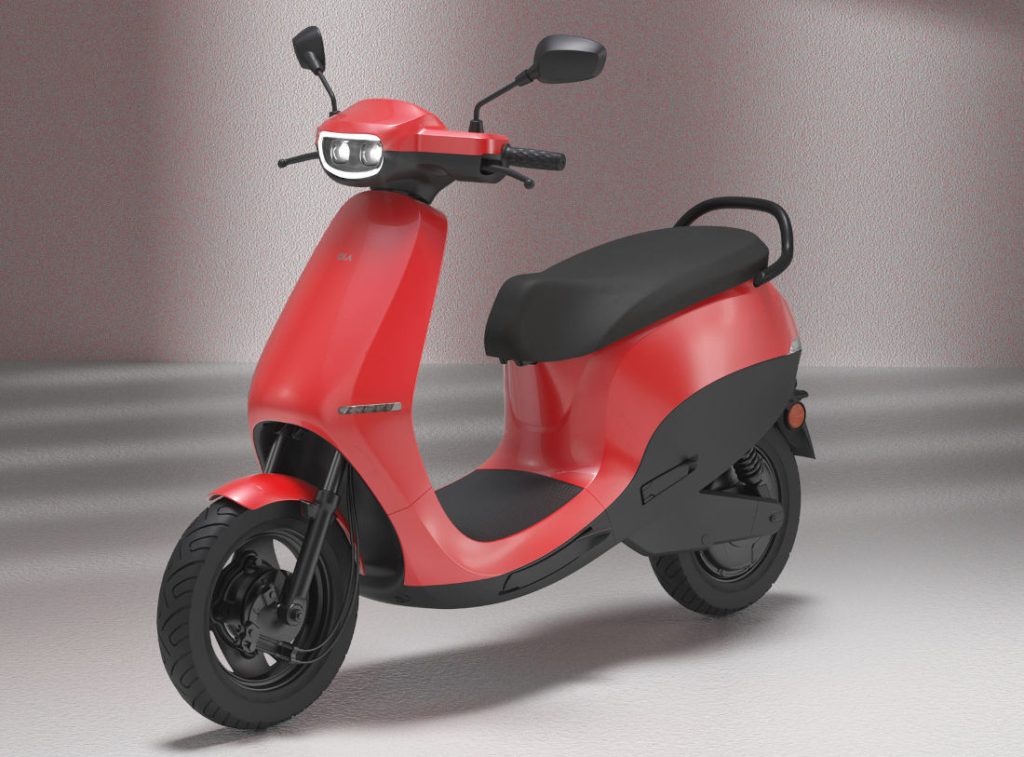
Ola S1 Air With up to 165km Range Launched Starting at Rs. 84,999 ($1,029)

Indian electric scooter manufacturer Ola has garnered a solid reputation for its affordable e-scooters, especially the S1 models. However, the brand’s successes as not been without controversies. After announcing the e-scooters, delays in shipment, software glitches and build quality issues were among the challenges the company had to grapple with. Nonetheless, the Ola S1 series has been a success and it is no surprise that the company has just announced a new model – the Ola S1 Air.

Ola S1 Air

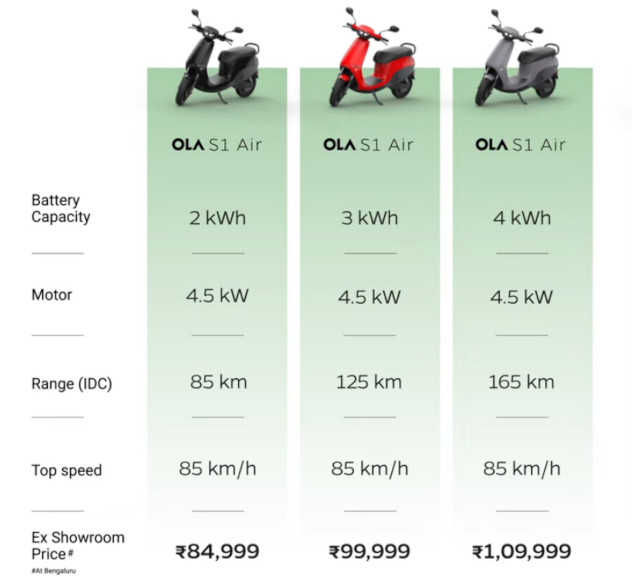
The Ola S1 Air isn’t entirely a new line as the company unveiled the first model in October 2022. However, these new models bring several power options and other tweaks. The new Ola S1 Air electric scooter is available in three models. There is a 3kWh model, a 2KWh model, and a 4kWh model. This has further increased the options best suited to the buyer’s pocket.

The 3kWh model has a range of 125 km per charge, which is significantly more than the 2kWh model and should be sufficient for most daily commutes and errands. Meanwhile, the top-end 4kWh model offers an impressive 165 km range per charge, making it a great option for those who need to travel longer distances without worrying about running out of power.

Ola S1 Air

The Ola S1 Air also packs a number of features that make it stand out from other e-scooters in the same price category. It utilizes a 7-inch TFT touchscreen display that gives users access to all the scooter’s functions. It also comes with support for 4G connectivity, Wi-Fi, and Bluetooth, making it easy to stay connected while on the go. The system is powered by an Octa-core processor backed by 3GB of RAM that ensures that the scooter runs smoothly and efficiently. The scooter models also have 34L buddy space under their seats.

The design is similar to that of the S1 and S1 Pro. The S1 Air has a lightweight design, which makes it easier to handle and maneuver than some other electric scooters in the same category. The front telescopic fork and rear twin suspension provide a comfortable and stable ride. The scooter utilizes drum brakes instead of disc brakes on both the front and rear tires which may be a drawback for some customers.

Ola S1 Air

As far as pricing goes, the Ola S1 Air starts at Rs. 84,999 ($1,029) for the 2kWh model which is pretty cheap. The 3kWh model is priced at Rs. 99,999 ($1,211) while the top-end 4kWh model is priced at Rs. 109999 ($1,332). Overall, the scooters are available in five stylish color options – Neo Mint, Jet Black, Coral Glam, Porcelain White, and Liquid Silver.

RELATED:

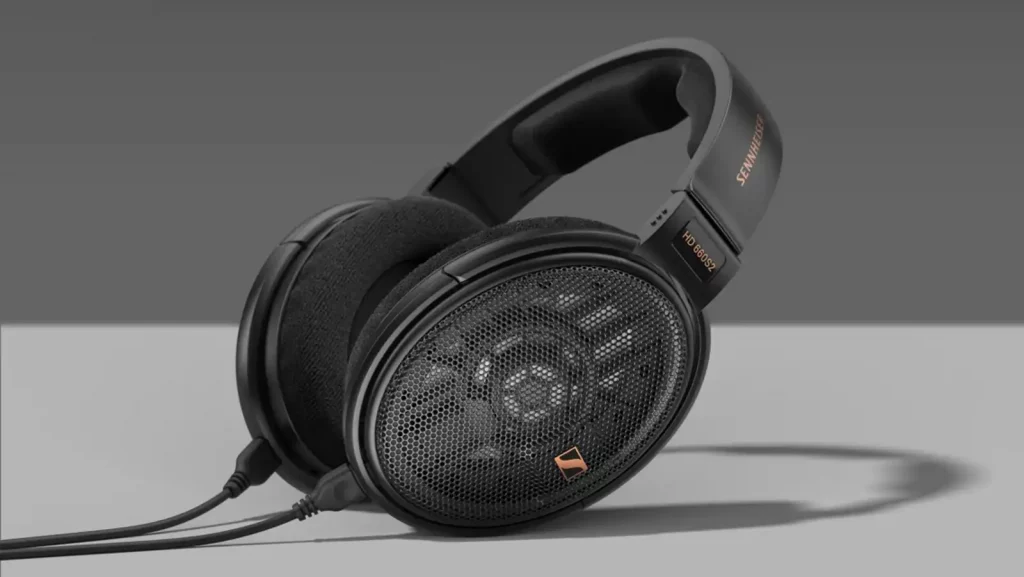
Sennheiser HD 660S2 Headphones With Swappable Cables Unveiled

The Sennheiser HD 660S2 Headphones have been unveiled. The new headphones come with a bigger price tag than Apple’s AirPods Max. This is even more outstanding because the HD 660S2 comes without ANC or wireless functionality.

Sennheiser HD 660S2 Headphones

The Sennheiser 600 series has been a leading product among audio enthusiasts who require a pair of solid cans. The series has gone through several iterations during the 25 years since it debuted. The new HD 660S2 offers excellent sound improvements from its predecessors and comes with a solid build.

The original Sennheiser HD 600 model was priced at $450 when it was released in 1997. That price tag translates to about $850 today and the new model is pretty still affordable. Sennheiser says the revised 300-ohm transducers help to lower the resonant frequency down to 70Hz for hefty kick drums in the headphones.

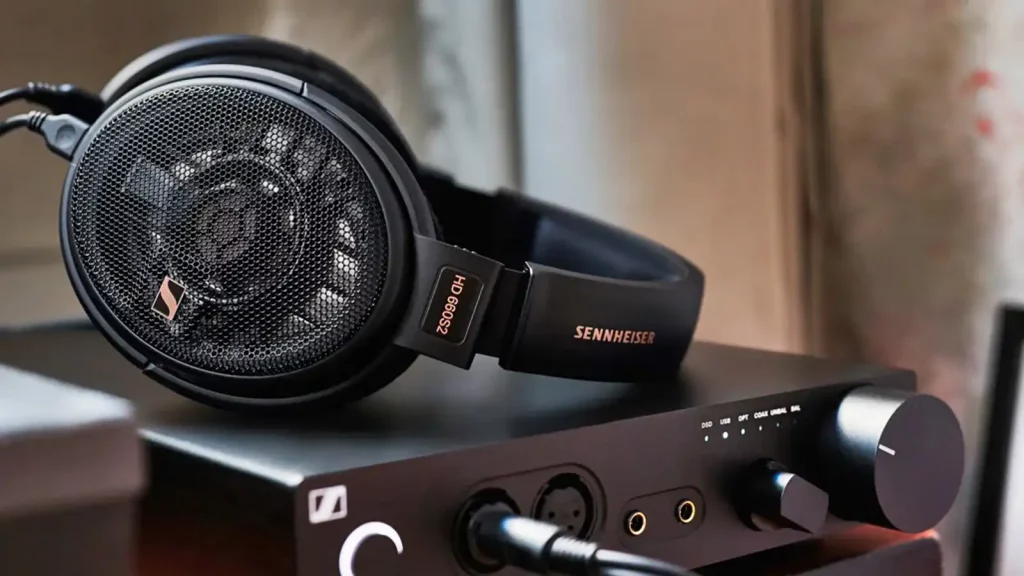
Sennheiser HD 660S2 Headphones

All the models in the Sennheiser 600 series are open-back headphones that allow some degree of noise interference. The HD 660S2 is designed to leak sound to improve its performance. The HD 660S2 lacks active noise cancellation, so is useful only in quiet environments. They can be terrible when used in the office or in public places. The open-back design also implies that incorporating noise cancellation is not feasible.

The headphones have a pair of 5.8ft swappable cables with 0.25-inch and 4.4mm stereo plugs. The headphones can also be connected with an amp using its 1/8-inch adapter. Connection to an amp helps the user to have the full complement of the device’s capabilities.

Sennheiser HD 660S2 Headphones

The Sennheiser HD 660S2 is designed for those folks who want to enjoy hi-res audio to the fullest without paying a premium amount for it. It does not have any app support and the user is guaranteed unbridled sound output. The headphones could be pre-ordered directly from Sehneisser at $400.

RELATED:


Huawei Watch GT Cyber Makes Its Global Debut With a Detachable Design & AMOLED Display

Back in November 2022, Huawei unveiled a rather unusual smartwatch called Watch GT Cyber in its home country China. The wearable has a unique detachable design that allows users to switch between different straps and cases. Today, the company released the smartwatch in the international market for the first time. Here are its specifications and pricing.

As mentioned, Huawei Watch GT Cyber is an interesting smartwatch. Its face detaches from its casing and strap, allowing wearers to swap different combinations. It is offered in three types of cases, namely Sports, Fashion, and Urban Explorer. The watch is MIL-STD-certified, meaning it can withstand extreme temperature, moisture, dust, and shock.

Huawei-Watch-GT-Cyber-Featured-A

The smartwatch comes with a 1.32-inch circular AMOLED display with a resolution of 466 x 466 pixels. On the software front, it runs OpenHarmony-based software with support for over 100 sports modes, sleep tracking, heart rate monitoring, blood oxygen level monitoring, stress monitoring, menstrual cycle tracking, and more. The wearable has a built-in GPS and NFC for contactless payments. Other notable features include music playback, Bluetooth calling, and a voice assistant.

The Huawei Watch GT Cyber is compatible with smartphones running at least HarmonyOS 2, Android 6.0, and iOS 9.0. The watch comes with 5ATM water-resistant watch and is backed by a 292mAh battery. It charges wirelessly and can last seven days of usage.

As of writing this, the smartwatch is only available in Mexico. It can be pre-ordered in the country with a MEX$ 100 ($5) deposit. Customers pre-ordering will get the Watch GT Cyber for a discounted price of MEX$ 3,699 ($196). Its original price will be MEX$ 3,999 ($212). Huawei may soon bring the smartwatch to other markets. We’ll keep you posted.

RELATED

(Via)

Google Pixel 6a’s Price Drops Again – Get It for $299 While You Can

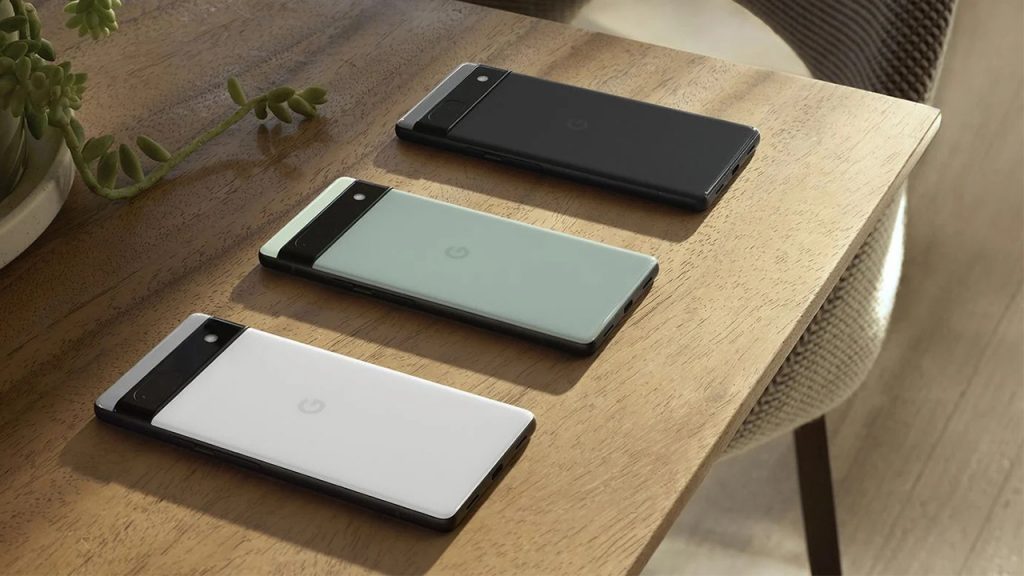
Google Pixel 6a is one of the best budget-friendly smartphones available in the market. It offers unbeatable value for money, with its powerful processor, high-quality display, and ample storage capacity. The latest price drop has only made it more appealing to consumers, as it brings down the cost to just $299.

Google Pixel 6a gets another price drop, bringing it down to $299

The Google Pixel 6a is powered by Google’s Tensor processor, which provides an edge over its competition. The 6.1-inch AMOLED display runs at 60Hz, offering a smooth and vivid visual experience. Additionally, the device has 6GB of RAM and 128GB of internal storage, making it an excellent choice for multitasking and storage-intensive applications.

Google Pixel 6a

The camera capabilities of the Pixel 6a are also impressive, with a dual-camera setup that includes a 12MP main camera and a 12MP ultrawide lens. The 4,303mAh battery can easily last a full day of use, ensuring you are never left without power.

Software is one of the strongest selling points of the Pixel 6a, with Android 12 pre-installed, and support for up to three OS updates. This means that users can enjoy the latest software releases, including security updates, for several years to come. In addition, tech-savvy users can even install early versions of Android, such as the Android 14 Developer Preview.

If you’re looking for an affordable smartphone that offers high-quality features, performance, and software updates, the Google Pixel 6a is the perfect choice. With the latest price drop, there has never been a better time to purchase this exceptional device. Hurry, grab your hands on this smartphone before the discount ends.

RELATED:

(via)