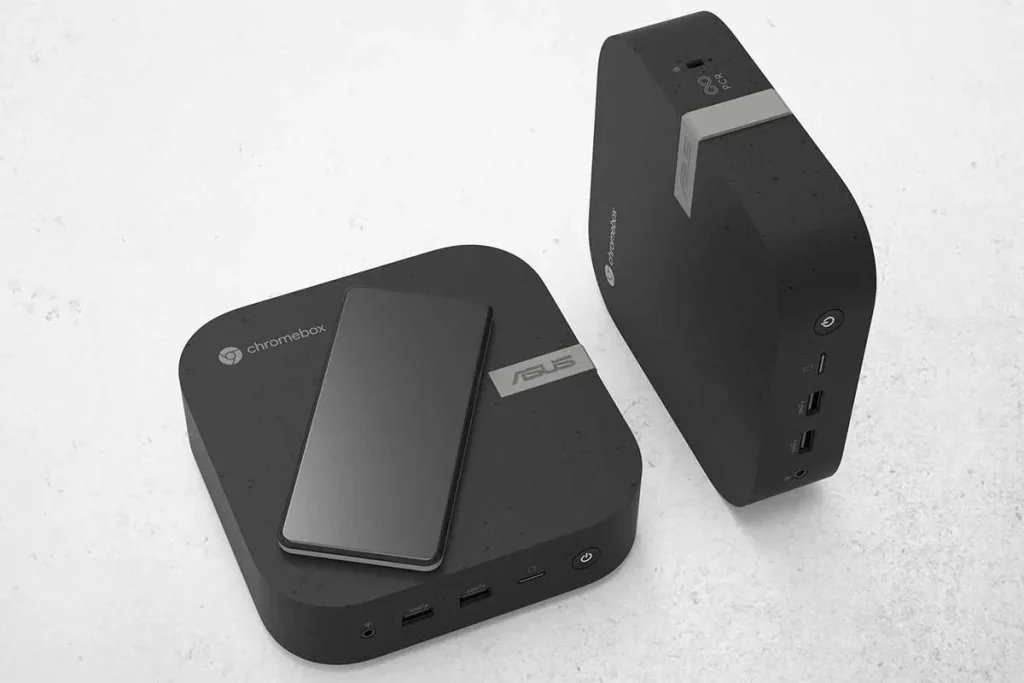
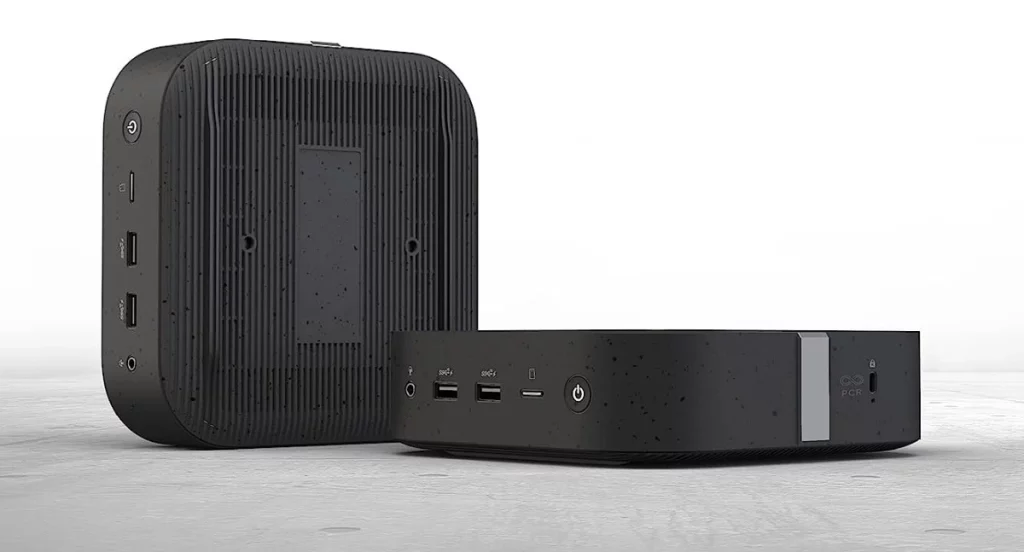
The Asus Chromebox 5 mini host has now entered the market after its release in January. The new Asus mini host comes with the Core U series 12th-gen processors up to Intel Core i7 with 32GB DDR4 memory. The Asus Chromebox 5 offers outstanding performance and instantaneous response for improved productivity. It also enables seamless multi-tasking without any slowdowns.
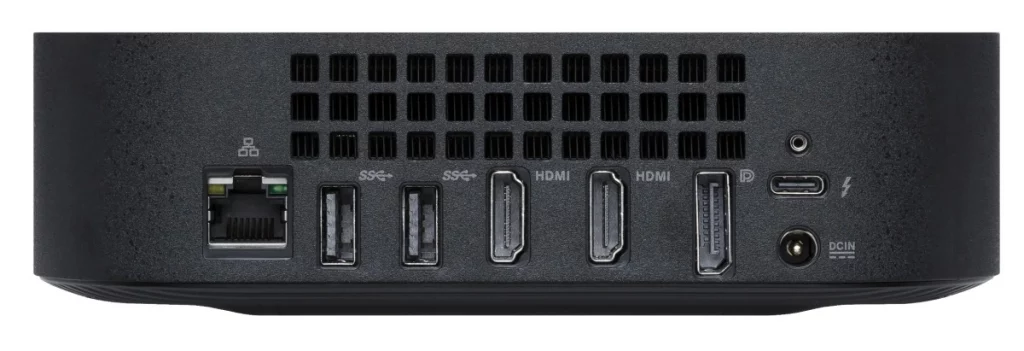
The Asus Chromebox 5 runs on ChromeOS and supports single-channel DDR4-3200 memory and up to PCIe Gen 4×4 SSD. It is equipped with two HDMI ports, a DisplayPort, Ethernet with 2.5Gbps, four USB-A and a 3.5mm audio jack. There are also rear Thunderbolt 4 and USB-C ports. Wireless support via Wi-Fi 6E is also available in the mini host. The mini host is equipped with Intel Iris Xe graphics to deliver stunning visuals.
The mini host supports up to four 4K displays and the Thunderbolt 4 provides fast and versatile connectivity. The system enjoys automatic software and security updates to protect it from viruses and malware. The built-in Google Play support allows the user to access the full complement of applications. The Chromebox 5 also supports Zero-Touch-Enrolment and IT management is easier by Chrome Enterprise.
The Chromebox 5 mini host can support up to 15W wireless charging and the i5-1240P model is priced at $660. Asus says the Chromebox 5 mini host offers an immersive user experience that combines superior performance with cutting-edge functionality. It also offers aesthetic appeal with its sleek, stylish, and eco-friendly design. The Chromebox 5 has a scratch-resistant finish.
Artificial intelligence is becoming more and more important every day. The situation is so critical that even Google, a long-standing leader in Silicon Valley, is at risk of its future. ChatGPT has even managed to outdo most search engines and make many websites unnecessary (NOT Gizmochina) . However, the technology giant is aware of the danger and is taking steps to address it. According to recent reports, the company is restructuring its virtual assistant unit to focus on its AI chatbot, Bard. Here are the details…
Google restructures virtual assistant team to focus more on Bard
Google is restructuring its virtual assistant team to Bard. This move was announced by Sissie Hsiao, the vice president and lead of Google Assistant’s business unit. One of the primary reasons behind this reshuffling is the company’s focus on Bard. This AI chatbot is Google’s answer to ChatGPT, and the company has big plans for its development. To achieve this goal, it is enlisting the help of its virtual assistant unit.
The company wants to integrate Bard into all of its products, including Nest smart speakers, Pixel phones, and Android Auto. This suggests that Google may have significant plans for Bard and Google Assistant in the future. As part of the reshuffling, Jianchang Mao, vice president of engineering for Google Assistant, who reported directly to Hsiao, is leaving the company for “personal reasons”.
He will be replaced by Peeyush Ranjan, the former vice president of Google’s commerce organization. Meanwhile, Amar Subramanya, Google Assistant engineering vice president, is now leading the engineering efforts for the Bard team. Trevor Strohman, who was previously in charge of leading these engineering efforts, will continue as an “Area Tech Lead” for Bard.
The restructuring and increased focus on Bard underscore the growing importance of AI and chatbots in today’s technology landscape. As Google continues to push the boundaries of AI, it is clear that the company sees Bard as a key part of its future.
Artificial Intelligence is becoming more and more popular on the internet, and we hear about new AI advancements almost every day. However, most of the news we hear about AI developments is related to ChatGPT. This might come as a surprise to some, as even trillion-dollar tech companies are still lagging behind OpenAI when it comes to AI technology. However, Google is now looking to change this. The CEO Sundar Pichai recently announced that they will be upgrading Bard AI to more capable models next week. Here are the details…
Bard AI will be upgraded to more capable models next week, reveals Google CEO
Google unveiled their AI chatbot named Bard a while ago, which was supposed to compete with ChatGPT. However, the chatbot gave an wrong response which was an embarrassing moment for the company. This caused a loss of $100 billion in market value for the tech giant. In response to critiques of Bard’s failed demo in February, the CEO of Google has recently addressed the issue.
CEO Sundar Pichai “assured” listeners in an interview for The New York Times’ Hard Fork podcast on Friday that Bard would soon be upgraded to a more capable Pathways Language Model (PaLM). Pichai explained that PaLM is a more current language model that is larger in scale and better suited to handle tasks such as logical reasoning and coding issues. Bard is currently operating on a lightweight and efficient version of LaMDA. The upgrade to PaLM will bring more capabilities, such as better math problem-solving and reasoning skills.
Pichai acknowledged that the company’s conservative approach to AI development had contributed to Bard’s limitations. He revealed that he had discussed the project with Google co-founders Larry Page and Sergey Brin and that it was important not to release a more capable model before they could handle it well. Despite the setbacks, Pichai is optimistic about the future of AI and its potential benefits. However, he also emphasized the importance of anticipating the risks associated with AI’s rapid growth and evolving to meet those challenges.
Bard was released to the general public in the U.S. and U.K. on March 21 but has failed to generate as much attention as Microsoft’s Bing AI chatbot and OpenAI’s ChatGPT. With the upcoming upgrade, Google hopes to catch up to its rivals in the AI chatbot space.
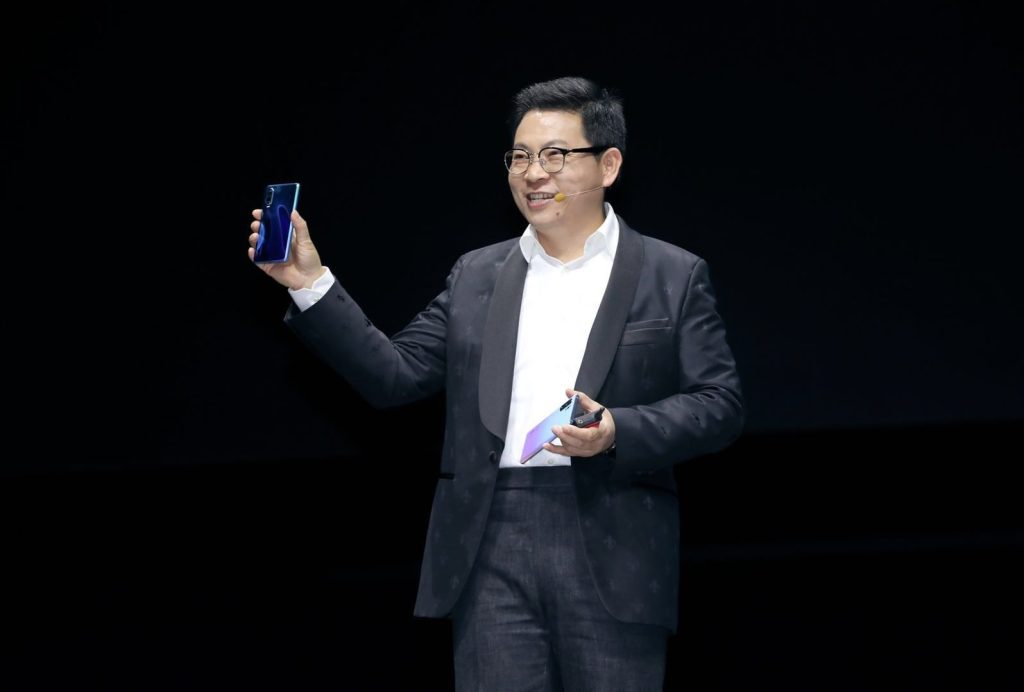
Huawei’s CEO, Richard Yu, recently revealed at the China EV100 Forum that Huawei’s failure rate is only a fraction of Apple’s, marking a significant turnaround for the company’s quality management system. When Yu first took over the business, Huawei’s failure rate was much higher than Apple’s, but the situation has now reversed.
Huawei’s continuous investment in research and development, amounting to 25.1% of their annual revenue in 2022, has enabled the company to achieve high-quality smartphones and a better consumer experience. The company’s focus on quality and consumers has been emphasized by Yu Chengdong, CEO of Huawei Consumer Business Group, who stated that quality is the highest priority for Huawei, above cost and profit.
The latest flagship devices from Huawei, the P60 series and Mate X3 foldable phone, are a testament to the company’s commitment to providing the best customer user experience. These devices come with HarmonyOS-powered software, providing a bug-free and smoother user experience.
In contrast, Apple’s recent releases have been plagued by bugs that have disrupted iOS, highlighting the challenges of adding new features to smartphones. While Apple may be low-key in its innovations, it is crucial for the company to address these bugs to maintain its market position.
Overall, Huawei’s success in improving its failure rate and providing a better customer experience demonstrates the importance of continuous improvement and investment in research and development. As the smartphone market continues to evolve, it will be interesting to see how companies like Huawei and Apple adapt and innovate to meet future challenges.
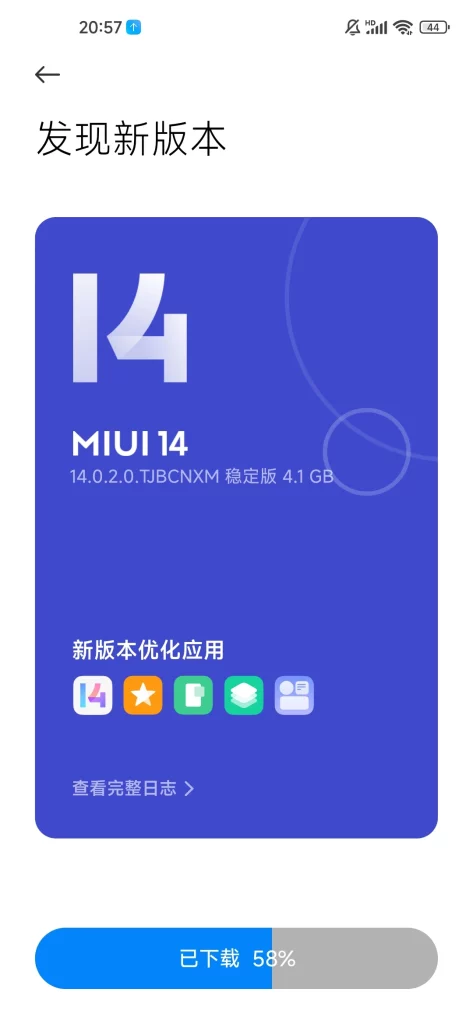
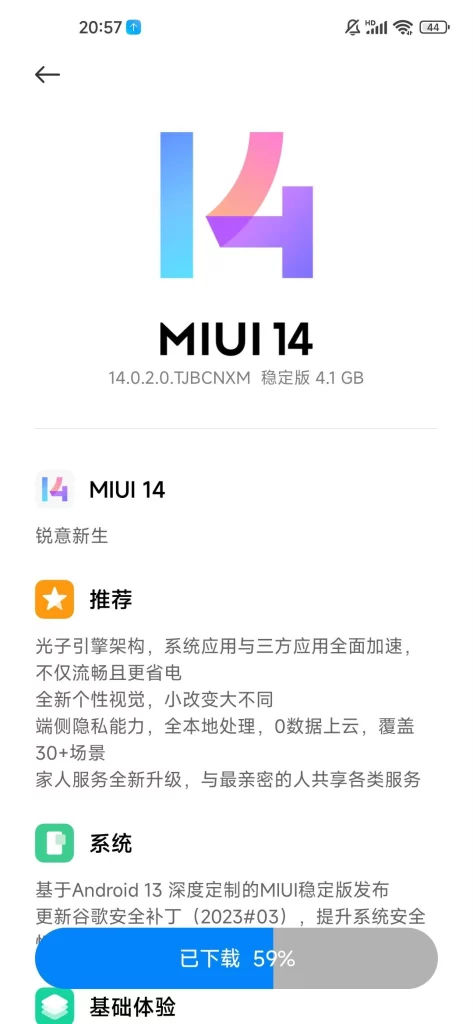
Xiaomi Mi 10 smartphone users have reason to cheer as the company has officially rolled out the MIUI 14 update in China. The latest stable version, with build number 14.0.2.0.TJBCNXM has been pushed to the devices and brings a range of exciting features and upgrades. The 4.1GB update is based on Android 13 and includes the March security patch, making the Mi 10 even more secure.
One of the key upgrades in this update is the Photon engine architecture, which accelerates both system and third-party applications. This means that users can experience faster app loading times and smoother performance. The new personalized visuals bring a fresh look to the interface, making it more appealing and easier to use.
Another significant feature of MIUI 14 is the on-device privacy capabilities. This includes on-device image and text recognition, which enhances privacy by processing images and text locally on the device without the need to send them to the cloud. This feature also helps in reducing the risk of data breaches.
Moreover, Xiaomi has upgraded its voice assistant to a personal intelligent assistant called Xiao Ai. It now includes a range of intelligent products, such as Xiao Ai Voice, Xiao Ai Vision, Xiao Ai Translator, and Xiao Ai Calls. These features make the device more user-friendly and convenient, providing a personalized touch to the user experience.
The system settings have also been improved, and they can now retain search records and display search results in groups. Xiaomi smart card support has also been expanded, with the addition of more types, including multi-brand digital car keys and university campus cards.
Overall, the MIUI 14 update for Mi 10 brings a range of exciting features and upgrades, making the device more powerful, user-friendly, and secure. Users are recommended to download the update as soon as possible to experience the latest advancements.
Google is gearing up to launch the Pixel 7a, a mid-range smartphone, at its I/O 2023 event on May 10. As per the latest leak by tipster Paras Guglani, the phone is expected to launch in five different color options, which is a first for the A-series Pixel phones. These colors include Dinuguan Black, Crispy Kale, Mayo Cream, Tide Orange, and Vibrant Ube. Additionally, the Pixel 7a is also tipped to come with a 256GB storage option, which is double the storage of its predecessor, the Pixel 6a.
Apart from the increased storage, the Pixel 7a is rumored to have 8GB of RAM, which is a bump up from the 6GB RAM on the Pixel 6a. The phone is expected to have a dual-camera setup on the back, with a 64MP Sony IMX787 main camera sensor and a 12MP ultra-wide camera sensor. For selfies, the phone is said to feature a 10.8MP front camera, which is the same as the one found in the more premium Pixel 7 and Pixel 7 Pro.
The Pixel 7a will come with a 6.1-inch OLED display with a 90Hz refresh rate and a Full HD+ resolution. The phone will have a punch-hole cutout at the top center of the screen. Under the hood, the phone is likely to feature the Tensor G2 SoC, which is Google’s custom-designed chipset.
The phone’s design renders reveal a metallic visor-like camera module on the back, and it is said to support 5W wireless charging. However, the battery and charging speed details are currently unknown. The Pixel 7a will run Android 13 out of the box, and it is expected to launch in India soon after the I/O 2023 debut. The phone was also leaked in real-life images. More information on availability and pricing is expected to be announced by Google soon.
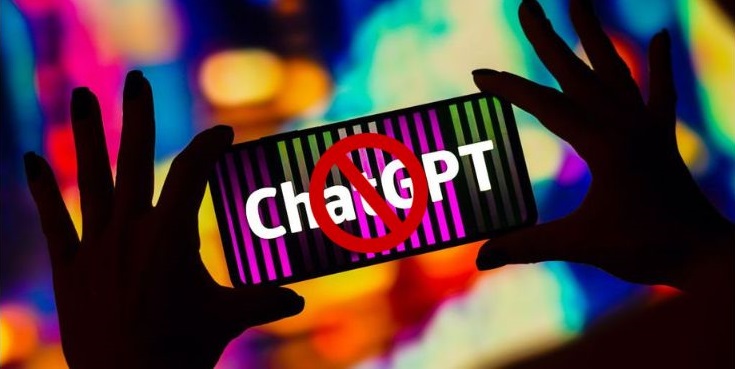
The ban on ChatGPT in Italy has raised concerns over data privacy and the regulation of AI technology. ChatGPT, an AI-powered chatbot developed by OpenAI, has become increasingly popular worldwide since its launch in November 2022. The chatbot’s impressive abilities have been utilized by users for various purposes, including writing essays, generating ideas for video content, and composing poetry. However, the ban in Italy marks the first time that a country has taken action against the use of an AI chatbot.
The Italian government’s data protection authority has accused OpenAI of unlawfully collecting personal data from users and failing to have adequate age-verification measures in place to prevent minors from being exposed to illicit material. The ban comes after a data breach was reported on March 20, which OpenAI CEO Sam Altman acknowledged. The ban has prompted OpenAI to provide additional information and possible remedies before the Italian government makes a final decision on the future of ChatGPT in the country.
We of course defer to the Italian government and have ceased offering ChatGPT in Italy (though we think we are following all privacy laws).
Italy is one of my favorite countries and I look forward to visiting again soon!
The ban in Italy has caused concern among ChatGPT users and the wider tech community. As AI technology continues to advance and become more integrated into our daily lives, it is likely that more countries will implement stricter regulations to ensure the protection of user data and privacy. OpenAI’s response to the ban highlights the need for AI regulation, which has been a topic of discussion among tech experts for some time.
In a recent interview with podcast host Lex Friedman, Sam Altman talked about the possibility of AI replacing some human jobs, including customer service. He acknowledged that he was worried about how quickly this change would come, but also stated that human creativity is limitless and we find new jobs to do eventually.
The ban on ChatGPT in Italy serves as a reminder of the importance of protecting user data and privacy in the age of AI. As AI technology continues to evolve, it is essential that governments and tech companies work together to develop ethical and responsible practices that ensure the safe and secure use of AI technology.
The first Nord smartphone debuted in 2020 and if you keep up with the industry, you might remember the kind of hype OnePlus built around it. The PR team was clearly doing overtime, and truth be told, the smartphone largely lived up to the hype. After the original Nord, the company launched a bunch of other phones in the series— some were pretty great, while others not so much.
Soon, the Chinese company will be launching another Nord-branded smartphone, called OnePlus Nord CE 3 Lite. It is scheduled to debut on April 4 and is expected to target the lower mid-range segment with decent specifications. OnePlus has been teasing the handset extensively and there’s a considerable amount of information available out there. So, here we have gathered everything about the upcoming OnePlus Nord CE 3 Lite.
Design and Display
OnePlus Nord CE 3 Lite 5G (well, the name is indeed a mouthful) will debut with a pretty standard design. The phone will have a slightly curved back panel featuring two rings positioned at the top right corner. One of the rings will contain the primary camera, while the other will house the depth and macro shooters. OnePlus has been teasing the phone in a striking pastel lime color, but there might be other color options as well.
The front is business as usual. You get a flat display with a punch-hole cutout on the top center. There are thin bezels on the sides. However, the chin is comparatively thicker. All in all, the Nord CE 3 Lite looks premium for an entry-level smartphone.
As per the company, the smartphone’s display will measure 6.72 inches and offer a 120Hz refresh rate. It is currently unclear whether the handset will feature an AMOLED panel, as it is equipped with a side-mounted fingerprint reader which suggests otherwise. In any case, the Nord CE 3 lite’s display is considerably better than its predecessor, which debuted with a 6.52-inch panel supporting only a 90Hz refresh rate.
Specifications
As mentioned, the OnePlus Nord CE 3 Lite will arrive as a mid-range smartphone and sit right below the higher-end Nord phones. OnePlus markets the phone as a gaming device, but its processor suggests that it may not be entirely performance-oriented and instead, geared toward everyday tasks. In any case, it should still be capable of handling most tasks efficiently.
The Snapdragon 695 SoC on the smartphone will be paired with 8GB of RAM plus up to 8 extra gigs of virtual RAM, along with 128GB storage. To remind you, this is the same processor as the OnePlus Nord CE 2 Lite and features an octa-core architecture with a fast cluster of two cores with up to 2.2 GHz. The smartphone will be powered by a 5,000mAh battery and will support 67W charging, which is significantly faster than what most phones in this segment offer.
According to reports, the device will receive two years of major OS updates and three years of security updates, which is consistent with what other manufacturers typically provide, with the exception of Samsung. The Korean company offers a minimum of three major updates even for its budget-friendly phones.
For photography, the Nord CE 3 Lite will feature a triple camera unit, headlined by a 108MP primary camera with support for optical image stabilization (OIS). This is a first for a Nord-branded smartphone. OnePlus says the main sensor will offer 3x lossless zoom. It will be accompanied by a 2MP macro lens and a 2MP depth shooter on the back. The handset may feature a 16MP front-facing camera for selfies and video calls.
Expected Pricing
As per a report, the OnePlus Nord CE 3 Lite will be available in a sole 8GB + 128GB memory configuration in India, with an MRP (Maximum Retail Price) of ₹27,999. However, it is widely known that products are not sold at MRP in India, so the actual cost is likely to be lower, possibly below ₹25,000. Despite this, the device will still be more expensive than its predecessor, the OnePlus Nord CE 2 Lite.
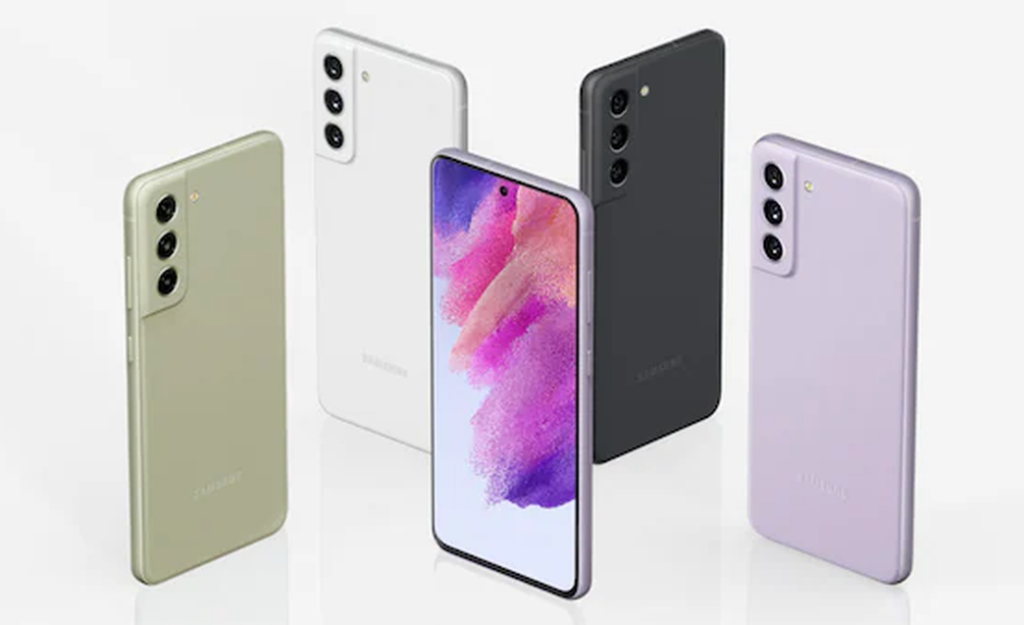
There have been mixed reports about the existence of the Samsung Galaxy S23 FE. While some of the recent reports claimed that it does not exist, a new report courtesy of Sammobile has revealed that it will debut in the fourth quarter of 2023. It has also tipped the key specifications of the device.
The Snapdragon 8 Gen 2 chipset is used to power the Galaxy S23, the Galaxy S23+, and the Galaxy S23 Ultra. However, as per the new report, the Galaxy S23 FE will be equipped with an Exynos 2200 chipset.
Samsung Galaxy S21 FE
The Exynos 2200 is Samsung’s first chipset to feature an AMD GPU. It is the same chipset that powers the Galaxy S22 lineup in the European market.
The report further states that the Galaxy S23 FE will have a 50-megapixel primary camera, which will be a major upgrade since the S20 FE and S21 FE have had a 12-megapixel main camera.
The Galaxy S23 FE will arrive in 128 GB and 256 GB storage versions and 6 GB and 8 GB RAM variants. It will pack a 4,500mAh battery with 25W fast charging support. The S23 FE will have the SM-S711x model number. The other details of the smartphone are yet to be revealed.
In related news, Samsung has reportedly started working on the Galaxy S24 series. Some reports have claimed that the lineup will not have the S24+ model. Another report revealed that the Galaxy S24 Ultra will have a 144Hz AMOLED display and will be powered by the upcoming Snapdragon 8 Gen 3 chipset. It will be equipped with an improved 200-megapixel primary camera. The S24 series is expected to launch in the first quarter of 2024.
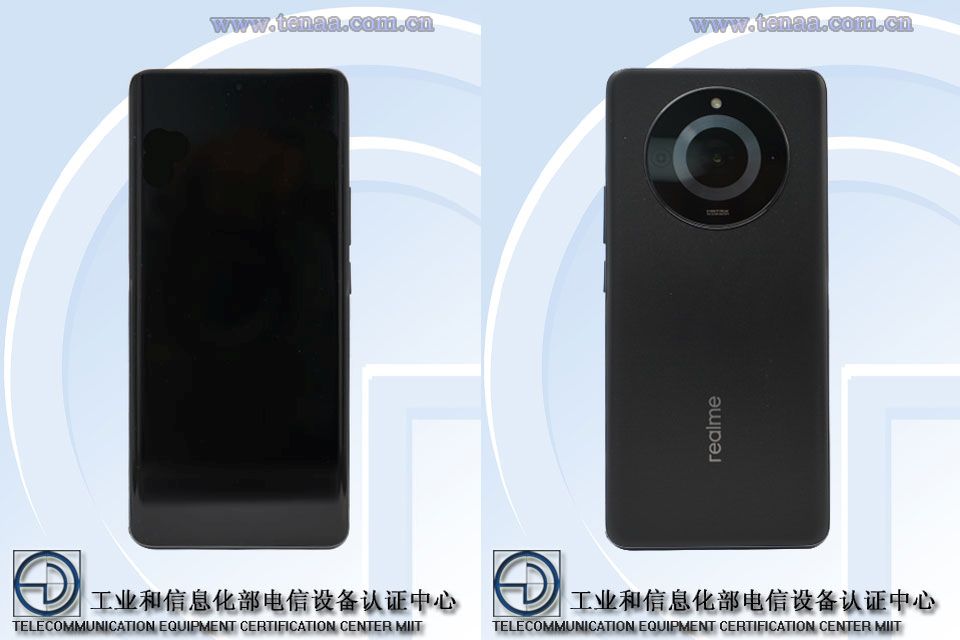
Two new Realme phones with model numbers RMX3770 and RMX3740 have emerged in the database of China’s TENAA certification site. Speculations are rife that these devices will debut in the Chinese market as the Realme 11 Pro and Realme 11 Pro+. Initially, the listings only showed images of the vanilla model. Now, the listings have been updated with all the major specs of both smartphones.
Realme 11 Pro (RMX3770) specifications
Realme 11 Pro
The Realme 11 Pro has a 6.7-inch curved-edge AMOLED display that offers an FHD+ resolution of 1080 x 2412 pixels. It is backed by a 4,780mAh (rated value) battery and is powered by an unknown 2.6GHz octa-core processor. The SoC is equipped with 6 GB / 8 GB /12 GB / 16 GB of RAM and 128 GB / 256 GB / 512 GB / 1 TB of storage. The device runs on Android 13, which is likely to be overlaid with Realme UI 4.0.
The Realme 11 Pro has a 16-megapixel front-facing camera and a 100-megapixel + 2-megapixel dual-camera system. The device measures 161.6 x 73.9 x 8.2mm and weighs 185 grams.
Realme 11 Pro+ (RMX3740) specifications
The Realme 11 Pro+ weighs 183 grams and has the same dimensions as the vanilla model. It appears to feature the same display with an in-screen fingerprint scanner, a processor, up to 16 GB of RAM, and 1 TB of storage. It has a 2340mAh dual-cell battery, but there is no word on the device’s total battery capacity for the device. The device features a 32-megapixel front camera, and a 200-megapixel + 8-megapixel + 2-megapixel triple camera system.
With TENAA certification under the belt, it appears that the Realme 11 Pro and 11 Pro+ will debut in April in China.
In March, Nokia unveiled the Nokia C12 and C12 Pro smartphones in India. The brand has now unveiled yet another phone in the same series called the Nokia C12 Plus. All three phones are quite similar to each other. The C12 Pro packed the same specs and design as the C12 but offered a larger battery. The C12 Plus is a different configuration version of the C12 along with a large battery. Continue reading ahead to know everything about the C12 Plus.
The Nokia C12 Plus has 2 GB of RAM and 32 GB of storage. It is priced at Rs 7,999 in India. It comes in three colors: Light Mint, Charcoal, and Dark Cyan.
Nokia C12 Plus
In comparison, the C12 which comes with 2 GB of RAM and 64 GB of storage is priced at Rs 5,999. Do remember that the C12 has a smaller 3,000mAh battery. The C12 Pro comes in 2GB+64GB and 3GB+64GB variants, priced at Rs 6,999 and Rs 7,999, respectively.
Nokia C12 Plus specifications
The Nokia C12 Plus has a 6.3-inch IPS LCD panel that offers 720 x 15120 pixels resolution. It is powered by a 1.6GHz Unisoc octa-core processor, 2 GB of RAM, and a 4,000mAh battery. It appears to feature the same Unisoc SC9863A1 chip that powers the C12 and C12 Pro. The device comes with 32 GB of storage and a microSD card slot.
The C12 Plus has a 5-megapixel front camera and an autofocus-enabled 8-megapixel rear camera. It comes with other features like Android 12 (Go edition), Wi-Fi 802.11 b/g/n, dual SIM, dual 4G VoLTE, a microUSB port, and a 3.5mm audio jack.
Apple’s much-anticipated mixed-reality headset may not be making an appearance at this year’s Worldwide Developers Conference (WWDC), as mass production has been delayed yet again, according to prominent Apple analyst Ming-Chi Kuo. In a tweet, Kuo explained that Apple is not optimistic about the headset’s potential to create an “iPhone moment,” which has led to a further delay in its mass production schedule until the end of Q3 2023. This has created uncertainty as to whether the device will appear at WWDC 2023, as was previously anticipated.
Credit: Antonio De Rosa
Kuo believes that this delay has been caused by concerns over poor market feedback, given the economic downturn, hardware specification compromises, the weight of the device, and the readiness of the headset’s ecosystem and applications. These issues, combined with the high selling price of the headset, which Kuo predicts could be between $3,000 to $4,000, or even higher, have resulted in a reduction of shipment forecasts for 2023. Previously, half a million units were expected to ship this year, but this has now been reduced to just 200,000 to 300,000 units.
Because Apple isn't very optimistic about the AR/MR headset announcement recreating the astounding "iPhone moment," the mass production schedule for assembly has been pushed back by another 1-2 months to mid-to-late 3Q23. The delay also adds uncertainty to whether the new device…
These concerns echo a recent report from The New York Times, which stated that Apple employees had serious doubts about the headset’s prospects, describing it as “a solution in search of a problem.” Apple’s decision to delay the headset’s production may indicate that the company is taking these concerns seriously and is working to address them.
Despite the setbacks, Apple’s mixed-reality headset remains one of the most highly anticipated products in the tech industry. It is expected to offer a range of innovative features, including high-resolution displays, advanced sensors, and the ability to seamlessly integrate with other Apple devices. If Apple can overcome the challenges associated with the headset’s development, it could pave the way for a new era of mixed-reality technology and further cement Apple’s position as a leader in the tech industry.
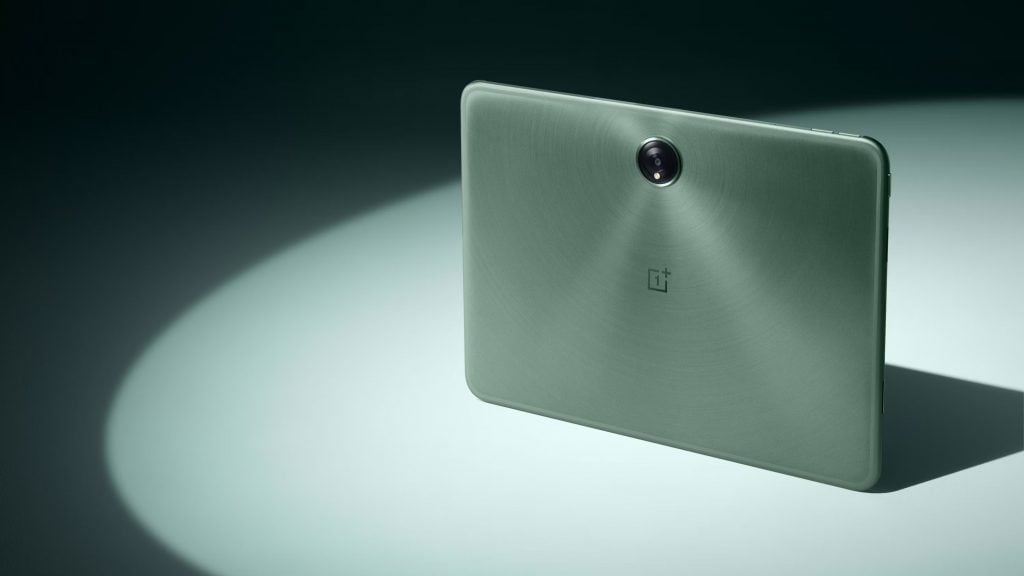
A couple of months ago, OnePlus launched the OnePlus 11 smartphone for the global market, while also unveiling the OnePlus Pad tablet. The pricing & availability of the tablet were kept under wraps, however, the brand has now officially unveiled the pre-order date of the tablet.
OnePlus recently revealed that the OnePlus Pad can be pre-ordered from April 28 in India and other global markets. If you’re interested, you can visit the OnePlus website to sign up for email notifications regarding the tablet’s pre-order availability. However, it’s important to note that the OnePlus Pad will only be sold exclusively through Flipkart in India.
OnePlus Pad specs
Boasting an impressive 11.6-inch display with a high 144Hz refresh rate, sharp 2,800 x 2,000-pixel resolution, and peak brightness of 500 nits, the OnePlus Pad promises a superior viewing experience. Its powerful MediaTek Dimensity 9000 processor, coupled with up to 12GB of LPDDR5 RAM and 256GB UFS 3.1 storage, ensures seamless and efficient performance.
The OnePlus Pad offers exceptional entertainment features with support for Dolby Atmos and Dolby Vision, as well as Omnibearing Sound Field technology. Its large 9,510mAh battery can be rapidly charged using a 67W fast charger and reportedly has a standby life of up to one month.
Featuring a 13MP rear camera and an 8MP front-facing camera for selfies, the OnePlus Pad runs on Android 13 with OxygenOS 13 and provides some exclusive tablet features such as automatic connection to other OnePlus devices for OTP verification, cellular sharing, and enhanced text messaging, as well as file sharing capabilities. It is also equipped with a fingerprint sensor, a quad-speaker system with Dolby Atmos audio technology, and Wi-Fi 6 for enhanced connectivity.
Realme released the GT Neo 5 smartphone in China in February, and now they are preparing to launch another device called the Realme GT Neo 5 SE on April 4. Various noteworthy specifications of the upcoming smartphone have been revealed through teasers and leaks. Here is a summary of all the available information thus far.
Realme GT Neo 5 SE
Design & display
Realme has provided a sneak peek into the appearance of the GT Neo 5 SE. The back and sides of the smartphone will be curved, while the front will have a flat-screen. The camera setup will comprise of a dual cutout with a single lens located in the top cutout and two camera sensors placed in the lower one. The power button will be situated on the right-hand side, while the volume rocker will be on the left. The smartphone will be available in two color variants at launch, namely Black and Final Fantasy Blue.
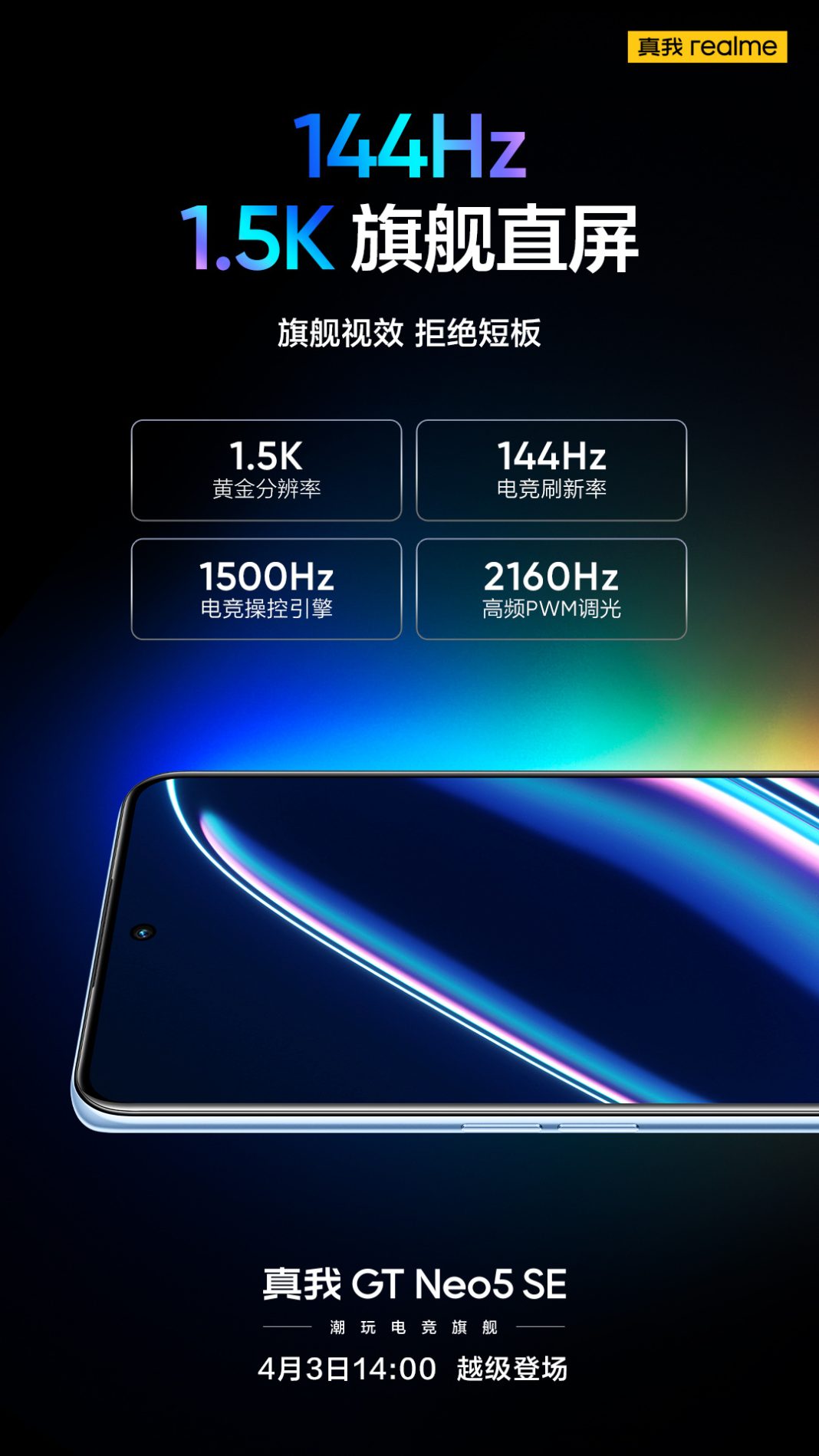
The flat display on the front side of the Realme GT Neo 5 SE will have slim bezels and a centered punch hole for the front camera. As per the official teaser, the screen will have a 1.5K resolution, up to 144Hz refresh rate, and 2160Hz high-frequency PWM dimming. The teaser images also reveal the presence of an in-display fingerprint sensor. Reports indicate that the smartphone will have a 6.74-inch OLED display with a maximum brightness of 1,400 nits.
Performance
Realme GT Neo 5 SE in Final Fantasy Blue
It is confirmed that the Realme GT Neo 5 SE will feature the new Snapdragon 7+ Gen 2 chipset. The Snapdragon 7+ Gen 2 chipset is configured similarly to the Snapdragon 8 Gen 1 SoC. It comprises a Cortex-X2 core that runs at 2.91GHz, three Cortex-A710 cores clocked at 2.49GHz, and four Cortex-A510 cores that operate at 1.8GHz. Notably, this is the first instance of the Cortex-X2 prime core being integrated into a 7-series SoC. However, it falls short of the performance of the Snapdragon 8+ Gen 1, which also includes this chip. The Adreno 725 GPU is built into the chipset, which is equivalent to the Adreno 730 on the Snapdragon 8+ Gen 1, but with a lower clock speed limit of 580mAh instead of 900mAh.
On the AnTuTu benchmark, the smartphone has scored 1,009,127 points, which is an amazing score for a mid-range device. The chipset of the device is paired with up to 16GB of LPDDR5x RAM, 1TB of UFS 3,1 storage, and Android 13 OS out of the box. The device is also confirmed to feature a 5,500mAh battery unit with 100W fast charging.
Camera
While Realme has remained tight-lipped regarding the camera specifications of the upcoming GT Neo 5 SE, various leaks suggest that the smartphone will boast an impressive camera setup. According to the rumors, the front camera of the device will have a resolution of 16MP, ensuring sharp and detailed selfies. Additionally, the rear camera system is expected to feature a 64MP OmniVision primary camera with an f/1.79 aperture. This powerful camera will enable users to capture stunning photos with exceptional clarity and detail. The smartphone is also rumored to have an 8MP Sony IMX355 ultra-wide sensor, which will enable users to capture more in the frame, and a 2MP sensor.
Lenovo YOGA has announced its latest prank product in celebration of April Fools’ Day – the YOGA Booook 18i, touted as the world’s first four-sided flip-screen laptop. This product is a playful take on the YOGA Book 9i dual-screen laptop released earlier this year at CES.
The YOGA Booook 18i features a unique design with a four-sided flip screen that allows users to adjust the display as needed. Imagine being able to flip the screen to the side to showcase a presentation to a group, or flipping it over to use it as a tablet for sketching or note-taking. The YOGA Booook 18i’s innovative design would allow for seamless transitions between laptop, tablet, and presentation modes.
As for last year’s prank product, the Run90s steel ball-shaped computer could be connected to the human brain simply by holding it in the mouth. The numerous non-invasive high-precision sensors on the surface of the Run90s could exchange signals with the brain through the neural current in the mouth.
Although the Run90s was not a real product, it showcased Lenovo YOGA’s commitment to innovation and technology. Who knows, maybe one day we’ll see a four-sided flip screen laptop in the market thanks to Lenovo YOGA’s April Fools’ Day prank.
Vivo has quietly launched a new Y-series device in China. It is dubbed the Vivo Y11. The latest offering is a budget smartphone with decent specifications. Read on to know what it offers out of the box.
The Vivo Y11 comes with a 6.51-inch display bearing a resolution of 1,600 x 720 pixels. There is a waterdrop notch on the top and a thick chin at the bottom. The device lacks a fingerprint scanner. The back panel has a circular camera module in a rectangular island.
The Vivo Y11 features an 8MP rear camera paired with an LED flash. There is a 5MP front-facing selfie snapper with face support unlock recognition. There are various camera-related features onboard.
Under the hood, the Vivo Y11 is equipped with a MediaTek Helio P35 processor. It is offered in 4GB and 6GB RAM options with 2GB virtual RAM technology. There is a 128GB onboard storage expandable via a microSD card slot for additional needs. The smartphone draws its power from a 5,000mAh battery unit with support for 10W charging. Software-wise, the device runs on OriginOS based on Android 12 out of the box.
Connectivity options on the Vivo Y11 include 4G, WiFi, Bluetooth 5.0, microUSB port, GPS, and a 3.5mm headphone jack.
The Vivo Y11 costs RMB 899 (~$130) for the base 4GB RAM variant whereas the 6GB option is priced at RMB 999 (~$145). It is offered in Obsidian Black and Ice Blue colours. The smartphone will be available for purchase in China.
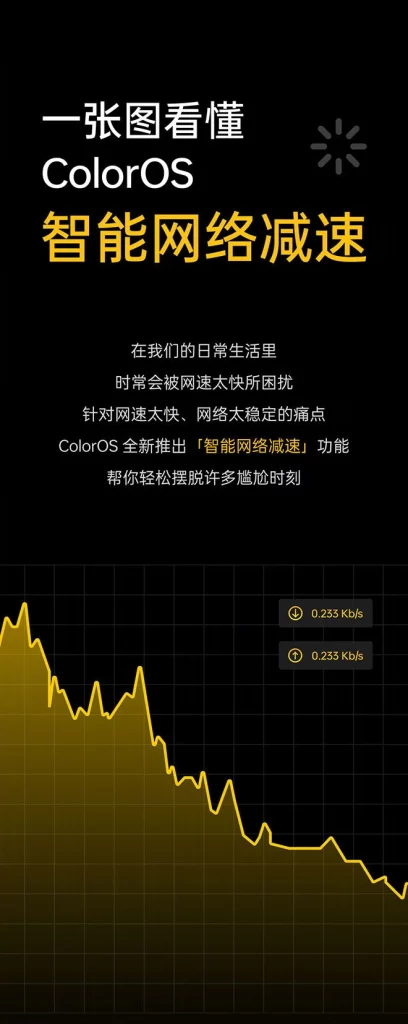
In a hilarious April Fools’ Day prank, OPPO has introduced a new feature in its ColorOS system that’s bound to make anyone’s life easier when it comes to dodging awkward situations. The feature, called “Intelligent Network Slowdown,” is set to launch on April 31, which of course doesn’t exist, making this a clever prank.
The Intelligent Network Slowdown feature includes several functions that users can activate to make their excuses more convincing, such as the Weak Signal during Call function. This feature allows users to display a constant message to the other party that says, “the other party’s network is poor,” enabling users to avoid embarrassing situations such as being pressured by their parents to get married.
The Background Noise feature is another great addition that users can leverage to create believable excuses. When activated, the feature allows users to select from different background noise options such as hospital, car accident, movie theater, or music theater sounds, adding a layer of realism to their excuses.
For those who prefer to dodge video conference calls, the Freeze Video Conference Screen function is a godsend. This feature makes the user’s video call screen static, giving them the freedom to slack off and do other things while appearing to be present in the meeting.
In addition, the Game Cloud Slowdown feature is another brilliant addition to the Intelligent Network Slowdown feature set. When activated, it shows a message indicating that the user is constantly reconnecting, giving them a more convincing excuse for losing a game.
Lastly, the Dynamic Payment Code Not Loading function is perfect for those who often find themselves being pressured to pay for meals with friends. The feature constantly displays the message “Payment code failed to load” on the user’s phone screen, taking the pressure off them and shifting it back to their friends.
While the Intelligent Network Slowdown feature is, of course, a prank, it’s an entertaining reminder of how technology can make our lives easier and more fun. OPPO’s ColorOS system continues to offer exciting and innovative features, and we can’t wait to see what they come up with next.
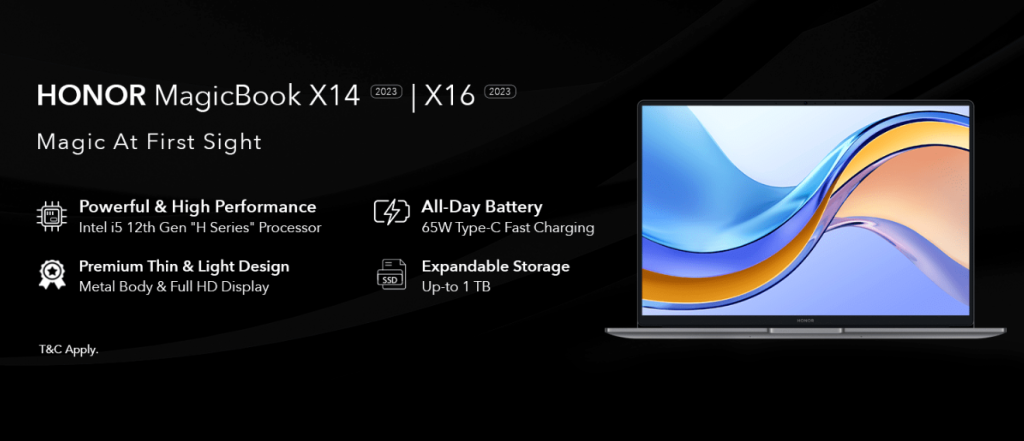
Honor MagicBook X14 2023 and X16 2023 are teased to launch in India soon. E-commerce platform Amazon has put up a microsite of the upcoming offerings revealing key specifications. The MagicBook X14 2023 will pack incremental upgrades over the refreshed variant that was announced in January this year. Meanwhile, the X16 will be the latest addition to the MagicBook X-series laptops.
As per Amazon, the MagicBook X14 2023 and X16 2023 will feature 14 and 16-inch displays respectively with thin bezels, FHD resolution, 100 percent color gamut, and 300 nits peak brightness. The laptops sport a metal unibody with a thin and lightweight design. There is a fingerprint scanner embedded in the power button and this time the webcam is located on the top bezel of the display.
The MagicBook X14 and X16 2023 have a full-sized backlit keyboard with the latter also featuring an independent number pad. The laptops are equipped with stereo speakers and feature Nahimic immersive gaming audio that is said to intelligently recognizes different playback content and automatically adapt to the screen’s sound effects.
Under the hood, the Honor MagicBook X14 2023 and X16 2023 are confirmed to be equipped with a 12th-generation Intel Core i5 processor. The machines will be offered in 8GB and 16GB LPDDR4x RAM and pack 512GB SSD storage with dual SSD slots for expansion. The laptop has a cooling fan for heat dissipation. The MagicBook X duo will pack the Honor Device Clone feature for migrating to Honor laptops from multiple brands and Windows versions.
The Honor MagicBook X14 2023 and X16 2023 are confirmed to be powered by a 60WHr battery unit with support for 65W fast charging via USB-C port.
OpenAI, the artificial intelligence research lab, has been making headlines recently with the release of ChatGPT-4, the latest iteration of its Large Language Model (LLM). However, reports have already surfaced about the development of ChatGPT-5, with rumors suggesting that OpenAI expects to complete its training by the end of 2023.
The details surrounding GPT-5 remain murky, as OpenAI has not publicly discussed the project. However, a tweet by developer Siqi Chen has suggested that some individuals within the company believe that GPT-5 could achieve Artificial General Intelligence (AGI), a significant milestone in the development of AI that would mark the point at which machines can display human-like understanding and intelligence.
*also to be clear I don’t mean to say achieving agi with gpt5 is a consensus belief within openai, but non zero people there believe it will get there.
It is unclear at this time whether GPT-5 will actually achieve AGI, and Chen later clarified that his original tweet was not representative of a consensus within OpenAI. Nevertheless, the potential for GPT-5 to surpass the capabilities of GPT-4 is significant, given that the latter is already capable of analyzing both text and images, performing complex tasks, and displaying creativity.
Microsoft is already using GPT-4 for its new Bing search engine, which was launched in preview earlier this year. GPT-4’s advanced capabilities have already been put to use in a variety of applications, and it seems likely that GPT-5 will be even more capable.
Despite the potential for GPT-5 to advance the state of the art in AI, there remain significant concerns about the idea of machines achieving human-level intelligence and understanding. While some reports have suggested that ChatGPT has already passed the Turing test, which evaluates a machine’s ability to exhibit intelligent behavior that is indistinguishable from that of a human, other experts have disputed this claim.
We might get an intermediate ChatGPT version before GPT-5, with OpenAI expecting GPT-4.5 to launch in September or October. Nevertheless, the continued evolution of OpenAI’s LLMs represents an exciting development in the field of AI and natural language processing.
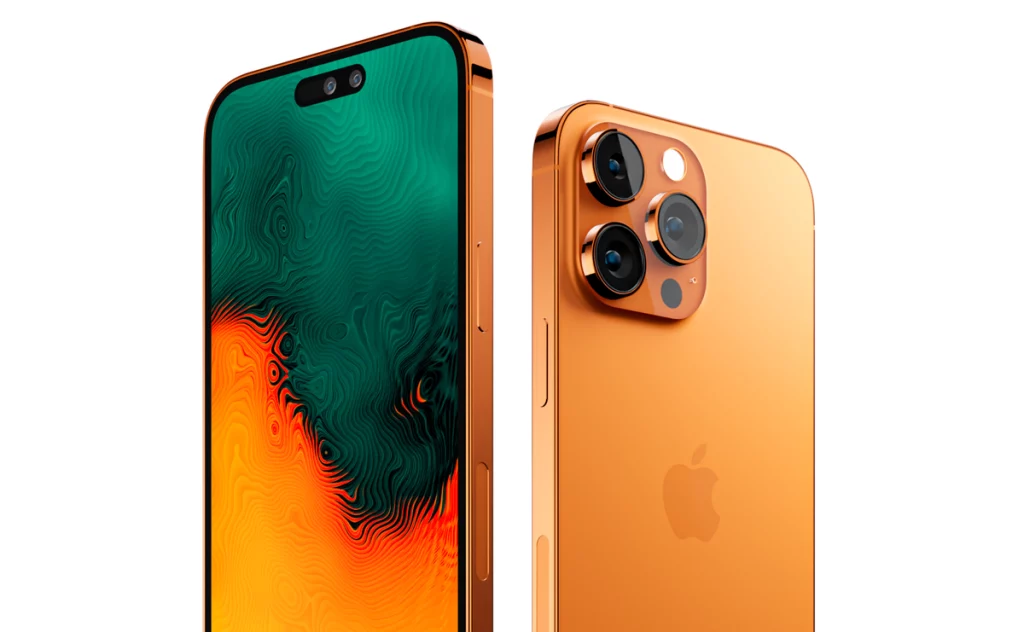
Apple is reportedly set to introduce a new customizable sensitivity feature for the solid-state buttons on its upcoming iPhone 15 Pro and iPhone 15 Pro Max models. According to a source on the MacRumors forum, the sensitivity toggle will be added to the Settings, allowing users to adjust the sensitivity of the buttons to their liking. This feature is expected to address concerns from some iPhone users who were worried about how the new capacitive buttons would work when the phone is fitted with a case or gloves are worn.
The new solid-state capacitive buttons, which will be exclusive to the iPhone 15 Pro series, are expected to feature a new ultra-low energy chip, enabling the buttons to remain functional even when the device is powered off or out of battery. The chip will sense user presses and hold gestures and provide Taptic Engine feedback.
In addition to the new sensitivity feature, the iPhone 15 Pro will also feature a new programmable Action button, which will replace the mute switch. This button will allow users to customize various functionalities, such as toggling the orientation lock, flashlight, and low power mode.
The new low-energy chip in the iPhone 15 Pro series will also power NFC, Bluetooth LE, and UW chips, even when the phone is powered off or out of battery. With this feature, users can still use their devices for contactless payments or other tasks that require these technologies, even when their phone is not turned on.
The iPhone 15 Pro is also expected to feature a unified volume button, replacing the separate up/down volume buttons featured in the iPhone 14 series. The new button will allow users to adjust the volume by pressing different sections of the button.
Apple’s iPhone 15 series is expected to be announced in September, and the addition of customizable sensitivity to the solid-state buttons will likely make it one of the most highly anticipated releases from the tech giant. With the new features, iPhone 15 Pro users can look forward to a more customizable and responsive experience when using their devices.
We use cookies on our website to give you the most relevant experience by remembering your preferences and repeat visits. By clicking “Accept”, you consent to the use of ALL the cookies.
This website uses cookies to improve your experience while you navigate through the website. Out of these, the cookies that are categorized as necessary are stored on your browser as they are essential for the working of basic functionalities of the website. We also use third-party cookies that help us analyze and understand how you use this website. These cookies will be stored in your browser only with your consent. You also have the option to opt-out of these cookies. But opting out of some of these cookies may affect your browsing experience.
Necessary cookies are absolutely essential for the website to function properly. This category only includes cookies that ensures basic functionalities and security features of the website. These cookies do not store any personal information.
Any cookies that may not be particularly necessary for the website to function and is used specifically to collect user personal data via analytics, ads, other embedded contents are termed as non-necessary cookies. It is mandatory to procure user consent prior to running these cookies on your website.