Meizu isn’t as popular in the international smartphone market as other Chinese brands. However, the OEM has a decent fan base in its home country due to its feature-packed smartphones. The brand recently confirmed that it is working on a new Snapdragon 8 Gen 2-powered flagship, dubbed Meizu 20. And while we wait for the handset’s formal debut, some leaked patent images have fully revealed its design. Here are the details.
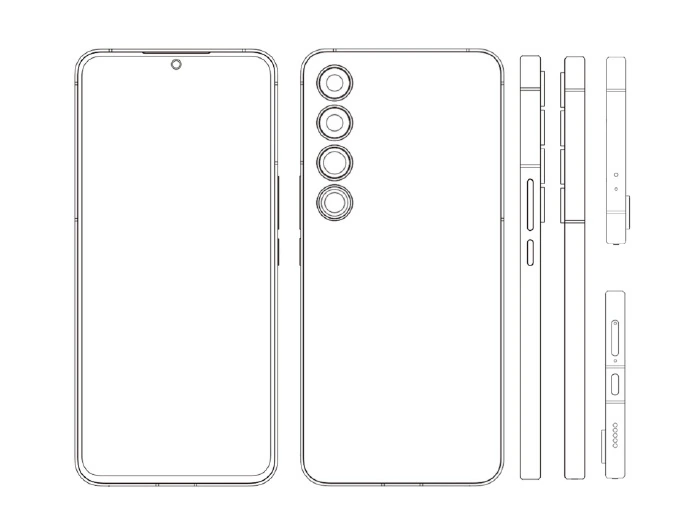
Meizu applied for the design patent for an upcoming smartphone, which is believed to be the Meizu 20. As can be seen in the image, the smartphone has a flat back with four protruding rings housing camera sensors. It has a boxy design with flat sides. The left edge can be seen with the volume and power buttons while the left one remains empty.
Up front, there’s a flat display with a center-punched hole nesting the selfie camera. Overall, the design of the Meizu 20 looks quite premium. The boxy design gives the smartphone a clean appearance, enhancing its overall aesthetic appeal.
Meizu 20’s existence was confirmed last month through a teaser video. The brand previously revealed that the smartphone will be powered by the latest Snapdragon 8 Gen 2 processor. In addition, rumors suggest the company may pair the smartphone with a higher-end model, called Meizu 20 Pro.
It has been quite some time since Meizu launched a flagship smartphone. The last flagship – Meizu 18 debuted back in 2021 with Snapdragon 888 5G. It packs a Super AMOLED display with a 120hz refresh rate.
Meizu 20 is expected to be an interesting release as it will pack a powerful processor and will likely have impressive cameras. Its launch date should be announced soon. We’ll keep you posted.
Yes, you’ve read the title correctly. It seems beverage corporation Coca-Cola will be teaming up with a smartphone brand to launch a new device in India. The handset will apparently have the soft drink company’s popular logo on the back.
Tipster Mukul Sharma recently shared high-quality renders of what seems to be a Coca-Cola-branded smartphone. He says the handset will be a result of a collaboration between the soft drink giant and a smartphone brand. While Sharma didn’t reveal the name of the brand, the handset’s design points fingers at Realme.
As you can see in the images, the smartphone has a flashy design with a Coca-Cola logo on the right side of the back panel. It is red in color, matching the beverage company’s theme. There are two circular rings on the back panel that house two camera sensors. It has round edges with the volume buttons on the right.
The specifications of the smartphone are not known yet. But as 91Mobiles rightly pointed out, the device looks a lot like the recently launched Realme 10 4G. It would not be unexpected for Realme to be involved in this partnership, as the company has a history of releasing intriguing special edition smartphones.
In addition to cosmetic changes, the device could have its user interface based on the Coca-Cola theme. We’ll also not be surprised to see custom accessories and packaging.
Details about this interesting collaboration are still pretty limited. However, Sharma says it will be launched in the Indian market by this quarter. This means we may soon be getting an official confirmation. Stick around for the latest updates.
It was a busy day for Motorola as the brand launched several new mid-rangers in the global market. These devices are Moto G23, Moto G13, Moto G73, and Moto G53. Apart from this, the Lenovo-owned company also unveiled a new budget smartphone, dubbed Moto E13. It debuts with a sleek design and packs impressive specs like a 5,000mAh battery, a 6.5-inch HD+ display, and more. Read on to find out its detailed specifications, pricing, and availability.
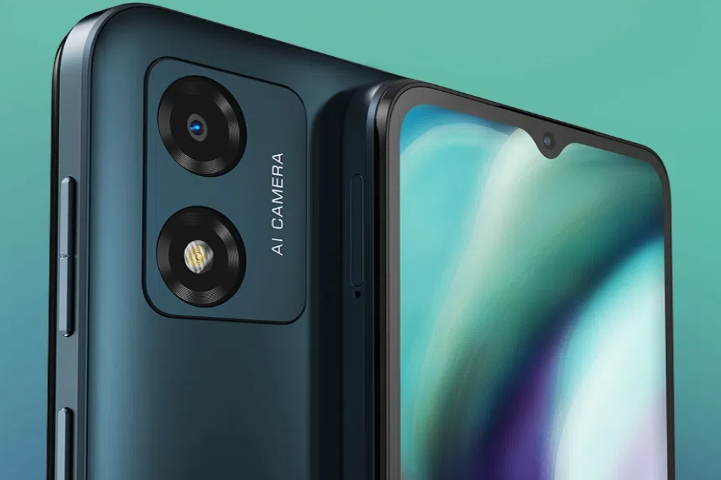
Motorola’s new budget offering comes with a pretty decent design that matches a lot of smartphones launched last year. There’s a rectangular camera that has two circular rings in the center. However, don’t confuse it with a dual camera setup because you only get a single 13MP sensor. The other ring houses the LED flash. On the front, the Moto E13 has a flat display with a waterdrop notch that nests a 5MP selfie camera. The bezels around the screen are fine but the chin is unsightly. We won’t complain as it’s a super-affordable device.
Moving toward the specifications, the Moto E13 packs a 6.5-inch display that offers an HD+ resolution. The brand says there’s an octa-core entry-level Unisoc Tiger T606 SoC under the hood of the device with two ARM Cortex A75 cores clocked at up to 1.6 GHz and six power-efficient ARM Cortex A55 cores at up to 1.6 GHz.
Powering the smartphone is a 5,000mAh battery unit that supports 10W charging. There’s dual sim card support and Bluetooth v5.0 for connectivity. The Moto E13 has a MicroSD card to help you extend the storage up to 1TB. It also has a 3.5mm headphone jack.
Talking about the pricing, Moto E13 has a price tag of 119.99 Euros (roughly $130/ Rs. 10,600). It will be available for purchase in multiple regions, including Europe, the Middle East, Africa, Asia Pacific, and Latin America. The handset is offered in three colors: Cosmic Black, Aurora Green, and Creamy White.
Motorola has been doing quite well in the market. Their recently released budget smartphone offers a great set of hardware specifications and offering a clean stock android experience is another pro for the brand. The firm has now announced a new Moto secure app which enables users to control their privacy settings more easily. The newly announced application from Motorola is designed to be the “go-to destination for all the vital device security and privacy features” on your Moto smartphone.
The Moto Secure App provides quick and simple access to all Android and Motorola security apps and settings installed on your phone and is powered by Motorola’s Thinkshield, a security platform created to safeguard your smartphone from malware, phishing, and other dangers. However, the new Moto Secure App provides more than simply a central location to manage your phone’s security settings. Additionally, it has a few new security measures that are intended to give you an added measure of security and, in Motorola’s words, “peace of mind.”
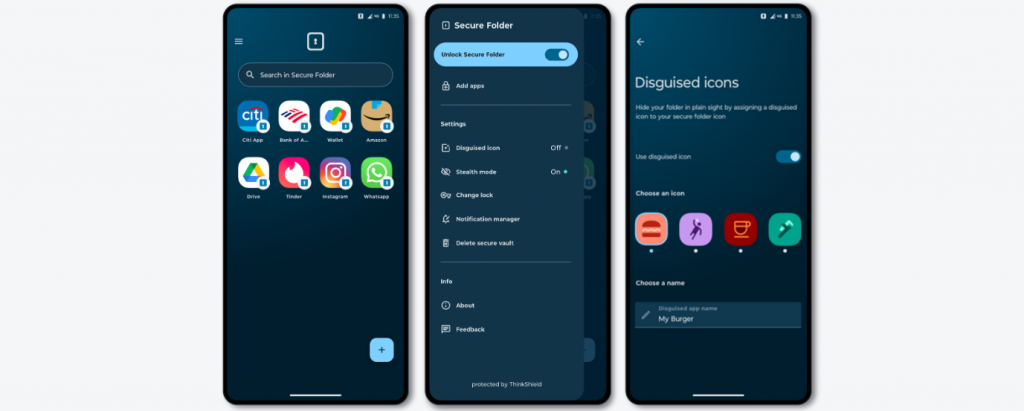
“Secure Folder” is a function that comes with the Moto Secure App. This enables you to store critical data and apps in a password-protected folder. Additionally, you can use the Disguised Mode capability that is already integrated into your device to alter the names and icons of any programmes or files that are stored in the safe folder by choosing from four different names and icon options. By using images and labels that only you understand, you can conceal important information like email accounts, digital wallets, and financial apps.
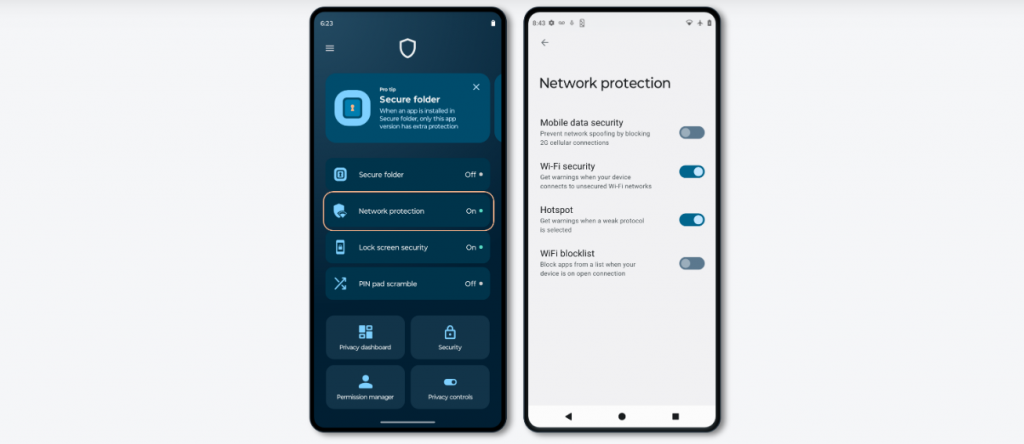
Network Protection is another new function in Motorola’s new security software. When it discovers a security risk with a hotspot or Wi-Fi, this one will automatically let you know. By limiting 2G connections, the function can prevent spoofing—a technique by which a malicious actor impersonates a recognised or trusted source—and stop specific programmes from using open networks.
The Moto Secure App also includes a Privacy Dashboard that provides you with a clear, detailed overview of which apps have recently had access to your calendar, contacts, files, camera, microphone, and location. You can manage app permissions, update security settings, and modify privacy controls directly from the Moto Secure App using the Privacy Dashboard. So you can quickly let an app know who is in charge if it doesn’t recognise its boundaries.
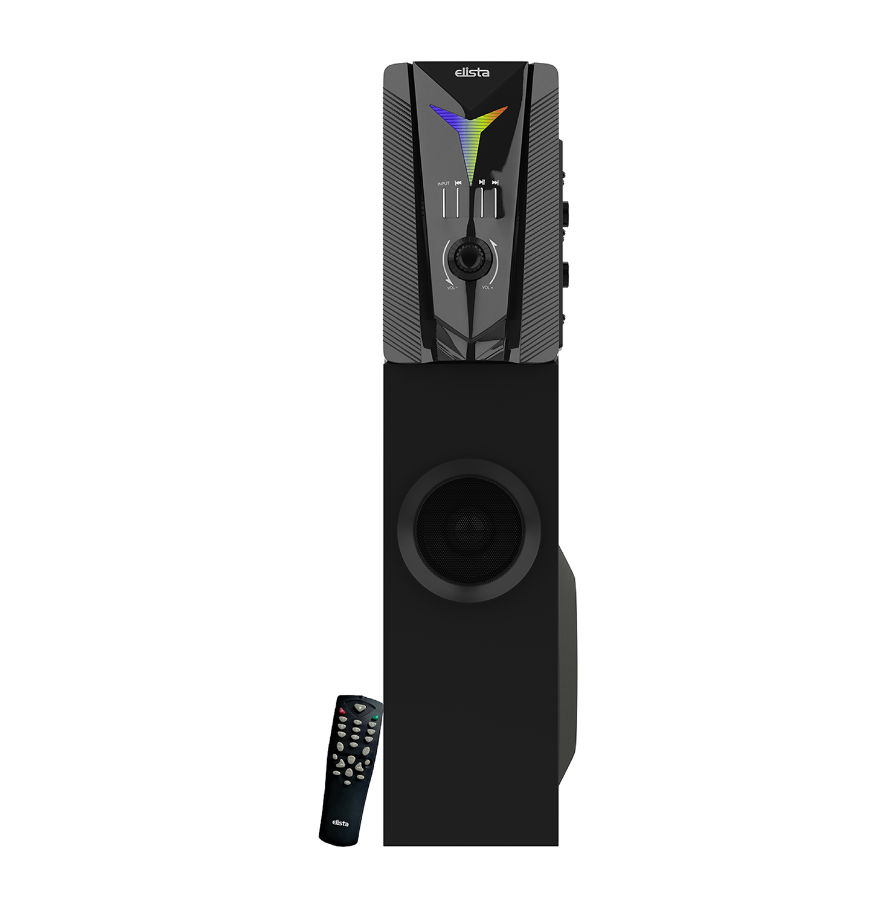
Elista was established in 2020 and is now India’s major brand for high-end electronics, home appliances, IT, and mobile accessories. Elista, a member of TeknoDome, UAE, upholds the Indian “Atmanirbhar” manufacturing tenet. The company has just introduced a brand-new tower speaker in the nation that comes with features like RGB lighting and the best possible sound performance. The gadget has a brand-new design and a sporty appearance. Let’s take a closer look at the device’s features.
The Elista ELS-ST6500AUFB tower speaker offers up to 65W of sound output and support for multi-colour RGB dancing lights to further enhance the experience of the users. The company claims that the speaker can provide loud and crisp sound output. The sporty finish further adds a unique look to the device. The manual button for controlling the volume, bass and treble is provided on side of the device. Support for remote is further added to the device which ensures an increase in the user experience.
As for connectivity, the Elista tower speaker comes with Bluetooth, AUX, FM and USB ports. Further, the users can plug in their mics as it supports karaoke. The device has been priced in the country at INR 3,999. The device will be soon available for sale in the country via select retail stores and the Flipkart e-commerce platform. The speaker further comes with a one-year on-site warranty.
Elista’s CEO, Mr Pawan Kumar, said: “Elista has been working to improve the in-home listening experience for its consumers. We are pleased to have impressed the audience with our reasonably priced audio selection that produces top-notch quality. With our new party speakers, we hope to strengthen our position as market leaders and give customers more options”.
So that was it for the recently launched Elista tower speaker in India. What do you think about the product? Will it be able to compete with the other products in this range? Do let us know by dropping a comment in your words down below. Thanks a lot for reading the post till the end, we appreciate you taking your time for this.
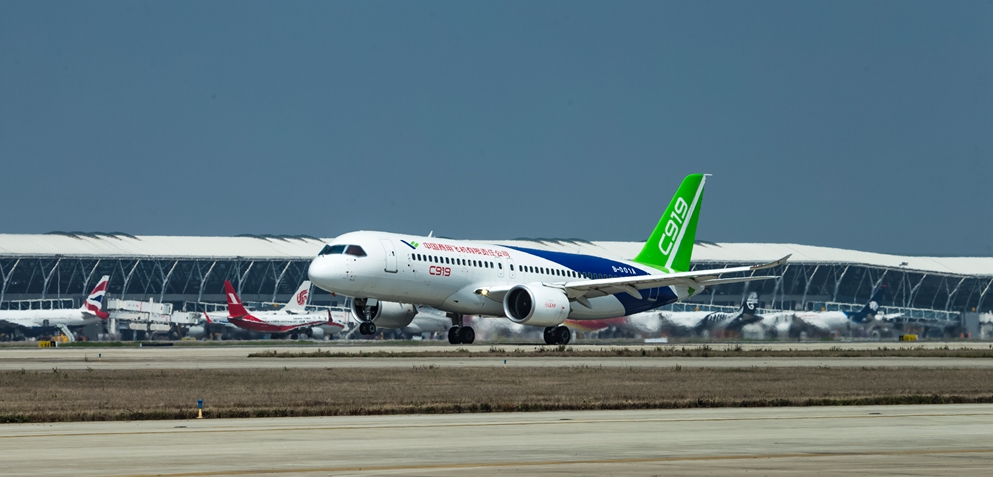
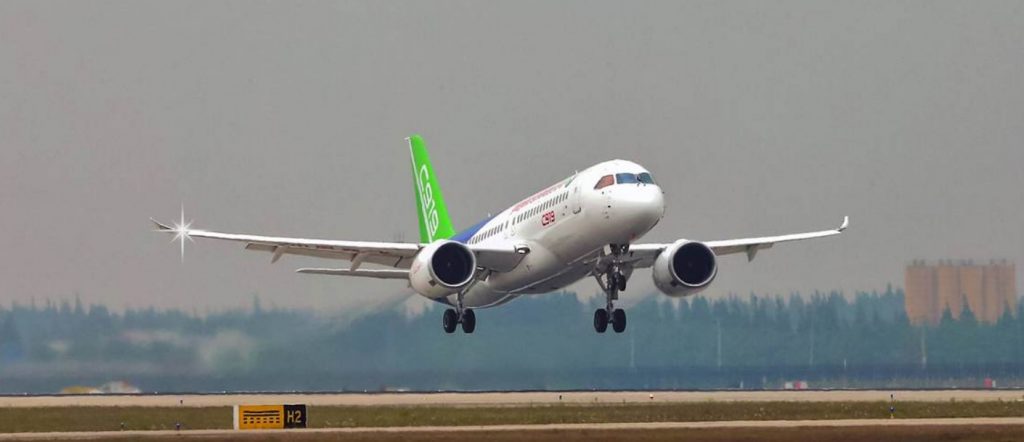
China’s indigenous C919 jetliner is set to take its first passenger flight in the Spring of 2023. The C919 is a part of commercial passenger aircraft made by COMAC (Commercial Aircraft Corp of China). Once in operation, the aircraft will put China on the global aviation map and help Beijing to end the duopoly of US-based Boeing and France-based Airbus.
source:comac.cc
Airbus SE is the world’s biggest aircraft manufacturer. Though the company also makes military aircraft and helicopters, its major business comes from commercial passenger airlines. In 1972, Airbus launched the A300, the first-ever aircraft to have a digital fly-by-wire interface as well as dual engines and aisles. It then launched the upgraded A320 aircraft, which was designed with similar features and is considered the most popular and safest passenger aircraft in the world.
Boeing is famous in the aviation industry. The American corporation not only makes passenger aircraft but also manufactures weapon systems, satellites, and rockets. Boeing 747, 737, and Dreamliner models are extremely popular across the globe. However, Boeing faced serious backlash for the crash of Lion Air Flight 610 and Ethiopian Airlines Flight 302, which led to a worldwide grounding of Boeing 737 Max from March 2019 to December 2022. Some countries including China lifted the ban just this month.
China ranks second in the world, after US, for air passenger traffic and has the fastest-growing air passenger market. Thus, Beijing is highly motivated to make indigenous aircraft so that it can leverage the economic advantage of the massive market and reduce the dependency on international players like Airbus and Boeing. Moreover, complete dependence on foreign firms also increases the risk to national security and other geopolitical issues. Therefore, China wishes to become fully self-reliant when it comes to the civil aviation industry.
China Has Been Looking Forward To This Moment Since 2008
To fulfill China’s Civil Aviation dreams, the COMAC was established in 2008 in Shanghai. The state-owned aerospace manufacturer designs and manufactures large passenger aircraft for the country. The C919, twin-engine, single aisle short to medium-range passenger aircraft designed by COMAC will become the country’s first commercial passenger aircraft. The name C919 has a special meaning wherein the C stands for China, ‘9’ in Chinese is pronounced as ‘九’ which means everlasting and enduring and 19 represents the aircraft’s max capacity of 190 seats.
Source: Comac.cc
C919 will try to compete with the world-famous Airbus A320 and Boeing 737 Max medium-range aircraft. The C919 features a standard range of 4075 km and a maximum range of 5555 km. The aircraft comes with a price tag of $99 million, which is cheaper than the $122 million Airbus A320 and $111 million Boeing 737 Max.
However, while the C919 is designed and assembled in China, like Boeing and Airbus, it also depends on global partnerships and collaborations for certain crucial parts and technological know-how. For example, COMAC uses LEAP-1C engines specifically designed for the company by CFM, a joint venture between GE Aviation of the US and Safran Aircraft Engines of France.
The C919 had its first successful maiden flight in 2017 and is now conducting the final certification procedures. As of December 26, the aircraft has completed a total of 100 hours of verification flights. China Eastern Airlines had already signed a contract to buy five C919 jetliners in March 2021 and will be the first air carrier to fly passengers on this aircraft.
COMAC Has Received 1200 Orders From 32 Customers
Zhang Yujin, deputy general manager of COMAC said that China Eastern Airlines has the first batch of orders, and several airlines are vying for their planes. In the next five years, the company is expecting to produce 150 aircraft annually. According to the Science and Technology Commission of Shanghai, COMAC has already received more than 1200 orders from 32 customers.
The initial demand for C919 will be focused in China but according to the recent report from Mercator Institute for China Studies (MERICS), the C919 has the capacity to go global by breaking the Boeing-Airbus duopoly in the domestic market and then leveraging that success to explore overseas markets.
source: comac.cc
Global players are already vying for the Chinese aviation market. As China has the second-largest number of passenger air travelers it is a lucrative and important market for the global aviation industry. In 2022 alone, Airbus made 662 deliveries out of which 100 aircraft were for Chinese air carriers and Boeing made 480 deliveries out of which 8 were sold to Chinese airlines. For both these giants, the rise of COMAC and homegrown aircraft by China can pose a potential threat to their hegemony.
Blizzard Entertainment is shutting down two of its most popular online multiplayer games in China. The servers for the company’s massively successful World of Warcraft and Overwatch are going offline. This news was followed by many taking to social media platforms to express their grievances, since both titles collectively had tens of million of players in the region alone. Many are still unclear as to why Blizzard is shutting its servers in China, so here are all the details.
NetEase And Blizzard’s Partnership Lasted 14-years In China
The decision from Blizzard to shut down the servers in China is due to a major fallout with its local publisher, NetEase. For those unaware, game developer Blizzard had partnered with NetEase for the past 14 years to have its popular titles be available in the Chinese market. This cooperation was inevitable considering the rigid and strict market rules the Chinese government places on the gaming industry. So since 2008, Blizzard’s massively multiplayer games like World of Warcraft (aka WoW) had its servers managed by NetEase in China.
Notably, this publisher is also behind other major Western games like Minecraft. So, it was a solid deal for the Chinese company since it boosted it to become the second-largest games distributor in the region, just behind Tencent Holdings. But now, both firms broke off their deal, following talks late last year regarding the licensing agreement that allowed Blizzard to run its Diablo, Warcraft, and Overwatch titles. However, after a public fallout, NetEase accused Blizzard of being “rude and inappropriate.”
This statement was made after Blizzard offered to extend their licensing agreement for another six months while they work out new terms. NetEase stated that this idea was the same as “proposing a divorce while still engaging with the same partner”. While the game devs IPs were licensed by NetEase, they were still owned by Blizzard. Following talks, NetEase rejected this offer from the developer. Thus, Blizzard’s games went offline on the midnight of January 23. Notably, the company has also promised World of Warcraft players to save their progress with a new service.
All May Not Be Lost For Blizzard In China
China and the US are two of the biggest gaming markets in the world, and Blizzard Entertainment has faced a lot of criticism for going out of its way to remain active in the former market. During the outbreak of protests in Hong Kong, it had even banned esports athletes from its tournaments over statements that sided against the Chinese government. So it is clear that Blizzard aims to continue its service in the country. Meaning, while the developer has lost its ability to run its popular games in China right now, there is a possibility that the shutdown isn’t permanent. In other words, the company might return to the region with a different partner.
Keep in mind that this is still just speculation at the moment, so take this with a pinch of salt for now. Although, if this does end up happening, it would be great news for many gamers in China. One fan of the World of Warcraft wrote that “It is truly a sad day for World of Warcraft players and Blizzard Entertainment fans everywhere,” while another stated that “The sudden shutdown is a stark reminder of impermanence, displacing millions of players”.
Interestingly enough, the president of NetEase’s global investment, Simon Zhu, also added that he had spent over 10,000 hours playing those games and expressed his disapproval of Blizzard’s actions.
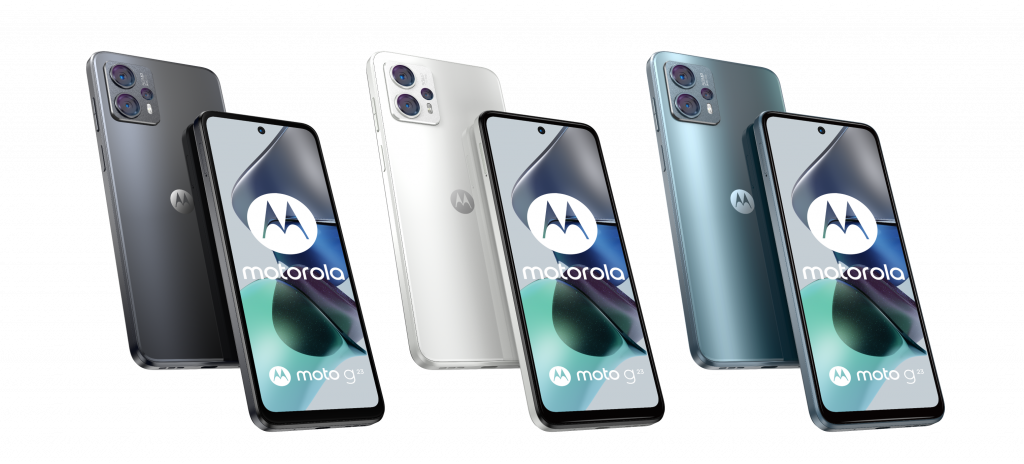
Moto G23 and G13 smartphones have launched in the global markets. The leaked renders and full specifications of both devices had surfaced online prior to launch. The G23 arrives as the successor to the last year’s G22. Both the latest smartphones share the same specifications apart from a few differences. Read on to know what the devices offer out of the box.
The Moto G23 and G13 come with a 6.5-inch HD+ display bearing a 90Hz refresh rate and a centre-aligned punch-hole cutout. The devices feature a boxy form factor and a squarish camera module on the back panel. The power button doubles up as a fingerprint scanner and the smartphones are IP52-rated waterproof.
On the imaging front, the Moto G23 and G13 have triple rear cameras. Both devices have a 50MP main sensor and a 2MP macro lens. The G23 has a 5MP ultra-wide-angle unit while the G13 ditches it in favour of 2MP depth snapper. Up front, the G23 and G13 come with 16MP and 8MP selfie snappers respectively.
In terms of hardware, the Moto G23 and G13 are equipped with a MediaTek Helio G85 processor. The former comes in 4GB and 8GB RAM options whereas the G13 is offered in a sole 4GB variant. Both devices draw their power from a 5,000mAh battery unit with the G23 supporting 30W charging and G13 maxing out at 20W. The smartphones run on Android 13 out of the box.
The Moto G13 costs EUR 179 and is offered in Matte Charcoal, Blue Lavender and Rose Gold colours. The Moto G23 starts at EUR 199 and comes in Charcoal Matte and Pearl White paintjobs. Both phones will be available in Europe in the coming weeks and then across Latin America and Asian markets.
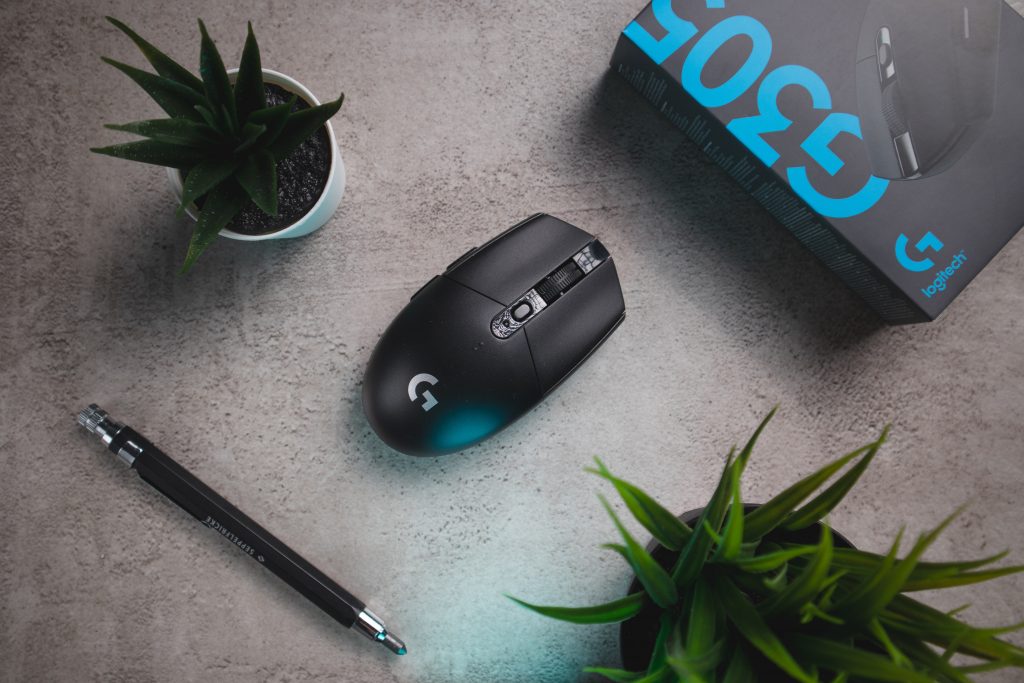
Logitech has announced the preliminary financial results for the third quarter of the Fiscal Year 2023. As predicted, the tech company has reported a loss in revenue as compared to the same period last year. The impending fear of recession combined with massive layoffs has changed consumer spending habits this year and hence it is no surprise that Logitech reported a 22% fall in quarterly sales. However, the actual figures were worse than the company’s expectations.
The preliminary results show the net sales of the company were between $1.26 billion and $1.27 billion, down 22% as compared to Q3 of the previous fiscal year. The GAAP( Generally Accepted Accounting Principles) operating income is between $171 million and $176 million, down to 33%, compared to $263 million in the same quarter a year ago.
This downward trend in its financials is not surprising given that the company had already predicted negative growth for the year ending 2023. The company had previously predicted an outlook of between negative 8 percent and negative 4 percent sales growth in constant currency, and between $650 million and $750 million in non-GAAP operating income.
After the preliminary results of the third quarter, the company has further adjusted its Fiscal Year 2023 outlook to between negative 15 percent and negative 13 percent sales growth in constant currency, and between $550 million and $600 million in non-GAAP operating income.
The previous year 2021-22 was great for Logitech as the pandemic-induced remote working scenario led to an increased demand for its products like computer gadgets and gaming devices. However, now things are looking bleak for the company as the fear of impending recession, combined with massive layoffs, has reduced the demand for its computer and home office products. As more and more people are getting back to the office, the demand for home office supplies is dwindling. Also, the fear of an imminent global recession and rising inflation has further shrunk the market.
The global consumer trend 2023, revealed that the cost-of-living crisis is undermining purchasing power for consumers, and saving money is the top priority. Consumption behaviors are less about the acquisition and more about the reduction in 2023. These trends offer insight into the sharp drop in the revenue of companies like Logitech, as consumers are now in savings mode rather than a spending spree.
Logitech President and CEO, Bracken Darrell commented, “We are disappointed in these preliminary third-quarter results. They reflect challenging macroeconomic conditions. Based on the softer-than-expected third-quarter results, and uncertainty in supply availability, we are reducing our full-year outlook.”
Logitech is a multi-brand company that provides hardware and software solutions for different sectors including music, gaming, video, and computing. Some of their famous products include Mice & Keyboards, Headsets & Webcams, Gaming solutions, and more.
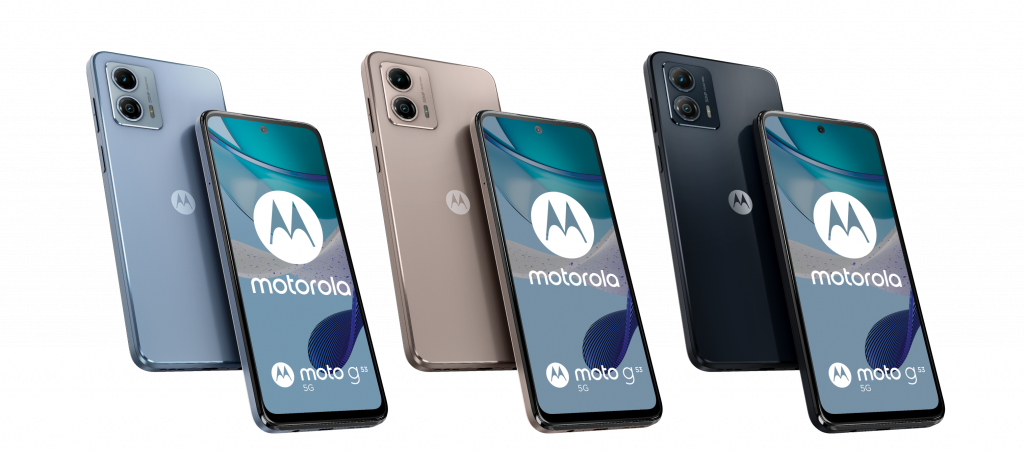
Motorola has launched a host of new phones in its G-series in the global markets. These include the G73 5G, G53 5G, G23, and G13. The Moto G73 5G is the more premium device in the lineup. It arrives as the successor to the G72 that was launched last year. The latest offering packs upgraded specifications over its predecessor. As for the Moto G53 5G, it debuted in China last month and the global variant comes with the same specifications.
Beginning with the Moto G73 5G, it features a 6.5-inch screen bearing an FHD+ resolution and a 120Hz refresh rate. The display has a centre-aligned punch-hole cutout and a thick chin at the bottom. The device is equipped with stereo speakers tuned by Dolby Atmos. There is a side-mounted fingerprint scanner embedded in the power button.
On the optics front, the Moto G73 5G has a squarish camera module on the back panel housing a 50MP primary sensor paired with an 8MP ultra-wide-angle lens. There is a 16MP front-facing selfie snapper.
Under the hood, the Moto G73 5G is equipped with MediaTek Dimensity 930 processor. It is coupled with up to 8GB RAM and 256GB onboard storage. The device is backed by a 5,000mAh battery unit with support for 30W fast charging. Software-wise, the smartphone runs on the clean UI of the latest Android 13 out of the box.
As for the Moto G53 5G, it has the same display, battery capacity, and charging speed as the G73 5G. The 50MP primary camera on the device is coupled with a 2MP macro unit and there is an 8MP selfie snapper. Internally, the Moto G53 G is powered by a Snapdragon 480+ processor and is offered in 4GB, 6GB, and 8GB RAM options. The storage variants are 64GB and 128GB.
The Motorola G73 5G starts at EUR 299 for the base variant whereas the G53 5G carries a starting price tag of EUR 249. The former is offered in Midnight Blue and Lucent White colours while the latter comes in Pale Pink, Ink Blue, and Arctic Silver colours. Both smartphones will arrive in Europe today and will also roll out to select markets in Latin America and Asia in the coming weeks.
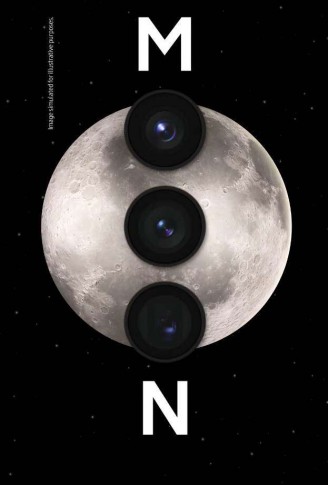
Samsung has recently released a teaser video for its upcoming Galaxy Unpacked event. The video hints at the impressive camera capabilities of the new Galaxy S23 Ultra. The video showcases the phone’s ability to capture night shots and detailed images of the Moon. Here are the details…
Samsung teases epic nights and moon photography with the S23 Ultra’s cameras
The company has showed the “Epic nights” feature. This is likely an addition to the improved night mode that the S23 Ultra will offer. Samsung has also teased the phone’s ability to capture Moon shots. This hints at the possibility of an advanced space photography mode.
Epic Nights is likely the “Space Zoom 100x” that was recently leaked on a complete specs sheet of the Galaxy S23 Ultra. This feature would allow users to zoom in on the Moon and other celestials with incredible clarity. A feature that would be especially appealing to photography enthusiasts.
The Galaxy S23 Ultra is also rumored to come equipped with a brand-new 200MP main camera. This will make a big impact on the quality of the images and videos. With all of these camera improvements, it’s no surprise that we’re eagerly awaiting the release of the new Galaxy flagship. Which is February 1st.
Samsung Galaxy S23 Ultra Specifications (rumored)
Reports about the Galaxy S23 Ultra say that it has a curved 6.8-inch 2X Dynamic AMOLED screen.It will offer Quad HD+ resolution, up to 120Hz refresh rate, and an ultrasonic in-display fingerprint scanner. The screen will be shielded by Gorilla Glass Victus 2.
The S23 Ultra will be powered by the Snapdragon 8 Gen 2 chipset. It may arrive in three configurations, such as 8 GB RAM + 256 GB storage, 12 GB RAM + 256 GB storage, and 12 GB RAM + 1 TB storage. It will pack a 5,000mAh battery with 45W wired and 15W wireless charging.
The S23 Ultra will run on Android 13 OS and One UI 5.1. For selfies, it will arrive with a 12-megapixel selfie camera. The back panel of the device will feature a 200-megapixel Samsung ISOCELL HP2 main camera, a 12-megapixel ultra-wide lens, a 10-megapixel telephoto snapper, and a 10-megapixel periscope zoom camera. Like its predecessor, the S23 Ultra will have a dedicated slot for storing the S Pen.
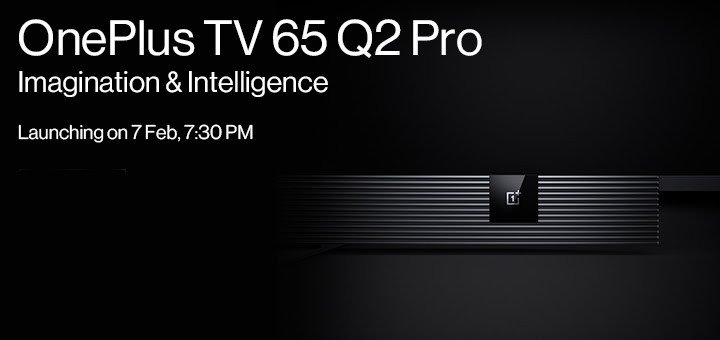
OnePlus is gearing up to launch the OnePlus 11 smartphone, Buds Pro 2 TWS, and a Keyboard in the global markets on February 7th. Now the brand has announced that it will also launch a new television at the upcoming event. The new television will be called the OnePlus TV 65 Q2 Pro and it will arrive as the successor to the OnePlus Q1 Pro that debuted way back in 2019. Ahead of the launch, e-commerce platforms Amazon and Flipkart have put up microsites of the upcoming television. The key features will be revealed leading up to the launch event.
The OnePlus Q-series televisions are premium offerings from the company. The upcoming new TV is confirmed to come with a 65-inch display as the name suggests. It is expected to pack significant upgrades over its predecessor. The brand says that the TV 65 Q2 Pro will offer a flagship viewing experience. The teaser of the new model shows a different design compared to its predecessor which had a sliding soundbar. OnePlus is not expected to launch a standard Q2 TV model at the event.
Commenting on the upcoming launch of the television, OnePlus said “The new OnePlus TV 65 Q2 Pro is set to provide a series of superior hardware and software features, while also serving as the hub for a premium, smarter connected ecosystem experience. With the new flagship OnePlus TV, we aim to redefine benchmarks in the smart TV industry towards unparalleled quality and burdenless user experience.”
The key specifications of the OnePlus TV 65 Q2 Pro were leaked online. It is said to come with a 65-inch QLED display bearing a 4K resolution and a 120Hz refresh rate. The TV will reportedly pack a 70W speaker tuned by Dolby Atmos. The television is tipped to be equipped with 3GB RAM and 32GB storage and has a custom firmware built on the top of Google TV.
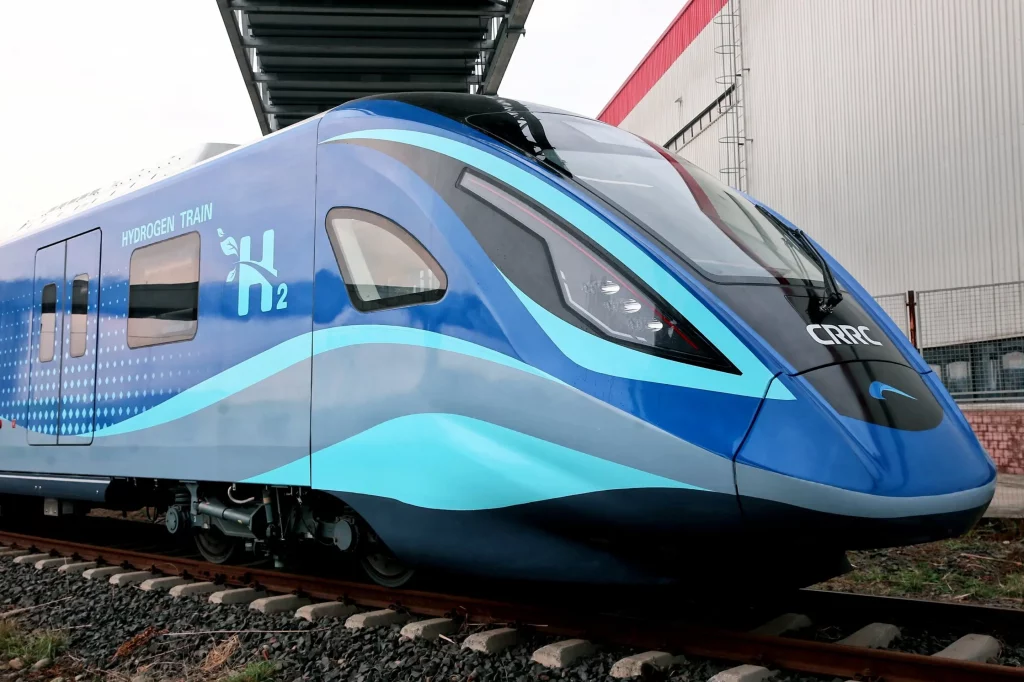
China has unveiled a new hydrogen/supercapacitor train capable of reaching speeds of 100 mph (160 km/h), making it the fastest hydrogen-powered train to date. The train jointly developed by state-owned industrial giant CRRC (the world’s largest rail vehicle manufacturer) and Chengdu Rail Transit is China’s first hydrogen-powered train passenger train. It offers a range of 373 miles (600 kilometers) and emits nothing but water, making it a zero-emissions train. Here are the details…
One of the main features of this train is its autonomous driving capability, which is enabled by 5G communication technology. The train also has the ability to wake up, start, stop and return to the factory automatically. While Germany is currently the leader in hydrogen trains, with 14 in service, the CRRC trains are able to beat German trains at speeds of around 20 km/h (12 mph). However, German trains currently have a much greater range of around 620 miles (1,000 km).
It is worth noting that while Japan and South Korea have been the most vocal countries promoting green hydrogen as a transportation solution, China is currently leading the way in terms of actual hydrogen refueling station deployment. According to Information Trends statistics, there are only more than 1,000 hydrogen refueling stations In the world, about a third of them are in China.
The move by China is significant because the country, which controls much of the lithium battery supply chain, is now quietly developing hydrogen at top speed. Pushing for an electric revolution seems sensible as lithium crunch threatens to soar prices and thwart it Hydrogen alternatives are early.
Mustard has just launched two new smartwatch models in India. The company has released the new Magma and Czar smartwatches that feature some capable specs and features. So here are all the details.
Talking about the Magma model first, it sports a 1.78 inch AMOLED screen that supports Always on. The device has a squarish display and also has a 3D dial. The company offers more than 150 watch faces for this model to allow for customization. Furthermore, one of its highlighting features is Bluetooth Calling that works via a microphone and an HD speaker. Under the hood, the smartwatch is powered by a Realtek RTL8763E chipset with 128MB of RAM/ROM and supports Bluetooth 5.2.
The Magma is also equipped with various sensors that helps the users maintain an active lifestyle and fitness. This includes heart rate tracking, blood pressure mapping, sleep cycle, SpO2 blood oxygen monitoring, and even menstrual cycle tracking as well for females. Apart from this, users also have access to over 120 sports modes and IP67 water and dust resistance for added protection. The device is powered by a 280mAh battery pack that can last for up to 7 days on a single full charge.
On the other hand, the Mustard Czar smartwatch sports a taller 1.81 inch Curved 3D display along with a 3D dynamic dial. This model features an zinc alloy body that is weather resistant thanks to IP67 water and dust resistance. It also comes with more than 150 watch faces for customization. This model houses a Realtek RTL8762+JL chip along with 64MB of RAM/ROM. It also supports Bluetooth 5.1 and also comes with support for over 120 sports modes. The Czar smartwatch also features various fitness and health related sensors similar to the Magma model.
This device is powered by a 290mAh battery pack that offers up to 8 hours of battery life in just 60 minutes of charging. As of right now, the Mustard Magma is available for 12,999 INR while the Czar model is being sold for 7,999 INR. Both models are available for purchase on the company’s official website as well as, Amazon, Flipkart, and other leading online and offline retailers. Notably, the company is also offering both smartwatches for an attractive introductory price tag of 4,299 and 3,399 INR respectively.
Are you still using an older device or operating system? If so, Apple recently released a series of updates for some older devices. These updates address a security issue with recent iOS 16.3 and macOS Ventura releases, and users should install them as soon as possible to protect their data from any potential threats. Here are the details…
Apple gives some older iPhones OS updates, going back to iPhone 5s
Apple recently released a series of updates for older devices and operating systems, including iOS 12.5.7 macOS 11.7.3 and more. These updates are for users still using older devices and operating systems, and address issues with recent iOS 16.3 and macOS Ventura released.The security patch notes list at least 14 different systems affected by the security issue, which have already been patched.
The new update versions are:
iOS 12.5.7
iOS 15.7.3
iPadOS 15.7.3
macOS Big Sur 11.7.3
macOS Monterey 12.6.3
The oldest device supported by iOS 12.5.7 is the iPhone 5s released in September 2013. The oldest Macs supported by macOS Big Sur are the 2013 MacBook Air Mac Pro and MacBook Pro. These updates are for users who cannot update to the latest version. Users should install these updates as soon as possible because they address known security issues that may put users at risk.
These updates address vulnerabilities in AppleMobileFileIntegrity curl dcerpc DiskArbitration DriverKit Intel Graphics Driver PackageKit Kernel Mail Exchange and more Maps Screen Time Weather WebKit and Windows Installer. Users can visit Apple’s update support page to learn more about the patch and view the CVE number. Users who have automatic updates enabled do not need to take any action, as updates may be installed overnight. Users who want to install updates manually can do so via Set up the application by selecting General and then Software Update.
On Monday, January 23 2023, Amazon announced that it is bringing its air cargo operations to India. This will build towards expanding the company’s logistics division in the country, while also looking to cut costs in other divisions in light of an economic recession looming over the not-so-distant future.
The company will employ two Boeing 737-800 aircraft flown by Quikjet Cargo Airlines to ship packages between Hyderabad, Bengaluru, Delhi and Mumbai – some of the biggest cities in the country. Sarah Rhoads, Vice President of Amazon Global Air, stated that Amazon Air would allow the company to provide faster deliveries to customers in India. Being the biggest e-commerce platform in the country currently, Amazon clearly wants to focus on customer-centric decisions.
The reason for the expansion can be attributed to Amazon CEO, Andy Jassy, who conducted a comprehensive review of the company’s expenses due to a deteriorating economic outlook and declining retail sales. However, Jassy has previously indicated that the company will continue to invest in long-term opportunities such as stores, advertising, and cloud computing. The company also recently tested its new Prime Lite Membership in India, which acts as a budget-friendly alternative to the more expensive Amazon Prime subscription.
Amazon Air, which debuted in 2016, outsources operations to various airlines, and it enables Amazon to have more control over the speed and cost of deliveries. This service has been expanded to provide one-day, and same-day deliveries in more areas within the U.S.
India is the third market and the first operation in Asia for Amazon Air. Amazon has been working to increase its presence in India for years, which is predicted to become one of the fastest-growing e-commerce markets in the world owing to the population of the country. Speeding up deliveries throughout the country will ensure the loyalty of a huge customer base, that’s for sure.
The Indian Supreme Court had given Google a deadline to comply with its recent ruling. However, the company had failed to comply, which means that it could be facing a new lawsuit over its position that it holds in the digital ad market.
For those unaware, the Search Engine giant looked to the Supreme Court to block a ruling made by the CCI (Competition Commission of India) back in October 2022. The ruling in question would’ve forced the brand to change the way it licenses its Google Mobile Services (GMS) version of Android. As of right now, the company demands that smartphone maker who license the Android OS with GMS have to pre install certain Google apps like the Chrome browser, its search engine, YouTube, and others.
However, the CCI had deemed this has anti-competitive behavior. Furthermore, it also wanted the company to allow Android users in India to have the option uninstall certain apps like Google Maps or YouTube from their smartphones. While the Android platform is an open source system, the GMS version comes packed with Google apps and even the Play Store. Unfortunately for Google, the Indian Supreme Court dropped the case back to a lower tribunal and even gave the company until January 26 to change its method of licensing Android.
This isn’t the only legal trouble that the brand is facing at the moment. Apparently, the US Department of Justice is also looking to sue the company over its massive share of digital advertising market. This would mark the second federal antitrust complaint that is faces since 2020, which was also filed by the Justice Department over Google’s dominance in the online search market. The government wants to know how the company acquires and maintains its dominance in search and digital advertising.
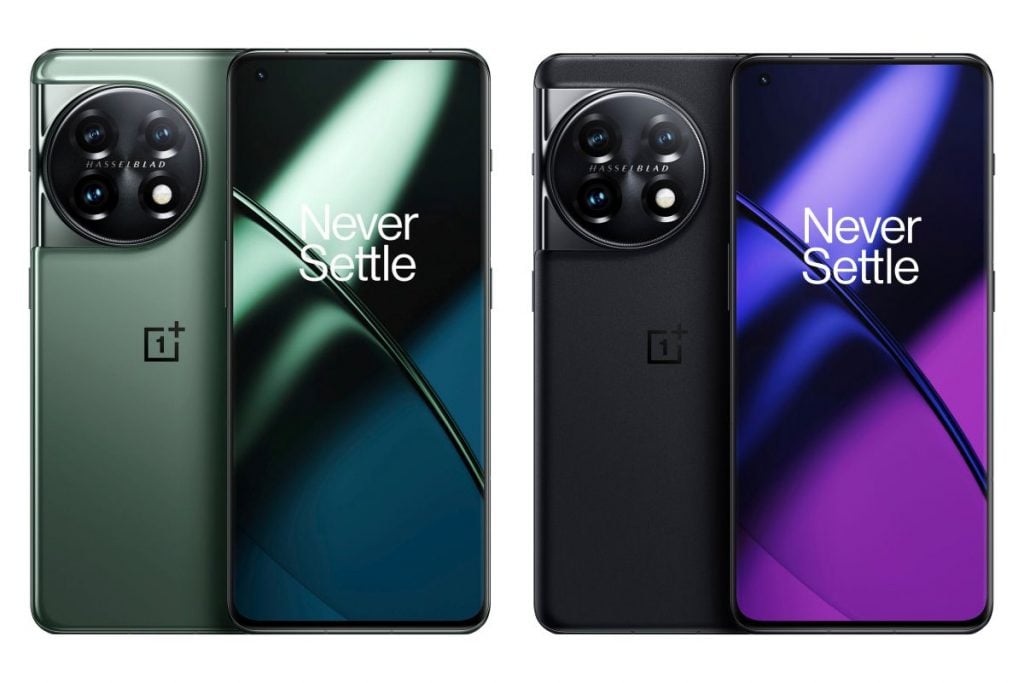
The OnePlus 11 was released earlier this year in China as the company’s newest flagship device and a successor to the OnePlus 10 Pro. On February 7, the phone will make its debut in India as well as other regions around the globe. The event will also see the launch of the OnePlus Buds Pro and OnePlus mechanical keyboard worldwide.
Now, renowned tipper Mukul Sharma believes the OnePlus 11 Indian model would offer an 8GB/128GB variant, citing what appears to be an Amazon listing. Given that the China model was offered in 12GB + 256GB, 16GB + 256GB, and 16GB + 512GB variants, this is a novel development.
[Exclusive] Confirming the 8GB/128GB variant of the OnePlus 11 (India). Both Eternal Green and Titan Black colours will be available in 8GB.#OnePlus#OnePlus11pic.twitter.com/bw0v08eVQZ
Mukul Sharma also revealed that the OnePlus 11 will come in Titan Black and Eternal Green colors, even for the 8GB/128GB model. This follows the disclosure of the OnePlus 11’s price.
OnePlus 11 specifications
The OnePlus 11 has a 6.7-inch QHD+ E4 OLED LTPO 3.0 display with 120Hz refresh rate, 3216 x 1440 pixels resolution, a punch-hole cutout for the front camera, and HDR10+ support. The device is powered by the Qualcomm Snapdragon 8 Gen 2 SoC with an Adreno GPU, up to 16GB of LPDDR5 RAM, and 512GB of non-expandable UFS 4.0 storage. The software is handled by the unique OxygenOS skin, which is based on Android 13.
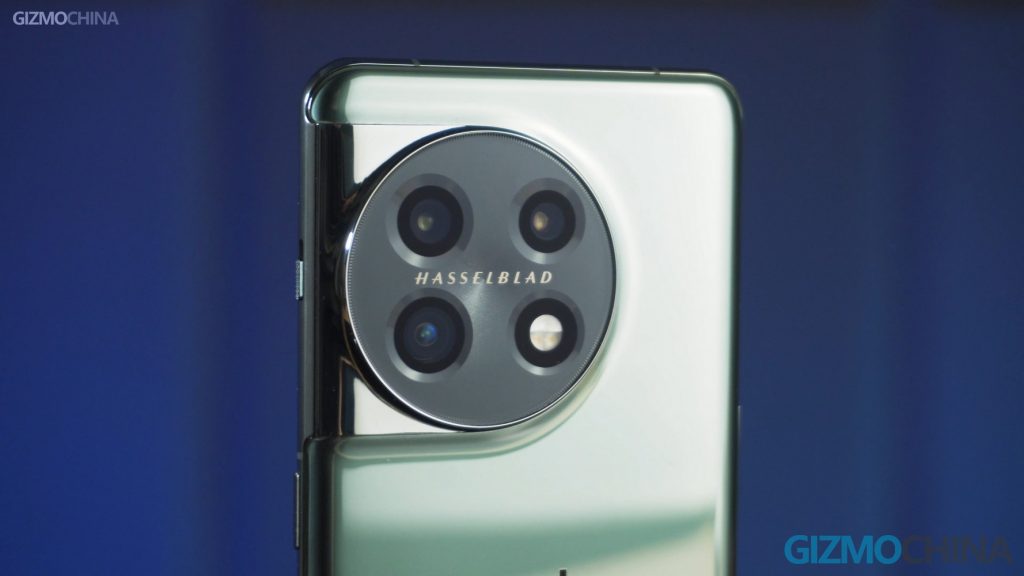
The OnePlus 11 has three cameras on the back: a 32MP Sony IMX709 2x telephoto camera, a 48MP Sony IMX581 ultra-wide-angle camera, and a 50MP Sony IMX890 sensor with OIS. For selfies and video calls, the front camera has a 16MP sensor.
A 5,000mAh battery with 100W fast charging capabilities is included in the OnePlus 11. A USB Type-C port, Bluetooth 5.2, GPS, Wi-Fi 6E, and 5G are among the available connectivity choices. The phone weighs 205 grams and has dimensions of 163.1 x 74.1 x 8.53mm. Security features include an in-display fingerprint sensor, IP54 certification, and an alert slider.
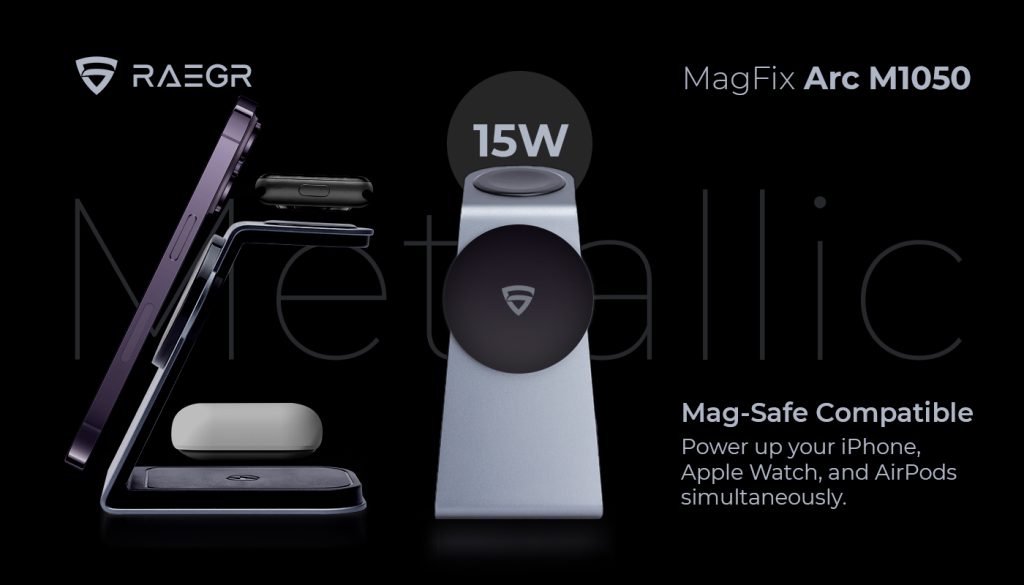
RAEGR has just launched a brand new accessory in the Indian market. The model in question is the MagFix Arc M1050 3 in 1 wireless charger that comes with MagSafe support, which makes it compatible with Apple devices.
The new MagFix Arc M1050 features a sleek and simplistic design on an all aluminum alloy frame and supports a charging output of 15W. As the name suggests, it is basically a one stop charging solution for three devices from the Cupertino based giant. In other words, you can wirelessly charge your MagSafe enabled iPhone, Apple Watch, and even AirPods series of earbuds at the same time thanks to its three built in charging coils.
However, this doesn’t mean you are only able to charge just Apple products. The device also supports all Android devices that also support wireless charging. Although, the brand does specifically recommend that you use MagSafe compatible products like the iPhone 12, iPhone 13, and iPhone 14 series. The gadget has an ergonomic design and comes with built in magnets and silicone pads to prevent the device from slipping off, which basically has it double as a stand.
Notably, the RAEGR MagFix Arc M1050 is a wireless charger that is compatible with 20W or higher PD Chargers as well or a QC 2.3/3.0 compatible charger. This device can automatically detect the device and charge it efficiently up to 15W with intelligent power adjustments also offering 5W, 7.5W, and 10W charging rates as well. The new product is currently available for purchase from the company’s official website, Amazon, and Flipkart for a price tag of 2,399 INR (roughly 30 US Dollars) and up to 1.5 years of warranty.
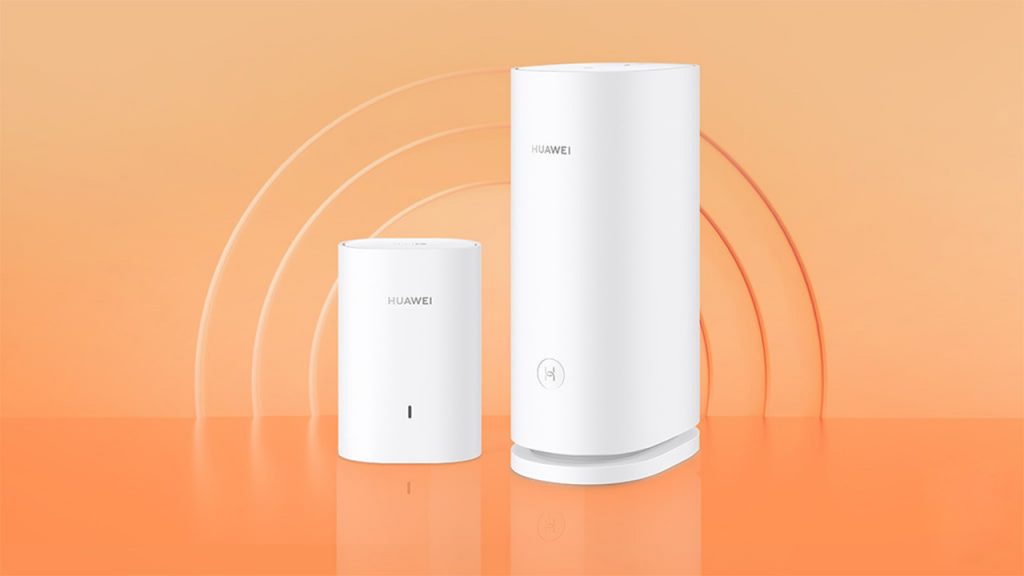
Huawei has announced that its routers will be receiving the HarmonyOS 3.0 upgrade, which aims to optimize four key performance areas. This upgrade will be available for the Huawei Router Q6 series, Huawei Router AX6, and Huawei Router AX3 Pro and will require cooperation with HarmonyOS 2.0 and above mobile phones to experience it.
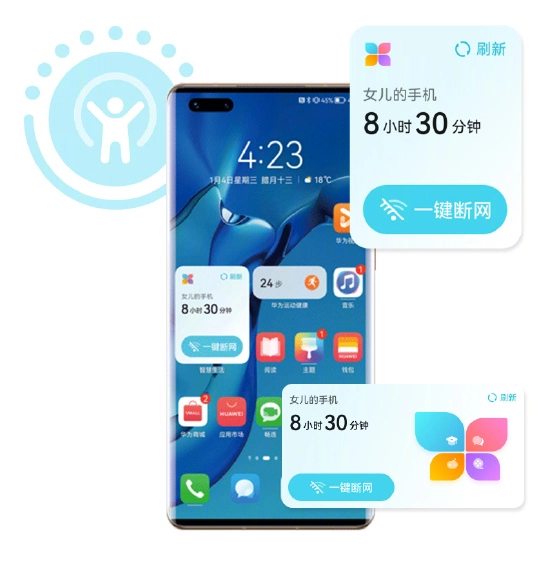
One of the major new features of the upgrade is the introduction of a children’s online care service card. This allows parents to check their children’s online status in real-time on their mobile phone desktop and disconnect them from the internet with just one click. This feature is currently in the public beta stage and requires Huawei mobile phones/tablets running HarmonyOS 2.0 and above.
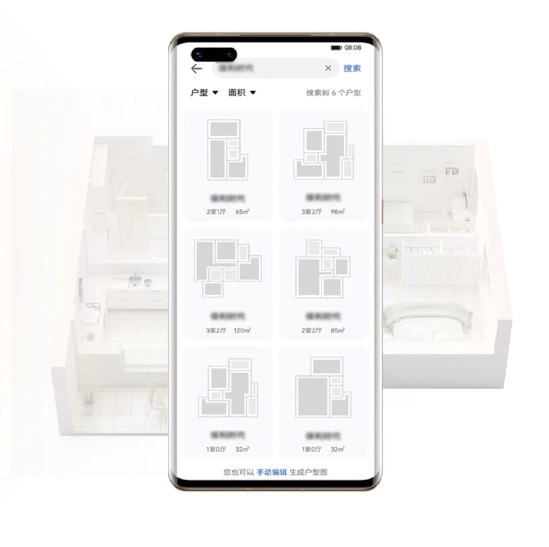
Another new feature is the support for one-click import of floor plans and network coverage visualization. The visual intelligent diagnosis function has also been upgraded, eliminating the need for manual editing of network coverage heat maps. These maps can now be generated automatically based on the house type and support 1 million+ real estate and 12 million+ house type data, covering 160+ cities.
The upgrade also includes triple algorithm optimization, which improves memory management and CPU scheduling for multi-device internet access scenarios. Additionally, a new self-healing algorithm has been added, which is claimed to improve network stability by 50%. Lastly, the upgrade improves the signal tracking and positioning algorithm, which can accurately guide Huawei smart home devices to connect to routers with better distance and signal. This includes Huawei HarmonyOS Connect devices such as smart door locks, cameras, and smart sockets.
In summary, the HarmonyOS 3.0 upgrade for Huawei routers brings a number of new features and improvements, including a children’s online care service card, one-click import of floor plans, visual intelligent diagnosis function, triple algorithm optimization, and improved signal tracking and positioning for smart home devices.
We use cookies on our website to give you the most relevant experience by remembering your preferences and repeat visits. By clicking “Accept”, you consent to the use of ALL the cookies.
This website uses cookies to improve your experience while you navigate through the website. Out of these, the cookies that are categorized as necessary are stored on your browser as they are essential for the working of basic functionalities of the website. We also use third-party cookies that help us analyze and understand how you use this website. These cookies will be stored in your browser only with your consent. You also have the option to opt-out of these cookies. But opting out of some of these cookies may affect your browsing experience.
Necessary cookies are absolutely essential for the website to function properly. This category only includes cookies that ensures basic functionalities and security features of the website. These cookies do not store any personal information.
Any cookies that may not be particularly necessary for the website to function and is used specifically to collect user personal data via analytics, ads, other embedded contents are termed as non-necessary cookies. It is mandatory to procure user consent prior to running these cookies on your website.