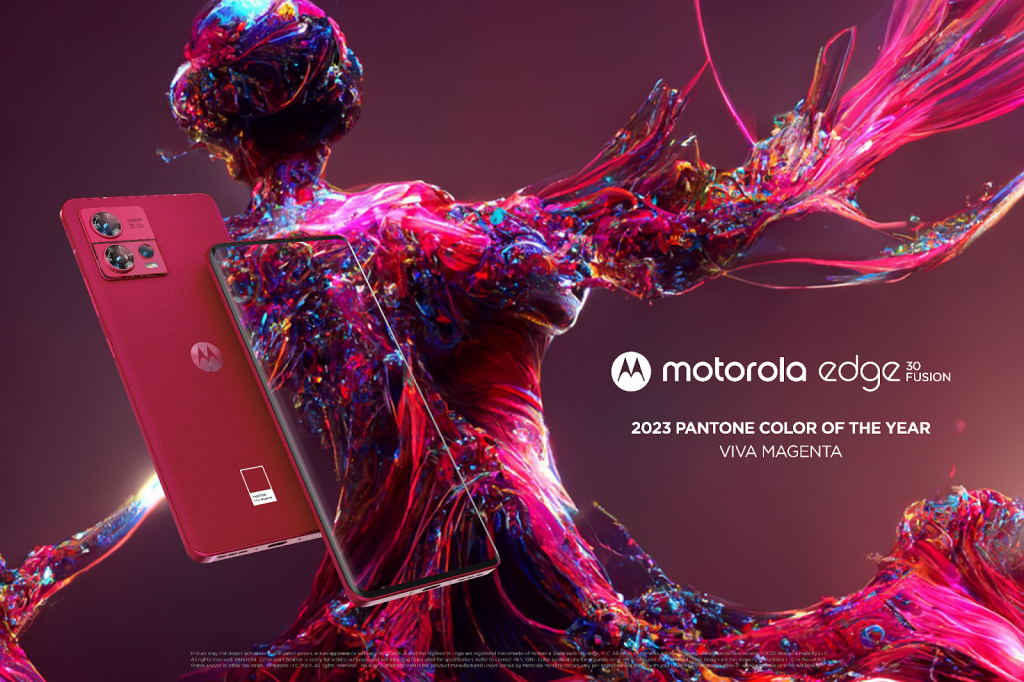
Back in September, Motorola launched the Edge 30 Fusion in multiple global markets. Now, the smartphone has finally arrived in the US market in a special color called Viva Magenta, which is Pantone’s Color of the Year 2023.
According to Motorola’s official press release on the subject, Pantone has been choosing the Color of the Year for more than 20 years by “analyzing global trends and themes throughout the year,” taking into account “all facets of society, from fashion to marketing, social media, and even politics.”
For those unaware, Motorola has a “globally exclusive partnership with Pantone in the smartphone category,” which is why Motorola gets to use these Pantone colors for its smartphones. The American Edge 30 Fusion’s specifications are identical to those of its international version; it differs mainly in terms of color and the fact that it comes with a set of Moto Buds 600 ANC TWS earbuds, in Winetasting, “a color created to suit the Pantone Color of the Year 2023.”
The Viva Magenta color variant of the Motorola Edge 30 Fusion costs $799.99. If you want to buy the smartphone without the Moto Buds 600 ANC TWS earbuds, it is available in a Neptune Blue color option for $699.99. The Edge 30 Fusion will be an unlocked phone that will only work with AT&T and T-Mobile.
Motorola Edge 30 Fusion specs
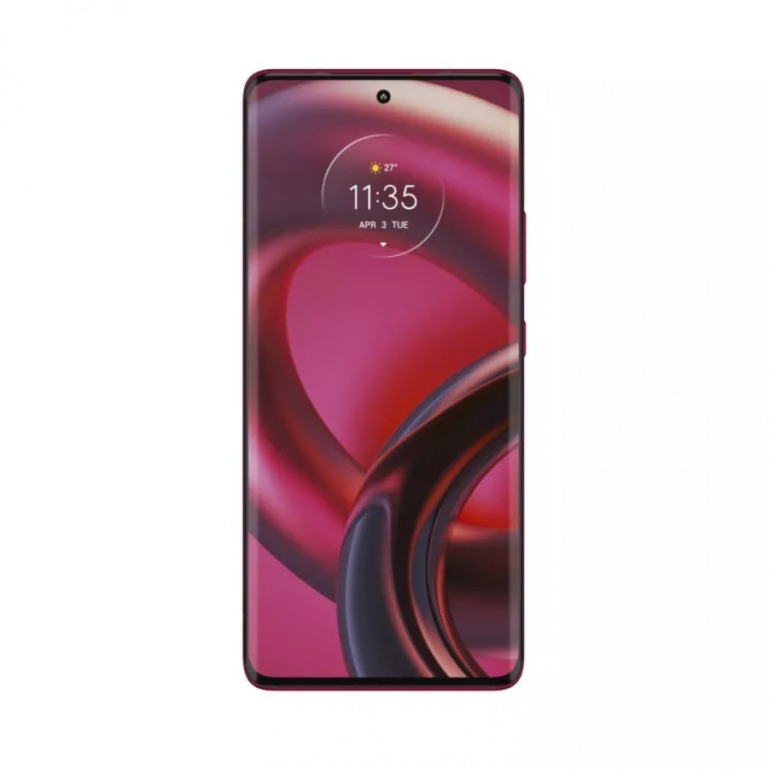
The Motorola Edge 30 Fusion has a 6.55-inch centered punch-hole 10-bit curved pOLED display with a resolution of 2400 x 1080 pixels (FHD+), a refresh rate of 144Hz, and a touch sampling rate of 360Hz. The panel has a 20:9 aspect ratio, a peak brightness of 110 nits, and a fingerprint sensor beneath it. The screen also supports HDR10+ and 100% of the DCI-P3 color gamut.
The Qualcomm Snapdragon 888 Plus chipset is paired with LPDDR5 RAM and UFS 3.1 storage in the smartphone. It boots Android 12 with Ready For support.
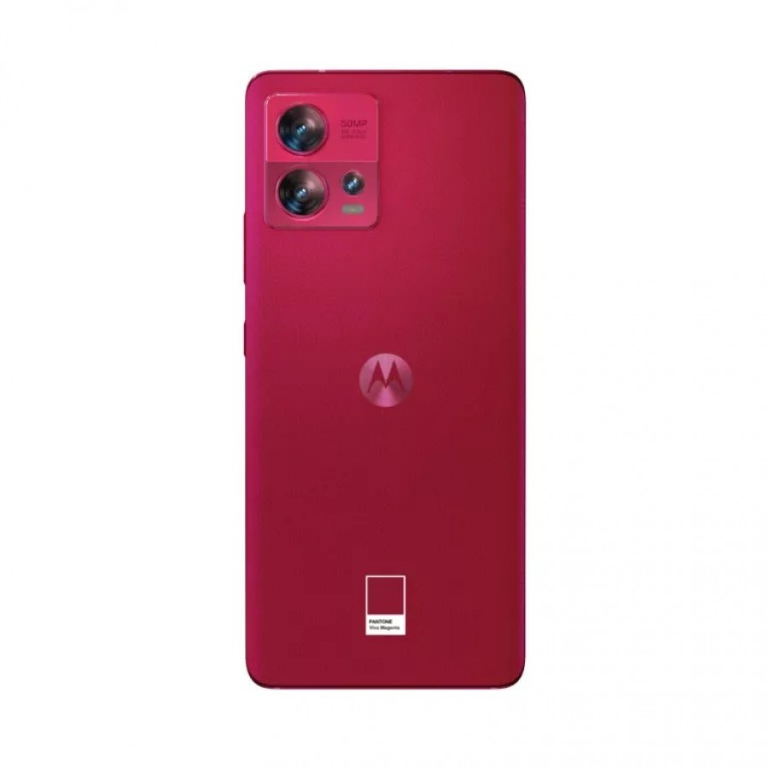
The device has three cameras on the back: a 50MP primary sensor with OIS support, a 13MP ultra-wide sensor with autofocus for macro vision, and a 2MP depth sensor. It has a 32MP camera on the front for selfies and video calls.
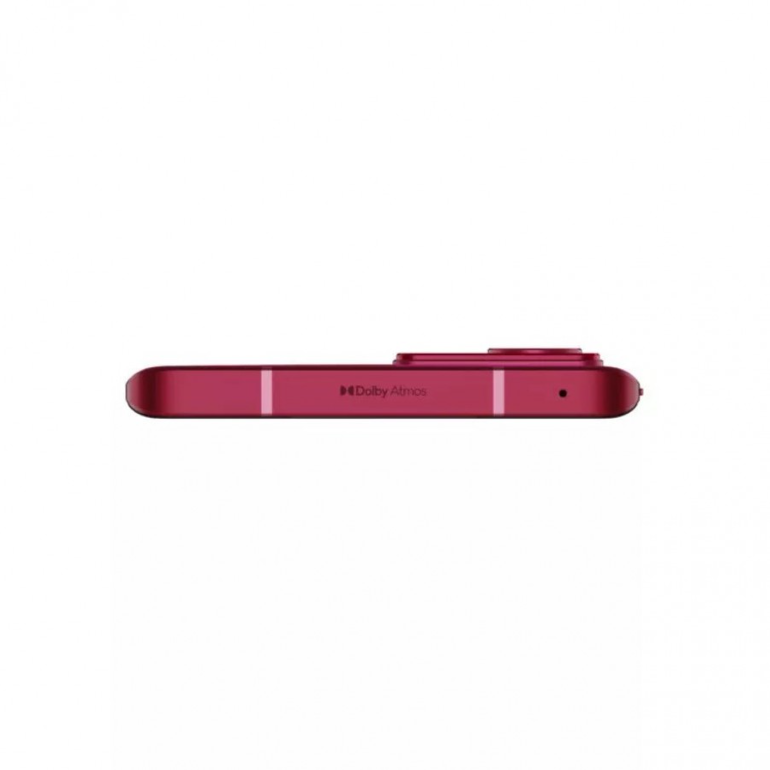
The device supports dual SIM, 5G, WiFi 6, Bluetooth 5.2, GNSS, NFC, and USB Type-C connectivity (USB 3.1). It also has dual stereo speakers that support Dolby Atmos, an IP52 rating, and Corning Gorilla Glass 5 protection on the front and back.
Last but not least, the phone is powered by a 4,400mAh battery and charges at a maximum rate of 68W (wired).
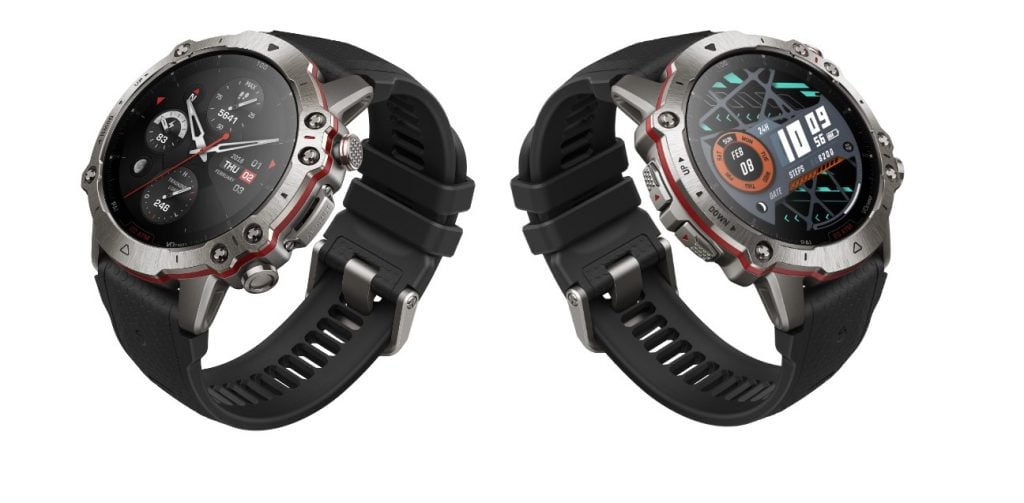
Earlier this week, Amazfit launched the Amazfit Falcon rugged smartwatch in India. The launch came around a month after its global debut. Now, the smartwatch is finally purchasable in India starting today. So, let’s take a look at its price, availability, and features.
Amazfit Falcon price & availability in India
The Amazfit Falcon is priced at Rs 44,999 and is available in Titanium. The smartwatch is now available for purchase on Amazfit’s website and will be available on Amazon India later today (December 3). It comes in a single Supersonic Black color option with a titanium frame.
Amazfit Falcon specs & features
The Amazfit Falcon has an aircraft-grade TC4 titanium unibody, a sapphire crystal glass screen, and a 20 ATM water-resistance rating because it is a robust smartwatch. It has the durability to withstand 15 military-grade tests and is corrosion-resistant. On the side of the gadget are buttons. The Amazfit Falcon has a circular dial with a 1.28-inch AMOLED screen with a 416 × 416-pixel resolution and a maximum brightness of 1,000 nits.
Other than its durability and its 20 ATM waterproofing, what makes this smartwatch really special is the smart training algorithm called the Zepp Coach. This app provides AI-based workout recommendations based on your body type and experience, with the goal of improving your performance and identifying overtraining. There are 150 sports modes and workouts that can be logged, and the Falcon can connect to other fitness accessories like a heart rate belt via Bluetooth.
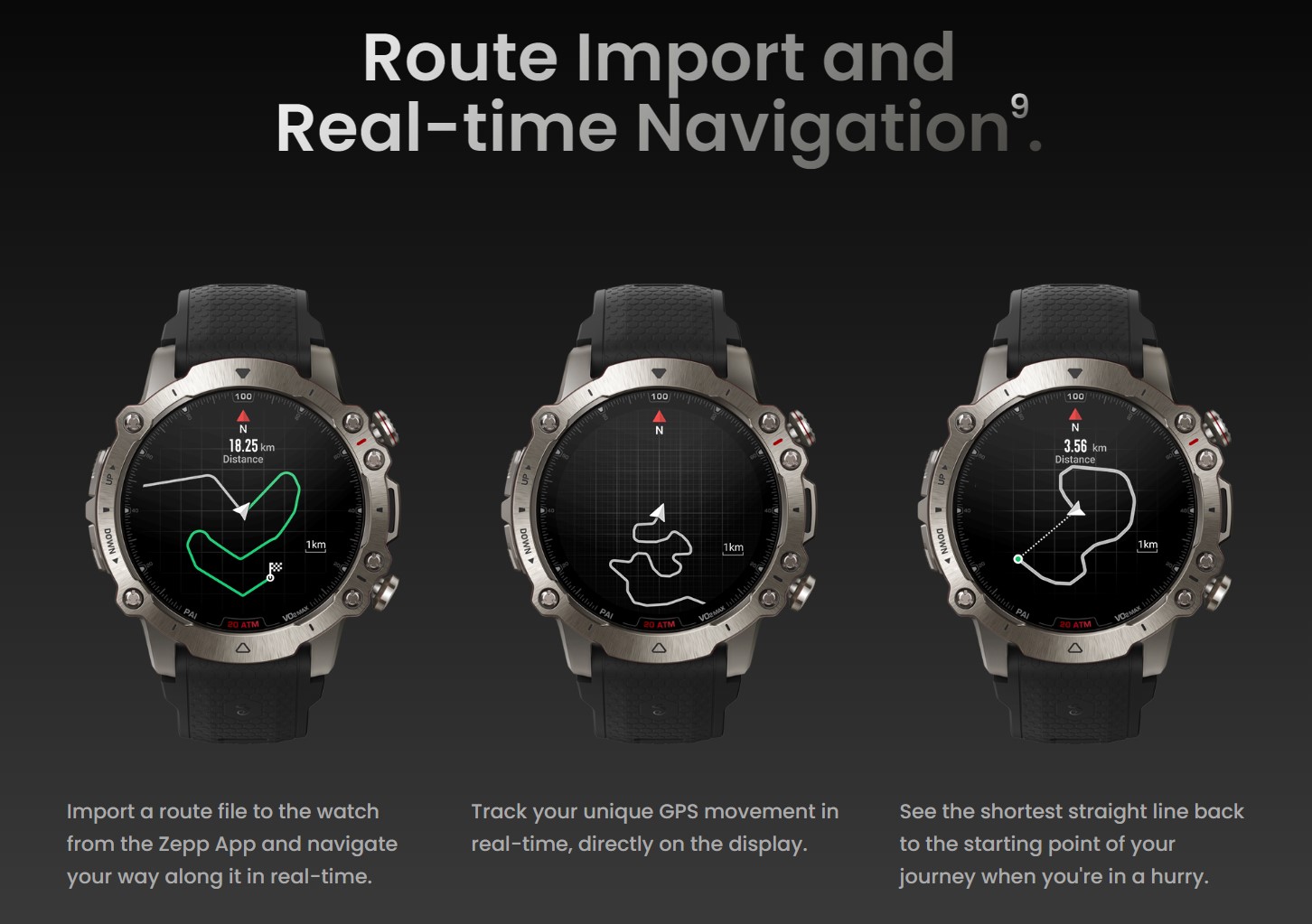
The display is always on in sports mode, so you don’t have to wake the watch to check your workout stats. Connect wireless headphones to your device to use the broadcast sports mode to receive data or to listen to music stored locally (4GB local storage). When exercising outside, you can move correctly and get directions thanks to the support of several satellite positioning systems and dual-band GPS tracking.
You can also sync your workout data with programs like Adidas Running, Apple Health, and Strava. The wearable’s health features include sleep, heart rate, blood oxygen, and stress level monitoring. According to Amazfit, the 500 mAh battery can last up to 14 days on a single charge with regular use.
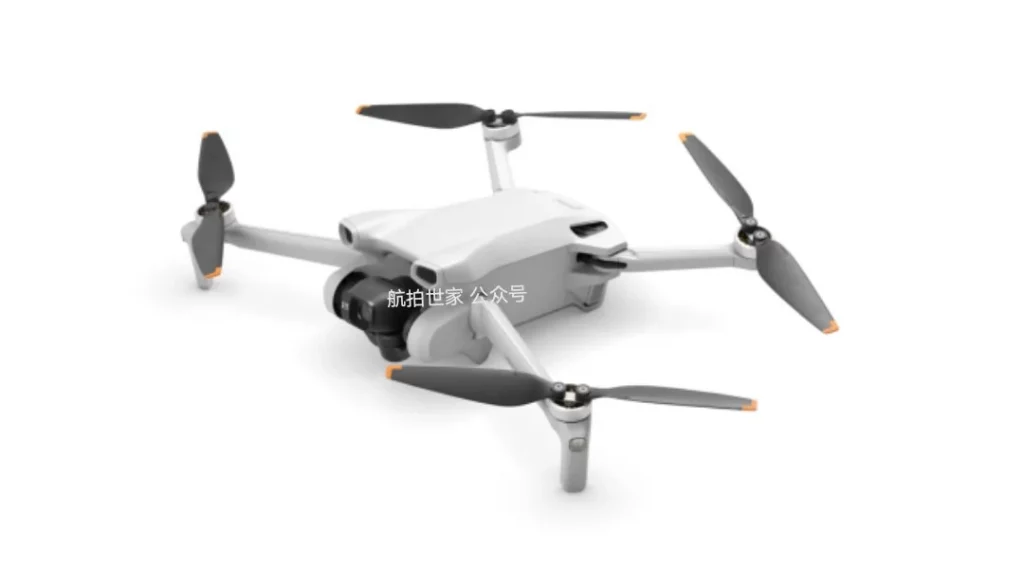
Rumors are rife that popular Chinese drone maker DJI will deliver a step-down version of its Mini 3 Pro model. The drone is said to go by the name DJI Mini 3 and it is a lower version of the Mini 3 Pro. Leaked images of the upcoming drone point to its imminent launch. The Mini 3 will likely follow the same trajectory as the Mavic 3 series and the Mini SE. The Mavic 3 Classic was released last month. DJI may have adopted a similar step-down strategy for the Mini 3.
A tweet that featured two drone images on December 1 is the latest incident fuelling speculation around the drone. The images were released by DealsDrone, a reliable DJI tipster. The very short tweet read: DJI Mini 3 coming soon. Although short, the tweet has ramped up the excitement of fans waiting to see an affordable and not-too-simplified version of the DJI Mini 3 Pro. Indeed, there had been rumors that DJI was working on the Mini 3. The upcoming drone was reported to be under consideration for FCC certification last month.
It is unlikely that the two images of the alleged DJI Mini 3 shared by the tipster were real. Possibly computer generated, the images alone might not be the main source of excitement, but the fact that the rumor was coming from a reliable DJI tipster. The launch last month of the Mavic 3 Classic opened up the gadget to a wider audience with budget-friendly inclinations. The Mavic 3 Classic retained many of the top-notch features in the Mavic 3 but at a lower price. This provided savings of up to $600 when compared with the basic offering of the Mavic 3.
The DJI Mini 3 Pro retails from $759 and it’s unclear how much the step-down version of the drone will cost. The reduction in quality will probably come from the drone’s camera rather than its battery. The DJI Mini 3 Pro has a flight time of 34 minutes and any reduction in battery capacity is a non-starter.
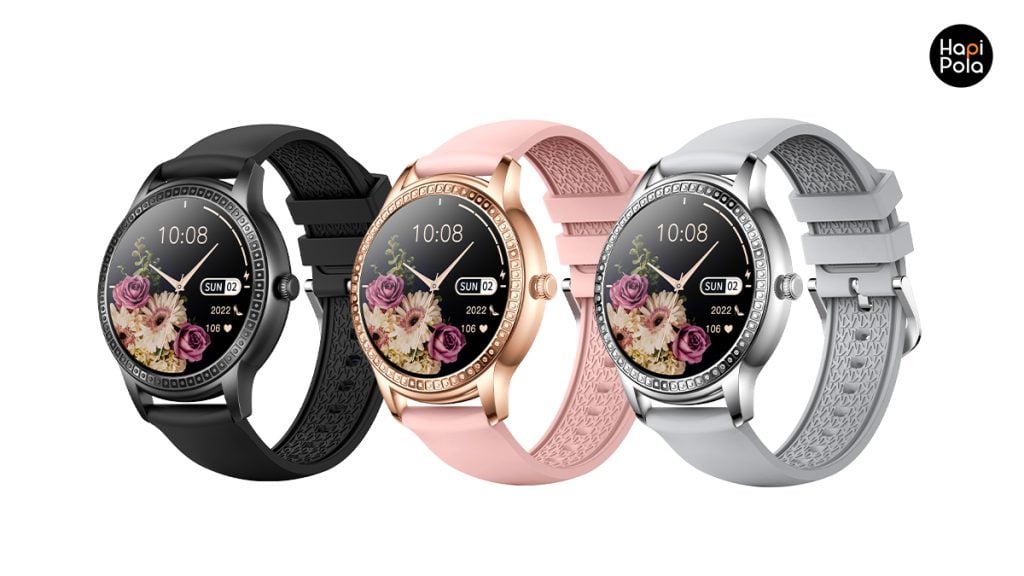
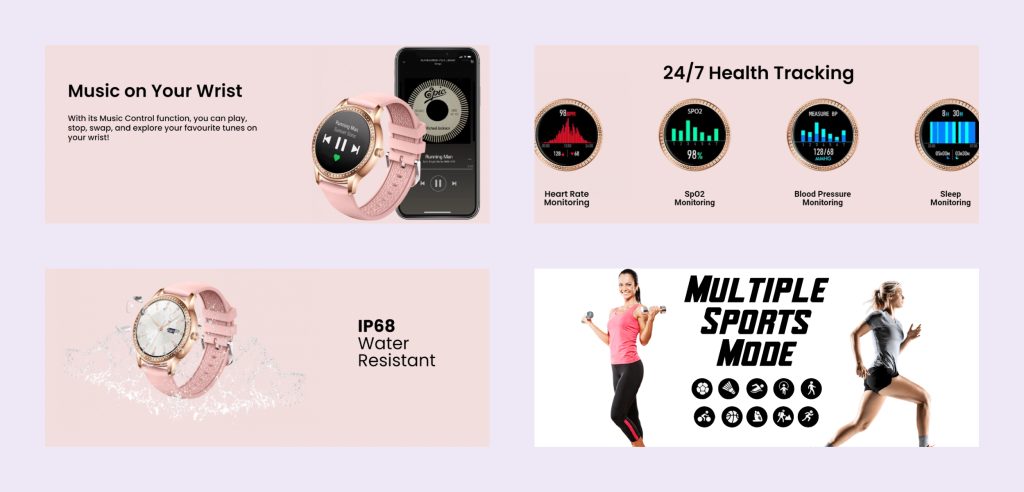
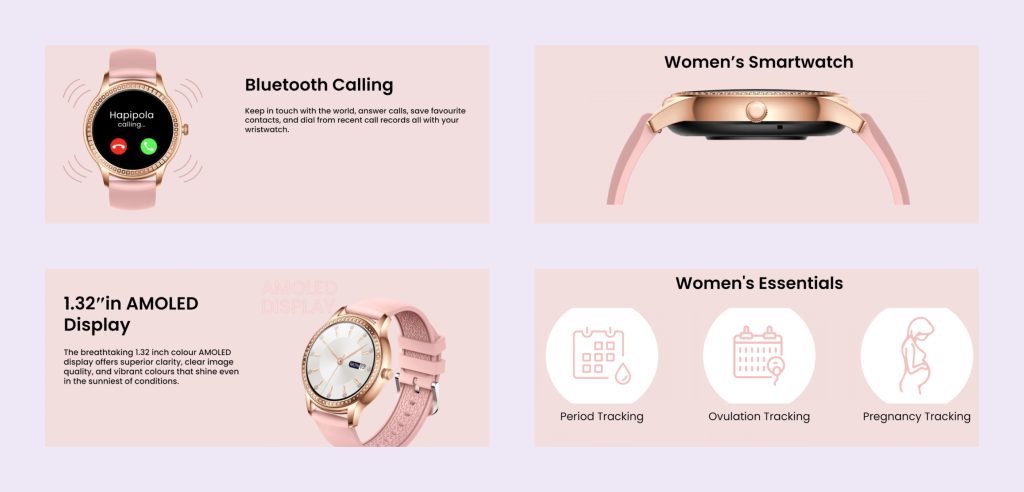
HapiPola has launched its female-focused Floral smartwatch with Bluetooth calling. The HapiPola Floral smartwatch has a 1.32-inch display and several health and fitness features for the womenfolk. The Chennai-based company says the smartwatch enhances health and fitness tracking like menstrual cycle and wellbeing tracking.
The Floral smartwatch, according to HapiPola, is specially designed for the well-being of women. provides pregnancy and ovulation period tracking. It is also equipped for blood oxygen (SpO2) and heart rate monitoring.
The watch packs a 1.32-inch AMOLED screen which gives a clear and bright display. The display utilizes a round watch face design. It equally has a soft touch and easy-to-use UI and can connect seamlessly to both Android and iOS devices using the JYouPro app via Bluetooth. The smartwatch also supports Bluetooth calling. There are more than 100 watch faces and up to 10 sports modes. In addition, the smartwatch has a caller ID/ reject button for calls. It can also be used as a remote camera shutter, for music controls, and as an alarm clock.
The Floral smartwatch equally comes with a pedometer, distance tracker, sleep monitor, and calorie counter. It can prompt the user via a reminder to go and move around when sitting still for long periods. The Floral smartwatch has 4 days of battery life and is rated IP68 water-resistant. The smartwatch also has Voice Assistant support and comes in three colors – black, grey, and pastel pink.
The HapiPola is offered in India for Rs. 3,999 (~$49) but its original price is Rs. 9,999 (~$123). You can purchase the smartwatch directly from the official HapiPola website, as well as from major online retail outlets in India. There are no details on the duration of the launch offer for the product. The company has yet to specify whether the smartwatch will be globally available.
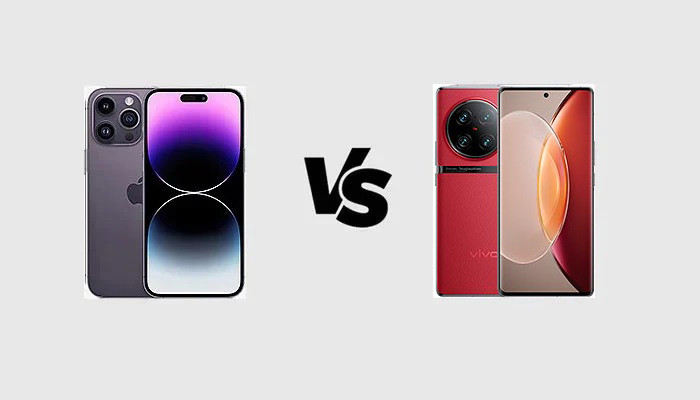
The Vivo X90 Series is official and it includes the first flagship with the Snapdragon 8 Gen 2 inside. The Vivo X90 Pro Plus can be considered the very first flagship with 2023-like specifications and it is a maxed out device from every point of view. That is the reason why it is a perfect rival for the iPhone 14 Pro Max: the most advanced Apple device out there. These handsets come at similar prices, but which one is the best? There is not any universal answer and it mostly depends on your personal needs. So, you should evaluate their specifications and features in order to understand which one fits your needs the most. Here is a comparison between the specifications of the iPhone 14 Pro Max and the Vivo X90 Pro Plus which will help you to understand it.
iPhone 14 Pro Max vs Vivo X90 Pro Plus
Apple iPhone 14 Pro Max
Vivo X90 Pro Plus
DIMENSIONS AND WEIGHT
160.7 x 77.6 x 7.9 mm,
240 g
164.4 x 75.3 x 9.7 mm,
221 g
DISPLAY
6.7 inches, 1290 x 2796 pixels (Full HD+), Super Retina XDR OLED
There cannot be any more interesting device than iPhone, at least according to the trends. With the iPhone 14 Pro Max, Apple got rid of the notch for the first time, and replaced it with the Dynamic Island: basically, a pill shaped punch hole placed at the center of the upper part of the screen. It not only contains the hardware sensors for the front camera and the 3D facial recognition, but it can also act as a sort of secondary screen to display basic information. The iPhone 14 Pro Max has a glass back and a stainless steel frame, and it is protected by IP68 certification making it waterproof (up to 6 meters of depth) and dustproof. It offers better water resistance if compared to the IP68 certification of Vivo X90 Pro Plus which can go underwater just up to 1.5 meters deep without damage. However, the Vivo is still a beautiful device, it comes in a leather variant and impressive colors, as well as a curved screen with very narrow bezels.
Display
On the paper, the Vivo X90 Pro Plus has a more impressive display. It is an AMOLED display showing up to one billion colors with a diagonal of 6.78 inches, a Quad HD+ resolution of 1440 x 3200 pixels, a 120 Hz refresh (it is adaptive from 1 to 120 Hz thanks to the LTPO 4 technology), Dolby Vision support, HDR10+ certification, and an in-display fingerprint reader, as well as a peak brightness of 1,800 nits. However, the iPhone 14 Pro Max is at the same level thanks to its outstanding color reproduction. The iPhone has a Super Retina XDR OLED display with a diagonal of 6.7 inches, a resolution of 1290 x 2796 pixels, a 120 Hz refresh rate, HDR10 certification, Dolby Vision support, and a peak brightness of 2,000 nits. It does not rely on a fingerprint reader for authentication, but it has the safer Face ID technology for 3D facial recognition.
Specs & Software
The iPhone 14 Pro Max and the Vivo X90 Pro Plus are equipped with the best hardware departments you can expect from a phone in the actual market. But the iPhone 14 Pro Max provides better performance thanks to the better optimization offered by the iOS operating system. With the iPhone, you get an hexa-core Apple A16 Bionic chipset running at a max frequency of 3.46 GHz, alongside 6 GB of RAM and up to 1 TB of native storage. The Vivo X90 Pro Plus is powered by the octa-core Snapdragon 8 Gen 2 mobile platform running at a max frequency of 3.2 GHz and paired with 12 GB of RAM and up to 512 GB of native storage. It runs Android 13 out of the box, customized by either Origin OS or Funtouch OS depending on the region.
Camera
The camera setup of the Vivo X90 Pro Plus is a lot better than the one found on the iPhone 14 Pro Max. It includes a 50.3 MP main camera with laser autofocus and OIS, a 64 MP periscope sensor with 3.5x optical zoom, a 50 MP telephoto lens with 2x optical zoom for portraits, and a 48 MP ultrawide camera, all with OIS. With the iPhone, you get a 48 + 12 + 12 MP triple camera.
The battery of the Vivo is bigger, but the iPhone 14 Pro Max has a longer battery life thanks to the iOS optimization. On the other hand, the X90 Pro+ charges quicker thanks to 80W fast charging and 50W wireless charging.
Price
You need at least $950/€900 in order to purchase the Vivo X90 Pro Plus in China, while the iPhone 14 Pro Max starts from $1,100/€1,043. Which one would you pick?
Apple iPhone 14 Pro Max vs Vivo X90 Pro Plus: PRO and CONS
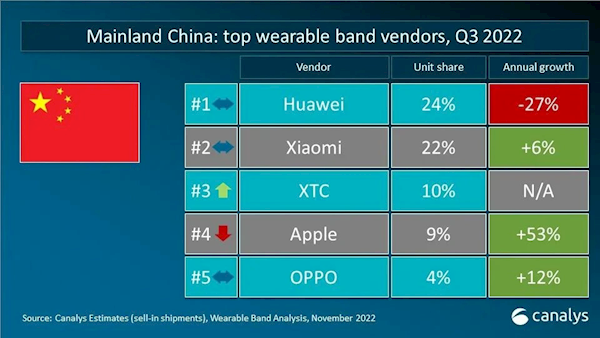
Market research firm Canalys recently released its research data containing the quarterly report of the wearable wristband market in China for the third quarter of the current year. The report shows that embattled Chinese tech giant Huawei continues to dominate the domestic market despite losing ground overseas. The tech giant controlled a market share of 24% to lead the pack. However, Huawei’s market share is shown to represent a 27% drop in its YoY performance.
Xiaomi has been a strong player in the smart wearable market since the launch of the extremely popular Mi Band models, especially the revolutionary Band 2. Xiaomi trailed Huawei closely with a 22% share of the market which is a positive 6% growth YoY.
In third place is a new entrant known as XTC which cornered a 10% share of the market while US tech giant and global wearable market leader Apple came in at fourth place with a 9% share of the market. Interestingly, Apple’s market share represents a massive 53% surge in its sales compared to last year. This huge growth may be due to the release of new products this quarter.
Finally, OPPO completes the top 5 ranking with a 4% market share, representing a 12% annual growth.
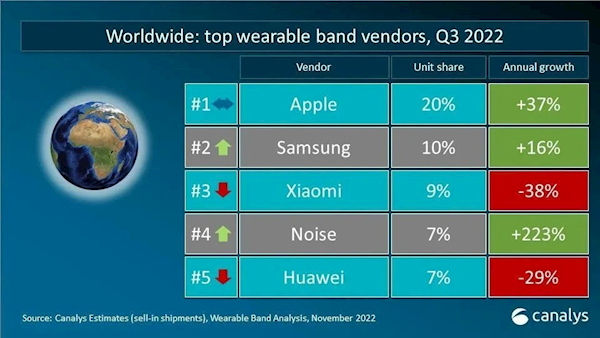
Canalys also released a ranking of the global wearable wristband market showing that a total of 49 million smart wearables were shipped globally in Q3 2022. This represents a year-on-year increase of 3.4%. The report showed a consistent pattern of growth of smartwatches and a decline in smart band sales.
Apple leads the global wearable market with a 20% market share followed by Samsung, Xiaomi, Indian manufacturer Noise, and Huawei. It is impressive to see Huawei make the cut in the global market considering the US government’s sanctions against the company.
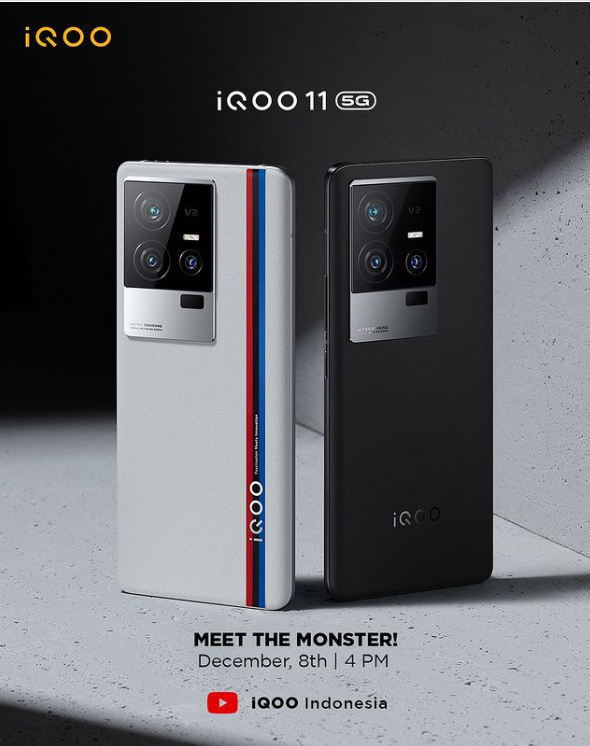
iQOO was supposed to launch the iQOO 11 alongside the mid-range iQOO Neo 7 SE on December 2 but, the event got postponed. Now, the company has rescheduled the launch of its latest flagship on December 2. iQOO 11 is confirmed to feature Qualcomm’s latest Snapdragon 8 Gen 2 SoC and an E6 AMOLED display. Let’s have a look at all the details.
iQOO Indonesia’s Instagram handle has confirmed the new iQOO 11 will now debut on December 8 (via GSMArena). The event will begin at 4 PM local time. There’s no mention of the iQOO Neo 7 SE, but we can expect it to launch on the same day.
iQOO 11 will be one of the first smartphones to arrive with the new Snapdragon 8 Gen 2 processor. It is being advertised as a powerful gaming phone. Teasers have revealed that the smartphone will flaunt an E6 AMOLED display offering up to a 2K resolution and up to a 144Hz refresh rate. It will come with an XDR engine, a peak brightness of up to 1,800 nits, and 1440 1440Hz PWM dimming.
The device could arrive with up to 16GB RAM and up to 516GB onboard storage. It is rumored to sport a 50-megapixel primary camera, an 8-megapixel OmniVision OV8B ultra-wide lens, and a 12- or 13-megapixel portrait snapper. iQOO 11 will likely pack a 5,000mAh battery with 120W fast charging support.
If we talk about the iQOO Neo 7 SE, it will debut with the MediaTek Dimensity 8200 chipset. The handset is expected to come with a 6.78-inch AMOLED display with FHD+ resolution and a 120Hz refresh rate. The smartphone could be fueled by a 5,000mAh battery with 120W fast charging.
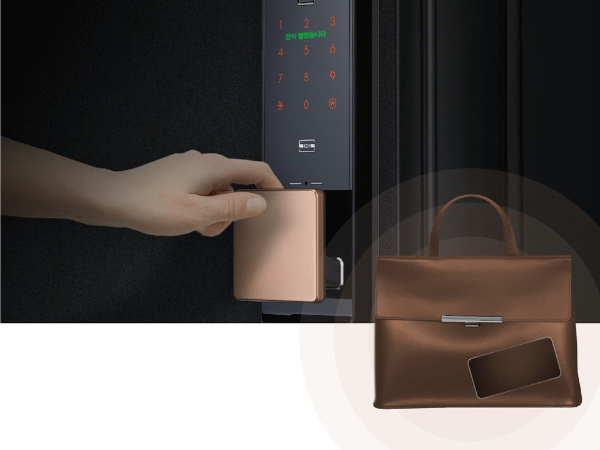
Korean tech giant and global market leader Samsung has teamed up with Zigbang to unveil a smart door lock with an Ultra-Wide Band (UWB) chip. The Zigbang SHP-R80 UWB Digital Key Door Lock is the world’s first UWB-based smart door lock which can be unlocked without touching the connected smartphone. The smart door lock is the culmination of a collaboration between Samsung and Zigbang.
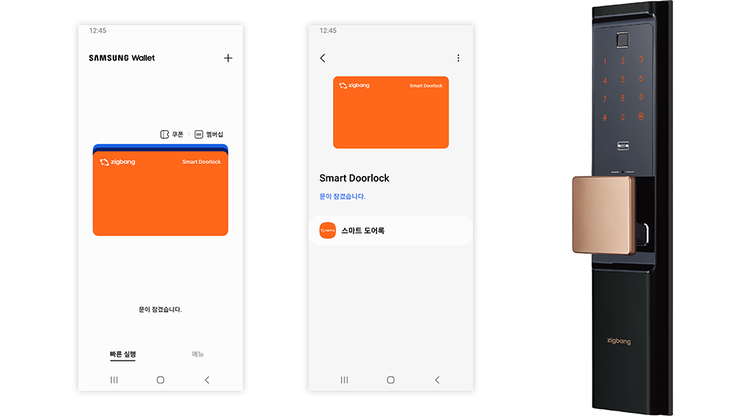
The smart door lock senses a digital home key in your Samsung wallet on your phone, so you don’t need to tap your phone against the lock or open an app. Ultra Wide Band technology uses radio waves like Wi-Fi or Bluetooth for short-distance communications. However, a high-frequency band ensures that precise distance measurements and correct sensing of the direction of the signal are achieved. The UWB technology also provides better protection from hacking due to its short range. The UWB functionality is enabled through a digital home key added to your Samsung Wallet on your smartphone.
Thanks to the Zigbang app, the smart lock with UWB can notify members of your household of the identity of the person unlocking the door. If you lost your phone, you can disable the digital home key using the Find My Mobile tool. If this is not done, then an intruder could use the digital home key to enter your house.
The Samsung Galaxy Fold 4 and Galaxy S22 Ultra Plus support UWB functionality and will be compatible with the smart door lock. Both smartphones can use Samsung Pay to unlock the Zigbang smart lock. The Zigbang SHP-R80 UWB Digital Key Door Lock will debut in South Korea although its price is not known yet. The Zigbang smart door lock could also subsequently ship to other markets.
The market share of electric vehicles continues to increase, according to the latest research, Global passenger EV sales grew 71% year over year in Q3 2022. This being the case, the competition is getting fiercer every day. In fact, the competition is so intense that even Elon Musk, the inventor of modern electric vehicles, is only in second place with Tesla.
BYD widens gap with Tesla in Q3 2022, leads global EV market
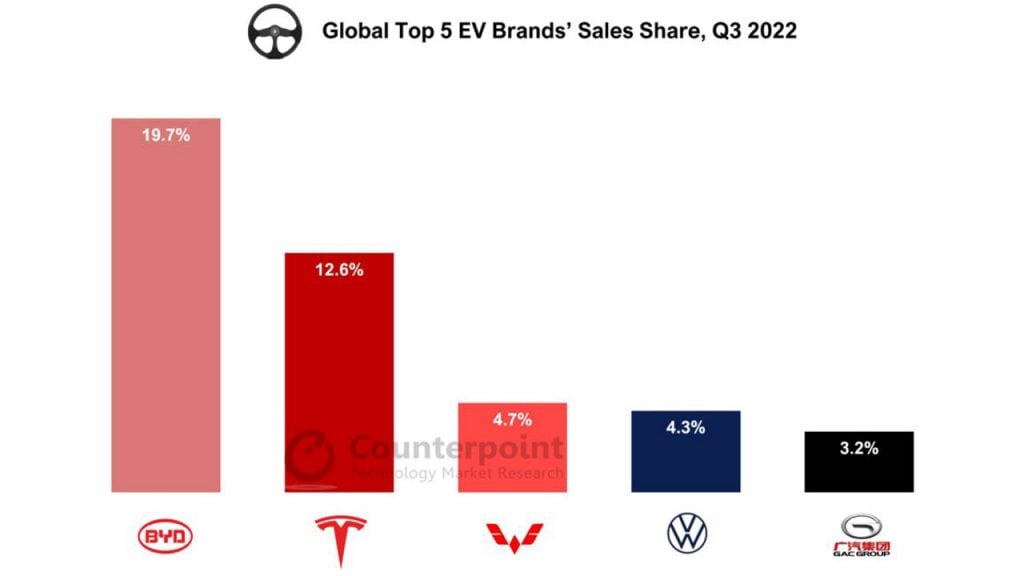
Global electric vehicle (EV) sales grew 71% year over year in Q3 2022, according to the latest research from Counterpoint’s Global Passenger Electric Vehicle Model Sales Tracker. China remained the market leader in EV sales, followed by Europe and the US. The country’s EV sales increased by over 100% to exceed 1.7 million units from just 0.88 million units in Q3 2021.
Source: Counterpoint’s Global Passenger Electric Vehicle Model Sales Tracker
BYD Auto continued to lead the global EV market during the quarter. The Chinese automaker also managed to widen its gap with the second-placed Tesla. When we look at the numbers, we see that BYD Auto remained the global market leader, shipping more than 537,000 EV units, an increase of 197% YoY. Its top three models “BYD Song, BYD Qin and BYD Han” contributed to over 56% of the company’s sales during the quarter.
Tesla’s global sales grew 43% YoY in Q3 2022 to over 343,000 units. The company saw increased demand for its vehicles in Europe this quarter. The smoothing production ramp in its Berlin factory helped deliver a record number of Model Ys in Germany this quarter. However, deliveries fell short of expectations due to logistics bottlenecks.
Followed by another Chinese brand, Wuling, grew by 31% YoY to hold the third rank in the global EV market. German auto giant Volkswagen’s EV sales increased by 28% YoY to recover from their Q2 dip. The ID.4, ID.3 and ID.6 series had the top-selling Volkswagen models during the quarter. The company showed impressive results in China with its EV sales growing 79% YoY and 35% QoQ. Although the brand’s sales in Europe and the US recovered sequentially, neither region registered YoY growth.
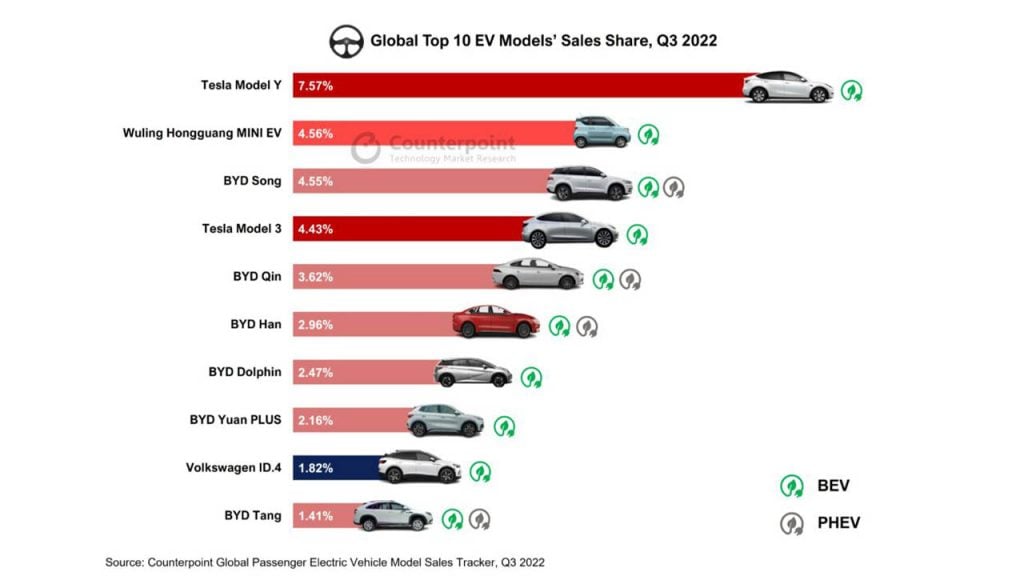
Global top 10 EV models
The top 10 EV models accounted for more than 35% of global EV sales in Q3 2022. Tesla’s Model Y remained the best-selling EV model. Six out of the top 10 best-selling EV models were from BYD Auto. The rest of the list is as follows:
Android phones continue to evolve both in software and hardware. While manufacturers such as Samsung and Qualcomm largely develop their hardware, Google is responsible for the development of the software. Lastly, the company brings several new features for Android phones and Wear OS smartwatches. These features, which are expected to be available in a short time, will bring many innovations to the Android interface we love.
New Android features on the way
Add holiday cheer to your photos and messages
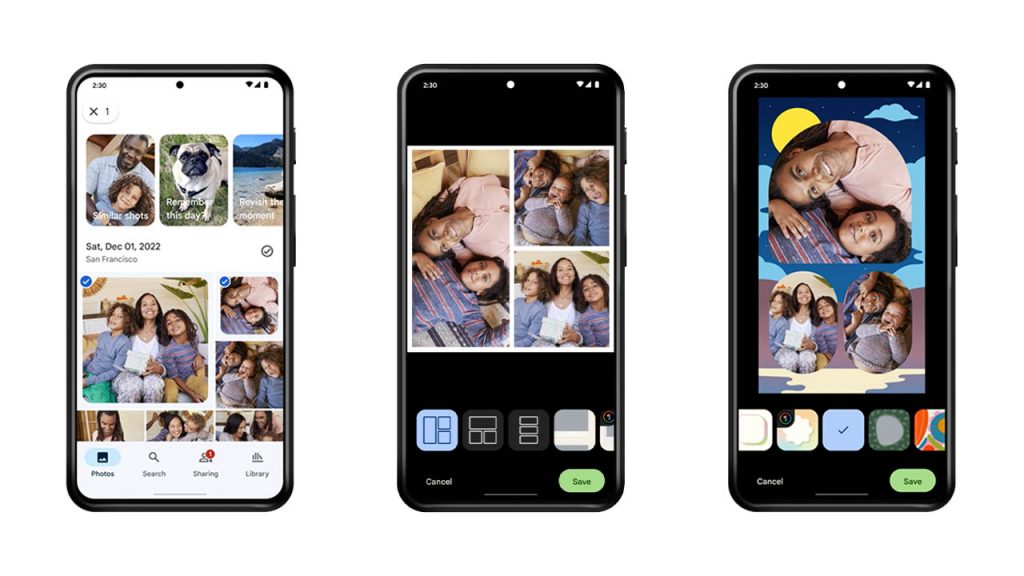
Google Photos recently brought styles to collage editor so you can create shareable collages of your favorite snaps to share with friends and family. Lastly, the company added two new artists — Australian husband-and-wife visual duo DABSMYLA and renowned watercolor artist Yao Cheng Design. Just pick your photos, select your design and rearrange the layout with simple drag-and-drop controls.
Emoji Kitchen also has new emojis
Emoji Kitchen also has new emoji you can mash up into creative sticker combos via Gboard. Add some extra 💙 holiday ⛄️flair ❄️to your messages with compatible emoji.
New reading mode on Android
Catch up on your favorite content, your way. The new Reading mode on Android creates an accessible reading experience that can be helpful for people who are blind, low vision or dyslexic. Once installed to your settings, it adds customizable display options — including contrast, font type and size — and a text-to-speech function with speed control.
New YouTube Home screen Search widget
You can also easily access content with YouTube’s new Home screen Search widget. With a quick tap from your Home screen, you can dive right into your library of videos, Shorts or subscriptions.
Cast videos directly from the Google TV
Sometimes it’s easier to look for something to watch on your phone than on your TV. The Google TV app already makes it easy to use your phone to discover movies and shows from across your streaming services. And starting next week, you can cast directly from the Google TV app to your compatible TV with a single tap. You can keep browsing other options while you’re watching and use your device as a remote control, too.
Digital Car Key sharing
With digital car key, you can lock, unlock and turn on a compatible car using just your phone. And now, you can share your compatible digital car key with friends and family across Pixel and iPhones (coming soon to select phones with Android versions 12 and up). You can view and change who has access to your car in your phone’s digital wallet app.
New Wear OS features
As we use our smartwatches to get more done, Wear OS tiles make it easy to see important information at a glance. You can already use the Google Maps tile to start navigating to your home or office from anywhere. And now, Google is adding new tiles to help you get more things done from your watch. Like getting in touch with your favorite contacts and viewing sunrise and sunset times to plan your day.
The company also updated the Google Keep app on Wear OS so your notes and to-dos written on your phone will look just as good on your watch. View labels and collaborators to stay organized. Custom backgrounds, photos and drawings make it easy to see what’s important to you, whether you’re checking your notes on your phone or your watch.
Morever, over the next week you can use Google Assistant to have the the adidas Running app track your physical activity (up to 30 different types of exercise). Say, “Hey Google, start a run with adidas Running” and the app will open and start tracking your speed, distance, and heart rate on your smartwatch.
Chargers are one of the most needed technologies in our daily lives. We use it to charge phones, computers, and even headphones. Well, don’t you think the design of a product we use so often should be better? Shargeek, which combines popular design elements with modern technology, has designed a new product with the same thought in mind. Here comes The first 67W Macintosh charger with a power display.
Shargeek: The First 67W Macintosh designed charger with power display
Shargeek’s Macintosh charger is for you if you are into retro designs. The company, which started to raise funds on Indiegogo a while ago, reached its goal and entered the production process. The Retro 67 has the same design as Apple’s legendary computer Macintosh. It has a real-time power output display, while the digital rain indicates the charging status.
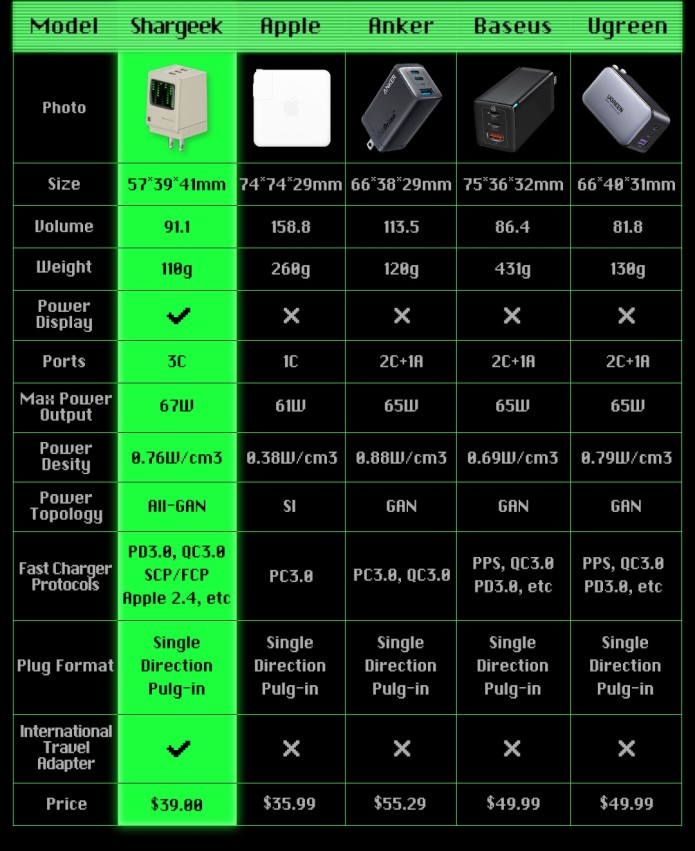
Moreover, the Macintosh-looking charger is as ambitious with its features as it is with its design. The Retro 67 features 3 Type-C ports that support various kinds of Fast Charging Protocols such as PD3.0, QC3.0, SCP/FCP, Apple 2.4, etc. This charger is compatible with the latest MacBook Air (M2) and fully recharges it in less than 2 hours.
The charger is equipped with an internal APS (Active Protecting System) detecting product temperature 180,000 times per hour to shield safety. With Retro 67, you do not need to worry about charging safety. In addition, the company does not hesitate to be compared with its competitors, on the product page, there is a page where the features of Shargeek are compared to other models.
Shargeek’s promotional text about the product is as follows: “Introducing Shargeek Retro 67. We’re passionate about bringing fun and high-performance products to our custom-ers. This time we bring you the Retro 67, an upgraded version of the Retro 35.The Retro 67 pays homage to the classic movie, The Matrin, with a patented “LED Matrim” display to show the real-time charging power and the famous visual effect. We’ve restored the original Macintosh design and the ewterior details to pay tribute to the classic! It’s not only a charger but also a worthy collectable.”
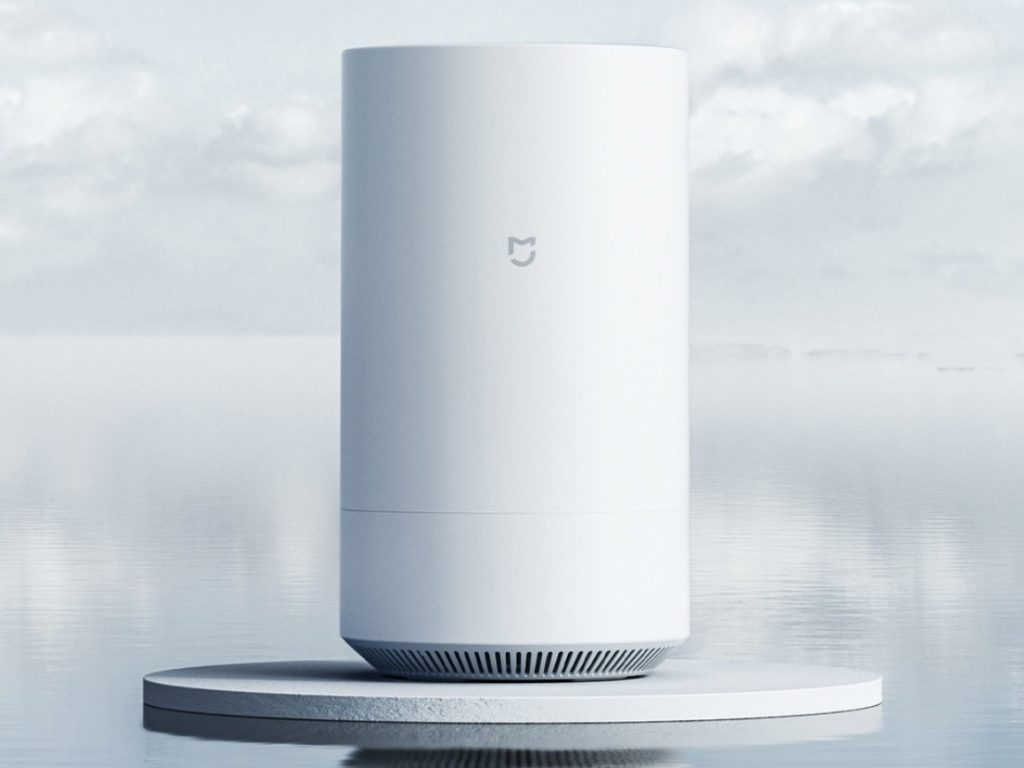
Xiaomi has unveiled its latest humidifier and it comes with an impressive 900ml/h humidification rate and a 5L water tank. The product is known as Xiaomi MIJIA Pure Smart Humidifier Pro Plus and is now available in China. It is a successor to the MIJIA Smart Humidifier from last year and the device is 50% more powerful than its predecessor.
The MIJIA Pure Smart Humidifier Pro Plus Edition is equipped with humidification sensors for auto adjustment and also features a quiet sleeping mode. The sleeping mode humidifies the room silently at 300ml/h with a noise level of 31.24dB. It can detect humidity in the room and automatically adjust its settings and prevent water pooling on the floor. With its built-in OLED screen, the humidifier can display the humidity and the water volume in real-time. The gadget is also anti-mist as it does not form mist during its operation.
The humidifier has a 5L water tank that can be filled with tap water which goes through the integrated filtration system. It ensures that the waterway is clean and the device remains efficient always. The silver ion antibacterial technology helps to maintain the product in top shape. The humidifier can be connected to the MIJIA app and supports XiaoAI voice commands.
The Xiaomi MIJIA Pure Smart Humidifier Pro Plus Edition is available in China for a discounted price of 899 yuan ($127) via Xiaomi Youpin. The original price of the gadget is 999 yuan (~$141), but it is not clear when this price will kick in. At the moment, there are no global availability and pricing information for the MIJIA Pure Smart humidifier. The dimensions of the product are also not known but its predecessor with the same 5L tank was 508 x 285mm. We expect Xiaomi to launch this product outside China in no distant time.
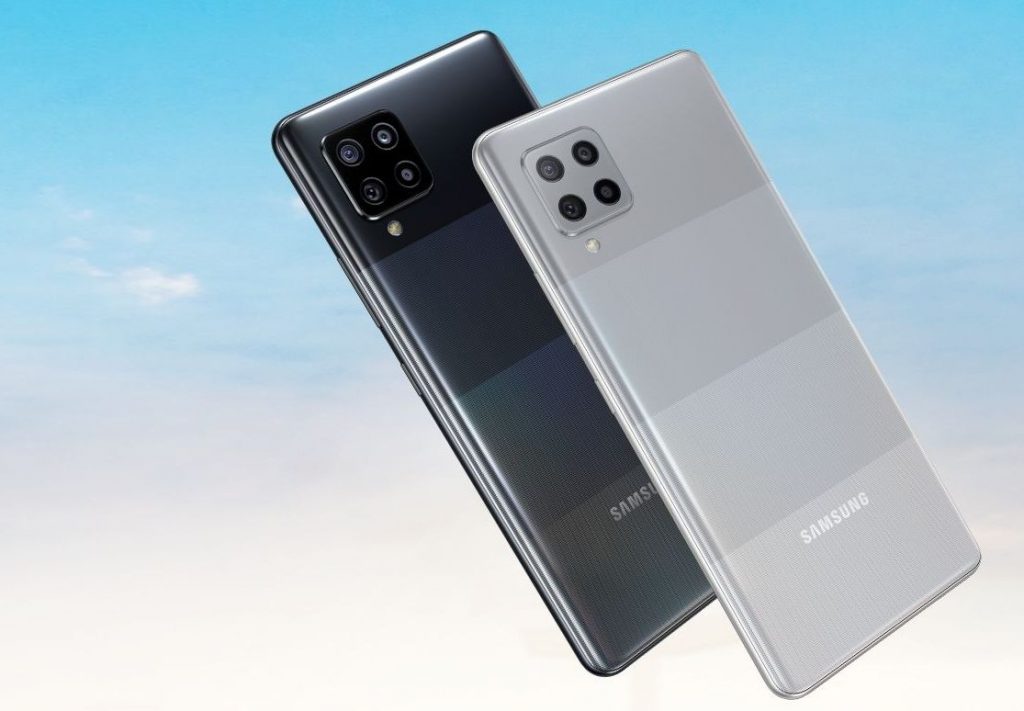
Samsung has been aggressively rolling out the One UI 5 update to its smartphones. The brand has already updated all of its eligible flagships and a sizeable number of mid-range devices. In the latest development, the Korean company is rolling out a stable One UI 5-based Android 13 update to the Galaxy M42 5G. The update is currently being seeded in India and will likely extend to other regions soon. Here are the details.
As reported by SamMobile, Samsung is now rolling out stable One UI 5 build to Galaxy M42 users in India. The update comes with firmware version M426BXXU3CVK5 and brings plenty of new features. It also bumps the device’s security patch level to November 2022. The update is expected to extend to other countries in the near future.
The new update is expected to bring all the new features introduced by Samsung with One UI 5.0. There will be many visual changes, such as new notification icons and notification interfaces. The update may include stackable widget support, Bixby Text Call, new multitasking gestures, and more. The changelog for the update is not available.
Galaxy M42 users living in India should be getting an OTA notification of the new software. If not, users can check for the update by going to Settings, selecting Software Update, and tapping “Download and install.”
To recall, Galaxy M42 debuted last year with a 6.6-inch AMOLED display that produces an HD+ resolution of 720 x 1600 pixels, and a 20:9 aspect ratio. It is powered by the Snapdragon 750G chipset, paired with up to 8 GB of RAM and 128 GB of storage. It features a 20-megapixel selfie camera and packs a 5,000mAh battery with support for 15W charging.
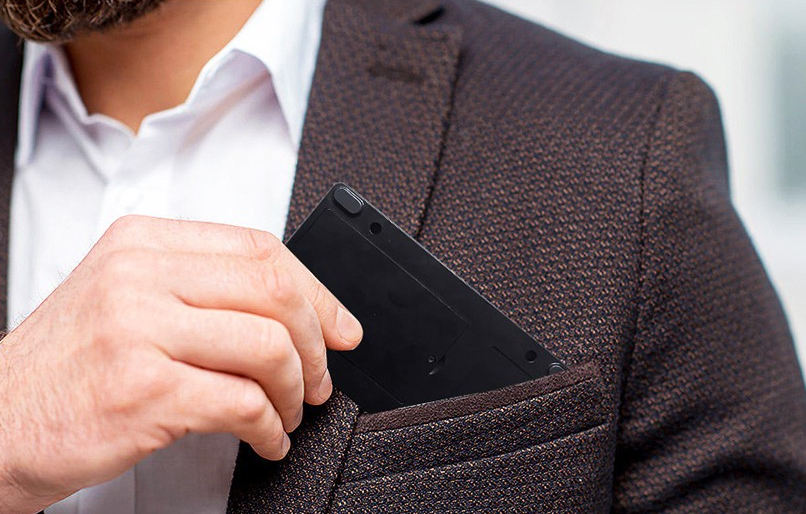
The JX1 mini-PC powered by a 10W Intel Jasper Lake processor and 8GB LPDDR4 RAM has been unveiled. The JX1 has a unique arrangement of its input/output ports – they are all located at the rear of the gadget. The mini PC sports a minimalist design and offers a dual-screen output. It also offers 4K picture quality to deliver a theatre-like home entertainment experience. It can seamlessly connect to a monitor, PC, or TV, enhancing your productivity.
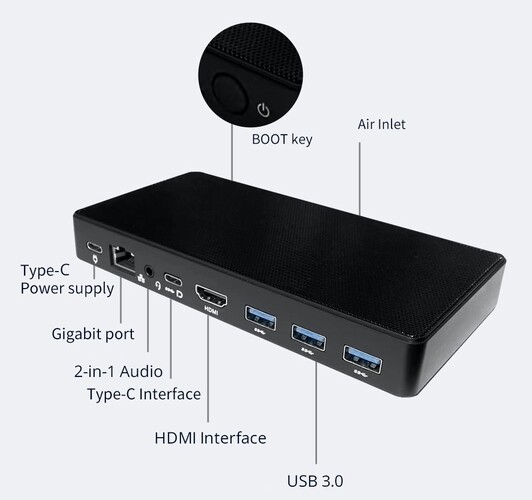
The JX1 specifically has the Intel Celeron N5105 processor under the Jasper Lake architecture. It offers 128GB/ 256GB storage options and has a UHD Graphics iGPU (Jasper Lake 24 EU) with a 10W TDP. The JX1 possibly offers expandable storage with the presence of an M.2 2280 SSD. The device has a USB-C with DisplayPort compatibility, a second USB-C, and three USB-A ports. It also features a Gigabit Ethernet port, HDMI, and a 3.5mm audio jack.
In terms of wireless connectivity, the JX1 can be connected via Bluetooth 5.2 and Wi-Fi 6. It is equipped with a small fan to enhance its heat management. The rear-mounted ports provide a cleaner desktop look for the JX1. However, versatility is lost with such an arrangement.
The JX1 mini-PC starts at $159.99 for the base storage model (128GB) while the 256GB model retails at $169.99. The package comes with a Windows 11 license and a 10% discount offer for the device will elapse shortly.
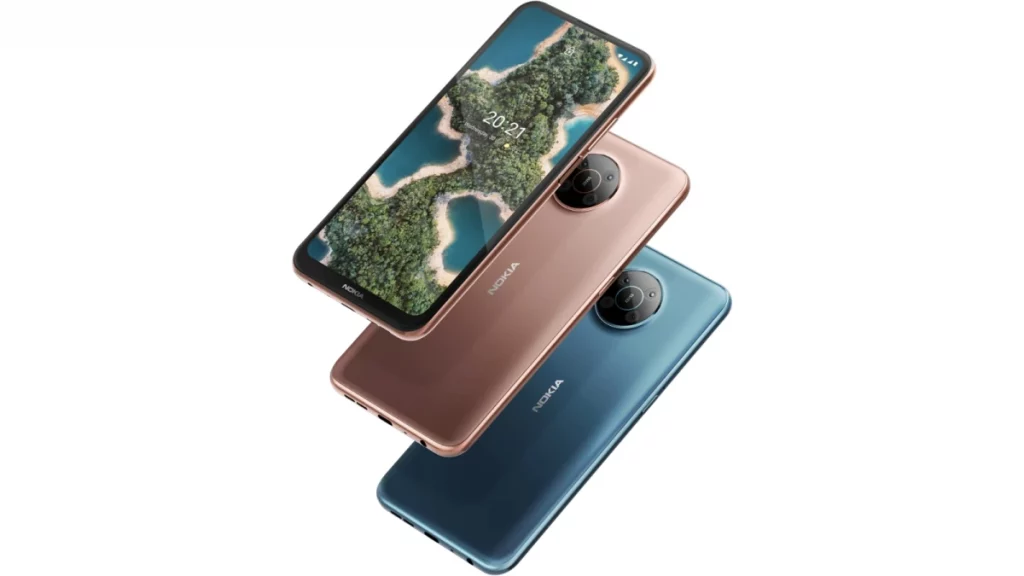
HMD Global’s Nokia is not exactly known for delivering timely software updates to its smartphones. The brand has just finished rolling out Android 12 to all eligible smartphones. Now, it’s time for the Android 13 update. The Finnish company has confirmed Android 13 compatibility for five of its smartphones. Here are the details.
Nokia recently confirmed that the Nokia XR20 5G, Nokia G50 5G, Nokia G11 Plus, Nokia X20 5G, and Nokia X10 5G will be the first ones to receive the latest Android 13 update (via NokiaPowerUser). According to Google’s Android Enterprise recommended device list, the five Nokia phones mentioned above all have Android 13 with AER (Android Enterprise recommended) system certification.
These five smartphones are also on Google’s validated OS list. Interestingly, smartphones like the Nokia X30 5G and the Nokia G60 5G, which launched recently, are listed without Android 13 as one of the validated OS versions.
This list is only for enterprise customers, while for consumers, only the Nokia X20 5G is enrolled in the Android 13 Beta program. We can expect the Android 13 rollout to commence soon, but there’s no official timeline as of now.
To recall, the Nokia XR20 5G, Nokia G50 5G, Nokia G11 Plus, Nokia X20 5G, and Nokia X10 5G are all mid-range smartphones. The Nokia X20 5G comes with a 6.67-inch IPS LCD with 1080 x 2400 pixels of resolution, a 20:9 aspect ratio, and up to 450 nits peak brightness. Under the hood, it is powered by the Qualcomm Snapdragon 480 5G processor, paired with up to 8GB RAM and 128GB onboard storage. It features a quad rear camera setup and packs a 4470mAh battery.
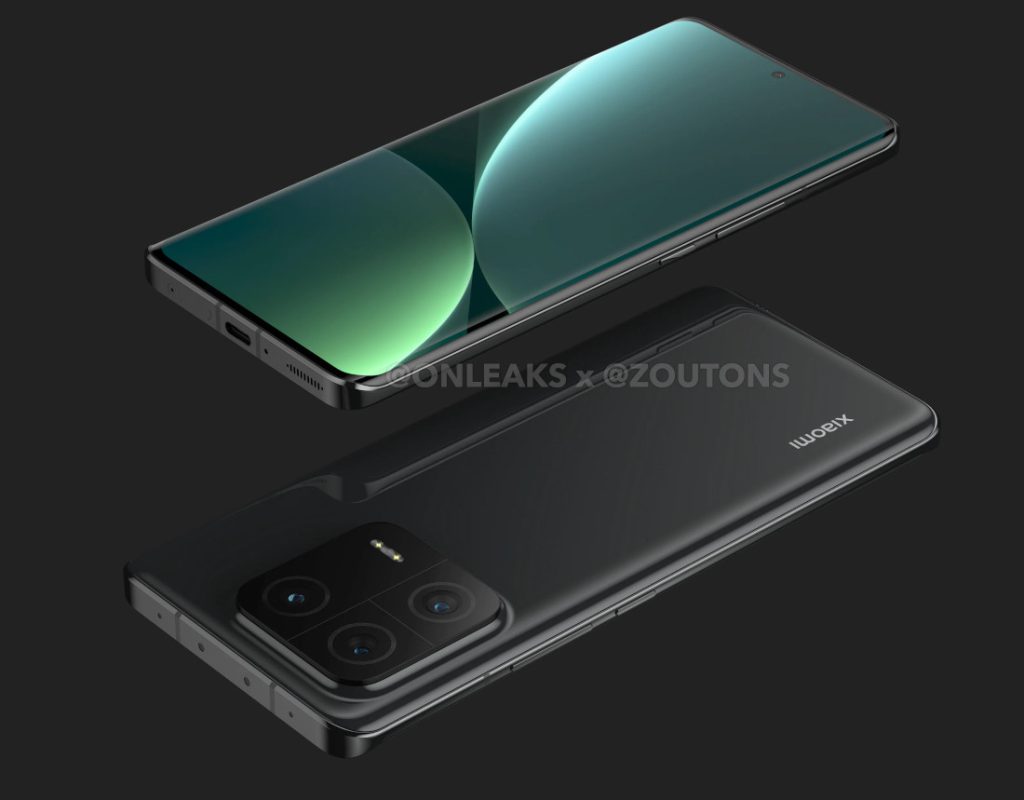
Xiaomi 13 series was supposed to launch in China today. However, it got postponed and the new event date is yet to be announced by the company. So far, leaks and rumours have spilt a lot of details on the Xiaomi 13 and 13 Pro. The brand has also teased a few key features of the smartphones. Now, reliable tipster, Ishan Agarwal has shared the RAM and storage configurations of the Xiaomi 13 duo with publication PriceBaba. This is the only information about the upcoming offerings that was missing till now.
The report adds that the Xiaomi 13 will be available in four variants i.e. 8GB + 128GB, 8GB + 256GB, 12GB + 256GB, and 12GB + 512GB. It will also be offered in a limited edition colour variant. As for the Pro model, it will also arrive in four configurations like the regular variant. Apart from this, there is no additional information about the Xiaomi 13 duo.
The Xiaomi 13 duo are confirmed to come with an E6 AMOLED display with the regular variant having a flat screen and the Pro model featuring curved edges. Both devices will have ultra-narrow bezels of just 1.61 mm on all sides and a metal frame. The upcoming offerings will sport Leica-branded cameras. The company has confirmed that the Pro model will feature a 50MP Sony IMX989 1-inch primary sensor. Additionally, the Xiaomi 13 duo will come with different 75mm telephoto cameras with an f/2.0 aperture lens.
Under the hood, the Xiaomi 13 series will be powered by Snapdragon 8 Gen 2 processor. It will pack LPDDR5x RAM and UFS 4.0 storage technology. The regular and Pro models are expected to support 67W and 120W fast charging.
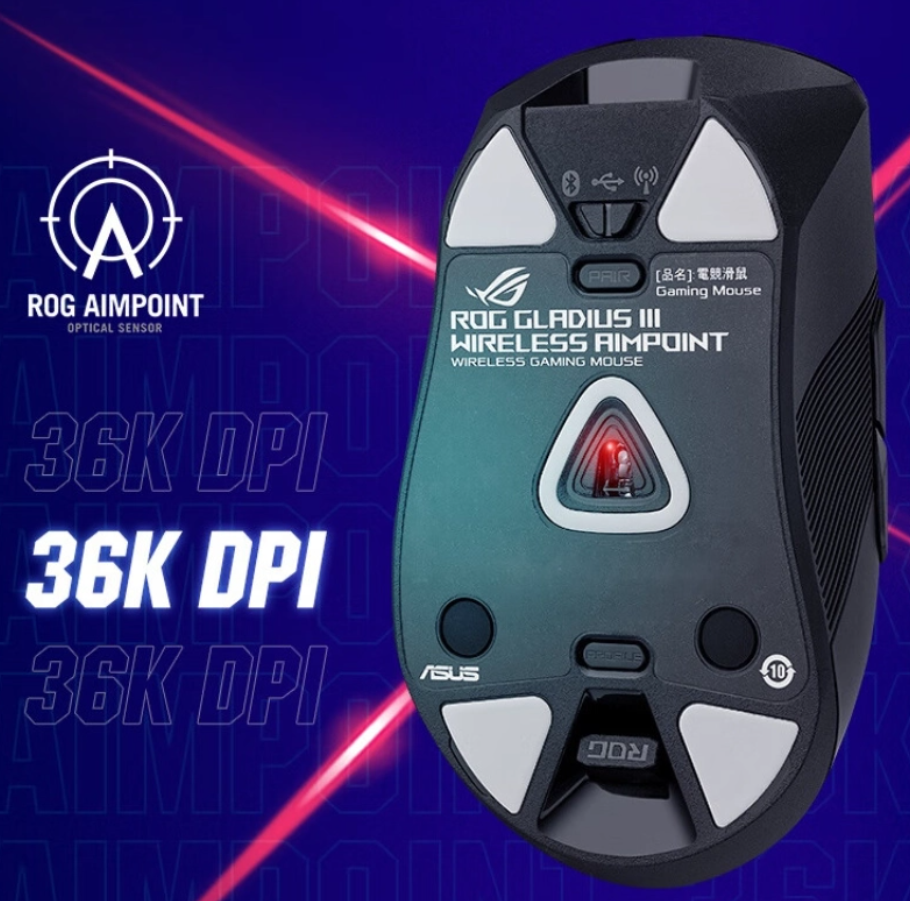
ASUS has launched its new wireless gaming mouse in China. The ASUS ROG WarBlade 3 AimPoint 36K wireless gaming mouse has been officially launched in the country. You may wonder if this is the name of the gaming mouse of some long texts! Well, it is what it is! The wireless mouse comes with an all-new updated and gaming-oriented design, an improved grip for a longer duration of usage and much more. Let’s read more about the gaming accessory in detail.
The brand-new ROG WarBlade 3 AimPoint 36k wireless gaming mouse utilises SpeedNova wireless technology, which boasts a maximum range of 143 hours, and it also features a second-generation plug-in micro turn. The mouse’s weight has been further decreased to only 79 grams, and it is capable of RGB synchronisation. With a return rate of 1000 Hz, a maximum acceleration of 650 IPS, and a maximum acceleration of 50G, the DPI of the ROG AimPoint 36K flagship sensor can attain a deviation rate of 36000 less than 1%.
The mouse uses the brand’s unique blade series design. Right-handed users with medium to large-sized hands were taken into consideration when designing the mouse. It can link three devices simultaneously, supports 2.4GHz, Bluetooth, and wired three-mode connections, and can also be powered using a USB cable. That’s some really good specifications considering a gaming mouse.
Additionally, the ROG Blade 3 AimPoint 36K wireless gaming mouse has a ROG mechanical micro-movement that has a 70 million click life and is compatible with 3-Pin and 5-Pin Omron mini. The mouse will be offered in moon-white and dark night colour options. The cost of the former colour variant is CNY 599 ($85), whereas the cost of the latter is CNY 649 ($92).
Samsung, a Korean technology giant, has long purchased OLED and LCD panels made directly by China’s BOE supplier. The agreement they made went smoothly and was a nice time. The manufacturers of cell phones and TVs used the panels that the BOE provided. According to the most recent information, Samsung is no longer interested in purchasing the OLED panels provided by the BOE. According to reports, the agreement made between the two businesses will be cancelled beginning in 2023.
According to a list TheElec acquired, Samsung has taken BOE off its official supplier list, meaning the corporation won’t be purchasing any goods from the Chinese manufacturer. This is a result of recent BOE problems with royalty payments. According to reports, the South Korean company asked BOE to pay royalties for utilising Samsung’s name in its marketing, but BOE refused. Samsung has since stopped purchasing as many display panels from BOE.
The panels supplied by the BOE were used by Samsung in their smartphones and other products. Now, the official list of suppliers posted by the brand has revealed that BOE is no more the part of suppliers for display. Just because of the changes in the deal between BOE and Samsung, the brand will now opt for purchasing the displays from CSOT and LG display. We are awaiting more official information regarding this move by Samsung.
Due to the geopolitical instability surrounding China, many businesses, including Apple and Samsung, are lowering their reliance on Chinese suppliers. According to recent reports, Apple no longer purchases NAND chips from the Chinese government-funded company YMTC. Instead, the business will purchase NAND chips from SK Hynix and Samsung. Another example is the most recent contract between Samsung and BOE.
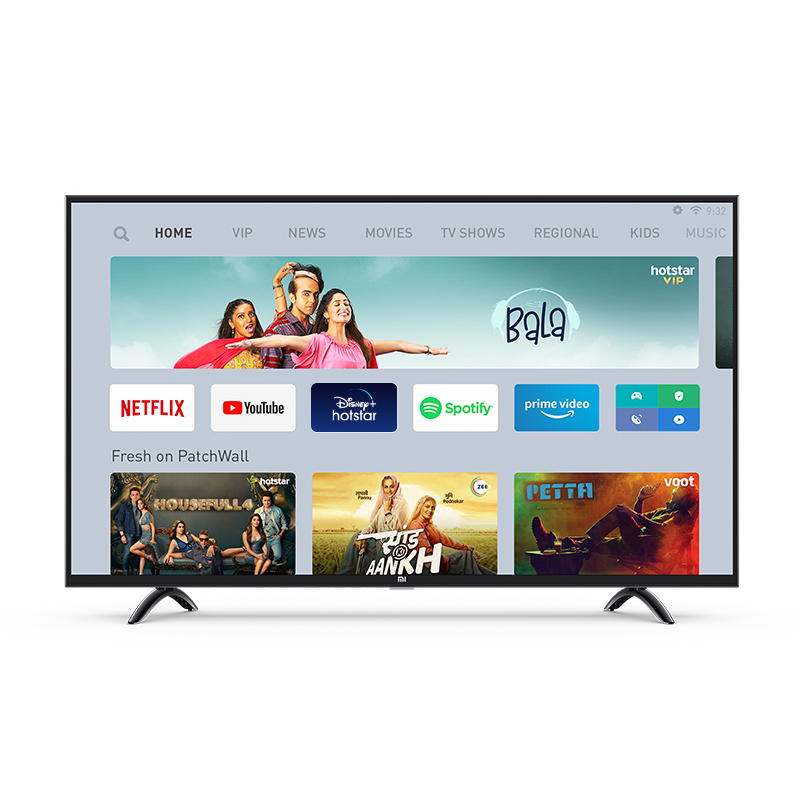
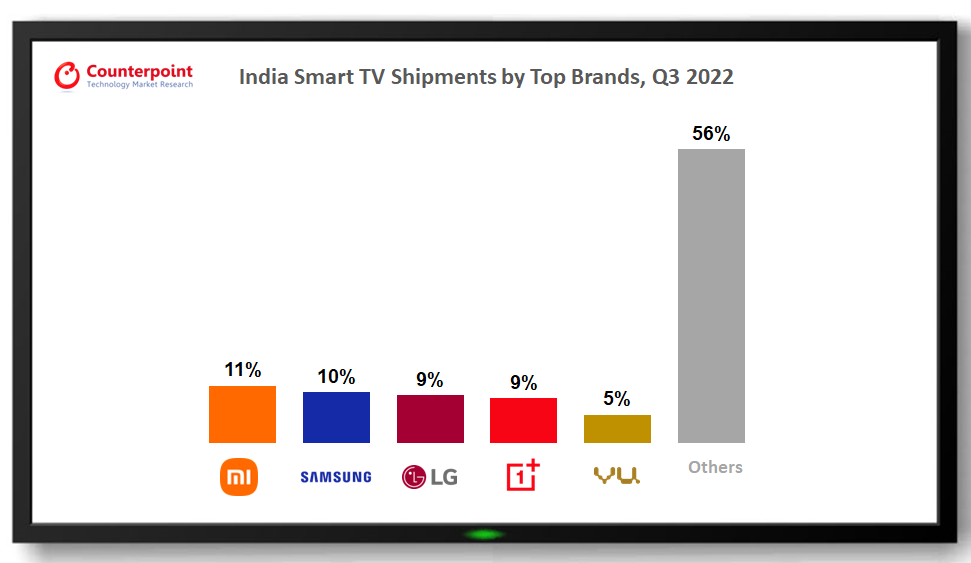
The smart TV market in India has seen some notable growth in the third quarter of this year, when compared to the same time last year. During this period, Xiaomi took the lead in the market while other brands also saw growth as well. So let’s have a look.
According to a Counterpoint Research report, the Chinese tech giant has continued to lead the smart TV market in Q3 2022, with a sizeable 11 percent market share. The company saw great sales, especially with its 4K display and Dolby Audio & Vision offerings on its products. The company’s PatchWall software also offered over 300 live channels, which helped models like the Xiaomi Mi 4A Horizon Edition, 5A series, and even Redmi Smart TV series to see great sales during this period.
Overall, the Indian smart TV market saw a notable growth of 38 percent YoY in this quarter. Global brands had dominated the market with a 40 percent market share, while Chinese brands came in second with a 38 percent market share. Lastly, the Indian brands only accounted for 22 percent of the total shipments in the region, but saw their shares more than double in this category in Q3 2022.
As per Senior Research Analyst Anshika Jain, “OnePlus, Vu and TCL were the fastest growing brands in the smart TV segment in Q3 2022. Xiaomi led the overall smart TV market with an 11% share, followed by Samsung. LG once again secured the third spot due to the introduction of new models, especially in the INR 20,000-INR 30,000 ($250 – $400) price range. Other emerging brands in the top 10 included realme, Sony and Haier.”
OnePlus is set to launch two new monitors in India on December 12th. The brand will be expanding its product portfolio with the upcoming offerings. The two new monitors are X 27 with a 27-inch display and E 24 with a 24-inch screen. Today, OnePlus has revealed a key specification of the upcoming monitors. However, it remains to be seen whether the feature will be available on both models i.e. X 27 and E 24.
The OnePlus newest monitors are confirmed to come with a 165Hz refresh rate. This would result in smoother animations and an immersive viewing experience. The device will have a 1ms response time for smooth gameplay. The OnePlus monitors are also confirmed to feature AMD’s Freesync Premium technology which is capable of eliminating stuttering and screen tearing in games and videos by locking a display’s refresh rate to the frame rate of the graphics card.
OnePlus has already revealed that the X 27 monitor will be a premium offering whereas the E 24 will be a mid-range device. The former will offer a superior display and performance ideal for both work projects and gaming. The E 24 is said to provide great features at an affordable price tag for regular everyday usage. Previous teasers showed the OnePlus monitors with thin bezels across the display and a sleek premium stand.
OnePlus will be revealing more features of the X 27 and E 24 monitors in the coming days leading up to the launch event. Alongside the monitors, OnePlus is also launching the TV Y1S Pro 55-inch variant.
We use cookies on our website to give you the most relevant experience by remembering your preferences and repeat visits. By clicking “Accept”, you consent to the use of ALL the cookies.
This website uses cookies to improve your experience while you navigate through the website. Out of these, the cookies that are categorized as necessary are stored on your browser as they are essential for the working of basic functionalities of the website. We also use third-party cookies that help us analyze and understand how you use this website. These cookies will be stored in your browser only with your consent. You also have the option to opt-out of these cookies. But opting out of some of these cookies may affect your browsing experience.
Necessary cookies are absolutely essential for the website to function properly. This category only includes cookies that ensures basic functionalities and security features of the website. These cookies do not store any personal information.
Any cookies that may not be particularly necessary for the website to function and is used specifically to collect user personal data via analytics, ads, other embedded contents are termed as non-necessary cookies. It is mandatory to procure user consent prior to running these cookies on your website.