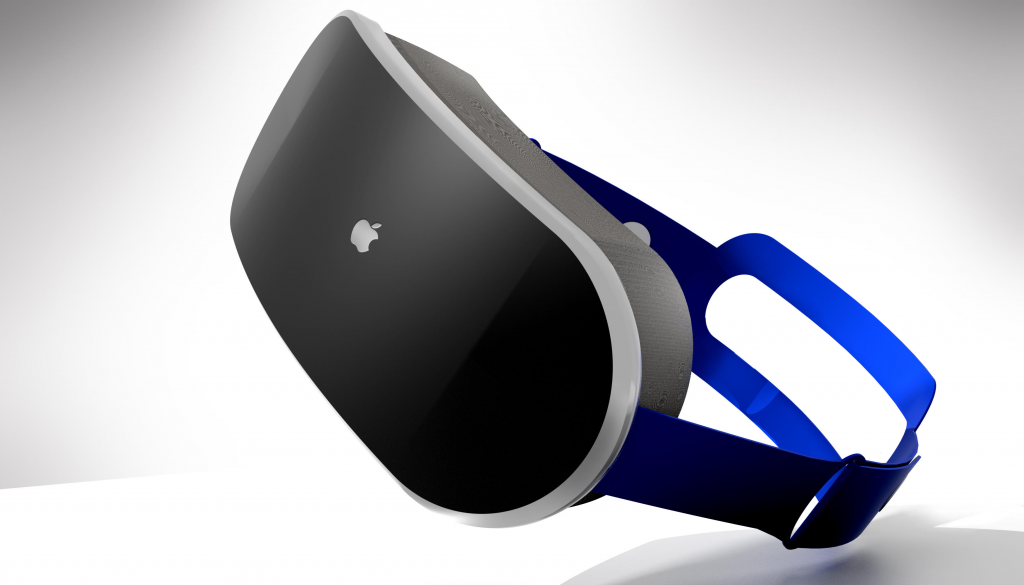
Apple’s Mixed Reality headset, which has been in the news for the past few months as the upcoming AR/VR device from the technology giant, may get delayed due to software-related issues, reports Ming-Chi Kuo.
According to the report, the long-rumored Apple AR/VR headset is having unspecified software-related issues, which could delay the mass shipments of the device to the second half of next year, i.e. 2023.
Apple AR/VR Device Concept Design Render
Kuo says that the mass shipments for the components of the device are likely to start somewhere in the first half of 2023, but the shipment of the fully assembled device may not begin until the second half of the year, resulting in a delayed launch even if Apple announces the device earlier in the year.
Earlier, Kuo had claimed that the AR/VR device or the Mixed Reality headset from Apple could be announced at a January media event, with mass shipments beginning in the second quarter of the year. It is not yet known whether the delay in shipments would result in a pushback for the announcement of the device.
If the device isn’t announced in early 2023, then the WWDC 2023, somewhere around the month of June should be a good opportunity for the Cupertino-based tech giant to unveil the new device and open up its Software Development Kit (SDK) for developers to create AR/VR applications of the device.
Ming-Chi Kuo also expects the upcoming product from Apple to be on the expensive side when it comes to pricing. He forecasts that because of the pricing, the company will ship less than 500,000 units in the year 2023. We’ll have to wait for a few more weeks or months to know the features and pricing of the device.
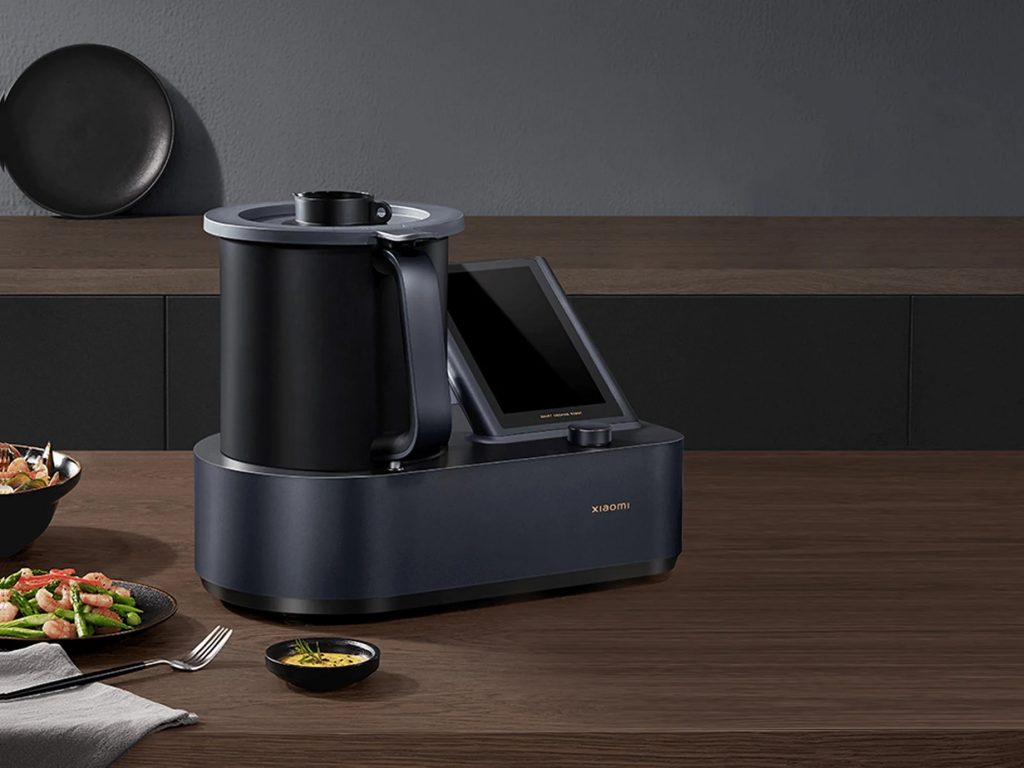
Apart from its thriving smartphone business, Chinese tech giant Xiaomi‘s MIJIA brand is a popular sub-brand with a broad spectrum of product offerings ranging from smart home gadgets to scooters and other appliances. Sadly, most products released in China hardly find their way to the international market. However, one product has just made its way out of China. Xiaomi has released the MIJIA Cooking Robot in Denmark, indicating that the product will be available in other European countries in due course.
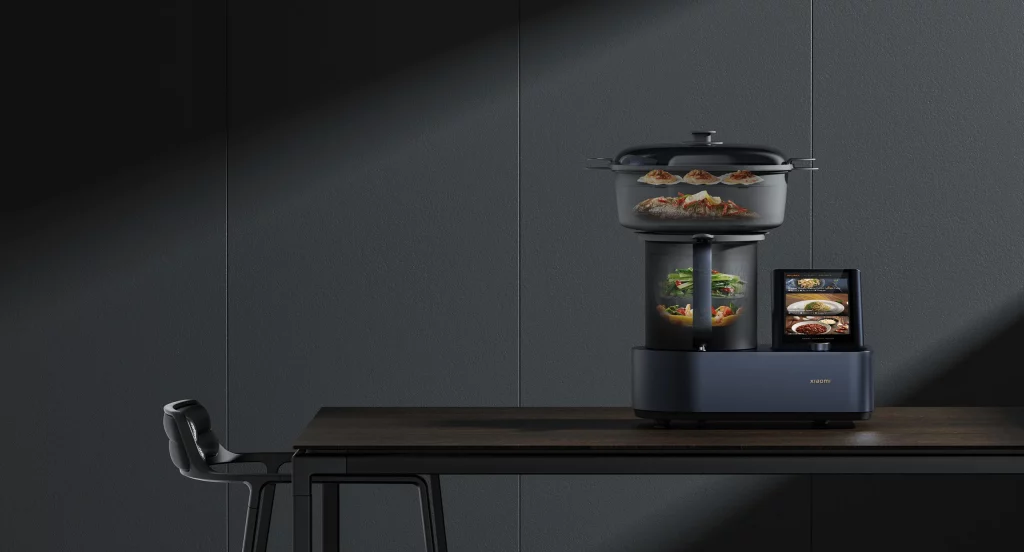
The MIJIA Cooking Robot was first launched in China in September of this year. The product is said to deliver over 35 methods to perform key tasks such as spice grinding, washing, and chopping. There is even a weighing scale on the device for measuring ingredients. The device uses an AI algorithm to assist users in making smart cooking decisions. In addition, Xiaomi claims the cooking robot can be used to prepare up to four dishes at a go as it comes with four different compartments for stewing, boiling, grilling, and steaming.
The cooking robot features an 8-inch LCD touchscreen panel that displays parameters such as recipes and the device’s settings. Apart from the touchscreen control, the cooking robot can be controlled via voice prompt. The entire gadget comes with up to 2.2L capacity and has a maximum heating temperature of 180 °C (~356 °F). It equally packs a peak rotation speed of 12,000 rpm.
As stated earlier, the MIJIA Cooking Robot is presently on sale in Germany and it is priced at €1,199.99. This is slightly higher than the 6,999 yuan (~US$996) price tag it was launched in China. However, the price is also lower than popular rival products like the Thermomix TM6 Noir which is selling for €1,399 in Germany. It is impressive to see a MIJIA product getting launched outside China. However, there is no indication if the product will make its way into other European markets anytime soon.
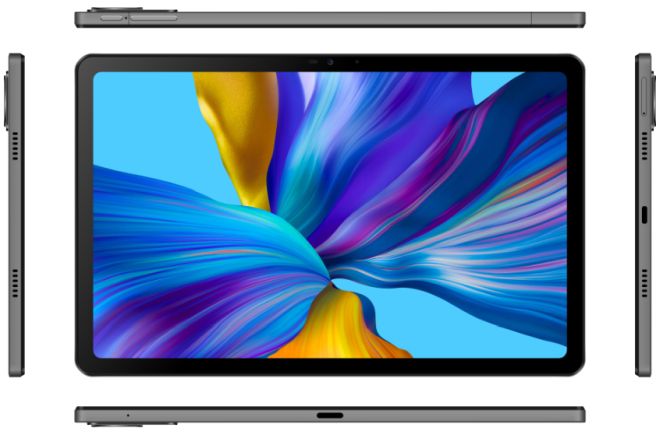
The Chinese electronics manufacturer Doogee, best known for its rugged smartphones, recently entered the tablet market with the Doogee T10 tablet. A month later, the brand appears to be preparing to launch a successor, which is expected to be made available before the end of the year.
The new tablet will come with a few notable upgrades over the Doogee T10, making it an attractive proposition for people willing to spend a bit more for better features. Starting off, the tablet will feature a slightly larger 10.4-inch display, which will have a 2K resolution compared to the FHD+ resolution of the T10. The display will come with Widevine L1 and TUV Rheinland Low Blue Light certifications.
The chipset featured in the device will be a Unisoc Tiger 616, which will be paired with 256GB of UFS 2.1 storage. The front will offer an 8MP camera for video calls, while the back will rock a 16MP camera for snapping pictures. The operating system will be based on Android 12, and the device will offer support for two nano SIM cards or a SIM + TF card. A sizable 8,300mAh battery will power the tablet, which can be fast charged at 18W.
For connectivity, the tablet will support WiFi 802.11 a/b/g/n/ac, Bluetooth 5.0, and GPS with Beidou/A-GPS/GLONASS/Galileo. The tablet, charger, data cable, SIM card removal pin, user guide, capacitive stylus, and TPU leather case are all included in the standard retail box. Through a docking plug-in interface, the Doogee T20 supports connecting to an external keyboard. However, the keyboard or keyboard case must be purchased separately. Sadly, there is no 3.5 mm audio jack.
On December 22, the first 500 units will be offered at a special price of US$149. After then, the cost will increase to US$179; however, other discounts will still be available depending on the merchant.
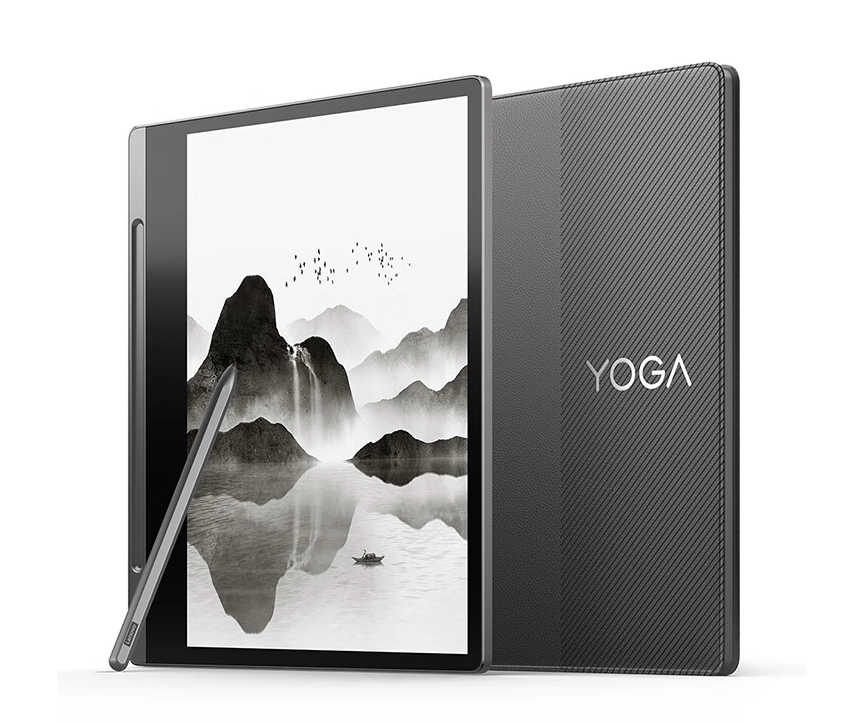
Lenovo has a new tablet that features an e-ink display and the device is now all set to officially go on sale. The device, dubbed Lenovo Yoga Paper E-Ink tablet, is now available for pre-order in the Chinese market.
The product is priced at 2,999 yuan (~$431), but for those who pre-order the device by paying a 100 yuan (~$14) deposit, the tablet will be available for a discounted price of 2,699 yuan, which is about $388.
Coming to the specifications, Lenovo Yoga Paper E-Ink Tablet features a 10.3-inch flicker-free e-ink display which offers a comfortable look and feel like real paper for reading and writing. The color temperature for the screen can be adjusted and the brightness changes automatically based on the surroundings.
It has a paper-like texture and matte screen coating, which ensures minimal marks after long-term use and does not slip when writing. The device has a 5.5mm thin metal body and adopts CNC-integrated high-end technology. It is designed in a way to make it feel comfortable to hold in the left as well as the right hand.
There’s a stylus that comes with the tablet, which does not need to be charged or paired with the device. It has a low latency of 23ms and a pressure sensitivity is 4096. It supports nine types of smart pens, which means that the handwriting style can be adjusted and it also supports side-edge writing, simulating the effect of real handwriting. There’s also a dedicated compartment for storing the stylus when not in use.
It supports multiple online books and provides hundreds of thousands of genuine book resources and can also support third-party reading applications, along with the function of importing e-books in multiple formats. There’s also support for underlining text, adding question marks, quickly selecting content, one-stop query dictionaries, translation, and reading aloud, among others.
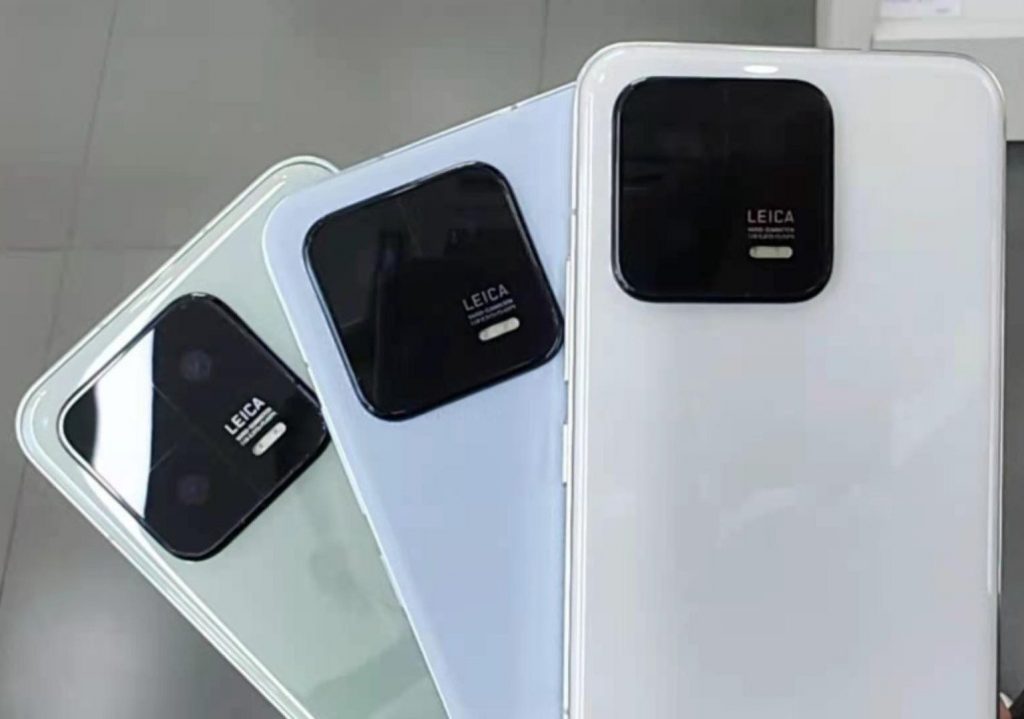
Xiaomi was supposed to debut the Xiaomi 13 series on December 1 in China. However, the launch got postponed, and the new launch date is yet to be announced by the smartphone giant. While we wait for the company to provide further updates, the Xiaomi 13 Pro has appeared on SIRIM and BIS databases, hinting at an imminent Malaysian and Indian launch.
As Spotted by tipster Mukul Sharma, both the BIS and SIRIM certifications show that the device has the model number 2210132G. The SIRIM certification also confirms the moniker as the “Xiaomi 13 Pro.” Other than that, the certifications don’t reveal much about the smartphone. However, we already have plenty of information on the device thanks to numerous leaks. Let’s take a look.
Xiaomi 13 Pro specs (rumored)
Compared to the Xiaomi 12 Pro, the 13 Pro will have a redesigned back, as evident by the leaked images. The camera bump will be especially square with rounded edges. The camera module will house an OIS-assisted 50-megapixel Sony IMX989 1-inch sensor as its primary camera. The other two cutouts will be filled by a 50-megapixel ultra-wide lens and a 50-megapixel 3.2x optical zoom telephoto lens with OIS.
The display of the device is tipped to measure 6.73 inches and is expected to offer 2K resolution with a 120Hz refresh rate, 1920Hz PWM dimming, and 1,900 nits of peak brightness. Under the hood, the device will feature a Snapdragon 8 Gen 2 chipset with LPDDR5X RAM and UFS 4.0 storage.
The Xiaomi 13 Pro is also said to feature a 4,820mAh battery with 120W fast charging. It will support 50W wireless charging and 10W reverse wireless charging. The Xiaomi 13 Pro will be equipped with the Surge G1 chip for better power management while charging.
Other than these features, the device is said to come with an IR blaster, a cyber-engine linear motor, NFC, and an IP68-rated chassis. The device will weigh 229 grams (with a leather back of 210 grams) and measure 8.38mm in thickness (8.7mm leather back).
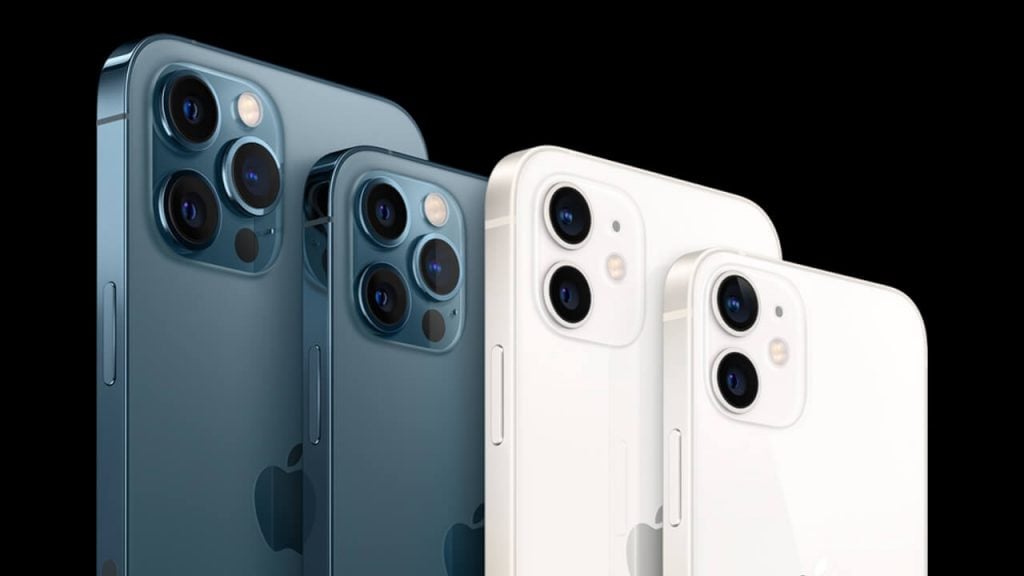
Apple has come up with critical news that could affect iPhone prices and stocks. Allegedly, the company accelerated its plans to shift iPhone production from China to other countries. The tech giant, has set its sights on other Asian countries and wants to take production to India and Vietnam.
Apple tells suppliers to plan for shift of iPhone production out of China
China is Apple’s choice for production for many of its significant products, but over the years, it has reconsidered relying on the country so much. While it has long planned to start spreading its production into other territories, it seems that Apple is becoming more proactive about its intentions.
iPh
According to The Wall Street Journal (WSJ) article, Apple wrote that its eyes are set on other Asian countries. Allegedly, the company wants to take production to India and Vietnam. The report stated that Apple executives have long known the risks of dumping production to China but have not made anything against it. It was noted that China provided Apple with an educated and hardworking workforce, political stability and a vast market for its products.
The plans mention reduced dependency on Foxconn Technology Group companies. Buffeted by lockdowns led by zero-COVID government policies, as well as riots that have occurred at Foxconn’s troubled Zhengzhou factory, the biggest maker of Pro-model iPhone, Apple has more of a need to migrate away. Analyst Daniel Ives said: “What happened at the Foxconn factory in China was the last straw for Apple.”
Analyst Ming-Chi Kuo said that Apple plans to manufacture 40-45% of iPhones in India, up from a current level in the single digits. Meanwhile, Vietnam is expected to take on more production of other product ranges, such as AirPods, Apple Watch, and MacBook models.
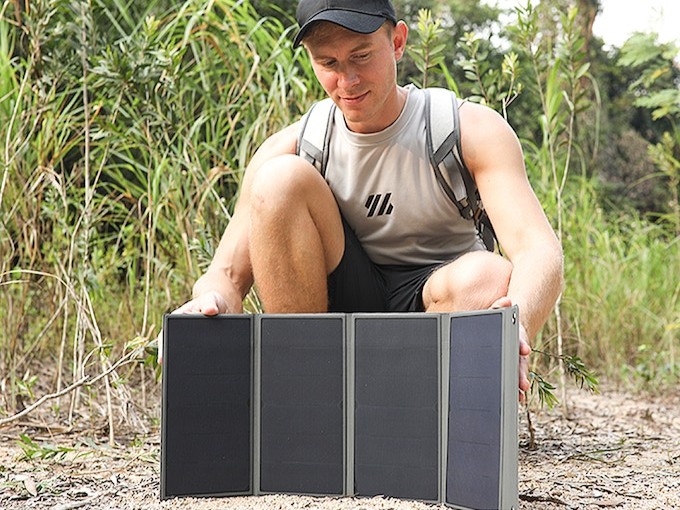
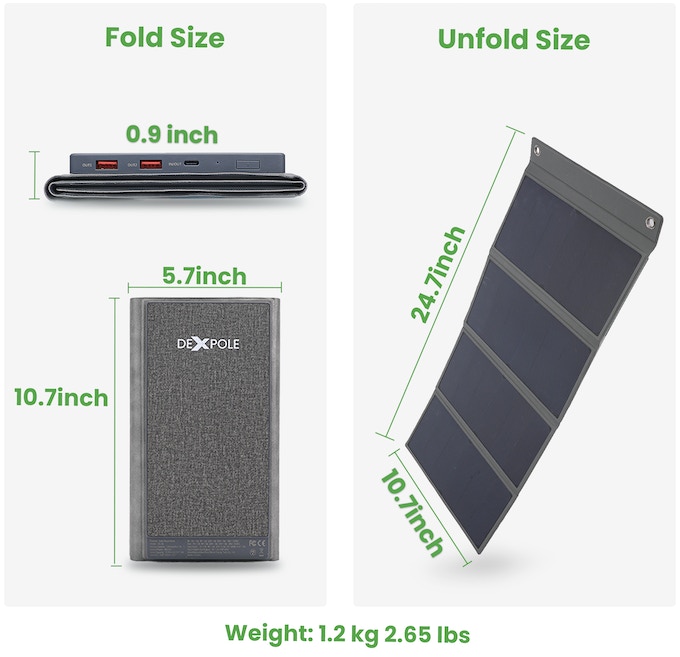
Dexpole has opened a Kickstarter campaign for its Solar Power Bank with 65W USB-C charging support. The device is equipped with a 24,000mAh battery and three inputs. It is a foldable device with a 24% conversion rate while its solar panels can fully charge the device in 5 hours. The new Dexpole power bank sports a unique design and it is made from high-quality material. The outer surface of the device is made of high-grade film material while the overall sewing was achieved innovatively.
The Dexpole Solar Power Bank has four solar panels in addition to charging it via a wall socket. Using the wall outlet, you can fully charge the power bank in 1.6 hours (96 minutes) and the LED display indicates charging and progress. According to Dexpole, the power bank can charge an iPhone 14 Pro Max four times or an iPad Pro 12.9 2022 twice. Two USB-A ports are also featured together with its 65W USB-C port. The two USB-A ports can output 24W power while the USB-C delivers 65W. It is foldable, weighs 1.2kg, and is water- and dust-proof.
The Dexpole Solar Power Bank’s Kickstarter campaign offers a 41% discount for the device. It requires a pledge of HK$ 777 (~$100) and it is also open to the global market. The earliest deliveries of the Dexpole Solar Power Bank will be in January 2023. The original price of the power bank is HK$ 1,137 (~$146). Dexpole says the power bank is compatible with all USB devices and it can be used both indoors and outdoors. The Kickstarter campaign has already yielded HK$150,461 from 186 backers. The initial target for the product was HK$ 30,000. Dexpole is providing a delivery guarantee and a 1-year warranty for the product. It is also offering lifetime customer support for the power bank.
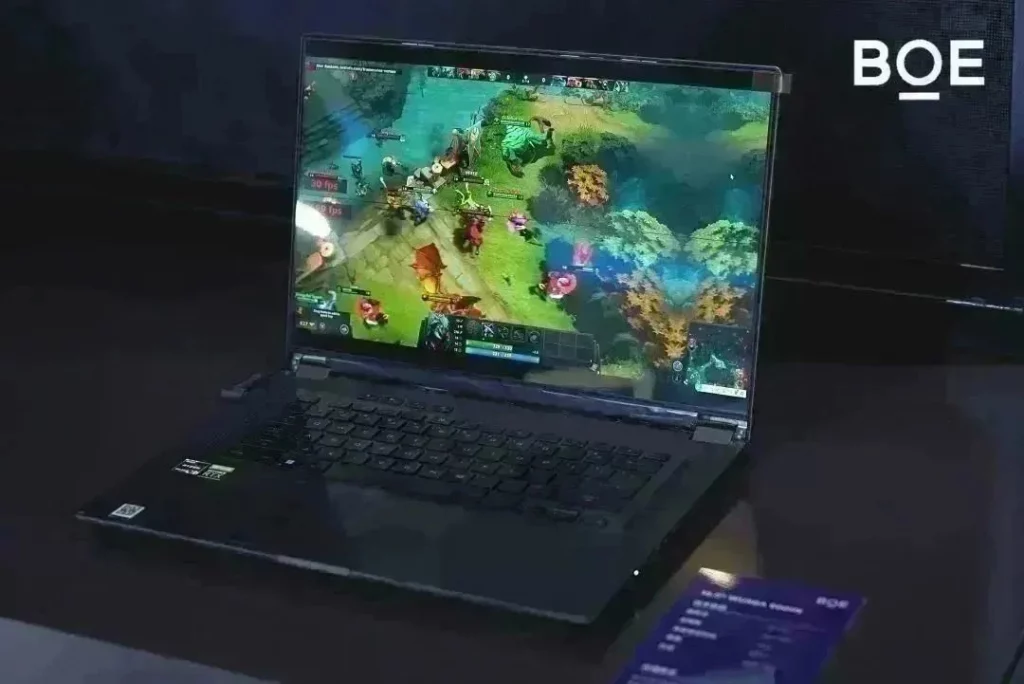
BOE has showcased what is the world’s first 600Hz laptop display. The current lineup of gaming laptops does not offer such a high refresh rate and the display will come with added technology. The current Nvidia RTX 4000 series are unlikely to support a 600Hz display.
It has been a race by original equipment manufacturers (OEMs) to shift the boundaries of the display refresh rates in their products. It seems ages ago when the 60Hz displays berthed. Currently, some laptops like the Alienware XT7 R2 have a 480Hz display refresh rate. The gaming industry is however still desirous of higher refresh rates which will be beneficial to most AAA titles. BOE is working towards satisfying the growing crowd of gaming enthusiasts.
BOE is showcasing several display technologies at the World Display Industry Conference. The lineup of innovative BOE offerings includes the 34-inch ultra-wide Mini-LED gaming screen with 165Hz refresh rate, Z-shape folding smartphone displays, and a 16-inch 600Hz laptop screen. The 600Hz display also comes with 1.66ms fps. The laptop could use TN or IPS panels and either FHD or FHD+ display resolution. The aspect ratio of the 600Hz laptop is 16 10. The exact specifications of these impressive displays are not yet known.
It will be interesting to see the new displays debut in an actual product but this could be a few years away. Last year, BOE announced its 27-inch 500Hz display but it is yet to enter the market. BOE had said that a 500Hz refresh rate would be possible through an 8-lane eDP connection. However, industry experts have pointed out that a 600Hz panel will need a DisplayPort 2.0 connection to operate. Possibly BOE could be working on an innovative stream compression technology to accommodate the monster refresh rate.
Along with smartphones and AIoT goods, Xiaomi has plans to enter a number of other markets. Their smartphone business has been performing quite well in the marketplace. The company also intends to produce its first-ever AI-driven automobile in order to get into the electric vehicle market. Currently, the company is preparing to join the desktop PC market. A few really nice Windows laptops from the brand have previously been released.
The two different styles were reportedly planned to be unveiled at the Xiaomi event on December 1. Due to Jiang Zemin’s passing as the former general secretary of the Chinese Communist Party, the event has been postponed. It appears that two PC designs were still shown off to select folks a little early while we wait for a new date to be set.
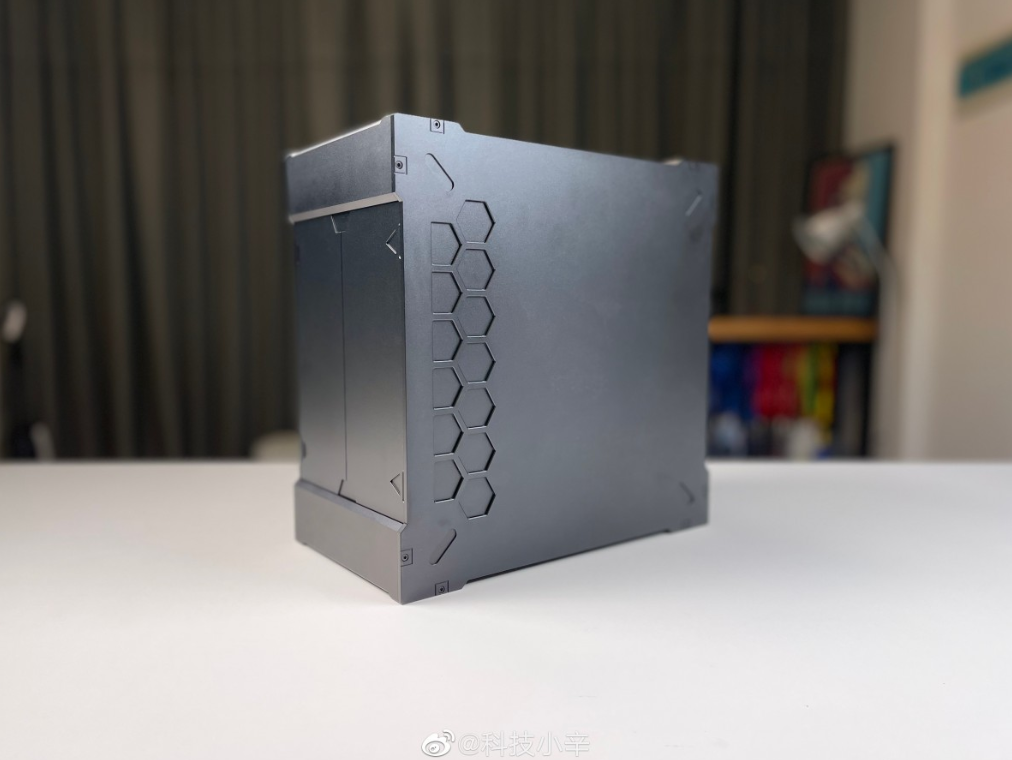
Let’s start with the former. The Xiaomi Host Mini PC appears to be a small form factor (SFF) device that has been showcased in a basic version. That is to say, the system in the image only has a 100W XM22AL5X PSU installed. The remainder of the hardware that will be included in the box hasn’t been revealed because it’s unlikely that Xiaomi will sell it as a full-featured kit.
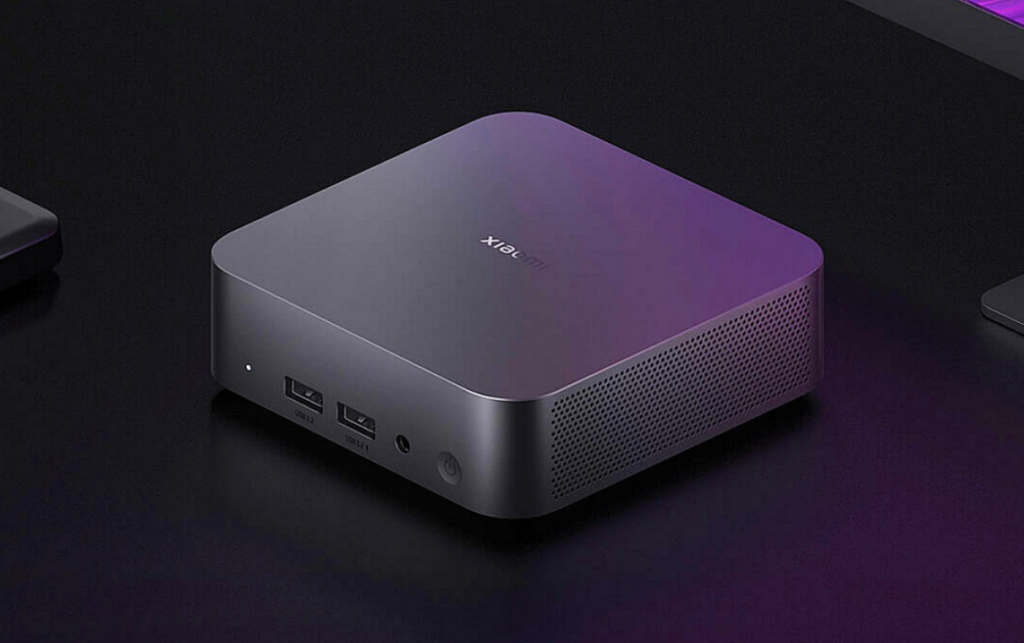
Now let’s go on to the other system, about which we know a lot more. It is a small PC with a form factor similar to the Mac Mini or Intel NUC. It will reportedly be powered by a 45W MD Ryzen 7 6800H APU with a Radeon 680M RDNA2 GPU, 16GB of memory, and a 512GB SSD. Rumour has it that it will cost CNY 3999, or about $570.
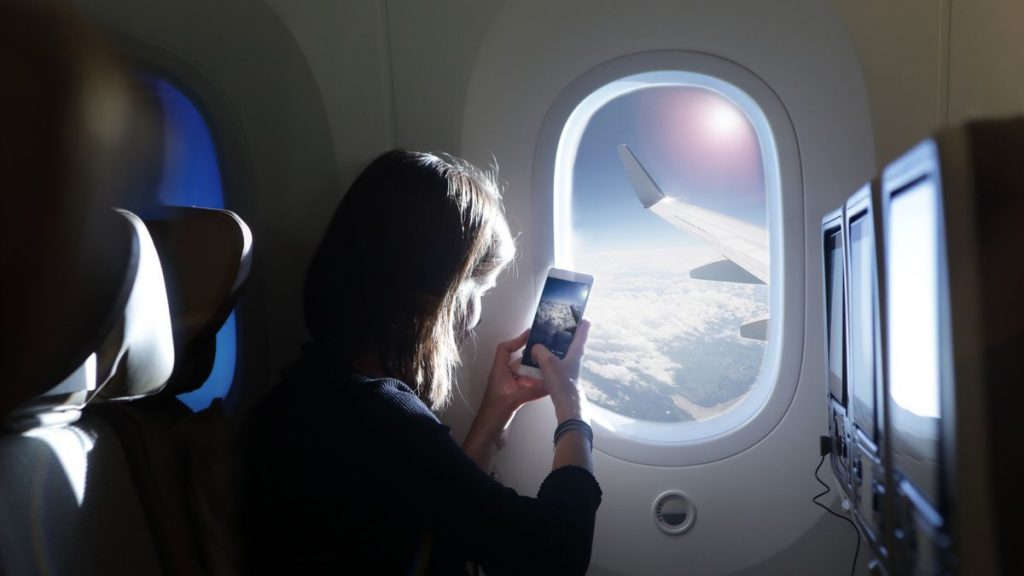
A new era begins in air travel. As you know, the use of mobile phones during the flight was very limited until today. Passengers and flight crew had to put their devices in Airplane Mode or turn them off completely. This caused problems on long-haul flights and forced people to pay high prices to use Wi-Fi. However, the rules are finally changing with the new technologies. Airline passengers in the European Union (EU) will soon be able to use their phones to full effect in the sky.
The end of airplane mode?
The EU Commission reserved certain frequency bands for aircraft in 2008 and allowed some services to offer internet access in the air. Unfortunately, this service is both slow and overpriced. The only alternative for passengers was to put their devices in airplane mode. However, the rules are changed. Airline passengers in European Union countries will not need to put their phones in airplane mode during flight.
The European Commission announced that it has decided to remove the ‘airplane mode’ rule. The deadline for member states to make the 5G frequency bands available for planes is 30 June 2023. This will mean people can use all of their phone’s features mid-flight – enabling calls and data-heavy apps that stream music and video. According to the European Commission, new system will be able to take advantage of the much faster download speeds provided by 5G and can be over 100Mbps.
Dai Whittingham, chief executive of the UK Flight Safety Committee, said: “There was a concern they could interfere with automatic flight control systems. What has been found with experience is the risk of interference is very small. The recommendation has always been that once you are in flight, devices should be in in airplane mode.”
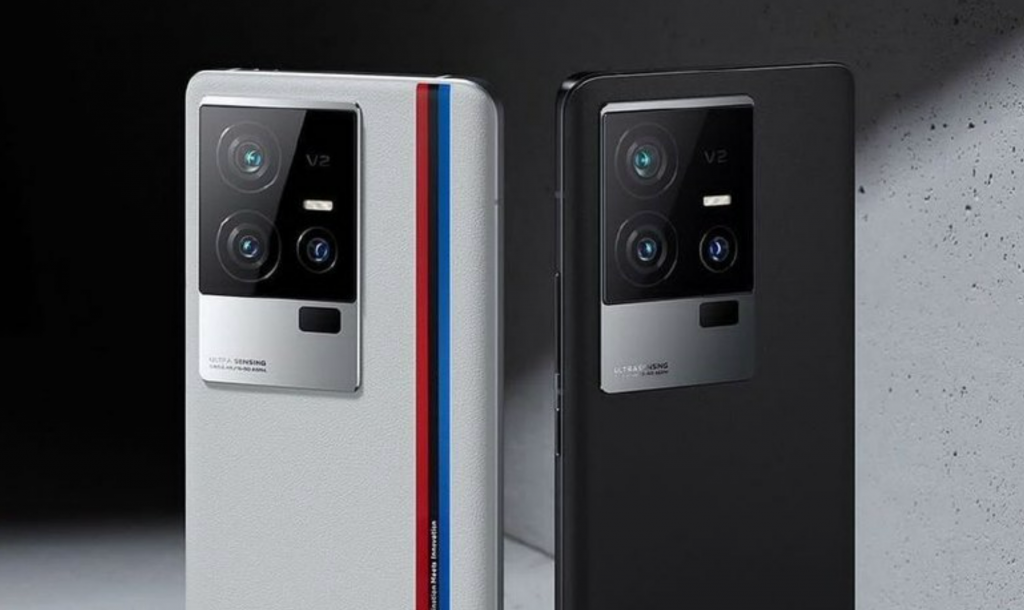
iQOO 11 5G is set to launch on Dec. 8 in Malaysia, Indonesia, and China. Ahead of the launch, the IQOO 11’s Chinese variant with the V2243A model number has received certification from the TENAA authority of China. As usual, the TENAA appearance of the device has revealed all its key specifications.
iQOO 11 specifications (rumored)
The TENAA listing of iQOO 11 reveals that it measures 164.86 x 77.07 x 8.72mm and weighs 205 grams. It houses a 6.78-inch AMOLED display that supports Quad HD+ resolution of 1440 x 3200 pixels and 10-bit colors.
iQOO 11
The iQOO 11’s TENAA listing states that it has a 13-megapixel front camera and a 50-megapixel + 16-megapixel + 8-megapixel triple camera unit. However, it appears that TENAA erroneously mentions one of the rear cameras as front camera. Several reports have claimed that the iQOO 11 will have a 16-megapixel front camera and a 50-megapixel (main, with OIS) + 13-megapixel (portrait) + 8-megapixel (ultra-wide) triple camera unit on the back. For an enhanced photography experience, the iQOO 11 will come equipped with the Vivo V2 ISP.
The iQOO 11 will come preloaded with Android 13 and OriginOS 3 UI on top. It will be powered by the Snapdragon 8 Gen 2 mobile platform and 8 GB / 12 GB / 16 GB of RAM (LPDDR5X). It will come with 128 GB (UFS 3.1) / 256 GB / 512 GB of UFS 4.0 storage.
The iQOO 11 will have a 5,000mAh battery with 120 W fast charging. The handset offers other features, such as an in-display fingerprint scanner and an IR blaster.
The iQOO 11 Pro with some advanced features is also expected to launch in China alongside the iQOO 11 5G. It is unclear whether the Pro model will be released in markets outside China on Dec. 8.
A new Redmi phone with model number 2212ARNC4L has been approved by the Federal Communications Commission (FCC). The device has also been spotted with the Redmi 12C moniker in the IMEI database (via. Xiaomiui). Hence, it appears that the device will be launched soon in the global market.
Earlier this year, Redmi unveiled the Redmi 10C with the Snapdragon 680 onboard in different markets. Now that the Redmi 12C name has appeared in the IMEI database, it seems that the company may skip the Redmi 11C device.
Unfortunately, there is no information available on the major specifications of the Redmi 12C. However, it does reveal that the device will support dual-band Wi-Fi and LTE connectivity. It will be preloaded with the MIUI 13 operating system. It appears that the Redmi 12C will be an entry-level phone like the Redmi 10C and Redmi 9C. The model number of the device does suggest that it will launch in December this year.
Apart from the Redmi 12C, the company is also said to be working on the Redmi 11A. A Redmi phone with the model number 22120RNC86C was spotted at TENAA in November. This device is believed to be the Redmi 11A handset. Its Indian variant has been certified by the BIS authority, whereas its global edition has been in the IMDA database recently.
The alleged Redmi 11A’s TENAA listing revealed that it has a 6.708-inch IPS LCD HD+ display, a 5-megapixel front camera, and a 50-megapixel dual-camera system. It is powered by an unknown octa-core processor that clocks at 2.0GHz. The phone is expected to feature up to 8 GB of RAM and up to 256 GB of built-in storage. It will pack a 5,000mAh battery and is likely to run on MIUI 13-based Android 12 OS. Some of its other features include LTE connectivity, an IR blaster, and a side-facing fingerprint scanner.
Several reports have claimed that the Oppo Find N2 Flip will debut by mid-December. A leaked video of the device recently surfaced on Weibo to showcase its design. Now, a leaked render, revealing the rear design of the Find N2 Flip, has been spotted on Weibo (via Abhishek Yadav).
The leaked render seems to match the device that was seen in the hands-on video. As can be seen, the top part of its back has a vertical dual-camera setup followed by an LED flash and “Powered by MariSilicon” branding. The cover display available on the device appears to be bigger than what’s available on the Samsung Galaxy Z Flip 4 and the Motorola Razr 2022.
Oppo Find N2 Flip Specifications
The Oppo Find N2 Flip is expected to feature a 6.8-inch foldable E6 AMOLED display with FHD+ resolution. Its display punch-hole will house a 32-megapixel Sony IMX709 selfie camera. The rear camera setup of the flip phone will feature a 50-megapixel Sony IMX890 primary camera and an 8-megapixel Sony IMX355 ultra-wide lens. The cover display of the Find N2 Flip will measure 3.26 inches.
The Find N2 Flip will be powered by the Dimensity 9000 chipset, with up to 12 GB of RAM and up to 512 GB internal storage. The device will pack a 4,300mAh battery, which will support 44W fast charging. It will run on the ColorOS 13-based Android 13 OS. For security, it will feature a side-facing fingerprint scanner. It is likely to be available in black, white, and green colors.
The Oppo Find N2 and Find N2 Flip foldables are expected to launch through Oppo’s upcoming INNO Day 2022 event. A recent leak claimed that the Find N2 Flip will also release in the global market.
It has been months since the beta testing for the Android TV 13 was started. Unlike smartphones, getting access to the beta version of Android TV is much more difficult and almost impossible for general users. It requires specific developer-focused hardware and not everyone can just boot and run the beta version of Android TV. In fact, the second beta version of Android 13 was so restrictive that only selected devices were able to run the operating system.
Returning to the main topic, the Android TV 13 has now officially been released from beta testing. But hold on, the stable rollout is still pending and it is not yet available to the broader public. The most active OEMs may start rolling out the stable Android TV 13 to their TVs after Google releases the codes to the OEMs in a few weeks. On the other hand, there is currently no official word regarding the operating system’s public release date. But now that it has left beta testing, we genuinely doubt it will take long—if everything goes according to plan, of course!
Additionally, it has been said that Android TV 13 gives the features beneath the UI more priority. This suggests that the UI of the next Android TV may not receive a significant overhaul. In essence, Google is giving developers additional APIs and accessibility tools. The TV-friendly platform will gradually become more accessible as a result of this. We may at least have some optimism that Android TVs will now be easier to use because of this!
Speaking of changes, the Android TV 13 will now allow users to alter the default refresh rate and screen resolution, as well as add support for additional keyboard layouts, a live audio description function, and improvements to the audio manager API. These changes will be dependent on user preferences. The user experience will be redesigned with Android 13, though. It introduces numerous behind-the-scenes improvements that will open up the TV platform. And that is unquestionably something to expect!
The CEO of Google and Alphabet Inc, Sundar Pichai has now been honoured with a Padma Bhushan Civilian Award by the Government of India. Sundar is quite famous all across the globe for his root background in India. He has been honoured with this India’s third-highest civilian award by the Government of India in San Francisco. While receiving the award, he exclaims that “India is a sole part of me and I will carry it wherever I go”.
While receiving the award from an Indian ambassador to the US, Taranjit Singh Sandhu, the CEO says also says that “I was fortunate to grow up in a family that cherished learning and knowledge, with parents who sacrificed a lot to make sure I had opportunities to explore my interests”.
Sundar Pichai was awarded with the Padma Bhushan award under the Trade and Industry category, and he was among the 17 top personnel of India who was honoured with this civilian award. “Happy to present Sundar Pichai, CEO of Google, with the Padma Bhushan in San Francisco. His motivational journey from Madurai to Mountain View strengthened economic and technological relations between India and the US and reaffirmed the commitment of Indian talent to global innovation, according to a statement made on the occasion by India’s ambassador to the US.
Pichai also discussed India taking the leadership of the next G20 Summit, which would be held in India in 2023, during his discussion with the ambassador. The G20 Presidency of India, according to Pichai, “will be an extraordinary chance to establish consensus on boosting the global economy by developing an open, connected, secure, and functional internet for all.”
When asked about Google’s investments in India, Pichai noted that the company had trained over 55,000 teachers in collaboration with the government and local organisations, as well as over one million women through its WomenWill Entrepreneurship Program.
A new report has been coming from the house of SamMobile, which mentions that Samsung is currently working on improving the security of its fingerprint scanners. One of the major improvements that the brand is looking for is, to replace the minor fingerprint scanner with small scanning areas with the single but larger fingerprint scanner which could scan multiple fingerprint scanners at the same time and will reportedly have a larger scanning area.
According to Deiter May, CEO of France’s ISORG, Samsung may soon incorporate their technology in upcoming OLED panels. Just to be clear, ISORG is a corporation that manufactures fingerprint readers for handsets. Furthermore, Samsung has already disclosed that its OLED 2.0 next-generation panels will use this All-in-One sensing technology. A smartphone user’s identification can be verified with three fingerprints at once, which is 2.5 x 10⁻⁹ (or 2,500,000,000) more secure than using only one. The idea is to use the entire screen to simultaneously scan the three fingers.
By 2025, according to May of ISORG, Samsung will likely release OLED 2.0 panels. Since the new iPhone models rely on Face ID, the CEO stated in an interview with OLED-inc that he doesn’t anticipate Apple getting involved in multiple fingerprint scanning. As a result, Samsung is anticipated to dominate the smartphone industry in All-in-One sensing in addition to becoming the first phone manufacturer to enable multiple-fingerprint scanning.
Many significant OEMs have already given the present fingerprint technology the safety seal of approval, and we haven’t actually encountered any significant security issues brought on by the fingerprint technology. Samsung’s forthcoming technology is said to be around 2.5 billion times more secure than its current model. Now that you know how much safer future fingerprint technology will be, imagine that! We are keen to test the technology as soon as possible.
The Number Series by Honor and the Reno Series by OPPO are not the most advanced lineups of these brands, but they still contain high-end phones with flagship-class hardware departments. And they are very interesting because they are offered at more affordable prices if compared to the other premium flagships out there, such as the ones found in the OPPO Find X Series and the Honor Magic Series. The latest high-end devices from the above-mentioned series are the OPPO Reno9 Pro Plus and the Honor 80 Pro: two of the most powerful devices out there, but with a good quality price ratio at the same time. They are at the same level, but which one is the best? If you have this doubt, this comparison between the main specifications of the OPPO Reno9 Pro Plus and the Honor 80 Pro will help you a lot.
Triple 160 + 50 + 2 MP, f/1.8 + f/2.0 + f/2.4
Dual 50 + 2 MP f/2.4 front camera
Triple 50 + 8 + 2 MP, f/1.8 + f/2.2 + f/2.4
32 MP f/2.4 front camera
BATTERY
4800 mAh, fast charging 66W
4700 mAh, Fast Charging 80W
ADDITIONAL FEATURES
5G, dual SIM, reverse charging 5W
5G, dual SIM
Design
Both these devices come with outstanding designs and it is very hard to establish which one is the most beautiful as it mostly depends on the personal tastes of the people looking at them. These phones come with premium materials including glass backs and an aluminum frame, and they both feature curved displays at the sides. The Honor 80 Pro is thinner and lighter than the OPPO Reno9 Pro Plus, and it features more interesting textures on the rear side. But the Reno is very elegant, especially if we look at its camera module with the same color as the rest of the rear side. The Reno is also more compact because it comes with a smaller screen.
Display
The displays of these handsets feature more or less the same specifications, so you would not find important differences when it comes to image quality. They are AMOLED panels able to show up to one billion colors with a Full HD+ resolution of 1080p, a 120 Hz refresh rate, HDR10+ certification, and an in-display fingerprint reader. The diagonals are slightly different: the OPPO Reno9 Pro Plus has a smaller 6.7-inch panel, while the Honor 80 Pro has 6.78 inches. Further, there is also a small difference in the peak brightness: 950 nits for the former and 1,000 nits for the latter. But we are talking about marginal differences, you should not focus on them so much.
Specs & Software
The OPPO Reno9 Pro Plus and the Honor 80 Pro are powered by the same processor: the Snapdragon 8+ Gen 1, currently the best processor by Qualcomm if we exclude the new Snapdragon 8 Gen 2. It is a chipset built with a 4 nm production process and sporting an octa-core architecture including a Cortex X2 CPU running at a max frequency of 3 GHz (so it is underclocked as the standard Snapdragon 8+ Gen 1 runs at 3.19 GHz), three Cortex A710 cores running at 2.75 GHz, four Cortex A510 cores running at 2 GHz, and an Adreno 730 GPU. The OPPO Reno9 Pro Plus wins the hardware comparison because it offers more RAM: 16 GB instead of just 12 GB of RAM found on the Honor. Further, it has a more recent software version: it ships with Android 13 out of the box instead of Android 12.
Camera
The main camera of the OPPO Reno9 Pro Plus is able to provide better performance if compared to the Honor 80 Pro: it is a 50 MP Sony IMX890 sensor with OIS supported by the proprietary NPU MariSilicon X, while the Honor has a 160 MP main camera without OIS. On the other hand, with the Honor 80 Pro, you get a better 50 MP ultrawide sensor. Further, it has a better front camera department including a 50 MP ultrawide selfie shooter and a 2 MP secondary sensor for depth calculation.
The battery of the Honor 80 Pro is bigger, with a capacity of 4800 mAh, which is the reason why its battery life should be longer in most scenarios. On the other hand, the 4700 mAh battery of the OPPO Reno 9 Pro Plus supports a more powerful charging technology: 80W SuperVOOC charging.
Price
The starting price of the OPPO Reno9 Pro Plus in China roughly translates into €540/$569 at the actual change, while you need about €480/$505 for the Honor 80 Pro. I would choose the OPPO due to its higher quantity of RAM, better main camera, and faster charging: which one would you pick?
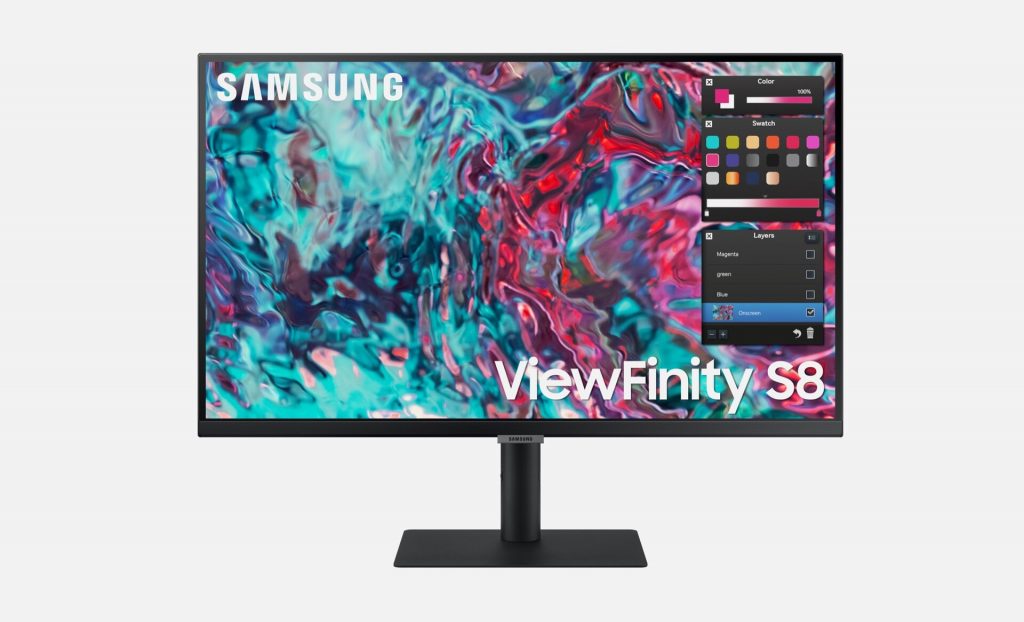
Back in June of this year, Samsung launched the ViewFinity S8 (model S80PB) monitors targeted at creative professionals. The monitor is available in 32-inch and 27-inch sizes and features 4K resolution, 98 percent of DCI-P3, 60 Hz refresh rates, PANTONE validation, and USB Type-C connectivity with 90 W charging via USB Power Delivery.
Now, Samsung has launched the new ViewFinity S8UT model, which comes with all the features of the S80PB model with the addition of a couple of Thunderbolt 4. To be exact, the monitor has a resolution of 3,840 x 2,160 pixels with a 60 Hz refresh rate, 5 ms response times, and a 1,000:1 contrast ratio.
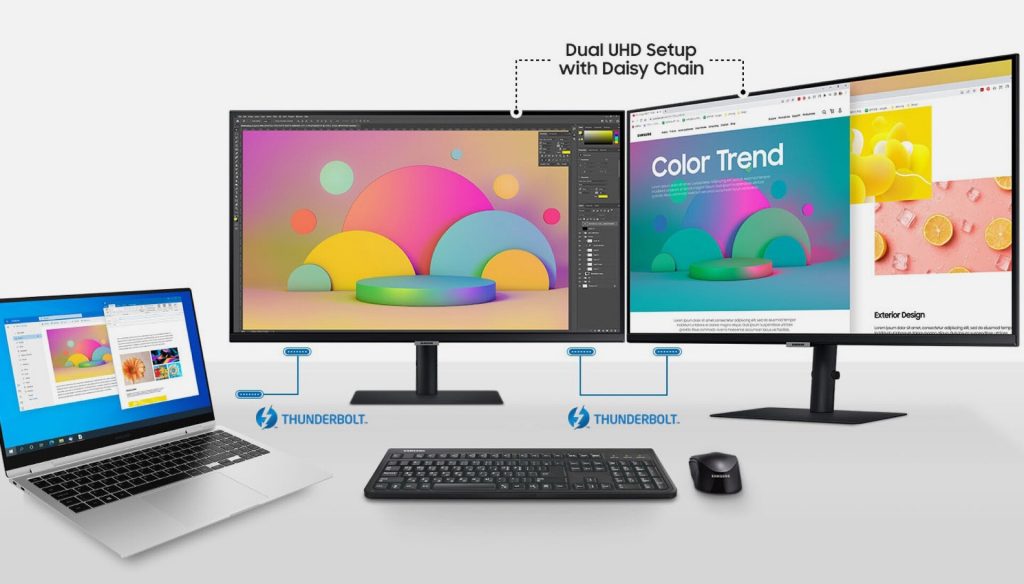
The ViewFinity S8UT adds Thunderbolt 4 connectivity to the ViewFinity S8 series, which still has 90 W of fast charging capability and an additional connector that can supply 15 W to a connected device. Specifically, the first can power a laptop as well as Thunderbolt add-ons like a second 4K monitor, while the second Thunderbolt port can be used for mouse, keyboards, or charging a cellphone.
Additionally, the ViewFinity S8UT has three USB 3.0 Type-A ports, Ethernet, and an HDMI port. Along with dual speakers, a height- and pivot-adjustable stand is also offered by Samsung. Although Samsung has not yet disclosed pricing information, we anticipate it to be comparable to the ViewFinity S80PB, which sells for €499 in the Eurozone.
An Android certificate has been reportedly leaked online, leaving millions of devices at risk of a malware attack. One good this is the leak doesn’t affect all Android users but Samsung and LG users should not get happy by hearing about this news. Samsung and LG users, along with all the smartphones utilizing MediaTek chipsets are at risk of getting affected by this malware.
Currently, it has been reported by Lukasz Siewierski, a Google employee and malware reverse engineer, that various Android OEMs’ certificates were posted publicly. Malicious actors may use these keys to install malware on consumers’ smartphones. This might have been used to infect phones with malware. This sign-in key has the greatest level of OS rights, which is significant because it means that the malicious actor can insert malware without Google, the manufacturer of the device, or the app developer ever being aware of it. Theoretically, if customers download the update from a third-party website, the bad actor can inject malware while acting as a legal app update.
The application signing certificate used to sign the “android” application on the system image is known as a platform certificate. The “android” programme is executed with the extremely privileged user-id “android.uid.system” and has access to user data among other system permissions. The same level of access to the Android operating system is available to any other programme that is certified with the same certificate, according to a blog post by Google.
Thankfully, there is yet some hope. The affected businesses have already been alerted to the problem by the Android Security Team. The tech giant has additionally suggested that the impacted businesses “rotate the platform certificate by replacing it with a new set of public and private keys.” Additionally, according to a claim by XDA developers, Samsung has been aware of the problem for a while and has addressed the vulnerability. The company added in a statement to the publication that “we have deployed security fixes since 2016 upon being made aware of the issue, and there have been no known security incidents regarding this possible vulnerability.”
The act of application signing is a crucial component of how Android OS protects handsets for the uninitiated. This procedure makes sure that only reputable developers are supplying customers’ phones with software upgrades. This procedure needs a unique sign-in key that belongs to the app developer and is always kept private in order to add an additional layer of protection.
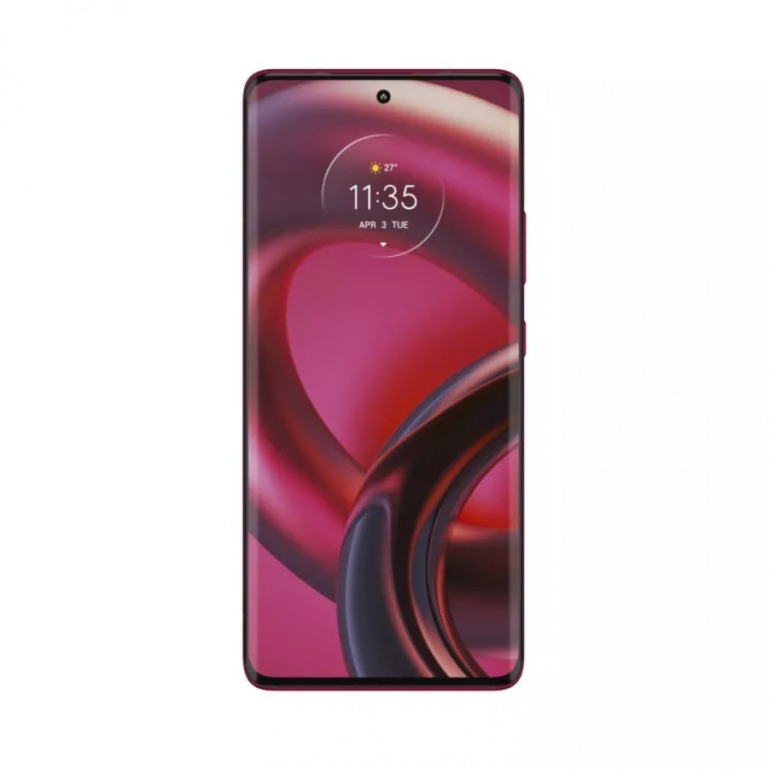
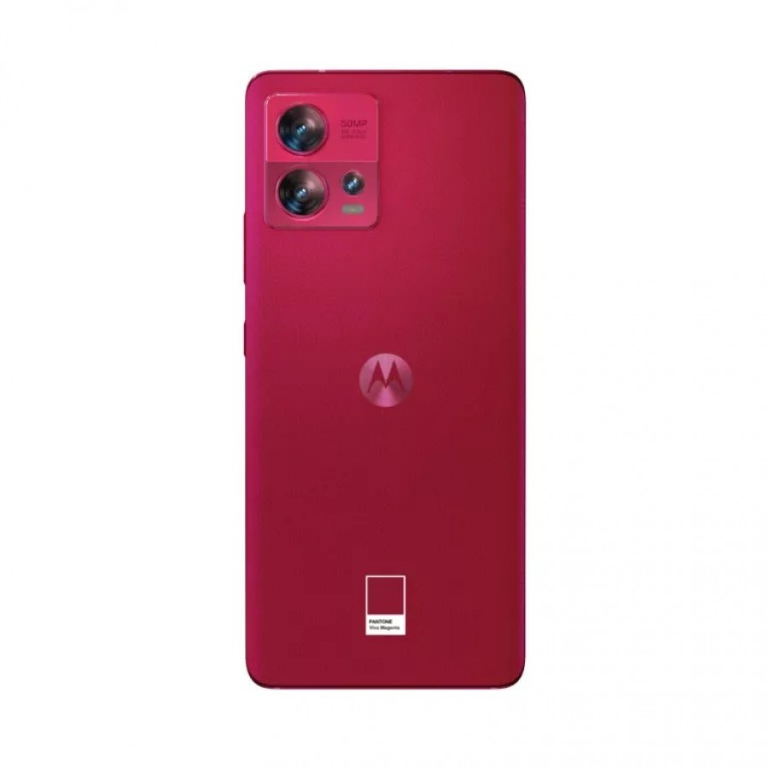
Back in September, Motorola launched the Edge 30 Fusion in multiple global markets. Now, the smartphone has finally arrived in the US market in a special color called Viva Magenta, which is Pantone’s Color of the Year 2023.
According to Motorola’s official press release on the subject, Pantone has been choosing the Color of the Year for more than 20 years by “analyzing global trends and themes throughout the year,” taking into account “all facets of society, from fashion to marketing, social media, and even politics.”
For those unaware, Motorola has a “globally exclusive partnership with Pantone in the smartphone category,” which is why Motorola gets to use these Pantone colors for its smartphones. The American Edge 30 Fusion’s specifications are identical to those of its international version; it differs mainly in terms of color and the fact that it comes with a set of Moto Buds 600 ANC TWS earbuds, in Winetasting, “a color created to suit the Pantone Color of the Year 2023.”
The Viva Magenta color variant of the Motorola Edge 30 Fusion costs $799.99. If you want to buy the smartphone without the Moto Buds 600 ANC TWS earbuds, it is available in a Neptune Blue color option for $699.99. The Edge 30 Fusion will be an unlocked phone that will only work with AT&T and T-Mobile.
Motorola Edge 30 Fusion specs
The Motorola Edge 30 Fusion has a 6.55-inch centered punch-hole 10-bit curved pOLED display with a resolution of 2400 x 1080 pixels (FHD+), a refresh rate of 144Hz, and a touch sampling rate of 360Hz. The panel has a 20:9 aspect ratio, a peak brightness of 110 nits, and a fingerprint sensor beneath it. The screen also supports HDR10+ and 100% of the DCI-P3 color gamut.
The Qualcomm Snapdragon 888 Plus chipset is paired with LPDDR5 RAM and UFS 3.1 storage in the smartphone. It boots Android 12 with Ready For support.
The device has three cameras on the back: a 50MP primary sensor with OIS support, a 13MP ultra-wide sensor with autofocus for macro vision, and a 2MP depth sensor. It has a 32MP camera on the front for selfies and video calls.
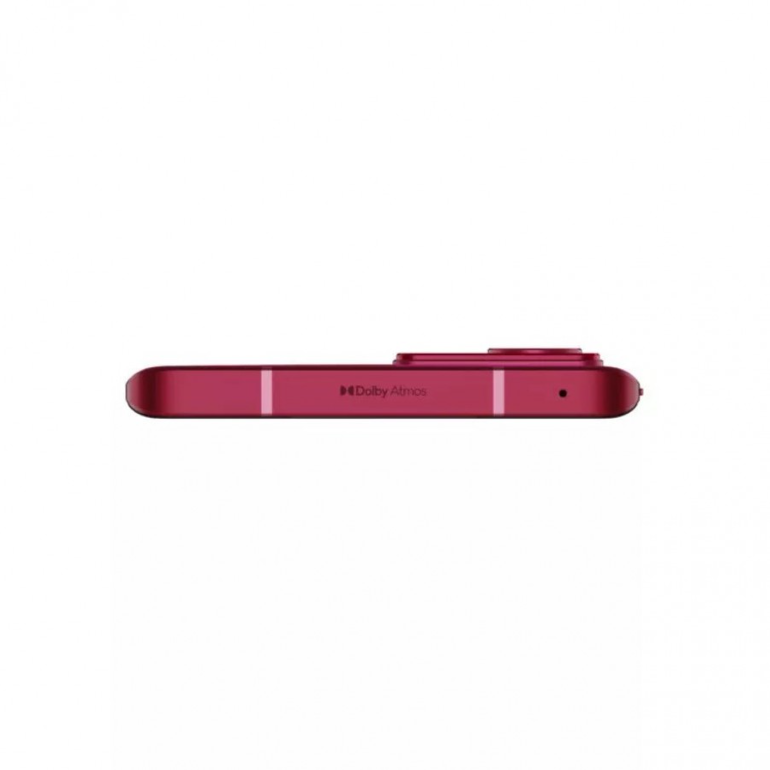
The device supports dual SIM, 5G, WiFi 6, Bluetooth 5.2, GNSS, NFC, and USB Type-C connectivity (USB 3.1). It also has dual stereo speakers that support Dolby Atmos, an IP52 rating, and Corning Gorilla Glass 5 protection on the front and back.
Last but not least, the phone is powered by a 4,400mAh battery and charges at a maximum rate of 68W (wired).
We use cookies on our website to give you the most relevant experience by remembering your preferences and repeat visits. By clicking “Accept”, you consent to the use of ALL the cookies.
This website uses cookies to improve your experience while you navigate through the website. Out of these, the cookies that are categorized as necessary are stored on your browser as they are essential for the working of basic functionalities of the website. We also use third-party cookies that help us analyze and understand how you use this website. These cookies will be stored in your browser only with your consent. You also have the option to opt-out of these cookies. But opting out of some of these cookies may affect your browsing experience.
Necessary cookies are absolutely essential for the website to function properly. This category only includes cookies that ensures basic functionalities and security features of the website. These cookies do not store any personal information.
Any cookies that may not be particularly necessary for the website to function and is used specifically to collect user personal data via analytics, ads, other embedded contents are termed as non-necessary cookies. It is mandatory to procure user consent prior to running these cookies on your website.