Advertisement

Infinix Hot 20 5G Indian Launch Officially Teased, Hot 20 Play Could Tag Along

Infinix recently launched the Hot 20 series smartphones in multiple markets around the globe. The series consists of Hot 20 Play, Hot 20i, Hot 20, Hot 20S, and Hot 20 5G. A recent report revealed that the company could launch the Infinix Hot 20 series in India soon. Now, the brand has officially teased the upcoming launch through its social media channels.

The hashtag Shuddh5G is being used by Infinix, indicating that the company would soon introduce the Infinix Hot 20 5G smartphone to the Indian market. The Infinix Hot 20 Play smartphone is also anticipated to be introduced by the company with the Infinix Hot 20 5G in the Indian market. Let’s examine the features of the Infinix Hot 20 Play and Hot 20 5G in more detail.

Infinix Hot 20 5G specs

The Infinix Hot 20 5G features a 6.6-inch IPS LCD panel with a Full HD+ resolution, 120Hz refresh rate, and 240Hz touch sampling rate. The phone launches into the Android 12 operating system, with the XOS 10.6 user interface on top. It has a fingerprint sensor on the device’s side.

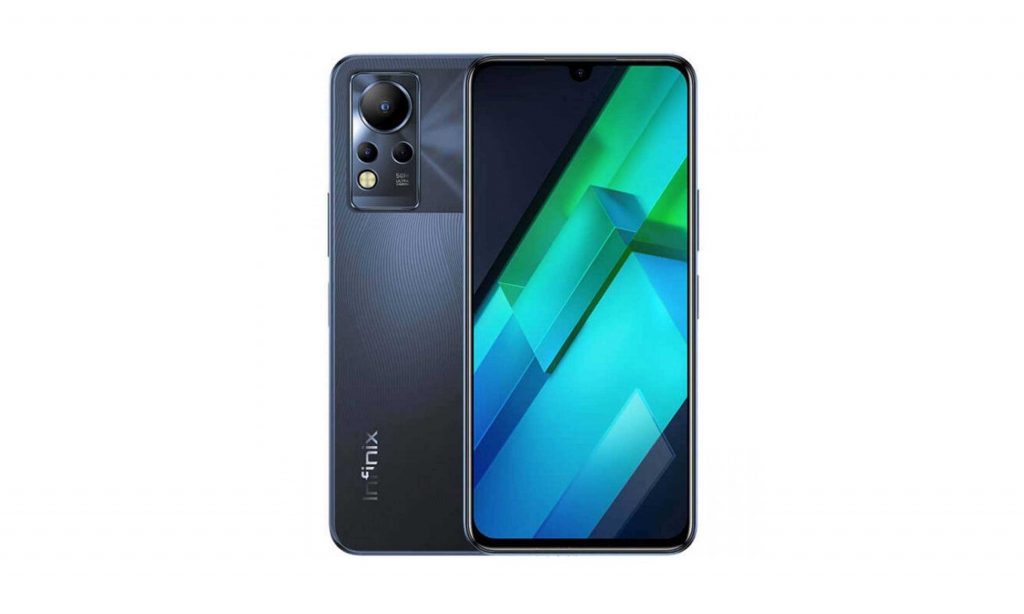
Infinix Hot 20 5G

The device is powered by the Dimensity 810, which offers 5G connectivity. The SoC is backed up by 4 GB of RAM (with 3 GB of virtual RAM extension) and 128 GB of internal storage. To keep the lights on, it contains a 5,000mAh battery with 18W charging compatibility and 5W reverse charging.

The Samsung JN1 primary camera on the Hot 20 5G has a 50-megapixel resolution, and there is also a depth sensor. It has a front 8-megapixel camera. Eye tracking, portrait mode, short video mode, and super night mode are just a few of the camera options available on the phone. A USB-C port, a 3.5mm audio jack, dual SIM, 5G, Wi-Fi 802.11ac, Bluetooth 5.1, GPS, NFC (for contactless payments), and GPS are additional features.

Infinix Hot 20 Play specs

The Infinix Hot 20 Play features a large 6.82-inch IPS LCD screen with a refresh rate of 90Hz and a 1640 × 720 pixel HD+ resolution. The gadget comes with Android 12 preloaded, with Infinix’s XOS UI on top.

Infinix Hot 20 Play

The MediaTek Helio G37 CPU and 4 GB of RAM power the Hot 20 Play. There are two storage options for the smartphone: 64 GB and 128 GB. For more storage, the device has a microSD card slot. On the front, it has an 8-megapixel selfie camera. The device’s back features a 13-megapixel primary camera, an AI lens, and an LED flash. The rear casing also houses a fingerprint scanner. The gadget also supports facial unlock.

Two speakers and a 3.5mm audio connector are included in the Hot 20 Play. A 6,000mAh battery with an 18W charging capacity keeps the lights on. It offers the typical connectivity features, including dual SIM, 4G LTE, Wi-Fi 802.11ac, Bluetooth 5.0, GPS, and a USB Type-C port. The phone measures 171 x 78 x 8.5mm and weighs roughly 209.6 grams.

RELATED:

Samsung Reportedly Plans To Reduce Its Smartphone Shipments By 13%

Samsung, the world’s leading smartphone maker for years, has not been able to sell as many smartphone units as it had planned because of several reasons, including the supply-chain issue caused by COVID-19 and the dull economic outlook in several countries.

As global smartphone shipments have declined, affecting almost all companies, the South Korean giant Samsung isn’t immune. A new report from Taiwan Economic Daily (via ITHome) claims that the company plans on reducing its smartphone shipments next year.

Samsung Logo

As per the report, Samsung is planning to reduce its smartphone shipments in the year 2023 by 13 percent, which roughly turns out to be 30 million units. This is mainly because of the decline in the smartphone market, because of which the company isn’t able to sell as many smartphones as it had planned, and the market continues to see weaker demand.

While Samsung was able to increase its market share in terms of shipments for the third quarter of this year (Q3 2022) compared to the previous quarter (Q2 2022), the company saw an overall decline of around eight percent when compared year-on-year.

It isn’t just Samsung that is bearish on the market situation. Some smartphone component suppliers, including Japan-based Murata and Taiwan-based Yageo, Tongxin Electic, and Duntai, among others, also share similar sentiments.

Murata, a leader in passive component MLCC (Multilayer Ceramic Capacitors), which provides electronic modules and components for Apple iPhone, Samsung smartphones, and others, has warned that smartphone demand in Greater China will not show signs of recovery and it will continue to see the decline next year.

Tongxin Electric, a mobile phone sensor component supplier, has said that it may need more than two to three quarters to destock. The company estimates that in the second quarter of next year or at the end of the third quarter, the related business of the company will rebound.

RELATED:

ASUS And ROG Reveal Android 13 Update Roadmap For Their Smartphones

ASUS has a lineup of popular smartphones in the form of the Zenfone series, and the company also has a sub-brand named ASUS ROG which is well-known for making high-end and premium gaming smartphones. Now, both these brands have announced their plans for major software updates for their smartphones.

Both the companies, ASUS and its subbrand ASUS ROG have revealed the Android 13 update rollout plan for their smartphones, which is set to commence next month, i.e. December 2022.

As per the information shared by ASUS on its social media profiles, the Zenfone 9 will be the first smartphone to get the latest Android 13 update in December 2022, followed by Zenfone 8, which will get the update in January 2023.

On the other hand, the ROG Phone 6D and 6D Ultimate, as well as the ROG Phone 6 and 6 Pro, will be getting an Android 13-based software update sometime in the first quarter of 2023, which means between January 2023 and March 2023.

The ROG Phone 5 and ROG Phone 5S series will get the new Android 13 update sometime in the second quarter of 2023, which means between the months of April and June. We expect the company to reveal a more specific timeframe for the updates in the coming months.

The company has also added that the actual timeframe for the update rollout may differ based on regions and conditions. We expect the phones to get an updated version of the custom user interface when they get the Android 13 update. ASUS phones come with the company’s Zen UI, while the ROG phones run the ROG UI on top of Android.

RELATED:

Redmi Note 12 Series Production Begins in Asia & Europe, Global Launch Timeline Tipped

Last month, Redmi debuted the Note 12 series smartphones in China. The series consists of the vanilla Redmi Note 12, the Redmi Note 12 Pro, and the Redmi Note 12 Pro+. Earlier this month, the Note 12 Pro+ 5G global variant appeared in the FCC database hinting at an upcoming worldwide launch. Now, tipster Mukul Sharma has shared the expected global launch timeline of the series.

Redmi Note 12 Pro 5G
Redmi Note 12 Pro+

According to a recent tweet by Sharma, serial production of the Redmi Note 12 series has begun in several Asian and European regions. The tipster adds that we can expect the devices to launch in these markets in December or early next year. We can expect these devices to launch with different monikers in some markets. For instance, a report claims that the Redmi Note 12 Pro+ 5G will debut in India as Xiaomi 12i HyperCharge.

Redmi Note 12 Pro Series Specifications

The Redmi Note 12 Pro series smartphones come with a 6.67-inch centered punch-hole OLED display with a resolution of 2,400 x 1,080 pixels (FHD+), a refresh rate of 120Hz, a touch sampling rate of 240Hz, a 1920Hz PWM dimming, and a 16,000 level dimming. The 20:9 panel has a 5,000,000:1 contrast ratio, a 10-bit color depth, a peak brightness level of 900 nits, HDR10+, HDR10, and Dolby Vision support.

A MediaTek Dimensity 1080 SoC with LPDDR4x RAM and UFS 2.2 storage powers the phones. The 3,000mm2 VC cooling system found in the Pro Plus is larger than the 2,000mm2 graphene-based cooling system found in the standard Pro edition. Both devices offer a 5,000mAh battery with 67W and 120W fast charging for the Pro and Pro+ models, respectively.

Redmi Note 12 pro featured
Redmi Note 12 Pro

For optics, the Pro has a 50MP Sony IMX766 primary camera with OIS. The Pro Plus, on the other hand, boasts a 200MP Samsung ISOCELL HPX main camera with 1/1.4-inch sensor size. The 8MP ultra-wide camera and 2MP macro camera on both devices, however, are identical. They both have 16MP front cameras.

Both devices have a side-mounted fingerprint sensor, an IR blaster, an x-axis linear vibration motor, dual stereo speakers, and a 3.5mm headphone jack. Connectivity options include dual SIM, 5G, WiFi 6, GNSS, NFC, and USB Type-C.

Redmi Note 12 Specifications

The Redmi Note 12 features a 6.67-inch centered punch-hole Samsung AMOLED display with a resolution of 2400 x 1080 pixels (FHD+), a refresh rate of 120Hz, and a touch sampling rate of 240Hz. The panel has a contrast ratio of 4500000:1, a peak brightness level of 1200 nits, 4096-level dimming, and a DCI-P3 color gamut.

Redmi Note 12 5G
Redmi Note 12

A Qualcomm Snapdragon 4 Gen 1 CPU, LPDDR4x RAM, and UFS 2.2 storage power the phone. It boots MIUI 13 on Android 12 by default. A 5,000mAh battery that supports 33W fast charging powers the gadget.

On the back, it has a dual camera setup with a 48MP main camera and a 2MP depth sensor. It sports an 8MP front-facing camera for taking selfies and making video calls.

The device has an IP53 dust and water resistance rating along with a side-mounted fingerprint sensor, an IR blaster, and a 3.5mm headphone jack. It has USB Type-C, dual SIM, 5G, dual-band WiFi, Bluetooth 5.1, GNSS, and other connectivity options.

RELATED:

Nothing Ear (Stick) Flash Sale Begins at 12 PM Today in India – Check Details

Nothing just unveiled the Nothing Ear (Stick) TWS, the company’s second audio product. The Nothing Ear (Stick) has a semi-in-ear design and a cylindrical shell with a rolling mechanism. The company’s unique translucent design profile is still present in the product.

Although its sale is slated to start on November 17th in India, the company will be hosting a limited sale today at 12 PM. The sale will take place on Flipkart and will allow a discount of Rs 1,000 to customers who already own either a Nothing Phone (1) or a Nothing Ear (1). For those unaware, the Nothing Ear (Stick) is priced at Rs 8,499 in India. With the discount, customers will be able to buy the new earbuds for Rs 7,499.

To avail the discount offer, customers need to buy the Nothing Ear (Stick) using the same Flipkart account that they used to buy the Nothing Phone (1) or Nothing Ear (1). If you are not able to buy the earbuds today, worry not as the offer will still be available when the device will go on open sale on November 17th.

Nothing Ear (Stick) specs & features

Nothing claims that the half-in-ear design of the Ear (Stick) earphones makes for a better and more comfortable fit compared to traditional in-ear TWS buds. The earbuds feature 12.6mm dynamic drivers and support both the AAC and SBC codecs. To prevent sound leakage, there is also a Bass Lock option available. This TWS case is transparent and cylindrical in design and features a rolling mechanism for opening the case similar to lipstick.

Although ANC is absent from the device, it can still eliminate louder background noises and amplify the voice for wind-proof and crowd-proof calls. The earbuds come with touch controls that are located on each earbud. They can be used to play, pause, skip tracks, activate voice assistance, and change volume. The Ear (Stick) has a battery life of 7 hours on a single charge and 29 hours when paired with the case. It lacks wireless charging, however, wired charging is available in the form of a USB Type-C port.

Additional features include Customise EQ and movements, Low latency mode with the Phone, in-ear identification, Google Fast Pair, Microsoft Swift Pair, Bluetooth 5.2, IP54 certification, Google Fast Pair, and Nothing X app (1).

RELATED:

Honor 80 Series Officially Confirmed to Debut on November 23

Honor recently confirmed that it will be holding a launch event on Nov. 23. The Honor Magic Vs foldable phone and Magic UI 7.0 will be unveiled at the event, according to the company. Today, it was confirmed that the Honor 80 series of smartphones will also launch alongside the above-mentioned products.

The official teasers show that the Honor 80 series will feature a display with curved edges. There is a pill-shaped cutout at the top-centre position. The cutout in the screen is smaller than the cutout for the dual selfie cameras on the Xiaomi Civi 2.

Honor 80 series
Honor 80 series

The rear camera setup inherits the design language of the Honor 70 lineup. The design on the rest of the back is like water ripples.

Reports have revealed that the Honor 80 series will comprise three devices. It is speculated that the Honor 80 SE will feature the Dimensity 1080 chipset and 66W fast charging support.

Honor 80 series
Honor 80 series

The Honor 80 is likely to feature the Snapdragon 778G+ chipset and 66W rapid charging support. The Honor 80 Pro is expected to arrive with the Snapdragon 8 Plus Gen 1 chip onboard. The flagship phone is expected to support 100W fast charging.

The Honor Magic Vs foldable phone is also said to feature the Snapdragon 8 Plus Gen 1 chipset. It is expected to house a 5,000mAh dual-cell battery with 66W fast charging. The Honor 80 series and Magic Vs may come preloaded with Magic UI 7.0, which is based on Android 13 OS. Its thickness is said to be 14.3mm and is likely to weigh less than the Honor Magic V foldable phone from last year. The rest of Magic Vs’ specifications could be similar to its predecessor.

RELATED:

Oppo A1 Pro Launch Date Confirmed, Design Revealed

The Oppo A58 5G has gone on sale recently in China. Now, the brand is all set to launch its most advanced A-series phone, the Oppo A1 Pro 5G. The company took to its Weibo handle to confirm that the A1 Pro will debut at 6 pm (local time) on Nov. 16.

The OPPO A1 Pro launch date poster reveals that it is equipped with a curved edge display on the front. The back panel of the device has an oval camera module featuring two camera rings. The camera ring at the top houses a 108-megapixel primary camera. Its back panel has an auxiliary camera and an LED flash.

OPPO A1 Pro
OPPO A1 Pro

Earlier this month, an OPPO phone with model number PHQ110 was certified by the Chinese authorities like 3C and TENAA. The same device was also spotted in the database of the Geekbench benchmarking site. The PHQ110 is nothing but the OPPO A1 Pro. In initial reports, the device was being called with its tentative name, the OPPO A98.

OPPO A1 Pro specifications (rumored)

The OPPO A1 Pro will feature a 6.7-inch AMOLED display that offers an FHD+ resolution, 10-bit colors, and an in-screen fingerprint scanner. It seems to be the same display, which will be made available on the upcoming OPPO Reno 9 series.

The handset will be powered by the Snapdragon 695 chipset. It is expected to ship with up to 12 GB of LPDDR4x RAM and up to 256 GB of UFS 3.1 storage. For more storage, it will have a microSD card slot.

The A1 Pro will have a 16-megapixel camera for selfies. Its back panel seems to feature a 108-megapixel + 2-megapixel dual-camera setup. The device will be backed by a 5,000mAh battery, which is likely to support 67W fast charging.

RELATED:

Vivo TWS 3, TWS 3 Pro Renders Leaked, Design Revealed Before Launch

Vivo is expected to announce the Vivo X90 series on Nov. 22 in China. Recent reports have revealed that the company may take off covers from the Vivo TWS 3 and the Vivo TWS 3 Pro alongside the X90 series. Publication MySmartPrice has teamed up with well-known tipster Ishan Agarwal to share the leaked renders of the TWS 3 series.

The Vivo TWS 3 can be seen in white and blue colors. The former has a glossy finish, while the latter has a matte look. Its case has an LED indicator on the front, and its earbuds have an in-ear style design. The Vivo TWS 3 Pro’s leaked renders showcase its blue-black and white colors. Its design is similar to the vanilla model.

Reports have claimed that the Vivo TWS 3 series will debut as the world’s first true hi-fi headset. It is expected to offer intelligent ultra-wideband noise reduction, Vlog 3D binaural recording, non-sensing body temperature monitoring, and Bluetooth 5.3 connectivity with support for next-generation Bluetooth LE audio technology, wireless karaoke, slide-to-adjust volume, smart wear detection, smart voice control, pressure-sensitive control, and dual-device connection.

Other reports have claimed that the Vivo TWS 3 will include a built-in DAC independent audio chip, lossless audio transmission protocol, and an adaptive equalizer. It is unclear whether it will support wireless charging.

The Vivo TWS 3 series will succeed the Vivo TWS 2, which debuted in May 2022 this year. The previous model had 14.2mm, audio drivers, up to 4.2 hours of playback time on each earbud with aptX adaptive, up to 27 hours of battery life, a pair of microphones for noise cancellation, 88ms low-latency, and an IP54 rating. It was introduced with a price tag of 499 Yuan (~$70). Hence, it is likely that the regular Vivo TWS 3 may carry a similar price.

RELATED:

Vivo iQOO 11 with model number V2243A, Snapdragon 8 Gen 2 appears on Geekbench
Vivo X90 Pro+ With Snapdragon 8 Gen 2 Soc, Android 13 Spotted on Geekbench
Vivo V27 series launch timeline in India tipped, may come with MediaTek Dimensity processors
nbase Buds Mini Lite Hands-on Review: Uniquely Designed Compact TWS Earbuds
REDMI NOTE 12 Pro Review – Perfect budget phone, but not for gaming
TECNO POVA 4 Pro Review: The brand is really good at making budget phones

Vivo X90, X90 Pro, X90 Pro+ Configurations, Color Variants Leaked Before Launch

Vivo is likely to announce the Vivo X90 series on Nov. 22 in China. The lineup is likely to include three models: the Vivo X90, the X90 Pro, and the X90 Pro+. A new leak, courtesy of Pricebaba, has revealed the memory configurations and color variants of the X90 series.

The report, which cites popular tipster Ishan Agarwal as the source, reveals that the Vivo X90 will be arriving in two configurations, such as 8 GB RAM + 128 GB storage, 8 GB RAM + 256 GB storage, 12 GB RAM + 256 GB storage, and 12 GB RAM + 512 GB storage. It will be arriving in shades like Black, Ice Blue, and Red.

Vivo X90 series leak

The Vivo X90 Pro will be available in three models: 8 GB RAM + 256 GB storage, 12 GB RAM + 256 GB storage, and 12 GB RAM + 512 GB storage. It will be available in black and red colors.

The X90 Pro+ will come in two options: 12 GB RAM + 256 GB storage and 12 GB RAM + 512 GB storage. Like the X90 Pro, the Pro+ edition will also arrive in black and red.

Reports have claimed that the Vivo X90 and X90 Pro will feature the Dimensity 9200 chipset. The X90 Pro+, on the other hand, will house the Snapdragon 8 Gen 2 mobile platform.

Rumors are rife that the Chinese manufacturer will also unveil the Vivo TWS 3 earbuds alongside the X90 family on Nov. 22. At present, there is no word on the global launch of the X90 series. It is very likely that it will be released on the global market in Q1 or Q2 2023. It is speculated that the iQOO Neo 7 SE will go official in December in the home market.

RELATED:

The 3-Year-Old Huawei Mate 30 Receives Huawei’s Newest HarmonyOS 3 Feature Update

Starting this November, Huawei is officially rolling out the stable release of its latest and greatest HarmonyOS 3 OS upgrade to the brand’s flagship device users in China. 

According to the HarmonyOS software development team’s official Weibo account, the stable update will be available to Huawei’s latest releases as well as the Huawei Mate 30 and Mate 30 Pro 5G smartphones, which were released 3 years ago back in 2019.

The full list of devices eligible to upgrade from HarmonyOS 2 to HarmonyOS 3 is as follows:

  1. Huawei Mate 30
  2. Huawei Mate 30 5G
  3. Huawei Mate 30 Pro
  4. Huawei Mate 30 Pro 5G
  5. Huawei Mate 30E Pro 5G
  6. Huawei Mate 30 RS Porsche Design
  7. Huawei Mate Xs
  8. Huawei P40
  9. Huawei P40 4G
  10. Huawei P40 Pro
  11. Huawei P40 Pro Plus
  12. Huawei Nova 9
  13. Huawei Nova 9 Pro
  14. Huawei Nova 10
  15. Huawei Nova 10 Pro

In addition to the stable release rollout announcement, Huawei also shared that it has opened applications for its public beta programme for HarmonyOS 3.0 to Huawei MatePad 10.8-inch, Huawei MatePad Pro 10.8-inch and Huawei MatePad Pro 5G 10.8-inch users, as well as an early access closed beta programme for Huawei Nova 6, Nova 6 5G, Nova 7 5G, and Nova 7 Pro 5G users for Huawei fans who cannot wait to experience the latest HarmonyOS 3 features before a stable release.

HarmonyOS 3. Source: Huawei

The new HarmonyOS 3 upgrade brings several next-generation software updates that range from decently cool to life-changing. One particular highlight is that in HarmonyOS 3, HarmonyOS devices don’t need to be on a shared Wi-Fi network for seamless interconnectivity to work, the devices can now sense each other. One example is a Huawei tablet next to a Huawei phone will be able to let you answer calls and will display SMS messages as if they were the same device.

RELATED: 


(Source, Via)

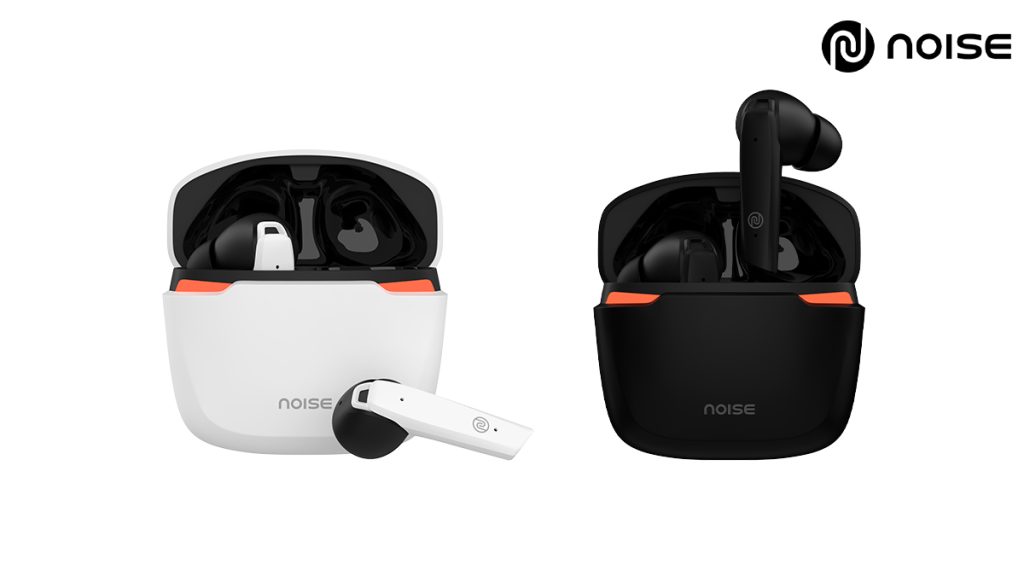
Noise Air Buds 2 Earbuds With 13MM Drivers, 40 Hours Playback to Launch Soon in India

With its vast portfolio of AIoT products, Noise has claimed the number one position in the Indian smartwatch market and the number 2 position in the TWS earbuds market. Recently, the company launched a new pair of innovative earbuds called Noise IntelliBuds, which feature smart gesture controls, allowing users to control the earbuds with just the movement of their head.

The brand has now unveiled a new pair of TWS earbuds called the Noise Air Buds 2. These earbuds are the successor of the Noise Air Buds TWS earphones which launched back in November 2020.

Noise Buds Air 2

Like its predecessor, the Air Buds 2 features a semi-in-ear design reminiscent of the classic AirPods design. The case of the earbuds has a translucent lid. The earbuds are said to provide clear highs and deep bass using their 13mm dynamic drivers. For seamless connectivity, the earbuds have Bluetooth 5.3 onboard, which will likely offer the wake and pair feature. There is also ENC (environmental noise cancellation) onboard for a clear calling experience.

The company claims that the Air Buds 2 can provide up to 40 hours of audio playback. Of course, this number is a combination of the earbuds and the charging case. The individual playback capacity of the earbuds is yet to be disclosed. The charging details on the other hand have already been revealed. The Noise Air Buds 2 features a USB Type-C connector. It features the Instacharge technology which provides 4 hours of playtime with just 10 minutes of charging. There is also IPX4-level water resistance which makes these earbuds safe to wear during sweaty workout sessions. Lastly, these are quite lightweight at just 3.5 grams each.

The company has yet to reveal the sale date and price of the earbuds. For now, we know that it will debut exclusively on Amazon. Stay tuned for more.

RELATED:

Realme 10 Pro+ Shows up in Live Images Ahead of Launch

The Realme 10 4G recently debuted in China, and the Realme 10 Pro+ is also arriving soon. The company confirmed the new phone will launch on November 17 and even teased a few specifications. Now, in the latest development, some live photos of the handset have surfaced online, which give us a good look at its design.

A Twitter user has shared the live images of the upcoming Realme 10 Pro+, which reveal the reflective, glossy back panel of the smartphone. It can be seen that the handset has two vertically stacked traditional rings on the back, with the top one housing a single sensor whereas the bottom features the other two lenses.

We can’t see the front of the Realme 10 Pro+ in the leaked images. However, a recent promo video revealed the handset will have a curved display with a punch hole. All in all, we can say that the smartphone looks quite premium.

Previous reports suggest the Realme 10 Pro+ will come with a 6.7-inch AMOLED display that offers a Full HD+ resolution, a 120Hz refresh rate, and 10-bit colors. It will also feature an under-display fingerprint scanner.

The Realme smartphone will be powered by the Dimensity 1080 chipset paired with up to 12 GB of LPDDR4x RAM and up to 256 GB of storage. The handset should offer decent performance. For reference, it got an AnTuTu score of 529,420. The handset will pack a 5000mAh battery that supports 67W fast charging.

For photography, the Realme 10 Pro+ will feature a triple rear camera setup, which will likely include a 108-megapixel primary camera, an 8-megapixel ultra-wide unit, and a 2-megapixel macro/depth sensor. On the front, it may have a 16-megapixel camera.

RELATED:

Radar RD6 RWD Electric Pickup launched in China with pricing starting at under $25,000

The Radar RD6 RWD Electric Pickup has been unveiled in China. The new rear-wheel drive electric pickup comes in three battery options giving a maximum range between 400km and 632km. This is the first production model for the Geely-owned brand and it resembles the Geely Haoyue/ Okavango SUV.

Radar RD6 RWD Electric Pickup

The Radar RD6 RWD e-pickup uses Geely’s SEA EV platform and has a length of 207 inches. It is 74.8 inches wide, 72 inches high, and has a wheelbase of 122.8 inches. The EV can go from 0-100km/h in 6 seconds. Apart from its cargo bed, the exterior and interior of the Radar RD6 bear a striking semblance with the Haoyue SUV. The Radar RD6 is a lifestyle pickup with a four-wheel independent suspension. Its cabin features two 12.3-inch screens and a 9-inch full-color head-up display. The EV also features 72-color ambient lighting, AI voice interaction, and a 55-inch panoramic sunroof.

Radar RD6 RWD Electric Pickup

The Radar RD 6 RWD has 12 Level 2+ intelligent driving assistance functions and a 1,200 liters capacity cargo bed (~42.3 cubic feet). There are also extra storage spaces in the trunk and at the back seat of the EV. The Radar RD6 has a 450kg payload capacity and its towing capacity could be up to 3 tons. It has a 6kW discharge panel on the cargo bed with multiple modes and six power ports.

There are three battery options for the Radar RD6 RWD. The base model has a 60kWh battery that delivers a range of 400km, while the 86kWh battery has a range of 550km. The top model is that with a 100kWh battery and a range of 632km. All three battery options support fast charging up to a maximum of 120kW.

Radar RD6 RWD Electric Pickup

The Radar RD6 has officially gone on sale in China with deliveries expected later. The EV is being manufactured at the company’s Zibo Smart Factory in Shandong Province, China. The 86kWh battery model starts at 178,800 yuan ($24,600) while the 100kWh model starts at 268,800 yuan ($37,720).

Related

Moto Parilla Tricolore Electric Mountain Bike with 62 miles assisted range & a sleek design unveiled

Italian manufacturer Moto Parilla has launched its latest electric mountain bike, the Tricolore with a top speed of 15.5mph (~25km/h). The Tricolore comes with a unique frame design in line with its established trajectory. It follows a similar pattern to the Trillix, its predecessor. The e-bike has an assisted range of 62 miles and comes with radical styling together with impressive tech features.

Moto Parilla Tricolore E-MTB

The Moto Parilla Tricolore has a motorcycle-inspired design and operates as an electric mountain bike. It is equipped with front and rear suspensions, a solid shock absorber system, a rocker arm, and a connecting rod at its rear. Moto Parilla says its suspension and brake system provides better responsiveness and direct suspension actuation during rides. The e-bike’s carbon fiber monocoque frame has rib patterns for rigidity and lessens the impact of muddy trails in slowing down movement.

Moto Parilla Tricolore E-MTB

The Tricolore also comes with a carbon fiber seat post that is separate from the chassis, giving the bicycle’s back end a floating appearance. The bike has a 12-speed transmission and hydraulic brakes. Its lights are built into the frame and the set post, while the cables are internally routed to give a smooth and solid design. The Tricolore has carbon fiber, a single-sided swingarm, and an internal pocket in the frame for carrying minimal luggage.

Moto Parilla Tricolore E-MTB

The Tricolore weighs 21kg and has a 250W Poloni E-P3+MX motor with a peak power of 600W and 90Nm torque. It has an 800Wh battery which delivers an assisted maximum range of 62 miles on a single charge. Availability and pricing information for the Moto Parilla Tricolore is yet to be officially released.

RELATED:

Philips EVNIA’s first gaming monitor with a 34” Mini LED curved screen, & 165Hz refresh rate unveiled

Philips EVNIA today officially announced its first gaming monitor with the model number 34M2C7600MV. The smart monitor packs a 34-inch curved screen that uses 1152-zone light-controlled MiniLED technology. The company recently launched the Screenio U5 4K projector and the Hue Festavia Smart String Lights.

The Philips EVNIA gaming monitor’s 34-inch curved screen is made of VA panel with a resolution of 3440×1440 pixels and supports 165Hz high refresh rate.

At the same time, it uses Mini LED backlight, with 4608 lamp beads, 1152 backlight partitions. It also has a peak brightness of up to 1400 nits , 97% DCI-P3 color gamut coverage, and is certified by DisplayHDR 1400.

In terms of sound, the monitor is equipped with two 5W stereo speakers with support for DTS sound effects. The monitor is equipped with a surround ambient light on the back using an innovative Ambiglow ambient light technology. The light changes synchronously with the music rhythm and the color of the picture on display.

In addition, this monitor supports the intelligent split-screen function , which can realize the simultaneous connection and display of dual-channel signals. The screen is divided into two without affecting each other. There is also KVM mode which allows users to quickly switch control of two devices like a keyboard and mouse.

In terms of interfaces, the device comes with USB 3.2, DP1.4, and HDMI 2.1 ports. There is also a USB-C port that supports 90W reverse charging.

At present, the official price and launch time of the new monitor have not been announced but it is expected to go on sale soon.

Related:

(source)

Leaked Renders Suggest Oppo Reno9, 9 Pro and 9 Pro Plus Will Share a Similar Design

Just like the Reno 8 series, Oppo’s Reno 9 lineup is expected to include three handsets— Reno 9, 9 Pro, and 9 Pro Plus—in China. Reports suggest the brand is planning to announce the series in its home market this month. While we wait for an official announcement, a reliable leakster has shared the detailed renders of all three smartphones in the series. Let’s look at the details.

Popular leakster Evan Blass recently shared the renders of the upcoming Oppo Reno9, 9 Pro, and 9 Pro Plus. Although all three models appear quite similar, there are a few differences that can be noted. For instance, the Reno9 Pro Plus has a bigger camera island, which is not on the same level as the rest of the phone’s body. Not to mention it also has an additional camera.

https://twitter.com/evleaks/status/1591324123858628608

It seems Oppo is bringing back the curved frame design. The vanilla Reno9, which will be the cheapest model in the series, is also featuring a curved display. Though it may not feature the company’s MariSilicon imaging chip since the text is missing from its camera island.

The specifications of the Reno 9 series leaked online recently. The leak suggests that the Reno 9 will be powered by the Snapdragon 778G chipset and pack a 4,500mAh battery that supports 67W fast charging. It will flaunt a 64-megapixel primary camera and a 2-megapixel secondary camera. The Reno 9 Pro, on the other hand, will be equipped with the Dimensity 8100-Max chip and a 4,500mAh battery with 67W charging. For photography, it will have a dual camera setup consisting of a 50-megapixel Sony IMX890 primary camera and an 8-megapixel lens.

The higher-end Reno 9 Pro+ is reported to feature the Snapdragon 8 Plus Gen 1 SoC under the hood. It will be fueled by a 4,700mAh battery with 80W charging. The handset will likely feature a triple camera setup comprising an OIS-enabled 50-megapixel Sony IMX890 primary camera, an 8-megapixel lens, and a 2-megapixel unit.

RELATED:

Redmi K60 Key Specifications Leaked, Tipped to Rival Oneplus Ace 2, Realme GT Neo 5

The Redmi K60, which has a model number of 23013RK75C, was recently certified by the 3C authority of China. This indicates that the device may debut by the end of this year or early in 2023. In the home market, the device is expected to rival the OnePlus Ace 2 and the Realme GT Neo 5 (tentative names). Recent reports have tipped off the specifications of the K60 in bits and pieces. All of the important details about the device have now been made public thanks to a new leak.

Redmi K60 specifications (rumored)

Redmi K50
Redmi K50

The Redmi K60 is likely to feature a 6.67-inch display that offers a 2K resolution. The flat OLED panel will come equipped with an in-screen fingerprint scanner. Like the Ace 2 and GT Neo 5, the K60 is expected to feature the Snapdragon 8 Plus Gen 1 chipset.

The SoC will come equipped with 12 GB of RAM. It will pack a 5,500mAh battery with 67W fast charging support. The device is also expected to support 30W wireless charging.

On the front, the Redmi K60 will feature a 16-megapixel selfie camera. The rear camera setup of the device may feature a 64-megapixel main camera. One of the previous leaks claimed that it may feature an OIS-enabled Sony IMX686 camera sensor as the primary camera. It is expected to be accompanied by 8-megapixel and 2-megapixel auxiliary cameras.

The Redmi K60 family is also expected to include other models, such as the Redmi K60 Pro and the Redmi K60 Gaming. The first of the K60 models is expected to break cover in Q1 2023.

RELATED:

Oneplus Ace 2 / Realme GT Neo 5 Specifications Tipped Once Again

A recent leak revealed that the upcoming Realme GT Neo 4 and the OnePlus Ace 2 will arrive with similar specifications. There have been some other reports that Realme’s next Neo-series phone will not be called GT Neo 4, as the number “4” is considered a bad omen in China. Hence, it is speculated that the device will be called the Realme GT Neo 5. A new leak (via. tipster Chun) has revealed the specifications of the GT Neo 5. It reveals how it will differ from the OnePlus Ace 2.

OnePlus Ace 2 specifications (rumored)

OnePlus Ace

The OnePlus Ace 2 is expected to feature a 6.7-inch OLED display with curved edges. It will offer a 1.5K+ resolution and an optical in-screen fingerprint scanner. The Snapdragon 8 Plus Gen 1 chipset will power the device with 16 GB of RAM.

The Ace 2 will house a 5,000mAh battery with 100W charging. It will have a 16-megapixel front camera and a 50-megapixel (Sony IMX890) + 8-megapixel + 2-megapixel triple camera unit.

Realme GT Neo 5 specifications (rumored)

The Realme GT Neo 5 will house a 6.7-inch flat OLED screen with support for a 1.5K resolution and an optical under-display fingerprint scanner. The device will be powered by the Snapdragon 8+ Gen 1 and 12 GB of RAM.

The GT Neo 5 will pack a 5,000mAh battery with 150W charging. It will have a 16-megapixel selfie camera and a 50-megapixel + 8-megapixel + 2-megapixel triple camera setup.

There is no confirmation on the authenticity of the above leak. Hence, it is advisable to digest the above information with a pinch of salt. The OnePlus Ace 2, which is likely to be called the OnePlus 11R in the global market, and the Realme GT Neo 5 are expected to rival the Redmi K60 in China. The same leak has revealed the key specifications of the K60. Readers can click on this link to know what’s revealed about the K60 in the latest leak.

RELATED:

Realme 10 Pro+ Battery Size Officially Confirmed

Realme 10 5G has recently gone official in China. On Nov. 17, the Realme 10 Pro and the Realme 10 Pro+ will also be made official. Ahead of the launch, the company has been gradually confirming the key features of the Pro+. A new poster released by the brand confirms the battery size of the device.

The new poster reveals that the Realme 10 Pro+ will house a 5,000mAh battery. The company has not shared information on the fast-charging capabilities of the device. The poster states that despite housing a big battery, it will weigh only 173 grams.

Other reports have revealed that the Realme 10 Pro+ will feature a 6.7-inch AMOLED display with curved edges and a centrally positioned punch-hole. It will offer a Full HD+ resolution, a 120Hz refresh rate, 10-bit colors, and an under-display fingerprint scanner.

The Realme 10 Pro+ will be powered by the Dimensity 1080 chipset. It may ship with up to 12 GB of LPDDR4x RAM and up to 256 GB of storage. Realme is likely to offer 67W fast charging on the device. The device was recently seen at AnTuTu benchmarks with a scored of 529,420.

On the front, the Realme 10 Pro+ will feature a 16-megapixel camera. The rear shell of the device is likely to house a 108-megapixel primary camera, an 8-megapixel ultra-wide lens, and a 2-megapixel macro / depth sensor. It will come preloaded with the Android 13 OS with a layer of Realme UI 3.0 on top.

It is expected to arrive in variants like 8 GB RAM + 128 GB storage, 8 GB RAM + 256 GB storage, and 12 GB RAM + 256 GB storage. The device is likely to carry a starting price of 1,699 Yuan (~$239).

RELATED:

Huawei P50 Pocket vs Huawei Pocket S: Specs Comparison

This year Huawei not only launched a new flagship foldable phone, but it also came up with an affordable variant of this phone. It is the only company which released two clamshell foldable phones this year, one of which came to the global market as well. The flagship is the Huawei P50 Pocket: yes, the Chinese giant decided to launch it under the P50 series because it is similar to the other variants. The affordable model is the Huawei Pocket S, with inferior specifications and a better price. But which are the differences between these two phones and which one should you choose? We will try to answer this question through this comparison between the specifications of the Huawei P50 Pocket and the Huawei Pocket S.

Huawei P50 Pocket vs Huawei Pocket S

Huawei P50 Pocket Huawei Pocket S
DIMENSIONS AND WEIGHT 170 x 75.5 x 7.2 mm,
190 g
170 x 75.5 x 7.2 mm,
190 g
DISPLAY 6.9 inches, 1188 x 2790 pixels (Full HD+), OLED 6.9 inches, 1188 x 2790 pixels (Full HD+), OLED
PROCESSOR Qualcomm Snapdragon 888, octa-core 2.84 GHz Qualcomm Snapdragon 778G, octa-core 2.4 GHz
MEMORY 8 GB RAM, 256 GB – 12 GB RAM, 512 GB – nano memory card slot 8 GB RAM, 128 GB – 8 GB RAM, 256 GB –  8 GB RAM, 512 GB – nano memory card slot
SOFTWARE HarmonyOS 2.0 or EMUI HarmonyOS 3.0
CONNECTIVITY Wi-Fi 802.11 a/b/g/n/ac/6, Bluetooth 5.2, GPS Wi-Fi 802.11 a/b/g/n/ac/6, Bluetooth 5.2, GPS
CAMERA Triple 40 + 13 + 32 MP, f/1.8 + f/2.2 + f/1.8
10.7 MP f/2.2 front camera
Dual 40 + 13 MP, f/1.8 + f/2.2
10.7 MP f/2.2 front camera
BATTERY 4000 mAh, fast charging 40W 4000 mAh, Fast Charging 40W
ADDITIONAL FEATURES Dual SIM, reverse charging, foldable phone Dual SIM, reverse charging, foldable phone

Design

The Huawei Pocket P50 Pocket and the Huawei Pocket S have exactly the same form factor, the same look, and even the same dimensions. They are clamshell foldable phones, so they are able to reduce their dimensions up to a half of a normal phone thanks to their foldable displays. I personally prefer the Huawei P50 Pocket due to the more beautiful color option with a very good texture, but for the rest, these two devices have the same design. They are identical in terms of dimensions, thickness, and weight, and they have the same display diagonal and the same battery as well.

Display

There are no differences between the displays of these handsets because they feature exactly the same panel. On the internal part, there is a foldable OLED display able to show up to one billion colors with a diagonal of 6.9 inches, a Full HD+ resolution of 1188 x 2790 pixels, and a 120 Hz refresh rate. Even though it is an OLED panel, the fingerprint reader is not inside the display but it is side-mounted on the power key. On the external part of these two phones, there is a circular OLED mini display with a diagonal of 1.04 inches and a resolution of 340 x 340 pixels. This external display can be used while the smartphone is folded to take selfies, see notifications, and as a smartwatch. It is very small, so it will not useful if you want to use single apps on it. Note that the Huawei P50 Pocket has stereo speakers, while the Huawei Pocket S does not.

Specs & Software

The most important advantage of the Huawei P50 Pocket is definitely the hardware department. It is powered by the flagship-class Snapdragon 888 mobile platform built with a 5 nm production process and sporting an octa-core architecture composed of a Cortex X1 core running at a maximum frequency of 2.84 GHz, three Cortex A78 cores running at 2.42 GHz, four Cortex A78 cores running at 1.8 GHz, and an Adreno 660 GPU. Alongside the chipset, there are up to 12 GB of RAM and up to 512 GB of native storage you can furtherly expand through a nano memory card slot. The Huawei Pocket S is powered by a midrange-class Snapdragon 778G chipset paired with 8 GB of RAM and up to 512 GB of expandable storage. On the other hand, the Pocket S runs a more recent software version out of the box: HarmonyOS 3.0 instead of HarmonyOS 2.0.

Camera

These phones are equipped with the same main camera sporting a 40 MP resolution, as well as the same ultrawide sensor with a 13 MP resolution. But the Huawei P50 Pocket adds a third sensor which is a 32 MP portrait camera on the rear side, while the Pocket S only comes with the two rear sensors already mentioned.

Battery

The batteries powering these phones are the same: two units with a capacity of 4000 mAh. It is a capacity below the average if we consider other phones, but it is very good for a foldable phone as foldable phones have no much space available for batteries. The two handsets feature 40W fast charging and reverse charging.

Price

The current starting price of the Huawei P50 Pocket roughly translates into €890 or $890 (prices vary depending on the market, in Europe, you can find it for less than €700), while you need about $820 or €820 to purchase the Huawei Pocket S. The Huawei P50 Pocket wins the comparison because its price is not exaggerate and it features a better processor and camera setup.

Huawei P50 Pocket vs Huawei Pocket S: PRO and CONS

Huawei P50 Pocket

PRO

  • Better chipset
  • Wider availability
  • Additional rear camera
  • Stereo speakers
  • Up to 12 GB of RAM

CONS

  • Price

Huawei Pocket S

PRO

  • More affordable
  • HarmonyOS 3.0 out of the box
  • Same displays as the P50 Pocket
  • Same design and main camera

CONS

  • Limited availability
  • Inferior hardware

RELATED

Check the latest videos from our YouTube channel and subscribe: