Advertisement

Amazfit Falcon vs Garmin Fenix 7: Specs Comparison

A bunch days ago, Amazfit released its most expensive smartwatch ever: the Amazfit Falcon. As you maybe understood from its name, it is a rugged watch, but it is not only that. It is the first GPS multisport premium watch from the brand and it has an outstanding build quality. Due to these and other specifications, it is perfectly able to compete with the best hardcore smart watches in the market. When it comes to professional smart watches, one of the best brands out there is definitely Garmin. The latest series launched by Garmin is the Fenix 7 series, with the vanilla version placed in the same price range as the new Huami watch. That is the reason why it is time for a great comparison between these two wearables. So, here is a comparison between the main specifications of the Amazfit Falcon and the Garmin Fenix 7.
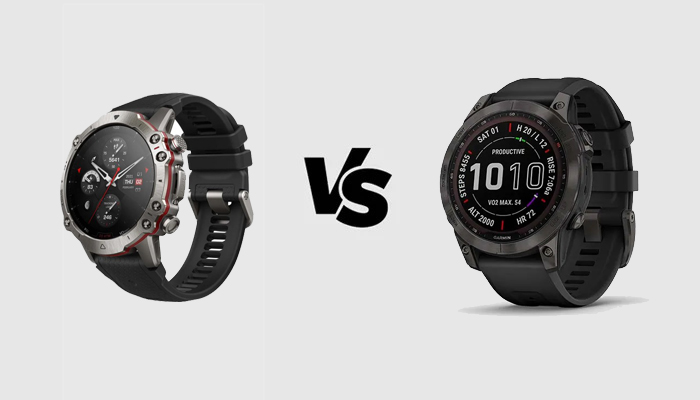
Huami Amazfit Falcon vs Garmin Fenix 7

Huami Amazfit Falcon Garmin Fenix 7
DIMENSIONS AND WEIGHT 49.45 x 47.2 x 12.95 mm,

64 grams

125-215 mm (straps lengths),

73 grams

DISPLAY 1.28 inches square, 416 x 416p, 326 ppi, AMOLED 1.3 inches square, 260 x 260p Transflective
WATERPROOF Up to 20 ATM Up to 10 ATM
MATERIALS Titan unibody Hardened mineral glass
SOFTWARE Zepp OS Proprietary
CONNECTIVITY Wi-Fi 802.11 b/g/n, Bluetooth 5 LE Wi-Fi 802.11 a/b/g/n, Bluetooth and ANT+
FORM FACTOR Round Round
BATTERY 500 mAh, up to 14 days Rechargeable, up to 40 days
ADDITIONAL FEATURES GPS, accelerometer, gyro, heart rate, compass, barometer, altimeter, SpO2, 20 ATM water resistant GPS, accelerometer, gyro, heart rate, barometer, waterproof, SpO2 sensor

Design and build

The strongest point of the Amazfit Falcon is definitely the build quality. It is built with very sturdy materials such as TC4 titan and sapphire glass, with the latter protecting the screen against scratches and drops. It is waterproof up to 20 ATM, so it is one of the best smart watches ever in terms of water resistance. The strap is made of liquid silicon and the smart watch passed fifteen military tests certifying its resistance to drops. It has a better build quality than the Garmin Fenix 7 Series, but the Garmin is still an amazing rugged watch. Depending on the variant, the Garmin Fenix 7 is made of stainless steel, stainless steel with PVD finish or titan with DLC treatment. This smart watch offers a chimically toughened glass. All the models from the series are compliant to American military standards and they are able to withstand hard thermal conditions and water. The Garmin Fenix 7 is waterproof up to 10 ATM and it comes in several sizes ranging from 47 mm to 51 mm, but the vanilla version is 47 mm.

Display

The most impressive display belongs to the Amazfit Falcon. It is an AMOLED panel with a diagonal of 1.28 inches and a high resolution of 416 x 416 pixels, as well as a 326 ppi pixel density, and a brightness of 1,000 nits. It is one of the best panels ever seen on a smart watch. The Garmin Fenix 7 has a transreflective color display with a diagonal of 1.3 inches and a resolution of 260 x 260 pixels, not at the same level as its rival. So, if you want the best display, you know what to choose.

Specs & Software

The Amazfit Falcon has several important features. It is able to import maps and it supports the proprietary algotithm Zepp Coach which uses the artificial intelligence to give indications on the kind of activities to do depending on the user’s experience and its physical status. It runs the Zepp OS proprietary operating system and it is able to track up to 159 sports, with the display turned on for the whole session. The information about the workout can be synced to third party apps such as Apple Health, Google Fit, Adidas Running and Strava. The Garmin Fenix 7 comes with military geolocation features able to access more satellitar frequencies in order to obtain a qucker and more accurate FIX even when there is no coverage of classic GPS signals. It has the Sync configuration allowing you to tune the settings of the watch directly from the phone and sync them automatically after every edit. The Garmin Fenix 7 also introduces the Real Time Stamina mode, HIT Workouts, and Visual Race Predictor.

Sensors and connectivity

The Amazfit Falcon and the Garmin Fenix 7 supports GPS connectivity, as well as a heart rate sensor and SpO2 sensor to track the blood oxygen level. They come with all the classic sensors you can usually find on all the advanced smart watches and the Garmin adds the ANT+ connectivity as well.

Battery

The Amazfit Falcon has a battery with a capacity of 500 mAh lasting up to 14 days on a single charge with typical usage, and it can be fully charged in two hours at max. The battery of the Garmin Fenix 7 is able to last up to 11 days on a single charge in smart watch mode, but it lasts up to 40 days with the Expedition GPS mode.

Price

You need about €600 or $600 in order to purchase the Amazfit Falcon, while the starting price of the Garmin Fenix 7 Series is about €700 or $700 (this price is referred to the vanilla version, but there are other variants such as the Solar one with solar charging, with more expensive prices). Which one would you pick?

Huami Amazfit Falcon vs Garmin Fenix 7: PRO and CONS

Huami Amazfit Falcon

PRO

  • Better display
  • Zepp OS
  • Awesome materials
  • More affordable
  • Better water resistance

CONS

  • Less professional

Garmin Fenix 7

PRO

  • More professional features
  • Amazing battery life
  • ANT+ connectivity

CONS

  • Price

RELATED

Check the latest videos from our YouTube channel and subscribe:

Samsung launches new AX46, AX32 IoT-enabled air purifiers in India

Samsung announced its latest line of powerful Internet of Things (IoT)-enabled air purifiers—the AX46 and AX32—in India on Thursday. With up to 645 square feet of area coverage, the latest models are designed to provide clean air regardless of the surrounding conditions. Both air purifiers come with a “one button” control that is claimed to remove 99.97% of ultrafine dust, allergens, and even nano-sized particles. Let’s look closely at the specifications and pricing of the new devices.

Samsung Air purifiers

The Samsung AX46 and AX32 air purifiers can both be controlled via the SmartThings app, including switching on and off as well as checking the air quality. With a larger coverage area of 645 square feet, the AX46 model is perfect for master bedrooms, fitness studios, hospitals, and other large spaces.

As mentioned, the new air purifiers feature a one-button control that removes 99.97% of nano-sized particles, ultrafine dust, bacteria, and allergens. They even destroy potentially dangerous volatile organic compounds (VOCs), including formaldehyde.

With cutting-edge purification capabilities, including Front Air Intake and Three-Way Air Flow, the AX46 and AX32 models eliminate consumers’ concerns about poor quality air containing gases, dust, chemicals, and odors. The Front Air Intake draws air in easily. Utilizing its 3-Way Air Flow, the Power Fan quickly distributes the clean air in multiple directions after purification.

Samsung-AX46-and-AX32-Air-Purifiers

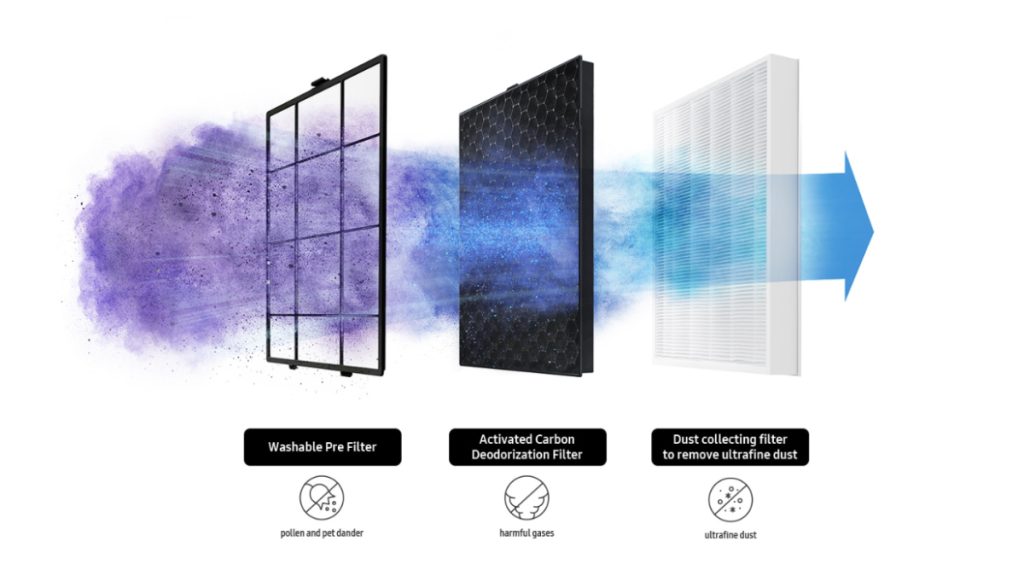
The Samsung AX32 air purifier delivers 320 cubic meters of clean air per hour and covers 356 square feet. It offers an exceptional level of air purity thanks to its multilayered, high-efficiency purification mechanism. It’s quite portable, weighing just 6.9 kg. It supports a washable pre-filter, an Activated Carbon Deodorization filter, and an Anti-Bacterial (Zinc Oxide) Dust Collecting filter.

Samsung AX46 and AX32 air purifiers will be offered in Beige and Grey colors. They can be purchased through Samsung.com and Samsung exclusive stores at a starting price of Rs. 12,990 for AX32 and Rs. 32,990 for AX46.

RELATED:

iQOO Neo 7 SE may feature a Dimensity 8200 chipset

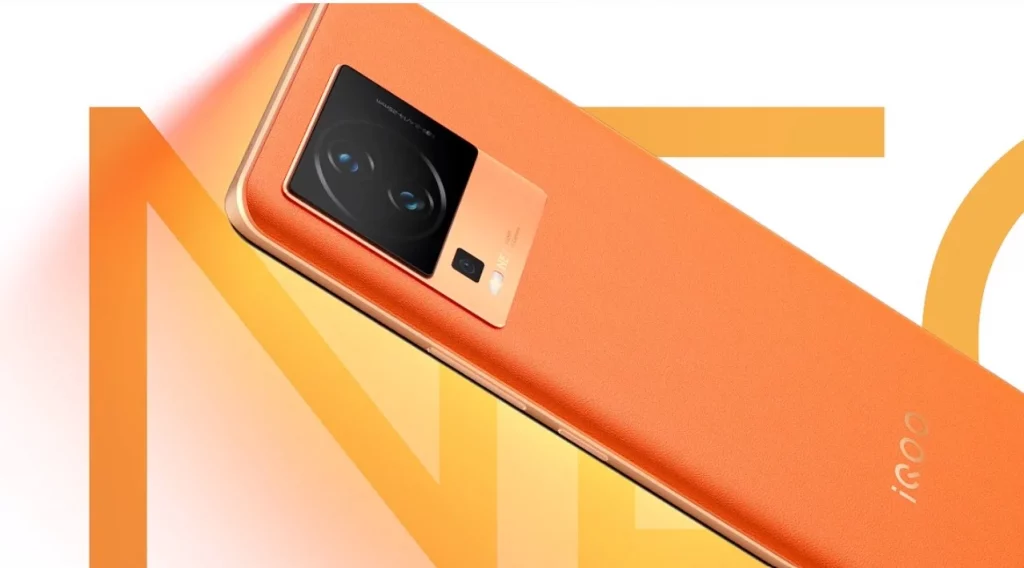
iQOO Neo 7 SE is in the works, and reports suggest it will debut alongside the iQOO 11 series in December. Ahead of any official announcement, a popular tipster has revealed the handset will be powered by an unannounced MediaTek Dimensity processor. Here are the details.

Tipster Digital Chat Station took to Weibo to reveal the upcoming iQOO Neo 7 SE will feature a MediaTek Dimensity 8200 SoC, which is yet to be formally announced by the chip maker (via GSMArena). The alleged chipset will have a CPU with one major Cortex-X2 core at 3.1 GHz. This is the same as MediaTek’s current flagship processor—Dimensity 9000.

iQOO Neo7 SE
iQOO Neo7

Dimensity 8200 could provide powerful performance with a focus on efficiency. However, details about the processor are still pretty short and the company is yet to confirm any details. Rumors suggest the Dimensity 8200 may tag along with the Dimensity 9200 SoC on November 9.

Talking about the device itself, iQOO Neo 7 SE is expected to arrive in the Chinese market next month (December). It’s possible the device will be announced at the same event as the iQOO 11 series.

A recent report suggests the Neo 7 SE will come with an AMOLED display that will produce a Full HD+ resolution and offer a 120Hz refresh rate. It may feature a triple-rear camera setup consisting of a 50MP main camera that will support optical image stabilization (OIS). It could have an 8MP ultrawide camera and a 2MP macro unit. On the front, the phone may sport a 16MP shooter. It will be backed by a 5,000mAh battery that will support particularly extreme 120W fast charging.

RELATED:

Nothing product owners will get Rs. 1000 discount on Nothing Ear (stick) purchase in India

Nothing unveiled the Ear (stick) last month, describing it as the company’s most technologically advanced audio experience to date. Even though it lacks some capabilities like ANC and wireless charging, it is still expensive in India at Rs. 8499 compared to the Nothing Ear (1).

The company announced that it is giving everybody who has a Nothing product an Rs. 1,000 discount on Ear (stick), available only on Flipkart, as a way of saying “thank you” to its supporters.

This will be immediately applied when they buy the item during the initial, limited sale on November 14 at 12 PM. The deal will nevertheless be accessible once open sales start on November 17 at 12 PM. According to the company, this promotion is only valid for a short time.

Nothing Ear (Stick) specs & features

Unlike the Ear (Stick), which has an in-ear design, the Ear (Stick) has a half-in-ear design (1). This is claimed to fits more comfortably because it isn’t as intrusive in the ear. These earbuds include an internal 12.6 mm dynamic driver configuration that supports AAC and SBC coding. A Bass Lock option is also available to stop sound leakage.

Nothing Ear Stick

The TWS has three microphones, and it’s capable of filtering out greater background noise. The TWS has a battery life of up to 7 hours and up to 29 hours with the supplied charging case. The charging connector on the casing is a Type-C port, and there is no wireless charging functionality.

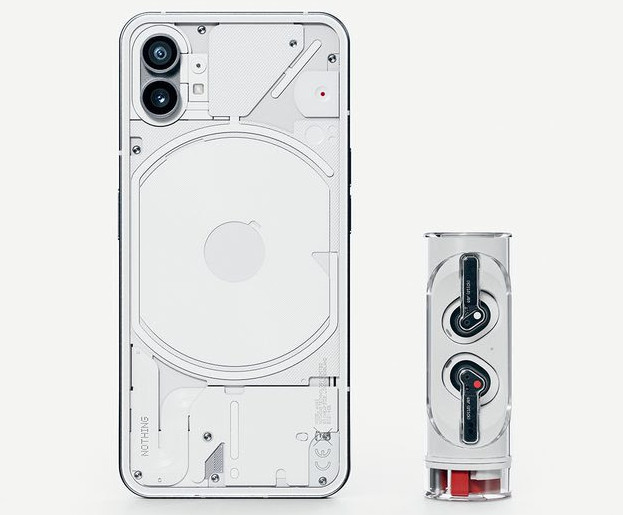
The case for this TWS is also transparent and cylindrical in shape. In terms of controls, the Nothing Ear (Stick) has tap, press, and hold controls on both buds. Bluetooth 5.2, IP54 certification, in-ear recognition, Google Fast Pair, Microsoft Swift Pair, Nothing X app, Customise EQ and motions, and low-lag mode with the phone are also included (1).

RELATED:

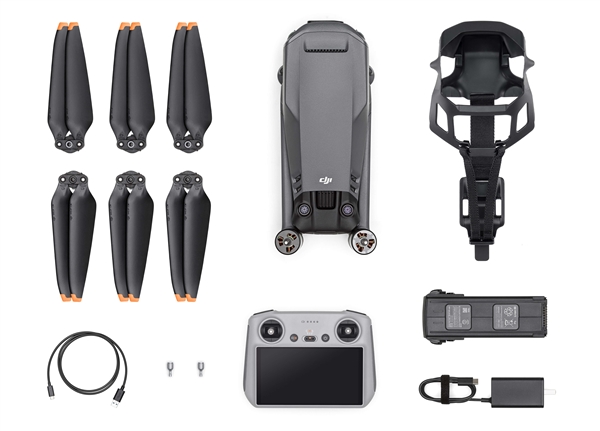
DJI Mavic 3 Classic drone with a 20MP Hasselblad-branded camera launched

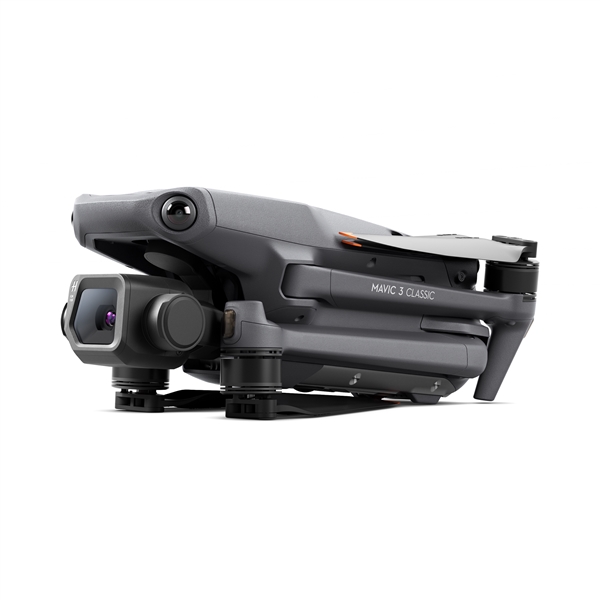
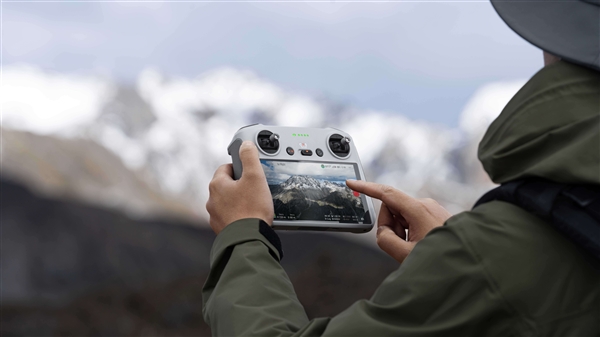
Chinese consumer drone manufacturer DJI has unveiled a new drone which is almost an iteration of the Mavic 3. The new drone is the Mavic 3 Classic and features the L2D-20c aerial camera co-engineered with the legendary Swedish brand Hasselblad.

DJI Mavic 3 Classic

The Mavic 3 Classic packs a professional-grade 4/3 CMOS sensor that supports 20 megapixels (5280 x 3956px). It also features 12.8 stops of native dynamic range, F/2.8-F/11 variable aperture, and 3x digital zoom, combined with Hasselblad natural color solutions (HNCS). The drone can also shoot 12-bit color-depth photos in RAW format.

In terms of video, it supports up to 5.1K/50fps, 4K/60fps (oversampling), and 4K/120fps slow-motion recording formats. The drone equally supports 10-bit HLG color mode, which can present higher dynamic range pictures on playback devices without post-processing. Furthermore, the drone’s camera supports 10-bit D-log, allowing it to present delicate color gradients and retain more light and dark details.

DJI Mavic 3 Classic

The drone’s fuselage is fitted with 8 visual sensors that can detect obstacles in all directions. With APAS 5.0 (Advanced Flight Assistance System), it can detect objects in all directions at all times during the flight and avoid obstacles.

The flagship DJI O3+ image transmission technology can achieve an ultra-long communication distance of 15 kilometers and a 1080p/60fps image transmission quality. It can also be used with the DJI Cellular module to integrate the original image transmission signal and 4G network to increase performance in complex environments, reliability, and reduce the chance of disconnection.

DJI Mavic 3 Classic

For flight, the Mavic 3 Class comes with a constant-speed cruise feature. It also supports high-speed mobile phone connection, intelligent follow 5.0, master lens, one-click short film, panoramic shooting, etc.

The Classic drone crams a 5000mAh battery with a hover time of 40 minutes and a total flight time of 46 minutes. It has a maximum cruising range of 30 kilometers. The top horizontal flight speed is 21 m/s, while the full ascent speed is 8 m/s, and the maximum descent speed is 6 m/s.

DJI Mavic 3 Classic

The drone weighs 895 grams and in its folded state, it has a dimension of 221×96.3×90.3 mm. When unfolded, the dimension is 347.5×283×107.7 mm.

The Mavic 3 Class standard model with the RC-N1 controller is priced at $1,600. You can get the drone without the RC controller for $1,470.

RELATED:

Nothing rebrands ear (1) companion app to Nothing X, adds new features

Carl Pei-helmed company Nothing has rebranded its companion app for audio devices. The brand’s Nothing ear (1) is now Nothing X. The rebrand is visible on both Android and iOS devices and the app can be downloaded or updated from Google Play Store and Apple App Store respectively. Alongside, Nothing has also added new features. 

Nothing X

The features in the Nothing X companion app are only for Ear (1) and Ear (Stick). They are available from the Bluetooth settings of the Phone (1) when the TWS earphones are connected to the device by pressing and holding the pairing button on the charging case. For other smartphones, users need to download the app. 

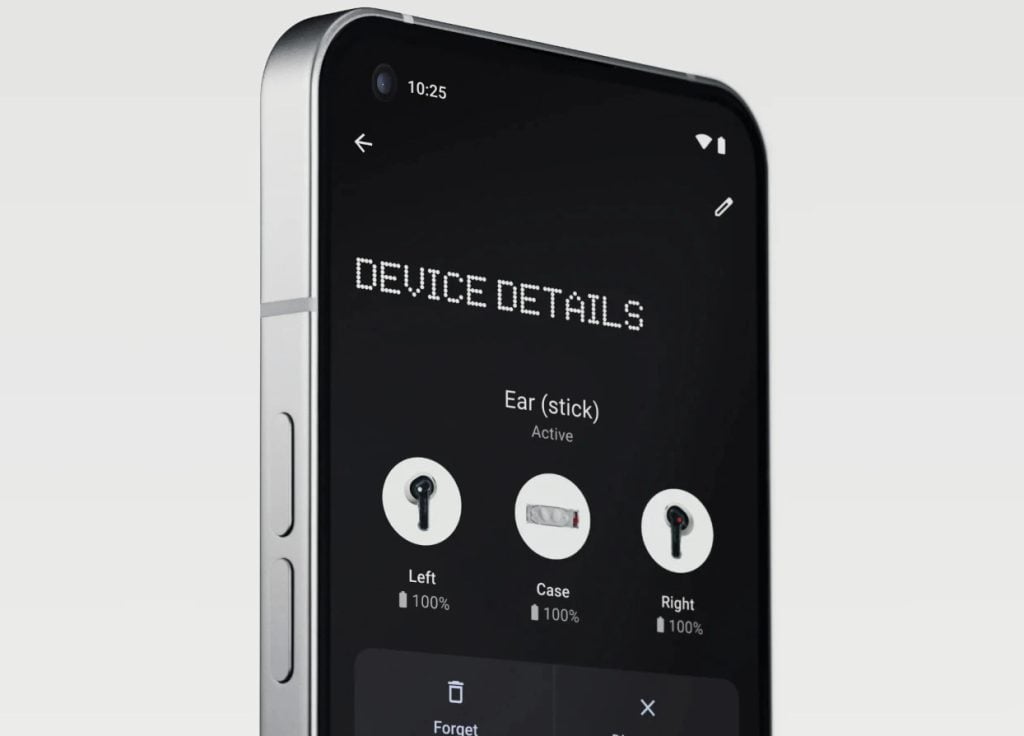
Nothing says that it has improved the pairing and set-up process as well as gesture controls. Users can customise the gesture controls and also switch between active noise cancellation modes on the Ear (1) only. There is a new Equalizer experience for low, mid, and high-frequency levels. The companion app also displays the battery levels of each earbud and the case. Other features include in-ear detection, find my earbuds, and the ability to download firmware updates. 

The Nothing Ear (Stick) that debuted recently also receives a new low lag mode with the rebranded Nothing X app. It is said to offer a better low-latency gaming experience. The TWS earphones sport a semi-in-ear design, IP54-rating, and a cylindrical shape charging case. The audio device is equipped with a 12.6mm driver with Clear Voice technology and is backed by a total of 29 hours of battery life. 

Related:

Samsung Galaxy Tab A7 Lite Kids Edition goes official in the US

Samsung has launched a new tablet for kids in the US. The tablet is dubbed Galaxy Tab A7 Lite Kids Edition and is now available for purchase in the US through AT&T.

The Galaxy Tab A7 Lite Kids Edition is based on the Galaxy Tab A7 Lite launched in 2021. Thus, it shares some features with the standard version. However, the new tablet comes with a few add-ons to make it kid-friendly. First off, the Galaxy Tab A7 Lite Kids Edition is fitted with a sturdy case with a thick cover around the screen to protect against bumps and drops. This ensures that it can withstand rough handling by kids. There’s also a 360-degree swivel stand, so kids can view the display hands-free from almost any angle. The swivel also acts as a handle to carry the tablet.

Samsung Galaxy Tab A7 Lite Kids Edition

The slate packs an 8.7-inch display and is powered by a MediaTek Helio P22T chipset. The processor is backed by 3GB of RAM while there is 32GB of storage onboard the device. Under the hood, it crams a decent 5100mAh battery which can deliver extended usage.

On the software side, the slate comes with some software features to make it more kid-friendly. To this end, the tablet comes pre-installed with the Samsung Kids app. The app can help parents control how children use the tablet in different ways. This includes limiting the contacts, apps, and media the child can access and the amount of time they can use the tablet. The app also offers usage reports to track how kids are spending time on the device.

The Galaxy Tab A7 Lite Kids Edition costs $7/month at AT&T with a 36-month contract period and a total retail price of $250. Considering that the standard Galaxy Tab A7 Lite now retails for $109, the price of the children’s version is quite high. The new tablet will go on sale in the US on November 4th.

RELATED:

Samsung Galaxy S10 Lite To Get Android 13 Update While S10, S10+, and S10e Won’t

In 2020, Samsung introduced three generations of Android updates for its premium and select mid-range phones as well as tablets. For flagships, this policy covers the Galaxy S10 and Galaxy S20 series, while the Galaxy S21 series and onwards are eligible for four Android updates.

Hence, the Galaxy 10 Lite is entitled to three OS upgrades, just like the Galaxy S10, Galaxy S10 Plus, and Galaxy S10e. However, unlike the latter three, the former will receive the latest Android 13-based One UI 5.0 update.

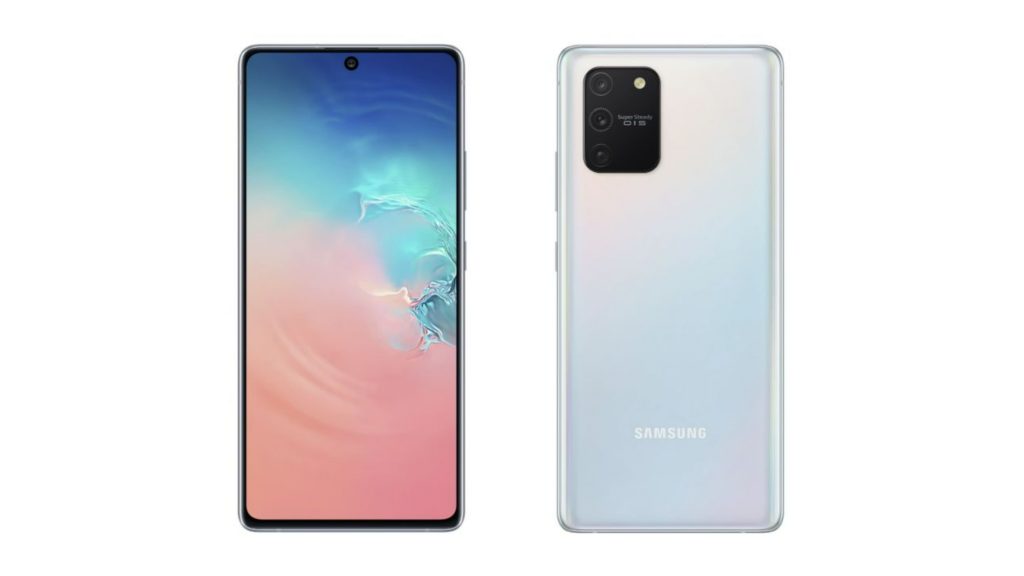
Samsung Galaxy S10 Lite

The original Galaxy S10 family comprising the mainline three models debuted in early 2019 with Android 9.0 Pie onboard. On the other hand, the Galaxy S10 Lite was released in early 2020 with Android 10.

But all of them are qualified for three generations of Android updates. As a result, the inexpensive Galaxy S10 Lite will get access to Android 13 in the coming days.

In fact, Samsung has already started testing the firmware for the handset. It seems like there won’t be a public beta program for it.

According to update schedules shared by Samsung, the device will receive the stable update as early as December in regions like Germany and Malaysia. The update should be available in other markets in the following weeks.

The Galaxy S10 Lite was one of the best upper mi-range smartphones of its time. It has a 6.7-inch FHD+ Super AMOLED Plus display, Qualcomm Snapdragon 855 SoC, 48MP (wide, OIS) + 12MP (ultra-wide) + 5MP (macro) triple camera setup, 32MP selfie camera, 4,500mAh battery, 45W fast charging support, and more.

RELATED:

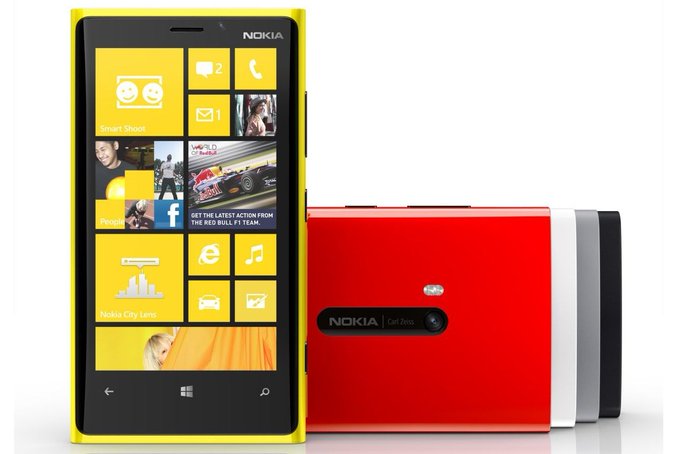
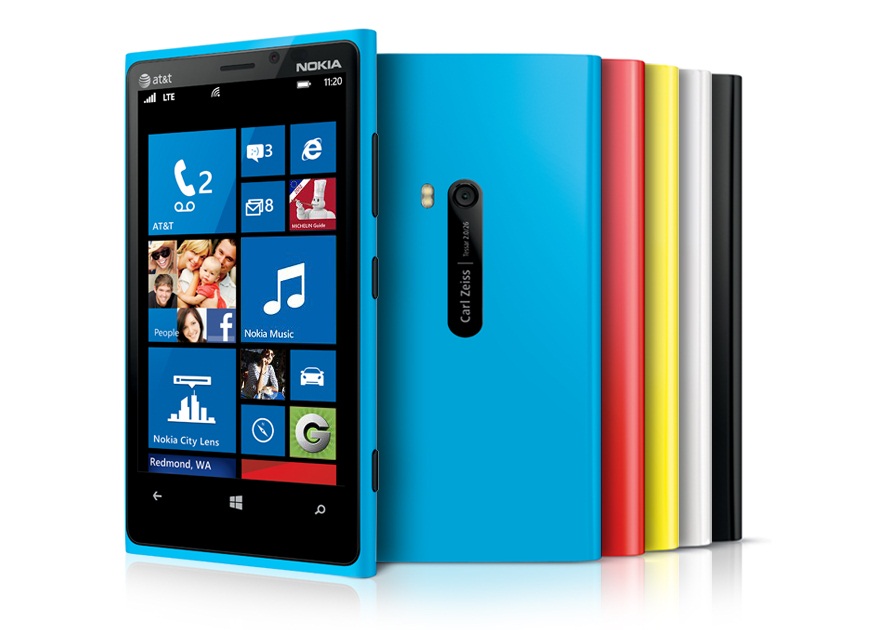
Nokia Lumia 920: A Smartphone With Many Firsts

More than a decade ago, the first Nokia Lumia series smartphone had been announced with the Windows Phone operating system. Among the various models launched, the Lumia 920 stands out since it launched with features that were a first for the company and some that were a first even for the whole industry. So let’s have a look at the 920, which just recently turned a decade old.

First Lumia With PureView Camera & OIS

First, let’s start with all of the new features that Nokia introduced for its Lumia branding with the 920 model. It was the first smartphone from the Finnish brand to feature its iconic PureView cameras. It featured a lone 8.7 megapixel PureView sensor on the rear, which promised to take high quality pictures. And, the Nokia Lumia 920 had delivered on this claim. The PureView technology consisted of an on chip image processors that helped improve image quality.

This technology was further complimented with OIS (optical image stabilization). While this feature is almost standard now in higher end and mid range smartphones, the Lumia 920 was the first device to ever feature this camera technology in its camera. As you’d expect, this helped improve low light camera performance, still image quality, and even make video captures smoother as well, even if one’s hands weren’t steady.

First Phone With a True 60Hz Display

The Lumia 920 was also the first smartphone with a true 60Hz display. Nowadays, the higher refresh rate panel have become a lot more popular while the 60Hz screen is the bare minimum. But a decade ago, the 920 was the only model to deliver a dull 60 frames per second without any blurring. In other words, this feature was cutting edge advanced technology for smartphone display panels back then. Through this, users no longer faced any lags, pixelated videos, or ghost images that appeared as your screen moved.

Nokia

It also featured an IPS type LCD panel. Interestingly enough, the device also featured the most sensitive touch display as well. The company called it super sensitive touch, which basically enabled the capacitive touchscreens to also function with gloves, nails, and certain pens as well. Despite these features, the display itself wasn’t more fragile and would still offer water resistance.

First Phone With Qi Wireless Charging Support

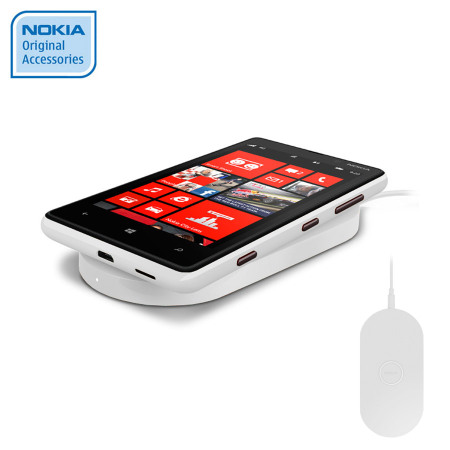
Another notable feature that the Nokia Lumia 920 shipped with is wireless charging support. This feature is almost always offered in higher end models in this day and age. However, the Lumia 920 was the only top end model to offer this technology back in 2012. The 920 was the first smartphone model that had an integrated wireless charging, while being made available for purchase all across the globe in multiple markets.

Nokia

Additionally, it was compatible with the Qi wireless standard as well. In other words, the handset could be charged using a wide selection of Nokia wireless charging accessories as well as any other Qi certified wireless chargers. Back then, this feature was more of a gimmick since adoption of the technology was low. But it is now much more common, even in certain public areas. Many modern day smartphones also come with Qi wireless charging, so the device was clearly future proofed as well.

Other Notable Mentions

Apart from the aforementioned aspects, the Nokia Lumia offered other first time ever features as well. This includes a Pentaband LTE support. This allowed the device to use LTE bands, which offered data speeds that were up to 10 times faster than traditional 3G networks. Back then, 3G networking was also more common, so this phone definitely advanced the handset networking technology. Similarly, the device was also the first to feature Windows Phone 8 OS. This operating system was the second generation of the Windows Phone OS from Microsoft, bringing many enhancements from its predecessor, which saw it receive praises for the increased capabilities.

RELATED:

OPPO Find X6 series battery capacities tipped

Details about the OPPO Find X6 series have already started surfacing on the web. The lineup is expected to comprise a regular and a Pro model. The camera, display, and processor details of both smartphones have leaked in the past. Now in the latest development, the battery capacities of the Find X6 series have been shared by reliable tipster Digital Chat Station on microblogging platform Weibo. 

As per DCS, the OPPO Find X6 will be powered by a 4,800mAh battery unit whereas the Find X6 Pro is tipped to be backed by a 5,000mAh cell. Their predecessor models also had the same battery capacties. There’s a possibility that the Find X6 duo may come with support for 60W fast charging. Apart from this new information, there is no additional details about the Find X6 series. We expect it to crop online in the coming months. 

Past reports suggest that the OPPO Find X6 and X6 Pro will come with an OLED display bearing a resolution of 1.5K and 2K pixels. The regular variant may be powered by a Snapdragon 8+ Gen 1 while the Pro model is expected to be equipped with a Snapdragon 8 Gen 2 chipset. It will pack up to 12GB RAM and 512GB storage. 

Both the OPPO Find X6 and X6 Pro are rumoured to feature a 1-inch Sony IMX989 primary sensor. The main lens will support 4K HDR night video recording thanks to the MariSilicon X. The camera configuration on the Pro model is expected to consist three 50MP sensors comprising of main, ultra-wide, and telephoto lens. The regular variant will have a 32MP third snapper instead of 50MP.

The next-generation Find X6 series will arrive as the successor to the Find X5 that debuted earlier in February this year. Although the launch timeline remains unknown, we can expect it to debut in the first quarter of 2023. 

Related:

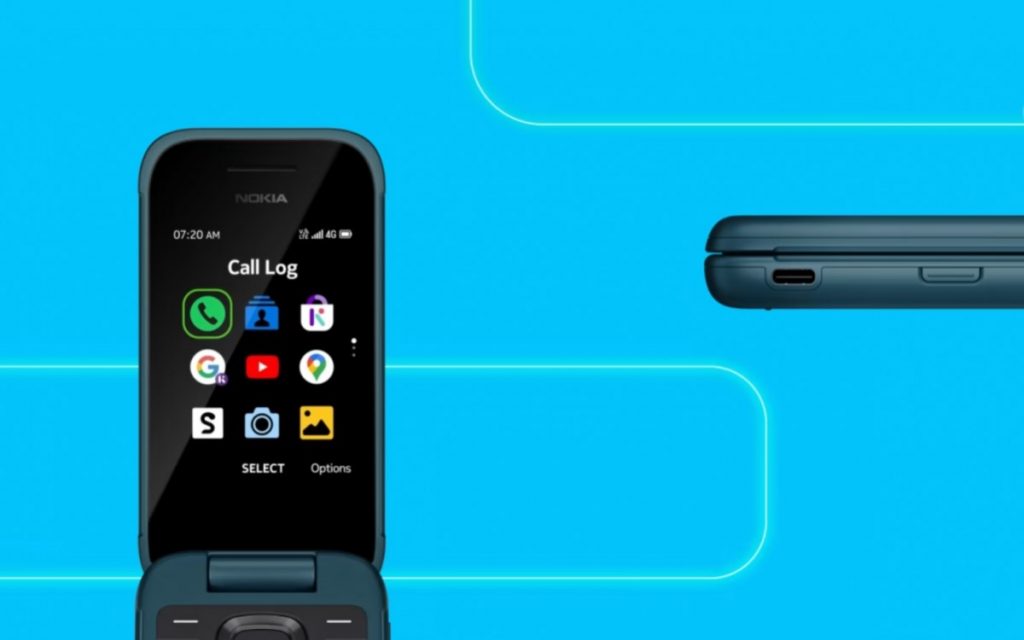
Nokia 2780 Flip with Qualcomm 215 SoC, KaiOS 3.1 launched

Nokia 2780 Flip phone has been launched in the global market. It is the latest feature flip phone from HMD Global. The device is similar to the Nokia 2760 Flip that was announced earlier in March this year. Read on to know what the Nokia 2780 Flip offers out of the box. 

The Nokia 2780 Flip has a 2.7-inch TFT display and a 1.77-inch secondary display on the outside. The latter is capable of showing time, caller ID and other updates. There is also a 5MP camera sensor paired with LED flash above the secondary screen. The feature flip phone has a clamshell design and a T9 keyboard.The Nokia 2780 Flip is said to be designed to outlast the bumps and knocks during everyday use. 

Internally, the Nokia 2780 Flip is equipped with a Qualcomm 215 processor which comprises a quad-core CPU running at 1.3 GHz and an X5 LTE modem with peak downlink speeds of 150 Mbps. There is 4GB RAM and 512MB for smooth storage. The device is powered by a 1,450mAh removable battery unit. 

Software-wise, the Nokia 2780 Flip runs on KaiOS 3.1 out of the box. It offers features like hearing aid compatibility and real time text that allows sending messages while on calls. There is also Google Maps, YouTube, and web browser. The feature phone comes with WiFi, MP3, and FM Radio. 

The Nokia 2780 Flip is priced at $80 and is offered in Red and Blue colours. It will go on sale from November 15th in the US. 

Related:

Black Shark patents VR device that can read lips for hearing impaired people

Black Shark is apparently working on an interesting new product that will be made for people with disabilities. The company has just recently patented a VR based product (virtual reality) that is built to aid people with hearing impairment.

The Chinese smartphone maker’s patent was recently spotted by ITHome. Looking at the official patent description, the company is working on a new VR glasses type of device that houses its own mobile power supply and a display unit. Furthermore, the upcoming VR device is apparently capable of a very interesting feature. This gadget will have a dedicated module to read lip and lip language. In other words, it would be able to recognize lip movement and sent the relevant information to the VR device wearer.

Black Shark

The data would likely be transcribed in the form of audio or possibly displayed on the VR device’s display. Interestingly enough, we had covered a report earlier this year regarding Tencent acquiring Black Shark. The former was rumored to be making this move as it sought to step into the Metaverse. For those unaware, Black Shark has been a brand that has been in the gaming industry for sometime now and would’ve reportedly develop VR hardware for the metaverse. Meanwhile, Tencent would’ve been responsible for the software content on the company’s new VR product.

Keep in mind that this is still just a patent. This means that we have no idea if the brand is actually working on such a product or is simply covering all bases. But if it is true, then the company is clearly focusing on improving accessibility to more consumers across the market. This is all the information we have regarding this matter, so stick around for more updates.

RELATED:

Vivo Wireless Sports Headset 2 with up to 12hrs of playback launched

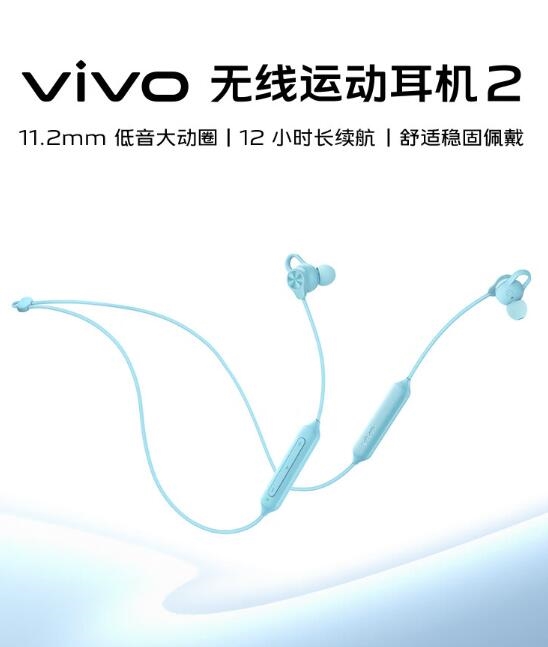
BBK subsidiary Vivo has launched a new wireless neckband headset in China. The Vivo Wireless Sports Headset 2 utilizes a neckband design which is cool but what should stand out more is the 12 hours of music playback which the battery under the hood can support. The product is super-affordable as it starts at just 119 yuan ($16).

Vivo Wireless Sports Headset

Since this is a relatively cheap product, not much should be expected of it in terms of the configuration but that isn’t the case. The neckband earphone is ultra-lightweight, weighing just 18 grams. It adopts the exclusive horn ear design, which can closely fit the ear firmly without discomfort. Since this is a sports earbud, it is essential that they fit the ears firmly.

The built-in 11.2mm moving coil unit is equipped with a polymer diaphragm. It also utilizes the Japanese Daikoku copper-clad aluminum voice coil that enhances the high-frequency sound output. The headset is also tuned by Vivo’s Golden Ear acoustic team to balance the three frequencies.

vivo

The wireless sports headset 2 uses a Bluetooth 5.0 chip, and the audio delay during games can be reduced to 80ms at least. A high-sensitivity microphone is designed at the in-line control position of the headset, which supports noise reduction for calls, making daily calls and game voices clearer.

As stated earlier, the earphones support up to 12 hours of music playback on a full charge. Even if you run out of battery, there is no cause for alarm as the earphones have a flash charging function. A 10-minute charge can deliver up to 3 hours of music playback which is awesome.

Vivo Wireless Sports Headset 2

Furthermore, the new product adopts a magnetic suction design, which will enter a dormant state when the suction is removed. It also supports a one-key flash connection function meaning the headset can be quickly connected when it is close to the phone. In addition, the button can wake up the mobile phone voice assistant and quickly switch the paired device.

RELATED:

(source)

Honor Play 30M Launched: Fingerprint Sensor, More RAM, & Additional Camera

Back in May, Honor launched the Honor Play 30 in China. It is one of the most affordable 5G smartphones in the country priced at just ¥1,099 ($150).

Nearly six months after its release, the brand has now debuted a new variant of this handset in partnership with China Mobile. This device is officially called Honor Play 30M and it arrives with slightly different specs.

Honor Play 30M

Honor Play 30M Specifications

The Honor Play 30M comes with three notable changes. First and foremost, it sports a side-mounted fingerprint, which is now found on the original Play 30.

Secondly, it features a 2MP depth sensor, in addition to the 13MP main camera present on the original. Finally, it arrives with  6GB RAM instead of 4GB but the storage remains the same at 128GB.

Apart from the aforementioned differences, the Honor Play 30M is the same as the Honor Play 30.

The device is built around a 6.5-inch display (LCD) with a resolution of 1600 x 720 pixels (HD+) and a dewdrop notch. It measures 8.69mm in thickness and weighs 194g.

It is powered by a Qualcomm Snapdragon 480G Plus chipset. On the front, it has a 5MP selfie camera.

The handset offers 5G connectivity and 10W charging support. Finally, it is backed by a 5,000mAh battery.

Honor Play 30M Price and Availability

The Honor Play 30M is priced at ¥1,299 ($177) for the sole 6GB + 128GB memory configuration. It can be availed in three colors, such as silver, blue, and black.

It is already on sale across offline stores and will be available for purchase online starting tomorrow (November 4).

RELATED:

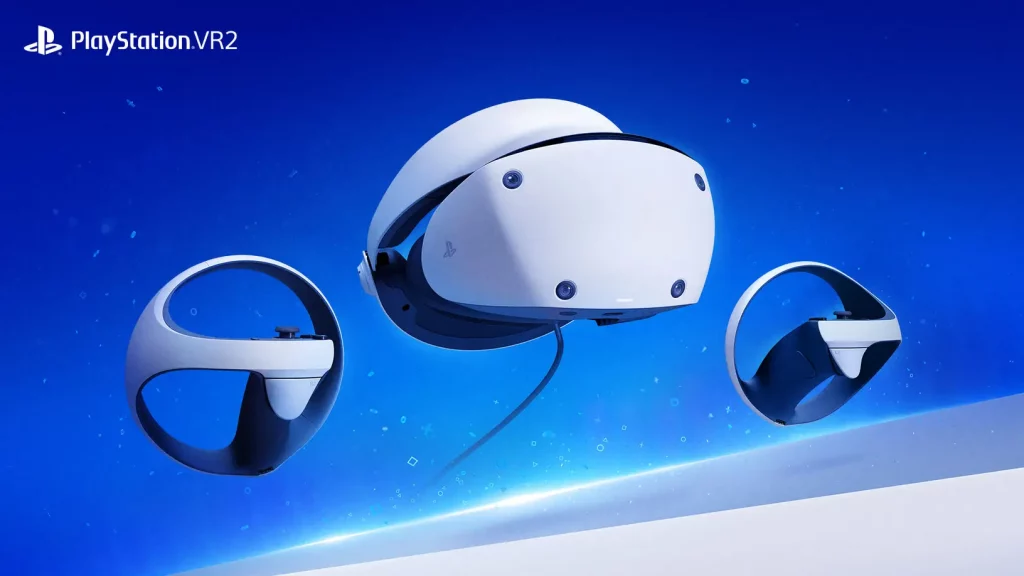
Sony reveals PlayStation VR2 headset pricing and release date

Sony has officially revealed the pricing and the release date for its PlayStation VR2 headset. The new announcement also shares the information for the virtual reality based headset, which is similar to the launch timeline of the new DualSense Edge.

As per official notes, the Japanese tech giant will begin pre-orders on November 15 in various markets across the globe. Although, registrations for the pre-orders are already live. The company has also opened a dedicated web page for the PS VR2. Keep in mind, the brand did say that registering does not guarantee that you will be able to pre-order a PS VR2 headset. Sony will also be limiting the orders to just one unit per ‘PSN ID per household.’ This is likely to avoid hoarders or scalpers or because of limited supply but a higher demand.

Sony

Furthermore, the company is apparently only letting pre-orders go out to regions where the PS VR2 headset can be sold directly. Meaning, only countries where the PlayStation Direct Store can deliver is eligible for the early buyers. If you are able to meet all these criterias, you can place pre-orders for the new headset on November 15. It will go for a price tag of 5499 US Dollars, which includes taxed. The company will also ship the new PS VR2 headset alongside the PS VR2 Sense controllers and even stereo headphones as well.

Sony is also offering the new PlayStation VR2 in a Horizon Call of the Mountain bundle for 599 US Dollars. This basically adds a PlayStation Store voucher code for Horizon Call of the Mountain. While the early orders are set to go live soon, the brand will only begin shipping of the new headset by next year. The company is expected to start selling the device and its accessories on 22nd February 2023. Sony has also confirmed that the PS VR2 will support another 11 VR games from launch apart from its existing 15 titles.

RELATED:

Oppo A98 With Curved Display May House SD695 SoC

Last week, news broke out regarding an upcoming Oppo A series smartphone with premium features. This device is expected to go official as Oppo A98.

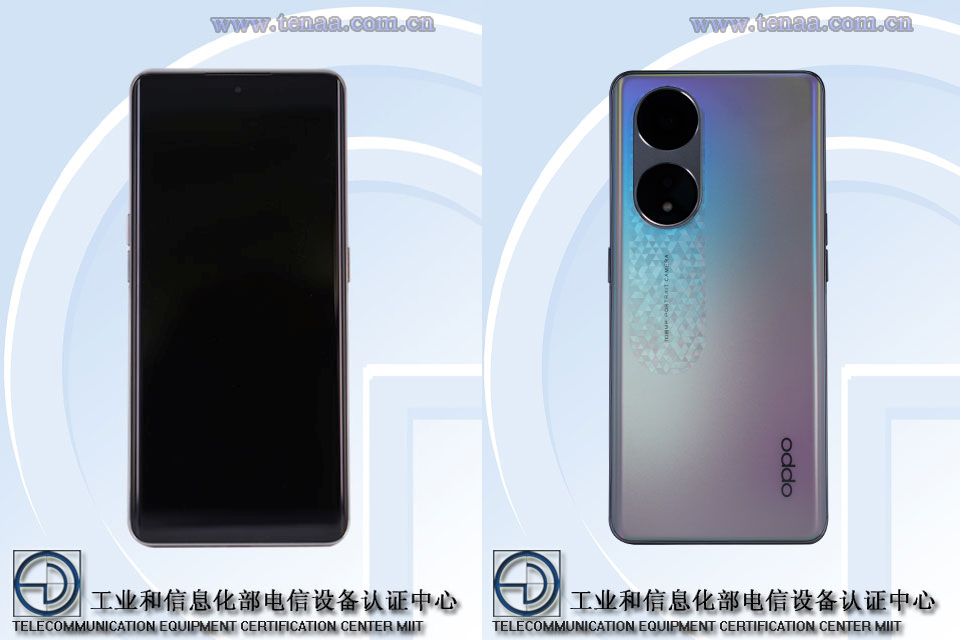
Earlier today, images of a mysterious Oppo-branded handset appeared on TENAA with model number PHQ110. It is said to be Oppo A98 and now, its key specs have been tipped as well.

Let’s check out what this forthcoming phone may offer.

OPPO PHQ110 TENAA images
OPPO PHQ110 (aka Hepburn) / Oppo A98 | Source: TENAA

According to Digital Chat Station, the unknown Oppo smartphone is codenamed ‘Hepburn’. Although he doesn’t mention it directly, this device could likely launch as Oppo A98 since the specifications shared by him are the same.

He says this handset will sport a 6.7-inch curved display with a resolution of 2412 x 1080 pixels (FHD+) and a 120Hz refresh rate. The centered punch-hole screen will have a 2.33mm chin narrow chin and will support up to a 2160Hz PWM dimming.

Unfortunately, despite flaunting a premium display with an in-screen fingerprint sensor, the phone will be powered by a slower Qualcomm Snapdragon 695 SoC. But it will not only support 67W fast charging but also arrive with a 108MP main camera.

The smartphone won’t lack essentials either. It will come with dual stereo speakers and NFC for contactless payments/transit passes.

Based on the specs, the so-called Oppo A98 (Hepburn) does sound like an interesting phone and it is somewhat similar to the Honor X40. Do let us know your thoughts in the comment section below.

RELATED:

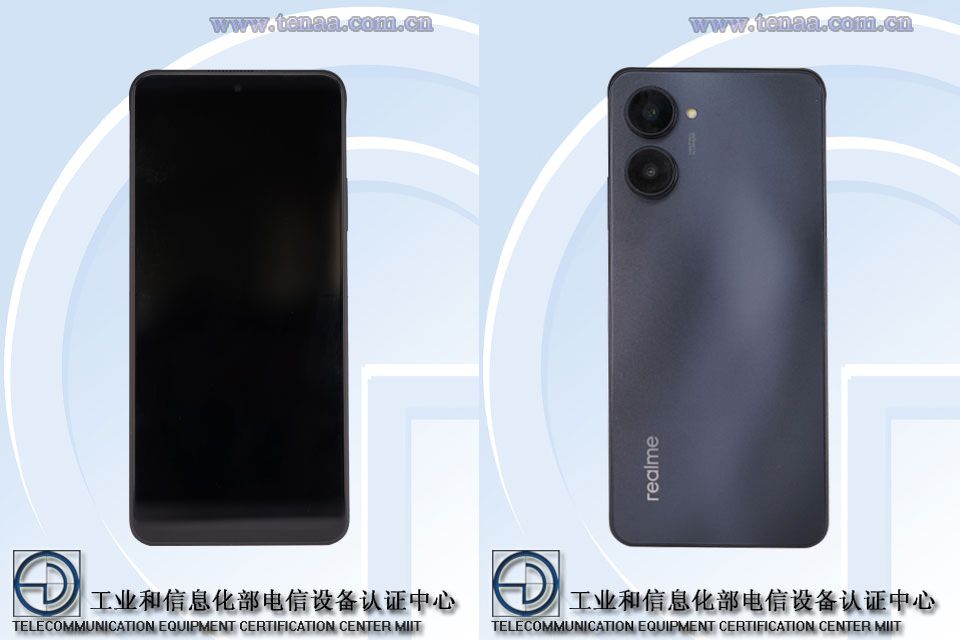
Realme 10 Pro 5G NBTC certified, here’s what to expect

The Realme 10 Pro 5G has been certified by Thailand’s NBTC authority. The NBTC listing reveals that the Realme phone with model number RMX3661 will arrive in the market with the Realme 10 Pro 5G moniker. The listing does not reveal anything about the major specifications of the device. However, it does reveal that it is a 5G-ready device. Continue reading to learn what to expect from the Realme 10 Pro 5G.

Last month, the TENAA certification platform certified two Realme phones with the RMX3663 and RMX3687 model numbers. In all likelihood, the Realme RMX3663 device heading to China and the RMX3661 handset heading to Thailand could be one and the same device.

Realme RMX3663 specifications

The Realme RMX3663 handset will arrive with a 6.7-inch LCD panel that flaunts a punch-hole design. It will produce a Full HD+ resolution of 1080 x 2400 pixels. The device will come equipped with a side-facing fingerprint scanner. It will come preloaded with Android 12 OS.

RMX3663
RMX3663

The RMX3663 will be powered by a 2.2GHz octa-core processor and 6 GB / 8 GB / 12 GB of RAM. It offers 64 GB / 128 GB / 256 GB, and 512 GB of storage. It will come equipped with a 5,000mAh battery, which will support 33W fast charging.

On the front, the RMX3663 will feature a 16-megapixel selfie camera. Its back panel will have a 108-megapixel primary camera and a 2-megapixel secondary lens. There is a possibility that the Realme 3661 (Realme 10 Pro 5G) may arrive with almost identical specifications.

In related news, the Realme 10 4G, featuring the Helio G99 chipset, will debut on Nov. 9 globally. The device will arrive with key specs like a 6.4-inch AMOLED FHD+ 90Hz display, a 50-megapixel main camera, and a 5,000mAh battery with 33W fast charging.

RELATED:

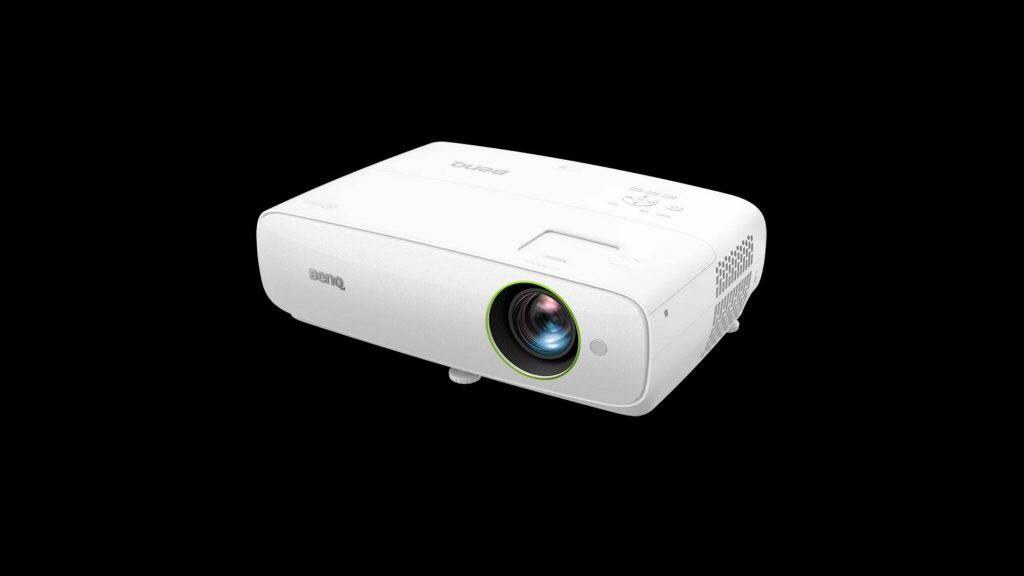
BenQ Smart Projector EH620 launched in India for enterprises

BenQ has just launched a new product in the Indian market that targets business enterprises. The new device the Smart Projector EH620, which is the world’s first Windows based projector that is built for professional environments.

The new BenQ smart projector is powered by the latest Intel Processor 4000 series CPU, which is integrated into EH620’s applications and even its security systems. This was done so by the company’s research and development team that worked with Intel. So, users can simply log in to a network account directly from the EH620 to instantly begin a cloud based meeting and video conference on a Full HD 150 inch screen. Furthermore, the new smart projector can also download business applications from the Microsoft Store and host any Windows software including web browsers and conferencing apps as well.

BenQ

Notably, the BenQ EH620 is also providing enterprises identity services including single sign on, multifactor authentication, and conditional access, reinforced by network security of AES 128 bit encryption and WPA2 wireless protection to protect against most cybersecurity attacks. It even comes with Intel Secure boot to protect against malware threats.

The EH620 offers easy system integration with Windows based ecosystems and supports devices like as smart boards or interactive boards and various cameras. The BenQ EH620 Smart Projector will be available in the Indian market for a price tag of 95,000 INR. It will be available from leading IT and consumer electronics retail stores outlets across the region. The company will also be offering a full onsite warranty of two years as well.

RELATED:

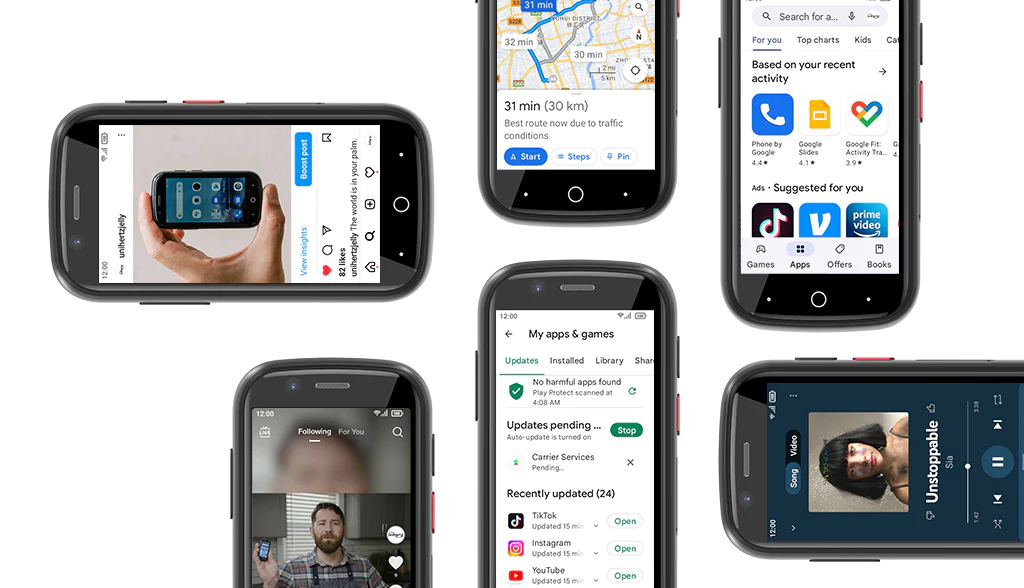
Unihertz Jelly 2E miniature smartphone with 3-inch display & android 12 launched

Even if the size of smartphone screens has been increasing, there is still a market for people who prefer smaller smartphones. Some popular compact smartphones in the current generation are the Asus Zenfone 8 and the Samsung Galaxy S22, which sport 5.9-inch and 6.1-inch displays, respectively.

Unihertz Jelly 2E

However, the Chinese company Unihertz, which is known to take the compact form factor to the extreme, has come up with a 3-inch display smartphone called the Jelly 2E.

The Jelly 2E is the successor of the Jelly 2, which launched back in 2020. The Jelly 2E takes its predecessor’s design and modifies it somewhat. Particularly, Unihertz has upgraded from Android 11 to Android 12, which is a great change. Unfortunately, the firm has removed NFC support and switched from 6 GB to 4 GB of RAM. The 128 GB of capacity in the Jelly 2 has also been reduced by 64 GB by Unihertz this time. Nevertheless, the Jelly 2E features a dual-SIM connection, a 3-inch display, and is 110 grams in weight. Like its twin, the Jelly 2E also boasts a 2,000 mAh battery.

(Image source: Unihertz)

Additionally, Unihertz added a MediaTek Helio A22, a budget chipset with four CPU cores and a PowerVR GE8320 GPU built using a 16-nm manufacturing process, to the Jelly 2E. Unfortunately, the MediaTek Helio A22 in the Jelly 2 performs about half as well as the Helio P60. Currently, if individuals register before November 7th, Unihertz will give them a US$20 discount. According to rumors, the Jelly 2E will cost US$170 upfront, before any discounts.

RELATED:

[UPDATED]Redmi Note 12 5G could be rebranded as POCO phone in India this month

UPDATE:

POCO India Head, Himanshu Tandon recently confirmed that the Redmi Note 12 5G won’t be rebranded as POCO phone.

Redmi unveiled the Redmi Note 12 series of smartphones in China last week. In all likelihood, some of these devices are expected to get rebranded as Xiaomi and POCO devices in the global markets. Reports have claimed that the Redmi Note 12 Discovery edition may remain exclusive to the Chinese, while the Note 12 Pro 5G and Note 12 Pro+ 5G may debut as the Xiaomi 12i and Xiaomi 12i HyperCharge in India. What about the Redmi Note 12 5G? It appears that this device may arrive as a POCO branded phone in India.

The Redmi Note 12 5G, which debuted in China, has the 22101317C. The shortened model number of the device is M17. As can be seen below, a new POCO phone with model number 22111317PI has appeared in the database of the Bureau of Indian Standards.

The 22111317PI device shares the same shortened M17 model number as the Redmi Note 12 5G. Hence, it appears that the device will be rebranded as the POCO phone in India. The model number also hints that the device will be released in November in the country. There is a possibility that the device may as a POCO M5 5G series phone.

Redmi Note 12 5G specifications

The Redmi Note 12 5G houses a 6.67-inch OLED display that offers a Full HD+ resolution and a 120Hz refresh rate. The device runs on the Android 12 OS, which is overlaid with the MIUI 13. The phone packs a 5,000mAh battery with 33W fast charging support.

Under the hood, the Note 12 5G has the Snapdragon 4 Gen 1 mobile platform. In China, the device is available with up to 8 GB of RAM and up to 256 GB of storage. It houses a 5,000mAh battery with 33W fast charging support. For security, it has a side-facing fingerprint scanner.

RELATED: