Samsung is expected to launch several budget smartphones very soon. The company is already reported to be working on the Galaxy A04e and Galaxy M04. And today the Samsung Galaxy A14 5G has been spotted on the Wi-Fi Alliance certification site, hinting that the launch of the handset might just be around the corner. Previous reports suggest the A14 5G will debut as the company’s cheapest 5G smartphone and will feature a large LCD display.
Samsung Galaxy A14 5G has been spotted on the Wi-Fi Alliance certification website, with model number SM-A146P (Via MySmartPrice). The listing does not reveal much information about the smartphone. However, it does mention that the upcoming device will support 2.4GHz and 5GHz Wi-Fi. Furthermore, the certification also mentions that the A14 5G will run Android 13 out of the box. The OS will likely have One UI 5.0 skin on top.
Earlier this month, a reportreport shared some renders of the smartphone, which revealed its design as well as a few key specifications. As can be seen in the image, the Galaxy A14 has a waterdrop notch and thick bezels on the bottom. It has the volume rocker and power button on the right side, while the left remains empty. On the bottom, the device features a USB-C port, a 3.5mm headphone jack, and a speaker grille. The smartphone has a triple camera setup on the back. They are styled as three separate raised rings.
Details about the upcoming Samsung smartphone are still pretty short. Rumors suggest the device will debut as the firm’s most affordable 5G smartphone. We should be learning more about it in the coming days. While you’re here, check out our OnePlus smartphone buying guide.
Gone are the days when OnePlus used to only release flagship killer smartphones. The brand is now known for phones spread across multiple price segments.
The Oppo-owned brand is expected to launch new handsets in the coming months. Not only the names but also the specs of these devices have leaked recently.
Therefore, we already know a few details about these forthcoming OnePlus phones. The company is anticipated to debut not only a premium model but also a flagship killer, a mid-ranger, as well as a budget model.
Without any further ado, let’s take a look at these handsets one by one.
The OnePlus Nord N300 has been confirmed by the company to launch in the US in November. The brand has also revealed the device’s key features.
It is said to arrive with a MediaTek chipset and a 90Hz refresh rate display. Also, it will carry support for 33W fast wired charging.
The handset could be the recently certified OnePlus-branded smartphone with model number CPH2389. As per FCC and Bluetooth SIG, this phone will come with dual-band WiFi, Bluetooth 5.3, NFC, and multiple 5G bands (n2, n25, n41, n66, n71, n77).
It is expected to share some or even most of its specs with its predecessor OnePlus Nor N200 from last year.
2. OnePlus 11 Pro
OnePlus 11 Pro | Source: @OnLeaks via Smartprix
The OnePlus 11 Pro is tipped to go official by the end of 2022. Unsurprisingly, it is said to house the yet-to-be-announced Qualcomm Snapdragon 8 Gen 2 chipset.
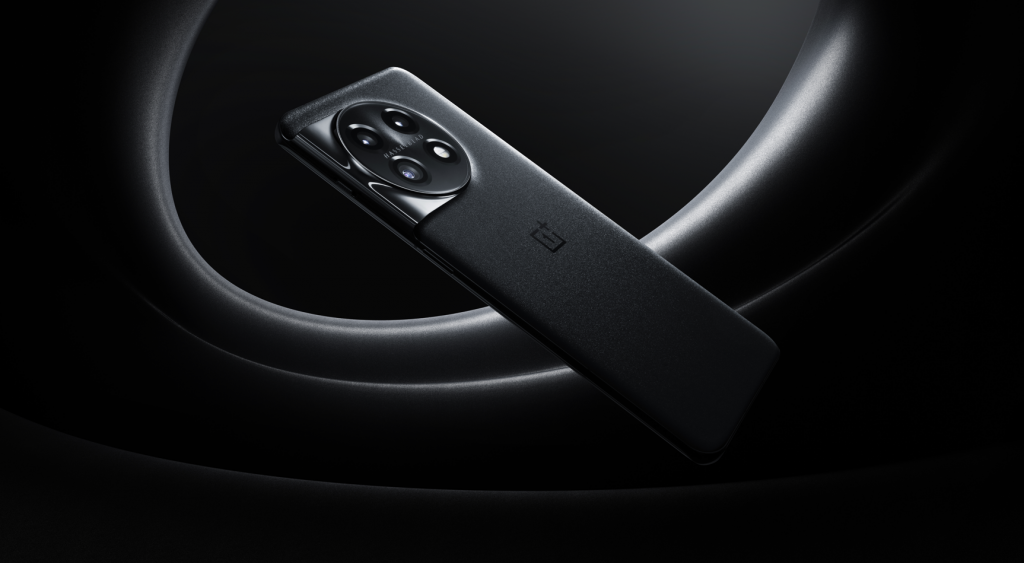
Further, the device’s design has also leaked via 3D CAD renders. According to these images, OnePlus’ next flagship smartphone will feature a new design sporting a circular camera island.
The same source has also disclosed the specs of the handset. It is said to arrive with a 6.7-inch 120Hz QHD+ AMOLED display, up to 16GB RAM, 50MP primary camera, 48MP ultra-wide camera, 32MP 2x telephoto camera, and 16MP selfie camera.
Last but not least, it is said to come with an in-screen fingerprint sensor, a 5,000mAh battery, and 100W fast-wired charging support.
3. OnePlus 11R
OnePlus 10R
OnePlus is tipped to continue the R lineup of smartphones with the upcoming OnePlus 11R. In fact, the key features of this phone have also leaked.
It is said to arrive with a Qualcomm Snapdragon 8 Plus Gen 1 SoC, up to 16GB RAM, a 6.7-inch 120Hz FHD+ AMOLED display, a 5,000mAh battery, and 100W fast-wired charging support.
It is tipped to house a triple camera system comprising a 50MP primary shooter, an 8MP ultra-wide unit, and a 2MP macro snapper. On the front, it is expected to sport a 16MP camera.
Unfortunately, the release timeline of this device is a mystery, just like its design.
4. OnePlus Nord 3
OnePlus Nord 2T
We last heard about the OnePlus Nord 3 in August. However, the launch timeline of the handset is still not known and so is its design.
The phone is tipped to come with a 6.7-inch 120Hz FHD+ AMOLED display, MediaTek Dimensity 8100 chip, and up to 12GB RAM. It is said to offer a 16MP front-facing camera and a triple camera system consisting of a 50MP Sony IMX766 primary sensor, an 8MP ultra ultra-wide unit, and a 2MP tertiary sensor.
Finally, a 4,500mAh battery is said to fuel the device with support for 150W fast wired charging.
Xiaomi’s MIJIA brand has over time proven to be a silent cash cow for the company. Most of the products released under the smart ecosystem product segment are often very popular. Thus, it beats our imagination as to why Xiaomi is yet to prioritize the segment by releasing most of its products outside China. The Chinese brand has launched yet another product that will likely receive wide patronage if it finds its way outside China. The product is dubbed MIJIA Smart Foldable Foot bath.
MIJIA Smart Foldable Foot bath
The MIJIA Smart Foldable Foot bath is different from the traditional manual foldable foot bath in that it is equipped with an electric double screw rod that can be smoothly lifted and lowered by an electric driver, without the need to manually unfold and fold it.
The foldable foot bath has a built-in automatic massage movement, which can be used to achieve 3 massage areas and 3 massage techniques. It is very convenient to relax and decompress when you get home from work.
It also supports three-segment massage and DPS hydroelectric separation heating technology. Specifically, the three-segment massage can achieve point-to-point coverage of the soles of the feet, arches, and heels, which is officially said to be equivalent to a three-handed massage at the same time.
Furthermore, it is equipped with a foot bath soft rubber massage pad, which can prevent the soles of the feet from directly contacting the massage disc. This also prevents the massage head from wearing the skin on the soles of the feet.
More importantly, the MIJIA Smart Foldable Foot bath does not require frequent hot water changes. It comes with a DPS heating system and an all-cast aluminum heat-conducting layer for faster heating. It also features a built-in water temperature detector and butterfly thermostat. There is also support for 35-48°C temperature adjustment as well as auto timing between 5 and 60 minutes.
Just like most MIJIA products, this foot bath is a smart home gadget as it can be controlled using a voice prompt and via the MIJIA app. It can even be remotely operated through the MIJIA app even if you are away from home. You can get it running while on your way home, set a time for it to start running, and adjust the temperature.
In terms of design, the MIJIA Smart Foldable Foot bath has a height of 35cm in its unfolded state and a height of 18cm when folded. It covers an area of about 0.16m². At the same time, it has a 55cm telescopic handle and a universal wheel, which can be dragged like a suitcase.
Finally, the MIJIA Foot bath supports one-button drainage and leakage protection. It is also equipped with a double-sided foldable thermal insulation cover and a detachable filter.
The product was initially priced at 699 yuan (~$97) but is currently available on TMall for 799 yuan (~$111) in China.
Google launched its flagship Pixel 7 series last week. The lineup included a regular and Pro variant. Now the Pixel 7 Pro has bagged the top overall score in camera ranking according to benchmarking platform DxO Mark. The smartphone scored 147 points globally and the Honor Magic4 Ultimate also matched the same score. This means that both Pixel 7 Pro and Honor Magic4 Ultimate are tied at the number one spot. Last month’s iPhone 14 Pro Max came second in the last by just a point short.
Google’s Pixel phones are known for photography prowess. The Pixel 7 Pro managed to score 147 and 143 points in the photo and video categories respectively. As per DxO Mark, the smartphone packs significant improvements over the last year’s Pixel 6 Pro. The latest generation features software tuning that is said to contribute to better zoom and video quality. The device holds the top score in the benchmark platform’s Friends and Family use case with strong contrast preservation, skin tone reproduction, and better exposure. The smartphone delivered a consistent camera experience across all usage cases and features.
DxO Mark also states that the Pixel 7 Pro offers fast and accurate autofocus capabilities along with face tracking. The zoom performance has also been improved with good details at all zoom distances. Apart from the upsides on the Pixel 7 Pro’s camera performance, there are a few downsides as well. Video performance tends to be underexposed in low light with the main camera. There’s also a slight loss of detail and image noise at close-range zoom. The front camera also produced out-of-focus images when shooting at close range.
To recall the camera specifications, the Pixel 7 Pro sports triple rear cameras. The setup comprises a 50MP main snapper with OIS, a 12MP ultra-wide-angle lens, and a 48MP telephoto unit with 30x zoom. There is an 11.1MP selfie snapper.
HMD Global had at the start of September this year announced the Nokia C31 alongside the Nokia G60 5G and X30 5G for the global market. The Finnish company has now announced the affordable Nokia C31 in China.
The China version of the Nokia C31 is available in two memory configurations – 4GB RAM + 64GB storage and 4GB RAM + 128GB storage options. The base model is priced at 799 yuan (~$111) as against $129 on the global turf while the higher variant will be sold in China for 869 yuan (~$121). The two variants will go on sale from 10 am on October 15.
In terms of design and specifications, the Nokia C31 packs a 6.74-inch LD display with a resolution of 1600 x 720 pixels and support for a 60Hz refresh rate. The display has a waterdrop notch design which is home to a 5MP selfie shooter. At the rear, it adopts a 3D water ripple design to prevent fingerprint marks. The device packs a rear-mounted fingerprint sensor and a triple camera setup nested at the upper left corner of the panel. The cameras are stacked in a vertical orientation and consist of a 13MP primary camera, a 2MP depth, and a 2MP macro lens.
The C31 is powered by a UNISOC SC9863A1 processor paired with the PowerVR GE8322, which can basically meet various daily routine use. The device also supports up to 512GB of memory expansion.
Under the hood, the Nokia C31 crams a built-in 5050mAh battery. The device supports 10W charging and has its own “power-saving” and “super power-saving” modes. In a low battery state, the phone will save power by adjusting the visual display effect and restricting background applications to ensure that the use of key functions of the device is not affected.
Furthermore, the Nokia C31 supports IP52 level water and dust protection, 4G dual SIM/ dual standby, Bluetooth 4.2, and Wi-Fi 4. It also comes with the legendary 3.5mm headphone jack and charges over a micro-USB interface.
The budget smartphone is available in three color options – advanced gray, Nordic blue, and mint green.
Nothing’s next product is reportedly expected to be headphones. Founder Carl Pei shared a concept render of the audio device on Twitter. The renders have been made by the folks at Yanko Design, an online magazine that covers international product designs. Pei’s tweet was quote tweeted by Nothing asking its followers if they should make a headphone. This majorly suggests that the company may go ahead and launch over-the-ear headphones in the future. The upcoming offering may be called Nothing Head (1).
The renders reveal the Nothing Head (1) in Black and White colour variants. The audio device is seen with a transparent design similar to the Phone (1) and Ear (1). You can see LED strips like the Glyph interface on the earcups surrounding the wireless charging coils. The audio driver is said to be housed underneath the coil. The headphones are said to respond to touch gestures and there is also a wheel at the bottom that could work as a volume control.
Additionally, alongside the headphones, Yanko Design also shared a concept render of the charging stand. It sports an angled design that lets users dock the audio device. The wireless coils built into the sides align with the coils on the headphones. There is also a horizontal charging surface on the back of the stand that can be used to charge smartphones and earbuds. Lastly, the Head (1) also comes with foldable earcups that be stored away in a transparent case
Now that the new Pixel smartphones are officially available for purchase, users who had the Pixel 6 Pro might be itching to upgrade to the new model. The Pixel 7 Pro brings a number of significant upgrades over its predecessor, the biggest one being in the processing department, with the inclusion of the second-gen Google Tensor G2 processor. The phone also promises longer software support than the Pixel 6 Pro model, with support going on till 2025 instead of 2024 on the Pixel 6 Pro.
There are a few more differences in terms of the overall dimensions and design, display brightness, and camera features. But overall, except for the fingerprint display bug on the Google Pixel 6 Pro, it was a good phone, especially in the camera department.
So today, let’s take a closer look at how the Pixel 7 Pro compares to the older model from 2021 in this Pixel 7 Pro vs Pixel 6 Pro comparison.
Pixel 7 Pro vs Pixel 6 Pro
Google Pixel 6 Pro vs Pixel 7 Pro
Google Pixel 6 Pro
Google Pixel 7 Pro
DIMENSIONS AND WEIGHT
163.9 x 75.9 x 8.9, 210 grams
162.9 x 76.6 x 8.9 mm, 212 grams
DISPLAY
6.7 inches,1440 x 3120p, AMOLED display – 90Hz, HDR10+
The Pixel 7 Pro and the Pixel 6 Pro might look quite similar to each other. But there are some differences that set the new device apart from its predecessor.
The basic design of the Pixel 7 Pro is still inspired by the Pixel 6 Pro’s horizontal camera bar. But this time around, Google decided to upgrade the camera bar to polished aluminum. To recall, the horizontal camera bar on the Pixel 6 Pro was made out of glass, which made it more prone to scratches. So this is a welcome change for most users and gives the Pixel 7 Pro a more premium look.
The back and front get Corning’s Gorilla Glass Victus protection on both devices. The Pixel 7 Pro comes in Obsidian, Snow, and Hazel color options. On the other hand, the Pixel 6 Pro offered Sorta Sunny, Cloudy White, and Stormy Black color options last year. Both the devices are IP68 certified, so they are dust and water-resistant.
Coming to the dimensions, the Pixel 7 Pro at 162.9 x 76.6 x 8.9 mm is slightly narrower than the Pixel 6 Pro but is a few millimeters taller. They weigh around the same figure, with the Pixel 7 Pro weighing 212 grams vs 210 grams on the Pixel 6 Pro model.
Clearly, if you look at the design alone, the Pixel 7 Pro looks a bit more refined and premium than its predecessor. But for many users, this difference might not be very significant and it’ll depend upon an individual’s preference to decide which phone is the better-looking model.
DISPLAY
The Pixel 7 Pro comes with a large 6.7-inch pOLEd panel with QHD+ resolution and a high 120Hz refresh rate. The Pixel 6 Pro has an identical display, but there’s one major difference. Google has increased the peak brightness on the Pixel 7 Pro to up 25% when compared to its predecessor and now boasts up to 1500 nits. Like its predecessors, the Pixel 7 Pro also comes with an Always On Display.
One of the biggest upgrades this year is the use of a new under-display fingerprint sensor on the Pixel 7 Pro. To recall, Pixel 6 Pro’s fingerprint sensor had a lot of complaints, which the new model will not suffer from.
Overall, both the displays are very good for their price, and you can’t really go wrong with either one of them.
SPECS
Hardware is one area where the two phones differ significantly. This is because the Pixel 7 Pro comes with the latest Google Tensor G2 chip inside with Titan M2 security chip, bringing better performance over the first-generation model, especially in AI and ML tasks. The Tensor G2 comes with 2 x Cortex-X1 cores, 2 x Cortex-A78 cores, and 4 x Cortex-A55 cores. It may not be the fastest chip in the market, but it’s powerful enough to handle intensive apps with ease.
In comparison, the Pixel 6 Pro comes with the first-generation Tensor chipset, which is also good but lacks support for some of the newer features found on the latest Pixel 7 series.
When it comes to the RAM configuration, the Pixel 7 Pro maxes out at 12GB of RAM, with up to 512GB of UFS 3.1 storage on board. This is identical to what was offered on the Pixel 6 Pro last year.
The Pixel 7 Pro runs on the latest Google Android 13 OS. While being a year-old device, the Pixel 6 Pro can also be upgraded to the new Android 13 version. Also, since Google has promised at least three OS updates and 5 years of security updates on both devices, the Pixel 7 Pro should get Android version updates till 2025 while the Pixel 6 Pro’s major Android updates should last until 2024.
CONNECTIVITY
In terms of connectivity, both phones come with Wi-Fi 6e support, Bluetooth 5.2, aptX HD codecs support, NFC, and a USB-C 3.2 port at the bottom. They also feature dual SIM via nano and eSIM.
You also get an under-display fingerprint sensor along with other sensors like gyro, proximity, compass, and barometer.
CAMERAS
The Pixel 7 Pro comes with a similar camera setup as its predecessor. It still features a triple-camera module with a 50MP primary shooter, with 12MP ultra-wide camera, and a 48MP telephoto camera. While on paper the Pixel 6 Pro has very similar specs, the new model brings a wider ultra-wide camera (125-degree FoV vs 114-degree FoV), and a better telephoto lens with support for up to 5X optical zoom (vs 4X on the Pixel 6 Pro) and 30X Super Res Zoom.
The Tensor G2 chip also enables some new features on the Pixel 7 Pro like Macro Focus, Photo Unblur, and even Cinematic Blur. Other camera features common to the two devices include Magic Eraser, Real Tone, and Face Unblur.
Another big change is in the video recording department as the Pixel 7 Pro can now record videos in 4K 60fps using all three sensors on board. It also adds a 10-bit HDR mode.
As for the front camera, you get a 10.8MP sensor on the Pixel 7 Pro, while the 6 Pro had an 11.8MP shooter.
BATTERY
The Pixel 7 Pro comes with a large 5000mAh battery with 30W wired and 23W wireless charging. This is the same capacity and charging speed as the Pixel 6 Pro.
Note that in most regions, Google doesn’t ship a charger inside the box.
PRICE
The Pixel 7 Pro starts at $899 in the USA. This price is similar to the starting price of the Pixel 6 Pro but being a year-old device, its available for a much cheaper price now around $649.
The Pixel 7 Pro brings considerable upgrades in the processing and camera departments, so it makes sense to pay a few hundred dollars more to get the latest model over its predecessor. However, if you already have the Pixel 6 Pro, the upgrades may not be significant enough to purchase the new device.
While we have already shared our views on some of the best smartphones under varying budgets, today we bring you a list of some of the best premium smartphones in India. So let’s have a look.
Apple iPhone 14 series
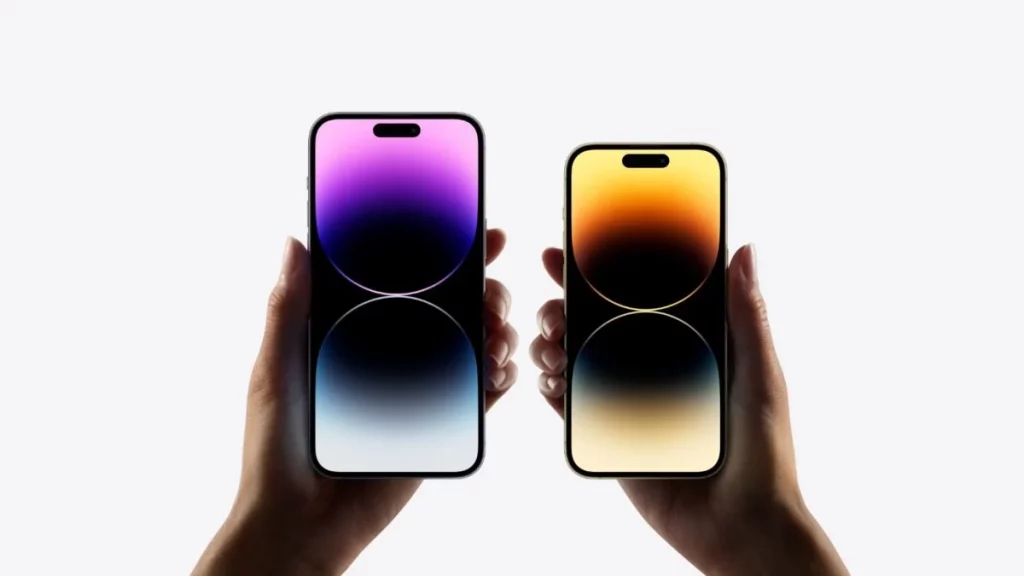
The Apple iPhone 14 series is currently one of the latest flagship series of smartphones that were released in the global market. With the 2022 iPhone lineup, the company brought a number of major changes in some models while others saw barely any difference. Starting with the higher end models, the iPhone 14 Pro and iPhone 14 Pro Max are easily one of the top contenders for a true premium smartphone experience in the market.
iPhone 14 Pro & Pro Max
One can expect top notch performance and optimizations from Apple, while also getting the first iPhone that drops the notch in favor of the Dynamic Island, which is basically refers to the new punch hole cutouts and even the number of functionality and features that comes along with it. On the other hand, the iPhone 14 sees no substantial upgrades over the previous generation iPhone 13, except for a slightly refreshed chipset.
iPhone 14 & iPhone 14 Plus
The only change in the series overall is the iPhone 14 Plus, which replaces the iPhone mini model. But since the lower end models do not bring a substantial change to warrant an upgrade for iPhone 13 users. So we can even recommend the iPhone 13 lineup as well, which has recently been seeing sizeable discounts in India thanks to the ongoing festive season sales. Keep in mind that the 2021 model will still offer a premium flagship experience. The based iPhone 14 goes for 79,900 INR in India, while the iPhone 14 Plus costs 89,900 INR. The iPhone 14 Pro has a price tag of 1,39,900 INR and the iPhone 14 Pro Max has a price tag of 1,49,900 INR.
We can’t have a flagship list without including Samsung‘s flagship smartphones. With the Galaxy S22 series, the South Korean brand is basically offering a premium handset experience that may fit the needs of different people. Talking about the specs first, the entire lineup features either the Exynos 2200 (Europe) or the Qualcomm Snapdragon 8 Gen 1 SoC (ROW). The Galaxy S22 series, includes the Galaxy S22, Galaxy S22+, and the Galaxy S22 Ultra.
Samsung Galaxy S22
The primary difference between the three models are the sizes, with the base variant having a 6.1 inch panel, while the Plus model having a 6.6 inch screen, and the Ultra model sporting a 6.8 inch display. Since Samsung is known for its AMOLED panels, the series offers some of the best smartphone display in the market. Notably, the Galaxy S22+ and Galaxy S22 Ultra even offer one of the highest brightness on a smartphone’s screen (with 1750 nits of peak brightness).
Samsung Galaxy S22 Ultra
For those looking to buy a premium handset that isn’t too large, the Galaxy S22 is one of the best compact smartphones in the market. But for those looking for a larger flagship device, the Galaxy S22+ is a worthy consideration. There is even an option for the Galaxy Note devices, with the Galaxy S22 Ultra being offered along with a stylus for the productivity-oriented users. The base model starts from 75,999 INR, while the Plus model is priced at 88,999 INR. The top-end Ultra model costs 118,999 INR and one can find the entire series on Amazon India.
Following the iPhone 14 release, Google soon followed up with its own flagship smartphone release. This year, it announced the Pixel 7 and Pixel 7 Pro, which aimed to once again showcase what a true Google phone or an Android phone with top notch software is like. The Pixel 6 series was the first generation of Pixel to feature the company’s proprietary chipset and the Pixel 7 lineup retains this, with a second gen Tensor G2 SoC. While this doesn’t bring a large performance bump in terms of raw power, it helps boost the more AI powered features that these phones offer, which is also what it is known for.
Pixel 7 & Pixel 7 Pro
Furthermore, it also arrives with new and improved cameras, with the Pixel 7 Pro topping the DxOMark by tieing with the Honor Magic 4 Ultimate. So, we can safely assume that this is one of the best smartphone cameras. If this alone isn’t attractive enough, you get a number of exclusive Google features like speech recognition, Direct My call, and even some exclusive camera features like Photo Unblur, which lets you basically unblur any photo on your Pixel 7. This joins the likes of existing features like Magic Eraser. Both models also come with IP68 water and dust resistance rating. The Pixel 7 starts from 59,999 INR, while the Pixel 7 Pro goes for 84,999 INR.
The Vivo X80 Pro is the top flagship offering from the Chinese brand. With the X80 series (excluding the X80 Pro+ in India), the company has offered premium handsets that feature top notch specs. The X80 Pro model features the Snapdragon 8 Gen 1 SoC, Quad HD AMOLED Display, and 80W fast charging support. The 6.78 inch panel also supports 120Hz refresh rate, HDR10+, and an impressive peak brightness of 1500 nits.
Vivo X80 Pro
Although, despite all of these robust features, its unique selling point is undoubtedly its camera setup. It has a quad camera setup with 50 megapixel primary sensor, 48-megapixel ultra wide angle lens, 12-megapixel telephoto lens, and an 8 megapixel periscope zoom lens as well. The camera module also features Zeiss optics and Zeiss T* lens coating, with its camera performance being praised across the board. The smartphone is currently listed on Flipkart and is priced at 79,999 INR.
Since we’re talking about premium phones that offer a flagship experience, the Galaxy Z Fold 4 and Galaxy Z Flip 4 are a pair of two true ultra premium foldable phones. Both of these features various improvements over their predecessors, which comes in the form of upgraded cameras, larger batteries, and even Android 12L, which is an Android OS made specifically for devices with large screens.
Galaxy Z Fold 4
Apart from having a unique form factor than the other models in this list, these also offer a premium and durable design with its Armor Aluminum frames and hinge, which is also complimented by the exclusive Corning Gorilla Glass Victus+ for the front and rear glass panels. The Galaxy Z Fold 4 is the more expensive model of the two and features a notebook-like horizontally folding panel.
Galaxy Z Flip 4
Both its out and inner displays are also made from Samsung’s top notch AMOLED 2X panels and offer 120Hz high refresh rate. Meanwhile, the Galaxy Z Flip 4 model has a clamshell vertically folding display that also features the same display specs, but is paired with a smaller outer panel that serves interesting features and functions of its own. Both devices are powered by Qualcomm’s latest and greatest Snapdragon 8+ Gen 1 chipset and offer IPX8 water resistance. The Galaxy Z Fold 4 starts from 1,54,999 INR in India, while the Galaxy Z Flip 4 starts from 89,999 INR.
We recently reported on the Realme 10 Pro+ 5G appearing on several certification websites including BIS, NBTC, and EEC. Now, we have spotted the Realme 10 Pro+ on the TDRA certification database. Alongside the Realme 10 Pro+, the vanilla Realme 10 has also made an appearance on the TDRA certification website.
Let’s examine the Realme 10 and Realme 10 Pro+ 5G TDRA listings.
Realme 10 & 10 Pro+ TDRA
1 of 2
The Realme 10’s model number, RMX3630, is once again confirmed by the TDRA listing. The Realme 10 Pro+’s model number is RMX3686. Aside from that, the certification listing contains no information about the specifications or the design. But Realme recently hinted at the impending release of a MediaTek Dimensity 1080-powered handset, which rumors suggest could be the Realme 10 Pro+.
Realme 9 4G
The Realme 10 has already appeared on other certification databases and also on Geekbench. The Geekbench listing has revealed that the smartphone will house the recently released MediaTek Helio G99 chipset paired with 8GB of RAM and an Android 12-based operating system.
Additionally, the 5000mAh battery unit was verified by the Realme 10’s CQC certification. A dual-rear camera arrangement and 33W fast charging have previously been made known via the device’s FCC listing. It’s anticipated that the Realme 10 series will launch officially in the upcoming weeks. At least two Realme 10 series devices, the vanilla Realme 10 and the Realme 10 Pro+ 5G, should be released by the company in the initial batch.
Today we have chosen four flagship phones, they are iPhone 14 Pro Max, Vivo X80 Pro, Xiaomi 12S Ultra, and OPPO Find X5 Pro. I believe you should watch a lot of reviews about them, today we do something different, four top brands of flagship phone Speed test and RAM Management test.
Before starting the test I must tell you, we will use their latest system version for the test and also try to make every click at the same time after editing, all settings are default settings and all Android phones are 12G Ram. Since we live in China, we chose certain apps instead of apps like Twitter or YouTube that are not available in China.
Some of them have ads when they are opened, so we decided that if the ads appear on every phone, then the ranking will be calculated normally. If there are phones without ads, then the ranking will not be calculated at that time.
You can watch the whole test by clicking on the video above.
Conclusion
There are 16 different types of APPs in this test and we found that no matter what APP, the iPhone was always the first to open it. And the APP was almost never killed. The test was an overall victory for the iPhone 14 Pro Max.
The vivo X80 Pro is the fastest in Android flagship phones, it’s just a shame that it almost killed all APPs entirely, just like OPPO.
The Find X5 Pro’s performance is not very stable, sometimes very good and sometimes very bad. The poor Ram management also makes this phone very embarrassing.
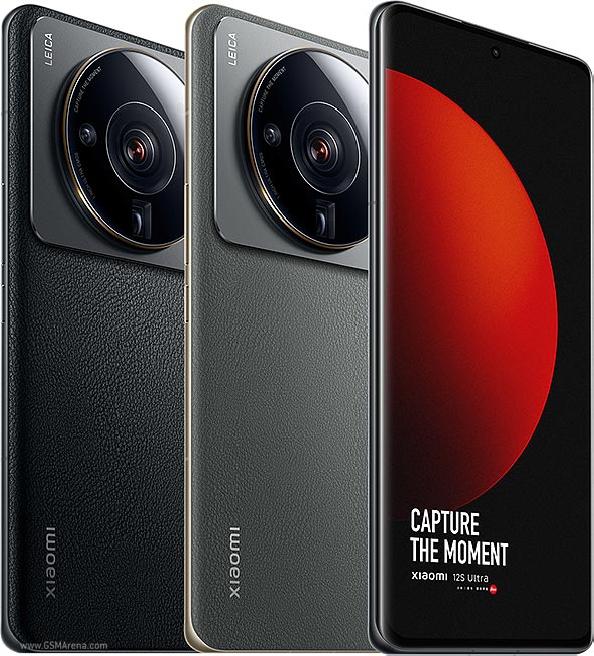
Although the Xiaomi 12S Ultra doesn’t perform well in the Speed test, it is the only phone in the Android flagship that ensures that almost all apps are not killed. MIUI has always been the best one in doing this.
Looks like Android phones have a long way to go to beat the iPhone in a speed test.
Redragon has just released two new gaming related products in the Indian market. Although, rather than releasing a new mouse, keyboard, or headphones, which the brand is known for, it has released two new models of desktop gaming stereo speakers. So let’s have a look at the Stenor GS500 and the Orpheus GS550.
Stenor GS500
Talking about the Stenor GS500 model first, it feature a single full range driver in each channel of the 2.0 stereo desktop gaming speakers. It has a 3.5mm audio connector and mic input for your peripheral needs. It is powered by a USB port that connects directly to your laptop or desktop PC.
Being a pair of gaming speakers, it brings flashy aesthetics like red flashing driving cones that are housed beneath the protective grilles, a wide, round, practical volume knob with an on/off button, and red accent lighting as well. The Redragon Stenor GS500 can out put 5 watts per channel to offer clear highs and punchy bass.
Orpheus GS550
The new Orpheus GS550 is similarly a 2.0 stereo wired gaming desktop speaker. Although, it has a notable feature that lets it merge into a soundbar for your desktop or TV. In other words, this makes this model a 2 in 1 speaker/soundbar hybrid that lets users choose their preferred form. It also feature the red backlit knob and drivers, which are similar to ones found on the Stenor variant.
Notably, you can also turn the Orpheus into a personal audio system since it features a microphone and a headphone port up front. Furthermore, the 3 watt drivers also offer full range sound, which the brand claims to offer powerful bass with no distortion at high volume levels.
Pricing & Availability
As of right now, the company has just announced the two new desktop gaming stereo speakers, with their sale starting sometime later this month. It will be available for purchase on the official Redragon website and even on Amazon. The Stenor GS500 will go on sale for 1,490 INR, while the Orpheus GS550 will have a price tag of 1,390 INR.
The Finnish smartwatch manufacturer Suunto has announced a new smartwatch in the market called the Suunto 9 Peak Pro. The smartwatch comes with a 43 mm case that is also 10.8 mm thick and weighs 64 g.
Suunto 9 Peak Pro specs
The wearable comes with a 1.2-inch sapphire crystal display with 240 x 240-pixel resolution. The outer casing of the watch is made up of Titanium Grade 5. According to the company, the Suunto 9 Peak Pro houses a “more powerful chipset architecture that boosts the performance to a new level while having the best in class battery life compared to similar-sized products on the market”.
With three battery modes—Performance, Endurance, and Tour—the Suunto 9 Peak Pro offers the longest battery life of any Suunto watch to date. The battery lasts for 21 days when used regularly, 40 hours in performance mode, 70 hours in endurance mode, and 300 hours in tour mode before needing to be recharged. It also features a pretty fast charging speed, as the watch can be filled up to 100% in an hour or up to 10 hours of training time in just 10 minutes.
The watch is mainly made for outdoor activities and so it packs support for Beidou, Galileo, Glonass, and GPS satellite systems and can connect to 32 satellites simultaneously for precise location accuracy. The watch is also waterproof up to 100 meters, meaning you can easily dive in deep waters with the wearable on your wrist.
Suunto ships the smartwatch with its latest revised UI on board that brings 97 sports modes to choose from. There is also a dedicated snorkeling mode for diving. Health features include blood oxygen monitoring, heart rate monitoring, 24/7 activity tracking, Sleep tracking, and stress and recovery status.
Suunto offers the 9 Peak Pro in six variants at launch, starting at €499 ($549 in the US) with a stainless steel bezel. Alternatively, the Suunto 9 Peak Pro with a titanium bezel costs €629 in Europe and $699 in the US. Suunto’s website has more information on all variants.
Earlier this year, Asus had unveiled the new Zenbook 17 Fold OLED during the CES 2022 event. Now, the company is officially launching this device in the Indian market, so let’s have a look at this unique foldable laptop.
For those unaware, the Zenbook 17 Fold OLED is the world’s first 17.3 inch foldable OLED Intel Evo certified laptop. Thanks to its foldable panel, there are multiple modes and ways to bring out the full functionality of this device. The screen has a 2560x1920px resolution, 4:3 aspect ratio (when fully open), and 500 nits of peak brightness. Notably, the screen can be folded at 120 degrees and also supports Bluetooth keyboards as well. The new foldable laptop can even stand on its own thanks to its kickstand and can even be used as a monitor.
In other words, you have a monitor, laptop, tablet, and more functionality through its unique form factor and design. When folded and used as a conventional laptop, users can use half of the display at 12.5 inches, but it still offers 1920 x 1280 px resolution. Under the hood, the Asus Zenbook 17 Fold OLED runs on Windows 11 and is powered by the Intel i7-1250U processor with 16GB of LPDDR5 RAM. This chipset is paired with Intel’s Iris Xe graphics and offers 1TB of M.2 NVMe PCIe SSD storage.
The Zenbook 17 Fold OLED will be available for pre-orders starting today (14th October 2022) and will officially go on sale in India on November 10. It is available in the region for 329,000 INR. Although, customers that pre-book the folding laptop today will get a sizeable discount of 40,700 INR (with exchange offers and up to 5,000 INR cashback), which effectively brings the price down to 284,290 INR. Notably, customers will also receive a 500GB SSD for free along with a Warranty Extension Pack of up to 3 years with Accidental Damage Protection on top of the base warranty period, which is worth over 27,000 INR.
Xiaomi had previously confirmed that it is gearing up to launch a new budget grade smartphone in India. Now, the Redmi A1+ has officially been announced in the market. So let’s have a look at its specs, pricing, and more.
The new affordable handset from the Chinese tech giant sports a 6.52 inch display on the front that has an LCD panel, 20:9 aspect ratio, waterdrop notch, and HD+ resolution with a standard 60Hz refresh rate. Meanwhile, the rear packs a dual camera setup on a camera module housed on the top left corner. This also houses an LED flash and there is also a rear mounted fingerprint scanner near the center of the back panel. Notably, the rear panel also offers a leather texture finish to add some premium feel.
The camera setup includes an 8 megapixel primary sensor and a 2 megapixel depth shoother on the rear, while the front houses a 5 megapixel selfie camera. Under the hood, the device is equipped with a MediaTek Helio A22 SoC that is paired with up to 3GB of RAM and 32GB of internal storage, which can be further expanded via a microSD card slot. The device is also powered by a large 5,000mAh battery pack that supports 10W charging.
Redmi A1+ runs on Android 12 OS (Go Edition) out of the box and is available in a green, blue, and black color option as well. The device will go on sale in India starting from October 17, with the sale beginning at 12 pm noon IST. Its 2GB + 32GB variant will go on sale for 6,999 INR while the 3GB + 32GB model will have a price tag of 7,999 INR. The device will be available for purchase on the Mi.com website, Mi Home Stores, and Amazon as well as other retail partners.
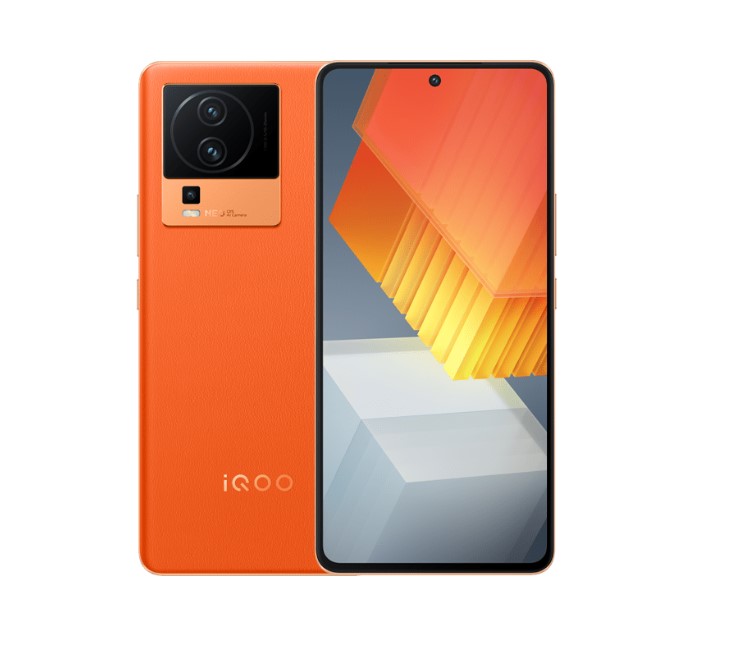
iQOO is now releasing daily teasers to confirm the key features of the iQOO Neo 7, which is all set to launch on Oct. 20 in China. A fresh teaser has revealed the battery capacity and charging capabilities of the Neo 7. In addition, the company has shared an image to reveal its front and rear designs.
The iQOO Neo 7’s image shows that the device features a flat display on the front with a centrally positioned punch-hole. As expected, it features slim bezels, indicating a high screen-to-body ratio. The back panel of the phone has a triple camera unit. Reports have revealed that apart from black, the device will also come in blue and black colors.
The company confirmed today that the iQOO Neo 7 is equipped with an AMOLED E5 display, which is integrated with a Pro+ display chip for an optimised visual experience. The device is powered by the Dimensity 9000 Plus chipset. The handset packs a 5,000mAh dual-cell battery, which carries support for 120W fast charging. It is equipped with an intelligent cooling system for heat dissipation.
Reports have revealed that the iQOO Neo 7 will arrive with a 6.78-inch AMOLED E5 display that offers a Full HD+ resolution and a 120Hz refresh rate. The device is likely to arrive in three LPPDR5 + configurations: 8 GB RAM + 128 GB storage, 8 GB RAM + 256 GB storage, and 12 GB RAM + 256 GB storage.
The device is expected to feature a 16-megapixel front camera and a 50-megapixel Sony IMX766V primary camera on the back. It will come preloaded with the Android 13 OS and OriginOS UI.
MSI recently launched a couple of new products like the MAG META S PC featuring a Ryzen 5 5600X and an NVIDIA GTX 1660 Super. The brand has also unveiled a new curved 32-inch monitor in the market called the MSI G322C, which is tailor-made for gamers.
MSI G322C curved monitor specs
The monitor comes with a 32-inch VA panel. VA panels are typically found in lower-midrange gaming monitors as they carry a low response time like a TN panel and provide a wide viewing angle similar to an IPS panel. This specific panel comes with a 1000R curvature, 1,920 x 1,080-pixel native resolution, a 170 Hz refresh rate, and 1 ms response times (MPRT). It can output a peak brightness of 250 nits and deliver a 3,000:1 contrast ratio.
The display should cover 89%, 92.3%, and 116.4%, respectively, of the AdobeRGB, DCI-P3, and sRGB color spaces, according to MSI. Additionally, the MSI G322C works between 48-165 Hz on its HDMI 2.0b connections and 48-170 Hz on its DisplayPort 1.2a ports while also supporting AMD FreeSync Premium. The monitor has one DisplayPort 1.2a, two HDMI 2.0b ports, and a 3.5 mm audio out port. Unfortunately, there is no USB hub of any kind on the MSI G322C.
Additionally, MSI has included its CEC profile system, which enables you to make profiles for various groups of devices that the monitor can recognize automatically. The display has a frameless design on three sides. A 100 x 100 mm VESA interface and a detachable stand with tilt and height adjustment are separate features added by MSI.
The company is yet to reveal the pricing of this monitor, so stay tuned for more updates.
Last month, Huawei announced its new Mate 50-series smartphone named Huawei Mate 50E in a lineup that already has the Mate 50, Mate 50 Pro, and Mate 50 RS Porsche Design flagship smartphones.
Today, the Huawei Mate 50E officially goes on sale in the company’s home market China, with a starting price of 3,999 yuan (~$573) for the base model offering 8GB RAM and 128GB internal storage.
There’s also another model that comes with 8GB of RAM and 256GB of internal storage, priced at 4,499 yuan, roughly $644. The phone comes in three color options — Frost Silver, Obsidian Black, and Streamer Purple.
Coming to the specifications, the Huawei Mate 50E features a 6.7-inch OLED screen that offers a screen resolution of 2700 x 1224 pixels, an aspect ratio of 20:9, a refresh rate of 90Hz, a touch sampling rate of 300Hz, and a high-frequency 144Hz PWM dimming.
Under the hood, the device is powered by the Qualcomm Snapdragon 778G 4G processor, coupled with 8GB of RAM and up to 256GB of internal storage. The phone also comes equipped with an NM card slot for additional storage.
In the camera department, there’s a dual-camera setup on the back, and it comes with a 50-megapixel main RYYB lens with a variable aperture of f/1.4 and f/4.0, coupled with a 13-megapixel ultra-wide camera. On the front side, there’s a 13-megapixel snapper for taking selfies and video calling.
The Huawei Mate 50E smartphone runs the company’s own HarmonyOS 3.0 operating system out-of-the-box. The device is powered by a 4,460mAh battery and comes with support for 66W fast charging.
The Indian mobile and lifestyle accessory brand Molife has launched a new smartwatch in the country called the Molife Sense 520. This new smartwatch from the brand comes with a 1.32-inch IPS display and a fully metallic aluminum body. Let’s take a closer look at its specs and features.
Molife Sense 520 specs and features
The 1.32-inch IPS display on the Molife Sense 520 smartwatch has a 360 x 360p resolution. The vertical side scroll key on the wristwatch makes it simple for users to browse watch faces and options. The wearable also includes an integrated speaker and microphone that let users make and receive calls while remaining hands-free. Other design elements include a large selection of watch faces and an IP67 grade for dust and water protection.
The Molife Sense 520 has a blood pressure monitor, a SpO2 sensor, a step counter, and 24-hour heart rate tracking among its health features. The Molife Sense 520 has more than 15 sports modes, as well as additional convenience functions.
With the calling feature turned on, the Molife Sense 520’s 260mAh battery is said to last up to 4 days. Turning off the feature extends the battery life up to 7 days. The smartwatch also includes a number of software capabilities, such as controls for the camera and media players, alerts for incoming calls and texts, and more.
Pricing & availability
The Molife Sense 520 is priced at Rs 7,499 in India. As an introductory offer, the smartwatch will be sold for Rs 3,199. The Molife Sense 520 comes in seven different color options: Simply Black, Moonlit Silver, Rose gold Beauty, Rich Blue, Snow White, Epic Red, and Dusty Grey. It will be sold on Amazon, Flipkart, Myntra, and Molife’s official website (molifeworld.com).
Apple recently released the latest iOS 16 operating system for the iPhones, which comes with a major redesign along with new features and functionalities. Breaking its tradition this time, the company didn’t release iPadOS 16 along with iOS.
Now, the company is gearing up to release the new iPadOS for iPad users. According to the report from Mark Gurman of Bloomberg, Apple is all set to release a new iPadOS 16.1 update for all the eligible models in the coming days.
If the rumors are to be believed, then the iPadOS 16.1 will be released on 24th October, and yes, it will be iPadOS 16.1 and not 16 as the company has already confirmed that it will skip version 16 and will directly roll out the 16.1 version.
Do note that Apple has not yet confirmed the launch date for the new version of iPadOS, but Mark Gurman is usually right when it comes to news and developments of Apple. The company had said that it would be released in October but hadn’t provided a specific date.
The new update will be compatible with all the iPad Pro models, the third-generation iPad Air and later, the fifth-generation iPad Mini and later, as well as the fifth-generation of Apple iPad and later.
There are also reports indicating that the Cupertino-based technology giant is planning to announce new hardware products later this month, which will include a new M2-powered iPad Pro model, a new entry-level iPad, and new Apple MacBook Pro models powered by the yet unannounced M2 Pro and M2 Max processors but the date for this launch event has not been announced by Apple.
Motorola has been aggressively launching new phones in India. So far, the Lenovo-owned brand has launched the Moto G72 and the Moto E32 smartphones in India. A new leak courtesy of Mukul Sharma (aka. Stufflistings) reveals that the Moto E22s will be the next phone for the Indian market.
According to Sharma, the Moto E22s will make its debut in India on Oct. 17. The below image and key specifications shared by the tipster reveal that the Moto E22s heading to India will be the same device that was announced in the global market in August.
Moto E22s image by Mukul Sharma
The tipster revealed that the Moto E22s will have an IPS LCD panel that offers a 90Hz refresh rate. It will come preloaded with the Android 12 OS and feature a side-facing fingerprint scanner. It will be a device with an IP52 rating that has two cameras and an LED flash on the back.
The global launch of the Moto E22s revealed that it has a 6.5-inch waterdrop notch display that offers an HD+ resolution of 720 x 1600 pixels. It has an 8-megapixel front-facing camera and a 16-megapixel (main) + 2-megapixel (depth) dual-camera setup.
The E22s is powered by the Helio G37 chipset and has 4 GB of RAM. It offers 64 GB of internal storage and a microSD card slot for additional storage. It packs a 5,000mAh battery that supports 10W charging. The handset offers other features such as face unlock and a microSD card. The device has dimensions of 163.95 x 74.94 x 8.49 mm and weighs around 185 grams.
The Moto E22s is priced at 159 euros in Europe. It comes in two colors, like Eco Black and Arctic Blue.
We use cookies on our website to give you the most relevant experience by remembering your preferences and repeat visits. By clicking “Accept”, you consent to the use of ALL the cookies.
This website uses cookies to improve your experience while you navigate through the website. Out of these, the cookies that are categorized as necessary are stored on your browser as they are essential for the working of basic functionalities of the website. We also use third-party cookies that help us analyze and understand how you use this website. These cookies will be stored in your browser only with your consent. You also have the option to opt-out of these cookies. But opting out of some of these cookies may affect your browsing experience.
Necessary cookies are absolutely essential for the website to function properly. This category only includes cookies that ensures basic functionalities and security features of the website. These cookies do not store any personal information.
Any cookies that may not be particularly necessary for the website to function and is used specifically to collect user personal data via analytics, ads, other embedded contents are termed as non-necessary cookies. It is mandatory to procure user consent prior to running these cookies on your website.