Ambrane has launched a new smartwatch under its Wise series. The product in question is called the Ambrane Wise EON Pro. The wearable comes packed with many impressive features and is super easy on your wallet. It sports a 1.85-inch display that offers a peak brightness of 550 nits. EON Pro also features a dialer, microphone, and speaker for Bluetooth calling. Let’s have a closer look at the price and specifications of the newly launched smartwatch.
Ambrane Wise EON Pro Specifications
The newly launched Ambrane Wise EON Pro smartwatch comes with a 1.85-inch LucidDisplay offering 550 nits of peak brightness and a 240×280 pixel resolution. The watch has a classic cube dial and is fitted with silicone straps.
The wearable comes with various health monitoring features, including a SpO2 sensor, blood pressure tracking, heart rate monitoring, sleep tracking, breathing training, calorie tracking, and more. In addition, it has over 100+ sports modes, including but not limited to running, walking, cycling, gymnastics, yoga, hiking, cross-fit, dancing, karate, taekwondo, horseback riding, and disc games.
As mentioned, the watch also comes equipped with a microphone, speaker, and an inbuilt dialer for Bluetooth calling. You can also give commands to voice assistants through the smartwatch itself. The wearable features over 100 cloud-based watch faces, and it uses Bluetooth V5.0 for connectivity. It also comes with three built-in games and has smart controls for the remote, camera, and music player. The smartwatch has an IP68 water and dust resistance rating. Ambrane claims the Wise EON Pro smartwatch can last for up to 10 days on a single charge.
Pricing and availability
The Ambrane Wise EON Pro Smartwatch has been launched in 4 colors— red, blue, green, and black. It is priced at Rs. 1799 and can be purchased via Flipkart and Ambrane’s official website.
It’s nearly been a month since Apple announced its iPhone 14 series. Now American Belkin is widely known for smartphone and PC accessories has launched its new range of accessories for the iPhone 14 lineup. The new products include a screen protector, charger, MagSafe power bank, and wireless charger.
Beginning with the screen protector, Belkin is offering two tempered glasses that are compatible with iPhone 14, iPhone 13 and 13 Pro. The screen protectors offer great response and clarity. It features an anti-microbial agent and is claimed to offer robust protection.
Next up is the Belkin Boost Charge Pro Dual USB-C charger. It is a GaN-certified wall charger with PPS that offers a charging speed of up to 65W. It comes with two USB-C ports that can be used to charge MacBook Pro or Air or rapidly charge two smartphones at once. The brick offers 65W full fast charge when a single port is used and up to 45W from the top port and 20W from the bottom port while using to charge two devices.
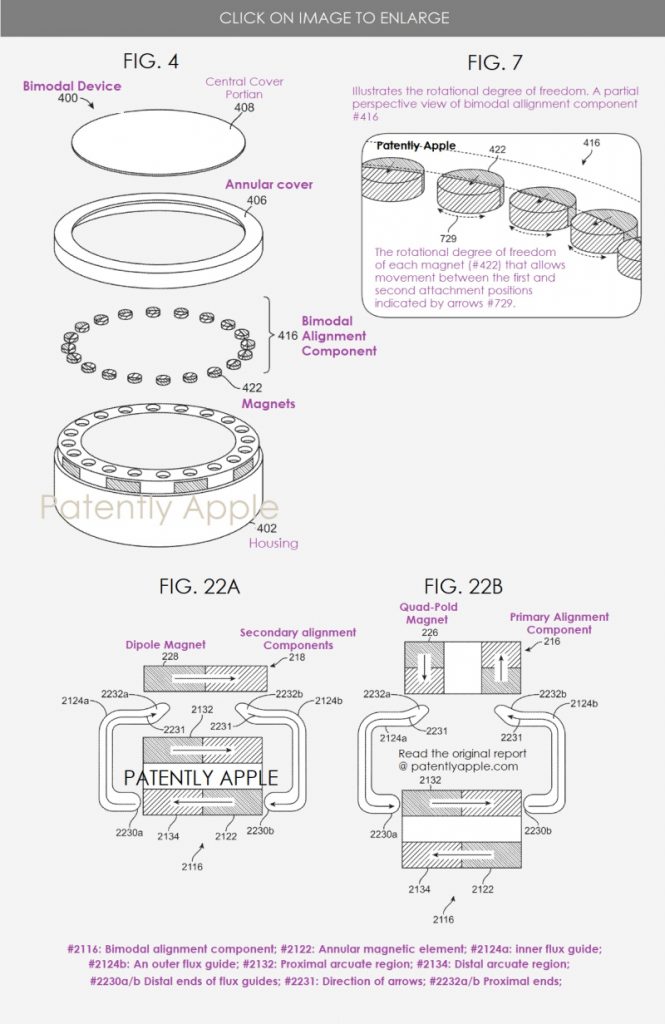
Belkin’s wireless power bank is also called Boost Charge Magnetic. It provides a convenient way of keeping their iPhone’s battery fuelled by just sticking the magnetic brick on the back panel of the smartphone. The power bank has a 2,500mAh battery cell. It has a slim and portable design along with LED indicators that alerts the user when the charger needs to be refuelled. There is also a USB-C port that delivers power at up to 10W to compatible devices.
Lastly, the Belkin Boost Charge Magnetic Wireless Charger stand is a charger stand where users can stick their iPhone magnetically and allow it to charge. It is MagSafe compatible and offers 7.5W charging speed. Apart from charging, the device also doubles up as a stand allowing users to use their smartphone in portrait or landscape mode.
The two-pack screen protector is priced at Rs 1,999 and is available for purchase from Amazon. The Belkin Boost Charge Magnetic and Boost Charge Magnetic Wireless Charger stand are priced at Rs 4,499 and available for purchase from Amazon. The Belkin Boost Charge Pro Dual USB-C charger costs Rs 5,999 and can be purchased from Flipkart.
Xiaomi has unveiled the MIJIA smart self-cleaning drink maker in China. The new MIJIA cooking machine can be cleaned automatically and comes with lots of cooking options. The cooking machine can seamlessly carry out cooking tasks like pulping and thereafter clean and sterilize itself. Once the cup is changed after cooking, the automatic cleaning is turned on. So, you take to get water for your hot beverage or quick meals from the MIJIA smart cooking machine.
The MIJIA smart self-cleaning drink maker uses triple cleaning technology of the blades stirring the water, 75ºC high-temperature cleaning, and high-temperature steam sterilization. The smart food blender has a 6-leaf stainless steel knife for the effective blending of ingredients. There are 9-speed control gears and the user can adjust the hardness or softness of the grinding as desired. The MIJIA cooking machine’s 4L water tank can accommodate two cycles of pulping and self-cleaning at maximum capacity. When heated, the water in the tank can remain hot for up to four hours.
When connected with the MIJIA app, users of the smart drink maker can draw from 50+ cloud-based cooking recipes. Popular recipes include soy milk soup, milkshakes, tea, and other exquisite drinks and cuisines.
The MIJIA smart self-cleaning drink maker is available in China at a retail price of 1,099 yuan (~$153). It can be purchased from popular retail outlets like JD.com. We are not likely to see this product launched outside China any time soon.
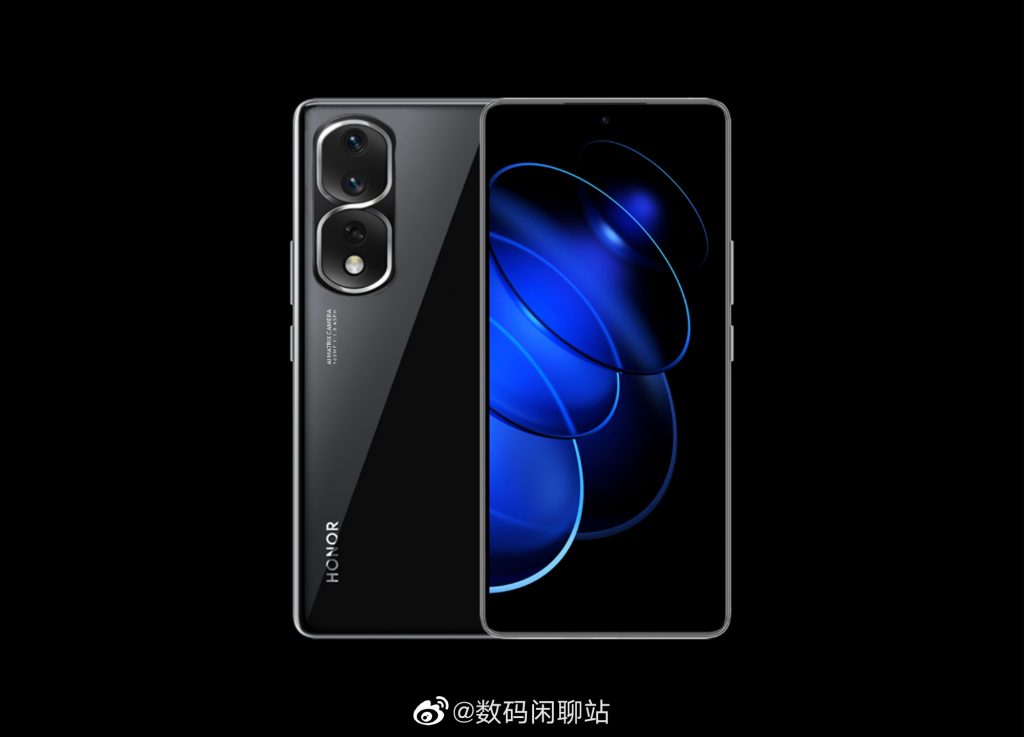
Honor X40 GT has launched in China today. It is the latest offering in the X40 series after the regular version that debuted last month. The latest offering packs upgrades over the standard variant. Read on to know what it offers out of the box.
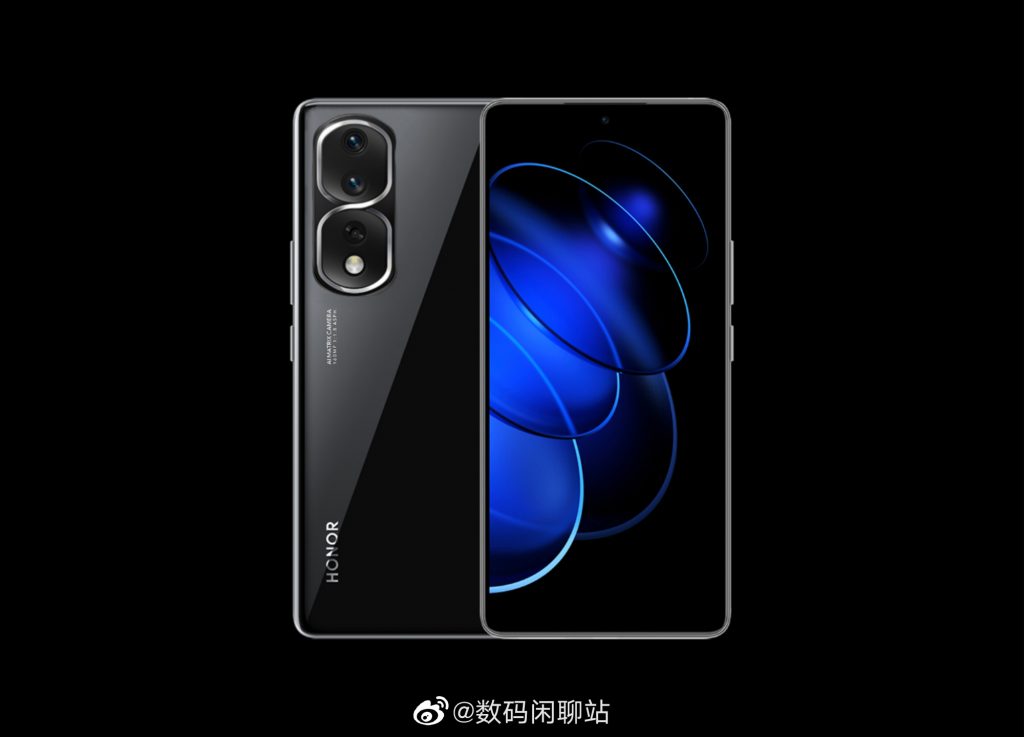
Honor X40 GT render
The Honor X40 GT sports a 6.81-inch IPS LCD display bearing a resolution of 2,388 x 1,080 pixels. There is a centre-aligned punch-hole camera and a 144Hz refresh rate, The device features a side-mounted fingerprint scanner embedded in the power button.
The Honor X40 GT has a circular camera module housing three sensors and an LED flash in X-formation. The smartphone’s camera setup comprises a 50MP main sensor, 2MP depth of field lens, and a 2MP macro unit. There is a 16MP front-facing selfie snapper.
Under the hood, the Honor X40 GT is equipped with a Snapdragon 888 processor. It packs up to 12GB RAM and 256GB storage. There is 7GB virtual RAM support. The smartphone also features a VC liquid cooling system for heat dissipation. The device draws its power from a 4,800mAh battery unit with support for 66W fast charging. Software-wise, the Honor X40 GT runs on MagicUI 6.1 based on Android 12.
Connectivity options on the Honor X40 GT include 5G, WiFi, Bluetooth, USB-C port, and a 3.5mm headphone jack.
The Honor X40 GT starts at RMB 2,099 (~$292) for the base 8GB + 256GB variant whereas the 12GB + 256GB option costs RMB 2,399 (~$334). The device is offered in Racing Black, Midnight Night Black, and Titanium Empty Silver colours.
Apple and Samsung confirmed rollout timelines for 5G support software updates for their devices yesterday. Now, Lenovo-owned brand Motorola has announced that its 5G-compatible smartphones will receive a software update that will enable users to access the 5G network on their devices.
5G was launched in India earlier this month and Airtel has started rolling out services in eight Indian cities. The telecom operator has also released a list of Motorola devices that will support its cellular connectivity. Motorola confirmed that its devices will be receiving a 5G update in the subsequent weeks. The company is expecting to finish the rollout by the first week of November. The Motorola Edge 30 Ultra and Edge 30 Fusion are already receiving a 5G update this week.
The software update will be rolled out via OTA. Four Motorola smartphones including the Moto G62 5G, G82 5G, G71 5G, and Edge 30 will receive it on October 25th. The Moto Edge 30 Pro, Moto G51 5G, Edge 20 Pro, Edge 20, and Edge 20 Fusion will get the 5G support update on November 5th. The software update will bring support for Jio’s standalone and Airtel and Vodafone’s non-standalone networks.
In a statement, Motorola Asia Pacific’s Executive Director said “Motorola 5G smartphones in India, across categories, have hardware support for 11 to 13 5G bands including all 8 Sub 6 GHz 5G bands that have been announced in India.”
A new report has just revealed interesting details regarding future Apple iPads. Apparently, the tablet will be thinner in the new feature thanks to a new Hybrid OLED display technology.
iPad Pro 2021
According to a DigiTimesreport, the Cupertino based giant is planning on adopting a new breed of OLED panels that combine the rigid OLED glass substrates with flexible OLED thin film encapsulation. This process apparently is more affordable than flexible OLED production since it doesn’t require a backlighting layer. Furthermore, it is rumored that Apple will adopt this display technology by 2024.
The same rumor also claimed that the reason the brand is shifting to Hybrid OLED for iPads and retaining flexible OLEDs for its iPhones is because of the visible “crumple” of the latter on larger screen sizes. Apple is apparently bringing in a new manufacturing partner into its supply chain, which will likely make some panels for upcoming refreshes for the 12.9 inch iPad Pro or possibly the MacBook Pro. The supplier in question is Taiwan SMT (Surface Mounting Technology).
As of right now, the only Apple product to use mini LED technology is the 14 inch and 16 inch MacBook Pro and 12.9 inch iPad Pro models. Interestingly, all three models are expected to feature refreshed M2 chips that should launch by the end of this year. Apple is expected to continue to use this mini LED technology until it adopts the Hybrid OLED technology.
A Xiaomi executive has just revealed that the company will soon be rolling out a software update that will bring 5G support to most of its smartphone models in the Indian market.
The Chinese tech giant has already rolled out the update for select smartphone models. Now, according to Muralikrishnan B, President of Xiaomi India, “100 percent of our 5G smartphone models support the NSA network out of the box, wherein users can choose ‘Prefer 5G’ in network settings to connect to the 5G network. Whereas, for seamless SA support, we have already started rolling out the FOTA updates to select devices like Xiaomi 12 Pro 5G, Mi 11X Pro, Xiaomi 11i, Xiaomi 11i Hypercharge, among others. Most devices will start receiving OTA updates by Diwali.”
As of right now, Bharti Airtel and Reliance Jio are the only two telecos that are launching 5G networking in India with both the SA (Standalone) and NSA (Nonstandalone) mode in major cities like Delhi, Mumbai, Kolkata, and Varanasi. Notably, the brand is one of the first to bring 5G support for its smartphones that support the newer networking standard. Oppo is one of the companies that has offered full 5G support for its 5G phones, while Apple is set to offer 5G support soon.
Similarly, Samsung will also bring software update by mid November and Google will roll out software support for the Pixel 6 series and Pixel 7 series of smartphones sometime soon as well. Muralikrishnan added that “We have 20+ 5G enabled devices across price points and have shipped 7 million+ 5G smartphones in India from May 2022 to June 2022. We will continue to provide relevant support to the government and telecom operators to ensure 5G readiness for users across the length and breadth of India.”
Garmin had quietly launched five new smartwatches from its MARQ series of luxury wearables. Now, it appears that the company is yet again gearing up for another launch. This time, it appears that its a hybrid smartwatch model, dubbed the Garmin Instinct Crossover.
However, prior to any official announcement, it appears that the upcoming hybrid smartwatch has been leaked. One of the brand’s manufacturers accidentally leaked a new outdoor watch, which was spotted on the manufacturer’s Taiwanese website. THe product page showcases three color options as well, namely Black, Solar – Tactical Edition, and Solar – Graphite. These solar models will feature solar powered batteries, while the tactical edition will offer notable features like night vision and stealth modes.
The watch will sport a display that has a 176 by 176 px resolution and a circular panel. As per the listing, the device can last for up to 28 days on a single full charge on the Smart Watch Mode or up to 30 days, with the solar charging feature. Furthermore, the wearable also supports dual format GPS and can even receive notifications from a connected Android or iOS device. It also supports contactless payment through Garmin Pay.
In many ways, the Instinct Crossover is similar to the regular Instinct smartwatch models. However, the key difference lies in its analogue clock with luminescent physical watch hands situated on top of the display. This is what makes it a hybrid watch, which also features RevoDrive auto-calibration technology that ensures accurate time being displayed in the case of any shocks that the watch might face. The pricing for this model is still unknown, so stick around for more updates.
The Google Pixel 7 series was announced around early October and the phones have started to ship globally. Both the Pixel 7 and the Pro variants are getting good popularity due to solid launch day offers on them. However, before you decide to get hold of the new Pixel devices, it might be a good idea to check how they compare to their predecessors.
In this article, we’ll be taking a close look at the Pixel 7 vs Pixel 6 and see how they both are similar yet dissimilar in a number of departments. One of the biggest upgrades on the Pixel 7 is the new second-gen Google Tensor G2 processor, which brings a number of improvements over last year’s Tensor chip.
There are differences in the dimensions and the camera departments too, so let’s take a look at how the new model compares to last year’s Pixel 6.
6.4 inches,1080 x 2400p, AMOLED display – 90Hz, HDR10+
PROCESSOR
Google Tensor G2 5nm clocked at 2.85GHz
Google Tensor 5nm clocked at 2.8GHz
MEMORY
8 GB RAM, 128 GB – 8 GB RAM, 256 GB
SOFTWARE
Android 13, 3 years support
CONNECTIVITY
Wi-Fi 802.11 b/g/6e, Bluetooth 5.2, GPS
CAMERA
Dual 50 MP OIS + 12 MP ultra wide
10.8 MP front camera
Dual 50 MP OIS + 12 MP ultra wide
8 MP front camera
BATTERY
4355 mAh, 30W
4614 mAh, 21W
ADDITIONAL FEATURES
Dual SIM slot, nano + eSIM
DESIGN
The Pixel 7 series doesn’t bring any significant upgrades over its predecessor. So you get the same horizontal camera bar at the back as the Pixel 6 series. One change that you’ll notice is that the rear camera housing is now made of aluminum and curves on the side.
Despite the subtle changes over its predecessor, the Pixel 7 looks a bit more premium this year. The polished aluminum definitely makes it look more expensive, which the Pixel 6 lacked. The new model is available in three colors, namely, Snow, Obsidian, and Lemongrass. On the other hand, the Pixel 6 had a bunch of fancier color options, including pastel color options like the Kinda Coral and Sorta Seafoam. Note the two phones are IP68 dust and water-resistant too.
Coming to the dimensions, the Pixel 7 is slightly more compact than its predecessor. It measures 155.6 x 73.2 x 8.7mm vs 158.6 x 74.8 x 8.9 mm on the Pixel 6 model. Even in the weight department, the Pixel 7 shaves off a few grams with 197 grams weight as compared to the 207 grams on the Pixel 6
Personally, despite the changes being subtle, the Pixel 7 seems to be better looking than last year’s Pixel 6.
DISPLAY
The two phones also differ slightly in terms of their displays. The Pixel 7 comes with a smaller 6.3-inch OLED panel with Full HD+ resolution and a 90Hz refresh rate. On the other hand, the Pixel 6 brings a 6.4-inch panel with a 90Hz refresh rate. Notably, the Pixel 7 is said to be 25% brighter under sunlight than the Pixel 6. While the overall peak brightness of 1400 nits is slightly lower than the Pixel 7 Pro, the Pixel 7 is still significantly brighter than the older Pixel 6 model.
Another addition to the Pixel 7 is the Face Unlock feature which is missing on the Pixel 6.
SPECS
The Pixel 7 comes with the latest Tensor G2 chipset inside with Titan M2, bringing better performance over last year’s chip. The new G2 chip features two Cortex-X1 cores with two Cortex-A78 cores and four Cortex-A55 cores. The chip has enough power to handle all the tasks thrown at it, but the real highlight of this new chipset is its ability to handle AI and ML.
In comparison, the Pixel 6 came with the first-generation Google Tensor chip, which should be slightly inferior to the latest generation. As for the RAM configurations, both the Pixel devices feature just a single 8GB RAM option. For storage, both models offer either 128GB or 256GB of UFS 3.1 storage onboard.
As for the software, both devices run on the latest Android 13 stock version. Google has promised at least three OS updates and 5 years of security updates on both devices, but since the Pixel 6 is a year old device, it will receive one less Android upgrade than the Pixel 7.
CONNECTIVITY
In terms of connectivity, both phones come with Wi-Fi 6e support, Bluetooth 5.2, aptX HD codecs support, NFC, and a USB-C 3.2 port at the bottom.
You also get an under-display optical fingerprint sensor along with other sensors like gyro, proximity, compass, and barometer. As mentioned above, the Pixel 7 also adds Face Unlock, which the Pixel 6 lacks.
CAMERAS
As for its camera module, the Pixel 7 features a dual-camera setup, much similar to its predecessor model.
The new Pixel 7 features a 50MP primary camera and a 12MP ultra-wide sensor. On the front, you get a 10.8MP f/2.2 sensor camera module for selfies and video calls.
On paper, the Pixel 6 has the exact same rear camera module as the Pixel 7, but the front camera is slightly inferior. It features an 8MP sensor with f/2.0 aperture.
While the camera specs look more or less similar, the real difference lies in the processor underneath. Thanks to the Tensor G2 chip, the Pixel 7 can take multiple shots from its main and wide-angle cameras to ensure blur-free photos. The low light performance is also better with faster Night Sight. Another big addition in the camera department is guided prompts via audio for taking perfect selfies for people with impaired vision.
Overall, despite the similar camera specs, the Pixel 7’s camera performance is going to be better than the Pixel 6.
BATTERY
The Pixel 7 comes with a smaller 4335mAh battery with 30W fast charging and 15W wireless charging. To recall, the Pixel 6 had a larger 4614mAh battery on board but the charging speed was limited to 21W. Despite the reduction in battery life, Google has said that the Pixel 7 can last for an entire day and can even add up to 72 hours under Extreme Battery Saver mode.
However, it is worth mentioning that ensuring the fastest charging support of 30W would cost you a few more bucks, as Google isn’t shipping a charger inside the box in most regions.
PRICE
The Pixel 7 starts at $599 in the USA. While in India, the phone is priced at INR 59,999. On the other hand, the Pixel 6 started at the same $599 in the US last year. Notably, the Pixel 6 wasn’t announced in India, but only the cheaper 6a was made officially available in the market.
Google Pixel 7 vs Pixel 6 – VERDICT
Unless you are getting the Pixel 6 for a heavily discounted price, it makes complete sense to get the new Pixel 7 over the older model, which brings better processing power, advanced camera features, and even a longer support cycle.
Realme is working on the Realme 10 series of devices. Last month, the Realme 10 was spotted on a number of certification websites including Geekbench and FCC revealing key specifications. Now, the Realme 10 Pro+ has emerged on multiple databases confirming some details of the device.
Realme 9 Pro+
Starting off, the device has emerged on the NBTC database. The listing reveals that the device has RMX3686 model number and confirms the Realme 10 Pro+ moniker. The same model number has also appeared on BIS along with TKDN, NBTC, EEC, and Indonesia Telecom certification databases.
1 of 6
Realme 10 Pro+ BIS
Realme 10 Pro+ BIS
Realme 10 Pro+ NBTC
Realme 10 Pro+ EEC
Realme 10 Pro+ TKDN
Realme 10 Pro+ Indonesia telecom
A smartphone powered by the MediaTek Dimensity 1080 was recently teased by Realme Vice President Madhav Sheth, and it may go on sale by the end of the year. The Realme 10 Pro+ 5G could be the Realme smartphone powered by MediaTek Dimensity 1080. For those who are unaware, the Dimensity 1080 is the successor to the Dimensity 920, which Realme employed in the Realme 9 Pro+ last year.
Other than the new chipset, the device could also feature other improvements across the board. To get an idea of what to expect, let’s take a look at the specs of the Realme 9 Pro+.
Realme 9 Pro+ specs
The Realme 9 Pro Plus has a 6.43-inch AMOLED screen. The refresh rate of the FHD+ panel is 90Hz. It has a 16-megapixel front camera for selfies, and its rear-mounted camera island has an OIS-assisted 50-megapixel Sony IMX766 primary camera, an 8-megapixel ultrawide sensor, and a 2-megapixel macro camera.
The Realme 9 Pro Plus is powered by the Dimensity 920. It comes standard with up to 8 GB of LPPDR4x RAM and 128 GB/256 GB of UFS 2.2 storage. The battery in the device is 4,500mAh and supports 60W rapid charging. A vapor chamber cooling system, an X-axis linear motor, 5 GB of virtual RAM, Android 12 OS with Realme UI 3.0, dual speakers, a 3.5mm audio jack, and a Light Shift Design are also included.
Lenovo Tab P11 Pro (2nd gen) has launched in India today. It arrives as the successor to the P11 Pro from last year. The latest offering packs incremental upgrades over its predecessor. The tablet also competes against the likes of the Galaxy Tab S7 FE, Xiaomi Pad 5, iPad Mini 4th gen, and others in the market. Read on to know what the Lenovo Tab P11 Pro (2nd gen) offers out of the box.
The Lenovo Tab P11 Pro (2nd gen) retains the same 11.2-inch OLED display bearing a resolution of 2.5K pixels. The screen offers a 120Hz refresh rate, 600 nits brightness, Dolby Vision, HDR, and HDR10+ support. The tablet comes with a bundled Precision Pen 3 stylus that can be magnetically attached to the back panel for wireless charging.
On the audio front, the Lenovo Tab P11 Pro (2nd gen) is equipped with JBL-powered quad-speakers with Dolby Atmos. The tablet features a 13MP rear and an 8MP front-facing selfie camera.
Under the hood, the Lenovo Tab P11 Pro (2nd gen) houses a new MediaTek Kompanio 1300T processor coupled with Arm Mali-G77 MC9 GPU onboard. There’s 8GB RAM and 256GB onboard storage expandable up to 1TB via microSD card slot. The tablet is backed by an 8,200mAh battery unit that is claimed to offer up to 14 hours of battery life. It runs on Android 12 OS out of the box.
Connectivity options on the Lenovo Tab P11 Pro (2nd gen) include WiFi-6, Bluetooth 5.1, USB-C port, and a Pogo pin connector.
The Lenovo Tab P11 Pro (2nd gen) carries a price tag of Rs 39,999. It will go on sale starting October 17th from Amazon and Lenovo exclusive stores.
A few days ago, Honor had announced its new Play 6 series smartphone in its home country China, dubbed as Honor Play 6C. Today, the smartphone officially goes on sale in the Chinese market.
The Honor Play 6C is now available for purchase in China for the price of 1,099 yuan, which roughly converts to $153. The 8GB RAM and 128GB model costs 1,299 yuan (~$181), but it’s not on sale yet. The smartphone comes in three colors — Silver, Black, and Blue.
The smartphone features a 6.5-inch LCD HD display offering a screen resolution of 1600 x 720 pixels and a refresh rate of 90Hz. It has also passed the German Rheinland low blue light eye protection certification.
Under the hood, the device is powered by the Qualcomm Snapdragon 480 Plus 5G processor, which is based on an 8nm process. It supports a smart dual card function and can enable two 5G SIM cards on standby simultaneously. It can also automatically switch the card’s priority based on the network quality.
In terms of memory, the device packs up to 8GB of RAM and offers 128GB of internal storage. In the camera department, there’s a 13-megapixel camera sensor on the back with an LED flash, while on the front side, it comes with a 5-megapixel snapper for taking selfies and video calling.
There’s a side-mounted fingerprint sensor for added security. In the software department, the phone runs Magic UI 5.0 custom user interface based on the Android operating system, which the company says will receive updates for three years. The phone is powered by a 5,000mAh battery and supports 22.5W fast charging.
Microsoft has just launched a number of new products in the market, including the likes of the Surface Pro 9, Surface Studio 2+, and Surface Laptop 5. And arriving alongside these models is the new Surface Pro 9 5G, which features various upgrades over the Surface Pro X.
Display & Design
Looking at the display specifications, it appears that both the Surface Pro 9 and Surface Pro 9 5G model has identical displays. This means, that this variant also sports a 13 inch display that has a 120Hz refresh rate 3:2 aspect ratio, 2,880 x 1,920 pixels resolution, and a 1200:1 contrast ratio as well. Unfortunately, it appears that the 5G enabled model does not support Dolby Vision IQ and auto color management unlike the base Surface Pro 9.
Apart from this, it still features the 2 in 1 design, which means it can shift between a laptop and a tablet. The Surface Pro 9 5G is also larger than the Surface Pro X and even heavier as well, measuring 287 x 209 x 9.3 mm and weighing 883g compared to 287 mm x 208 mm x 7.3 mm and 774g for the Pro X. Apparently this additional weight comes from a larger battery pack.
Specifications
With the larger size, the Surface Pro 9 5G features a 47.7Whr battery pack, which is larger than the 39.2Whr battery on the Surface Pro X. Furthermore, the Surface Pro 9 5G model is based on an ARM chipset from Qualcomm rather than the Intel Alder Lake-U CPUs on the base Surface Pro 9 variant. It features the Snapdragon 8cx Gen 3 chipset that features four ARM Cortex X1 cores that run at 3GHz and four Cortex A78 cores running at 2.4GHz frequency. Thanks to this chipset, this device is also the first 5G enabled product that Microsoft has released, which runs on its Windows operating system.
As per official claims, this notebook can last for up to 19 hours on a single ful charge, which is around 3.5 hours more than the Surface Pro 9 model. Oddly enough, the American tech giant decided to launch the Surface Pro 9 5G in just the Platinum color option. The Sapphire, Forest, and Graphite variant are now exclusive to the Surface Pro 9.
Pricing & Availability
Microsoft has also revealed the pricing for the Surface Pro 9 5G, which arrives in four different storage configurations. the 8GB RAM + 128GB SSD storage variant is priced at 1,299 US Dollars. On the other hand, the 8GB + 256GB model wil go for 1,399 US Dollars. The 16GB + 256GB variant has a higher price tag of 1,599 US Dollars, while the top end 16GB + 512GB version has a heft cost of 1,899 US Dollars.
The Latitude 7230 Rugged Extreme from Dell is a cutting-edge, rugged Windows tablet created to satisfy the demands of professionals who require something dependable and long-lasting.
Dell Latitude 7230 Rugged Extreme specs & features
The highlight features of this rugged tablet-cum-laptop include its ability to withstand drops of up to four feet along with the ability to survive extreme temperatures ranging from -20°F (-20°C) to 145°F (62°C). Additionally, it has an IP65 rating for water and dust protection. Despite its reinforced chassis, the tablet weighs just 1.26 kg. The manufacturer has claimed that it is the “lightest and most powerful 12-inch fully-rugged tablet on the market”.
Under the hood, the device features 12th-generation Intel Core processors. You can configure the 2-in-1 with up to 32GB of LPDDR5 RAM and 2TB of SSD storage. Another convenient feature of the Latitude 7230 Rugged Extreme is that it comes with dual hot-swappable batteries. This means that the user can easily remove and swap one of the batteries while the tablet is in use, so you never have to let it power off due to low battery. As for the capacity, the batteries are claimed to last up to 20 hours on a single charge.
Moving on, the tablet features a 12-inch screen with a 16:10 aspect ratio, and brightness reaches up to 1200 nits. The touch screen can be used with gloves on. There’s a 5MP front-facing camera with Windows Hello support, as well as an 11MP rear camera with a flash for use in low-light conditions.
The tablet comes with a number of ports including two Thunderbolt 4 ports, one USB Type-A, a headphone jack, a microSD card reader, and a nano-SIM slot. In addition to these, users can also opt for a couple of expansion ports with choices for USB Type-A or HDMI on the right side, RJ45 Ethernet, Mini-serial RS-232, or a barcode scanner along the top edge. For wireless connectivity, the tablet has Wi-Fi 6E support, Bluetooth 5.2, and optional cellular connectivity (both 4G & 5G options available).
The tablet has a range of accessories including a tough detachable keyboard, a rotating hand strap, a magnetic mount, etc.
Pricing & availability
The Dell Latitude 7230 Rugged Extreme is expected to be available by the end of the year, The pricing of the tablet will be announced closer to the release date.
Following the Mate 40 series, Huawei had launched the Mate 50 series nearly two years after its predecessor. Now, it appears that the company is planning on launching another flagship smartphone, but this time, it aims on releasing the new P60 series lineup soon.
The latest leak is related to the Huawei P60 model, which is the successor to the P50 series that had launched previously. According to a new leak, the Chinese tech giant is planning on launching its flagship P60 series smartphone with next gen specs and features next year, sometime in March 2023. Furthermore, the latest flagship model will also come with various upgrades over the P50 series.
As per the leak, the camera department will see an overhaul, with the P60 rumored to feature the variable aperture lens that was first introduced with the Mate 50 model. Similarly, it will also see an upgrade with its telephoto lens, which will reportedly be a 64 megapixel sensor. Since the OEM is still facing various sanctions, it is still banned from using certain technology like 5G networking on smartphones. Thus, Huawei is also rumored to launch the P60 without a 5G modem, but still use a cutting edge chipset.
This means that it will likely feature a 4G only Qualcomm Snapdragon 8 Gen 2 SoC. Although, a previous rumor had hinted at the brand using the HiSilicon Kirin 9100 chipset that is based on the 14nm process. Lastly, the latest leak also offered us a glimpse of the P60’s possible design. The front appears to have to a dual selfie camera, which might be housed on a pill shaped cutout, while the rear still features the twin circular modules. The top one houses two large sensors, while the lower on has a single LED flash and another camera.
Earlier this month, Google launched the Pixel 7 series smartphones in many global markets including India. The devices were made available for pre-order following the launch, and earlier today, they went on the first open sale via Flipkart in India.
However, it appears that both Flipkart and Google misjudged the popularity of these new devices in the Indian market as the Pixel 7 went out of stock within seconds of being available for sale. The Pixel 7 Pro followed a short while after. The Pixel 7 has since been restocked, however, customers have managed to put the device out of stock again.
It wouldn’t be an exaggeration to say that these devices are selling like hotcakes, so we advise interested customers to regularly check Flipkart for more restocks today.
Google Pixel 7 and Pixel 7 Pro pricing, offers
In the Indian market, the Google Pixel 7 costs Rs 59,999. The Google Pixel 7 Pro, on the other hand, costs Rs 84,999. These prices are for the 128GB storage model of the devices.
Customers who use SBI credit cards to purchase the Pixel 7 will receive a flat discount of Rs 8,000. On the other hand, using the same payment method, a flat discount of Rs 15,000 can be obtained on the purchase of the Pixel 7 Pro.
Pixel 7 & Pixel 7 Pro specs
The Pixel 7 has a 6.32-inch Full HD+ AMOLED display panel with a 90Hz refresh rate and a peak brightness of 1400nits. The Pixel 7 Pro has a 6.7-inch curved AMOLED display with a Quad HD+ (3120 x 1440 pixel) resolution, a refresh rate of up to 120Hz, and a peak brightness of 1500nits. Corning Gorilla Glass Victus protection is present on these devices.
The Pixel 7 series devices are powered by the Tensor G2 processor, which includes a Titan M2 security chip. Both of these devices come with 8GB of LPDDR5 RAM and 128GB of UFS 3.1 storage (in India). The Pixel 7 series devices ship with Android 13.0.
The Pixel 7 has a dual-rear camera setup with a 50MP primary shooter and OIS. It is paired with a 12MP ultra-wide-angle lens with a 114° field of view. A 48MP telephoto lens with OIS and 4.8x optical zoom is included with the Pixel 7 Pro. These cameras support 10-bit HDR recording, Cinematic Blue, and a variety of other camera features. On the front, both devices feature a 10.8MP camera with a 92.8° field of view which is capable of k videos at 60frames per second.
These devices have an in-display fingerprint scanner and also support face unlock. A 4355mAh battery unit powers the Pixel 7. The Pro variant, on the other hand, comes with a larger 5000mAh battery. Both of these devices support both 30W fast charging and wireless charging. The Pixel 7 series smartphones have an IP68 rating, which means they are water and dust-resistant.
Recently, Infinix unveiled a couple of Hot 20 series of smartphones, such as the Hot 20 5G, Hot 20s, and Hot 20i. Now, the brand is back with another Hot 20-branded model called the Infinix Hot 20 4G. Here is a look at the specifications, features, and price of the Hot 20.
Infinix Hot 20 specifications and features
The Infinix Hot 20 houses a massive 6.82-inch IPS LCD panel with a centrally positioned punch-hole. It produces an HD+ resolution of 720 x 1640 pixels and an aspect ratio of 20.5:9. The screen also supports a 90Hz refresh rate and a 180Hz touch sampling rate.
Infinix Hot 12
The Hot 20 draws power from the MediaTek Helio G85 chipset. It houses a 5,000mAh battery that supports 18W charging via USB-C. The device comes in 4 GB and 6 GB RAM variants. Both models offer 128 GB of built-in storage. The Hot 20 runs on Android 12 OS and XOS 10.6. For additional storage, it has a microSD card slot.
It has an 8-megapixel front-facing camera. The back panel of the device has a 50-megapixel primary camera, an AI lens, and an LED flash unit. It comes with security features like face unlock and a side-facing fingerprint scanner. The other features available on the device include dual speakers, dual SIM, 4G, Wi-Fi 802.11ac, Bluetooth 5.0, GPS, and a 3.5mm audio jack.
Infinix Hot 20 price and availability
The Infinix Hot 20 comes in two choices, such as 4 GB RAM + 128 GB storage and 6 GB RAM + 128 GB storage. In Thailand, the two variants are priced at THB 4,799 (~$126) and THB 5,399 (~$142). The handset comes in Sonic Black, Legend White, Tempo Blue, and Fantasy Purple colors.
iQOO recently confirmed that it will be unveiling the iQOO Neo 7 on Oct. 20 in China. Like the predecessor models, it will be an affordable flagship phone. However, unlike the previous generations iQOO Neo phones, it will not feature a Snapdragon chip. The company confirmed today that it will arrive with a MediaTek SoC.
Today, iQOO revealed that the iQOO Neo 7 will be equipped with the Dimensity 9000 Plus flagship chipset and a Pro+ independent display chip. The latter is said to be the Pixelworks X7 Pro chip.
iQOO has also confirmed that the device will be equipped with 12 GB of RAM and 256 GB of storage. It looks like the company will confirm more information about the phone in the next few days before it comes out.
Previous reports have claimed that the iQOO Neo 7 will sport an AMOLED display of 6.78 inches. It will produce an FHD+ resolution and a 120Hz refresh rate. The handset is expected to come preloaded with the Android 13 OS, which will most likely be overlaid with the OriginOS UI.
The iQOO Neo 7 is expected to arrive in three configurations: 8 GB RAM + 128 GB storage, 8 GB RAM + 256 GB storage, and 12 GB RAM + 256 GB storage. It may pack a 5,000mAh battery that will support 120W fast charging.
The Neo 7 may come with a 16-megapixel camera for selfies and video calls. Its rear-facing camera module may include a 50-megapixel Sony IMX766V main camera and a periscope zoom lens. There is no word on the price of the device. The Snapdragon 8 Gen 1-powered Neo 6 (Chinese variant) started at 3,299 Yuan (~$459). It is likely that the Neo 7 may carry a similar starting price.
The India-based electronics manufacturer Lloyd has launched a new smart TV in the market called the Lloyd QLED Google TV.
Some of the standout features of Lloyd’s QLED Google TV line are its QLED display and far-field technology, which enables users to manage the TV using the Google Assistant without requiring a voice-activated remote. Given that it is a Google TV, users get access to the in-built Chromecast.
Lloyd QLED Google TV specs
The screen sizes for the Lloyd QLED Google TV are 43 inches (43US900B), 55 inches (55US900B), 65 inches (65QX900D), and 75 inches (75QX900D). It has a QLED A+ grade panel with a 3,840 by 2,160 pixel 4K UHD resolution, a 5000:1 contrast ratio, and 350 nits of brightness. It supports 88 percent of the NTSC color spectrum as well as micro-dimming, Dolby Vision, and HDR.
A 64-bit Cortex-A55 quad-core processor powers the QLED TV, which utilizes Android 9.0 as its operating system. The TV has 16GB of storage and 2GB of RAM. With a Dolby decoder, it provides an immersive 5.1 surround audio experience with a pair of up to 12W speakers. The TV has a Google Chromecast incorporated into it and offers access to all the top OTT services, including Netflix, Prime Videos, Disney+ Hotstar, and YouTube.
The QLED Google TV has dual-band WiFi, three HDMI connectors, two USB ports, one AV port, one RF port, and one digital out port.
Lloyd QLED Google TV price in India
Prices for the Lloyd QLED Google TV 43-inch and 55-inch variants are Rs 33,990 and Rs 52,990, respectively. Priced at Rs. 76,990 and Rs. 1,24,990, respectively, are the 65-inch and 75-inch variants. It is now available for purchase on Lloyd India’s website. Additionally, it will be accessible via other reputable offline and online retailers.
At the end of last year, Motorola released the edge X30, the world’s first SnapDragon 8 Gen1 platform smartphone. It is one of the cheapest models powered by the flagship chipset. Even compared to Xiaomi 12 series, it’s still very competitive in pricing. Not satisfied yet? The more powerful Moto X30 Pro/Edge 30 Ultra just comes. Not just the chipset upgrade, the Moto X30 Pro/Edge 30 Ultra also brings the highest-resolution 200MP camera sensor in the history of Smartphones.
Motorola didn’t continue the tradition of debuting the latest flagship chip, Snapdragon 8+ Gen 1. A month after their rivals launched their flagship phones with the 8+ Gen 1, Motorola finally brought us the new Moto X30 Pro, which just got released as the Motorola Edge 30 Ultra in Europe.
Unboxing & Design
1 of 4
unboxing
To be honest, when I saw this X30 Pro for the first time, I couldn’t believe that it came from Motorola. This pure white back cover with a matt finish looks like a piece of ice cream. There is no extra detail on it, and I really like this minimalist design, moto even did some special texture processing with the logo, so that it’s just visually hidden on the back cover from multi-angles. You might only be able to see the logo at certain angles and in certain light.
So at first glance, I got immediately impressed by the whole-white back design. I even imagined that it could be hard to find the phone if the camera module just happens to be covered in snow.
Compared to other flagship phones, the moto X30 Pro has a more compact and refined camera module, which reminds me of some of Vivo’s flagship phones last few years, such as the Vivo X60 series. It’s nice to see this kind of artistic design back with us, although it’s not exactly a novel design.
Along with the refined camera module, this time the Motorola X30 Pro more focuses on phone photography. And we will talk about it later.
The X30 Pro has very good control over the body thickness, as well as the weight. It weighs less than 200 grams. But if you just look at these numbers, you may think it will be comfortable to hold in your hand, but unfortunately, although it has an edge-curved screen and back cover, the connecting frame is too narrow, a bit sharp, and protrudes a lot from the back cover, so it would be like holding the back of a knife, which is kind of uncomfortable.
Display & Speakers
The X30 Pro comes with a 6.7-inch OLED screen. Motorola still hasn’t brought a 2K resolution to their flagship phone, but this screen still looks great with rich detail. It has 10bit colors and supports up to 144Hz refresh rate, which offers smoother touching in a more power-efficient way for daily use. And it also has good brightness, there’s no problem if you want to use it in the sunlight.
In terms of audio experience, the X30 Pro has dual speakers with Dolby Atmos support to provide stereo sound while you watch films or play music.
Cameras
The camera performance is probably one of the biggest selling points of the X30 Pro. For the last two years, moto is a big fan of high-pixel sensors. Probably for the brand, 100MP is way behind the times, so this time they brought the world’s highest pixel mobile sensor to the X30 Pro, it has an insane 200MP resolution, four times more than the iPhone 14 Pro’s main camera. So, how much detail can it really capture?
In fact, by observing a large number of samples, we found that although we could get clearer details after turning on Ultra-High-Resolution mode, the gap was not as large as expected, and meanwhile, it brought two problems.
1 of 4
zoom in
zoom in
The first problem is the shutter delay, obviously, Ultra High-Resolution mode is only good for shooting still subjects or landscapes, as it takes two seconds to complete the shot. And the other trouble is the huge photo size that occupies, so I really don’t recommend you buy the standard version with 128GB ROM. Or just forget about the high-resolution mode.
But it still brings some additional benefits, such as the 4-in-1 pixel binning in daily shooting on the main camera. And under the auto mode, the shutter response is very fast and you can still get good detail with the pixel binning. So rather than touting an output of the 200MP, it should be advertised as being able to simulate the rich color detail that comes with pixel binning. So I think the biggest use of the figure, 200MP, is still in marketing.
Performance
Not surprisingly, the X30 Pro powered by the SnapDragon 8+ Gen1 platform has a decent performance output. In Benchmarks, it has a similar performance to other Android flagship phones, but don’t forget that it has a very compact body design. So I was concerned from the start about its stability under high-performance loads. As expected, the 3DMark Wide Life Extreme test showed us that it’s really not stable, along with heating issues. So if you like to play those heavy games like Genshing Impact, this phone is not a great option for you!
1 of 2
antutu & 3dmark
Geekbench 5
MYUI & software features
Since Oneplus returned to the arms of Color OS, it’s really hard to find a brand that offers a similar experience to Google Pixel, but MYUI on this X30 Pro gave me an unexpected surprise by offering a very simple and non-intrusive experience.
1 of 3
All your operations are responded to quickly and smoothly. In addition, Motorola also offers a lot of customization options for the pages, you can change the font, home screen layout, and even the icon shape. Or feel tired of the preset app icons, don’t you? No problem, there are many third-party icon packs for you to choose from.
Another system feature I’d like to show you is gesture shortcuts, you can twist your wrist twice to quickly open the camera, touch and hold the screen with 3 fingertips to capture a screenshot or double tap the power button to start screen recording. All of these features are very commonly used and it could be easy for most users to get used to.
1 of 3
Charging
The X30 Pro supports 125 watts of fast charging, which allows it to be fully charged in just 20 minutes. And thankfully, we have wireless charging on this phone. It supports up to 50 watts of wireless charging and even 10 watts of reverse charging. This certainly puts some of the more expensive phones to shame. You guys can leave those models that come to mind in the comments.
Conclusion
Well, that’s all about the unboxing and quick review of the Motorola X30 Pro, as known as the Motorola Edge 30 Ultra. As far as we can tell, there is little difference between the international version and the Chinese version, even though the software is very close. If you choose the Chinese version, please make sure you know how to install google services yourself, or you can ask your retailer to do it for you.
Back with the phone in my hand, I have to say this time they did a good job of showing us what less is more means. A back cover with no special textures and no shiny colors is already enough to win over many users, and I even think this look is one of the best in 2022.
In terms of photography, I can see the improvement here and the fact that Motorola trying their best. But can someone here tell them that the Sony sensor is always the safer choice, and please stop bringing ultra-high pixels to the phone camera. It really doesn’t make any sense. And it doesn’t hide the fact that your software is not yet well optimized either.
We use cookies on our website to give you the most relevant experience by remembering your preferences and repeat visits. By clicking “Accept”, you consent to the use of ALL the cookies.
This website uses cookies to improve your experience while you navigate through the website. Out of these, the cookies that are categorized as necessary are stored on your browser as they are essential for the working of basic functionalities of the website. We also use third-party cookies that help us analyze and understand how you use this website. These cookies will be stored in your browser only with your consent. You also have the option to opt-out of these cookies. But opting out of some of these cookies may affect your browsing experience.
Necessary cookies are absolutely essential for the website to function properly. This category only includes cookies that ensures basic functionalities and security features of the website. These cookies do not store any personal information.
Any cookies that may not be particularly necessary for the website to function and is used specifically to collect user personal data via analytics, ads, other embedded contents are termed as non-necessary cookies. It is mandatory to procure user consent prior to running these cookies on your website.