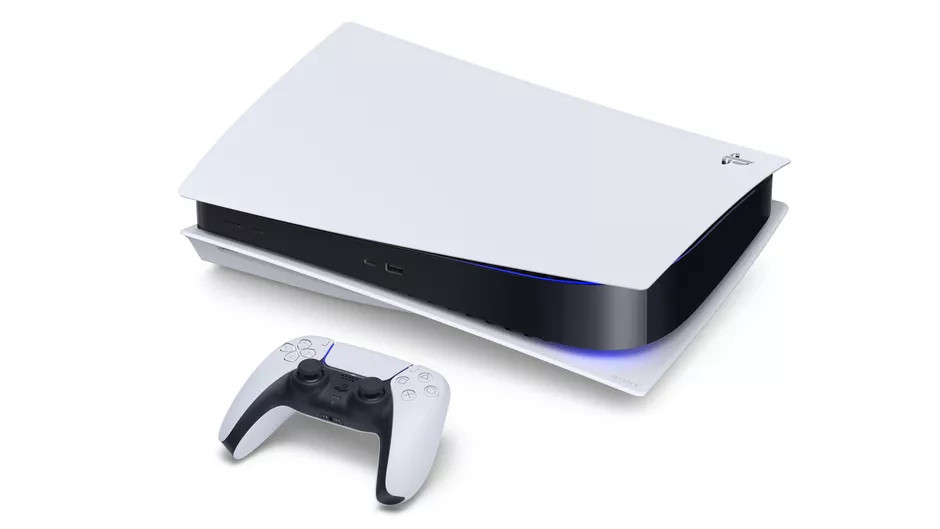
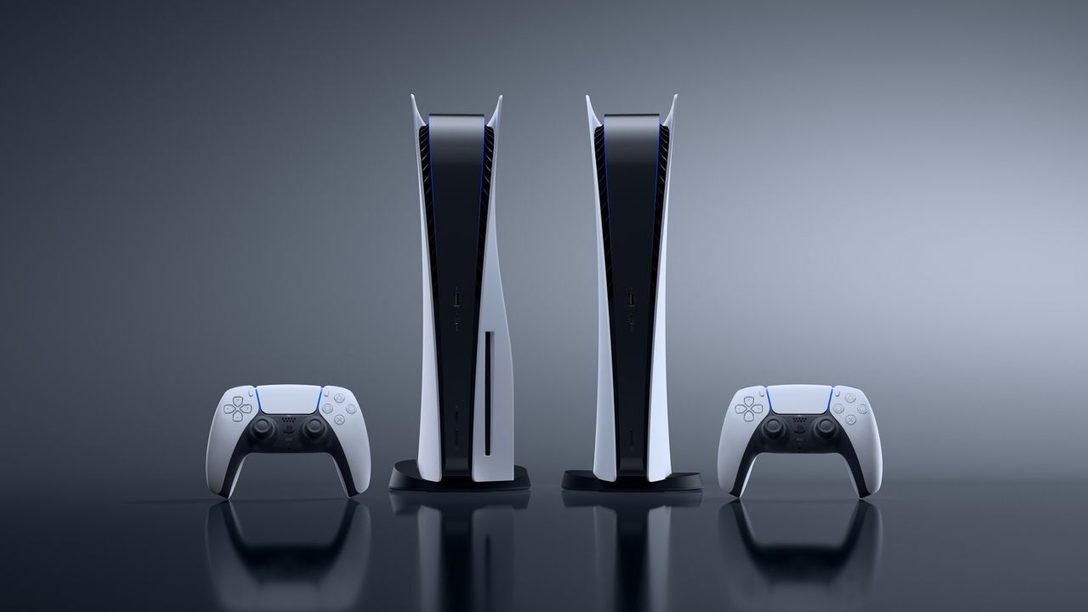
Ever since Sony‘s PlayStation 5 made its initial debut in late 2020, hackers were all over the console in attempts to jailbreak it. In 2021, the console’s Debug menu was unlocked, signaling a breakthrough. Almost a year later, Twitter users @StretchEcho and @SpecterDev successfully circumvented Sony’s security using a WebKit exploit.
For those unaware, jailbreaking is the process of exploiting the flaws of a locked-down electronic device to install unauthorized software, which in this case would be pirated PS5 game titles.
The hack and the associated Python scripts can be found on Spectre Dev’s GitHub page. Only PlayStation 5 systems running firmware version 4.03 or lower are compatible with it. Both console versions may be jailbroken, although doing so requires a PC or Mac. A kernel panic occurred when one user attempted to run it on version 4.50. Even with the correct version, it may need to be executed more than once because it doesn’t always function.
The exploit isn’t as good as some of the previous PlayStation 4 jailbreaks because it doesn’t allow code to be executed on the machine. The Debug menu and writing data to the hard disc are still accessible, which could allow developers to explore the internals of the PS5 further, enabling the development of unofficial patches and emulation for older consoles.
Are you in search of a beautiful phone? If so, you are in the right place because we are talking about the Xiaomi Civi 2: one of the most beautiful devices released this year. In the midrange segment, several smartphone manufacturers are focusing on design because people appreciate purchasing beautiful devices with a great quality price ratio. But the latest Xiaomi mid-ranger is not the only one with a stunning design. Among the other ones released in the last period and belonging to the same price range, there is Vivo V25 Pro. We already compared the latest Civi to the OPPO Reno8 5G, another very beautiful phone. Now, we think it is time for a comparison between the main specifications of the Xiaomi Civi 2 and the Vivo V25 Pro.
Vivo V25 Pro vs Xiaomi Civi 2
Vivo V25 Pro
Xiaomi Civi 2
DIMENSIONS AND WEIGHT
158.9 x 73.5 x 8.6 mm,
190 g
159.2 x 72.7 x 7.2 mm,
172 g
DISPLAY
6.56 inches, 1080 x 2376 pixels (Full HD+), AMOLED
6.55 inches, 1080 x 2400 pixels (Full HD+), AMOLED
Triple 64 + 8 + 2 MP, f/1.9 + f/2.2 + f/2.4
32 MP f/2.5 front camera
Triple 50 + 20 + 2 MP, f/1.8 + f/2.2 + f/2.4
Dual 32 + 32 MP f/2.0 front camera
BATTERY
4830 mAh, fast charging 66W
4500 mAh, Fast Charging 67W
ADDITIONAL FEATURES
5G, dual SIM
5G, dual SIM
Design
The Xiaomi Civi 2 has a very refined design, as already mentioned, it is one of the best in this aspect. It is built with premium materials including aluminum for the frame and glass for the rear side, protected by Gorilla Glass 5. It is one of the thinnest phones out there as it is just 7.2 mm thick, and it is even one of the most lightweight with a weight of just 172 grams. Last but not least, it is the first Android phone with something similar to the Dynamic Island by Apple: indeed, it has a pill shaped punch hole placed centrally on the upper part of the display. The Vivo V25 Pro is another beautiful phone with its glass back and a color changing rear cover when exposed to UV rays (such as under direct sunlight). But it is not able to compete with its rival in this comparison.
Display
If we consider the specs on the paper, the Xiaomi Civi 2 has a superior display. It is an AMOLED panel able to show up to one billion colors and is protected by Gorilla Glass 5. It has a diagonal of 6.55 inches, a Full HD+ resolution of 1080 x 2400 pixels, a 120 Hz refresh rate, the HDR10+ certification, Dolby Vision support, and a peak brightness of 1,000 nits, as well as an in-display fingerprint reader. On the Vivo V25 Pro, you can find an AMOLED panel with a diagonal of 6.56 inches, a Full HD+ resolution of 1080 x 2376 pixels, a 120 Hz refresh rate, the HDR10+ certification, a peak brightness of 1,300 nits, and an in-display fingerprint reader. These devices are not equipped with stereo speakers and they do not feature 3.5 mm jacks, so you can only rely on an adapter or wireless earbuds.
Specs & Software
When it comes to the hardware, the Xiaomi Civi 2 is the winner. It is powered by the Snapdragon 7 Gen 1 mobile platform built with a 4 nm production process and running at a max frequency of 2.4 GHz (it has an octa-core architecture), paired with up to 12 GB of RAM and up to 256 GB of UFS 2.2 internal storage. The Vivo V25 Pro has a faster UFS 3.1 internal storage, but the chipset is inferior: a Dimensity 1300 by Mediatek built with a 6 nm production process and with an octa-core architecture composed of a Cortex A78 CPU running at a max frequency of 3 GHz, three Cortex A78 CPUs running at 2.6 GHz, four Cortex A55 CPUs running at 2 GHz, and a Mali G77 MC9 GPU. Alongside the Dimensity 1300, there are up to 12 GB of RAM and up to 256 GB of storage. These phones run Android 12 out of the box and they are supposed to get at least two major updates to the next Android versions.
Camera
The rear camera departments of these devices are very different. The main camera found on the Vivo V25 Pro is more interesting not only due to its 64 MP resolution but especially due to the presence of optical stabilization. On the other hand, the Xiaomi Civi 2 lacks OIS but comes with a better 20 MP ultrawide camera. Last but not least, the Civi has a superior front camera setup including two sensors with 32 MP resolutions; one of them is an ultrawide camera and there is also a front-facing LED flash with each flash sporting two LEDs.
With the Vivo V25 Pro, you can obtain a longer battery life in several scenarios due to the presence of a bigger battery: the battery capacity of this phone is 4830 mAh. The Xiaomi Civi 2 has just 4500 mAh, so it is unlikely to provide a comparable battery life. The charging speeds are more or less the same because these phones feature similar charging technologies.
Price
The starting price of the Vivo V25 Pro for the Indian market roughly translates into €440/$432 at the actual change, while the Xiaomi Civi 2 starts from €350/$344 at the actual change in the Chinese market. Which one would you pick?
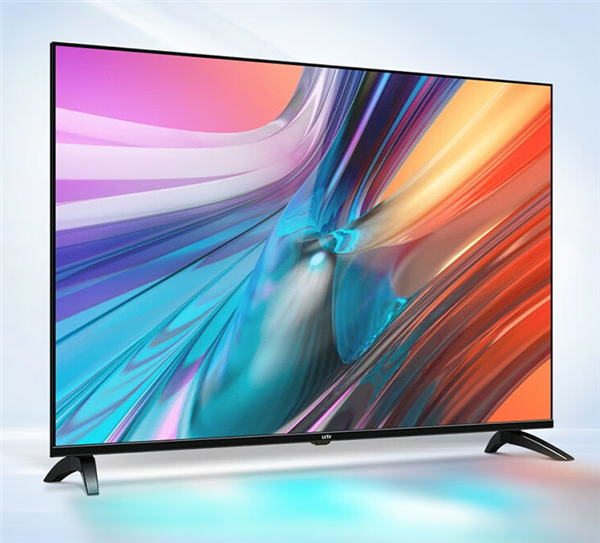
The seeming disruptive vibes from LeTV have not prevented the brand from releasing the Super TV F50 Pro. The new product comes in the aftermath of the auction of 908 LeTV trademarks and the company moving out of its building. The LeTV Super TV F50 Pro comes with a 50-inch full screen, a 3840 x 2160 pixels resolution, and a 98.6% screen-to-body ratio.
The Super TV F50 Pro has a 92% DCI-P3 color gamut and 1.07 billion colors. It sports a unibody metal integrated body design and is equipped with a 4-core A55 processor. The Super TV F50 Pro has a Mali-G31 MP2 GPU and comes with a 2GB+16GB storage configuration. Two 8W speakers provide the audio output for the TV which runs on EUI 8.0 and features a 16-key intelligent voice remote control. You can use the voice remote control to modulate various operations including playing videos, opening applications, or even getting the weather report.
There are several connectivity options for the Super TV F50 Pro including HDMI 2.0, USB 2.0, AV, and audio output for headphones. It also has a digital audio output, a network interface, and an analog/digital TV connection.
The LeTV Super TV F50 Pro is available in China via JD.com at an introductory price of 1,349 yuan (~$191). LeTV has not provided any global availability details for the product at this time.
The Nokia X30 5G is now available on order in Europe and the United Kingdom. The smartphone comes in blue and ice white color options as well as two memory configurations. This is coming barely a month after it was introduced at the IFA 2022.
The Nokia X30 5G is powered by a Snapdragon 695 processor and has three high-resolution cameras. The 6.43-inch AMOLED screen of the X30 5G has a 90Hz refresh rate and it weighs about 185g. The smartphone has a 4,200mAh battery which can be charged at 33W via USB 3.0. The Nokia X30 5G’s display has a 1080p resolution and is protected by Corning Gorilla Glass Victus. The smartphone is IP67-certified for water resistance even underwater.
The camera setup of the X30 5G consists of a 50MP primary camera, a 13MP ultra-wide-angle module, and a 16MP front camera. The smartphone will come with Android 12 and is expected to receive three Android upgrades in its lifetime. The RAM/ storage configuration of the X30 5G are 6GB/128GB and 8GB/256GB options. The package includes a complimentary clear case for orders from the Eurozone and UK.
HMD Global, owners of the Nokia brand, is offering the X30 5G in Europe for €519 (~$509) and €549 (~$538) for the 6GB/128GB and 8GB/256GB variants respectively. The corresponding prices of the models in the UK are £399 (~$450) and £439 (~$495) respectively.
Infinix has launched two new smart televisions in India—Infinix ZERO 55 QLED and 50X3. Both televisions arrived with impressive specifications and an affordable price tag. Now, the company is planning to launch the Infinix 43Y1 TV alongside the INBook X2 Plus laptop. The two new devices are expected to be released in the second week of October. Let’s look at the details.
Infinix will launch the new Infinix 43Y1 TV along with the INBook X2 laptop in India very soon (via). The company is yet to announce the exact launch date. However, the new devices are expected to debut in the second week of this month.
The Infinix 43Y1 Smart TV is expected to be a budget-friendly option for those looking to buy a good-quality smart TV without spending a fortune on it. The TV is reported to flaunt a 43-inch display offering 300 nits of peak brightness. It is also rumoured to have a number of in-built apps like Prime Video, YouTube, SonyLiv, Zee5, ErosNow, and Disney+Hotstar. For immersive audio, it may be equipped with 20W of Dolby Stereo box speakers.
If we talk about the Infinix INBook X2 Plus laptop, it is claimed to be built using aluminum alloy and has a metal craft design. The laptop is said to weigh 1.65kg and measure 14.9mm. It will likely feature a 15.6-inch display that will offer a Full-HD resolution. It will come with a backlit keyboard and will be offered in three color variants.
The rest of the details about the upcoming products are still under wraps. We should learn more information in the coming days. In any case, we are bound to learn everything about the devices in a few weeks.
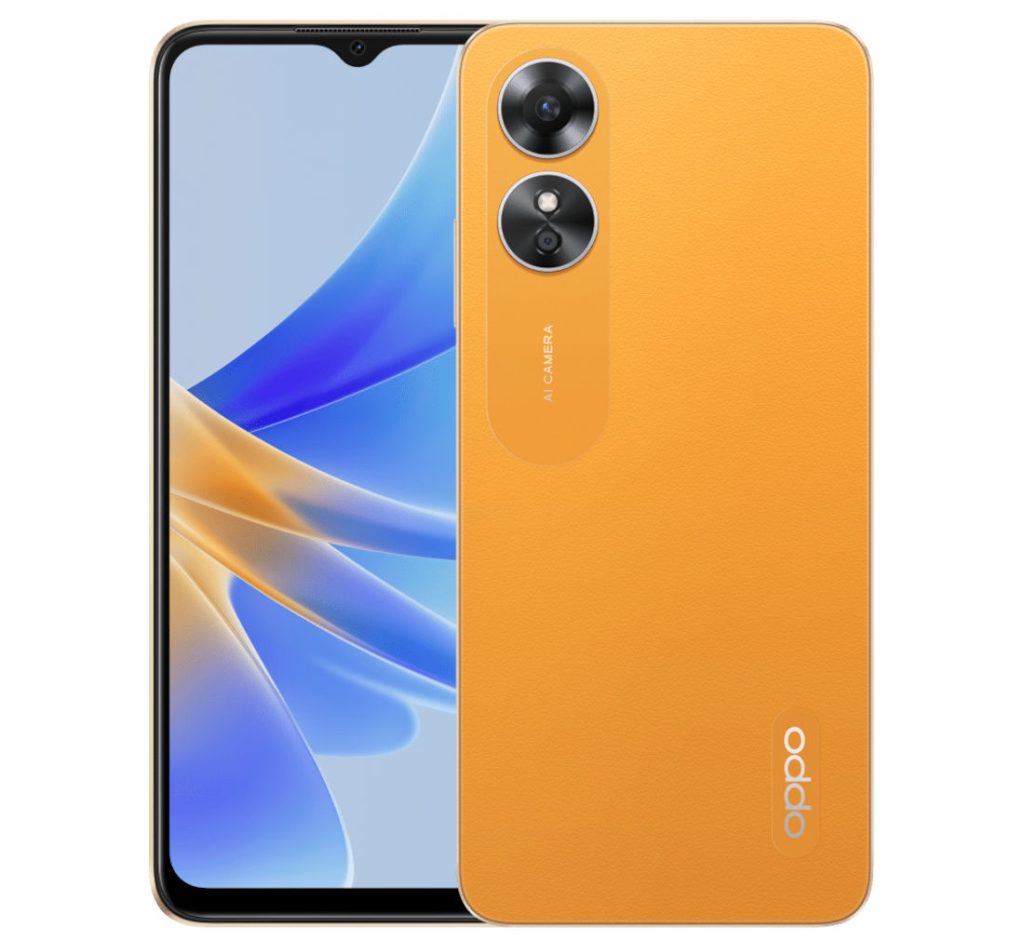
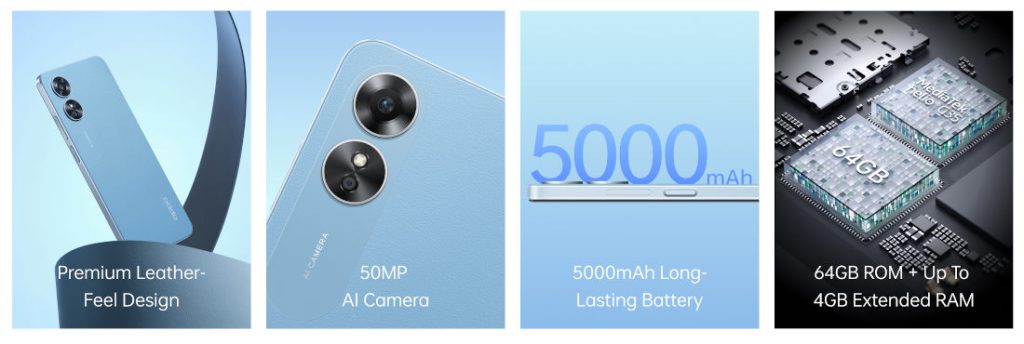
The newest budget-friendly A series phone from OPPO, the A17, has been launched in India. This comes not too long after it was unveiled in Malaysia. The new phone runs Android 12 and boasts a 6.56-inch HD+ screen with a water drop notch that holds a 5MP camera and more.
The device is powered by a MediaTek Helio P35 processor under the hood. The processor is backed up by 4GB of RAM and 64GB of storage. The phone also has 4GB of additional virtual RAM.
On the back, the smartphone boasts a dual camera configuration with a 50MP f/1.8 main camera and a 2MP depth sensor. The front-facing camera is a 5MP f/2.2 fixed-focus one. The main camera system includes AI, 360-degree Fill Light, Portrait Retouching, HDR, and other image technologies.
The A17 is powered by a 5000mAh battery and includes certain battery-saving features like Super Power Saving Mode and Super Nighttime Standby. Android 12 via ColorOS 12.1, IPX4 water resistance, and USB-C are also important features. The phone boasts a side-mounted fingerprint reader, a one-piece faux leather back, and IPX4 ratings for splash protection.
The OPPO A17 costs Rs. 12499 (~$153) and is available from both online and physical locations in India. It comes in Midnight Black and Lake Blue color options.
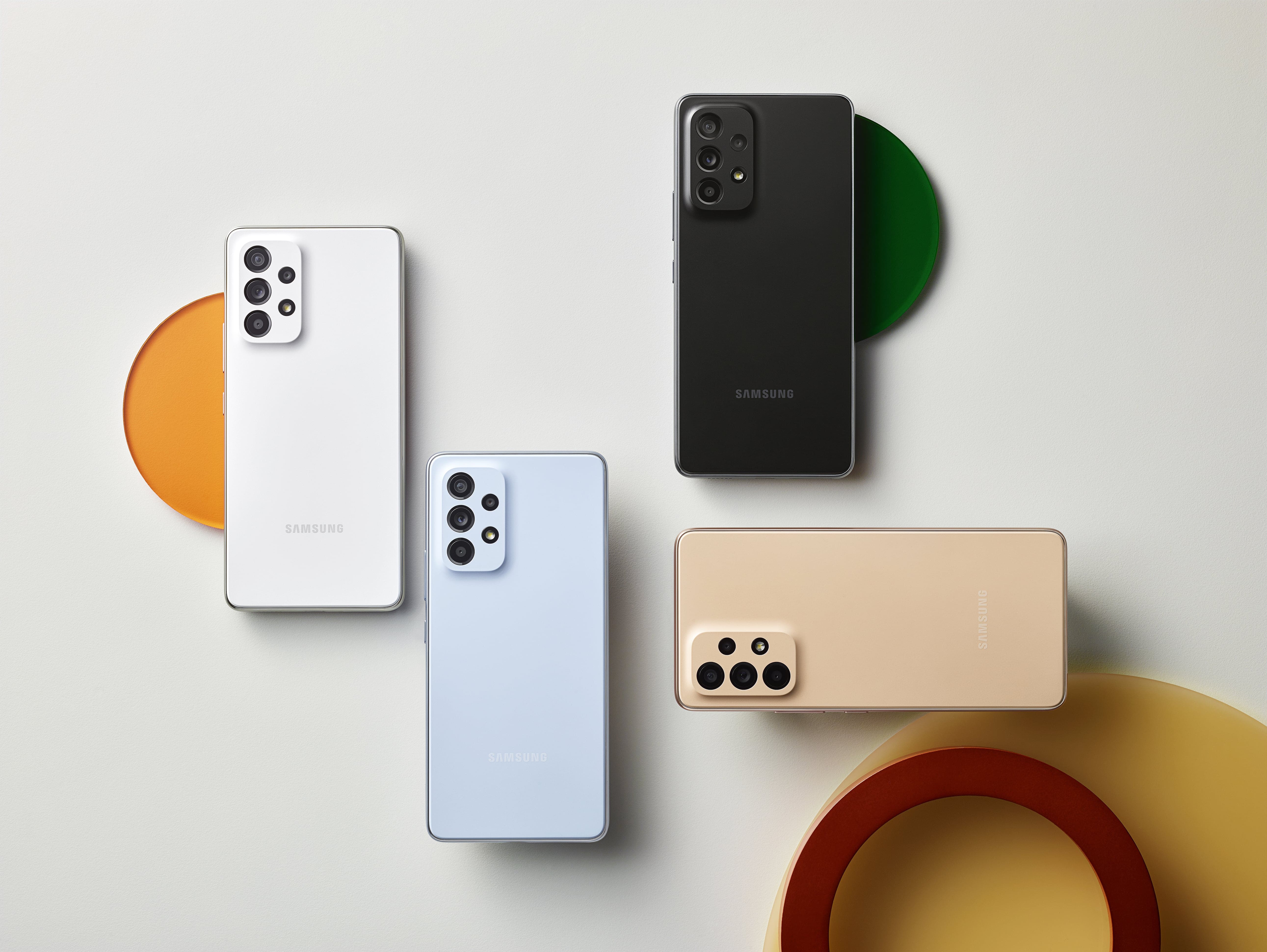
Samsung is reportedly working on a new A-series smartphone. The device in question is called the Galaxy A54, and it will probably launch next year. While we are still months away from its formal debut, a new report is here with the camera specs of the upcoming smartphone. Let’s have a closer look at the details.
According to a GalaxyClub report, the upcoming Galaxy A54 will feature a 50MP main camera. The publication didn’t reveal any details about the other cameras. However, we can expect the device to come with a triple camera setup.
Samsung Galaxy A53 5G
As per a previous report, Samsung is planning to drop depth cameras from the Galaxy A54, which means the smartphone will have a wide-angle camera, an ultra-wide camera, and a macro camera. The macro sensor is said to be 5MP and the ultrawide lens could also be 5MP.
Some might say this is a camera downgrade since the older Galaxy A53 and A52 came with a 64MP primary camera. But higher megapixel counts do not necessarily equate to better pictures. More megapixels will only allow you to enlarge and crop pictures without revealing individual pixels.
Leaks and rumors about the Galaxy A54 have just started to pick up, so we don’t have much information about its specifications. The device is likely to launch next year as a successor to the Galaxy A53.
To recall, the A53 debuted earlier this year with a 6.5-inch FHD+ SuperAMOLED Infinity-O display offering a 120Hz refresh rate, and 800 nits of brightness. It is powered by a 5nm Exynos 1280 SoC with up to 8GB of RAM and 256GB of internal storage. It has a 5,000mAh battery and supports 25W charging. The handset comes pre-installed with One UI 4 with Samsung’s Knox security.
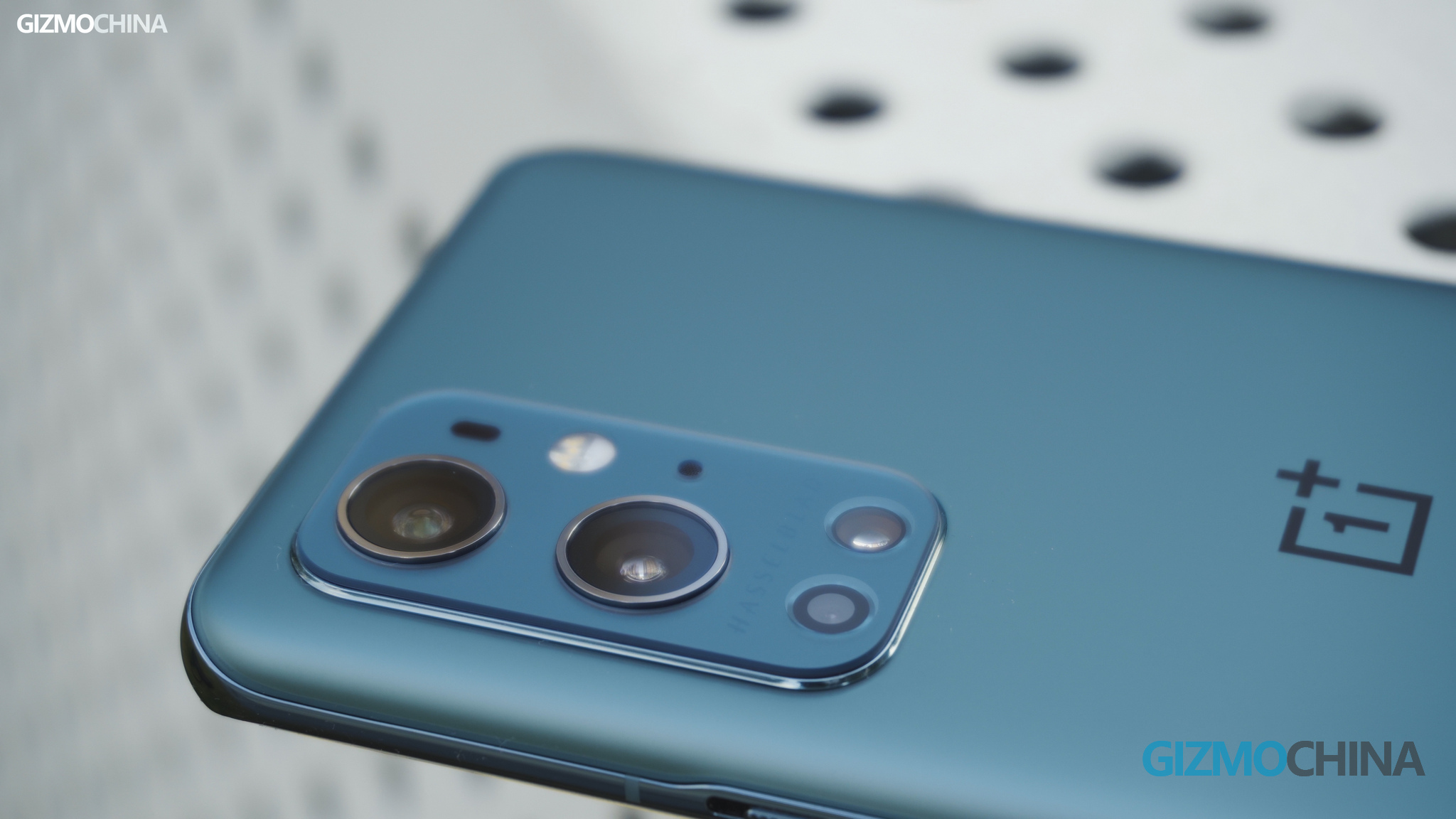
Oppo showcased the latest version of its custom Android skin, ColorOS 13, back in August. Within a few weeks, it began rolling out beta versions of Android 13 to its flagship Find X5 and Find X5 Pro, providing users with an early taste of what is to come. Now, OnePlus has announced that the OnePlus 8, 8 Pro, 8T, 9R, and 9RT will receive the ColorOS 13 Beta update in China next week. Here are the details.
According to a post by ColorOS China’s official Weibo handle, the OnePlus 8, 8 Pro, 8T, as well as the OnePlus 9R, and 9RT will receive the Android 13 OS-based ColorOS 13 Beta update on October 10. The post revealed the update plan for all the Oppo and OnePlus smartphones that will receive the ColorOS 13 update.
OnePlus 9RT
For those who don’t know, OnePlus smartphones run OPPO’s ColorOS in China. While the Global variants are equipped with OxygenOS. Although they are essentially the same, some contend that ColorOS offers a better user experience.
To recall, the ColorOS 13 update brings a slew of features and updates. It comes with an aquamorphic design and packs all the new features Google introduced in the latest version of Android. In addition, OPPO has added a few exclusive features such as a Shadow-Reflective Clock widget, an IoT device control module, media playback controls for the updated Control Center, a Meeting Assistant, and a number of multitasking improvements.
Additionally, ColorOS 13 supports Large Folders, Global Search banners, and new Home Screen widgets. Moreover, the company has updated its Always-on Display (AOD) functionality, which now allows you to control apps and access additional information without unlocking the phone.
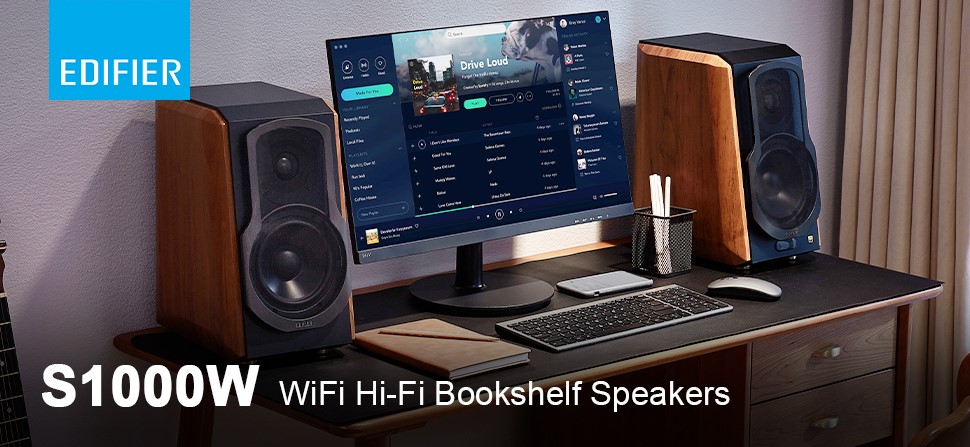
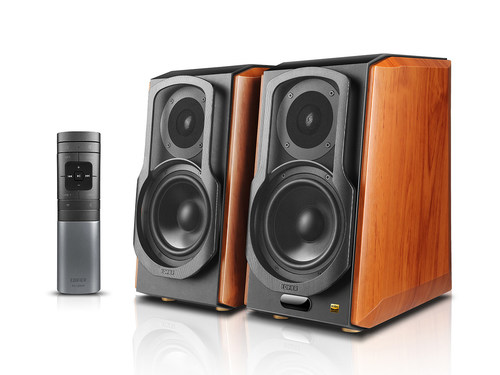
Edifier has unveiled its latest bookshelf wireless speaker, the S1000W. The device supports WiFi, Bluetooth 5.0, OPT, COX, and AUX connectivity with pretty affordable pricing. The Edifier S1000W has aluminum bass drivers and a titanium dome tweeter that delivers high-resolution audio. The wireless speaker can also pair with other units to deliver seamless sounds to all parts of the home.
The Edifier S1000W comes with a PC flanking form factor and delivers up to 120W of audio power from its bass and tweeter compartments. The titanium dome tweeter unit provides stunning dispersion, a smooth response rate, and superior sensitivity compared to plastic tweeters. The maximum noise level of the unit is 25dB with a 45-40,000 Hz frequency response. The S1000W is compatible with Apple AirPlay 2 and TIDAL Connect, as well as Alexa (accessed through a third-party app).
Edifier S1000W Wireless Hi-Fi Bookshelf Speaker
The Edifier is not designed as a smart speaker and hence lacks voice assistant support. It is designed to appeal to those who value privacy and can sacrifice the voice assistant’s convenience. The Edifier S1000W has a starting price of $449.99 but it remains to be seen how the market responds to the offer. Overall, the Edifier S1000W Bookshelf speaker reflects the brand’s unrelenting vision of combining an unwavering passion for exquisite audio quality and affordability. It is yet another fine addition to Edifier’s growing collection of premium audio devices.
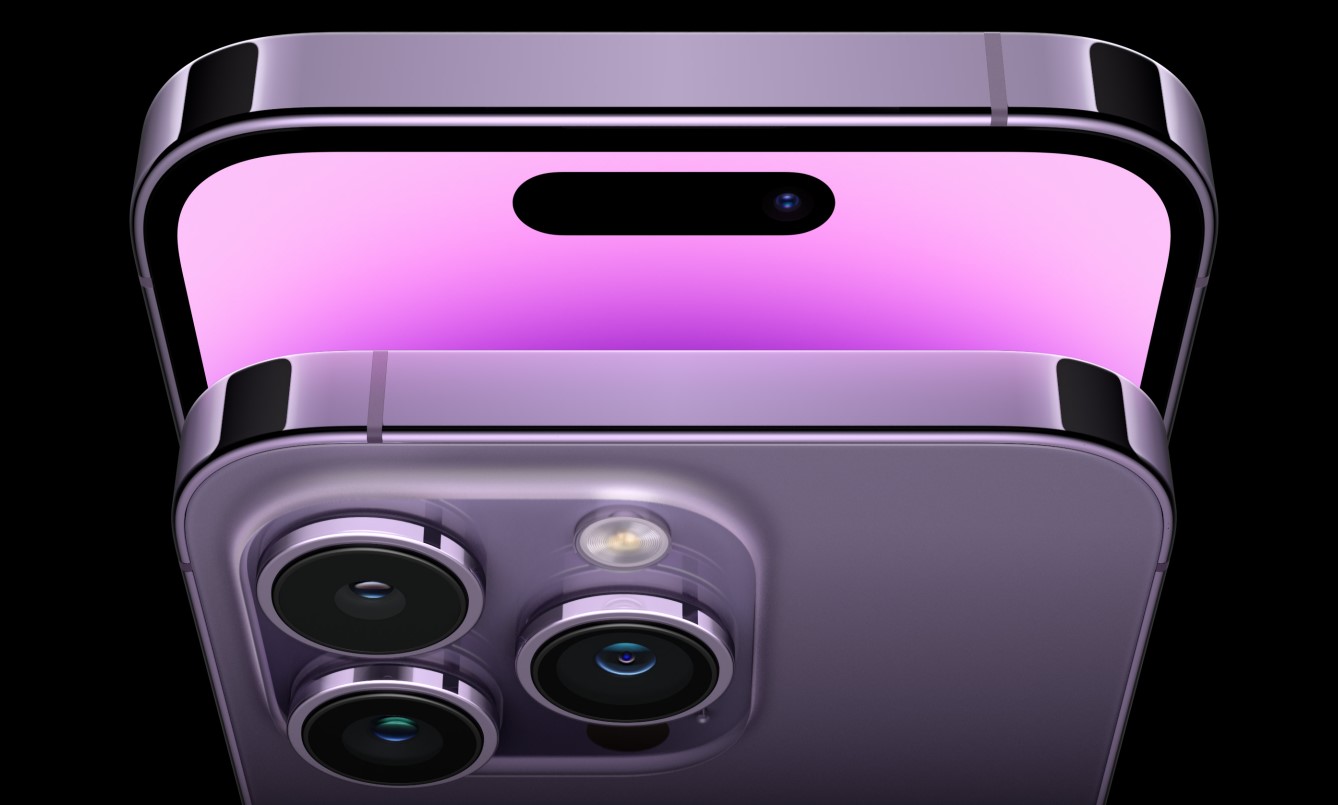
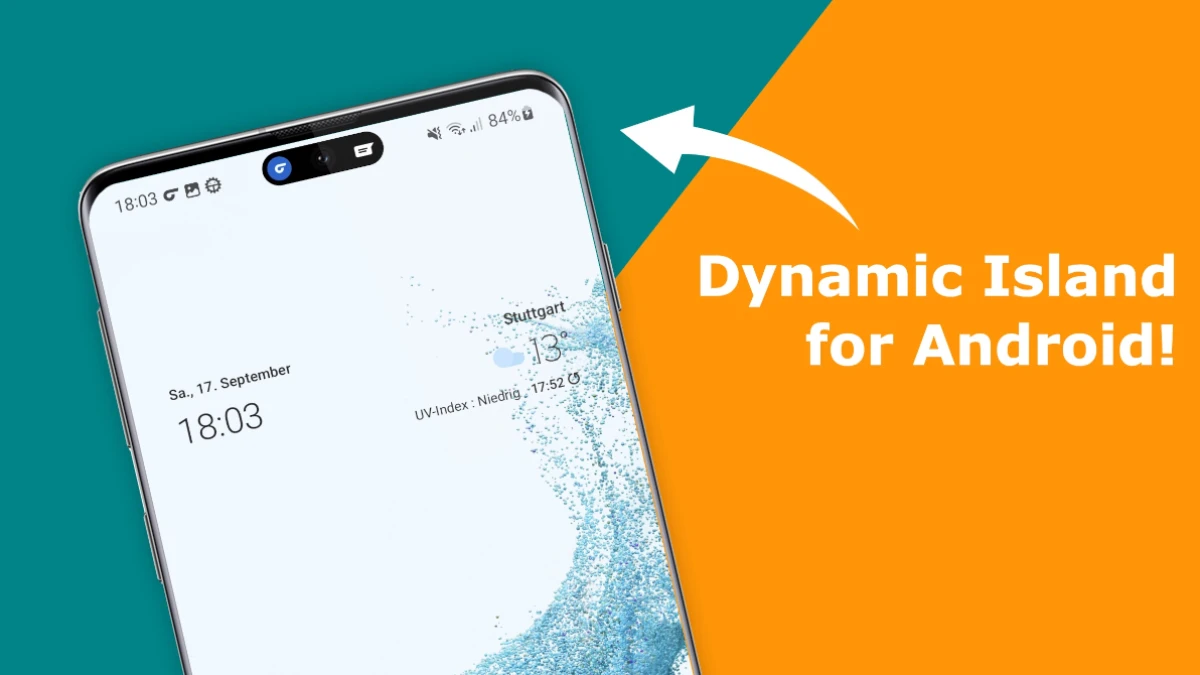
The DynamicSpot app is an Android app that offers a Dynamic Island akin to what obtains in the Apple iPhone 14 Pro and Pro Max. Dynamic Island is a new multi-tasking and shape-shifting notification system that replaces the traditional notch. The DynamicSpot app replicates the Dynamic Island functionality in Android smartphones and has now achieved over 1 million downloads on the Google Play Store.
While there had been speculation that Apple could unveil Dynamic Island with its iPhone 14 series, this was not definitive. However, Apple indeed featured the Dynamic Island in the iPhone 14 Pro and 14 Pro Max. Some OEMs like Xiaomi, are reportedly working on a Dynamic Island-like feature on Android smartphones. The DynamicSpot had been on the radar silently for a while but its blossoming has coincided with the launch of the iPhone 14 lineup. It is available on the Google Play Store and is compatible with both left-centered and center punch hole camera smartphones. It also features Android music controls and is referenced in the Play Store as the Dynamic Island for Android.
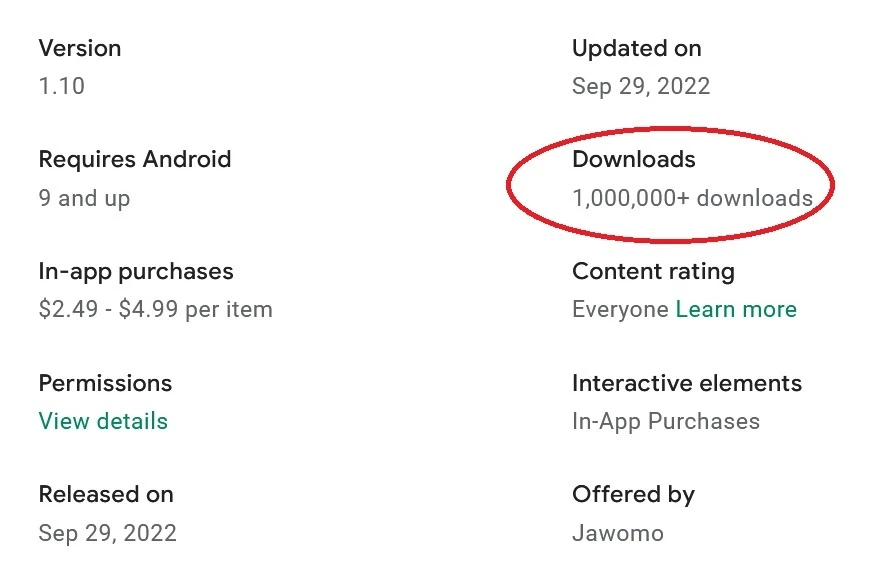
The DynamicSpot app was released on September 29 and this feat of 1 million downloads in a few days is quite impressive. The current rating by users who downloaded the app is 4.3 which is a decent performance. According to the app developer Jawomo, the DynamicSpot replicates the iPhone 14 Pro’s Dynamic Island feature on your Android device.
The mini multitasking feature of DynamicSpot allows Android users to access recent notifications or phone status changes. The developer further says that, unlike Dynamic Island, DynamicSpot is customizable, as you can change interaction settings and tweak a few more features. The app is compatible with most Android apps and will integrate seamlessly into Android’s notification system.
The DynamicSpot requires Android 9 or higher and the developer says more features will be incorporated into the app in due course.
The Xiaomi 12T series is scheduled to launch on October 4. The two phones, namely Xiaomi 12T and Xiaomi 12T Pro will be announced at an event planned for 2 PM GMT+2.
The Pro model is said to arrive with a 200MP Samsung ISOCELL HP1 camera, Qualcomm Snapdragon 8 Plus Gen 1 SoC, 120Hz OLED display, and 120W fast-wired charging support. On the other hand, the vanilla version is expected to feature a MediaTek Dimensity 8100-Ultra chipset and a 108MP main camera.
The handsets are also anticipated to offer dual stereo speakers tuned by Haram Kardon, an IR blaster, a liquid cooling system, and more.
2. Infinix Zero Ultra
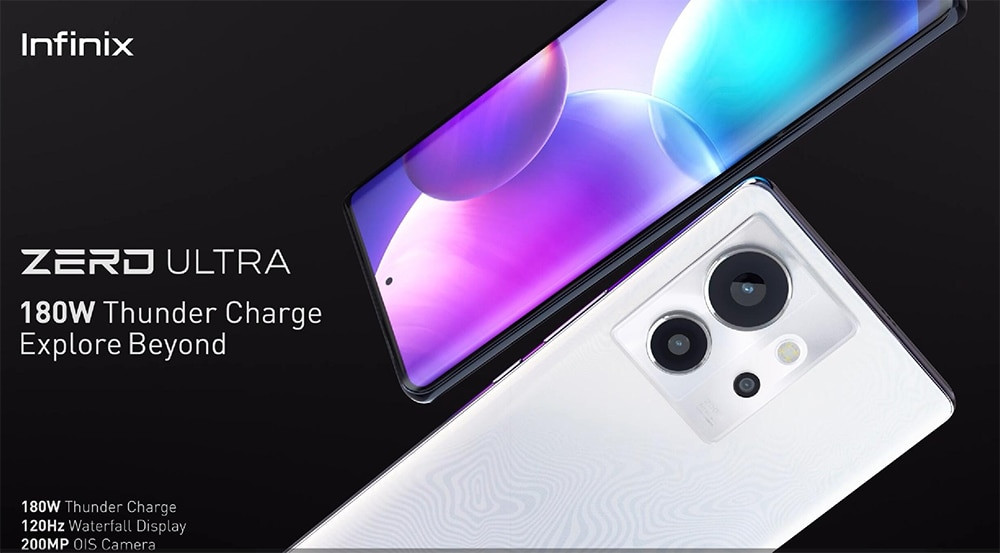
The Infinix Zero Ultra is set to go official on October 5. As per teasers and leaks, it will be the most feature-rich Infinix smartphone to date. The brand has partnered with Royal Museums Greenwich for the launch.
The phone is expected to come with a 200MP primary camera, MediaTek Dimensity 920 chip, 6.7-inch 120Hz curved AMOLED display, 5,000mAh battery, and 180W fast wired charging support.
The device is tipped to boot Android 12 and will be available in black and white color options.
3. Infinix Hot 20 Series
The Infinix Hot 20 series will be announced on October 6. The smartphones will make their global debut in October. The conference will begin at 4 PM GMT+7.
According to leaks, the standard Hot 20 model will arrive with a 6.78-inch FHD+ 120Hz display (LCD), MediaTek Helio G96 chip, 8GB RAM, 5GB virtual RAM, and 128GB storage. Unfortunately, we don’t have further details on the handset as well as the Pro or any other version.
Anyway, rumors suggest that the Infinix Hot 20 series could be identical to the Infinix Hot 12 series in terms of features.
4. Google Pixel 7 Series
Google has its annual fall launch event called Made By Google scheduled for October 6. The search giant has confirmed to unveil the Pixel 7 series at this conference.
According to leaks, the Pixel 7 series will come with Tensor G2 SoC, Titan M2 chip, Android 13, 50MP main camera, 12MP ultra-wide camera, 10.8MP front-facing camera,in-screen fingerprint sensor, 30W fast wired charging support, wireless charging support, dual stereo speakers, and IP68 rating.
The vanilla model will feature a 6.3-inch FHD+ 90Hz flat OLED display and a 4,700mAh battery. Whereas, the Pro variant will offer a 6.7-inch QHD+ 120Hz curved LTPO OLED display, a 48MP 5x telephoto camera, and a 5,000mAh battery.
5. Redmi A1 Plus
A few weeks back, Xiaomi launched the Redmi A1. As per leaks, the company may soon release a variant of this phone called the Redmi A1 Plus.
The Redmi A1 Plus is basically a Redmi A1 with a rear-mounted fingerprint sensor. Apart from this single change, it will retail all the features of the original model.
Hence, it will arrive with a 6.52-inch HD+ display (LCD), MediaTek Helio A22 chipset, Android 12 Go Edition, 8MP rear camera, 5MP front-facing camera, 5,000mAh battery, and 10W wired charging support.
6. Redmi Note 11 Pro 2023
The upcoming Redmi Note 11 Pro 2023 is nothing but a rebranded Redmi Note 10 Pro (aka Redmi Note 10 Pro Max) from 2021. The exact launch date is not known but it is expected to go official in the next few weeks.
According to leaks, the Redmi Note 11 Pro 2023 will come with a 6.67-inch FHD+ 120Hz AMOLED display, Qualcomm Snapdragon 732G SoC, 108MP primary camera, 8MP ultra-wide camera, 5MP telemacro camera, 16MP selfie camera, dual stereo speakers, side-mounted fingerprint sensor, 5,020mAh battery, and 33W fast charging support.
There’s only a ‘global’ variant of this smartphone. Hence, it may release in markets like Europe and Southeast Asia.
7. Tecno Pova 4
Tecno Pova 4 is tipped to launch around mid or late October. It will be somewhat similar to the Tecno Povo Neo 2.
The handset will have a flat frame design. It is said to feature a 6.82-inch HD+ 90Hz display (LCD), MediaTek Helio G99 chipset, 50MP main camera, 6,000mAh battery, and 18W fast-wired charging support.
It will boot Android 12 and will offer features like Panther Engine 2.0 and Game Space 2.0.
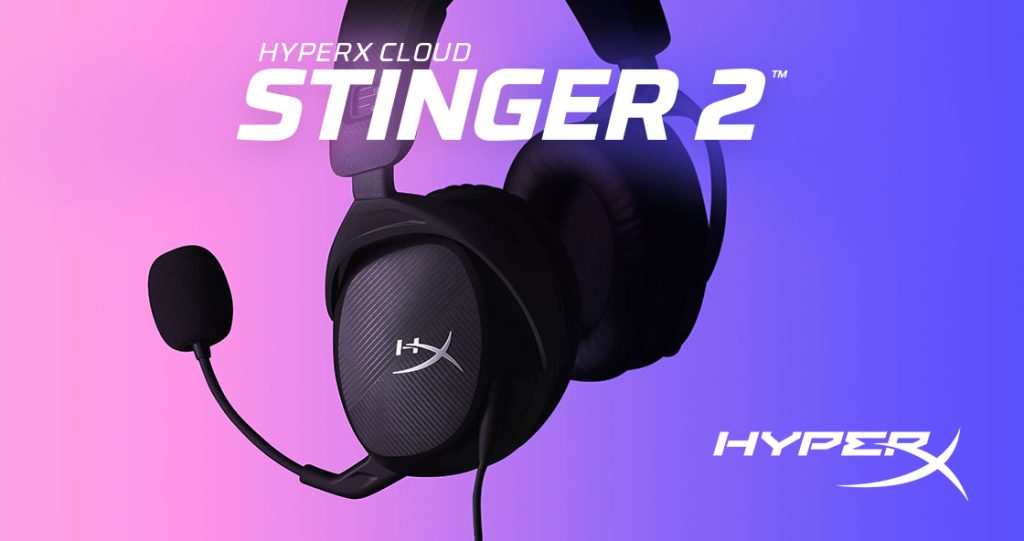
HyperX, the gaming peripheral division of HP has launched a new headset in India. The device is dubbed as HyperX Cloud Stinger 2. It is aimed at gamers looking for a high-qualityb headset at an affordable price tag. Commenting on the launch, HyperX said “Cloud Stinger 2 stays true to its lightweight predecessors’ quality and comfort at a low price point, now with DTS Headphone:X audio for more enhanced in-game immersion.” Read on to know what the audio device offers out of the box.
The HyperX Cloud Stinger 2 is an over-ear headset wired gaming headset. It features 90-degree adjustable rotating earcups and a swivel design. The device’s ear cushion material features premium leatherette and soft memory foam. It also has easy-access controls. The Cloud Stinger 2 is also a lightweight headset that is comfortable and ideal for an extended period of use.
In terms of audio, the HyperX Cloud Stinger 2 is equipped with a 50mm driver. The headset features DTS: X Spatial Audio to improve localization accuracy and 3D audio spatialization. There is a noise-cancelling flexible microphone that also has a swivel-to-mute feature. The gaming headset offers reduced background noise, clear speech quality, and improved in-game chat. The HyperX Cloud Singer 2 is compatible with a PC.
The HyperX Cloud Stinger 2 costs Rs 4,690 and will be available for purchase from Amazon.
With the official launch of the Android 13, smartphone maker’s have been rushing to roll out the latest Android OS version for their respective smartphone models. Now, the OnePlus 9 series is set to receive the ColorOS 13 update later this month in China.
As per ColorOS China’s official Weibo account, the OnePlus 9 and 9 Pro will be receiving the new Android 13 OS based ColorOS 13 update at the end of this month on 31st October 2022. In the popular Chinese microblogging website, the post shared a list for a number of OnePlus and Oppo smartphones receiving the stable build for ColorOS 13. For those unaware, the update has been actively in beta programs for various devices and is finally making its way for certain models in China.
Talking about the update itself, the new major upgrade brings the latest Android 13 build, which brings a number of new features and updates. The new custom skin brings a new Aquamorphic design. This basically means that the free flowing nature of water was the inspiration behind the new UI and its design. Users can also expect ColorOS 13 to change ColorOS 12’s green accents for all new blue shade.
There is also the inclusion of vanilla Android 13’s ‘active apps’ on the notification shade. Furthermore, ColorOS 13 also brings the new Shadow Reflective Clock that simulates the orientation of the sun and moon. The new update would also bring unique new additions to the Always On Display. For those unaware, ColorOS has typically been one of the best in terms of AOD customization, and the new update brings support for more intuitive controls as well.
POCO X5 5G has surfaced online. The device has been spotted on the IMEI database with model number M20. XiaomiUI spotted the listing of the smartphone. The publication has also revealed key specifications of the POCO X5 5G.
As per the IMEI database, the POCO X5 5G will be available in global, Indian, and China markets. It will be launched in China under the Redmi moniker. The model number of the smartphone for the global market is 22101320G whereas, for India and China, it is 22101320I and 22101320C. The report also adds that the POCO X5 5G has the codename ‘redwood’. XiaomiUI also reveals the launch timeline of the smartphone. It is decoded in the device’s model number i.e. 22101320 where 22 = 2022, 10 = October, and 13 is said to be the date. G, I, and C at the end of the model numbers are said to refer to global, India and China.
As for the key specifications, the POCO X5 5G will reportedly come with an LCD display featuring a 120Hz refresh rate. The upcoming smartphone is tipped to be powered by a Snapdragon 778G+ processor. It is said to be a gaming-centric device with smooth performance and experience.
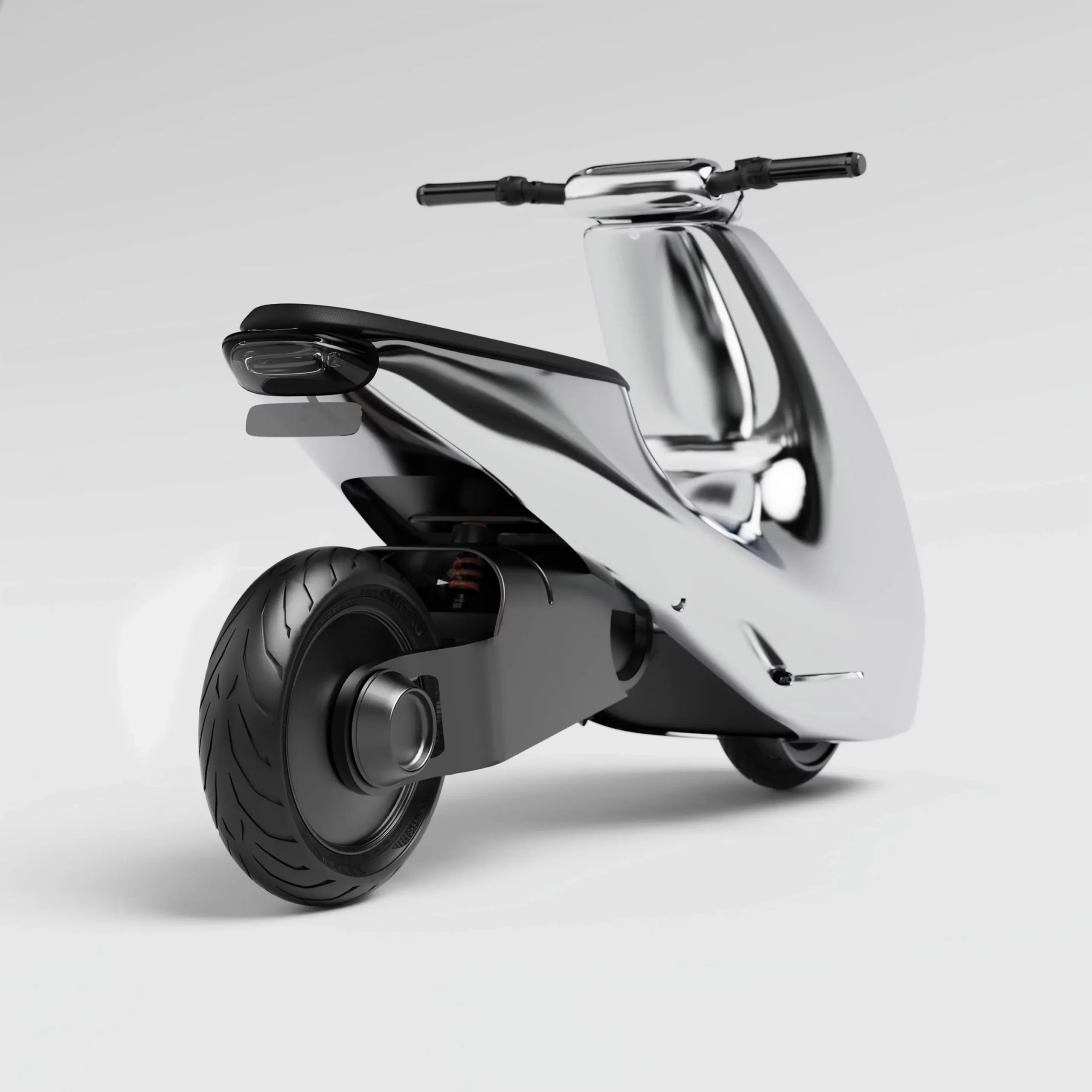
Bandit9 has unveiled its Nano e-scooter which comes as both a fashion statement and exquisite urban mobility solution. The futuristic and aerodynamic design of the Nano draws copious comparisons with Sci-Fi thrillers. Vietnam-based Bandit9 has continued to redefine the urban mobility space with its raft of extremely innovative designs.
The Bandit9 Nano e-scooter has a range of 60 miles (~97km) on a single charge and could be appealing to fashion-conscious urban folks. With design comparisons to the iconic Vespa, the Bandit9 Nano e-scooter could also appeal strongly to the female segment of the market. It has a 904L stainless steel sterling silver exterior. Embedded in the Nano is a 4.2 kWh removable battery that can be fully recharged in four hours. The rear hub of the e-scooter houses a 4kW electric motor that can reach a speed of 70km/h in the higher model and 45km/h in the base model (Nano+).
The two Nano e-scooters are pretty lightweight at just 120kg and Bandit is now receiving pre-orders for both models. The Nano is priced at $4,499 while the Nano+ costs $4,990. There are no dates specified yet for shipping the Nano e-scooter. Bandit9 has continued to roll out retro-futuristic stylings since 2016 when it released a custom motorbike that looks like part of an X-wing fighter.
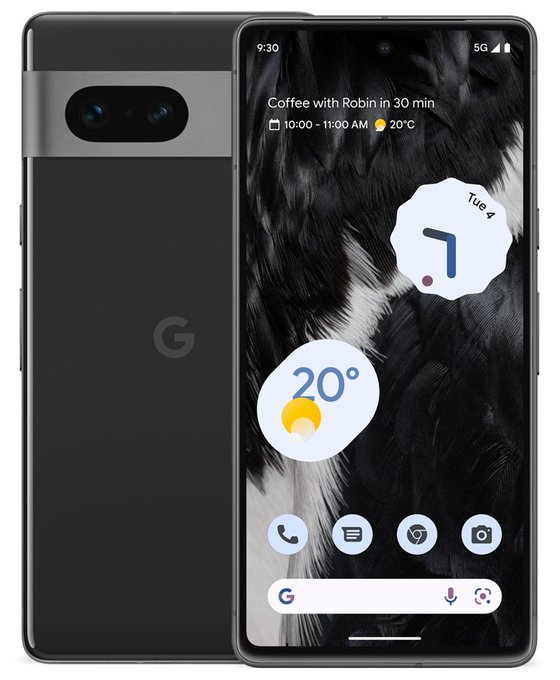
Google is gearing up to launch the Pixel 7 series smartphones along with other products at its Made By Google event on October 6th. The series will consist of two devices – Pixel 7 and Pixel 7 Pro. Ahead of the launch, multiple leaks and rumors have revealed almost all of the major details about the upcoming smartphones. So, we bring you a roundup of everything you can expect from the Pixel 7 series.
Pixel 7 series design & display
The Pixel 7 series will not deviate from the design language of the Pixel 6 series, as seen in the official teasers and renders. However, the device has received some polish to the design, especially the camera visor and the camera setup. The visor this time around is made of polished metal, giving the phone a more premium look, and the camera’s placement has also been adjusted to look more pleasing.
On the front, the Pixel 7 Pro will feature a curved 6.7-inch QHD+ LTPO display that supports a 120Hz refresh rate. On the other hand, the vanilla Pixel 7 will get a 6.3-inch flat Full HD+ screen with a refresh rate of 90Hz.
Specs & features
Spec-wise, both devices will feature the Tensor G2 chip that will utilize the same combination of two Cortex-X1 cores, two Cortex-A76 cores, and four Cortex-A55 cores. It will feature a new Mali-G710 GPU, which is expected to significantly improve gaming performance compared to the last generation. Other than that, the phone will have a new NPU, improved modems, and a Titan M2 security chip.
Both phones will offer 128GB or 256GB storage options. The Pixel 7 will have 8GB of RAM, whereas the Pro model will have 12GB of RAM as standard. The phones will support both wired and wireless fast charging and will have a battery life of more than 24 hours. The extreme battery saver feature on the devices is said to extend the battery life up to 72 hours. The Pixel 7 has a 4700mAh battery, while the Pixel 7 Pro has a 5000mAh battery. Both smartphones will offer 30W fast charging. Google probably won’t include the charger in the box. The devices will also be on par with modern flagships when it comes to waterproofing, with an IP68 rating.
Android 13 will be available out of the box for both devices. It will offer the same Pixel-exclusive features like live translation and magic eraser. Both devices will offer face unlock and an in-display fingerprint sensor for security.
Cameras
The Pixel 7 will have a dual-camera system on the back consisting of a 50MP primary camera and a 12MP ultrawide camera. The 7 Pro will receive a 48MP telephoto camera with up to 5x optical zoom in addition to the two cameras on the Pixel 7. The Pro model will support cinematic blur, true tone, macro focus, and up to 30x high-resolution zoom. The basic model will not support macro focus, and its high-resolution zoom will be limited to 8x magnification. A 10.8MP front-facing camera with 4K video recording will be available for selfies.
Expected pricing & availability
The vanilla Pixel 7 listing leaked last week, all but confirming the rumors that the device will have a starting price of $599. EU customers can expect the price tag of the base Pixel 7 to be around €650.
On the other hand, the Pixel 7 Pro model is rumored to have a starting price of $899. The Pixel 7 will have three color options – Snow, Obsidian, and Lemongrass. Whereas, the 7 Pro will get Obsidian, Hazel, and Snow.
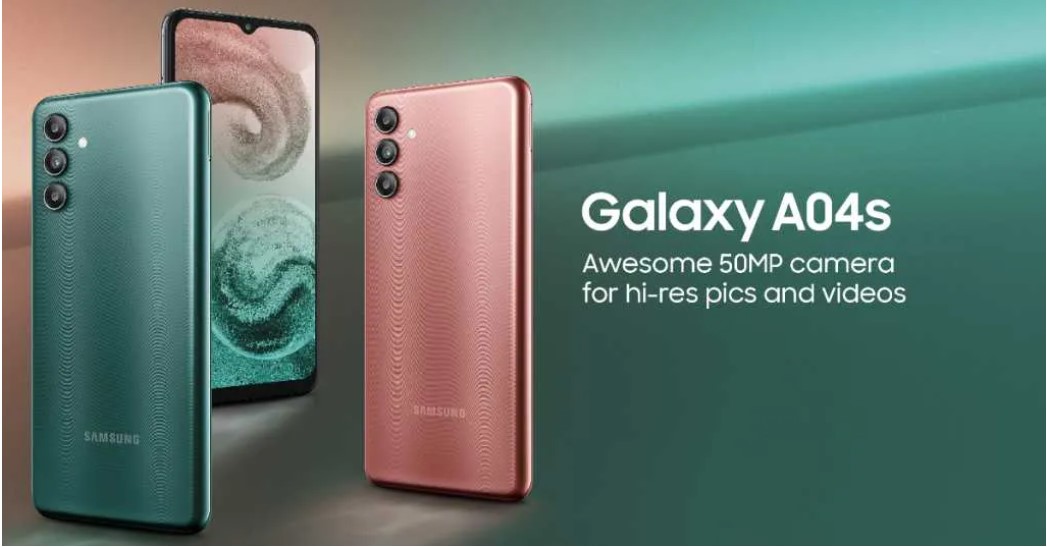
Samsung Galaxy A04s has launched in India today. It debuted in the global markets in August. The Indian variant comes with the same specifications. The latest offering arrives as the successor to the Galaxy A03s that was announced last year. The Samsung Galaxy A04s is a budget smartphone.
The Samsung Galaxy A04s comes with a 6.5-inch display bearing an HD+ resolution and a waterdrop notch. It offers a 90Hz refresh rate and the screen is shielded by Gorilla Glass 3. The device has a side-mounted fingerprint scanner embedded in the power button.
On the imaging front, the Samsung Galaxy A04s has a triple rear camera setup comprising a 50MP main sensor, a 2MP macro lens, and a 2MP portrait unit. Upfront, there is a 5MP selfie snapper.
In terms of hardware, the Galaxy A04s is powered by an octa-core Exynos 850 processor. It packs 4GB RAM and 64GB onboard storage expandable up to 1TB via a microSD card slot. There is also 4GB of virtual RAM support. The device is backed by a 5,000mAh battery unit with support for 15W fast charging. The smartphone runs on OneUI 4.1 based on Android 12 OS.
The Samsung Galaxy A04s carries a price tag of Rs 13,499 for the sole 4GB + 64GB option. It is offered in Black, Copper, and Green colours and can be purchased starting today from all retail stores, Samsung.com, and leading e-commerce platforms.
With the Google launch event being just around the corner, here’s our roundup for the Pixel Watch and everything we know so far regarding the company’s first smartwatch. So let’s have a look at its specs, design, pricing, and more.
Design
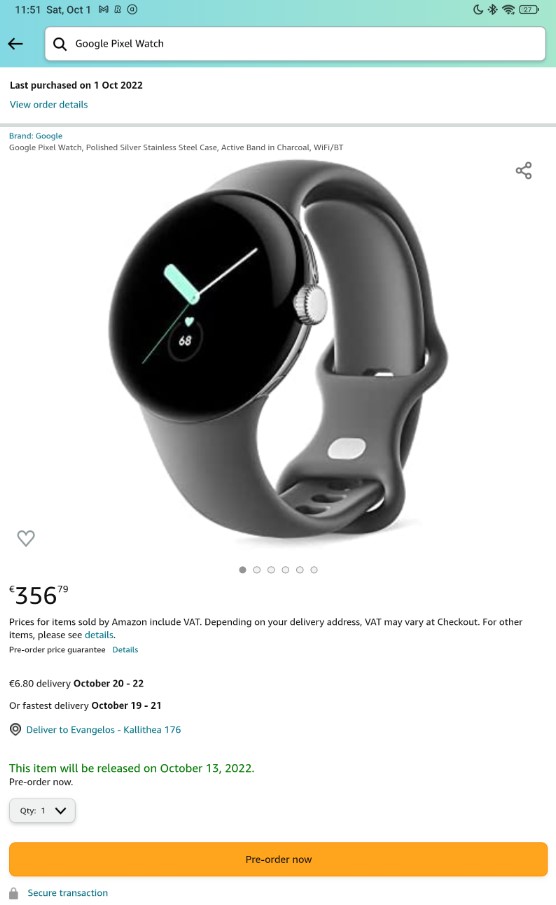
Over the last couple of weeks, the design of the Pixel Watch has been completely revealed. The upcoming smartwatch from the Search engine giant will have a circular display panel, along with a digital crown on the right side. During the I/O event, we can see the Pixel Watch will arrive in at least one silver option, although, there are also rumors for a black and gold color variant.
The smartwatch appears to have a minimalistic design alongside interchangeable bands that would offer the users more customization. As per rumors, there will be several different straps like a link bracelet, fabric band, and even two kinds of leather straps, silicone brands, Milanese style mesh band and a stretchable band as well.
Specs & Features
While the outer appearance and design has been officially teased, Google has yet to reveal any finer details regarding the internal hardware of the Pixel Watch. Based on what we know so far, the smartwatch will have the same sensor as the Samsung Galaxy Watch 4. In other words, it will have the same ‘BioActive Sensor’ that is capable of monitoring the heart rate, ECG, and even body fat percentage. Another report claims, that the health sensors will also be capable of reading SpO2 blood oxygen mapping as well.
It is rumored that the Pixel Watch will be equipped with a 10nm Exynos 9110 chipset, however, there is also possible that the device houses a Snapdragon W5+ and W5 chipsets. Apart from this, the new smartwatch is expected to have 1.5GB of RAM and 32GB of internal storage. Under the hood, a 300mAh battery pack will reportedly power the device, which should offer the same battery life as the Apple Watch, which is 18 hours.
Google will launch the Pixel Watch with its own Wear OS platform, which has even powered smartwatches from the likes of TicWatch and Fossil as well. With this operating system, we can also expect Google Fit, Photos, GPay, and even Play Store for smartwatches. Being a modern day smartwatch, we can safely assume that the device will offer physical activity tracking with dedicated sports modes built in, and even other fitness tracking features.
Pricing
The pricing for the Pixel Watch has been rumored in various different reports. Prior to the launch event, an online listing found that the Pixel Watch may have a price tag of 349 US Dollars for it GPS + Bluetooth only variant. Meanwhile, the LTE enabled version will supposedly cost 399 US Dollars. With a price tag like this, the Pixel Watch is Google’s flagship smartwatch model that will rival the likes of Samsung Galaxy Watch 5 and Apple Watch Series 8.
Youtube launched its Premium subscription service back in 2018. The video streaming website provides users with a variety of features as part of the premium plan. The YouTube subscription service’s standout feature is its ad-free user experience.
Users who subscribe to YouTube’s premium plan can watch videos and listen to music without being interrupted by advertisements. Ads will appear in between videos for those who do not have a premium subscription. In order to entice more users to subscribe to its service, the company is reportedly testing plans to make 4K video playback a premium feature.
Non-premium YouTube users can currently consume content at the highest possible 4K resolution with ads in between. The resolution for video playback for non-premium users is likely to be capped soon. According to Reddit posts, YouTube has been seen testing 4K video playback as a premium feature. There has been no official word on the matter, but if the company decides to pass it as a premium feature, users will have to watch videos on YouTube at 1440p with ads or subscribe to the ad-free plan.
With more and more people buying 4K smart TVs these days, the Alphabet-owned company could be trying to convert these users into YouTube prime subscribers. Aside from no advertisements, the premium plan allows users to download videos, watch videos with the picture-in-picture feature, and access millions of songs on YouTube Music.
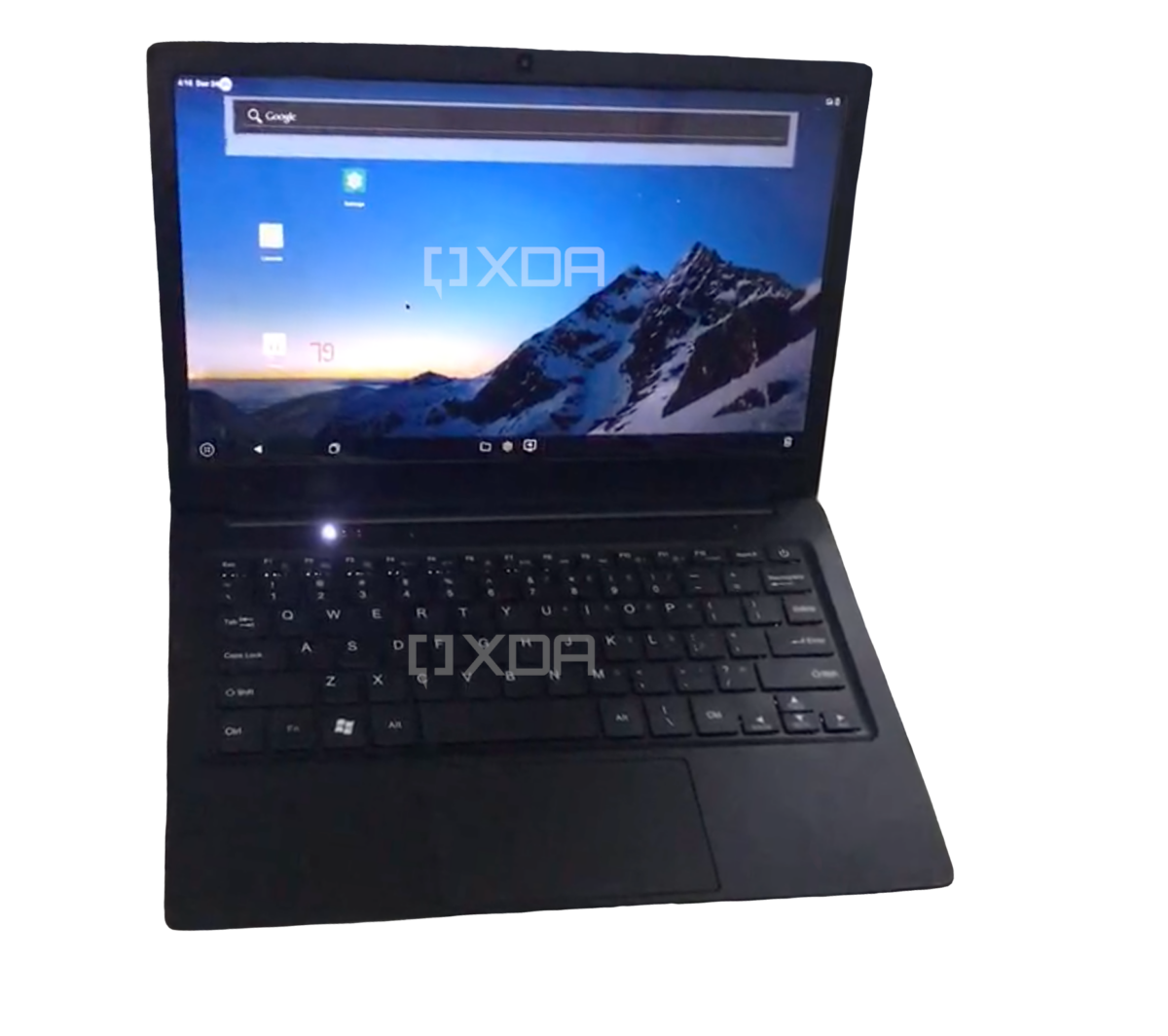
Reliance Jio has been rumored to working on a new budget laptop that supports LTE connectivity support. Now, a new report has revealed the possible pricing for the 4G enabled JioBook notebook as well as its launch timeline.
Credit:XDA
According to a Reutersreport, the Indian company is planning on launching Jio’s laptop in India for a price tag under 15,000 INR. The new laptop will apparently be called the JioBook, with Reliance partnering with tech giants Qualcomm and Microsoft for the upcoming notebook. So under the hood, the laptop will have a chip from Qualcomm with Microsoft providing support for applications on the Reliance JioBook.
Notably, the report further adds that the new Jio laptop will be launched for enterprise customers later this month. In other words, the new laptop will be made available for educational and government institutions. On the other hand, the JioBook will be made commercially available for customers within the next three months. This would mean that the device will be releasing sometime by the end of this year. Although, Reliance has yet to confirm any of this information.
Keep in mind that this is still just an unconfirmed report, so take this report with a pinch of salt for now. Notably, the JioBook will be made locally in India by contract manufacturer Flex with Jio aiming to sell “hunders of thousands” of units by March of next year, as per one of the sources. This laptop will also run on Jio’s proprietary JioOS operating system and apps can be downloaded from the JioStore.
We use cookies on our website to give you the most relevant experience by remembering your preferences and repeat visits. By clicking “Accept”, you consent to the use of ALL the cookies.
This website uses cookies to improve your experience while you navigate through the website. Out of these, the cookies that are categorized as necessary are stored on your browser as they are essential for the working of basic functionalities of the website. We also use third-party cookies that help us analyze and understand how you use this website. These cookies will be stored in your browser only with your consent. You also have the option to opt-out of these cookies. But opting out of some of these cookies may affect your browsing experience.
Necessary cookies are absolutely essential for the website to function properly. This category only includes cookies that ensures basic functionalities and security features of the website. These cookies do not store any personal information.
Any cookies that may not be particularly necessary for the website to function and is used specifically to collect user personal data via analytics, ads, other embedded contents are termed as non-necessary cookies. It is mandatory to procure user consent prior to running these cookies on your website.