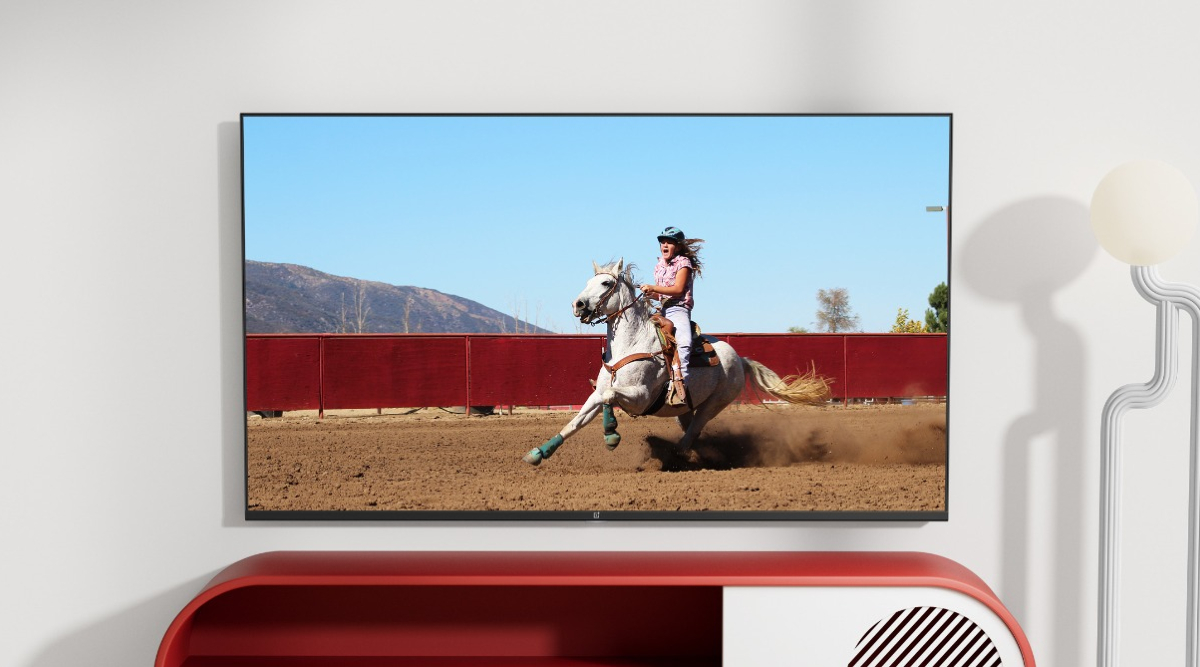
In recent years, OnePlus has launched many TVs in both the Indian as well as global markets. The firm’s televisions have impressed many users due to their impressive picture quality and affordable price tags. Back in July, the Chinese company launched the 50 Y1S Pro Budget Smart TV with a 4K screen, MEMC, and ALLM. Now, a reliable tipster claims OnePlus is gearing up to launch a new 55-inch LED TV in India. Here are the details.
[Exclusive] A new OnePlus 55-inch LED TV is soon going to launch in India. There are chances that there could be more size options too.#OnePlus#OnePlusTV
Popular tipster Mukul Sharma claims OnePlus will soon bring a new 55-inch LED TV to the Indian market. Sharma suggests the company may offer the television in multiple screen sizes. He didn’t reveal any specifications of the upcoming TV, but we can expect it to feature a 4K screen, MEMC, and Dolby Audio.
The exact launch date of the TV is yet to be known. We hope to learn more details about it very soon. Meanwhile, let’s check out the specifications of the OnePlus TV 50 Y1S Pro, which was launched recently.
OnePlus TV 50 Y1S Pro Specs
The OnePlus TV 50 Y1S Pro comes with a 50-inch 4K UHD display. It has a Gamma Engine for improving image quality in real-time and offers HDR10+, HDR10, and HLG format support. The TV sports a premium and stylish bezel-less design. It features two full-range speakers that provide a combined audio output of 24W and has Dolby Audio support for an immersive experience.
For connectivity, it has 3x HDMI 2.1 (1x eARC) 2xUSB 2.0, optical, ethernet, dual-band Wi-Fi, and Bluetooth 5.0. On the software front, the TV runs Android TV 10. In addition, OnePlus’s OxygenPlay 2.0 interface is also available. The Oneplus TV arrives with 2GB RAM and 8GB storage. It supports Google Assistant, Alexa, and Chromecast.
Xiaomi finally confirmed that the 12T series is launching globally on October 5. The brand also revealed the upcoming lineup will arrive with 200-megapixel camera technology. Reports suggest only the Xiaomi 12T Pro will feature this new technology. Most of the details about the upcoming Xiaomi 12T series are already known. Here’s everything we know.
For the uninitiated, the Xiaomi 12T series will likely include two smartphones—the Xiaomi 12T and the Xiaomi 12T Pro. The Pro is said to come with some serious camera tech. It could be equipped with a triple rear camera setup that may include a Samsung HP1 200-megapixel primary sensor, an 8-megapixel ultra-wide-angle lens, and a 2-megapixel macro unit.
While the vanilla Xiaomi 12T is said to feature only a 108-megapixel camera paired with an 8-megapixel ultra-wide and a 2-megapixel macro sensor.
Xiaomi 12T Pro renders
Further, the Xiaomi 12T Pro may debut with Qualcomm’s latest Snapdragon 8+ Gen 1 SoC and a 6.67-inch AMOLED display that offers a 1,220 x 2,712 pixel resolution and a 120Hz refresh rate. The Xiaomi 12T, on the other hand, could come with a 6.7-inch OLED display that offers a 120Hz refresh rate and HDR10+ support. Under the hood, it is expected to be powered by a MediaTek Dimensity 8100 SoC.
Reports suggest the 12T will arrive in two storage models—8GB RAM + 128GB storage and 8GB RAM + 256GB. While the Pro phone may be available in 8GB RAM + 256GB storage and 12GB RAM + 256GB storage options. They are said to be offered in three colorways—Clear Blue, Cosmic Black, and Lunar Silver.
The pricing information about both smartphones is yet to be known. We are bound to get all the information about the upcoming Xiaomi devices on October 5. Stick around for the updates.
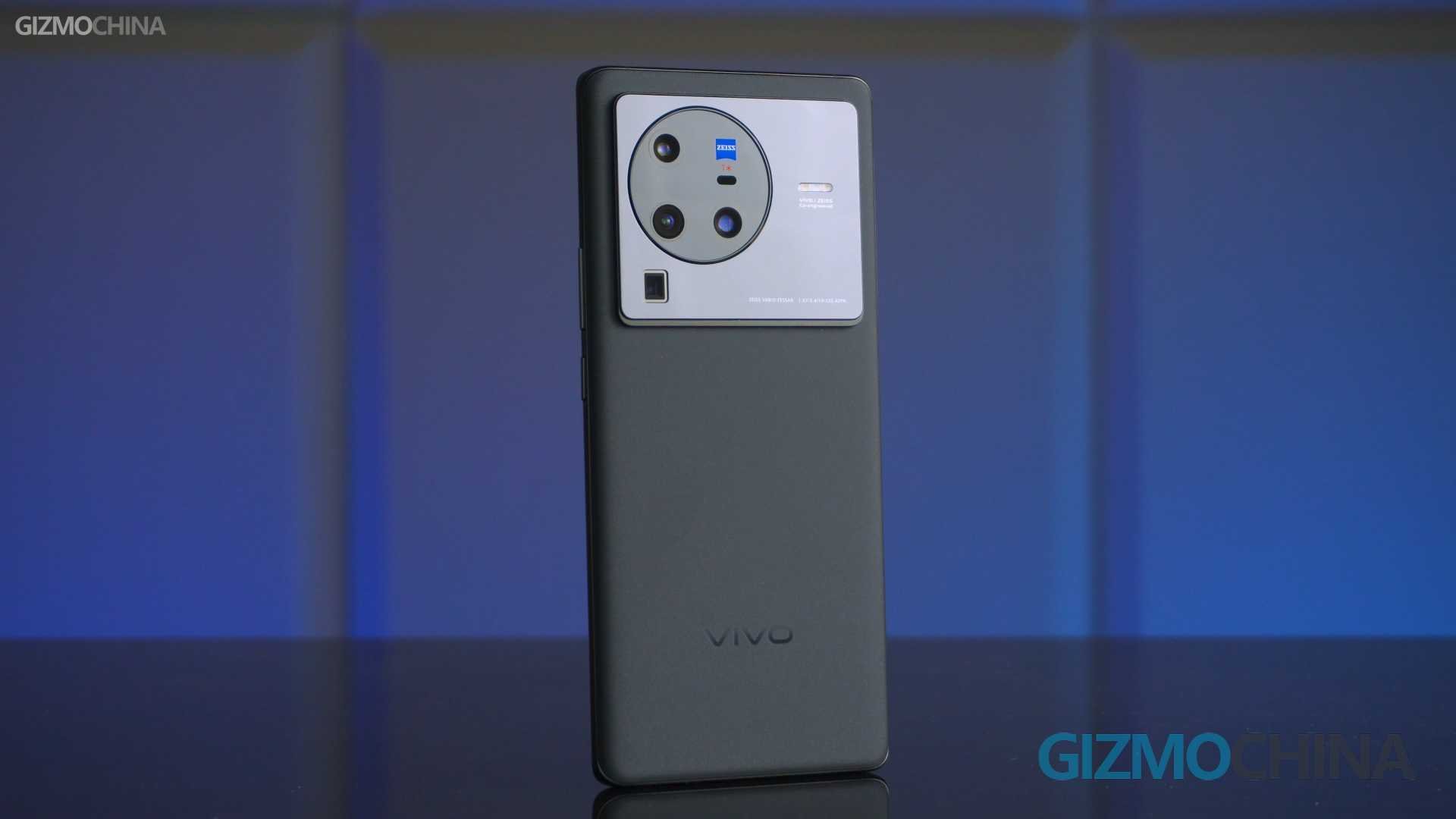
Vivo unveiled the X80 series back in April, and now it’s time for the X90 series. Rumors about Vivo’s next flagship series have just started to pick up. Recent reports suggest the lineup will include three smartphones— the Vivo X90, X90 Pro, and X90 Pro Plus. The handsets are tipped to be powered by the unannounced Snapdragon 8 Gen 2 SoC. However, a popular tipster suggests the series may also come equipped with the successor of the MediaTek Dimensity 9000 SoC. Here are the details.
Tipster Digital Chat Station suggests the Vivo X90 series may come in two CPU variants—Snapdragon 8 Gen 2 and the next-gen Dimensity 9000 SoC. He revealed that the Antutu score of the Dimensity chipset is comparatively higher than Qualcomm’s offering.
vivo X80 Pro
If true, it’s certainly good news for those who like MediaTek’s chipsets over Qualcomm’s offerings. Moreover, recent Dimensity processors have shown some promising performance. For instance, Dimensity 9000 took first place in AnTuTu when sorted by Overall score, beating Snapdragon 8 Gen 1 by almost 15 percent.
Previous reports suggest the Vivo X90 Pro+, which will be the higher-end model in the series, will offer some serious camera performance. It is said to arrive with a 1-inch main camera and a 64-megapixel telephoto sensor that may offer 5x optical zoom.
Further, the handset is tipped to be equipped with a Samsung E6 AMOLED display, LPDDR5x RAM, and UFS 4.0 storage. It will likely be powered by the Snapdragon 8 Gen 2 Soc. However, we may also see a Dimensity CPU variant. The Vivo X90 Pro+ is reported to debut as early as December 2022. Although, Vivo hasn’t confirmed any details about the upcoming smartphone yet, We hope to learn more in the coming days.
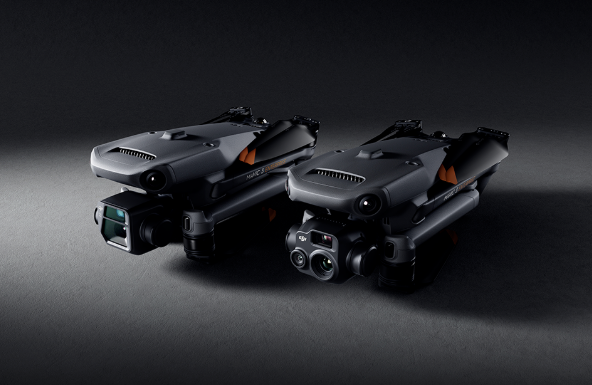
Chinese drone manufacturer DJI has unveiled two drones in China. The DJI Mavic 3E and Mavic 3T come with some exciting features including an extended battery life for both models. The DJI Mavic 3E is claimed to redefine small industry drones and is equipped with a mechanical fast wide-angle camera. The Mavic 3T features thermal imaging capabilities and has a 45 minutes battery life.
DJI has continued to blossom in the global market with the regular release of industry-defining drones. The Mavic 3E has a 12MP high-definition telephoto camera and can achieve up to 56x hybrid zoom. The main 4/3 CMOS 20MP wide-angle camera of the Mavic 3E can capture high-speed continuous images at milliseconds intervals. The drone can deliver remarkable images even in low light conditions. Its RTK module provides centimeter-level positioning with sufficient accuracy. This is especially useful in surveying and mapping operations. The Mavic 3E’s telephoto camera can power inspection details at a distance of 10 meters, according to DJI.
The Mavic 3T camera setup includes a ½-inch CMOS 48MP wide-angle camera, a 12MP high-definition telephoto lens, and a thermal imaging camera. The drone also has wide-angle and telephoto capabilities. The Mavic 3T can be deployed for search and rescue operations, fire fighting, patrol inspection, and lots more. Its thermal imaging camera has a maximum resolution of 640 x 512 pixels. It is also capable of accurate point temperature measurements and up to 28x thermal zoom. Other temperature features are regional measurement, high-temperature alarm, and isotherm. The Mavic 3T cameras can achieve linked zoom and continuous zoom for enhanced accuracy.
The DJI Mavic 3 series has a standard RC Pro remote control with a maximum brightness of 1,000 nits. The remote control has four antennas capable of dual 4G-enhanced image transmissions. It can also automatically switch with the O3 image transmission industry version. The new drones also support access to DJI Sikong 2 for efficient flight task management and cloud command.
The DJI Mavic 3E starts at 19,999 yuan (~$2,777) while the Mavic 3T starts at 27,999 yuan (~$3,888). The worry-free versions of the models are 33,600 yuan (~$4,666) and 43,680 yuan (~$6,065) respectively. Global availability details are lacking for both drones.
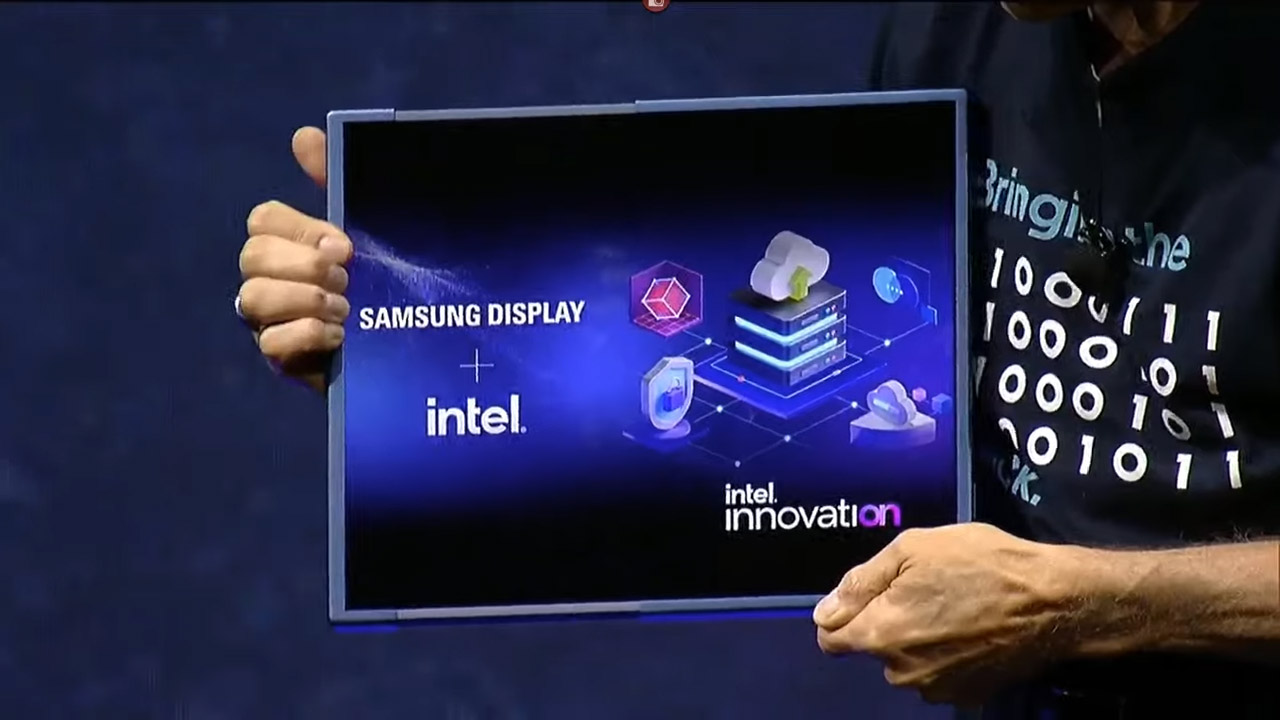
Samsung showcased an unusual computer form factor at Intel’s 2022 Innovation event that can be converted from a 13-inch to a 17-inch tablet by simply taking the display apart. Samsung refers to it as “the world’s first 17-inch slidable display for PC” and it does just what it says on the tin. It has a rollable OLED panel. JS Choi, CEO of Samsung Display, appeared on stage at the Intel keynote to demonstrate the device, a 13- to 17-inch convertible PC.
The introduction of the 17-inch slidable laptop display begins around the 10:25 minute of the keynote highlights video for Intel Innovation below. The CEOs of Samsung Display and Intel repeatedly “stretch” and “close” the display to demonstrate how it functions. “Sometimes you need a larger screen,” JS Choi said, pulling the monitor apart from a small PC.
The rolling display section “slides” along rails in the frame to expand into a larger 17-inch panel from a space-saving 13-inch design instead than bending over a hinge like foldable OLED screens on Samsung phones. When the screen rolled back into a smaller form factor or reached its maximum size, there were a few audible thumps and a faintly perceptible wrinkle reflection at the separation notch in the frame that ran along the panel.
Samsung’s multiyear development into OLED panels with plastic substrates that can flex, bend, or roll appears to have culminated in this. It already has established product lines with foldable screens, like the Galaxy Z Fold 4 but there aren’t any rollable display devices that are already on the market.
The slidable PC screen might be a sign of things to come, as the CEO of Samsung Display said that the company is collaborating with Intel to assess the potential benefits that such a form factor and the various interface options it opens could have for personal computing.
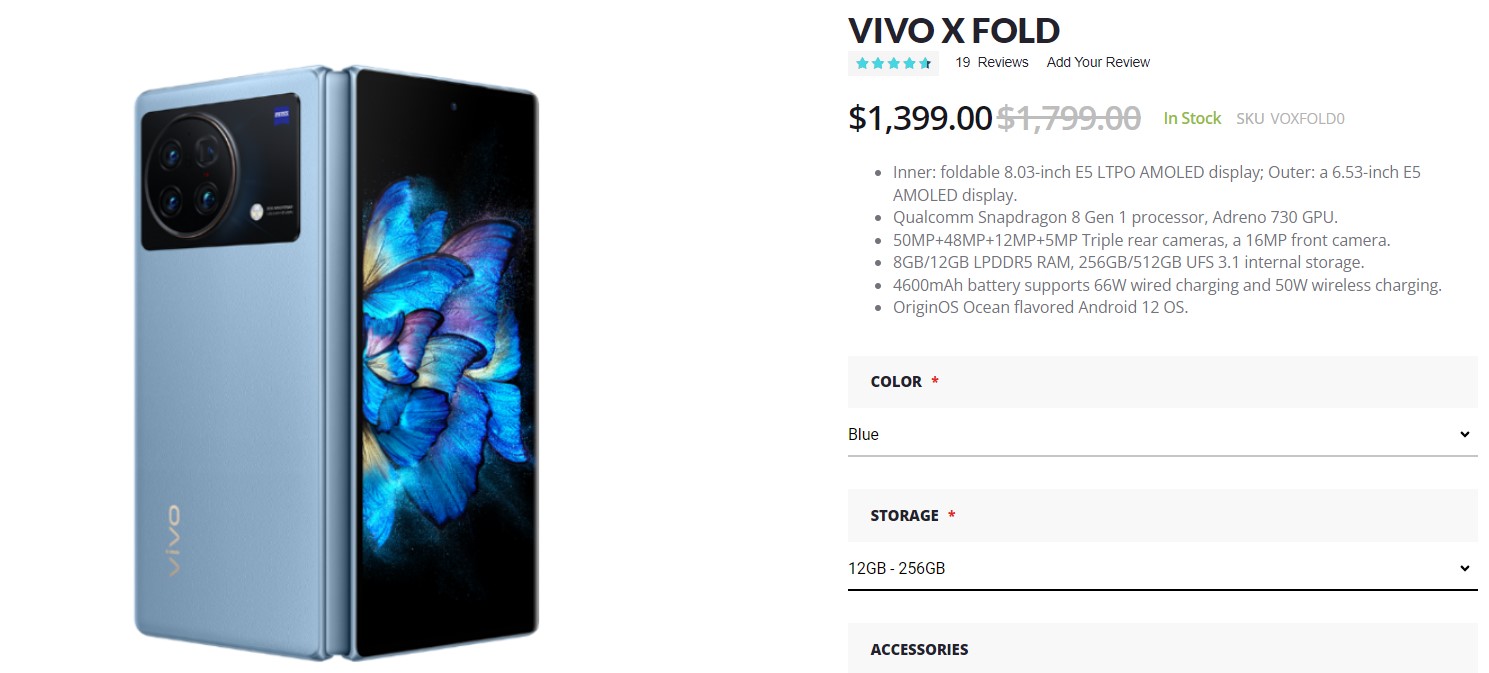
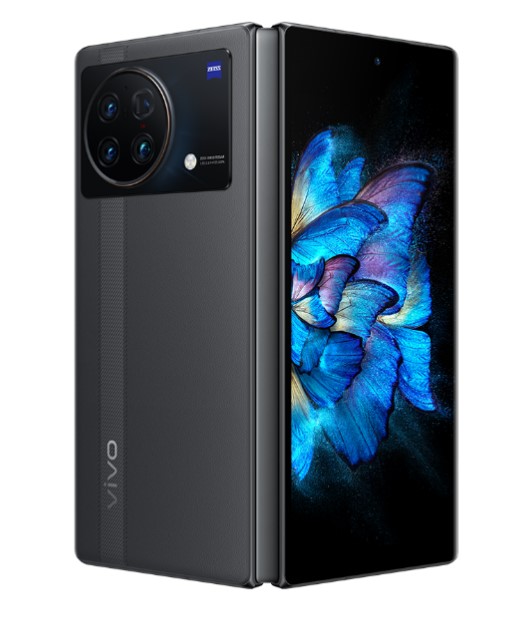
Great news for foldable phone enthusiasts. Giztop is giving a whopping $400 OFF on the Vivo X Fold smartphone under the clearance sale. Thus the smartphone which generally retails for $1799 is now available at a heavily discounted price of $1399. Please note that this price is applicable to the base variant only. This is a limited-time offer under the clearance sale.
Vivo X Fold features an 8.03-inch E5 LTPO AMOLED inner display and a 6.53-inch E5 AMOLED outer display. Powered by the latest snapdragon Gen 1 octa-core processor it comes in multiple memory variants viz. 8GB / 12GB LPDDR5 RAM and 256GB / 512GB internal storage options.
Vivo X Fold comes with a rear quad camera setup with a 50MP main camera and 48MP + 12MP + 5MP secondary sensors. The camera comes with Zeiss optics and Zeiss T* lens coating that optimize light efficiency during photography. For your selfies, you have a 16MP front camera.
Fueled with a 4600mAh battery, Vivo X Fold supports 66W fast charging and 50W fast wireless charging. This is a Chinese edition phone but comes with pre-installed Google Mobile Service, and Google Play Store and is available in Blue and Grey color variants. You can now buy Vivo X Fold for a heavily discounted price of $1399 only at Giztop.
For more information on such exciting deals and offers check out our deals hub.
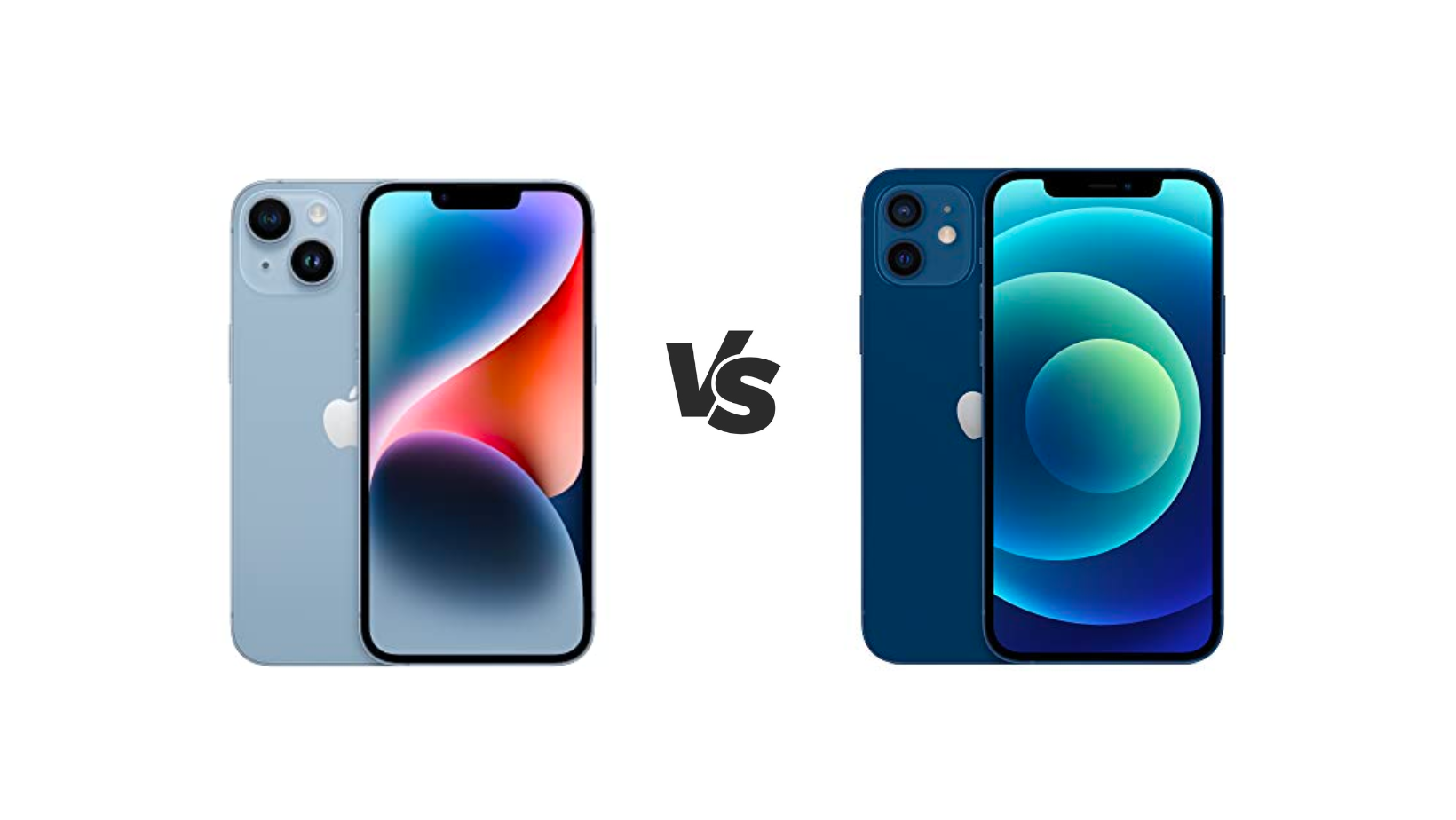
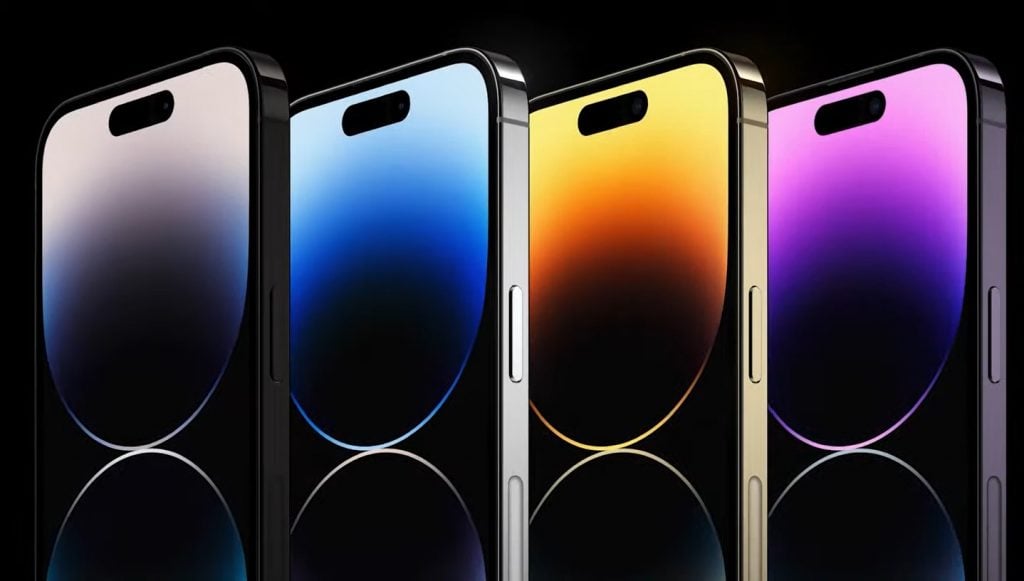
The iPhone 14 lineup recently went on sale across the globe, offering users the latest technology from Apple. While the Pro, Plus, and Max models get good upgrades, the iPhone 14 is quite similar to the previous generation model from the company. Still, the A15 bionic chip and the compact form factor, make it a compelling option if you don’t want to spend a lot of money getting a new iPhone this year. But if you are already using an iPhone model like the iPhone 12, does it make sense to shell out more money and upgrade to the new iPhone 14 model?
We try to answer that question in this iPhone 14 vs iPhone 12 comparison.
iPhone 14 vs iPhone 12
iPhone 12 vs Apple iPhone 14
Apple iPhone 12
Apple iPhone 14
DIMENSIONS AND WEIGHT
146.7 x 71.5 x 7.4 mm,
164 g
146.7 x 71.5 x 7.8 mm,
172 g
DISPLAY
6.1 inches, 1170 x 2532 pixels (Full HD+), Super Retina XDR OLED
6.1 inches, 1170 x 2532p (Full HD+), Super Retina XDR OLED
In terms of design, despite being two generations apart, the iPhone 14 and the iPhone 12 share a lot of similarities. Clearly, at least for the vanilla iPhone model, Apple is not trying hard to differentiate the new model from its predecessors.
For example, the basic design remains the same on both the iPhone 14 and the iPhone 12. The two phones share the same aluminum frame and glass front and back. In fact, on the front, the iPhone 14 features the same ugly display notch as the older generation models. Notably, the iPhone 14’s notch is slightly smaller than the one found on the iPhone 12.
Both phones have similar color options. The iPhone 12 came in Black, White, Red, Green, Blue, and Purple colors. The iPhone 14 doesn’t have the green option but adds Midnight and Starlight colors to the ones mentioned above.
Both phones are IP68 certified and come with ceramic glass on top of their displays.
Even their dimensions are very similar. The iPhone 14 comes with a 146.7 x 71.5 x 7.8mm body, while the iPhone 12 features a 146.7 x 71.5 x 7.4mm body. As you can see, apart from the slight increase in the thickness of the new model, the two models have the exact same length and width.
As for their weights, the iPhone 14 is slightly heavier at 172 grams as compared to the 164 grams of the iPhone 12.
Display
Over the past few years, the vanilla iPhone models haven’t got any significant upgrades. So the iPhone 14 and the iPhone 12 have the same Super Retina XDR OLED panel with a diagonal of 6.1 inches, a Full HD+ resolution of 1170 x 2532 pixels, HDR10 certification, and Dolby Vision support. Even in the refresh rate department, both phones feature a 60Hz panel, unlike the Pro models which feature ProMotion displays with a smoother refresh rate. However, the iPhone 14 gets a brighter display panel at 800 nits as compared to the iPhone 12’s 625 nits.
Also, the two phones support 3D facial recognition, thanks to the large notch on the front of the screen.
Specs & Software
Under the hood, the Apple iPhone 14 comes with last year’s Apple A15 Bionic chipset built with a 5 nm production process and with a Hexa-core architecture composed of two Avalanche CPUs running at a max frequency of 3.23 GHz, four Blizzard CPUs running at 1.82 GHz, and a 5-core Apple proprietary GPU. It also features 6 GB of RAM and up to 512 GB of internal storage.
As you might have noticed, the A15 Bionic is last year’s chipset (from the iPhone 13 Pro) and the iPhone 14 model does not get the latest generation A16 chip, unlike the Pro models of this year. This also means that there isn’t going to be a significant difference in performance when compared to the iPhone 12. There’s only a single generational difference between the chip inside the iPhone 12 and the iPhone 14.
In terms of RAM and storage, the iPhone 12 lags behind, with the base variant, starting at just 4GB of RAM and 64GB of internal storage.
Camera
Don’t be deceived by the similar 12MP dual camera setups of the two models. The iPhone 14 has a better set of cameras in almost every department. The iPhone 14 features a 12 MP main camera with sensor-shift OIS, and a 12 MP ultrawide secondary camera. There’s a 12 MP selfie camera supporting 4K video recording.
However, the major differences lie in the details. For example, the new iPhone 14 comes with a larger aperture of f/1.5 vs f/1.6 on the iPhone 12. You also get larger 1.9µm pixels on the newer model vs the 1.4µm found on the older iPhone. The new model also comes with a new Photonic Engine that utilizes Deep Fusion technology to offer better low-light photos than the older generation models.
Even the selfie camera gets an upgrade with autofocus support and an f/1.9 wider aperture, offering better low-light selfie images.
So the camera is significantly better on the iPhone 14 when compared to the iPhone 12.
Battery
The iPhone 14 is said to feature a 3279 mAh battery on board. This is a definite upgrade as compared to the tiny 2,815mAh battery found on the older iPhone 12 model. The charging speed has also been upgraded, with the new model featuring 25W charging as compared to the 20W found on the iPhone 12.
Faster charging speeds, a larger battery, and a more efficient chip should translate to better battery life on the new iPhone 14 model.
Price
The iPhone 14 starts from $999 or €999, but the iPhone 12 was launched a couple of years back at just $799 / £799.
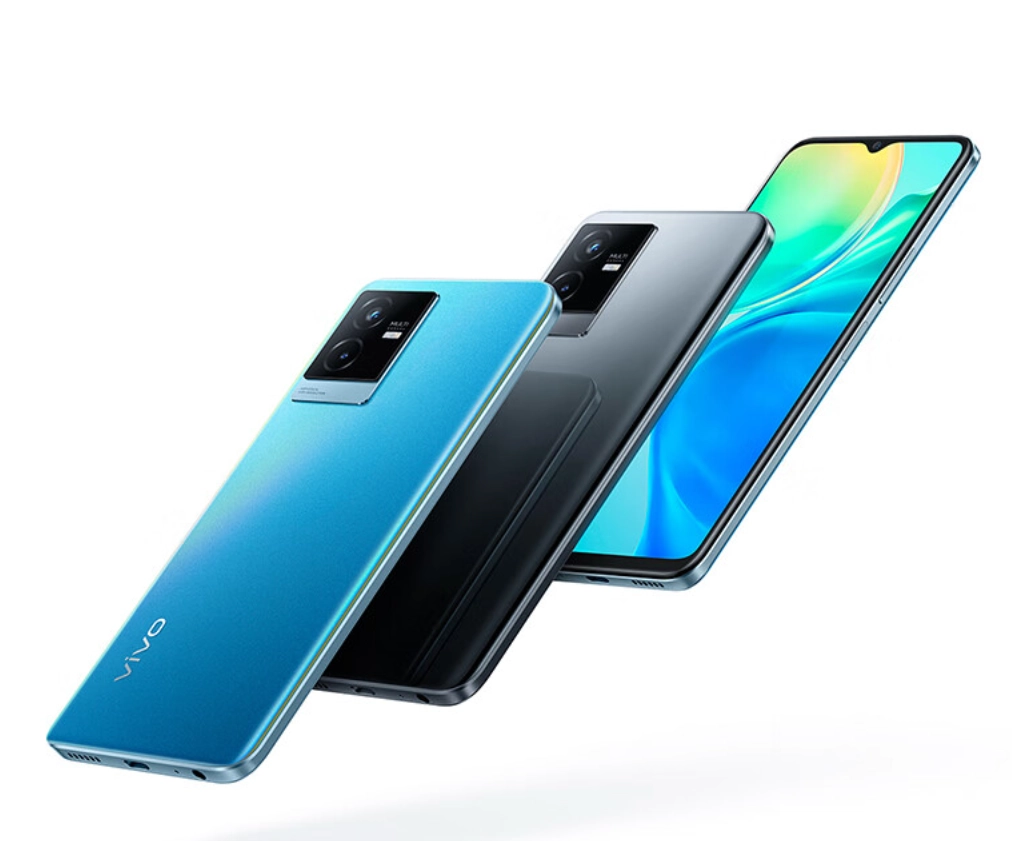
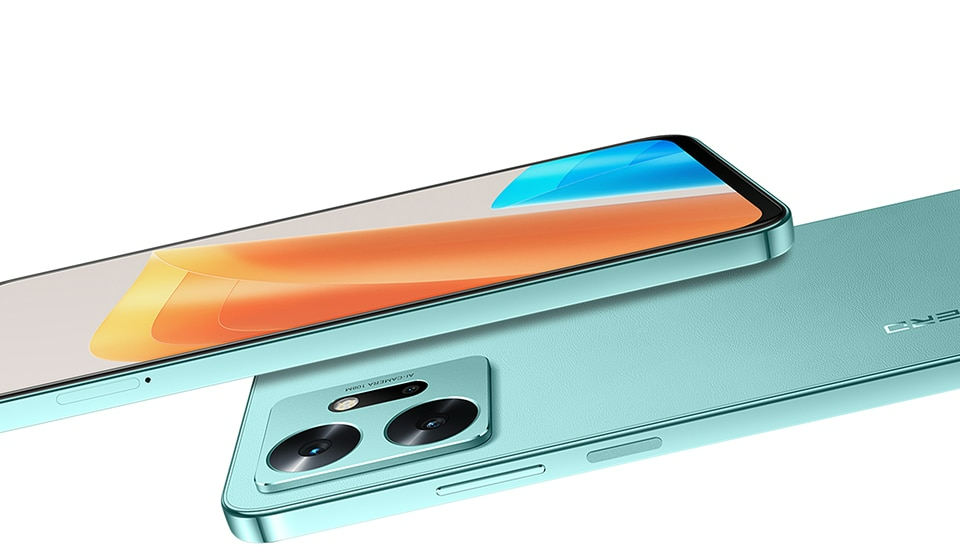
Vivo recently launched the Y32t and Y52t mid-range smartphones in China. Now the firm has unveiled yet another smartphone with “t” branding. Vivo Y73t has quietly debuted in the Chinese market as the brand’s latest offering. The highlight of the phone is the particularly large 6000mAh battery, which we rarely see nowadays. Let’s have a closer look at the price, specifications, and features of the newly launched Vivo Y73t.
Vivo Y73t Specifications and Features
The Vivo Y73t features a 6.58-inch LCD screen that offers an HD+ resolution of 2408×1080 pixels and has a screen ratio of 90.62%. The device also supports a standard 60Hz refresh rate. Under the hood, the Y73t is powered by the MediaTek Dimensity 700 chip, which is fabbed on a 7nm process and has 2 cores running at 2.2GHz and 6 cores at 2.0GHz.
The chipset is paired with 8/12 GB LPDDR4X RAM and 128/256 GB of internal storage. The handset also sports a microSD card slot for storage expansion of up to 1 TB.
As far as the cameras are concerned, the Vivo smartphone comes with a dual-rear camera setup consisting of a 50-megapixel main camera accompanied by a 2-megapixel macro sensor. While on the front, it has an 8-megapixel snapper for selfies and video calls.
As mentioned, the Vivo Y73t packs a massive 6,000mAh battery that supports 44W fast charging. On the software front, the phone runs Android 12 OS with OriginOS on top. It uses a side-mounted fingerprint sensor and sports a sweet 3.5mm headphone jack. The smartphone is 9.17mm thick and weighs about 201 g.
Vivo Y73t Price
Vivo Y73t price in China is set at 1,399 Yuan (roughly $194/Rs. 15,827) for the base 8GB RAM+128GB storage variant, while the 8GB RAM+256GB storage model costs 1,599 Yuan (roughly $221/Rs. 18,000). The device is also offered in a 12GB RAM+256GB storage variant which costs 1799 yuan (roughly $248/Rs. 20,340). It will be available in Fog Blue, Autumn, and Mirror Black colors.
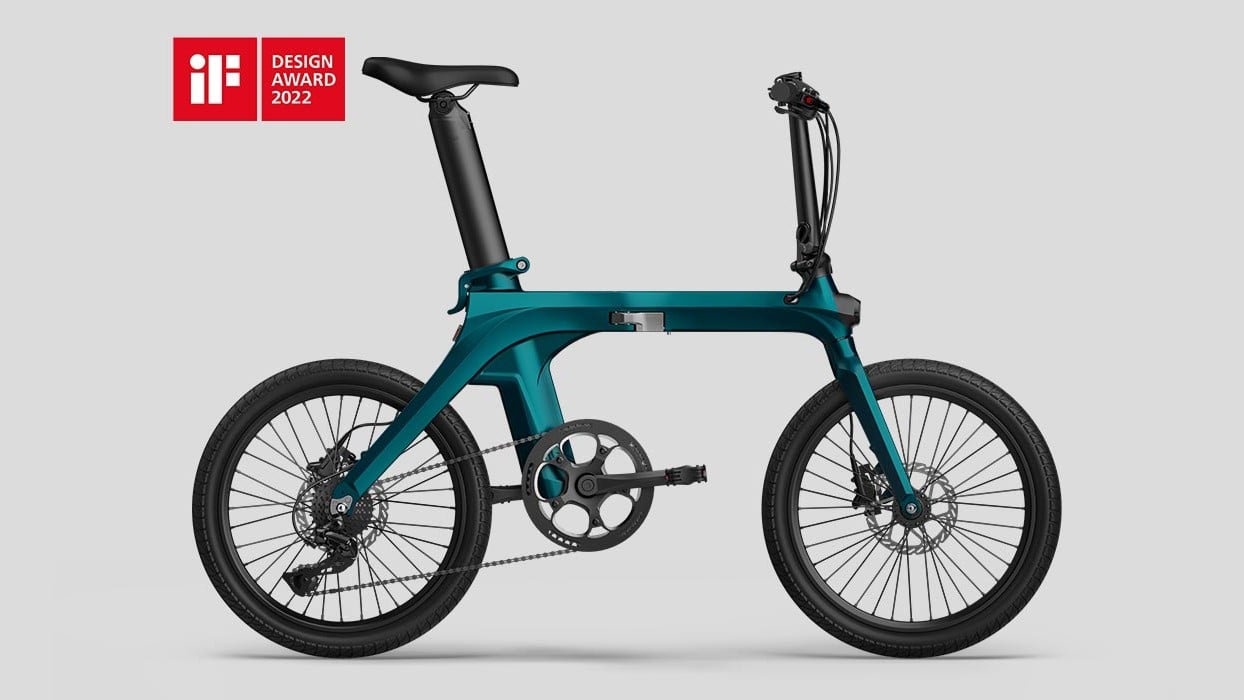
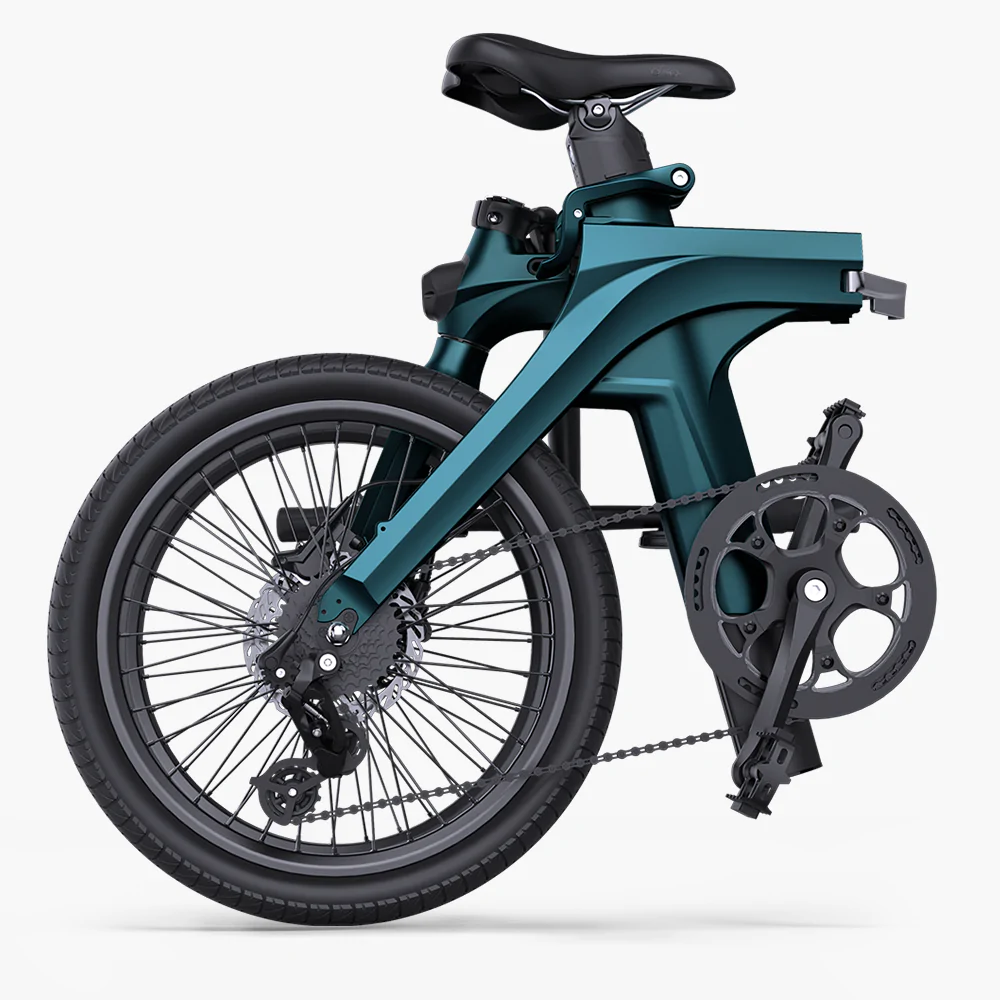
A new version of the Fiido X electric bike with upgraded features and important additions has been announced. The Fiido X (2022) e-bike comes with improved security features, a new zero-power mode (PAS-0), and a new handlebar with an upgraded display. The new flagship e-bike will join a growing collection of impressive e-bikes.
Fiido X (2022) electric bike
Fiido is a pioneering brand for crowdfunding campaigns for e-bikes and it raised about $1.5 million via Kickstarter for the first-gen Fiido X last year. The Fiido X (2022) comes with a minimalist design like its predecessor. It has a magnesium-alloy, torque-sensor-enabled frame but with several important and visible improvements. It retains the 417.6 Wh battery of the 2021 model and uses a Seatpost integrated design for the battery.
The new e-bike uses Fildo’s keypad-based security architecture with improvements from its predecessor. Improvements have also been made to the saddle, handlebars, and folding mechanism for better riding experience and versatility. The Fiido X (2022) will come with a better trip computer that displays an odometer and can switch between mph and km/h speed configurations.
There are a few other improvements that have been made on the new Fiido X e-bike but many of its specs are unreleased. The company has neither announced the price nor release date for the new e-bike. For perspective, the 350W/110kmmodel is priced between $1,799 and $1,999 in different markets. It is however expected that Fiido will release the details of the Fiido X (2022) soon.
Infinix Zero 20 and Note 12 (2023) have launched in the global markets. The former is a new offering whereas the latter is a refreshed version of the Note 12 that debuted earlier this year. Read on to know what both devices offer out of the box.
Starting with the Infinix Zero 20, it features a 6.7-inch AMOLED display bearing an FHD resolution and a 90Hz refresh rate. The device is equipped with a side-mounted fingerprint scanner and has a rectangular camera module. It features a triple rear camera setup comprising a 108MP main sensor, 13MP ultra-wide-angle lens, and a 2MP third unit. There is a 60MP front-facing selfie snapper.
Under the hood, the Infinix Zero 20 is equipped with an Helio G99 SoC. It is coupled with 8GB RAM and 256GB onboard storage. The device is backed by a 4,500mAh battery unit with support for 45W fast charging.
Coming to the Infinix Note 12 (2023), the device is a face-lifted variant of the Note 12 Pro 4G that debuted last month. The only difference between the two devices is that the latest offering has a stripped-down camera from 108MP to 50MP. Other core specifications remain the same including a 6.7-inch AMOLED display, Helio G99 SoC, 8GB RAM, 256GB storage, 5,000mAh battery and 33W fast charging.
The Infinix Zero 20 is priced at EUR 460 and can be availed in Gold and Grey colours. The Infinix Note 12 (2023) costs EUR 218 and is offered in Grey, White, and Blue colours. Both smartphones are available for purchase.
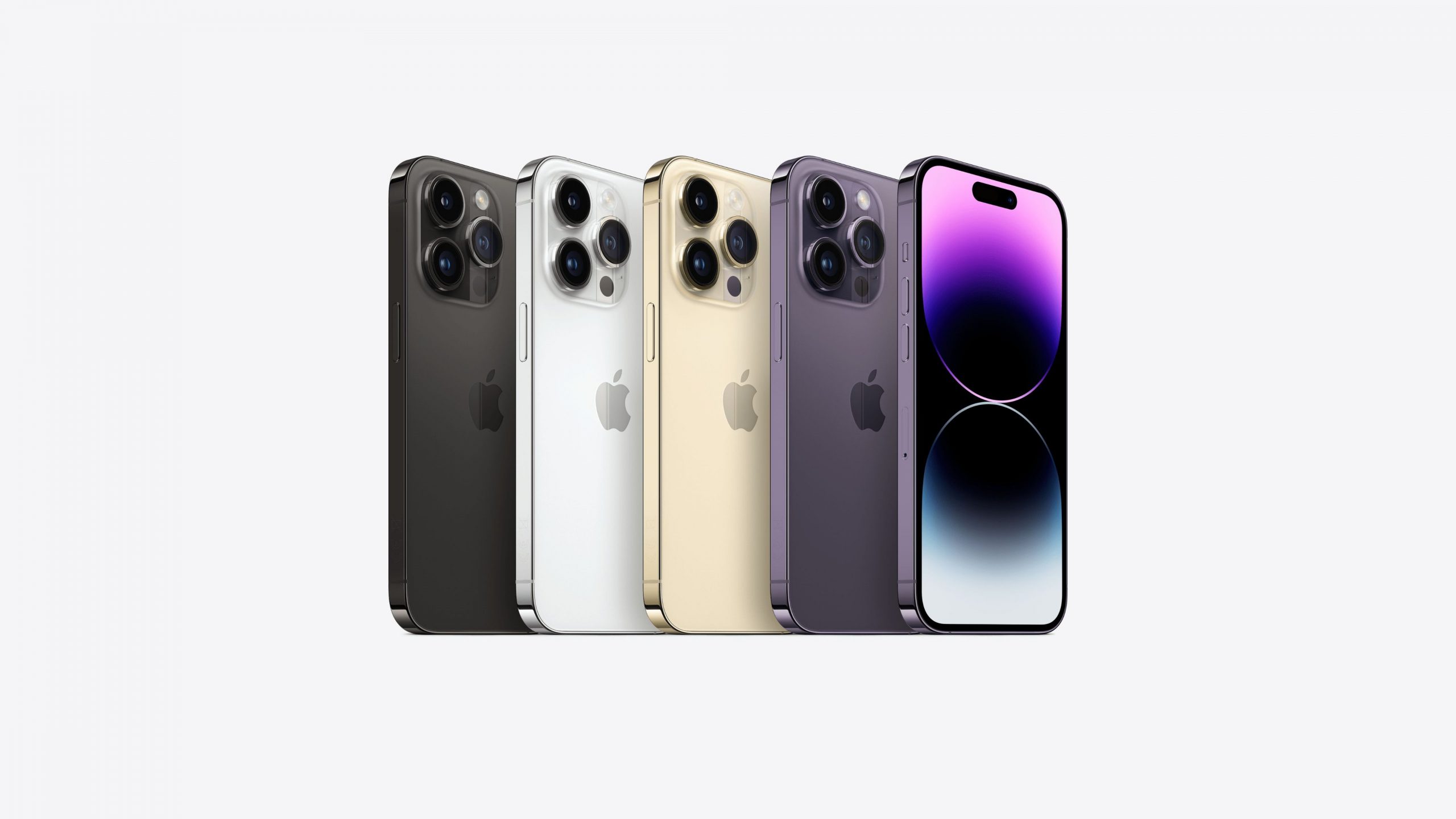
Since its launch, the Apple iPhone 14 series has made the news for various bugs and other issues. Now, the latest ones talk about a bug that makes the 2022 iPhone restart when charging and even have problems with network connectivity as well. So let’s have a look.
iPhone 14 Pro & Pro Max
In a previous report, we had covered information regarding the iPhone 14 Pro series models facing issues with some basic system applications like iMessage. Now, it appears that the iPhone 14 Pro series users are also facing more issues with a number of other functions as well. This includes problems with the Dynamic Island feature and even the satellite phone functionality. Apart from this, the iPhone 14 Pro also has an issue with its Verizon users, who are reporting very weak 5G signals and other network coverage issues.
Both of these are notable features that the Cupertino based giant had marketed heavily during the iPhone 14 series announcement. But the bugs don’t just stop there, the new flagship Apple phones also has another major issue that affects its charging. The iPhone 14 Pro models will restart while charging through both the MagSafe wireless charging and the lightning cable as well.
This is not the only issue with the new iPhone’s battery since the battery life problems have also plagued Apple iPhones since iOS 16 came out. So far, there is no official out for it, but the bug is not affecting everyone at the moment. There is an unofficial fix going around online, which is to disable the background app refresh. This can be found by going into Settings through the General tab and scrolling to and selecting the Background App Refresh.
The iPhone 14 lineup was released this month with the Pro model emerging as the second-most popular model in the 2022 lineup. There are speculations that the iPhone 14 Pro’s wireless charging capability is hampered by the phone’s thick camera housing. Multiple complaints have been made by users in several forums to highlight the problem. They claim that there is a lack of compatibility between wireless chargers and the iPhone 14 Pro with the camera bump preventing some devices from charging the smartphone.
The large camera bump of the iPhone 14 Pro is a distinguishing external feature from its predecessors. The cameras come with greater power but users have reported uncontrollable shaking while using third-party apps. The bumpy camera setup could also be causing compatibility issues with wireless chargers.
An aggregation of user reports from multiple platforms on the issue has been made by Piunikaweb. It is difficult for most magnetic chargers to disengage the chassis and hold the phone in place for charging. There are no specifics on the brands of wireless chargers that are affected in this category. It is also important to note that no similar complaints for the iPhone 14 Pro Max or the iPhone 14 have been reported yet.
Help – is it me? Or is anyone else having trouble using the #iPhone 14 Pro on a standard Qi wireless charger? I don’t know if the camera bump is getting in the way or what, but it’s just not wanting to charge FYI – Anker Wireless charger is plugged in and working pic.twitter.com/2UW6NwYkrh
The iPhone 14 Pro is a couple of weeks old and the number of users reporting this issue will likely rise in the coming weeks as new buyers get the model. Apple may also need to douse the fears by providing an explanation and possible solutions to the problem. There are also no indications of the demographics of the complaint whether they are emanating from a particular region or diverse regions.
Google Pixel 7 series is set to launch at the ‘Made by Google’ event on October 6th. The search giant had already revealed the Pixel 7 and 7 Pro at its annual I/O Developer conference earlier this year. The upcoming offerings have been subject to a lot of leaks and rumours leaving almost nothing to the imagination except the smartphone’s front fascia. Now publication 91Mobiles in collaboration with reliable tipster Ishan Agarwal has shared high-quality renders of the Pixel 7 series.
Bringing you some renders of the upcoming Pixel 7 & Pixel 7 Pro for a clear look at the front of these devices… 😍
They do look nice and I'm particularly excited for the 🇮🇳 India launch. #Pixel7#Pixel7Pro
The Google Pixel 7 series will debut as the successors to the last year’s Pixel 6 series. They are confirmed to pack upgrades and improvements over their predecessors. In the latest leaked renders, the Pixel 7 and 7 Pro don’t look much different from the Pixel 6 and 6 Pro The upcoming offerings have the same centre-aligned punch-hole display with symmetrical bezels on all sides. The Pro variant has slightly curved edges. There is a volume and power rocker button on the right side.
The most notable change on the Pixel 7 series is the design of the back panel and camera module. The next-generation flagship offerings from Google will ditch the dual-tone design found on previous generation Pixel phones. Compared to the Pixel 6 series, their successors are confirmed to come with an aluminium horizontal bridge on the back panel housing dual cameras in a pill-shaped cutout and a third lens paired with LED flash outside. The camera visor protrudes above the flat back panel.
Apart from this, the Pixel 7 and 7 Pro’s key specifications have been leaked recently and both devices are expected to pack incremental upgrades. We will know more details about the devices at next week’s launch.
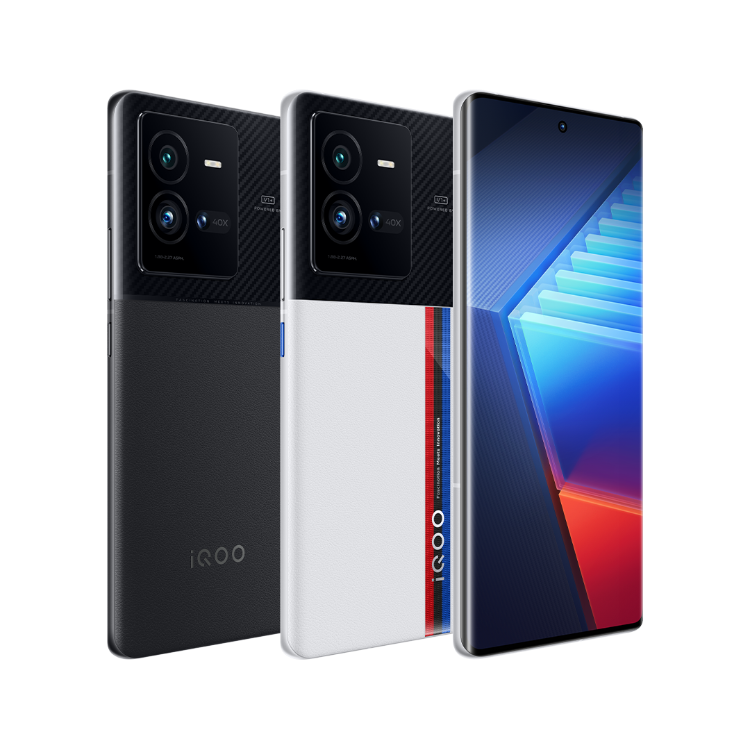
iQOO is working on its next-generation flagship smartphones, which will likely be called the iQOO 11 series. So far, rumors have hinted at some key specs and features expected to come with the device.
iQOO 10 Pro
Now, Weibo tipster DCS (spotted by TechGoing) has revealed some more details of what the iQOO 11 has in store for us. The iQOO 11 will, according to the leaker, have an E6 AMOLED display with 2K resolution. The dimensions of the screen or the refresh rate were not mentioned. Like its predecessor, the iQOO 10, it is likely to feature a 120Hz refresh rate.
The tipster also mentioned that the iQOO 11 will have a flat display. This could mean that the company is reserving the curved edge E6 AMOLED panel for the iQOO 11 Pro. A recent leak has also revealed that the display will have a 144Hz refresh rate. Lastly, the tipster states that the device will come with up to 16 GB of RAM and 512 GB of storage.
Previous reports have mentioned that the iQOO 11 will have the upcoming Qualcomm Snapdragon 8 Gen 2 chipset. For optics, the device is rumored to be equipped with a Sony IMX8-series camera sensor. It could be a custom IMX866 sensor.
The most interesting part about the upcoming device is that it could feature the Vivo V2 image signal processor. For those unaware, the V series ISP is what Vivo provides in its flagship smartphones like the Vivo X80 series. With the integration of this chip, the device is expected to get a boost in imaging quality.
After the pandemic, the world had seemingly moved to the digital platform for various fields ranging from profession to education. This led to the rise of popular platforms like Zoom for virtual meetings and classes. Now, it seems that WhatsApp wants to offer a similar function of its own through Call Links.
Earlier this week, Mark Zuckerberg unveiled the new feature on Facebook. He stated that the popular chat messaging app will be testing the encrypted video call feature, which will support up to 32 people. With Call Links, the feature will bring both audio and video call support on the platform. Similar to Zoom and Google Meet, one can simply create a call link by going to the ‘Calls’ tab on WhatsApp and selecting the option to ‘Create call link’.
After this, users will get a link that they can share with others. Anyone else simply clicking on this link will be directly added to the call. As of right now, calls on WhatsApp only support eight people at a time. So, its not quite popular for larger business meetings or education purposes. Although, this update might make it an attractive offering in the market. The messaging application is already one of the biggest chat platform in the world, so it easily has the potential to take a notable market share away from both Google and Zoom.
This could hold especially true in certain regions like India, where WhatsApp has a dominating spot when compared to other social media platforms. If the user experience and and functionality is comparable to Meets or Zoom, then we can expect a number of people to make the shift as having a single app for multiple purposes is better than cluttering your phone with multiple applications.
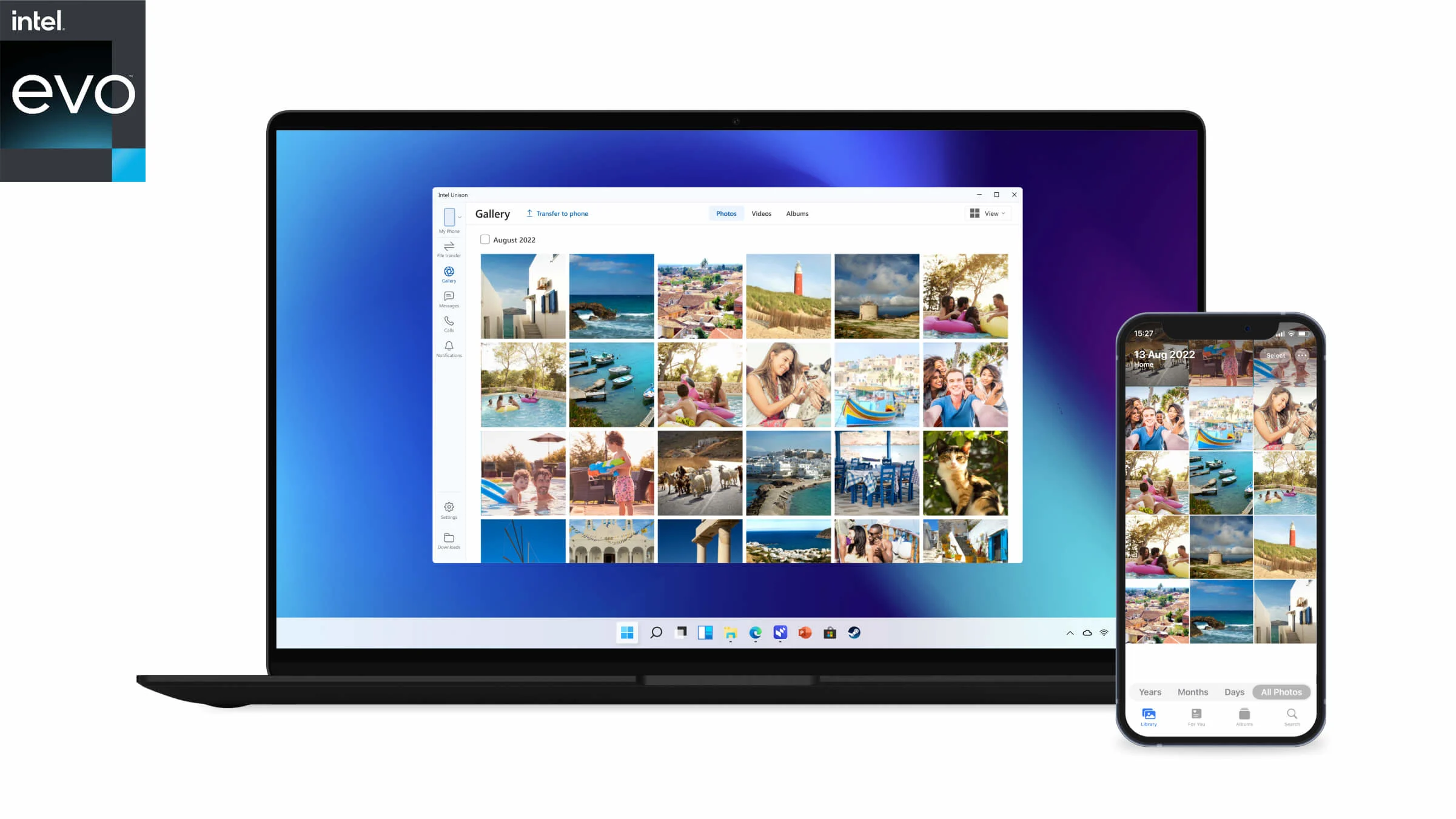
Intel has just announced the 13th Generation of its Intel Core processors. But, these new desktop CPUs weren’t the only thing officially announced, as the company has also revealed the Unison app for Windows that brings in some great functionalities.
The Unison application arrives a year after the chipmaking giant had acquired an Israeli company called Screenovate. Thanks to this acquisition, Team Blue has launched a smartphone integration tool that would aim to improve the cross platform integration on the Windows platform. It would allow for VPN, firewall, and IT support as well. With Unison, Intel will be able to allow for wireless connections through WiFi, Bluetooth, and even cellular networks with power efficiency in mind.
Users will now be able to make it quicker to push file transfers for data for photos or videos and much more. Although, there is still no official data transfer speeds revealed by the company. As of right now, only a few HP 12th generation Evo PCs will support Unison at the moment, while the 13th generation PCs will be rolled out sometime next year. But, Intel may plan on launching support for other Intel hardware before the 13th generation is made available in the Indian market.
If its not already clear, this feature is quite similar to the functionality that Apple Mac users have had for years now. In other words, it can be something that improves interconnectivity between your smartphone and PC outside of the Apple ecosystem. One can expect the basic functions like call, text, and file sharing, as well as reworked network connections. While its not as seamless as the Mac and iOS since its an application outside of Microsoft’s Windows, but it is still better than the Microsoft Phone Links app right now.
Oppo launched the Oppo A16K last year in November. The brand is now planning to launch the Oppo A17K. The device has already emerged on IMDA, TKDN, and BIS websites, and now the full spec sheet of the A17K has surfaced online.
Popular tipster Mukul Sharma has revealed the entire spec sheet of the Oppo A17K along with its pricing and color options. According to Sharma, the device will be priced at around Rs 10,000 in India. The tipster states that the device will come in two color options – Gold and Black.
Talking about the specs, the Oppo A17K will feature a 6.56-inch display with HD+ resolution and a waterdrop notch. It will have a thickness of 8.29mm.
Under the hood, the A17K will house a MediaTek Helio G35 chipset complemented by 3GB of RAM and 64GB of storage. The device will allow for virtual RAM expansion of up to 4GB. The device will feature an 8MP primary camera and a 5MP rear camera for optics. On the software front, the device will use Android 12-based ColorOS 12.
The device will also have a 5,000mAh battery with 10W fast charging. The most interesting spec revealed by the tipster is that the device will come with Dirac 3.0 preinstalled. For those unaware, Dirac is essentially an app that improves the sound quality of lower-end earphones and headphones via calibration. Although there is no word from Oppo yet, the tipster claims that the device will launch sometime in the month of October.
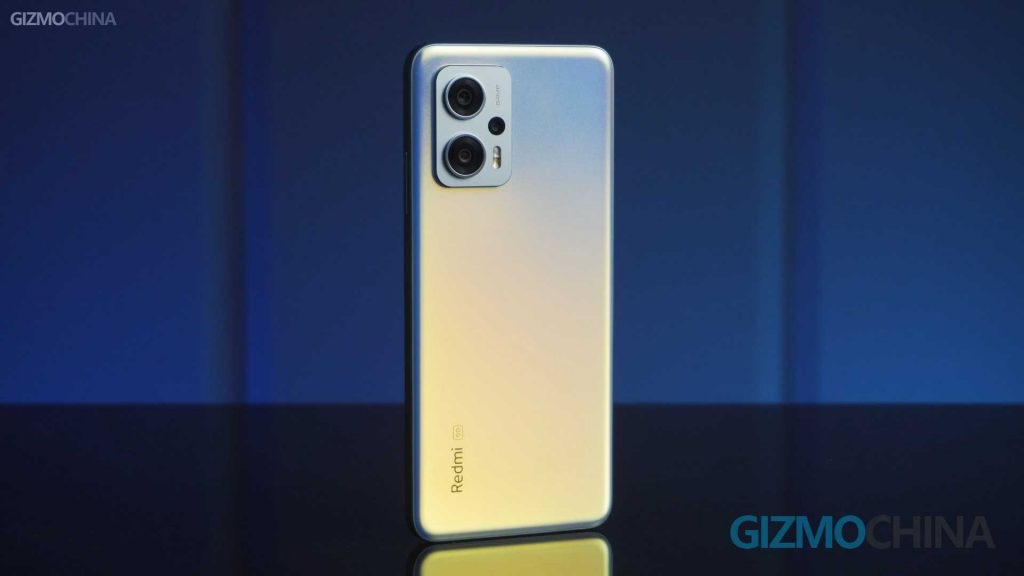
The Redmi Note 11T Pro launched in China in May alongside the Redmi Note 11T Pro Plus. The smartphone made its way to global markets as Poco X4 GT and Redmi K50i a few weeks later.
Now, four months after its initial debut, the handset gets a new memory configuration in the brand’s home country. Let’s check out the details.
Redmi Note 11T Pro
The Redmi Note 11T Pro now comes in a new 8GB + 512GB variant in China. This version of the phone is priced at ¥2,099 ($290) in the region. Previously, this memory model was limited to the Redmi Note 11T Pro Plus.
The new variant only differs in terms of storage. Hence, it has the exact same specs as other memory configurations.
The device arrives with a 6.6-inch 144Hz FHD+ Dolby Vision-supported display (LCD), MediaTek Dimensity 8100 SoC, 64MP (wide) + 8MP (ultra-wide) + 2MP (macro) triple camera system, 16MP selfie camera, Dolby Atmos-certified dual stereo speakers, x-axis linear vibration motor, side-mounted fingerprint sensor, 5,080mAh battery, and 67W fast wired charging support.
Since the 512GB variant is not so common outside mainland China, we don’t think Xiaomi will introduce this version of Redmi K50i and Poco X4 GT in international markets.
Do you think companies should release high storage options globally as well? Let us know in the comment section below.
Apple had recently announced its highly anticipated iPhone 14 series. However, it seems that the latest generation of the company’s smartphones are not meeting demand expectations in the global market.
iPhone 14 Pro
The news arrives from a Bloomberg report, which states that the Cupertino based giant’s 2022 iPhone lineup is failing to meet projected demands. As per the report, the brand has told its suppliers to lower production of the iPhone 14 series by up to 6 million units due to lack of demand. This is by no means a small figure, and implies that the latest iPhones are not performing as well as they were expected to in the market right now.
This is also quite interesting considering that Apple was seeing lengthy wait times for its higher end iPhone 14 Pro series models. At one point, pre order periods and the lead time to delivery for the iPhone 14 Pro Max was 36.5 days. This marked the highest lead time for an Apple product in six years. Furthermore, the Pro models were significantly more popular in terms of pre orders when compared to the base iPhone 14 and the larger iPhone 14 Plus variant.
iPhone 14 and iPhone 14 Plus
According to sources close to the matter, the brand’s new target is to make 90 million iPhones in the second half of this year. This figure is around the same as the the number of phones produced last year as well. Apple is still in touch with its suppliers for the move to cut production, although, this might lead to some issues in the company’s supply chain. But, this might be based on the revenue brought in by the new iPhones.
Moto G72’s launch date in India has been announced. It is confirmed to debut in the country on October 3rd. E-commerce platform Flipkart has put up a dedicated microsite of the upcoming offering revealing its key specifications. The Moto G72 will arrive as the successor to the Moto G71 that was announced in India earlier this year. Read on to know the key features of the upcoming smartphone that we know so far.
Get ready to experience India's first in segment Billion Colour 10-bit 120Hz pOLED Display & a stunning 108MP ultra pixel camera with #motog72. Coming soon on 3rd October at @flipkart. Stay tuned to know more!
The Moto G72 is confirmed to come with a centre-aligned punch-hole pOLED display featuring a 120Hz refresh rate. It will come with 1,300 nits brightness, 10-bit colour, DCI-P3 colour gamut, and HDR10 support. The device will be equipped with an in-screen fingerprint scanner and it is IP52-rated water-repellent.
The Moto G72 sports a squarish camera module on the back panel. It houses a 108MP main sensor, an ultra-wide lens that also doubles up as a depth unit, and a dedicated macro shooter. On the audio front, the upcoming offering is teased to be equipped with dual speakers tuned by Dolby Atmos.
Under the hood, the Moto G72 is confirmed to be powered by a MediaTek Helio G99 processor based on a 6nm process. It will pack 6GB LPDDR4X RAM and 128GB onboard storage. The device will ship with stock Android 12 OS out of the box and it will come with Lenovo’s business-grade ThinkShield security. The upcoming offering is also confirmed to be backed by a 5,000mAh battery unit with support for 33W fast charging.
Lastly, the Moto G72 will be available in Meteorite Grey and Polar Blue colours.
We use cookies on our website to give you the most relevant experience by remembering your preferences and repeat visits. By clicking “Accept”, you consent to the use of ALL the cookies.
This website uses cookies to improve your experience while you navigate through the website. Out of these, the cookies that are categorized as necessary are stored on your browser as they are essential for the working of basic functionalities of the website. We also use third-party cookies that help us analyze and understand how you use this website. These cookies will be stored in your browser only with your consent. You also have the option to opt-out of these cookies. But opting out of some of these cookies may affect your browsing experience.
Necessary cookies are absolutely essential for the website to function properly. This category only includes cookies that ensures basic functionalities and security features of the website. These cookies do not store any personal information.
Any cookies that may not be particularly necessary for the website to function and is used specifically to collect user personal data via analytics, ads, other embedded contents are termed as non-necessary cookies. It is mandatory to procure user consent prior to running these cookies on your website.