Noise Buds VS204 have launched in India. They are the latest affordable TWS earphones from the homegrown smart wearables brand. The audio device comes with features like long battery, ENC, fast connectivity, and quick charging. Read on to know what the Noise Buds VS204 offers out of the box.
The Noise Buds VS204 feature an in-ear design with a stem and slightly angled silicone ear tips for a better fit. They are IPX4-rated and water-resistant. Users can control the music playback, answer/reject calls, and trigger voice assistant by tapping on the earbuds.
In terms of audio, the Noise Buds VS204 is equipped with a 13mm dynamic driver for powerful bass and immersive music. They come with AI environmental noise cancellation (ENC) that blocks out surrounding noise for clear quality on calls. The TWS earphones feature HyperSync technology that is claimed to pair with a connected smartphone as soon as the case lid is opened. The audio device supports Bluetooth 5.2 connectivity.
The Noise Buds VS204 comes with a storage and charging case with support for a USB-C port. It is claimed to deliver 50 hours of total battery life with each earbud said to offer 10 hours of playtime on a single charge. The brand claims that a 10-minute charge will offer 120 minutes of usage.
The Noise Buds VS204 carries a price tag of Rs 1,599 and is offered in Mint Green, Space Blue, Jet Black, and Snow White colours. It will be available for purchase from the brand’s official website, Amazon, and Flipkart.
Realme 9i 5G is now available in a new colour variant. The smartphone was launched last month in Metallic Gold and Rocking Black colours. The latest colour option is called Soulful Blue and it will be available soon from the e-commerce platform Flipkart. The Realme 9i 5G Soulful Blue and light blue colour hue on a gradient back panel. Apart from a new paint job, the rest of the specifications of the smartphone remain the same.
So elegant, one look and it’ll BLUE your mind💙
Flaunt the Soulful Blue variant of the #realme9i5G to stand out from the crowd and be #The5GRockstar.
The Realme 9i 5G comes with a 6.6-inch LCD panel bearing an FHD+ resolution and a waterdrop notch. It features a 90Hz refresh rate and a 180Hz touch sampling rate. The smartphone has a boxy form factor and a side-mounted fingerprint scanner embedded in the power button. The back panel has three traditional camera rings.
On the optics front, the Realme 9i 5G features triple rear cameras. The setup comprises a 50MP main sensor paired with 2MP macro and 2MP depth lenses. On the front, there is an 8MP selfie snapper.
Under the hood, the Realme 9i 5G is powered by a MediaTek Dimensity 810 processor based on a 6nm process. It packs up to 6GB RAM and 128GB onboard storage with support for a microSD card slot. The device also features 5GB virtual RAM extension technology. The Realme 9i is backed by a 5,000mAh battery unit with support for 18W fast charging. Software-wise, it ships with Android 12-based Realme UI 3.0.
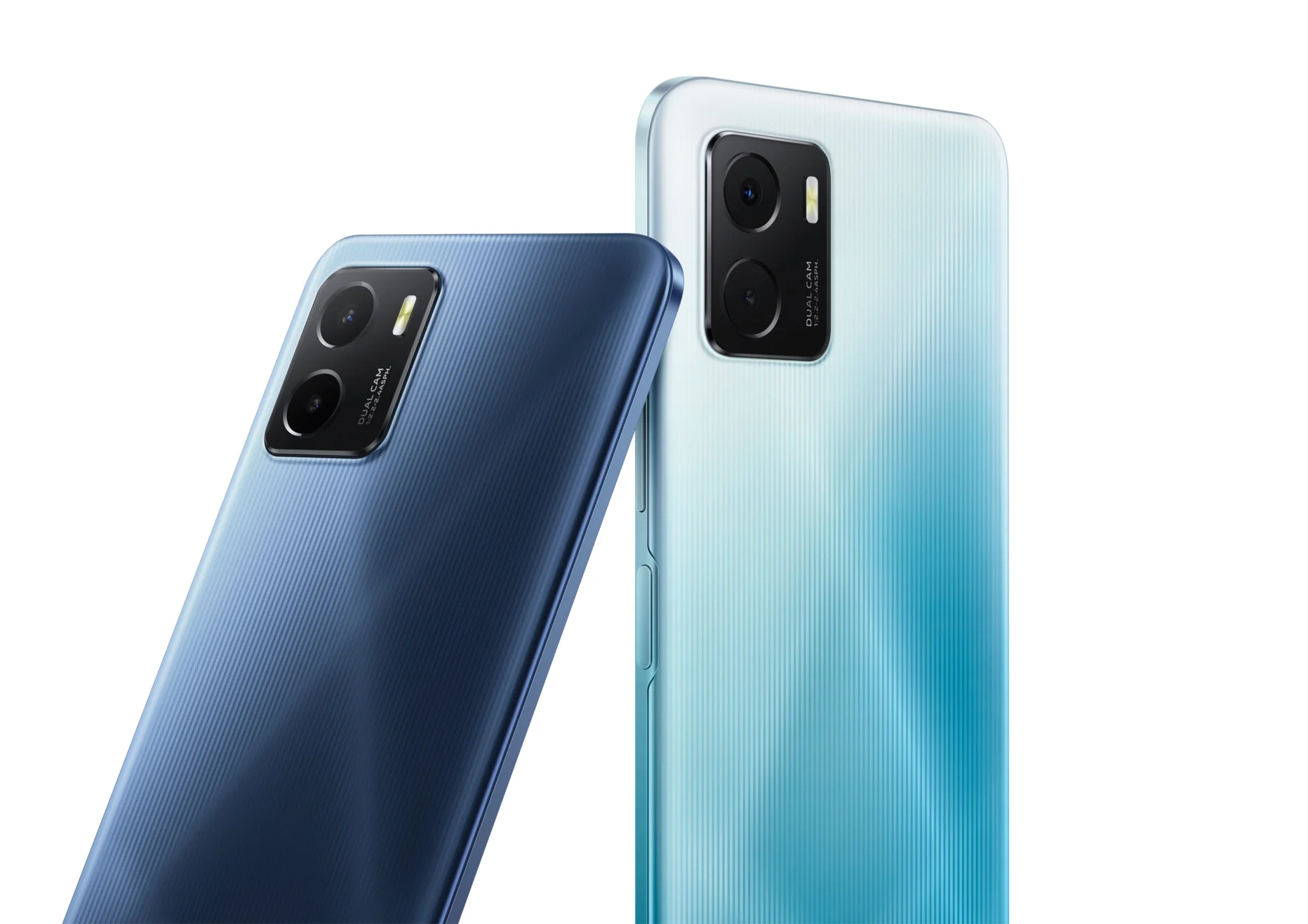
Vivo recently unveiled the Vivo Y52t, a 5G phone featuring the Dimensity 700 chipset, in China. In quick succession, the company also unveiled a 4G LTE phone named the Vivo Y32t in the home market. What’s interesting about the device is that it comes in two CPU variants. Its other highlights include an HD+ display,
Vivo Y32t specifications and features
The 6.51-inch IPS LCD display on the Vivo Y32t has an HD+ resolution of 720 x 1600 pixels, a 20:9 aspect ratio, and an 89 percent screen-to-body ratio. On the front, it has an 8-megapixel selfie camera, and on the back panel, it has a 13-megapixel (main) + 2-megapixel (macro) dual-camera setup.
Vivo Y32t
The Helio G70 chipset variant of the Vivo Y32t has 8 GB of LPDDR4x RAM and 128 GB of UFS 2.1 storage. It supports Bluetooth 4.2 connectivity. The Snapdragon 680 variant, on the other hand, has 8 GB of LPDDR4x RAM and 256 GB of UFS 2.2 storage. This edition offers Bluetooth 5.0 connectivity. The rest of the specifications are identical on both smartphones.
The device is backed by a 5,000mAh battery with 18W charging support. Unfortunately, the device still has the older microUSB port onboard. For security, it has a side-facing fingerprint scanner. It offers other features such as face unlock, dual SIM, 4G VoLTE, dual-band Wi-Fi, Bluetooth, GPS, and a 3.5mm audio jack.
Vivo Y32t price and availability
The Vivo Y32t has arrived in two CPU variants. The Helio G70 model offers 8 GB RAM + 128 GB UFS 2.1 storage, whereas the Snapdragon 680 edition packs 8 GB RAM + 256 GB UFS 2.2 storage. These models are priced at 1,099 Yuan (~$157) and 1,299 Yuan (~$186), respectively.
In the early months of this year, Infinix unveiled the Infinix Zero 5G smartphone. It debuted as Infinix’s first smartphone with 5G support. Now, it appears that the Hong Kong-based brand is gearing up to launch its 2023 edition. The reason behind it is that it has been certified by the Bluetooth SIG and the FCC authorities.
Earlier this month, an Infinix smartphone with model number X6815C was seen in the database of the Bluetooth SIG. The listing revealed that the device will be called the Infinix Zero 5G 2023 when it arrives on the market.
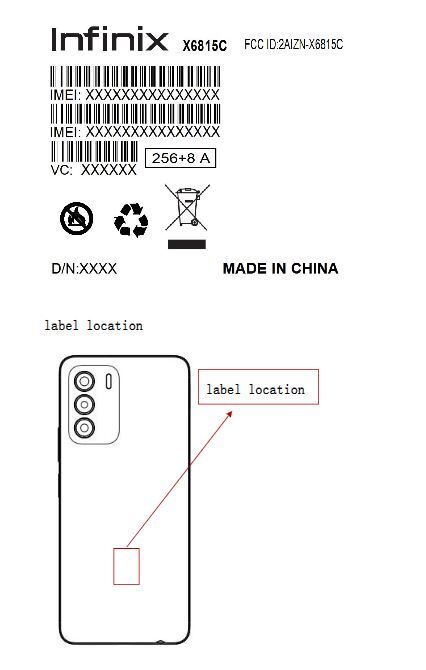
Infinix Zero 5G 2023 at FCC
Pricebaba’s report reveals that the Infinix Zero 5G 2023 has recently bagged the FCC certification, which indicates that it may go official soon. The listing reveals that the device measures 169 x 77 x 9mm and the above image, which has appeared on the FCC, gives a look at its rear design. It seems that the device will be equipped with a triple camera setup. Like other Infinix phones, it is likely to feature a quad-LED flash unit.
1 of 2
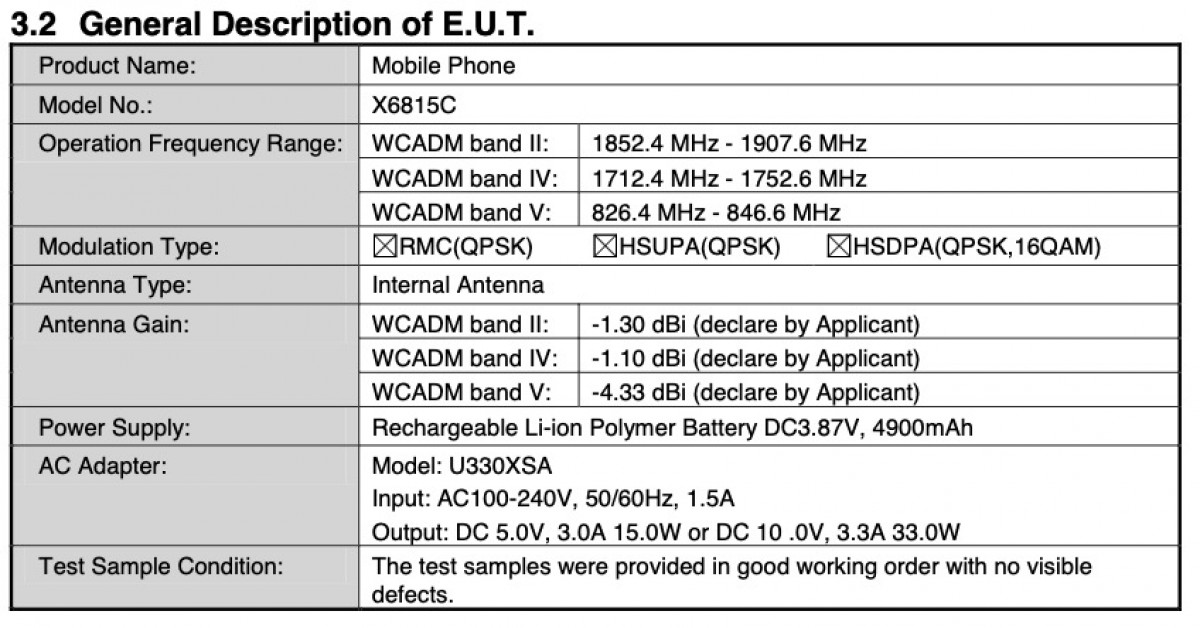
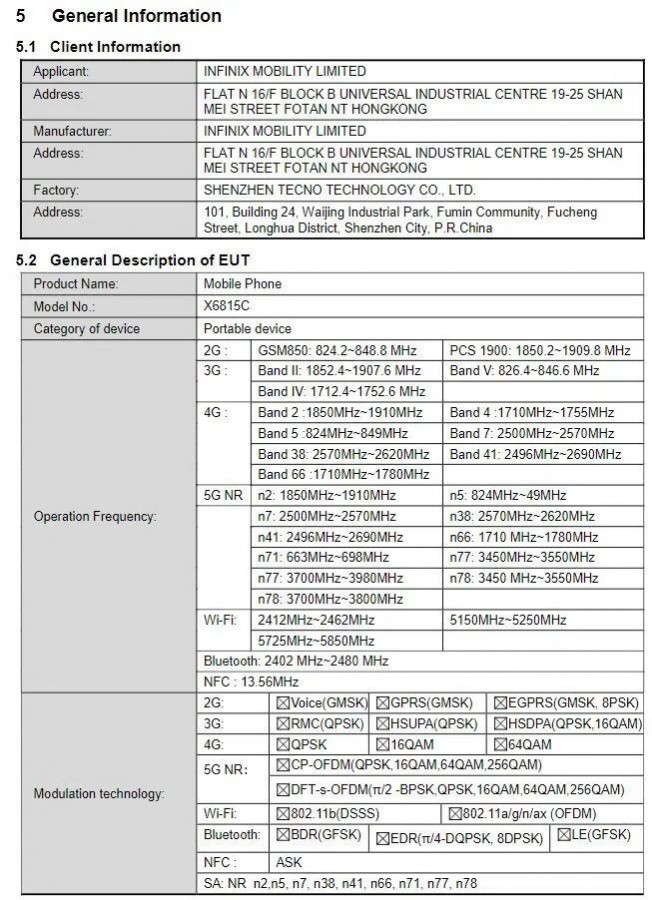
Next, the FCC document reveals that the Zero 5G 2023 has a 4,900mAh (rated value) battery that supports 33W rapid charging. The listing further reveals that the device offers connectivity features, such as 5G (n2, n5, n7, n38, n41, n66, n71, n77, and n78 bands), dual-band Wi-Fi, Bluetooth 5.0, and NFC.
Information like chipset, display, and camera configurations hasn’t appeared in Zero 5G 2023’s FCC listing. While there is no evidence yet, it looks like it will be an incremental upgrade over its predecessor. Hence, it may borrow some specs from the original Zero 5G. Hopefully, the rumor mill will spill more information about the Zero 5G 2023 in the coming days.
Six months ago, Xiaomi unveiled the Xiaomi 11i and the Xiaomi 11i HyperCharge smartphones in India. Both phones are going to be available with attractive discounts during the upcoming sales in India.
To recall, the Xiaomi 11i was announced in two configurations, such as 6 GB RAM + 128 GB storage for Rs 24,999 (~$314) and 8 GB RAM + 128 GB storage for Rs 26,999 (~$339). At launch, the 6 GB RAM + 128 GB storage and 8 GB RAM + 128 GB storage variants of the Xiaomi 11i HyperCharge were priced at Rs 26,999 (~$339) and Rs 28,999 (~$364), respectively.
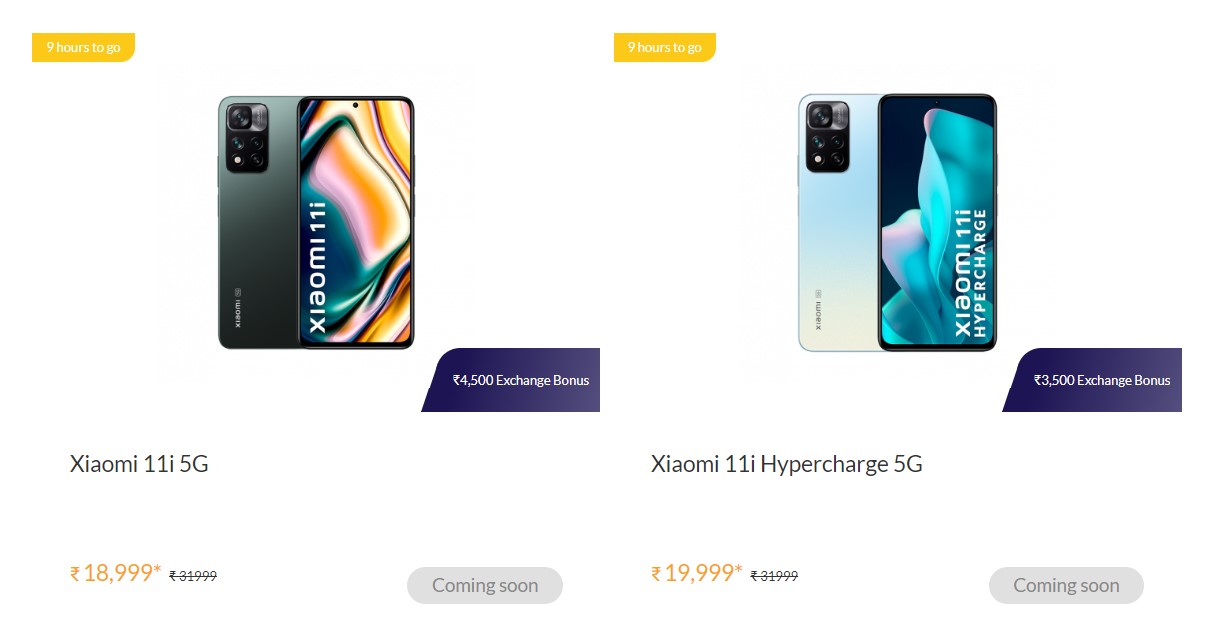
Xiaomi 11i, 11i HyperCharge offers during Diwali with Mi 2022 sale on Xiaomi India’s website
The Diwali with Mi 2022 landing page on Xiaomi India’s website states that the Xiaomi 11i and 11i HyperCharge will be available for Rs 18,999 (~$238) and Rs 19,999 (~$251), respectively. The offer’s specifics are unknown at this time. What’s known is that the 11i will be available with a Rs 4,500 (~$56) exchange bonus, whereas the 11i HyperCharge can be purchased with a Rs 3,500 (~$44) exchange bonus.
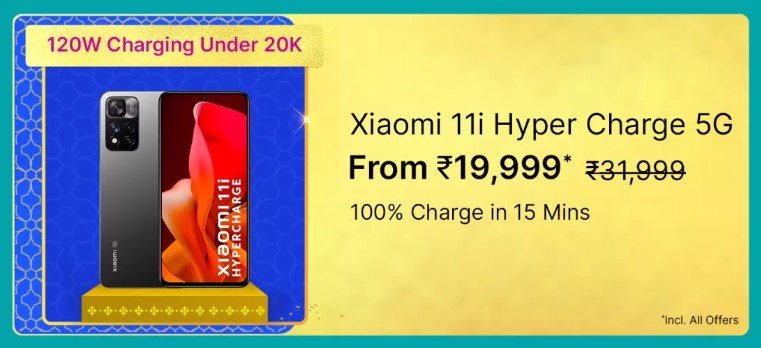
Xiaomi 11i HyperCharge offer price on Flipkart’s BBD 2022 sale
The Xiaomi 11i HyperCharge will also be available for Rs 19,999 during the Big Billion Days 2022 sale on Flipkart. As can be seen in the screenshot, the Rs 19,999 will be inclusive of bank offers.
Xiaomi 11i, 11i HyperCharge specifications
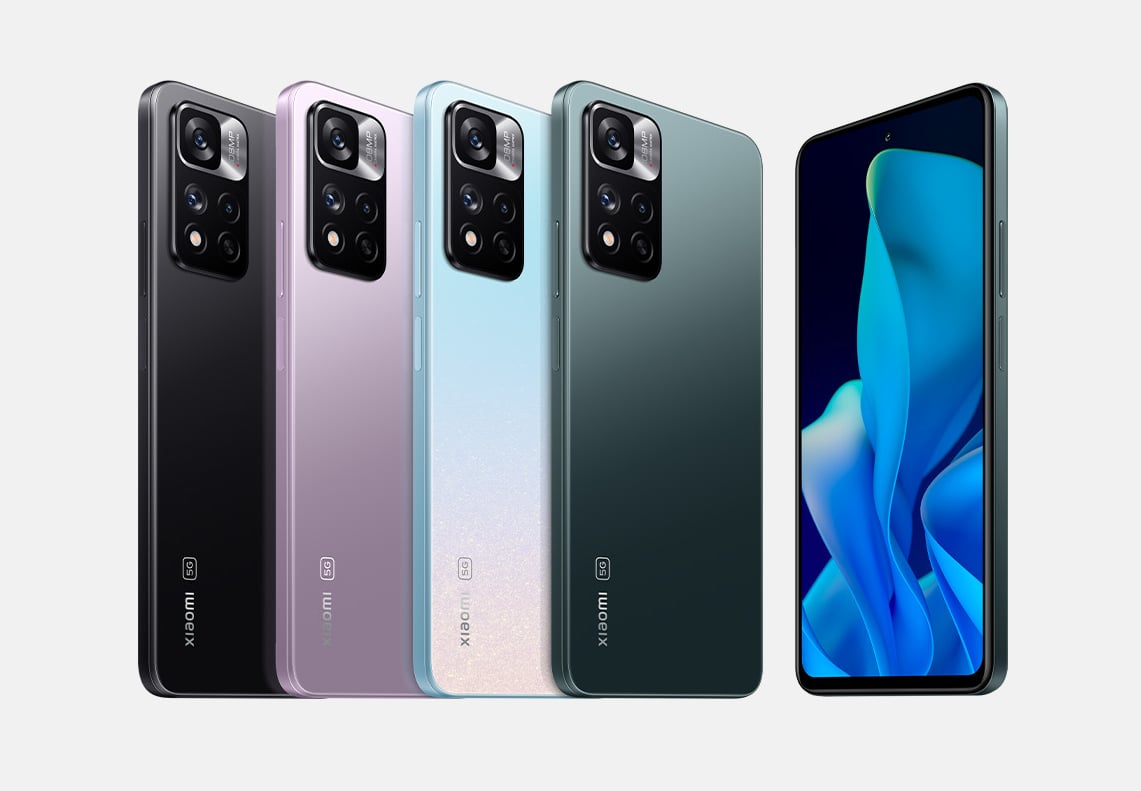
Xiaomi 11i series
The Xiaomi 11i and the 11i HyperCharge sport a 6.67-inch AMOLED FHD+ 120Hz display. Both phones have a 108-megapixel (main) + 8-megapixel (ultra-wide) + 2-megapixel (macro) triple rear cameras and a 16-megapixel front-facing. Both handsets have received the MIUI 13 flavored Android 12 OS update. Both phones have the Dimensity 920 chipset, LPDDR4x RAM, UFS 2.2 storage, and a side-facing fingerprint scanner. The 11i has a 5,160mAh battery with 67W charging support, whereas the 11i HyperCharge houses a 4,500mAh battery with 120W charging.
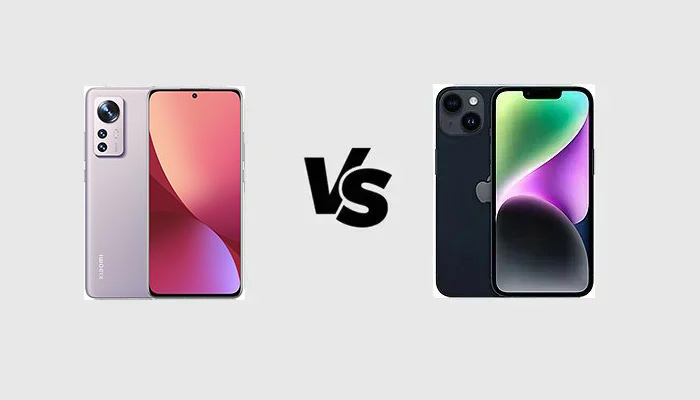
The iPhone 14 just went on sale and a huge amount of people from all around the world purchased it on day one. It looks like it will be a great year for Apple, but all those sales do not necessarily mean that the new iPhone is the best device in its price range. That is the reason why we are comparing it to its best rivals from the other brands. Given its compact nature and its price, a bunch of hours ago we compared it to the vanilla Samsung Galaxy S22. Now, it is the turn of another compact flagship which a lot of people might prefer due to its more affordable price. Here is a comparison between the main specifications of the new iPhone 14 and the Xiaomi 12. If you are wondering whether you should save money for the latter or choose the former because of its amazing specifications, you are definitely in the right place.
Xiaomi 12 vs Apple iPhone 14
Xiaomi 12
Apple iPhone 14
DIMENSIONS AND WEIGHT
152.7 x 69.9 x 8.2 mm,
179 g
146.7 x 71.5 x 7.8 mm,
172 g
DISPLAY
6.28 inches, 1080 x 2400 pixels (Full HD+), AMOLED
6.1 inches, 1170 x 2532p (Full HD+), Super Retina XDR OLED
In terms of design, even though almost nothing changed since last year (the major changes were reserved for the Pro variants of the lineup), I prefer the iPhone 14. I would choose it not only because of its compact size but also because of its flat borders and its higher build quality. despite the presence of that ugly notch above the display. Its design is composed of a glass back protected by Ceramic Shield and a frame made of aluminum. It is waterproof with the IP68 certification and it can go underwater for up to 6 meters deep and for 30 minutes without damage. Unfortunately, the Xiaomi 12 is not water resistant, but it is still built with premium materials including a glass back protected by Gorilla Glass 5 and an aluminum frame. Further, it does not have a notch but a small punch hole placed centrally, as well as very narrow bezels around the display.
Display
If you are looking for the best image quality, then you would better choose the display of the iPhone 14. It is a Super Retina XDR OLED panel with a diagonal of 6.1 inches, a Full HD+ resolution of 1170 x 2532 pixels, HDR10 certification, and Dolby Vision support. But if you are a gamer, then the Xiaomi 12 may represent a better choice for you thanks to its 120 Hz refresh rate (the iPhone has just 60 Hz). With the Xiaomi, you get an AMOLED panel with a wider diagonal of 6.28 inches, a Full HD+ resolution of 1080 x 2400 pixels, a 120 Hz refresh rate, the HDR10+ certification, Dolby Vision support, and the ability to show up to 68 billion colors. It relies on an in-display fingerprint reader for authentication, while the Apple device does not have a fingerprint reader, but it supports 3D facial recognition thanks to the hardware sensors placed in the notch enabling the Face ID feature.
Specs & Software
When it comes to performance, here the most important thing is not the hardware but the software. Given that the iPhone 14 runs the iOS operating system which is optimized better than Android, it is able to provide higher performance. Under the hood, it sports an Apple A15 Bionic chipset built with a 5 nm production process and with an hexa-core architecture composed of two Avalanche CPUs running at a max frequency of 3.23 GHz, four Blizzard CPUs running at 1.82 GHz, and a 5-core Apple proprietary GPU. It also features 6 GB of RAM and up to 512 GB of internal storage. Even though the iPhone looks better in terms of performance, the Xiaomi 12 remains one of the most powerful Android phones thanks to the presence of a Snapdragon 8 Gen 1 mobile platform running at a max frequency of 3 GHz and built with a 4 nm production process. It is paired with up to 12 GB of RAM and up to 256 GB of internal storage.
Camera
Thanks to the sensors and the optimization of iOS, the iPhone 14 is able to shoot better photos in a lot of scenarios, if compared to the Xiaomi 12. It is equipped with a 12 MP main camera with sensor-shift OIS, a 12 MP ultrawide secondary camera, and a 12 MP selfie camera supporting 4K video recording. The Xiaomi 12 has a triple rear camera composed of a 50 MP main sensor with OIS, a 13 MP ultrawide lens, and a 5 MP macro camera, while on the front it has a 32 MP snapper with 1080p video recording at 60 fps.
The battery found on the Xiaomi 12 is much bigger than the one found on the iPhone 14: we are talking about a capacity of 4500 mAh instead of just 3279 mAh. Even if iOS has better optimization, often the Xiaomi 12 should provide longer battery life. It even charges quicker thanks to 67W fast charging and 50W wireless charging, but unlike its rival, it does not support MagSafe technology.
Price
The iPhone 14 starts from $999 or €999, while you need less than €600 or $600 to purchase the Xiaomi 12 thanks to current street prices. Which one would you choose?
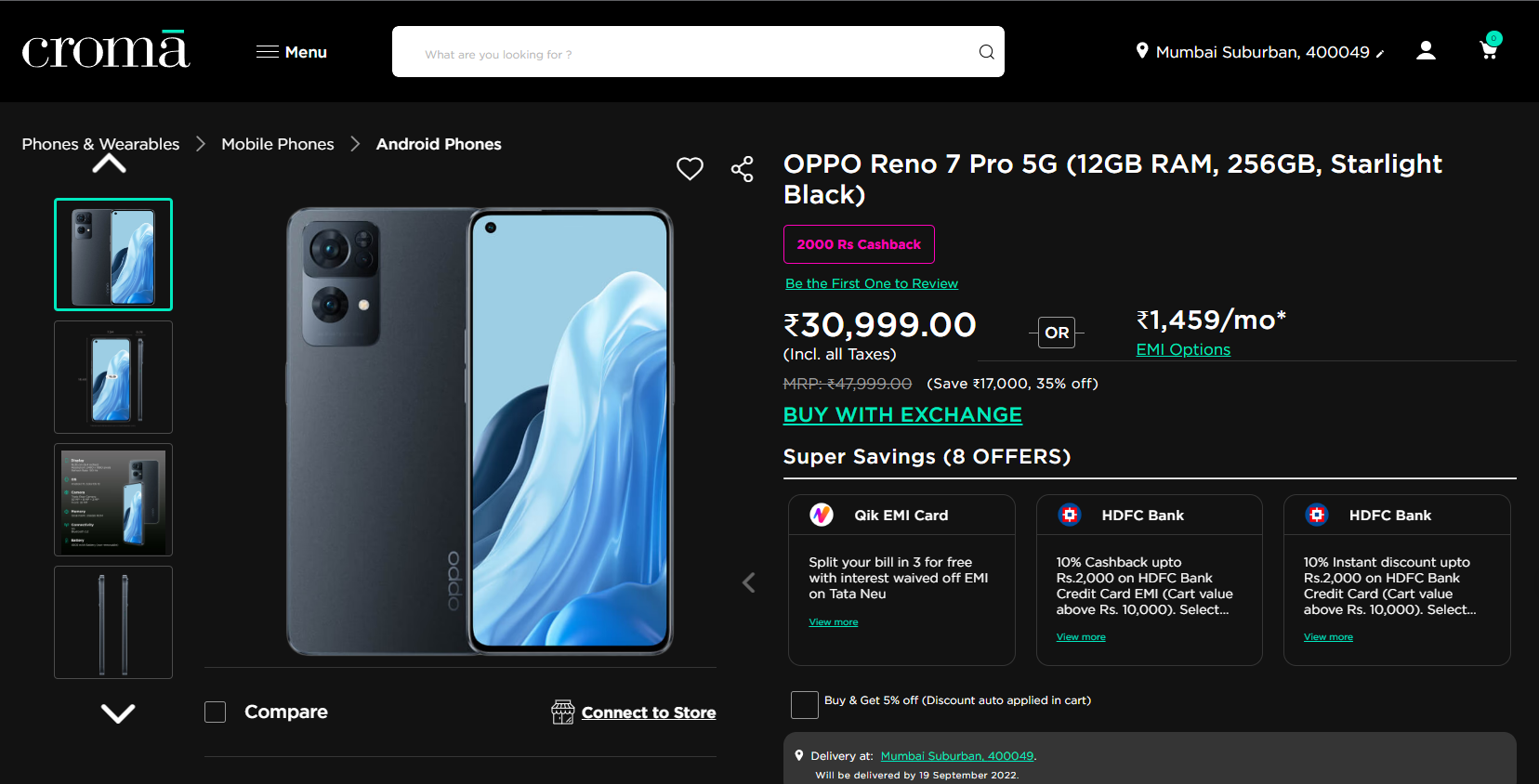
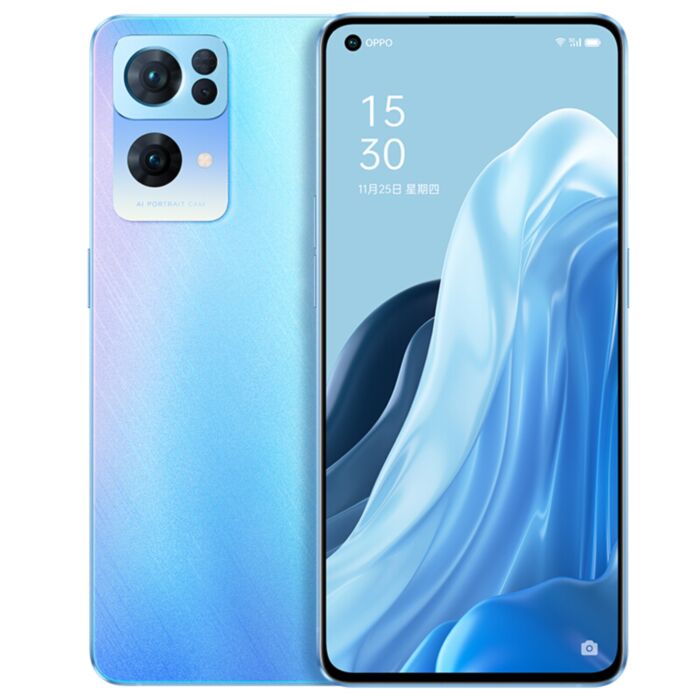
Last year’s OPPO Reno 7 Pro, which has a unique design and comes with an impressive camera setup, is currently available with a massive discount.
The device debuted in February last year with a price tag of ₹39,999. However, it is currently being sold on Chroma for ₹30,999 (12GB RAM+256GB storage). Additionally, adding the device to the cart nets a ₹1,500 discount, and HDFC card users can get a further ₹2,000 off on the purchase of the device. All of these offers combined bring the price of the Reno 7 Pro down to Rs. the price of the device to ₹27,499.
OPPO Reno 7 Pro specs
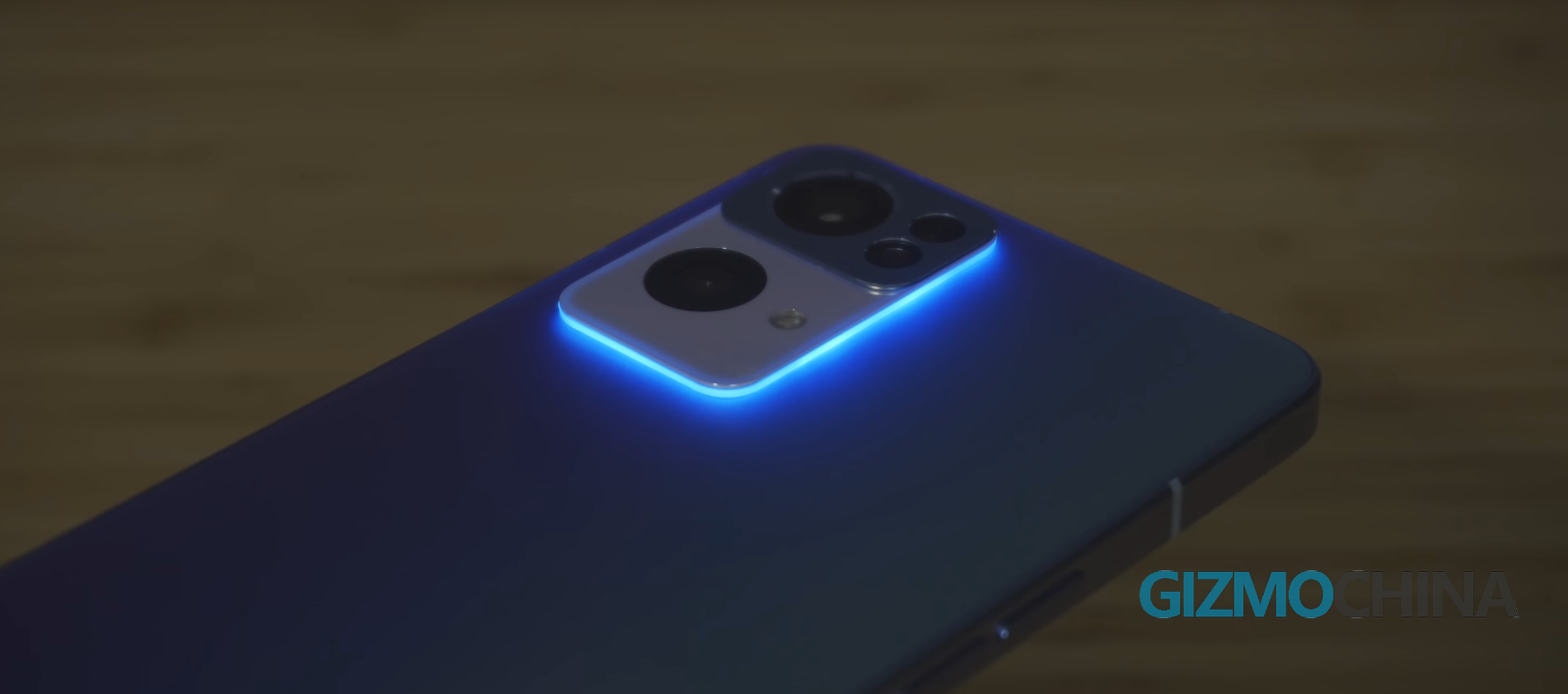
The OPPO Reno 7 Pro features a metal build with a flat back and flat edges. Its camera island has an ‘Orbit Breathing Light’ for notifications.
The phone sports a 6.5-inch FHD+ AMOLED screen with a 90Hz refresh rate, an in-screen fingerprint sensor, and. It has a MediaTek Dimensity 1200-MAX chipset, 12GB of RAM, and 256GB of storage.
The phone comes equipped with a 50MP Sony IMX766 primary sensor, an 8MP ultra-wide camera, and a 2MP macro camera. The back also houses a color temperature sensor. As for the front, the device features a 32MP Sony IMX709 selfie camera.
The device is quite slim, measuring just 7.45mm in thickness. However, it still carries a 4,500 mAh battery with 65W SuperVOOC fast charging.
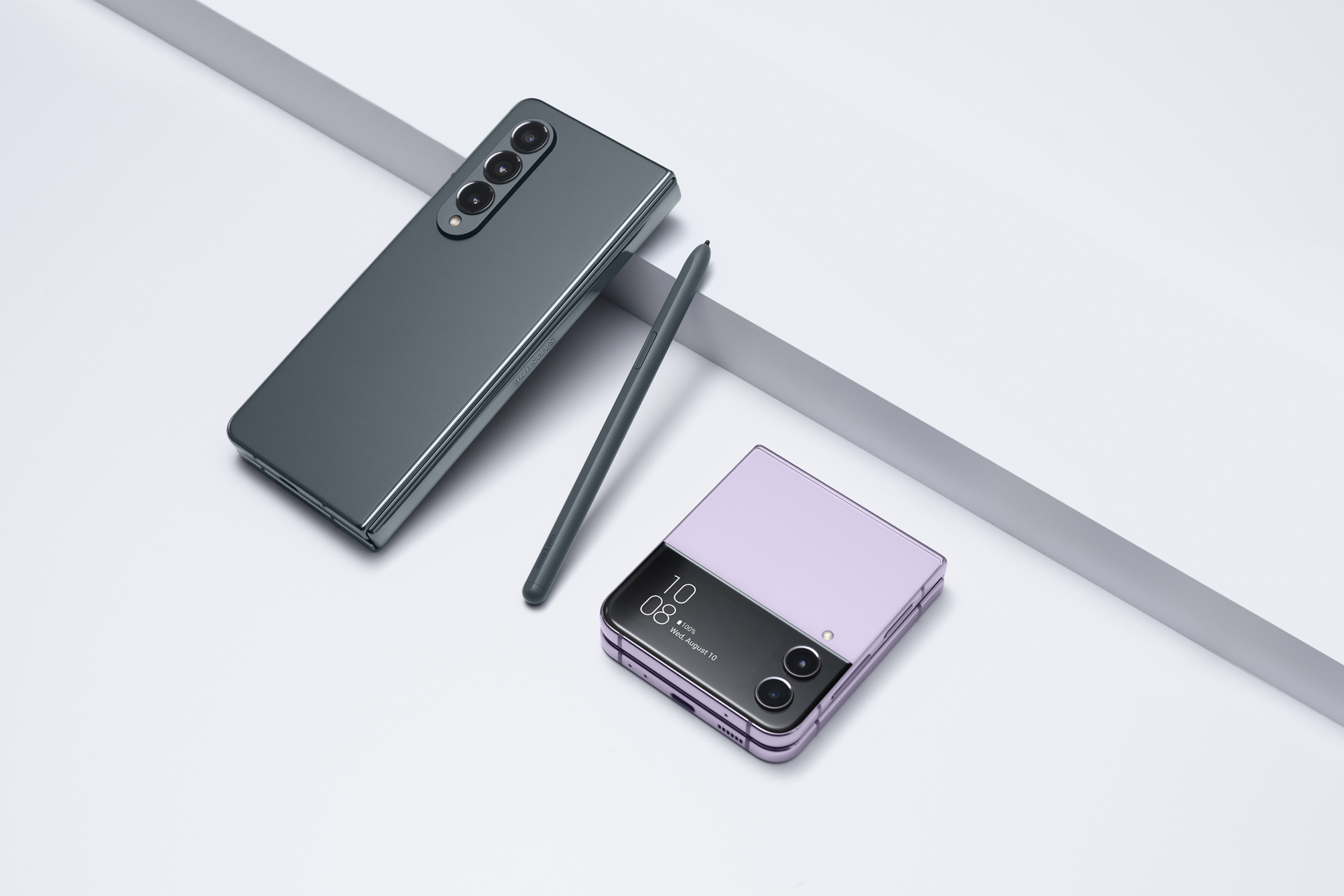
Last month, Samsung launched the Galaxy Z Fold 4 and Flip 4 devices in the market. Now, the brand is offering some attractive offers for US customers looking to get their hands on a foldable.
US customers can save $200 on the Fold and $100 on the Flip by shopping from Amazon.com. This deal is valid till September 18th. Purchasing the devices from Samsung’s online store will get you a memory upgrade, meaning that for $1,599, customers can get their hands on a Fold 4 with 512GB storage. The Galaxy S22 Ultra is also available at a discount of $150, and also has a trade-in option with a maximum discount value of $850.
Samsung Galaxy Z Fold 4, Flip 4 specs
The Galaxy Z Fold 4 has 6.2-inch exterior display and 7.6-inches interior display panels. The outer display is an HD+ (2316 x 904p) AMOLED, while the inside features a QXGA+ (2176 x 1812p) Dynamic AMOLED panel.
It features a Snapdragon 8+ Gen 1 SoC paired with up to 12GB RAM LPDDR5 RAM, and up to 1TB UFS 3.1 internal storage. It also has a 4,400 mAh battery with 25W fast charging. As for optics, it has a 50-megapixel main camera with OIS and EIS support, a 12-megapixel ultra-wide lens, and a 12-megapixel telephoto camera with 3x optical zoom support. The device also offers a 30x digital zoom, which Samsung calls the “Space Zoom”. The front side comes with a 10-megapixel unit.
The Galaxy Z Flip 4, on the other hand, offers a 6.7-inch FHD+ Dynamic AMOLED 2X screen with a 120Hz adaptive refresh rate. It also has an outer display, which is a 1.9-inch Super AMOLED panel.
It also runs on the Snapdragon 8+ Gen 1 chipset and is offered with 8GB of RAM and up to 512GB storage. It has a 3700mAh battery and 25W wired charging, as well as Fast Wireless Charging 2.0 and reverse wireless charging. As for optics, the phone brings a 12-megapixel main sensor with OIS and a 12-megapixel ultra-wide sensor. Up front, we get a 10-megapixel camera for video calls and selfies.
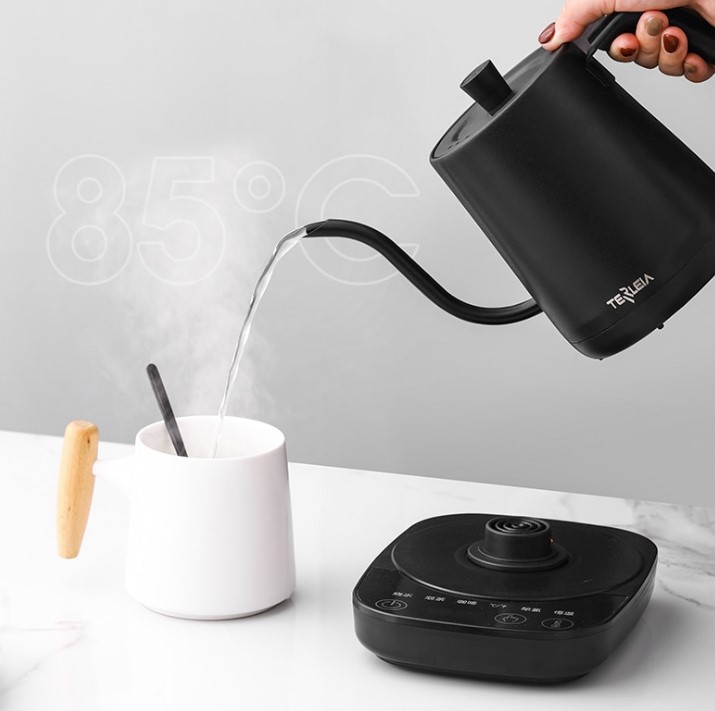
An electric kettle has become a staple appliance in almost every household. Whether it’s to kick-start your mornings with a hot cup of coffee or wind down a busy day with a calming herbal tea, you need a kettle to heat and boil water constantly. Moreover, if you work from home or spend a lot of time at your office then you need a constant supply of hot water to make your teas and coffees to stimulate your brain and keep you sharp. Also, if you fall sick then, the kettle is your best friend as it gives you a constant supply of hot water with just a click of a button.
Unlike conventional stove kettles that use gas, Smart electric kettles help you to boil and heat water using electricity. Now you may ask why to invest money in an electric kettle when you can get the job done directly on the stovetop. However, the advantages of electric kettles are way more than the stovetop ones.
An electric kettle heats water faster and more efficiently than a stovetop kettle. You use less power and get your water boiling in just a few minutes. If you have used the stovetop to boil water, then you definitely know the perils of leaving the kettle on without supervision. You have to keep an eye on the stove continuously. However, almost all electric kettles come with the auto-shut-off function. This means you just need to fill water, switch it on and then forget about it. Once the water is boiled the kettle will shut off automatically preventing any burns and spillage.
With an electric kettle, you save a lot of time and money and also get 100% boiled water. Another interesting feature of smart kettles is the variety of designs available in the market. With numerous interesting and aesthetically pleasing designs, you not only get a device to boil water but also something that adds to the decor of your space and may even spice up your otherwise dull and boring morning routine. So if you are planning to buy an electric kettle then check out these unique and interesting options from AliExpress.
After launching the Asus ROG Phone 6 and ROG Phone 6 Pro back in July, the Taiwanese gaming tech giant has made plans to launch 2 more flagship Android gaming smartphones for 2022 – the ROG Phone 6D and ROG Phone 6D Ultimate. Both smartphones will be unveiled at the company’s official launch event on September 19th (Monday).
Before the official launch date, many details of the ROG Phone 6D series have already been leaked and teased officially online. In this article today, we have rounded up all you should know about Asus’ upcoming gaming smartphones.
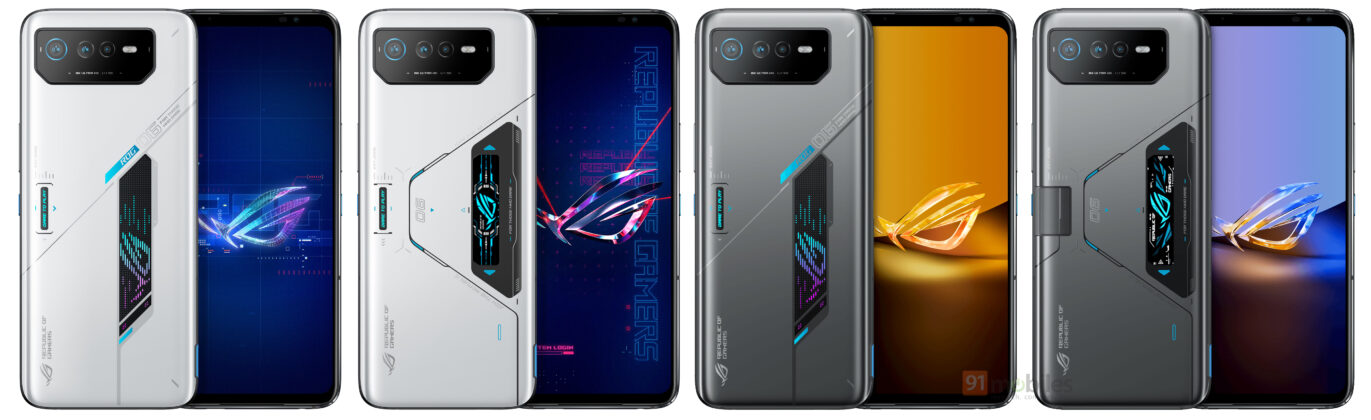
ROG PHONE 6D & 6D ULTIMATE IN WHITE (LEFT). Source: 91Mobiles
However, one change is in the color options. Instead of the standard Black and White found on the earlier announced ROG Phone 6 smartphones, the ROG Phone 6D will be available in 2 new colors: Metallic Grey and Matte White.
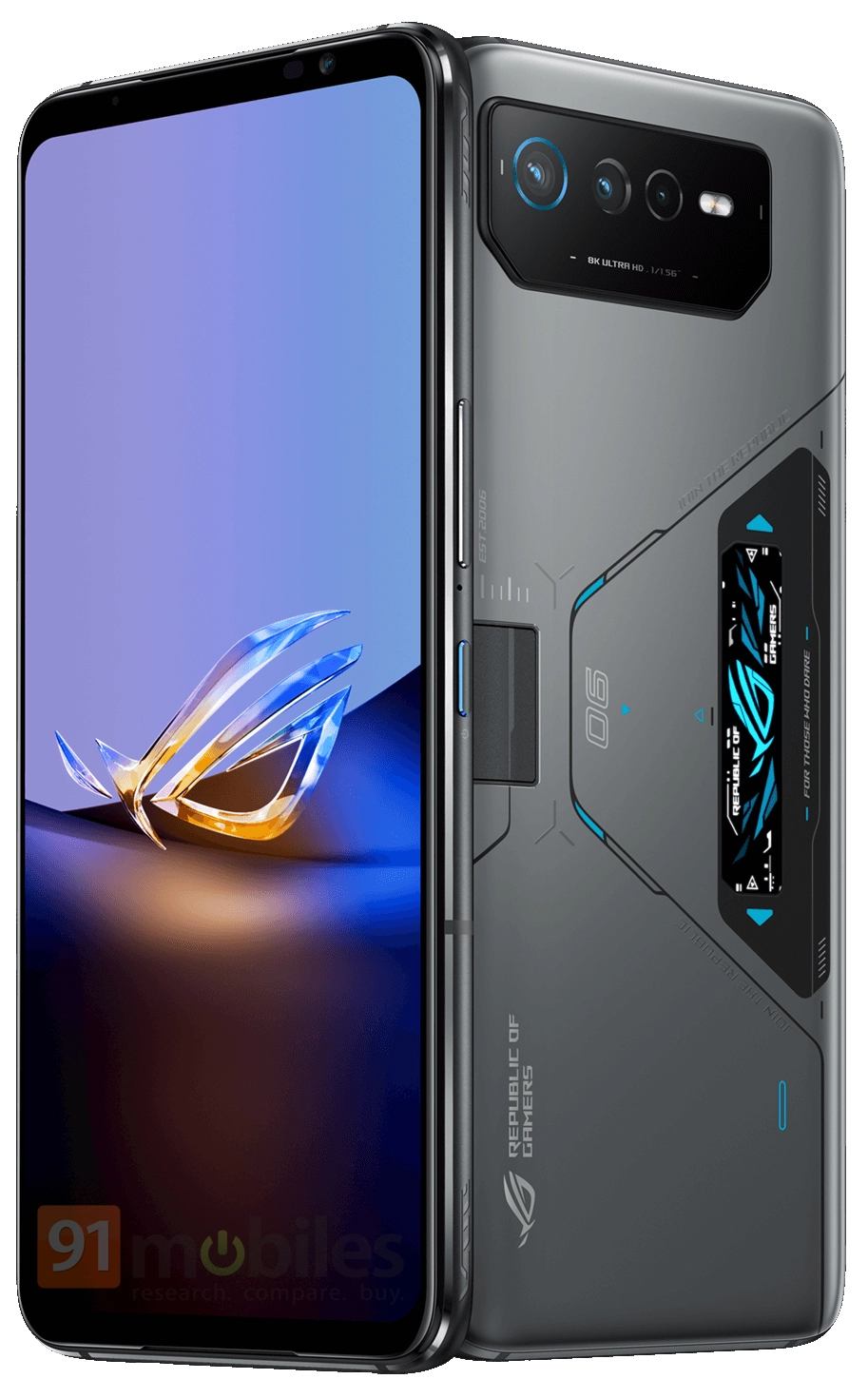
Adding to the gaming aesthetic, the ROG Phone 6D has a vertical RGB strip on the back that can light up in two different colors at once, while the more premium ROG Phone 6D Ultimate will feature a second display on the back that can be configured with multiple animations and can be used to show notifications or system metrics.
Asus ROG Phone 6D Series Specs
Both the standard ROG Phone 6D and the ROG Phone 6D will feature MediaTek’s latest highest-end Dimensity 9000+ smartphone processor, manufactured on TSMC’s industry-leading 4nm process. Comparing it to the Snapdragon 8+ Gen 1 found on the earlier released ROG Phone 6 series, Asus hints that the new ROG Phone 6D surpasses them in raw performance in benchmarks.
The display will be the fastest display ever featured on a smartphone, as the ROG Phone 6D and 6D Ultimate both feature 6.78-inch Full HD+ AMOLED panels with a 165Hz refresh rate, 720Hz touch sampling rate, 111% DCI-P3 color gamut coverage, and HDR10+ support to boot for games.
The battery for both smartphones is said to be 6000 mAh with 65W fast wired charging support via USB-C. The smartphone is also said to feature 2 USB-C ports as well, so you can plug in your charging cable in one port, and your USB-C headphones in another.
Last but not least, the triple camera setup on the Asus ROG Phone 6D series packs a punch despite it being a gaming smartphone. It sports the 50 MP flagship Sony IMX766 sensor as the main rear camera, a 13MP ultrawide snapper, and a 5MP macro camera for the back. On the front, both devices get the 12MP Sony IMX663 sensor for selfies and vlogging.
Asus ROG Phone 6D Ultimate in Metallic Grey. Source: 91Mobiles
For more details such as pricing and availability of the Asus ROG Phone 6D and ROG Phone 6D Ultimate, stay tuned for our launch coverage on September 19 here at Gizmochina!
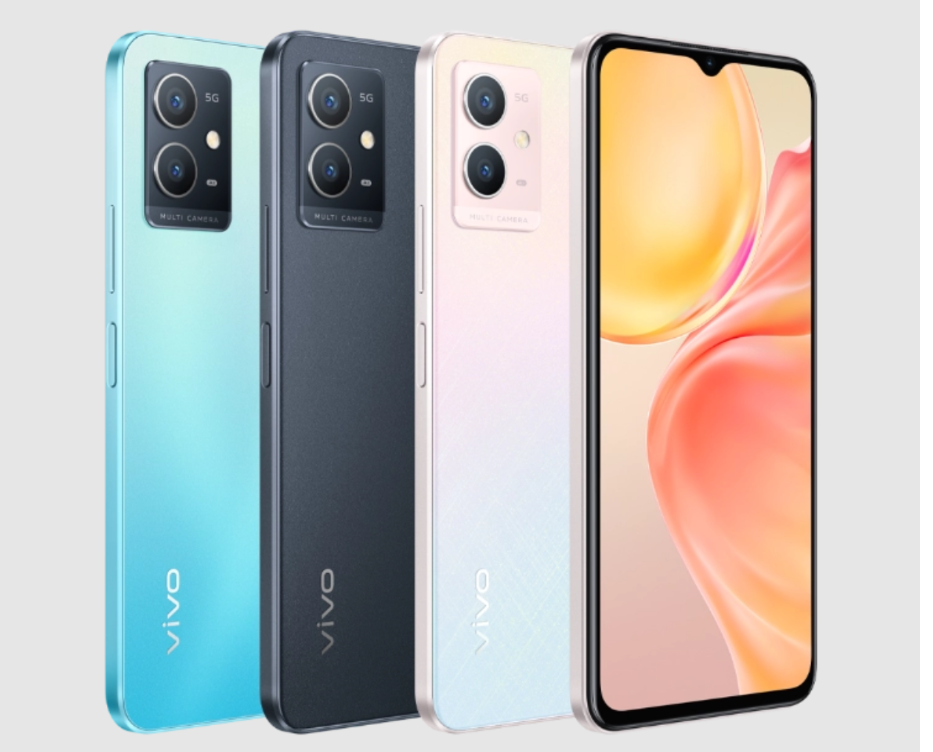
The Vivo Y52t has been launched in China as the company’s latest budget smartphone. The handset seems to be an upgrade over the Vivo Y52 that debuted last year. It comes with features like the MediaTek Dimensity 700 SoC, a 6.51-inch LCD, dual rear cameras, and more. Let’s have a closer look at the price, specifications, and features of the newly launched Vivo Y52t.
Vivo Y52t Specifications and Features
The Vivo Y52t comes with a 6.56-inch IPS LCD screen offering an HD+ resolution of 1600 x 720 pixels, up to 600 nits of brightness, and a 20:9 screen ratio. It supports a standard 60Hz refresh rate. Under the hood, the Y52t is powered by the MediaTek Dimensity 700 chip, which is built on a 7nm process and has 2 cores running at 2.2GHz and 6 cores at 2.0GHz.
The processor is paired with 8 GB LPDDR4X RAM and 128/256 GB of internal storage. The handset also sports a microSD card slot for storage expansion of up to 1 TB.
As far as the cameras are concerned, the Vivo smartphone has a dual rear camera setup consisting of a 13-megapixel main camera accompanied by a 2-megapixel sensor. While on the front, it comes with an 8-megapixel shooter for selfies and video calls.
The Vivo Y52t is backed by a 5,000mAh battery that supports 10W charging. The phone runs on the Android 12 OS with OriginOS on top. It uses a side-mounted fingerprint sensor and sports a 3.5mm headphone jack. The smartphone is 8.45mm thick and weighs about 198g.
Vivo Y52t Price
Vivo Y52t price in China is set at 1,299 Yuan (roughly $186/ Rs. 14,814) for the base 8GB RAM + 128GB storage variant. It is also offered in an 8GB RAM + 256GB storage option, which costs 1,499 Yuan (roughly $214/ Rs. 17,000). The device is offered in peach, blue, and black colors and will be available for purchase from September 19.
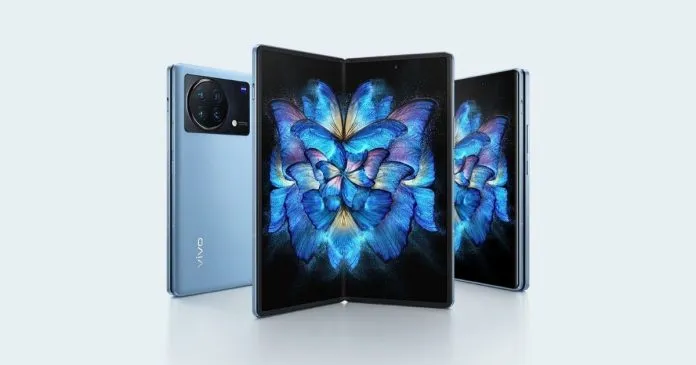
Vivo‘s second foldable—the X Fold Plus—will likely be announced by the end of this month. In addition, rumors about the upcoming iQOO Neo 7 have also started to pick up the pace. While we are still waiting for official word on both smartphones, a popular tipster has leaked their storage configurations as well as color options. Here are the details.
Tipster Digital chat station has revealed the Vivo X Fold+ will have the same storage and color variants as the previous gen X Fold (Via ITHome). However, the foldable will be available in an additional red color option. To recall, Vivo’s first foldable debuted with 2GB+256GB and 12GB+512GB storage configurations. It was offered in blue and grey colors.
Vivo X Fold
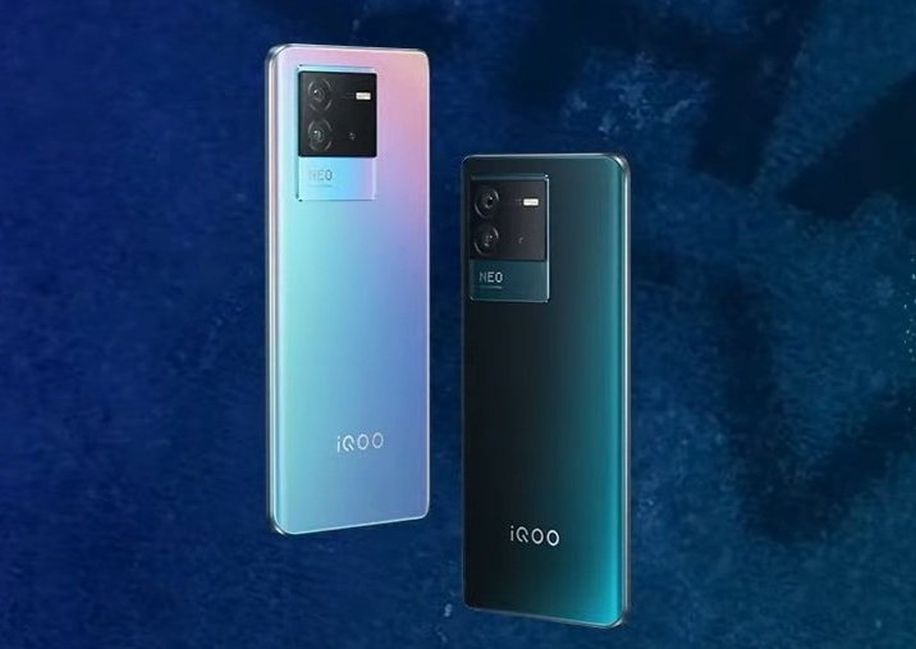
Further, Mr. Chat Station claims the upcoming iQOO Neo 7 will come in three storage options—8+128GB, 8+256GB, and 12+256GB. The device will debut in Geometric black, Impression blue, and Pop color options.
Previous reports suggest the iQOO Neo 7 could feature a 6.78-inch AMOLED E5 display offering a Full HD+ resolution and a 120Hz refresh rate. It is likely to be powered by the Dimensity 9000 Plus chipset. The Neo 7 could be fueled by a 4,700mAh battery with support for 120W fast charging.
iQOO Neo 6
If we talk about the Vivo X Fold+, it is rumored to feature a 6.53-inch primary FHD+ AMOLED display and an 8.03-inch interior screen with 2K resolution. Both displays are said to offer a 120Hz refresh rate. The device will likely be powered by a Snapdragon 8+ Gen 1 SoC and be backed by a 4,700mAh battery unit with support for 80W wired charging.
It is rumored to boast a quad rear camera setup that may include a 50-megapixel main camera accompanied by a 48-megapixel ultra-wide camera, a 12-megapixel portrait camera with 2x optical zoom, and an 8-megapixel periscope lens with 5x optical zoom. The device may also be equipped with a 16-megapixel selfie shooter.
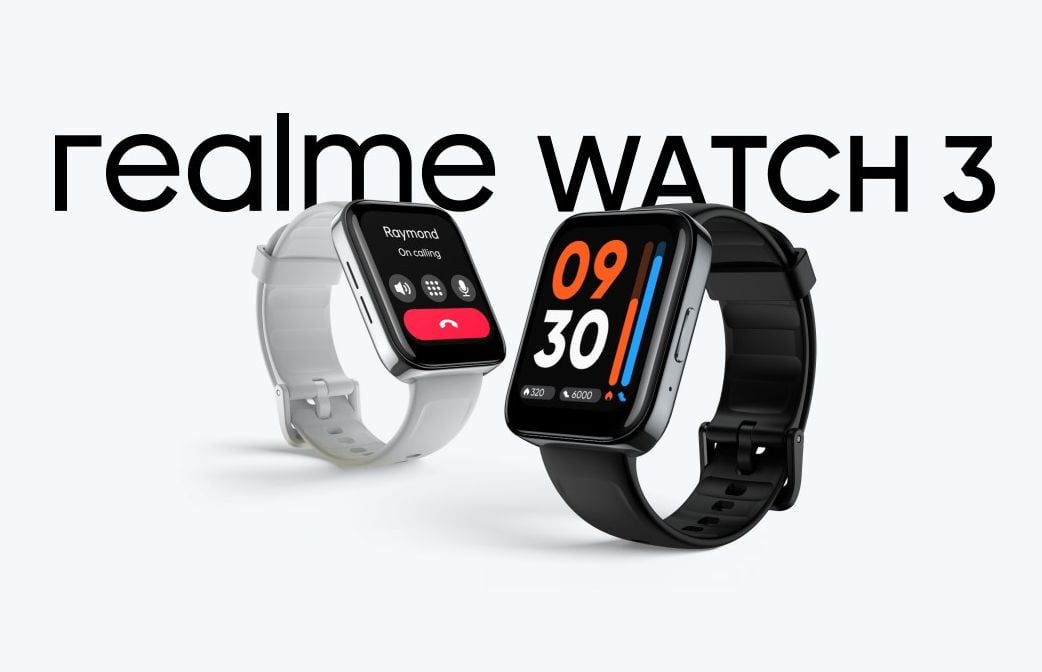
The Realme Watch 3 with a huge display and health monitoring features is now available in Europe. The smartwatch sports a simple design with a single physical button and offers over 110 sports modes.
Realme Watch 3
The Realme Watch 3 has a 1.8-inch display and is arriving in Europe about two months after its unveiling in India. It weighs 54g and runs on Realme’s proprietary operating system. It has more than 100 watch faces and is available in a grey colorway. The smartwatch features 24/7 heart rate and blood Oxygen (SpO2) monitoring.
When paired with a smartphone, the Realme Watch 3 can take or make calls within range. It has a built-in dial pad, synced contact list, and a microphone that makes it possible to initiate phone calls from the device. It however does not support direct connectivity to cellular networks because of the absence of an LTE modem.
The large display of the Watch 3 offers up to 500 nits of brightness and a 240 x 286 pixels resolution. The Realme Watch 3 in Europe is priced at €69.99 ($70) and can be purchased directly from the Realme website. It can also be obtained via major retail platforms in Europe like Amazon. When purchased from the Realme website, shipments are limited to the Benelux countries (Belgium, Netherlands, and Luxembourg), Portugal, and Germany. It is unclear whether Realme will subsequently include the availability of the black color option of the smartwatch.
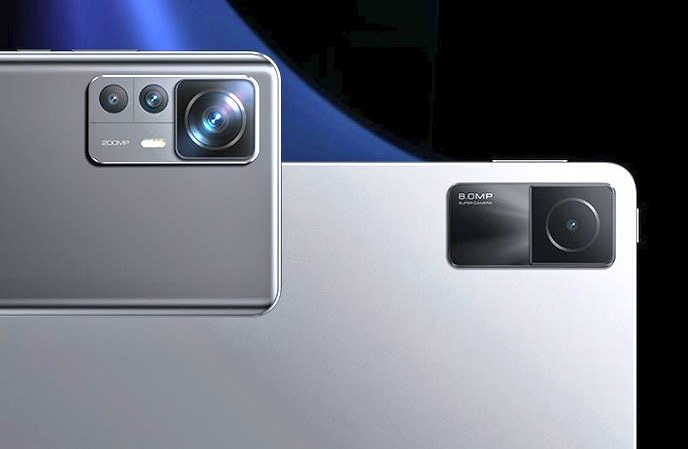
Xiaomi is reportedly gearing up to introduce the first ever Redmi Pad alongside the Xiaomi 12T series in the global market. Ahead of an official announcement, a TDRA listing suggests the Redmi Pad will also have a Wi-Fi-only variant. Earlier rumors about the tablet revealed it will be equipped with a new MediaTek MT8781 chipset and a 7,800mAh battery with 22.5W fast charging support.
Tipster Abhishek Yadav (@yabhishekhd) has spotted the Wi-Fi variant of the upcoming Redmi Pad on the UAE’s Telecommunications and Digital Government Regulatory Authority (TDRA) website. The tablet has been listed with the model number 22081283G and the marketing name “Redmi Pad”. Apart from this, the listing does not reveal any significant information. However, it hints that the tablet might launch very soon.
Xiaomi 12T Pro, Redmi Pad leaked image
A recent TechGoing report revealed the Redmi Pad, accompanied by the Xiaomi 12T series, will debut next month (October). The publication did not reveal the exact launch date, but we expect a launch in the first week of the month.
If we talk about the specifications, the tablet could draw power from a new MediaTek MT8781 chipset, which is said to be similar to the Helio G99 SoC. It is expected to pack a 7,800 mAh battery with support for 22.5W fast charging.
The Redmi Pad is rumored to come with an 11.2-inch LCD screen offering a 2K resolution. On the software front, it is expected to run the Android 12 OS with MIUI Pad 13 on top. For photography, it may feature an 8-megapixel camera without an LED flash.
The tablet is reported to land in two storage options: 3 GB RAM + 64 GB storage and 4 GB RAM + 128 GB storage. It will be priced between 250 and 350 euros. The Redmi Pad will likely be available in sole Grey color. The above pricing is said to be for the cellular model. The Wi-Fi-only model could cost less.
Apple recently introduced its latest silicon with the iPhone 14 Pro and iPhone 14 Pro Max, and things are picking up the pace on the Android side too. Qualcomm, the leading chip supplier for Android smartphones, is reported to launch its latest flagship processor, which may be called Snapdragon 8 Gen 2, in November. Ahead of any official announcement, a new leak suggests the chip will come in an ultra-high frequency version with a CPU clock speed of 3.4-3.5GHz.
Popular leakster Digital Chat Station has revealed in a Weibo post that the alleged Snapdragon 8 Gen 2 SoC will have an ultra-high frequency variant with a clock speed between 3.4 and 3.5GHz. For reference, the Snapdragon 8+ Gen 1’s Prime core runs at 3.19 GHz.
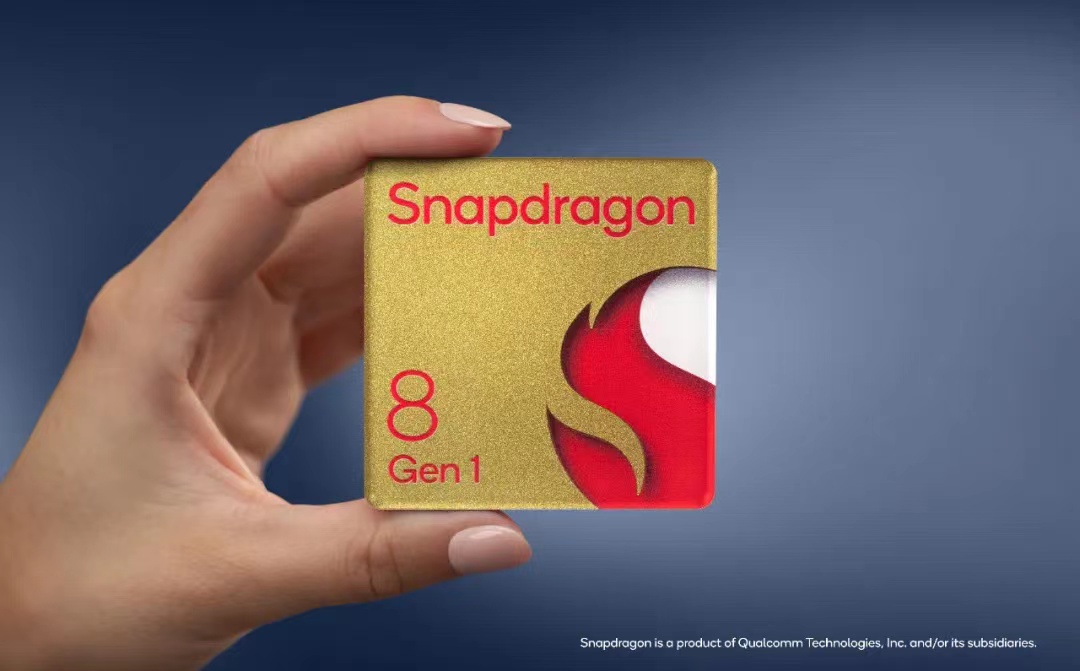
Snapdragon 8 Gen 1
The GPU of the processor will also see a significant improvement compared to its predecessor. The extreme GPU performance in Android flagships will finally be on par with the performance of Apple A-series chips, claimed the leaker.
The purported ultra-high frequency variant could be called the Snapdragon 8+ Gen 2. It is expected to follow a 1+2+2+3 quad-cluster architecture and will likely be fabbed on TSMC’s 4nm process node.
The chipset could feature 1 x Kryo Prime CPU (Arm Cortex-X3-based), 2 x Kryo Performance CPUs (A720-based), 2 x Kryo Performance CPUs (A710-based), and 3x Kryo Efficiency CPUs (A510-based). It is also expected to sport an Adreno 740 GPU.
As per previous reports, the Xiaomi 13 series, Redmi K60 series, iQOO 11 series, and Vivo X90 series could be the early adopters of the Snapdragon 8 Gen 2 processor.
Furthermore, the tipster suggested that the next chip from MediaTek’s Dimensity series would offer another impressive performance leap, potentially closing the gap between Dimensity and Snapdragon.
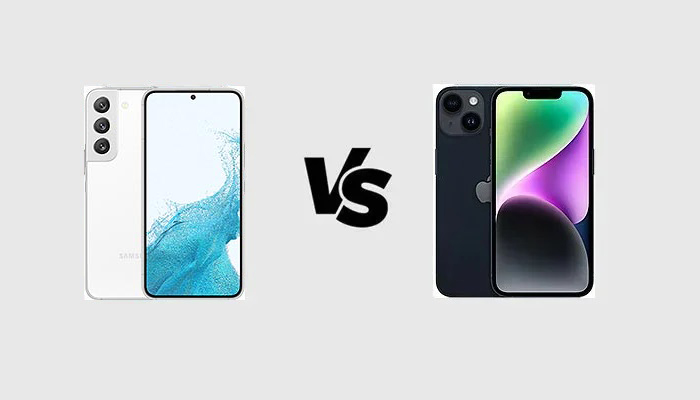
Yesterday, the iPhone 14 officially went on sale in several regions. A lot of people started to purchase the new handsets and, even though this year most of the attention goes to the Pro variants (as they sport a different design and more powerful chipsets), the original iPhone 14 is very hot. But you can currently find several devices at the same level in the market, sold at more affordable prices. Should you opt for the new iPhone or you would better go for an older flagship? A bunch of hours ago, we published a comparison between the specifications of the iPhone 14 and the older iPhone 13. Now, we think it is time to bring a Samsung flagship on the field. Here is a comparison between the main specifications of the iPhone 14 and the main specifications of the Samsung Galaxy S22.
Starting from the design, it is essentially a question of tastes, even though the iPhones are literally an icon in the smartphone world due to their design. If you do not mind the notch, then we think you should go for the iPhone 14, but your personal tastes may let you disagree. The Samsung Galaxy S22 has a less invasive punch hole instead of the notch, but the iPhone has better water resistance with the IP68 certification allowing you to put it underwater up to 6 meters deep for 30 minutes. Both the devices come with a glass back and an aluminum frame, the glass back of the Samsung is protected by Gorilla Glass Victus Plus, while the iPhone is protected by Ceramic Shield.
Display
Just like the battle between the designs, even the battle between the displays is very tough. Judging from the specs on the paper, the iPhone 14 should offer a more convincing image quality. It has a Super Retina XDR OLED display with a diagonal of 6.1 inches, a Full HD+ resolution of 1170 x 2532 pixels, the HDR10 certification, and Dolby Vision support, as well as a 1,200 nits peak brightness, behind a scratch resistant ceramic glass with an oleophobic coating. The Samsung Galaxy S22 has a Dynamic AMOLED display with a diagonal of 6.2 inches, a Full HD+ resolution of 1080 x 2340 pixels, and the HDR10+ certification, protected by Gorilla Glass Victus Plus. The image quality is better on the iPhone, but the Samsung Galaxy S22 has an important advantage: the refresh rate goes up to 120 Hz, while the iPhone stops at just 60 Hz. The two phones come with different authentication methods: the Apple device relies on Face ID (3D facial recognition), while the Samsung has an in-display fingerprint reader (ultrasonic, so better than optical ones).
Specs & Software
The iPhone 14 provides the highest performance not only thanks to the hardware but thanks to the optimization of the iOS operating system. Its hardware setup includes an Apple A15 Bionic chipset built with a 5 nm production process and with an octa-core architecture composed of two Avalanche cores running at a max frequency of 3.23 GHz, four Blizzard cores running at a max frequency of 1.82 GHz, and an Apple 5-core GPU. The SoC is paired with 6 GB of RAM and up to 512 GB of NVMe native storage. The Samsung Galaxy S22 has an octa-core Snapdragon 8 Gen 1 mobile platform built with a 4 nm production process and composed of a Cortex X2 CPU running at a max frequency of 3 GHz, three Cortex A710 CPUs running at 2.5 GHz, four Cortex A510 CPUs running at 1.8 GHz, and an Adreno 730 GPU. There is also a version of this handset with the Exynos 2200 chipset, inferior to the Snapdragon 8 Gen 1. The chipsets are paired with 8 GB of RAM and up to 256 GB of native storage. The iPhone 14 runs iOS 16, while the Samsung Galaxy S22 runs Android 12 customized by One UI.
Camera
The most advanced camera setup belongs to the Samsung Galaxy S22. It has a triple camera composed of a 50 MP main sensor with OIS, a 10 MP telephoto lens with 3x optical zoom and OIS, and a 12 MP ultrawide sensor, as well as a 10 MP front camera which records videos with a 4K resolution at 60 fps. The iPhone 14 has a dual rear camera with 12 MP resolution including an ultrawide sensor and a 12 MP front camera recording 4K videos.
The Samsung Galaxy S22 has a bigger battery, however, the phone guaranteeing the longest battery life is the iPhone 14 due to the great optimization of iOS. The charging speeds are similar and the phones support wireless charging.
Price
You need at least $999 or €999 in order to purchase the iPhone 14, while the Samsung Galaxy S22 can easily be found for less than €700 or $700 thanks to the current street prices. Which one would you pick?
Samsung Galaxy S22 vs Apple iPhone 14: PRO and CONS
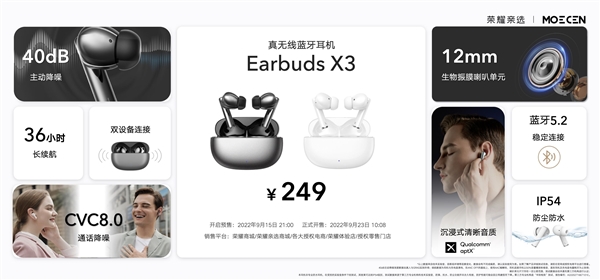
Honor released a raft of products during its September 15 launch event. The Honor Choice Earbuds X3 true wireless headphones and children’s watch have been unveiled. The Earbuds X3 TWS earphones offer 40dB hybrid active noise cancellation (ANC). There are several noise reduction modes that can be deployed to suit the user’s needs. It can be used for leisure, sports, travel, and entertainment. The Earbuds X3 has a 12mm biological diaphragm speaker unit with Qualcomm aptX high-definition audio codec also featured.
The Honor Choice Earbuds X3 offers up to 36 hours of activity, thanks to its battery and accompanying case. The new pair of TWS earphones reflects significant improvements from its previous iteration. It supports Bluetooth 5.2 dual device connection, features pressure-sensitive controls, and provides more accurate recognition feedback. There are no details yet on the charging speed for the device, but it comes with IP54 waterproof capability. The earbuds/ case battery sizes information is also lacking.
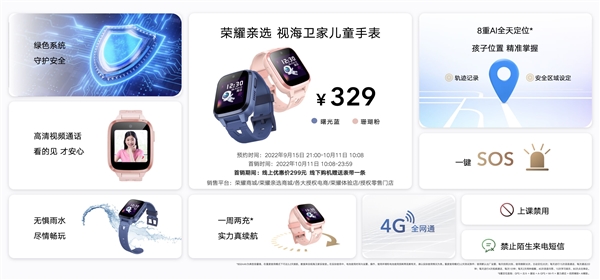
The Honor new children’s watch comes with better malware protection via its green system. It is equipped with 4G network connectivity and can deliver high-definition video calls. The Honor children’s watch has 8-fold precise positioning and 7-day battery life on normal usage.
The Honor Earbuds X3 is already available on pre-order for 249 yuan (~$36) and will launch officially on September 23. The Honor children’s watch is also available on pre-order at a price of 329 yuan (~$47), with sales commencing on October 11. There are no global availability details for the products at this time.
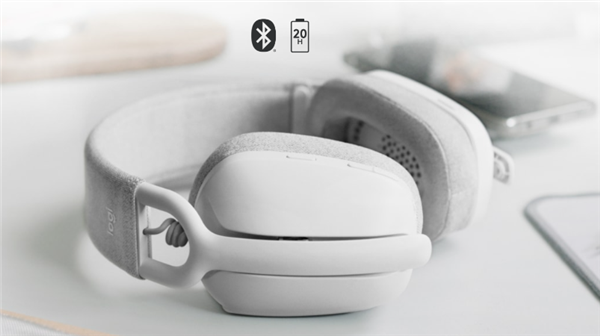
Logitech has unveiled its ZONE VIBE 100 wireless lightweight earphones with fast charging capability. The new Logitech wireless headset offers comfort with its earcups consisting of memory foam and soft-knit fabric. The device is expected to debut in China shortly.
The ZONE VIBE 100 offers up to 20 hours of playback or about 18 hours of talk time on a full charge. Its fast charging capability means that 5 minutes of charge yields an hour of playback. The new Logitech wireless headset uses a 40mm speaker driver unit that delivers deep bass, clear treble, and low distortion in its audio output. Touch buttons on the headset provide easy navigation and control of the device. You can also use the LogiTune App to adjust various parameters and customize the EQ to your taste. The earphones support Bluetooth pairing but it is unclear what is the degree of noise cancellation available on the device.
The Logitech ZONE VIBE 100 comes with a simple but stylish design. It is lighter than most over-the-ear headsets for comfortable use even for extended periods. The headset is made of about 25% recycled plastic, underscoring the brand’s focus on environmental protection.
The ZONE VIBE 100 wireless earphones will retail in China for 696 yuan (~$100). As per the images released, we expect at least two color options for the device including pink and white. The new headset will berth in Chinese retail outlets soon although Logitech was silent on a specific release date. There are also no global availability and pricing details yet for the ZONE VIVE 100 wireless headset.
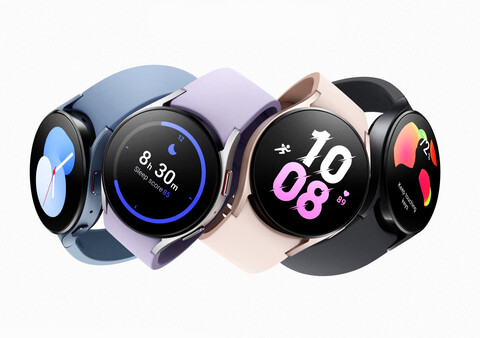
Samsung‘s latest Galaxy Watch5 and Galaxy Watch5 Pro are getting their second software update in a month. This comes after their August 2022 release and the updates bring stability improvements to the devices.
The Galaxy Watch5 and Galaxy Watch5 Pro are the successors of the Galaxy Watch4 and Galaxy Watch4 Classic. They run on the One UI Watch platform and are the first to launch with Wear OS 3.5. Having to roll out two updates in quick succession for the new Galaxy smartwatches could point to inherent problems observed after their launch. Both models do not recharge as quickly as specified pre-launch and they were slightly thicker than expected. Another observed issue was the D-Buckle Sport Band that comes with the Pro model causing problems on some laptops.
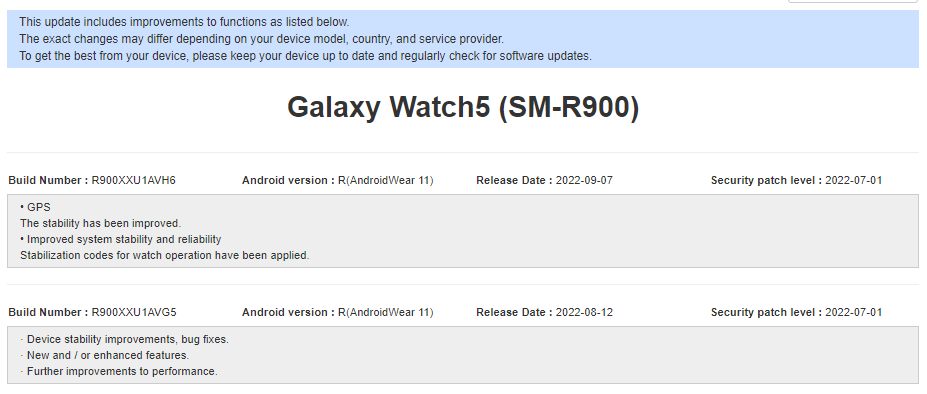
The rollout of the updates indicates Samsung’s response to remedy some of the observed shortcomings in the new Galaxy smartwatches. The SM-R900 (Galaxy Watch5) and SM-R925 (LTE version of the Galaxy Watch5 Pro) will benefit from the latest update. The new update is referenced with R9xx0XXU1AVH6 and is undergoing a sequential rollout across the regions. As of this moment, the update is only available in North America. We expect Samsung to scale up the rollout within a short while to cover other continents. The update, according to Samsung, retains the July 2022 set of security patches for the devices.
The new software updates for the Galaxy Watch5 and Watch5 Pro will enhance overall system stability and reliability. It also applies new stabilization codes for watch operations but no new features are included in the latest update.
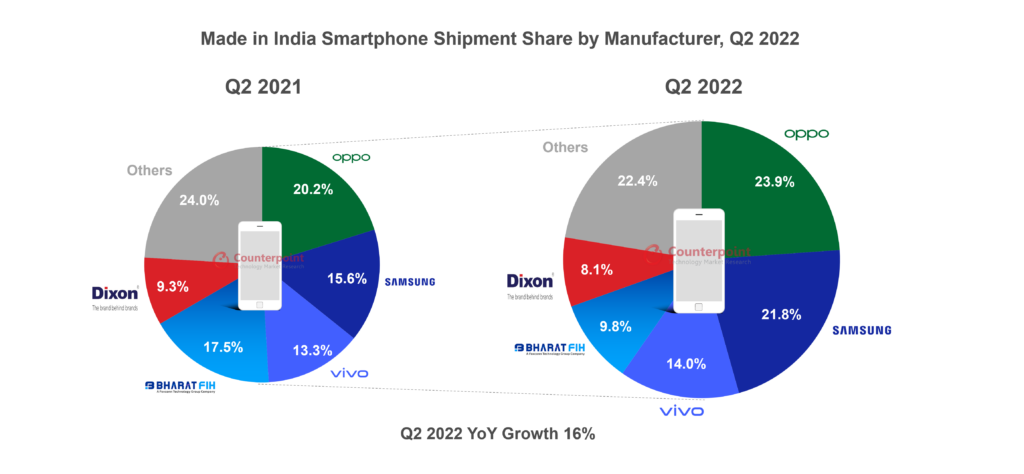
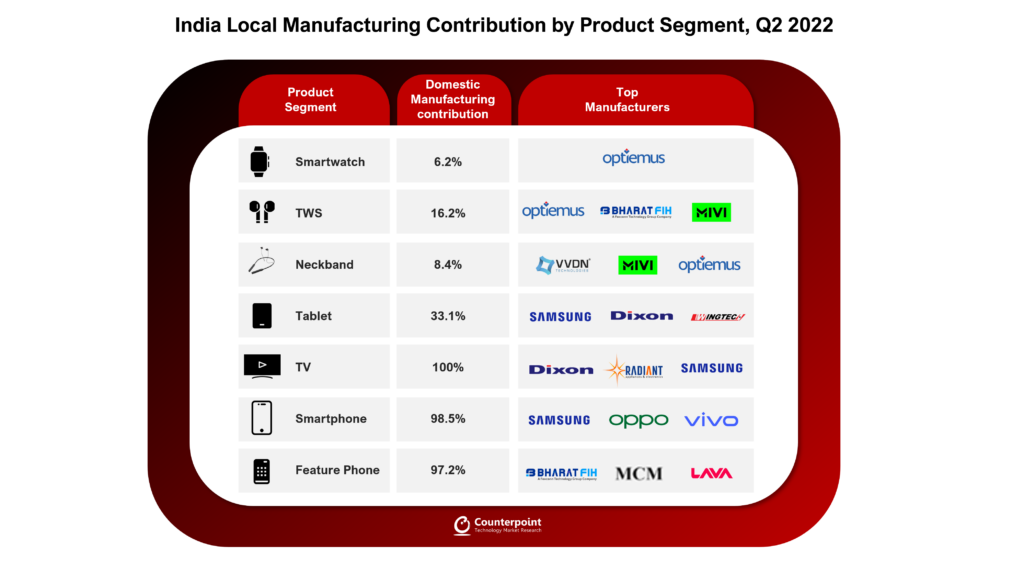
The latest data from research firm Counterpoint has shown that Indian-made smartphone shipments grew by 16% in Q2 2022 from the corresponding performance in 2021. The growth in Made in India smartphone shipments is being driven partly by a strong incentive framework put in place by the central government. The Counterpoint data showed that Indian-made smartphone shipments for April-June 2022 were over 44 million units. The Q2 figure exceeded both the Q1 performance and the corresponding Q2 figures from 2021.
The report shows that Indian OEMs pushed for better Q2 performance in order to qualify for PLI incentives. Global smartphone chip shipments declined by 5% YoY in Q1 2022 but the Indian government continues to stimulate semiconductor production. The new report indicates a positive push across several segments of the tech ecosystem by local enterprises. The government’s various PLI interventions may have also resulted in the increase in the local manufacture of tablets, smartwatches, earbuds, and other products.
Foreign brands with a strong manufacturing presence in India are also reaping from the favorable environment. OPPO led smartphone shipments with 24%, followed by Samsung, while Lava accounted for 21%. In terms of brand performance, Padget Electronics (396% YoY), Wistron (137% YoY), and Lava (100% YoY) were the three best-performing local brands in Q2 2022. Optiemus, Bharat FIH, and Padget TWS segment while WDN and Mivi are frontrunners in the neckband segment. Wingtech, Samsung, and Dixon have a cumulative market share of 90% in the tablet segment. Four firms – Dixon, Radiant, Samsung, and LG account for half of the Made in India shipments.
In terms of production, TWS earphones dominated the domestic wearable ecosystem with 16%, followed by neckbands and smartwatches. The active interventions by the Indian government were highlighted as a major driving factor for the surge. India continues to attract manufacturers and investors as it gradually firms up its place in the global tech market.
We use cookies on our website to give you the most relevant experience by remembering your preferences and repeat visits. By clicking “Accept”, you consent to the use of ALL the cookies.
This website uses cookies to improve your experience while you navigate through the website. Out of these, the cookies that are categorized as necessary are stored on your browser as they are essential for the working of basic functionalities of the website. We also use third-party cookies that help us analyze and understand how you use this website. These cookies will be stored in your browser only with your consent. You also have the option to opt-out of these cookies. But opting out of some of these cookies may affect your browsing experience.
Necessary cookies are absolutely essential for the website to function properly. This category only includes cookies that ensures basic functionalities and security features of the website. These cookies do not store any personal information.
Any cookies that may not be particularly necessary for the website to function and is used specifically to collect user personal data via analytics, ads, other embedded contents are termed as non-necessary cookies. It is mandatory to procure user consent prior to running these cookies on your website.