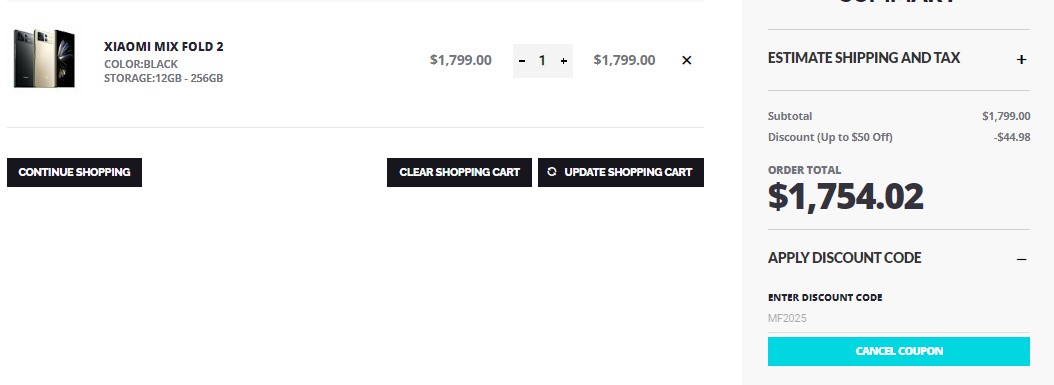
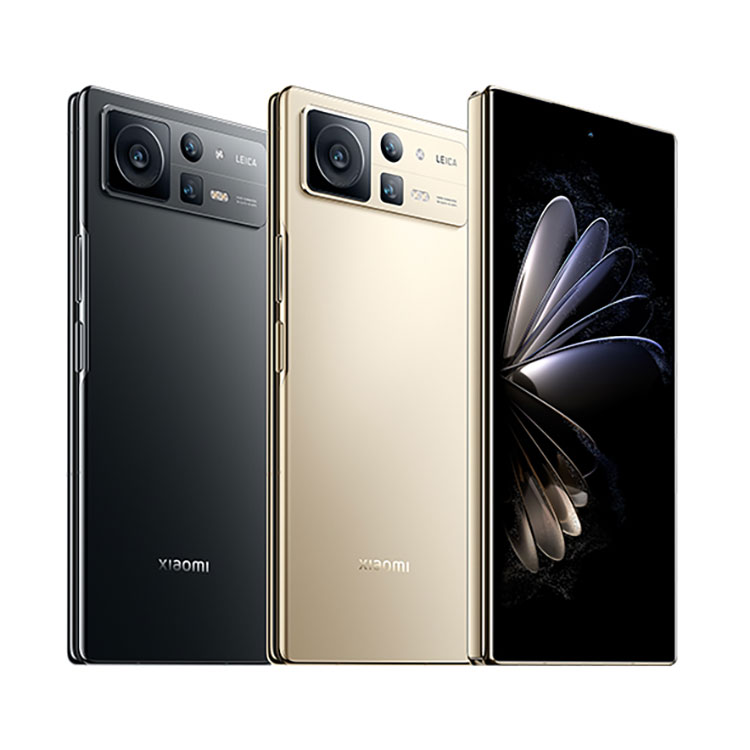
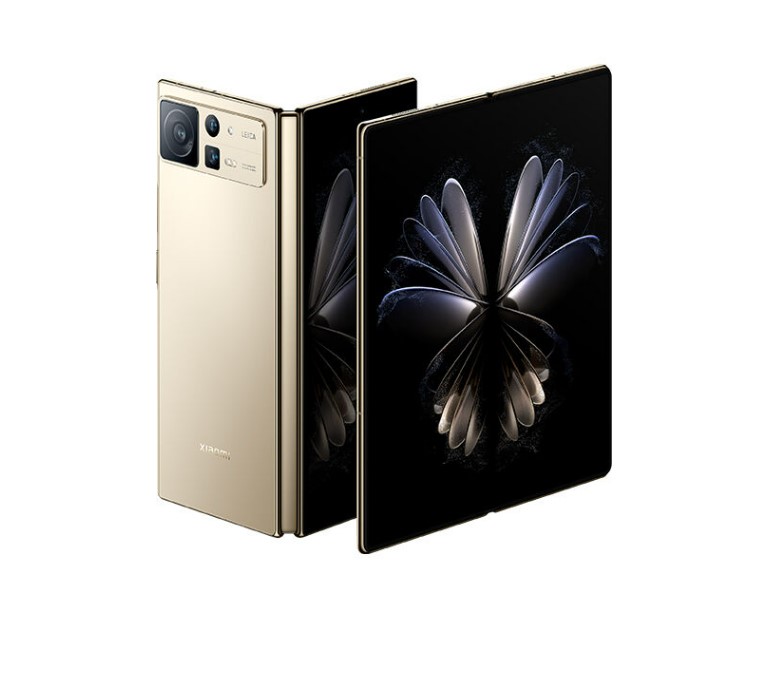
Great news for all readers. Giztop is giving a $50 coupon for the latest Xiaomi Mix Fold 2 foldable smartphone. The phone that generally retails for $1799 is now available at a discounted price of $1754 using the coupon code MF2025. This coupon expires on August 20, 2022.
Xiaomi Mix Fold 2 features an 8-inch WQHD+ AMOLED Inner display with LTPO technology and a 6.5-inch AMOLED E5 external screen. It is powered by the Qualcomm Snapdragon 8+ Gen1 5G processor and comes with Adreno 730 GPU. The smartphone comes in multiple memory variants viz. 12GB LPDDR5 RAM and 256GB / 512GB/ 1TB ROM.
Xiaomi Mix Fold 2 has a triple rear camera setup with a 50MP Sony IMX766 primary sensor, 13MP OmniVision OV13B ultra-wide snapper, and an 8MP telephoto camera with 2x optical zoom. On the cover display, you can find a 20MP selfie camera. This powerful foldable smartphone is fueled by a 5020mAh battery and supports 67W fast wired charging. It also supports QC 4+ and PD3.0.
Available in Black and Gold color variants, you can buy Xiaomi Mix Fold 2 at a discounted price of $1754 at Giztop. Please note that this price is applicable to the base variant only.
For more information on such exciting deals and offers check out our deals hub.
Samsung launched the Galaxy Buds 2 Pro last week at the Galaxy Unpacked event alongside the Galaxy Z Fold 4, the Galaxy Z Flip 4, and the Galaxy Watch5 series. Now, the Buds 2 Pro has also been launched for the Indian market. So, let’s check out its pricing, offers, and availability details.
Samsung Galaxy Buds 2 Pro pricing, availability & offers
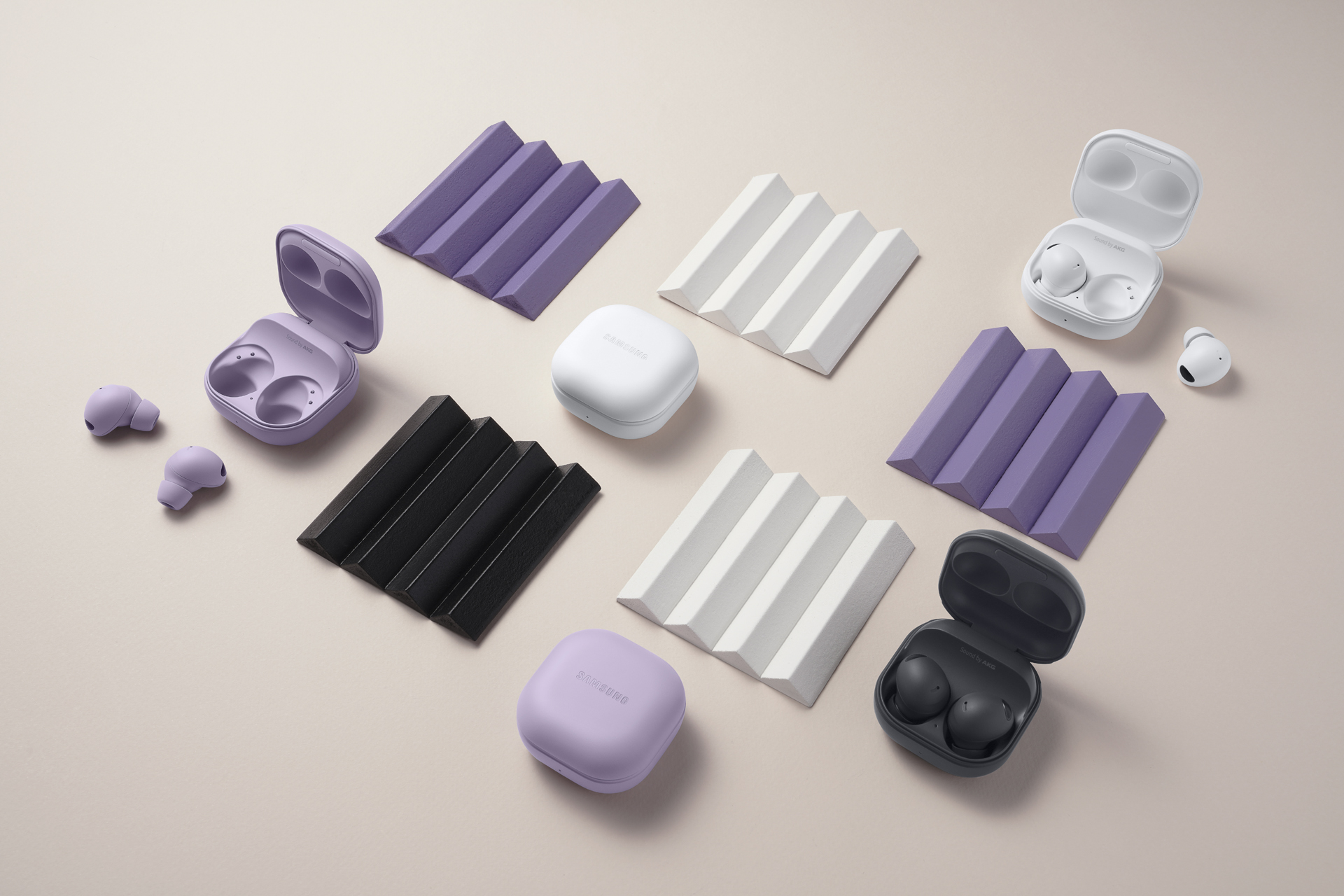
The Samsung Galaxy Buds2 Pro is priced at Rs. 17,999 and will be available in Graphite, White, and Bora Purple. The earbuds will be available for pre-booking in the country starting August 16, via Samsung.com and other major online and offline retailers.
Pre-booking offers include:
Avail INR 3000 cashback from all leading banks bringing the effective price to INR 14999.
Purchase Samsung Wireless Charger Pad worth INR 2999 at a discounted price of just INR 499.
Easy finance options and get up to INR 3000 when you exchange your old device.
Samsung Galaxy Buds 2 Pro specs & features
The Samsung Galaxy Buds 2 Pro is quite similar in design compared to its predecessor. It offers Active Noise Cancellation, which the company claims can cancel out ambient noises up to 33dB. Additionally, transparency mode is supported.
It uses Bluetooth 5.3 for connectivity and has an IPX7 rating for water resistance. The Buds 2 Pro feature 10mm drivers and 24-bit Hi-Fi sound. The 360-degree audio feature is also present in the earbuds, which is enhanced by utilizing the Dolby Head Tracking technology. The Voice Detect feature on the earbuds adjusts the sound and switches from ANC to Ambient Mode as soon as you start speaking to someone.
The battery of the earbuds is claimed to last up to 8 hours on a single charge with ANC turned off. Coupled with the charging case, the earbuds can provide a total playback of up to 29 hours. A quick five-minute charge is claimed to provide 55 minutes of listening time.
Last week, Oppo launched the new OPPO Band 2 in China alongside a bunch of more products including the Watch 3 series. Today, the wearable has been spotted on the TDRA certification website, hinting it may soon debut in the global market as well. OPPO Band 2 comes with significant upgrades over its predecessor. It has a 1.57-inch AMOLED display, Apollo 3.5 SoC, up to 14-days battery, and much more.
According to tipster Mukul Sharma, the OPPO Band 2 has been spotted on the TDRA (Telecommunications and Digital Government Regulatory Authority) UAE website. Although the listing did not reveal any specifications of the wearable, it does hint at an imminent global launch. The upcoming fitness band has been listed on the TDRA website with model number OBBE215 and the model name “OPPO Band 2”.
OPPO has not confirmed the global availability of Band 2. However, it is likely that the company will launch it in the overseas market. We’ll keep an eye out for updates and let you know.
OPPO Band 2 Specifications
The newly launched OPPO Band 2 features a large 1.57-inch AMOLED display which is almost the same size as most smartwatches. The band measures 45.3 x 29.1 x 10.6mm and weighs only 33 g.
OPPO Band 2 is powered by Apollo 3.5 processor paired with 8MB PSRRAM and 128MB Nand storage. It comes with a built-in 200mAh battery that can last up to 14 days. The band also supports magnetic fast charging. In addition, the new OPPO band features 24*7 heart rate monitoring, sleep tracking, and more. It is also claimed to be 5ATM waterproof.
Oppo has pre-installed over 200 watch faces, 100 sports modes and has also included an NFC chip in the Band 2 for contactless payments. For connectivity, it relies on Bluetooth v5.0. The Oppo Band 2 is up for purchase in China from 229 Yuan (roughly $34) without NFC and 269 Yuan (~$40) with NFC.
Last week, Xiaomi launched the Redmi K50 Ultra featuring the Snapdragon 8+ Gen 1 chipset and a 108-megapixel triple camera setup in the Chinese market. The brand is rumored to launch this device in the global market as the Xiaomi 12T Pro.
Redmi K50 Ultra
Now, known tipster Abhishek Yadav has tipped that the brand will announce the Xiaomi 12T Pro today for the global market. The device is expected to come with the same specifications as the Redmi K50 Ultra, however, it is speculated that the primary 108-megapixel camera sensor on the device could be replaced with a 200-megapixel sensor.
Other than that, a recent report has stated that the Xiaomi 12T Pro will have a price tag of 849 euros in European regions while the vanilla Xiaomi 12T will start at 649 euros.
Xiaomi 12T Pro specs (expected)
The Xiaomi 12T Pro will be equipped with a 6.67-inch OLED FHD+ 144Hz display and an in-screen fingerprint scanner.
Redmi K50 Ultra
Under the hood, the device will house the Snapdragon 8+ Gen 1 chip coupled with LPDDR5 RAM and UFS 3.1 storage. On the software front, the device will run on Android 12-based MIUI 13. The device is expected to have a 5,000mAh battery with 120W fast charging support.
Coming to the camera system, the device is expected to rock a triple camera setup consisting of a 108MP Samsung ISOCELL HM6 primary sensor (with OIS, EIS), an 8MP ultra-wide unit, and a 2MP macro snapper. There is also a chance that the primary sensor on the device could be a 200-megapixel Samsung HP1 sensor which made its debut on the Moto X30 Pro a few days back.
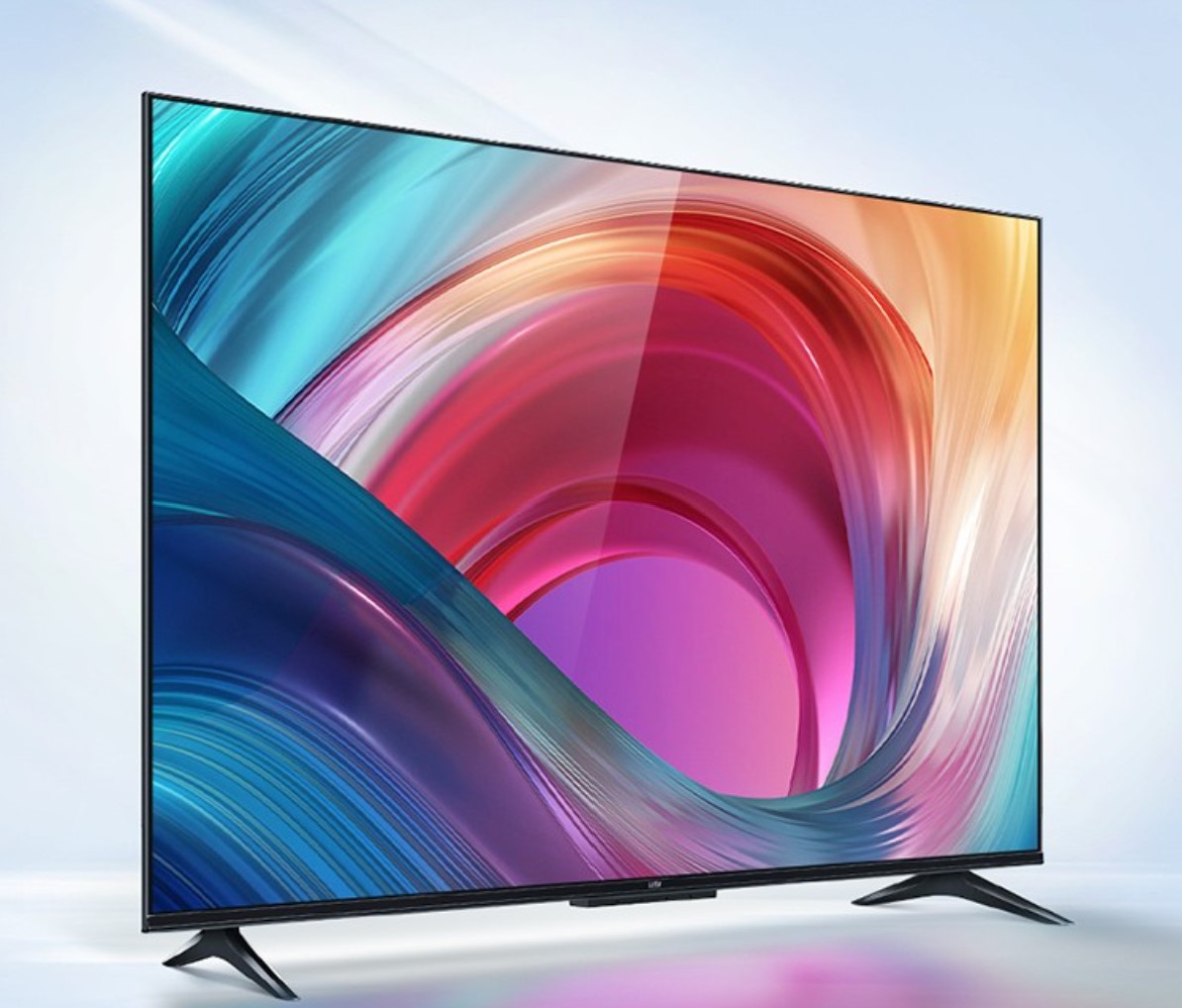
LeTV came under scrutiny recently when complaints on the quality of the Panda OEM TV were lodged. There was a wide range of issues raised relating to the Panda OEM lineup of TVs bordering on low quality in several aspects. However, the company expects the new F65 Pro with a 65-inch display and excellent features to sustain the spotlight on the brand.
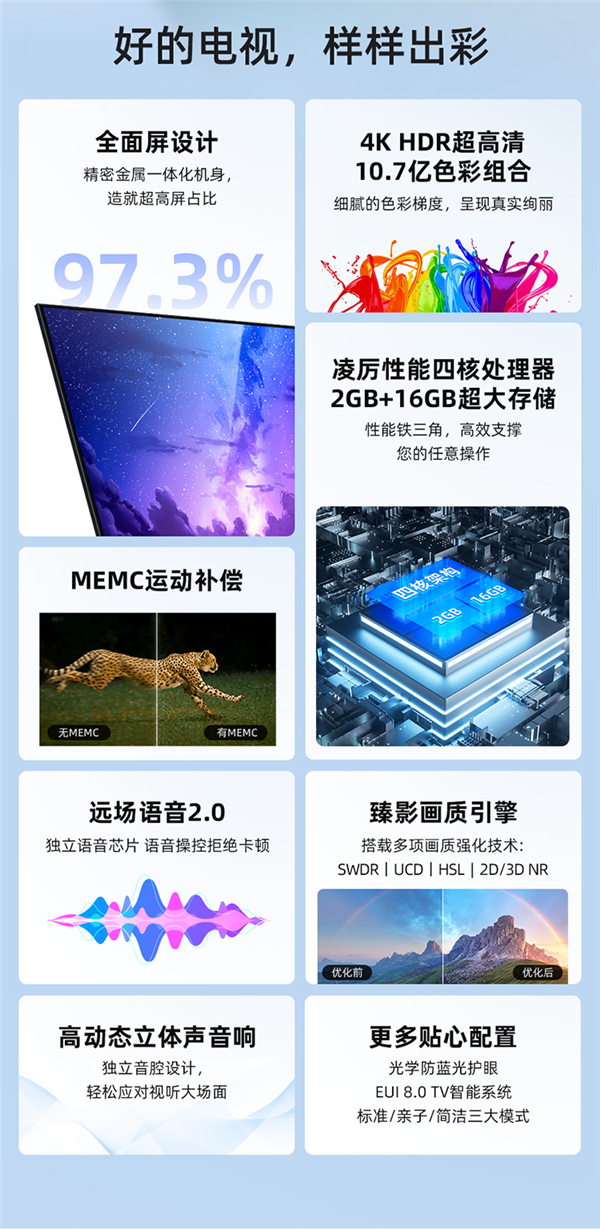
The new super TV has a 4K HDR screen with 95% color gamut coverage. It has the MEMC motion compensation and M-Genuine image quality engine both combining to output great picture quality. The TV features the EUI 8.0 system and supports voice controls including wake-up within a radius of 5 meters. The F65 Pro smart TV has two HDMI ports, 2 USB ports, RF, and AV ports for various connectivity options. You can also connect the TV to set-top boxes and support both wired and wireless networks.
The LeTV F65 Pro is available in China via JD.com and the LeTV Mall. The TV will retail for 2,199 yuan (~$326). There are no details yet on the global availability of the new 65-inch smart TV. It remains to be seen how the complaints about the Panda OEM would impact the reception of the new TV in China.
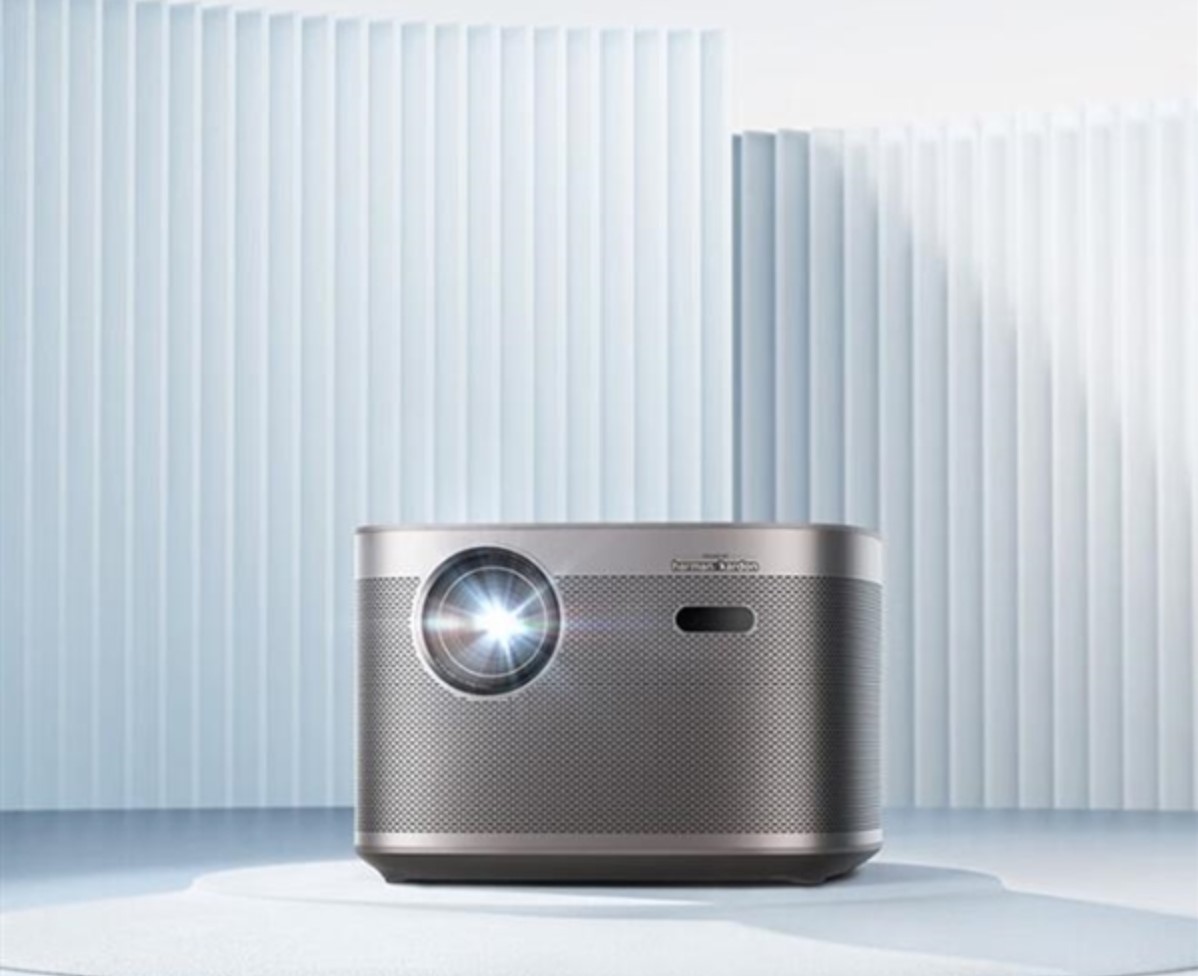
XGIMI is ramping up the hype surrounding the brand with another impressive projector after the Magic Lamp. The XGIMI H5 Projector with a powerful LED system has been unveiled in China and it is now open for pre-orders.
The new H4 Projector has significant upgrades in its color output, visual perception system, heat dissipation, and ambient light appearance. It also comes with an improved OS and appearance from the previous generation of XGIMI projectors.
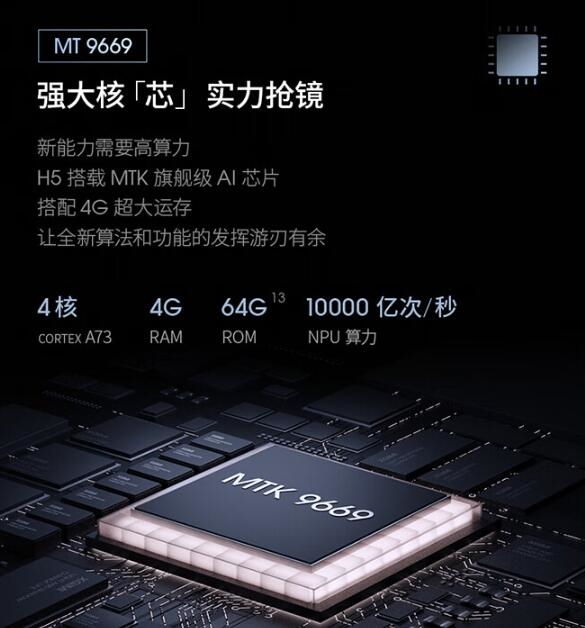
The XGIMI H5 is powered by the MT 9669 processor with 4GB of RAM and 64GB of storage space. It comes with the GMUI5.0 system for wireless screen projection, Bluetooth boot, and remote-control functionalities. The H5 Projector uses the Sand Lizard cooling system 2.0 to ensure efficient heat dissipation. The air volume is increased by 89% and supported by heat pipes cooling fins on the device.
The new XGIMI projector is signposted by its super full-color LED system that yields a 1080p resolution. It also features a 3D ToF module and supports an automatic sensorless keystone connection. Other features are intelligent obstacle avoidance, wall color adaptive, ambient light adaptive, and global autofocus capabilities.
XGIMI says the projector boasts of a stable brightness even for extended periods. High-quality sound is also delivered by the XGIMI H5 with its large dual speakers. The sound system supports the Harman Kardon sound effects for crisp, well-tuned audio. The projector delivers a decent listening experience to users both in audio and video.
The H5 Projector has two HDMI ports (HDMI 2.1 and HDMI 2.0), USB, Ethernet, and audio ports. The new projector will be officially released in China on August 18 and is open for pre-orders currently. It is priced at 6,299 yuan (~$934) and global availability details are lacking at this time.
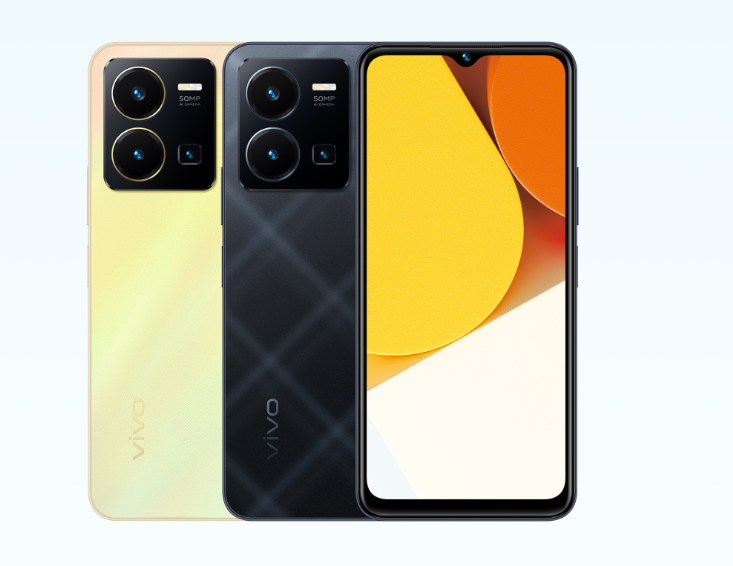
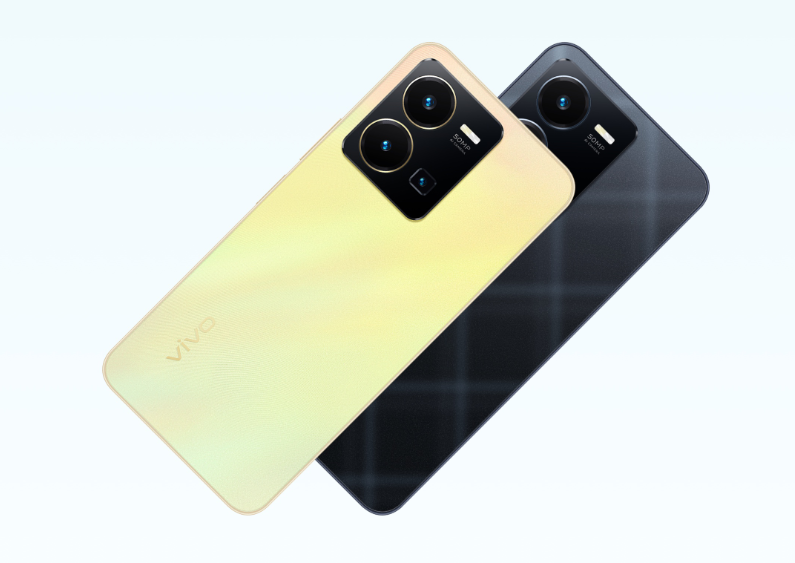
Vivo Y35 4G has been silently unveiled in Indonesia as the latest smartphone in the company’s affordable Y-series. The new smartphone sports a waterdrop-style notch display and comes with a flat frame design. The handset flaunts features like Snapdragon 680 SoC, 50-megapixel triple rear camera setup, 5000mAh battery, and much more. Let’s have a closer look at the price, specifications, and features of the newly launched Vivo Y35 4G.
Vivo Y35 4G Specifications
The Vivo Y35 4G comes with a 6.58-inch IPS LCD panel offering a Full HD+ resolution. The display has a standard 90Hz refresh rate screen and features a water-drop notch at the top center. Under the hood, it is powered by the Snapdragon 680 Soc, clubbed with 8GB RAM and up to 256GB storage (Up to 1TB External Memory). Notably, the smartphone supports 8GB of virtual memory expansion as well.
As far as cameras are concerned, the Vivo Y35 4G flaunts a triple rear camera sensor with the combination of a 50-megapixel primary camera sensor, accompanied by a 2-megapixel macro sensor and a 2-megapixel bokeh sensor. At the front, the smartphone features an 8-megapixel camera for selfies and video calls.
The handset packs a massive 5,000mAh battery that supports 44W fast charging. On the software front, it runs on Android 12 on top of Funtouch OS 12. It weighs around 188 grams and is 8.28mm thick.
Vivo Y35 4G price, availability
The price of Vivo Y35 4G in Indonesia has been set at IDR 3399000 (roughly Rs 18,500/$232) for the sole 8GB RAM + 128GB storage model. It is offered in Agate Black (translated) and Dawn Gold color options. The smartphone will be available for sale in Indonesia from August 15 through Shopee.
The Vivo Y35 4G may also launch in the Indian market very soon since it has already gained BIS certification. However, its price in India may vary from its Indonesian counterpart.
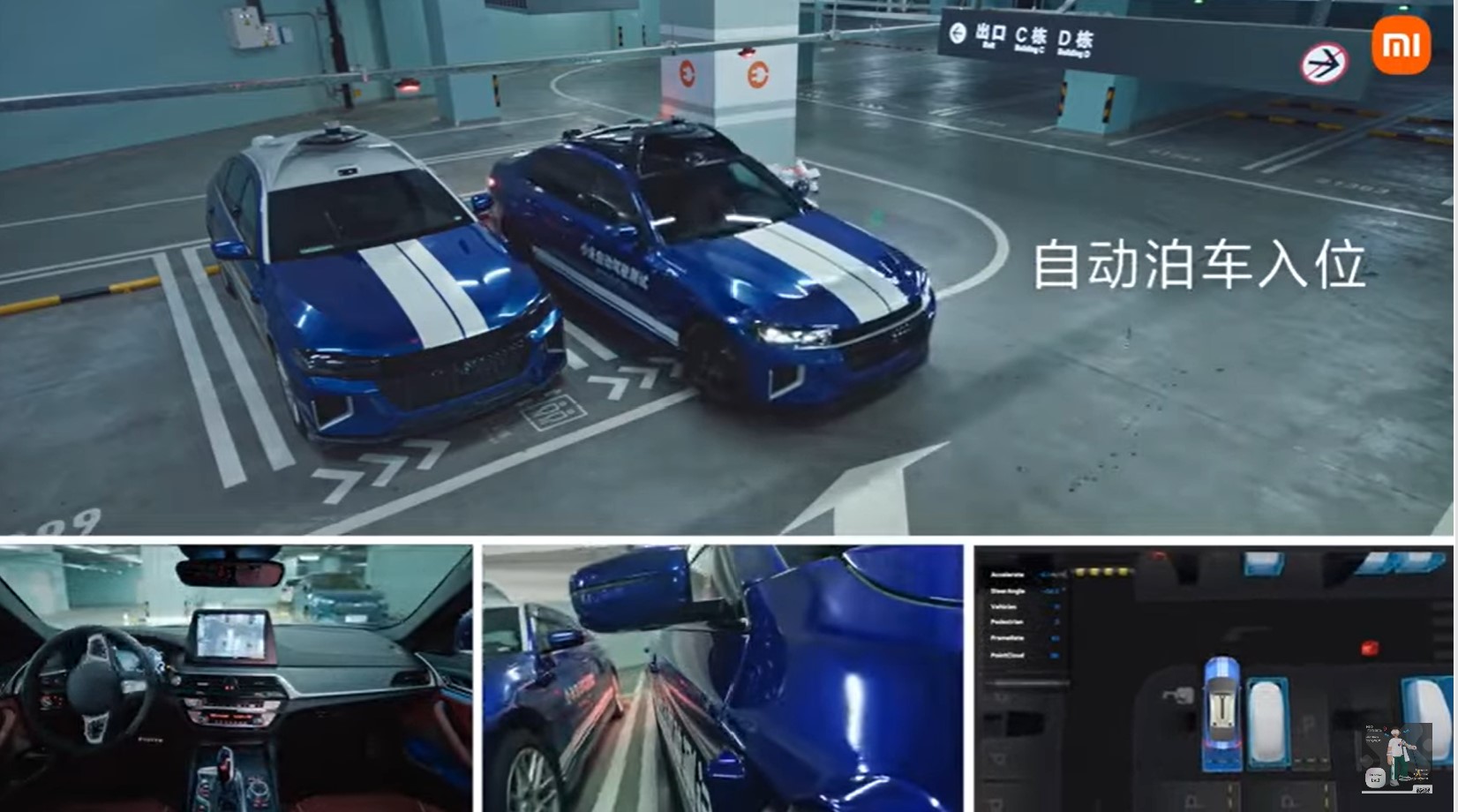
Chinese tech powerhouse Xiaomi is making progress in its quest to produce an autonomous electric vehicle. The company has made a substantial investment in the development of a Xiaomi car brand since May 2021. Xiaomi CEO Lei Jun has now announced its in-house autonomous driving solution called Xiaomi Pilot Technology. The new technology is being developed by the company’s R&D team with $500 million worth of funding.
The Xiaomi Pilot Technology is a milestone in the company’s pursuit of a Xiaomi EV. The technology is touted as the next-generation self-driving technology. Xiaomi provided a short video outlining the new self-driving technology. Xiaomi says it aims to become an industry leader in the smart EV industry by 2024. It recruited over 500 experts to form the R&D team driving its EV ambitions. Xiaomi has also completed several strategic investments and acquisitions in the process. Xiaomi’s CEO believes the team has exceeded prior expectations and this is evidence of the quality of the team recruited.
Xiaomi says it continues to recruit global talent into the R&D team which is expected to grow to 600 members by the end of the year. The company has drawn expertise from AI experts and companies. It expects to fully develop the technology needed for the Xiaomi autonomous EV without third-party inputs and in record time.
One of the important acquisitions was Shendong Technology, an autonomous driving company. The acquisitions seem to be a masterstroke, as it afforded Xiaomi to immediately tap from the ST architecture and technologies already in place. Further investments in talent and expertise are planned by Xiaomi, going forward. Xiaomi already has direct involvement in up to 10 autonomous driving solutions firms. Both the software and hardware aspects of the Pilot Technology are being superintended over by Xiaomi and the outlook remains bright.
The Xiaomi Pilot Technology will feature automatic robotic arm charging, autonomous valet parking, reserved parking space, and many other innovative services. A fleet of 140 test vehicles will herald the birth of the new autonomous driving solution. Xiaomi has pledged up to $10 billion in investment in autonomous EV manufacturing. It hopes to exceed its target in two years.
OxygenOS 13 was officially unveiled last week at the OnePlus 10T launch event. Soon after the launch, the Android 13-based software was made available for beta testing on the OnePlus 10 Pro. Now, the company has announced that it is looking for OxygenOS 13 Closed Beta Testers for OnePlus 8 and 8 Pro.
OnePlus announced through a community post that it is OnePlus 8 and 8 Pro Indian users who are willing to try OxygenOS 13 closed beta and communicate regularly with the company to provide feedback and suggestions.
The company says that it will recruit 200 people who meet the requirements with a OnePlus 8 and 8 Pro India device to join this Closed Beta Program. Moreover, OnePlus will also reward the users who participate in the Closed beta test with excellent performances.
OnePlus 8 Pro
Do note that the closed beta is not the stable version of the OxygenOS 13 and it may carry bugs and security threats that might affect the performance of the device. If you want to try the OS, we suggest you install it on your secondary device.
OxygenOS 13 will carry a lot of changes, including new features and a better user experience. OnePlus has implemented an all-new design that is inspired by water. The company calls it “Aquamorphic Design”. The user interface has rounded, soft edges for a more enjoyable viewing experience while still allowing form and function to exist side by side.
The timeline of the OxygenOS 13 update is not yet revealed by the company. It will make its way to the OnePlus 10T later this year and may soon roll out to other OnePlus smartphones.
Foldable smartphones are the talk of the town these days. We recently saw Samsung’s latest Flip 4 and Fold 4. Xiaomi also refreshed its foldable segment with the launch of Mix Fold 2 and Motorola too unveiled the new Razr 2022. Now, a recent tweet by Pete Lau suggests that OnePlus is also ready to try its hands on foldable devices.
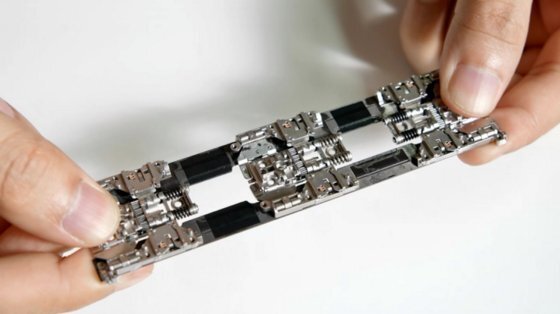
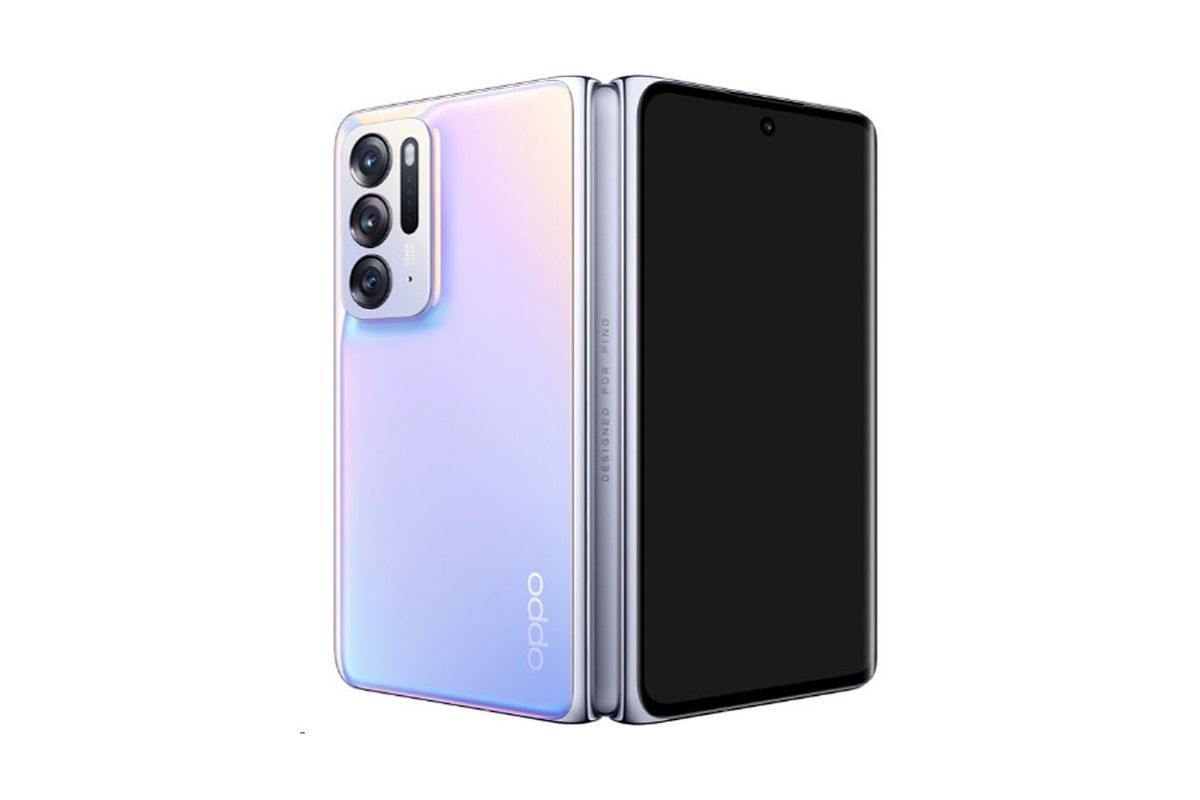
OnePlus’ CEO and co-founder Pete Lau recently shared a few pictures on Twitter asking his followers “What do you think this is?”. The pictures appear to be the hinge mechanism of a phone. It could possibly be used in the upcoming OnePlus foldable. Lau’s tweet did not reveal any details about the moniker or design of the smartphone. However, it is speculated that the upcoming OnePlus foldable will be similar to Oppo’s Find N.
1 of 2
Details about the device are still pretty short. Previous reports have claimed that the foldable may debut in 2023. OnePlus entering the foldable smartphone market is good news because it will give rise to more competition and better products. But let’s just hope OnePlus doesn’t drop an exact copy of Oppo Find N with Hasselblad plastered cameras.
OPPO Find N
Currently, the foldable smartphone market is largely dominated by Samsung. The company has been doing a great job in improving its devices and also making them accessible to more people. Xiaomi has also done a commendable job with the Mix Fold 2. It is arguably the thinnest foldable we’ve seen so far.
We are also patiently waiting for Oppo to drop the successor to the Find N. The company is said to have a bunch of Foldable smartphones in the pipeline and may launch them later this year.
Xbox Elite Series 2 controller is expected to get a new model very soon. The unannounced controller is spotted in an unboxing video doing rounds on Twitter. The video was originally uploaded by Nicholas Lugo, however, it’s unclear how he got his hands on the controller. The video reveals the design of the White Elite Series 2 controller. Microsoft announced a White version of the original Xbox Elite controller nearly four years ago. The White edition of Elite Series 2 has been expected for some time now. The Redmond-based company is yet to confirm the existence of the upcoming controller.
The Xbox Elite Series 2 controller is seen in a dual-tone design. It has a White face plate and Black analogue sticks. The controller’s grip is also in Black colour. In terms of core design, the upcoming Elite Series 2 controller does not appear different compared to past Elite controllers. Apart from this, the leaked video reveals nothing more about the Elite Series 2. A leaked image of the same had surfaced online earlier in March this year. The unboxing video appears to be genuine.
Microsoft’s Xbox controllers are very popular and the Elite Series 2 is said to be the world’s most advanced controller with features like adjustable tension thumbsticks, shorter hair trigger locks, up to 3 custom profiles and 1 default profile, and button mapping. The controller also comes with customisable thumbsticks and paddles. It features a built-in rechargeable battery pack with up to 40 hours of battery life.
Xiaomi 12T and 12T Pro are expected to launch soon in the global markets. Recently, a report revealed the storage, color variants, and pricing of the upcoming smartphones. Now, a new leak by a popular tipster reveals that the higher-end Xiaomi 12T Pro will launch globally as rebranded Redmi K50 Ultra that was launched just a few days back.
Tipster Kacper Skryzper has allegedly spotted the upcoming Xiaomi 12T Pro on the Google Play supported devices list. The device has been listed with model number 22081212 and codename “diting”. On the basis of the Google Play listing, the tipster claims that the Xiaomi 12T Pro will debut in the global markets as a rebranded Redmi K50 Ultra.
For the uninitiated, Redmi K50 Ultra was launched recently alongside Xiaomi Mix Fold 2. The smartphone comes with a 6.67-inch AMOLED display that offers a 1.5K resolution, 120Hz refresh rate, and Dolby Vision support. It is powered by the latest Snapdragon 8+ Gen 1 processor paired with up to 12GB of LPDDR5 RAM and up to 512GB of UFS3.1 storage.
Redmi K50 Ultra features a triple-rear camera setup consisting of a 108MP primary sensor, an 8MP ultra-wide-angle lens, and a 2MP macro lens. On the front, it has a 20-megapixel snapper for selfies and video calls. The device is powered by a 5000mAh battery and supports 120W fast charging.
If the tipster’s claim turns out to be true, Xiaomi 12T Pro will feature almost the same specs as mentioned above. Xiaomi 12T Pro is expected to be priced at 849 euros for the sole 8GB RAM and 256GB storage variant. The device is expected to launch in October alongside the Xiaomi 12T.
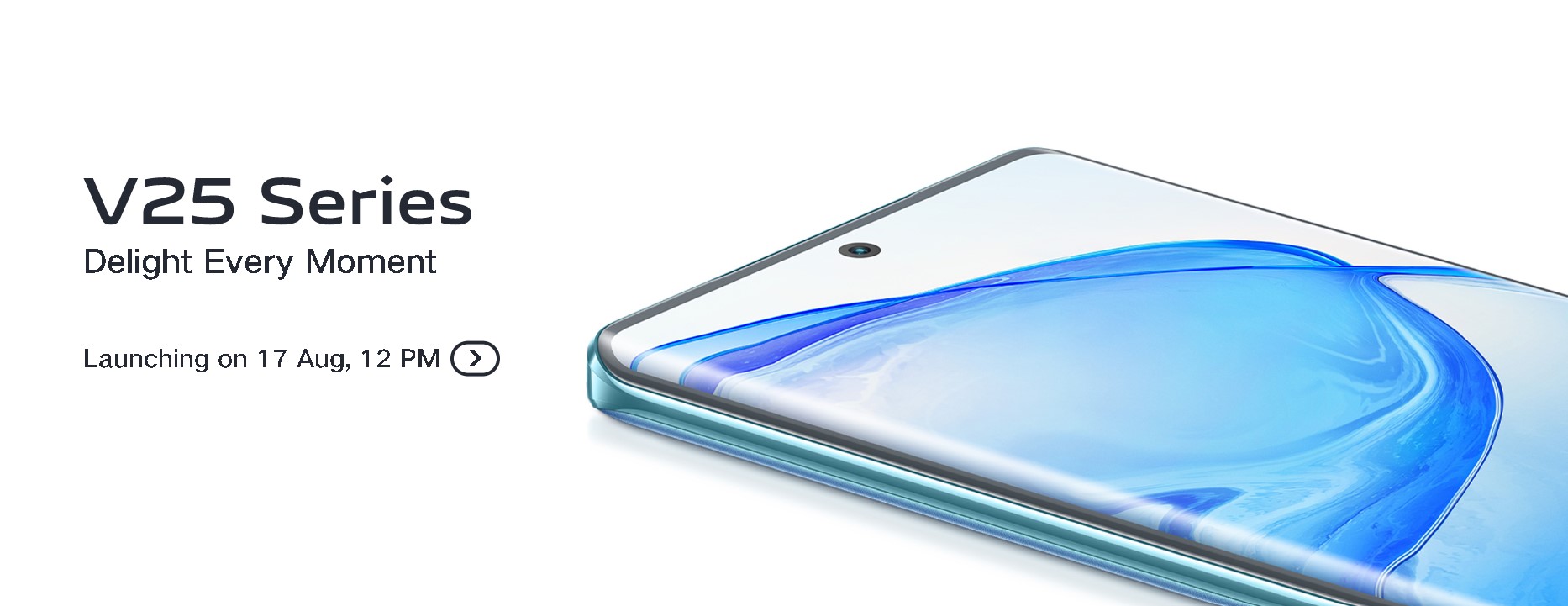
Vivo‘s upcoming luxury-looking mid-range contender, the Vivo V25 Pro, is due to launch this Wednesday, August 17 in India and will go on sale in the country on August 25.
Vivo V25 Pro. Source: Vivo
Many features and specifications of Vivo‘s next higher-end mid-ranger, have already surfaced online since last month, and here, at Gizmochina, we have compiled all the details you need to know about the Vivo V25 Pro before its official launch this Wednesday.
Vivo V25 Pro Design and Build
Let’s start with the design. The Vivo V25 Pro is expected to launch with a more premium chassis than its predecessors.
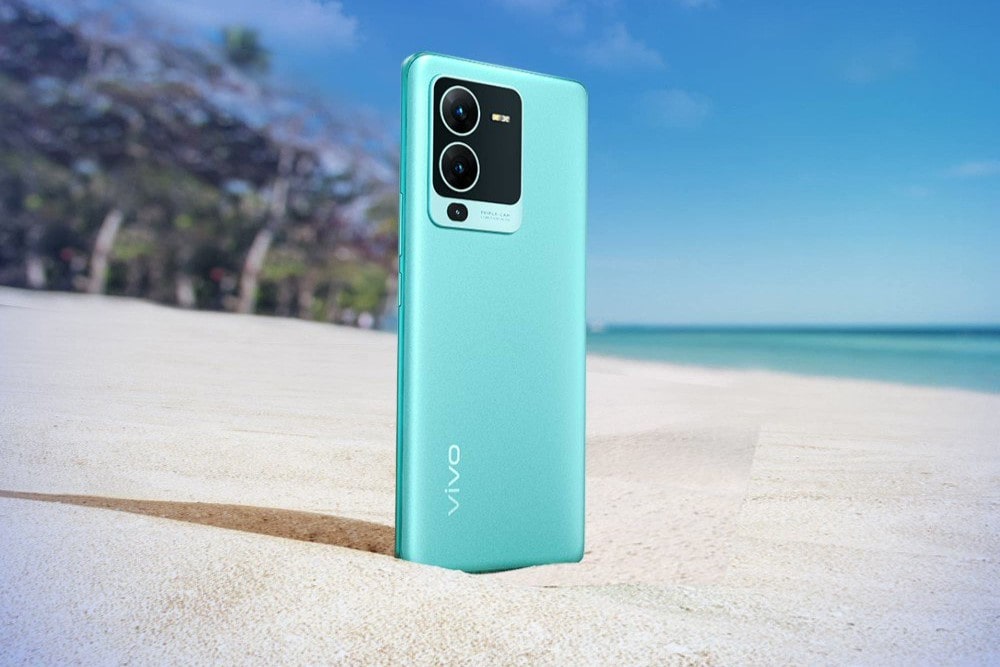
It will feature a matte glass rear panel that features Vivo‘s signature Flourite AG Matte Glass material engineering expertise, found on last year’s Vivo V23 Pro. The Chinese smartphone maker claims that the colour science behind the uniquely painted glass allows it to change colours depending on how sunlight and UV rays hit the back panel of the smartphone.
The side rails of the Vivo V25 Pro are also matte as well, giving the smartphone a grippier feel when handling it outdoors.
On the front of the Vivo V25 Pro, Vivo themselves have confirmed that the device has been revamped with a curved screen design. The Vivo V25 Pro will feature a 3D curved AMOLED Display with a centre-aligned punch hole cutout that will have a Full HD+ resolution and support a 120Hz high refresh rate.
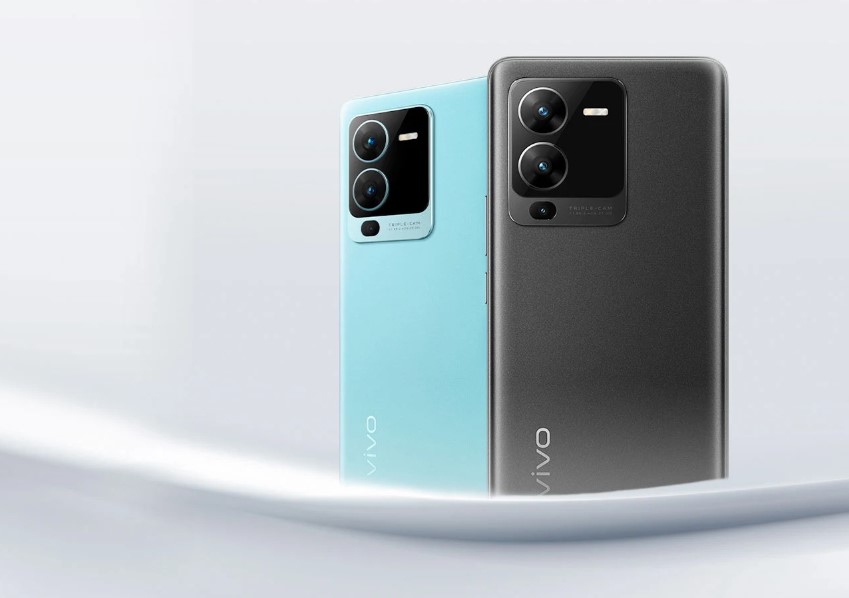
The device is expected to launch in 2 premium and attractive colour options: Midsummer Blue and Black.
Vivo V25 Pro rumoured colour options
Vivo V25 Pro Specifications and Pricing
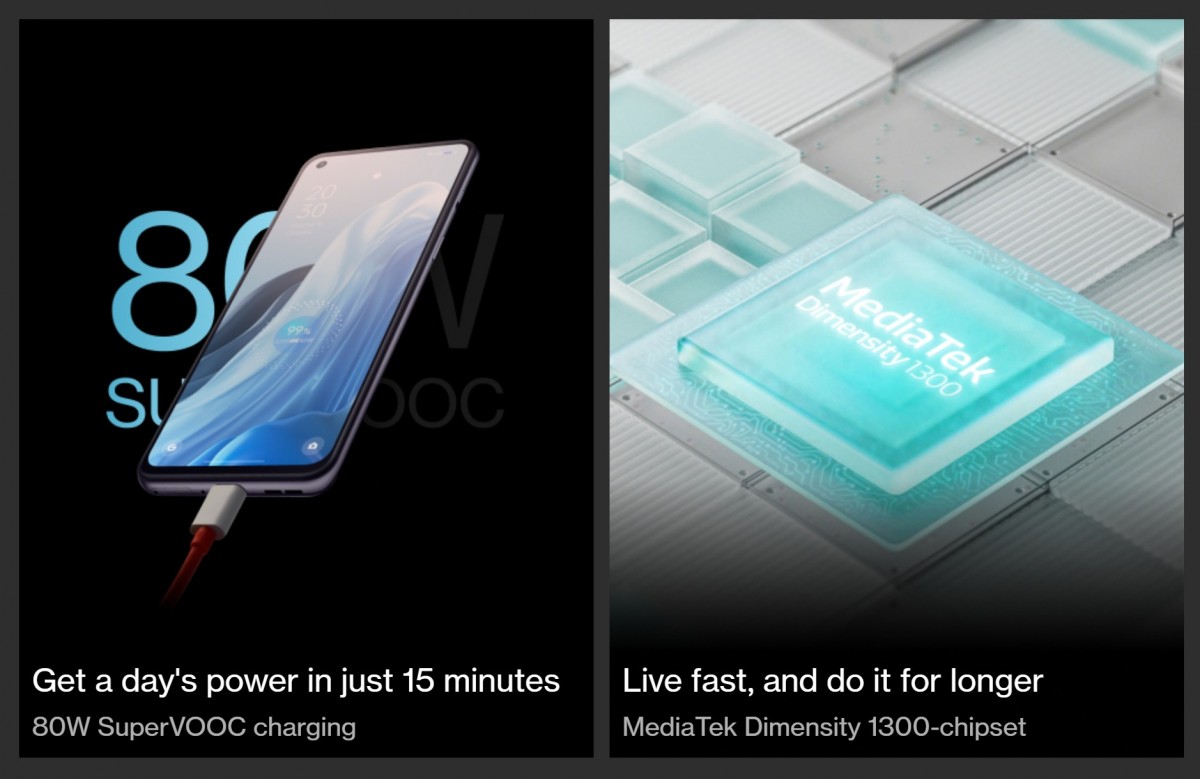
The engine behind the Vivo V25 Pro is the mid-range MediaTek Dimensity 1300 SoC, the same processor found on Vivo’s more popular cousins, the OnePlus Nord 2T and Oppo Reno 8.
OnePlus Nord 2T
It will pack 8GB of onboard RAM that will be extendable with Vivo‘s virtual RAM technology. Storage options, the Vivo V25 Pro could come with either 128 GB or 256GB of storage. The smartphone will draw its power from a 4,830mAh battery unit with support for Vivo’s 66W wired fast charging.
Camera-wise, earlier leaks indicated that the Vivo V25 Pro is sporting a triple camera setup that features a 64 MP main sensor with optical image stabilisation (OIS), The secondary rear camera is an ultrawide sensor and will likely offer Electronic Image Stabilization (EIS). Switching to the front, the Vivo V25 Pro will supposedly feature a 32 MP Eye AF selfie shooter as the front-facing camera.
On the software front, it will boot Funtouch OS 12.1 based on Android 12.
The smartphone is believed to cost less than 40,000 INR (roughly 509 US Dollars) in the Indian market. For more details regarding the camera and pricing of the Vivo V25 Pro, stay tuned to our coverage of the launch this Wednesday on Gizmochina!
Realme 9i 5G is all set to launch on Aug. 18 in India. The landing page of the phone recently went live on Realme India’s website. The listing only reveals the rear design of the phone and its processor. The entire list of specifications, price, and renders of the Realme 9i 5G have been leaked thanks to Appuals.
Realme 9i 5G renders
Realme 9i 5G renders by Appuals
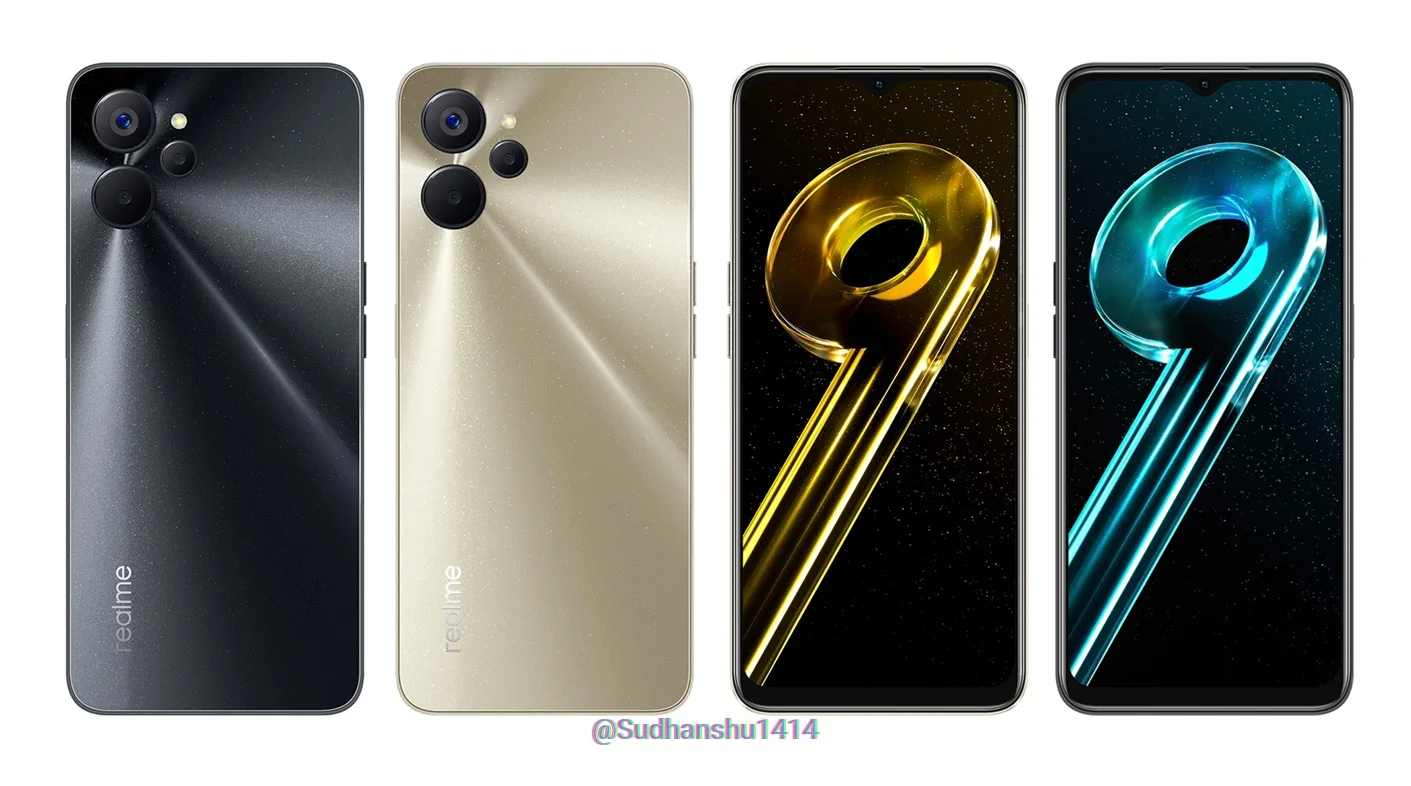
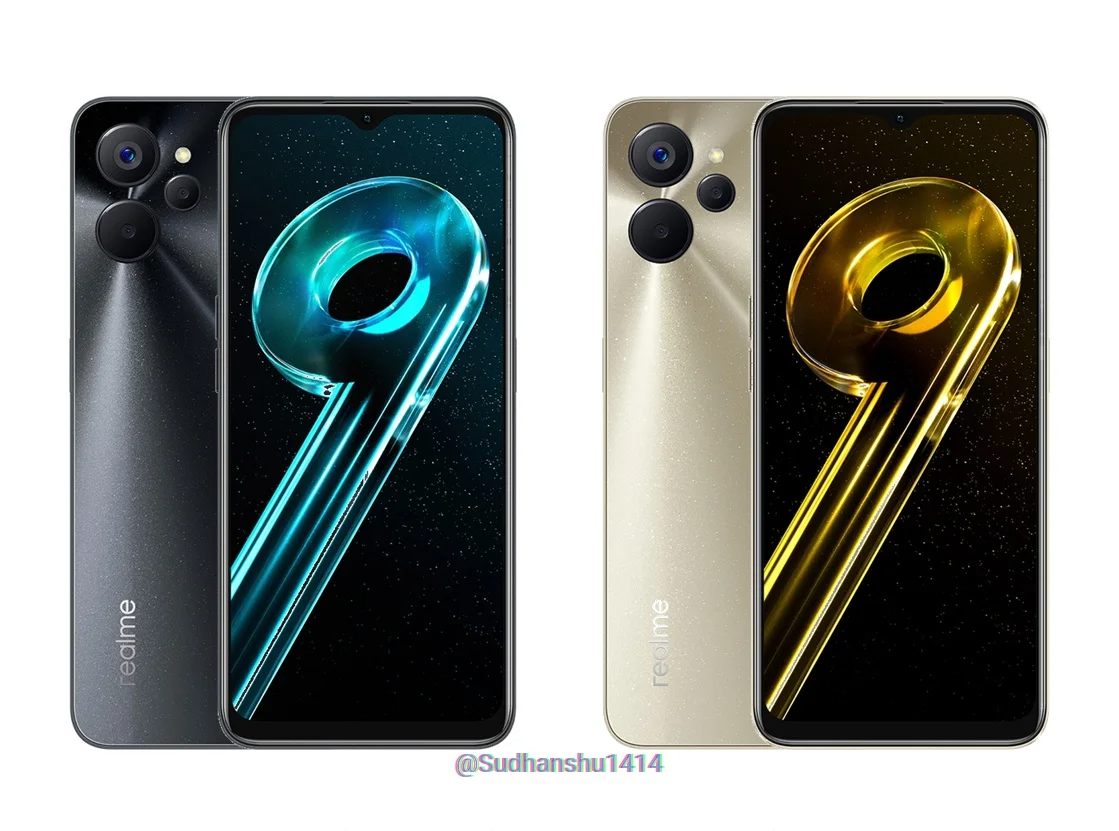
The Realme 9i 5G renders show that it features a teardrop notch display on the front. The rear shell of the device has a triple camera unit. A fingerprint scanner is embedded in the power button, which is available on the right edge. As can be seen in the images, the device will be available in black and gold.
Realme 9i 5G specifications (rumored)
Realme 9i 5G renders by Appuals
The Realme 9i 5G will feature a 6.6-inch IPS LCD panel that will offer a Full HD+ resolution, a 90Hz refresh rate, and a 180Hz touch sampling rate. The device will come preloaded with Android 12 OS and Realme UI 3.0.
The Dimensity 810 chipset will be at the helm of the device. It is expected to arrive with up to 6 GB of RAM and up to 128 GB of built-in storage. It will carry support for up to 5 GB of virtual RAM (aka. Dynamic RAM in Realme’s world). For additional storage, it will have a microSD card slot.
On the front, the Realme 9i 5G will feature an 8-megapixel selfie camera. Its rear panel will house a 50-megapixel main camera, a 2-megapixel portrait lens, and a 2-megapixel macro camera with a 4cm focal length.
Realme 9i 5G price in India (rumored)
The Realme 9i 5G is expected to arrive in two configurations, 4 GB RAM + 64 GB storage and 6 GB RAM + 128 GB storage. It is likely to arrive with a sub-Rs 15,000 (~$188) price tag in the country.
Motorola has recently launched the Moto X30 Pro in China. It debuted as the world’s first 200-megapixel camera phone. Rumors are rife that the device will soon arrive as an Edge-series device in the global market. Through its TDRA certification (via), we now know what the official name of its global edition is.
As can be seen in the screenshot below, the TDRA certification has revealed that the Motorola phone XT2241-2 model number will debut with the Motorola Edge 30 Ultra name in the global mark. The X30 Pro, which debuted in China, has the XT2241-1 model number. Hence, it is quite clear now that the Edge 30 Ultra will be a rebranded version of the X30 Pro for the global market.
Motorola Edge 30 Ultra TDRA certification
Motorola Edge 30 Ultra specifications (expected)
The Motorola Edge 30 Ultra will feature a 6.7-inch P-OLED display that will offer an FHD+ resolution, a 144Hz refresh rate, and an under-display fingerprint scanner. Its display will feature curved edges and a centrally positioned punch-hole. The device will come preloaded with the MYUI 4.0-based Android 12 OS.
Motorola Edge 30 Ultra
The Snapdragon 8 Plus Gen 1 chipset will be present under the hood of the device. It may arrive with up to 12 GB of LPDDR5 RAM and up to 256 GB of UFS 3.1 storage. The device may draw power from a 5,000mAh battery, which will carry support for 125W fast charging and 50W wireless charging.
For selfies, it will feature a 60-megapixel selfie camera. The rear camera setup of the device will have a 200-megapixel main camera with OIS support, a 50-megapixel ultra-wide snapper, and a 12-megapixel telephoto camera. It is likely to carry a price tag of 899 euros in Europe.
Last week, Redmi unveiled the Redmi K50 Ultra in China. Reports have claimed that this device will be debuting in October with the Xiaomi 12T Pro name in the global market. Speculations are rife that a vanilla model named the Xiaomi 12T will also debut alongside it. A recent report revealed the configuration, color variants, and price range of the Xiaomi 12T series. Now, a new leak by Snoopy Techhas revealed the exact price of the 12T series.
According to the tipster, the Xiaomi 12T will come with 8GB of RAM and 256GB of storage. It will be available in Black, Silver, and Blue. It will be priced at 649 euros.
The Xiaomi 12T Pro will also come in the same configuration and color variants. It will be priced at 849 euros. As mentioned above, it may borrow its design and specifications from the K50 Ultra.
Redmi K50 Ultra
The Xiaomi 12T Pro is expected to feature a 6.67-inch OLED FHD+ 144Hz display with an in-screen fingerprint scanner. It will run on the MIUI 13-based Android 12 OS. The Snapdragon 8+ Gen 1 chip may power the device with LPDDR5 RAM and UFS 3.1 storage.
The 12T Pro is likely to house a 5,000mAh battery with 120W fast charging support. It may arrive with a 20-megapixel front camera and a 108-megapixel (main) + 8-megapixel (ultra-wide) + 2-megapixel (macro) triple camera unit.P
On the other hand, the Xiaomi 12T is expected to pack the same specifications but feature the Dimensity 8100-Ultra chip instead of the Snapdragon 8+ Gen 1. In addition, it is expected to carry support for 67W fast charging.
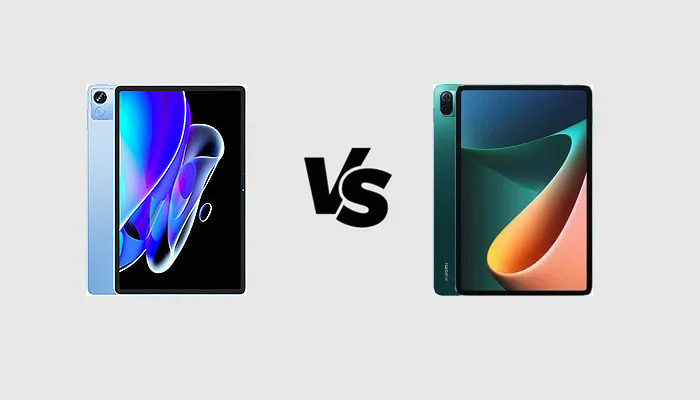
Currently, Realme has enough tablets to compete from the entry-level segment to the midrange one. It still lacks a flagship tablet, but there are already three affordable devices in its portfolio. If we talk about Chinese Android tablets, its biggest competitor is Xiaomi, with more or less the same amount of last-generation tablets. That is the reason why a lot of people are wondering which tablet to buy between Realme and Xiaomi. Realme’s highest-end tablet is the Realme Pad X, packing midrange-class specifications. It is sold in the same price range as Xiaomi’s most affordable last-generation tablet: the Xiaomi Pad 5. This is a comparison between the main specifications of the Realme Pad X and the Xiaomi Pad 5 which will highlight the differences between these two tablets and let you understand which one has the highest value for money.
Realme Pad X vs Xiaomi Pad 5
Realme Pad X
Xiaomi Mi Pad 5
DIMENSIONS AND WEIGHT
7.1 mm, 499 grams
254.7 x 166.3 x 6.9 mm, 511 g
DISPLAY
10.95 inches, 1200 x 2000p (Full HD+), IPS LCD
11 inches, 1600 x 2560p (Quad HD+), IPS LCD
PROCESSOR
Qualcomm Snapdragon 695 5G, octa-core 2.2 GHz
Qualcomm Snapdragon 860, octa-core 2.96 GHz
MEMORY
4 GB RAM, 64 GB – 6 GB RAM, 128 GB
6 GB RAM, 128 GB – 6 GB RAM, 256 GB
SOFTWARE
Android 12, Realme UI
Android 11, MIUI
CONNECTIVITY
Wi-Fi 802.11 a/b/g/n/ac, Bluetooth 5.1, GPS
Wi-Fi 802.11 a/b/g/n/ac, Bluetooth 5.0, GPS
CAMERA
Single 13 MP f/2.2
8 MP f/2.0 front camera
Single 13 MP f/2.0
8 MP f/2.0 front camera
BATTERY
8340 mAh, fast charging 33W
8720 mAh, fast charging 33W
ADDITIONAL FEATURES
Stylus support, keyboard support
Pen support, keyboard support
Design
The design of the Xiaomi Pad 5 is slightly more interesting than the one of the Realme Pad X. Unlike its opponent in this comparison, it is built with an aluminum frame and a plastic back, while the Pad X is built with a plastic frame and a plastic back, so cheaper materials. Further, the Xiaomi tablet is thinner, with a thickness of just 6.9 mm. In terms of weight, the Realme one is lighter, but given that its materials are cheaper, the Pad 5 wins the design comparison. Both the tablets feature a very high screen to body ratio, with the display covering more than 80 percent of the front panel. These tablets support a stylus for handwriting and drawing, as well as a keyboard to transform them into mini laptops. That is why they are suitable for productivity and studying.
Display
If you are looking for the best display, then you should opt for the Xiaomi Pad 5. It has an 11-inch panel with IPS LCD technology. This display is able to show up to one billion colors with a Quad HD+ resolution of 1600 x 2560 pixels, a 120 Hz refresh rate, the HDR10 certification, and Dolby Vision support. The Realme Pad X has an IPS LCD display with a diagonal of 10.95 inches and a Full HD+ resolution of 1200 x 2000 pixels: as you can notice, the resolution is lower and even the refresh rate. So there is no challenge. However, none of these tablets has an advanced display: given that they are two IPS panels, you cannot expect the vibrant color and the deep blacks of an AMOLED display, but you get less impressive colors. Both the devices come with four stereo speakers but they do not feature a fingerprint reader.
Specs & Software
If you are looking for the best performance, then the Xiaomi Pad 5 wins this comparison because it has a superior chipset. We are talking about a Snapdragon 860 mobile platform by Qualcomm built with a 7 nm production process and with an octa-core architecture. It is composed of a Kryo 485 CPU running at a max frequency of 2.96 GHz, three Kryo 485 CPUs with a 2.42 GHz frequency, and four Kryo 485 CPUs running at 1.78 GHz, as well as an Adreno 640 GPU. The SoC is paired with 6 GB of RAM and up to 256 GB of native storage. The Realme Pad X is equipped with a Snapdragon 695 5G chipset paired with up to 6 GB of RAM and up to 128 GB of internal storage: an inferior chipset and less storage. But it brings two important advantages: the optional 4G LTE connectivity thanks to a SIM slot, and the expandable storage through a micro SD slot. Both the tablets run a customized Android version based on Android 11.
Camera
The Xiaomi Pad 5 and the Realme Pad X are equipped with a single camera on the rear sporting a 13 MP resolution. The Xiaomi Pad 5 wins the camera comparison because this camera has a brighter f/2.0 focal aperture and it is able to record 4K videos at 30 fps, while the Realme has an f/2.2 focal aperture and it only records 1080p videos. On the other hand, the Pad X has a better front camera: an 8 MP snapper with a FOV of 105 degrees and an f/2.0 focal aperture. Unfortunately, all the cameras belong to the entry-level segment, so you should not expect amazing performances.
The Xiaomi Pad 5 is equipped with a bigger battery: the capacity is 8720 mAh and the battery supports 33W fast charging. This tablet provides longer battery life than the Realme Pad X because the latter has a smaller 8340 mAh, while the charging speeds are more or less the same as this device carries the support to 33W fast charging too.
Price
If you want to buy the Realme Pad X, you need to pay at least $256/€250 for the base variant with 4 GB of RAM and 64 GB of internal storage, while the Xiaomi Pad 5 starts from $360/€350 in the Chinese market, but it is available at lower street prices because it hitten the shelves a year ago. The Xiaomi Pad 5 wins this comparison due to its better display and chipset.
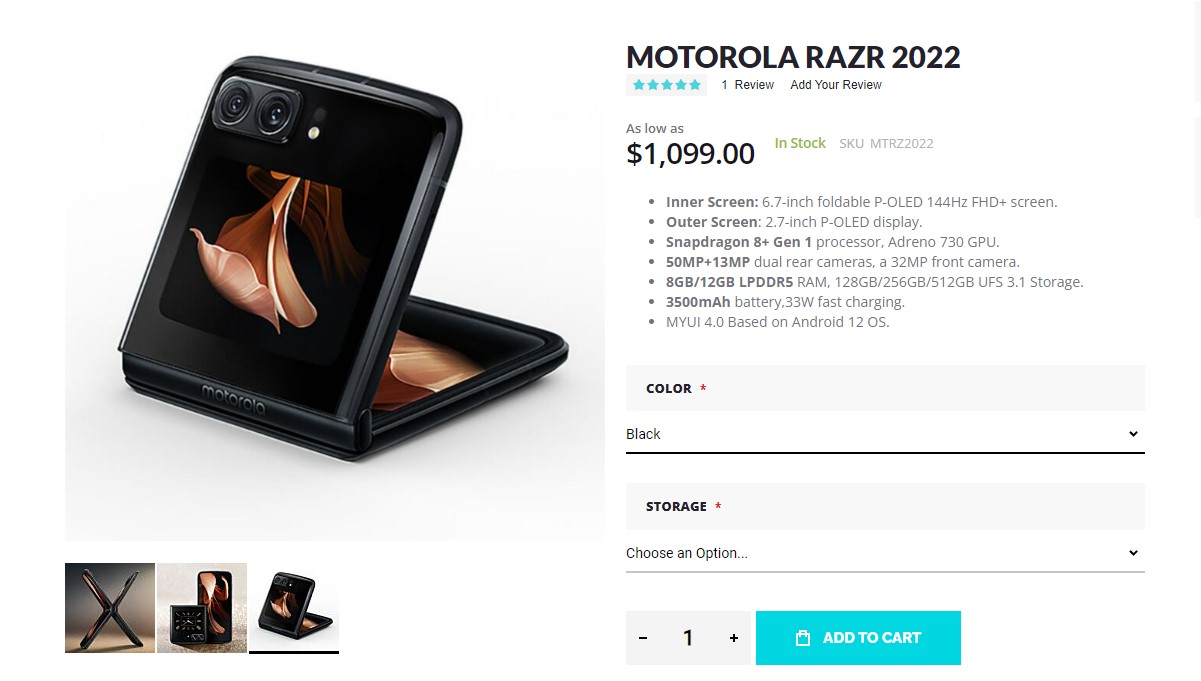
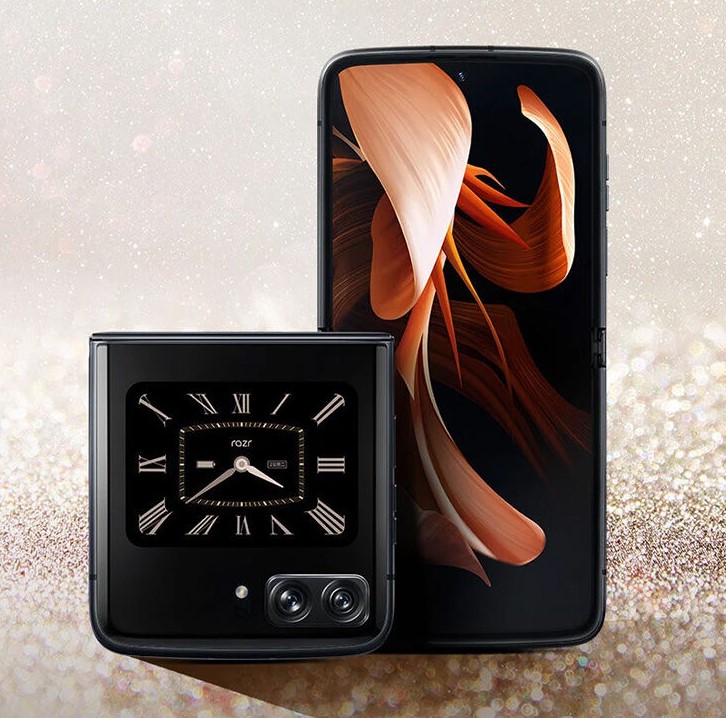
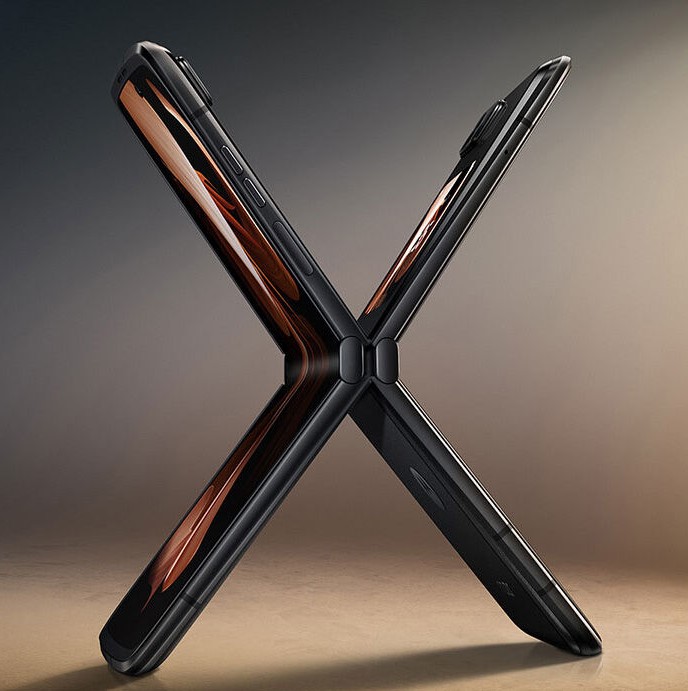
Motorola Razr 2022, the latest entry in the Motorola flip phone series is now available on Giztop for a starting price of $1099. Please note that this is a flip phone with a dual display.
Motorola Razr 2022 features a 6.7-inch foldable P-OLED 144Hz FHD+ inner screen and a 2.7-inch P-OLED outer display. Powered by the latest Snapdragon 8+ Gen 1 processor and Adreno 730 GPU, the phone comes in multiple memory variants viz. 8GB / 12GB LPDDR5 RAM and 128GB / 256GB / 512GB UFS 3.1 internal storage.
Motorola Razr 2022 is fueled by a 3500mAh battery and supports 33W fast charging. It comes with dual rear cameras with a 50MP main sensor and a 13MP super wide-angle camera. For your selfies, you have a 32MP sensor in the front. Other features include a side-facing fingerprint scanner, Wi-Fi 6E, MYUI 4.0, etc.
You can now buy Motorola Razr 2022 flip phone for $1099 on Giztop. Please note that this price is applicable to the base variant only.
For more information on such exciting deals and offers check out our deals hub.
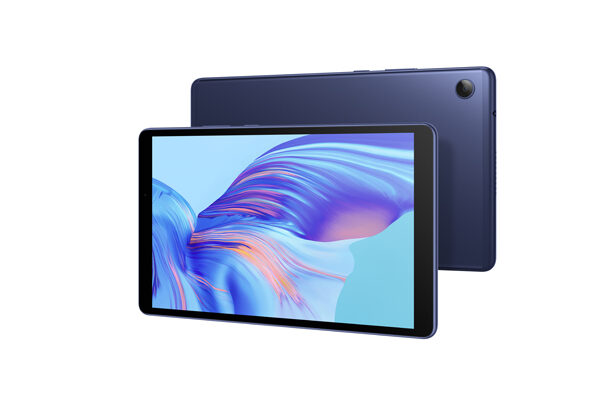
Last year, Honor unveiled Honor Tab X7 with an 8-inch IPS display, 5,100mAh battery, and MediaTek Helio P22T chipset. The tablet came in both Wi-fi and LTE models. Now rumors are rife that the successor to the Tab X7, dubbed Honor Tab X8 is in the works and the company might launch it soon.
As per a Chinese tipster, Honor is working on the new Honor Tab X8. It will offer a screen resolution of 1920 x 1200 pixels and will be powered by the MediaTek Helio G80 chipset. It will likely have an integrated ARM Mali-G52 GPU. The chipset is fairly powerful and it integrates 8 CPU cores. It has two fast ARM Cortex-A75 cores with up to 2 GHz for performance and six small ARM Cortex-A55 with up to 1.8 GHz for efficiency.
Details about the tablet are still pretty short. However, we hope to learn more about it in the coming. Meanwhile, let’s check out the specifications of the Honor Tab X7 to get a better idea.
Honor Tab X7 Specifications
Honor Tab X7 tablet was launched in May 2021. The tablet flaunts an 8.00-inch IPS display offering a resolution of 1280×800 pixels and a pixel density of 189 pixels per inch (PPI). Under the hood, the tablet is powered by an octa-core MediaTek Helio P22T processor paired with 3GB of RAM. The device comes with Android 10 and is powered by a 5100mAh battery.
Honor Tab X7
If we talk about the optics, the Honor Tab X7 packs a sole 8-megapixel sensor on the back. While on the front, it features a 2-megapixel camera for selfies and video calls. It comes with 32GB of inbuilt storage that can also be expanded with the help of a microSD card. The tablet measures 199.67 x 121.10 x 8.50mm and weighs 325 grams.
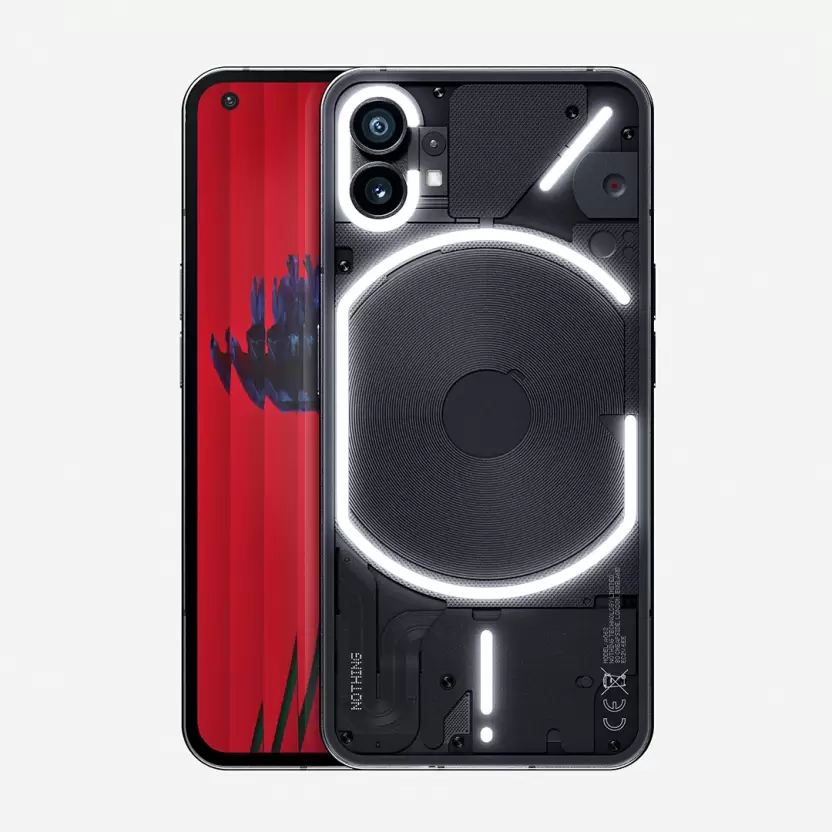
The much-hyped Nothing Phone (1) debuted last month and since then the smartphone has been surrounded by a bunch of controversies. We have already seen numerous reports highlighting manufacturing defects in the phone. Now, a new issue related to the display of the smartphone is making headlines.
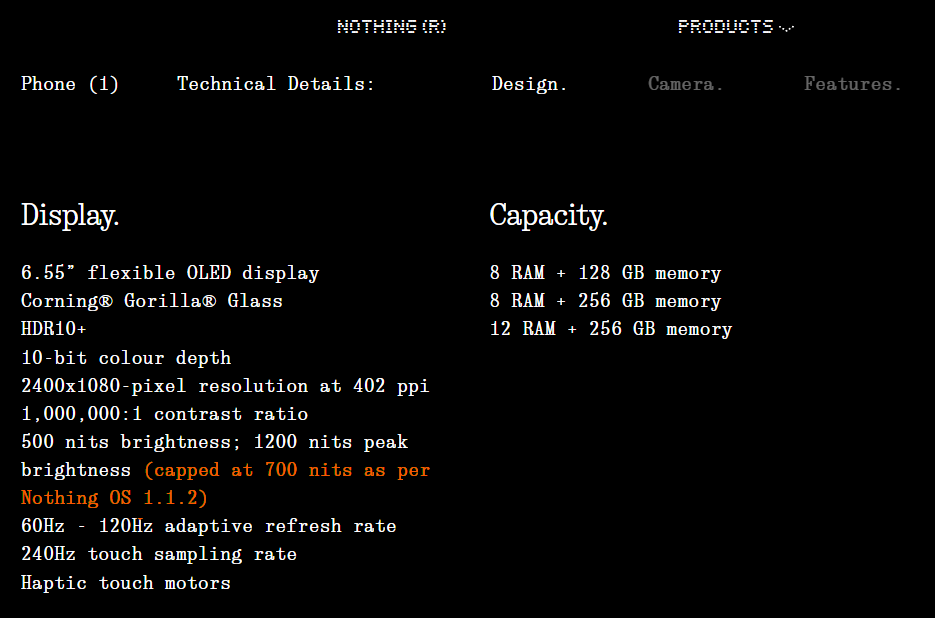
Nothing Phone (1) was launched with a 6.55-inch full-HD+OLED display that was claimed to reach a maximum brightness of 1200 nits. However, a ComputerBase report reveals that the Phone (1) can reach only up to 700 nits. The publication even tried to recreate very specific situations that might have been able to trigger the phone’s automatic brightness to reach up to the advertised amount but it still couldn’t get more than 700 nits brightness.
Other sites such as GSMArena and Heise have also confirmed that the Phone (1) is indeed not as bright as advertised.
ComputerBase contacted Nothing regarding this issue and was told that “the peak values are around 700 nits for brightness. Nothing will adjust this in the future.” The publication claims that Nothing has also reduced the advertised brightness on its official website.
A report by XDA got a response from Nothing. The company states that “the hardware is capable of reaching up to 1,200 nits peak brightness, but this is currently capped by the software to 700 nits. This decision was made to ensure a balanced user experience regarding heat and battery consumption. We look forward to hearing from our users about this and will monitor feedback closely to understand if this should be addressed in future software updates.”
Judging from the statement, it seems unlikely that the company will increase the brightness to 1200nits. However, it may roll out an update to do so if the customers demand.
We use cookies on our website to give you the most relevant experience by remembering your preferences and repeat visits. By clicking “Accept”, you consent to the use of ALL the cookies.
This website uses cookies to improve your experience while you navigate through the website. Out of these, the cookies that are categorized as necessary are stored on your browser as they are essential for the working of basic functionalities of the website. We also use third-party cookies that help us analyze and understand how you use this website. These cookies will be stored in your browser only with your consent. You also have the option to opt-out of these cookies. But opting out of some of these cookies may affect your browsing experience.
Necessary cookies are absolutely essential for the website to function properly. This category only includes cookies that ensures basic functionalities and security features of the website. These cookies do not store any personal information.
Any cookies that may not be particularly necessary for the website to function and is used specifically to collect user personal data via analytics, ads, other embedded contents are termed as non-necessary cookies. It is mandatory to procure user consent prior to running these cookies on your website.