Apple is gearing up to launch its next-generation iPhone 14 series smartphones in the market. Ahead of the official launch, key details about the upcoming phones have already been listed online.
The Apple iPhone 14 series phones are set to get officially announced in the coming months but the company has not yet confirmed the launch date. Now, a new report has revealed the launch date.
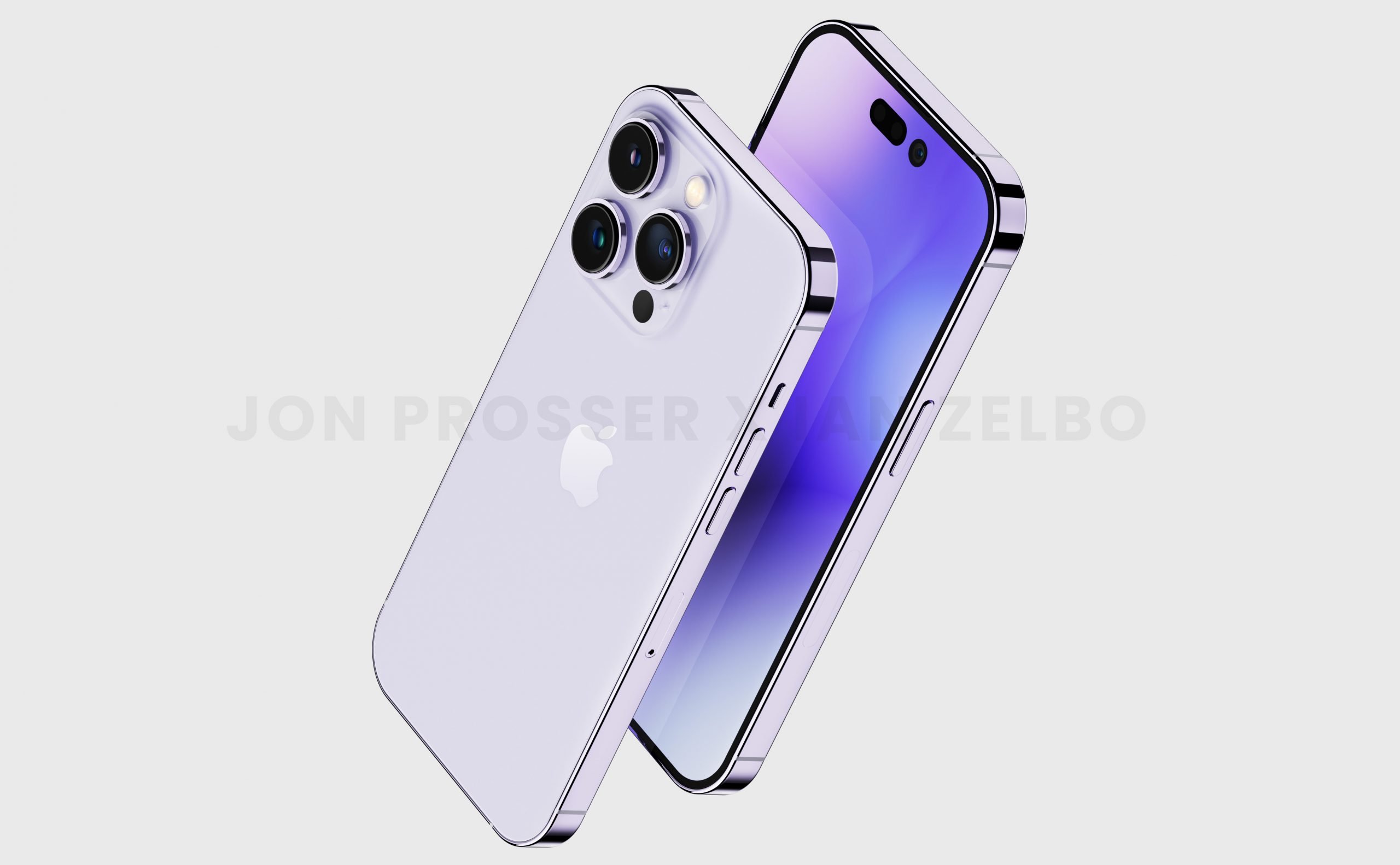
Apple iPhone 14 Pro Render Leak
A new report from tipster iHacktu ileaks claims that the Apple iPhone 14 series smartphones will be officially announced on 13th September. The pre-orders for the devices getting announced are expected to start from 16th September and the shipments could begin on 23rd September. The dates haven’t been officially confirmed by the company so we advise you to take this with a pinch of salt.
Based on the reports so far, Apple is expected to launch four smartphones — iPhone 14, iPhone 14 Max, iPhone 14 Pro, and iPhone 14 Pro Max. While the iPhone 14 and 14 Pro will have a 6.1-inch display, the 14 Max and 14 Pro Max will have a 6.7-inch display.
This time, the Cupertino-based technology giant is expected to launch the iPhone 14 series smartphones with significant differences between the Pro and non-Pro models. For instance, the Pro models will ditch the notch in favor of a punch-hole cutout and will come powered by the latest A16 Bionic chipset.
We expect the company to officially announce the launch event for the iPhone 14 series and the Apple Watch Series 8 in a few weeks.
Samsung has been the leading smartphone manufacturer for years now and the company continues to dominate the global markets as the South Korean giant remained at the top spot for the first quarter of this year.
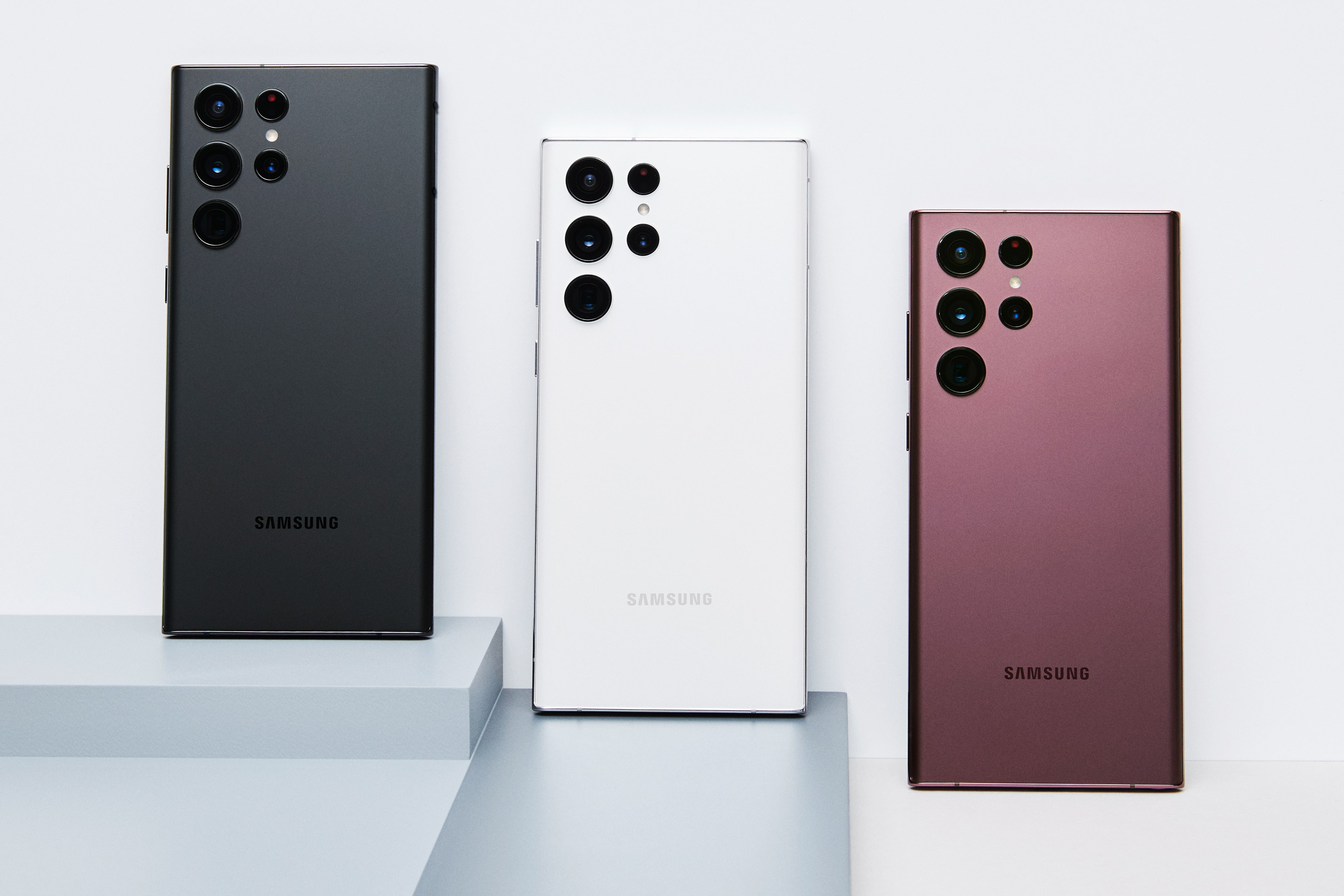
As per the latest report from International Data Corporation (IDC), Samsung remained the leading smartphone manufacturer globally with a 23.4 percent market share and shipments of 73.6 million units in Q1 2022.
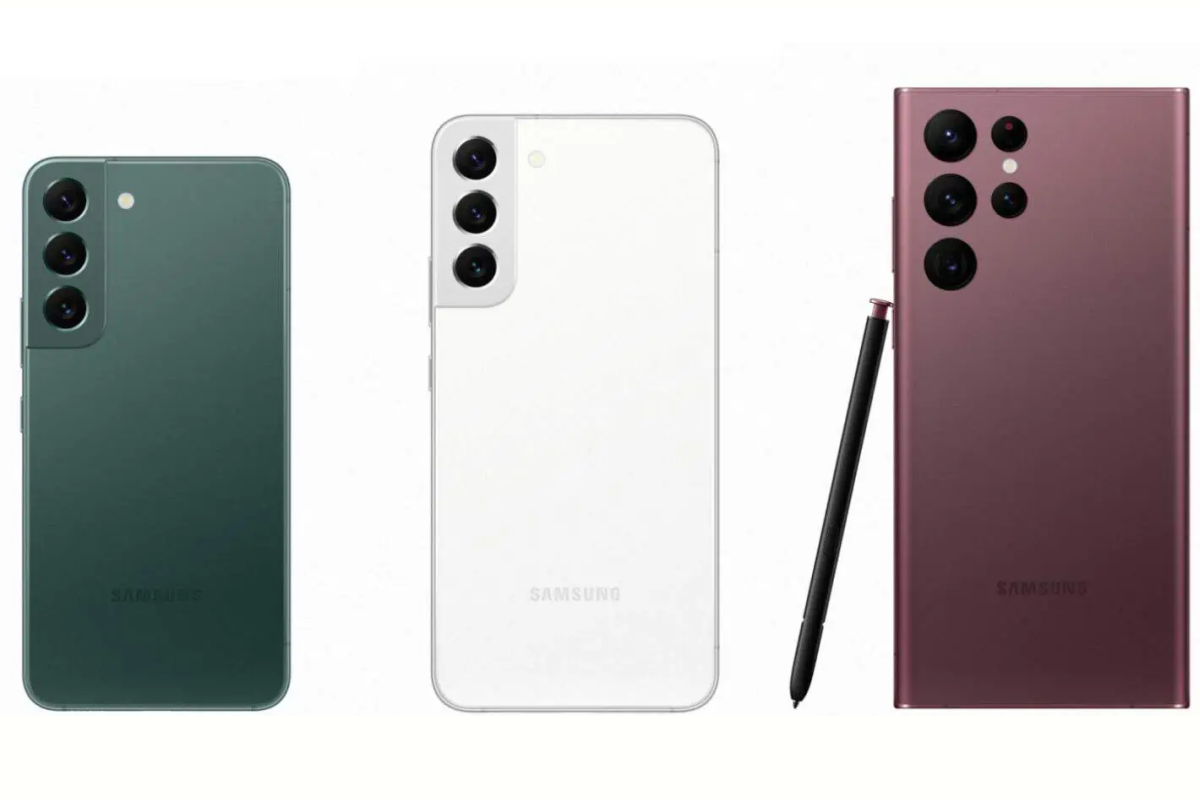
Samsung Galaxy S22 Ultra
The shipments of 23.6 million units for Samsung indicate a decline of 1.2 percent year-on-year as the company had shipped 74.5 million units in the first quarter of 2021.
Apple has grabbed the second position with an 18 percent market share and total shipments of 56.6 million iPhones from January to March this year. Unlike Samsung, Apple grew its shipments by 2.2 percent in the first quarter of this year.
Xiaomi, OPPO, and Vivo come in at third, fourth, and fifth positions respectively. Xiaomi captured a 12.7 percent market with 39.9 million shipments while OPPO shipped 27.4 million units for an 8.7 percent market share. Vivo had a market share of 8.1 percent as the company shipped 25.3 million units.
Similar to Samsung, all three Chinese smartphone makers show a decline in shipments when compared year-on-year with Vivo seeing a massive decline of 27.7 percent, followed by OPPO 26.8 percent drop, and Xiaomi with a 17.8 percent decline.
According to Nabila Popal of IDC, the companies are struggling in the market because of the supply chain issues for core components of making smartphones. She also hints at the reduced consumer demand because of the current economic condition and global inflation.
Apple is expected to launch the next-generation Apple Watch lineup in the coming months along with the iPhone 14 series smartphones. The company is expected to launch a rugged version of the smartwatch along with the Watch Series 8 and Watch SE.
Now, a new report from Mark Gurman of Bloomberg in the Power On newsletter has revealed the pricing details of the upcoming Apple Watch Pro Rugged Edition.
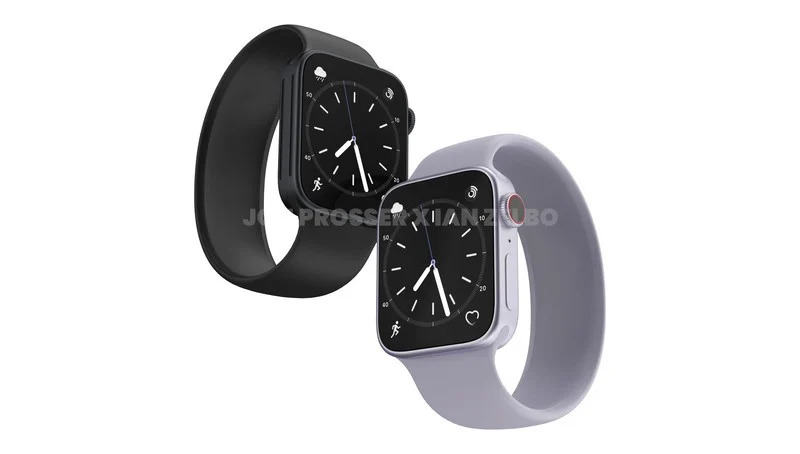
Apple Watch Series 8 Render Leak
As per the report, the upcoming rugged version of the Apple Watch will be priced somewhere around $999 or $999, which is similar to the starting price of the Apple iPhone 13 Pro. The company currently has the Watch Edition priced at $849, which is expected to retire after the launch of this rugged version.
Based on the reports so far, the Apple Watch rugged version will come with a 2-inch display and the casing should be 46mm or 47mm. This makes the display on the wearable device about seven percent larger than the rumored screen of 1.9-inch on the Watch Series 8.
The shatter-proof display is expected to offer a screen resolution of 410 x 502 pixels. It will be running the latest watchOS 9 operating system and will come with more options for workout tracking and overall improvements to the system.
Samsung is also working on a high-end smartwatch with a sapphire display and a larger capacity battery, having a titanium body and a temperature sensor. It will be interesting to see which smartwatch among these two takes the top spot.
The Vivo Y77 5G announced last week, is Vivo’s strongest Y-series phone. It offers key features such as a 120Hz display, a Dimensity 930 chipset, and 80W charging. As scheduled, the Vivo Y77 5G is now available for purchase in China starting from today.
Vivo Y77 5G price, variants
The Vivo Y77 5G is available in China in four options: 6 GB RAM + 128 GB storage for 1,499 Yuan (~$224), 8 GB RAM + 128 GB storage for 1,599 Yuan (~$239), 8 GB RAM + 256 GB storage for 1,799 Yuan (~$269), and 12 GB RAM + 256 GB storage for 1,999 Yuan (~$299).
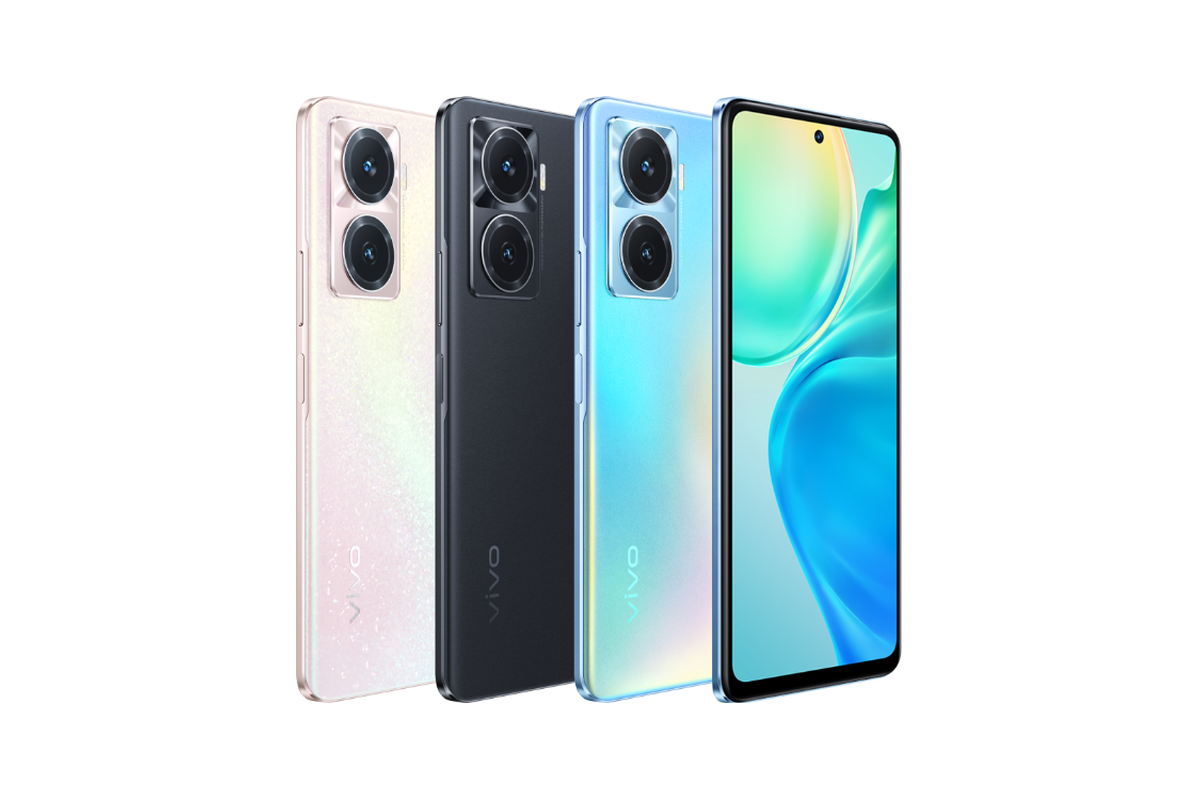
Vivo Y77 5G
It can be bought in shades like Crystal Black, Crystal Powder (pink), and Summer Sea (blue). There is no word on whether the smartphone will be made available in other markets. Even if it does arrive in other markets, it may carry a different moniker since the company is also offering the same-named phone with different specs in Malaysia.
Vivo Y77 5G specifications
The Vivo Y77 5G has an LCD panel with a punch-hole design. It offers a Full HD+ resolution of 1080 x 2388 pixels and a refresh rate of 120Hz. The phone ships with Android 12 OS and OriginOS Ocean UI. The power button located on its right edge is integrated with a fingerprint scanner.
The Y77 5G is the first-ever phone to feature the Dimensity 930 chipset. It is also the first Y-series smartphone to offer 80W charging and 12 GB of LPDDR4x RAM. It packs a 4,500mAh battery and ships with UFS 2.2 storage.
It is fitted with an 8-megapixel camera on the front for selfies and video calls. The rear shell of the device has a 50-megapixel main camera and a 2-megapixel auxiliary lens.
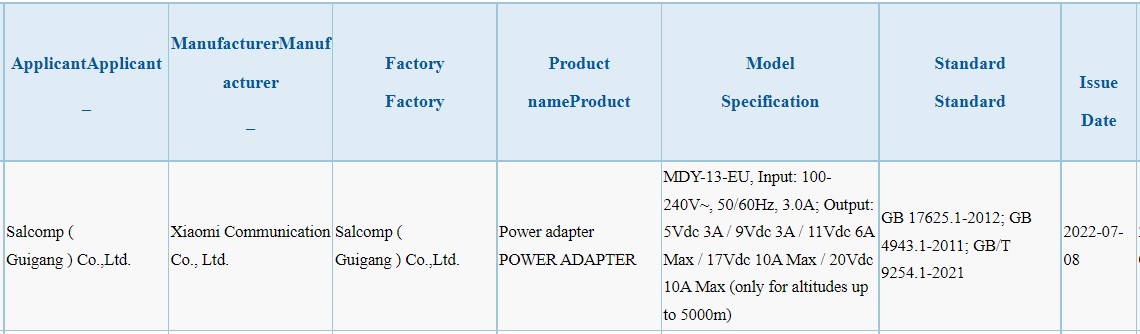
In May 2021, Xiaomi announced its 200W wired and 120W wireless HyperCharge technology. While there is no update on the 120W wireless tech, it seems that Xiaomi may soon launch a new smartphone with 200W HyperCharge technology. The reason is that Xiaomi’s 200W charger has received approval from the 3C authority of China.
As seen in the screengrab below, a new power adapter with model number MDY-13-EU has bagged certification from China’s 3C regulatory body. The certification reveals that the new Xiaomi charger supports maximum charging speeds of 20V / 10A (200W). It is backwards compatible with 5V3A, 9V3A, 11V6A, and 17V10A charging. The 3C certification is a good hint that Xiaomi may soon launch a phone with 200W fast charging support in the coming weeks.
Xiaomi’s 200W HyperCharge technology promises to charge a smartphone in less than 10 minutes. Earlier this year, Xiaomi demoed its 200W charging solution on the Xiaomi Mi 10 Ultra, which houses a 4,500mAh battery. A 200W charger can charge a smartphone with a 4,000mAh battery to 50 percent capacity in 3 minutes, and a full charge takes another 5 minutes.
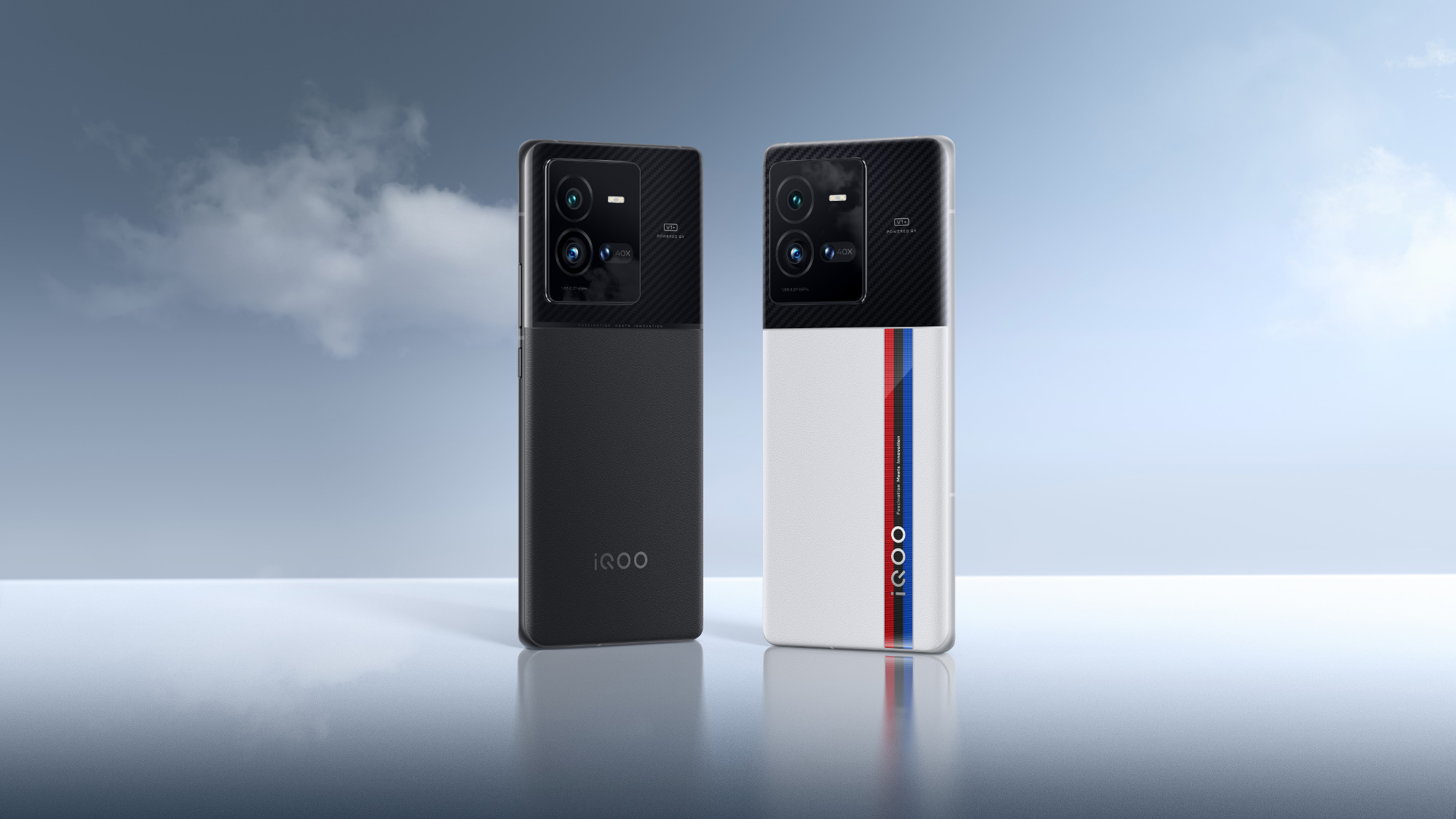
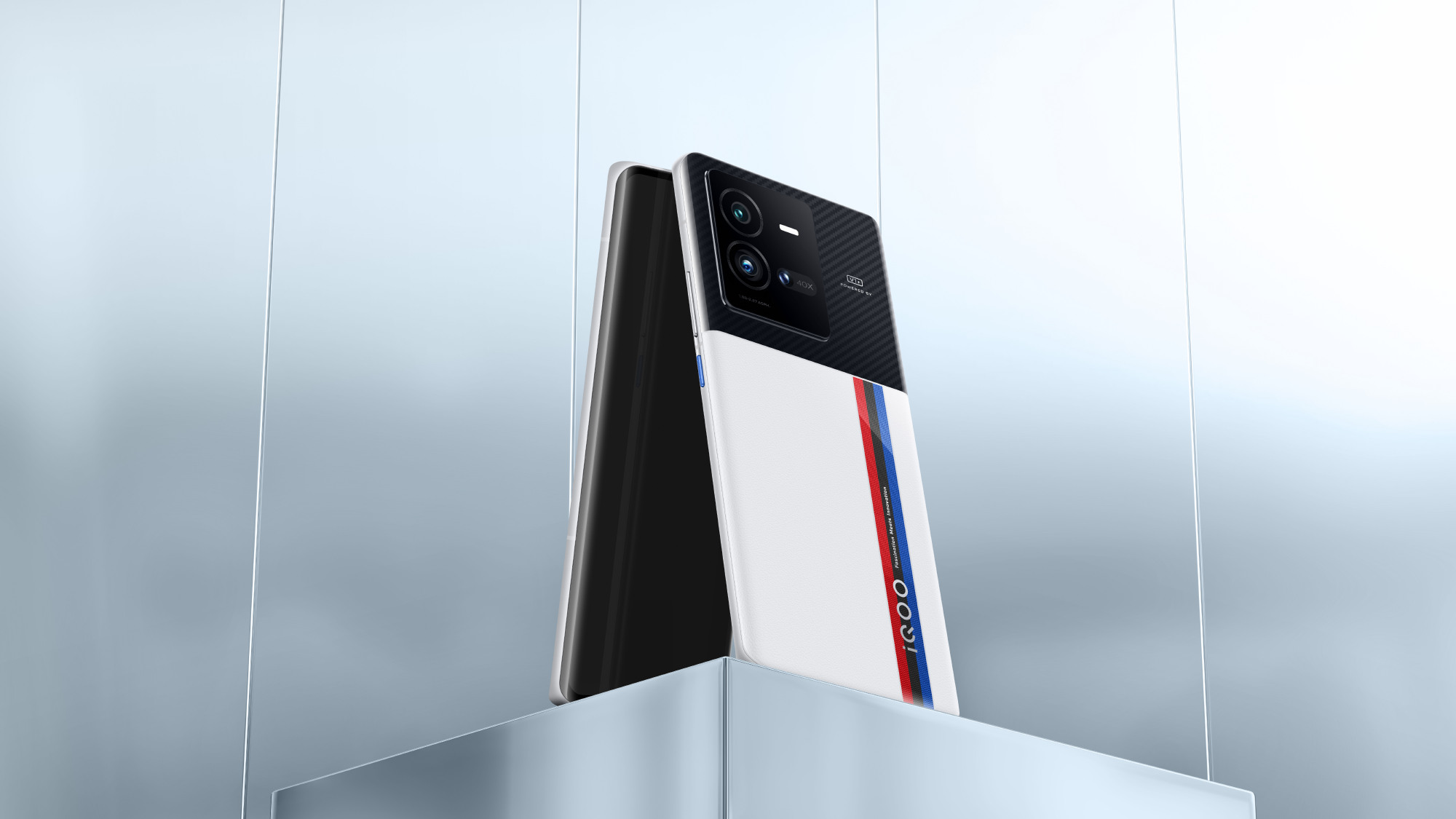
While it is unclear when exactly Xiaomi will announce a smartphone with 200W charging support, iQOO is all set to become the world’s first smartphone to launch a phone with 200W charging support. iQOO has recently confirmed the upcoming iQOO 10 will support 120W fast charging, whereas the iQOO 10 Pro will arrive with 200W fast charging technology.
Xiaomi is expected to launch the Xiaomi MIX 5 flagship phone in the second half of this year. Last year’s Xiaomi MIX 4 carried support for 120W charging. Hence, it remains to be seen whether the MIX 5 will be made available with 200W HyperCharge technology.
In February 2021, Nubiaannounced the Nubia Z40 Pro flagship phone, featuring a curved-edge OLED display and a Snapdragon 8 Gen 1 chipset. Last month, the Nubia President confirmed that it would be releasing a new Z-series phone in July. It claimed that the device will set a new benchmark in the flat screen segment. It is unclear whether it will arrive in the market with the Nubia Z40 or Z50 moniker. Now, a leaked image of an upcoming Z-series flagship is now doing the rounds on Weibo (via).
The alleged next-generation Z-series Nubia phone that has appeared in a leaked image reveals a flat display with ultra-thin bezels. The device, which is held in landscape orientation, has a very thin bottom bezel. The upper bezel is not clearly visible since it is covered by the finger.
It seems that the device is equipped with symmetrical bezels on all four sides. It probably features a centrally positioned punch-hole for the selfie camera. Whatever the device will be called, it is likely to come equipped with the Snapdragon 8 Plus Gen 1 mobile platform. Unfortunately, there is no information available on the other specifications of the device.
Nubia’s next Z-series flagship
According to tipster Digital Chat Station, the company will collaborate with another company to launch an anime-based custom edition of the device. To recall, the Chinese manufacturer had announced the Nubia Z40 Pro Outcast Limited Edition, which was themed after “The Outcast” anime.
The Nubia Z40 Pro came with specs like a 6.67-inch AMOLED FHD+ 144Hz display, a Snapdragon 8 Gen 1 chip, up to 16 GB of RAM, up to 1 TB of storage, and a 5,000mAh battery with 66W charging support. It came with a 16-megapixel front camera, and a 64-megapixel (main) + 50-megapixel (ultra-wide) + 8-megapixel (telephoto) triple rear cameras. It is likely that the next Z-series Nubia flagship may borrow some of its specs from the Z40 Pro.
Samsung is known for offering its flagship phones in Snapdragon and Exynos variants depending on the market. Countries like the US and China have been receiving the Snapdragon variant, while the European countries have been treated to the Exynos edition. When the Snapdragon and Exynos versions of Samsung’s flagship phones were put side by side, it was clear that Exynos was less powerful than Qualcomm’s chip. A new leak from well-known supply chain analyst Ming-Chi Kuo shows that there won’t be an Exynos version of the Galaxy S23 line.
According to Kuo, the Galaxy S23’s sole chipset supplier could be Qualcomm. It will be equipped with the next flagship chipset that has an SM8550 part number. It will be built with TSMC’s 4nm manufacturing process. It is most likely to carry the Snapdragon 8 Gen 2 marketing name.
While Samsung could be working on the 4nm Exynos 2300, the Galaxy S23 may not adopt the SoC. Kuo claims the reason behind it is that the Exynos 2300 cannot compete with the Snapdragon 8 Gen 2 in all aspects. According to the analyst, the US-based chip maker has designed the SD8G2 to meet the design guidelines of TSMC.
The SD8G2 is expected to offer better computing power and power efficiency than the Snapdragon 8 Gen 1 and the Snapdragon 8 Plus Gen 1. Kuo added that Qualcomm “will gain more market share in the high-end market in 2023.” Since the recession does not affect the high-end market much, Qualcomm and TSMC will significantly benefit from the market share.
In April, Samsung Mobile President TM Roh said that the company is working on a unique processor for Galaxy smartphones. It is unclear how different it will be from the company’s in-house Exynos chipsets.
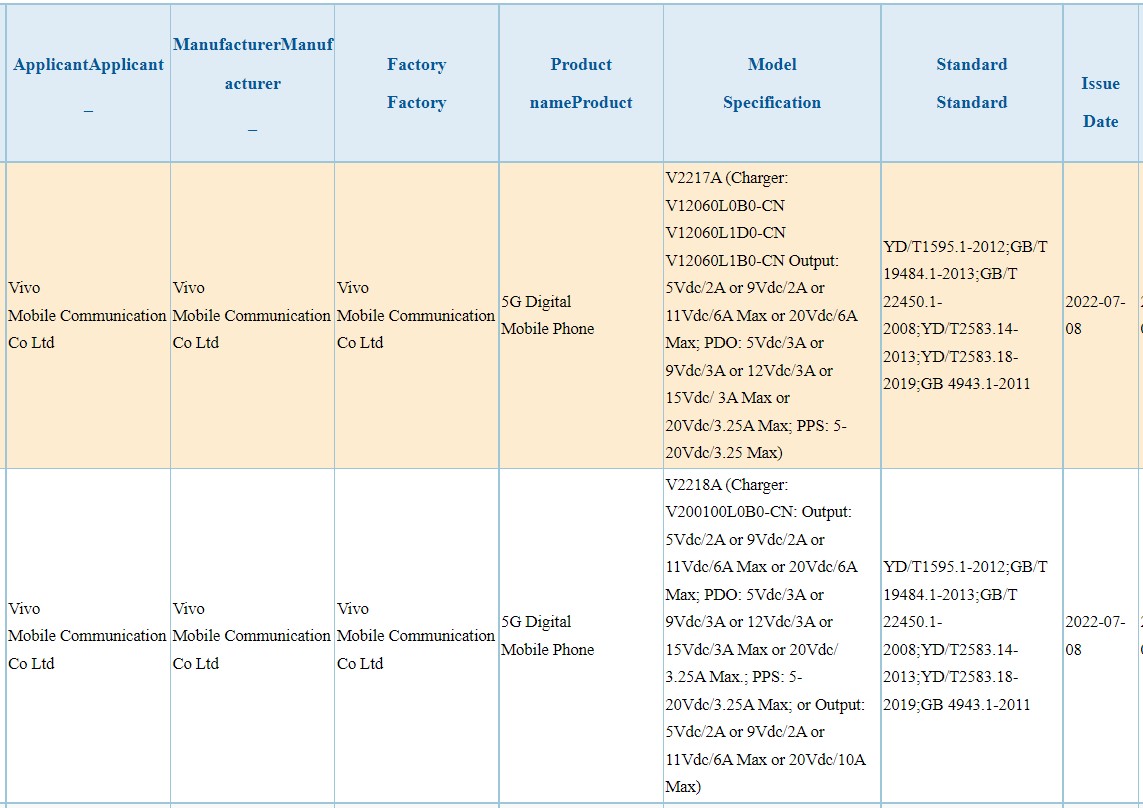
Last week, iQOO confirmed that the iQOO 10 will be equipped with 120W fast charging support, whereas the iQOO 10 Pro will be the first-ever phone to support 200W charging. To the unversed, the iQOO 10 series is set to debut on July 19 in China. Ahead of the launch, both smartphones have bagged approval from the 3C authority of China.
Recent reports have revealed that iQOO 10 has a V2217A model number, whereas the Pro model has a V2218A model number. These devices have now appeared in 3C’s database. The 3C listing of the vanilla model reveals that it will be equipped with a 120W charger.
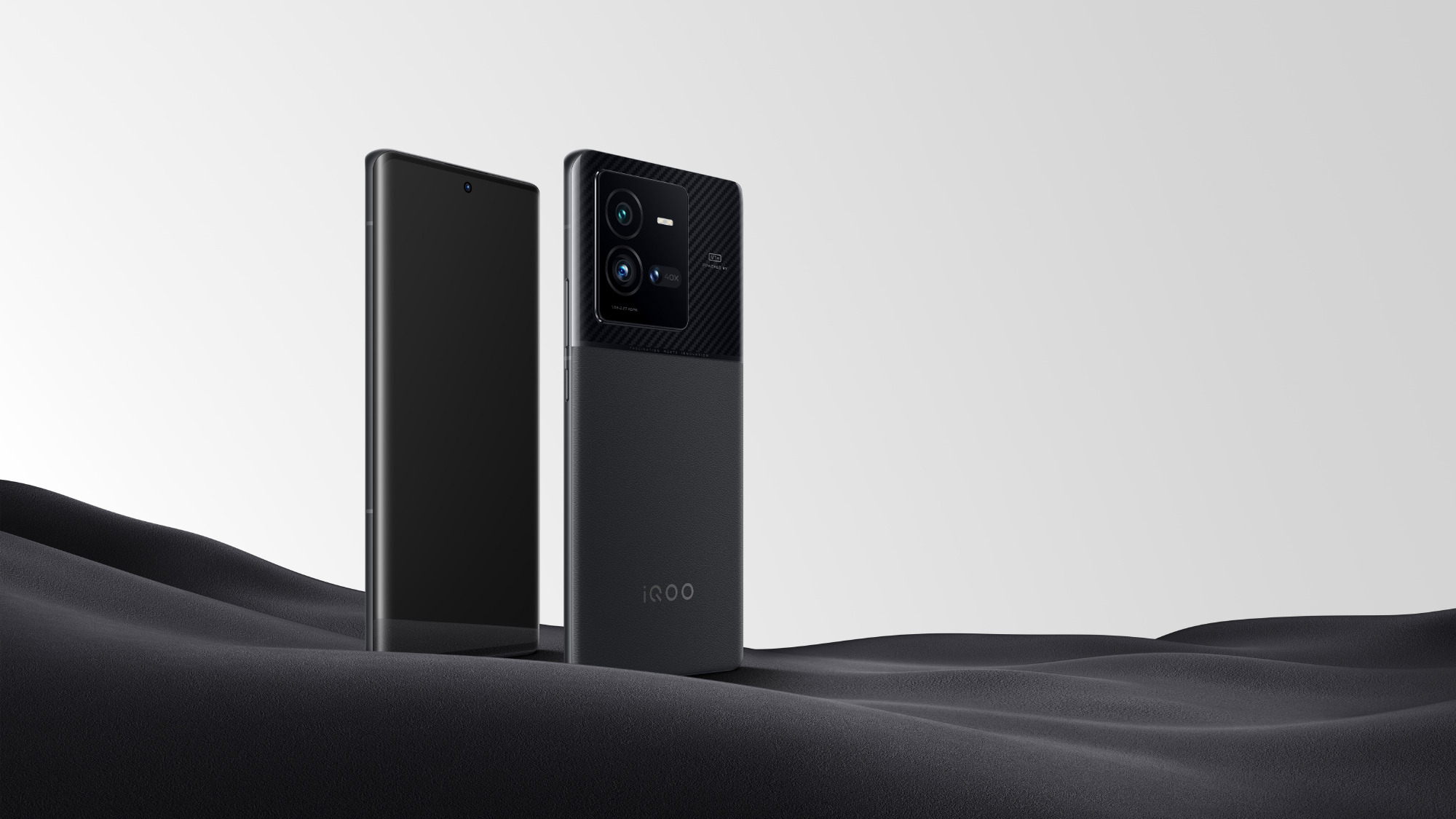
On the other hand, the Pro model’s 3C certification reveals that it may be accompanied by a charger that has a V200100L0B0-CN model number. The power adapter can offer maximum charging speeds of 20V / 10A (200W) fast charging. In other news, iQOO has released more renders to show how the iQOO 10 lineup will look.
iQOO 10 series renders
iQOO 10 Pro specifications (rumored)
The iQOO 10 Pro was recently certified by the TENAA authority in China. It will come with a 6.78-inch AMOLED display that has a curved edge design. It will offer a Quad HD+ resolution and a 120Hz refresh rate. The device will run on the Android 12 OS with the iQOO UI on top. It will be equipped with an ultrasonic in-screen fingerprint scanner.
iQOO 10 series
The iQOO 10 Pro will have a 16-megapixel selfie camera, and a 50-megapixel (main) + 50-megapixel (ultra-wide) + 14.6-megapixel (telephoto) triple camera unit. As can be seen in the renders, the iQOO 10 Pro will be sporting a dual-tone design. The top glass portion houses the triple camera unit, while the remaining part is made of leather.
iQOO 10 series renders
The iQOO flagship will house a 4,550mAh battery. Apart from 200W charging support, it is also expected to support for 65W wireless charging. The Snapdragon 8+ Gen 1 chipset will power the device. It will offer up to 16 GB of RAM and 512 GB of native storage.
Huawei-backed electric vehicle maker Aito has launched its second all-electric model in China and it comes with some decent features. The M7 is the company’s second offering in the EV segment of China. It comes with some decent features including an extended range and a cool design.
The new SUV has an extended range thanks to a similar technology to what is on offer with the Li ONE. It marks yet another competitive EV in the bubbling Chinese market. Huawei and Seres jointly formed the brand and the launch comes on the heels of the release of the M5. The extended range technology combines its battery capacity with a low-displacement engine. The engine thus provides additional mileage for the car when the battery is exhausted.
Huawei designed and is driving the marketing of the M7 while Seres manufactures it. The new Huawei-backed SUV was unveiled by Richard Yu, Huawei’s MD and CEO. The Aito M7 comes in three versions starting at around RMB 320k ($47,765). The most expensive model with a longer range is priced at RMB 379,800 ($56,727). The rear-wheel-drive version of the EV has a 1.5T range extender with up to 90W power and a 200kW electric motor. The four-wheel-drive model adds a 130kW front motor for greater traction. The four-wheel-drive model can accelerate from 0 to 100km/h in 4.8 seconds.
The rear-wheel-drive version’s battery offers a range of 195km compared to the 165km of the four-wheel-drive model. Overall, the rear-wheel model has a range of 1,220km on full fuel and full charge. On the other hand, the four-wheel-drive M7 model delivers an overall range of 1,100km. The smart cockpit of the new SUV runs on Huawei’s HarmonyOS for a great driving experience. Huawei says that users can access their smartphone apps directly from the cockpit’s center screen. Six exterior and four interior color combinations are available for the new Huawei-Seres Aito model. The partnership is barely a year old but continues to blossom.
The first deliveries of the Aito M7 are expected by early August. Reservation is open currently while test drives will start on July 23. There are no indications yet whether the new SUV will be subsequently available in other markets.
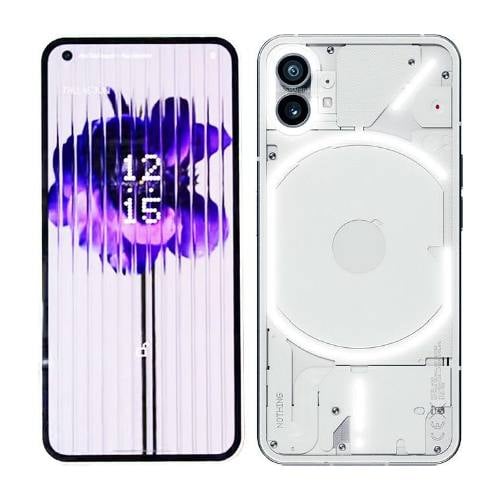
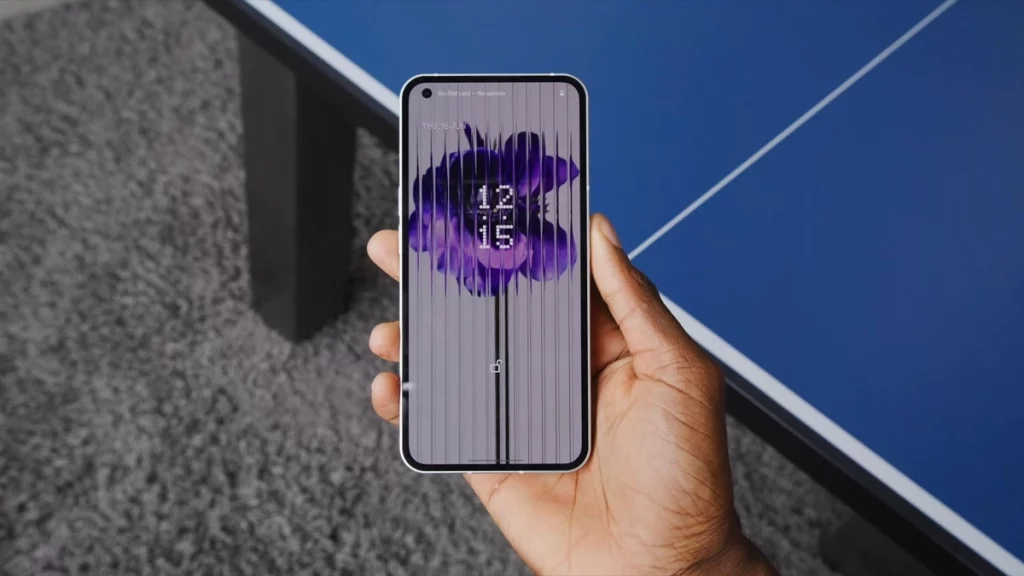
Carl Pei’s Nothing has proven its mettle regarding earbuds, having launched two impressive audio devices since its inception. The company is pushing for the smartphone market with its first smartphone dubbed Nothing Phone (1) and scheduled to launch on July 12 which is just a few days away. Ahead of the official unveiling, here is a compendium of all the details of the smartphone that have hit the public domain via official teasers, certifications, benchmarks, leaks and more.
The Nothing Phone (1) is expected to feature a 6.55-inch OLED display that will have support for a 120Hz adaptive refresh rate. The official images of the phone show it will have a hole-punch design with the opening nested at the top left corner of the screen. The phone is near bezel-less with a high screen-to-body ratio. The display is also said to have an under-screen fingerprint sensor. A Corning Gorilla glass protection is rumoured to be available on both the front and rear panels.
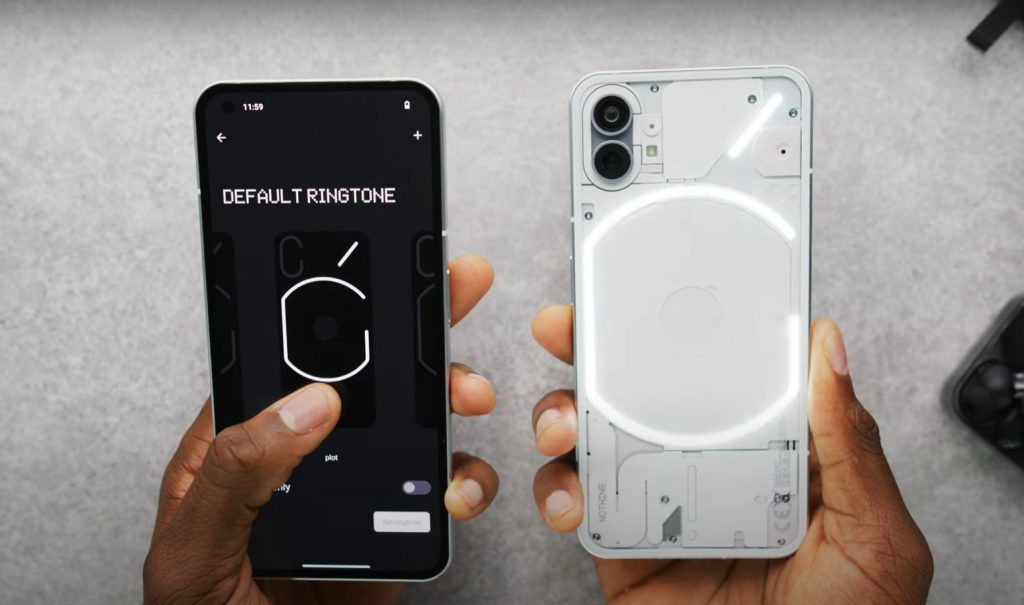
The rear design is what stands out on the Phone (1) design. The device features a transparent back panel. This has been a trendy feature that has often been well-received by fans. But the transparent back panel isn’t the only reason why the rear panel stands out. The phone also includes some LED lights called “Glyph Interface” enhancing the aesthetics. One of the light strips surrounds the camera, while there is a second one located at the top right corner having a diagonal design. A G-shaped light strip sits at the centre of the device while there is also a vertical strip on the bottom of the rear panel.
For photography, the Nothing smartphone will pack a dual rear camera setup said to be a 50-megapixel primary sensor with an f/1.8 aperture. The camera is said to be capable of shooting 4K videos at 60 fps.
For processor, the Nothing Phone (1) is confirmed by Carl Pei to pack a Qualcomm Snapdragon 778+ processor which brings support for wireless and reverse charging. Talking of charging, there are rumours that the Phone (1) won’t ship with a power adapter even though it will feature support for 33W fast charging as per TUV certification website.
For interface, the smartphone is tipped to run an Android 12-based NothingOS. While some may prefer the stock Android experience, the NothingOS promises to deliver a clean and minimalist UI.
A screengrab from MKBHD’s Nothing Phone (1) hands-on
The phone has been spotted in white and black hues but we can’t say if there will be more colour options. As for the price, the phone is tipped to start at $397 and will be available in three memory configurations – 8GB + 128GB, 8GB+ 256GB, and 12GB + 256GB.
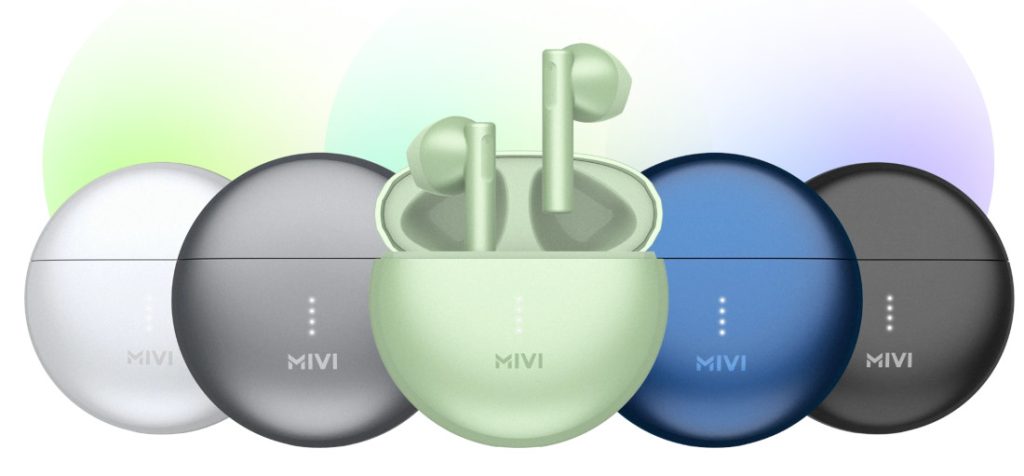
The Indian-based audio products manufacturer, Mivi, has launched new truly wireless earbuds in the domestic market called the Mivi DuoPods A350. The new earbuds have debuted as a budget offering, so let’s check out their specifications, features, and pricing.
Mivi DuoPods A350 specs & features
The DuoPods A350 comes with a straight stem and features an in-ear design. It has large 13mm dynamic drivers with a frequency response range of 20Hz to 20KHz.
The earbuds have Bluetooth 5.1 for connectivity and offer support for AAC and SBC codecs. Other than that, the earbuds have dual MEMS microphones for a crystal clear calling experience. The DuoPods A350 also has touch controls that can be used for media playback control and for accessing the voice assistant of the smartphone.
The earbuds feature a 40mAh unit in each individual bud offering a playback time of 8.5hours on a single charge. Combined with the charging case that has a 500mAh battery, the earbuds can offer a total playback of around 50 hours. For charging, we get a USB Type-C port and the DuoPods A350 also has IPX4 water resistance.
Pricing and availability
The Mivi DuoPods A350 earbuds have a price tag of ₹1,299 and are offered in Black, White, Mint Green, Space Grey, and Blue colors. They are available to purchase on Amazon India and Mivi.in.
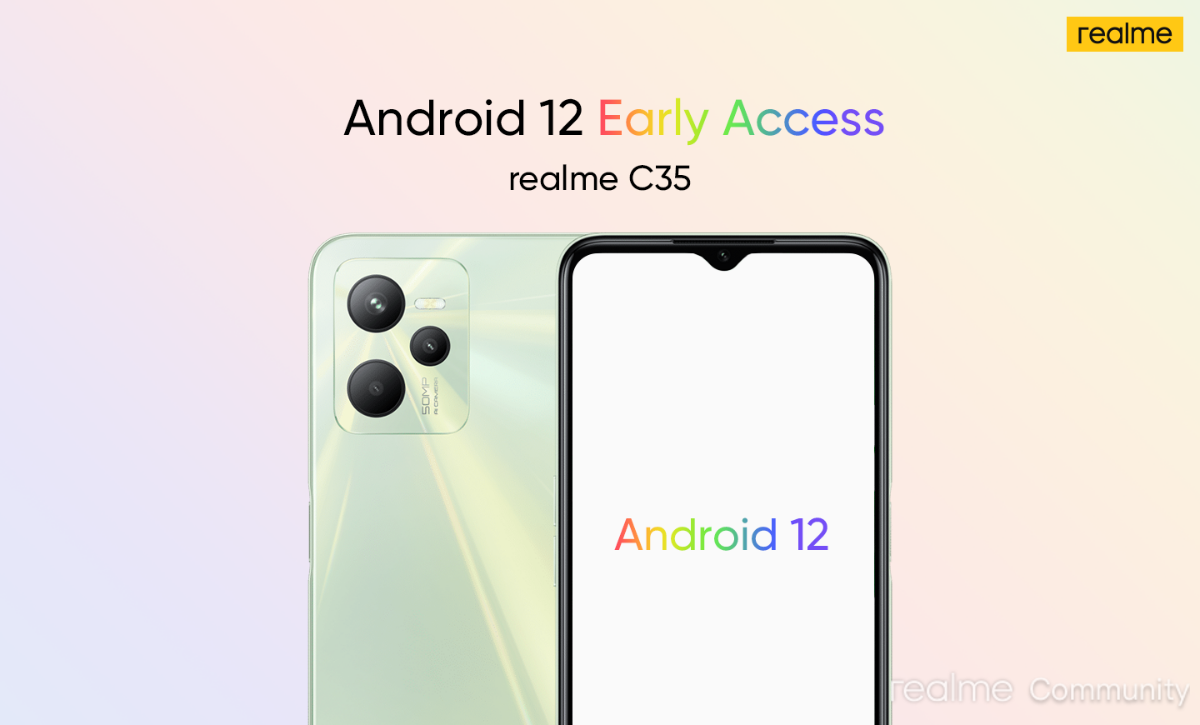
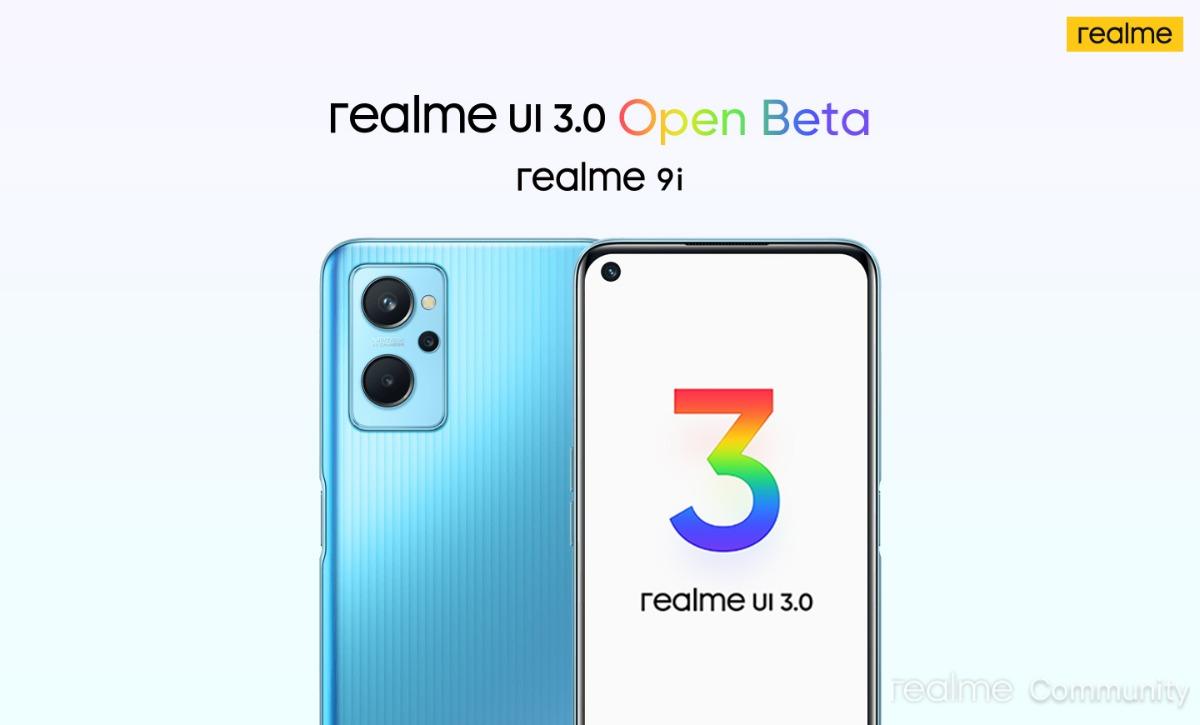
This week, smartphone brand Realme has finally announced an alpha open beta, early access and open beta realme UI 3.0 based on Android 12 programme for its Realme 8, Realme C35 and Realme 9i smartphones respectively.
These software early previews serve to allow Realme’s operating developers and third-party developers to iron out any software bugs and glitches, as well as optimise their software for users of the 3 aforementioned Realme devices above. In addition, users can also get an early taste of Android 12 before Realme officially launches the Android 12 stable update to these devices.
To join the early access/beta builds, you can head over to the links below and follow the instructions to ensure that your data is properly saved/backed up before you apply for the programme.
Link to join Realme UI 3.0 based on Android 12 Early Access for Realme C35 HERE.
Link to join Realme UI 3.0 based on Android 12 Alpha Open Beta for Realme 8 HERE.
Link to join Realme UI 3.0 based on Android 12 Open Beta for Realme 9i HERE.
Realme wants users to keep in mind that being in an early software programme, there might be bugs and some apps might not work properly. It might not be recommended to install the Open Beta or Early Access software on your primary phone.
Realme also recommends applicants to back up their personal data before proceeding with the programme to prevent any unnecessary data loss should any unfortunate bugs or glitches happen during the early access programme.
The company also notes that due to unpredictable factors such as network communication and strategy adjustment, it is not possible to guarantee that every applicant will receive the update. In case the update is not received, Realme suggests users to patiently wait for the official stable release.
On July 12, Realme will be launching three devices in China, such as the Realme Book Air, Buds Air 3 Neo TWS earbuds, and the GT 2 Master Explorer edition flagship phone. Chinese tipsters are now circulating an image that mentions the price of the Realme GT 2 ME. The image reveals that the device will carry a sub-4,000 Yuan (~$600) price tag in the home market.
The original Realme GT Master Explorer edition was priced at 2,998 Yuan (~$448). It should be noted that the device did not feature the more powerful Snapdragon 888 or 888 Plus, but it came equipped with the Snapdragon 870 SoC. However, the upcoming Realme GT 2 Master Explorer Edition will have the most powerful Qualcomm chip for mobile devices, i.e., the Snapdragon 8+ Gen 1 chipset. Hence, it is likely to command a higher price tag.
The above-shown photograph shared by tipster Ice Universe was snapped outside a retail store in China. It shows that the Realme GT 2 Master Explorer will be priced at 3,998 Yuan (~$597). Considering the flagship features that it will arrive with, the device may carry the same starting price.
It appears that the Realme GT 2 ME will be the world’s first smartphone to arrive with the latest LPDDR5x RAM technology. It will be Realme’s first phone to support 100W fast charging. The device will pack a 5,000mAh battery. Also, it will be the company’s first handset to feature a dual VC liquid cooling system. Also, the company has claimed that it will offer a 5G connectivity experience.
The Realme GT 2 Master Explorer will feature a 6.7-inch AMOLED FHD+ display that supports a 120Hz refresh rate. The device will run on the Android 12 OS with Realme UI 3.0 on top. It will have a 16-megapixel front camera and a 50-megapixel (main) + 50-megapixel (ultra-wide) + 2-megapixel triple camera unit. The device may arrive in three options: 8 GB RAM + 128 GB storage, 8 GB RAM + 256 GB storage, and 12 GB RAM + 256 GB storage.
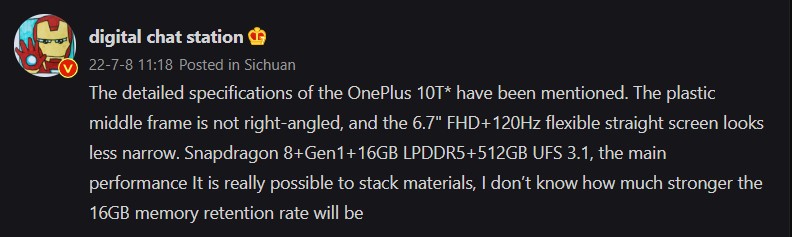
OnePlus is expected to announce the OnePlus 10T later this month or by early August in India. While it is expected to land in India later this month, the device may also be released in China around the same time. Recently, the alleged 10T with model number PGP110 was spotted with an impressive benchmarking score of 1,131,151 points at AnTuTu. Now, a fresh leak has revealed that the 10T could arrive with the highest amount of RAM ever seen on a OnePlus phone.
Previous reports have claimed that the OnePlus 10T will arrive with 8 GB / 12 GB of RAM and 128 GB / 256 GB of storage. However, in a recent Weibo post, tipster Digital Chat Station has claimed that the 10T will arrive with 16 GB of LPDDR5 RAM and 512 GB of UFS 3.1 storage.
Hence, the OnePlus 10T could be the company’s first-ever phone to arrive with a 16GB RAM option. As it is already known, the device will be equipped with the Snapdragon 8+ Gen 1 mobile platform. It will feature a 6.7-inch FHD+ AMOLED display that offers a 120Hz refresh rate. Previous reports have claimed that the 10T will pack a 4,800mAh battery, which will carry support for 150W fast charging.
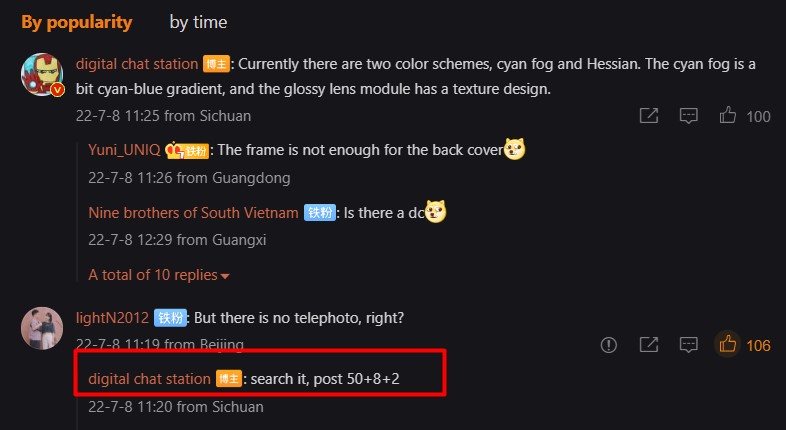
Reports have suggested that OnePlus may launch two Snapdragon 8+ Gen 1 powered phones. Both devices are expected to arrive with identical specs, but they may differ in the camera department. Several reports have revealed that the 10T will arrive with a 32-megapixel front camera and a 50-megapixel (main) + 16-megapixel (ultrawide) + 2-megapixel triple camera unit.
However, the one heading to China seems to be equipped with inferior cameras. Digital Chat Station has claimed that the device will be equipped with a 50-megapixel + 8-megapixel + 2-megapixel triple unit. In the past, too, some tipsters have mentioned the same camera configuration for the Chinese variant. This model is expected to feature a 16-megapixel front-facing camera.
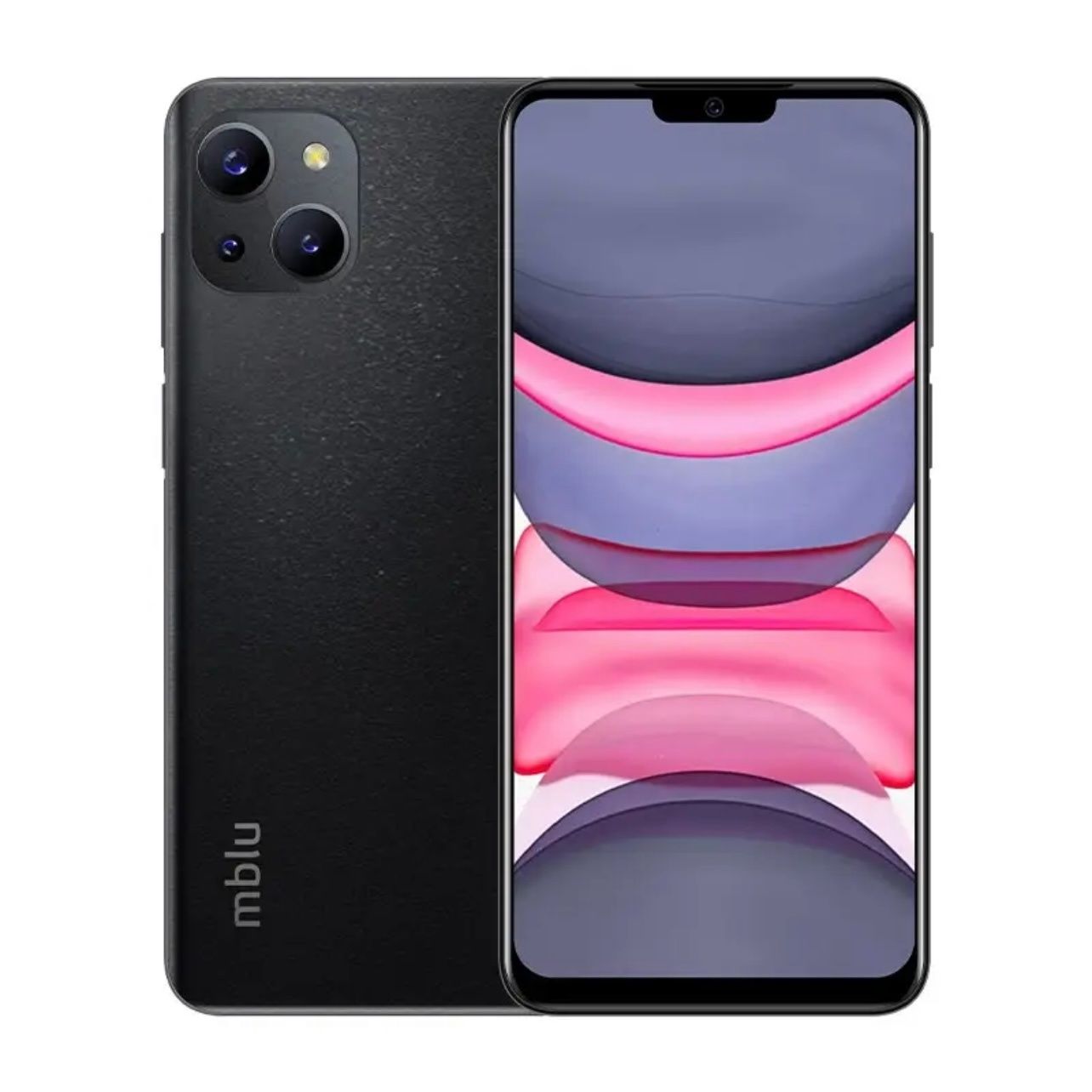
Meizu mblu 10s has gone official in China. Designed to look like an iPhone, it is a mid-range phone featuring a notched display on the front and triple rear cameras. The handset is listed on Chinese retailer sites like Suning and JD.com for purchase. Here is all the information on the specifications, features, and price of the Meizu 10s.
Meizu mblu 10s specifications and features
The Meizu mblu 10s has a 6.52-inch LCD panel that offers an HD+ resolution of 720 x 1600 pixels, an aspect ratio of 20:9, and a refresh rate of 60Hz. It has a selfie camera of 8-megapixel.
Meizu mblu M10s
The rear camera setup of the Meizu 10s is headlined by a 48-megapixel main camera. It is accompanied by a 2-megapixel camera and a 0.3-megapixel camera. It is unclear whether it runs on Android 12 or 11 OS, but what’s known is that it comes with the Flyme 9 Lite UI.
Meizu mblu M10s
The Meizu 10s is powered by the Unisoc T310 chipset. It ships with 4 GB / 6 GB of RAM and 64 GB / 128 GB of storage. The device houses a 5,000mAh battery. For security, it carries support for face unlock. It comes with connectivity options such as a USB-C port and a 3.5mm audio jack.
Meizu mblu 10s price and availability
Meizu mblu M10s
The Meizu 10s has arrived in China in three configurations: 4 GB RAM + 64 GB storage for 729 Yuan (~$108), 4 GB RAM + 128 GB storage for 829 Yuan (~$124), and 6 GB RAM + 128 GB storage for 929 Yuan (~$139), respectively. It comes in three shades: Magic Night Black, Streamer Silver, and Great Bay Blue.
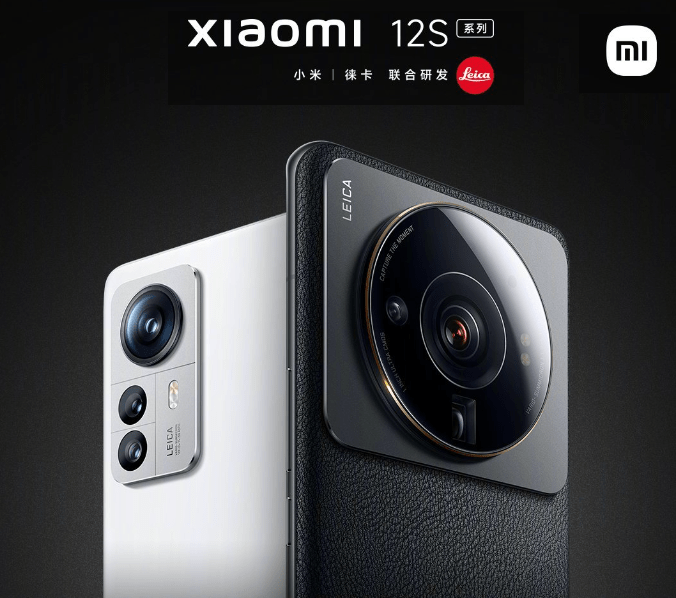
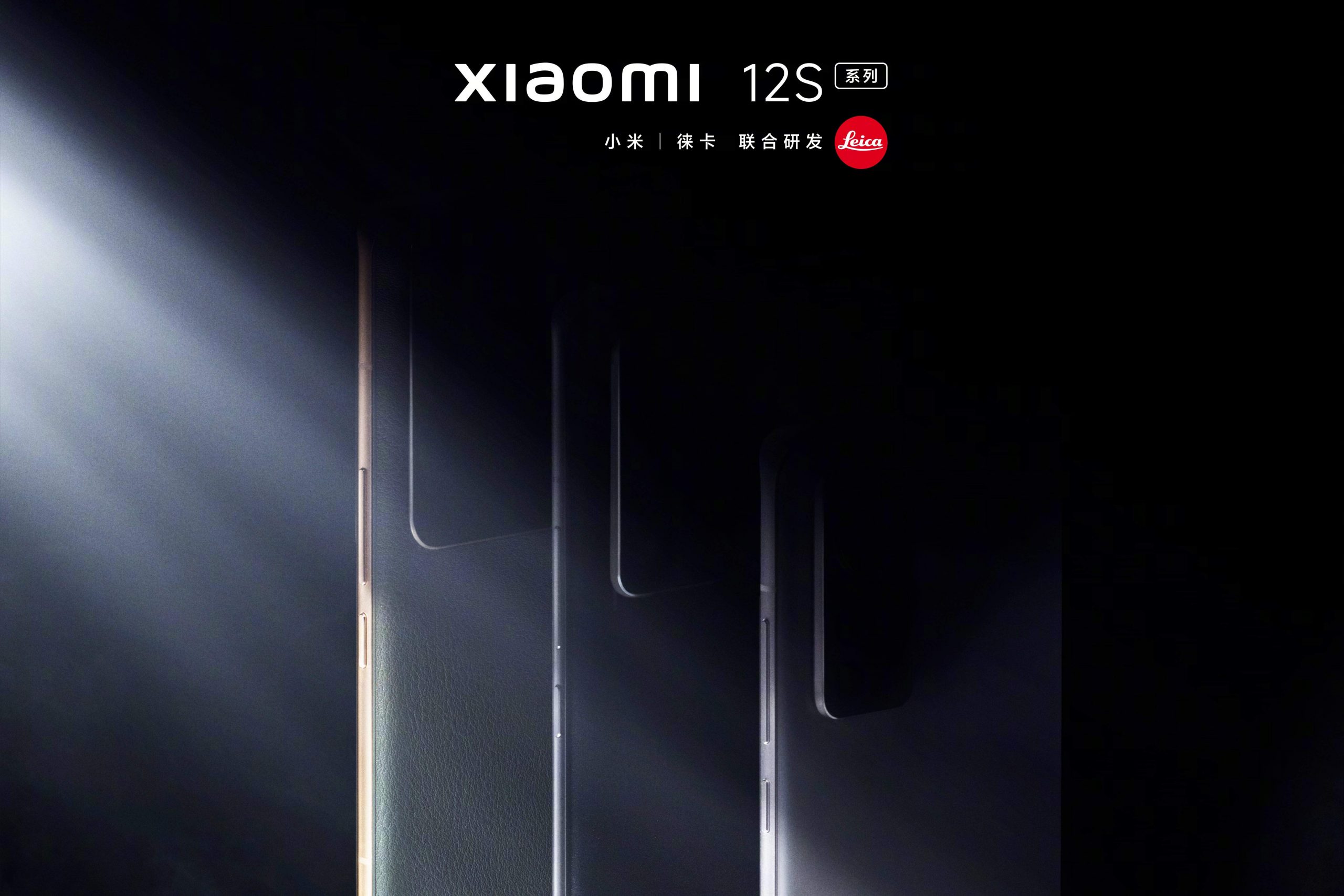
Besides flaunting its new smartphone camera partnership with Leica, the Xiaomi 12S series of devices are also the world’s first to sport Qualcomm’s latest Snapdragon 8+ Gen 1 SoC. As the devices are arriving in reviewers’ hands, the Xiaomi 12S continues to shock reviewers because in one of the latest performance review videos circulating online, it is shown that the Xiaomi 12S Pro and Xiaomi 12S Ultra outlast Apple’s iPhone 13 Pro Max in a screen-on-time (SoT) endurance test.
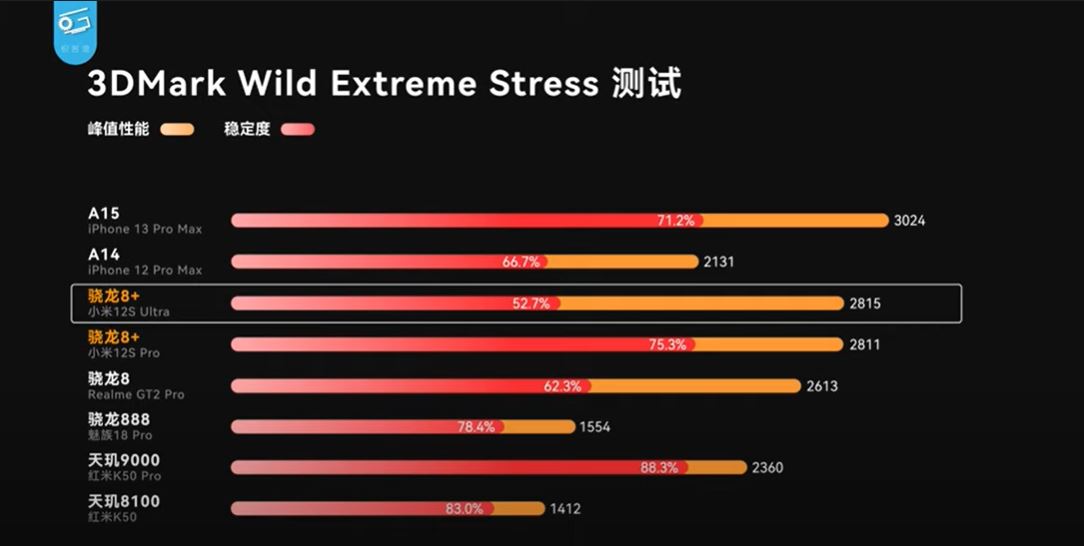
3DMark Stress Test showing Xiaomi 12S Pro and Ultra against the competition.
On the 3DMark Wildlife Stress Test benchmark, it can be seen that the Qualcomm Snapdragon 8+ Gen 1 found on the Xiaomi 12S Pro and 12S Ultra outperforms all other Android flagships in raw CPU and GPU performance, including the Snapdragon 8 Gen 1 on the Realme GT 2 Pro and the MediaTek Dimensity 9000 SoC on the Redmi K50 Pro. The 8+ Gen 1 SoC however is still behind the Apple A15 Bionic SoC on the iPhone 13 Pro Max. Stability-wise, the Snapdragon 8+ Gen 1 is also a major upgrade from the 8 Gen 1, as it now can perform within the same league as 2022 flagship SoC chips like the MediaTek Dimensity 9000 and Apple A15 Bionic chipsets.
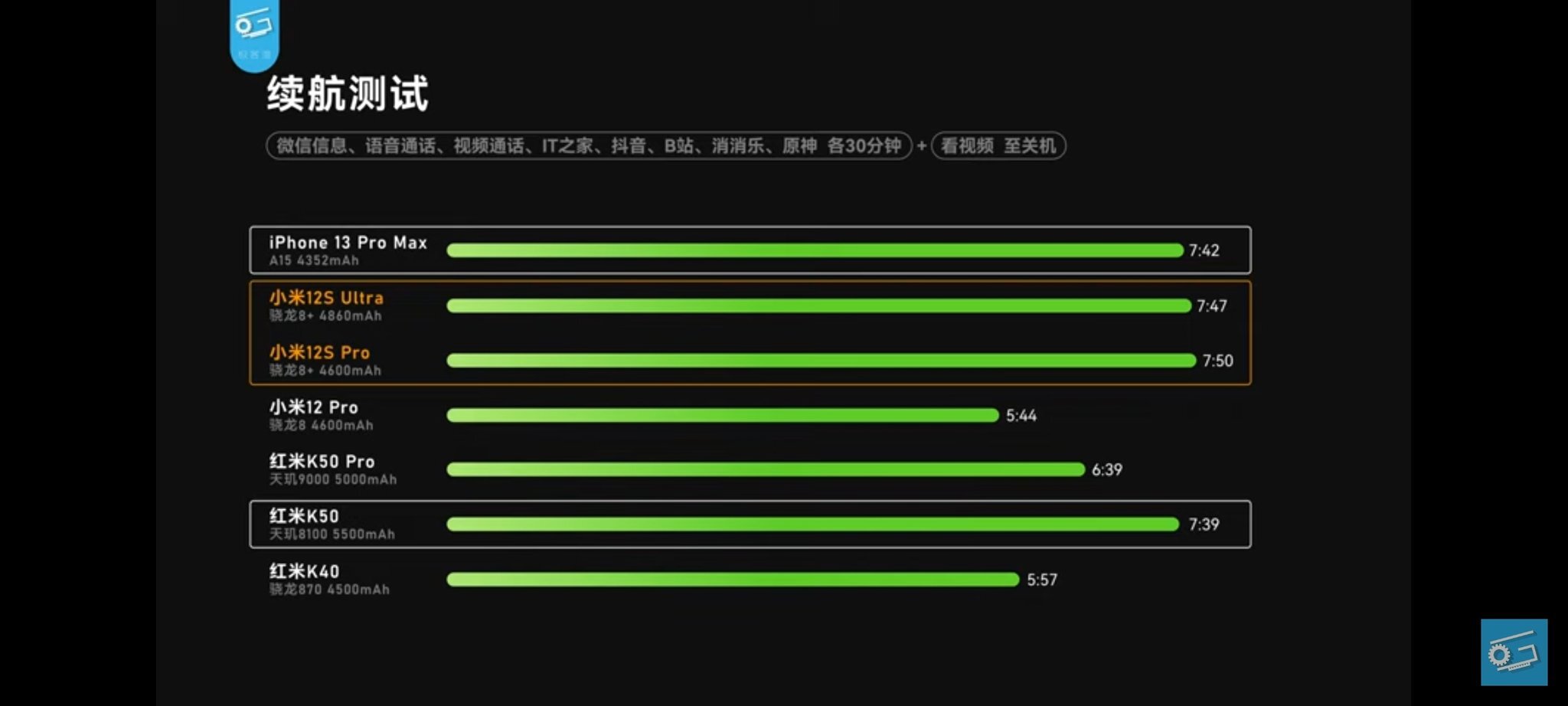
Next is the smartphone endurance test, and here is where the results get spicy, the Xiaomi 12S Pro and Ultra manage to dethrone Apple’s iPhone 13 Pro Max as the overall smartphone endurance champion!
Xiaomi 12S Pro and Ultra in SoT Endurance Test Against the Competition
In the video, it is shown the Xiaomi 12S Pro and 12S Ultra have managed to achieve a mind-boggling 7 hours and 50 minutes, and 7 hours and 47 minutes of screen on time respectively, surpassing Apple’s previously thought to be untouchable record of 7 hours and 42 minutes of screen on time.
Compared to the measly and disappointing 5 hours and 44 minutes of screen on time achieved by the Xiaomi 12 Pro with a Snapdragon 8 Gen 1 SoC that has the same 4600mAh battery, the Snapdragon 8+ Gen 1 has managed to greatly improve battery life by a whopping 2 hours on the Xiaomi 12S Pro.
The SoT endurance tests consisted of mixed usage with gaming on Genshin Impact, WeChat messaging, voice calls, video calls, web browsing, TikTok and also video streaming, each task took around 30 minutes of usage until the battery was depleted.
However, do note that these tests were done on China models of the Xiaomi 12S Pro, Apple iPhone 13 Pro Max and other devices, which were running on Chinese software applications. So an endurance done on global models of these devices running on software outside of China may yield different endurance results.
Still, we now know that the Xiaomi 12S Pro and 12S Ultra are a massive jump in terms of power efficiency and battery endurance compared to the Xiaomi 12 series launched back in December 2021, now they can even surpass the current flagship smartphone market leaders like the Apple iPhone 13 Pro Max.
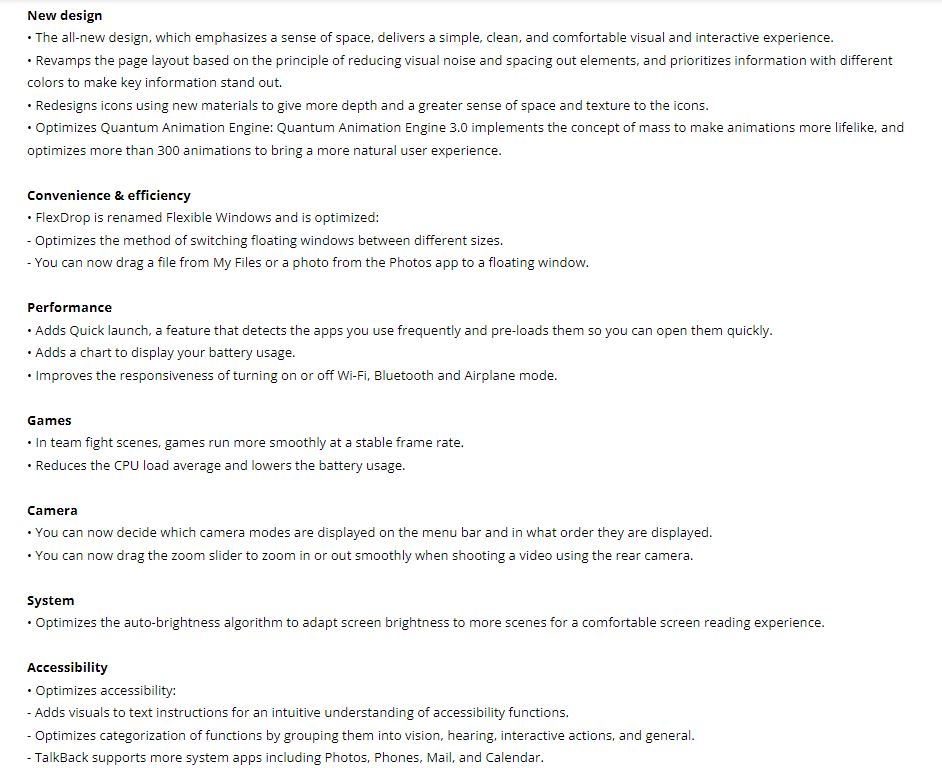
The Realme UI 3.0 stable update rollout will be released to users in batches, and to be eligible for the update, users will have to make sure that they are on the latest firmware version of Realme UI 2.0. For Realme 8 Pro users, that will be RMX3081_11.A.47 / RMX3081_11.A.48 ; for Realme 7 Pro users, that will be RMX2170_11.C.30 / RMX2170_11.C.32 ; and for Realme C25s users, that will be RMX3197_11.A.19 / RMX3197_11.A.20.
As for what new features the update brings, Realme says that Realme UI 3.0 is now revamped with a new design, which aims to deliver a more comfortable, natural and simpler user experience. The Realme UI 3.0 update changelog for the Realme 8 Pro, Realme 7 Pro and Realme C25s are identical, and if you want to read further through all the new features and highlights, you can do so with the changelog we have attached below.
Realme UI 3.0 Update Changelog
If you do decide to upgrade to Android 12, Realme notes several common issues it received from users after the Android 12 upgrade:
It may take a longer time to boot for the first time, especially if there are many third-party applications on your phone.
In order to improve the system operation efficiency and eliminate potential safety risks, the system will perform a series of actions such as application adaptation, background optimization and security scanning which may cause slight hanging and faster power consumption.
However, these software issues will normally go away once a week has passed and your phone has adapted to the new system.
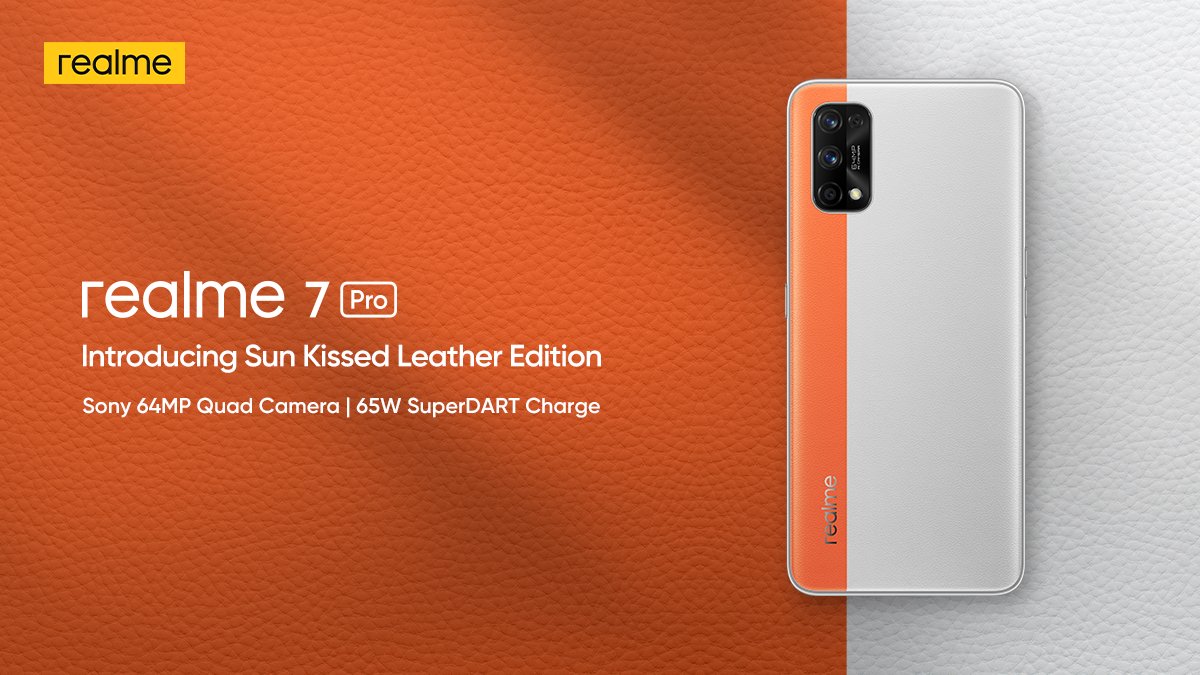
The Realme 7 Pro is the oldest device here among the three with it launching back on September 14, 2020, almost 2 years ago. It launched with Realme UI 1.0 based on Android 10 out of the box. And the Android 12 update is expected to be the last major Android OS upgrade for the smartphone, as it had received 2 Android OS upgrades in its life cycle. The phone came with the first AMOLED display on a Realme number series device, a mid-range Snapdragon 720G processor, as well as support for 65W SuperDart fast wired charging to boot, making it a very competitive mid-range device in the market at that time.
Meanwhile, both the Realme 8 Pro and Realme C25s were launched in 2021 with Realme UI 2.0 based on Android 11. The Realme 8 Pro came with a Snapdragon 720G chipset, 108MP main camera, and 50W fast wired charging whilst the Realme C25s launched with an Helio G85 SoC and 6000mAh battery.
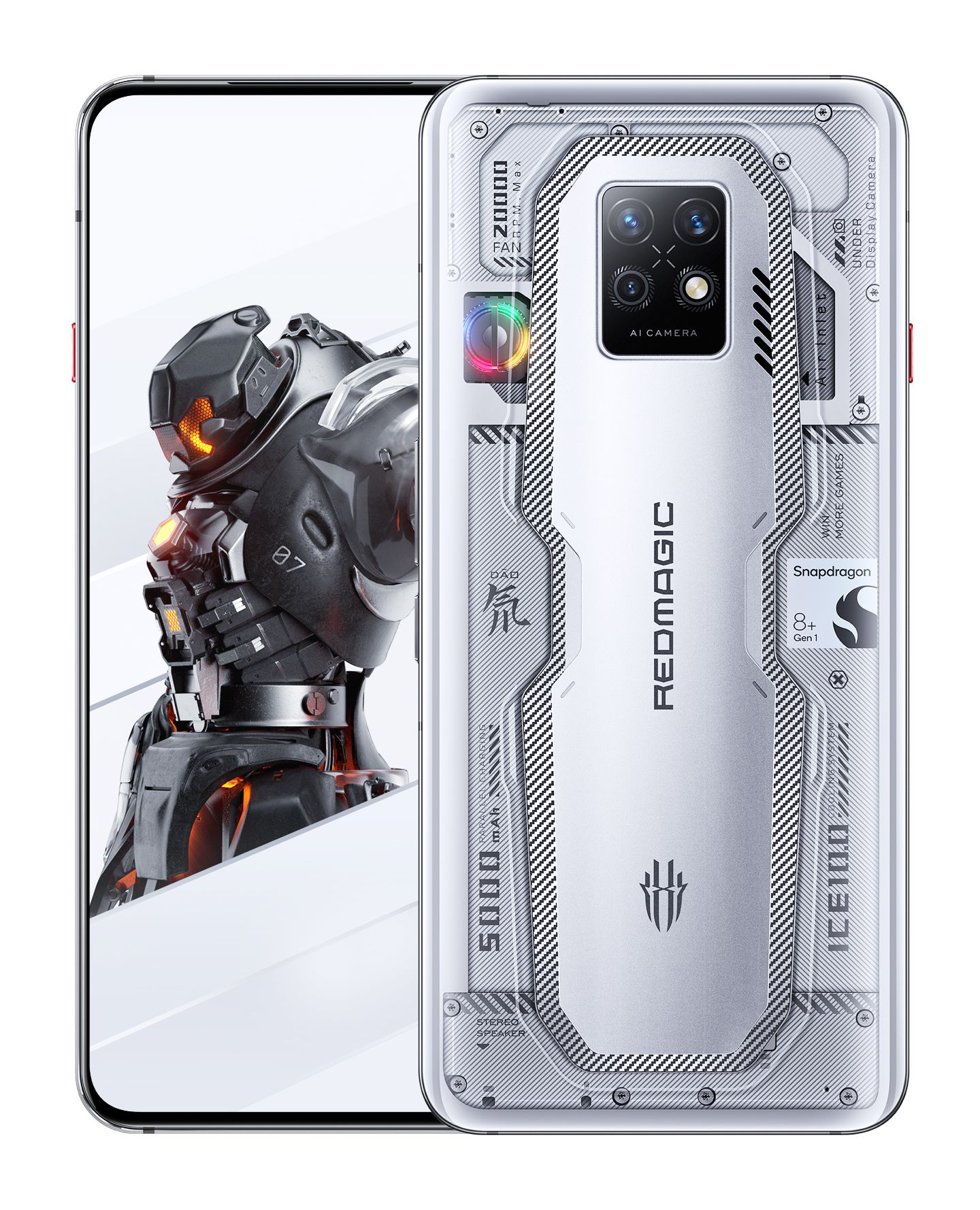
ZTE and its well-known sister sub-brand Nubia, are going to launch the next generation of its Red Magic gaming flagship smartphones – the Nubia Red Magic 7S series, in China this Monday, July 11th at 3 PM Beijing Time (GMT +8) / 12:30 PM India Standard Time (GMT +5:30) / 8 AM London Time (UTC +1).
Red Magic 7S Teaser. Source: Red Magic Official Weibo
For international viewers who want to tune in to the Red Magic 7S launch event as well, you can instead watch the launch via a Weibo third-party live stream below. It broadcasts the event at the same time as Nubia China’s official channels.
Link to Nubia Red Magic 7S Launch Livestream HERE.
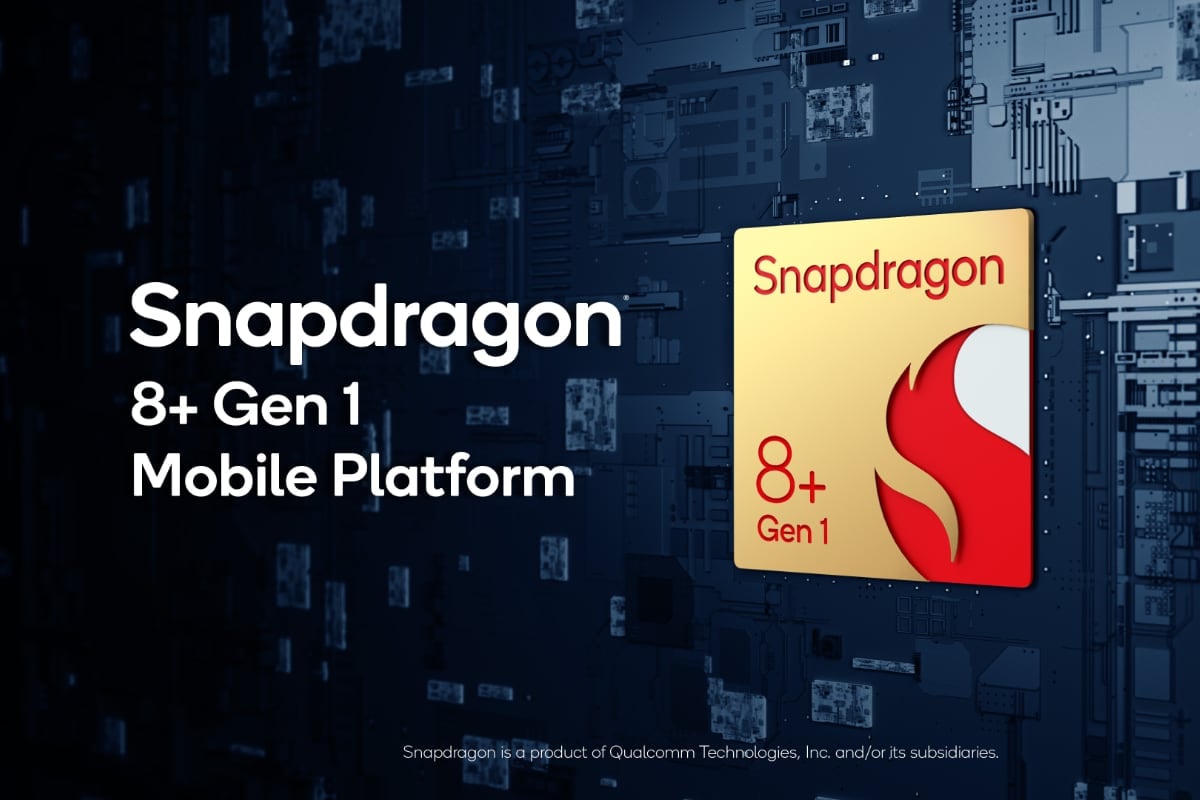
Nubia is planning to launch two gaming smartphones during the event: the Red Magic 7S & Red Magic 7S Pro. Both smartphones will be the brand’s first smartphones to sport Qualcomm’s latest and greatest Snapdragon 8+ Gen 1 SoC.
This new SoC boasts up to 10% of improved CPU and GPU performance, as well as 30% better power efficiency over the original Snapdragon 8 Gen 1 found on the previous generation Red Magic 7 and 7 Pro, as well as devices like the Xiaomi 12 Pro, OnePlus 10 Pro and Realme GT 2 Pro launched earlier this year. Qualcomm attributes most of the hardware improvements to switching over to TSMC’s industry-leading 4nm manufacturing process instead of Samsung’s 4nm node.
Other than the SoC upgrade, it seems that the other specifications of the Red Magic 7S series will be identical to the Red Magic 7 series we saw launched globally in April earlier this year.
Red Magic 7S Pro
The Red Magic 7S and 7S Pro are expected to be equipped with a 6.8-inch flat OLED panel and offer a Full HD+ resolution of 1080 x 2400 pixels. The refresh rate on the Red Magic 7S Pro model may go up to 165Hz with a 720Hz touch sampling rate. The standard Red Magic 7S, on the other hand, will likely support a refresh rate of only 120Hz. Both models are expected to support a new peak brightness of up to 700 nits and colour accuracy will likely be better than previous models. The display will house an in-display selfie camera supplied by its parent company ZTE while sporting Gorilla Glass 5 protection for display protection.
The two smartphones are expected to arrive in four different LPDDR5 RAM variants – 8 GB, 12 GB, 16 GB, and 18 GB. Storage-wise, the Red Magic 7S Pro will likely come with up to 1TB of fast UFS 3.1 internal storage, whereas the standard 7S will offer up to 512GB of internal storage instead.
The Red Magic 7S is to feature a 4500mAh battery cell with 120W fast wired charging support. The Pro model is rumoured to feature a 5000mAh battery whilst carrying industry-leading 165W fast wired charging support instead. Both smartphones will likely charge from 0 to 100 per cent in under 20 minutes. It is worth mentioning that there is no wireless charging or reverse wired charging in the smartphones.
To know further about the pricing and colour options of the ZTE Nubia Red Magic 7S series of gaming smartphones, stay tuned to our coverage of the launch event on July 11th here at Gizmochina!
This year OPPO launched several variants of the OPPO K10 series. While in China the OPPO K10 5G is a high-end phone, in India it is an affordable phone, even though it has exactly the same name. Today, we are talking about the Indian variant and we decided to compare it to one of the most important handsets in the same price range. We are referring to the Vivo T1 5G: it is an older device, but it has still all the features to compete with the new OPPO low cost. They come with different but similar specifications and, inside this comparison, we will highlight the main differences between the specifications of the OPPO K10 5G and the Vivo T1 5G.
Vivo T1 5G vs OPPO K10 5G
Vivo T1 5G
OPPO K10 5G
DIMENSIONS AND WEIGHT
164 x 75.8 x 8.3 mm,
187 g
163.8 x 75.1 x 8 mm,
190 g
DISPLAY
6.58 inches, 1080 x 2408 pixels (Full HD+), IPS LCD
Triple 50 + 2 + 2 MP, f/1.8 + f/2.4 + f/2.4
16 MP f/2.0 front camera
Dual 48 + 2 MP, f/1.7 + f/2.4
8 MP f/2.0 front camera
BATTERY
5000 mAh, fast charging 18W
5000 mAh, fast charging 33W
ADDITIONAL FEATURES
5G, dual SIM
5G, dual SIM
Design
Do not expect a premium design from these devices. They are very affordable phones and they are built with cheap materials. The OPPO K10 5G and the Vivo T1 5G are entirely made of polycarbonate with the exception of the front glass. Their design is not very attractive: they come with waterdrop notches and pretty thick chins, but they can not be defined as ugly devices. The OPPO K10 5G is more interesting for two reasons: it is thinner (the thickness is 8 mm) and it has the IPX4 certification making it water resistant (it is splashproof, but you can not put it underwater without damage). For the rest, these handsets are not so different when it comes to the design.
Display
If you need the most advanced display, then you should go for the Vivo T1 5G. It has an IPS LCD panel with a 6.58-inch diagonal, a Full HD+ resolution of 1080 x 2408 pixels, and a 120 Hz refresh rate. The OPPO K10 5G has a 6.56-inch display with a lower HD+ resolution of 720p and a lower 90 Hz refresh rate. Unfortunately, these handsets do not come with high-end displays, so you should not expect great image quality and realistic color reproduction. They are affordable panels with sufficient performance. Both the phones are equipped with side-mounted fingerprint readers (placed on the power key), but the OPPO K10 5G is the only one with stereo speakers, providing a better audio experience.
Specs & Software
The Vivo T1 5G is powered by the Snapdragon 695 5G chipset: an SoC built at 6 nm with an octa-core architecture composed of two Kryo 660 Gold cores running at a frequency of 2.2 GHz, six Kryo 660 Silver cores running at 1.7 GHz, and an Adreno 619 GPU. It is a superior chipset if compared to the Mediatek Dimensity 810 found on the OPPO K10 5G: an octa-core SoC built at 6 nm composed of two Cortex A76 cores running at a frequency of 2.4 GHz, six Cortex A55 cores running at 2 GHz, and a Mali G57 MC2 GPU. The OPPO budget phone only comes in a configuration with 8 GB of RAM and 128 GB of UFS 2.2 internal storage, while the Vivo T1 5G offers other options with 4, 6, or 8 GB of RAM and 128 GB of native storage. You can expand the internal storage with a micro SD slot on both phones. The OPPO K10 5G runs Android 12 out of the box, customized by ColorOS 12.1, while the Vivo T1 5G ships with Android 11 customized by Funtouch OS 12.
Camera
The most advanced camera is offered by the Vivo T1 5G: it comes with a triple rear camera including a 50 MP main sensor, a 2 MP macro lens, and a 2 MP depth sensor. On the front, it sports a 16 MP selfie snapper with an f/2.0 focal aperture. With the OPPO K10 5G, you get a less impressive 48 MP main sensor, a 2 MP depth lens, and an 8 MP selfie shooter. There is no challenge, you can clearly see who is the winner.
These phones are both equipped with a 5000 mAh battery, but the OPPO K10 5G should be the one with the longest battery life because it has a display with a lower resolution and a lower refresh rate. Further, the ColorOS 12.1 has a very good power management system and very advanced energy saving options. The charging speeds are different as the OPPO device features 33W fast charging and the Vivo stops at 18W.
Price
The starting price of the OPPO K10 5G in the Indian market is Rs. 18,450, which roughly translates into $233. You need at least Rs. 18,999 to purchase a unit of the Vivo T1 5G, if we do not consider street prices, which roughly translates into $240. The OPPO budget phone offers a more recent Android version with a more advanced user interface, as well as the IPX4 certification and a faster charging tech, while the Vivo T1 5G sports a better display, a superior chipset, and even a better camera. Which one would you pick?
According to a report by ITHome, both straight and curved displays may now be produced with incredibly narrow four-frame borders thanks to advancements in packaging technology developed by numerous screen producers domestically and overseas. Additionally, Xiaomi will release multiple flagship models with flexible packaging technologies and a small bezel, straight screen design. Prominent leaker Digital Chat Station revealed the aforementioned leaks.
Some online users think the Xiaomi Mi 13 Standard Edition is included in the blogger’s claimed Xiaomi flagship. The film on the curved screen mobile phone has particularly offended many netizens, who have a loud voice for the straight screen and complain that the touch is off.
The current Xiaomi Mi 12S, 12S Pro, and 12S Ultra in the Mi 12S series, as well as the Mi 12X, Mi 12 Standard Edition, and Mi 12 Pro in the Mi 12 series from the previous generation, all, have curved screen designs, according to ITHome. The Redmi K50 series’ K50 and K50 Pro have straight screens by design.
Price of the Series
The Xiaomi 12S starts at around €570/$580 in China for the base model, €670/$682 for the Pro version, and €950/$967 for the Ultra in its base configuration with 8 GB of RAM and 256 GB of native storage. All the devices are currently only available in China.
We use cookies on our website to give you the most relevant experience by remembering your preferences and repeat visits. By clicking “Accept”, you consent to the use of ALL the cookies.
This website uses cookies to improve your experience while you navigate through the website. Out of these, the cookies that are categorized as necessary are stored on your browser as they are essential for the working of basic functionalities of the website. We also use third-party cookies that help us analyze and understand how you use this website. These cookies will be stored in your browser only with your consent. You also have the option to opt-out of these cookies. But opting out of some of these cookies may affect your browsing experience.
Necessary cookies are absolutely essential for the website to function properly. This category only includes cookies that ensures basic functionalities and security features of the website. These cookies do not store any personal information.
Any cookies that may not be particularly necessary for the website to function and is used specifically to collect user personal data via analytics, ads, other embedded contents are termed as non-necessary cookies. It is mandatory to procure user consent prior to running these cookies on your website.