Huawei has teased the launch of a new accessory on its Twitter handle today. The company has not explicitly announced the name of the device but it is expected to be the Freebuds Pro 2 TWS earphones. The upcoming offering will be second-generation flagship truly wireless earbuds from the company.
It's time to add a new stylish accessory to your daily rotation.
The teaser shared by Huawei includes an image that likely indicates the FreeBuds Pro 2. The teaser image is also in line with a past report from tipster Roland Quandt who leaked key information and renders of the TWS earphones. The Huawei FreeBuds Pro 2’s launch date remains unknown but we can expect it to be announced soon.
As per rumours, the Huawei FreeBuds Pro 2 will be developed in collaboration with French-based audio manufacturer Devialet. It will be equipped with dual speakers and come with Hi-Res Audio as well as ‘Triple Adaptive Equalizer’. The upcoming audio device is tipped to feature active noise cancellation up to 47dB. The TWS earphone is claimed to deliver six hours of battery life without ANC and four hours with the feature enabled.
Leaked renders reveal that the Huawei FreeBuds Pro 2 will feature an in-ear stem design and a pebble-shaped charging and storage case. It is expected to come in three colours i.e. Blue Silver, Ceramic White, and Frost Silver.
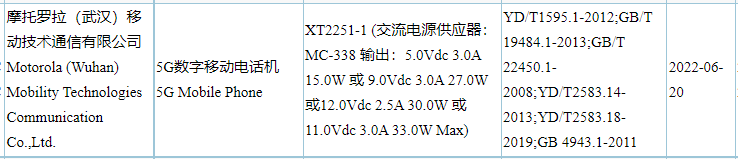
Motorola’s upcoming flagship phone with the XT2251-1 model number has received 3C certification. The handset was previously seen at China’s MIIT certification. It appears that the device will soon surface on the TENAA certification platform with all its major specifications. This device is likely to debut in early July in China.
The identity of the Motorola XT2251-1 is not known yet. Its 3C certification has revealed that it may ship with a 33W fast charger. When it was spotted at CMIIT, it was speculated that it could be an upcoming Motorola flagship. However, the 3C certification of the device suggests that it could be a mid-range device.
Apart from the mysterious XT2251-1 phone, another Motorola phone with model number XT2243-2 was spotted in the database of the CMIIT certification site. Unfortunately, there is no accurate information available on the specifications of the XT2243-2 handset.
Motorola’s is rumored to announce two Snapdragon 8 Plus Gen 1 powered devices in July in China. The first one is the device that has the “Frontier” codename. It is expected to debut as the first-ever phone powered by the SD+8G1 chip. It is also expected to debut as the world’s first smartphone with a 200-megapixel camera. The moniker of the device for the Chinese market is not known yet. However, it is likely to debut as the Motorola Edge 30 Ultra in markets outside China.
The Motorola Razr 3 is the other SD+8G1 phone that is expected to launch in July. The Snapdragon 7-series chipset was used in the previous Razr clamshell phones. However, the Razr 3 will be a flagship device featuring the Snapdragon 8 series chip. It is expected to arrive with other features such as a 6.7-inch FHD+ display, a 3-inch cover display, a 32-megapixel front camera, 50-megapixel dual rear cameras, up to 12 GB of RAM, up to 512 GB of storage, and a 2,800mAh battery.
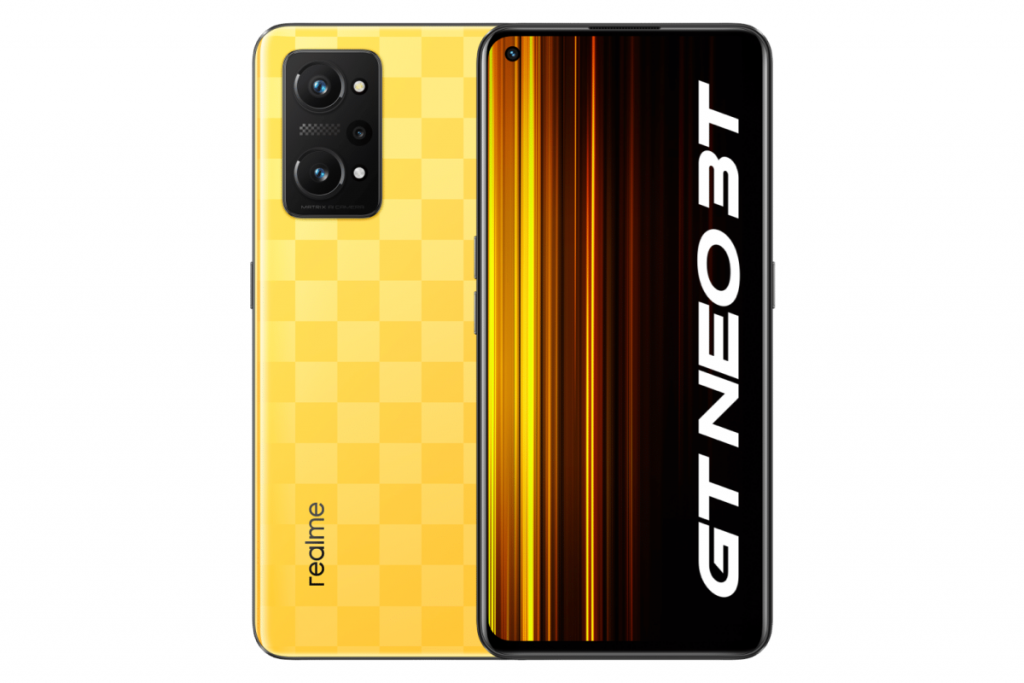
Realme GT Neo 3T (review) launch timeline in India has been tipped. Publication 91Mobiles has learnt from industry sources about the smartphone’s arrival as well as its colour options and RAM and storage configurations. Realme launched the GT Neo 3 in India in April and earlier this month it debuted the Neo 3T in Indonesia.
Realme GT Neo 3T in Dash Yellow
The report states that the Realme GT Neo 3T could launch in India by the end of June or in early July. It will be available in 6GB + 128GB, 8GB + 128GB, and 8GB + 256GB RAM and storage configurations. The smartphone will be offered in Dash Yellow, Drifting White, and Shade Black colours.
The Realme GT Neo 3T is said to be a rebranded version of the Realme Q5 Pro that is available in China. Recently, the smartphone’s support page had gone live on Realme India’s website and the device was also displayed at the brand’s flagship store in the country. This hints at the upcoming offering’s imminent arrival in India.
We can expect the Realme GT Neo 3T Indian variant to pack the same specifications as its Indonesian counterpart. The smartphone features a 6.62-inch FHD+ E4 AMOLED display with a 120Hz refresh rate. On the back, it has a triple rear camera setup of 64MP + 8MP + 2MP sensors whereas, on the front, there is a 16MP selfie snapper.
Under the hood, the Realme GT Neo 3T is powered by a Snapdragon 870 processor. It is coupled with up to 8GB RAM and 256GB internal storage. The smartphone is backed by a 5,000mAh battery unit with support for 80W fast charging. It runs on Realme UI 3.0 based on Android 12 out of the box.
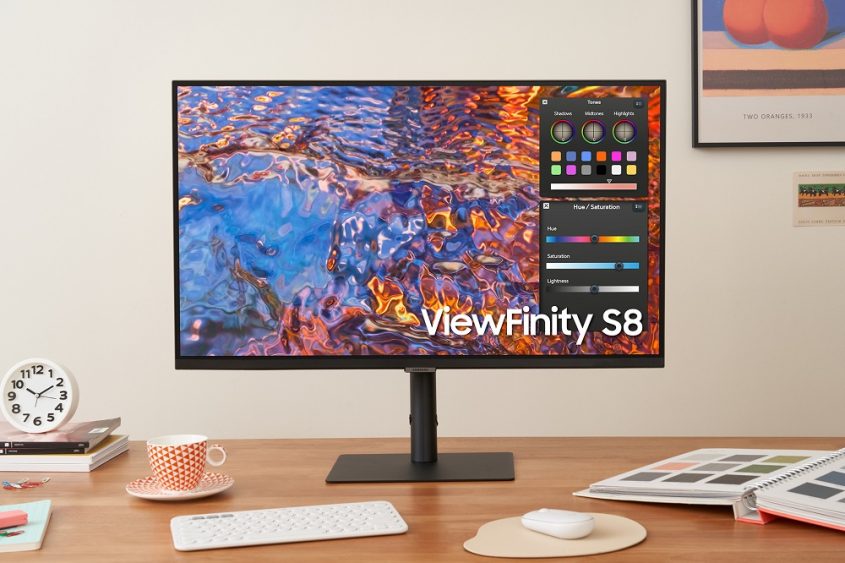
Earlier today (20th June 2022), Samsung Electronics announced a new products that targets creative professionals. It is a new model from the company’s ViewFinity series of monitors and is dubbed the ViewFinity S8.
The new monitor is the latest entry in the 2022 lineup of ViewInfinity and carries the model number S80PB. As per official notes, the new professional monitor comes with features that are geared towards users in the creative fields. Furthermore, the South Korean tech giant has launched this monitor in two size models, namely a 32 inch and a 27 inch variant. Notably, the new ViewFinity S8 features UHD resolution and also features a 98 percent wide color gamut and VESA DisplayHDR 600 for better range and color accuracy.
It even arrives with PANTONE certification as well for the display. Another notable aspect regarding the display is that is the world’s first UL verified Glare Free monitor. Interestingly, Samsung also made the new monitor with materials that were repurposed from waste plastics found in the ocean to help the marine ecosystem and to reduce its environmental footprint.
Since its a professional grade monitor, it houses an all in one dock for desktops or laptops for simplified workstations. Additionally, users can also connect the monitor with a single USB Type C cable that supports 10Gbps data transfers, fast internet speeds through an Ethernet connection and fast charging with up to 90W power as well.
Xiaomi Band 7 was launched in China just a couple of weeks back. However, despite the new smart band being released just a short while ago, it has seen already seen great success in the region.
The Chinese tech giant recently shared a promotional image poster on its official Weibo account. This image and post celebrated the Band 7’s explosive success in China as the product’s sales crossed the 1 million mark in just under one month after its announcement. For those unaware, the Band 7 launched in two variants, which included a base and an NFC enabled variant. Both models sports a 1.62 inch AMOLED display that has a 192 x 490 pixel resolution, 326 PPI pixel density, and 500nits of peak brightness.
The new smart band even feature Always on Display as well and comes with the usual health related sensors. This includes the likes of heart rate sensor, blood oxygen tracking, and others. Being a fitness oriented product, the wearable comes with support for more than 120 sports modes and even four professional sports modes with activity tracking, data analysis, and more.
The Xiaomi Band series has always been popular in the region and the latest milestone shows that the Band 7 is no different. It starts from 249 Yuan (roughly 37 US Dollars) and is currently only available in China and has not been released for the global markets yet.
A couple of weeks back, Oppo held a developer conference in China to shed information on the upcoming ColorOS 13 based on Android 13. Followed by this event, a prolific Chinese leaker known as Digital Chat Station shared a few screenshots of the yet-to-release software on Weibo earlier today. He also disclosed the beta program timeline.
Digital Chat Station shared two Weibo posts on the topic of ColorOS 13 a few hours back. He has taken down (removed pictures) the one with screenshots but the other one with beta timeline details is still live.
Thankfully Chinese media like ITHome reported on the leak before the images were deleted. As per the screenshots, ColorOS 13 will bring improvements to folders and widgets.
Users will be able to expand the folder size on the home screen. Thanks to this, apps can be opened quickly by tapping their icons from outside the folder itself.
Further, Oppo introduced widgets with ColorOS 12. It is possible to place them on the left page as well as the home screen, just like on iOS. With ColorOS 13, the company will be adding support for more widgets, says the leaker.
Finally, the tipster also mentions that the system UX design will be similar to the now-defunct Oneplus’ HydrogenOS. Therefore, Oneplus users will feel at home.
Talking about the development, Digital Chat Station says that the internal testing is better than that of ColorOS 12. Also, the process is a month ahead of the previous generation.
Hence, the external internal testing is expected to begin in July based on Android 13 Beta 3. This will be later followed by public testing in August.
As far as the official launch is concerned, we think that the conference will be held in August since that’s when public testing is said to begin.
With that being said, what are your expectations of ColorOS 13 based on Android 13? Do let us know in the comment section below.
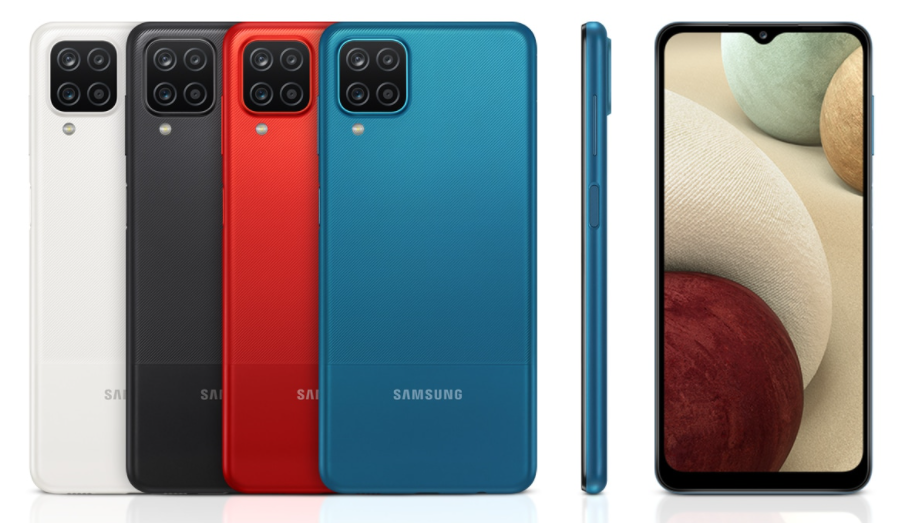
The Samsung Galaxy A12 Nacho is receiving a new software update, which bumps up the Android security patch level on the smartphone to June 2022. The new update also improves the system stability and fixes a few bugs. The Korean tech giant has already rolled out the latest security update to most of the eligible smartphones and the Galaxy A12 is kind of late to the party.
As reported by Sammobile, Galaxy A12 has started receiving the June security update. The latest build comes with version A127FXXU5BVF2 and is currently Seeding in India to a limited number of users, with the broader release expected to begin in a few days. Moreover, the update is only available to the new model of the smartphone, dubbed Galaxy A12 Nacho.
The latest firmware brings June 2022 security update to the phone which is claimed to fix over 66 privacy and security vulnerabilities. Moreover, the update is also expected to squash some annoying bugs and improve device stability.
If you are a Galaxy A12 living in India, you can install the latest software update on your handset by going to Settings > Software update> Download and install. And if you are no stranger to flashing, you can install it manually.
To recall, The Galaxy A12 Nacho was launched back in 2021 with Android 11-based One UI 3.1. However, the smartphone received the Android 12 update recently. It is powered by a 5000mAh battery and supports proprietary fast charging. The smartphone features Exynos 850 chipset under the hood. It houses a quad-camera setup on the rear consisting of 48 MP (wide) + 5 MP (ultrawide) + 2 MP (macro) + 2 MP (depth) while on the front there is an 8 MP camera.
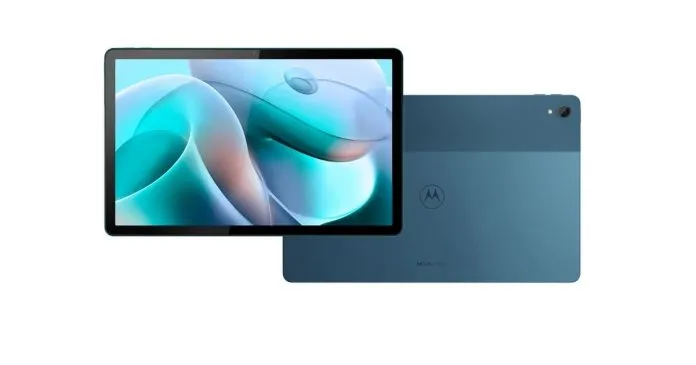
Motorola is set to announce a new tablet in the market soon. The company has previously launched Moto Tab G series models in the past, and now, it appears that another new model will be joining its tablet portfolio.
According to a MySmartPricereport, the new Moto Tab G62 might be released soon, as the upcoming Android tablet was spotted in Google Play Supported Devices website. Notably, the listing on the Google database also confirmed its official Tab G62 moniker and its model number XT2261-1 and XT2261-2. The former is the 4G enabled version, while the latter is the LTE only model.
Unfortunately, apart from its name and model number, no other details regarding the tablet was shared. So, its unknown what specifications and features the Tab G62 will launch with as of right now. Although, based on its name, it will likely sit somewhere between the two previously launched Motorola tablets, namely the Moto Tab G20 and Tab G70. For those unaware, the Tab G70 was the company’s high end tablet that was launched in India.
Tab G70
It sports a large 11 inch display that had a 2K resolution. Under the hood, the tablet was equipped with a MediaTek Helio G90T and was powered by a large 7,700mAh battery pack that supported 20W fast charging out of the box. The tablet ran on Android 11 OS and even offered a quad speaker system that supported Dolby Atmos. So, we can expect somewhat similar and possibly even watered down specifications on the Tab G62.
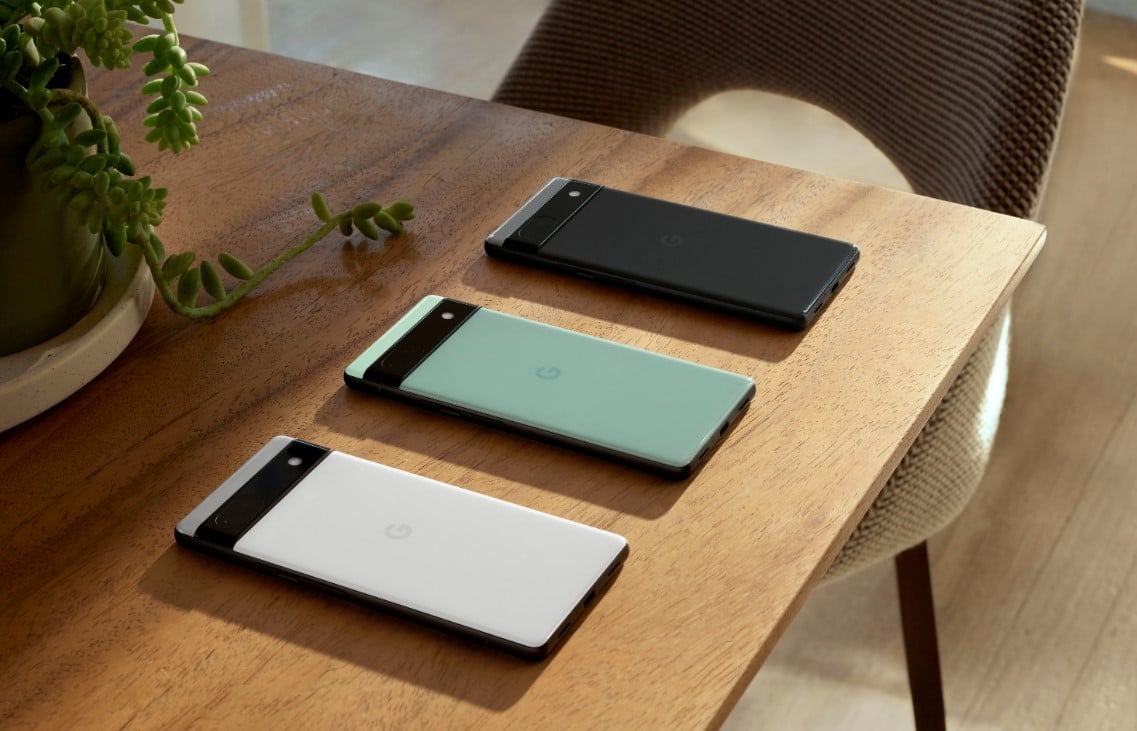
Last week, Google rolled out the June 2022 feature drop for Pixel phone owners. Along with that, the tech giant released the June 2022 Android security patch. The update came with some new features, usual bug fixes, and certain security improvements. Now, Google has revealed that June 2022 update also brought VoLTE roaming support to Pixel smartphones running on the U.S. and global carriers.
Google is bringing VoLTE roaming to phones because carriers in the United States declared in 2021 that they will phase out their 3G networks. As a result, some handsets that do not support Voice over LTE (VoLTE) or VoLTE roaming may lose voice calling capabilities, including 911 calls, or connectivity while 3G networks are down.
Google Pixel 6a
The June software update enables VoLTE roaming for many U.S. and global carriers. This in turn allows many Pixel Smartphones to roam in the U.S. with VoLTE if their carrier supports VoLTE roaming.
The Phones that will receive this update are:
Pixel 3a, Pixel 3a XL
Pixel 4, Pixel 4 XL
Pixel 4a
Pixel 4a (5G), Pixel 5
Pixel 5a (5G)
Pixel 6, Pixel 6 Pro
Google says “if you’re using an older device where VoLTE was not enabled for your carrier you will experience issues on your home network and we recommend you upgrade to a device that has VoLTE enabled for your carrier. Devices without VoLTE roaming support will not be able to roam on other LTE US networks.”
To continue using voice calling, it is advisable to install the June 2022 update on your device without any delay. To install the update on your device, head to Settings > System > System update.
Oppo had just recently launched a new affordable 5G smartphone in India. This model was the Oppo K10 5G, which is different from the model that launched in China with the same name. And now, we managed to get our hands on this Indian variant of the Oppo K10 5G, so here is our review based on our experience with the new handset. So let’s see if the device is worth buying.
In the title, I called the K10 5G a “premium budget smartphone,” despite it having a standard mid range price tag of 17,499 INR (roughly 225 US Dollars). There are some aspects of the device, which make it more akin to an entry level device, but then there are others that have it reach standards closer to a premium grade smartphone. Design is undoubtedly one of the areas that we see this “premium at a budget” philosophy being highlighted by the Chinese brand.
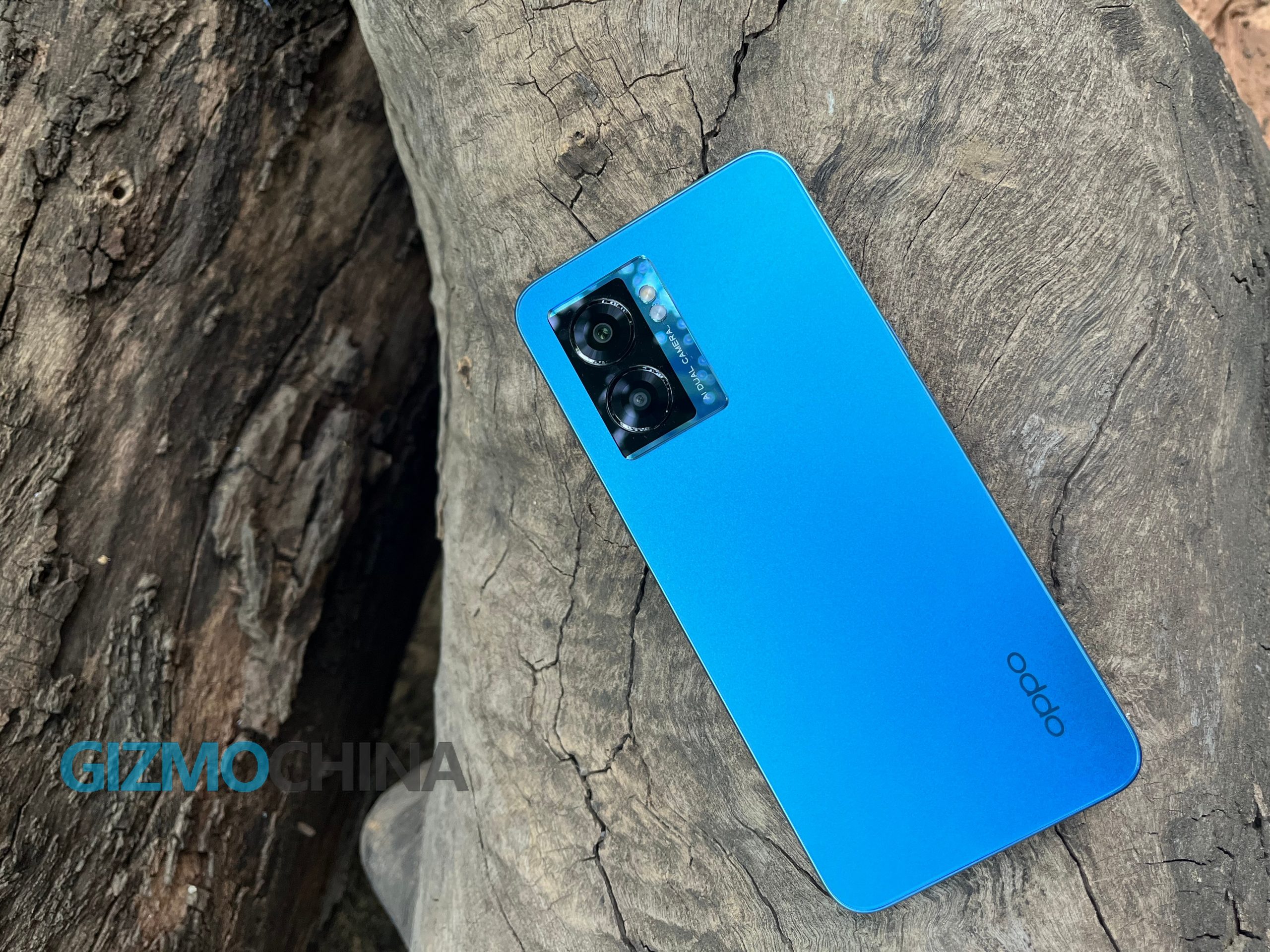
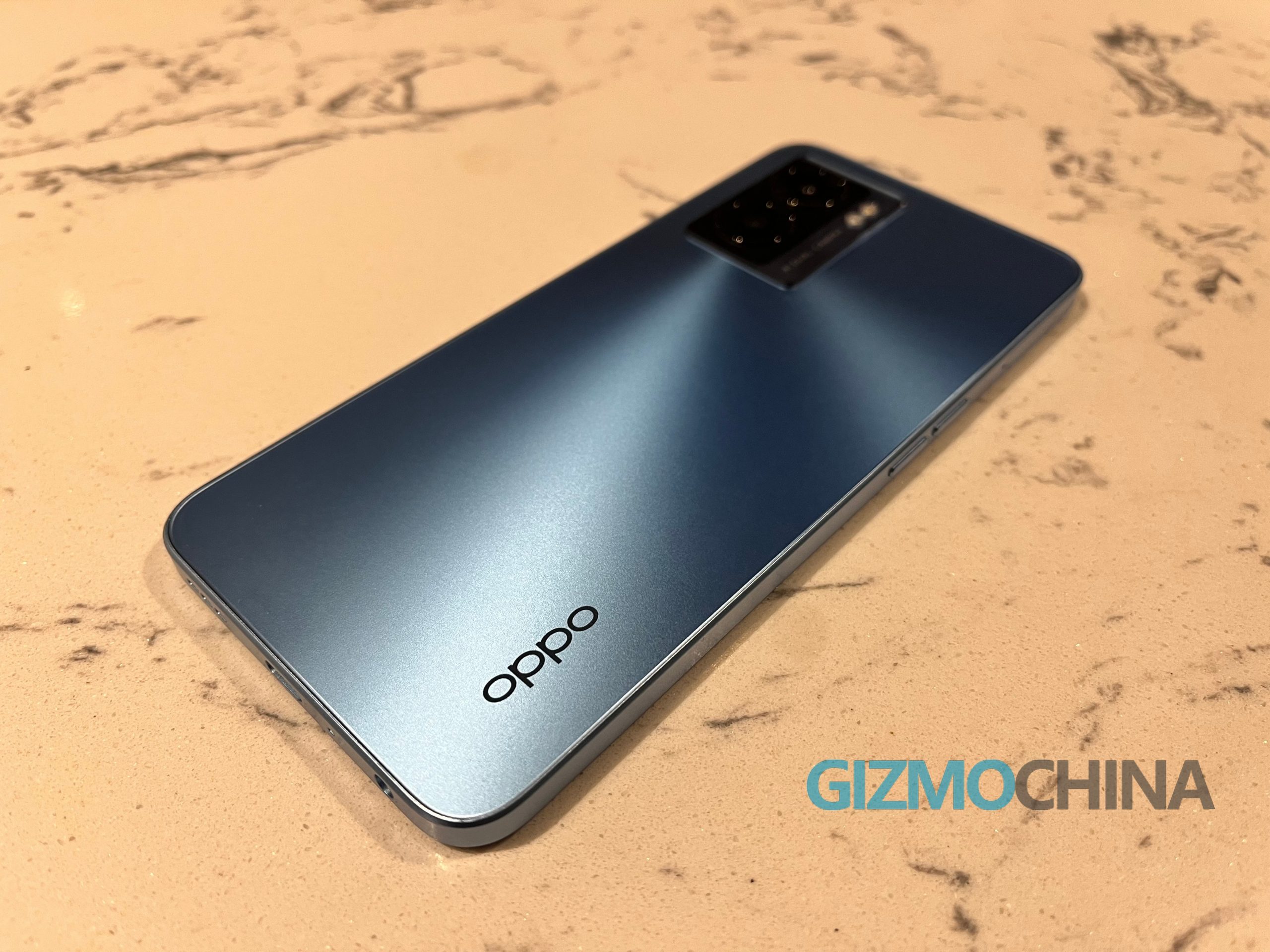
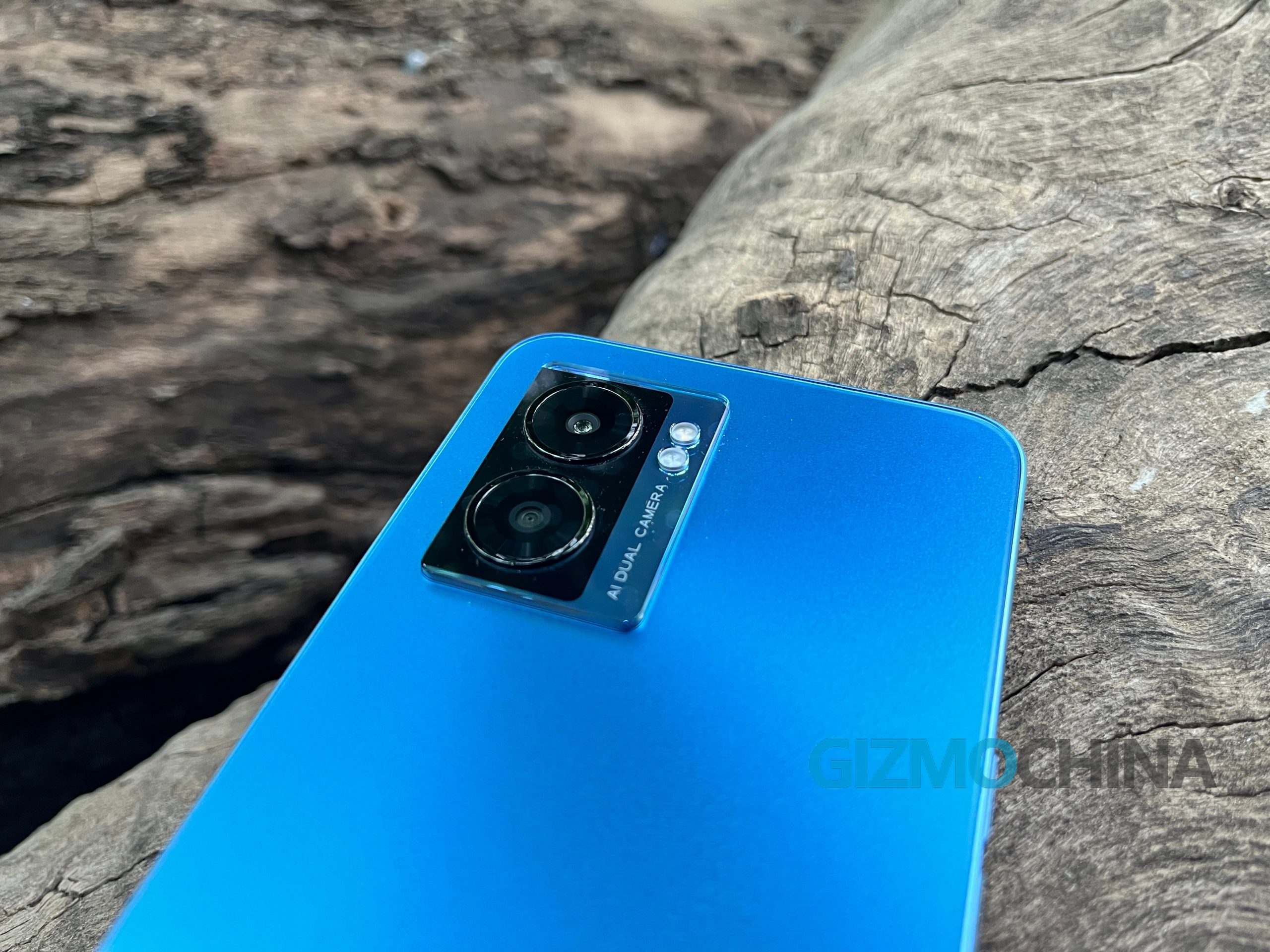
The Oppo K10 5G features a flat rear panel and rounded corners and I have been a fan of this design in recent smartphones from the company. My previous review of the Reno 7 Pro also highlighted this aspect as one of the attractive points regarding the device’s overall appeal and hand feel. Furthermore, the back panel also features a reflective metal texture and is even fingerprint and scratch proof as well. The K10 5G model I reviewed was the Ocean Blue model. While I typically prefer darker tones on my handset, the lighter color scheme was quite the looker, especially with the reflective finish.
The handset has a thickness of 7.99mm and weighs 190 grams. While it isn’t exactly a light phone, the overall size and thickness did make it easy to use with one hand as well. But for those that are afraid of dropping their sleek new device, worry not as the company also provides a protective case. The back also sports a large camera module that houses the dual camera setup and LED flash module, and yes there is a camera bump.
Reflective panel sometimes appears darker than it actually is at a certain angle under artificial lighting
But unfortunately, Oppo’s Orbit Breathing Light, which is the LED notification found on some other models from the brand, did not make an appearance here. But, to Oppo’s credit, the smartphone packs stereo speakers as well. Like I said above, premium experience at a budget is showcased again with some high-end features on a budget price tag. The speakers were quite loud and for the most part clear, as long as you don’t crank it up to the max volume.
Display
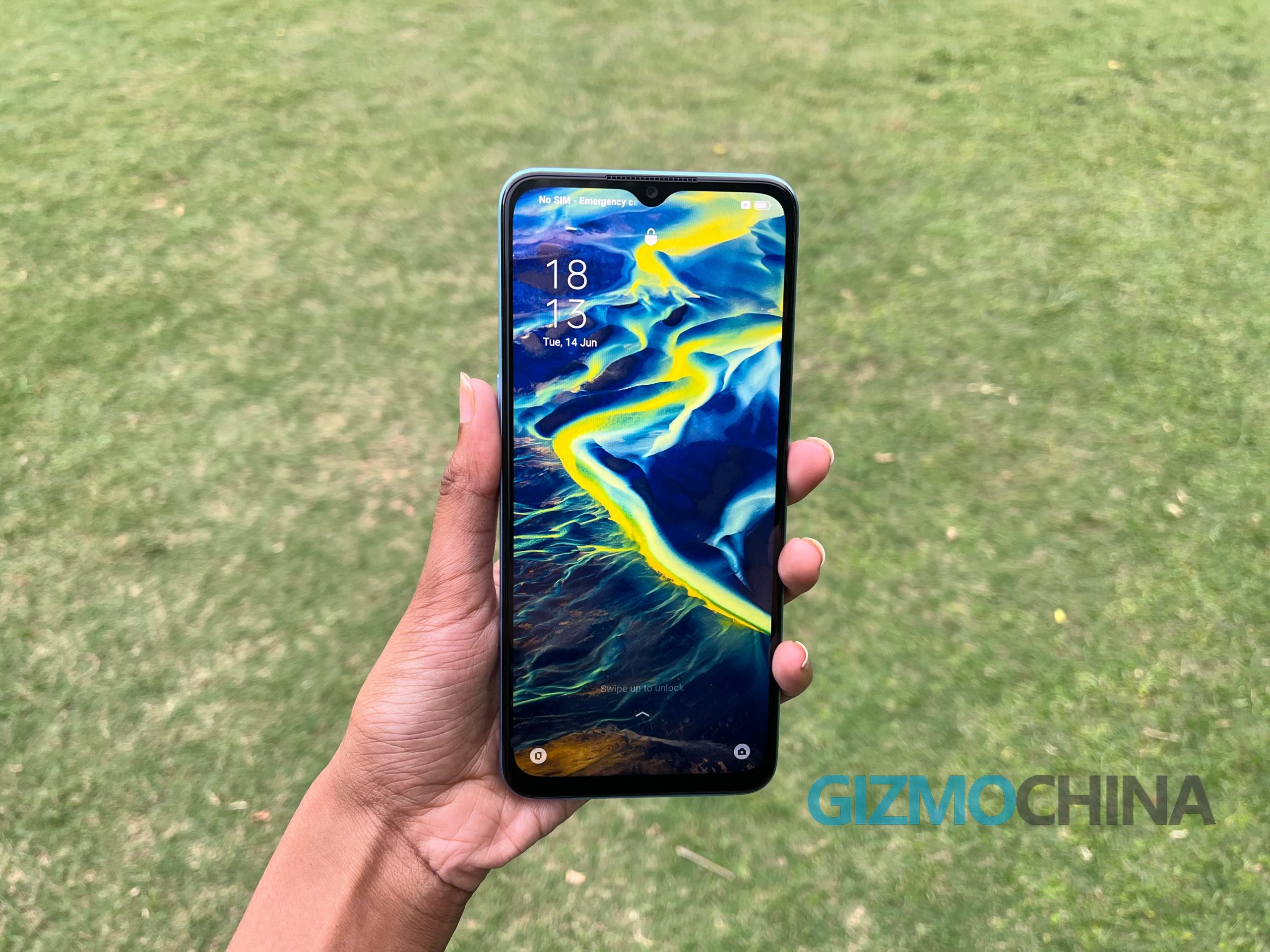
Getting the specifications out of the way first, the K10 5G model in India sports a 6.65 inch LCD panel that has an HD+ resolution and 90Hz refresh rate. It has an aspect ratio of 20:9 while also offers 100 percent sRGB, 100 percent DCI P3, and 96 percent NTSC color gamut as well. The device’s display also offers 480 nits of brightness, with a peak brightness of 600 nits.
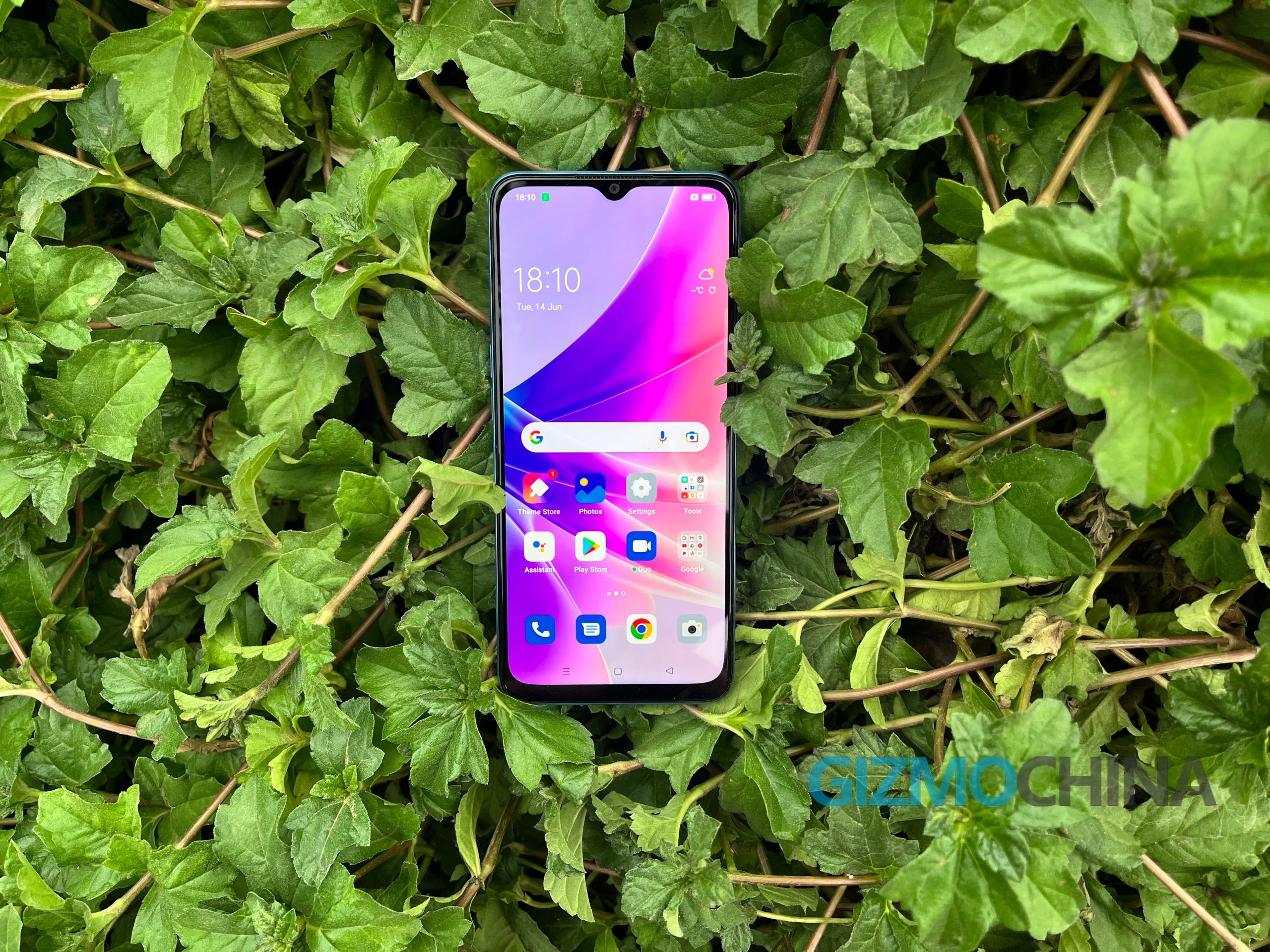
Talking about the positives first, the higher refresh rate over the standard 60Hz is always a plus point. The 90Hz panel makes browsing through the UI smooth as butter, and the phone feels even more responsive because of this. I used the device on the “Natural” color mode and generally had a pleasant viewing experience when binging on Netflix. Notably, there are some models that offer 120Hz at the price point, but outside of gaming, the difference isn’t as noticeable.
However, and it’s a big “however” here, the 720 x 1612 pixel resolution was a huge let down. With my own primary smartphone with a FHD+ resolution being placed next to it, I could easily tell the difference in resolution. The display wasn’t blurry by any means, but with a large 6.56 inch panel and a pixel density of just 269 PPI, the individual pixels were easily noticeable without having to focus closely. I would’ve also preferred an OLED panel, but that’s probably a tall demand for such a tight budget. Regardless, a FHD+ panel would’ve offered a more enjoyable viewing experience. The device doesn’t have the brightest displays, but I didn’t face any hindrances under direct sunlight either.
Software
The K10 5G in India boots on Android 12 OS based ColorOS 12.1 version out of the box. Software has been one of Oppo’s strong suits in recent times and this is no exception with the custom skin on the K10 5G model, with multiple customization options being available to the user. I didn’t encounter any bugs or glitches when using the device, but there were some very rare lags at times. The in depth customization options lets you personalize icons, wallpapers, and even try on multiple themes on your device. The overall experience was solid, but ColorOS still has its fair share of bloatware present, although you can remove some of these as well.
Gaming & Benchmark
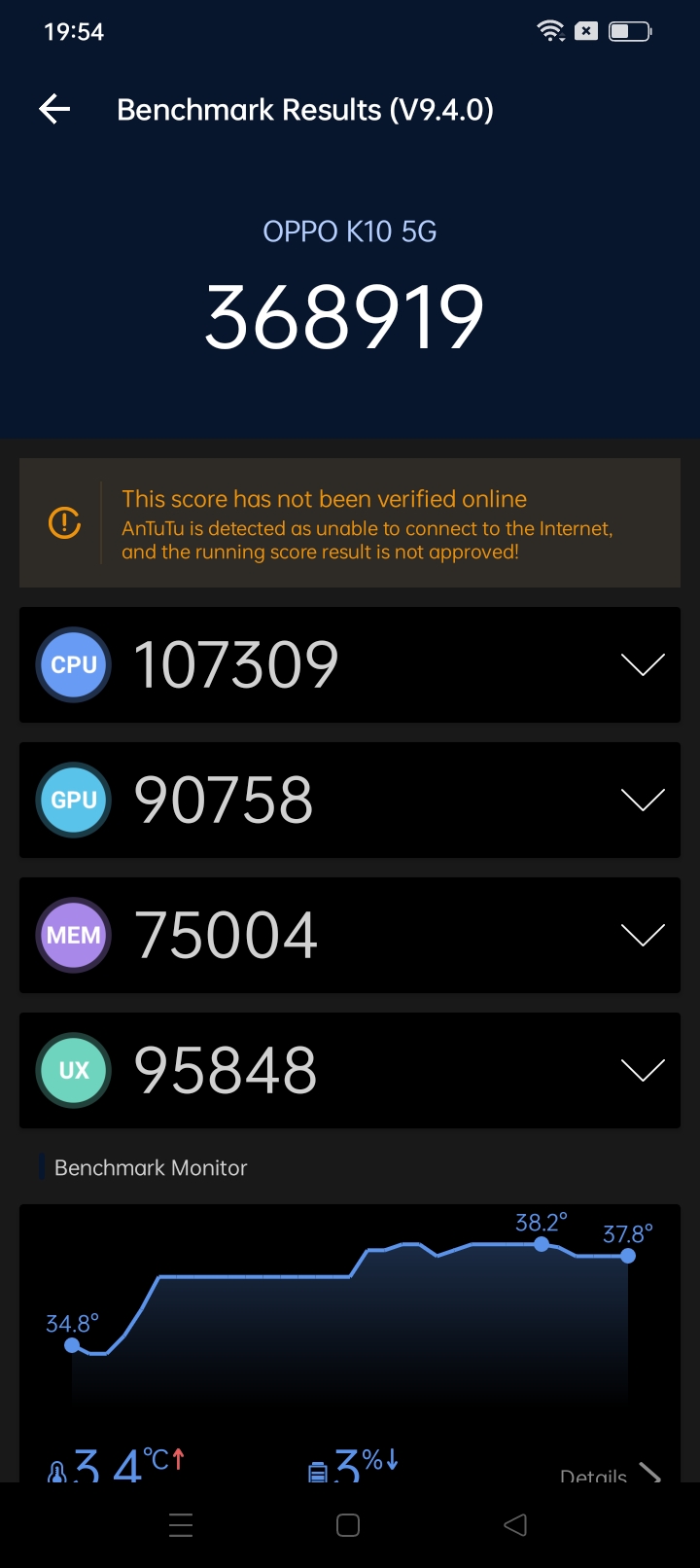
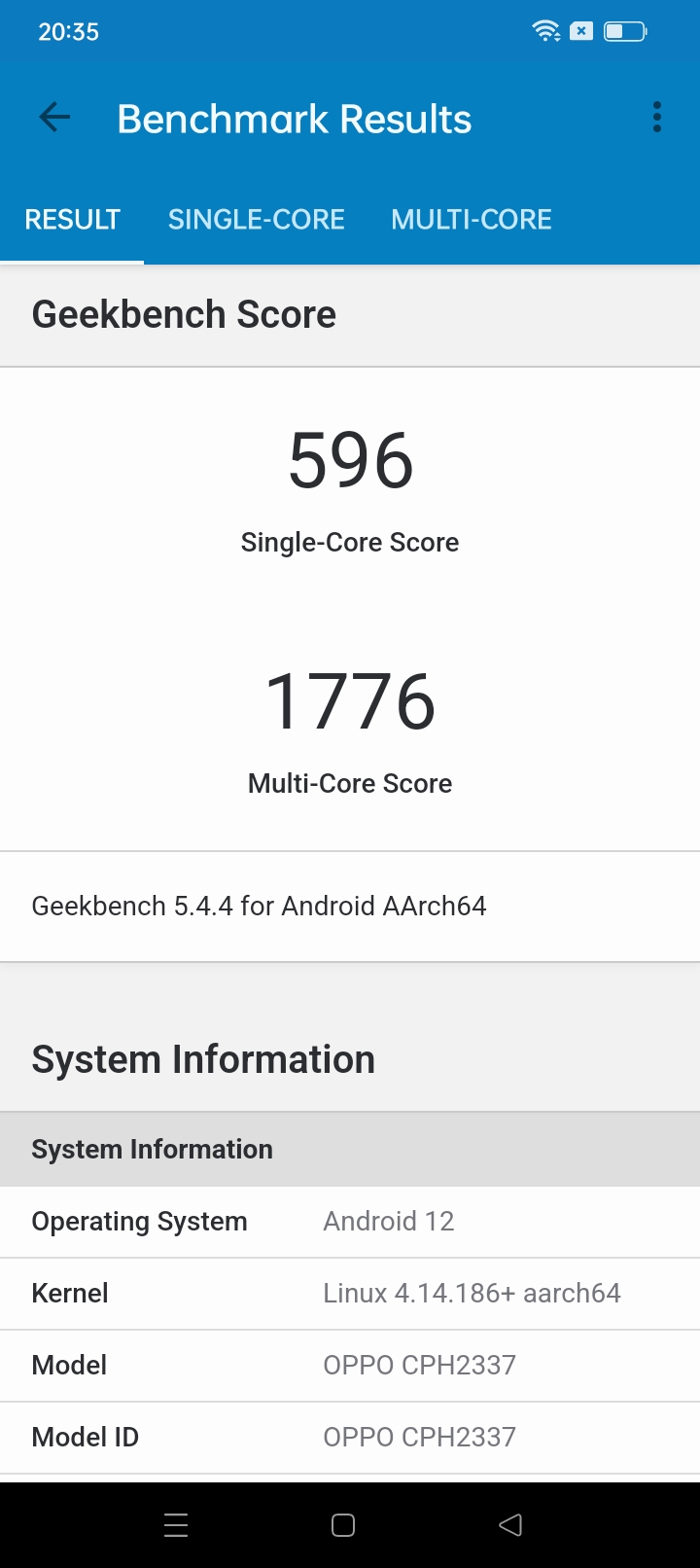
Under the hood, the Oppo K10 5G is equipped with a MediaTek Dimensity 810 SoC. This chipset is paired with 8GB of RAM that can be virtually expanded and 128GB of internal storage as well. For games, I tested the smartphone with BGMI (Battlegrounds Mobile India) and Asphalt 9. On the other hand, I chose 3DMark, AnTuTu, and GeekBench 5 for synthetic benchmarks. During gaming, the device managed to hold out well overall and was able to hit a smooth 30fps when running intensive games like Asphalt 9 and BGMI, although there were some notable stutters here and there.
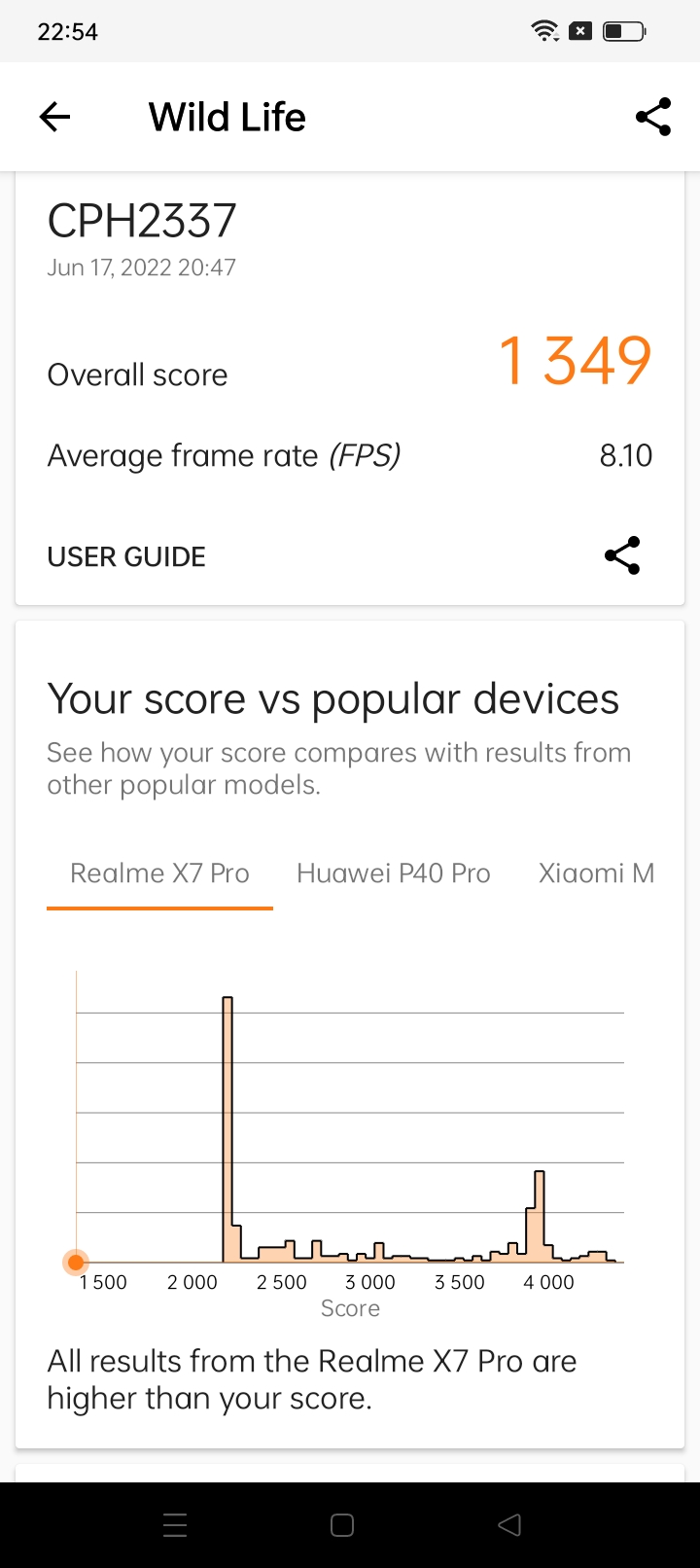
3DMark Wild Life
AnTuTu
GeekBench 5
This is also the time when I felt the phone get warm for the first time. Nothing too unbearable, but warm due to graphically intensive titles. The Dimemsity 810 SoC doesn’t exactly pack a powerful punch, but is still a capable chipset. In the synthetic benchmarks, the device scored 596 points in the single core test in GeekBench 5, and 1776 points in multi core tests. It also achieved a 368,919 score on the AnTuTu benchmark and a score of 1349 on the 3DMark Wild Life test.
Battery & Charging
The Oppo K10 5G is powered by a large 5,000mAh battery pack that supports 33W fast charging. As per official claims, the smartphone can be charged to over 50 percent in just 30 minutes, which was true. However, it takes more than an hour for the device to hit the 100 percent mark. With light use, I easily managed to have the K10 5G last for a little under 2 days. But once I started putting the handset through gaming, binge-watching videos, and even taking a lot of photos, the battery life easily dropped to under a day.
With basic internet browsing, YouTube videos, and some light gaming, the device still managed to have an battery life of a whole day. Mobile gaming had the biggest hit on the battery as expected, but the phone still managed to offer decent endurance. So, you can expect to see upwards of one day of battery life with light use, under a day with medium to heavy use, but you might have to charge twice if you’re gaming a lot.
Camera
On the rear, the Oppo K10 5G features a dual camera module. At this price range, a triple camera setup is available, but quality is more important than quantity of the sensors. Looking at the camera setup, the device packs a 48 megapixel primary shooter that is paired with a 2 megapixel depth sensor. On the front, the waterdrop notch panel houses an 8 megapixel selfie camera. Talking about the camera app, the device offers a number of different shooting modes alongside various beauty filters and more. Technically, the smartphone only offers shooting from a single sensor, while the other supplements it for certain functions like portrait shots. So let’s see how it performs.
Rear Cameras
The main camera is a 48 megapixel sensor that has an f/1.7 aperture. Under optimum conditions with plenty of lighting, the camera offers a robust performance overall. It is capable of capturing some solid shots that have rather bright and sharp colors. The company also offers the AI shooting mode and HDR mode as well, although the former barely showed any difference when compared to the regular mode. On the other hand, there were some minor differences with HDR enabled shots.
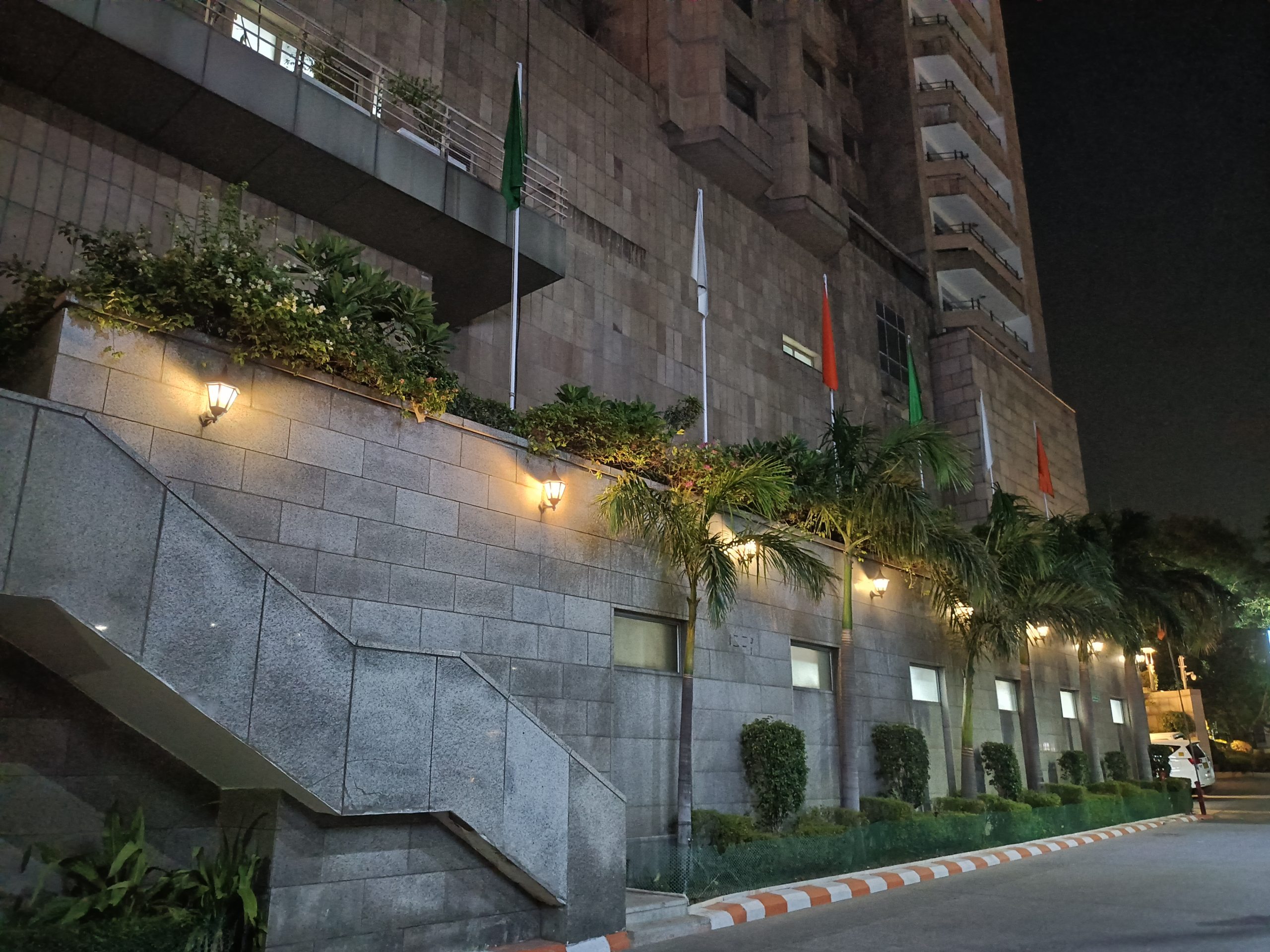
Oppo K10 5G Review: Primary Camera
1 of 4
Primary Camera: HDR Off (Scene 1)
Primary Camera: HDR Off (Scene 2)
Primary Camera: HDR On (Scene 2)
Interestingly, there were times when HDR did not help highlight the colors and shadows even during well lit scenes. But it always helped balance out exposure, especially shots which had sunlight in the horizon. One issue that often bugged me was the autofocus. There were times when the smartphone struggled to focus on a particular object in front, with the camera choosing to focus on the background instead. The pictures of leaves on a tree best highlighted this issue.
Oppo K10 5G Review: Primary Camera Night
1 of 4
Primary Camera: Night Mode Off (Scene 3)
Primary Camera: Night Mode On (Scene 3)
Primary Camera: Night Mode Off (Scene 4)
Primary Camera: Night Mode On (Scene 4)
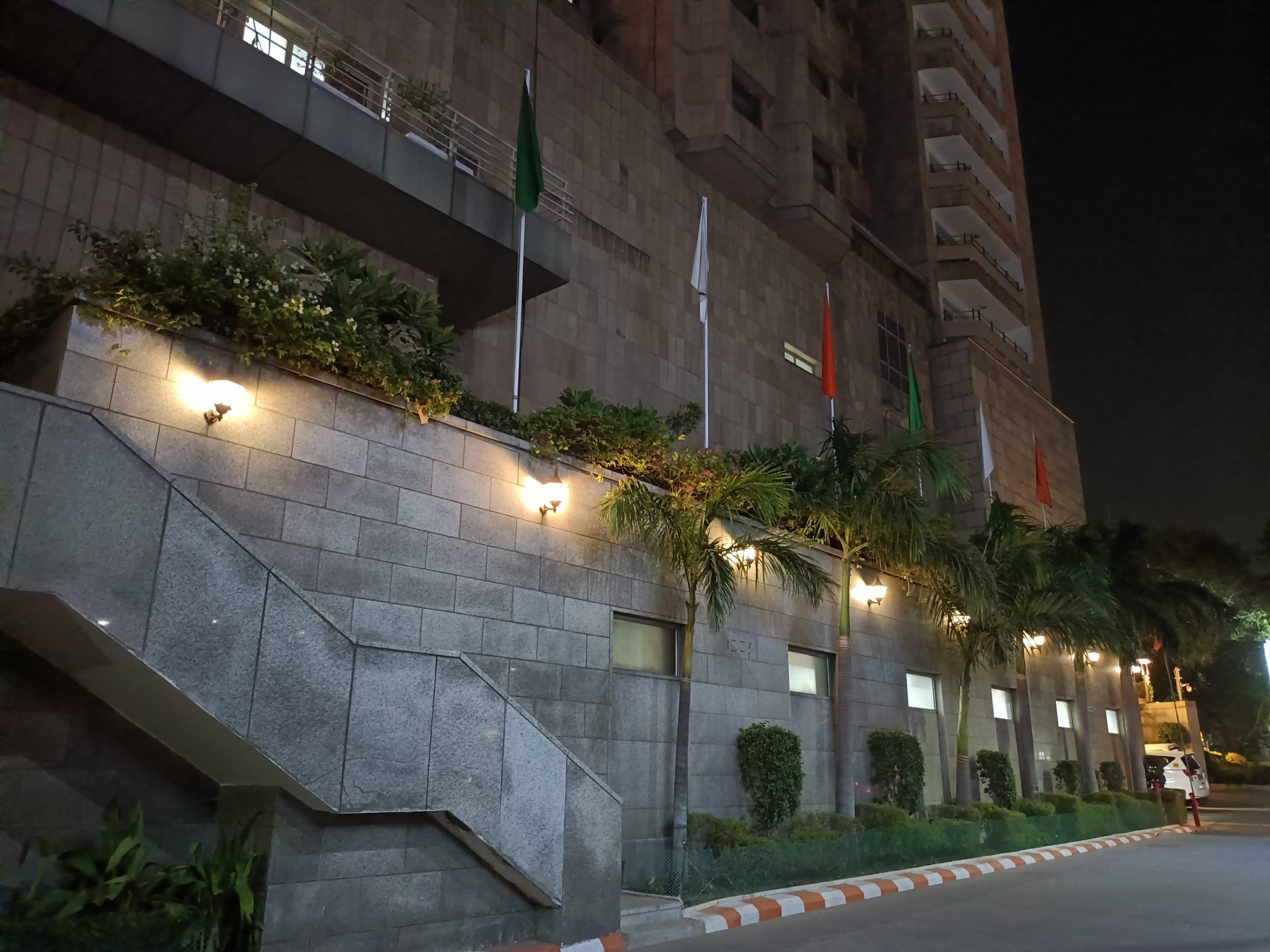
Scenes with low light appeared to be a weakness for the sensor, as shots had very visible noise and a lack of details. Additionally, using night modes sometimes added a grainy texture to the images as well. Night mode for the most part did not help in improving the image much in terms of exposure or brightness of the scene. However, it did help better highlight light sources to help balance out shots.
Portrait Shot 1
Portrait Shot 2
Talking a bit about the depth sensor, its primary function is to help distinguish depth in the form of portrait shots in Portrait mode. And it actually performed quite well, under good lighting conditions that is. Images taken in portrait mode helped define the subject and add a bokeh effect on the background, with good edge detection as well.
Random Daylight Shots
1 of 6
Selfie Camera
The Oppo K10 5G has an 8 megapixels selfie shooter on the front. Similar to the rear camera, it also offers a night mode. Its selfie camera offered a mixed bag of experience. In proper lighting, the shots would have good exposure and decent details for the sensor size. But at times, the selfie shooter tended to blow up the exposure, which led to unnatural colors and skin tones. In low light, this issue became even more prevalent.
Oppo K10 5G Review: Selfie Camera
1 of 4
Selfie: Good colors, exposure, & details
Selfie: Some shots were overexposed in daylight
Selfie: Night Mode off
Selfie: Night Mode On, better exposure but with visible noise
Here, the Night mode is well appreciated. As you can see in our Night mode shots, a dark scene was lit up naturally without blowing up the exposure while also managing to retain a good amount of detail. Unfortunately, there is still some visible noise and blurriness in scenes that were not the primary focus, but that is to be expected in a low light condition.
Verdict
At a price tag of 17,499 INR, there are many alternatives that are also worthwhile instead of the Oppo K10 5G. These may offer a higher 120Hz refresh rate, more camera sensors, or even better performance as well. However, I believe that the K10 5G model wasn’t made to simply outdo another model based on performance alone. Its strong suit is the entire design, while offering capable specs.
And in that sense, it might be a good choice for those looking for a premium experience at a budget. But there are some other alternatives you can consider at this price range like the POCO M4 Pro 5G (Dimensity 810), Realme 9 Pro 5G (Snapdragon 695), Vivo T1 5G (Snapdragon 695), and even the Moto G71 5G (Snapdragon 695).
POCO is gearing up to launch a new smartphone soon. The X4 GT model is set to be officially launched for the global markets on June 23. But prior to its announcement, the company has officially revealed some of its key specifications. So let’s have a look.
The Chinese smartphone maker shared the information from its official Twitter handle. Looking at the teaser poster, it is confirmed that the upcoming device will feature 67W fast charging support. Furthermore, the brand also officially revealed that the handset will be equipped with a MediaTek Dimensity 8100 SoC under the hood. Apart from this, the only other information shared was regarding the display panel.
The POCO X4 GT will sport an LCD panel that supports 144Hz refresh rate. Interestingly, the brand also teased that the POCO F4 5G model will pack a Qualcomm Snapdragon 870 SoC, an AMOLED panel that supports 120Hz refresh rate, and 67W fast charging as well in a separate tweet. For those unaware, the X4 GT model is expected to be a rebranded variant of the Redmi Note 11T Pro that was launched in the company’s home market of China.
The Redmi Note 11T Pro also launched with a Dimensity 8100 processor. Although, there were some differences with the Note 11T Pro model featuring a 120Hz LCD panel. So, it appears to be closer to the Note 11T Pro+, however, this model offered a higher 120W fast charging support. The X4 GT model will debut later this week, so stay tuned as we will be covering the launch event.
If you’re looking for a great rugged phone, then I’m sure you’ve heard of AGM, whose rugged phones are very refreshing. For example, the brand boasts of having the world’s largest speakerphone, or even a unique-looking rugged phone you’ve never seen before. Today’s star is also from AGM, and this time we have their flagship model, the AGM Glory G1S.
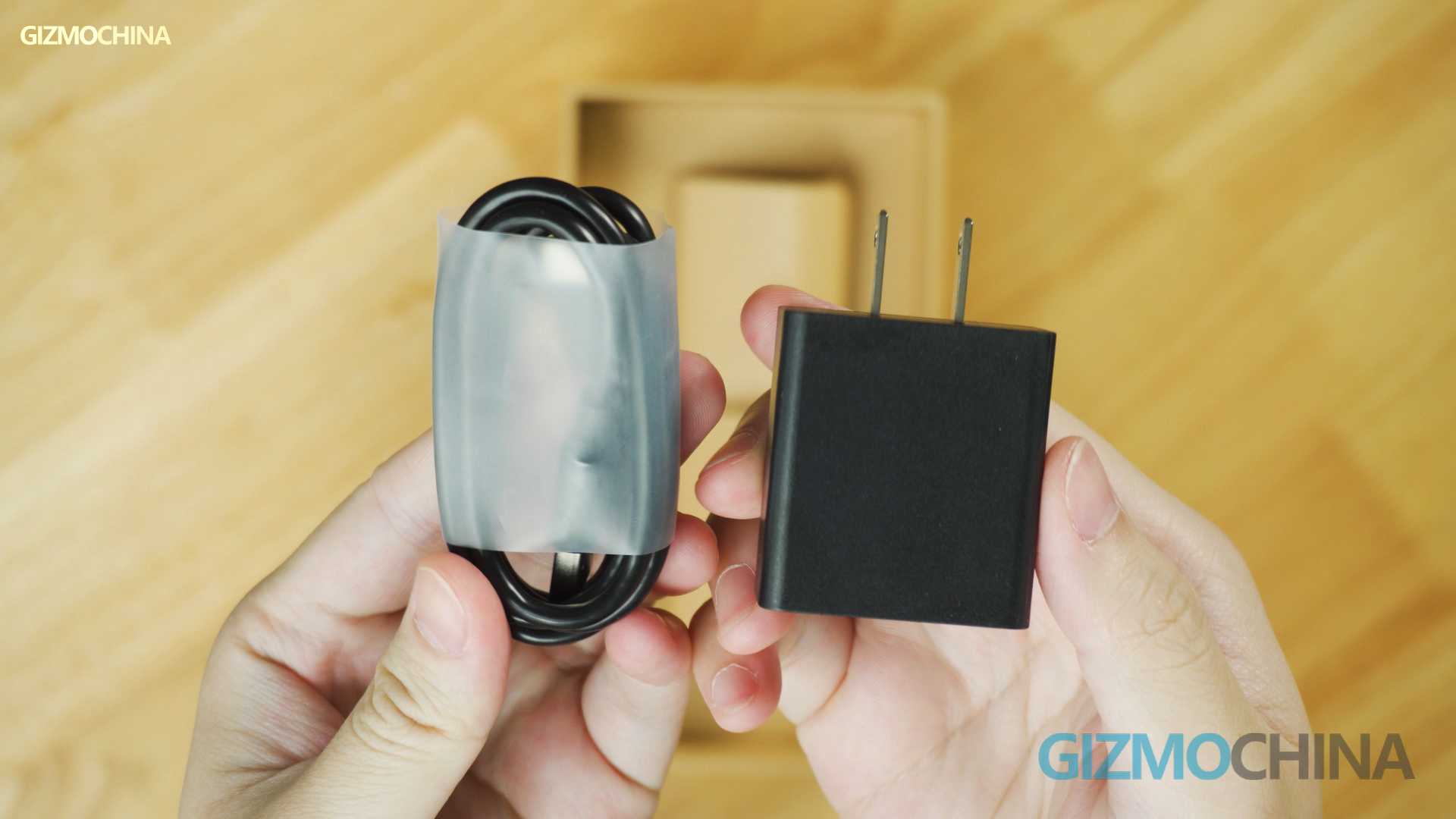
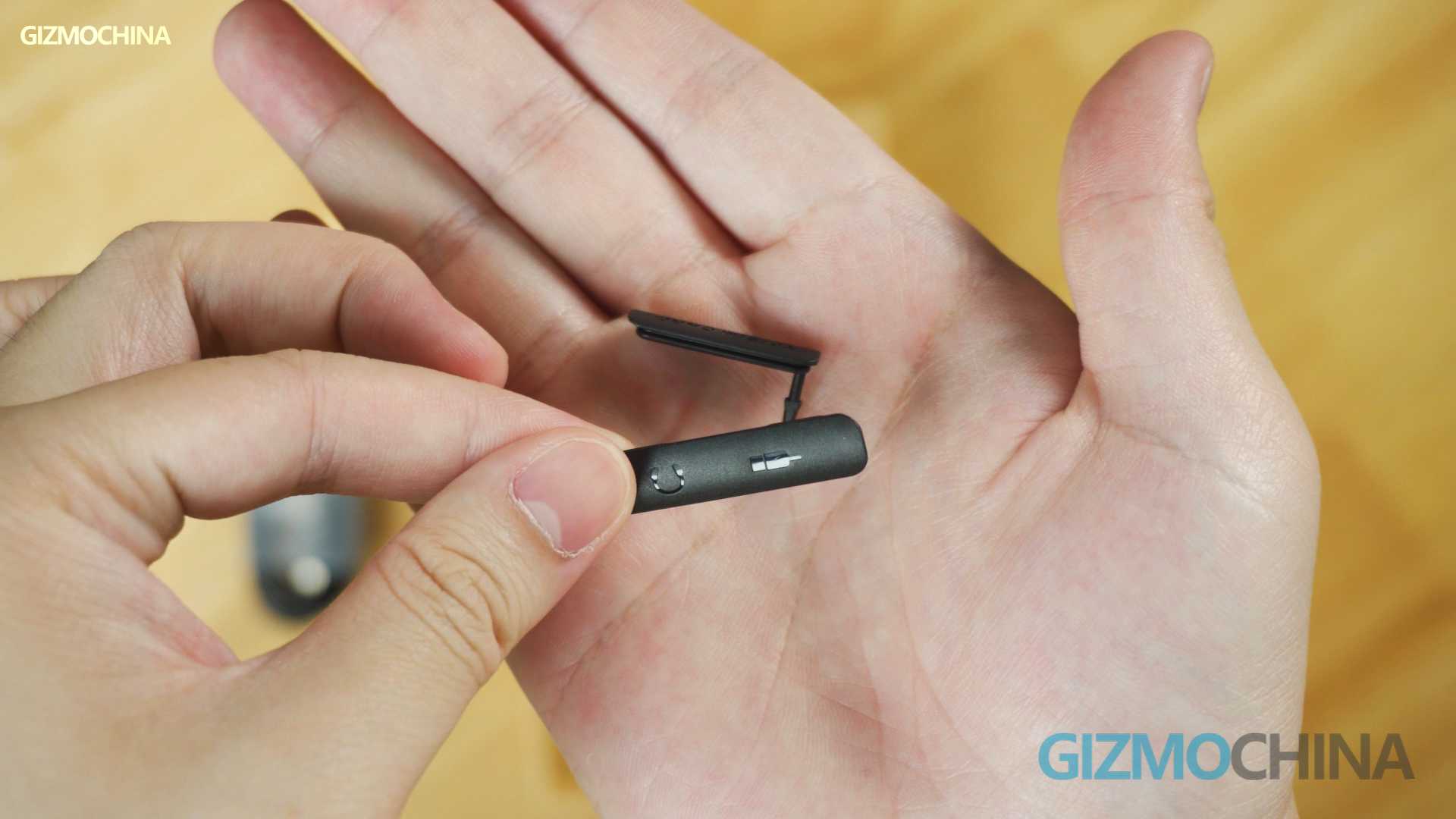
The Glory G1S box is made of light-colored kraft paper. The accessories inside are very simple. A 18w charger, a charging cable, a card pin, and instructions. The phone’s dust plug has a string attached to prevent you from losing it. But in case you still accidentally lose the dust plug, AGM thoughtfully sent two backup dust plugs in the box. Good job AGM.
1 of 5
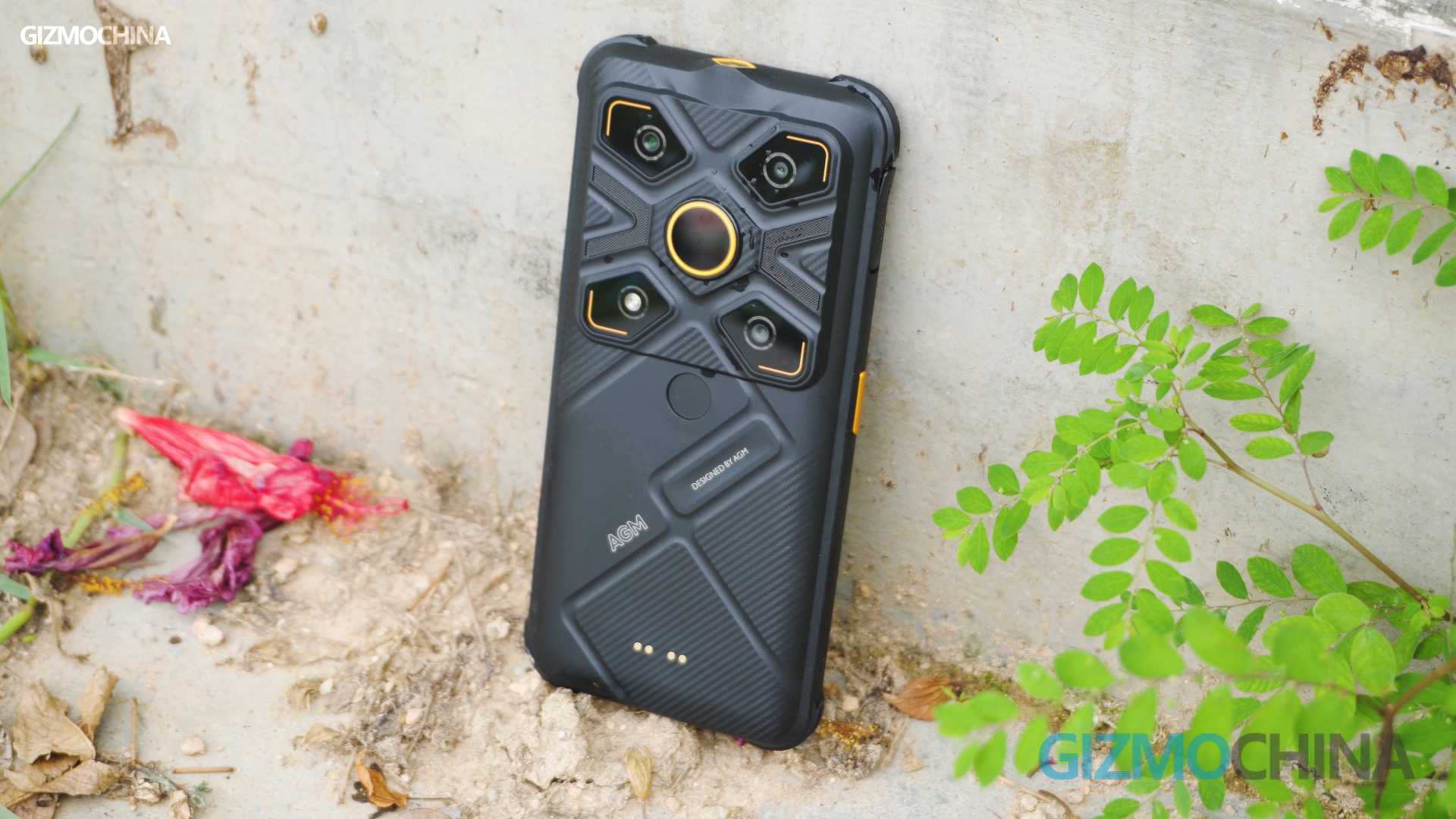
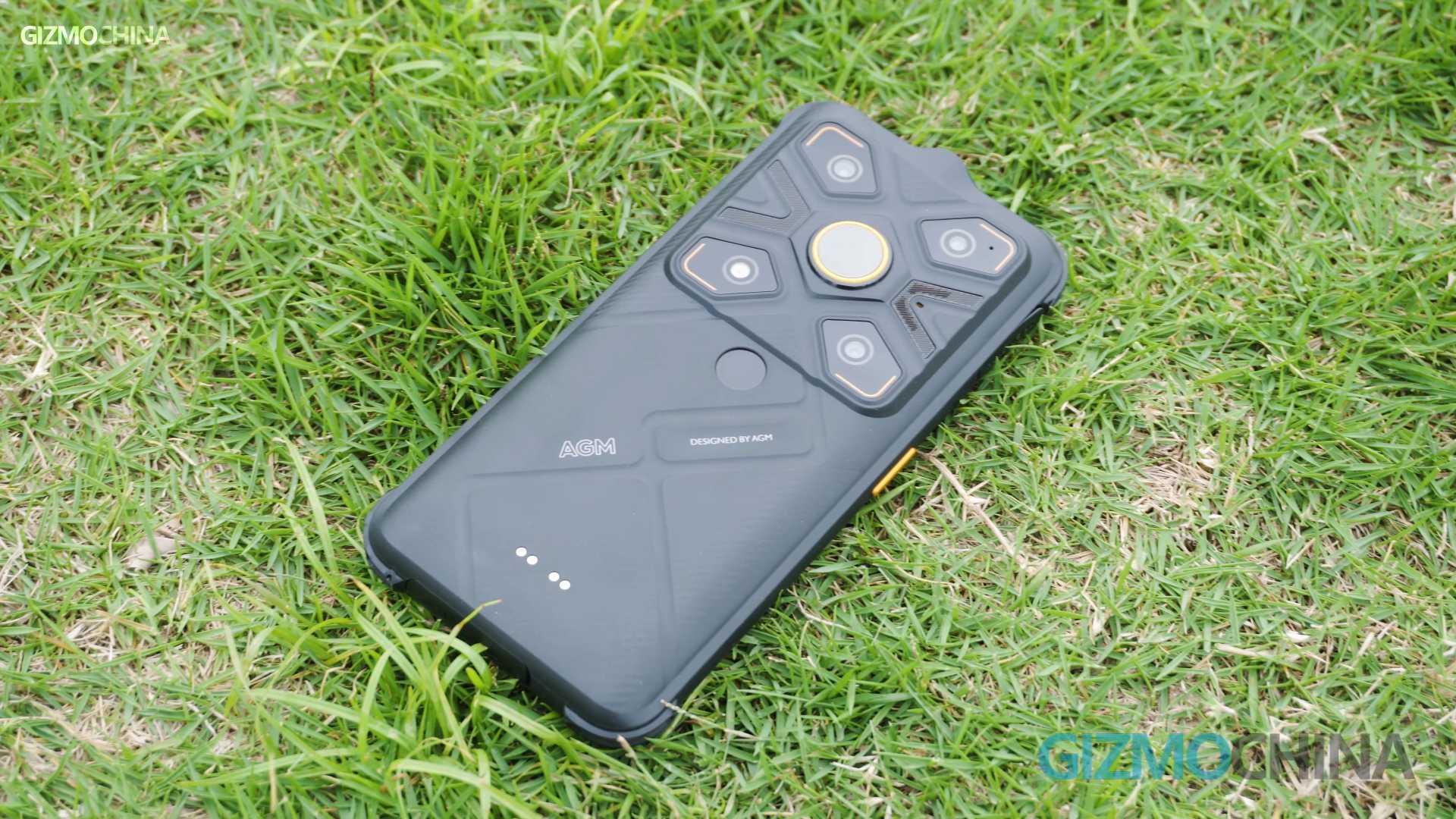
As I mentioned at the beginning, AGM’s phone designs are usually very different. Other rugged phones favor a tough design style, but AGM’s rugged phone is not as tough. The Glory G1S has a lot of rounded rectangular patterns on its body. The curved design makes the phone fit better in the hand. I have to say that the Glory G1S does feel better than other rugged phones.
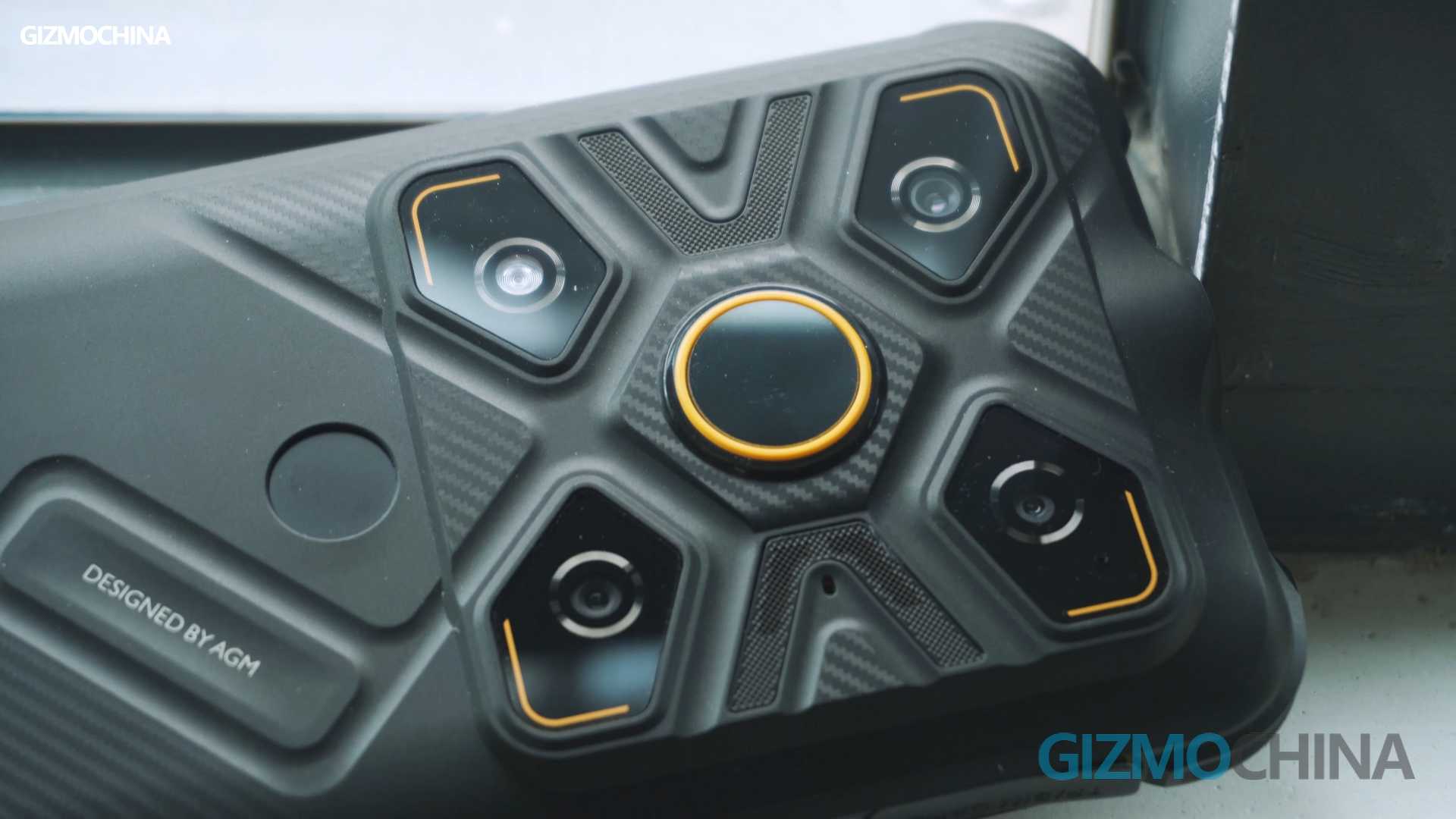
The camera module is very large, taking up almost half of the phone. The speaker is on the right side of the camera module, so no matter how you hold the phone, the speaker will not be blocked. The big round sensor in the middle is not a fingerprint sensor, the one below is.
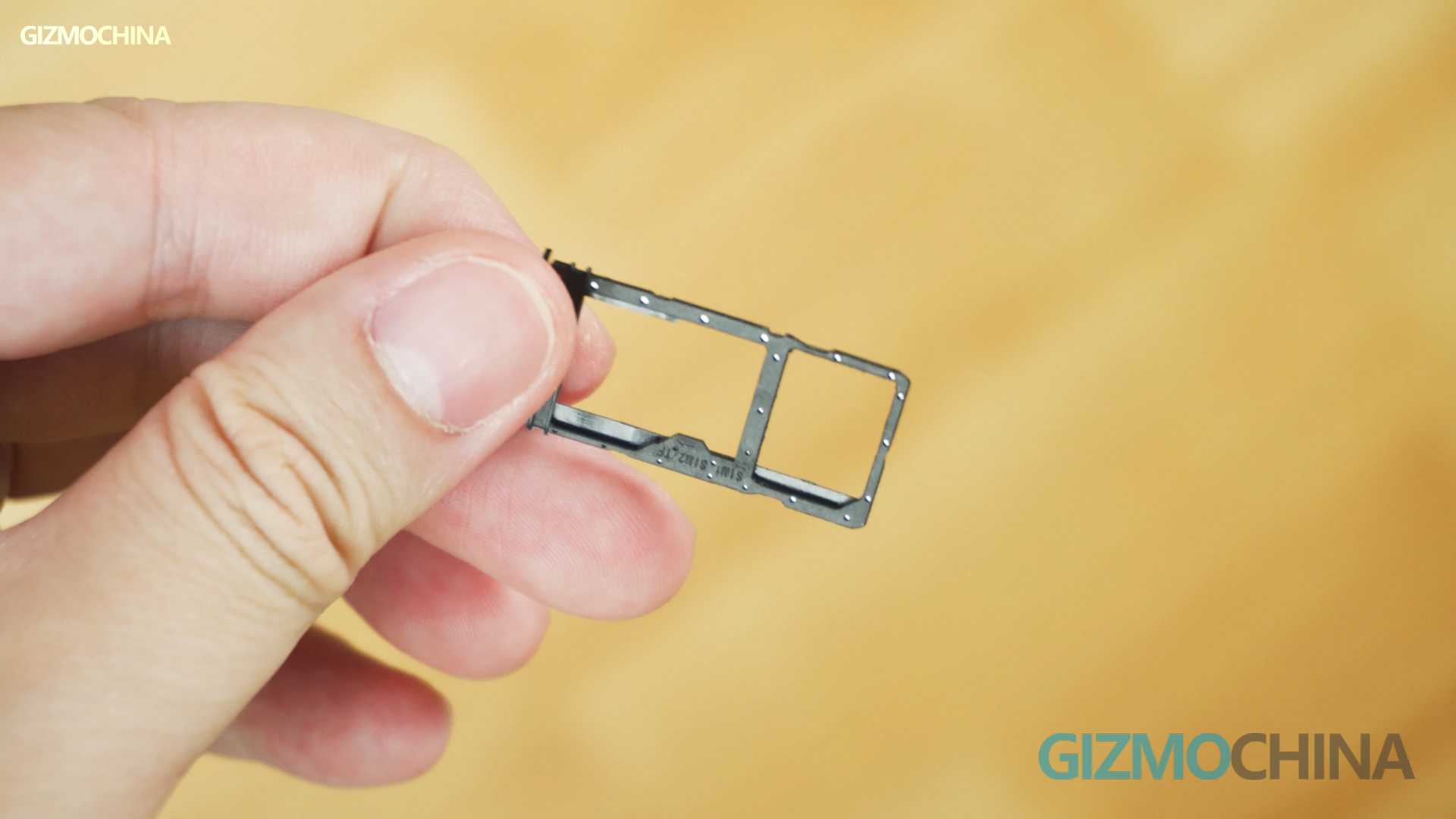
So what is this sensor? As you may have guessed, it’s a thermal imaging camera, we’ll get into that later. It supports NFC and has a hole for a lanyard in the lower right corner. The SIM card tray supports 2 SIM or 1 SIM plus 512GB TF card. The hole in the top bezel is not an IR remote, but a laser pointer, which you can use to play with your pet. All the features you want in a rugged phone, the Glory G1S has them all, plus a novel design. Honestly, I really like this phone.
Let’s start with its camera system, after all, a camera module that big must be very impressive. The main camera is a 48MP IMX 582, there is also a 2MP Macro camera, a Night vision camera, and a thermal imaging camera. The lower-left corner is its flash. If you go to Amazon to buy a thermal imaging camera, it will probably cost you $ 200, if you want high resolution may cost you $500 or more. But a high-resolution thermal imaging camera that supports 25fps video recording is built into the AGM Glory G1S now. Whether you are looking for wildlife late at night or need to check and repair equipment, a thermal imaging camera will be of great help to you. So I have always felt that a thermal imaging camera will definitely be a new feature that must be equipped on flagship rugged phones in the future.
1 of 9
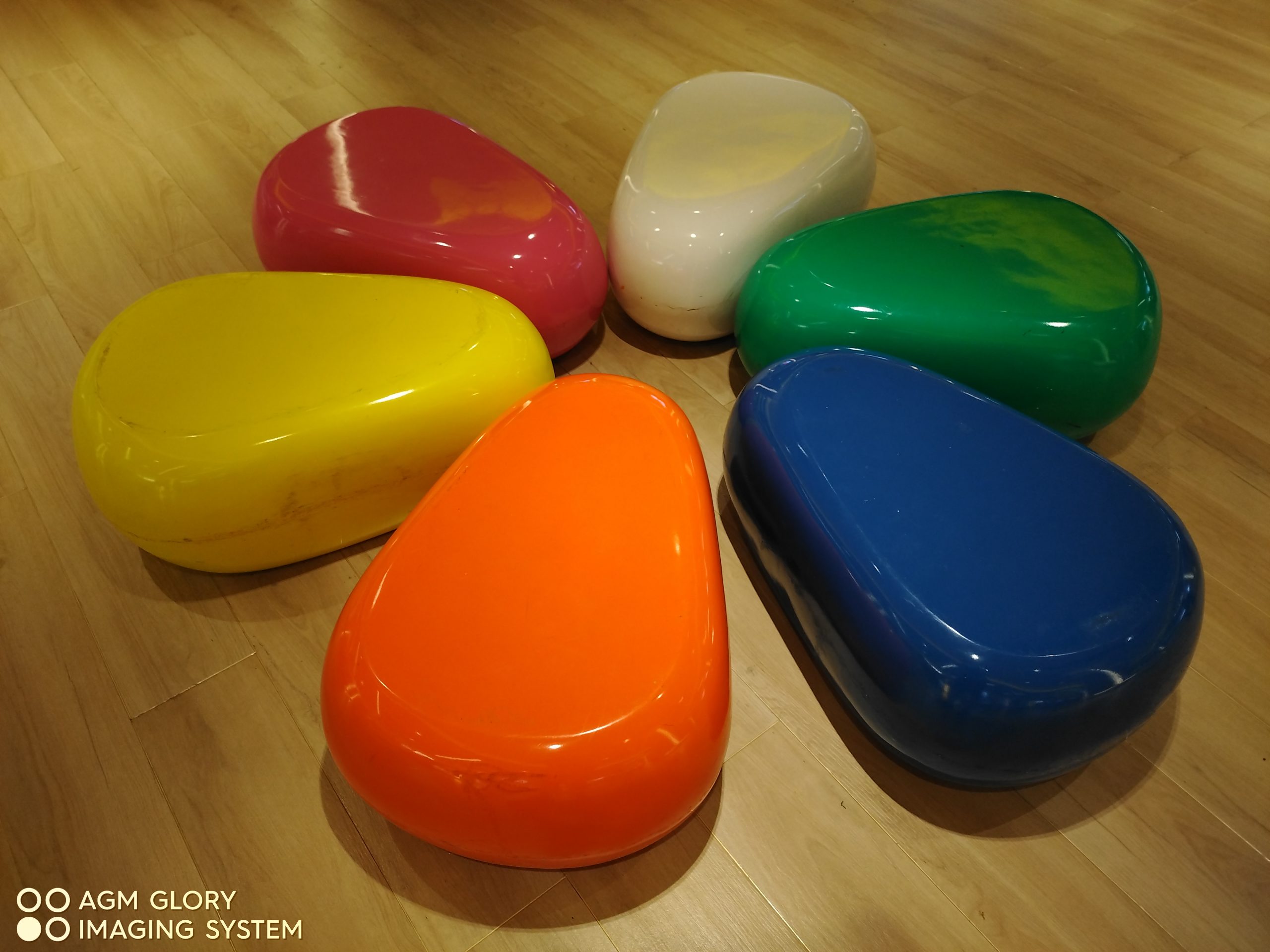
Although the main camera IMX 582 is an old CMOS, it still performs well even today. Dynamic range and clarity are good. Next, you can enjoy the Sample photos taken with AGM Glory G1S.
SAMPLES HERE
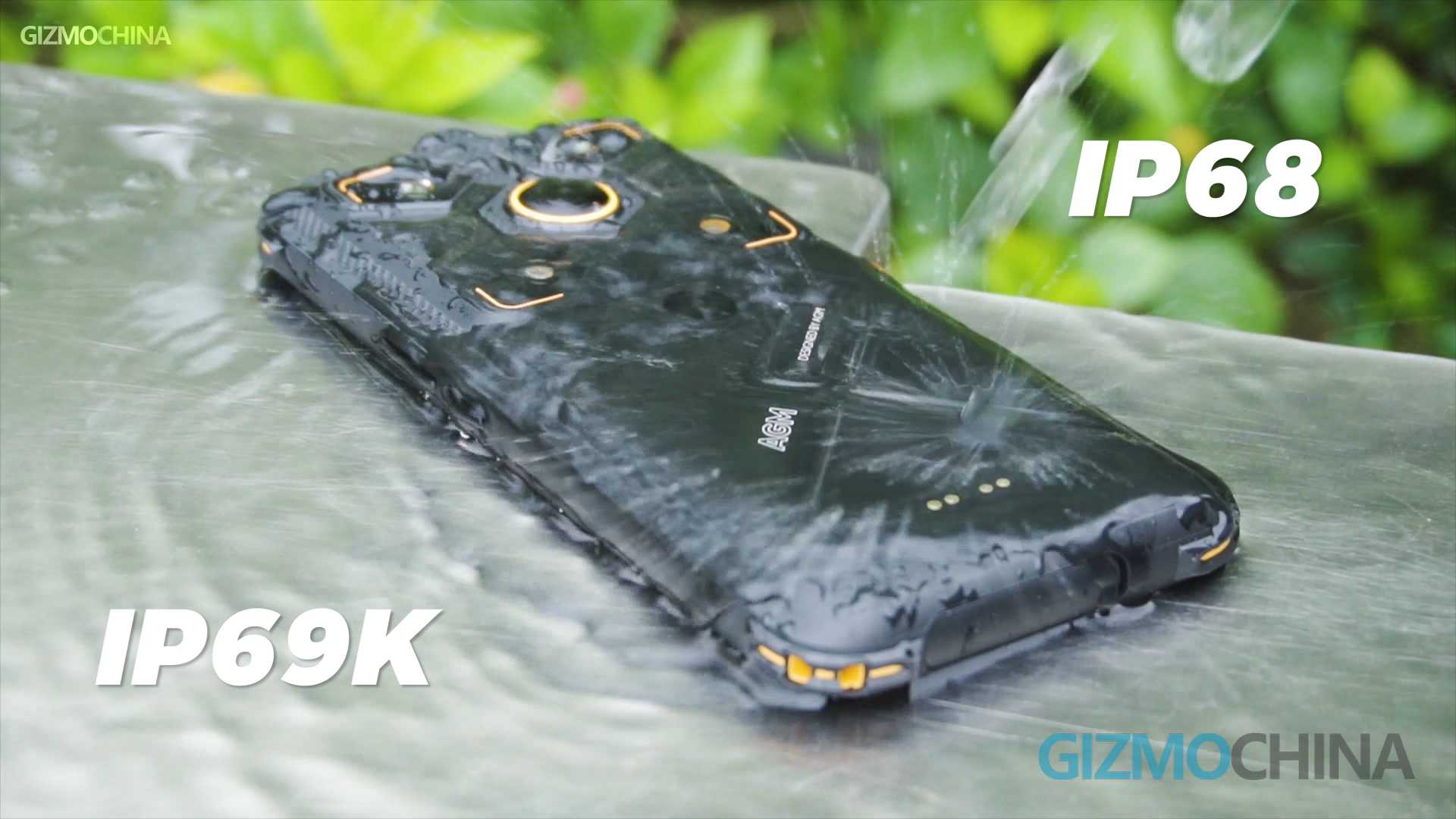
As a flagship rugged phone, it is certainly very durable. But I still have to give you guys an idea of how rugged it is. First of all, the IP68 and IP69K certifications are definitely there. It can stay underwater for more than 30 minutes at 1.5m without getting water and fall at a height of 1.5m without getting hurt. Anyway, I never worry that a rugged phone will be broken by me.
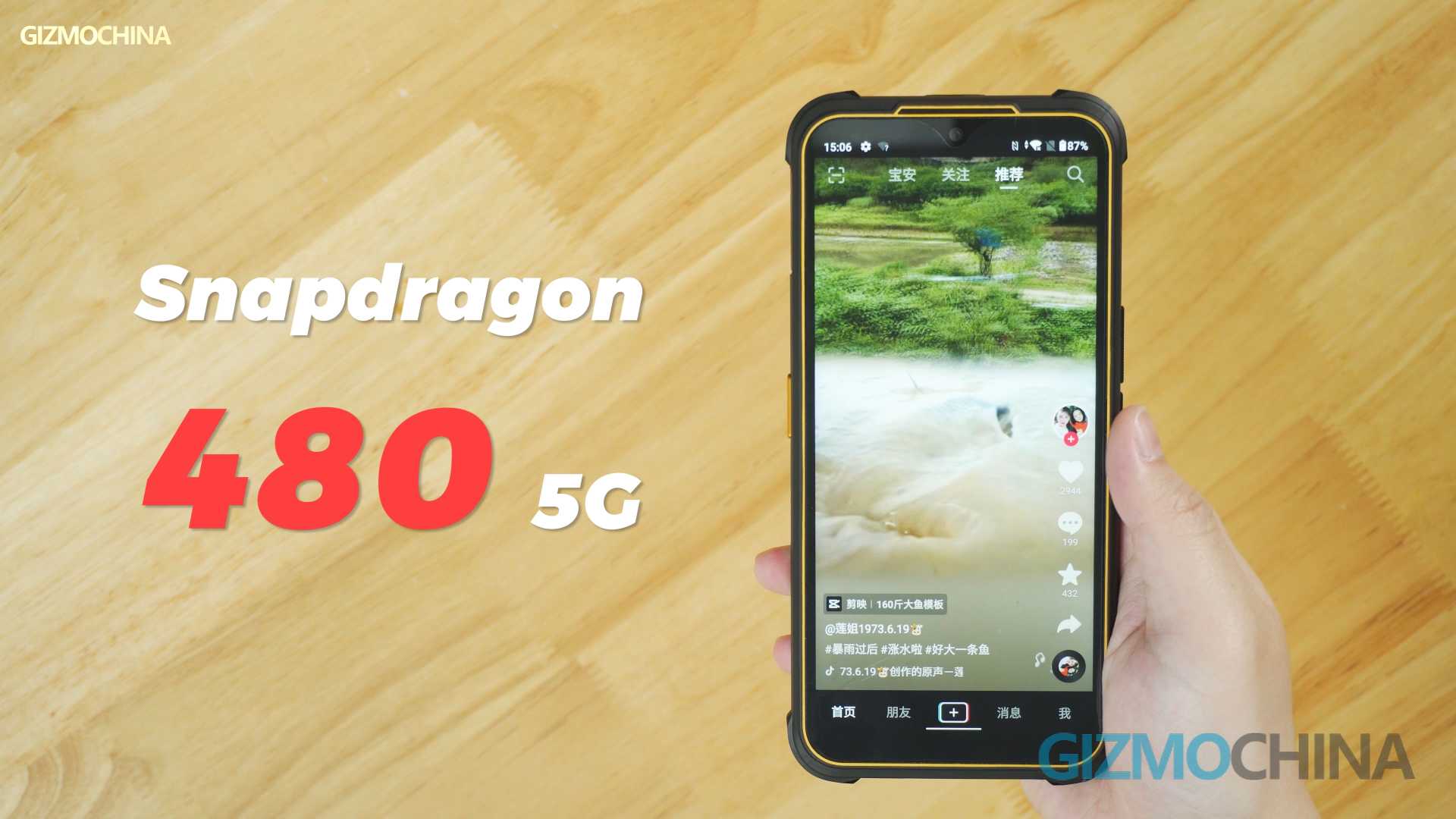
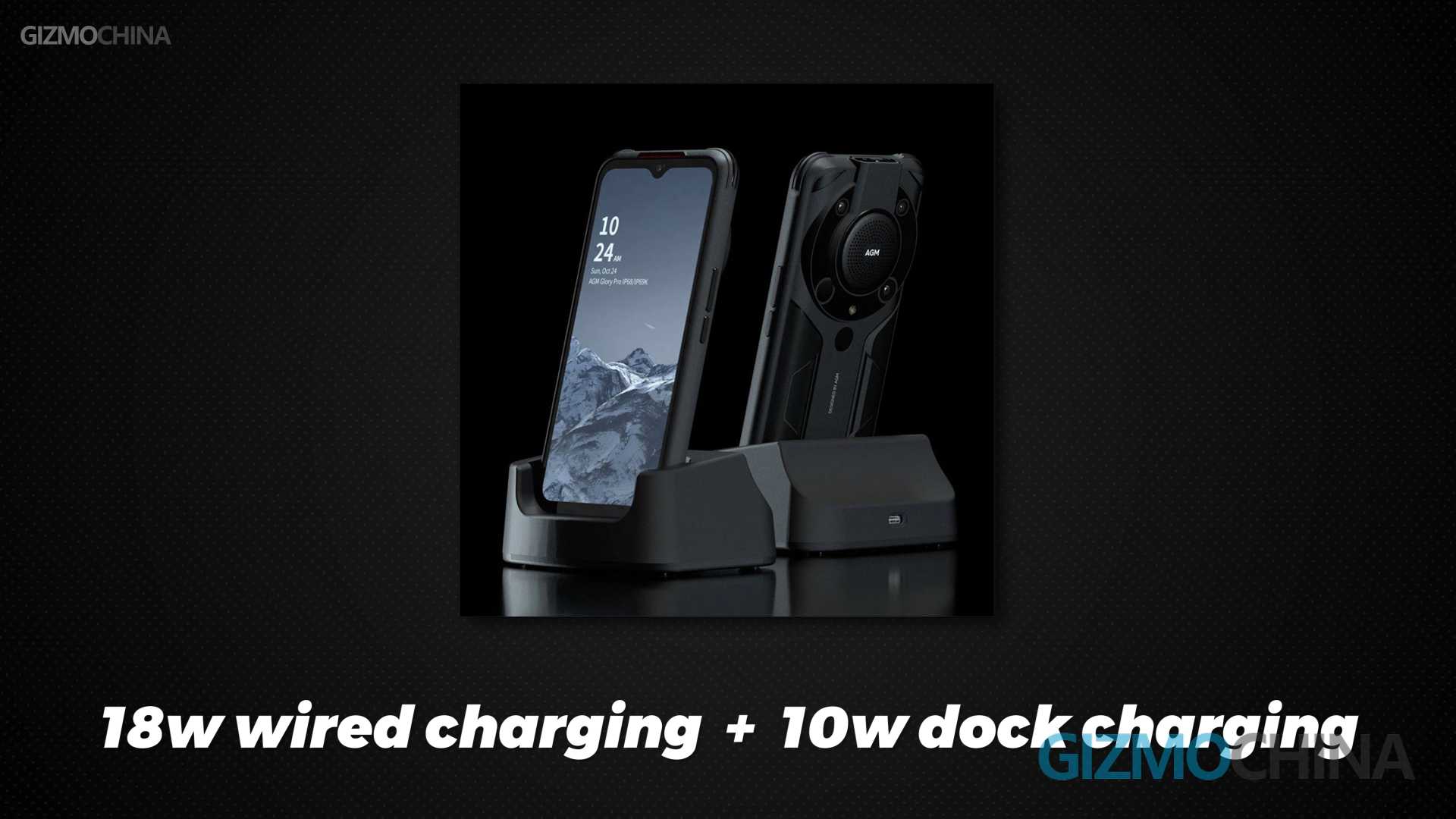
Compared to its cool design and camera system with many features, its performance is not that great. But Snapdragon 480 5G as a low-power processor is more beneficial for battery life. And PUBG low Graphics 40fps it is also able to run smoothly. The 5500mAh battery capacity may be small for users who can’t charge often, and AGM probably knows this, so the Glory G1S supports not only 18w wired charging, but also 10w dock charging. The G1S can be charged through the metal contacts on its back, it’s not wireless charging, but it’s just as convenient as wireless charging.
The AGM Glory G1S isn’t perfect, it doesn’t have a big battery, and it doesn’t charge fast. But it has a cool and unique look, a full range of features, and a thermal imaging camera. Even if you just want a great thermal imaging camera, maybe buying the Glory G1S would be a better value. After all, I am sure no one would hate a thermal imaging camera that can make phone calls.
As scheduled, Realme has officially launched the Realme C30 in India today. The latest budget smartphone from the brand sports a new design and arrives with entry-level specs. Let’s check out its features along with pricing and availability.
Realme C30 Specifications
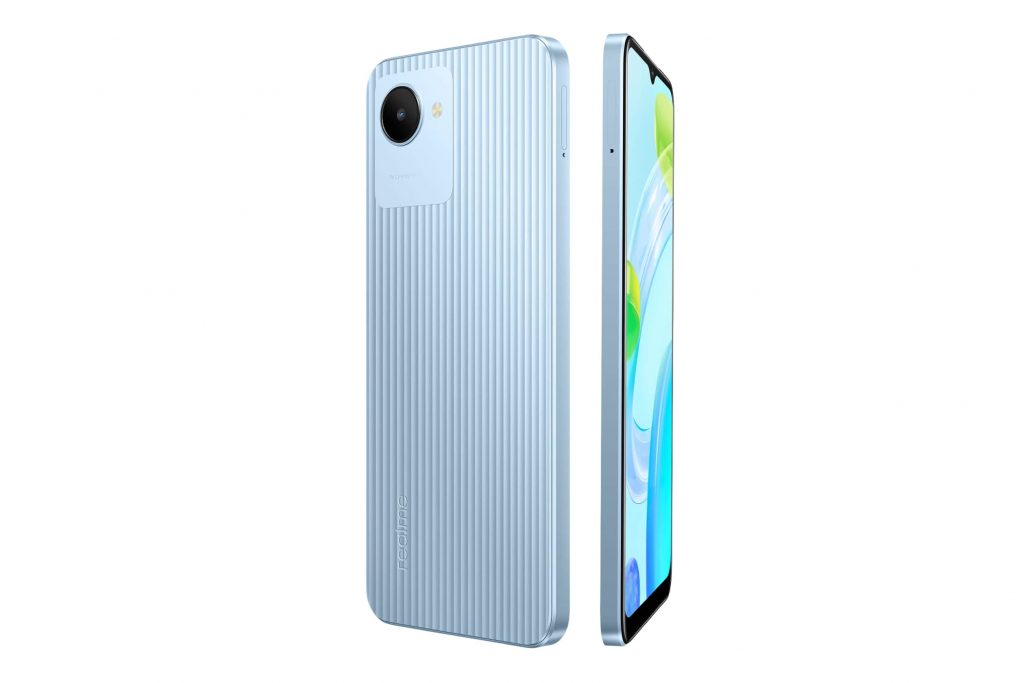
The Realme C30 flaunts a new design. It looks different than the previous budget smartphones from the company. It has a flat frame and stripes all over its rear panel. There’s only a single camera on the back and it sits on a rectangular island without stripes.
The device sports a 6.5-inch HD+ display (LCD) with a dewdrop notch. It comes powered by a Unisoc T612 chipset paired with LPDDR4x RAM and UFS 2.2 storage. It boots Android 11 Go Edition with Realme UI interface.
There’s an 8MP rear camera and a 5MP front-facing camera. Since the smartphone is an entry-level model, it is limited to 4G connectivity, single-band WiFi, and Bluetooth 5.0. Further, it features a MicroUSB port, a 3.5mm headphone jack, and a dedicated MicroSD card slot.
The phone measures 8.5mm in thickness and weighs 182g. Finally, it is backed by a 5,000mAh battery with support for 10W standard charging.
Realme C30 Price and Avaialability in India
The Realme C30 will retail at the following price tags in India.
2GB + 32GB – ₹7,499 ($96)
3GB + 32GB – ₹8,299 ($106)
Customers will be able to pick it up in either Lake Blue or Bamboo Green color options from 12 PM on June 27. It will be sold via Realme.com, Flipkart, and offline stores across the country.
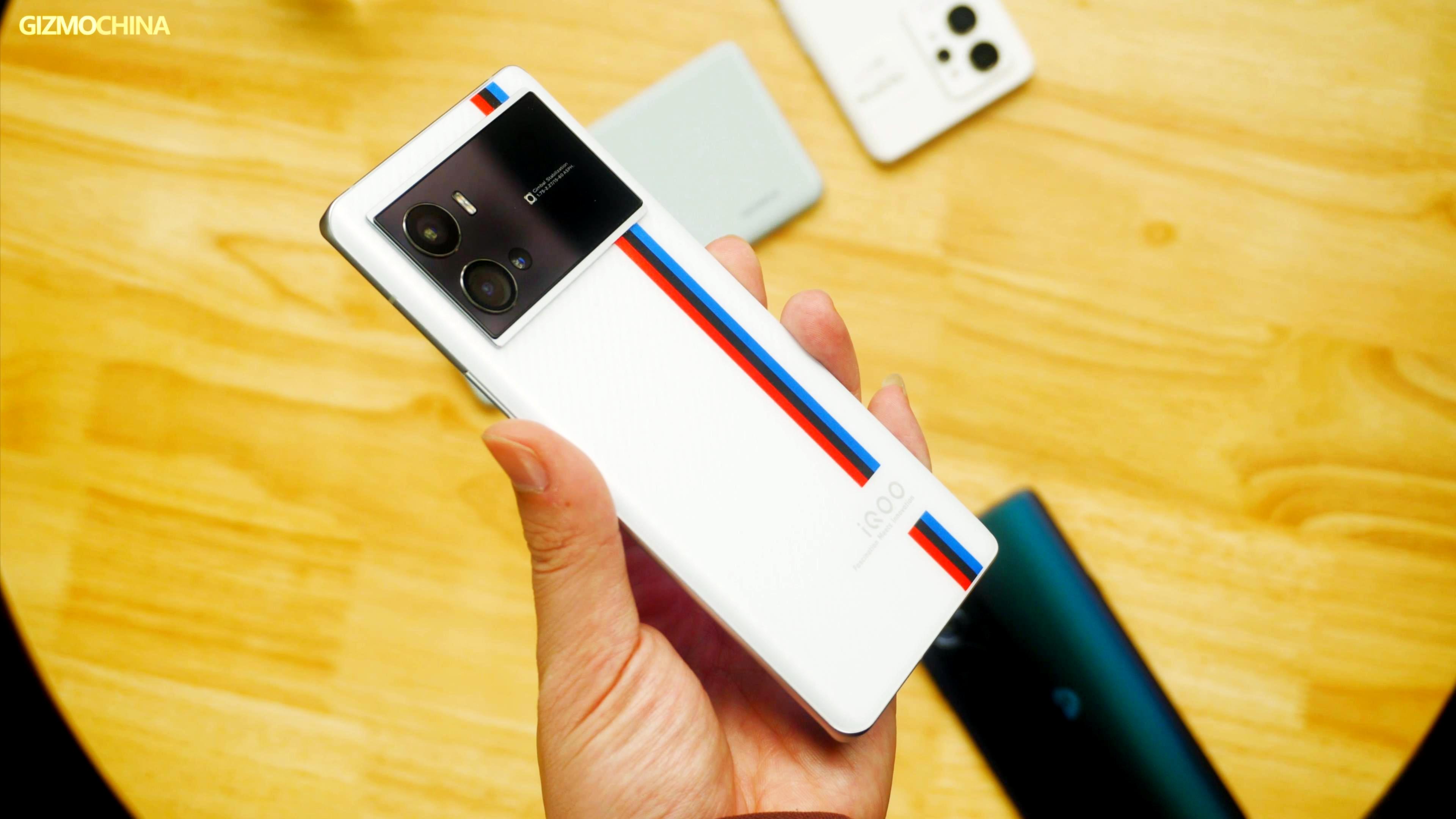
iQOO is going to launch another 9-series smartphone, dubbed iQOO 9T in India, as per a report. The smartphone is expected to be unveiled in July. The company is also planning to announce the iQOO 10 lineup next month so, the 9T might launch before that. The smartphone will reportedly sport Snapdragon 8+ Gen 1 Soc, a 120Hz AMOLED panel, and 120W fast charging. Let’s have a look at all the details.
According to a report by 91mobiles, iQOO is gearing up to launch the iQOO 9T in India. The smartphone is reported to be unveiled in India after the launch of the OnePlus 10T. The exact date is yet to be confirmed.
Talking about the specifications, the upcoming iQOO 9T is expected to sport an AMOLED panel with a 120Hz refresh rate. The handset is said to feature Qualcomm’s latest Snapdragon 8+ Gen 1 Soc under the hood. Lastly, the smartphone will support particularly extreme 120W fast charging. The rest of the specifications are still unknown.
Judging from the specification, the smartphone appears to be a feature-packed flagship. It is definitely going to give a tough fight to other flagship phones in the market. The phone could be a huge success if iQOO sets a competitive price.
IQOO 9 PRO
As mentioned, iQOO is also gearing up to launch the 10-series in July. The lineup will include a vanilla and Pro model, but it’s unclear if the series will have an SE variant like the iQOO 9 series.
The Pro version is rumored to feature a Snapdragon 8+ Gen 1 SoC, 2K LTPO display, 50MP primary camera, ultrasonic in-display fingerprint reader, 200W wired charging, and 65W wireless charging. Whereas the Vanilla model will likely not come with any significant upgrades over its predecessor.
Xiaomi is apparently planning on launching a new series of flagship smartphones soon. This is the Xiaomi 12S series, which will consist of a base and Pro variant. Now, a new leaked has revealed some key specs and storage options for the upcoming devices.
Xiaomi 12S 8GB/128GB 8GB/256GB 12GB/512GB Snapdragon 8+ Gen 1
Xiaomi 12S Pro 8GB/128GB 8GB/256GB 12GB/512GB 120W Snapdragon 8+ Gen 1
Xiaomi 12S Pro 8GB/256GB 12GB/512GB Dimensity 9000
The news arrives from known tipster Mukul Sharma who shared the information on Twitter. According to @stufflistings, the Chinese tech giant will launch the vanilla Xiaomi 12S model in three storage configurations. This will reportedly include an 8GB + 128GB, 8GB + 256GB, and a top end 12GB + 512GB variant. Furthermore, the high end smartphones will be equipped with Qualcomm Snapdragon 8+ Gen 1 SoC as well.
Moving to the Pro variant, the Xiaomi 12S Pro will be launched in both a MediaTek Dimensity and Qualcomm Snapdragon chipset versions. Talking about the latter first, it will apparently also come in three storage configurations including an 8GB + 128GB, 8GB + 256GB, and a 12GB + 512GB variant. On the other hand, the Dimensity 9000 powered 12S Pro model will only come with 8GB + 256GB and 12GB + 512GB storage options.
Notably, the Snapdragon 8+ Gen 1 powered 12S Pro model could also support an impressive 120W fast charging as well, as per the tipster. Keep in mind that this is still just an unconfirmed report, so take this news with a pinch of salt for now. We expect more rumors and reports regarding the upcoming series to surface soon, so stick around for more updates.
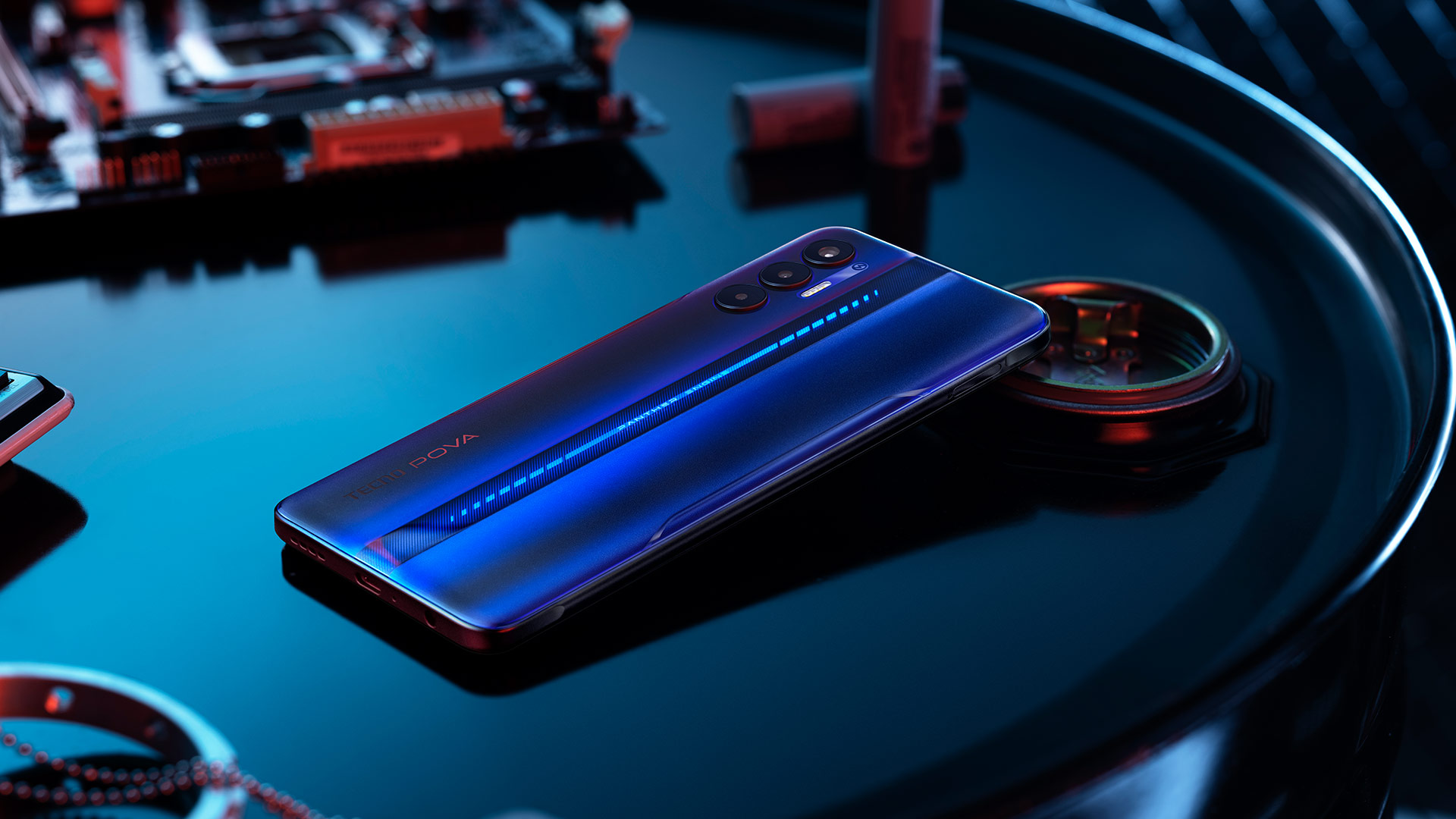
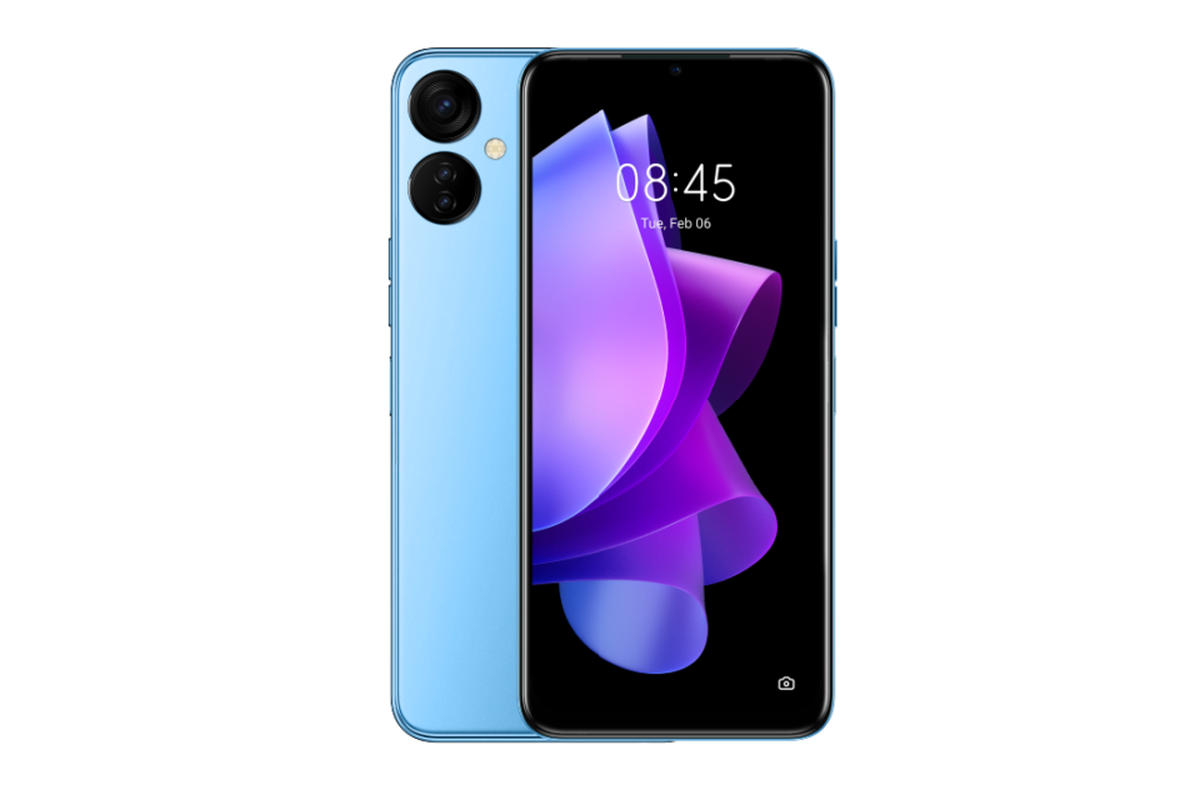
Tecno Pova 3 has gone official in India. It succeeds the Tecno Pova 2 from last year. Like the predecessor model, it comes with a huge display and a gargantuan battery with fast charge support. Some of the other highlights of the Pova 3 include 50-megapixel triple cameras, an LED-assisted front camera, and an affordable price tag. Here is all the information on the specifications, features, and price of the Pova 3.
Tecno Pova 3 specifications and features
The Tecno Pova 3 has a 6.9-inch IPS LCD panel that offers a Full HD+ resolution of 1080 x 2460 pixels, a 20.5:9 aspect ratio, and a 90Hz refresh rate. The device comes with a polycarbonate body that measures 173.1 x 78.46 x 9.44mm. The Electric Blue edition of the device has a vertical LED strip that glows while charging and notifications.
Tecno Pova 3
The Pova 3 is powered by the Helio G88 chipset. It comes with 6 GB of RAM, up to 5 GB of virtual RAM, and 128 GB of built-in storage. The device is loaded with the Android 12 OS and HiOS UI. For audiophiles, the device is equipped with dual stereo speakers with support for DTS sound effect. For a better gaming experience, the device has a Z-axis linear motor that makes vibrations during games.
Tecno Pova 3
The Pova 3 has a graphite cooling system inside for heat dissipation. It packs a 7,000mAh battery and its retail package includes a 33W fast charger. However, the device supports only 25W charging. The company claims that a fully charged Pova 3 can offer 55 days of standby time, 30 hours of video playback, and 14 hours of gaming. The device is fitted with a side-facing fingerprint scanner for security.
Coming to the optics, the Tecno Pova 3 has dual-LED flash assisted 8-megapixel camera on the front. Its back panel has a tripe camera unit with quad-LED flash. It features a 50-megapixel main snapper and two auxiliary cameras.
Tecno Pova 3 price in India
The Tecno Pova 3 has landed in India with an introductory price of Rs 11,499 (~$148). The first sale of the device will be carried out on June 27 through Amazon India. It comes in three colours, such as Electric Blue, Tech Silver, and Eco Black.
The Oneplus Nord 2T went official in Europe last month. It is now said to debut in India by the end of this month. A tipster has not only revealed the exact launch date but also colors, memory variants, pricing, and offers. Let’s take a look at this leaked information.
Oneplus Nord 2T
According to the industry sources of Passionategeekz(via RootMyGalaxy), the Oneplus Nord 2T could make its way to India later this month. It is expected to launch on June 27 in the country.
The device will arrive in two color options, namely Shadow Grey and Jade Fog. As far as memory configurations are concerned, it will be offered in 8GB + 128GB and 12GB + 256GB variants.
The base model is tipped to retail at ₹28,999, whereas the higher version will cost ₹31,999. With bank offers, customers will be able to get a benefit of ₹4,000 on both variants.
Finally, the handset is said to go on sale in July. It is expected to hit the shelves between July 3 and 5.
Since the Oneplus Nord 2T is official and on sale in multiple markets, we know everything about it. The smartphone comes with a 6.43-inch FHD+ 90Hz AMOLED display, Mediatek Dimensity 1300 SoC, Android 12 (OxygenOS 12.1), 50MP (wide) + 8MP (ultra-wide) + 2MP (depth) triple camera system, 32MP selfie camera, in-screen fingerprint sensor, dual stereo speakers, 4,500mAh battery, and 80W fast charging support.
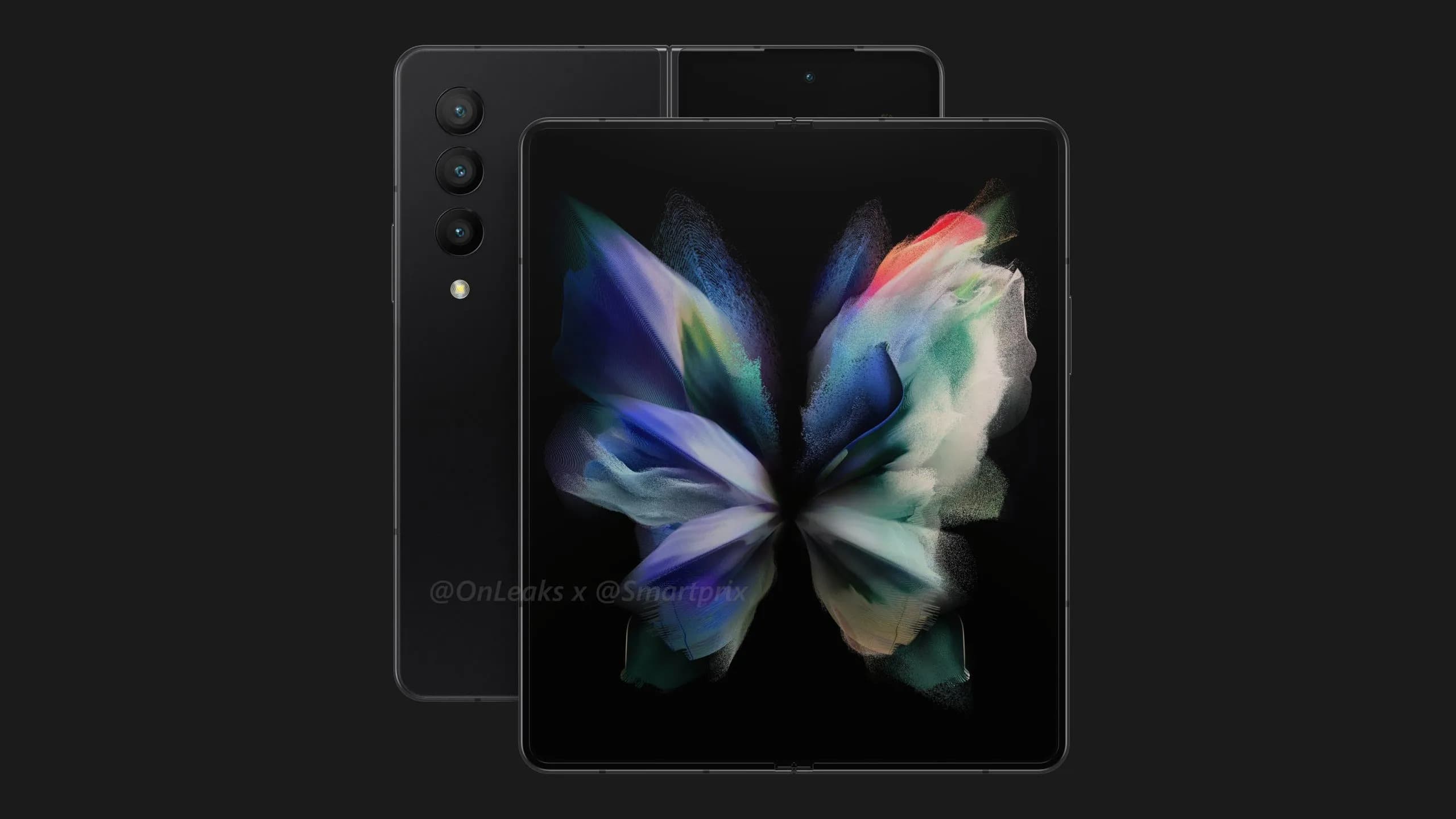
Samsung has undoubtedly produced some of the best foldable smartphones on the market today, but like many other things, they are not perfect. The Korean company has bettered the hinge and the rest of the important aspects of its foldables. However, it is still having a tough time removing the “crease” from its foldables’ display. A new leak by a popular tipster reveals the upcoming Galaxy Z Fold 4’s main display will also have a visible crease running vertically along the hinge.
Tipster Ice Universe recently shared a side-by-side image on his Twitter handle showing us how the Galaxy Fold 4‘s crease compares to Fold 3‘s. As you can see in the image below, the display crease is still visible in the Fold 4, however, it’s not as prominent as in the previous-gen Fold 3.
Galaxy Fold 3 V Galaxy Fold 4 Crease
Previously, it was rumored that the upcoming foldable would have a 20% less shallow crease. Samsung has definitely improved the crease and it’s less obvious now. But honestly, we expected Samsung to do better.
It’s not like the Display crease cannot be removed. Brands like Oppo and Motorola have already gotten a way around it. These Chinese companies have adopted a “teardrop” hinge that closes the hinge while creating more internal room for the hinge, which, as a result, decreases the crease and results in no gap in the hinge.
The crease on Samsung’s foldables is caused due to the company’s hinge design. It has a tight radius which makes it difficult to avoid the crease. However, as per reports, the Fold 4 has a new hinge design that uses fewer mechanical components. The hinge is said to be similar to Oppo and Motorola’s “Teardrop” hinge.
It is worth mentioning that the display crease is not much of an issue in the real world. You won’t really notice it in daily use.
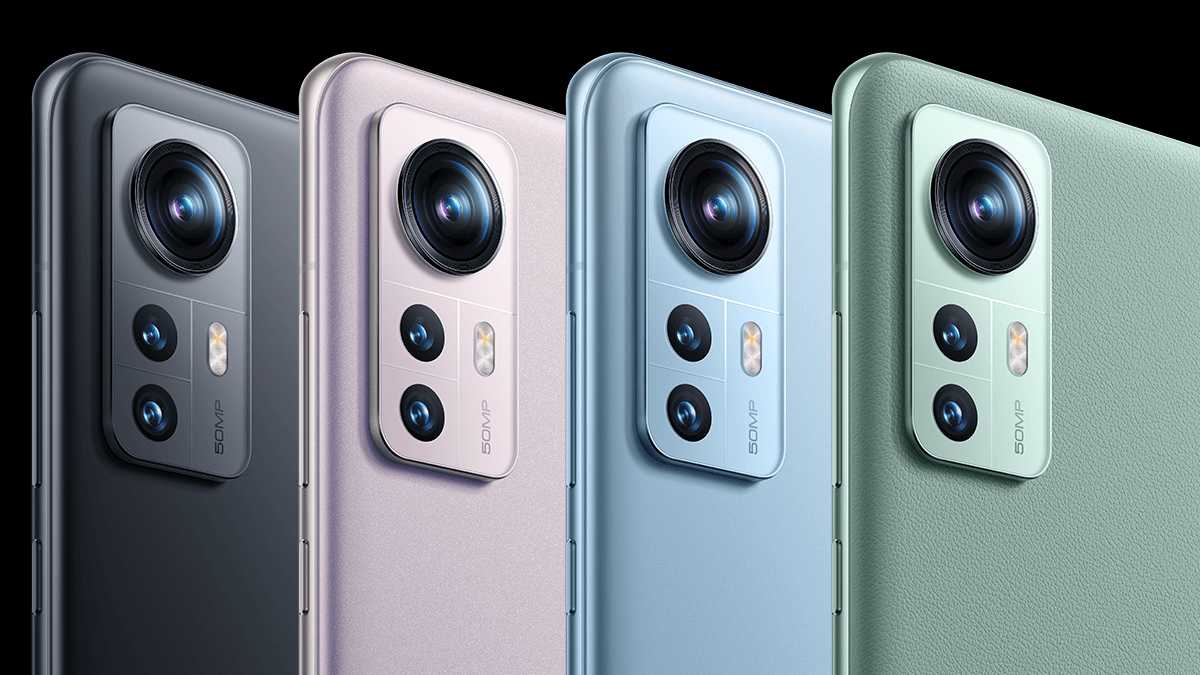
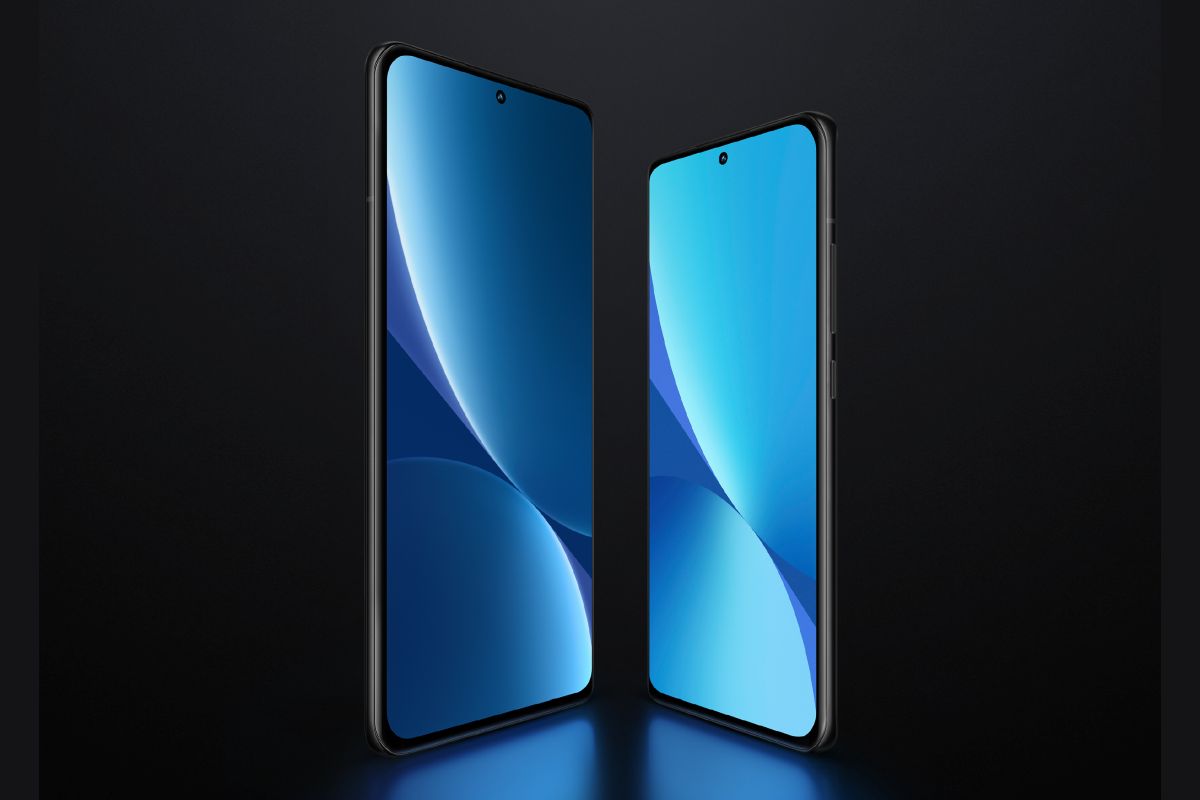
Xiaomi 13 series is in the works, and it’s expected to feature the upcoming Snapdragon 8 Gen 2 flagship chipset. Last year, in December, Xiaomi unveiled the Xiaomi 12 series of flagship phones. A new leak claims that the Chinese manufacturer will announce the Xiaomi 13 series earlier than its predecessor.
A reliable Chinese tipster has been revealing details about the Xiaomi 13 series in bits and pieces. Last year, the company unveiled three devices, namely, the Xiaomi 12, Xiaomi 12X, and Xiaomi 12 Pro, in December. At present, it appears that the company has plans to launch at least two models, namely the Xiaomi 13 and the Xiaomi 13 Pro, by the end of this year.
Xiaomi 12 Pro and Xiaomi 12
According to the tipster, the Xiaomi 13 series is being tested with Android 13. He added that the progress is one month earlier than last year. This indicates that the Xiaomi 13 series may debut in November. Since the Xiaomi 13 lineup is expected to feature the Snapdragon 8 Gen 2 chipset, it is likely that Qualcomm may announce its new chipset in November. As usual, readers are advised to take the information on the early arrival of the Xiaomi 13 series and Snapdragon 8 Gen 2 with a pinch of salt.
Recent reports have revealed that the Xiaomi 13 has a ‘Nuwa’ codename, and it carries a 2211133C model number. On the other hand, the Xiaomi 13 Pro is said to have a ‘Fuxi’ codename, and it has a 2210132C model number.
The Xiaomi 13 could be a compact flagship-like its predecessor. Both models are expected to feature a curved-edge OLED display with a centered punch-hole and narrow bezels. Both models are also expected to feature Leica-engineered triple rear cameras.
Tecno unveiled the Spark 9 Pro with key features like a 90Hz display, Helio G85 chip, and a 5,000mAh battery at the beginning of this month. Now the brand is back with a new Spark 9-series phone called the Spark 9T. Here is all the information on the specifications, features, and price of the Spark 9T.
Tecno Spark 9T specifications and features
The Spark 9T has a 6.6-inch IPS LCD screen that delivers a Full HD+ resolution and a 60Hz refresh rate. There is a teardrop notch on the screen, which houses an 8-megapixel selfie camera.
Tecno Spark 9T
Moving to the back reveals a triple camera setup having two large-sized camera rings. It has a 13-megapixel main camera, a 2-megapixel depth-sensing unit, and an AI lens. The device comes preinstalled with Android 12 OS with HiOS 8.6 UI on top.
The MediaTek Helio G37 is present under the hood of the Spark 9T. The device is equipped with 4 GB of RAM, up to a 128 GB of built-in storage, and a microSD card slot for additional storage. The handset packs a 5,000mAh battery that support for 10W charging. It offers other features such as a side-facing fingerprint scanner, a USB-C port, and a 3.5mm audio jack.
Tecno Spark 9T price and availability
For now, the Spart 9T is available only in Nigeria. It comes in two options: 4 GB RAM + 64 GB storage and 4 GB RAM + 128 GB storage. These variants are priced at NGN 78,300 (~$188) and 88,000 (~$211). It can be purchased in colours like Atlantic Blue, Turquoise Cyan, Iris Purple and Cocoa Gold. The Spark 9T is expected to release in other countries too in the coming weeks.
We use cookies on our website to give you the most relevant experience by remembering your preferences and repeat visits. By clicking “Accept”, you consent to the use of ALL the cookies.
This website uses cookies to improve your experience while you navigate through the website. Out of these, the cookies that are categorized as necessary are stored on your browser as they are essential for the working of basic functionalities of the website. We also use third-party cookies that help us analyze and understand how you use this website. These cookies will be stored in your browser only with your consent. You also have the option to opt-out of these cookies. But opting out of some of these cookies may affect your browsing experience.
Necessary cookies are absolutely essential for the website to function properly. This category only includes cookies that ensures basic functionalities and security features of the website. These cookies do not store any personal information.
Any cookies that may not be particularly necessary for the website to function and is used specifically to collect user personal data via analytics, ads, other embedded contents are termed as non-necessary cookies. It is mandatory to procure user consent prior to running these cookies on your website.




 Digital Chat Station shared two Weibo posts on the topic of ColorOS 13 a few hours back. He has