Advertisement

Watch Oppo Reno 8 Series Launch Event Livestream Here

Oppo is holding a launch event for its highly anticipated OPPO Reno 8 series in China tomorrow May 23rd (Monday) at 7 pm Beijing Time (UTC +8) / IST 4:30 pm / GMT 11 am. 

The upcoming Reno 8 series will arrive as the successor to last year’s Reno 7 series and will consist of a standard, Pro, and Pro+ variant. 

The entire event will be live streamed online for the general public to tune in. To watch the launch event, you can head on over to the link below on May 23rd, 2022 7 pm Beijing Time (UTC +8) sharp to follow the announcement.


Link to live stream here.


So before the official launch event, we compiled all the highlighting features that we know about the OPPO Reno 8 series so far.

Design and display

The OPPO Reno 8 series is expected to feature a squarish-shaped protruding camera island on the top left corner of the back panel. All three smartphone models have a boxy form factor with flat edges on the sides.

OPPO-Reno8-series

As per an earlier TENAA listing, the Reno 8 and Reno 8 Pro+ are tipped to feature a 6.43-inch and 6.7-inch FHD+ AMOLED display with a 90 or 120Hz refresh rate. Both the regular and Pro variants have a punch-hole cutout at the top left corner with the former also having a thicker bottom chin. The Pro+ variant will come with a centre-aligned punch-hole camera cutout. All three smartphones are expected to be equipped with an in-screen fingerprint scanner.

Specs

As confirmed earlier by OPPO, the Oppo Reno 8 Pro will be world’s first smartphone to feature’s Qualcomm’s latest Snapdragon 7 Gen 1 chipset. Meanwhile, leaks reveal that the OPPO Reno 8 will reportedly be equipped with a MediaTek Dimensity 1300 processor whereas the Pro+ variant is to be powered by the Dimensity 8100 SoC. The TENAA listings also reveal that the standard and Pro+ models will be backed by a 4,500mAh battery with support for 80W fast charging.

OPPO-Reno8-Pro
Oppo Reno 8 Pro in Sky Blue.

To learn more about what we know of the OPPO Reno 8 series so far, head on over to roundup article here. And stay tuned to our coverage on the OPPO Reno 8 series launch on Monday for more details such as the official pricing of the lineup in China!

RELATED:

World’s first USB-C AirPods showcased by guy who made the first USB-C iPhone

Apple’s laptops, iPads, iPhones, and AirPods are charged via their lightning ports circuitry. They lack the globally acceptable USB ports which will enhance their versatility, it seems.

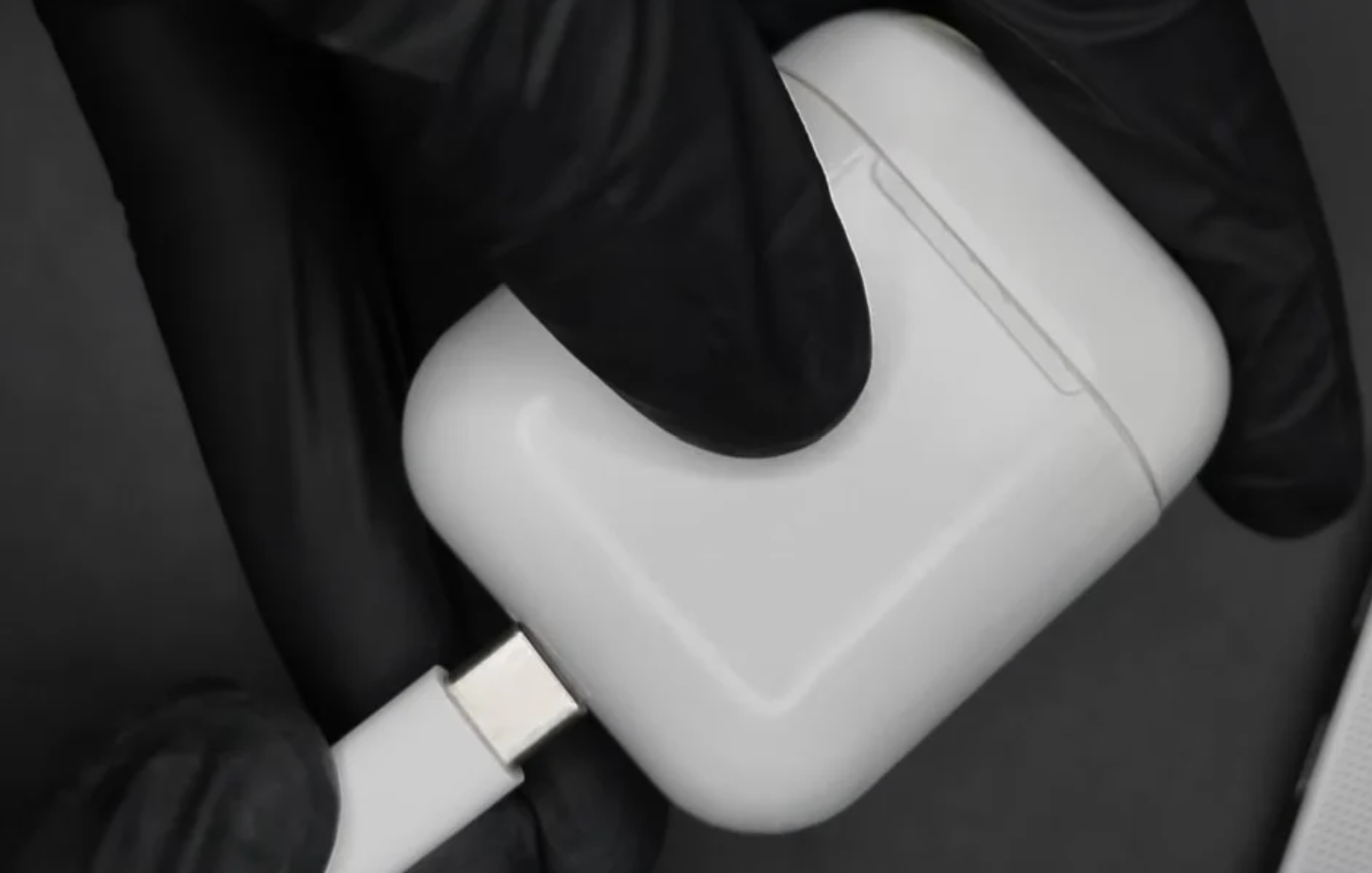
Designer Ken Pillonel is someone who is not comfortable with the absence of USB-C support for his beloved Apple products. He has continued to seek ways to incorporate USB-C support for Apple devices. Pillonel has now modified his AirPods to support USB-C charging and data transfer.

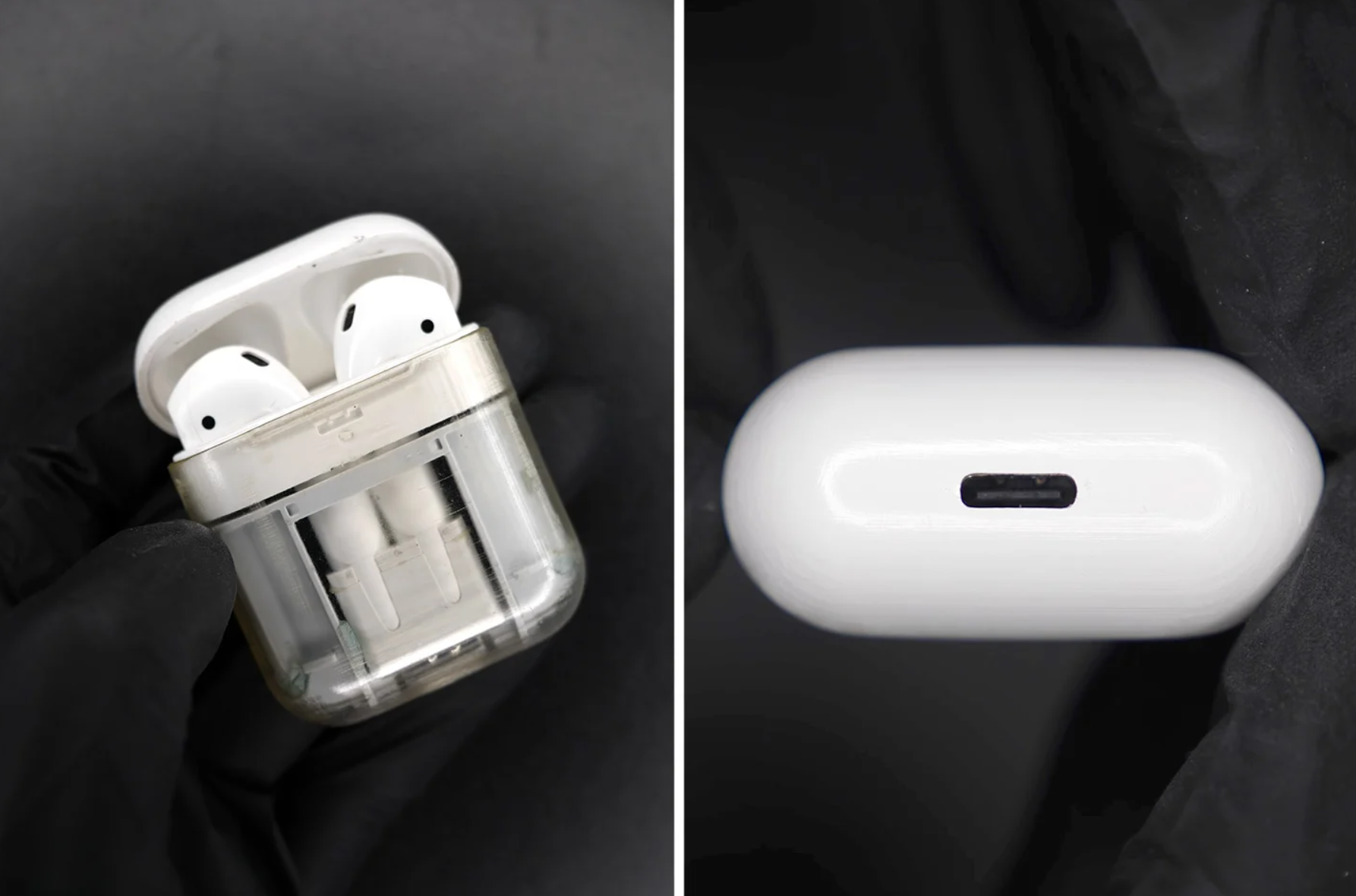
Pillonel is a master’s degree student in robotics at the Swiss Federal Institute. In 202, he designed the world’s first USB-C iPhone after engineering the feature into an iPhone and removing its lightning port. The USB-C port on the iPhone could be used for data transfers as well as charging the device. He has now replicated the feat in his AirPods. The USB-C AirPods are indistinguishable from the regular Apple AirPods except for the presence of USB-C charging.

The AirPods are pretty much smaller and involved a more careful decoupling by the inventor. Pillonel opened the plastic housing for the lightning port ribbon. He then replaced the lightning port with his USB-C ribbon. Pillonel has stressed that the process of replacing the lightning port is a complicated one. It is also an expensive task to make a custom USB-C ribbon. Now, Pillonel says that he uses the same USB-C cord to charge his MacBook, iPhone, and the AirPods.
There are speculations that Apple will transition to USB-C next year due to pressure from some quarters including the EU. Pillonel’s efforts have provided some illumination on that possibility, going forward. If indeed Apple ditches its proprietary lightning port for the USB-C, it will have to do adjustments to its AirPods as well.

RELATED:


(source)


Goodix debuts new Bluetooth LE SoCs and ToF solutions

Gadgets today are made up of multiple chips and sensors to provide their end-users with a smooth and seamless experience. One of the companies at the helm of these cutting-edge sensors and chips is Goodix Technology which supplies components to major players in the industry like Samsung, Google, Xiaomi, etc.

Goodix MWC 2018

The brand is best known for its in-display fingerprint sensors, however, in recent years, it has expanded its portfolio by heavily investing in the development of Bluetooth LE, NB-IoT, health monitoring solutions, etc. Now, the company has released new Bluetooth LE SoC dubbed the GR5526 series and a Time of Flight (ToF) solution. So let’s take a look at what these new chips are capable of.

Goodix GR5526 Bluetooth LE SoC series

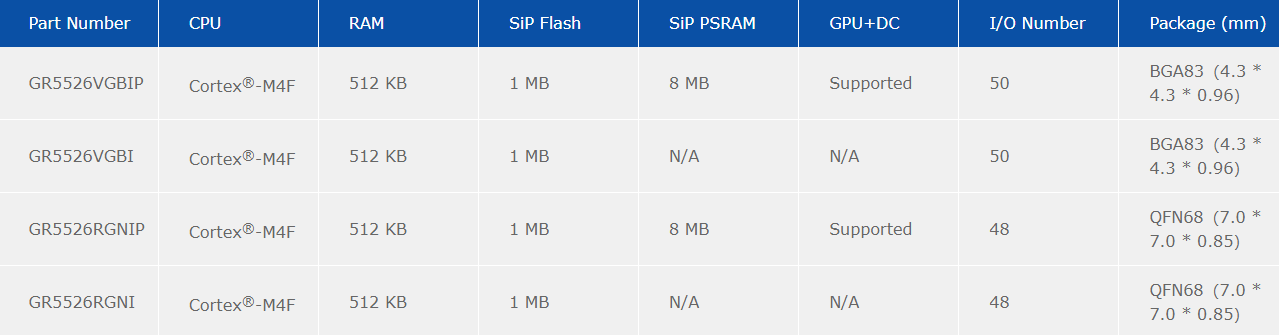
The new GR5526 series SoCs are low-power Bluetooth 5.3 supported SoCs with ARM Cortex]-M4F core at their center. The company claims that the GR5526 series “can be configured as a Broadcaster, an Observer, a Peripheral and a Central while supporting the use of the combinations of all these roles”.

It comes with a dedicated GPU enabling it to output display with up to 454×454 and 30FPS. It is also up to 30% more power-efficient than its predecessor making it ideal for high-end smartwatches, human interface devices (HIDs), and IoT products.

ToF solution

The newly announced Time of Flight solutions by Goodix is a 3D sensing solution combining the ToF image sensor and a laser driver allowing for more accurate photo bokeh effects, and faster-focusing capability at night or in low light situations. It also offers better ambient light suppression, anti-interference, and high dynamic range (HDR). This technology will most likely be implemented in smartphones, drones, etc.
Other than these launches, insiders have also informed us that Goodex’s health solution will be featured in the highly anticipated Xiaomi Mi Band 7 which is set to launch on May 24.

Why was the Official “Nokia Mobile” WeChat Account Rebranded to “HMD Technologies”?

As of recent, Chinese netizens have noticed the official WeChat account for “Nokia Mobile” has seemingly disappeared. Instead, the official WeChat account was renamed to “HMD Technologies Limited”, which is the name of its parent company, HMD Global.

Nokia to HMD Wechat
(WeChat message translated in red box) Nokia Mobile has been renamed to HMD Technologies

As to the reason why, the Chinese news site, ITHome, had reported that in September 2021, the Nokia Mobile Smartphone division had initiated a social media account migration as part of restructuring the company’s business in China. And in the process of this migration, the WeChat account has transferred from the Nokia Mobile Beijing Limited Corporation to the HMD Technologies Shenzhen Limited Corporation. For context, HMD is the parent company of Nokia smartphones.

Nokia HMD logo
Nokia and HMD logos

The Nokia brand has been well known ever since the 1990s for their mobile phones that were always portable as you could easily fit them into a pocket, unlike your conventional landline phones used to make calls. 

But over the course of the 2010s, the corporation had gone ended its golden era of sales, as the company was bought over from Microsoft in 2014 to produce Windows Lumia smartphones, that were of no success, and then the Nokia brand was bought back by Finland-based company, HMD Global to revive the brand in smartphone space in 2016. 

Since the HMD Global buyback, the Nokia branded smartphones have gotten a good reputation for running on stock Android. But sales wise the Nokia smartphone division of today does not high figures or market share of its competitors like Samsung, Xiaomi or Oppo. The Nokia smartphones sales are currently doing just enough numbers to barely get by. 


RELATED:

(Via)

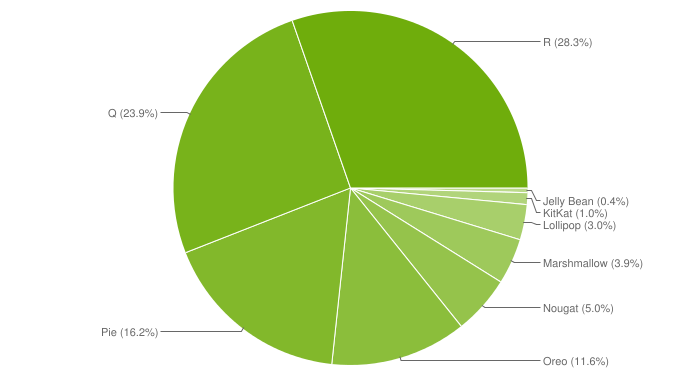
Android 11 is the most widely distributed version of Android, installed on over 28.3% of total Android handsets

Google launched its most hyped Android version 12 last year. The update carried many changes and was well-liked by the users. However, according to the 2022 Android distribution chart, Android 12 is not the most popular OS. That title goes to Android 11.

To recall, Google used to regularly update distribution stats each month. The stats revealed which versions of Android had how much market share, allowing us to track how often a system update was rolling out. However, Google stopped updating this data because it started getting used for comparison to Apple‘s substantially higher adoption rate for new iOS versions.

Recently, Google again started updating the Android distribution chart, but this time it uploads it on Android Studio. The chart is currently updated every six months to a year, with the most recent update arriving in November and a fresh version arriving on May 9.

According to the new distribution data (via 9to5Google) for 2022, Android 11 is now the most widely spread version of Android, with approximately 28.3 percent of Android handsets running it. Android 11 is closely followed by Android 10 with 23.9% of the market share.

android-distribution-chart-may-2022
Source: 9to5Google

Third, on the stream, is Android 9 Pie with 16.2% of the market and Android 8 Oreo is next with 11.6%. You can see that with each older version, the numbers go down. This should not come as a surprise because a new Android version is released every year and most people update to the latest one.

Related:


Indonesia’s Smartphone Market saw an 11.5% increase YoY in Q1 2022 with OPPO on top: Report

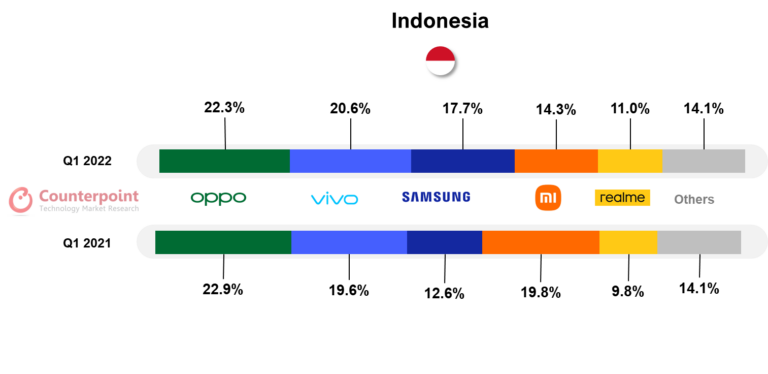
The Indonesia smartphone market has witnessed a huge 11.5 percent increase in the first quarter of 2022, as per a report by Counterpoint Research. Oppo became the key player and led the market with a 22.3% share, while Vivo secured the second spot. Samsung took third place in the segment, whereas Xiaomi and Realme managed to get into the top fourth and fifth positions, respectively during the quarter.

A report from Counterpoint research says that Indonesia’s smartphone market grew 11.5% YoY in Q1 2022. The reason behind this increase is said to be the economic recovery of the country that started in the second half of 2021.

Indonesia-smartphone-Q1-2022
source: Counterpoint Research

Unlike the US and European countries, The Indonesian smartphone market is dominated by Mid-range smartphones under $249. The market is flocked by Chinese OEMs like OPPO, Vivo, Xiaomi, and realme.

OPPO remained the largest contributor in the first quarter of 2022 with a 22.3% share, however, its lead over rivals Vivo and Samsung has shrunk, the report states. Vivo’s Y and V series maintained its popularity in the low-tier and mid-tier markets and helped the company acquire 20.6% of the market.

Samsung took the third spot in terms of market share in Indonesia. The company recorded a 5.1 percent annual growth with a 17.7 percent market share. On the other hand, Xiaomi and Realme captured the fourth and fifth spots in the country’s smartphone market with 14.3 percent and 11 percent market share, respectively in Q1 2022.

“Indonesia’s smartphone market will have a promising 2022 ahead. OEMs will continue to launch new models, bring more affordable 5G smartphones and drive online channel sales by partnering with e-commerce portals.” said Febriman Abdillah, Senior Analyst at Counterpoint Research. “The $150-$249 price range could become the fastest growing smartphone segment, accounting for 35% of the market.” Abdillah added.

Related:

Honor 70 Pro, Honor 70 Pro+ 3C certified, fast charging capabilities revealed

On May 30, Honor will take off the covers from the Honor 70 series of smartphones in China. Reports have claimed that the lineup includes three devices: the Honor 70, Honor 70 Pro, and Honor 70 Pro. The Honor 70 lineup will compete with the OPPO Reno8 series, Vivo S15 series, and Redmi Note 11T lineup, all of which are set to launch in the domestic market later this month. Ahead of the launch, the alleged Honor 70 Pro and 70 Pro+ smartphones have surfaced in the database of the 3C certification platform. The 3C listings of both devices have revealed the fast-charging capacities of both smartphones.

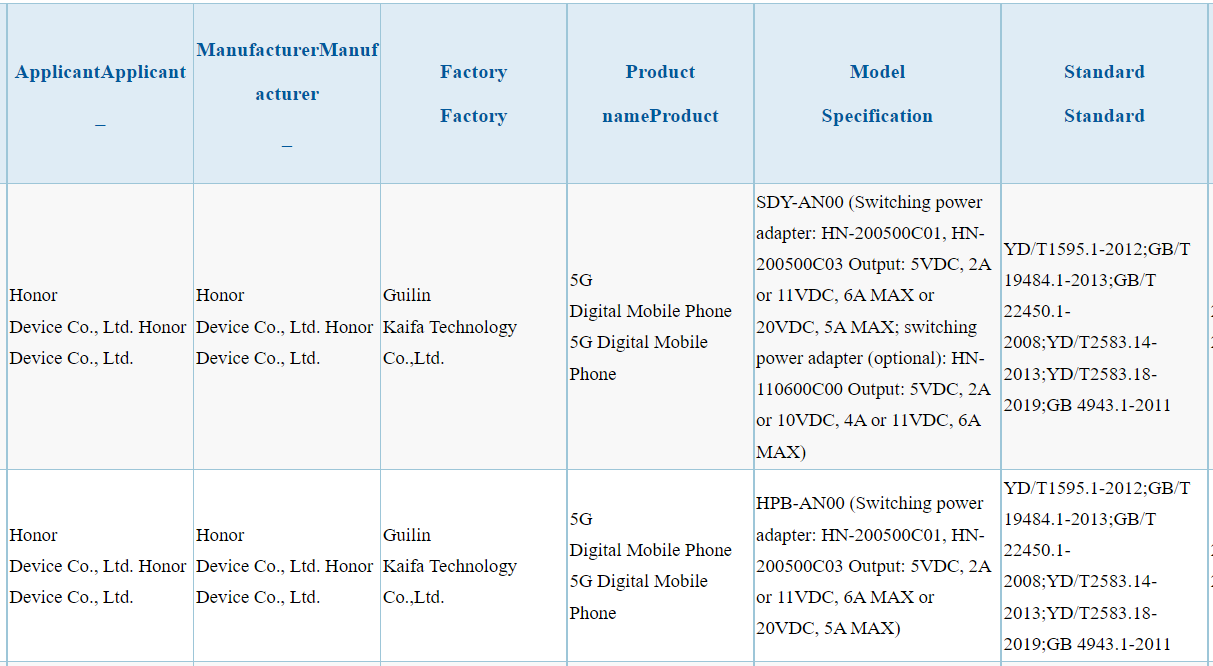
Two upcoming Honor phones with SDY-AN00 and HPB-AN00 model numbers have been approved by the 3C authority. According to tipster WHYLAB, these phones will debut as the Honor 70 Pro and Honor 70 Pro+.

Honor 70 Pro and Honor 70 Pro+ 3C certification

The 3C listings reveal that both devices will carry support for 100W wired charging. It is likely that both models will soon appear in the database of the TENAA certification site with their key specifications in the next few days. Earlier this month, an Honor phone with the FNE-AN00 model number and 66W fast charging support was spotted at 3C certification. Speculations are rife that it could be the vanilla Honor 70.

Honor 70 series specifications (rumored)

The Honor 70 will arrive with an FHD+ OLED display, whereas the Honor 70 Pro and Pro+ will house an FHD+ OLED LTPO panel. The Honor 70 will feature the Snapdragon 7 Gen 1 and a 4,800mAh battery. The Honor 70 Pro will be equipped with the Dimensity 8100 and Dimensity 9000 chipsets, respectively. Both phones may feature a 4,600mAh battery.

Honor 70 and Honor 70 Pro

The Honor 70 will come with a 108-megapixel + 8-megapixel + 2-megapixel triple camera unit. The Honor 70 Pro will feature a 50-megapixel (Sony IMX766) + 50-megapixel ultrawide + 8-megapixel (telephoto) triple rear cameras. Instead of the 8-megapixel telephoto camera on the Honor 70 Pro, the Pro+ model will have a 12-megapixel telephoto camera.

RELATED:

Vivo Y72t launched with Dimensity 700, 6,000mAh battery, 50MP camera

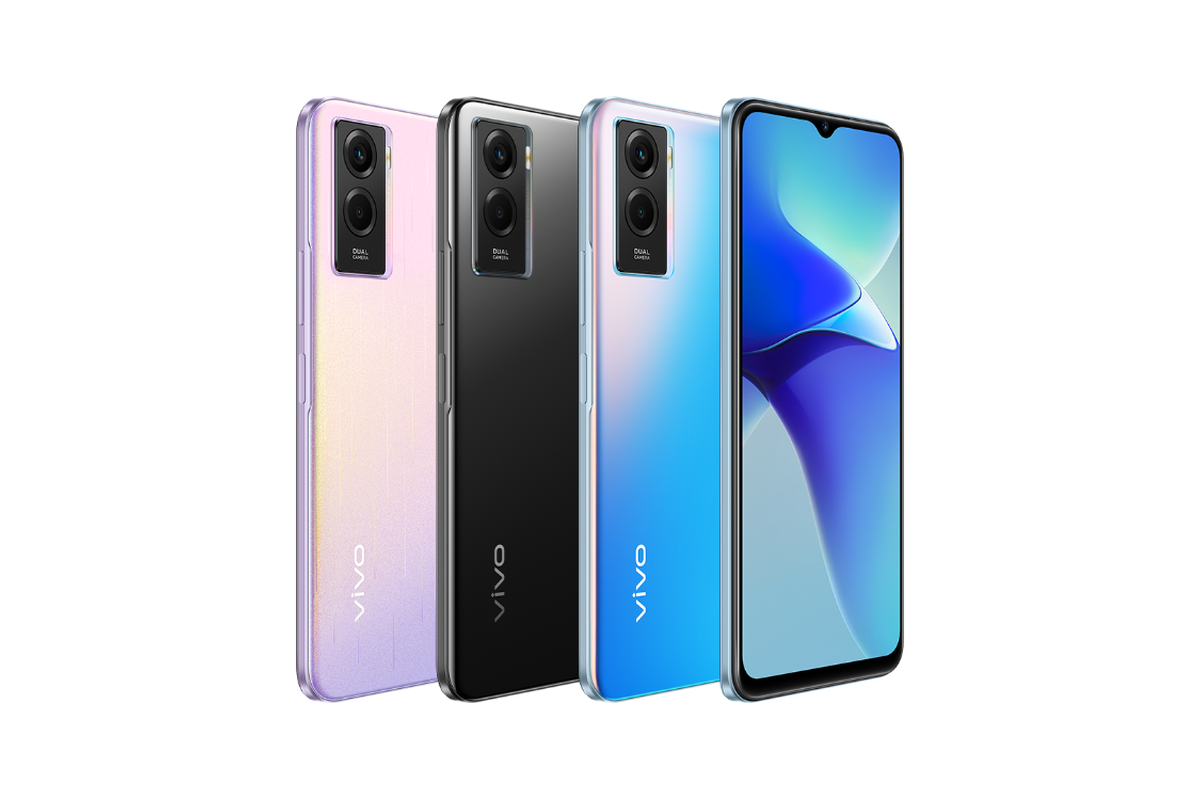
Vivo has silently unveiled a new mid-range phone named the Vivo Y72t in China. The 5G-ready smartphone comes equipped with a huge battery, an FHD+ display, and a 50-megapixel main camera. Here is all the information on the specifications, features, and price of the Y72t.

Vivo Y72t specifications and features

The Vivo Y72t has a 6.58-inch LCD screen with a Full HD+ resolution of 1080 x 2400 pixels, a 20:9 aspect ratio, 401 ppi pixel density, a refresh rate of 60Hz, and a screen-to-body ratio of 92 percent. The device measures 163.87 x 75.33 x 9.17mm and weighs around 200 grams.

Vivo Y72t
Vivo Y72t

The display notch of the Vivo Y72t features an 8-megapixel selfie camera. Its rear camera setup has a 50-megapixel primary camera and a 2-megapixel macro camera. Both cameras support Full HD video recording. The device runs on the Android 11 OS and OriginOS 1.0. For security, it has a side-mounted fingerprint scanner.

The Vivo Y72t is powered by the Dimensity 700 chipset. It comes with up to 8 GB of LPDDR4x RAM and 128 GB of UFS 3.1 storage. It houses a 6,000mAh battery that supports 18W fast charging. It offers other features such as a dual SIM slot, 5G, Wi-Fi 802.11ac, Bluetooth 5.1, GPS, a USB C port, and a 3.5mm audio jack. The Y72t is a rebranded version of the Vivo Y55s 5G, which was announced in December 2021 in China.

Vivo Y72t price and availability

The Vivo Y72t will be available for pre-order from tomorrow (May 23) in China. It comes in two variants: 8 GB RAM + 128 GB storage and 8 GB RAM + 256 GB storage. They are priced at 1,399 Yuan (~$209) and 1,599 Yuan (~$239), respectively. It can be purchased in Interstellar Powder (pink gradient), Deep Sea Black, and Blue Sea colors.

RELATED:

Mysterious Snapdragon 8+ Gen 1 phone spotted with highest AnTuTu score

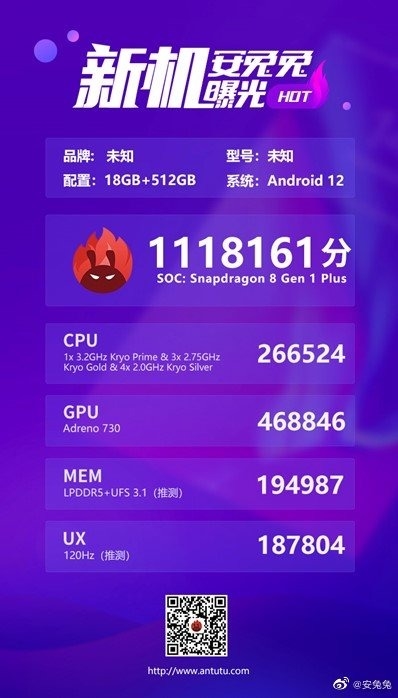
Qualcomm recently unveiled the Snapdragon 7 Gen 1 and Snapdragon 8+ Gen 1 chipsets. The SD8+G1, as the name suggests, is a flagship chip that promises 10 percent faster performance than the Snapdragon 8 Gen 1. AnTuTu has shared the benchmark scores of an unknown smartphone powered by the new flagship SoC. Here is all the information that has surfaced through the AnTuTu listing.

The mysterious smartphone featuring the SD8+G1 chip has a 120Hz refresh rate display, 18 GB of LPDDR5 RAM, and 512 GB of UFS 3.1 storage. It runs on the Android 12 OS. The device scored 266,524 points in the CPU test. It recorded 468,846, 194,987, and 187,804 points in the GPU, memory, and UX tests. It managed to record a total score of 1,118,161.

Snapdragon 8 Plus Gen 1 AnTuTu
Snapdragon 8 Plus Gen 1 phone’s AnTuTu listing

Some of the smartphones that are expected to feature the SD8+G1 chip include the ASUS ROG Phone 6, Realme GT 2 Master Edition, Motorola Edge 30 Ultra, Xiaomi 12 Ultra, OnePlus 10 Ultra, iQOO 10 series, Samsung Galaxy Z Flip 4, and Galaxy Z Fold 4. The first phone powered by the SD8+G1 is expected to debut in the next few weeks in China.

The Snapdragon 8+ Gen 1 Plus chipset has one 3.2GHz Kryo Prime core, three 2.75GHz Kryo Gold cores, four 2.0GHz Kryo Silver cores, and Adreno 730 graphics. According to AnTuTu, the memory and UX scores are basically the same as the current performance offered by the SD8G1 chip. However, the CPU and GPU scores have improved by 20,000 to 30,000 points.

While the SD8G1 is a good chip, phones powered by it tend to heat up and consume more battery juice while gaming and multitasking. The SD8+G1 built with TSMC’s 4m process is expected to produce less heat. According to Qualcomm, the overall power efficiency has increased by 15 percent compared to SDG81.

RELATED:

Redmi Note 11T Series Roundup: Launch Date, Specs, Storage Options, Colour Options and More

The Redmi Note 11T series is scheduled to launch on May 24th (Tuesday) this week at 7pm Beijing Time (UTC +8) / 4:30pm Indian Standard Time (UTC +5:30) in China. The Redmi Note 11T will be the official spiritual successor to last year’s popular Redmi Note 10 series which focused on flagship-like level performance on affordable devices.

Redmi Note 11T series
Redmi Note 11T series launching on May 24th in China

The company had earlier revealed that the Redmi Note 11T lineup will include two models: the Redmi Note 11T Pro and Redmi Note 11T Pro+. And here is what we know so far about the details of these 2 Redmi Note 11T devices.

Redmi Note 11T Pro Plus

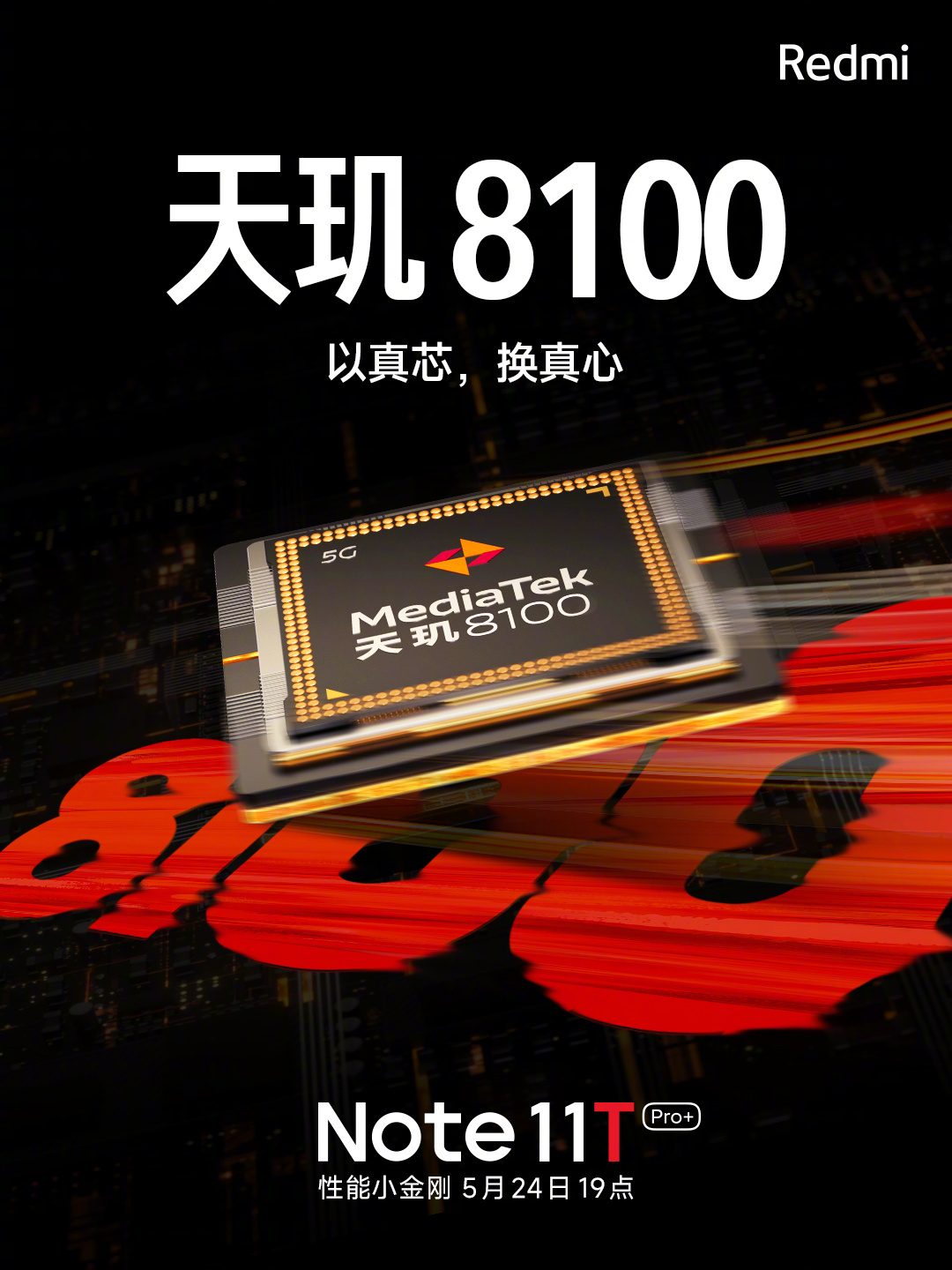
The Redmi Note 11T Pro+ is slated to the be the flagship killer in the 2022 Redmi Note series, as the phone has been confirmed MediaTek’s Dimensity 8100 5G chipset manufactured by TSMC on their power-efficient 4nm nodes. 

Redmi Note 11 Pro Plus Dimensity 8100
Dimensity 8100 SoC on Redmi Note 11T Pro+

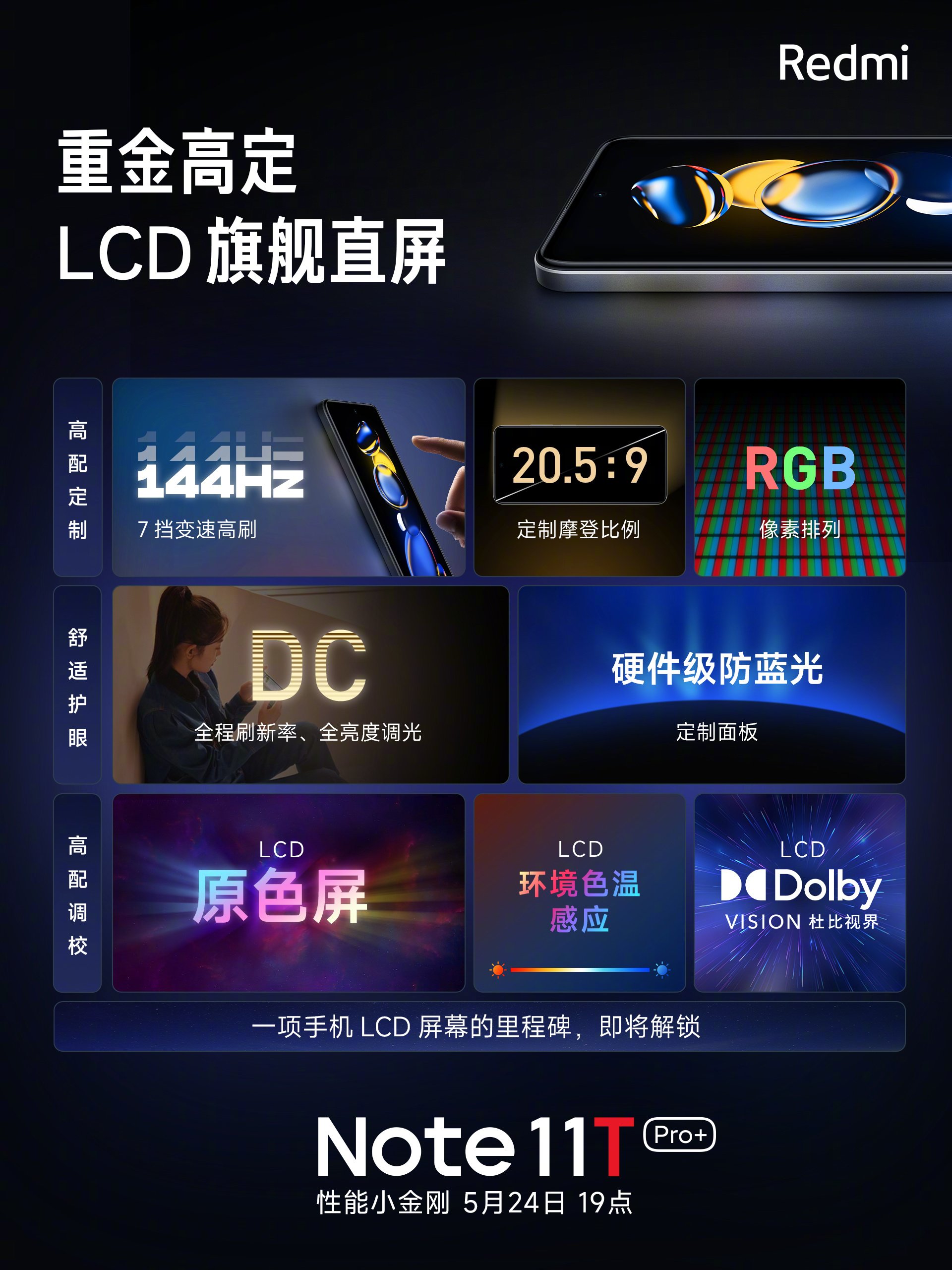
The display of the Redmi Note 11T Pro+ is also flagship-level as well, because the device’s display got awarded by DisplayMate with the A+ rating, the highest rating in the display scoring system. What makes this achievement even more astounding is that the display is an LCD, rather than the OLEDs found on its competition.

The Redmi Note 11T Pro+ will be sporting a 6.6-inch 144 Hz FHD+ IPS LCD with industry-leading LTPS technology that allows for seamless variable refresh rates on the LCD display. The display will be in a customized 20.5:9 screen aspect ratio that offers immersive and crisp picture quality. The display panel of the smartphone also has DC dimming technology meaning it can replace the quick flashes on your display(PWM Flickering) with constant illumination(DC Dimming) when you want to turn the brightness down.

Redmi Note 11 Pro Plus 144Hz LCD
144Hz LTPS LCD on the Redmi Note 11 Pro Plus

Coming to the cameras, the Redmi Note 11T Pro+ will be featuring a triple camera + flash setup at the back, where the main camera is Samsung’s 64MP ISOCELL GW1 sensor that features a 1/1.72 sensor size to let more light in and 1.6μm pixel pitch numbers to improve low-light night shots.

Other notable features of the smartphone are its stereo-speaker certified for Dolby Atmos and Hi-Res Audio compliant, Bluetooth 5.3 support, an enormous 5000mAh battery and insanely fast 120W fast charging with the charger included in the box. Despite being a flagship Redmi Note smartphone, Redmi had officially announced that the Redmi Note 11T Pro+ will be still featuring several legacy features such as the 3.5mm headphone jack, Infrared Sensors and Multifunctional NFC support.


Redmi Note 11T Pro 

As for the standard variant of the Redmi Note 11T Pro, the device will be powered by the newly announced MediaTek Dimensity 1300 SoC instead. The Dimensity 1300 is an overclocked version of last year’s Dimensity 1200 SoC giving more performance for the end user.

Redmi Note 11T Pro Plus
Redmi Note 11T Pro in Silver

The vanilla Redmi Note 11T will be featuring the same 6.6-inch 144Hz FHD+ IPS LCD as the Plus variant, but the great news here is that the display is still certified A+ by DisplayMate. As for the battery, the Redmi Note 11T Pro has a 4,300mAh battery cell instead with support for slower 67W fast charging than the 120W found on the Plus variant. 

As for the other details such as the cameras of the Redmi Note 11T Pro, we only know that the device has triple rear camera + flash setup at the rear. Redmi has not announced any details of the camera setup yet, so we will have wait for the launch on May 24th for Redmi to reveal more details about the device.


Colours, Storage and Pricing

Both smartphones will come pre-installed with MIUI 13 based on Android 12 out of the box. The devices are confirmed to be at least available in two colourways: Blue and Silver.

Redmi Note 11T series launch date
Silver(Top) and Blue(Bottom) Colour Options

As for the storage options for the devices, an earlier TENAA listing reveals that the memory configuratioms  are as follows:

  • Redmi Note 11T Pro  6GB RAM + 128GB ROM
  • Redmi Note 11T Pro  8GB RAM + 256GB ROM
  • Redmi Note 11T Pro+  8GB RAM + 256GB ROM
  • Redmi Note 11T Pro+  8GB RAM + 512GB ROM

For the official pricing and further details of the Redmi Note 11T series, stay tuned to our launch event coverage here at Gizmochina on May 24th (Tuesday)!

RELATED:

Meizu Blus Air TWS earbuds with 25 hours of battery life launched

A couple of years back, Meizu ranked among the top 10 smartphone manufacturers but all that is history. The company is presently striving to regain its prominence in the smartphone market with the re-introduction of the mBlu series and release of flagship models. Meizu is also churning out smart home products and accessories. The latest is the Meizu Blus Air True Wireless earbuds.Meizu Blus Air True Wireless earbuds

Meizu Blus Air True Wireless earbud has as its major highlight, an ultra-long battery life which can last up to 25 hours.  The product has a better battery life than the Apple AirPods Pro which has come to be a benchmark product for flagship wireless headphones.

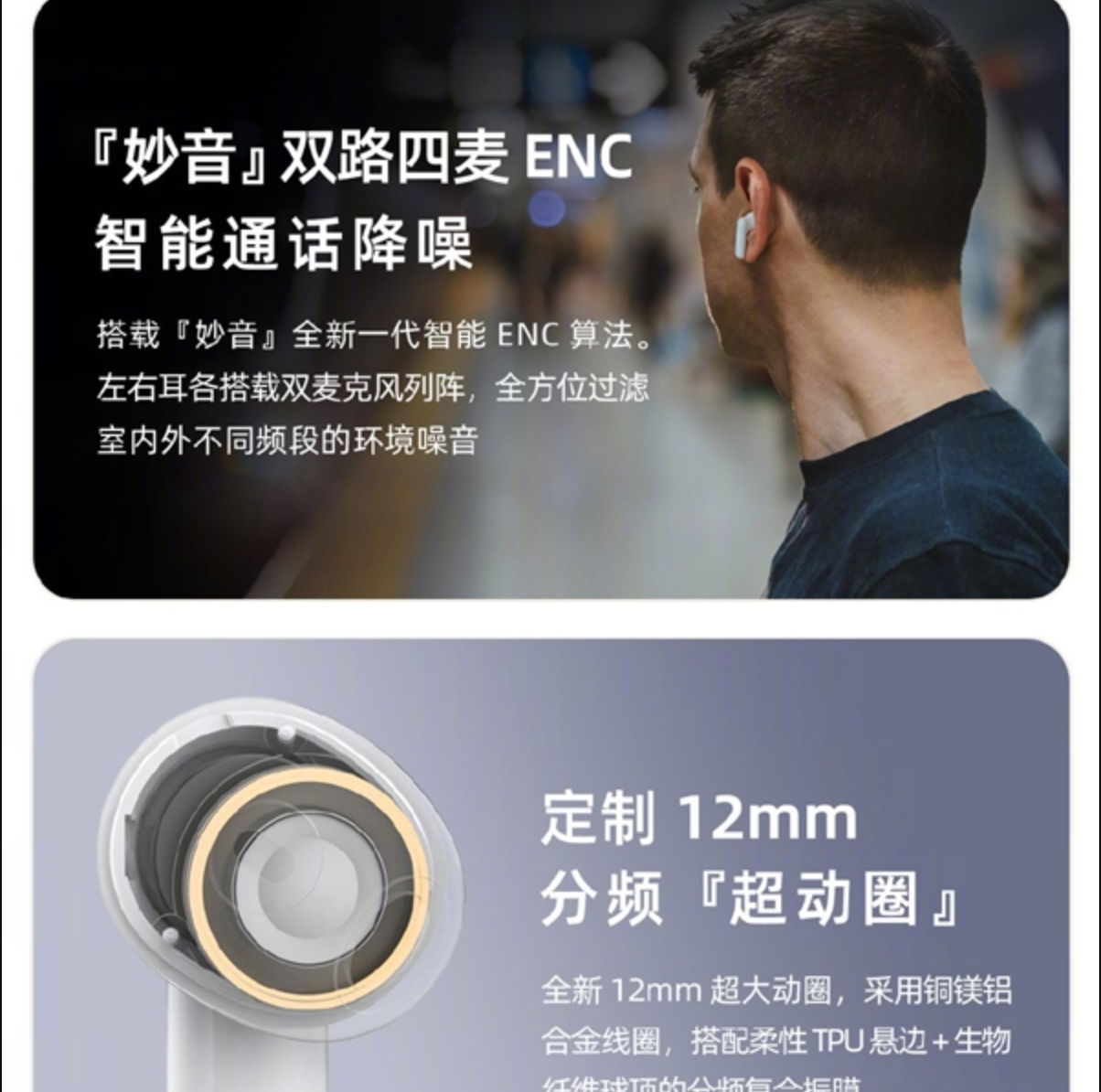
The Blus Air TWS earbuds are each equipped with a customized 12mm frequency division super moving copper-magnesium-aluminum alloy coil. The earbuds come with flexible TPU suspension edge and bio-fiber dome frequency division composite diaphragm, bringing a good sound performance.Meizu Blus Air True Wireless earbud

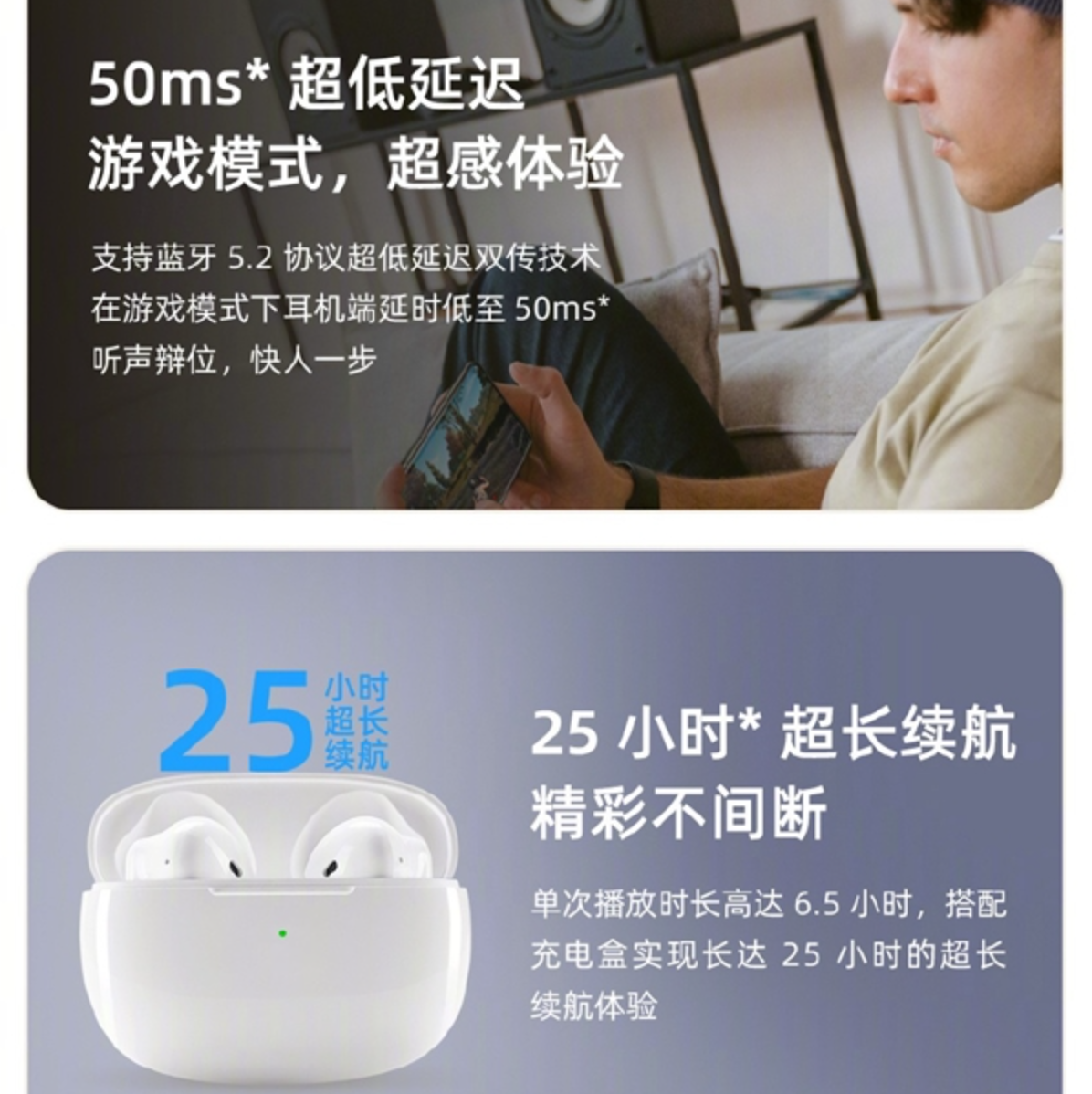
The two earbuds are equipped with dual microphone arrays, which can filter ambient noise in different frequency bands indoors and outdoors in all directions. It also comes with intelligent Environment Noise Cancellation algorithm. The earbuds feature support for Bluetooth 5.2 and supports ultra-low latency as low as 50ms in the game mode. Meizu Blus Air True Wireless earbud

The earbud adopts an ergonomic semi-in-ear design while the charging case uses an oval design. Each of the earbud weighs 3.9 grams and have support for IPX5 splash proof.Meizu Blus Air True Wireless earbud

In terms of battery life, each of the earbud can last for 6.5 hours on a single charge but with the charging case, the battery life goes up to 25 hours. The earbuds can easily be connected to a Meizu smartphone running Flyme OS. Other brands will need to download the Lifeme app which will allow the user adjust the earbuds’ parameters.

The Meizu Blus Air is priced at 159 yuan ($23) and will go on sale from 10AM on May 23 in China.

RELATED:


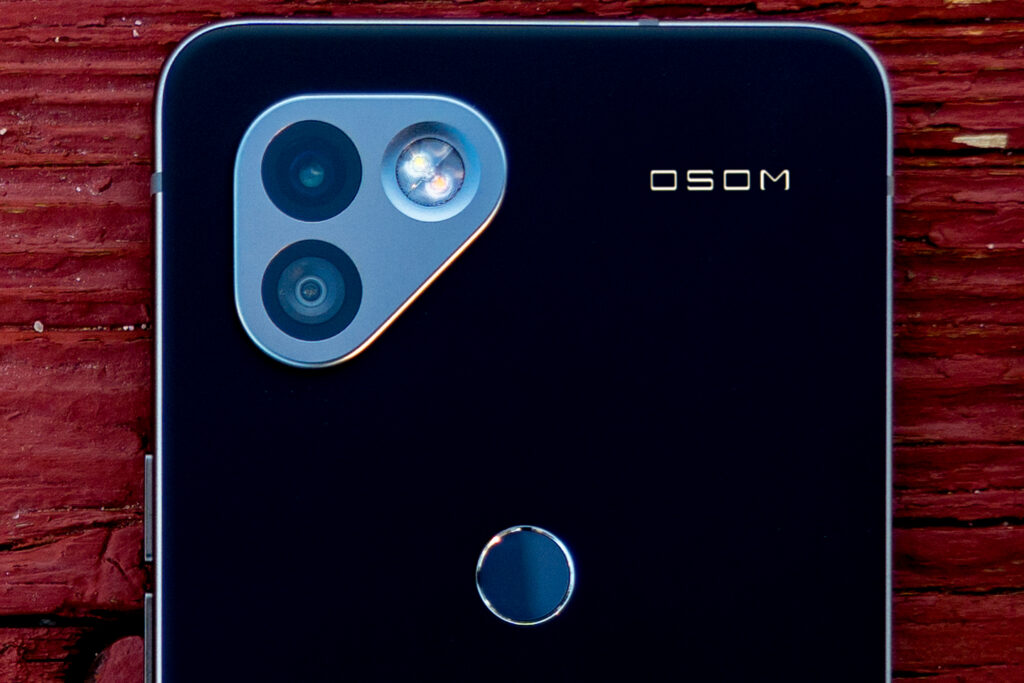
Snapdragon 8+ Gen 1 confirmed for the OSOM OV1 privacy focused smartphone

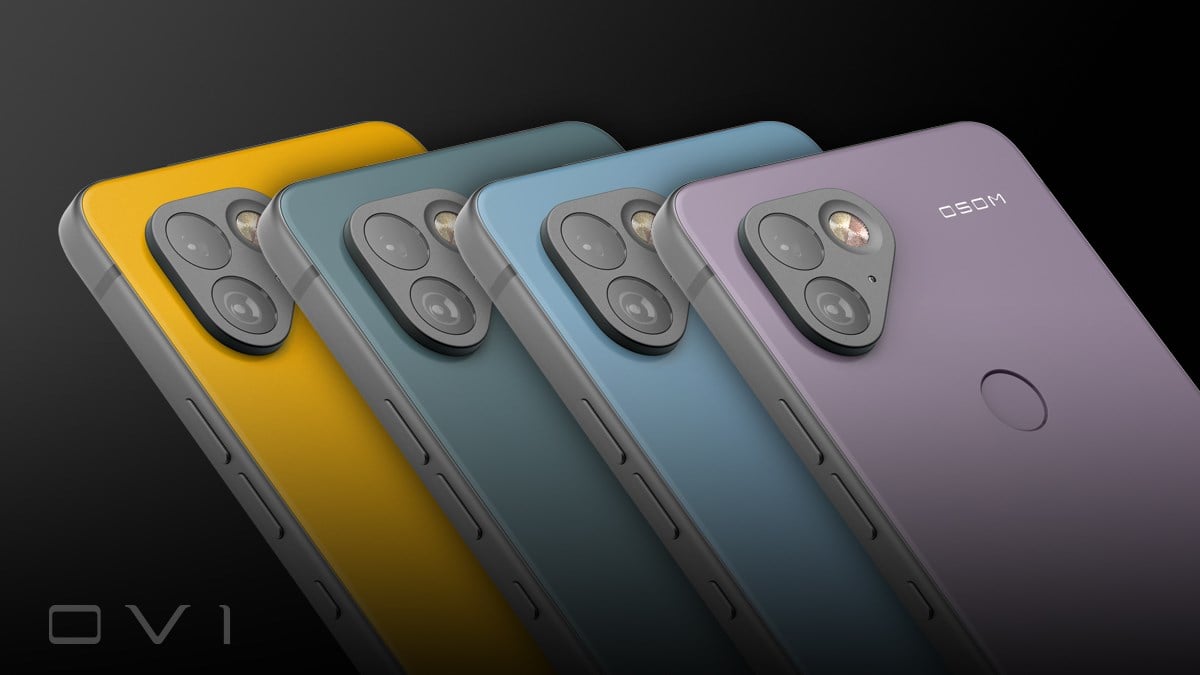
OSOM, the smartphone brand made by the team behind the Essential phone is gearing up to soon launch a new smartphone in the market, dubbed the OV1 (an acronym for OSOM Vault 1).

OSOM OV1

The spiritual successor of the Essential phone will also come with a heavy emphasis on privacy and security. Now, after Qualcomm’s official unveiling of the new Snapdragon chipsets, OSOM has announced that the upcoming OSOM OV1 will come with the Snapdragon 8+ Gen 1 mobile platform chipset at its heart.

This announcement confirms that the OV1 will likely be a smartphone targeting the premium segment. Other than the SoC on the device, previous reports have already revealed many of the specs and features coming with the OSOM OV1.

OSOM OV1

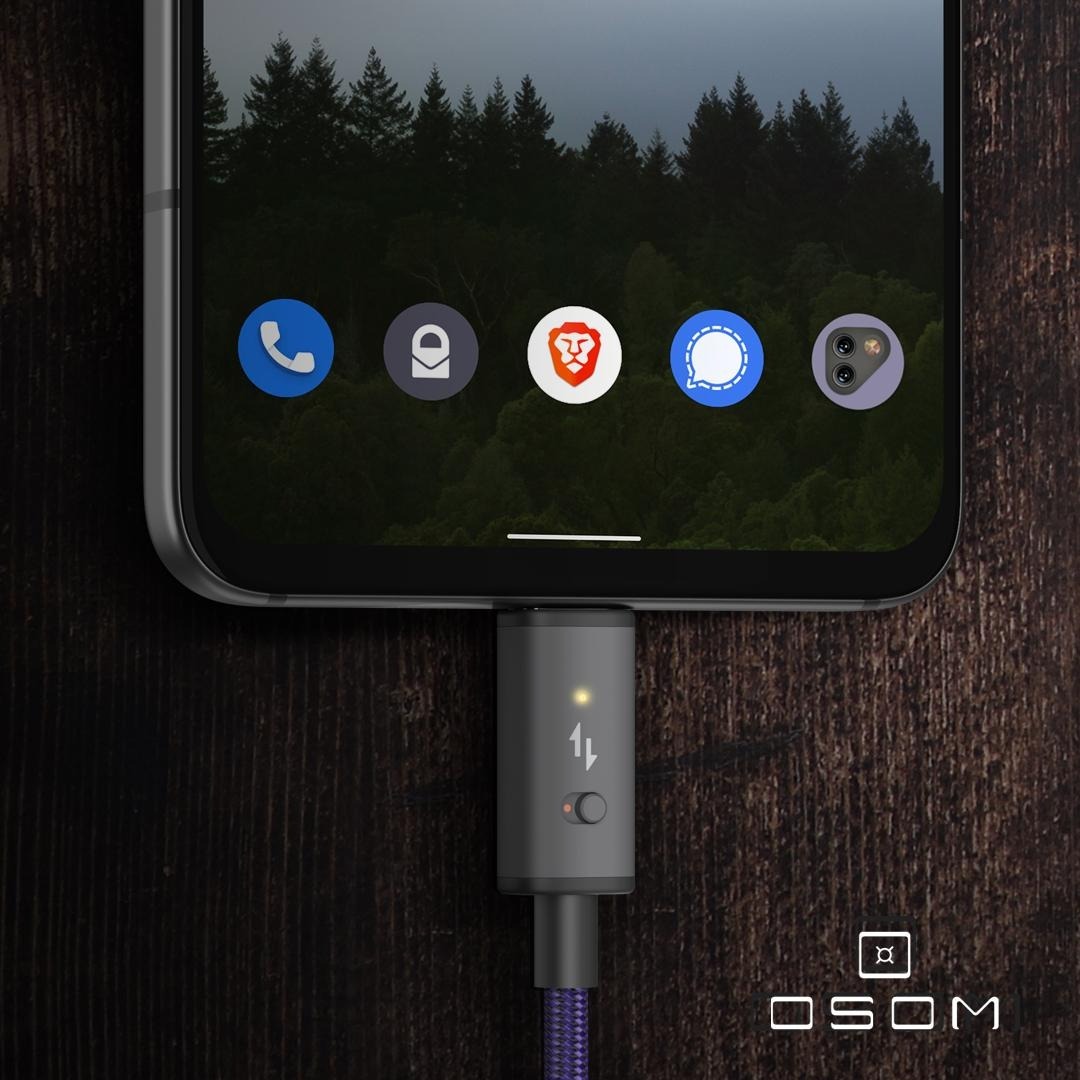
Starting with one of the most interesting features, the device will come with a privacy-focused “Secure Data Cable” in the box. This cable will have a switch which can allow or restrict data transfer via the cable making it more secure to charge your device in public or by connecting it to a PC or laptop.

A recent report revealed that the smartphone will come with an OLED display panel, however, the resolution, refresh rate, and other display details are still under wraps. What we do know is that the device will have slim bezels, a small chin, and rounded edges, as seen in a recently teased image.

The smartphone will also come with privacy-focused apps preloaded like Brave browser, Signal, etc. It will run on an Android-based operating system and offer support for dual SIM with 5G ultra-wideband connectivity.

OSOM OV1 featured

Coming to the optics, the smartphone is tipped to feature a dual-camera setup on the back consisting of a 48-megapixel primary sensor and a 12-megapixel secondary lens. On the front , there will be a 16-megapixel snapper for taking selfies and video calling.


RELATED:


OPPO K7x Receives Android 12 Official Update in China

The Oppo K7x smartphone was launched almost 2 years ago back in November 2020. The smartphone was initially launched with ColorOS 7.2 based on Android 10 out of the box, however, it seems that Oppo has provided this mid-range MediaTek Dimensity 720-powered smartphone with a very good software support track record. This is because the device received an Android 11 in 2021, and today in 2022, Android 12 is currently being officially rolled out to the device as well. 

OPPO K7x
Oppo K7x from November 2020. Source: Oppo

That’s 2 major Android OS upgrades for a rather mid-range smartphone powered by the MediaTek Dimensity 720 5G chipset, kudos to Oppo for supporting the software long term on their mid-rangers as well.

The news comes from Oppo’s Official Forum in China where the company had announced starting from today onwards Oppo K7x users in China will be able to update their smartphone to the latest official version of the ColorOS 12 x Android 12 operating system.

Oppo K7x ColorOS 12 Android 12 update
Oppo K7x ColorOS 12 x Android 12 Update

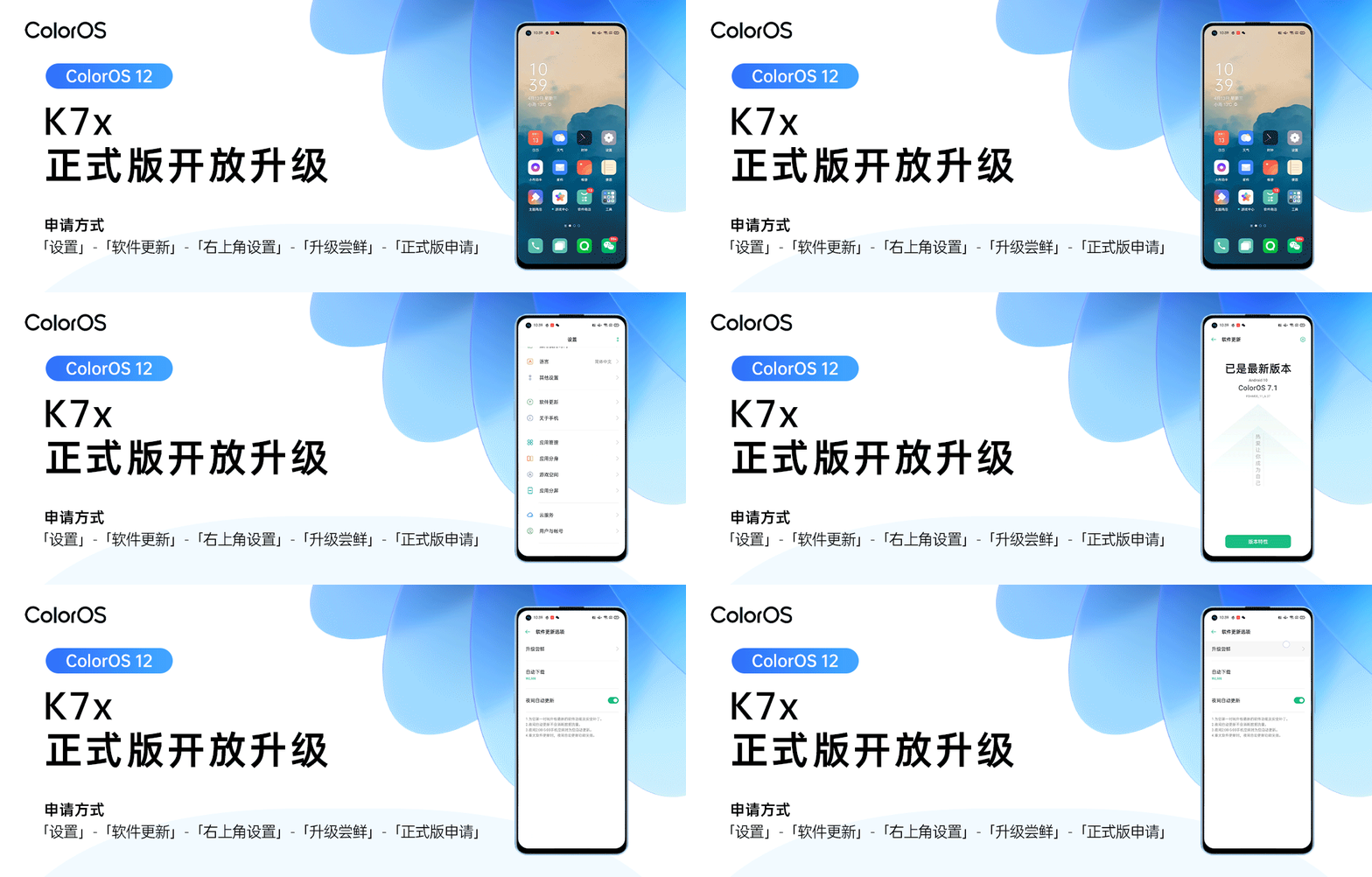
If you brimming with excitement and want to be the first to receive the official update on your Oppo K7x device, you need to follow the steps below:

  1. Ensure that your device is on the latest stable firmware version number C.10. (Settings > About Phone> Version information > Version number)
  2. Then tap on  “Settings > Software Update > Settings gear icon in the upper right corner > Upgrade for early adopters > Apply official version update > Tick “I have read and agree to the “Privacy Policy” > Apply Now”
  3. After the application, you will be greeted to a page of the changelog for the ColorOS 12 x Android 12 update. Here, tap on check for updates and then tap on download update.
  4. Your update will be immediately downloaded and then installed upon successful download.

In the announcement post, Oppo has noted that this official ColorOS 12 x Android 12 update will not clear user data, but the company highly recommends its users to back up important personal data in advance to at least have a data backup when things suddenly go wrong.

Oppo states that it should be noted that there are still many common third-party applications that are not yet compatible with Android 12. Therefore, there may be situations where third-party applications cannot be used normally after the update (such as app crashes, stutters, blank screens, abnormal power consumption, etc.). The brand then states that it recommends its Chinese users to update the app to the latest version in the company’s app store after the update to prevent bugs and crashes on these 3rd party applications.

RELATED:

(Source)

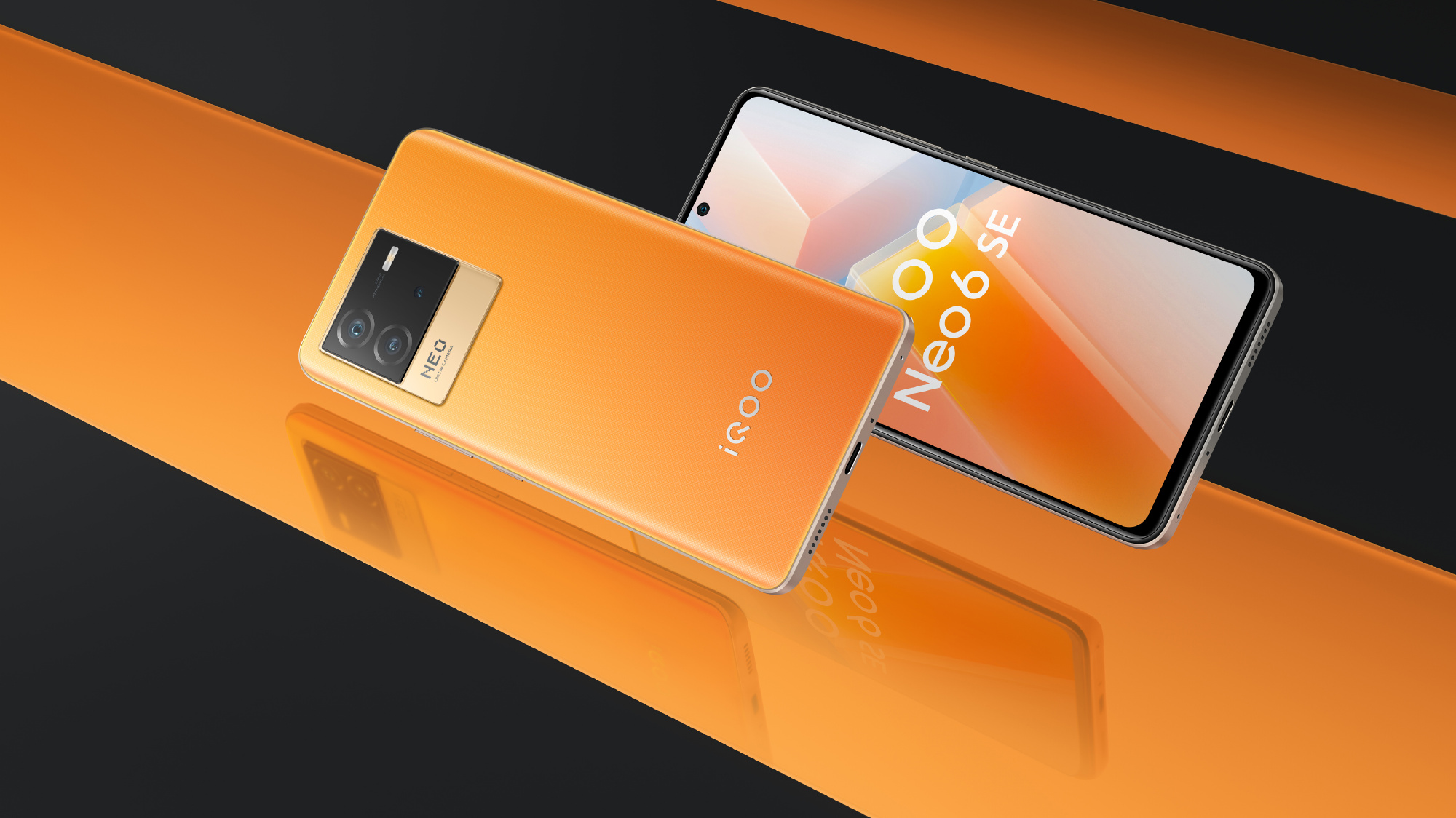
iQOO Neo 6 5G officially teased to launch on May 31 in India

Earlier this week, a slip-up from Amazon revealed that the iQOO Neo 6 5G smartphone will debut in India on May 31. Now, iQOO has officially confirmed that the device would indeed debut on May 31, and will be sold exclusively on Amazon India and iQOO’s official website.

Other than that, the teaser confirms that the smartphone will come with the Snapdragon 870 SoC, which is different from its Chinese counterpart, and will feature 80W fast charging. Let’s take a look at the expected specs of the iQOO Neo 6 Indian variant.

iQOO Neo 6 specs (Indian variant – expected)

IQOO Neo6 SE

The Neo 6 5G is expected to feature a 6.62-inch AMOLED FHD+ panel with 120Hz refresh rate. It will likely have an in-display fingerprint for security.

Under the hood, the device will feature a Snapdragon 870 SoC which will likely come paired with up to 12 GB of LPDDR4x RAM and up to 256 GB of UFS 3.1 storage. It is confirmed to feature 80W fast charging and will likely come with a 4,700mAh battery. The device will operate on Android 12-based OriginOS Ocean / iQOO UI.

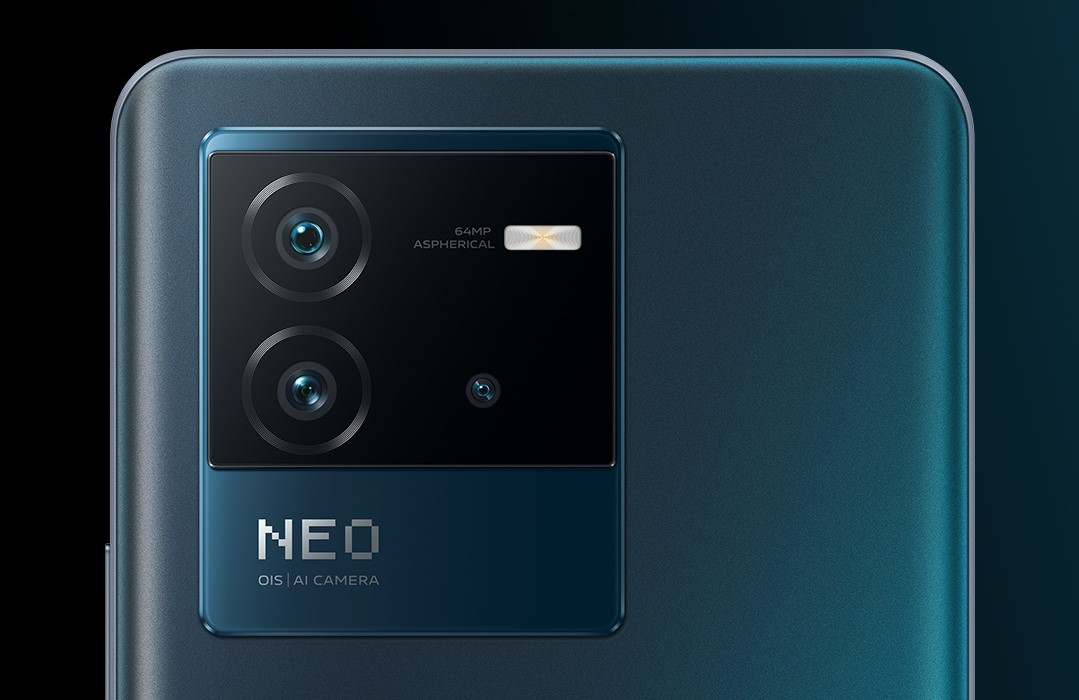
IQOO Neo6 SE camers

For optics, the smartphone is expected to house a 64-megapixel primary camera with OIS, a 12-megapixel ultrawide lens, and a 2-megapixel depth sensor. On the front, the phone will likely have a 16-megapixel selfie snapper in a centered punch-hole cutout.

iQOO Neo 6 specs expected price

The device is rumored to have a starting price of Rs 29,000 ($373) and is expected to go as high as Rs 31,000 ($398) for the top-spec variant. The phone is expected to come in two colors – Dark Nova and Interstellar.


RELATED:


Apple iPhones with eSIM face bug that deactivates FaceTime & iMessage

Some Apple iPhones are currently facing a nasty issue that is resulting in the deactivation of FaceTime and iMessage on the device.

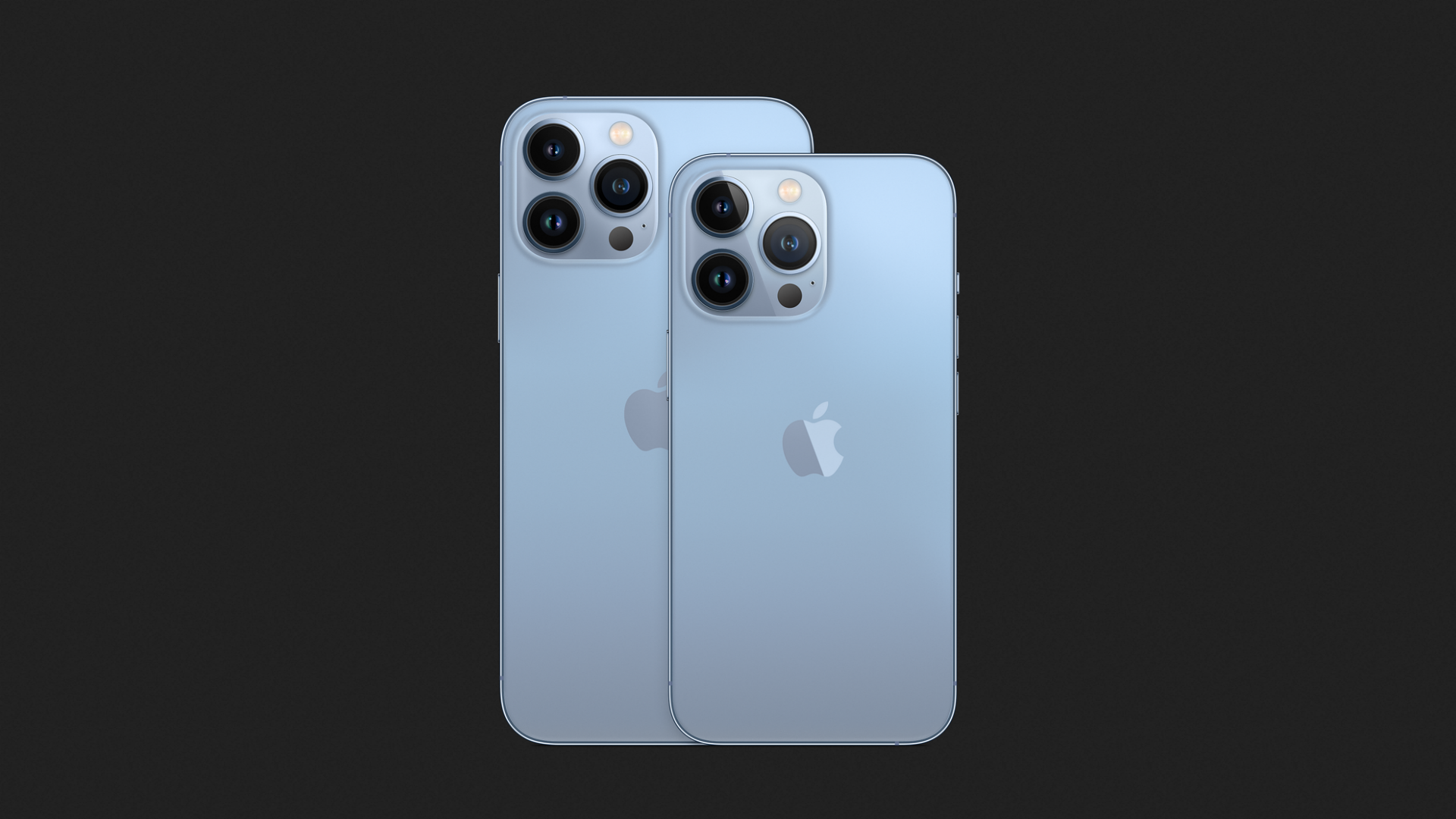
iPhone 13 Pro series featured

According to numerous reports surfacing on Twitter, a nasty bug has been going around on Apple smartphones, deactivating FaceTime, iMessage, and, in some cases, the entire SIM service. This issue is currently exclusive to iPhones with e-SIM cards.

For those unaware, an eSIM is a digital SIM that is connected to the phone’s motherboard and is activated by the carrier. The iPhone XR and iPhone XS were the first models to debut with this feature.

Even Bloomberg’s Mark Gurman has fallen victim to this bug as he took to Twitter to voice his complaint about this bug to Apple and T-mobile.

This issue, however, is not just limited to T-mobile users as customers with other cellular providers are also facing this issue. Gurman tweeted that, currently, there are two workarounds to this issue. The first one is getting a new physical SIM card from your cellular provider and inserting it into your iPhone. The second option is to remove your eSIM account from the device and set it up again.

T-Mobile has confirmed the issue and has told Gurman that they are working closely with Apple on fixing the issue. T-Mobile has also said that the issue is related to iCloud/Apple and, according to Gurman, it is currently running rampant on devices with iOS 15.4, iOS 15.5, and iOS 15.6 beta 1 operating systems.

Stay tuned for more updates on the matter.


RELATED:


Samsung Galaxy A13 5G European price tipped, launch seems imminent

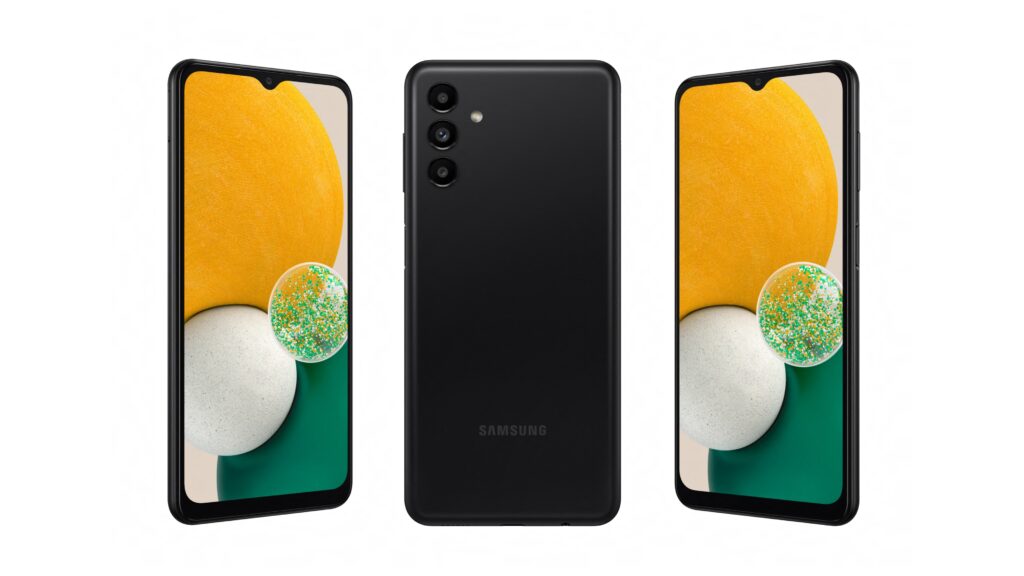
Back in December 2021, Samsung launched the Galaxy A13 5G in the US market as its most affordable 5G offering. Recently, the device was spotted on the Google Play listing hinting at an imminent European launch.

Samsung Galaxy A13 5G Featured A

Now, according to a MySmartPrice report, tipster Sudhanshu Ambhore has leaked the European pricing of the Galaxy A13 5G. According to the tipster, the budget 5G smartphone will have a starting price of €179 for the 3GB + 32GB configuration. The 4GB + 64GB configuration will have a price tag of €209 and the top-spec 4GB + 128GB model will be priced at €239.

The tipster also informs that the device will launch with three color options – Black, Blue, and White.

Samsung Galaxy A13 5G specs and features

The Galaxy A13 5G sports a 6.5-inch LCD panel with 1600 x 720 pixels resolution, a 90Hz refresh rate, and an Infinity-V notch.

Under the hood, the device comes powered by the MediaTek Dimensity 700 chipset. It features up to 4GB RAM and 64GB storage in the US. However, the European variant is said to come with up to 128GB of storage. The device also has a MicroSD card slot and comes with NFC support.

For optics, the smartphone offers a triple camera setup on the rear with a 50MP primary sensor, 2MP macro snapper, and a 2MP depth sensor. On the front, it has a 5MP camera for selfies and video calls.

Other than that, the device has a side-mounted fingerprint sensor, a single speaker, a 3.5mm headphone jack, Android 11-based operating system, a 5,000mAh battery, and 15W charging. Connectivity options on the phone include sub-6GHz 5G, dual-band WiFi, Bluetooth, and a USB Type-C port.


RELATED:


Just Corseca Stallion wireless neckband earbuds with 100 hrs runtime launched

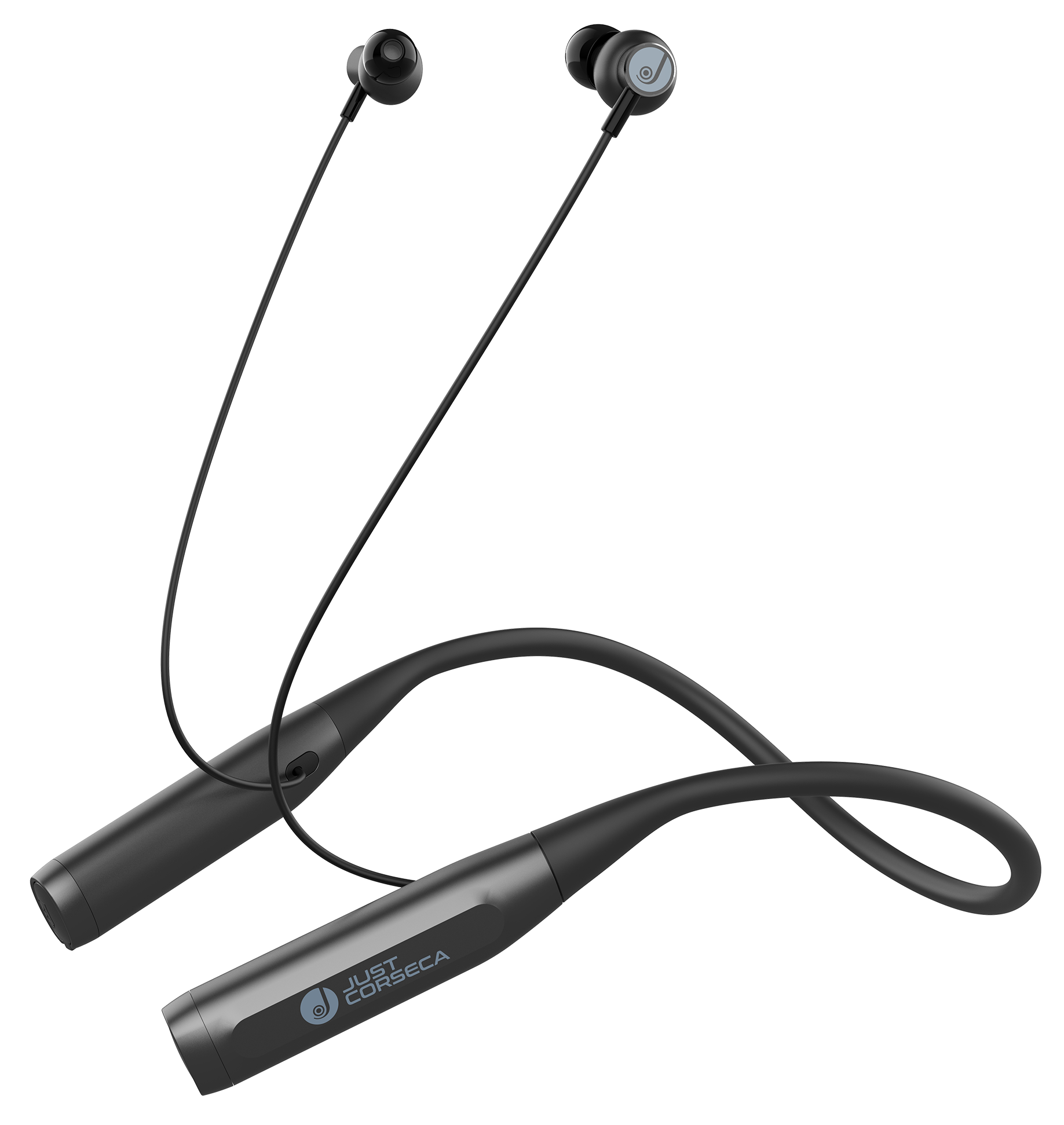
Just Corseca has announced its long-lasting Stallion Wireless Neckband earbuds in India. The Just Corseca Stallion is priced at an MRP of Rs. 3,499 (~$45) and offers several impressive features.Just Corseca Stallion wireless neckband earbuds

Just Corseca is a flagship brand of Damson Technologies Pvt Ltd. It is making a bold statement on the Indian accessories market with the release of the Stallion. The new wireless neckband comes with an 800mAh polymer battery that gives up to 100 hours of activity. The neckband can be charged via its USB-C port quickly. Ten minutes of charge delivers up to 10 hours of playback.

The Just Corseca Stallion has a chic design and structure. It delivers superior rich bass HD stereo sound, and it has a dedicated camera button. The Just Corseca Stallion supports Bluetooth 5.0 connectivity with a range of about 15 meters.

Just Corseca says the Stallion was designed to provide immense user satisfaction and comfort. It offers amazing audio clarity and powerful bass. The Stallion wireless neckband is a unique product that is comfortable to use for extended periods. The Stallion’s 100-hour battery life is the highest in the wireless neckband segment.

The earphone offers a tangle-free user experience.  It is rated IPX8, providing dust and water resistance. The neckband is made with tough silicone rubber. It can be used for adventure and workout activities.

Just Corseca Stallion is available for purchase from the company’s official website. It can also be purchased from online and offline retail outlets in India. Just Corseca is offering a 1-year warranty for the Stallion.

RELATED:


Pixel Watch’s Exynos 9110 processor might be joined by Co-Processor and additional RAM

Google Pixel Watch was unveiled alongside the Pixel 6a during the I/O 2022 event as the company’s first smartwatch. The launch of the highly anticipated watch is due in October. However, the specifications of the watch have already started getting leaked. Last week, it was rumored that the smartwatch will be powered by an outdated Exynos 9110 processor and a new report today confirms that the Pixel Watch is actually powered by an Exynos 9110 SoC, but with some help from a second chip.

Google Pixel Watch

9to5Googe, citing sources, has confirmed that the 2018 Exynos 9110 chipset will indeed power Google’s first smartwatch, but it will be accompanied by a co-processor meant to relieve the 9110 of some of the load. It is possible that this additional chipset could come with Tensor branding, however, it’s unclear if Google intends to extend its branding to wearables.

Google seems to have taken inspiration from Qualcomm’s Snapdragon Wear 4100+ SoC which has a main CPU accompanied by a secondary “ultra-low” power co-processor that supports up to 64K colors and powers the always-on display. This takes the load off the main CPU and also helps the watch achieve better battery life.

The publication also reports that Pixel Watch would have 32GB of storage. That’s more storage than any other Wear OS device available on the market. It will be interesting to see how it will be utilized. Moreover, the Pixel watch is also said to surpass every smartwatch in terms of RAM. For reference, Galaxy Watch 4 has 1.5GB of RAM, and Google’s wearable is going to carry slightly more RAM than that.

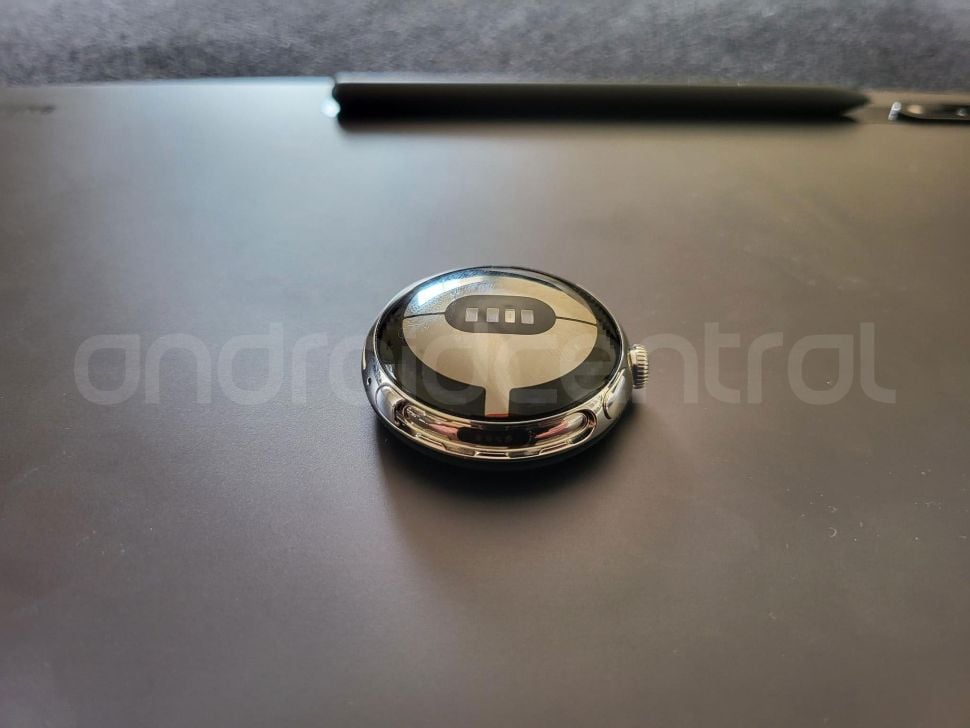
Google Pixel watch back
Google Pixel watch back | Via: Android Central

As seen above, the sensors on the wearable’s back appear to be identical to the sensor array used in the Fitbit Luxe and Fitbit Charge 5. The technology in question can monitor heart rate, SpO2 (blood oxygen), and ECG, and since Google owns Fitbit, recycling sensors like this seems only logical.

Related:

Case Manufacturer Reveals Xiaomi 12 Ultra Design with “Porsche-Like” Design

The Xiaomi 12 Ultra is expected to be the brand’s first-ever flagship to sport the newly announced Snapdragon 8+ Gen 1 that runs on TSMC’s industry-leading 4nm process. Ahead of the device’s rumoured launch date in June, it seems that another case manufacturer has revealed the Xiaomi 12 Ultra rear back design via their product listings online.

The news comes from a Chinese user on Weibo, username @Experience More (machine translated), who shared in their latest Weibo post on their latest findings on the Xiaomi 12 Ultra when surfing through e-commerce websites like JD.com and Taobao.

Xiaomi 12 ultra porsche design weibo
Source: Weibo

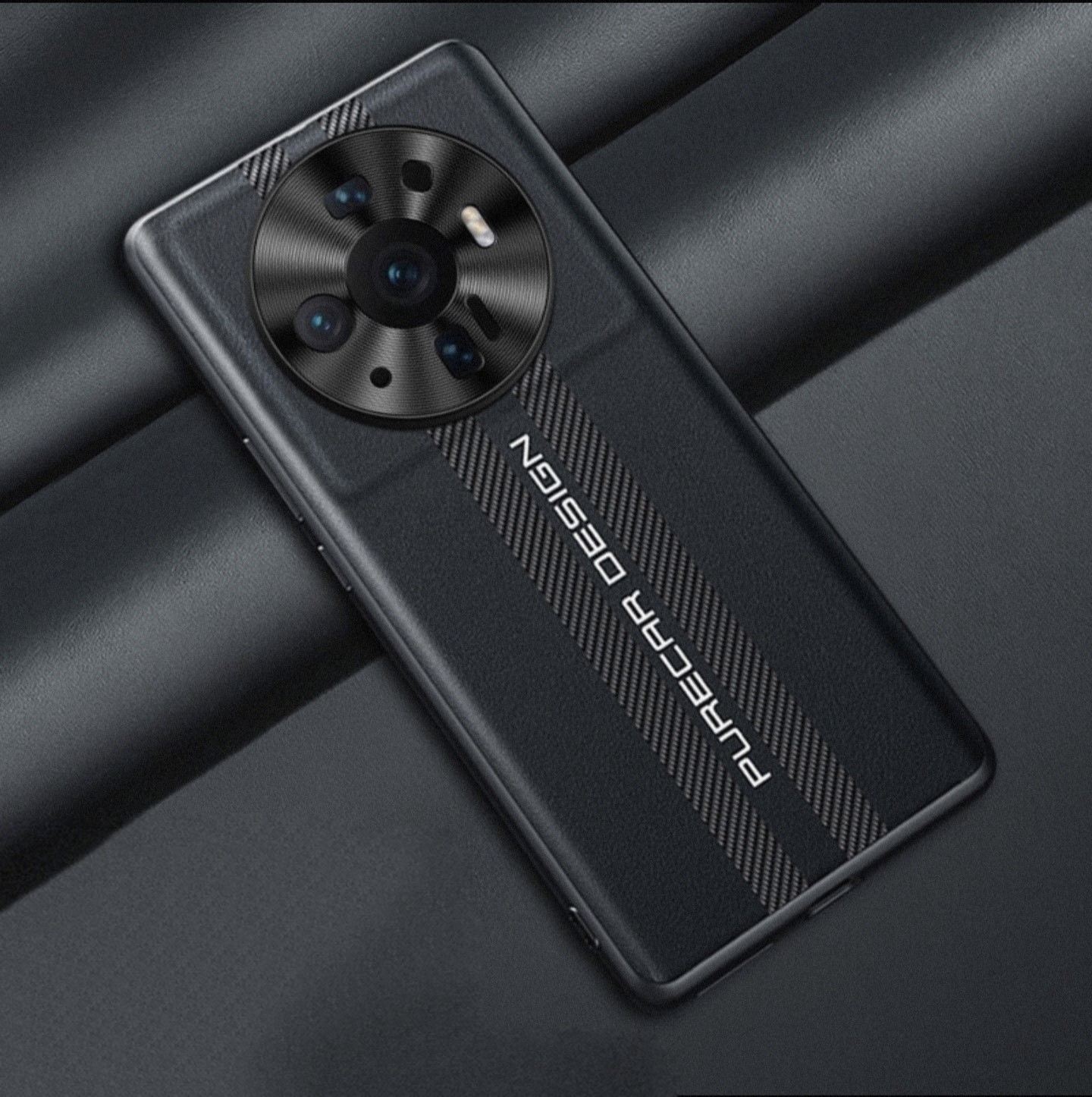
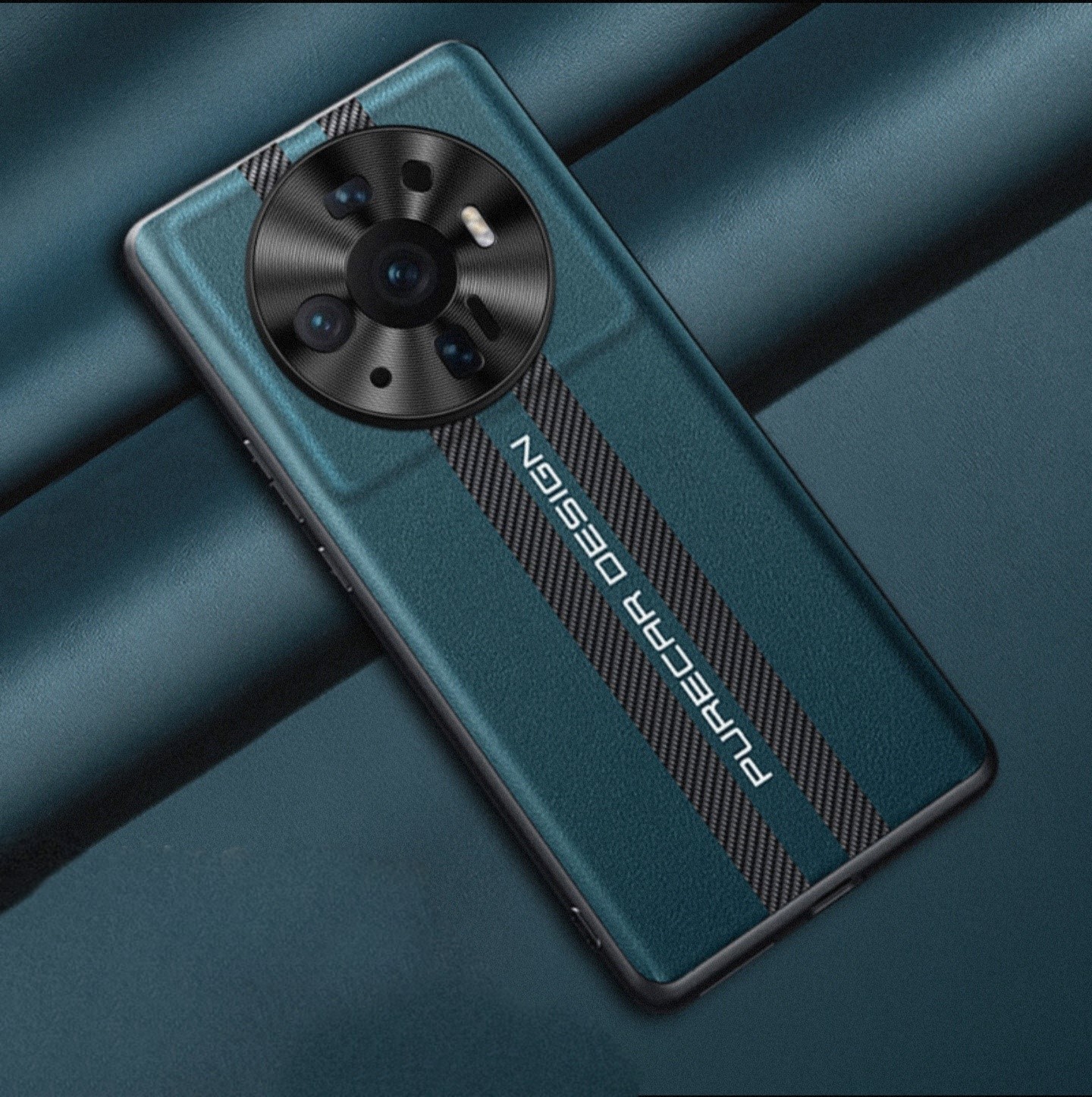
They stumbled across a new listing from a rather known case manufacturer in the country that was for the Xiaomi 12 Ultra. The product listing is a rear protective case for the Xiaomi 12 Ultra that features a “Porsche inspired” case design that features a black and grey stripe across with a clearly known knock-off branding name “Purecar design” on the back, which is a blatant copy of the “Porsche Design” found earlier on Huawei flagships during Huawei’s golden age.

The cases are available in two colour options: Midnight Black and Jade Green.

Xiaomi 12 ultra Porsche Design Midnight Black 1
Xiaomi 12 Ultra case in Midnight Black
Xiaomi 12 ultra Porsche Design Jade Green 1
Xiaomi 12 Ultra Case in Jade Green

However, the casing design philosophy is not the highlight of the news. The highlight here is that the product listing features the same camera island design with 7 hole cutouts as the case design of the Xiaomi 12 Ultra revealed earlier last week. 

This means that Xiaomi has seemingly finalised on the rear camera island design for the Xiaomi 12 Ultra, and the smartphone manufacturer has already sent out models for the case manufacturers across the country to start production, just in time for the expected launch of the Xiaomi 12 Ultra launch in June.

To stay tuned on the latest news of the Xiaomi 12 Ultra, stay tuned to our coverage here at Gizmochina to get the latest updates on the Chinese tech scene!

RELATED:

(Source)

OnePlus Announces Launch of Snapdragon 8+ Gen 1 Flagship in Q3 2022

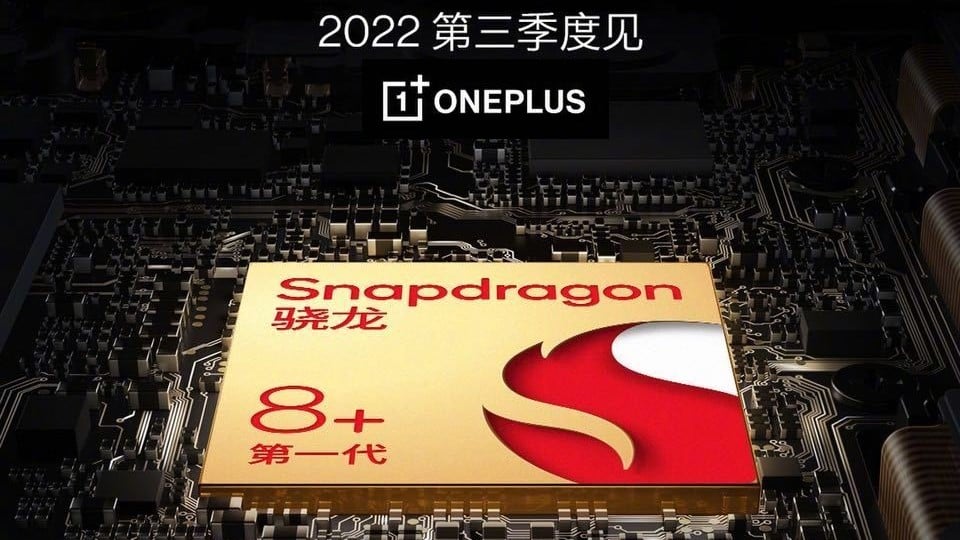
OnePlus, the once-known brand for its speedy value-for-money flagship devices, has officially announced that the company is launching their new high-end premium smartphone powered by Qualcomm’s newly announced Snapdragon 8+ Gen 1 chipset, later this year in Q3 2022.

OnePlus Snapdragon 8 Plus Gen 1 Q3 2022
Source: Weibo

The company announced the news on its official account on Chinese social media Weibo. In the post, the company proudly claims that the brand are amongst the first batch of smartphone manufacturers to receive the Snapdragon 8+ Gen 1 SoC and the brand will be launching its next OnePlus flagship soon in the third quarter of this year.

OnePlus Snapdragon 8 Plus Gen 1 Q3 2022 b
Source: OnePlus China

This news announcement comes in line with the company’s marketing strategy since 2021, which is drip-feeding OnePlus fans with one feature at a time over the course of several months to build up hype leading up to the launch of the device.

As for the name of the upcoming flagship, OnePlus has not officially revealed the name yet. But we have heard rumours that that apparently OnePlus is currently developing a OnePlus 10 Ultra with the Snapdragon 8+ Gen 1 SoC onboard, but since it’s already in the second half of the year, there could be a possibility of the next OnePlus flagship to be called the OnePlus 10RT, OnePlus 10T or OnePlus 10T Pro instead.

As for the other 2022 flagships, currently there are only 2 other confirmed manufacturers slated to launch their flagships powered by the Snapdragon 8+ Gen 1Asus and Realme.

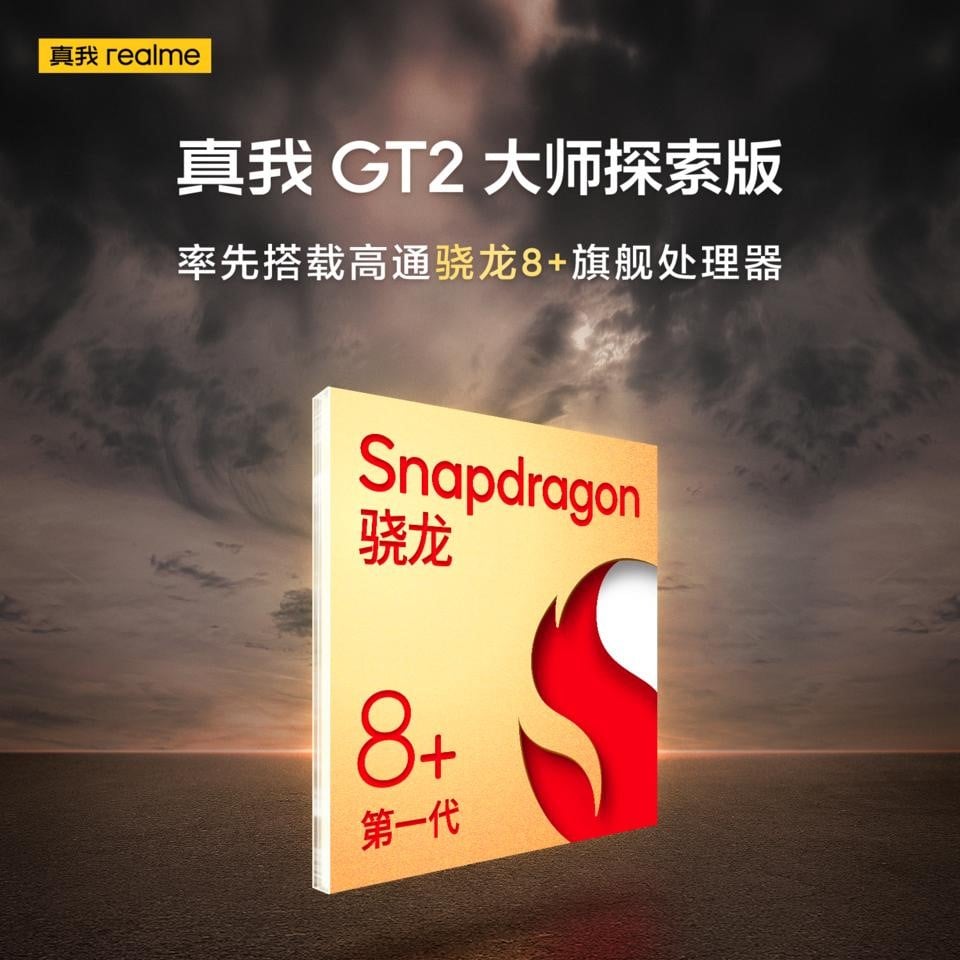
Realme announced that the company will be the first brand to bring the Snapdragon 8+ Gen 1 chipset to the smartphone market with the Realme GT 2 Master Explorer Edition.

Realme GT2 Master Explorer Edition Snapdragon 8 Gen 1 Plus b
Source: Realme

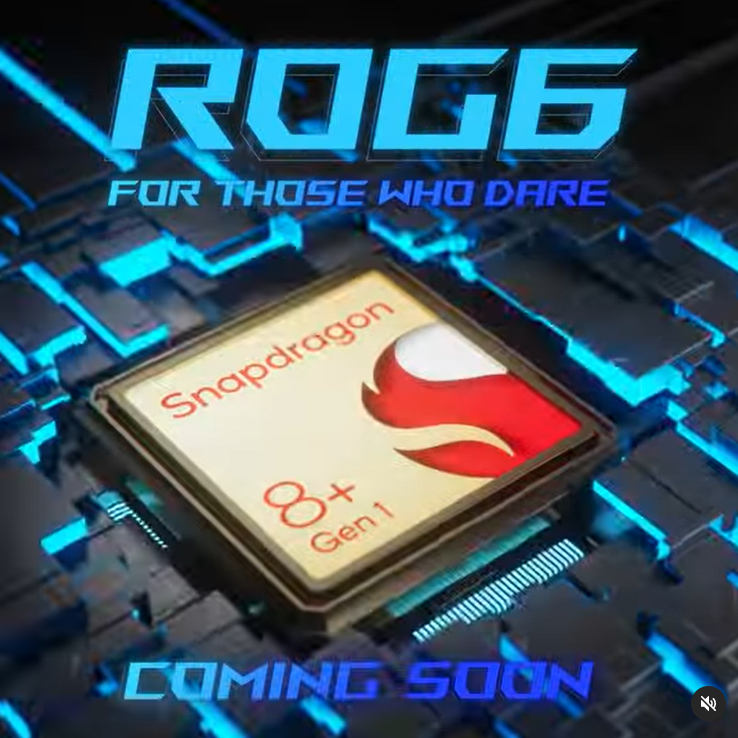
On the other hand, Asus announced its ROG Phone 6 series will be the world’s first gaming smartphones to feature the Snapdragon 8+ Gen 1 SoC. 

Asus ROG Phone 6 Launch Teaser
Source: Asus ROG Global

Both smartphones are expected to debut their flagship devices next month in China and for updates regarding the latest technology news from China, stay tuned to our coverage here at Gizmochina!


RELATED:

(Source)