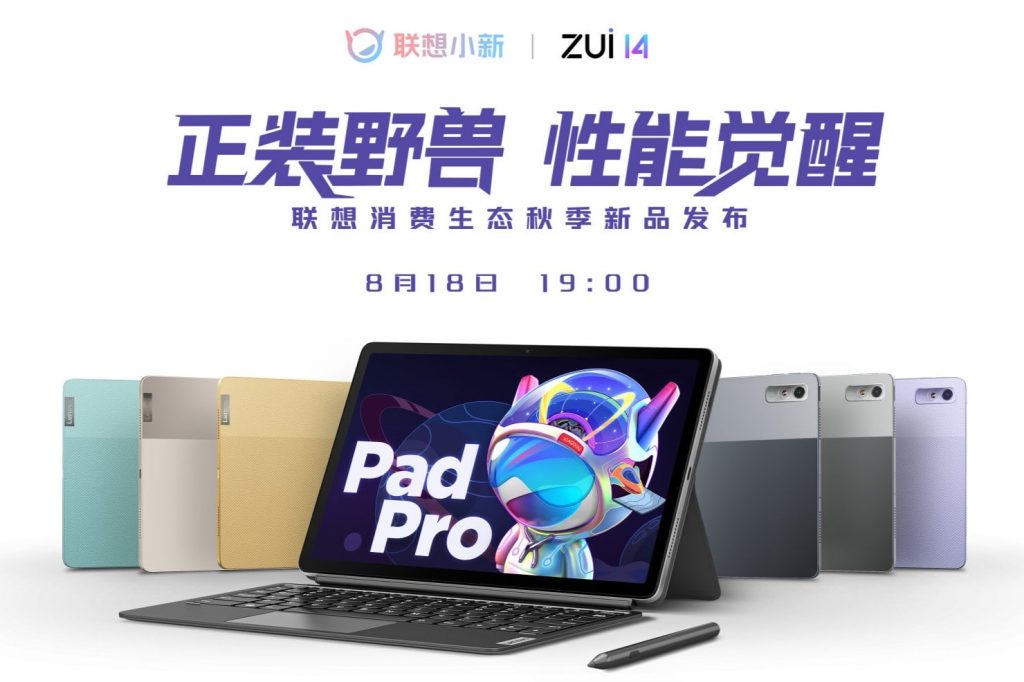
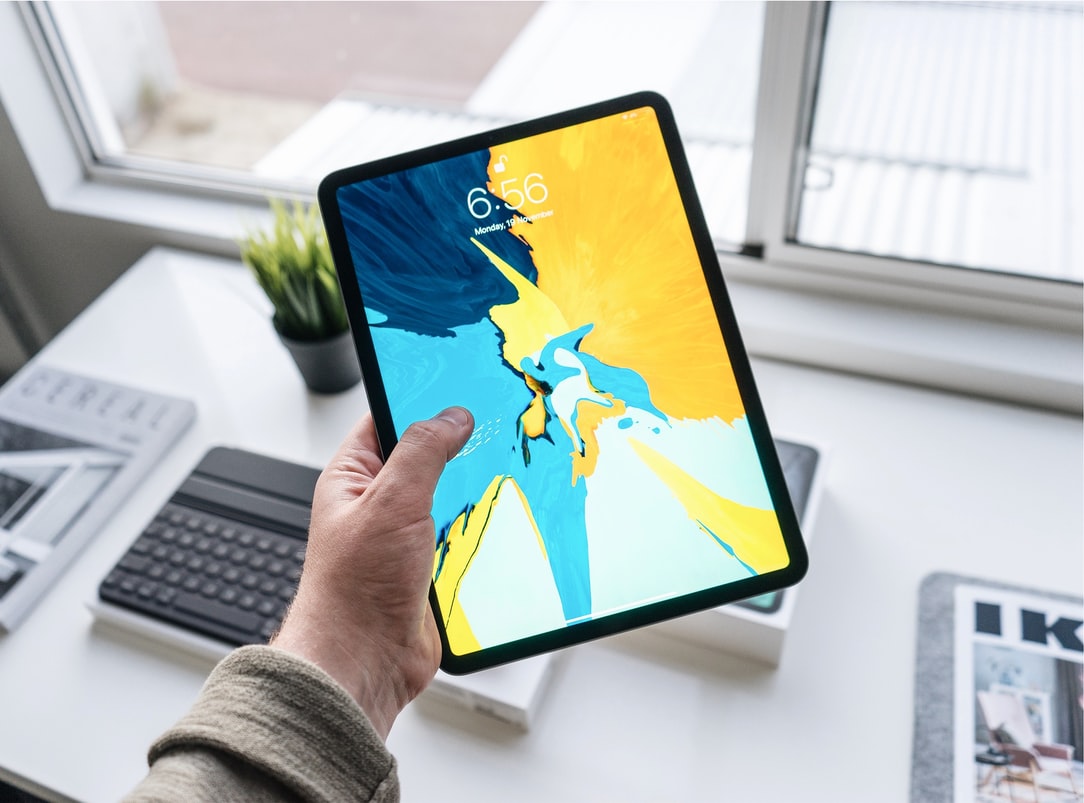
Lenovo has confirmed to launch its next-gen flagship Android tablet called Xiaoxin Pad Pro 2022 later this week in China. The product will succeed the Xiaoxin Pad Pro 2021 from last year. Let’s take a look at all the details that are out.
The Lenovo Xiaoxin Pad Pro 2022 will launch in China on August 18 (Thursday). It will be announced at the company’s autumn product launch conference, which will be live streamed on Weibo and other video streaming platforms from 7 PM CST.
The tablet will be built around an 11.2-inch 2.5K OLED display. TÜV Global Eye Protection 2.0-certified panel will have support for 120Hz refresh rate, 360Hz touch sampling rate, 1920Hz high-frequency PWM dimming, and 600 nits peak brightness level.
It will house Dolby Atmos-supported quad-speakers tuned by JBL. Further, it will carry support for stylus input via Xiaoxin Stylus (second generation). The company will be also selling an official keyboard accessory.
Last but not least, the Lenovo Xiaoxin Pad Pro 2022 will boot ZUI 14 and will be backed by an 8,200mAh battery with support for 68W fast wired charging over USB Type-C (USB 3.2 Gen 1).
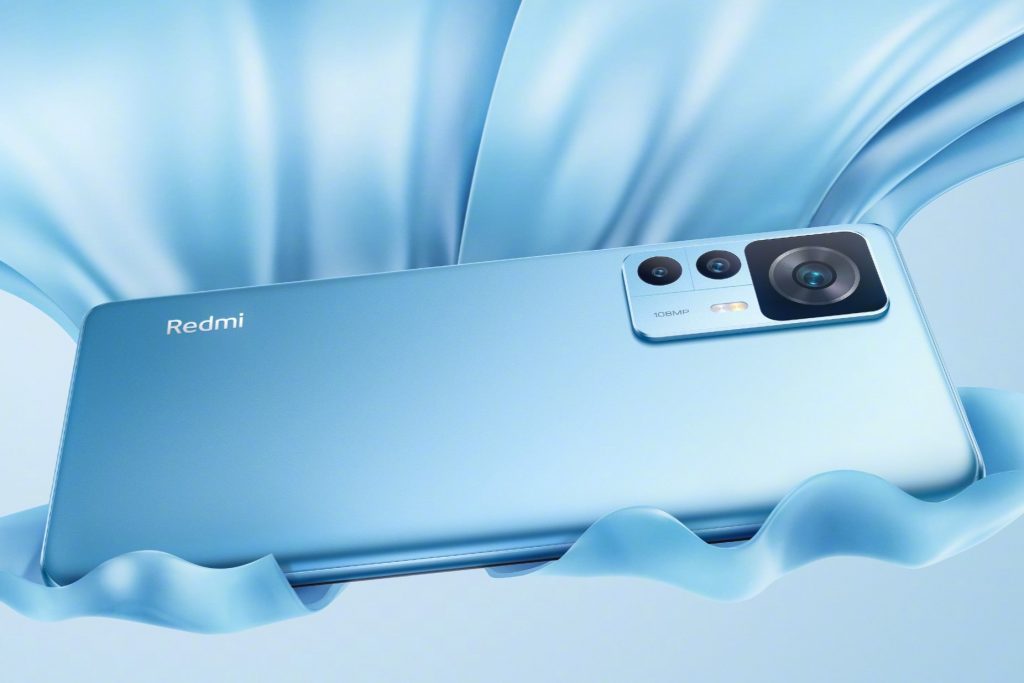
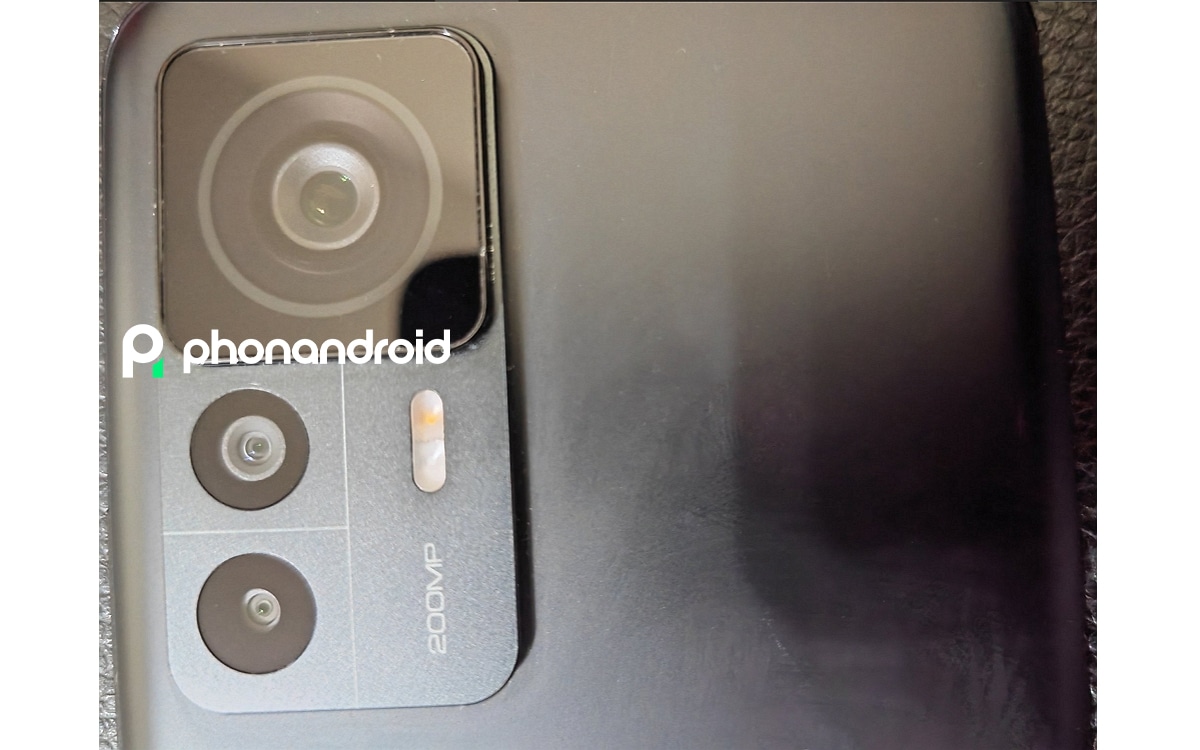
The Redmi K50 Ultra was revealed by Redmi last week in China. According to reports, this product will make its global market debut in October under the Xiaomi 12T Pro moniker. A recent leak revealed the pricing of the smartphone and another report revealed a live image of the device featuring a 200-megapixel primary camera.
Redmi K50 Ultra
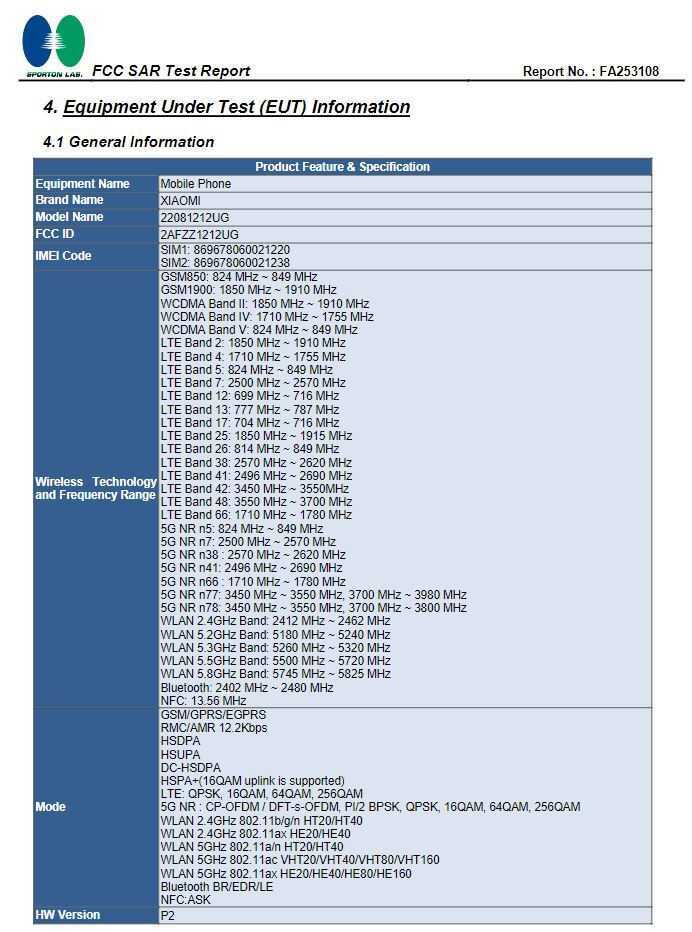
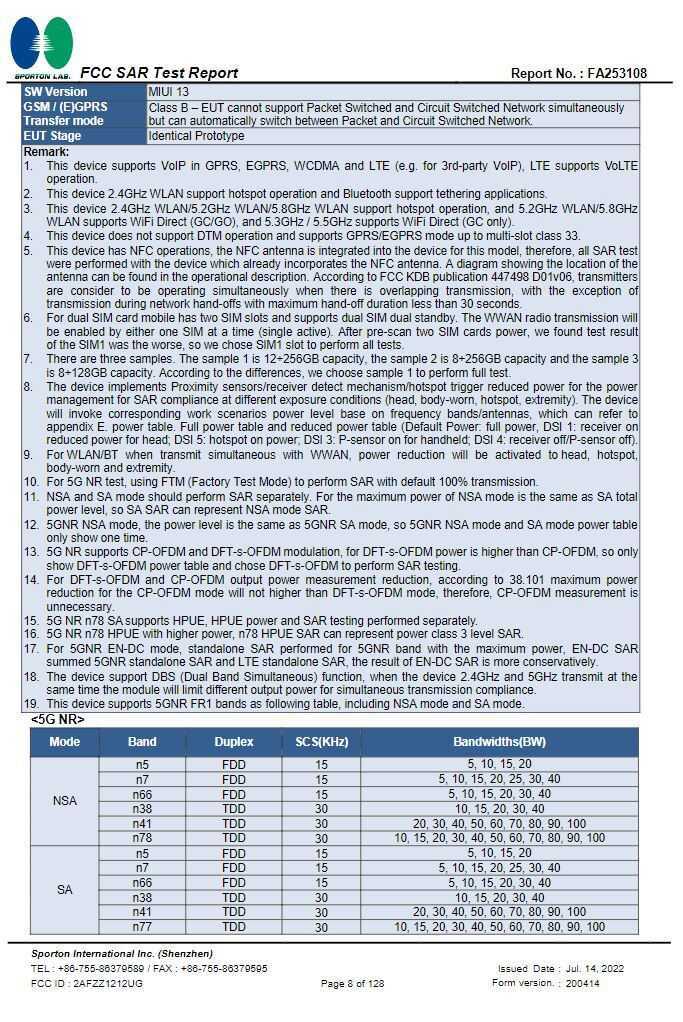
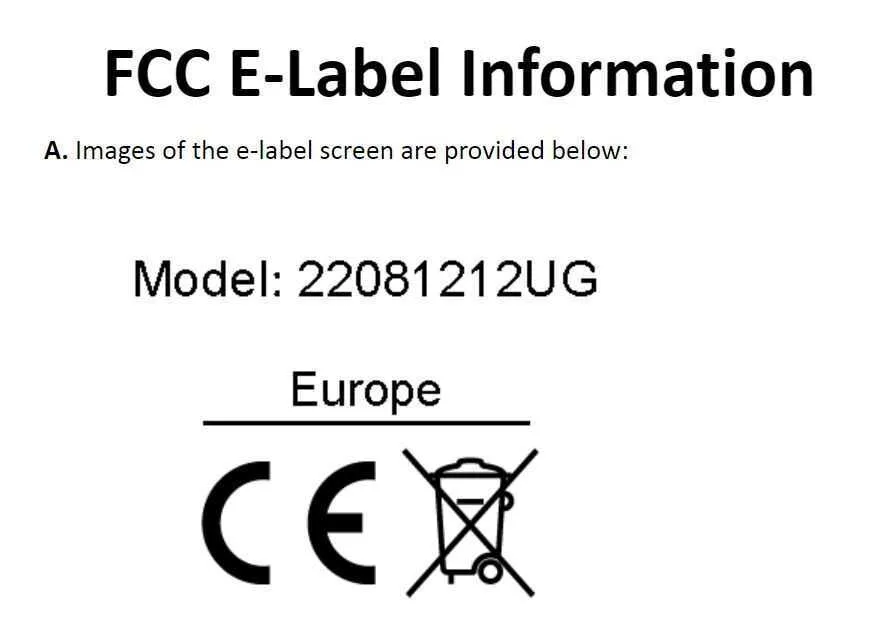
Now, the device has made an appearance on the FCC database revealing some key features like network support, RAM, and storage.
Xiaomi 12T Pro FCC
1 of 3
According to the Federal Communications Commission (FCC) website, the upcoming Xiaomi 12T Pro with 22081212UG model number has been certified. Dual SIM capability is included with the Xiaomi 12T Pro. Dual-band Wi-Fi, Bluetooth, 4G LTE, and 5G networks will all be supported by the smartphone. Additionally, the device will support NFC. The 12T Pro is listed as supporting both NSA (n5, n7, n66, n38, n41, and n78) and SA (n5, n7, n66, n38, n41, and n77) bands in terms of 5G bands.
Further, the FCC database also confirms that the 12T Pro will come in 12+256GB, 8+256GB, and 8+128GB RAM and storage configurations.
Xiaomi 12T Pro specs (expected)
A 6.67-inch OLED FHD+ 144Hz display and an in-screen fingerprint scanner will both be included with the Xiaomi 12T Pro.
The gadget will be powered by a Snapdragon 8+ Gen 1 processor together with LPDDR5 RAM and UFS 3.1 storage. The device’s operating system will be MIUI 13, which is based on Android 12. It is expected to include a 5,000mAh battery with the capability for 120W fast charging.
For optics, the device will rock a 200-megapixel primary camera sensor which could be the Samsung HP or HP3 sensor. It will likely be paired with an 8-megapixel ultrawide unit and a 2-megapixel macro snapper. On the front, we can expect a 20-megapixel selfie snapper.
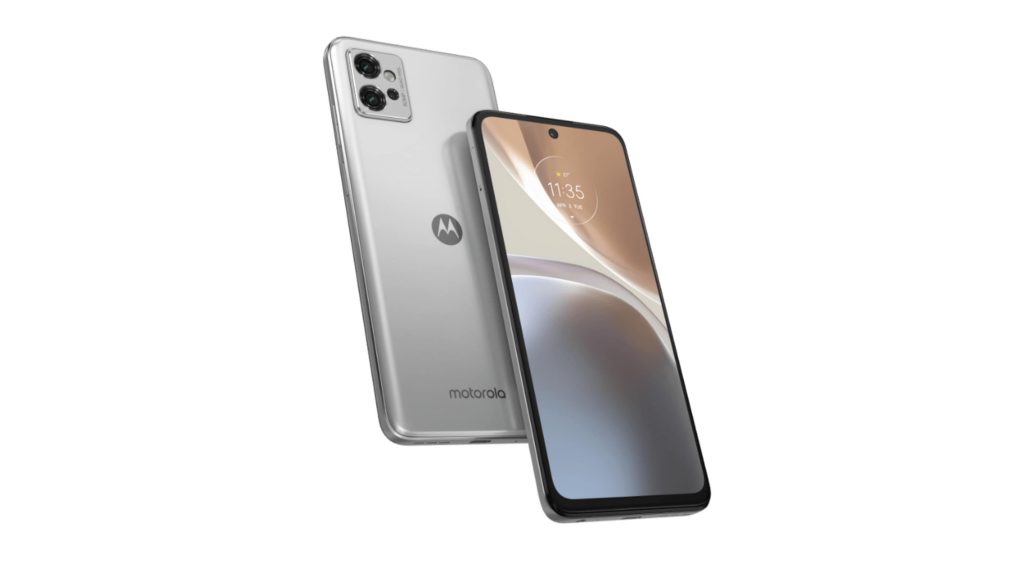
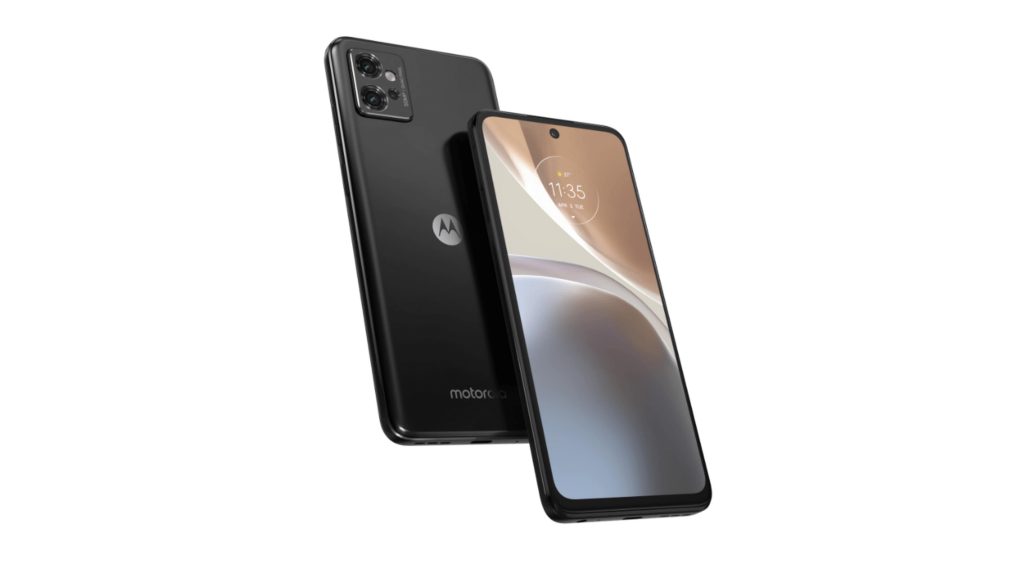
Last week, Motorola launched a new budget range smartphone dubbed the Moto G32 in the Indian market. Starting today, the device will be made available for purchase. So, let’s check out the details.
Moto G32 pricing and offers
The Moto G32 is available in a single 4GB + 64GB configuration and costs Rs 12,999 in India. It will go on sale starting 12:00 PM today exclusively via Flipkart.
Customers purchasing the Moto G32 using an HDFC Bank Credit Card will get a discount of up to Rs 1,250 discount. Google Nest Hub and Google Nest Mini are also available to Moto G32 purchasers for Rs 4,999 and Rs 1,999, respectively.
Moto G32 Specifications
The Motorola Moto G32 features a plastic body and flaunts a 6.5-inch centered punch-hole display (LCD) with a resolution of 2400 x 1080 pixels and up to a 90Hz refresh rate. The panel has a 405 PPI and a 20:9 aspect ratio.
Under the hood, it features a Qualcomm Snapdragon 680 chipset paired with 4GB of LPDDR4x RAM. It boots Android 12 out of the box and the brand promises Android 13 update and three years of security updates. It has a 5,000mAh battery unit that offers 30W fast charging.
For optics, the phone comes with a triple camera setup on the back comprising of a 50-megapixel primary sensor, an 8-megapixel ultra-wide sensor (also doubles as a depth sensor), and a 2-megapixel macro unit. On the front, it has a 16-megapixel selfie snapper.
The phone has dual-SIM, 4G, dual-band WiFi, Bluetooth 5.2, GNSS, and USB Type-C as connectivity options. Additionally, it has a side-mounted fingerprint sensor, a dedicated MicroSD card slot, dual stereo speakers that support Dolby Atmos, and a 3.5mm headphone jack.
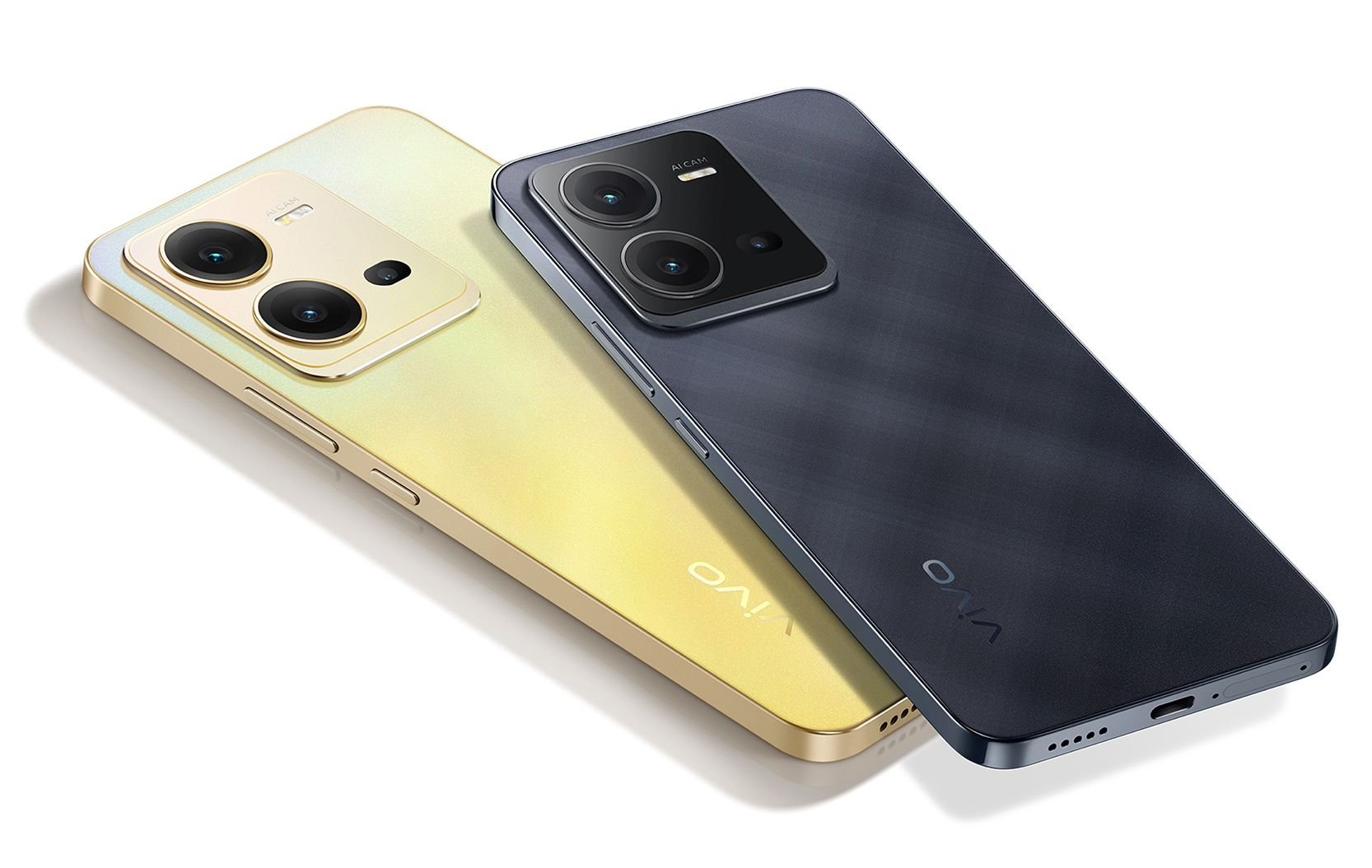
The Vivo V25 Pro is scheduled to debut launch tomorrow (Aug. 17) in India. As far as the Vivo V25 is concerned, the company will be announcing it on Aug. 25 in Thailand. It is unclear whether the V25 will debut with the V25 Pro in India tomorrow. The landing page of the phone is now live on Vivo Thailand’s website. In addition, some YouTubers from Thailand have posted hands-on videos of the unannounced V25. One of the videos shown below has revealed all the key specifications of the device.
Vivo V25 5G design
As can be seen in the hands-on video, the Vivo V25 has an AMOLE display with a u-shaped notch. The device has a color-changing back as it features an AG fluorite glass. The rear shell of the device features a triple camera unit. It has flat edges and features an in-screen fingerprint scanner for security. It lacks a 3.5mm audio jack and has a single speaker.
Vivo V25 5G specifications
The Vivo V25 5G will feature a 6.44-inch AMOLED display that offers an FHD+ resolution and a 90Hz refresh rate. The device will come preloaded with FunTouch OS 12 based on Android 12 OS.
Vivo V25 5G
The Dimensity 900 chipset will power the device. It will arrive with 8 GB of RAM, 128 GB of storage, and a hybrid SIM slot for adding a microSD card. It will feature a 4,500mAh battery with 44W fast charging support.
The V25 will sport a 50-megapixel front-facing camera. The rear camera setup of the device will house a 64-megapixel main camera with OIS support, an 8-megapixel ultra-wide lens, and a 2-megapixel macro camera.
We haven’t reviewed a Nubia phone in a long time. However, today, we’ve got one, the Nubia Z40S Pro. While I said it was the cheapest 8+ Gen1 phone in the GT2 Master explorer edition review, the Z40S Pro came to us at a lower price, and it’s another straight-screen flagship phone too! Let’s cut the crap and start the REVIEW right away.
Nubia Z40S Pro Design & Display
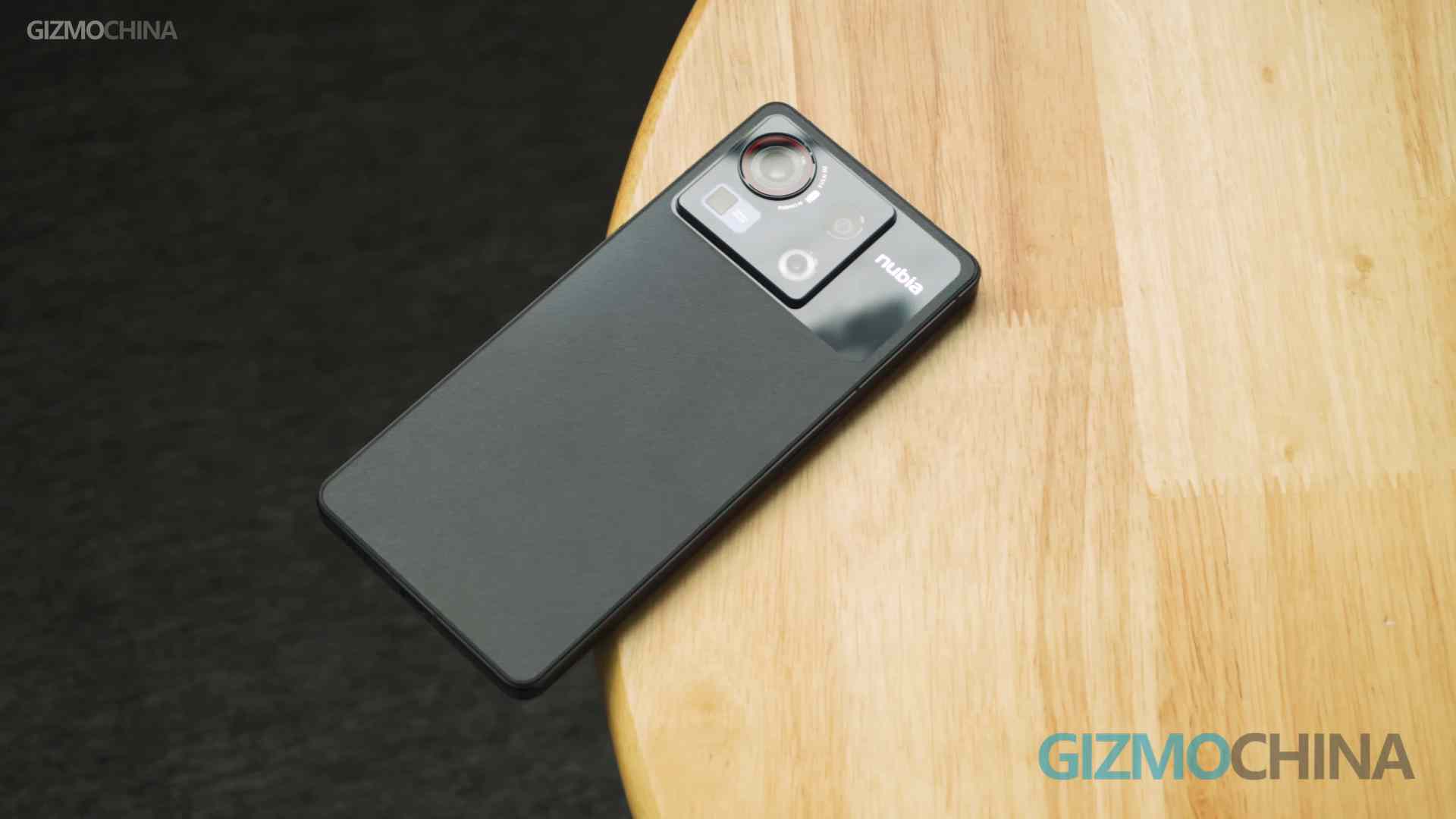
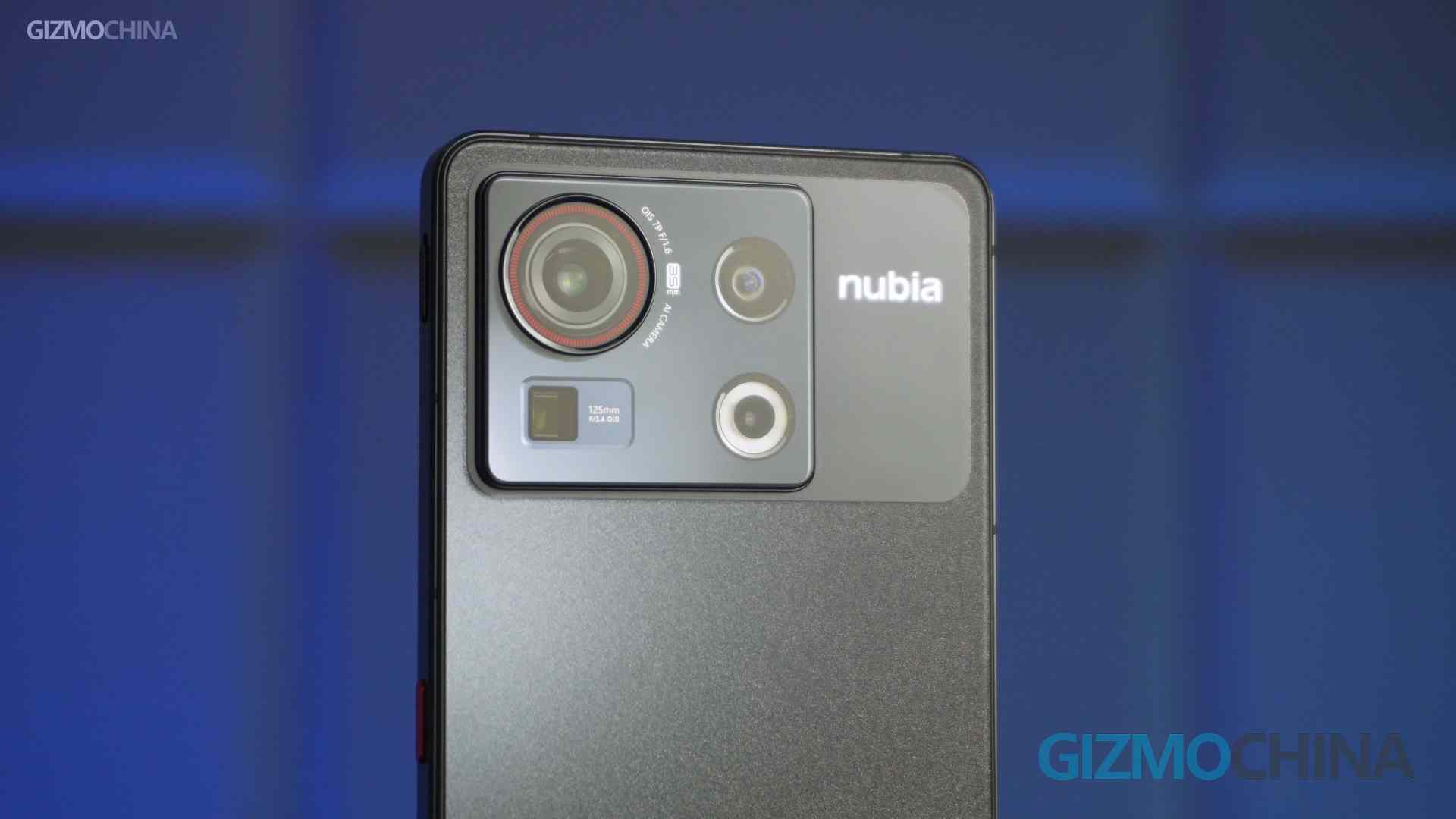
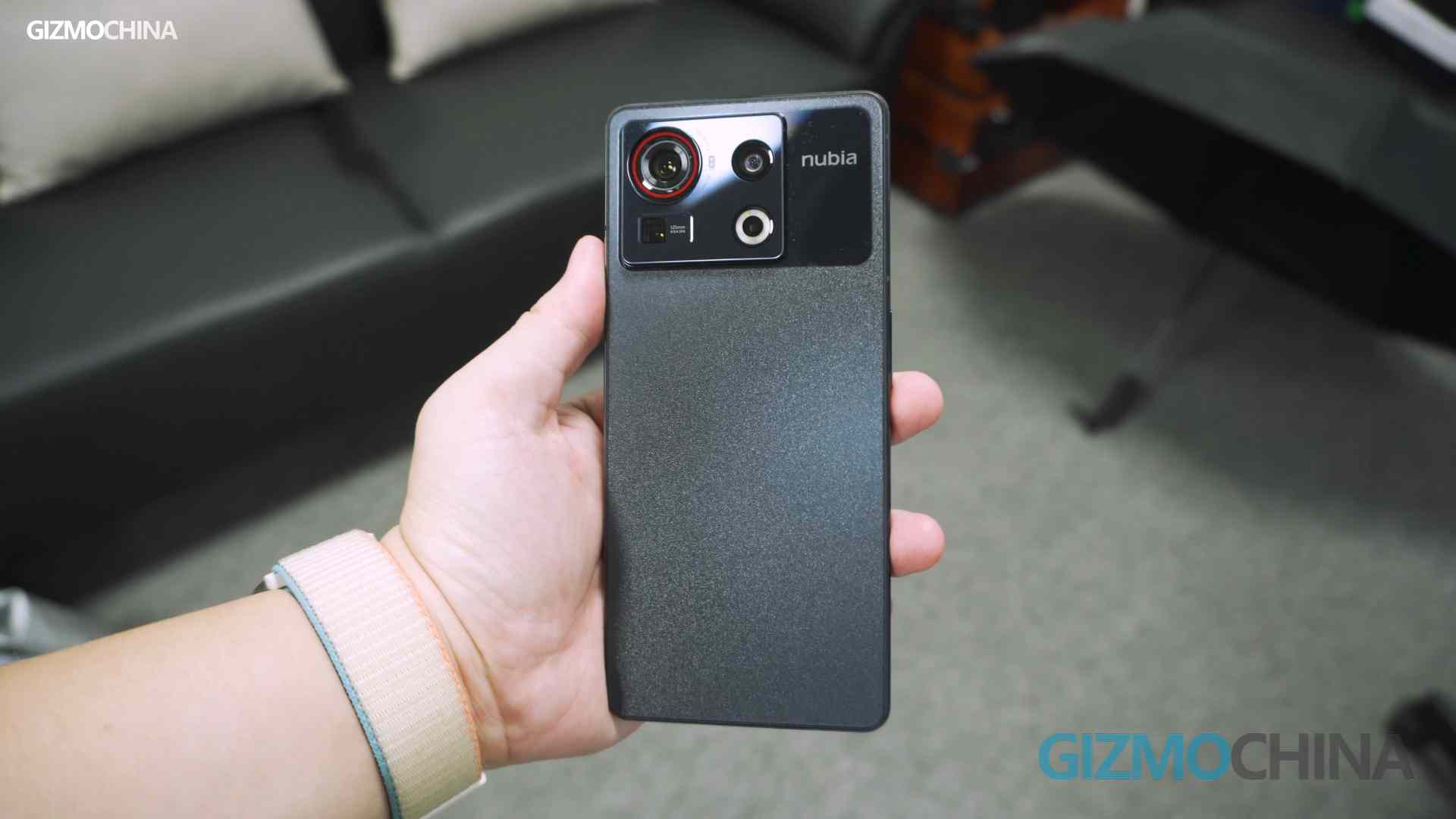
As soon as I got this phone, it felt familiar and strange at the same time. When I held it in my hand, it felt like an iPhone, and when I lit up the screen, it looked like a Reno 8 Pro+. When I turned to the back, it looked like the Mi 11 Ultra without the back screen, and the Sliding switch on the side reminded me of OnePlus, and put it all together, it was the Z40S Pro. Don’t get me wrong, I’m not saying it’s ugly. I rather admire their designers. After all, the phone looks good after I used it for long time. The metal frame is also chamfered, not as hard on the iPhone or GT2 Master. The main camera has a red circle around it, a bit like the one on Canon lenses. The logo on the right is off center and that’s bringing out my OCD.
NFC, yes. Dual Nano SIM cards, yes. Stereo speakers, yes. Headphone jack, no. But there is a Sliding switch, and the default is to quickly open the camera in Street mode. You can also go to the settings to change the shortcut you want.
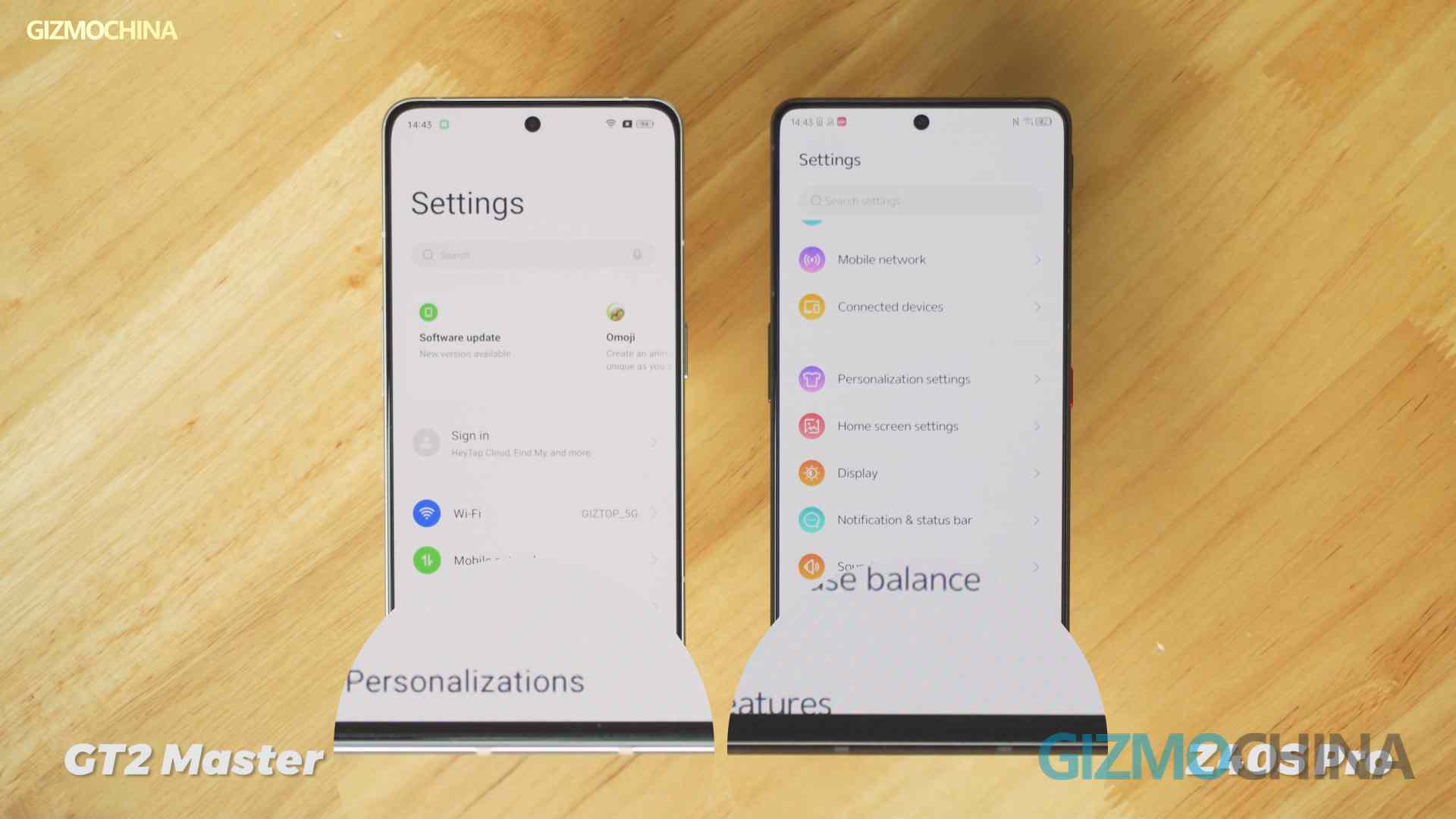
I’m sure many of you are wondering which screen is better, the GT2 Master explorer edition or the Z40S Pro. Well, they are very close to each other. Let’s look at the bezel width first, it’s really hard to tell which one is narrower. If there must be a winner, the GT2 Master’s lower bezel will be about 0.1mm narrower. But the Z40S Pro has a 144Hz screen that scrolls very smoothly. As for the viewable angle part, they are both going to be greenish when viewed sideways, as neither feature Samsung’s OLED panel. Both phones have FHD+ resolution and the clarity is the same. So if you’re on the fence about buying the GT2 Master or the Z40S Pro, you’ll have to keep watching to find out which one is right for you.
Nubia Z40S Pro Performance
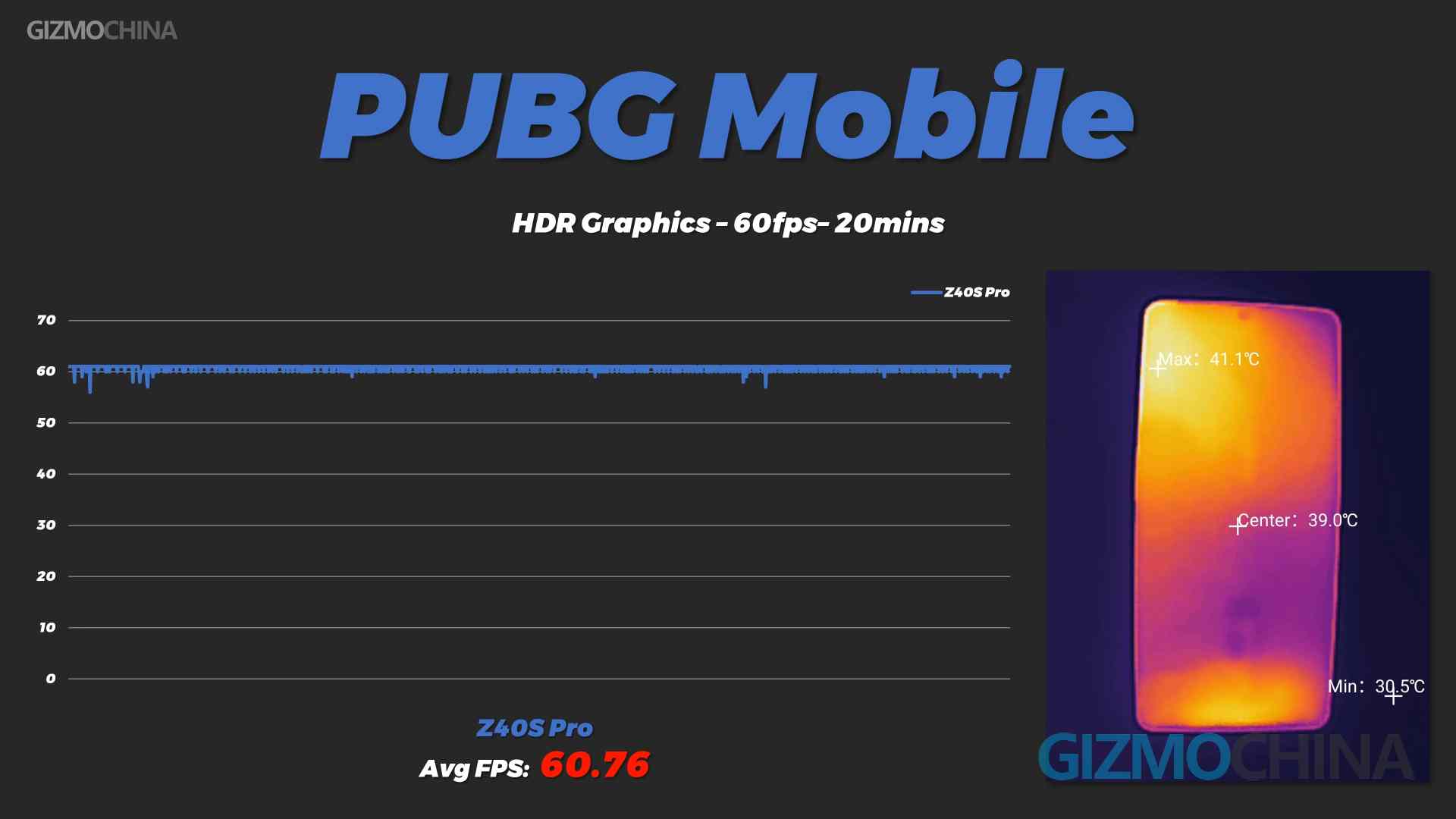
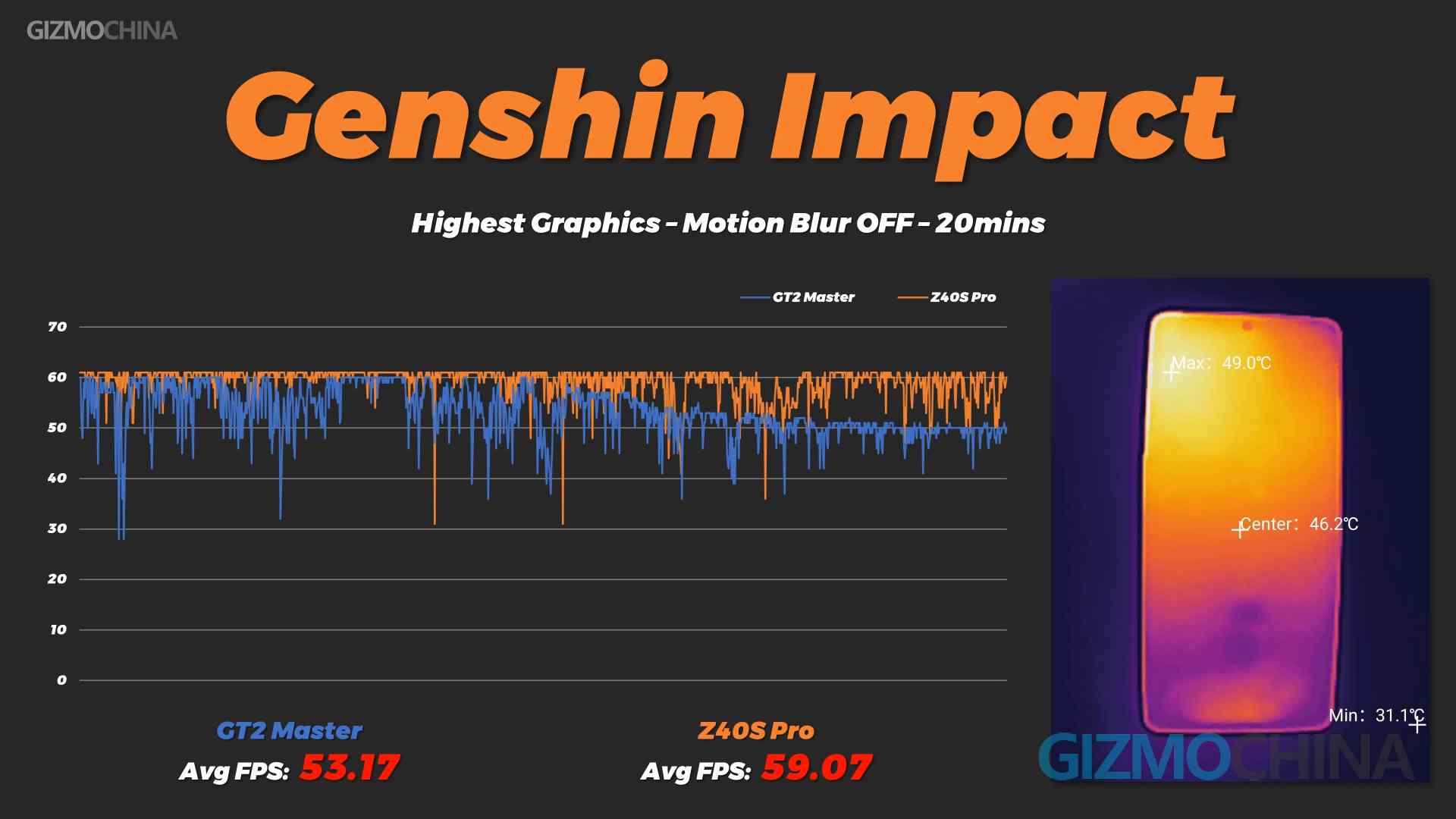
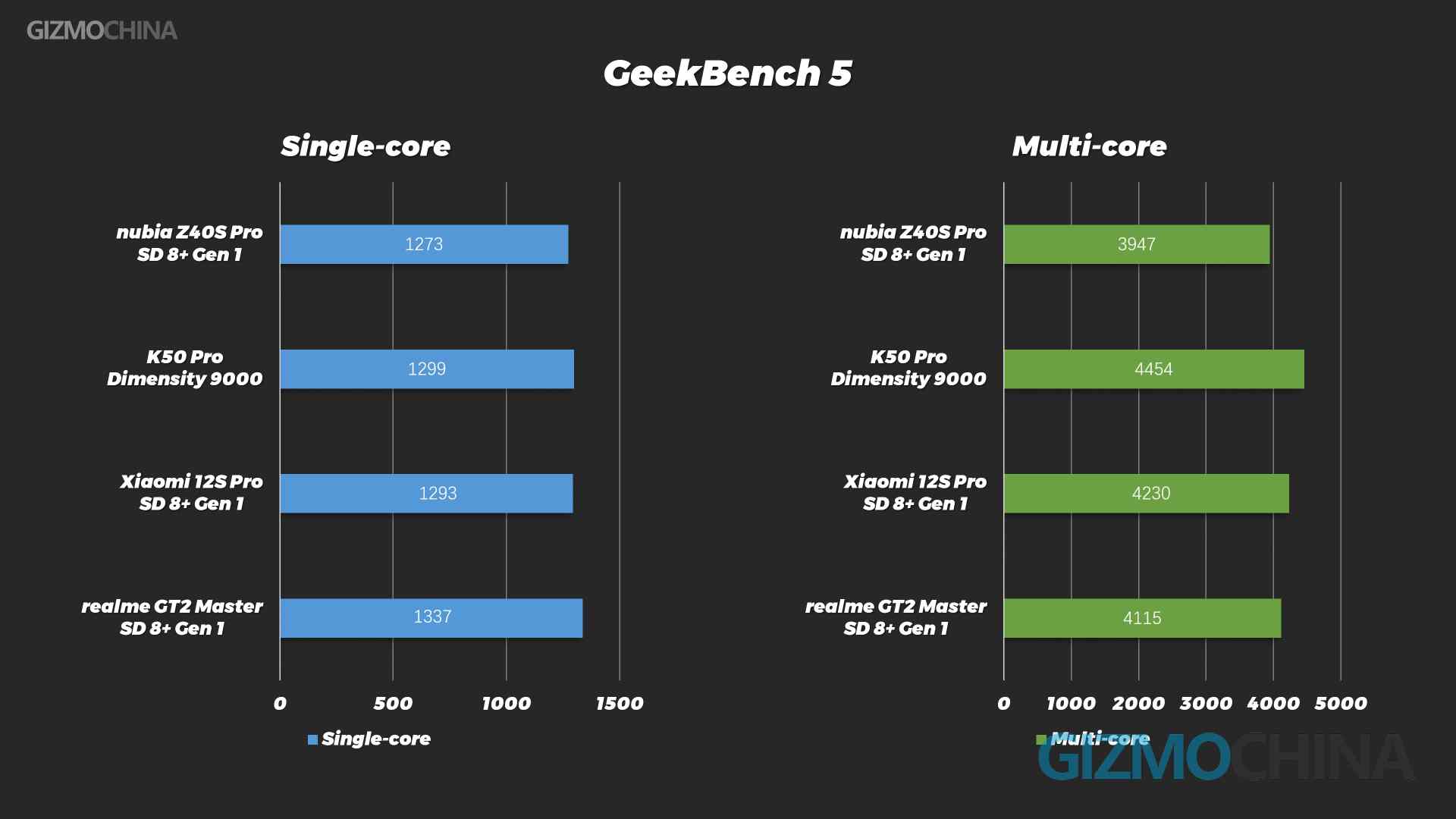
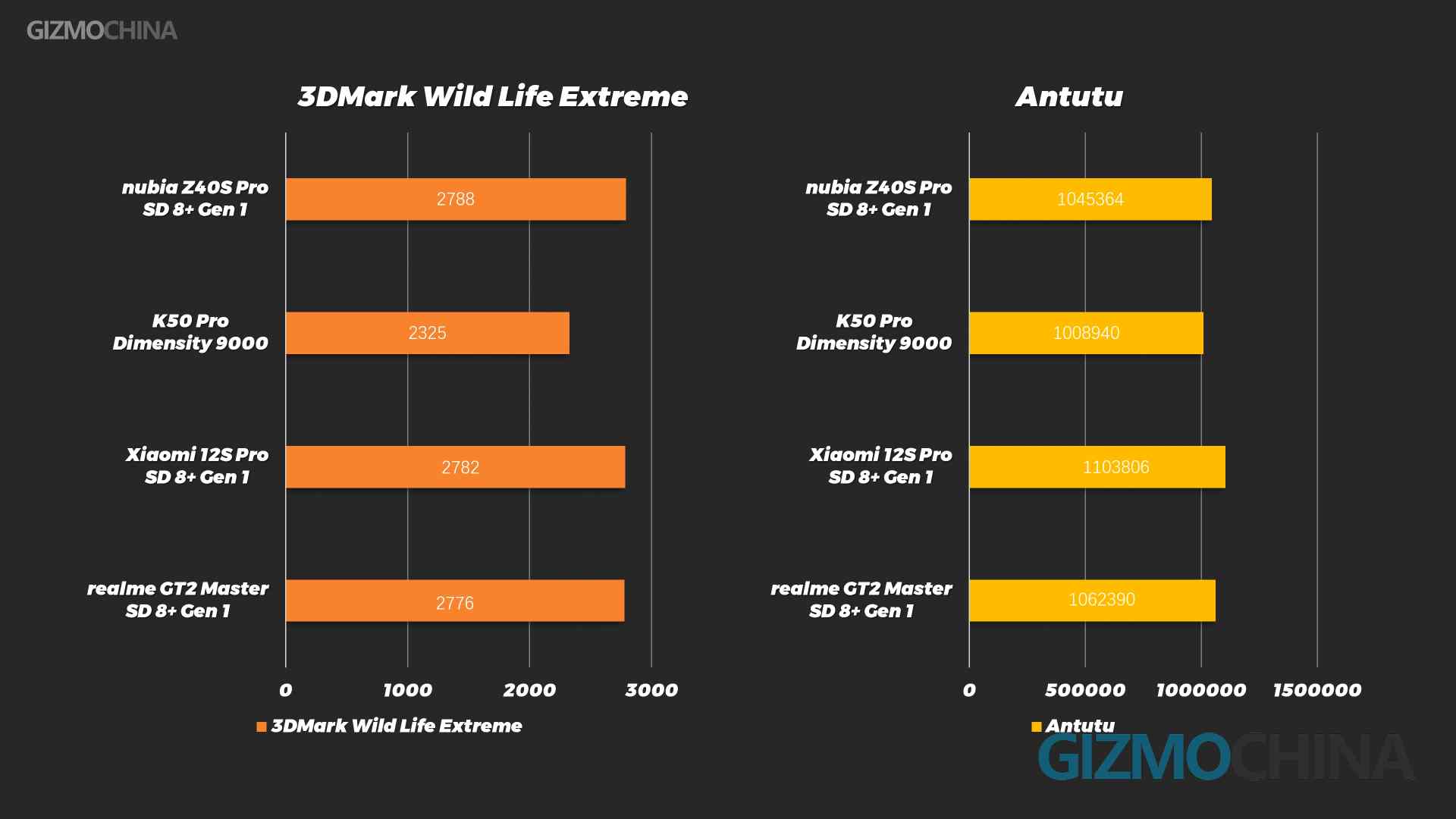
Usually, all Snapdragon 8+ Gen 1 phone’s performances are about the same. But the actual gaming performance is not like that. PUBG performance is very stable, but it is also the normal level for flagship phones. Unfortunately, PUBG does not have a 90fps mode for the Z40S Pro, the maximum frame rate is only 60fps, but Genshin is more impressive, the average frame rate on the Z40S Pro is 59fps.
1 of 3
The small drop in frame rate in the middle was because I was challenging the boss, but it didn’t affect the game play much. Although the temperature came to 49 degrees Celsius, the stable and smooth gaming experience deserves a good rating. Because this result was taken in super performance mode, you can also turn on the game space and select auto mode if you want lower temperatures.
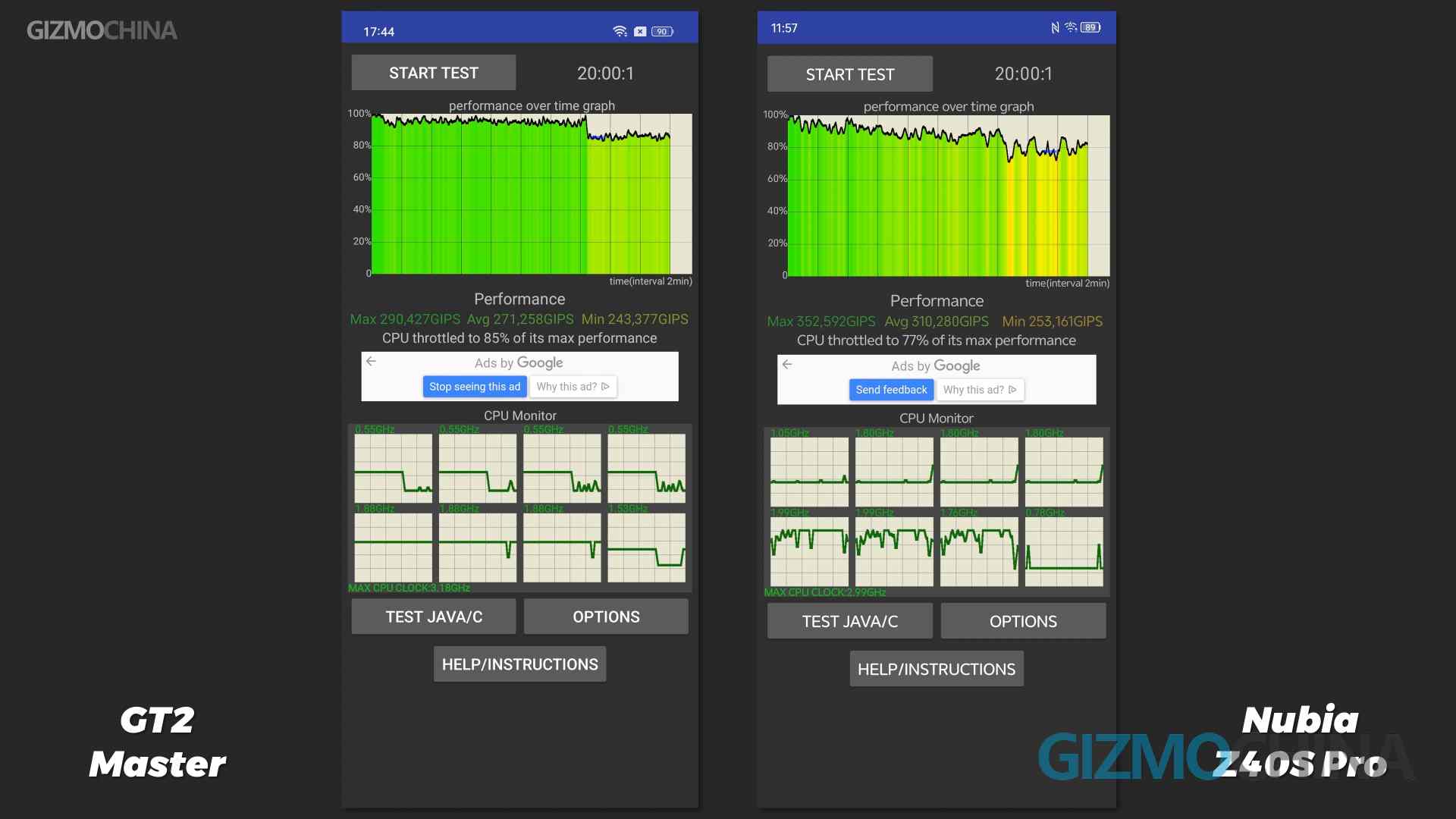
There’s nothing special about the Bench mark section, so if you’re interested, you can pause and watch it yourself.
1 of 2
Nubia Z40S Pro Performance
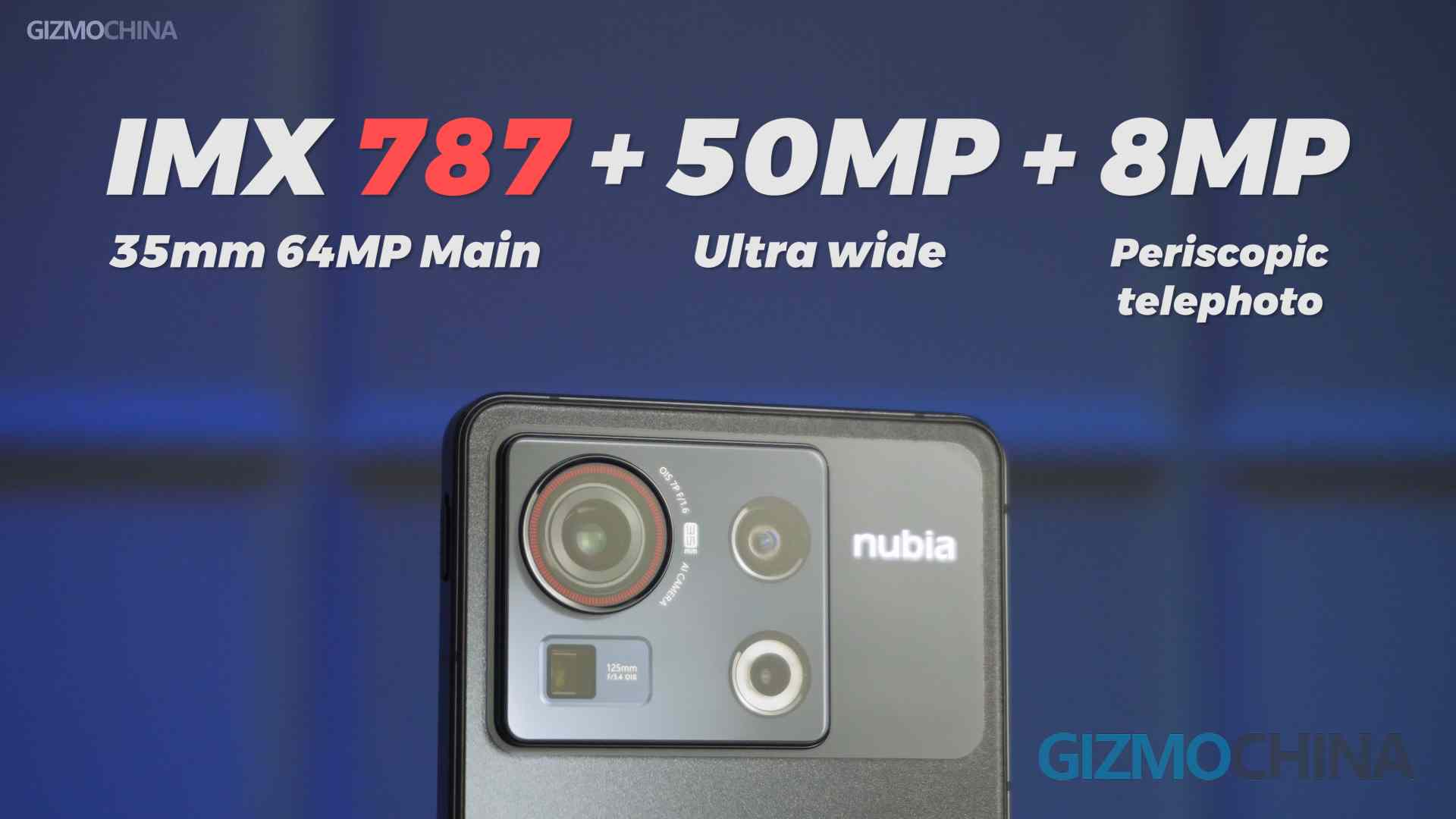
As the cheapest Snapdragon 8+ phone to date, it has the most powerful camera system in its price range. The main camera is the ZTE family’s iconic 35mm lens, model IMX787. A 50MP ultra-wide-angle lens and a periscopic telephoto lens. That’s right, Nubia has put a periscopic telephoto lens on a 500-dollar phone at a time when telephoto lenses are becoming rarer.
This equivalent 125mm focal length telephoto lens not only allows you to avoid clutter and take better-looking photos, but with the addition of the 35mm main camera, the focal length coverage of the three lenses will be more sensible than many phones. But 8MP does not provide much detail, and if you want to zoom in on a photo, you can still see the noise. This telephoto lens has a small sensor though and can take very good pictures at night. However, the image quality is not as good as flagship phones like the Xiaomi 12S Ultra, and the telephoto lens doesn’t have a night mode. It can’t record video beyond 4k or 60fps, either.
But it only sells for 500 dollars, so I am very satisfied with this telephoto lens.
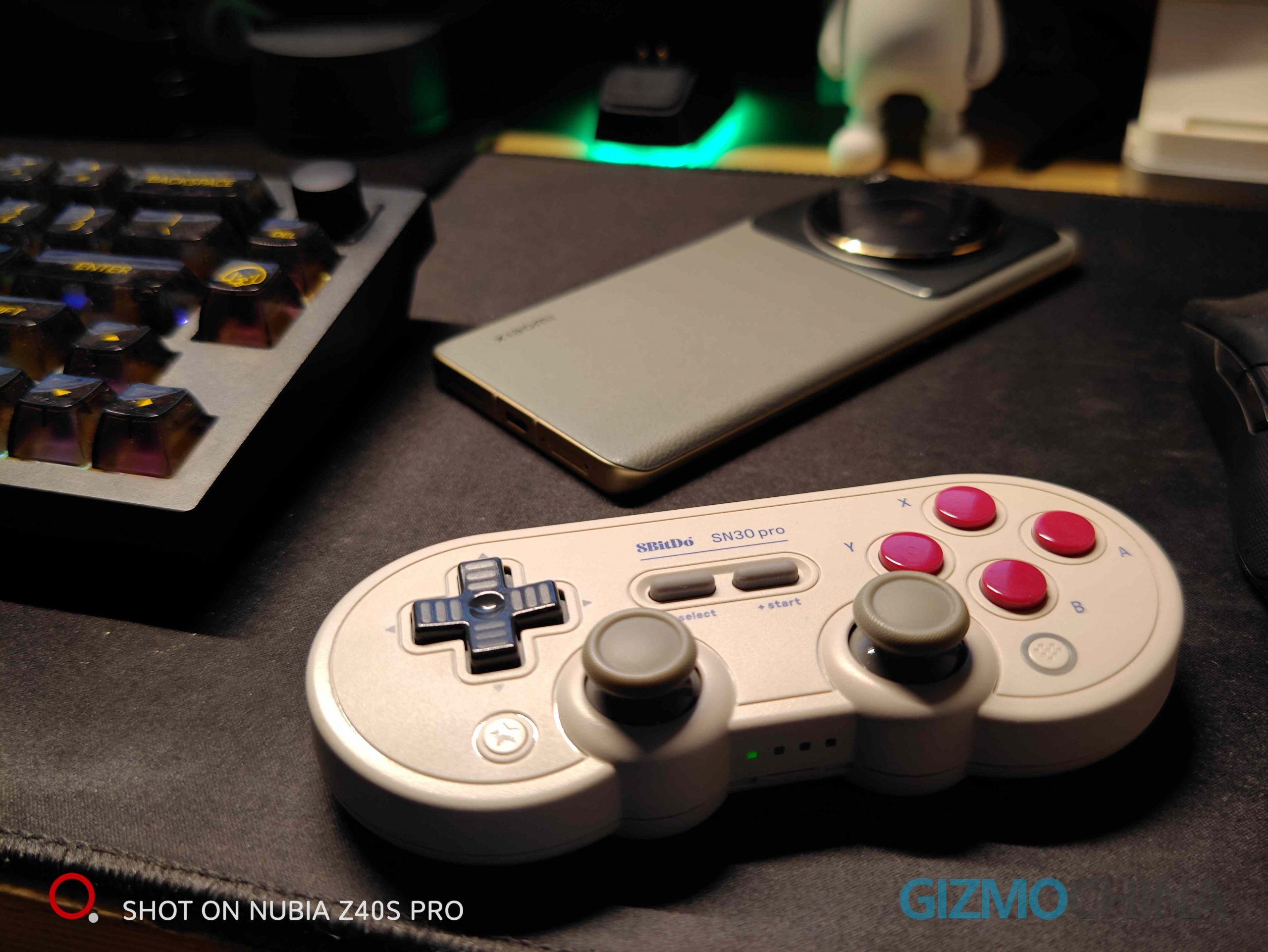
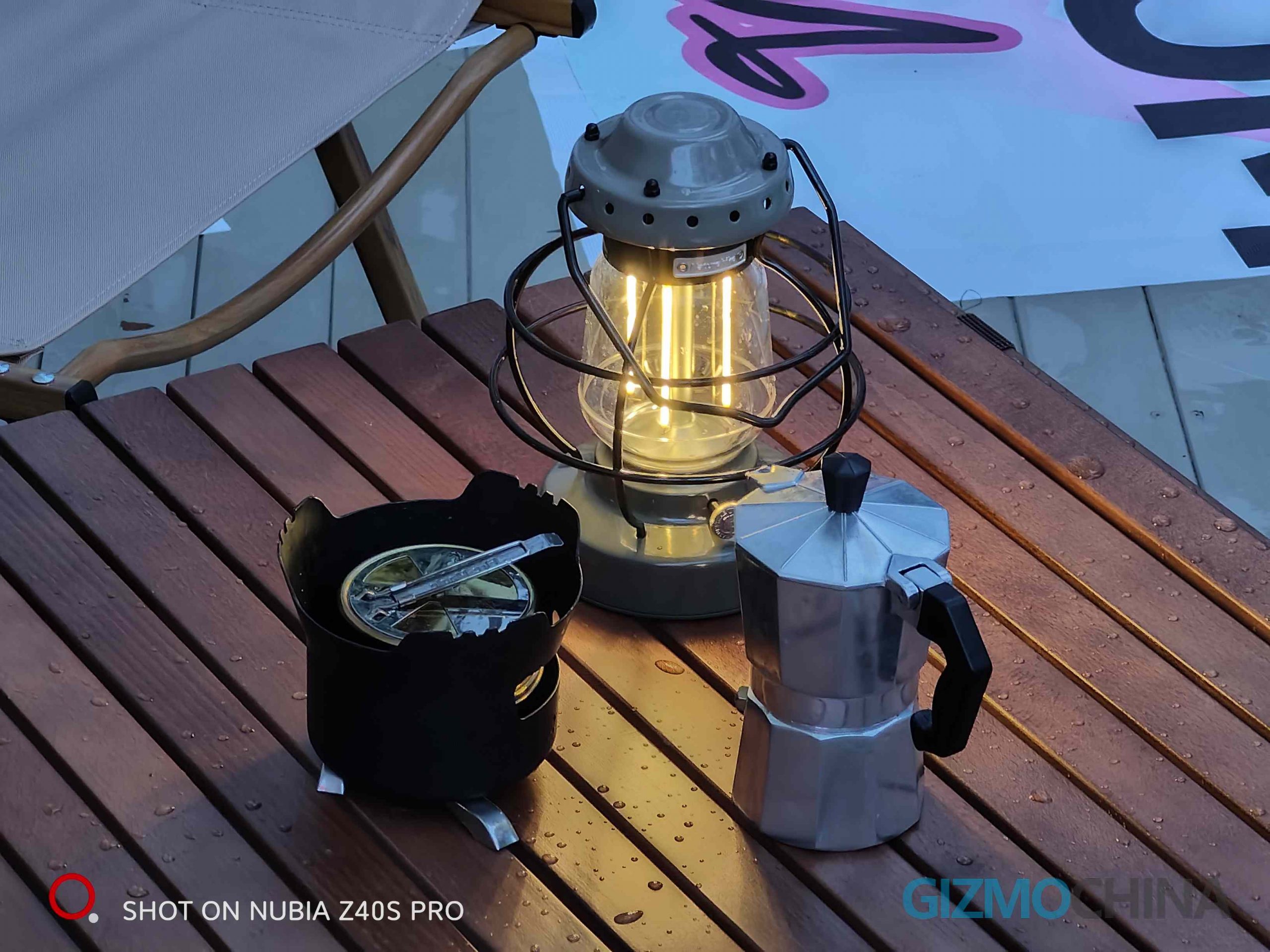
The 35mm main camera is basically the same as the ZTE Axon 40 Ultra’s main camera. There are several advantages of this lens, one is that the 35mm focal length is easier to compose, especially for food shots. It’s very convenient that you don’t have to get close to the food, you can just get a shot of the food on the table when you lift your hand. The second is that the night scene processing is excellent. You can choose to turn on the night mode or not to get the night effect you want. Three is the powerful video recording capability, this lens supports up to 8k or 4k 120fps video recording. Clarity is certainly not a concern, but the image stabilization may be weaker if the focal length becomes further away. Of course, you can switch to the ultra-wide-angle lens as it will not have these problems, but the image quality will become poorer.
1 of 11
Main
Main
Main
telephoto
telephoto
telephoto
telephoto
UW
UW
UW
UW
Ultra wide-angle camera’s auto mode photos are also in line with the level of this price point, only this night mode seems to be not tuned properly. I found a lot of strange problems when I was using the ultra wide angle night mode on this phone. Sometimes the play is normal and the dynamic range is hugely improved. But sometimes it appears that night mode has worse dynamic range than auto mode. Sometimes night mode will increase the contrast of the photo, but sometimes it won’t. So which scene will be better with night mode, you have to try it yourself.
For full-sized camera samples, check out this drive link.
Nubia Z40S Pro Battery Life & Performance
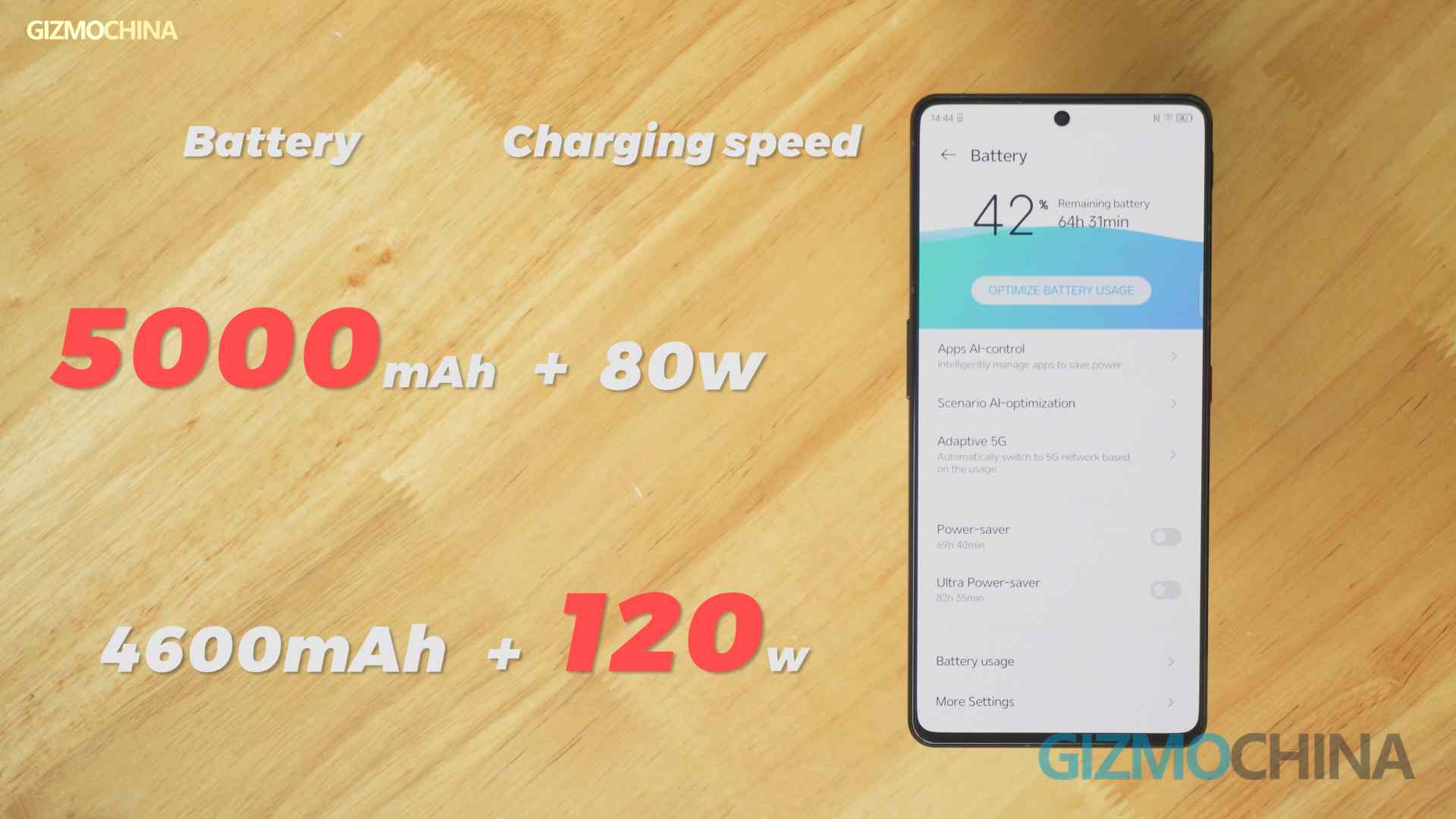
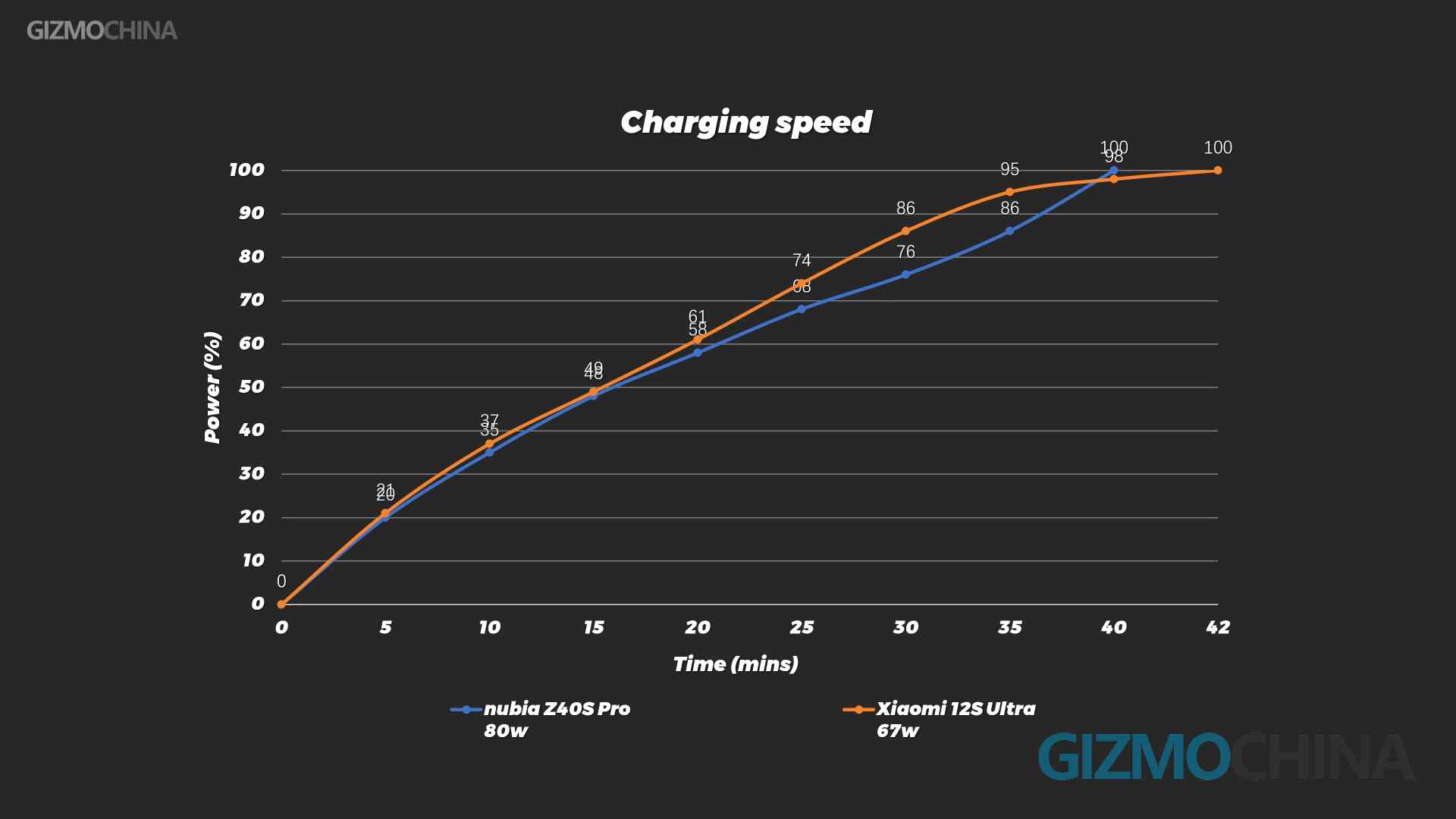
This year we have seen a trend wherein brands like to put out two models of the same phone: one with a large battery that charges slightly slower. The other is super fast charging with a slightly smaller battery. The Z40S Pro is no exception, so if you want a big battery or faster charging, you can choose for yourself. We got the 80w 5000mAh version. Let’s look at the charging first, ten minutes to charge 35%, 20 minutes to 58%, and 40 minutes to full. 5000mAh battery also ensures that you won’t lose your connection for a day out because of a dead battery. And with no increase in power consumption with Genshin’s higher frame rate than anyone else, the battery life of this phone can be considered quite excellent.
As you can see, the Z40S Pro is a very good phone for the price. For 500 bucks, you get the latest 8+ Gen 1 chip, a periscopic telephoto camera system, a 144Hz straight screen, and a 5000mAh battery. We generally call this kind of phone “Flagship killer”. Although it is currently the cheapest and best value 8+ Gen 1 phone, but maybe by the time you see this video, a cheaper or better value 8+ Gen 1 phone will have been launched.
Xiaomi is reportedly gearing up to launch the Xiaomi 12T series of smartphones for the global market. The Chinese manufacturer unveiled the Xiaomi 11T series in September 2021. Hence, the Xiaomi 12T and the 12T Pro are expected to debut in the next month. Ahead of the expected launch, the 12T has been certified by the NBTC authority of Thailand.
The NBTC certification does not reveal any information about the specifications of the Xiaomi 12T. It just mentions the model number of the device as 22071212AG. Speculations are rife that the Xiaomi 12T will differ in departments like the chipset, main camera, and fast charging capabilities from the Xiaomi 12T Pro.
The Xiaomi 12T is expected to feature the Dimensity 8100-Ultra chipset, 8 GB of RAM, and 256 GB of built-in storage. It will come equipped with a 108-megapixel triple camera setup. While it is expected to carry support for 67W fast charging, there is no word on its battery size. The 12T is likely to be priced at 649 euros and may come in black, silver, and blue colors.
The Xiaomi 12T Pro is expected to house a 6.67-inch OLED display that offers 1220 x 2712 pixels resolution and a 144Hz refresh rate. It may feature an in-screen fingerprint scanner. The device may run on the Android 12 OS and MIUI 13.
The 12T Pro may arrive with a 200-megapixel (main) + 8-megapixel (ultra-wide) + 2-megapixel (macro) triple camera unit. For selfies, it will feature a 20-megapixel selfie snapper.
The Snapdragon 8+ Gen 1 will power the Xiaomi 12T Pro. It may come with 8 GB / 12 GB of RAM and 256 GB of storage. It is likely to pack a 5,000mAh battery with 120W fast charging support. It is also expected to come in black, silver, and blue colors. In Europe, it could cost 849 euros.
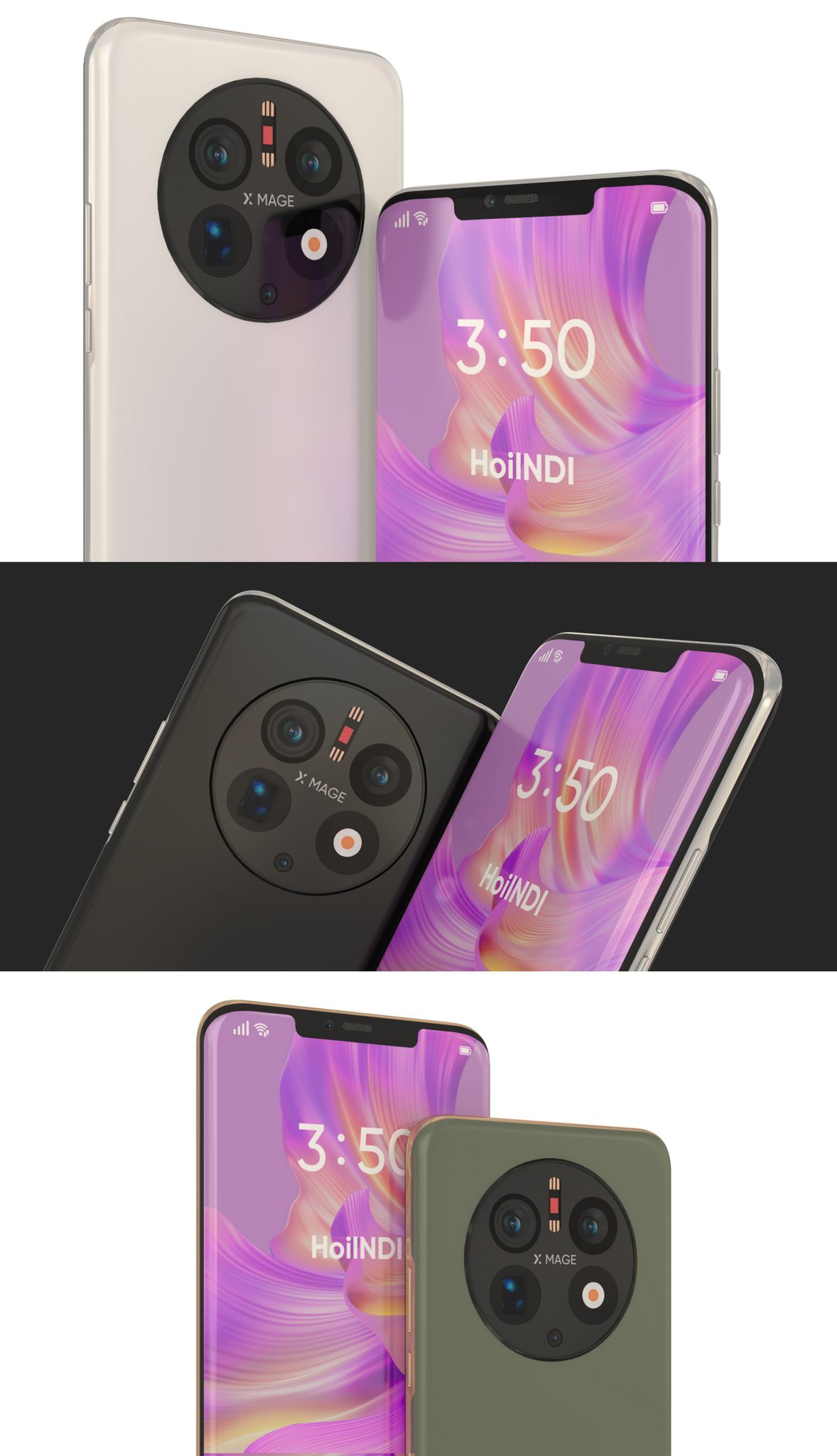
Huawei is gearing up to launch its next-generation Mate 50-series flagship smartphones in its home country China. While the company has not yet confirmed the launch date, it will likely announce the phones next month.
Ahead of the official launch, several details regarding the Huawei Mate 50 series have already leaked online. In the latest development, it is said that the standard model will pack a Qualcomm Snapdragon chipset.
As per the report, the Huawei Mate 50 will come powered by the Qualcomm Snapdragon 888 SoC with connectivity limited to 4G LTE. The other models in the lineup are said to be powered by the company’s own Kirin 9000S chipset.
The Huawei Kirin 9000S processor has not yet been announced by the company, but it is likely to be a tweaked version of the Kirin 9000 SoC that has now become the last flagship chipset from the company because of the US-imposed sanctions.
Recently, there were rumors that the company is running out of stock of Kirin 9000 SoC and thus, the chipset won’t be used on all the smartphones in the lineup, and some models may end up using the Qualcomm chips.
As for the Huawei Mate 50, the phone is rumored to feature an OLED display sourced from BOE, offering a Full HD+ screen resolution and a 120hz refresh rate. It is expected to pack 8GB of RAM and up to 256GB of internal storage.
In the camera department, the device could feature a triple-camera setup on the back consisting of a 50-megapixel primary sensor. It will be running the company’s own HarmonyOS 3 operating system out-of-the-box.
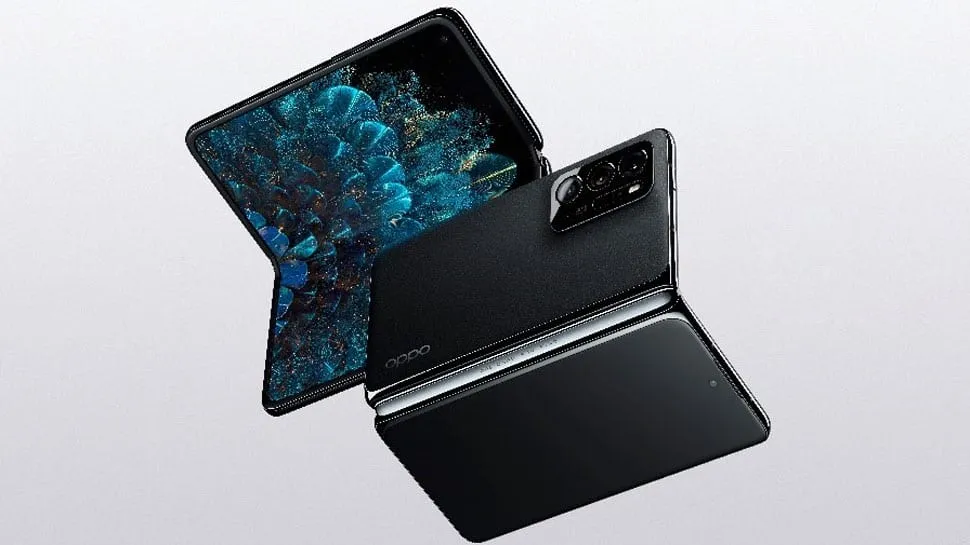
OPPO has lined up two foldable smartphones powered by the top-end Snapdragon 8+ Gen 1 chipset. It is reported that the Chinese tech brand is planning to launch the two foldable flagships this fall. OPPO entered the foldable turf in December 2021 with the launch of the Find N. The two new foldable phones are rumored to be the Find N Fold and the Find N Flip.
Tipster Yogesh Brar says the two flagships will debut in the global market this fall and will compete with the Galaxy Z Fold 4 and Z Flip 4, respectively. The Find N Fold will be a tablet-like device while the Find N Flip has a clamshell design. Both models have gotten several certifications pending their eventual launch. The devices have also been registered with the European Union Intellectual Property Office (EUIPO). There are still lots of details lacking for the devices but we expect these to trickle in going forward.
The Qualcomm Snapdragon 8+ Gen 1 SoC is currently in a class of its own. It remains the chipset of choice for flagship devices and packs lots of power and efficiency into it. Qualcomm is riding on the crest of the increased demand for the top-end Snapdragon 8+ Gen 1 and recently inked a partnership deal with Manchester United.
OPPO expects both the Find N Fold and Find N Flip to have a tumultuous reception similar to the Find N which sold out within minutes of its release. No pricing details are available for the two devices but we also expect some competitive pricing as OPPO challenges the dominance of the Galaxy Z Fold and Z Flip lineup.
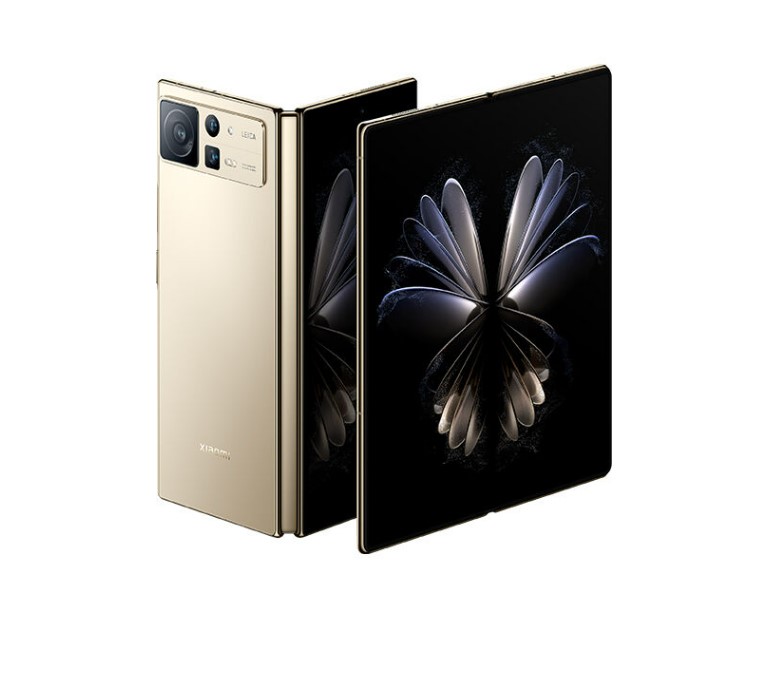
A few days ago, along with the Redmi K50 Extreme Edition aka Redmi K50 Ultra, Xiaomi also launched its flagship foldable smartphone dubbed Xiaomi MIX Fold 2. As the name indicates, the phone is a successor to the Mi MIX Fold, which was launched last year.
Today, the Xiaomi MIX Fold 2 smartphone officially went on sale in the Chinese market, and the company has now announced that the foldable smartphone was sold out within just five minutes of going on sale but has not revealed the number of units sold.
The base model with 12GB RAM and 256GB storage is priced at 8,999 yuan (~$1,325), while the 12GB RAM and 512GB storage model costs 9,999 yuan (~$1,474). The top-end model with 12GB RAM and 1TB of internal storage is priced at 11,999 yuan (~$1,769).
Coming to the specifications, the Xiaomi MIX Fold 2 features a 6.5-inch Samsung E5 AMOLED panel with a Full HD+ screen resolution, a 120Hz refresh rate, and Corning Gorilla Glass Victus protection. When the device is unfolded, the interior Eco OLED screen measures 8.2-inches which offers a 2.5K screen resolution and a 120Hz refresh rate. It also features ultra-thin glass and comes with an under-display camera.
Under the hood, the device is powered by the Qualcomm Snapdragon 8+ Gen 1 processor, coupled with up to 12GB of RAM and 1TB of internal storage. The power button on the device also doubles up as a fingerprint sensor.
In the camera department, the smartphone has a triple-camera setup on the back with Leica branding. There’s a 50-megapixel Sony IMX766 primary sensor, a 13-megapixel ultra-wide-angle lens, and an 8-megapixel telephoto lens. On the front side, there’s a 20-megapixel snapper for taking selfies and video calling.
The smartphone runs the Android 12 operating system out-of-the-box with the company’s own MIUI 13 custom user interface on top. It is powered by a 4,500mAh battery and comes with support for 67W fast charging.
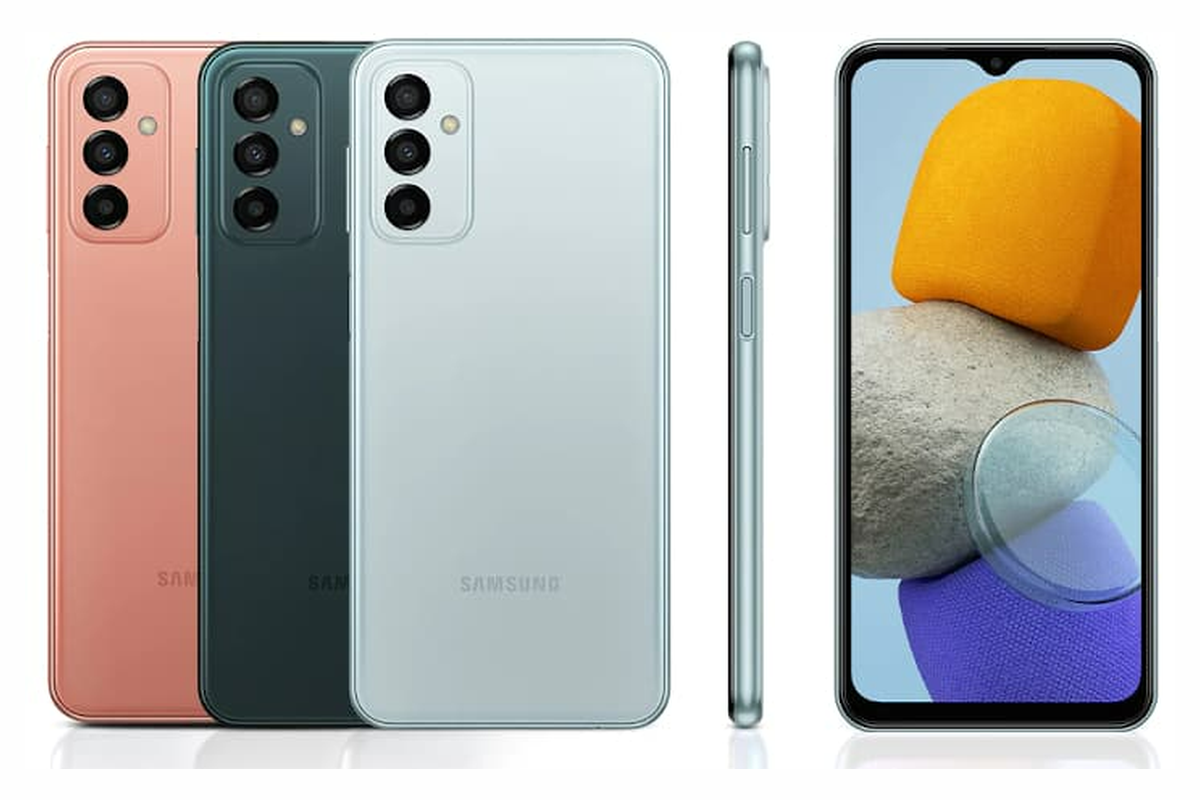
The Samsung Galaxy Buddy 2 has been announced in South Korea. It has arrived as a rebranded version of the Galaxy M23 / Galaxy F23, which are available in other markets. Some of the major highlights of the Galaxy Buddy 2 include a 120Hz display, a Snapdragon 750 chipset, and 50-megapixel triple rear cameras.
Samsung Galaxy Buddy 2 specifications and features
The Galaxy Buddy 2 has a 6.6-inch IPS LCD display with a teardrop notch. The screen supports an FHD+ resolution of 1080 x 2408 pixels and a 120Hz refresh rate. The device comes preloaded with the Android 12 OS and Samsung’s One UI.
On the front, the Galaxy Buddy 2 has an 8-megapixel selfie camera. The back panel of the device features a 50-megapixel main camera with an f/1.8 aperture, an 8-megapixel ultra-wide snapper, and a 2-megapixel macro snapper.
Samsung Galaxy Buddy 2
The Snapdragon 750G chipset is at the helm of the Galaxy Buddy 2. The device comes with 4 GB of RAM and 128 GB of built-in storage. It houses a 5,000mAh battery with 25W charging support.
The power button located on the right edge of the device doubles up as a fingerprint reader. It offers other features, such as 5G, Wi-Fi 802.11ac, Bluetooth 5.1, GPS, a USB-C port, a microSD card slot, and a 3.5mm audio jack. It measures 165.5 x 77 x 8.4mm and weighs 198 grams.
Samsung Galaxy Buddy 2 price and availability
The Galaxy Buddy 2 is now available for purchase in South Korea. The device is unlikely to be released outside the country. It carries a price tag of KRW 399,300 (~$305). It comes in three colors: Deep Green, Light Blue, and Orange Copper.
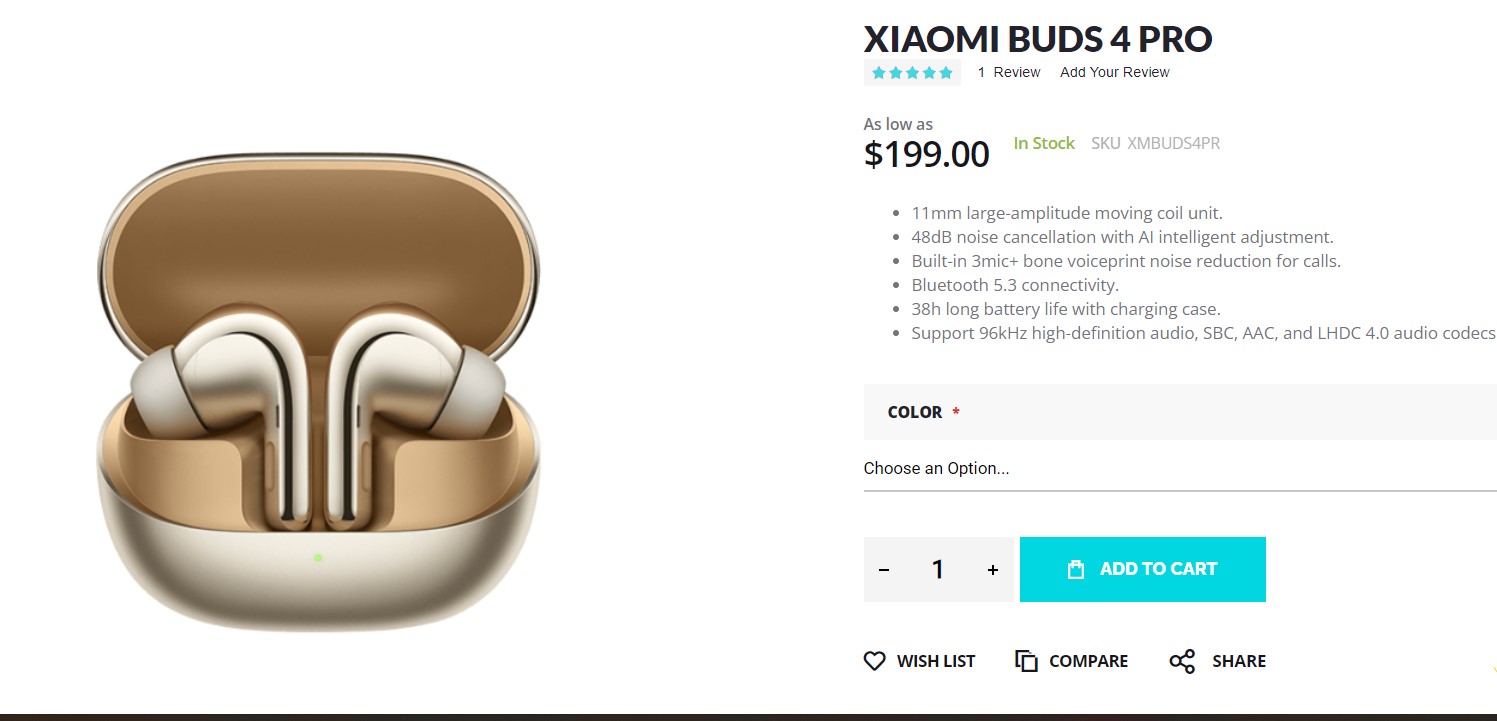
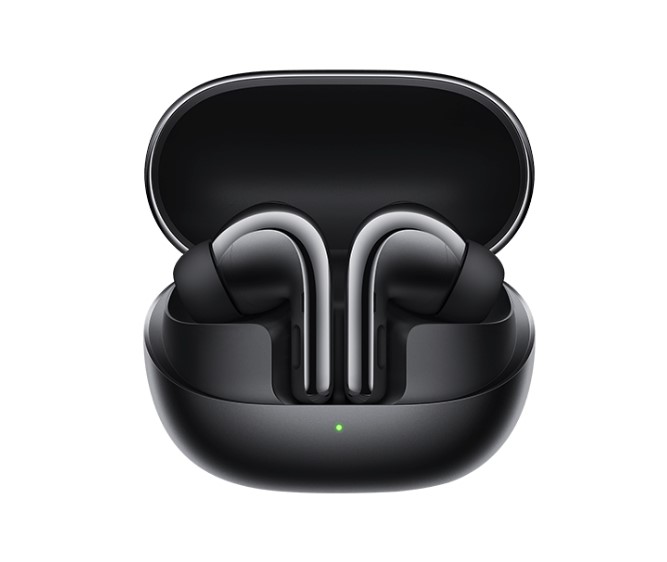
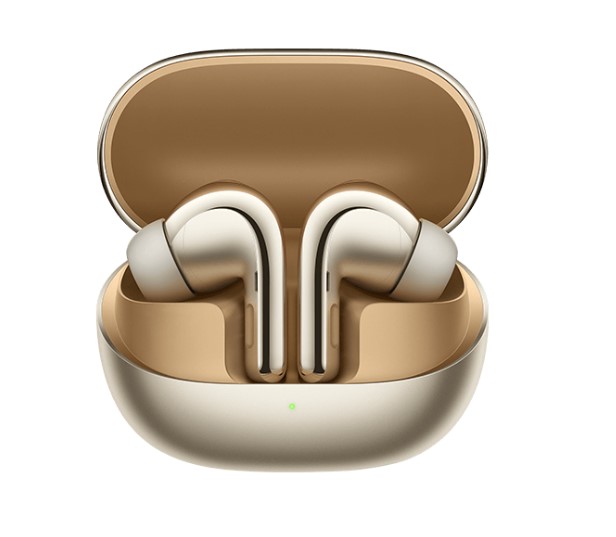
Xiaomi Buds 4 Pro is now available on Giztop for as low as $199. The latest earbuds from Xiaomi come in Gold and Black color variants and an in-ear design with a stem.
Xiaomi Buds 4 Pro features an Adaptive Noise Cancellation function and AI Intelligent Adjustment that gives you adaptive dynamic noise reduction up to 48dB and 3 different levels of adaptive adjustments that automatically identify the environment and adjust the noise reduction depth without you having to choose a specific mode. The earbuds use Bone Voice Print noise technology for calls that provide a better signal-to-noise ratio and vocal capture effect.
Fitted with an 11mm large-amplitude moving coil unit, Xiaomi Buds 4 Pro supports 96kHz high-definition audio as well as SBC, AAC, and LHDC 4.0 audio codecs. This means you can enjoy high-quality audio on your Buds 4 Pro. The earbuds come with the latest Bluetooth v5.3 which gives you strong and stable connections with minimal lag over long distances.
Xiaomi Buds 4 Pro gives up to 9 hours of playback on a single charge and 38 hours with the charging case. It is IP54 certified water and dust resistant and supports multi-functional touch control. You can now buy Xiaomi Buds 4 Pro for $199 only from Giztop.
For more information on such exciting deals and offers check out our deals hub.
A few days ago, OPPO had announced its latest true wireless earbuds in China, dubbed OPPO Enco Air 2i. Today, the company has started selling them in the Chinese market for the price of 119 yuan (~$18).
The newly launched OPPO Enco Air 2i marks the third product in the lineup that already includes the Enco Air 2 Pro and Enco Air 2. As the name indicates, it is a watered-down version of the regular model.
The earphones come with an in-ear design with a stem and slightly angled silicone ear tips for a better fit. They are IPX4 certified, making them dust and water-resistant. The touch area on the earbuds is said to be optimized and more sensitive. Users can also double tap to take a photo from a connected smartphone.
They come with a 10mm titanium-plated driver for deep bass. There are also custom sound modes and AI noise cancellation for clear quality on calls. The device features a low latency mode for gaming. The TWS earphones support Bluetooth 5.2 and can automatically connect to a smartphone as soon as the carrying case is opened.
As for the battery life, they are powered by a 460mAh battery, with each earbud backed by a 40mAh cell. It is claimed to deliver 7 hours of usage on a single charge and 28 hours of playback with the carrying case.
According to reliable tipster Digital Chat Station, iQOO will announce the Z6 series of smartphones this month in China. The lineup reportedly includes two devices, such as the iQOO Z6 and the iQOO Z6x. Both models have been reportedly certified by the 3C authority in China.
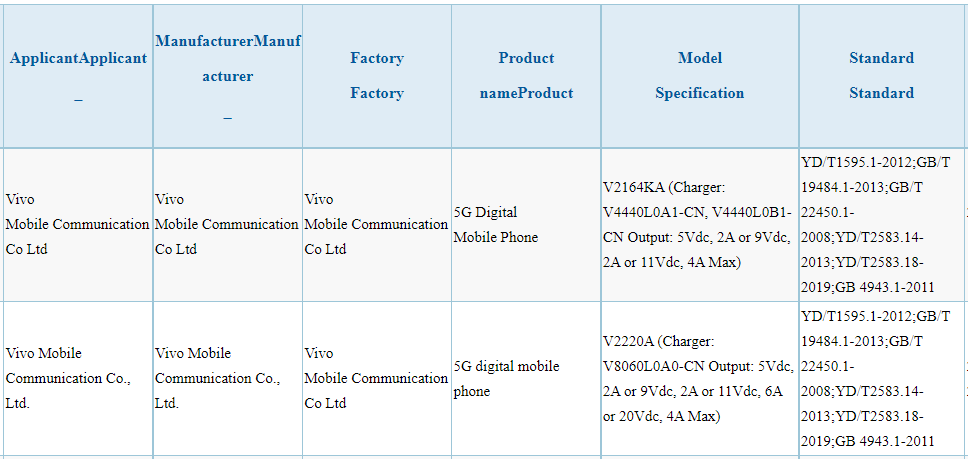
In July, a Vivo phone with model number V2202A was certified by the 3C authority of China. The listing revealed that the device may come equipped with an 80W charger. Tipster WHY LAB revealed today that the V2220A will be released in the Chinese market with the iQOO Z6 name.
iQOO Z6, Z6x 3C certified
Rumors surrounding the iQOO Z6 have revealed that it will be equipped with an IPS LCD panel that offers a 120Hz refresh rate. It could be equipped with the Snapdragon 778G or the Snapdragon 778G+ chipset.
A new Vivo phone with a V2164KA model number has surfaced in the database of 3C authority. The listing reveals that its retail box may include a 44W fast charger. The V2164KA device was recently spotted with the iQOO Z6x name in the list of Google Supported Devices. While it is expected to house a big battery, there is no word on its specifications.
iQOO is already offering devices like the iQOO Z6 5G featuring the Snapdragon 695, the iQOO Z6 Pro 6G powered by the Snapdragon 778G, and the iQOO Z6 44W with the Snapdragon 680 in India. It looks like the Z6 devices that will be sold in China will be different from the Z6 models that are available in India.
Now that the iQOO Z6 and Z6x have received 3C certification, these devices are expected to be certified by the TENAA authority soon. These devices are likely to debut by the end of August in the home market.
Apple is gearing up to launch its next-generation flagship smartphones in the form of the iPhone 14 series and the updated smartwatches, the Apple Watch Series 8, next month.
Now, a new report claims that the company isn’t planning to launch new iPad models at the next month’s event but will be hosting a separate event sometime in October to announce at least two new iPads.
As per the report, the Cupertino-based technology giant is planning to launch the new entry-level Apple iPad and the Apple iPad Pro powered by the M2 chipset. While the launch date remains unknown, the event is likely to take place towards the end of the month.
The refreshed entry-level iPad will be launched as a successor to the Apple iPad 10.2, which was launched in 2021. It is said to come with thinner and flat bezels and will have a camera bump at the back. The device is expected to feature a bigger display and come powered by the Apple A14 Bionic chipset with support for 5G connectivity.
On the other hand, the new Apple iPad Pro will come powered by the new Apple Silicon’s M2 chipset, but not much is known about this premium tablet. The launch of this tablet will coincide with the release of the iPadOS 16, which has some features especially tailors for the M2-series powered devices.
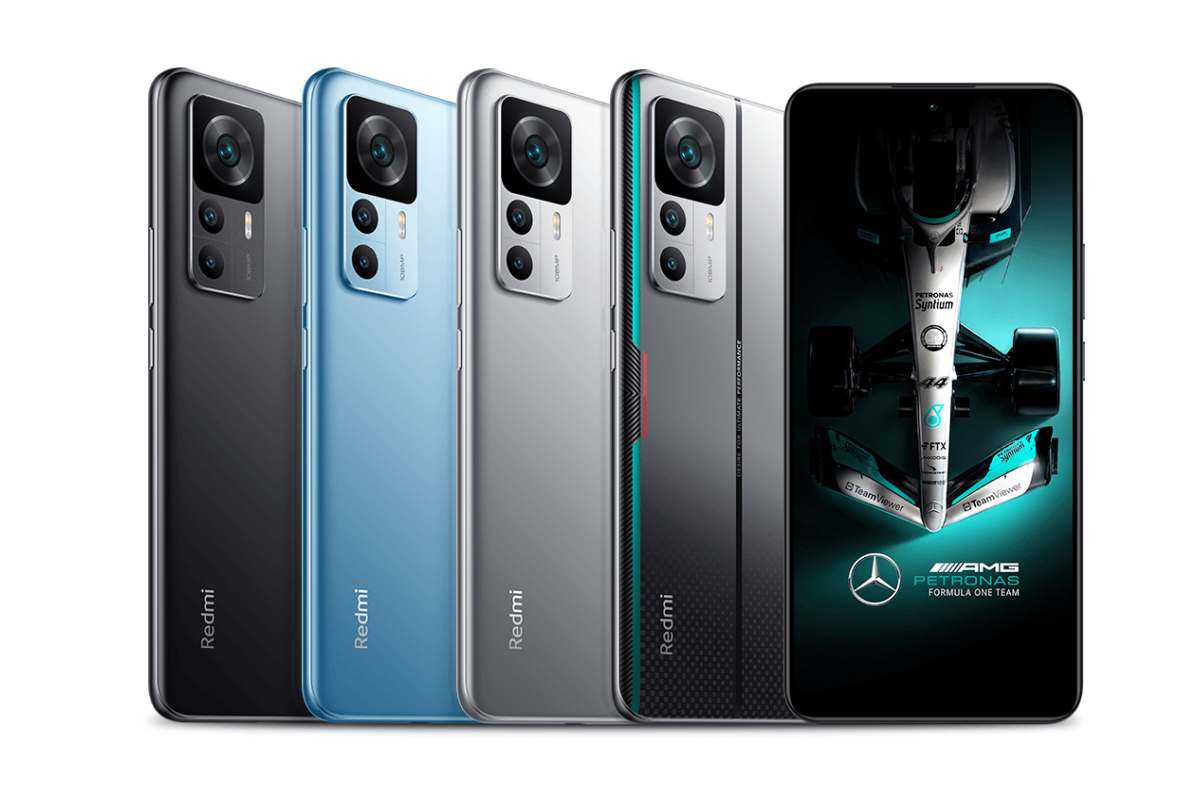
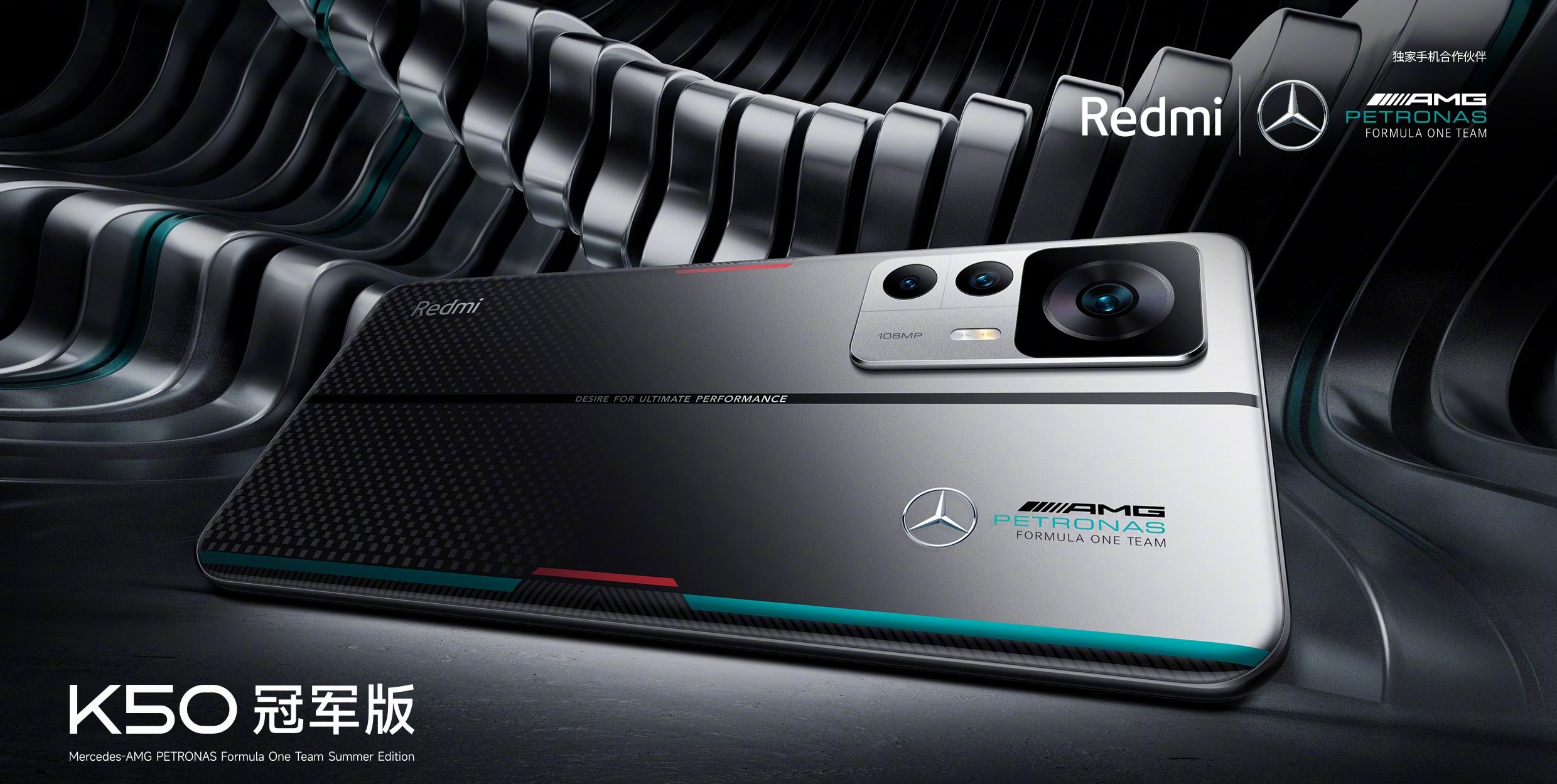
Xiaomi announced the flagship smartphone under the Redmi brand, dubbed Redmi K50 Extreme Edition, which is also known as the Redmi K50 Ultra, a few days back, and now from today, the company has officially started selling the device in China.
The Redmi K50 Extreme Edition has a starting price of 2,999 yuan and is available for purchase in three color options — Black, Silver, and Blue.
The base model with 8GB RAM and 128GB storage costs 2,999 yuan (~$445), while the 8GB RAM and 256GB storage mode is priced at 3,299 yuan (~$487) but will be available at a discounted rate of 3,099 yuan (~$457) for the first sale.
The 12GB RAM and 256GB model, priced at 3,599 yuan (~$531), has been discounted to 3,399 yuan (~$502) for the first sale. Similarly, the 12GB RAM and 512GB storage model is also discounted to 3,699 yuan (~$546) compared to the regular price of 3,999 yuan (~$590). There’s also a Champion Edition which is priced at 4,199 yuan (~$620).
The Redmi K50 Extreme Edition features a 6.67-inch OLED display with a screen resolution of 2712 x 1220 pixels and comes with support for a 120hz refresh rate, 480Hz touch sampling rate, 500nit brightness, 12bit color depth, Dolby Vision, HR10, and HDR10+.
Under the hood, the device is powered by the Qualcomm Snapdragon 8 Plus Gen 1 processor, coupled with up to 12GB LPDDR5 RAM and 512GB of UFS 3.1 internal storage. It also has a 3725mm² VC vapor chamber to keep the temperature in check.
In the camera department, the phone has a triple-camera setup on the back that includes a 108-megapixel Samsung S5KHM6 primary camera, an 8-megapixel Samsung S5K4H7 ultra-wide-angle lens, and a 2-megapixel Geke GC02M1 macro lens. On the front side, there’s a 20-megapixel Sony IMX596 snapper for taking selfies and video calling.
The phone runs the Android 12 operating system out-of-the-box with the company’s own MIUI 13 custom interface on top. It is powered by a 5,000mAh battery which comes with support for 120W fast charging that is claimed to charge the device in just 19 minutes.
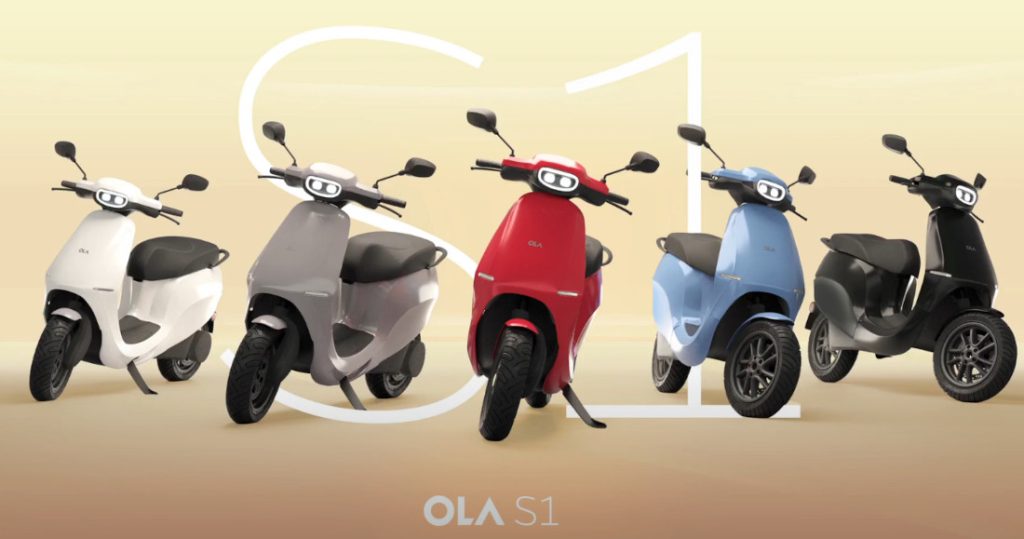
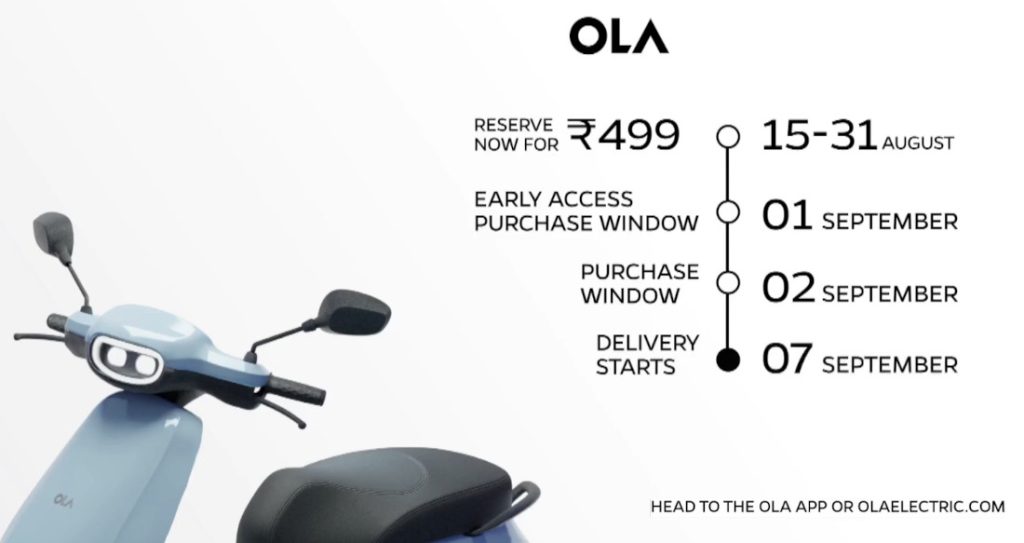
The Ola S1 is about to start plying Indian roads with the opening of reservations for the EV. Together with the S1 Pro, the products were introduced in India in 2021 and pre-reservation has now opened with purchases and deliveries expected from next month. Interested buyers of the Ola S1 can visit the company’s website and make an Rs. 499 (~$7) deposit until August 31.
The Ola S1 has an Indian Drive Cycle (IDC) range of 141km on a single charge thanks to its 2.98kWh battery. It has the Eco, Normal, and Sports Modes with ranges of 128km, 101km, and 90km, respectively. The S1 has a top speed of 95km/h with similar features as the S1 Pro except that it lacks the hyper mode present in the S1 Pro. The MoveOS 3 with lots of important features will be available in the S1. These features include hill hold, key sharing, hypercharging, proximity unlock, and others.
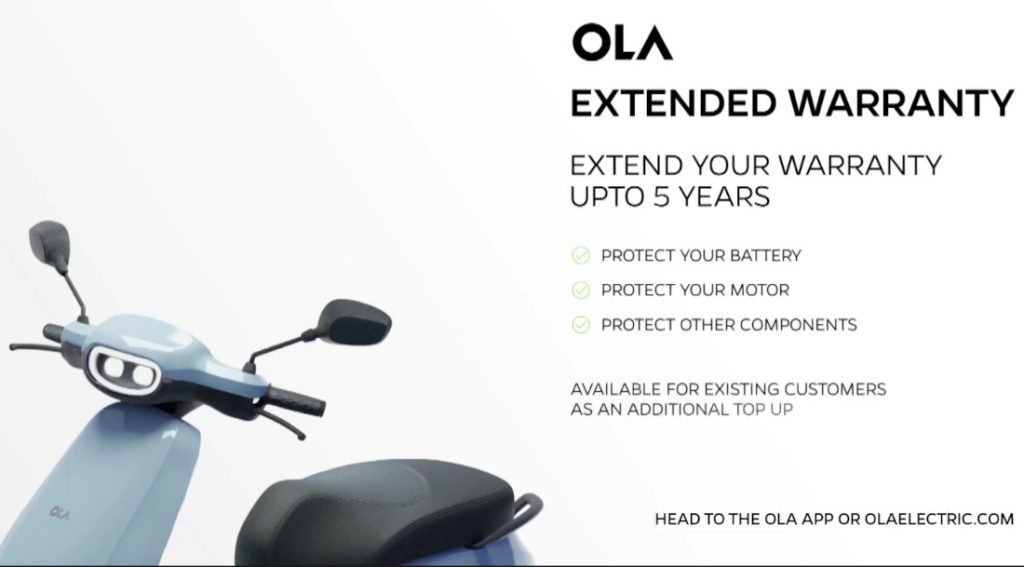
The Ola S1 will come with a 5-year extended warranty that covers the battery, motor, and other components, according to the manufacturer. Ola Electric is also ramping up its HyperCharger networks across the country. It says the charging technology can charge the S1 up to 50% in less than 20 minutes. The company hopes to achieve more than 100k Charging Stations in 400 cities across the country.
Ola Electric is offering several payment options for the purchase of the S1 in India. These include cash on delivery and structured payments. Ola Electric is offering a loan processing waiver in partnership with some Indian banks with the EMI starting at Rs. 2,999 (~$38). Buyers can choose from Jet Black, Porcelain white, Neo Mint, and Liquid silver colors for the Ola S1.
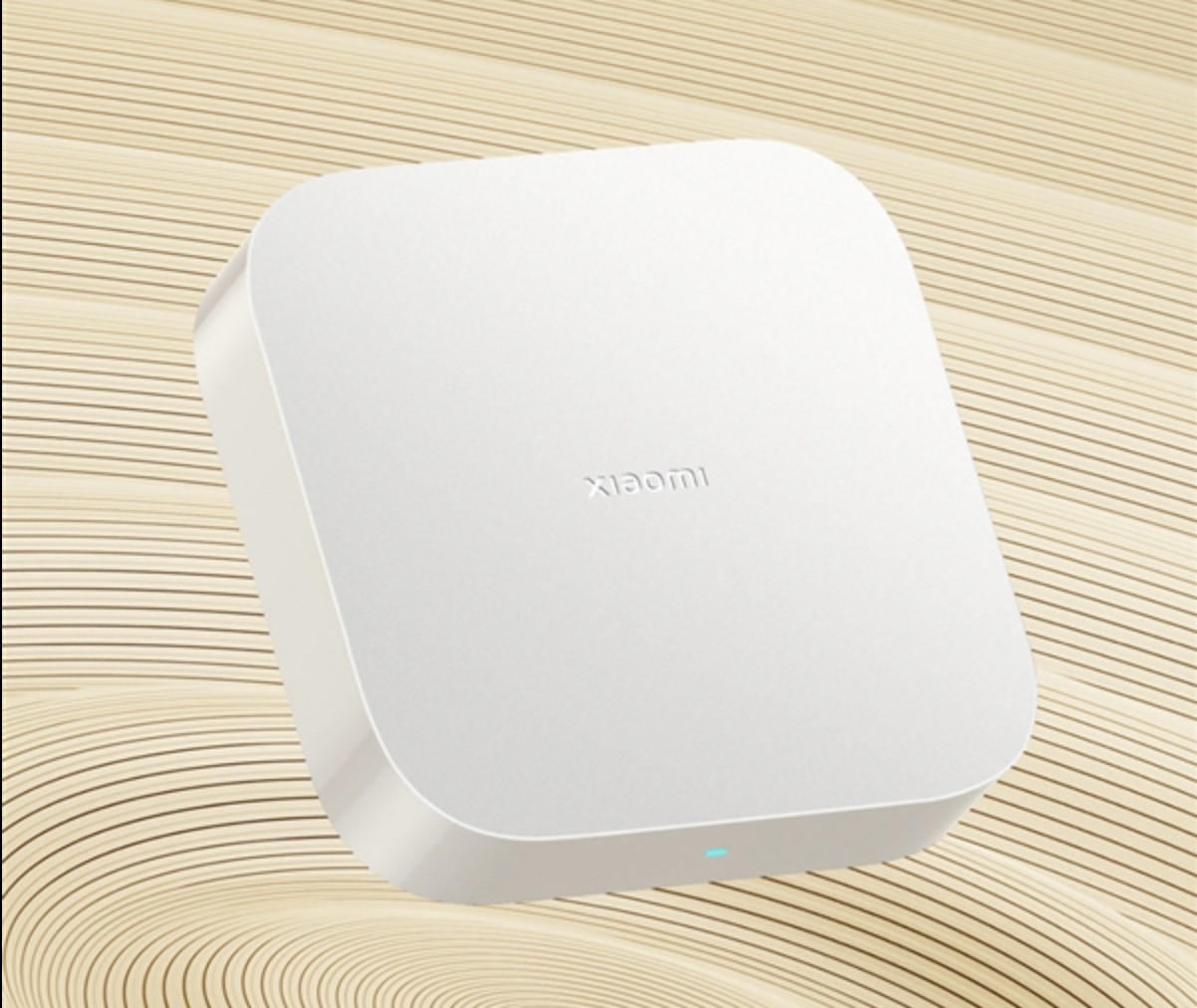
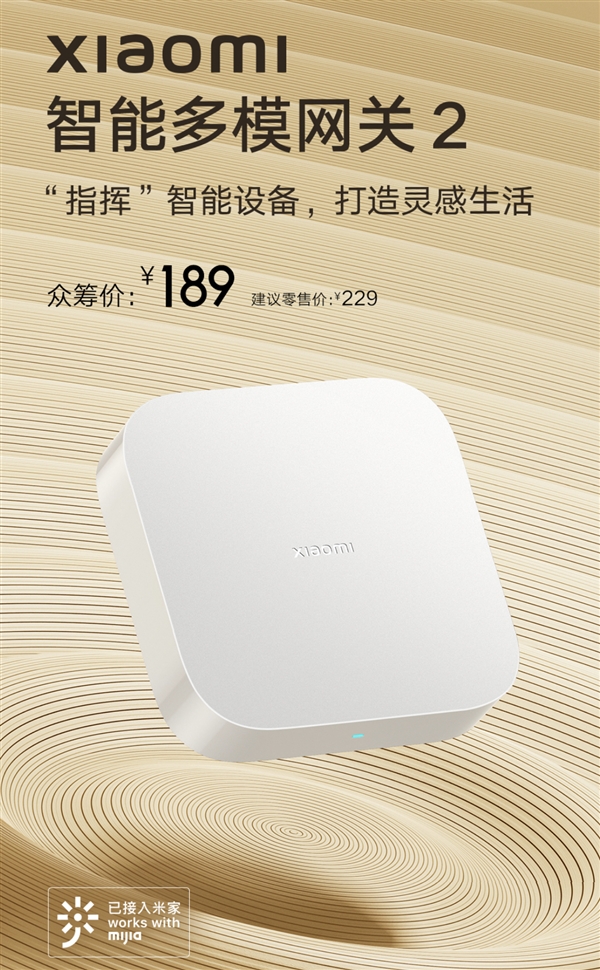
Xiaomi has officially launched a new smart product dubbed the Xiaomi Smart Multi-mode Gateway 2. The product will be opened for crowdfunding on August 16 with a starting price of 189 yuan (~$28).
As a new generation of the smart home control hub, Xiaomi Smart Multi-mode Gateway 2 supports 2.4GHz and 5GHz dual-band Wi-Fi. The gadget equally supports more device connections and has both wall penetration and anti-interference capabilities.
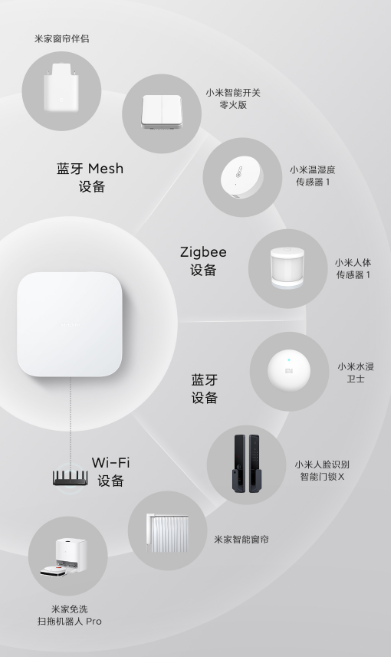
With the direct connection of the RJ45 wired network port, the remote control and equipment linkage data transmission is more stable and efficient. It is worth mentioning that Xiaomi Smart Multimode Gateway 2 also supports three mainstream communication protocols: Bluetooth, Bluetooth Mesh, and Zigbee. Only one gateway can interconnect smart devices with different protocols.
Compared with the previous generation product, the Xiaomi Smart Multimode Gateway 2 is powered by an upgraded dual-core processor which increases the processing speed by 100%. The processor pairs with 128MB RAM. Thus, it can stably connect more than 100 smart devices at the same time.
In terms of the gateway usage scenarios, with the Xiaomi smart door lock, the lights can be turned on and the curtains can be closed instantly when you go home. Also, after the washing machine is finished, the clothes dryer will automatically descend, and the lights on the balcony will automatically turn on.
In terms of ID design, Xiaomi Smart Multi-Mode Gateway 2 adopts an integrated body and curved edges design. The exterior is made of anti-UV material, which will not be discolored after long-term use. The material also has a V-0 flame retardant level and high-temperature resistance.
According to reports, the gateway can be configured in only three steps. After turning on the power supply, it will enter the waiting state for connecting to the Internet. Open the MIJIA app login account and click to add Xiaomi smart multi-mode gateway. 2. After selecting the network addition method, follow the prompts to complete the device addition.
Ola Electric is ramping up its activities and profile in the EV market in India. It has announced plans to release a four-wheeler EV that can go from 0 to 100km/h in 4s and has a monster range of 500km. Ola Electric says its innovative car will enter the Indian market in 2024, according to CEO Bharvish Aggarwal.
With such specs, the Ola Electric car will be among the fastest in India when it arrives. The car will also have an exquisite and sporty design featuring an all-glass roof and a class-leading drag coefficient below 2.1.
The car will run on Ola Electric’s in-house technology MoveOS with assisted driving functions available. The company is projecting the new car as an EV that can compete with established brands globally. The MoveOS is also deployed in the Ola S1 and S1 Pro electric scooters. It offers keyless and handless functionalities with great performance across all key metrics.
Ola Electric has seen a resurgence in several areas in recent years in spite of some setbacks occasioned by fire incidents involving some of its scooters. In 2021, the company announced the Ola FUTUREFACTORY planned to be the world’s largest two-wheeler manufacturing facility. It was projected to produce 10 million scooters annually, but the company now hopes to expand the capacity of the factory to produce 1 million cars annually. The ambitious project is expected to propel Ola Electric to the upper echelons of the EV manufacturing industry.
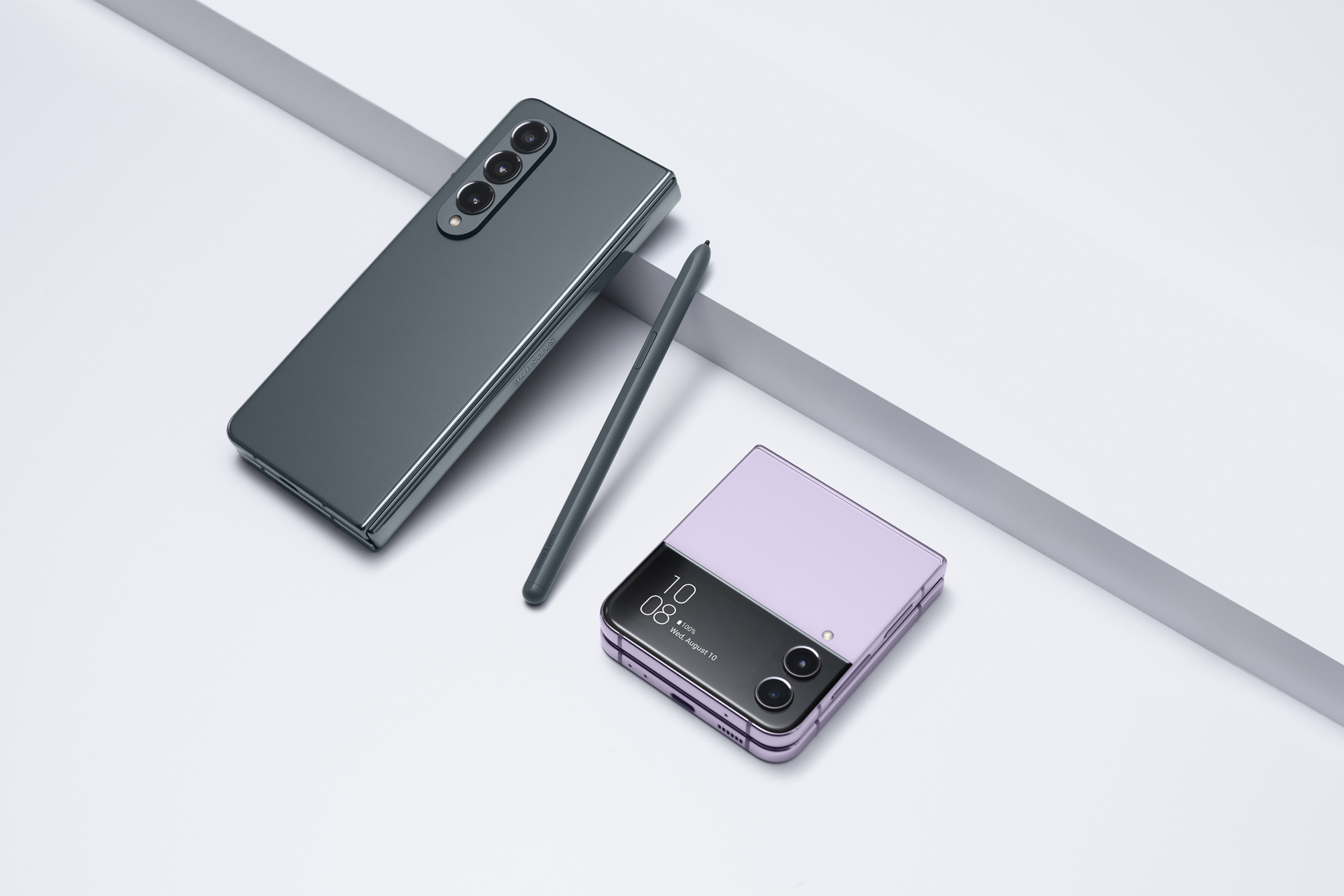
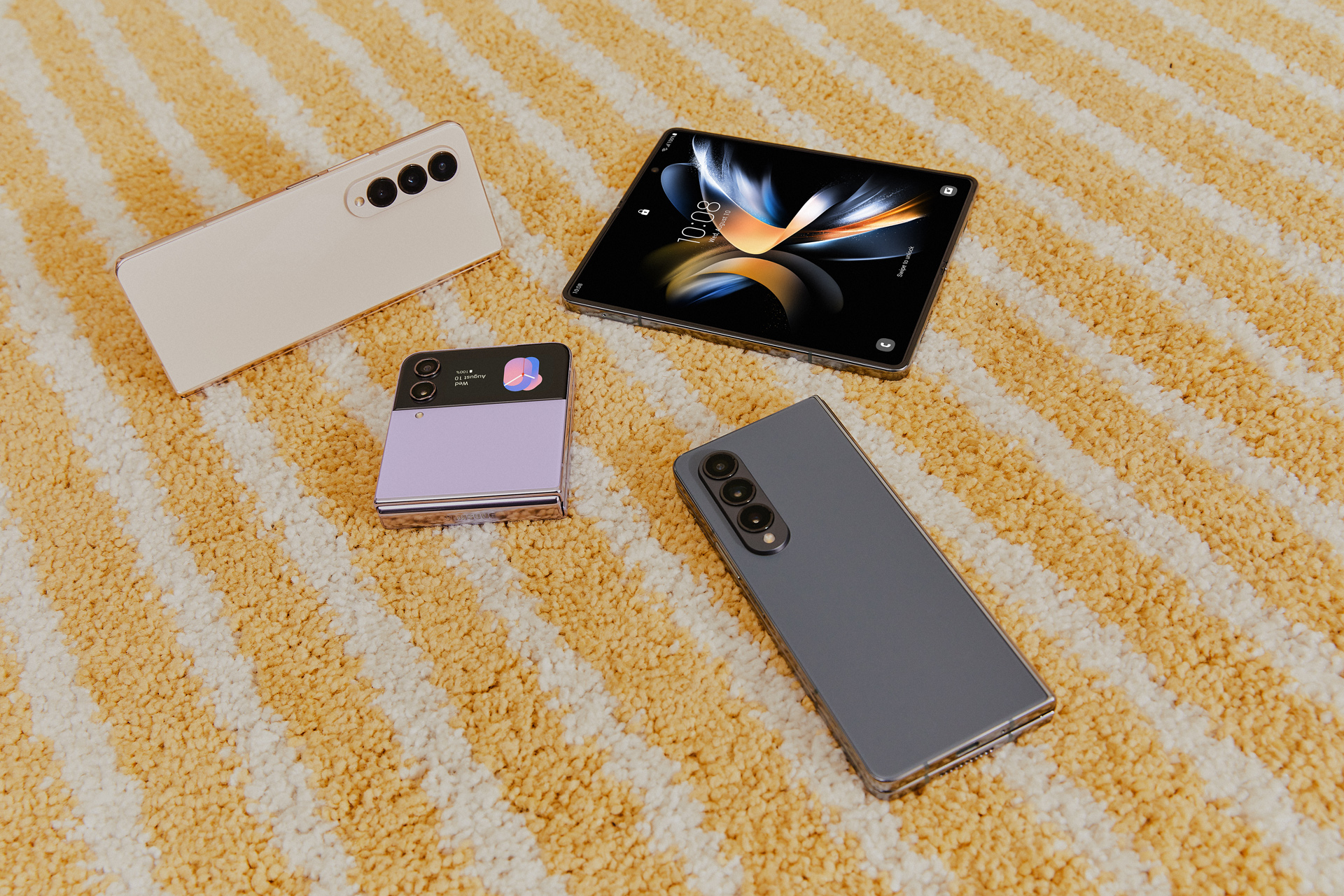
Last week at the Galaxy Unpacked launch event, Samsung debuted its new foldable smartphones dubbed the Samsung Galaxy Z Fold 4 and the Galaxy Z Flip 4. The devices are already available for pre-reservation in India, however, the pricing for the region is still under wraps.
Now, an IANS report has tipped the pricing of the foldable ahead of the official reveal. According to the report, the Flip4 will be priced at Rs. 90,000 ($1,132) and the Z Fold4 will be priced at Rs 1.55 lakh ($1,949). Compared to last year’s models, the devices appear to have gotten a price hike of Rs. 5,000 across the board as the Galaxy Flip 3 5G (8+128GB) and the Galaxy Fold 3 5G (12GB+256GB) were launched at Rs. 84,999 ($1069) and Rs. 149,999 ($1,887) respectively. The reason for the increase in price for this year’s foldables is said to be rupee-dollar currency fluctuation and global market factors.
Samsung has already stated that customers who pre-order the Galaxy Z Fold4 and Galaxy Z Flip4 through the Live Commerce event on Samsung.com from August 16 at 12 noon until midnight on August 17, 2022, will receive benefits worth more than Rs. 40,000.
The Galaxy Z Flip4 Bespoke Edition and the Galaxy Z Fold4 1TB storage variant will also be available exclusively on Samsung Live. Customers who pre-order the Galaxy Z Flip4 Bespoke Edition will receive a slim clear cover worth Rs. 2000 in addition to the previously mentioned offers.
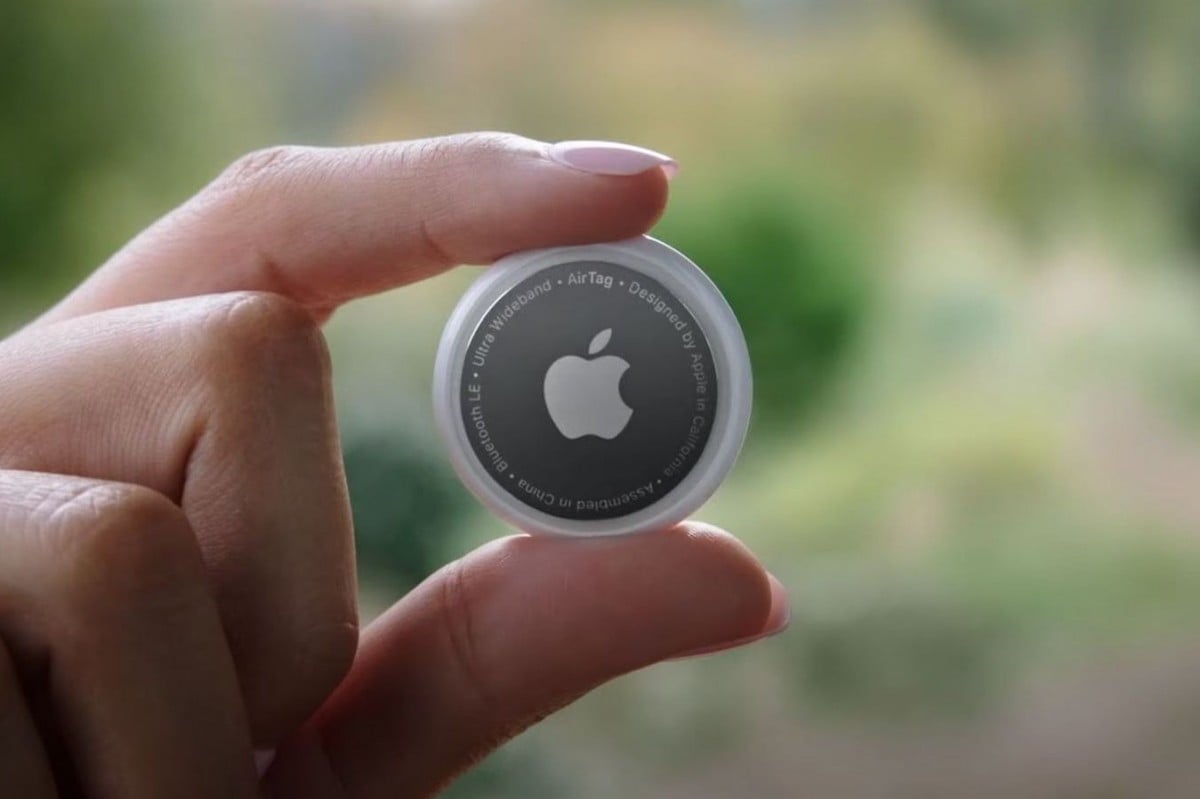
Apple’s AirTag has been in the news for both good and bad reasons lately. The device had been helpful in recovering lost items but it has also been used for stalking people. There had been numerous reports of how the AirTag had been helpful in locating stolen luggage. This time, it involved a 19-year-old airport worker who stole luggage containing an AirTag and was later nabbed with items from another stolen airport luggage.
The Apple AirTags, in combination with the FindMy app, is very helpful in locating stolen or lost items. A press release by the Okaloosa County Sheriff’s Office (OCSO) has announced the arrest of Giovanni De Luca on two counts of grand theft. The suspect worked as a subcontractor at Destin-Fort Walton Beach Airport and is accused of stealing two separate pieces of luggage from the airport.
The first incident involved a suitcase with items worth about $1,600 which went missing from the airport. Fortunately, the suitcase had an AirTag attached to it and it was tracked to the Kathy Court area in Mary Esther. Another traveler thereafter reported that more than $15,000 worth of valuable items had been stolen from his luggage.
The Police were able to pinpoint De Luca as one of the airport staff living in the Kathy Court area and paid him a visit in his home. During the visit to De Luca’s home, the AirTag and the missing valuables from the second incident were recovered. De Luca also admitted going through the first victim’s luggage and taking the Apple AirTag that was inside the bag. However, other belongings from the first bag are yet to be recovered.
The police authorities are praising the fine collaboration between the airport authorities and the police in solving the crime. The criminal obviously did not realize what an Apple AirTag is or is capable of doing, but kudos that he was caught.
We use cookies on our website to give you the most relevant experience by remembering your preferences and repeat visits. By clicking “Accept”, you consent to the use of ALL the cookies.
This website uses cookies to improve your experience while you navigate through the website. Out of these, the cookies that are categorized as necessary are stored on your browser as they are essential for the working of basic functionalities of the website. We also use third-party cookies that help us analyze and understand how you use this website. These cookies will be stored in your browser only with your consent. You also have the option to opt-out of these cookies. But opting out of some of these cookies may affect your browsing experience.
Necessary cookies are absolutely essential for the website to function properly. This category only includes cookies that ensures basic functionalities and security features of the website. These cookies do not store any personal information.
Any cookies that may not be particularly necessary for the website to function and is used specifically to collect user personal data via analytics, ads, other embedded contents are termed as non-necessary cookies. It is mandatory to procure user consent prior to running these cookies on your website.