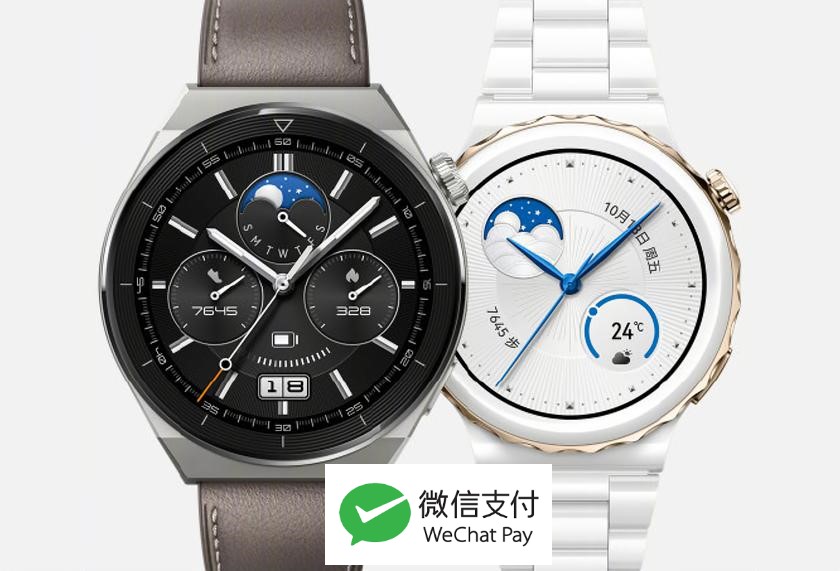
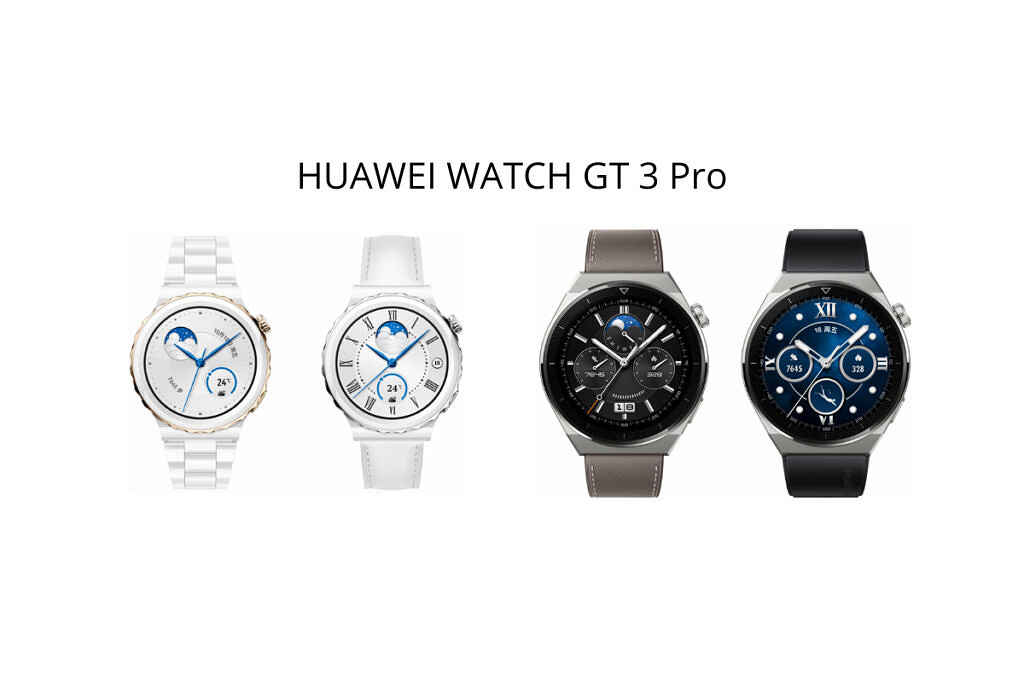
To ensure that the smartwatch is always up to date on the latest software, Huawei has also pushed out the HarmonyOS 2.1 May update for the Watch GT 3 Pro, which includes several new features and software improvements for the device.
The HarmonyOS 2.1.0.327 May Update has an update file size of 112MB and is officially available for Huawei Watch GT 3 Pro owners in China starting from today. Its changelog is as follows:
Support added for stand-alone and non-stand-alone WeChat Pay functionality.
Support for interconnectivity added for iOS devices (after Android and HarmonyOS devices), which includes connectivity across contactless transportation card wallets and music control functions.
New health apps, that include a breathing health tracker that scans and analyses your blood oxygen levels via the watch to indicate your current respiratory health. (Not available for iOS devices)
Bug fixes
The Huawei Watch GT 3 Pro is a premium flagship smartwatch from Huawei. The device features a high-definition AMOLED display, ceramic body, and sapphire glass for its luxurious design. The smartwatch comes in two variants in China – 43mm and 46mm. The display size on the 46mm version is 1.43-inch while the 43mm version features a 1.32-inch display.
One of the highlighting features of this smartwatch is the ECG functionality to check the user’s heart’s rhythm and electrical activity. This feature on the smartwatch has even been approved by medical authorities of China, making the Huawei Watch GT 3 Pro a certified second-class medical device in the country.
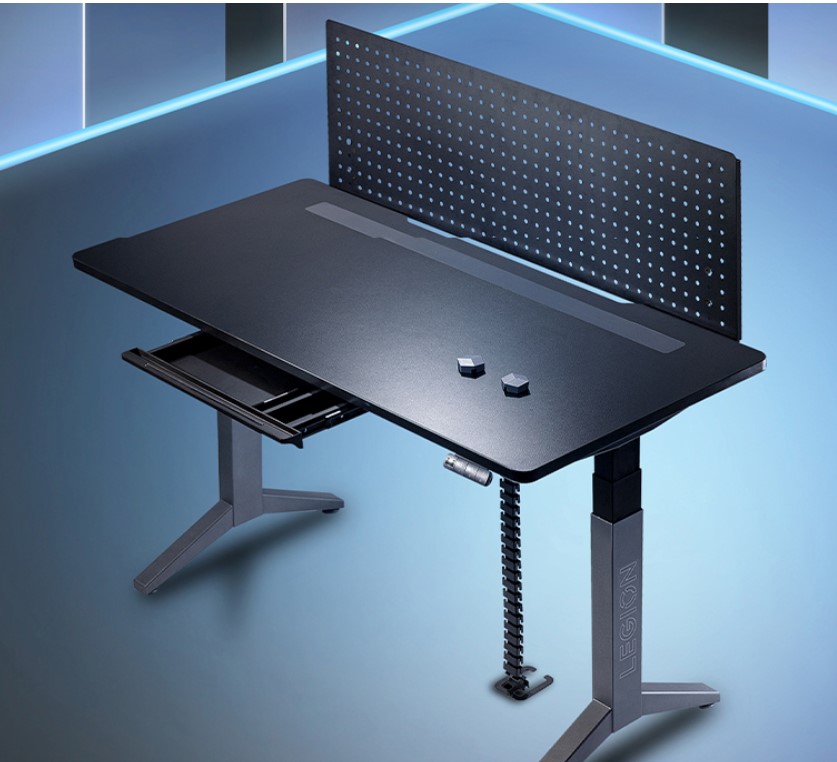
Lenovo Legion has launched the new Electric lift table T7 in China. The lift table comes equipped with 1600N (Newton) motors and can achieve a lift speed of up to 55mm/s. The new table is available at a price of 2699 Yuan which roughly converts to $403.
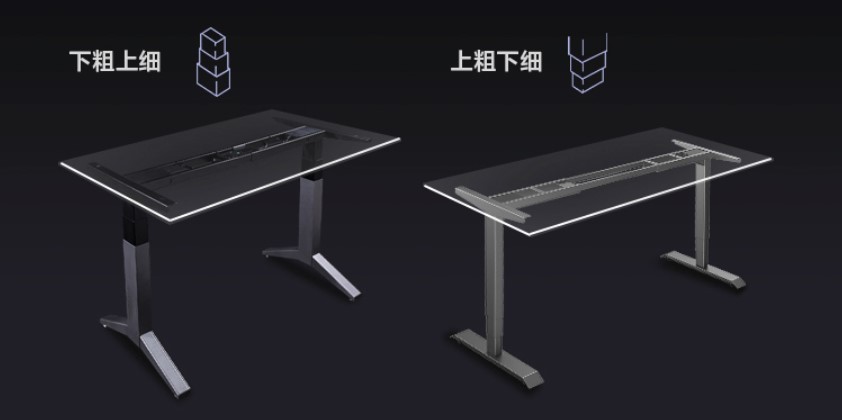
The Lenovo Legion Electric lift table T7 has a rectangular top. The tabletop comes with a matte finish and has round corners. Its legs are triangular in structure and are made with the help of a cold-welding process, which makes them more stable than the traditional T-shaped legs.
According to the company, the lift of the table uses two 1600N motors from Jiecang. Its lifting speed can reach up to 55mm/s while producing noise as low as 48db (decibel). The rated load during the lift is 125kg.
Judging from its features, the Electric lift table T7 appears to be fast, quiet, and sturdy. The lifting range of the table is between 68 to 128cm, making it suitable for users with a height of 130 to 190cm.
In addition to its lifting function, the T7 lift table also features magnetic cable organizers, storage compartments, harnesses, and other storage features. Moreover, it can be equipped with accessories like perforated boards.
The Electric lift table T7 can be used as a computer desk. Its magnetic block cable management system makes organizing cables easy and hassle-free. The T7 table adopts an integrated table frame structure, which can bear up to 250kg in the non-lifted state.
As mentioned above, the Lenovo Legion Electric lift table T7 is up for sale and can be purchased through the company’s official website.
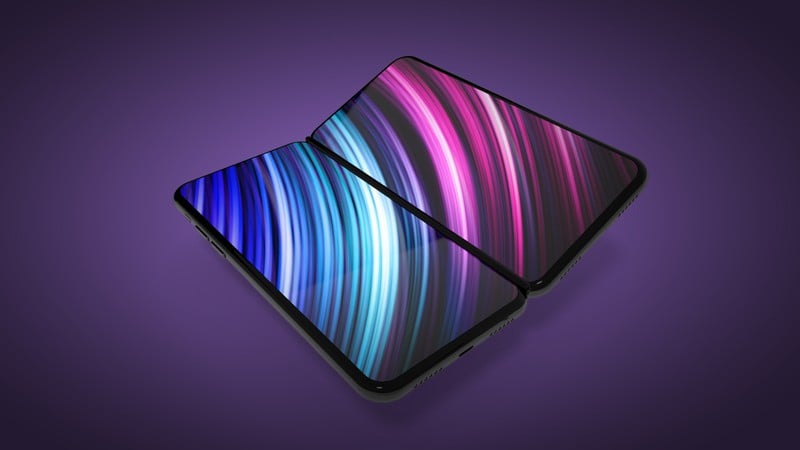
Apple has apparently started the development of an OLED panel that does not use a polarizer. In other words, it is possible that the company is working on its very first foldable iPhone that will use this display technology.
The news arrives from sources close to the matter who shared this information with TheElec. By removing the polarizer on the display, the panel will be even thinner, which means that it will also be optimal for foldable screen. For those unaware, the polarizers are used to allow only lights in certain directions to pass through. This improves the viability of the display. But, it also reduces the overall brightness of the panel as well.
Notably, Samsung Display was the first to make an OLED panel without a polarizer, which was used on the Galaxy Z Fold 3. This model was the company’s last foldable phone model. So, this means that it is possible that the Cupertino based giant is also possibly planning on building its very own foldable iPhone model as well. Although, it is still unclear if the brand is actually working on such a product at the moment.
We have reported on Apple patents regarding a foldable phone. Furthermore, analysts have also claimed that the company is planning on launching its first foldable sometime by 2025. So, the development of such an OLED panel a couple of years prior to its eventual release seems reasonable.
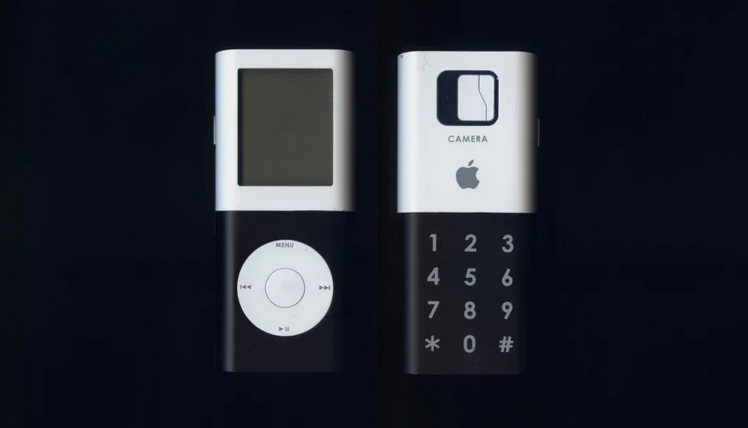
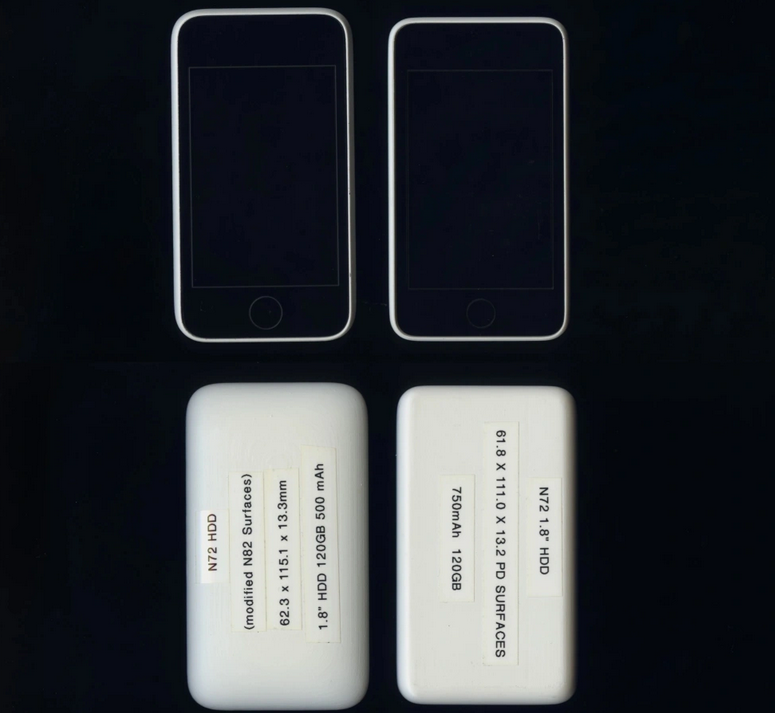
Apple had announced its first iPhone back in 2007. However, prior to the release of its game changing handset, the company was also working on a number of prototype models in secret. Now, one such prototype has emerged and it is quite unique to say the least.
The prototype was shared by Tony Fadell (via TechCrunch), who was also behind the development of the iPod back in the 2000s. Recently, Fadell has been sharing details regarding his time working at the Cupertino based giant. Apparently, before the first iPhone, the company only had the iPod as a mobile device. So when working on some of the early prototypes, the brand was exploring the idea of adding the functionalities of a phone into an iPod.
Thus, one of the prototypes had a unique design, which included the iconic Click Wheel. Notably, this could even double as a number pad as well. Fadell stated that this early model was built by a third party manufacturer in the early stages of “iPod Phone” development. This model included a built in camera and a color scheme that resembles the actual first iPhone. A swivel would help users quickly change the bottom of the iPod to convert it into a phone.
Apparently, Steve Jobs himself had strongly insisted that the team would create an iPod phone rather than build a completely new device. The reason for this was due to the popularity of the iPod’s iconic design, which included the Click Wheel. However, it was soon realized that it wasn’t good experience when using the Click Wheel for the phone. Thus, it shifted to a large full touch screen design and a Mac OS X based operating system.
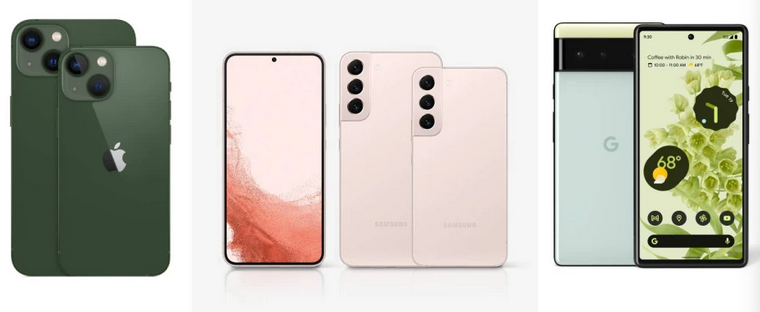
While the Samsung Galaxy S22 series and the Apple iPhone 13 lineup are premium grade smartphones that start from a similar price point, it seems that the Apple offerings depreciate much slower than its Android rival.
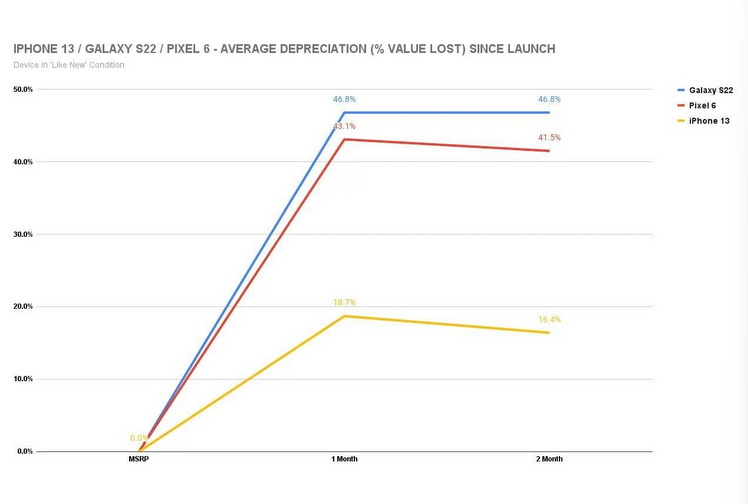
As per a new survey from SellCell, the South Korean tech giant’s current gen flagships depreciates three times faster than the iPhone 13 series. The research report compared the iPhone 13 mini that costs 699 US Dollars, the Galaxy S22 that has a price tag of 799 US Dollars, and the 599 US Dollars Pixel 6 as well. Within just two months of the launch, it was found that the iPhone 13 retained the best value if one decides to resell it.
Although, this isn’t particularly surprising since Apple models have typically always retained better value than its Android counterparts. The report further added that the Galaxy S22 had the worst retaining value, with its resale value dropping to 46.8 percent of its original in just two months after its launch. On the other hand, the Pixel 6 lineup only lost around 41.5 percent of its original value within the same time period. On the other hand, the iPhone 13 series only saw a relatively low fall of 16.4 percent in terms of value in the first two months.
Interestingly, the Pixel 6 regained some of its lost value after the first month, which is usually seen in iPhones alone. Breaking the numbers down, the Galaxy S22+ lost its value the fastest, while the Pixel 6 Pro was the worst performer in Google’s case. For Apple, the iPhone 13 mini lost the most value, while its iPhone 13 Pro Max model only lost around 3.8 percent of its original value even after 2 months of launch. So its clear, that an iPhone is a much better investment overall.
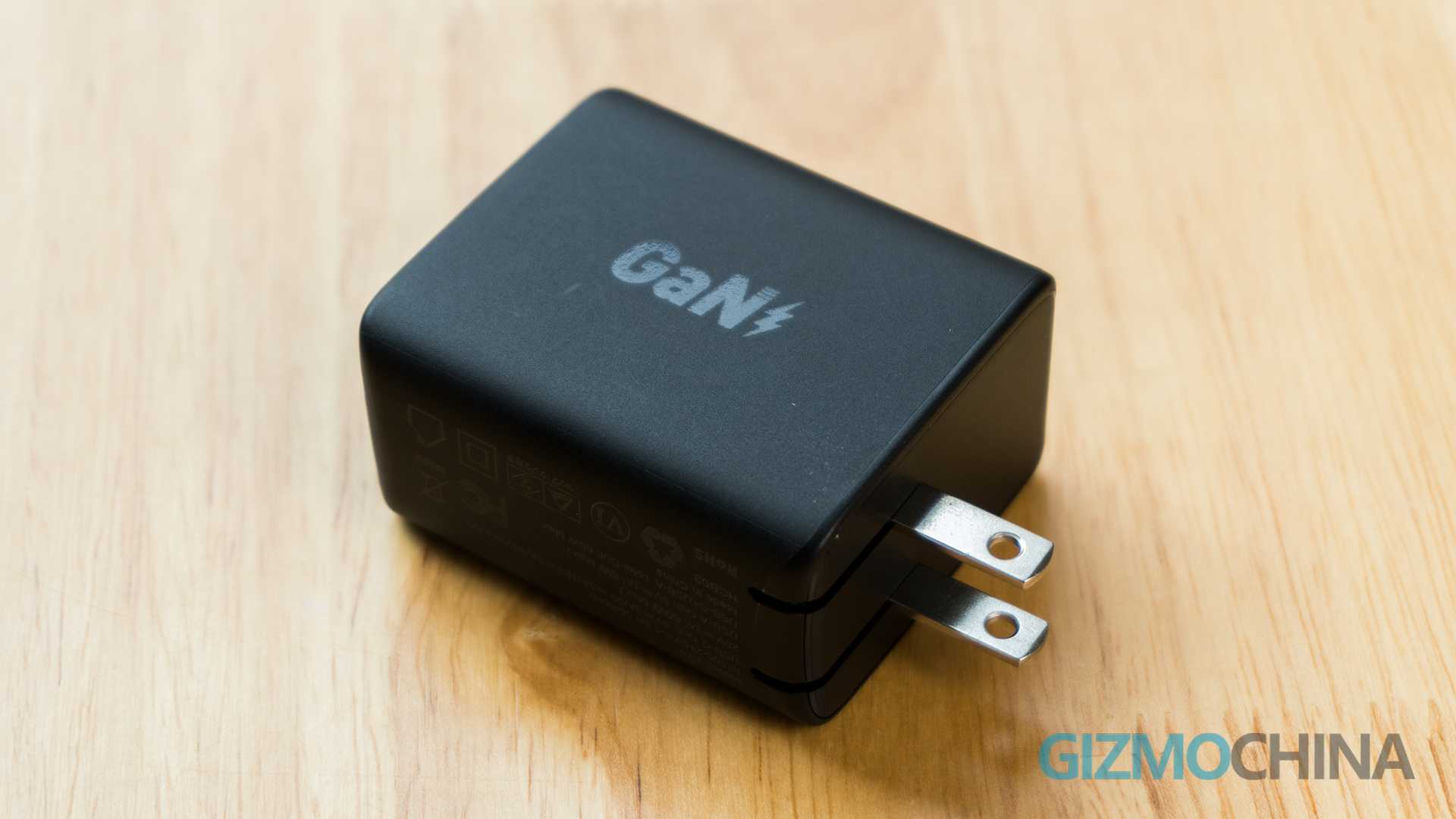
Gallium Nitride (GaN) chargers now are dominating the market. GaN chargers are physically smaller than current chargers. As a modern alternative to silicon, GaN is able to conduct far higher voltages over time than silicon. At the same time, it also means less energy is lost to heat while more effectively transferring current.
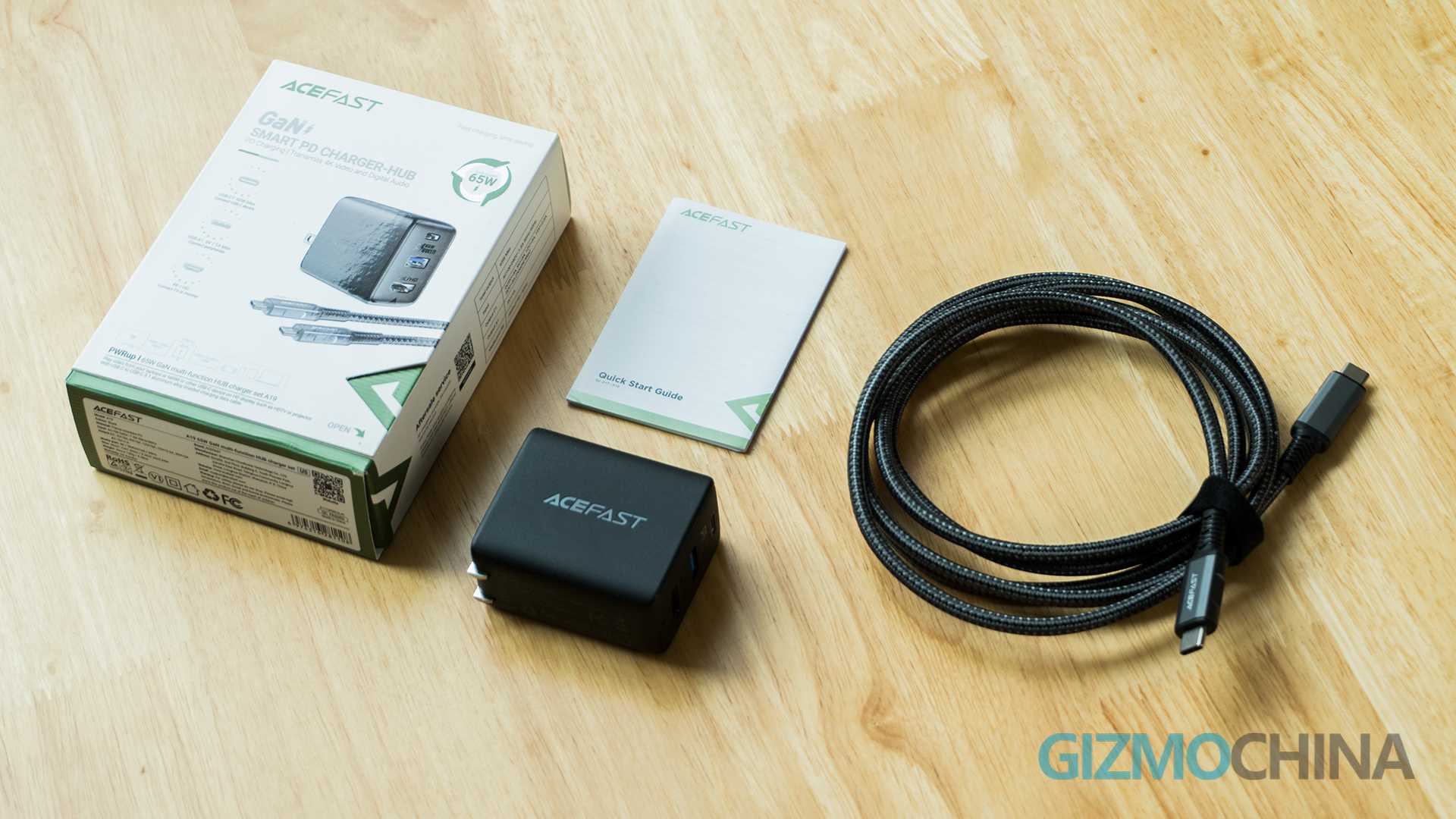
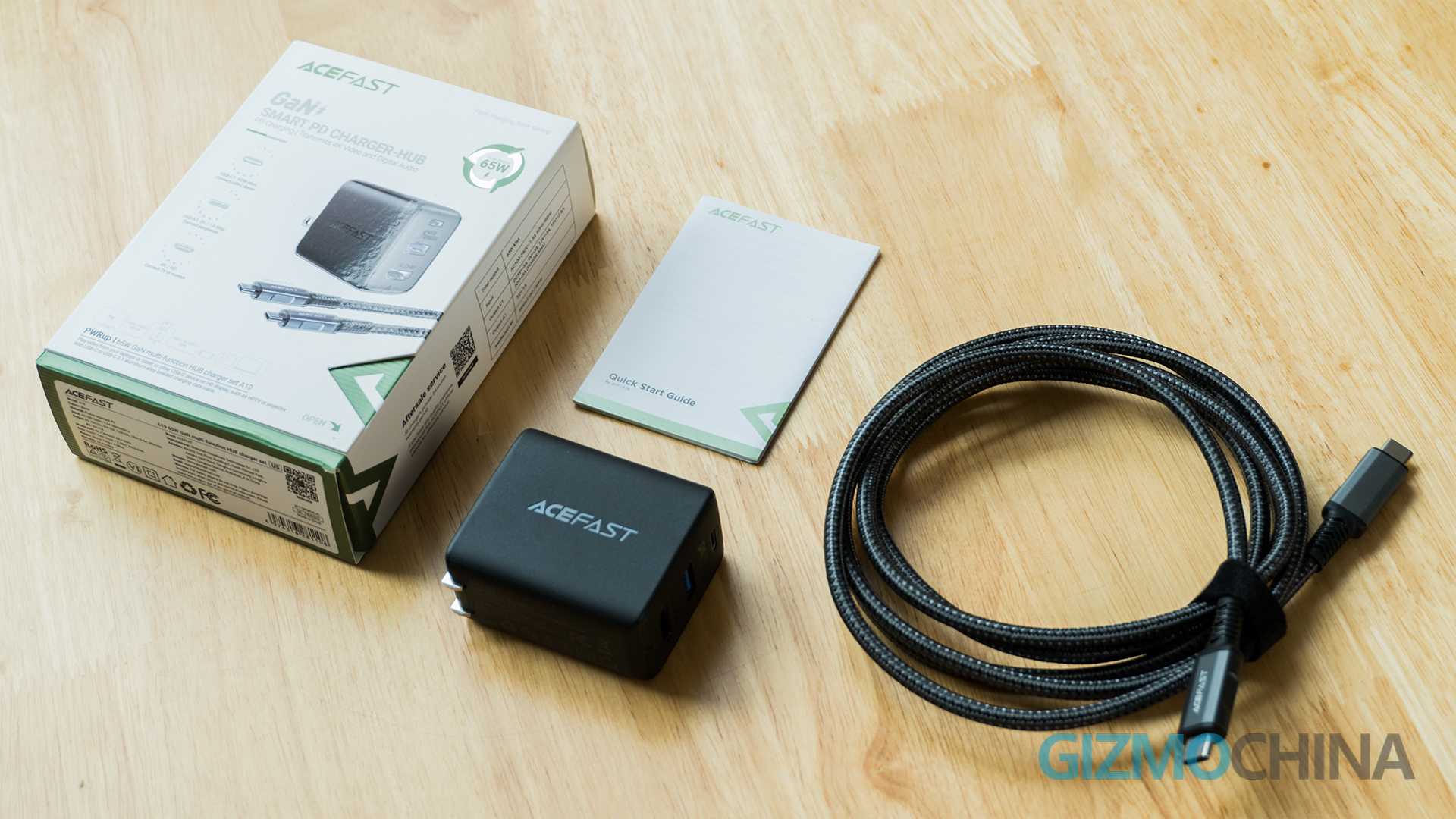
As a result, most of the high-voltage GaN chargers are able to offer multiple ports in a smaller size for multi-device charging. However, the manufacturer Acefast brought a new idea to their latest charger product, the A19 65W GaN multi-function-HUB charger set. Instead of being a charger, it is more like a compact docking station for USB-C devices like Laptop, tablets, and smartphones.
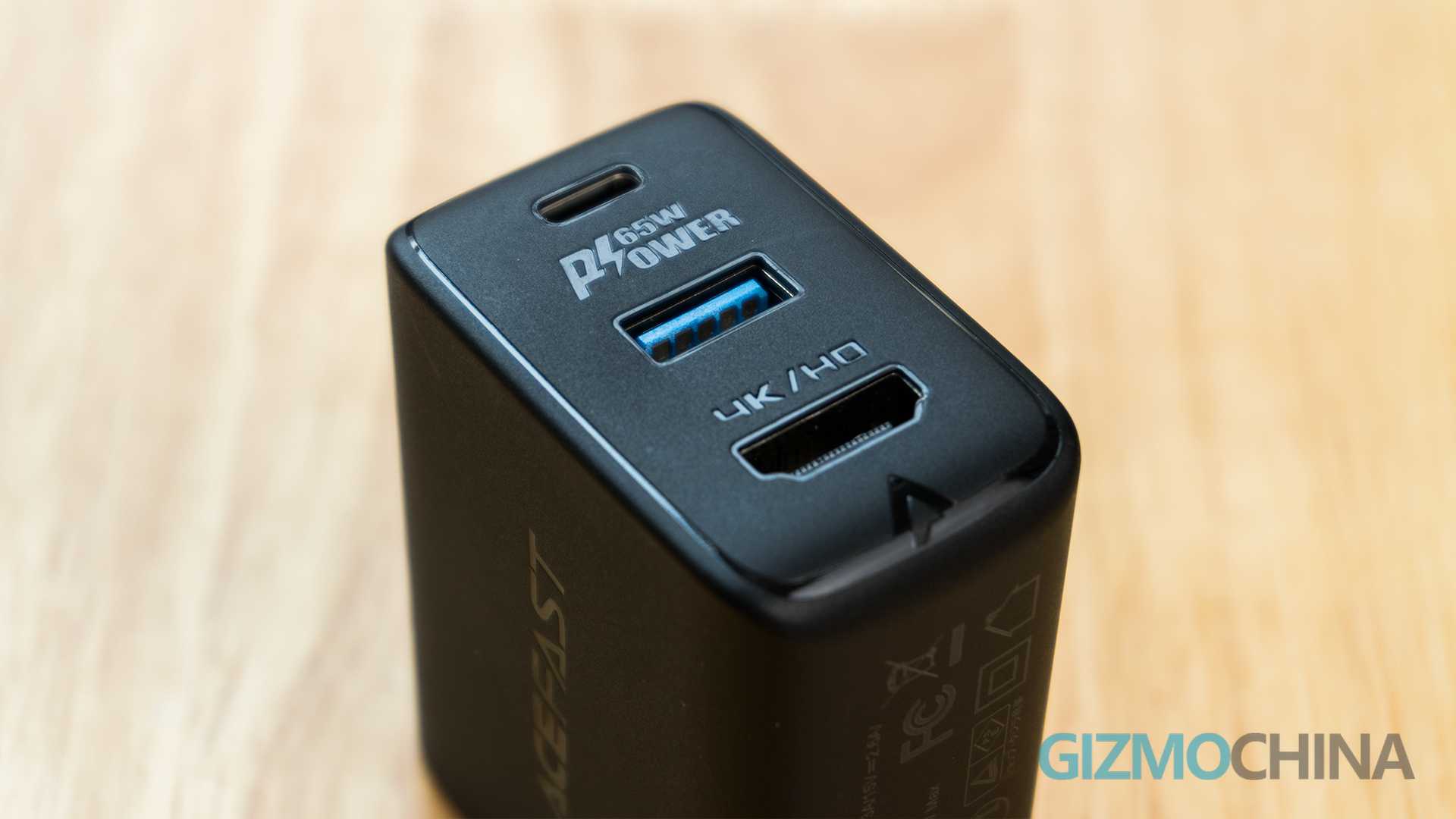
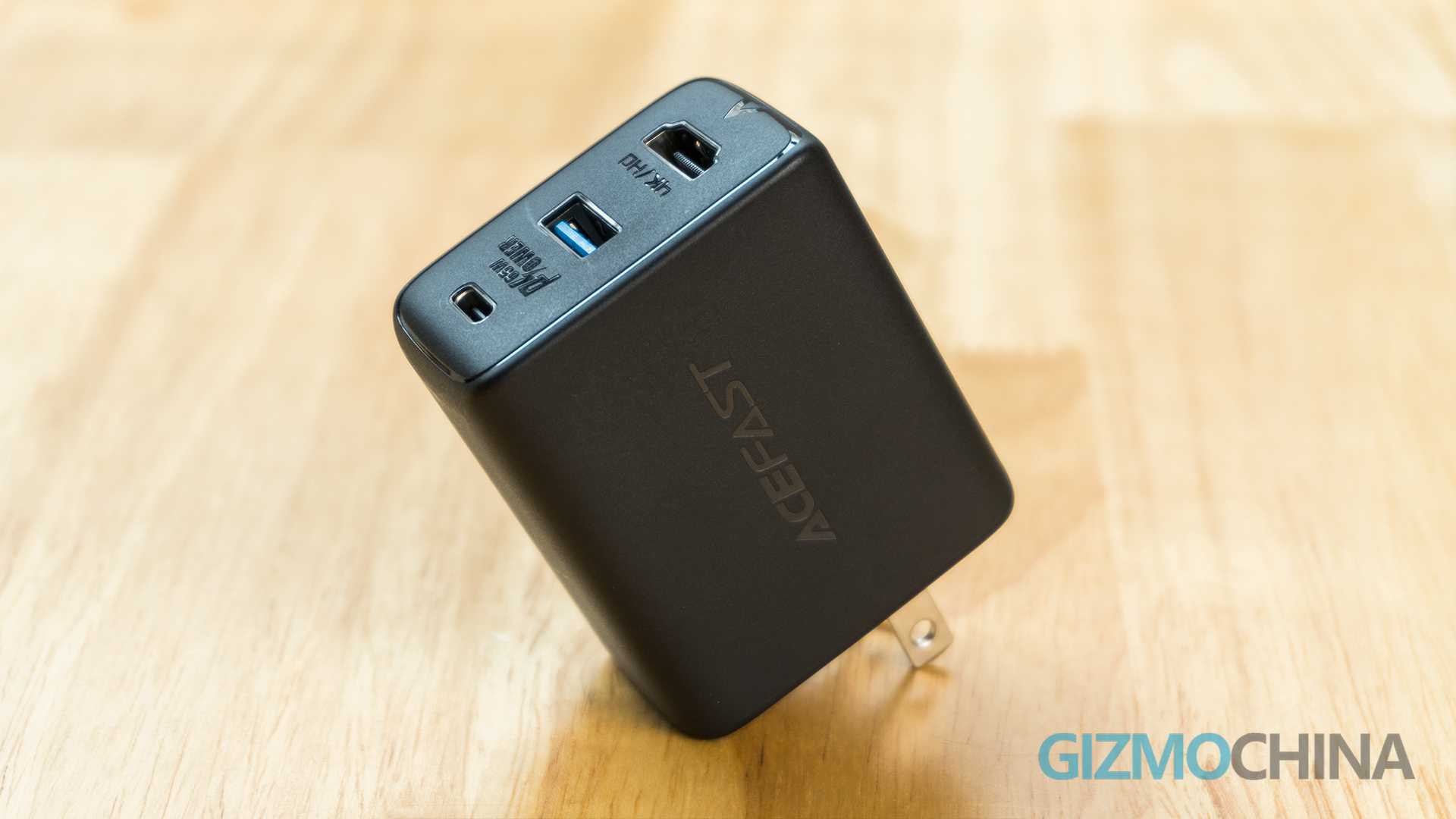
There are three ports on the charger-HUB, including a USB-C port, a USB-A Port, and another HDMI Port for media output.
Apart from providing up to 60W PD charging via a USB-C port, the USB-C port actually also supports transferring up to 4K video and digital audio signal for the connecting device, which could be your smartphone, tablet or PC. And then you can connect a HD display such as a monitor, HDTV, or projector via HDMI port, turning it into a bigger display for your device.
The remaining USB 3.0-A Port can then become an additional interface for your peripheral, such as Keyboard, mouse, joystick, flash drive, and other USB devices. Like other USB-A ports, it can also provide 5V/1A (5W) power to these USB devices.
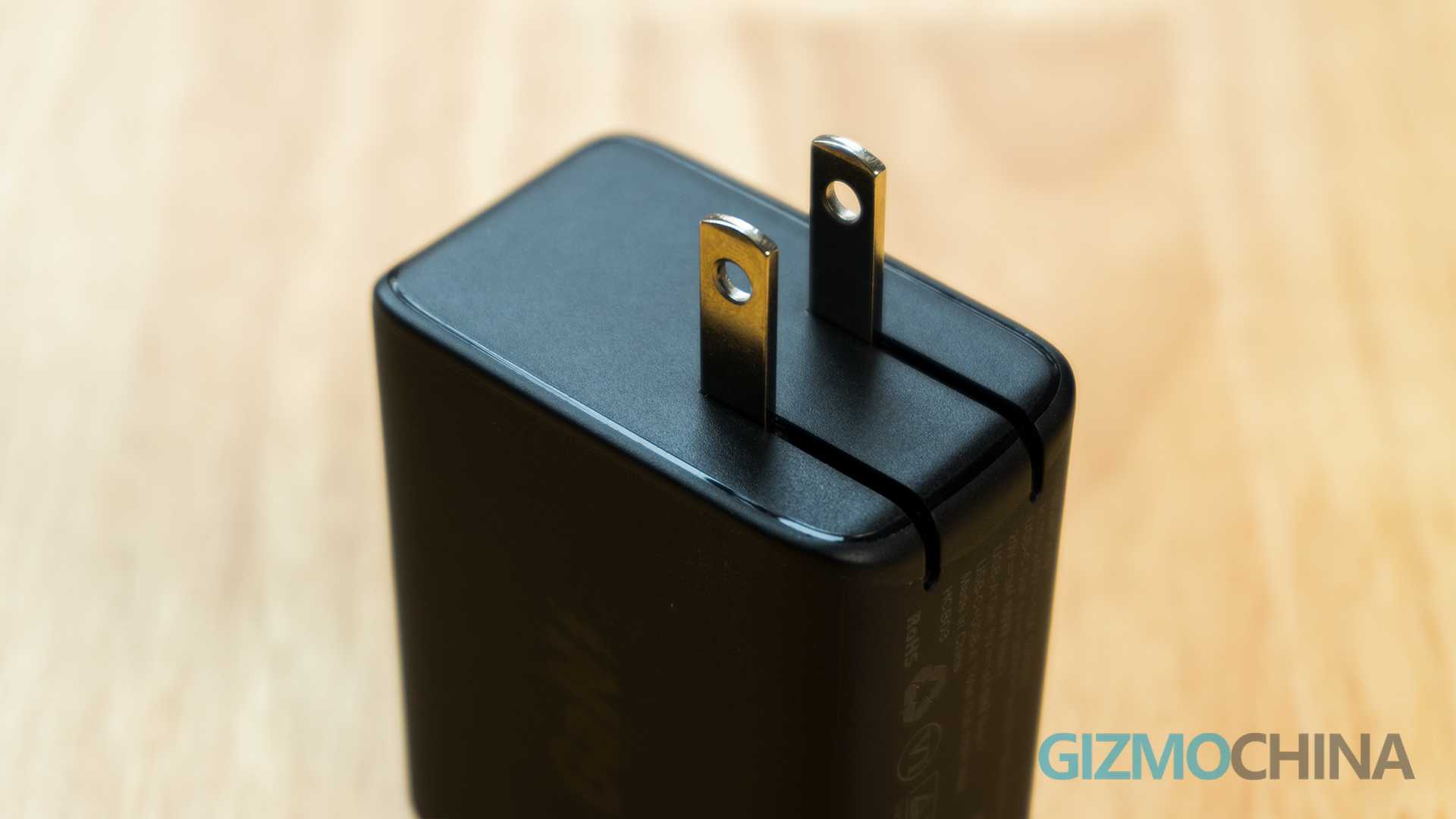
With this charger, I truly feel comfortable skipping a dedicated docking station to project a phone and PC onto a large TV or monitor, since organizing the visible cables used to be a tiresome task for me. And when you realize that the size of the charger-HUB is not much different from traditional chargers, you will also agree that plugging it into the wall is not a problem either.
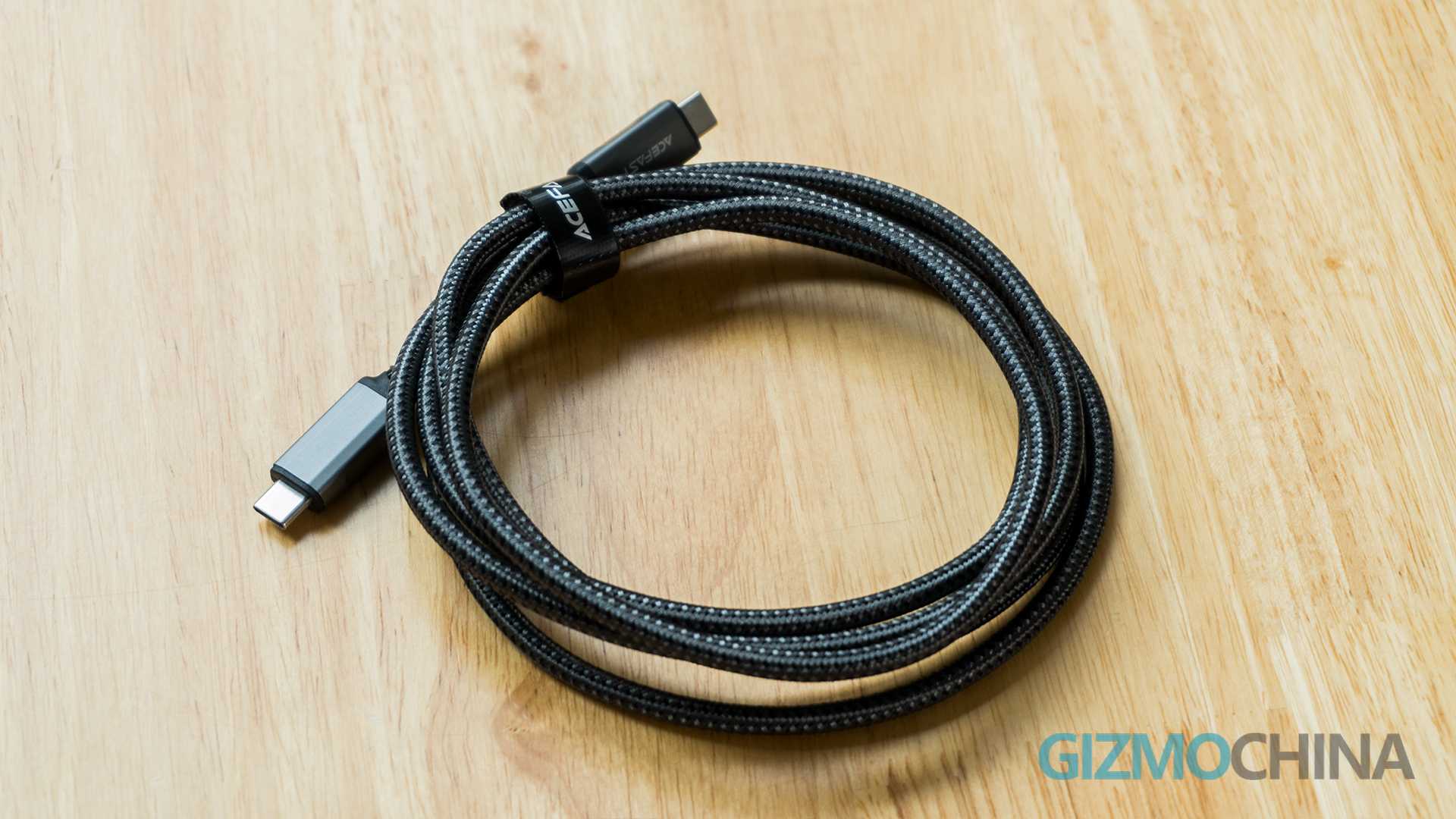
The 60W PD3.0 fast charge is one of the most cost-effective protocols for charging different devices. In addition to the PD3.0 protocol, the USB-C Port is also compatible with Apple2.4A, Samsung 5V-2A, Samsung AFC, QC4.0+/3.0/2.0, and PPS multiple charging protocols. The wide compatibility covers all the devices supporting USB-C charge. For example, with the 60W power, a MacBook Pro 13’’ even can be fully charged in just 2 hours.There’s a 6ft USB-C to USB-C aluminum alloy braid data cable that also supports PD 100W max charging. If you’ve already got a 100W charger or above, the cable even can be used for higher-power delivery. But with the Acefast 65W GaN charger-HUB, 65W is the max power efficiency you can have.
In the real-life charging test, the charger-HUB can fully charge the latest Android devices within 1 hour. For some older devices released years ago without fast-charge support, the charging time could be extended to about 2 hours.
In actual use, the charge-HUB is a perfect accessory for laptops to get an expanded display while charging, especially when your laptop doesn’t have a large enough screen.
And it’s also a perfect accessory for Switch. The only USB-C port of the Switch now is available for both charging and video output. But note that the Switch itself only supports 1080P video output, so even with the charger-HUB supporting 4K signal transfer, 1080P resolution is still the only choice.
In addition to this, there’s no problem for the charger-HUB to project 4K contents with extremely low latency, as long as your device’s USB-C port also supports 4K video output. And the USB-A port is also a great design for expansion. Especially for gamers, a necessary peripheral, such as a gamepad or mouse, can be connected through the charger-HUB without occupying an interface from the device.
The A19 65W charger-HUB is able to fast charge almost all of your techs via multiple protocols, from your laptop to your phone to even your power banks. And if you are also enthusiastic about using an external monitor or TV, the charger-HUB can certainly save you a lot of hassle.
If you like this charger, check it out here: Amazon.
A couple of months ago, Nothing, a new technology venture from OnePlus co-founder Carl Pie confirmed the brand’s upcoming Nothing Phone (1) smartphone. It was also revealed that the phone would be running the company’s own Nothing OS.
Nothing also decided to give users of select smartphones a glimpse of the upcoming Nothing OS through a custom launcher for Android phones, named Nothing Launcher, which is available for some smartphones in the Beta phase.
Now, the availability of Nothing Launcher is being expanded, and the application is now supporting all smartphones running the Android 11 or above version of the operating system. This is a wide range of supported apps compared to its previous support for only Pixel devices, OnePlus devices, and the Samsung Galaxy S21 lineup.
The updated version of the launcher comes with several minor tweaks, including the ability to quickly change the wallpaper with an on-screen pop-up, with a direct link to Nothing’s wallpapers and ringtones. There’s also a dedicated Nothing Launcher icon on the home screen with this update and a new set-up page upon the first launch.
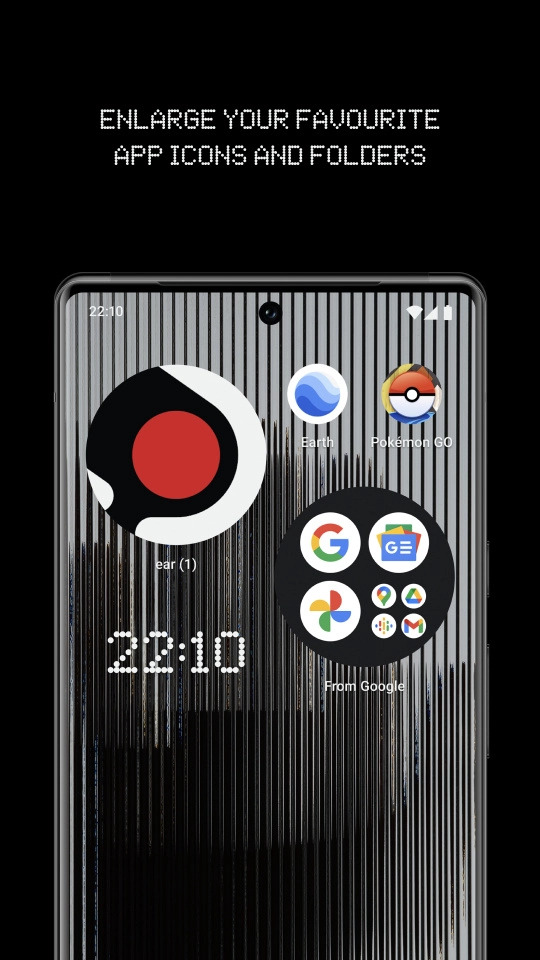
Nothing Launcher includes several tweaks and tuning, including what the company refers to as “Max Icons” and “Max Folders,” allowing users to press and hold app icons or folders and increase the space taken on the home screen.
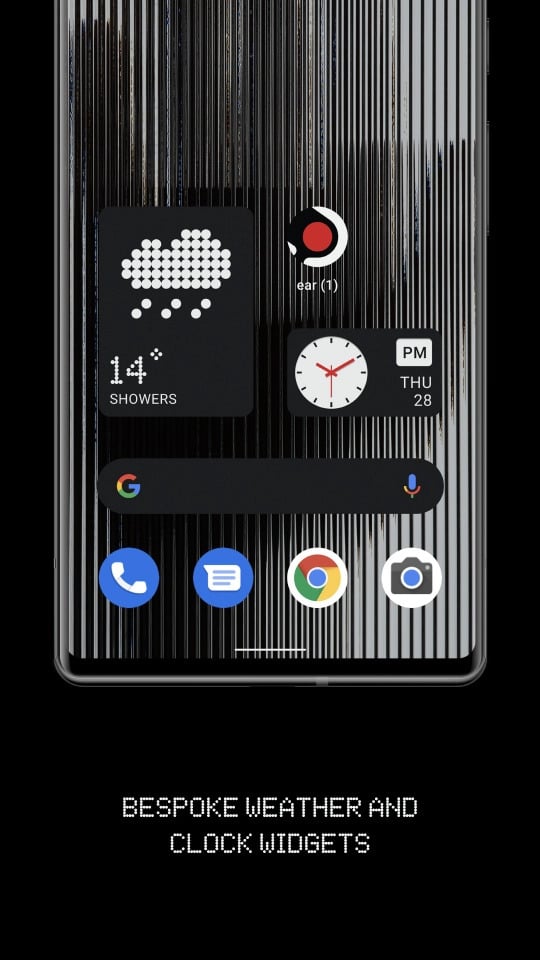
It also offers a series of unique wallpapers, weather, clock widgets, and ringtones but it lacks some of the features, like support for the Google Discover feed which is now becoming more commonplace on various OEM skins of Android.
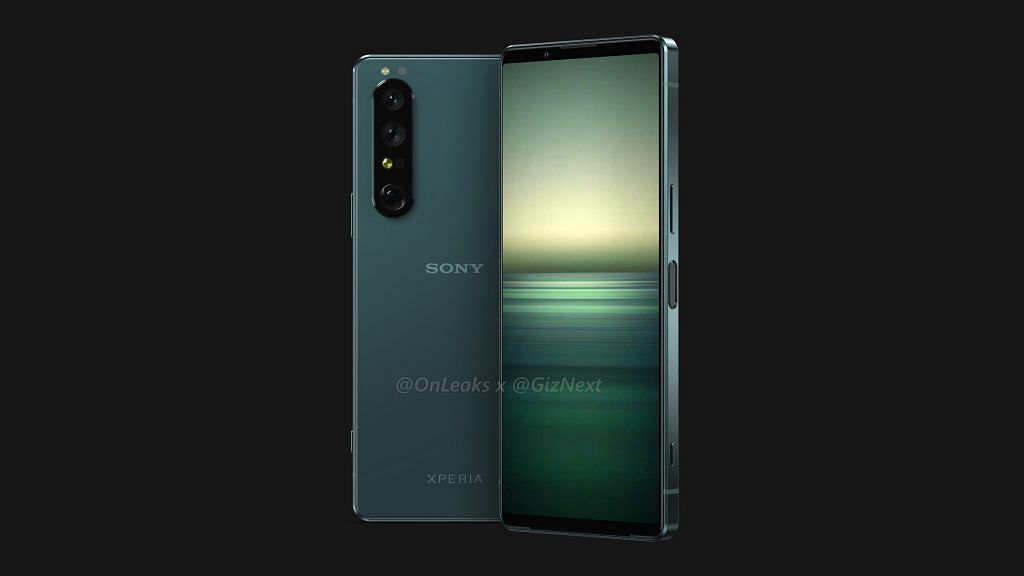
Sony is gearing up to launch its flagship smartphone in the market, dubbed Sony Xperia 1 IV. Along with that, the Sony Xperia 10 IV is also expected to get launched. The company has already confirmed that the launch event will take place on 11th May.
The event, which was teased by the company by asking “Are you ready for the next ONE?” will take place on 11th May from 12:30 PM IST. It will be live-streamed on Sony Xperia’s own YouTube channel.
You can watch the upcoming Sony Xperia 1 IV launch event by clicking here.
The Sony Xperia 1 IV is expected to feature a 6.5-inch display with 4K screen resolution, a 120Hz refresh rate, HDR support, and a 21:9 aspect ratio. The screen will be protected by a layer of the Gorilla Glass Victus on top.
Under the hood, the device will be powered by the Qualcomm Snapdragon 8 Gen 1 SoC, which will likely be paired with up to 12GB of RAM and up to 512GB of internal storage.
In the camera department, the phone will have a triple camera setup on the back with ZEISS branded lens, but there’s not much information available. But it’s known that the camera module has a primary sensor, a telephoto shooter, and an ultra-wide-angle lens.
The phone will run the Android 12 operating system out-of-the-box with the company’s own custom interface on top. It will be powered by a 5,000mAh battery and come with support for 45W fast charging.
If the rumors are to be believed, then the Sony Xperia 1 IV will be priced at 1,399 Euros, which roughly converts to $1,480. The smartphone is expected to come in three color options — Black, Violet, and White.
Xiaomi-backed Redmi brand is gearing up to launch a new Redmi Note 11 series smartphone in the market, dubbed Redmi Note 11T and Redmi Note 11T Pro. While the launch date is unknown, they are confirmed to go official this month.
Now, Lu Weibing, Partner at Xiaomi Group, President of Xiaomi China and International, and General Manager of the Redmi brand has teased the smartphone on his Weibo account.
He has posted a message on his personal Weibo account that just reads “Testing,” but the device identifier for the post says “Note 11T Android”, most likely referring to the upcoming Redmi Note 11T smartphone.
Recently, the company teased these two upcoming smartphones by sharing a poster. It also claimed that the smartphone has turbo-level performance, turbo-level tuning, and turbo-level experience. It will have several first performance acceleration technologies for the Note series to bring flagship-grade performance.
Based on the rumors so far, the Redmi Note 11T Pro will come with an LCD screen and have support for a 144Hz refresh rate. Under the hood, the device will be powered by the MediaTek Dimensity 8000 processor — a first for the Redmi smartphone.
The MediaTek Dimensity 8000 is manufactured using TSMC‘s 5nm process and consists of four Cortex-A78 cores and four Cortex-A55 cores, offering a clock speed of 2.75GHz.
The Redmi Note 11T is expected to come packed with a 4,980mAh battery and have support for 67W fast charging, while the Pro model could come powered by a 4,300mAh battery and have support for 120W fast charging.
Inbase, a brand that specializes in gadgets and accessories, has announced a new smartwatch called the Urban Lite X. The device comes with a square-shaped display, important health sensors, and promises a long battery life. Here is all the information on the specifications, features, and price of the Urban X Lite.
Inbase Urban X Lite specifications
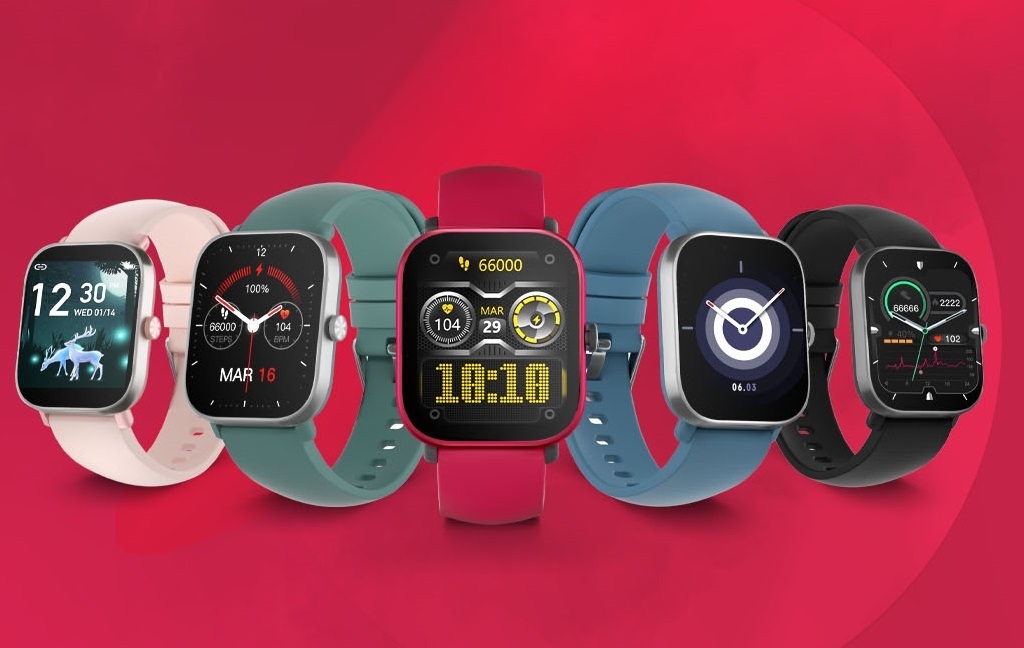
Beginning from the front, the Urban X Lite features a 1.6-inch bright display and a hybrid casing, which is comprised of aluminium and polycarbonate. It is a lightweight device that comes equipped with a skin-friendly silicone strap. The Urban X Lite is an IP68 rated, dust-resistant and waterproof device.
The X Lite features a Realtek chipset and Bluetooth 5.0 for stable connectivity. Once paired with a smartphone, it can show notifications for calls/messages. It can also be used to control some functions of the phone, such as cameras, volume, and so on.
Inbase Urban Lite X
When it comes to health and fitness, the Urban X Lite is packed with a blood oxygen (SpO2) tracker, a blood pressure monitor, and a heart rate sensor. It can also count steps and detect sleep patterns. Other health-focused features include sedentary alerts, guided breathing mode, and multiple sports modes for tracking activities like walking, running, climbing, yoga, football, basketball, badminton, swimming, skipping, and cycling.
The Urban X Lite can customize the look of the watch by choosing from a range of built-in watch faces. Users can also set any image as a watch face on the device. The exact battery size of the Urban X Lite is not mentioned on its official listing. The smartwatch promises up to 15 days of runtime and up to 60 days of standby time.
Inbase Urban Lite X price in India
The Urban Lite X is priced at Rs 2,299 (~$28) in India. Apart from the company’s official website, GoUrban.in, the smartwatch can be purchased through leading retail stores. It comes with a 1-year warranty. The smartwatch can be bought in colors like Jet Black, Crimson Red, Silver Blue, Silver Green, and Silver Pink.
Xiaomi has been leading the Indian smartphone market since late 2017. While Samsung overtook Xiaomi in the third quarter of 2020, the Chinese manufacturer managed to regain its lead in 2021. According to a new market survey by Counterpoint Research, Samsung has dethroned Xiaomi to become a market leader in India’s overall smartphone market.
According to market research, Samsung holds a 22 percent shipment and a 27 percent market share in India in March 2022. Samsung confirmed a 9 percent increase in value over the same period last year. According to Neil Shah, Vice President of Research, Counterpoint, “Timely portfolio expansion with 5G capability down to M, F, and A series and strong uptake of the Galaxy S22 and foldable flagship series helped Samsung grow back to the leadership position.”
The South Korean company is offering a wide range of Galaxy M, F, and A series of smartphones across different price points in India. The company offers around 15 5G-ready smartphones at the Rs 20,000 (~$260) price. At present, the Galaxy F23 5G, which starts at Rs 13,999 (~$180), is the most affordable 5G phone from the brand in India. Also, both the Galaxy S22 series and the Galaxy foldables have done well in the country’s market.
Three years ago, Samsung had lost its top spot in the premium smartphone market. Counterpoint Research found that the Galaxy S22 line of phones helped the South Korean company pass Apple and become the market leader in the premium smartphone market.
In March 2022, the Galaxy S22 Ultra achieved a 74 percent volume market share in India’s Rs 1,000,000+ (~$1,290) segment. With the sale of the S22 Ultra, the South Korean company achieved an 81 percent market share in the Rs 1,000,000 category. Furthermore, Samsung now has a 38% volume market share in the Rs 30,000+ (~$390) segment.
The rumor mill has started spilling information on the specifications of the Samsung Galaxy Z Fold4 in bits and pieces. Last week, both models bagged approval from the 3C authority of China. Now, a reliable tipster has revealed the aspect ratio of both devices.
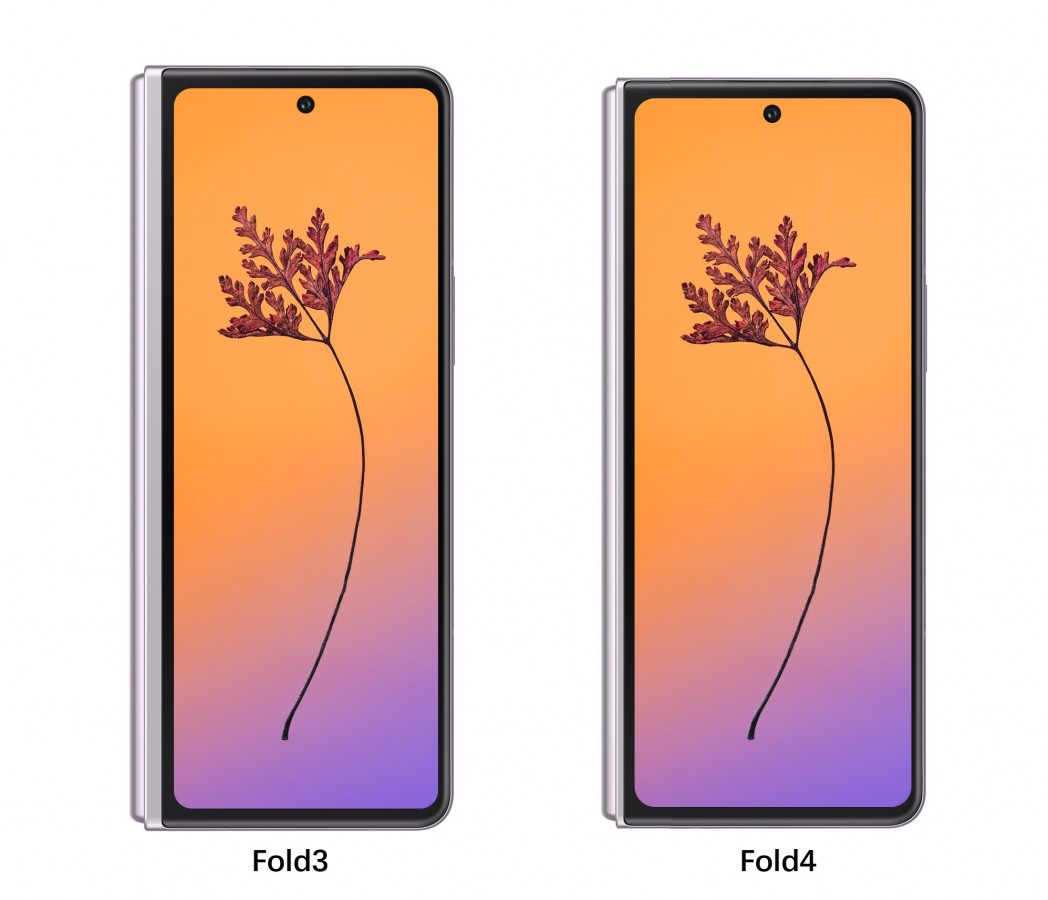
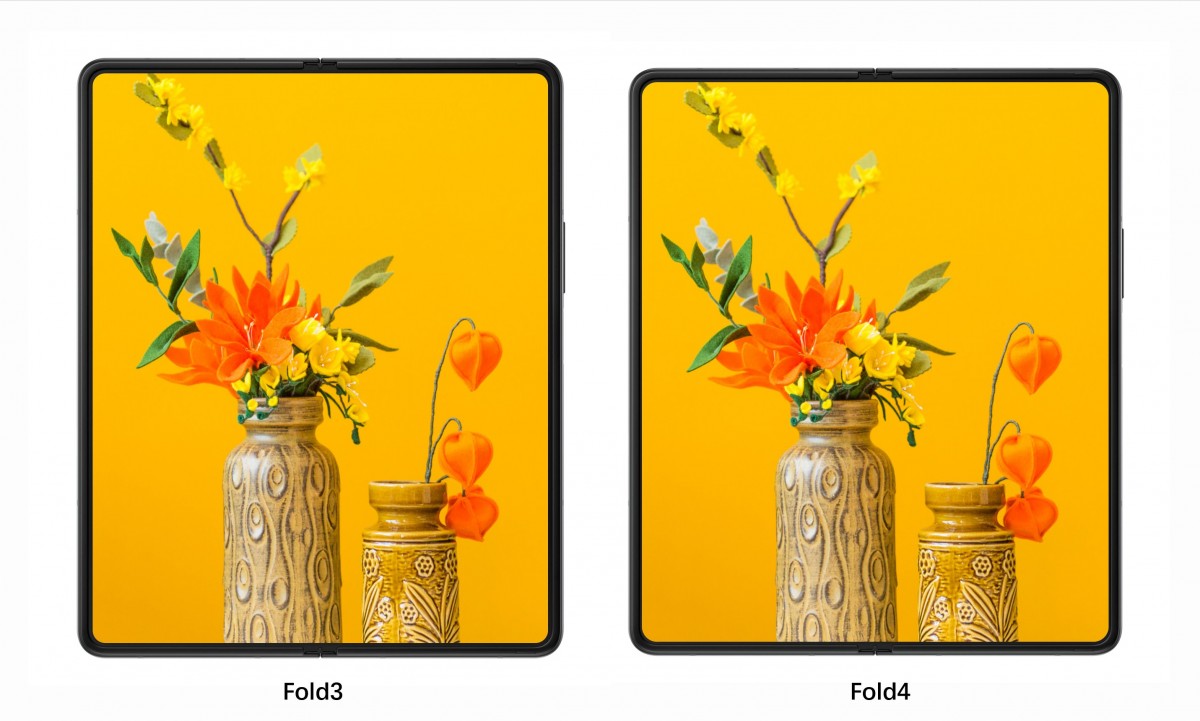
The Galaxy Z Fold3’s cover display and inner foldable screen offer 24.5:9 and 5:4 aspect ratios, respectively. According to Ice Universe, the Galaxy Z Fold4’s cover screen will offer a 23:9 aspect ratio, whereas its inner display will produce a 6:5 aspect ratio.
Samsung Galaxy Z Fold4 front display aspect ratio / Image Source: Ice Universe
The new leak, which the tipster demonstrated through images, reveals that the Galaxy Z Fold4’s cover display will be wider than the Galaxy Z Fold4. In addition, the Z Fold4’s inner screen will also be shorter and wider as compared to its predecessor. Having wider displays onboard will allow the Galaxy foldable to offer a better experience while typing and watching videos.
The Z Fold3 features a 4,400mAh battery with 25W charging support. The tipster also revealed that the Z Fold4 will continue to house a 4,400mAh battery. The Z Fold4 was recently discovered with model number SM-F9360 in the 3C certification site’s database.
Samsung Galaxy Z Fold4 inner display aspect ratio / Image Source: Ice Universe
The listing suggested that the device may support 25W fast charging. It appears that the device will ship with an in-box charger in China. Like its predecessor, it is expected to carry support for wireless charging and reverse wireless charging.
The upgraded rear camera setup of the Galaxy Z Fold4 is expected to feature a 108-megapixel main camera, a 12-megapixel ultrawide camera, and a 10-megapixel telephoto camera with 3x optical zoom. Its front may feature a 10-megapixel camera.
Google is expected to launch its next-generation budget Pixel series smartphone in the market. Along with the smartphone, the company also provides a smartwatch to the users.
While the exact launch date is not yet known, it should be during the Google I/O 2022 annual developer’s conference. Along with the hardware, the company expects to announce a vanilla version of the Wear OS 3.
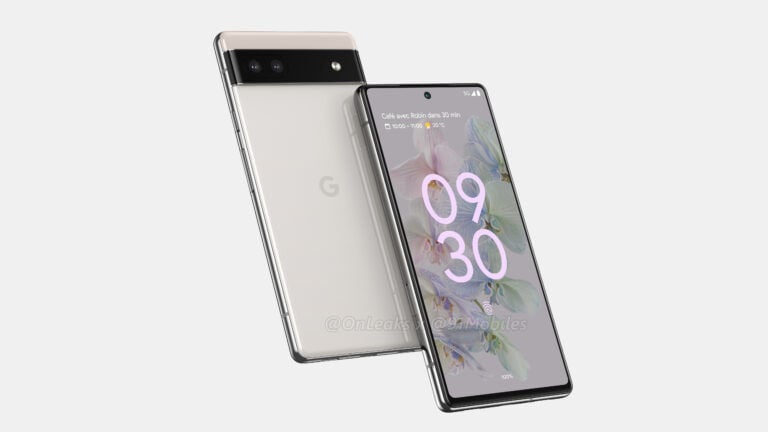
Google Pixel 6a
The specifications of the Google Pixel 6a smartphone have already been leaked. Now, a new report claims that some of the key specifications on the smartphone will be weaker compared to the previous leaks.
It claims that the phone’s display will measure a 6.2-inch Full HD+ OLED display with a refresh rate of 90Hz. Previous;y, it was said to be a 120Hz refresh rate, but the 90Hz makes more sense as the Pixel 6 also offers the same refresh rate.
The battery capacity on the Pixel 6a smartphone is expected to be 4,500nAh capacity and has support for 25W fast charging. Earlier, it was expected to come powered by a 4,800mAh battery and support 30W fast charging.
Internally, the device is said to use Google’s Tensor chipset, which is the same processor which powers the Pixel 6 and 6 Pro phones. It is expected to have only one memory variant with 6GB of LPDDR4X RAM and 128GB of internal storage.
In the camera department, the phone will use the same cameras that we have seen on the Pixel 5 series and the Pixel 6 series, which is Sony IMX363. The phone will be running the latest Android 12 operating system out-of-the-box. We expect the full specifications, features, pricing, and availability details of the Google Pixel 6a in the coming days.
Realme is working on a new smartphone called the Realme GT Neo3T. The name has surfaced in the database of Thailand’s NBTC certification site. The Neo3T, as the name suggests, will succeed the Dimensity 1200 powered Realme GT Neo2T from last year.
The NBTC certification, which was first spotted by tipster Mukul Sharma, shows that the Realme phone with the RMX3371 model number will be debuting with the Realme GT Neo 3T name. Apart from appearing on NBTC, the device has been previously spotted on other certification platforms such as BIS (India) and TKDN (Indonesia).
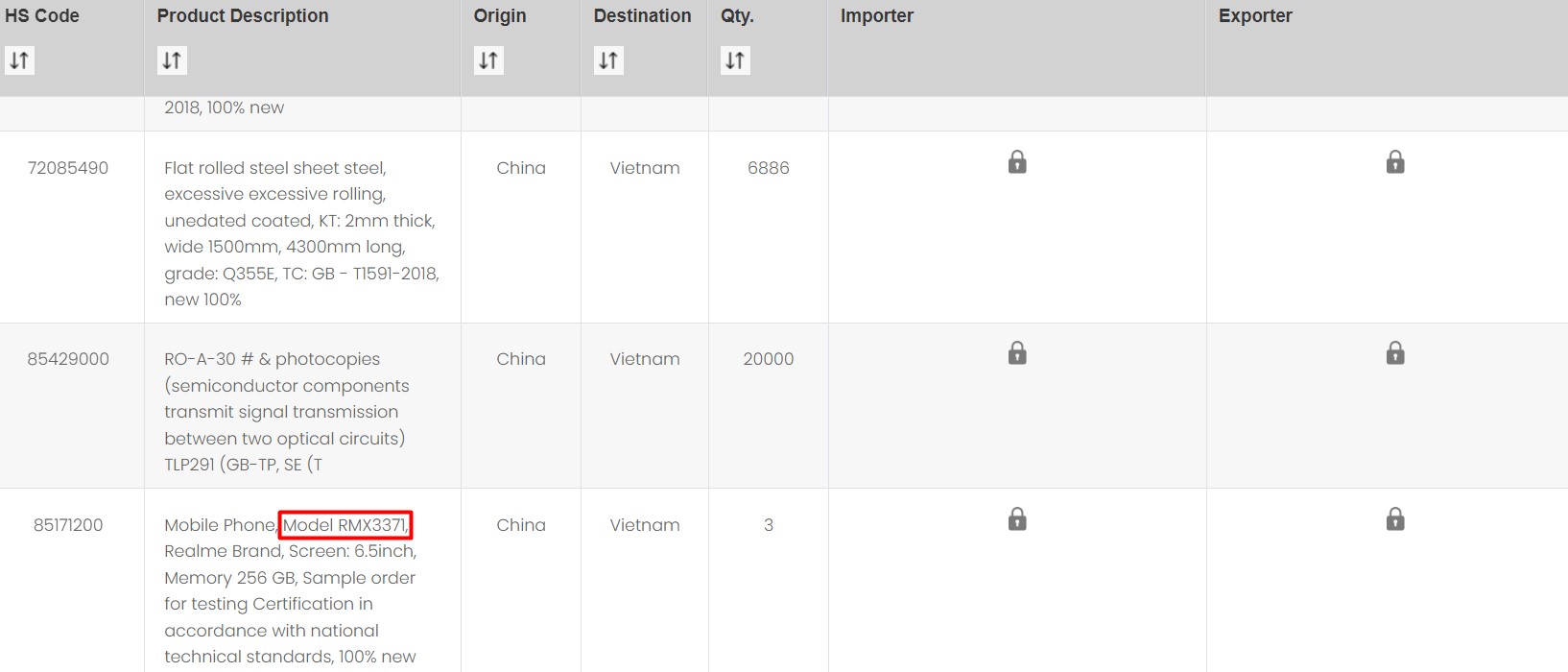
The details of its cameras have surfaced in the database of the Camera-V5. In addition, it has also been found listed on Volza (via. Abhishek Yadav) which provides global export / import trade data. The Volza listing has revealed its screen size and storage capacity. Here is all the information about the GT Neo3T that is known so far.
Realme GT Neo3T specifications (rumored)
While the BIS certification does not reveal anything about the GT Neo3T, the NBTC certification confirms that it is a 5G-enabled device. The Volza listing reveals that the smartphone could be equipped with a 6.5-inch display but does not confirm whether it has an LCD or AMOLED screen.
The Volza listing also reveals that the Realme GT Neo3T has 256 GB of onboard storage. The Camera-V5 listing suggests that the smartphone is equipped with a 64-megapixel main camera on the back and a 16-megapixel front-facing camera. It is advisable to wait for further reports to learn its other specifications.
To recall, the predecessor GT Neo2T featured a 6.43-inch AMOLED FHD+ 120Hz display with an in-screen fingerprint scanner, a 16-megapixel front camera, and a 64-megapixel (main) + 8-megapixel (ultrawide) + 2-megapixel (macro) triple camera unit. The D1200 powered phone offered up to 12 GB of LPDDR4x RAM, up to 256 GB of UFS 3.1 storage, and a 4,500mAh battery with 65W charging.
Although Apple’s latest iPhone 13 series is widely regarded as a solid flagship for the price, the phone still has several compromises for its price, such as its legacy Lightning port, the absence of Touch ID, the missing 3.5mm headphone jack and its hideous notch in the middle of the display.
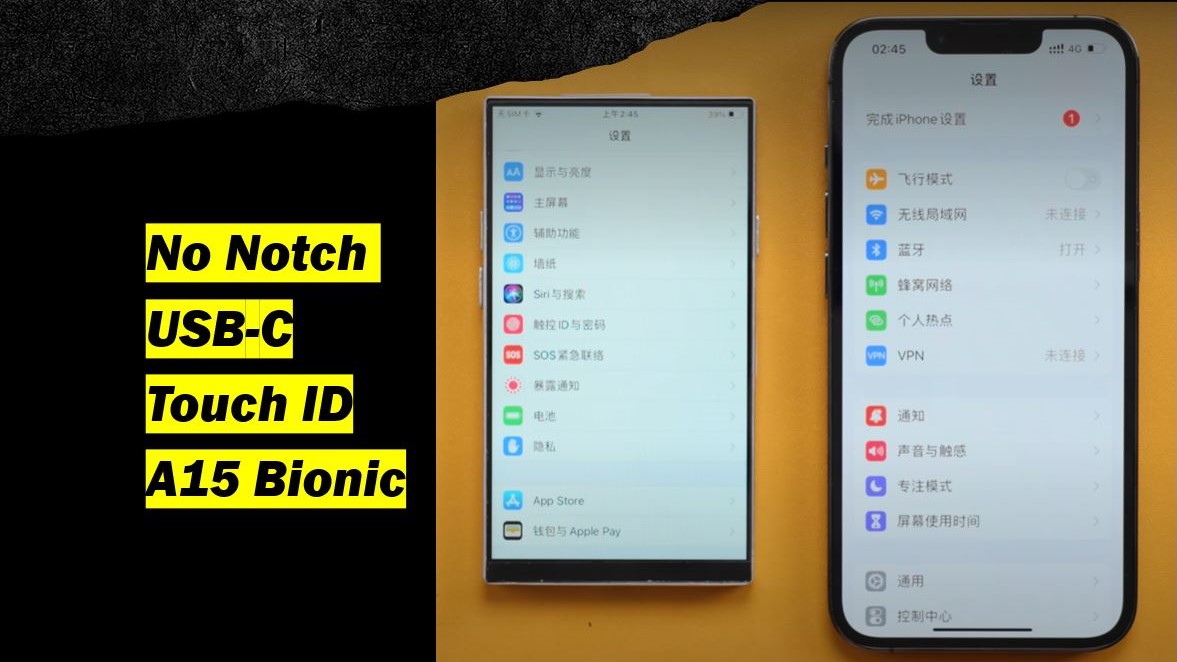
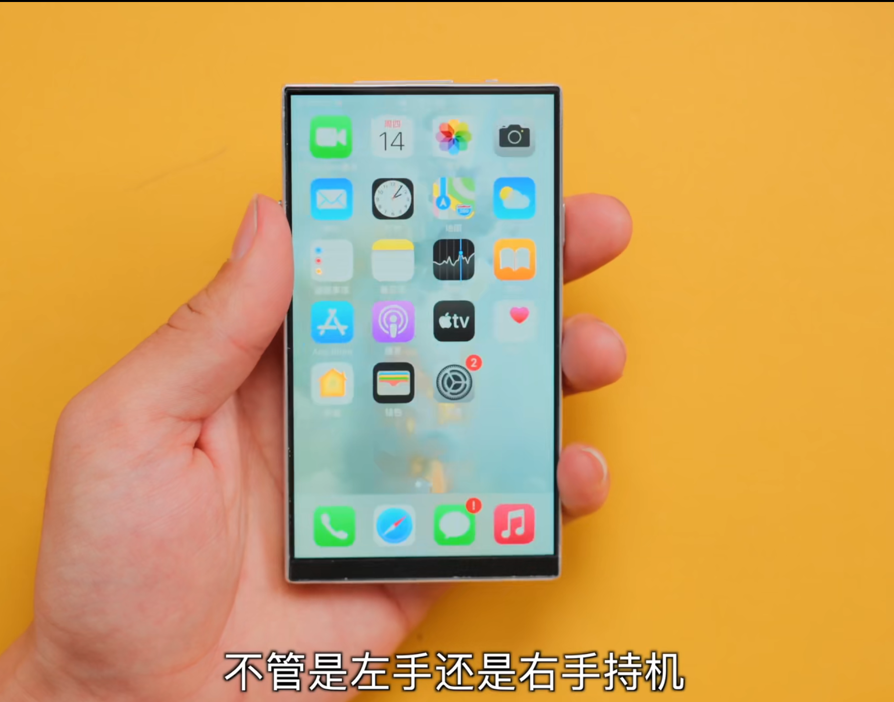
But as people say “If you want a thing, you gotta do it yourself”, and this Chinese DIY Electronics Youtuber, Aio Technology, has taken the motto to the next level, as he has created himself the fully-functioning “New iPhone” that has a USB-C port, a 3.5mm headphone jack, a pop-up selfie camera, Touch ID and most importantly of all, no notch!
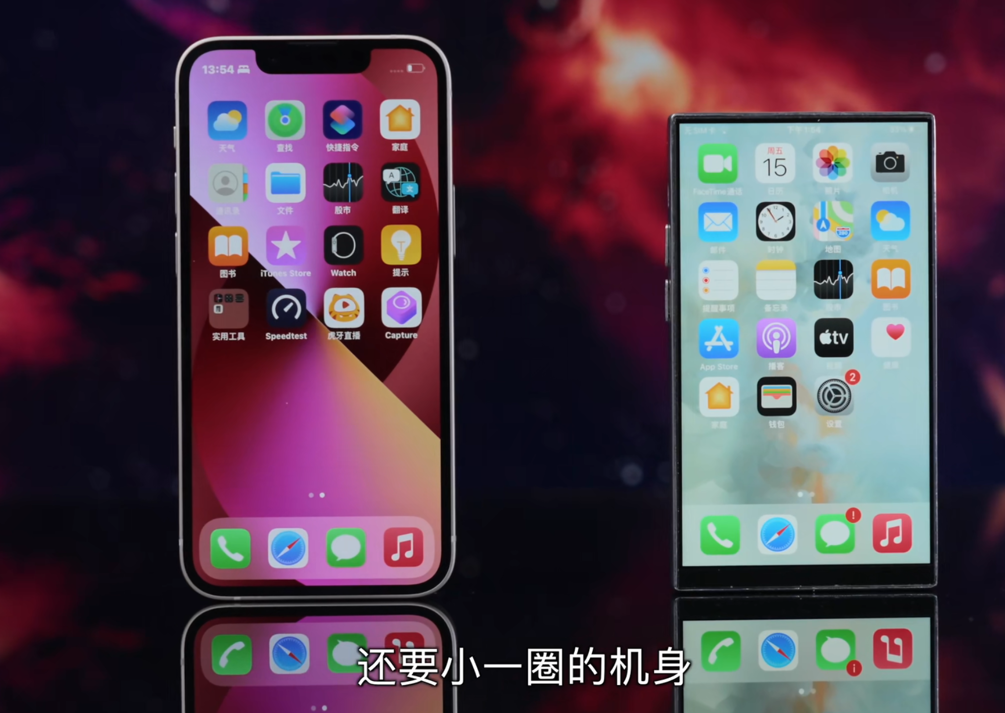
The “New iPhone” with no notch next to the iPhone 13 Mini
What makes this achievement more astounding is that the “New iPhone” that he had created features the same Apple A15 Bionic SoC with 5G connectivity found on the iPhone 13 series, so you are not sacrificing performance at all when using the device.
Let’s start with how he made this iPhone. The creator said that to make this “New iPhone”, he had to buy the latest generation of the iPhone SE (2022) which was equipped with the 4.7-inch display and 5G processor that he needed for this project. Indirectly, the iPhone SE 3rd Generation featured the Apple A15 Bionic processor paired with the 4GB RAM, which allowed the device to easily power through daily tasks with no stutters at all.
As for the design of this “New iPhone”, to fully make use of the screen, the creator made a rectangular aluminium casing with minimal bezels for the LCD display panel to fit in. In pursuit of the truly bezel-less iPhone, the “New iPhone” features a flat-screen non-curved display that has top, left and right side bezels almost as thin as 1mm.
However, he didn’t stop there, he wanted this “New iPhone” project to go even further. Since there was no more space left on the home screen for Touch ID, the creator decided to embed the fingerprint sensor into the side-mounted power button.
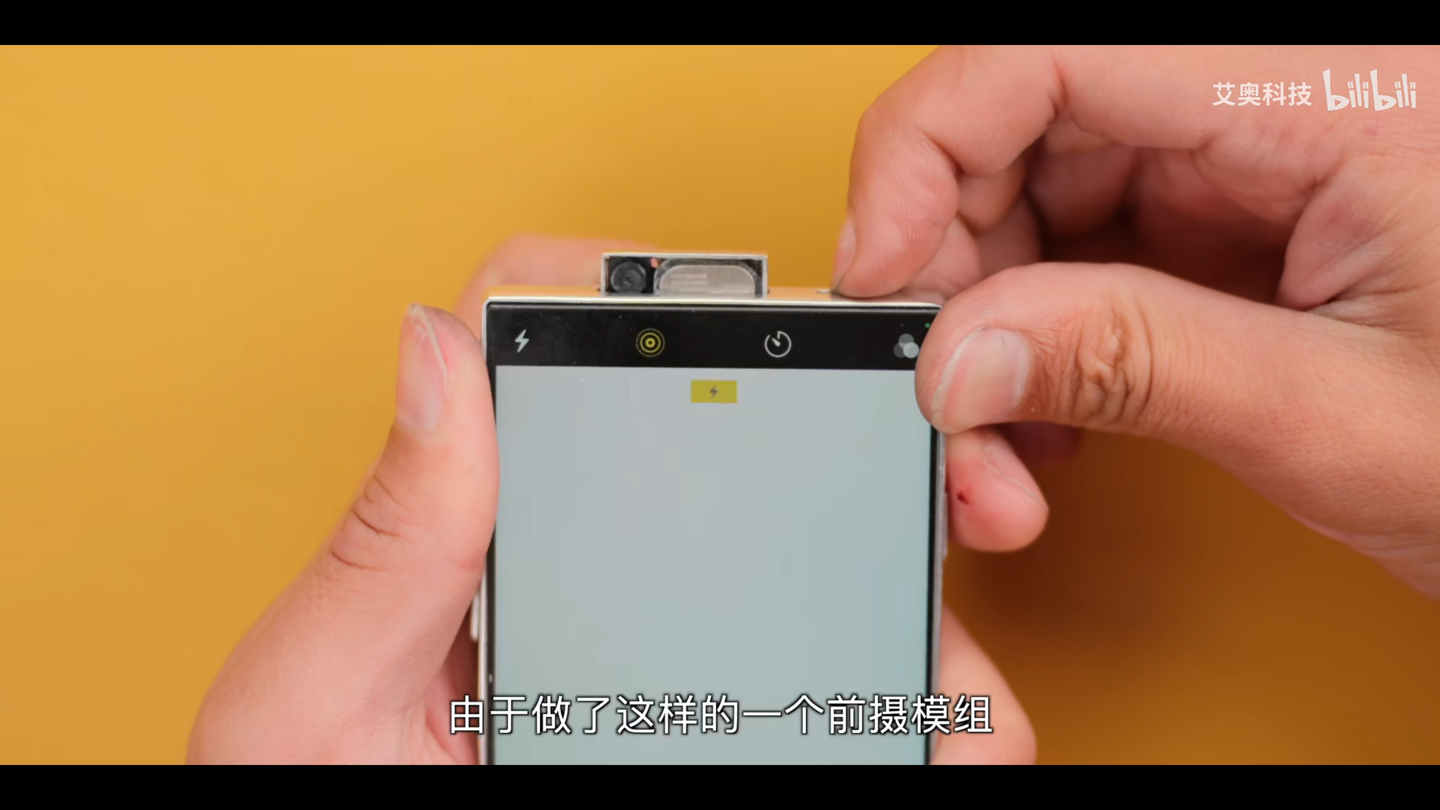
And since there was no room for the front-facing selfie camera as well, the mad lad had even created a dedicated pop-up motor mechanism as well just to house the selfie camera!
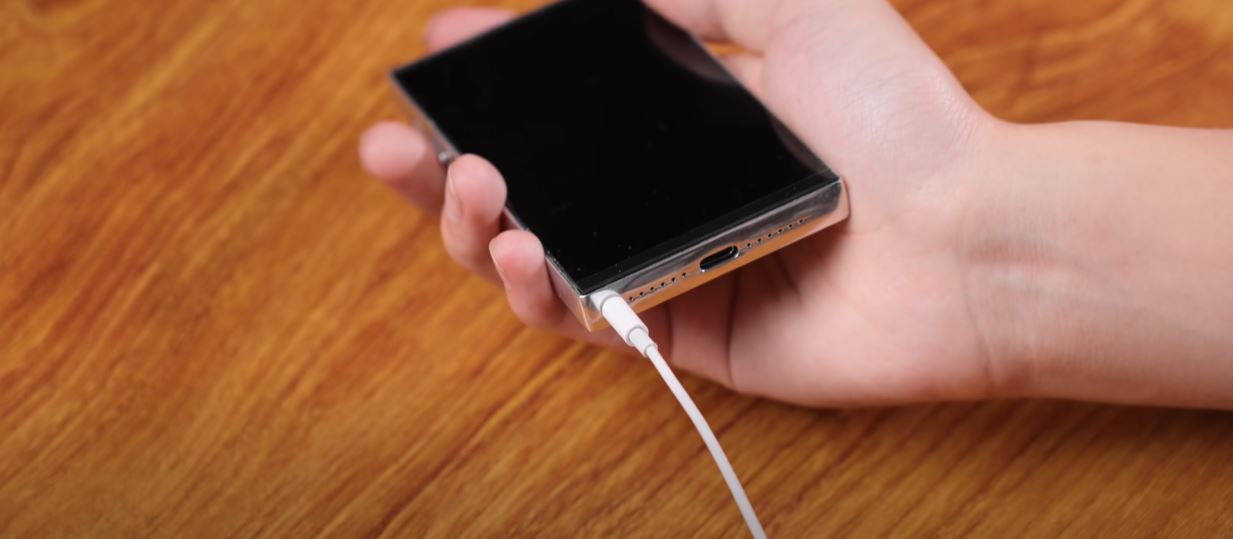
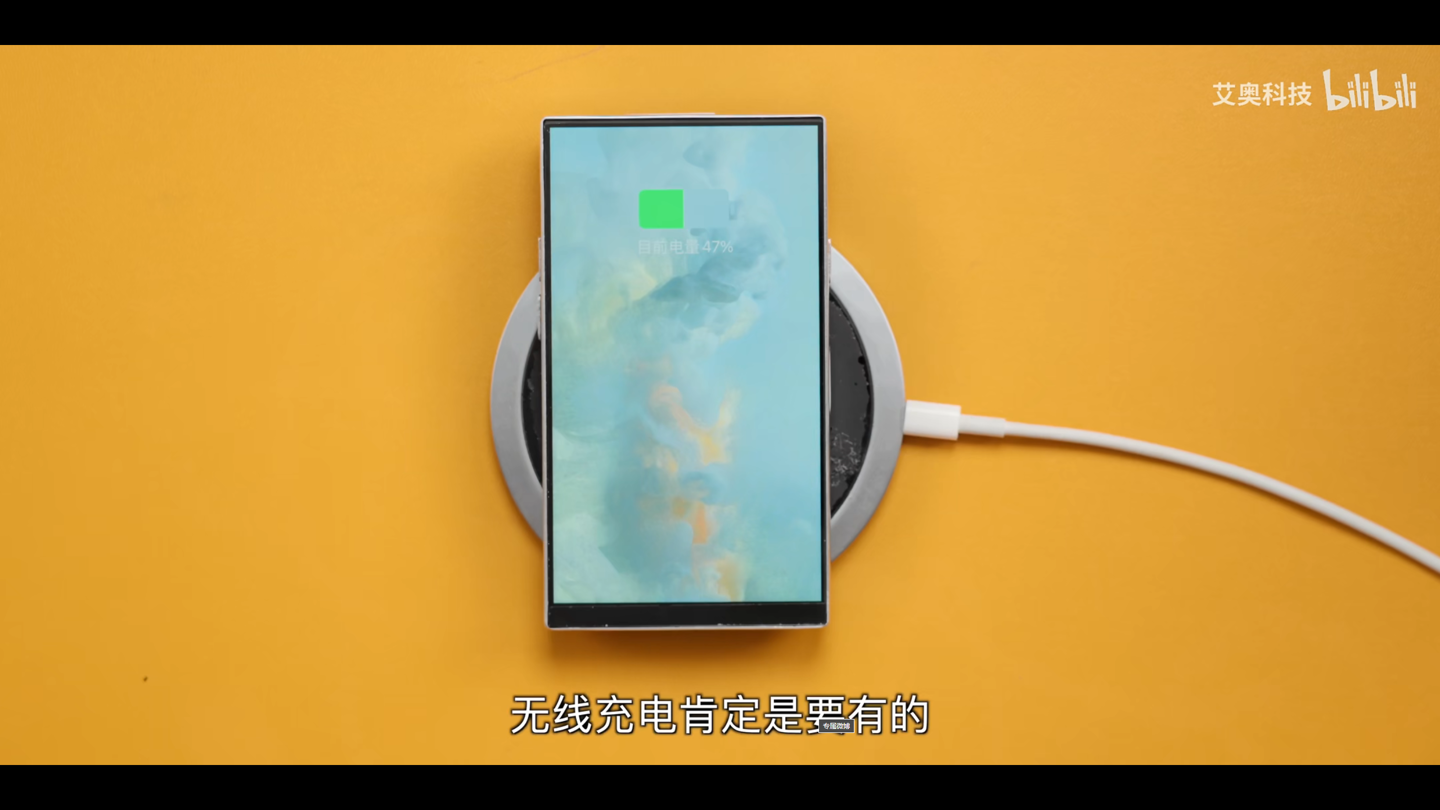
Taking the dream a step further, since he also wanted a no-compromise iPhone, he had swapped out the iPhone SE 3’s battery for the larger capacity one on the iPhone X, and the lightning port for a USB-C port. Despite all the modifications above, the man still managed to find space left to fit a 3.5mm headphone jack and wireless charging into the “new iPhone”.
The end product of this project is truly nothing short of extraordinary, as not only this 4.7-inch bezel-less “New iPhone” is smaller than the iPhone 13 Mini, it features the long-gone headphone jack, USB-C port, and even a larger battery than on the iPhone SE 3rd Generation (2022).
iPhone 13 Mini next to new iPhone
Unfortunately, this “New iPhone” is not available for sale and probably won’t ever reach the market. However, there have been recent rumours of Apple implementing USB-C in its next iPhone 14 series like the iPad Air 4 (2020) and iPad Mini 5 (2021).
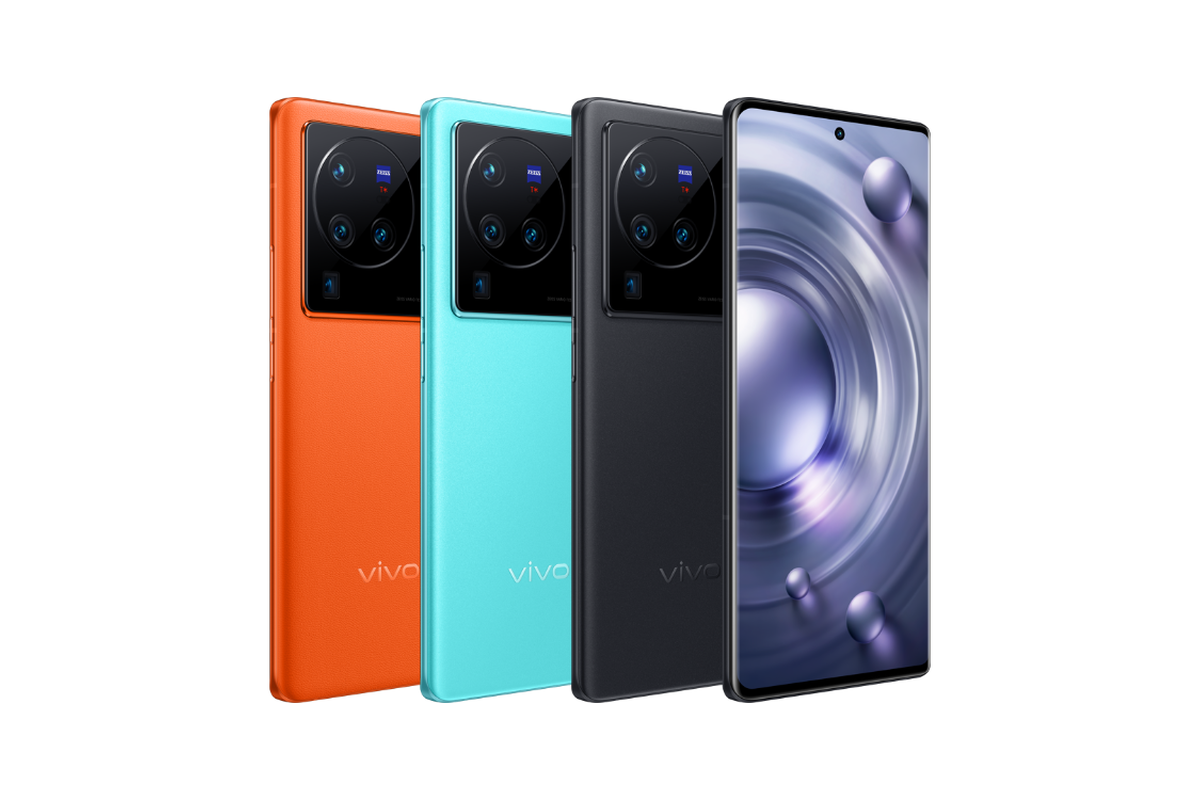
Vivo will be unveiling the Vivo X80 and X80 Pro smartphones on May 18 in India. Both phones have already been launched in China and global markets. New reports by MySmartPriceand Pricebabahave revealed the configurations, color options, and pricing of the X80 series for India.
Vivo X80 series configurations, color options
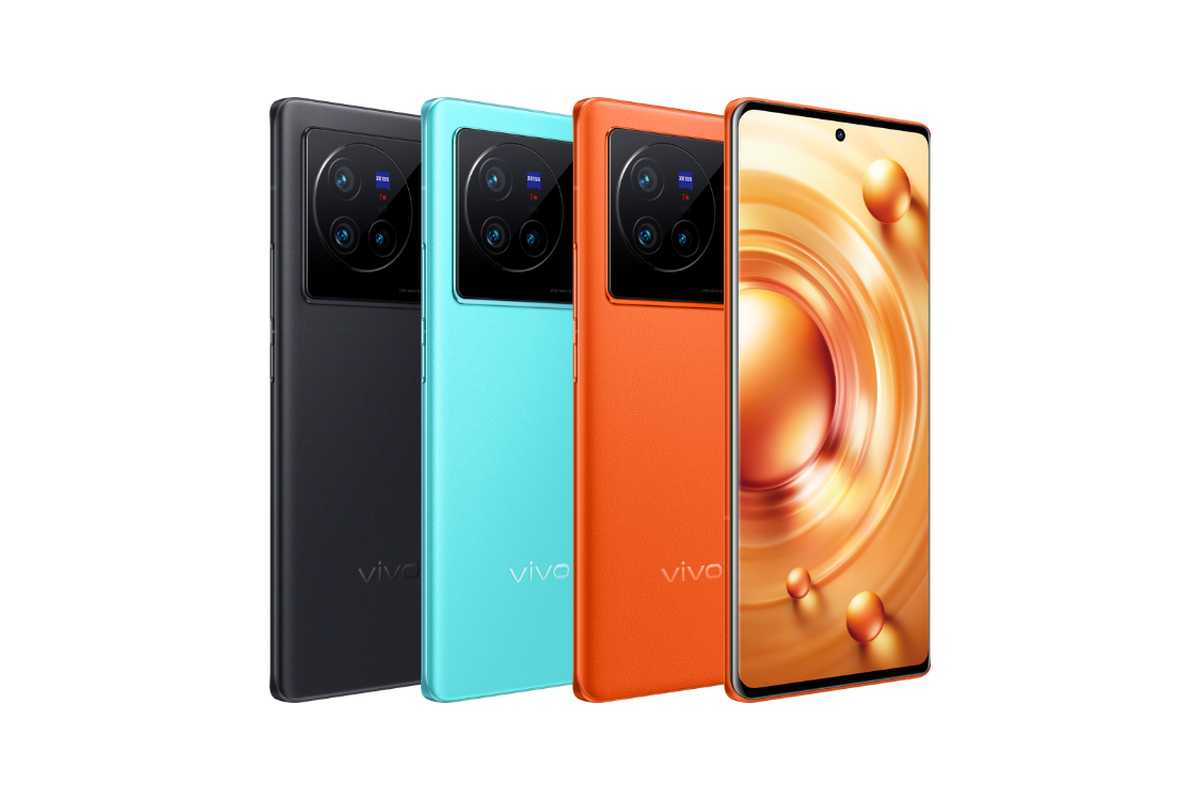
The new leaks reveal that the Vivo X80 will be arriving in two variants, such as 8 GB RAM + 128 GB storage and 12 GB RAM + 256 GB storage. It will come in Cosmic Black and Urban colors.
Vivo X80
On the other hand, the Vivo X80 Pro will come in a single trim with 12 GB of RAM and 256 GB of built-in storage. It will come in one color only: black. It appears that India will not be receiving the orange edition of the X80 and X80 Pro that are available in China.
There is no information on the pricing of the Vivo X80 Pro. However, the X80 is expected to carry a retail box price of Rs 56,990 (~$736). This means that the smartphone may have a much lower selling price.
Vivo X80 Pro
In China, the Vivo X80 Pro is available in two chipset variants, such as Snapdragon 8 Gen 1 and Dimensity 9000. It appears that India will only receive the SD8G1 edition of the Pro model. The vanilla X80 is expected to arrive as India’s first phone powered by the Dimensity 9000 chipset. The rest of the specs of the X80 series for India could be identical to the Chinese variants. However, instead of the OriginOS UI available on the Chinese models, the Indian variants will offer the FunTouch OS 12 experience. Like the predecessor models, the X80 lineup heading to India will offer a stellar photography experience.
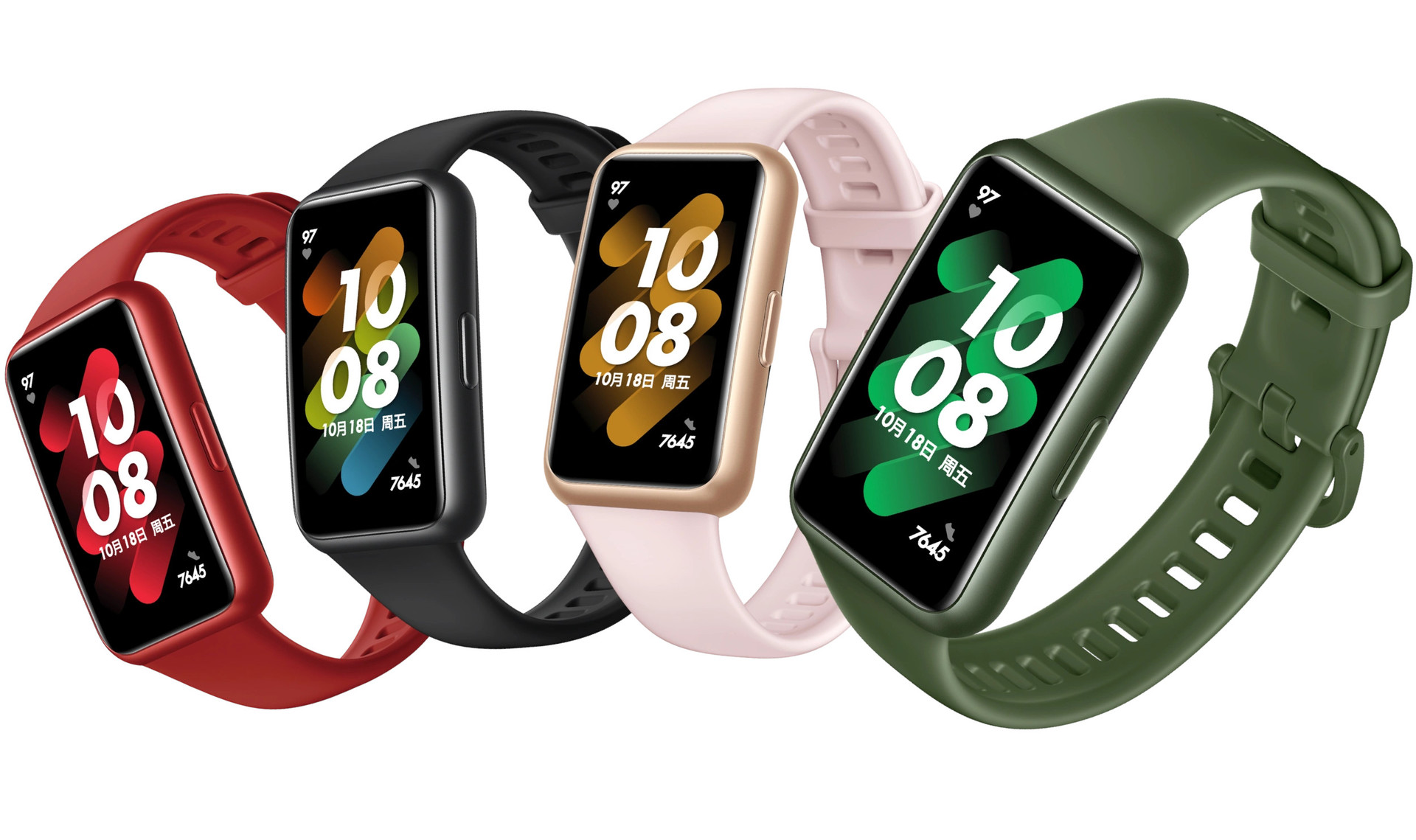
A few days ago, Huawei launched its latest wearable device in the Chinese market — Huawei Band 7. The device, which is touted as the brand’s thinnest fitness tracker so far, is now available for purchase in China.
The wearable product comes in two variants — Standard and NFC. The standard model is priced at 269 yuan (~$40), while the NFC model costs 309 yuan (~$46). It comes in four color options – Wild Green, Flame Red, Obsidian Black, and Nebula Pink.
The Huawei Band 7 features a 1.47-inch AMOLED display supporting 194 x 368 pixels screen resolution. Thanks to the AMOLED panel, the device offers an Always-On display feature that enables having watch access without consuming much energy.
It comes with multiple sensors like an accelerometer, gyro sensor, and heart rate sensor. It also houses a SpO2 sensor which can help users detect signs of sleep apnea by monitoring their blood-oxygen levels during sleep.
As for the health and fitness-related features, the smart wearable device features 96 sports modes, including swimming, and can track the number of calories the user has burned during their workouts and sports activities.
The device has 5ATM protection meaning it can withstand the wearer diving around 50 meters underwater. Coming to the battery life, the company claims that with a full charge, the battery on the Huawei Band 7 will last up to 14 days.
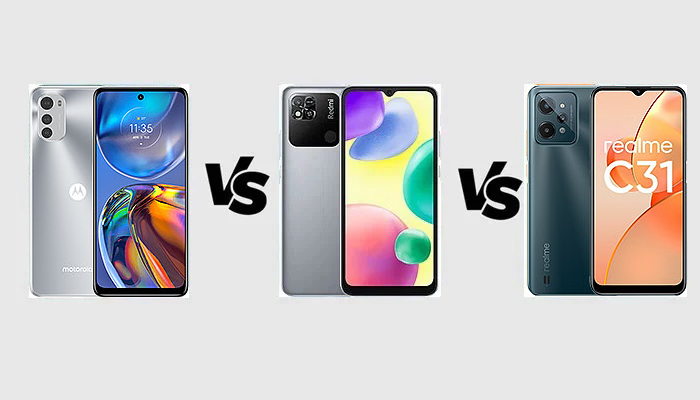
The latest entry-level phones from mainstream Chinese brands are very interesting devices. Some of them come with an attractive design, each of them sports a huge battery, and most of them is even providing good performance thanks to the latest entry-level chipset by MediaTek and Unisoc. This is a comparison between the specifications of three devices which we consider among the greatest entry-level phones in the current period. We are talking about the Motorola Moto E32, the Redmi 10A by Xiaomi’s sub-brand, and the Realme C31.
Motorola Moto E32 vs Xiaomi Redmi 10A vs Realme C31
Triple 16 + 2 + 2 MP, f/2.2 + f/2.4 + f/2.4
8 MP f/2.0 front camera
Single 13 MP
5 MP front camera
Triple 13 + 2 + 0.3 MP, f/2.2 + f/2.4 + f/2.8
5 MP f/2.2 front camera
BATTERY
5000 mAh, fast charging 18W
5000 mAh
5000 mAh
ADDITIONAL FEATURES
Dual SIM slot
Dual SIM slot
Dual SIM slot
Design
The design of the Motorola Moto E32 is too good to be a design of an entry-level phone. First of all, it comes with a punch-hole display instead of an ugly waterdrop notch. The rear side looks clean and elegant with that small camera module sporting the same color as the rest of the rear side. Further, the smartphone is water-repellent, which will be great for those who want to use their phone in the rain. Another device with a stunning rear side is definitely the Realme C31, reminiscent of Realme’s flagships such as the GT 2. The Redmi 10A is not so beautiful with that huge camera isle and thick bezels around the display including a waterdrop notch.
Display
The image quality provided by the displays of these phones is more or less the same. They are three IPS LCD panels with diagonals around 6.5 inches and an HD+ resolution of 720 x 1600 pixels. Nothing special, but they are sufficient for most of the people out there. The phone which wins the comparison is the Motorola Moto E32 because it is the only one with an above-average refresh rate: it goes up to 90 Hz for a smoother viewing experience. This device and the Realme C31 come with a side-mounted fingerprint reader, while the Redmi 10A has a rear-mounted biometric sensor.
Hardware/Software
The most convincing hardware department belongs to the Xiaomi Redmi 10A. It is fueled by the MediaTek Helio G25 chipset which provides higher CPU and GPU performance than the Unisoc chipsets found in its two rivals. Further, it offers up to 6 GB of RAM and up to 128 GB of internal storage, way more than the highest-end memory configuration of the Redmi 10A and the Realme C31 stopping at 4 GB of RAM and 64 GB of native storage. The silver medal goes to the Realme C31 sporting a Unisoc Tiger T612 chipset, up to 4 GB of RAM, and up to 64 GB of UFS 2.2 internal storage. All of these phones run Android 11 out of the box.
Camera
The best cameras belong to the Motorola Moto E32. First of all, it has a better 16 MP main camera. Further, it comes with two secondary sensors with 2 MP resolutions for macros and depth calculation, as well as a better 8 MP selfie camera. The Redmi 10A has just one single 13 MP shooter, while the Realme C31 has a 13 MP camera, a 2 MP macro lens, and a useless 0.3 MP depth sensor.
Battery
The batteries have exactly the same capacity: 5000 mAh. These phones should provide almost the same battery life because the components have more or less the same efficiency. But the Motorola Moto E32 is the only one with fast charging support.
Motorola Moto E32 vs Xiaomi Redmi 10A vs Realme C31: Price
You need at least €150/$160 for the Motorola Moto E32 and the Realme C31, while the Redmi 10A starts from €100/$105. The Motorola Moto E32 wins the comparison thanks to a higher refresh rate, better cameras, and fast charging, but you should consider that it is the worst one in terms of performance. The best hardware is provided by the Redmi 10A but all the other specifications are inferior, while the Realme C31 sits right in the middle between its two rivals.
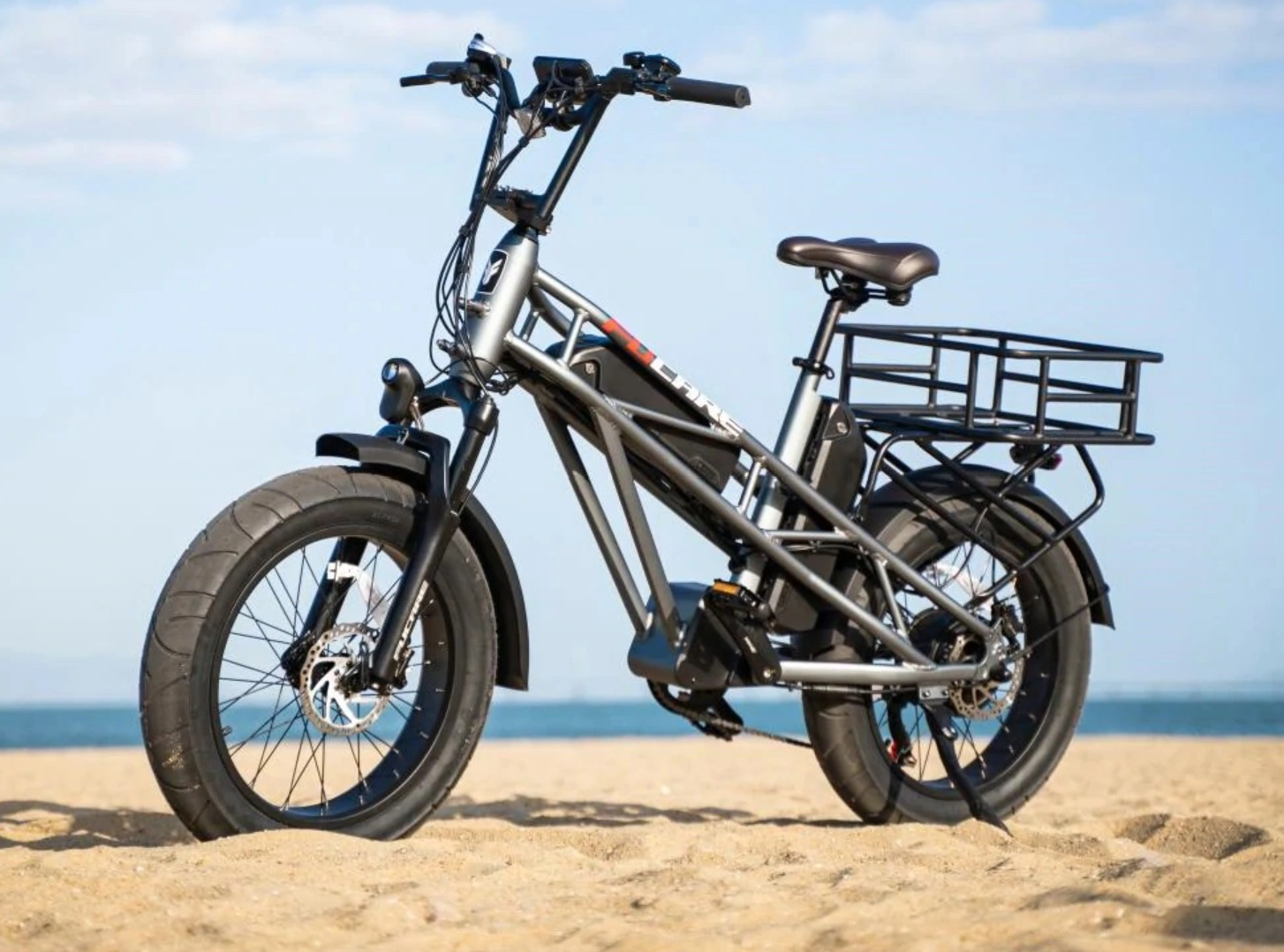
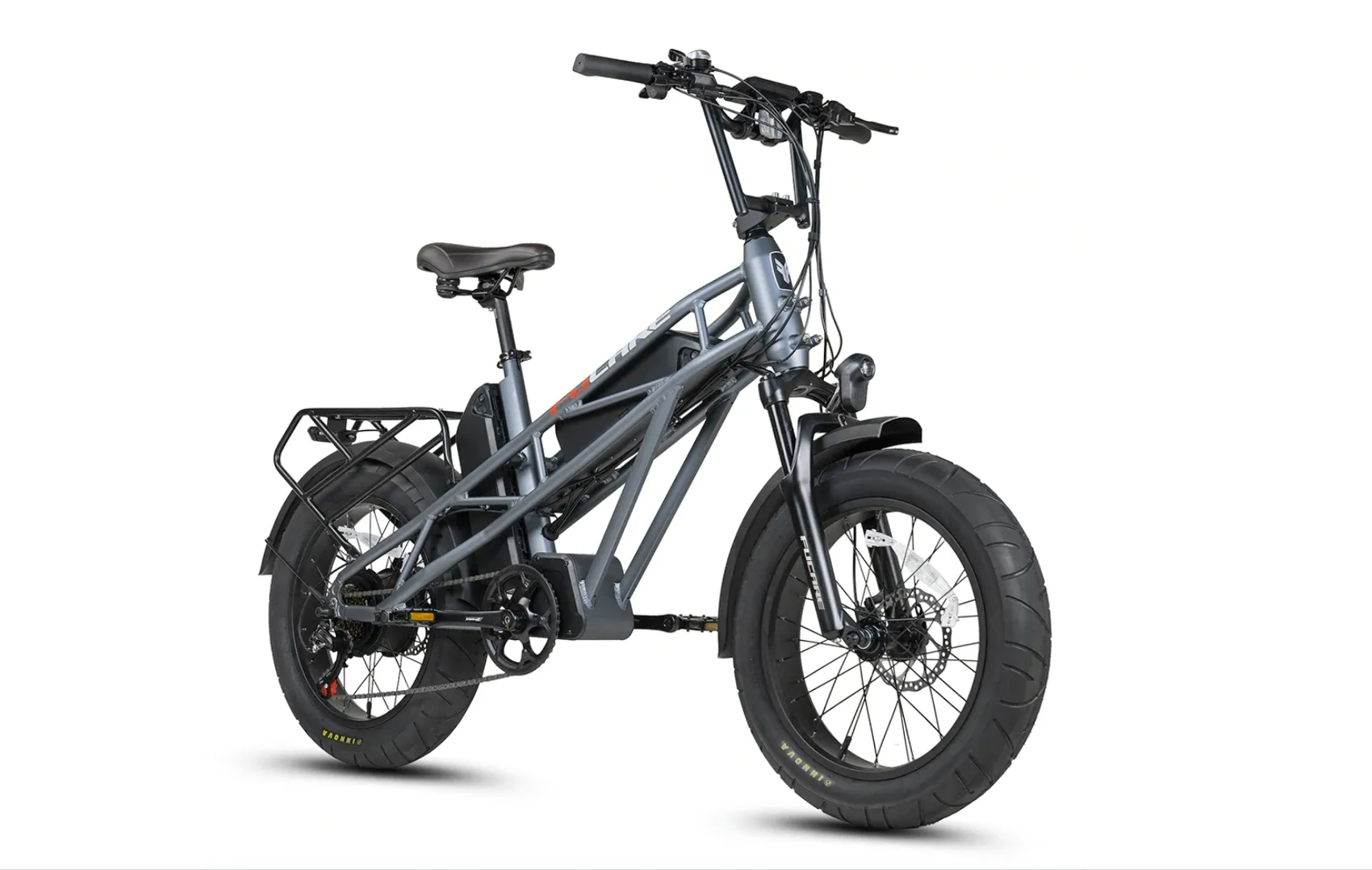
Chinese e-bike maker Fucare has unveiled its powerful and wild-looking Gemini X electric bike that looks well-suited for urban and rough terrains. The Gemini X has a trellis-style frame and offers excellent features that put it as a fast Class 3 e-bike. The Gemini X has a top speed of 28mph (~45km/h) and offers dual batteries for an extended range.
The Fucare Gemini X electric bike can carry loads up to 181kg which is a rarity with current e-bikes. The frame design is a combination of a truss bridge and Erector Set. The frame’s narrow diameter tubes wrap around the 48V battery at the front.
The second battery is located just under the seat and both batteries offer a combined capacity of 20.8Ah and 55 miles range. The range is further extended to 80 miles with pedal assist. Thanks to its 750W rear hub motor, the Gemini X can get to a top speed of 28mph under pedal assist. The top speed when deploying throttle-only locomotion is 20mph.
Other great features in the Gemini X are its 7-speed Shimano transmission, its spring fork front suspension, a 5.3-inch color display, and a USB port for charging devices. The two wheels have hydraulic disc brakes for maintenance-free braking performance. The wheels are wrapped with 4-inch rubber covering for the tires. The tires have a diameter of 20 inches and offer improved maneuverability.
The Gemini X is priced at $1,899 for the base model while the step-through model is more expensive. The Gemini X Class 3 electric bikes are legally allowed on US streets, while also capable of moving in more demanding terrain.
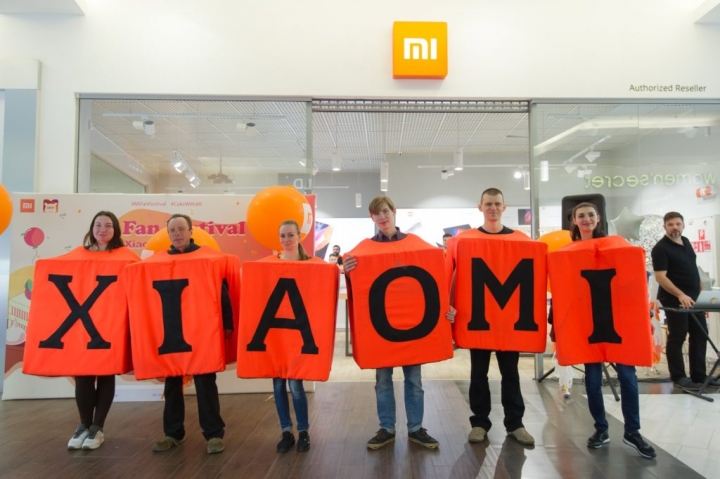
Xiaomi India has leveled an allegation of threats of physical violence by the agency investigating its royalty payments in the country. The company alleged that its top executives were threatened with physical violence during an investigation by India’s financial crimes watchdog. Xiaomi is also alleging that the agency employed coercion in its quest to unjustly nail the company. These claims were from a court filing by the company.
The exclusive details about Xiaomi’s accusations against India’s Enforcement Directorate were first reported by Reuters. The court documents stated that both the former India managing director and the current Chief Financial Officer were warned of dire consequences during questioning. The duo was being coerced by the Directorate to submit certain documents. However, the Enforcement Directorate has issued a strong rebuttal of the claims of threats issued by its officials during the interrogation. The financial watchdog stated that Xiaomi’s claims were untrue and baseless. It further stated that the company executives had deposed voluntarily in a very conducive environment.
The court filing by Xiaomi was dated May 4 and is the latest twist in the matter relating to royalty payments by the company in India. The agency says Xiaomi remitted about $725 million in dubious royalty payments abroad. Xiaomi continues to deny any wrongdoing, saying that its royalty payments were legitimate and truthful. It feels it was unfairly targeted in the investigation. Already, the court had put on hold, the freezing action on Xiaomi’s bank accounts by the financial watchdog. The next hearing has been fixed for May 12.
We use cookies on our website to give you the most relevant experience by remembering your preferences and repeat visits. By clicking “Accept”, you consent to the use of ALL the cookies.
This website uses cookies to improve your experience while you navigate through the website. Out of these, the cookies that are categorized as necessary are stored on your browser as they are essential for the working of basic functionalities of the website. We also use third-party cookies that help us analyze and understand how you use this website. These cookies will be stored in your browser only with your consent. You also have the option to opt-out of these cookies. But opting out of some of these cookies may affect your browsing experience.
Necessary cookies are absolutely essential for the website to function properly. This category only includes cookies that ensures basic functionalities and security features of the website. These cookies do not store any personal information.
Any cookies that may not be particularly necessary for the website to function and is used specifically to collect user personal data via analytics, ads, other embedded contents are termed as non-necessary cookies. It is mandatory to procure user consent prior to running these cookies on your website.